
Haisstronica • Solder Seal · DIY & Pro Wiring
What Solder Seal Wire Connectors Actually Do (solderstick basics)
Let’s start in the “clear tube” and look at what’s going on.
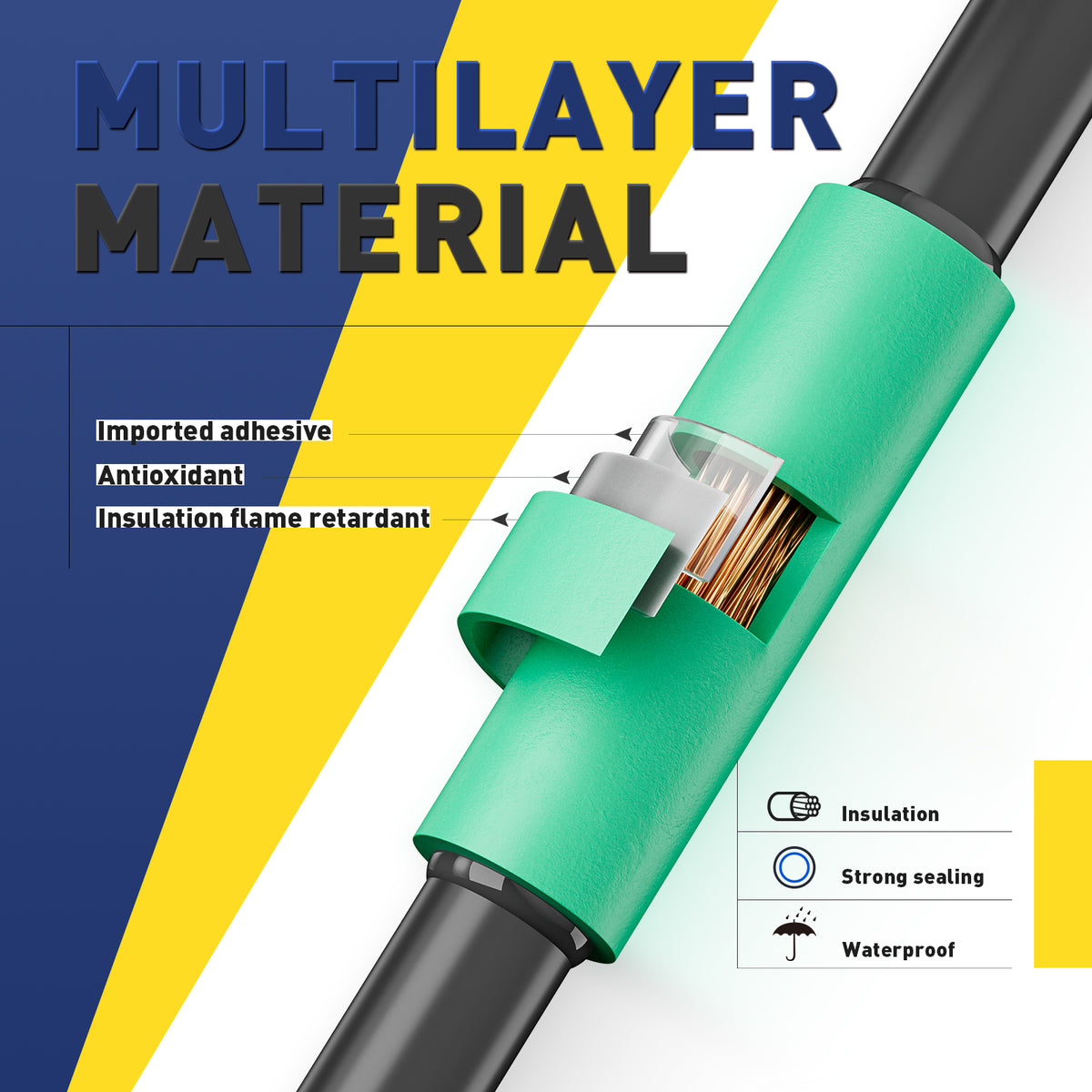
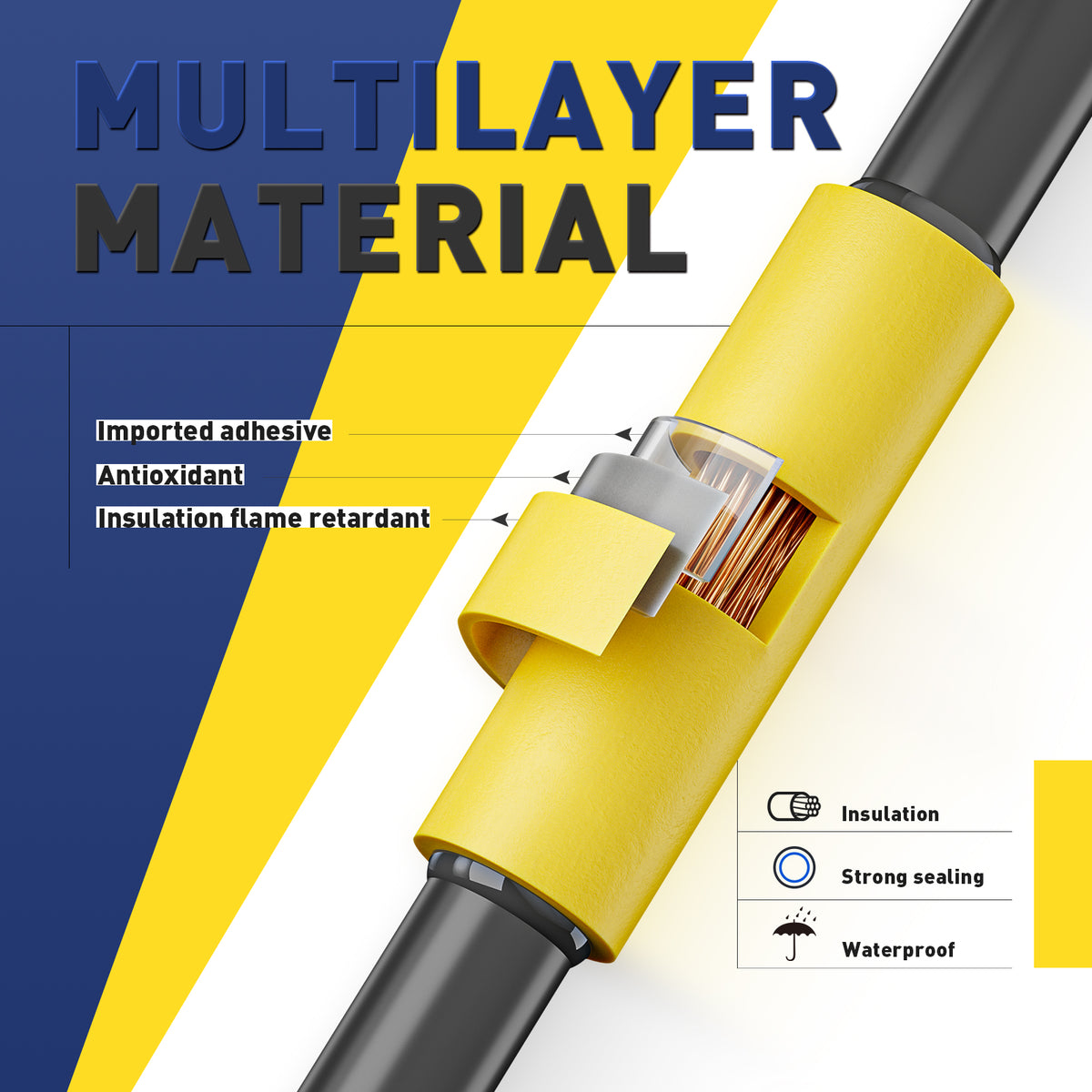
A solder seal wire connector (often sold as solder sleeves, solderstick connectors, or heat shrink solder sleeve joints) is basically three things in one:
-
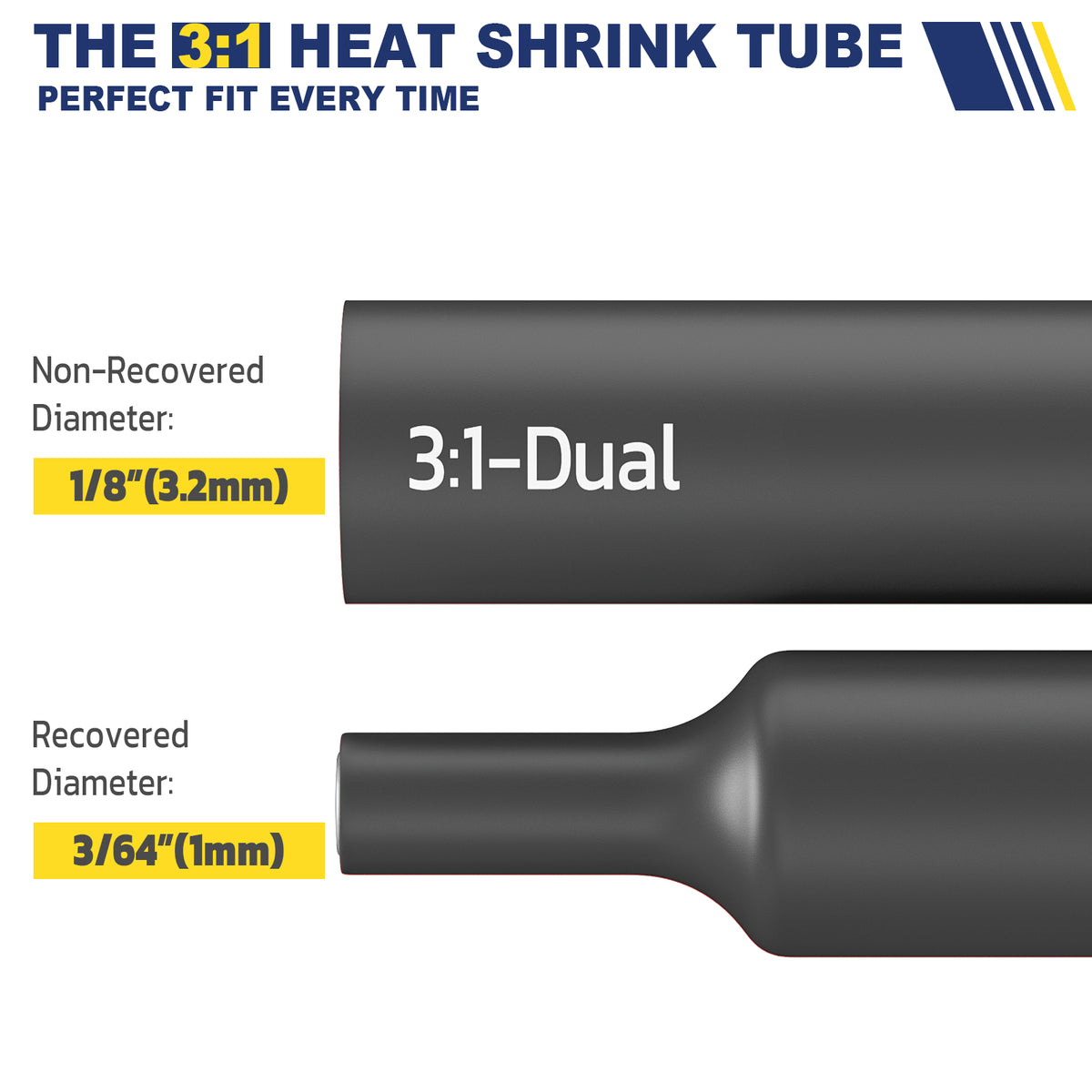
Heat-shrink tubing – usually a polyolefin sleeve that shrinks when heated.
-
A low-temperature solder ring – a band of solder (your “solder sticks” inside the connector) with a relatively low solder melting point so you can melt it with a heat gun, not a full soldering iron.
-
Adhesive/“goo” rings – solder shrink sleeves with hot-melt adhesive at each end that act like a built-in wire sealant / wire sealer when they flow.
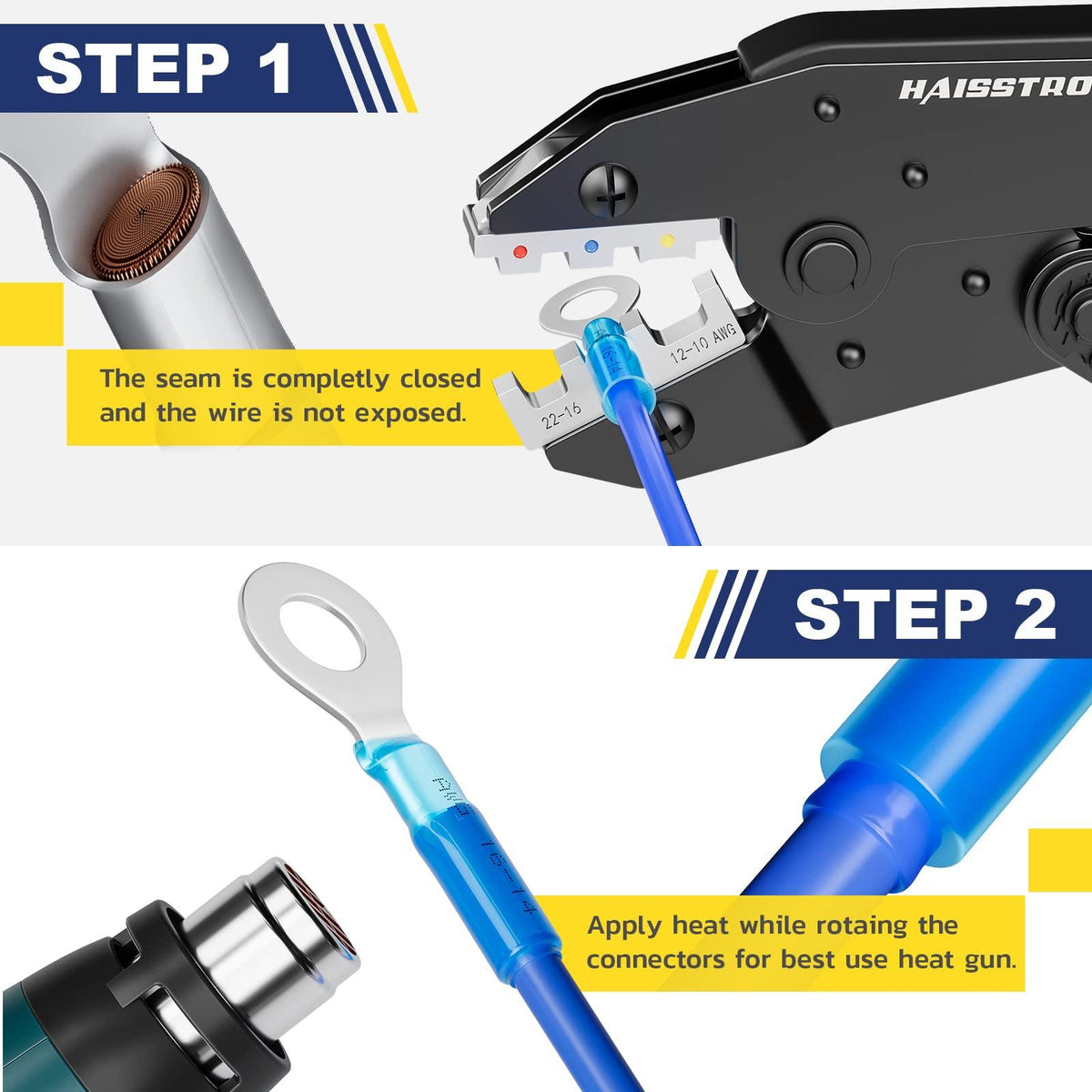
When you slide two stripped conductors inside and apply heat:
-
The sleeve shrinks and grips the insulation.
-
The solder ring melts and wicks into the strands, creating a solder wire splice.
-
The adhesive flows and seals wire insulation, turning the joint into a small, sealed connector that resists moisture, road spray and, in marine use, salt.
Well-made connectors aim to meet the same sort of performance ideas you see in harness standards like IPC/WHMA-A-620: fully wetted solder, good mechanical strength, and complete environmental sealing.
Where this matters
Used correctly, quality solder sleeves can give you:
-
Electrical continuity similar to a hand-soldered splice.
-
Mechanical strength suitable for many automotive and 12V circuits.
-
Environmental sealing approaching dedicated sealed crimps and sealed electrical connectors, especially in low-voltage and marine harnesses.
But the key words are quality and correctly — cheap connectors with thin solder terminals and weak adhesive don’t seal properly and can crack.
Haisstronica plug:
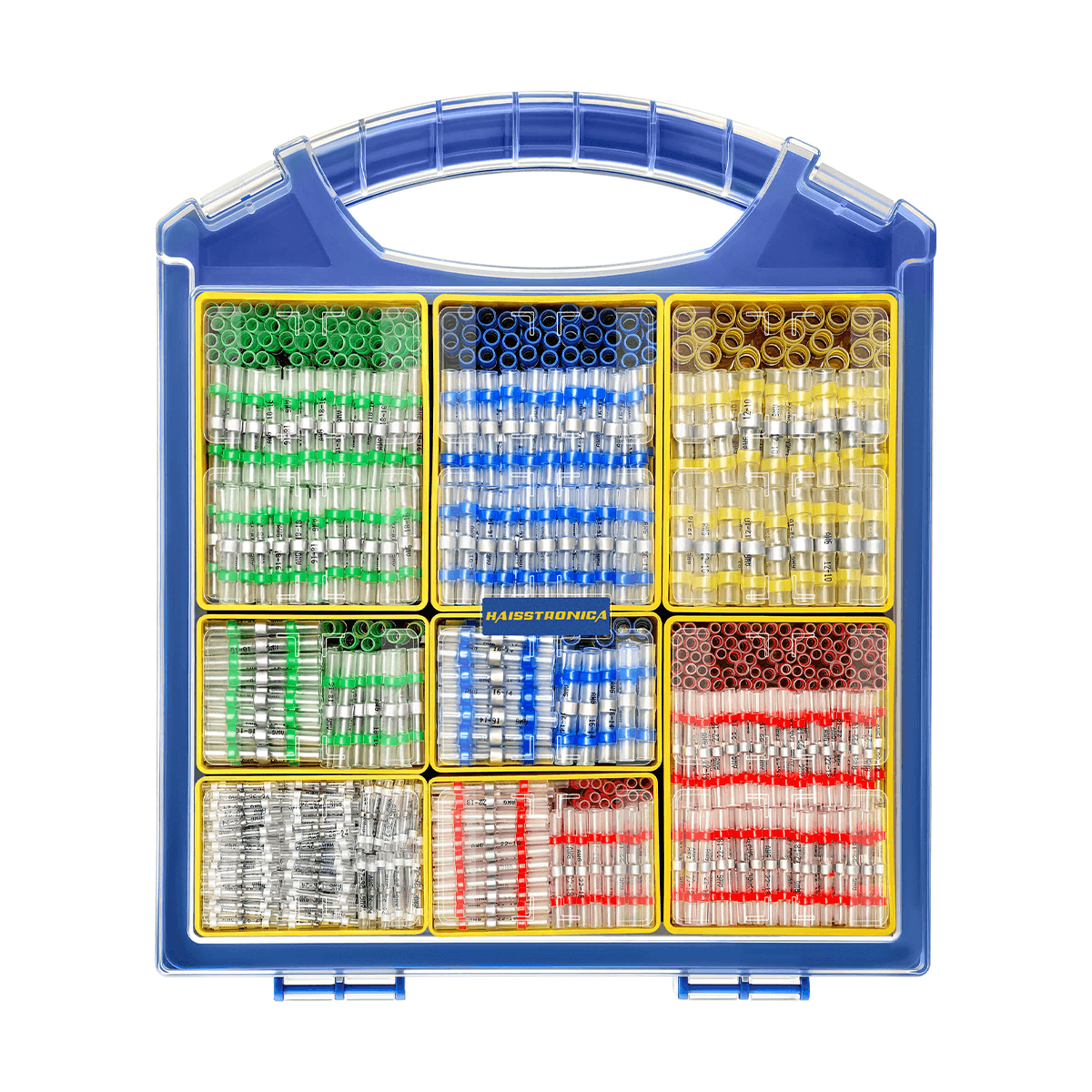
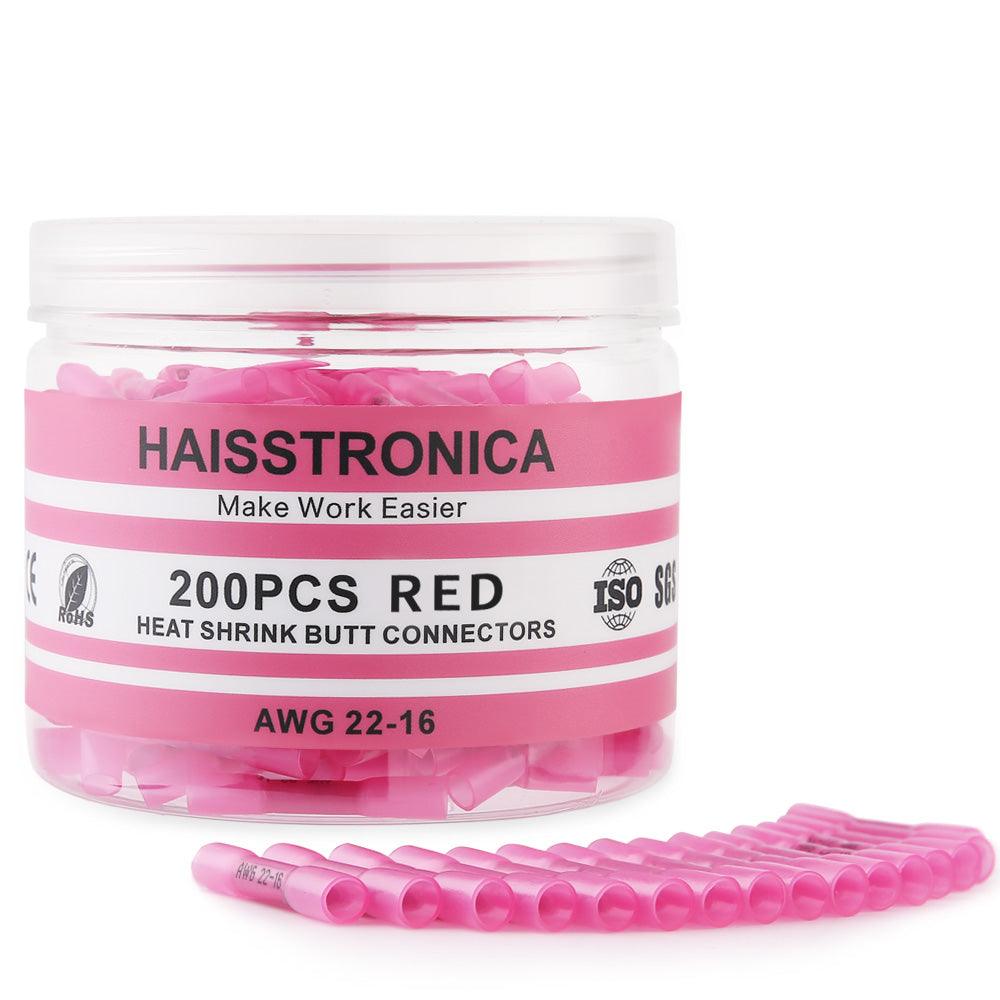
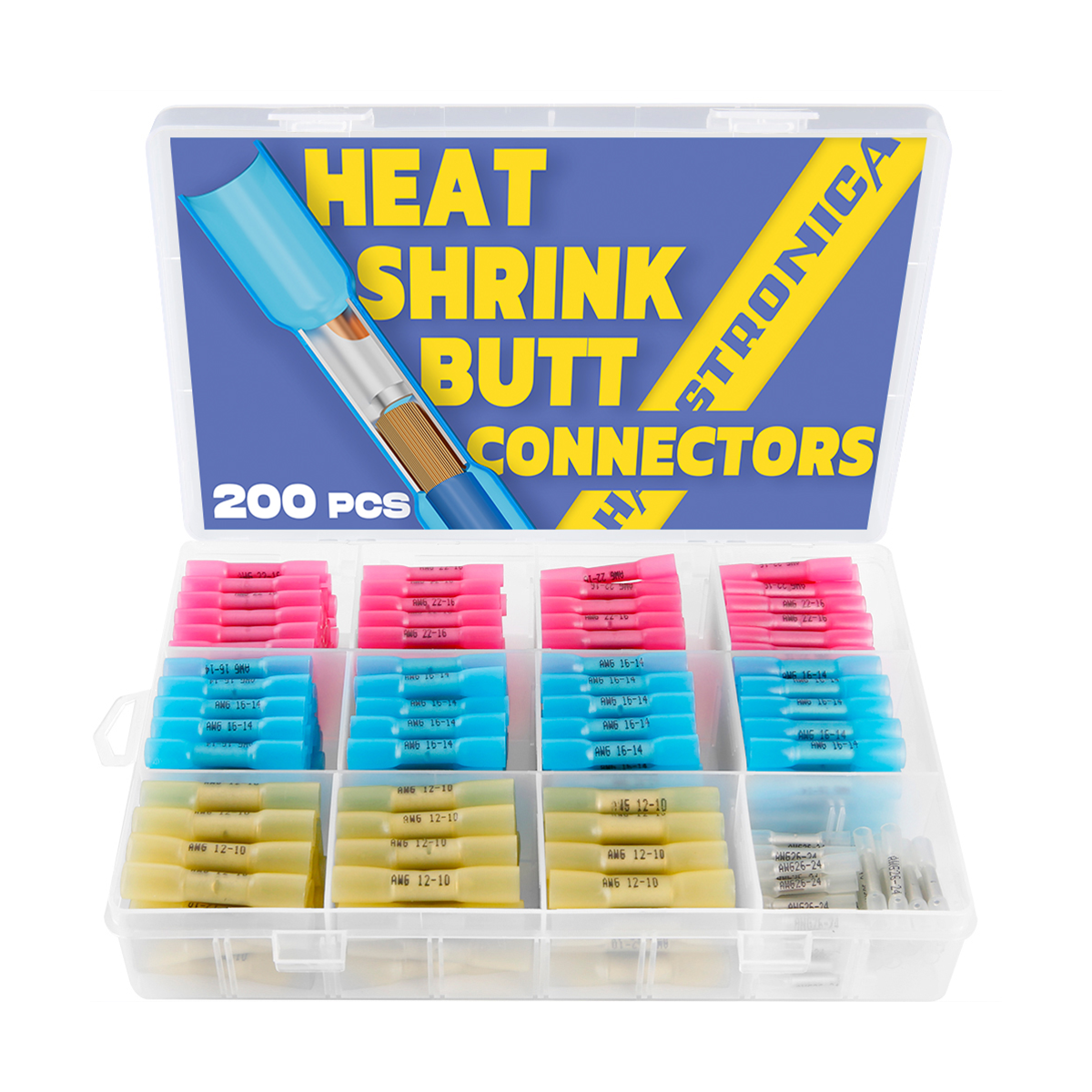
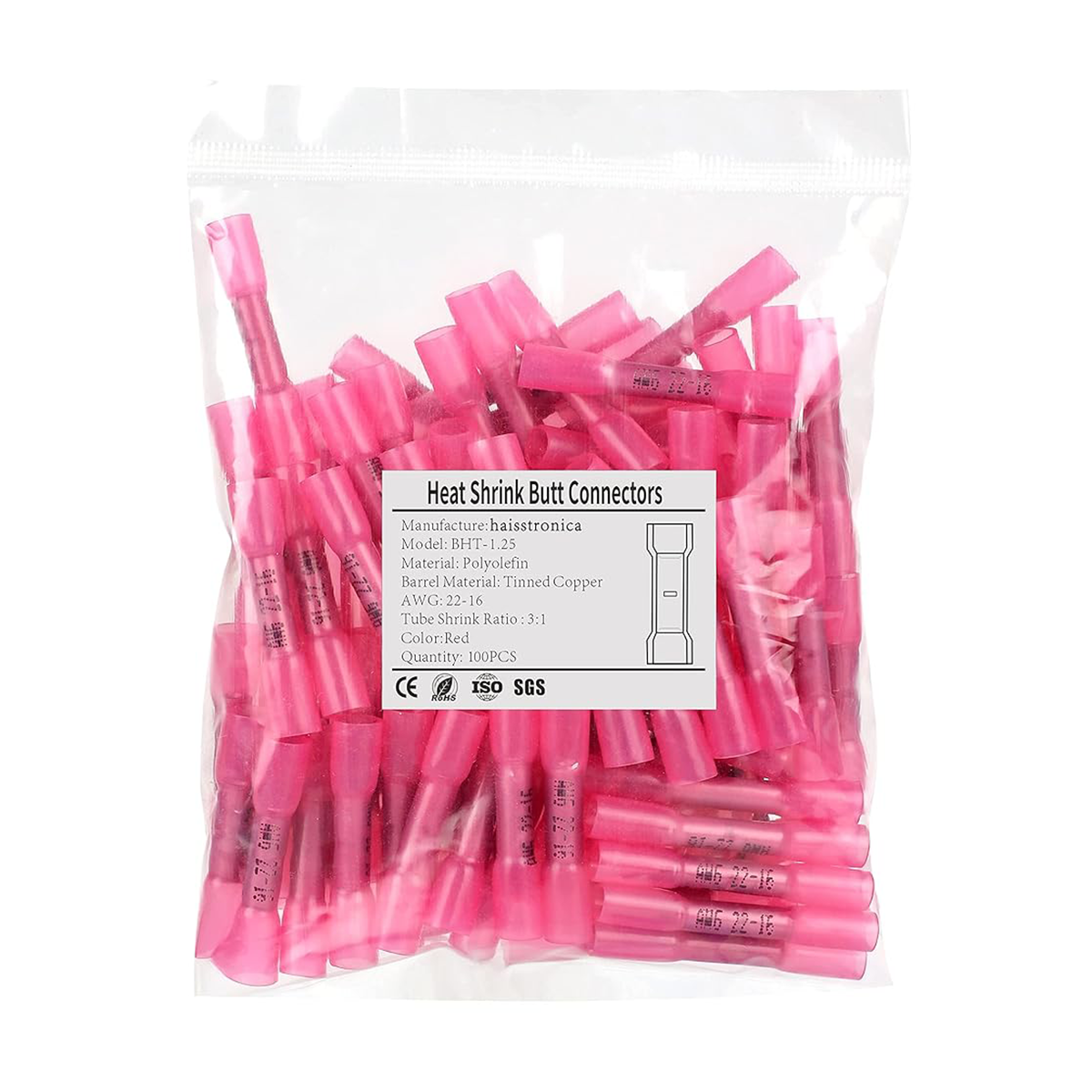
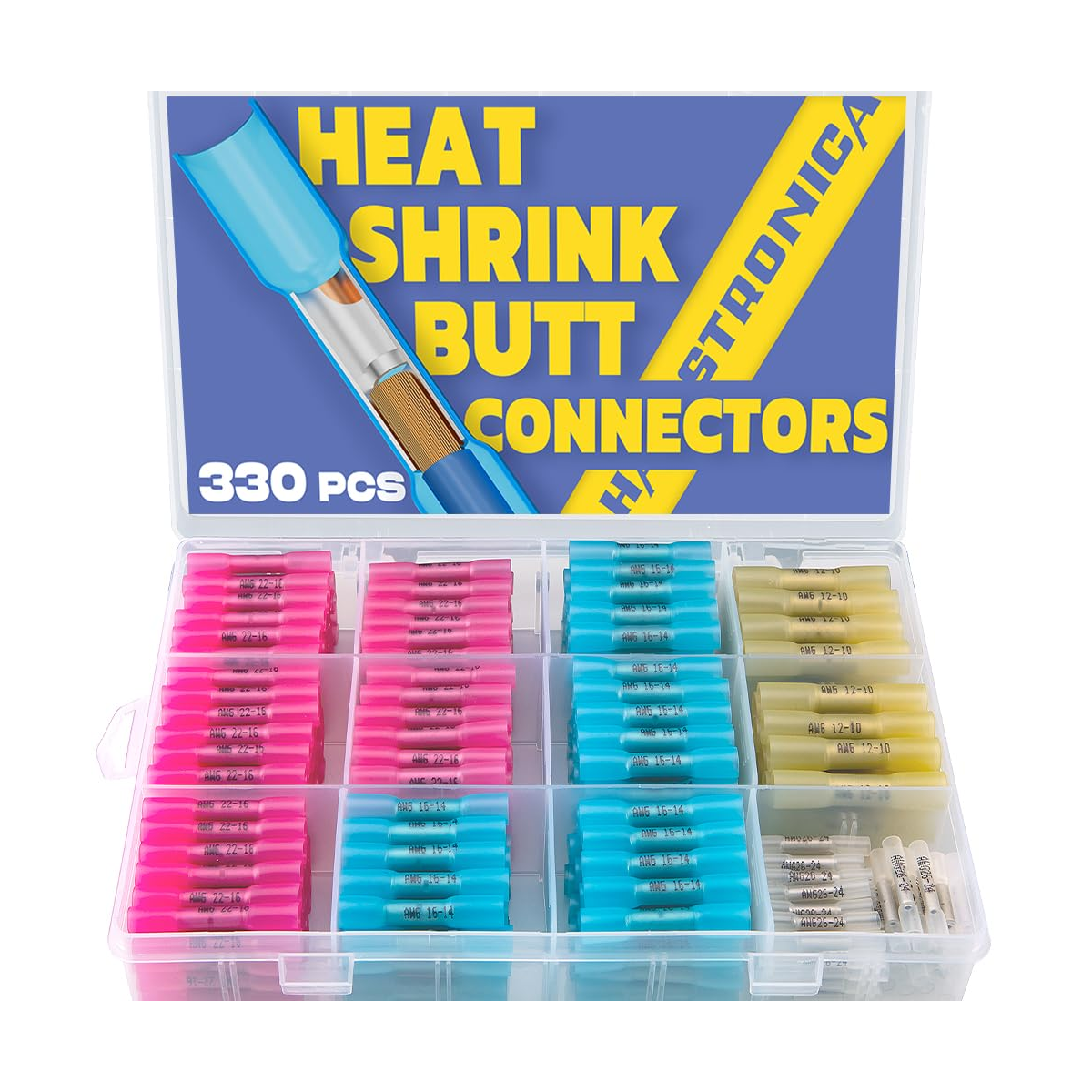
If you want predictable results, Haisstronica’s solderstick connectors and heat shrink solder sleeve kits are built around consistent solder rings and thick adhesive bands, giving your solder electrical connections better mechanical and sealing performance than “mystery plastic” kits.

When Solder Seal Connectors Are a Good Choice (solderstick use cases)
You don’t want to use solder seal connectors everywhere. But there are situations where they make a lot of sense.
Great use cases
-
Automotive & 12V accessories
For light-duty circuits in cars, trailers, RVs, and motorcycles, a good solder & seal connector can join two wires and protect them from splash, salt and grime. This is where automotive wire connectors kit products really shine. -
Marine & exterior low-voltage
On boats and trailers, you’re fighting water all the time. A quality solder seal butt connector or marine grade heat shrink butt connectors give you a soldered joint with splice seal and strain relief built in — a big step up from a bare solder butt splice with no insulation. -
Retrofits and repairs when space is tight
Sometimes you can’t get a crimp tool into a tight cavity. A narrow, in-line solder heat shrink splice is easier to work with than a large crimp barrel, especially in dashboards or small junction boxes. -
When you want solder but don’t want to drag out a full station
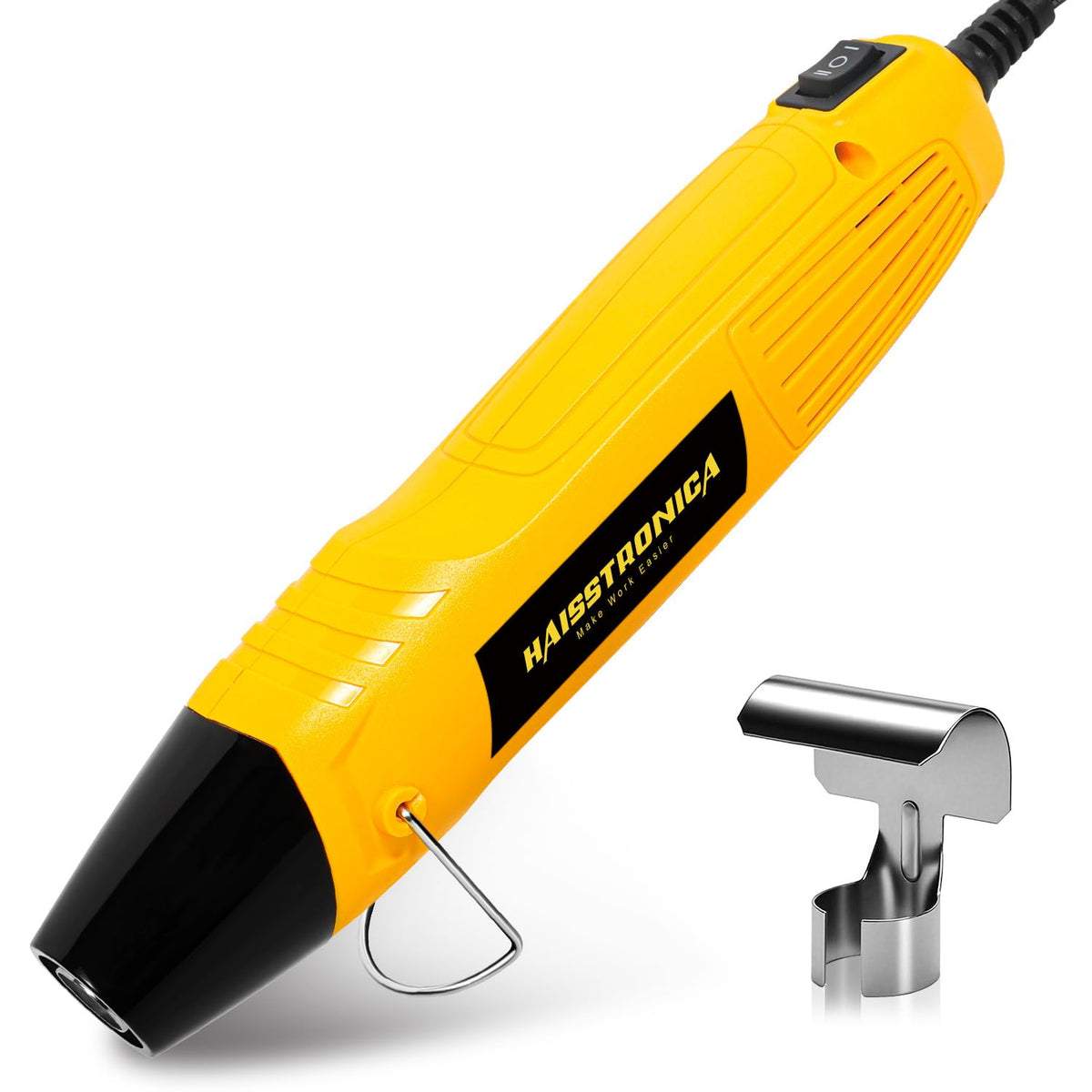
For field repairs, self soldering connectors let you get a true solder wire connection using only a controlled heat source (ideally a heat gun, not an open flame).
Situations where they are not ideal
-
High-vibration terminations into a screw or stud
For those, a proper solder ring terminal or crimp lug is usually more robust than a solder sleeve floating in free air, especially when following crimping standards. -
Where code or OEM spec explicitly calls for crimps only
Many OEM harness specs and some building-wiring rules prefer or mandate crimp-only joints (or sealed crimp connectors) for repeatable pull-out performance and inspection. -
Very high current or high-temperature environments
The solder melting point of the low-temp alloy is intentionally lower than regular 60/40 SnPb or SAC paste. In under-hood or engine-bay hotspots, crimp-only solutions may be safer.
Haisstronica plug:
Haisstronica’s solder & seal kits are aimed squarely at these “sweet spot” jobs — 12V automotive, trailer, marine and general low-voltage wiring — giving you solder shrink sleeves with enough adhesive and alloy to survive the real world while still being easy to install.

Choosing the Right Size and Type (solderstick selection & sizing)
Here’s where a lot of DIYers go wrong: they treat color as decoration instead of a code.
1. Follow the color code and AWG range
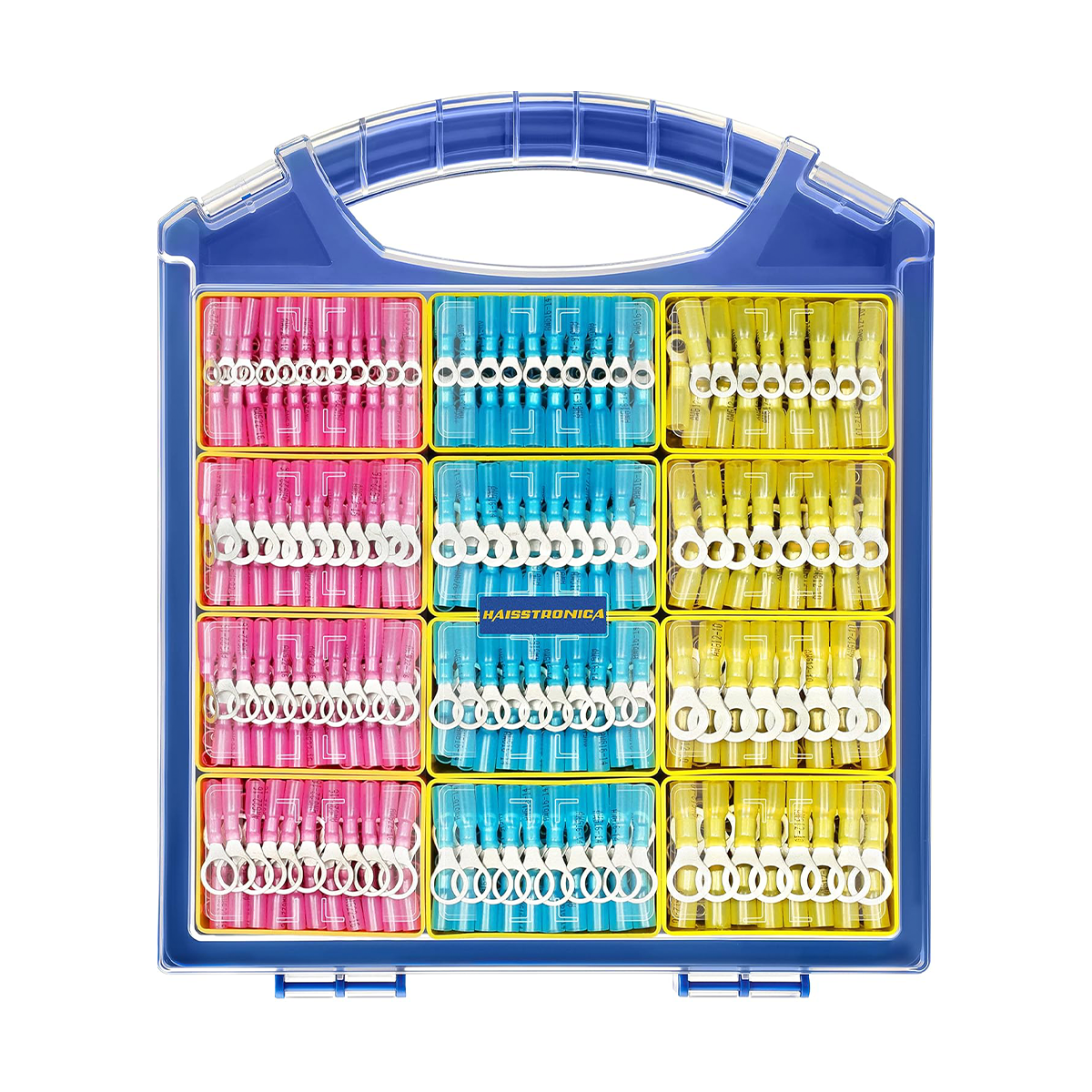
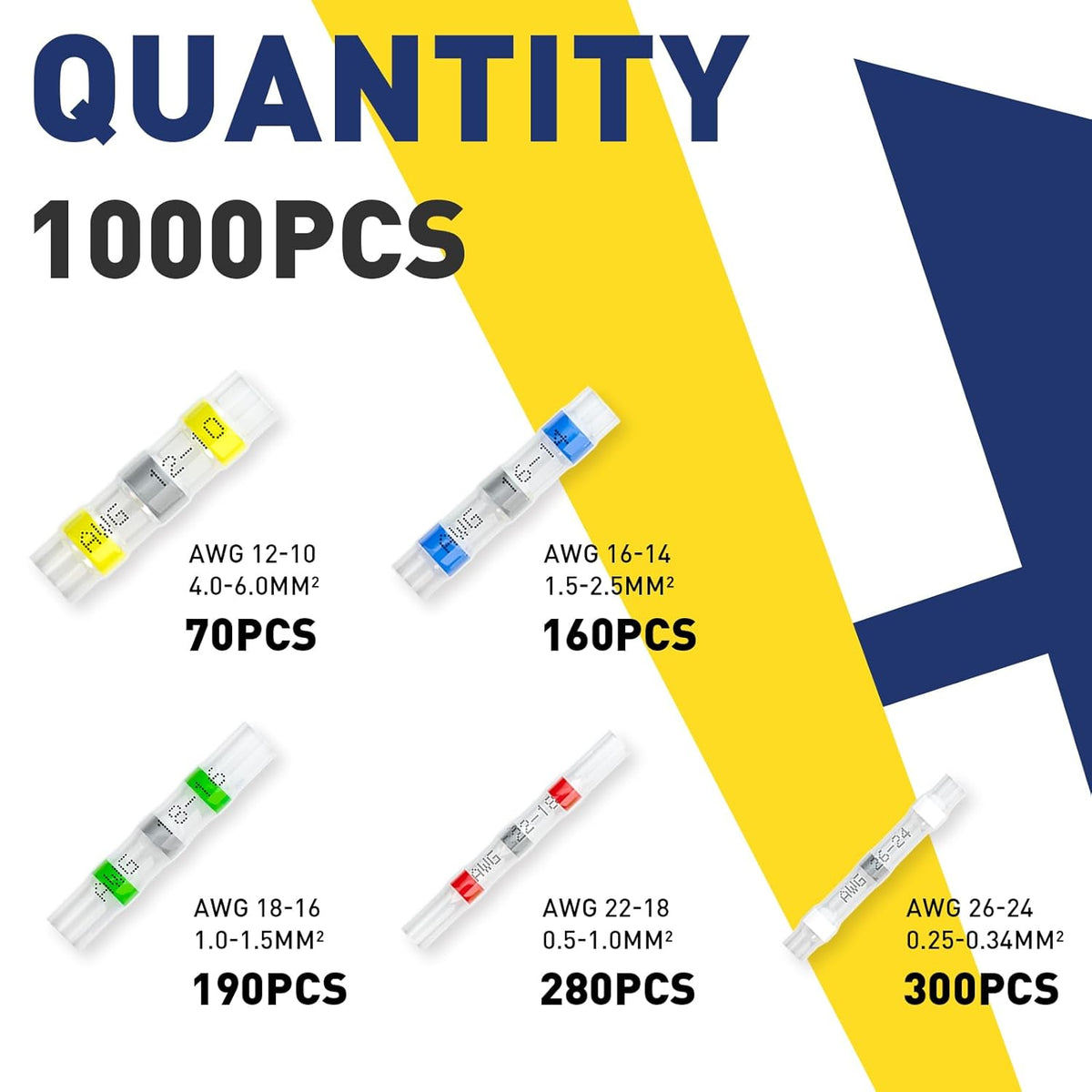
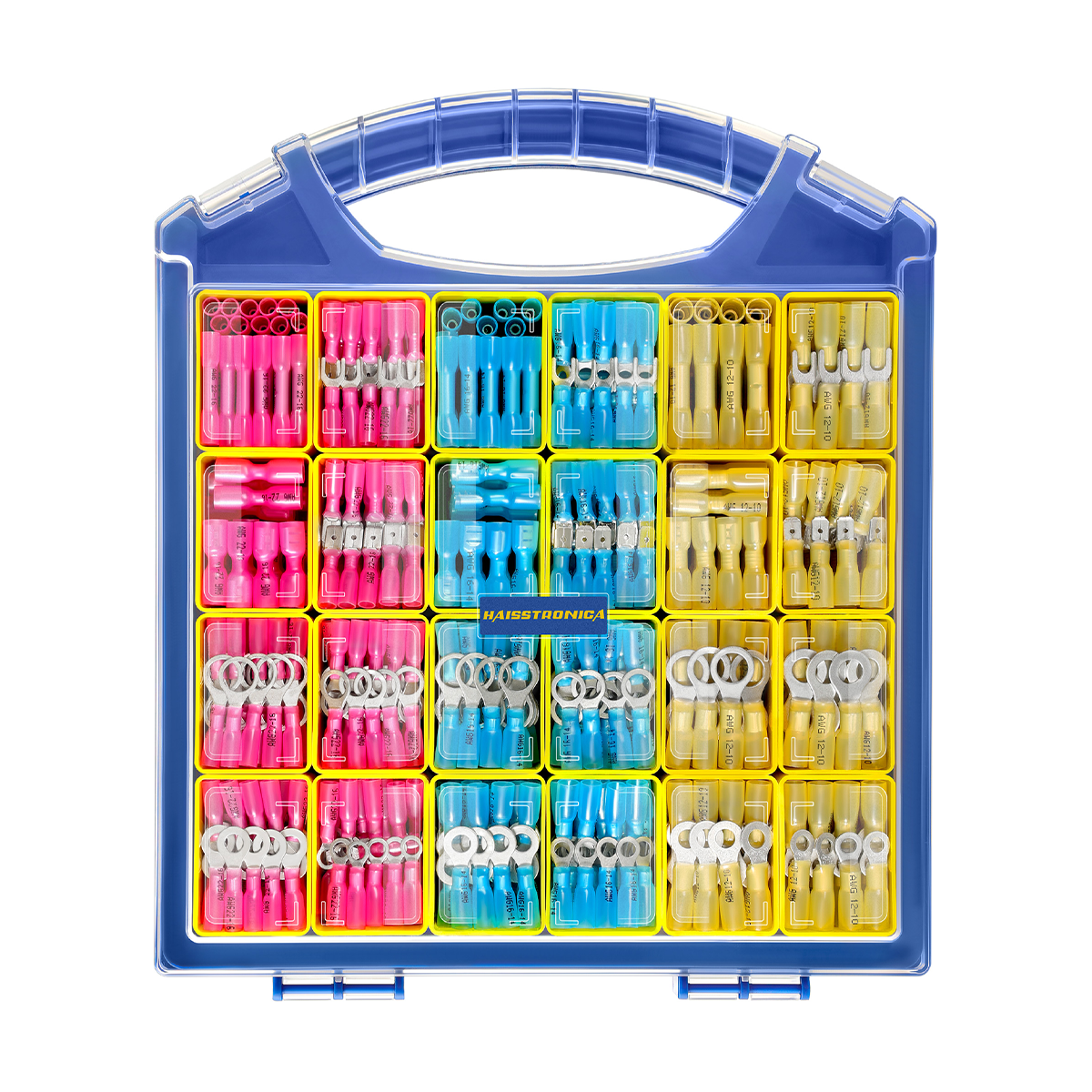
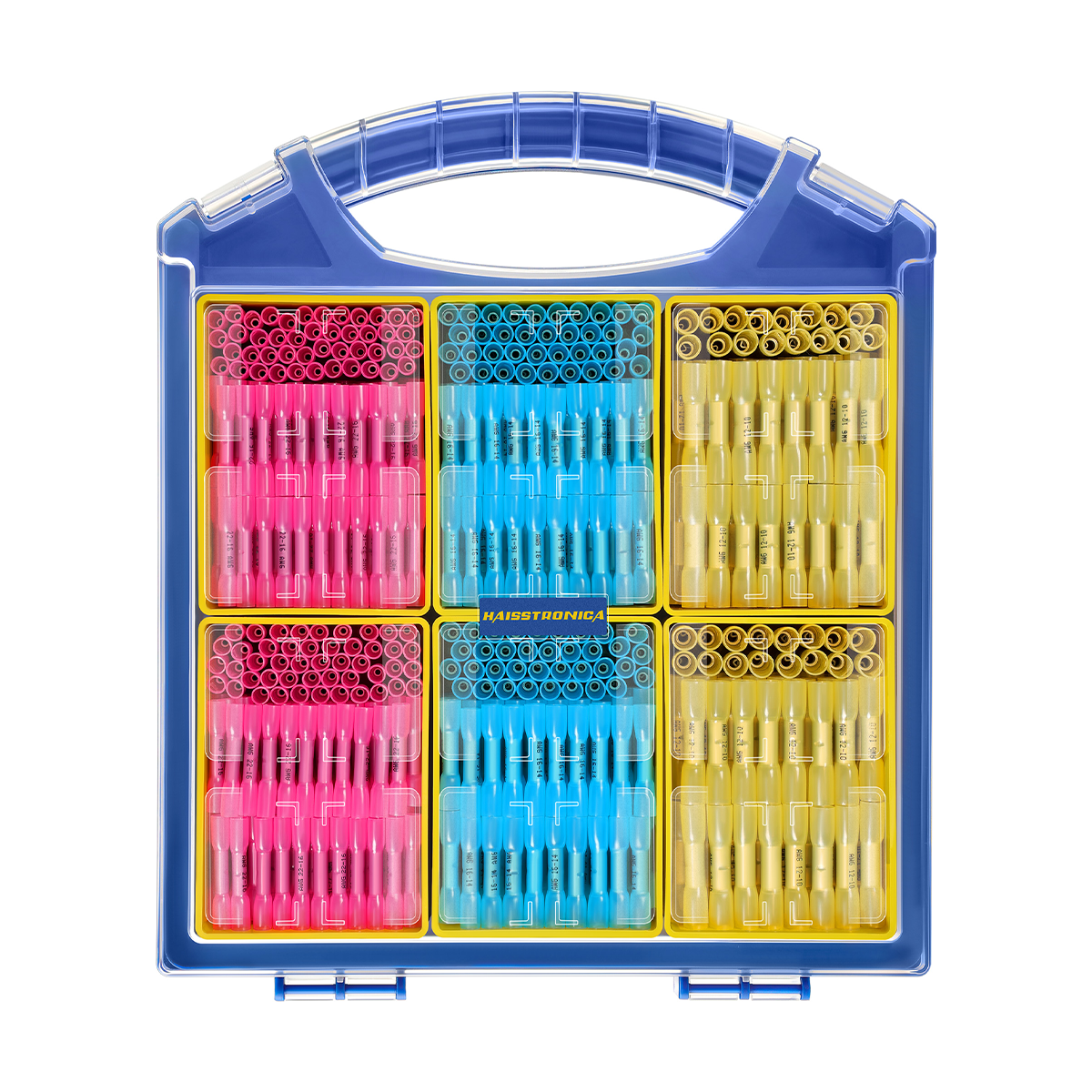
Most quality solder seal connectors — including Haisstronica’s solderstick connectors — use the familiar color coding:
-
White / clear – 26–24 AWG
-
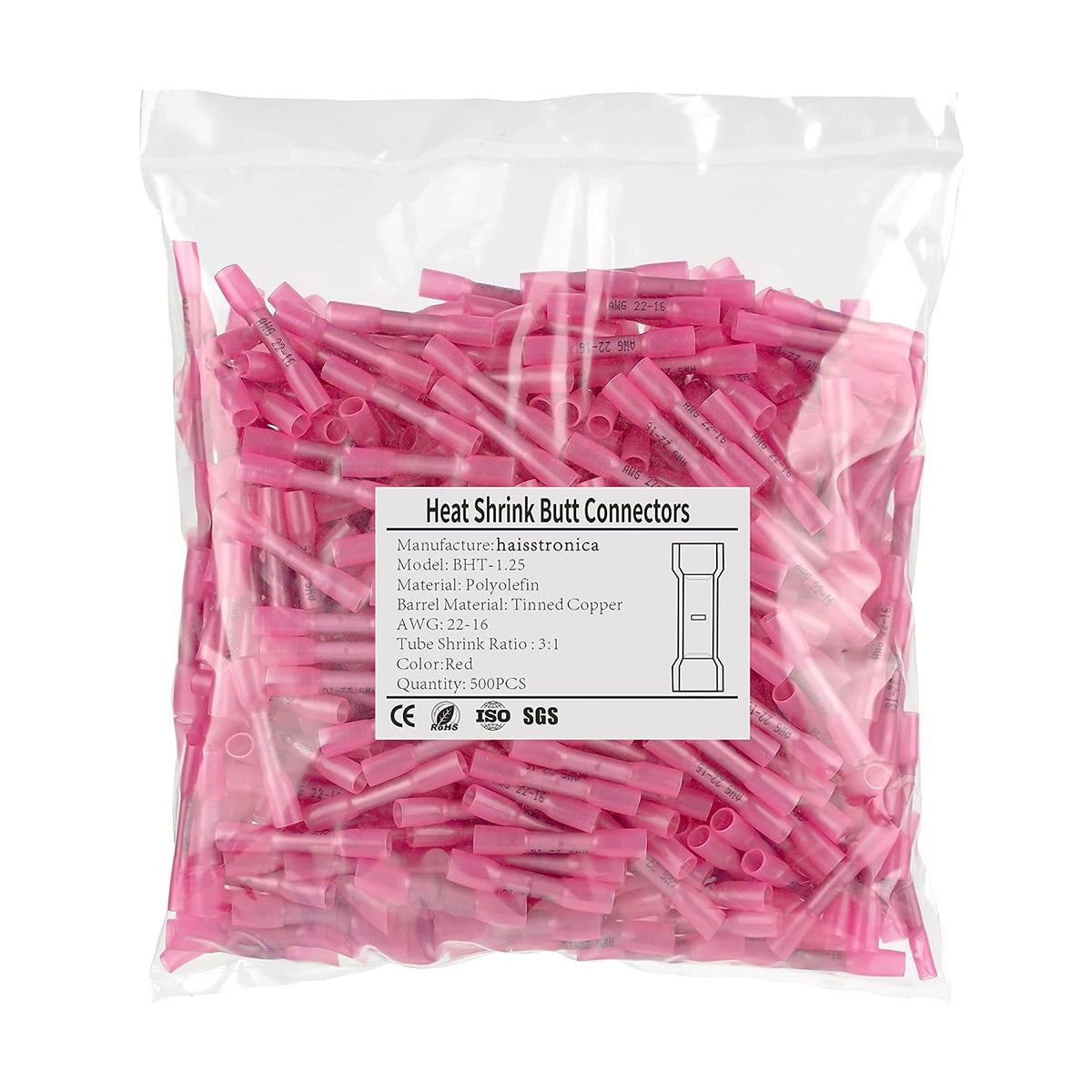
Red – 22–18 AWG
-
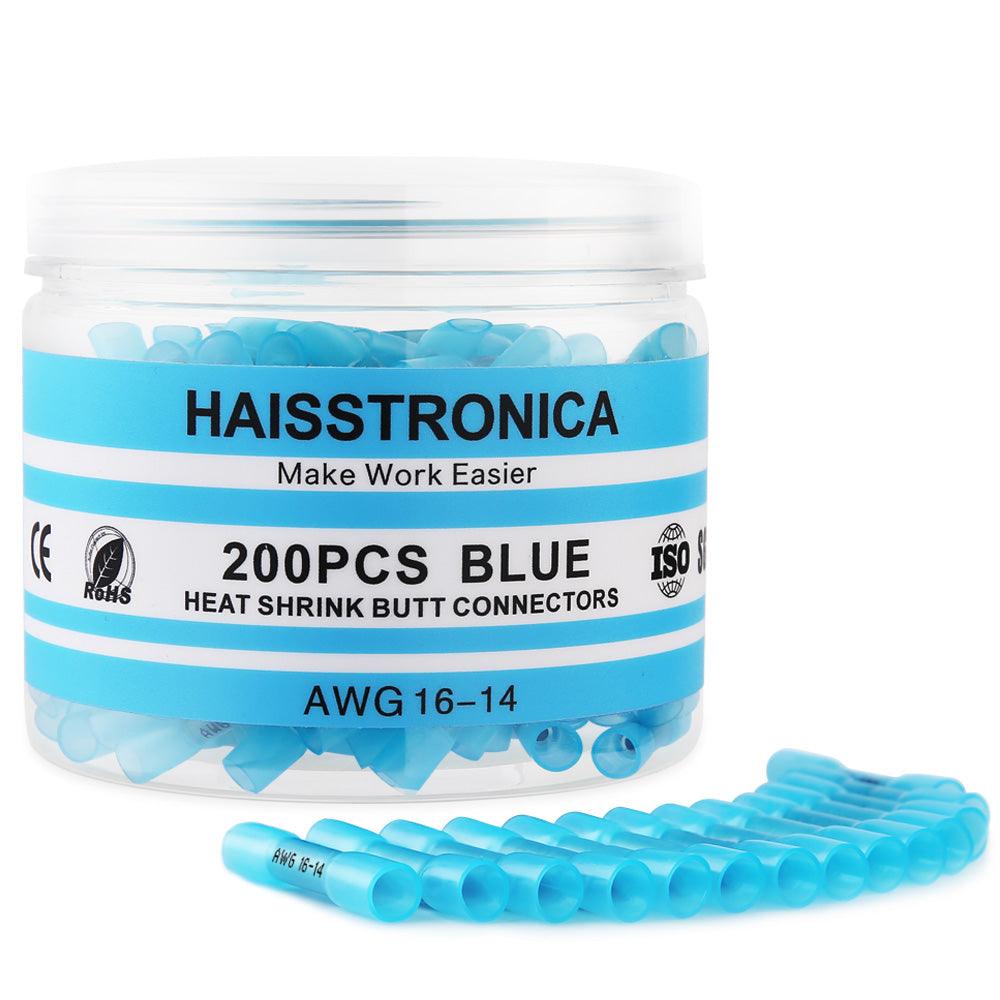
Blue – 16–14 AWG
-
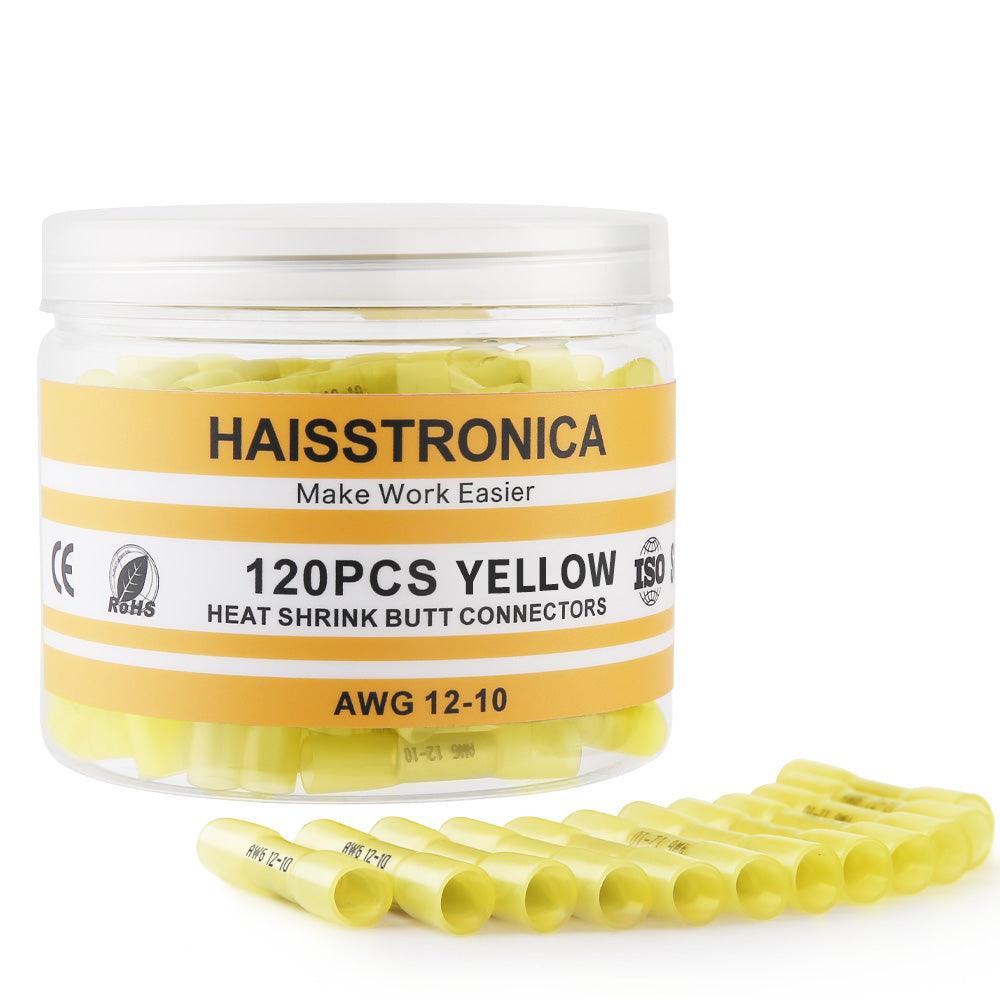
Yellow – 12–10 AWG
You’ll see that on wire connectors with solder and heat shrink from reputable brands across the industry. The ID of the tube, the size of the solder wire splice ring, and the amount of adhesive are all tuned to that AWG band.
If you have to really force a wire in, or it rattles around, you’re in the wrong size and your soldering connections won’t wet and seal correctly.
2. Match size to both wires
A solder sleeve doesn’t magically resize itself for mismatched conductors. If you’re joining 18 AWG to 14 AWG, picking a single blue sleeve might leave the small conductor under-filled and the large one over-stuffed.
Options:
-
Step down via two splices and a short pigtail.
-
Use a different style sealed electrical connector that’s designed for mixed gauges.
3. Know your environment
Before you pick a kit, think about:
-
Moisture exposure – If the joint lives in a dry dashboard, you can be more relaxed. For wheel wells, bilges or exterior lighting, you want robust adhesive and thicker solder sleeves that create a strong shrinkable seal.
-
Temperature – Under-hood or near motors? Check both the sleeve rating and your solder melting point margin vs operating temperature.
-
Mechanical support – Will the joint hang unsupported? A sleeve is not a substitute for proper strain relief or clamps.
4. Think in projects, not just piece counts
A “perfect starter kit” often mixes:
-
Multiple AWG ranges (white/red/blue/yellow)
-
Enough pieces for several circuits and a few mistakes
-
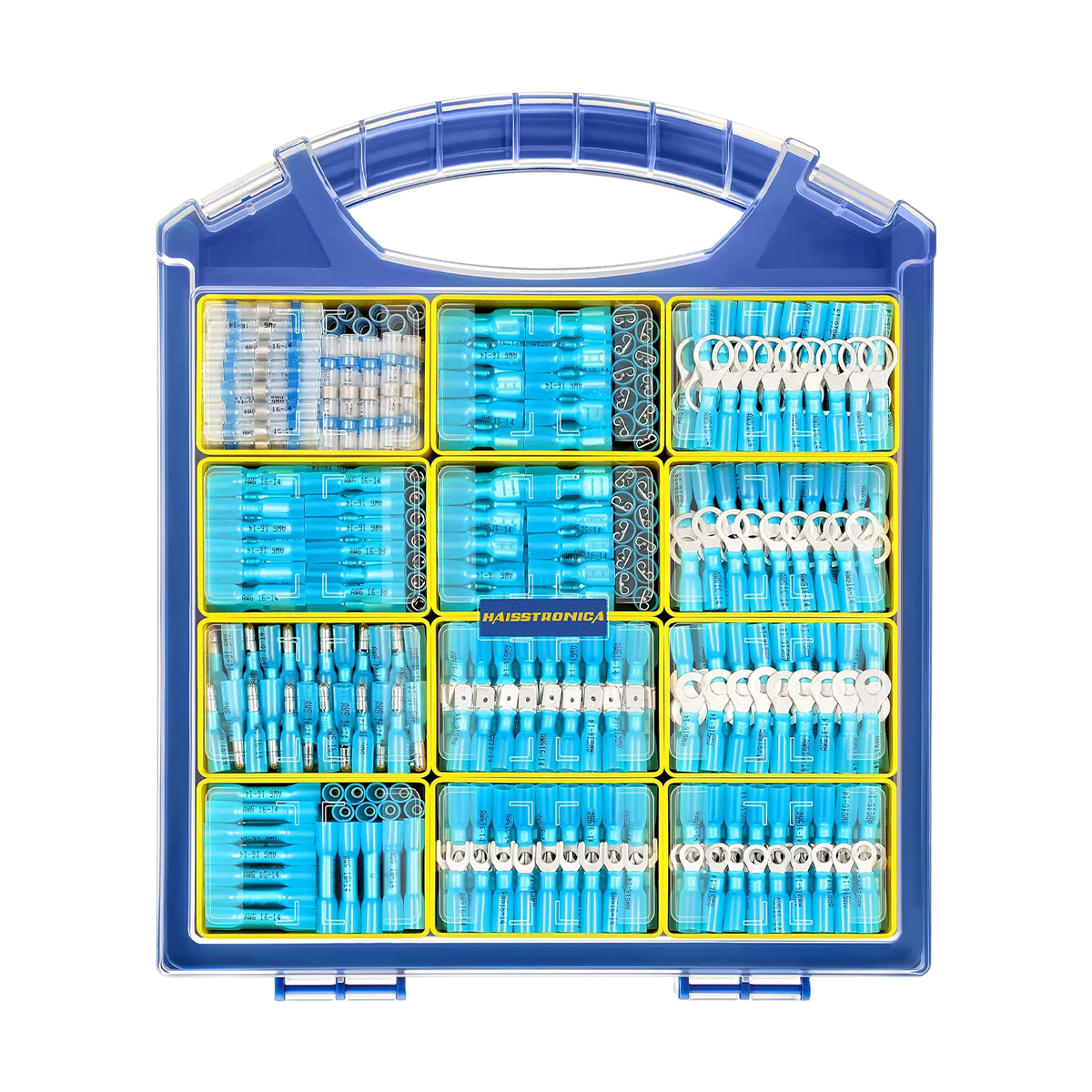
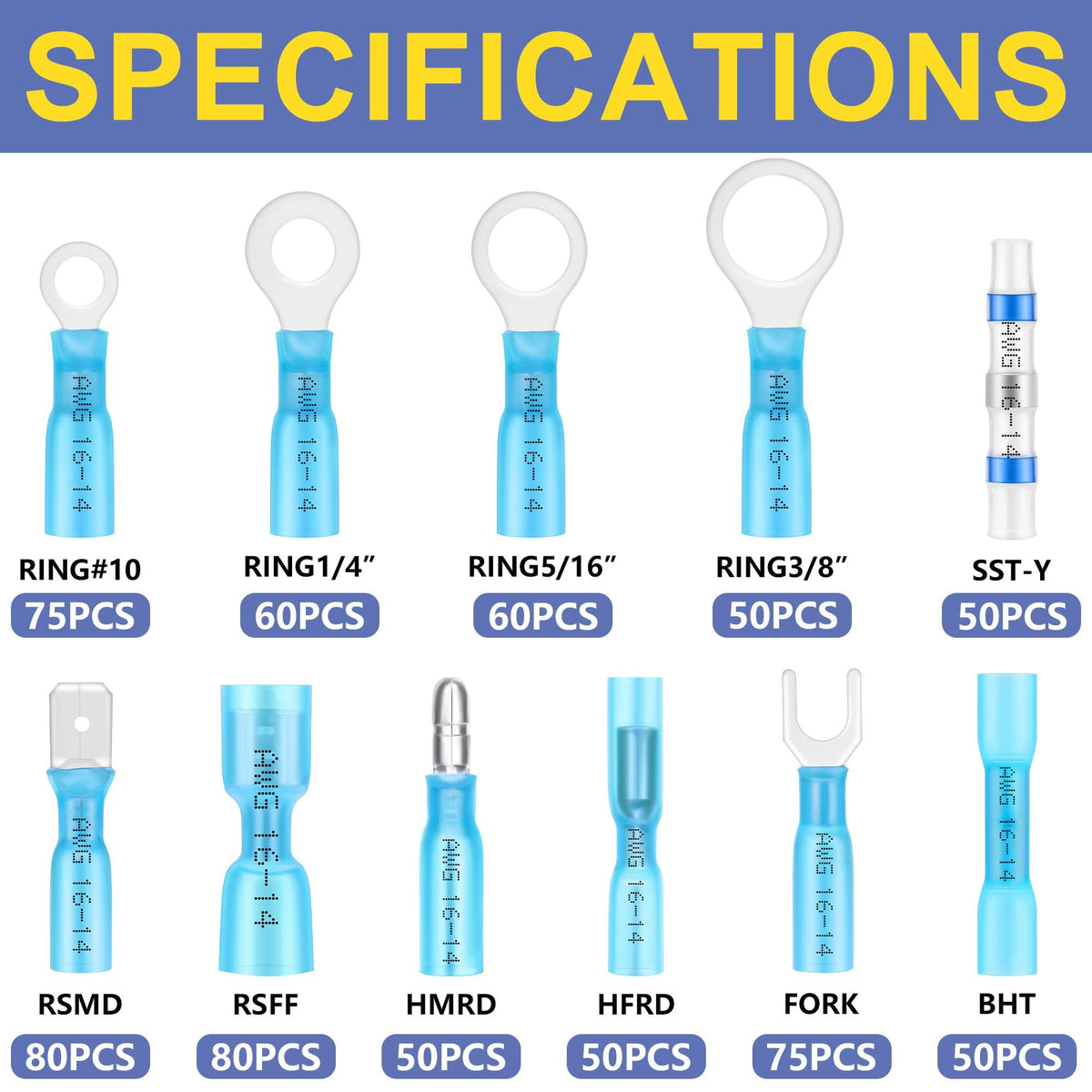
Maybe a handful of quick solder connectors and extra solder terminal connectors for common sizes
That way your solder electrical connections stay consistent from job to job, instead of being whatever random leftover connector you have in the drawer.
Haisstronica plug:
Haisstronica’s solderstick kits are built around real-world project mixes — automotive, trailer, marine — with AWG ranges and quantities tuned so you’re not stuck with 80 pieces nobody uses and only 5 of the ones you actually need. Look for kits that clearly list AWG ranges and count for each solder sleeves color instead of just a big “300-piece” headline.

Summary: Make Solderstick Work for You, Not Against You
Used casually, solder seal wire connectors are just expensive heat-shrink beads. Used correctly, they give you:
-
A controlled-temperature solder stick style joint with a predictable solder melting point.
-
An in-line, low-profile splice with built-in wire sealing.
-
A fast way to get “solder-level” performance in the field without hauling a full bench station.
The big takeaways:
-
Understand what’s inside – tube, solder, adhesive.
-
Use them in the right jobs – low-voltage, automotive, marine, and accessory wiring where sealed in-line splices are appropriate.
-
Choose the right size and kit – match AWG, environment, and project type.
Do that, and your solder & seal joints will behave a lot closer to what the standards expect from a proper soldered and sealed splice, instead of being the weak link in your harness.
Haisstronica plug:
If you’re ready to move from “generic clear tubes” to connectors you can actually trust, Haisstronica’s solderstick solder & seal assortments are designed for DIYers, marine techs, and auto electricians who care about both seal quality and joint performance.