
The Struggle with Traditional Squeeze Motion Strippers — best wire stripping pliers
Squeeze-only strippers seem simple: align the conductor, close the handles, pull the insulation, and move on. In real jobs, that “simple motion” turns into guesswork when you switch wire gauge, insulation types, and strand counts—especially if you are bouncing between a precision wire stripper for small signal wire and a large wire stripper for thicker conductors. Even worse, small alignment errors are amplified by high squeeze force, making inconsistent wire strips more common in high-volume work.
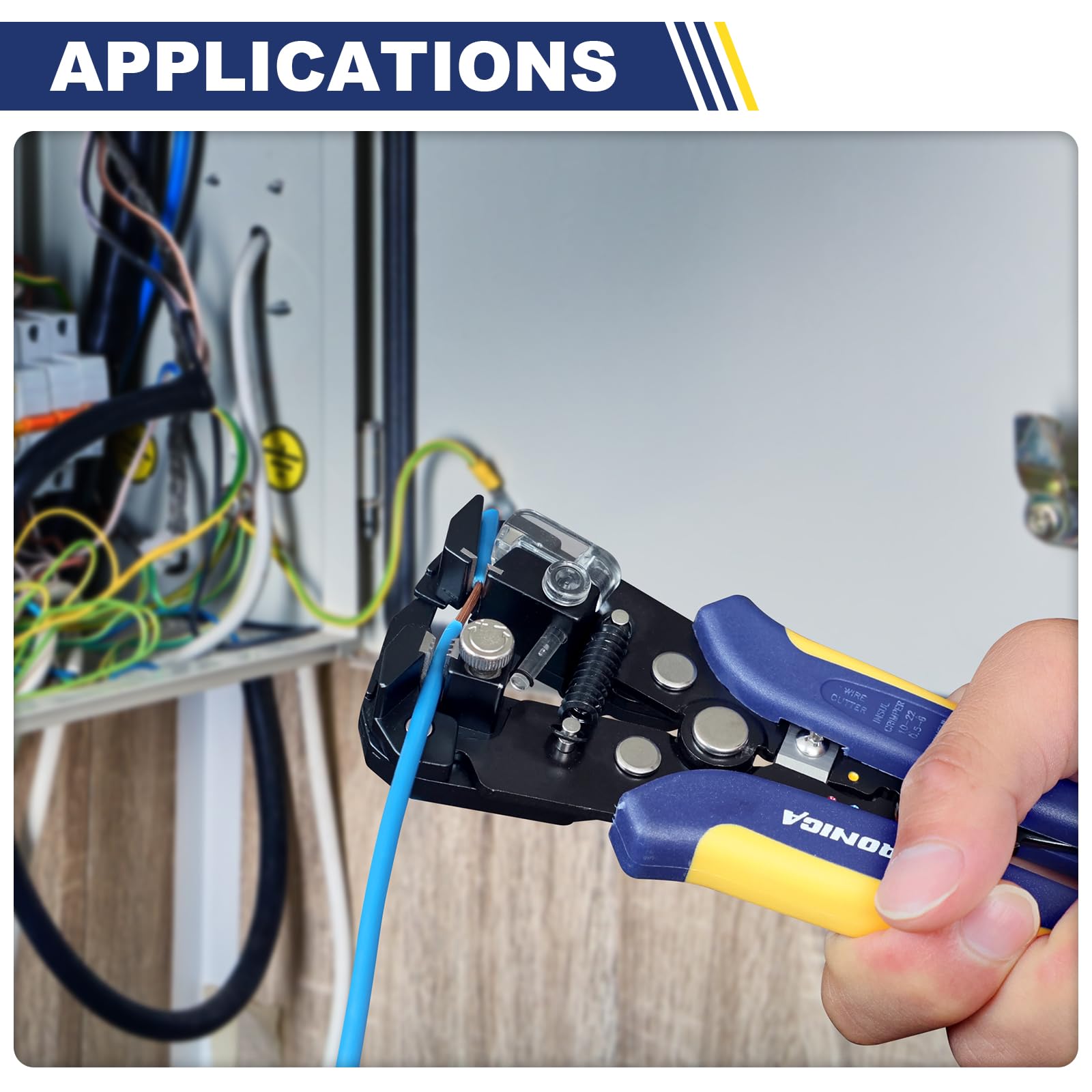
It helps to name the actual goal: you’re removing insulation so the conductor can be connected to another wire, a terminal, or a connector. RS Components describes wire strippers as tools used to precisely peel back the insulation from the end of wiring so it can be attached to a terminal or connector. That means stripping is not “prep you can rush”—it is a controlled step that determines whether your wire strippers and crimpers workflow stays smooth or becomes rework.
Quality standards make the risks concrete. TE Connectivity explicitly warns: do not nick, scrape, or cut the conductors during stripping, and avoid insulation filaments that remain after stripping—especially filaments extending among bare conductors. NASA workmanship requirements similarly emphasize that remaining insulation must not show damage (nicks, cuts, crushing, charring) and that conductors must not be nicked or scraped to exposed base metal, because these defects compromise reliability. Those rules explain why “fast squeezing” can backfire.
The hidden enemy is fatigue: squeeze-only tools concentrate effort into a single high-force grip cycle. NIOSH and Cal/OSHA’s hand-tool guidance highlights choosing non-powered tools that can be used effectively with less force, less repeated movement, and less awkward body positioning to reduce injury risk and strain. The UK HSE also stresses reducing repetitive movements, especially when repetition combines with force and awkward postures—exactly what repeated squeeze stripping can become during long runs. If you strip wires all day, protect your hands and your output with Haisstronica’s professional electrician tool kit options.

How Ratchet Mechanism Makes Wire Stripping Easier — best wire stripping pliers
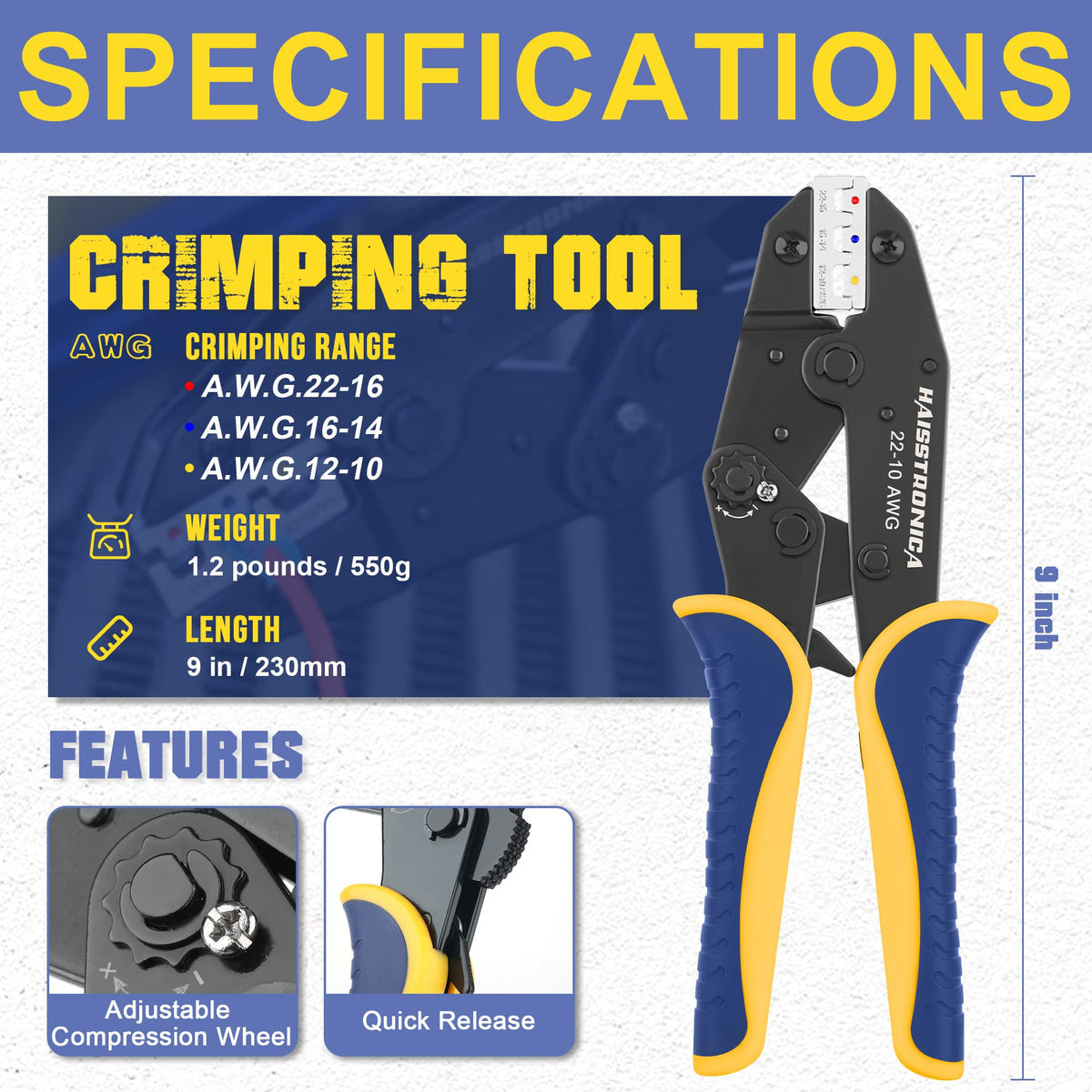
A ratchet mechanism changes the physics of the job. Instead of demanding one continuous “all-at-once” squeeze, the ratchet lets you apply force in smaller increments while the mechanism holds progress. In many ratcheting tools, a full-cycle action ensures the tool completes the intended motion before release—helping prevent half-finished operations that cause inconsistent outcomes. Milwaukee, for example, describes a full-cycle ratcheting mechanism with easy release and notes ergonomic grips that reduce hand strain on its ratcheting crimper/stripper tools.
So how does this apply to stripping—not just crimping? In many “combo” professional tools, the ratchet drives a consistent termination cycle while integrated stripping features reduce steps and tool swaps. Klein Tools highlights that Pass‑Thru™ systems reduce prep work time and that tool features (like diagrams and improved handling) help eliminate rework and wasted materials; Klein also notes comfort grips reducing hand strain on ratcheting crimper/stripper/cutter tools. The takeaway is practical: ratcheting + integration can be faster than carrying separate tools.
Another key idea is controlled grip force. TE Connectivity’s stripping-module description (an industrial tooling reference) explains that grip jaws close on the wire with adjustable force to avoid damaging insulation, then strip blades precisely cut into the insulation. That is the same principle pros need at the bench: consistent force and depth control so you don’t crush insulation or nick the conductor. Ratchet mechanisms help by stabilizing closure and reducing “over-squeeze” mistakes under fatigue.
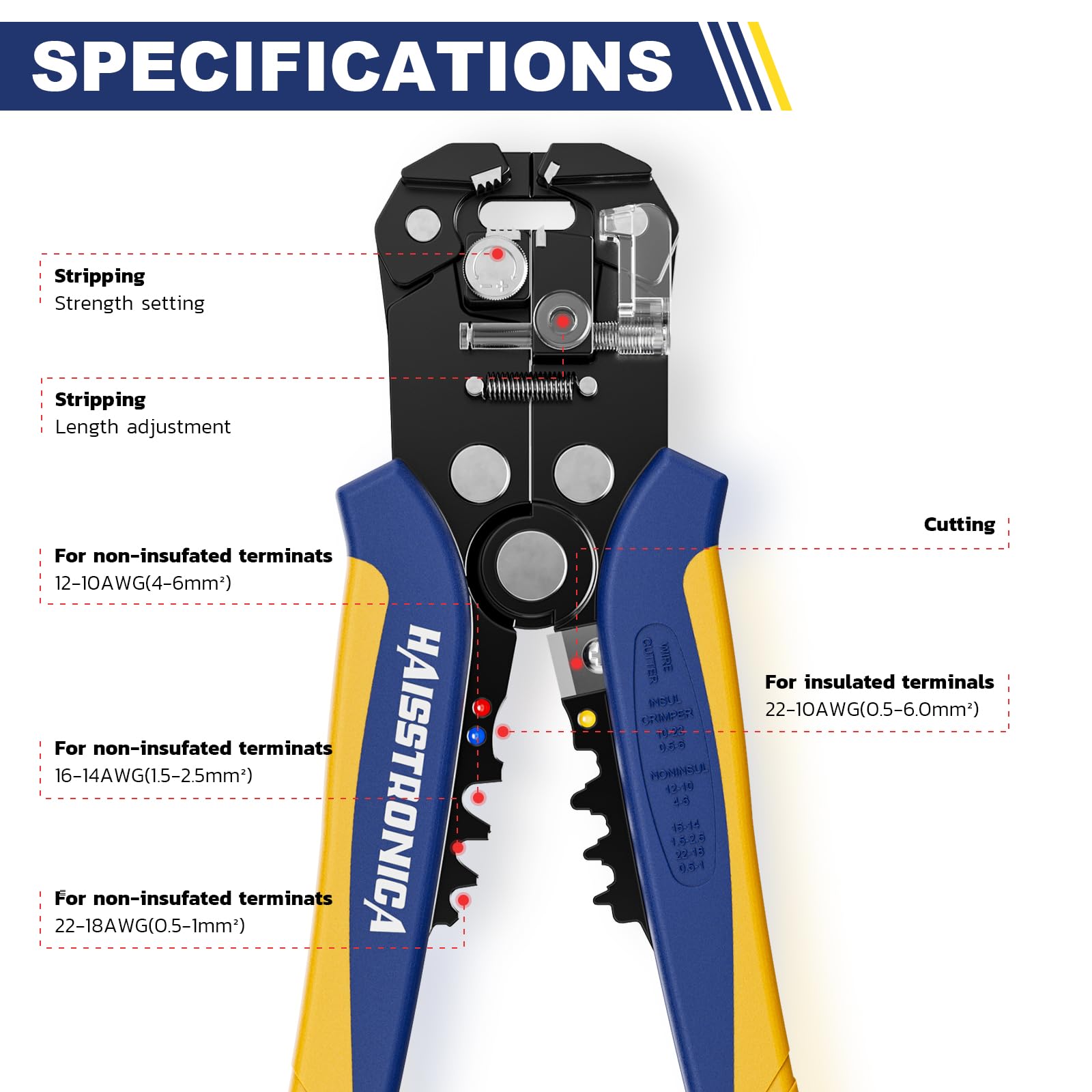
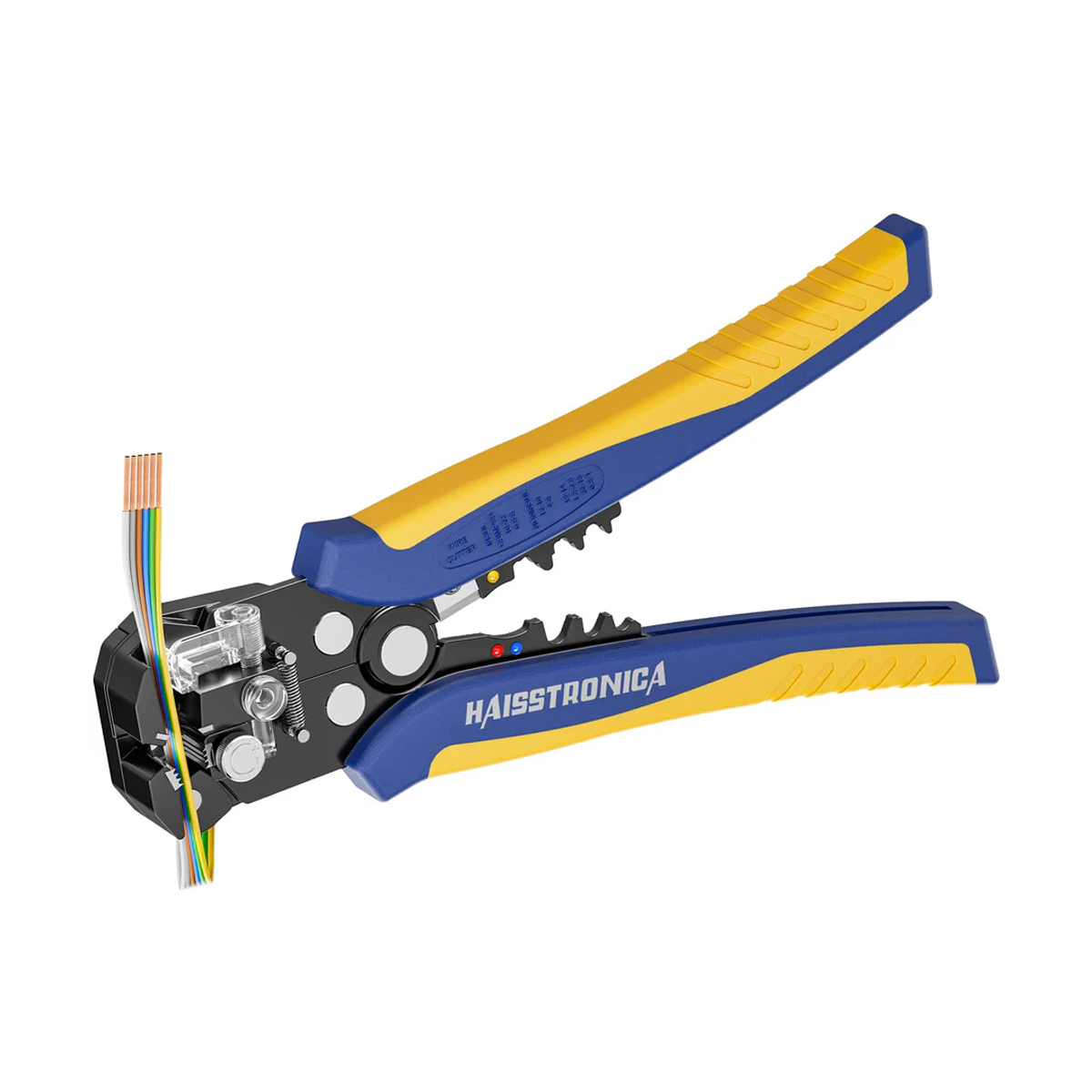
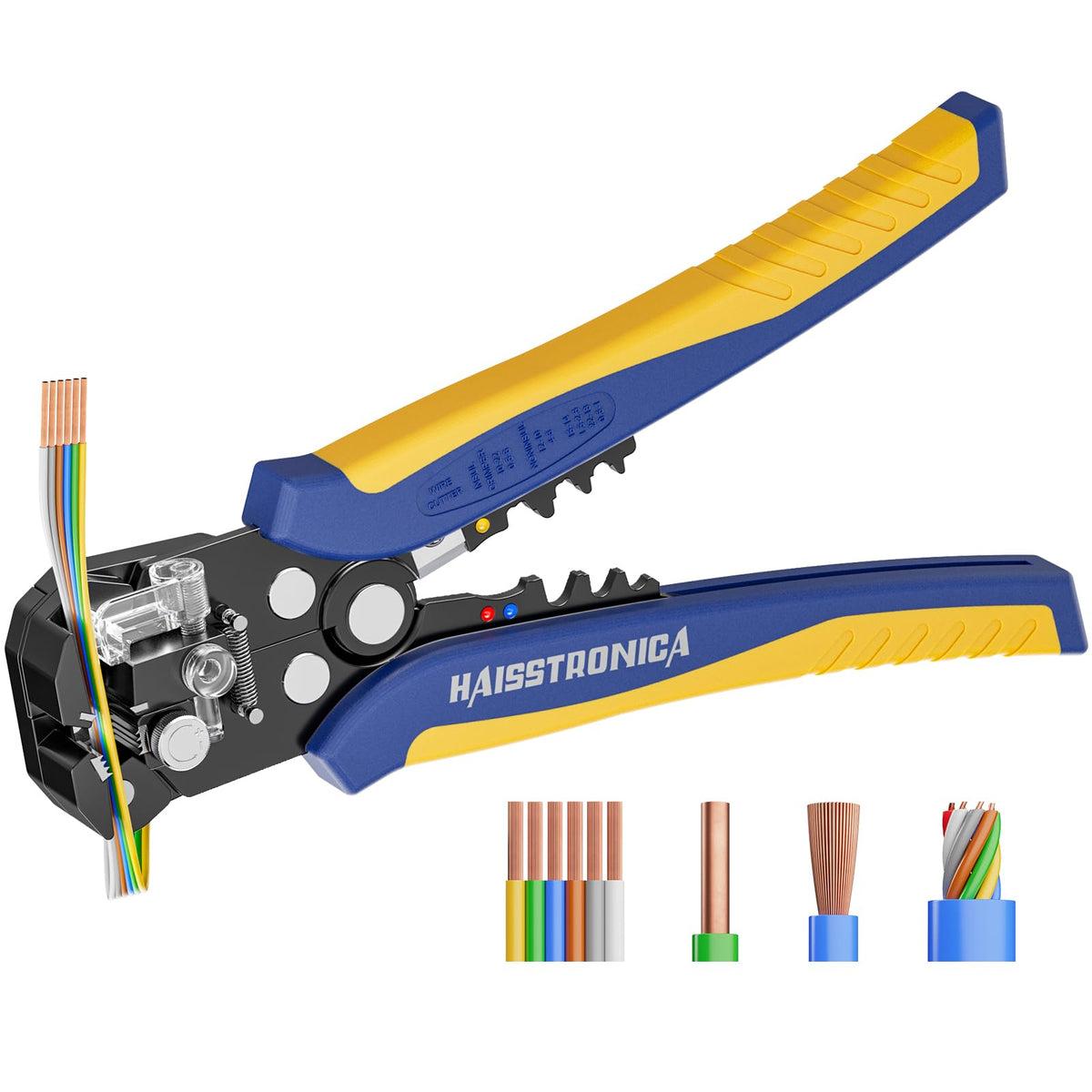
Haisstronica’s own documentation for its self-adjusting stripper emphasizes the same control points pros care about: adjust the knob to control pressure and prevent wire damage, and use the guide ruler bar to set stripping length before you squeeze to complete stripping. In other words, the tool is designed to reduce guesswork and repeat strip length even when the job mix changes—exactly what many buyers mean when searching for the best self adjusting wire stripping tool or the best tool to strip wire across a range.
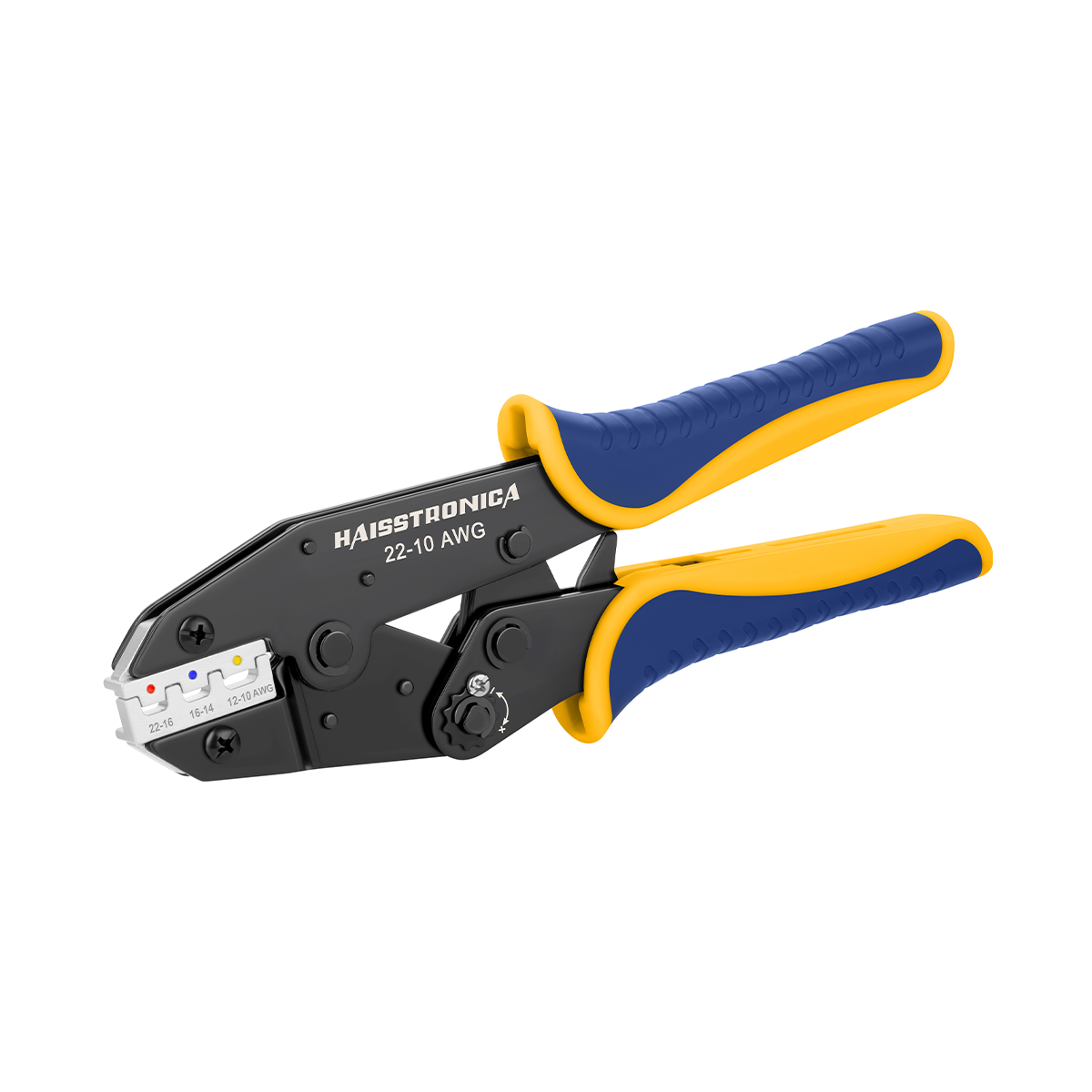
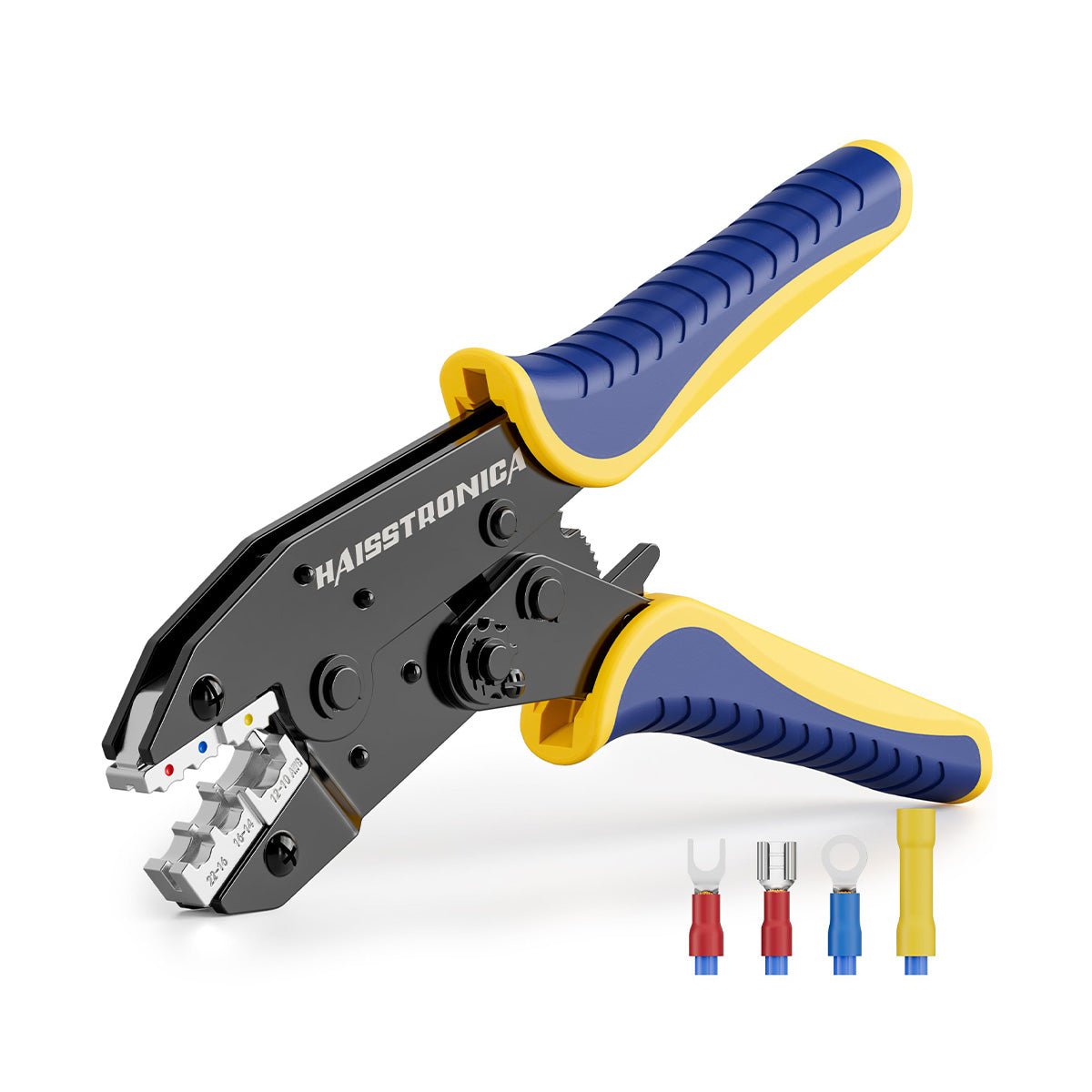
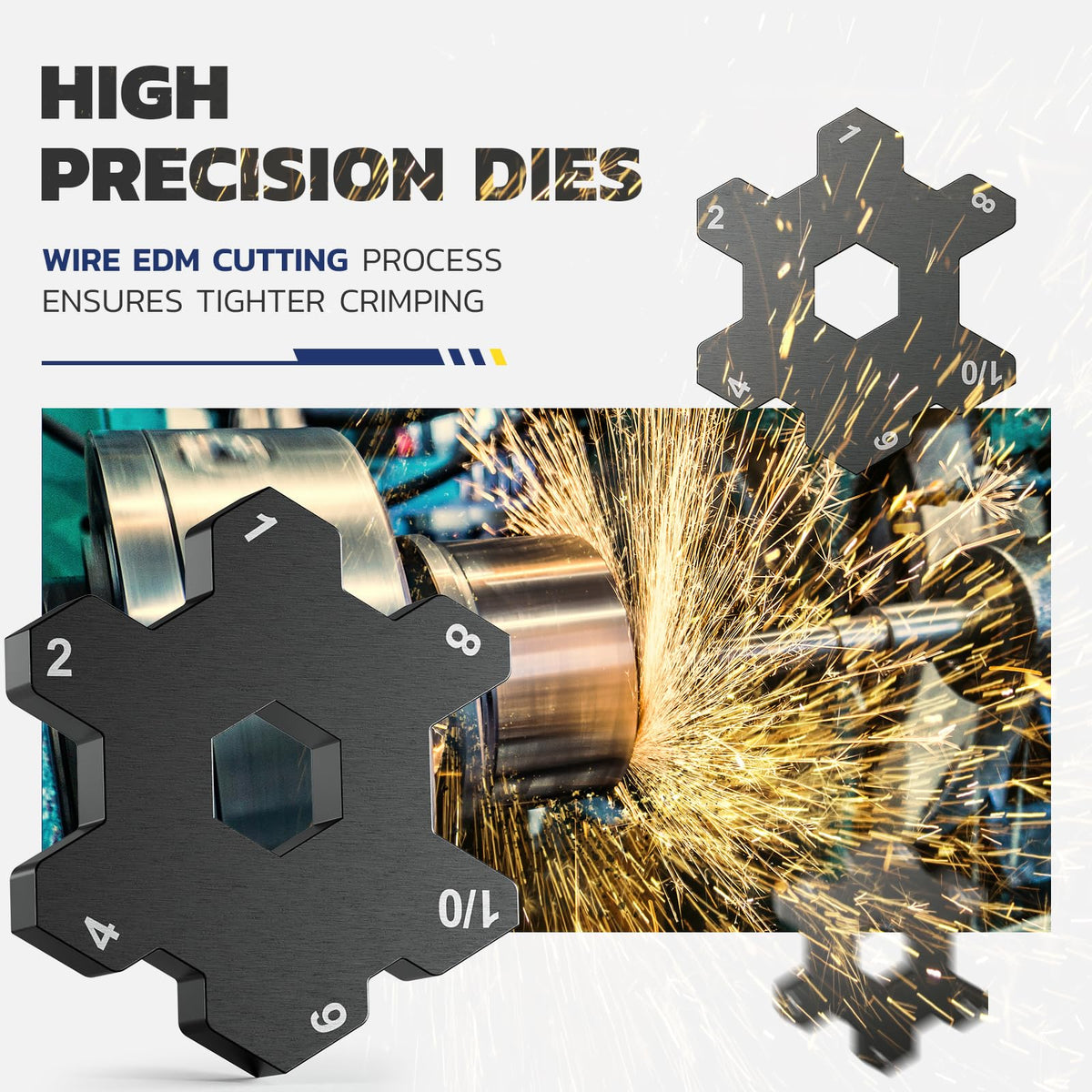
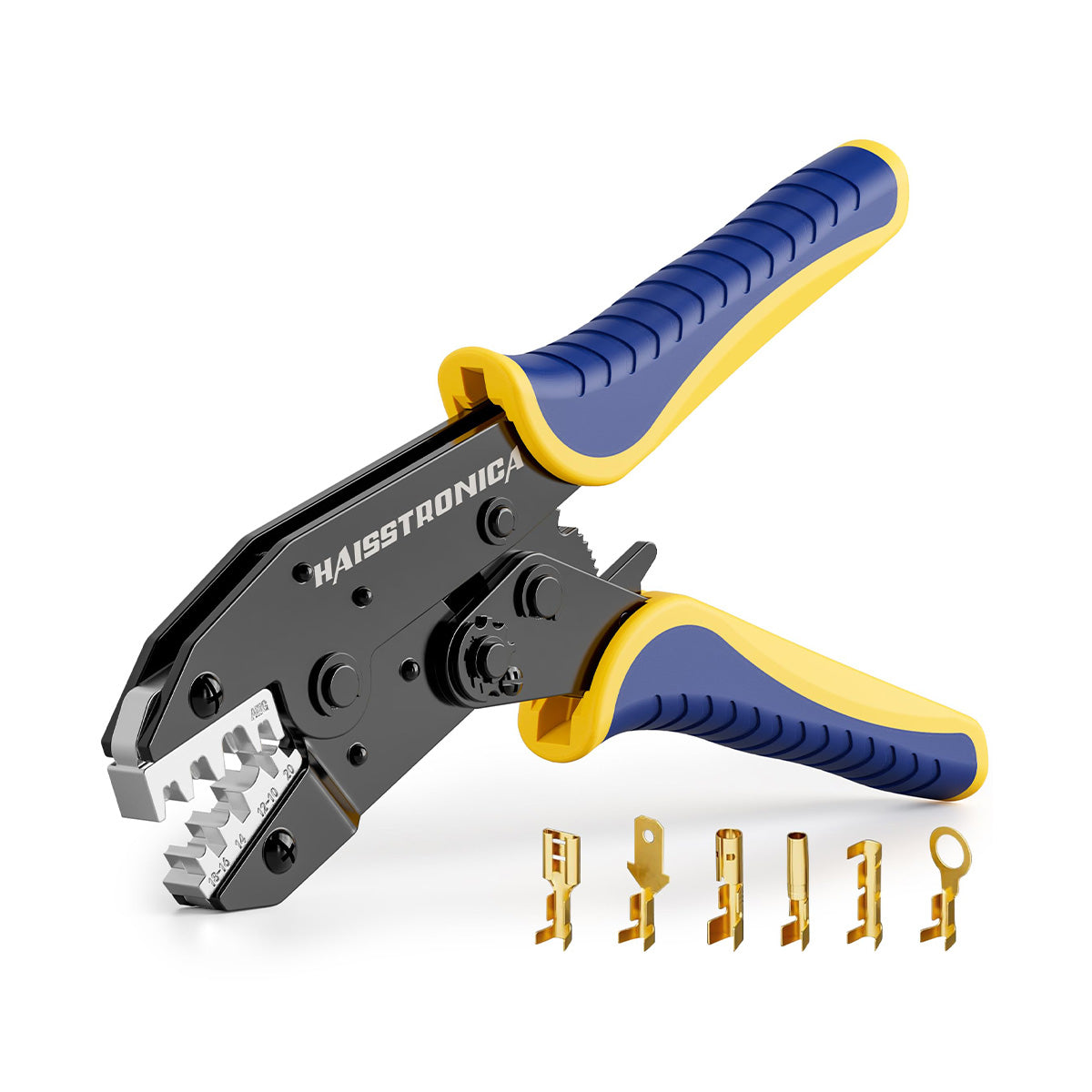
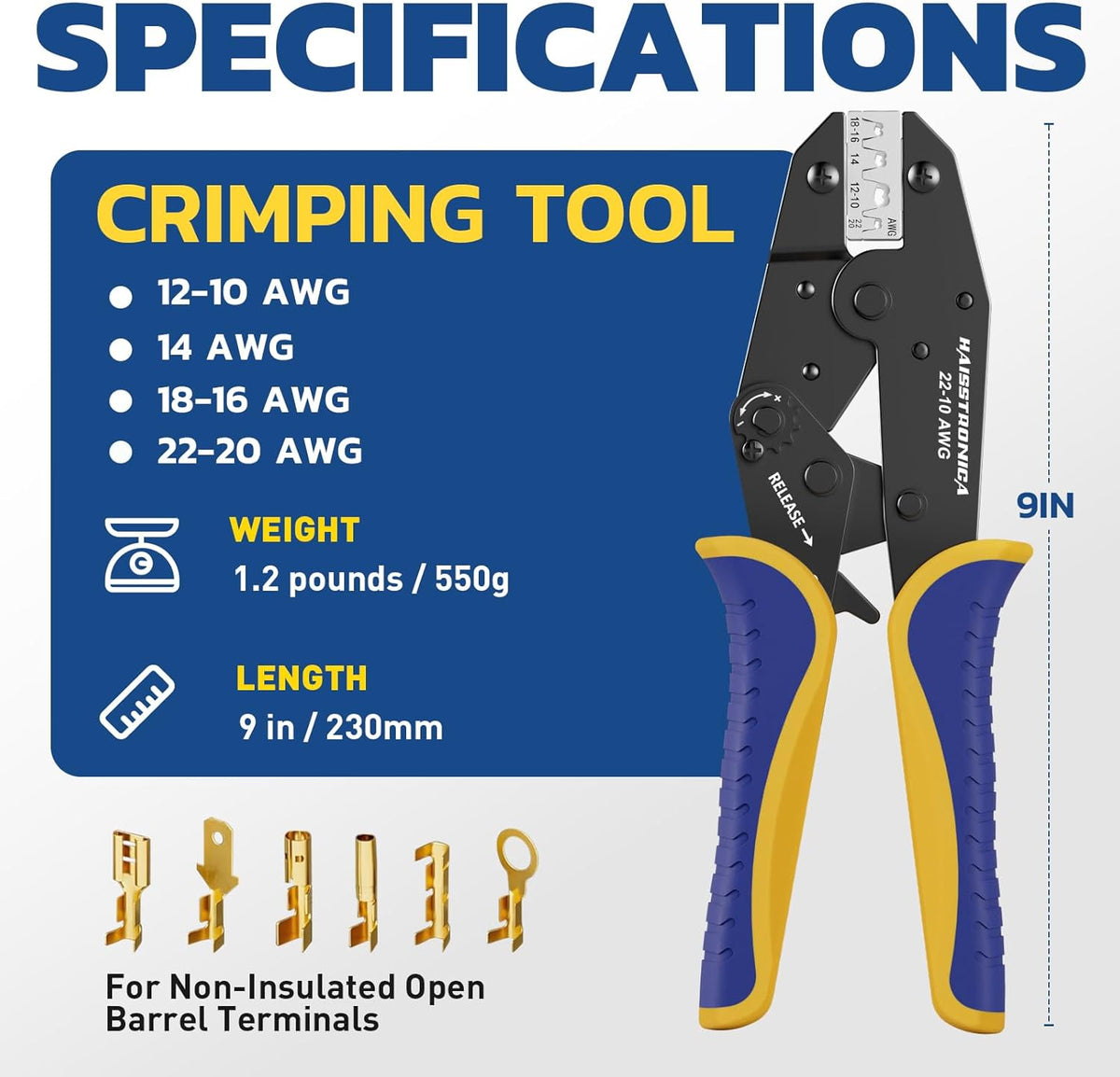
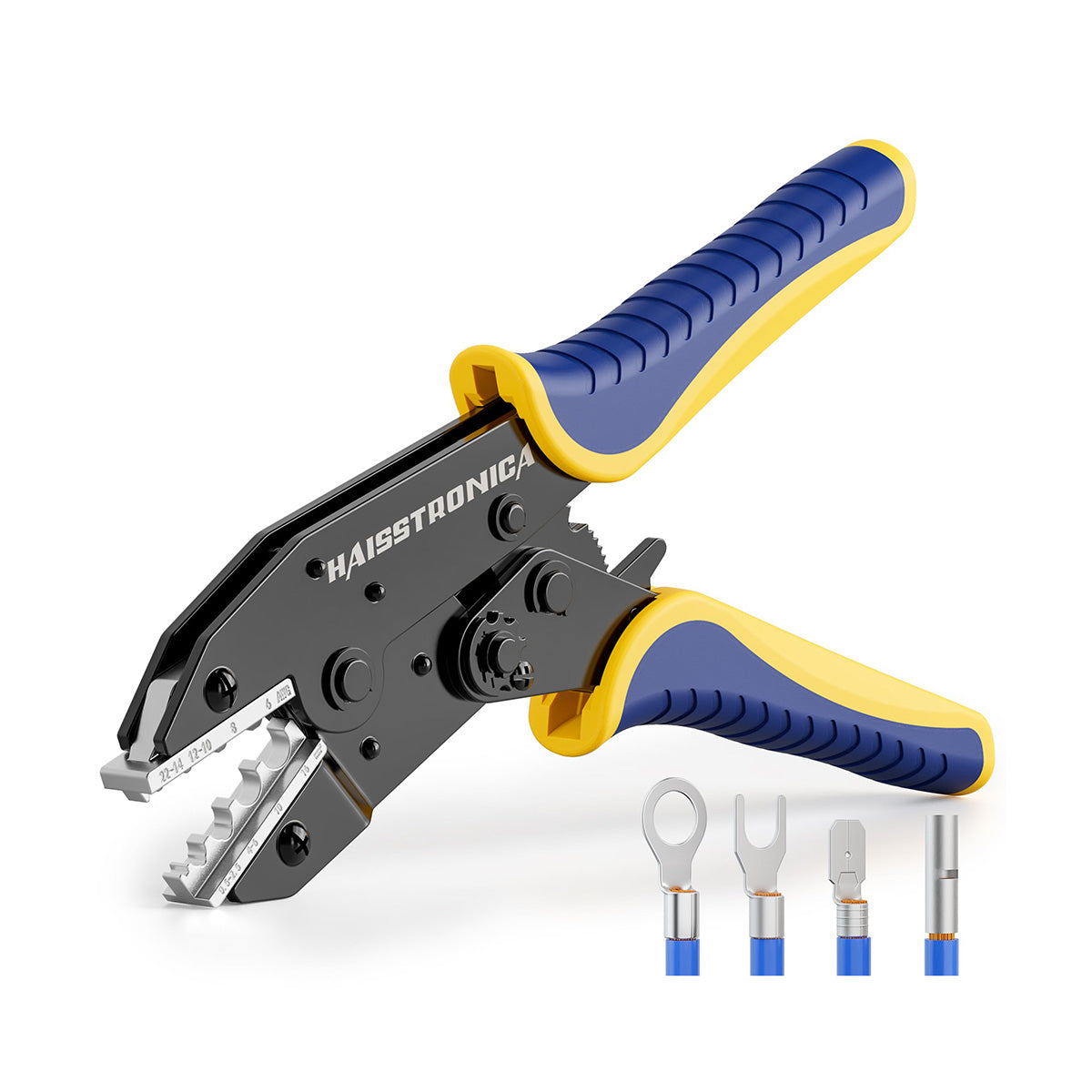
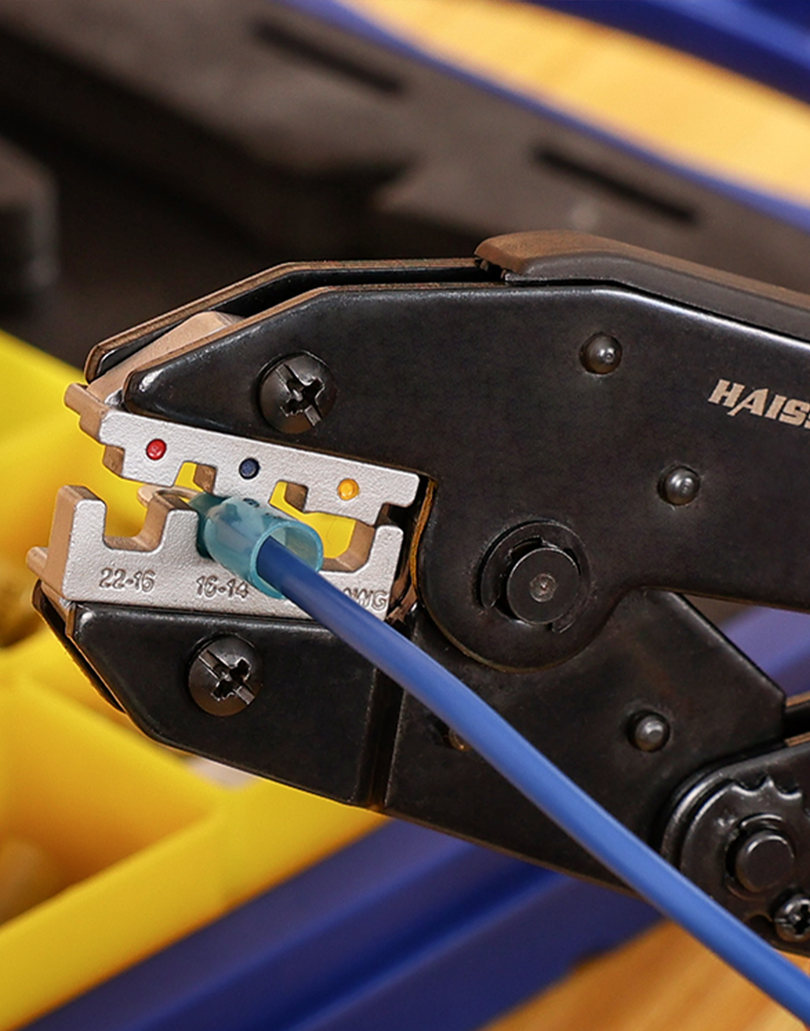
Finally, ratchet advantage isn’t only “easier squeezing”—it’s faster changeovers. Haisstronica’s crimping-tool collection describes an interchangeable ratcheting crimper tool system with a magnetic locking mechanism that enables rapid, secure die changes, letting users switch between termination types more efficiently. When your workflow includes stripping plus repeat terminations (ferrules, insulated terminals, or a splice terminal connector), faster changeovers mean more completed work per hour. Build a pro electrician toolset around Haisstronica so your stripping and terminating stays fast even when tasks change.

The Advantages of Ratchet over Squeeze: Effortless Stripping Every Time — best wire stripping pliers
The main advantage of ratchet-style action is repeatability under real conditions. When you need consistent prep for an auto wire splice repair, a connector install, or volume harness work, the tool must deliver uniform results even when your hands are tired. Squeeze-only tools tend to drift with grip strength—leading to uneven cable strip lengths, torn insulation, or strand disturbance. Ratchet mechanisms reduce peak-force demands and help maintain a consistent close, which supports more reliable, repeatable outcomes.
The second advantage is quality protection—and standards back up why that matters. TE warns against nicking/scraping conductors and against insulation filaments extending among bare conductors after stripping. NASA also requires undamaged remaining insulation and prohibits conductor nicks to exposed base metal—defects that can become reliability failures later. Ratchet-style control helps limit the “panic squeeze” that often causes these issues when you’re behind schedule.
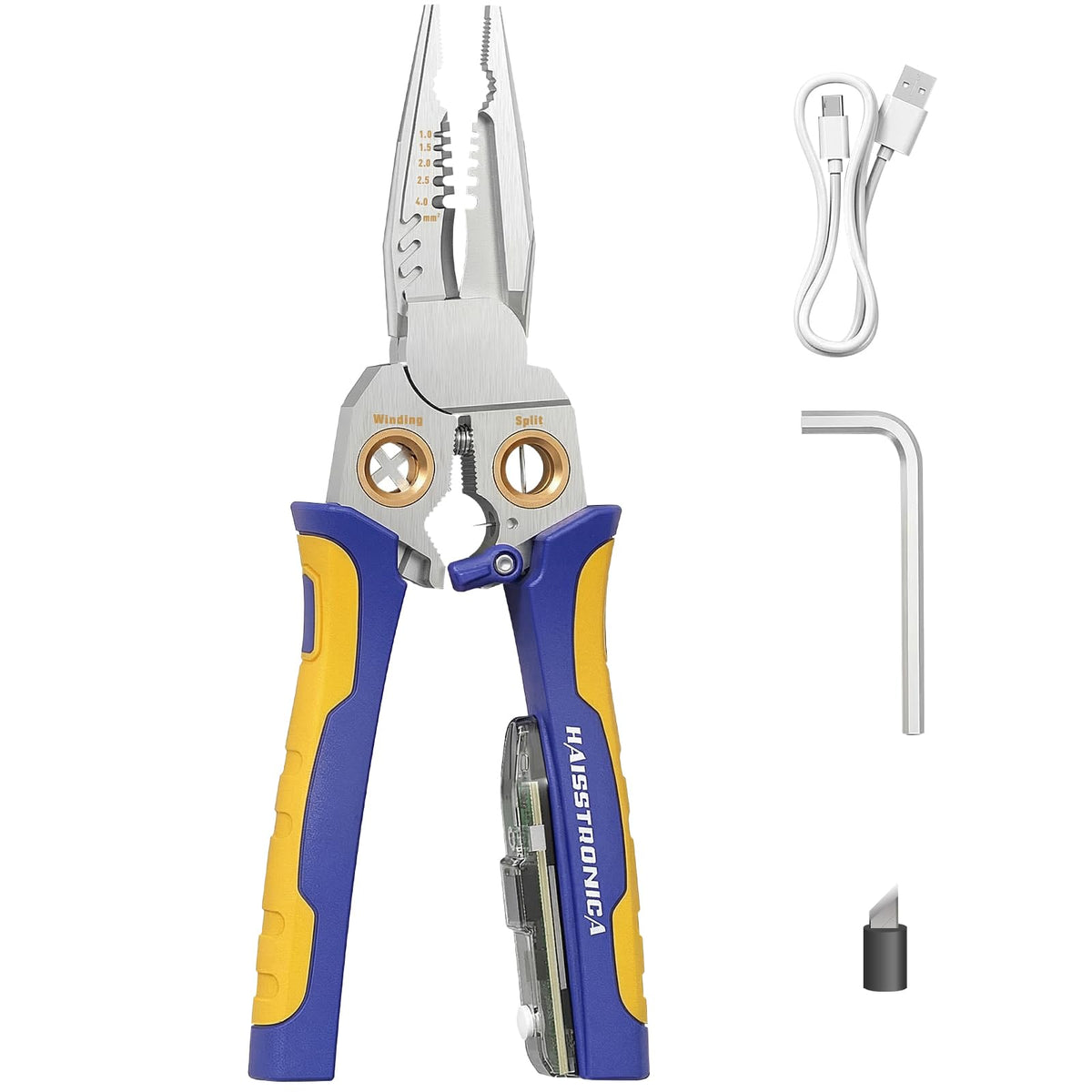
The third advantage is speed that doesn’t collapse into rework. A good ratcheting workflow reduces two time sinks: (1) repeated attempts to get the right strip on mixed gauge, and (2) extra tool swaps between stripping, cutting, and termination. A practical “tools needed” setup for pros includes an awg tool (or gauge reference), an electrical wire cutter tool, and either a combo tool (crimping tool and wire stripper) or well-matched wire crimpers and strippers staged together.
Multi-gauge work is where ratchet-style efficiency truly shows. When you’re switching sizes, you need honest references for wire gauge—because AWG changes diameter and stripping behavior. Engineering ToolBox provides an AWG chart with diameter and related specifications, underscoring why size identification matters and why guessing often fails in mixed work. Pair that knowledge with a tool that reduces changeover friction, and your output rises while defects fall.
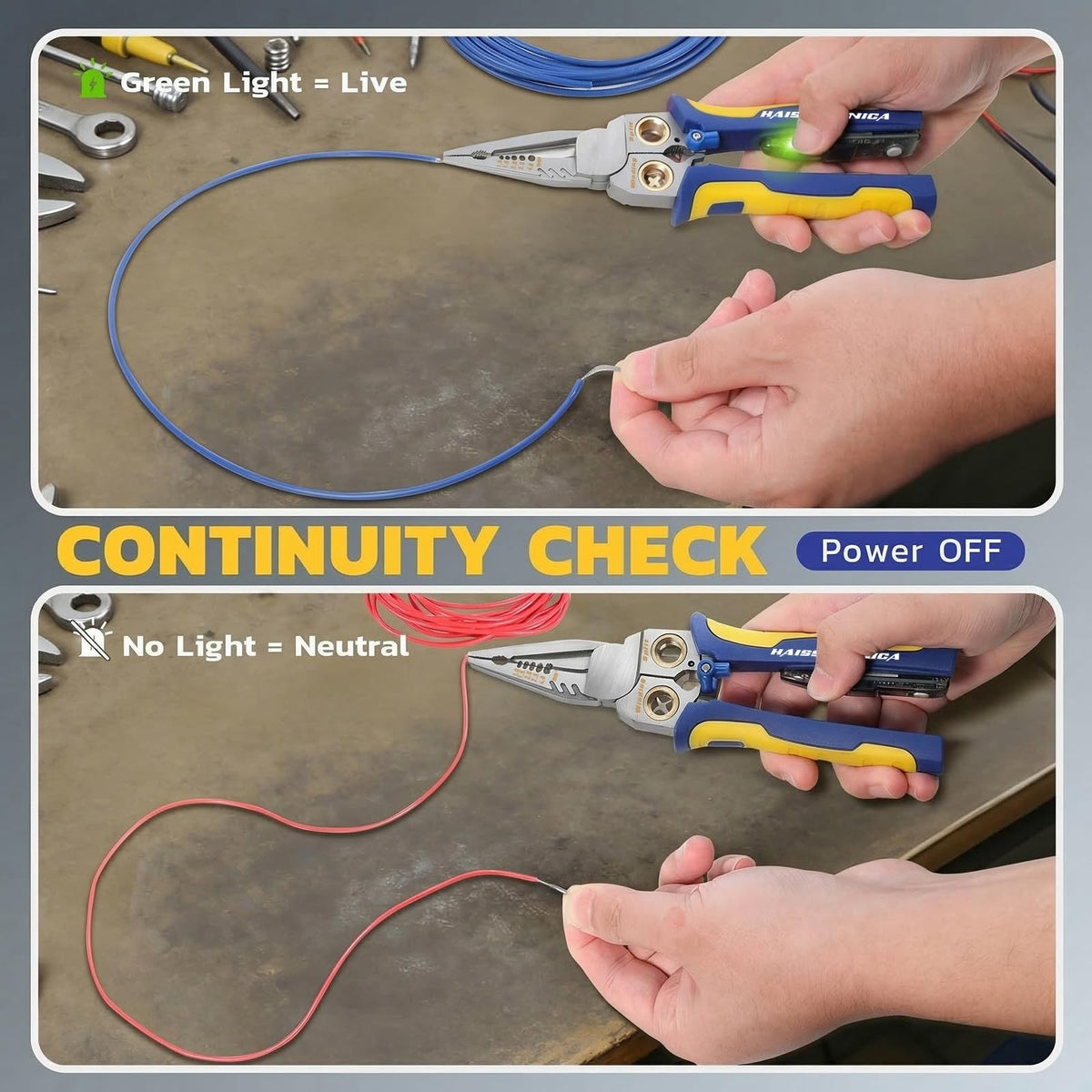
A quick safety note for pros: ratcheting tools are often not insulated, and manufacturer guidance for ratcheting crimper/stripper tools commonly warns they will not protect against electrical shock and should not be used on or near live circuits. Treat stripping and crimping as de-energized work, verify circuits, and use the correct PPE—because “effortless” should never mean “unsafe.” For safe, controlled workmanship, choose Haisstronica electrical wire tool solutions designed for professional bench and jobsite workflows.

Conclusion
If you’re shopping for the best wire stripping pliers, the real decision is not “ratchet vs squeeze” in isolation—it’s whether your workflow stays consistent when the job gets messy: changing gauges, thicker insulation, long runs, and tight deadlines. Ergonomic guidance emphasizes reducing force and awkward repetition, while workmanship requirements emphasize protecting conductors and insulation from damage; ratcheting action supports both goals by stabilizing motion and reducing peak effort.
Haisstronica fits this pro reality by focusing on repeatability controls (pressure adjustment and strip-length guidance) and ecosystem efficiency (ratcheting systems designed for faster changeovers and consistent terminations). Whether you’re building a professional electrician tool kit for daily service calls or standardizing a shop wiring tool kit for production-style work, the goal is the same: fewer do-overs, cleaner ends, and faster completion. Choose Haisstronica wire connector tools and stripping/crimping essentials to make “effortless” your new normal.