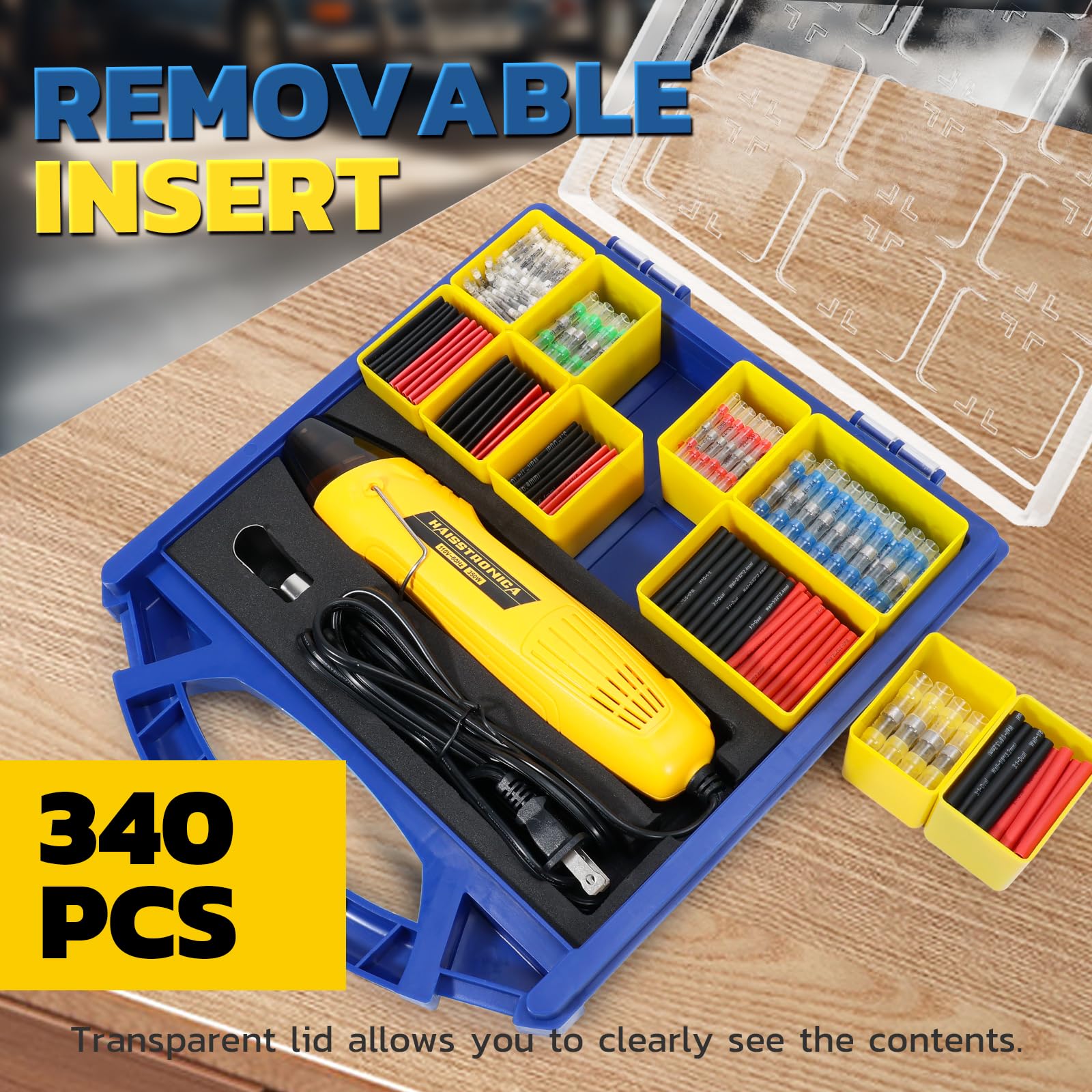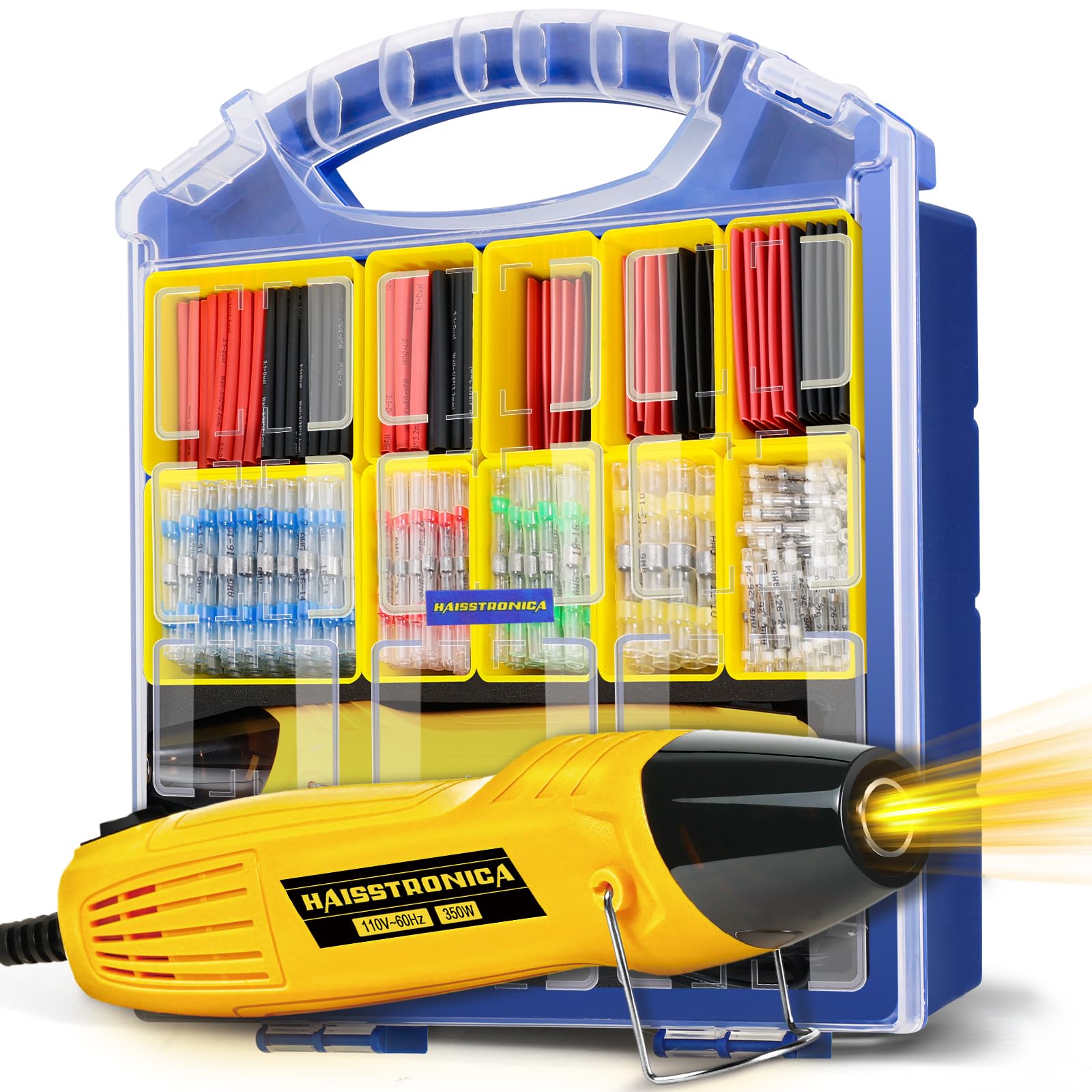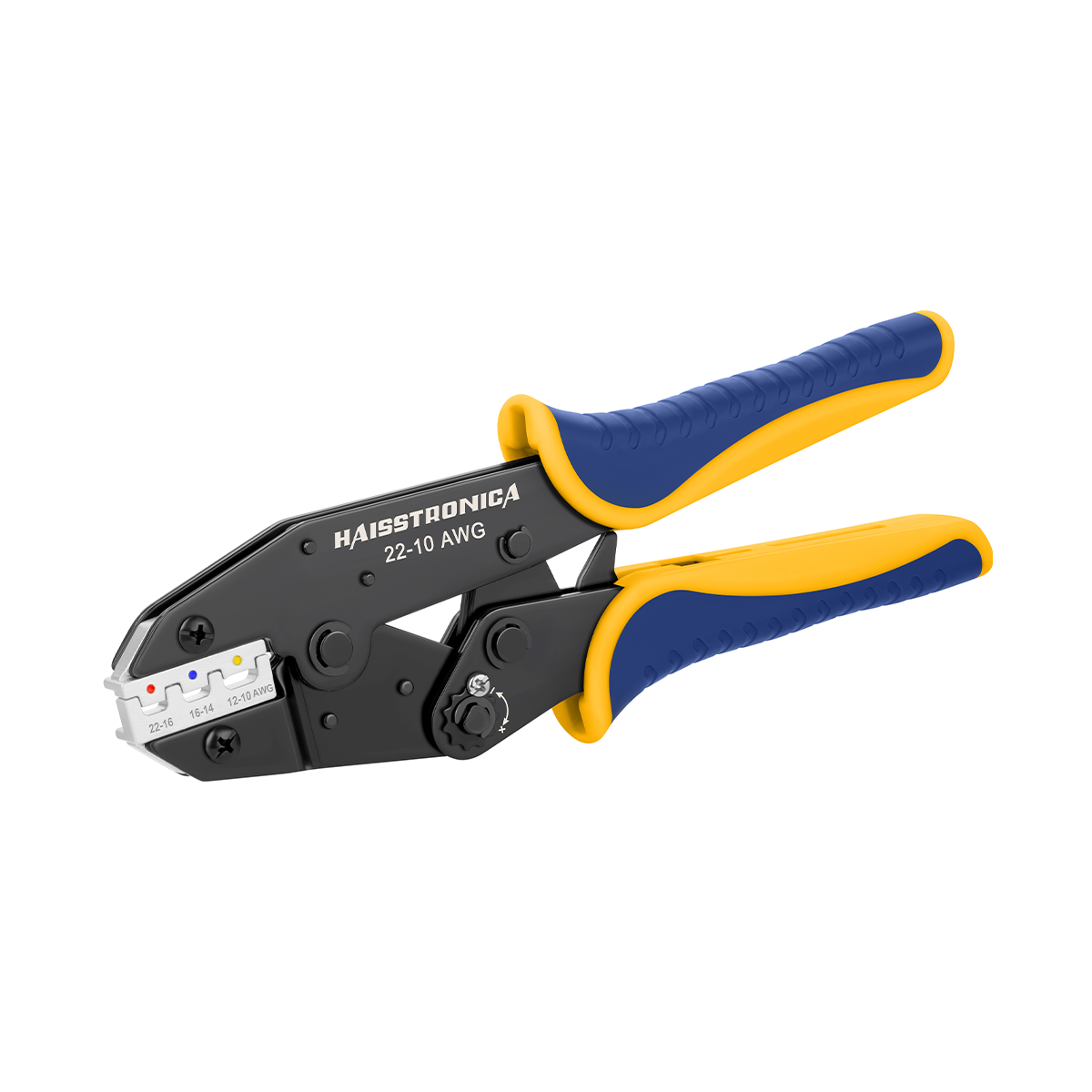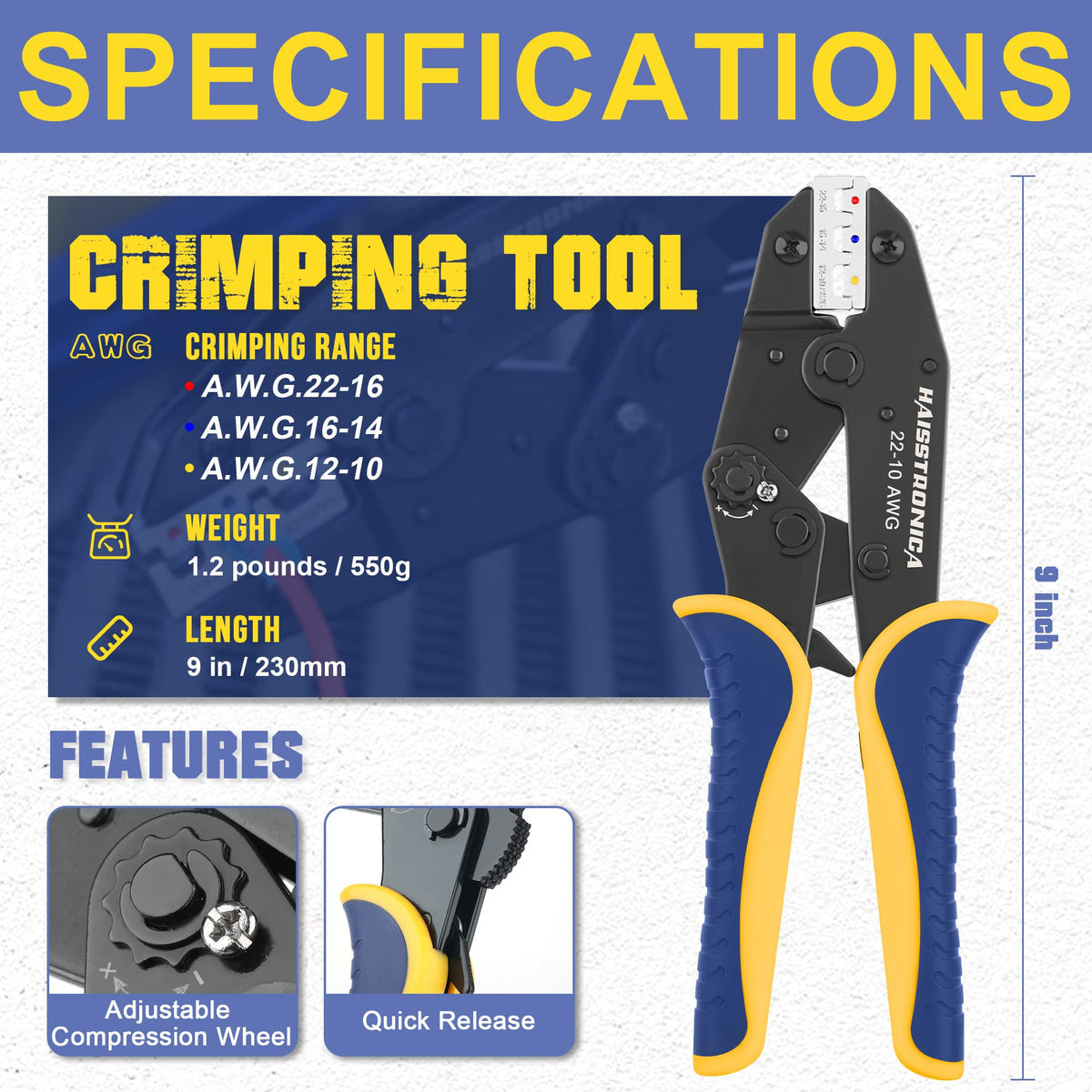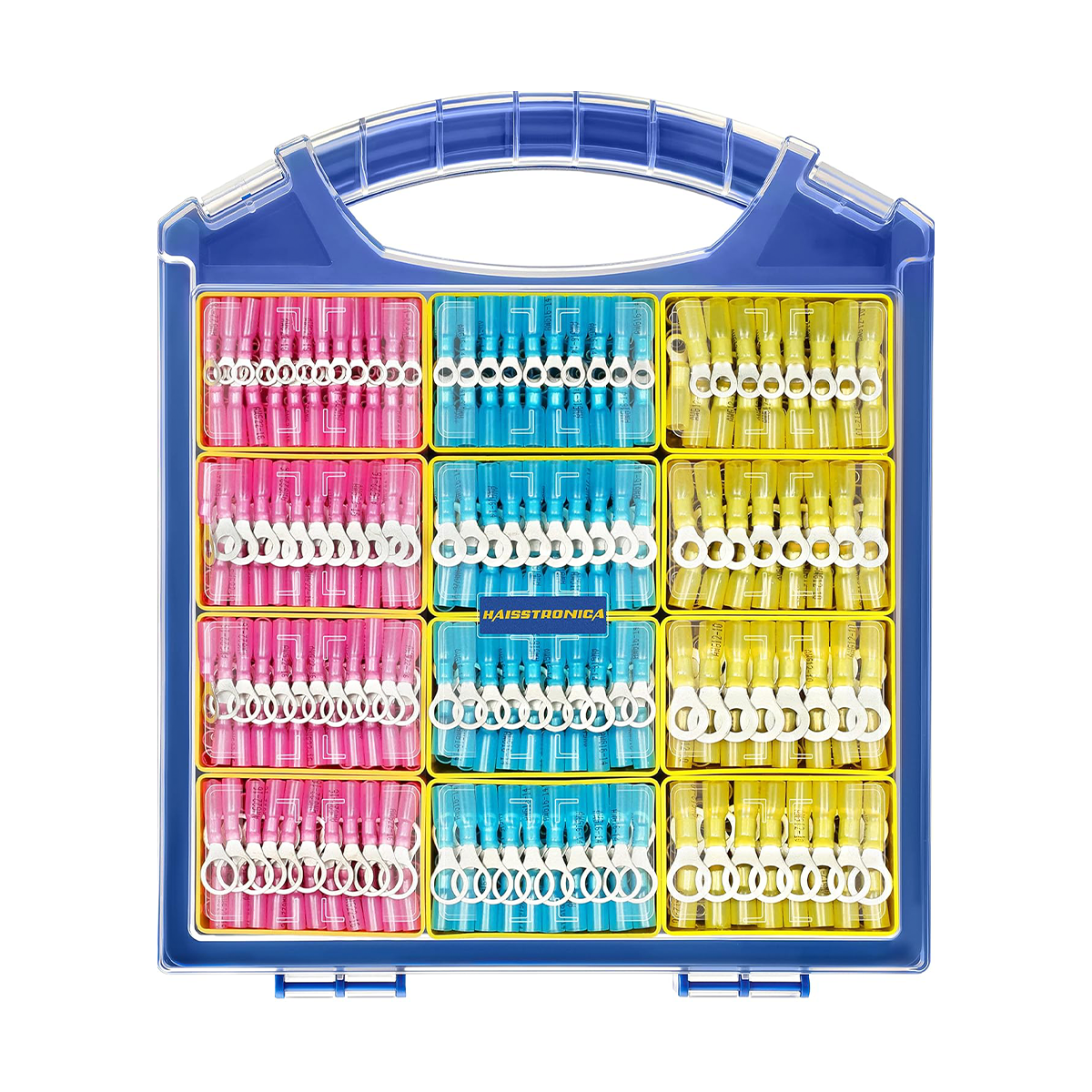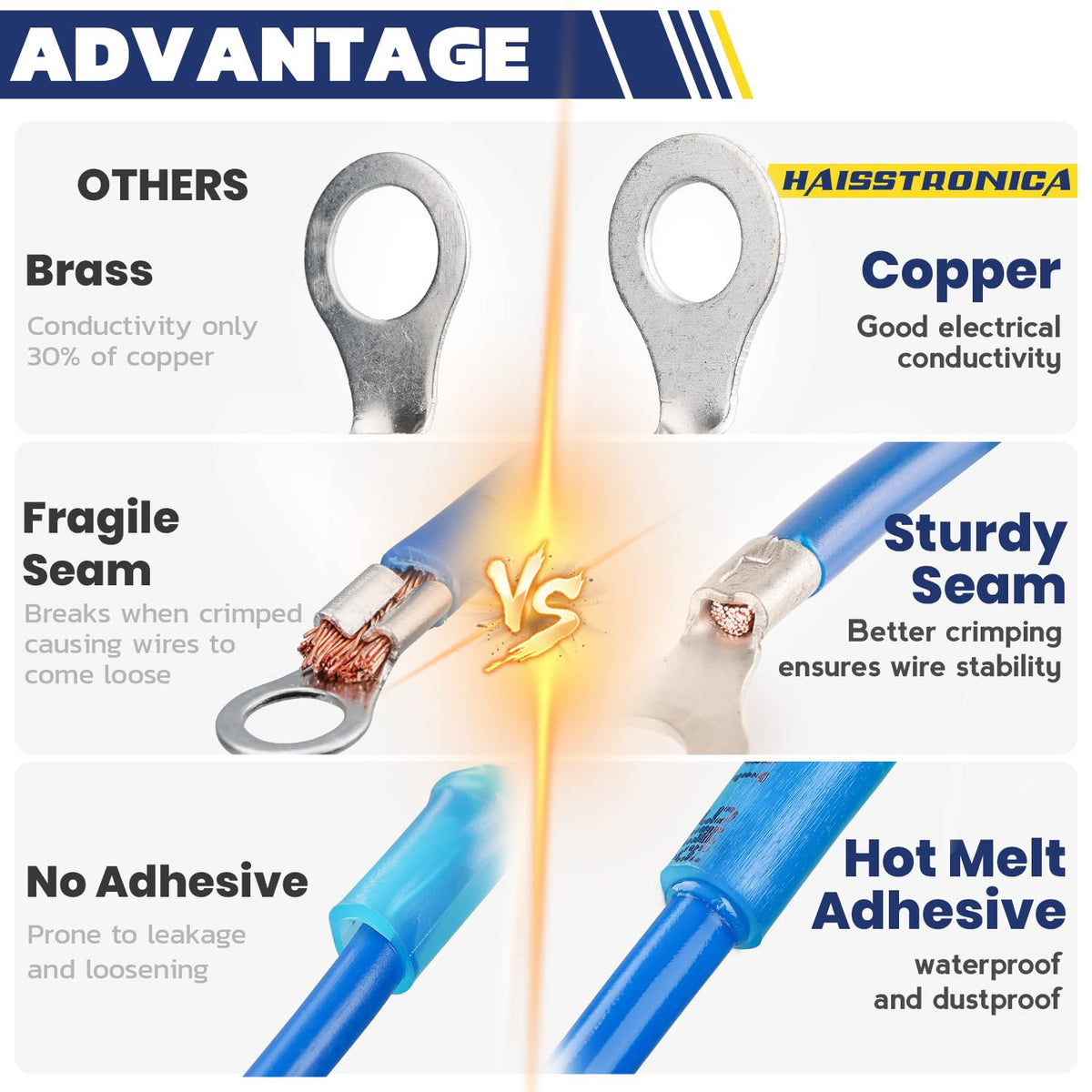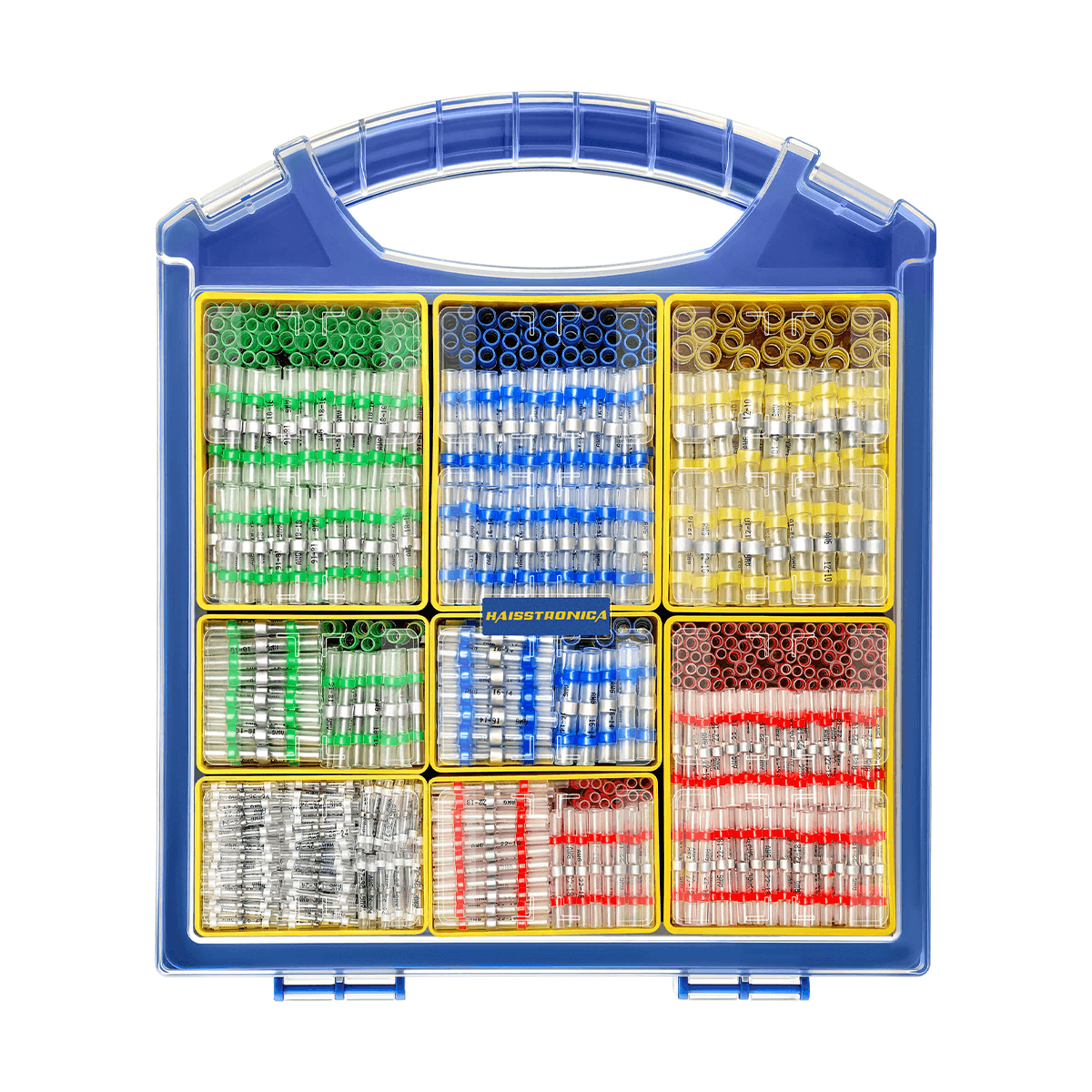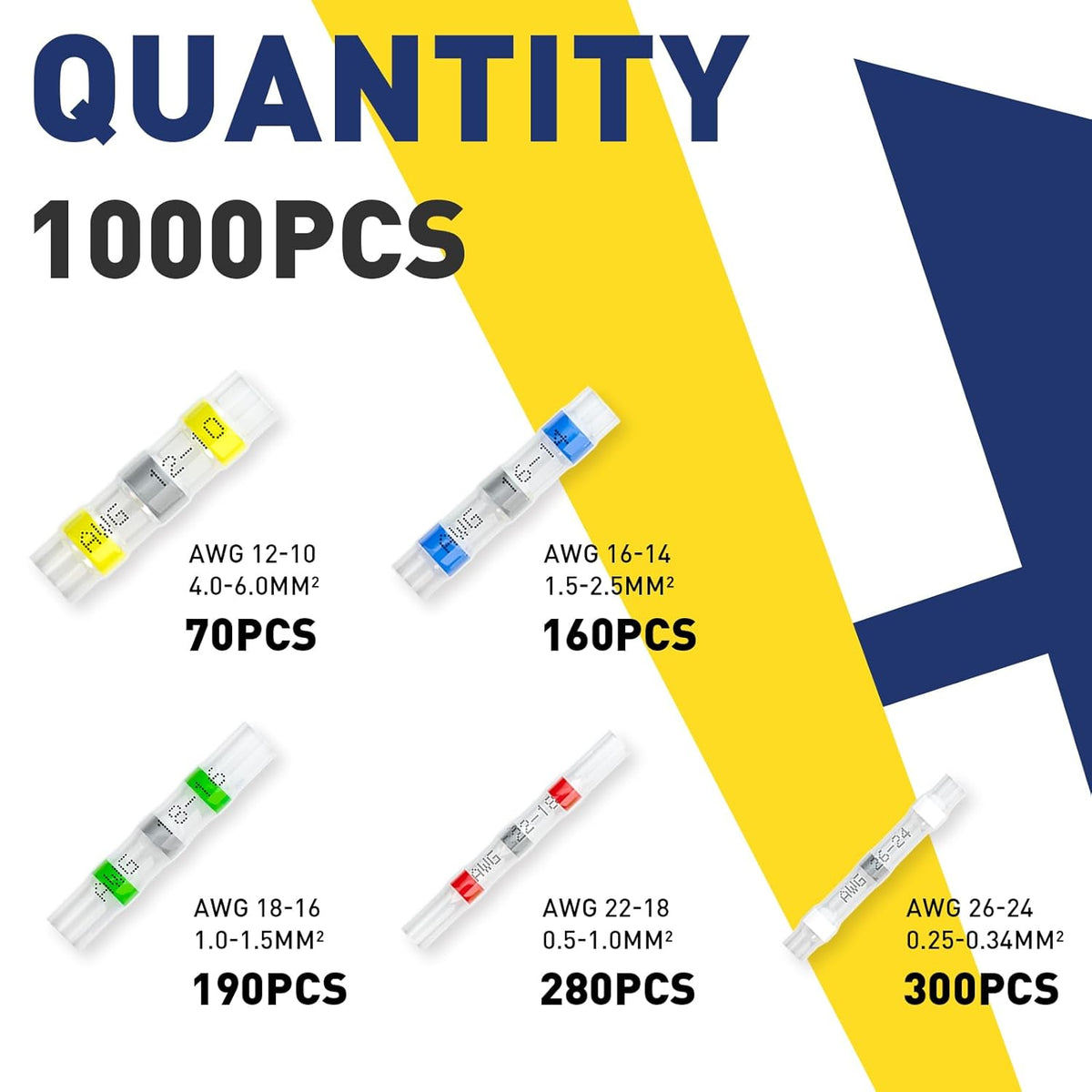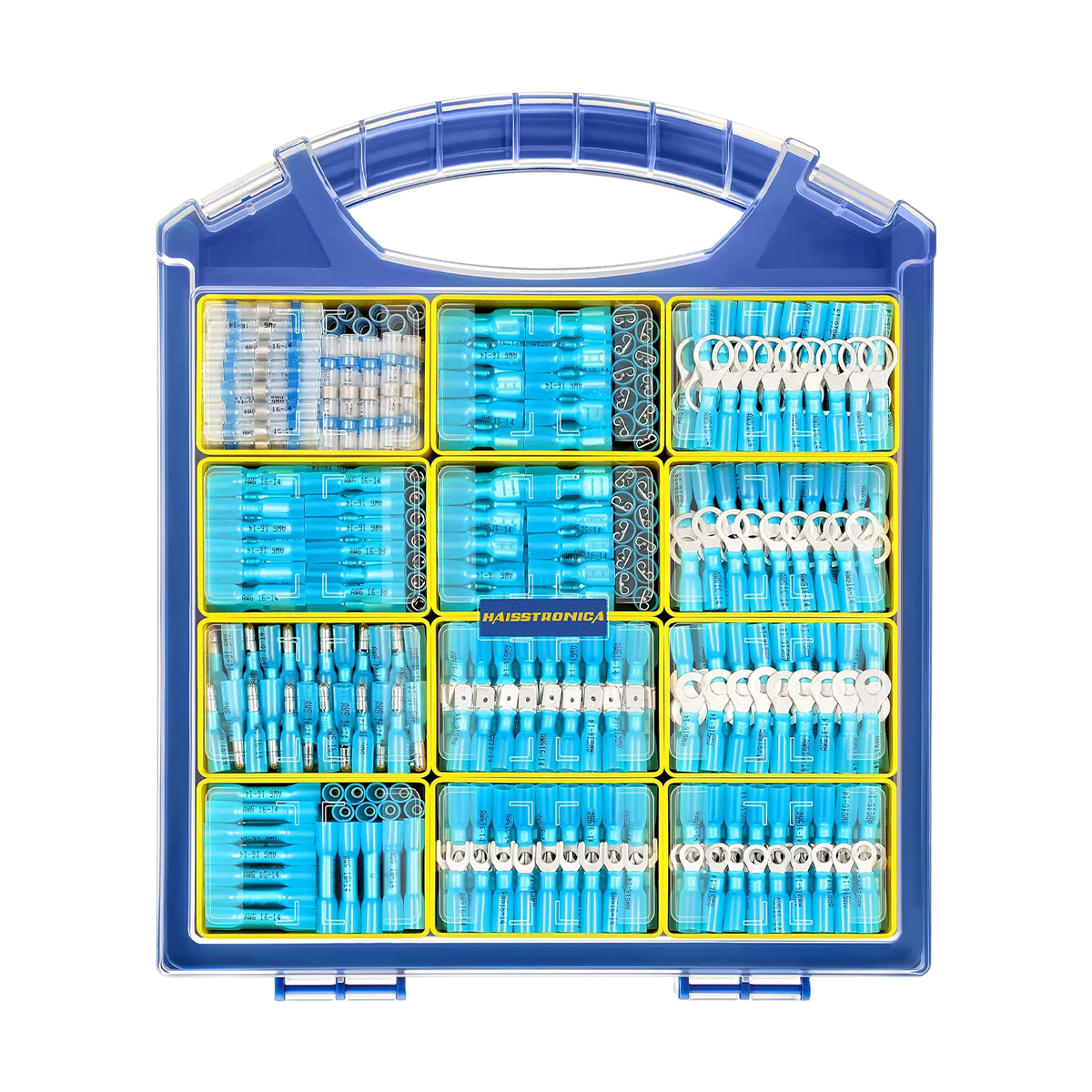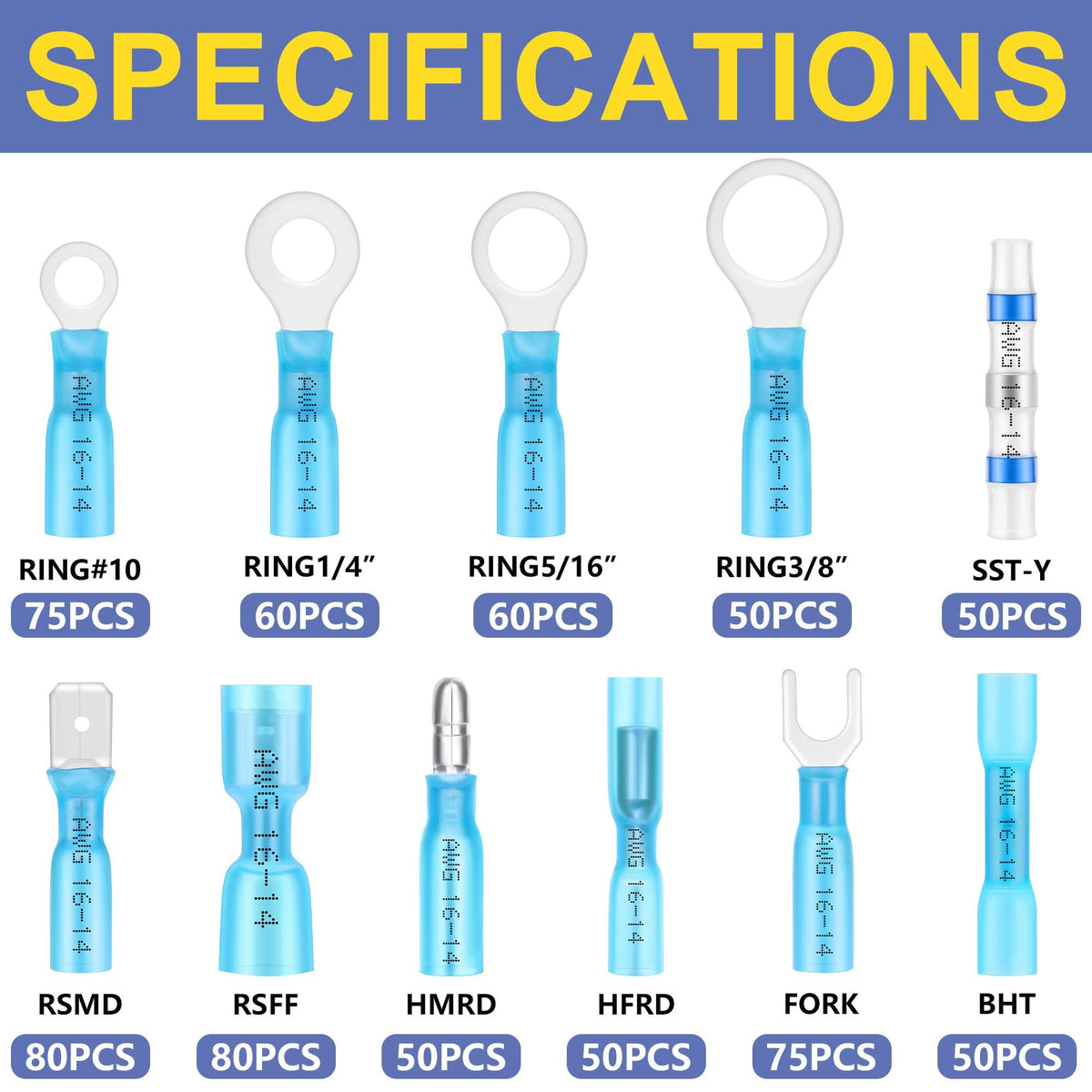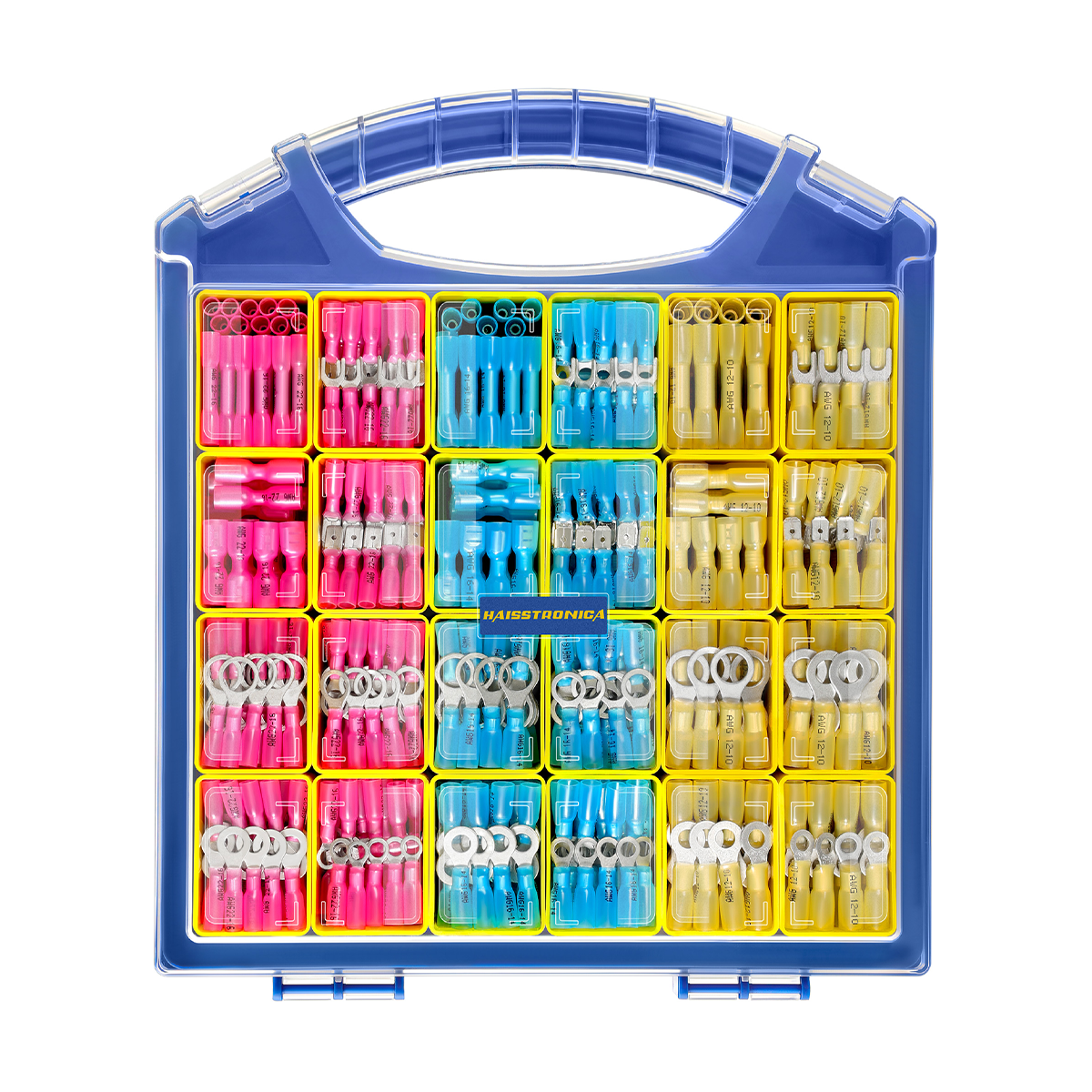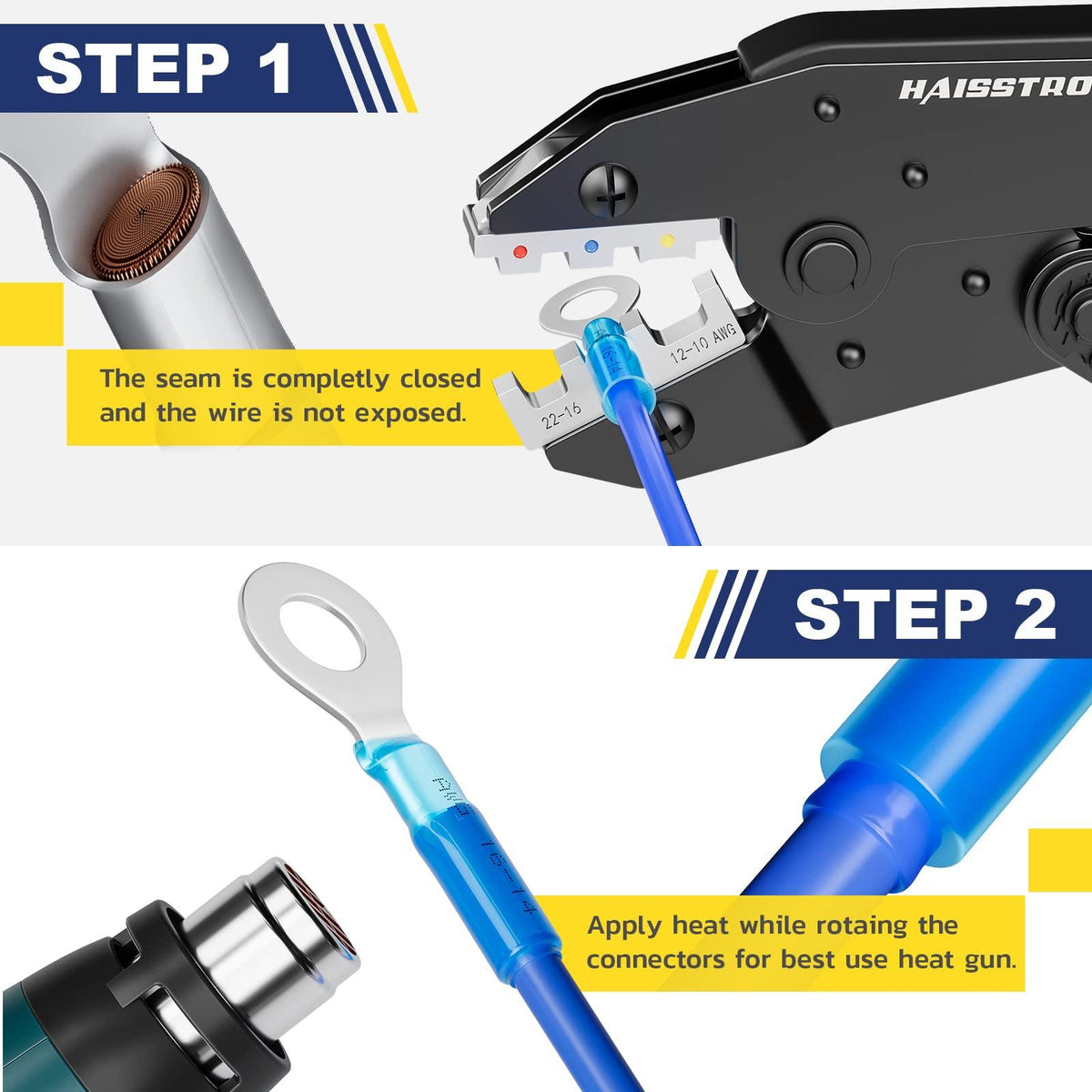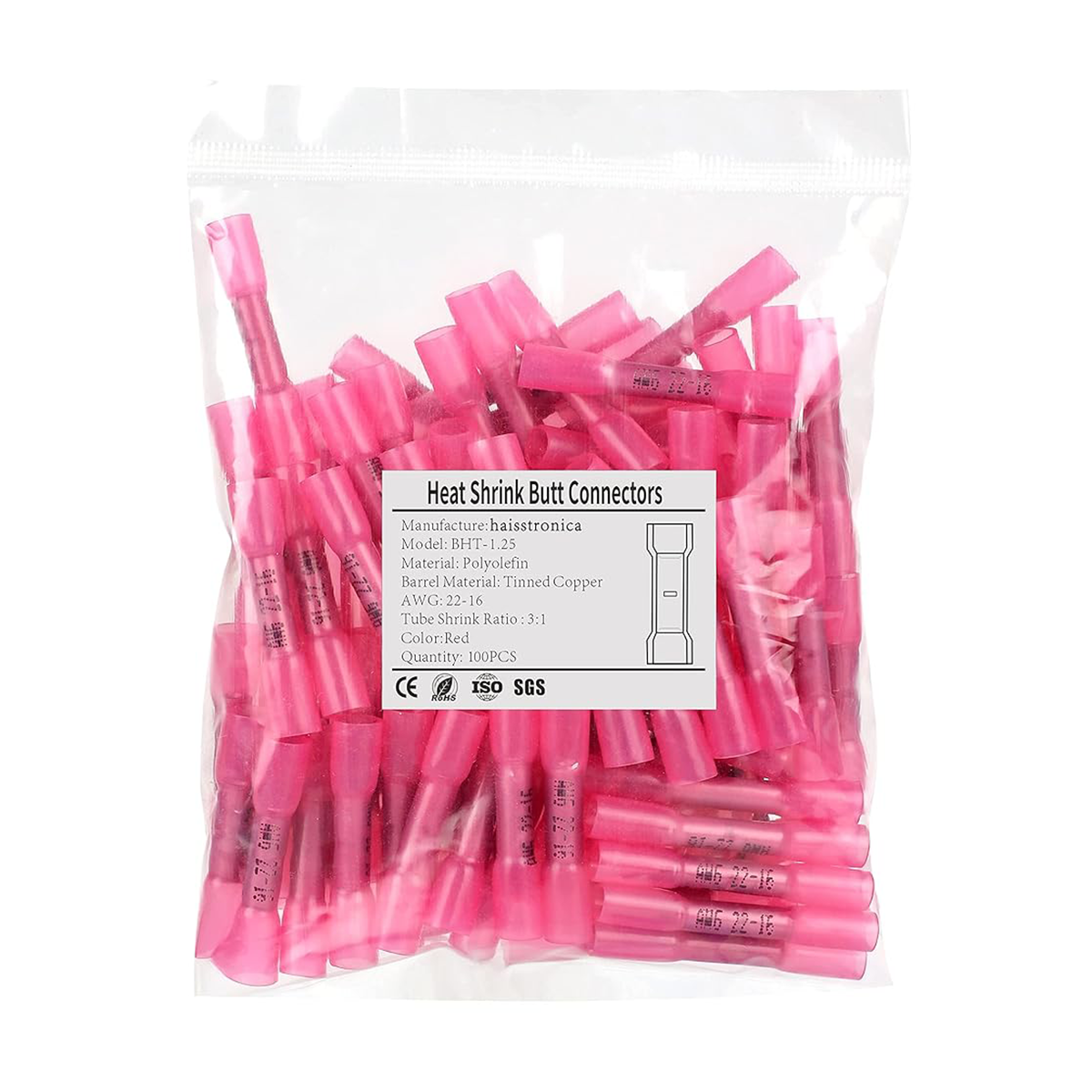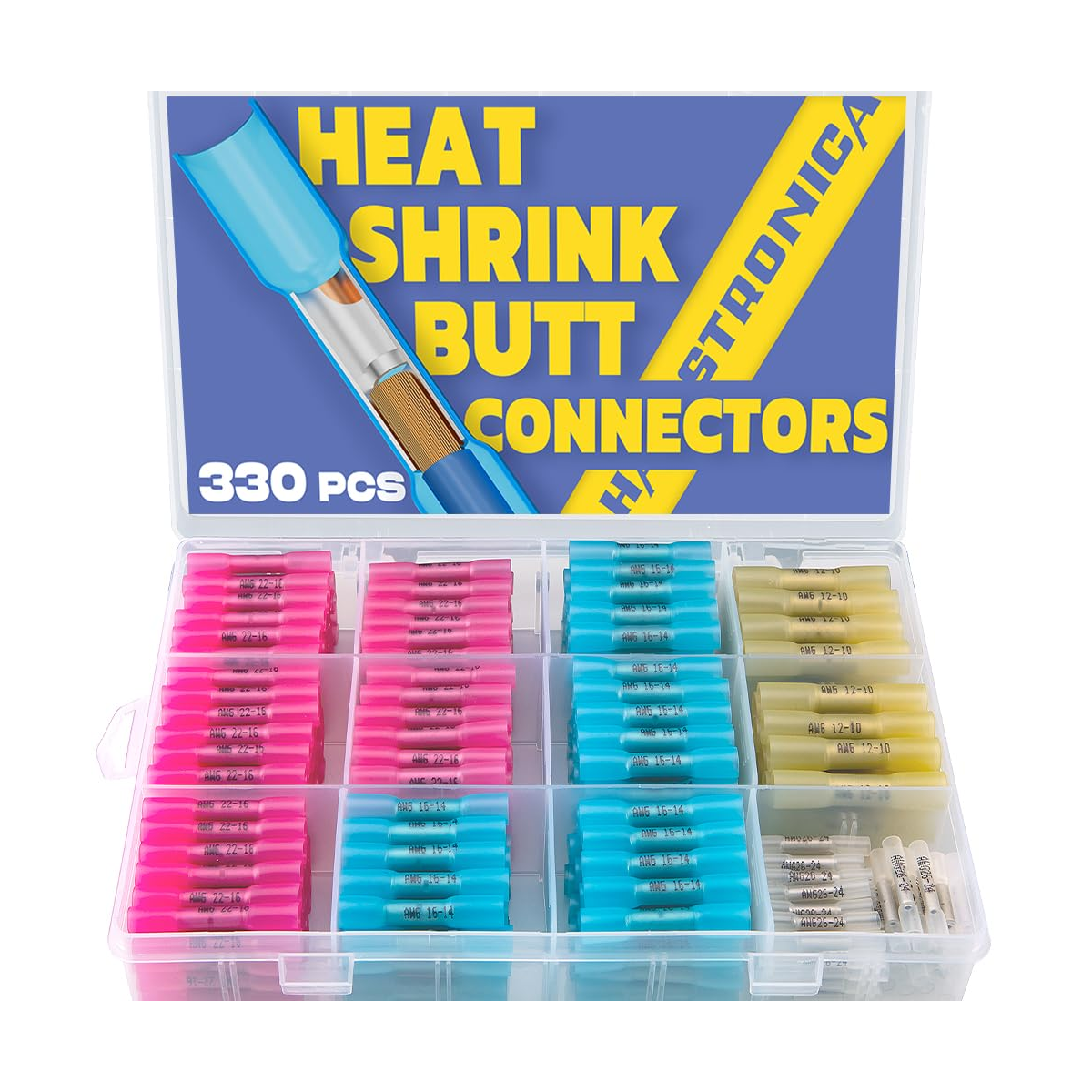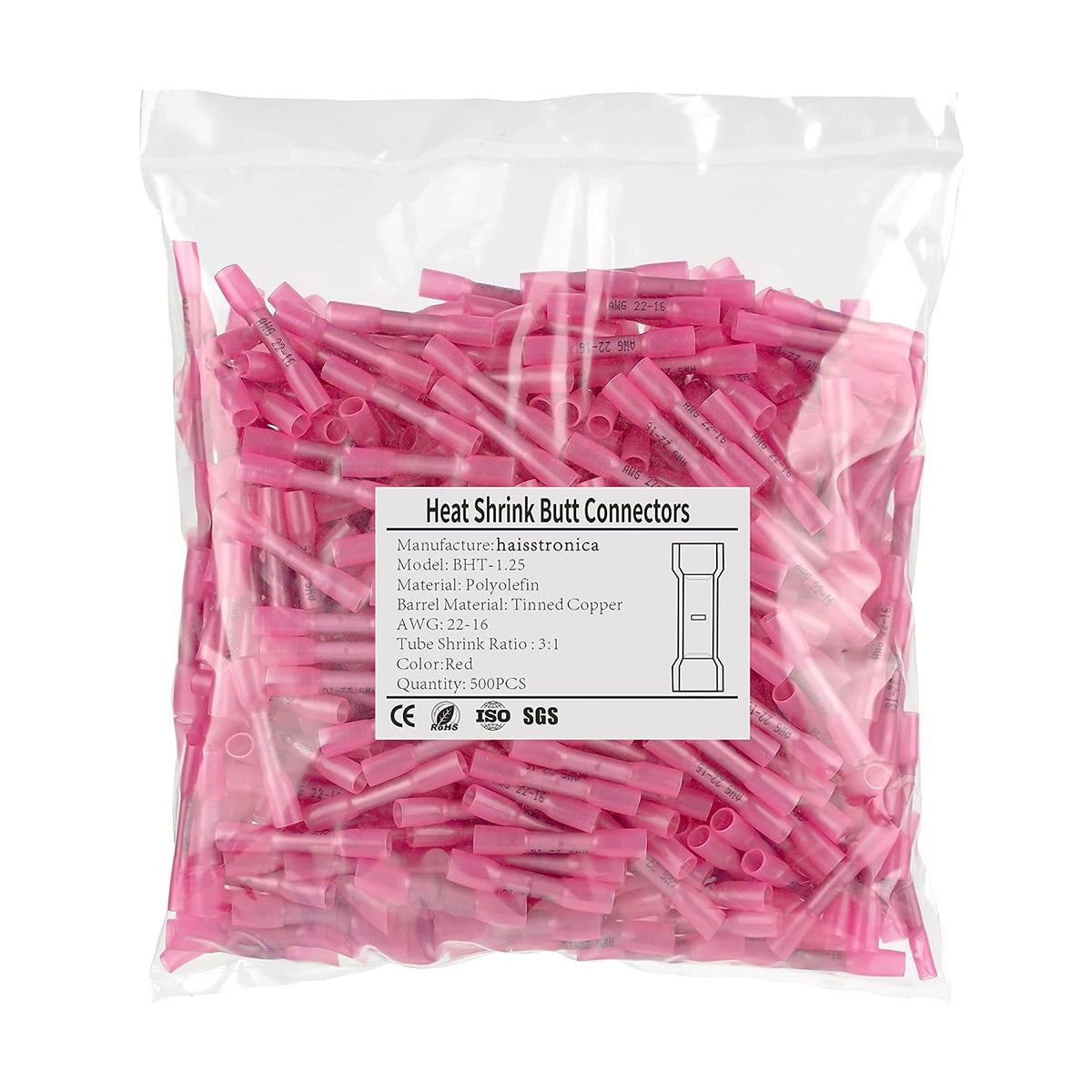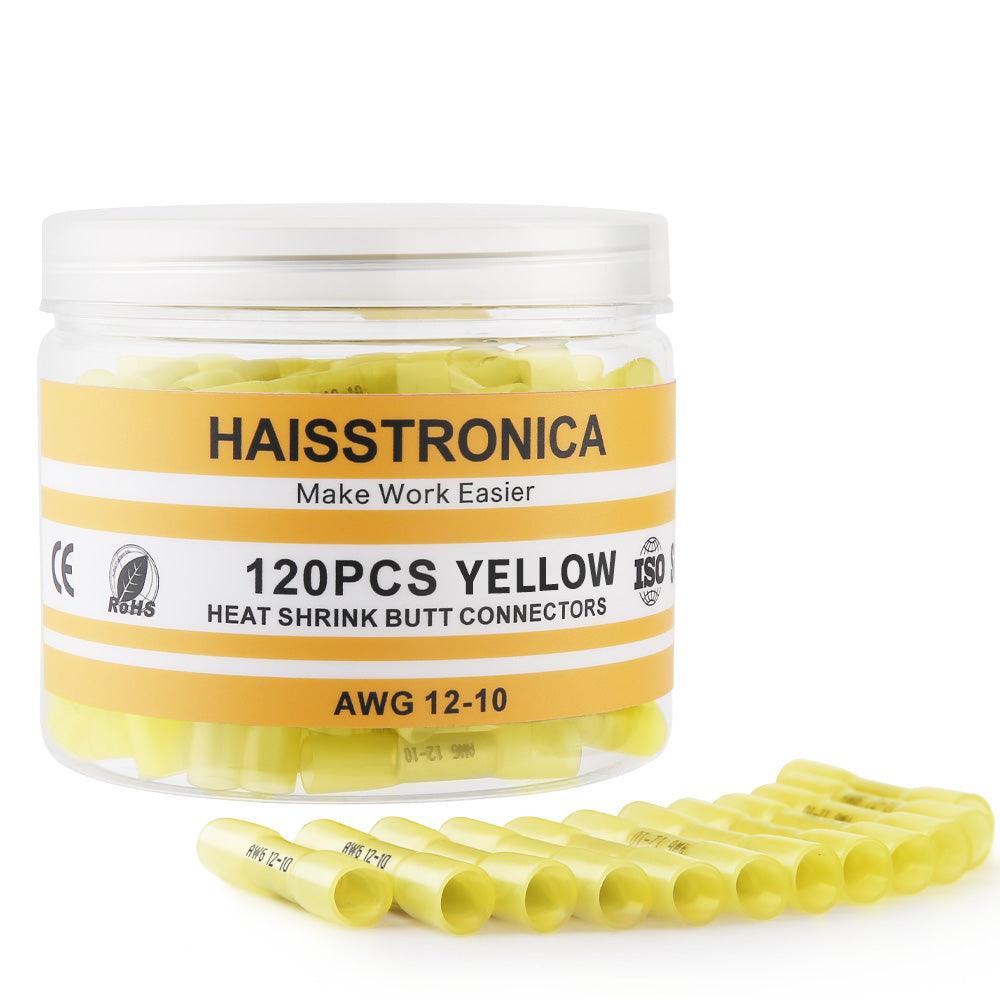

What We Mean by “Soldered” and “Solderless” Butt Connectors
To clarify, butt connectors are a type of wire splice connector used to join two wire ends together (end-to-end). The terms “soldered” and “solderless” refer to how the electrical connection is achieved:
-
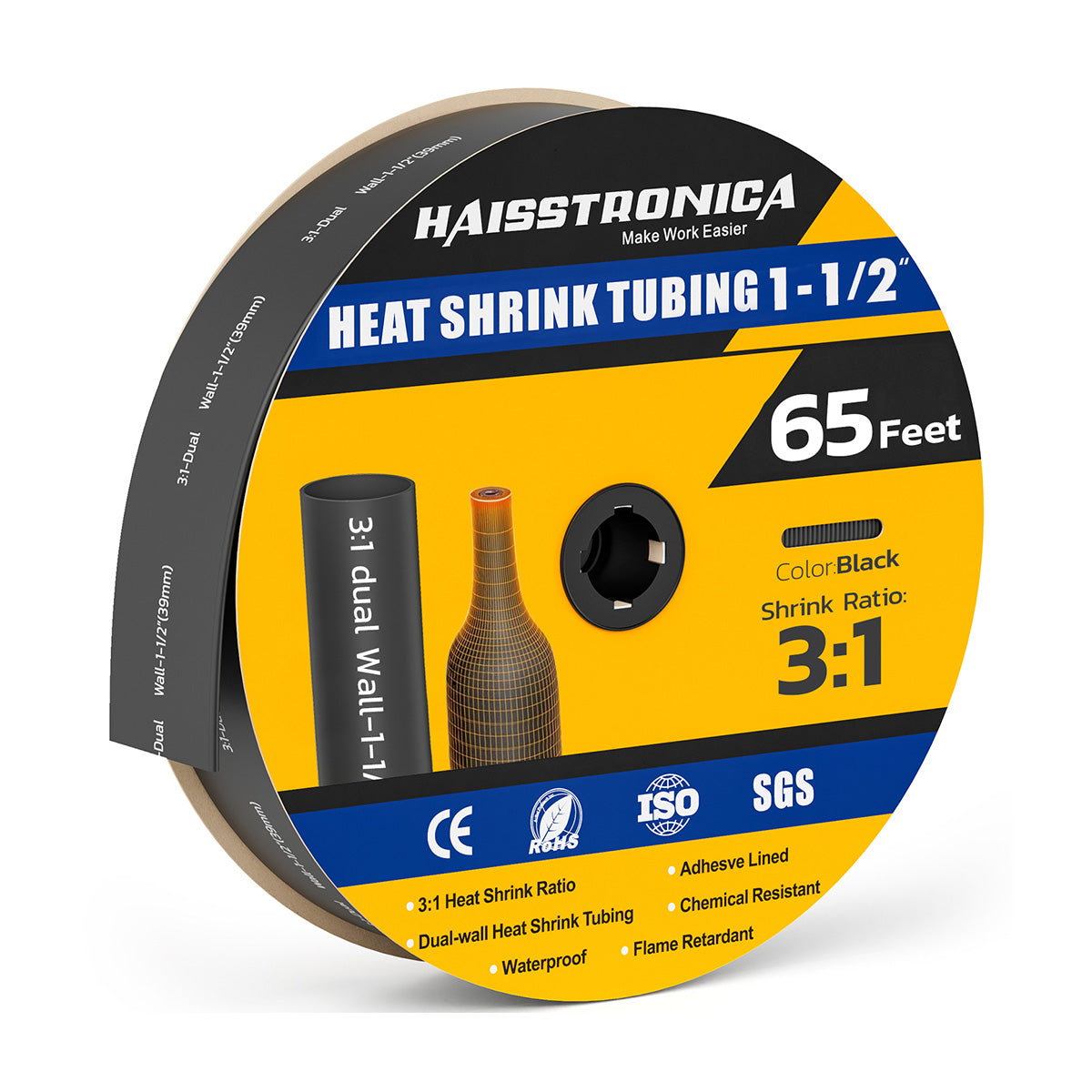
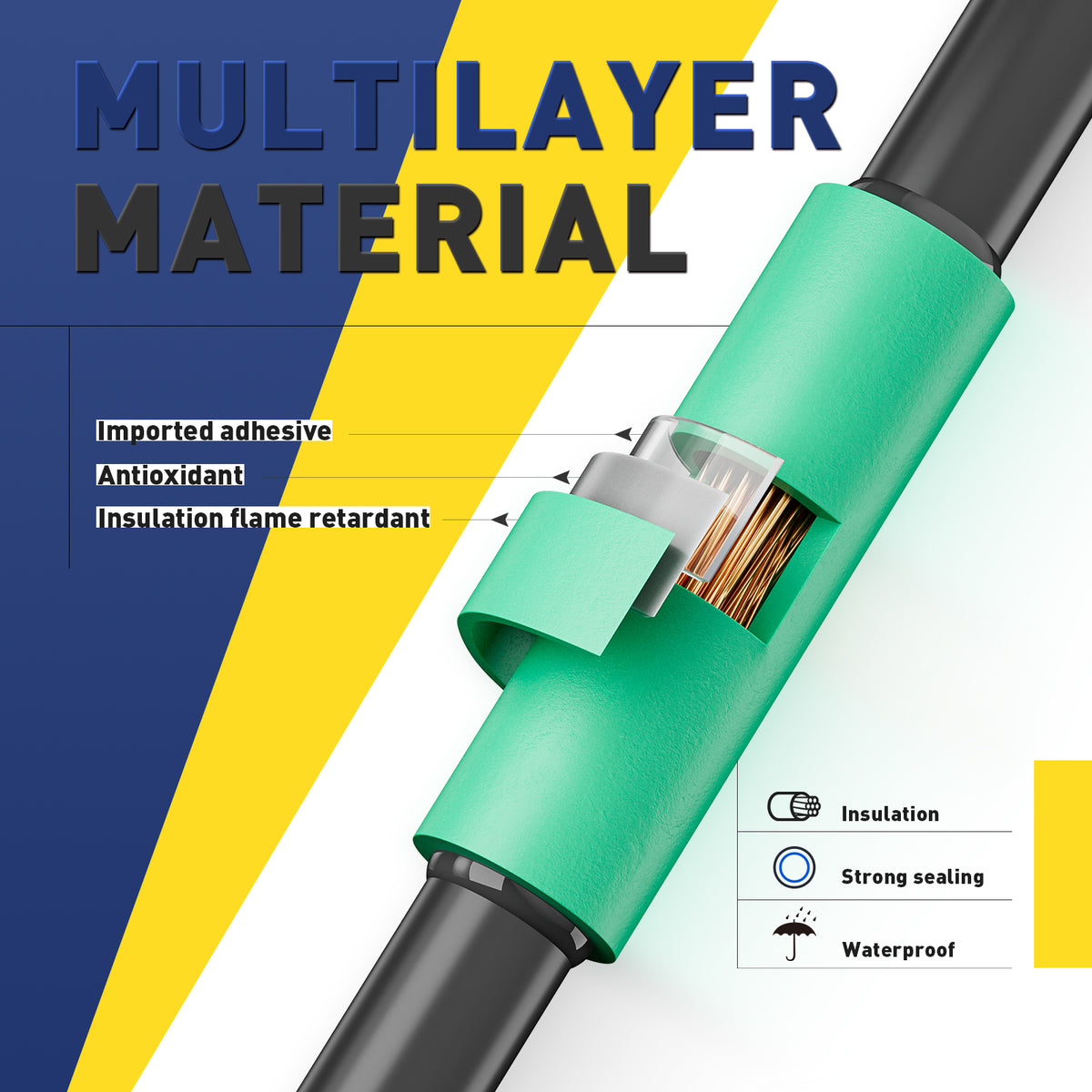
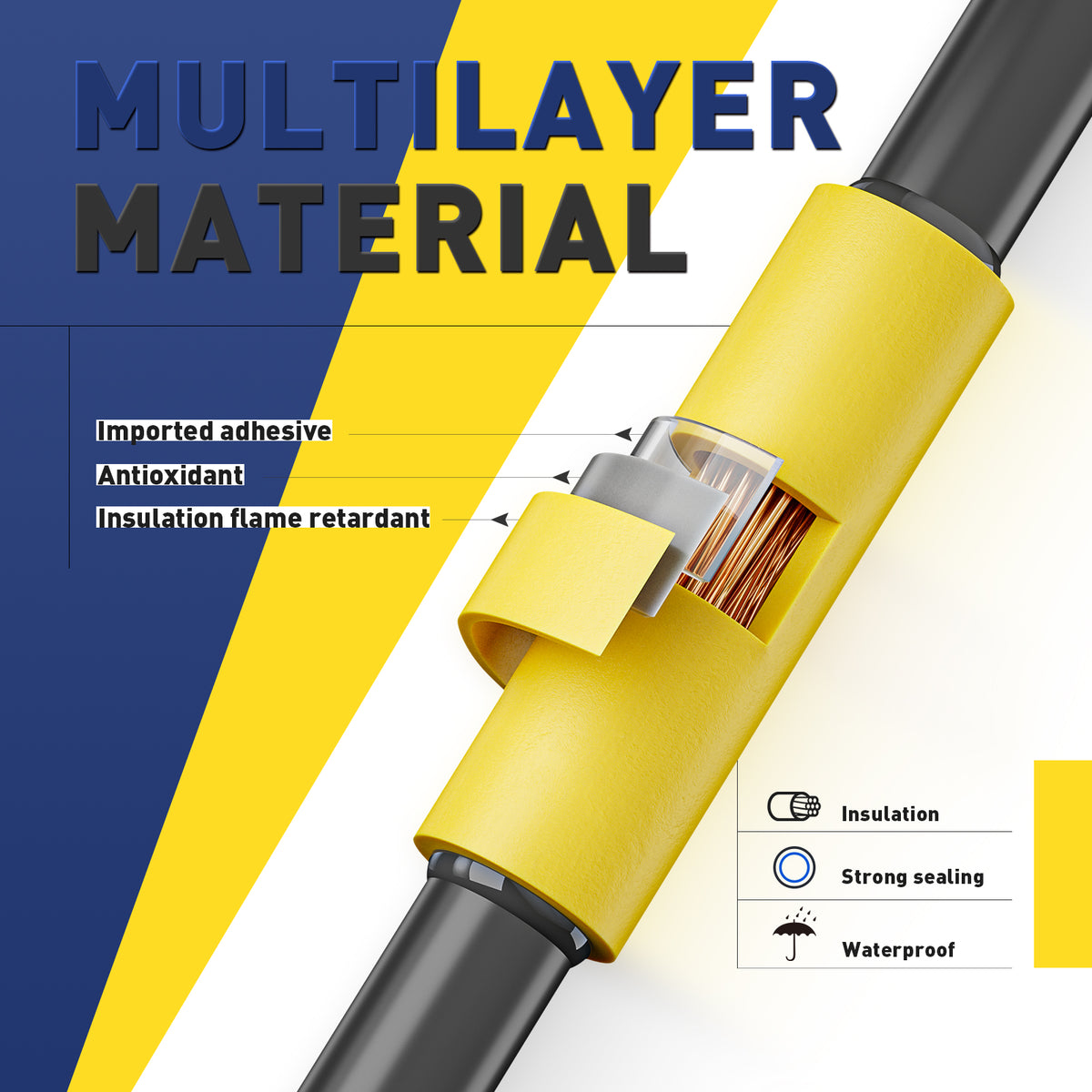
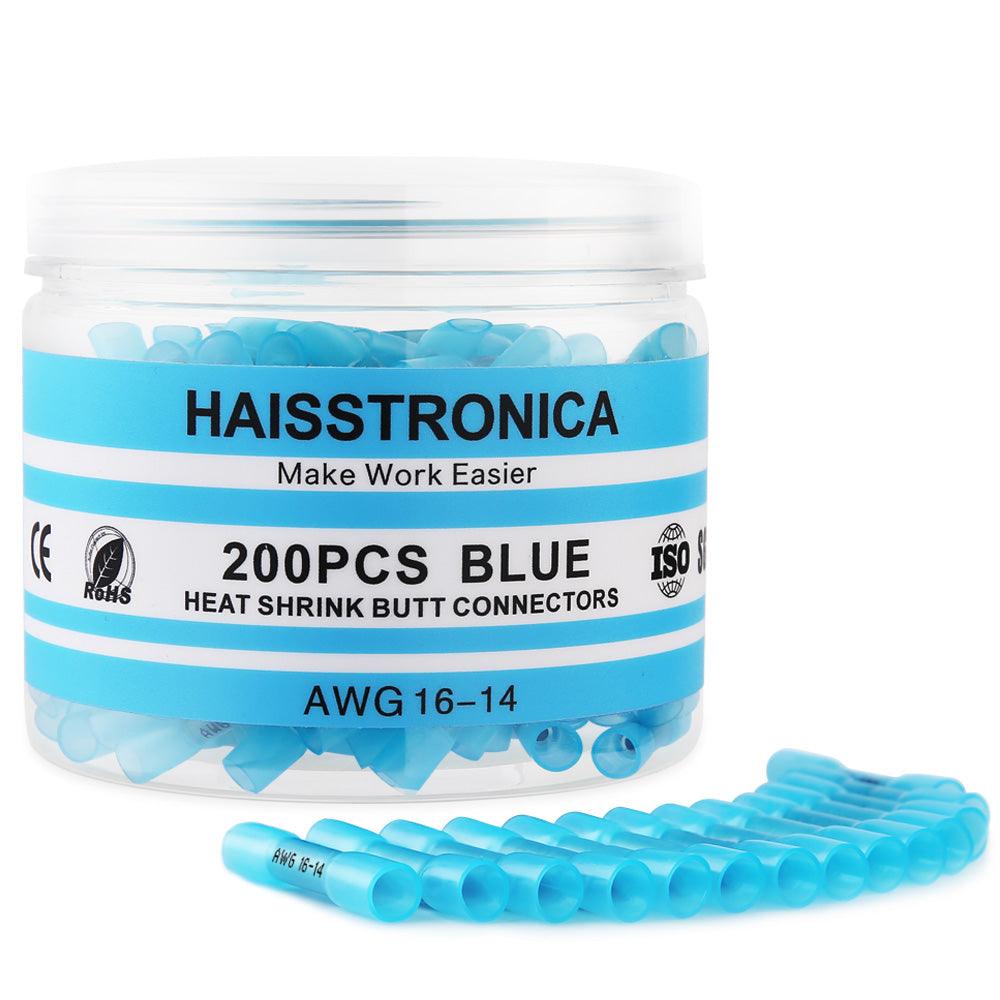
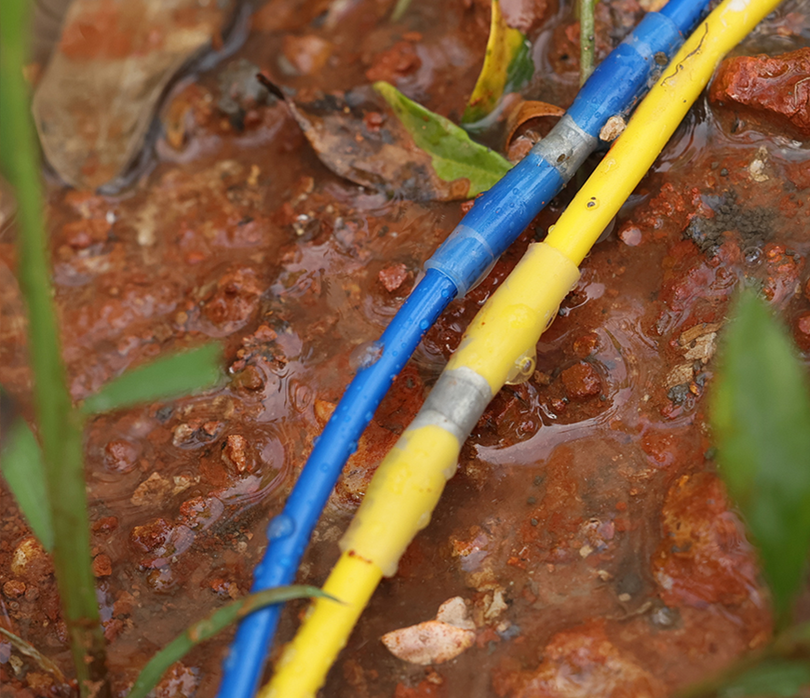
Soldered Butt Connectors (Solder & Seal): This refers to using solder to bond the wires, typically via heat shrink solder sleeves. These connectors look like a short clear tube with a low-melt solder ring in the middle and adhesive-lined heat shrink material around it. During installation, you insert stripped wire ends from each side and apply heat. The solder ring melts and flows around the exposed conductors, soldering them together, while the heat shrink and internal adhesive seal the joint against water and provide insulation. The result is a solder splice connector (metallurgical bond) encased in shrink tubing for strain relief and waterproofing. These are commonly called solder seal butt connectors, solder shrink sleeves, or even marketed under names like “solder stick” connectors. They create a clean, compact splice with a solder & seal in one step. (For example, Haisstronica’s blue solder connectors correspond to mid-range wire gauges and use a colored solder ring for easy identification.)
-
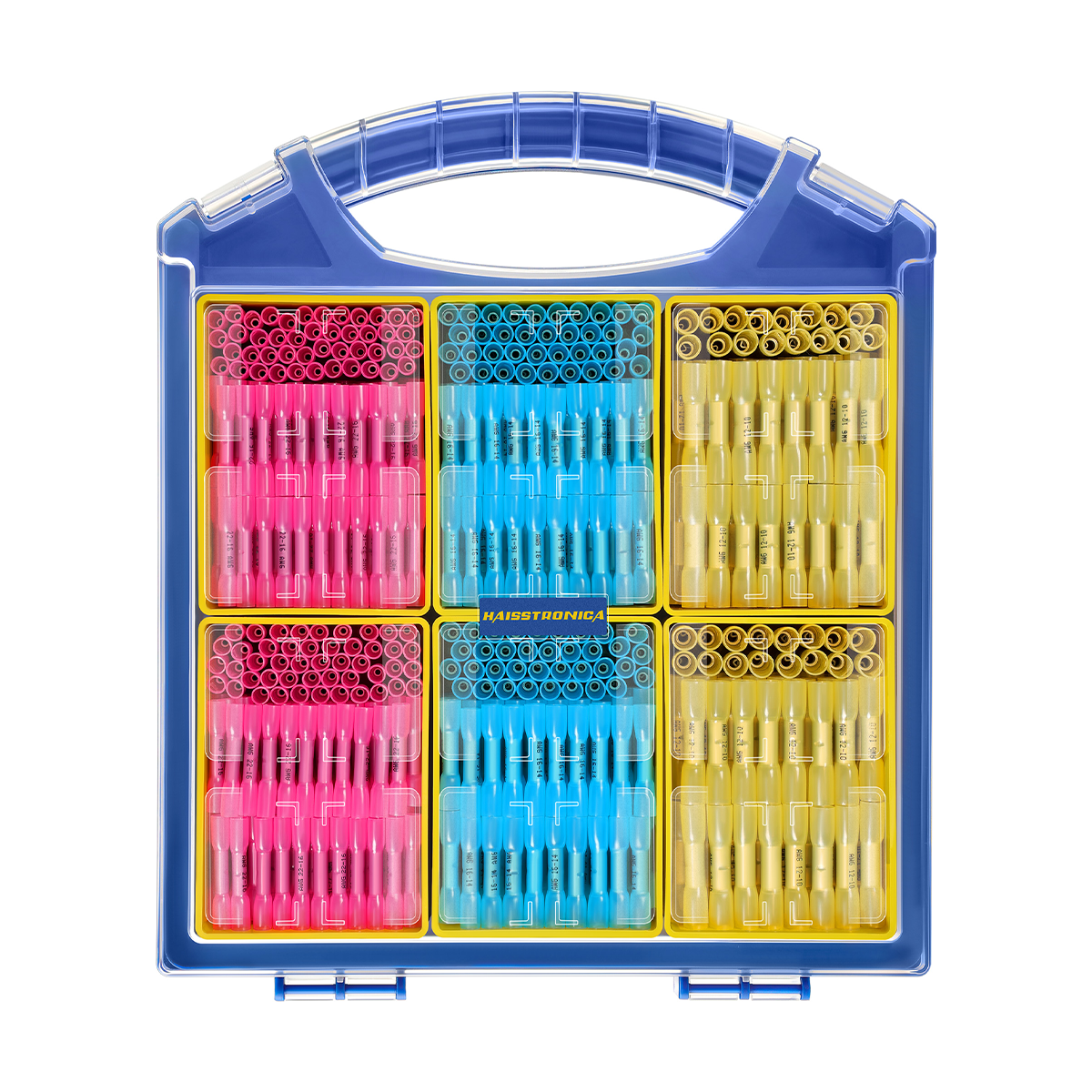
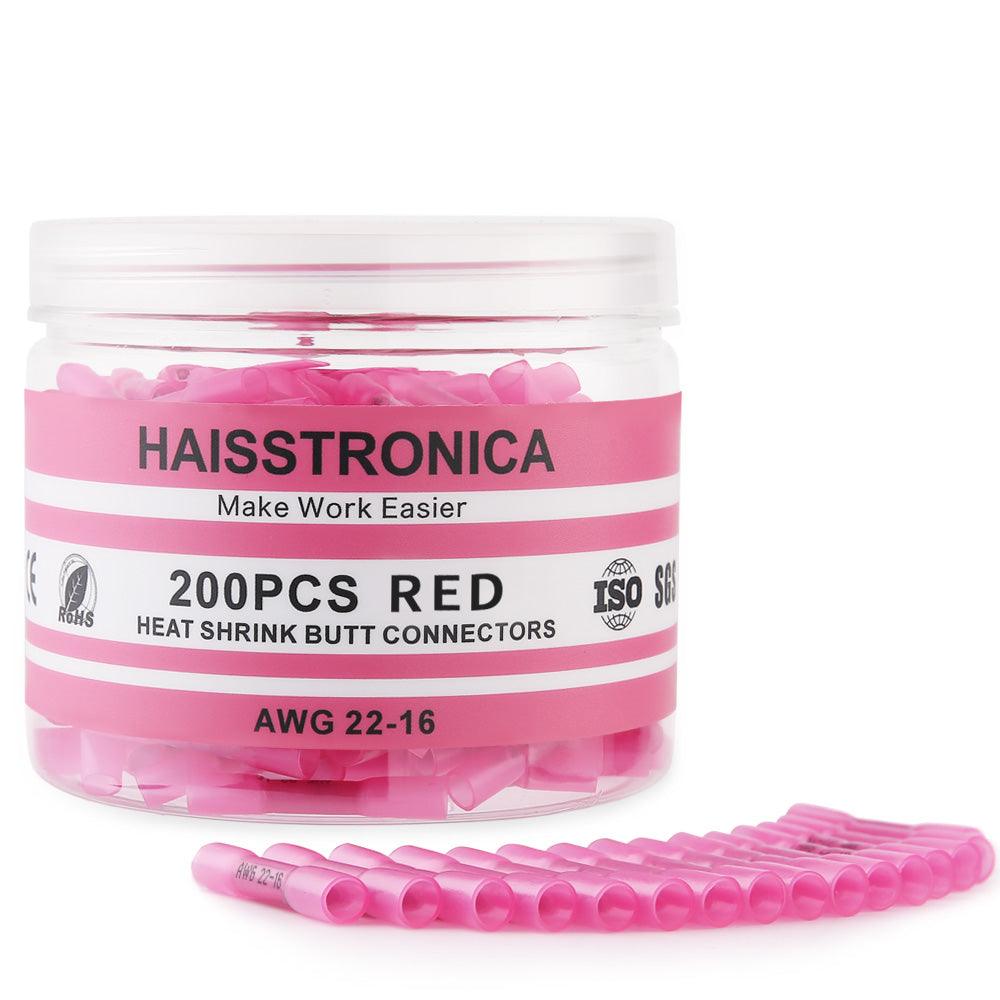
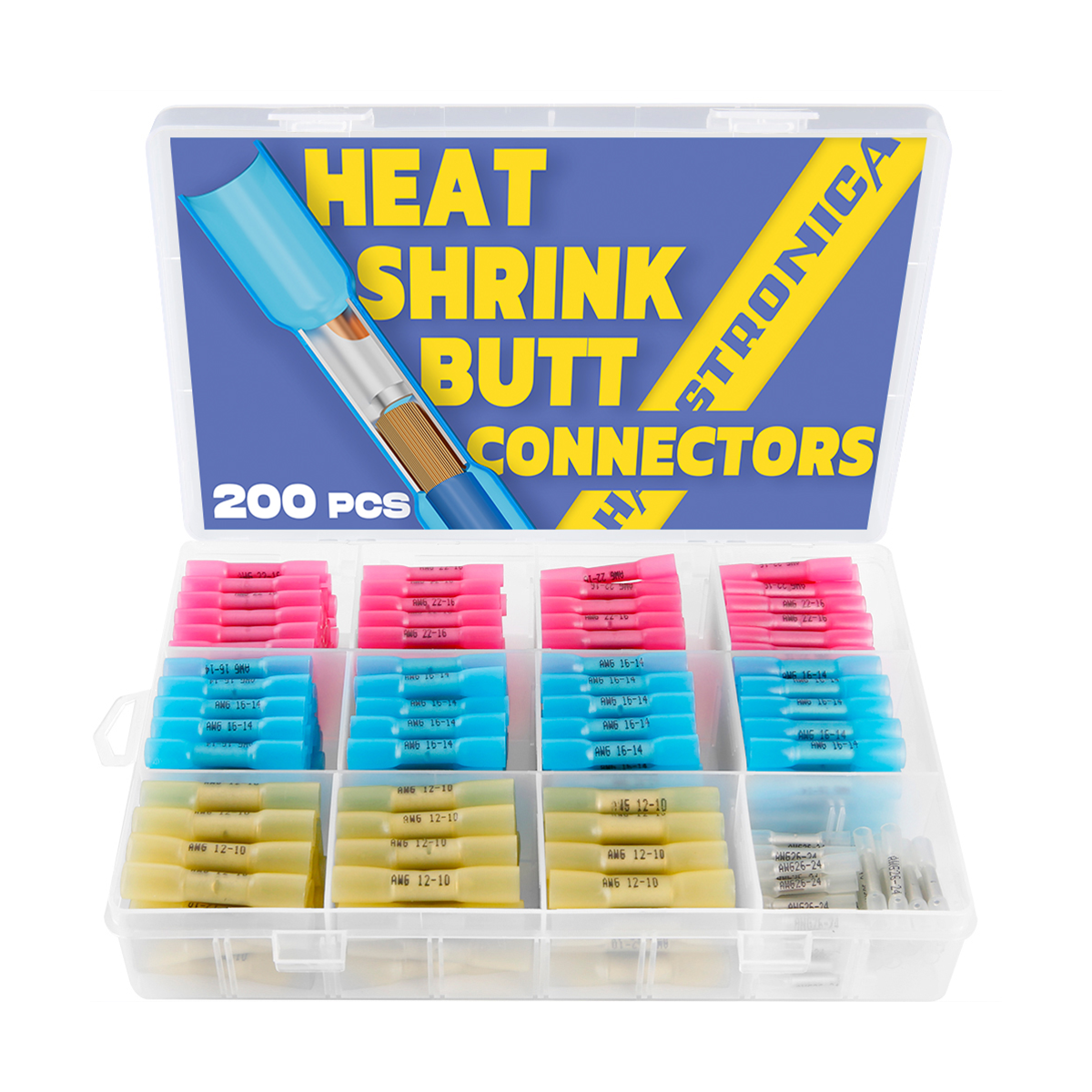
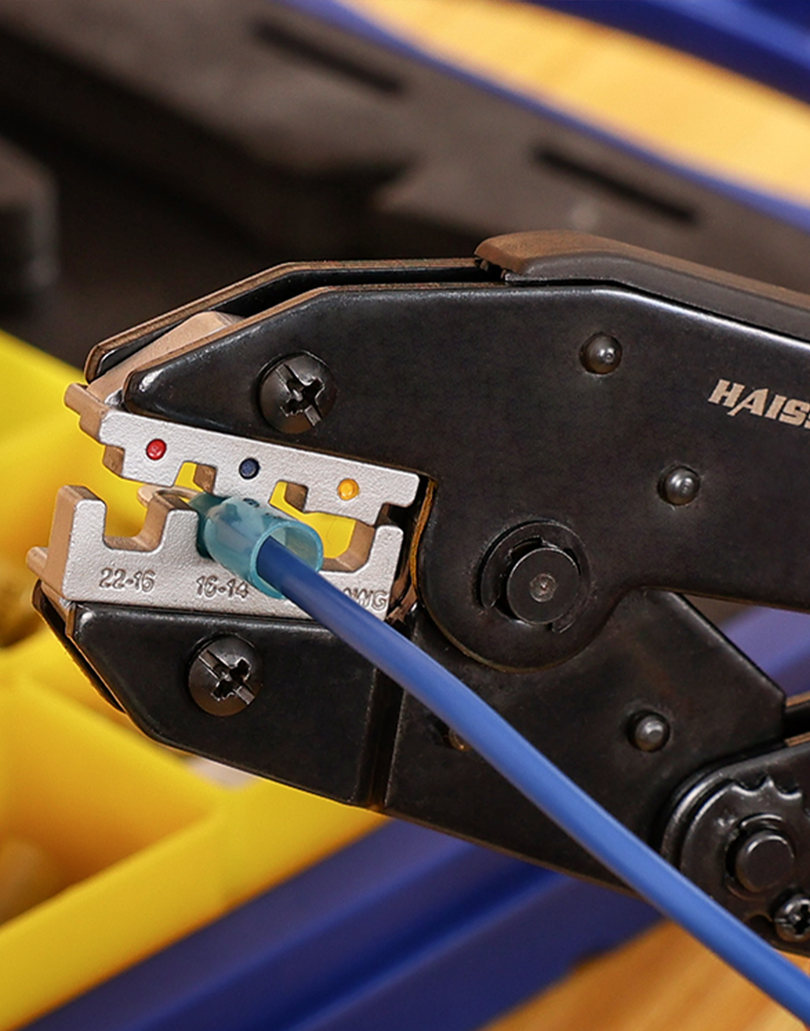
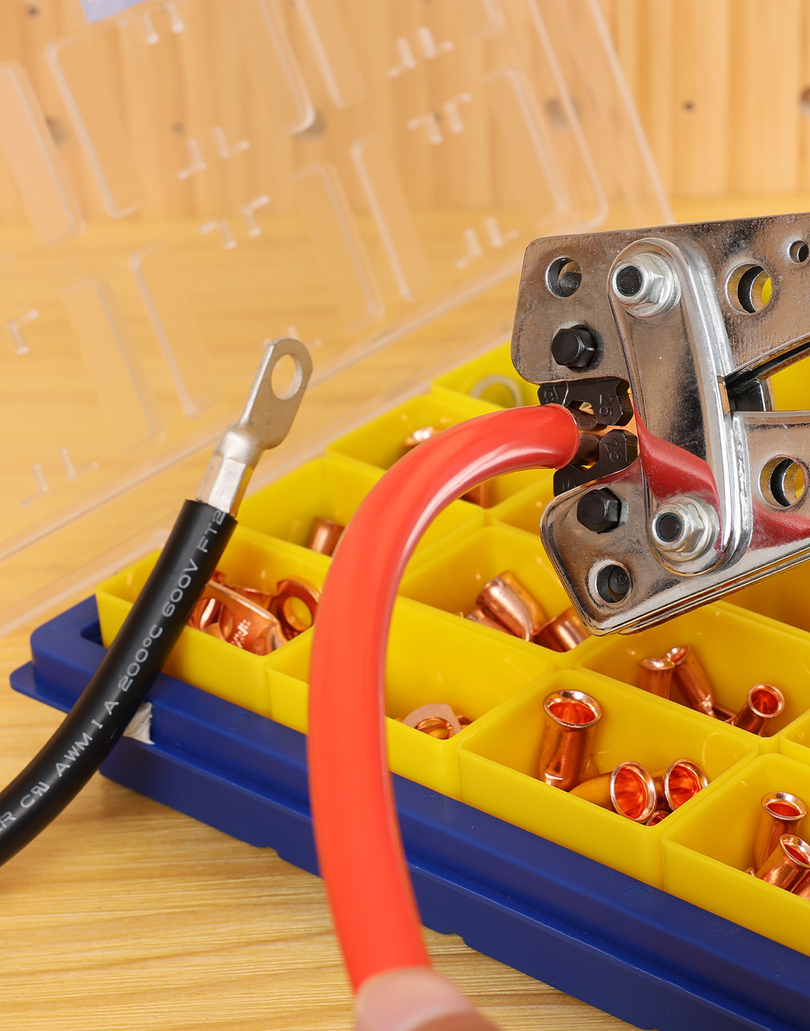
Solderless Butt Connectors (Crimp & Seal): Solderless connectors rely on mechanical compression rather than solder. A typical sealed crimp connector has a metal ferrule or barrel (often tin-plated copper) that you insert the stripped wires into, then deform by crimping with a crimp tool. This action cold-welds the wires to the connector barrel, forming a tight mechanical and electrical bond. Many solderless wire connectors for automotive and marine use also come with an adhesive-lined heat shrink jacket that you heat after crimping, so the splice is insulated and sealed from moisture (hence the term crimp and seal connectors). Essentially, you’re making an electrical connection via pressure instead of solder. A properly crimped joint remains ductile (flexible) and can withstand vibration without developing a rigid stress point. You’ll see these products labeled as heat shrink butt connectors, sealed butt splices, or crimp & seal wire connectors. The key is that no solder is used – the connection is purely solderless.
In practice, both methods aim to seal wire connections and protect them from the environment, but through different means. It’s worth noting that you could also simply twist wires together and solder them (then cover with a separate heat shrink tube for insulation). However, using dedicated butt splice connectors – either solder-type or crimp-type – yields a more consistent and strong result for wiring. Also, keep in mind butt connectors typically join two wires; if you need to join or tap multiple wires, you’d use a different solution (like a t-connector or wire tap connector for branching, or a multi-wire connector block) which are generally solderless devices.
Avoid Mixing Methods: Some installers wonder if they should both crimp and solder a connection (for “extra” security). In general, this is not recommended. Adding solder to a crimped connector can actually weaken it, because solder wicks into the wire strands under the crimp and can cause a rigid point that leads to breakage. In fact, NASA’s workmanship standards explicitly prohibit crimping wires that have been pre-tinned with solder. In short, choose one method and do it properly. Each approach, when done correctly, can yield a reliable, sealed wire connector that achieves a strong electrical connection. (Haisstronica provides both solder seal connectors and sealed crimp connectors. So whatever method you prefer, you can find a quality wire connector kit with the right connectors and instructions.)

Connection Quality & Reliability — What Buyers Should Care About
From a buyer’s perspective, the ultimate concern is a safe, long-lasting electrical connection. Let’s compare solder vs. solderless butt connectors in terms of connection quality and reliability:
Electrical Performance: Both methods, when executed well, offer low contact resistance and excellent conductivity. A soldered joint creates a continuous metallic bond between wires, theoretically giving zero gap for resistance. A crimped joint, however, if properly done, forms a gas-tight “cold weld” between the wire and connector. Industry examples show crimped terminals achieving under 10 milliohm contact resistance, on par with solder. In other words, a quality crimp can conduct just as well as a solder joint. The wire sealer aspect (insulation and sealing) also matters: any splice not sealed from oxygen and moisture can corrode, raising resistance over time. Soldered connections must be insulated (with heat shrink or equivalent) after soldering to prevent oxidation. Crimp connectors should be adhesive-lined or otherwise sealed for the same reason. Both solder & seal sleeves and crimp & seal splices include built-in wire sealing features, so when you use reputable waterproof connectors you’re ensuring the conductivity remains stable long-term.
Mechanical Strength & Vibration: Here is where differences emerge. Solder, by its nature, hardens into a relatively brittle alloy. A soldered section of wire cannot flex much without stressing the metal. In high‐vibration environments (automotive engine bays, marine engines, machinery), a soldered butt joint can develop cracks either in the solder itself or, more commonly, in the copper wire right next to where the solder ends (the “heat-affected zone”). Essentially, the wire strands become stiff where solder has wicked in, and vibrations or bending concentrate at the boundary between stiff and flexible wire, causing failure. Crimped connections, by contrast, retain more of the wire’s flexibility. The crimped barrel holds the strands tightly but does not make them solid; a good crimp actually deforms the wire and connector together and can withstand movement. This is why automotive and aerospace industries overwhelmingly favor crimping for wiring that sees motion or vibration. As one wiring expert succinctly put it, “Due to the high level of vibration found in automotive applications, a proper solder joint is less ideal than a proper crimp joint.” For the buyer, this means if your application involves significant vibration, a solderless connector is usually the more reliable choice for the long haul.
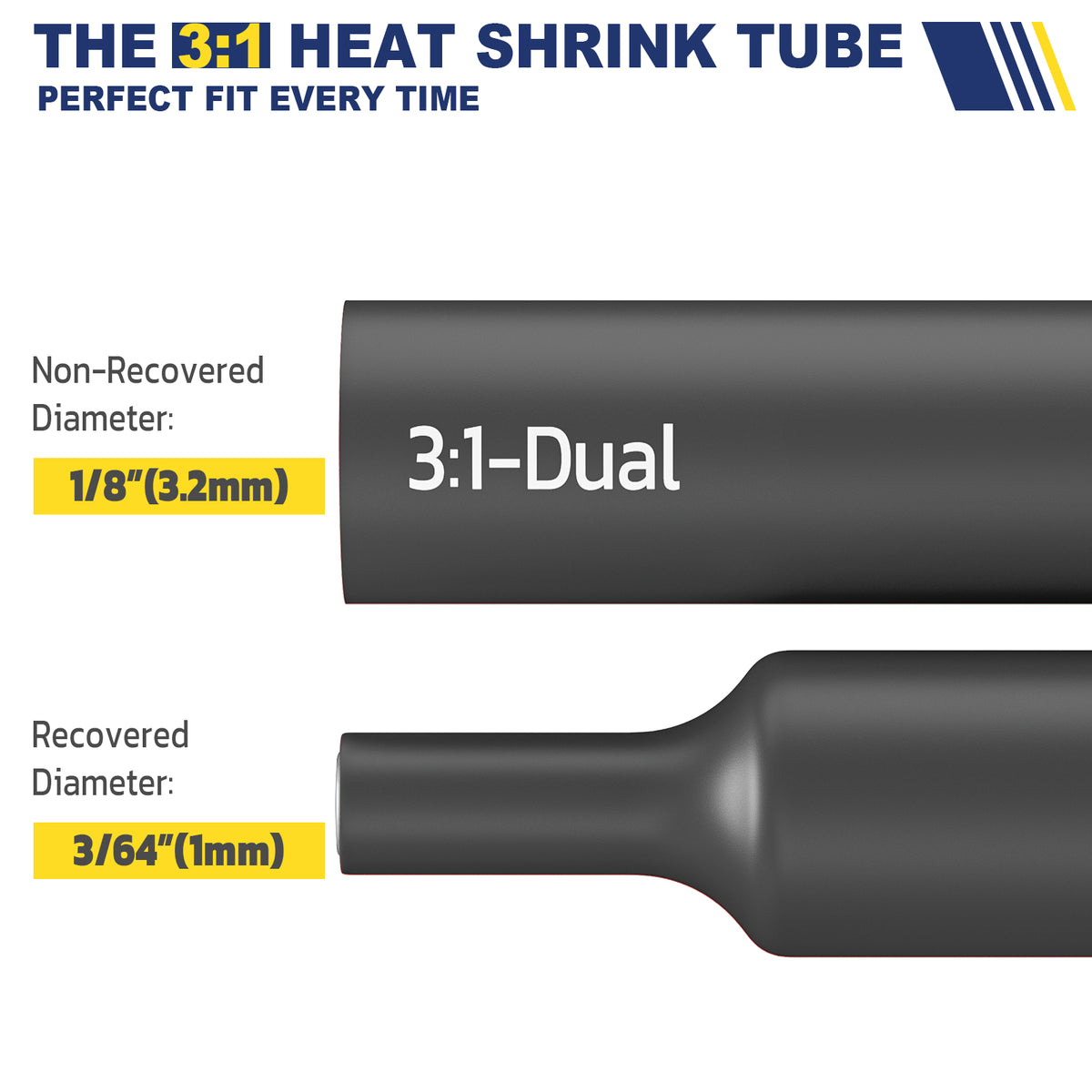
Tension (Pull) Strength: A well-executed crimp has very high mechanical pull-out strength – essentially the wire breaks before it pulls out of a correctly crimped terminal. A soldered splice also has good tensile strength in the joint itself, but if the wire is tugged, all the stress is on the rigid soldered section, again risking wire breakage at the edge of the joint. Many sealed connectors mitigate this by providing strain relief (for example, solder seal sleeves have meltable adhesive that grips the insulation on either side of the solder, and crimp connectors have the heat shrink that glues to the wire insulation). This strain relief is crucial for reliability: it distributes mechanical stress and helps insulate wires from flexing right at the connection point. When buying connectors, look for those features (dual wall heat shrink with adhesive) which act as a built-in wire sealer and strain relief.
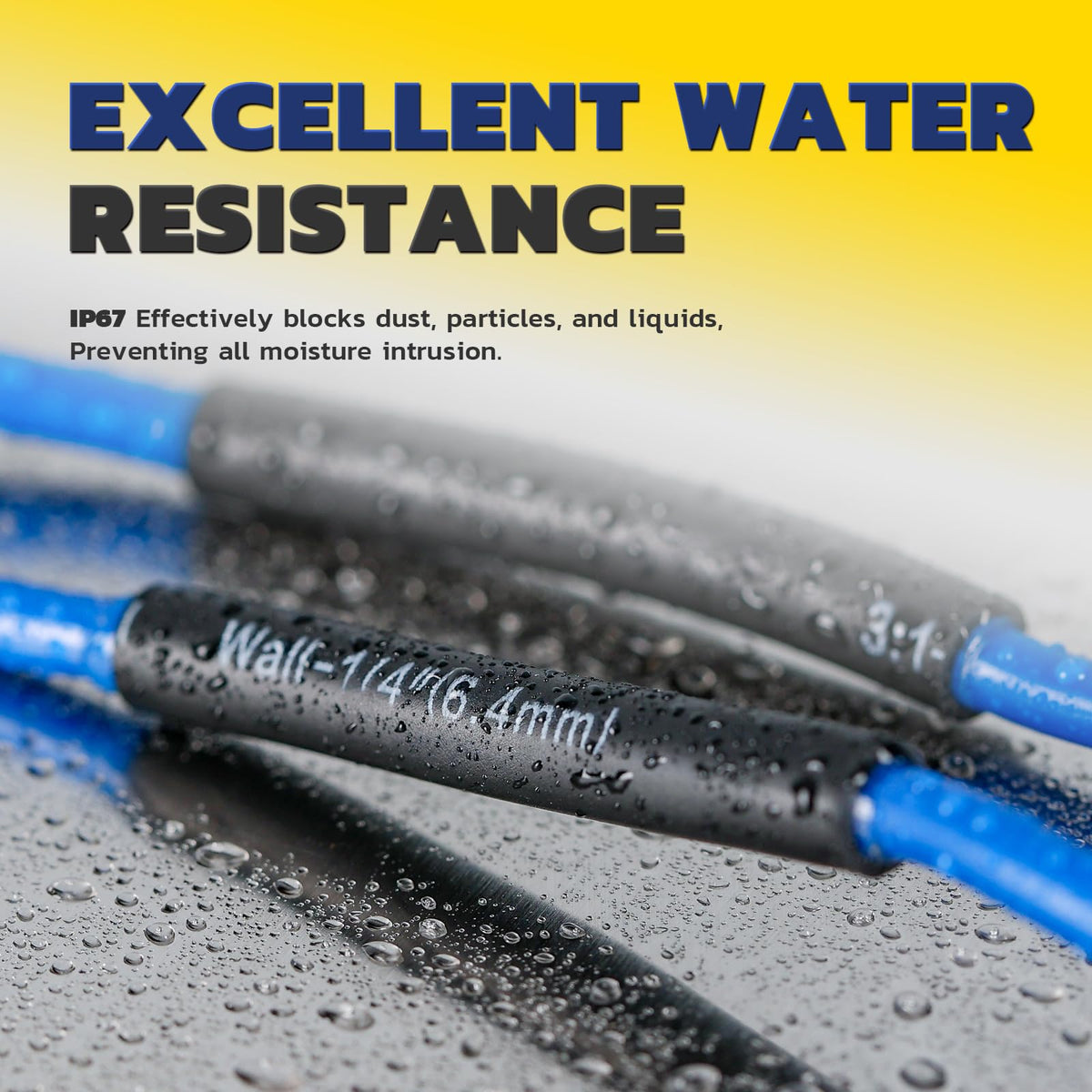
Environmental Protection: Both soldered and crimped butt connectors can be made waterproof and corrosion-resistant if they are the “sealed” type. The good news is virtually all automotive wire connectors sold as weatherproof use some form of crimp and seal or solder and seal design. Solder seal sleeves are inherently water-tight after heating – the solder bonds the wires and the melted adhesive lining bonds to the wire insulation, essentially creating a continuous sealed sleeve. Crimped connections, if just crimped alone, are not sealed at all (water can seep around the wire and barrel). But when you use adhesive-lined heat shrink butt connectors (the common sealed crimp connectors), once you crimp and then heat the tubing, the adhesive melts and seals the entry points. In marine or exterior applications, it’s critical to use these water proof connectors (sealed types) to prevent corrosion. Industry standards like the ABYC for boat wiring insist on sealed, strain-relieved splices. In summary, either method can achieve an equally high level of protection if you use the right connector. Wire sealing is not about solder vs crimp per se, it’s about whether the connector design includes proper insulation and sealing. So as a buyer, ensure you choose waterproof wire connectors (usually labeled marine grade or adhesive-lined) for any environment exposed to moisture.
Long-Term Reliability: Perhaps the most telling evidence comes from standards and real-world data. Automotive manufacturers and even NASA have clear preferences for crimped connections in wire harnesses that face stress. Crimped terminals are the industry standard for OEM wire connections in cars, largely due to their proven long-term reliability under all conditions. A properly made crimp can literally last for decades without issue. Tests have shown crimped connections surviving extreme vibration (e.g. 30G shaking) and temperature cycling better than soldered ones. This doesn’t mean soldered splices are “bad” – a well-soldered, well-supported joint can also last many years. In fact, for low-vibration, indoor, or static applications (like a home wiring repair in a junction box or a benchtop electronics project), soldering wires with heat shrink over them can be perfectly serviceable. The key takeaway is that in high-stress environments (constant motion, heat, etc.), crimping tends to maintain integrity longer. Soldered joints may gradually weaken, especially if any moisture ingress causes soldered areas to corrode (lead-tin solder can oxidize if not sealed, and flux residues can attract corrosion). Crimped connections, being gas-tight, are less prone to oxidation inside the joint.
Conclusion for Buyers on Reliability: The “best” connection quality depends on your scenario. If you’re dealing with an automotive or marine wiring project (e.g. under the hood, in a boat hull, trailer wiring on a vehicle frame) where vibration, temperature extremes, or exposure to oil and water are factors, investing in good crimp and seal connectors is wise – this is what the professionals use for a reason. On the other hand, for quick wire repairs or additions in a moderate environment (interior wiring, adding LED lights to a trailer, etc.), the convenient solder & seal connectors will do an excellent job of providing a strong, conductive, and waterproof splice. Always ensure whichever method you use is executed properly – a bad crimp or a cold solder joint can both cause failure. If done right, both methods meet the requirements of solid electrical connections. (Haisstronica ensures high reliability by using tinned copper barrels in our crimp connectors and enough low-temp solder in our solder sleeves, combined with premium heat shrink, so your wire connections stay secure and waterproof for years. When reliability is paramount, choose connectors that meet automotive standards – Haisstronica’s line is UL tested and IP67 rated for peace of mind.)

Tools, Skill & Time — What You’re Really Paying For
When purchasing connectors, you’re not just buying the small metal and plastic pieces – you’re also deciding on a wiring process. Different connector types come with different needs in terms of tools, required skill, and time to install. Consider the following:
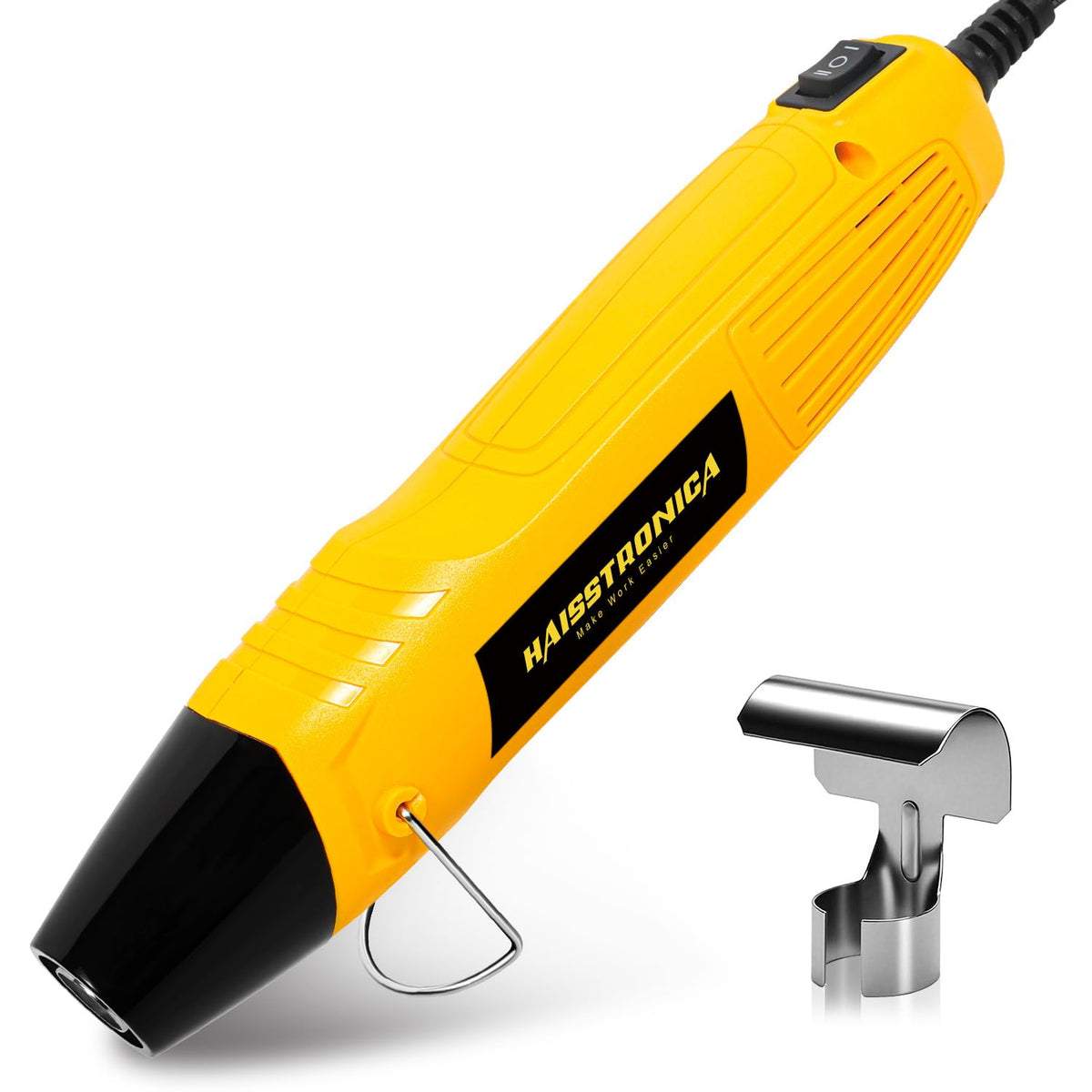
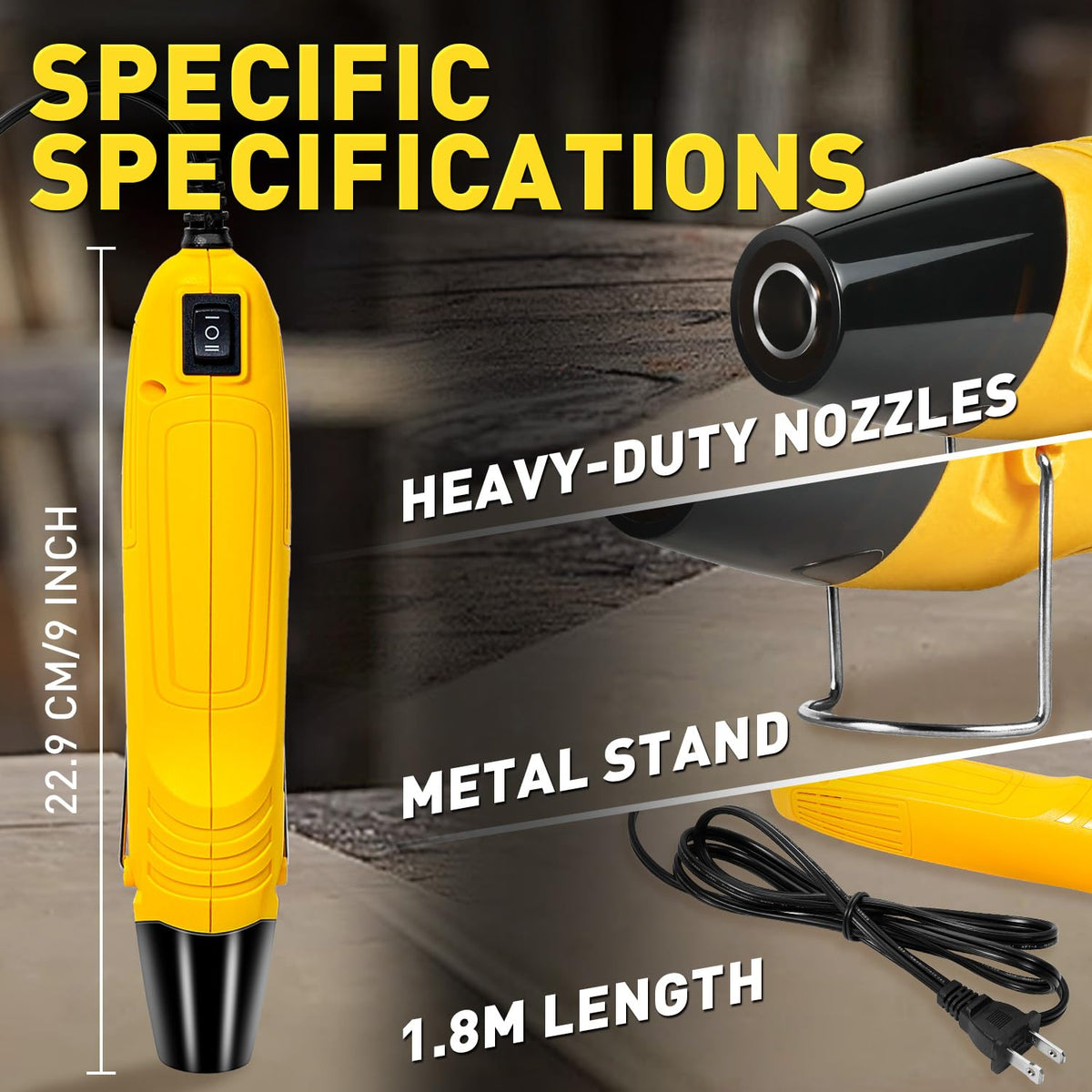
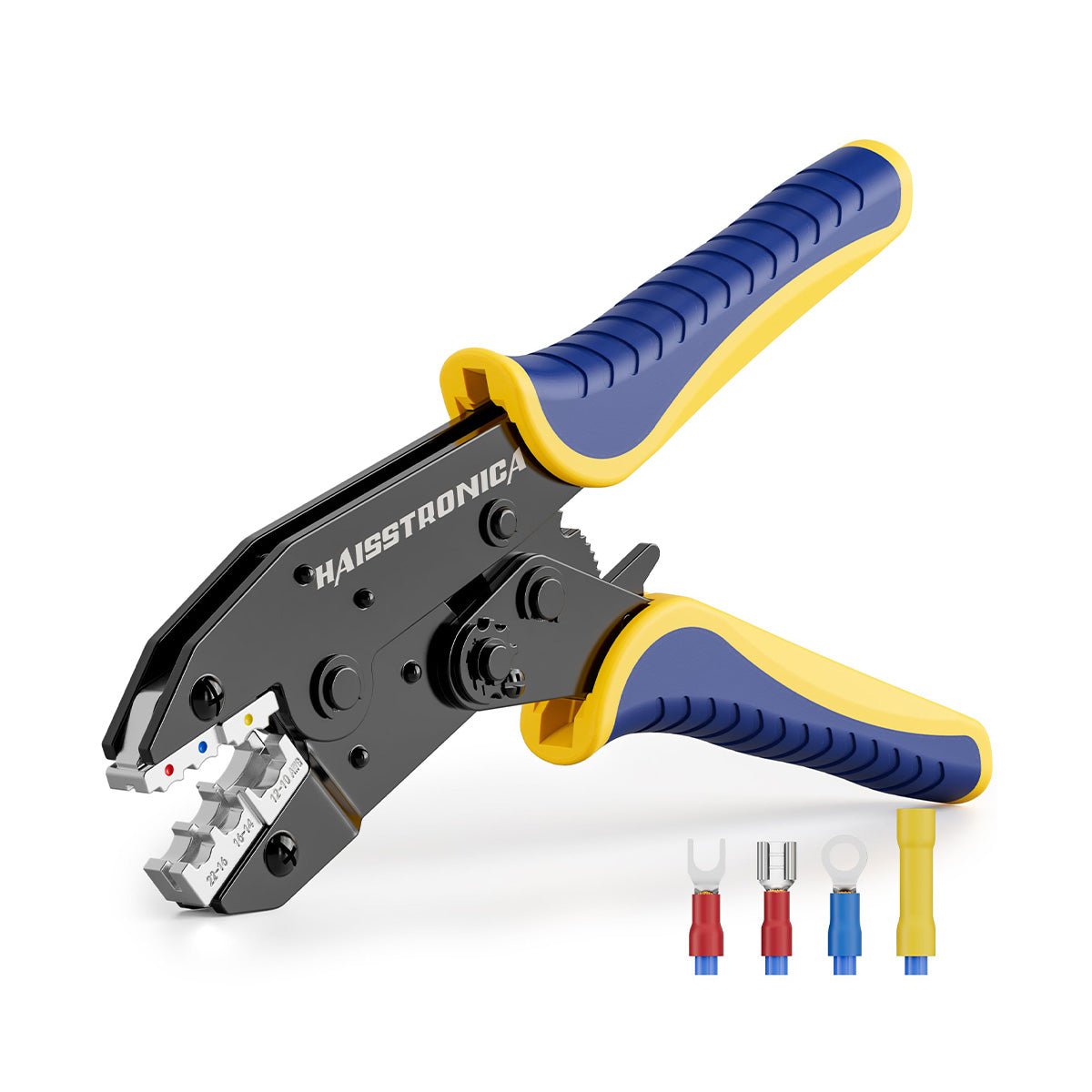
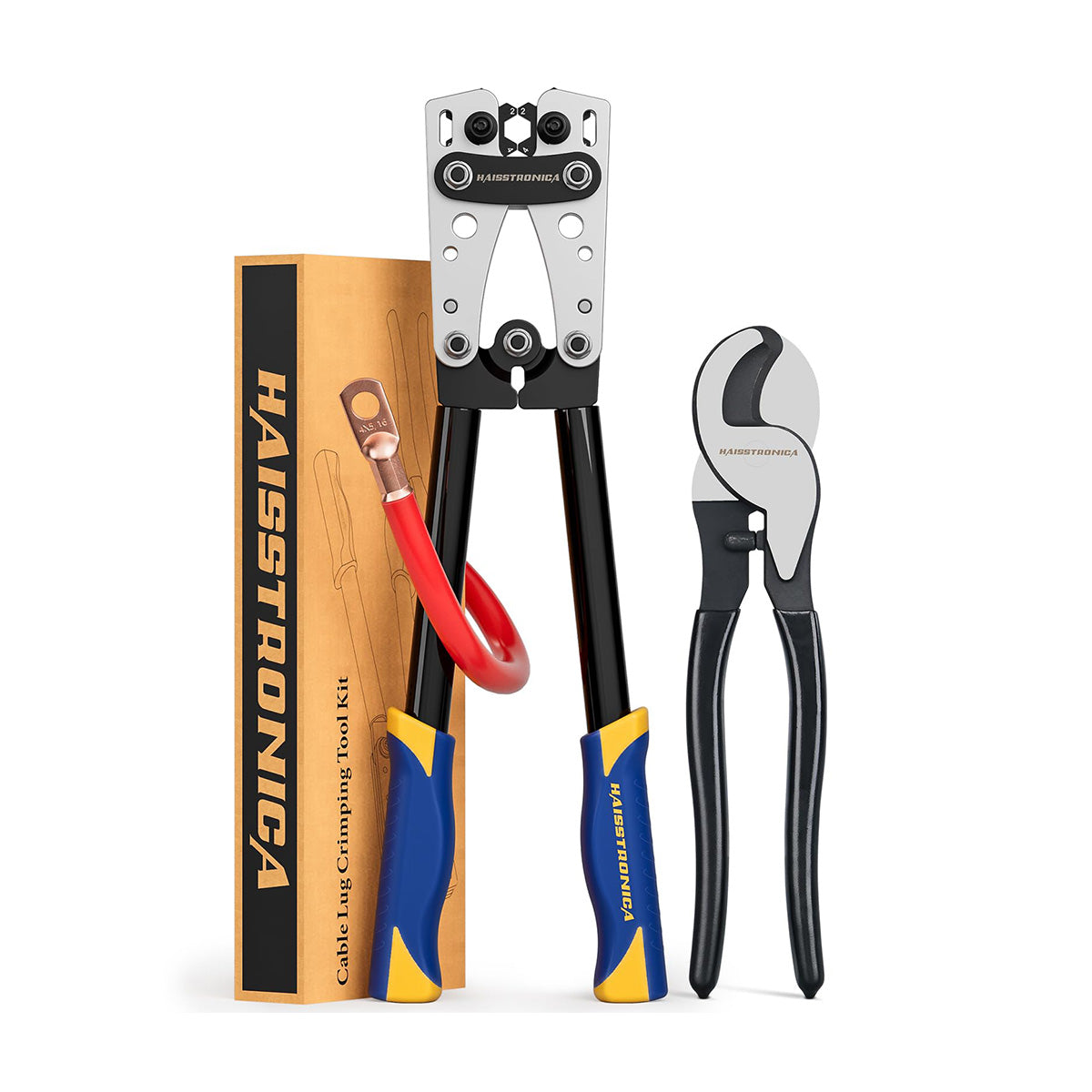
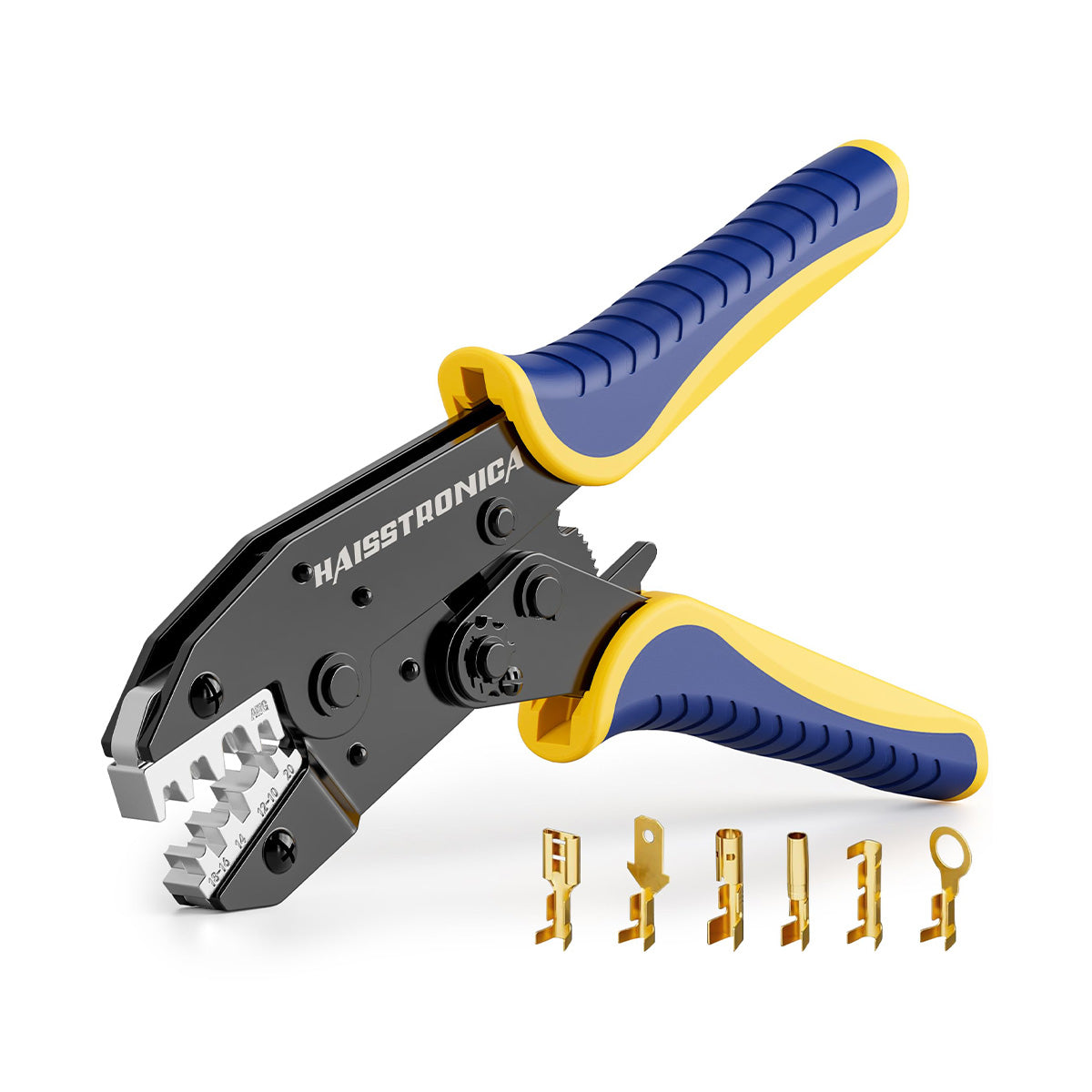
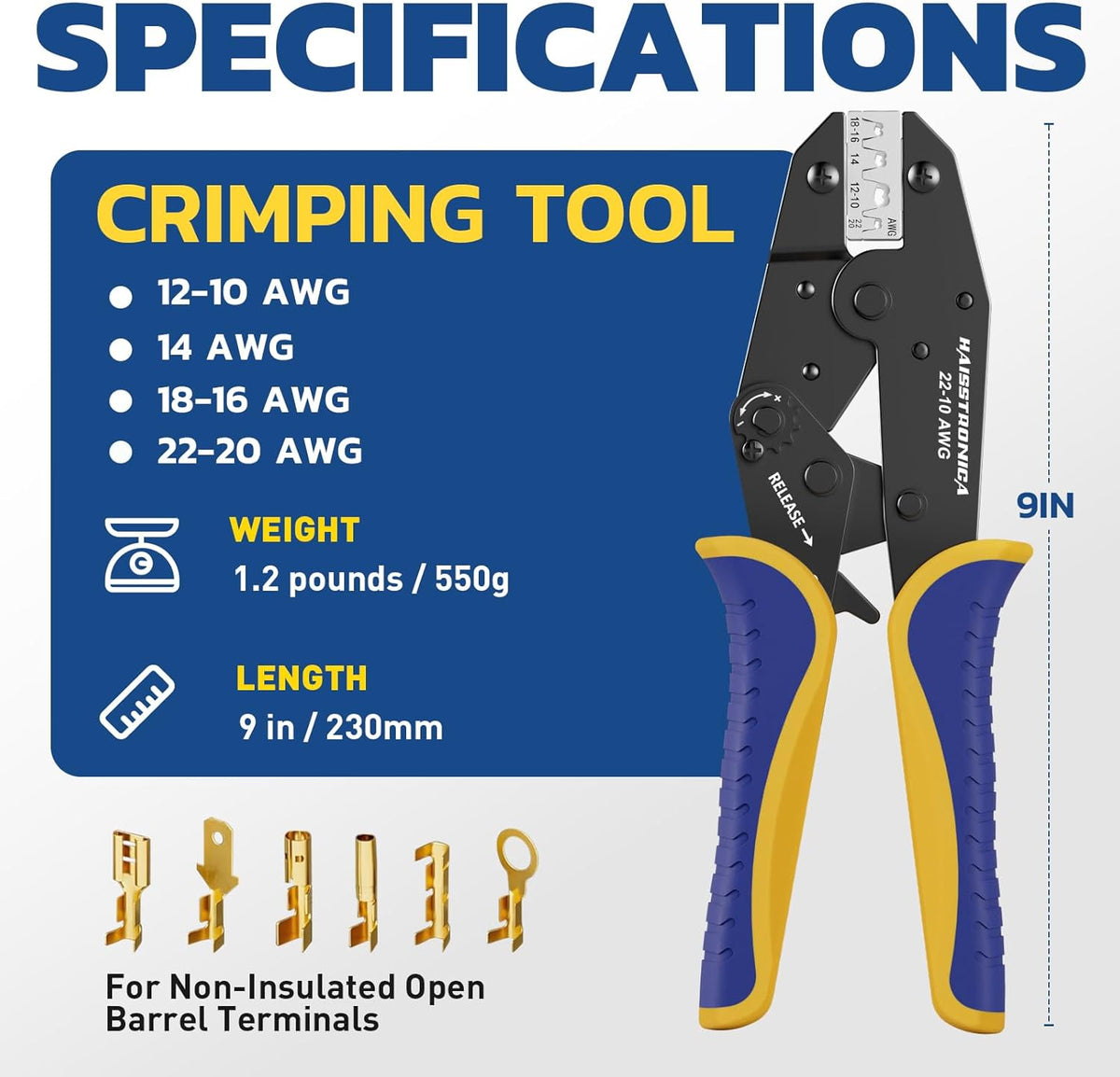
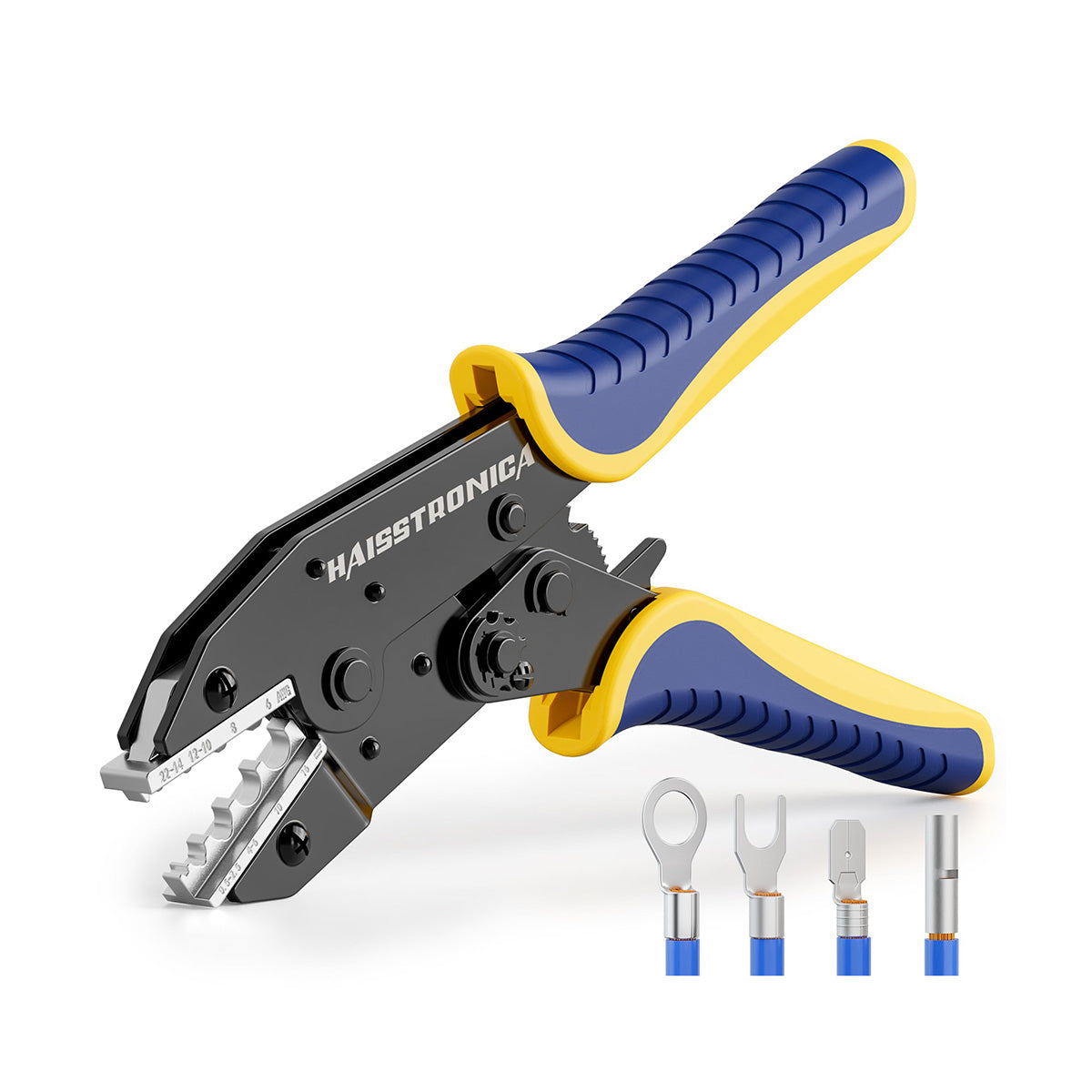
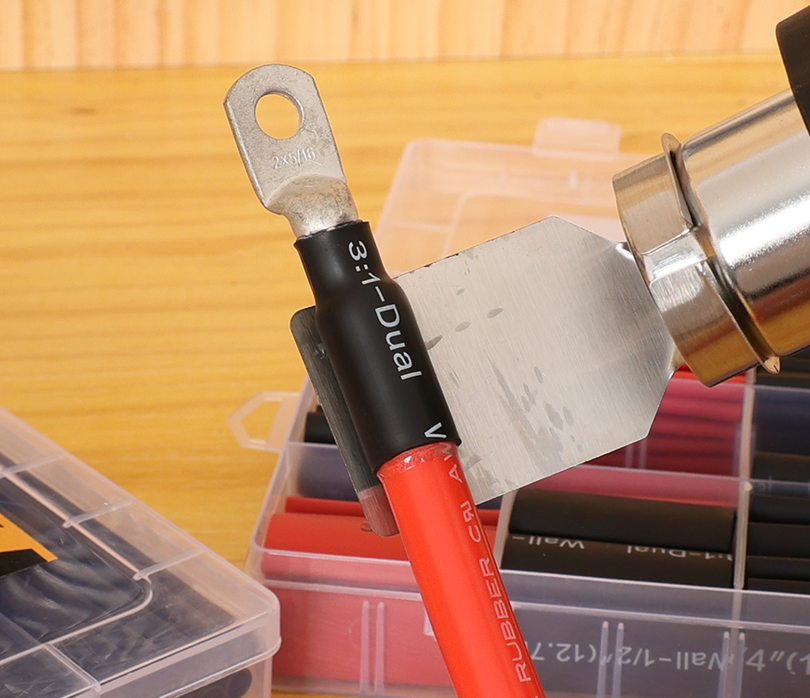
Required Tools: Going the solder route vs. the crimp route means investing in different tools. For soldered connections, you’ll typically need a heat source. If you use heat shrink solder sleeves (solder butt connectors), a heat gun is the preferred tool to evenly heat the solder ring and shrink the tubing. Some DIYers use a lighter or small torch in a pinch, but a proper heat gun or at least a controlled-temperature tool is recommended for consistent results (to avoid charring the insulation). If you plan to solder wires manually, you’ll need a soldering iron, solder (typically rosin-core for electronics or a specific alloy for automotive), and possibly flux. You also need a steady hand to make a good solder joint. By contrast, solderless crimp connectors require a quality crimping tool. A ratcheting crimper designed for insulated terminals is ideal – this ensures the crimp compresses fully with the correct force. Using pliers or an improper tool can lead to a weak crimp that might slip or not conduct well. So, buyers should factor in the tool cost: a good crimp tool is an upfront expense, but it will last a long time and can be used for countless connections. Many shops and serious hobbyists already have one. On the other hand, most shops also have heat guns on hand, so the tool requirement for solder sleeves is minimal (just the heat gun). If you don’t own a crimper and you have only a few connections to do, buying a pack of solder seal connectors might save you from also purchasing a specialized tool. Conversely, if you plan to do a lot of wiring (e.g., rewiring a car or boat), investing in a proper electrical connector kit and crimp tool is very worthwhile. (Haisstronica, for example, offers an automotive wire connectors kit that includes a range of crimp terminals plus a professional ratcheting crimper, so you have everything needed in one set. If you already have an electrician’s tool set with a wire crimper and stripper, our heat shrink connector kits will work great with your existing tools.)
Skill Level and Learning Curve: In general, crimping is considered easier for beginners to master than soldering. A ratcheting crimp tool, when used with the correct size connector, will yield a fairly uniform result every time – the tool controls the pressure and won’t release until the crimp is complete. There’s a bit of technique (like using the correct die slot and fully inserting the wire), but once you do a couple, it’s straightforward. Soldering, on the other hand, has more of a learning curve. Achieving a proper solder joint requires controlling the iron temperature, heating the wire sufficiently but not excessively, and knowing how to apply solder evenly. Mistakes like “cold joints” (when solder doesn’t fully melt or bond) or overheating (damaging insulation) are possible. Interestingly, the solder & seal butt connectors simplify this skill issue: you don’t need to manually apply solder with a soldering iron – you only need to apply heat to the sleeve. As long as you heat it correctly (moving the heat gun to distribute heat and watching the solder ring melt), it’s pretty foolproof and visually verifiable. This is why some buyers prefer solder seal connectors: if used correctly, they provide a clear visual cue that solder has flowed and the joint is sealed, which can reduce user error (you can literally see if the solder didn’t melt or if you forgot to overlap the wires). Crimp connectors rely on the user to choose the right connector size for the wire and to use the tool properly (fully crimp to the ratchet release, etc.). It’s not hard, but there is room for error if someone tries to improvise with the wrong tools. In short, both methods require some attention to technique: a novice can mess up a crimp by using cheap pliers, and a novice can mess up a solder by using a flame that burns the sleeve or by not heating enough. But with high-quality connectors and tools, crimping is extremely consistent, and solder sleeves are also very user-friendly. If you’re not confident with a soldering iron, going solderless might be safer; if you don’t have a crimper, a solder sleeve might be easier for a one-off fix.
Installation Speed: Time is money – or at least, time is something to consider, especially if you have many connections to make. Crimping is generally faster on a per-connection basis. You strip the wire, insert into connector, one squeeze of the crimper, and then a quick heat shrink step (if using heat-shrink connectors). Solder sealing typically involves stripping the wires, inserting them into the sleeve, then spending some time with the heat gun until the solder melts and the tubing fully shrinks. For a single connection, the difference might be on the order of maybe 30 seconds to a minute; but over dozens of connections, crimping can speed things up. One reason is that a solder sleeve has to be heated gradually and evenly, which can take longer for thicker wires. However, in practice, for small to mid-size wires, many technicians find the difference is minor. In tight spaces or awkward positions (like under a dashboard or overhead wiring), solder sleeves can actually save time because you don’t need two hands to operate a crimp tool – you simply heat the joint in place. It becomes a one-step operation (heat only) instead of crimping with a tool and then maneuvering a heat gun. In fact, some pros carry both types of connectors and will choose the method based on which is faster or more practical in the moment. Objectively, if you set up an assembly line, crimping with a good ratcheting tool is very fast and easily standardized (which is why factories crimp). For DIY or field work, solder sleeves offer a neat all-in-one process without lugging around heavy tools. As a buyer, consider how many connections you need to do and in what environment. If you are doing an entire wiring harness, a crimp tool will pay off with faster, repeatable crimps. If you are doing a quick repair on the road or out in the field, having a few heat shrink solder wire connectors in your kit and a pocket torch might let you fix a wire without an electrical crimp tool on hand. For reference, the unit cost of solder vs crimp connectors is usually very similar, so the real “cost” difference lies in the tools and labor. In either case, don’t rush – a properly made connection is worth the extra few seconds. (Haisstronica’s connectors are designed for efficiency: our solder seal sleeves melt quickly and evenly, and our crimp connectors are color-coded with matching crimp tooling recommendations to minimize errors. By using quality connectors, you reduce rework and save time in the long run. Many of our customers get an automotive connectors kit to have both types on hand – using solder sleeves for quick waterproof fixes and crimp connectors for heavy-duty permanent wiring – maximizing convenience and preparedness.)
Rework and Maintainability: Another consideration is what happens if something goes wrong or needs to be changed. If you solder a connection (or use a solder sleeve) and later need to undo it, you’ll have to cut it out or reheat and pull the wires apart (which can be messy). Crimp connections, similarly, aren’t really reusable – you typically cut off the crimp and crimp on a new connector if you need to redo it. However, one advantage of crimp terminals (especially in automotive OEM style) is that many are designed to be used with connectors that can be disassembled (like pulling a pin out of a plug housing and crimping on a new one). Soldered splices in wiring are more permanent in that sense. From a buyer’s angle, if you foresee needing to disconnect or change wiring frequently, you might lean towards connectors that can be unplugged (like bullet connectors, spade terminals, or multi-pin connectors) rather than permanent butt splices. Those come in both crimp and solder varieties too (e.g. solder spade connectors exist, though most spade terminals are crimp). In general, crimped terminals are easier to standardize and replace in the field. Soldered joints are extremely reliable in fixed setups but are more work to redo. Keep this in mind if maintainability is a concern.
In summary, the “hidden” costs in your purchase of connectors involve what additional tools you might need and how much effort the method requires. Crimping vs soldering is not just a technical decision but a practical one: you’re paying either in upfront tool investment (crimp tool) or in time/skill (soldering technique). As a buyer, match the connector choice to your comfort level and project needs. (Haisstronica helps make this decision easier by offering combo kits and detailed instructions. When you buy our solder seal wire connectors, you get a simple step-by-step guide – just strip, insert, and heat. If you opt for our crimp and seal connectors, we provide guidance on the correct crimp tool and even sell an electricians tool set for those new to crimping. You’re not just buying connectors – you’re investing in a wiring solution that saves you time and hassle.)

Conclusion
From a buyer’s perspective, choosing between soldered and solderless butt connectors comes down to the specifics of your project and priorities. There’s no single “best” method overall – instead, there’s a best fit for each job. Consider the environment and stresses the connection will face, the tools you have (or are willing to acquire), and your own skill/comfort level:
-
Use solder & seal butt connectors (soldered) if you need a compact, fully sealed splice that’s quick to install without specialized crimp tools. They shine in moderate vibration zones and for DIY convenience – for example, hooking up trailer lights, boat accessories, or repairs in an RV or off-road vehicle wiring where you want an instant waterproof joint. The transparent sleeve gives you confidence in the quality by showing the solder flow. Just be mindful to keep these out of extreme vibration hotspots or engine parts that get very hot, as the solder inside has a melting point (often around 138°C for typical alloy) – so in high-heat areas a crimp might be safer.
-
Use crimp & seal connectors (solderless) for high-vibration, high-temperature, or mission-critical connections – such as engine bay wiring, chassis wiring on vehicles, or any wiring that must meet strict standards (aircraft, automotive OEM, etc.). A properly crimped and strain-relieved butt splice offers excellent fatigue life. These are the go-to in professional settings because of their proven track record and consistency. Ensure you have the right size connector for your wire and a good crimp tool. The extra upfront effort pays off in peace of mind for long-term durability.
Many experienced installers actually keep both types on hand. They might use solder sleeves for one-off quick fixes or in the back of a vehicle for emergency repair (since you only need a heat source), and use crimp connectors on more extensive rewiring jobs or where regulations require it. As a buyer, you can take the same approach – equip yourself with a versatile set of connectors. In all cases, focus on proper installation: strip the wire correctly, ensure good overlap or insertion, and always add insulation/sealing either via heat shrink or the connector’s built-in features.
Final tip: Always buy quality connectors from a reputable supplier, as the materials and design (solder alloy, adhesive quality, copper barrel thickness) will determine the success of your connections. A cheap connector may save a few cents but could lead to failure down the road. With high-grade connectors, whether you solder or crimp, you can achieve a rock-solid, waterproof wire connection that gives you confidence in your wiring.
(At Haisstronica, we understand these needs – which is why we offer premium solder seal butt connectors as well as rugged heat shrink crimp connectors. Our products are designed to meet automotive and marine standards, ensuring you get professional-grade results. Whichever method you choose, you can trust our connectors to deliver a secure, sealed, and long-lasting connection. Happy wiring!)