Introduction
A patio and garden illuminated by low-voltage lights at dusk. Low-voltage landscape lighting transforms outdoor spaces with beautiful, safe illumination after dark. It uses a low voltage (typically 12 volts) power source, reducing the risk of electrical shock in wet outdoor environments. Whether you’re looking to install landscaping lighting for ambiance or security, using the right landscape wire is crucial. This article will define what low-voltage landscape lighting wire is, outline steps to wire landscape lights, discuss common applications, guide you in selecting the best wire (e.g. 14 2 wire outdoor cable), and answer FAQ about landscape lighting wiring. By the end, you’ll know how to optimize your landscape low voltage wiring for a safe and effective outdoor lighting system.
Match the Wire to the Job
Choose the gauge first; then confirm outdoor/direct-burial rating, copper construction and the roll length you need.

12/2 — Most Residential Projects
Thicker copper for medium runs and more connected fixtures.
View 12/2 Landscape WireCalculate Roll Length Before You Buy
Add the main run, every branch and fixture lead, then add at least 10% for routing, service loops and changes in elevation. Do not size the roll from the straight-line yard distance alone.
Roll length = trunk runs + branch runs + fixture leads + 10% reserve

At Every Splice and Branch
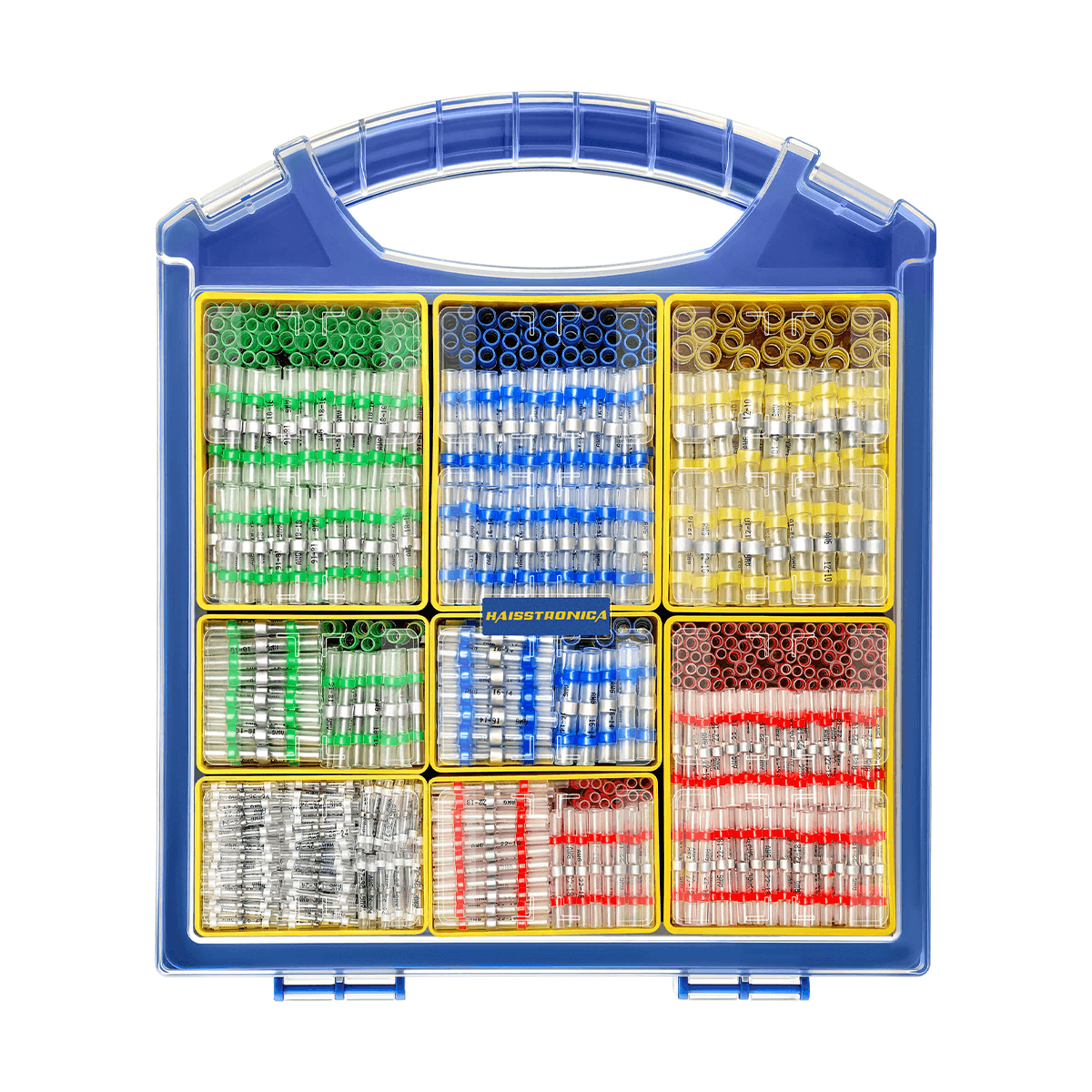
Keep Outdoor Connections Sealed
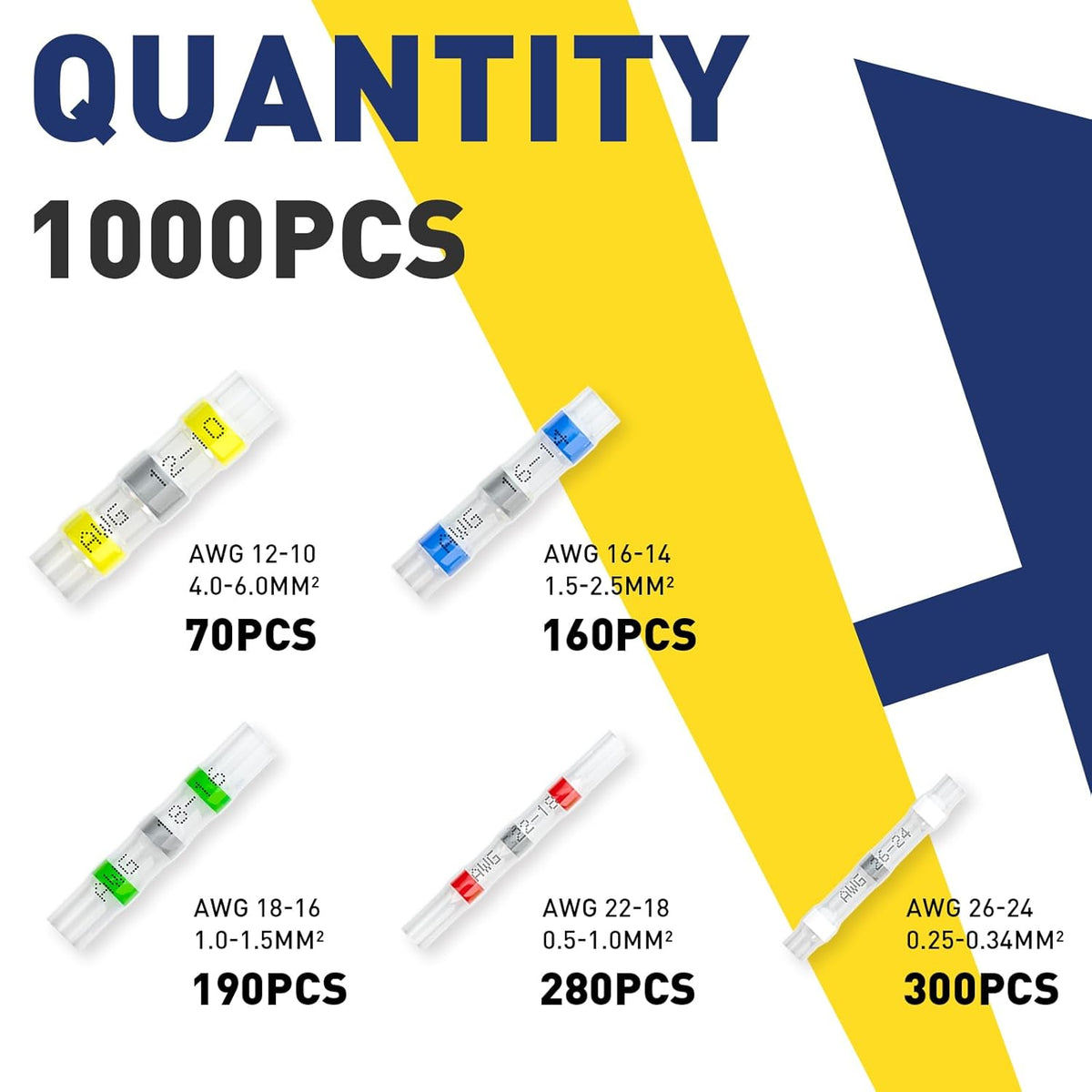
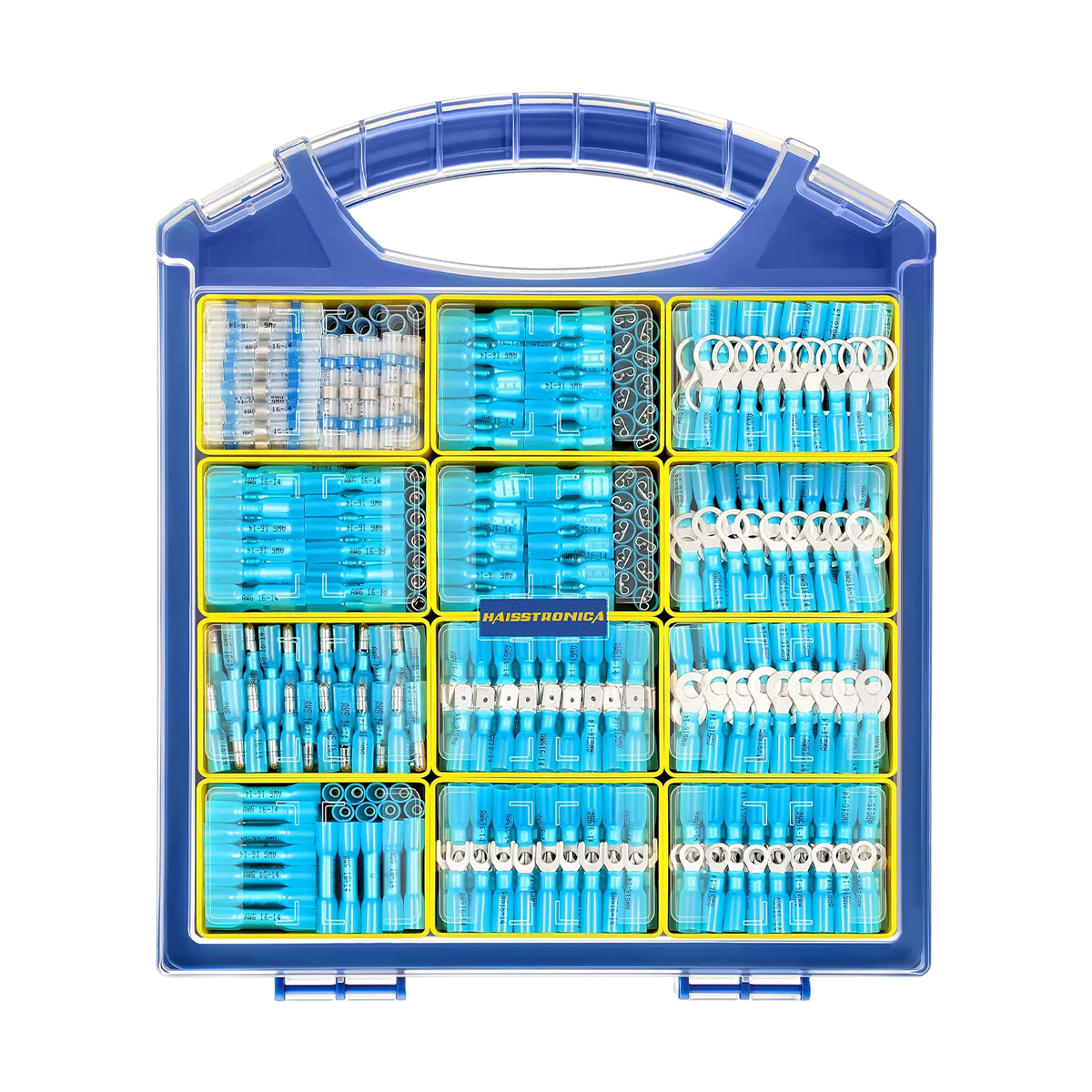
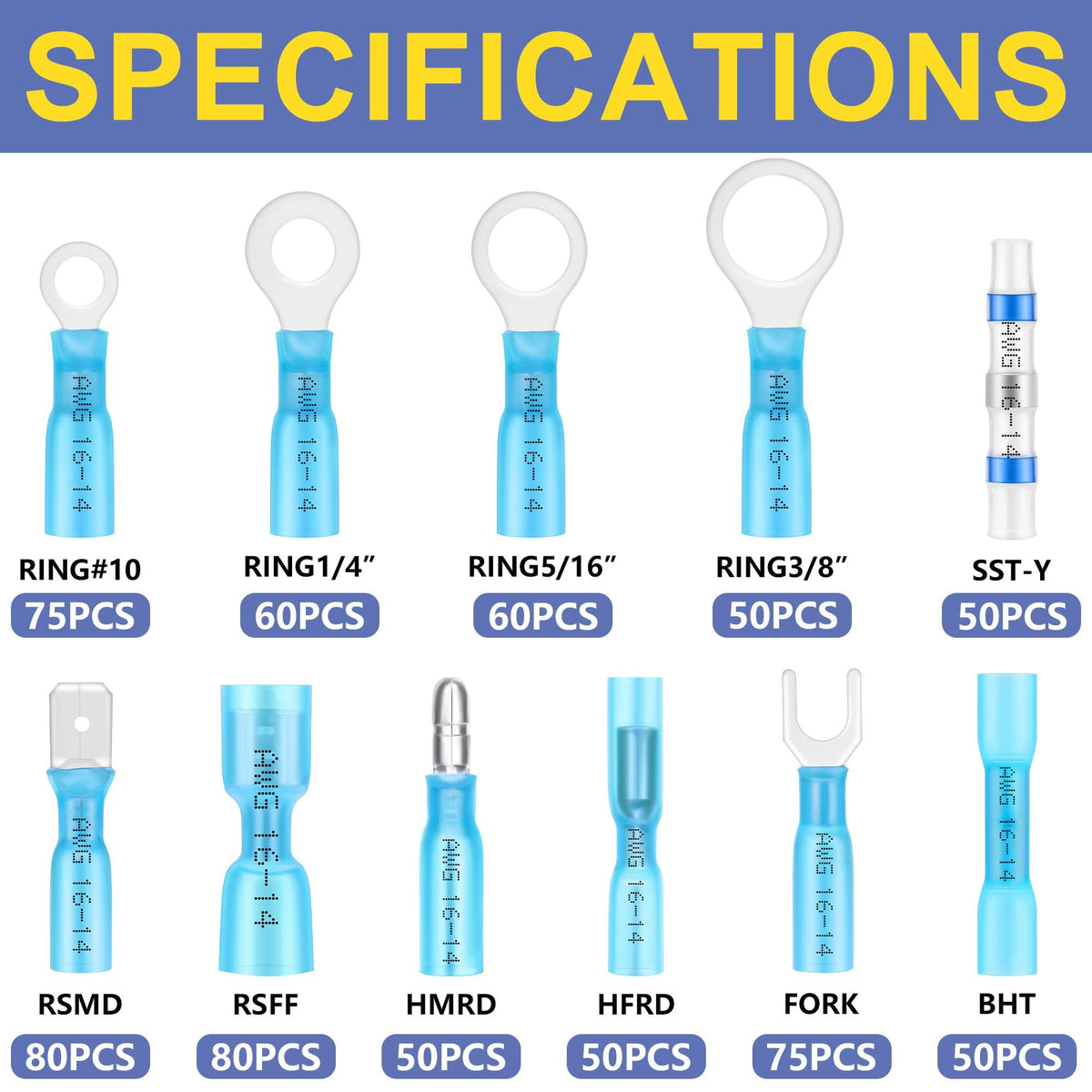
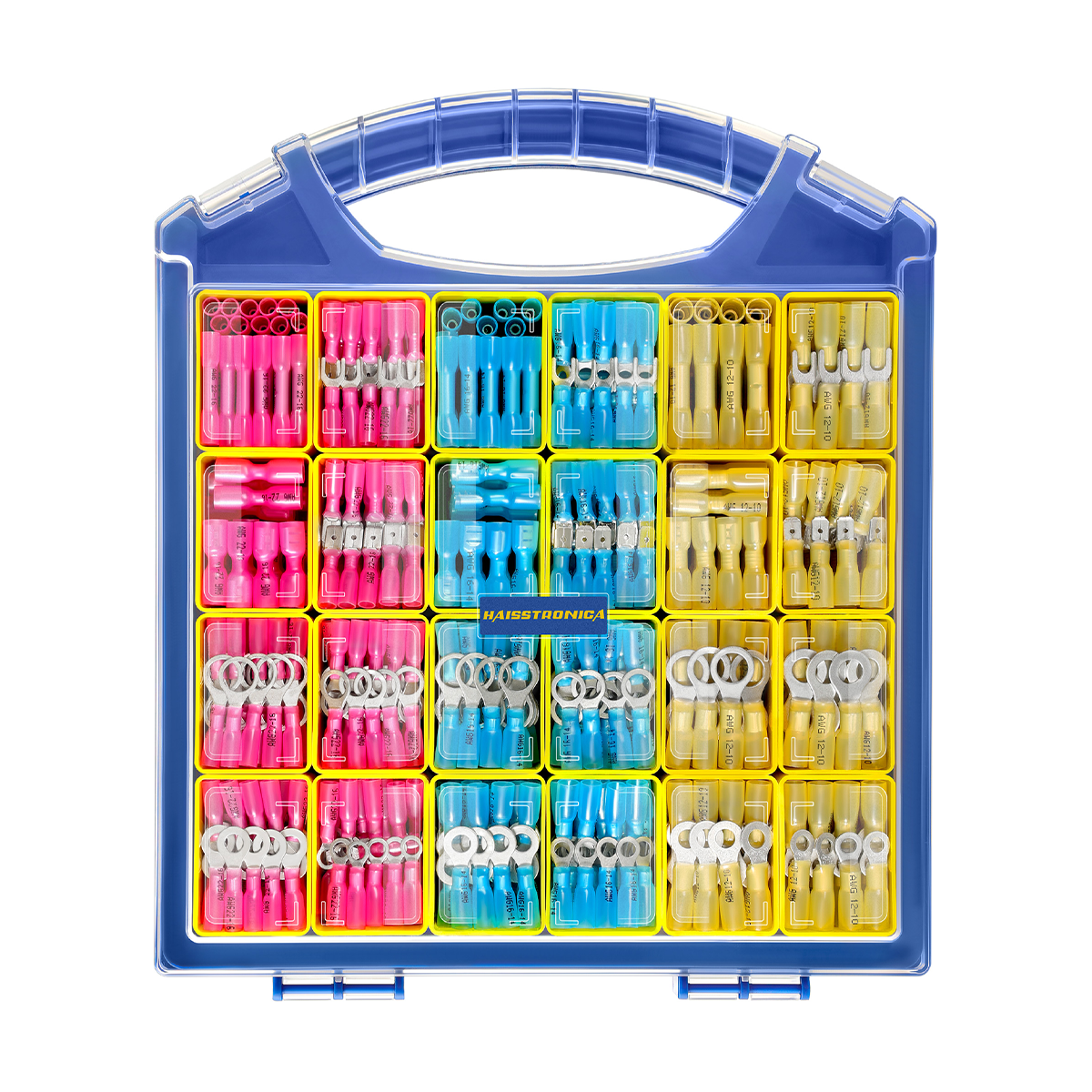
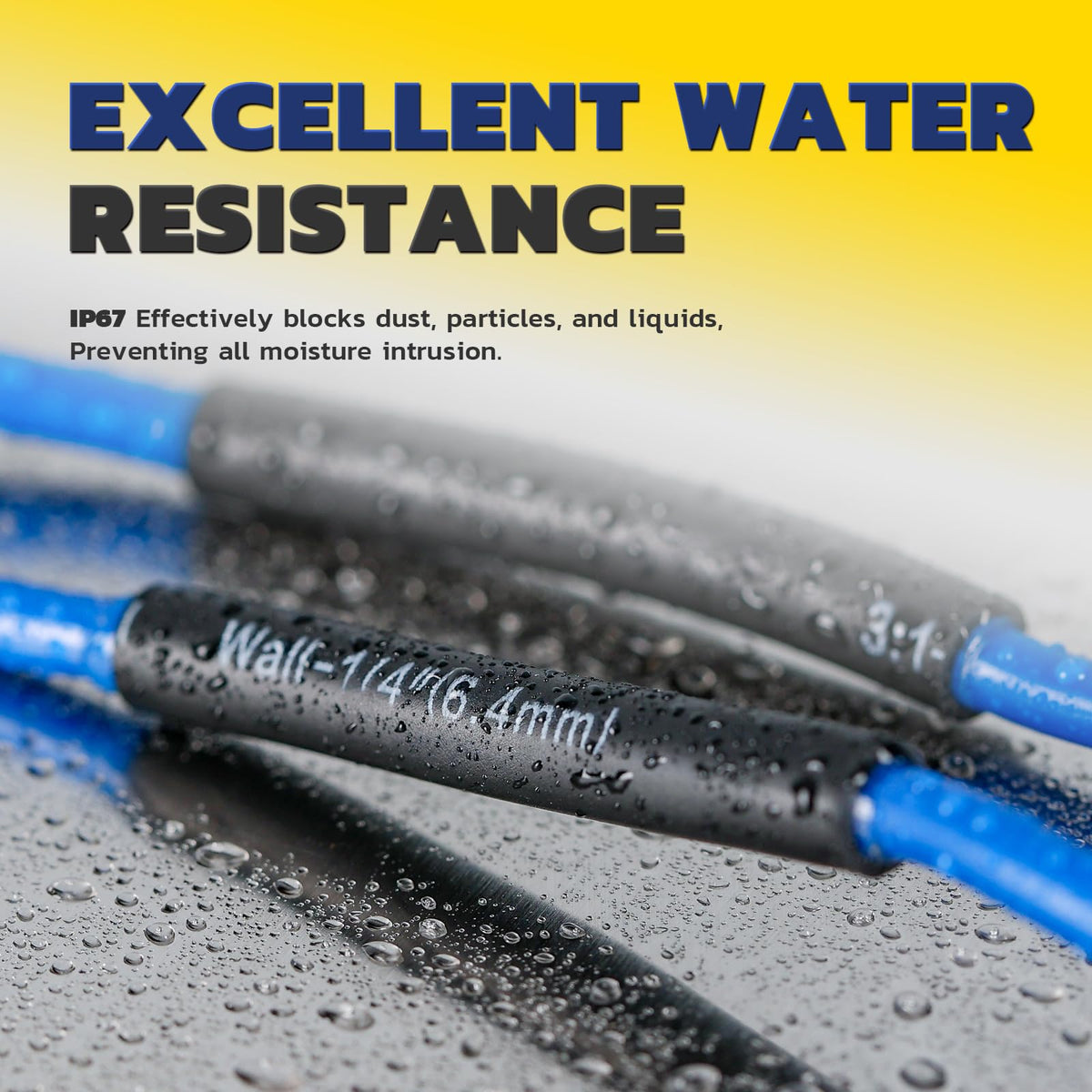
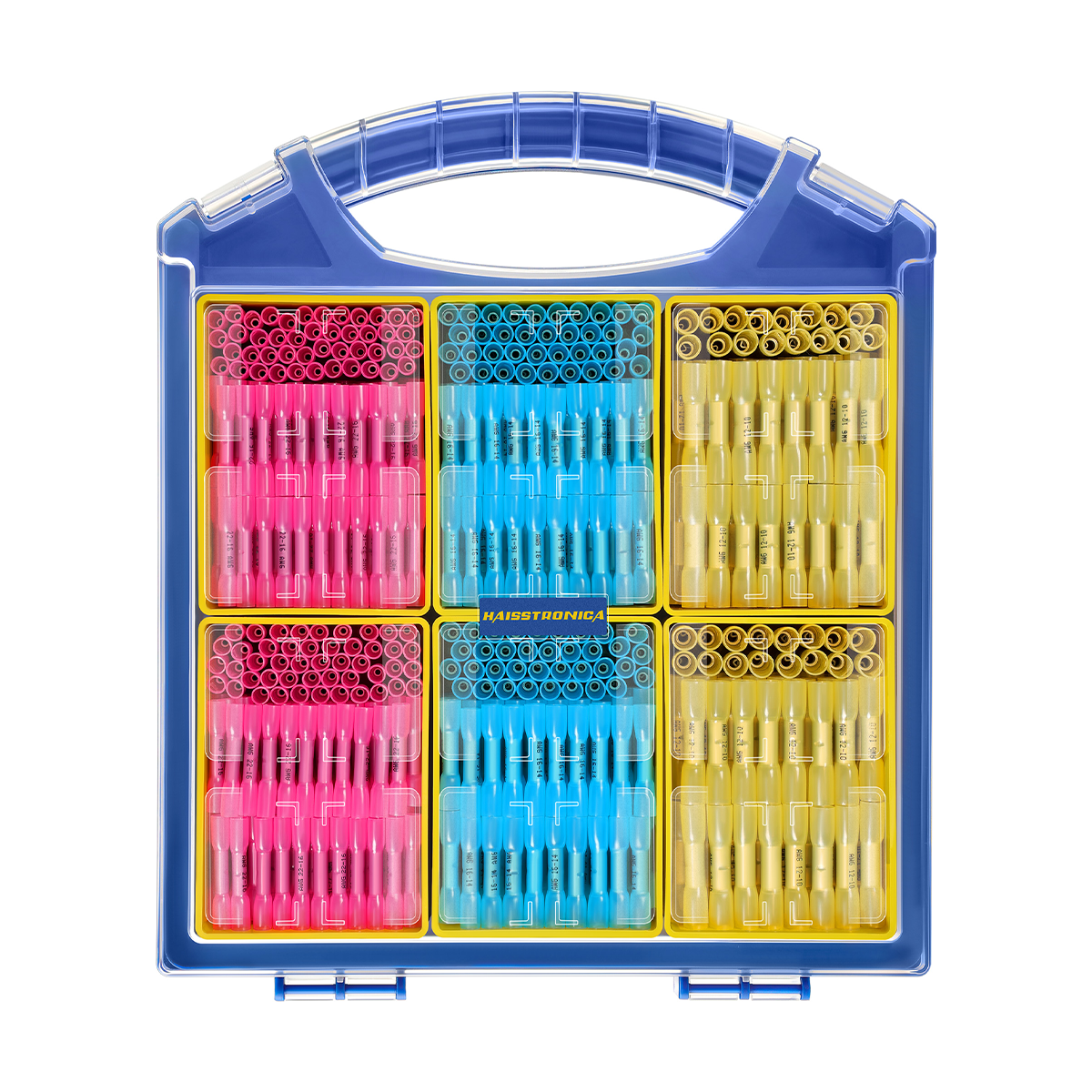
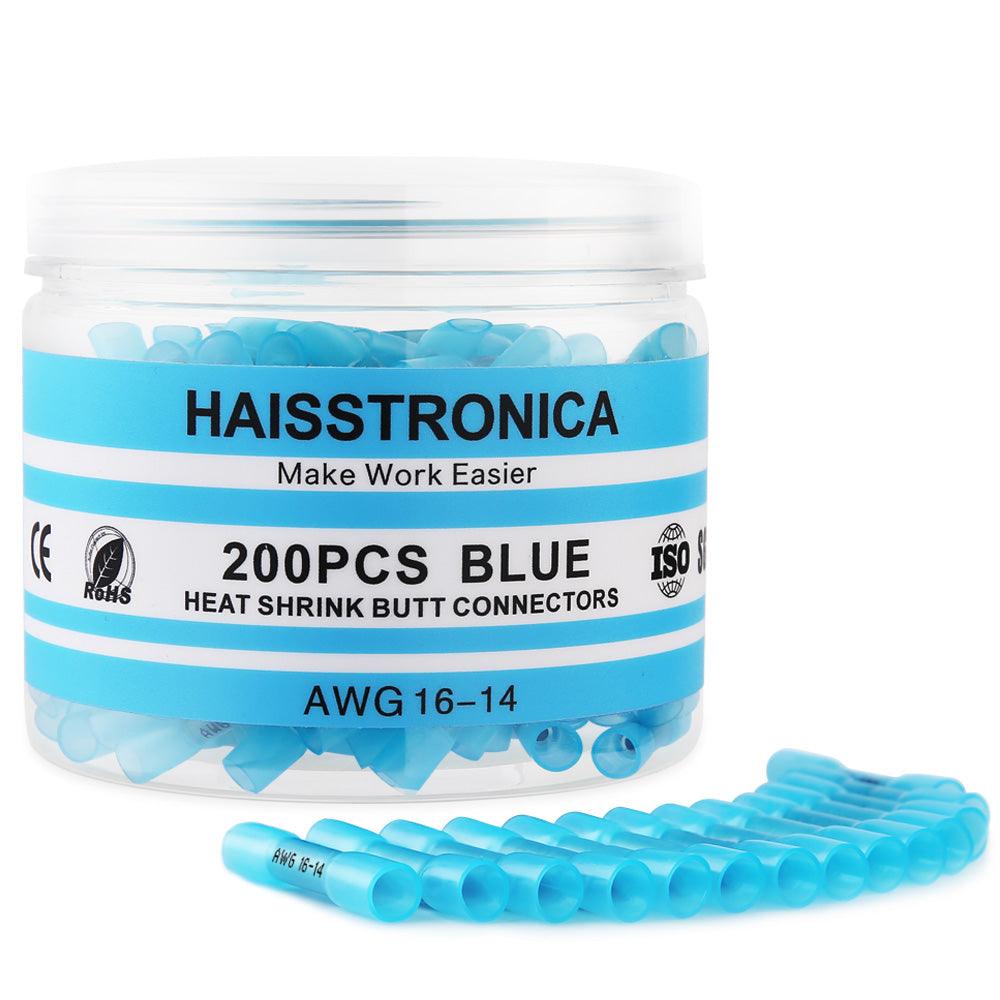
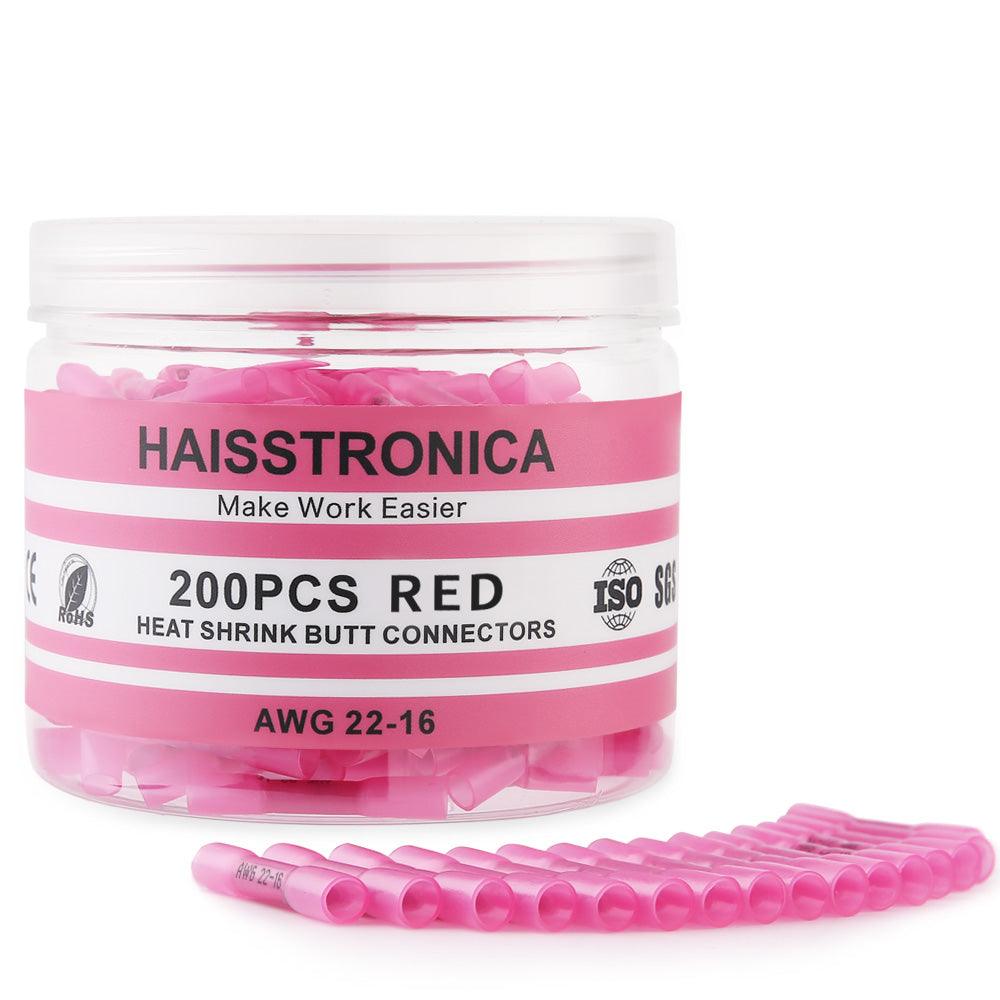
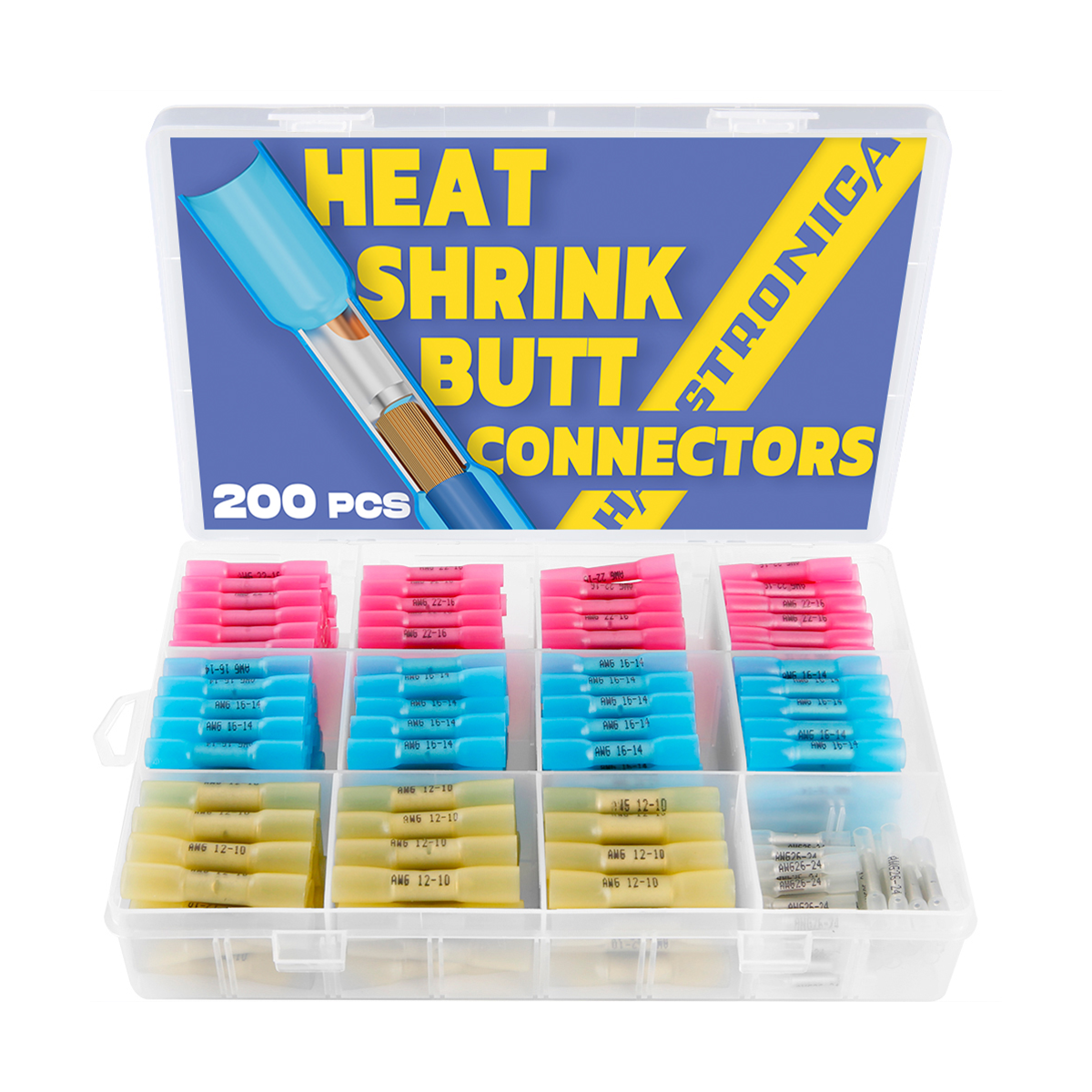
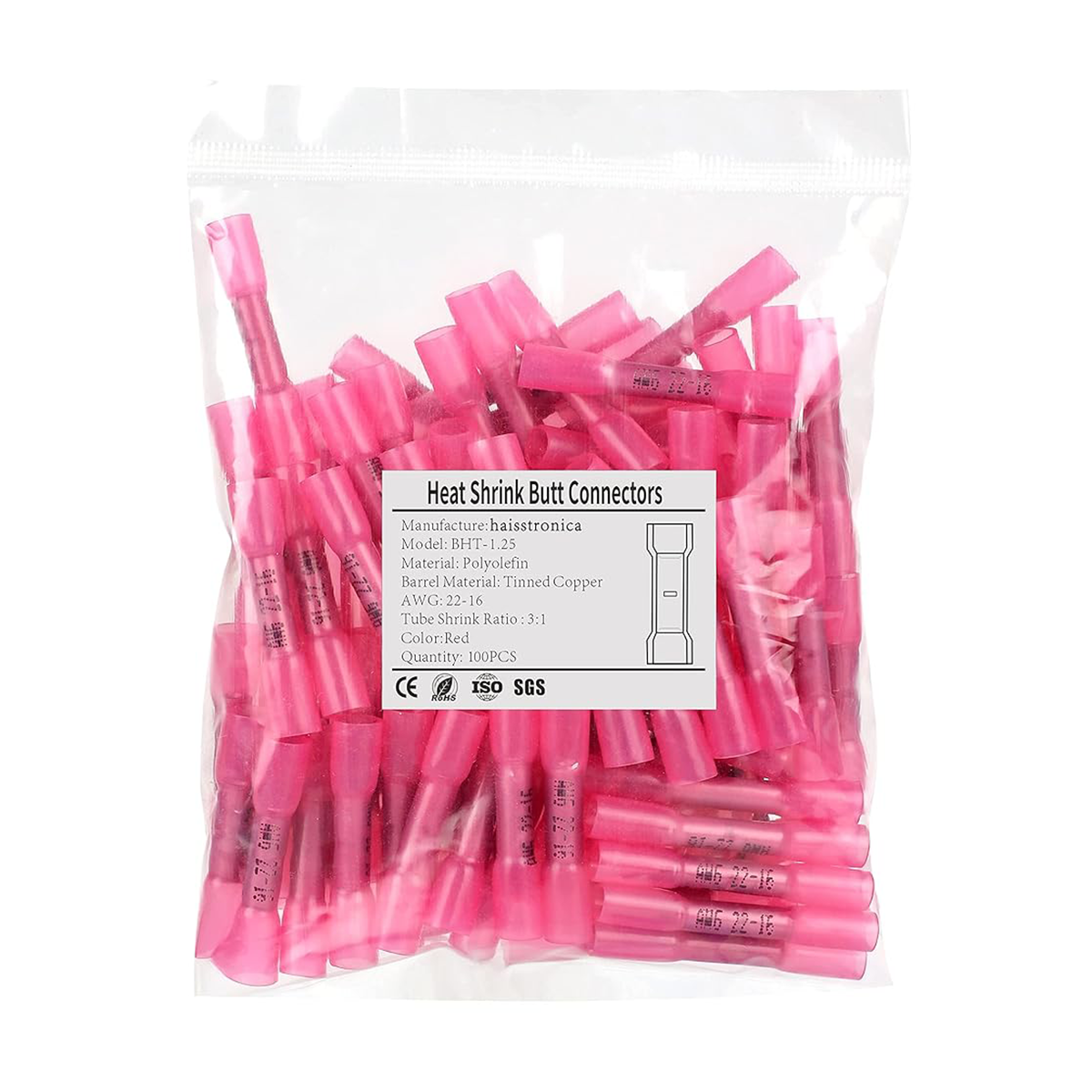
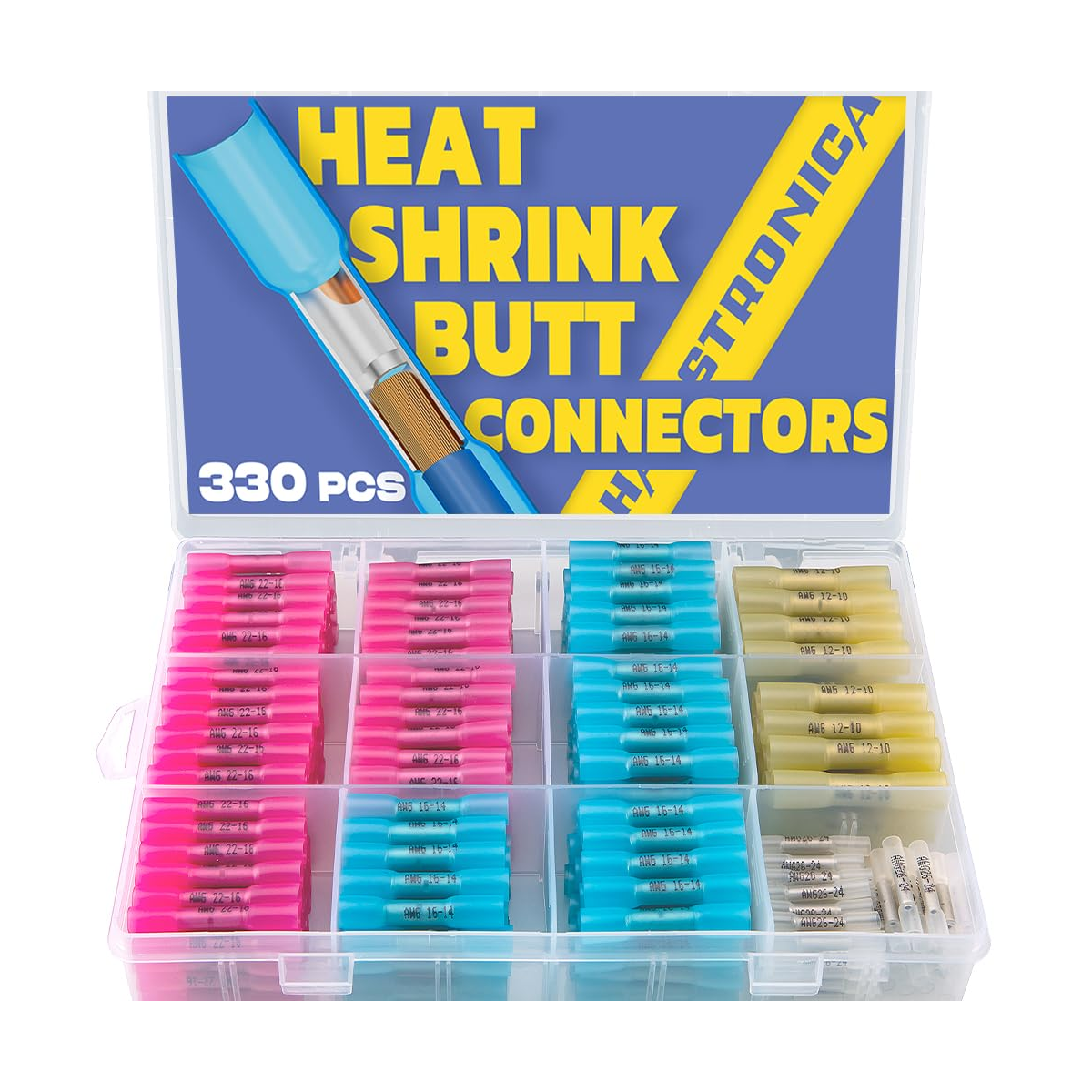
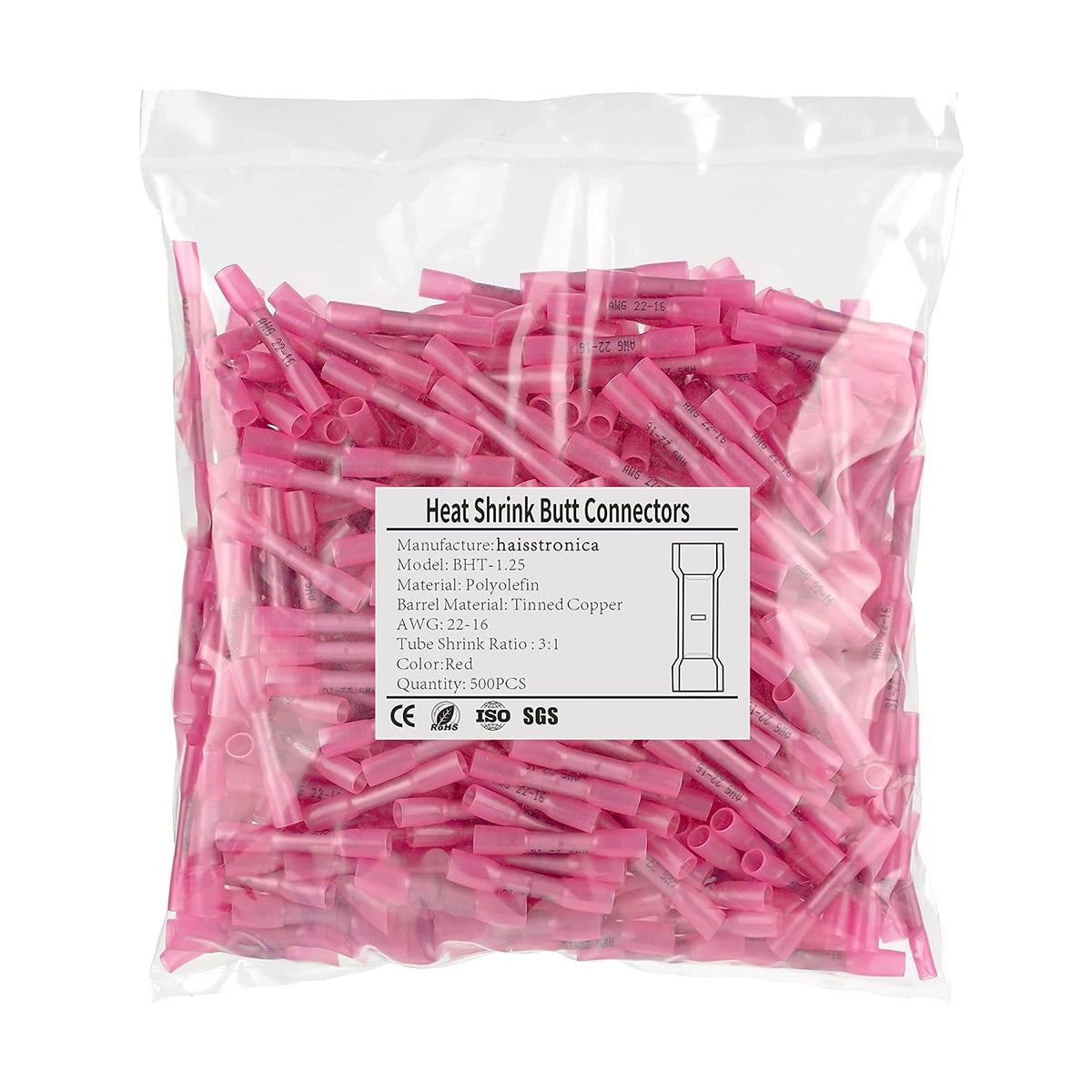
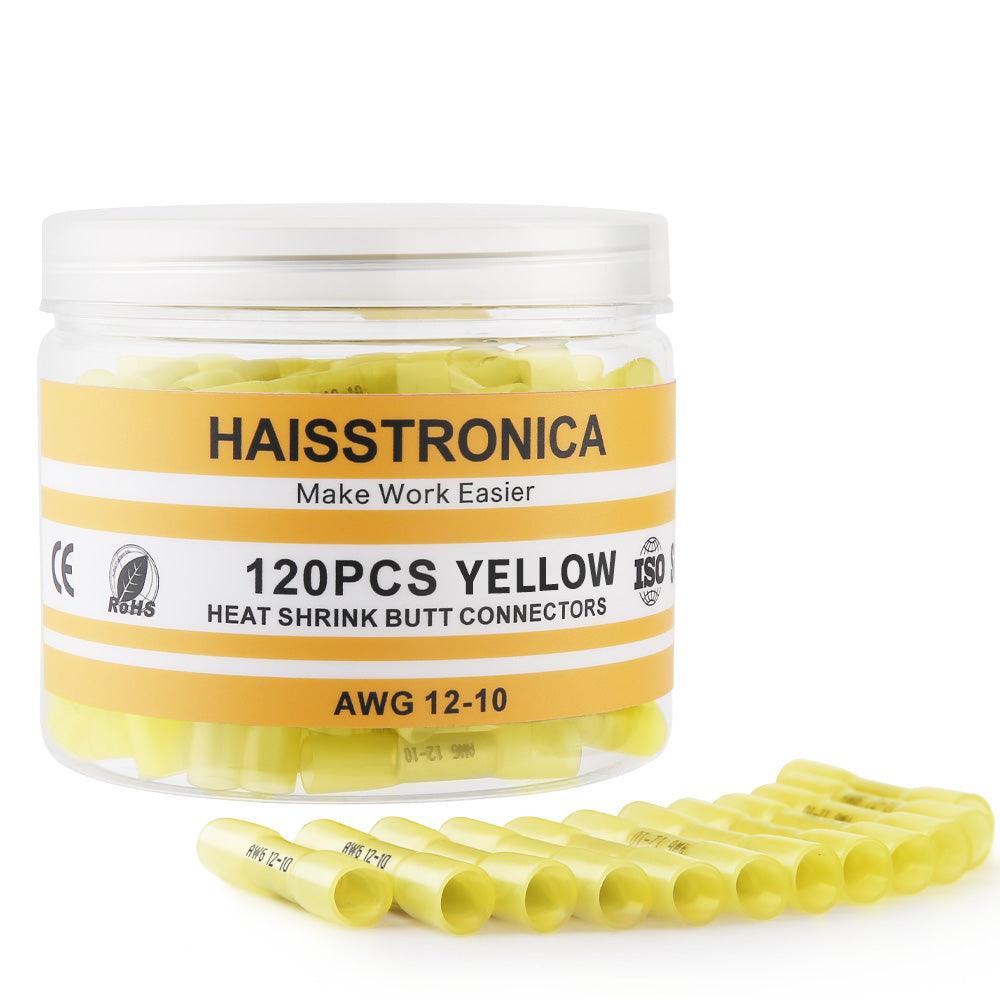
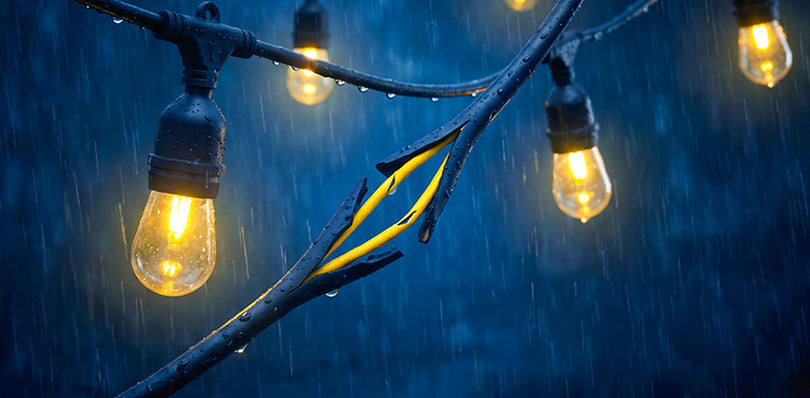
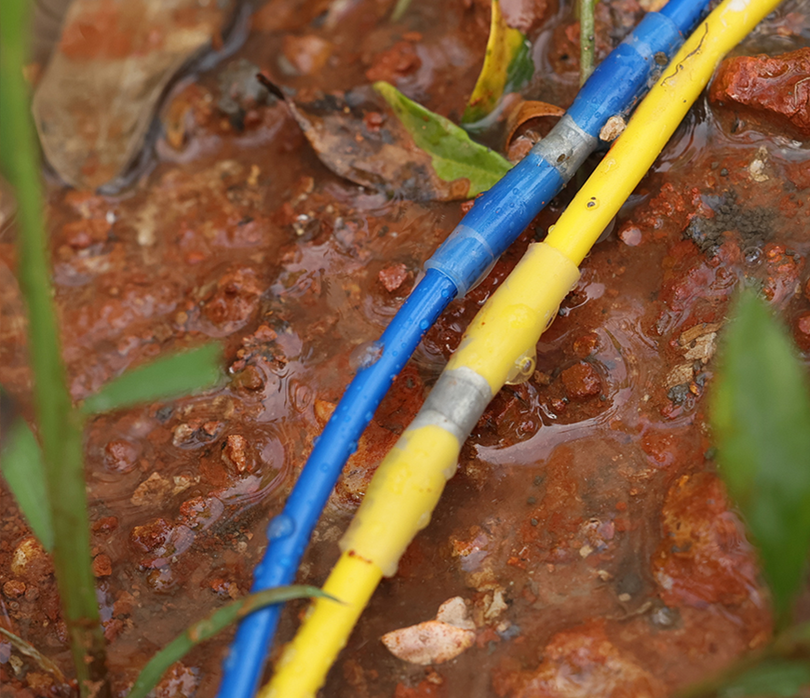
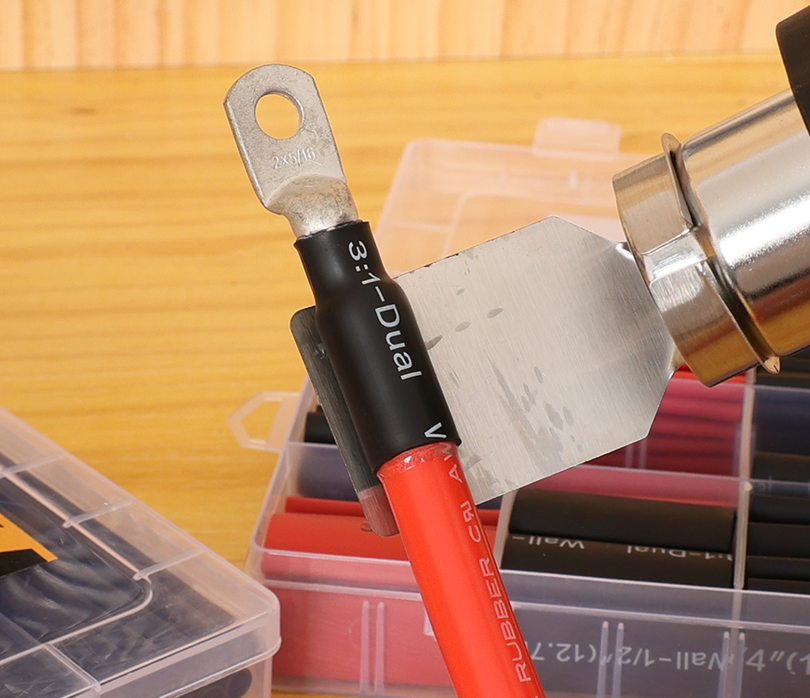
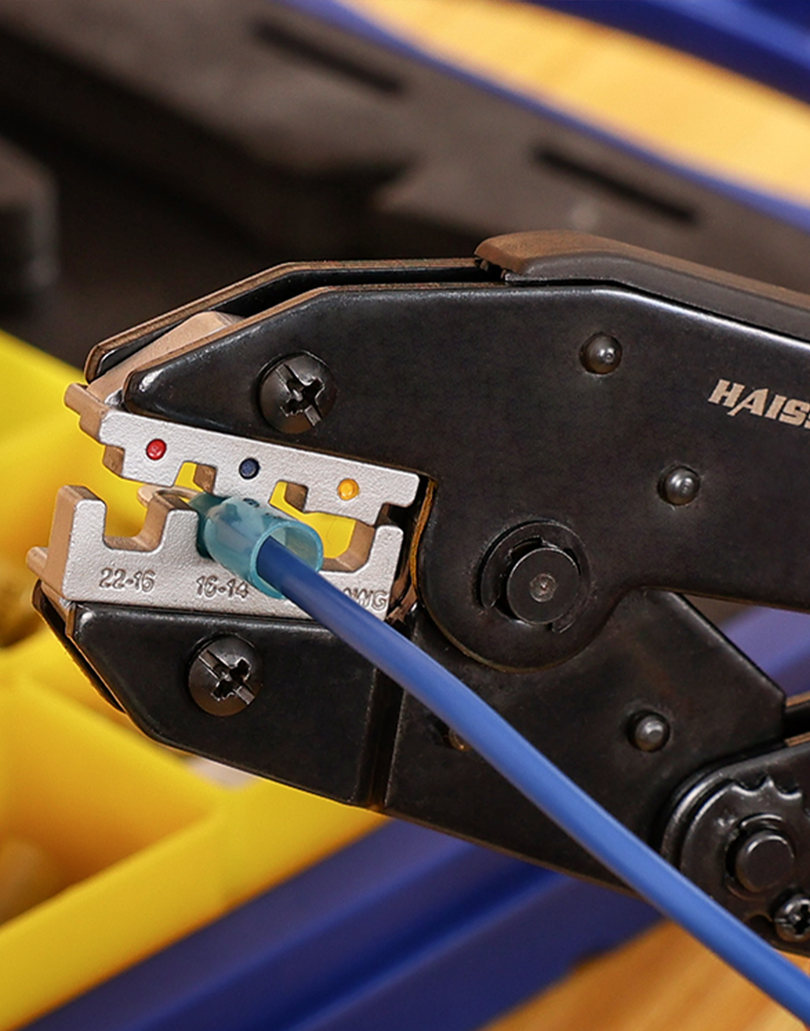
Direct-burial wire solves only the cable problem. Every splice, fixture tap and branch is another moisture-entry point, so use a waterproof connector sized to the conductors and inspect the seal before burial.
View Waterproof ConnectorsDefinition: What is Low-Voltage Landscape Lighting Wire?
A 14/2 low-voltage landscape lighting wire spool (two insulated copper conductors) for outdoor use. Low-voltage landscape wire (often called landscaping wire or landscape lighting cable) is a special electrical wire designed for outdoor landscape light wiring. It typically consists of two stranded copper conductors (designated "2") with insulation, and comes in various gauges (thicknesses) such as 16, 14, 12 AWG. The wire gauge (AWG) number indicates conductor size – lower numbers mean thicker wire with higher capacity. For example, a 14/2 landscape lighting wire has two 14‑AWG conductors, while 12/2 landscape wire is thicker (12‑AWG). These outdoor-rated cables have durable UV-resistant, PVC insulation and are direct-burial rated, meaning you can bury them in the ground without conduit. Using low voltage landscape wire is safer and more energy-efficient than standard household wiring because the system operates at only 12–24V, greatly minimizing hazard while still powering your lights. In short, electrical wire for outdoor lighting should be a low-voltage, two-conductor cable of the proper gauge to handle your lighting load and distance.
Complete Landscape Lighting Project Checklist
Buy the system, not just the spool. Confirm these five decisions before installation:
- Total fixture wattage and transformer capacity
- Longest one-way run and selected wire gauge
- Direct-burial, UV-resistant copper landscape cable
- Total roll length plus at least 10% reserve
- Waterproof connectors for every splice and branch