
The Challenge of Bulk Wire Stripping: Time-Consuming and Labor-Intensive — wire strippper
Bulk work feels slow because 100 wires per hour sounds “easy,” yet the math punishes inefficiency. One hundred wires per hour equals 36 seconds per wire—so if you hesitate for 10 seconds to re-check a notch, straighten strands, or redo a bad pull, your throughput collapses. The real constraint isn’t a single slow action; it’s the accumulation of tiny decisions when you strip wire repeatedly and still want consistent wire strips at the end of each cycle.
The biggest throughput killer is rework caused by poor strip quality. NASA’s workmanship standard requires that the remaining insulation shows no damage (nicks, cuts, crushing, charring) and that conductors are not nicked, cut, or scraped to the point that base metal is exposed—exactly the failure modes that force cut-back and redo.
Connector makers reinforce the same point from the termination side: TE’s guidance (in its crimping education materials) emphasizes proper wire preparation, including correct strip length and placement, because strip quality determines whether a termination is reliable. When your stripping step is inconsistent, your downstream wire stripping and crimping tool workflow becomes a loop of “try, inspect, redo,” and bulk output disappears.
Bulk stripping also exposes changeover losses you barely notice in small jobs. Industrial wire processing makes this explicit: automated systems can maintain high throughput and even handle multiple cable types without frequent changeover, because setup loss is recognized as a major productivity drain. For example, an automated Komax system profiled by ASSEMBLY was reported to produce 360 cables per hour and handle up to 24 different cables without changeover—showing how seriously high-output environments treat setup time.
Finally, bulk stripping is physically repetitive, and fatigue creates defects. NIOSH and Cal/OSHA’s hand-tool selection guidance highlights selecting non-powered hand tools that can be used effectively with less force, less repeated movement, and less awkward positioning—because strain contributes to inconsistency and injury risk. A bulk process that’s comfortable is a process that stays consistent after the first 20 wires, not just at the start. Choose Haisstronica for a more ergonomic electrician toolset that supports long-run consistency.

The Tools That Make Bulk Stripping Easy — wire strippper
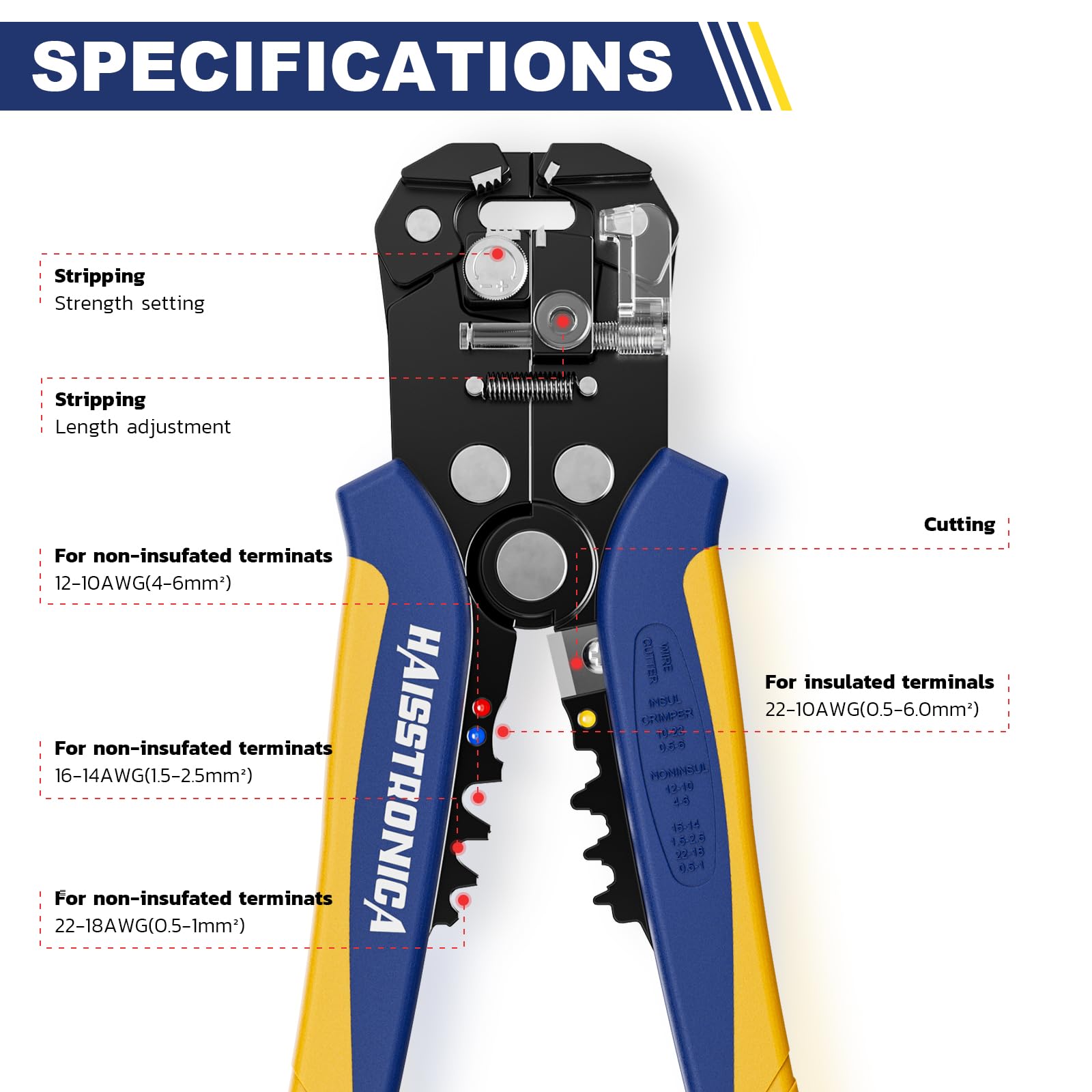
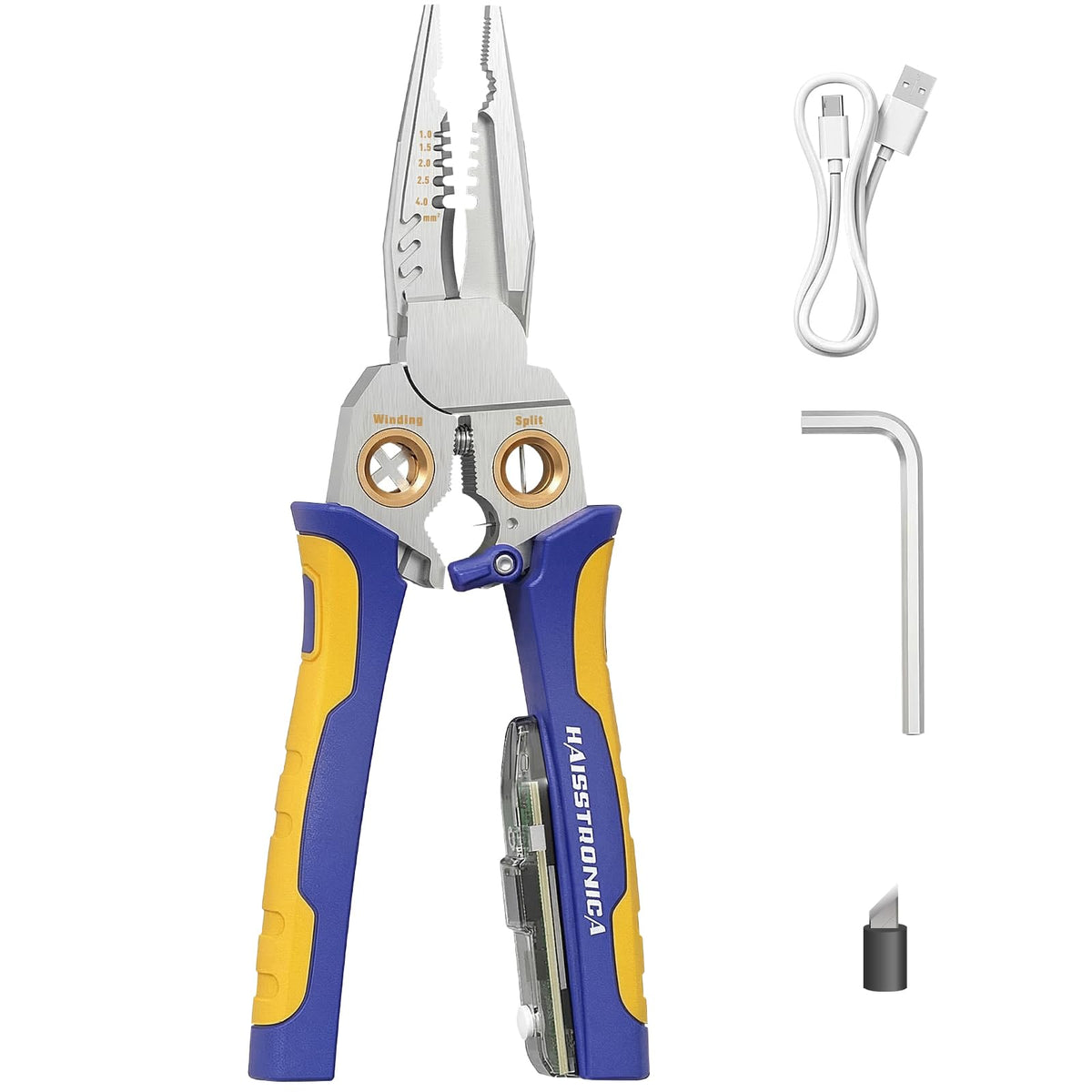
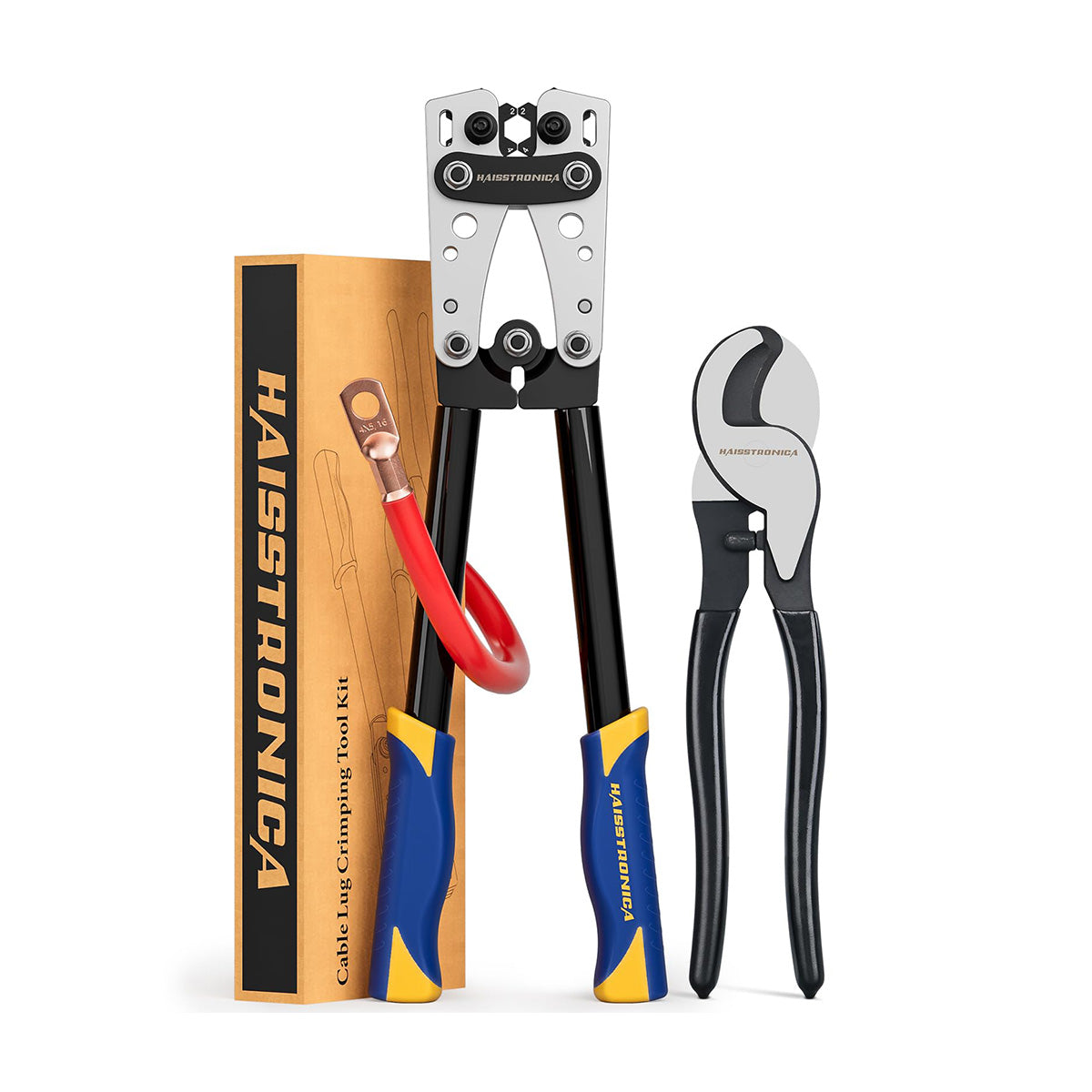
The “bulk stripping” tool stack is not one magic tool—it’s a staged system that removes decisions. At minimum, pros should stage an electrical wire cutter tool for consistent starting length, a precision wire stripper or self-adjusting stripper for repeatability, and (if terminations follow) a wire stripper crimper or crimping tool and wire stripper pairing to reduce tool swaps. When you organize those wire tools as a repeatable station, the same hands can hit high throughput with fewer mistakes.
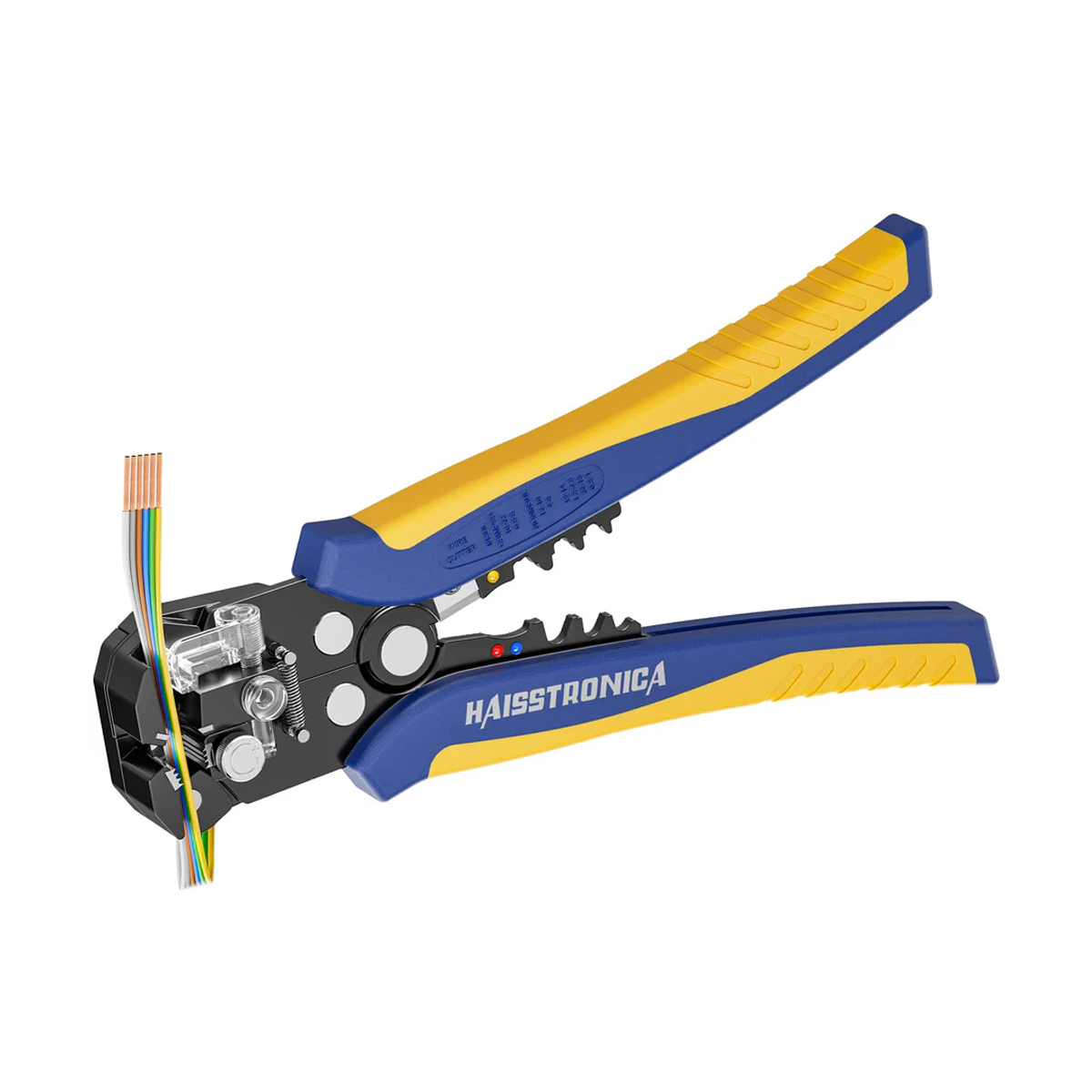
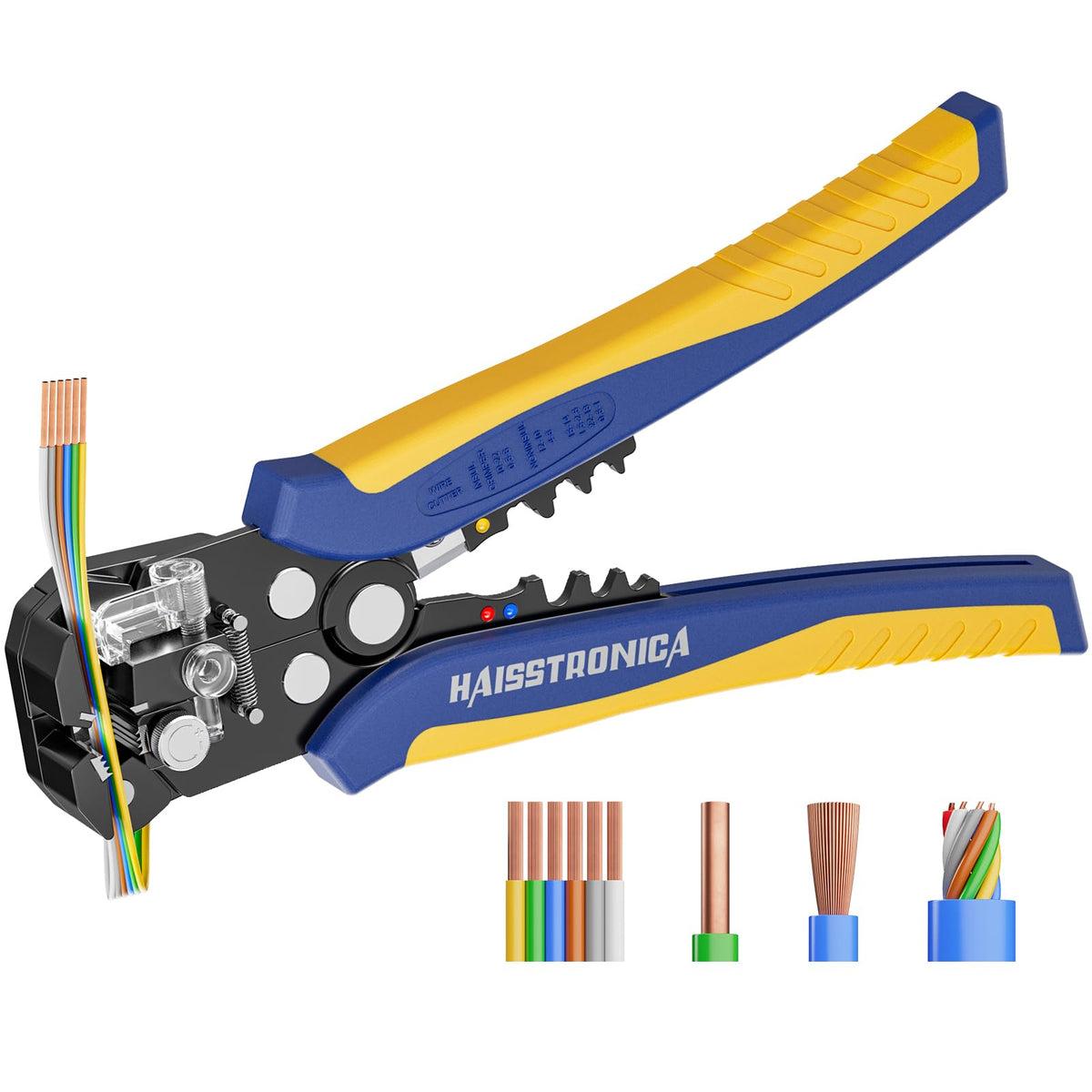
If your wire mix is varied, a self-adjusting stripper is often the fastest “wins on mixed gauges” upgrade because it reduces constant notch selection. Haisstronica’s wire tools positioning emphasizes versatility across wire gauges and highlights multifunction tool kits designed for precision, durability, and ease of use—exactly the attributes that matter when you’re stripping wires in volume.
For the stripping action itself, the most important bulk features are pressure control and repeatable strip length. The Haisstronica self-adjusting wire stripper instructions explicitly note adjusting the knob to control pressure and prevent wire damage, and using a guide ruler bar before inserting the wire and squeezing to complete stripping—controls that reduce “over-squeeze” defects and strip-length drift in bulk work.
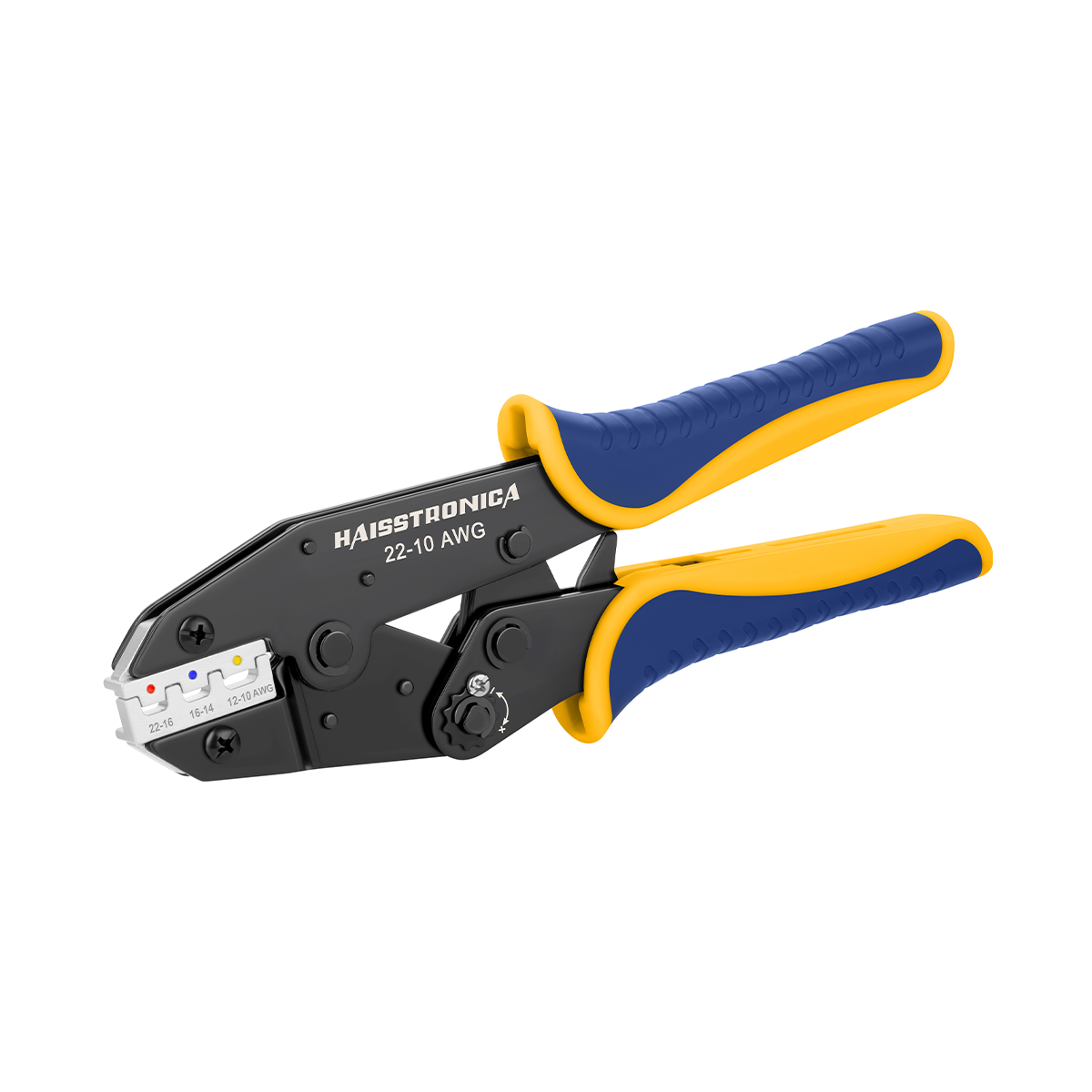
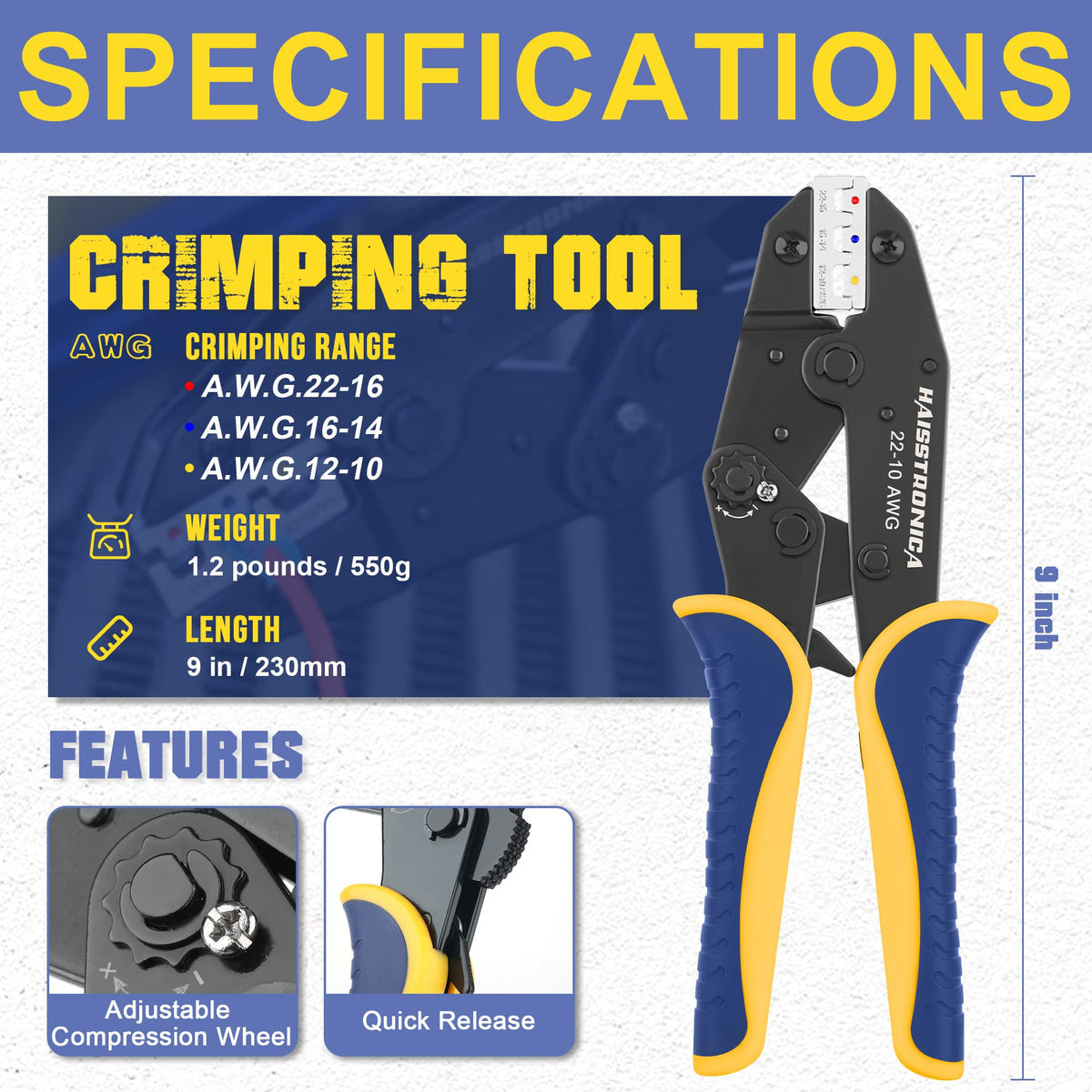
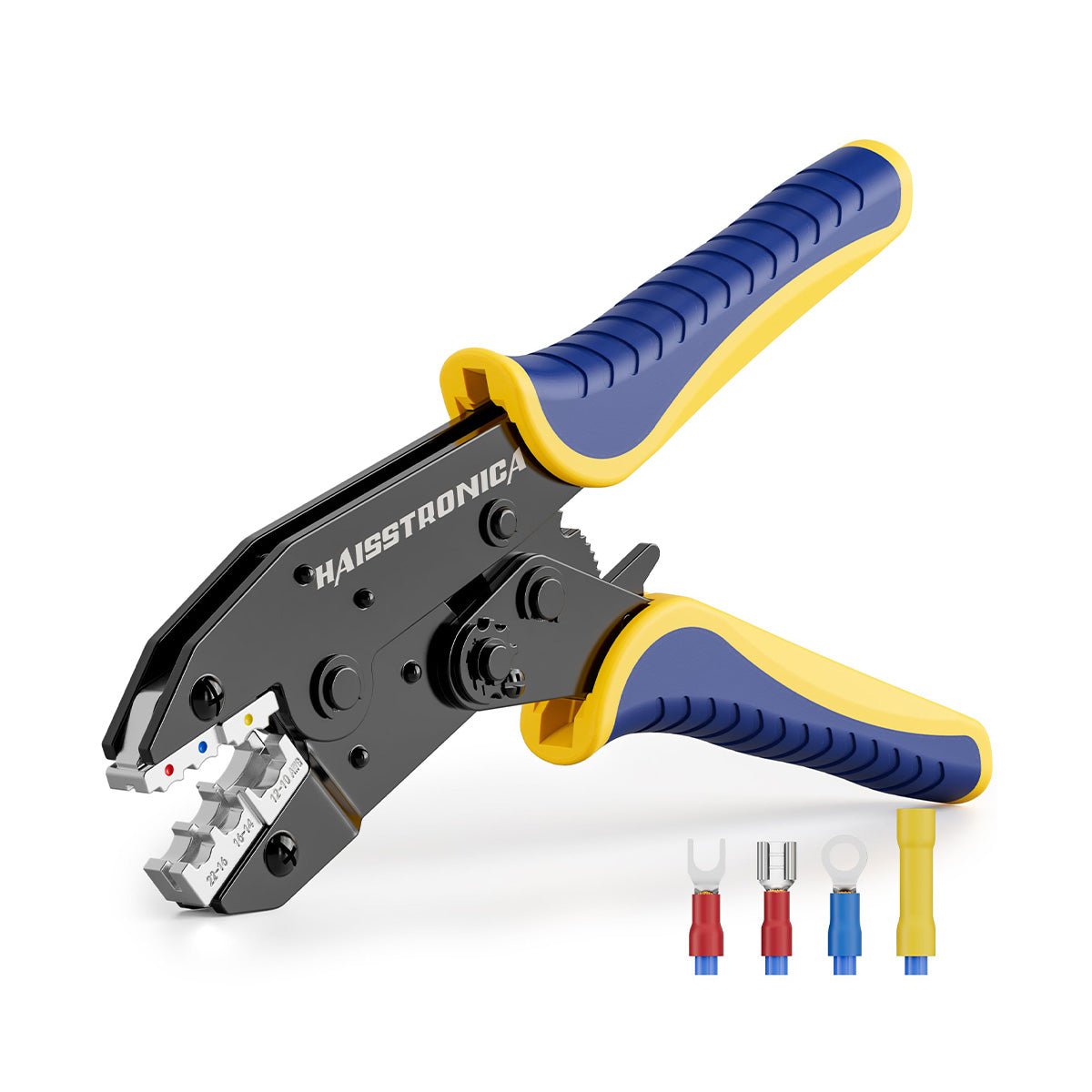
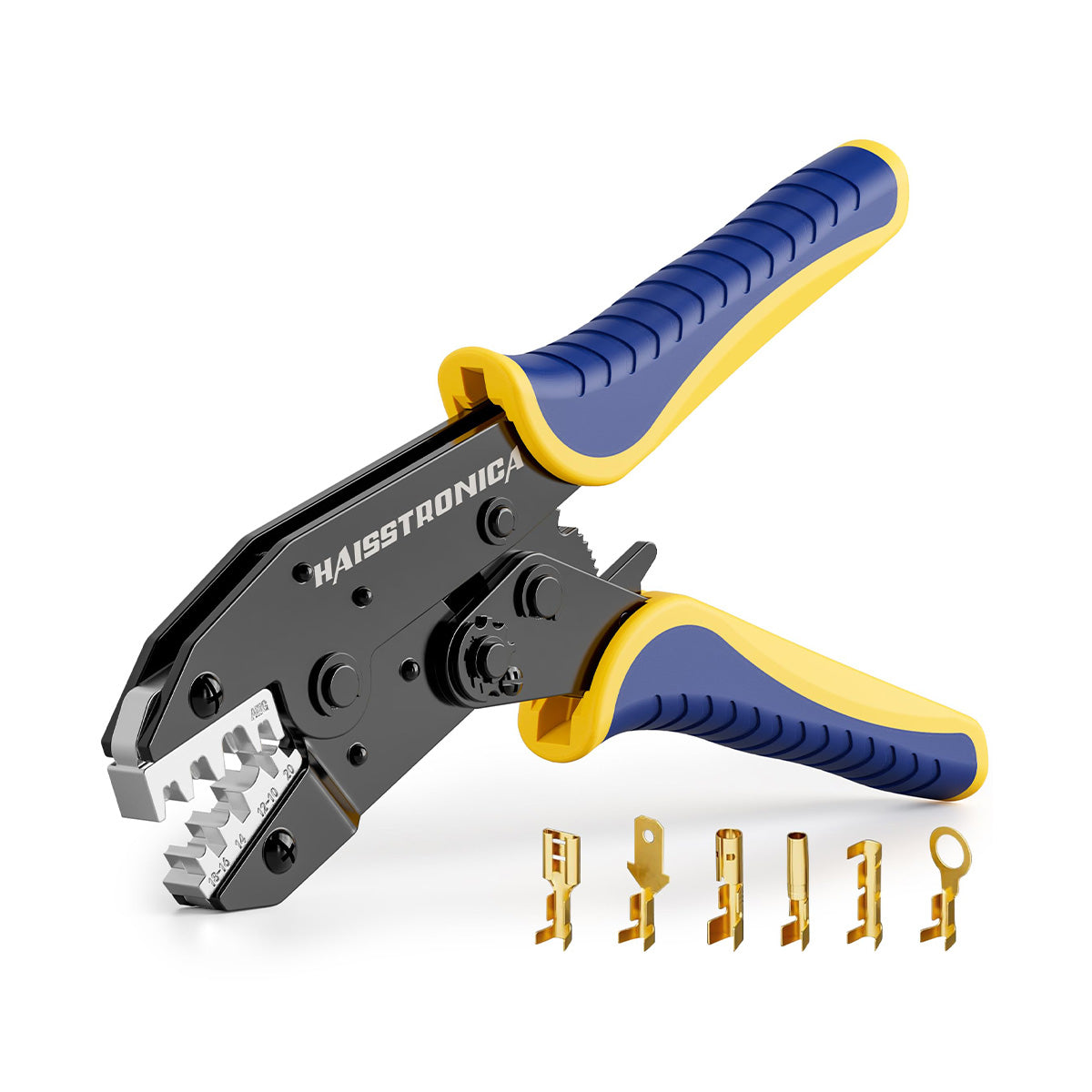
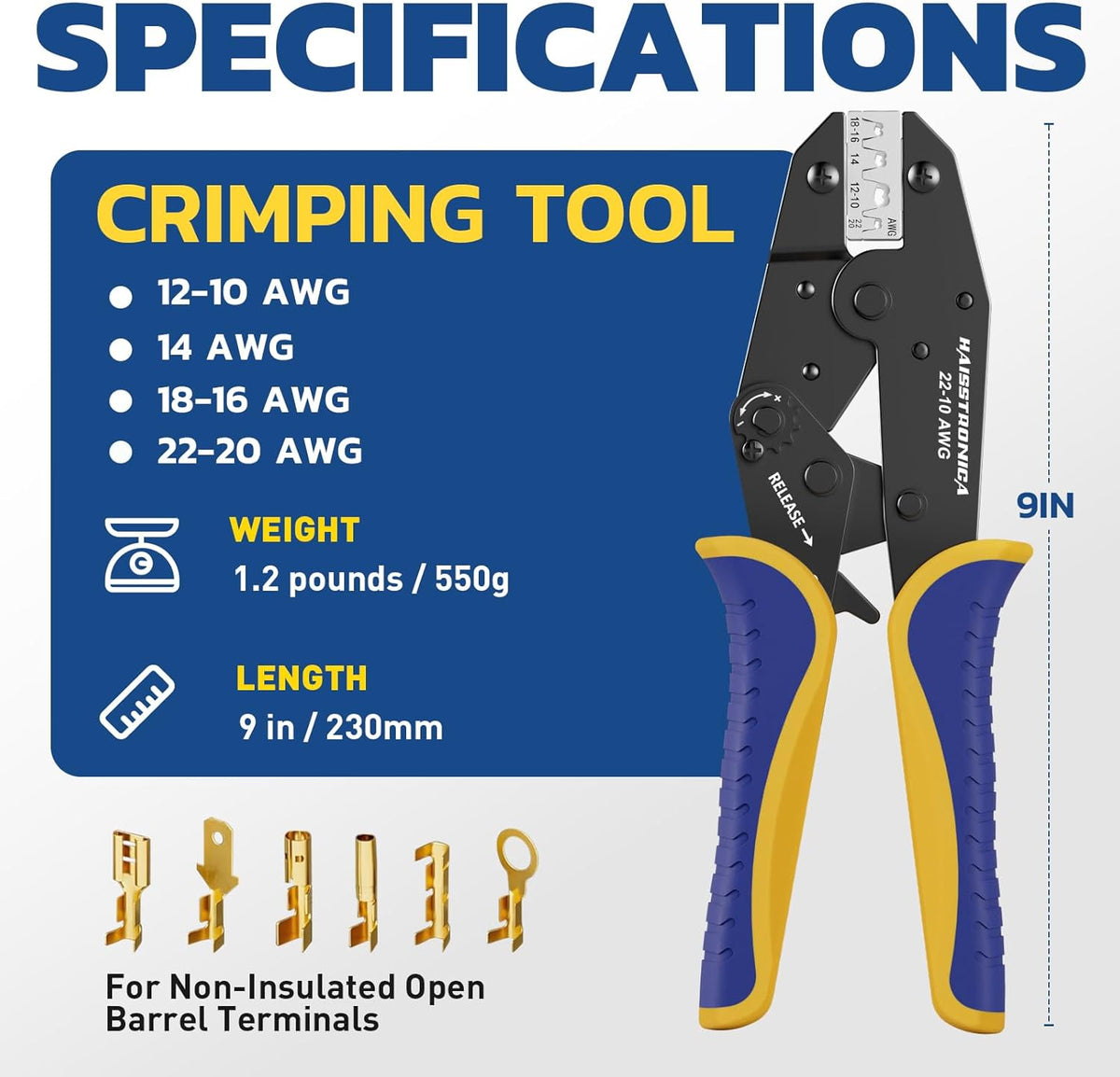
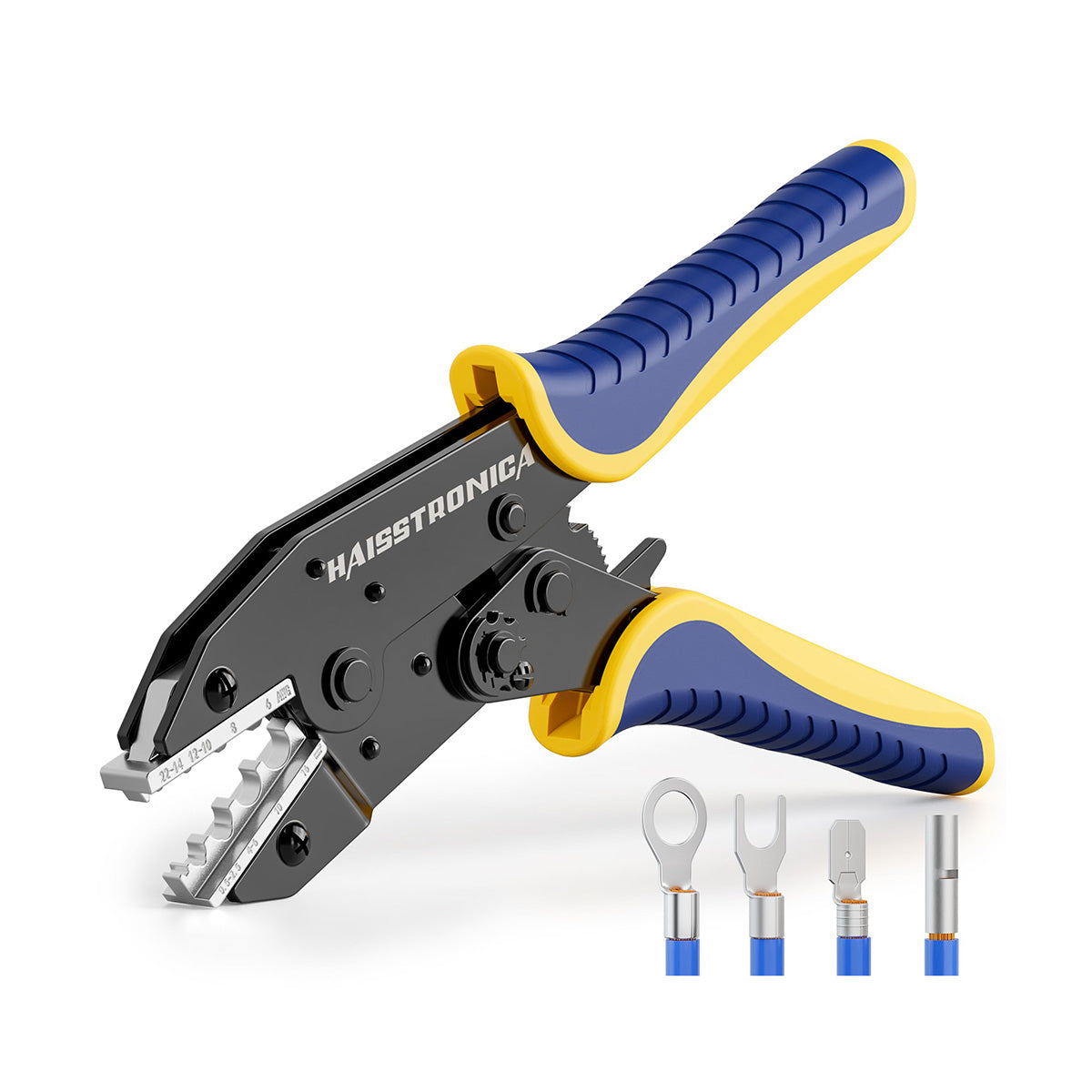
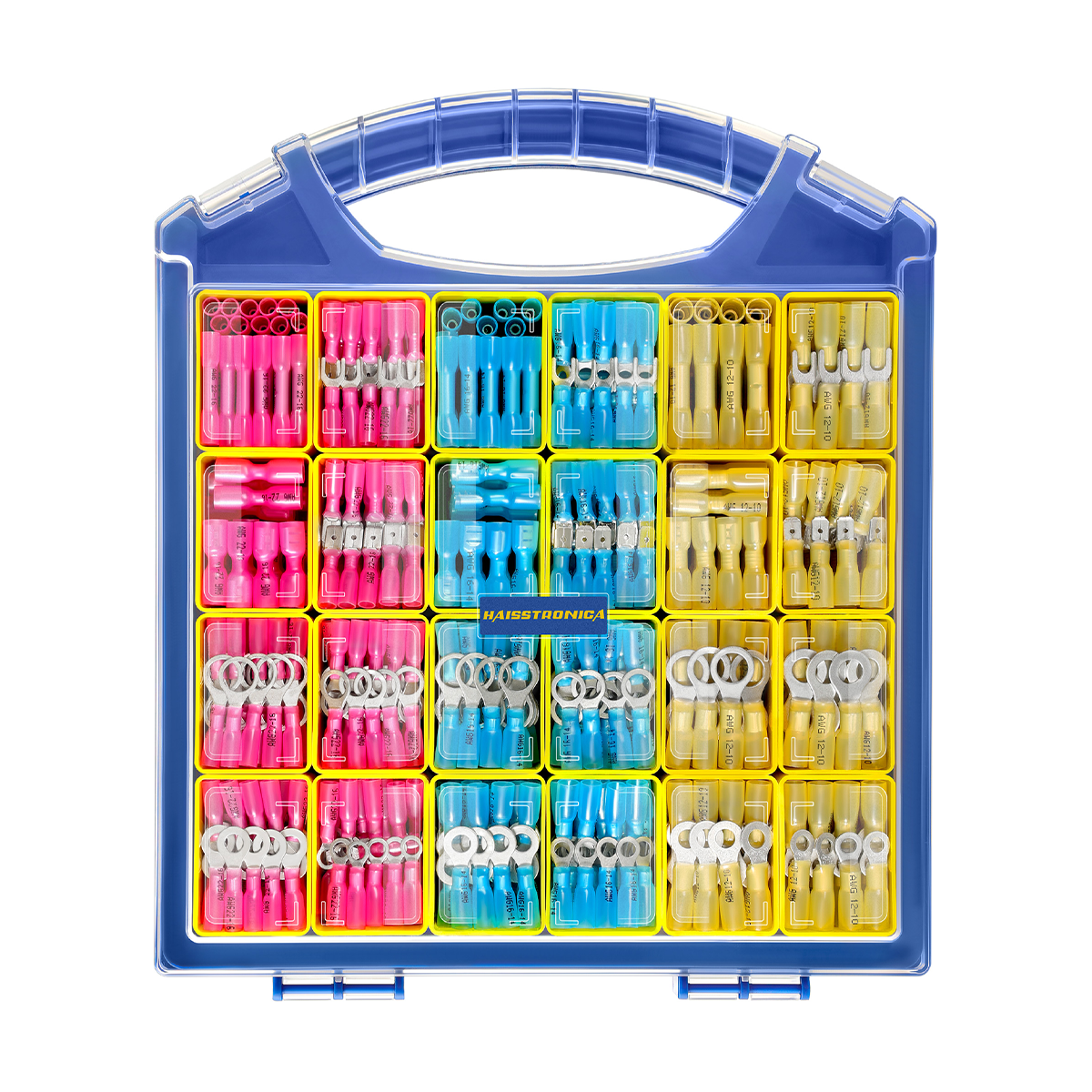
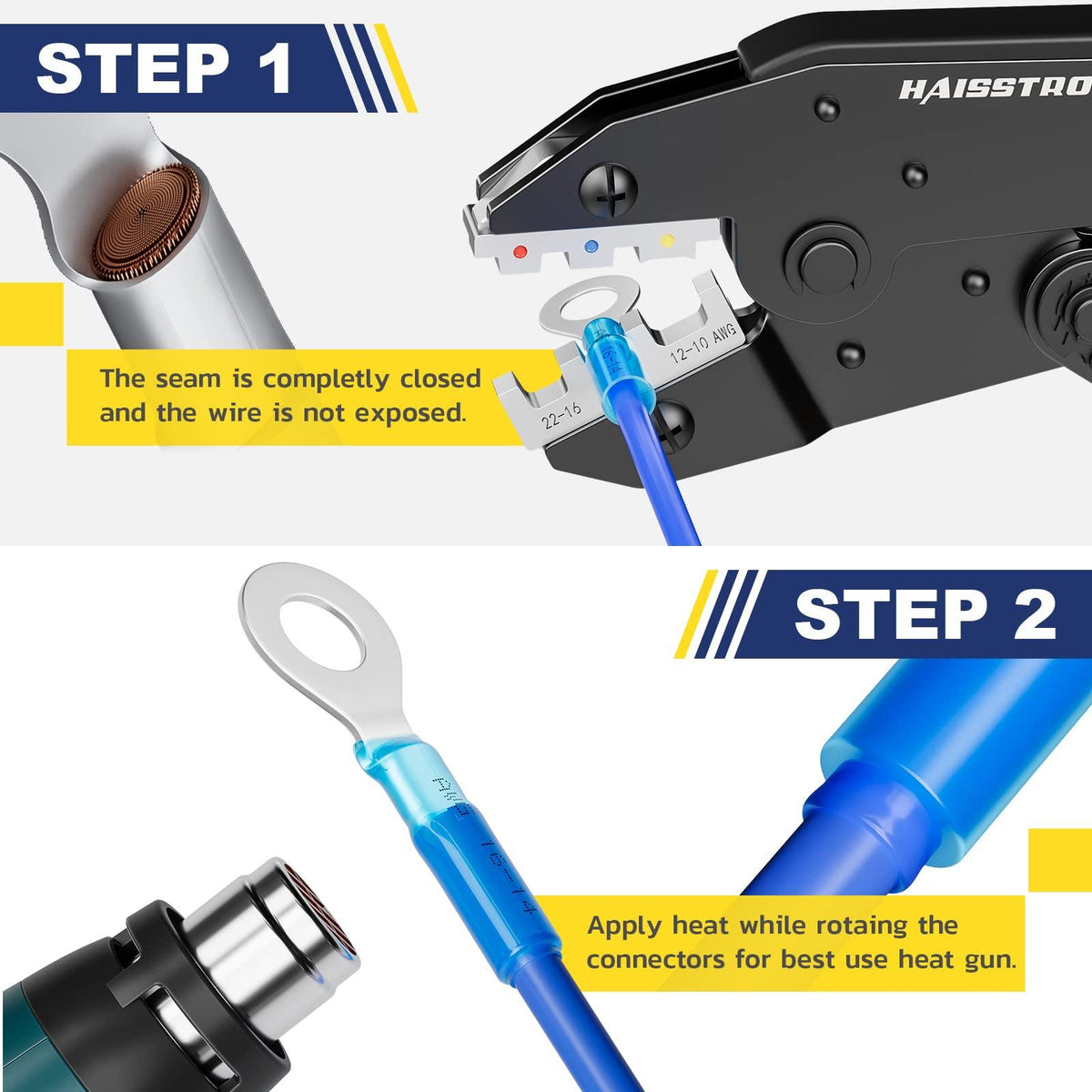
Ratcheting termination tooling can also be part of bulk speed, because stripping is rarely the final step. If your bulk job includes terminals, ferrules, or splices, a ratchet tool helps stabilize results by enforcing a consistent crimp cycle, and Haisstronica’s ratchet crimping tool product positioning emphasizes consistent, reliable crimps for specific AWG ranges.
For splicing and quick connections, modern lever-actuated splicing connectors reduce time and reduce the skill required to get consistent results. WAGO describes its 221 Series workflow plainly—lift the lever, insert a conductor, push the lever down—and states these tool-free connectors quickly and safely connect multiple conductor types across 24–10 AWG. When your stripped ends are consistent, these connections become fast and repeatable, helping your auto wire splice tasks move at production pace. Complete your bulk workflow with Haisstronica prep tools so every conductor you strip is immediately “ready to connect.”

How to Achieve 100+ Wires Per Hour: Step-by-Step Process — wire strippper
Hitting 100+ wires/hour is achievable if you define the unit and standardize the motions. Decide whether you mean “100 wire ends” or “100 finished wires with two stripped ends.” If you mean finished wires, you’re targeting 200 stripped ends per hour, or about 18 seconds per end—so your process must eliminate unnecessary reaching, measuring, and tool changing. Start by writing a one-line quality rule based on workmanship: no nicked conductors and no damaged insulation, because NASA’s standard treats those as defects, not acceptable variation.
Step one is staging: place cutters, stripper, connectors, and a small reject bin within one arm’s reach so you do not “walk time” into every cycle. Industrial productivity thinking formalizes this as measuring and eliminating losses across availability, performance, and quality; Komax’s discussion of Overall Equipment Effectiveness (OEE) highlights how production improves when losses are identified and removed. Your bench is a mini production cell—treat motion as a loss, and you’ll find minutes.
Step two is batch cutting: cut 25–50 wires to length first (or stage pre-cut lengths), then strip in a batch. Batching reduces tool switching and keeps your brain in one mode: cutting, then stripping, then terminating. If you’re using a stripper set, keep the preferred stripper model on the dominant-hand side and the cutter on the non-dominant side so the motion stays consistent.
Step three is lock in strip length and pressure. Use the guide/stop feature (where available) and set the pressure so insulation releases cleanly without crushing or tearing; Haisstronica’s self-adjusting instructions specifically call out pressure control to prevent damage and a guide ruler bar to control stripping. This is where bulk quality is won: if you eliminate half of your redo strips, you often exceed 100 wires/hour without even “moving faster.”
Step four is implement a micro-inspection rhythm. Every 10 wires, glance-check two ends for strand disturbance, insulation nicks, and consistent length—because TE’s wire-preparation education emphasizes proper strip length and placement as part of achieving reliable terminations. This 5-second quality loop prevents a 5-minute rework loop later.
Step five is “strip-then-connect” without delay. If you’re splicing, use a connector system that rewards consistent stripping: WAGO’s lever connectors are explicitly designed for quick tool-free connections once conductors are stripped. If you’re crimping terminals, keep a ratcheting crimper staged and terminate immediately after stripping so stripped copper doesn’t oxidize and strands don’t splay from handling.
Step six is protect your hands so speed stays consistent. Bulk stripping is repetitive; ergonomic guidance from NIOSH/CalOSHA emphasizes using hand tools requiring less force and less awkward posture to reduce injury risk. When you reduce effort, you reduce errors, and that alone can be the difference between 80 wires/hour and 120 wires/hour in real work.
Step seven is measure like a production line: record total batch time, redo count, and reject count, then improve one variable at a time (staging, strip length stop, connector staging, or tool choice). The industrial benchmark from ASSEMBLY’s automation example shows what performance looks like when changeover is minimized and the process is stabilized; while you won’t match factory machines with hand tools, you can adopt the same “eliminate losses” mindset to push past 100 wires/hour reliably. Use Haisstronica as your standardized tool platform, then optimize your workflow around it.

Conclusion
Bulk stripping becomes “easy” when you stop chasing speed and start designing for consistency: eliminate changeovers, lock strip length, protect conductor and insulation integrity, and reduce fatigue with ergonomic tool choices. Workmanship standards like NASA’s are clear that nicks and insulation damage are defects that drive rework, and connector/crimping guidance emphasizes correct preparation and strip control for reliable terminations. A modern wire strippper workflow—paired with staged cutters, self-adjusting stripping controls, and fast connection methods—can push you past 100 wires/hour without turning quality into a gamble. Build your bulk-prep station with Haisstronica and turn repetitive stripping into predictable, professional output.