
The Challenge of Bulk Wire Stripping: Time-Consuming and Labor-Intensive — wire strips
Bulk stripping feels slow because the math is brutal. To hit 100 wires per hour, you have about 36 seconds per wire for the full cycle: measure, cut with an electrical wire cutter tool, strip wire, stage, connect, and verify. Any micro-stop—swapping a stripper model, reaching for an awg tool, or double-checking wire gauge—shows up as lost throughput. This is why people buy a “drawer full” of tools (a precision wire stripper for thin conductors, a large wire stripper for thicker conductors) yet still feel slow: tool choice isn’t the only bottleneck—workflow and hand motion are. Upgrade your bench with Haisstronica wire tools built for bulk speed.
The true productivity killer is rework from damaged ends. NASA-STD-8739.4A requires that remaining insulation show no damage (nicks, cuts, crushing, charring) and that conductors are not nicked or scraped to exposed base metal. In bulk runs, one bad squeeze can cost more time than ten good cycles because you must cut back, re-strip, and re-stage—especially when prepping for a splice terminal connector or any termination that depends on consistent strip length and intact strands. In other words, “fast stripping wires” that produces bad ends is slower than “controlled stripping” that produces acceptable ends the first time. Get first-pass-ready ends with Haisstronica and reduce rework.
Cutting technique and fatigue quietly sabotage bulk prep—especially when you start stripping cables, not just stripping single conductors. TE Connectivity warns that a knife should never be used for wire stripping because it can cause injury and conductor damage, and it explains that diagonal cutters can distort conductors and flatten strand ends—raising strip force and increasing strand splay during stripping. 
How Auto-Strippers Solve the Problem: One-Hand Operation for Faster Results — wire strips
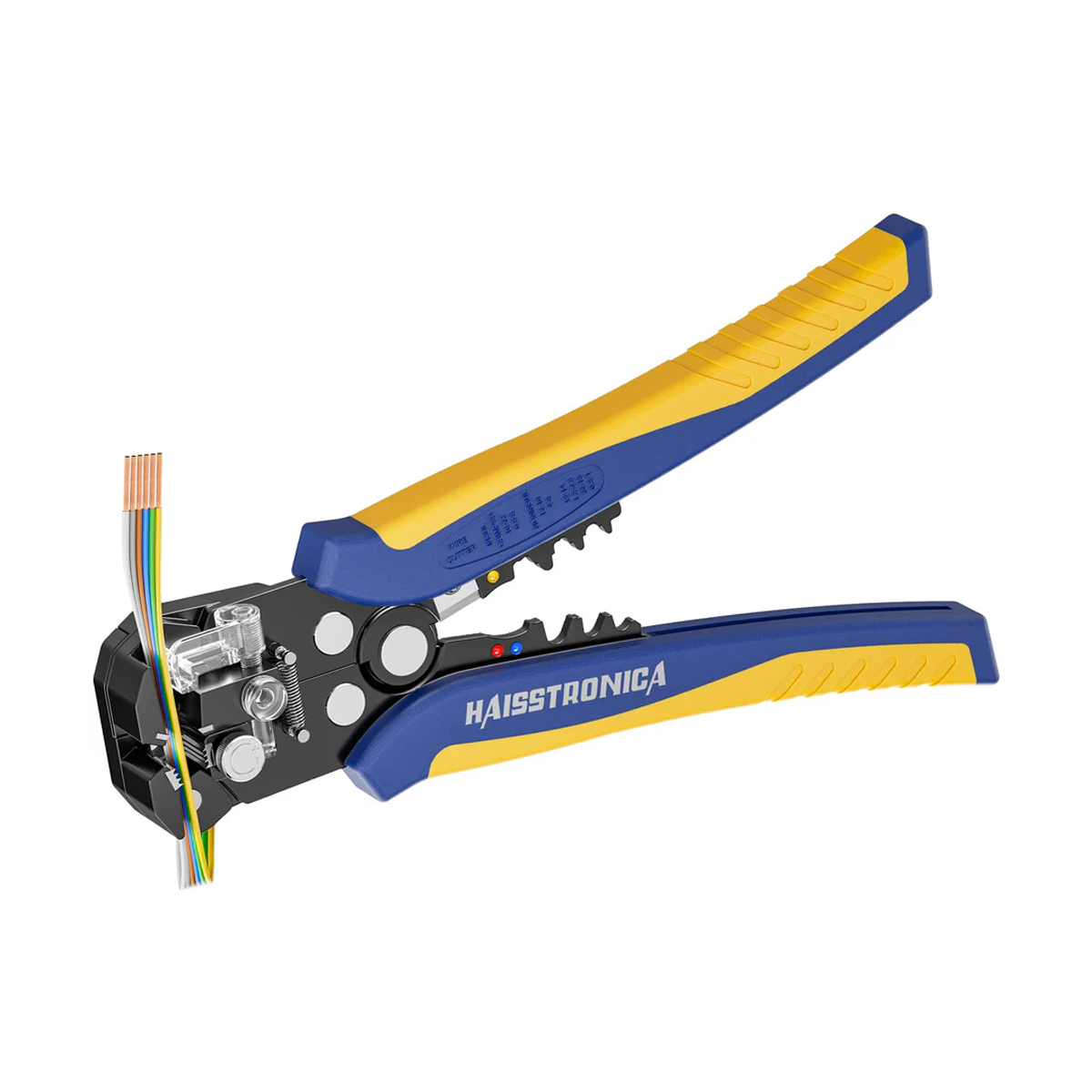
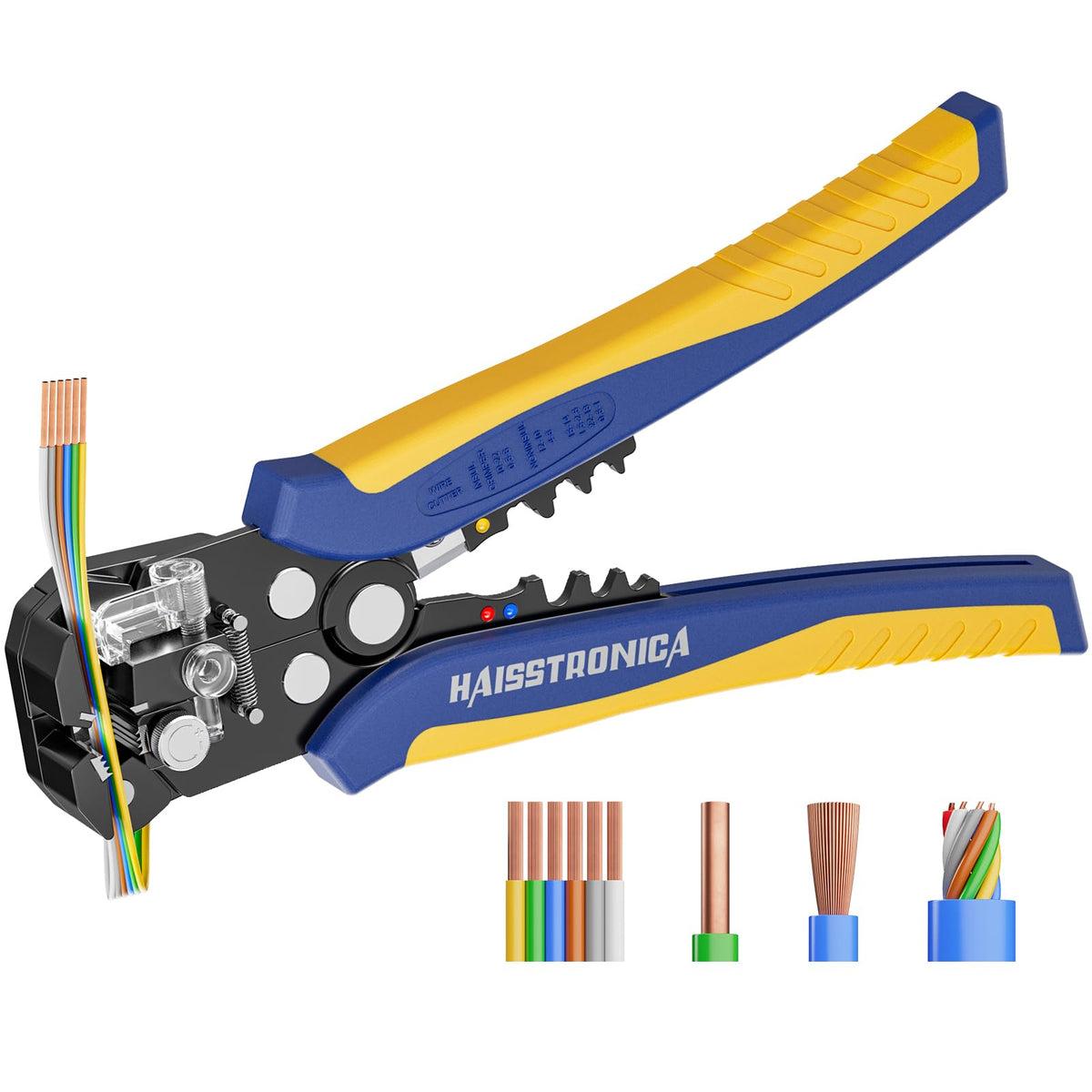
Auto-strippers earn speed by changing the choreography of stripping insulation from wire. Instead of “squeeze with one hand, pull with the other,” many automatic designs clamp the conductor, cut the insulation, and remove the slug in one controlled squeeze—so the stripping action itself doesn’t require a second-hand pull. KNIPEX describes this as “fully automated” key steps: insert the cable up to the length stop and press the handle; the tool performs the cutting and stripping by itself. That’s the definition of “free your grip”: the second hand can keep wires separated, hold a connector, or manage routing—while the tool does the stripping work. Switch to Haisstronica and get a one-squeeze workflow that keeps your hands free.
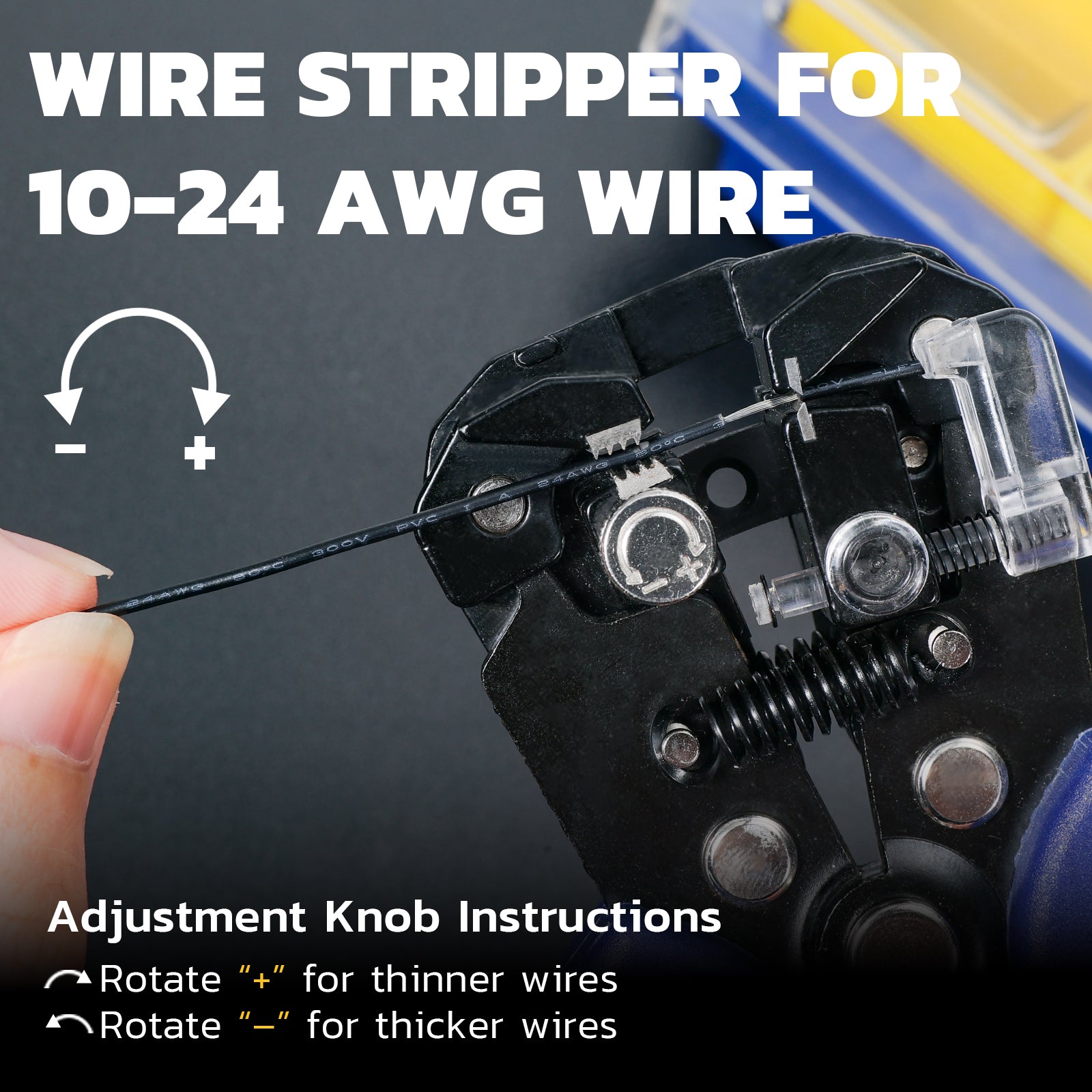
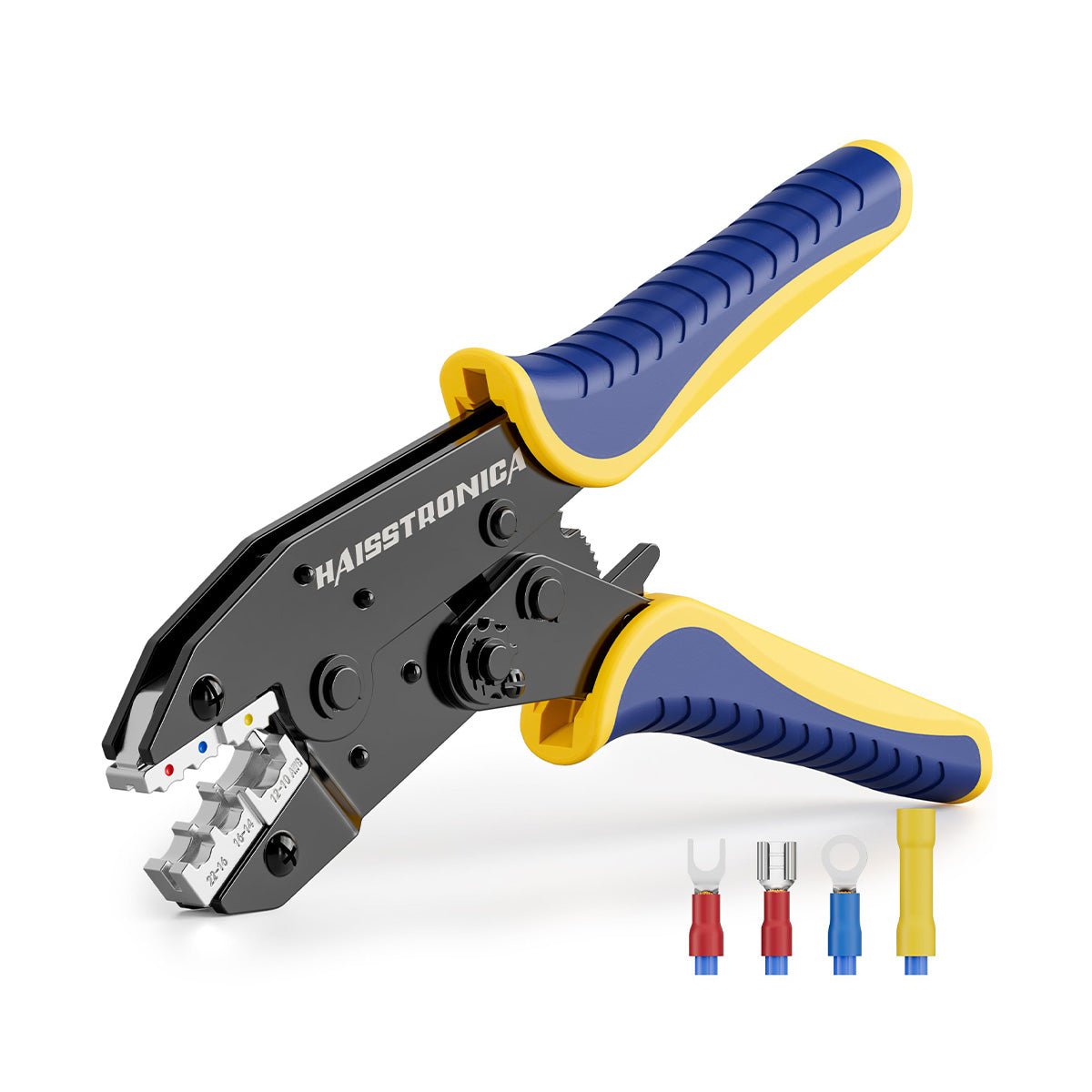
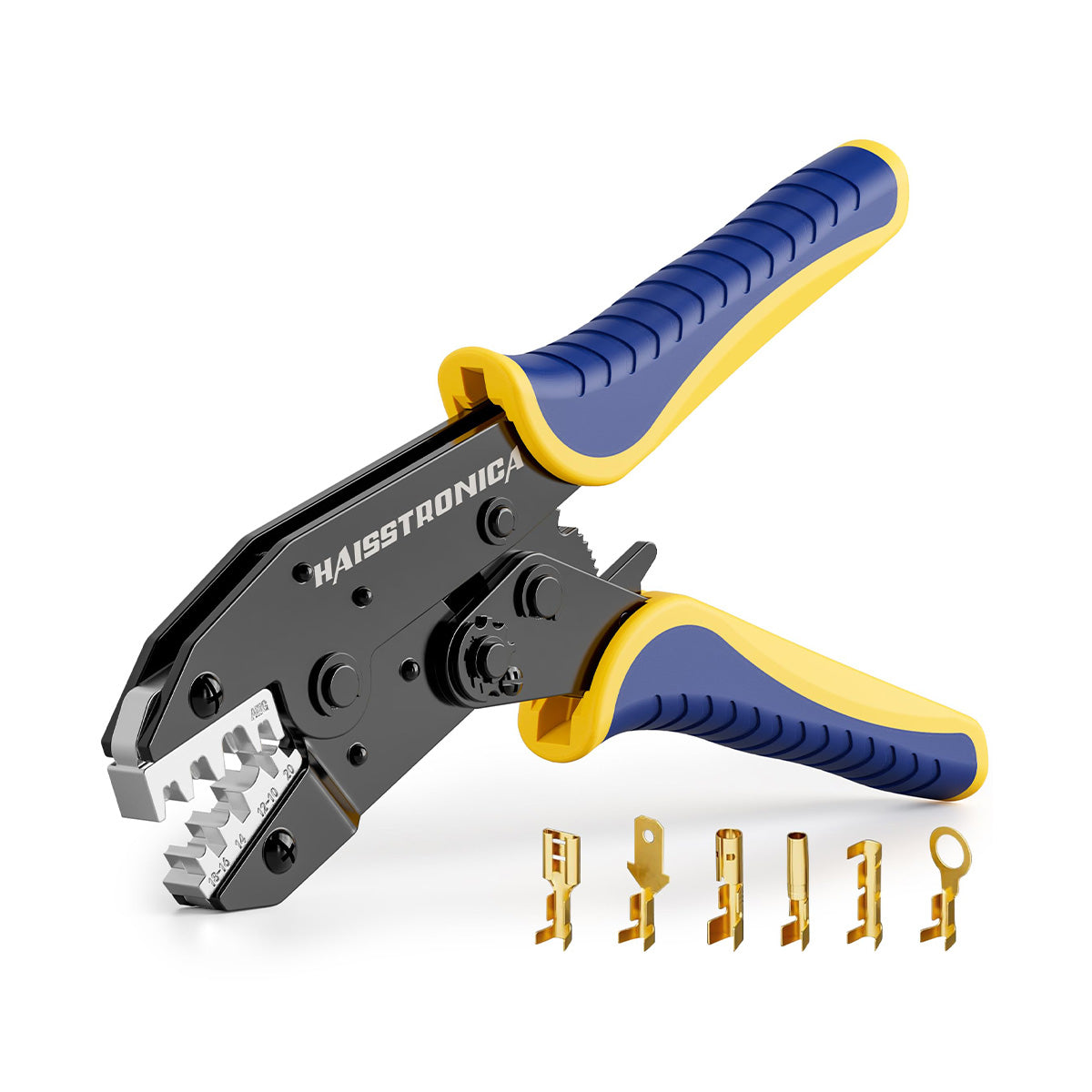
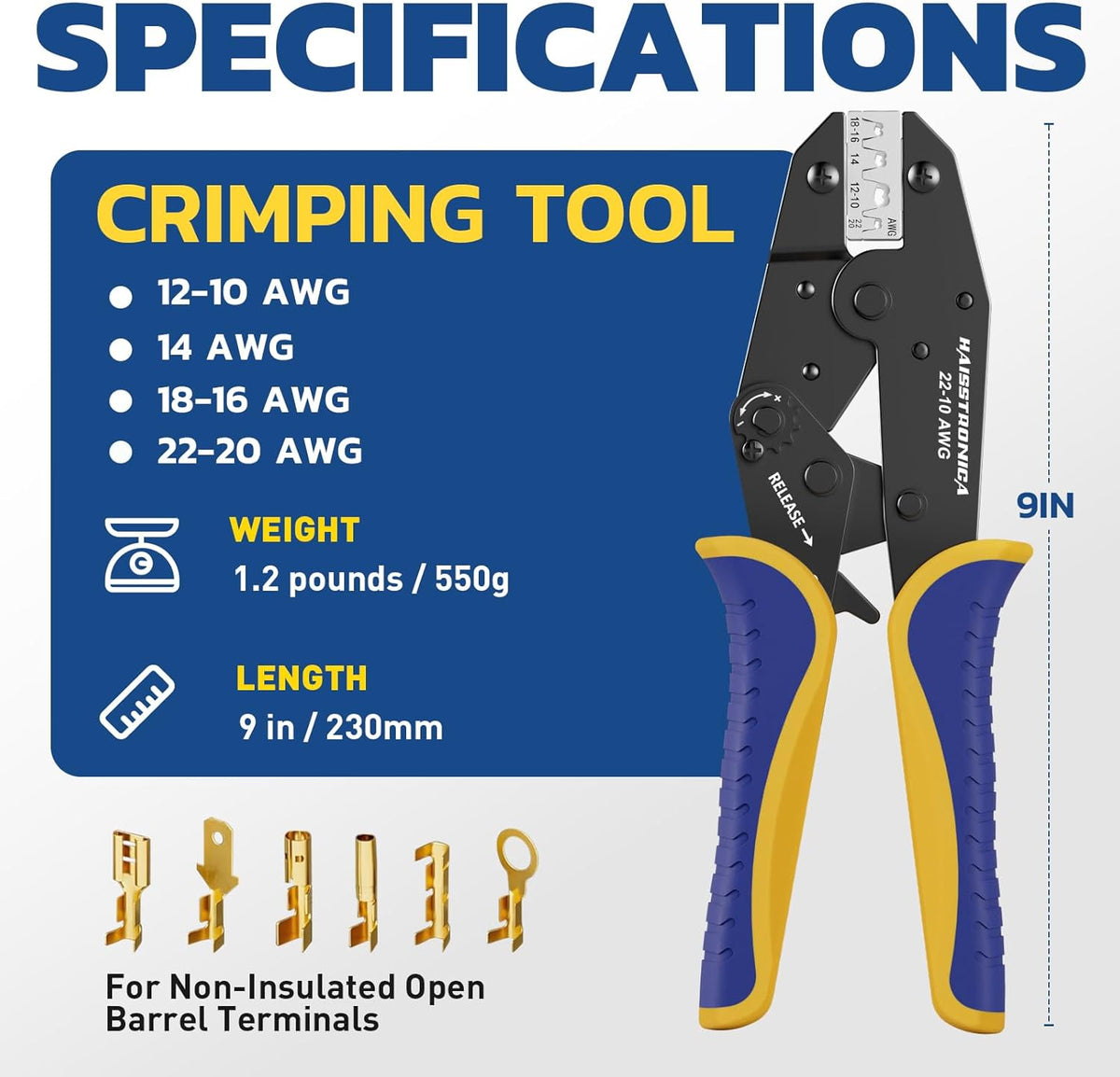
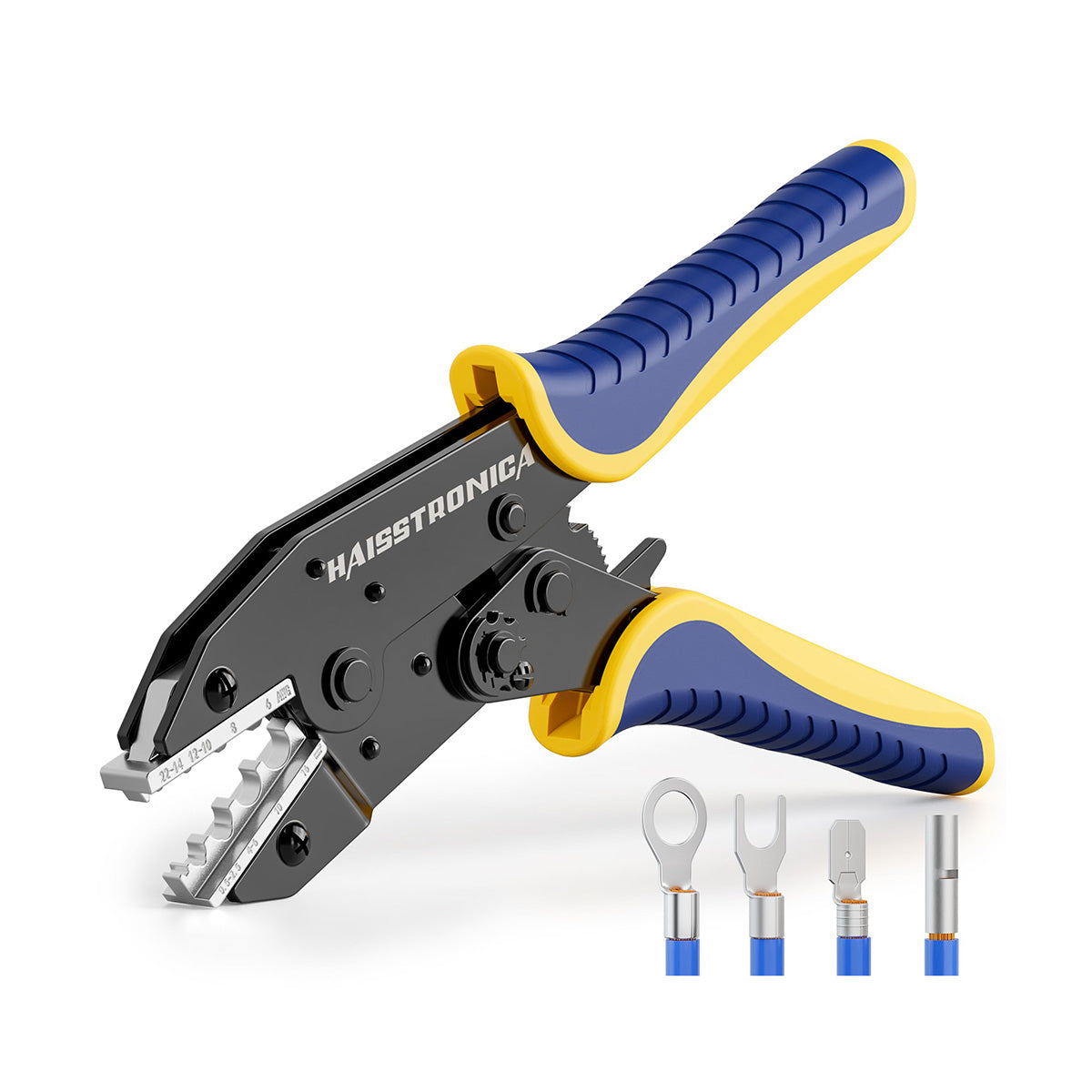
Haisstronica’s operating notes highlight the two controls that make auto-stripping repeatable across wire gauge changes: pressure control and strip-length guidance. The instructions say to adjust the knob to control pressure and prevent wire damage, set length using the guide ruler bar, insert the wire into the stripping port, and squeeze to complete stripping. These aren’t “nice-to-have” features—they’re what turns auto stripping into a predictable process: pressure control prevents crushed insulation; length guidance prevents inconsistent exposure that slows crimping. Pairing that with an integrated setup (a wire stripper crimper / wire striper crimper, a crimping tool and wire stripper, or a wire stripping and crimping tool) reduces tool swaps in bulk work. Choose Haisstronica wire strippers and crimpers to standardize speed across your entire workflow.
Industrial automation backs the same logic: compress steps, reduce handling, and accuracy improves. TE’s Stripping Module documentation notes that once the wire is fed into a start sensor, the module “does the rest,” improving placement accuracy; it also states stripping right before crimping means there is virtually no chance of damaging conductors during handling or storage. You can mimic that advantage on a bench by stripping and connecting immediately rather than carrying bare ends around. For splicing, WAGO’s 221 lever connectors use a simple three-step motion—pull the lever up, insert a conductor, push the lever down—done. Combined with an auto-stripper, this becomes a practical auto wire splice rhythm: strip with your dominant hand, connect with the free hand, move on. Upgrade to Haisstronica and build faster “strip-then-connect” momentum.

The Power of One-Hand Operation: Why It Matters for Professionals and DIYers — wire strips
For professionals, one-hand operation is about control in cramped work, not just speed. In panels, junction boxes, or under-dash repairs, the non-dominant hand separates conductors, stabilizes harnesses, and maintains routing so you don’t lose your place. Ergonomics guidance emphasizes selecting tools that reduce force and awkward positioning, and UK HSE points to tool choices that improve wrist posture and enable a power grip. When your tool’s stripping action doesn’t demand a second-hand pull, your body posture improves and your work becomes more repeatable—especially when you’re doing long batches or using a ratcheting wire stripping tool / ratchet wire stripper style setup as part of a best ratcheting set station. Equip your crew with Haisstronica and keep hands steady even under time pressure.
For DIYers, freeing the non-dominant hand reduces errors and makes wire strips more consistent. DIY stripping often fails by over-squeezing or twisting, which causes strand splay and uneven length; then the “fix” is another strip that shortens the conductor and complicates termination. NASA’s workmanship rules show why this matters: insulation damage and conductor nicks are defects because they can compromise reliability over time. If you want DIY results that look professional, the trick isn’t brute force—it’s repeatability: a length stop, controlled pressure, and fewer motions. Start your next project with Haisstronica and strip cleanly with less guesswork.
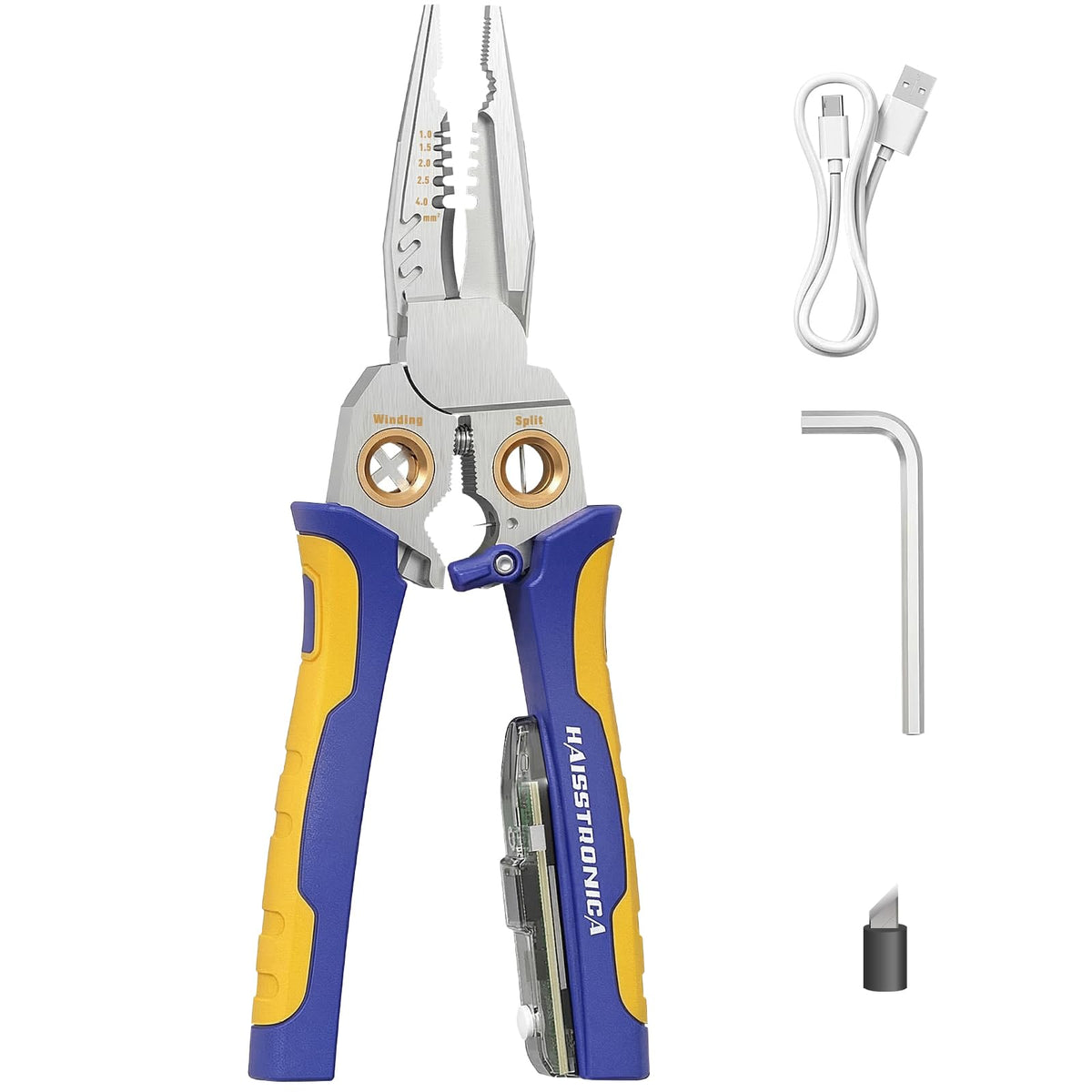
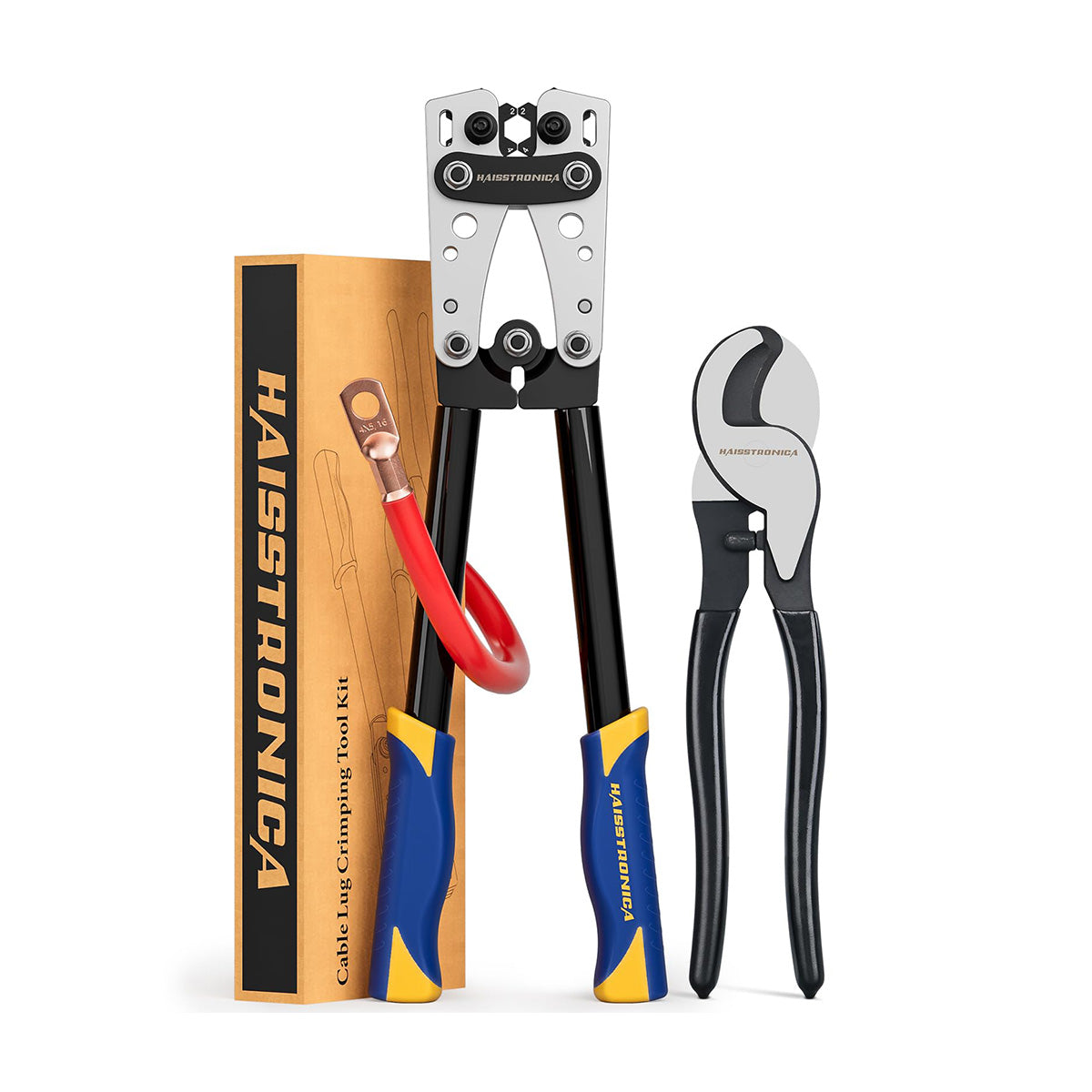
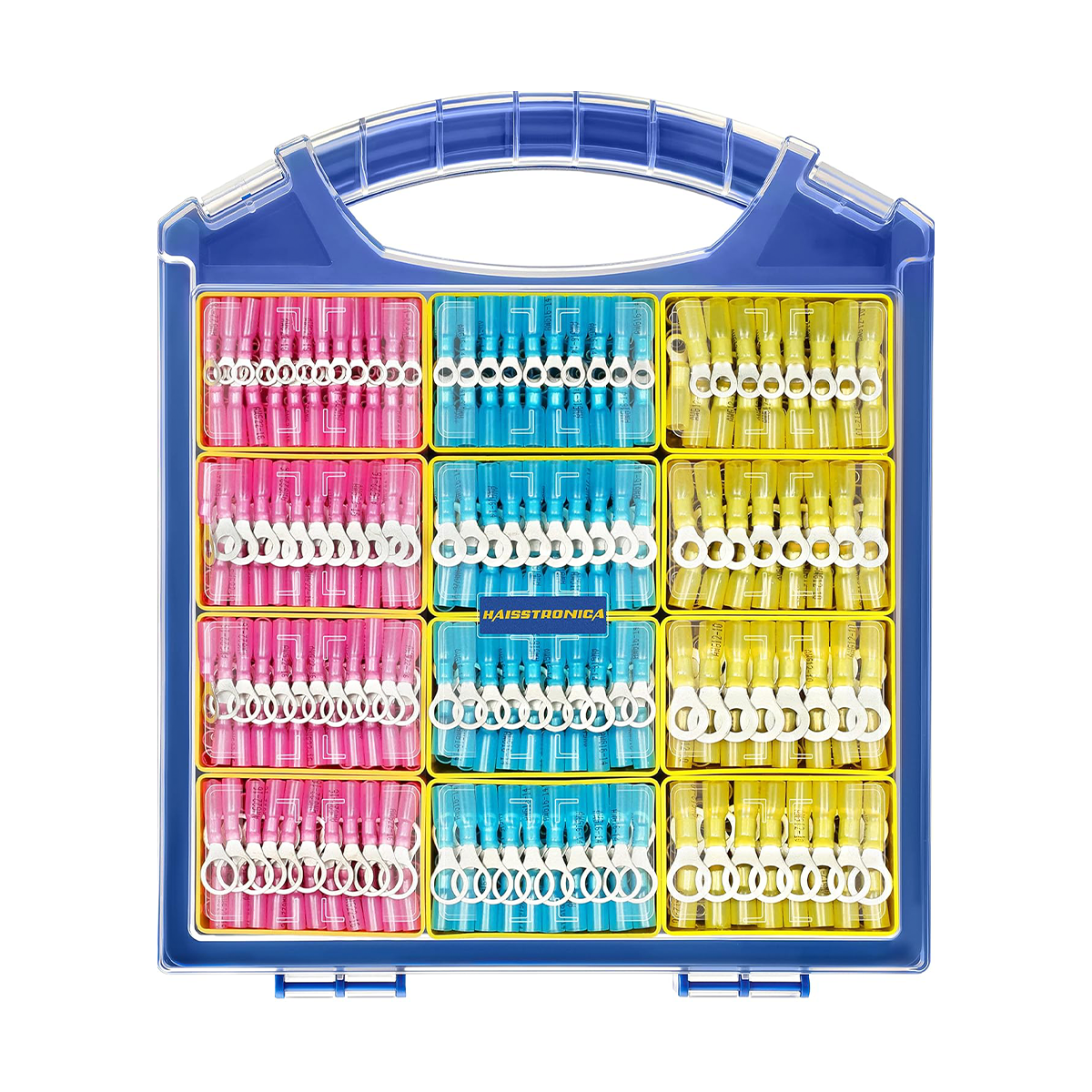
To hit 100+ wires per hour consistently, build a three-stage loop and measure it like a mini production cell. First, batch cut to length with a proper cutter—TE notes cutting method affects stripping and distorted ends raise strip force and strand splay. Second, set strip length and pressure once, then strip the entire batch with a best self adjusting wire stripping tool; Haisstronica’s pressure knob and guide bar are designed for repeatable stripping insulation from wire. Third, connect immediately with your chosen connector strategy: lever splices for fast joins, or a termination pipeline using wire crimpers and strippers, wire strippers crimpers, and purpose-matched connectors tools (your connectors tool selection). If you want a one-stop starter build, Haisstronica highlights tool kits that bundle strippers, crimpers, and accessories so you have the tools needed in one wiring tool kit—a practical path toward a professional electrician tool kit or even a full electrician tool kit over time. Build your bulk station with Haisstronica and turn speed into a repeatable habit.

Conclusion: Single-Hand Speed You Can Trust — wire strips
Single-hand mastery isn’t about never using two hands—it’s about removing the second-hand pull from the stripping action so your free grip can do higher-value work: stabilizing bundles, staging a wire connector tool, and keeping posture safer in tight spaces. Auto-adjusting strippers compress clamping, cutting, and slug removal into one controlled cycle, aligning with workmanship expectations that reject insulation damage and conductor nicks. When you pair that with better cutting practices and reduced-force tool selection, you get compounding gains: fewer defects, less rework, and faster output that holds up inspection after inspection. Choose Haisstronica to make bulk prep faster, cleaner, and easier to repeat.