
The Problem of Hand Fatigue: Why It Slows You Down — best tool to strip wire
Hand fatigue is a productivity problem disguised as a comfort problem. When your grip tires, your movements get smaller, your wrist drifts out of neutral, and your “one clean cycle” becomes two or three half-cycles: re-align, squeeze again, pull again—then inspect because you’re no longer confident in the result. Ergonomics guidance for hand tools emphasizes choosing tools that can be used effectively with less force, less repeated movement, and less awkward positioning—because force + repetition + awkward posture is a classic recipe for slower work and higher injury risk. This shows up fast when you have to strip wire repeatedly, especially in mixed tasks like install → repair → auto wire splice → terminate.
Fatigue also increases quality defects—and defects destroy throughput. High-reliability workmanship guidance (such as NASA’s wiring workmanship standard) treats insulation damage and conductor nicking as unacceptable because they can lead to long-term failure; it specifically requires that insulation remaining after stripping shows no nicks/cuts/crushing and that conductors are not nicked or scraped to exposed base metal. TE Connectivity guidance similarly warns operators not to nick, scrape, or cut conductors during stripping and to avoid insulation filaments remaining among bare conductors. When fatigue rises, these defects rise—then your cycle time balloons because you must cut back and redo.
The “fatigue tax” is worst in bulk work and awkward positions. Overhead wiring, panel work, and tight enclosures force extra wrist deviation, and every additional degree of awkwardness increases perceived effort. That’s why ergonomics and safety resources repeatedly recommend improving wrist posture and reducing repetition: the goal isn’t only injury prevention—it’s preserving consistent output. If your workflow includes stripping cables or removing an outer jacket with a cable jacket stripper, fatigue rises faster because the required force and control are higher than for simple conductor stripping.
Finally, fatigue creates hidden time loss through micro-breaks and “tool avoidance.” When a tool feels hard to use, operators unconsciously slow down, postpone the next batch, or switch to suboptimal tools, which can cause distorted conductors and uneven ends that make the next step harder. Some wire-preparation guidance notes that cutting methods can distort conductors (flattened ends, strand splay), which can make subsequent stripping harder and less consistent—so the problem cascades through the workflow. The result is a repeating loop: more force → more discomfort → more errors → more rework. Upgrade to Haisstronica and break the loop with tools designed for repeatable, lower-effort prep.

How Ergonomics Solve the Problem of Hand Fatigue — best tool to strip wire
Ergonomics solves fatigue by reducing required force and reducing unnecessary motion. In practice, that means you select tools that multiply your input (mechanical advantage), maintain a more neutral wrist, and reduce the number of “micro-adjustments” per wire end. This is why ratcheting mechanisms are so popular in termination work: a ratcheting wire stripping tool mindset (and ratcheting crimpers) spreads force through a controlled cycle and reduces peak squeeze demands compared with a single hard squeeze. If you combine that with smart staging—cutters, strippers, connectors within a short reach—you reduce reach + re-grip and keep your hands in a consistent rhythm.
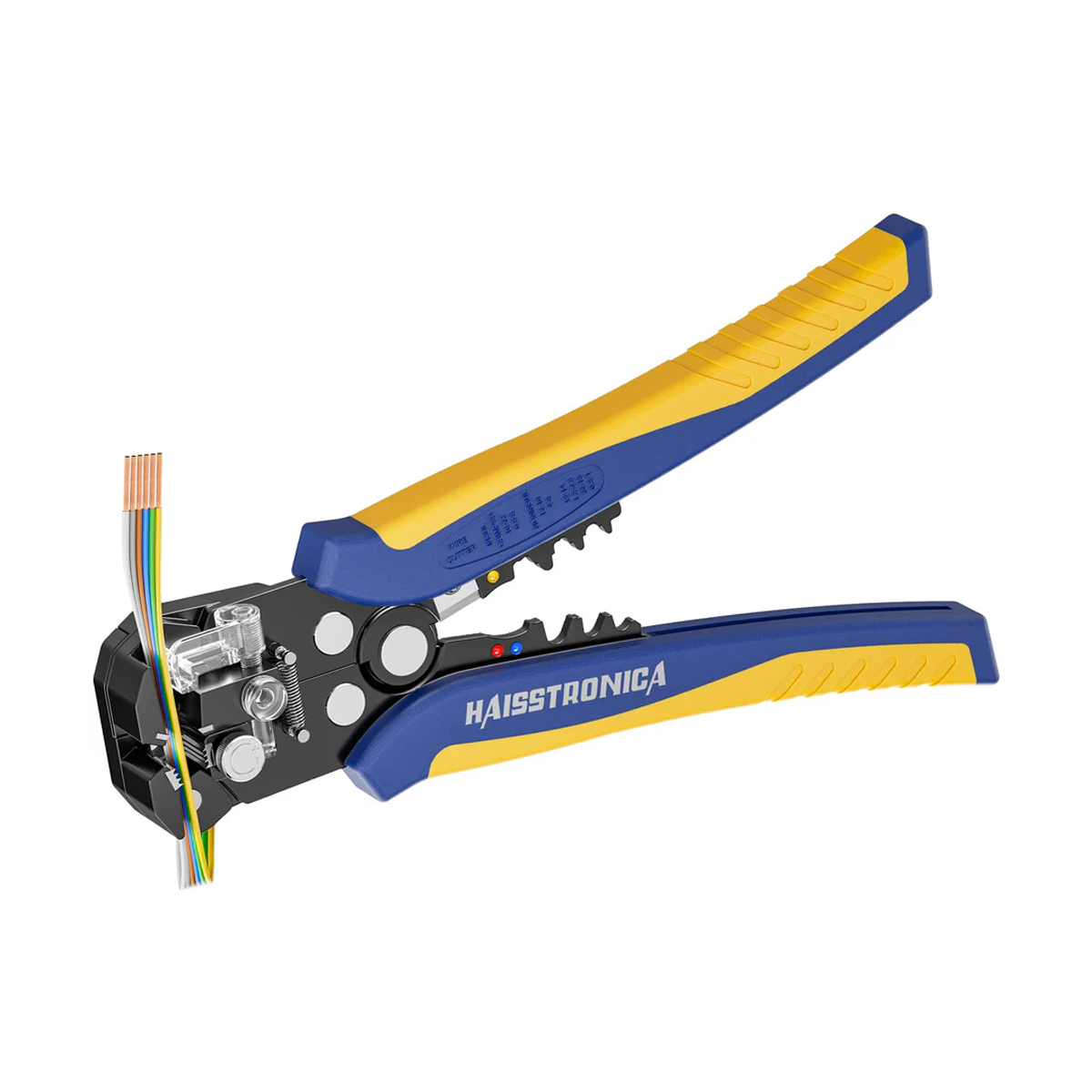
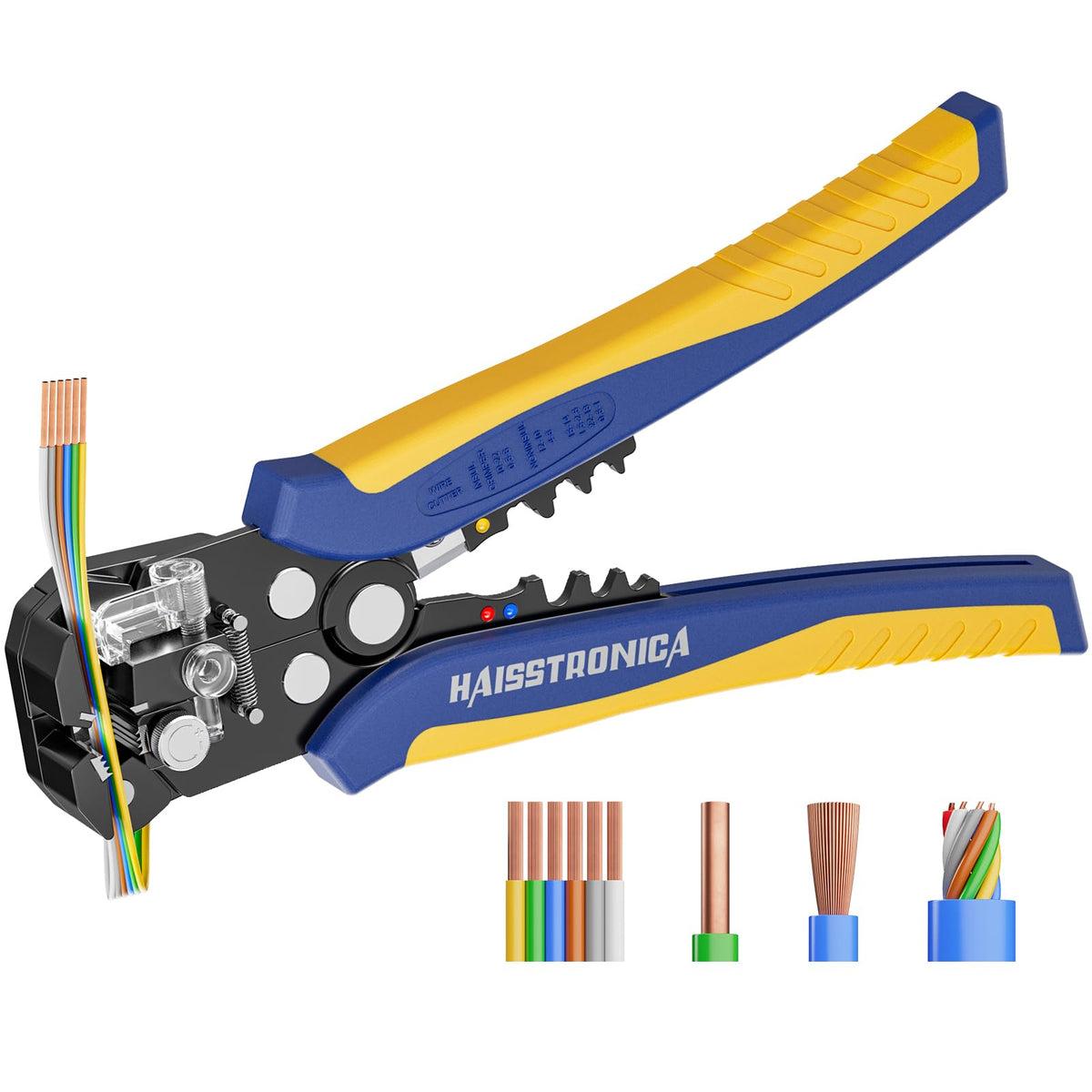
The next ergonomic lever is decision reduction. Many people search for the best tool to strip wire because their real pain is not “stripping,” it’s decision fatigue: guessing wire gauge, selecting the right notch, setting strip length, then correcting mistakes. Self-adjusting tools shrink those decisions. Haisstronica’s self-adjusting stripper documentation highlights pressure adjustment (to help prevent damage) and a strip-length guide, which turns stripping into a controlled, repeatable motion instead of trial-and-error. In other words, you reduce mental load and physical load at the same time—both of which affect speed.
Ergonomics also improves speed by protecting quality. This is counterintuitive for many teams: they think “inspection slows us down,” but the opposite is true in repetitive work. If your process is ergonomically stable and your tool produces consistent strip length, you can do faster “micro-inspections” (a quick glance) instead of slow, anxious inspections after every wire. TE’s crimping education emphasizes proper strip length and preparation as part of achieving a reliable crimp, reinforcing that the faster path is the one that avoids rework. A consistent prep step makes your downstream wire strippers and crimpers workflow smoother and reduces the need for re-checking.
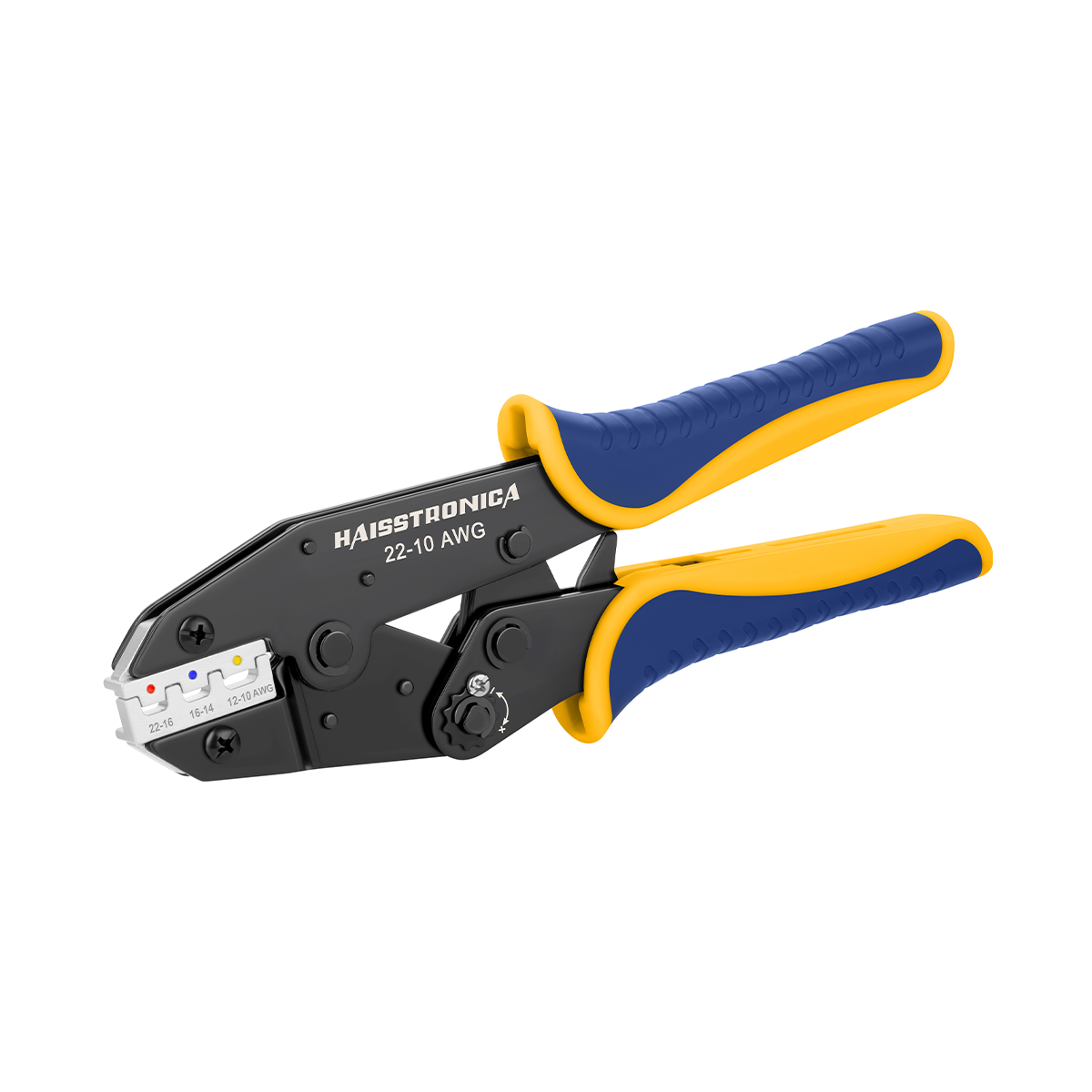
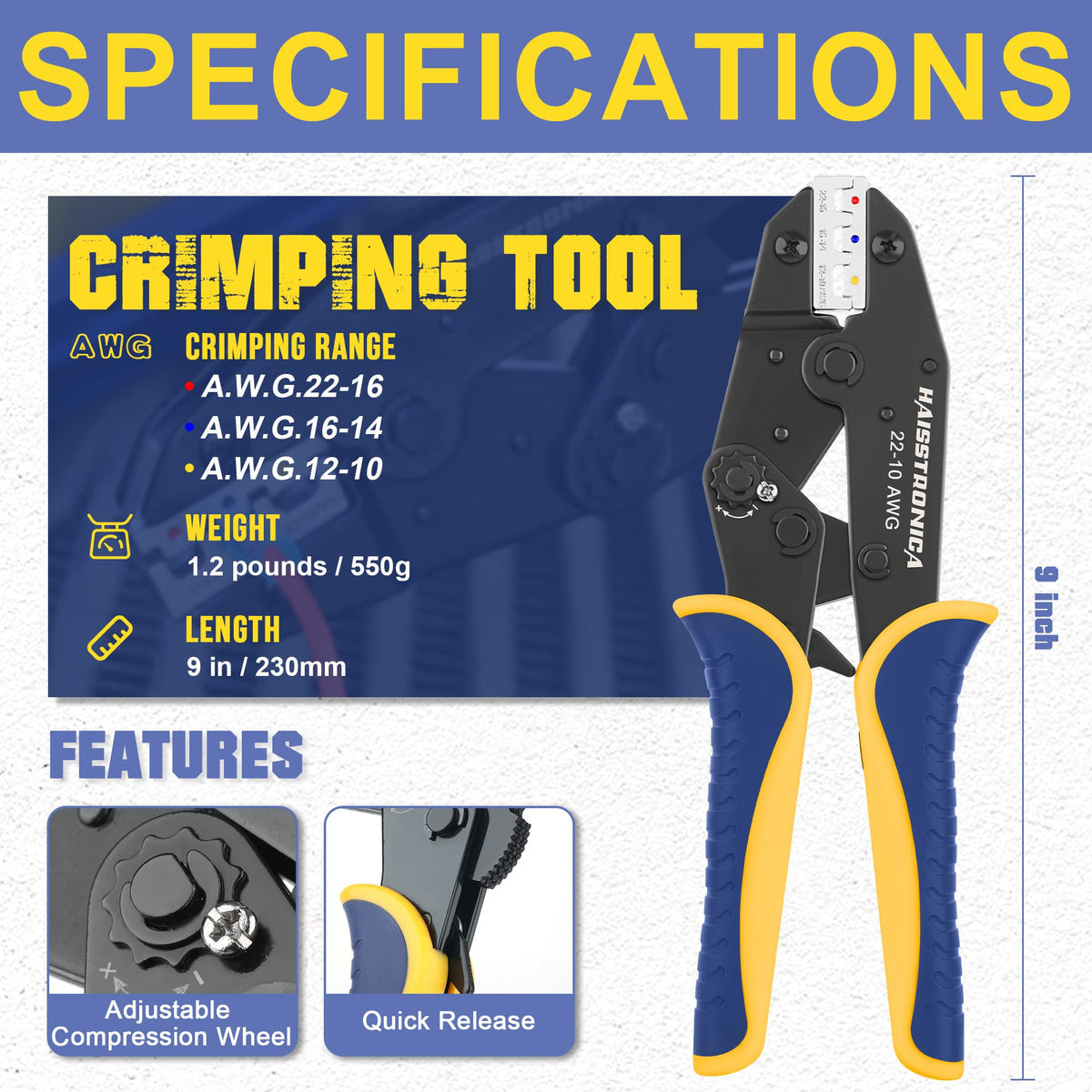
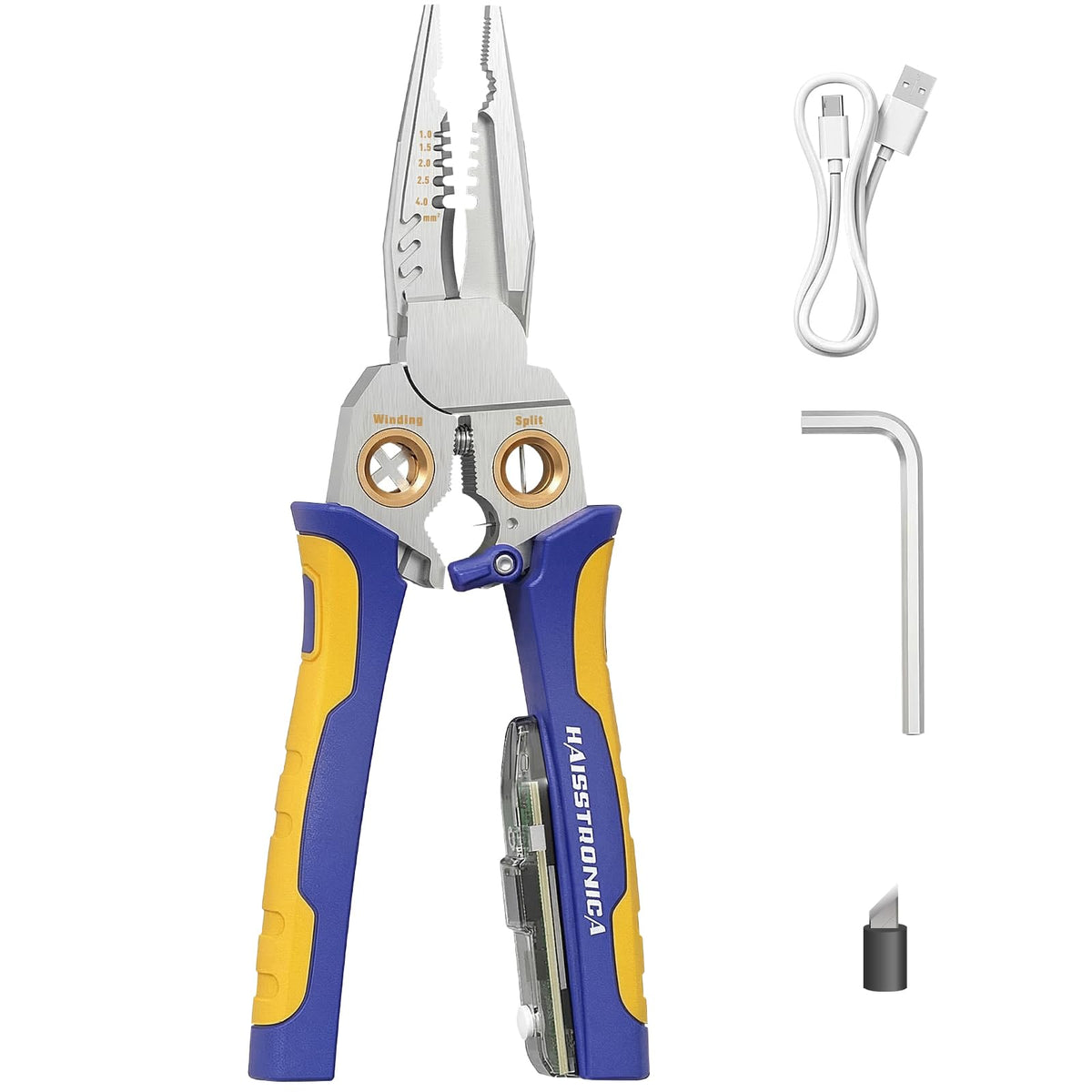
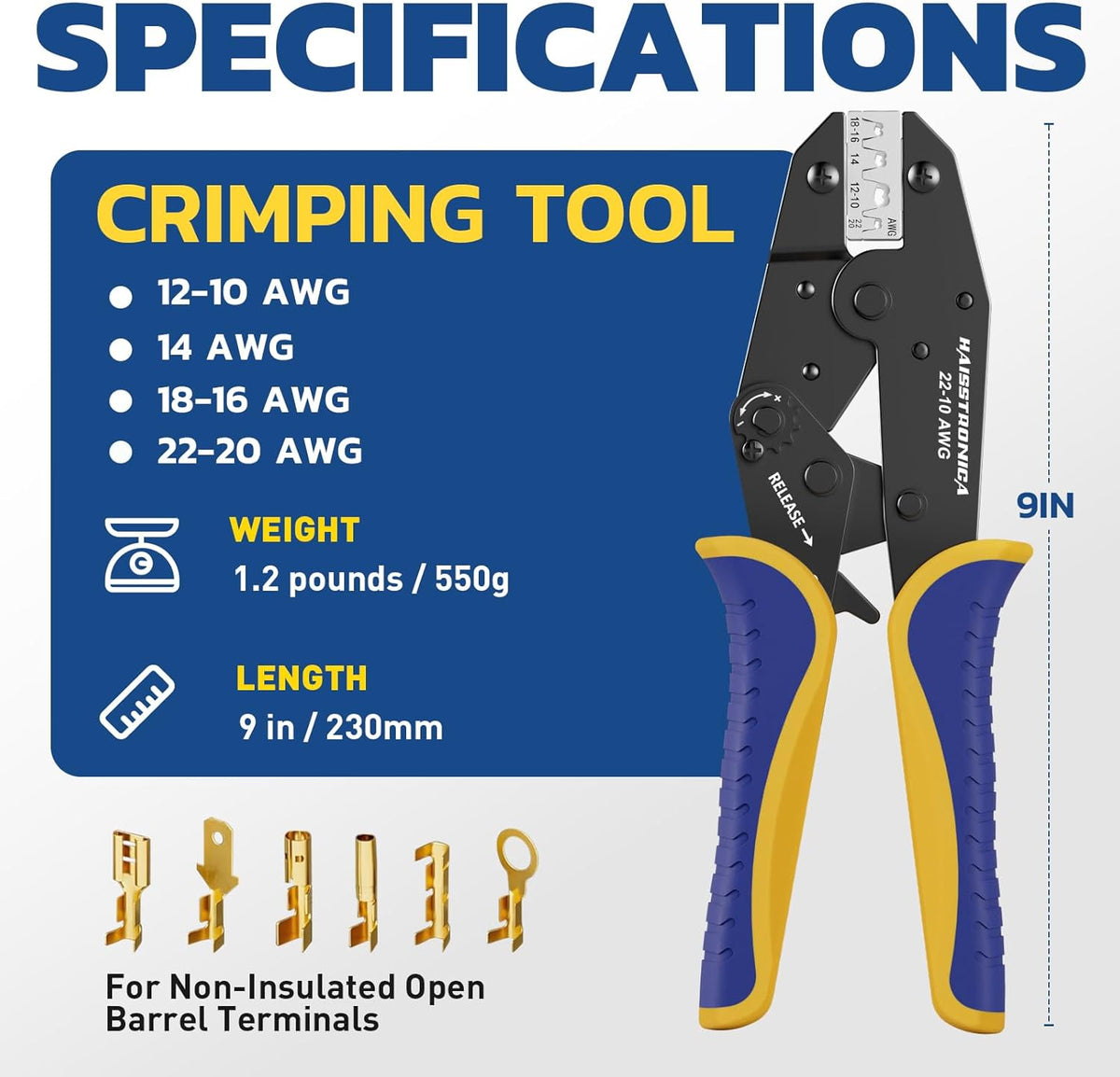
Finally, ergonomics is also about tool fit for the task. If you use the wrong tool, you compensate with extra force and awkward movement—fatigue rises, and speed falls. When jobs include outer jacket removal, you should treat it as a separate operation and use the proper cable jacket stripping tool instead of “making do,” because depth control matters for avoiding inner insulation damage. When jobs include repeated terminations, a wire stripping and crimping tool or a dedicated crimping tool and wire stripper pairing can reduce tool swaps, which reduces both time and repetitive reaching. Build your process around Haisstronica tools so each task uses the right tool with the least strain.

Ergonomic Features in Modern Tools: How They Boost Speed and Reduce Strain — best tool to strip wire
Ergonomic speed starts with grips and handle geometry. Better grips support a power grip without forcing extreme wrist angles, and comfortable handle spans reduce the effort required per cycle—especially for smaller hands. Ergonomics guidance emphasizes selecting non-powered hand tools that can be used effectively with less force and less awkward body positioning; handle geometry is one of the simplest ways to achieve that in everyday use. When you’re doing repetitive strip wire work, even a small reduction in squeeze force has an outsized impact over hundreds of cycles.
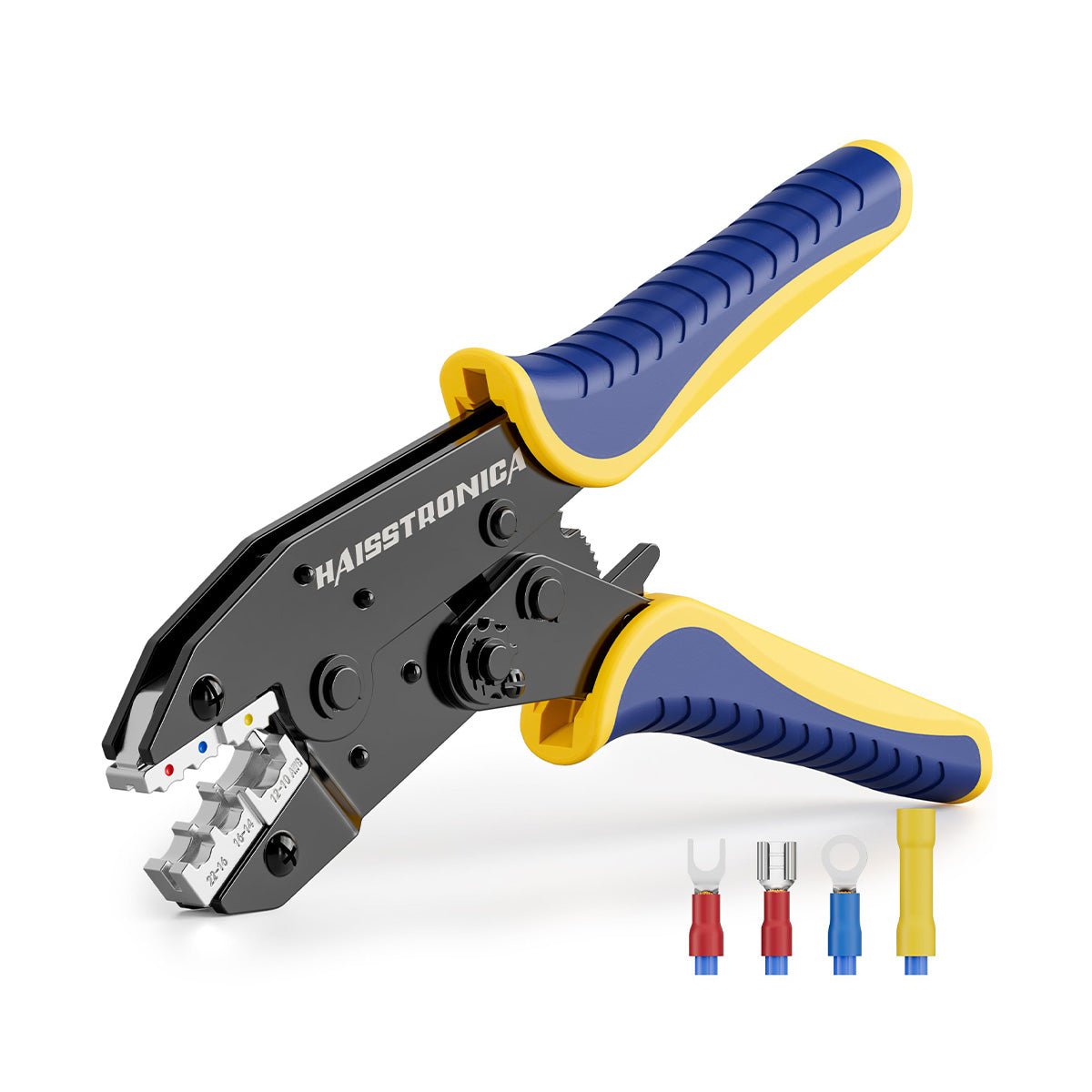
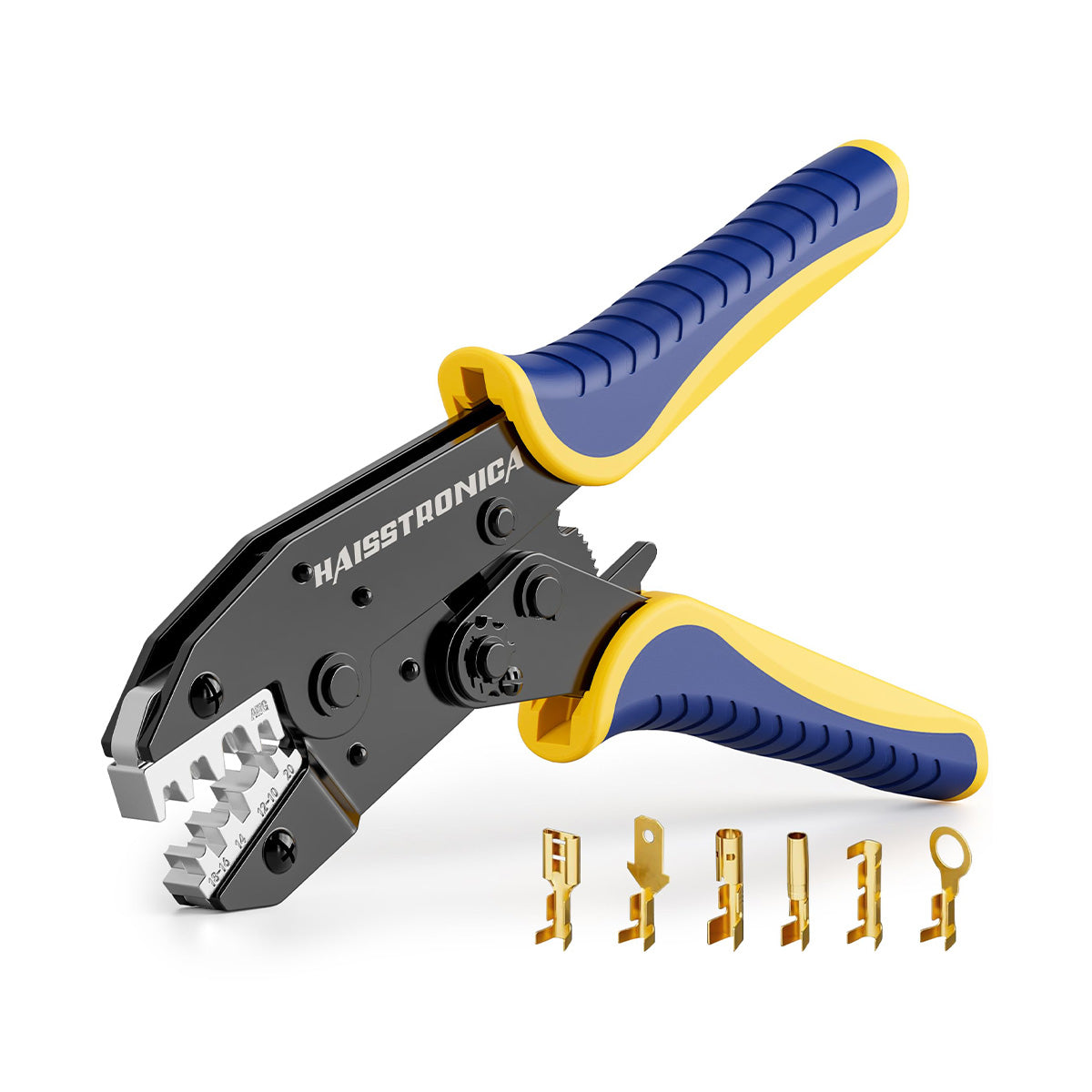
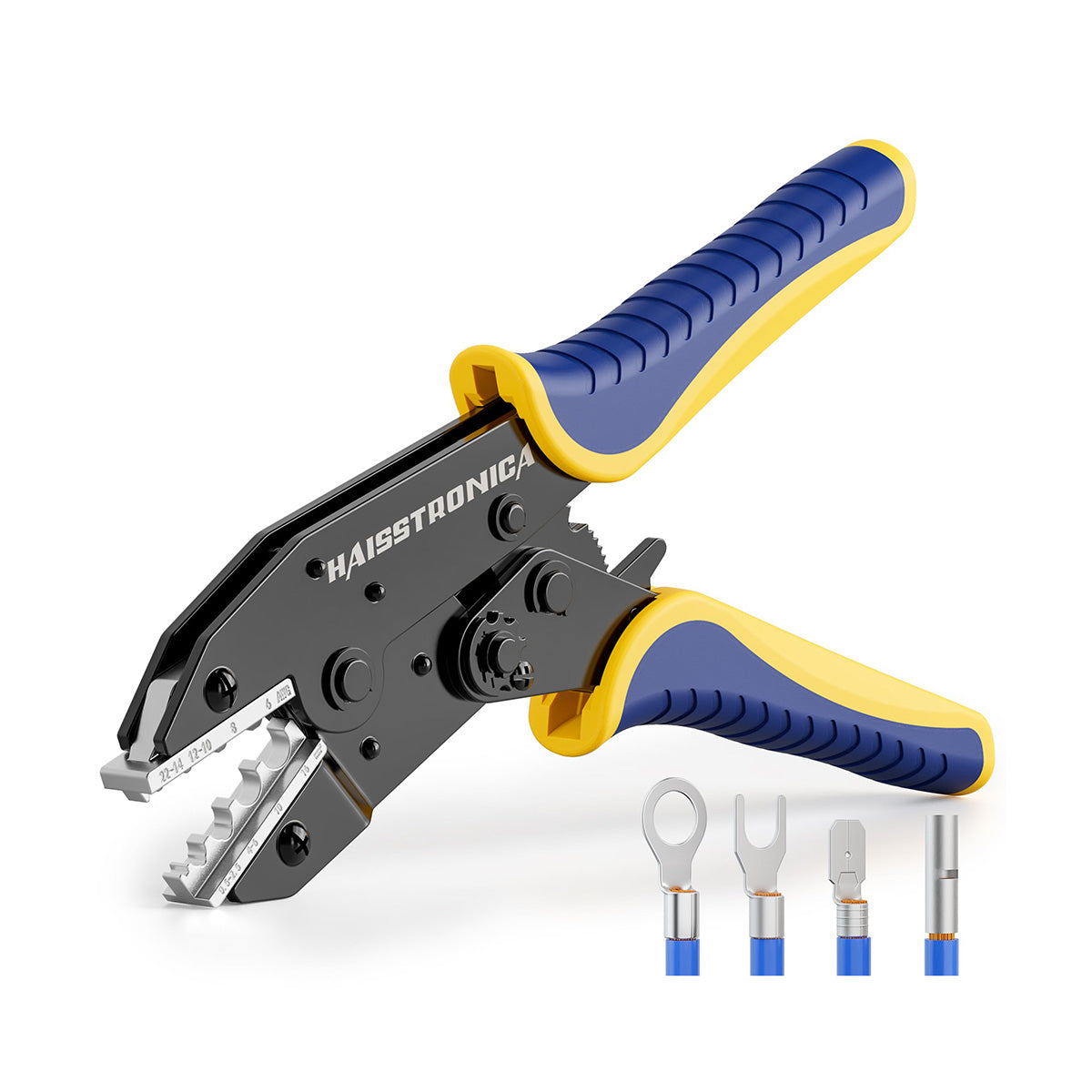
The next feature is controlled closure: ratcheting and staged-force mechanisms. A ratchet wire stripper style process (and ratcheting termination tools) helps because the tool “holds progress,” so you don’t have to maintain peak grip force for the entire action. That improves stability and reduces “over-squeeze” errors that nick conductors or crush insulation. It also improves consistency when you’re tired—because the mechanism stabilizes the motion. If you want to build a best ratcheting set for repetitive termination, pair ratcheting crimping with a reliable stripping step so your entire wire stripping crimping tool workflow becomes predictably fast.
Self-adjusting stripping is another ergonomic upgrade because it reduces hand “micro-corrections.” When a tool adapts to varying insulation diameters, you spend less time re-centering, re-notching, and re-squeezing. Haisstronica’s self-adjusting stripper guide highlights pressure control and strip-length setting—two functions that directly reduce rework and reduce wasted force caused by repeated failed pulls. This matters when you switch wire gauge frequently or when you alternate between a precision wire stripper task and a thicker conductor task that might otherwise require a large wire stripper.
Integration is the fourth ergonomic feature: fewer tool swaps means fewer reaches and fewer re-grips. Many shops run faster with wire strippers crimpers or a combined wire stripper crimper because the workflow is cut → strip → terminate, and every extra tool grab breaks rhythm. If your work includes a splice terminal connector, having the stripper and crimper staged (or integrated) reduces motion and keeps your hands in a stable posture. Industrial wire-processing thinking also supports this “loss reduction” approach: output increases when you eliminate setup and handling losses and maintain consistent flow.
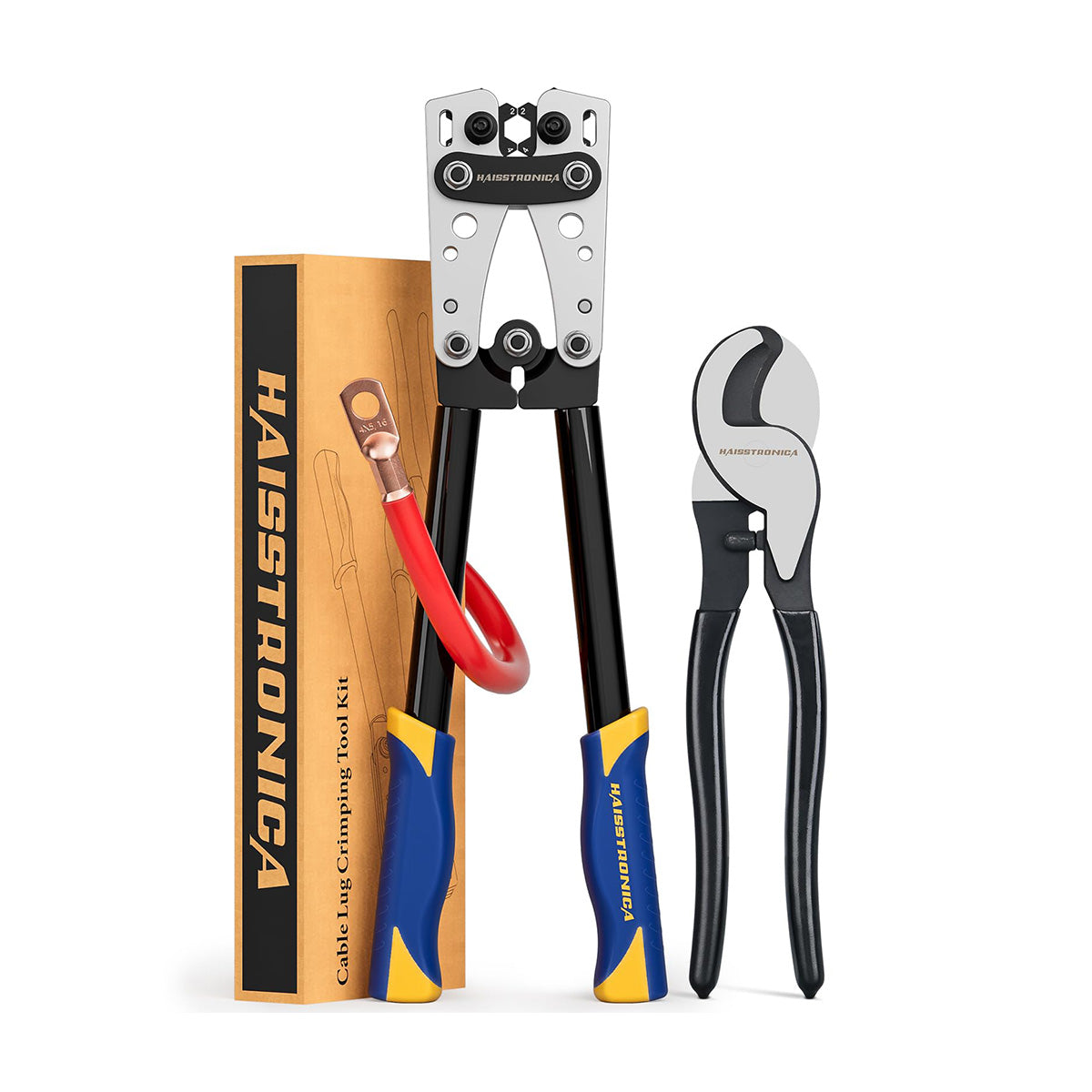
To put ergonomics into action, use a simple “fatigue-to-speed” checklist when choosing tools needed for your station. Start with a consistent cutter, then a self-adjusting stripper or stripper set with length control, then a termination path: either dedicated crimpers or wire crimpers and strippers depending on the job. Add wire connector tools (and a wire connector tool staging tray) so you don’t pinch-grab small parts repeatedly, which is another hidden fatigue source. Use an awg tool reference so you don’t waste time guessing gauge, and reserve a cable jacket stripper for jacket work so you don’t compensate with excessive force. Build your full electrician tool kit with Haisstronica and turn ergonomic choices into measurable speed gains.

Conclusion
Hand fatigue slows you down because it increases force, increases motion, and increases mistakes—then the mistakes create rework that destroys throughput. Ergonomics solves the problem by lowering required effort (better leverage, better grips), stabilizing motion (ratcheting mechanisms), reducing decisions (self-adjusting stripping across wire gauge changes), and reducing tool swaps (integrated wire strippers and crimpers workflows). When those improvements align with workmanship expectations that prohibit damaged insulation and nicked conductors, you get the real payoff: speed without quality collapse. Upgrade to Haisstronica and make “fast + clean” the normal outcome for every job.