❓Can it be used for automotive wiring?
Yes—automotive harnesses are a perfect fit. A crimp ratchet tool produces vibration-resistant, gas-tight terminations for sensors, lighting, alternator and starter leads. With ratcheting wire crimpers you get a full-cycle squeeze every time, essential under heat and road shock. Practice proper strip length and strain relief, and ratchet crimping helps prevent intermittent faults and voltage drop.
❓Is it easy to use for beginners?
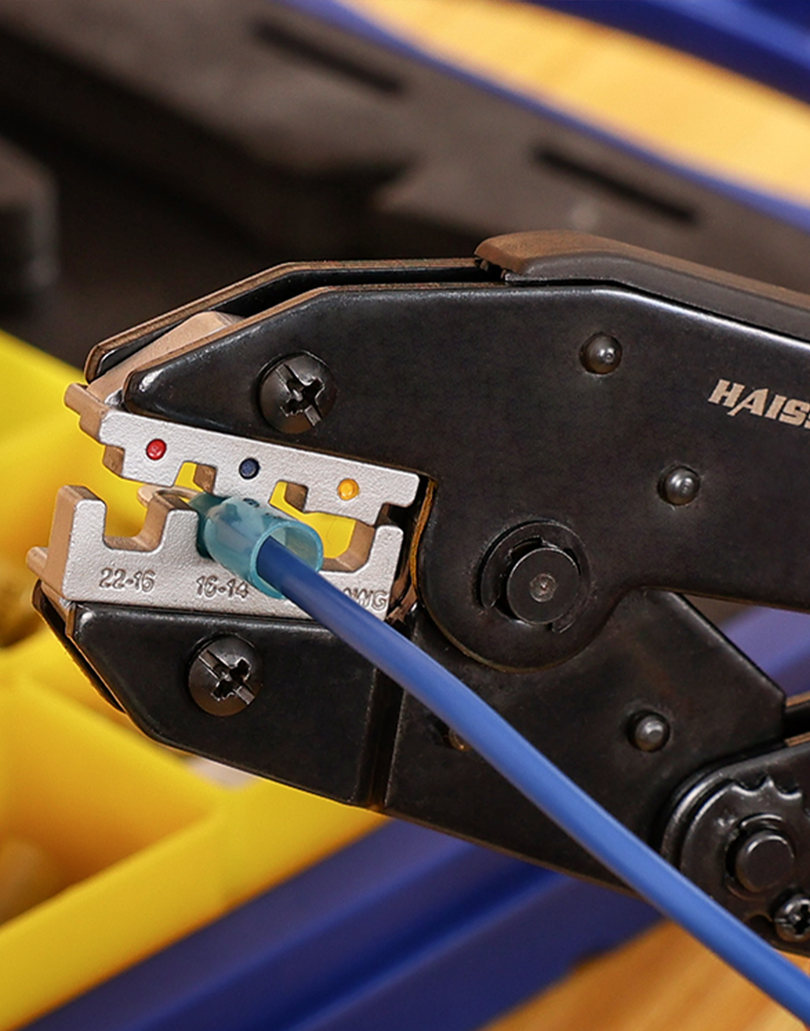
Great for beginners. Ratchet crimpers lock the jaws until the correct compression is reached, so you can focus on positioning and strip length rather than grip strength. With ratcheting crimping pliers, color-coded cavities guide wire size. Compared with a basic crimping tool, you’ll get repeatable, inspection-friendly results after a short practice session.
❓Does it require any maintenance?
Minimal. Keep your ratcheting crimp tool clean and dry; wipe the jaws, add a drop of light oil to the pivot, and store closed lightly. Inspect ratchet crimper dies for wear or burrs and replace if damaged. Well-kept crimpers maintain accurate compression heights, reducing pull-out failures and rework across hundreds of terminations.
❓Can it be used for other types of wiring besides automotive?
Absolutely. A ratchet wire crimper is just as effective for marine electronics, solar balance-of-system leads, home audio, HVAC controls, and industrial sensors. Paired with the right terminals, a ratcheting terminal crimper delivers code-compliant joints in damp, vibrating, or stationary installations. Choose the correct die and connector family for each job, then operate the crimp tool properly.
❓Does it work with different wire gauges?
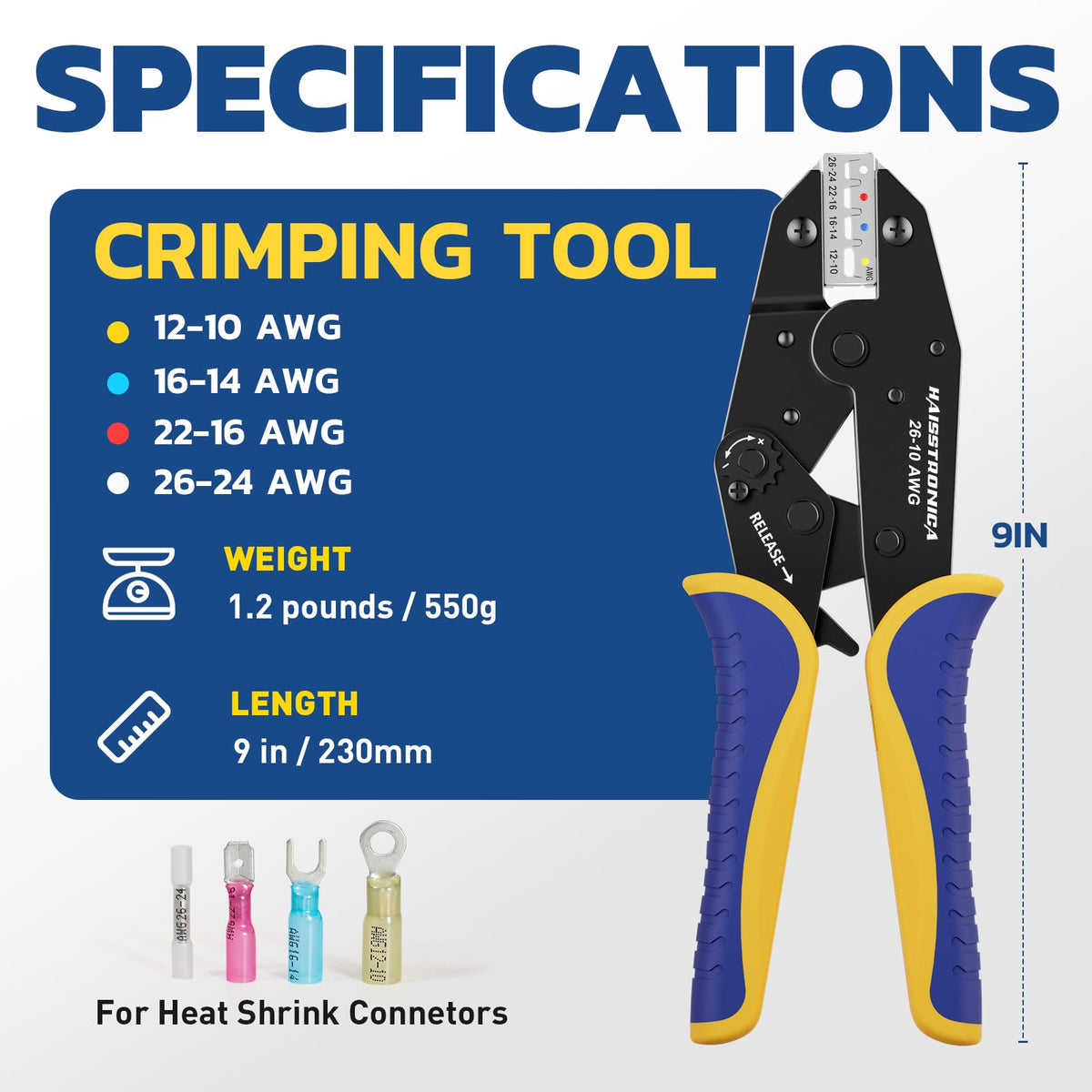
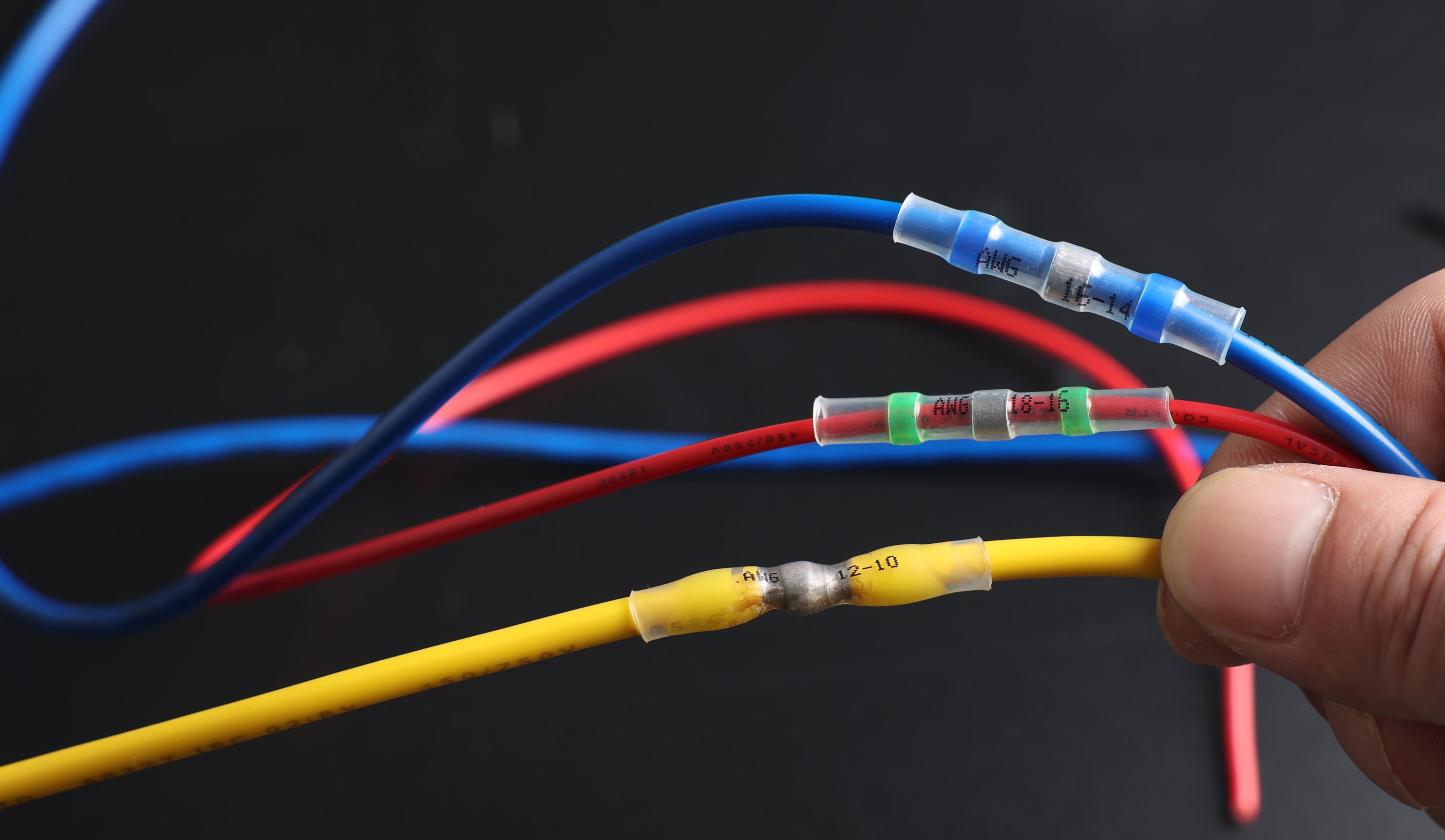
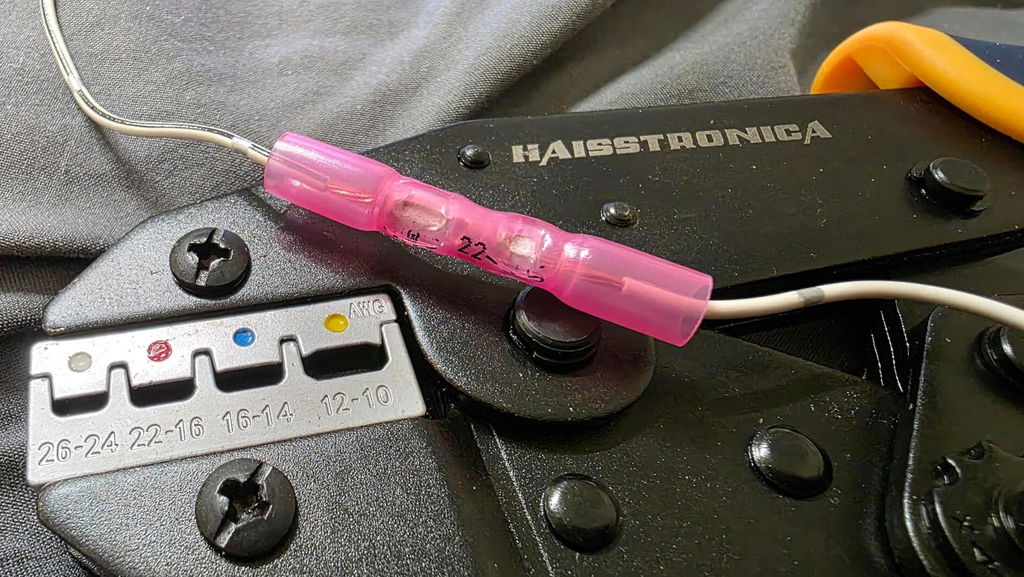
Yes—match gauge to the die cavity. With a ratchet wire crimping tool, color bands usually map to AWG 22–10 for common insulated connectors. Swap or adjust ratcheting crimper dies when changing connector styles. Use the product’s chart; a consistent crimp ratchet cycle ensures proper compression profile and reliable pull strength across sizes.
❓Can it be used for both stranded and solid core wires?
Primarily stranded. A ratchet style terminal crimper and a ratchet crimping tool insulated terminals are engineered for stranded conductors, which deform to fill the barrel. Solid core can work only with connectors rated for solid; otherwise use set-screw lugs or compression lugs. If specified, a non insulated ratchet crimping tool with the right die may suit.
❓Can it be used for marine wiring?
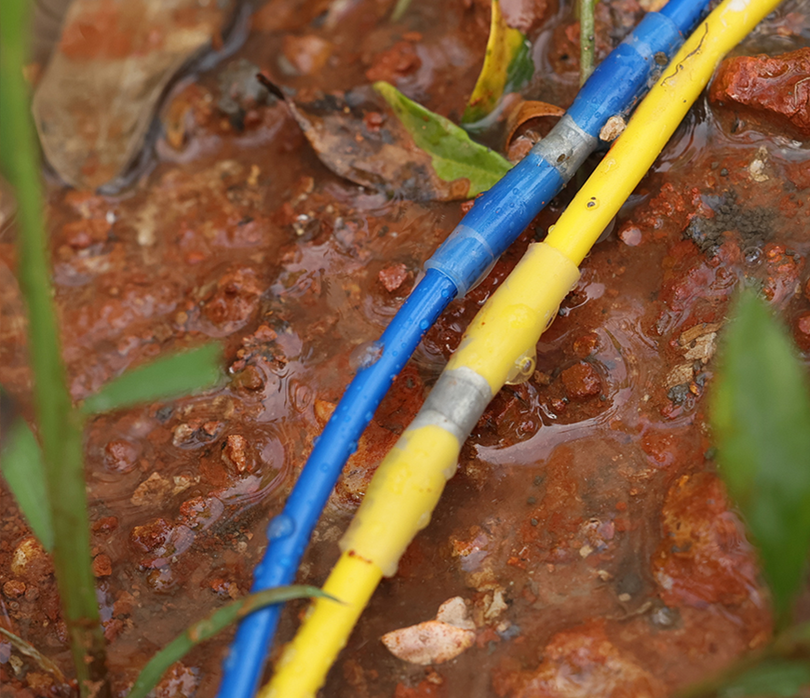
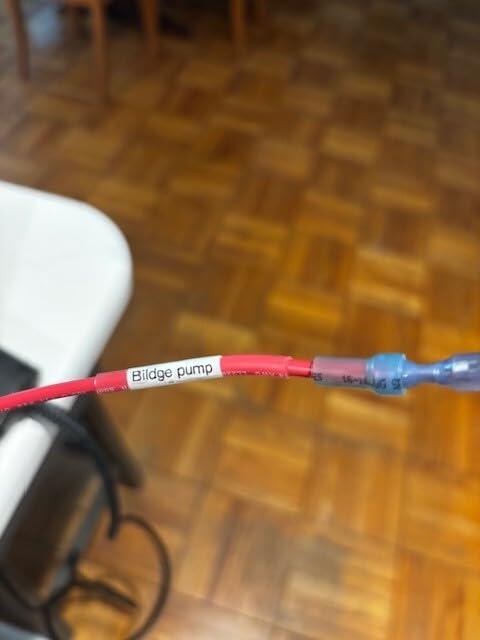
Yes—choose tinned copper, adhesive-lined heat-shrink terminals and stainless clamps. Ratchet wire crimpers create uniform compression for a watertight seal; follow manufacturer strip lengths. A ratcheting wire terminal crimper helps pass pull tests after thermal cycling and vibration. For harsh bilge or deck areas, a crimp ratchet tool plus marine-grade materials dramatically improves longevity.
❓Can it handle high-temperature wires?
It depends on the connector rating, not the tool. Ratcheting crimper dies can withstand heat, but you must pair them with high-temperature terminals (e.g., nickel-plated, PTFE leads). For engine-bay harnesses, a ratchet crimper for non insulated terminals with matching open-barrel contacts is common. Always verify insulation class before using any crimping tool.
❓What types of connectors does it work with?
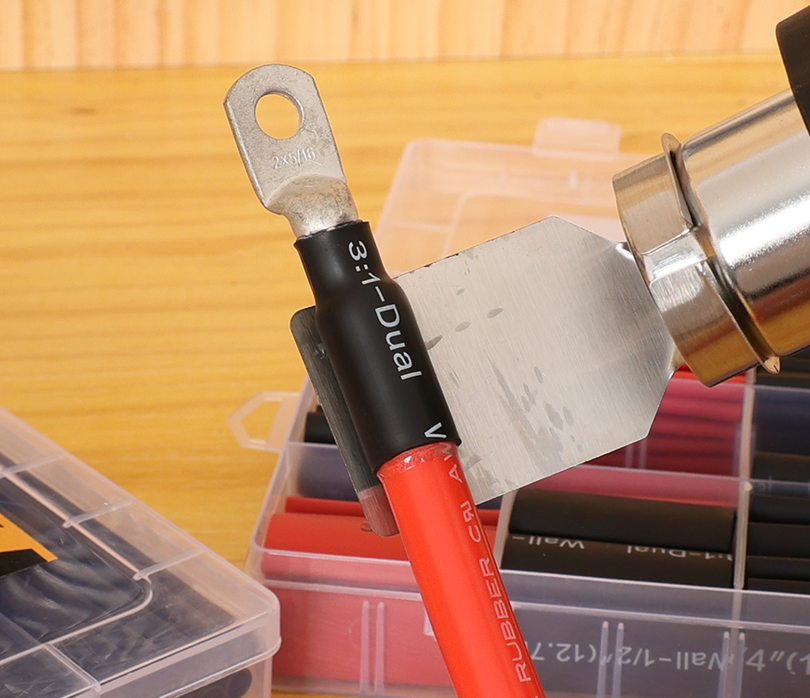
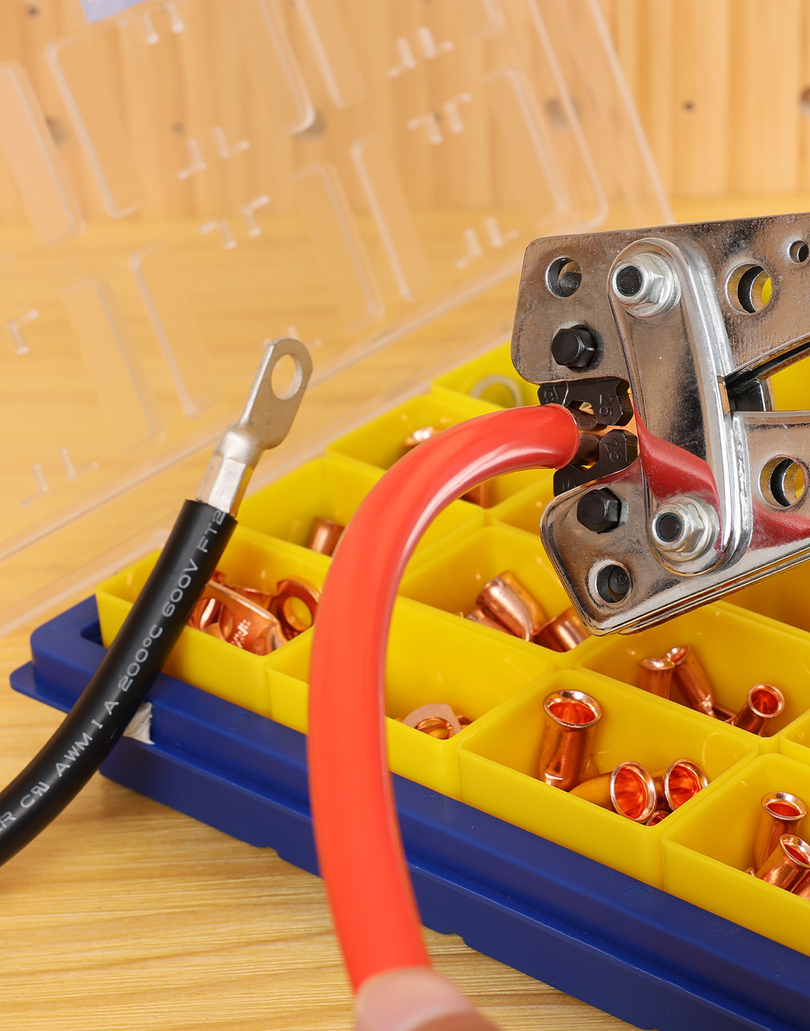
It’s versatile. A ratchet crimping tool insulated terminals handles butt splices, rings, forks, spades, and quick-disconnects. With the correct die sets, a ratcheting wire crimping tool can also form open-barrel OEM crimps and ferrules. Your crimper must match the connector family; never mix dies and barrels that weren’t designed to be used together.
❓What is the maximum wire gauge it can handle?
Check the specific model. Many general-purpose insulated-terminal tools cover AWG 22–10; that range suits most vehicle and equipment circuits. The best ratcheting wire crimper for larger lugs will advertise separate dies up to 6–4 AWG or beyond. Confirm your ratcheting wire crimper tool’s chart and perform a full ratchet crimp cycle for verification.
❓How to Choose
Use this tool only when the terminal and conductor fall within AWG 22-10 and the terminal manufacturer specifies a compatible insulated-terminal crimp profile.
❓Which terminals are compatible?
The tool is intended for compatible insulated and heat-shrink terminals within AWG 22-10.
❓Why use a ratchet crimper?
The ratchet helps complete a consistent crimp cycle before releasing.
❓What if the terminal is under- or over-crimped?
Confirm the jaw position and connector size, then adjust pressure according to the tool instructions before making production crimps.


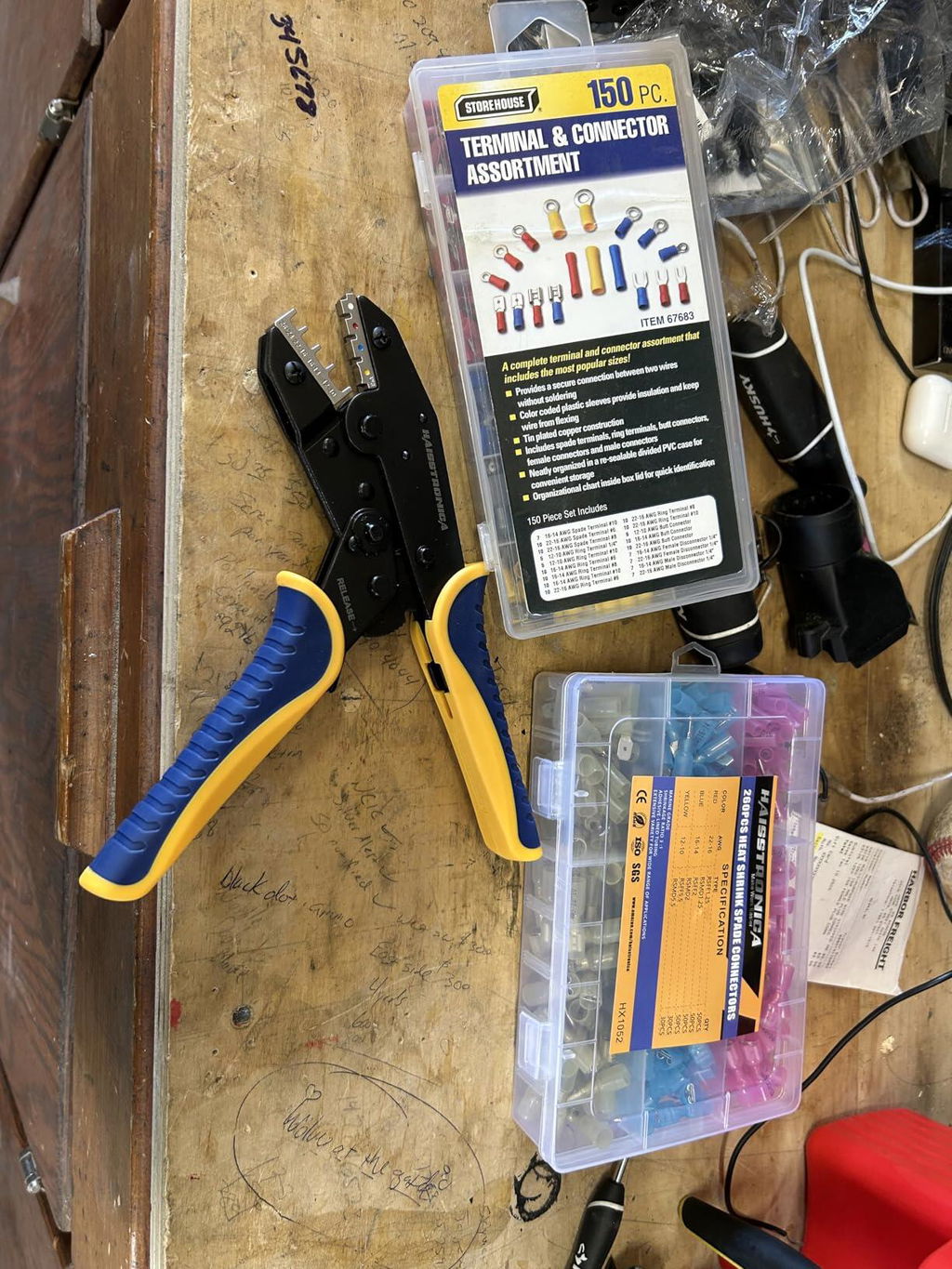
 AWG 22-10 Ratchet Crimping Tool is designed for compatible heat-shrink terminals used in automotive, marine, appliance, and general electrical wiring. Its ratchet mechanism supports repeatable crimp pressure, while marked jaw positions help match the connector to the wire range.