Cart
Your cart is empty
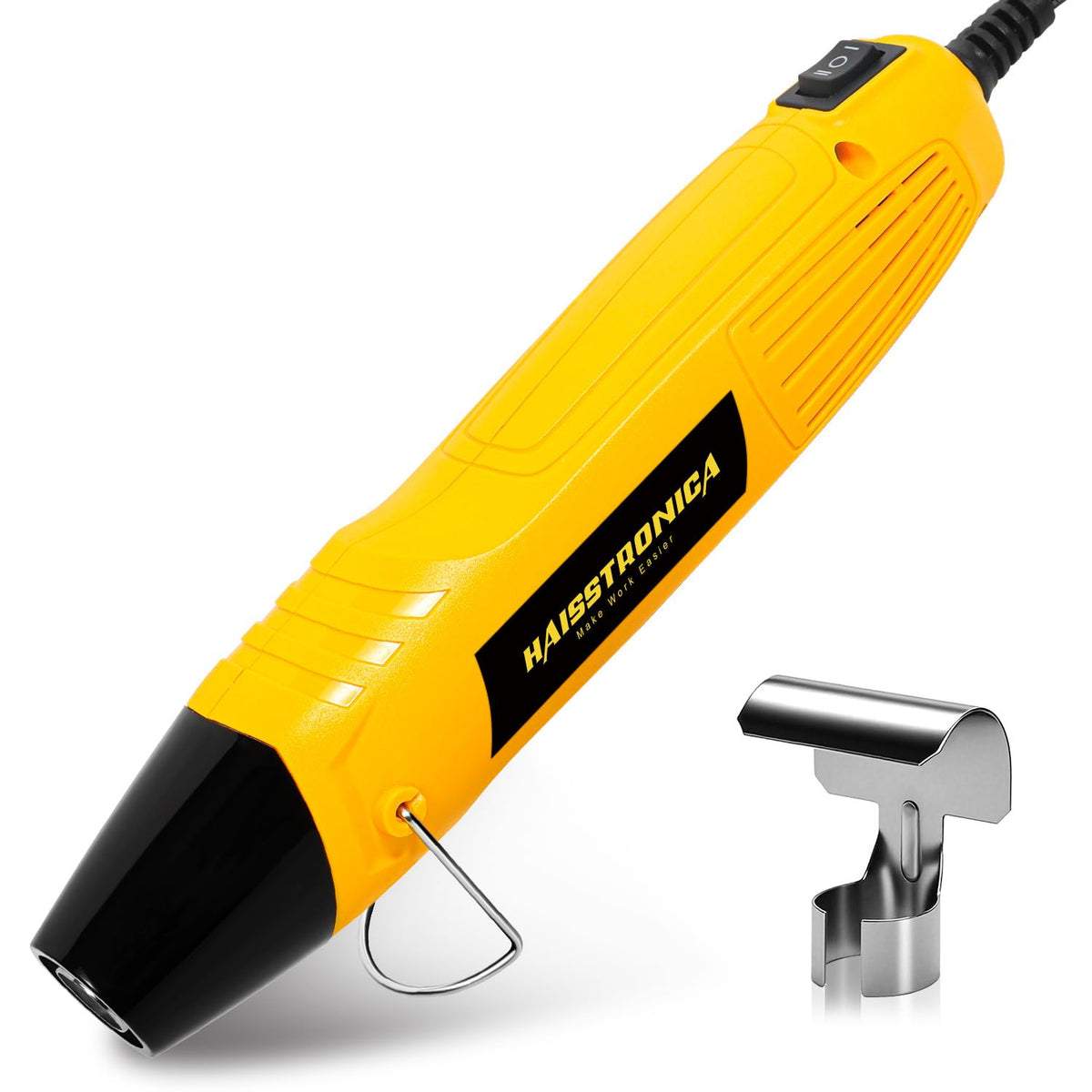
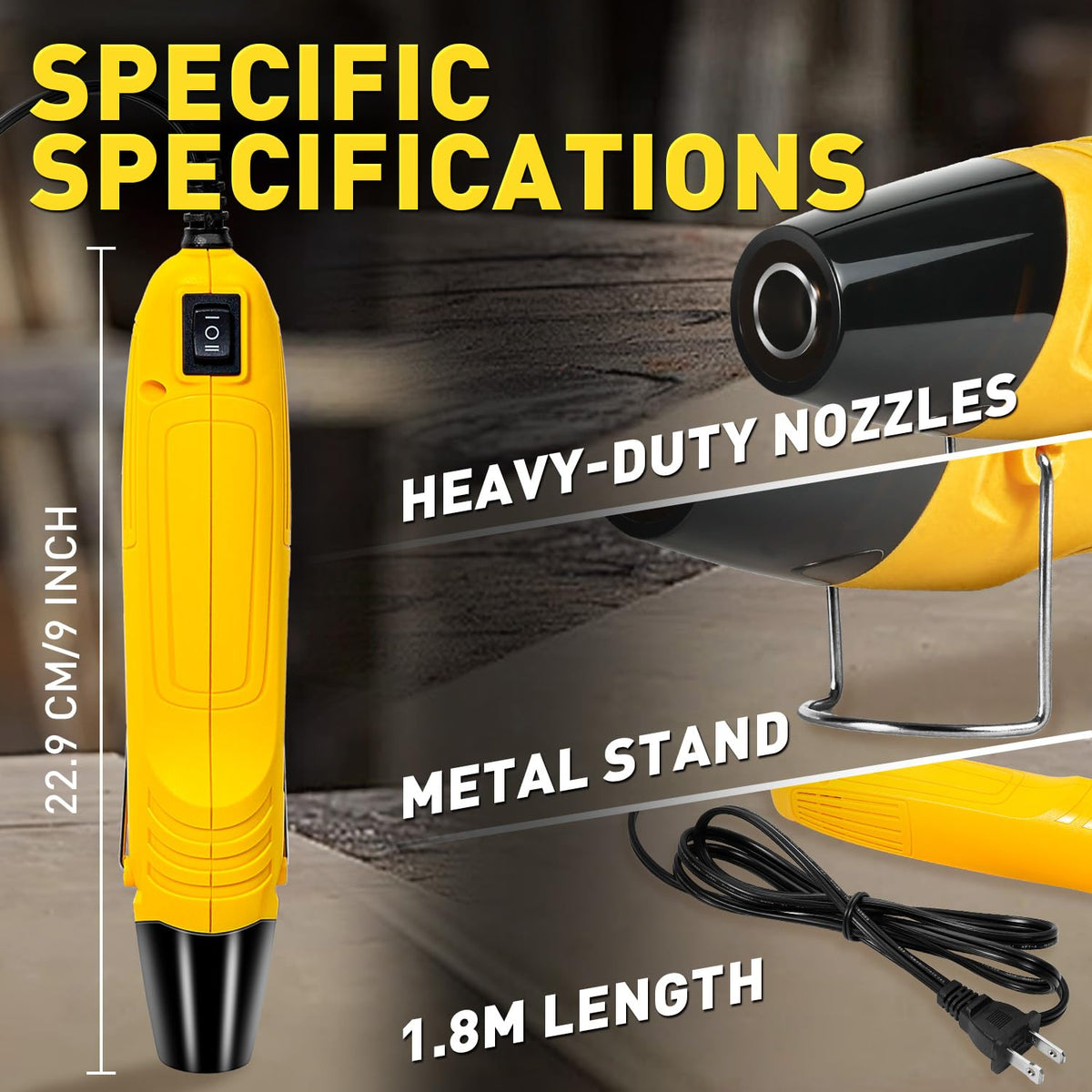
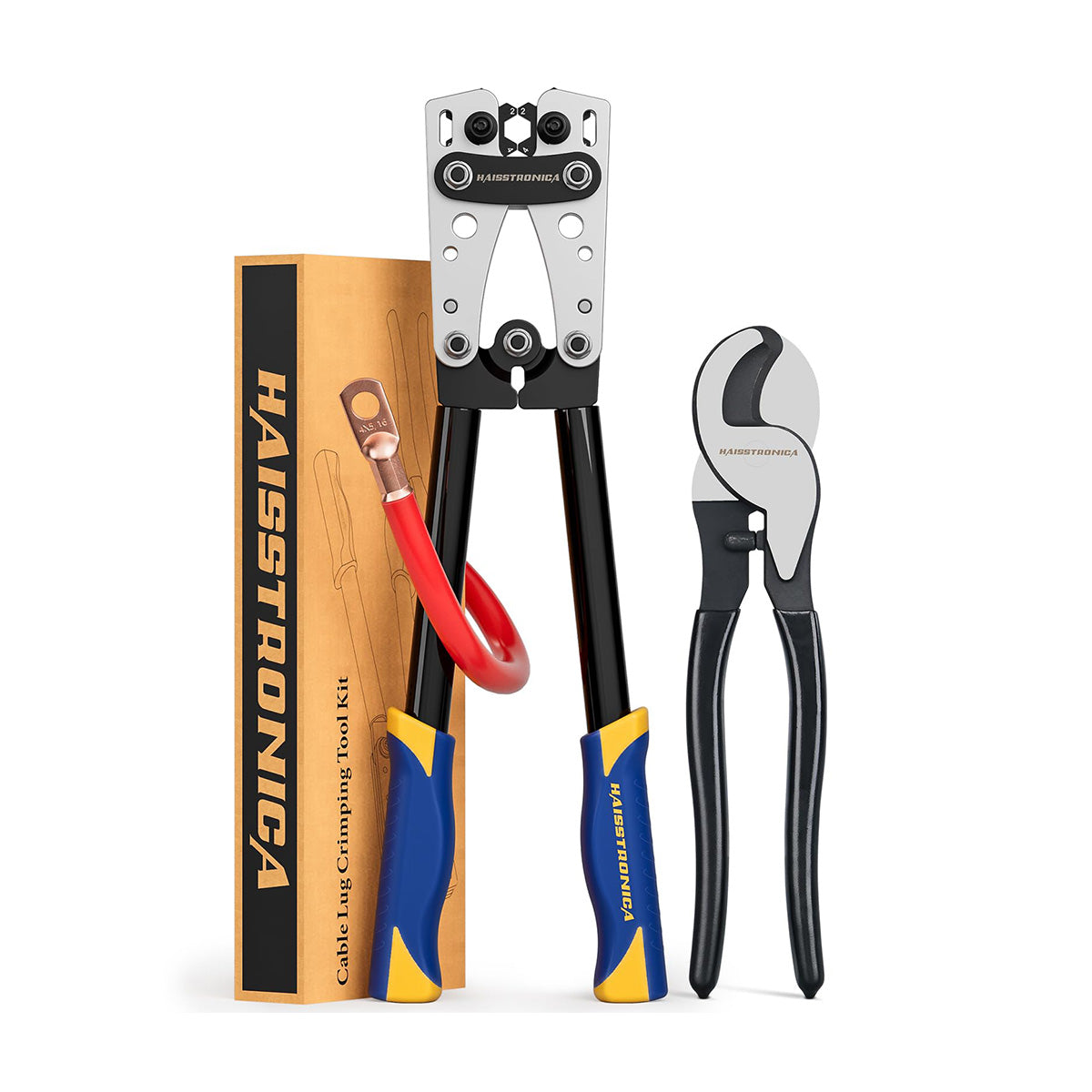
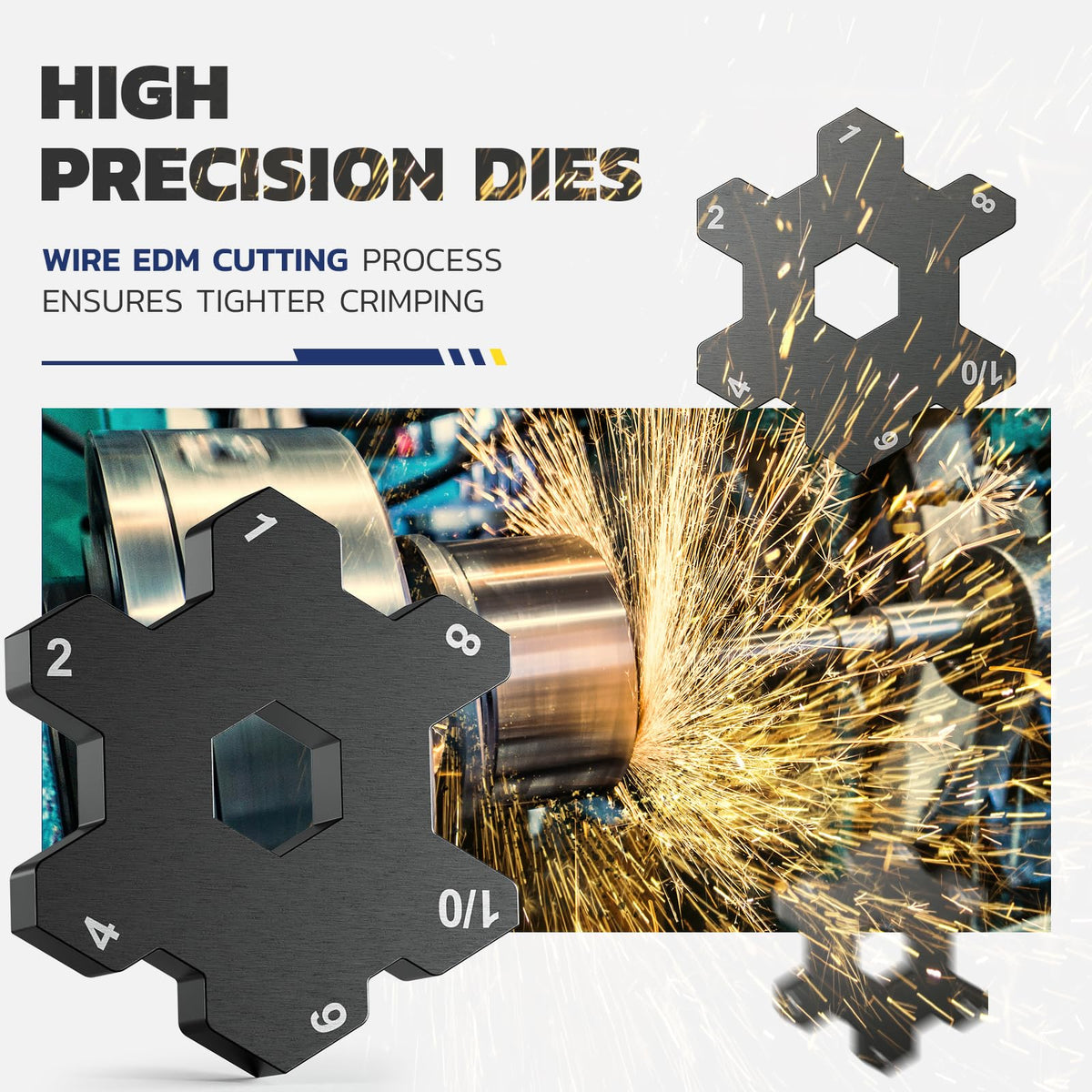
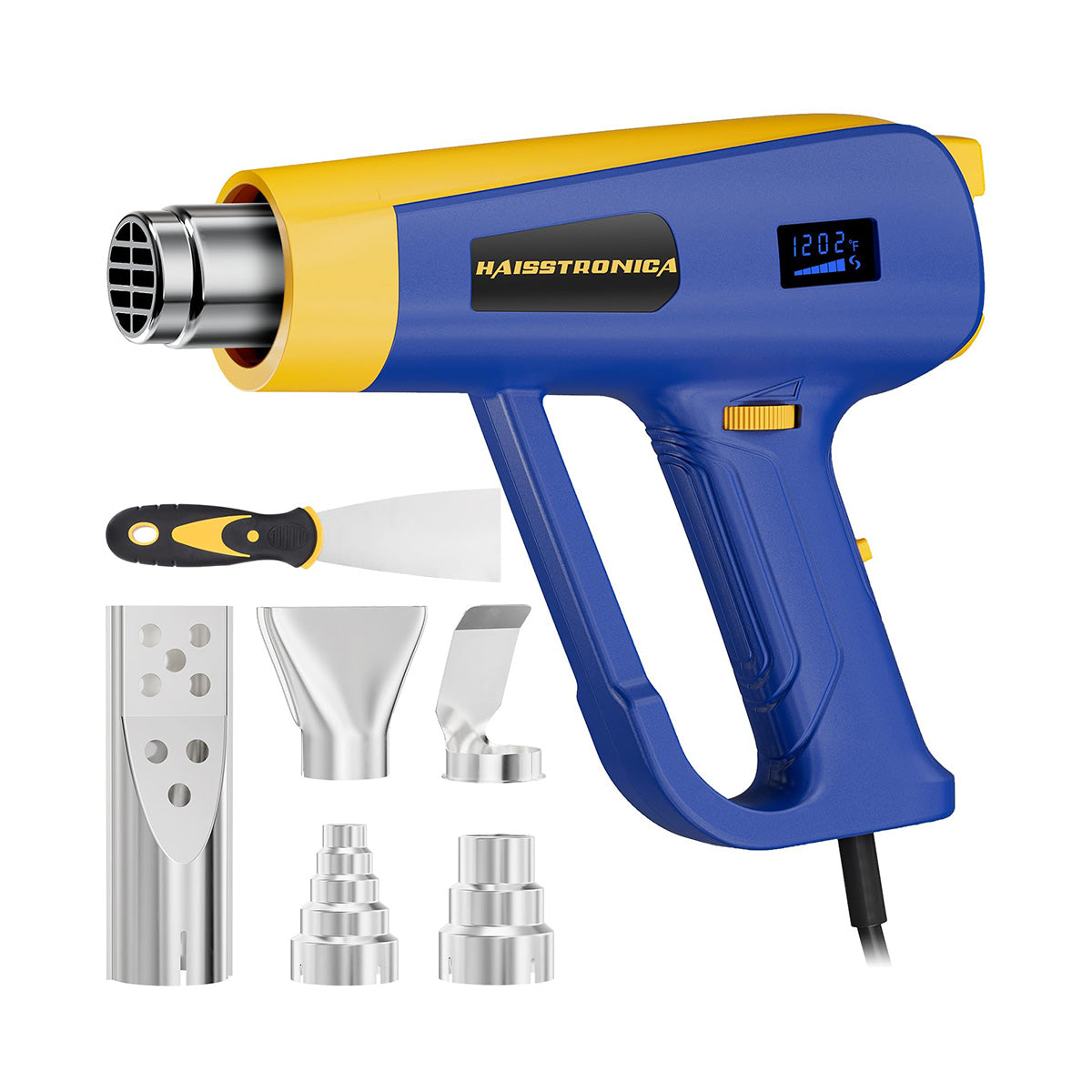
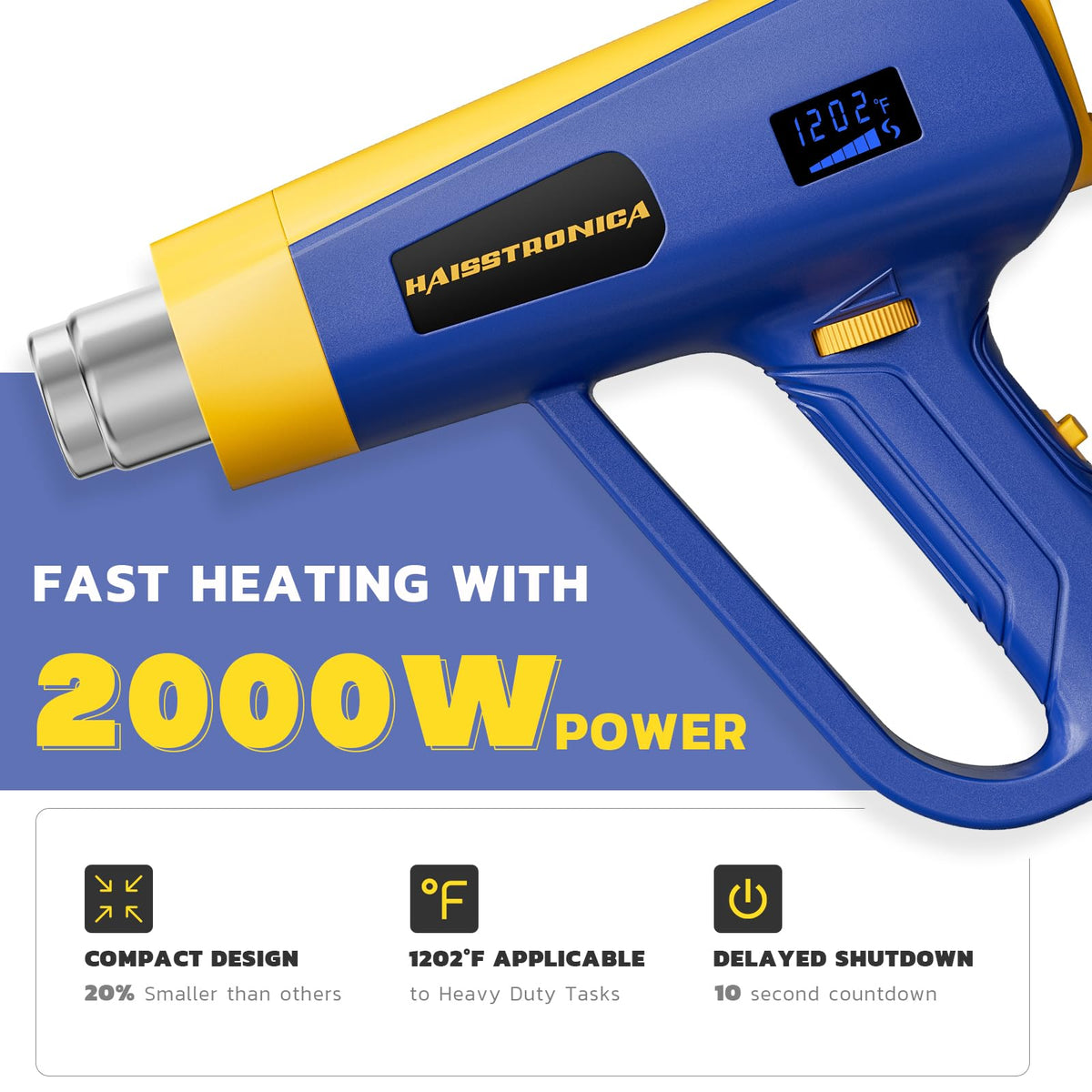
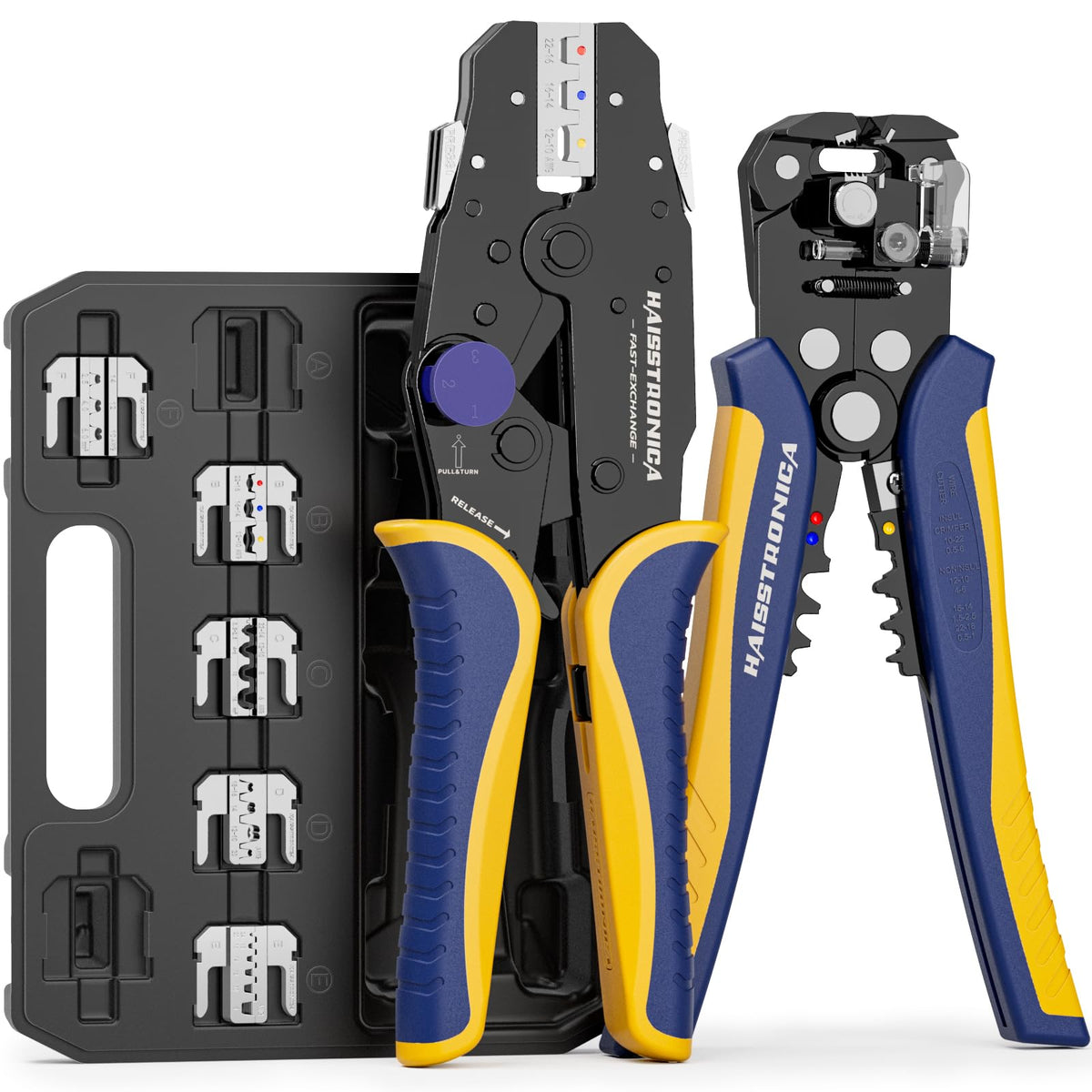
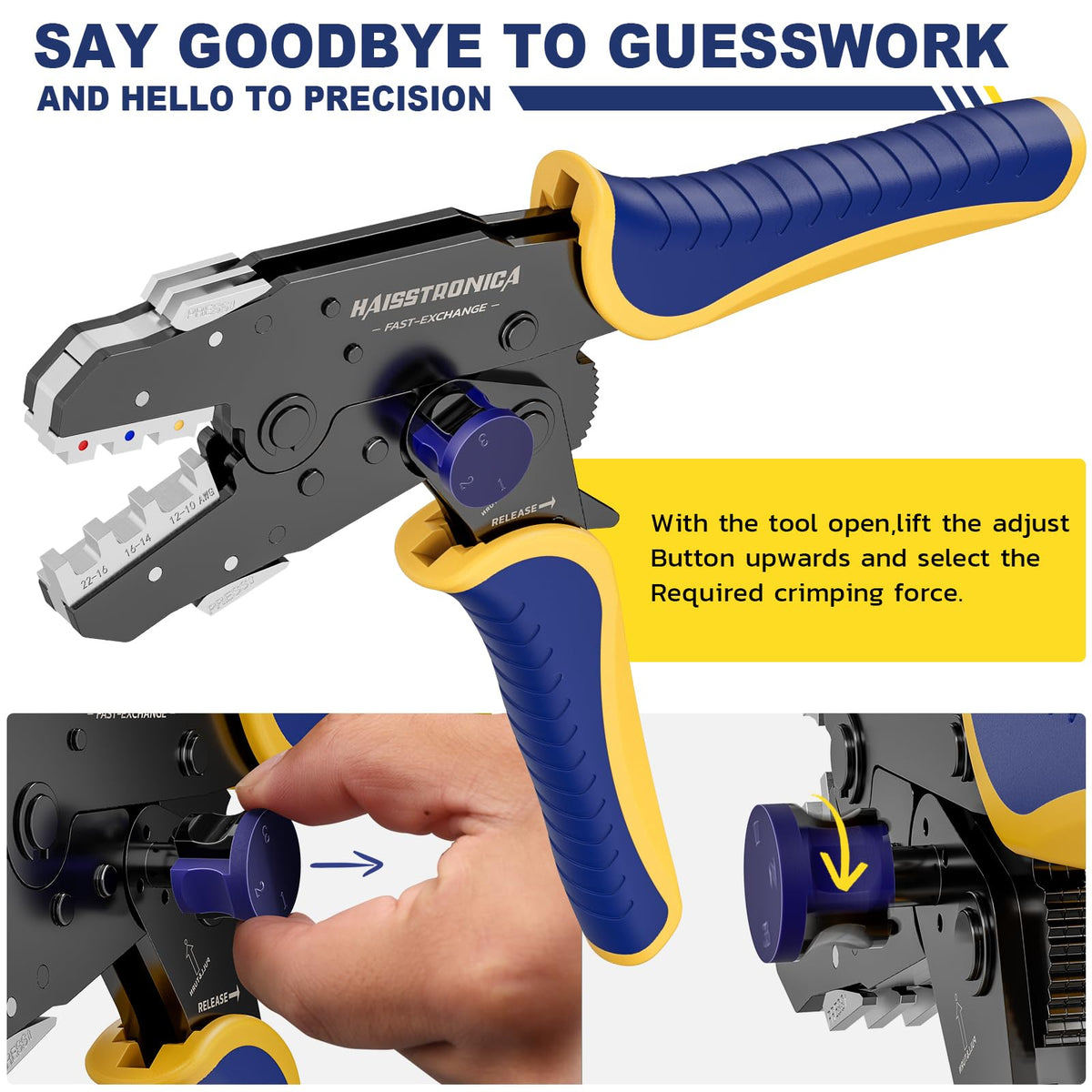
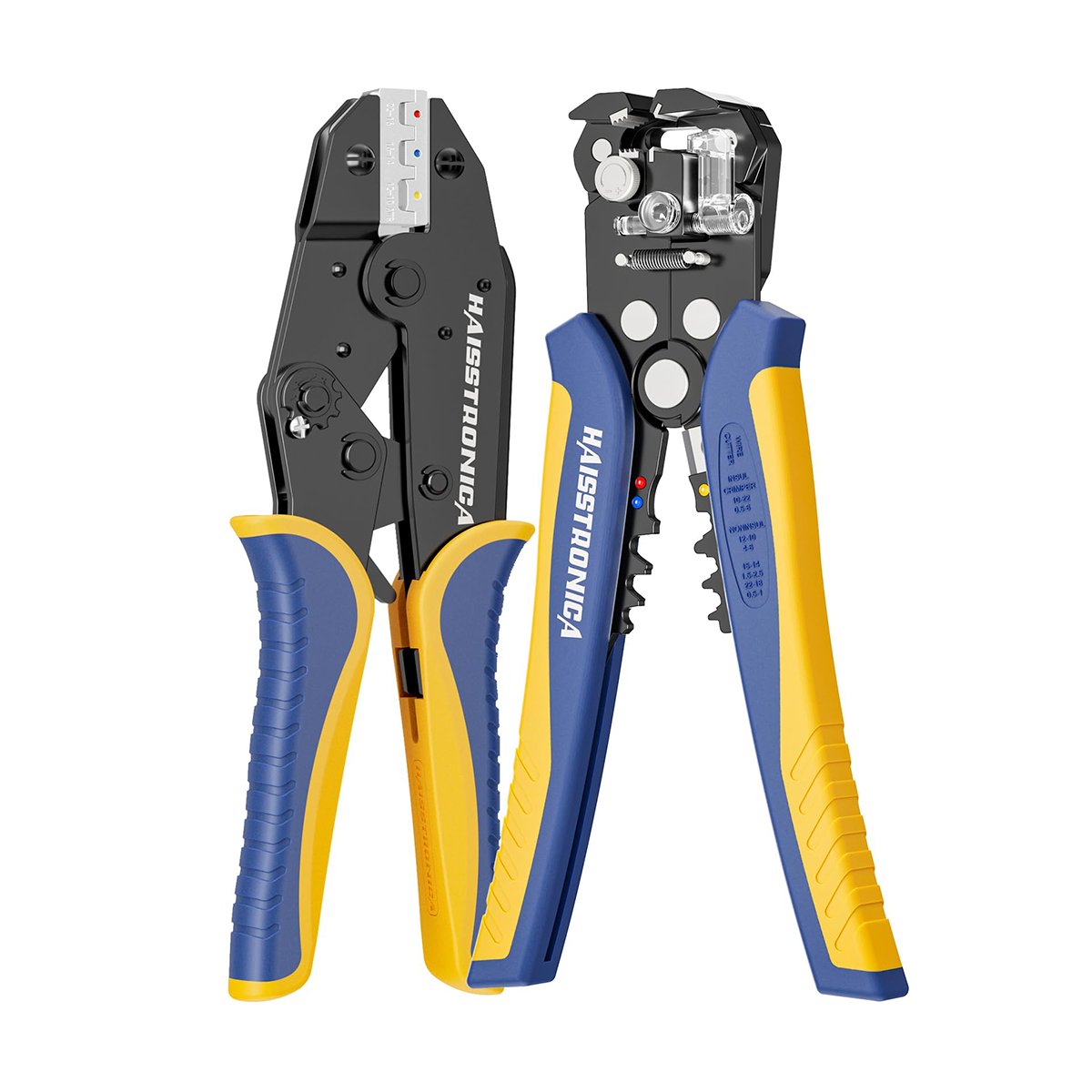
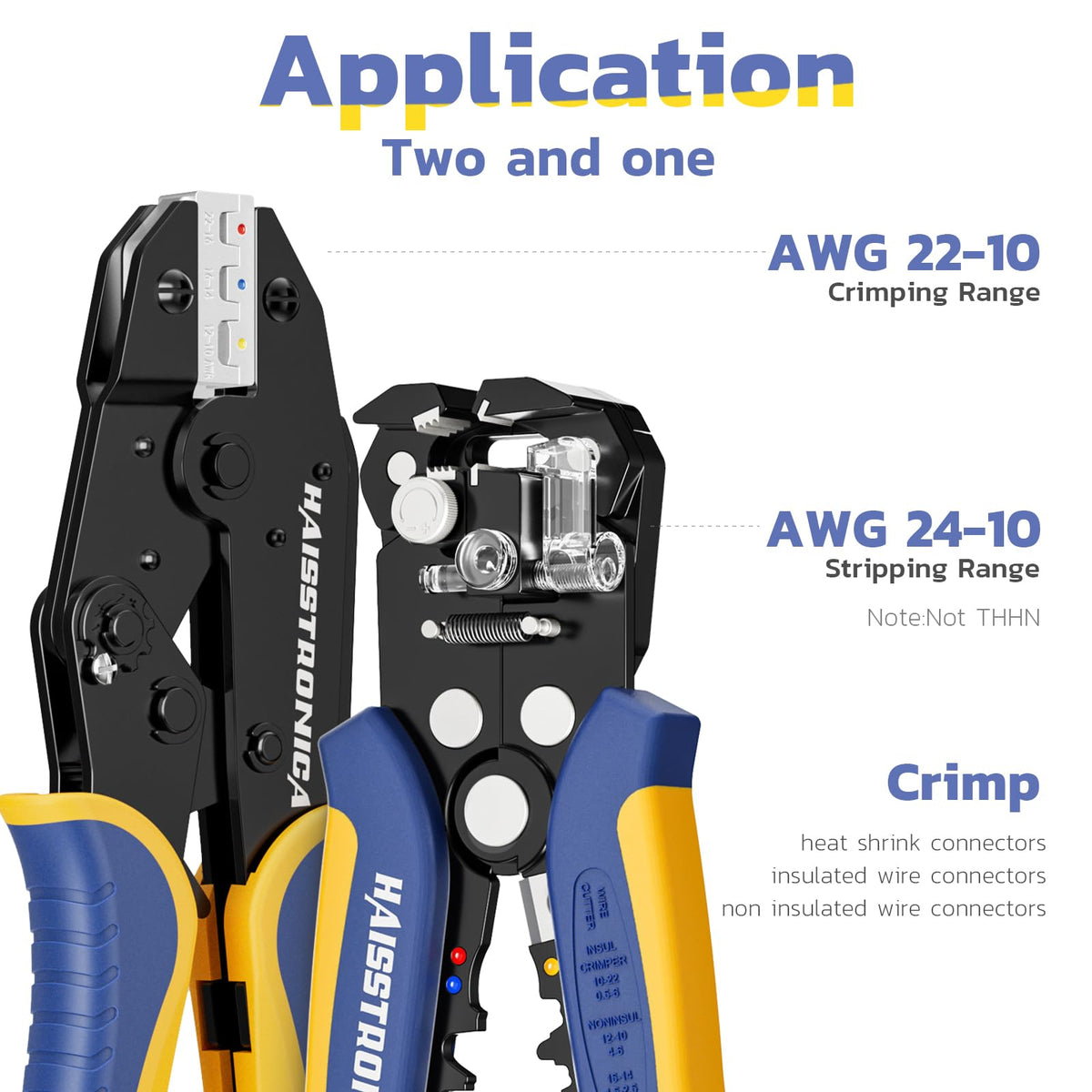
Hand Tools for Wire Crimping & Repair brings together task-focused tools for cable termination, heat-shrink work, fastening, cutting, and wiring repair. Use this collection for DIY, automotive, marine, workshop, and electrical maintenance, then choose each tool by its verified working range and intended task.
Use these hand tools for battery-cable service, terminal installation, heat-shrink sealing, harness organization, and general wire repair. Confirm the conductor size, terminal type, cable-tie compatibility, and heat-sensitive materials before starting. Do not use a tool outside its stated range or for energized wiring.
| Tool Type | Verified Size / Range | Primary Task | Recommended Application |
|---|---|---|---|
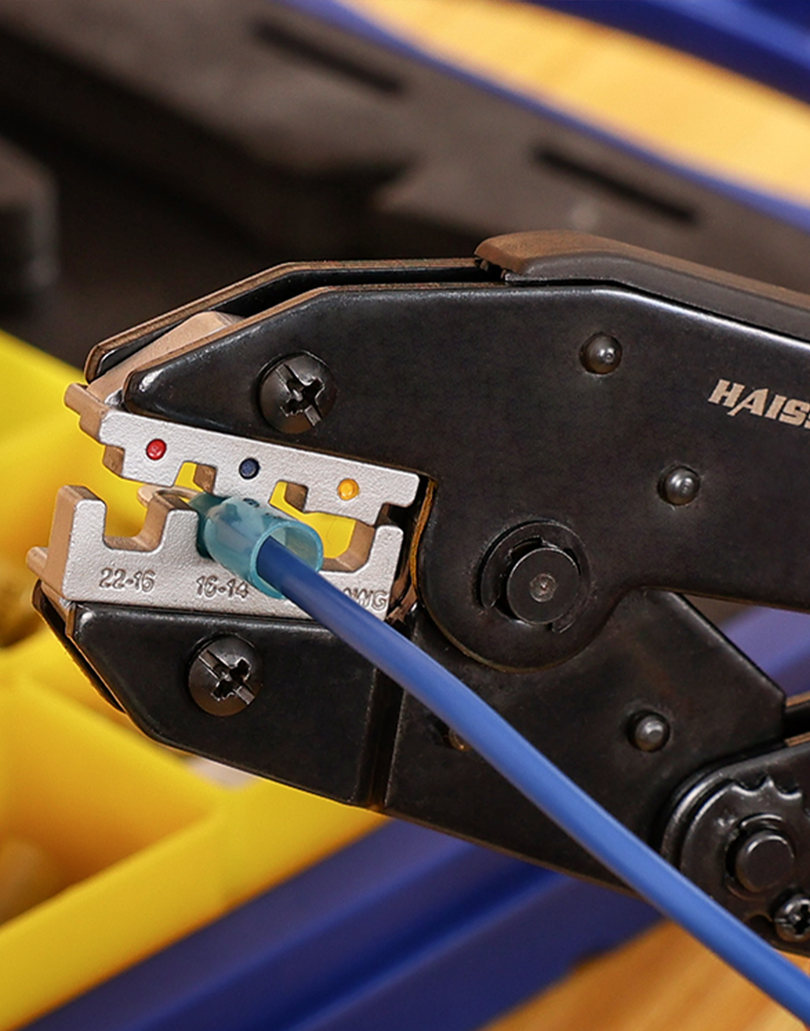
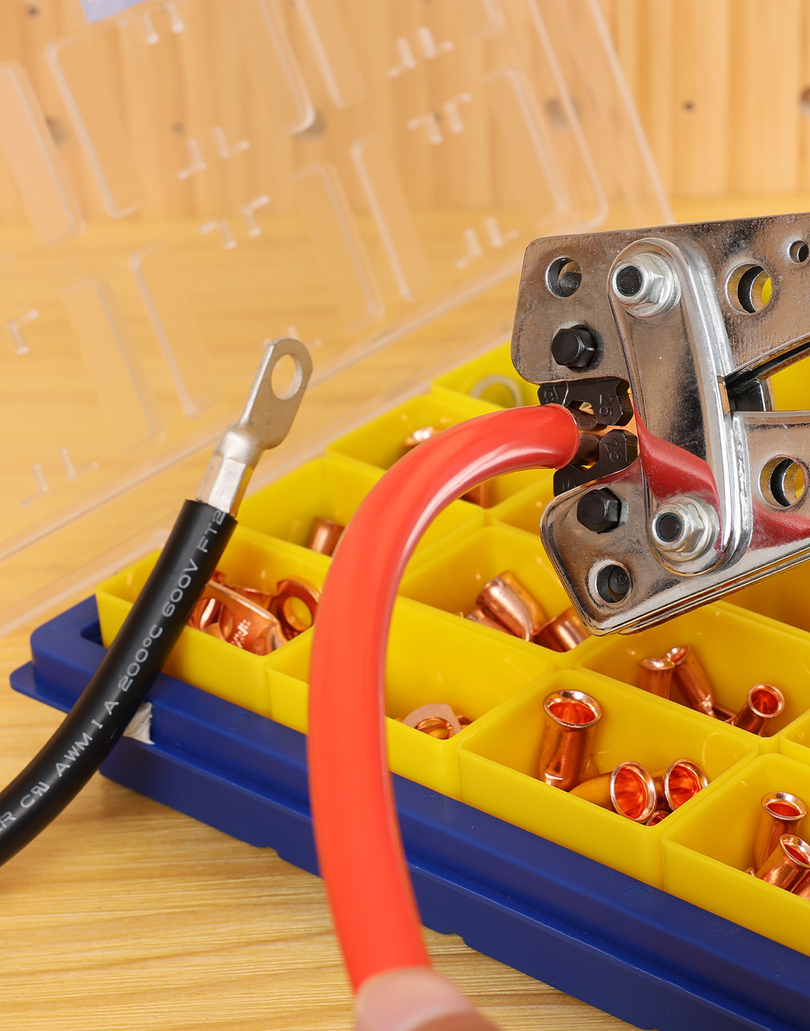
| Battery Terminal Crimper | AWG 8-1/0 | Crimp compatible battery terminals and cable lugs | Automotive and battery-cable repair |
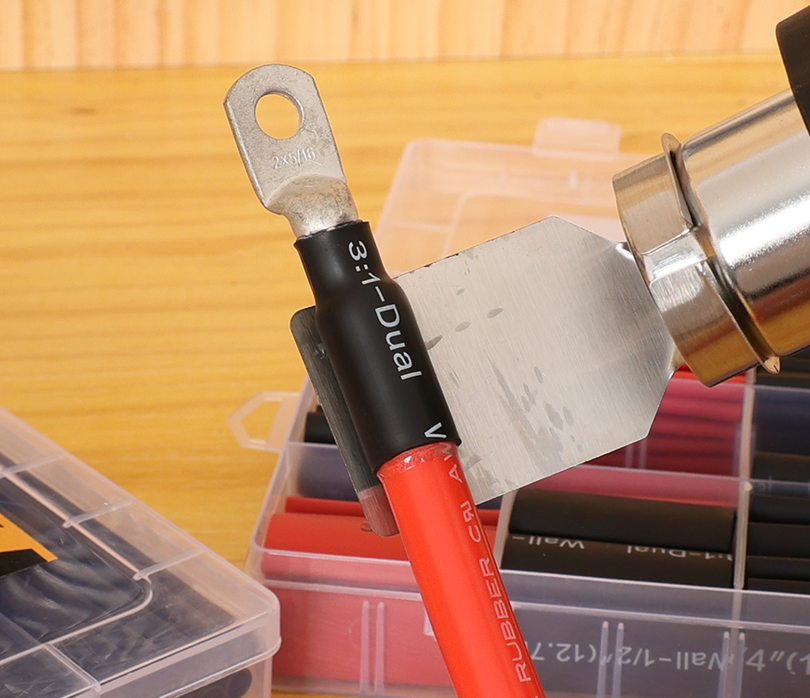
| Mini Heat Gun | 350W; AWG not applicable | Apply heat to compatible shrink products | Compact bench and field repairs |
| Digital Heat Gun | AWG not applicable; temperature range not listed here | Controlled heat-shrink installation | Workshop wiring and connector sealing |
| Zip Tie Gun | AWG not applicable; tie range not listed here | Tension and cut compatible cable ties | Wire-harness routing and organization |
Start with the task. Match a crimper to both the terminal profile and conductor AWG, choose a heat gun by the product's required temperature and work area, and select fastening or cutting tools by the material and size being handled. For projects that need several coordinated tools, compare our wire tool kits.
No. It is a broader Hand Tools collection that includes tools for crimping, heating, fastening, and wiring repair. Use the Wire Crimping Tools collection when you only want crimpers.
The Battery Terminal Crimper in this collection is listed for AWG 8-1/0. Confirm that the terminal type and crimp profile also match before use.
Use a wire stripper and cutter matched to the conductor size and wire type. Remove only the required insulation length, avoid nicking strands, and keep the conductor de-energized during preparation.