
What Is a Crimping Tool? (Definition)
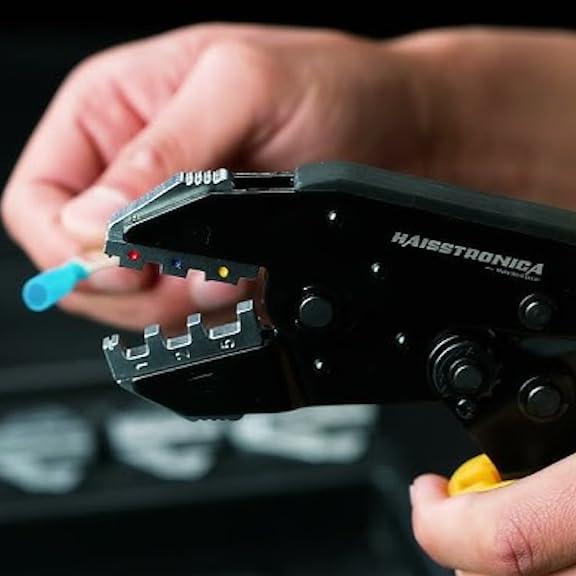
A crimping tool compresses a metal terminal around a wire. Choose dies that match the connector family and wire gauge; ratcheting models control the closing cycle.
Different connectors need different tools: insulated terminals, open-barrel terminals, ferrules, and battery lugs each require compatible dies.
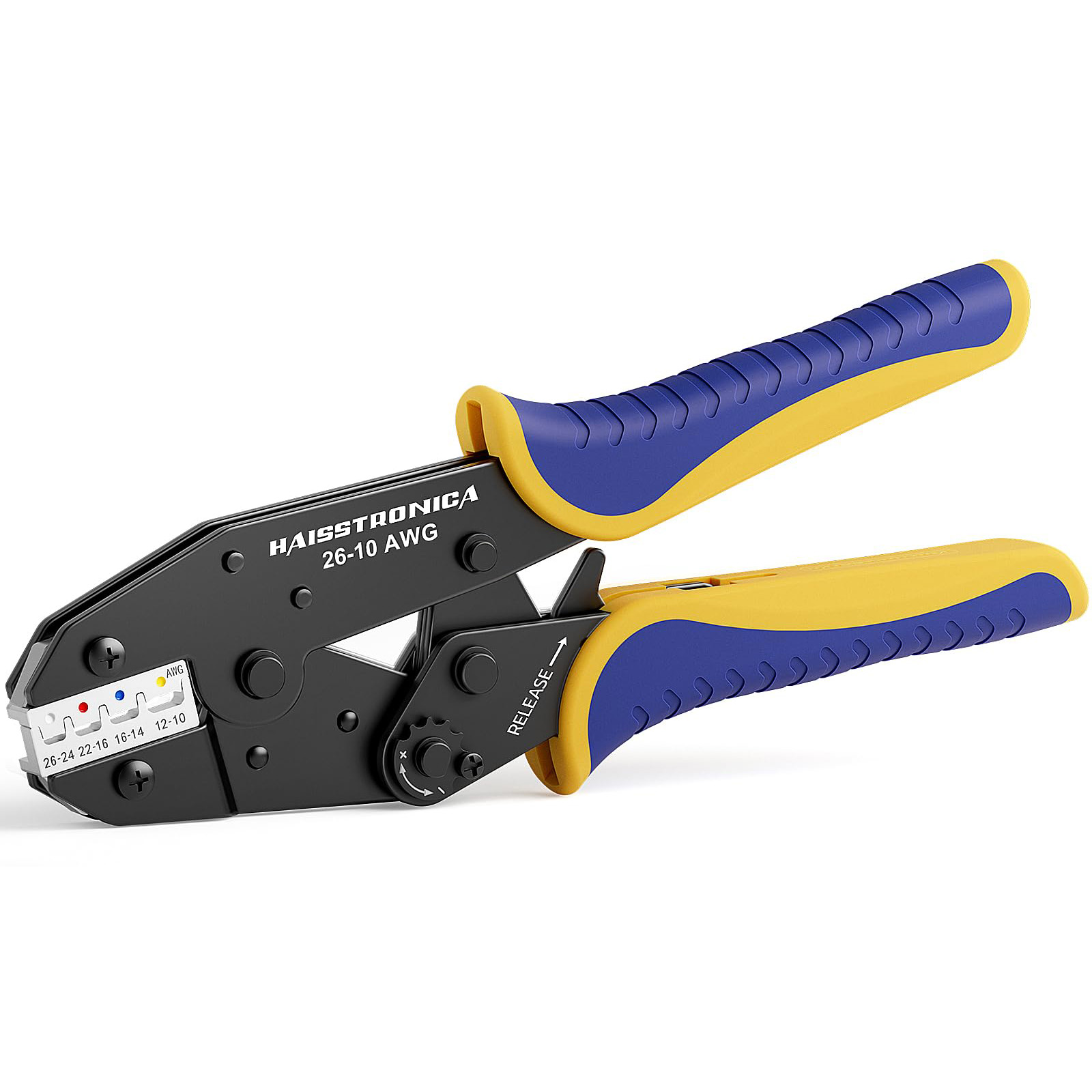
Choose a crimper that matches the connector and wire gauge
Start with the job, then compare die type, supported AWG range, and ratchet control.
View AWG 22–10 CrimperStep-by-Step: How to Clean and Oil a Crimping Tool
Clean away debris, oil the moving parts, and check the tool before storage.
-
Gather supplies: Use a lint-free cloth, soft brush, and light machine oil, such as 3-in-1 oil or SAE 20. Avoid heavy grease. WD-40 or a mild solvent can help remove grime, but apply lubricating oil afterward.
-
Remove debris: Wipe the jaws, handles, and pivot after use. Brush wire fragments and residue out of the die grooves and hinge. Do not use compressed air or abrasive tools: they can drive debris deeper or scratch surfaces.
-
Remove light rust: Gently wipe surface rust with penetrating oil on a cloth or fine steel wool. Use a suitable rust remover for heavier corrosion, then dry the tool thoroughly.
-
Oil moving parts: Apply one or two drops of light oil to the pivot, hinge, and accessible ratchet parts. Work the handles to distribute it, then wipe off excess. Keep oil off the crimping dies to avoid contaminating connectors.
-
Test the tool: Cycle the handles without wire and check that the ratchet releases normally. Follow the manufacturer’s instructions for tension settings or recalibration; do not adjust by guesswork.
-
Store dry: Close or lock the handles and keep the tool in a clean, dry place. Protect the jaws from impacts and wrap the tool in a cloth for long storage.
When to Maintain Your Crimping Tool
Maintenance frequency depends on use and exposure to dust or moisture.
-
Daily use: Wipe down after work and clean and oil weekly, or as directed by the manufacturer.
-
Occasional use: Clean after each project and lubricate before long storage.
-
Damp or dusty conditions: Remove moisture and grit promptly; inspect the hinge and ratchet more often.
-
Critical connections: Check die alignment and tool condition before automotive, marine, or other demanding wiring work.
Choosing a Crimping Tool
Match the tool to your connection before comparing features.
-
Connector and gauge: Confirm both the terminal family and AWG range. Battery lugs, ferrules, and open-barrel terminals need suitable dedicated dies.
-
Construction: Look for durable jaws, secure alignment, and a reliable mechanism.
-
Ratchet and adjustment: Check for a manual release and clear manufacturer instructions for tension settings.
-
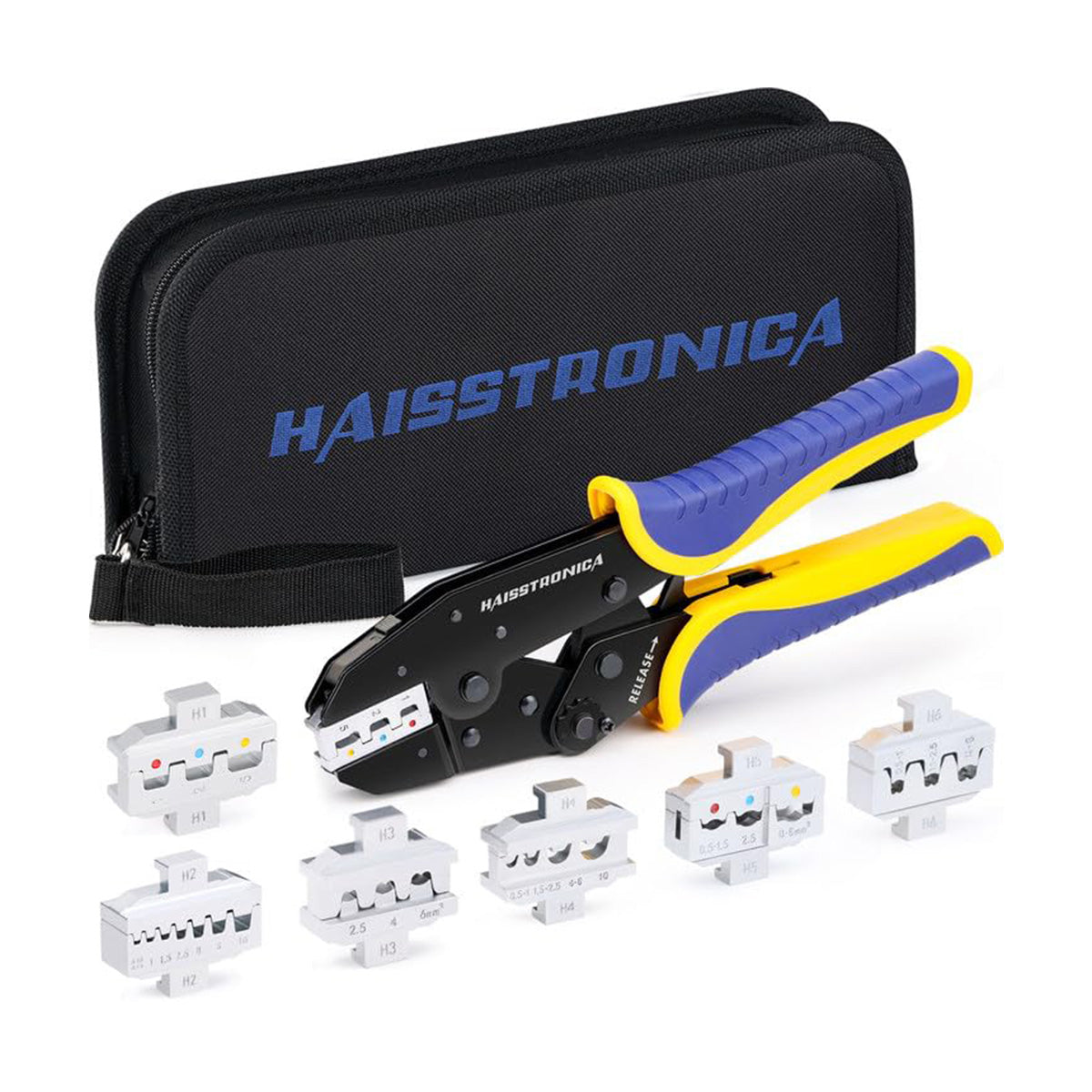
Die style: Fixed dies suit repeated work on one terminal family. Interchangeable dies suit varied jobs; check that each die fits securely. Compare Haisstronica’s 8-piece crimping tool kit.
-
Comfort: Choose non-slip handles that fit your hand and remain comfortable during repeated crimps.
-
Support: Check the actual warranty terms and availability of replacement dies, springs, or servicing.
FAQ: Crimping Tool Maintenance
Q: How often should I clean and oil it?
Wipe after use. For daily work, clean and oil weekly; for occasional use, do so after projects and before storage. Service sooner if the action feels gritty or sticky.
Q: Which oil should I use?
Use light machine oil sparingly. WD-40 can help clean or displace moisture, but is not a substitute for long-term lubrication. Keep grease and oil off the dies.
Q: What if the ratchet sticks?
Use the manual release, then clean and lubricate the hinge and ratchet. Check settings against the manual. If jamming or early release continues, stop using the tool and contact the manufacturer.
Use symptoms—not age—to decide
Do not replace a working crimper just because it is old. Move to repair or replacement only when a problem remains after cleaning, correct die selection, adjustment according to the manual, and a controlled test crimp.
Q: Can I wash or soak it?
Avoid soaking: water can cause rust and remove factory lubrication. Wipe and brush instead; use a little suitable solvent on a cloth for grime. If wet, dry thoroughly and re-oil moving parts.
Q: What about rust?
Remove light surface rust gently, wipe clean, and protect the tool with oil while keeping the dies clean and dry. Heavy corrosion or pitting on precision surfaces may require replacement.
Q: Does it need calibration?
Follow the manufacturer’s service requirements. Repeated loose or tight crimps after confirming the correct wire, terminal, and die warrant an alignment and calibration check. Use specified inspection methods; seek service if needed.
Q: When should I replace it?
Replace or service tools with cracked frames, broken springs, worn ratchet teeth, damaged dies, or excessive hinge play. Repeated poor crimps after cleaning and correct adjustment also need attention. Stop using a tool that cannot produce reliable connections.
Maintenance Essentials
Clean regularly, lubricate moving parts sparingly, keep dies dry, and check crimp quality. Tool condition and performance determine service life.
Choose your next crimping setup
If your current tool passes the maintenance checklist and test crimp, keep using it. If wear or repeated inaccuracy remains, choose a replacement that matches your terminals and wire gauge.