Access Denied
The site owner may have set restrictions that prevent you from accessing the site. Please contact the site owner for access.
Protected by
The site owner may have set restrictions that prevent you from accessing the site. Please contact the site owner for access.
Cart
Your cart is empty

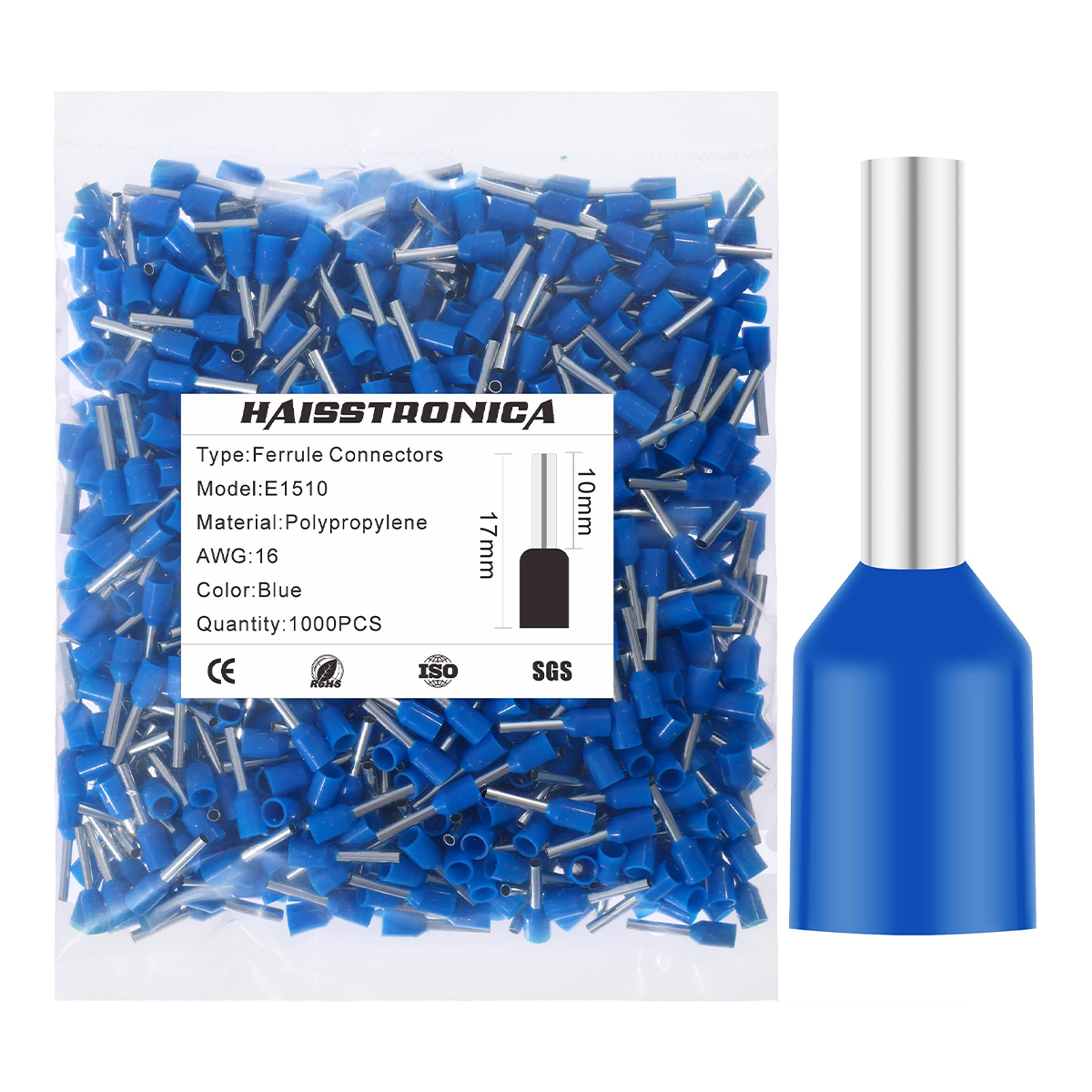
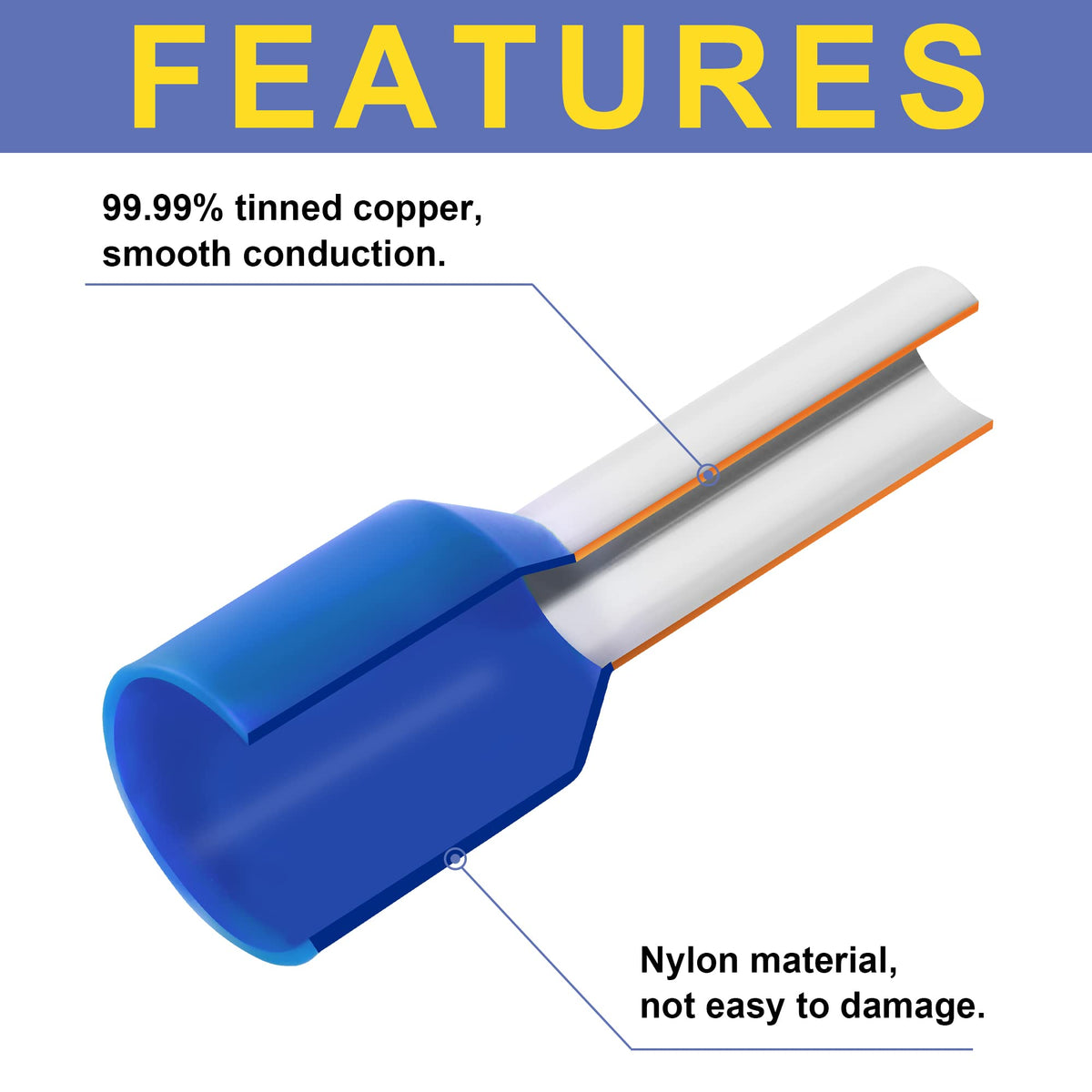
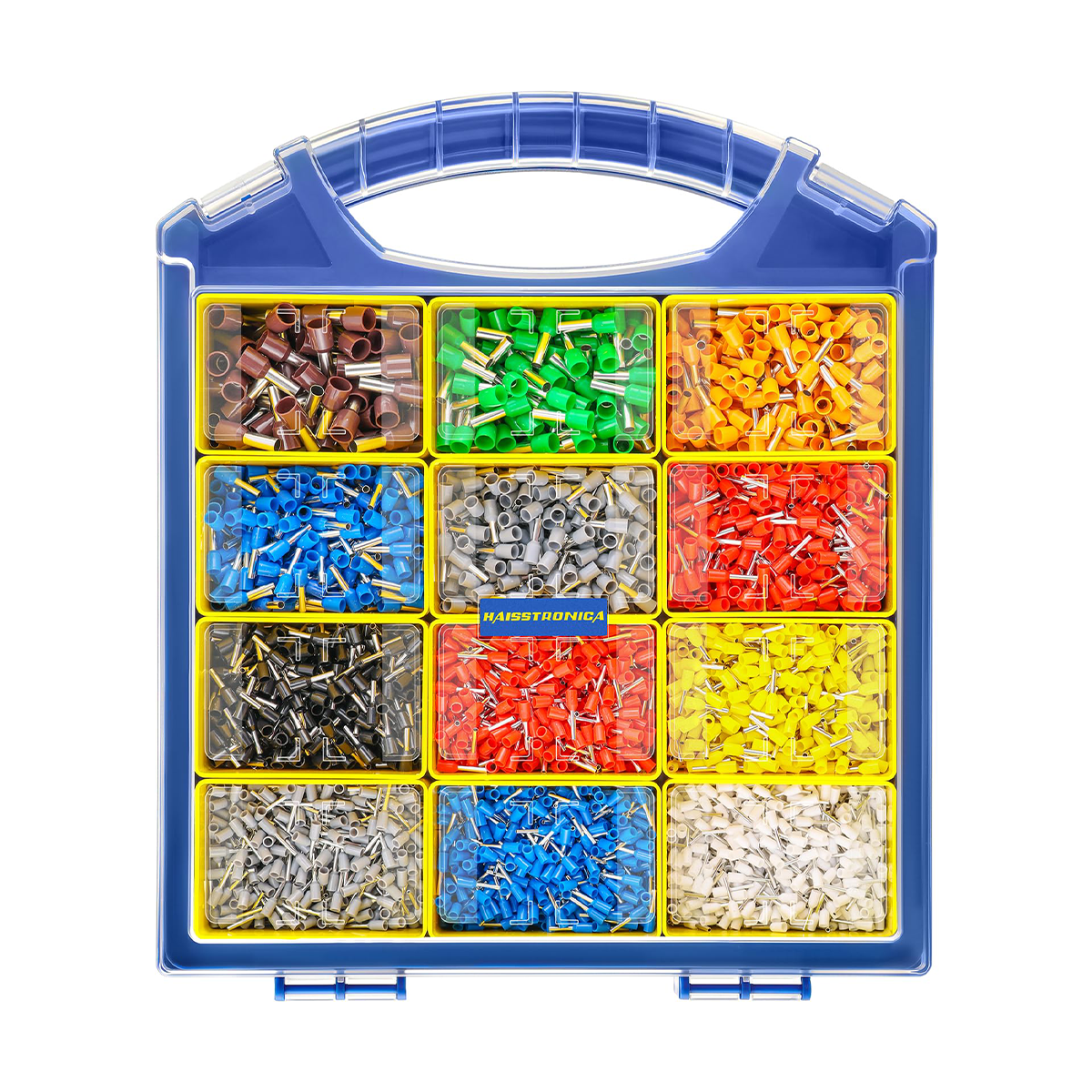
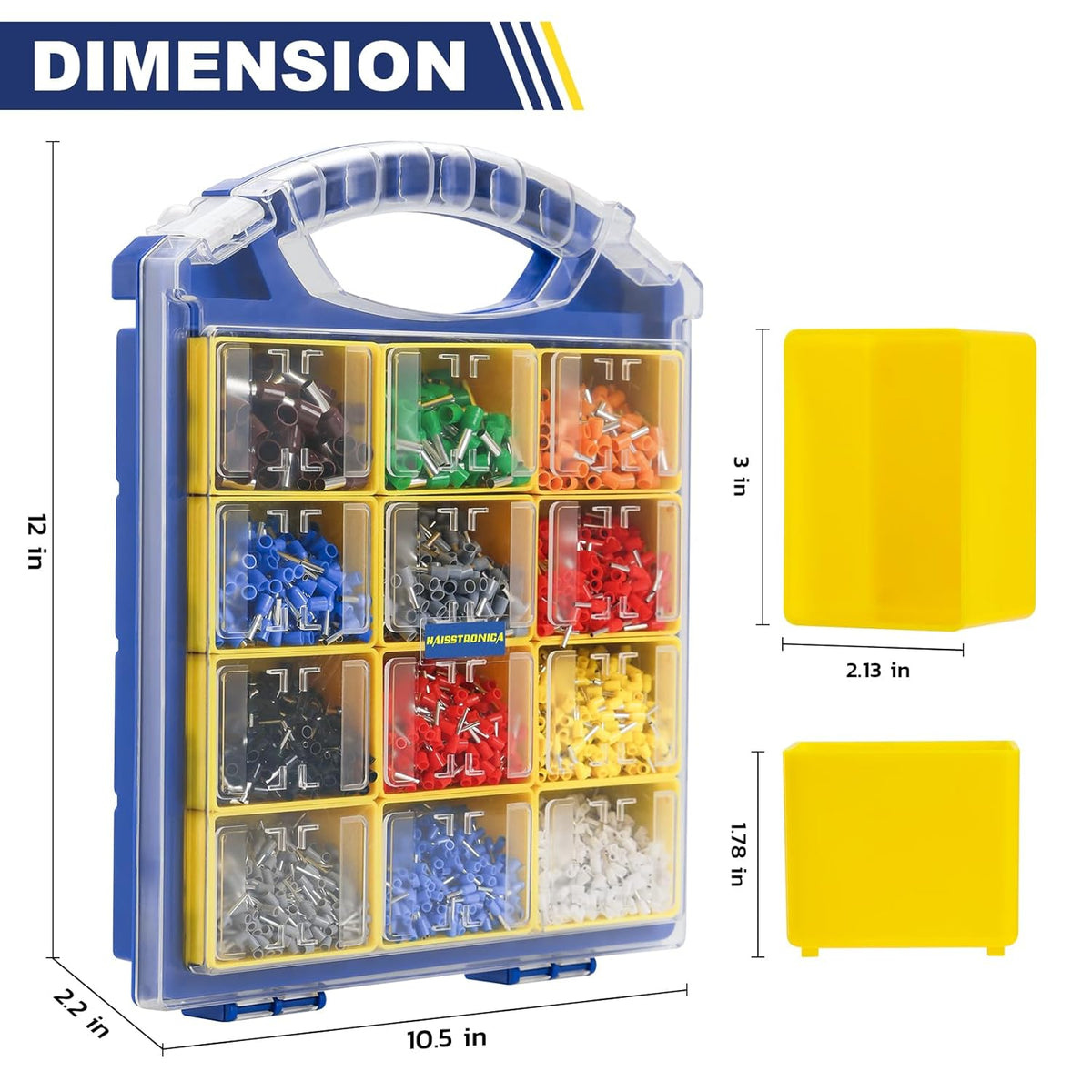
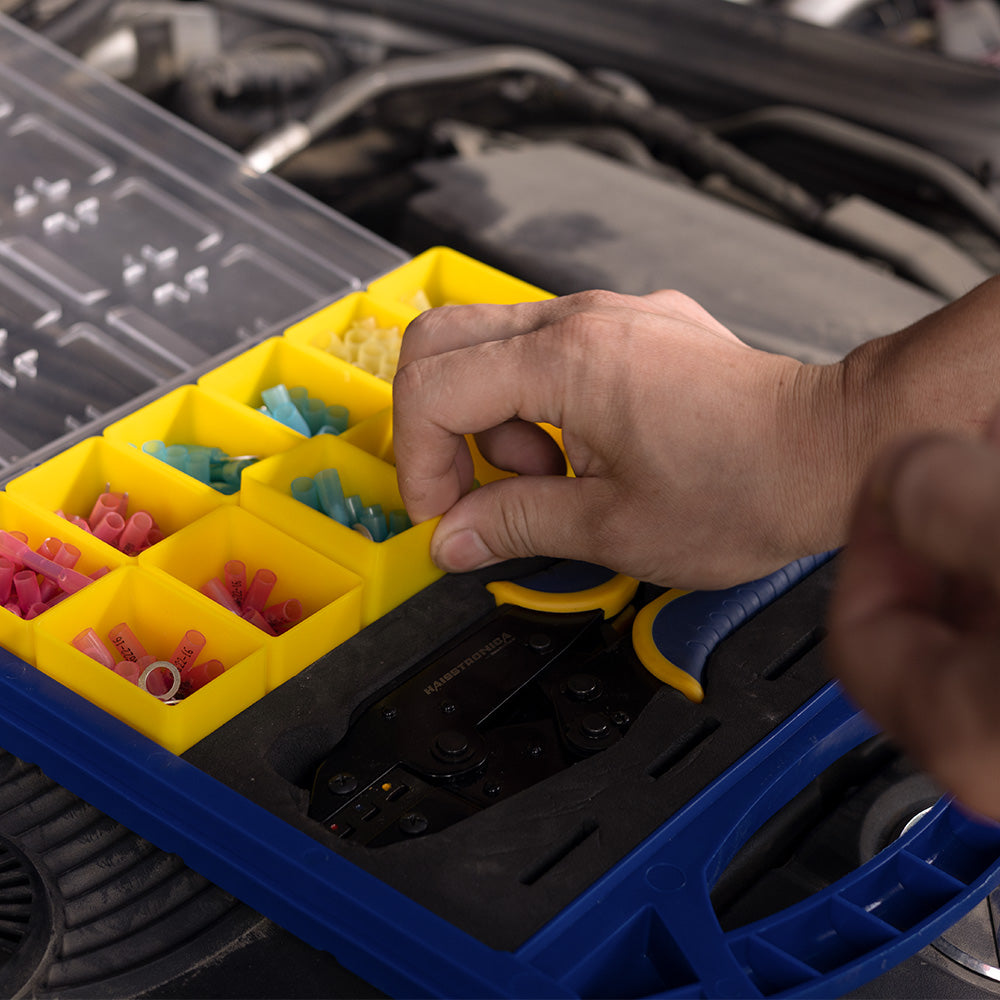
Wire ferrules protect stranded wire ends before they are inserted into screw terminals, terminal blocks, control panels, or audio equipment. Use this comparison to decide when ferrules are better than ring terminals, spade terminals, or bare stranded wire.
| Decision Point | Wire Ferrules | Ring / Spade Terminals | Bare Stranded Wire |
|---|---|---|---|
| Best Use Case | Control panels, terminal blocks, audio wiring, and screw-clamp connections where stranded wire needs a clean end. | Studs, screws, battery posts, quick disconnects, and fixed mechanical attachment points. | Temporary low-risk connections where strand damage is not a major concern. |
| Wire Protection | Helps prevent frayed strands and creates a cleaner contact surface inside terminal blocks. | Protects wire through a crimp barrel, but requires the correct terminal shape for the connection point. | Strands can spread, break, or clamp unevenly under screw pressure. |
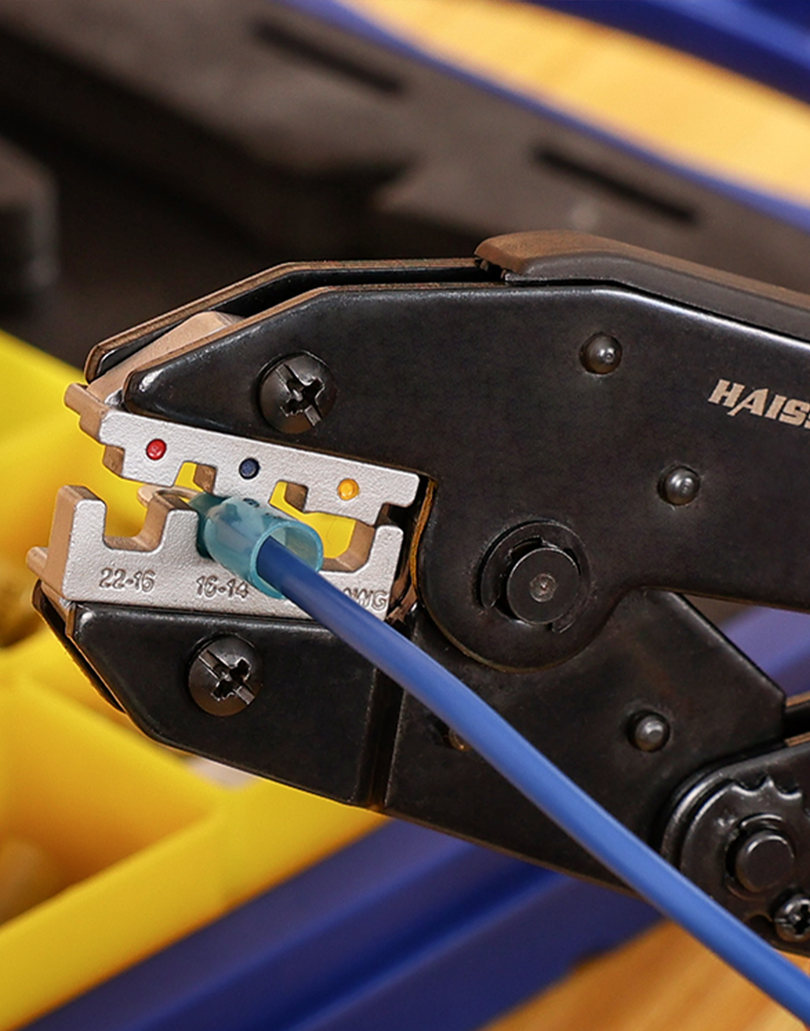
| Tool Needed | A ferrule crimping tool matched to the ferrule size and wire gauge. | A crimping tool matched to insulated, non-insulated, or heat shrink terminals. | Usually no crimping tool, but connection quality can be less consistent. |
| Best Choice | Choose ferrules when stranded wire goes into terminal blocks or screw clamps. | Choose ring or spade terminals when the wire attaches to a stud, screw, or disconnect tab. | Avoid bare wire for repeated service, vibration, or professional panel work. |