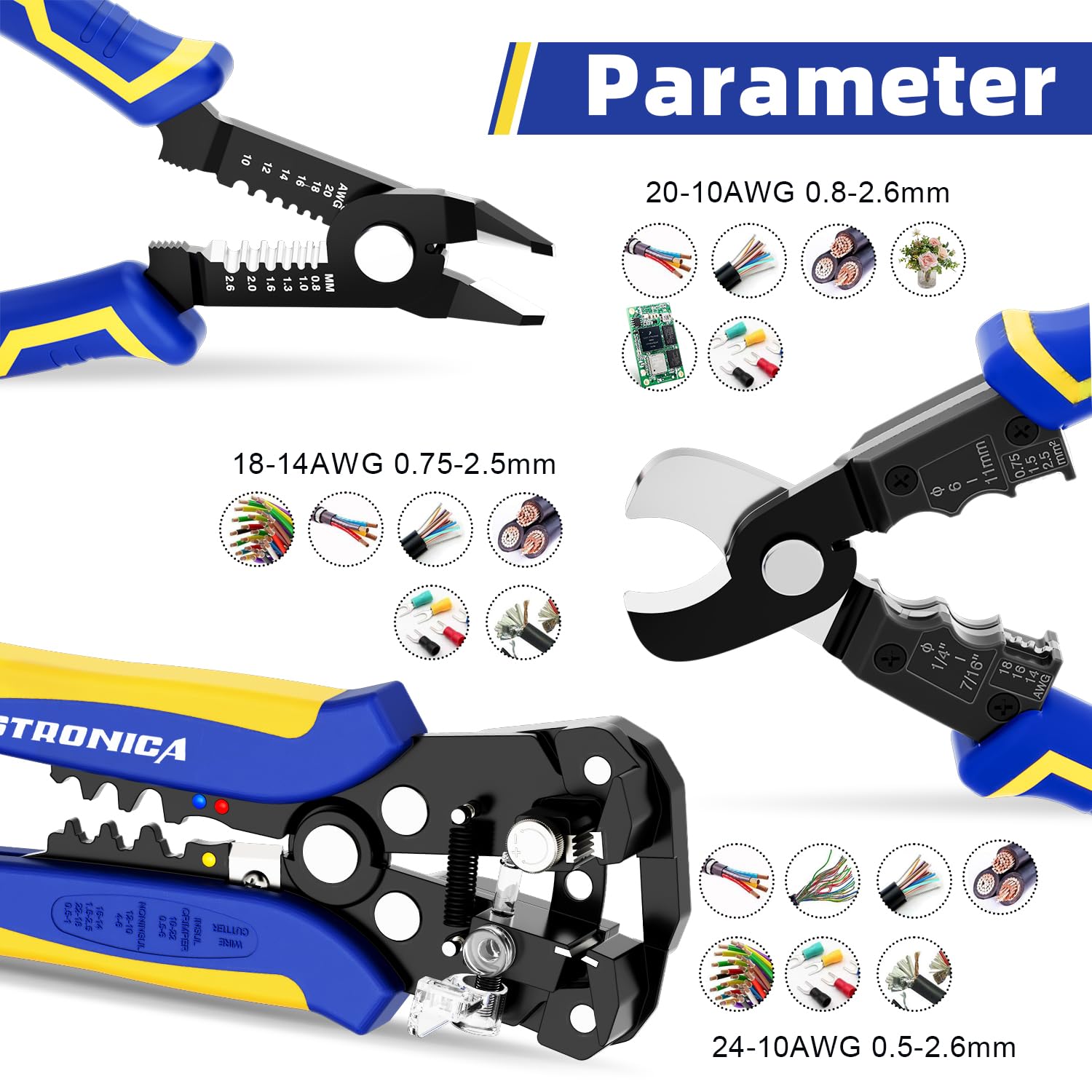
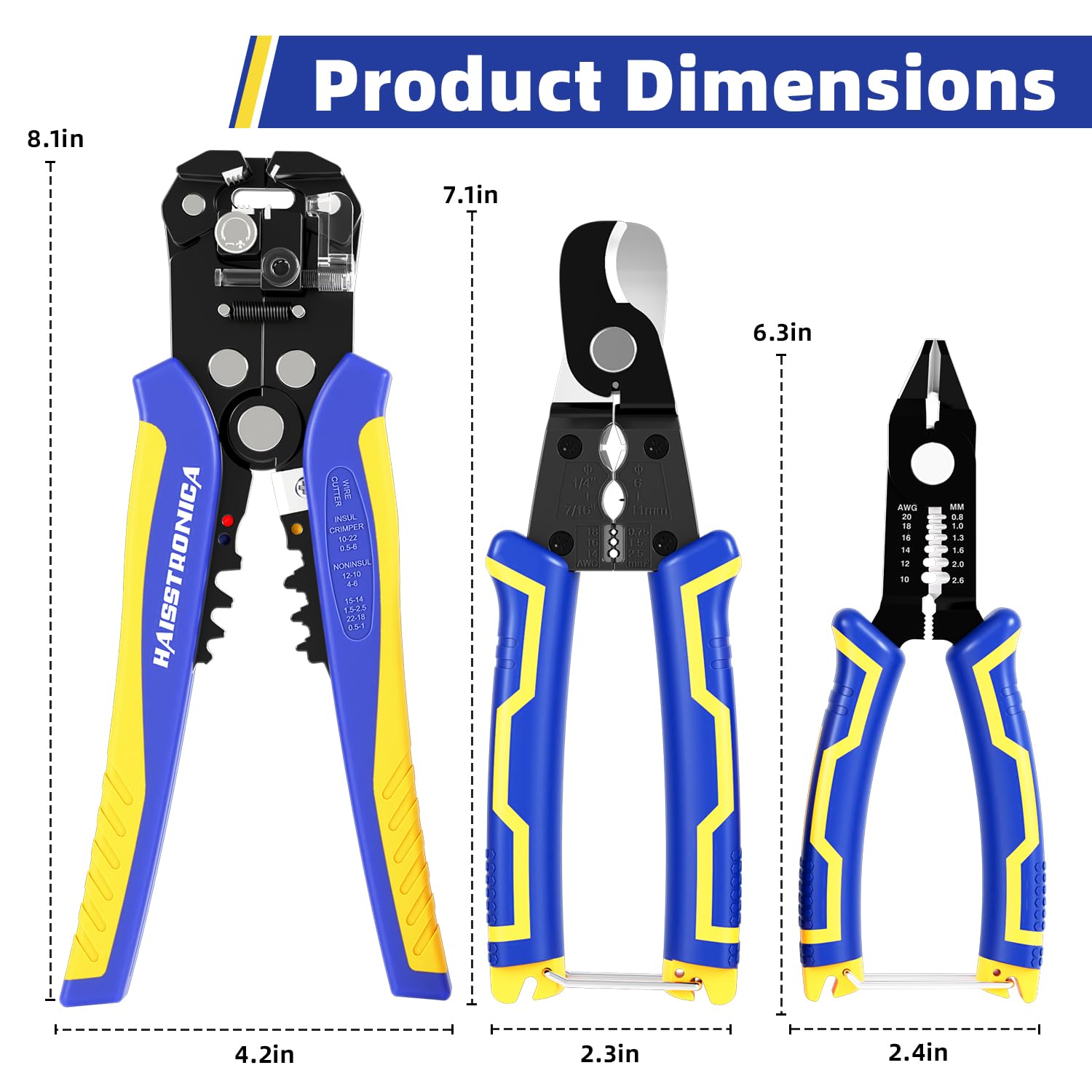
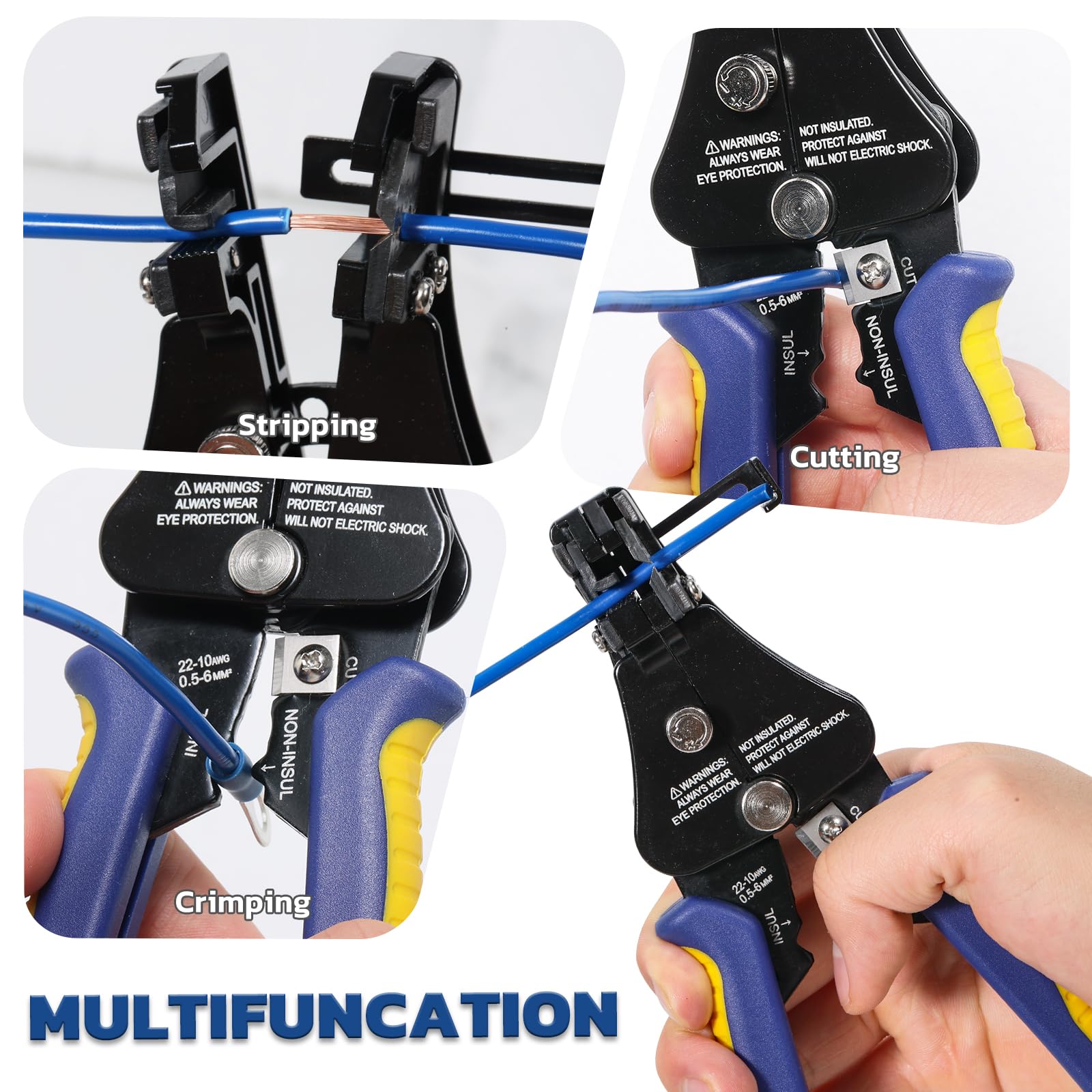
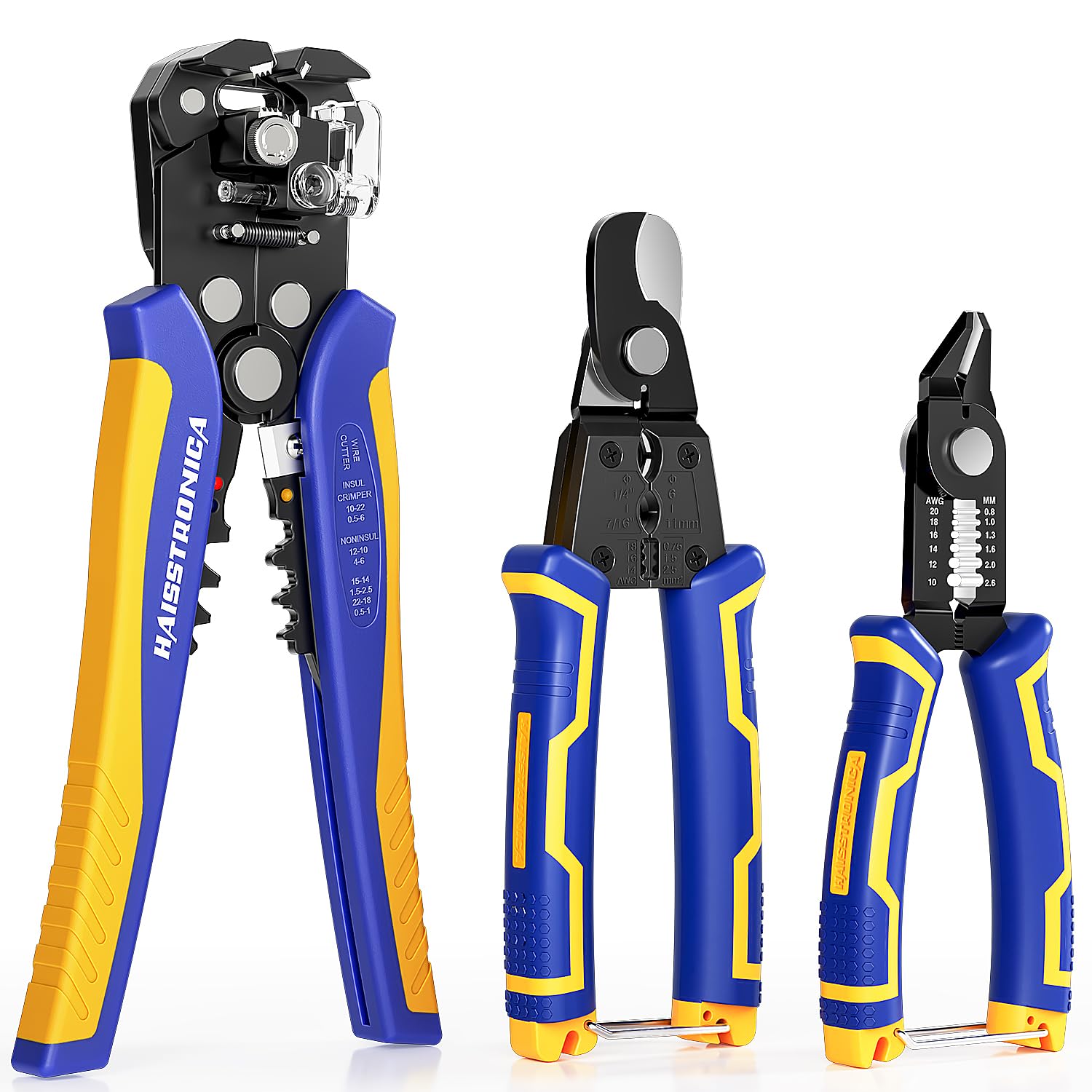
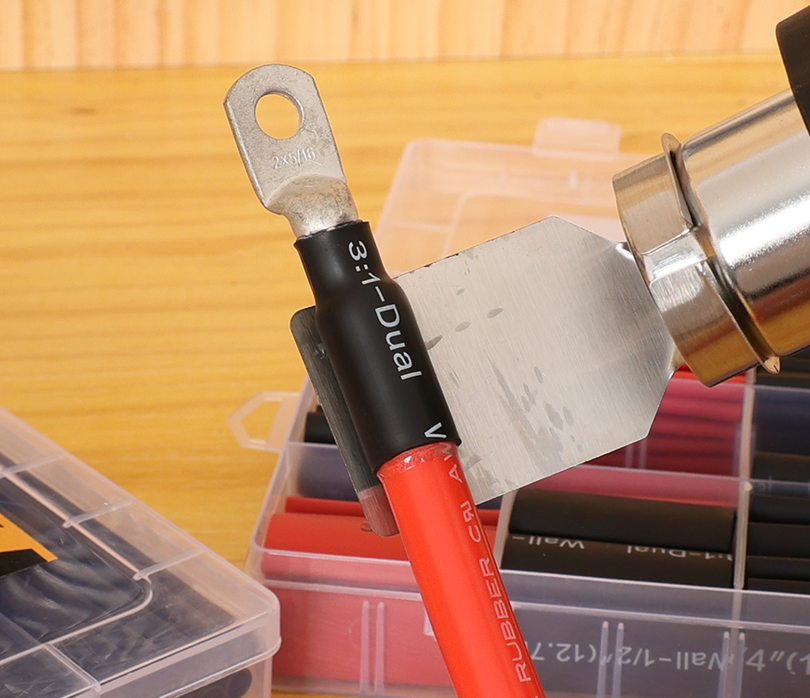
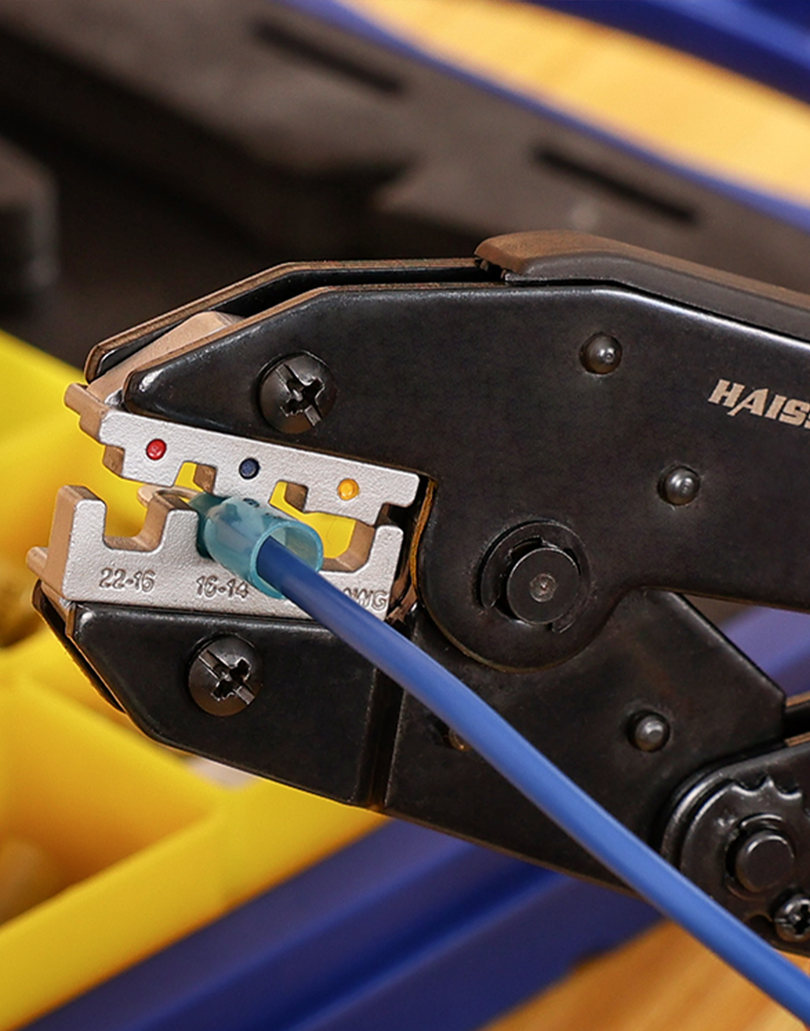
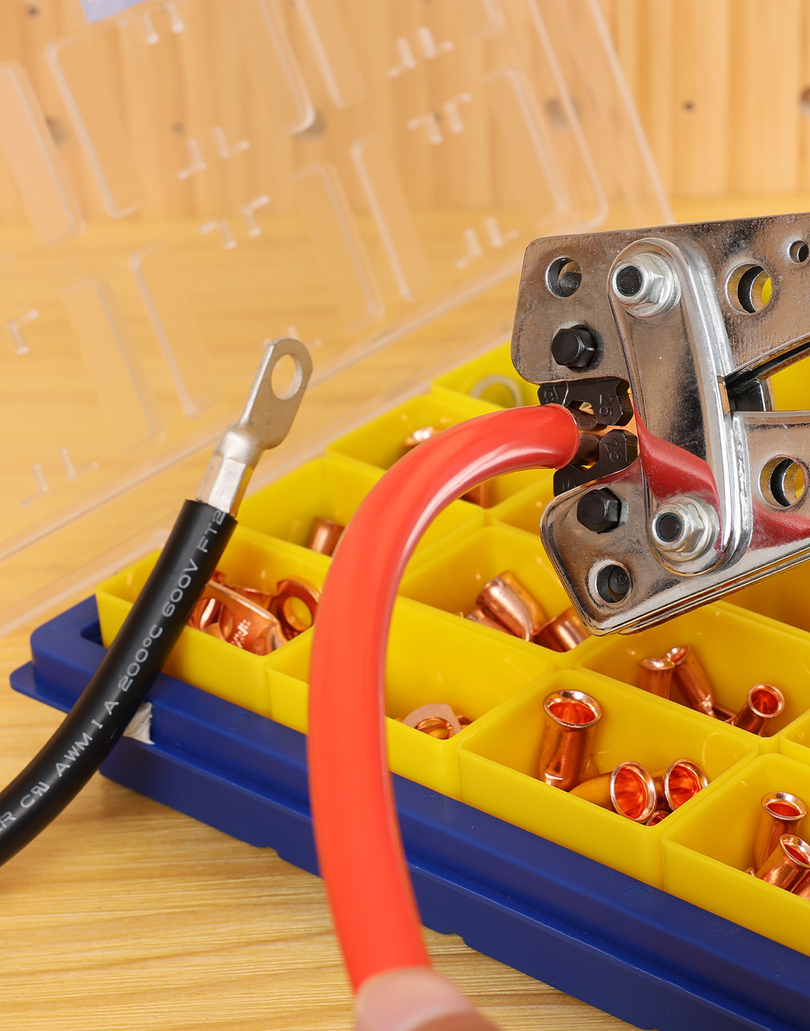
Compare dedicated, quick-change-jaw, multi-die, open-barrel, and ferrule crimpers, then choose the right tool for compatible AWG 22-10 heat-shrink terminals.
Professionals and DIYers often need to strip both solid and stranded wire for automotive, marine, or home electrical projects. These wire types behave differently and require different techniques t...
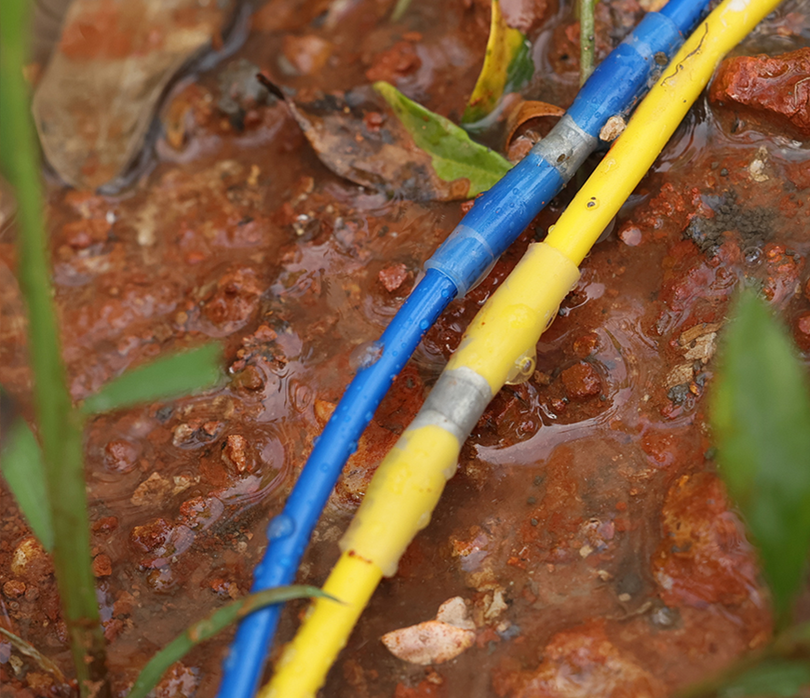
Electricians and technicians working on automotive, marine, RV, or home wiring often face very different challenges depending on the environment. In dry conditions (like a garage or indoor wiring),...
Copper and aluminum may look similar once insulated, but they behave differently in the hand: diameter, surface behavior, and connection reliability pressures change how you should strip and prepar...
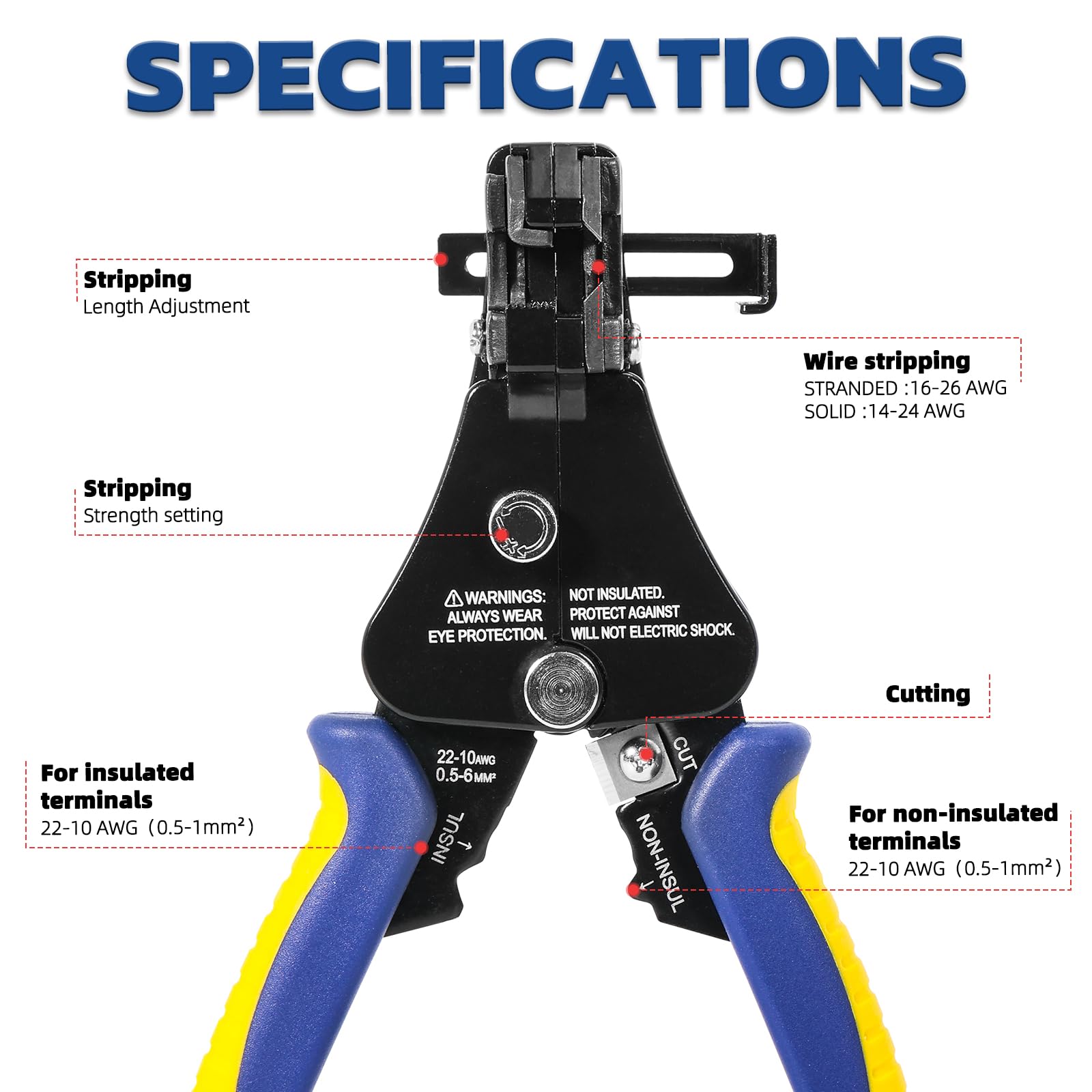
Choose a wire stripper around your actual AWG range, insulation and workload. Compare DIY, automotive and workshop needs; set strip length and tension; test first-pass quality and effort; then deci...
“Works on 10–24 AWG” is easy to print on a product page, but hard to prove on a bench where wires vary in strand count, insulation hardness, operator grip, and strip-length requirements. This deep ...
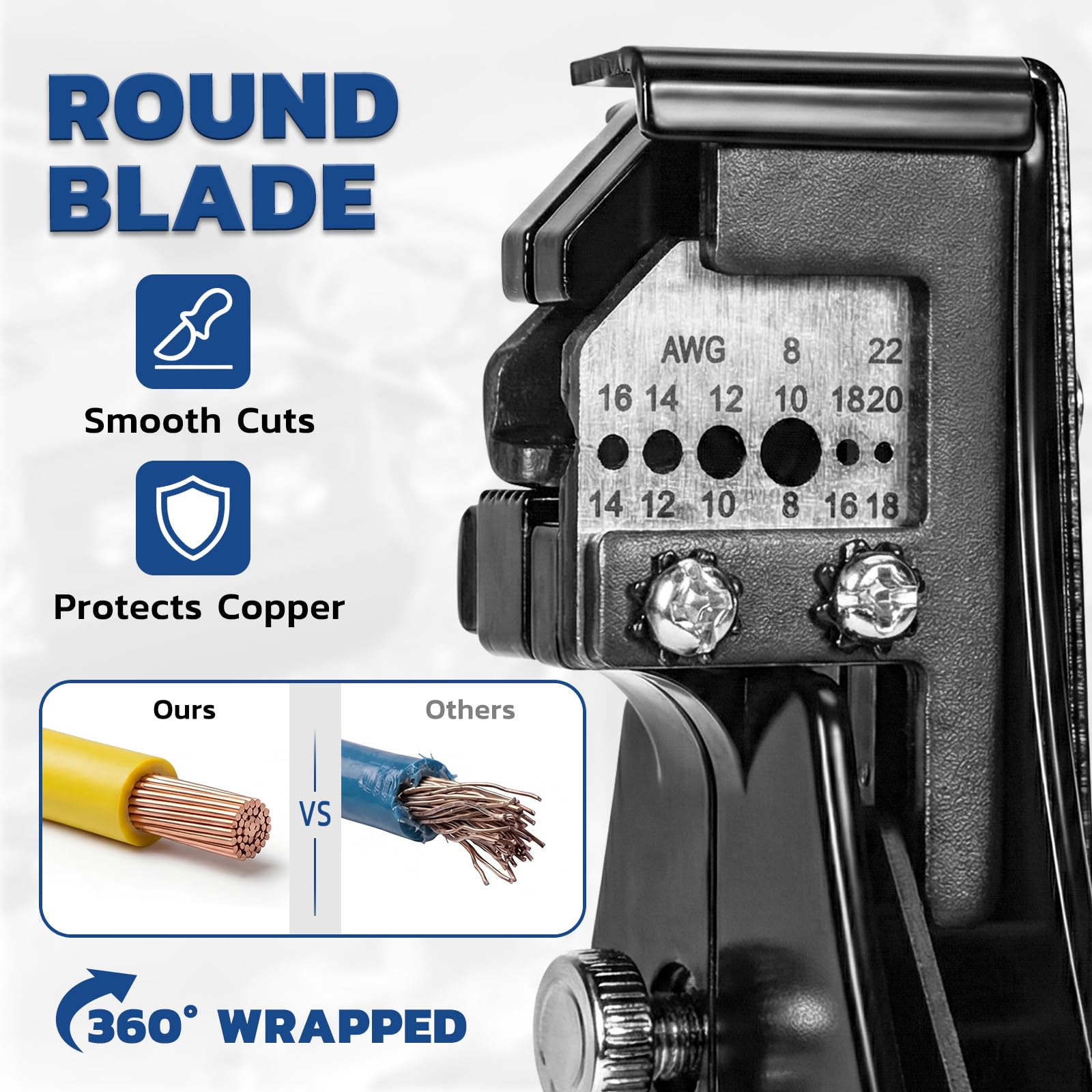
Stripping 24–10 AWG is hard because “thin vs thick” isn’t just size—it’s force control, blade depth, strand protection, and strip-length repeatability across radically different diameters. Most bas...
A “universal” stripper is only universal if it produces clean stripped wire across changing wire gauge and insulation, then delivers connector‑ready results for every splice wire / splice wires tas...
DIY garage wiring tends to be mixed, occasional, and space-constrained. Job site work is repetitive, time-sensitive, and unforgiving about output. Those environments seem different—but they share o...
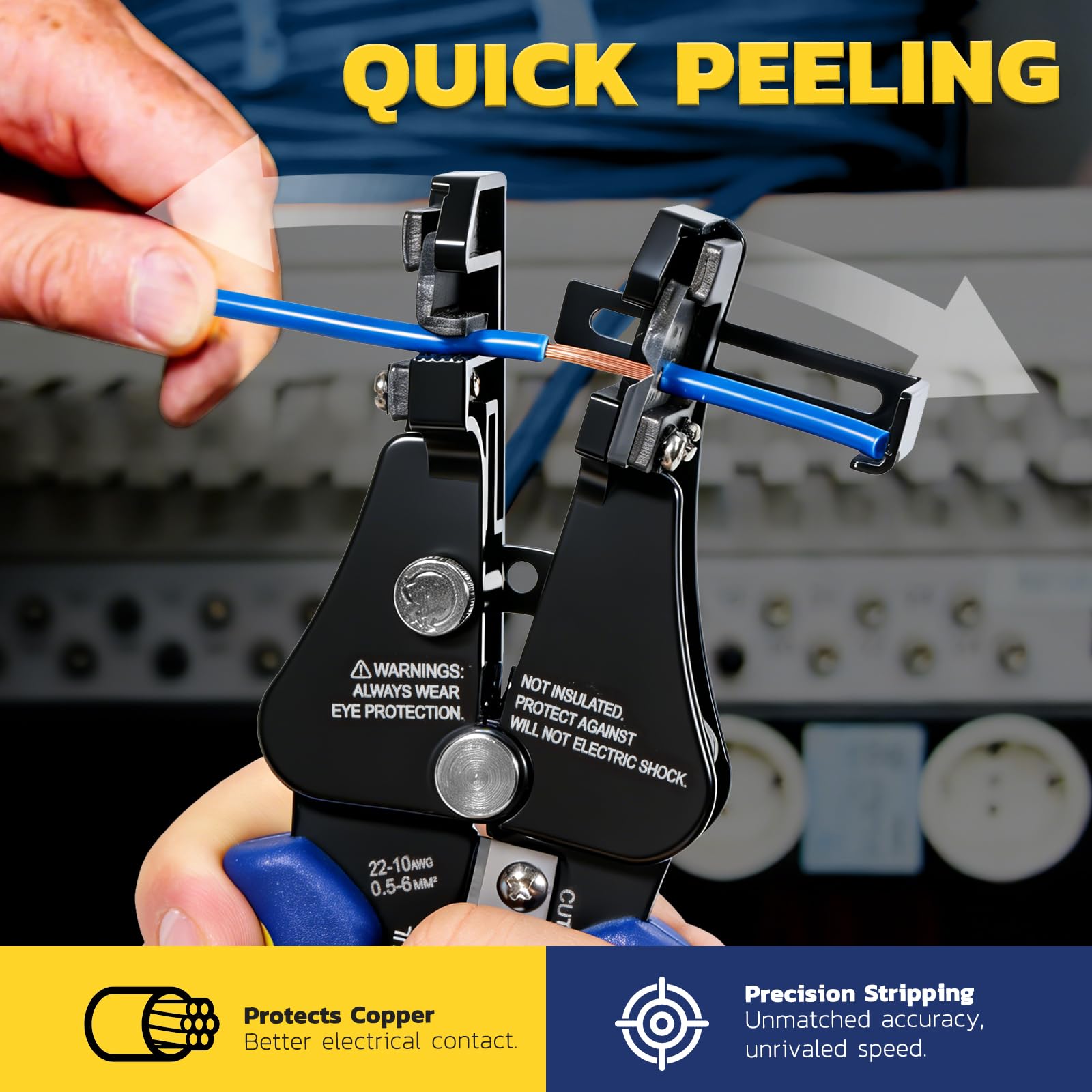
A timed stripping challenge isn’t about bragging rights—it’s a fast way to find where prep time leaks out: micro-adjustments, inconsistent strip length, and rework from damaged strands. Using widel...
The fastest wire prep isn’t the fastest single strip—it’s the smoothest workflow from coil to finished connection. Most “lost time” comes from micro-stops: pulling from a coil, re-measuring, correc...
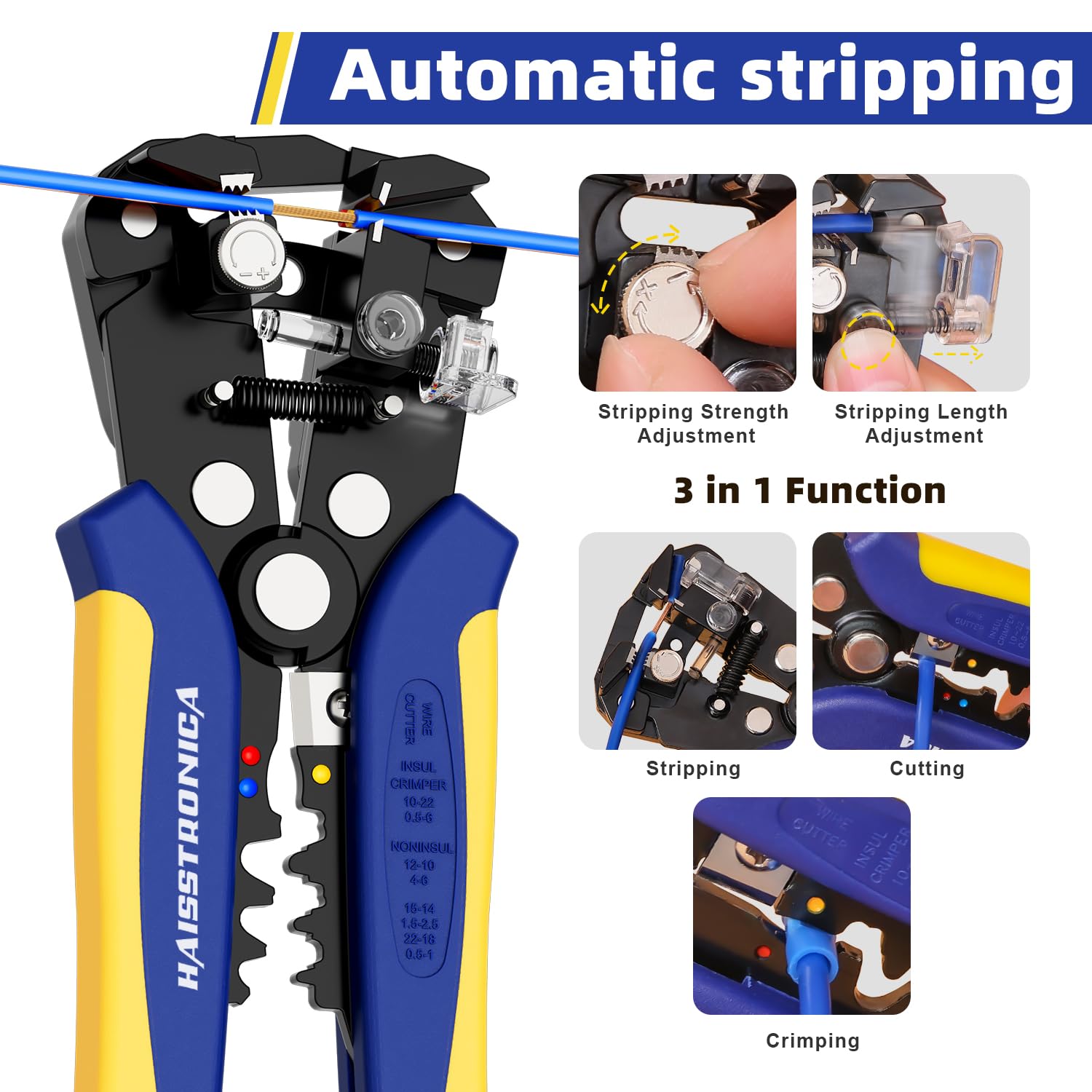
Reduce repeated gauge-selection pauses without skipping quality checks. Learn how to set strip length and tension, test mixed-gauge wires, and compare time per accepted end before choosing a self-a...