Why Garage Projects and Job Site Work Demand Different Things — stripper model
Garage projects are usually high-mix and low-repeat: you might repair a door-opener lead, extend a light circuit, and splice a few pigtails—all different wire sizes and insulation types in one afternoon. That means the “best tool” is often the one that reduces setup friction: fewer notch selections, fewer gauge guesses, and fewer trial strips. Wire gauge matters because it is standardized and directly affects fit and termination reliability; AWG tables exist to map gauge to diameter and properties, which is why guessing gauge is a recipe for inconsistency.
Job site work flips the priorities. The work is often repetitive and throughput-driven: dozens of terminations, consistent strip length, and fewer do-overs. In that environment, micro-delays become real labor cost: every time you reset a tool, hunt for a connector, or redo a strip, the minutes add up. That’s why production-style thinking focuses on reducing losses; OEE frameworks in wire and cable production are explicitly used to identify and reduce performance losses and improve productivity.
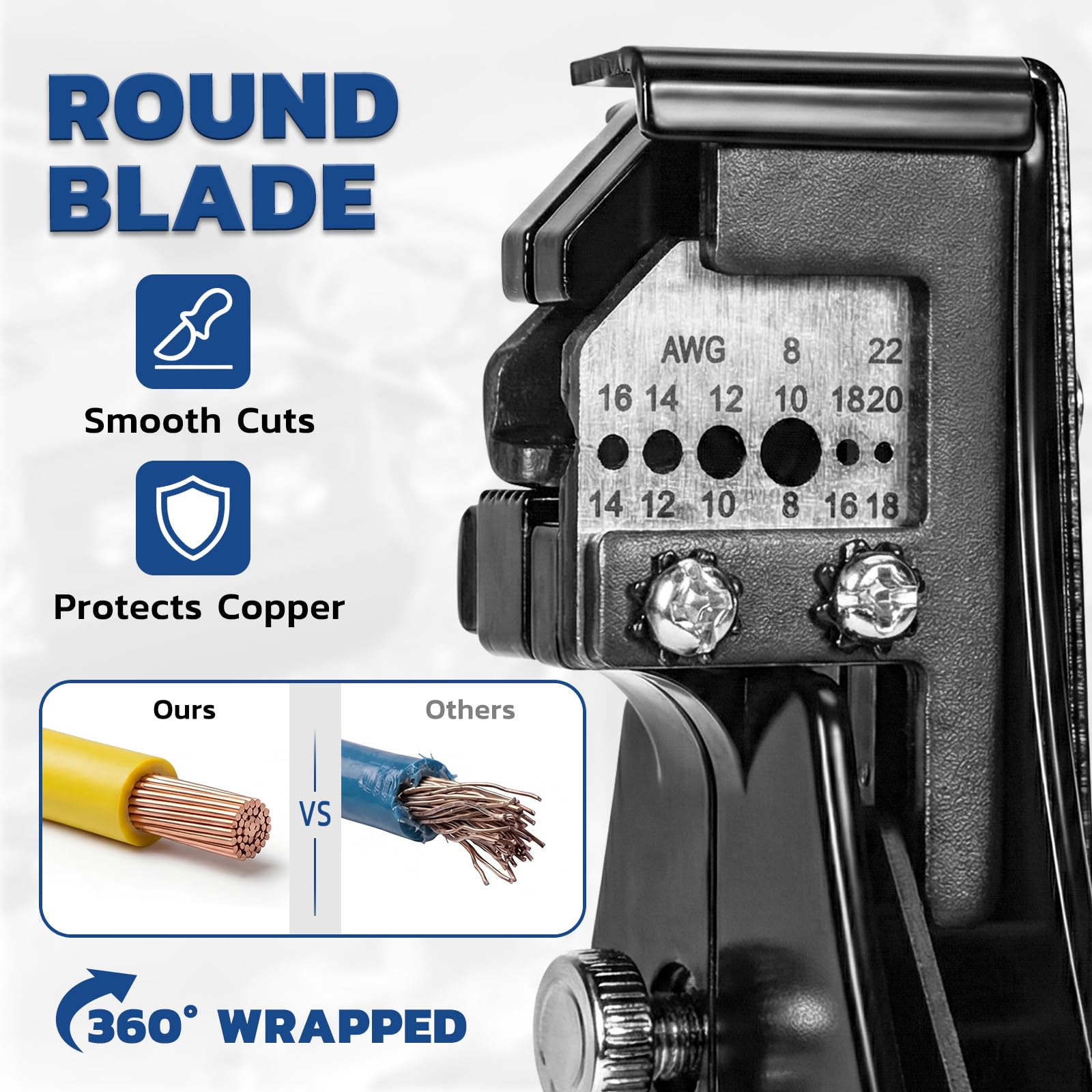
Both environments share one non-negotiable: workmanship. NASA’s wiring workmanship standard states that after insulation removal, remaining insulation must not show damage (nicks/cuts/crushing/charring) and conductors must not be nicked or scraped to exposed base metal. That standard-like logic applies on the job site too: damaged strands become failures, callbacks, and lost trust. Choose a Haisstronica stripper model that prioritizes clean stripping so you don’t pay for rework later.

What Makes One Wire Stripper Good Enough for Both — stripper model
A “garage-to-job-site” stripper model needs three core traits: adaptability, repeatability, and workflow integration.
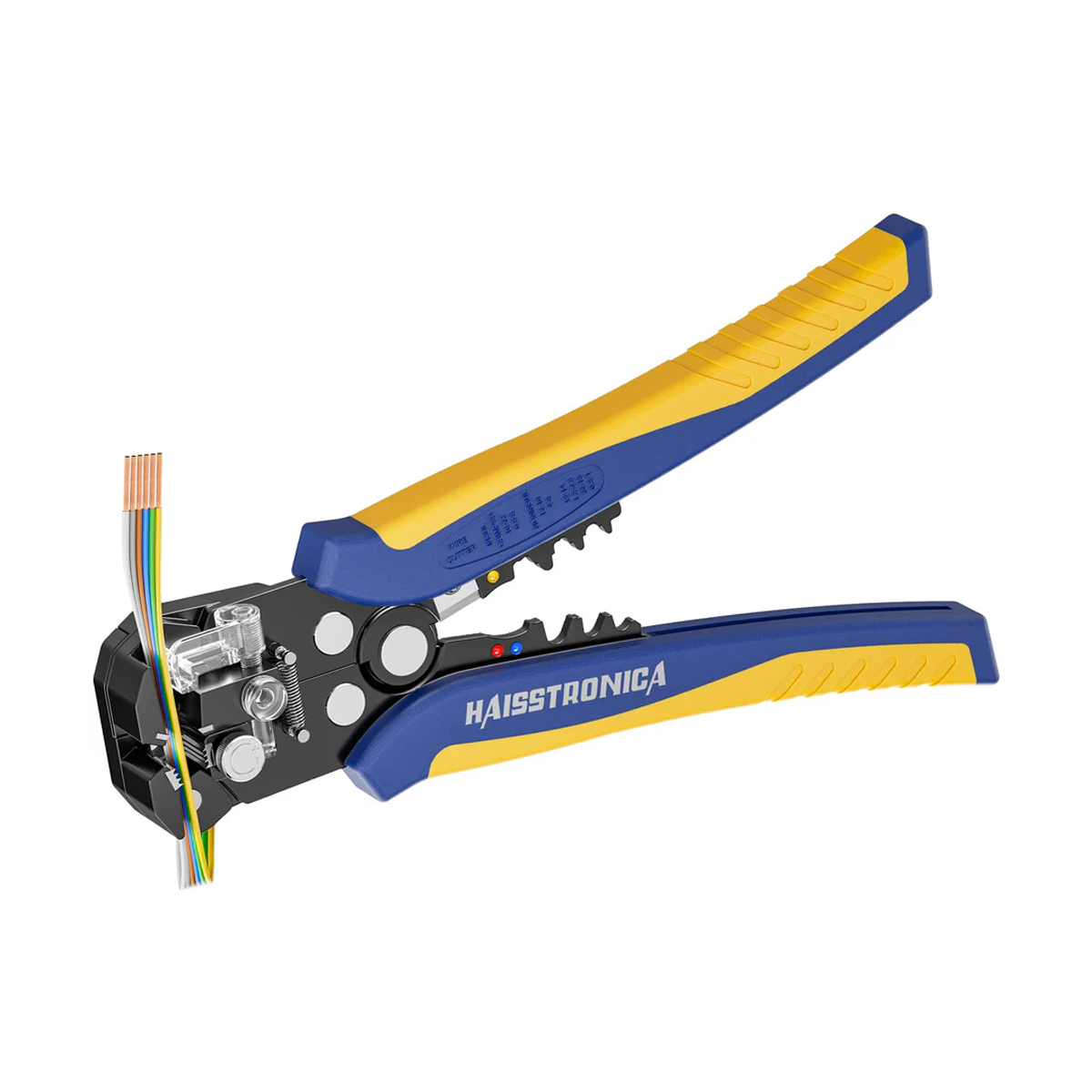
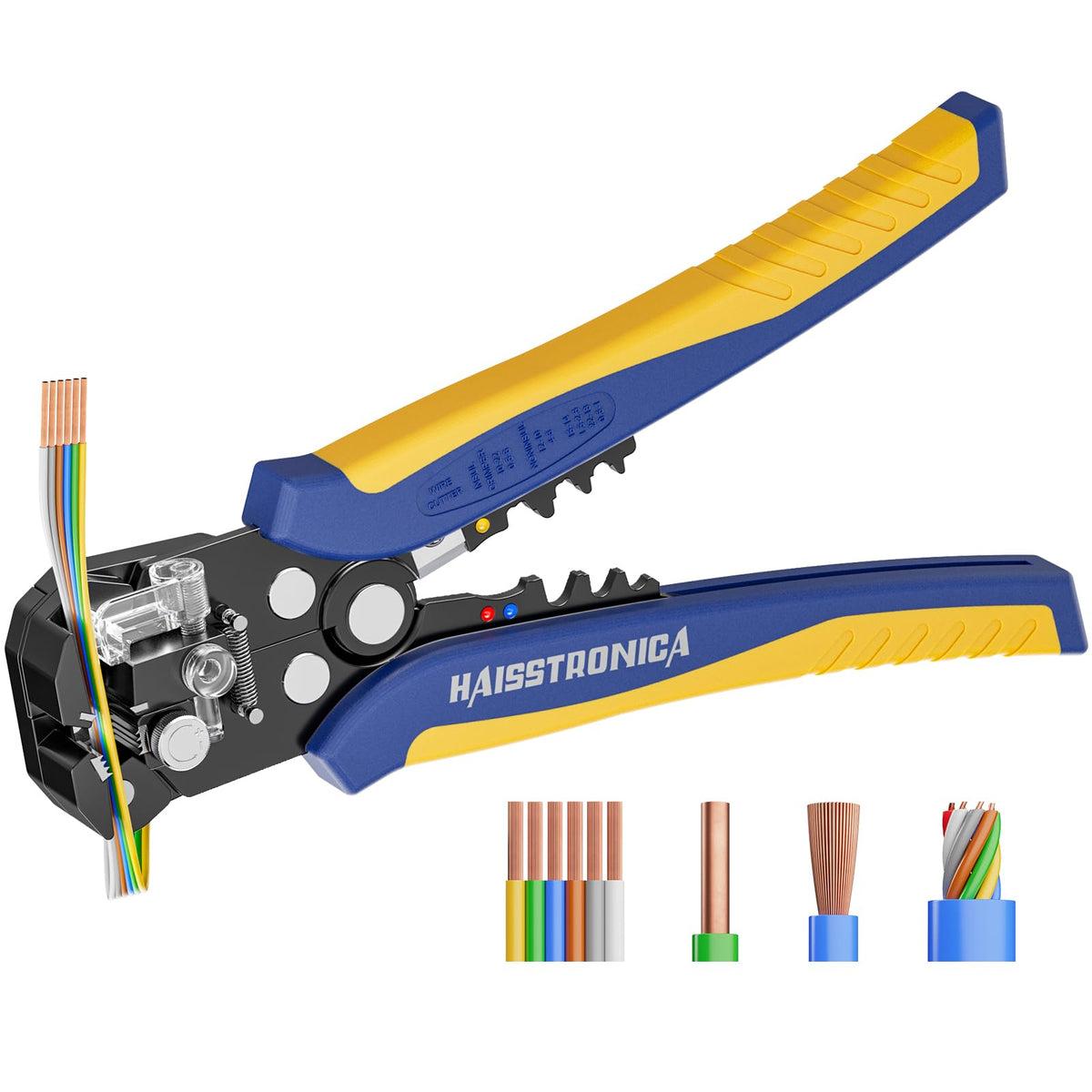
Adaptability means covering a useful range of wire sizes without constant adjustments. Haisstronica’s self-adjusting wire stripper is positioned as AWG 24–10 and emphasizes stripping without the hassle of changing settings, adjusting itself to wire gauge for clean cuts. That matters in a garage because you switch sizes often; it matters on a job site because you can maintain pace without stopping to recalibrate.
Repeatability means controlling strip length and preventing damage. Haisstronica tool instructions highlight two speed-and-quality controls: a pressure/strength adjustment knob intended to prevent damage and a guide ruler bar for consistent stripping length before inserting the wire and squeezing. Repeatability is the difference between “it worked once” and “it works 200 times in a row.”
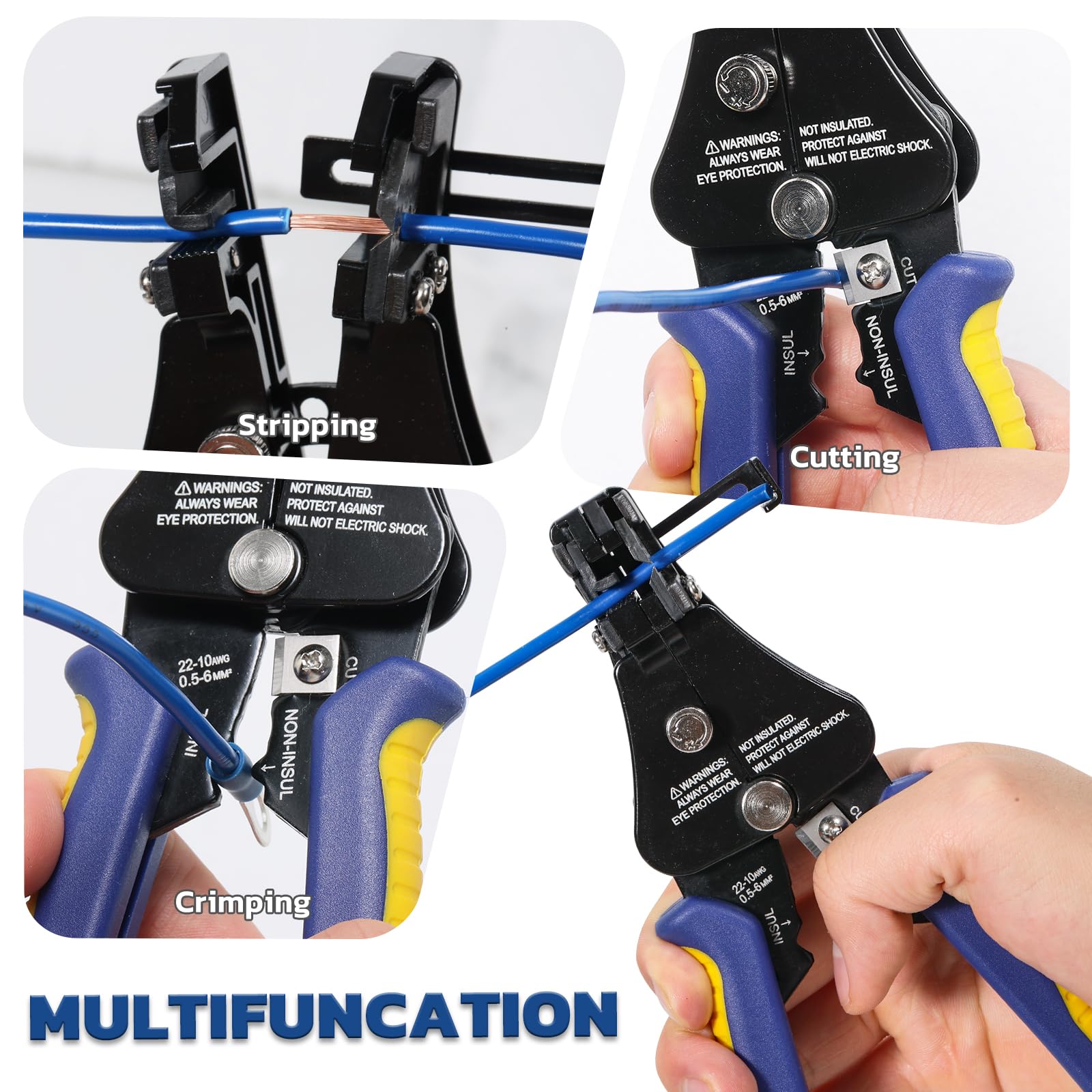
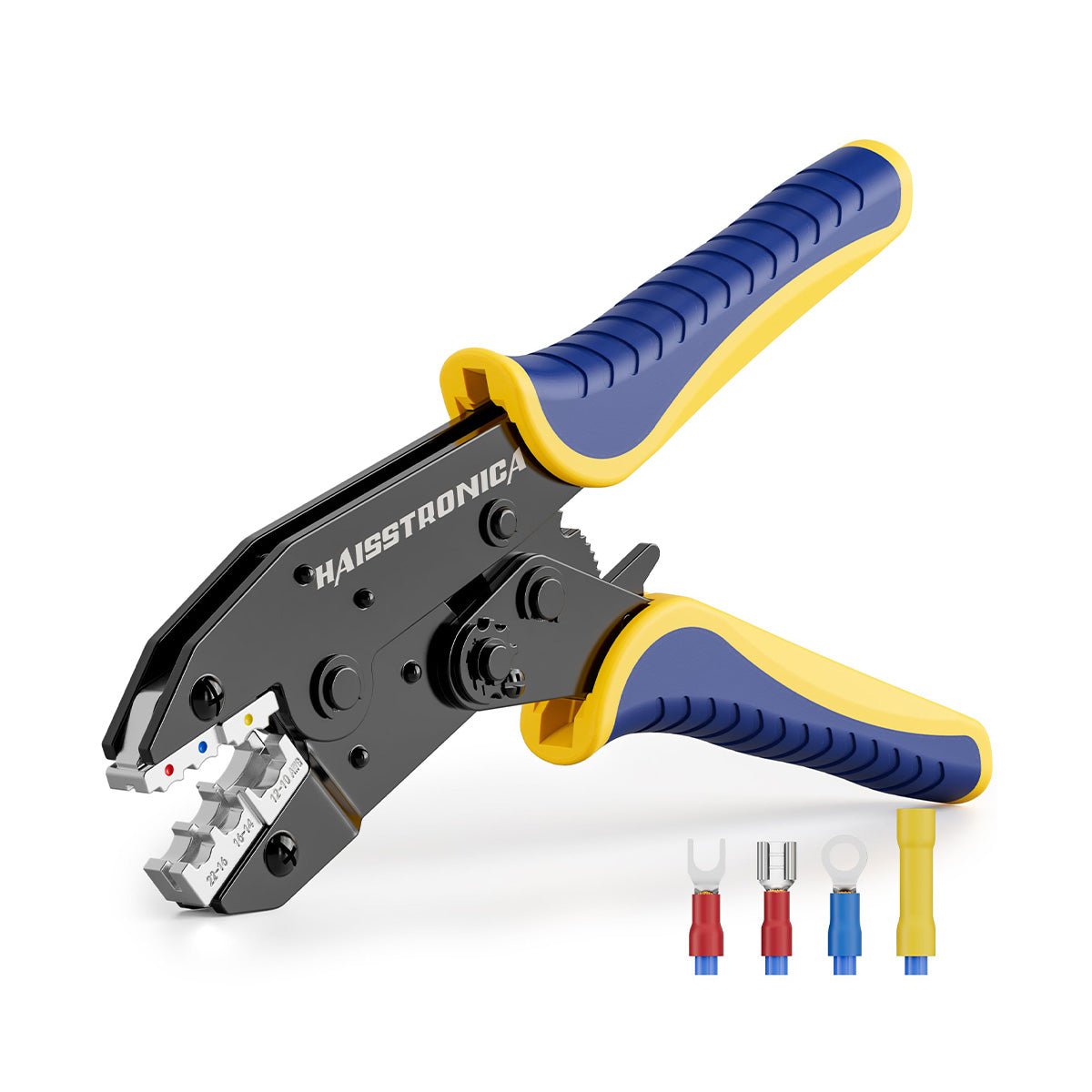
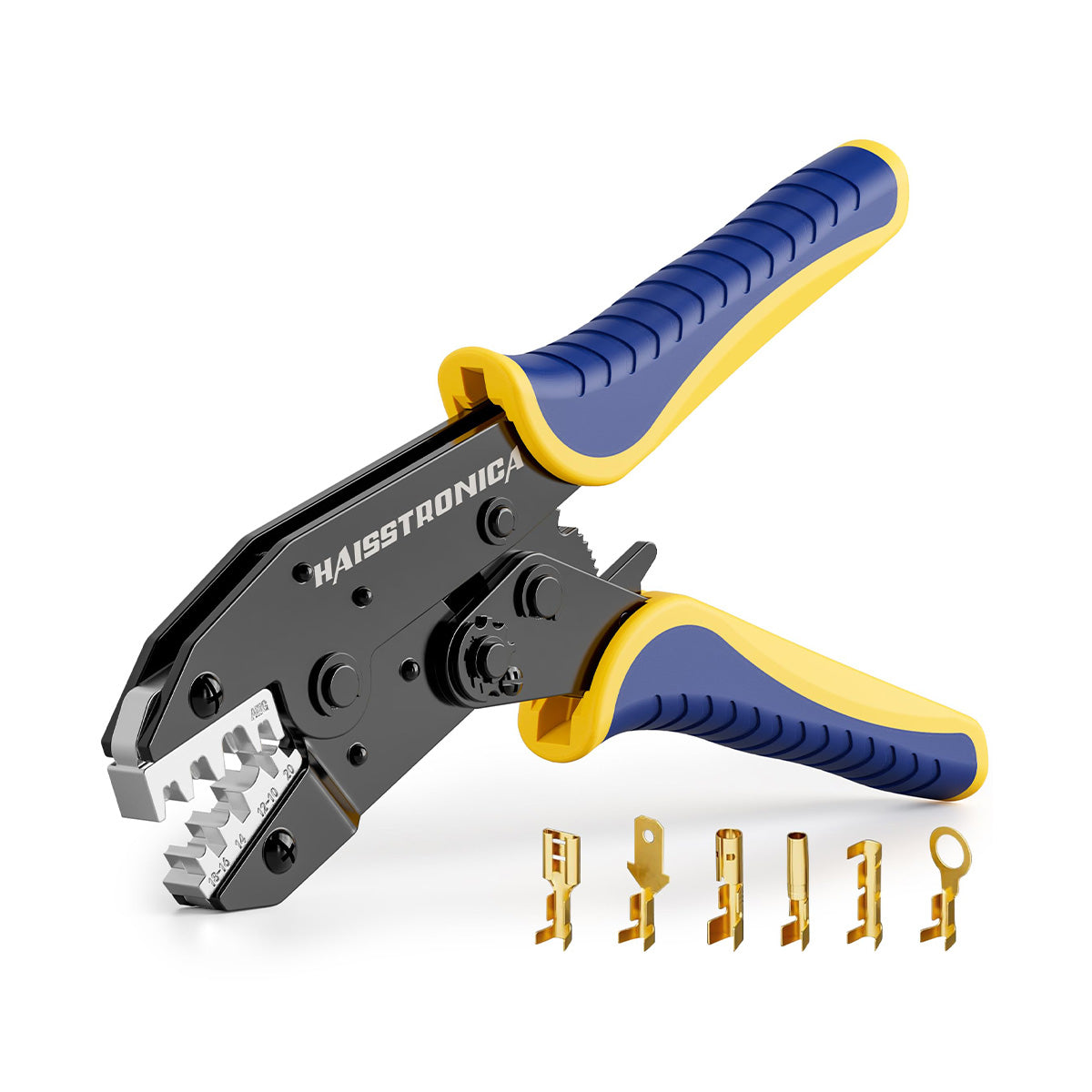
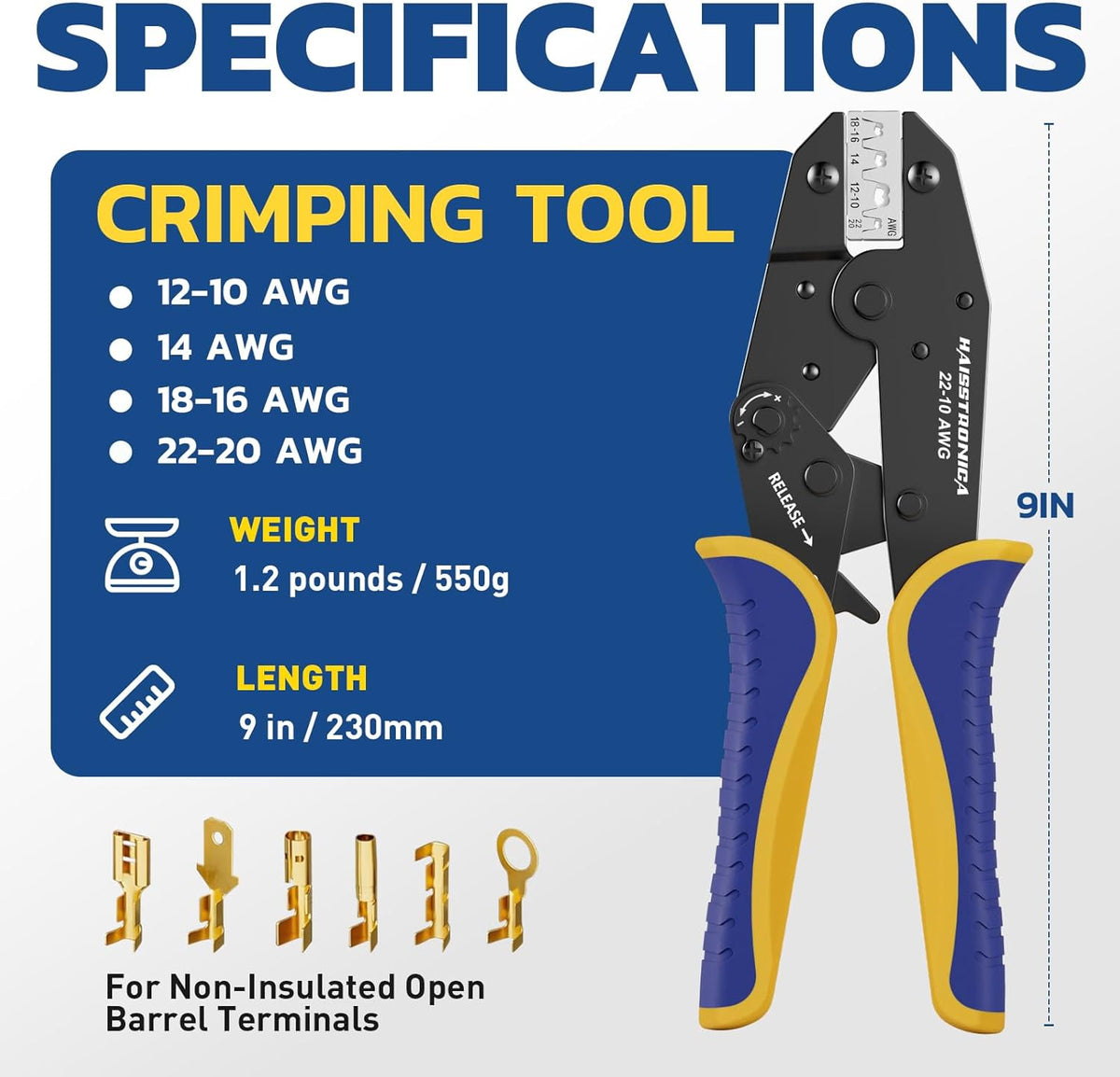
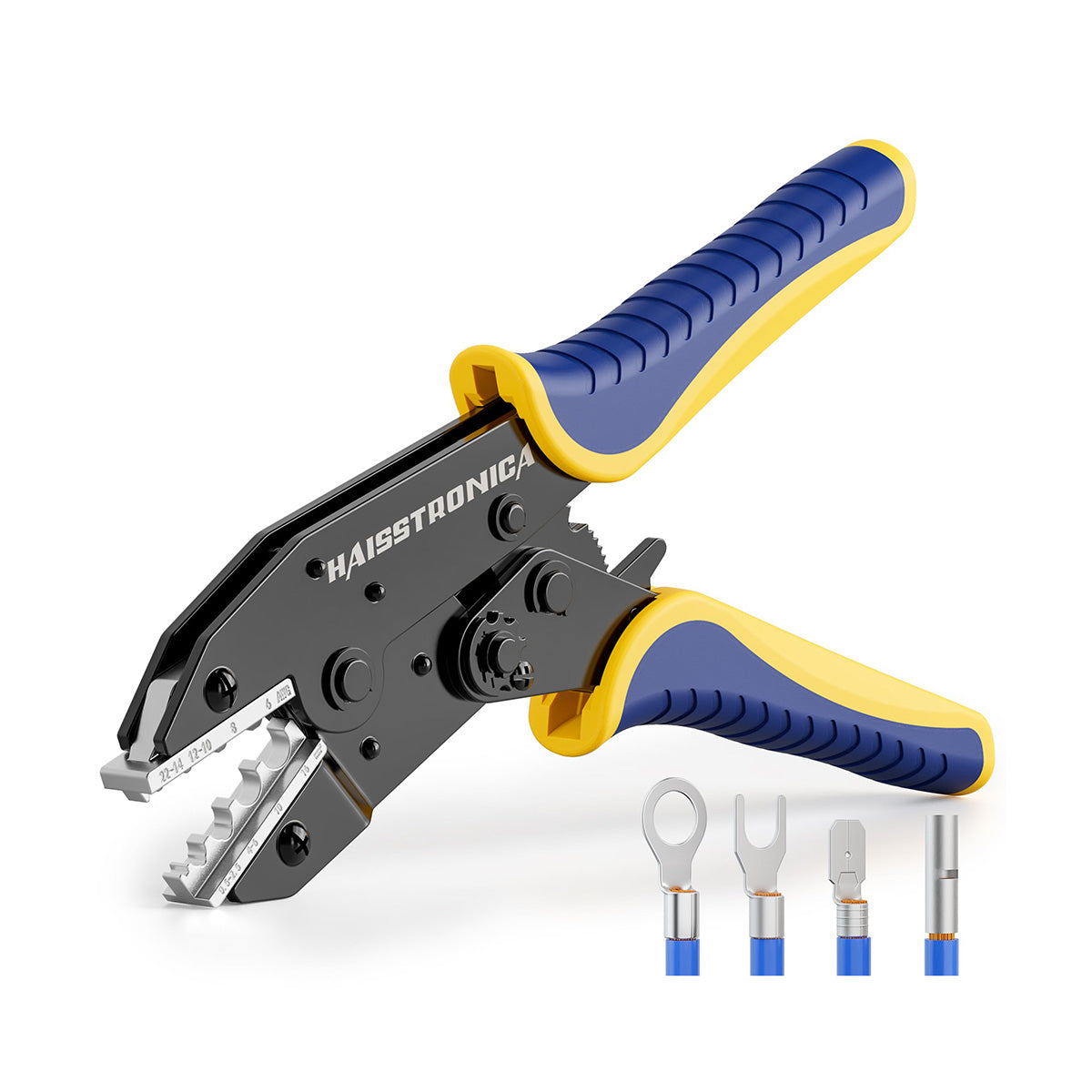
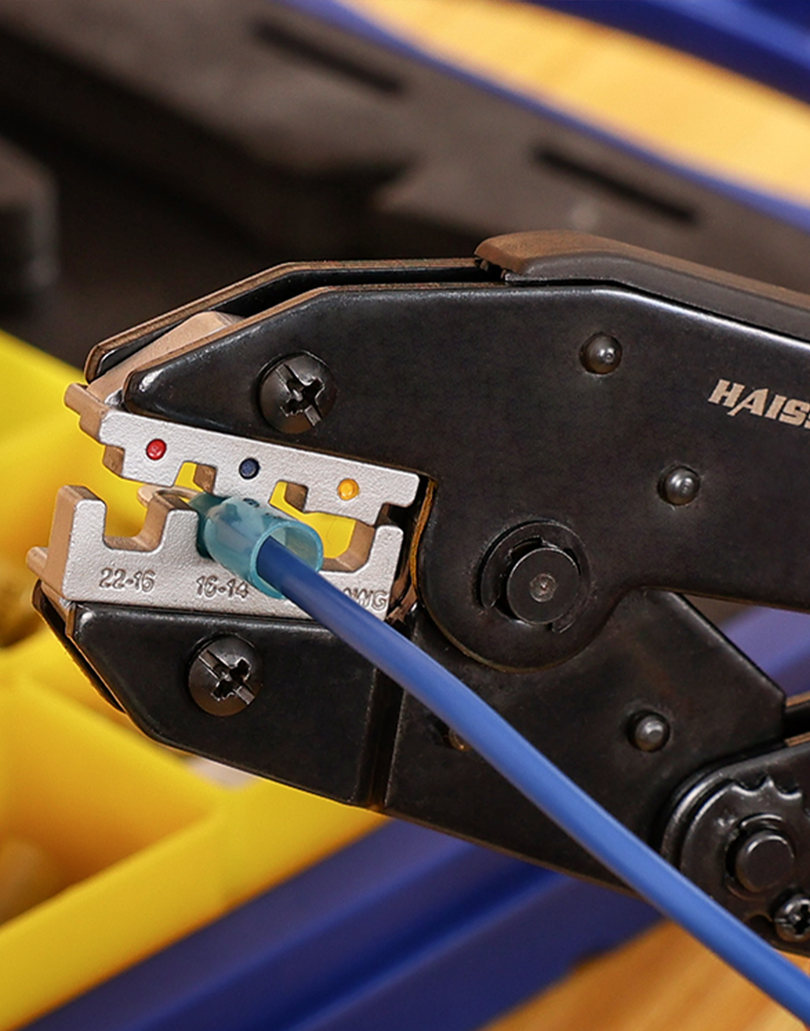
Workflow integration means fewer tool swaps. Many job site cycles are cut → strip → terminate. A multi-function tool can reduce reach and re-grip time, especially when you’re using wire strippers crimpers or a wire stripping and crimping tool setup. Haisstronica positions its self-adjusting stripper as a 3‑in‑1 tool (strip/cut/crimp) and markets it toward faster work with less hassle. Build your wiring tool kit around Haisstronica and reduce tool changes for faster cycles.

Ease of Use in the Garage: Why Simplicity Matters — stripper model
Garage work rewards tools that reduce thinking. You might not strip every day, so your muscle memory isn’t as sharp as a pro installer’s. Simplicity means the tool “guides” correct behavior: clear markings, intuitive adjustment, and a predictable squeeze. That’s why self-adjusting strippers are so attractive for DIY: you don’t have to memorize notch sizes or rely on perfect technique.
Simplicity also improves safety. TE’s wire-preparation guidance explicitly warns that knives should never be used for wire stripping because they can cause injury and conductor damage, and it notes that certain improper cutting tools can distort conductors, increasing stripping difficulty. A garage-friendly stripper model is one that keeps you away from risky improvisations.
Ease of use also includes ergonomics. NIOSH guidance recommends selecting non-powered hand tools that can be used with less force, less repeated movement, and less awkward positioning. DIYers often work in awkward posture—overhead lights, tight corners—so the best tool is the one that reduces force and helps you maintain control. Start your weekend projects with Haisstronica and make clean stripping easier on your hands.

Speed and Output on the Job Site: Why Pros Need More Than Basic Tools — stripper model
Pros don’t just need speed; they need speed that holds up under inspection and repetition. Any one-off mistake is multiplied across the day—and a callback costs far more than a slightly better tool. Standards illustrate why: NASA prohibits conductor nicks and insulation damage after stripping because those defects threaten reliability. That’s why pro-focused tool design often adds control features like strip-length stops and pressure control.
Pros also need consistent termination outcomes. TE’s crimping guide emphasizes that proper preparation (including strip length and proper tool use) is essential for consistent crimp quality. When your stripping is consistent, your crimping becomes consistent, and your output increases because you stop redoing terminations.
Finally, pro speed is often about workflow design, not just one tool. The reason production lines measure losses (like OEE) is to eliminate micro-stops and changeovers instead of simply “working faster.” UL’s OEE discussion for wire and cable manufacturing highlights maximizing productivity by measuring and improving losses. A job site equivalent is staging an electrician toolset—cutter, stripper, connectors tools—so you can work in continuous cycles. Make Haisstronica the center of your professional electrician tool kit and push more completed connections per hour.

Durability: From Weekend Projects to Daily Professional Use — stripper model
The “one tool for both worlds” idea fails if the tool can’t survive daily use. Daily professional work stresses pivots, cutting edges, and adjustment mechanisms, which is why durable construction and stable calibration matter. Durability is not just about not breaking—it’s about keeping performance consistent so strip quality doesn’t drift and create defects.
Durability also affects ergonomics. When tools wear, they require more force, increasing fatigue. Ergonomics guidance from NIOSH emphasizes reducing force and awkward posture; worn tools do the opposite by demanding higher grip force to achieve the same outcome. A durable stripper model maintains its low-effort operating profile longer, protecting both output and hands.
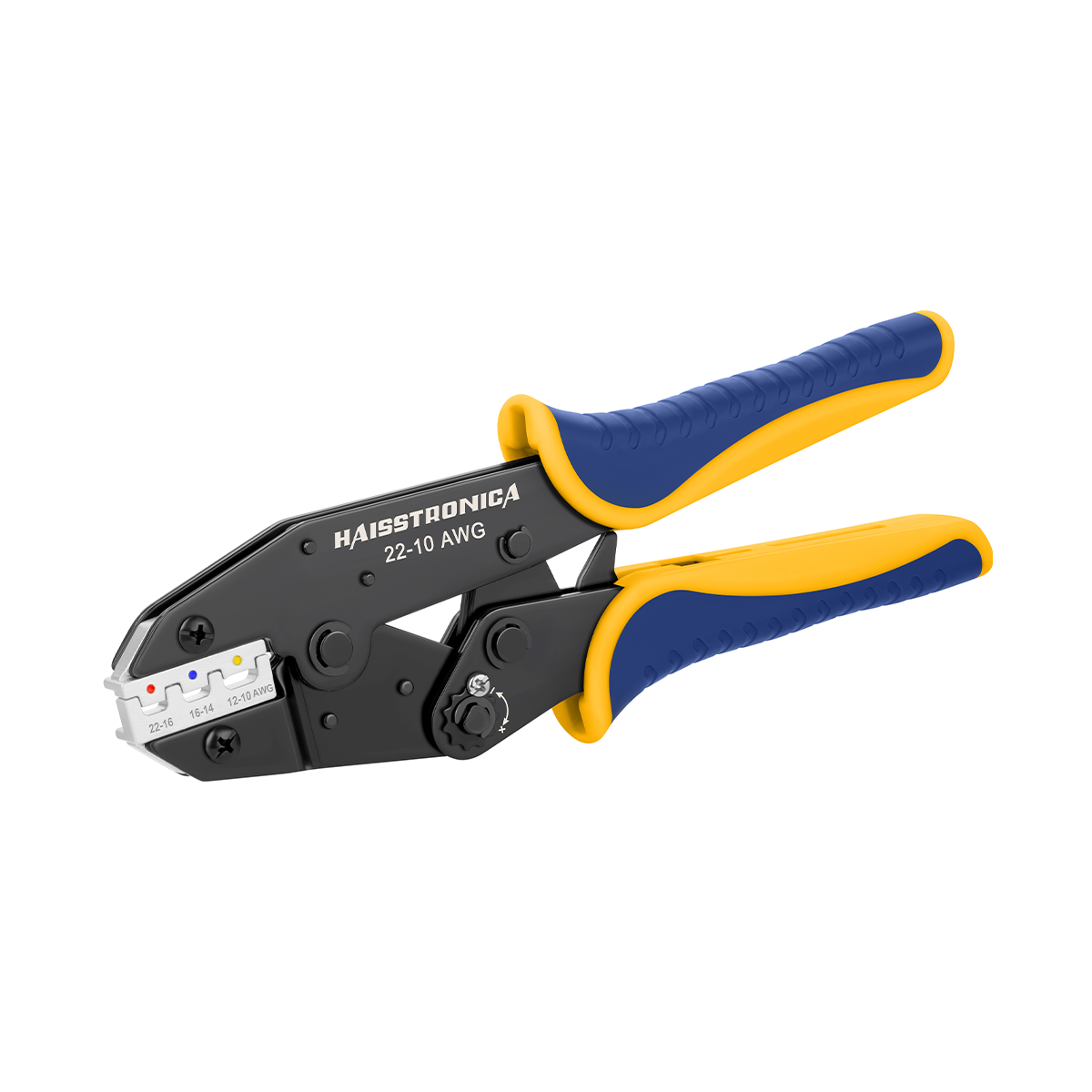
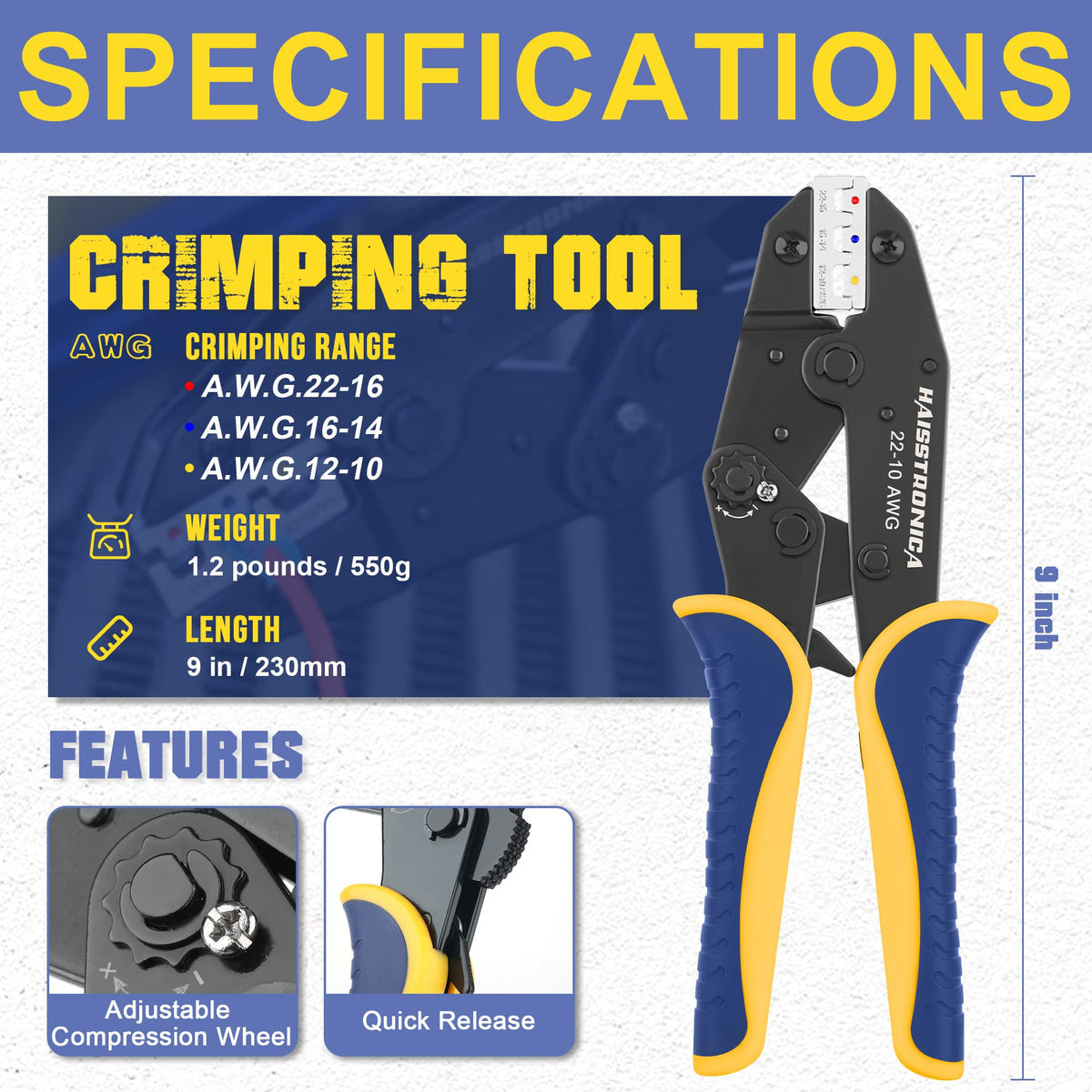
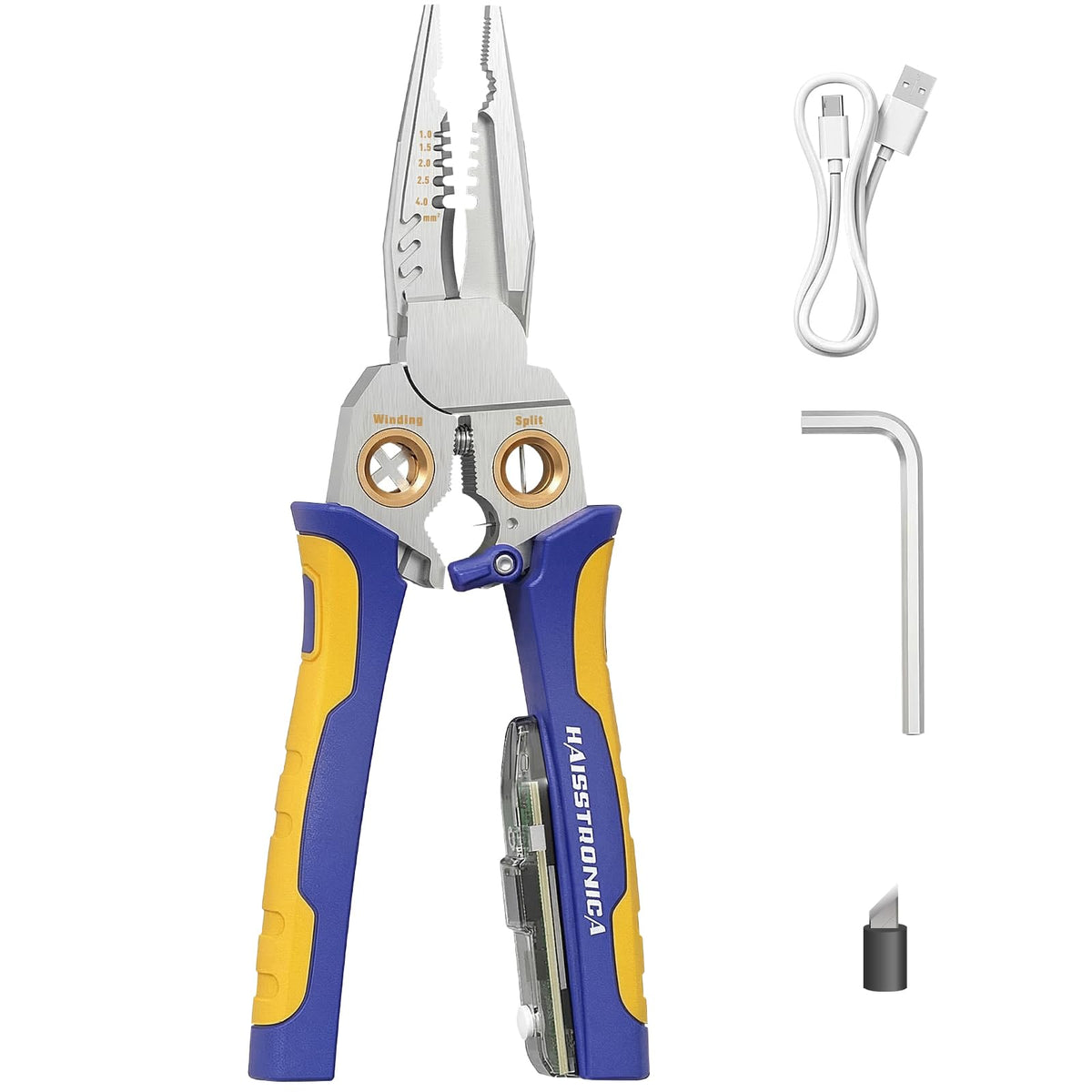
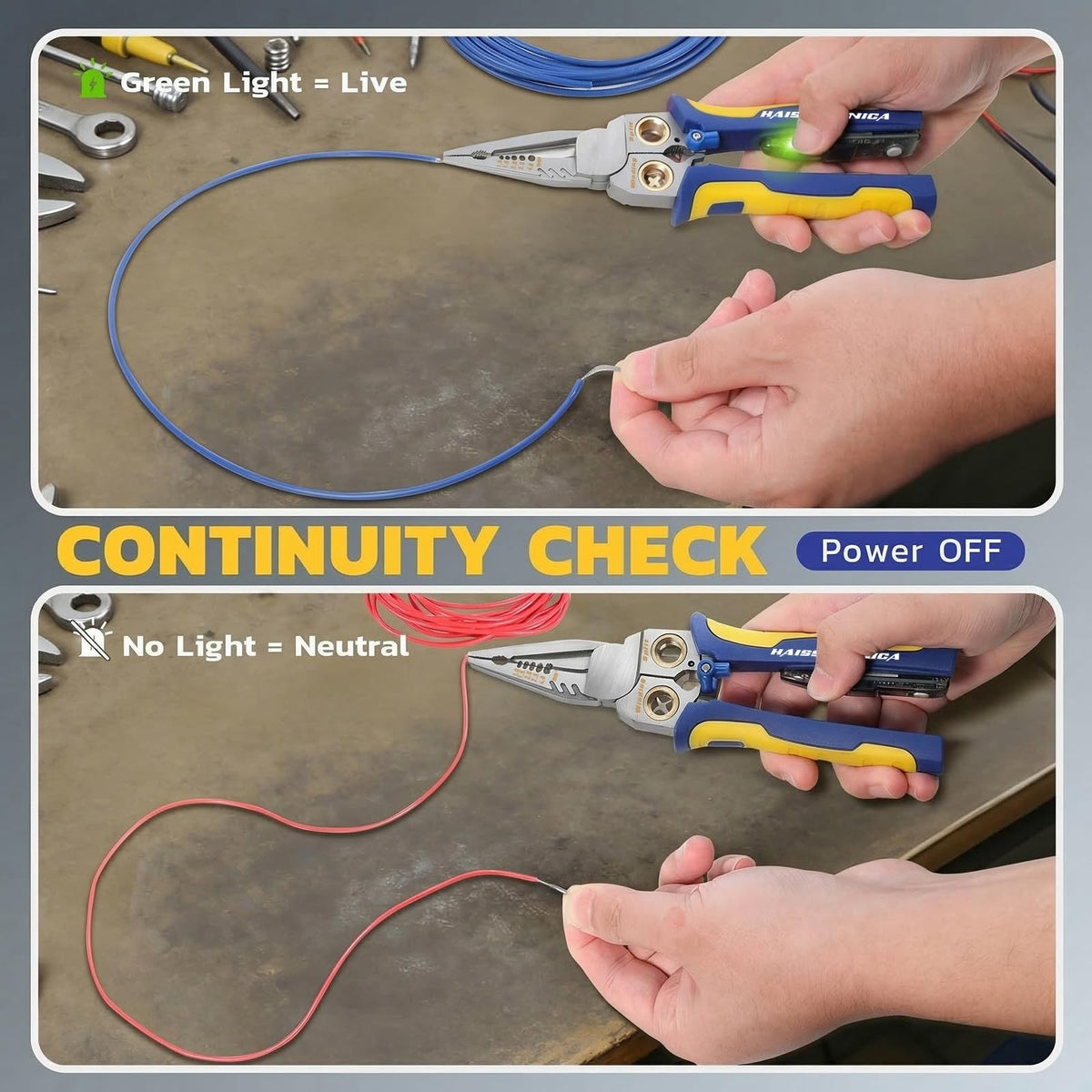
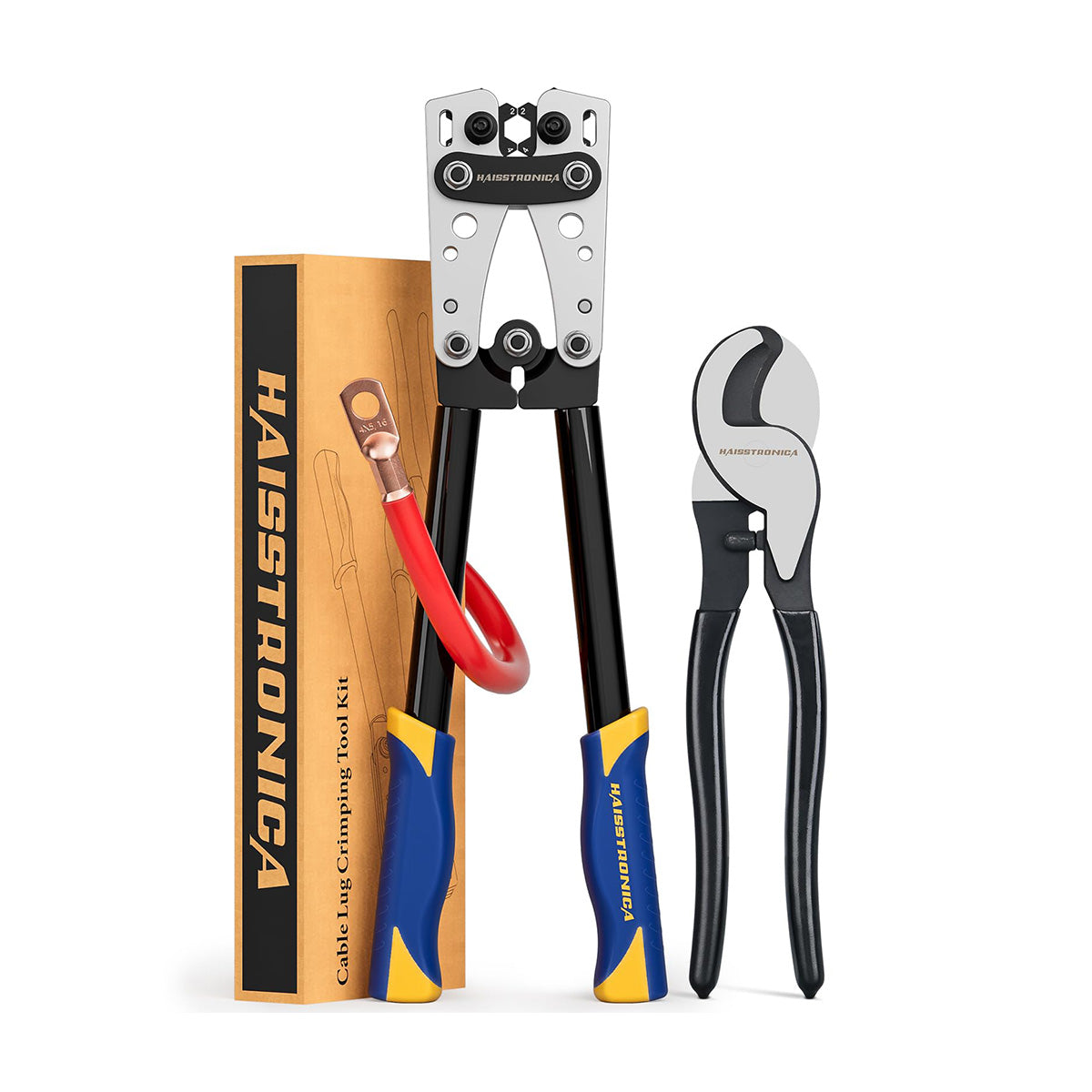
A practical durability strategy is to build a system instead of overloading one tool. Use a proper electrical wire cutter tool for cutting, a consistent stripper model for stripping, and a dedicated crimper (or wire strippers and crimpers combo) for terminations. TE’s prep guidance shows why cutting and stripping are linked: distorted ends increase stripping difficulty and strand splay. By distributing tasks correctly across your tool kit, each tool lasts longer and performs better. Build your full electrician tool kit with Haisstronica and match tools to tasks for better durability and output.

Conclusion
Garage projects and job site work are different in pace and repetition, but they share the same core requirements: consistent, damage-free stripping and a workflow that doesn’t waste time on resets. A winning stripper model must adapt to wire gauge changes, maintain consistent strip length, reduce rework, and protect your hands from fatigue. Standards like NASA’s show why conductor nicks and insulation damage are unacceptable defects, and ergonomics guidance shows why lower-force tools preserve speed over time. Haisstronica’s self-adjusting stripper design emphasizes multi-gauge capability, reduced setting changes, and repeatability controls—exactly what you need to scale from weekend DIY to daily professional output.