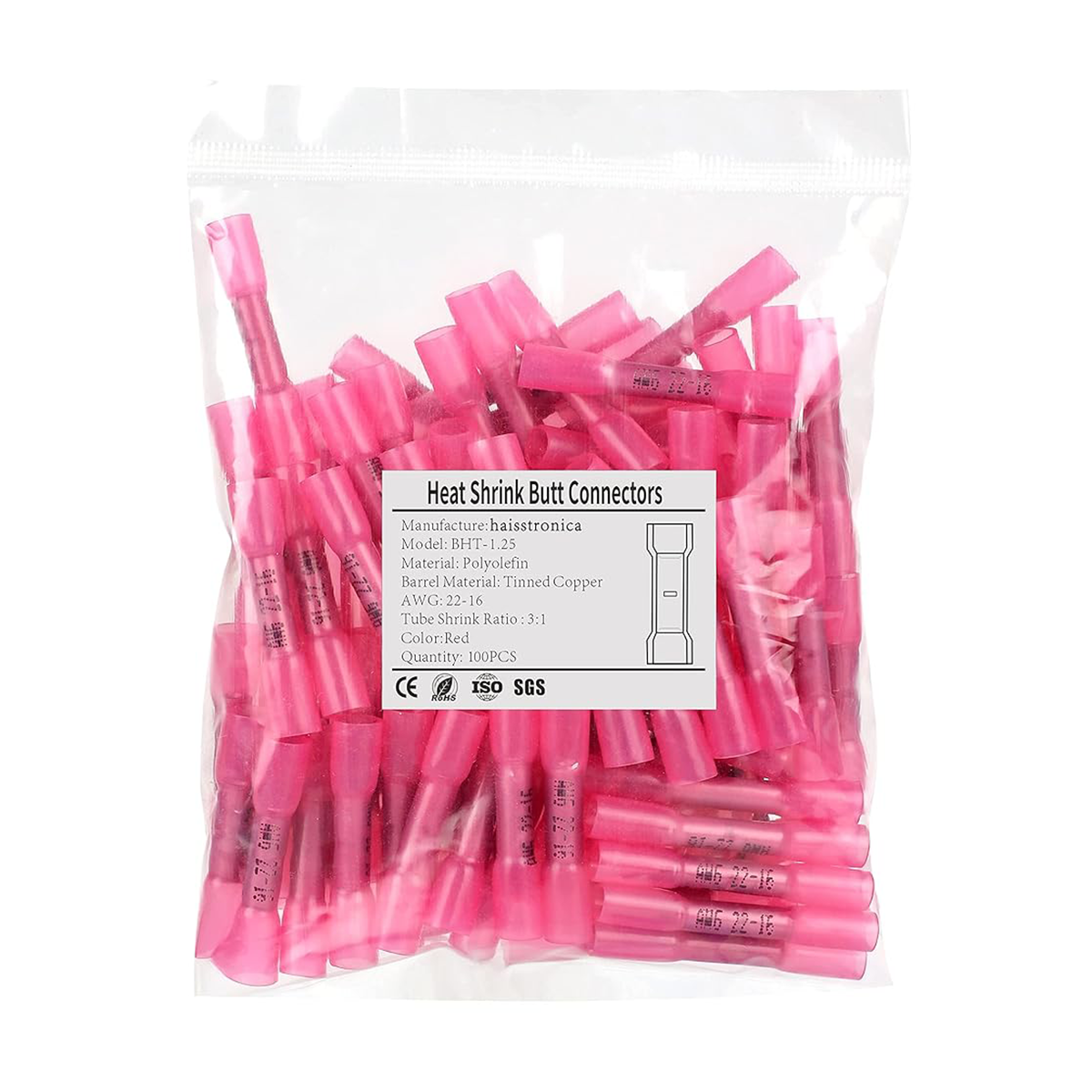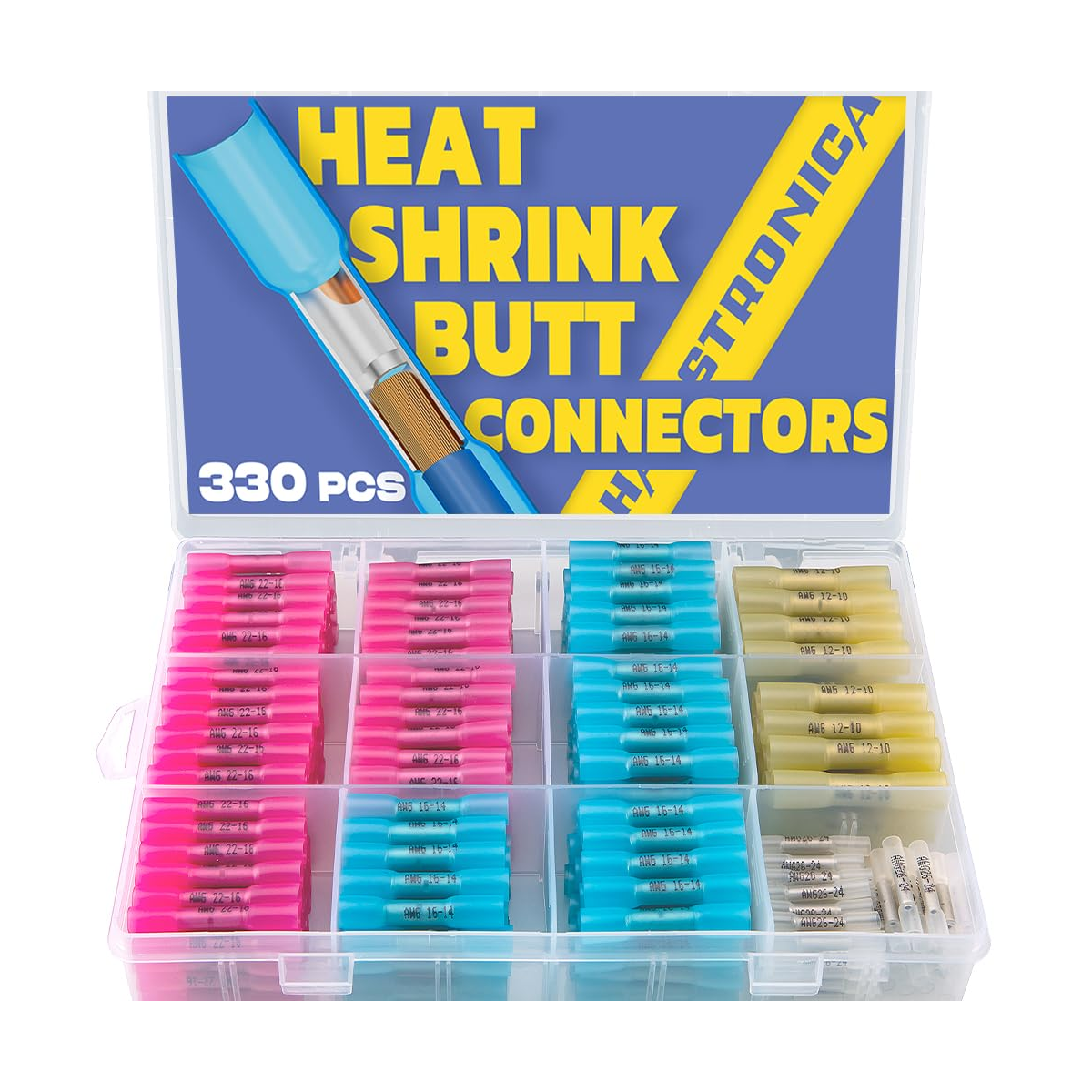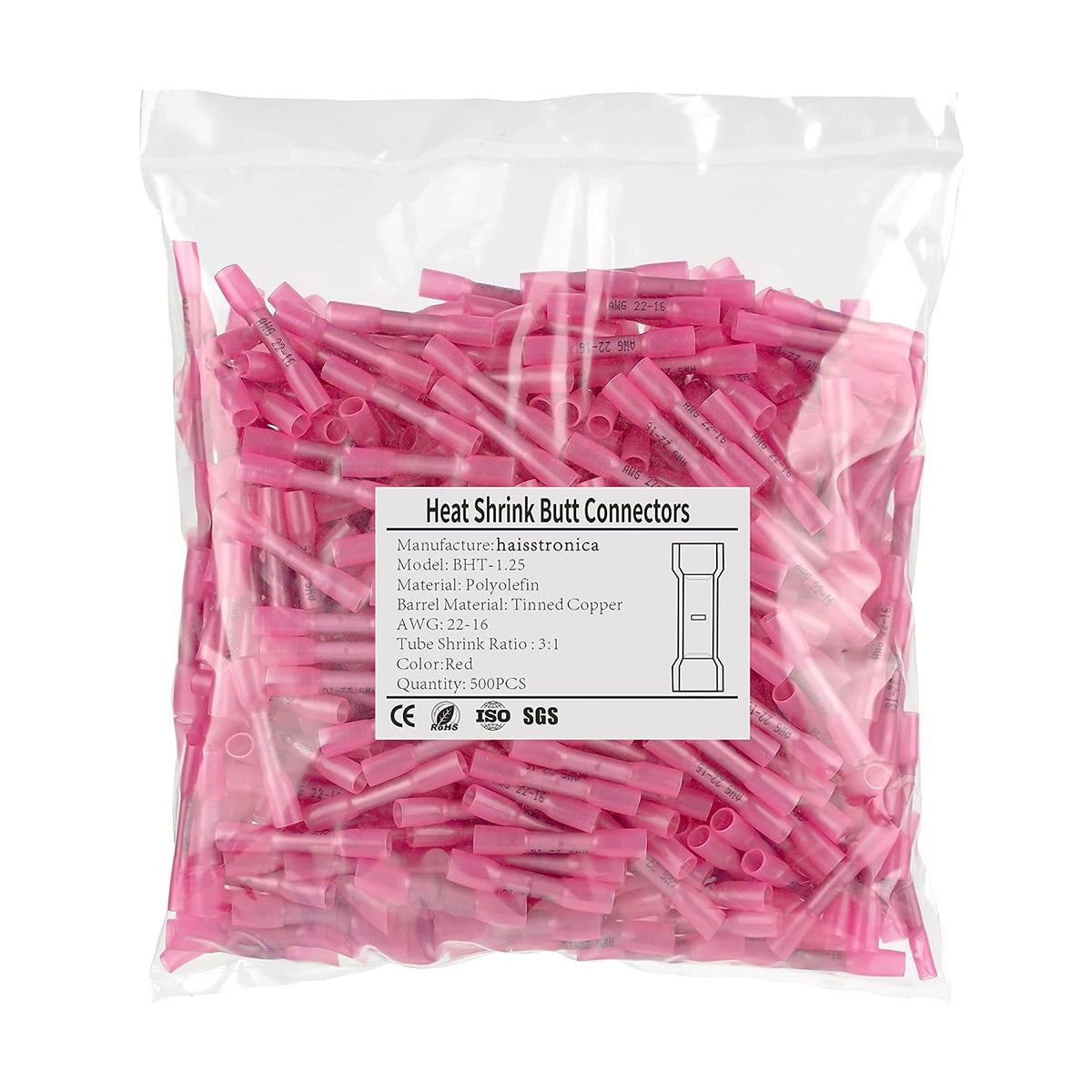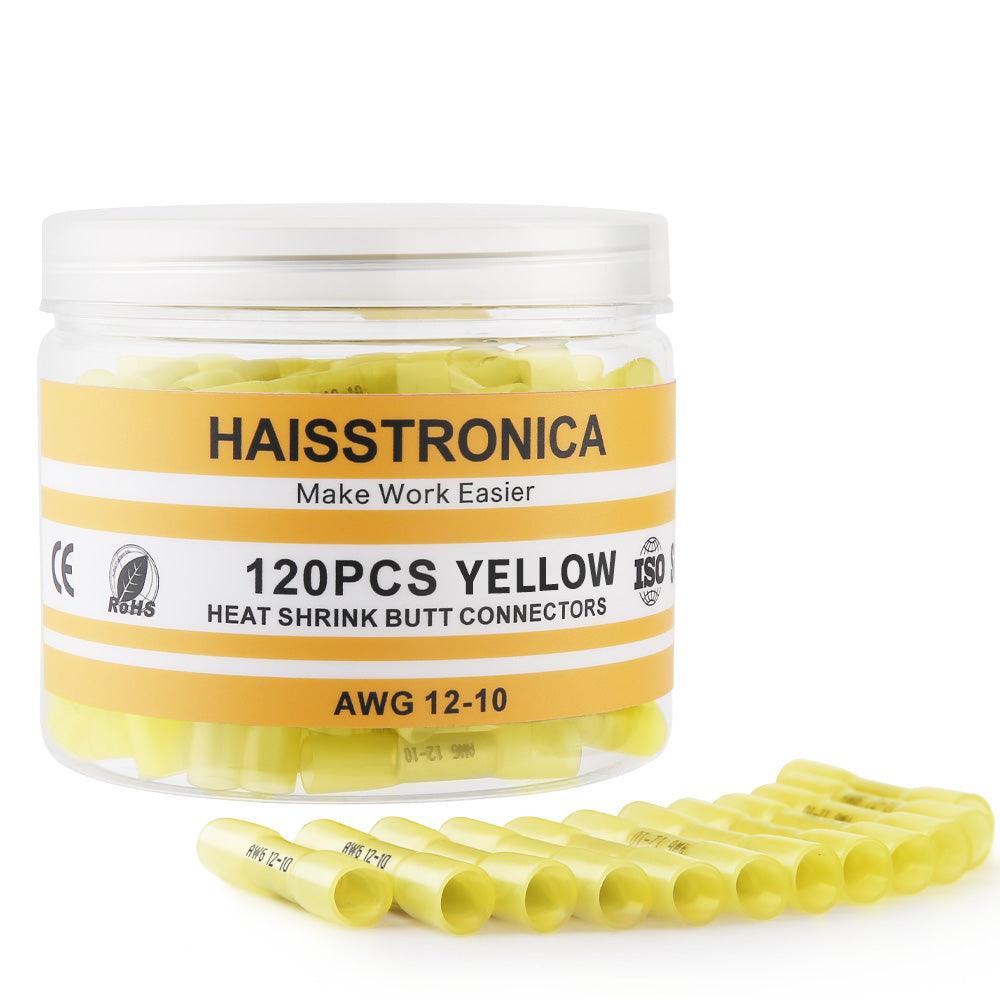

Quick Answer — They’re Not the Same Thing
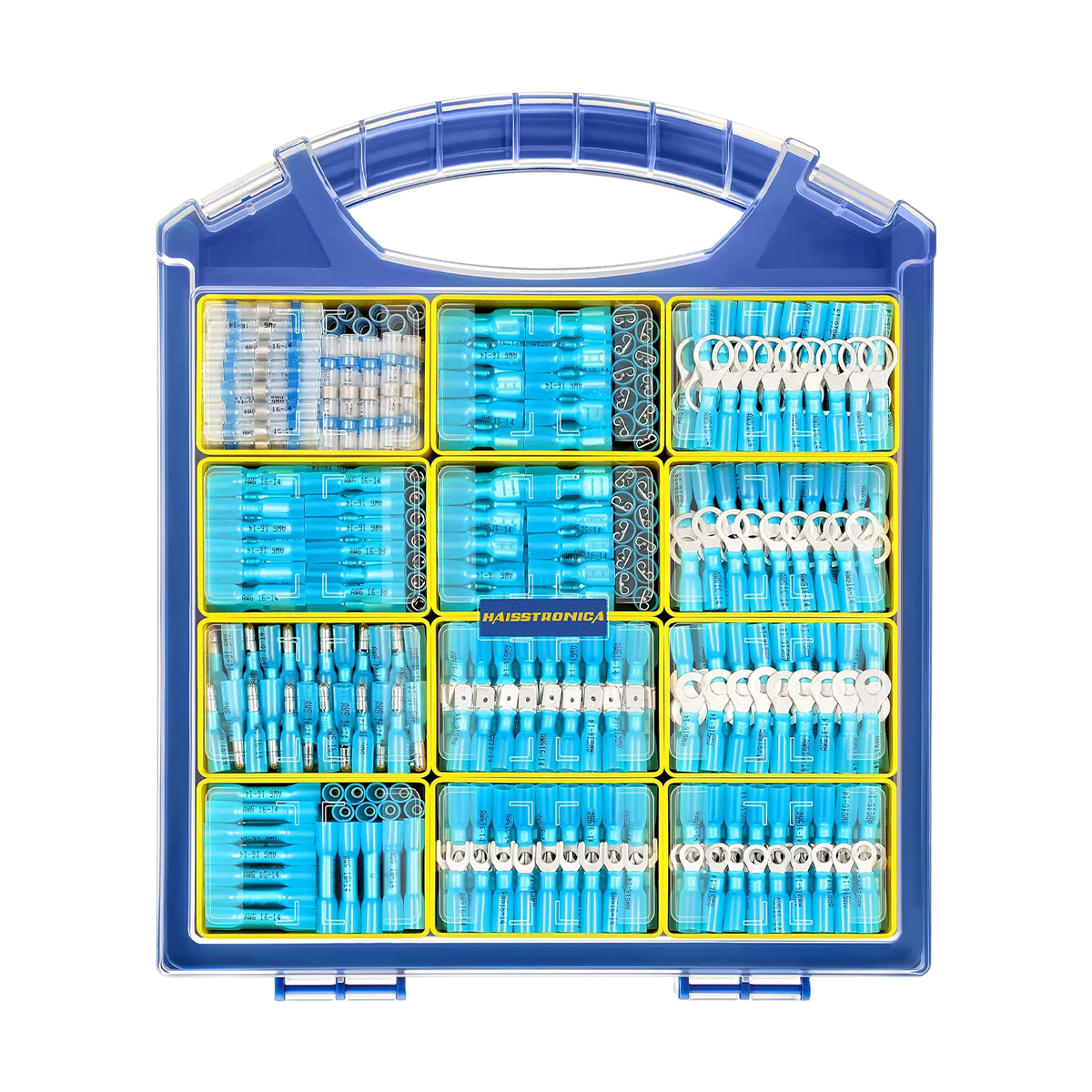
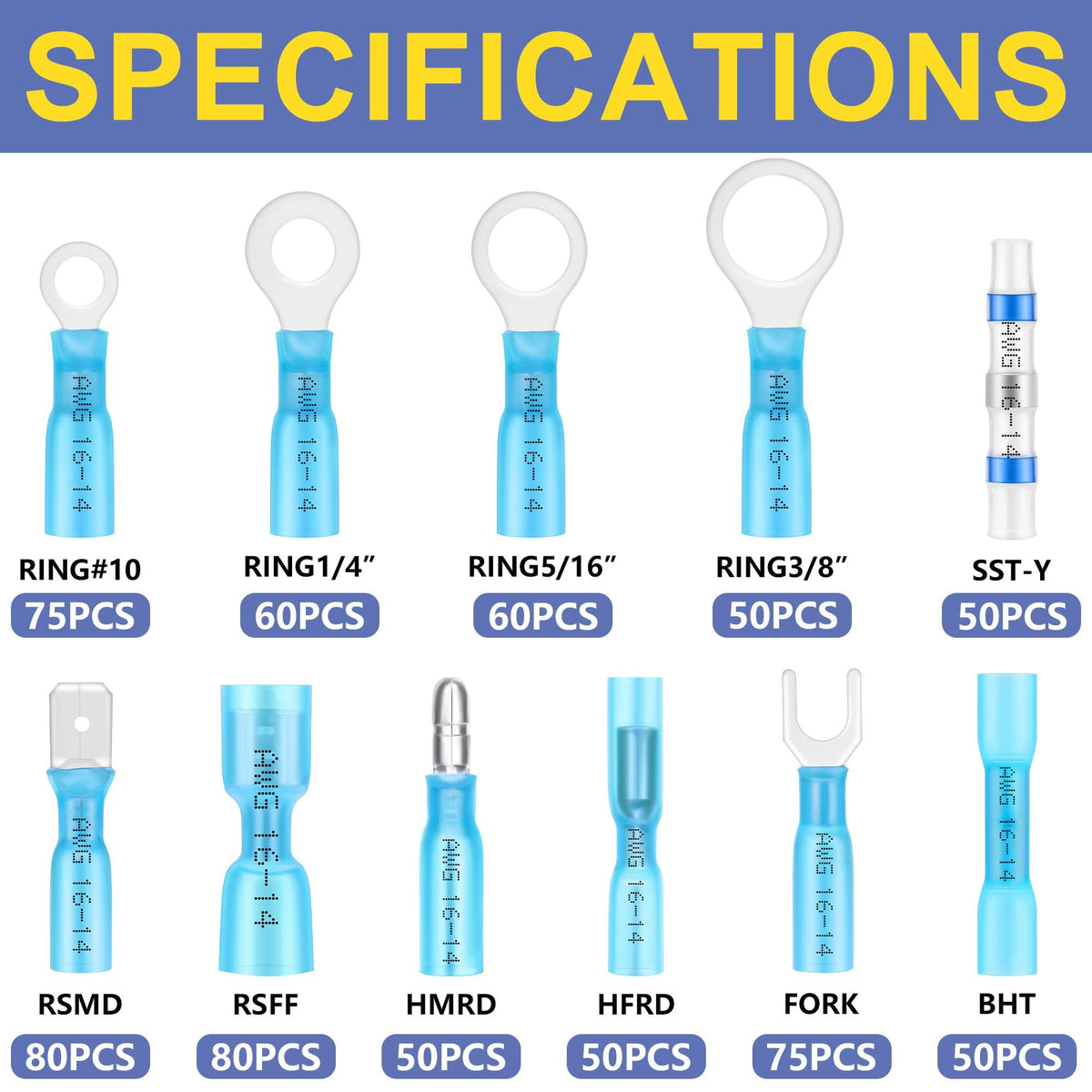
Heat-shrink tubing and solder seal connectors may both involve heat and sleeves, but they serve completely different purposes. Heat-shrink tubing is not a connector at all – it’s simply a shrinking plastic tube that you slip over a wire joint or terminal to insulate and protect it. In contrast, a solder seal connector (often called solder splices, solder sleeves, or heat-shrink solder connectors) actually joins two wires together by melting solder inside a heat-shrink sleeve. In other words, heat-shrink tubing provides insulation only, whereas solder seal connectors provide both the electrical connection (soldering the wires) and the sealing insulation in one go. This means you can’t use plain heat-shrink alone to splice wires – you’d need an actual connector or solder underneath. Meanwhile, solder seal connectors (a type of solder & seal splice) make a permanent bond between wires when heated, effectively acting as a butt splice solder joint encased in heat-shrink. DIYers and electricians should recognize that one is just a tubing accessory and the other is a full wire splice connector. For any wiring project, Haisstronica offers both simple tubing and heat shrink solder wire connectors to meet your needs with professional quality.
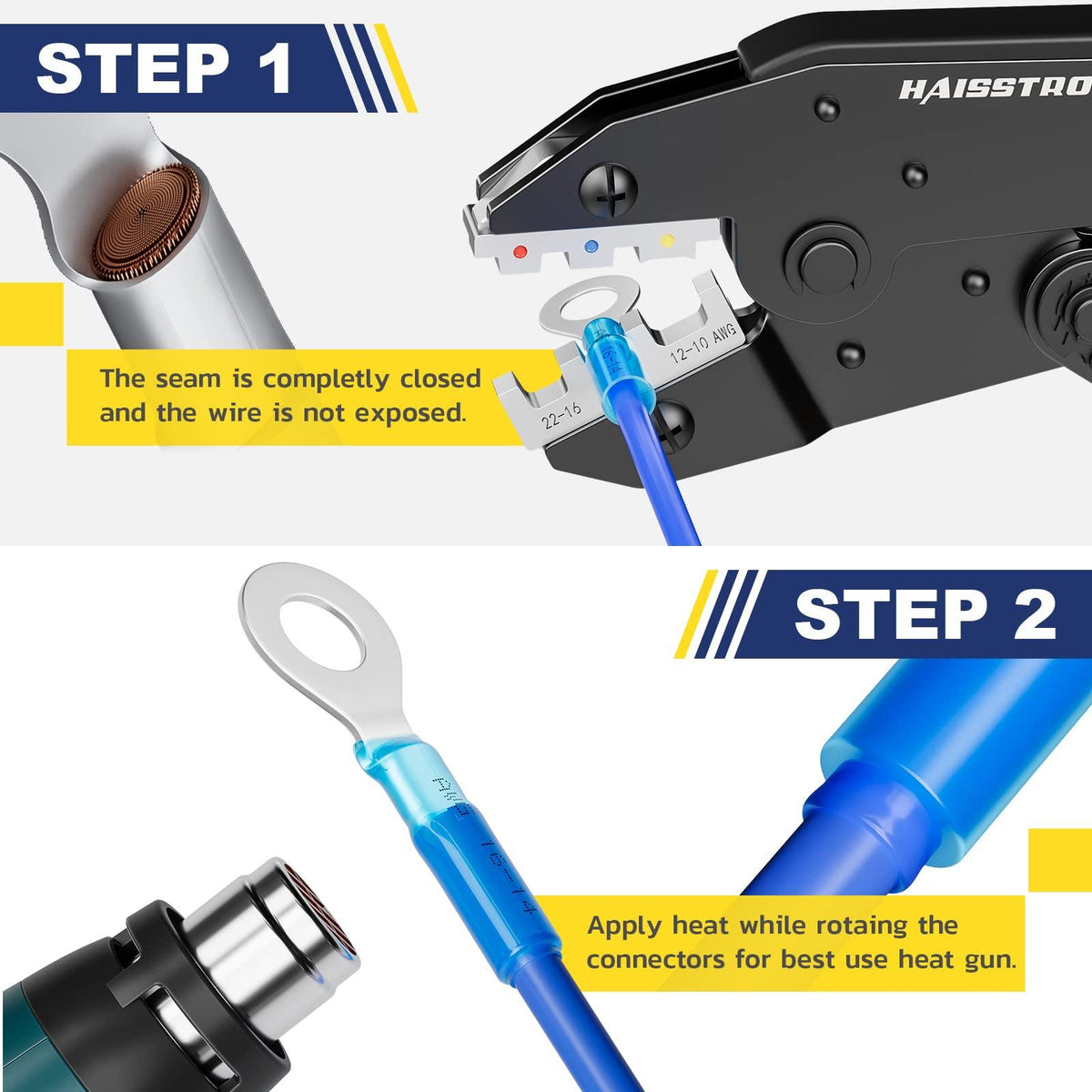
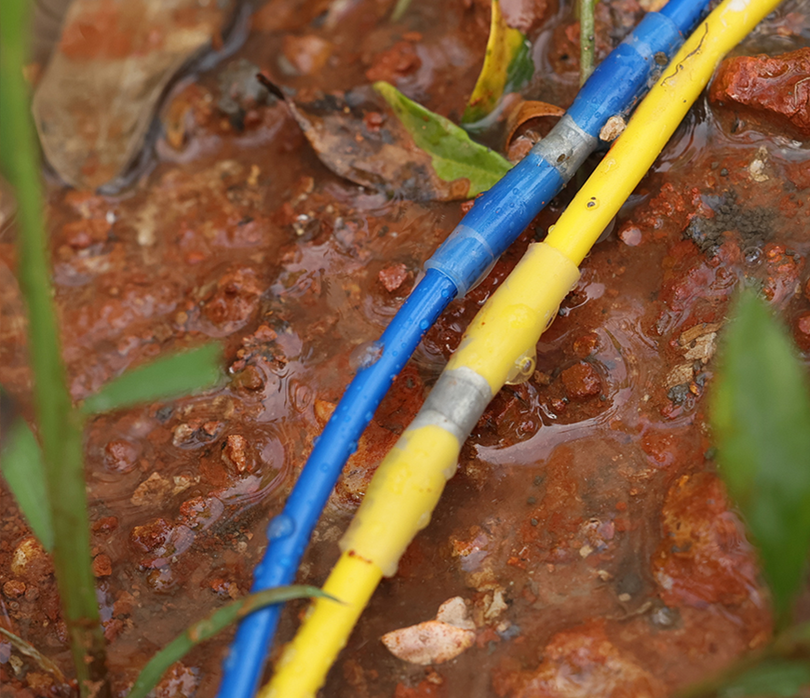
Another key difference is convenience. With separate heat-shrink tubing, you must remember to slide the tube on the wire before connecting, and then heat it after making the joint. Many people forget this step, leaving the tubing lying on the floor unused. A solder seal connector, on the other hand, has the heat-shrink built-in around the soldered joint – you simply strip the wires, insert them into the sleeve, and apply heat evenly. The tubing automatically shrinks and seals as the solder melts, so you’re guaranteed a sealed splice every time. This integrated design ensures a waterproof wire seal around the connection without needing extra tape or separate insulation. In short, heat shrink tubing vs solder seal connectors isn’t an either/or choice for the same task – they are complementary tools. Use heat-shrink tubing to insulate or reinforce existing connections, and use solder seal connectors (sometimes called heat shrink solder sleeves) when you want to solder and seal two wires in one step. Haisstronica’s solder splice connectors take the guesswork out of wiring by combining soldering and insulating in a single, easy solution – a must-have in any wire connector kit.
(Fun fact: even major manufacturers have embraced solder-splice technology – Daimler-Benz specified heat-shrink sleeves with solder inside for automotive electrical repairs. In other words, solder seal connectors are not a gimmick; they’ve been trusted in critical applications.)

What Heat-Shrink Tubing Actually Does
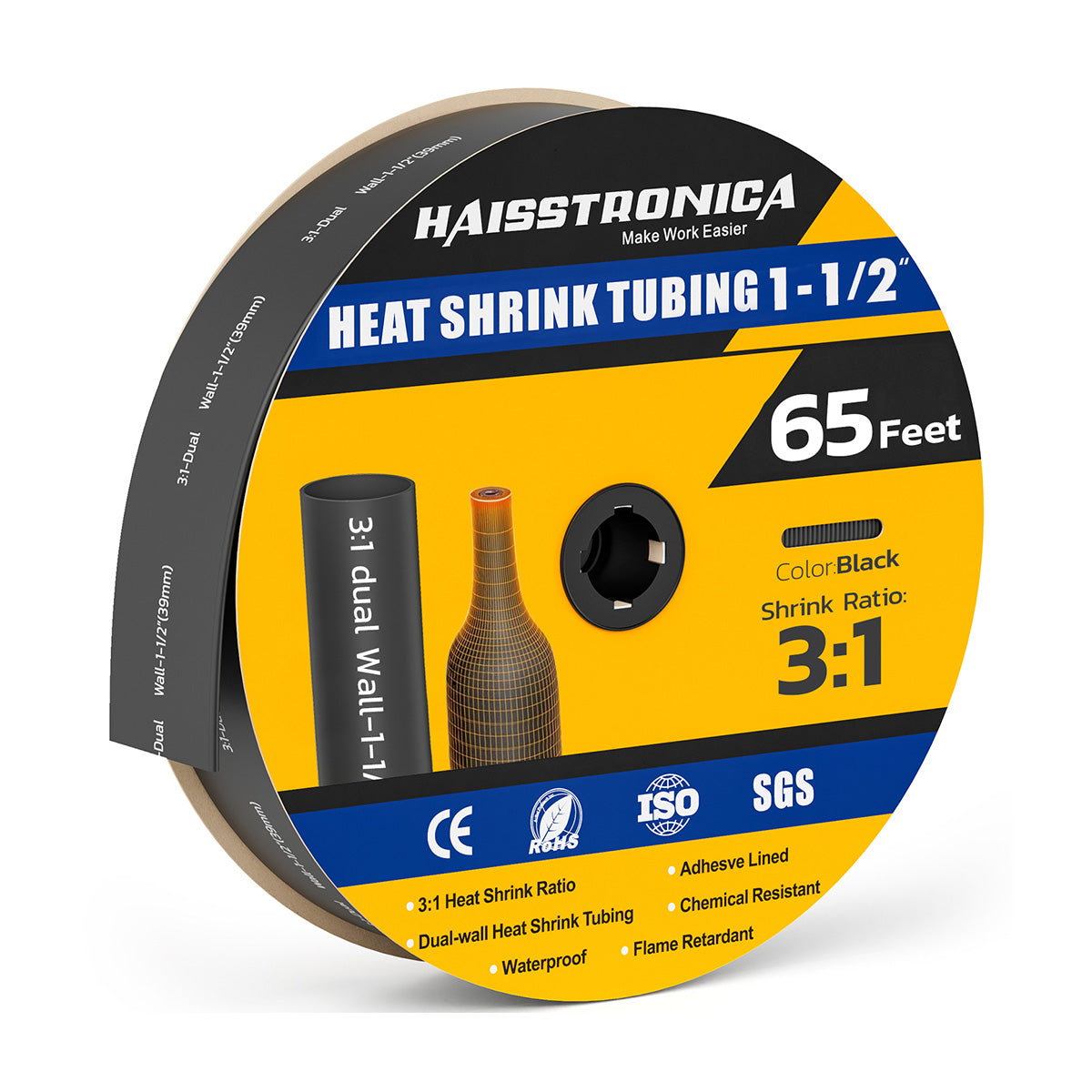
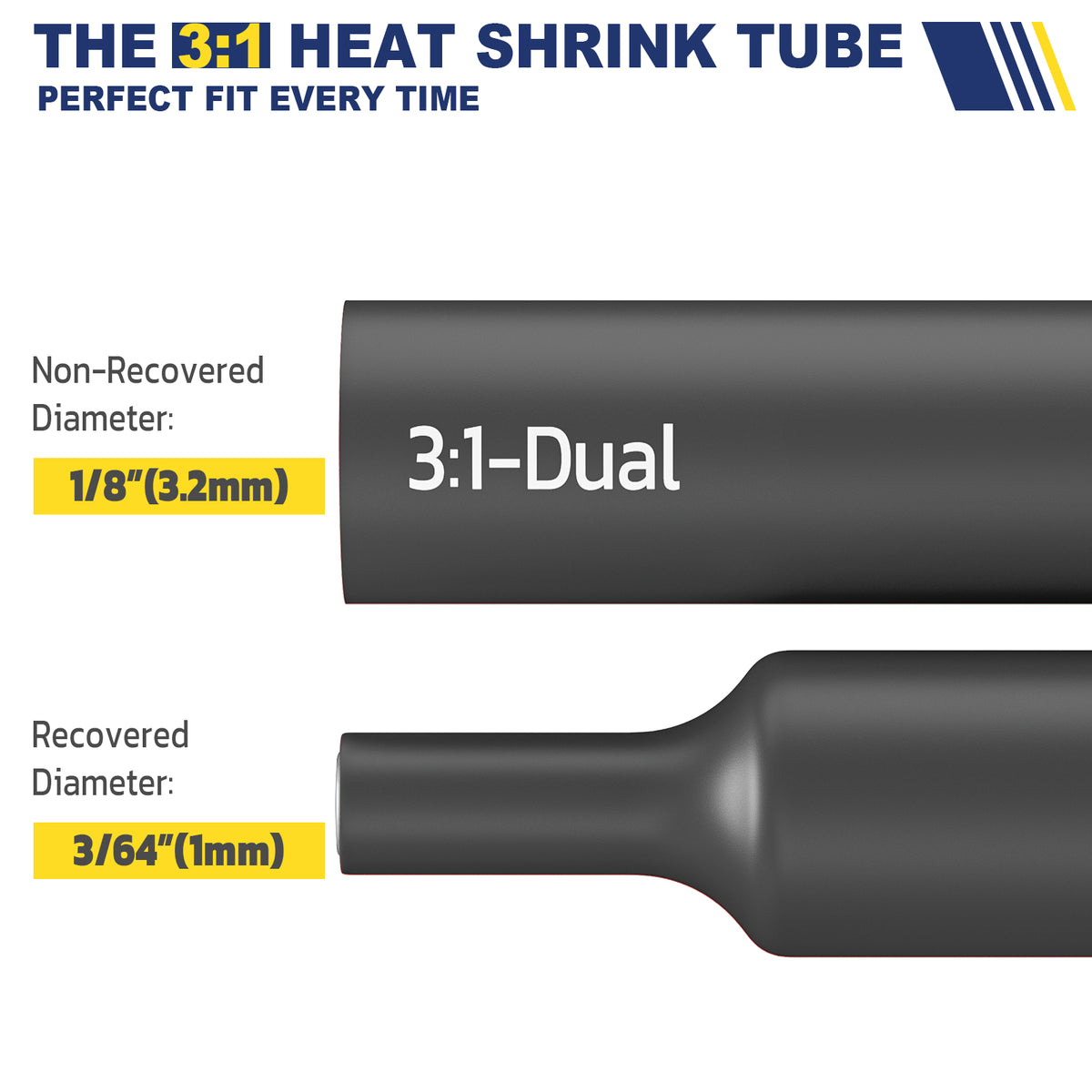
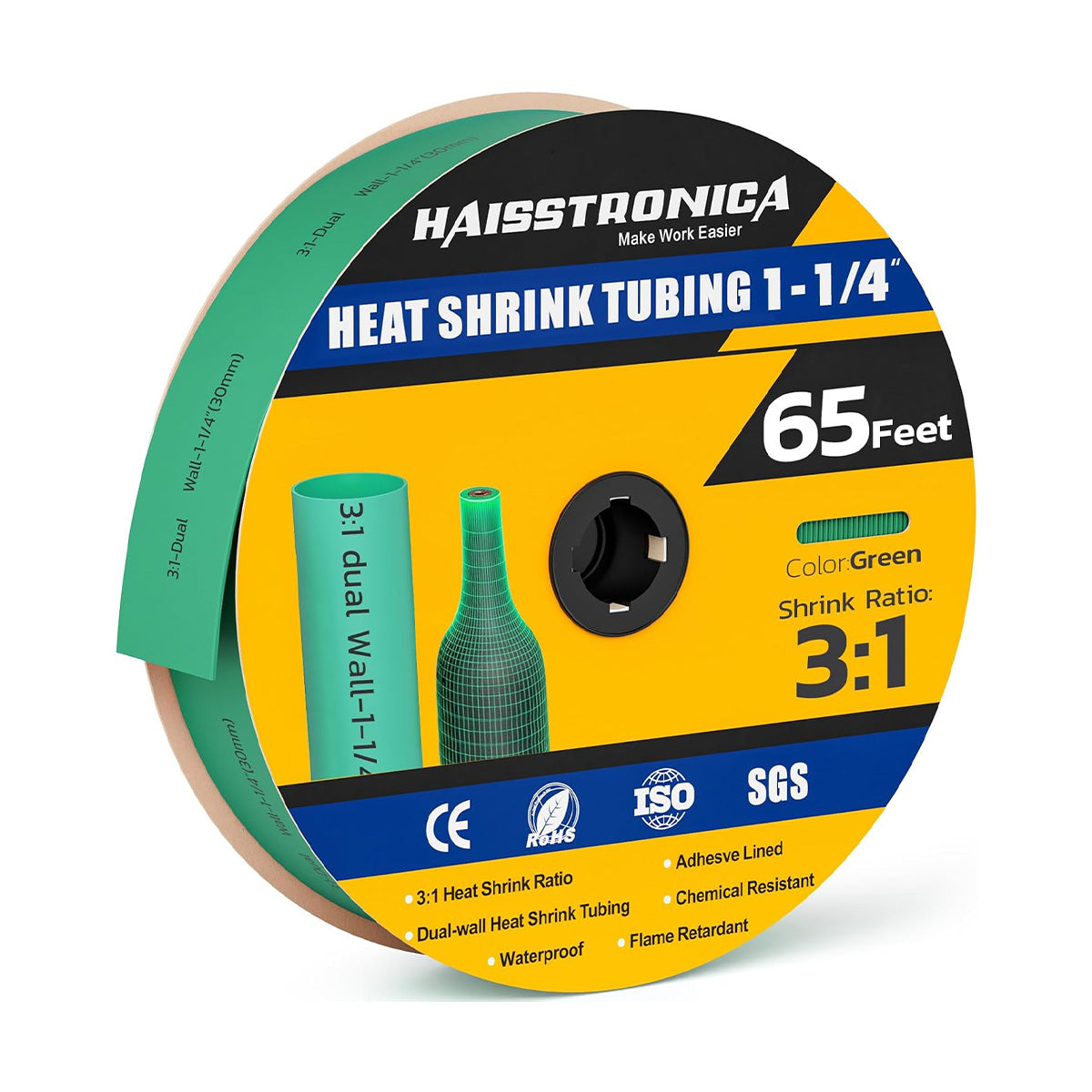
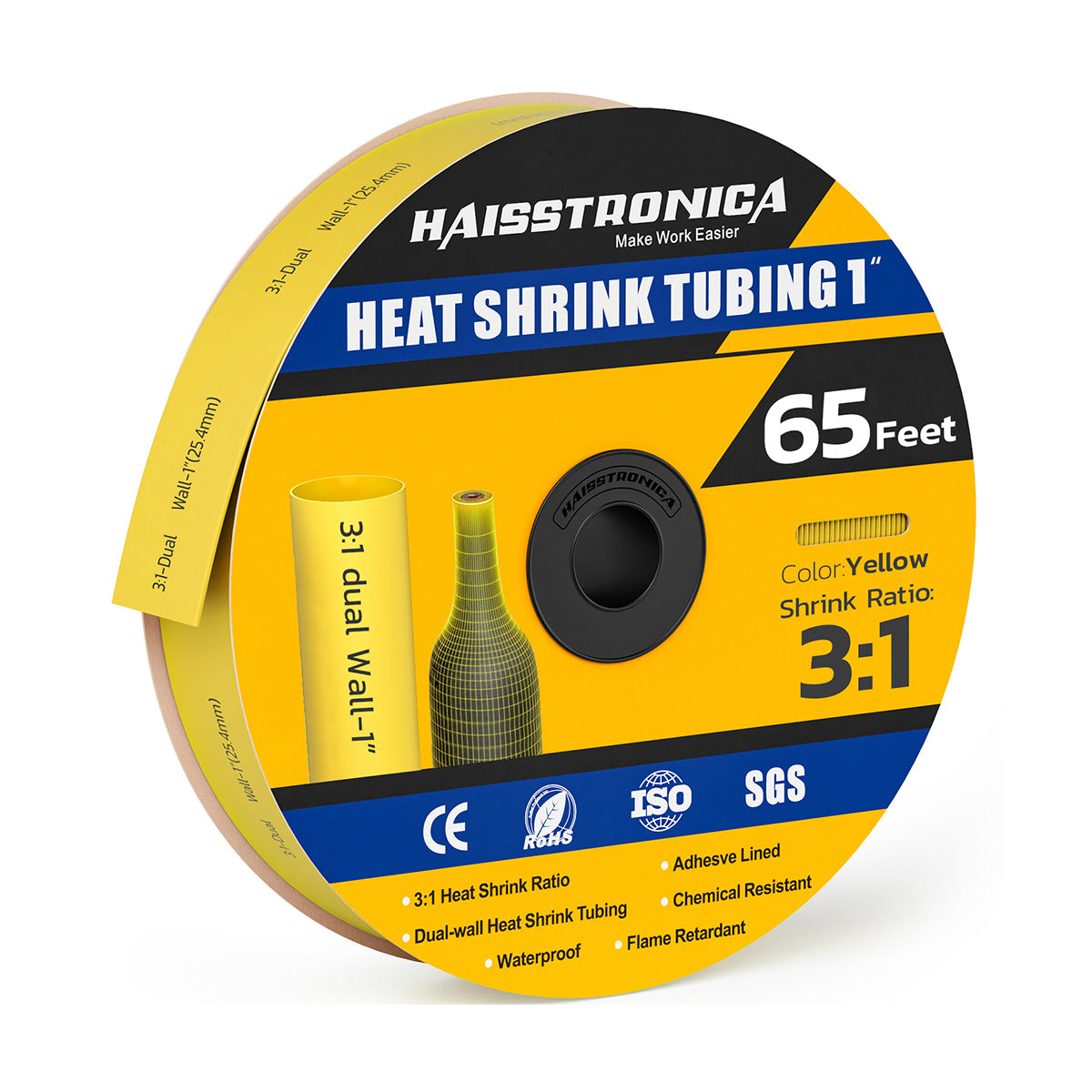
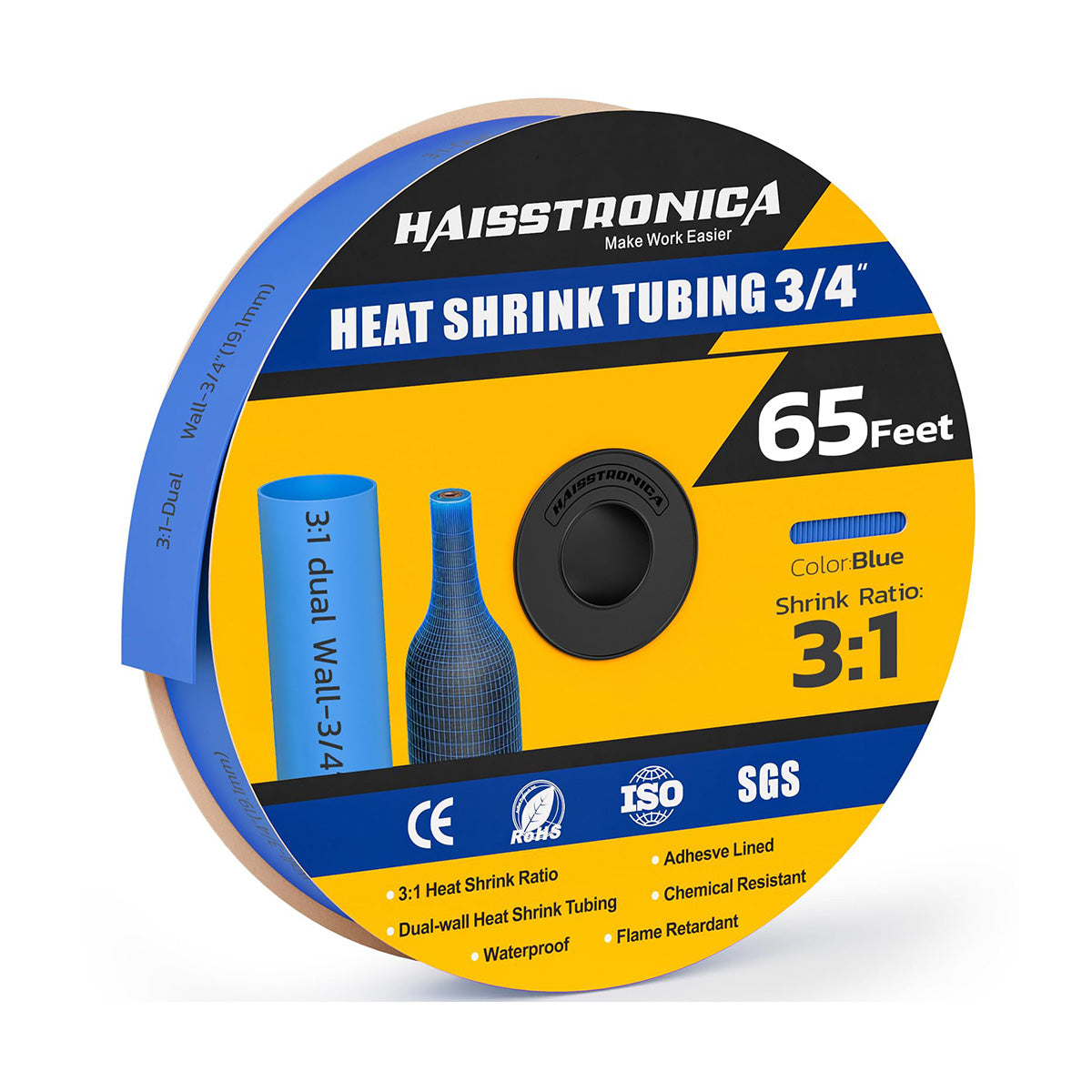
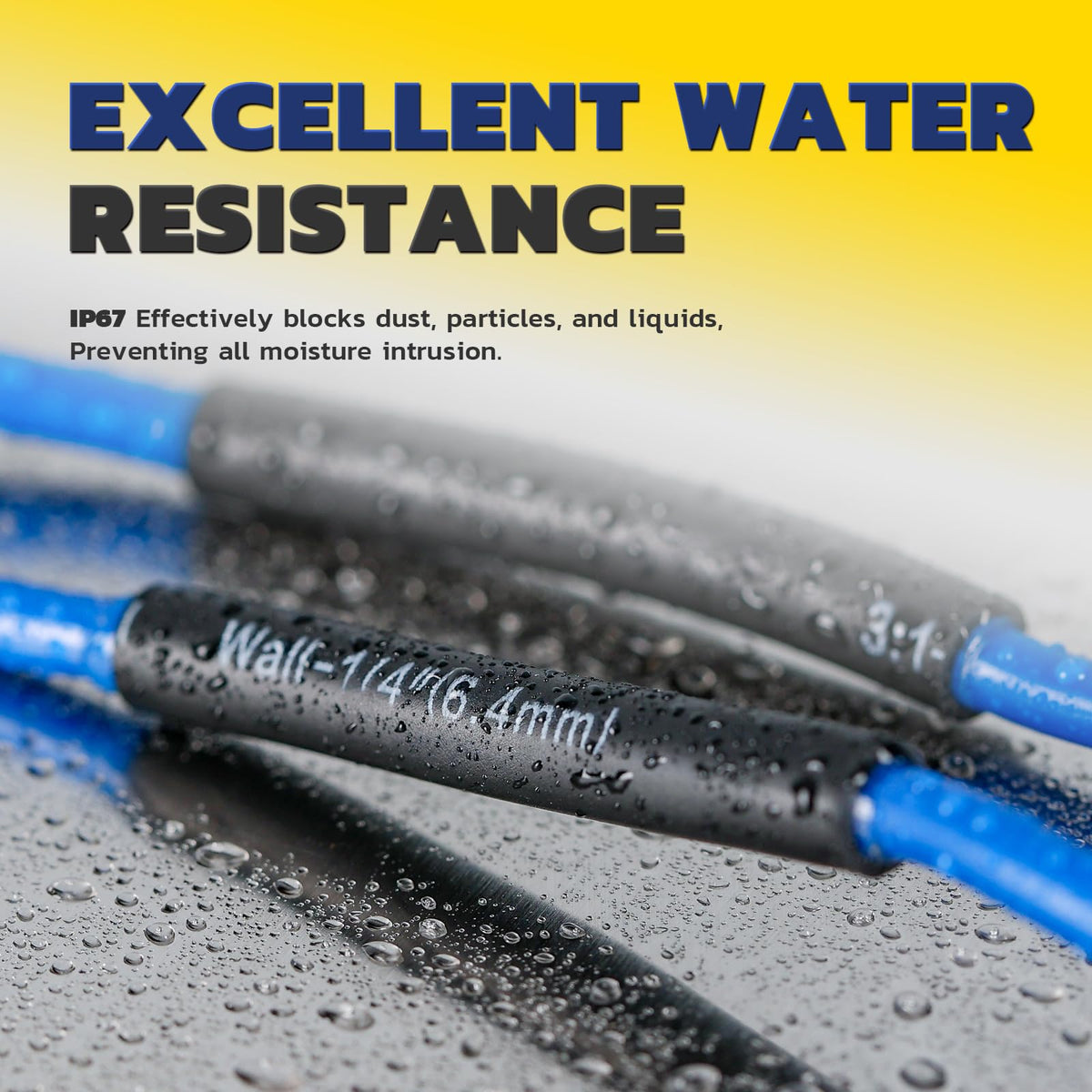
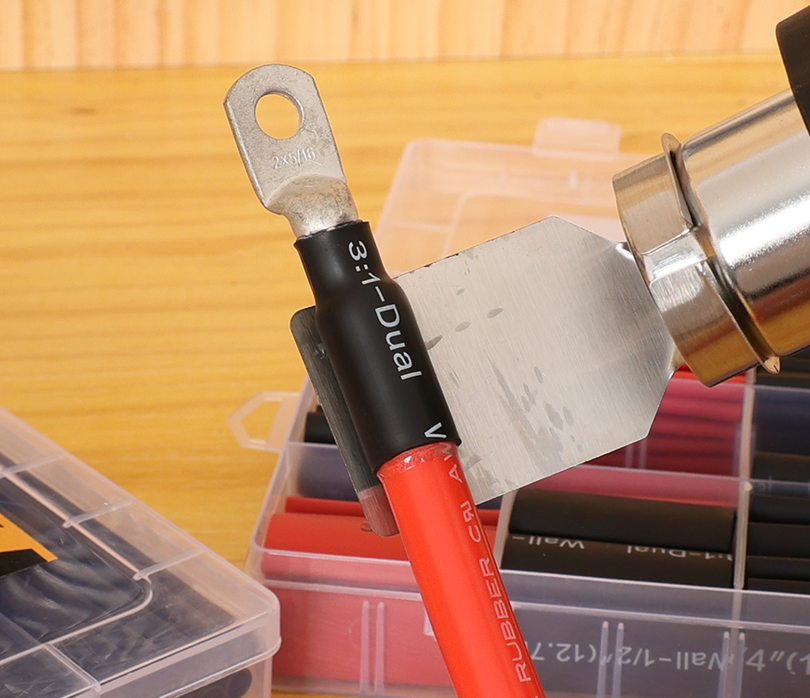
Heat-shrink tubing is a versatile insulating material for wiring – essentially a shrinkable plastic tube that you heat to wrap tightly around a wire or connection. Its primary job is to provide electrical insulation and protect the connection from moisture, dirt, and damage. When you heat this tubing (usually with a heat gun or other heat source), it contracts radially to form a snug, protective layer over the target area. This offers multiple benefits: it shields the wire joint from short circuits and corrosion, relieves strain, and bundles or covers exposed conductors for a cleaner, safer setup. In fact, heat-shrink tubing is commonly used to seal wire terminations, repair frayed insulation, and bundle cables into an organized harness. By keeping out water, dust, and abrasion, it effectively acts as a wire sealer and prevents failures that could be caused by the environment. For example, Haisstronica’s heat-shrink tubing (made of durable polyolefin) is perfect for waterproofing electrical connections and insulating wires, ensuring your work meets professional standards.
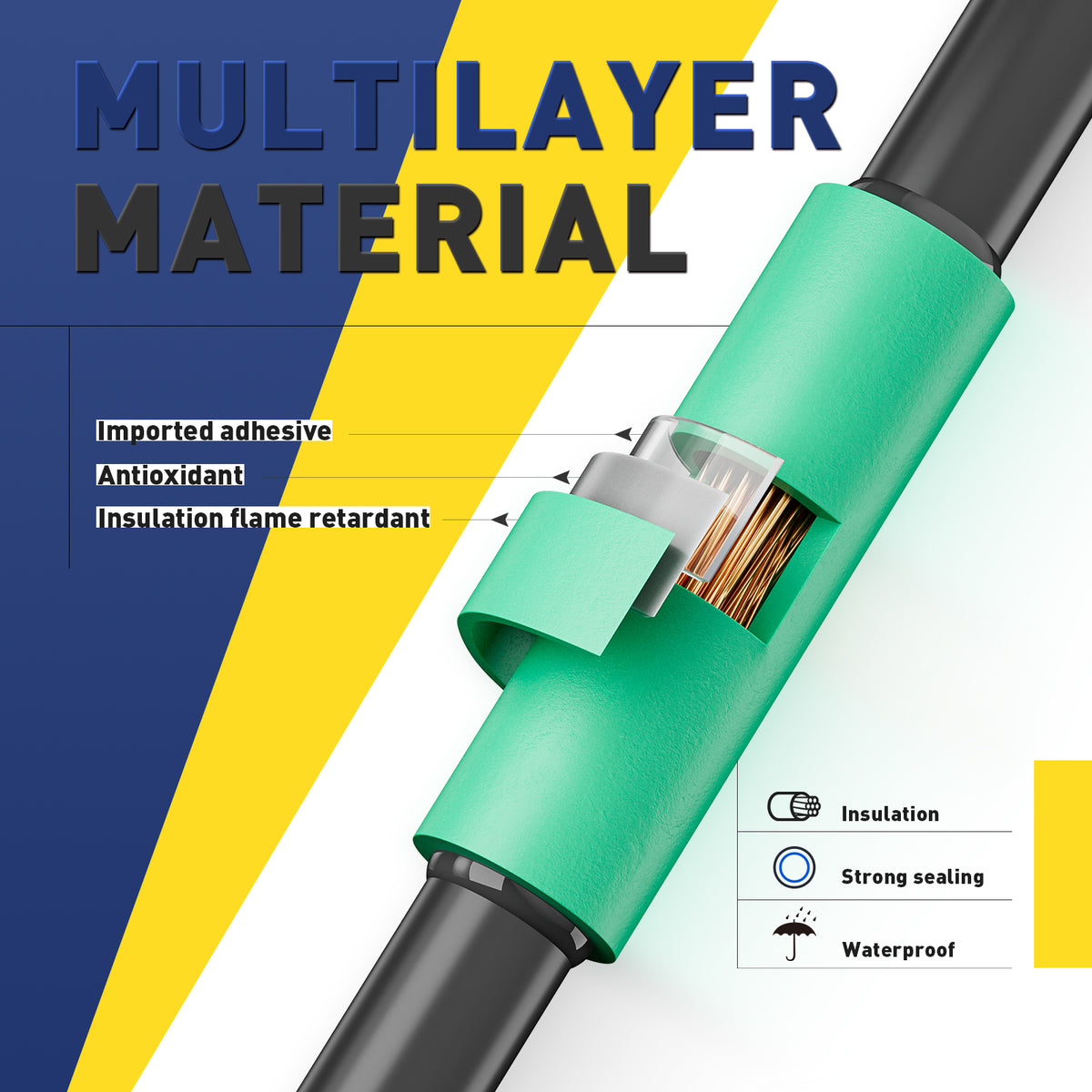
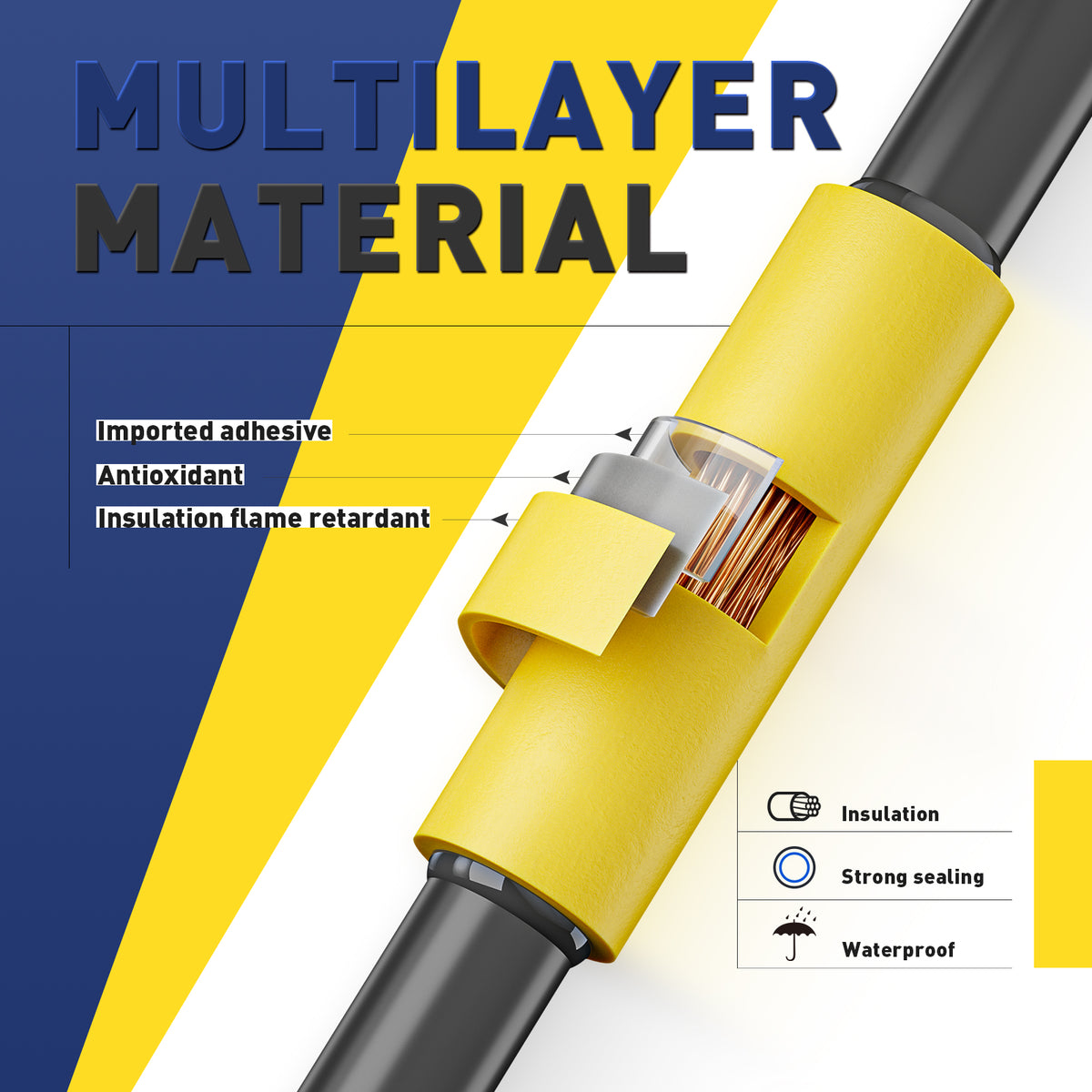
Importantly, heat-shrink tubing does not conduct electricity – it’s an insulator only. You would typically use it in combination with some connector or soldered joint underneath. For instance, if you twist and solder two wires together (or use a crimp connector), you would slide a piece of heat-shrink over that bare joint and heat it to create a sealed, insulated cover. The result is much like a factory sealed connector: the tubing’s inner walls (especially if adhesive-lined) bond to the wire insulation and keep water or contaminants out. Heat-shrink comes in various sizes and materials (like polyolefin, PVC, etc.), and often has adhesive lining (called dual-wall tubing) that melts and glues the tubing to the wire for a waterproof connector finish. This makes it invaluable for marine and automotive use – any place you need waterproof connectors electrical systems can rely on. Haisstronica carries heat-shrink tubing and waterproof wire connectors that use adhesive-lined sleeves, giving you a waterproof wiring connectors solution for boats, cars, or outdoor lighting, so your connections stay dry and secure.
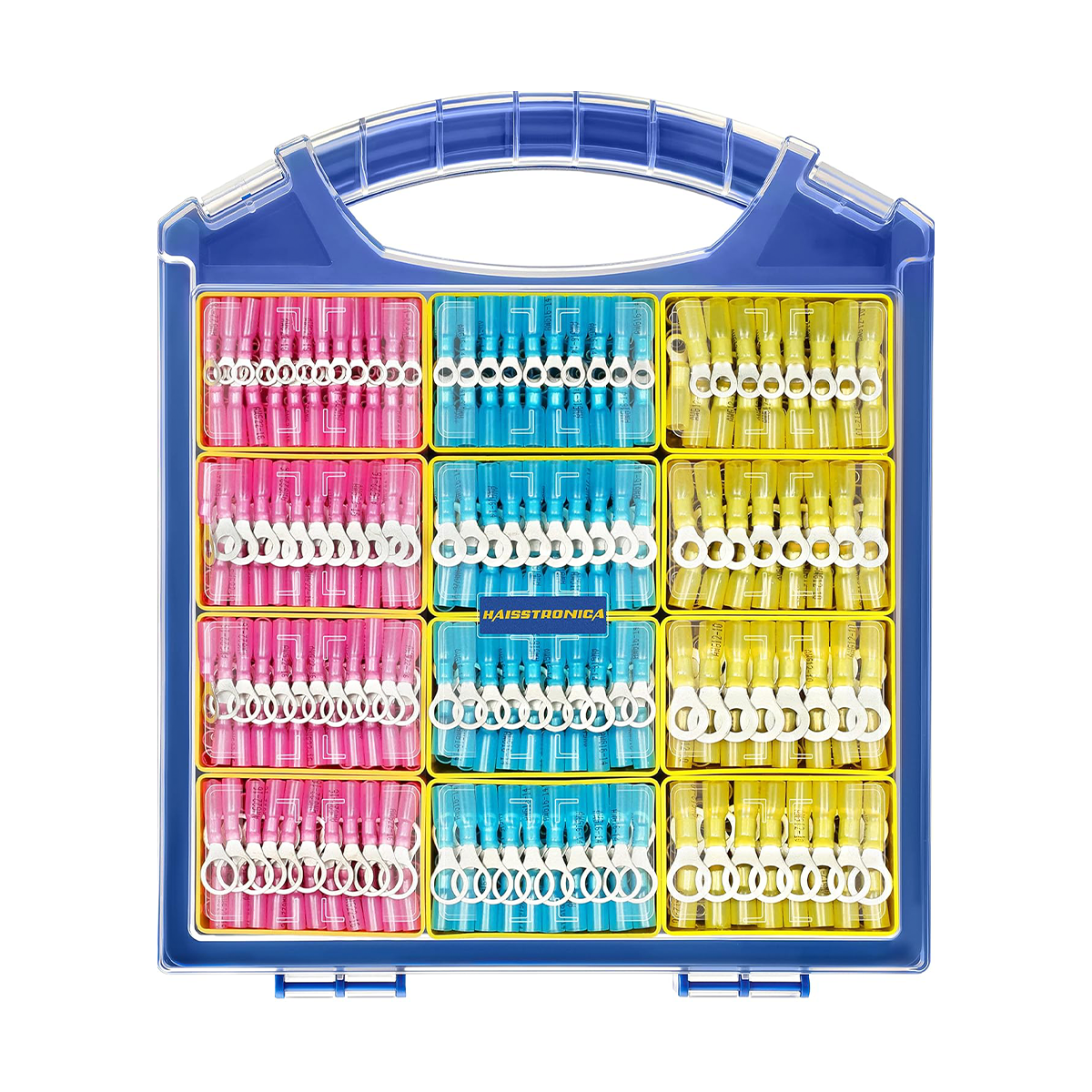
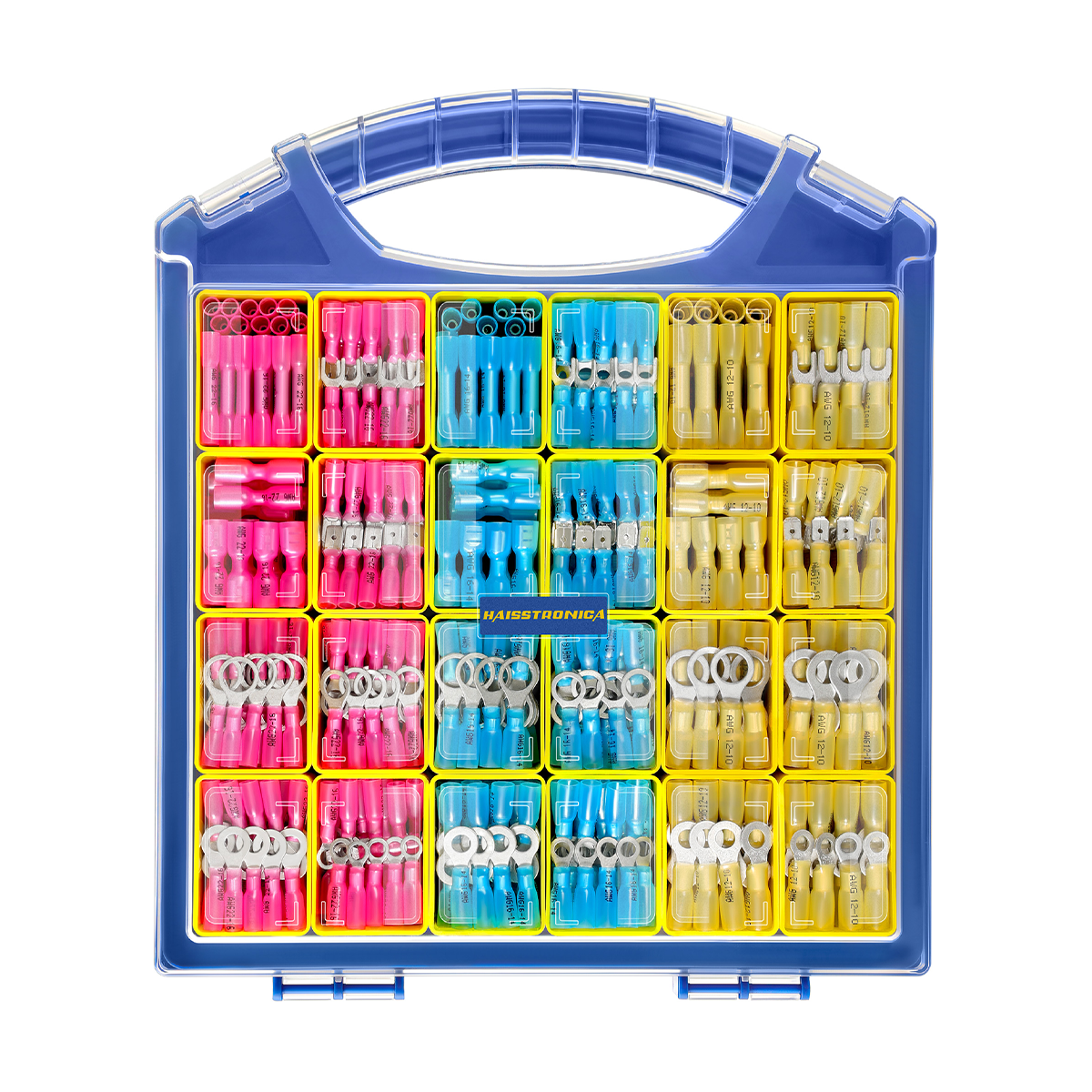
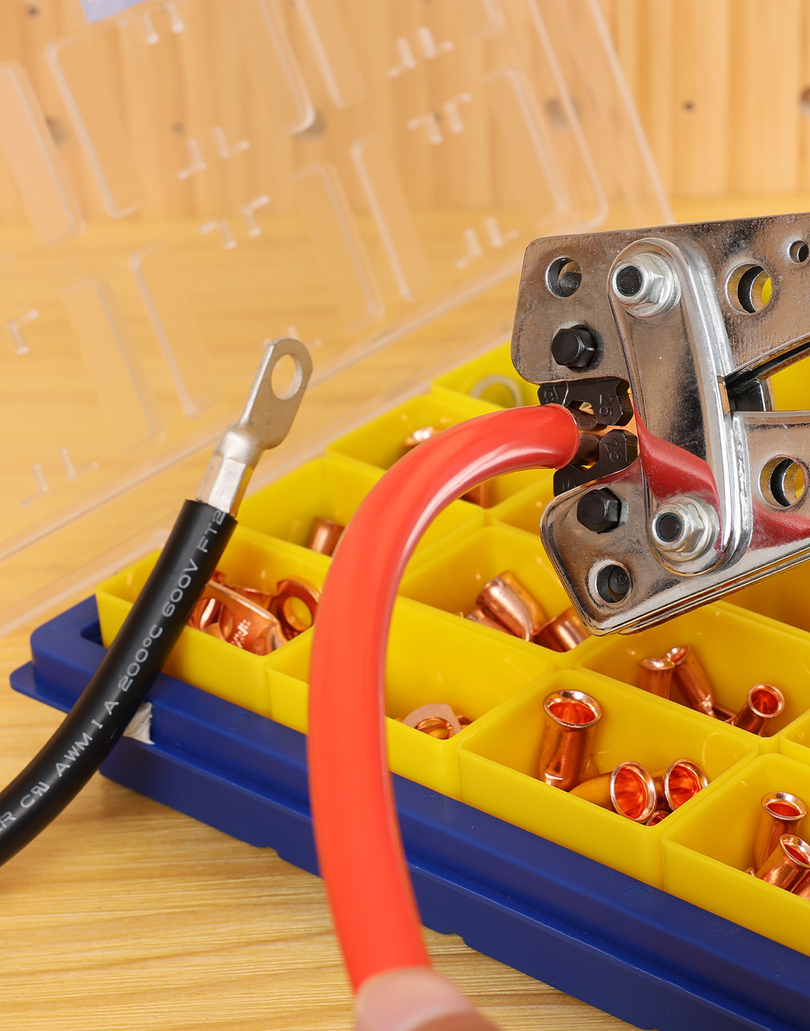
Another use of heat-shrink tubing is adding extra insulation and strain relief to connector terminals. Say you crimp or solder on a ring terminal or spade terminal (commonly called solder on terminals when you solder them). By slipping a piece of heat-shrink tube over the junction where the wire attaches to the terminal and shrinking it, you reinforce that joint and cover any exposed metal. This is a common practice for automotive wire connectors and electronics, ensuring that even soldered lugs or solder spade connectors have an added layer of protection against vibration and shorts. Heat-shrink is also used with wire tap connectors or T-connectors – after making the tap, a tube can cover the area to keep it insulated. Essentially, any time you have a bare connection or want to double up on insulation, heat-shrink tubing is your friend. It’s called “shrink tubing” because it shrinks to fit tightly, unlike electrical tape which can unwind or degrade. As a bonus, heat-shrink can be color-coded (red, blue, yellow, etc.) by gauge or function, aiding in organization and identification of wire connections. If you’re tidying up a wiring harness or adding insulation to electrical connectors automotive projects, reach for Haisstronica’s heat-shrink tubing assortment for a reliable and neat finish on every wire connection.

What Solder Seal Connectors Actually Do
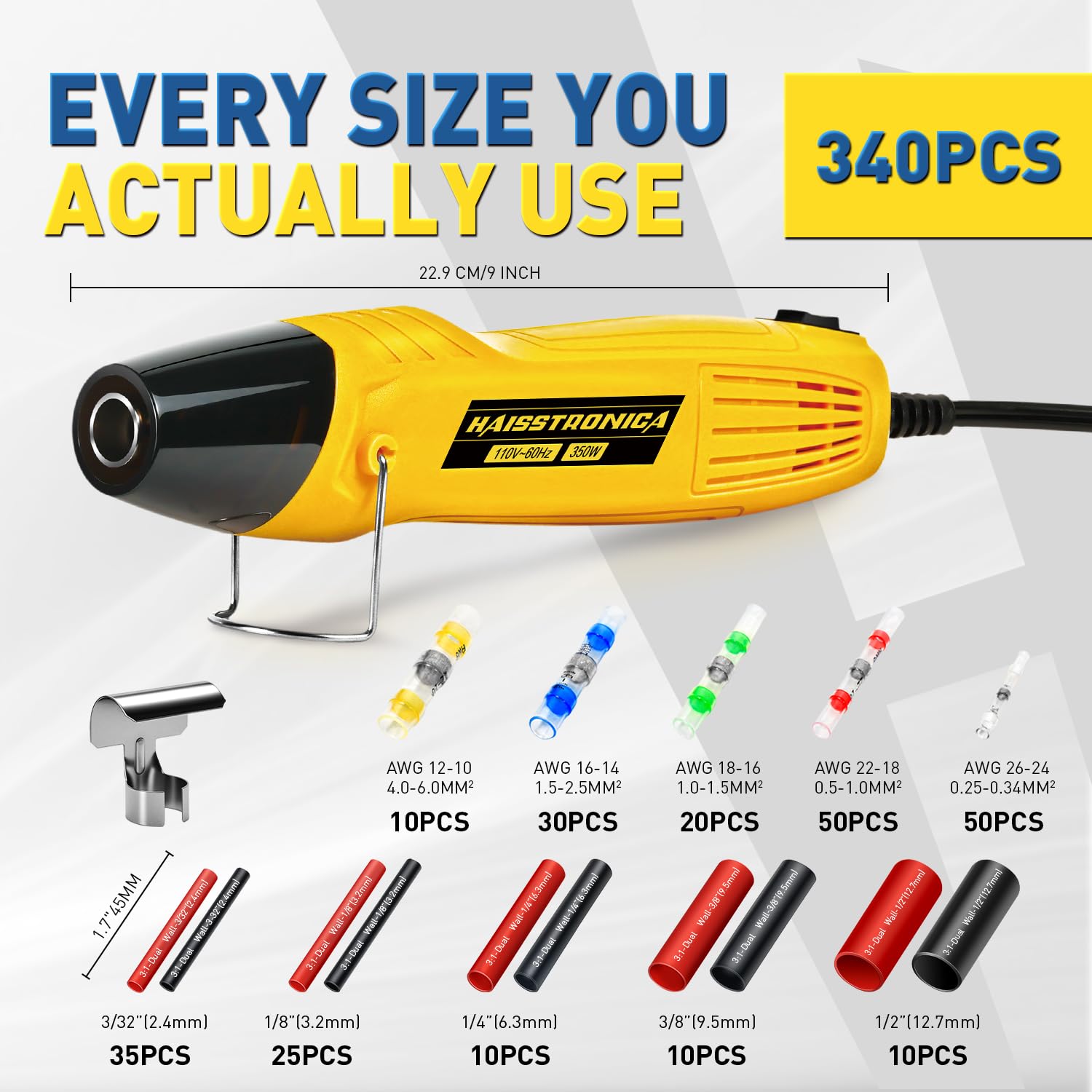
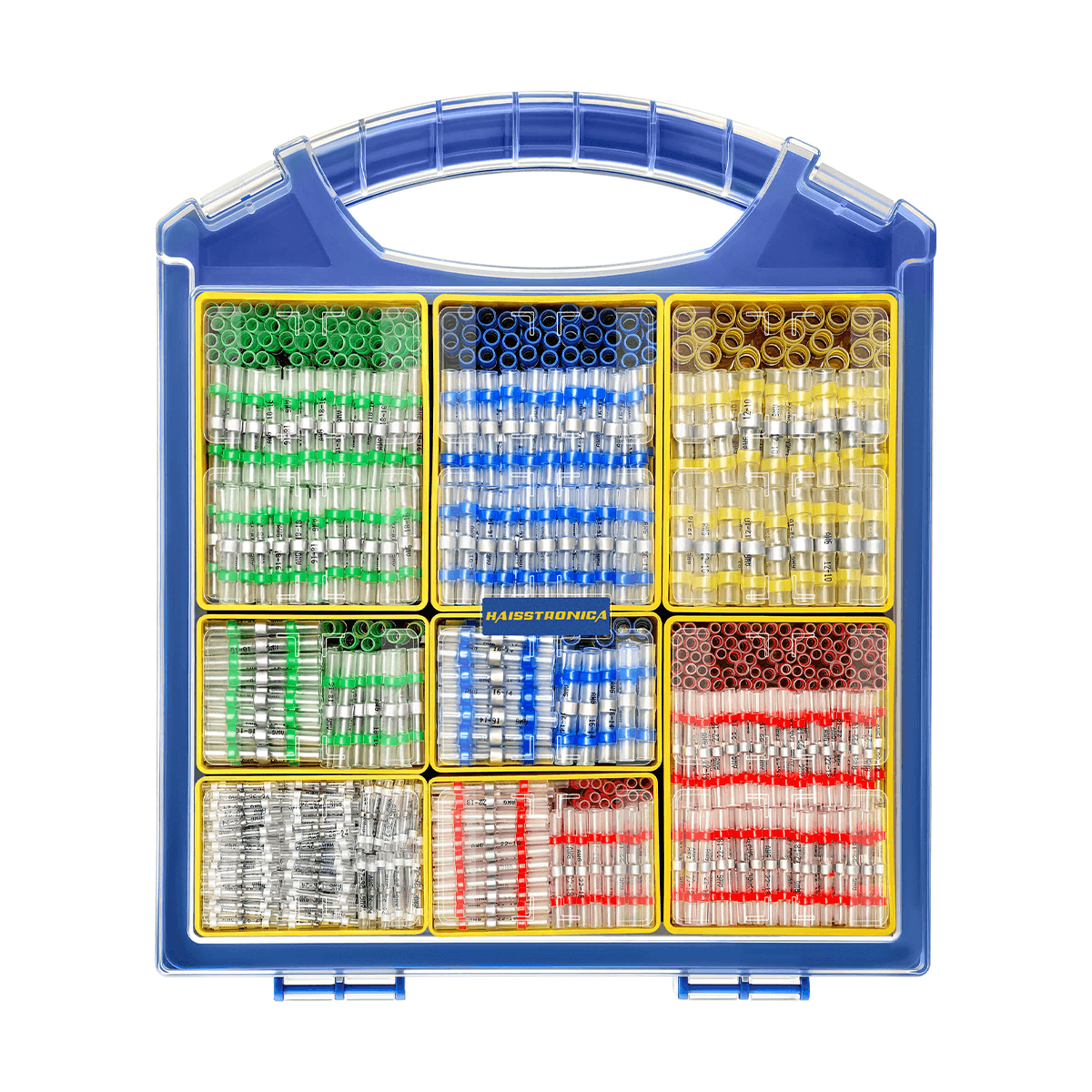
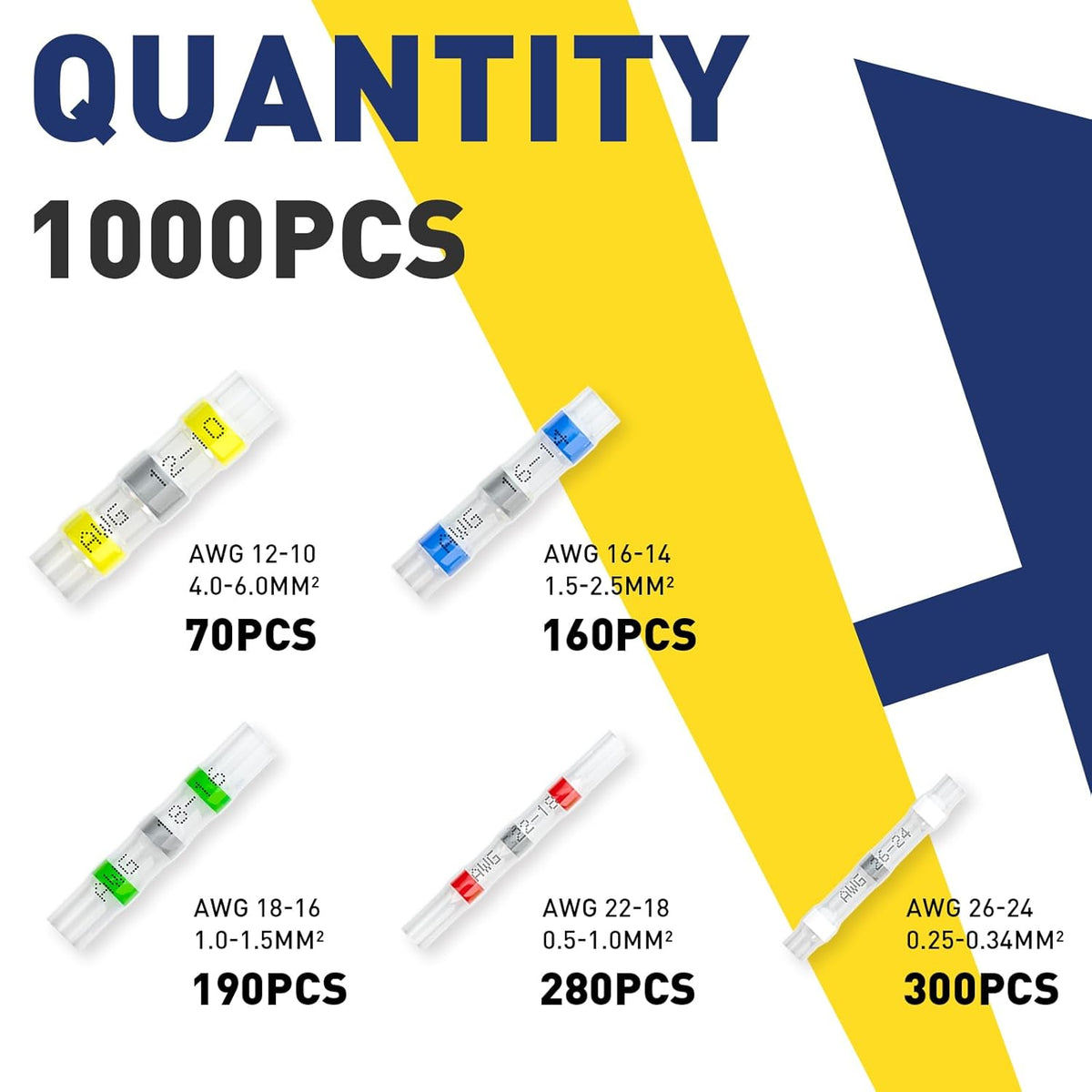
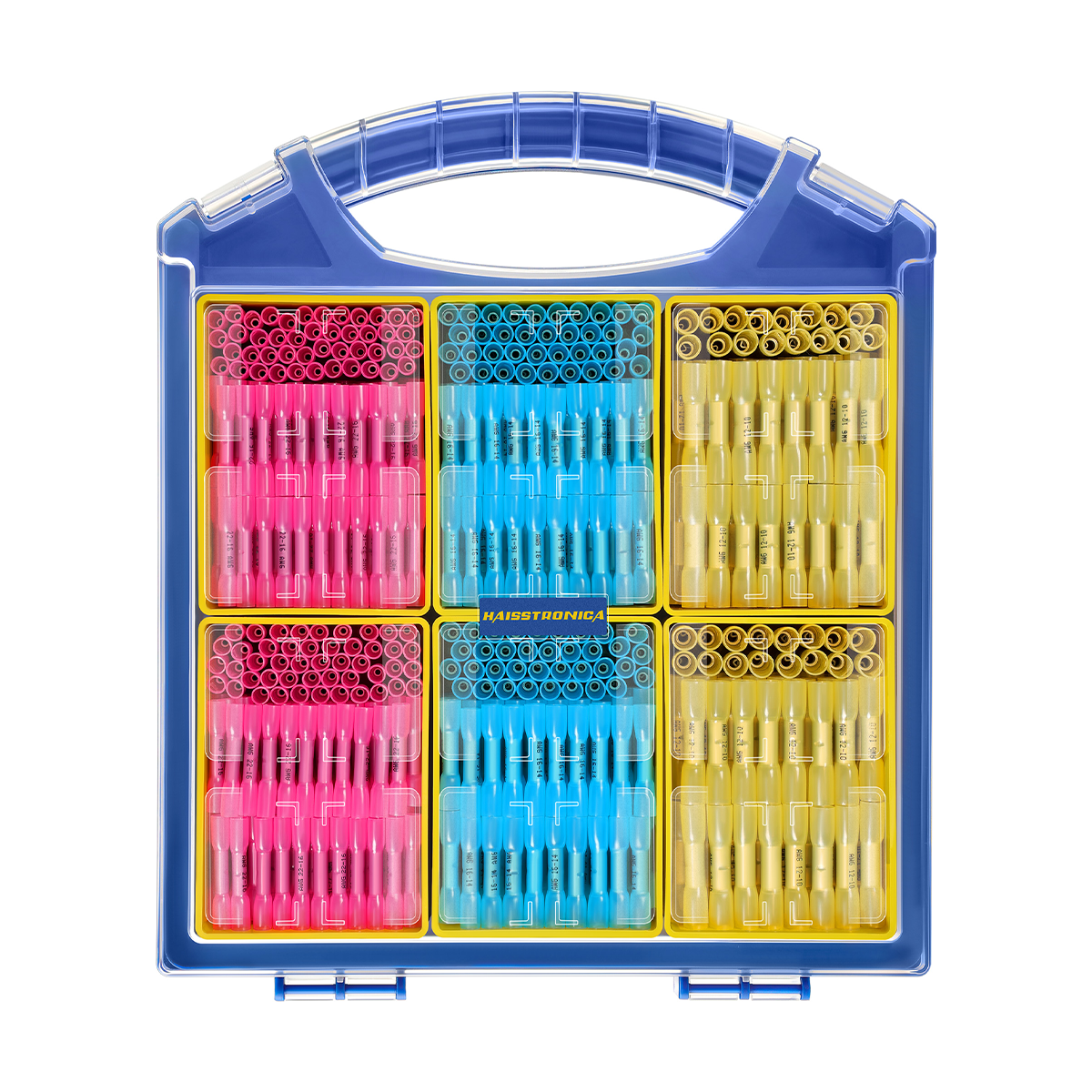
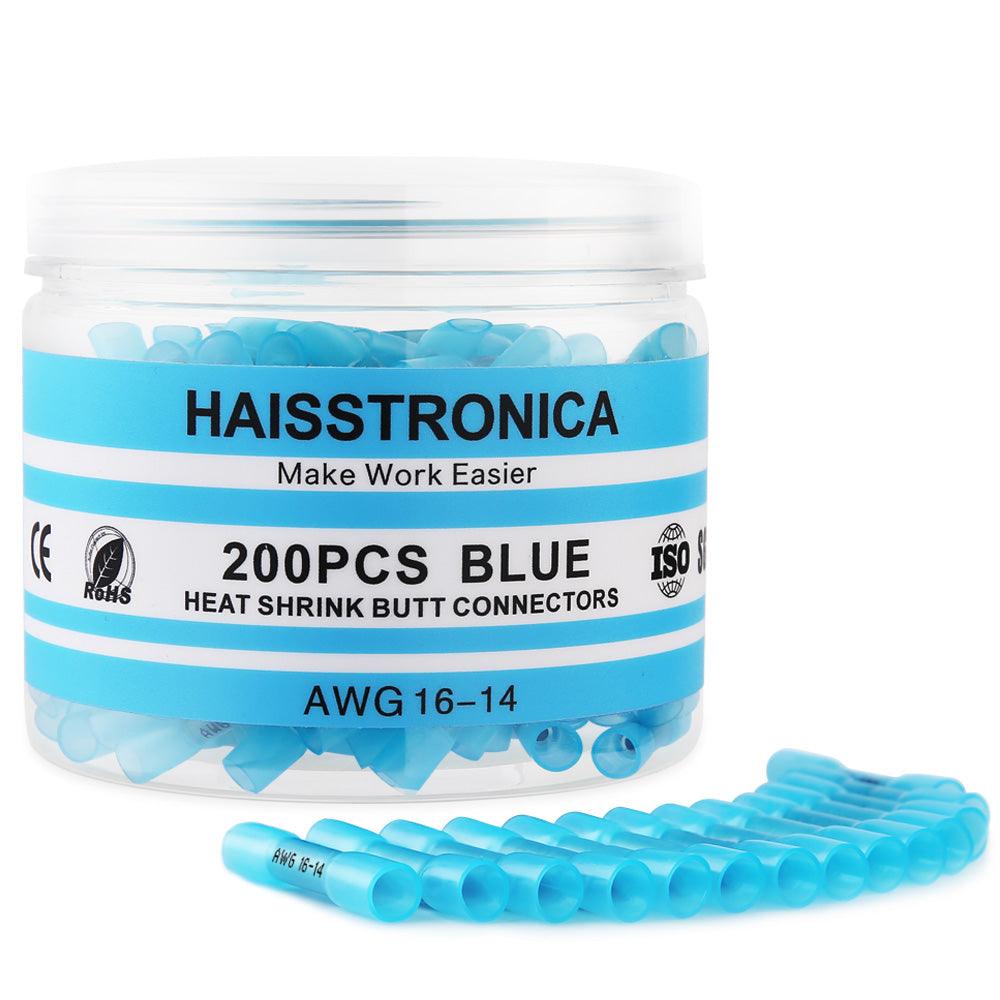
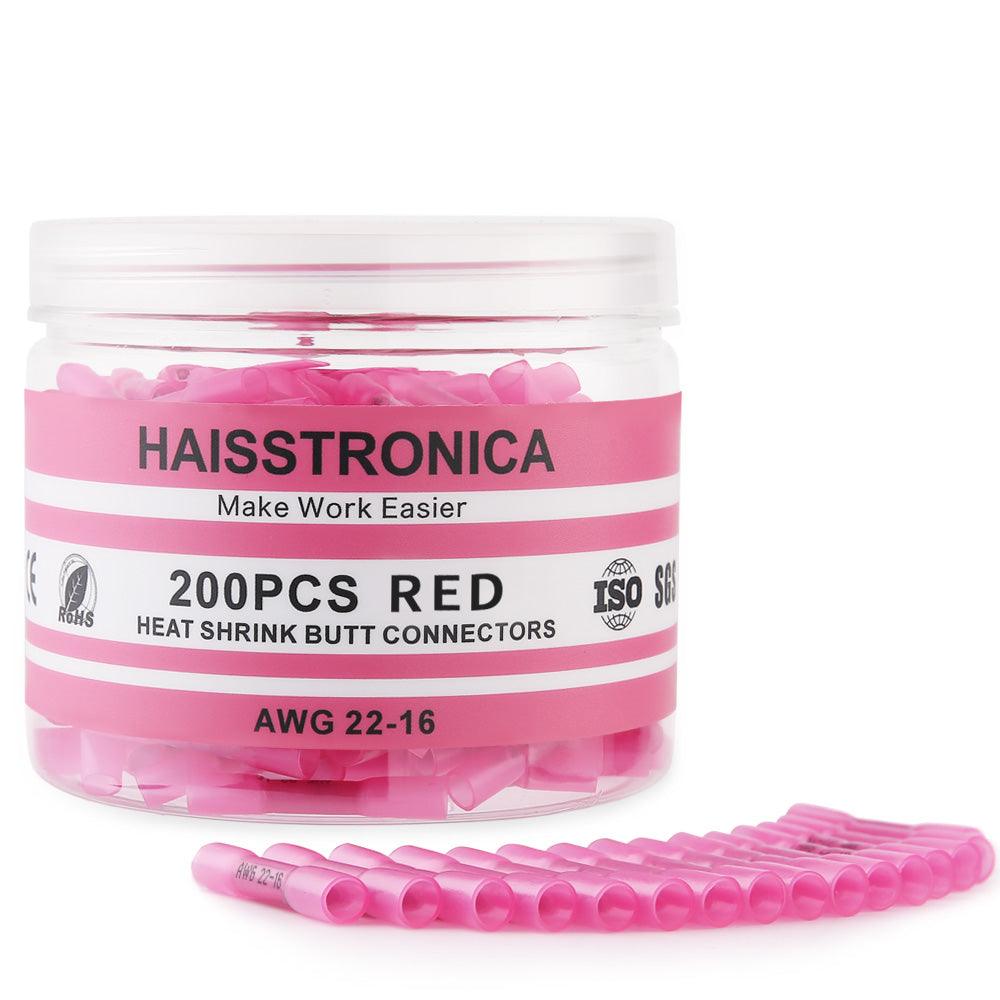
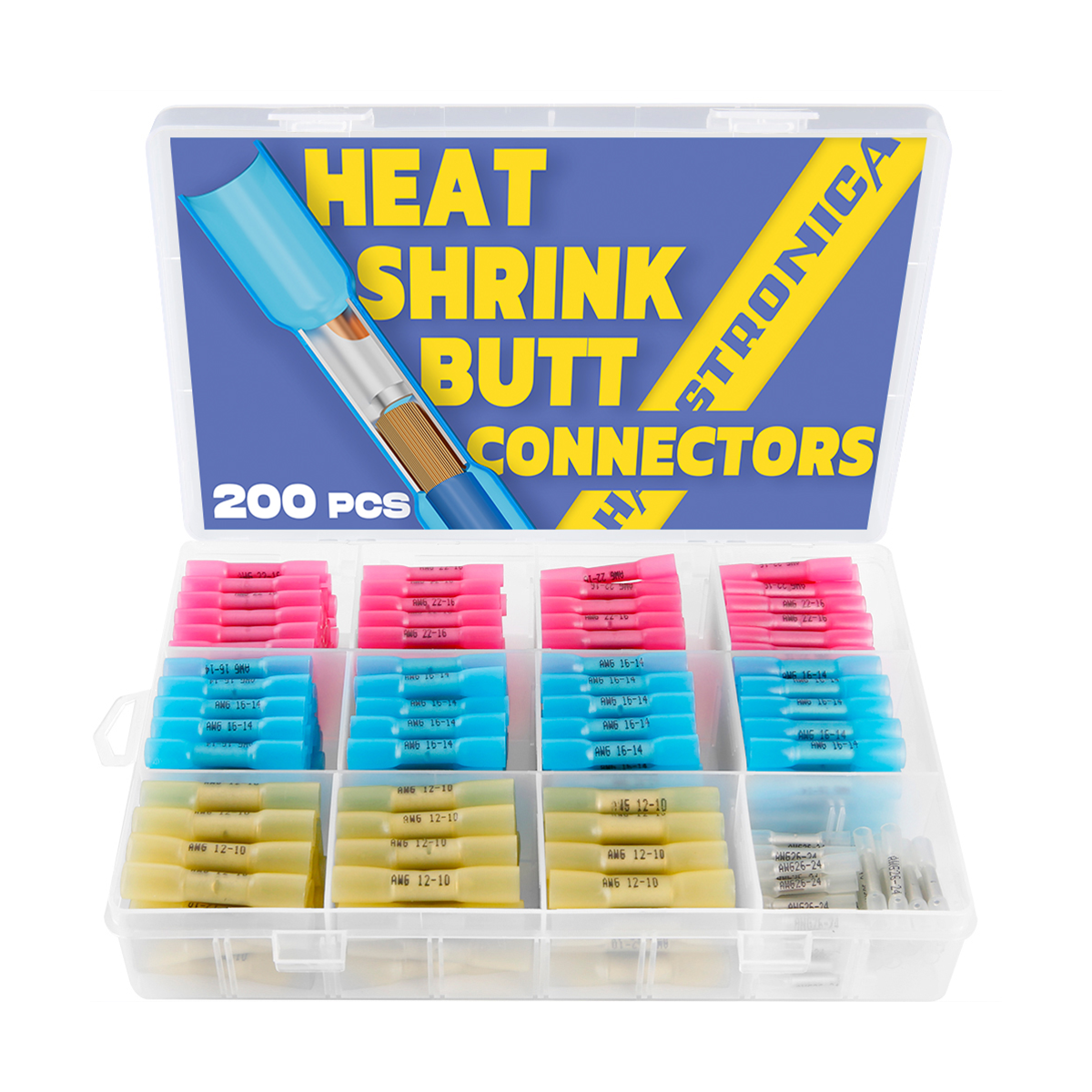
Solder seal connectors (a.k.a. solder splices, heat-shrink solder sleeves, or crimpless butt connectors) are a clever all-in-one solution for splicing two wires together. Physically, they look like a short piece of clear heat-shrink tube with a ring of solder in the middle and usually colored adhesive bands at each end. When you insert stripped wire ends from each side and apply heat, a lot happens at once: the low-melting-point solder ring in the center melts and flows into the wire strands, soldering the wires together, while the heat-shrink sleeve contracts and the adhesive rings melt, sealing the insulation around the new joint. You end up with a sturdy soldered splice inside a waterproof, insulated sleeve – all made in one heating step. In essence, these connectors create a solder sleeve splice: an electrical and mechanical bond from the solder, and a protective shrink tubing encapsulation. A traditional butt splice might rely on crimping a metal barrel, but a solder seal connector achieves connectivity through the solder itself. As Practical Sailor explains, they “consist of a length of adhesive-lined heat-shrink tubing with a small ring of low melting point solder at the center” – once heated, they form a continuous conductive path and a sealed, strain-relieved joint.
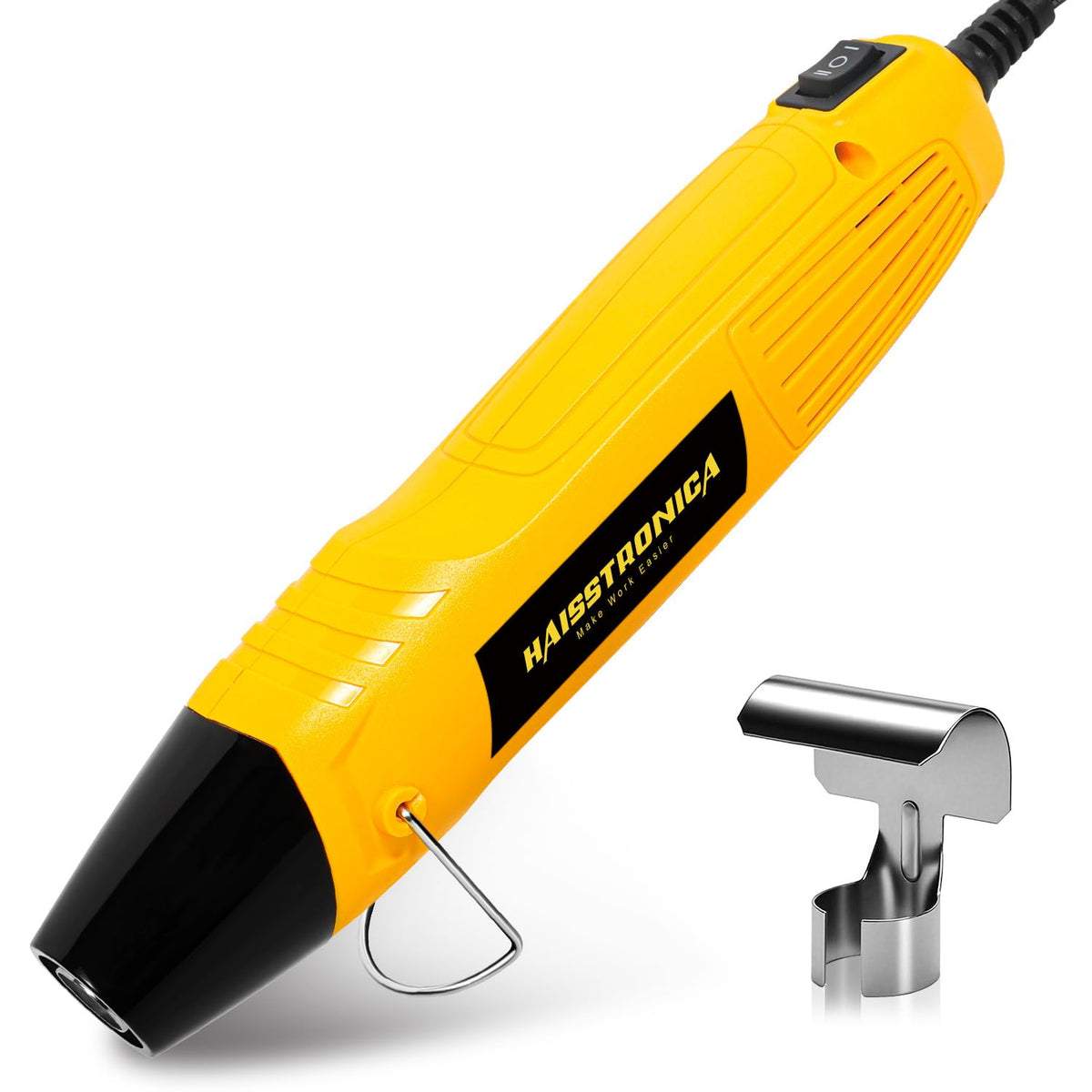
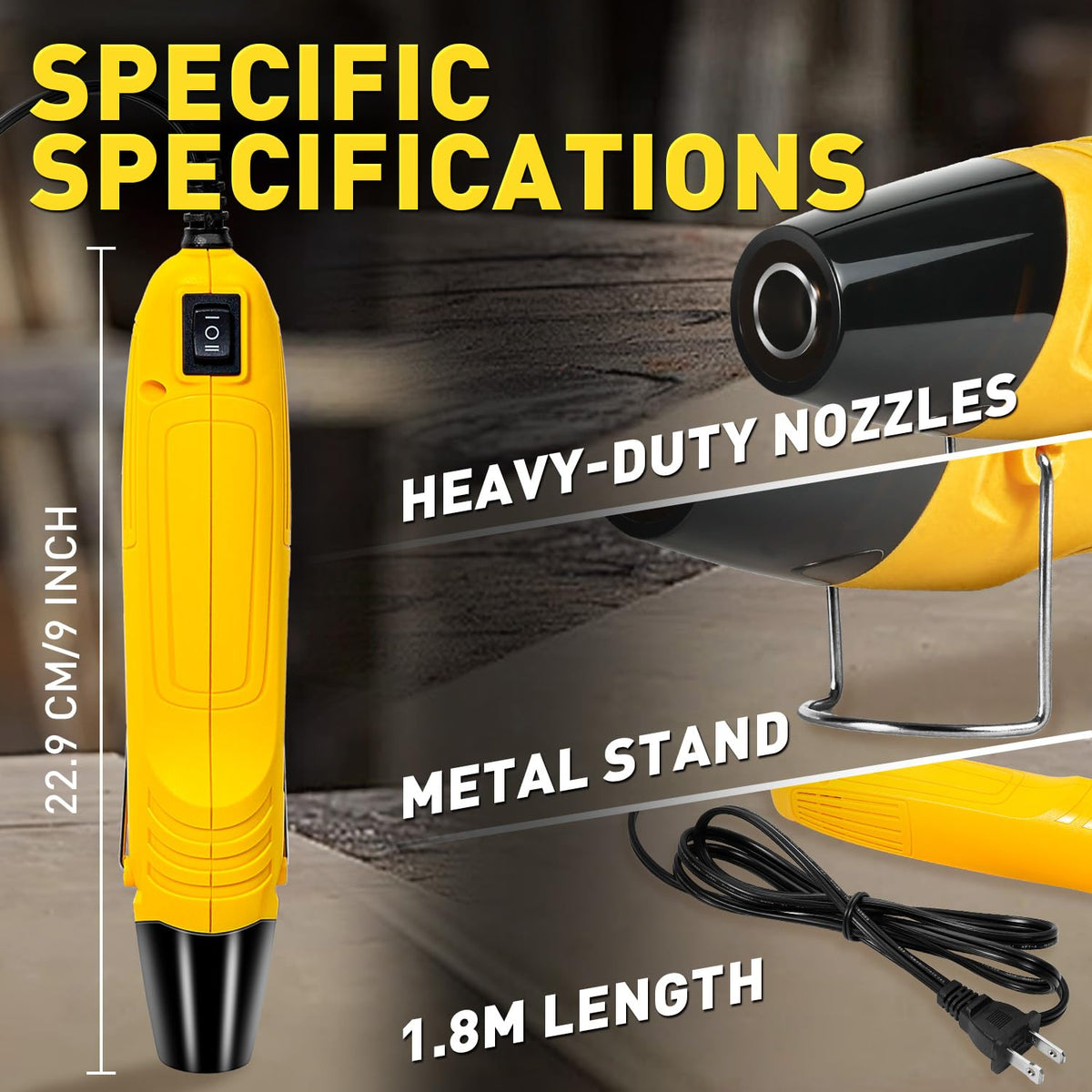
One big advantage of solder seal splices is ease of use in the field. You don’t need an elaborate electrician’s tools set or soldering iron – just a heat gun (or even a mini butane torch in a pinch) to install them. This makes them popular in DIY settings and repair kits, especially for automotive or marine wiring where carrying a full soldering setup is impractical. With only a heat source, you can achieve a reliable splice. The clear sleeve also provides visual confirmation: you can see if the solder has fully melted and wicked into the wires, and whether the adhesive has oozed out at the ends (indicating a good seal). Because everything is transparent, inspecting electrical connections made with these is easier than with taped or opaque crimps. In fact, manufacturers like 3M and TE Connectivity produce high-quality solder sleeve connectors (sometimes branded as “self-solder connectors” or heat shrink self solder connector), which are often included in automotive wire connector kits for quick repairs. Haisstronica’s own automotive wire connectors kit includes a range of color-coded heat shrink solder sleeves that let you create clean, sealed splices anywhere – just heat them up, and you have a solid soldered connection without the hassle of a separate soldering step.
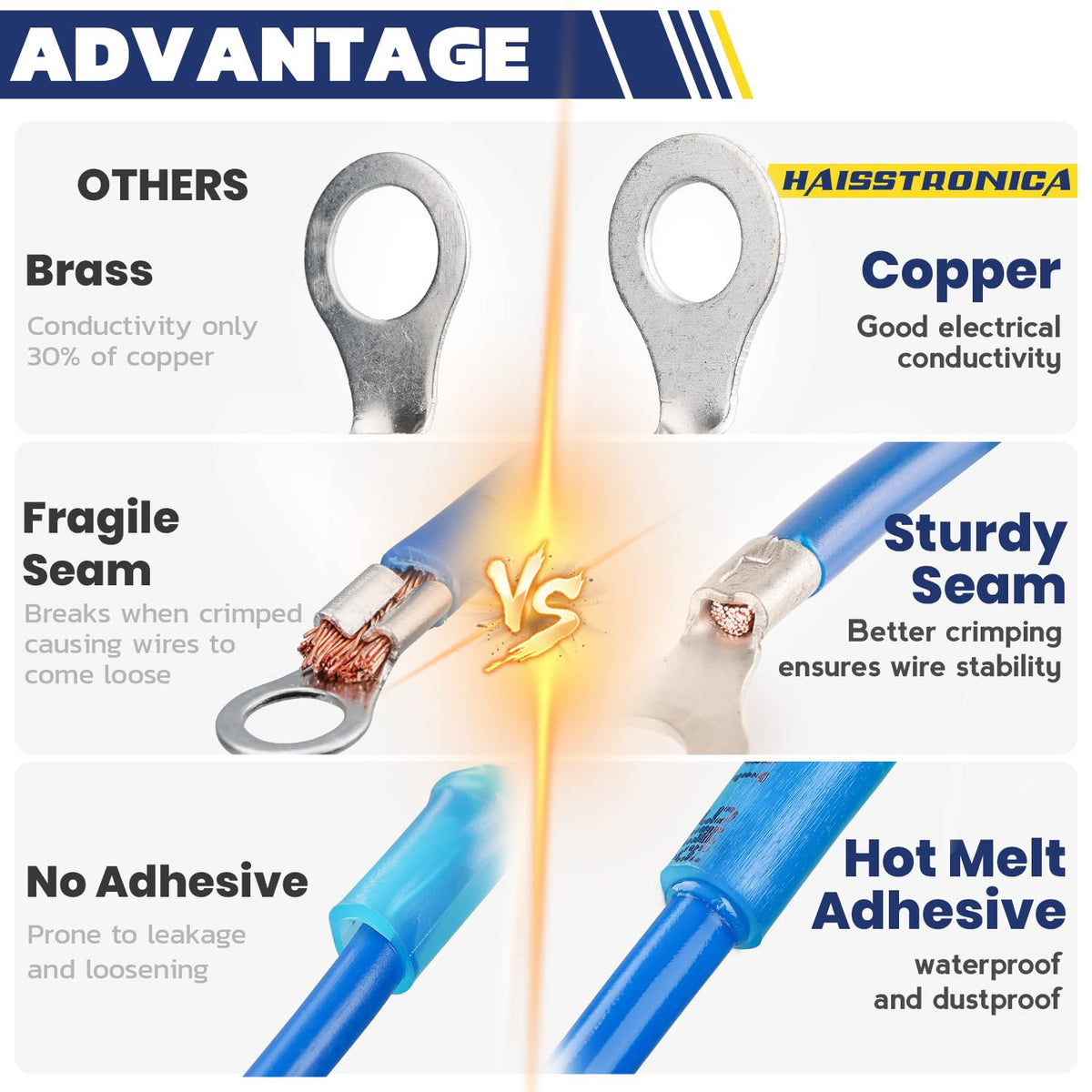
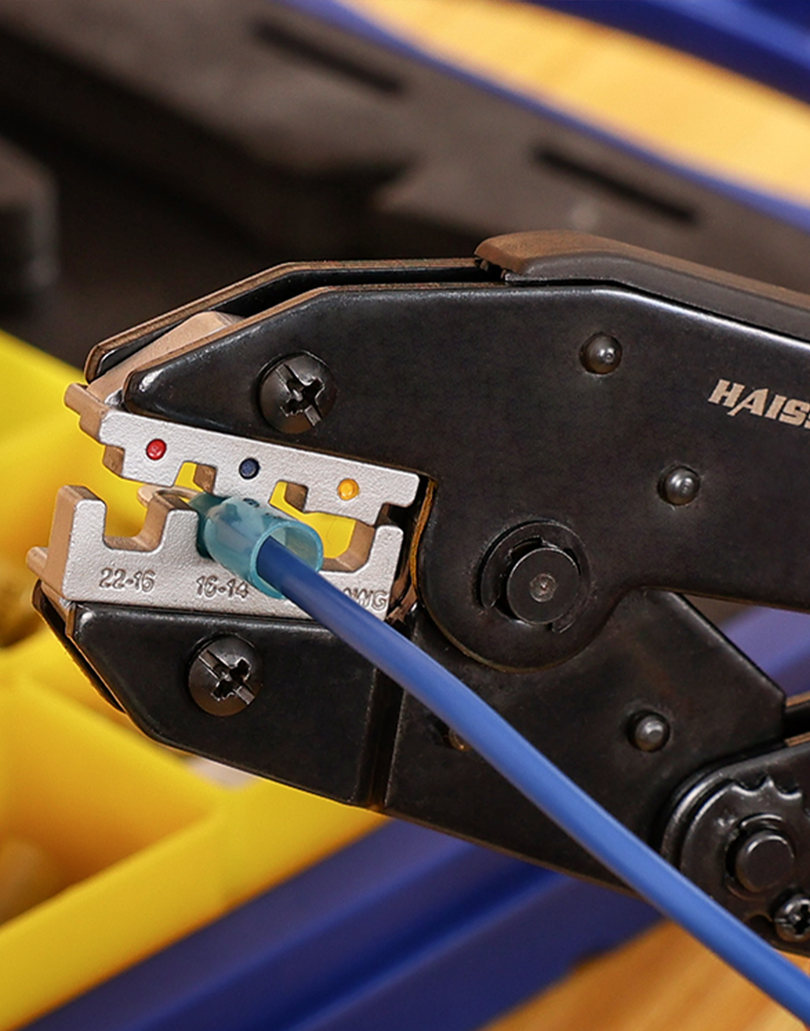
Despite their convenience, it’s important to use quality solder splices and the right technique. Industry experts warn that poorly made solder connectors might not fully fuse the wires or could break under stress. For instance, in a comparative test, premium solder seal connectors (from a reputable brand) achieved a splice so strong that the wire broke before the joint did, while cheap no-name versions barely held the wires together. This echoes what many electricians know: sealed connectors are only as good as their materials and design. A proper solder seal connector uses enough solder to embed all strands, an adhesive that firmly grips the insulation, and tubing that won’t split under heat. When those conditions are met, the result is a reliable splice that can endure vibration and moisture. However, because these connectors rely purely on solder (with no crimp sleeve), some standards like the marine ABYC code advise against using solder-only splices for critical connections. The concern is that excessive heat or flexing could weaken a soldered joint over time. That said, for moderate-vibration areas and general-purpose wiring, a well-made solder seal connector is more than strong enough and offers the benefit of a hermetic seal. Many professionals carry both crimp butt splice connectors and solder seal sleeves, choosing one or the other based on the situation – for example, using crimp-and-seal connectors in high-vibration engine bays, but using solder splices in easier spots where quick installation and a slim profile are priorities. To ensure safety and longevity, always choose high-quality solder seal connectors. Haisstronica’s solder seal wire connectors are engineered with sufficient low-temp solder and adhesive-lined tubing to meet strict standards, giving you confidence that each solder splice connector will perform even in automotive or marine conditions.

As a final note, solder seal connectors have gained popularity through online tutorials and even social media ads. You might have come across kits like “SolderStick” connectors promising easy wire fixes. The concept is indeed sound – as we’ve discussed, these crimp and solder connectors can make durable joints – but you should be cautious of ultra-cheap versions. Always look for sealed wire connectors that are UL or CE certified and have good reviews from electricians, so you know the solder will flow properly and the tubing will hold up. When installed correctly, solder seal splices give a clean, low-profile connection that is often slimmer than a crimped butt connector, allowing you to fit wiring into tighter spaces. They are also fully sealed against water ingress, making them effectively waterproof connectors for wiring repairs on boats, trailers, exterior lighting, and other outdoor circuits. If you need to join multiple conductors or create a Y-splice, however, you’ll need different connector styles (like a T-tap or multi-wire connector) – solder seal connectors are primarily meant for joining two wire ends. In summary, what they “actually do” is provide a fast, one-step way to splice and seal wires, combining the roles of a soldering iron, solder, and heat-shrink tubing into a single handy connector. For anyone working on wiring, from car enthusiasts to marine technicians, Haisstronica’s heat shrink solder wire connectors can be a game-changer – they simplify the process while ensuring a secure, weatherproof bond on every wire splice.
In the battle of heat-shrink tubing vs. solder seal connectors, the key takeaway is that they’re complementary tools, not interchangeable ones. Use heat-shrink tubing when you need to insulate, bundle, or protect a connection that’s already been made (for example, over a crimped terminal, a twisted wire splice, or a soldered joint). It’s essentially an extra layer of insulation and sealing – think of it as putting a durable, protective sleeve over your wires to keep out moisture and prevent shorts. On the other hand, use solder seal connectors when you actually need to join two wires together end-to-end and want that joint both electrically solid and environmentally sealed in one shot. They save time by combining steps: you get a soldered connection and a shrink-wrapped seal at once. Many DIYers and electricians keep both on hand: heat-shrink tubing for general insulating tasks and solder & seal splices for making quick, reliable in-line splices without a crimp tool. When done properly, either method yields a robust, long-lasting connection – and using them together (soldering a wire then adding heat-shrink over it) can give the best of both worlds.
For most projects, it’s not about choosing one over the other, but using each where it excels. If you’re repairing a frayed wire or adding an extra layer of safety to connectors for exterior lighting wire or an automotive wiring job, heat-shrink tubing is your go-to. If you’re extending wires or making new connections in a trailer, car, or boat, solder seal butt connectors can simplify the task and ensure a waterproof splice. Always ensure you select the right size tubing or connector for your wire gauge, and follow the proper technique (even heating, no charring). With quality products and a bit of practice, you’ll find that both heat-shrink tubing and solder seal connectors have a firm place in building reliable electrical systems.

Haisstronica is proud to offer a full range of wiring solutions – from premium heat-shrink tubing in various sizes to top-rated solder seal wire connectors kits – so that you have the ideal option for every job. When you need to just insulate or reinforce, grab our heat-shrink tubes; when you need to splice and seal a new connection, our shrink solder connectors (solder splices) will do it in one step. By understanding the role of each, you can tackle your next wiring project with confidence, safety, and efficiency. Make sure to stock up on both in your toolbox – and feel free to explore Haisstronica’s catalog for the best wire connectors and accessories in the industry, all designed to make your electrical projects easier and more reliable.