
Haisstronica Small-Wire Crimping Guide
Small insulated wires leave less room for error. Match the AWG and terminal color first, strip without nicking strands, use the correct insulated-terminal die, complete one full ratchet cycle, then inspect and pull-test the connection.
Your 6-step path
Start here: match AWG before touching the tool
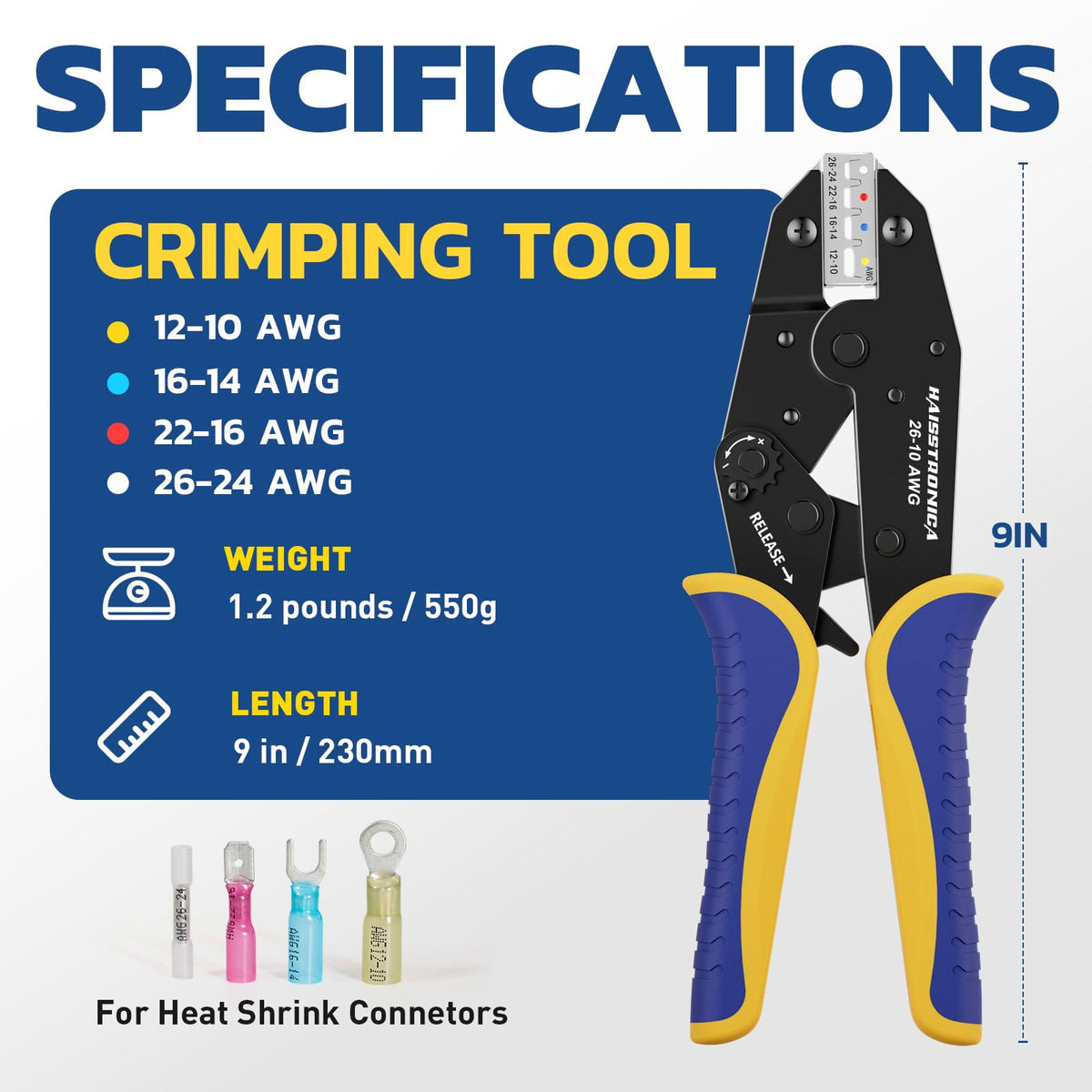
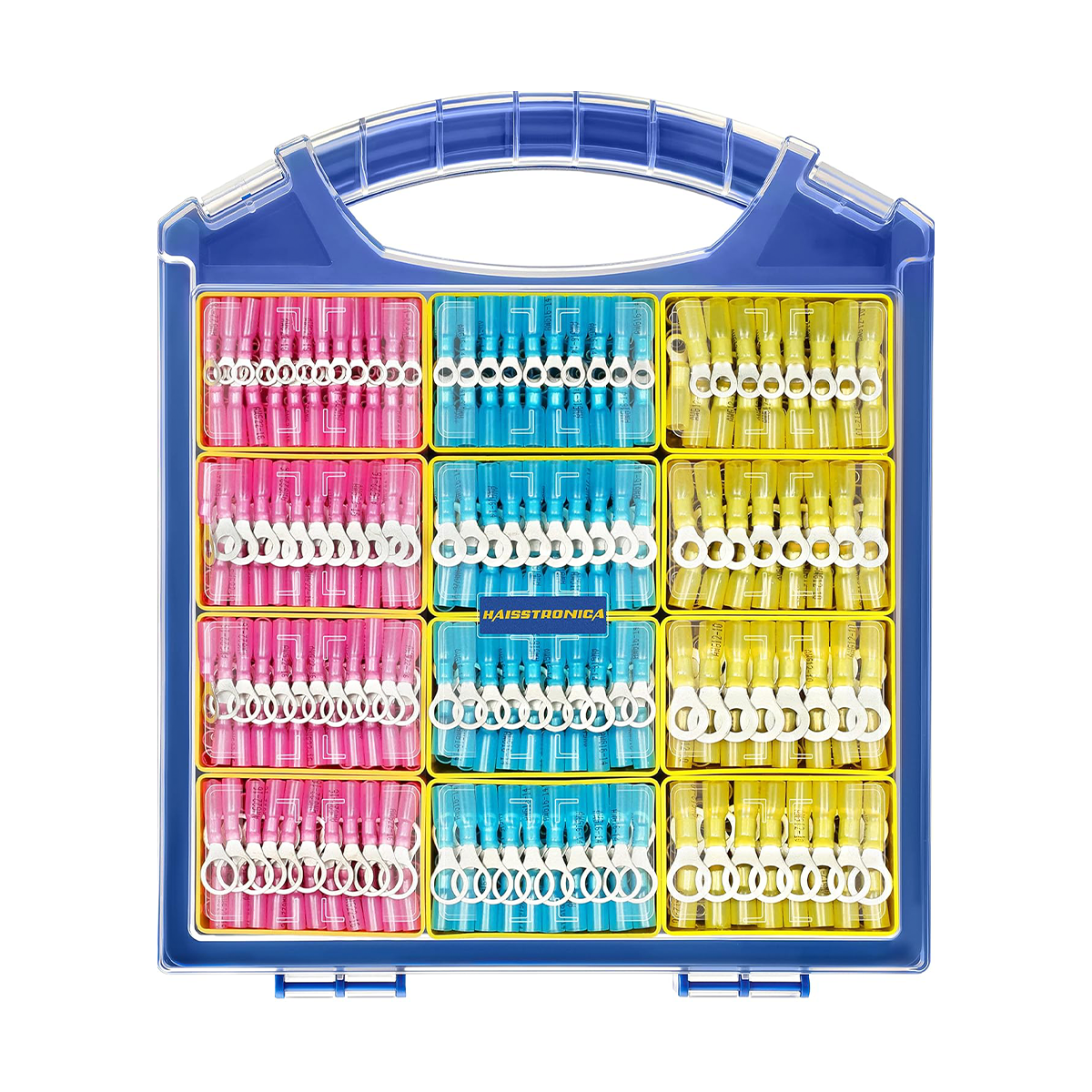
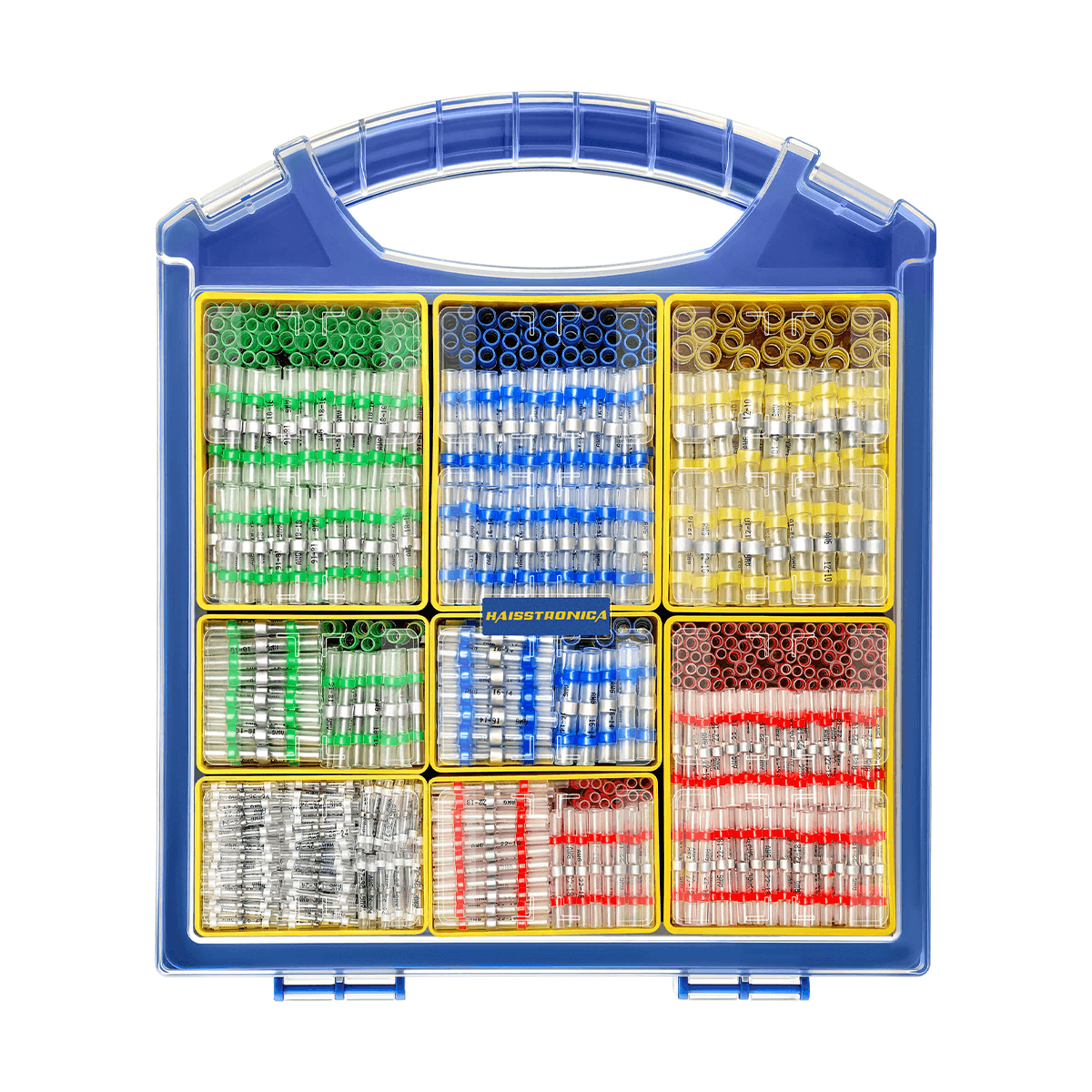
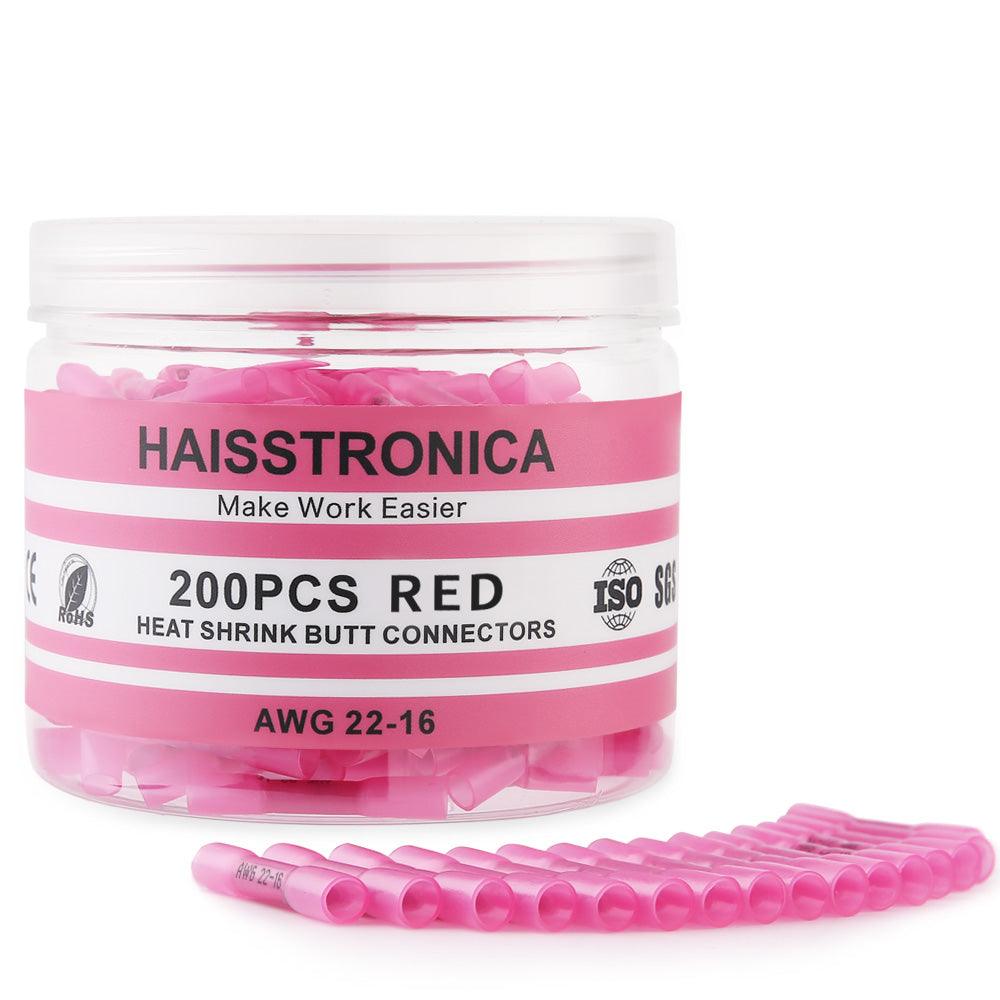
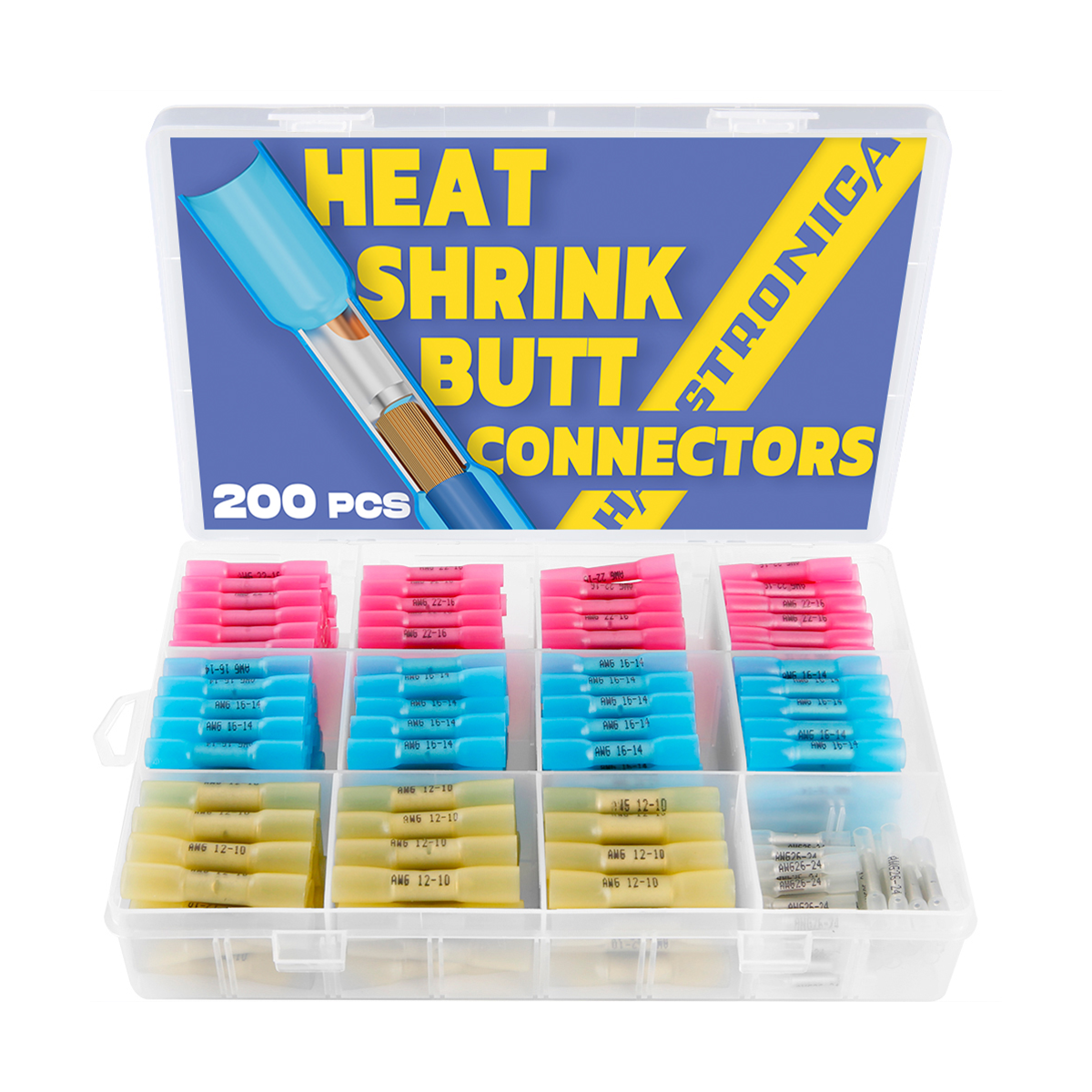
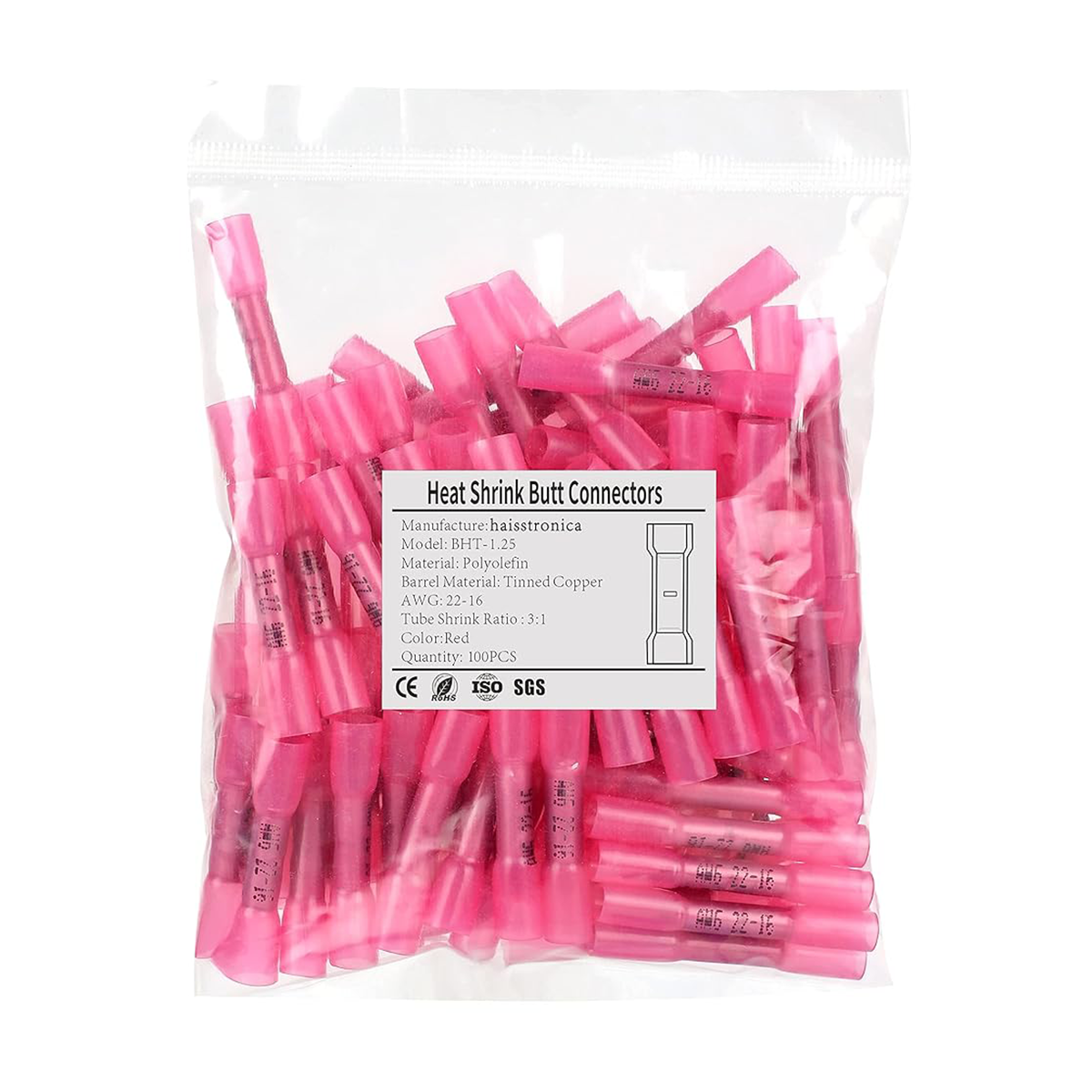
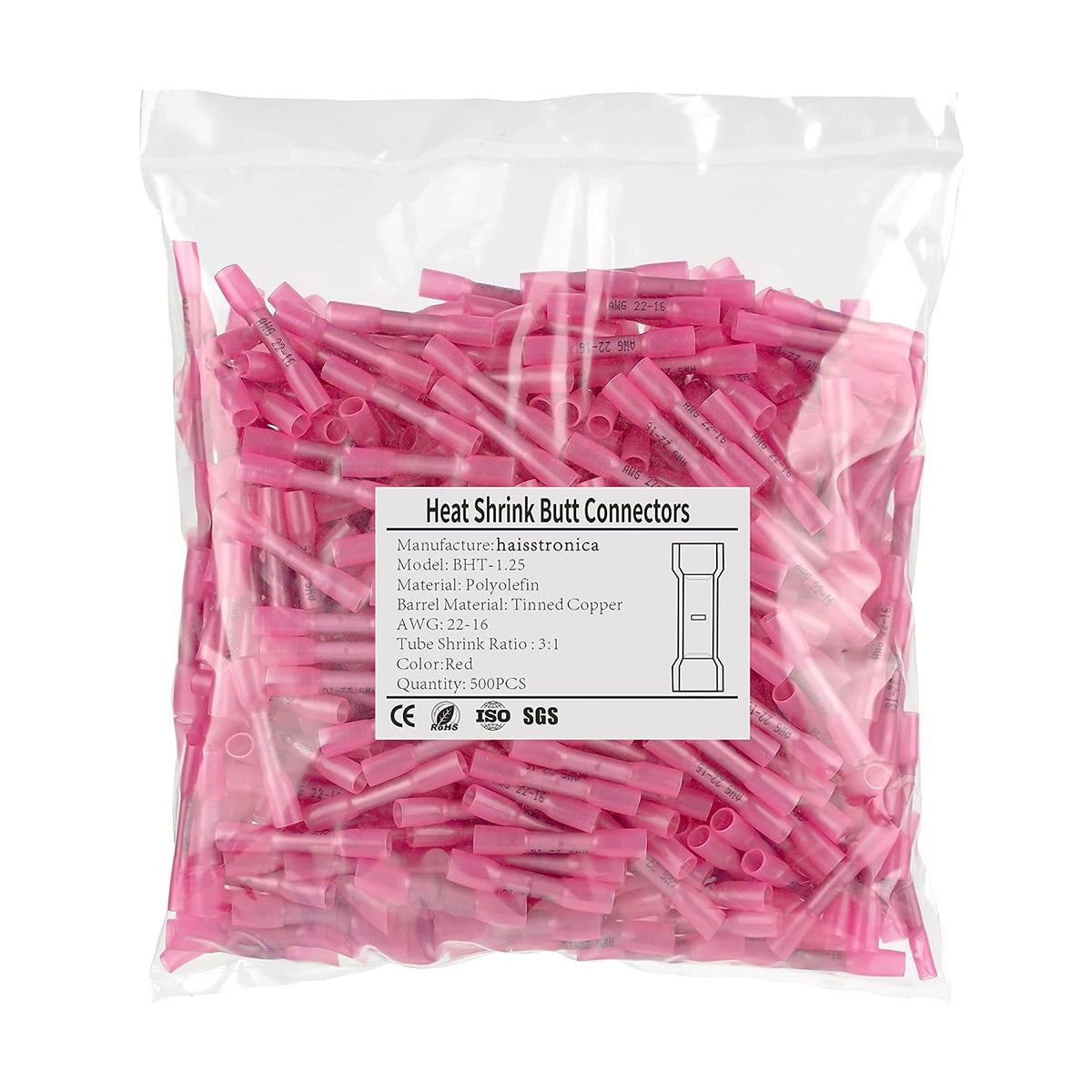
Do not choose an insulated connector by appearance alone. Read the wire gauge, confirm the terminal range printed on the package, then match the die. For most small-wire jobs, the red 22–16 AWG family is the correct starting point.
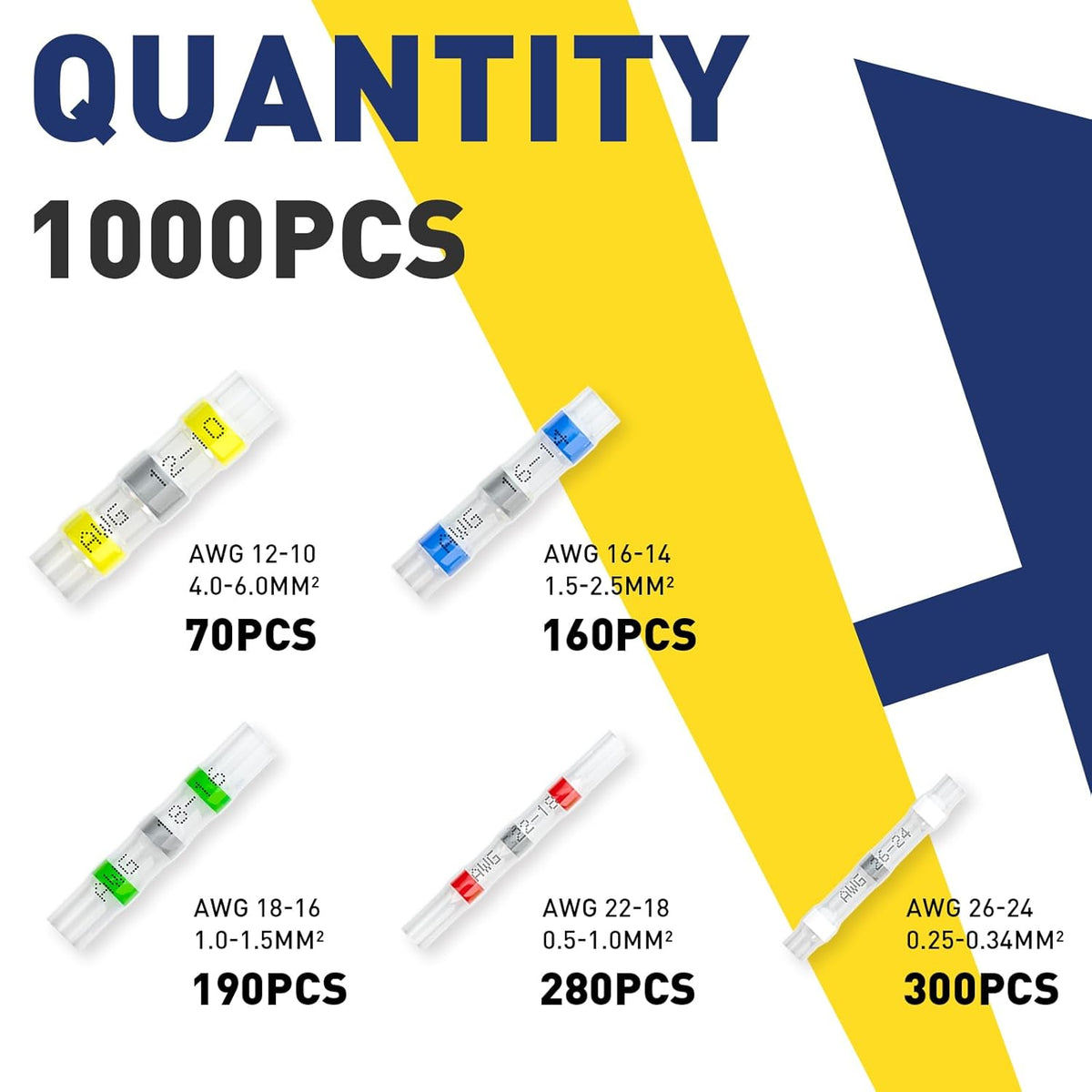
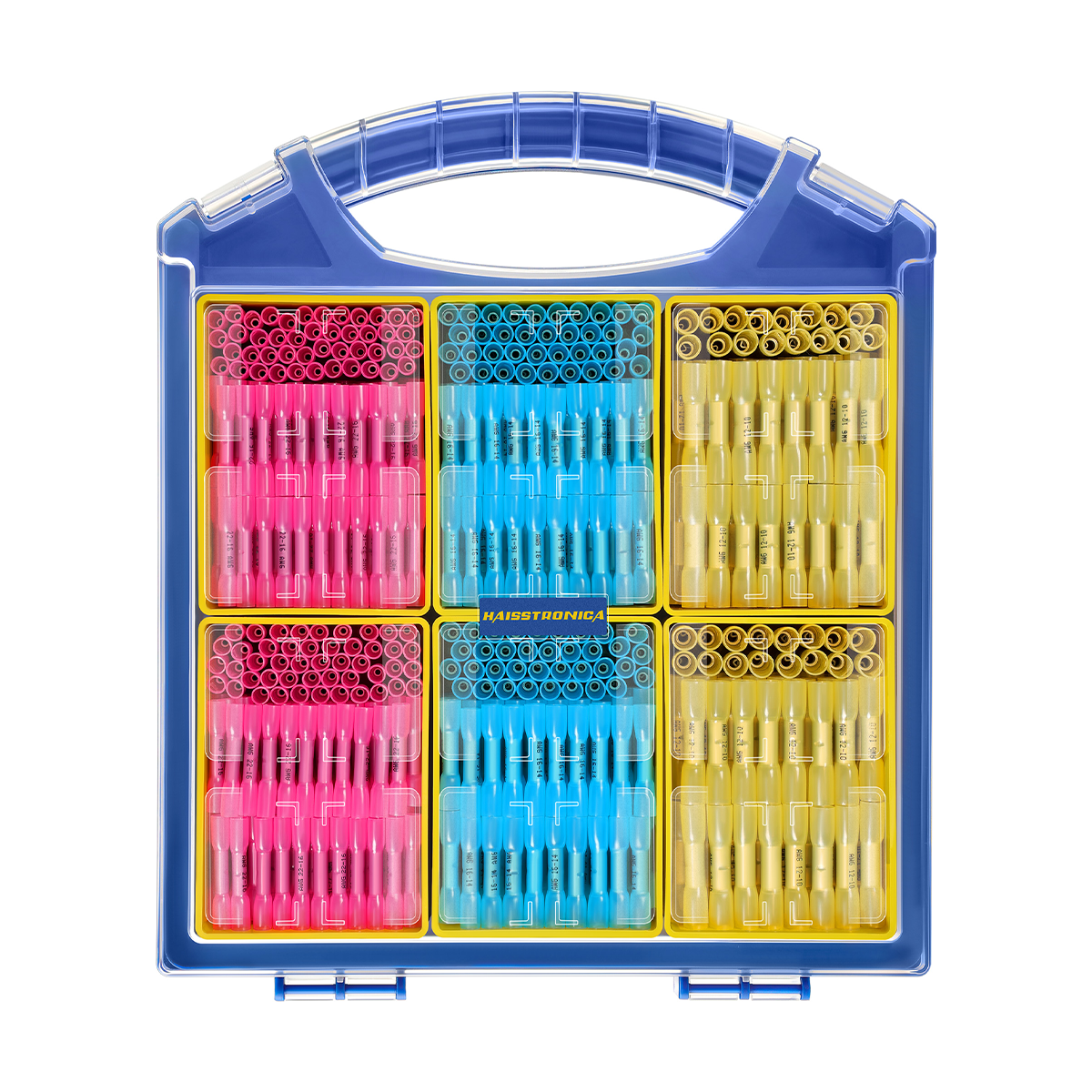
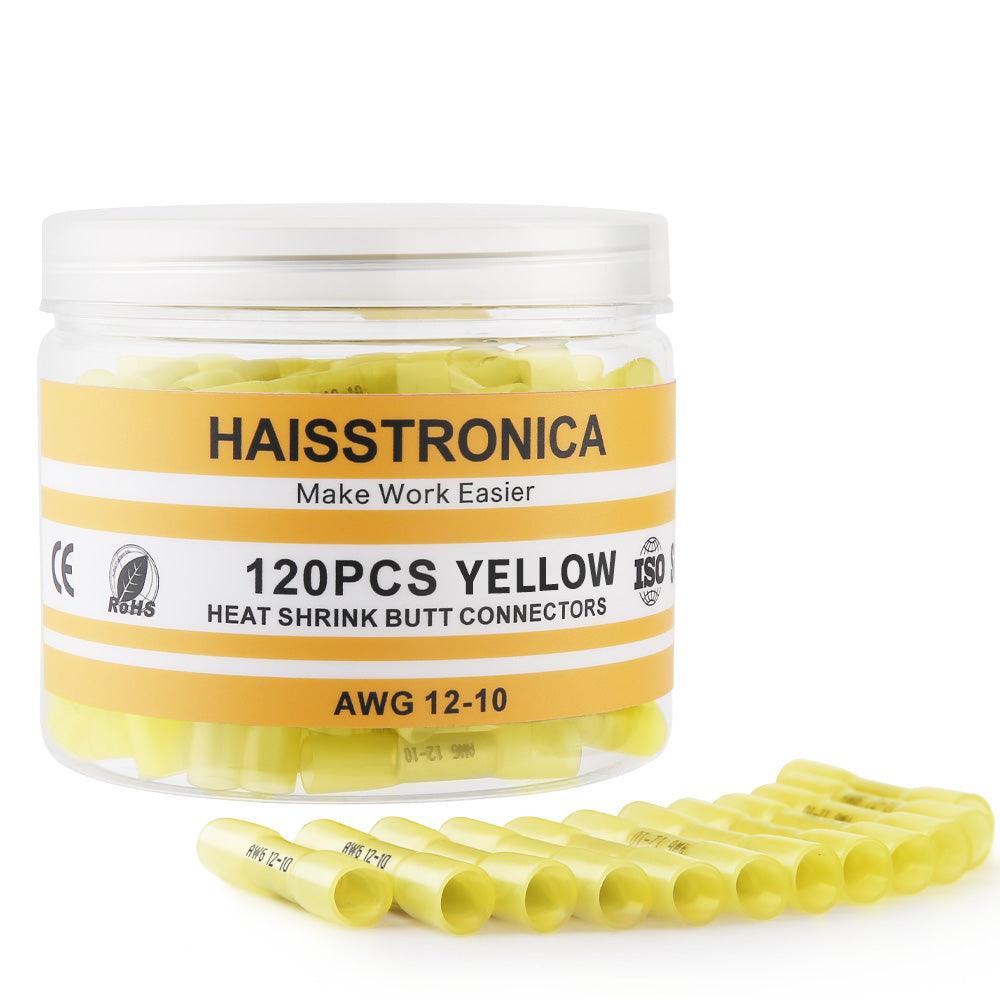
| Wire range | Terminal color | Use for | Check before crimping |
|---|---|---|---|
| AWG 22–16 | Red | Small insulated wires | Snug barrel fit; all strands enter |
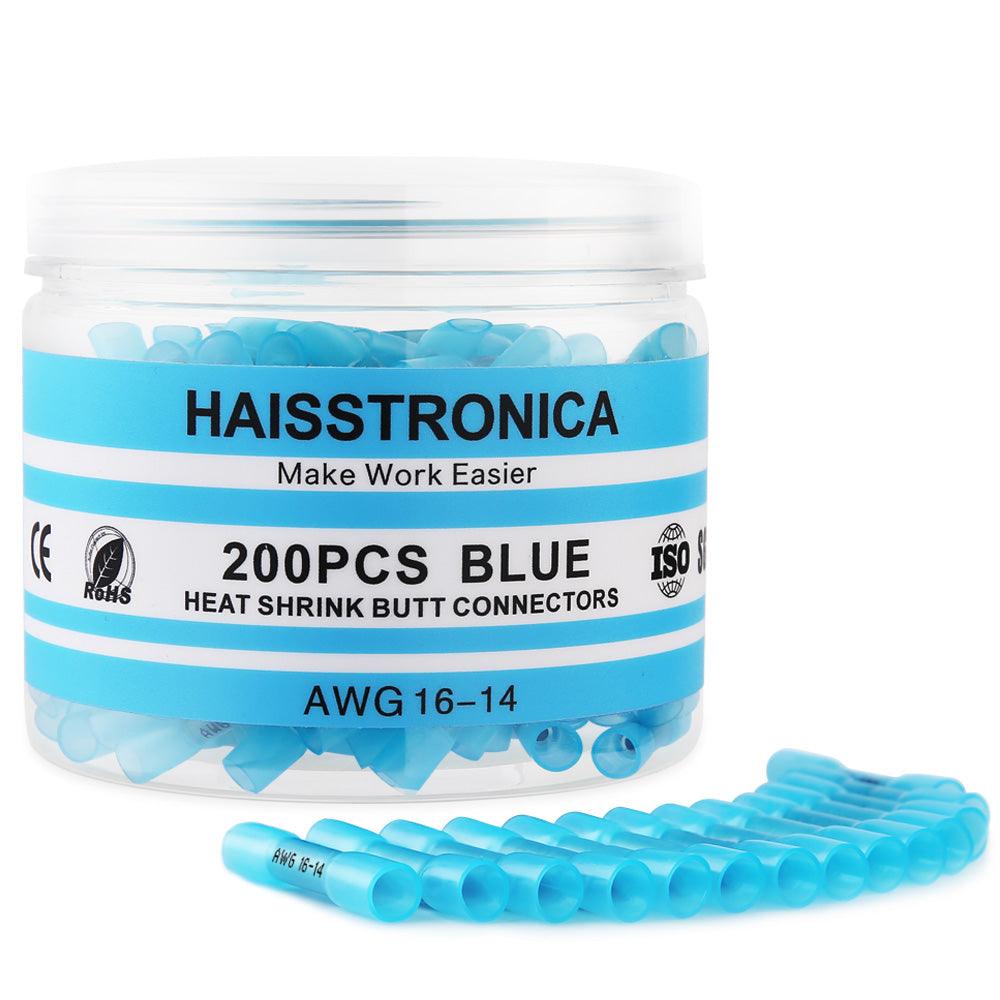
| AWG 16–14 | Blue | Medium wire | Do not use for loose AWG 20–22 wire |
| AWG 12–10 | Yellow | Larger wire | Too large for small-wire crimps |
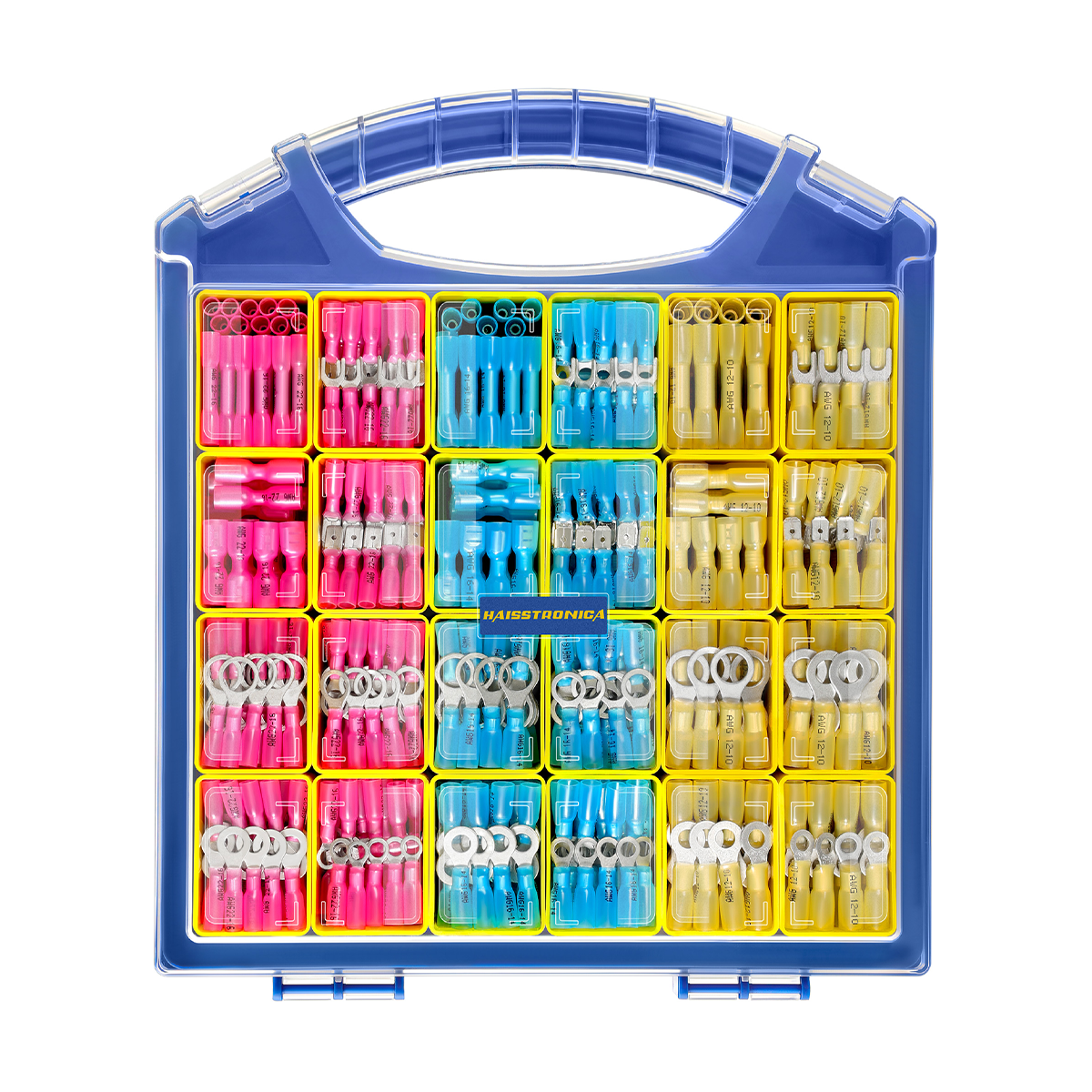
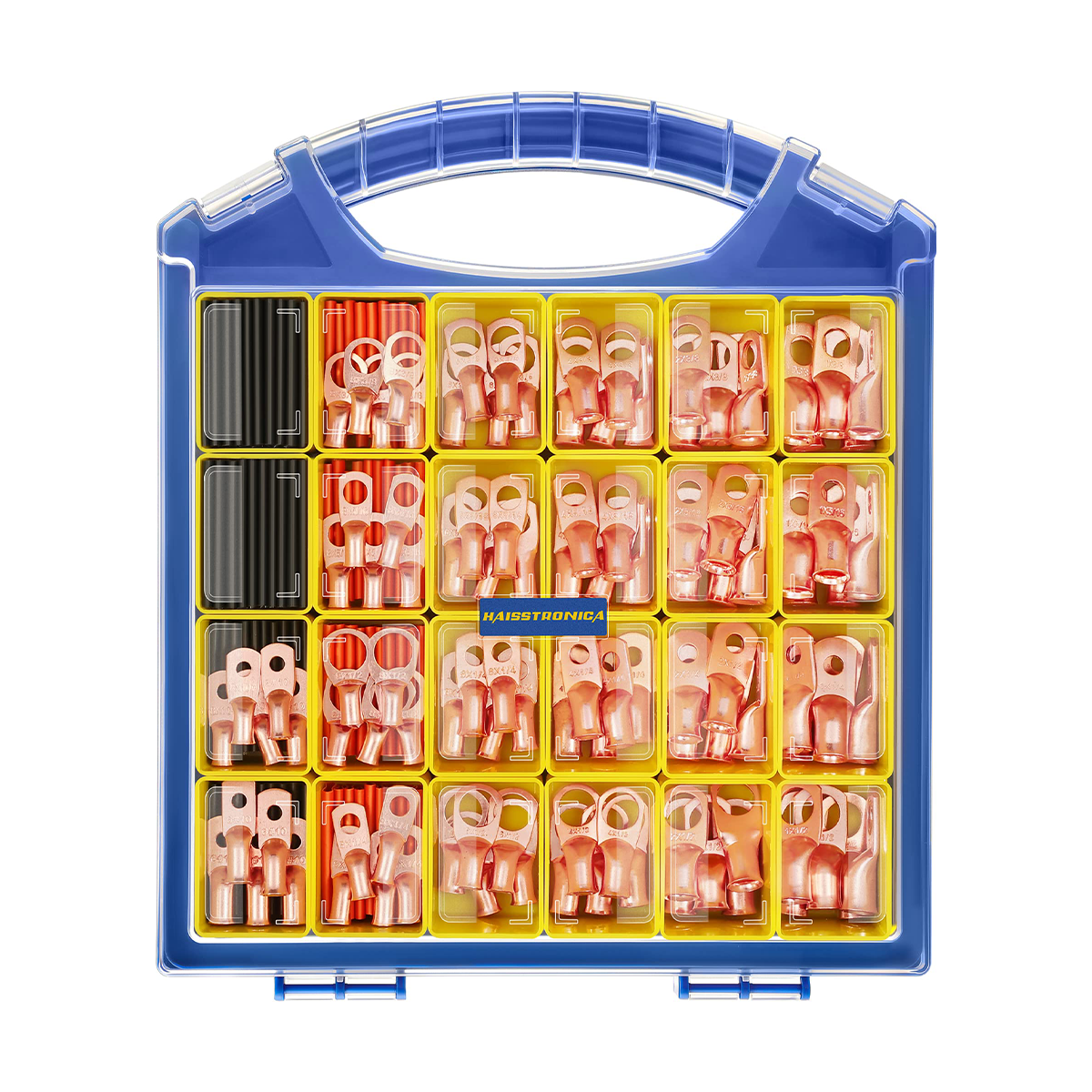
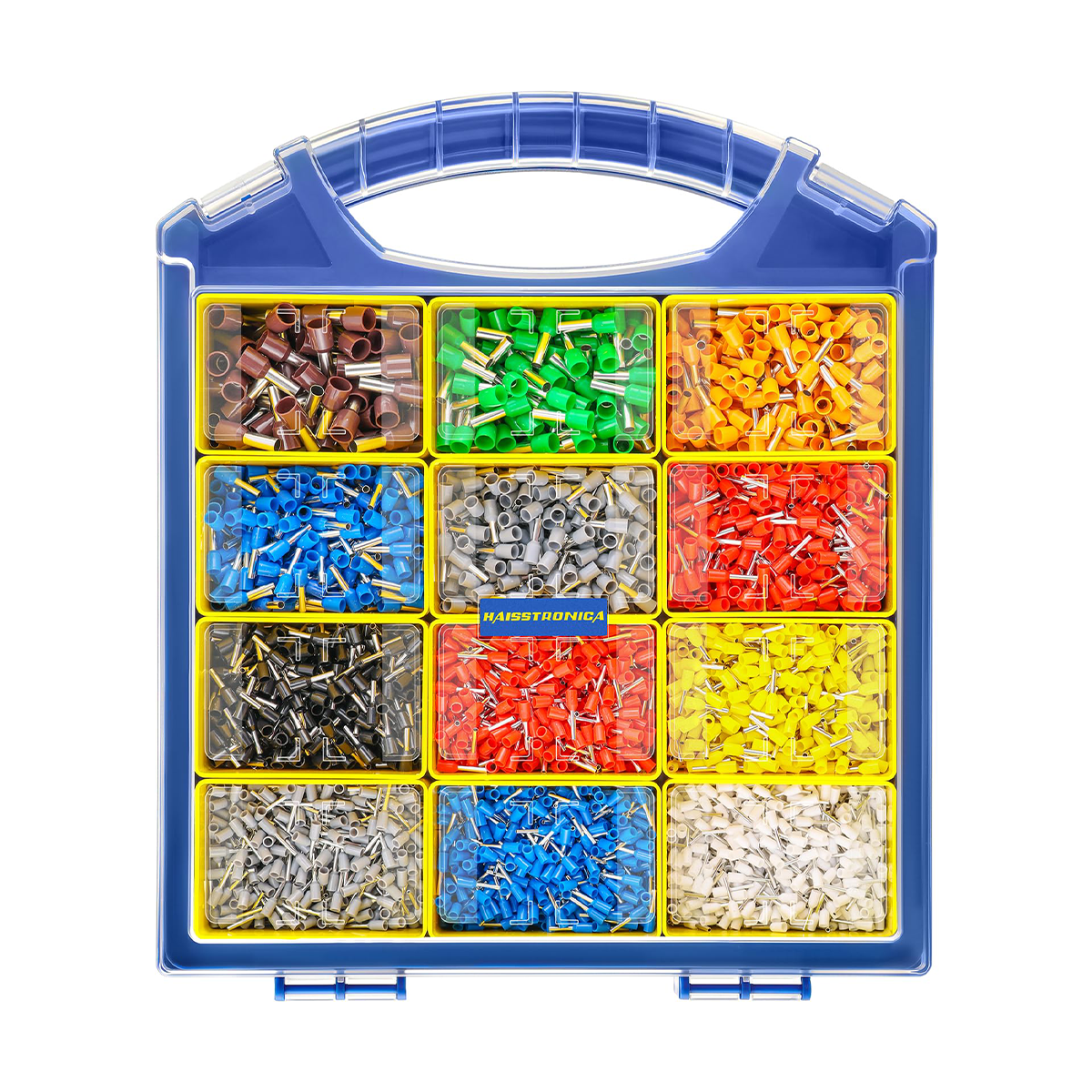
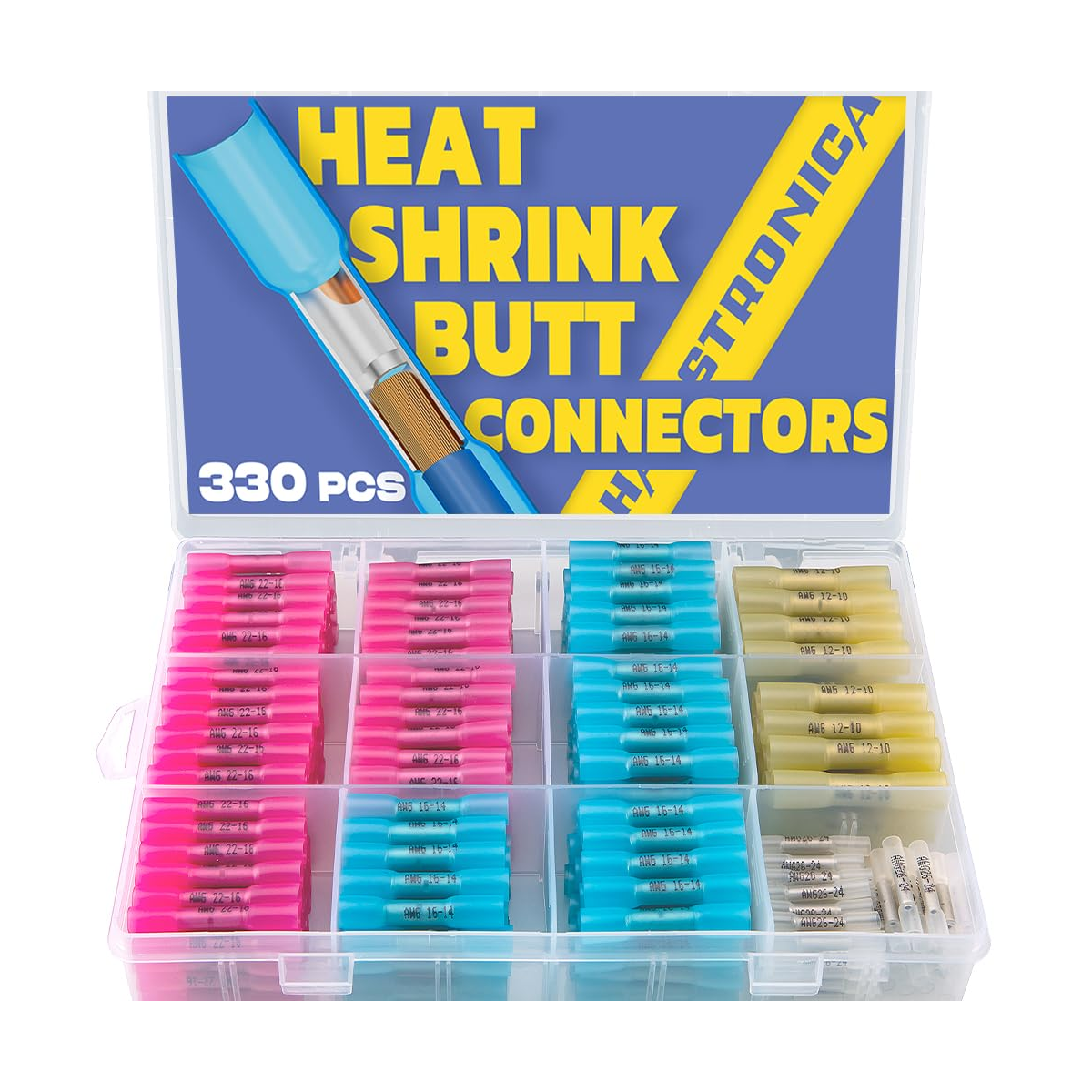
Connector shortcut: Start with the red AWG 22–16 options inside the small-gauge heat shrink connector kit. Move to blue or yellow only when the printed wire gauge requires it.
Step 1: choose the terminal shape for the job
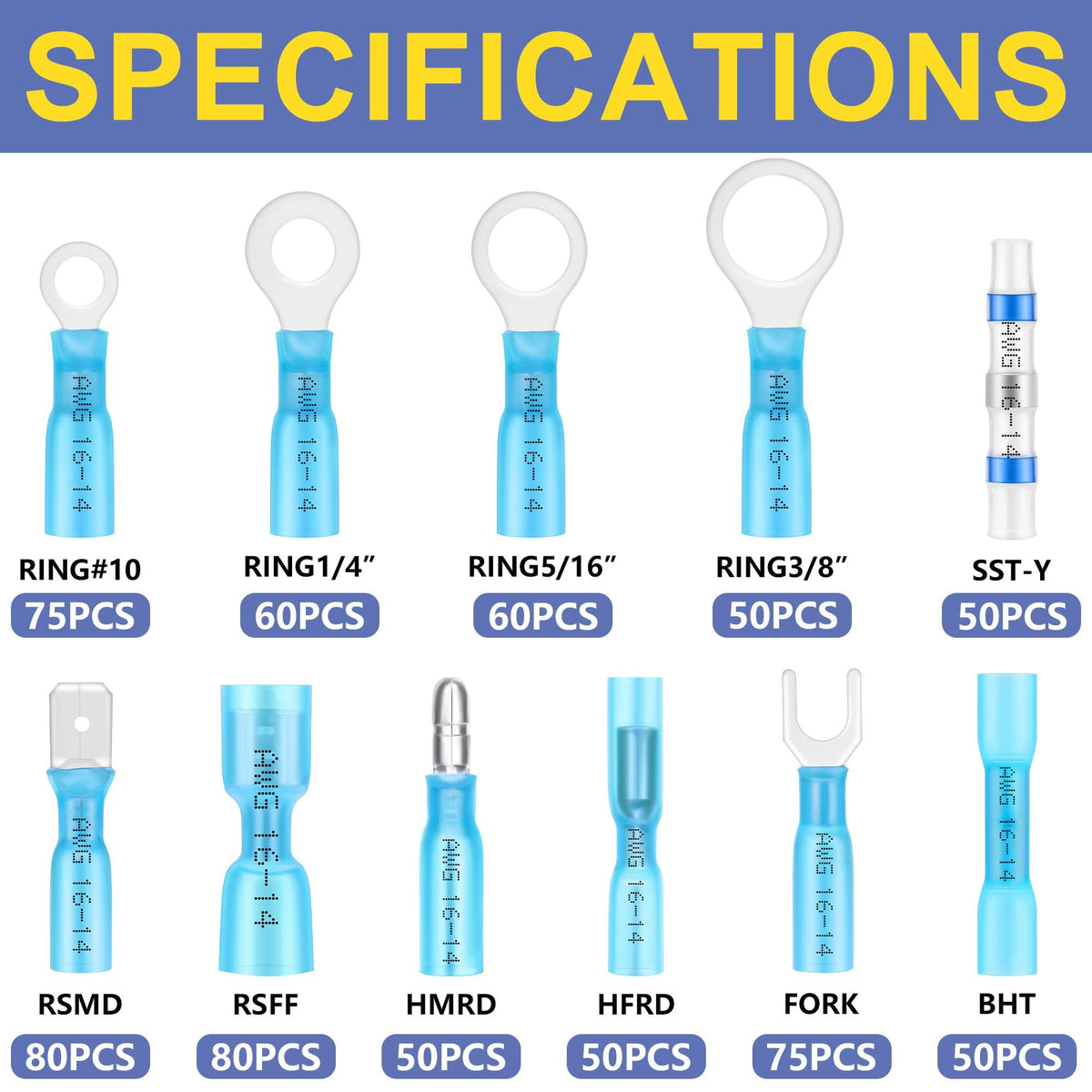
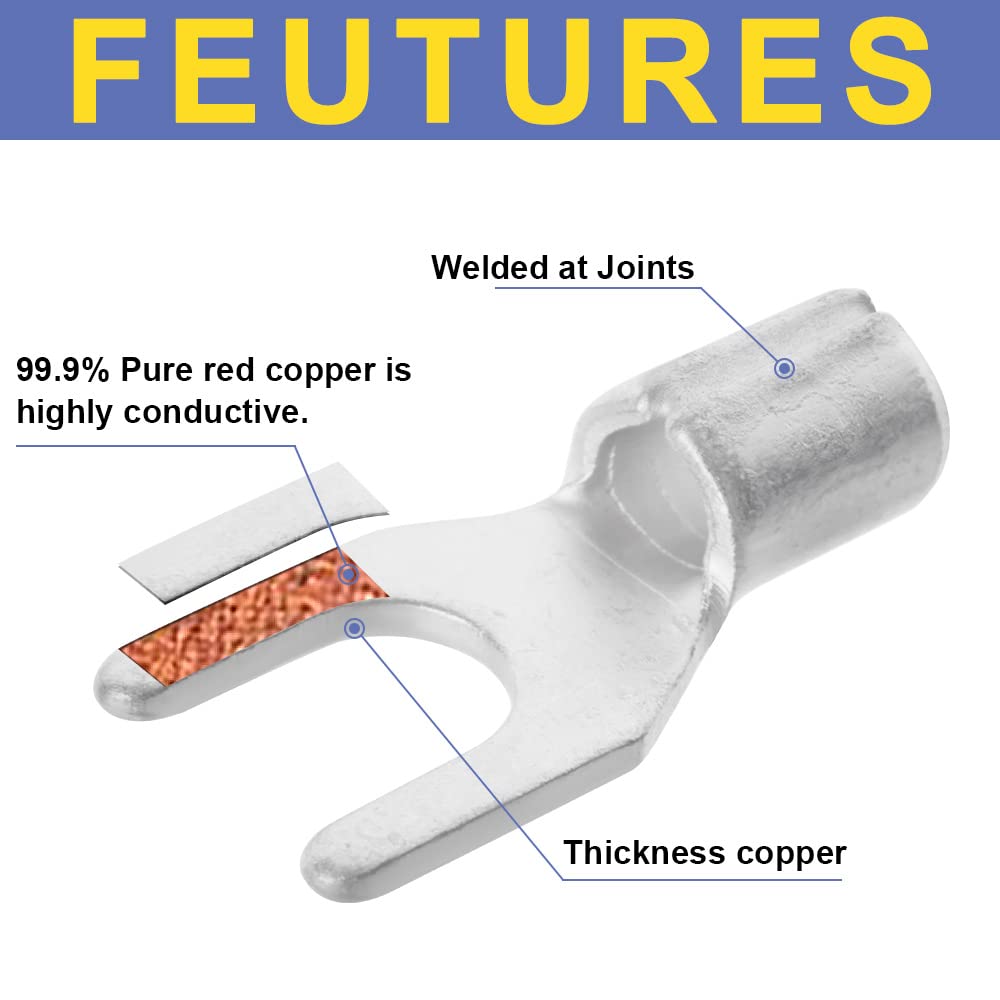
Join two small wires end to end.
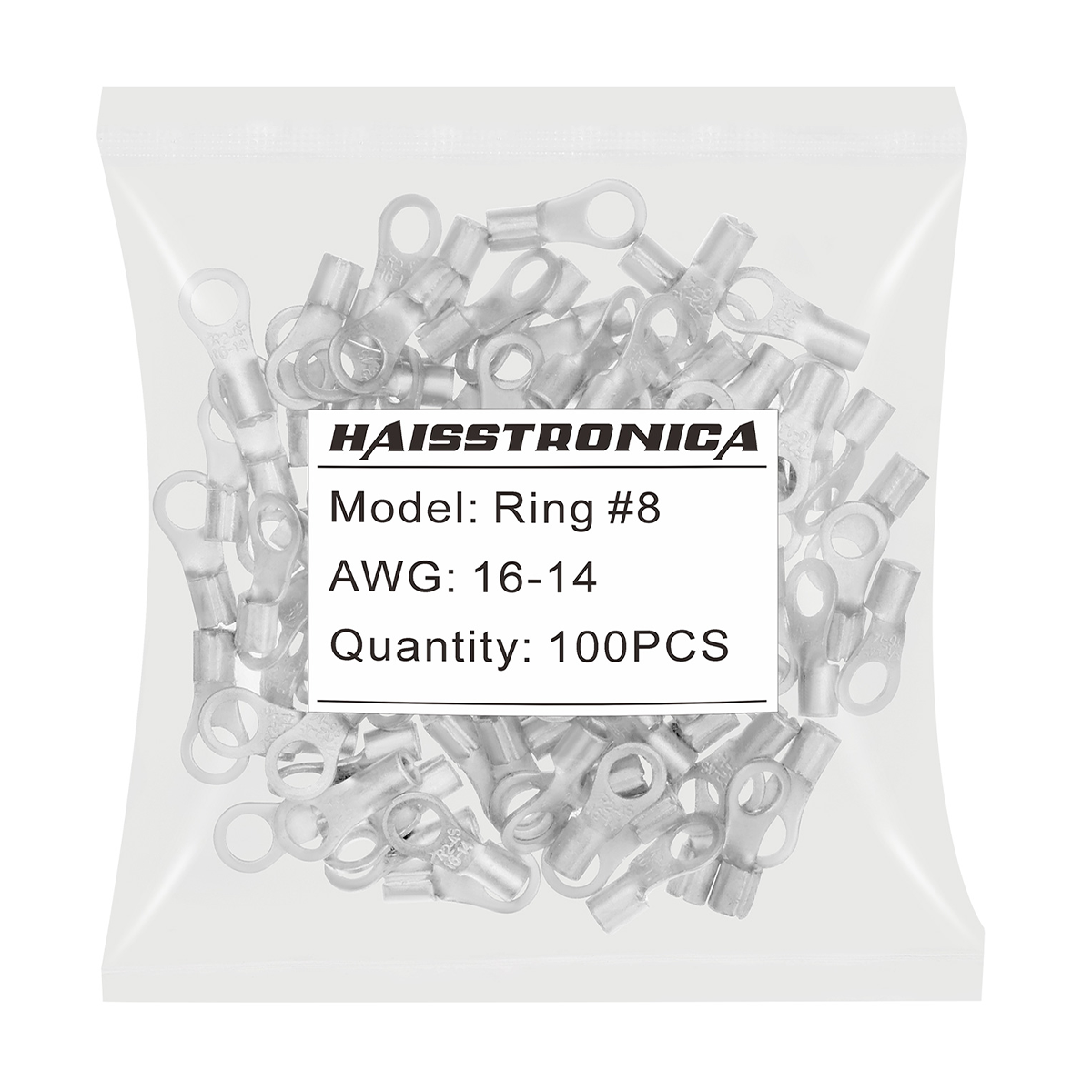
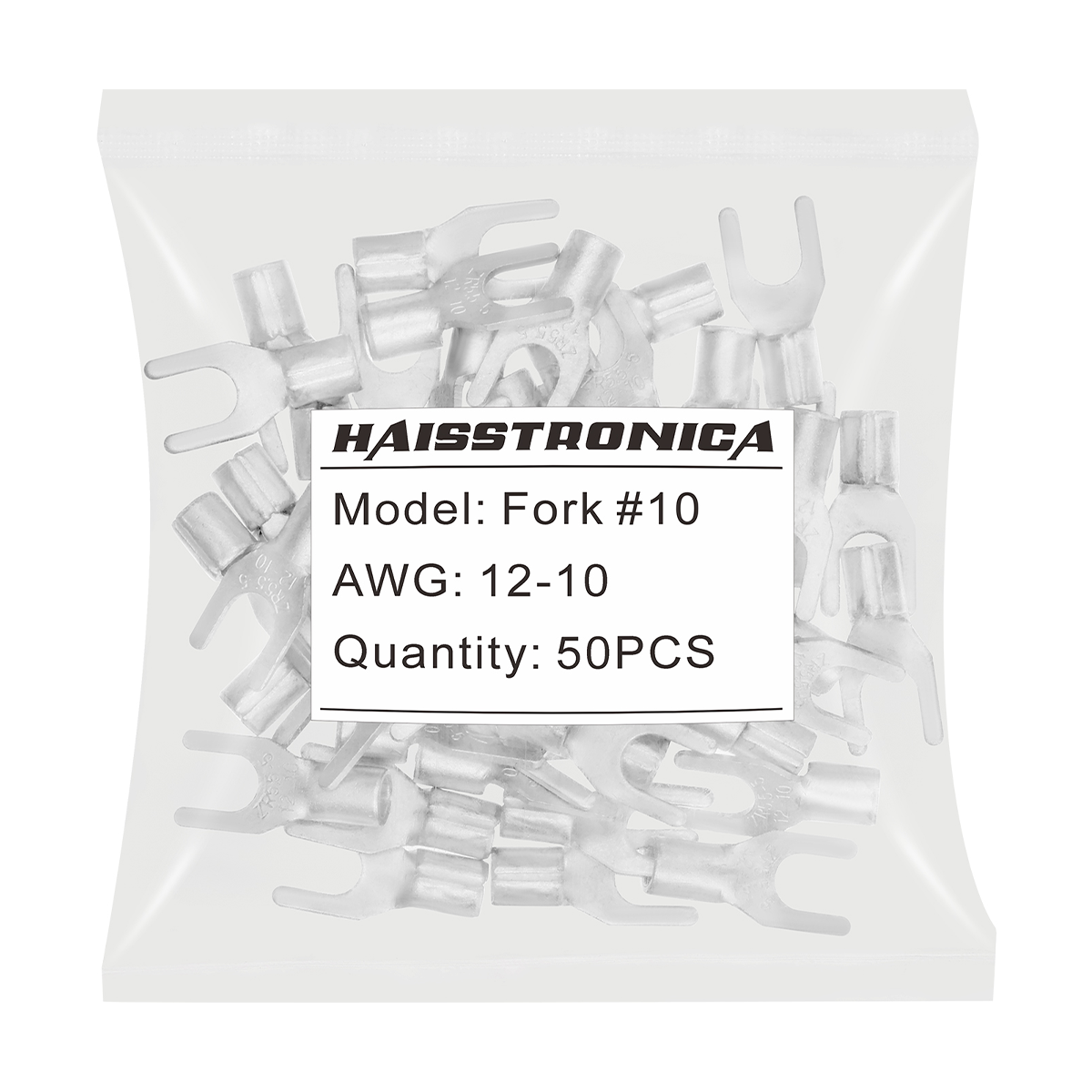
Secure a wire to a stud or screw.
Create a removable screw connection.
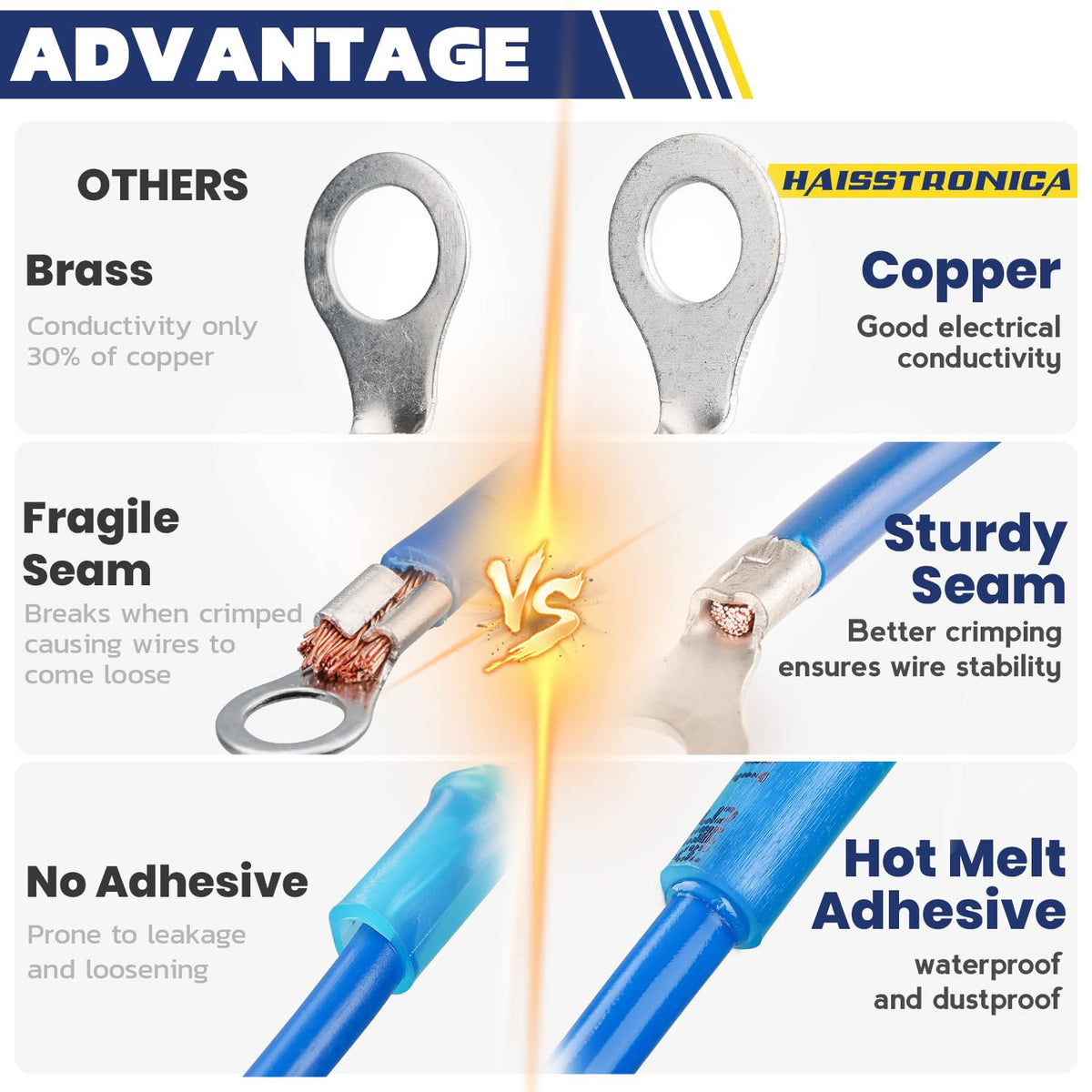
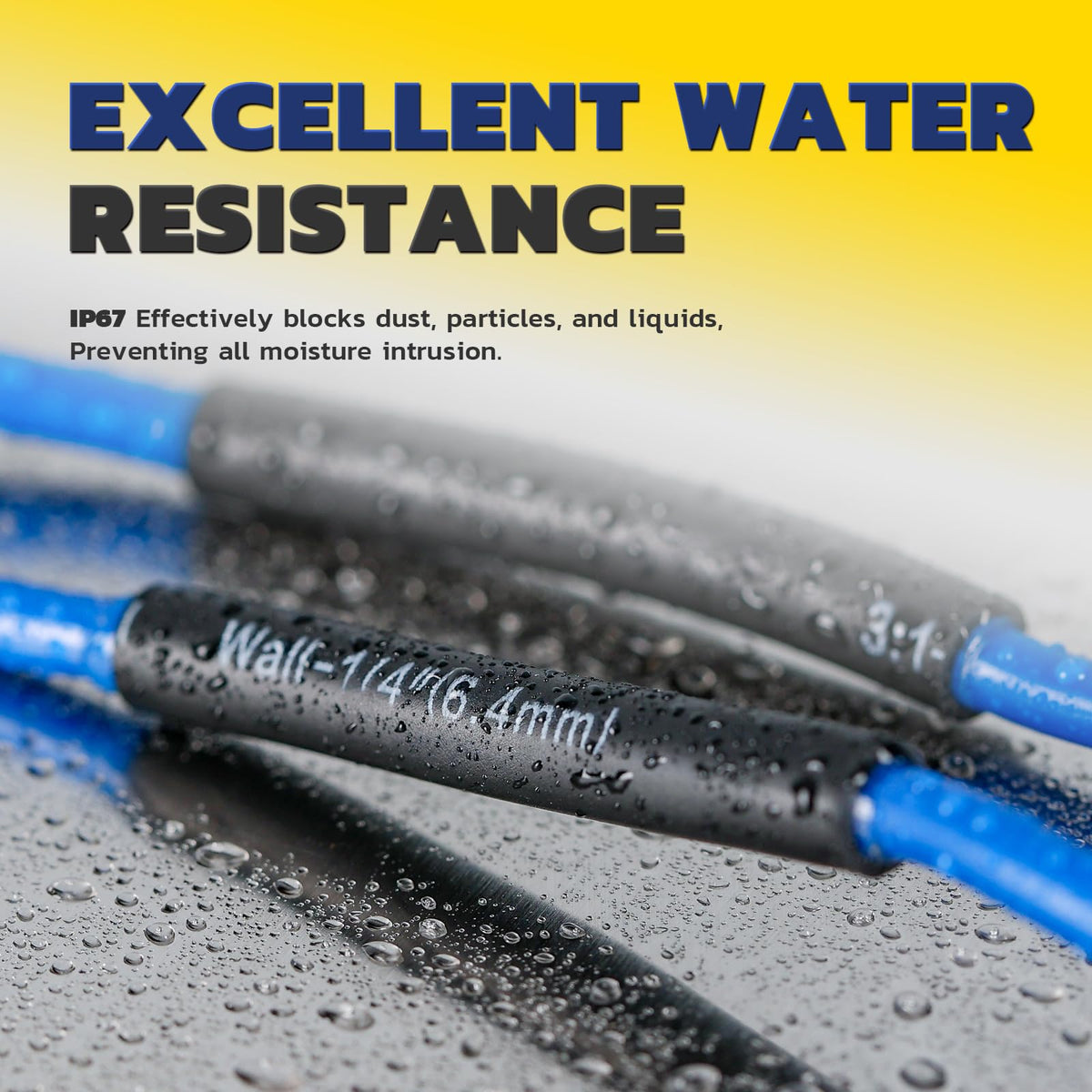
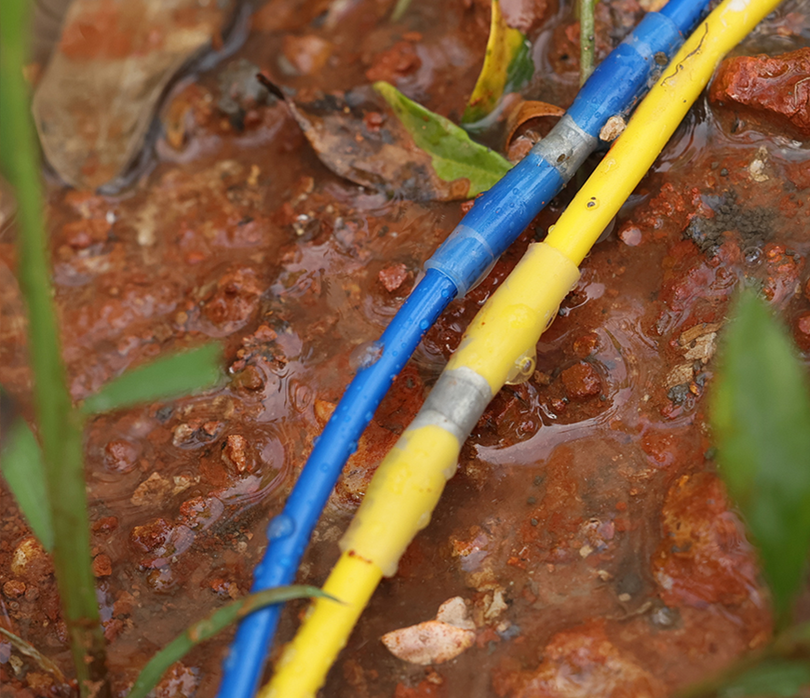
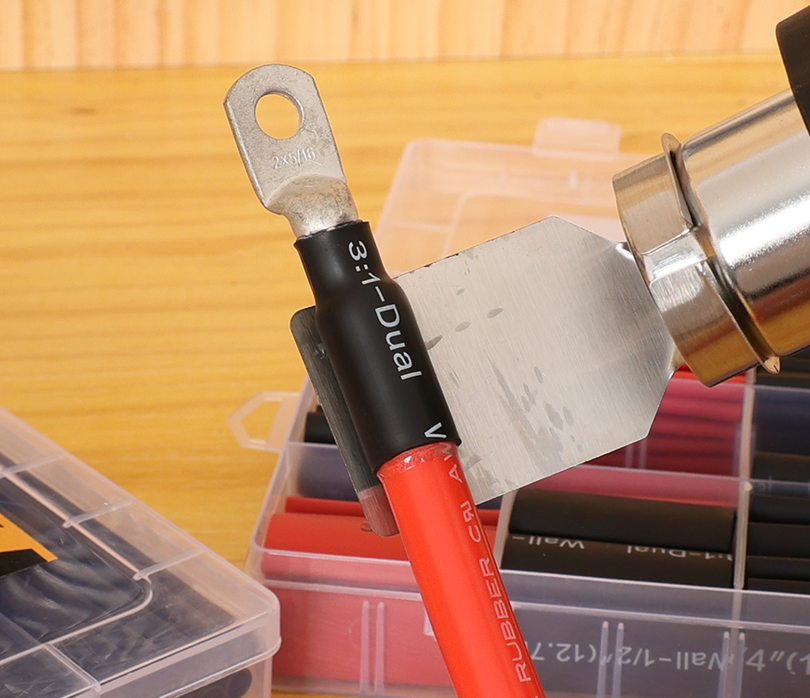
For automotive, marine, trailer, or outdoor work, choose adhesive-lined heat shrink terminals. The sealed sleeve adds strain relief and helps prevent moisture-driven corrosion after crimping.
Step 2: strip the small wire precisely
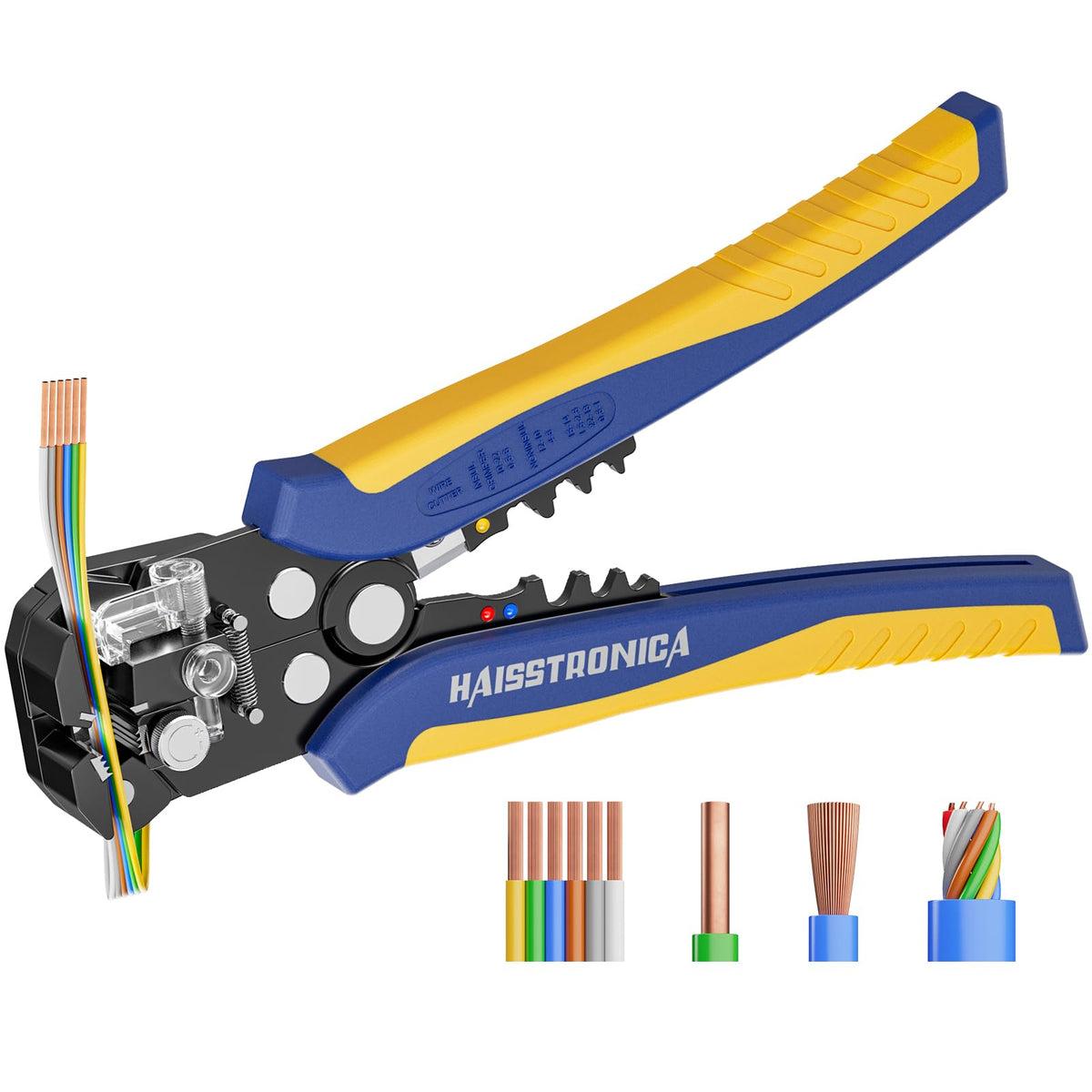
- Measure the terminal barrel depth before stripping.
- Remove only enough insulation to fill the metal barrel—typically 3–5 mm.
- Use the marked AWG slot or tension setting that matches the wire.
- Inspect every strand. If strands are nicked, cut the end off and strip again.
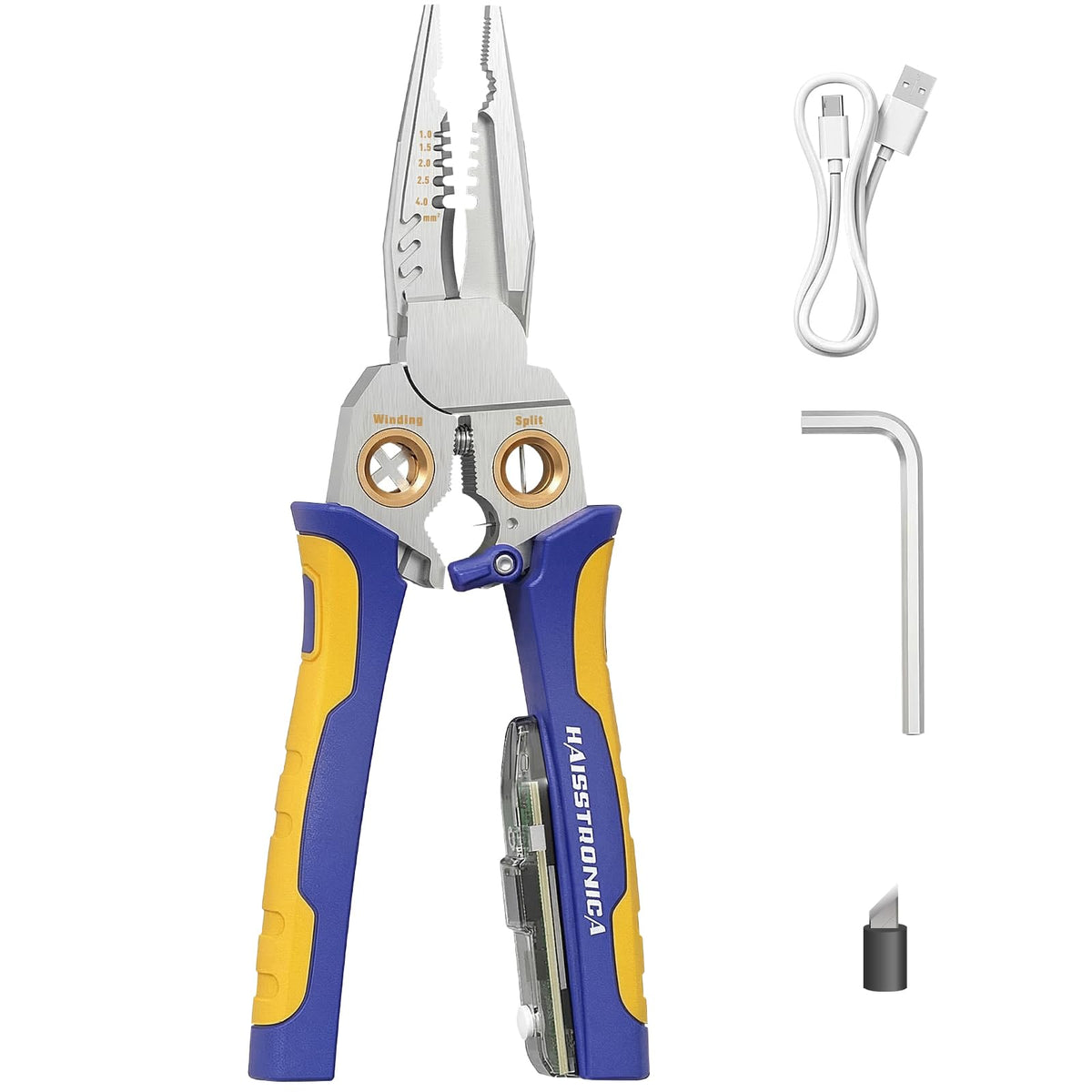
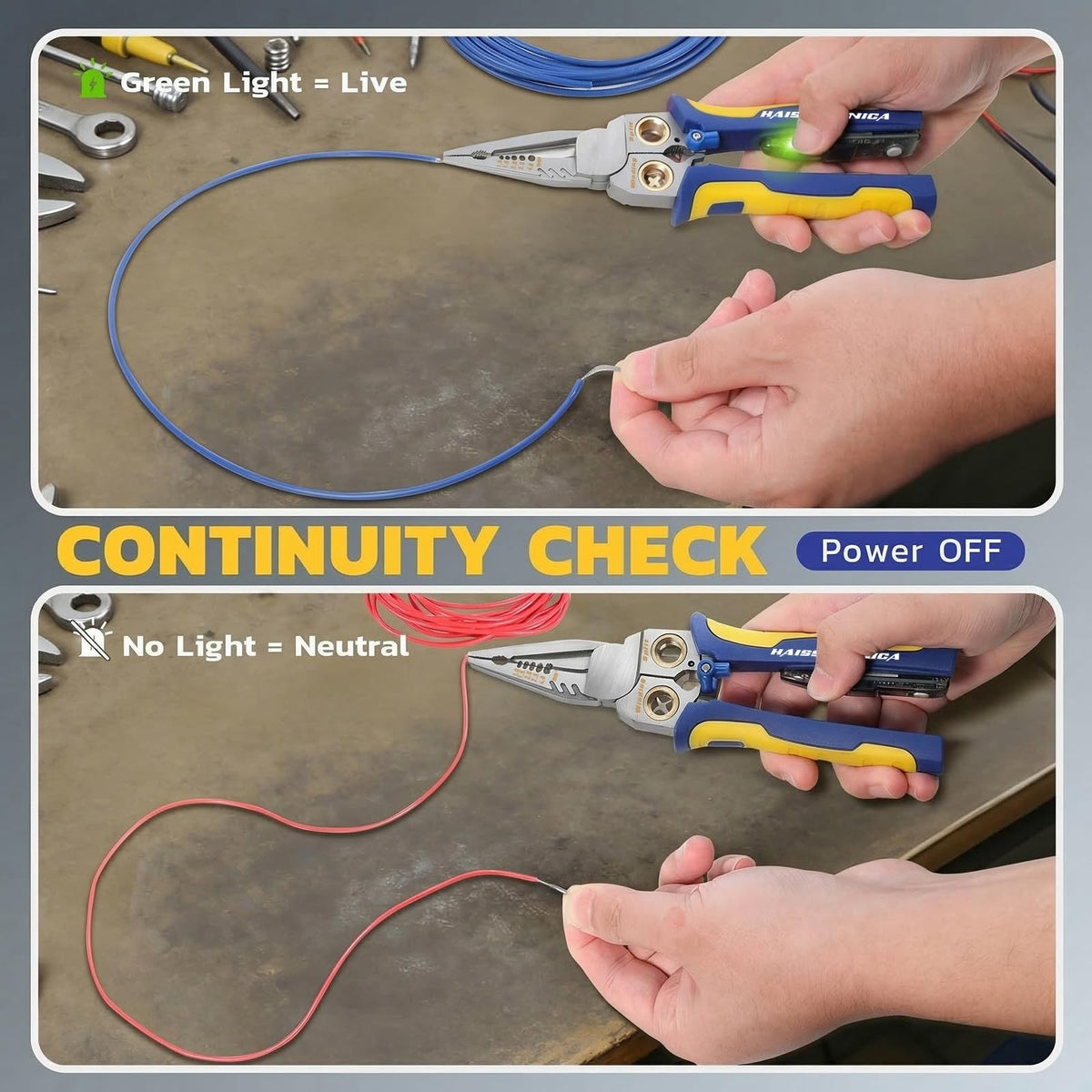
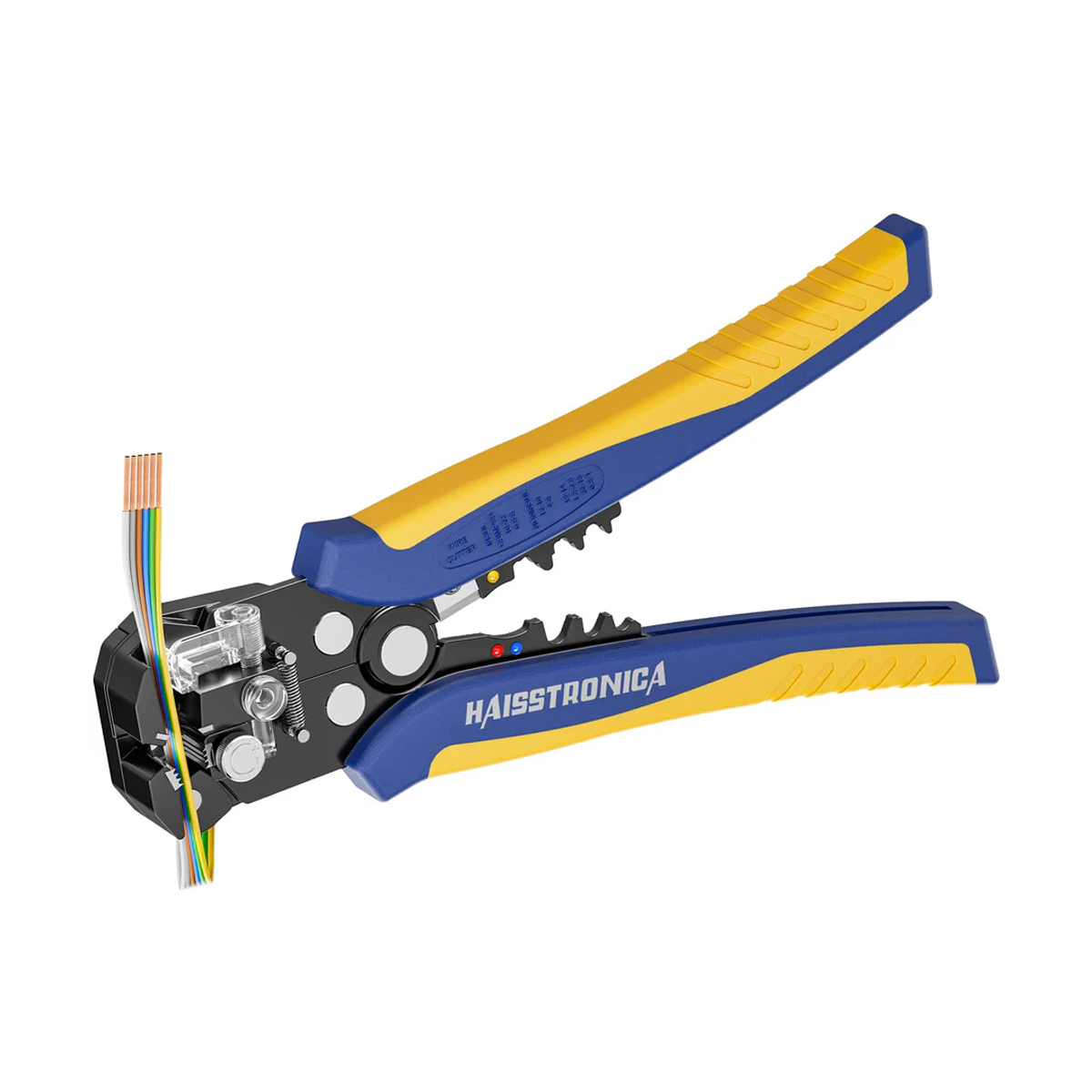
Tool for this step: A self-adjusting precision wire stripper for AWG 24–10 gives better control on small conductors and reduces strand damage.
Step 3: select the fine-wire die
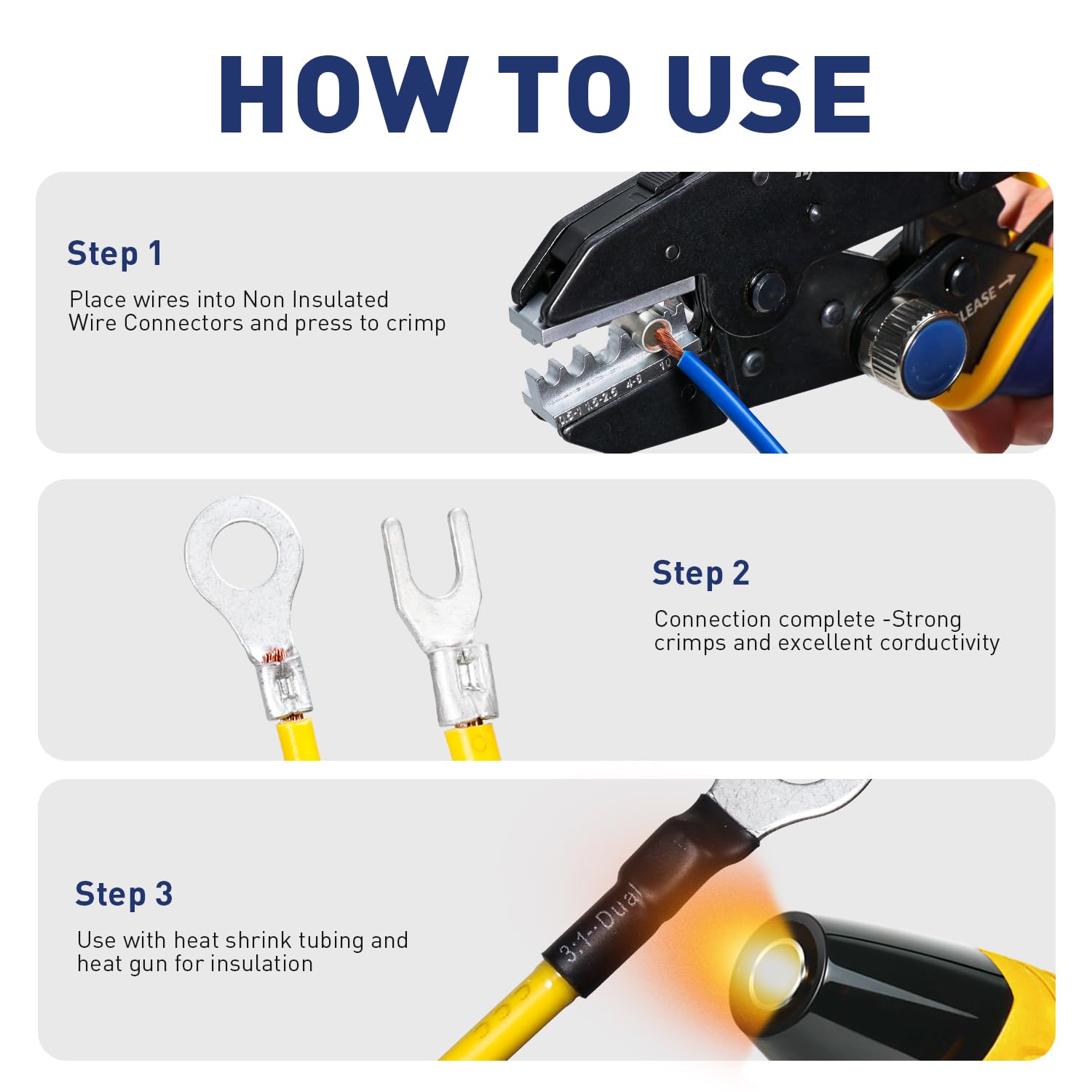
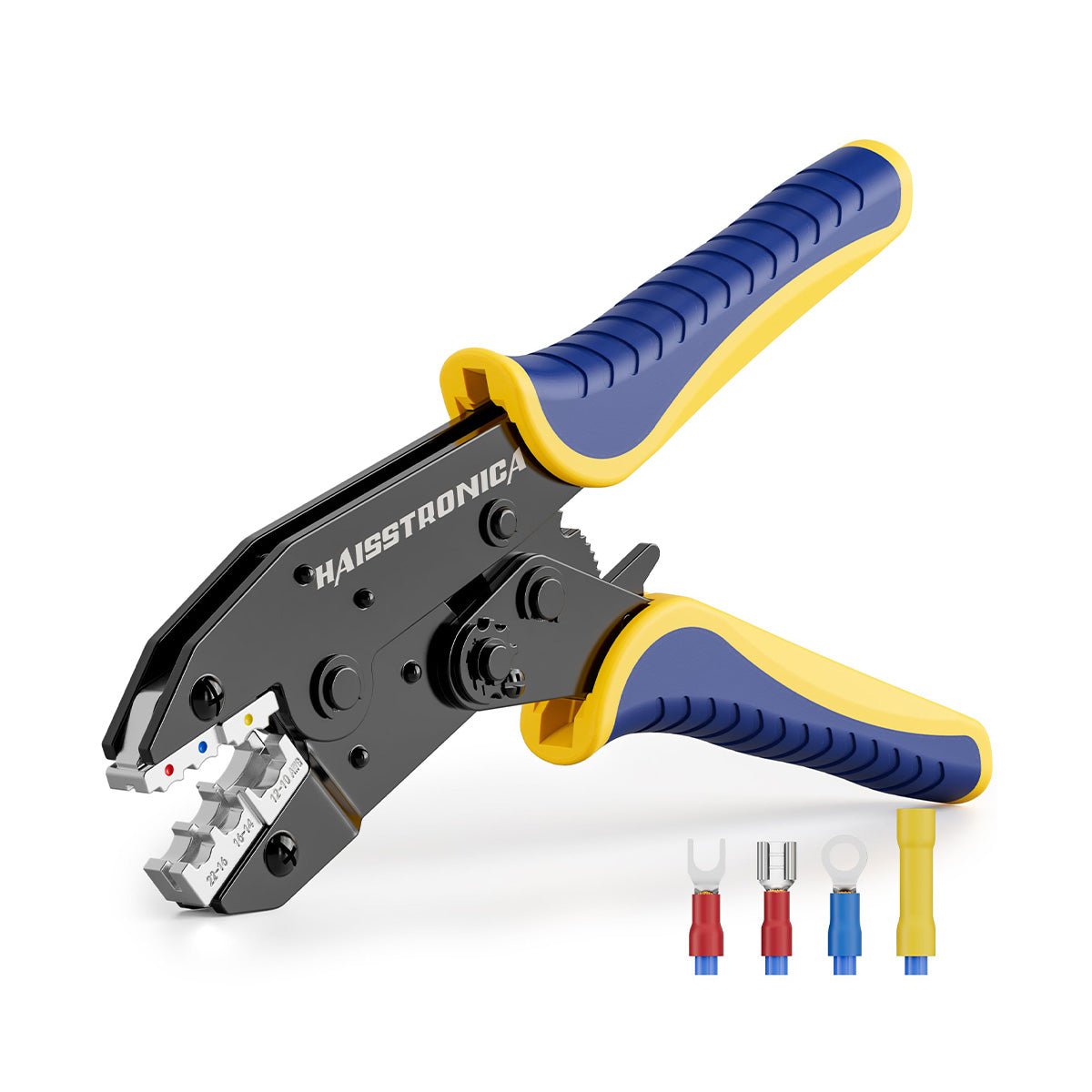
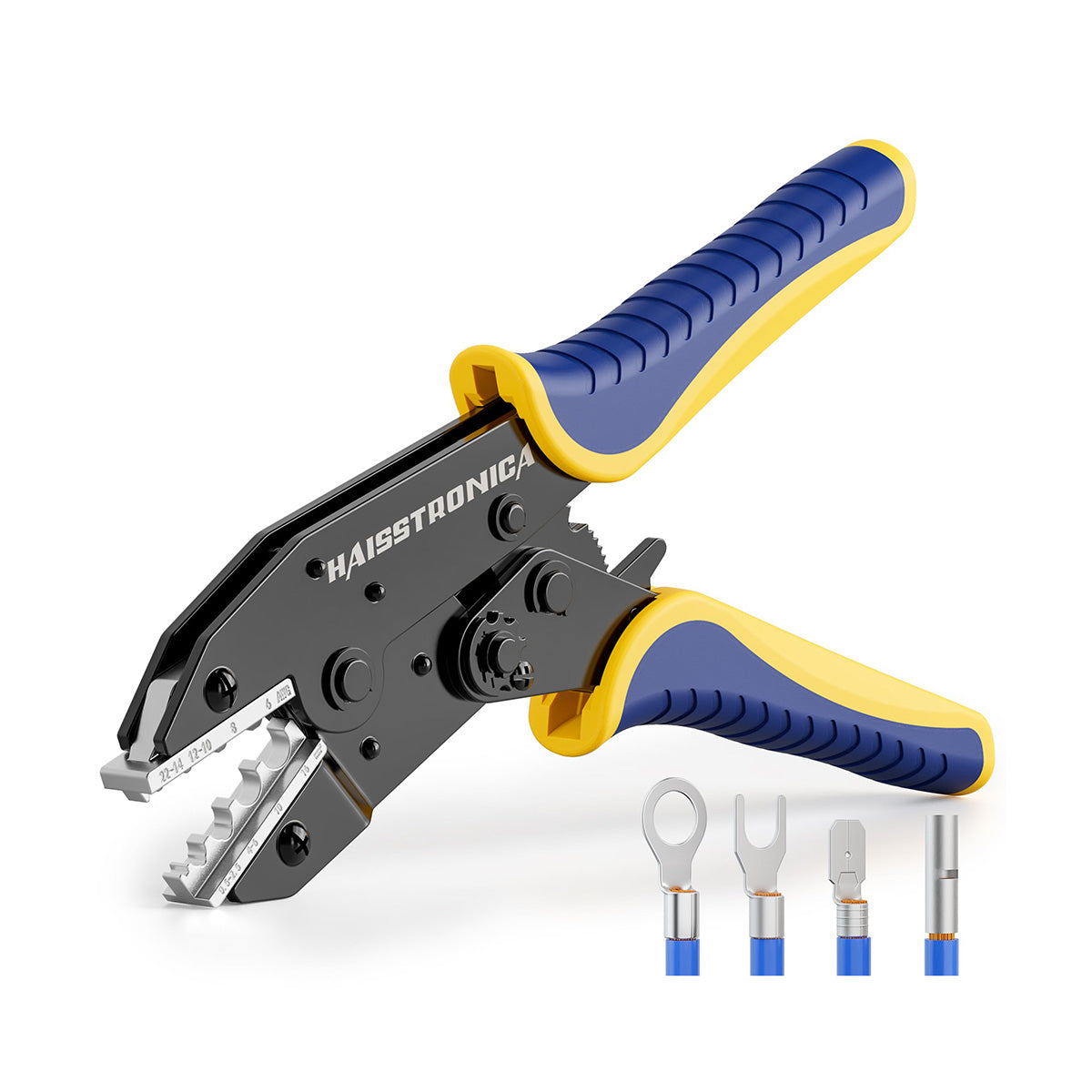
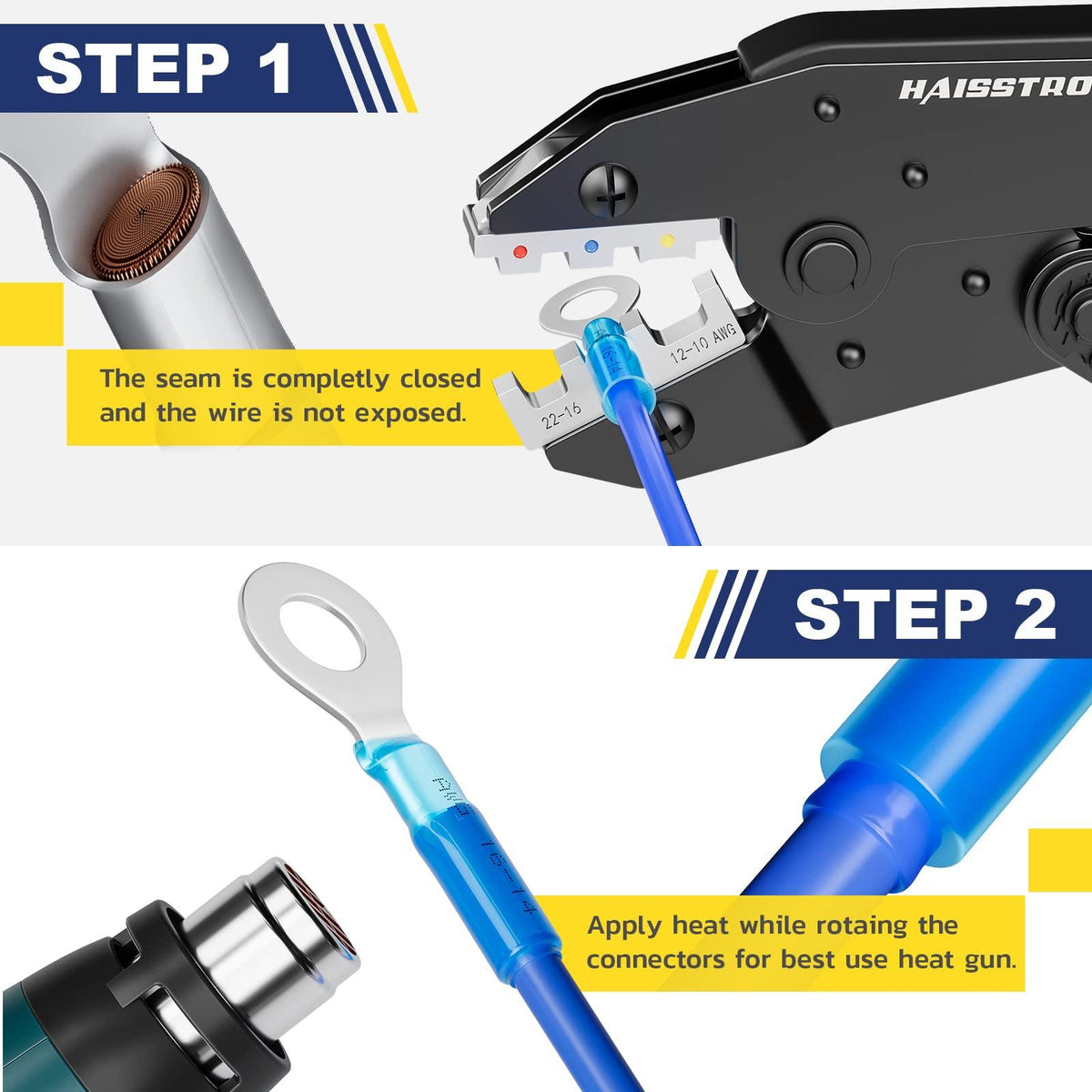
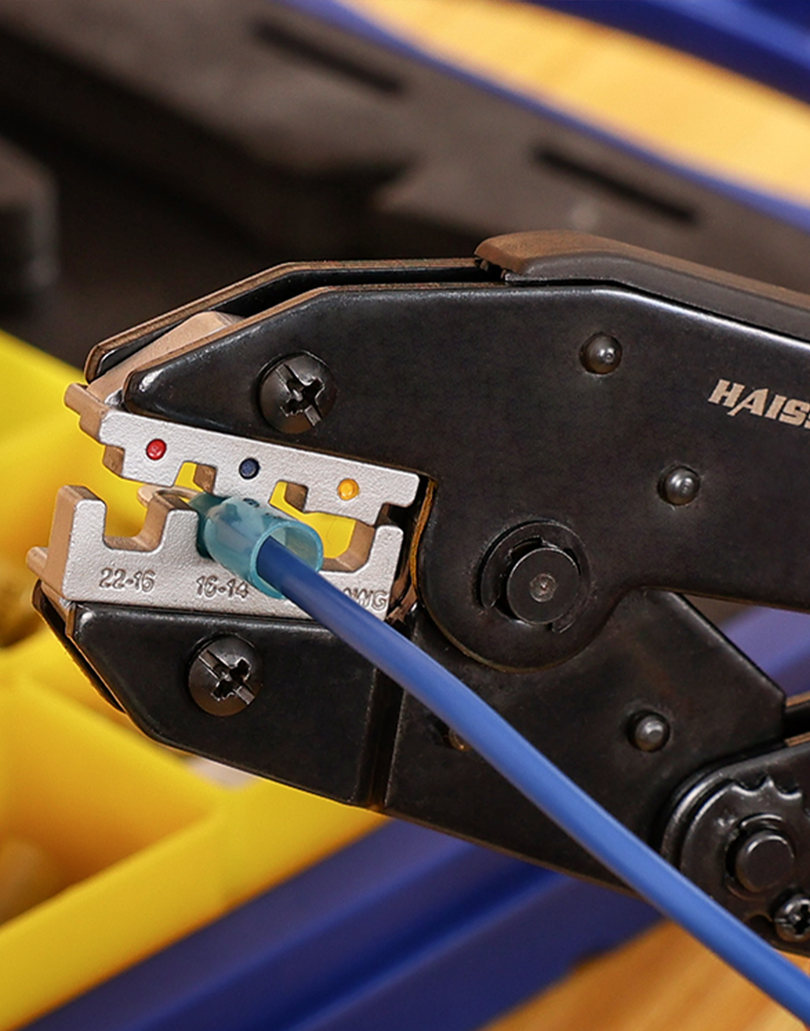
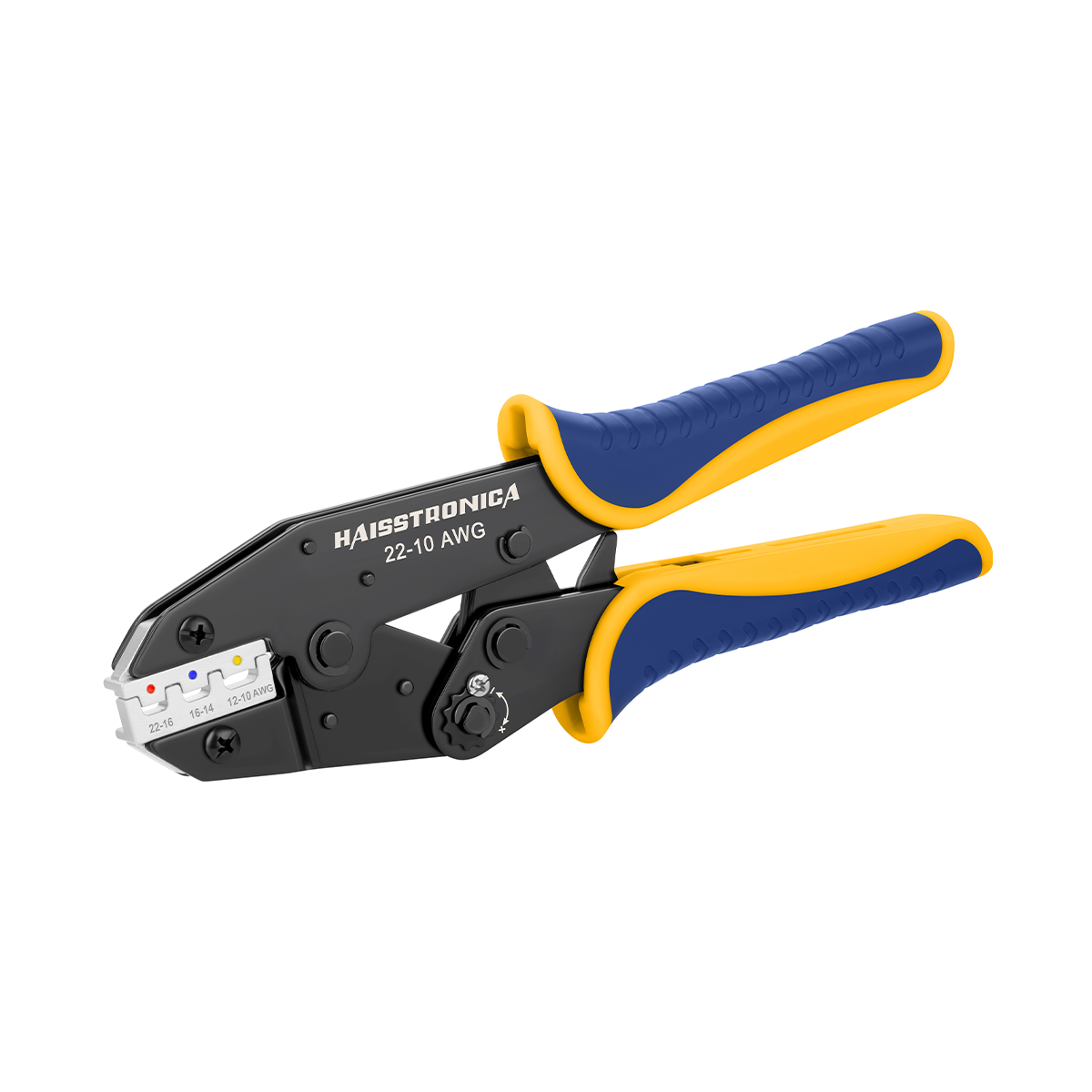
Place the insulated terminal in the die marked for its color or AWG range. For a red AWG 22–16 terminal, use the red/fine-wire cavity—not the wider blue or yellow cavity. Center the metal barrel in the conductor-crimp area; do not compress only the plastic sleeve.
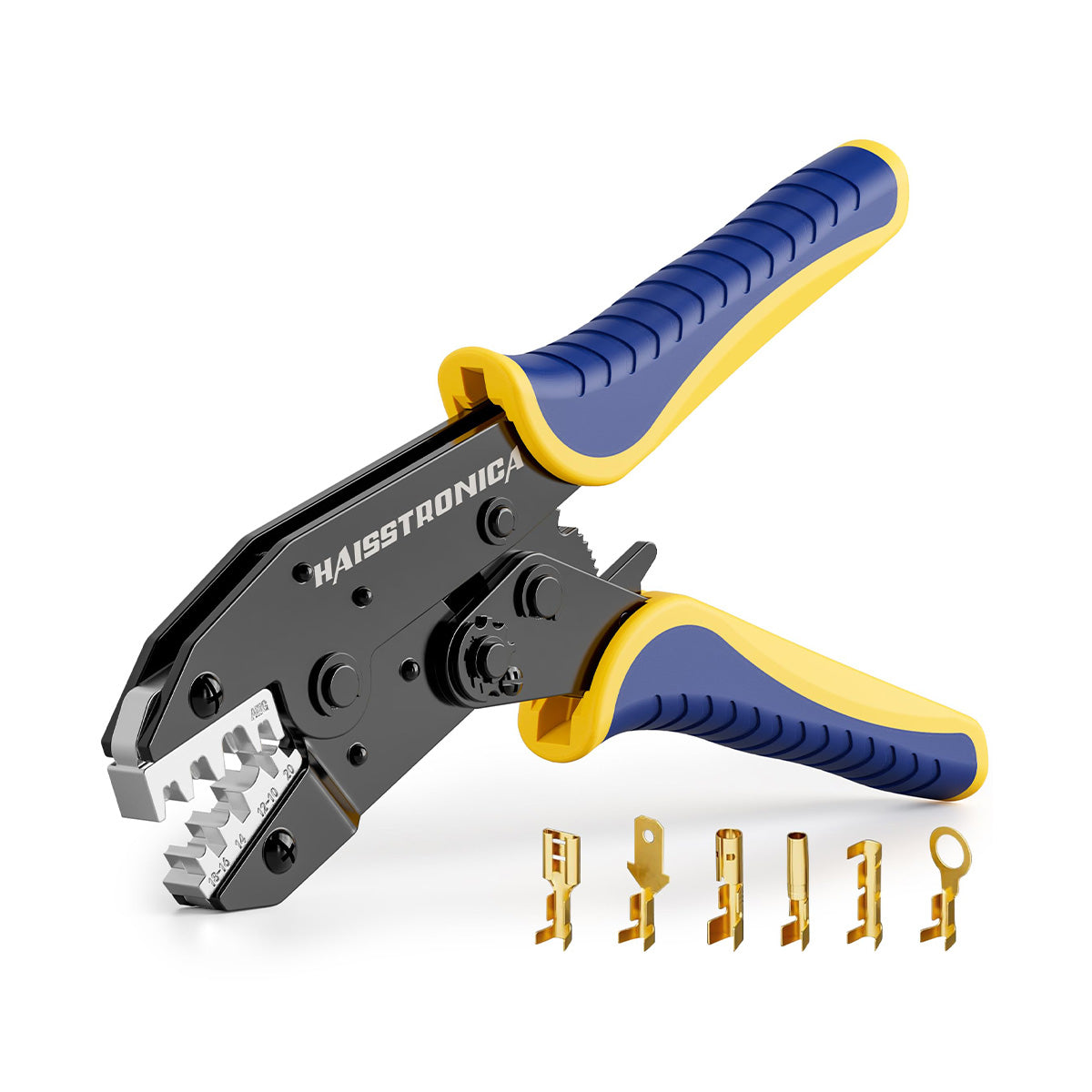
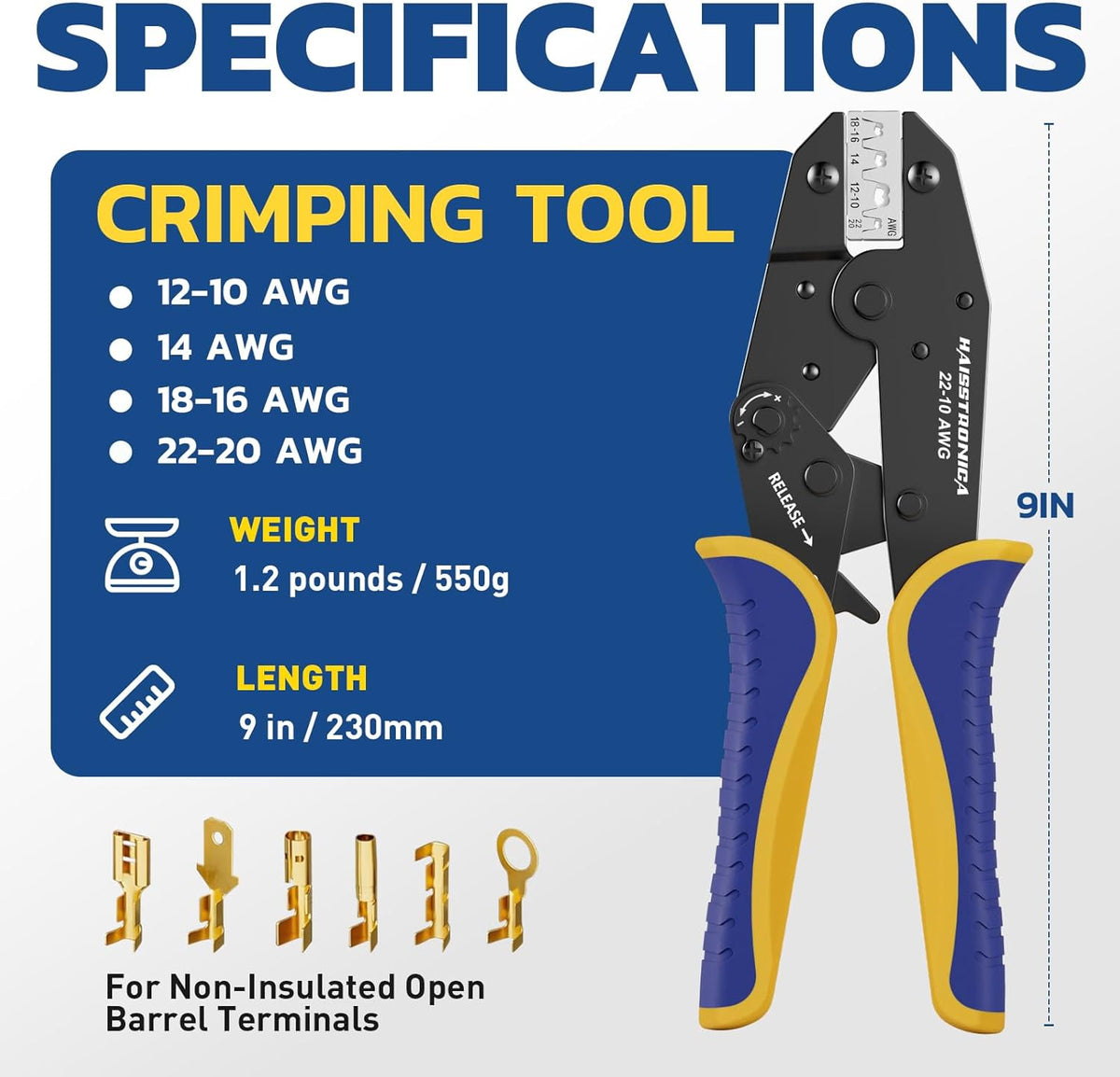
Tool for this step: The AWG 22–10 insulated-terminal crimper provides the color-coded die range and repeatable pressure small terminals need.
Step 4: pre-hold lightly, then finish one full cycle
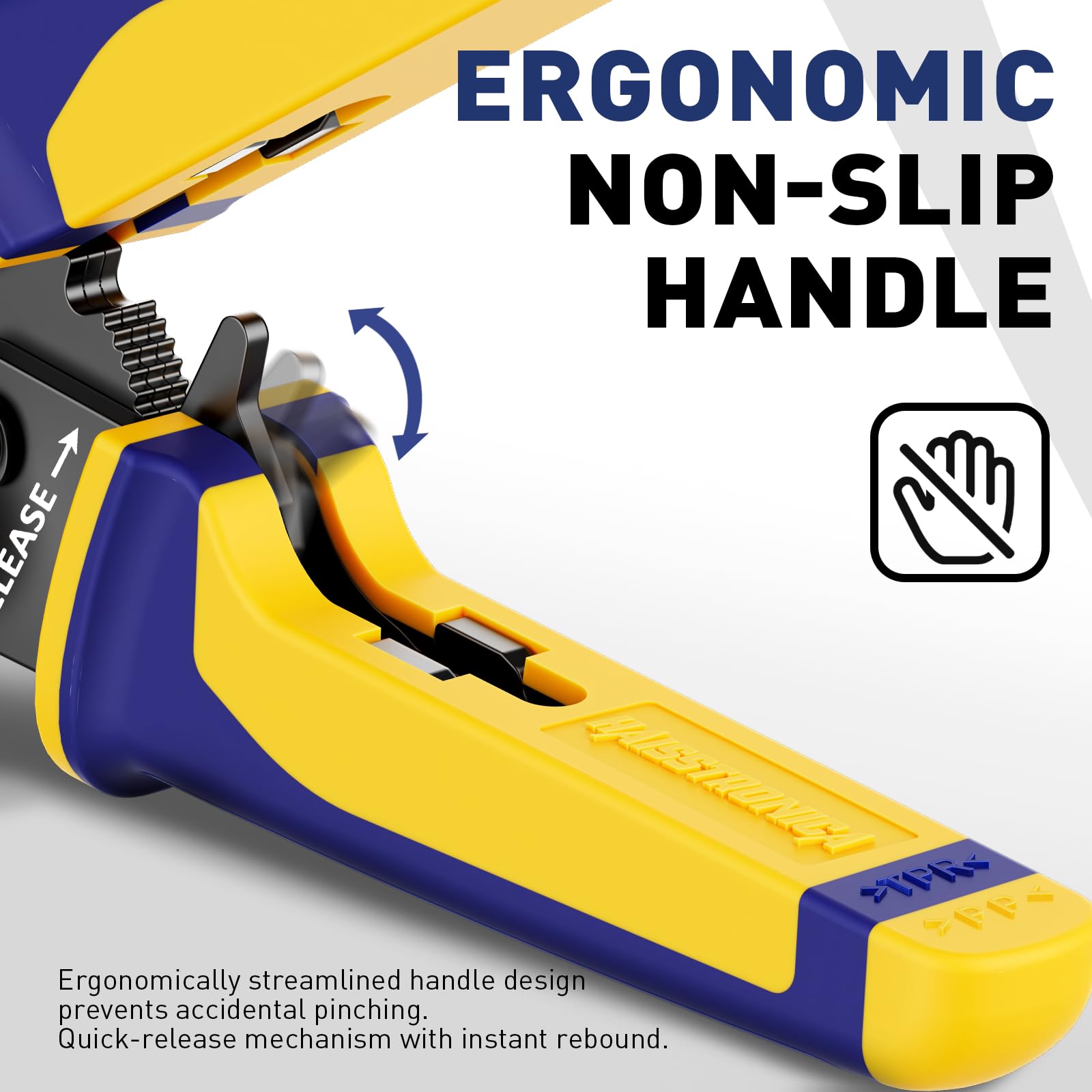
- Close the ratchet just enough to hold the terminal without deforming it.
- Insert the stripped wire fully; all copper strands must sit inside the barrel.
- Confirm the wire insulation reaches the barrel edge without entering the conductor-crimp zone.
- Squeeze steadily until the ratchet releases. Do not stop halfway or add a second random squeeze.
Small-wire rule: Precision comes from the correct terminal and die—not extra hand force. If the terminal cracks or the conductor flattens excessively, stop and verify the cavity size.
Step 5: magnify, inspect, and pull-test
Look for even barrel compression, intact insulation, no exposed strands, and no split sleeve.
Hold the terminal and pull the wire firmly. It must not move, rotate, or slip.
If the wire moves, cut off the terminal and restart with a new one. Re-crimping the same terminal or squeezing it with pliers hides the failure instead of fixing it.
Common small-wire mistakes—and the right fix
| Problem | What it causes | Best correction |
|---|---|---|
| Oversized terminal | Loose barrel and pull-out risk | Use red AWG 22–16 terminals |
| Nicked strands | Reduced current capacity | Reset the precision stripper |
| Wrong die cavity | Cracked terminal or loose crimp | Match die color and printed AWG |
| Partial ratchet cycle | Uneven compression | Finish one complete cycle |
Quick FAQ
Which color connector is used for most small insulated wires?
Red usually covers AWG 22–16. Always verify the printed range because wire and terminal standards can vary.
Should I twist stranded wire before crimping?
Only gather loose strands gently. Do not create a tight rope-like twist that prevents the barrel from compressing the conductors evenly.
Can I use pliers on a small terminal?
No. Pliers cannot control die shape or compression pressure and may create a connection that looks tight but fails the pull test.
Fine-wire complete setup
Build reliable AWG 22–16 crimps from start to finish
Use one precision stripper, one insulated-terminal ratcheting crimper, and a connector kit with red AWG 22–16 terminals. This covers preparation, compression, and sealed connector selection without tool guesswork.