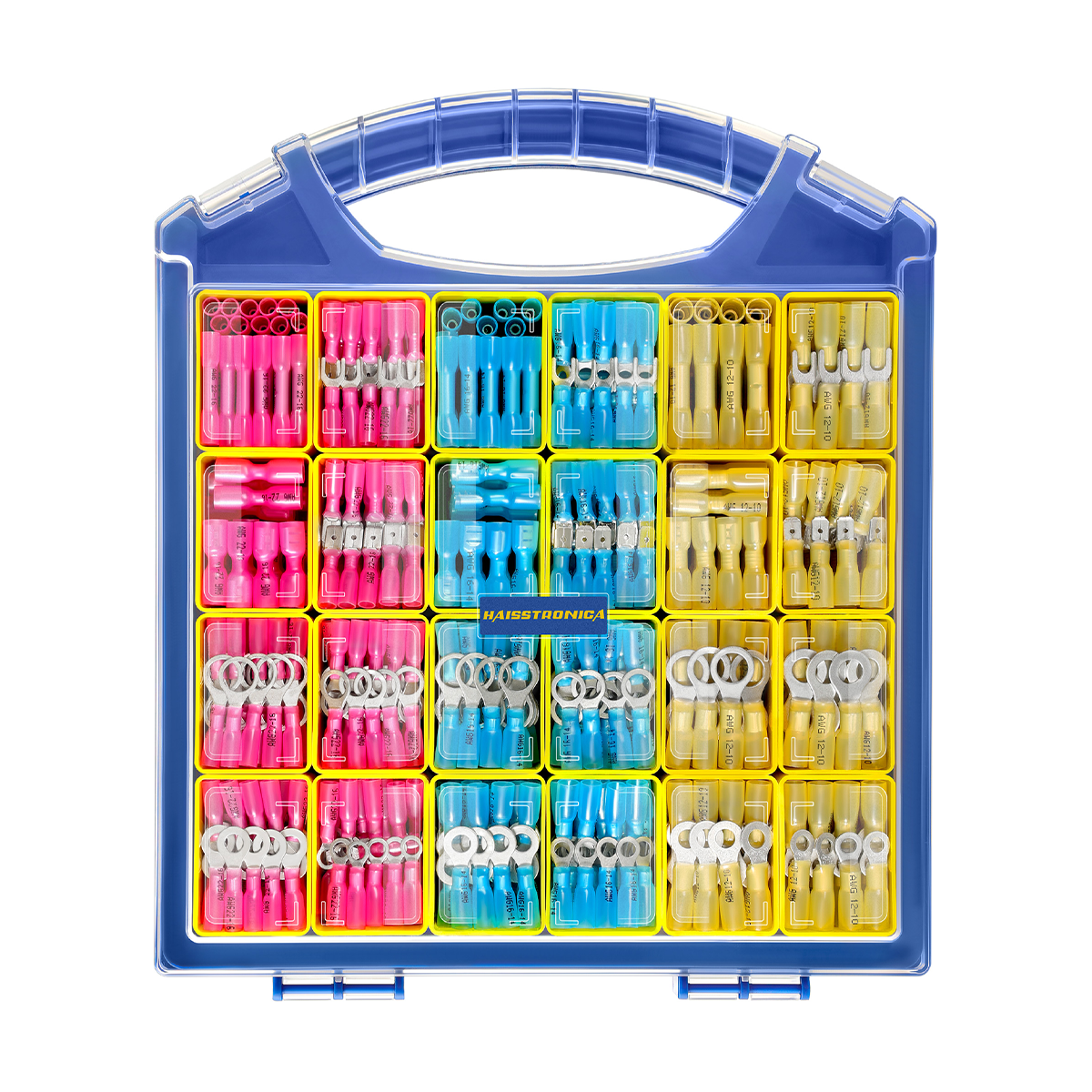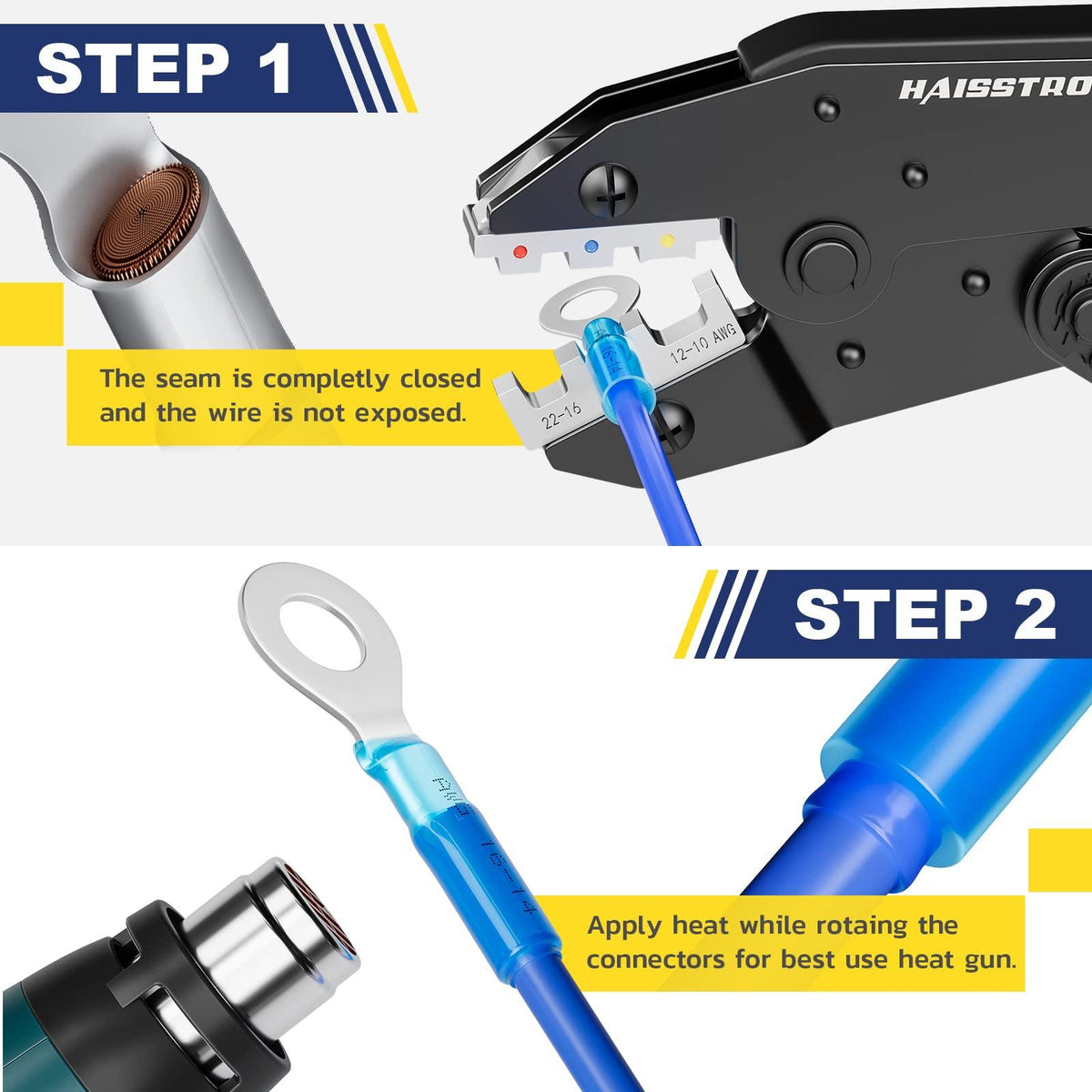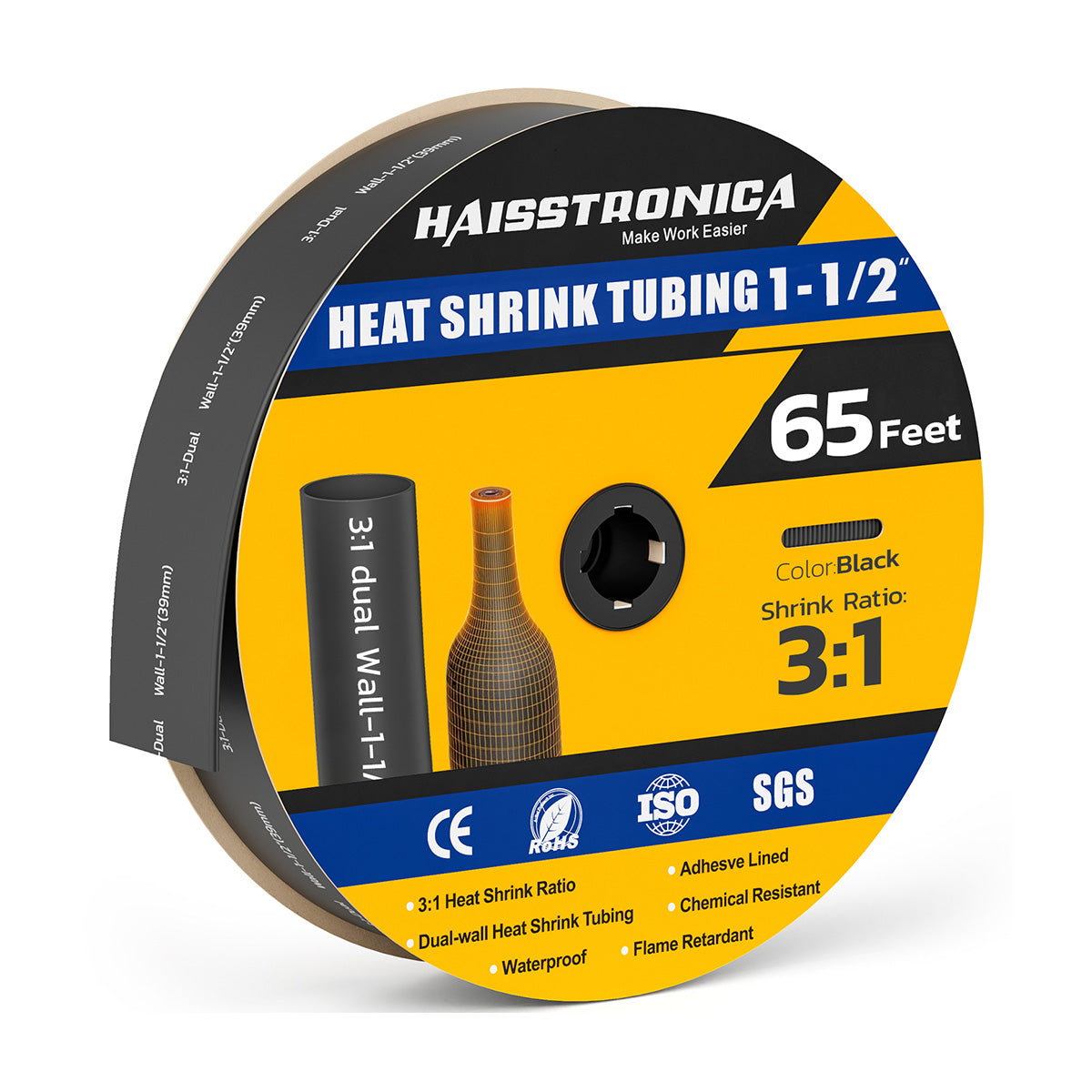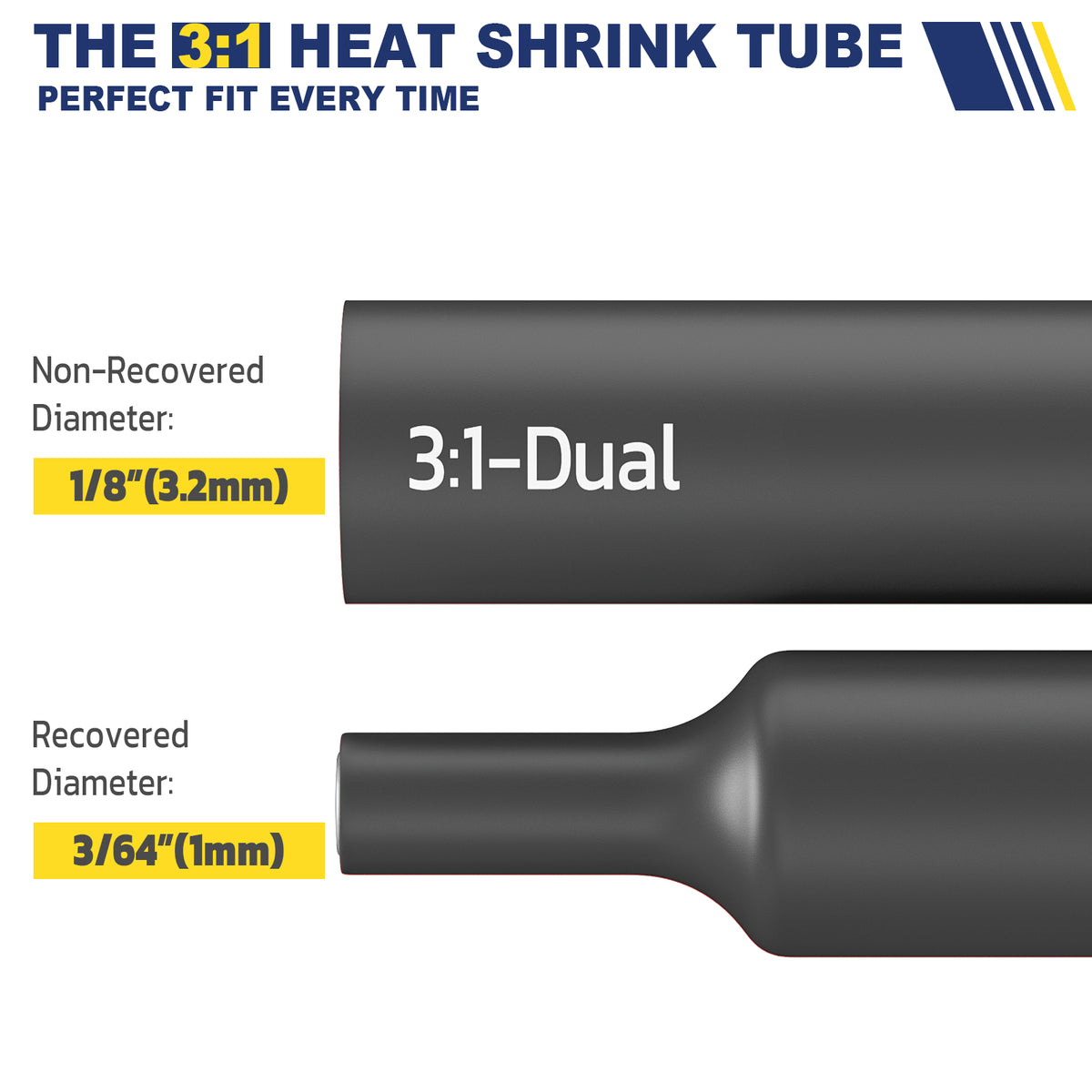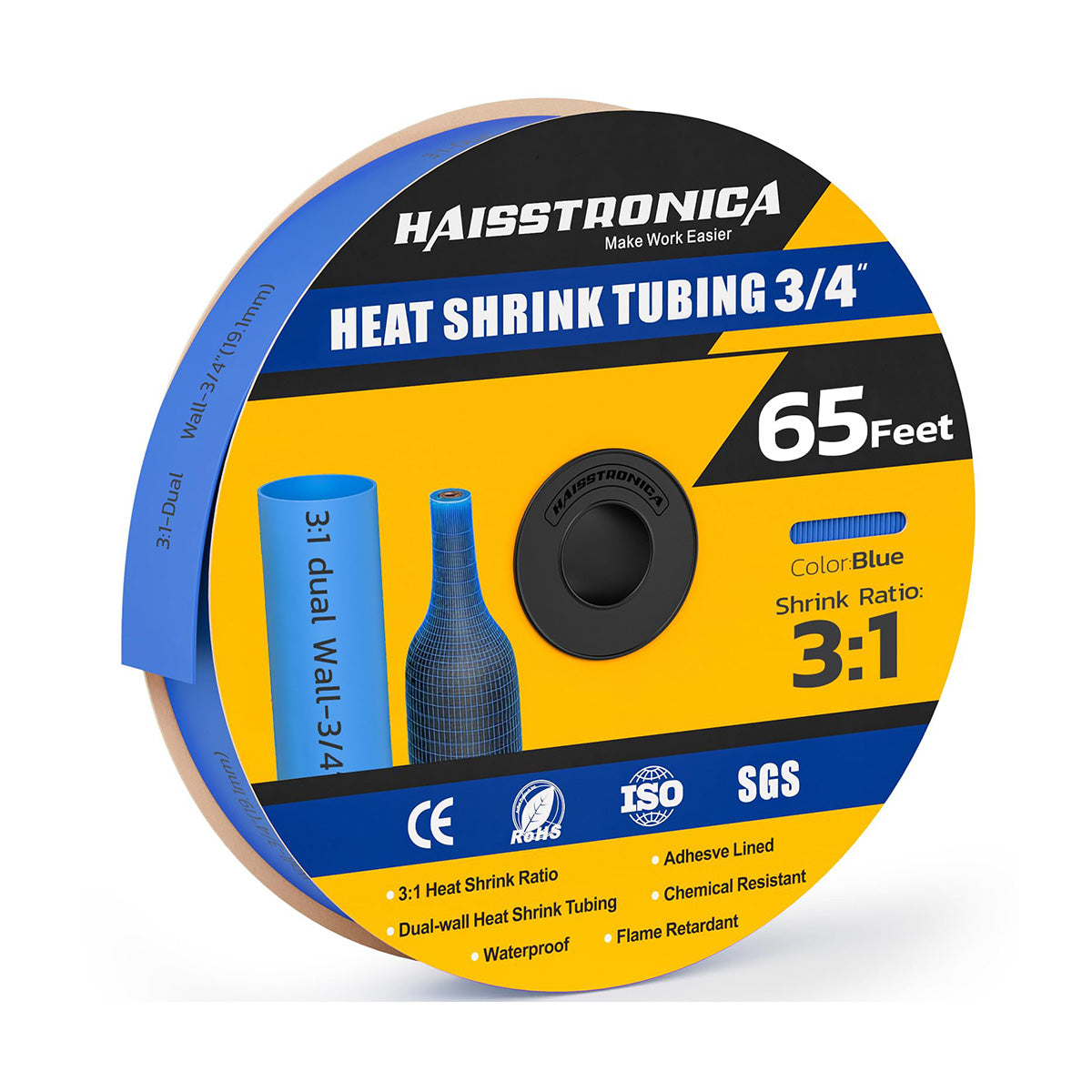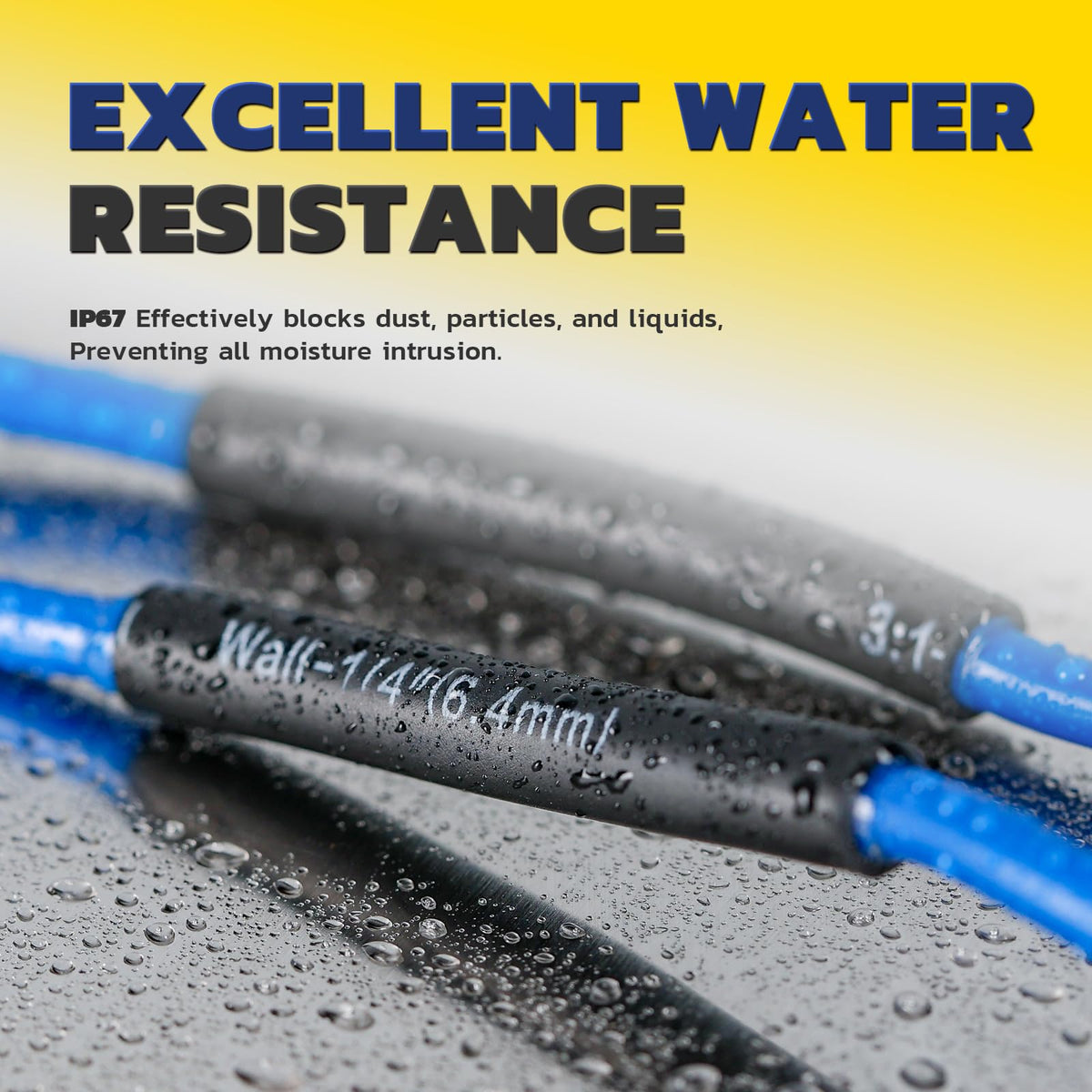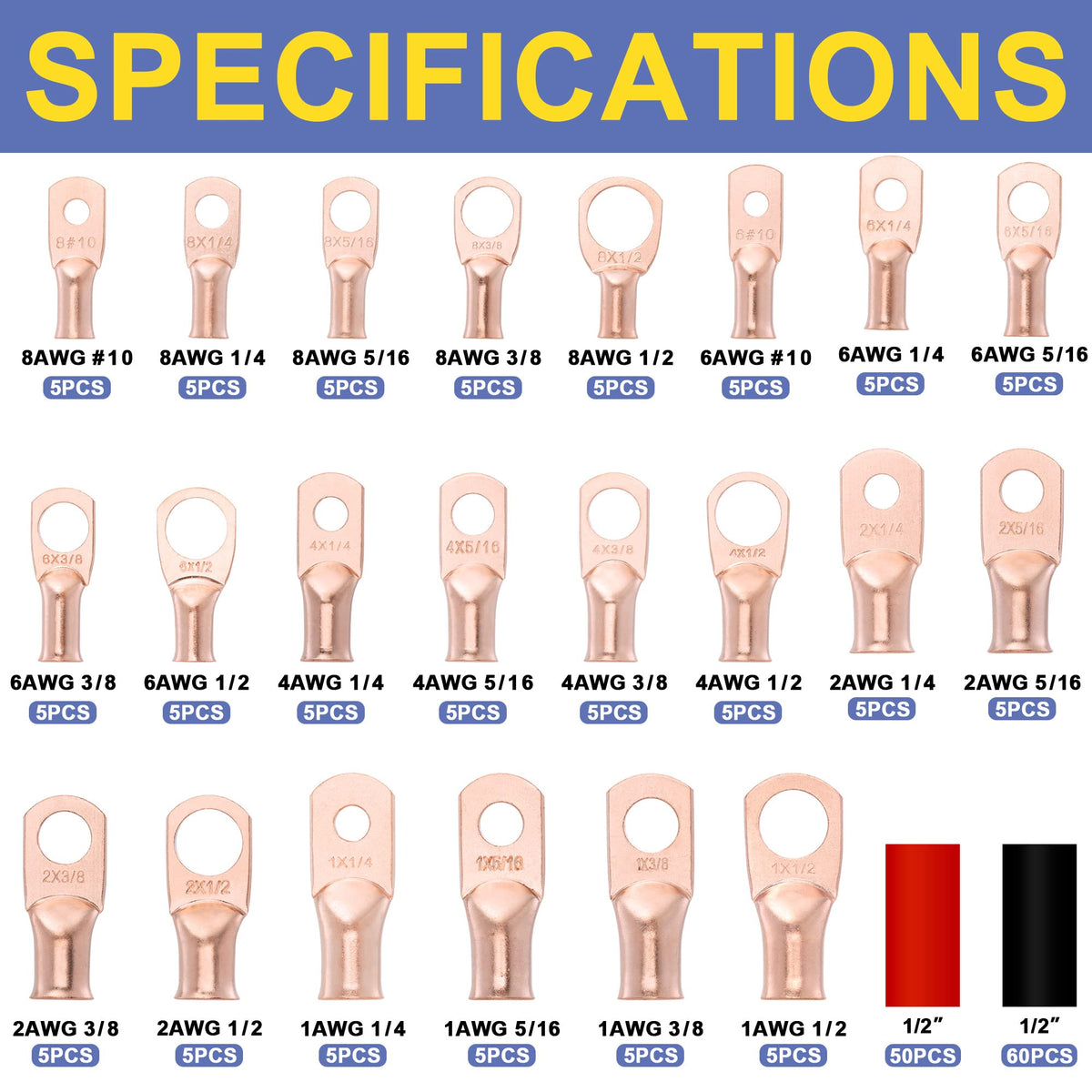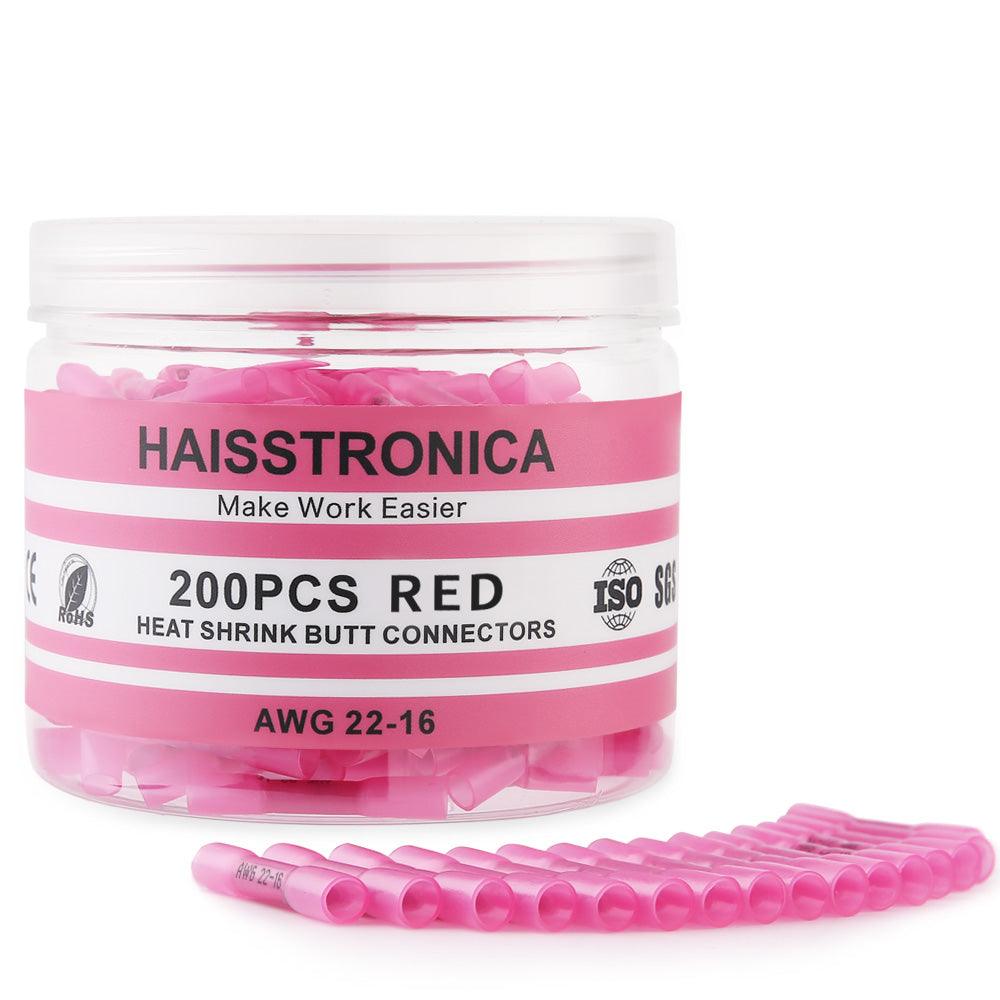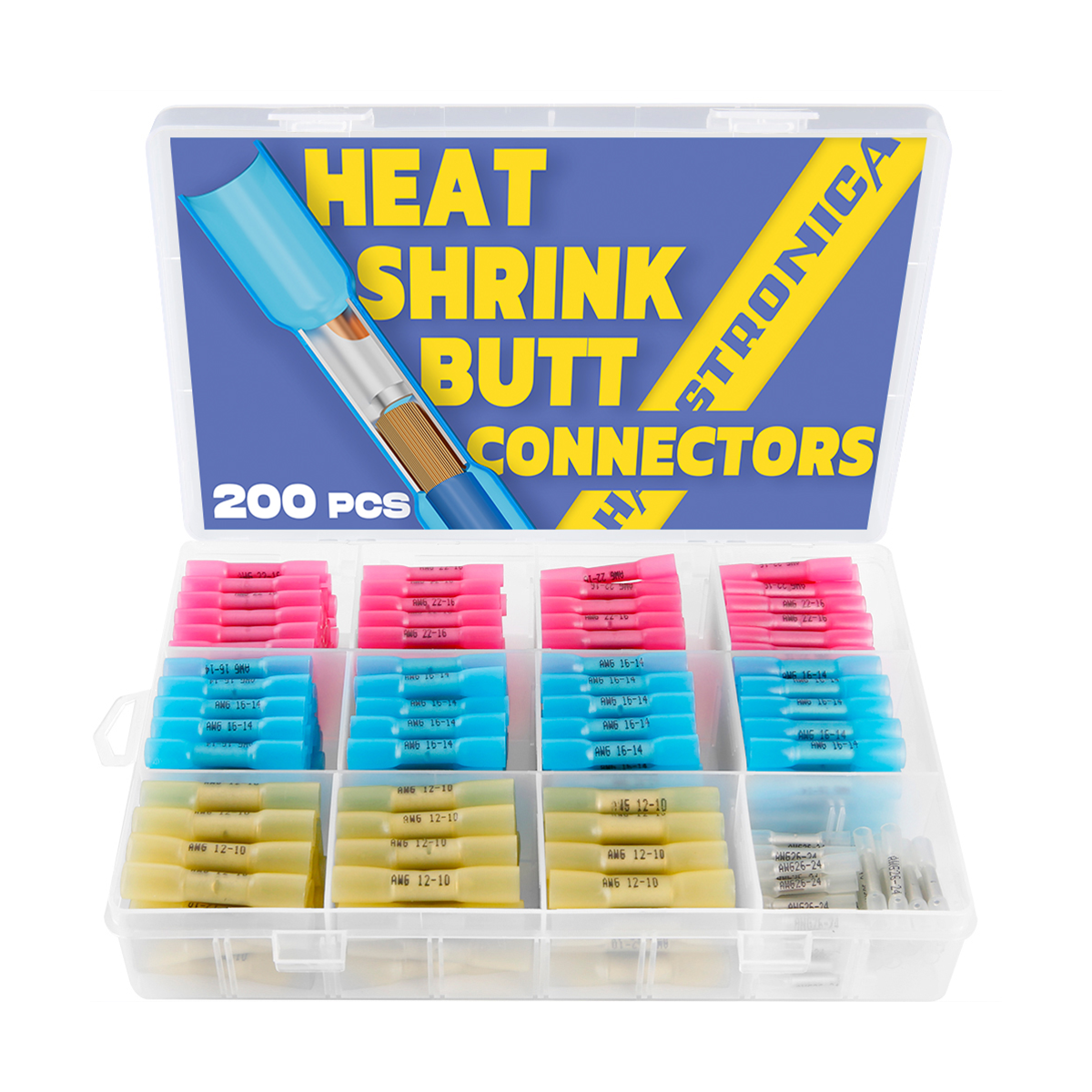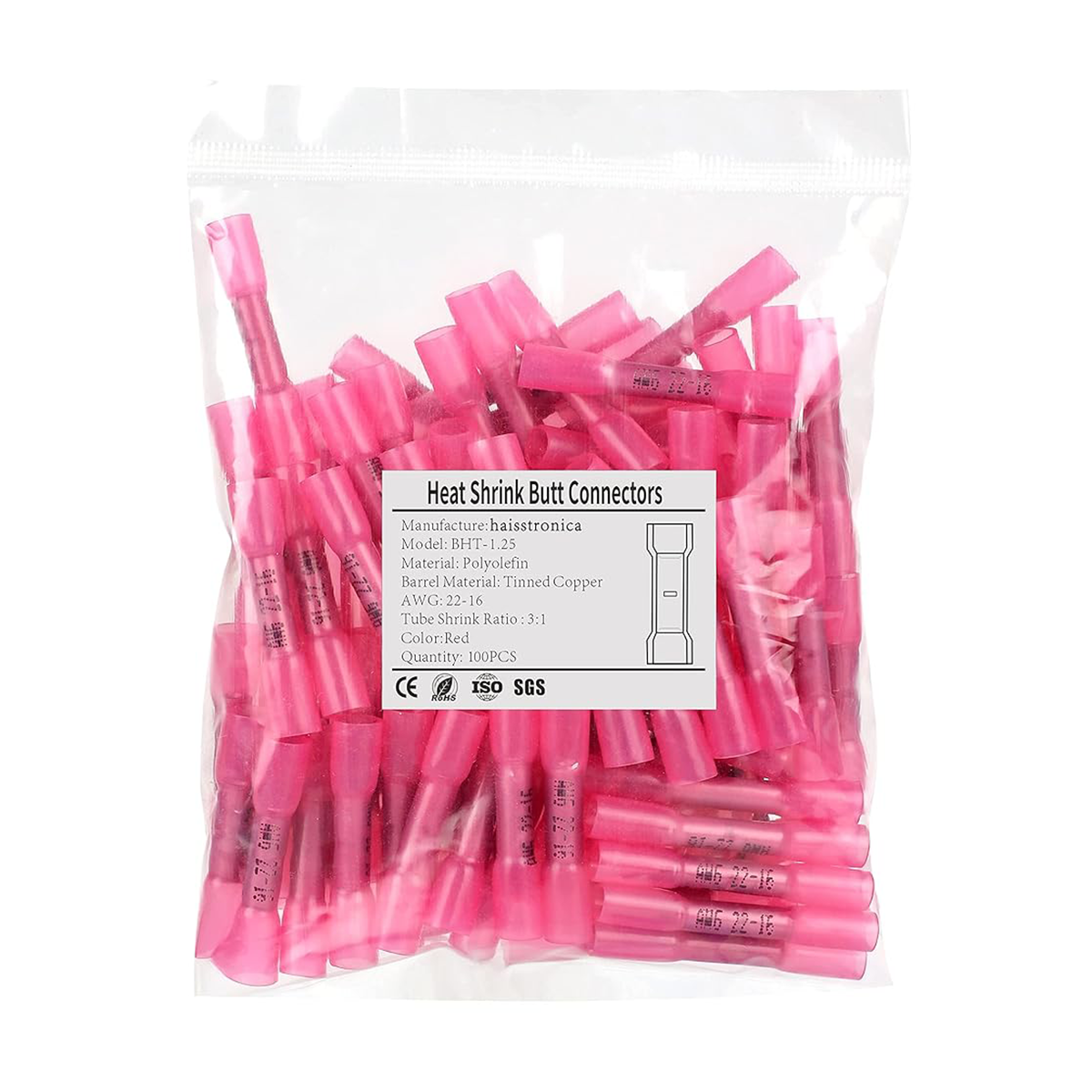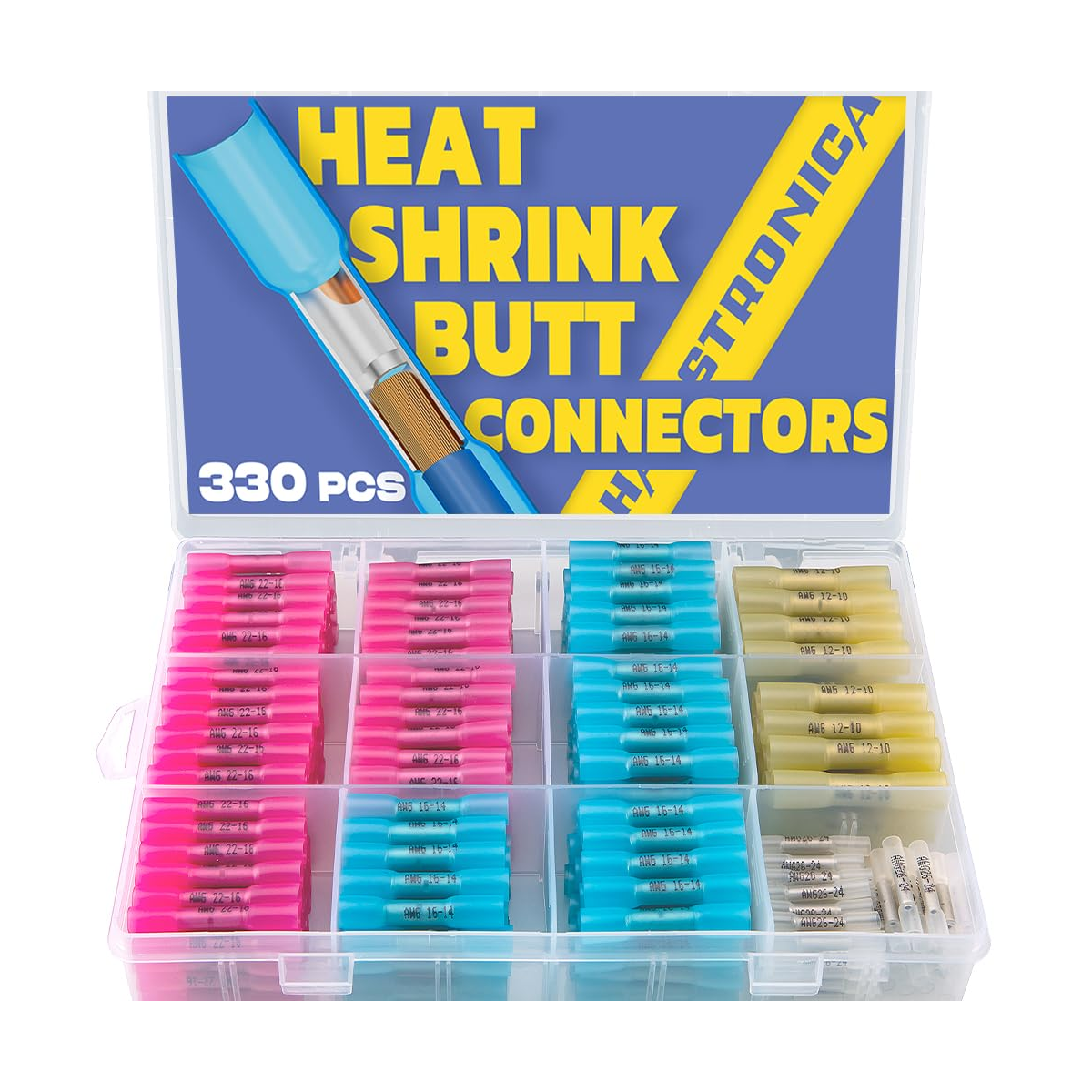

If you hang out on YouTube, forums, or in any decent workshop, you’ve seen the argument:
“Solder seal connectors are the future.”
“No way, a proper crimp butt splice is the only correct way.”
The truth is less dramatic and a lot more useful: each style has jobs it’s fantastic at, and jobs where it’s the wrong choice.
Before we pick sides, we’ll break down what solder sleeves actually are, what crimp butt splices actually do, and where the pros—and standards—land on the debate.

Quick Answer — “Better” Depends on How You Use Them (solder sleeves)
Here’s the short version:
-
Solder seal connectors (solder sleeves)
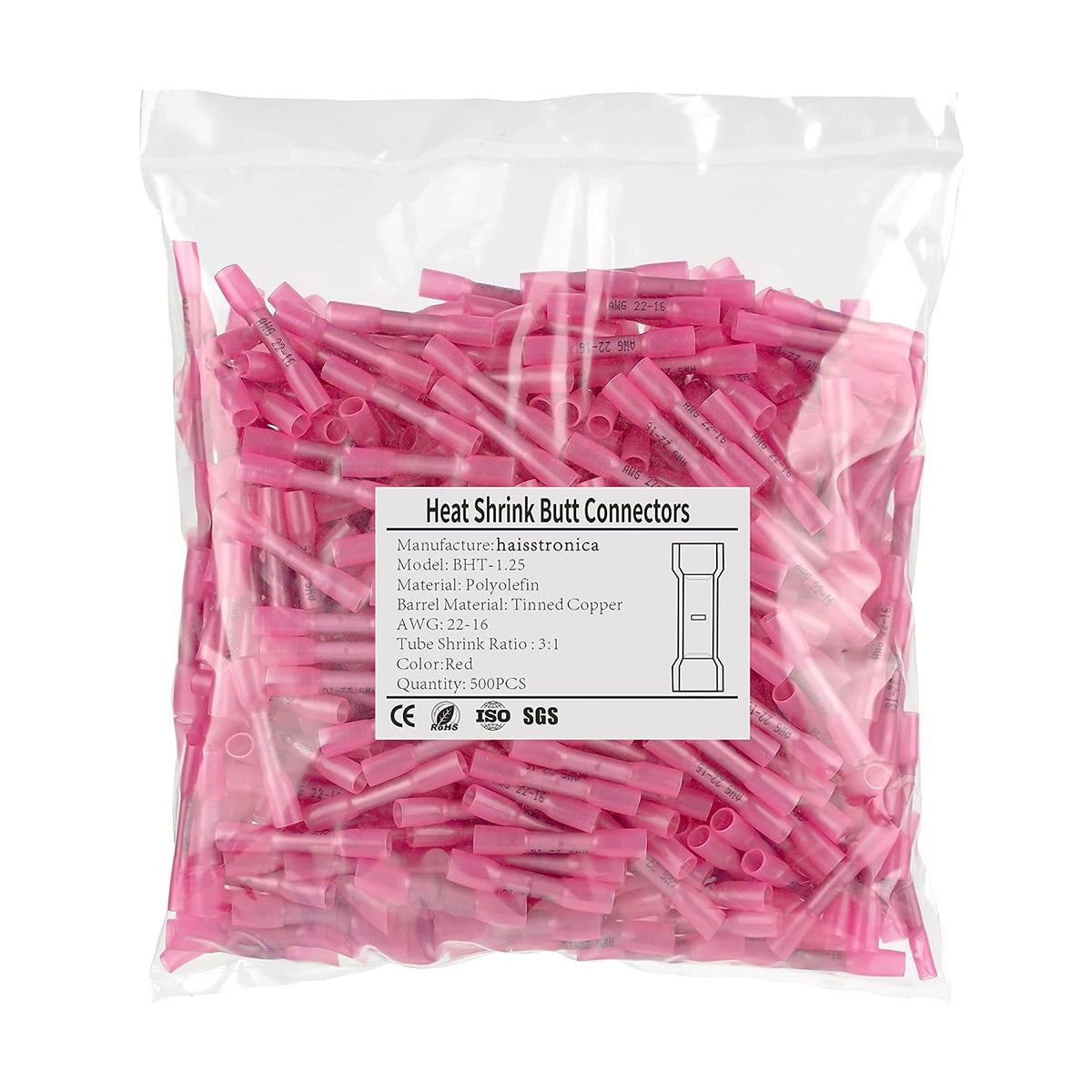
Combine low-temp solder rings, heat-shrink tubing, and adhesive into one in-line joint. You push the stripped wires together, heat until the solder melts and the tubing shrinks, and you get electrical continuity plus a sealed splice in one go. -
Crimp butt splices
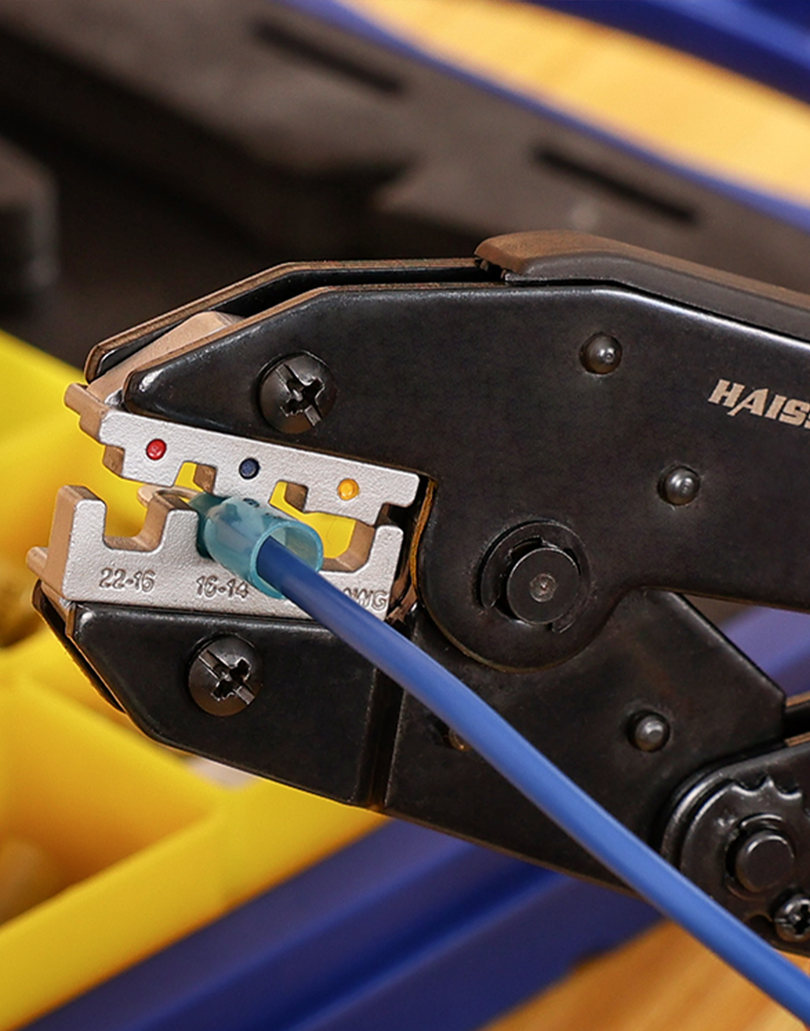
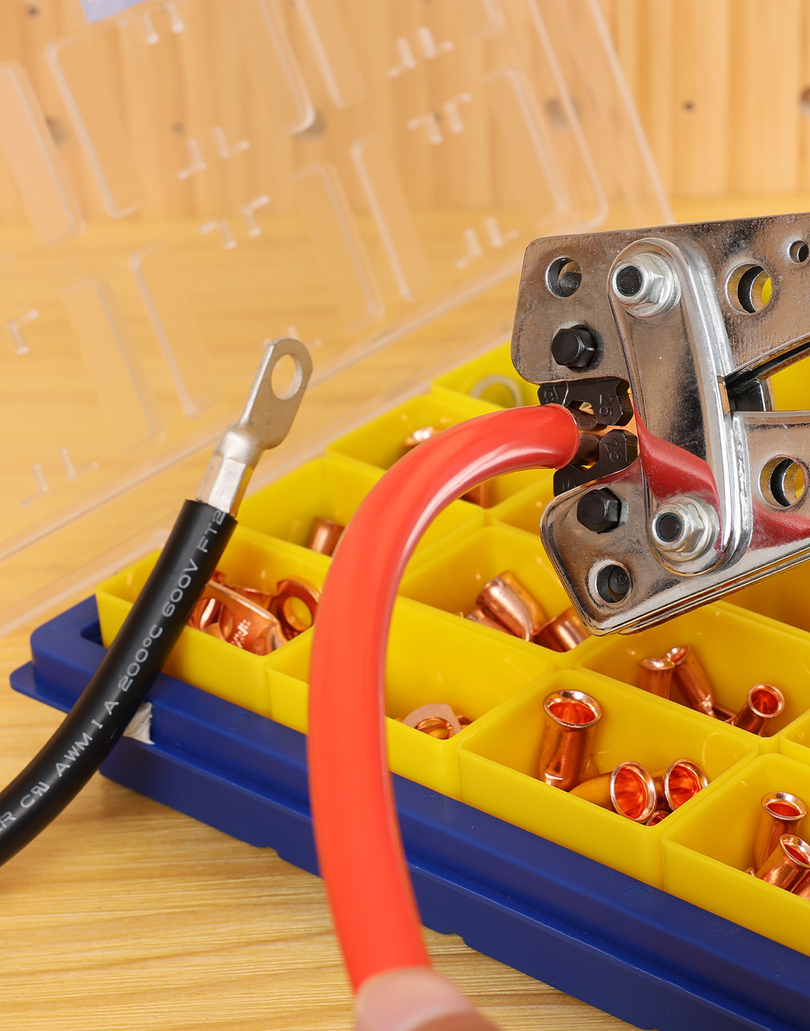
Use a metal barrel deformed around the wire with a crimp tool. Electrical connection is made by mechanical compression; sealing is added separately (heat-shrink tubing, adhesive-lined butt connector, or external sealant).
What standards and reliability work say:
-
NASA and other high-reliability environments generally prefer crimped connections over soldered splices in vibration because soldered areas can become stiff and concentrate stress at the joint.
-
IPC/WHMA-A-620 treats crimped terminals as a primary “best practice” for harnesses; solder splices are allowed but tightly controlled.
So are solder sleeves “better” than butt splices?
-
For quick, sealed, in-line repairs in automotive, marine, and low-voltage outdoor circuits, solder sleeves can be faster and more beginner-friendly.
-
For high vibration, high current, or code-sensitive work (especially AC mains and permanent installations), high-quality crimp butt splices with the right tool are usually the safer, more standards-aligned choice.

What Are Solder Seal Connectors? (solder sleeves)
When people say solder sleeves, they’re usually talking about a clear heat-shrink tube that already has:
-
A low-temperature solder ring in the center
-
Colored adhesive rings (often white, red, blue, or yellow) on each side
-
A tube rated for a specific temperature and shrink ratio
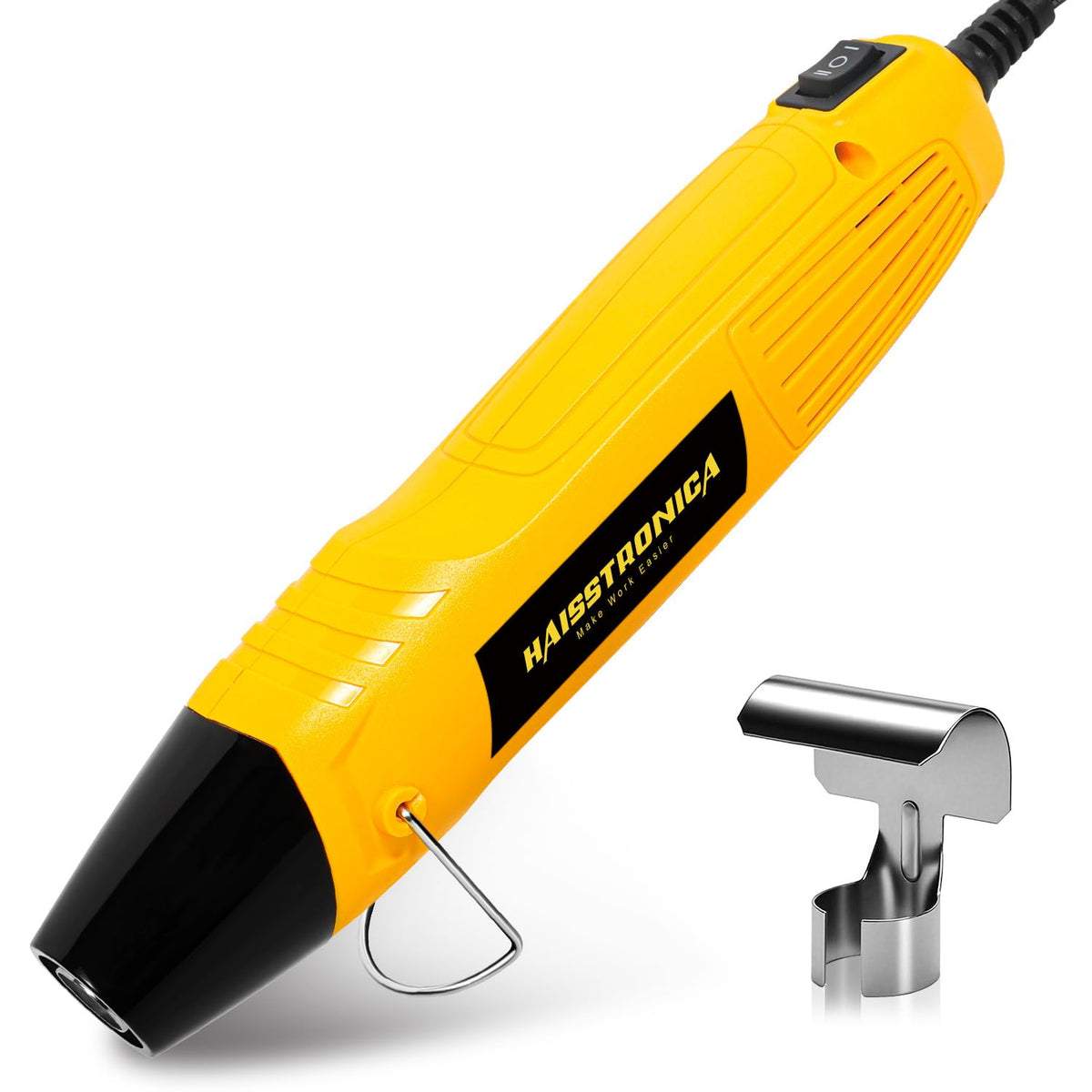
Slide two stripped wire ends in so they overlap inside the solder ring, hit it with controlled heat (usually a heat gun), and three things happen in order:
-
The heat-shrink solder sleeve contracts and grips the insulation.
-
The adhesive softens and flows, sealing connectors against moisture.
-
The solder ring hits its solder melting point, wets the copper strands, and forms a solder wire splice.
Done right, you get:
-
Electrical continuity through the soldered splice
-
Strain relief and sealing from the shrink tubing and adhesive
-
A joint that’s quick to make with minimal tools
Many military and aerospace-style environmental solder sleeves (Tyco/Raychem, for example) are tested for insulation resistance, pull-out strength, and environmental sealing under MIL-specs. That’s the high-end version of the concept that consumer solder sleeves are inspired by.
Where solder sleeves shine:
-
Tight spaces where a crimp tool is awkward
-
Field repairs where you only have a lighter or heat gun
-
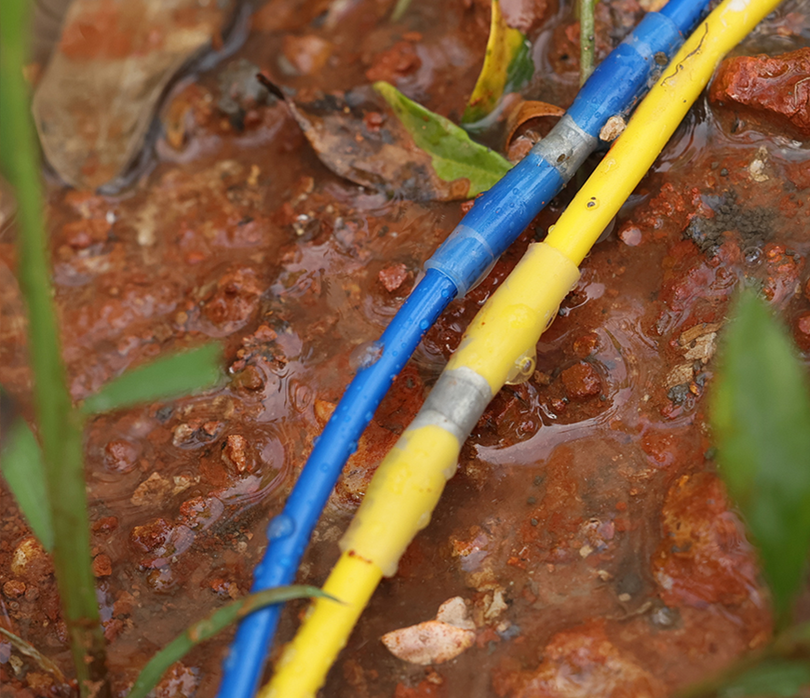
Automotive and marine low-voltage wiring, especially where water intrusion is a concern
-
Fixing a single nicked or extended wire without re-terminating into a block
Where they’re weaker:
-
Heavy vibration and flex over time if the wire isn’t well supported
-
Very high current where cross-section and resistance are critical
-
Situations where codes or OEM specs explicitly require crimp butt splices or lugs

What Are Crimp Butt Splices? (solder sleeves vs crimp splices)
Crimp butt splices are the classic in-line barrel connectors:
-
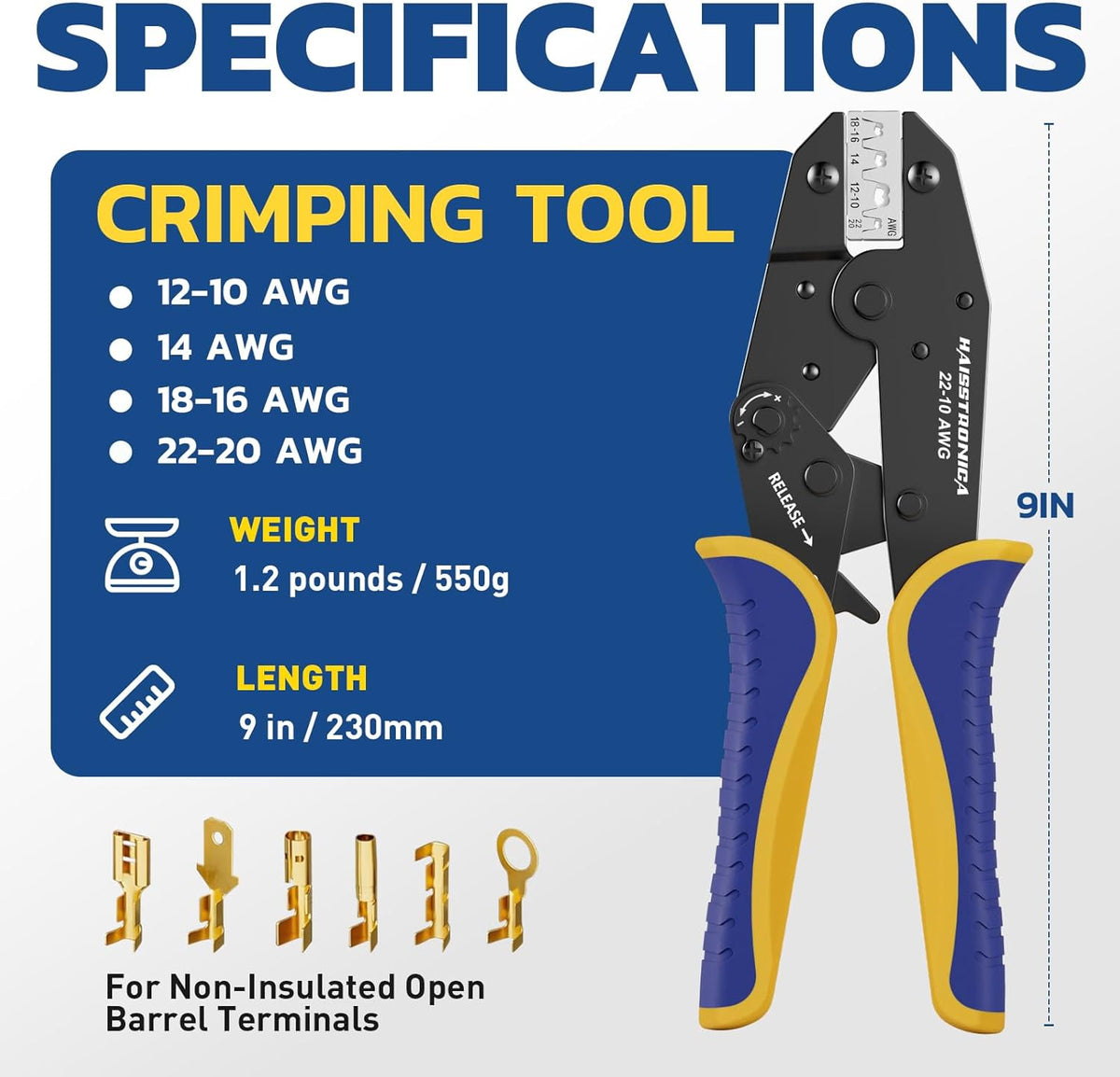
A metal barrel (often tinned copper)
-
Sometimes with a nylon or heat-shrink outer sleeve
-
Crimped with the correct die to deform the barrel around the wire strands
Mechanically, you’re not relying on solder; you’re relying on cold-worked metal tightly gripping the conductor. When done correctly, a crimp butt splice:
-
Has low resistance and solid conductivity
-
Is flexible along the wire axis and doesn’t introduce a brittle or stiff soldered zone
-
Can be made repeatably with a calibrated crimp tool
High-reliability standards like NASA workmanship guidelines and IPC/WHMA-A-620 explicitly highlight proper crimp geometry and pull-test performance as the benchmark for a good connection.
There are several flavors:
-
Plain vinyl-insulated butt splices – basic protection, not fully sealed
-
Adhesive-lined heat-shrink butt splices – barrel plus heat-shrink plus internal adhesive, similar sealing function to some solder sleeves
-
Heavy-wall marine-grade butt splices – thicker walls, more adhesive, often used with waterproof marine electrical connectors and tinned marine wire
Where crimp butt splices win:
-
Vibration and flex (vehicles, machinery, boats) when strain relief is right
-
Circuits governed by UL/CSA listings and NEC rules that expect crimp connectors tested under UL 486 standards
-
Situations where you want a purely mechanical connection and avoid changes in solder melting point or reflow due to future heat
Where they’re weaker:
-
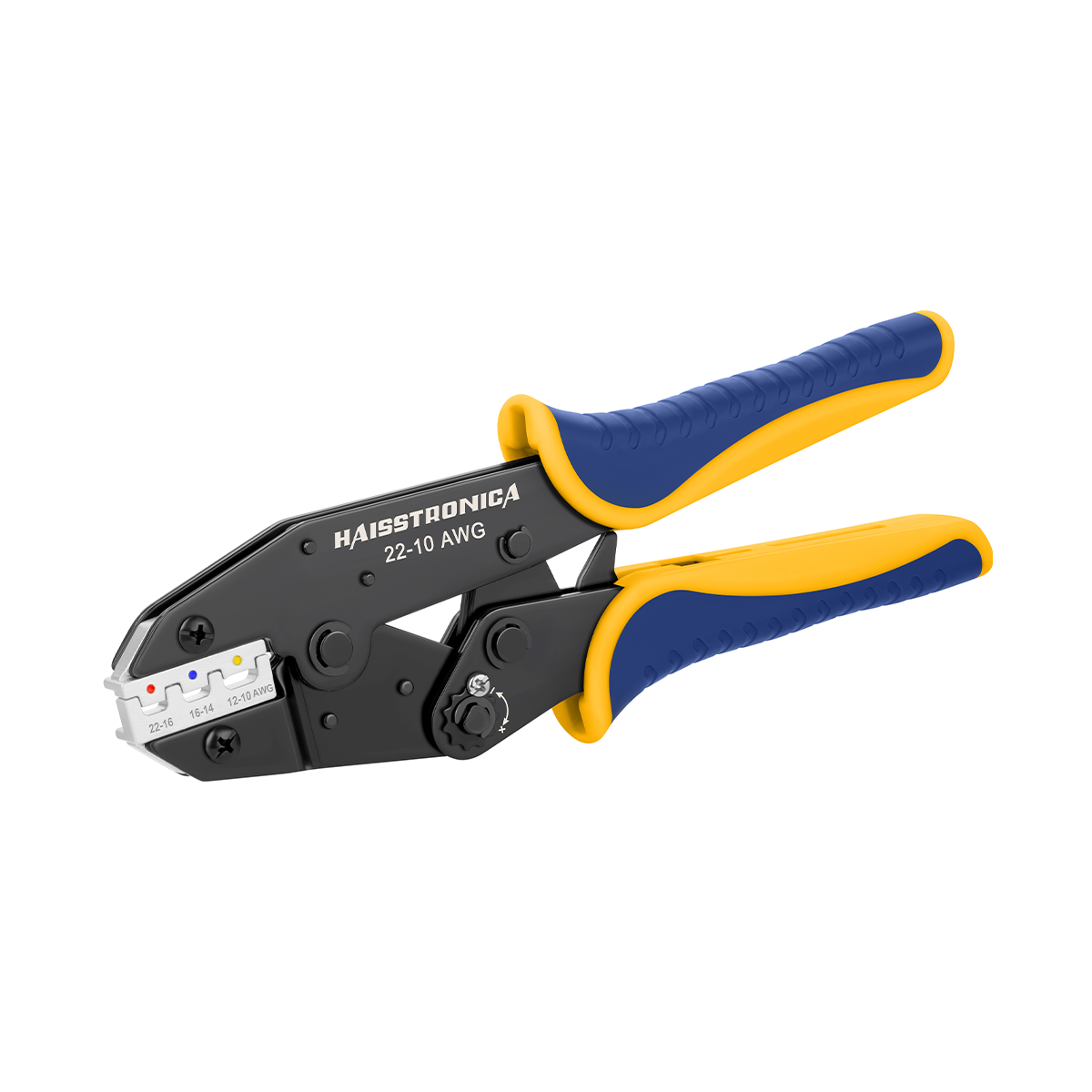
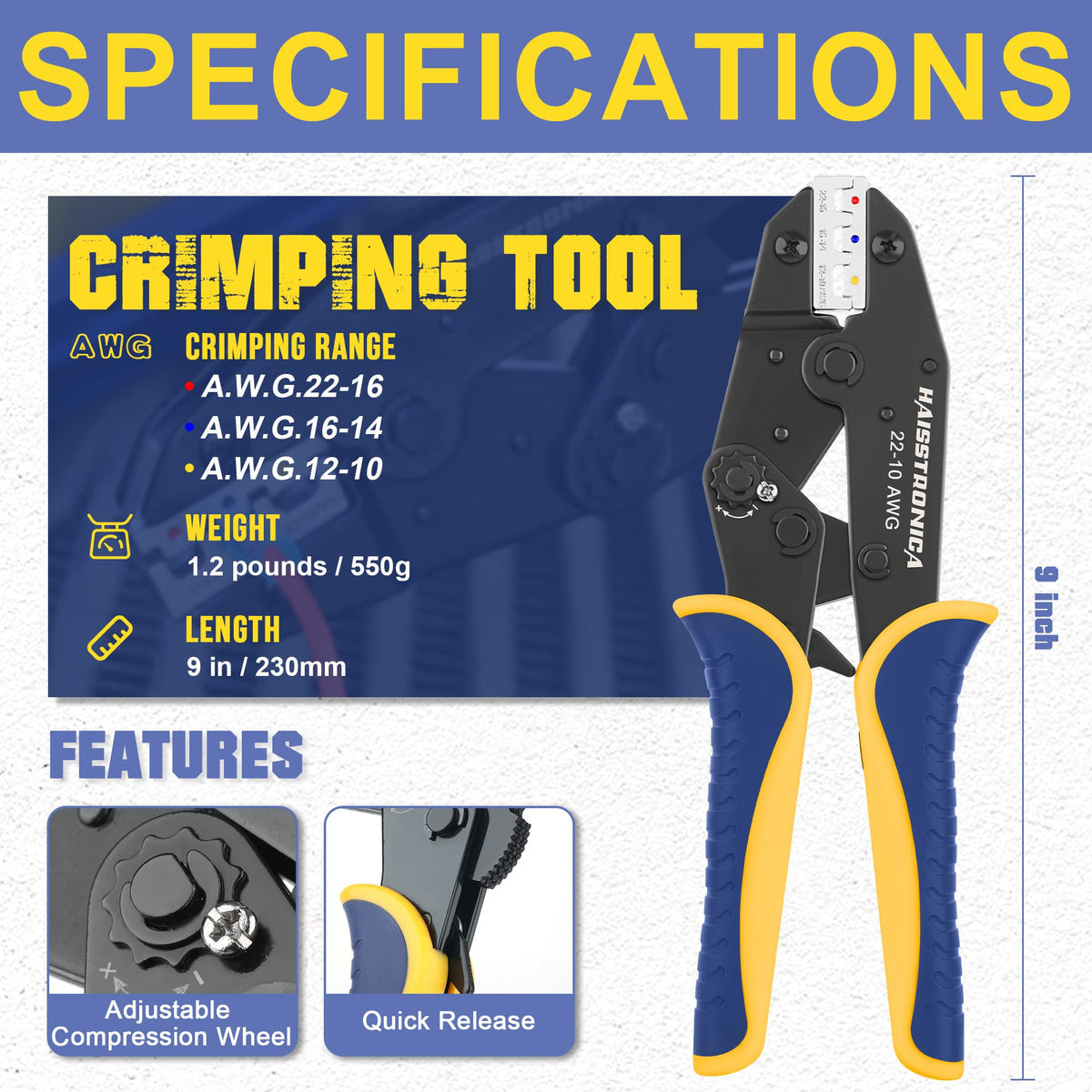
Require a proper crimp tool and matching die
-
More easy to get wrong with cheap hardware-store crimpers
-
Not inherently sealed unless you step up to sealed connectors or add shrink tubing and wire sealant

Quick Answer — “Better” Depends on How You Use Them (deeper dive with solder sleeves)
Let’s put solder sleeves and butt splices side by side from a buyer’s point of view.
1. Electrical reliability
-
A properly made crimp butt splice can be gas-tight and mechanically robust. NASA and IPC documents repeatedly show a preference for crimped splices over soldered ones in harnesses because the deformation locks strands together without introducing a stiff, brittle region.
-
A good solder sleeve can also be electrically excellent—if the solder fully wets both conductors and there’s adequate overlap.
Where people get in trouble is with:
-
Underheated solder sleeves – the solder ring isn’t fully melted, so what you have is mostly a heat shrink sleeve with a partial solder ring.
-
Bad crimps – wrong die, wrong barrel size, or cheap tool that only dents instead of forming the barrel.
2. Environment: water, salt, and dirt
Both systems can be sealed:
-
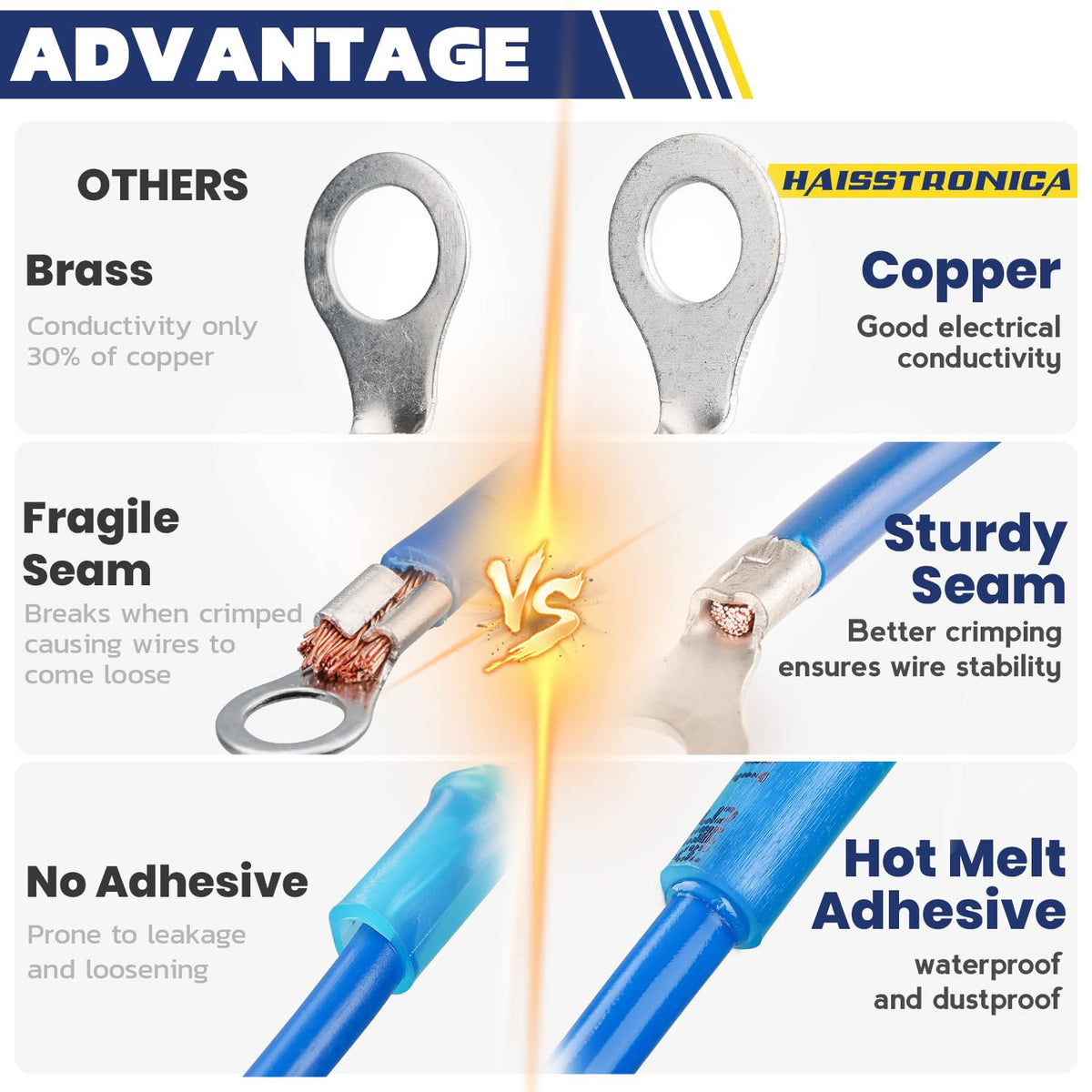
Solder sleeves use solder & seal in one step: solder in the center, adhesive at the ends.
-
Sealed crimp connectors or marine-grade heat-shrink butt connectors use adhesive-lined tubing around a crimp barrel.
If you’re in marine or off-road environments, proper environmental sealing and strain relief usually matter more than whether you used solder sleeves or butt splices in the first place.
3. Vibration and movement
This is where crimp butt splices tend to have the edge:
-
Soldered joints can create rigid segments where vibration stress concentrates at the boundary between stiff solder and flexible wire.
-
Crimped joints, if strain relief and routing are done correctly, can handle vibration and flex better over time.
That’s why you’ll see solder sleeves used a lot for shield terminations and low-movement harness areas, while crimped butt splices dominate in high-vibration terminations in many standards.
4. Tools, skill, and repeatability
-
Solder sleeves are attractive for beginners because they appear “foolproof”: slide wire in, heat until the blue solder goes shiny, done.
-
In practice, you still need to manage heat, positioning, and wire prep.
Crimp butt splices demand:
-
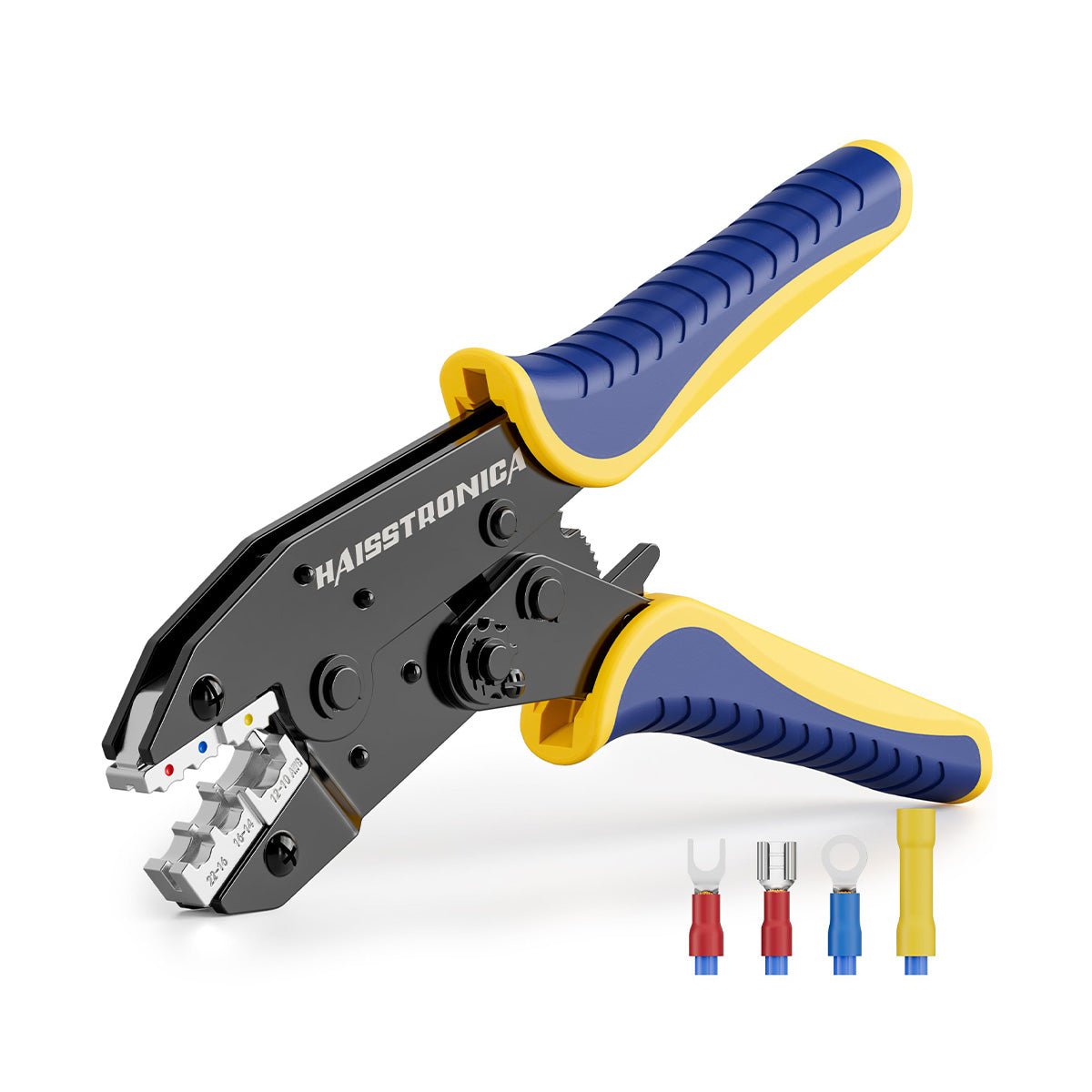
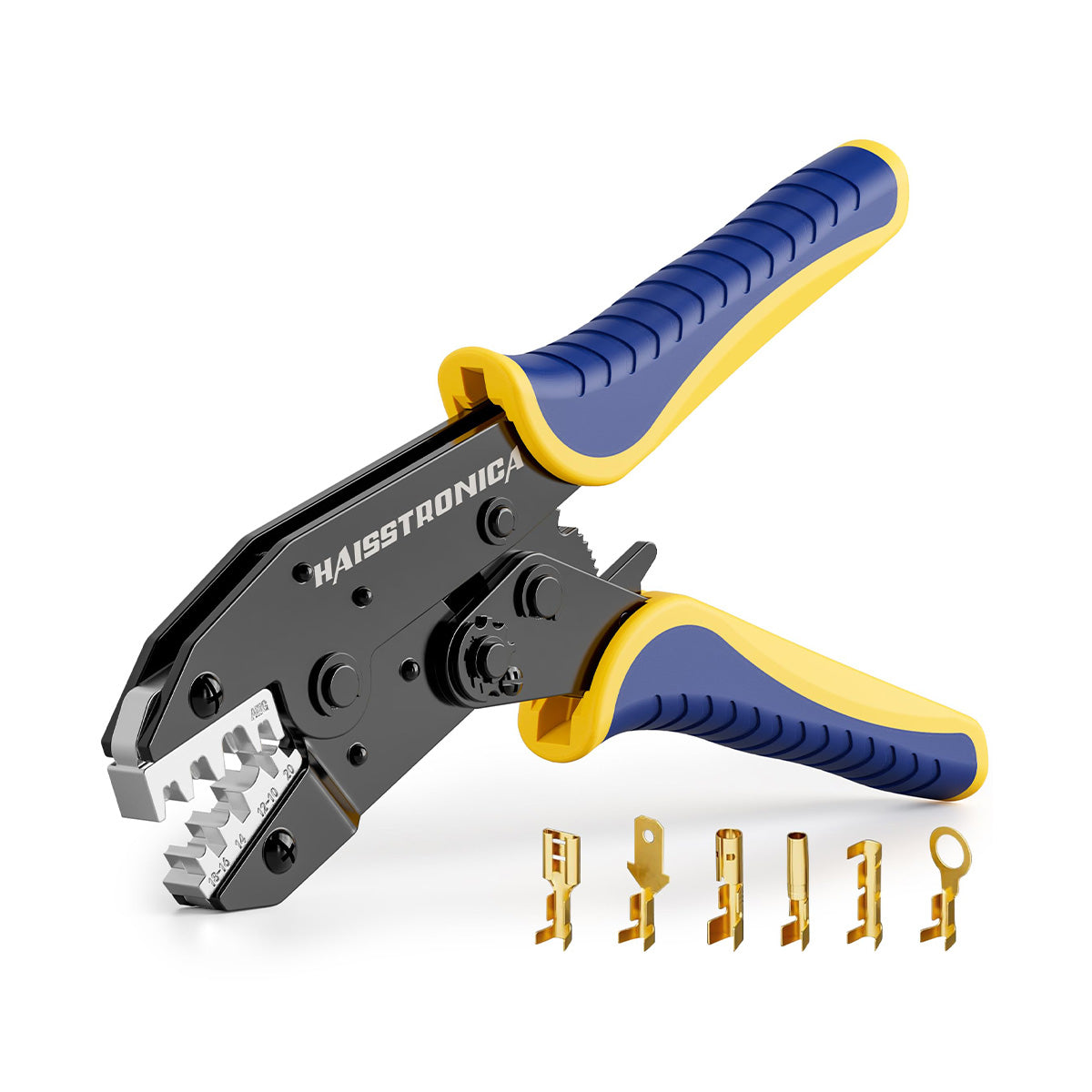
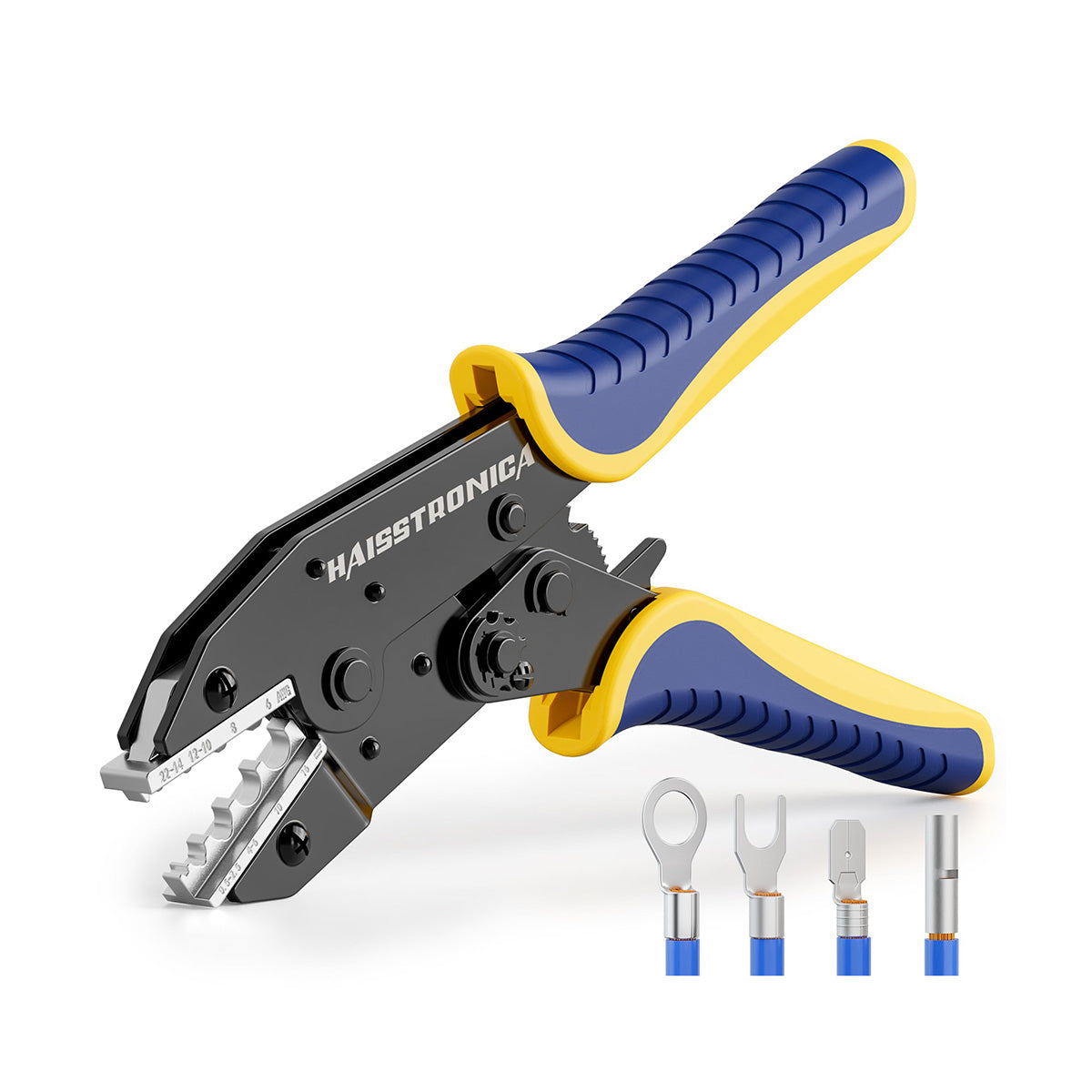
A decent ratcheting crimp tool
-
The correct color-matched barrel size
-
Some basic experience feeling when a crimp “finishes”
Once you’ve got that, the results are very repeatable—no worries about exact solder melting point or lingering flux.

What Are Solder Seal Connectors? (buyer-focused, solder sleeves in practice)
Let’s zoom in on solder sleeves from a practical “what am I really buying?” angle.
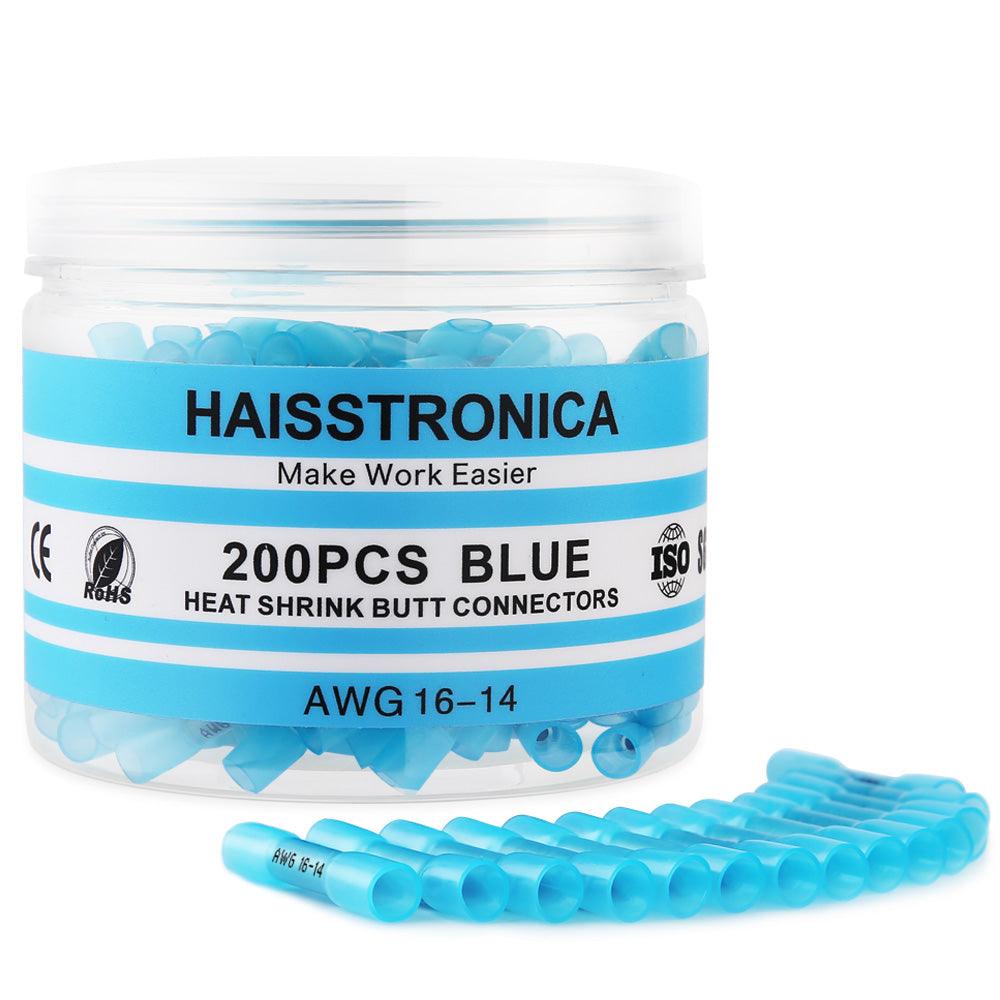
Most consumer solder seal connectors include:
-
Clear tubing so you can see the solder and wire overlap
-
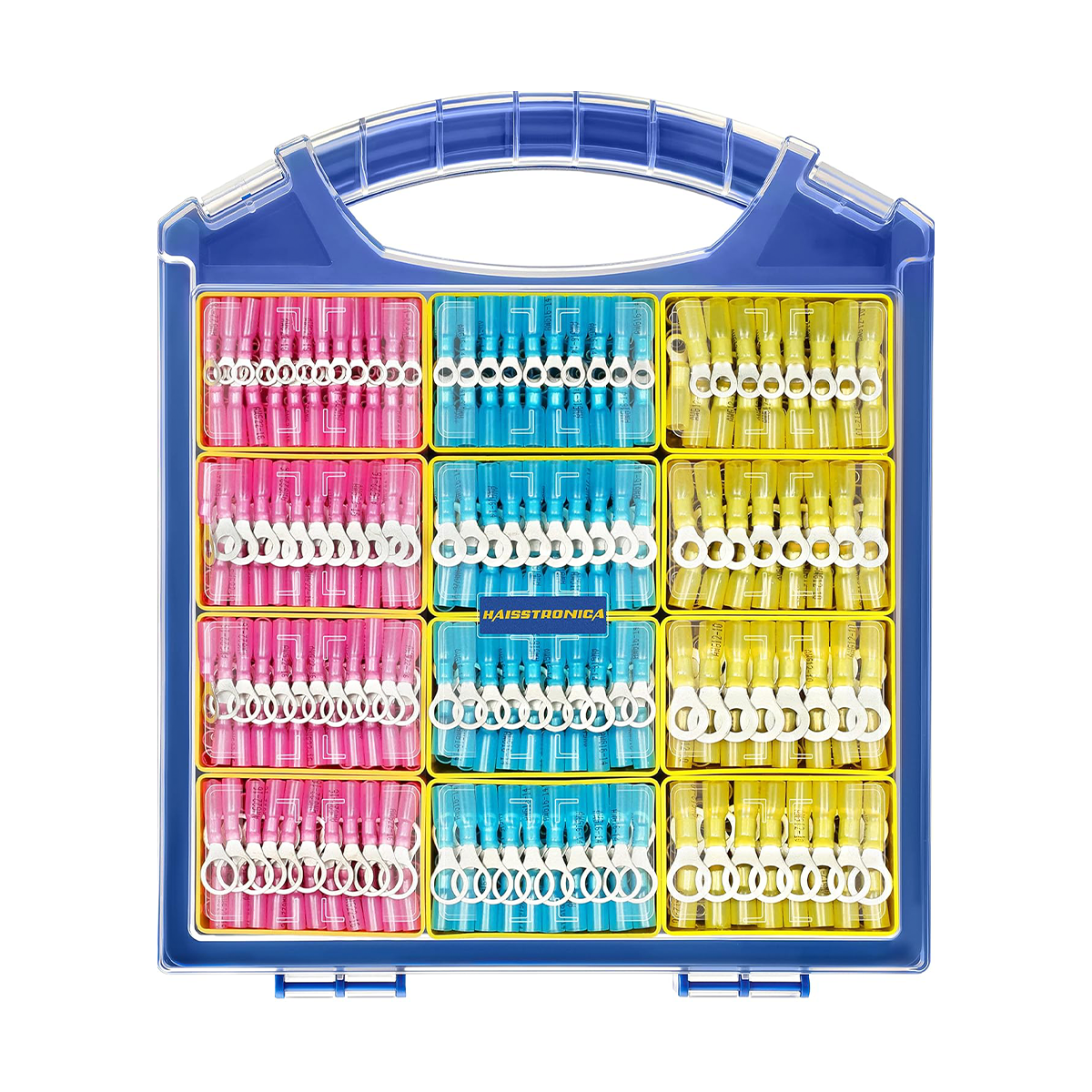
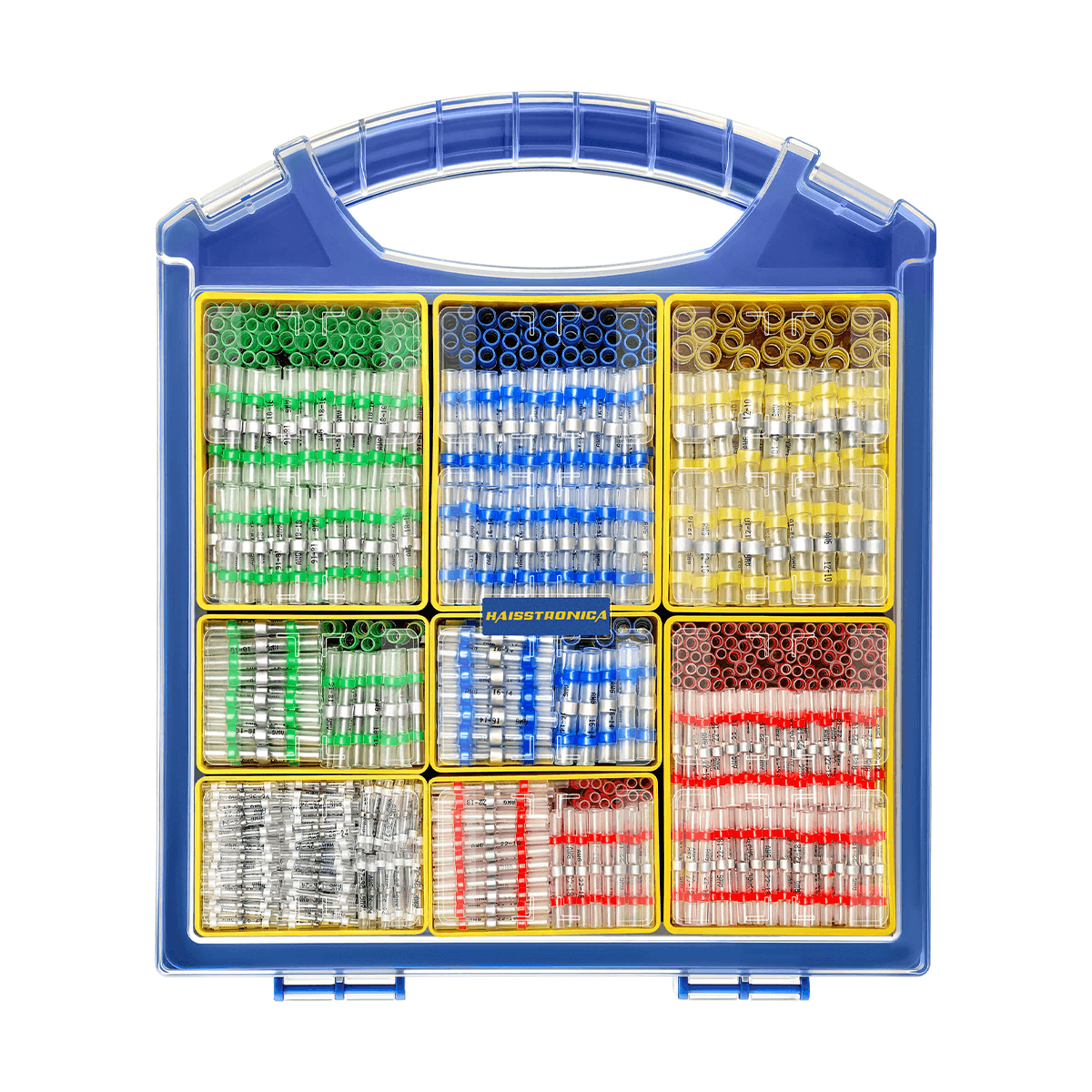
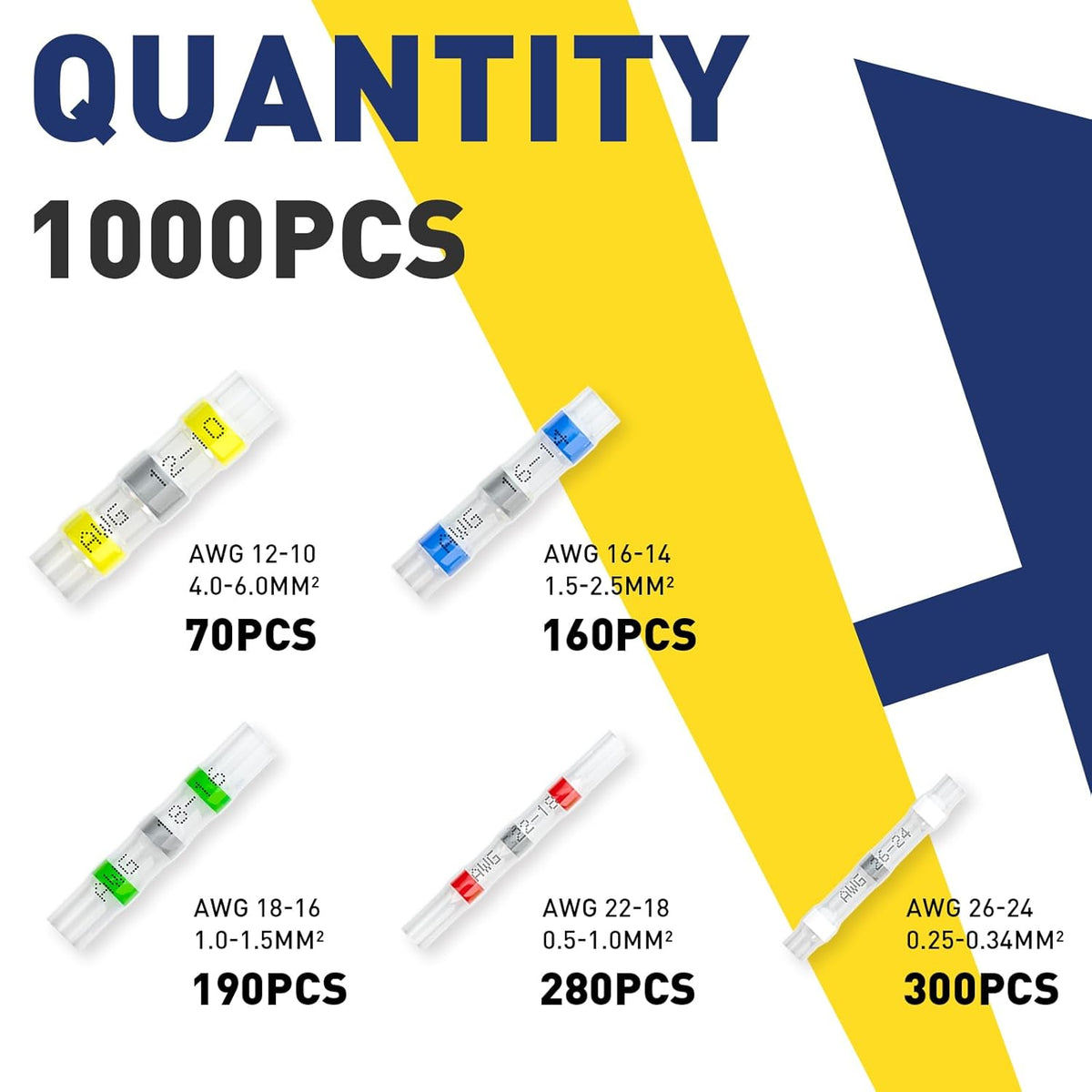
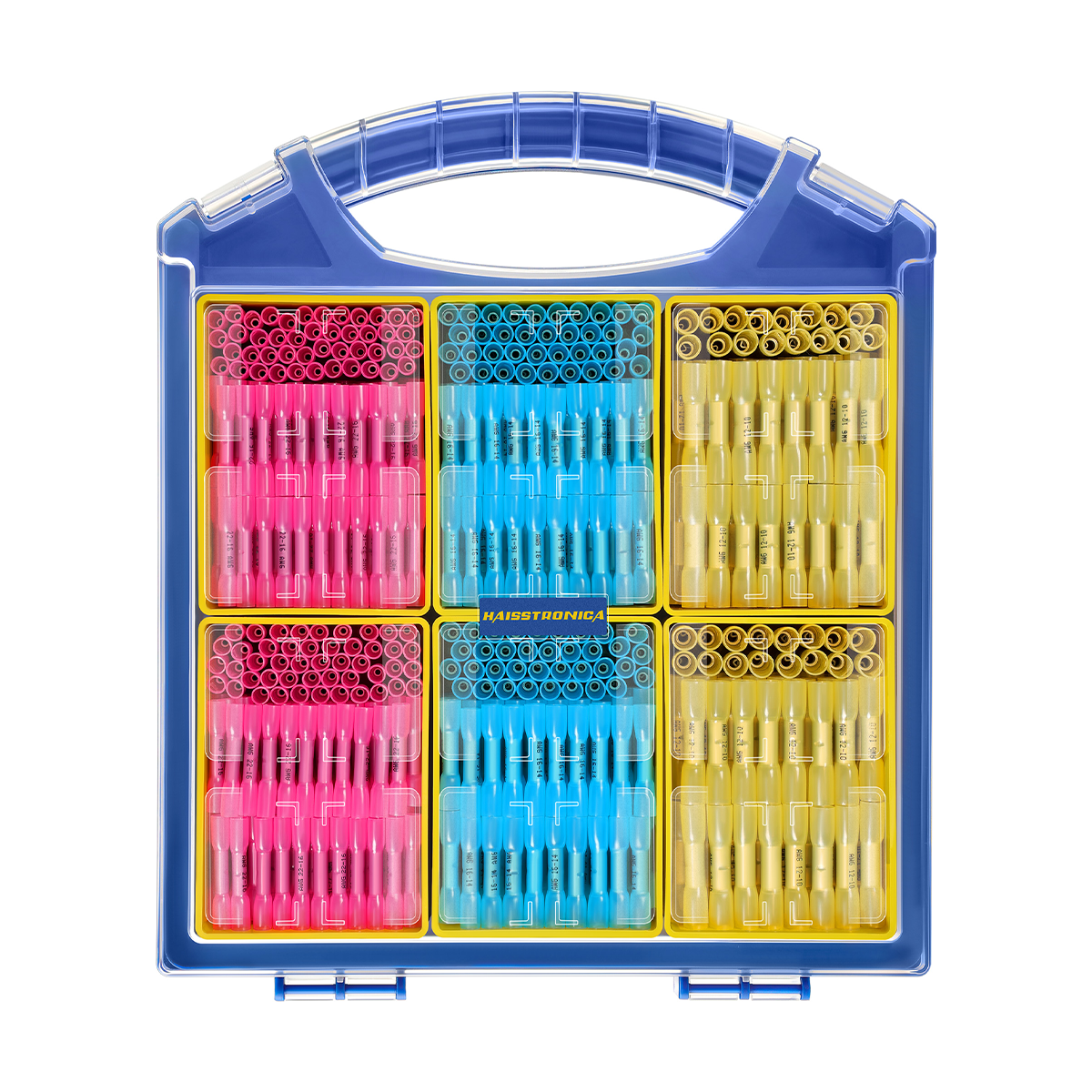
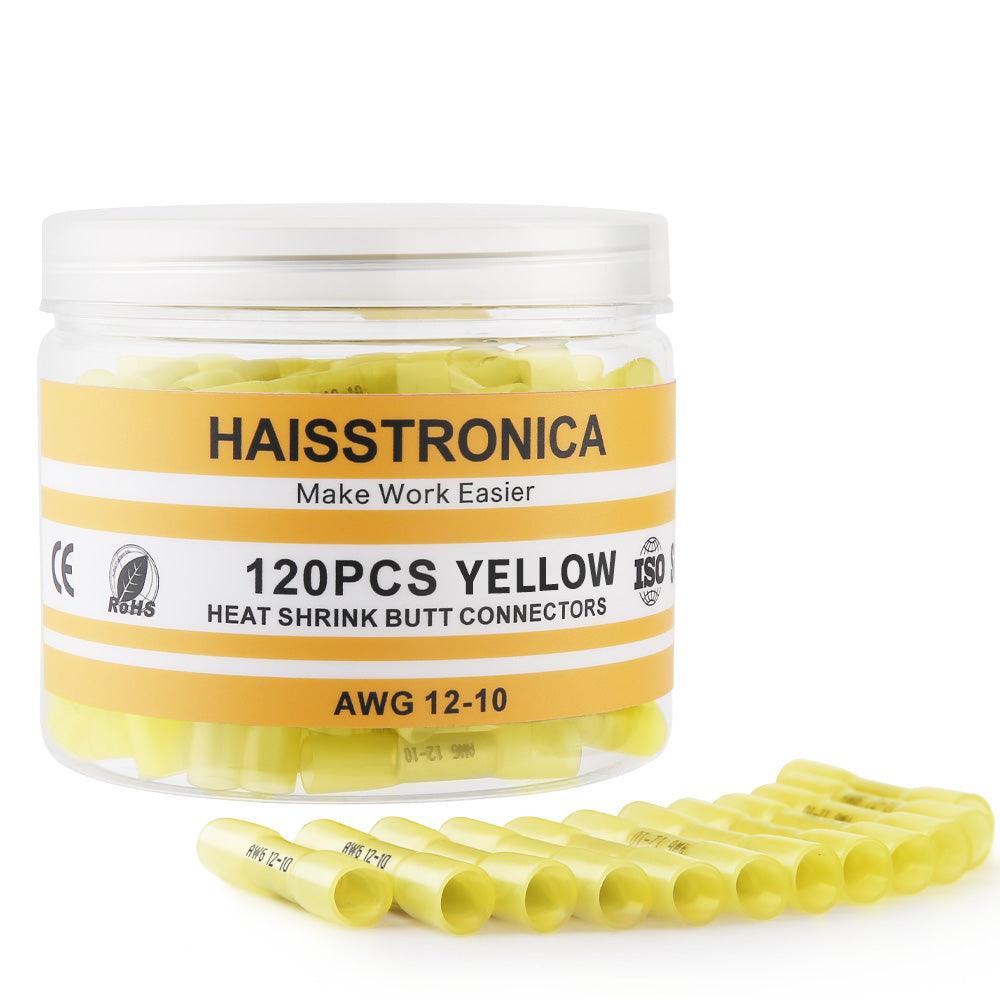
Color bands corresponding to AWG ranges (e.g., white for 26–24, red for 22–18, blue for 16–14, yellow for 12–10 in many kits)
-
An internal solder ring formulated with a lower solder melting point than traditional 60/40 or lead-free board solder
-
Adhesive bands that act as wire sealer and strain relief
Pros for DIYers and electricians:
-
You can splice, solder, and seal wire in one operation.
-
They’re great for inline repairs where pulling new wire would be painful.
-
They work well when you only have a heat gun or even a lighter and no bench.
Points to watch:
-
These are not a replacement for all crimp and solder connectors in a system. For example, in many AC mains and panel situations, you’ll still be using twist-on wire connectors, crimp lugs, and screw terminals that comply with UL and NEC.
-
Overheating can scorch the tube or drive off too much flux; underheating can leave the solder ring only partly melted.

What Are Crimp Butt Splices? (buyer-focused, solder sleeves vs crimp)
On the other side, crimp butt splices are:
-
Widely recognized in UL/CSA listings for insulated and sealed crimp connectors (UL 486A/B, UL 486D for sealed wire connectors).
-
The baseline choice in many OEM and professional harness shops.
You’ll typically see:
-
Vinyl-insulated butt splices in indoor, low-moisture work
-
Nylon or polyolefin heat-shrink butt splices with adhesive for automotive and marine
-
Heavy-wall variants for harsh environments or larger gauge wire
Advantages:
-
Highly compatible with industry tooling – everything from basic crimp pliers to hex crimp tools.
-
Easy to inspect: you can see the deformation of the barrel, and pull tests are straightforward.
-
The joint doesn’t depend on solder melting point; it’s purely mechanical.
Limitations:
-
You must match wire gauge, barrel size, and die; mismatch means weak crimps.
-
You’ll need separate heat-shrink tubing or adhesive-lined barrels for sealing if moisture is a concern.

So… Are Solder Seal Connectors “Better” Than Butt Splices?
Here’s the honest, workshop-floor conclusion:
-
Use solder sleeves when:
-
You’re doing inline repairs on low-voltage wiring (auto, trailer, boat, landscape lighting).
-
You want fast soldering connections without dragging out extra solder, flux, and separate tubing.
-
You can control heat and support the wire so the joint isn’t constantly flexing.
-
-
Use crimp butt splices when:
-
You’re in high-vibration environments (engine bay, equipment, machinery) and can route and support the harness properly.
-
You’re working under UL/NEC-driven conditions where crimped, sealed connectors are the expectation.
-
You prioritize long-term serviceability and want joints that behave like the rest of your harness.
-
In other words, solder sleeves aren’t “better” than butt splices—they’re better for some jobs. The pros don’t argue about which is “magic”; they stock both and choose based on environment, access, wire gauge, and standards.
If you’re building out your own kit, a smart setup looks like this:
-
An assortment of heat-shrink solder sleeves in the main AWG ranges you use
-
A box of sealed crimp butt connectors for the high-vibration and higher-current runs
-
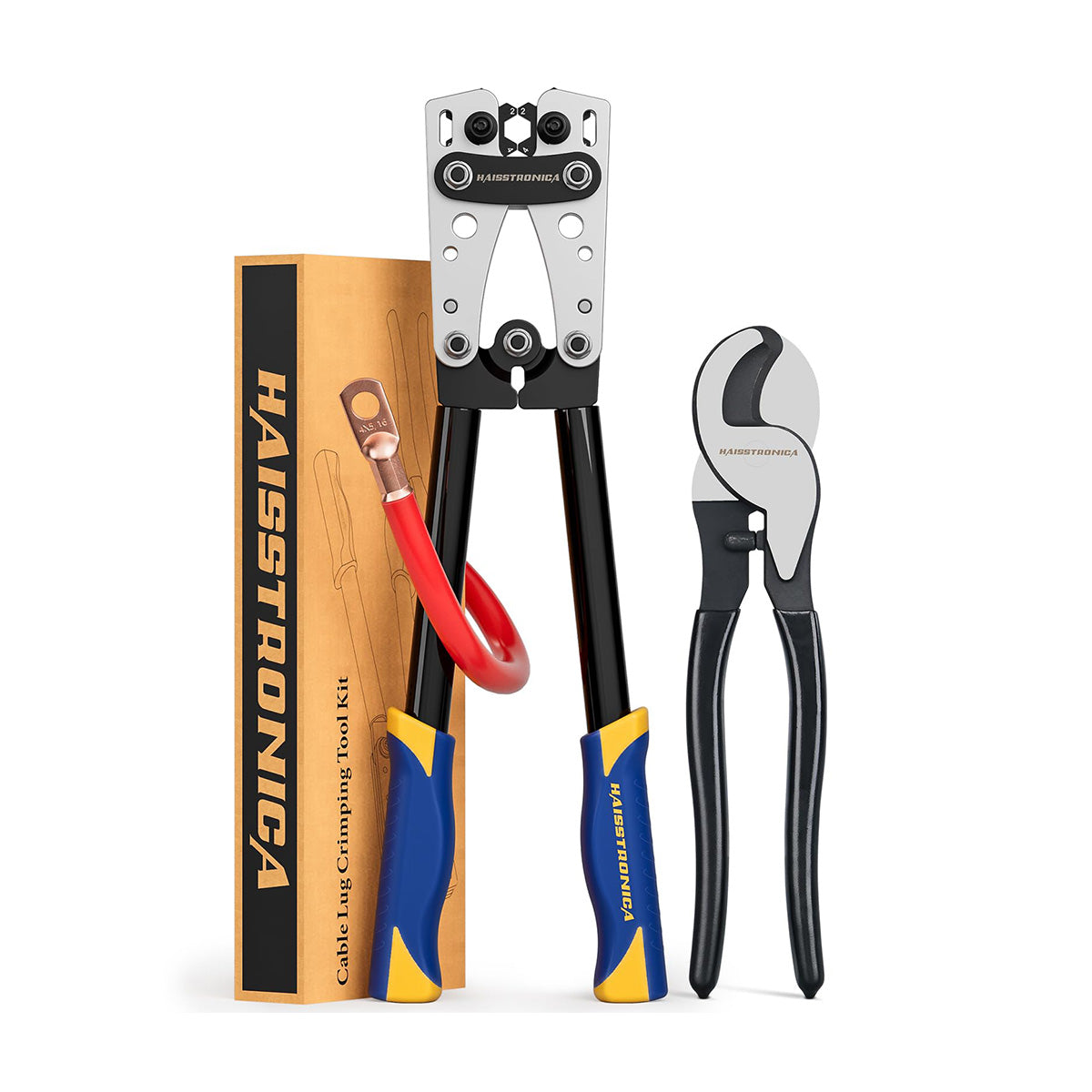
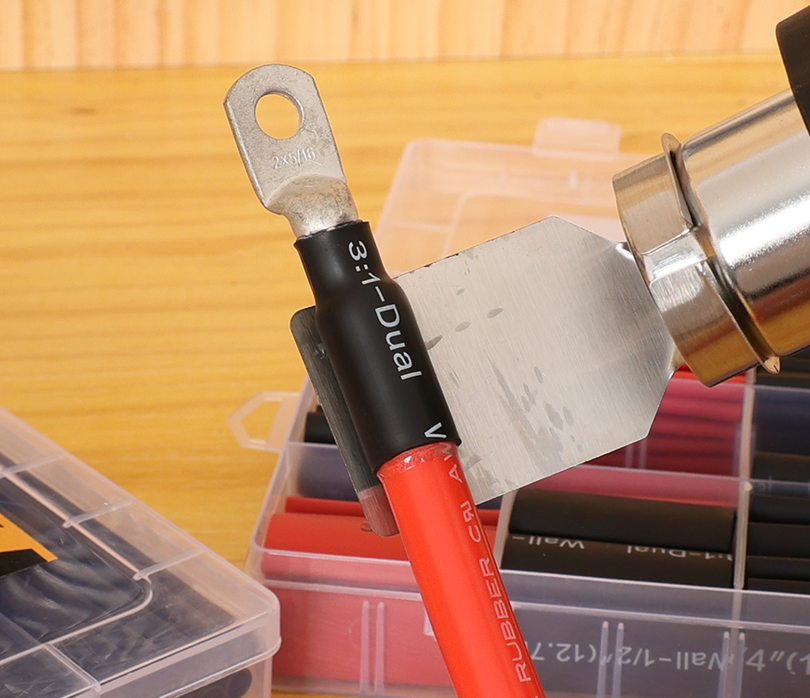
A good ratcheting crimp tool and a reliable heat source (heat gun or proper torch)