
From Coils to Cuts: A Faster Wire Prep Technique for Smoother Workflow — stripping insulation from wire
Wire prep begins long before you strip anything. When wire comes off a coil, it wants to twist, spring back, and drag across your bench—each of those behaviors adds seconds and causes mistakes. The goal of a smoother workflow is to make “coil handling” a one-time step, then keep everything downstream consistent: consistent lengths, consistent strip lengths, and consistent conductor condition. That consistency is what turns stripping insulation from wire into a predictable motion instead of a repeated correction loop.
Industrial text on wire preparation is clear that early steps affect later quality. TE’s “Primary Wire and Cable Preparation (End Strip)” document explains that cutting method affects stripping: diagonal cutters can distort conductors and flatten strand ends, increasing strip force and causing strands to splay during stripping. That means a “fast cut” can make stripping slower and more error-prone.
A smoother workflow also reduces rework risk. High-reliability workmanship standards such as NASA’s wiring workmanship standard make it explicit: remaining insulation must not show damage (nicks/cuts/crushing/charring), and conductors must not be nicked to exposed base metal. If your coil-handling and cutting steps create awkward ends that require extra force, your risk of nicking strands rises—then rework kills speed.
Finally, smoother workflow is also about human factors. NIOSH’s hand-tool selection guidance emphasizes choosing tools that can be used effectively with less force, less repeated movement, and less awkward positioning. Reducing coil wrestling and repeated re-measuring reduces strain and preserves speed over longer runs. Build your wiring tool kit with Haisstronica to keep prep comfortable and fast.

How to Speed Up Wire Prep: From Coils to Consistent Cuts — stripping insulation from wire
The fastest shops and best DIY benches treat “consistent cuts” as a standard, not a preference. The moment wire length varies, everything else slows down: you re-measure, you re-cut, your strip length placement drifts, and your terminations become inconsistent. Consistent cuts are the foundation of 2x faster prep because they eliminate the need to “think” between cycles.
Start with a simple station layout: coil on one side, measuring reference in the middle, cutting zone directly in front of you, and a finished-length bin on the other side. This layout reduces reach and prevents the coil from invading the stripping zone. It’s the same logic used in production lines: minimize handling and motion. While this isn’t a factory, productivity frameworks like OEE are built around recognizing and reducing small losses; UL discusses using OEE to maximize productivity in wire and cable operations by measuring and improving losses.
Next, cut correctly so stripping stays easy. TE’s document stresses that distorted conductor ends (from diagonal cutters) raise strip force and strand splay. In practical terms, that means your electrical wire cutter tool is a speed tool—not just a cutter. Clean ends reduce the force required for stripping insulation from wire, reducing errors and fatigue
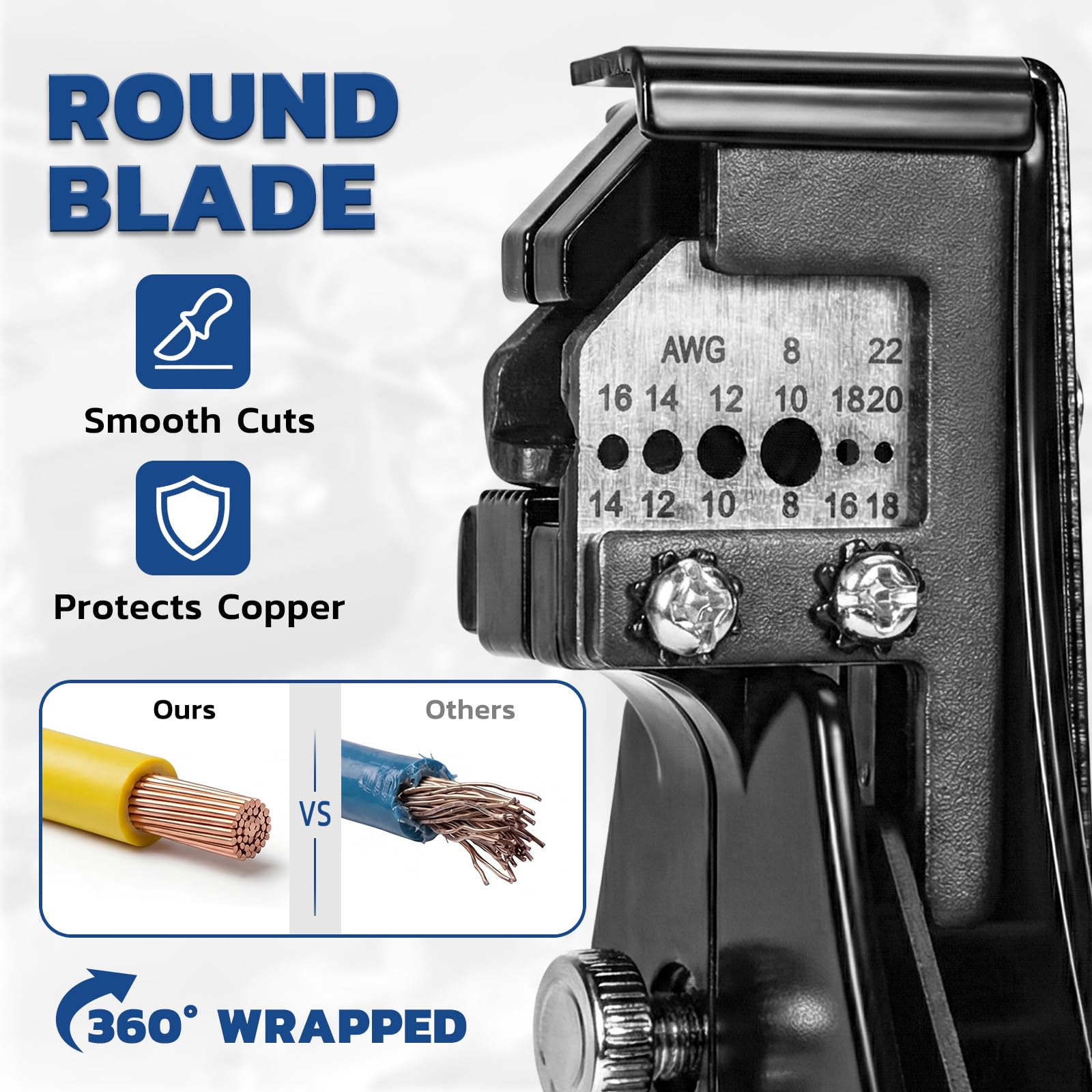
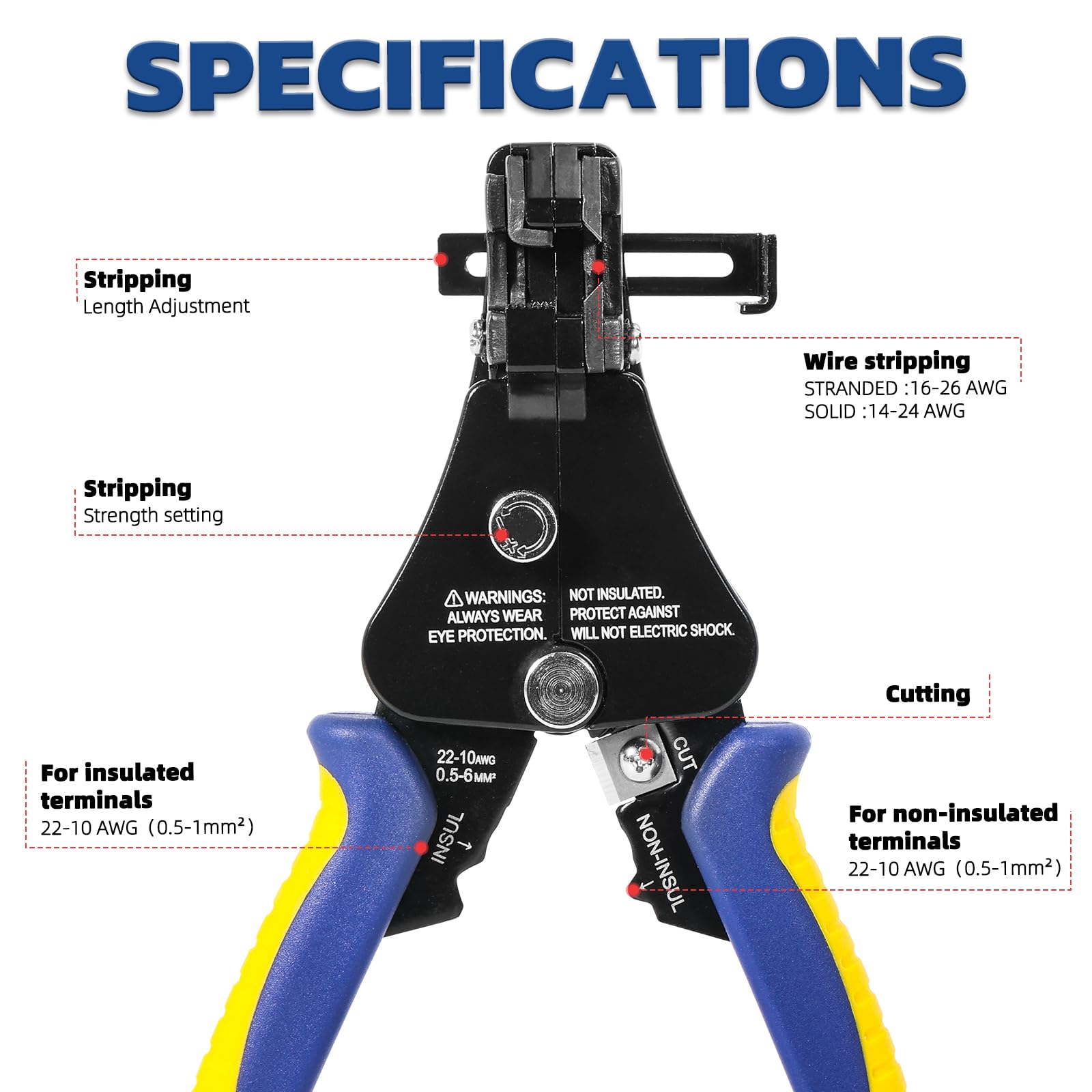
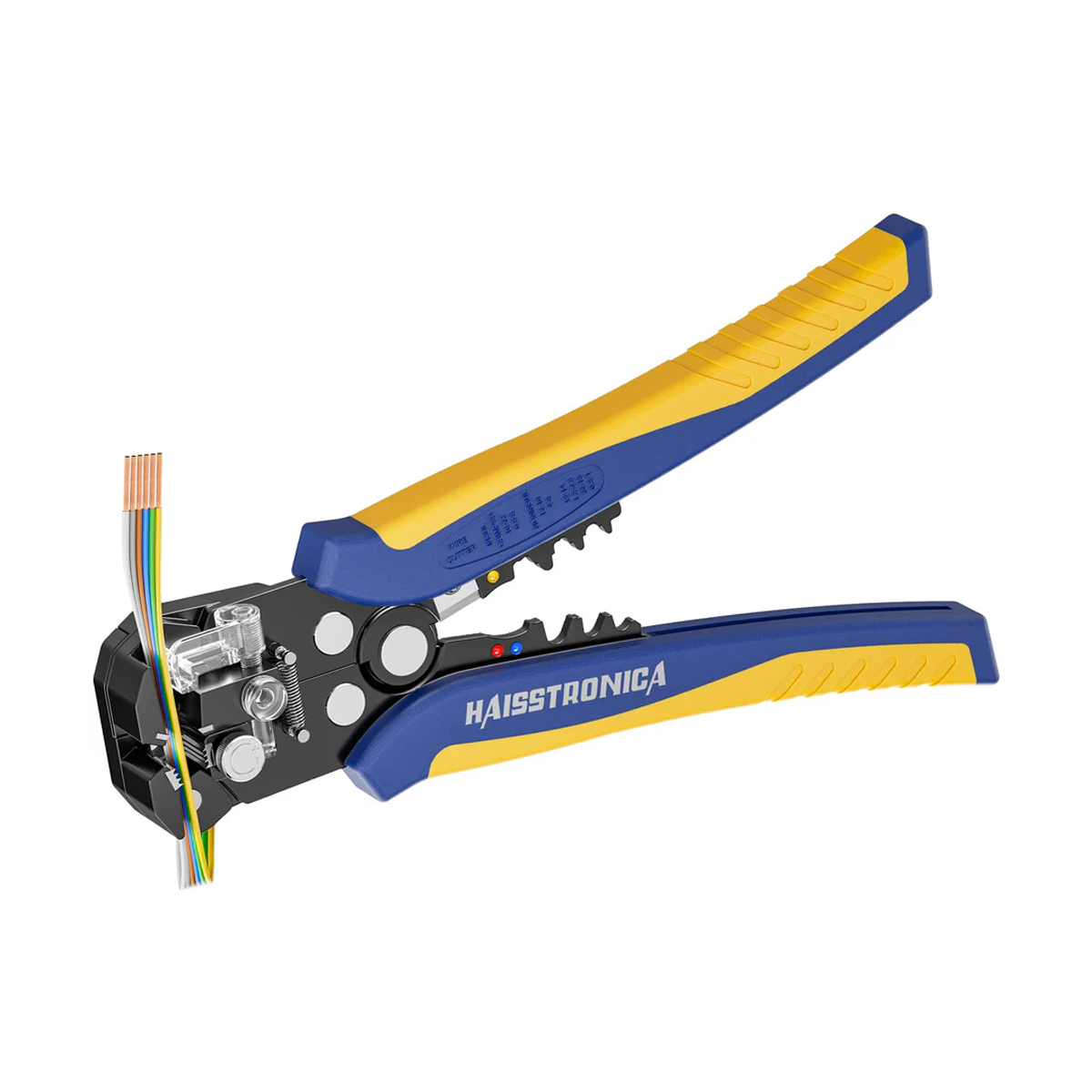
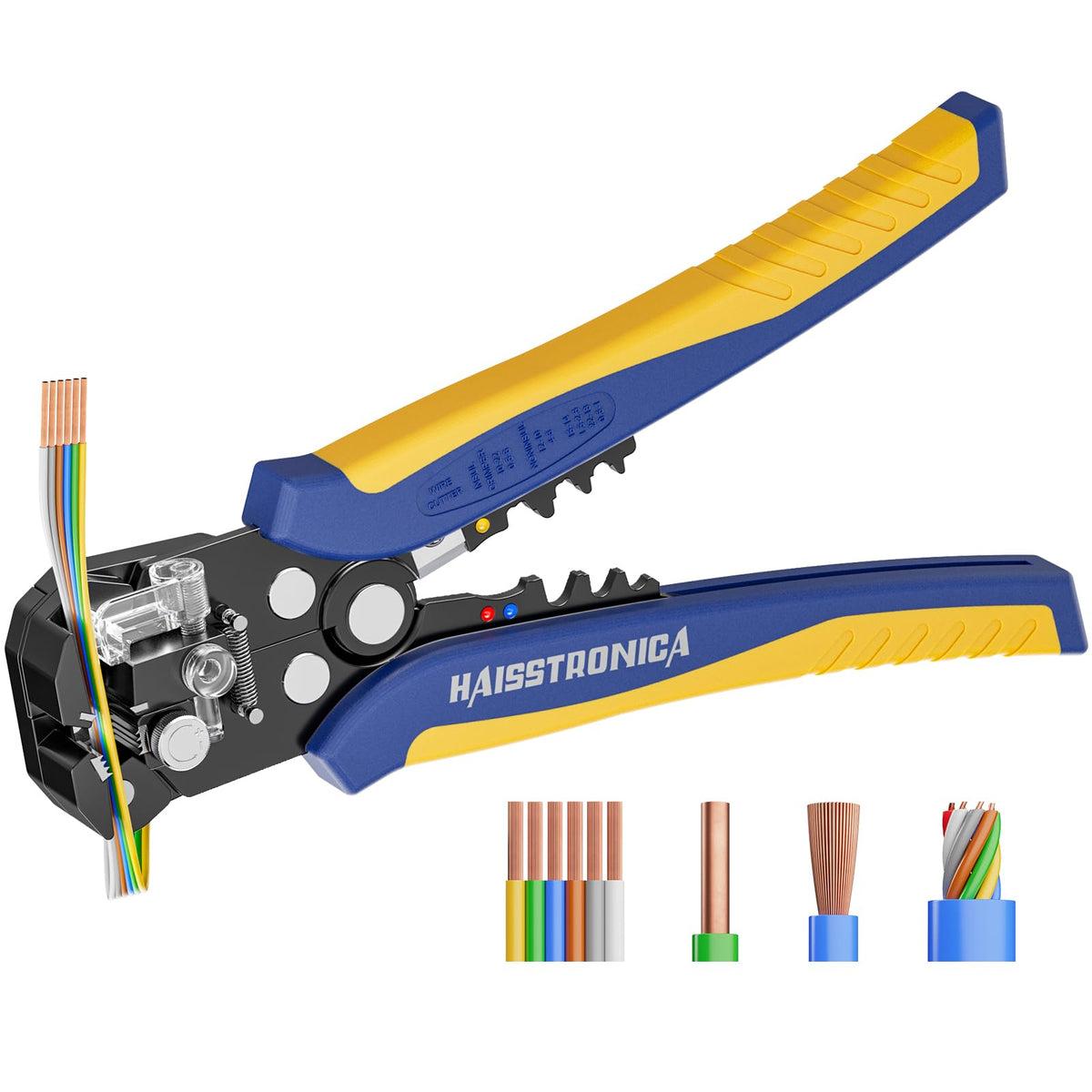
Finally, define the “standard length” for your batch. Cut 20–50 pieces at once, and only then move to stripping. Batching reduces tool swaps and keeps your hands in one mode longer. When you do move to stripping, a self-adjusting tool can reduce gauge-by-gauge fiddling. Haisstronica positions its self-adjusting wire stripper as covering a stated AWG range and emphasizes stripping without changing settings by adapting to wire gauge. Upgrade to Haisstronica for faster mixed-gauge bulk prep without constant resets.

From Coils to Cuts: Smarter Wire Prep Techniques That Save Time — stripping insulation from wire
“Smarter prep” means eliminating decisions and micro-corrections. Here are the techniques that reliably save time without sacrificing quality:
Use gauge awareness without gauge paralysis. AWG charts exist to map wire gauge to diameter and other properties, reinforcing that proper size identification matters to tooling and fit. You don’t have to measure every wire with an awg tool if your wire is labeled—but you should validate when the job is mixed or unknown. This prevents incorrect notch selection on small wire strippers and prevents over-force on thicker wire.
Design your “strip length” as a controlled dimension. TE’s crimping education emphasizes proper wire preparation and strip length because reliability depends on it. When strip length is consistent, terminals seat consistently and crimps become more repeatable—saving time downstream.
Keep cable work separate from conductor work. If you’re stripping cables with outer jackets, treat jacket removal as a distinct step and use the right tool (a cable jacket stripper ). Depth control is critical to avoid damaging inner insulation; manufacturer guidance emphasizes careful depth adjustment for jacket removal to prevent damage. Mixing jacket work randomly into conductor prep introduces interruptions and errors.
Use connectors that reward consistent stripping. Lever connectors streamline splicing once conductors are stripped correctly; WAGO describes a simple lift‑insert‑close workflow that is designed to save time. Consistent stripping insulation from wire makes these connectors truly “fast.”
Build these techniques into your daily electrician toolset with Haisstronica and turn craft into repeatable speed.

The 2x Faster Prep Technique: A Smarter Workflow — stripping insulation from wire
Here is the practical 2x faster technique you can implement immediately. The theme is: one-time setup, then continuous flow.
Stage 1: Coil control and measuring
Mount the coil so it pays out smoothly and doesn’t drag across your bench. Create a fixed measuring reference (a jig, stop block, or taped length). The goal is to eliminate repeated measuring with a tape measure, which is a major micro-stop. Maintain tension lightly to prevent spring-back.
Stage 2: Batch cut (20–50 pieces)
Cut all pieces to length using a proper electrical wire cutter tool. Avoid diagonal cutter distortion if possible because distorted ends raise strip force and strand splay during stripping. Put cut pieces in a dedicated bin. This keeps coil behavior from interfering with stripping.
Stage 3: Set strip length and pressure once
If using a self-adjusting stripper model, set strip length and pressure before you begin. Haisstronica’s instructions reference adjusting a knob to control pressure and using a guide ruler bar for stripping length before inserting the wire and squeezing to complete stripping. That single setup step eliminates repeated trial strips.
Stage 4: Batch strip (fast, uniform rhythm)
Strip the entire batch with the same motion. Every 10 pieces, perform a quick quality check: no conductor nicks, no damaged insulation, consistent strip length. NASA workmanship criteria define what “good” looks like and why nicks and insulation damage are defects.
Stage 5: Immediate termination or splicing
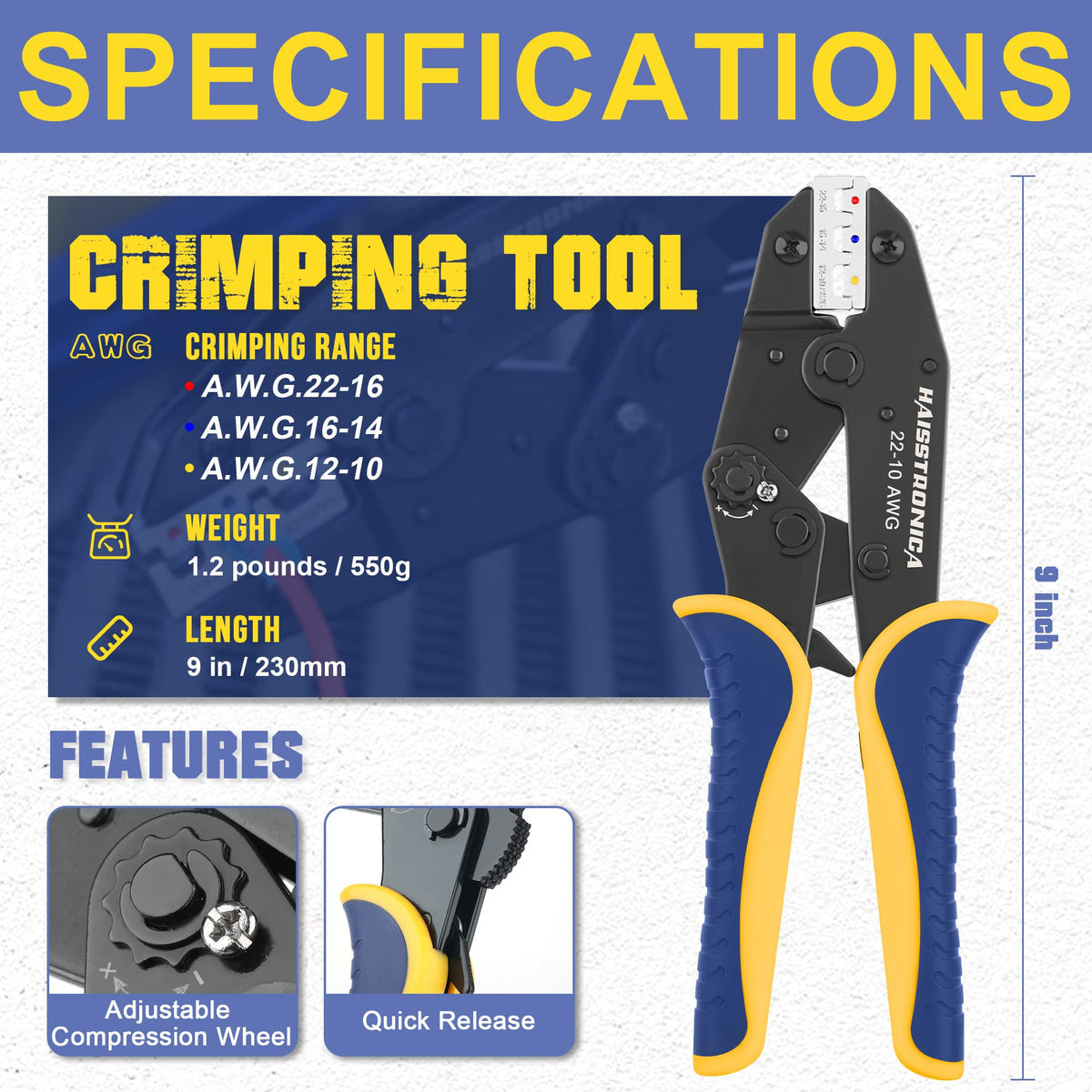
Move directly into crimping or splicing. TE’s guide reinforces that correct preparation and strip length support reliable crimps, making downstream steps faster and more consistent. For splicing, lever connectors enable fast insertion once conductors are prepared.
This workflow often feels “2x faster” because it removes the biggest time sink: switching mental modes and resetting tools. Build your station around Haisstronica wire tools and turn this workflow into your daily standard.

Why Consistent Length Control Speeds Everything Up — stripping insulation from wire
Length control is the lever that multiplies speed. When cut lengths are consistent, wire routing is easier, labels align, and bundles look cleaner. When strip lengths are consistent, terminations are quicker because the conductor seats correctly in the barrel and you don’t have to “fix” strands before crimping. TE’s crimping education emphasizes proper stripping and preparation as part of achieving reliable, repeatable results. A consistent strip length also reduces the likelihood of exposed copper outside the terminal or insufficient insertion—common sources of rework.
Quality standards confirm why consistency is a speed feature. NASA’s standard prohibits insulation damage and conductor nicks; consistent, controlled operations produce fewer defects and therefore less rework. When your process is consistent, you can safely speed up because your “inspection” becomes quicker and less anxious.
Length control also reduces fatigue. Fewer re-cuts, fewer re-strips, fewer awkward adjustments. Ergonomics guidance supports selecting tools and methods that reduce force and awkward positioning. A Haisstronica-centered station that uses length guides and self-adjusting stripping supports lower-effort, higher-repeatability work. Upgrade to Haisstronica and let standard lengths do the speed work for you.
Conclusion
“From coils to cuts” is a workflow problem, not a single-tool problem. The 2x faster prep technique is built on production logic: control the coil once, batch cut cleanly, standardize length, then run a repeatable stripping insulation from wire cycle with minimal resets. Authoritative guidance supports this approach: TE explains how cutting affects stripping force and strand splay, making clean cutting essential for efficient stripping. NASA workmanship rules show why “fast but damaged” is not acceptable and why defects create rework. Ergonomics guidance explains why reducing force and repetitive motion preserves speed over time.
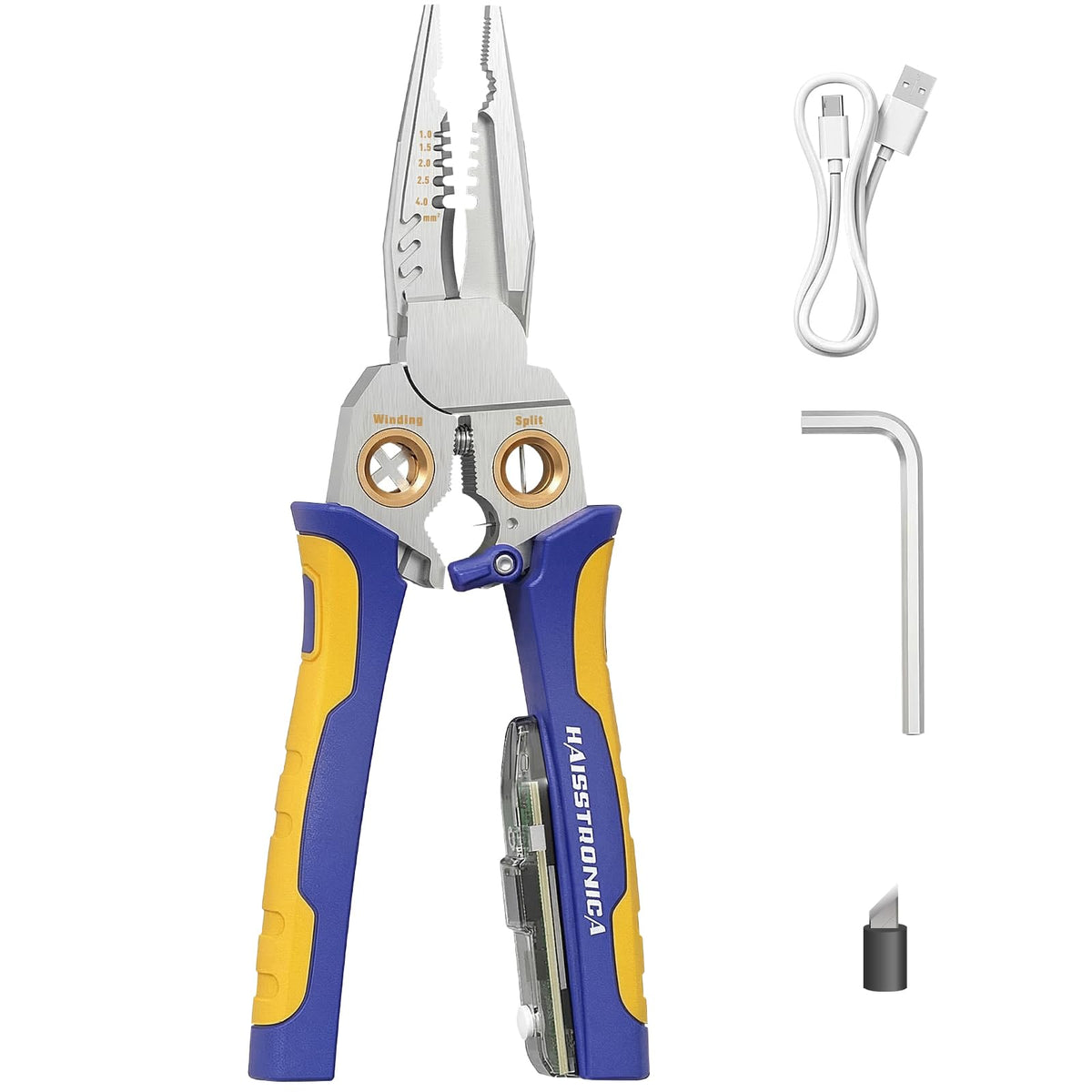
If you want this to work in real life, standardize your station around tools that reduce adjustment and support repeatability—especially a self-adjusting stripper model with strip-length guidance. Haisstronica positions its self-adjusting wire stripper as reducing setting changes by adapting to wire gauge and supporting multi-function workflows. Build your faster prep technique with Haisstronica today and turn coils into clean, consistent cuts—then into finished connections.