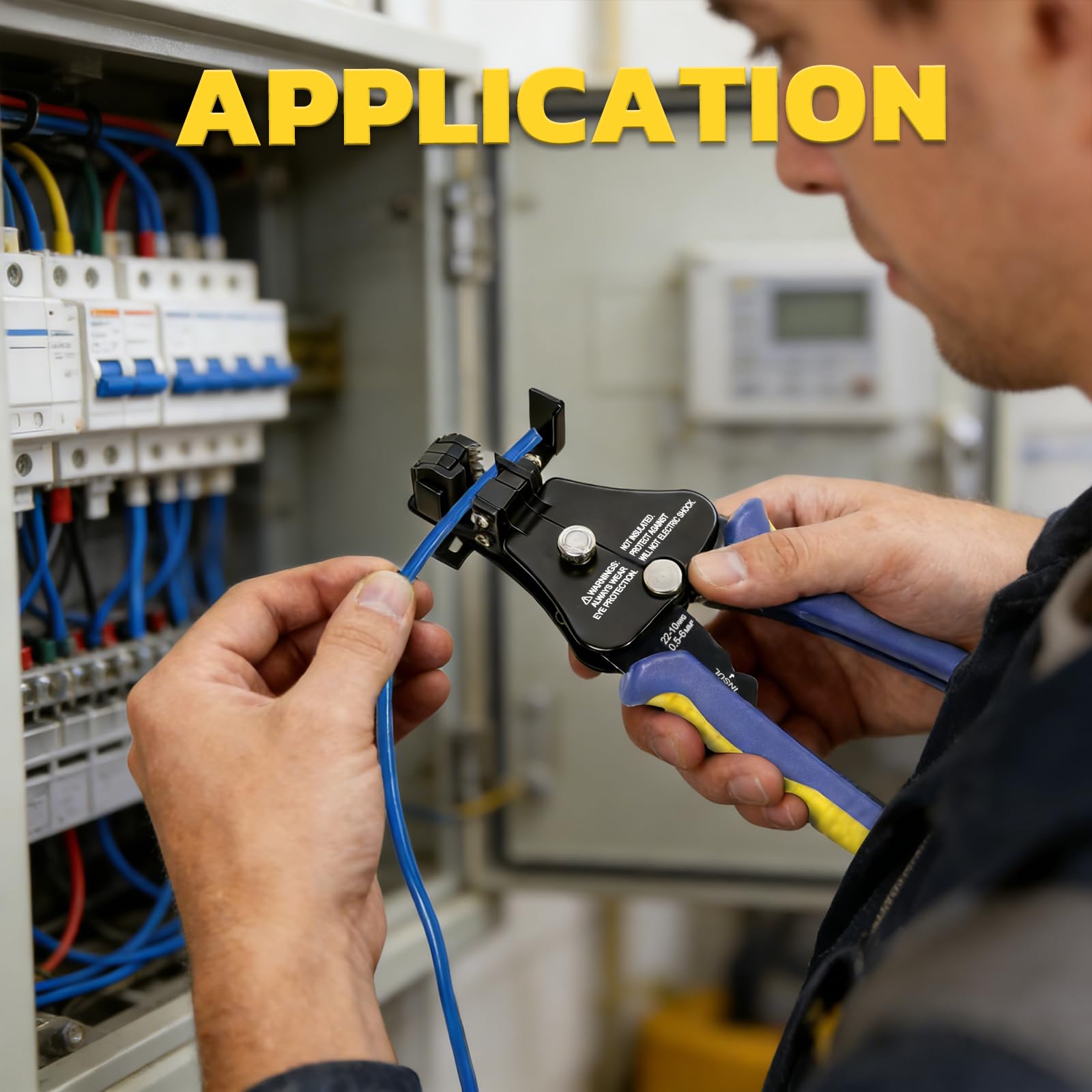
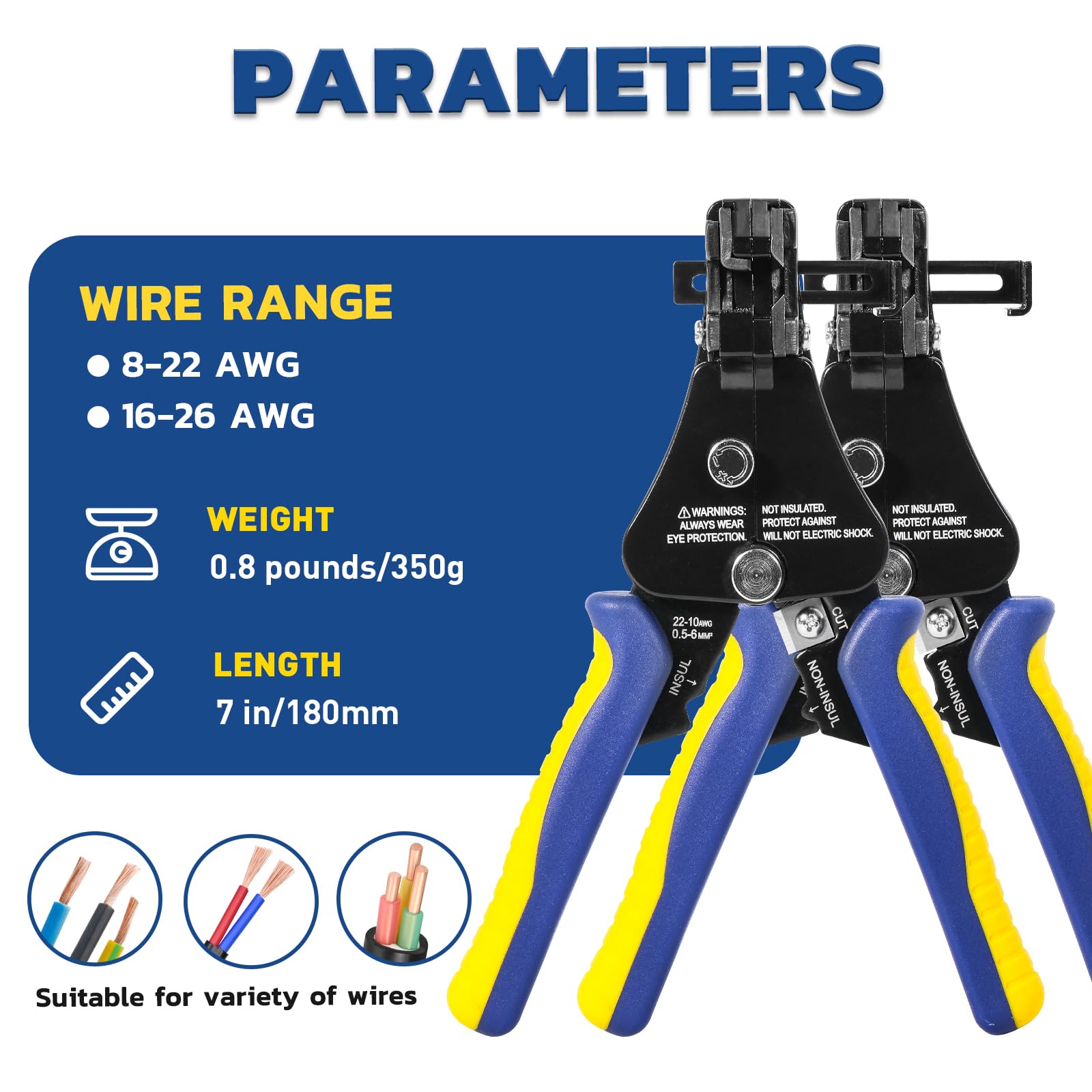
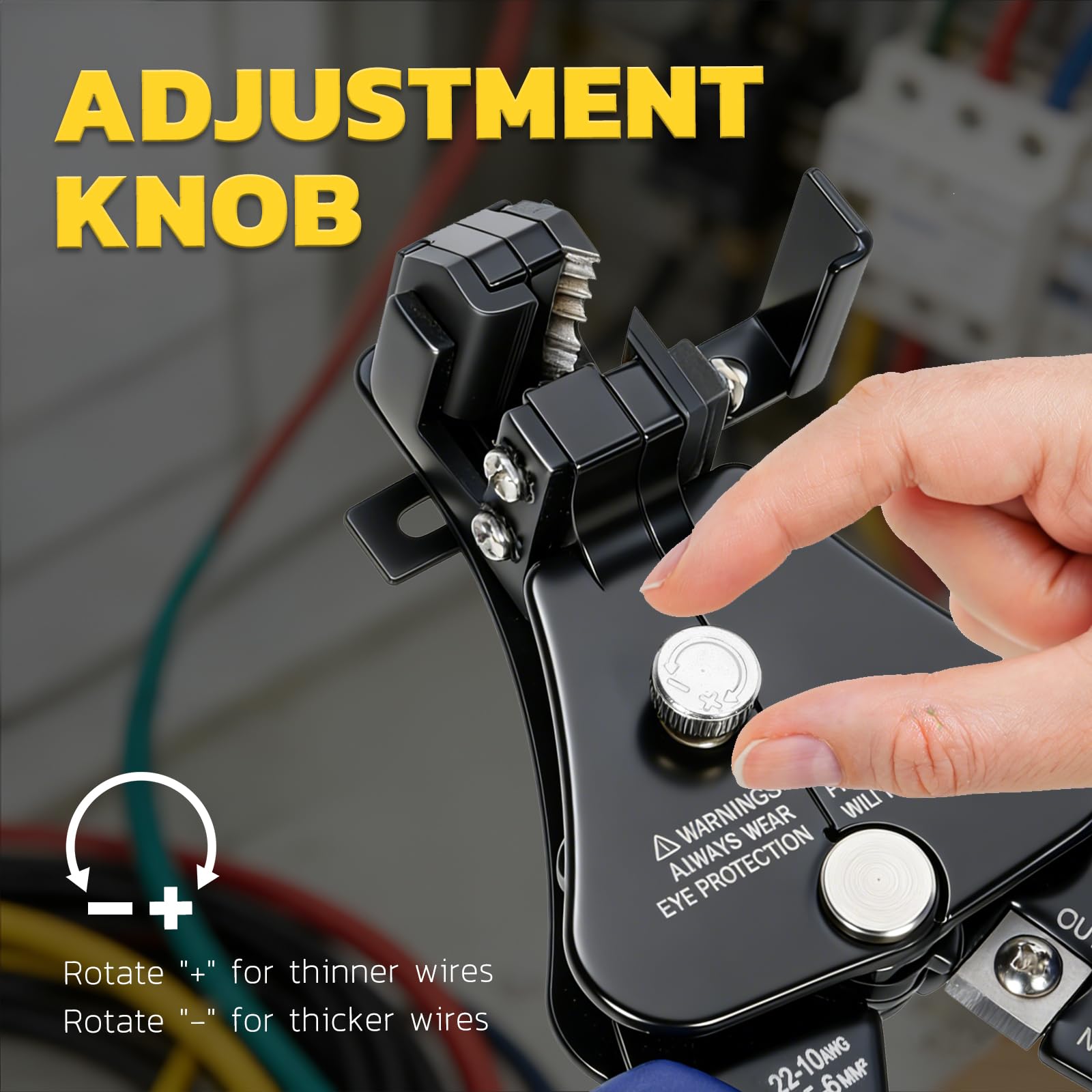
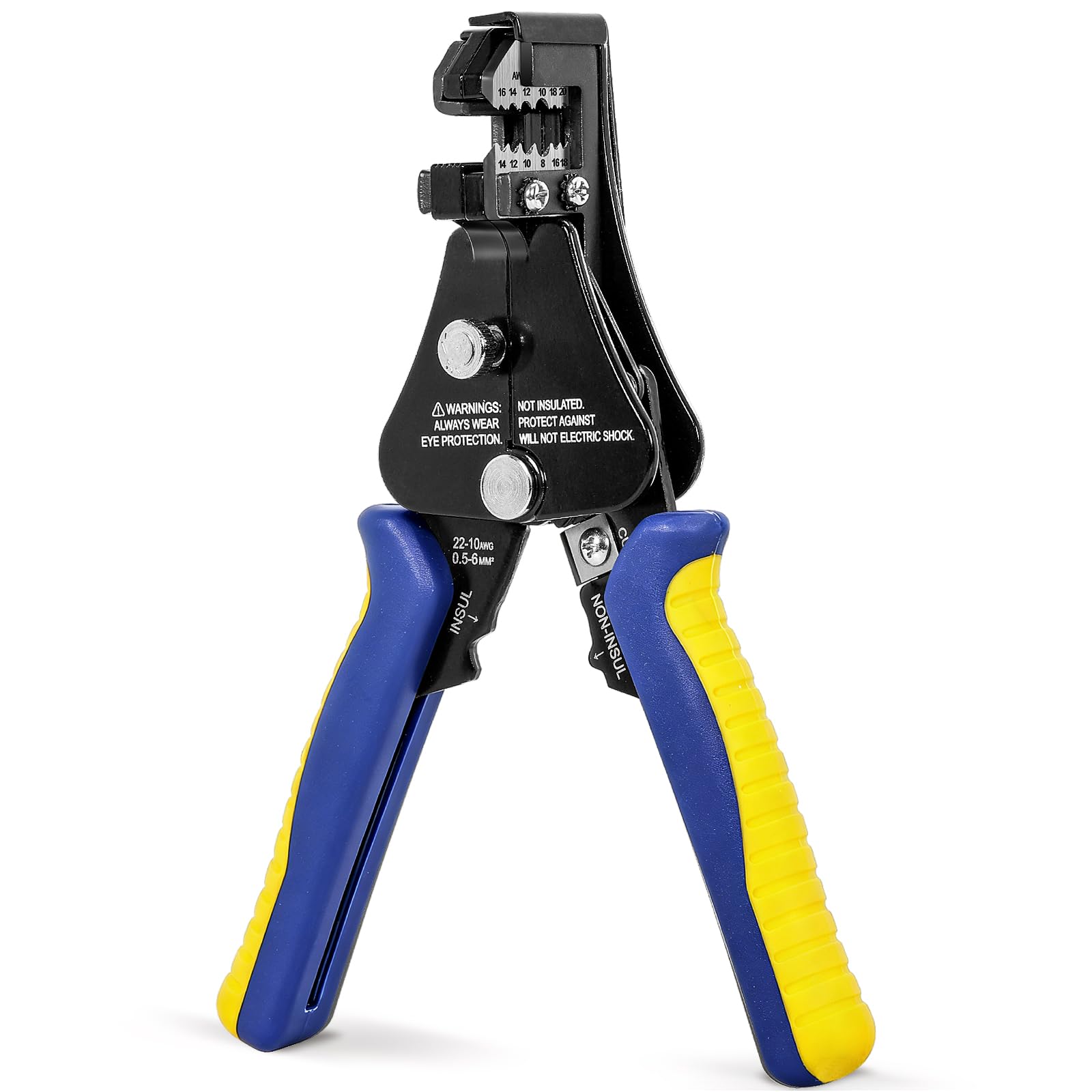
Traditional tools can feel loud and distracting, even when they’re not hazardous-level noise. This post explains what “Quiet Tech” means in a quick-strip workflow and how smoother mechanics support...
AWG 10 is a thick, high-demand conductor that exposes every weakness in basic strippers: more stiffness, more insulation to cut, and higher force that can nick strands. This deep research blog expl...
Most wire-prep bottlenecks are not caused by the act of stripping. They are caused by resets: reopening jaws, clearing insulation slugs, re-centering the conductor, re-checking wire gauge, and re-g...
Auto-return blades are a simple idea with outsized impact: after each strip, the blade/jaw system “homes” itself back to the start position—so you don’t waste time manually reopening, clearing slug...
Hand fatigue doesn’t just make wiring uncomfortable—it quietly slows output, increases mistakes, and causes “invisible rework” like re-stripping, re-crimping, and cutting back conductors to remove ...
Most wire-prep bottlenecks are not caused by the act of stripping. They are caused by resets: reopening jaws, clearing insulation slugs, re-centering the conductor, re-checking wire gauge, and re-g...
Auto-return blades are a simple idea with outsized impact: after each strip, the blade/jaw system “homes” itself back to the start position—so you don’t waste time manually reopening, clearing slug...
Hand fatigue doesn’t just make wiring uncomfortable—it quietly slows output, increases mistakes, and causes “invisible rework” like re-stripping, re-crimping, and cutting back conductors to remove ...
Bulk wiring jobs rarely drag because insulation is “hard.” They drag because your hands are overloaded: one hand squeezes, the other pulls, then both hands re-check strip length, strand condition, ...
Bulk stripping is not hard because insulation is tough—it’s hard because time disappears into micro-delays: checking wire gauge, re-positioning cutters, correcting uneven strip length, and redoing ...
Garage wiring projects—lighting upgrades, new outlets, door-opener circuits, compressors, or DIY workbenches—often feel “slow” for one reason: the prep steps (cutting, stripping, splicing, and term...
Traditional squeeze-only strippers can be fast—until wire gauge changes, hand fatigue sets in, or insulation thickness varies. Then “one squeeze” becomes rework: nicked conductors, inconsistent str...