
Short Answer — In Many Vibration Cases, Solderless Wins
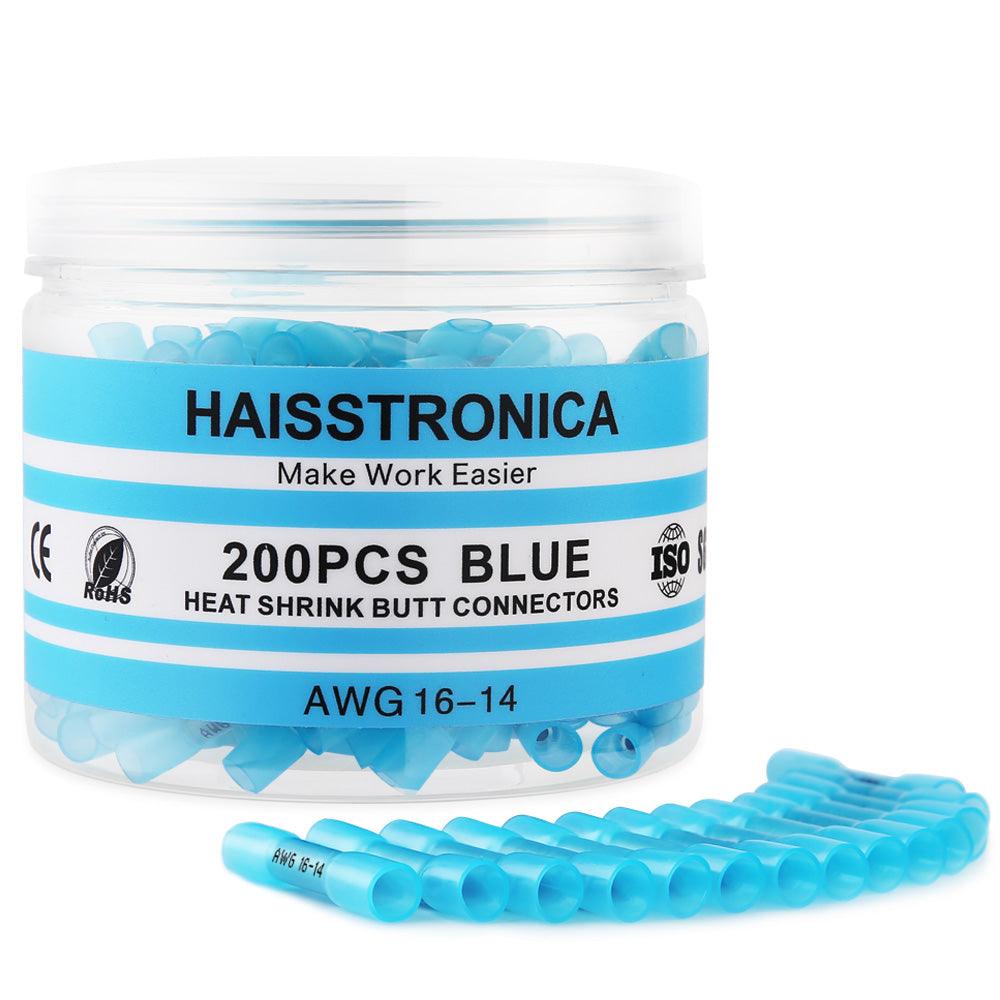
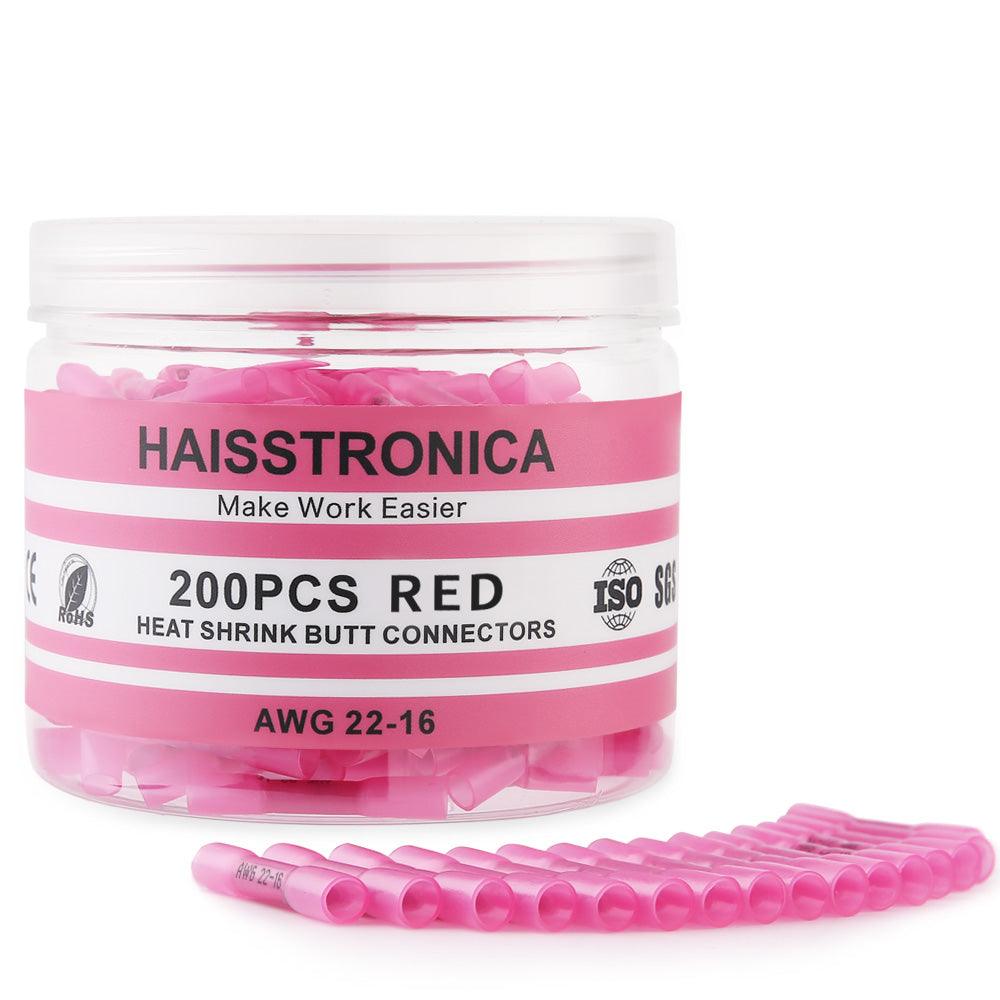
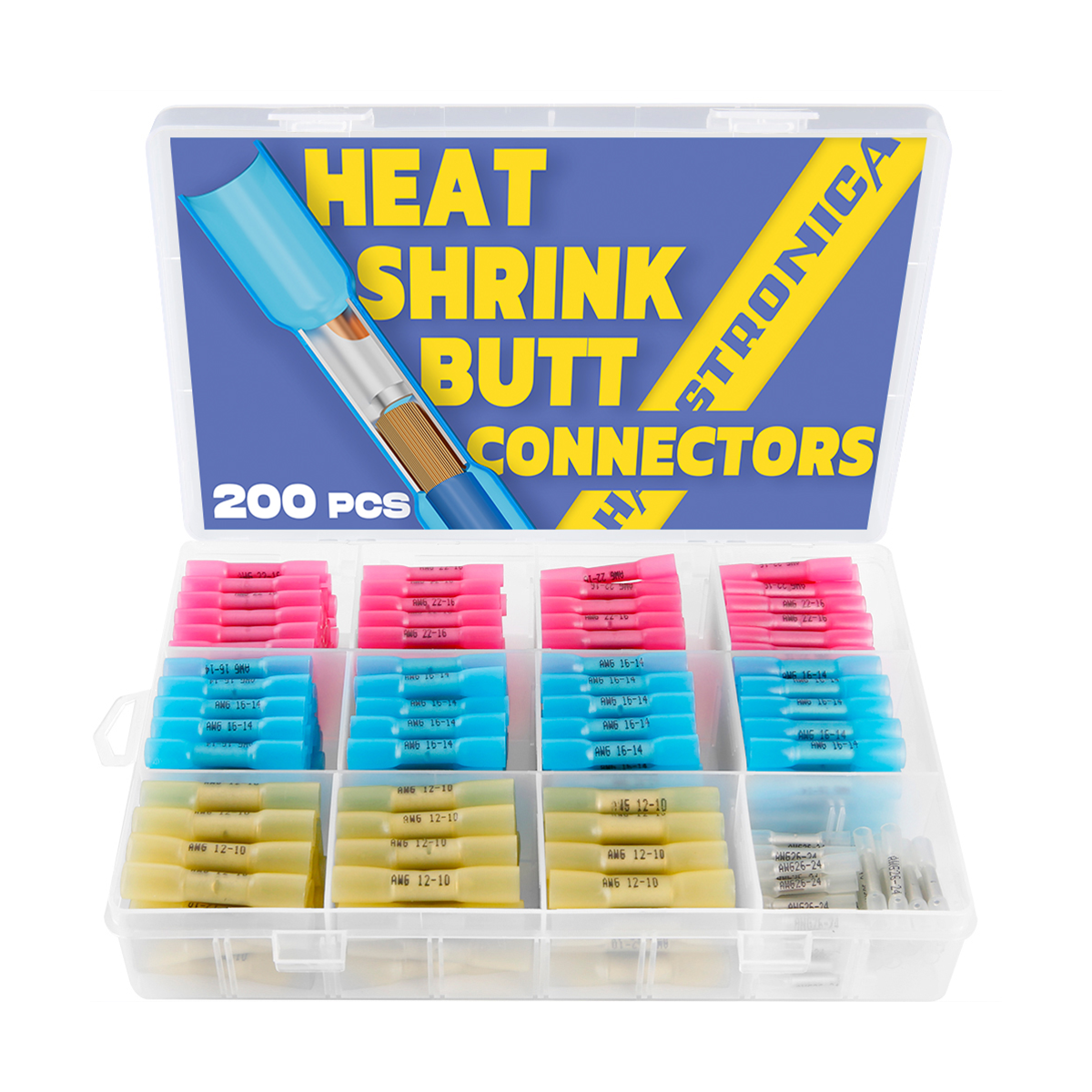
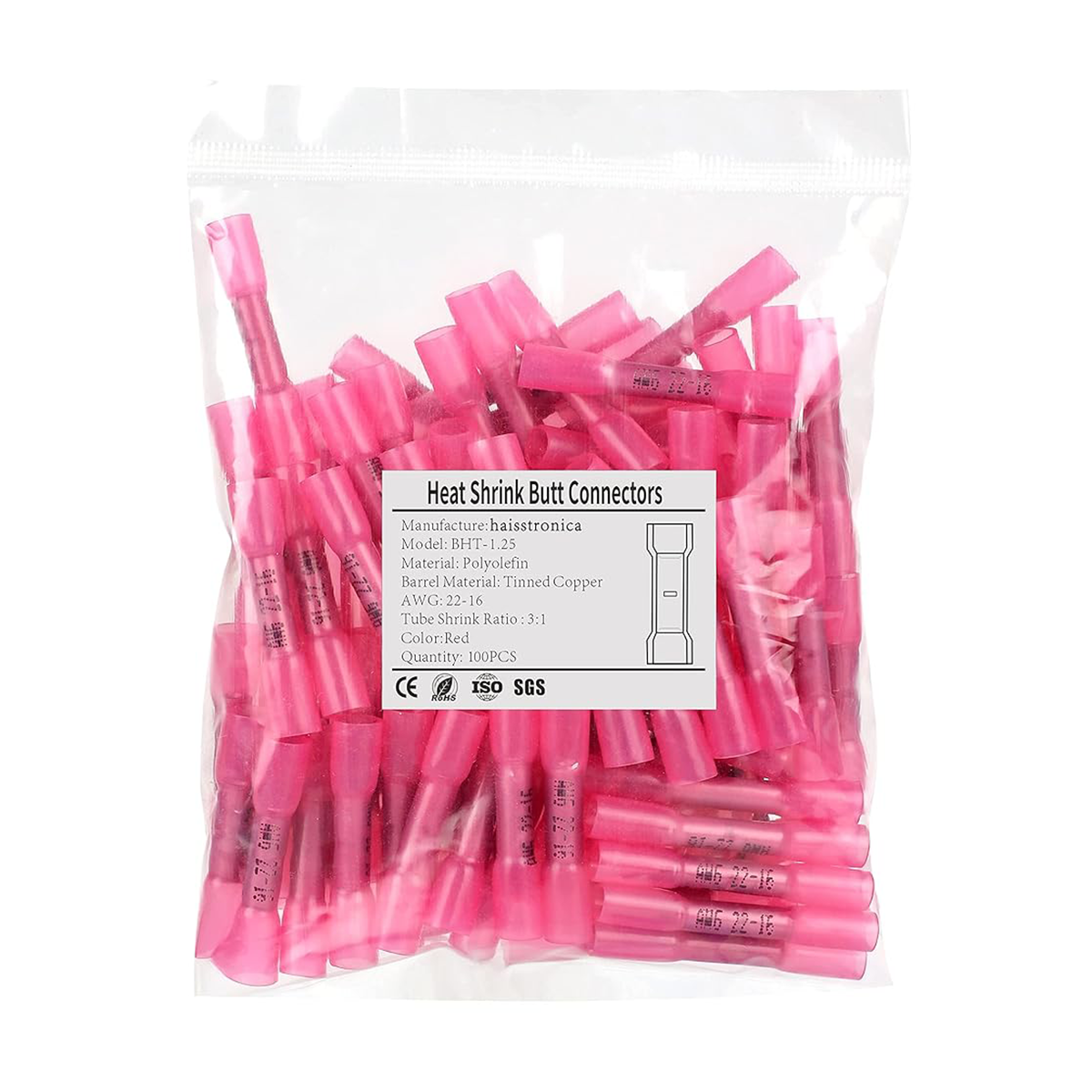
In many high-vibration scenarios (think automotive engines, marine equipment, or industrial machinery), solderless electrical connectors have the edge over soldered joints. The reason comes down to flexibility and strength: a proper crimp connection forms a solid mechanical and electrical bond that can withstand vibration, whereas a soldered joint tends to be more rigid and may crack or loosen under repeated movement. In practice, solderless crimp and seal connectors (which mechanically bond the wire and often seal wire ends with heat-shrink tubing) create a gas-tight connection that resists not only vibration but also moisture and corrosion. Soldered connections, by contrast, introduce solder (a relatively brittle metal) into the wire, which can concentrate stress at the joint. Over time, vibrations can cause that rigid soldered section to fracture or the wire to break at the end of the solder – a common failure in vibrating environments. In short, for applications subject to constant jostling or engine rumble, a well-made solderless connection usually outlasts a soldered splice. (This is why Haisstronica’s heat-shrink butt connectors and other solderless solutions are the go-to choice for automotive and marine projects – we design them to endure tough conditions so your wiring stays secure.)
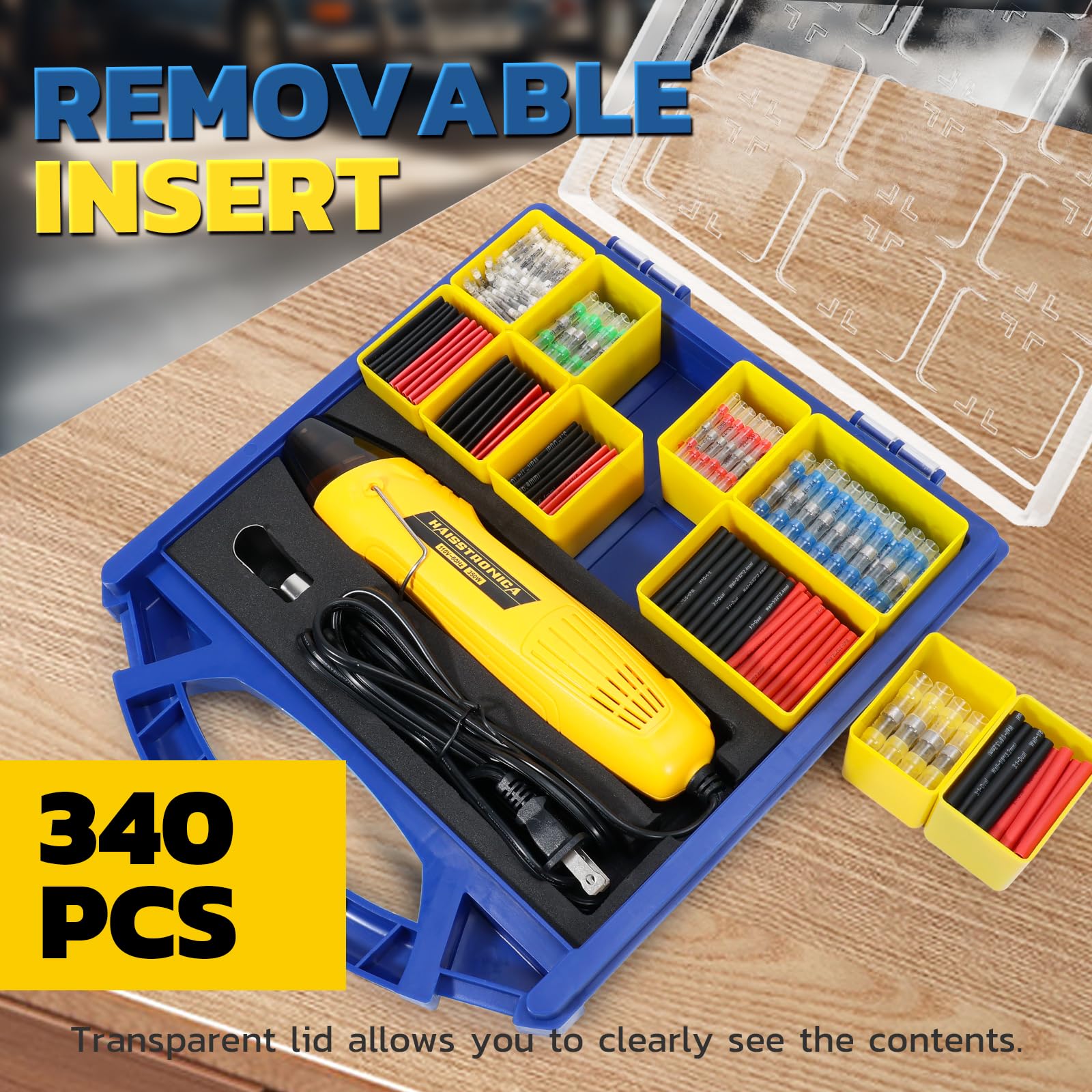
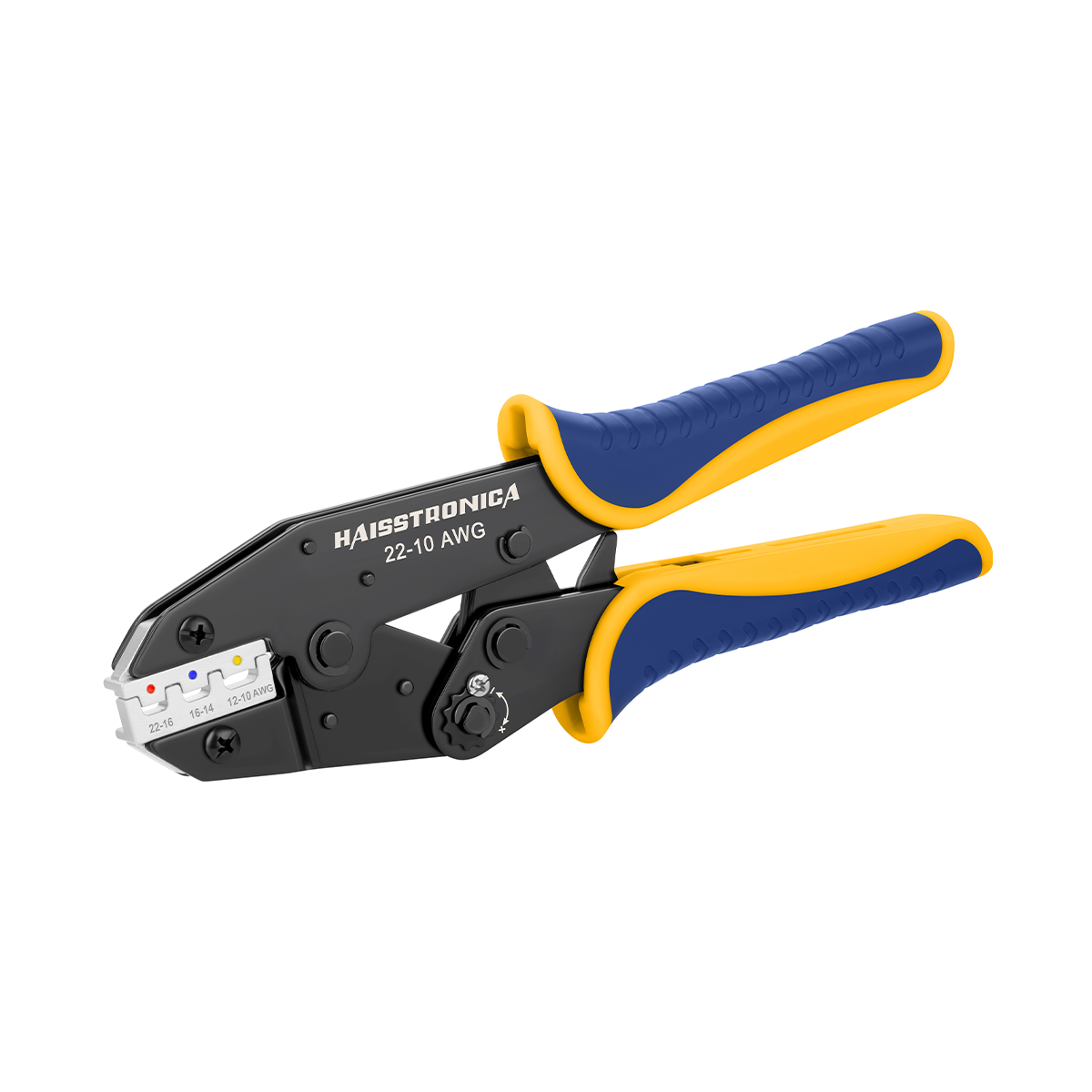
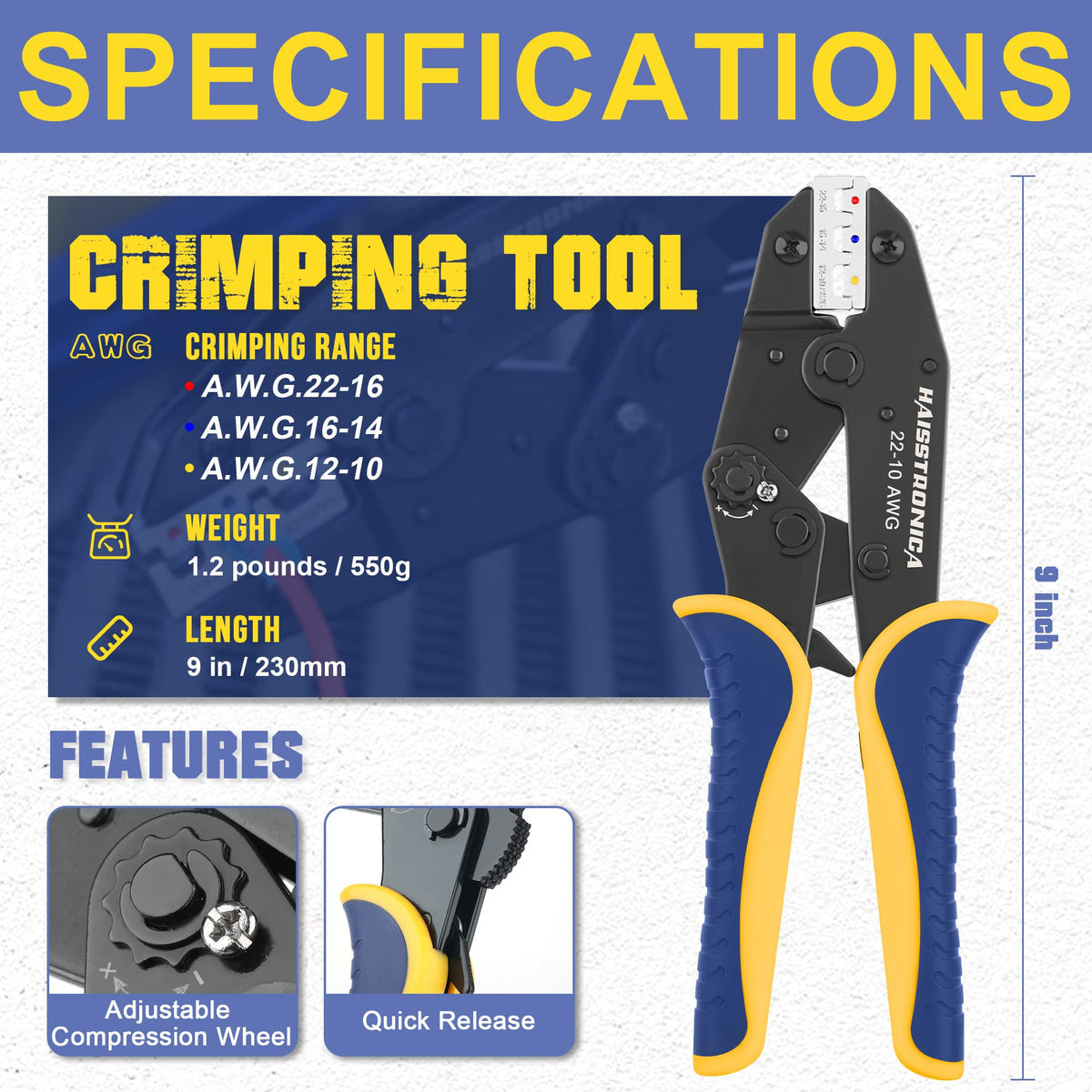
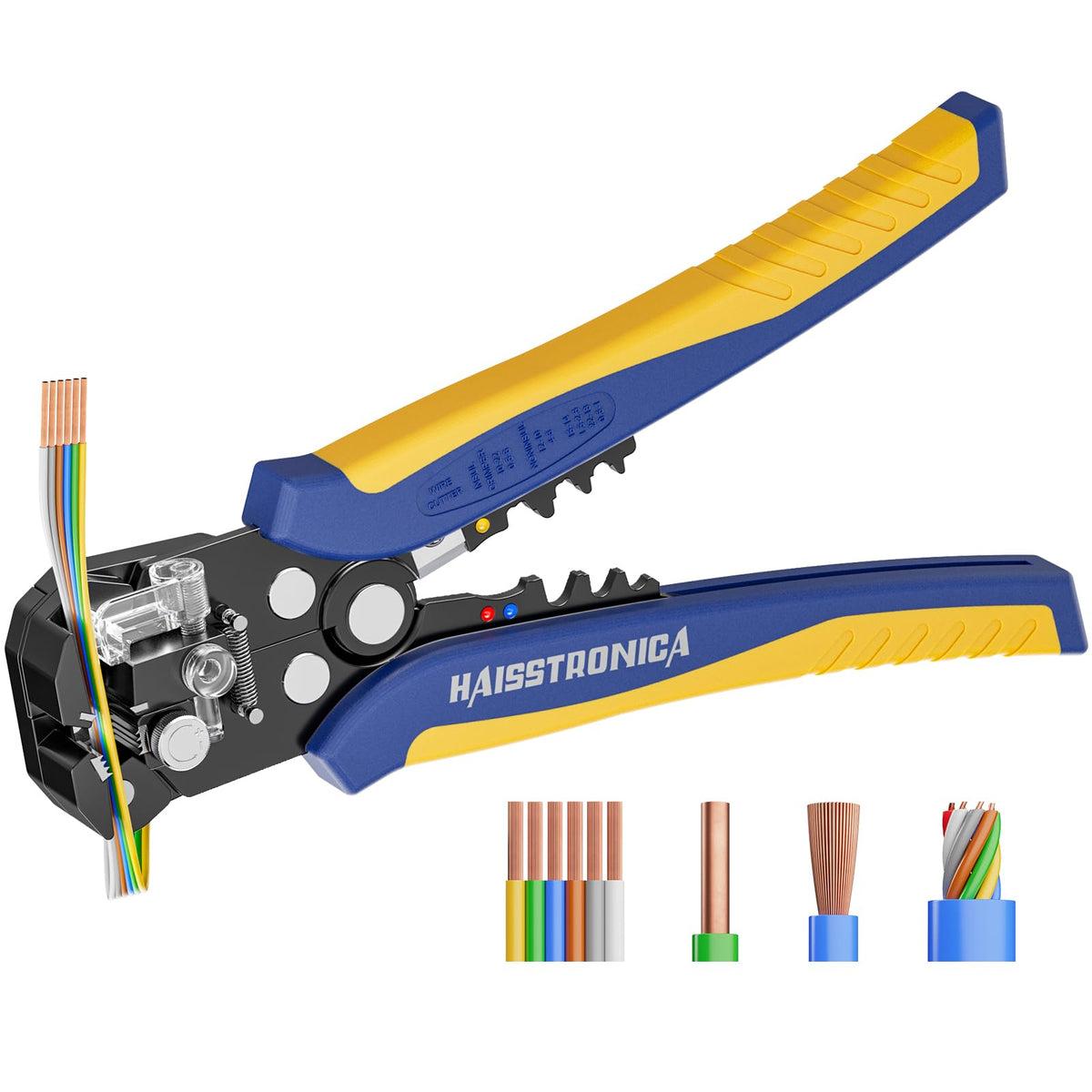
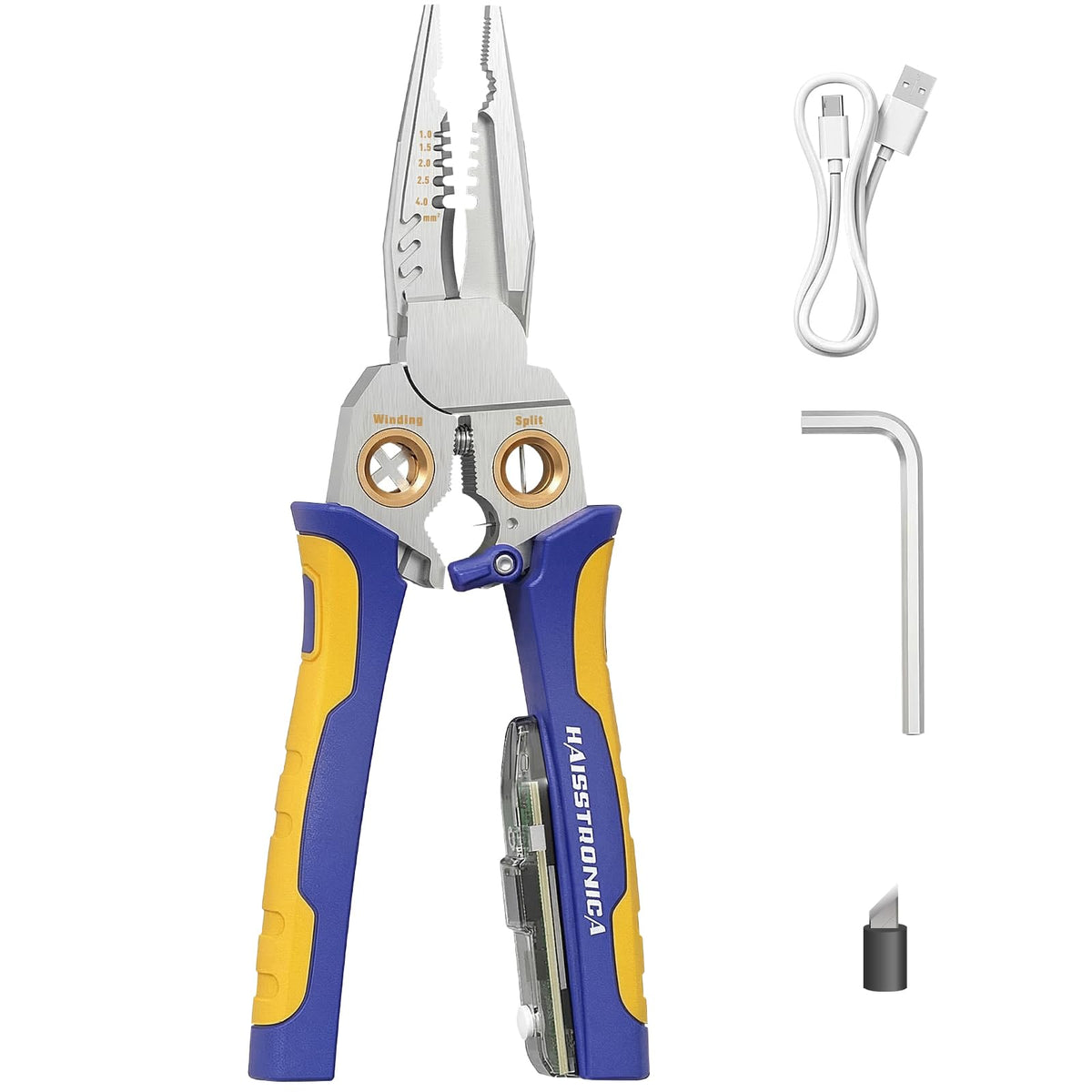
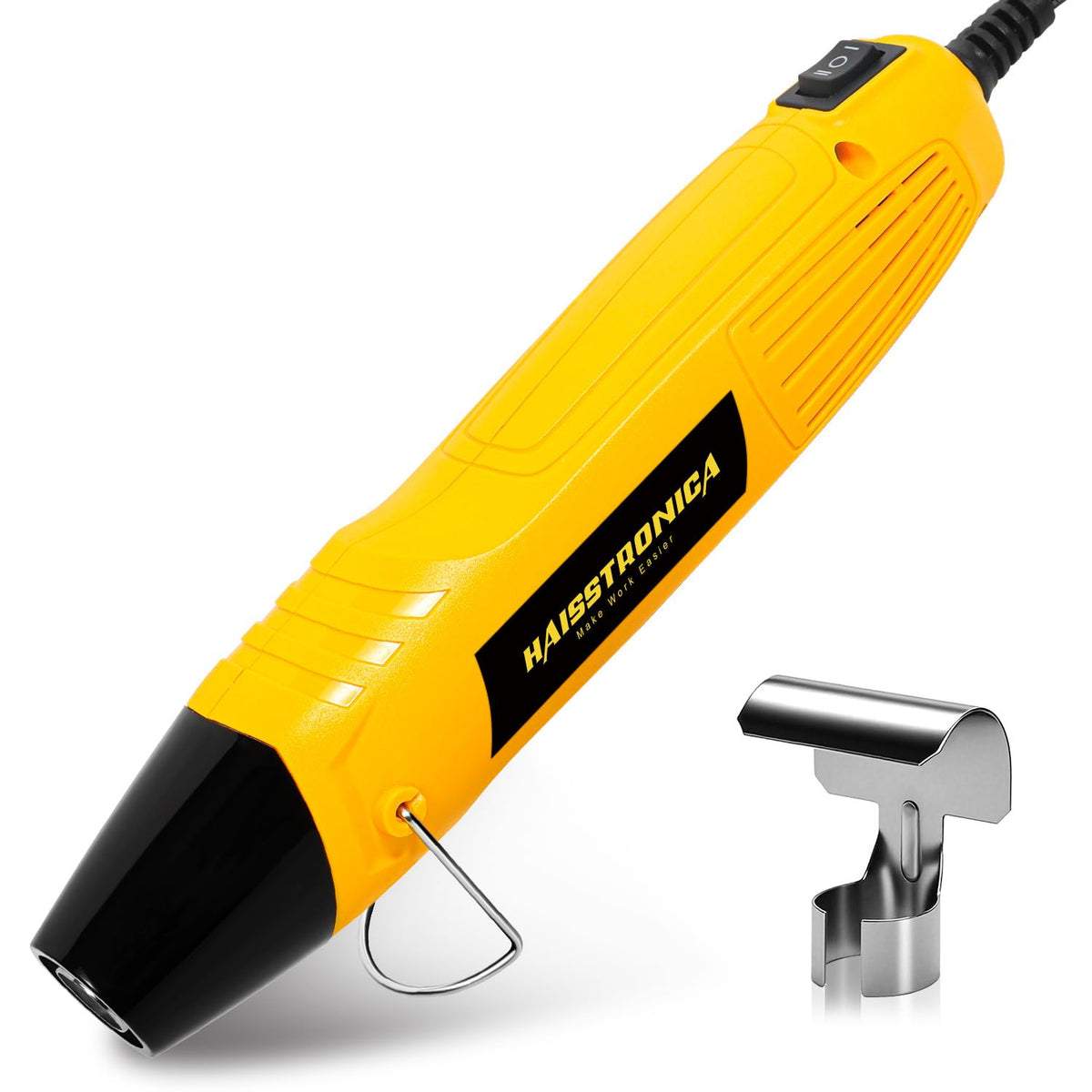
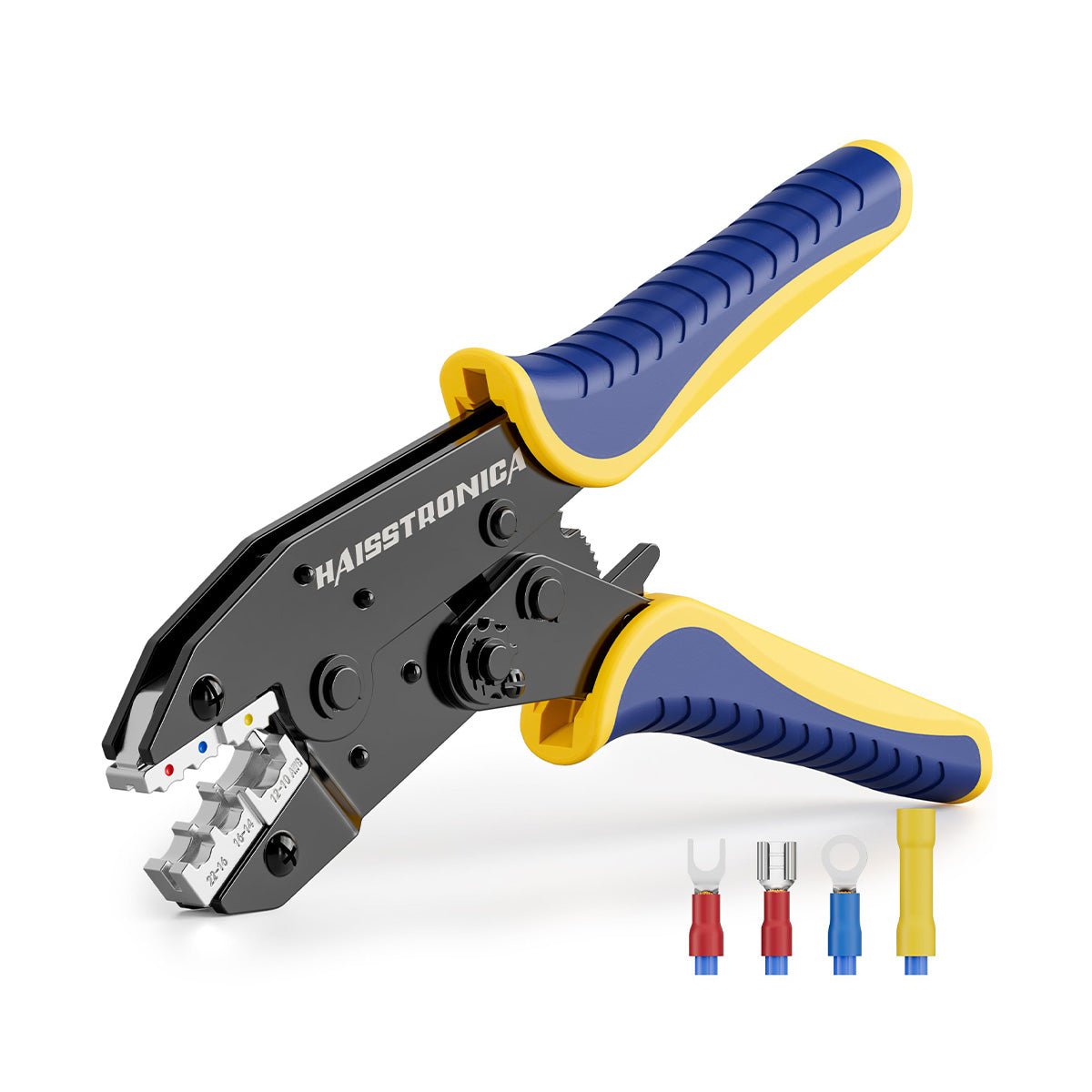
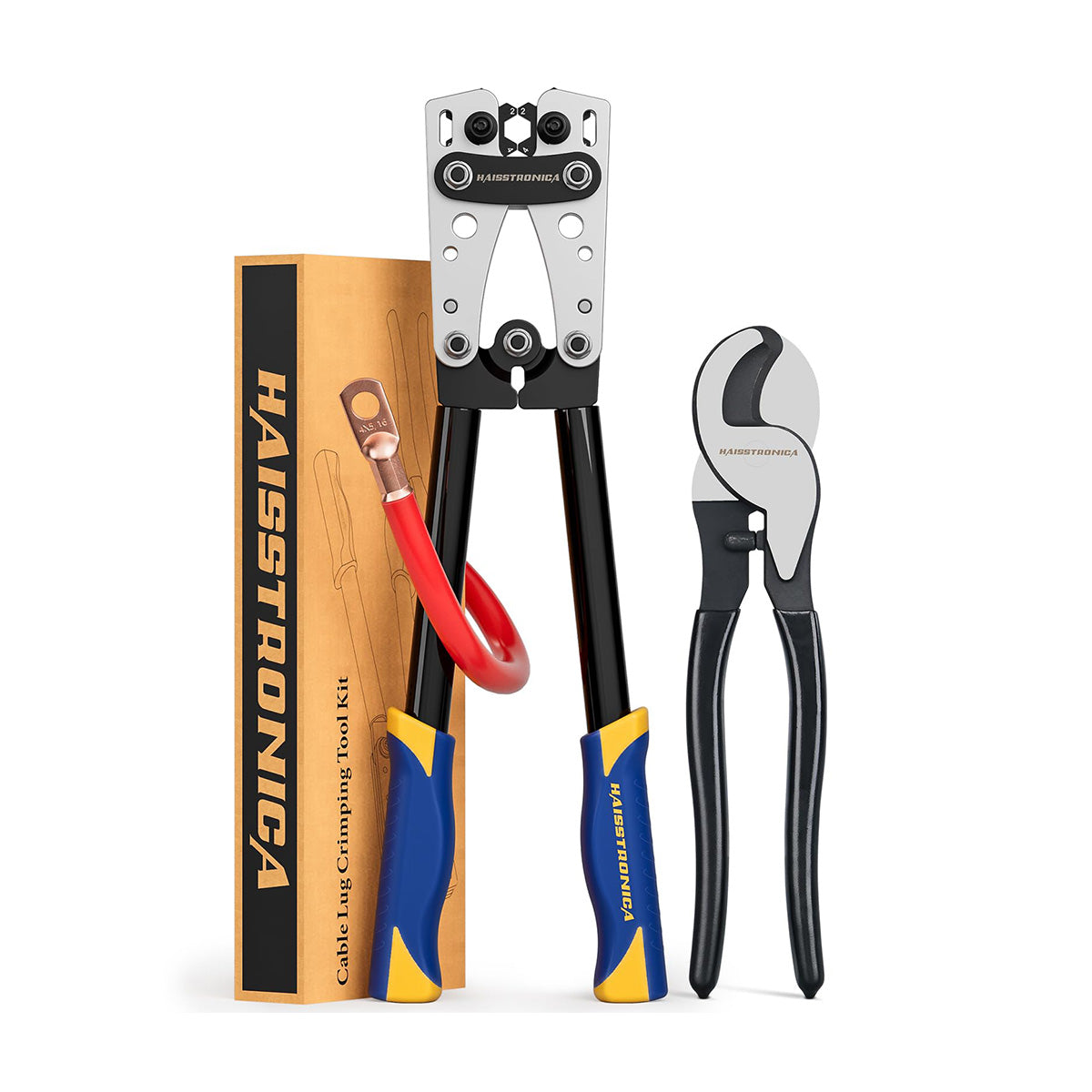
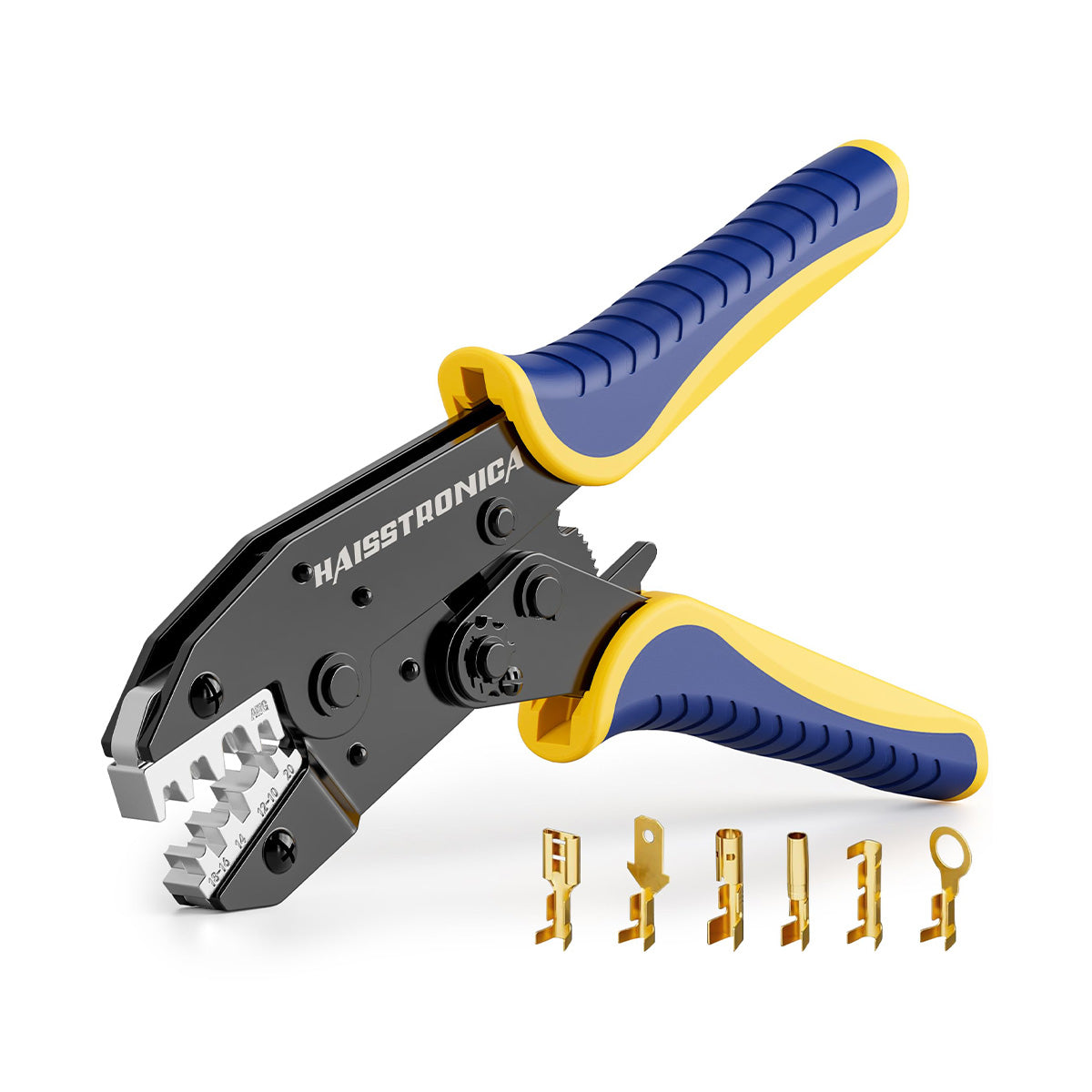
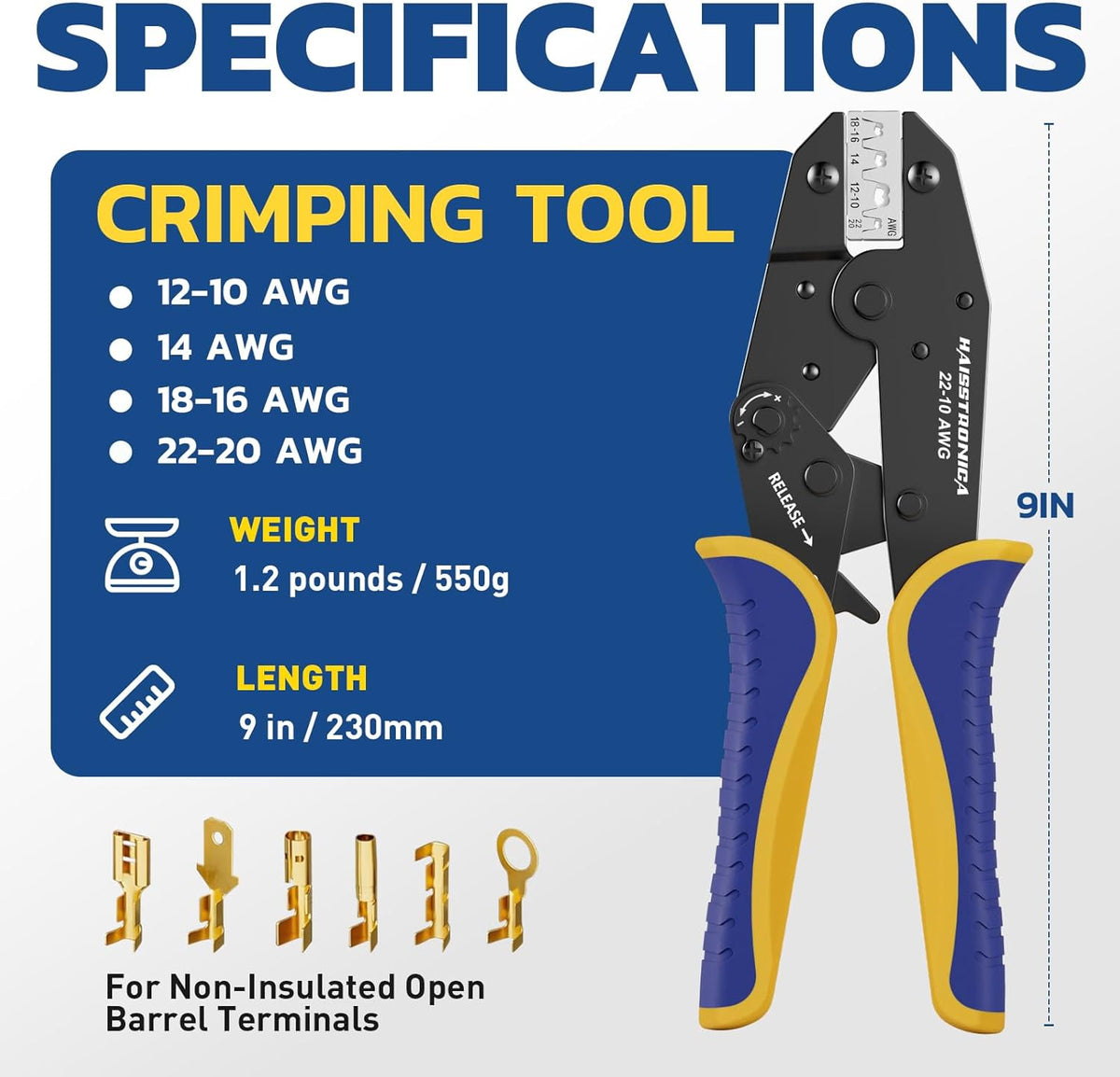
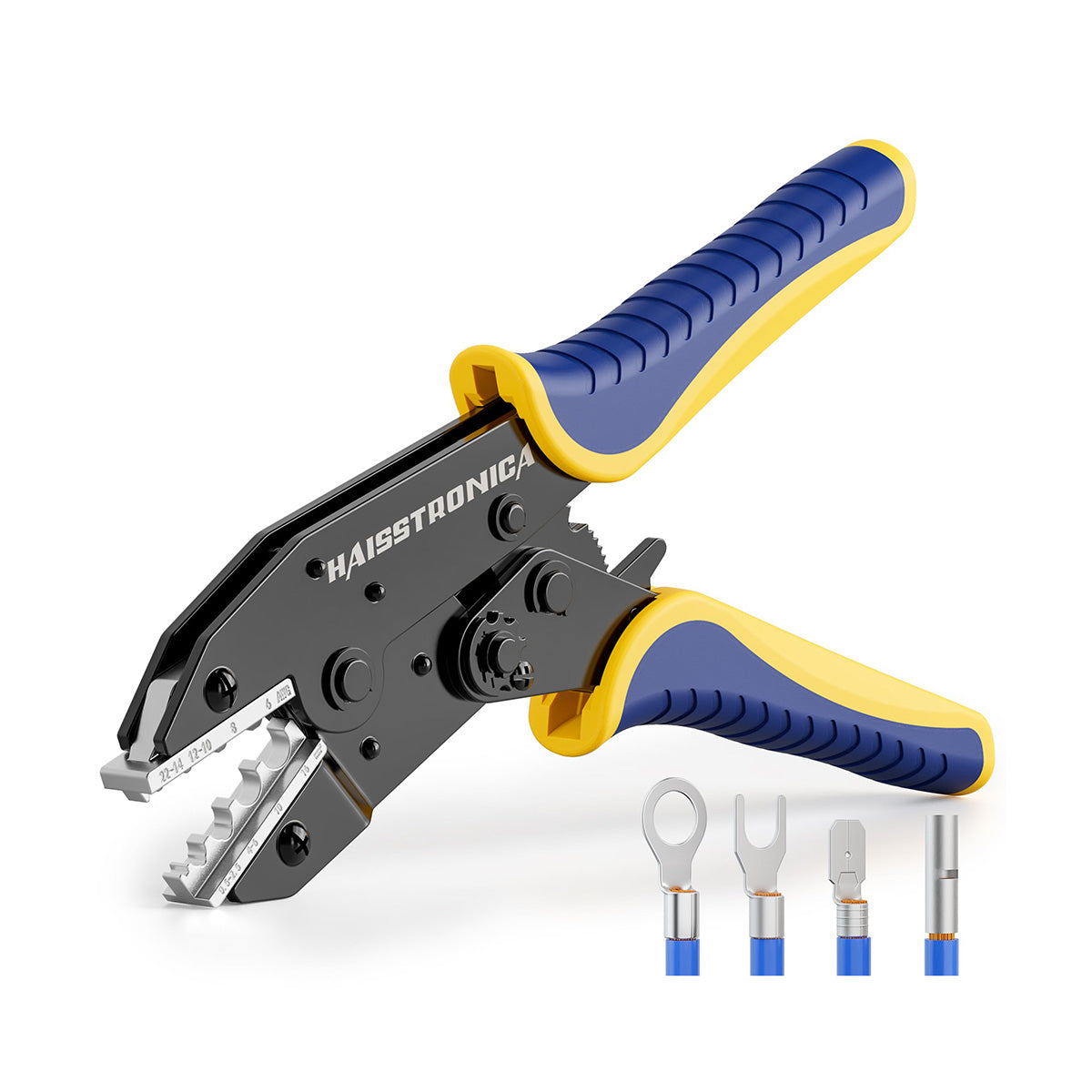
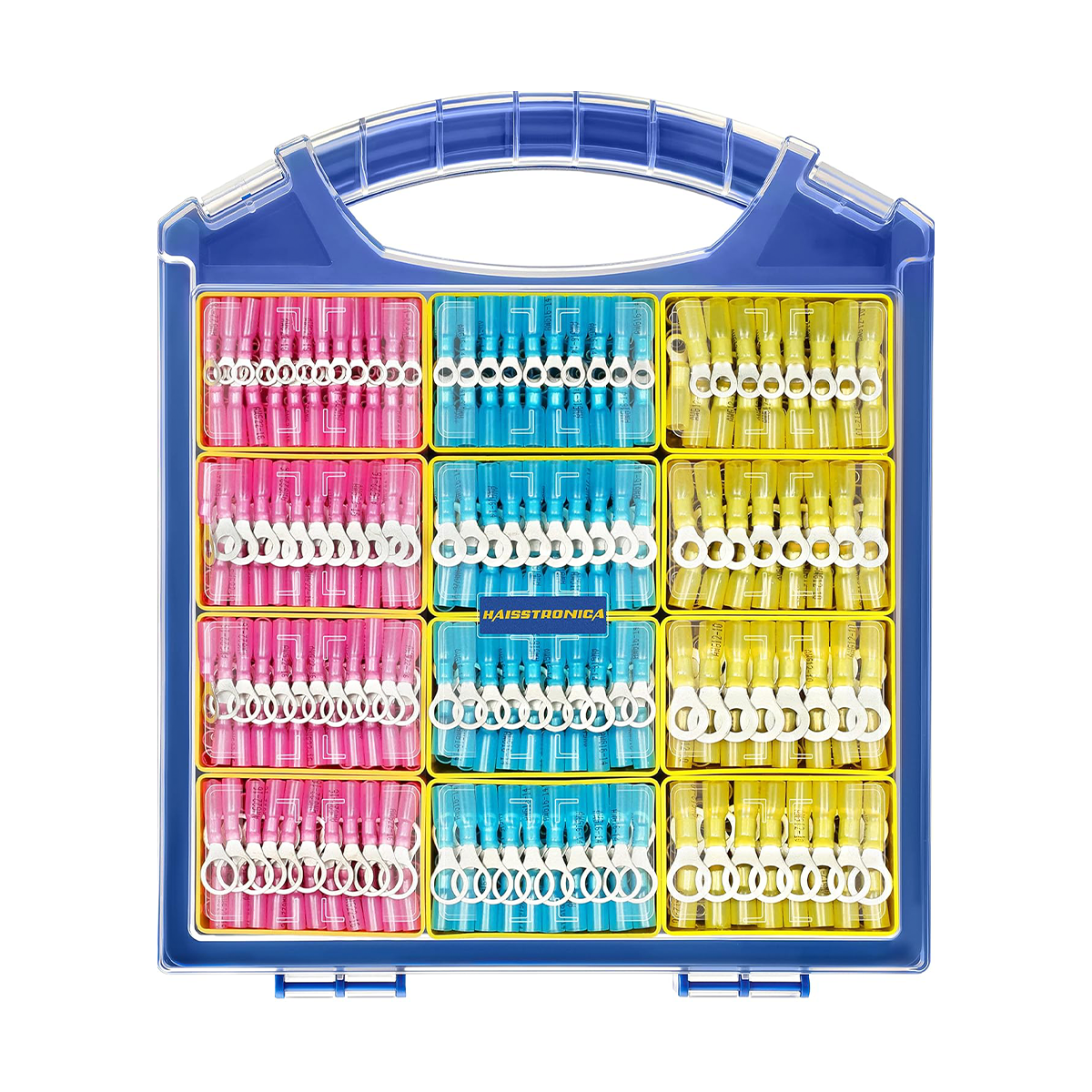
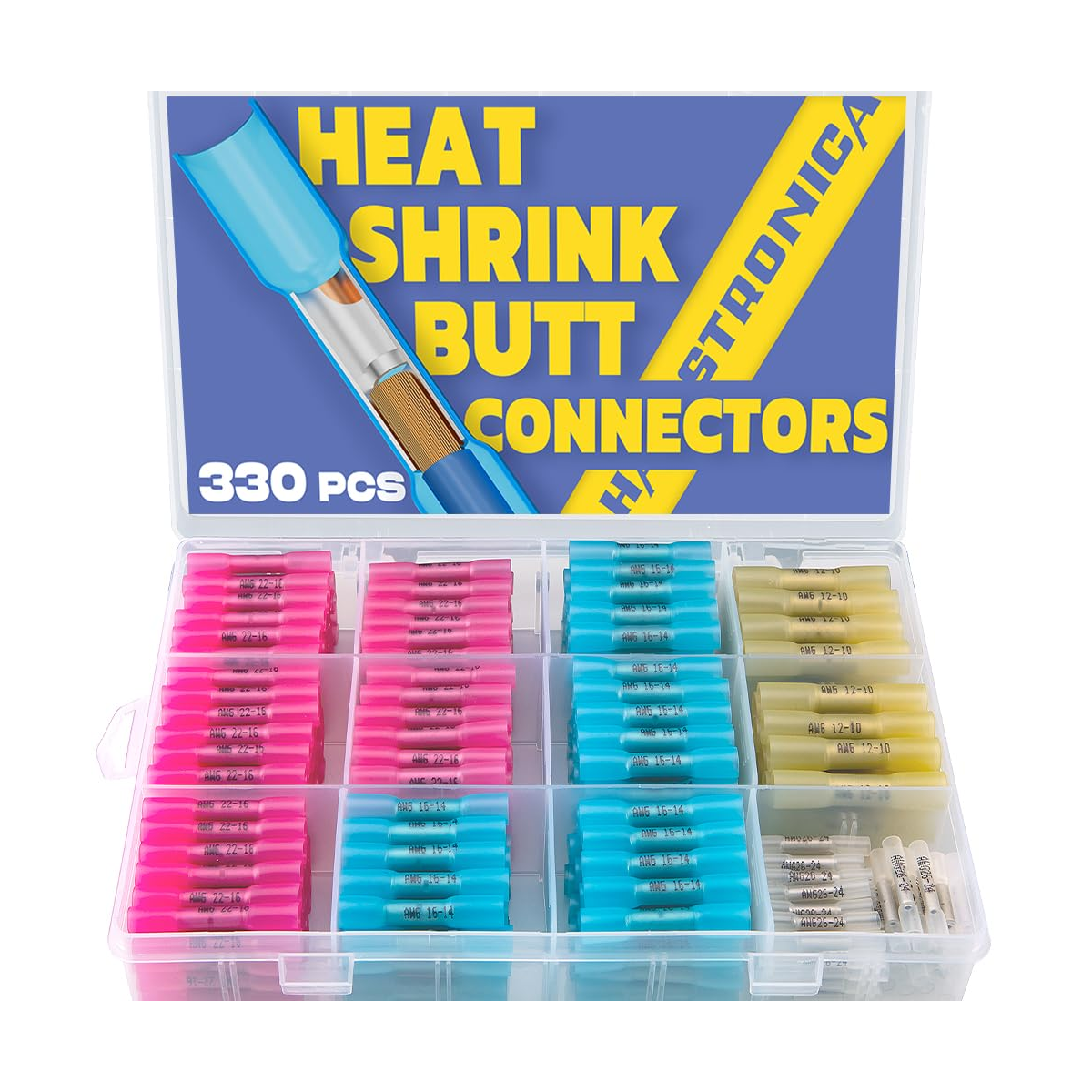
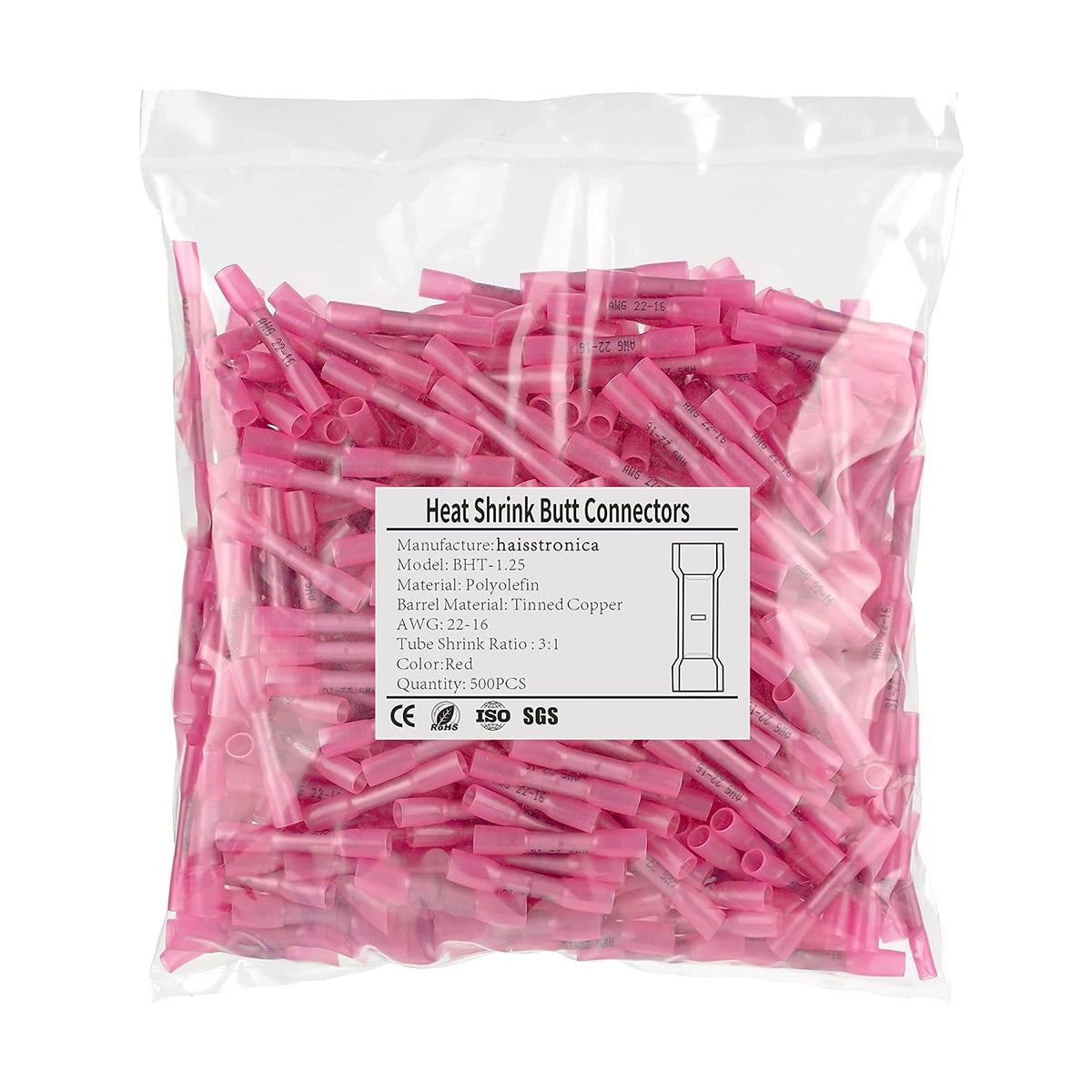
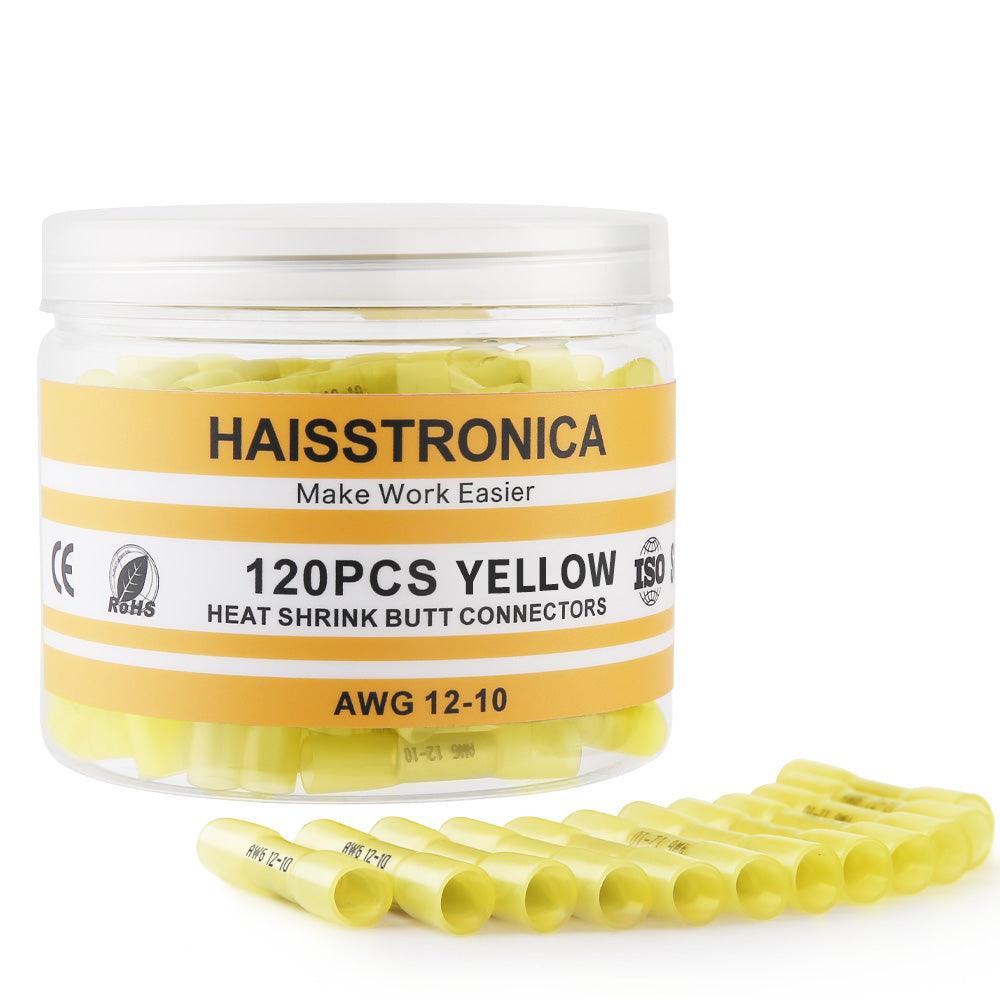
Recommended buying path: For vibration-prone automotive, marine, trailer, or equipment wiring, use a proper wire crimping tool with sealed connectors. Choose heat shrink connectors or heat shrink butt connectors for crimped repairs, and compare solder seal wire connectors when you need a compact sealed splice.

What “Solderless Electrical Connectors” Actually Means
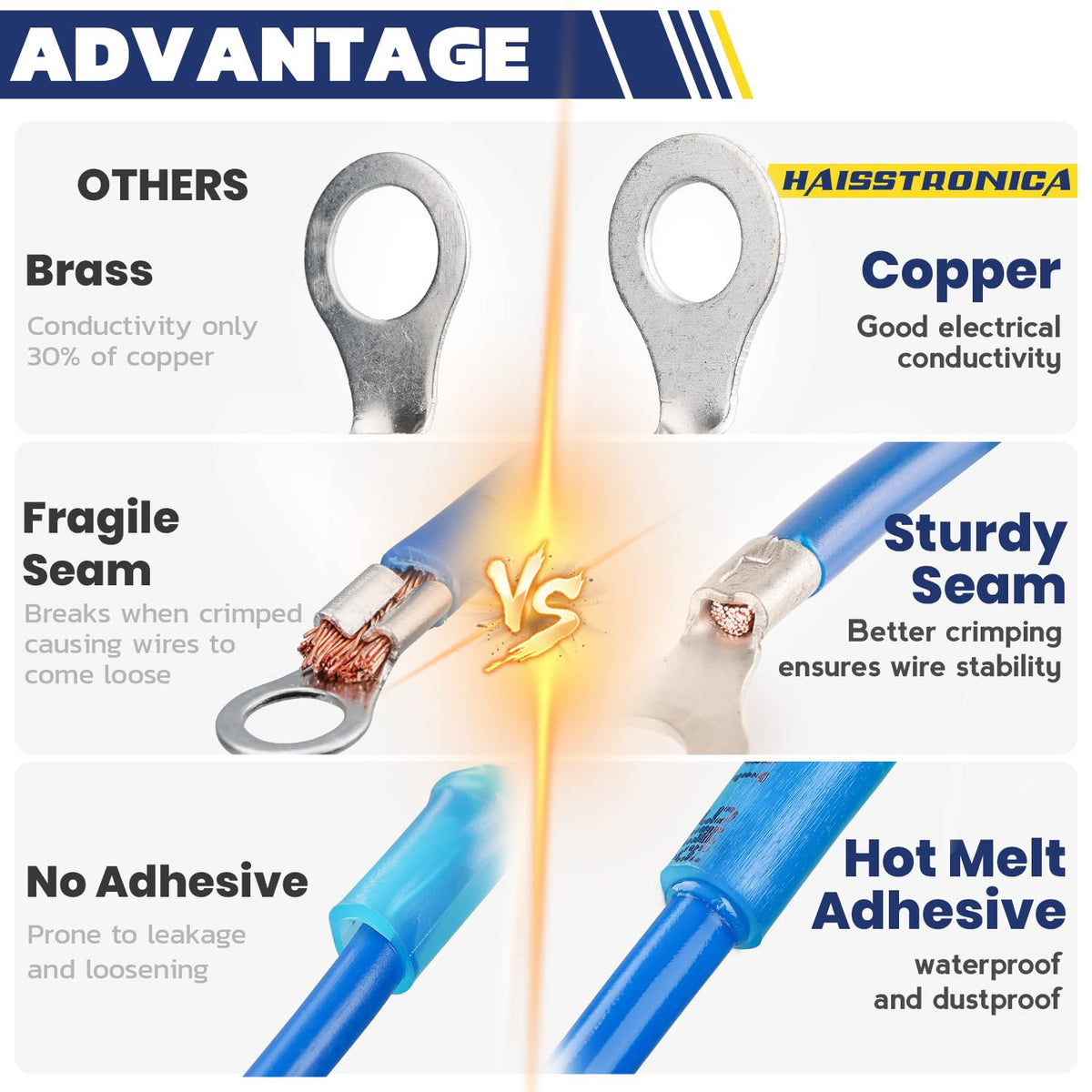
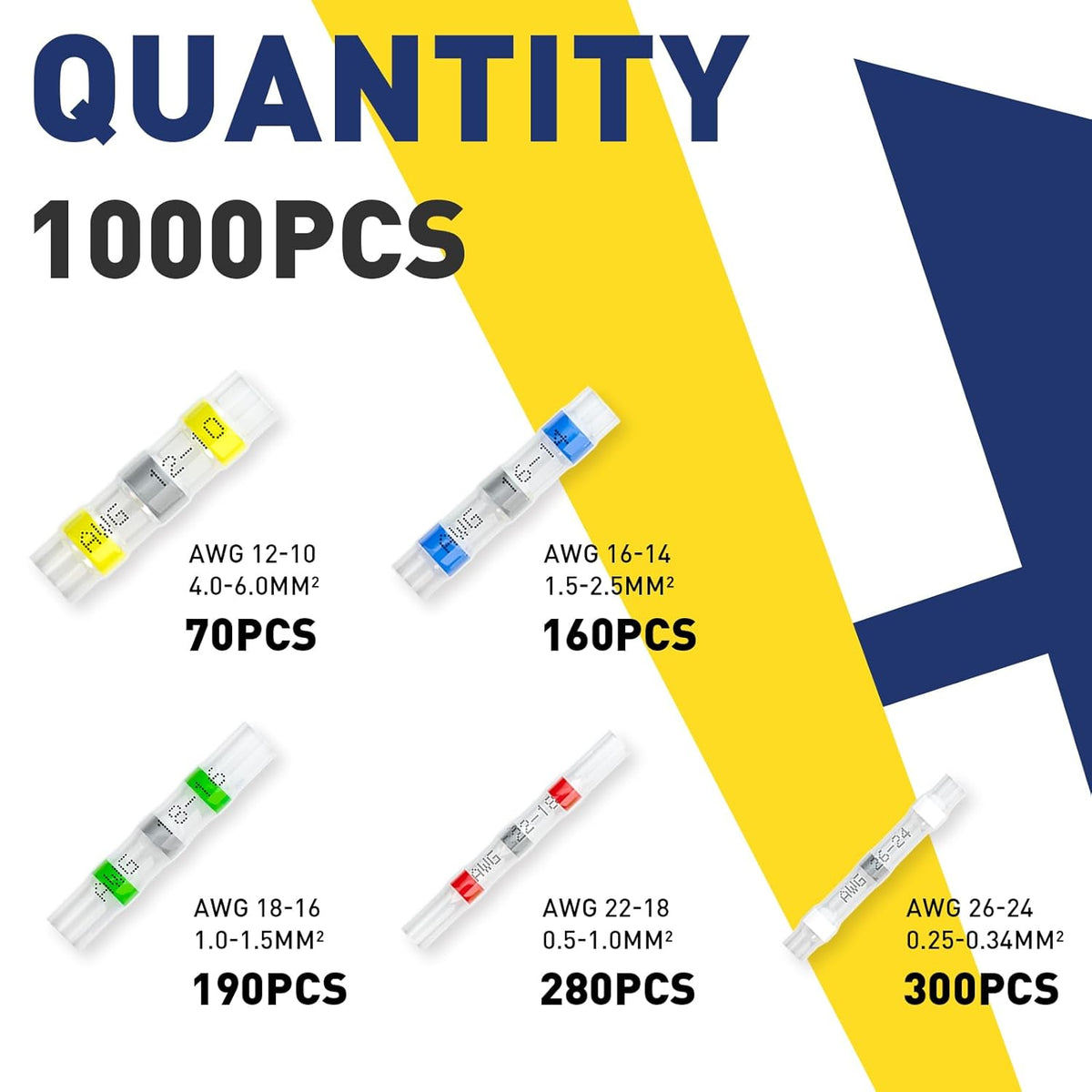
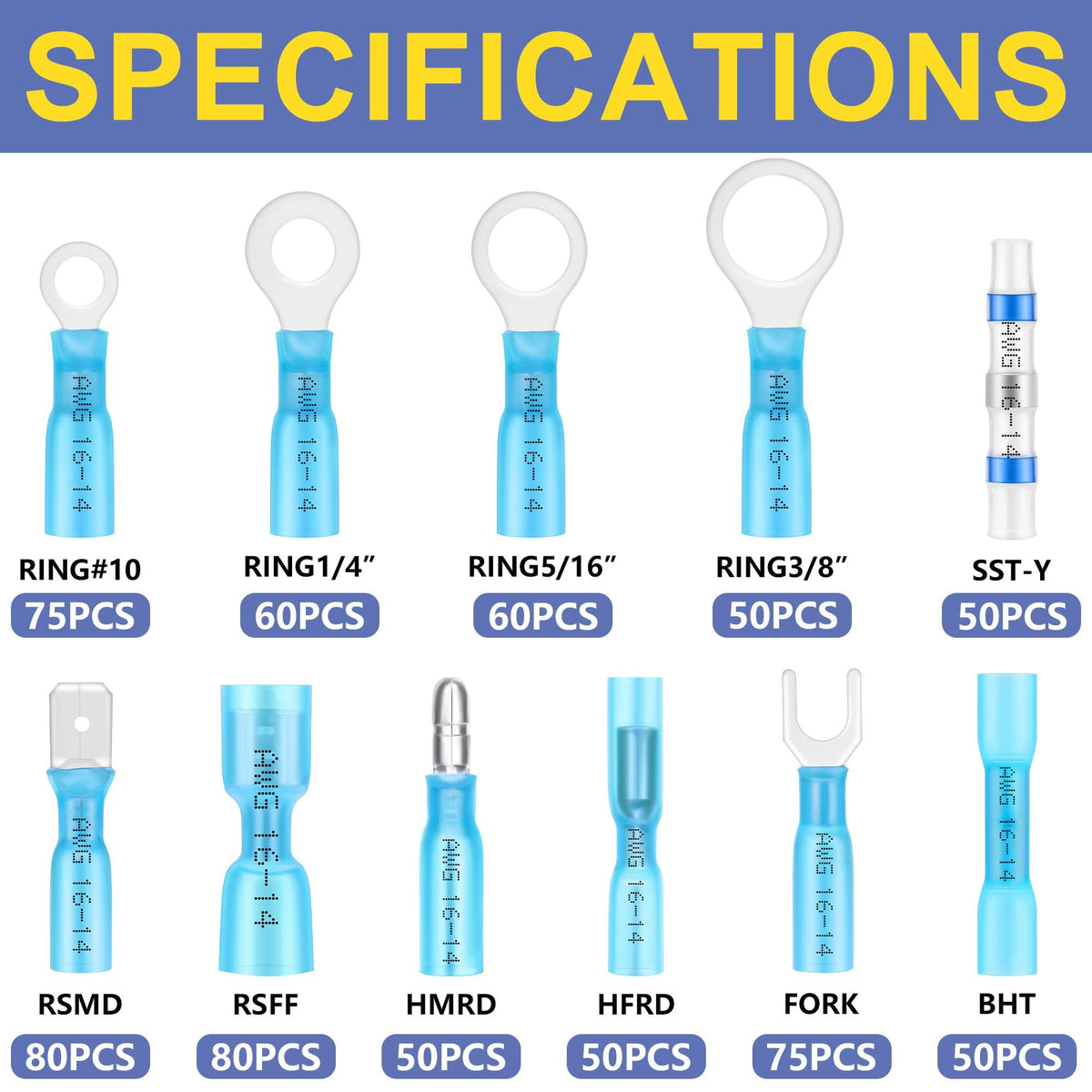
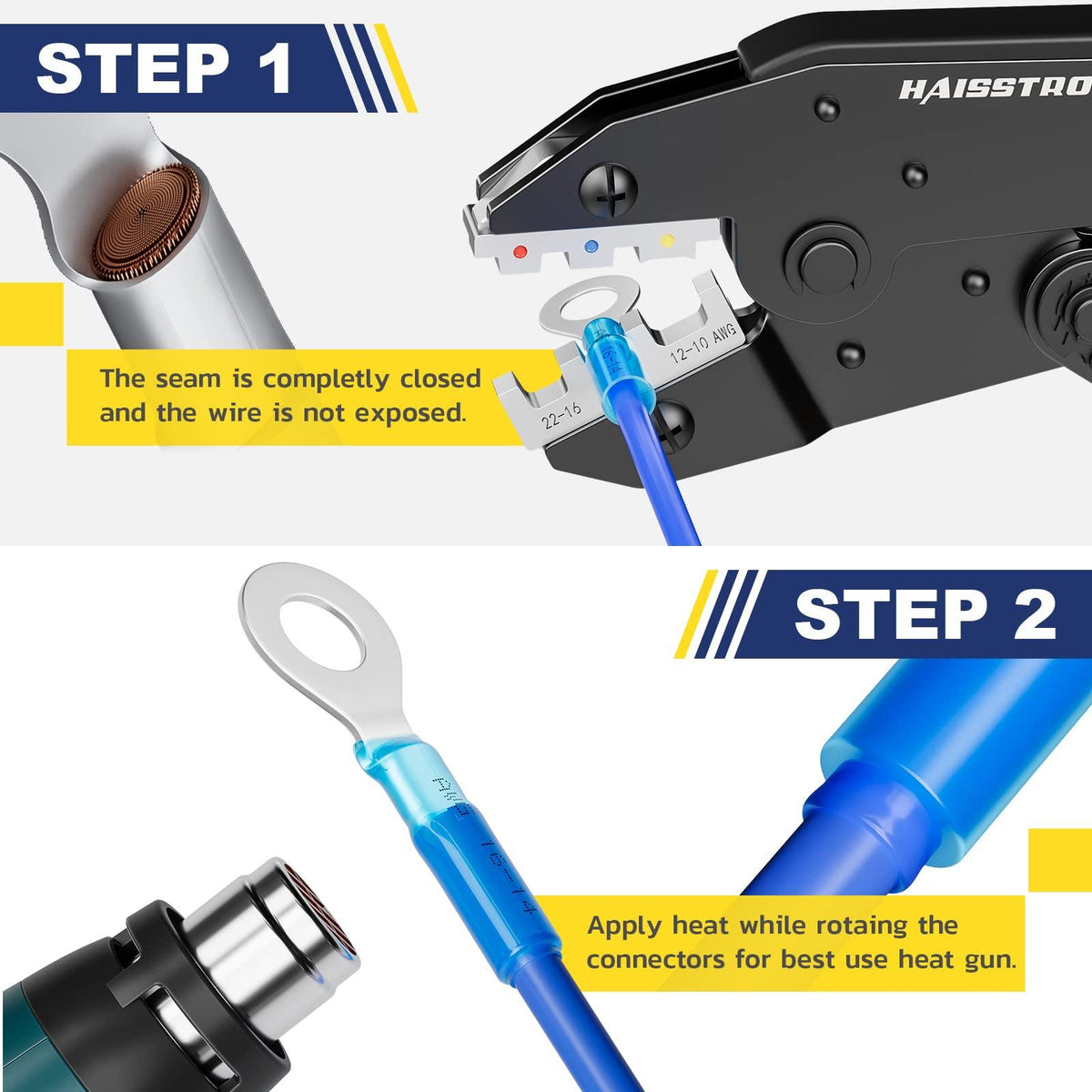
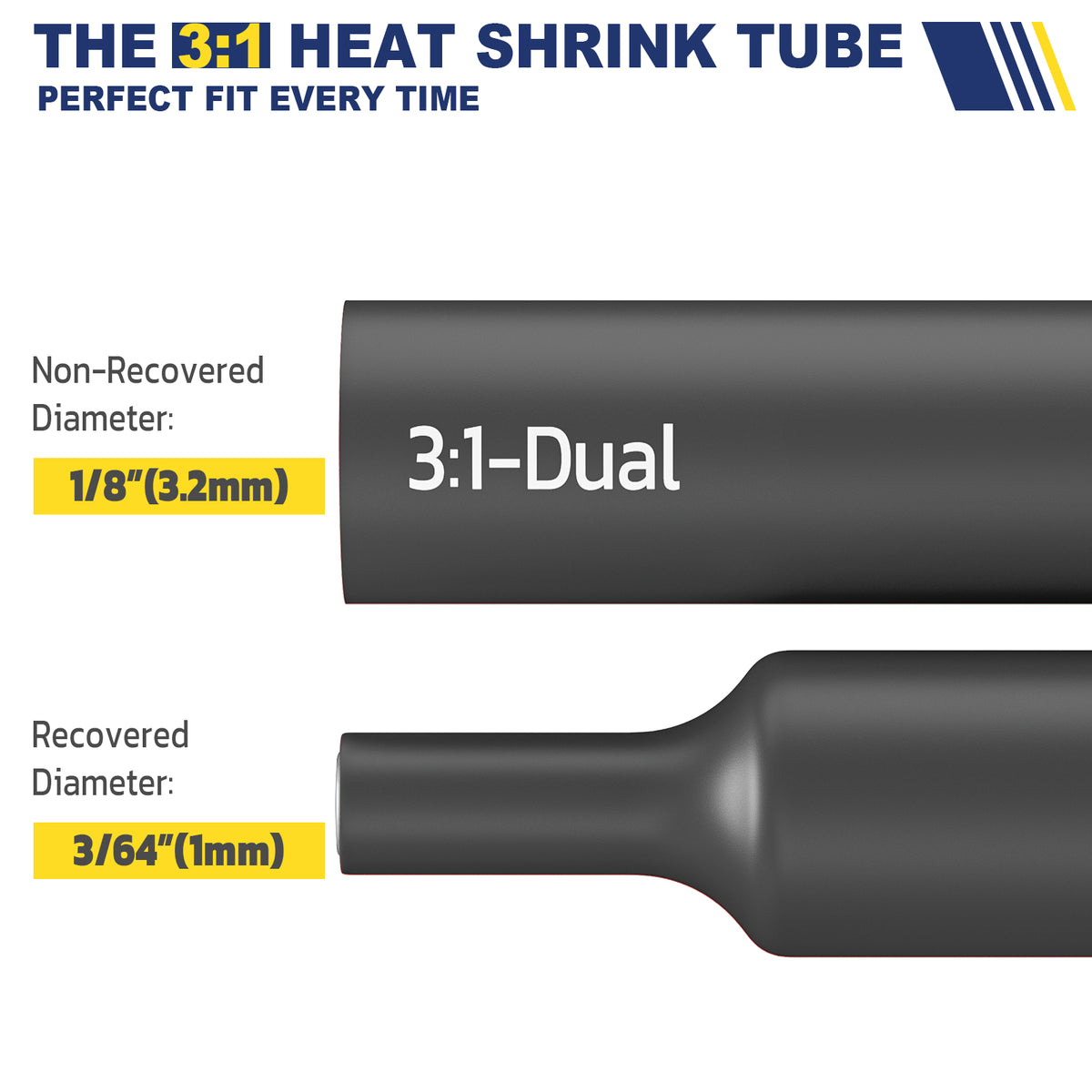
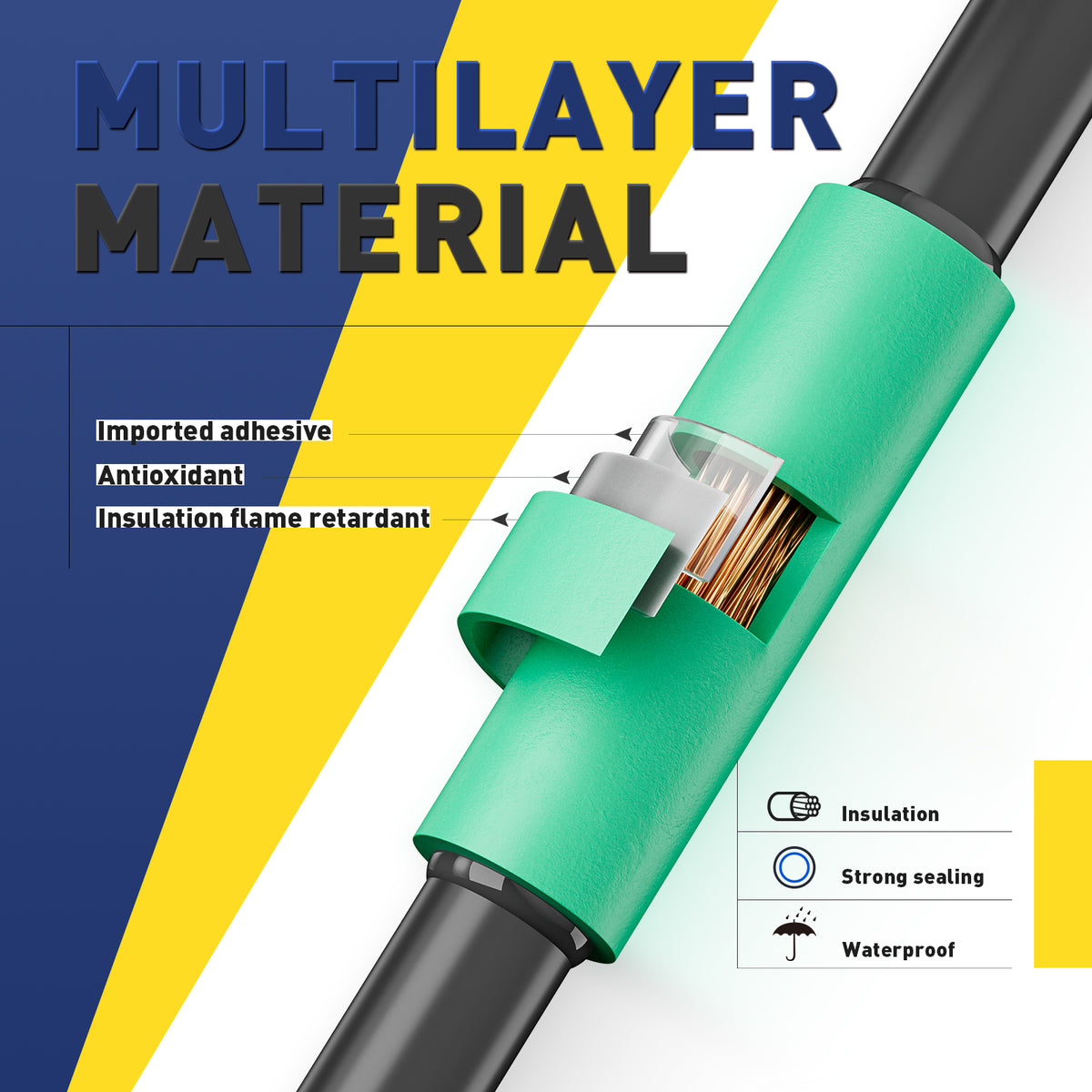
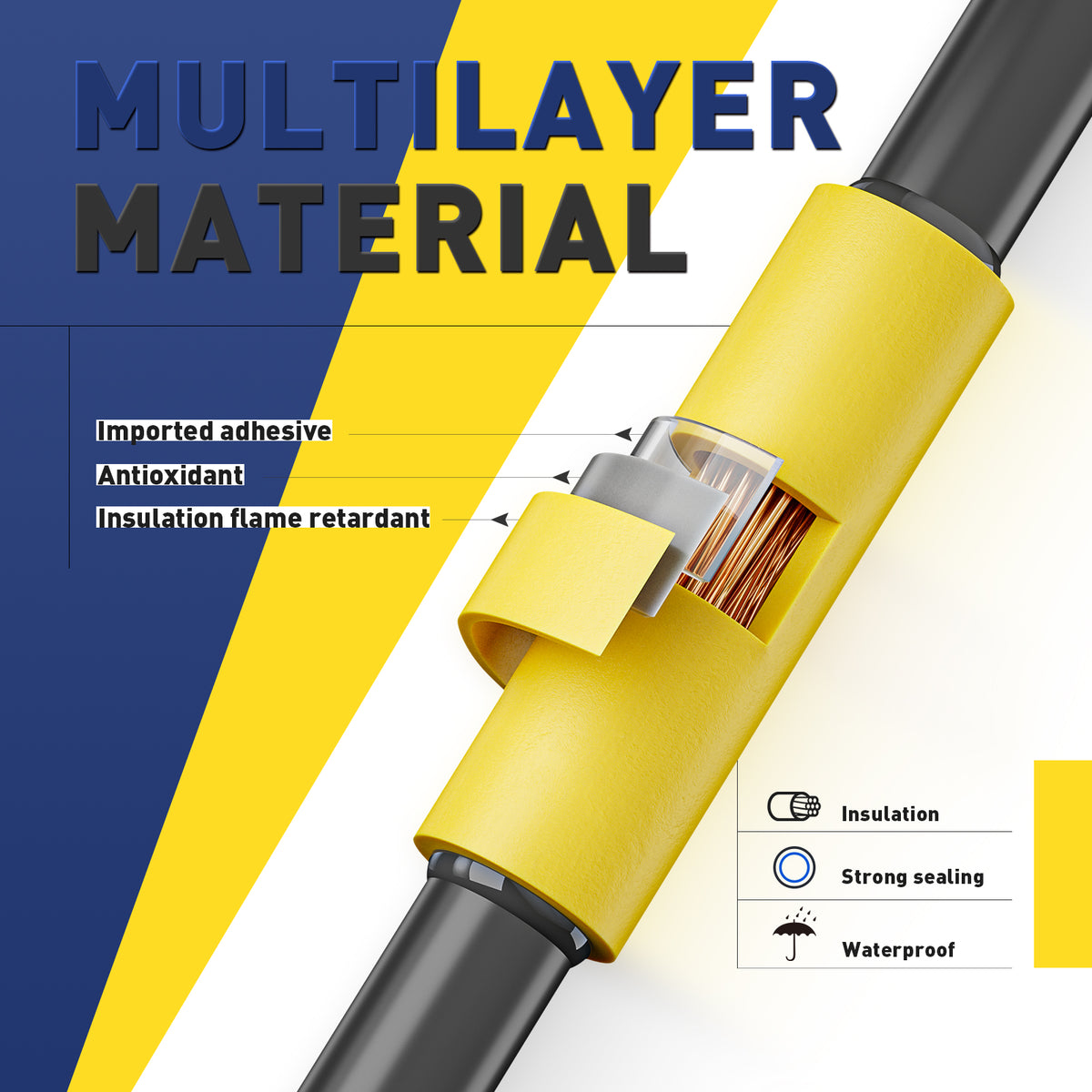
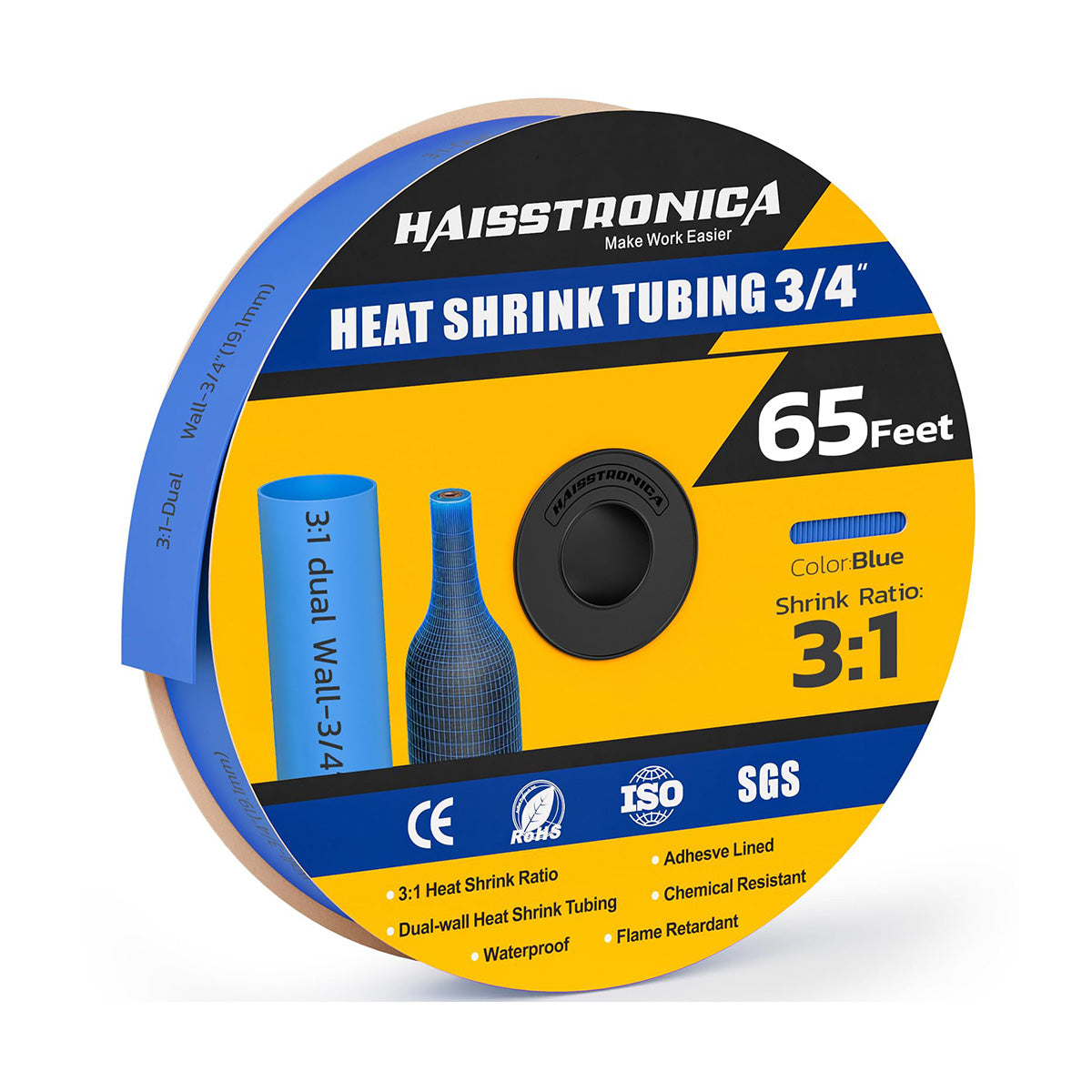
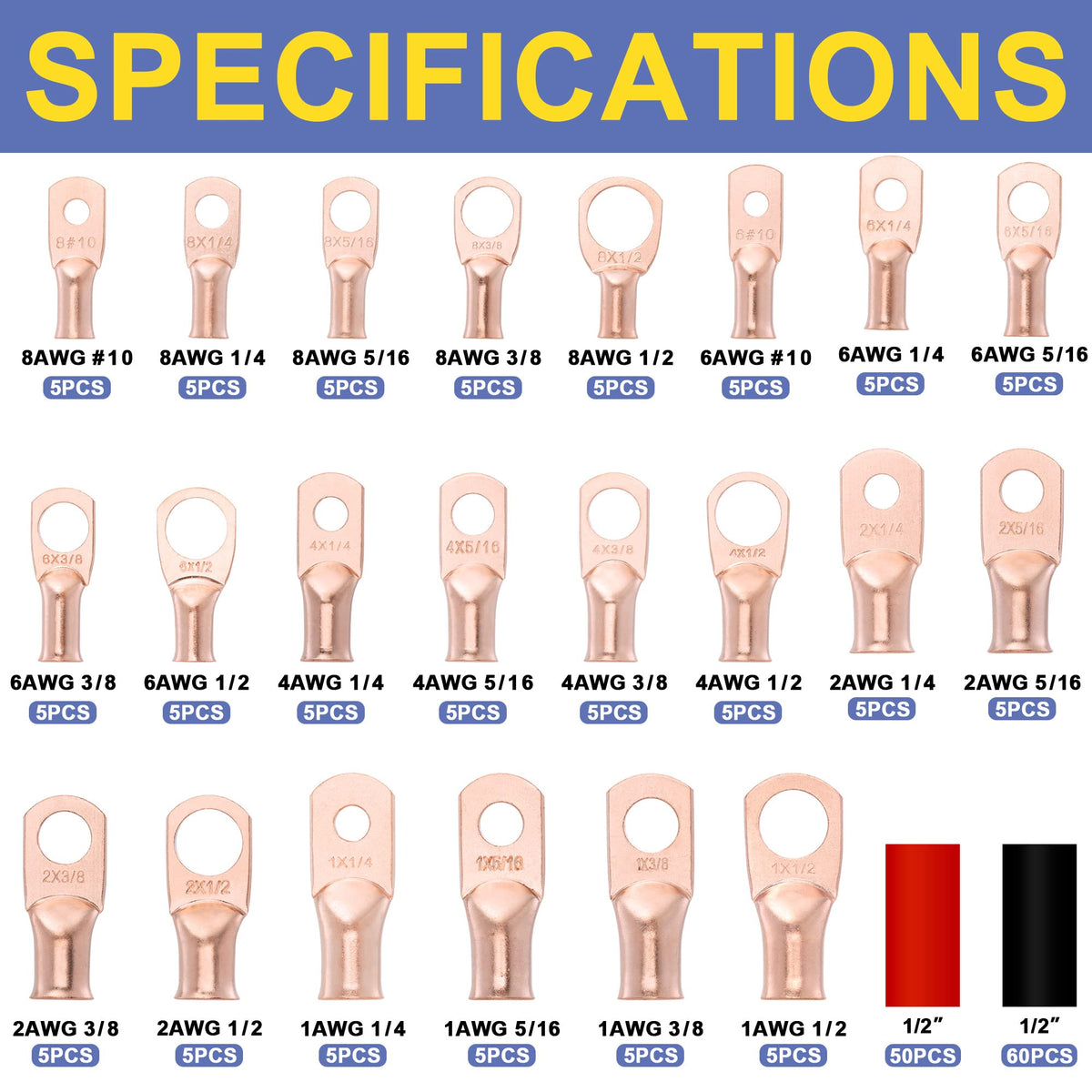
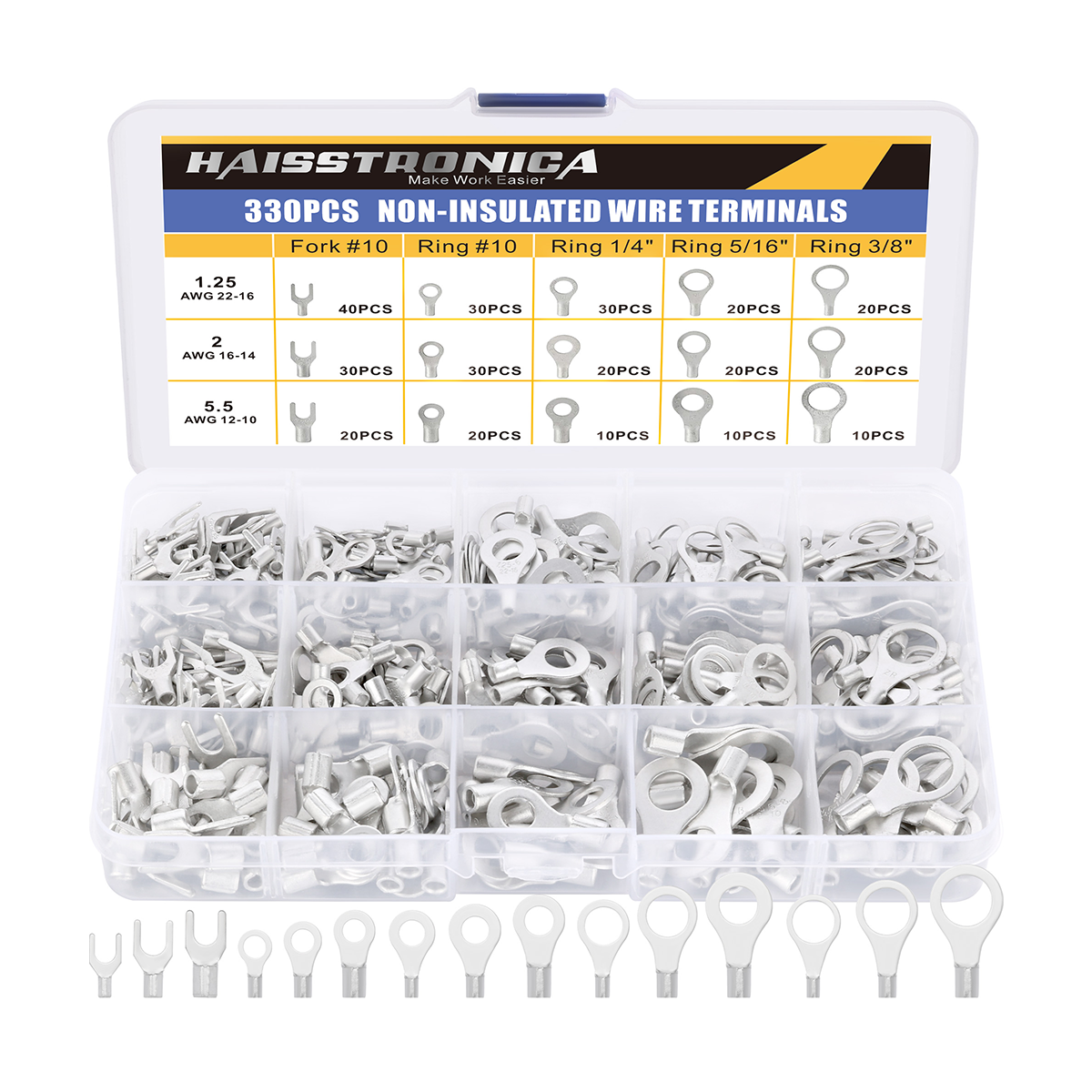
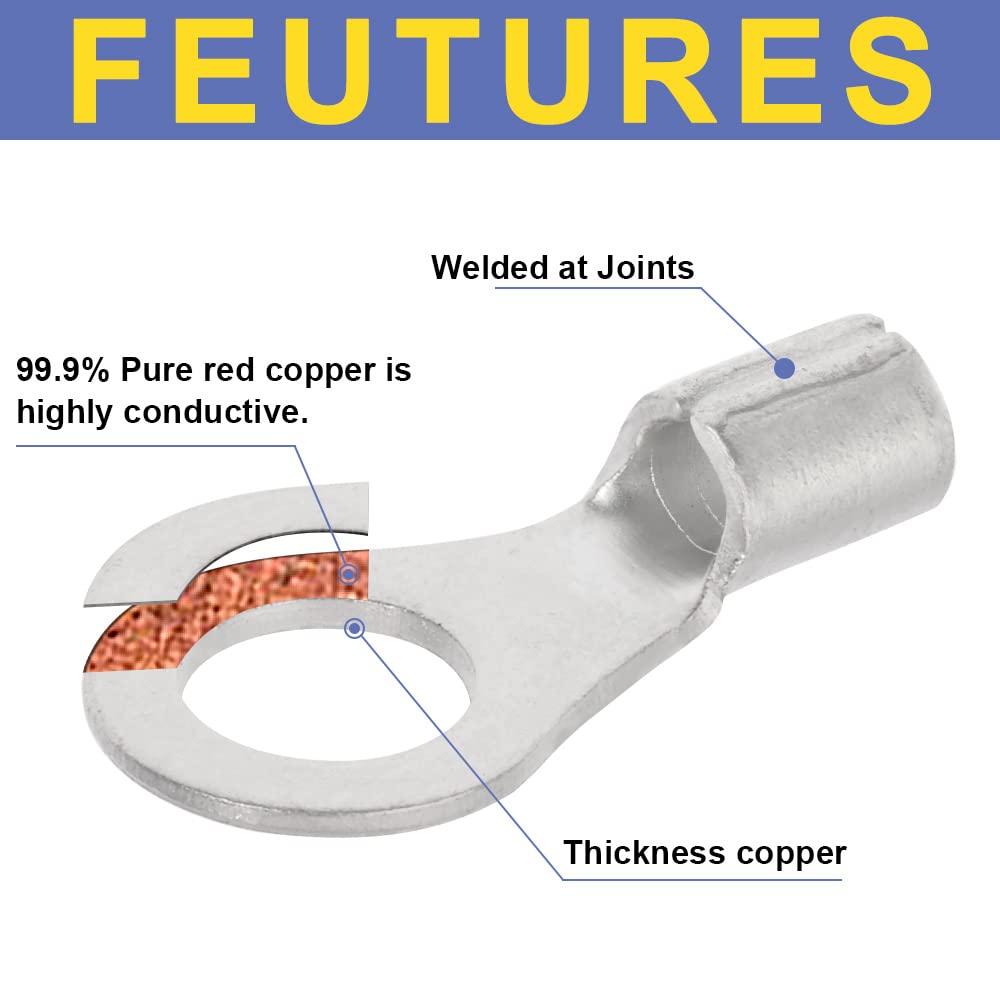
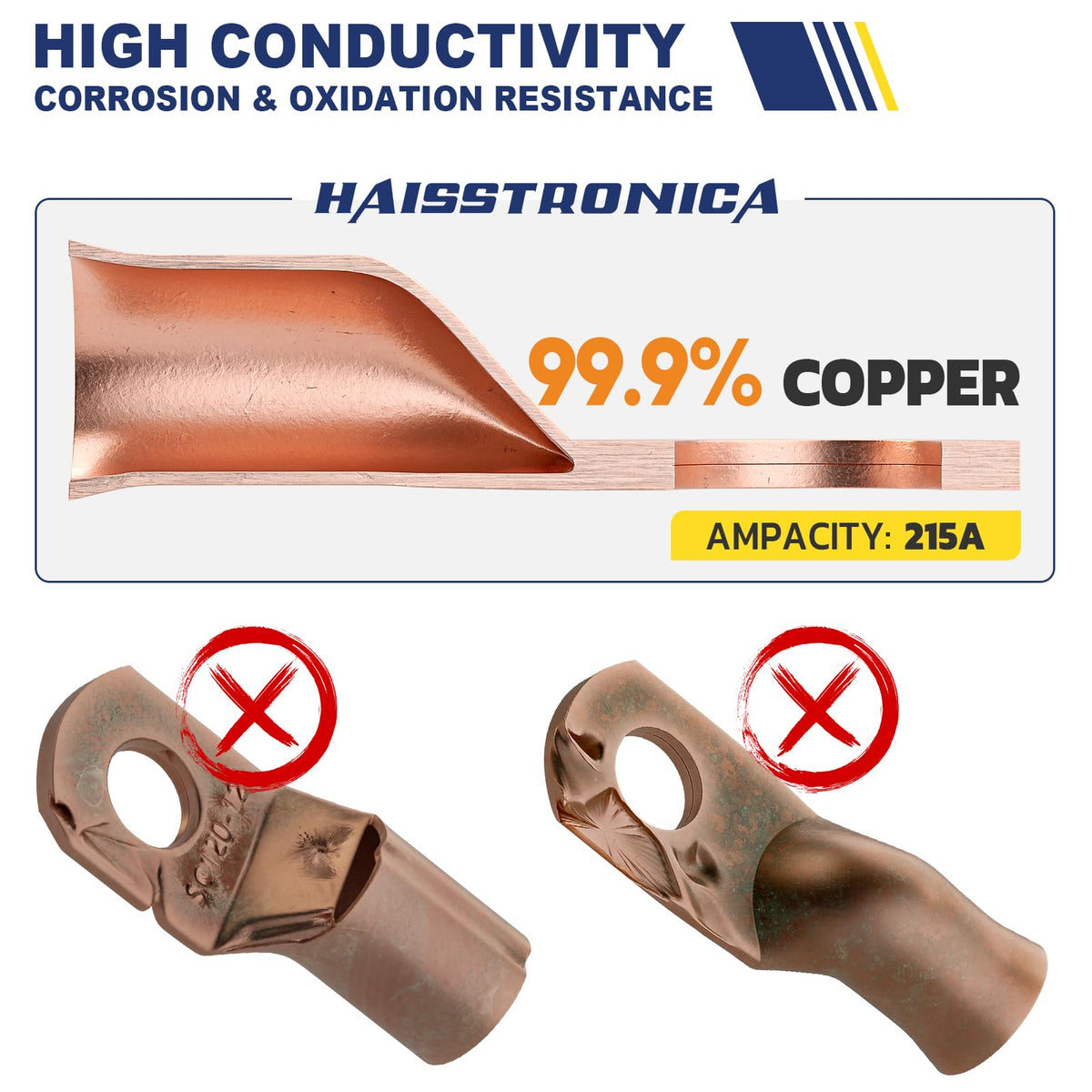
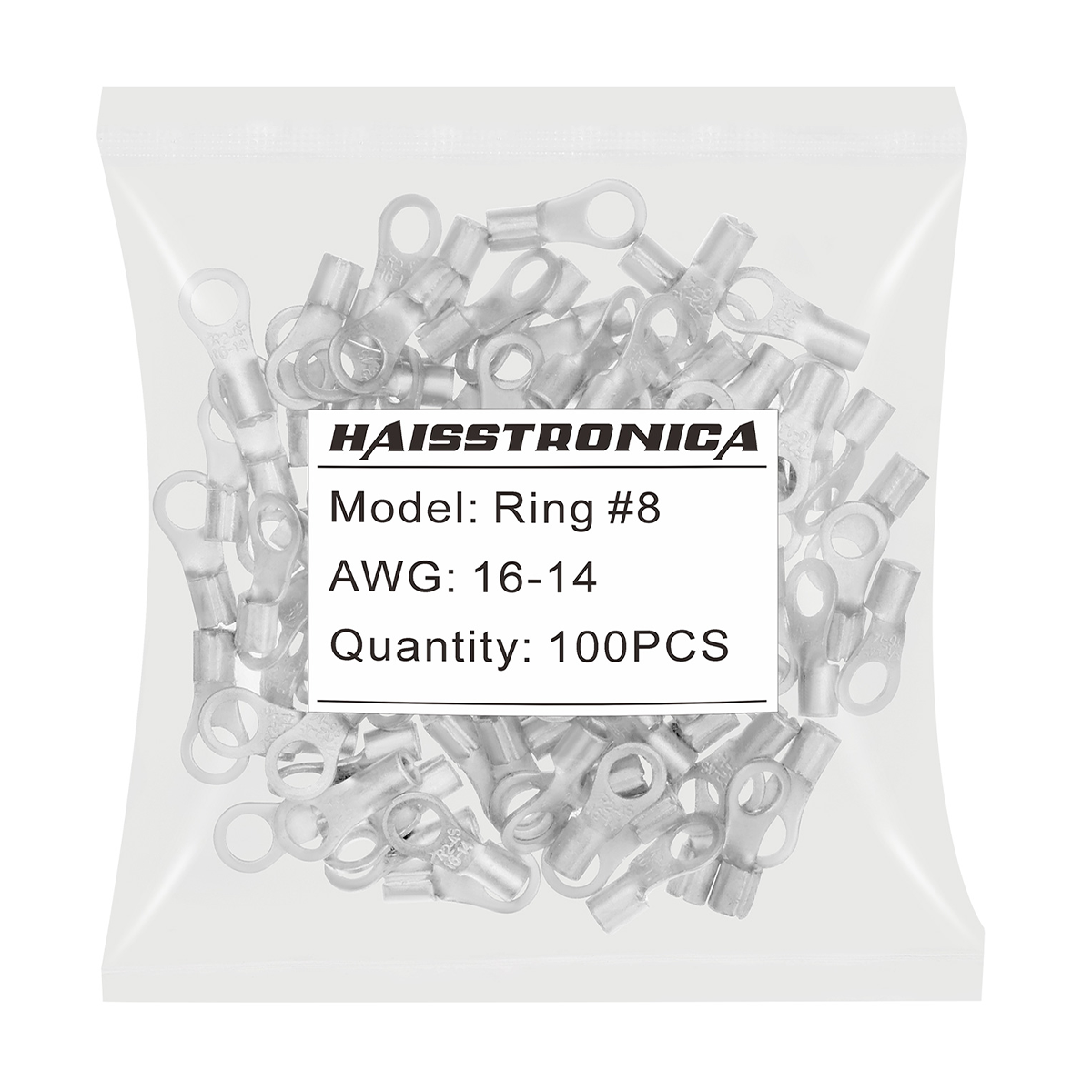
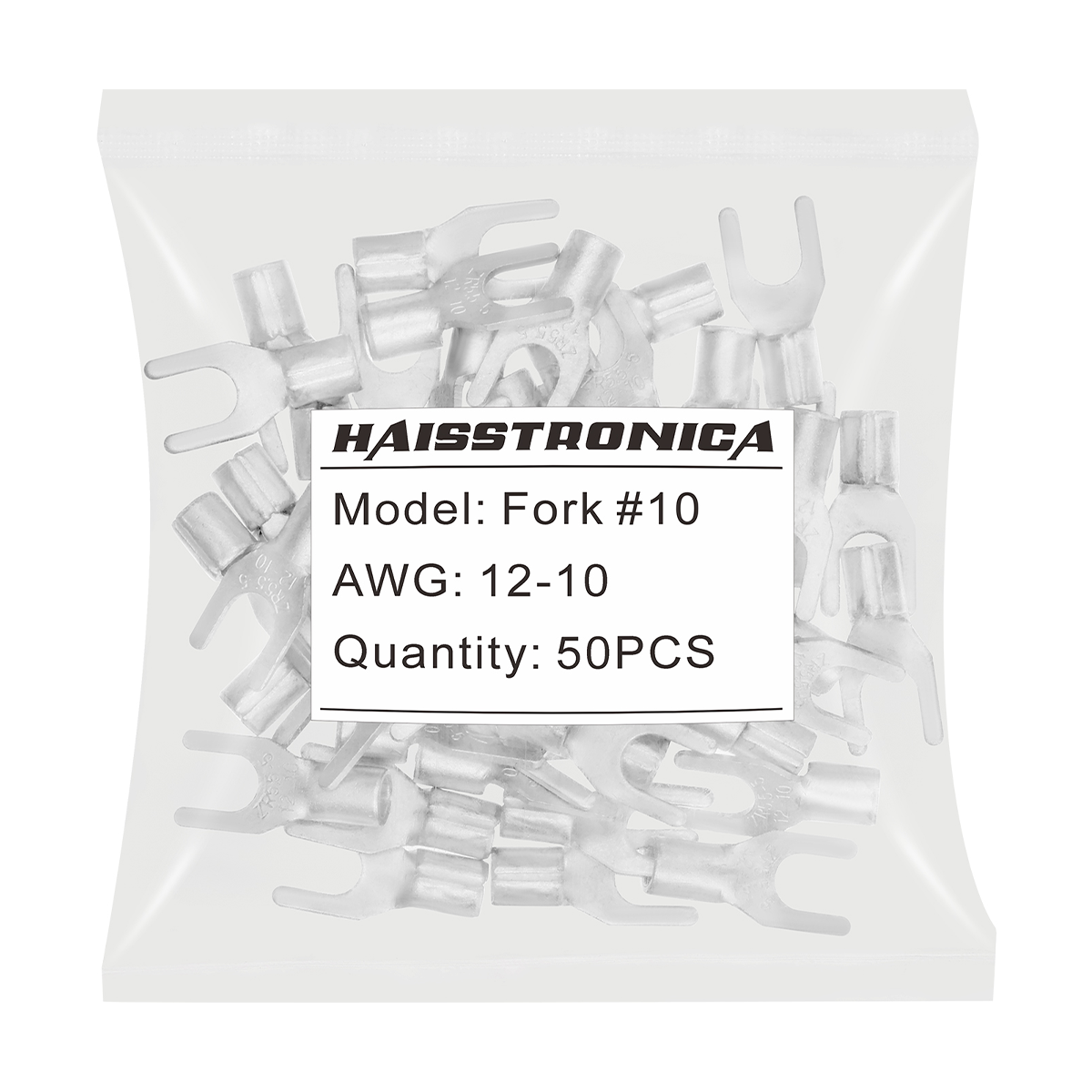
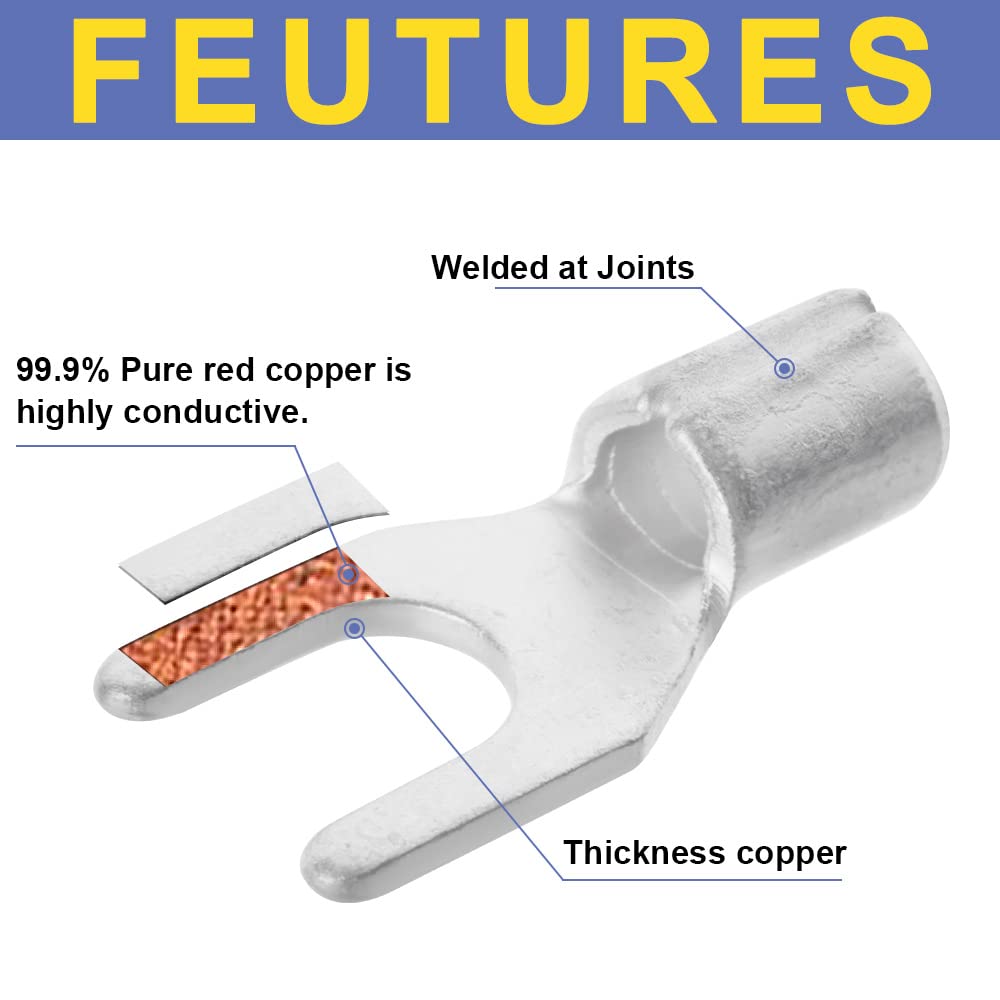
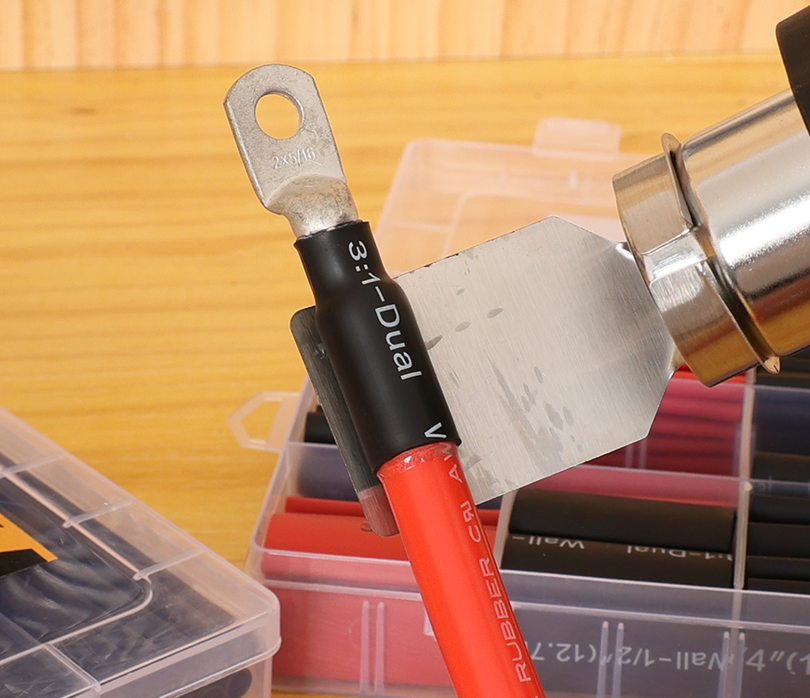
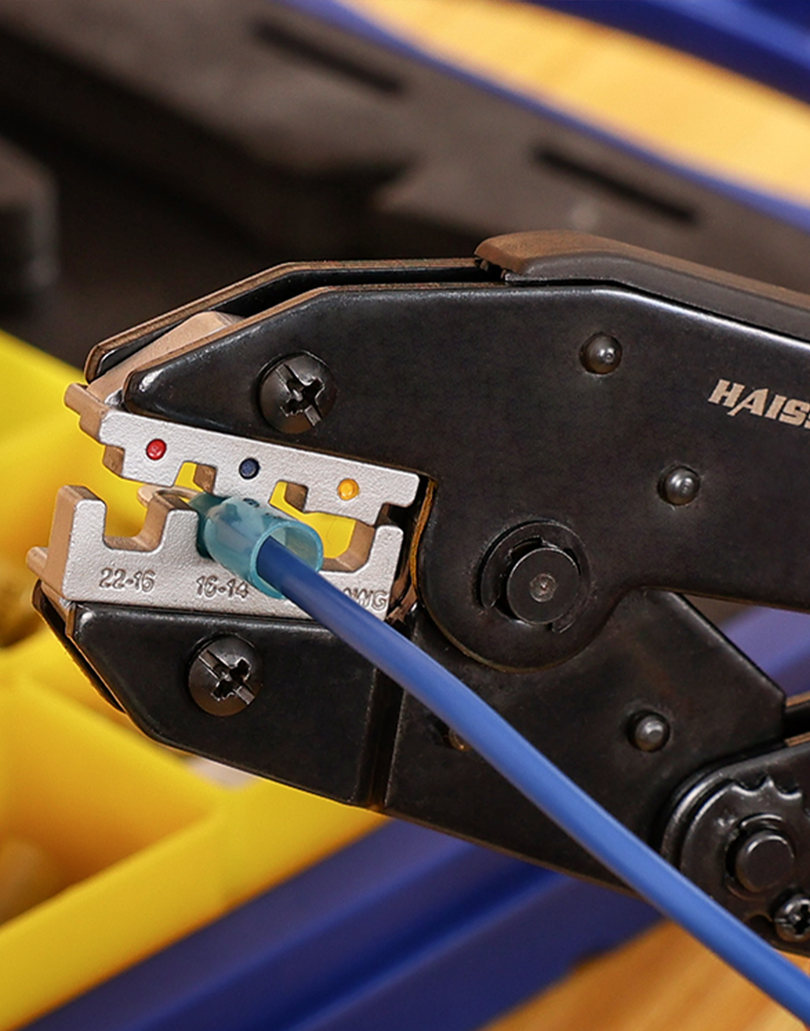
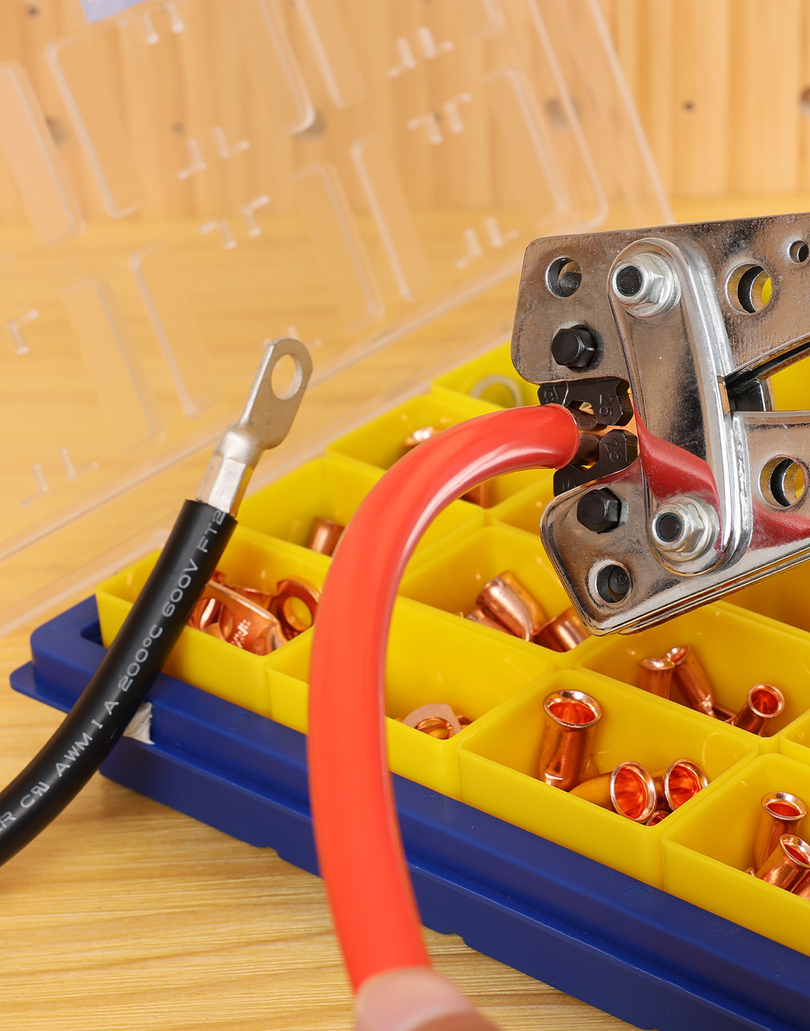
When we talk about “solderless electrical connectors,” we mean any wire connector that joins or terminates wires without the use of solder. Instead of melting metal to bond wires, these connectors rely on mechanical methods – crimping, clamping, or insulation displacement – to form a secure connection. Common examples include crimp butt splice connectors, ring terminals, fork/spade terminals, bullet connectors, wire nuts, and various quick-splice or wire tap connector systems. In a crimp connector, you insert the stripped wire into a metal barrel and compress it using a crimp tool, effectively cold-welding the wire to the connector. This creates a firm contact with low resistance and high conductivity, all without a drop of solder. Many of these connectors also come with insulating features: for instance, heat shrink solder wire connectors (often called solder & seal connectors) have a heat-shrink tube with adhesive that seals the connection against water ingress after crimping or soldering. Likewise, sealed crimp connectors (heat-shrink crimp terminals) use an adhesive-lined shrink tube that, when heated, seal wire junctions to make them waterproof. The result is a waterproof wire connector that’s ideal for automotive, marine, or outdoor use.
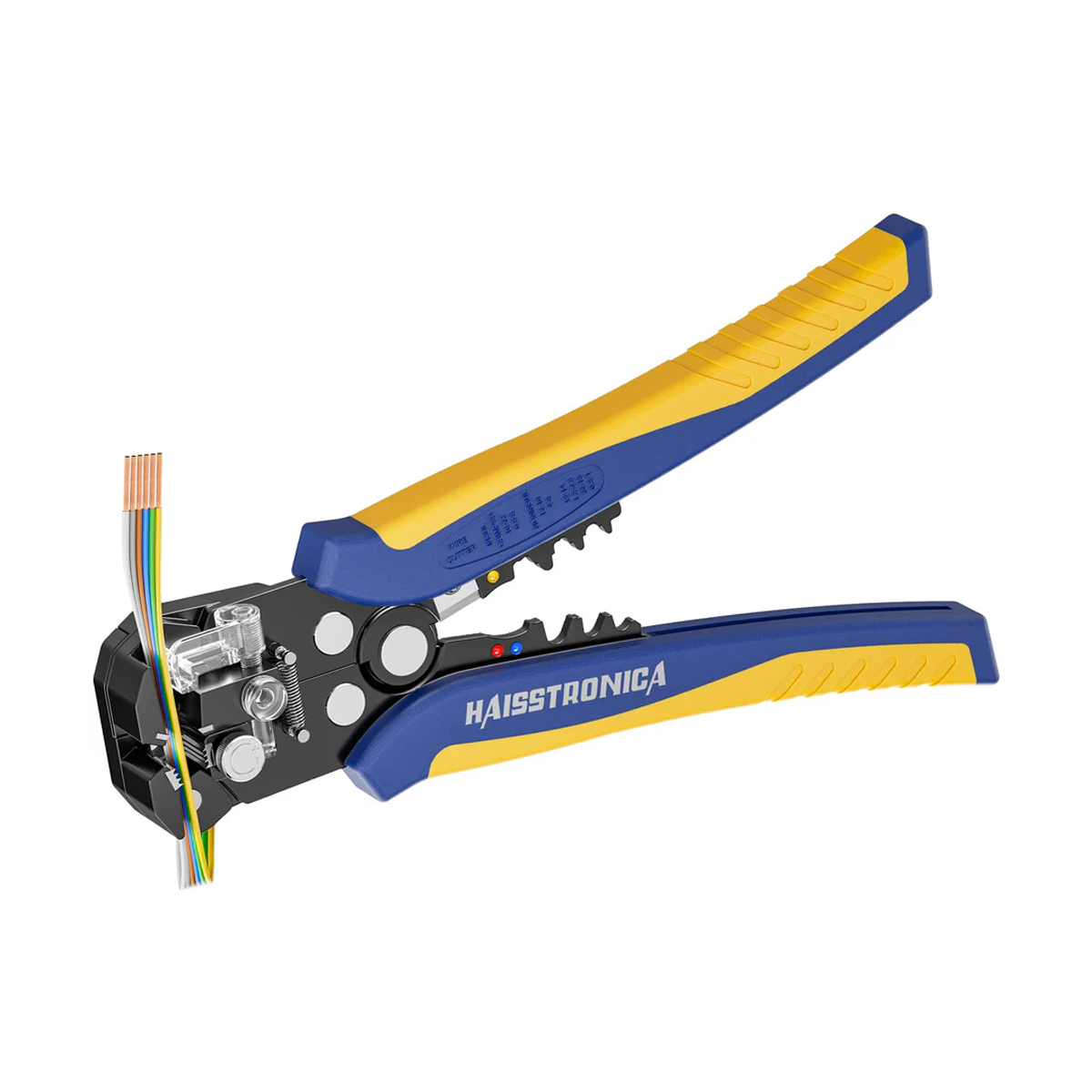
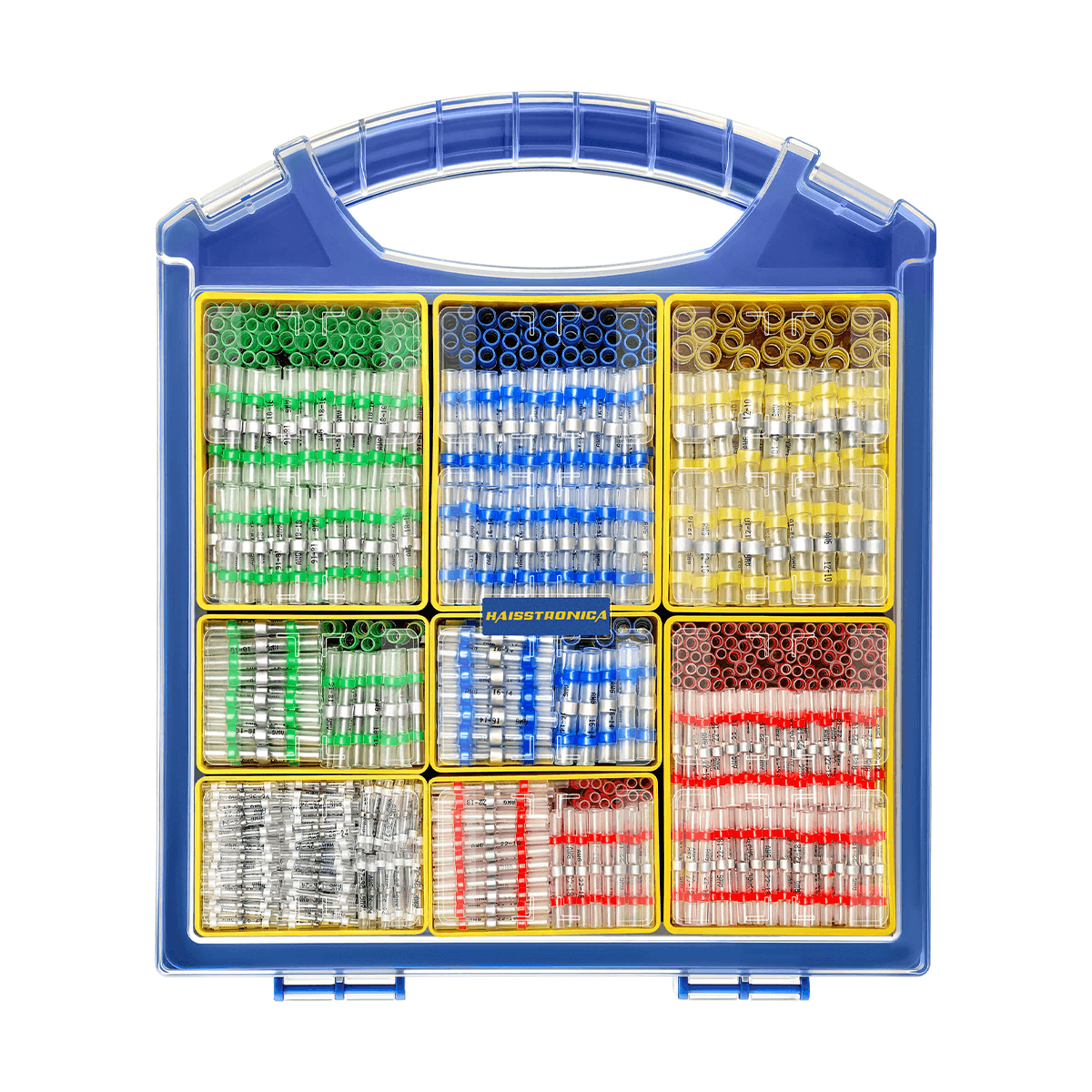
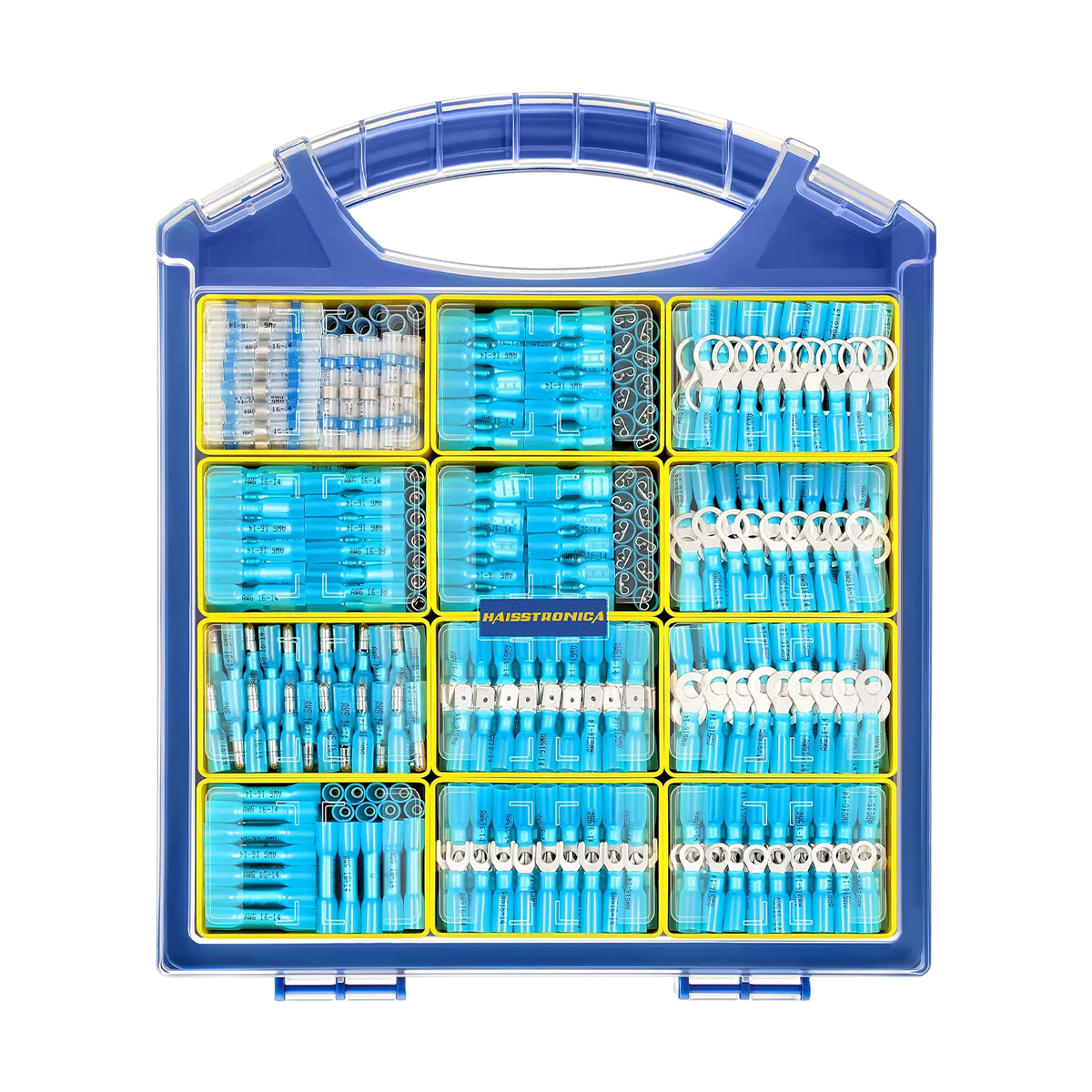
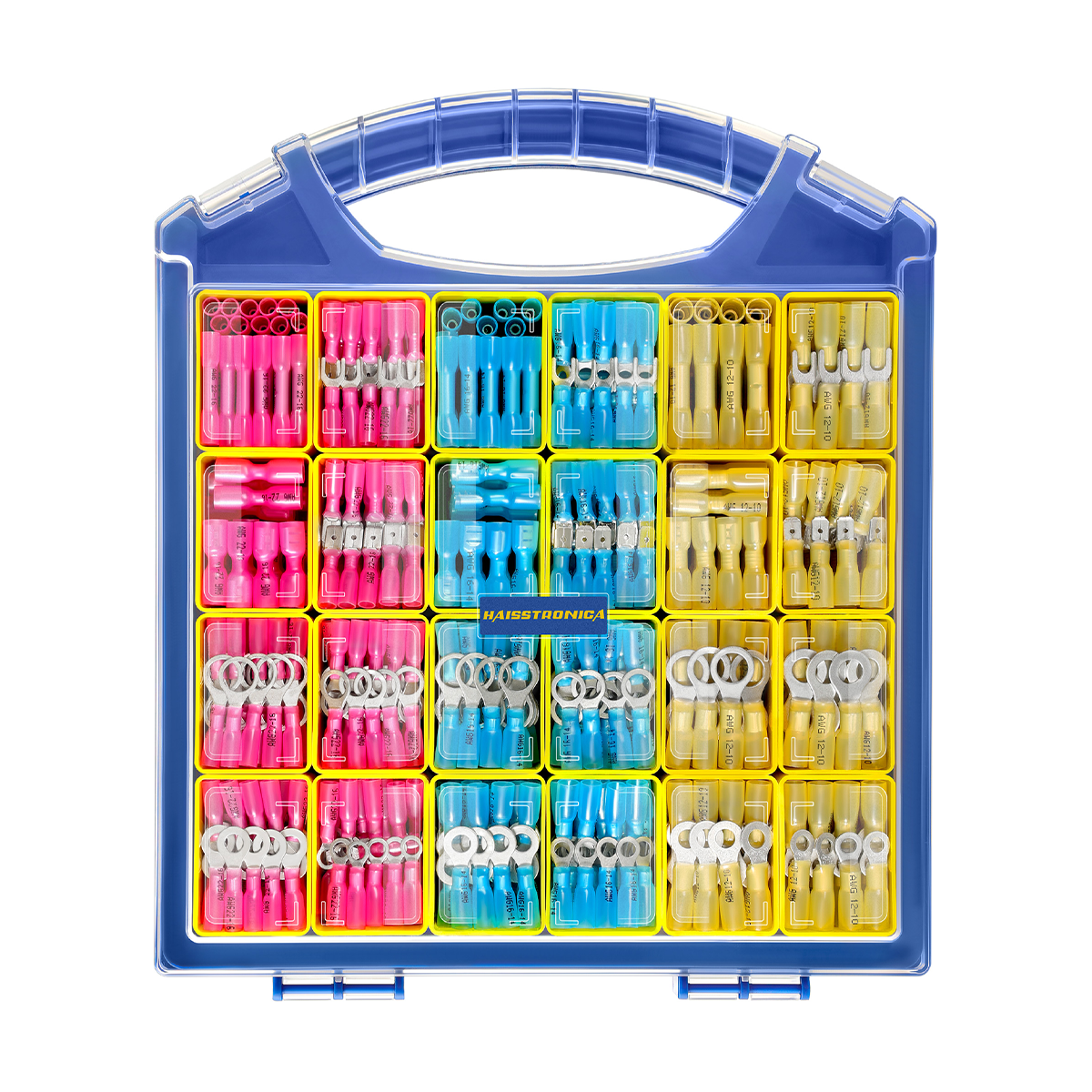
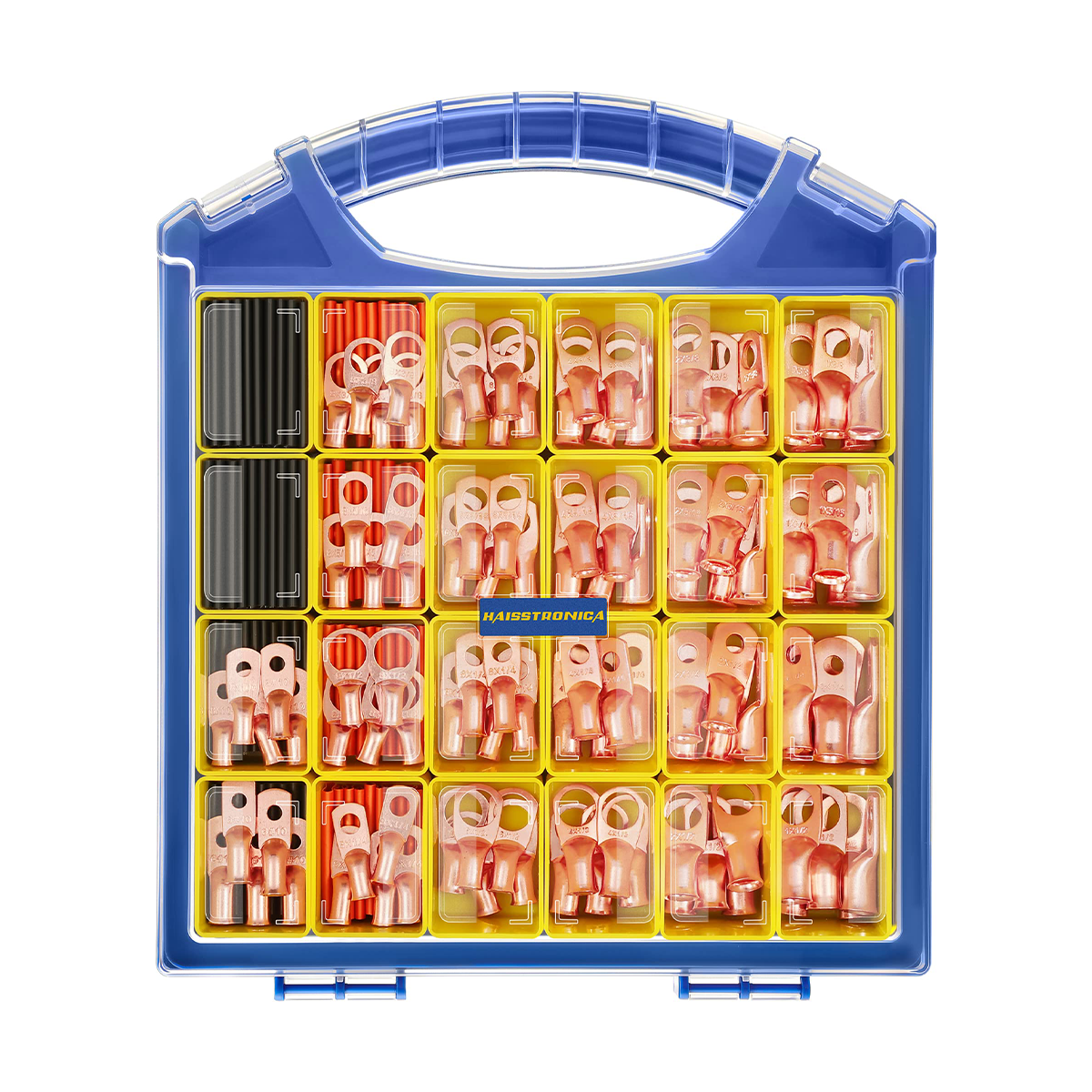
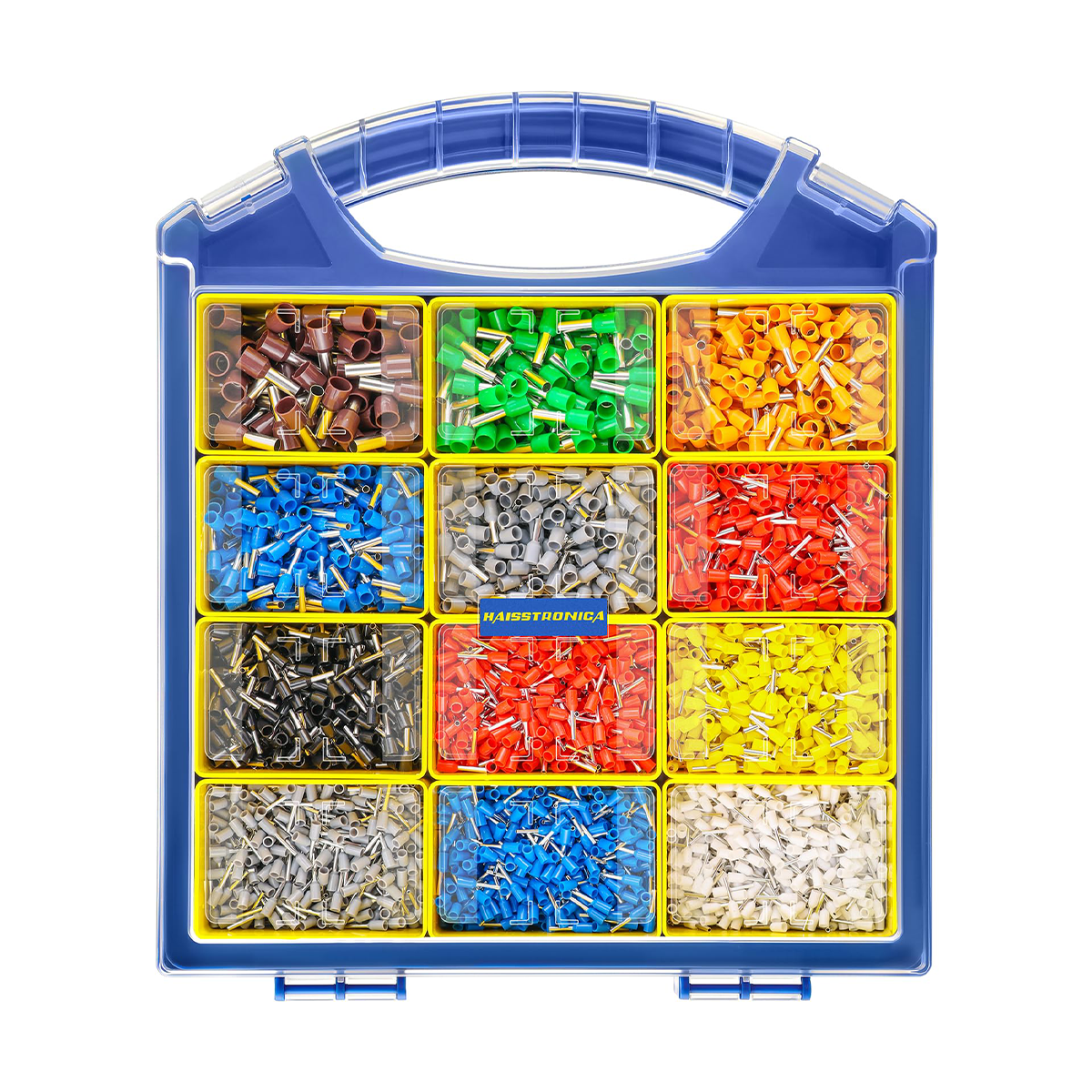
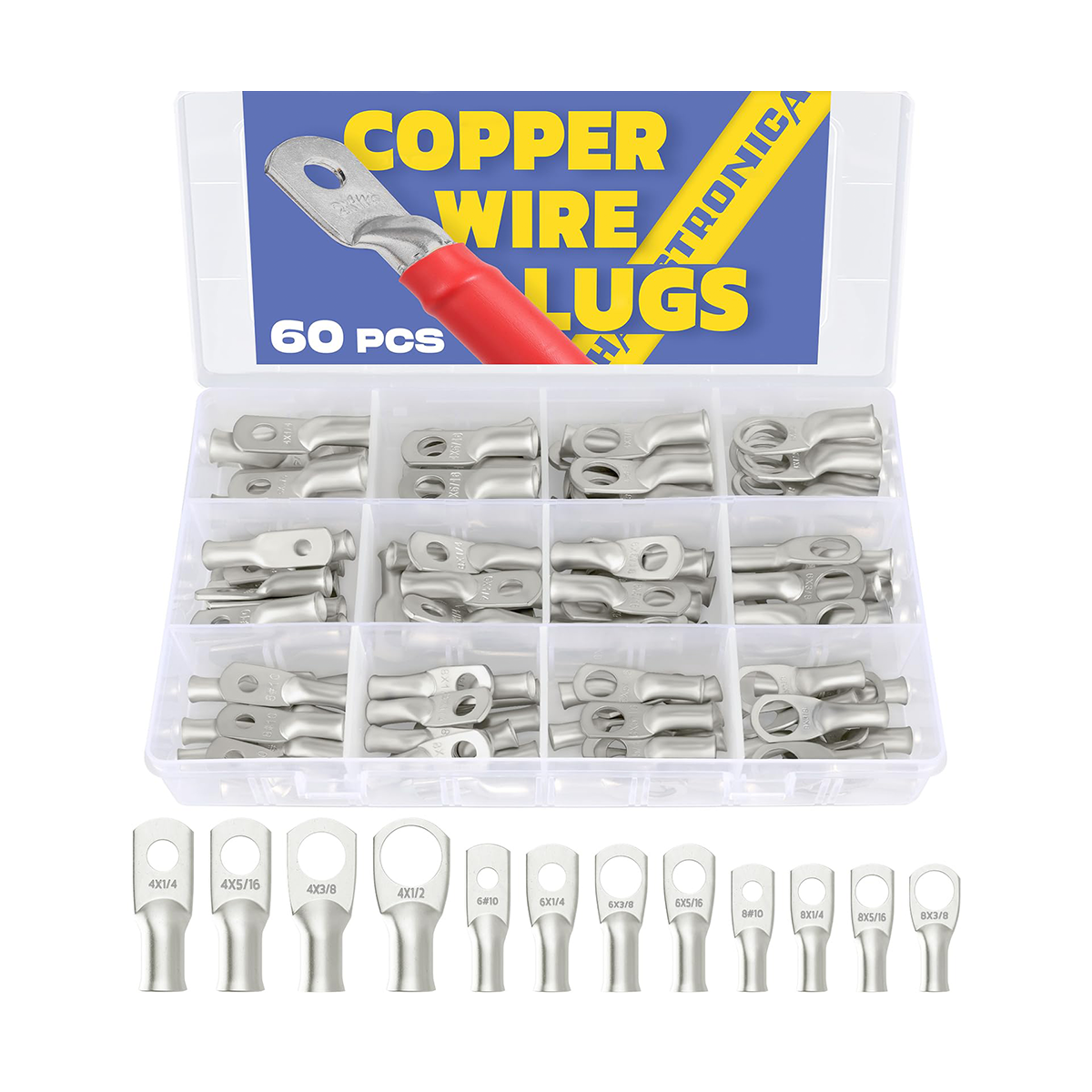
It’s worth noting that “solderless” doesn’t mean a weaker connection – far from it. A correctly crimped terminal actually achieves a strong electrical bond by tightly deforming the metal around the wire strands (essentially creating a unified piece of metal). This gas-tight crimp prevents oxidation and stays electrically stable over time. Solderless pin connectors, for example, are specifically designed so you can quickly create reliable connections without soldering. The absence of solder also means the wire remains flexible right up to the connection point, which is a key advantage under vibration. (With Haisstronica’s wide range of wire connector kits, you get an assortment of high-quality solderless terminals – from butt splices to spade connectors – all ready to crimp and go. It’s a must-have set for any electrician’s tool kit, ensuring you have the right connector for every wire without ever needing a soldering iron.)

Why Vibration is So Hard on Electrical Joints
Vibration is the enemy of many electrical connections – especially those that have been soldered. When a wire is soldered, capillary action can cause the solder to wick up into the stranded wire beyond the joint. This turns a flexible multi-strand wire into a solid piece over a certain length. That transition point between the now-rigid solder-infused section and the remaining flexible strands becomes a stress concentrator. In a high-vibration environment, the continual bending and shaking focuses right at that inflexible spot, and the wire can snap or the solder joint can crack at that junction. Solder itself is also a relatively soft metal that can fatigue over time. Imagine a vibrating motor or a bouncing trailer: if two wires are merely joined by a slug of solder (even within solder shrink sleeves intended to solder & seal), each vibration puts stress on that tiny metallic bond. Over thousands of cycles, that bond can fracture. It’s not uncommon to find broken solder joints or wires that have fallen apart at a soldered splice when inspecting old vehicles or machines that see a lot of motion. Even with heat-shrink tubing for strain relief, soldered connections often can’t tolerate prolonged mechanical abuse as well as crimped ones do.
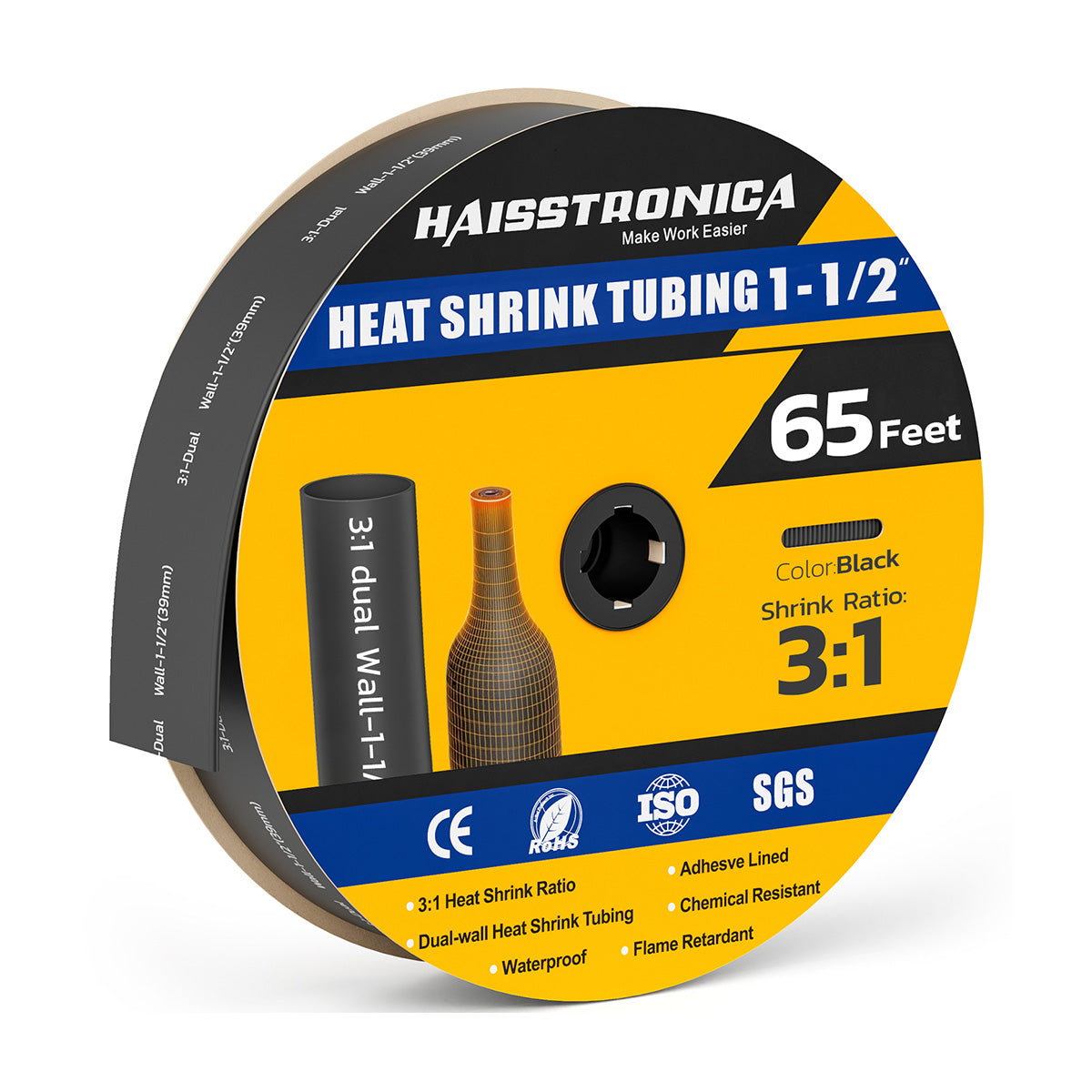
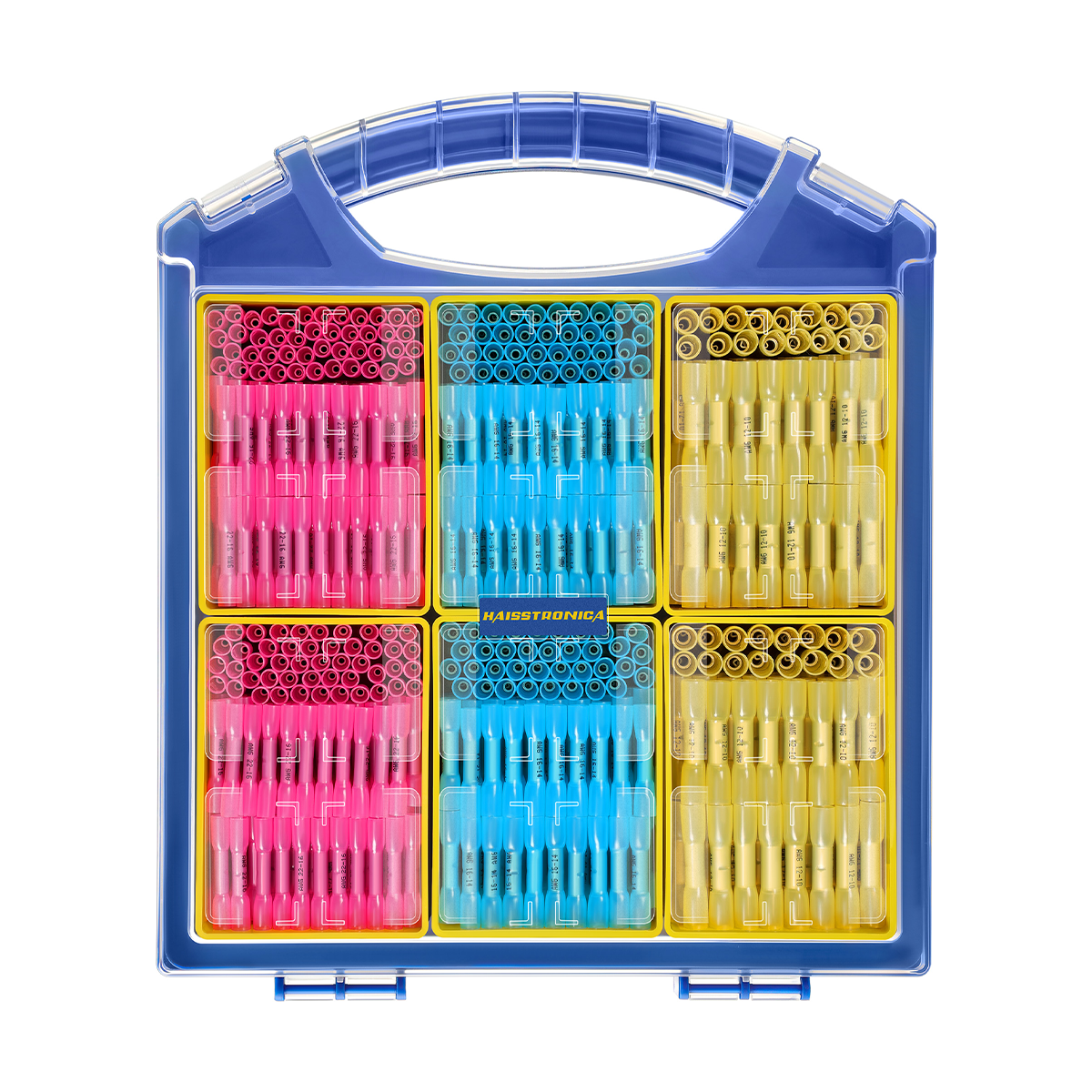
By contrast, a good crimped connection acts like a unified part of the wire. The strands and connector barrel move together (if at all), and there is usually less stress at any single point. Quality crimp connectors for automotive or marine use are often designed to absorb vibration and shock – for example, many have vinyl or nylon insulation plus metal ferrules that add mechanical support. Additionally, sealed connectors with adhesive-lined heat shrink add extra strain relief; the tubing grips the wire insulation and the connector, helping distribute forces. The automotive industry trusts crimped terminals for exactly these reasons: they hold up under the hood, where vibrations, temperature swings, and moisture are constant challenges. In fact, crimping is the industry standard for OEM automotive wiring because it consistently produces connections that survive vibration and thermal cycling. (When you need wiring that won’t fail, choosing Haisstronica’s automotive wire connectors – with their vibration-resistant crimp design and waterproof insulation – gives you peace of mind. Our connectors are engineered to maintain a tight grip and seal wire connections even in the harshest conditions.)
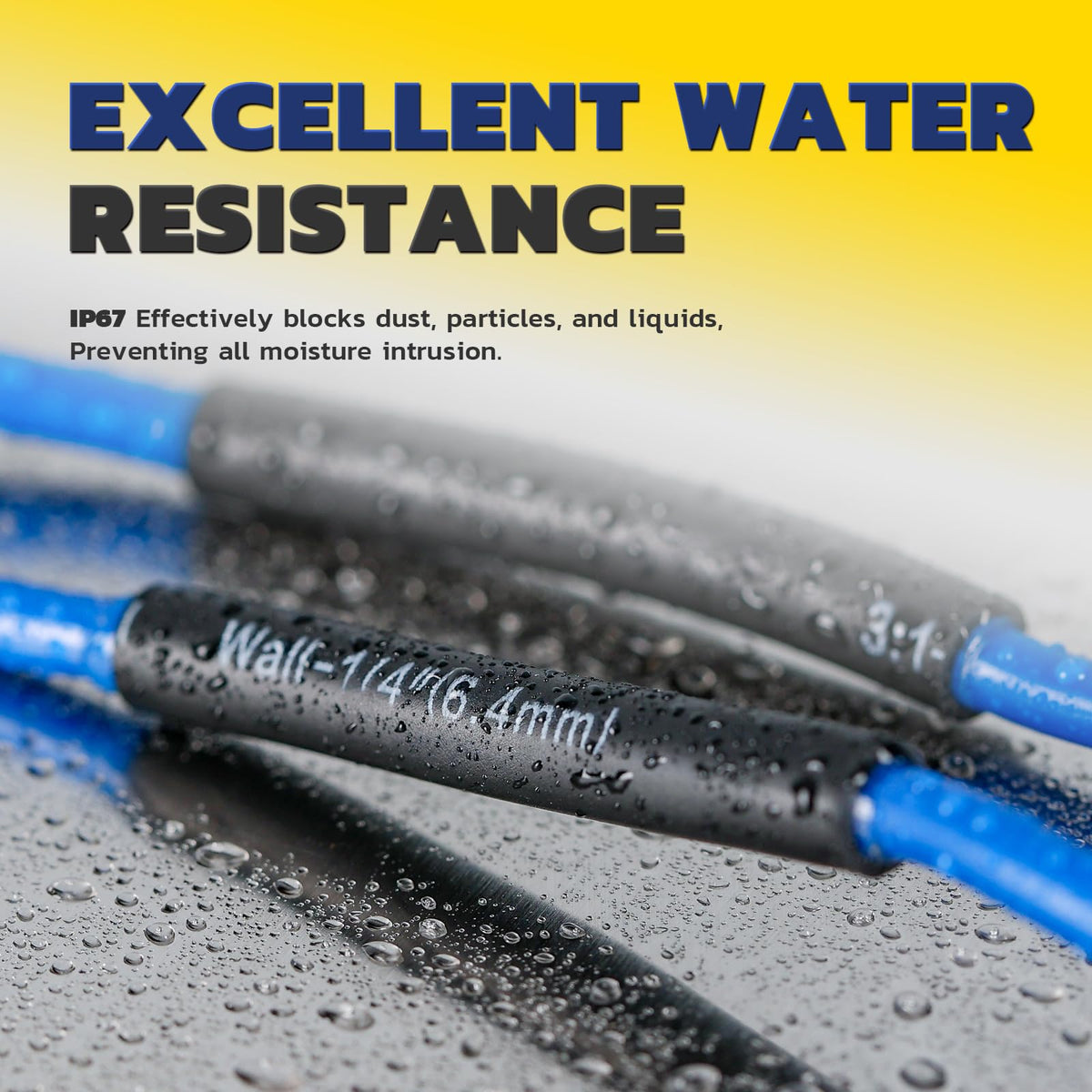
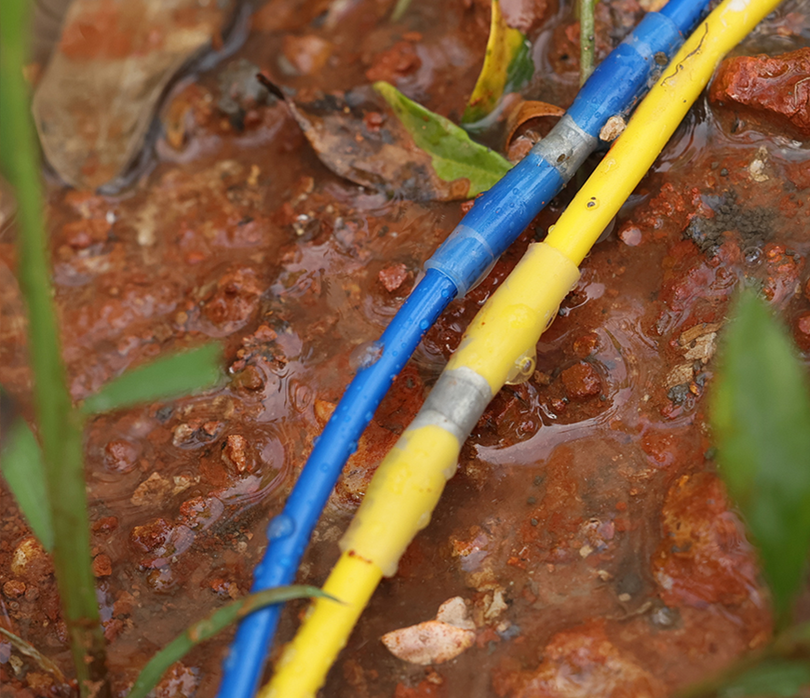
To illustrate, consider marine and off-road applications: waterproof marine electrical connectors are usually solderless for the same reliability reasons. A solder seal butt connector (one of those heat-shrink tubes with solder inside) might be okay for a quick repair in a pinch, but on a vibrating boat engine or an ATV, that solder joint could crack after enough bumpy rides. A sealed crimp butt splice, on the other hand, will flex with the wire and keep conducting through all the vibration. Plus, the adhesive-lined heat shrink on a crimped butt connector not only seals out water (preventing corrosion) but also adds mechanical support across the joint. Vibration isn’t just an electrical problem – it’s mechanical. So the best solution is a mechanical connection (crimp) reinforced with good insulation and sealing. (Haisstronica’s crimp and seal connectors are designed exactly with this in mind: they combine the strength of a crimped joint with the protective benefits of heat shrink insulation. The result is a connector that stays waterproof and resists vibration damage – ensuring your electrical connections remain intact. Upgrade your wiring with our solderless connectors and insulate wires like a pro!)

Conclusion
In summary, solderless connectors often win out over soldered joints when it comes to vibration-prone environments. By avoiding the brittleness and stress points introduced by solder, a solderless solution keeps the wiring flexible and robust. That’s why you’ll find crimped and sealed connectors in critical applications ranging from car wiring harnesses to industrial machinery – they simply tolerate movement better. Soldered connections have their place (for example, on circuit boards or in static setups), but if your project involves engines, road vibrations, or any situation where wires will jiggle, choosing a reliable solderless connector is the smarter move. Not only do you get a strong electrical bond, but with modern designs you also get a sealed wire connection that blocks out moisture and contaminants.
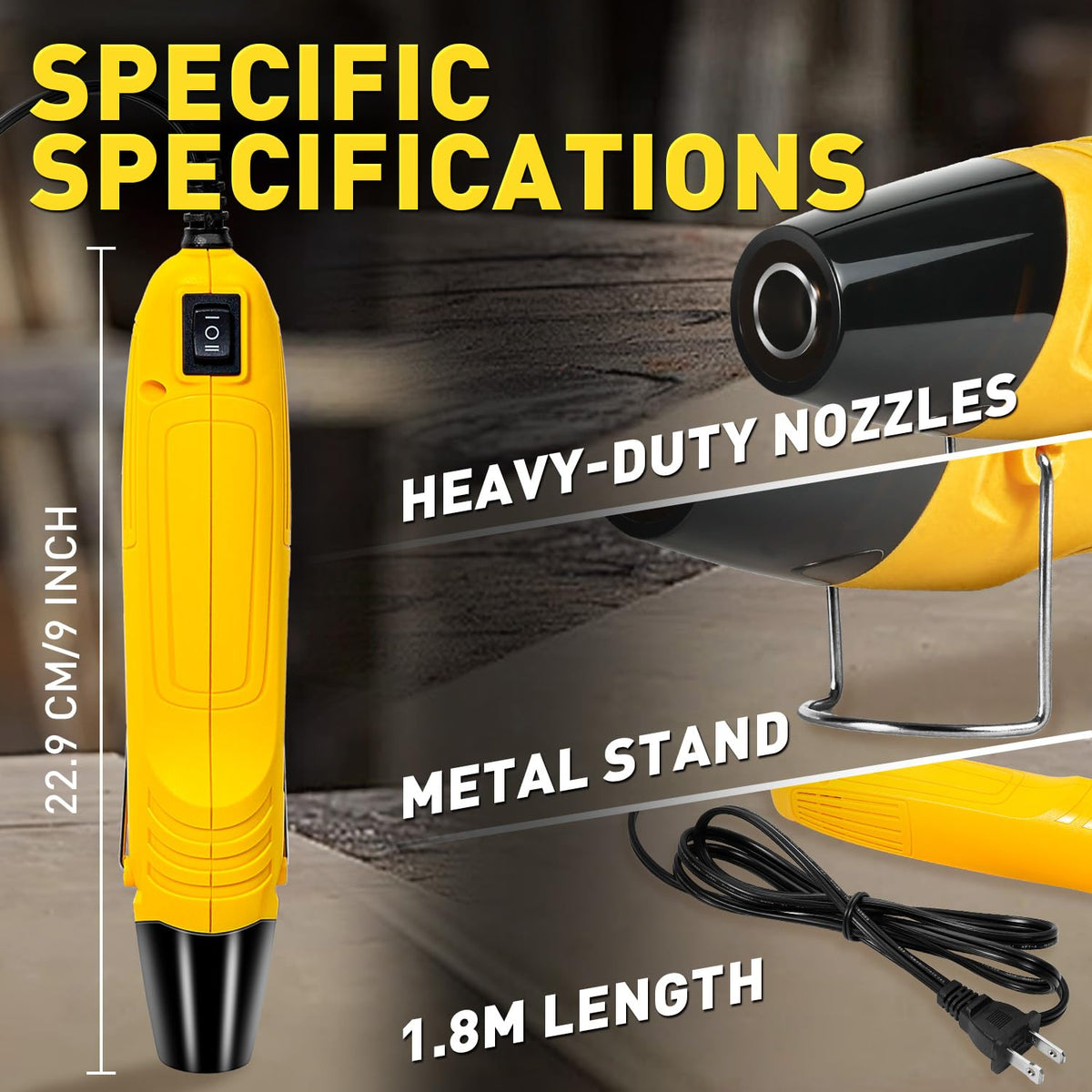
When installing or repairing wiring, remember that technique matters too: use a proper ratcheting crimp tool, and always add insulation or heat shrink for strain relief if the connector isn’t pre-insulated. A well-executed crimp can last decades, even under heavy use. In contrast, an equivalent solder joint might fail much sooner under the same conditions. Ultimately, the goal is a safe, long-lasting connection – and in many cases, that means going solderless for the win. (Ready to upgrade your wiring with vibration-proof connectors? Haisstronica has you covered with a full range of best wire connectors and tools. From marine-grade heat shrink connectors to convenient automotive wire connector kits, we provide everything you need for rock-solid, waterproof connections that stand up to the test of time. Secure your next project with Haisstronica’s solderless solutions and experience the difference in quality and reliability.)