
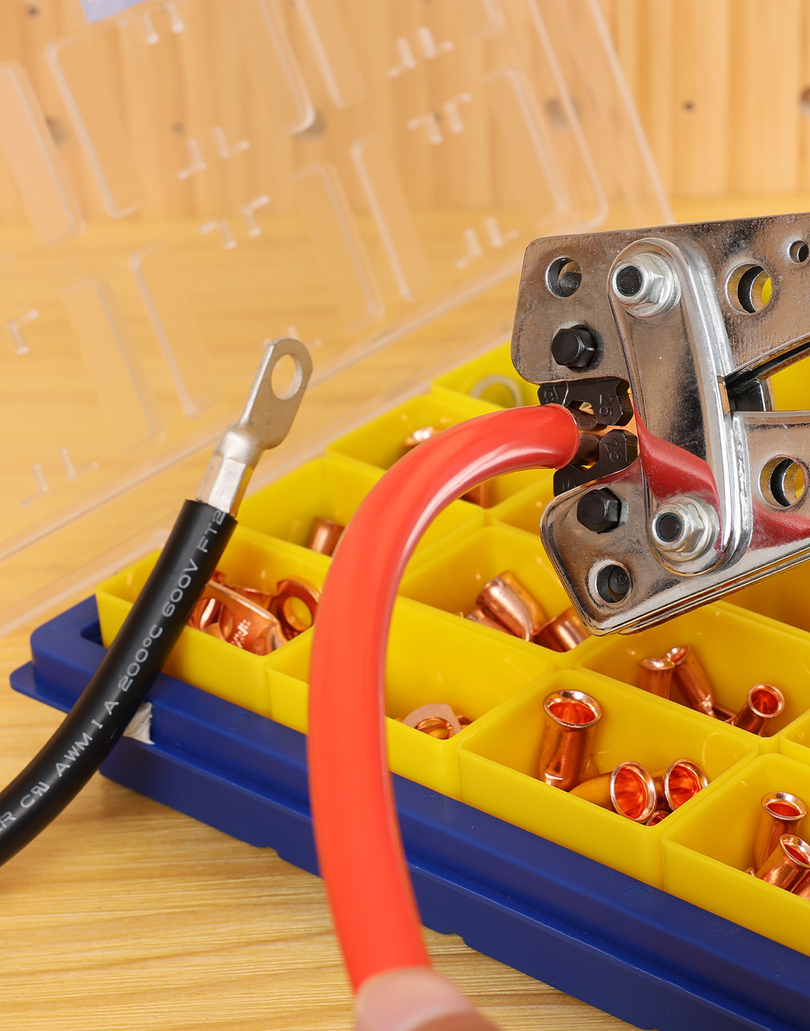
The Problem with Manual Blade Reset: Slower, Less Efficient When You Strip Wire
In many “traditional” stripping workflows, the real bottleneck is not the cut—it’s everything around it: you close the tool, pull the slug, then manually reopen, clear debris, re-align, and re-grip before the next end. That manual reset adds an invisible tax to every cycle, especially when you’re switching wire gauge, alternating between stranded and solid, or jumping from single conductors to stripping cables. NASA’s workmanship standard makes the stakes clear: after insulation removal, the remaining insulation must not show damage (nicks/cuts/crushing/charring), and the conductor must not be nicked to exposed base metal—so any “messy” strip forces cut-back and redo.
Manual reset also increases fatigue because it forces extra hand actions per wire: repeated opening, repositioning, and micro-corrections add up. NIOSH’s hand-tool ergonomics guidance explicitly frames the goal as selecting non-powered tools that can be used effectively with less force, less repeated movement, and less awkward positioning—because those factors drive strain and performance loss over time. If your stripping cycle includes unnecessary “reset motions,” you’re paying twice: slower output now, and less consistent quality later when hands tire.
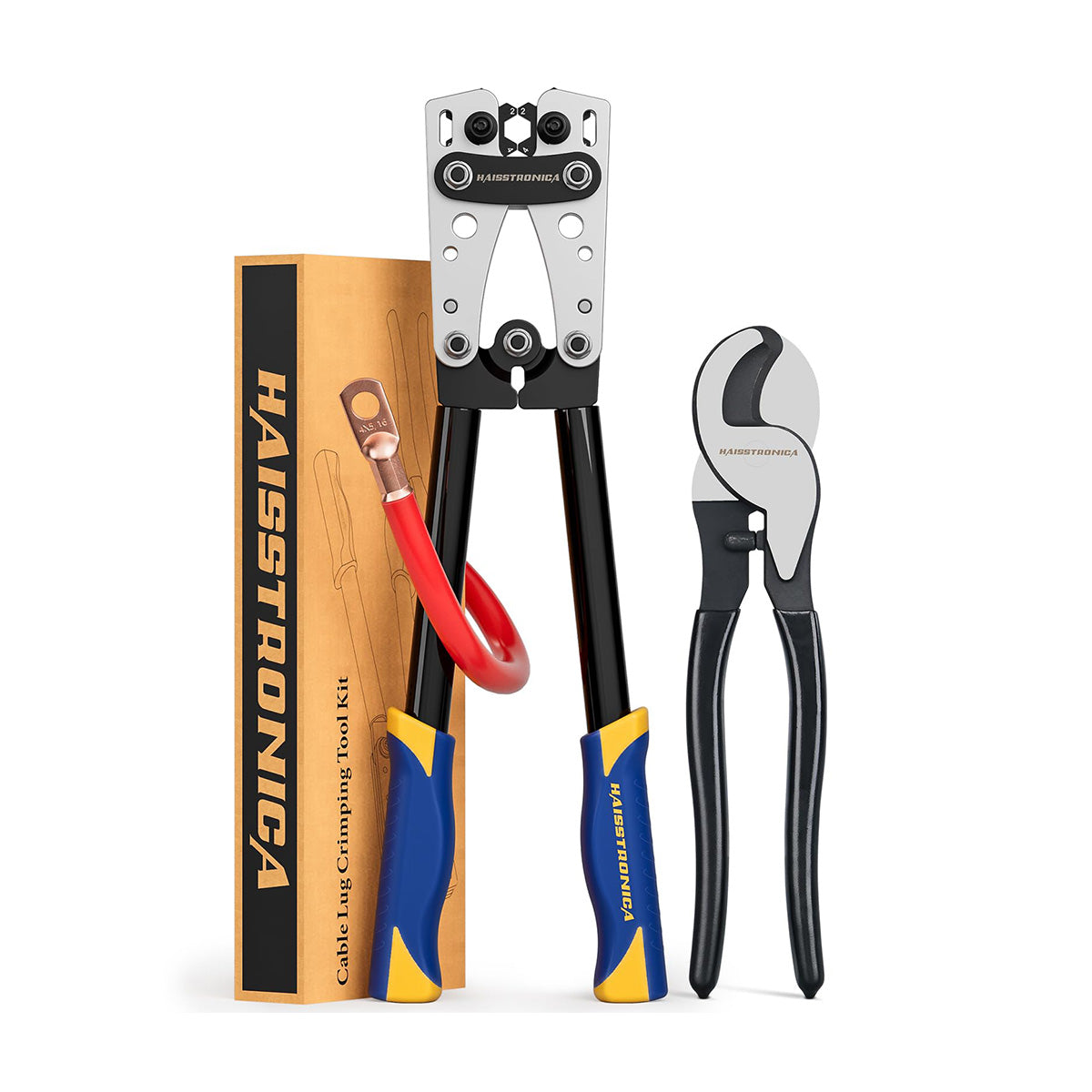
Finally, cutting mistakes upstream can make manual reset even worse. TE’s wire-preparation guidance notes that diagonal cutters can distort conductors and flatten strand ends, increasing strip force and causing strands to splay during stripping—exactly the kind of issues that turn “one strip” into “strip, inspect, redo.” When you combine harder-to-strip ends with manual reopening and re-alignment, cycle time balloons. Pair an electrical wire cutter tool workflow with Haisstronica stripping tools and keep bulk prep smooth and repeatable.

How Auto-Return Blades Work: Mechanism and Technology to Strip Wire
“Auto-return blades” is best understood as automatic homing: after the strip action completes, a spring-assisted mechanism returns the working parts (jaws/blade carriage/handles) to a ready position—so the next wire can be inserted without manual resetting. This idea shows up across the industry. Klein describes spring-loaded action “for self-opening,” and it includes a “hold-open spring” plus an adjustable slide stop for repeat stripping work—features that directly reduce recovery time between cuts.
Manufacturers also connect spring-return to reduced strain. KNIPEX states that an opening spring “nestles the pliers gently in the user’s hand,” substantially reducing strain in hand muscles when holding the pliers tight—an ergonomic benefit that matters when you’re stripping hundreds of ends. That reduced strain helps keep your wire strips consistent late in the day (when fatigue normally increases nicks and uneven strip lengths).
At the mechanical-design level, patents illustrate exactly how “return to start” is engineered. One automatic wire stripper patent describes a knife carriage, lever linkages, and—in operation—notes that upon release of the hand grip, a compression spring returns the handle unit to its initial position, opening the clamping jaws and separating the knife holder from the knife carriage for removal of the processed cable. This is the same principle behind fast recovery: stored spring energy resets the mechanism without extra user motion。
In industrial stripping, auto-return is also treated as a programmable parameter because blade return is part of quality control. Schleuniger’s RotaryStrip 2400 datasheet highlights automated parameter setting (incision diameter, clamping pressure, “blade way back,” etc.) and sensor-triggered stripping—showing that modern stripping systems treat “return/retract” behavior as integral to both speed and conductor protection.
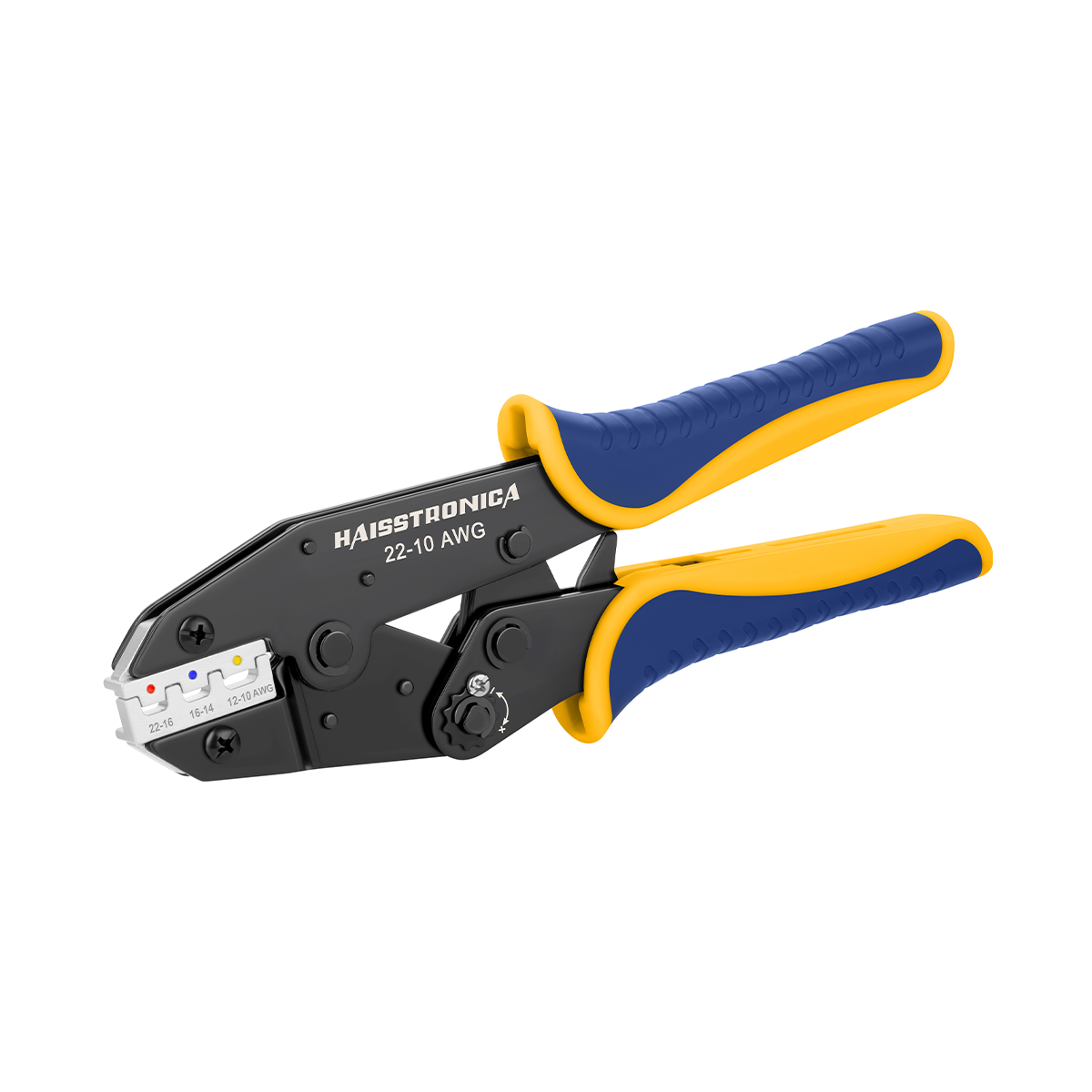
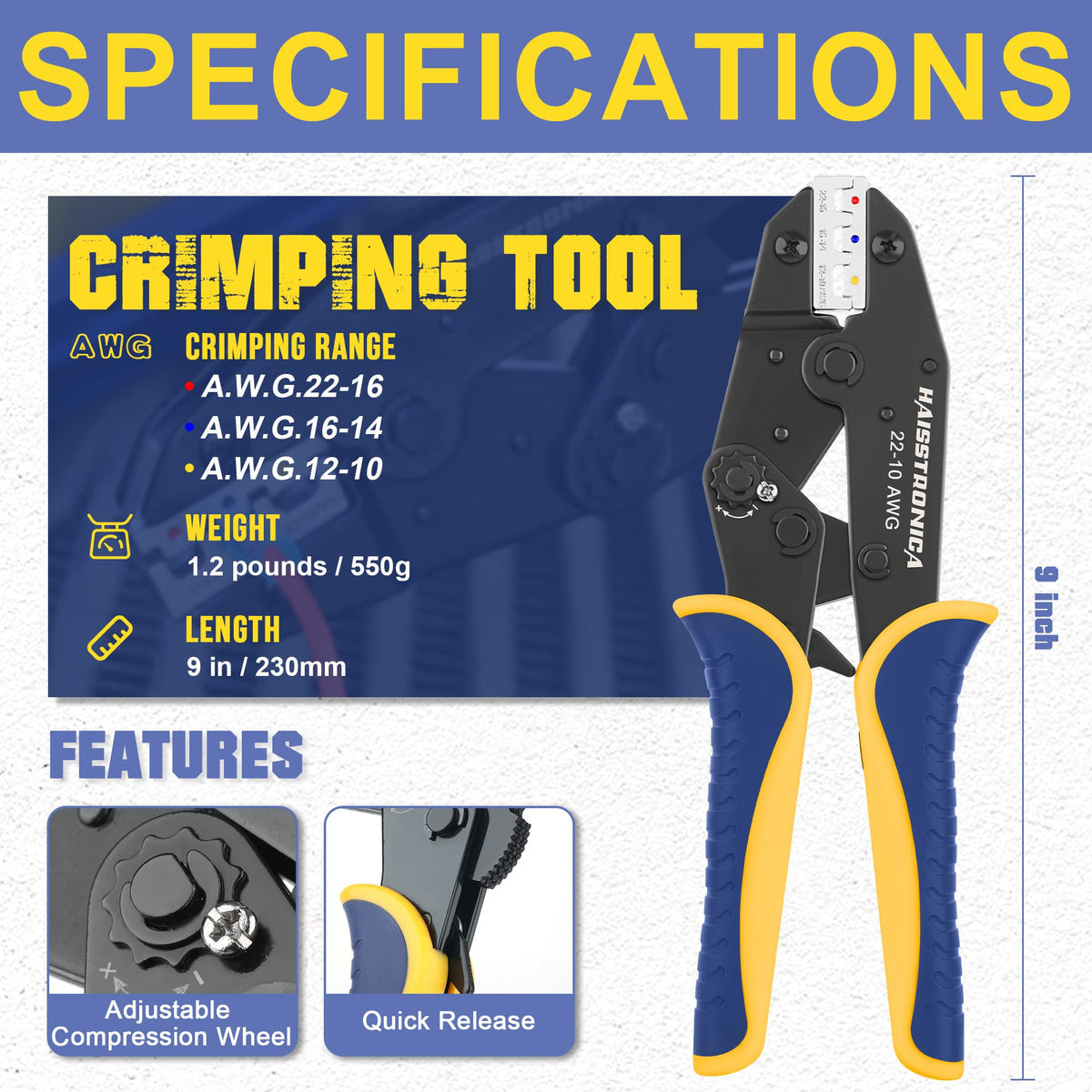
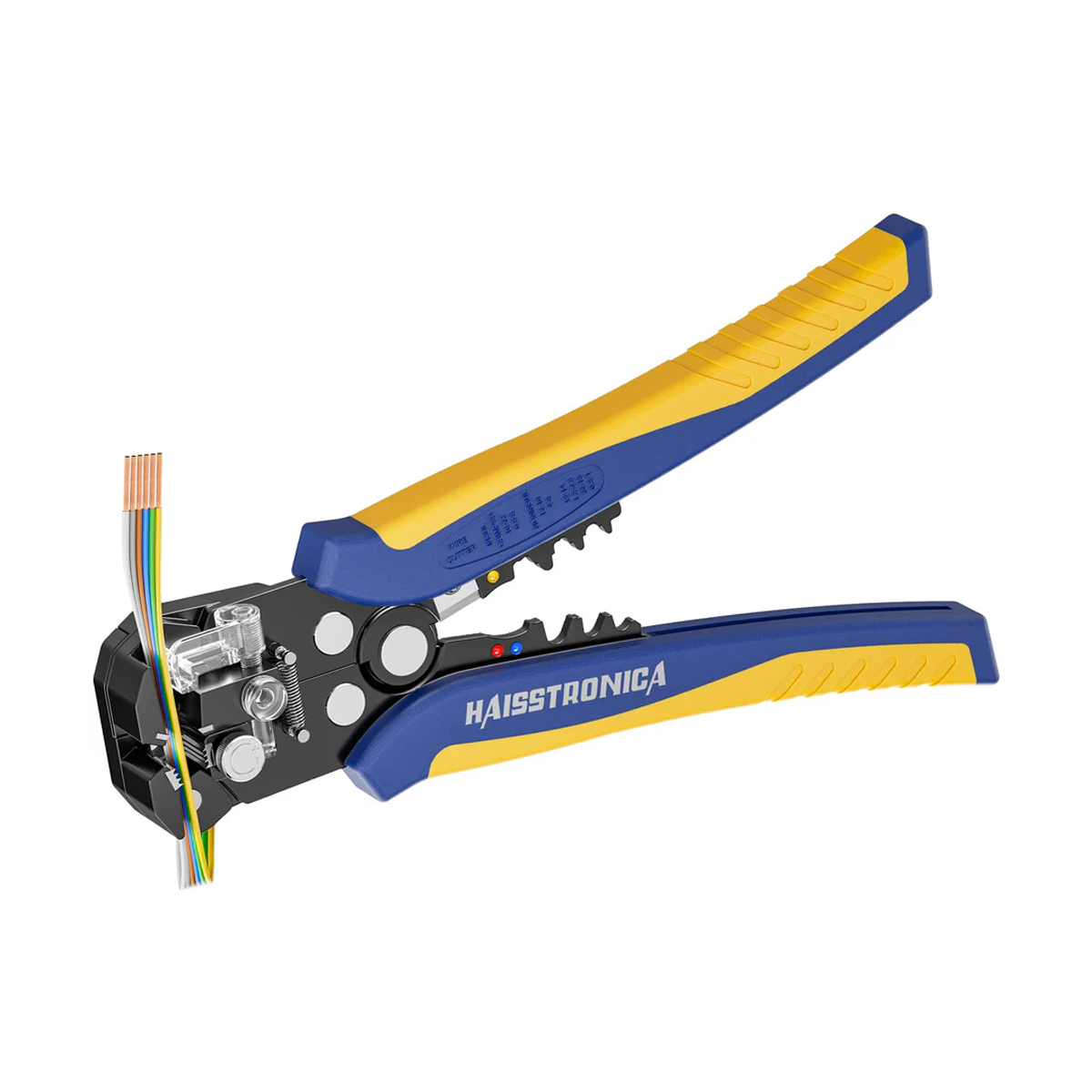
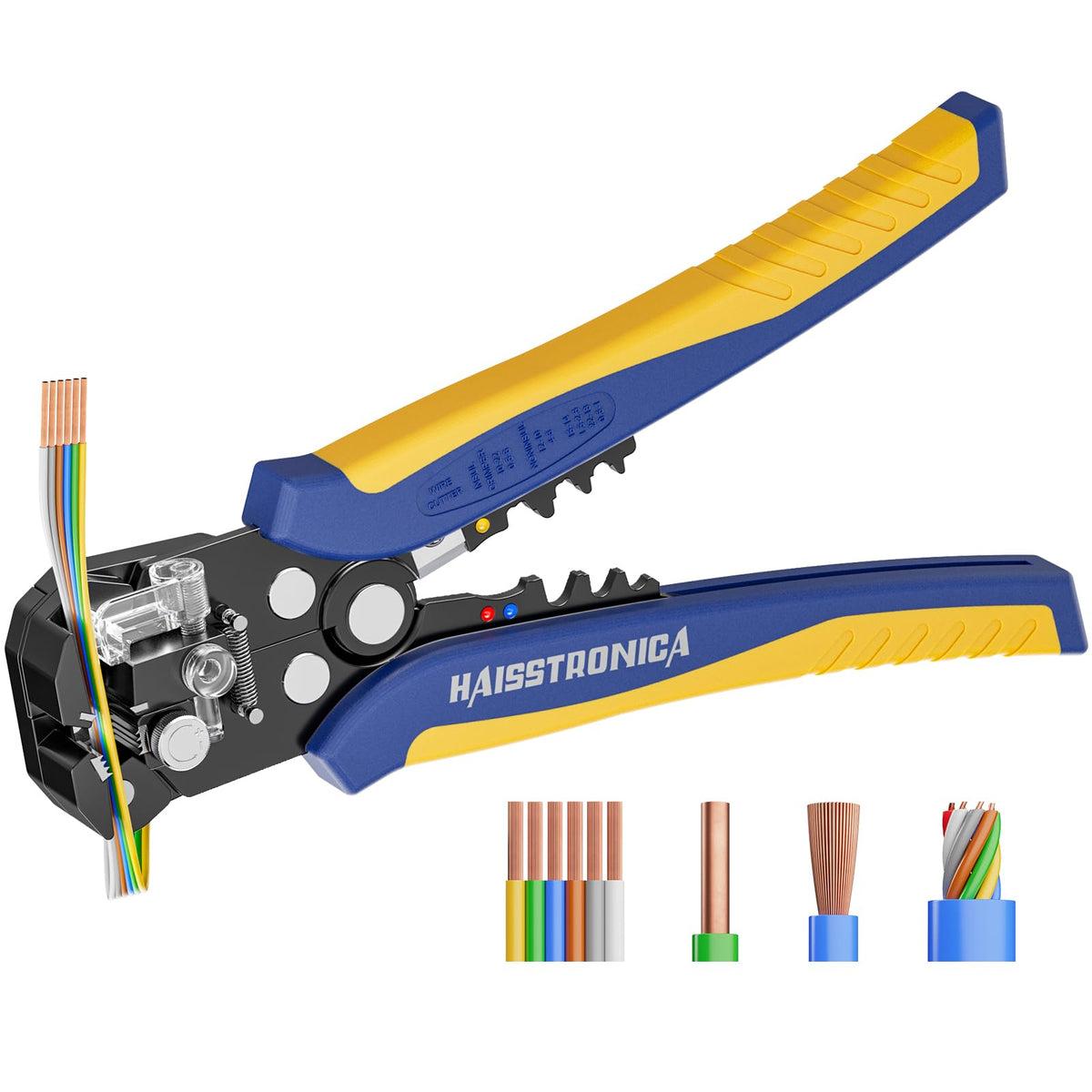
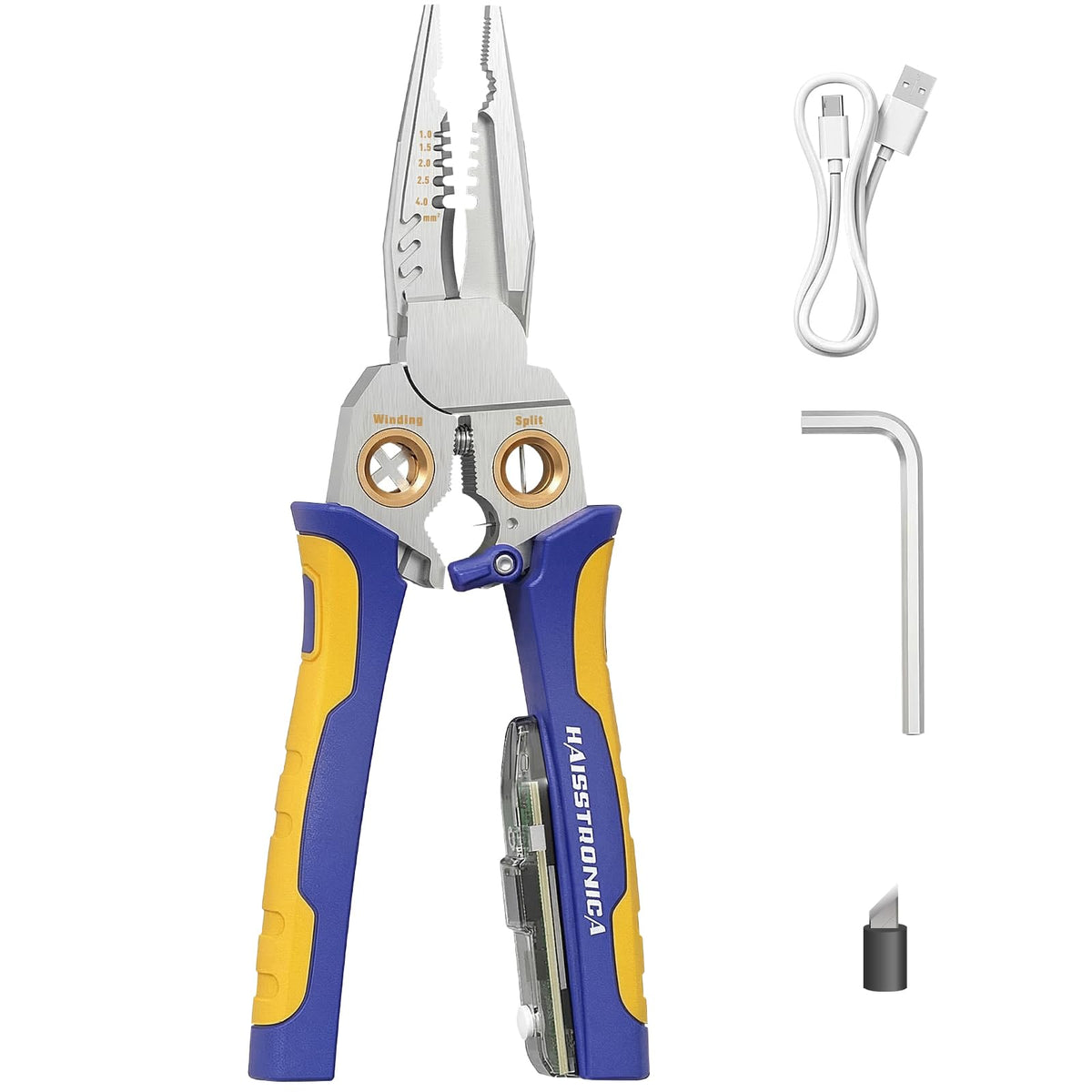
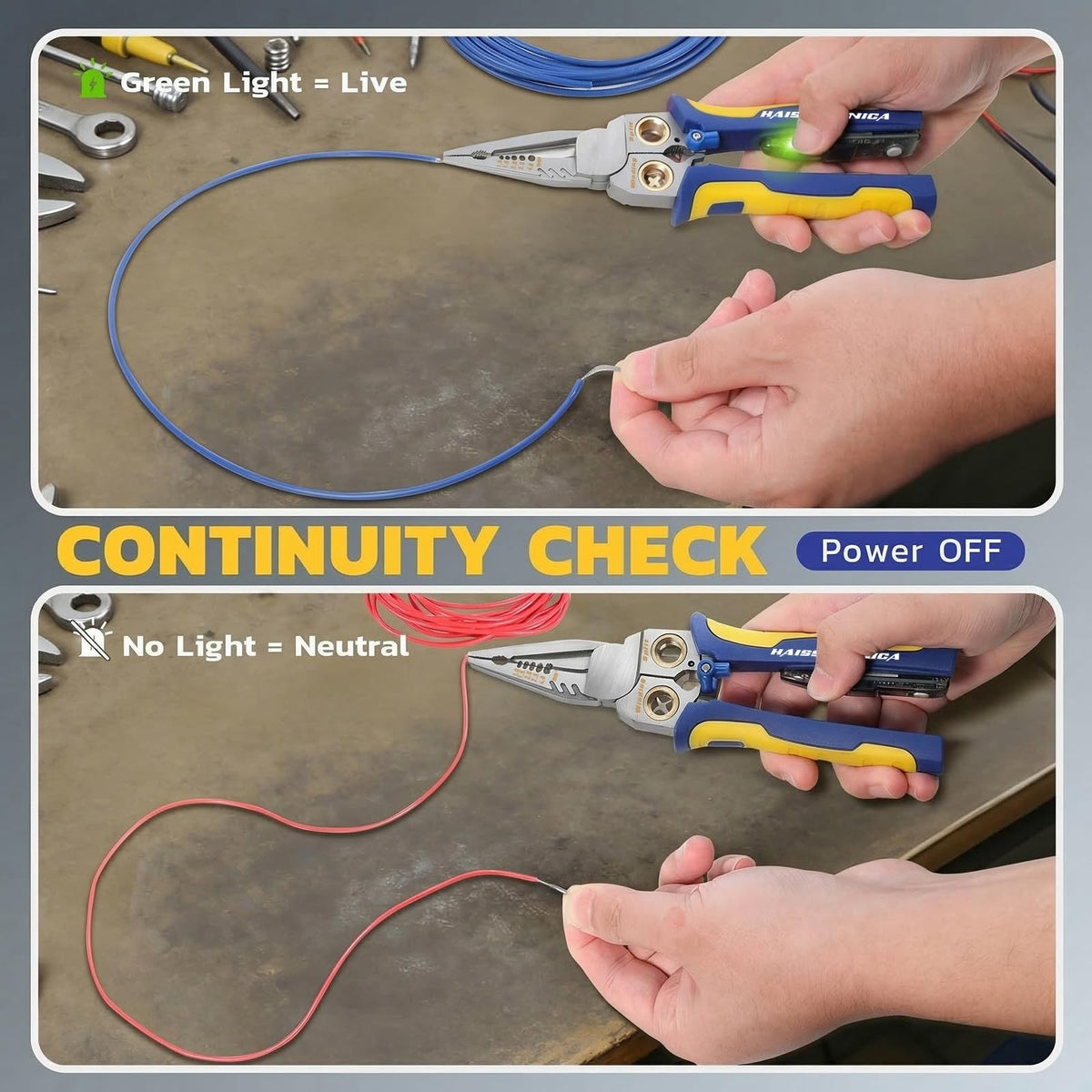
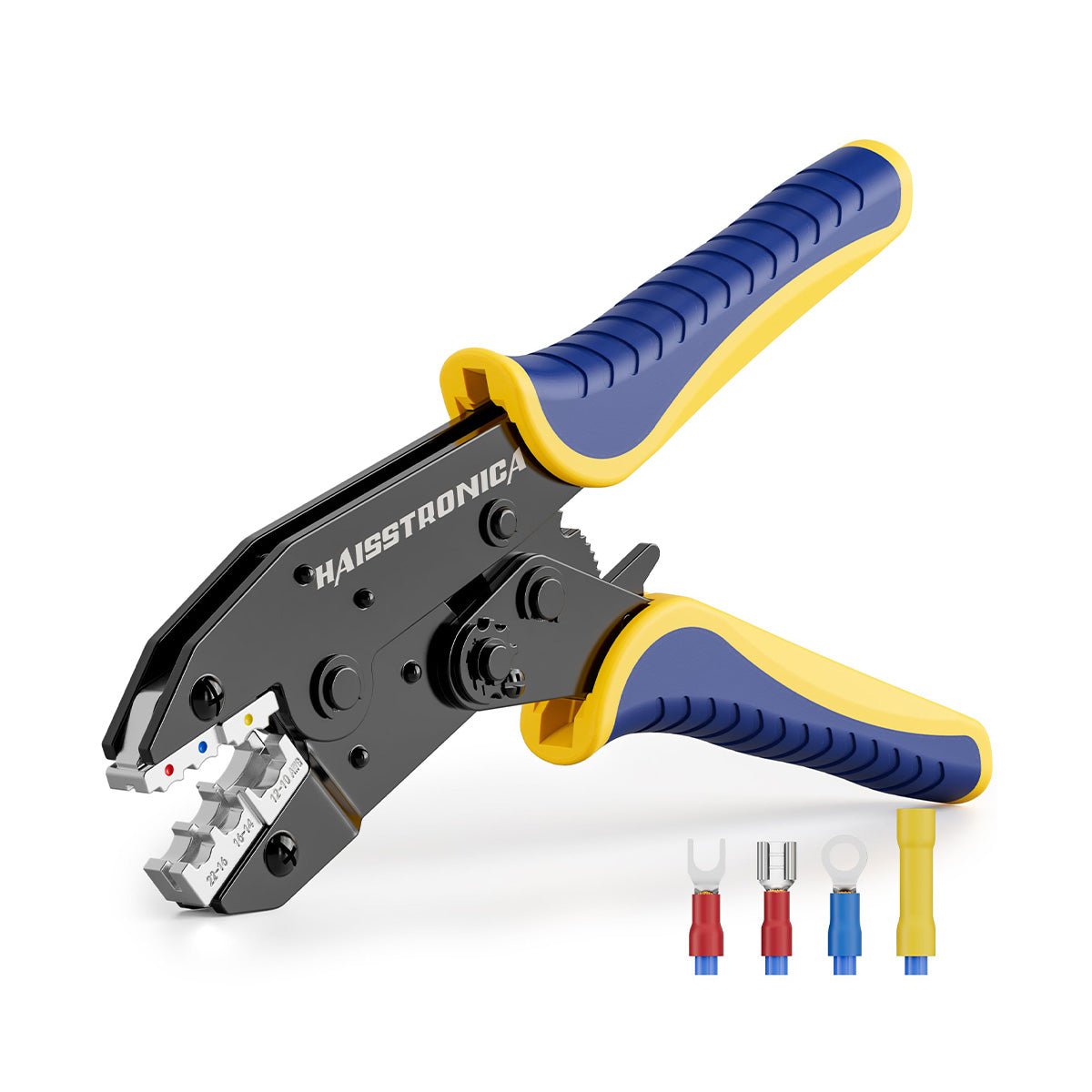
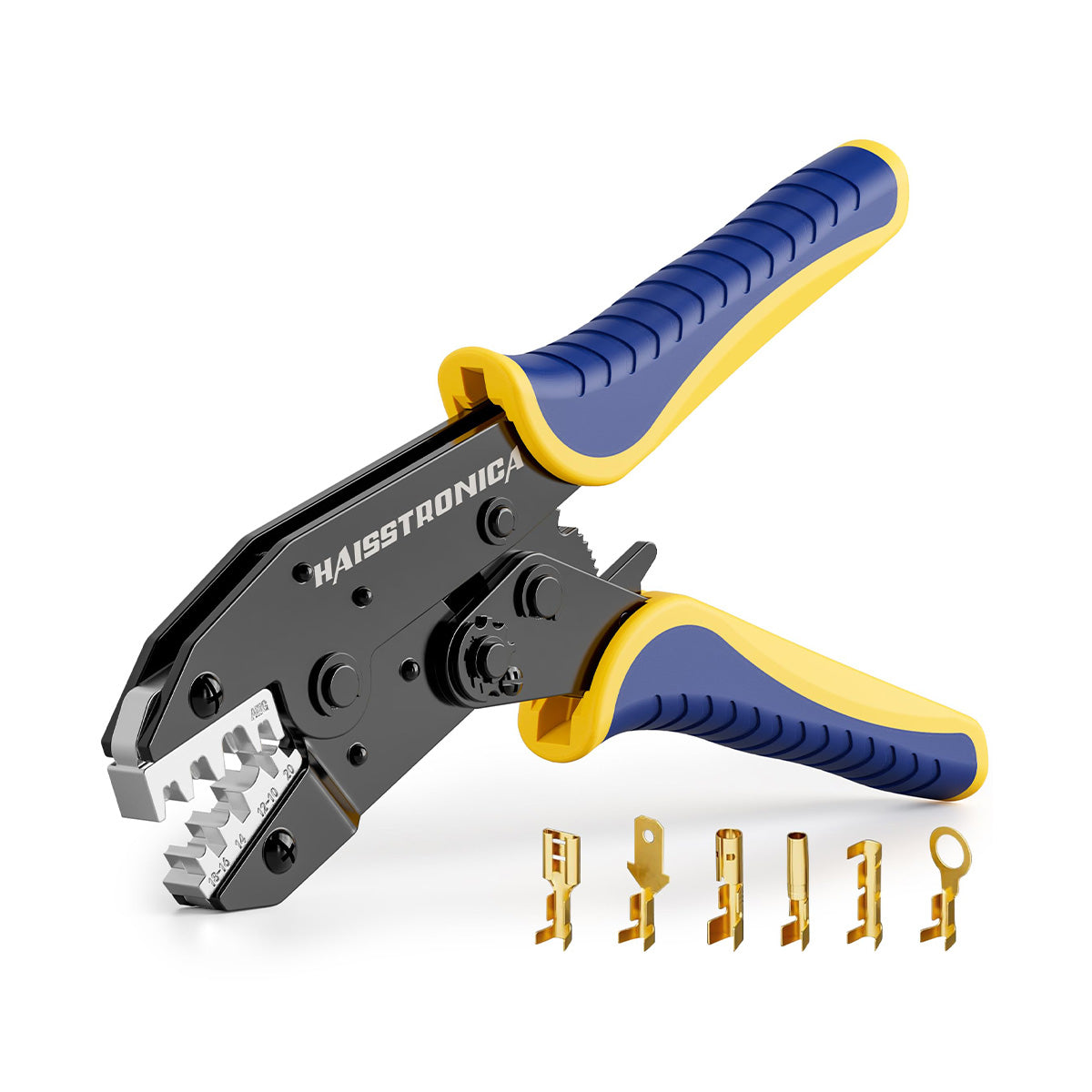
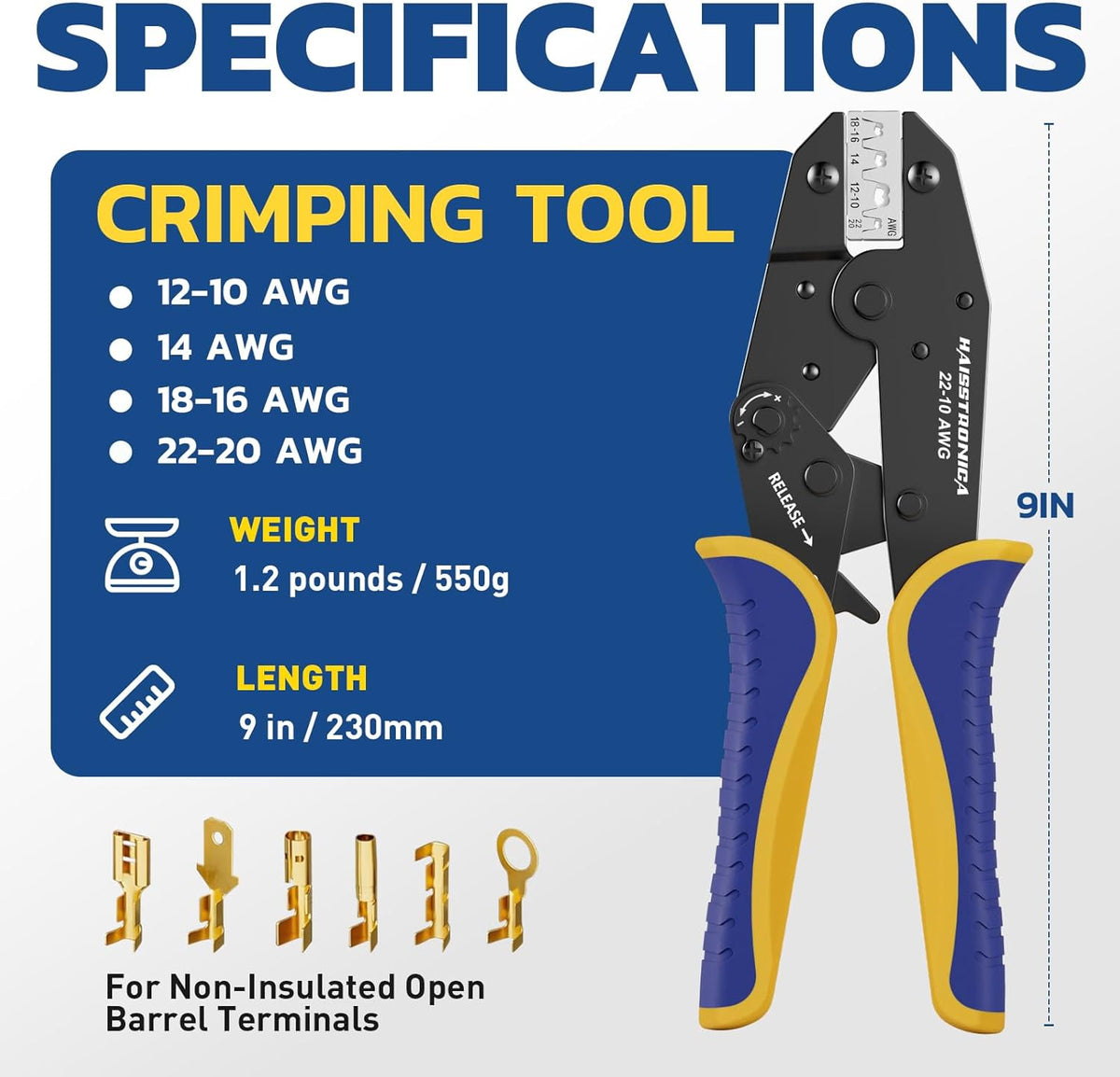
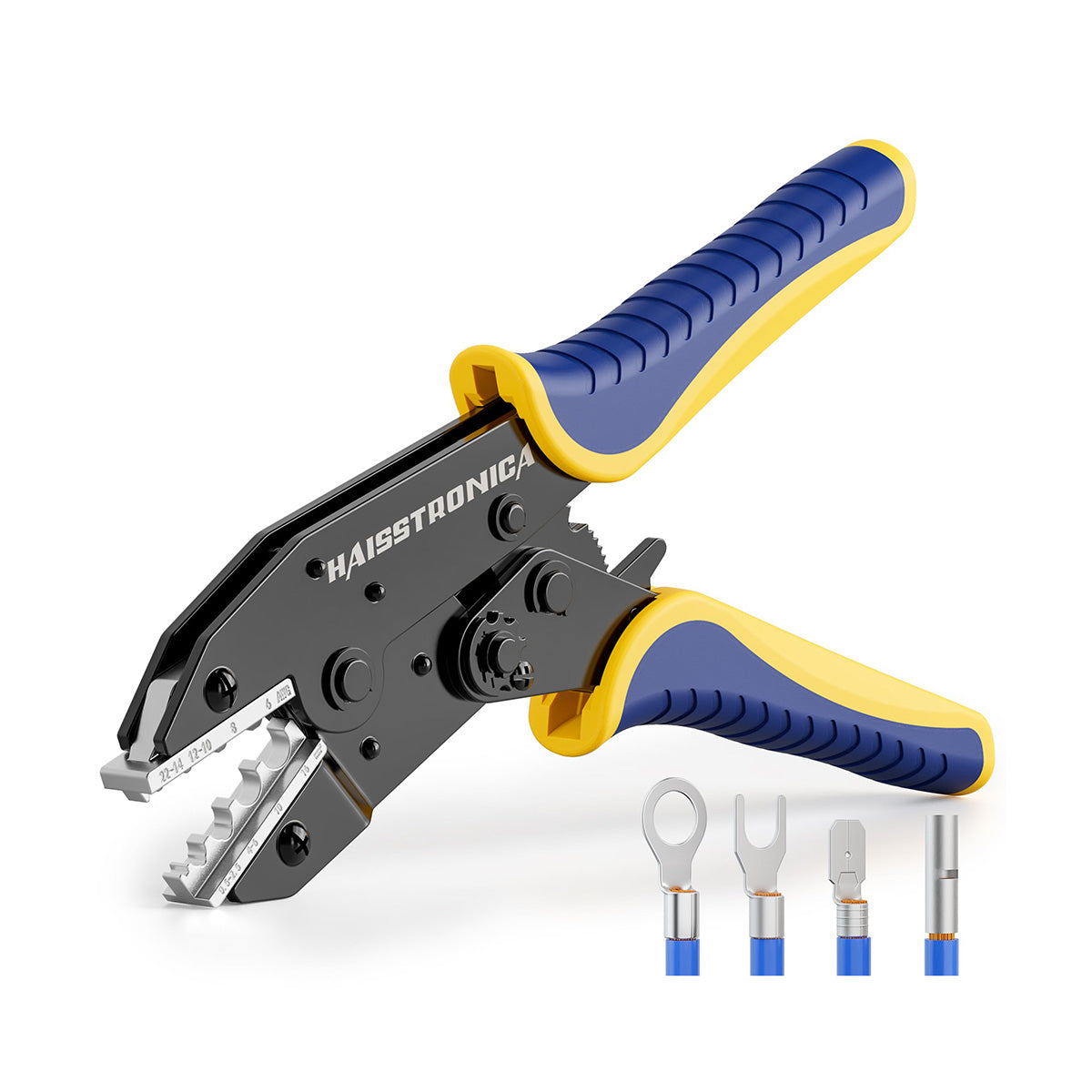
Haisstronica’s approach to faster, lower-fuss stripping is grounded in reducing adjustment and combining steps. Its self-adjusting wire stripper is positioned as a versatile 3‑in‑1 tool (strip, cut, crimp) and explicitly emphasizes quick work across a wide range of wire sizes “without the hassle of changing settings,” while adjusting itself to the wire gauge and aiming for clean cuts every time. In real workflows, that means fewer pauses, fewer tool swaps, and faster “ready for next wire” cycles—especially when paired with an organized stripper set or a wire stripping and crimping tool station. Upgrade to Haisstronica and consolidate your strip-and-terminate workflow into one confident rhythm.

Speed and Efficiency: Why Recovery Time Matters to Strip Wire
Recovery time is the “dead zone” between completed strip cycles: the moment after insulation is removed until the tool is fully open, blades are clear, and your hands are ready for the next insertion. In manufacturing performance terms, this is pure “performance loss”—exactly why OEE is used in wire-and-cable operations as a productivity lens, with UL emphasizing that measuring OEE maximizes asset productivity and should be used across the shopfloor to maximize productivity. Even if you’re not running a factory line, the same math applies at the bench: cut dead time and you raise throughput.
Now connect the title claim to a practical benchmark. A “0.5‑second recovery” doesn’t sound like much—until you multiply it. If you strip 1,000 ends in a day, saving 0.5 seconds of reset time per end is 500 seconds (over 8 minutes) of regained capacity. If you’re doing bulk harness work—stripping wires, staging wire connector tools, and then crimping—those minutes often become the difference between finishing before lunch or staying late. And this is only the reset portion, not the reduction in rework from cleaner cuts.
You can measure recovery time with a simple, repeatable method. Record your tool in slow-motion (many phones support high‑FPS modes), then time from “handles released” to “jaws fully open and ready.” Compare a manual tool to a spring-assisted/auto-return tool that advertises fast self-opening action; for example, a Klein stripper listing notes “coil spring action for fast self-opening,” which is exactly the feature that reduces recovery time. Run 20 cycles, discard the slowest and fastest outliers, and average the rest to get a realistic reset benchmark.
Finally, recovery time matters because it reduces cognitive load. TE’s Stripping Module document describes sensor-activated stripping where the module “does the rest” once the wire is fed into the start sensor, improving placement accuracy and reducing handling damage; it also describes a “way-back” feature that pulls blades back slightly to avoid damaging conductors. That is industrial proof that “automatic return/retract behavior” isn’t just about speed—it’s about simplifying the operator’s job so attention stays on correct placement, not tool babysitting. Bring that same “operator simplicity” mindset to your bench with Haisstronica wire strippers and crimpers.

Accuracy and Consistency: How Auto-Return Improves Quality When You Strip Wire
Auto-return improves quality by enforcing a consistent start position. If the tool always returns to the same open geometry, your insertion depth and alignment become more repeatable, which directly improves strip length consistency—especially when paired with a length stop. Klein’s spring wire stripper includes an adjustable slide stop “for repeat stripping work,” showing how “return + stop” is a recognized pattern for consistent output. Over many cycles, consistent setup reduces “micro-misalignment” that can nick insulation or disturb strands.
Quality requirements also explain why consistency matters. NASA explicitly requires that insulation remaining after stripping shows no damage (nicks/cuts/crushing/charring) and that conductors are not nicked to exposed base metal; it further notes that strand lay should be restored if disturbed. When auto-return reduces awkward pulling and re-gripping, it reduces strand disturbance and helps operators maintain workmanship-level output even at speed.
Industrial documents reinforce the “return improves quality” principle with explicit blade-protection design. TE’s Stripping Module explains that grip jaws close with adjustable force to avoid damaging insulation, titanium nitride coated blades cut into insulation, and the “way-back” feature pulls blades back slightly to avoid damaging conductors, while also improving wire placement accuracy via sensor-triggered operation. In other words, the return/retract behavior is engineered specifically to protect the conductor while keeping the cycle fast.
Blade geometry and correct cutting also matter for consistent quality. TE’s “Primary Wire and Cable Preparation (End Strip)” document states that TE prefers mechanical die type blades for precision stripping and that wedge-shaped cutter blades lead toward nick-free strips; it also warns that knife-type blades can easily cause conductor damage and explicitly says a knife should never be used for wire stripping. When auto-return is combined with the right blade approach and a stable cutting method, you get the real win: repeatable speed with fewer defects.

Applications: Where Auto-Return Blades Make a Difference to Strip Wire
Auto-return blades matter most where volume and variability collide: wiring harnesses, automotive accessory installs, garage and workshop projects, and maintenance benches that bounce between connectors. Haisstronica positions its self-adjusting tool as a 3‑in‑1 system that reduces guesswork and hand strain while working across a wide range of wire sizes, making it practical for electricians, automotive technicians, and DIYers. If your daily work includes auto wire splice repairs, quick pigtails, or repeated termination cycles, eliminating reset time and tool swaps makes speed predictable.
It also matters in tight spaces where your non-dominant hand is busy managing wire routing. A fast-reset tool keeps your free hand on conductor control while the tool returns to the ready position, which can reduce drops, mis-insertions, and time spent re-grabbing parts. That’s also why NIOSH emphasizes reducing awkward positioning and repeated movement in tool selection: tight spaces amplify strain and reduce effective grip strength.
For shops moving toward “semi-automation,” auto-return is part of the same design language used in machines. Schleuniger’s RotaryStrip 2400 shows sensor-triggered stripping with automated parameter setting—including “blade way back”—and explicitly notes no mechanical adjustments are required when processing different wire sizes. That is the industrial version of what bench users want: stop turning knobs, stop resetting, start running stable cycles.
Auto-return also makes a difference when you’re stripping outer jackets (a cable strip step). TE’s end-strip guidance includes a section on “Jacket stripping” and describes tools that notch the jacket to a specific depth and then rely on flexing to spread the notch—highlighting that jacket work is its own controlled process, often needing a dedicated cable jacket stripper or cable jacket stripping tool approach. If your workflow includes both conductor stripping and jacket stripping, faster reset on the conductor side helps “make room” in your cycle time for careful jacket work without losing overall throughput.
One more practical note for pros and DIYers: tools are not automatically “safer” just because they are faster. Klein’s wire stripper page warns that the tool is “NOT insulated” and that plastic-dipped handles are not intended for protection against electrical shock—so your workflow must still be de-energized and PPE-aware.
In short, auto-return blades are one of those “small” upgrades that changes the entire feel of work: fewer resets, fewer awkward motions, and more consistent, inspection-ready ends. When you combine fast self-opening action, length control, and reduced adjustment (especially across wire gauge changes), you get a workflow where speed is repeatable—not just possible. Choose Haisstronica as your everyday wire strippper solution and turn 0.5‑second recoveries into all-day productivity.

Conclusion:
The promise of “0.5‑second recovery time” is not hype when you treat it as a measurable process variable: recovery time is the dead zone between finished strips, and reducing it improves performance the same way OEE programs aim to maximize productivity while protecting quality. Auto-return designs—whether spring-assisted self-opening in hand tools or programmed “way-back” retract behavior in machines—exist because speed must not damage conductors; NASA and TE both make conductor/insulation integrity the non-negotiable baseline. If you want faster stripping that stays clean and consistent, build a repeatable bench system: correct cutting, controlled stripping, and fast-reset tools that reduce fatigue and errors. Upgrade to Haisstronica and turn every strip into a faster, cleaner step toward a finished connection.