
Types of Wire Connectors
When shopping for wire connectors, the first thing to consider is what type best suits your project. Here are the most common types you'll encounter:
Butt Connectors
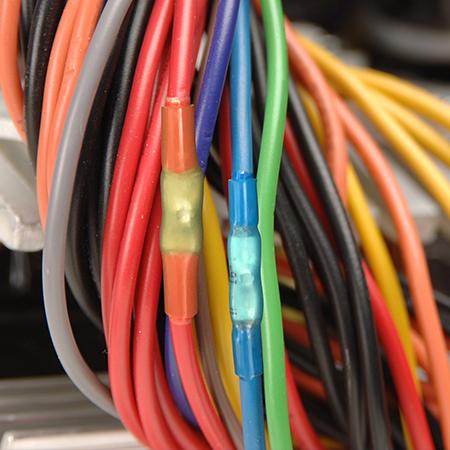
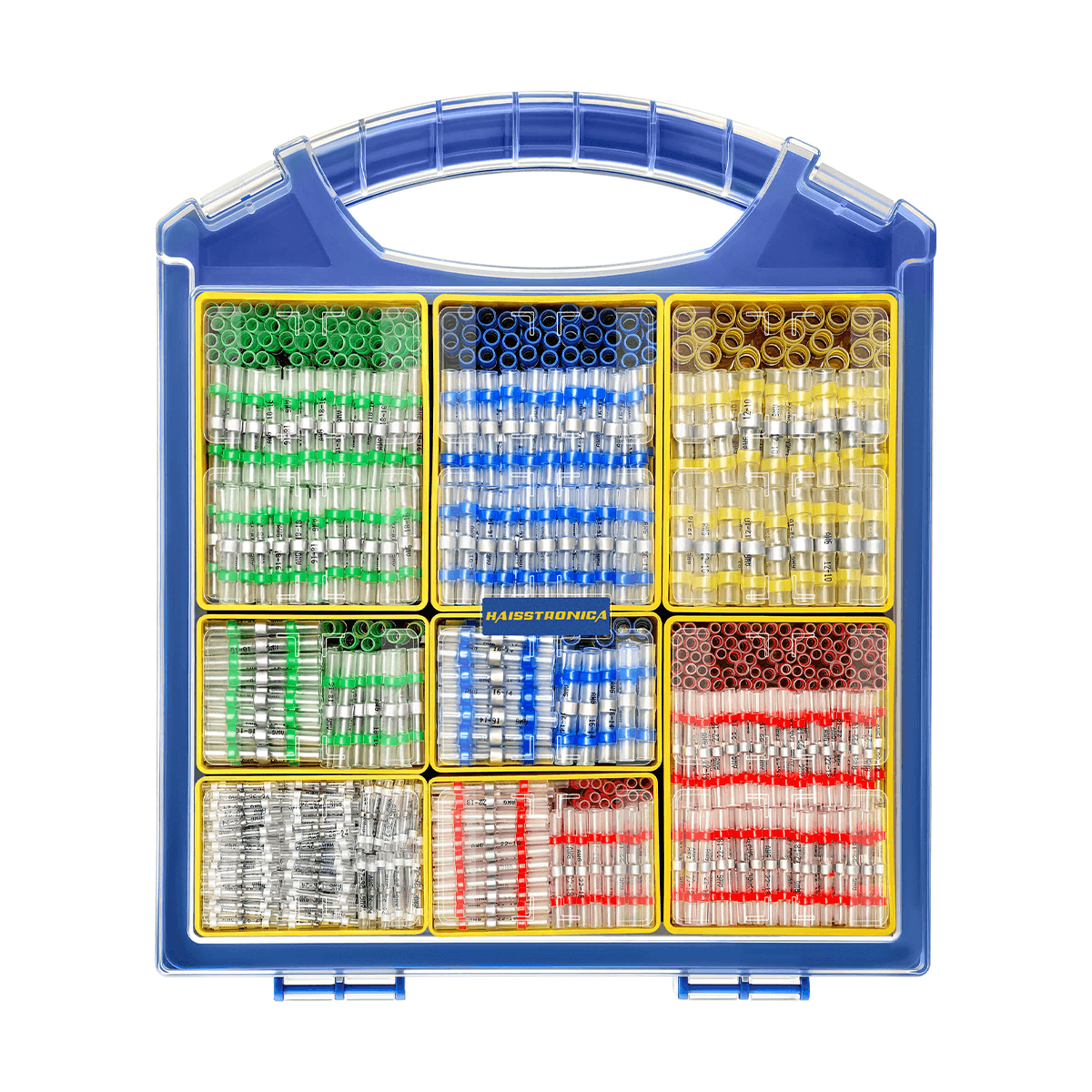
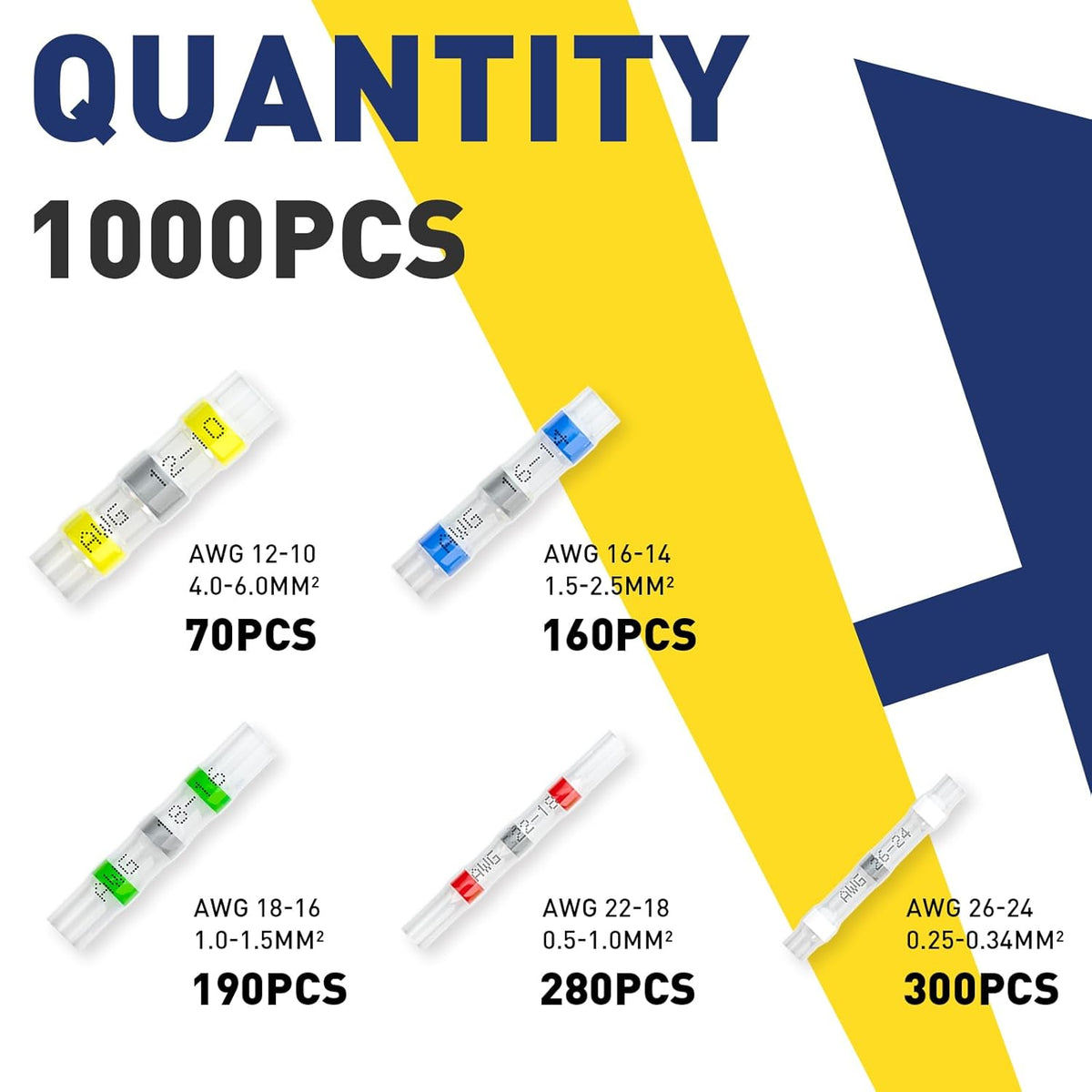
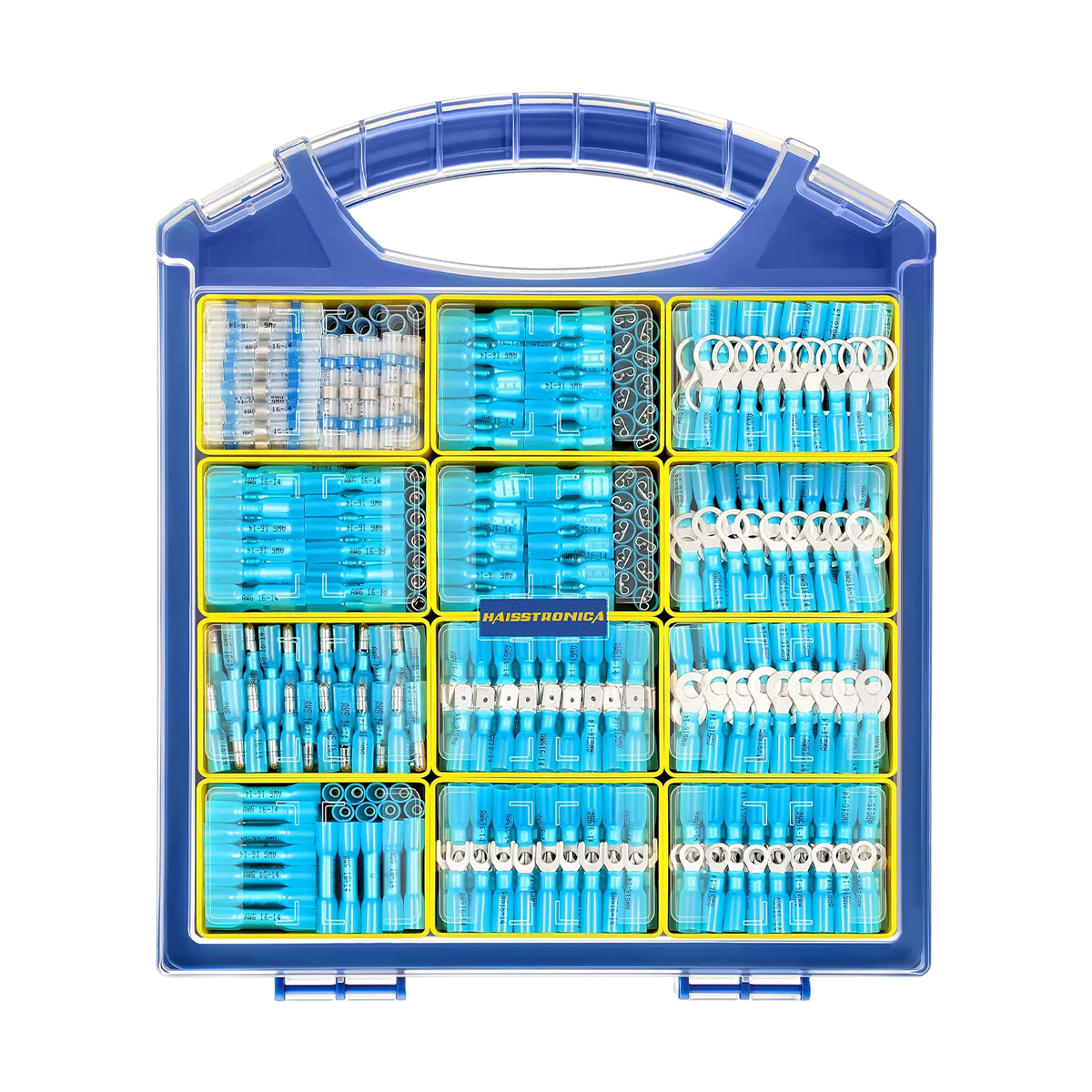
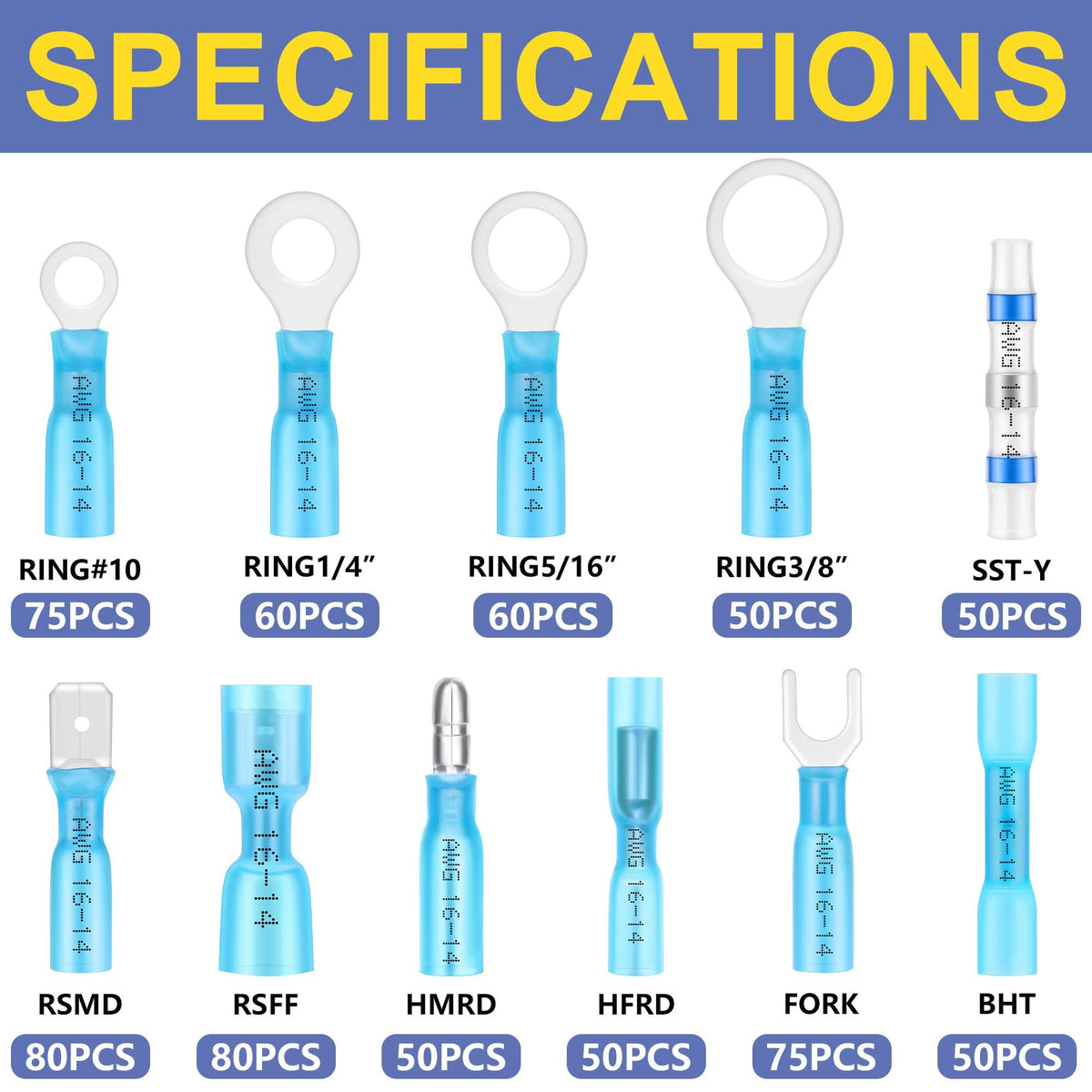
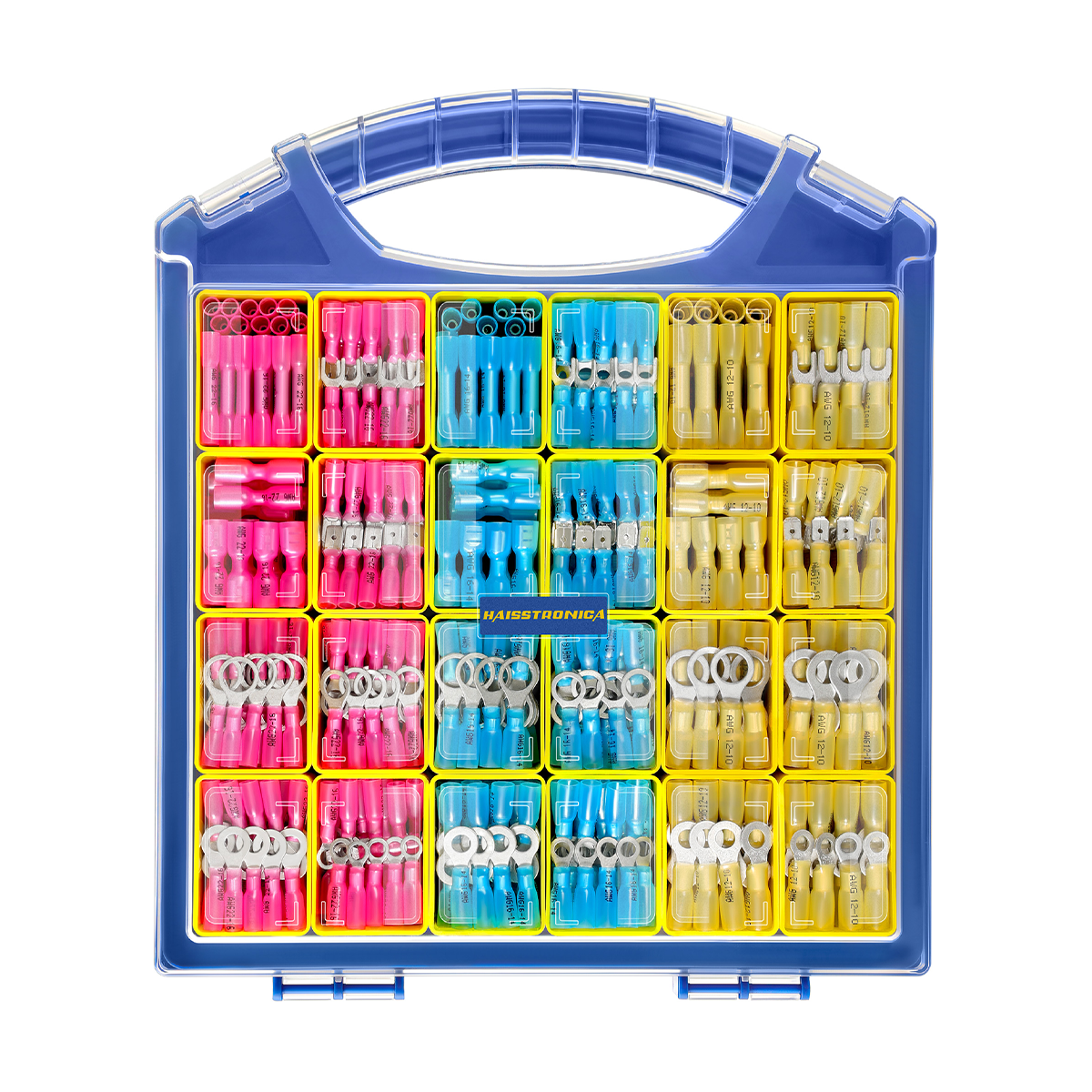
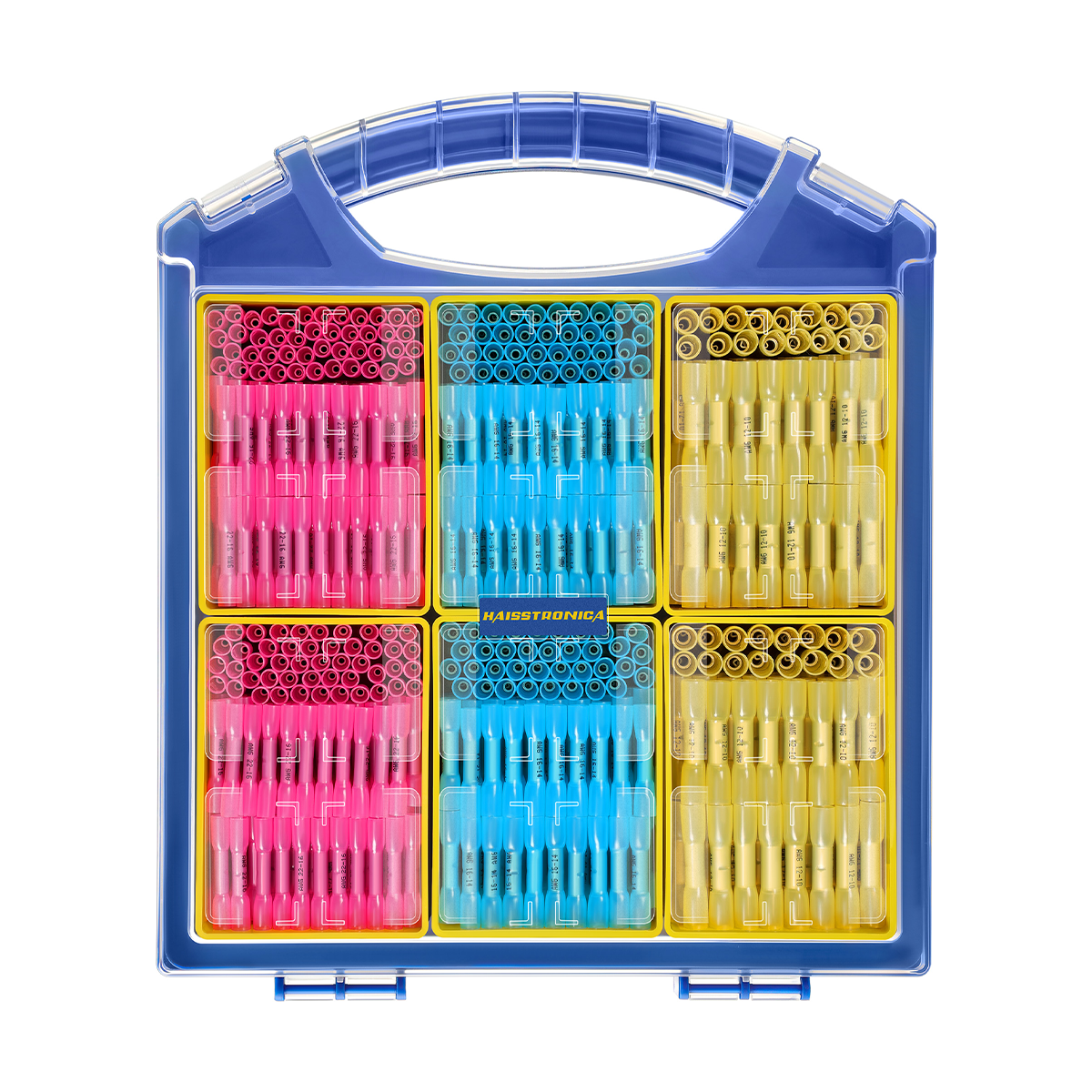
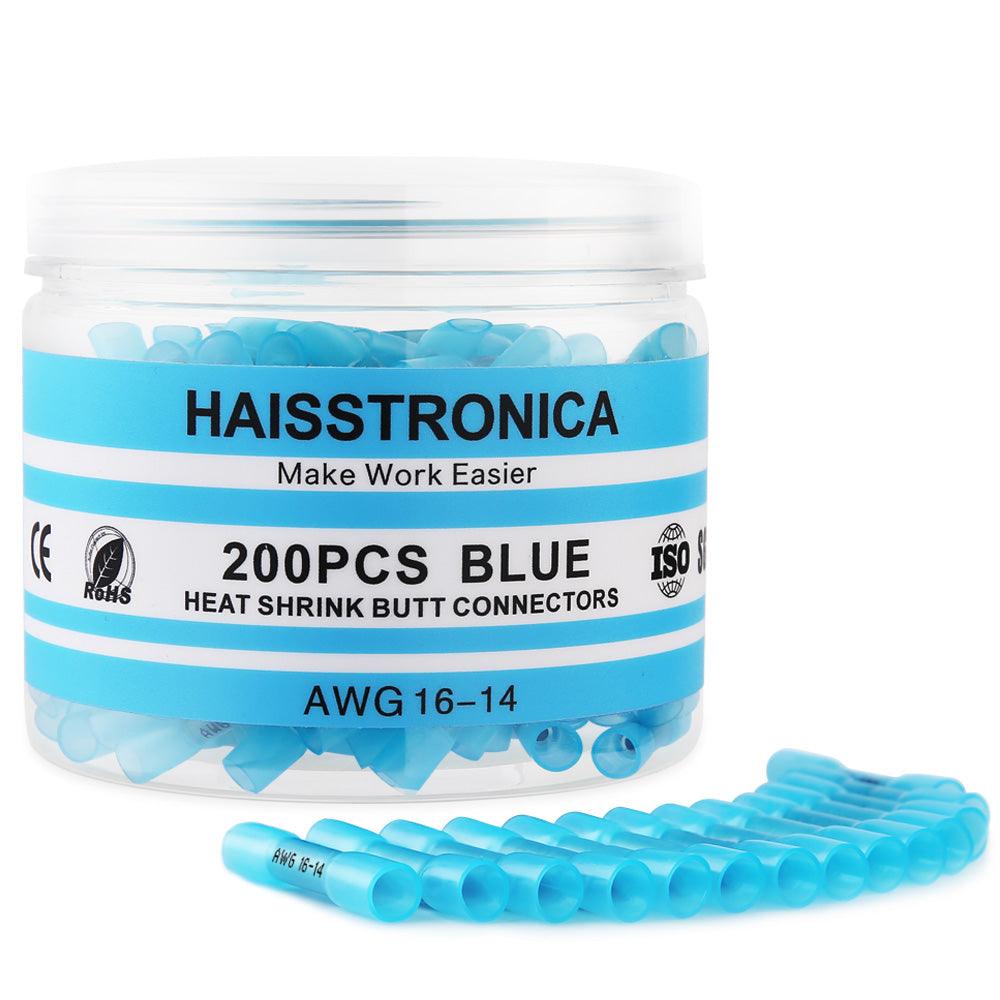
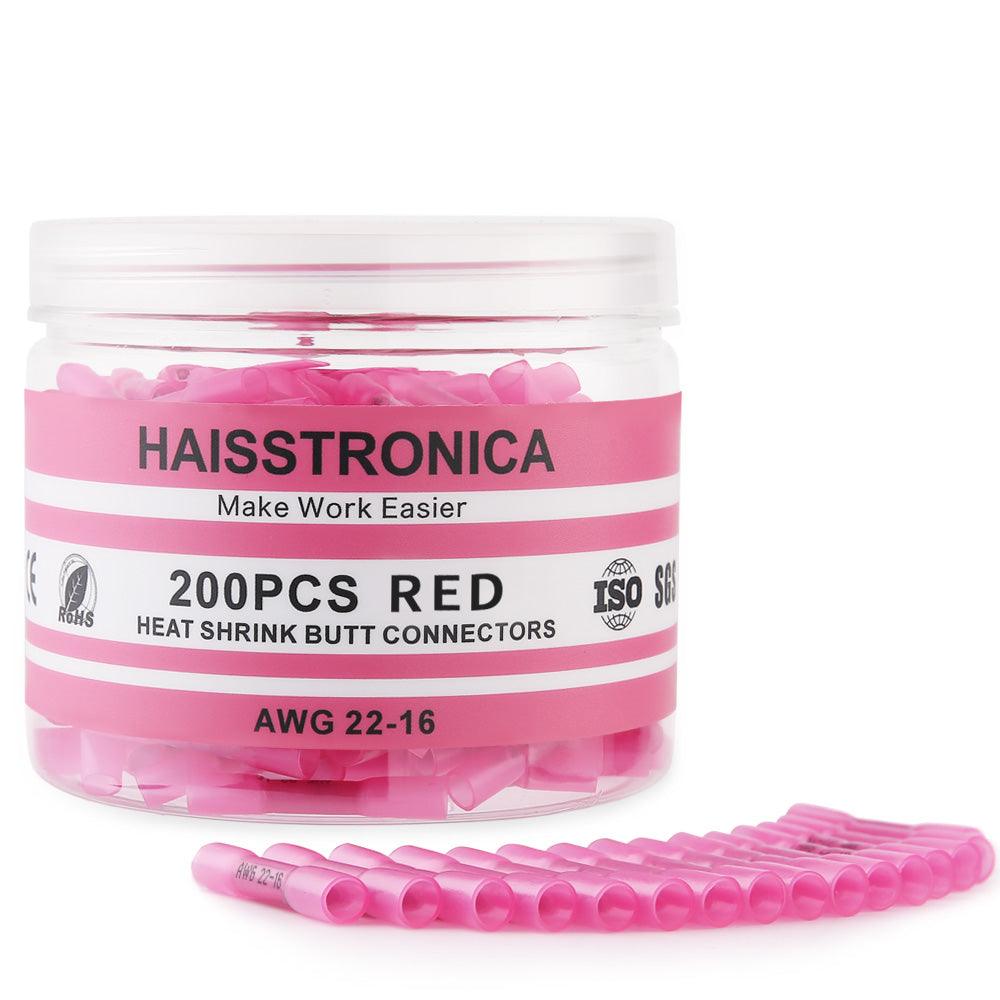
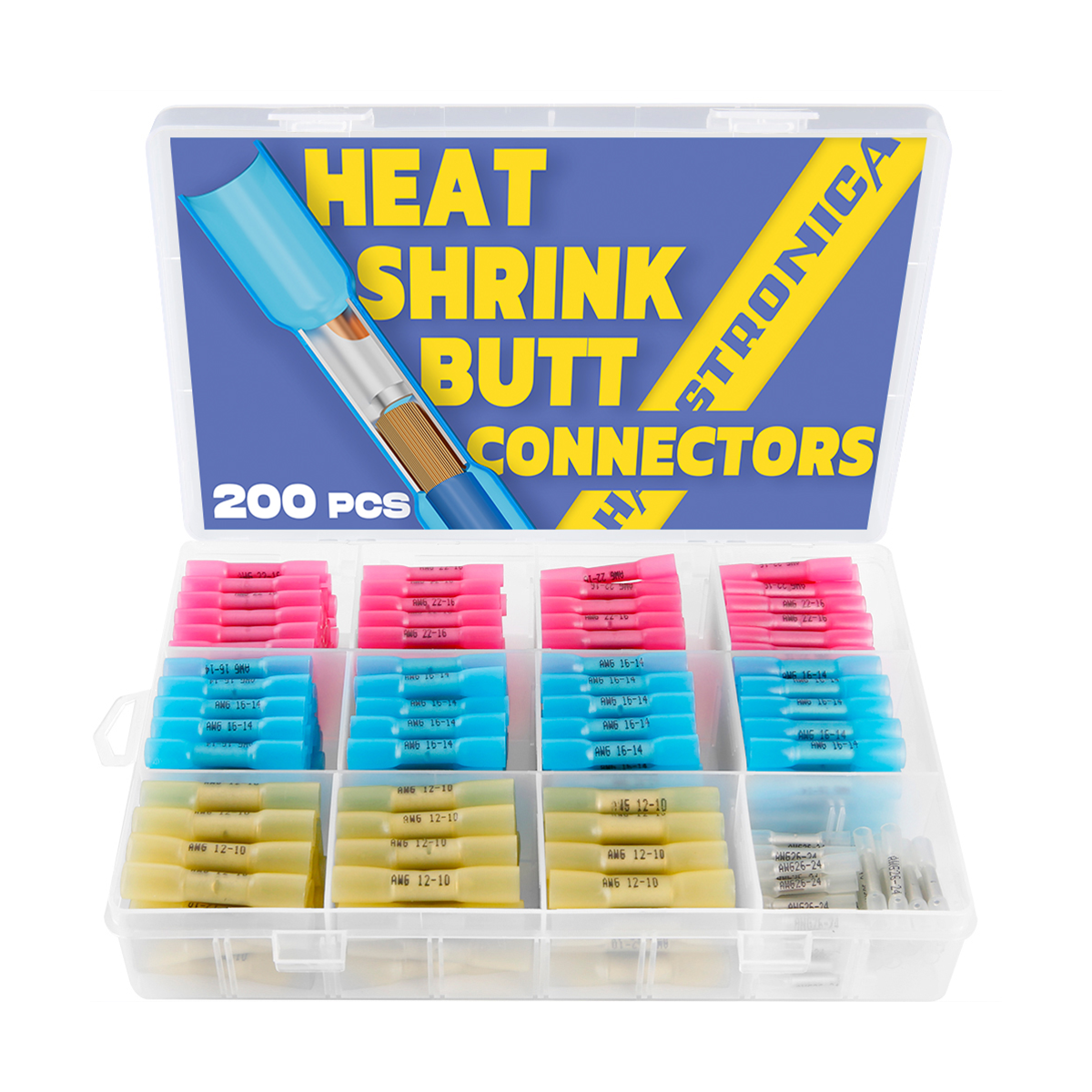
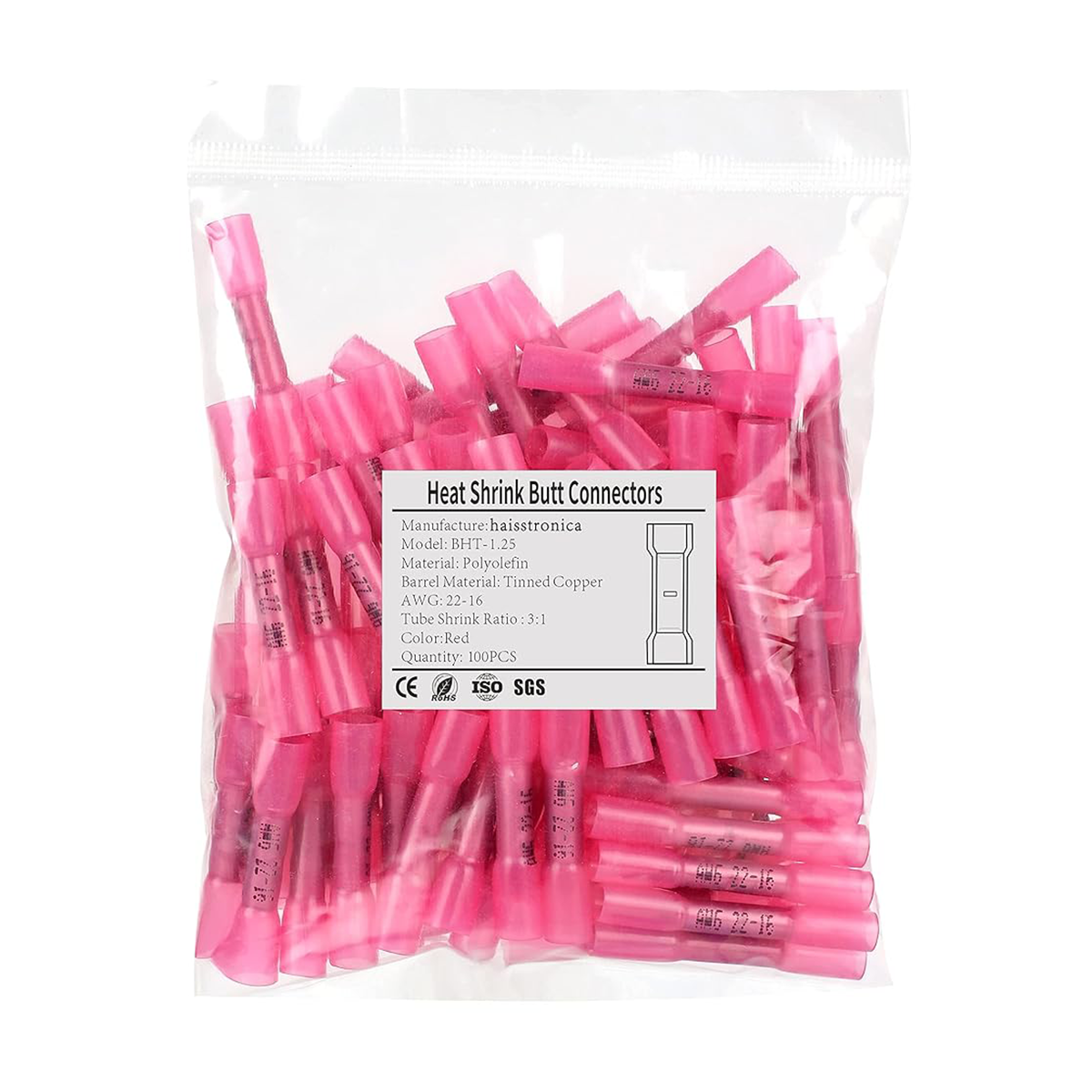
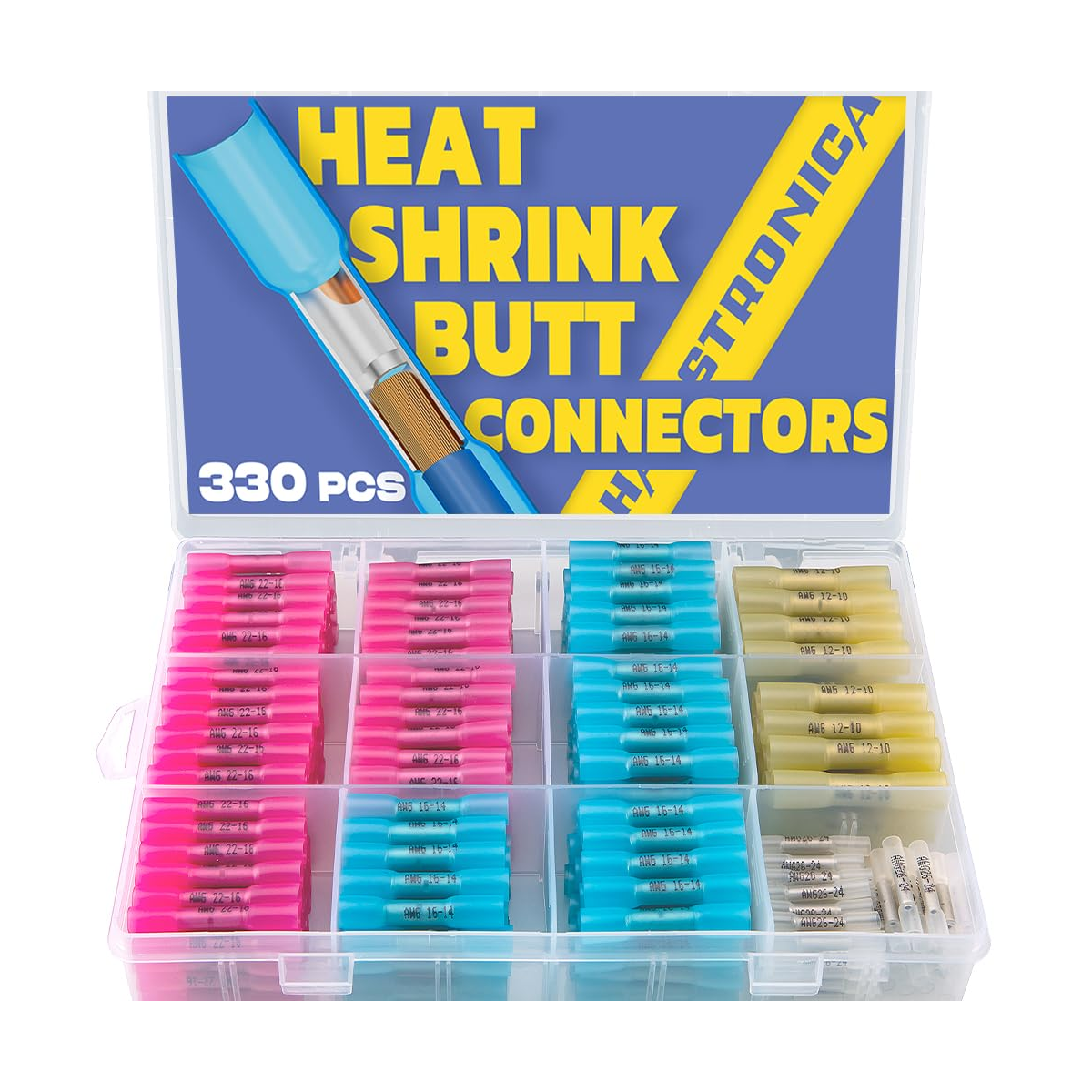
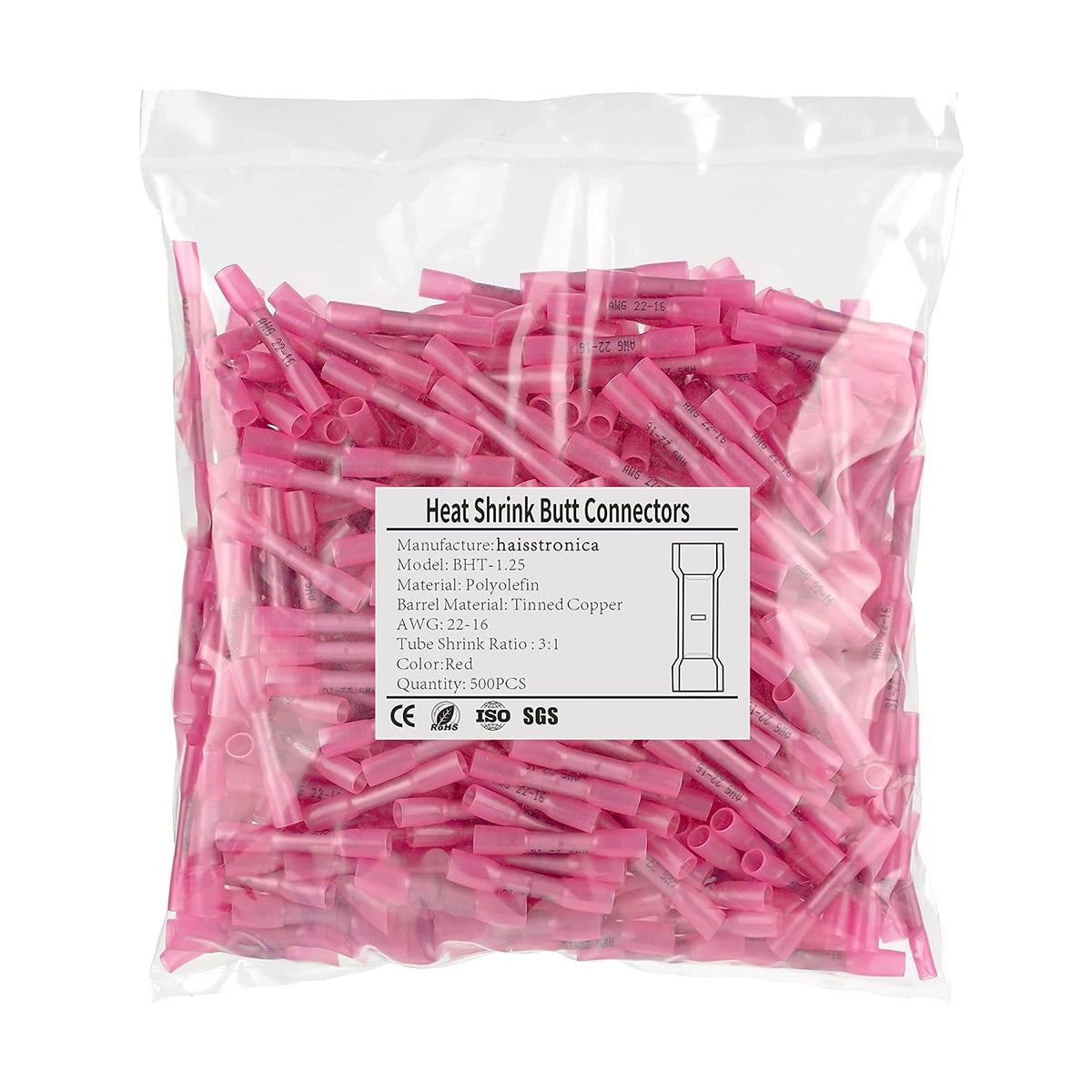
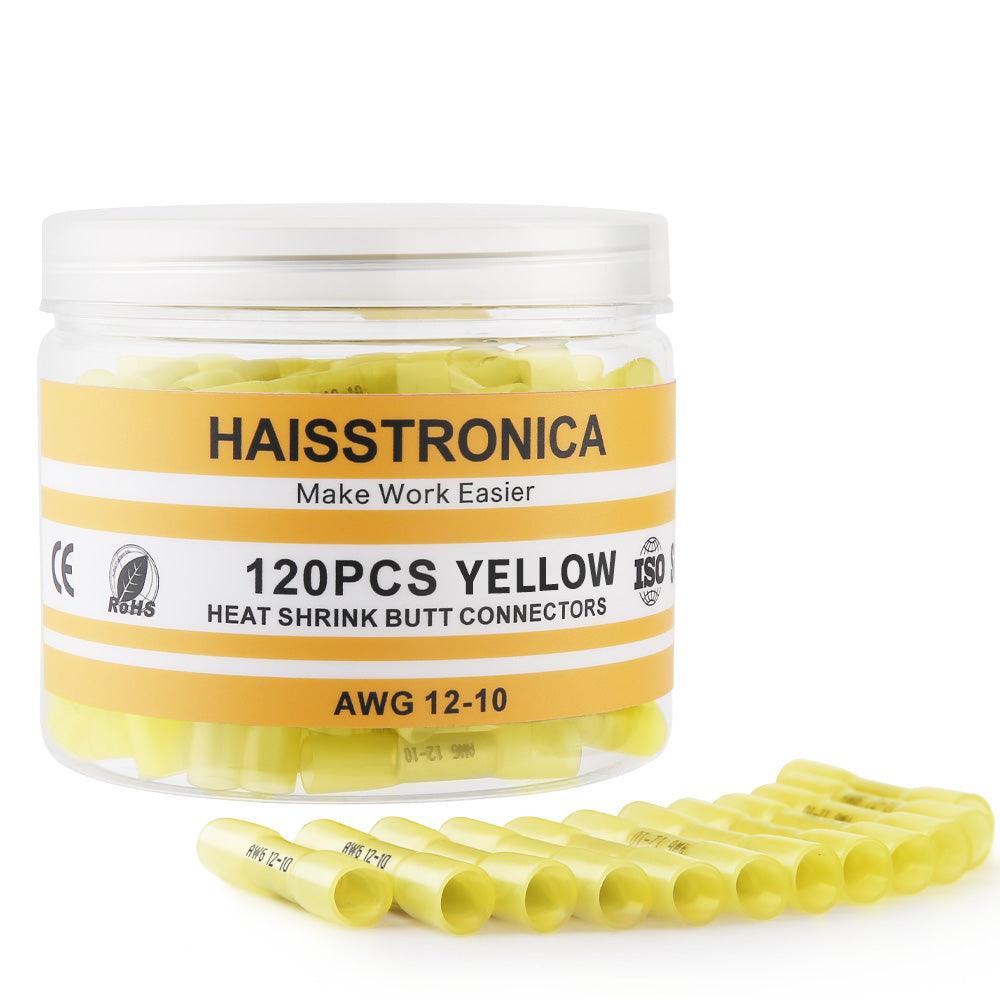
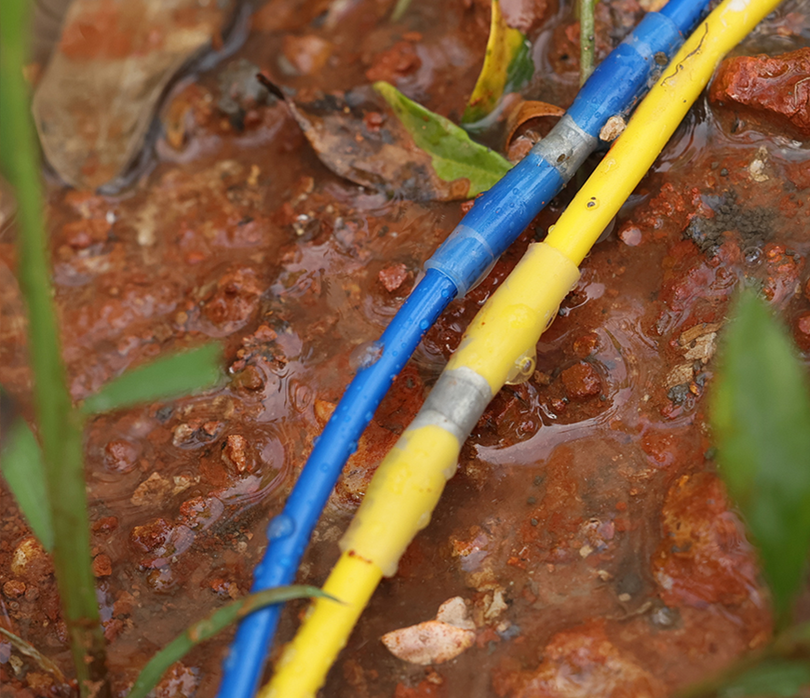
Butt connectors are used to join two wires end-to-end. They come in insulated and non-insulated varieties, with heat shrink options providing extra protection against moisture. They're ideal for automotive, marine, and household wiring projects where a secure inline connection is needed.
Ring Connectors
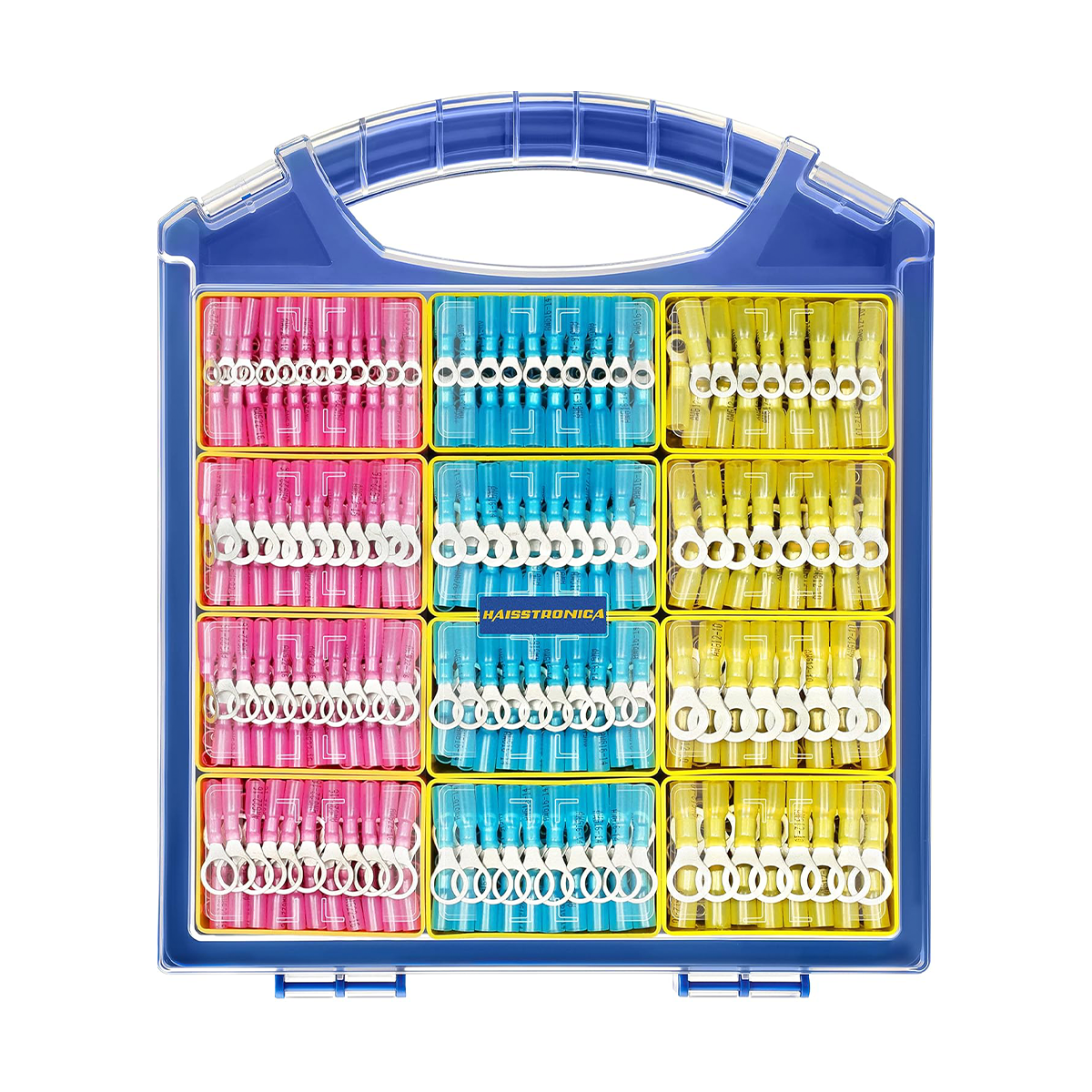
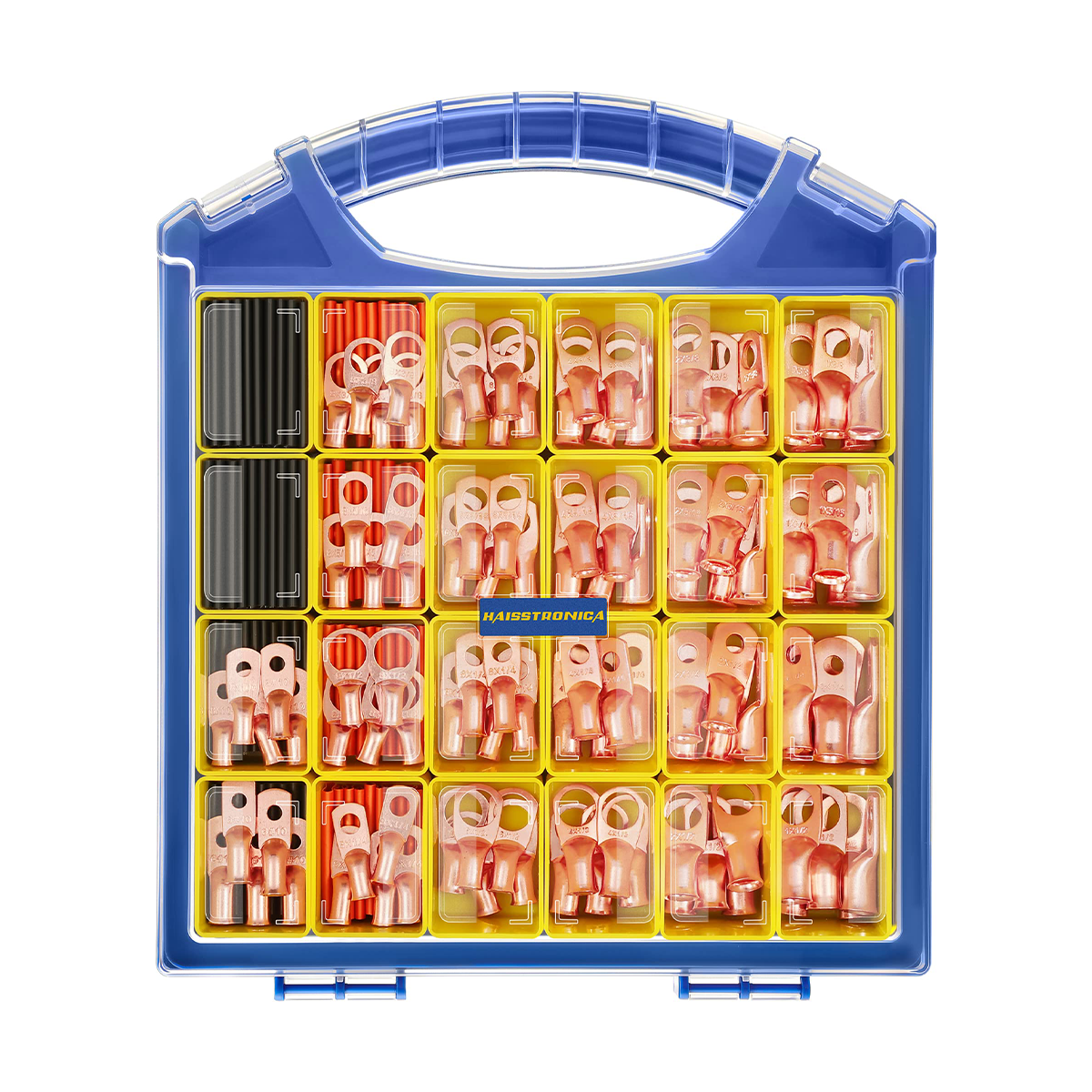
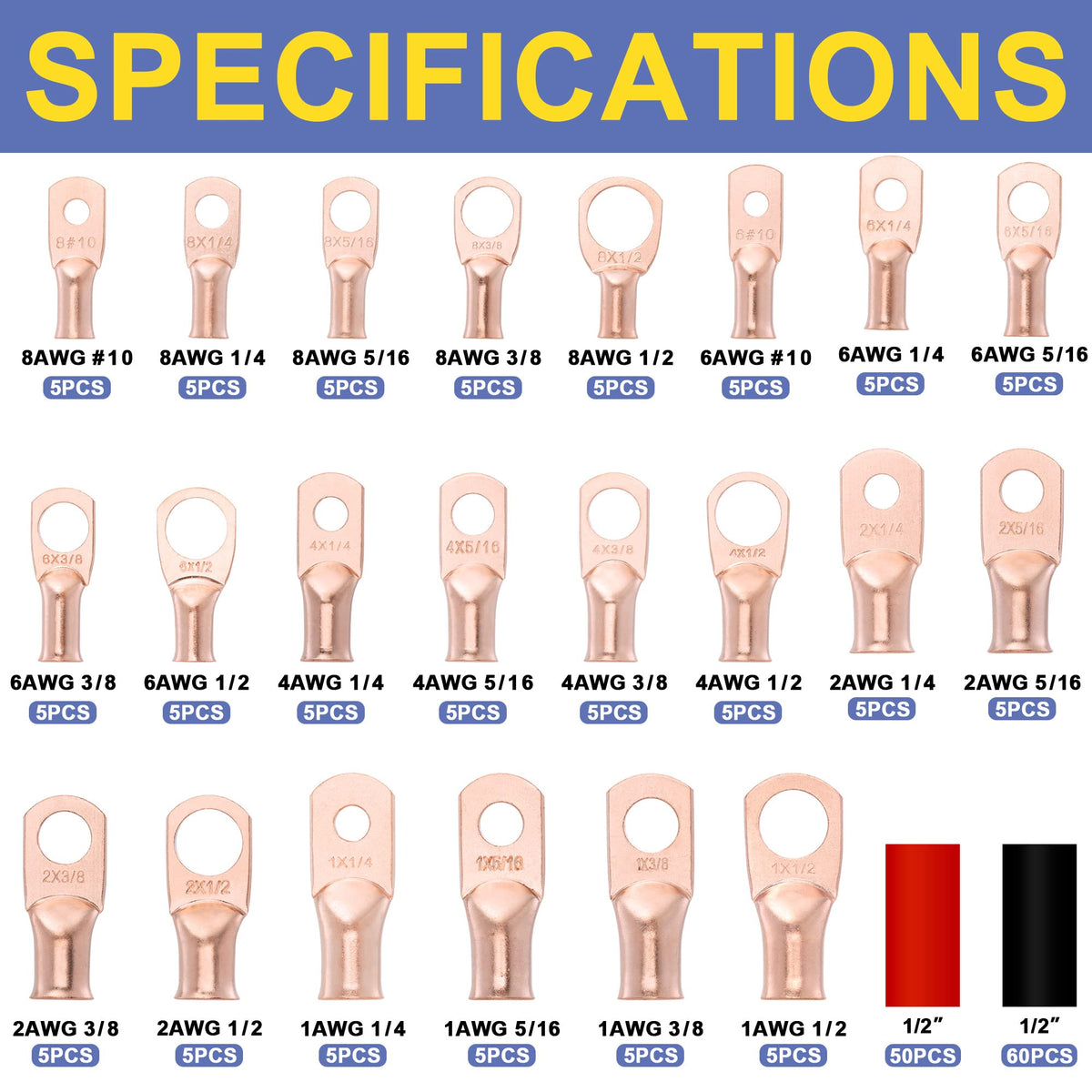
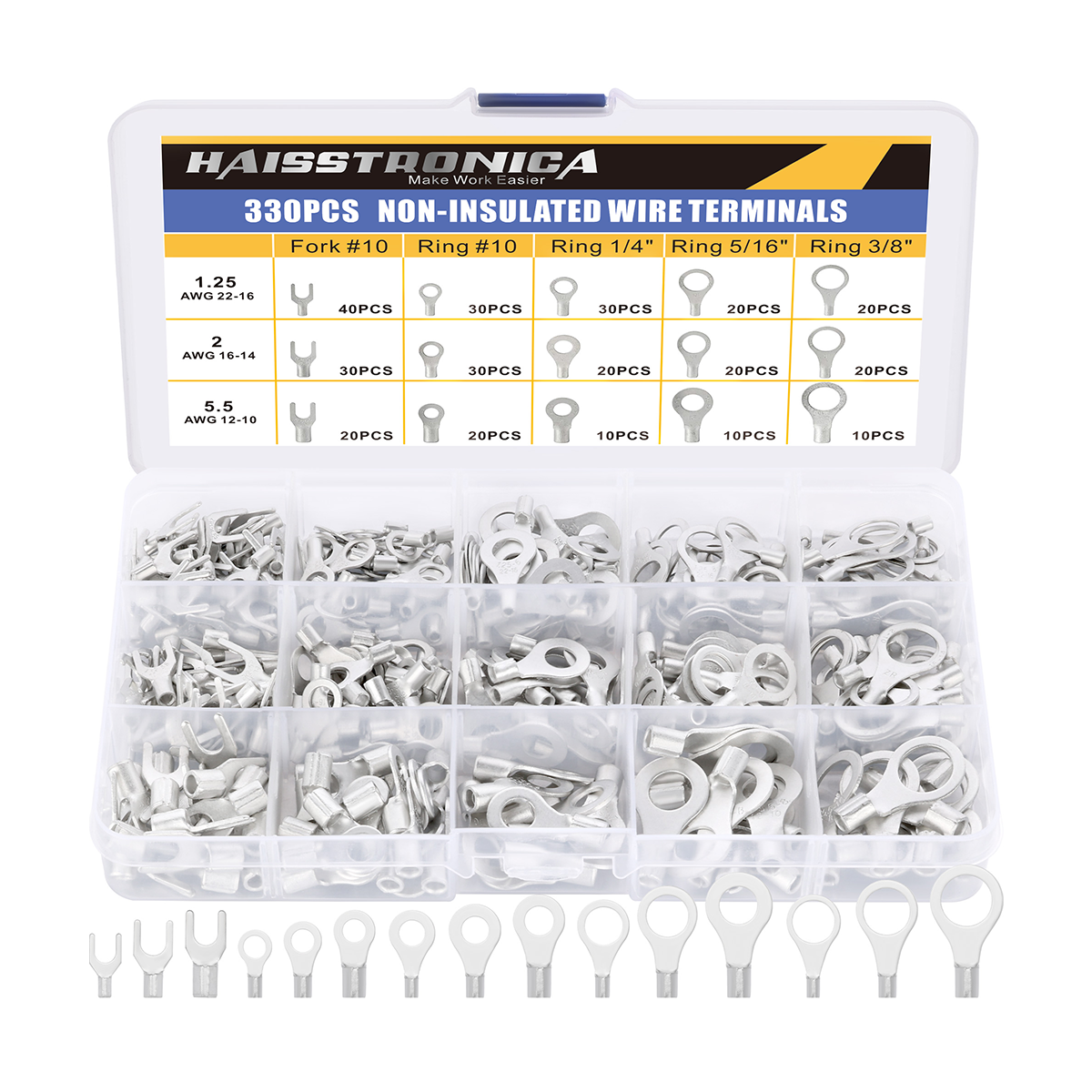
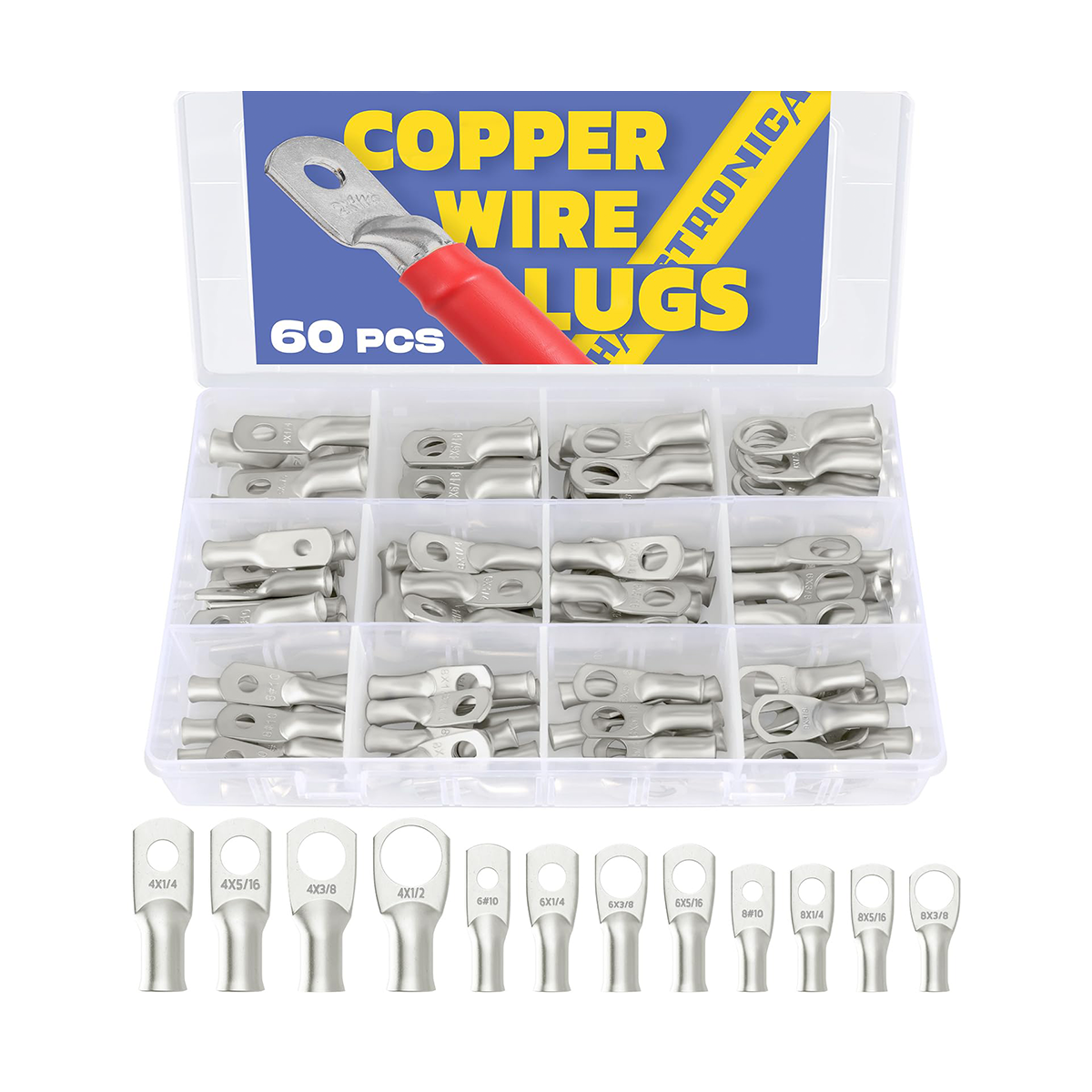
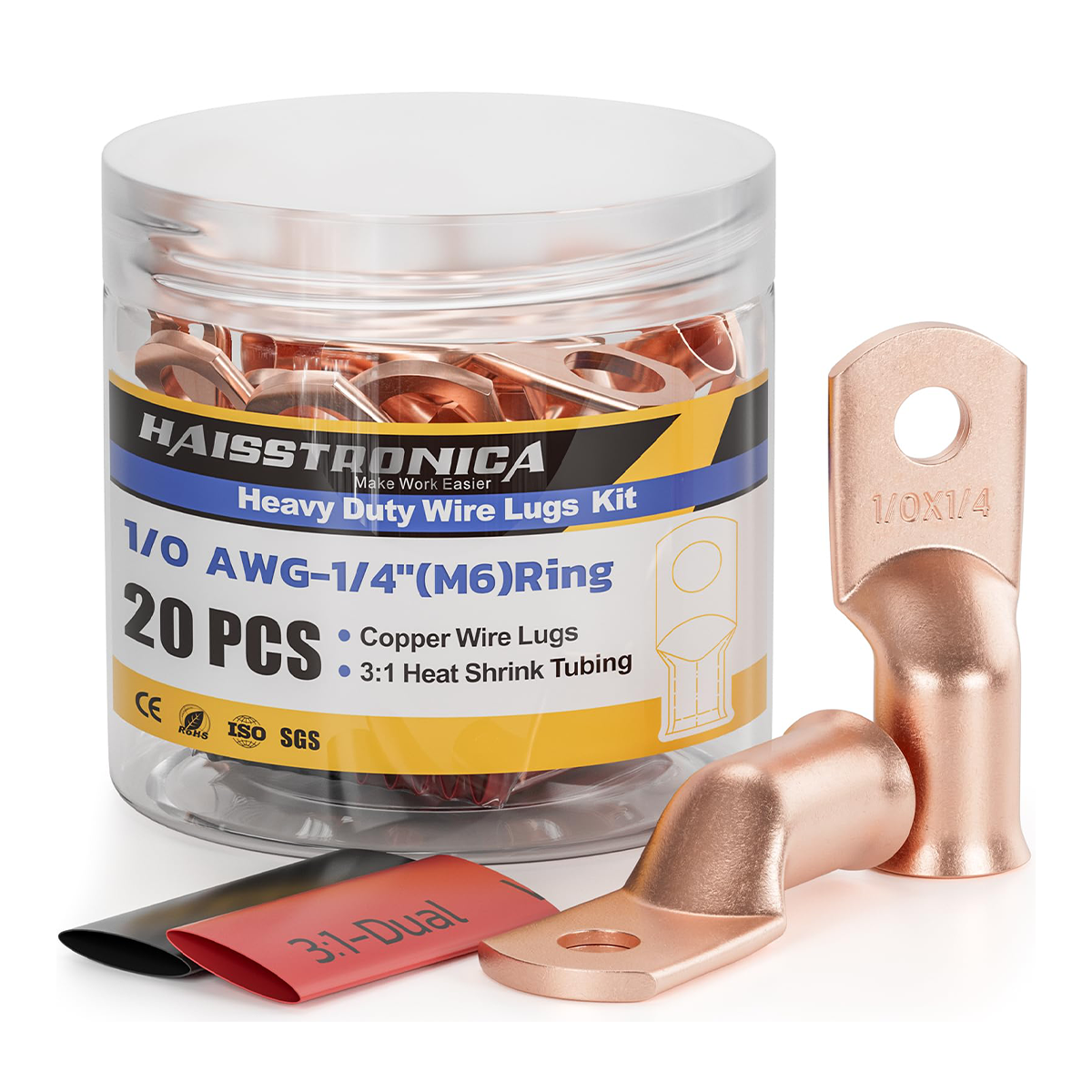
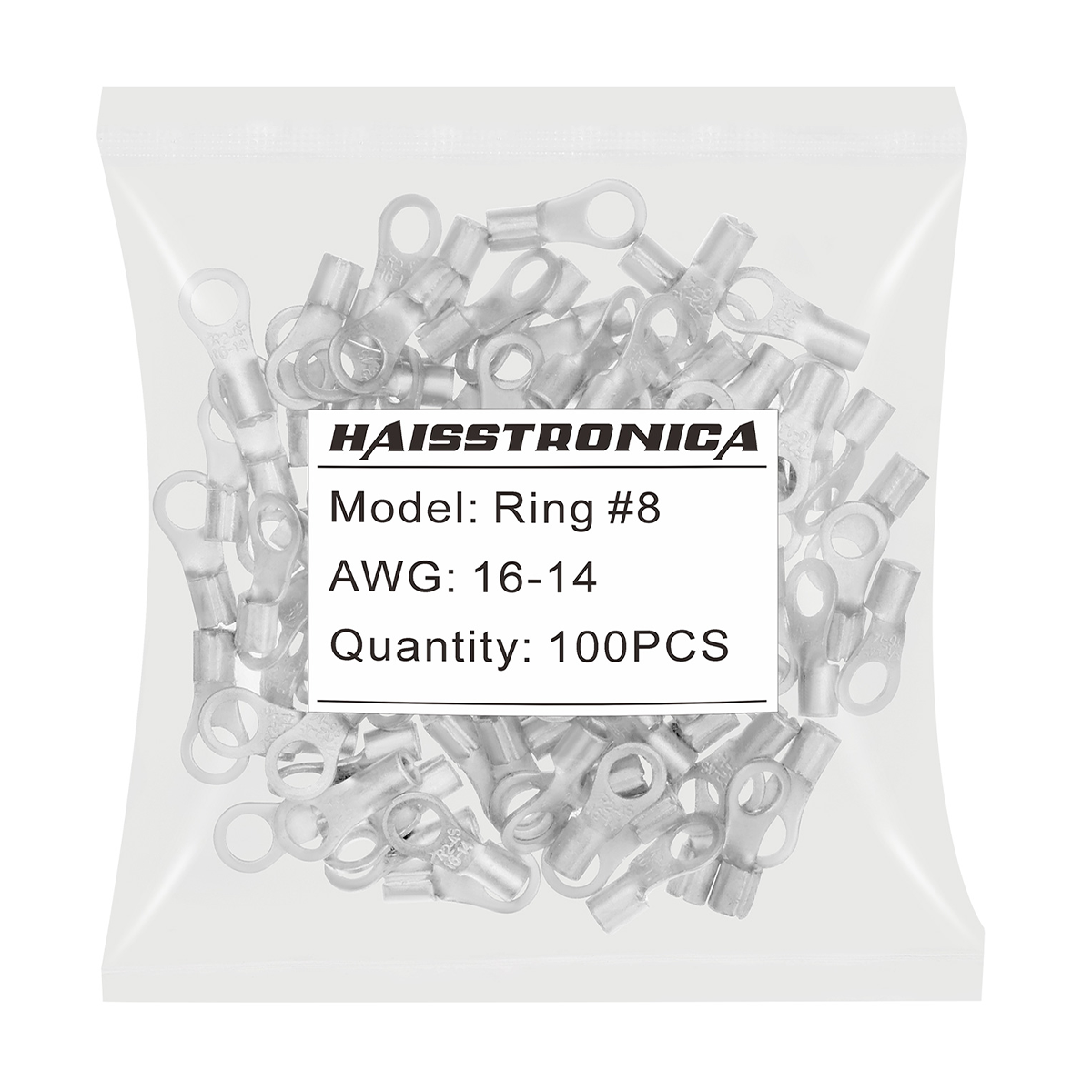
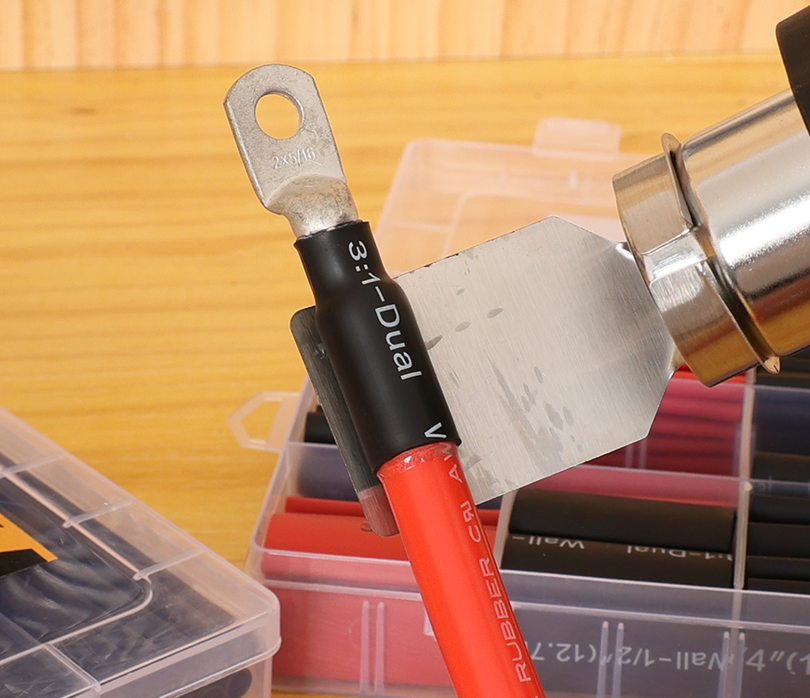
Ring connectors feature a circular terminal that fits over screw terminals or studs. They're commonly used in automotive and electrical panel applications where a secure, permanent connection is required. Available in various sizes to match different stud diameters and wire gauges.
Spade Connectors
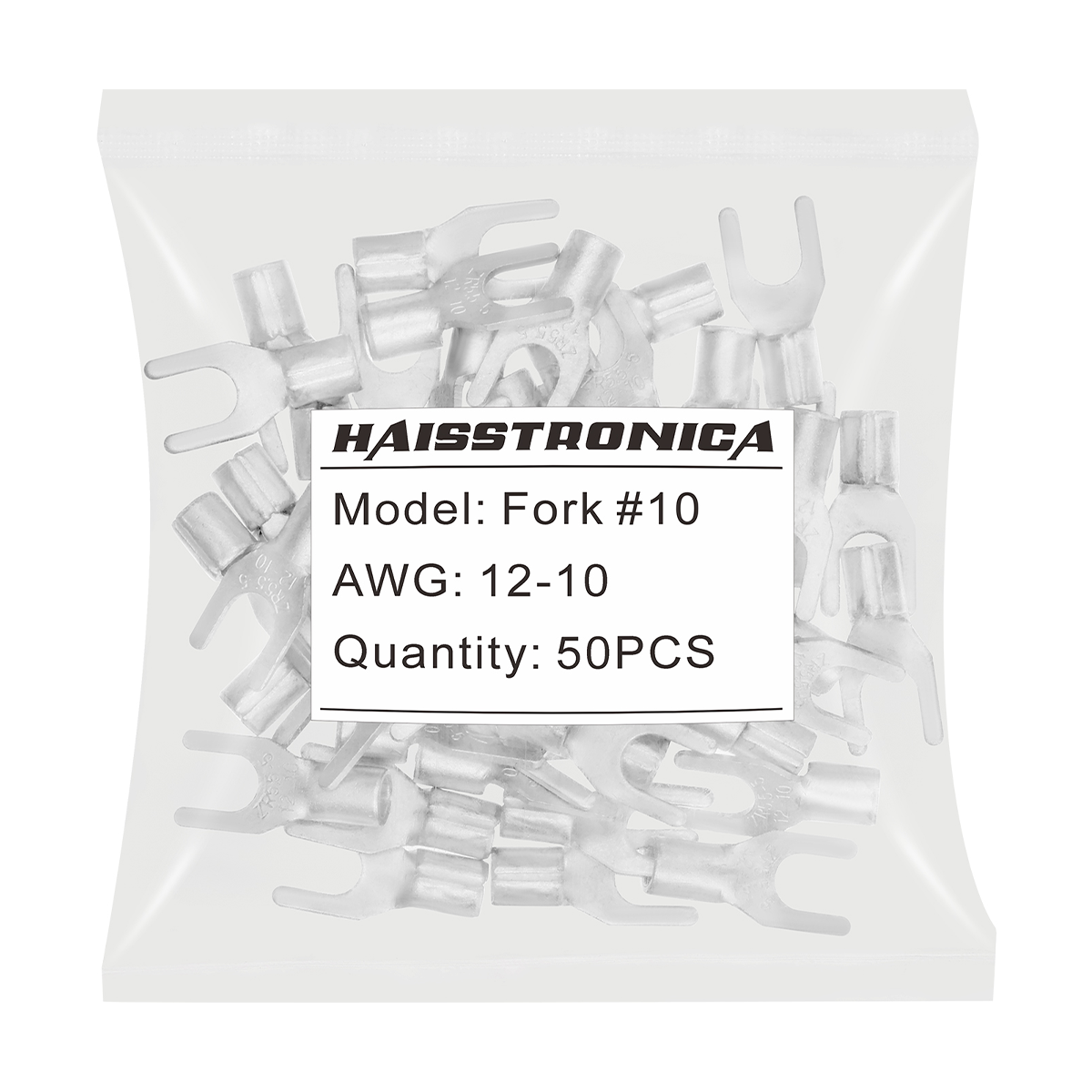
Spade connectors (also called fork terminals) have a U-shaped or fork-shaped end that slides under screw terminals. They offer the convenience of quick disconnect without fully removing the screw — making them popular for applications requiring occasional maintenance or replacement.
Fork Connectors
Similar to spade connectors but with a Y-shaped design, fork connectors provide a secure connection while allowing easy installation and removal. They work well with screw terminals in junction boxes and control panels.
Materials Used in Wire Connectors
The material of a wire connector significantly impacts its performance, durability, and cost. Here are the most common materials:
Copper
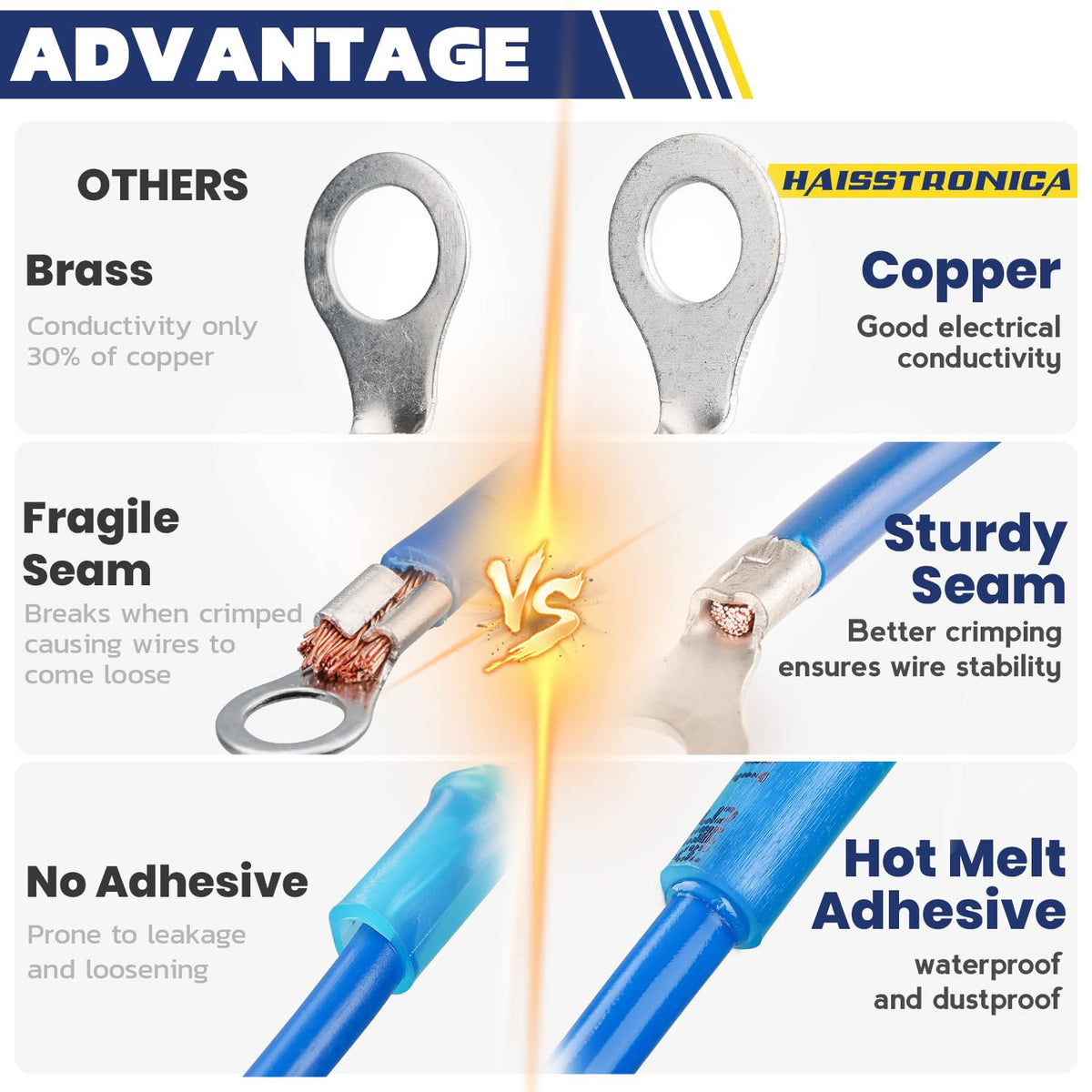
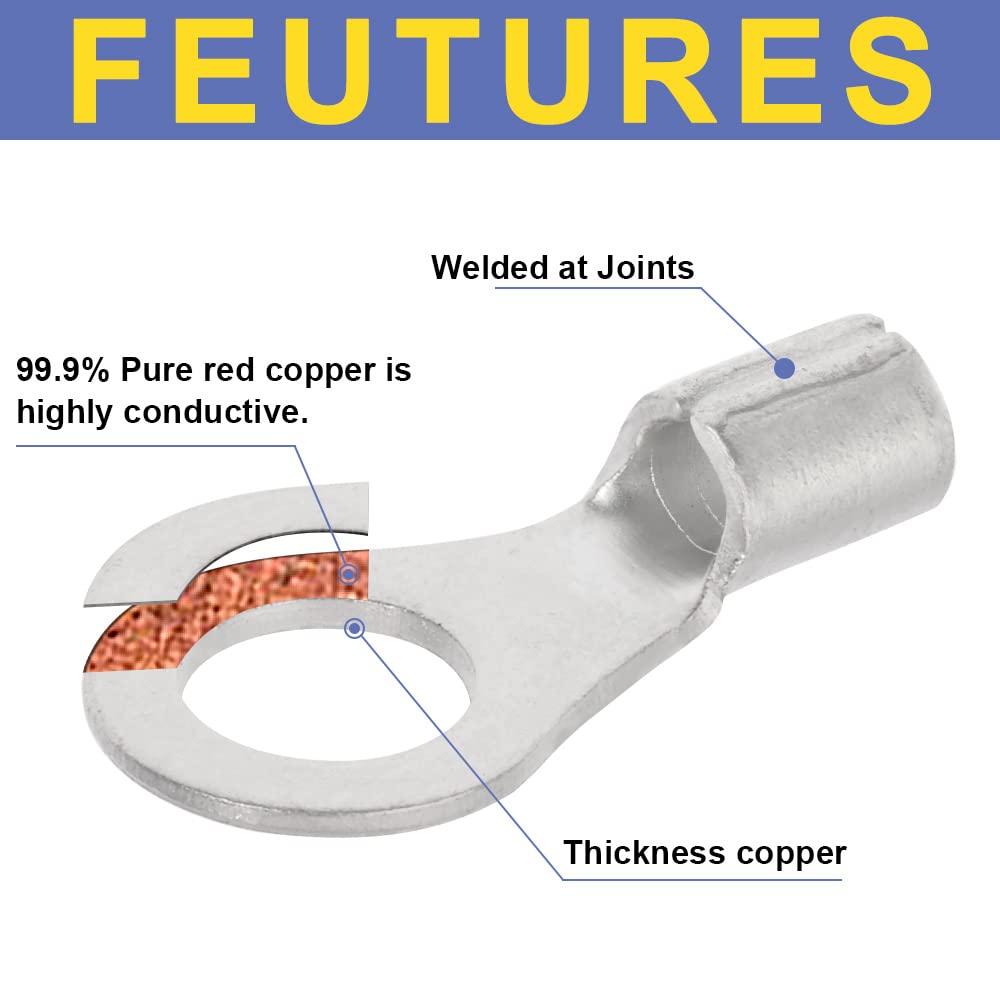
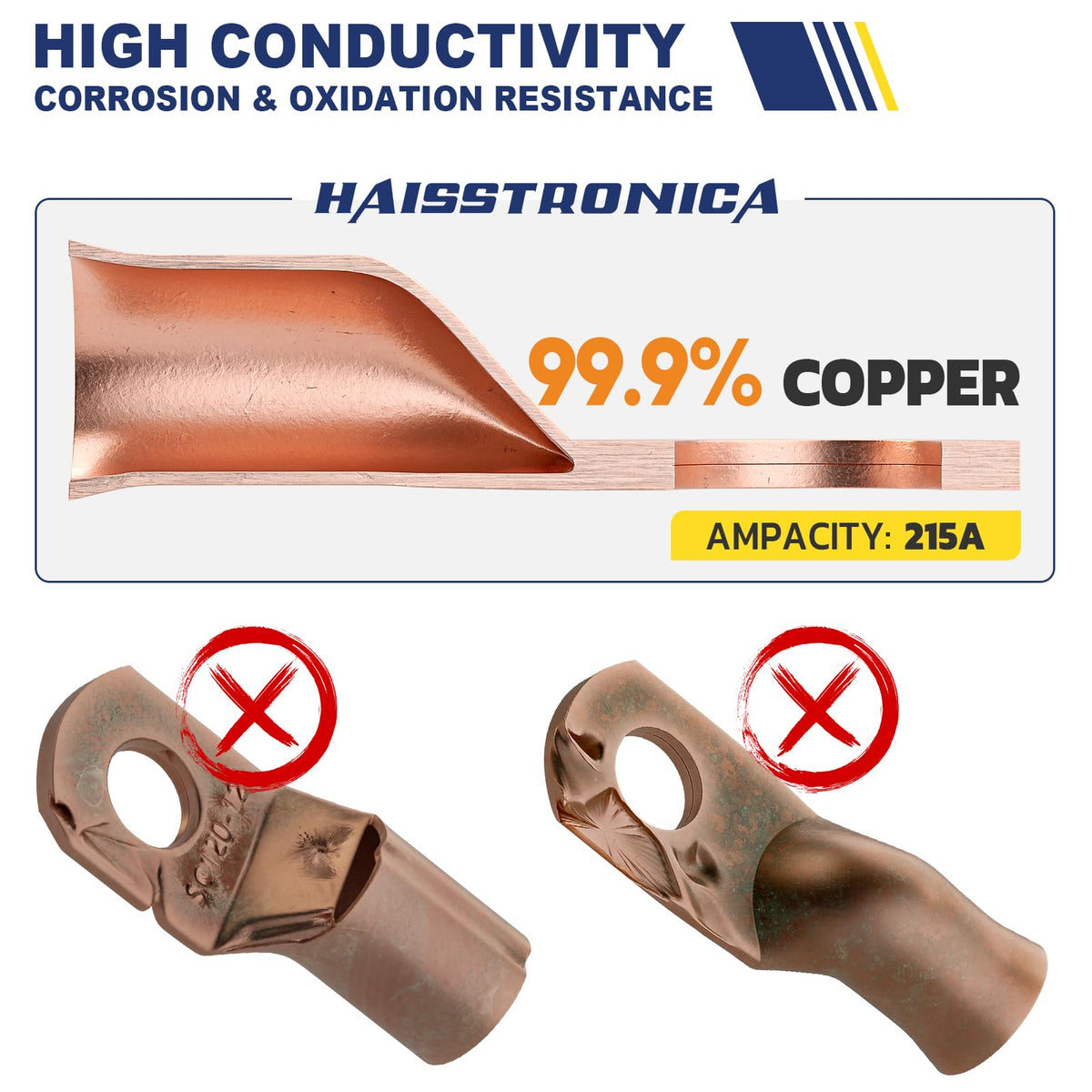
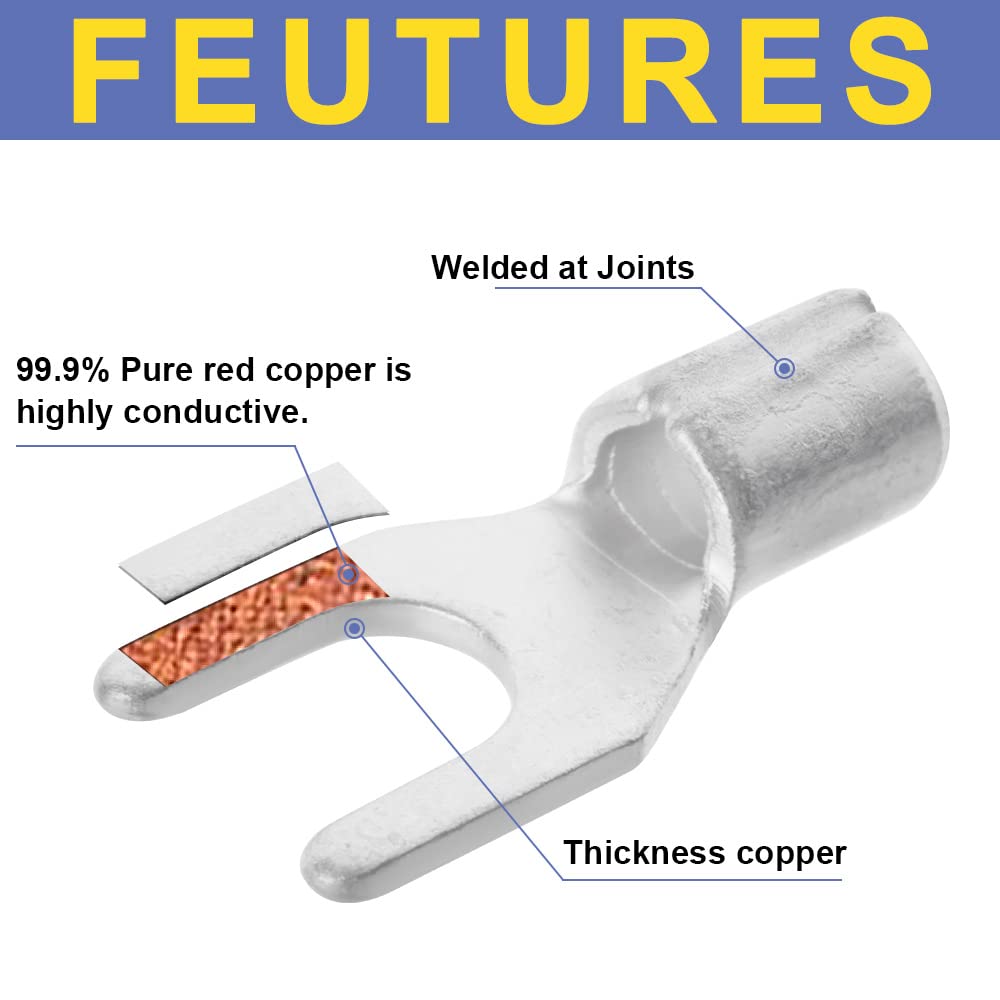
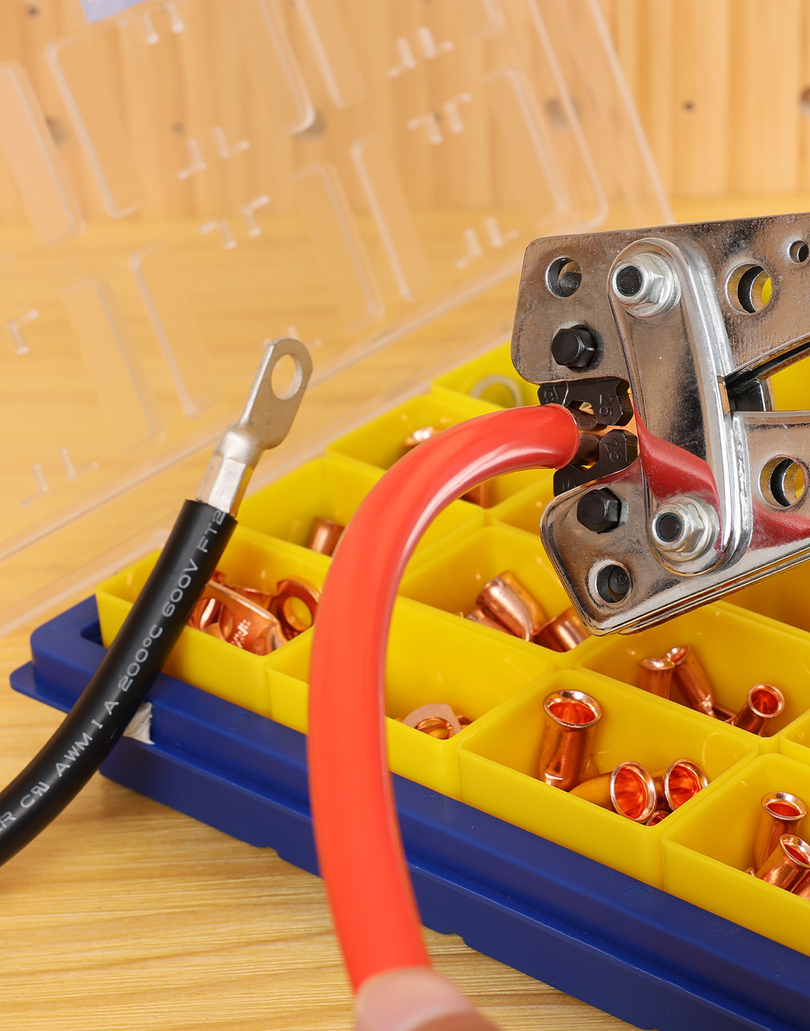
Copper is the gold standard for wire connectors. It offers excellent electrical conductivity and corrosion resistance. High-quality connectors use thick copper that maintains its shape during crimping, creating a reliable, long-lasting connection. While copper is relatively soft, its conductivity and durability make it the preferred choice for most applications.
Aluminum
Aluminum connectors are less expensive than copper but come with some trade-offs. They're more prone to corrosion and galvanic reactions when connected to copper wires, and they require careful installation to prevent loose connections over time due to thermal expansion differences.
Brass
Brass (a copper-zinc alloy) offers greater durability than pure copper and excellent corrosion resistance. Brass connectors are often used in marine environments and other demanding applications where strength and longevity are critical.
Connection Methods
Different connectors use different methods to secure wires. Understanding these methods helps you choose the right connector for your project:
Crimping
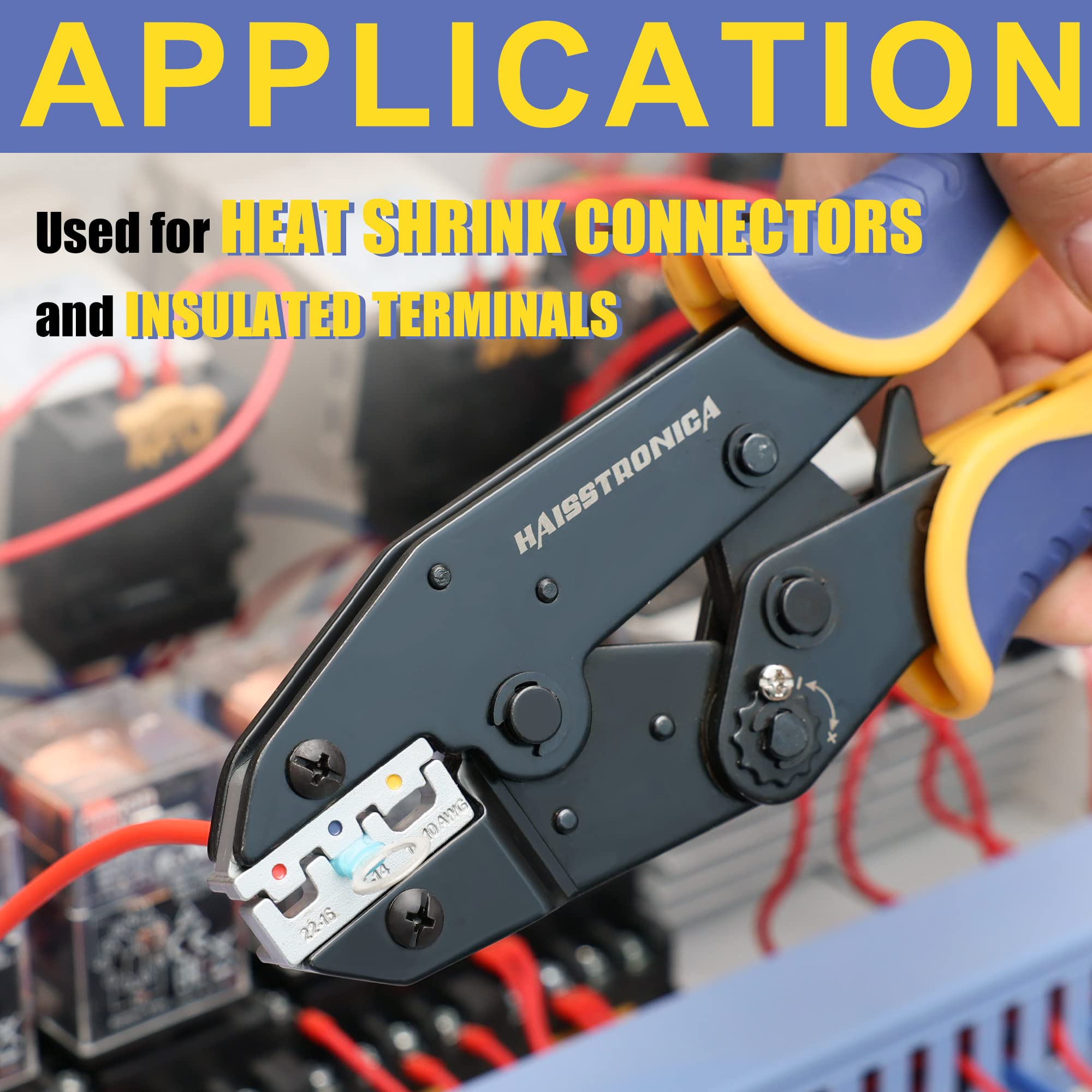
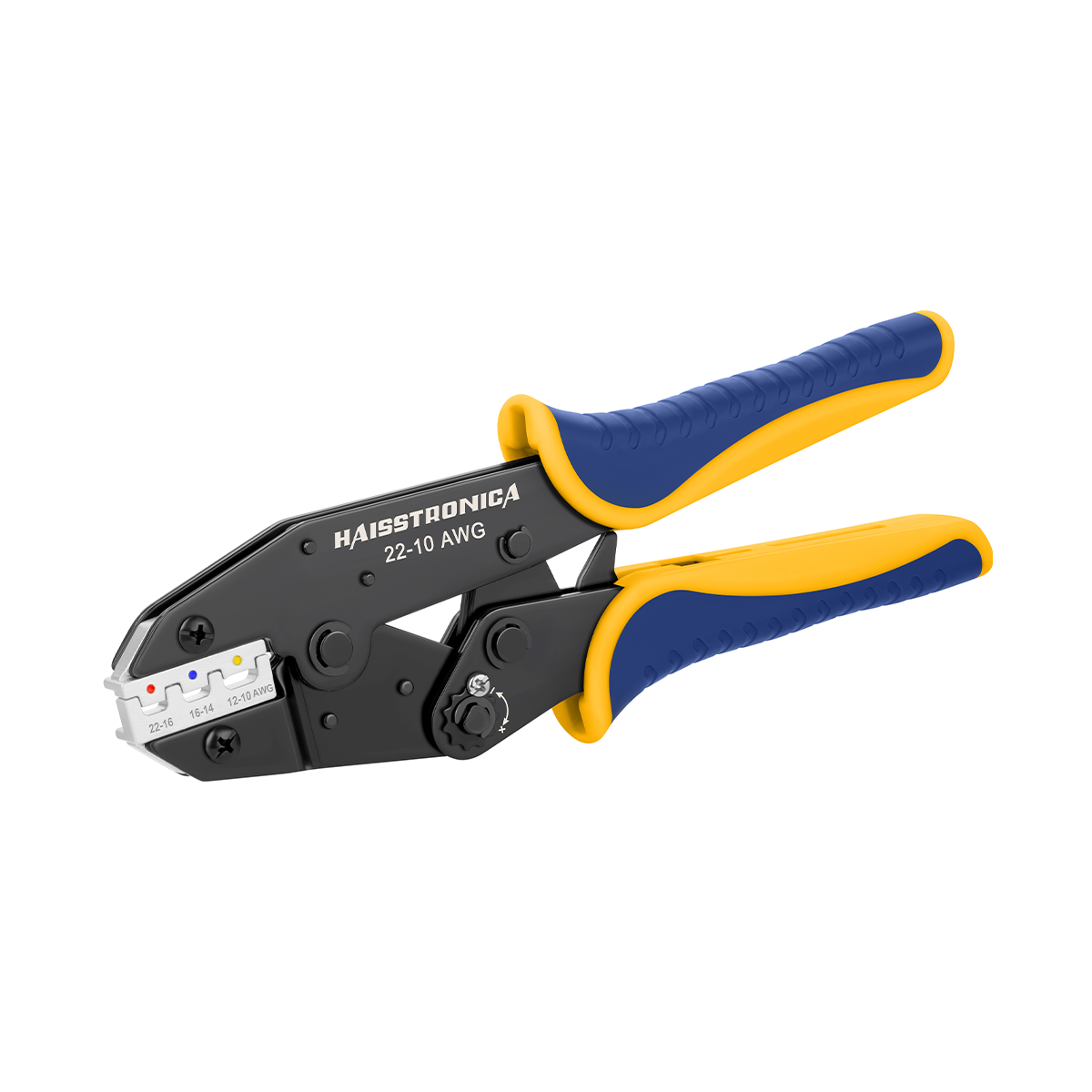
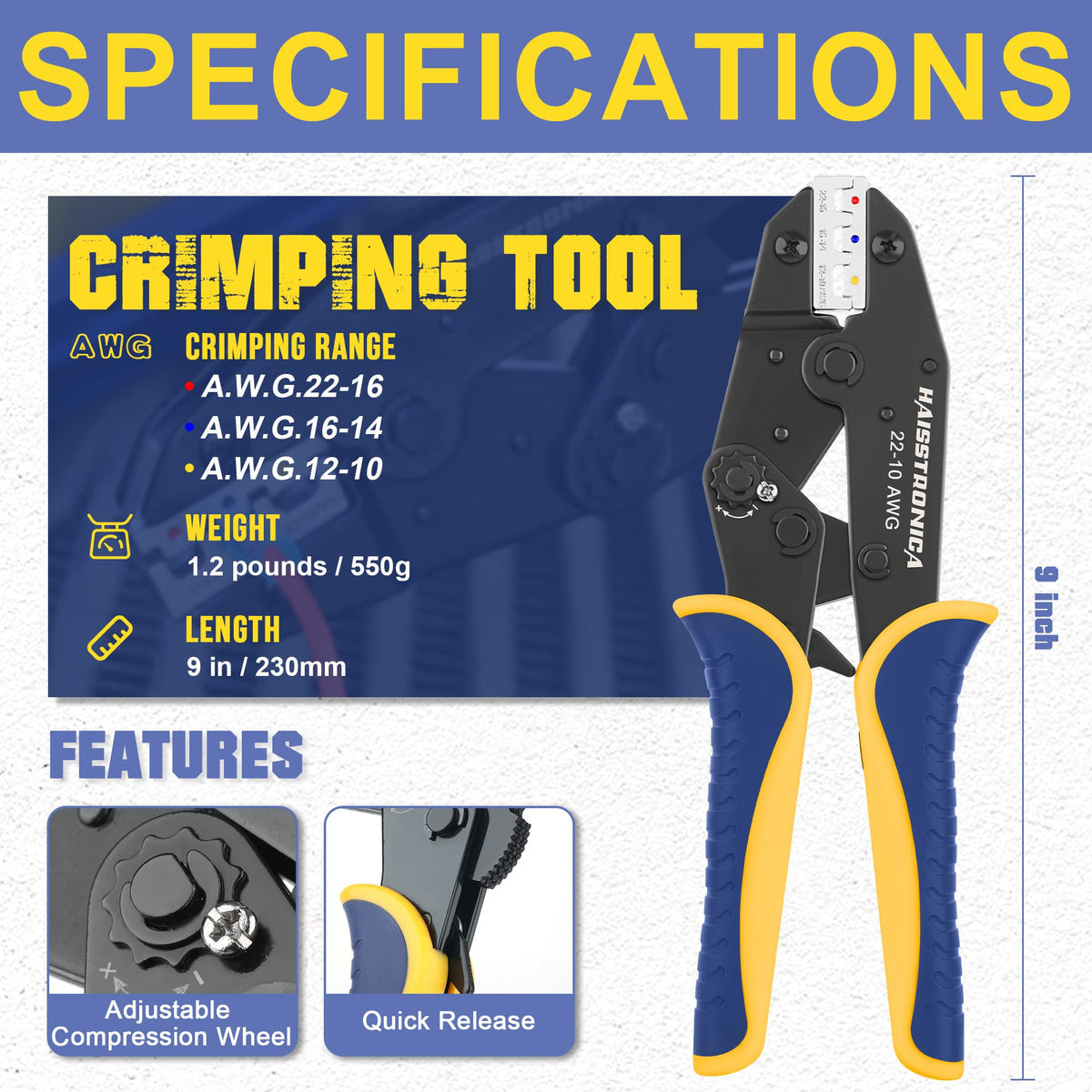
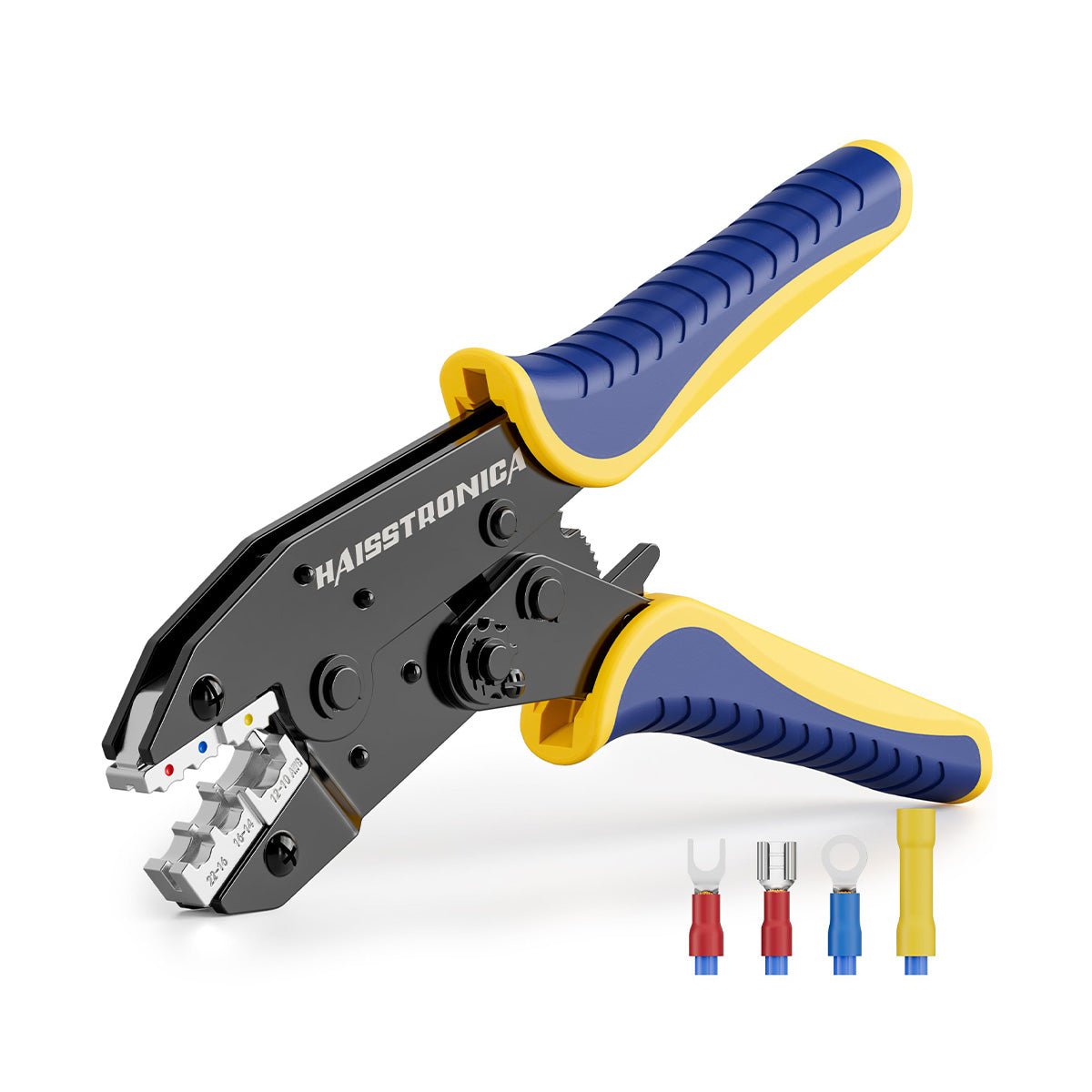
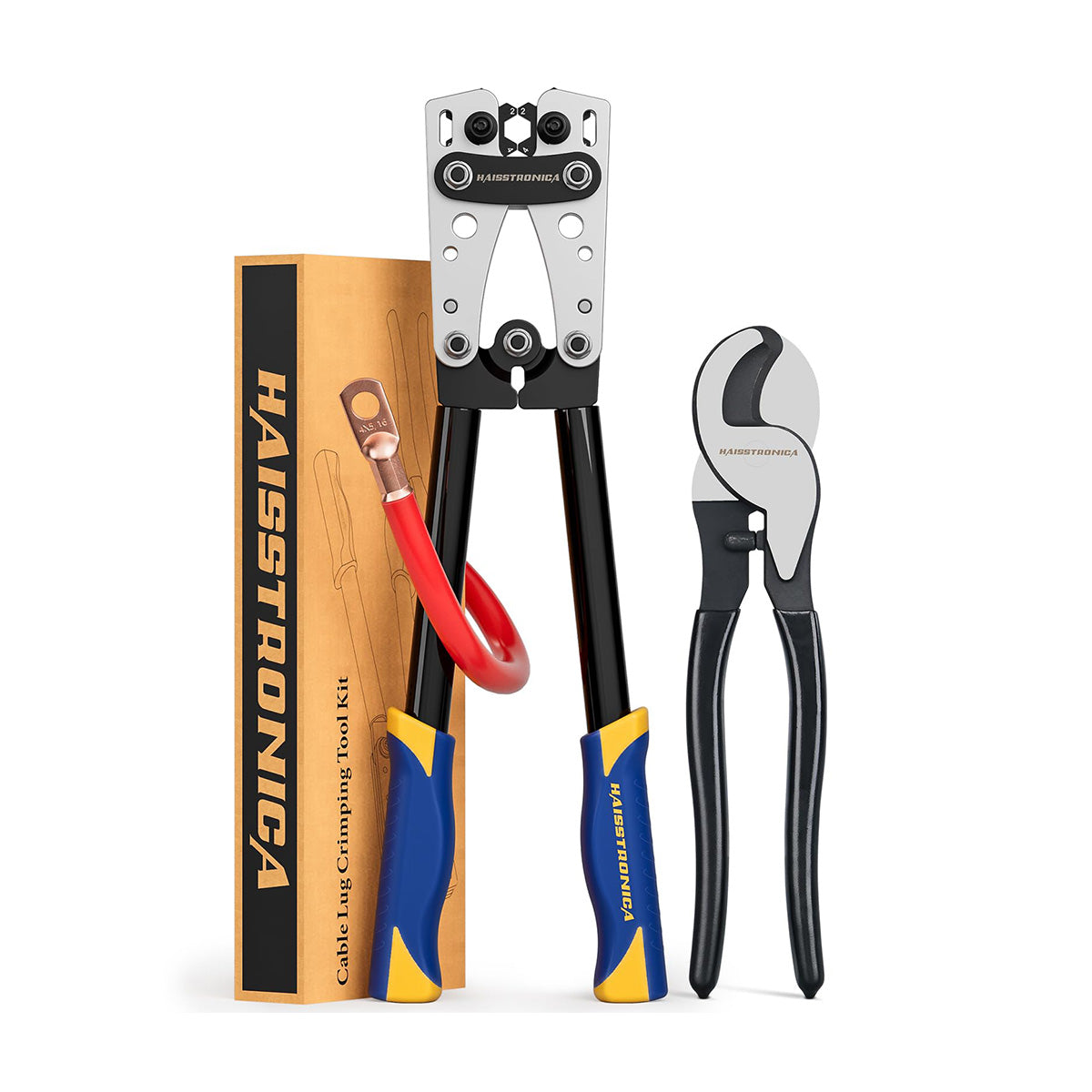
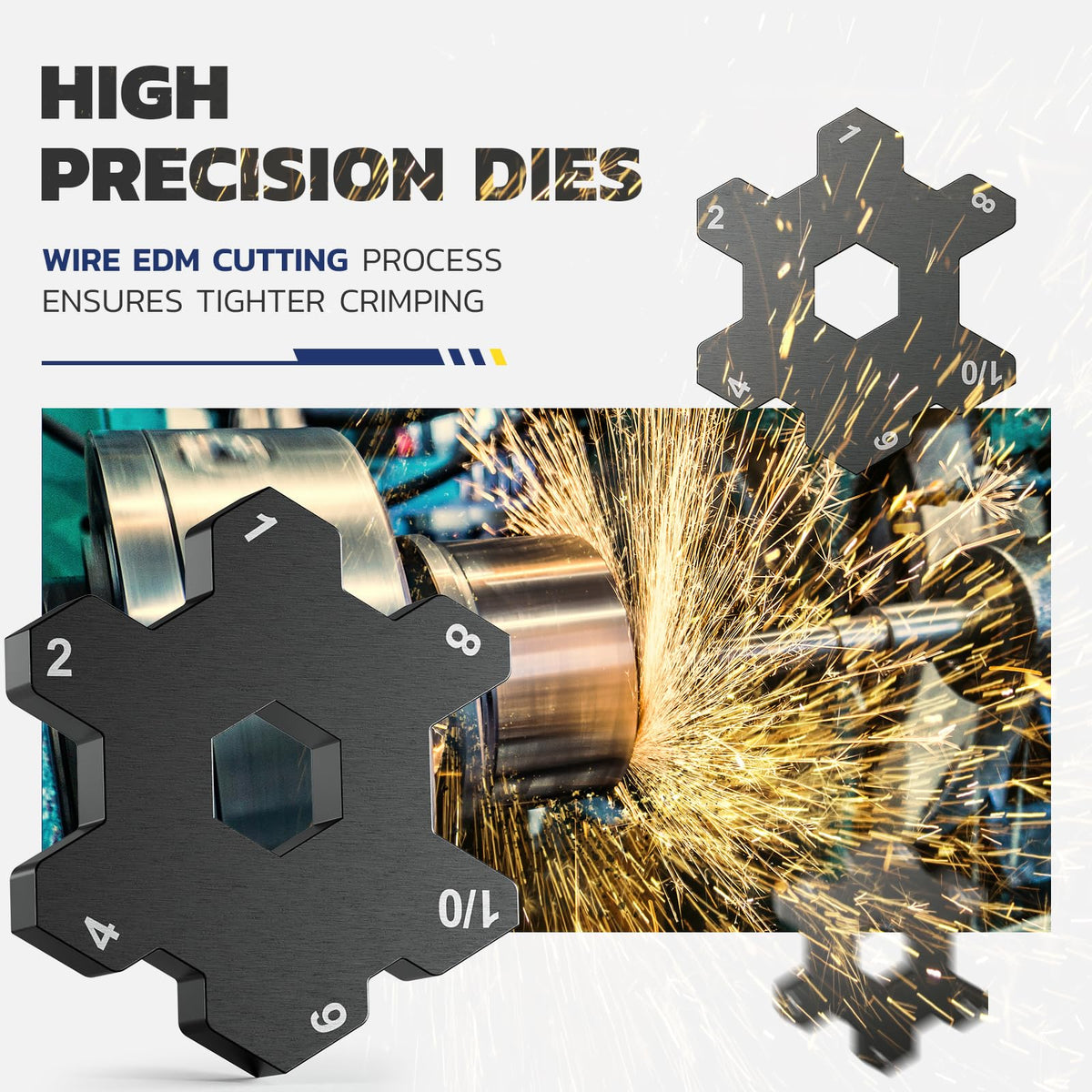
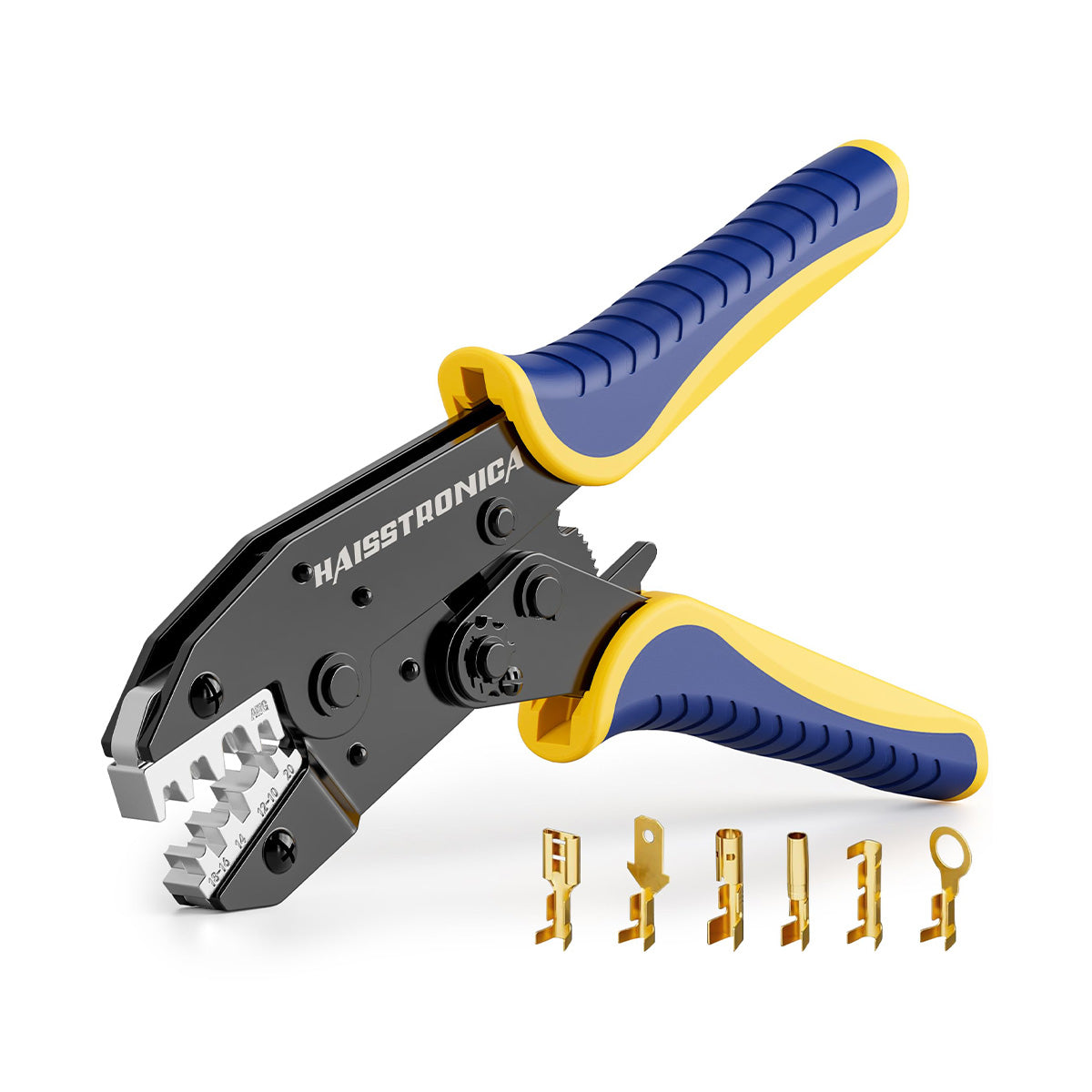
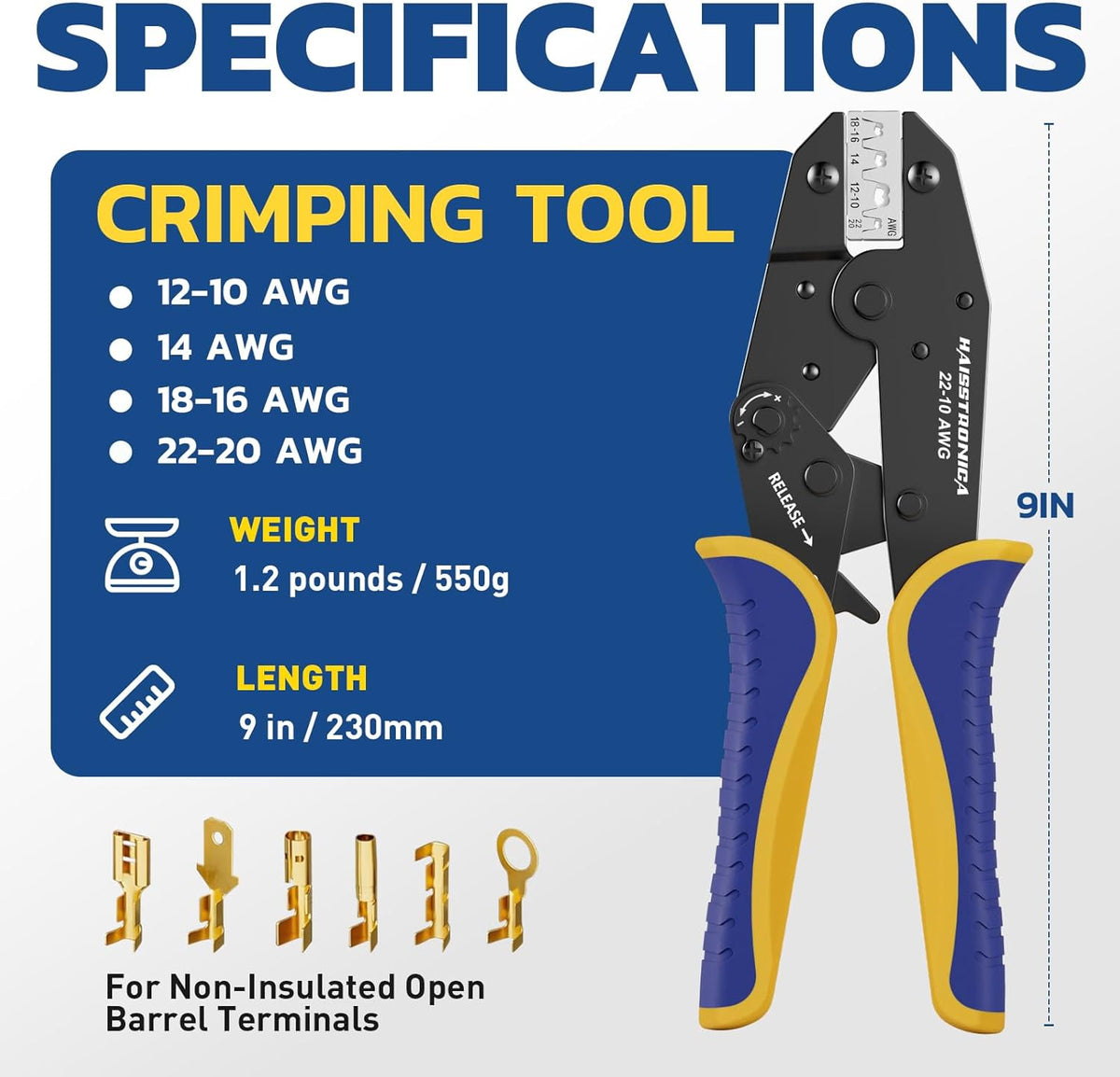
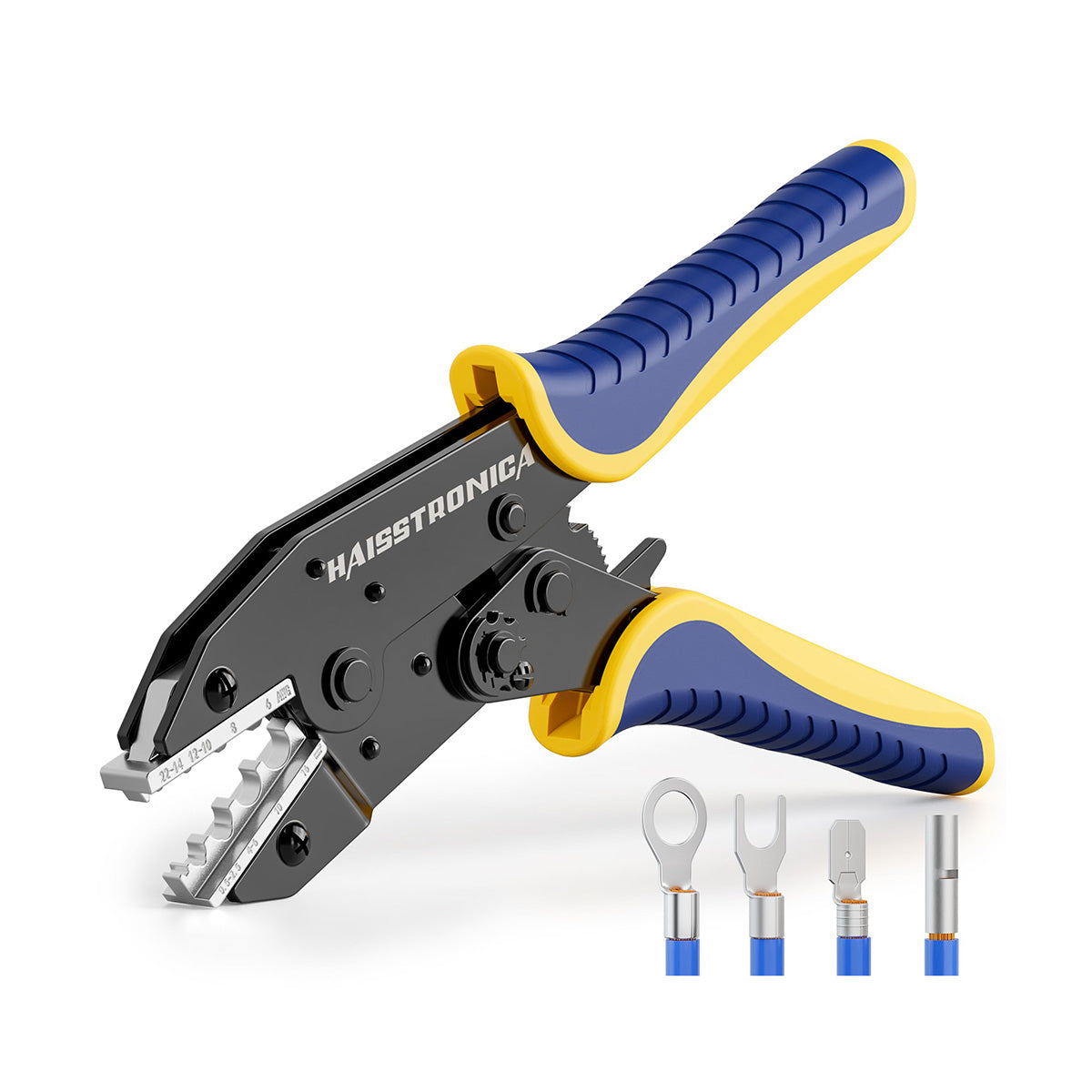
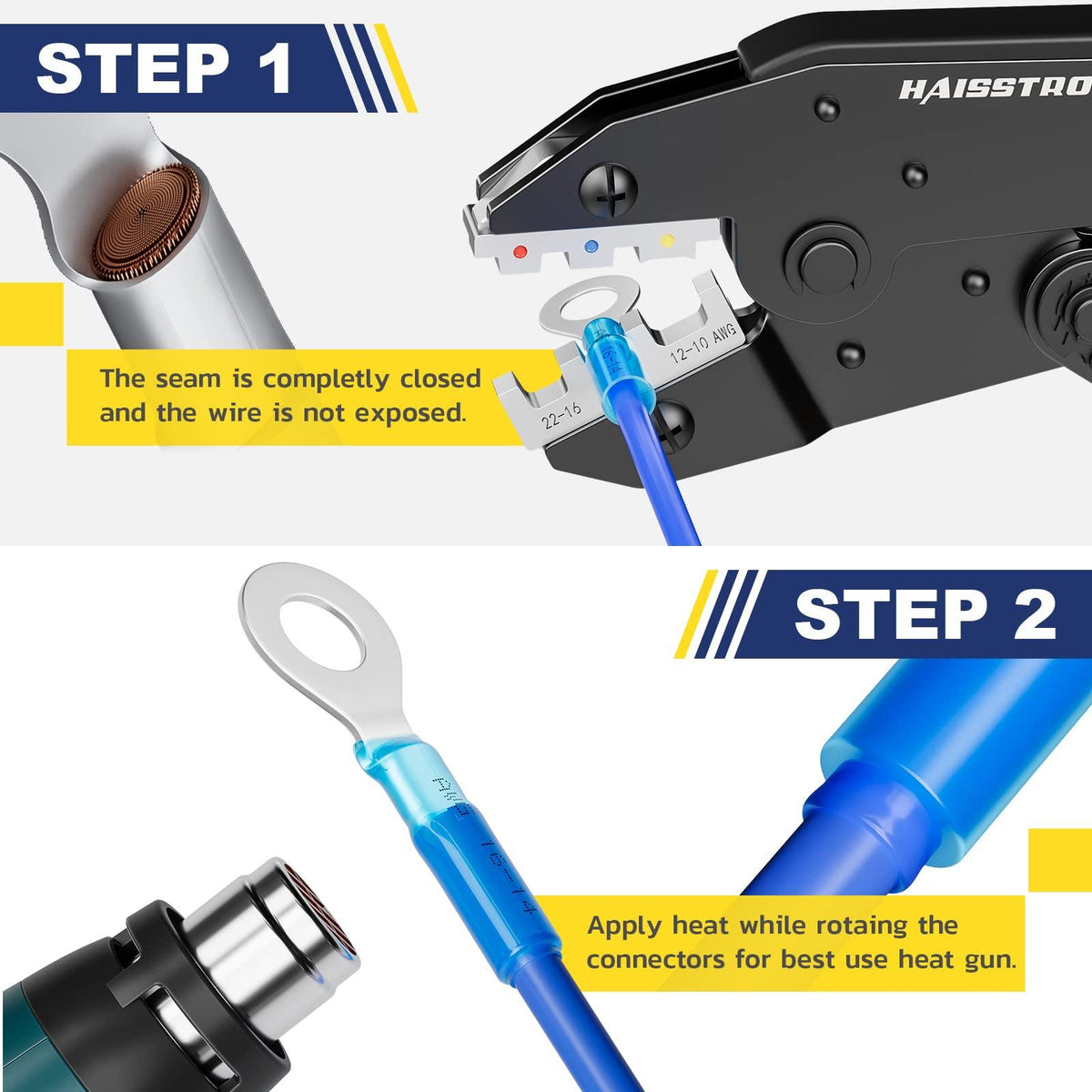
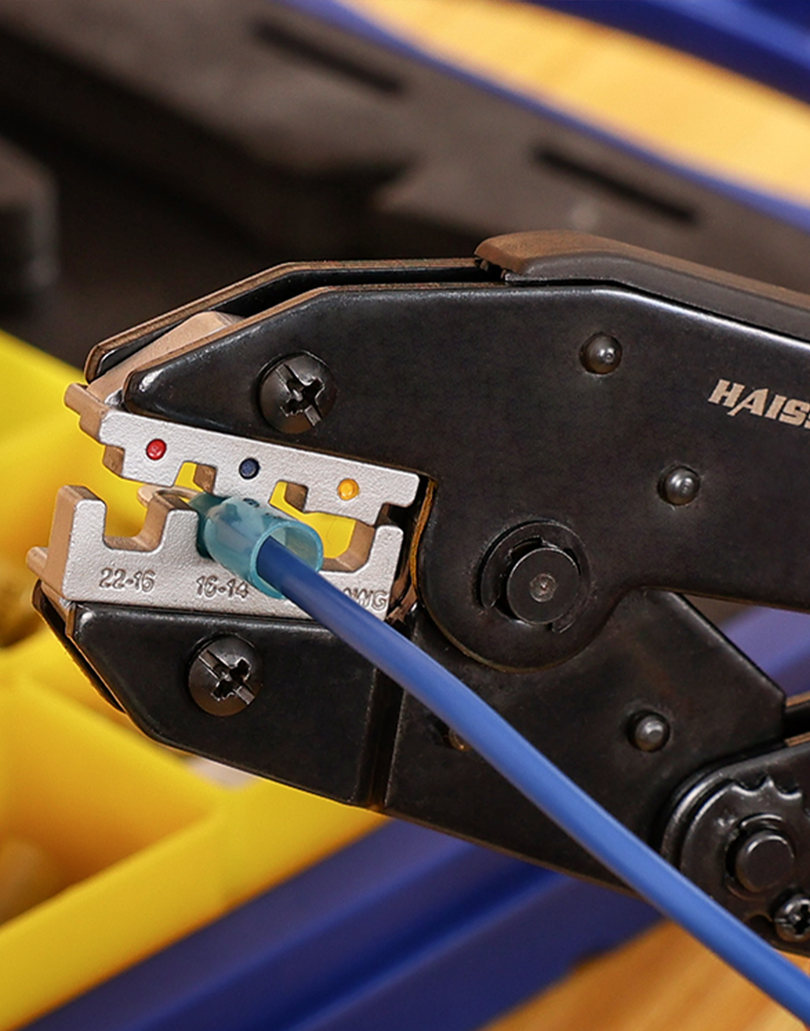
Crimping deforms the connector barrel around the wire using a crimping tool, creating a cold weld that ensures both mechanical strength and electrical conductivity. Ratcheting crimpers provide consistent, reliable crimps and are recommended for professional-grade results. Crimped connections are resistant to vibration and temperature changes, making them ideal for automotive and industrial applications.
Solder Seal Connectors
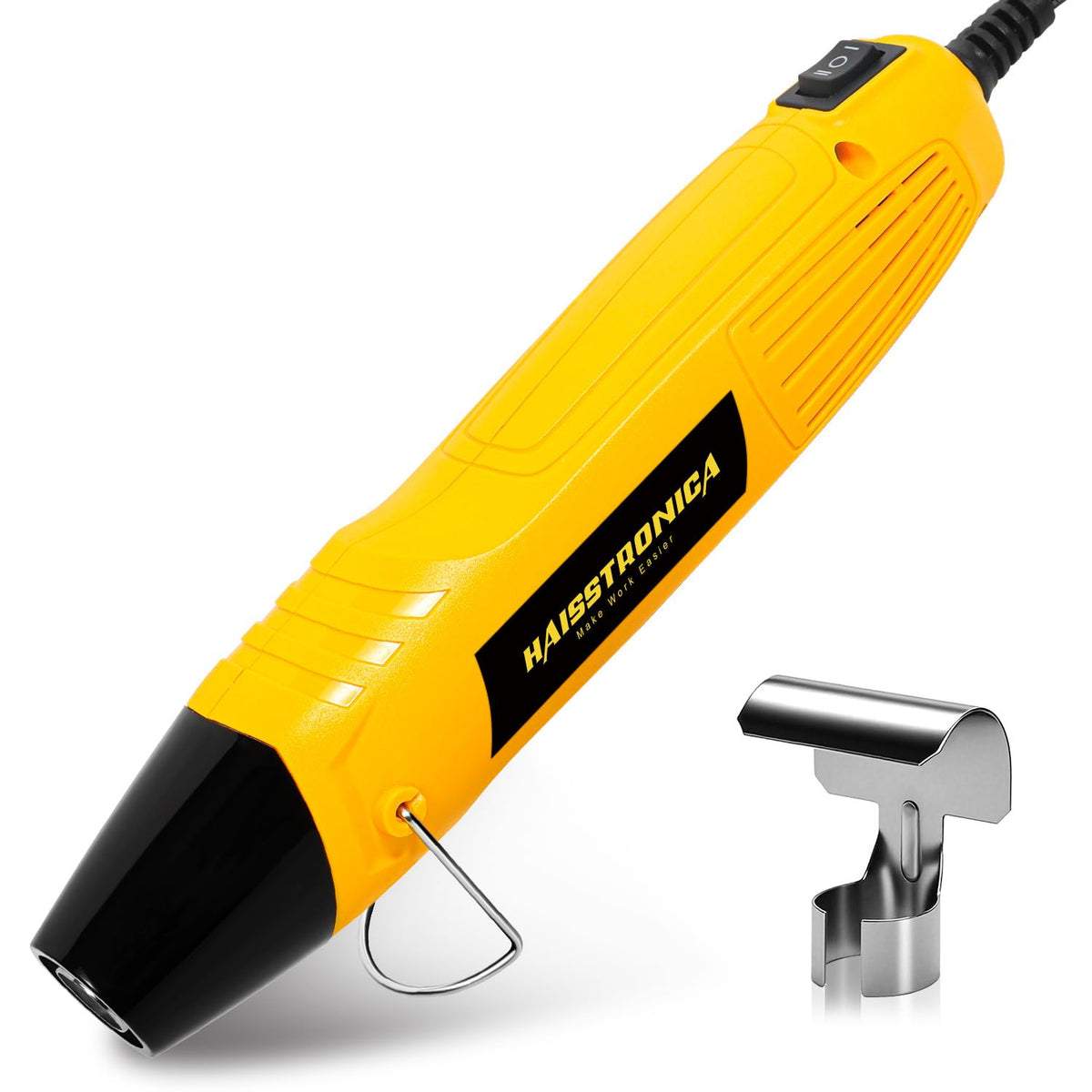
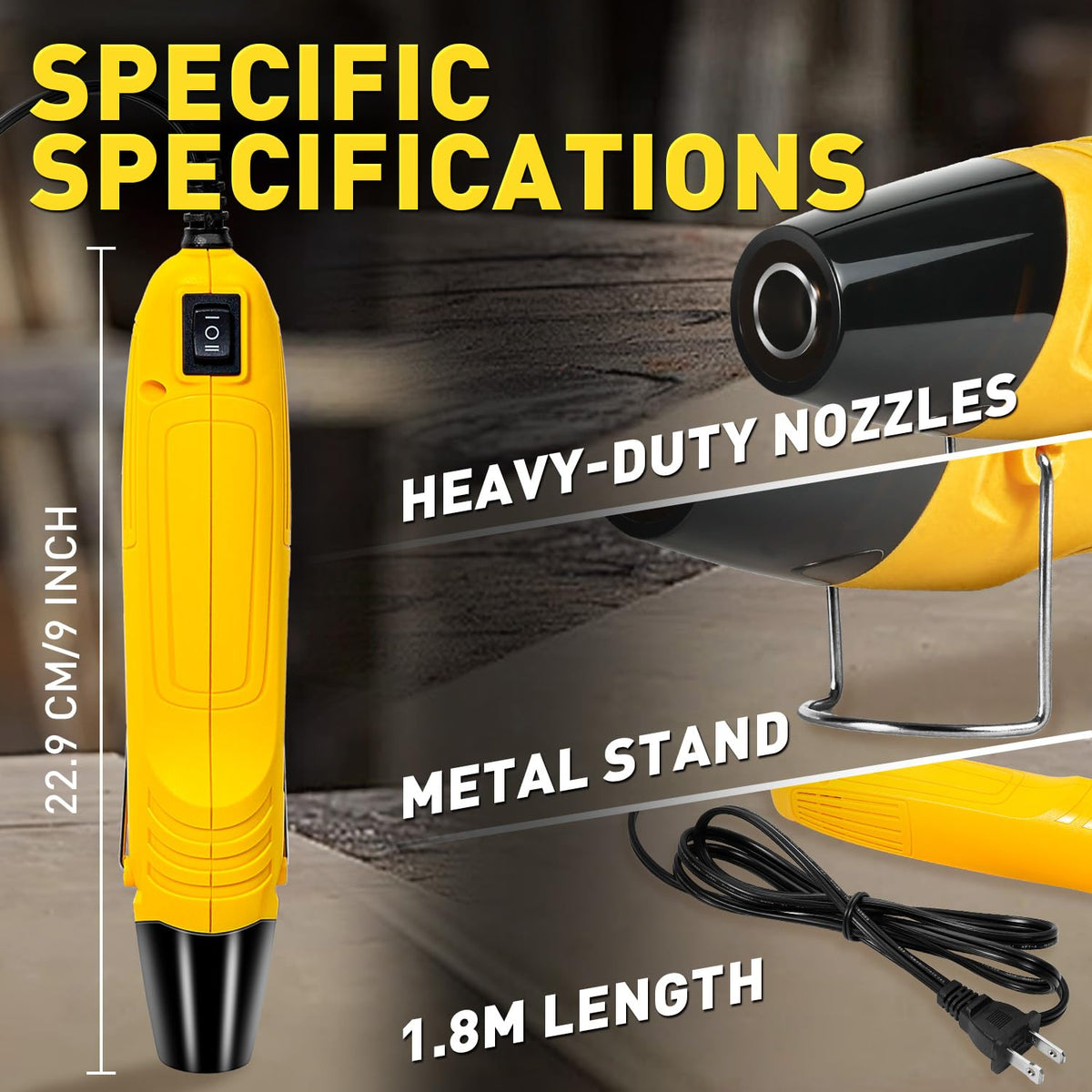
Solder seal connectors contain a ring of solder inside a heat shrink tube. When heated with a heat gun, the solder melts and bonds with the wires while the tubing shrinks to create a waterproof seal. These are excellent for outdoor, marine, and automotive applications where moisture resistance is critical.
Heat Shrink Connectors
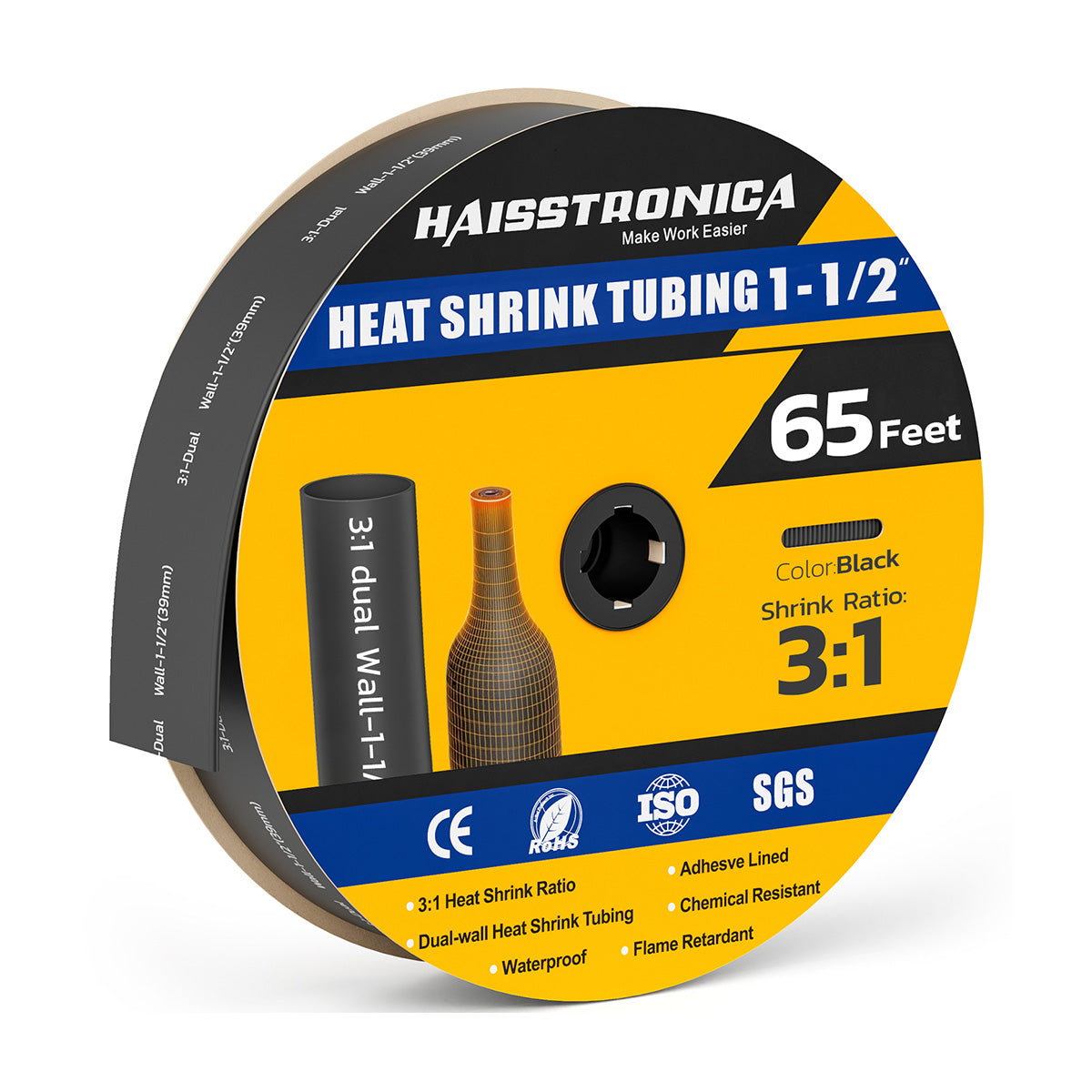
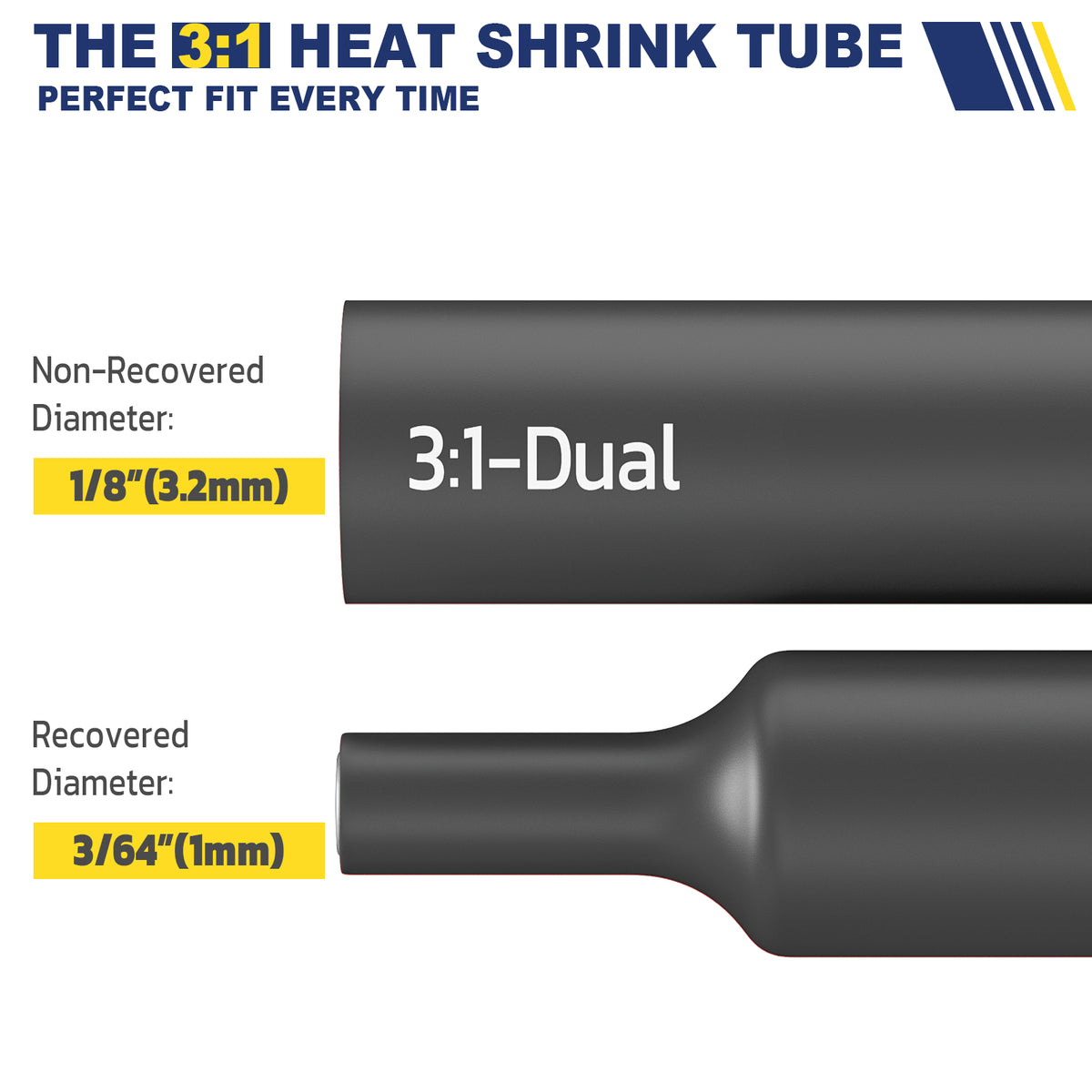
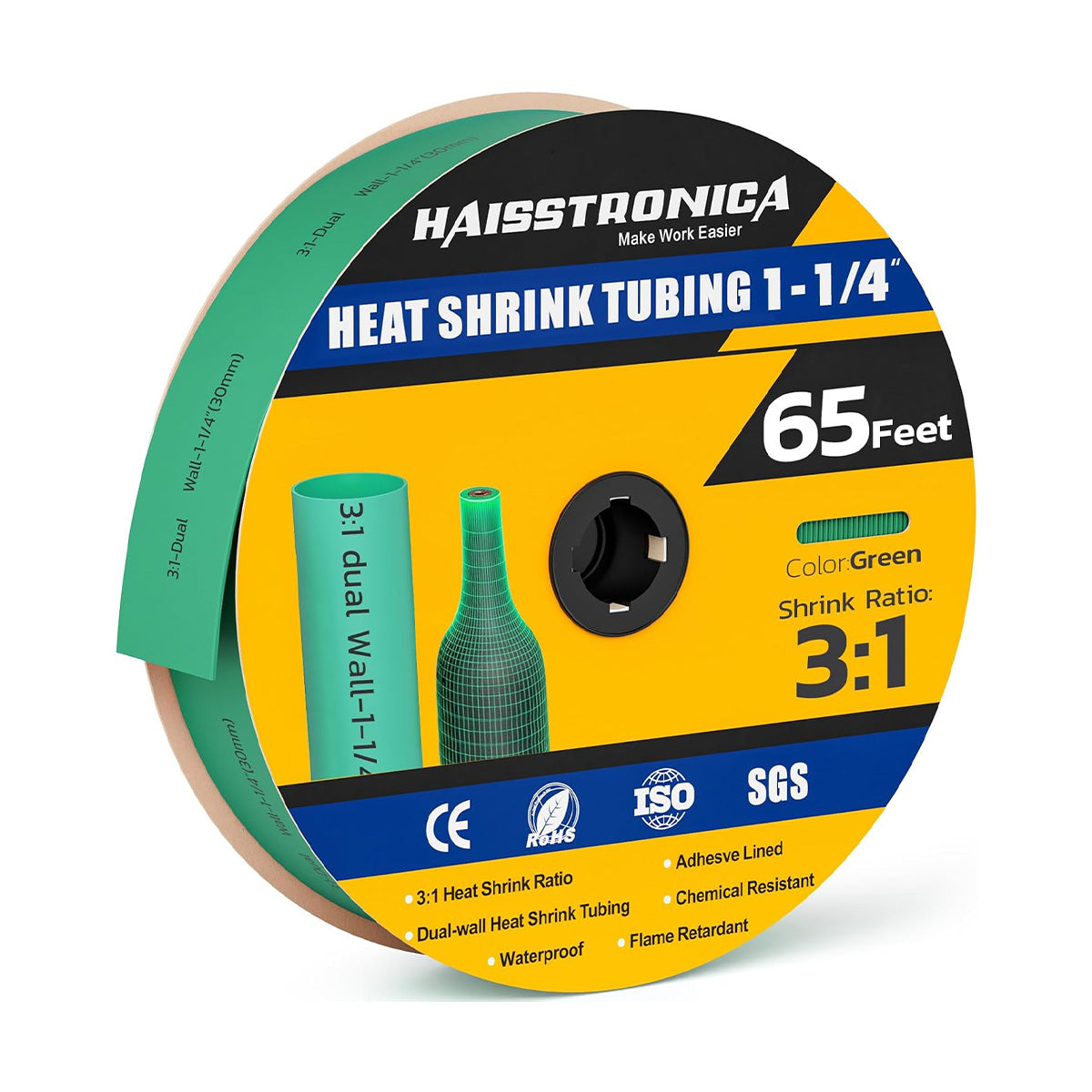
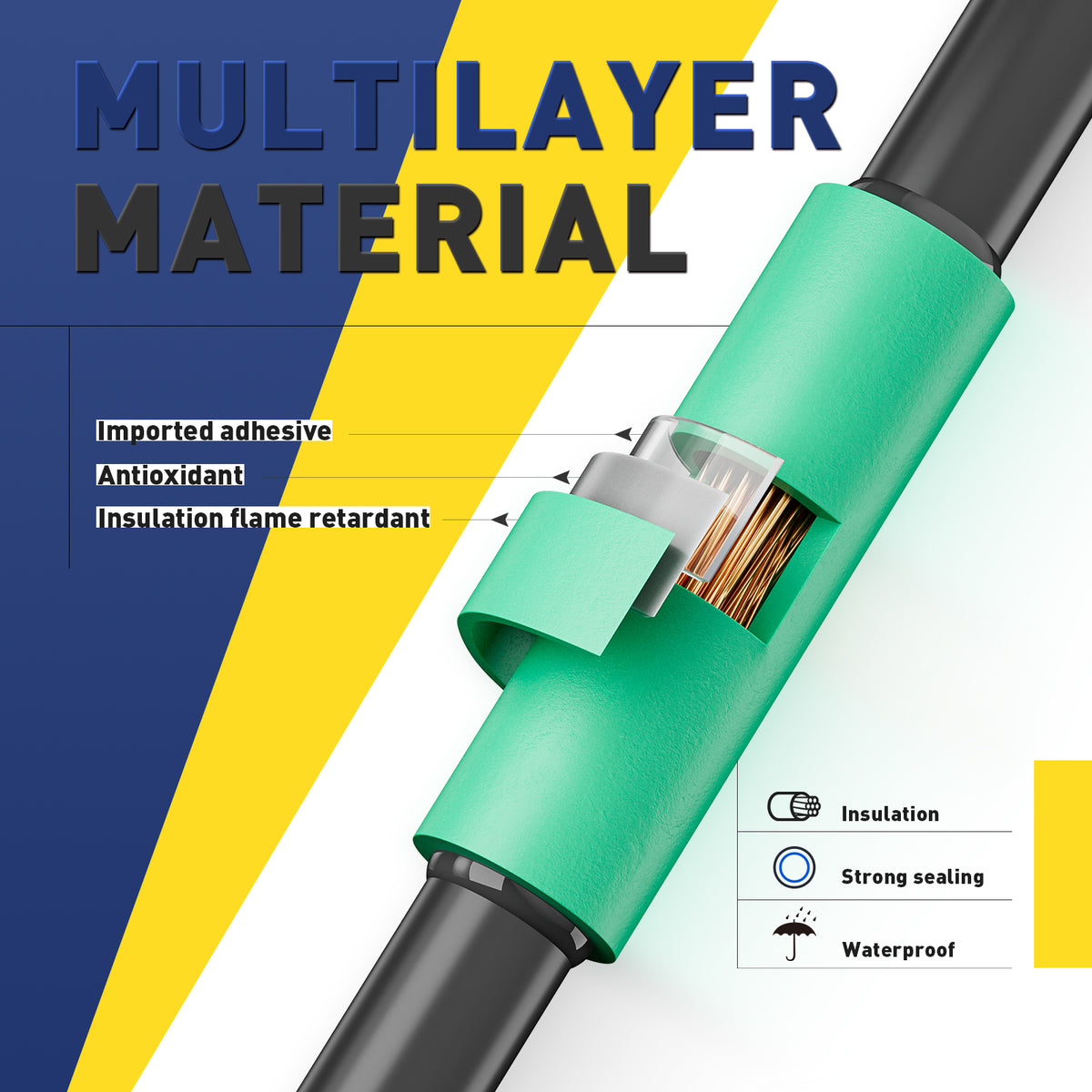
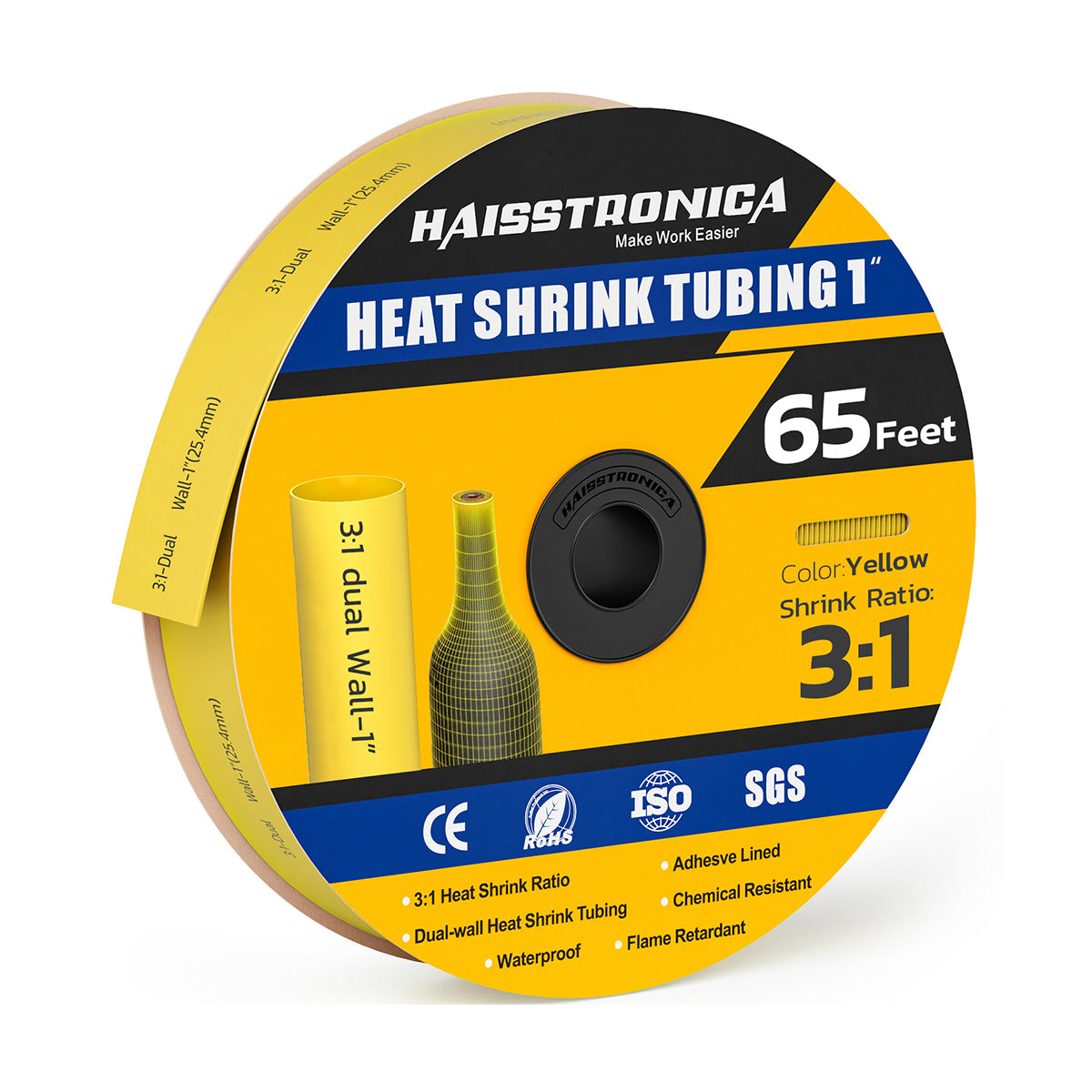
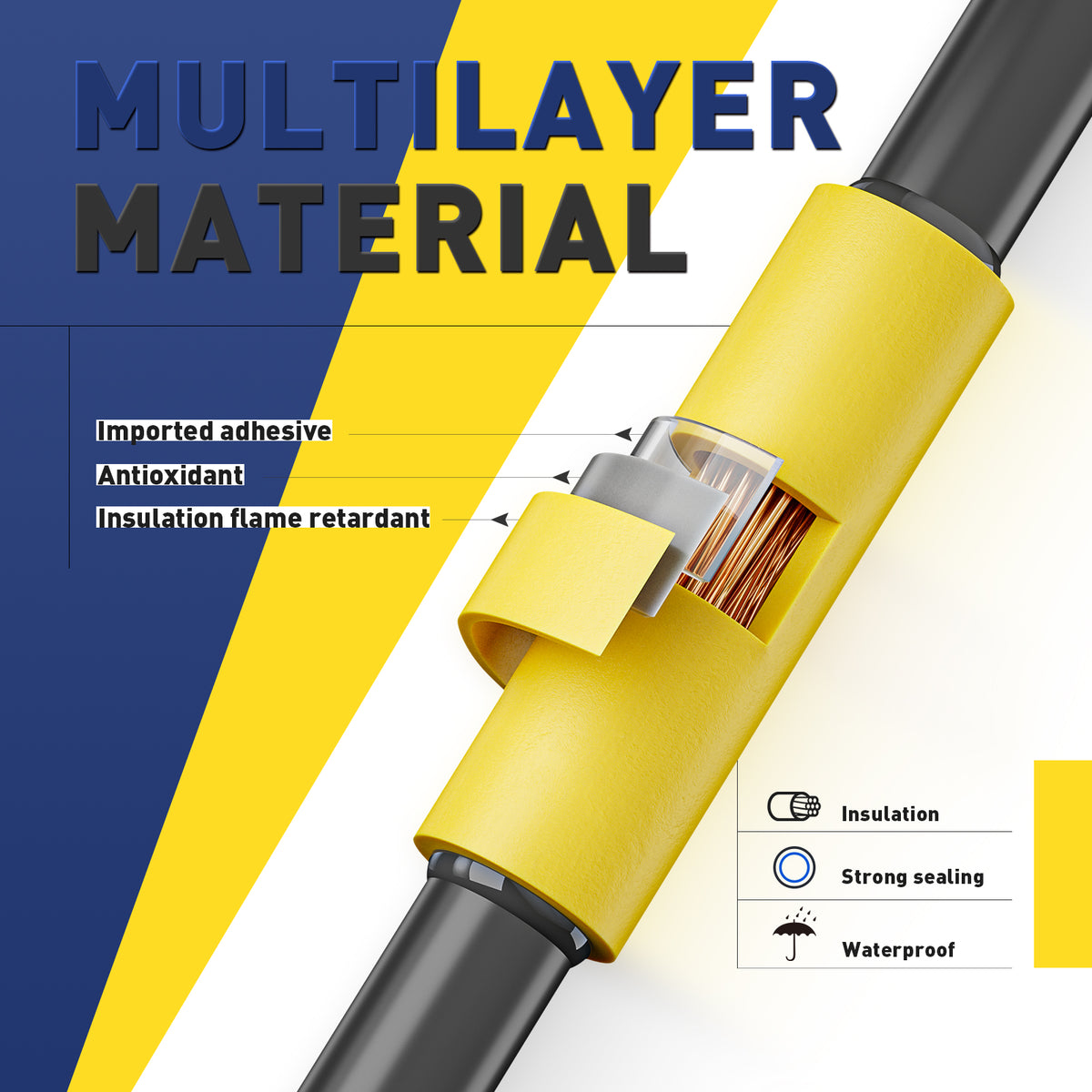
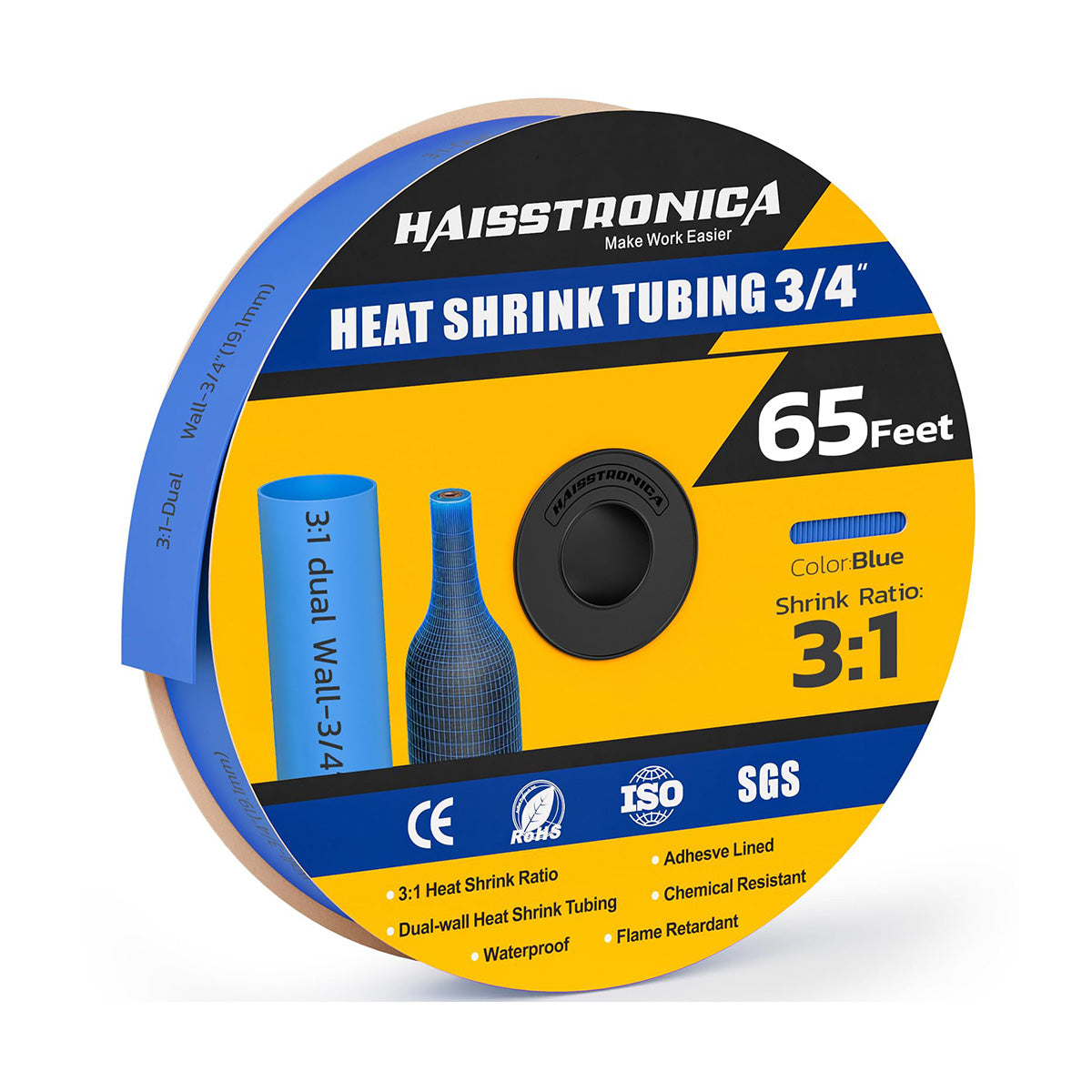
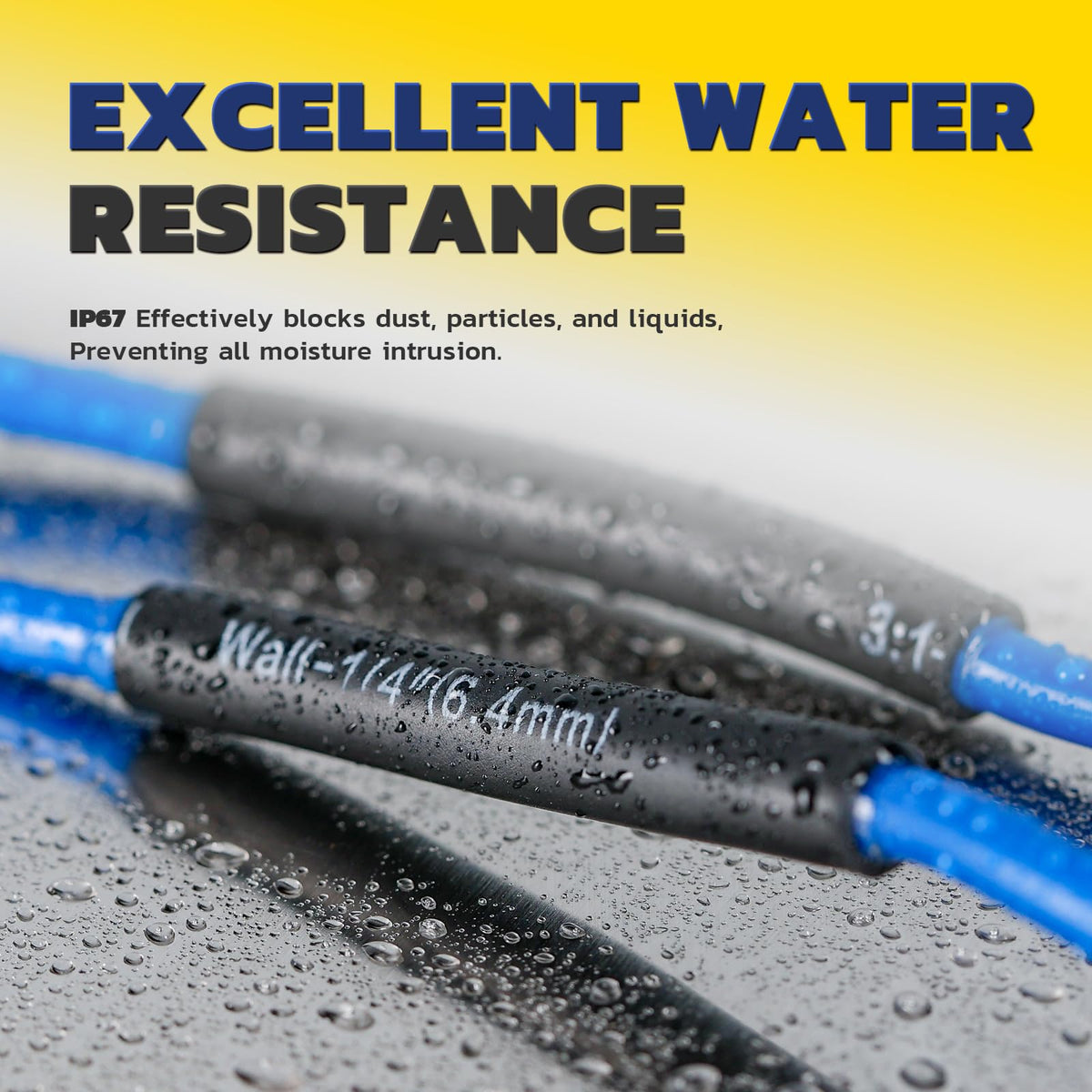
Heat shrink connectors feature a tubing layer that shrinks when heated, creating a tight seal around the connection. This provides insulation, strain relief, and protection against moisture and debris. Many butt connectors and ring terminals now come with built-in heat shrink tubing for added protection.
Twisting and Taping
While twisting wires together and wrapping them with electrical tape is a quick solution, it's not recommended for permanent or critical connections. Tape can degrade over time, and twisted connections are more prone to loosening from vibration. For reliable results, use proper crimp or solder seal connectors.
Safety Compliance and Certifications
When purchasing wire connectors, look for these important certifications that indicate quality and safety compliance:
- ROHS — Restriction of Hazardous Substances directive ensures no harmful chemicals like lead or mercury are used in manufacturing.
- CE — Conformité Européenne marking indicates compliance with European health, safety, and environmental standards.
- ISO 9001:2008 — Certifies that manufacturing follows quality management standards for consistent product quality.
- SGS — Third-party testing and verification from SGS ensures products meet specified performance and safety standards.
Haisstronica's wire connectors comply with all these standards, giving you peace of mind that your connections are safe, reliable, and built to last.
Choosing the Right Connector for Your Project
When selecting wire connectors, consider: the wire gauge (AWG) you're working with, the environment (indoor vs. outdoor, moisture exposure), the required current capacity, and whether you need a permanent or temporary connection. Matching the right connector type, material, and connection method to your specific application ensures safe, durable results every time.