
There is no single “most common” connector—until you name the job
“Most common” changes by industry, connection shape, environment and service method. Butt connectors lead many automotive and low-voltage splice jobs, while ring, spade, ferrule and code-listed building connectors lead elsewhere.
The governing electrical code, conductor type and enclosure decide the connector. Automotive terminals are not a universal substitute.
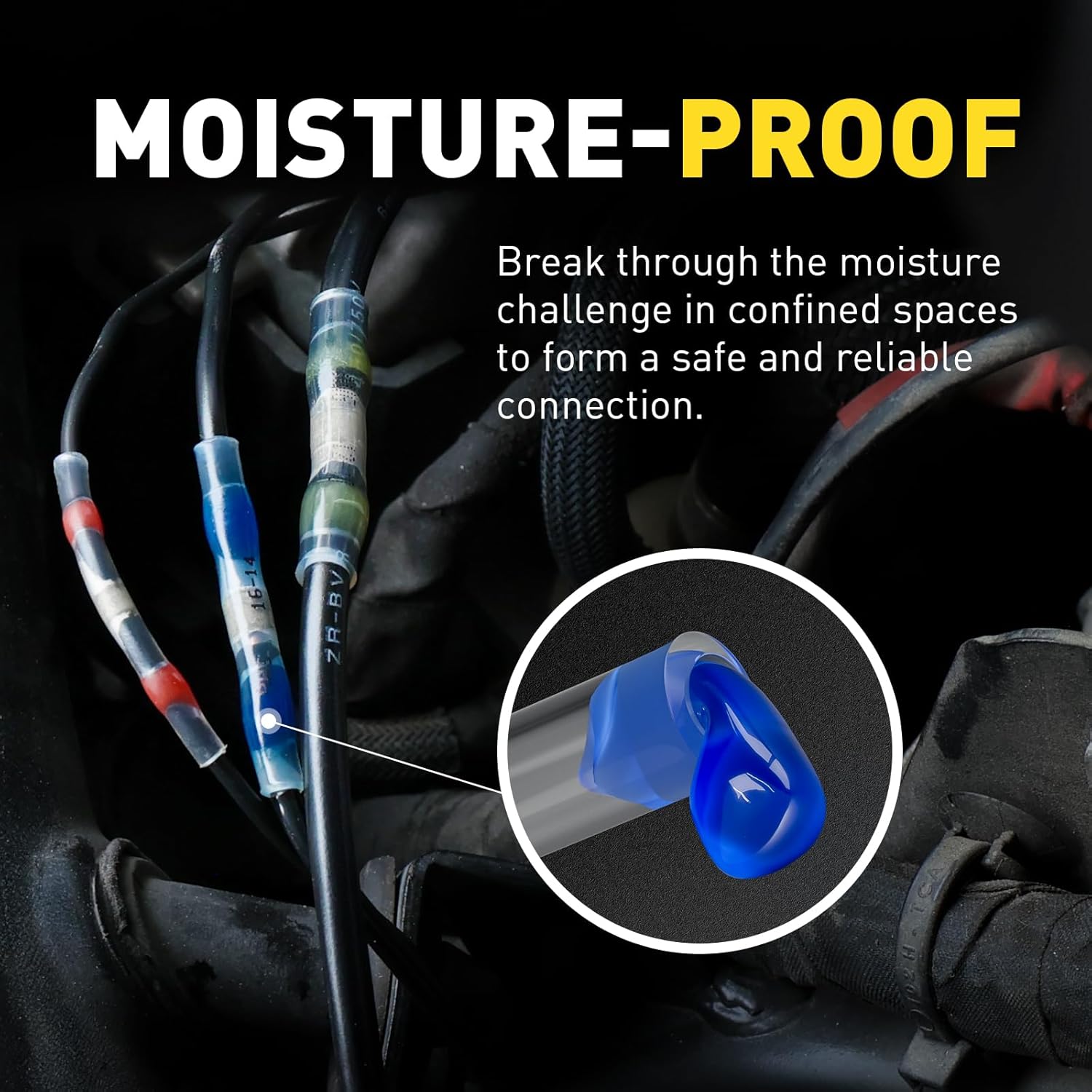
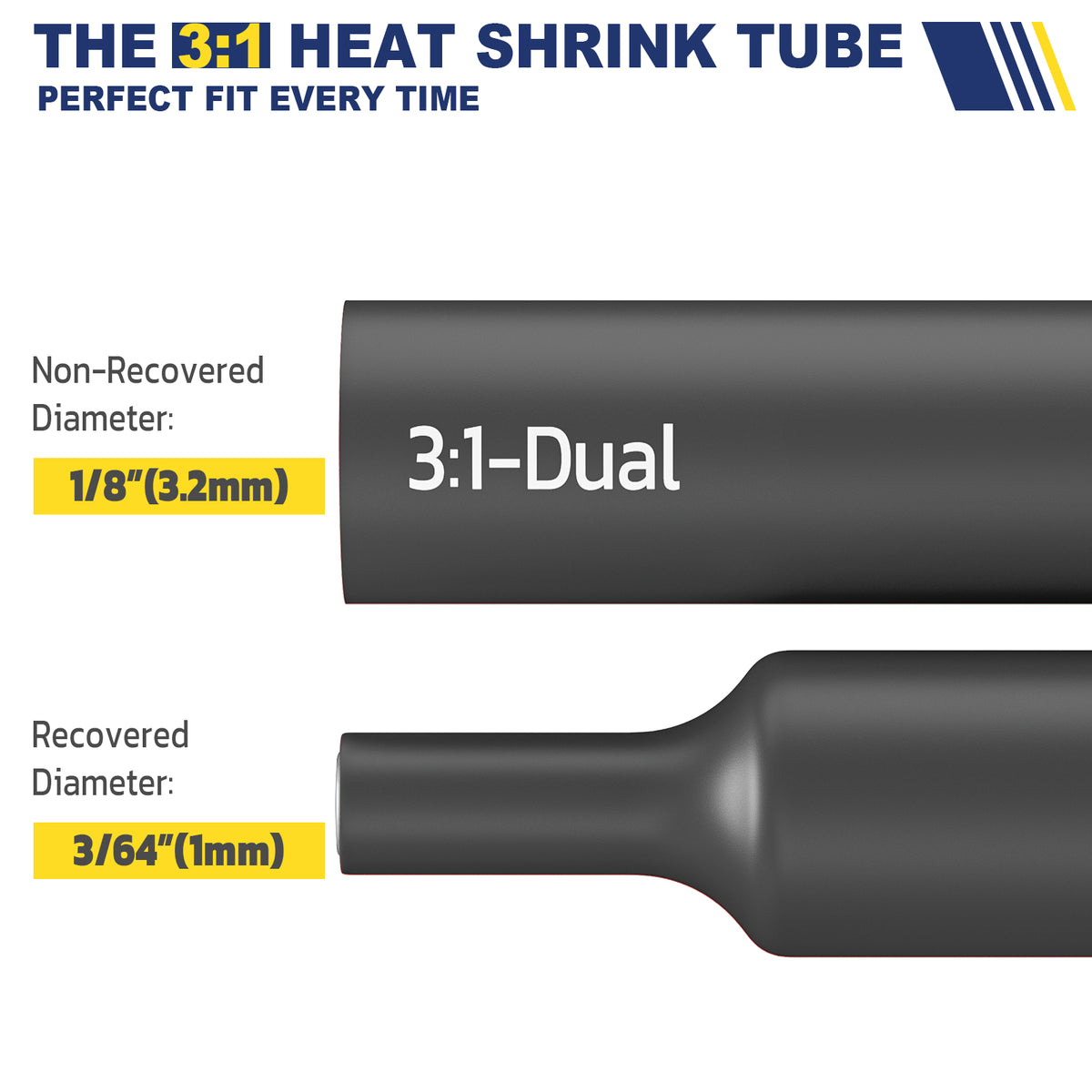
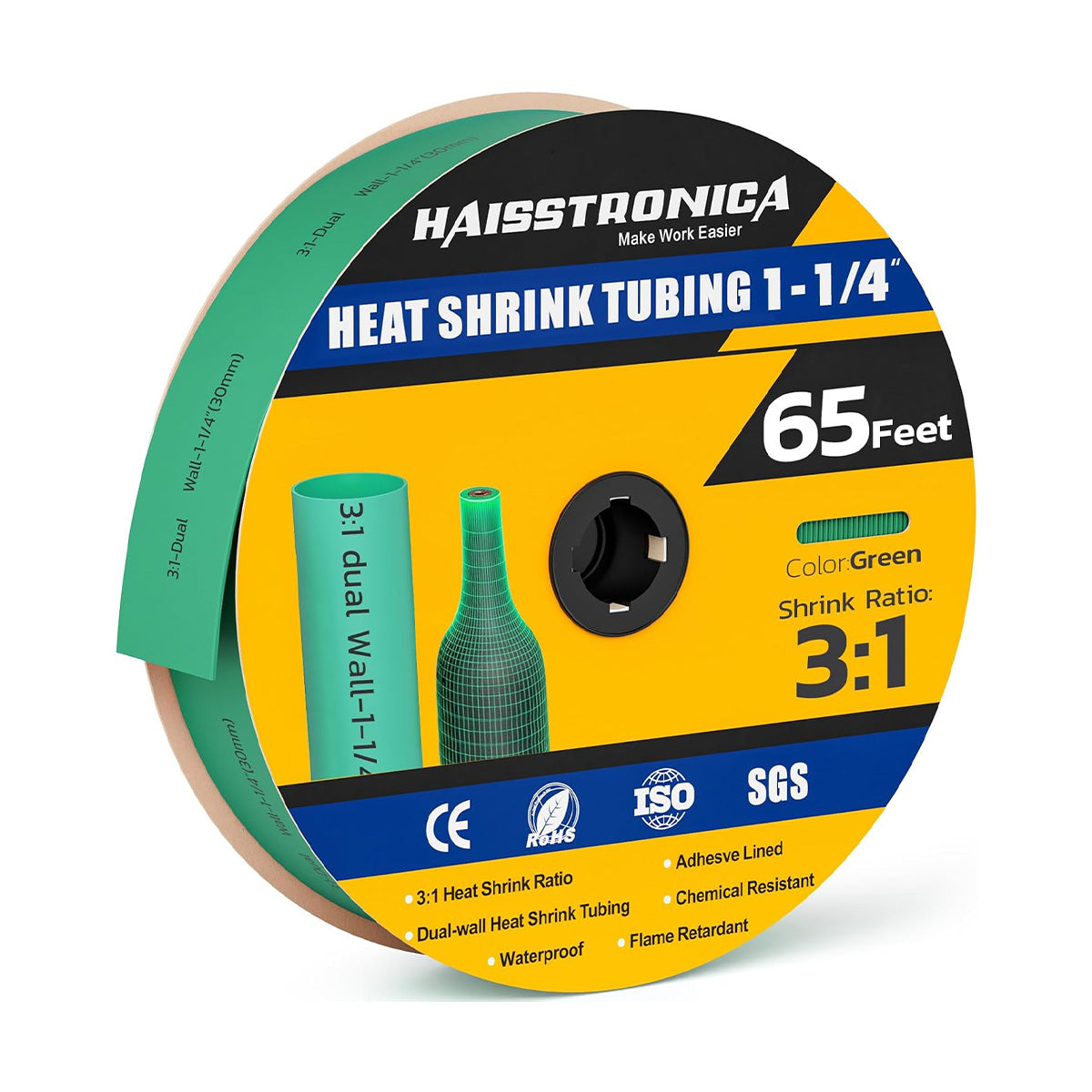
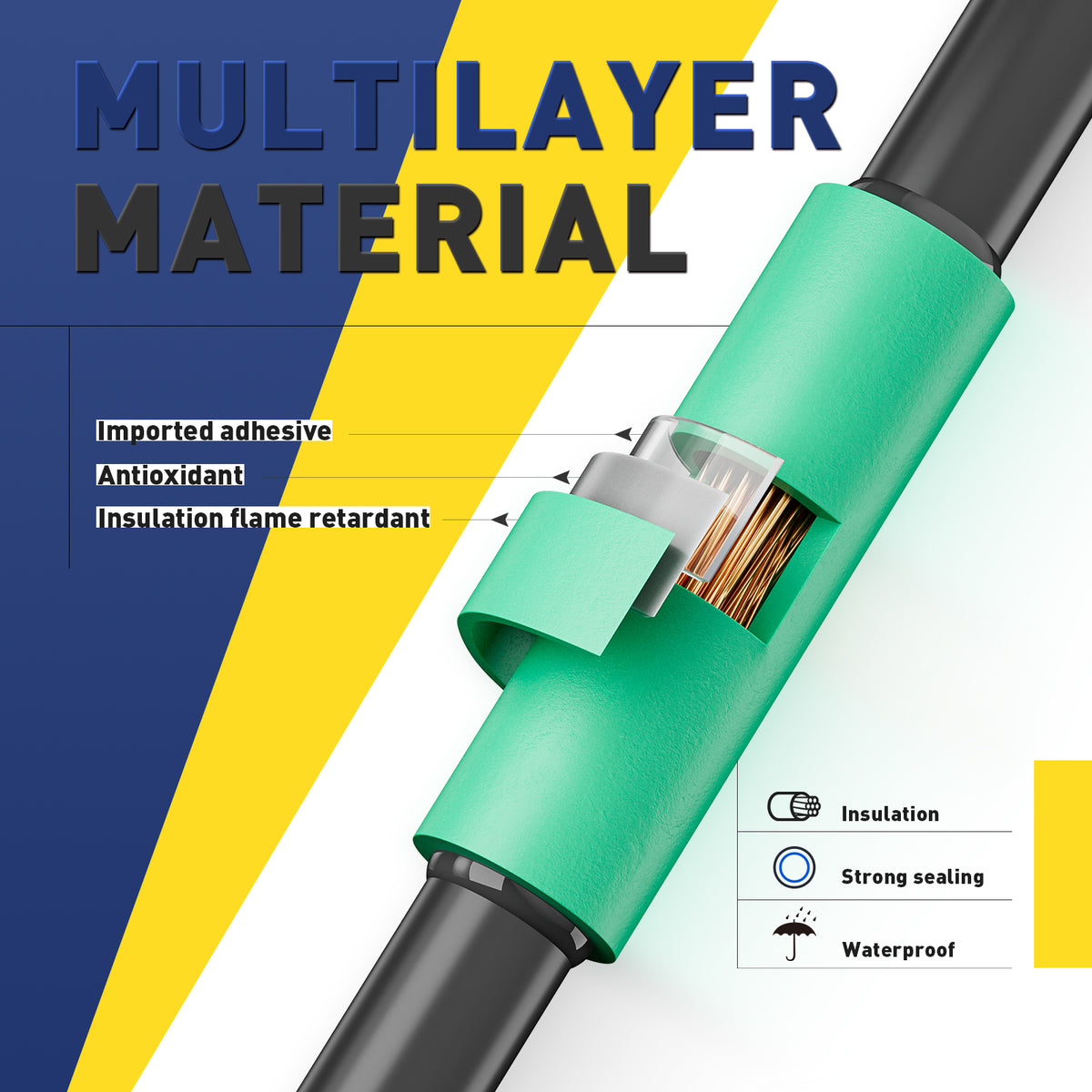
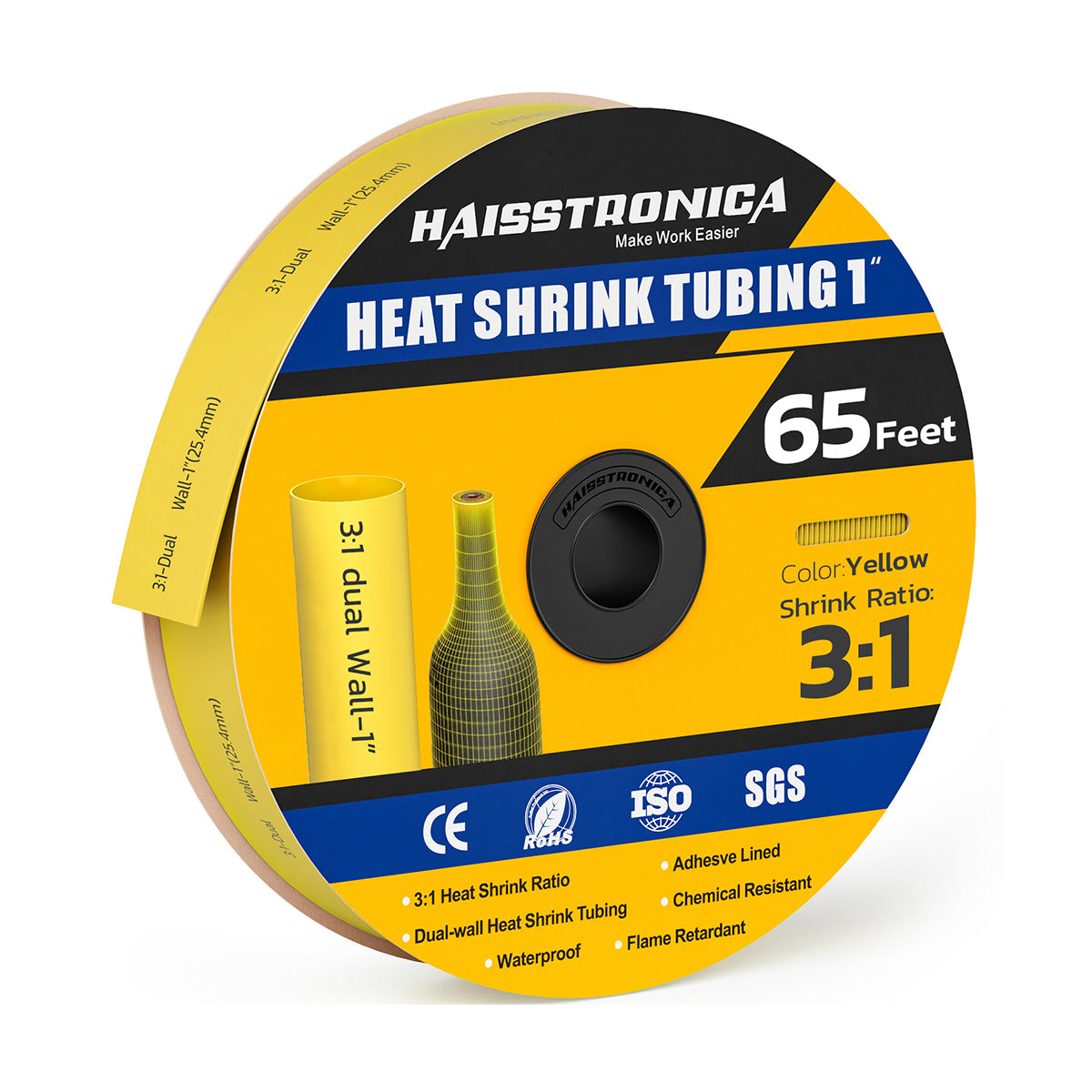
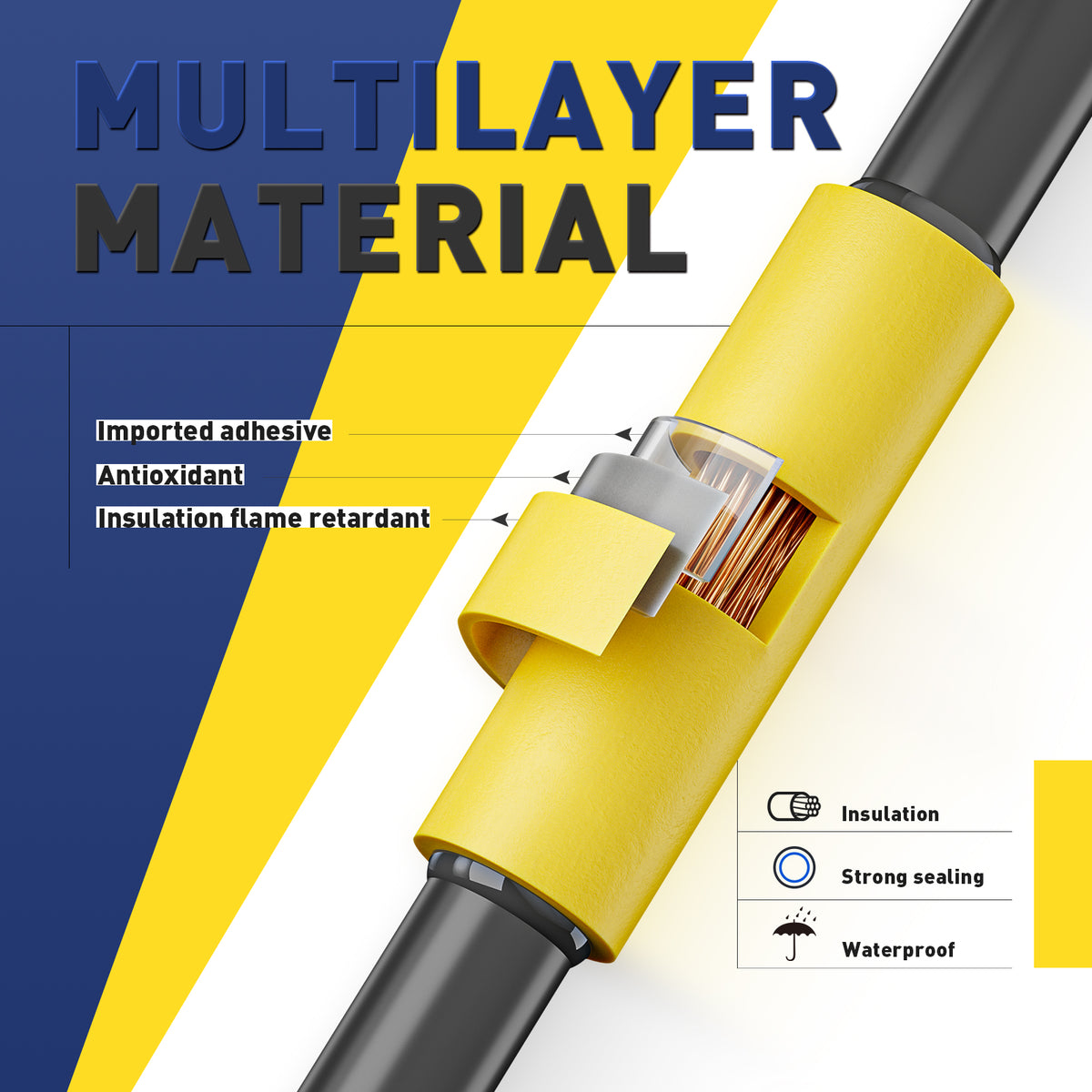
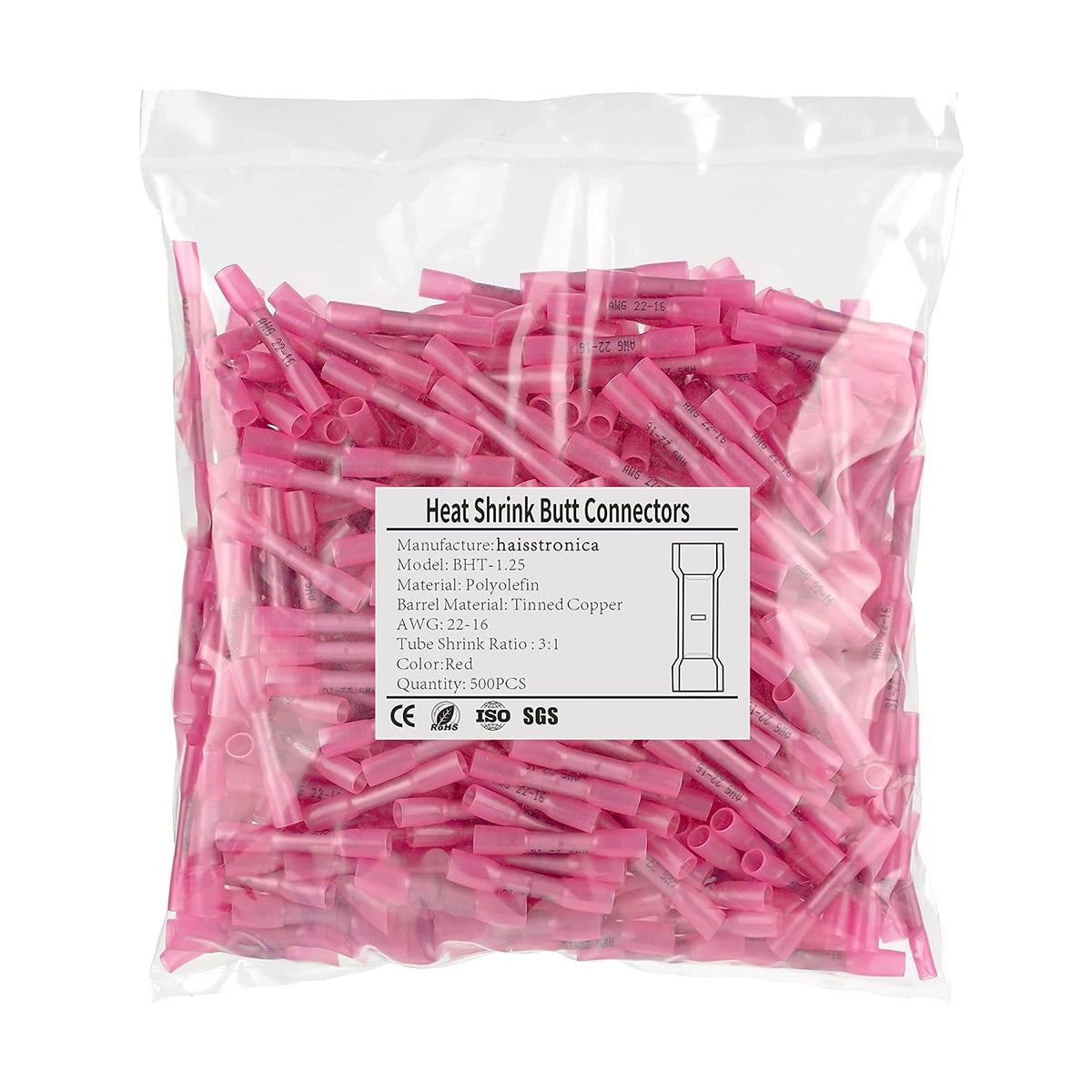
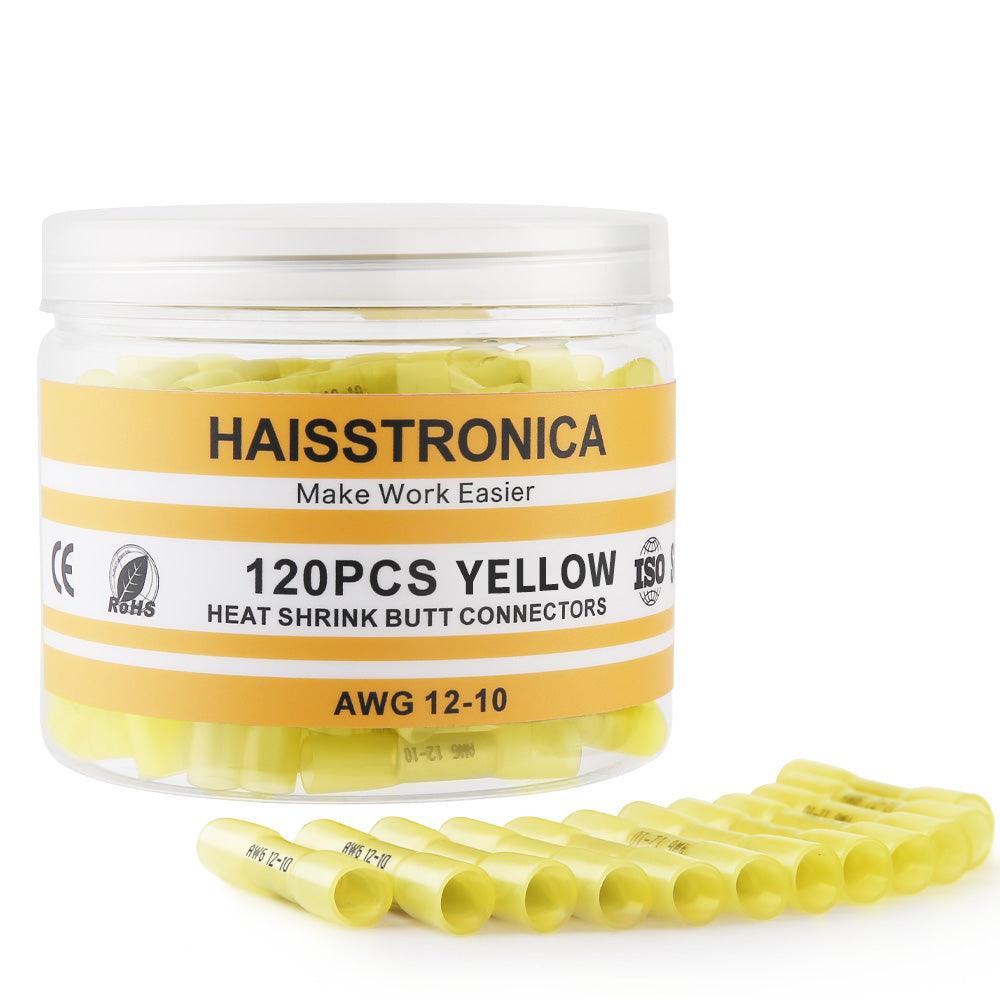
A matched heat-shrink butt connector is a common repair path when two compatible wires must continue end to end.
Terminal blocks, studs, serviceability and equipment specifications decide the termination family.
Use butt connectors to extend a wire, ring terminals for a screw or stud, and spades when the tab connection must disconnect.
Choose the connector by what the joint must do
A familiar connector is not automatically the correct one. Work from function to size, then verify the installation method.
Four common answers—and the job each one solves
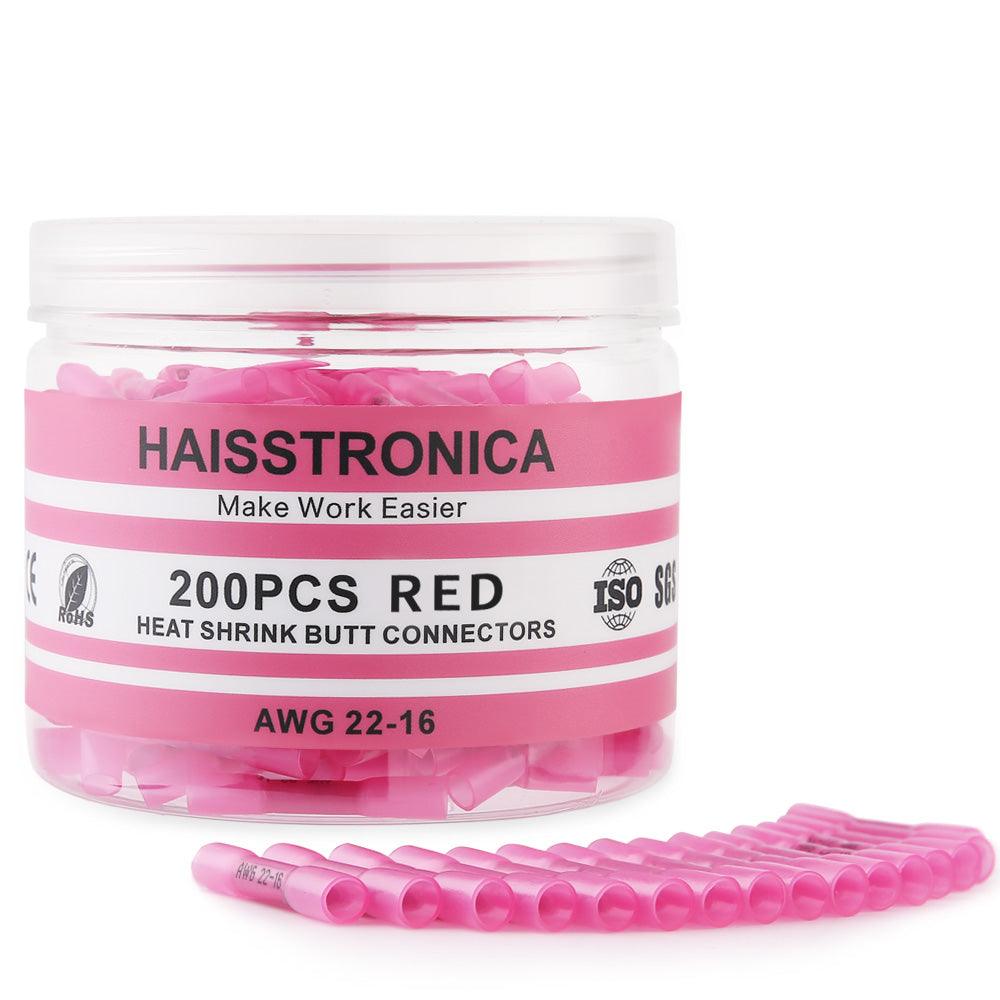
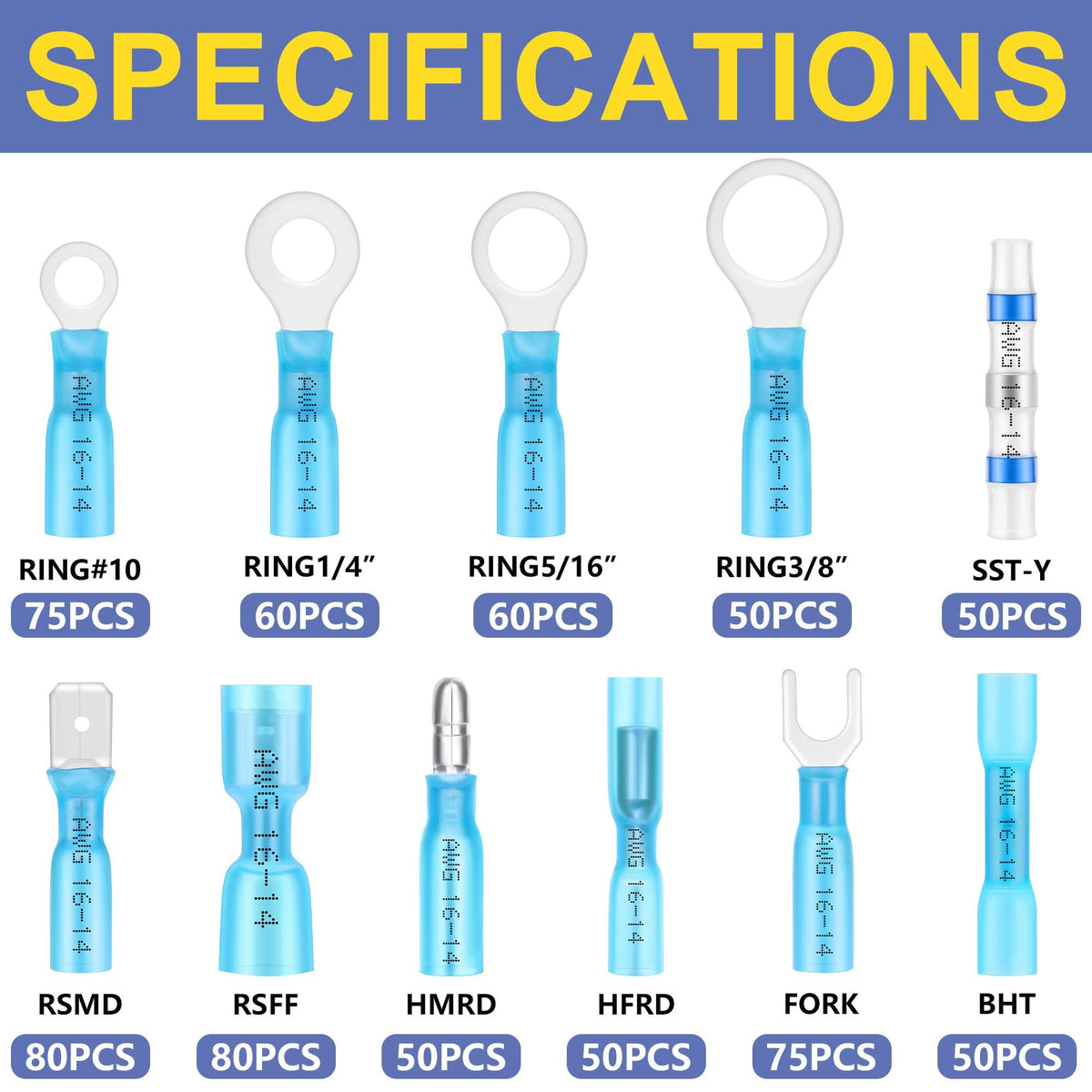
Joins two compatible conductors end to end. This is the practical “most common” answer for many automotive, trailer, marine and low-voltage repair splices.
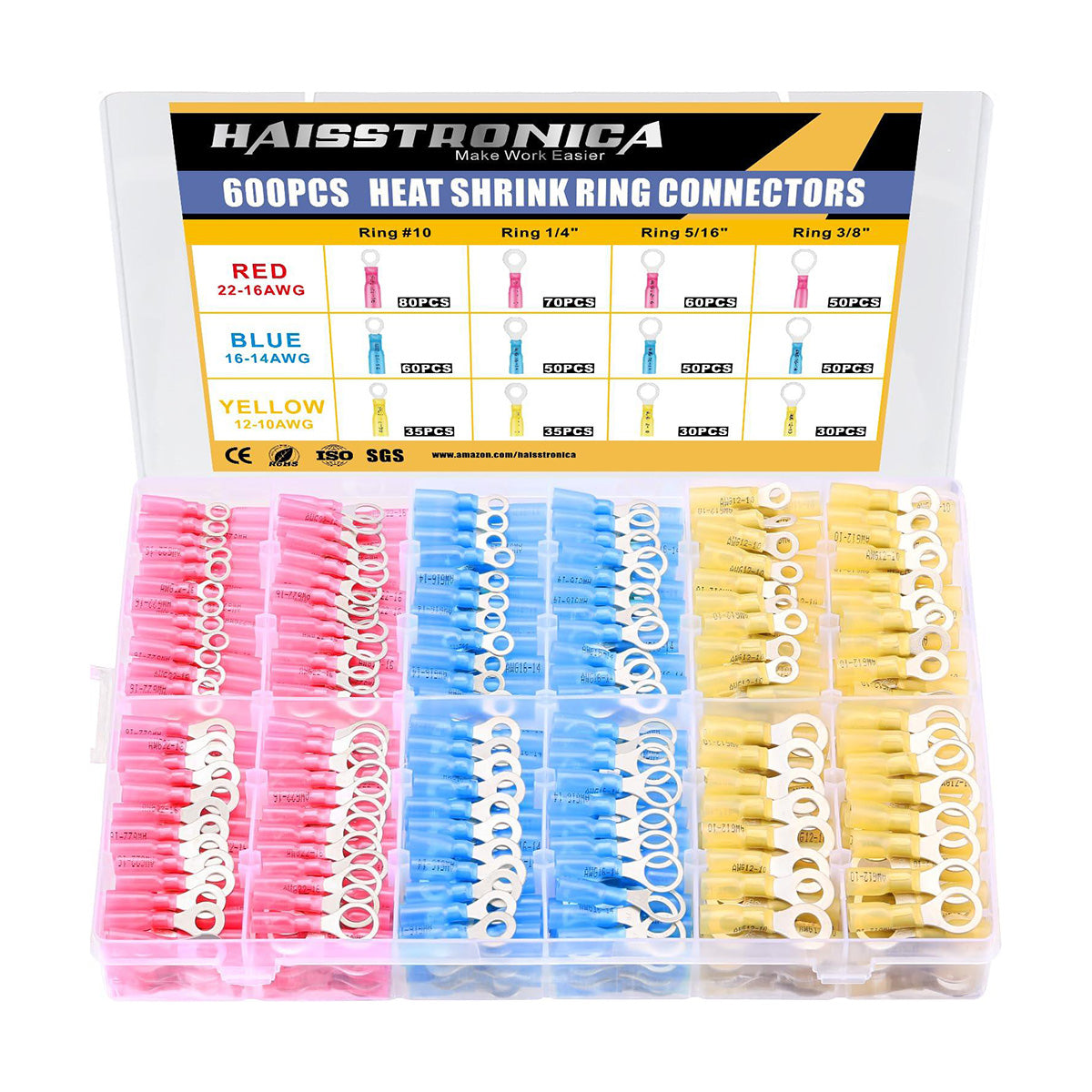
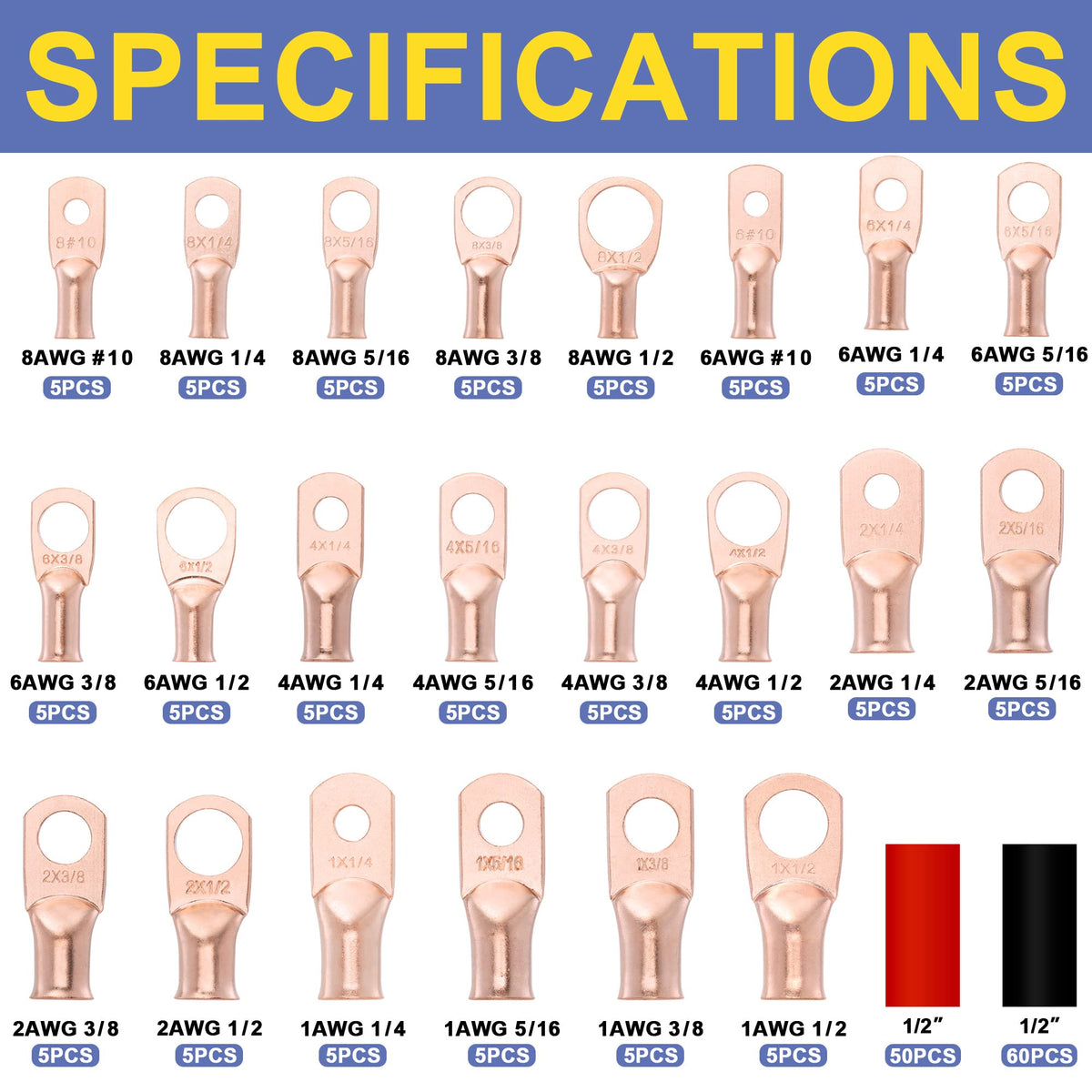
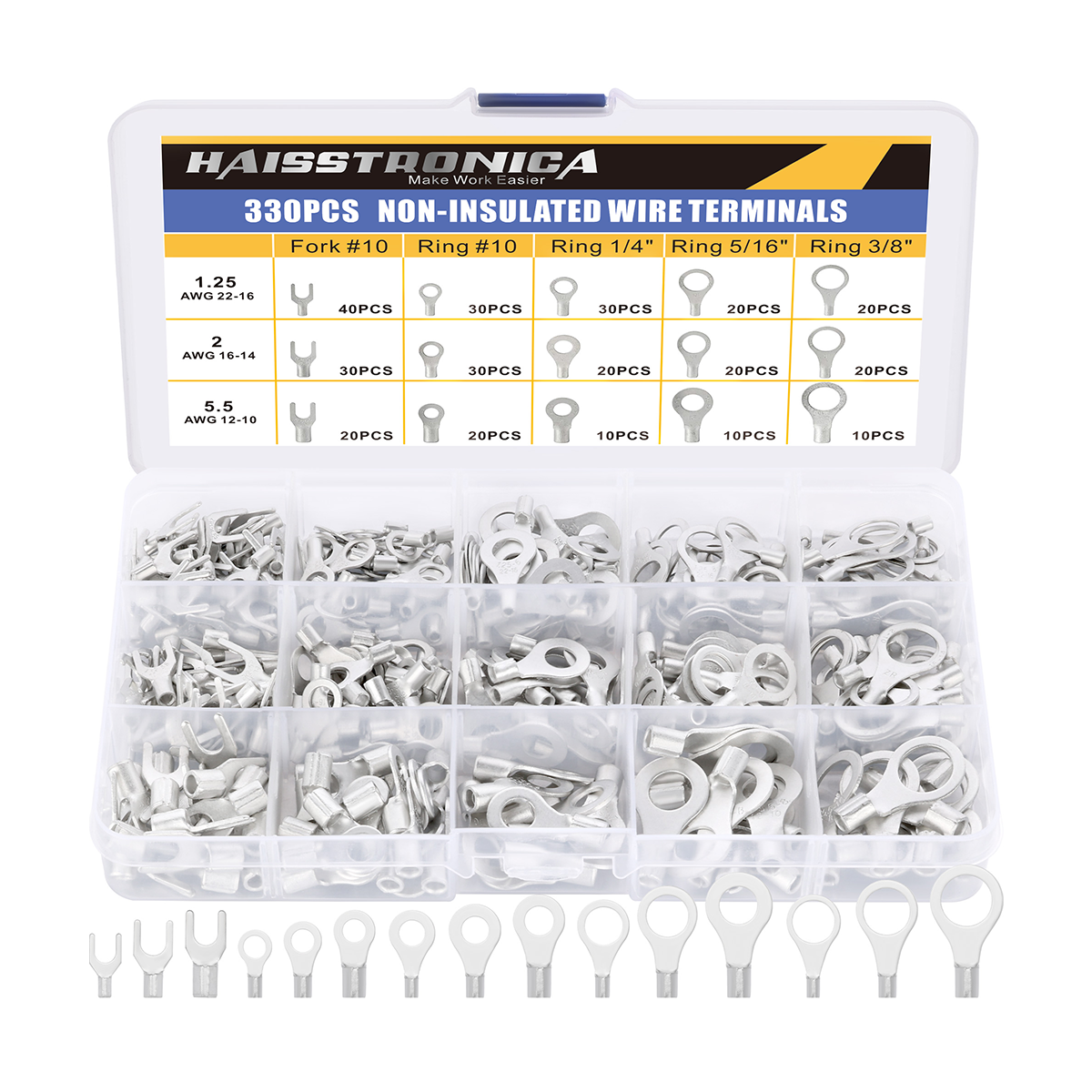
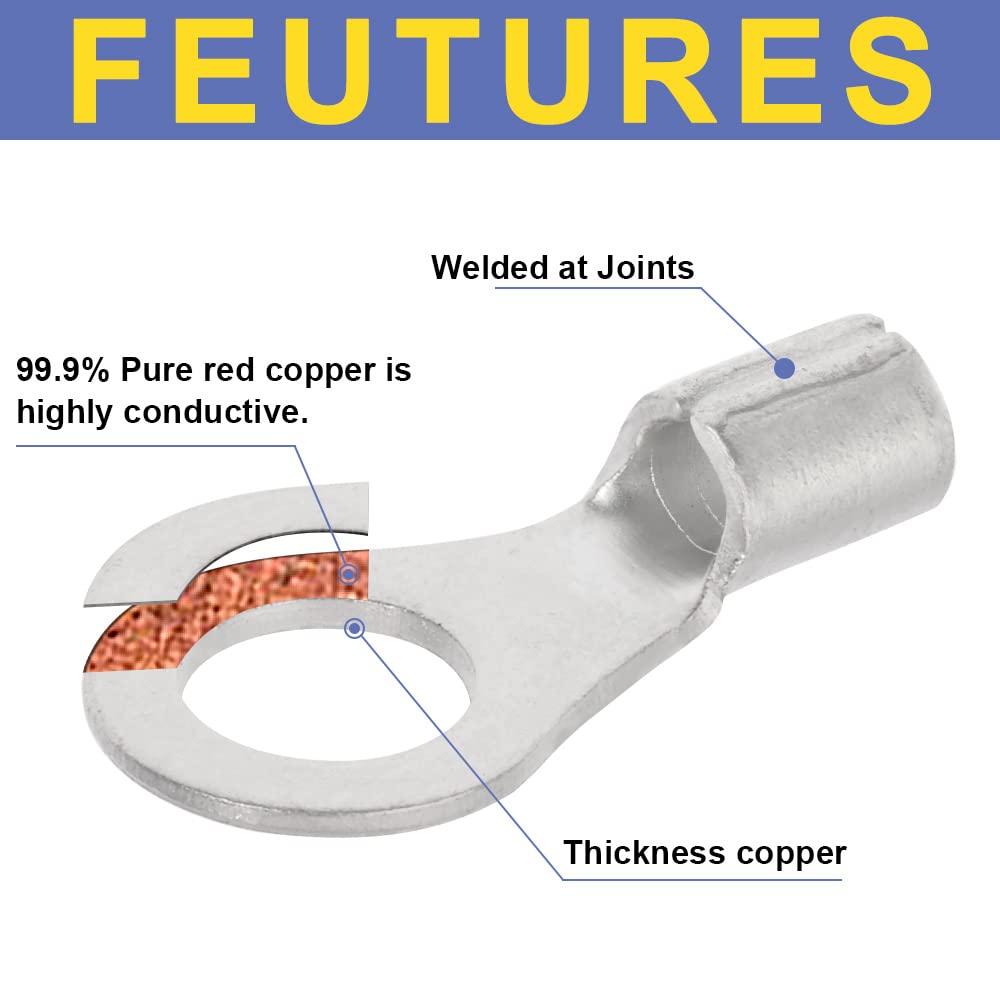
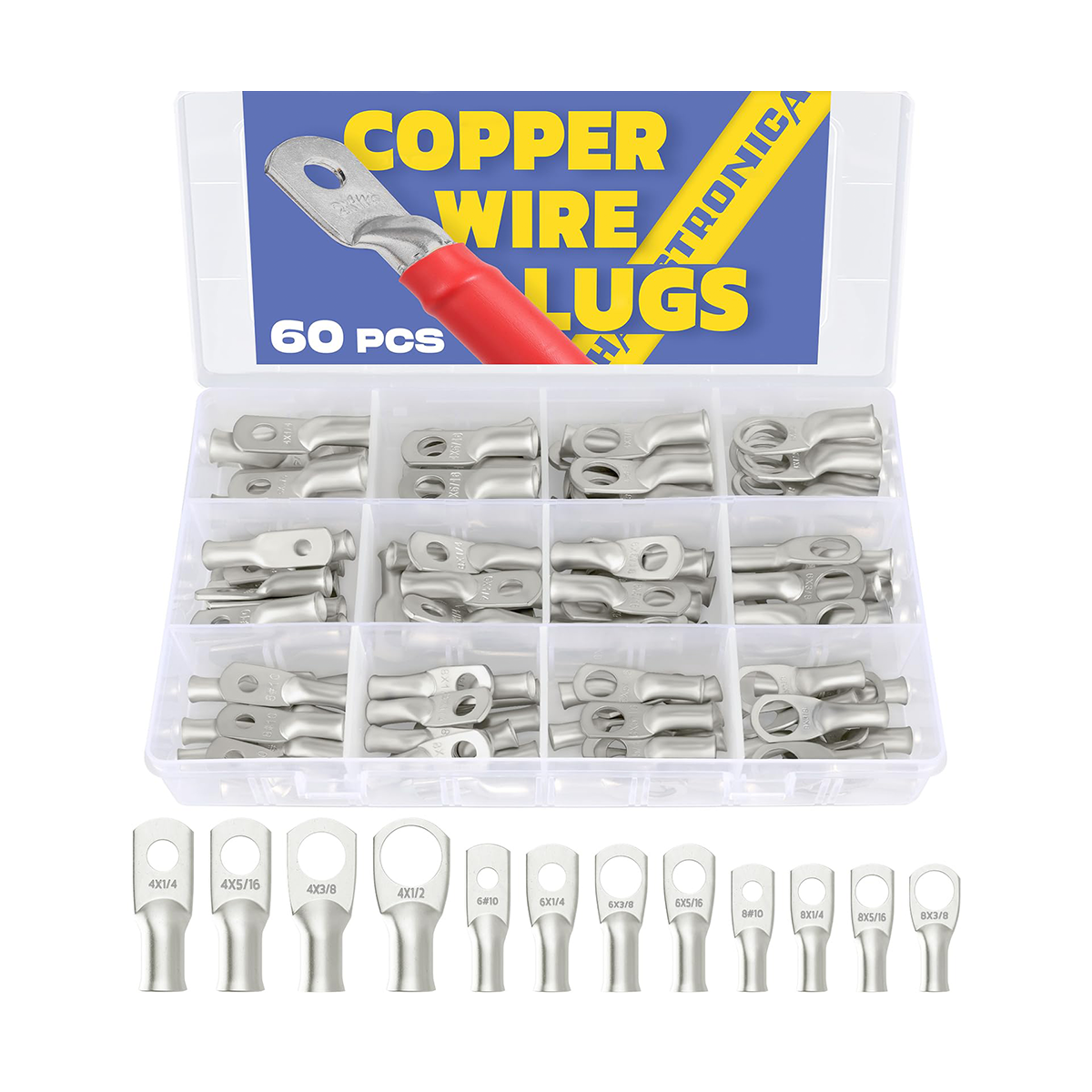
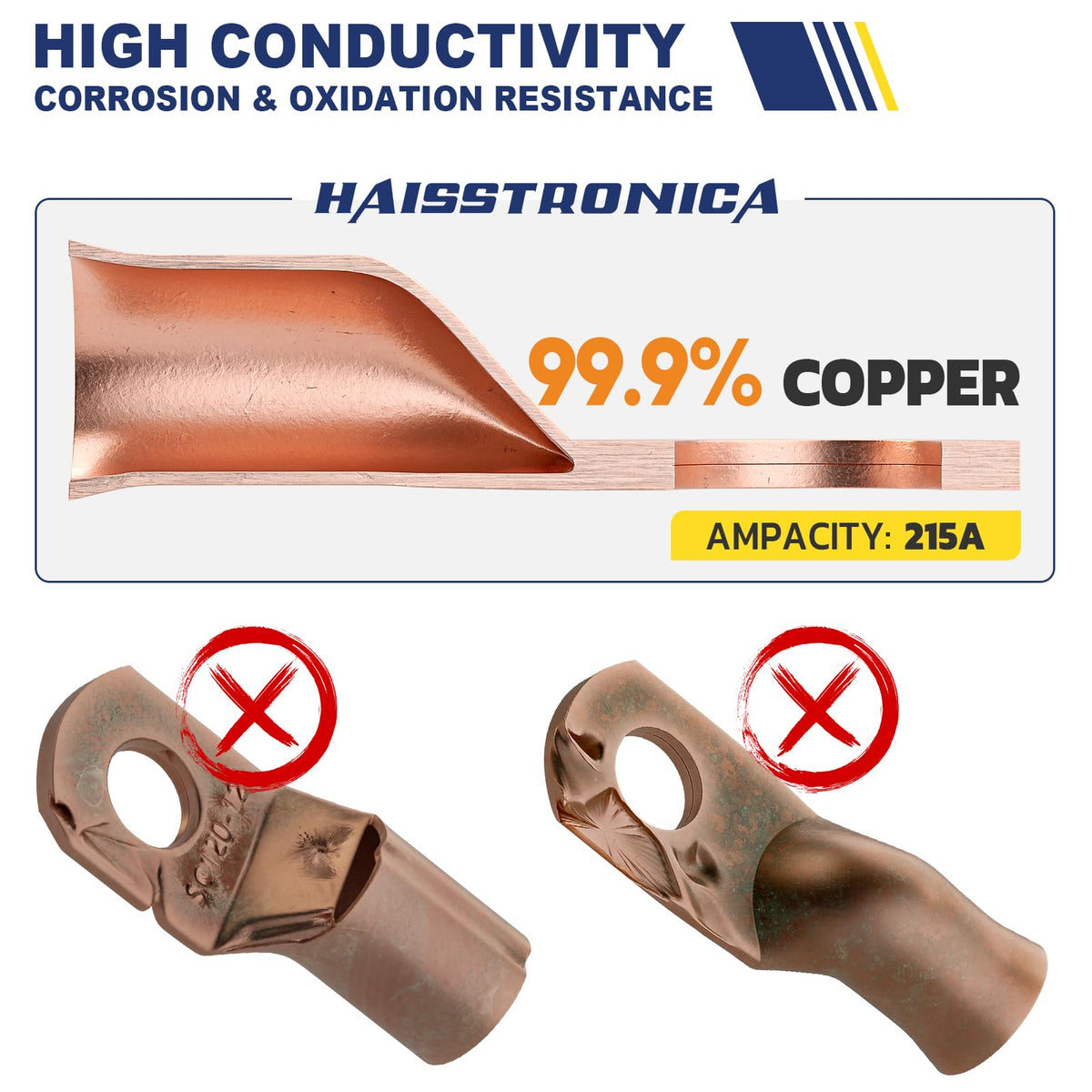
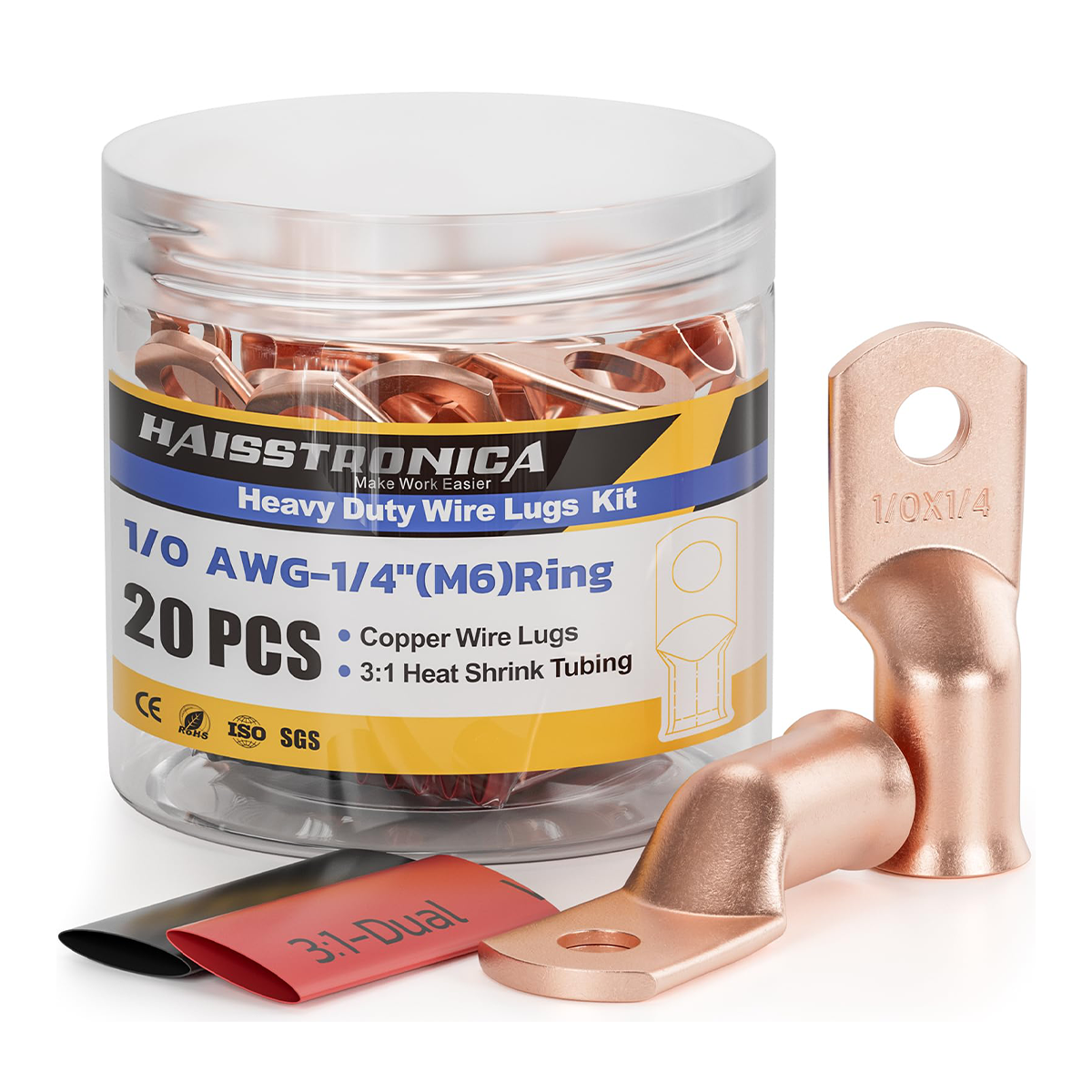
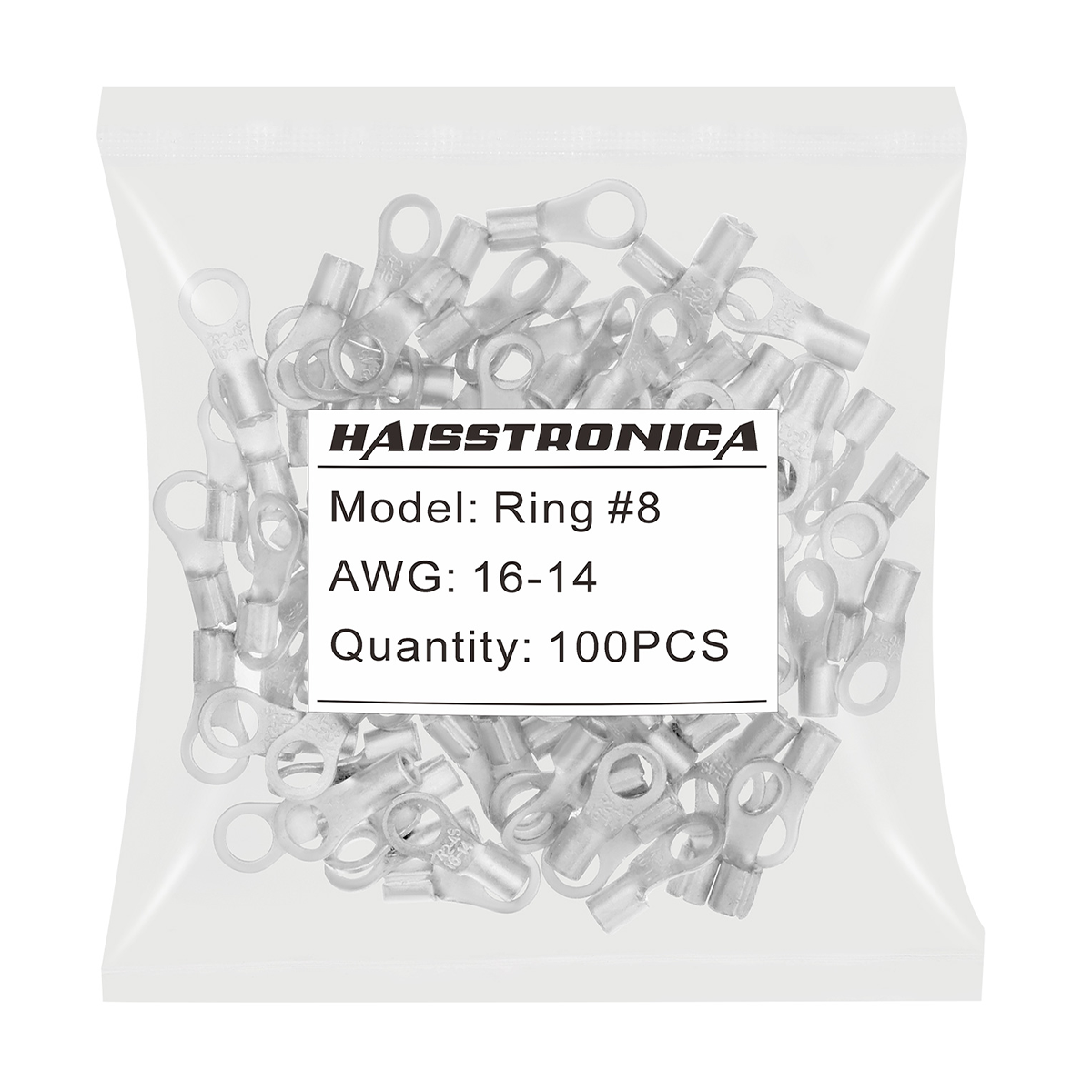
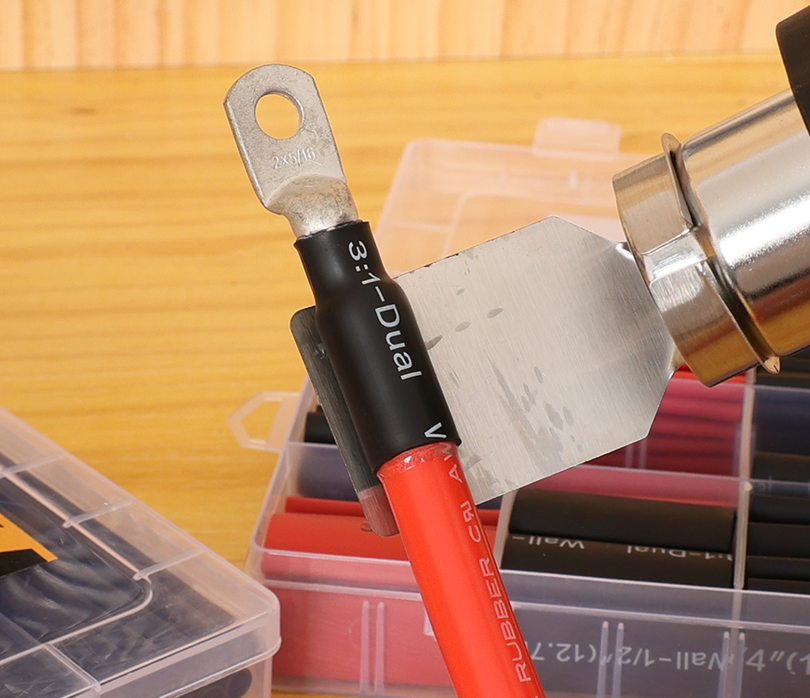
Creates a captive connection under a screw, ground point, fuse block, bus bar or stud. Match both conductor AWG and stud-hole diameter.
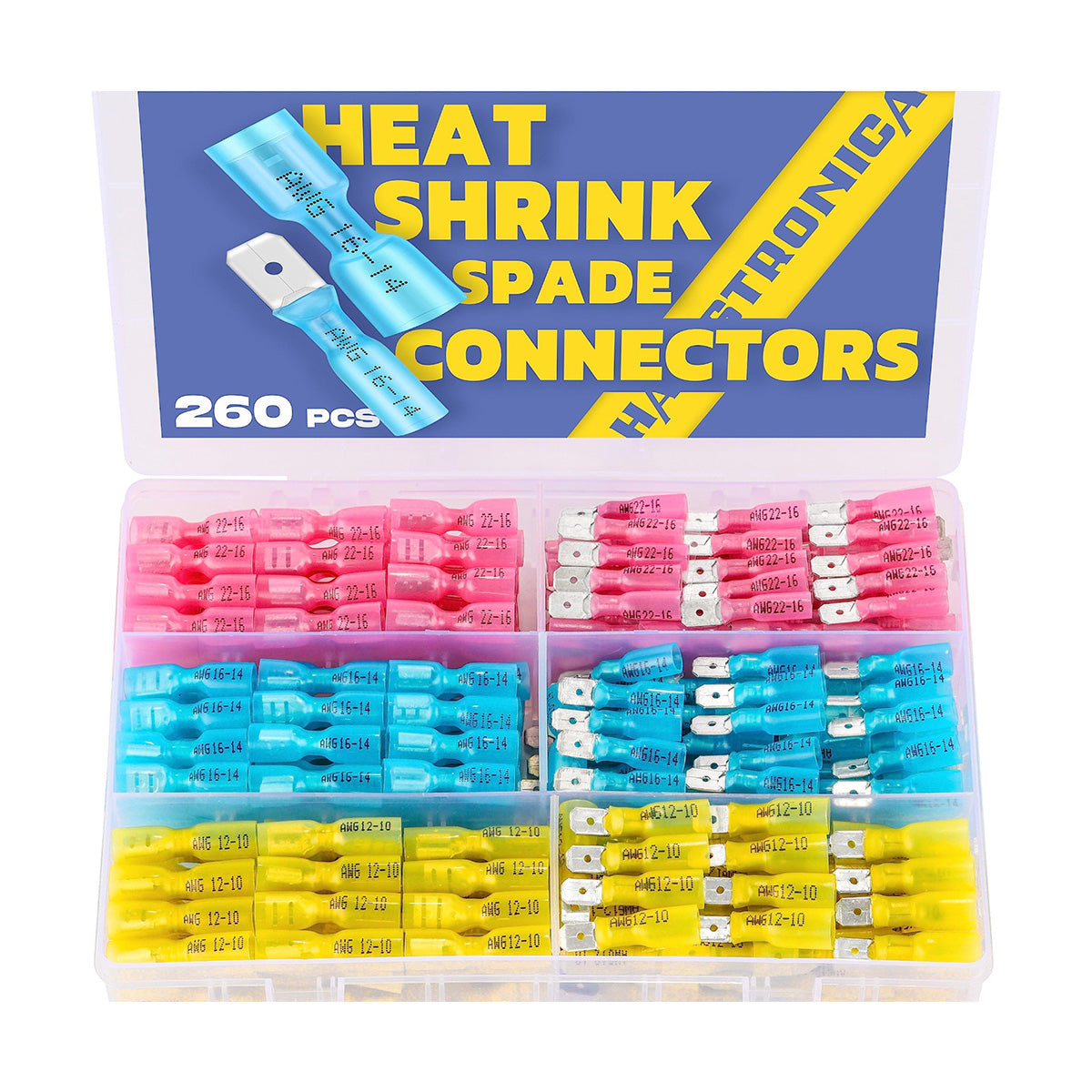
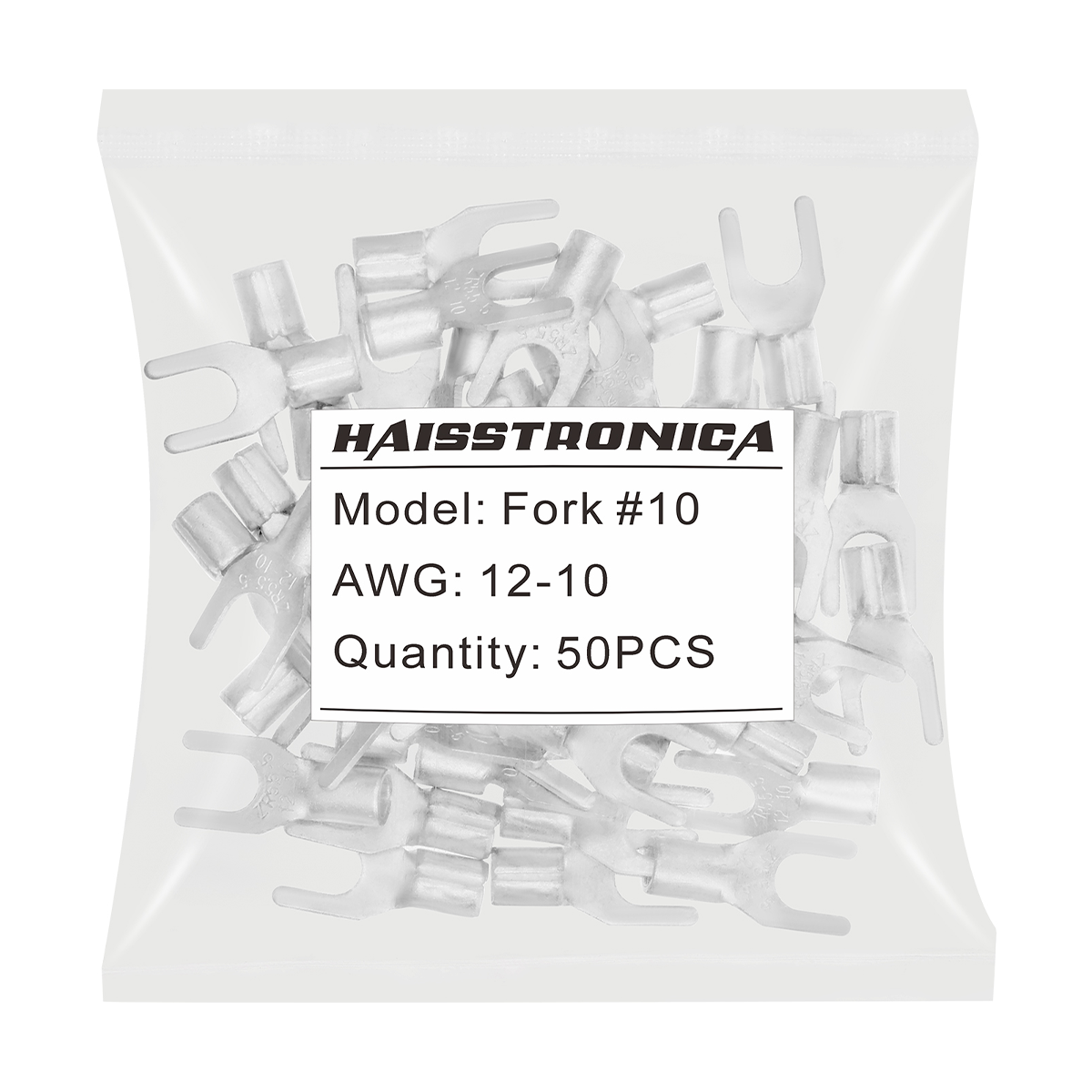
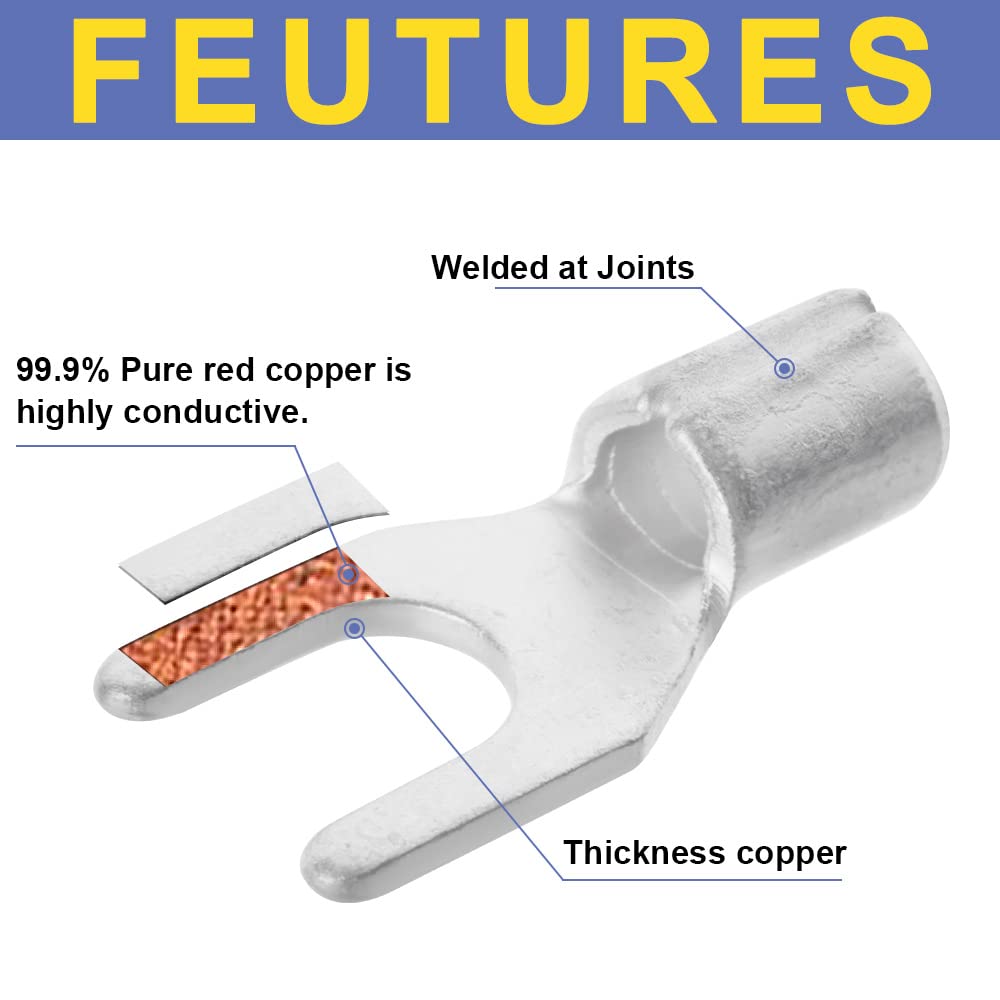
Slides onto a matching tab for switches, relays, speakers and serviceable equipment. Confirm tab width, terminal gender and wire gauge before crimping.
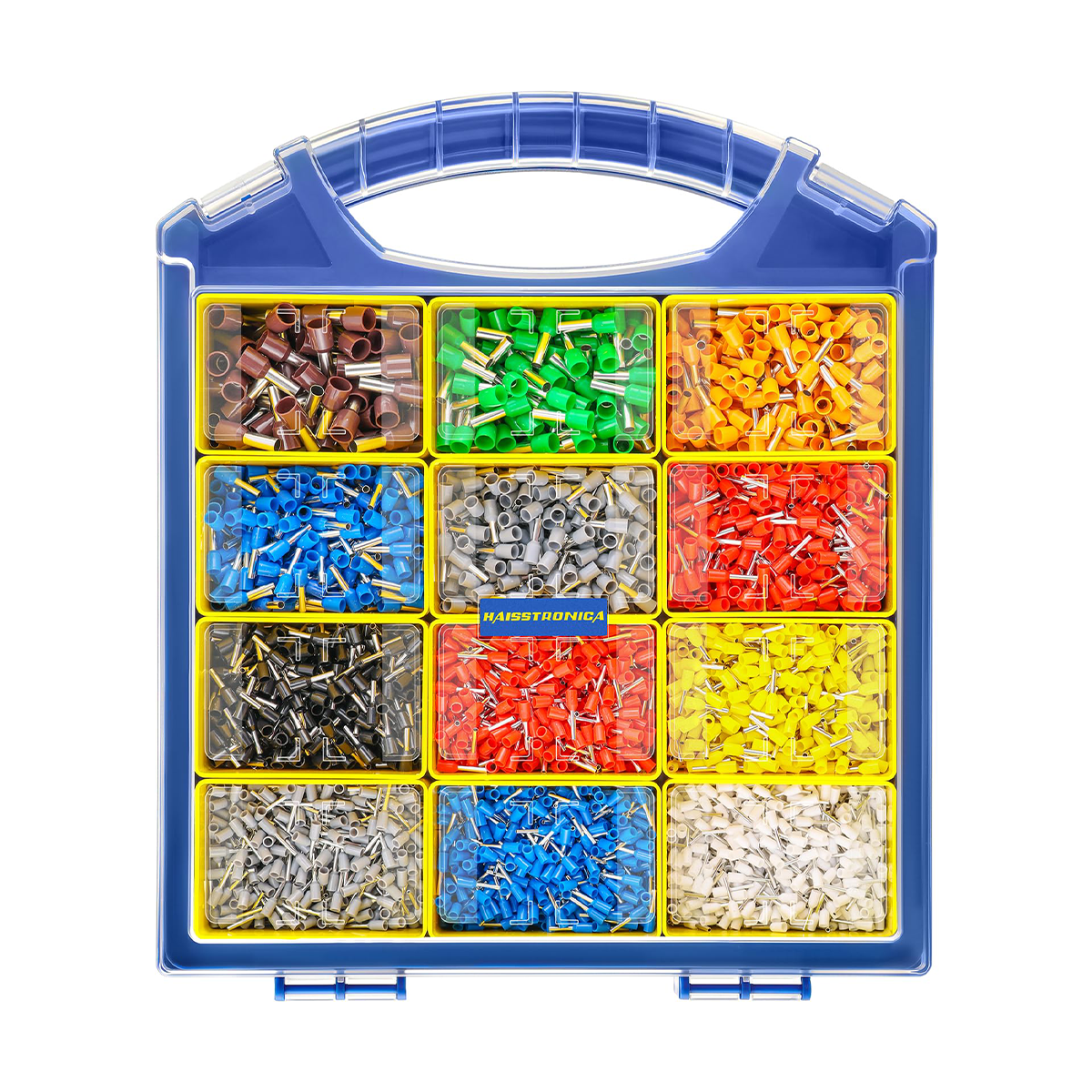
Used where stranded wire enters a terminal block or equipment connection designed for that termination. Follow the equipment maker and applicable standard.
For fixed building wiring, use connectors listed and permitted for the conductor, enclosure and local code. Do not choose an automotive butt terminal simply because it is common in vehicle repair.
The connector name is only the first decision
Inline splice, stud, screw, tab, terminal block or multi-pin plug all demand different geometry.
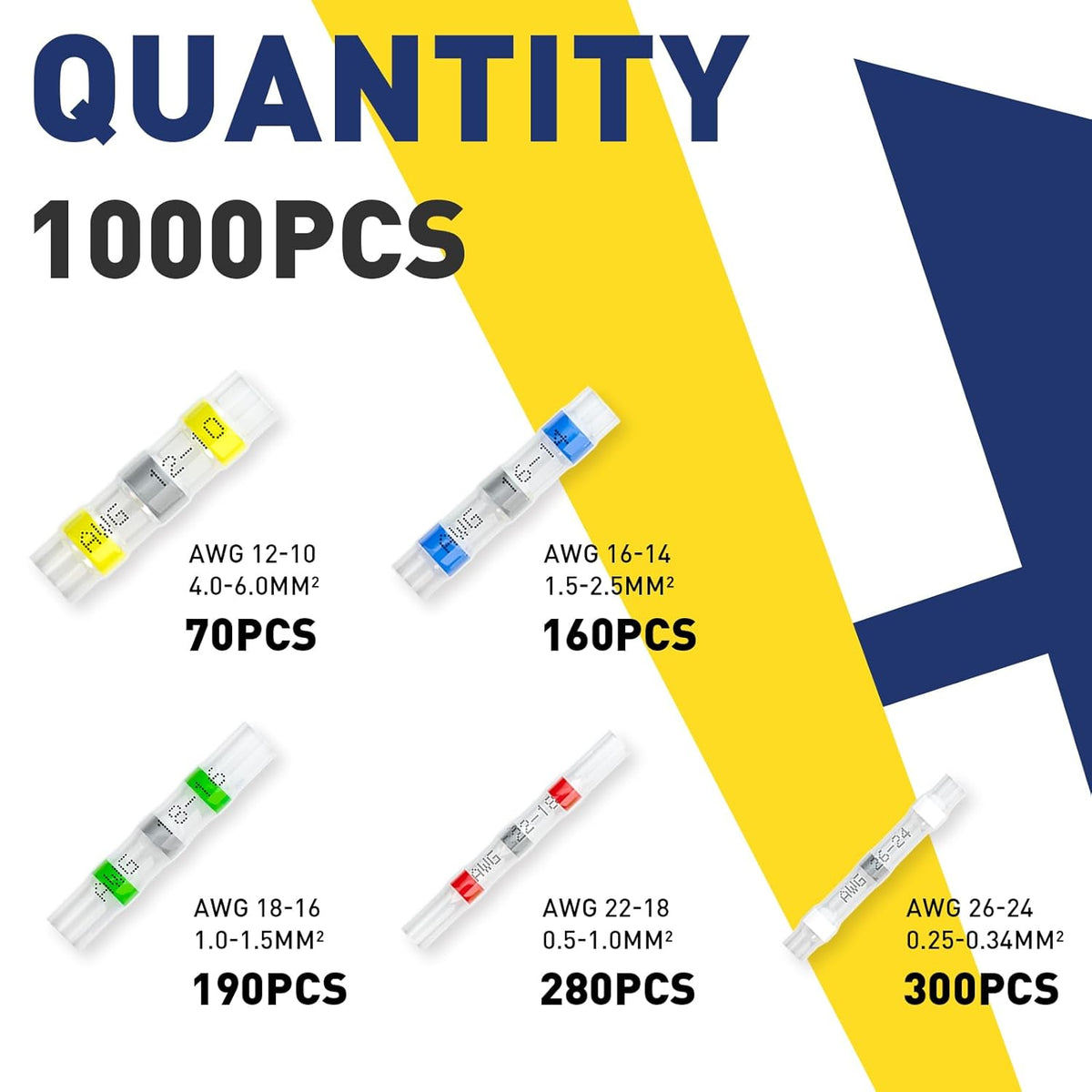
Match the connector’s published range to the actual AWG and conductor construction—not jacket appearance.
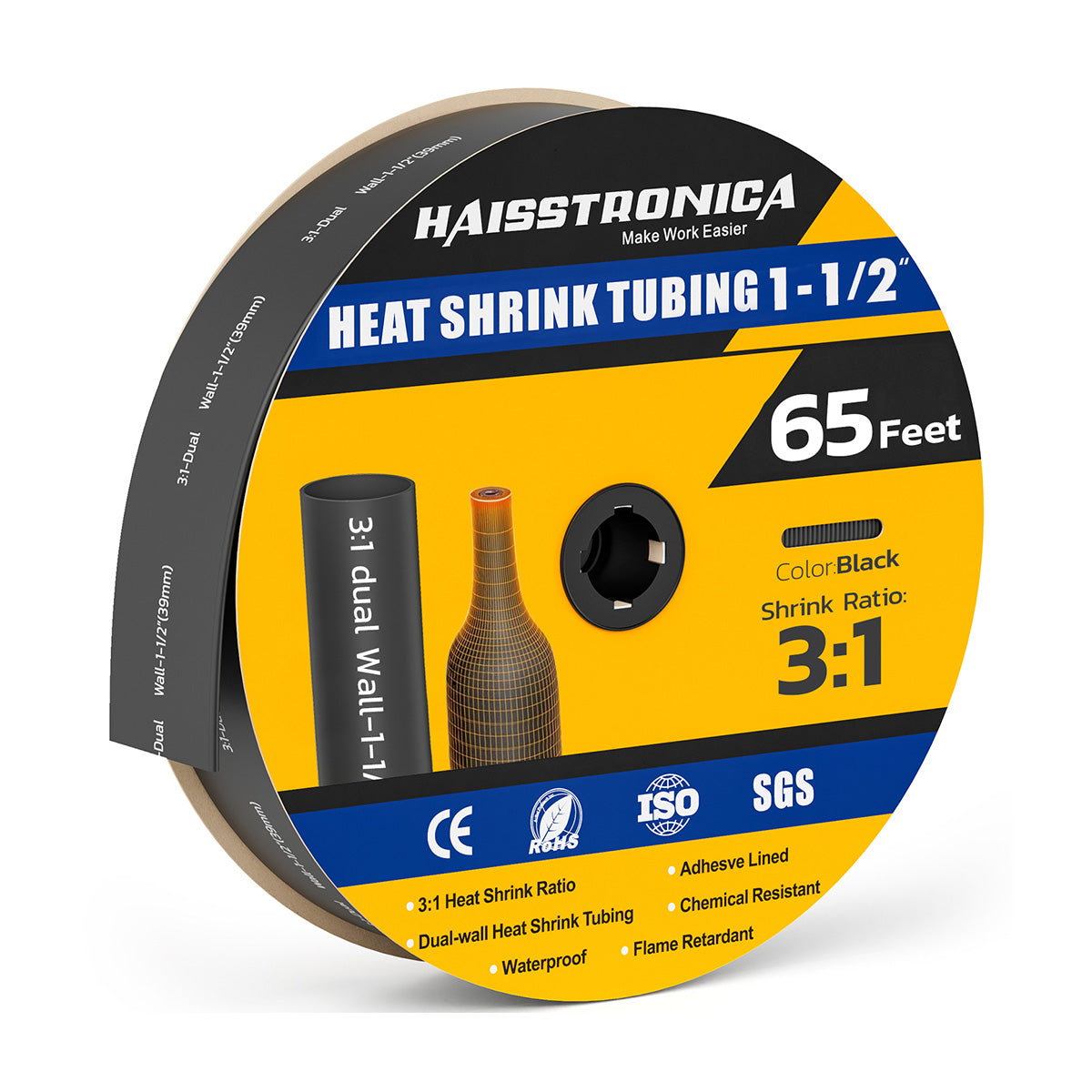
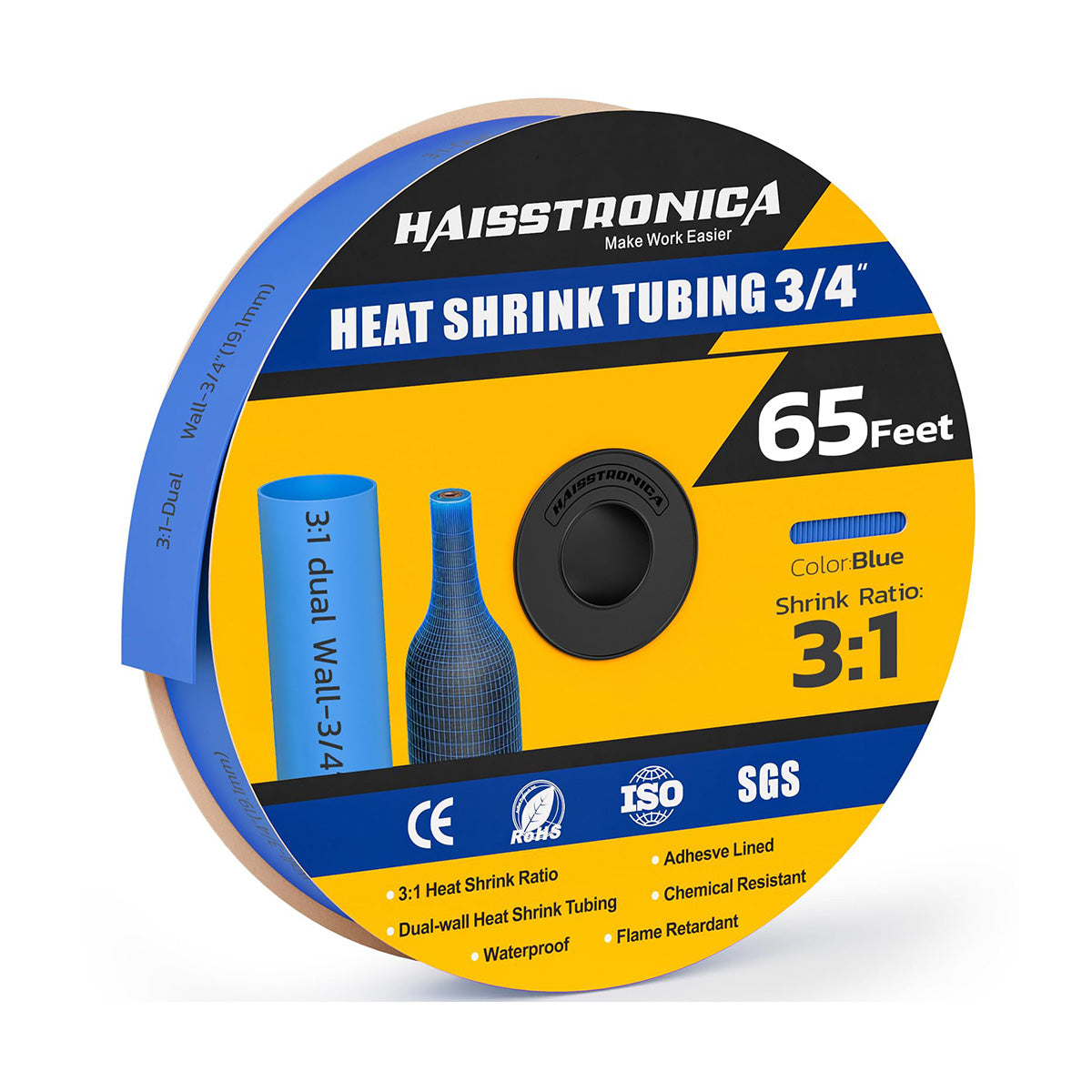
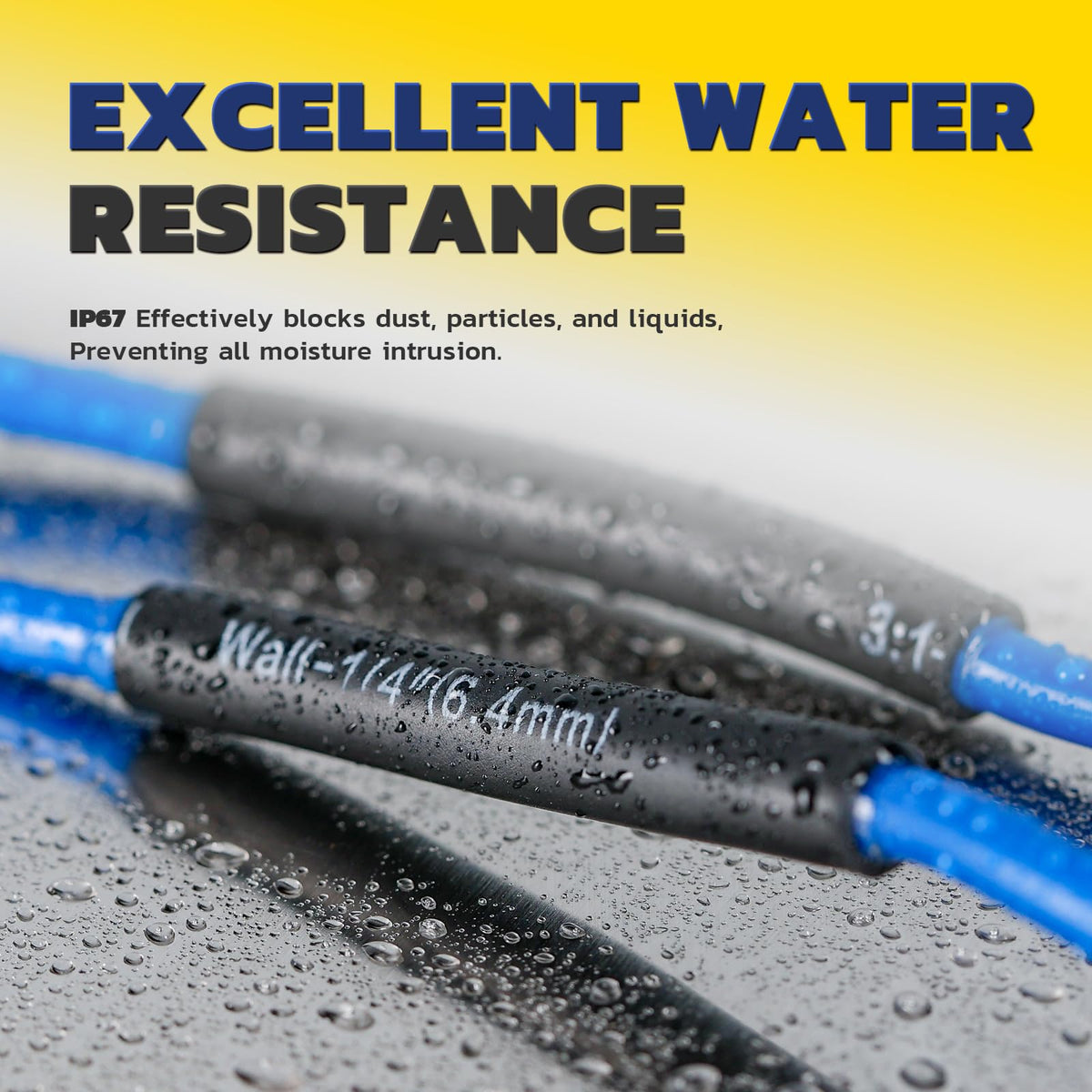
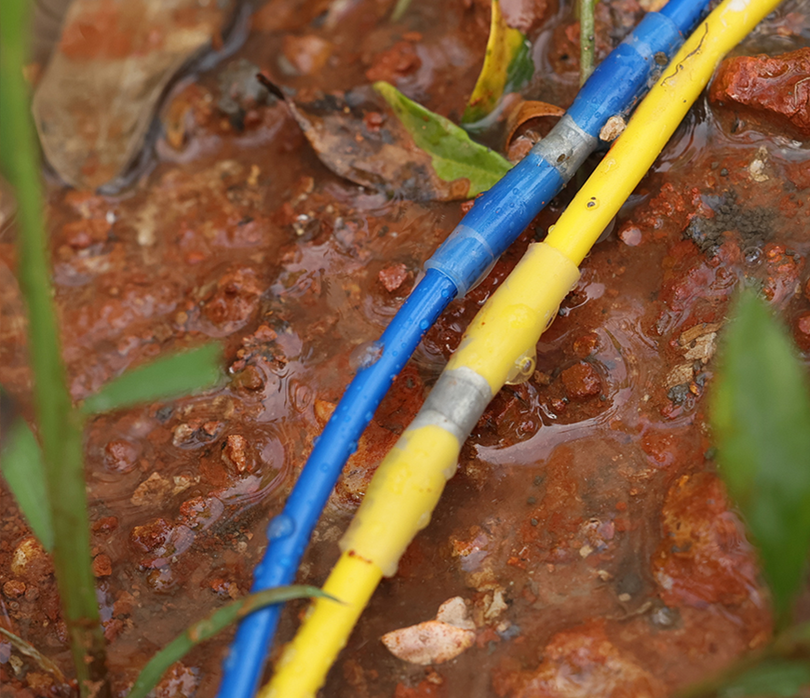
Moisture and vibration can shift the choice toward adhesive-lined heat shrink and strain relief.
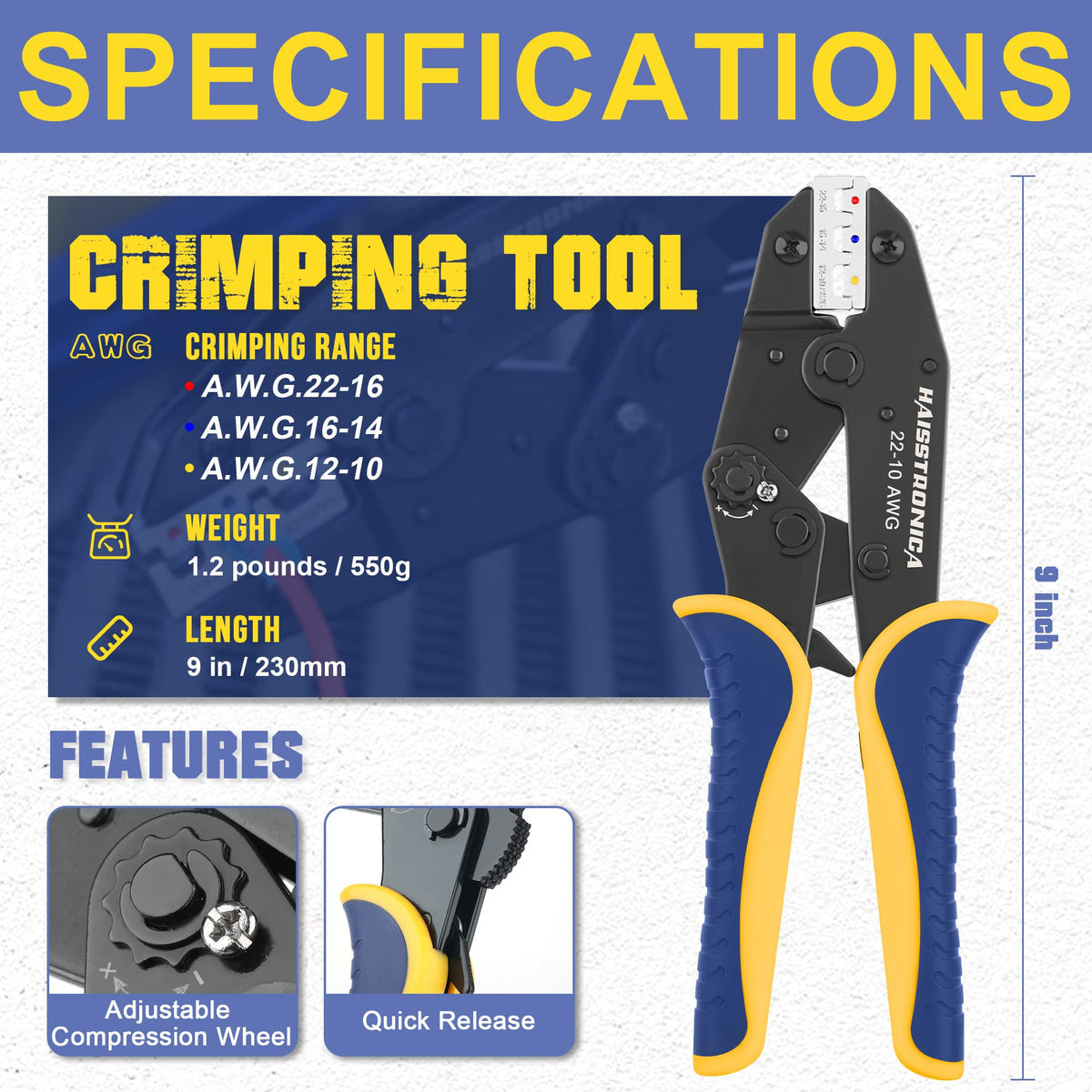
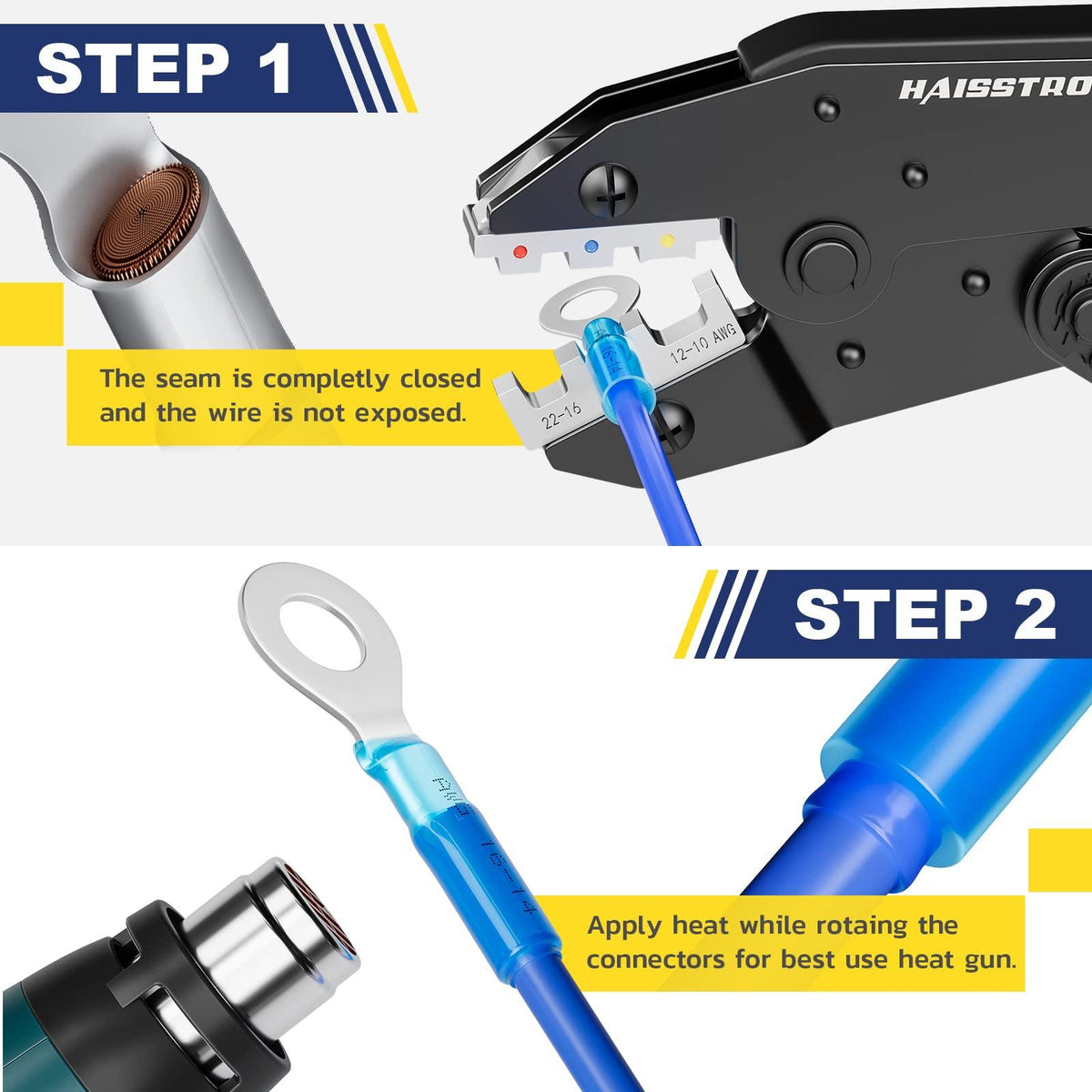
The crimp die must match the terminal family. Finish with visual inspection and a controlled pull check.
Shop by connection job—not by a universal “best” claim
These paths keep the connector family separate so an inline-splice buyer is not mixed with a screw-terminal buyer.
Join two wires end to end
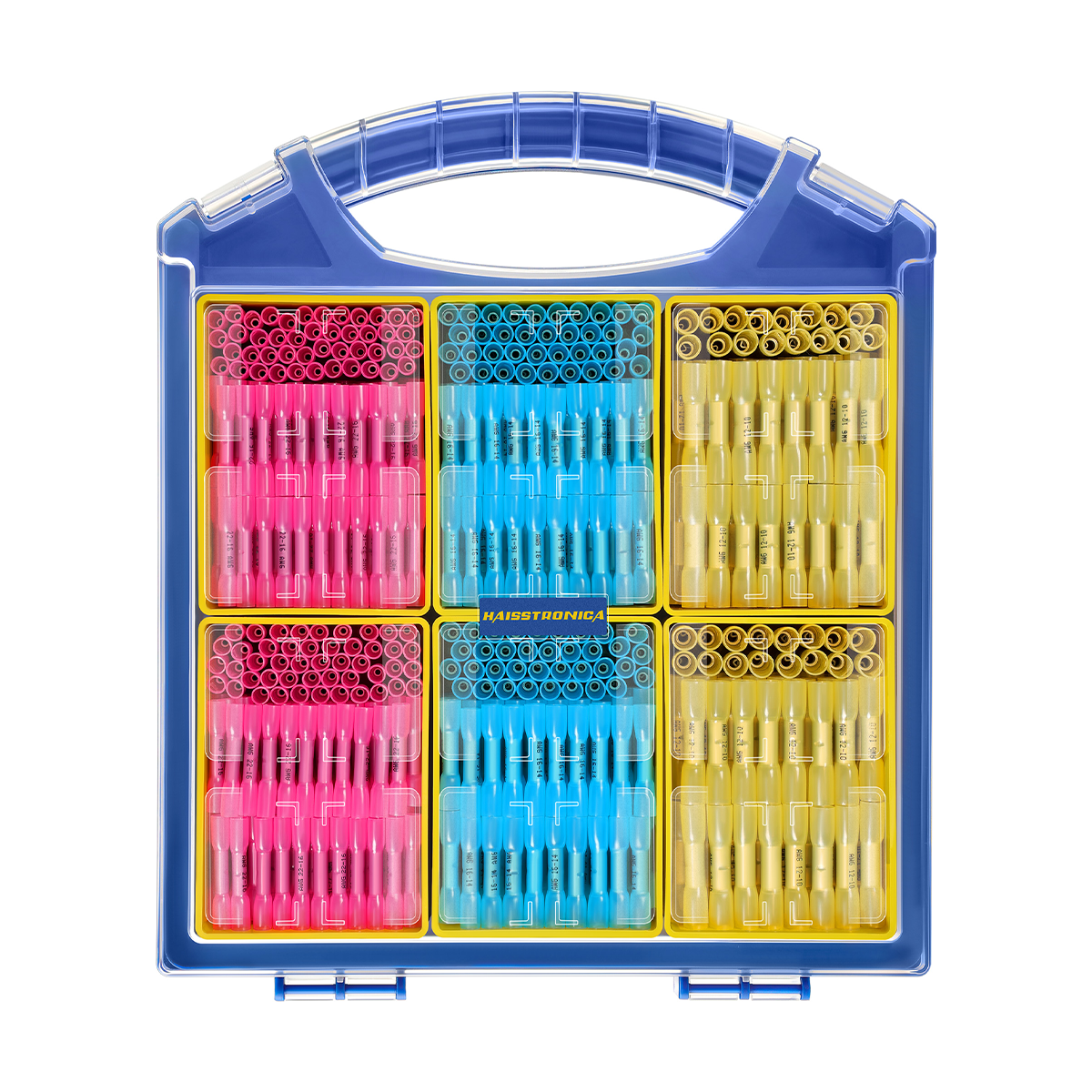
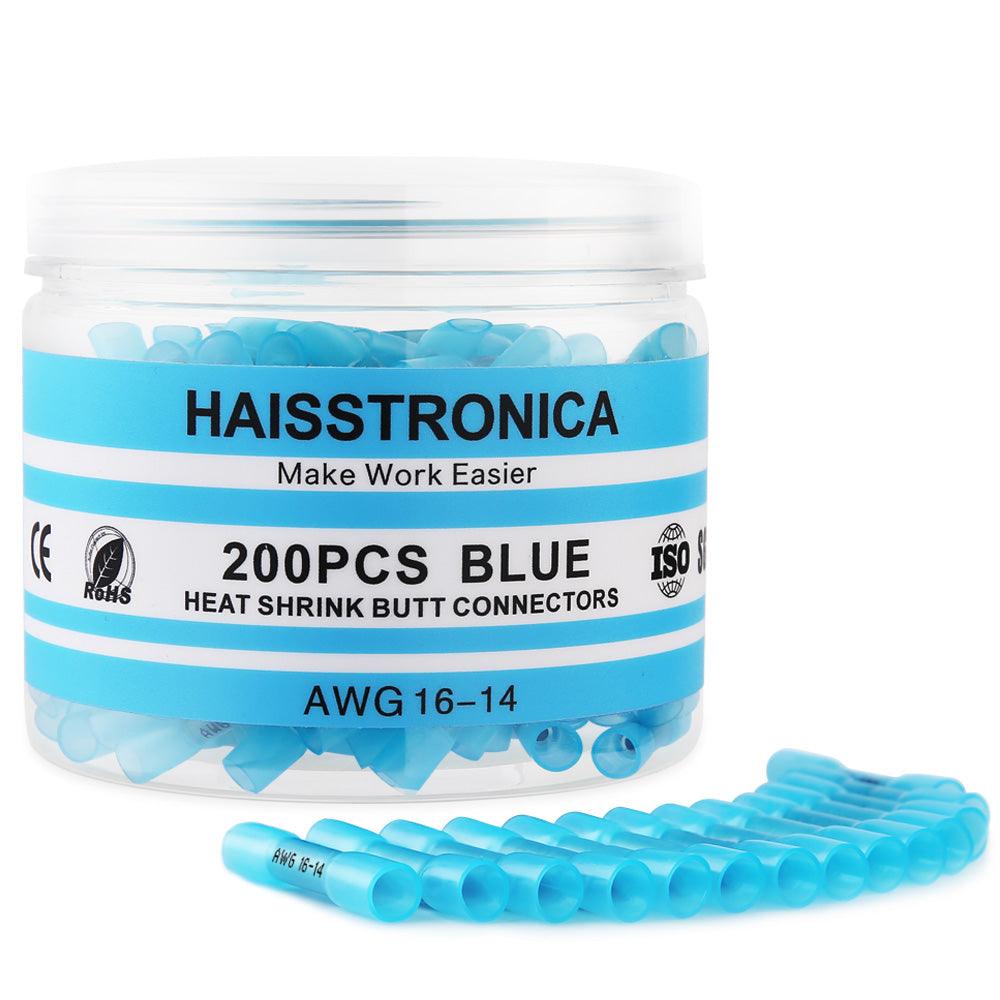
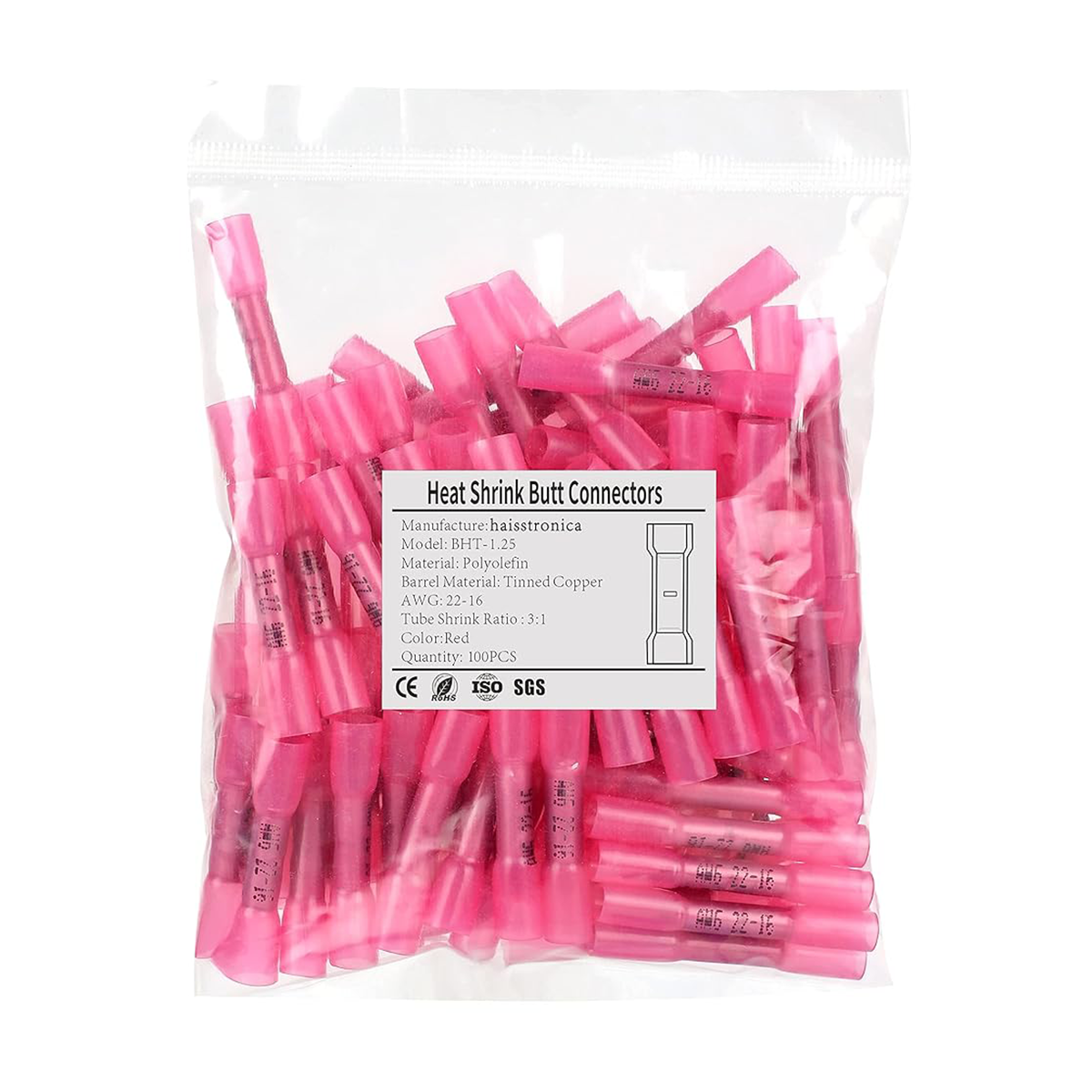
Choose heat-shrink butt connectors for compatible automotive, trailer, marine or DIY low-voltage inline splices.
- Match connector color/range to conductor AWG.
- Use the compatible crimp cavity, then heat evenly if the connector is heat shrink.
Terminate at a screw, stud or tab
Use the terminal family that matches the hardware: ring for captive stud connections, spade for compatible serviceable tabs.
- Match AWG plus stud-hole or tab width.
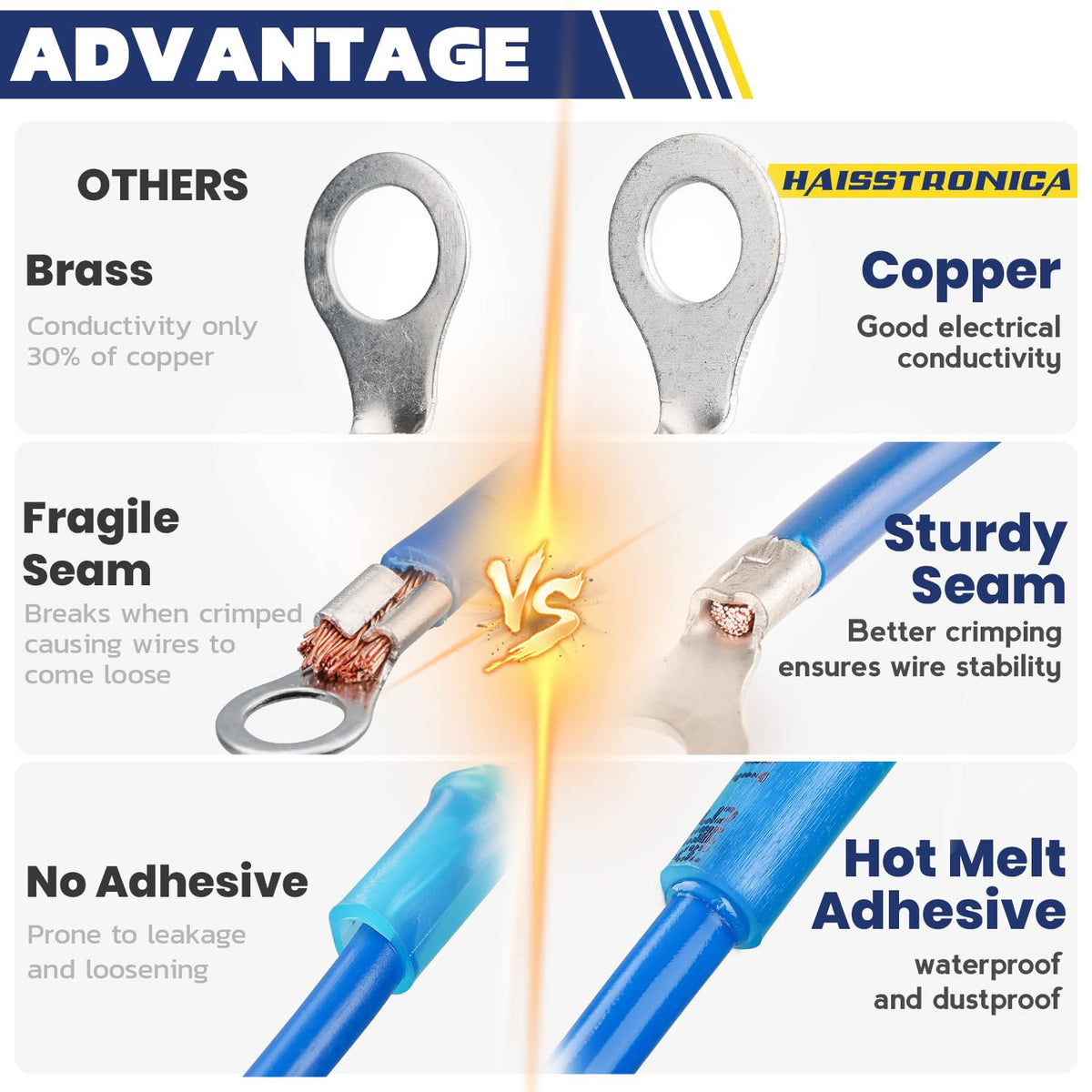
- Choose heat-shrink terminals when the environment needs sealing.
Build a complete repair setup
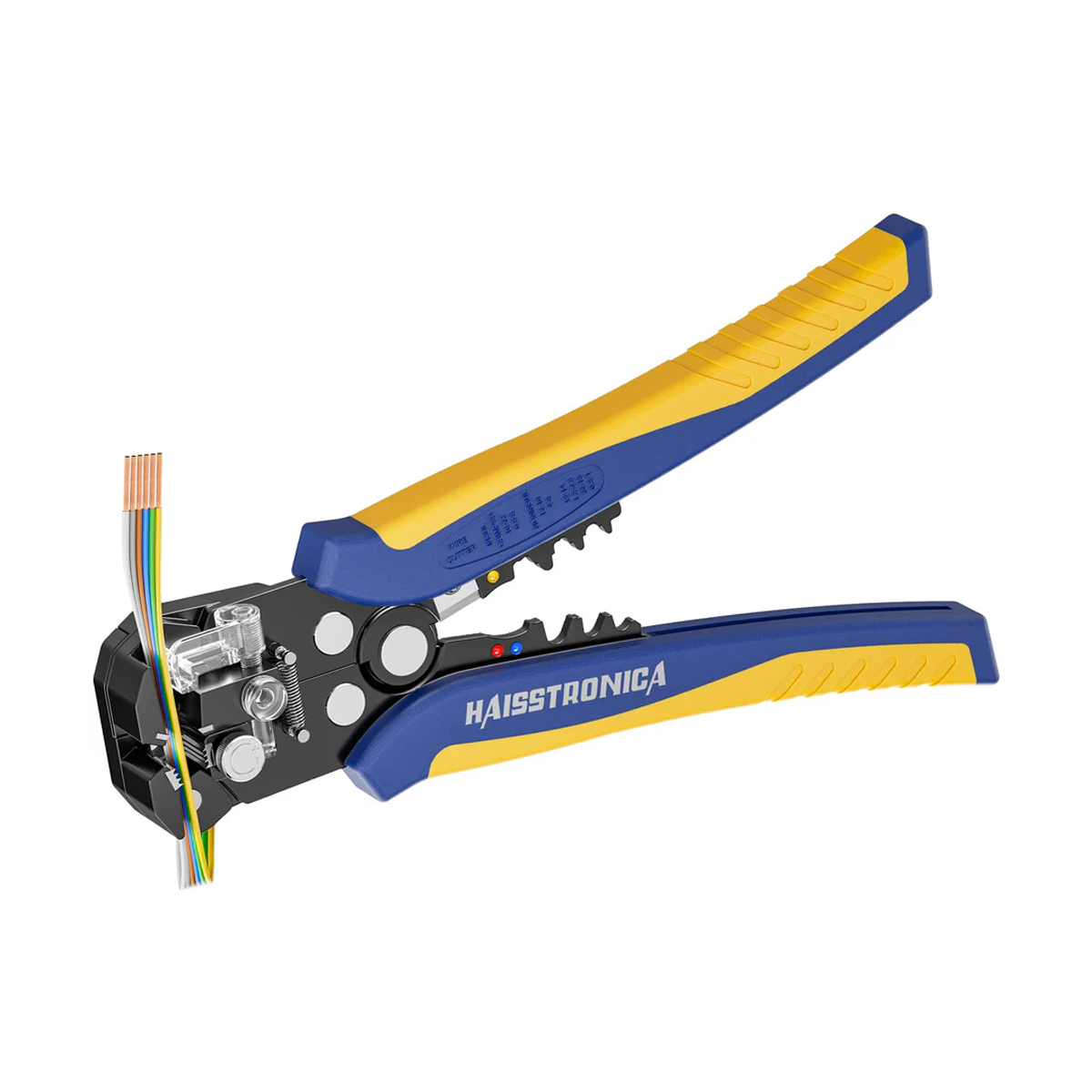
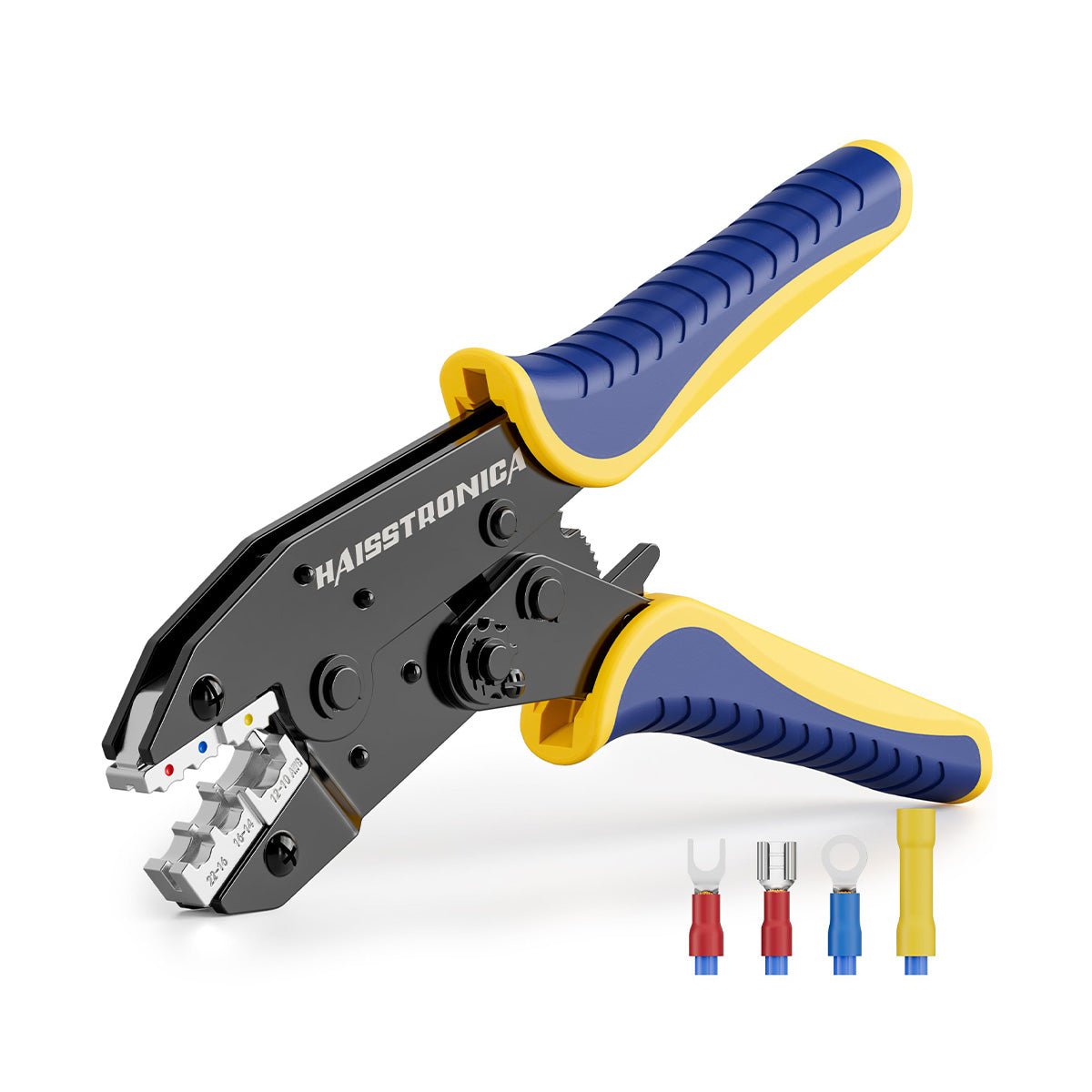
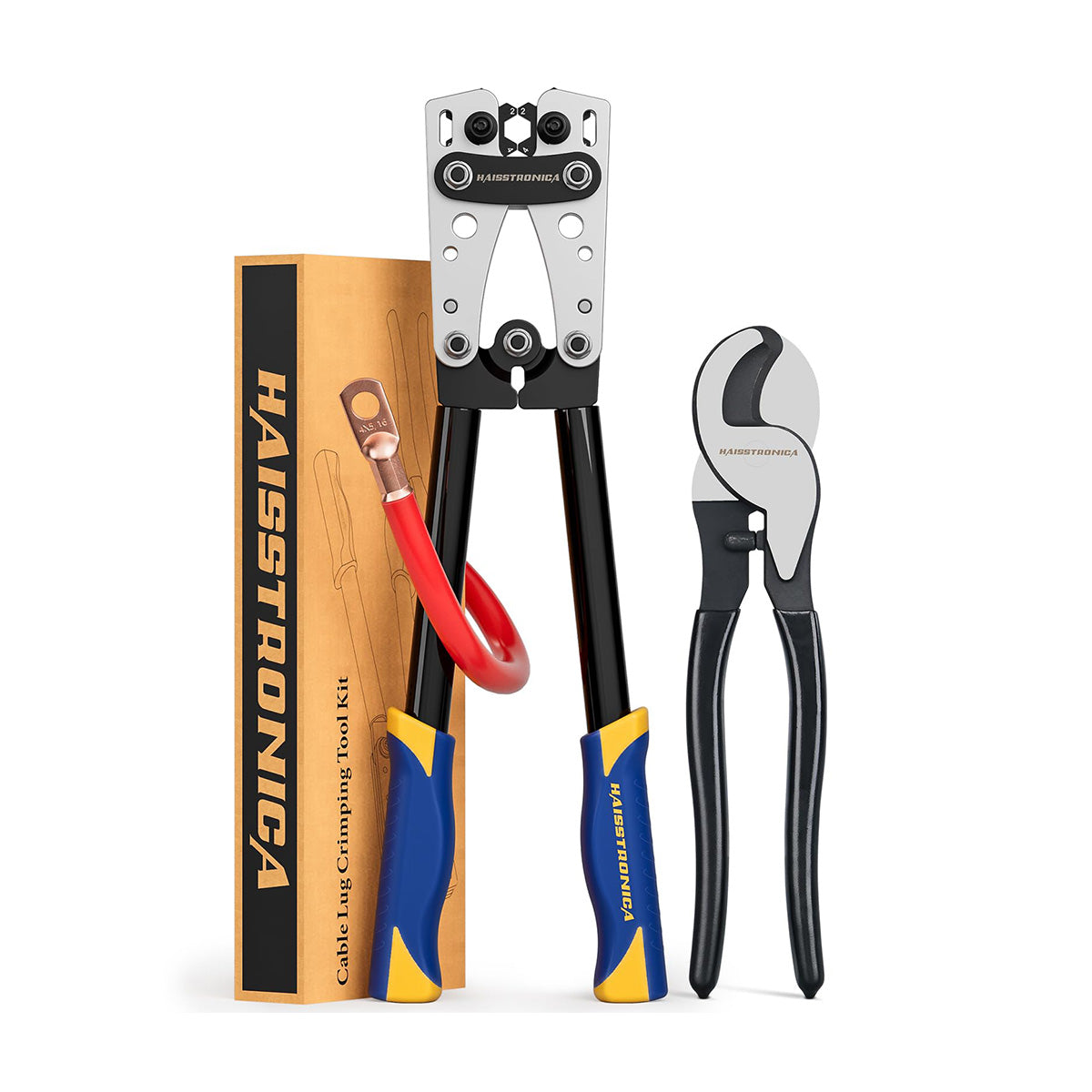
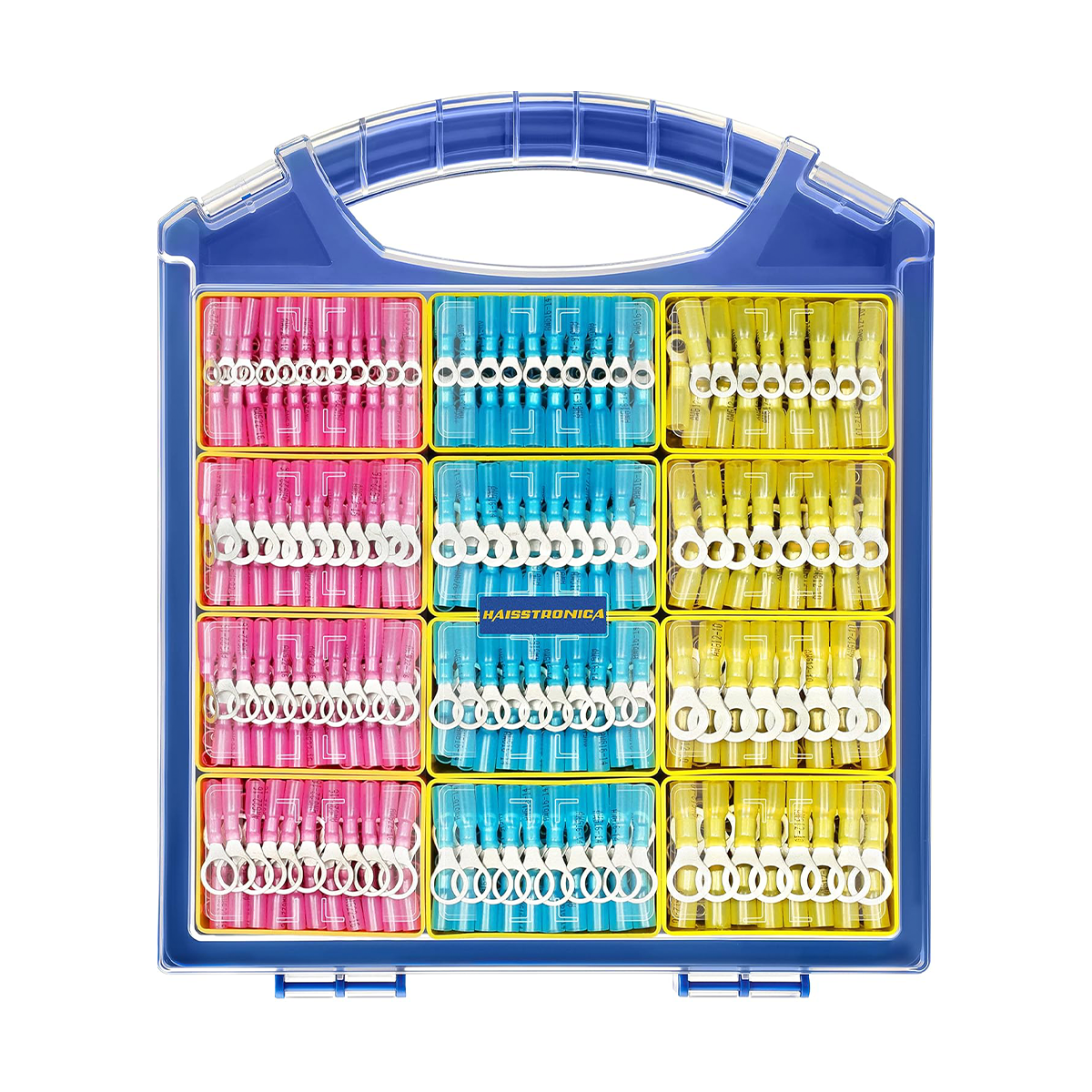
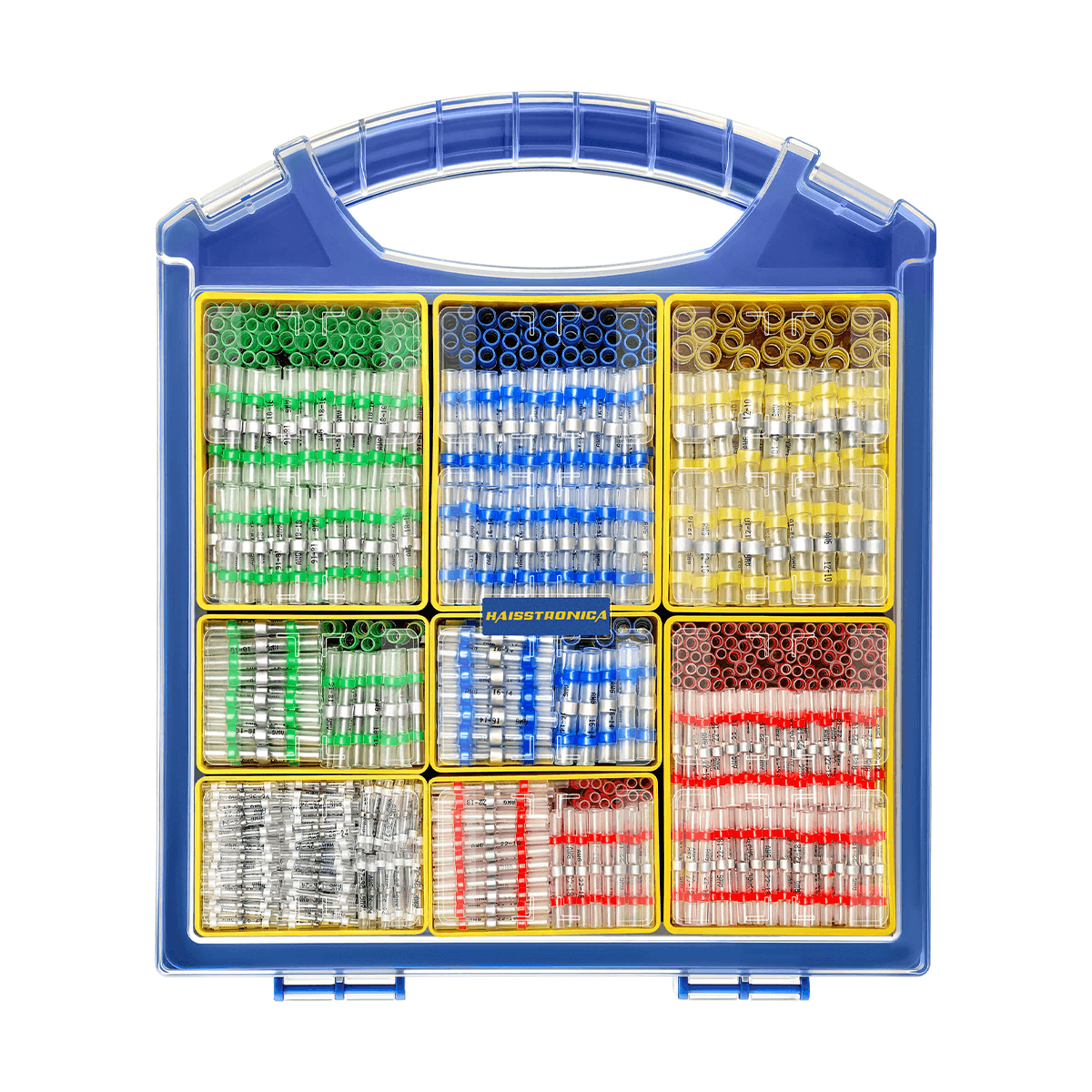
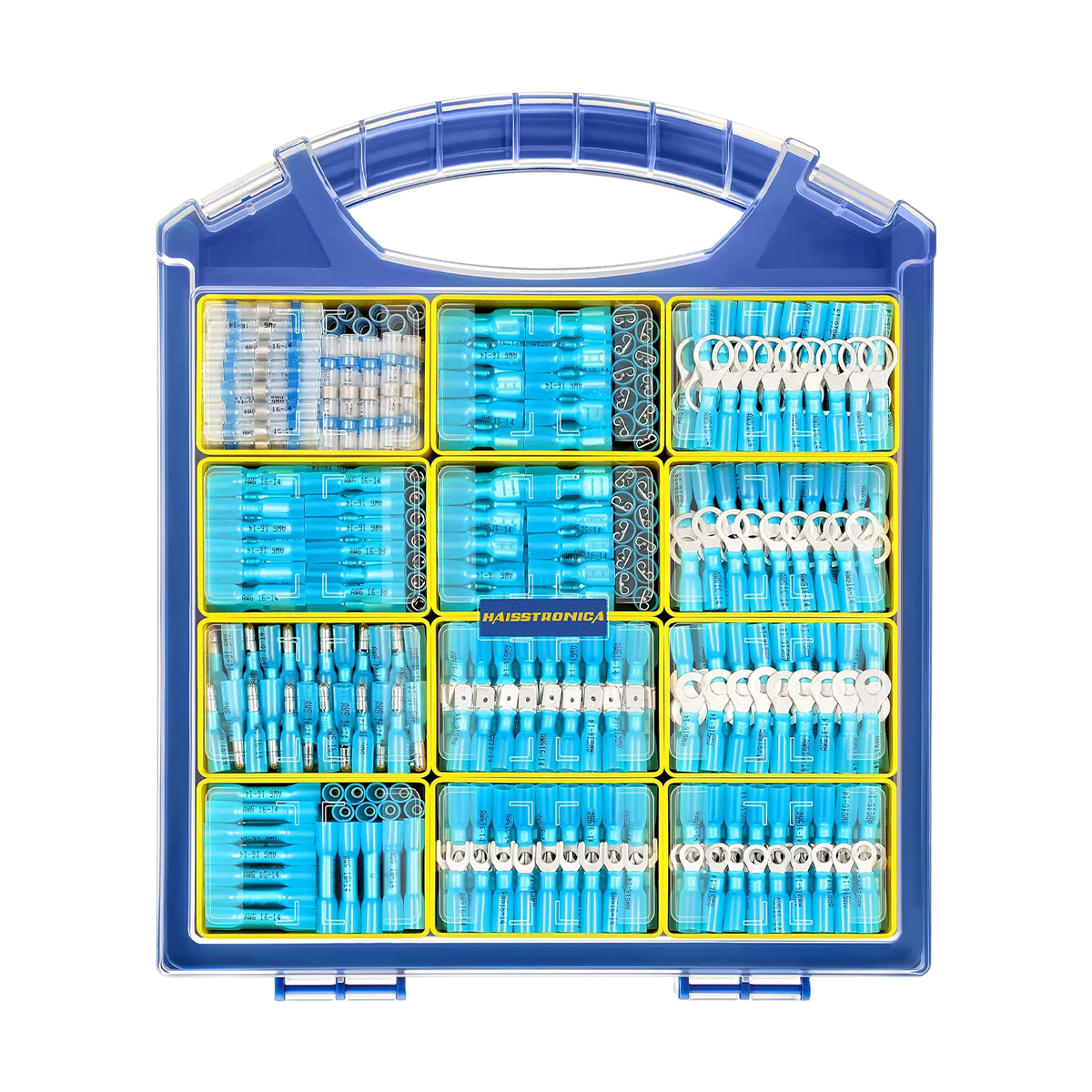
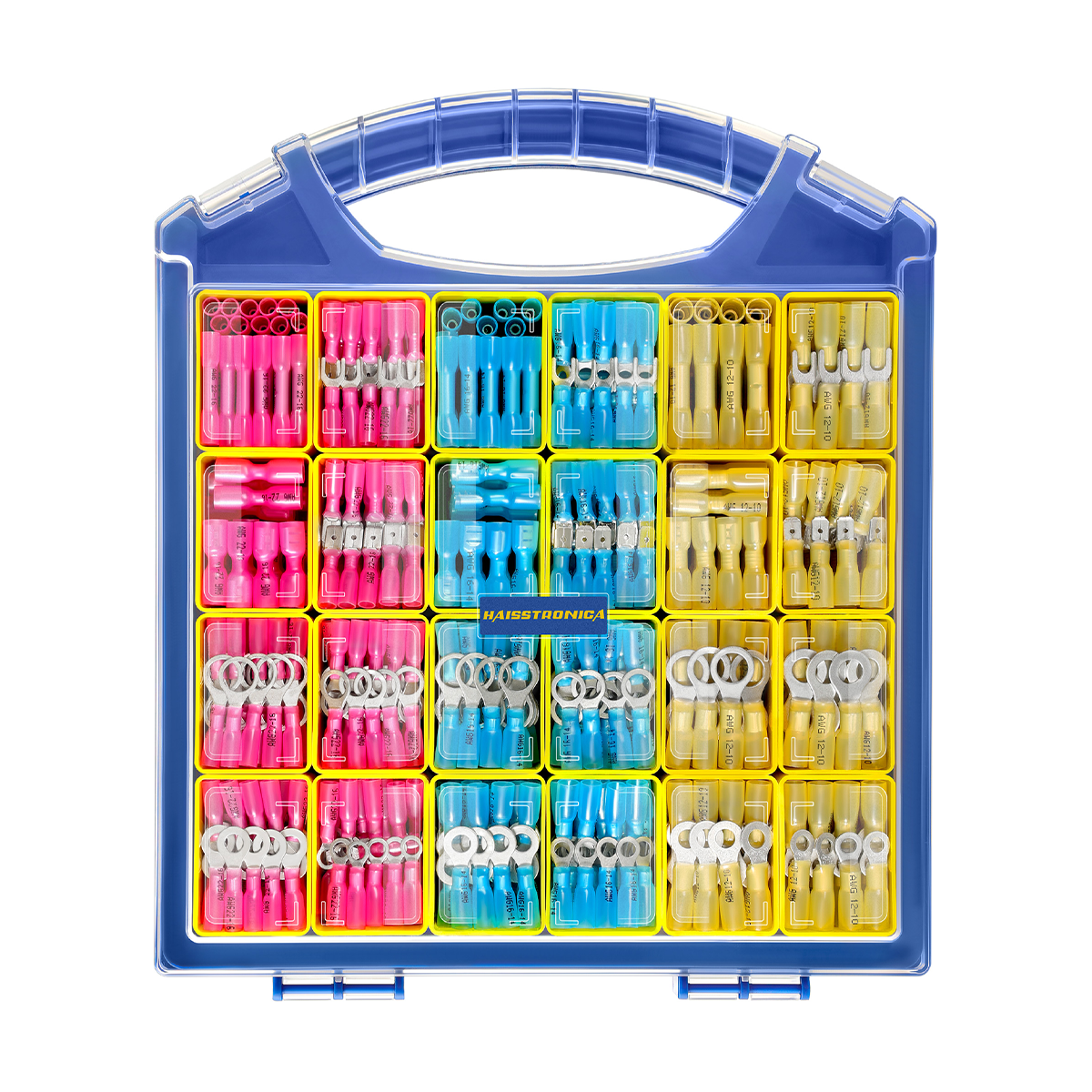
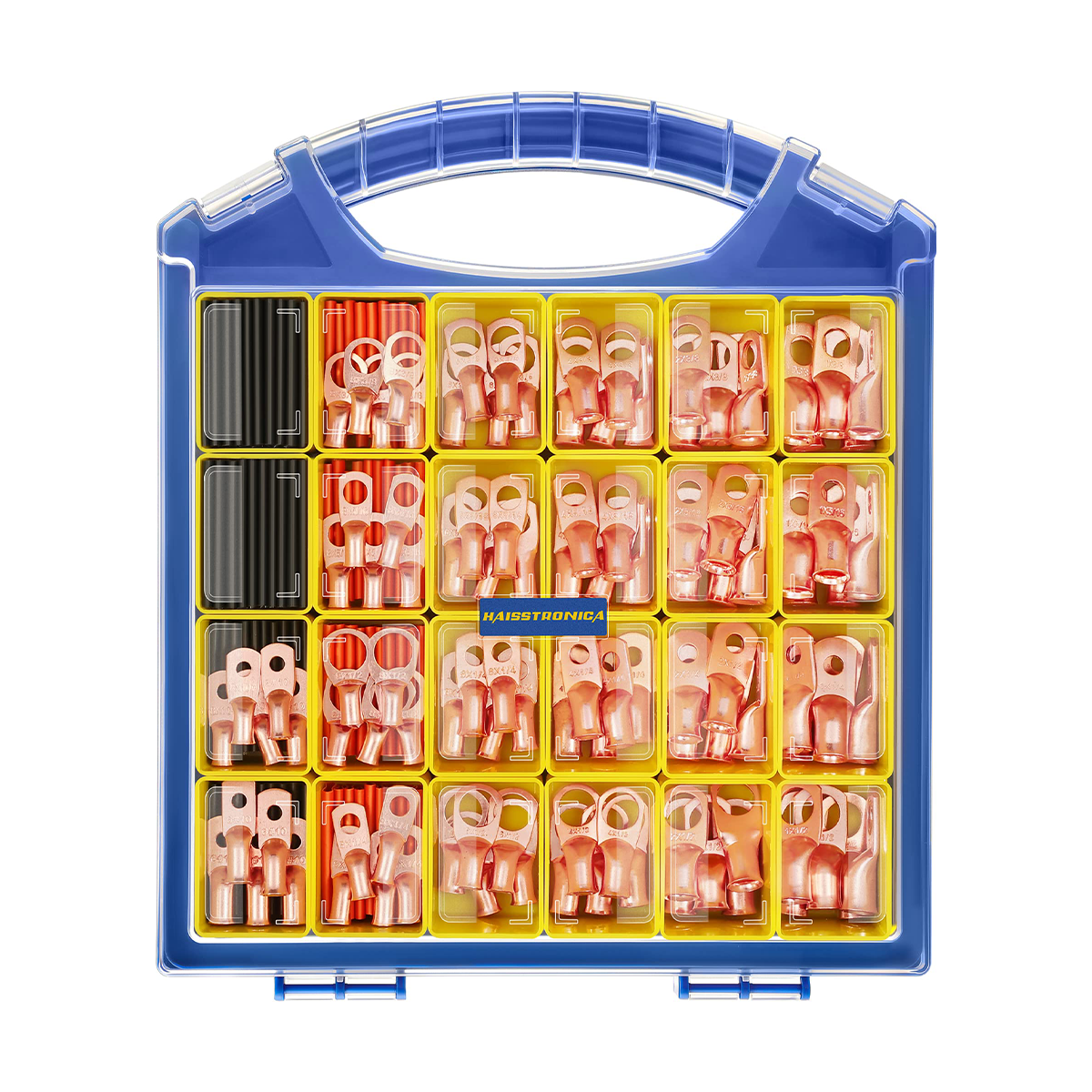
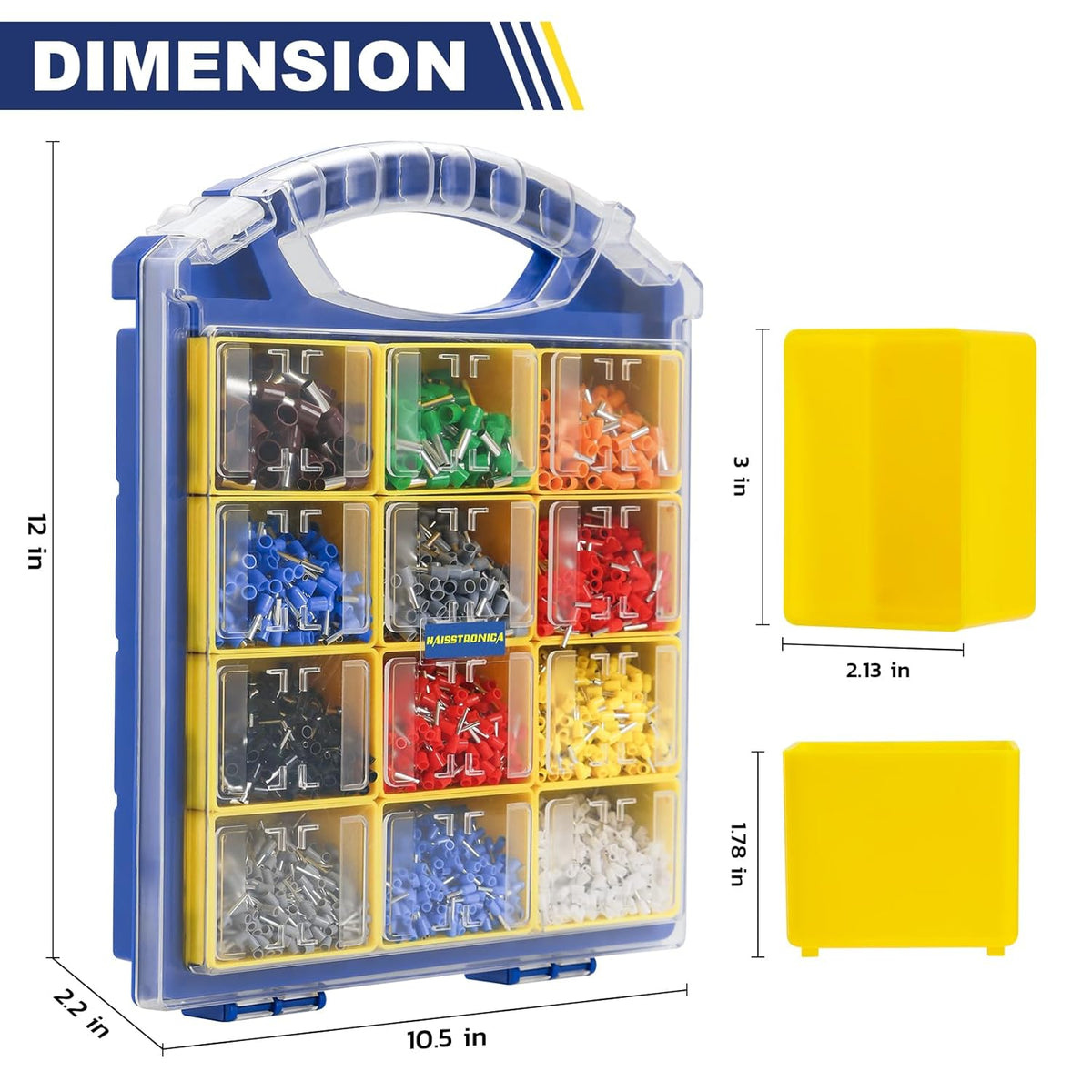
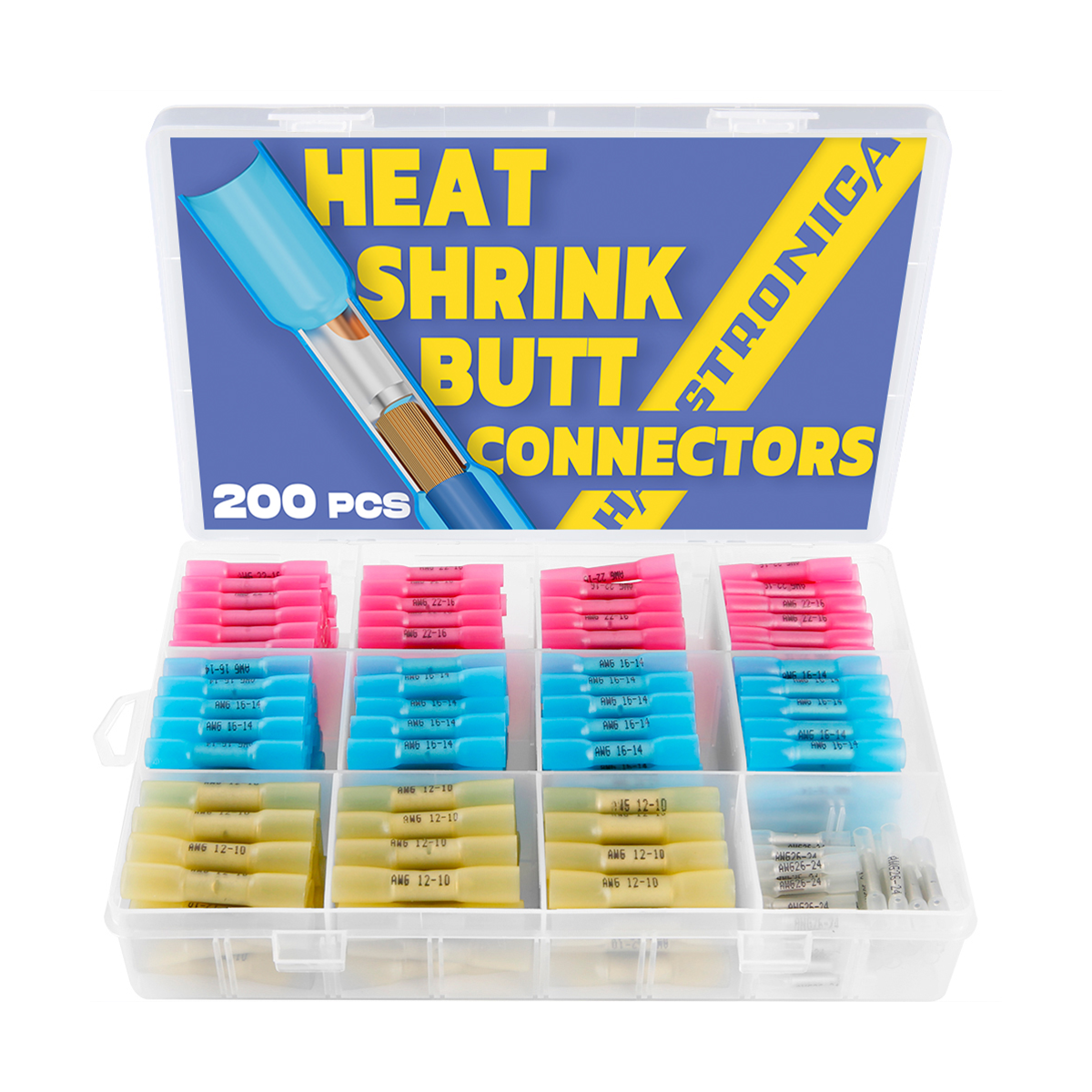
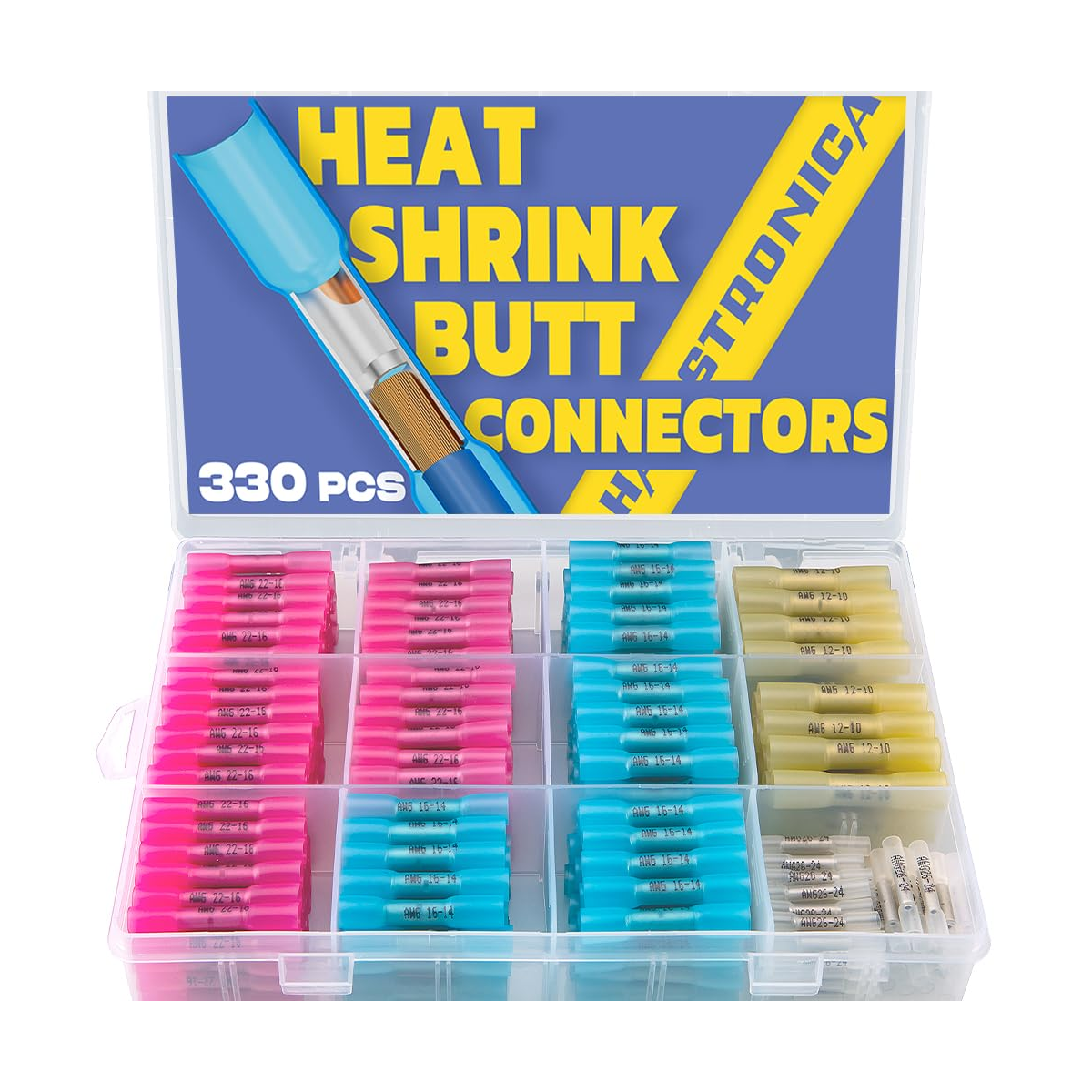
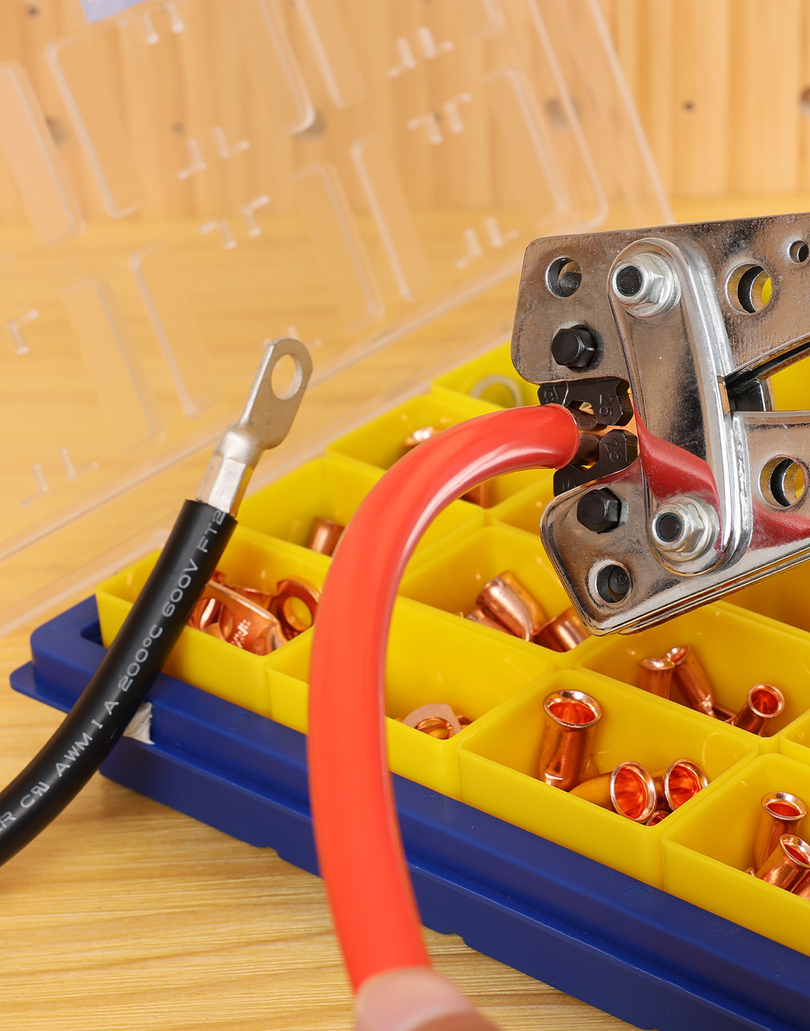
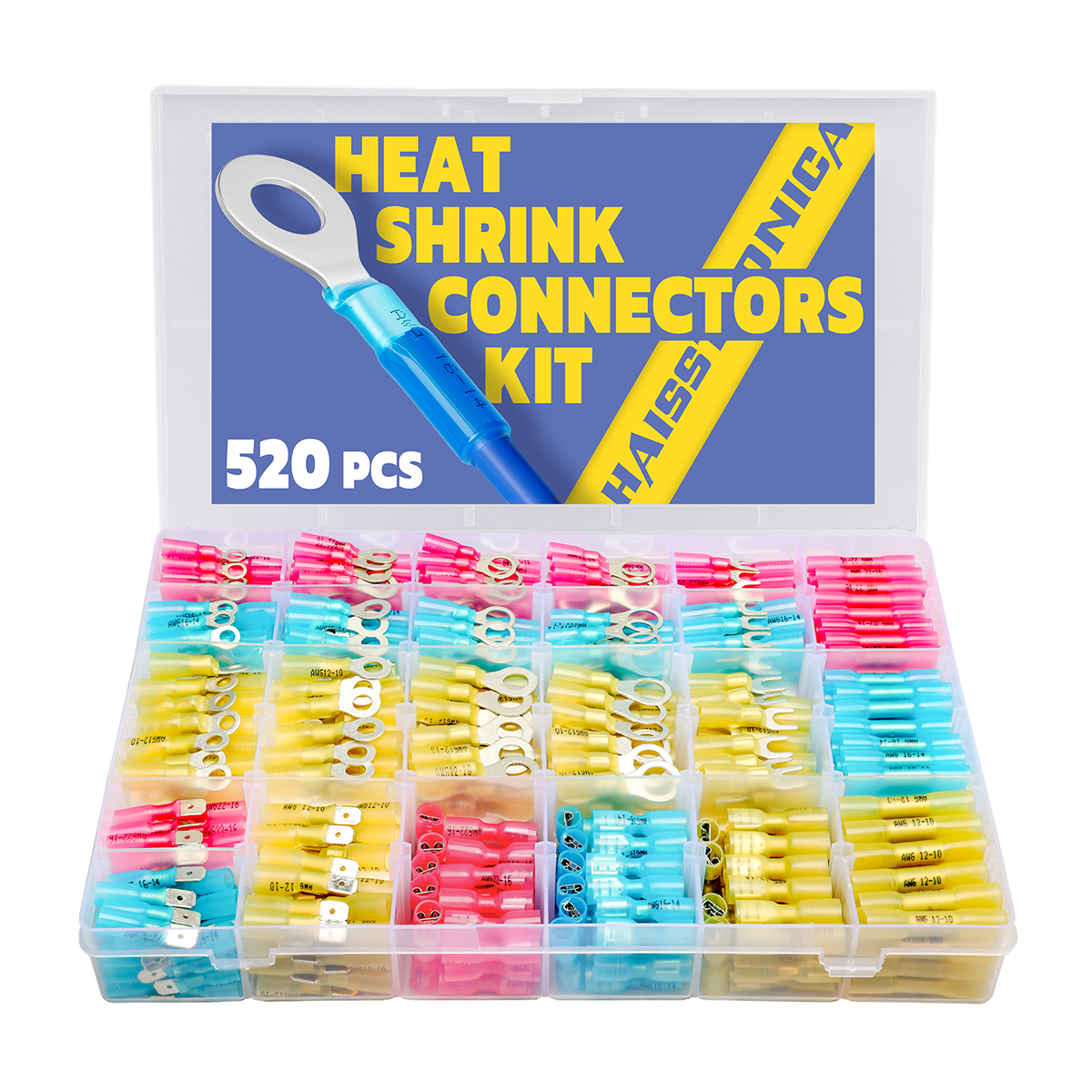
A matched connector kit, ratchet crimper and organizer is the efficient path when the work repeats across several connector sizes.
- Check the included terminal families before buying.
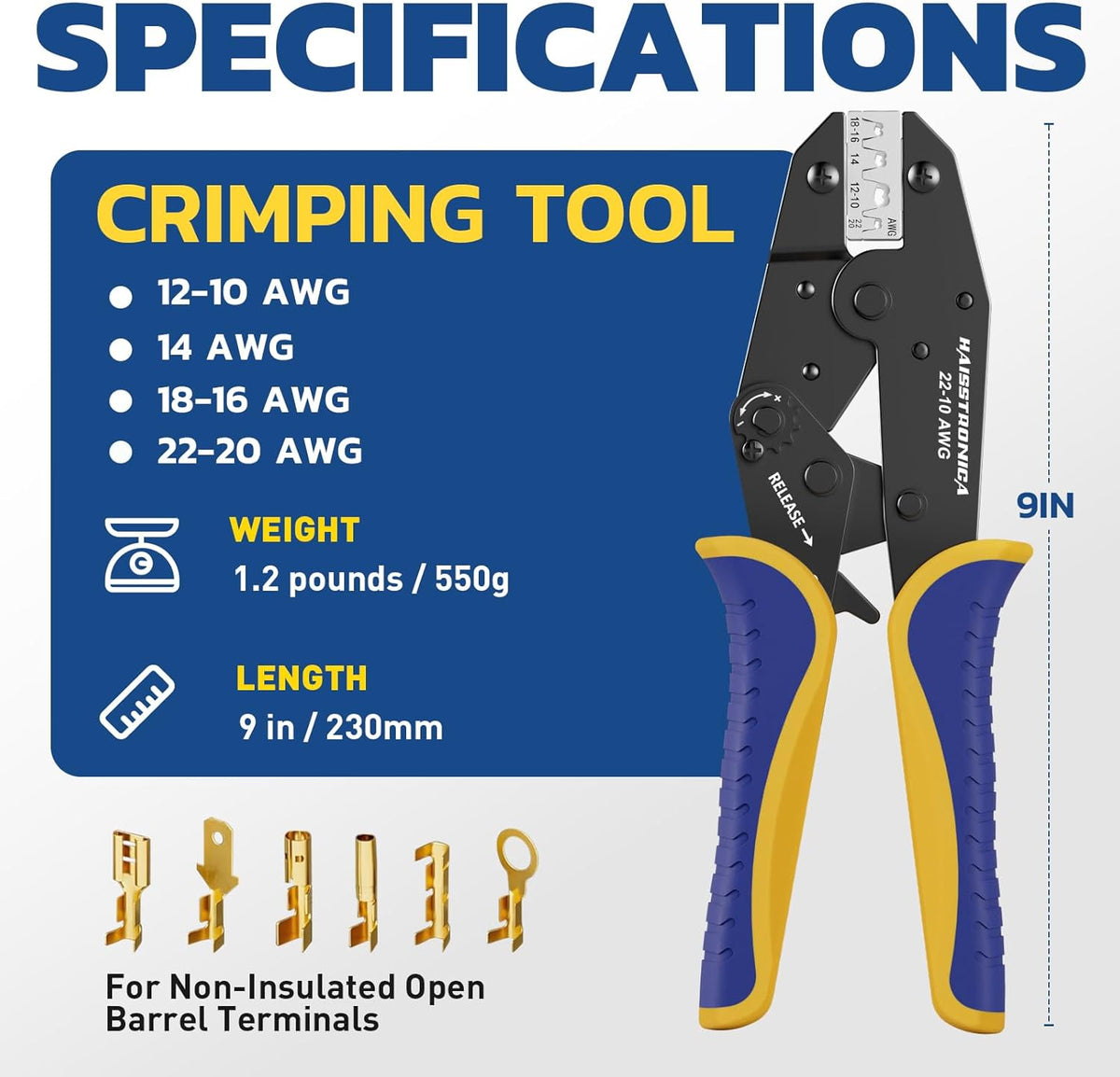
- Verify the crimper die and AWG coverage match the kit.

A common terminal still needs the correct crimper
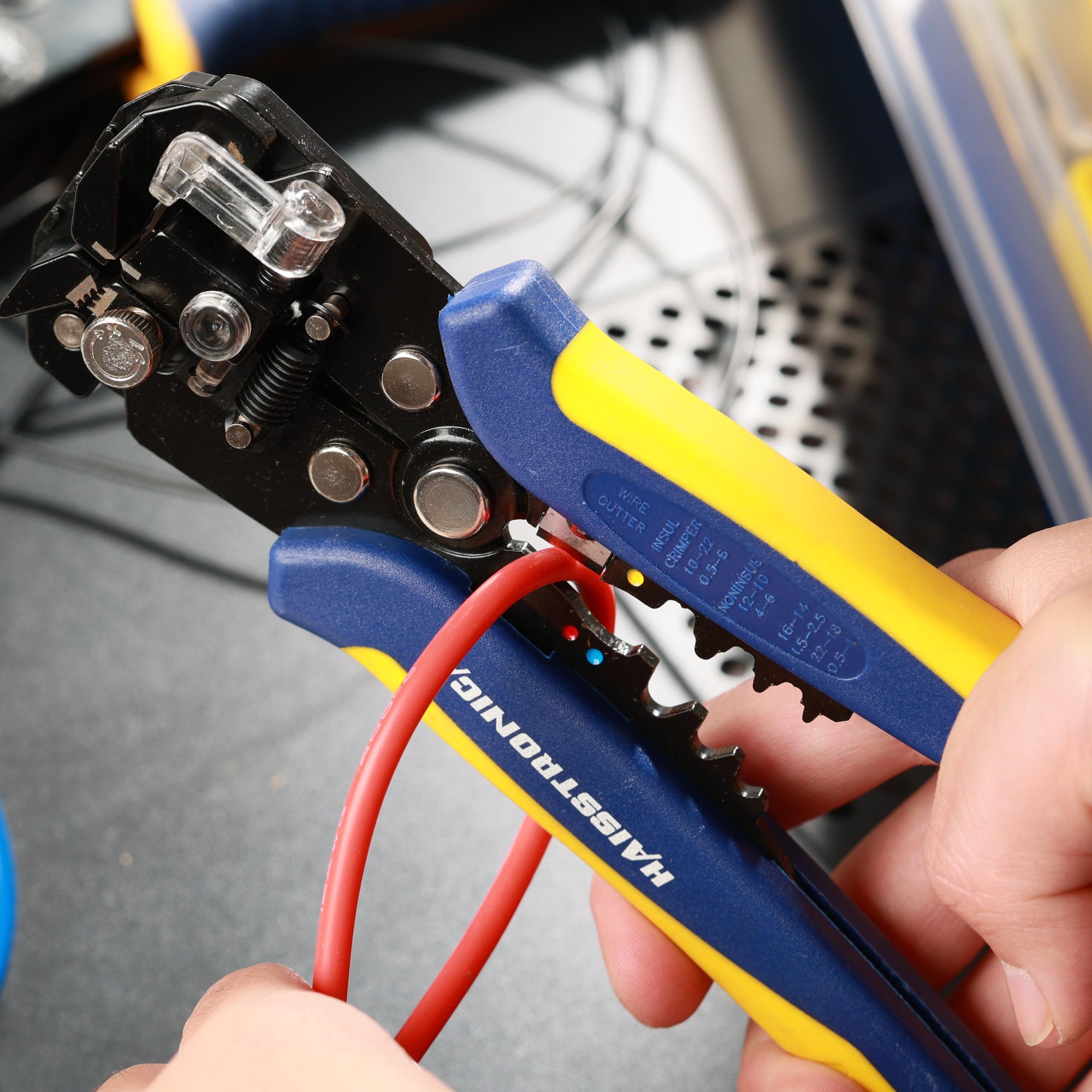
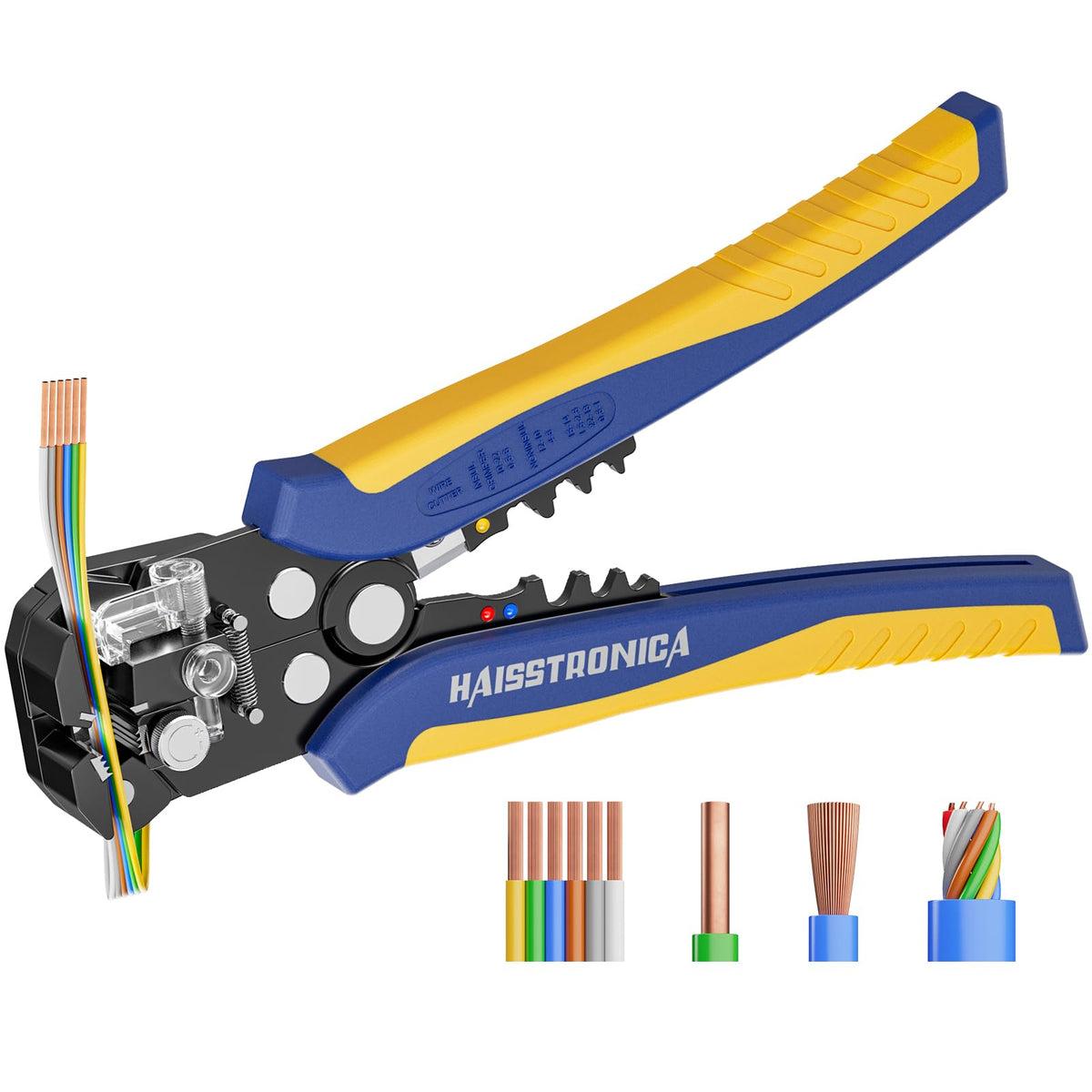
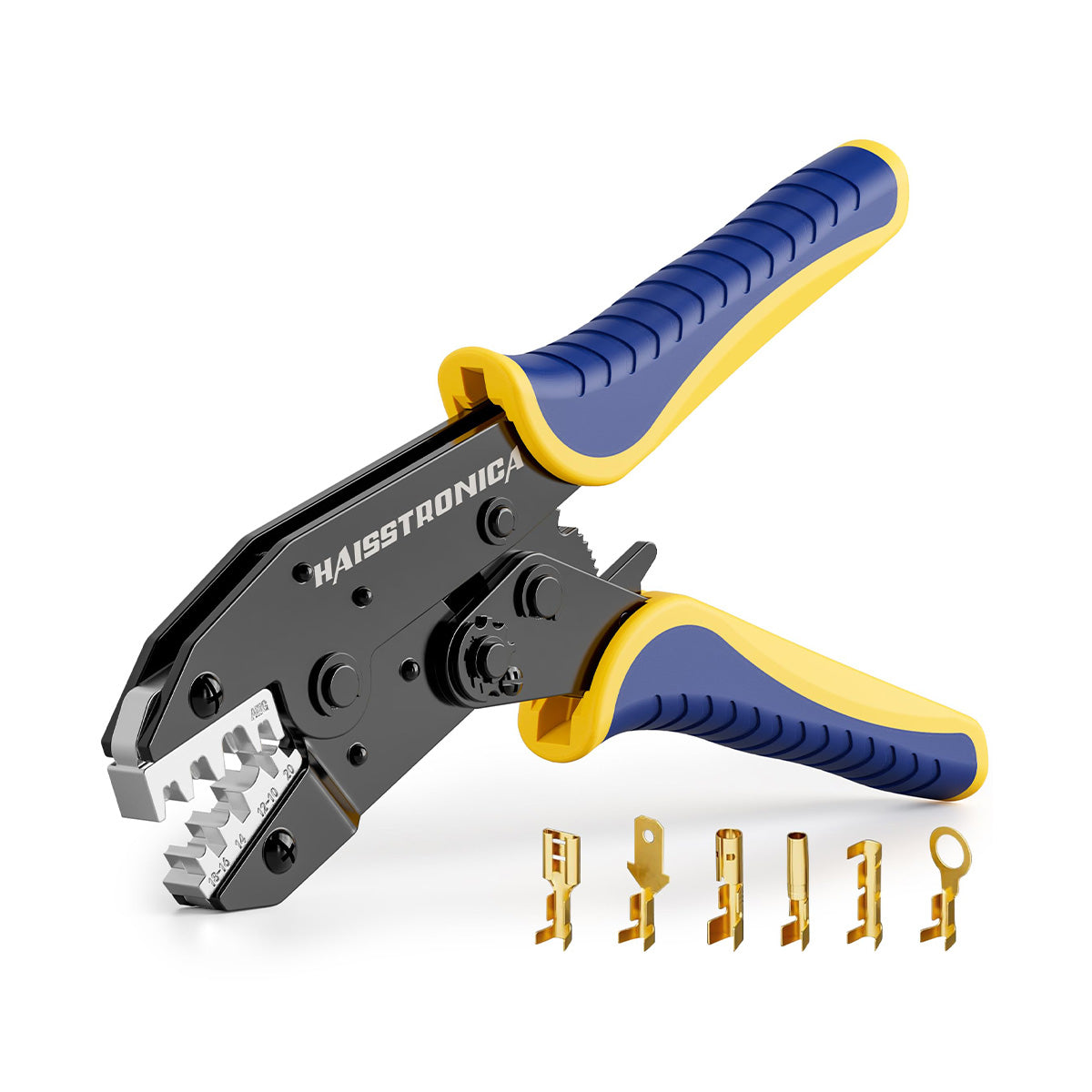
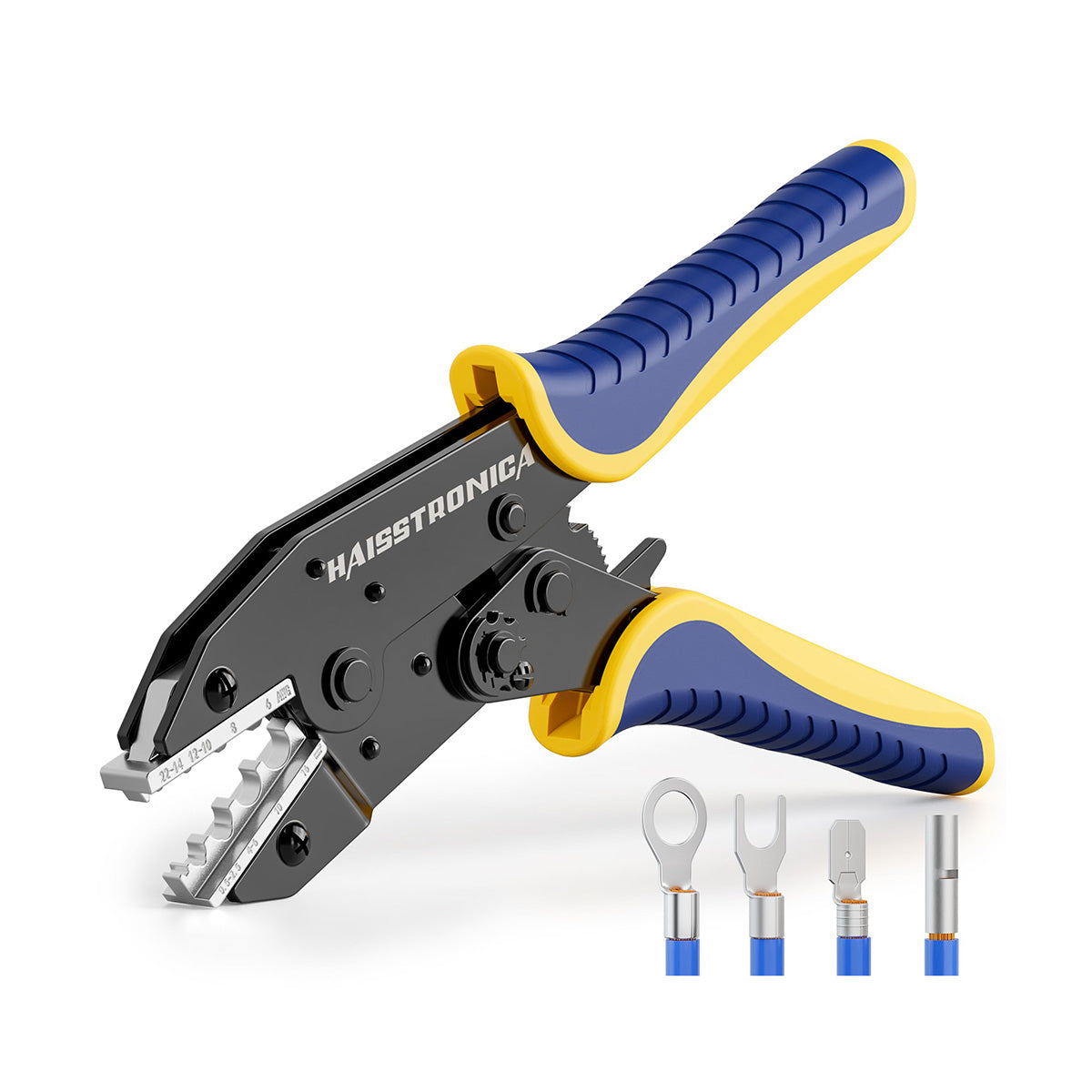
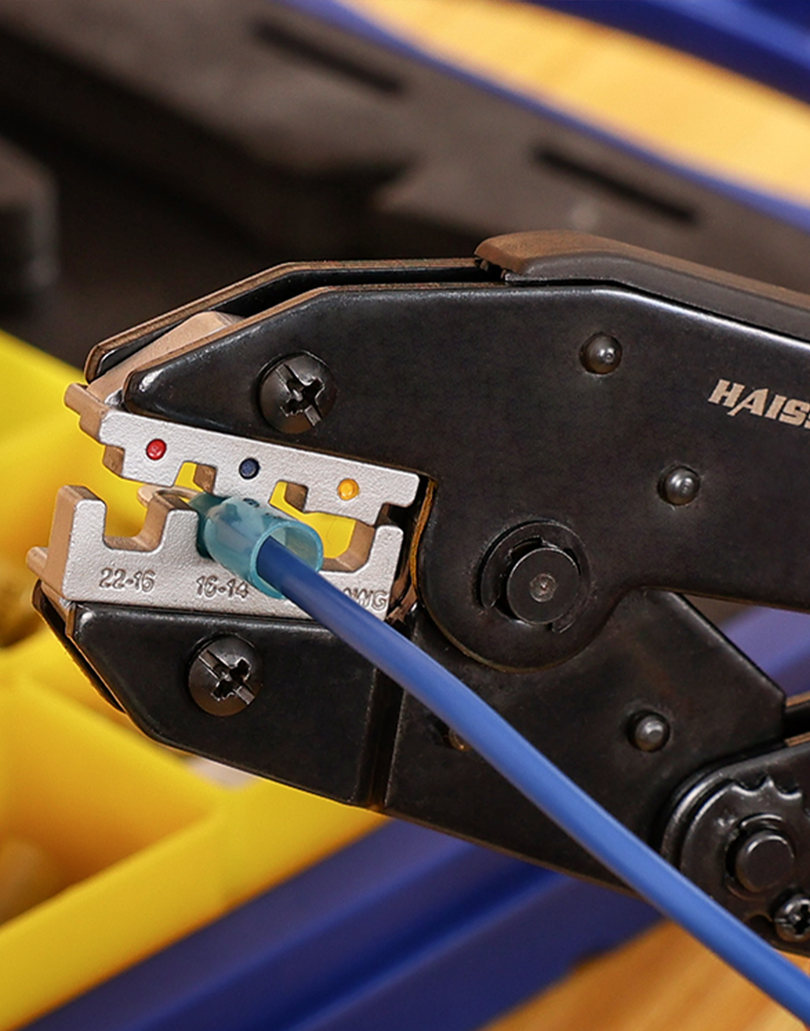
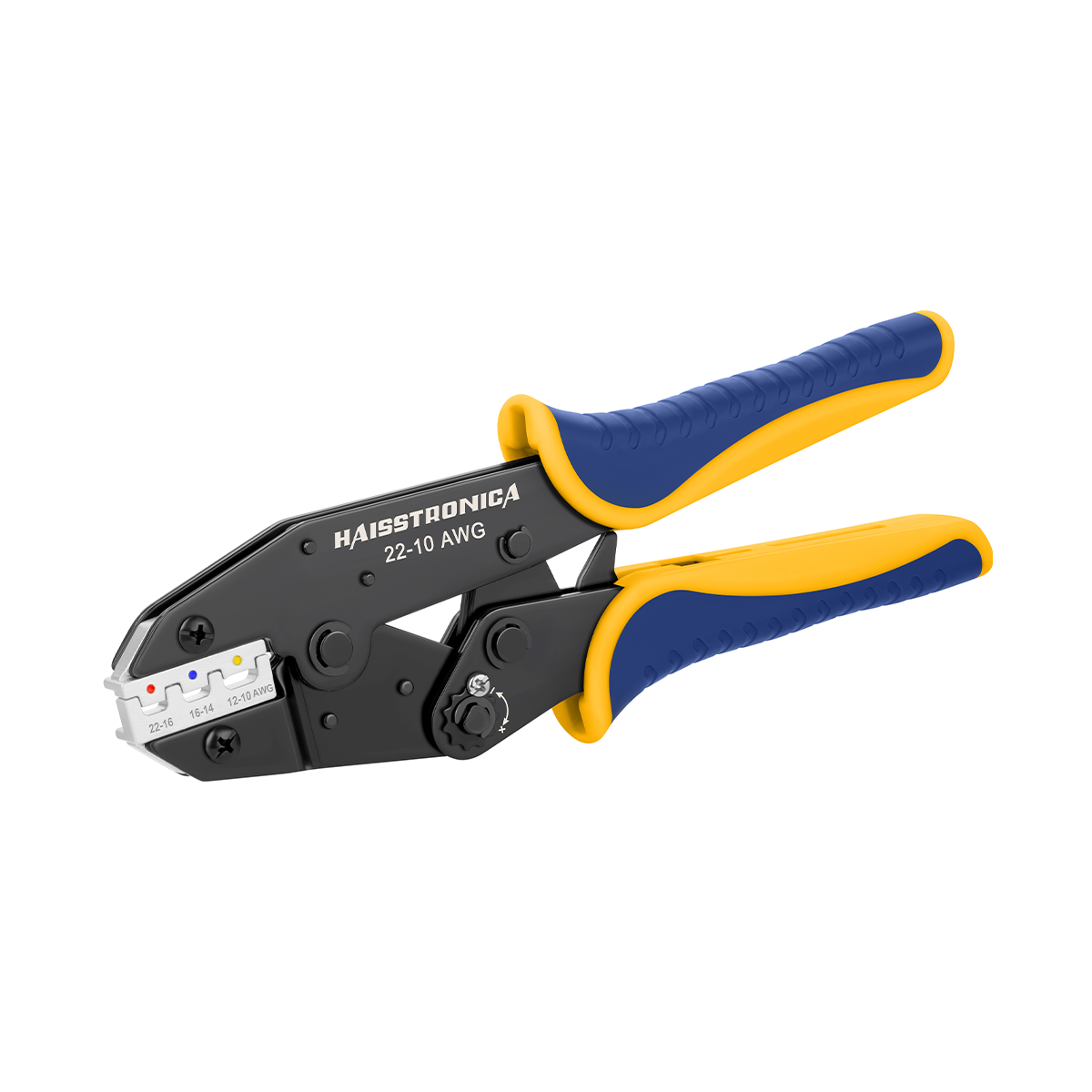
Use a ratchet crimper whose die profile and AWG range match the selected heat-shrink terminal. Consistent full-cycle compression is easier to inspect and repeat than an improvised squeeze.
Finish by choosing the project—not a popularity ranking
Automotive, trailer or DIY inline splice
Start with the butt-connector family, then match AWG, moisture exposure and the crimping tool.
Screw, stud, ground point or removable tab
Choose ring terminals for captive hardware or spades for a compatible serviceable tab.
Mixed repair bench or mobile service kit
Choose a complete connector kit when common sizes, the matching crimper and organized storage all matter.
Common connector questions
Are butt connectors the most common electrical connector?
They are among the most common inline splice connectors in automotive, trailer, marine and low-voltage repair. They are not the universal answer for fixed building wiring, terminal blocks, studs or detachable tabs.
When should I use a ring terminal instead of a butt connector?
Use a ring terminal when the conductor must terminate under a screw or stud. Use a butt connector when two compatible wire ends must be joined inline.
How do I choose the correct connector size?
Match the connector’s published conductor range to the actual AWG, then confirm insulation style, stud or tab dimensions, environment and tool compatibility.
Can one crimper install every connector type?
No. The die profile and range must match the terminal family. A ratchet handle is useful only when the installed die is correct for the connector.