Access Denied
The site owner may have set restrictions that prevent you from accessing the site. Please contact the site owner for access.
Protected by
The site owner may have set restrictions that prevent you from accessing the site. Please contact the site owner for access.
Carrello
Il tuo carrello è vuoto

Butt connectors are used for inline wire splices, but the right choice depends on moisture exposure, vibration, available tools, and repair speed. Use this comparison before choosing a connector kit.
Selection note: Butt connectors are crimped inline wire splices; choose solder seal connectors when you want a heat-applied solder joint, and choose tubing when you only need protection over an existing connection.
| Decision Point | Heat Shrink Butt Connectors | Solder Seal Connectors | Standard Butt Connectors |
|---|---|---|---|
| Best Use Case | Automotive, marine, trailer, and outdoor wiring where a sealed crimp splice is needed. | Quick wire repairs when you want solder, seal, and insulation in one heat-applied connector. | Indoor or protected low-moisture repairs where speed and basic crimp strength matter most. |
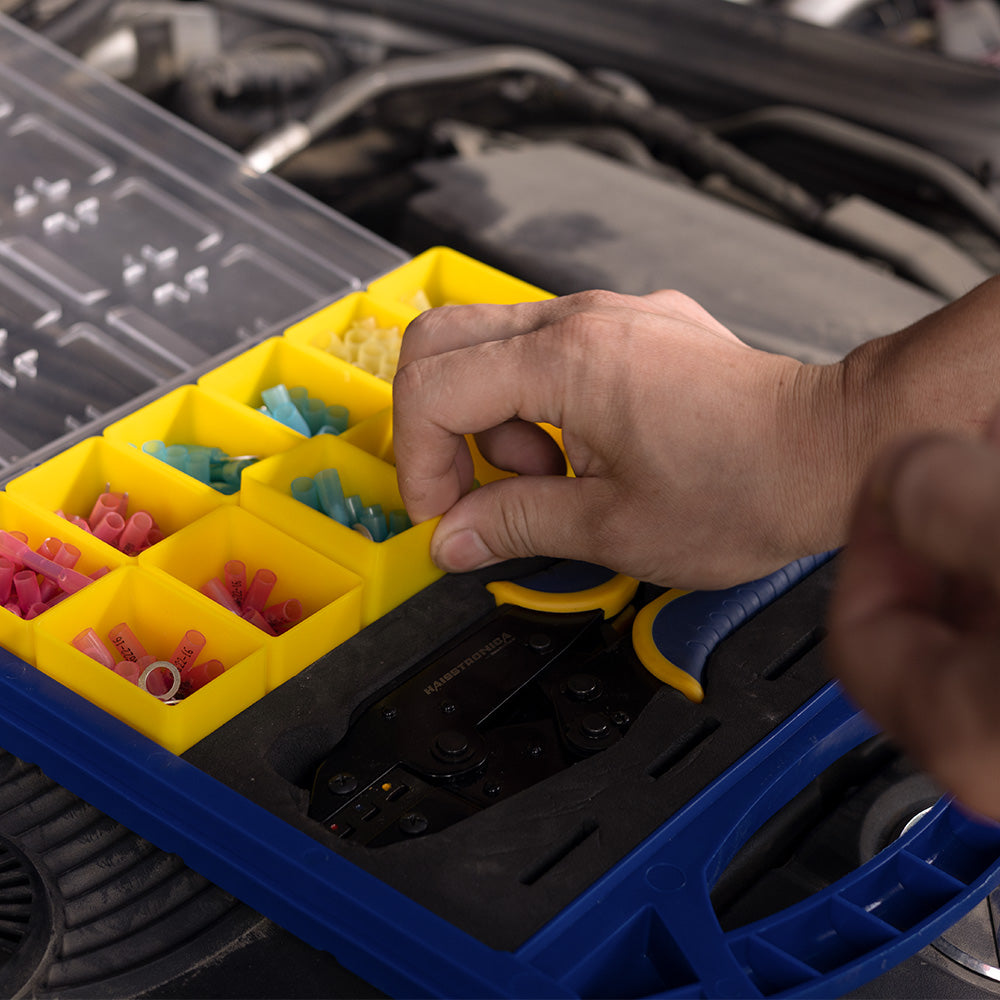
| Tool Needed | Crimping tool plus heat gun for adhesive-lined sealing after the crimp. | Heat gun only for many repairs, though wire prep still needs stripping tools. | Crimping tool matched to the connector size and wire gauge. |
| Moisture Protection | Strong protection when the tubing fully shrinks and adhesive flows around the wire. | Good sealing when heated evenly until solder flows and adhesive rings bond. | Limited protection unless additional heat shrink tubing or tape is added. |
| Repair Confidence | Best all-around choice for durable crimped splices in harsh environments. | Best for compact repairs when a soldered splice is preferred. | Best for fast, simple splices in dry or enclosed locations. |
Practical recommendation: Choose heat shrink butt connectors for most automotive and marine splice repairs, use solder seal connectors when you prefer a soldered heat-applied splice, and use standard butt connectors only for protected dry wiring.
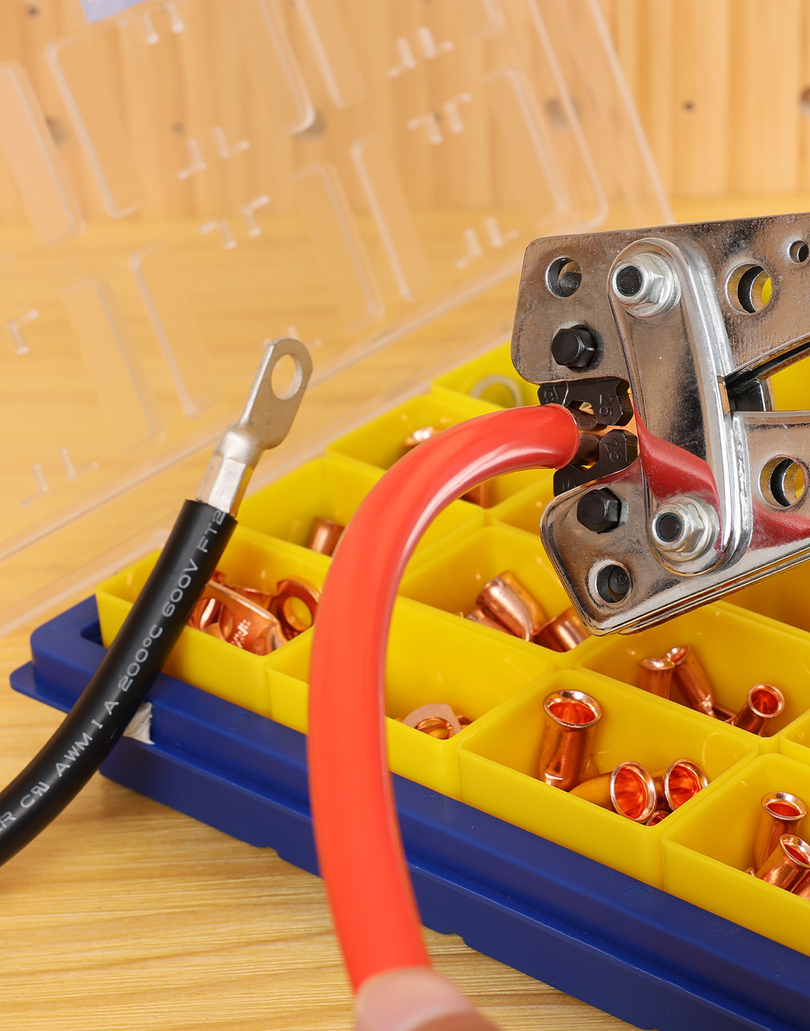
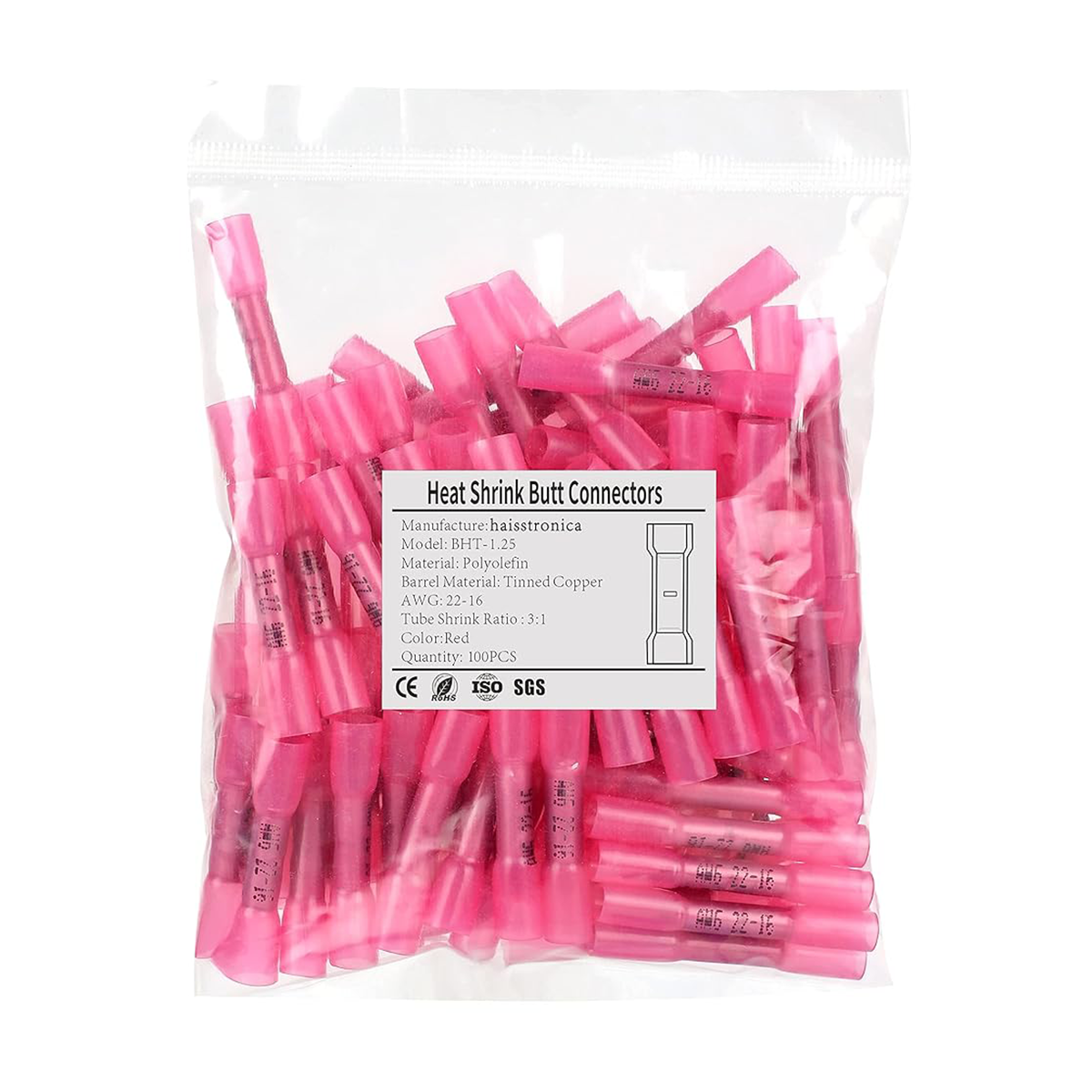
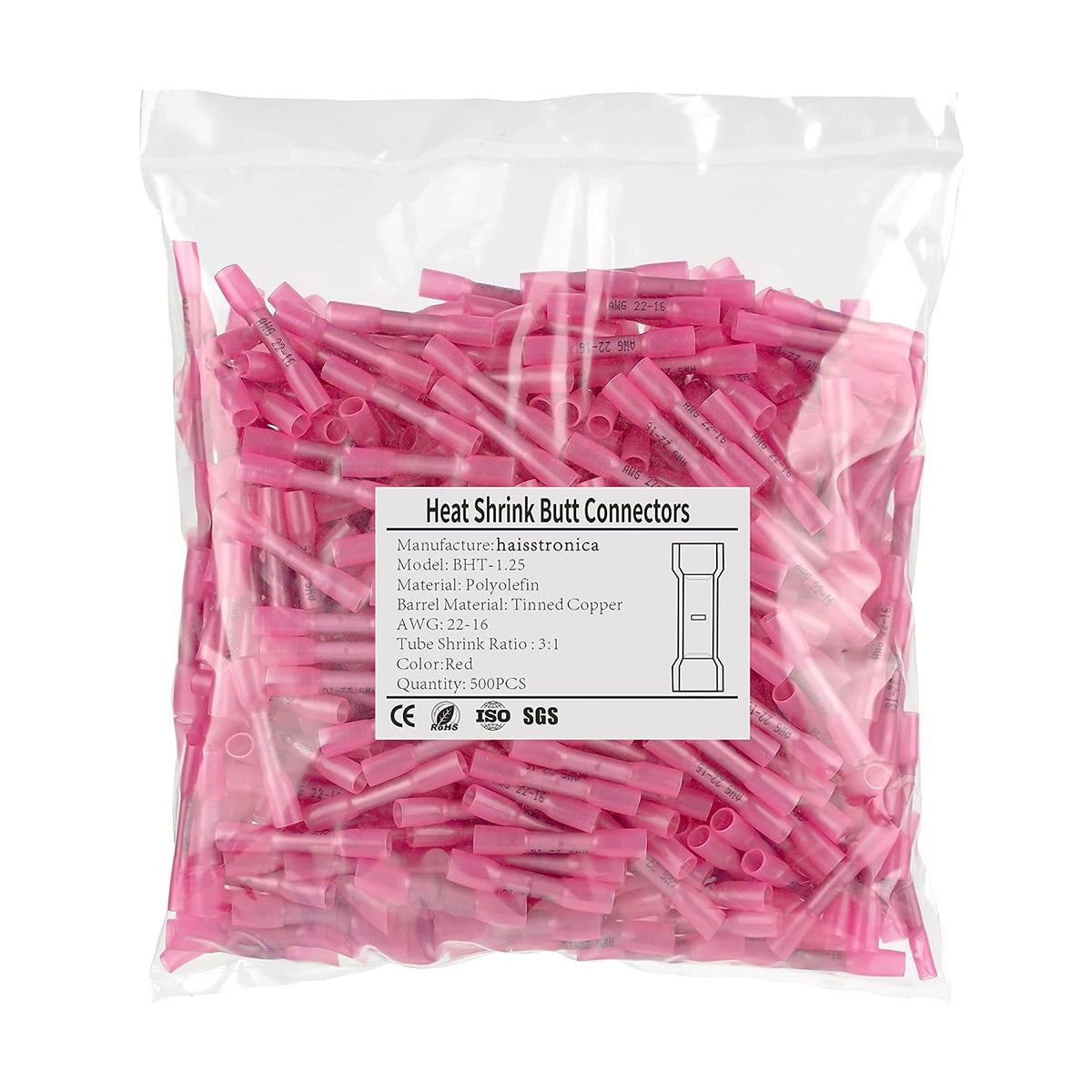
Haisstronica heat shrink butt connectors are designed for sealed inline wire splices in automotive, marine, trailer, motorcycle, and home electrical wiring. Each connector combines a copper crimp barrel with adhesive-lined heat shrink tubing to help protect the splice from moisture, vibration, corrosion, and daily wear.
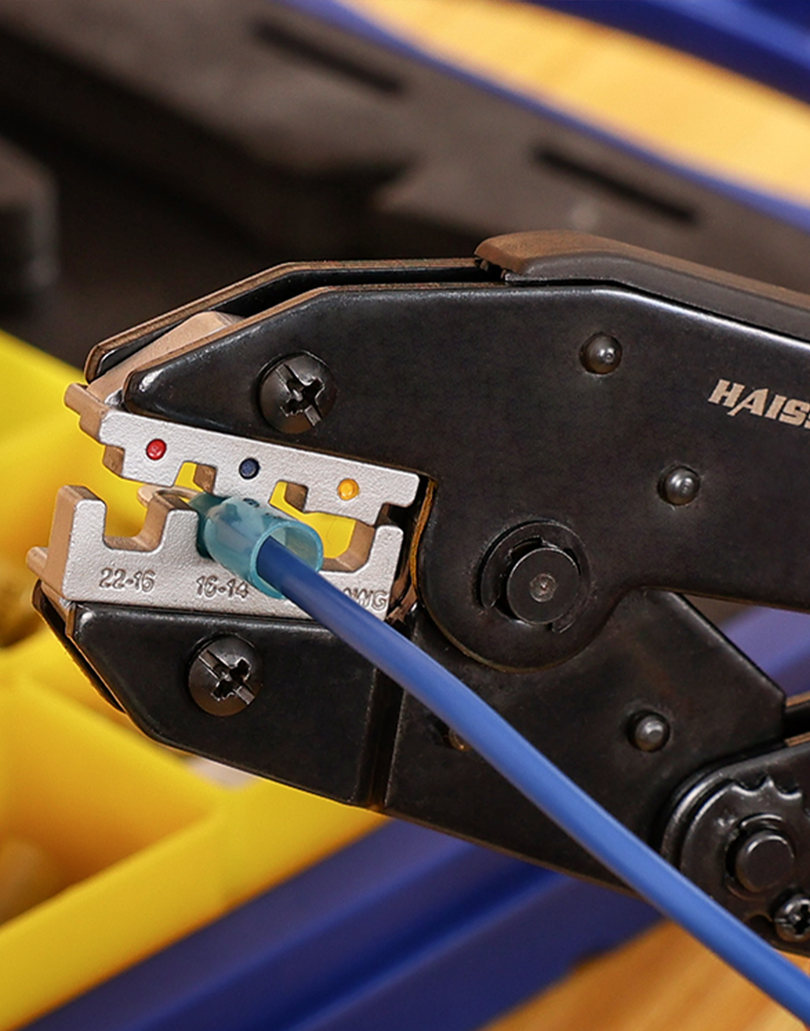
Start by matching the connector color to your wire gauge. Red connectors are commonly used for 22-16 AWG wires, blue connectors for 16-14 AWG wires, and yellow connectors for 12-10 AWG wires. A connector that is too large may create a weak crimp, while one that is too small can damage the wire strands.
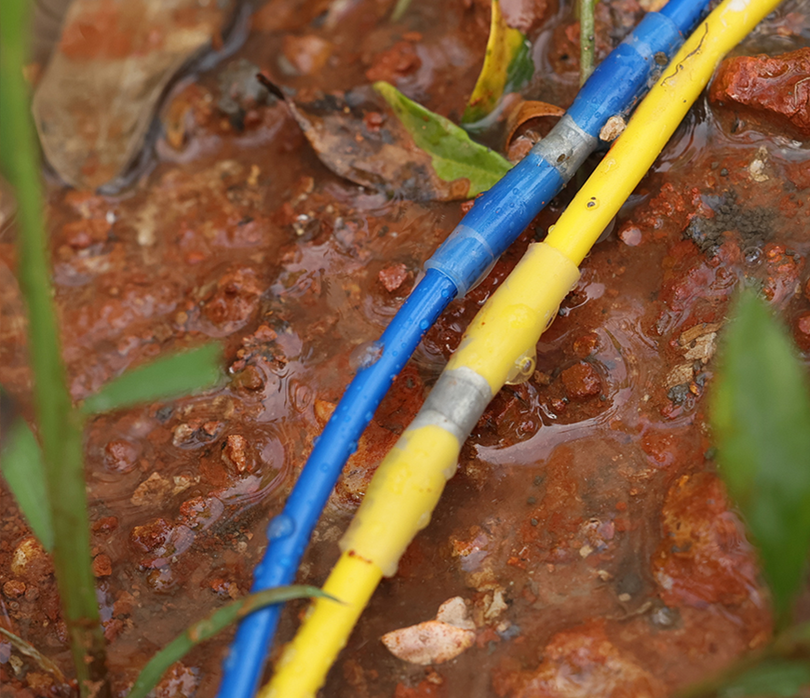
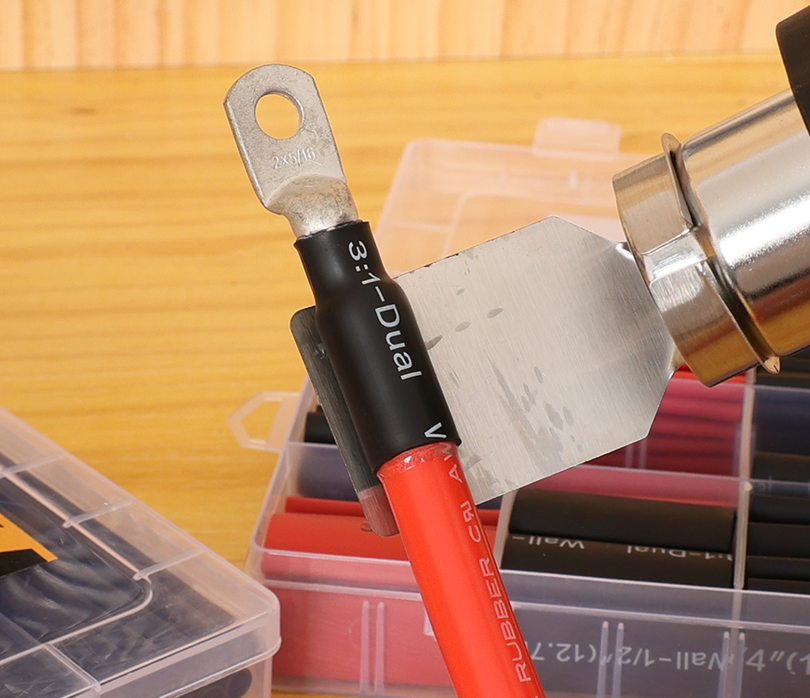
For outdoor, trailer, marine, or engine-bay repairs, choose adhesive-lined heat shrink butt connectors instead of standard butt connectors. After crimping, the tubing shrinks around the wire and the adhesive helps seal the splice against moisture and corrosion.
Use heat shrink butt connectors when two wires need to be joined end-to-end and the splice may face moisture, vibration, dust, or temperature changes. They are a strong choice for trailer lights, boat wiring, automotive harness repairs, motorcycle wiring, and outdoor electrical projects.
For dry indoor wiring, standard butt connectors may be acceptable. For sealed repairs, heat shrink butt connectors are usually the safer and more durable option.
They are moisture-resistant when crimped correctly and heated until the adhesive-lined tubing seals around the wire insulation. For marine or outdoor wiring, always choose the right connector size and apply heat evenly.
Yes. Heat shrink butt connectors need to be crimped first. Heating seals the tubing, but it does not replace the mechanical crimp connection.
Match the connector color and AWG range to your wire gauge. Red is commonly used for 22-16 AWG, blue for 16-14 AWG, and yellow for 12-10 AWG.
Yes. They are a good choice for marine wiring when installed correctly because the adhesive-lined tubing helps protect the splice from moisture and corrosion.
No. Once crimped and heated, they should not be reused.