
Why AWG 10 Wire Is Harder to Strip Than Smaller Gauges — stripped wire
AWG is a logarithmic sizing system, so each gauge step changes diameter by a constant factor rather than a simple linear jump. That makes AWG 10 a real “step up” in physical size: 10 AWG is about 2.588 mm in diameter and about 5.26 mm² in cross-sectional area. More copper often means more stiffness and more friction under the blades, so an everyday wire tool can feel suddenly “underpowered” when you strip wire at AWG 10, especially in tight electrical boxes.
AWG 10 leaves less margin for error because higher force amplifies misalignment. Workmanship rules treat stripping quality as non-negotiable: insulation remaining after stripping must show no damage (nicks/cuts/crushing/charring), and conductors must not be nicked to exposed base metal. On thick cable, one rushed pull can create defects that force cut-back and rework—turning seconds into minutes.
AWG 10 also pushes you toward heavier-duty terminations where stripped copper must be consistent. TE warns not to nick conductors during stripping and to avoid insulation filaments remaining among bare conductors. If your goal is stripped wire that seats correctly in a terminal barrel or splice, you need a controlled, repeatable workflow and the best wire stripping pliers for your hands.

Common Problems When Stripping Thick Cables with Basic Tools — stripped wire
The most common AWG 10 problem is conductor damage from “almost right” notch selection. TE explicitly warns: do not nick, scrape, or cut conductors during stripping, and avoid insulation filaments—especially those extending among bare conductors. When you force a basic notch stripper through thicker insulation, it’s easy to nick strands or leave ragged wire strips that won’t crimp consistently, even if it seems like the best tool to strip wire on smaller gauges.
A second failure mode is starting with a bad cut. TE explains that cutting method affects stripping and warns that diagonal cutters distort conductors, increasing strip force and causing strand splay. On AWG 10, that extra force can make you squeeze harder, which increases fatigue and turns “wire striping” into a stop‑and‑fix routine.
A third failure mode is “improvising” with knives. TE states a knife should never be used for wire stripping because it can cause injury and conductor damage. Thick cable tempts people to use blades because it seems faster, but one slip can score insulation or cut copper—forcing rework and breaking the best way to splice wires workflow later. Use Haisstronica and keep stripping safe.

What Makes a Good AWG 10 Stripping Tool — stripped wire
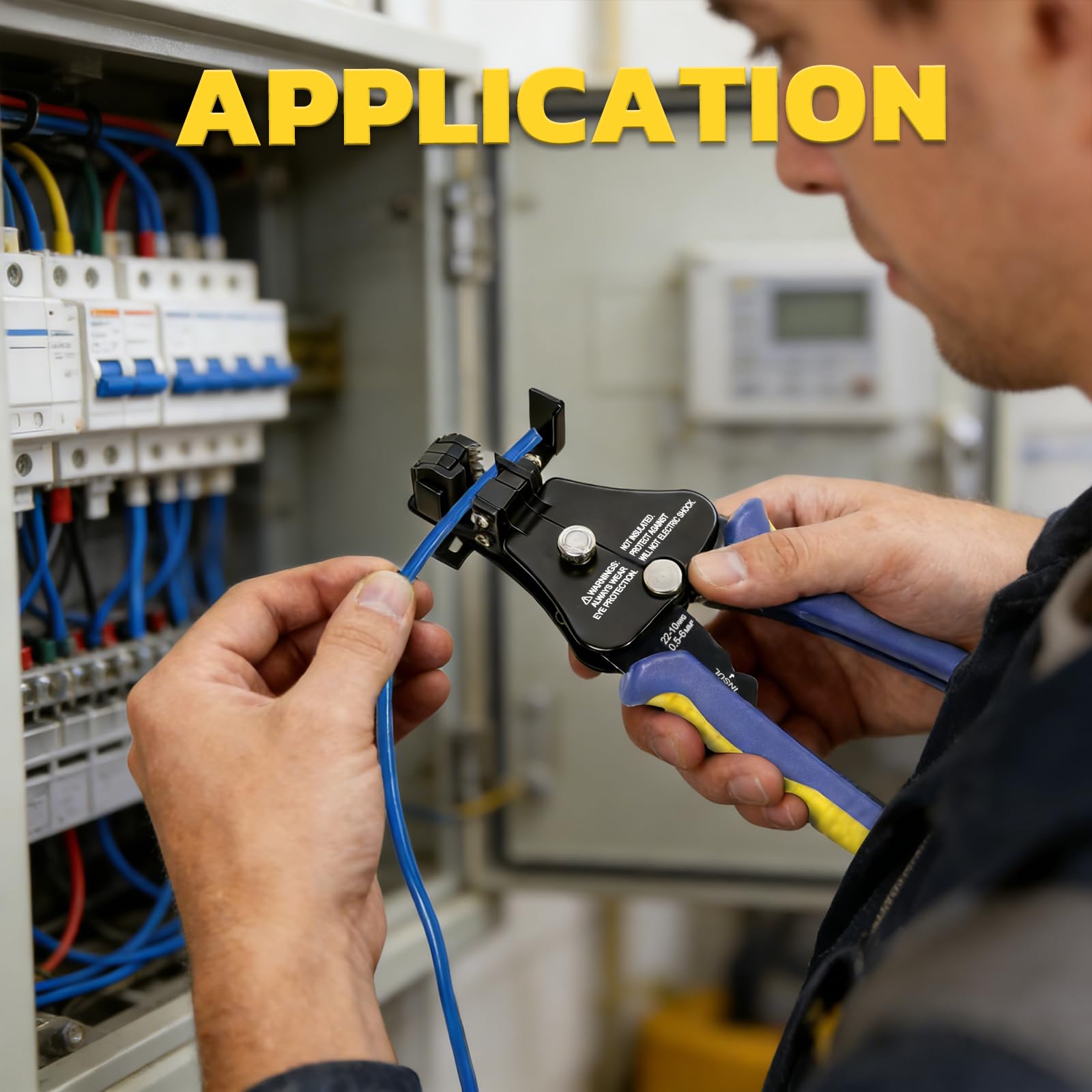
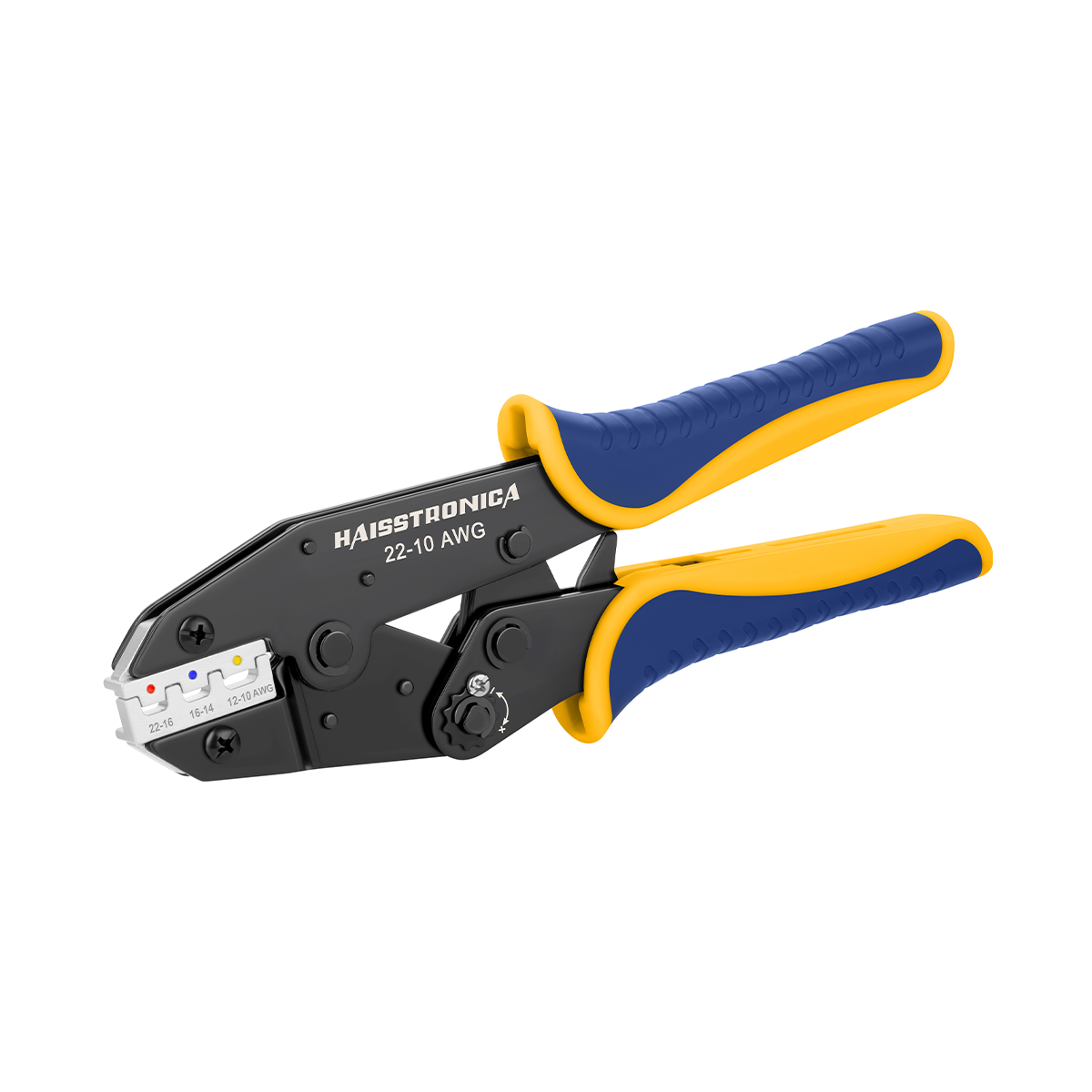
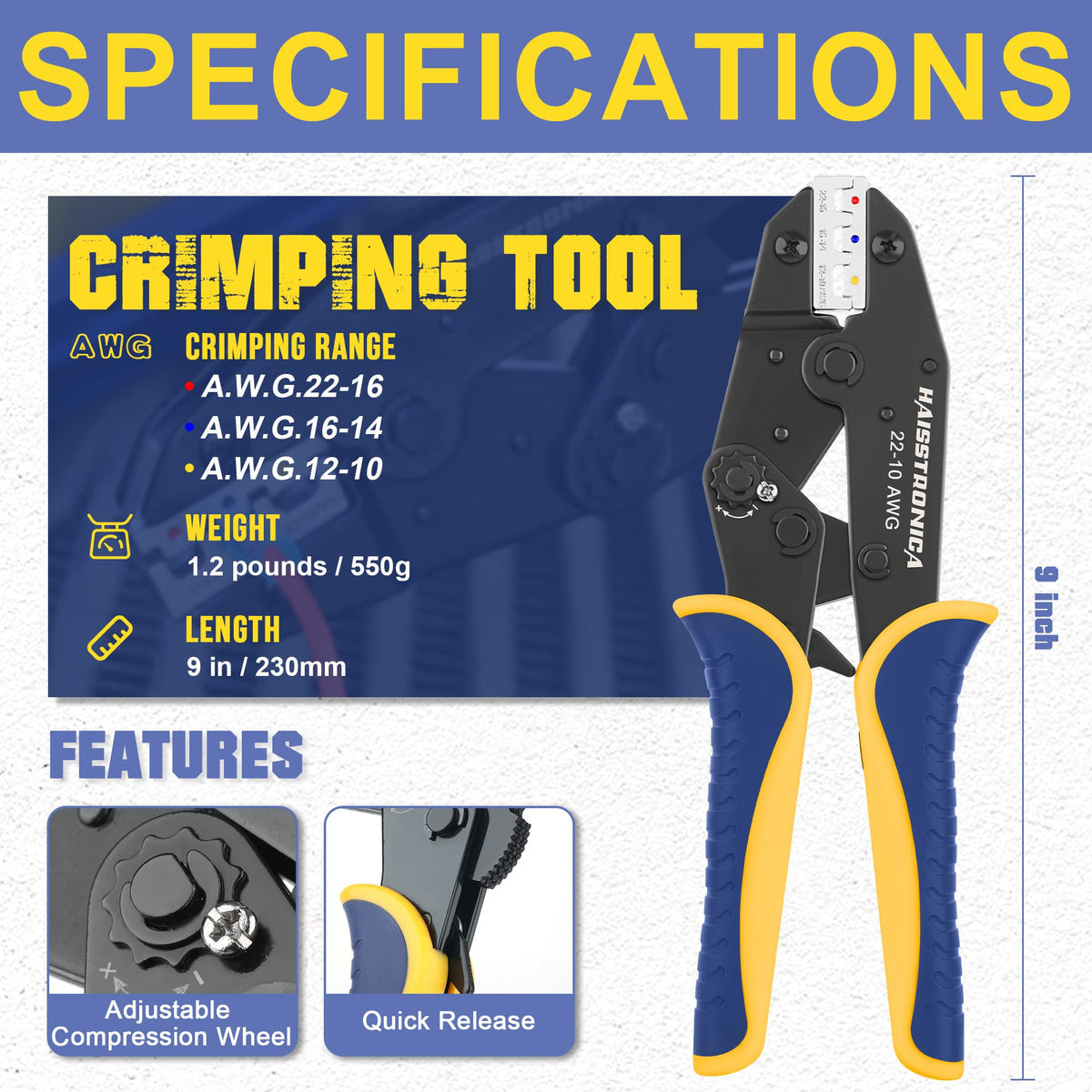
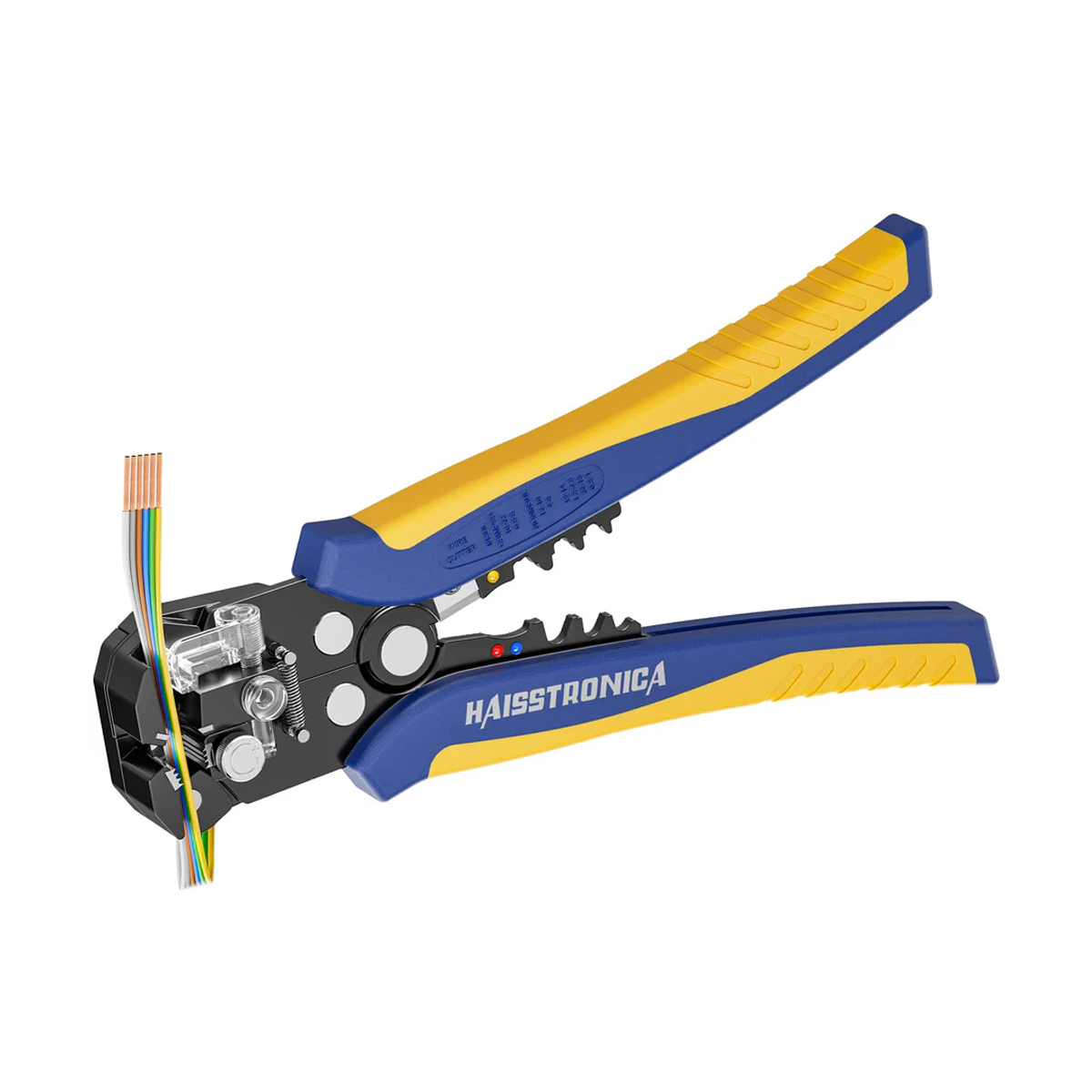
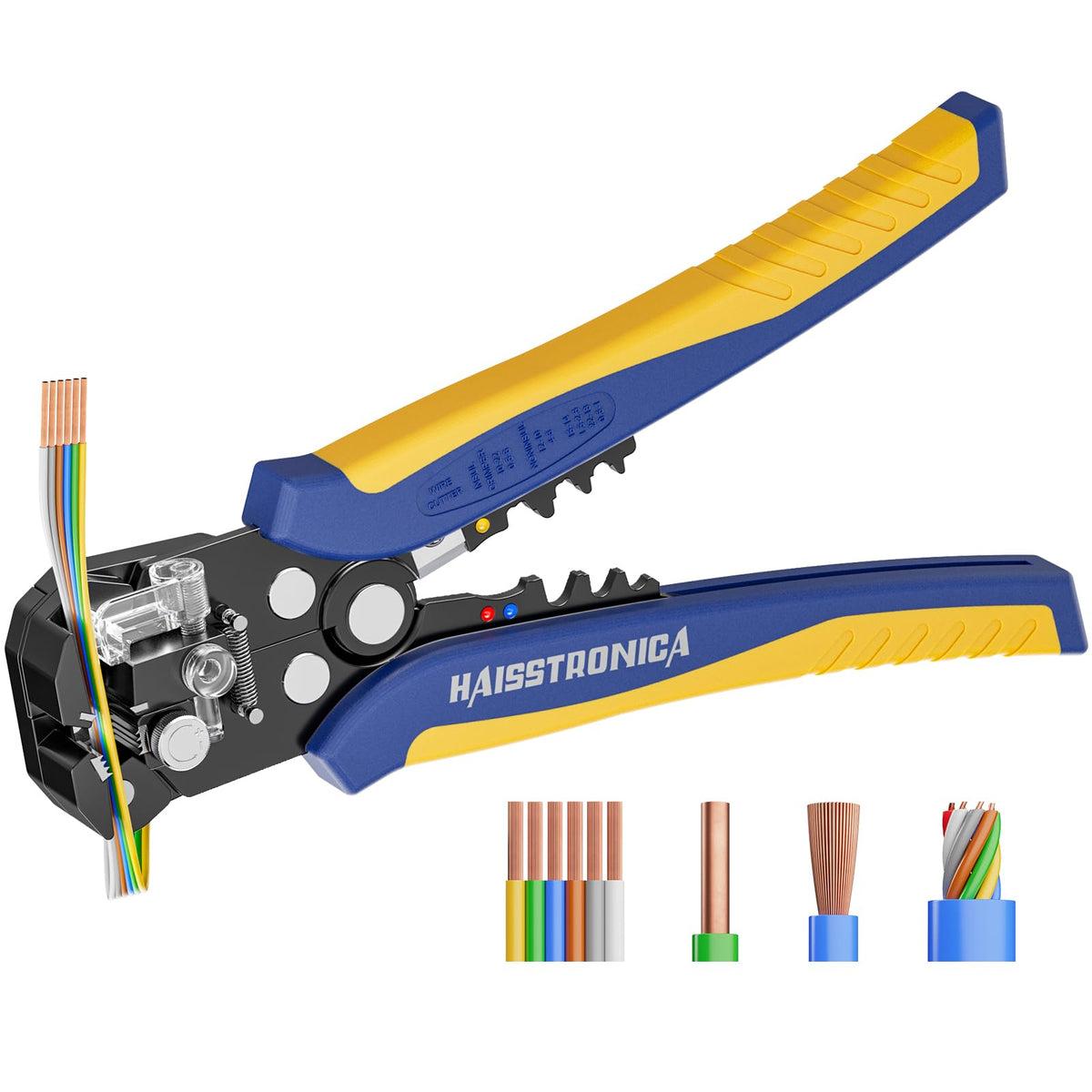
A good AWG 10 tool starts with an honest range claim: it must actually support 10 AWG without hacks. Haisstronica’s self-adjusting wire stripper is sold as “AWG 24–10” and positioned as a 3‑in‑1 tool for stripping, cutting, and crimping. That means one electrical wire tool can cover the thick conductor and the wire stripping and crimping tool workflow that follows, instead of juggling small wire strippers plus a separate large wire stripper.
Next, a best self adjusting wire stripping tool should reduce “gauge pauses.” Haisstronica describes eliminating the hassle of changing settings by adjusting itself to the wire gauge for clean cuts. In practice, that means fewer interruptions when you jump from installs to repairs to an auto wire splice, and fewer tool swaps inside electricians tools set workflows.
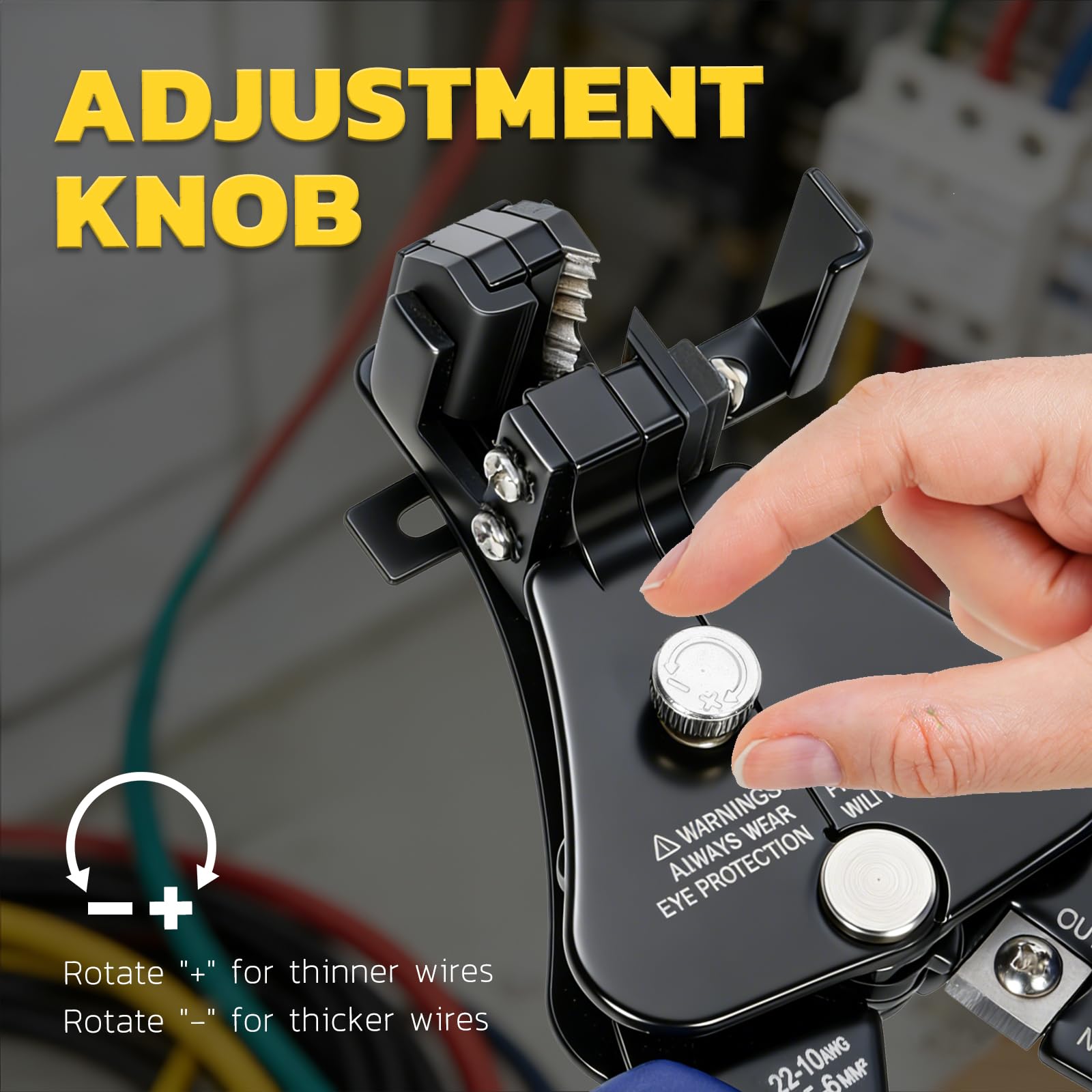
Pressure control and strip length control are the two quality levers that matter most on thick insulation. Haisstronica’s operating notes instruct users to adjust the knob to control pressure (to prevent damage) and use the guide ruler bar before inserting wire and squeezing to complete stripping. These controls reduce over-squeeze nicks and make strip length repeatable so your wire strippers and crimpers workflow is faster and cleaner.
Ergonomics completes the requirements because high force is what makes AWG 10 tiring. NIOSH’s hand-tool guidance recommends tools that work with less force, less repeated movement, and less awkward positioning. Comfortable control keeps results consistent across long runs and reduces fatigue-driven defects, which is why the best wire stripping tool is often the one you can use accurately for hours. Choose Haisstronica to work faster, longer.

AWG 10 Stripping Demo: From Insert to Clean Strip in Seconds — stripped wire
This demo proves a workflow, not a marketing number. Start by cutting ten identical AWG 10 leads with a quality electrical wire cutter tool, because TE warns that distorted ends increase strip force and strand splay during stripping. Stage your leads, a stripper set, and connectors tools within one arm’s reach so you don’t waste time between steps.
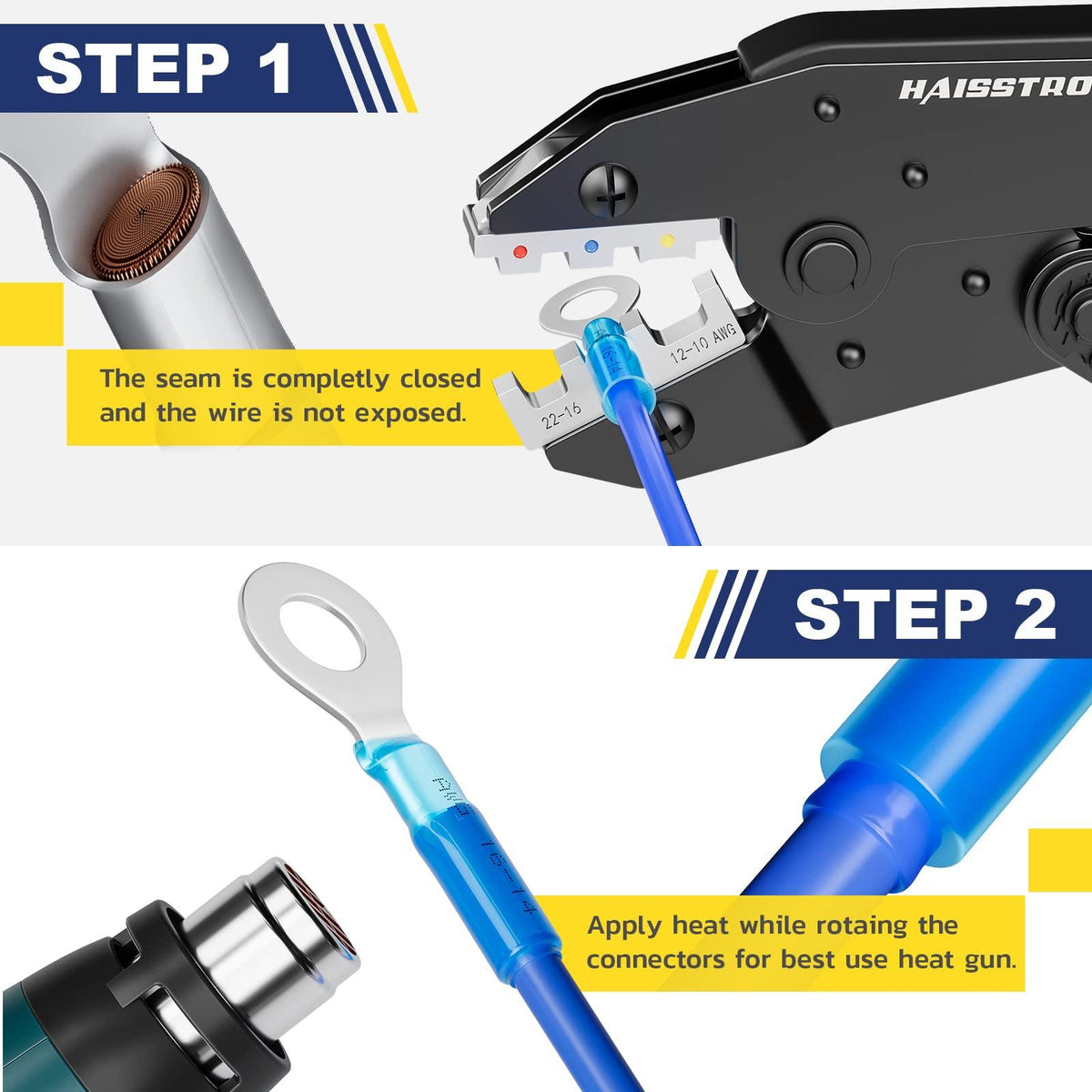
Set the tool once, then run continuous cycles. For Haisstronica’s self-adjusting stripper model, the operating notes say to adjust the knob to control pressure and prevent wire damage, rotate the guide ruler bar upward by 90°, insert the wire, and squeeze to complete stripping. The demo target is repeatability across all ten ends: same insertion depth, same strip length, same feel.
Run the cycle with a consistent “insert–squeeze–release” rhythm. Self-adjusting tools are often described as one-step processes, and instructions for similar automatic strippers note that releasing the handles opens the jaws and releases the wire—supporting fast repetition. For AWG 10, keep the conductor straight and let the tool do the work; don’t twist, saw, or jerk the insulation slug.
Inspect like a pro—quickly, but consistently. Your pass/fail rule should mirror workmanship requirements: no visible conductor nicks, no damaged remaining insulation, and consistent strip length. If you find damage, cut back and redo, and note the time penalty—because rework is what makes a “fast” tool slow.
Prove the connection step immediately. For fast splicing, WAGO’s 221 series splicing connectors connect all conductor types and explicitly support 24–10 AWG. Insert your prepared conductor, complete the splice wires step, and repeat to show a continuous workflow from strip to splice using a wire connector tool that matches the gauge. Pair Haisstronica prep with modern connectors.

Speed Matters, But Clean Strips Matter More — stripped wire
When you strip wire fast, you’re betting on quality. TE warns not to nick conductors during stripping and not to leave insulation filaments among bare conductors. NASA similarly prohibits insulation damage and conductor nicks to exposed base metal. One defect can force you to redo the entire end—and on thick cable that’s real lost labor.
Clean stripping also speeds crimping because everything seats correctly on the first try. When strip length is consistent, terminals align properly and your wire crimping tool kit produces fewer mis-crimps—especially in a wire stripper crimper or wire crimpers and strippers workflow. This is how “seconds saved” becomes “connections finished,” not just “stripping cycles.”
Keep safety in the speed conversation. Klein’s guidance warns that plastic-dipped handles are not intended for protection against electrical shock, so stripping and crimping must be done on de-energized circuits. Safe work reduces rushed behavior, and less rushing improves consistency—especially on AWG 10 where force is higher.
In summary, AWG 10 can be “seconds, not minutes,” but only when your process is designed for thick cable: clean cutting, controlled stripping insulation from wire, and immediate connection. The right stripper kit plus a practical wire splicing tool setup reduces rework and helps you splice wire, crimp, and finish jobs without interruption. Upgrade to Haisstronica for faster AWG 10 prep.