


How hand force becomes a strong, gas-tight crimp
A crimp tool does more than squeeze metal. Its handles multiply force, the ratchet controls the cycle, and the die reshapes the terminal around the conductor. The result is reliable only when the wire, terminal and die all match.
Handles multiply hand force
The cycle controls travel
The cavity shapes the terminal
Metal flows and stays compressed
Compression reaches its endpoint
Verify shape and pull strength
1. The handles multiply your hand force
A crimper uses long handles and short movement at the jaws to turn moderate hand pressure into concentrated force at the die. Compound pivots increase that mechanical advantage further, so the terminal can be compressed without requiring an extreme grip.
Your hands travel farther with manageable effort.
The jaws move less but apply much higher pressure.
The die concentrates force on defined crimp zones.
2. The ratchet turns a squeeze into a full cycle
A ratcheting mechanism advances one step at a time and normally releases only after the handles reach the designed endpoint. This reduces half-finished crimps and makes repeated work more consistent than an uncontrolled squeeze with general-purpose pliers.

3. Die geometry determines the final crimp shape
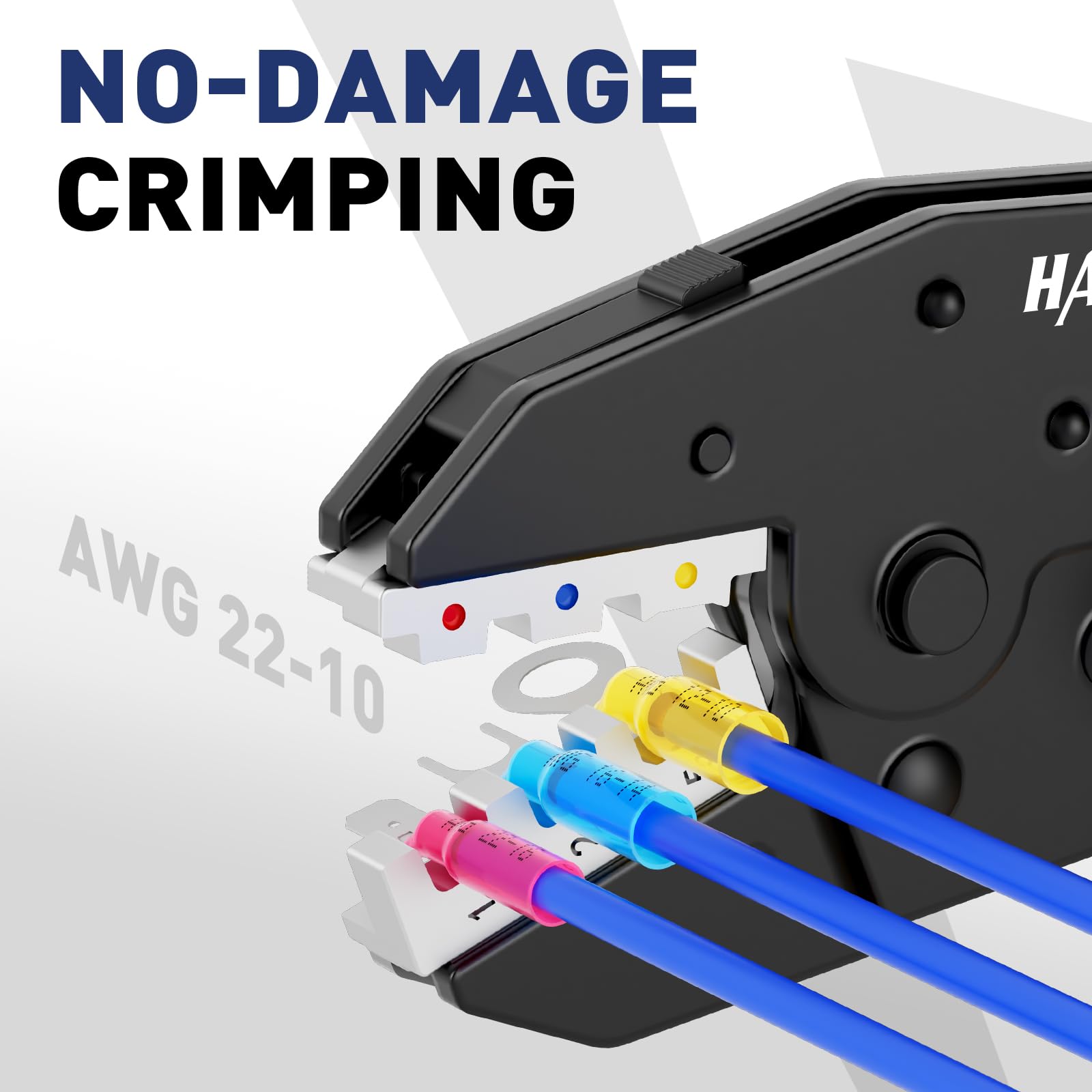
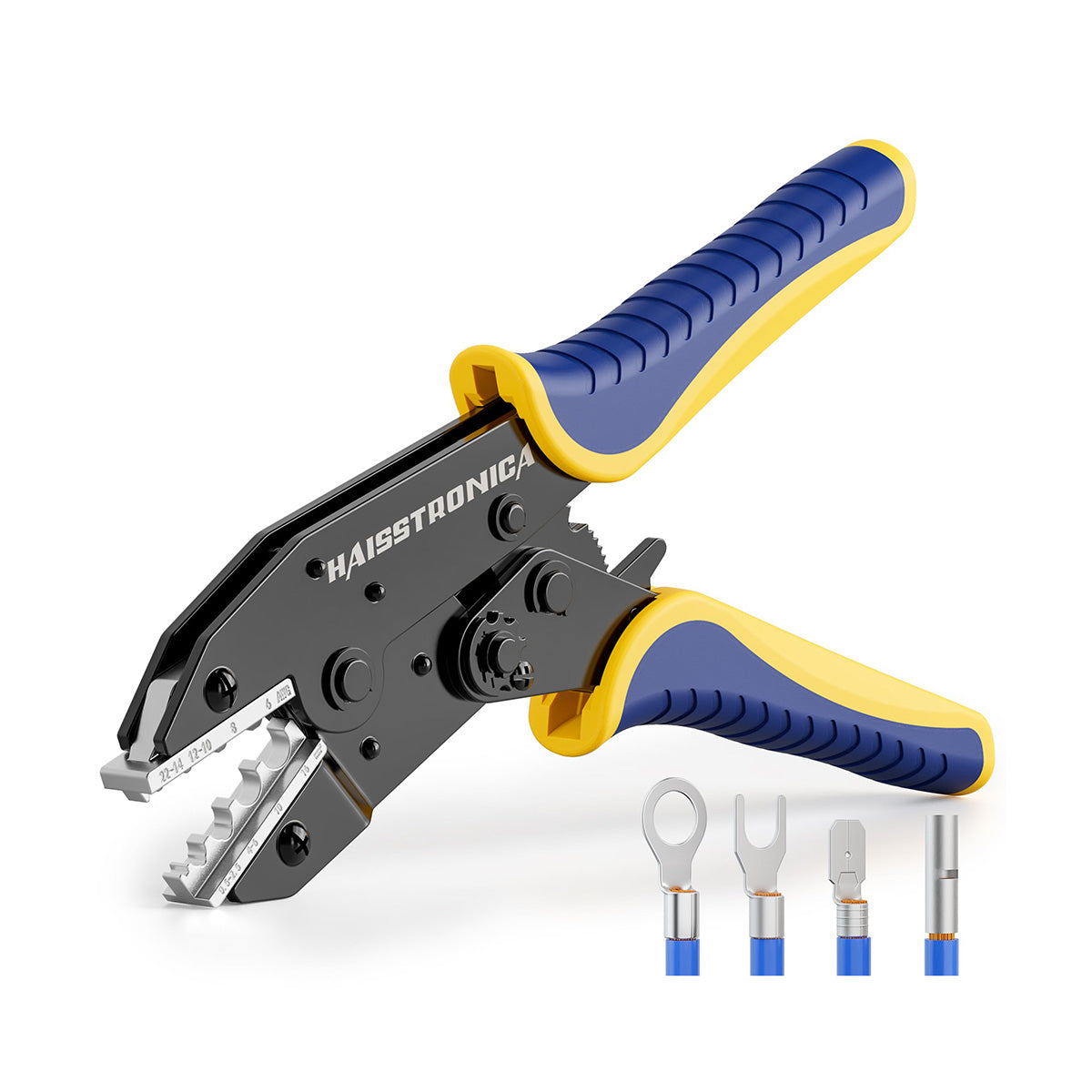
The ratchet supplies controlled travel; the die decides where the metal moves. A die for insulated terminals, ferrules or open-barrel contacts can cover a similar wire range and still form completely different profiles.
| Terminal family | What the die must control | Tool direction |
|---|---|---|
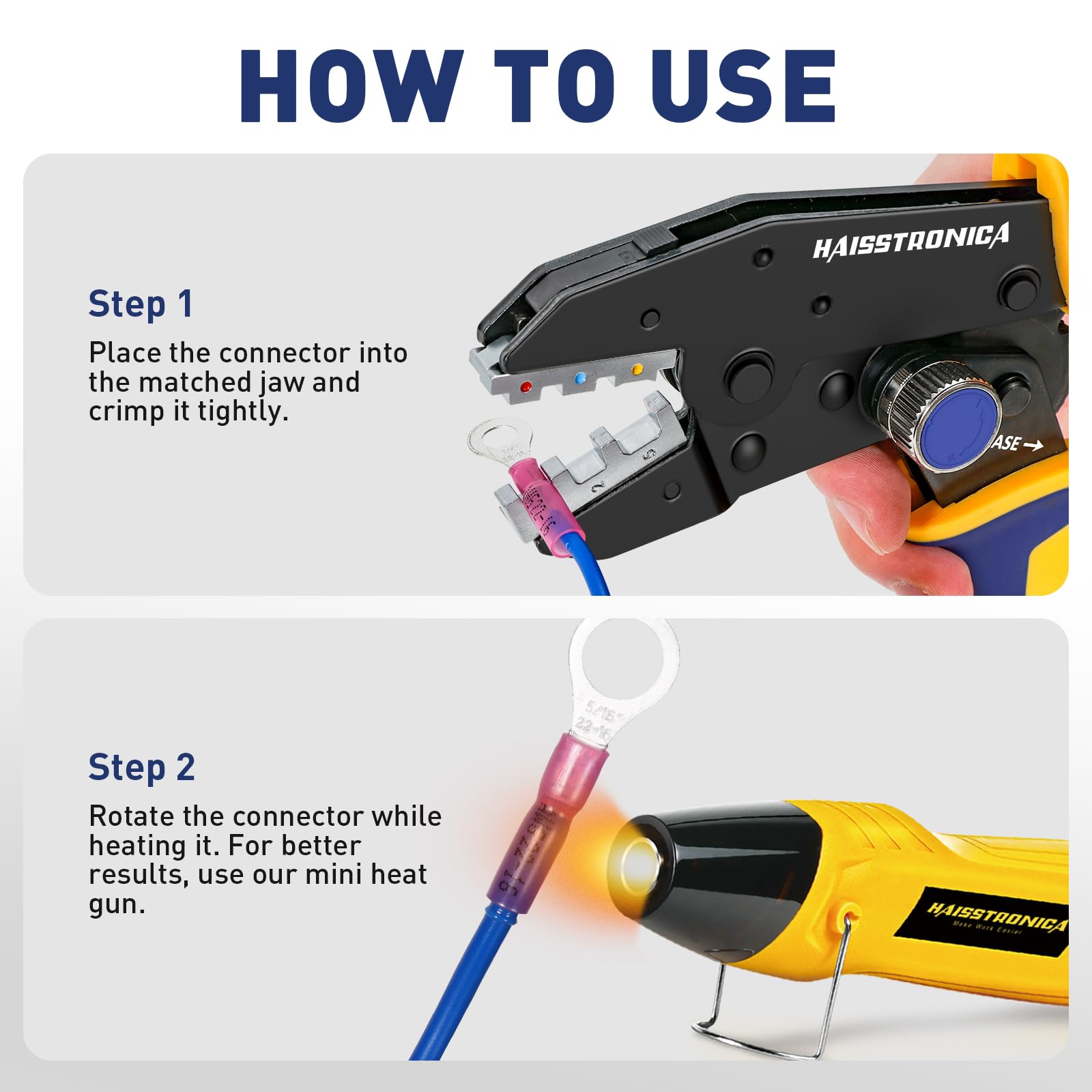
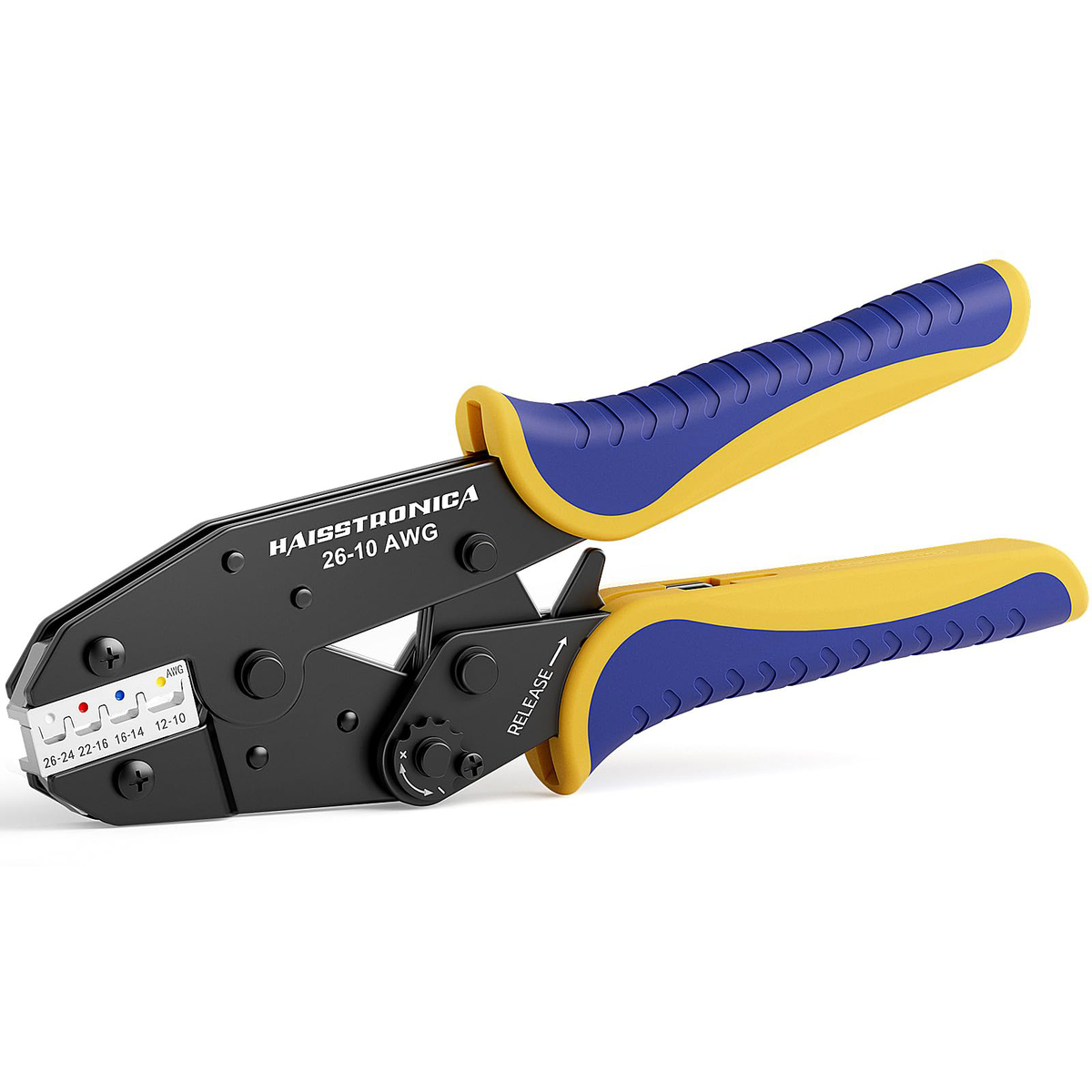
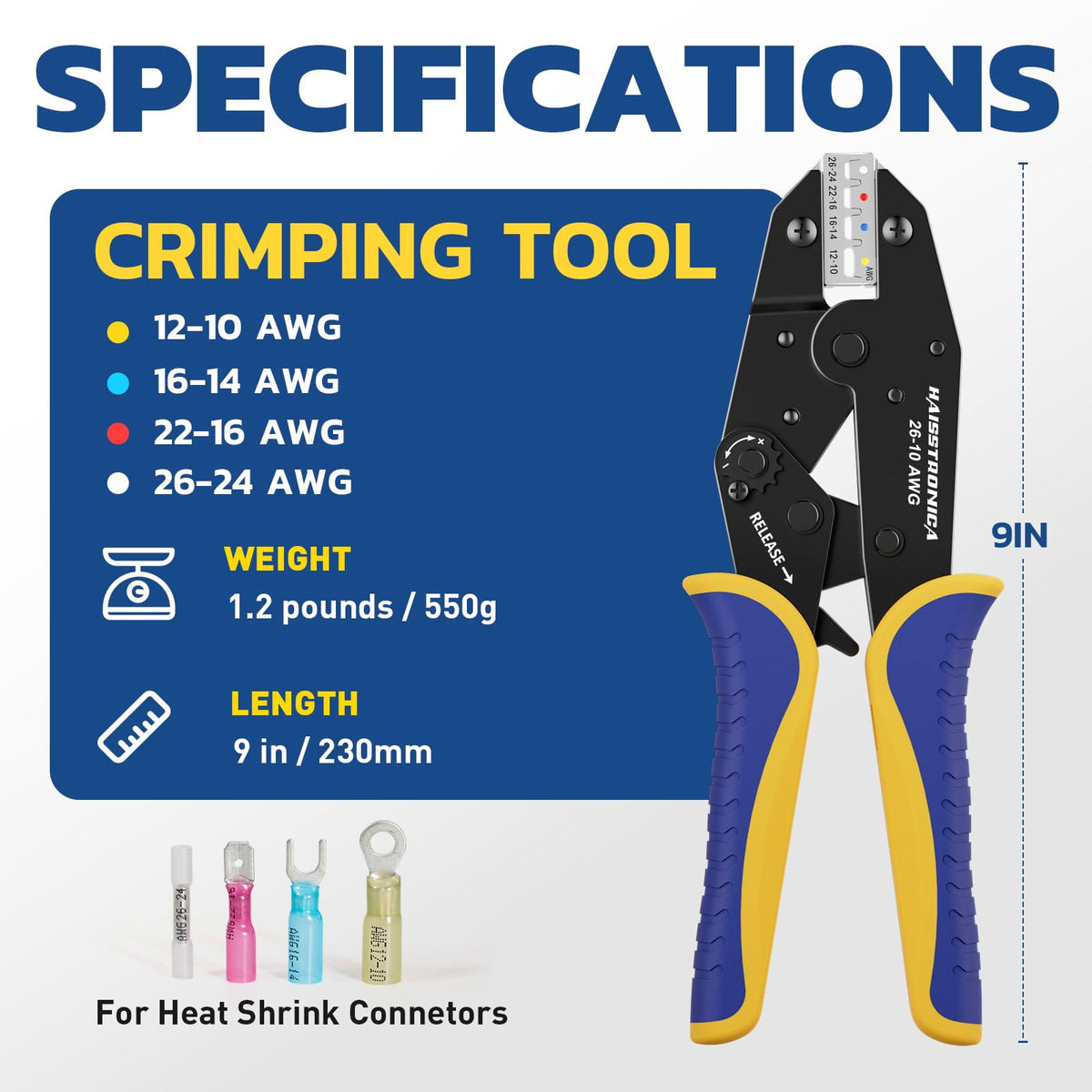
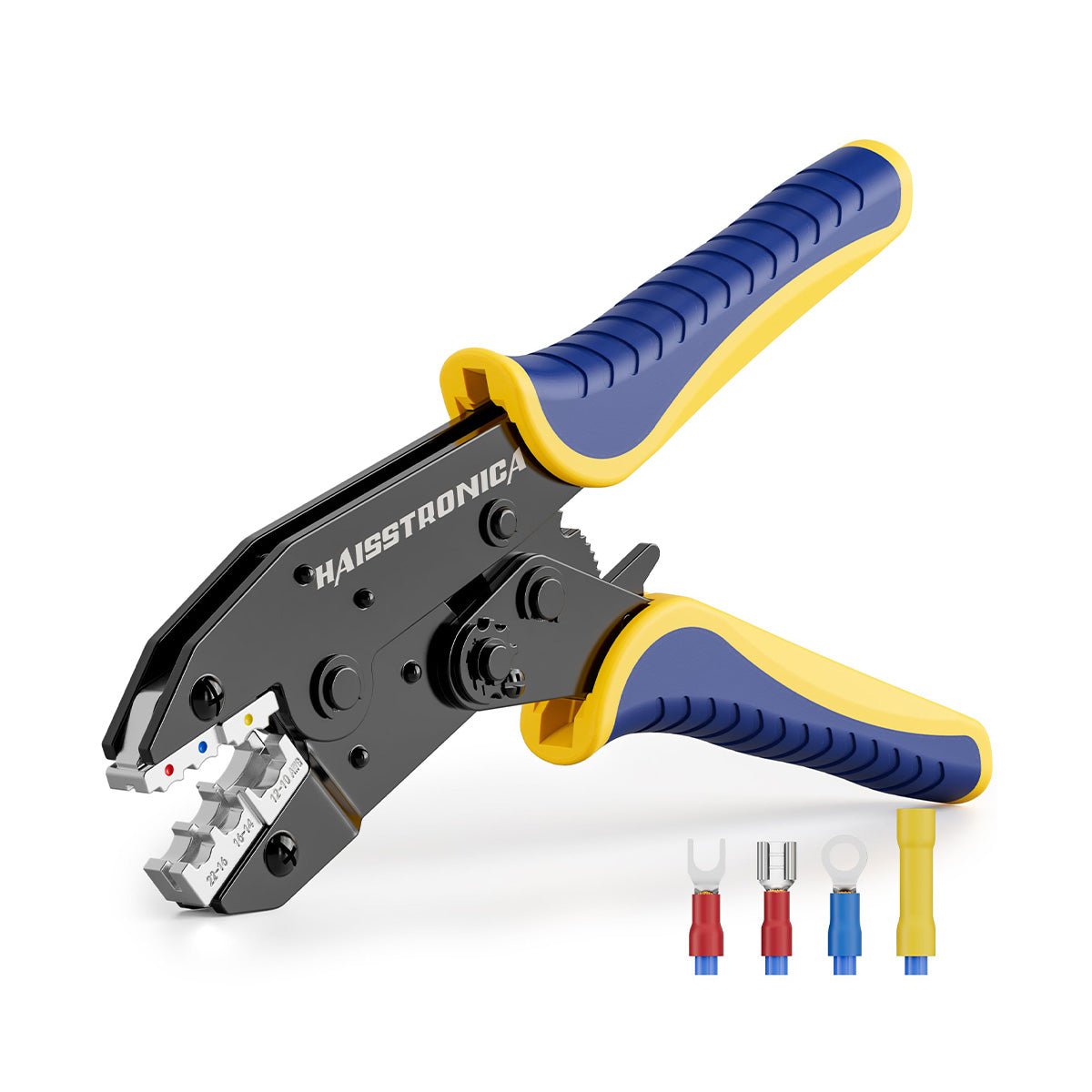
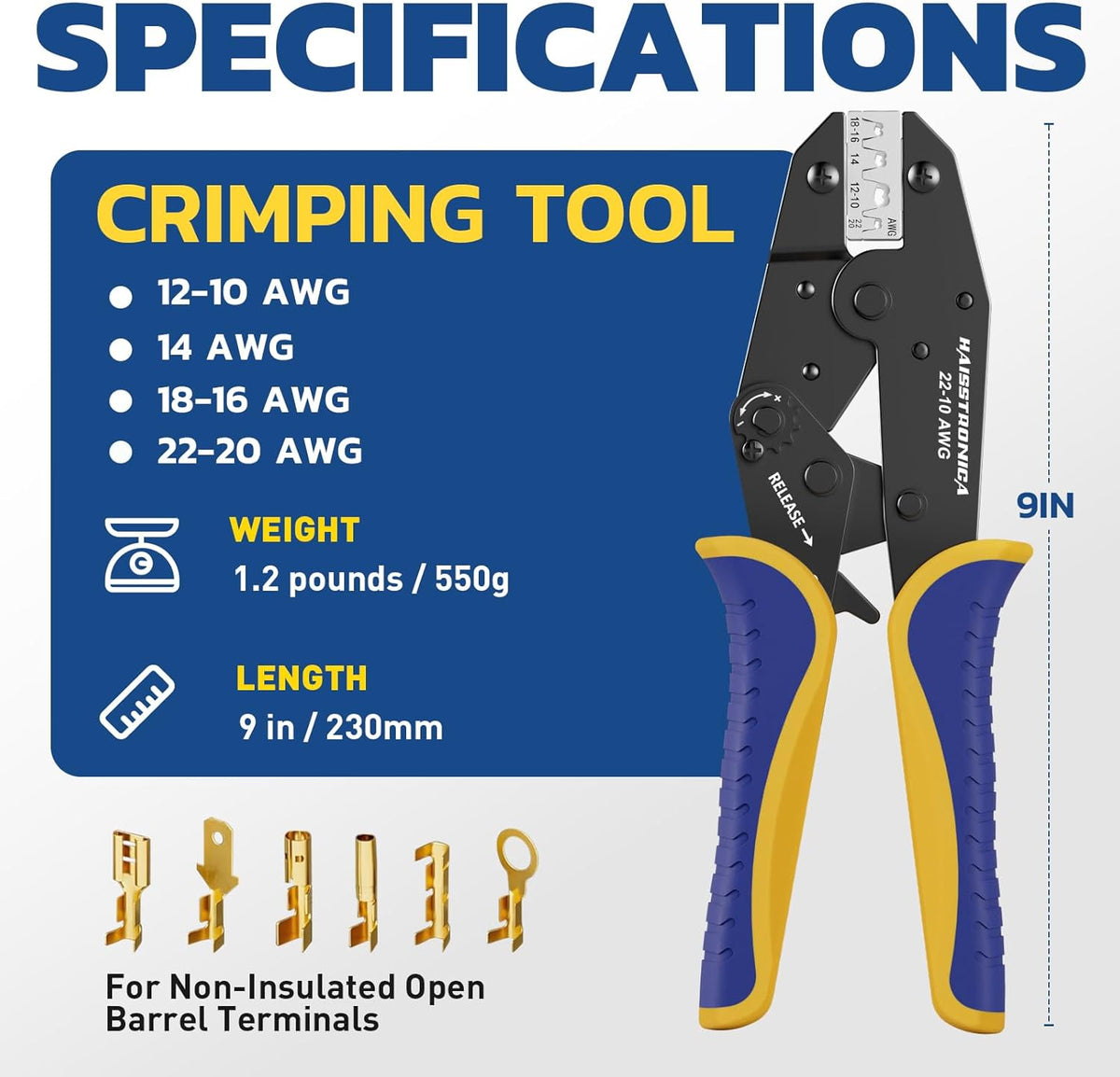
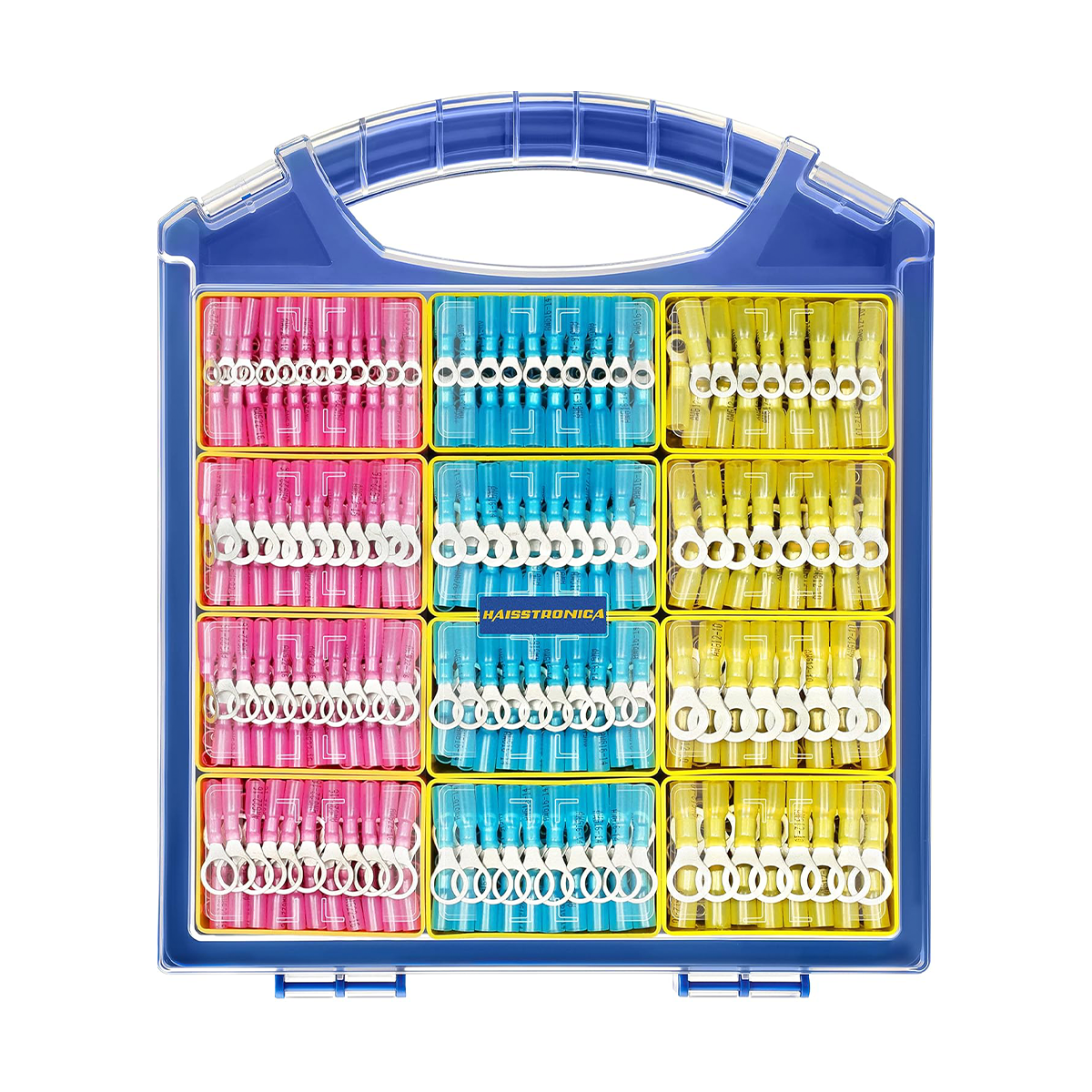
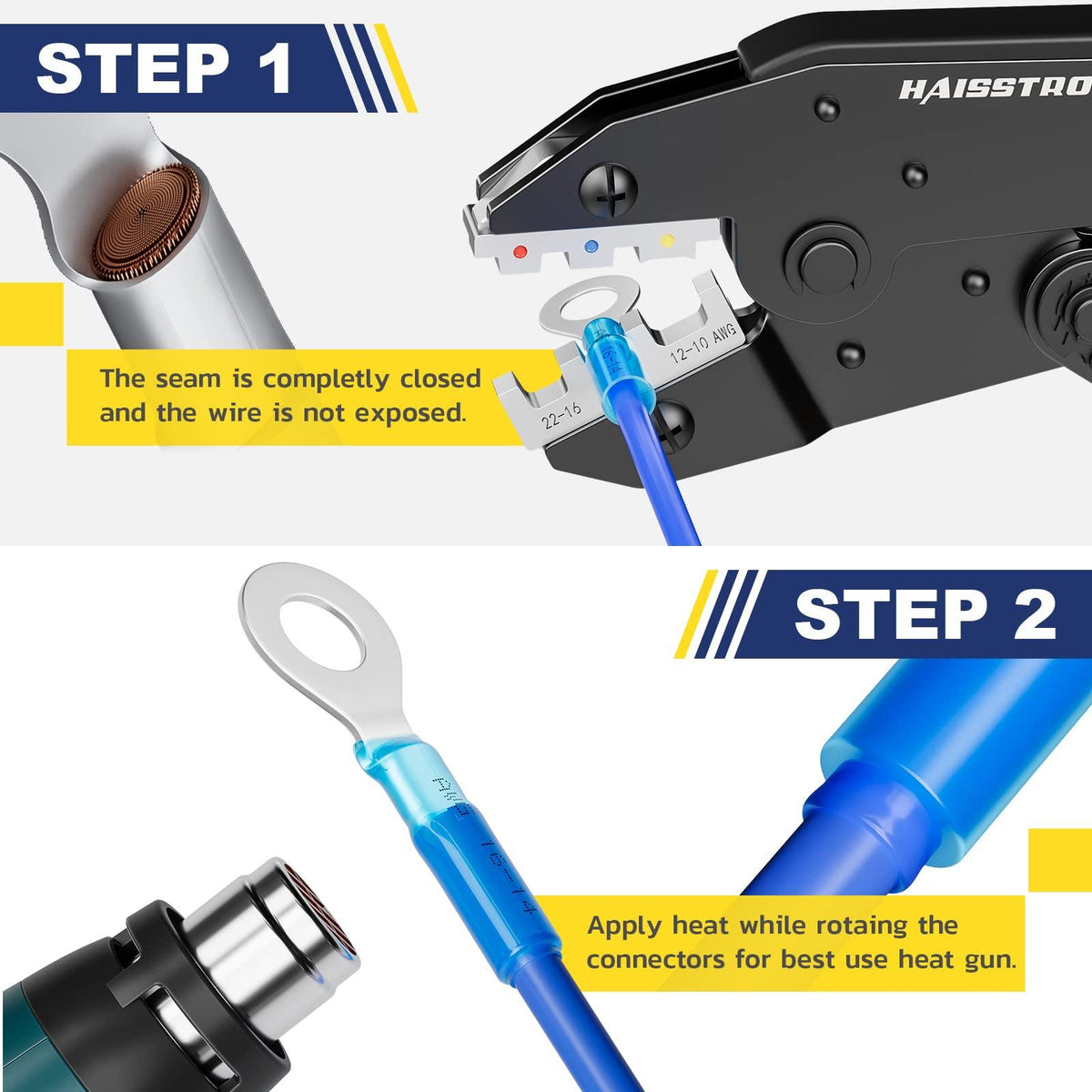
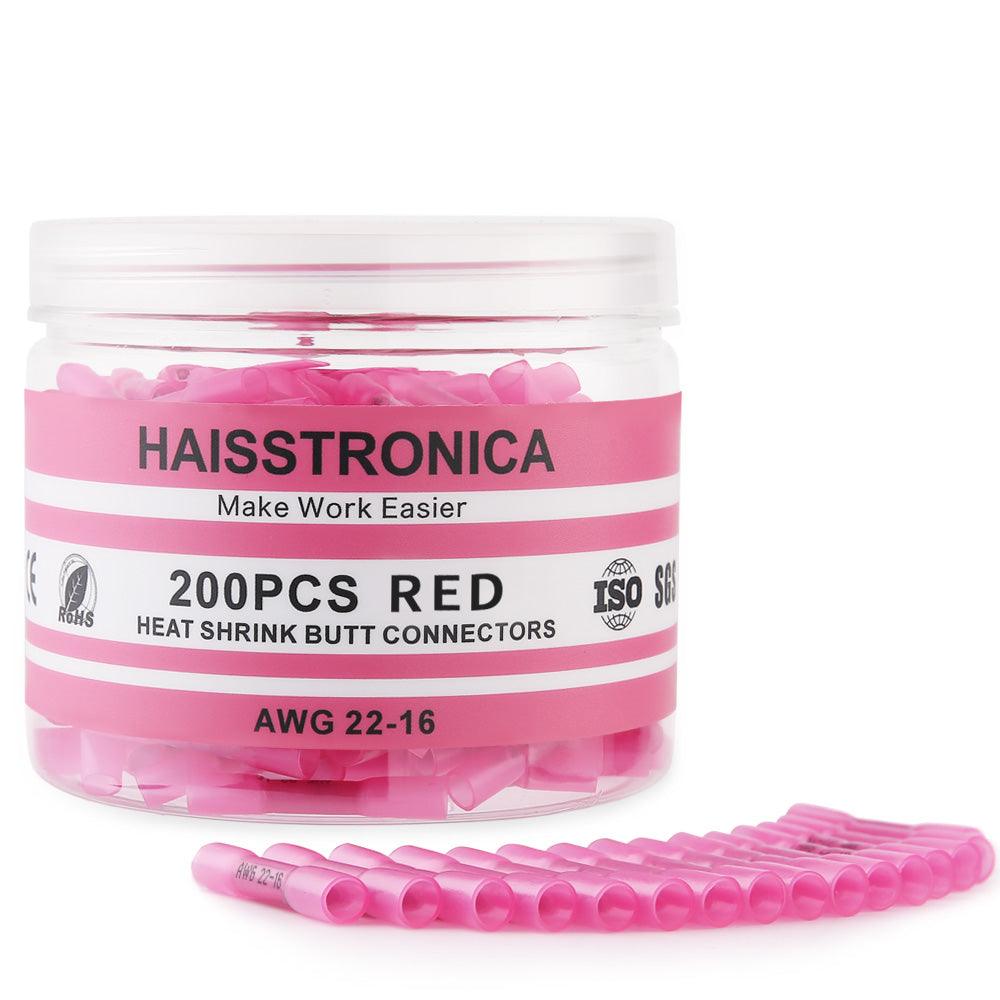
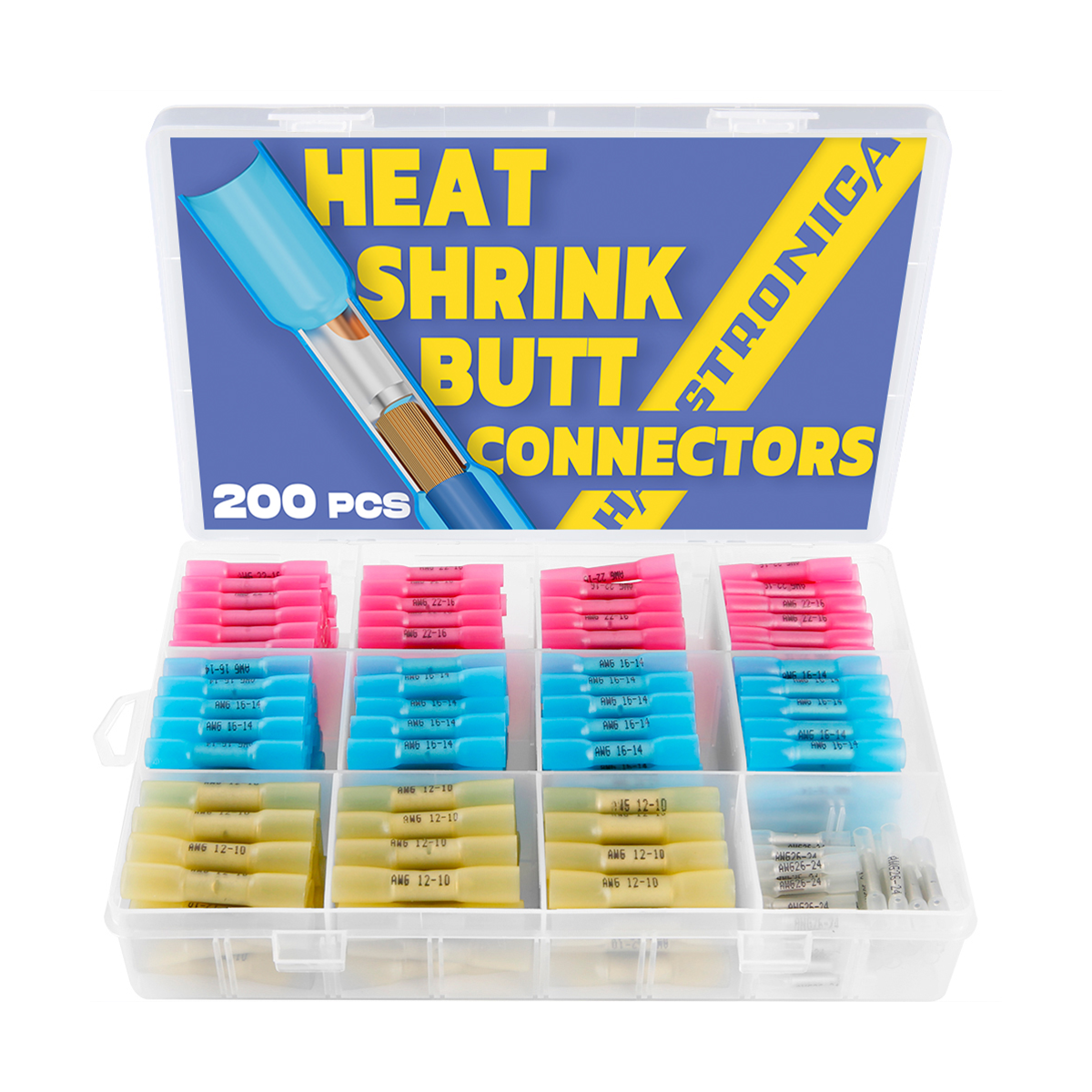
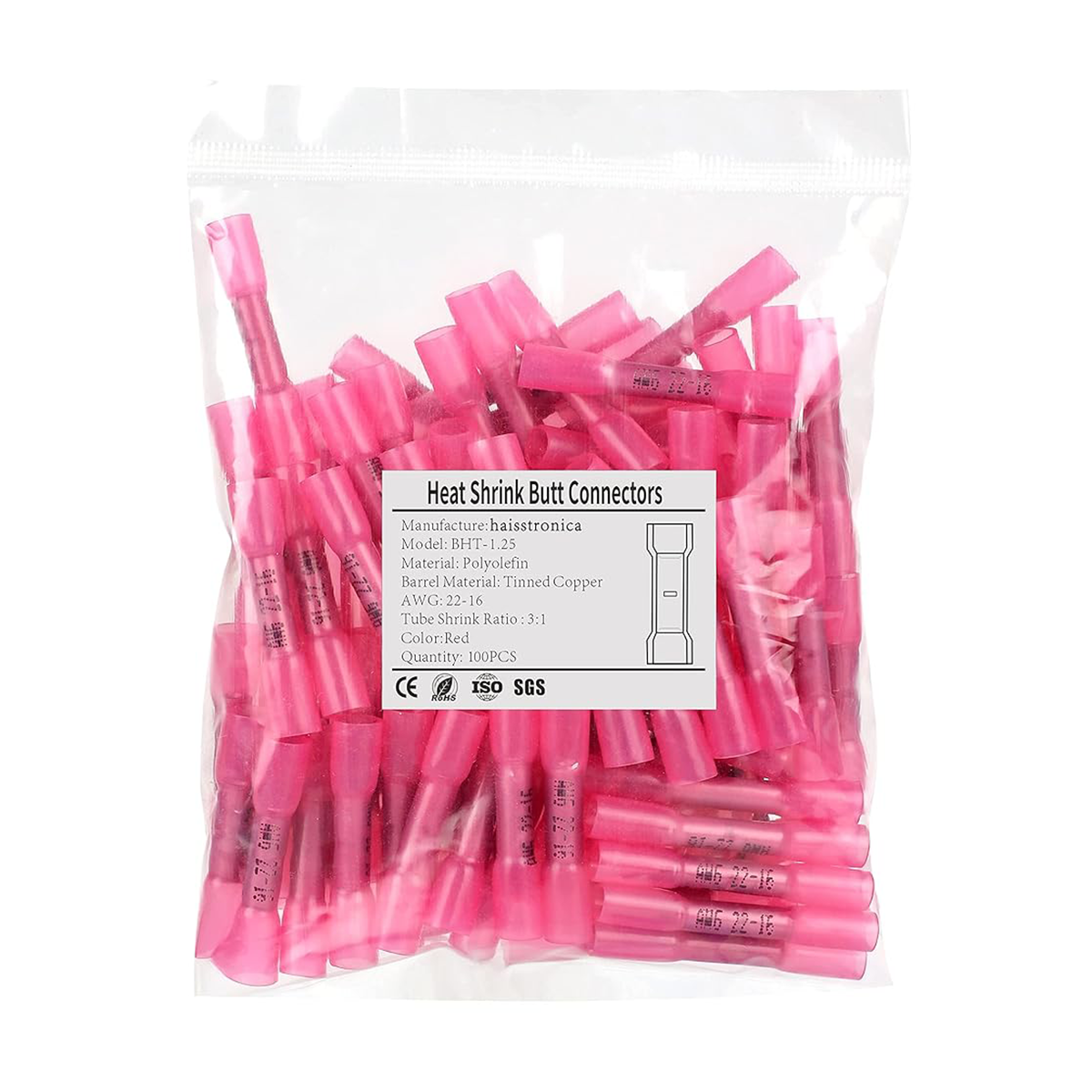
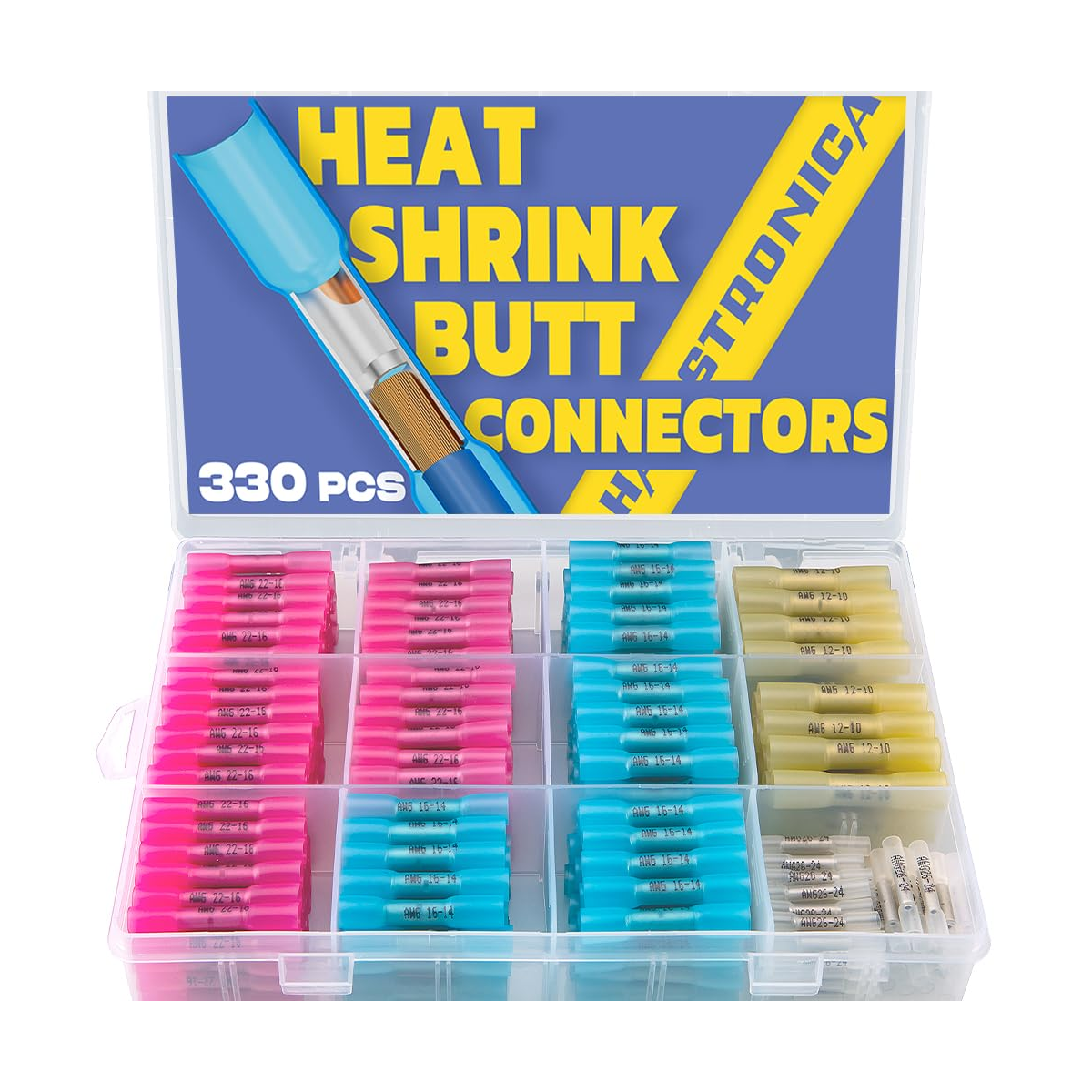
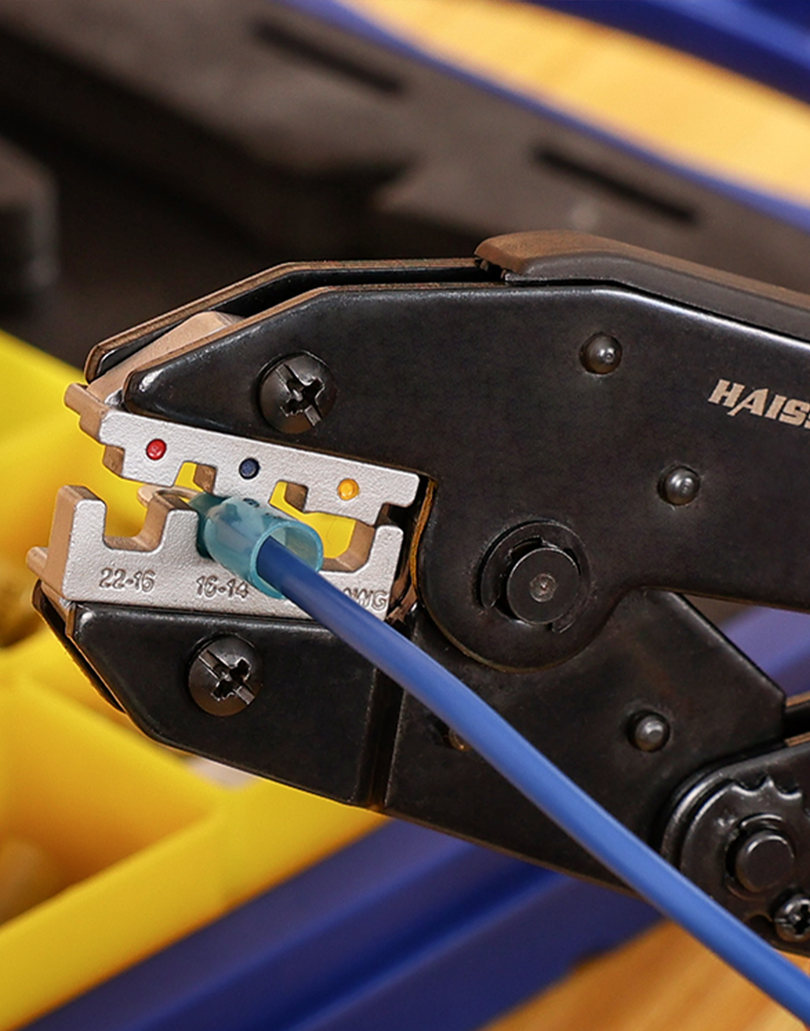
| Insulated / heat-shrink | Barrel compression without cutting the sleeve | AWG 22–10 ratchet |
| Ferrule | Square or hex compression around fine strands | Ferrule crimper |
| Open barrel | Separate conductor and insulation wings | Open-barrel tool |
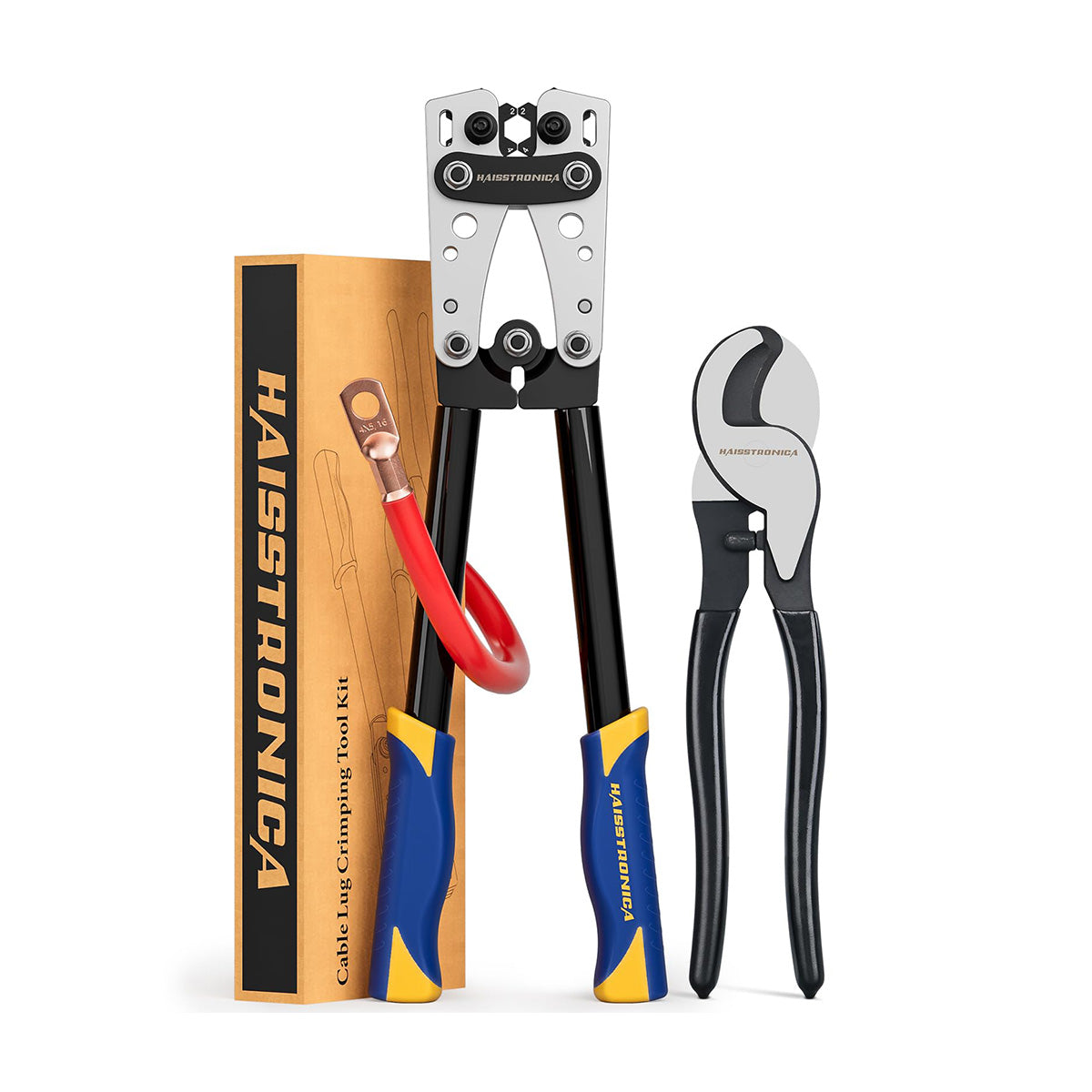
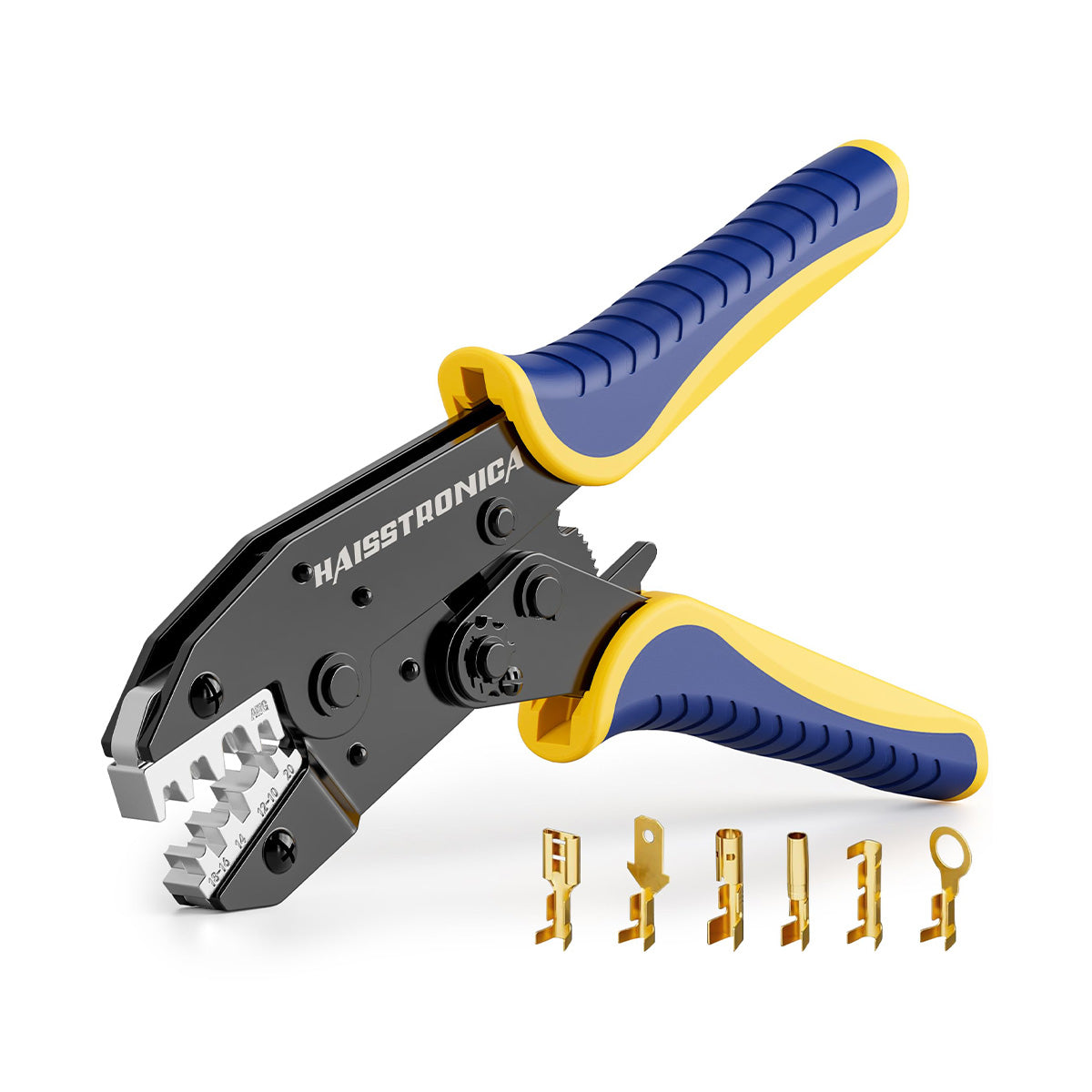
| Several families | A correctly labeled die for each recurring profile | 6-in-1 interchangeable set |
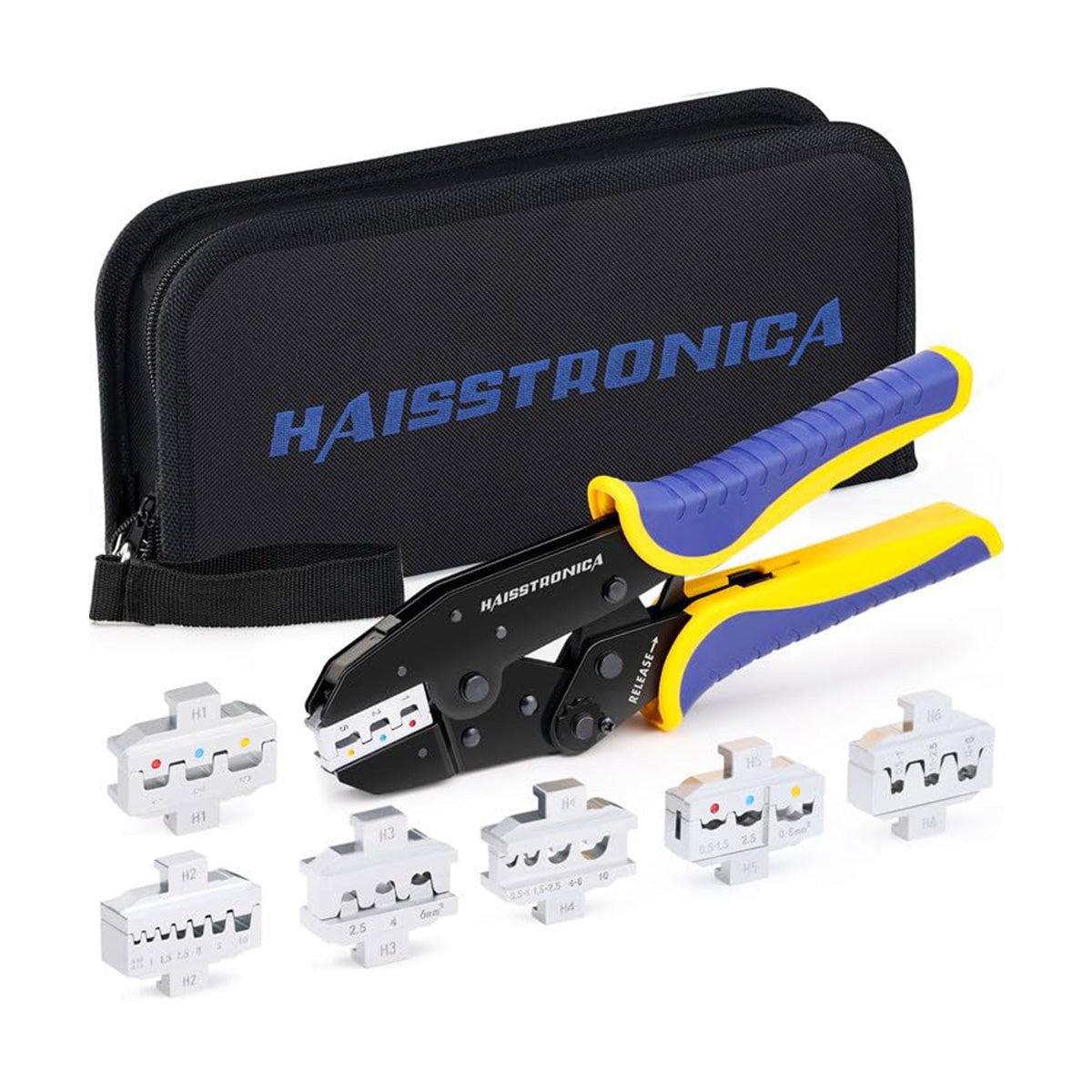
Use one frame with task-specific interchangeable dies
Choose a set only when its included profiles match the connector families you actually crimp.
View the 6-in-1 Crimper →4. Plastic deformation locks the conductor and barrel together
During a proper crimp, the terminal barrel passes its elastic limit and permanently changes shape. The conductor strands compact, surface oxides are disrupted and the contact area increases. This pressure-created interface is sometimes described as a cold-weld effect, but it depends on the correct materials, preparation and compression—not force alone.
Strands sit loosely inside the terminal barrel with small air gaps.
The die forces the barrel and strands into intimate contact.
The deformed barrel maintains pressure after the tool opens.
5. What makes the connection gas-tight?
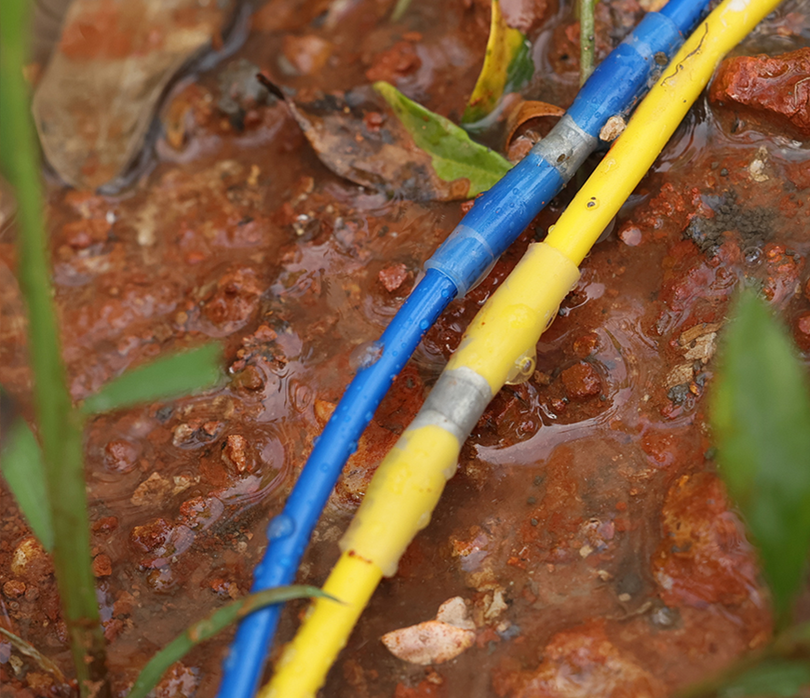
A gas-tight interface has enough sustained contact pressure to limit air and moisture at the metal-to-metal junction. It does not mean every completed crimp is automatically waterproof. Environmental sealing may still require a correctly rated heat-shrink terminal or tubing.
6. Inspect the crimp before you trust it
| Check | Pass | Warning sign |
|---|---|---|
| Wire position | All strands enter the barrel | Loose strands or excess bare copper |
| Crimp shape | Even, centered deformation | Cracked sleeve, flattened or off-center barrel |
| Ratchet cycle | One full release cycle | Stopped early or squeezed twice at random |
| Pull test | Firm pull does not move the wire | Wire slips, rotates or pulls free |
For production or safety-critical work, follow the connector manufacturer’s specifications and use documented pull-force or electrical tests where required.
Choose the tool after you understand the connection
Fixed-die ratchet
Fastest setup when most work uses matched AWG 22–10 insulated or heat-shrink terminals.
View Ratchet Crimper →6-in-1 tool set
A compact path when labeled die changes are already part of your normal workflow.
View 6-in-1 Set →8PCS tool kit
For frequent mixed-terminal work where additional dies and organized storage reduce changeover friction.
View 8PCS Kit →
Frequently asked questions
No. It controls the cycle, but the wire, terminal and die still have to match and the wire must be positioned correctly.
No. Too little compression leaves a loose joint; too much or the wrong die can damage the barrel, sleeve or conductor.
No. Gas-tight describes the compressed metal interface. Outdoor sealing requires a connector or sleeve rated for the environment.
Choose them when several included terminal profiles recur often enough to justify the changeover and storage system.
Match the die first, then choose the frame or set
Browse fixed-die ratchets, specialty profiles and interchangeable-die sets after confirming the terminal and wire range.
Compare Wire Crimpers →