
Crimping is one of the fastest ways to build strong electrical connections—when it’s done correctly. The difference between a “good enough” crimp and a professional-grade crimp usually comes down to three things: prep, tool control, and inspection.
This how-to hub walks you through the exact workflow pros use to get repeatable results: choosing the right tool, setting it up, making the crimp, and maintaining your crimper so it stays consistent year after year.
Quick links (most-used guides):
-
Start here: [How To Crimp Wires]
-
Tool basics: [how to use a crimping tool for wires]
-
Tool mechanism: [how does a crimper work]
-
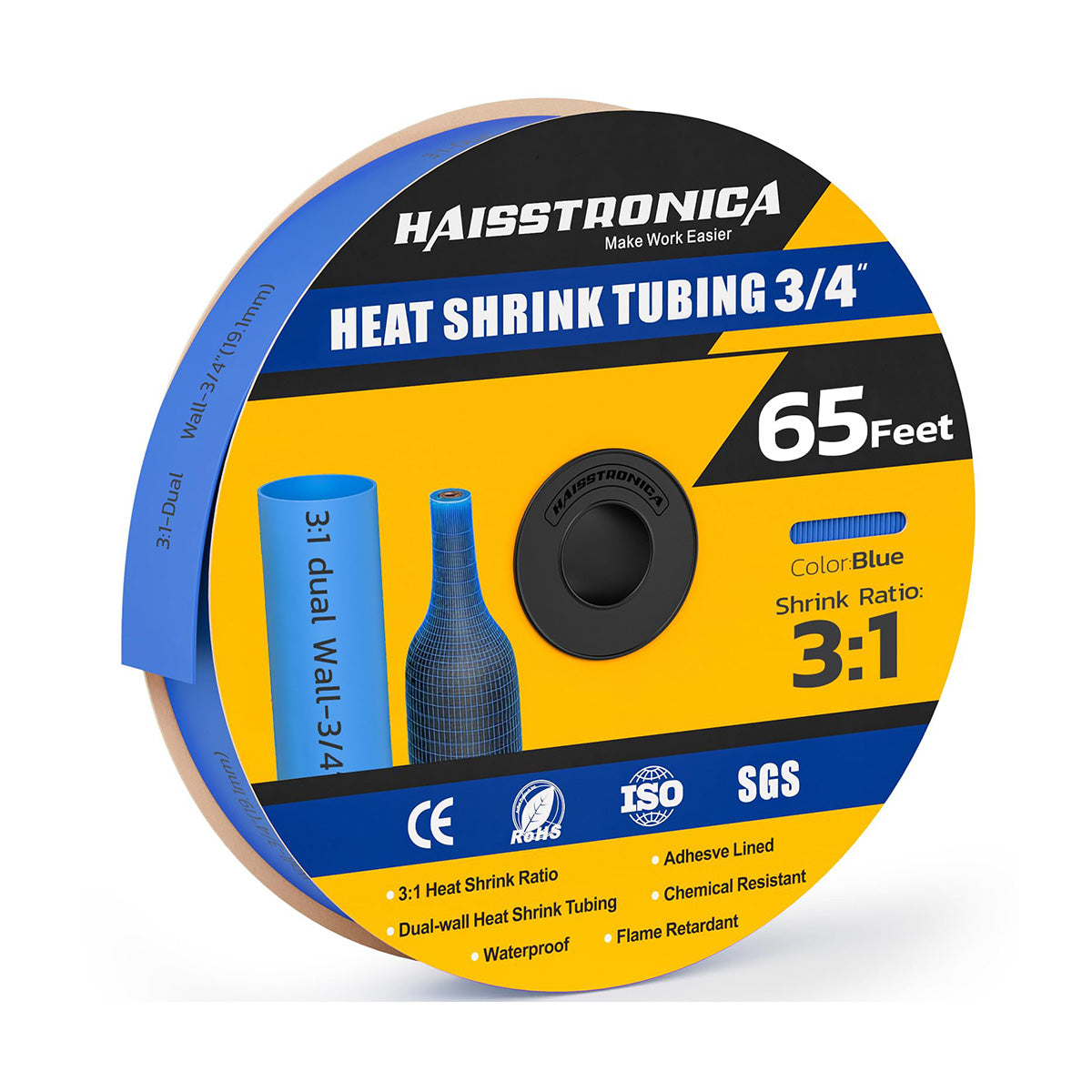
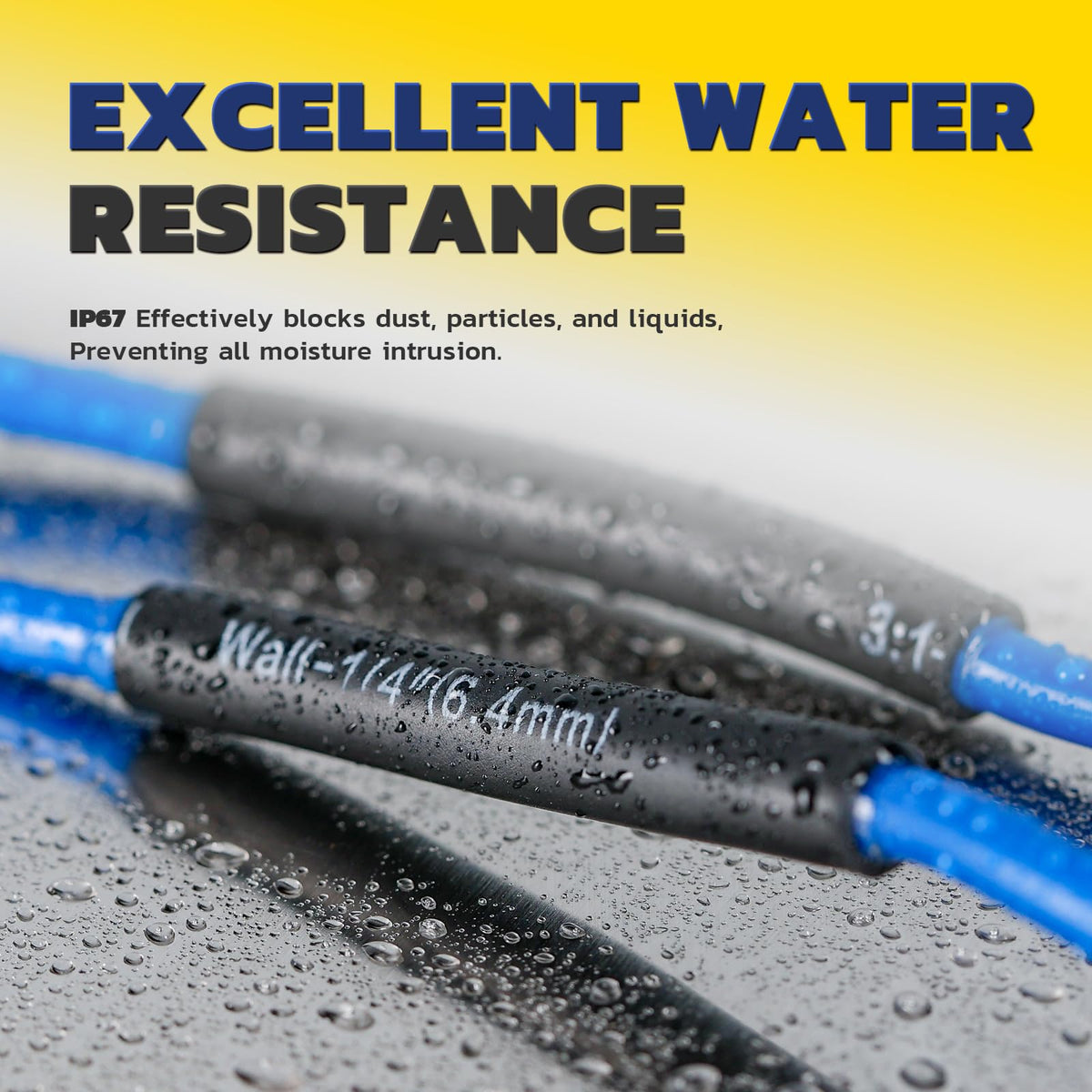
Heat-shrink tips: [How to Crimp Heat Shrink Connectors Without Melting the Sleeve: Pro Tips Revealed]
-
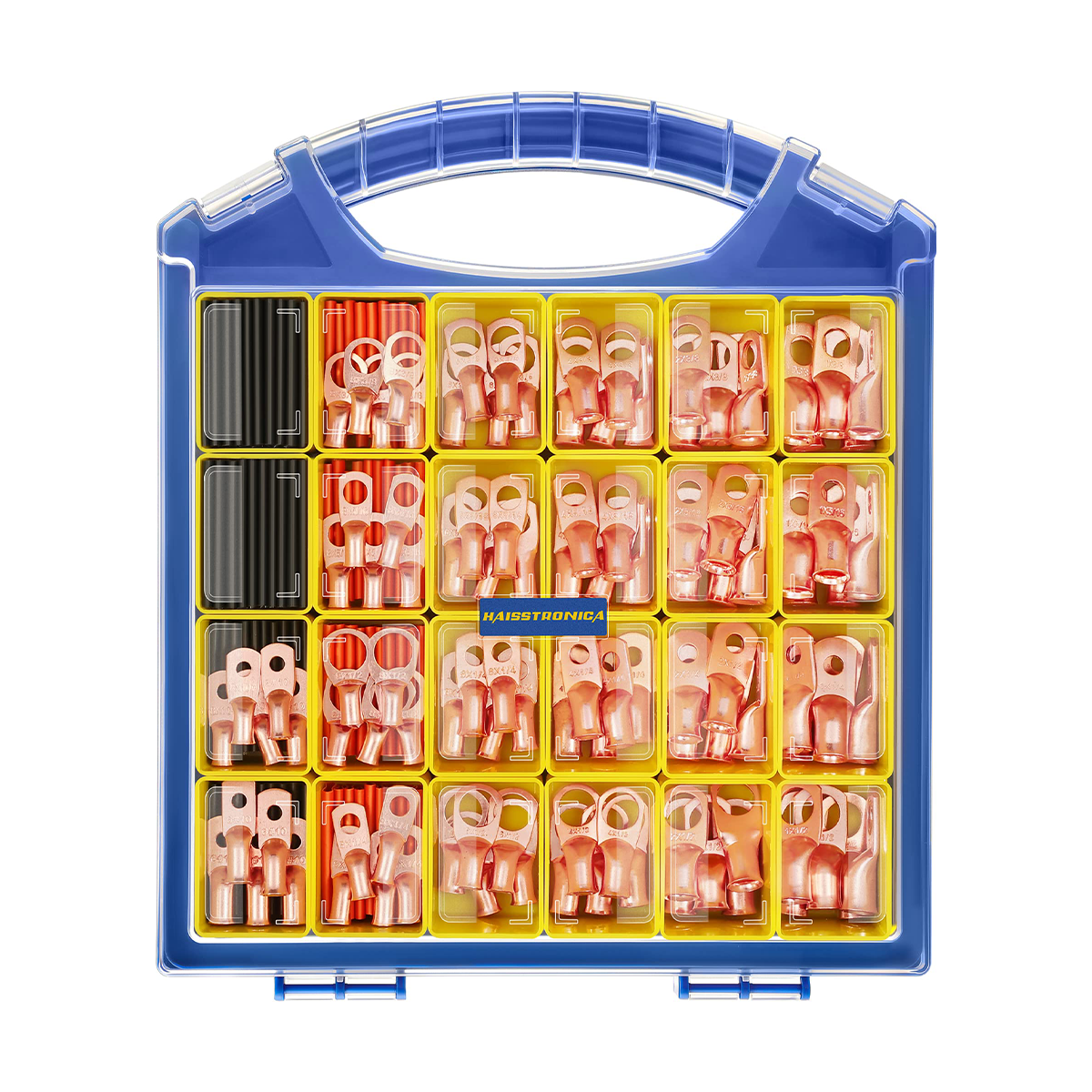
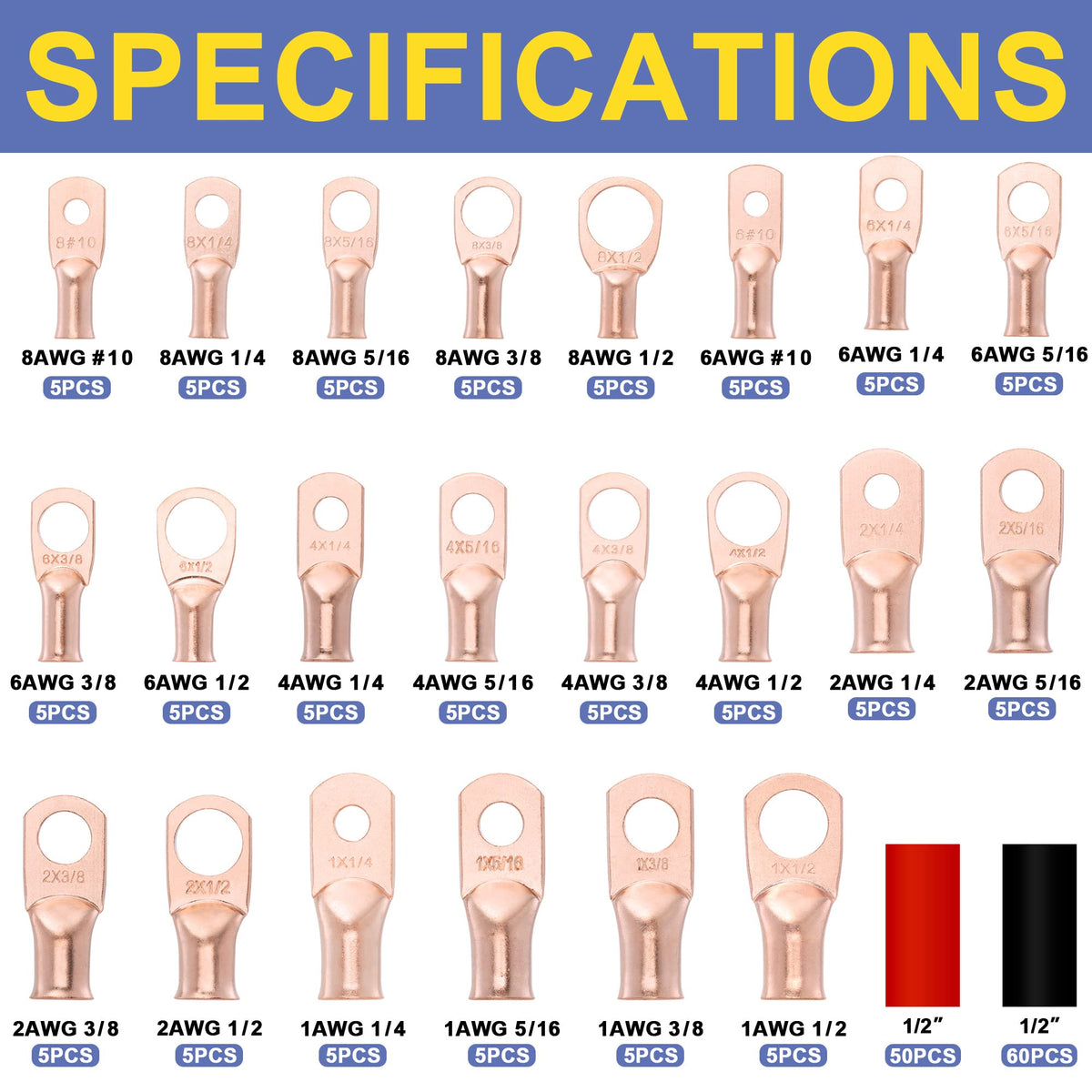
Heavy lugs: [How to Crimp Heavy Wire Lugs the RIGHT Way (Don’t Skip This Step!)]
-
Maintenance: [Extend Your Crimping Tool’s Lifespan: 7 Maintenance Tips You Can’t Ignore]
Step 1: Pick the Right Tool (Don’t Let the Connector Choose for You)
Before technique, make sure the tool matches the job:
-
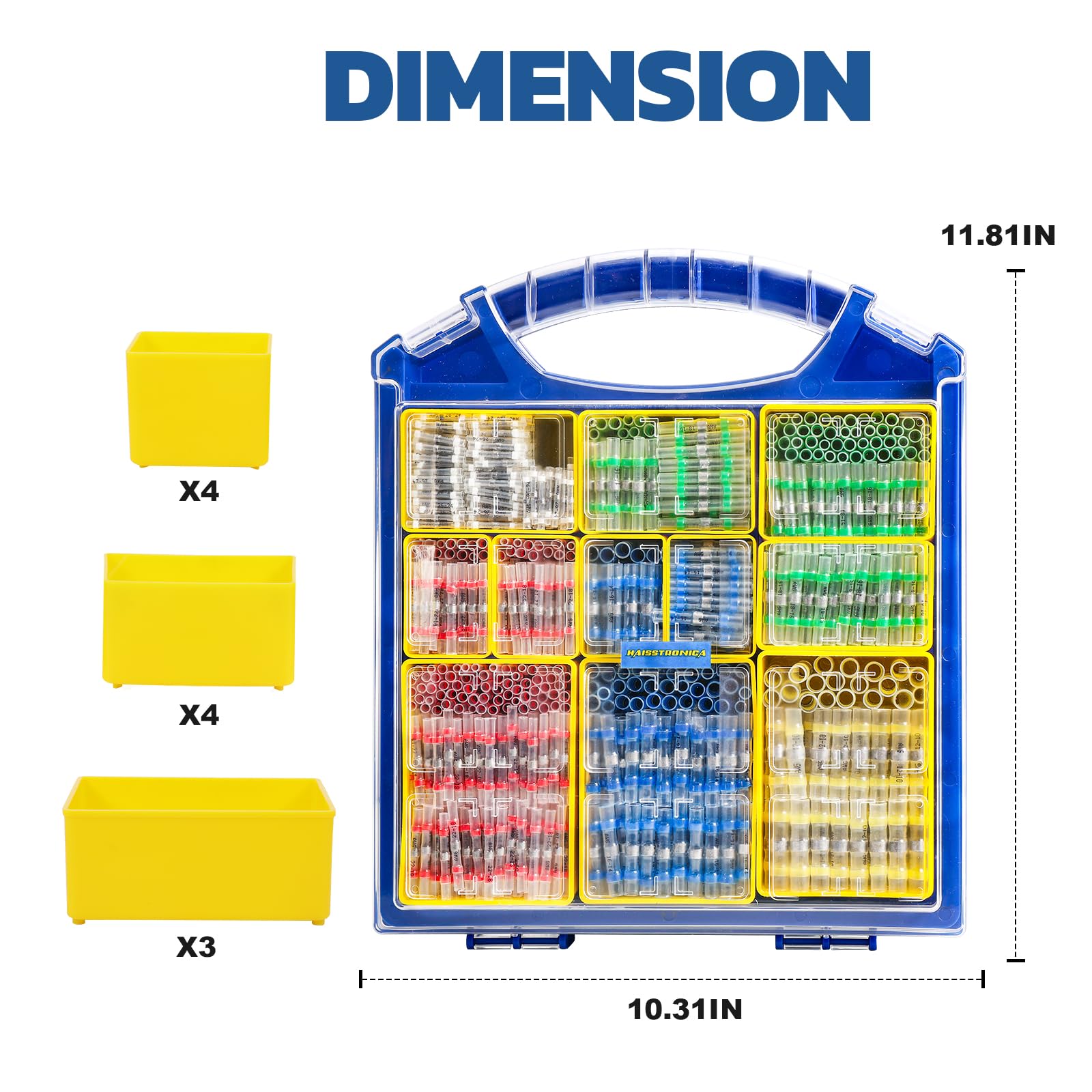
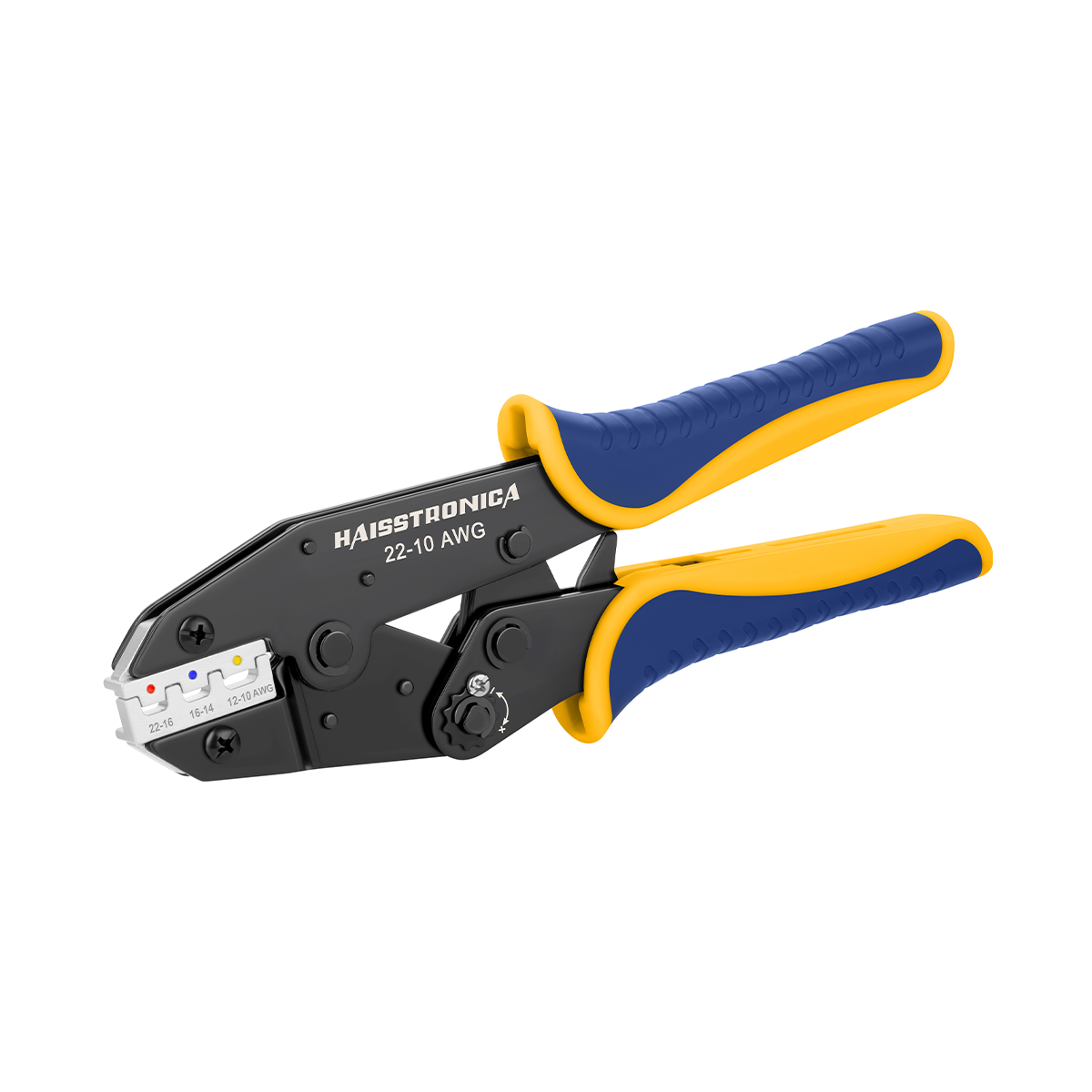
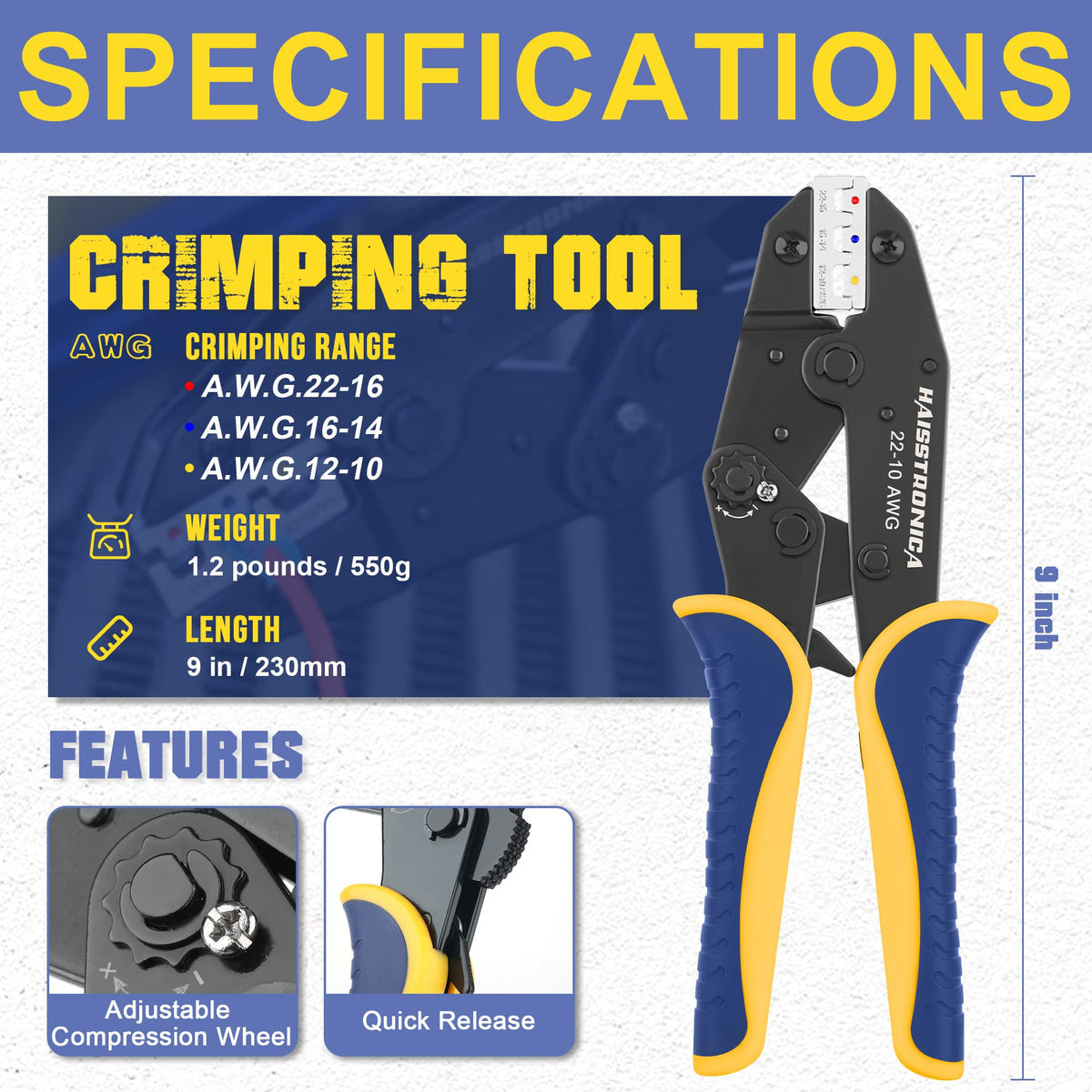
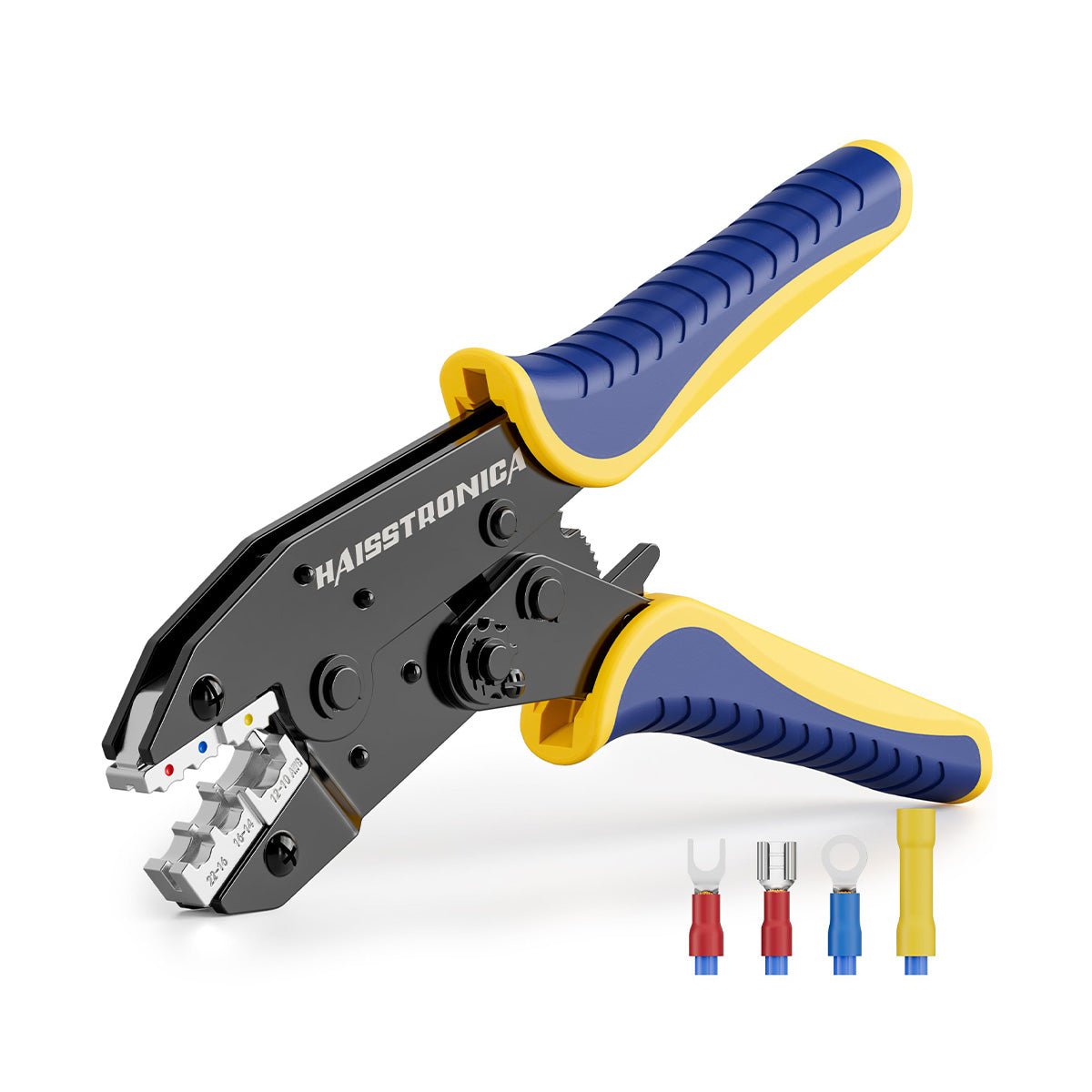
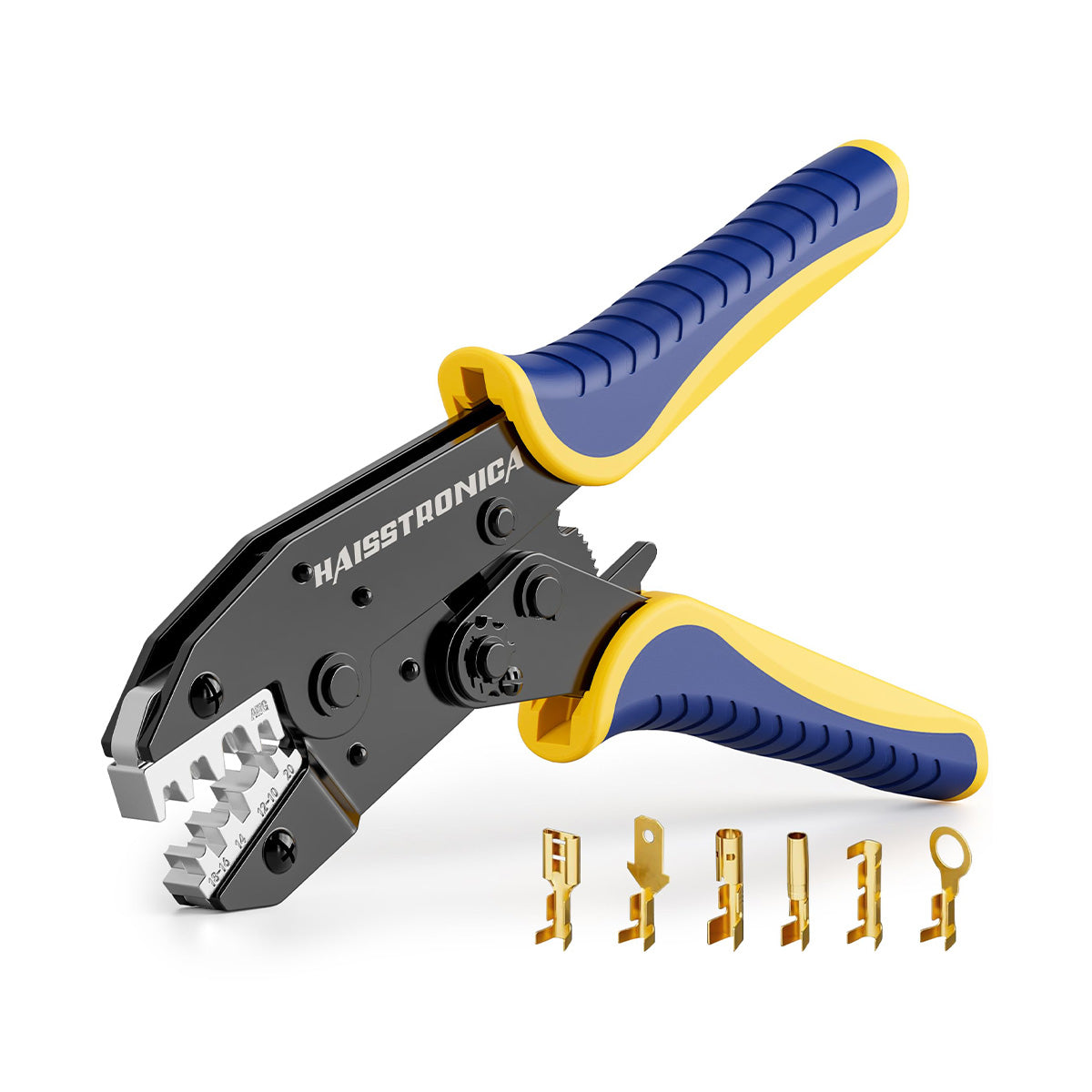
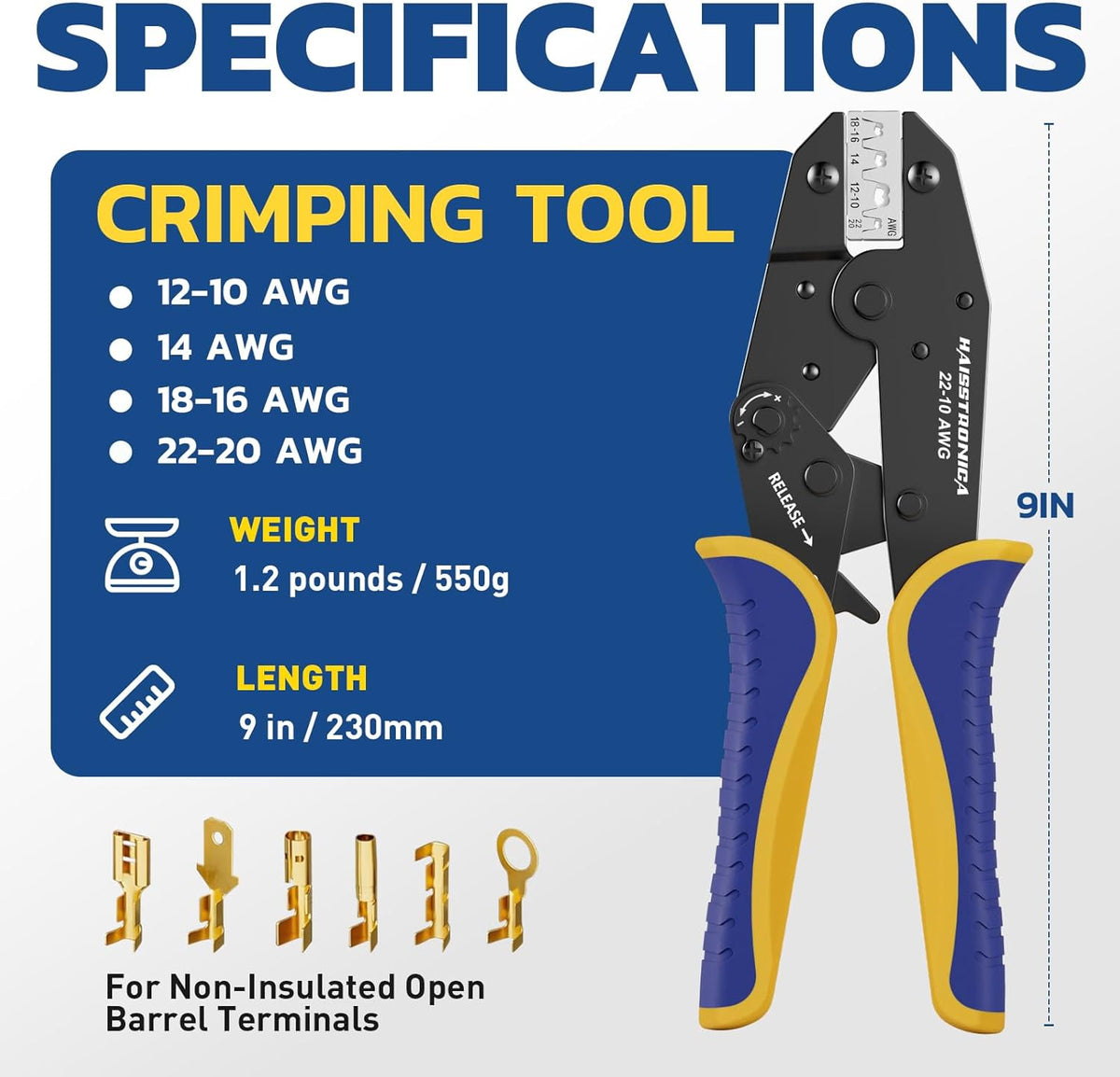
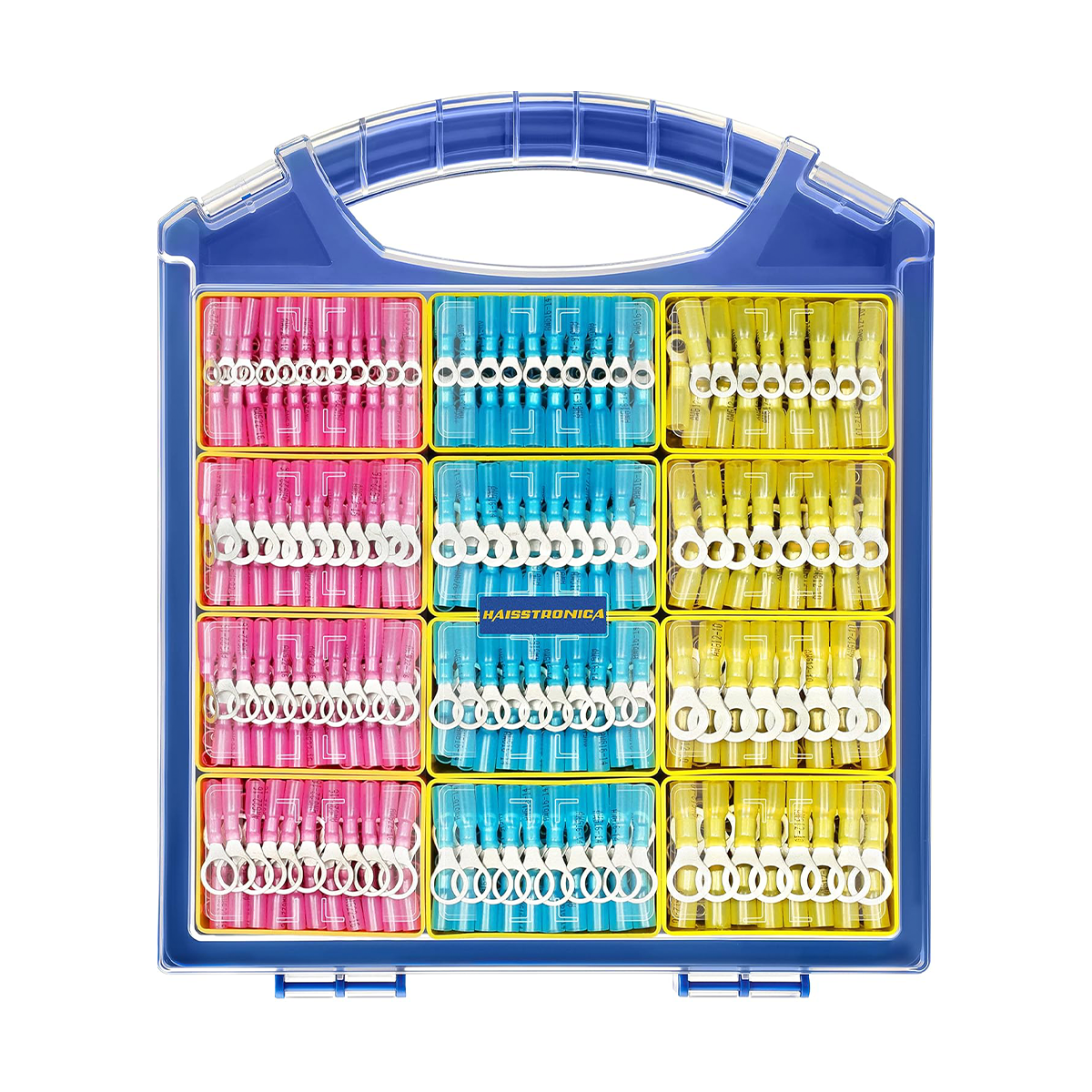
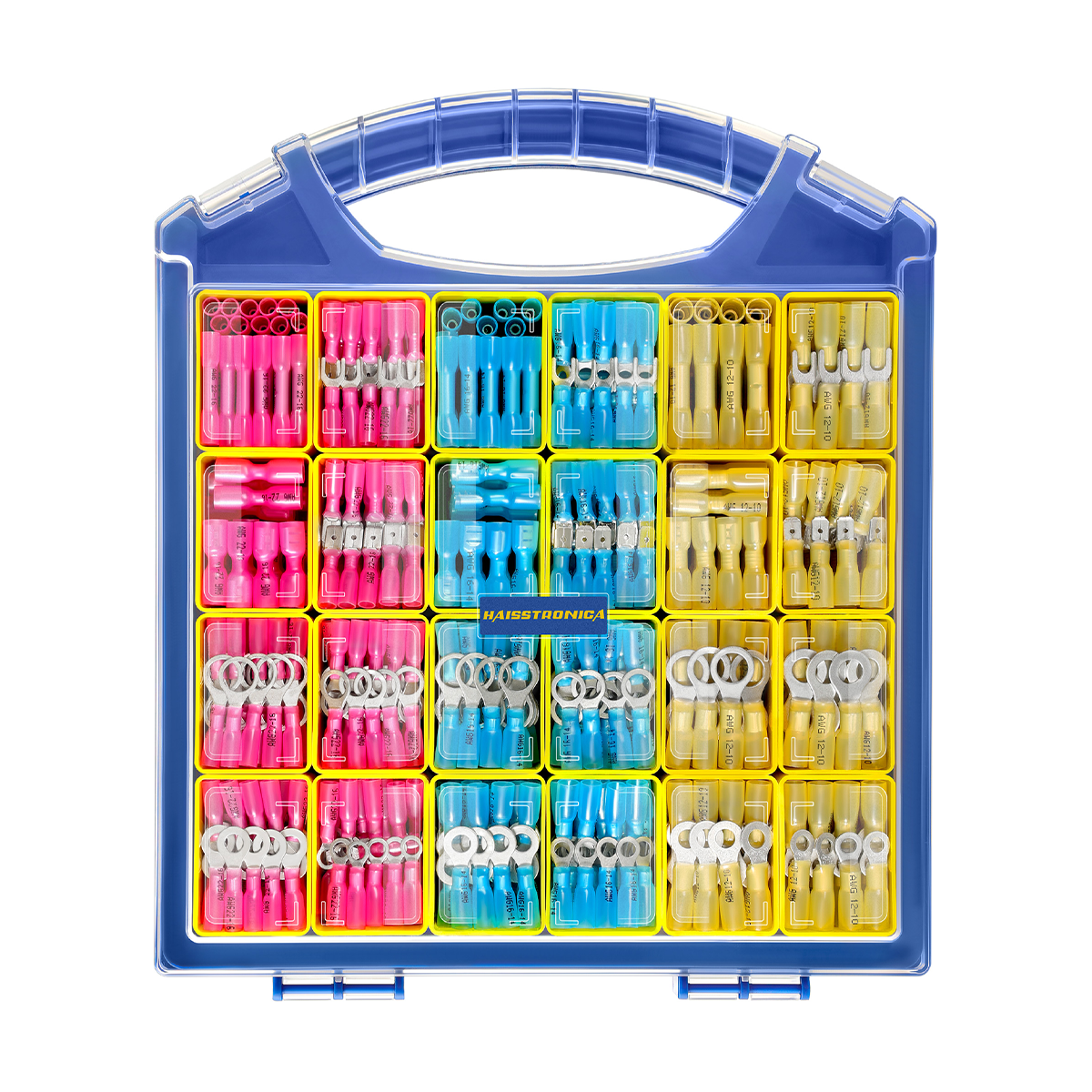
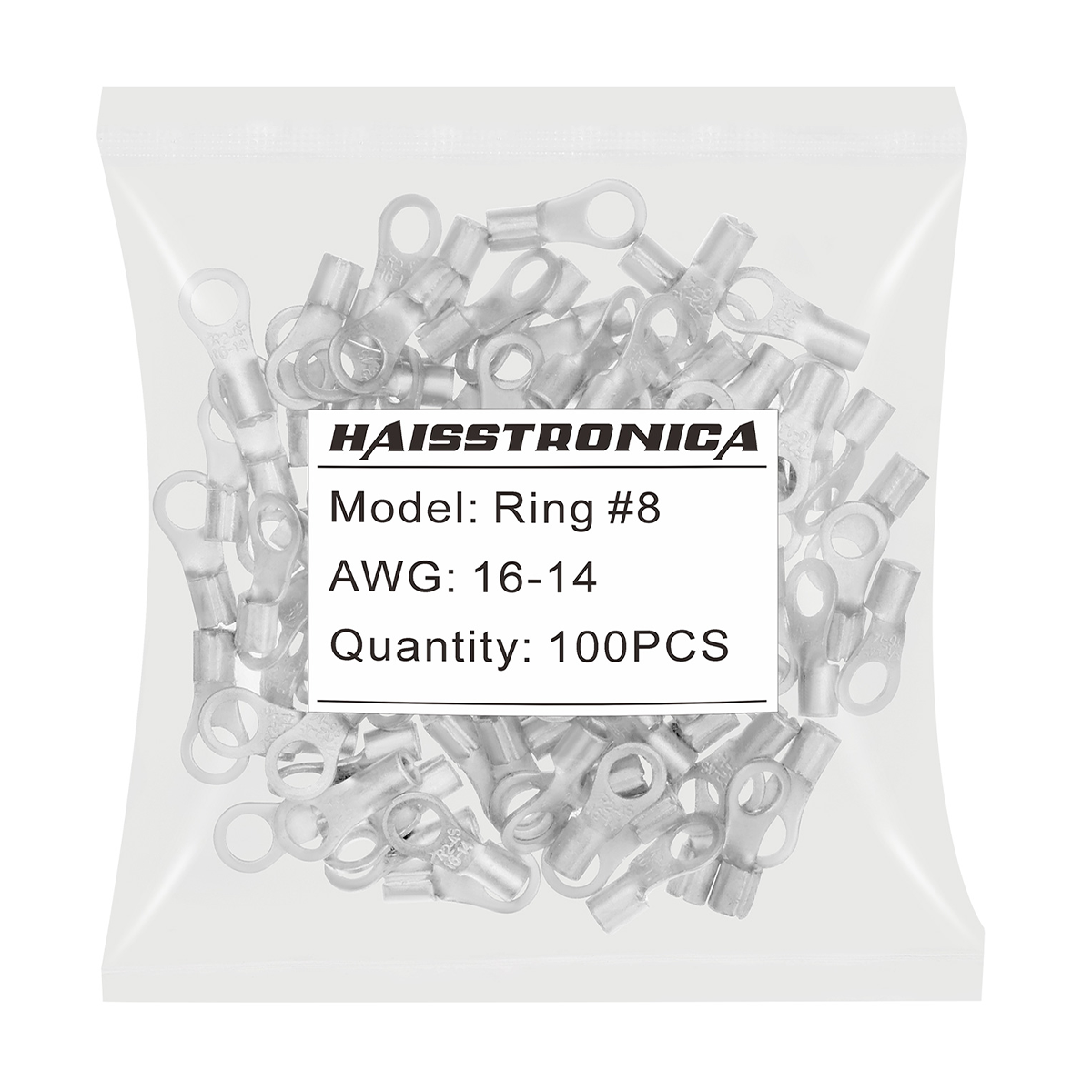
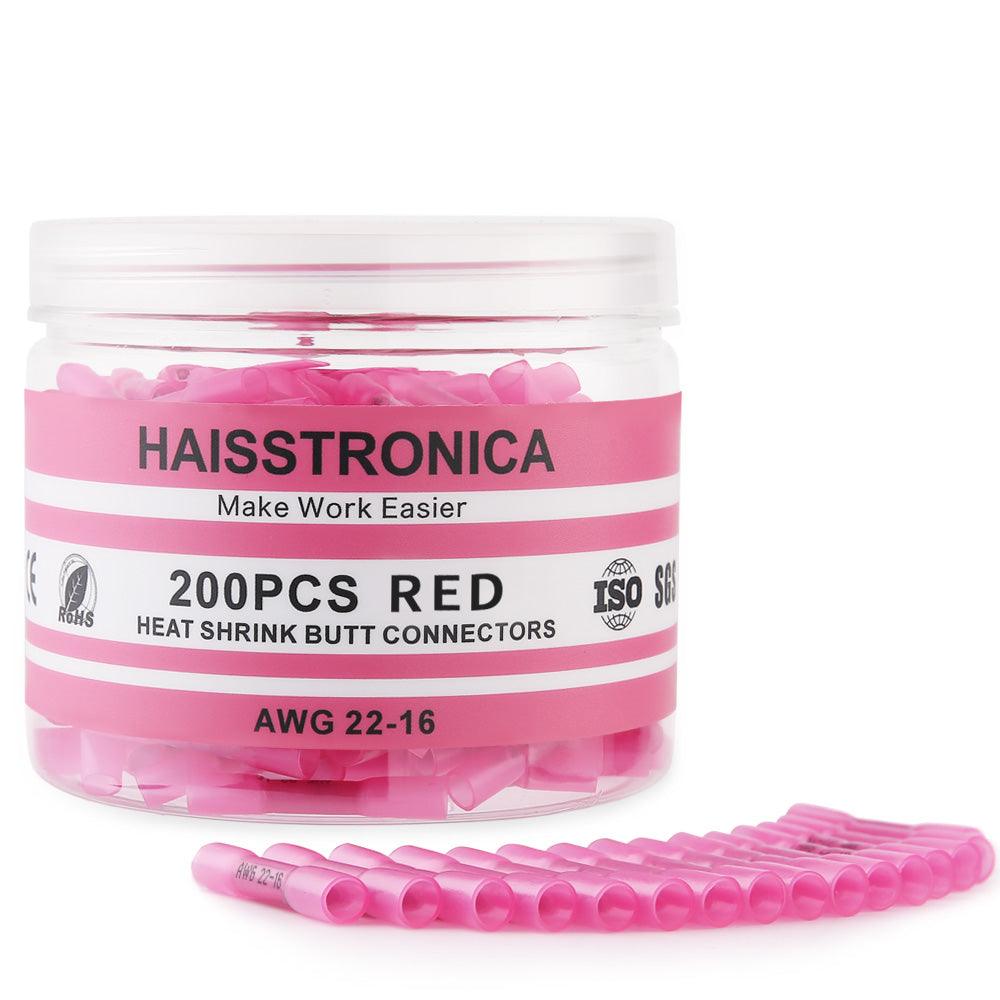
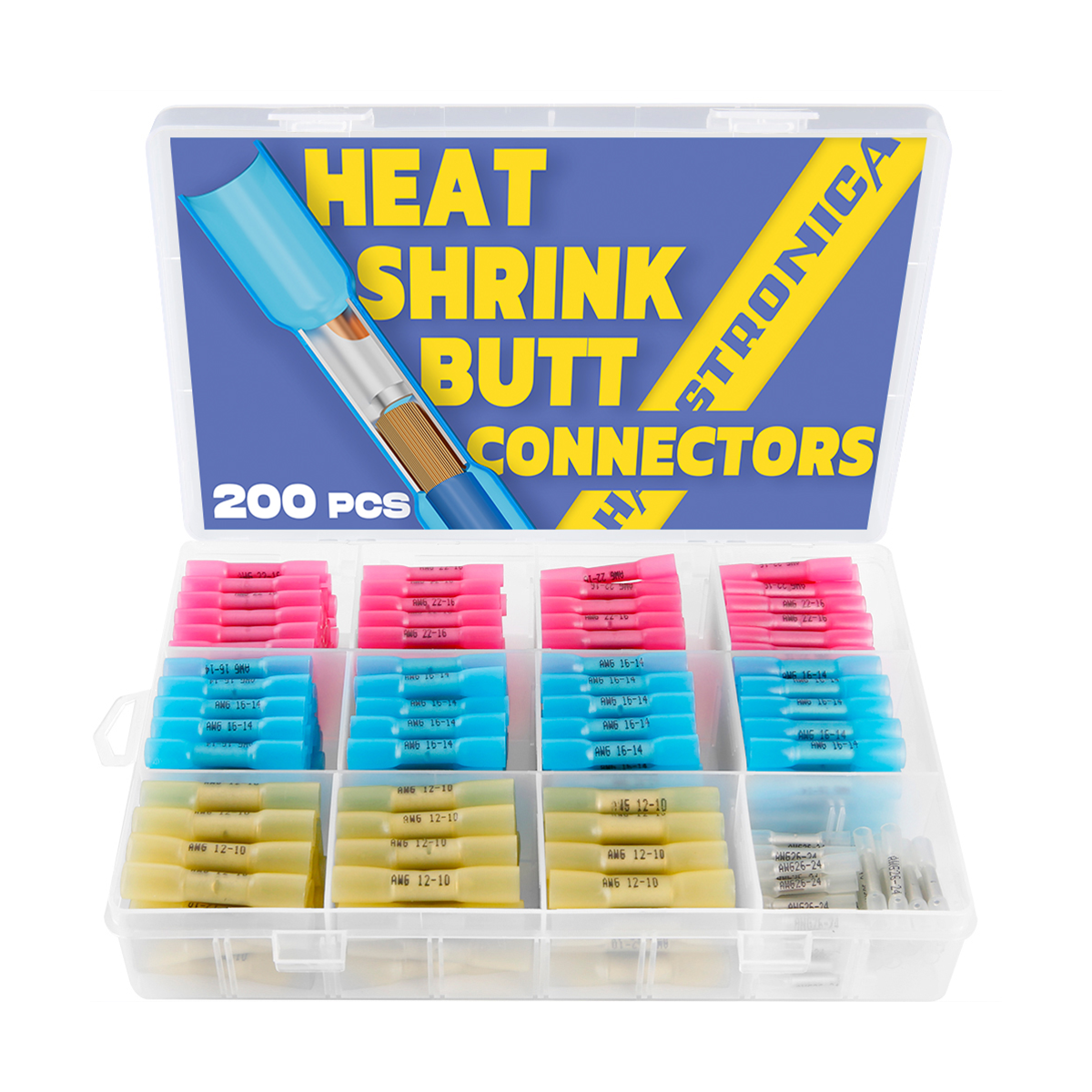
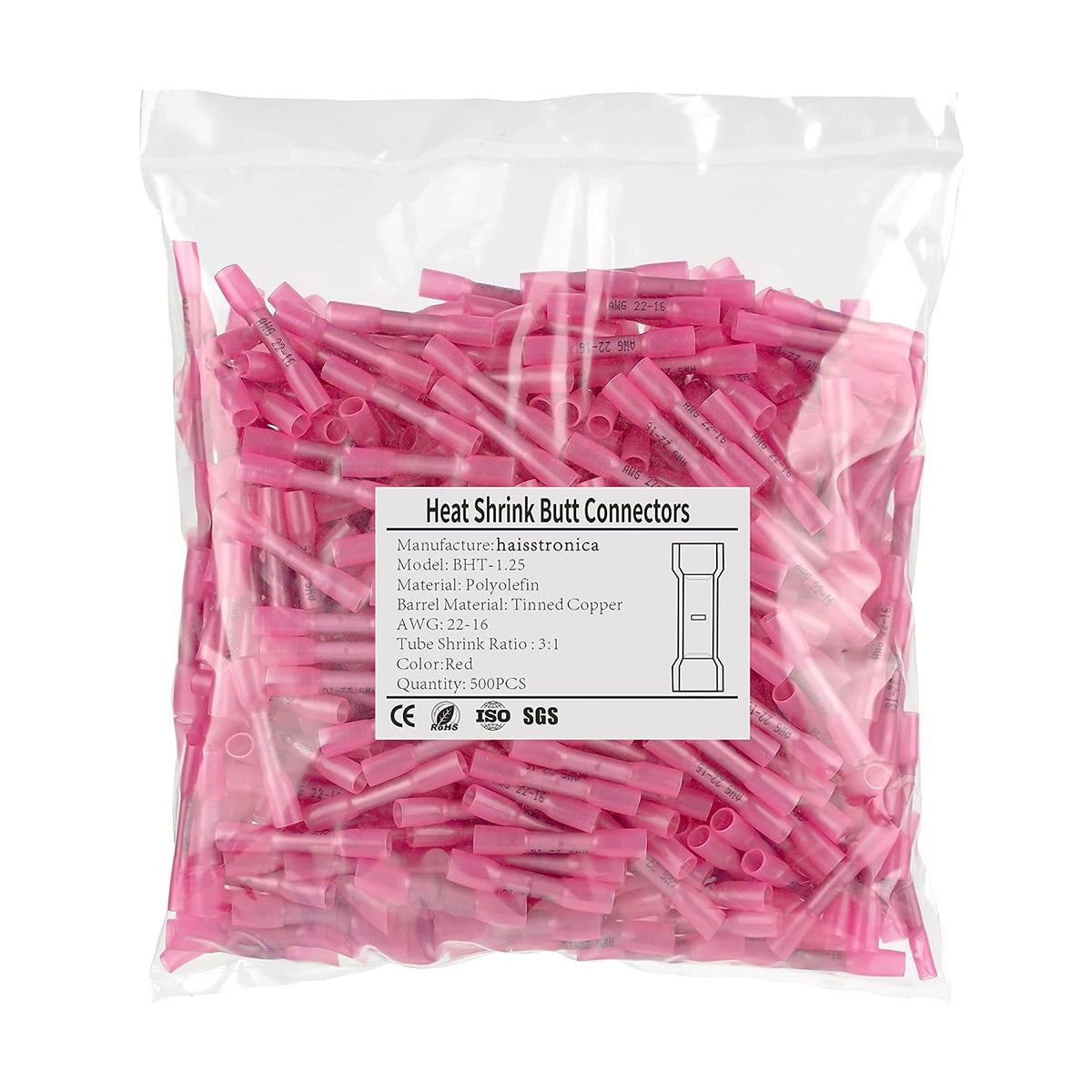
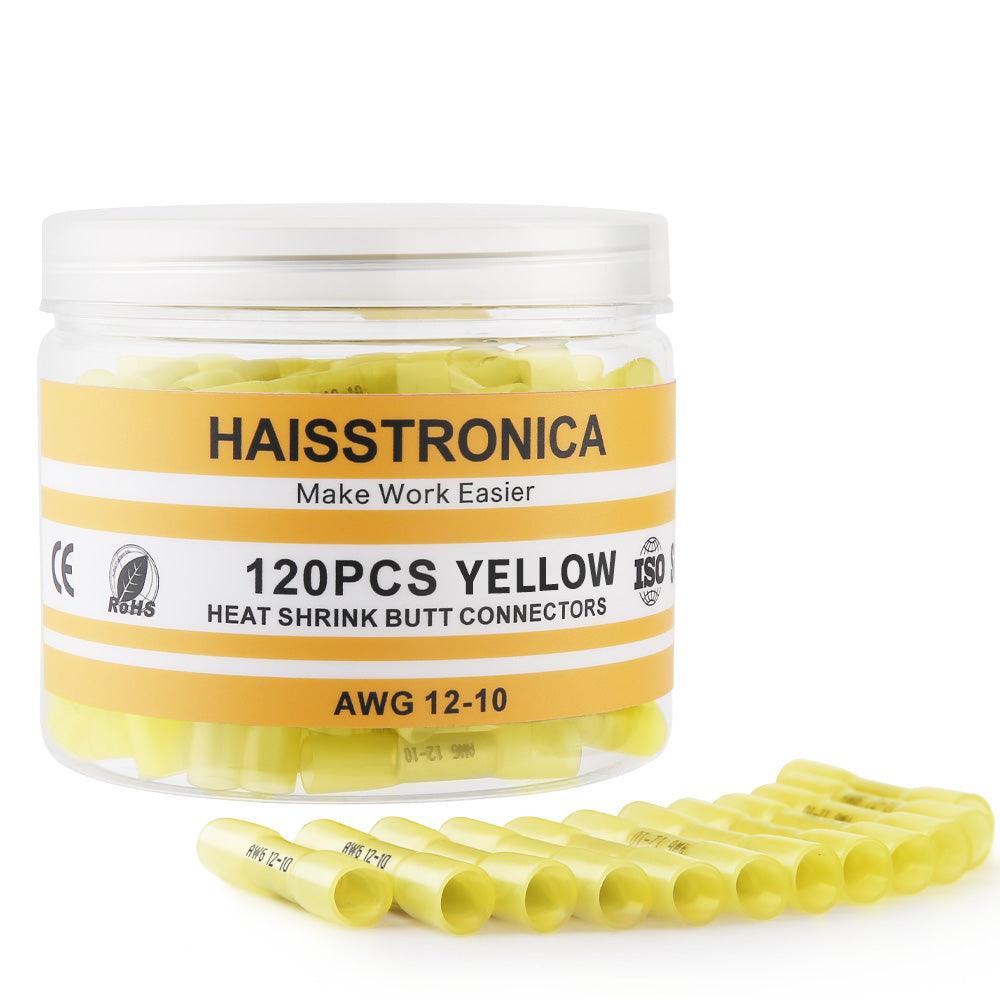
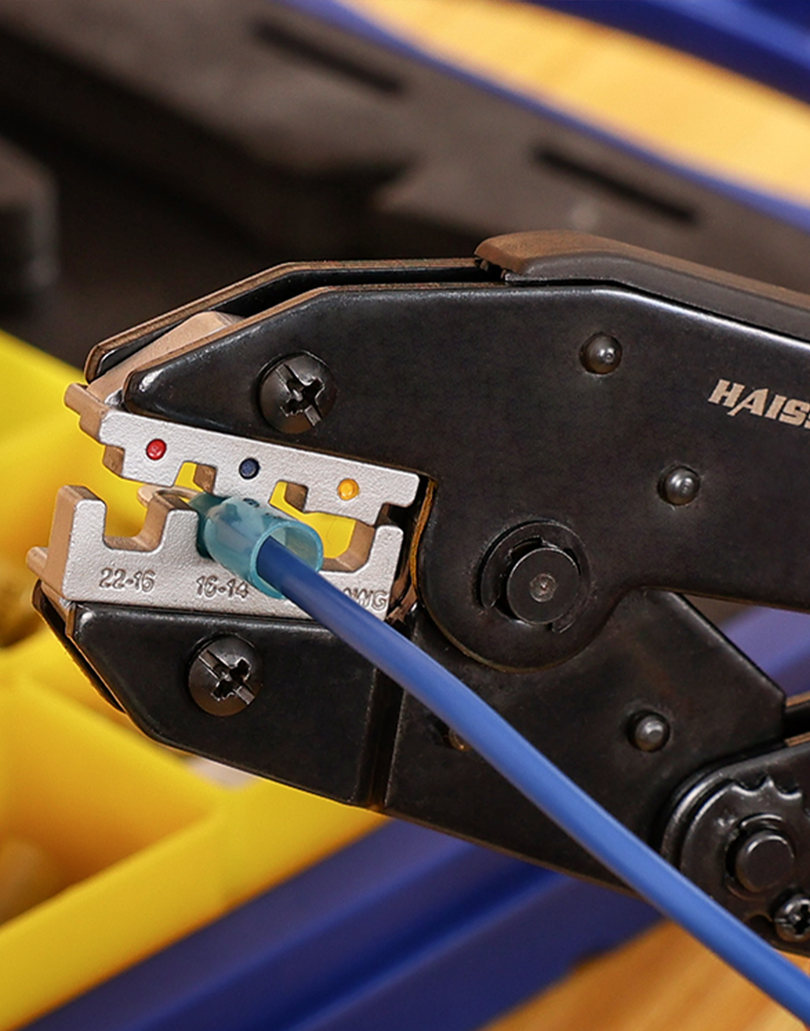
Insulated / heat-shrink terminals (22–10 AWG): ratcheting terminal crimper
-
Open barrel terminals: dedicated open-barrel crimper
-
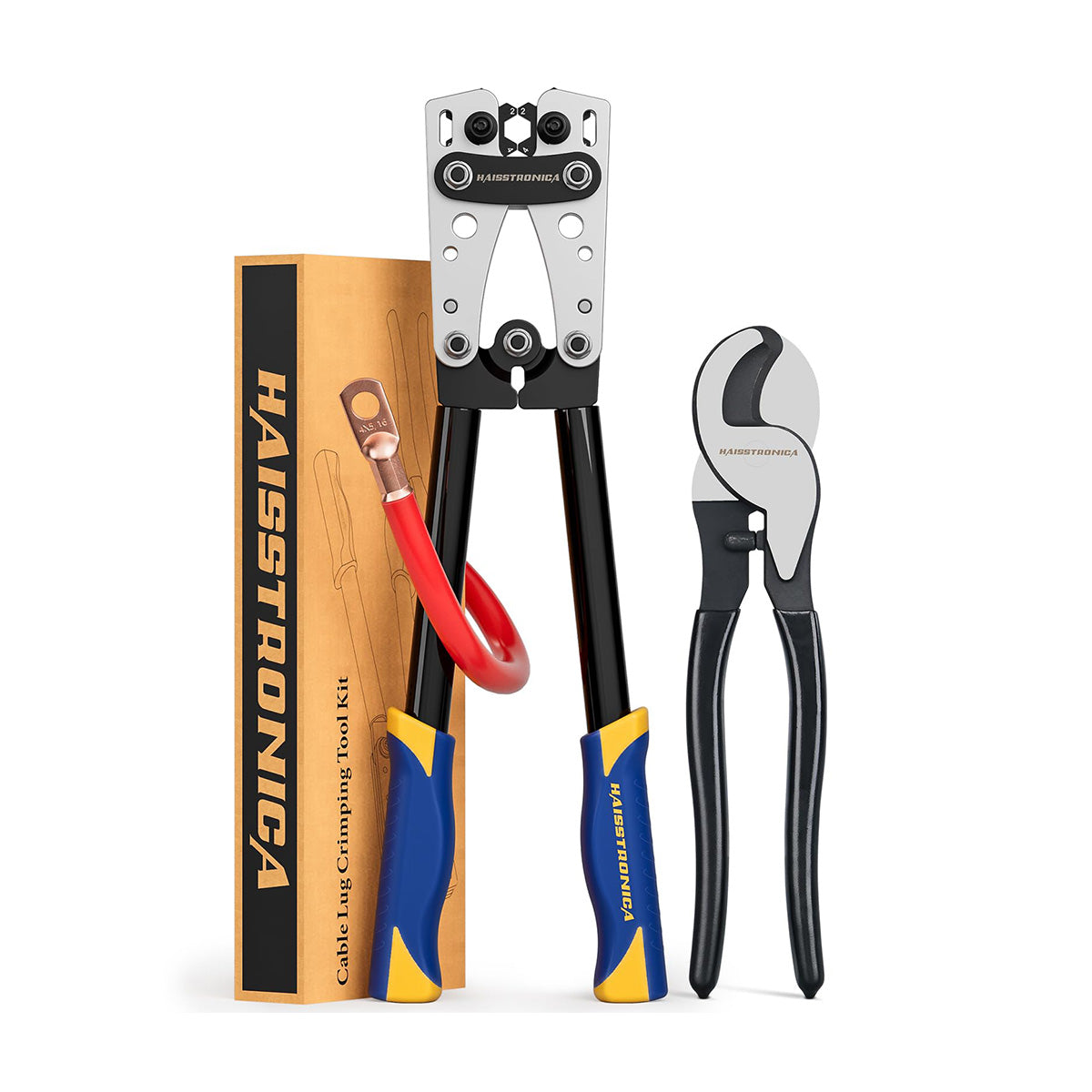
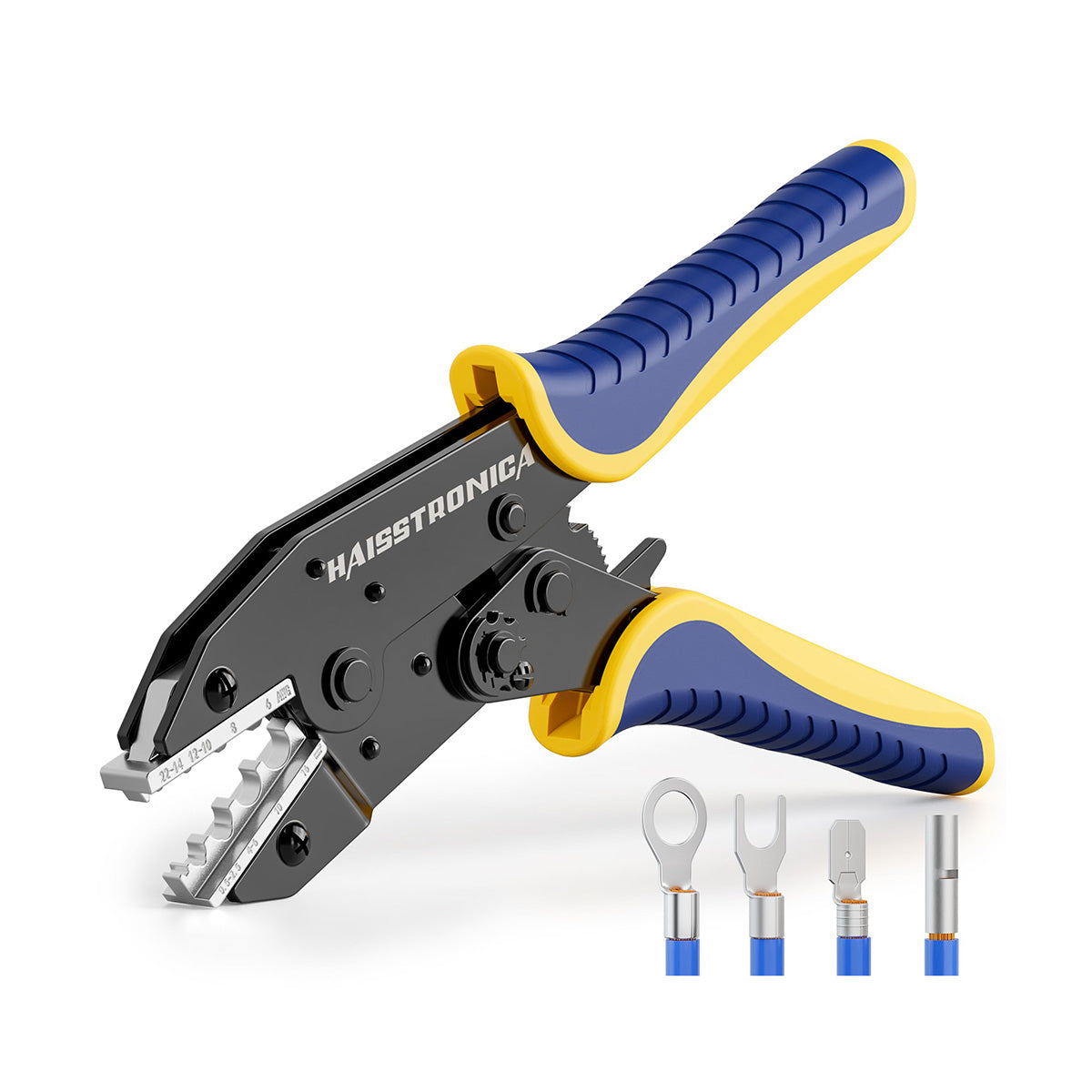
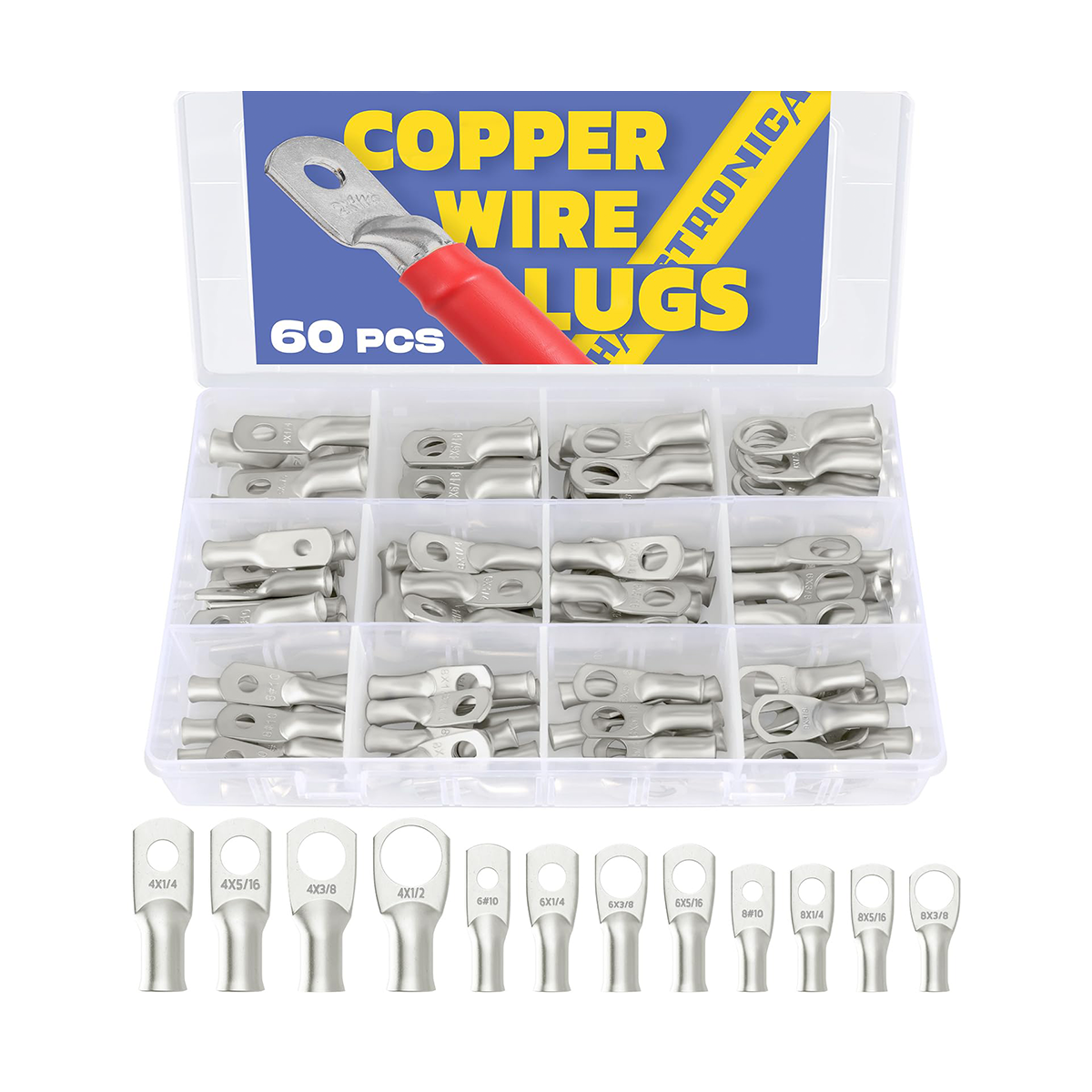
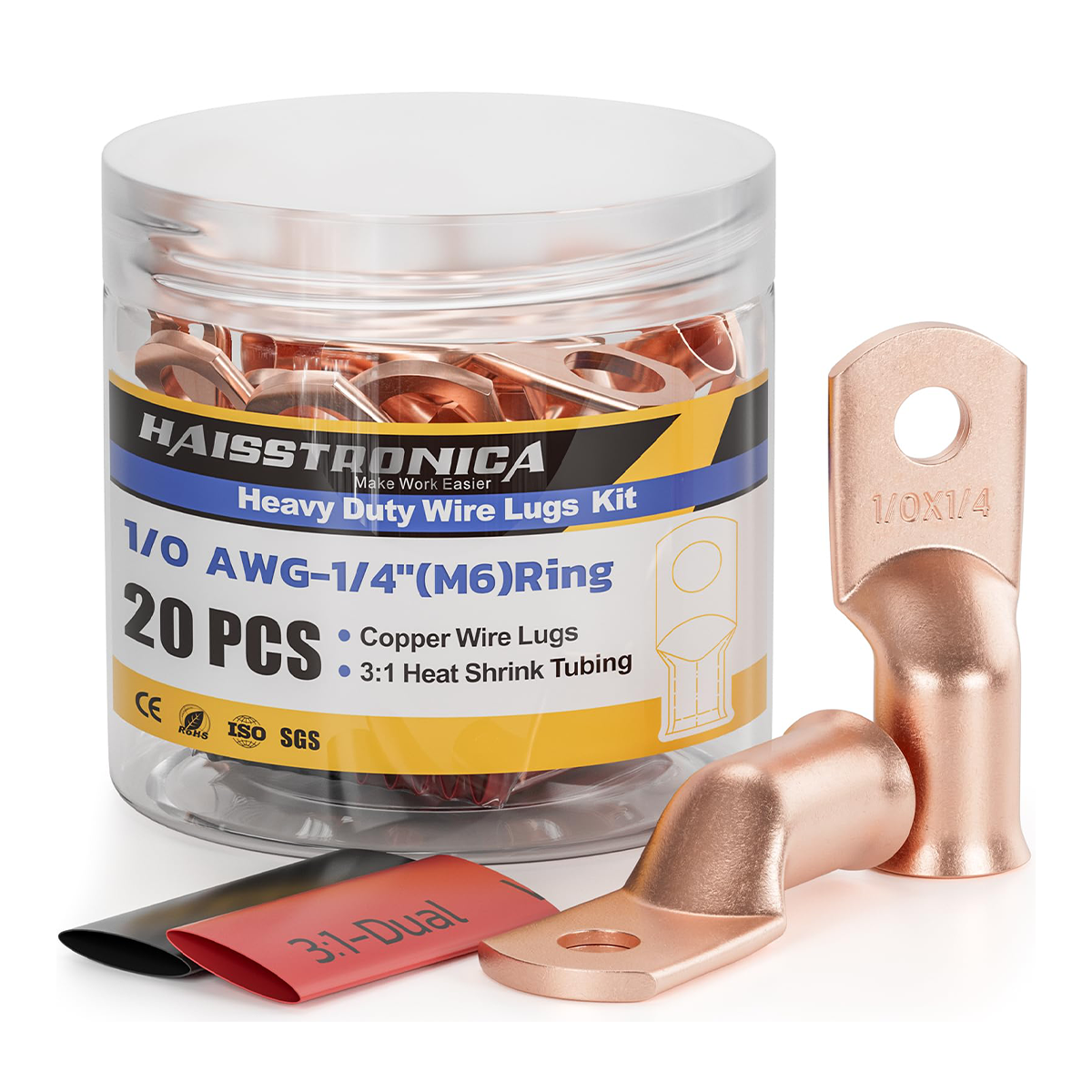
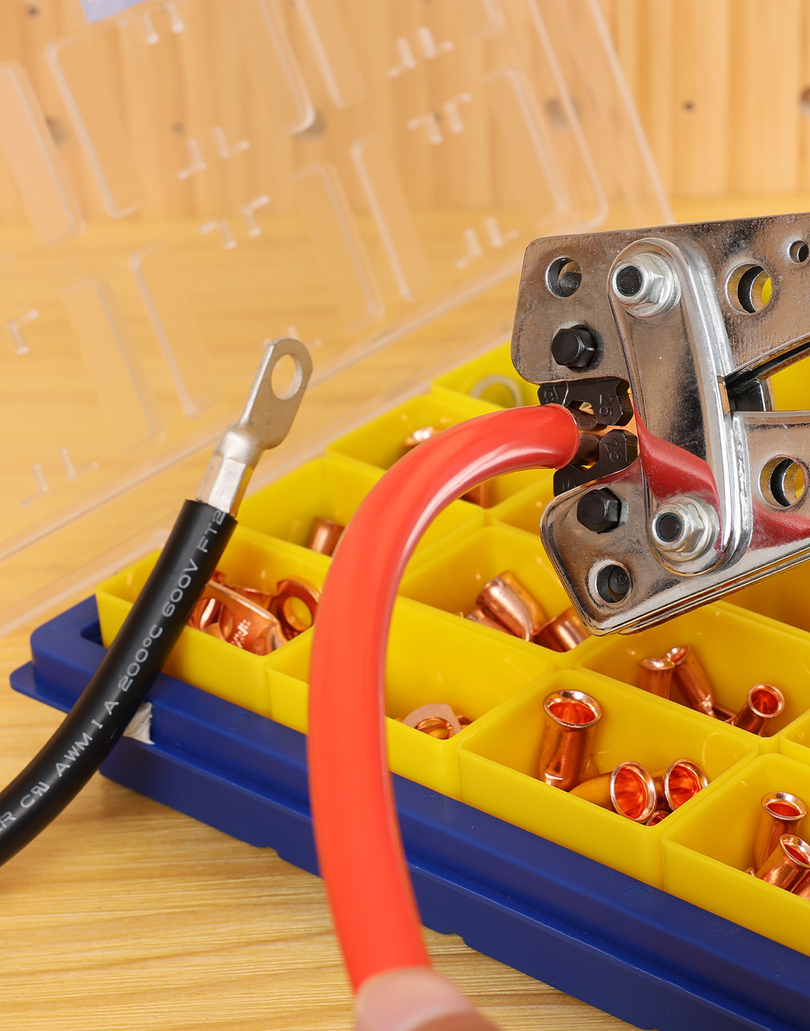
Heavy wire lugs / battery cable: heavy-lug crimper (manual leverage or hydraulic)
If you want a tool-first overview with safety notes baked in, use:
[How to Crimp Wires Like a Pro: Tools, Tips, and Safety Guide]
If you’re starting from zero and just want the basics without overthinking it:
[How To Crimp Wires]
Step 2: Prep Like a Pro (This Is Where Most Bad Crimps Start)
Strip length and conductor condition
The goal is simple: full insertion without exposed conductor beyond what the terminal design expects.
Also decide whether you should tin the strands first. Many people do this out of habit, but it can change how strands compress inside the barrel.
Read this before you tin anything:
[Should wires be tinned before crimping?]
Terminal fit check (10 seconds)
-
Wire strands should fill the barrel (not loose, not forced)
-
Insulation support should grip the jacket—not the bare conductor
-
If your crimp looks crooked before you squeeze, it will look worse after
For a focused “results-driven” checklist, this guide is built exactly for that:
[Wire Crimping : How To Get Professional Results]
Step 3: Set Up the Crimper Correctly (So Every Crimp Matches the Last)
Ratchet tools: tension and die alignment
A ratcheting crimper is designed to deliver consistent compression—but only if:
-
you’re in the correct die cavity, and
-
the tool closes straight, not twisted.
If you’re not sure how to hold and cycle the tool, start here:
[how to use a crimping tool for wires]
If you prefer understanding the “why” behind the mechanism:
[how does a crimper work]
“Wobbly” tool? Fix it before it ruins every terminal
A loose pivot or misalignment can produce uneven crimps no matter how careful you are.
Step 4: Make the Crimp (The Pro Sequence)
The 3-beat crimp sequence
-
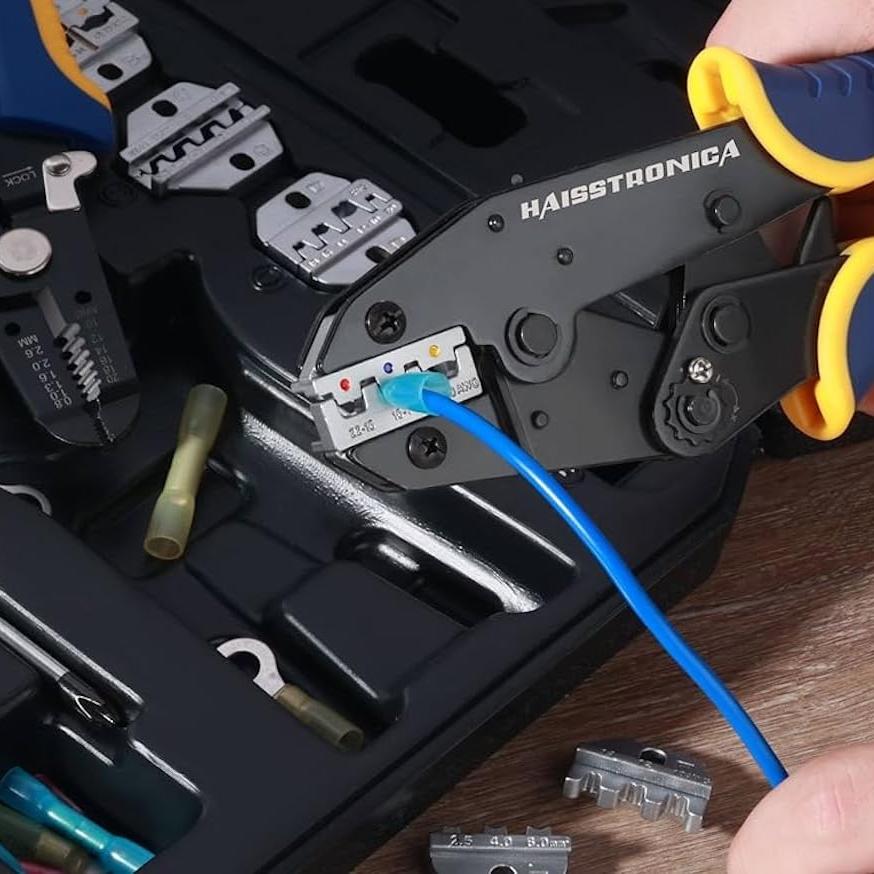
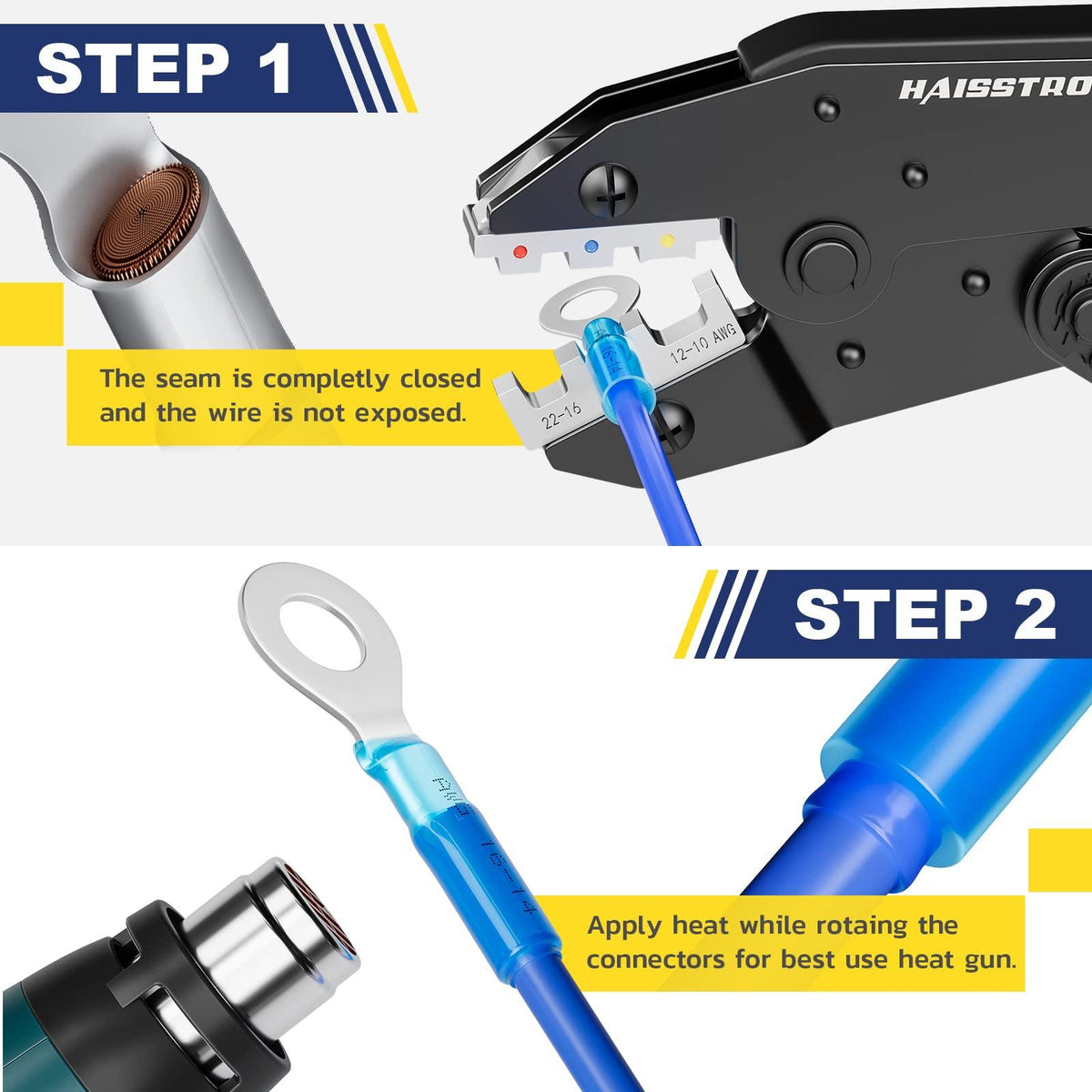
Pre-seat the terminal in the die (lightly close until it holds)
-
Insert wire fully to the correct depth
-
Complete the ratchet cycle with steady pressure (no twisting)
For a clean beginner walkthrough in the most common range, use:
[How to Crimp 22-10 AWG Wires Perfectly: A Beginner’s Guide with Haisstronica’s Ratchet Tool]
If you want the “pro finish” approach for any terminal type:
[How To Crimp Wires]
Step 5: Special Cases (Heat Shrink, 10 Gauge, Heavy Lugs)
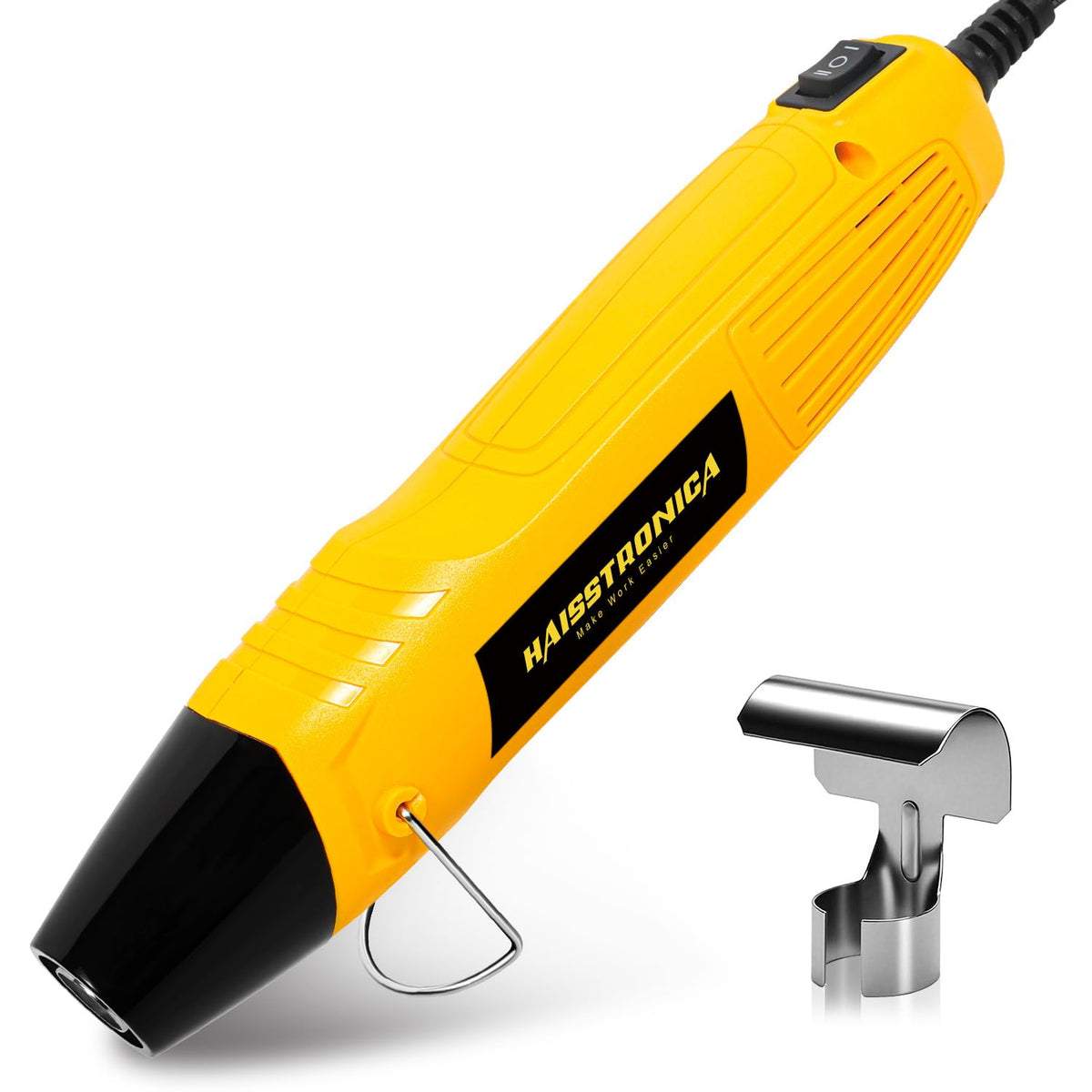
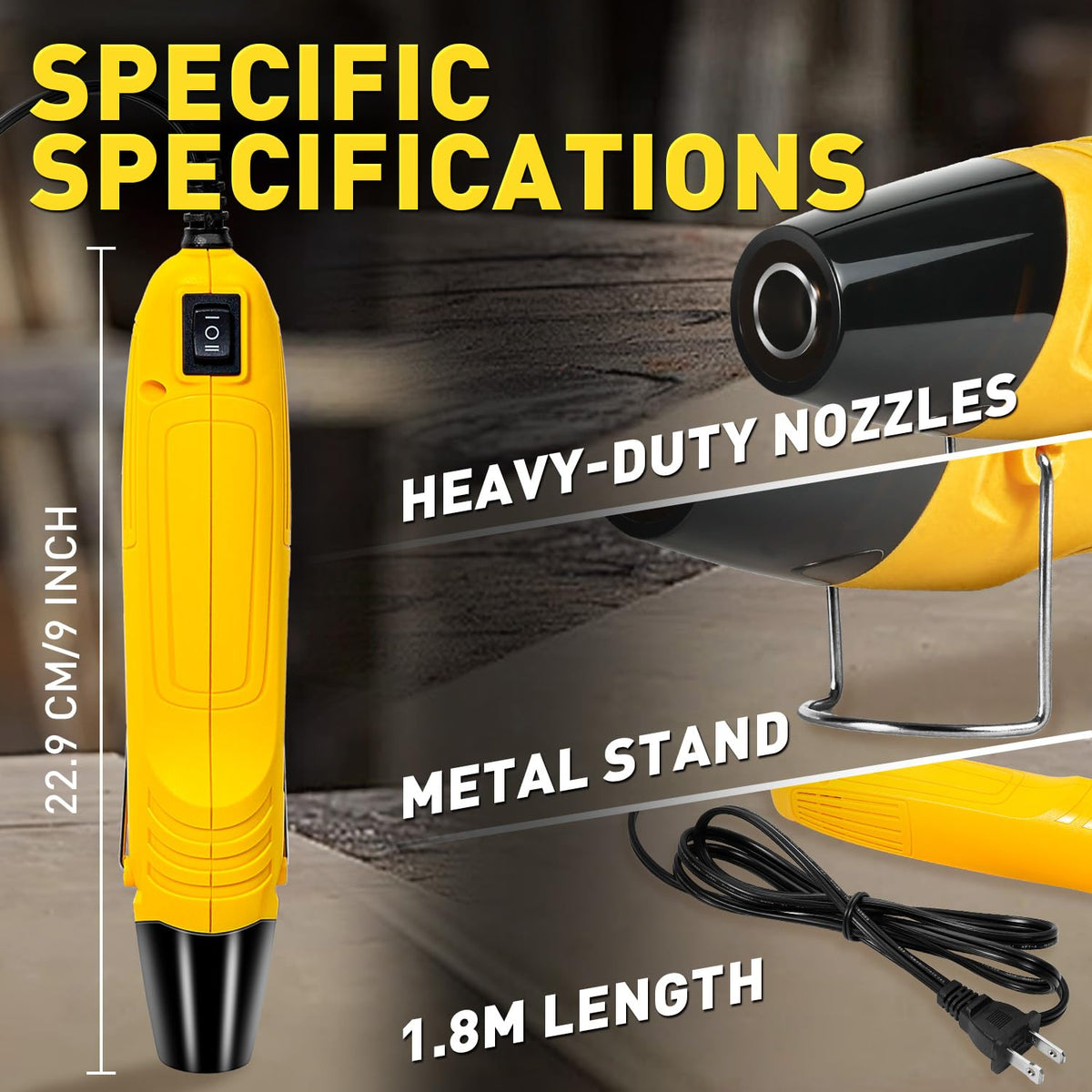
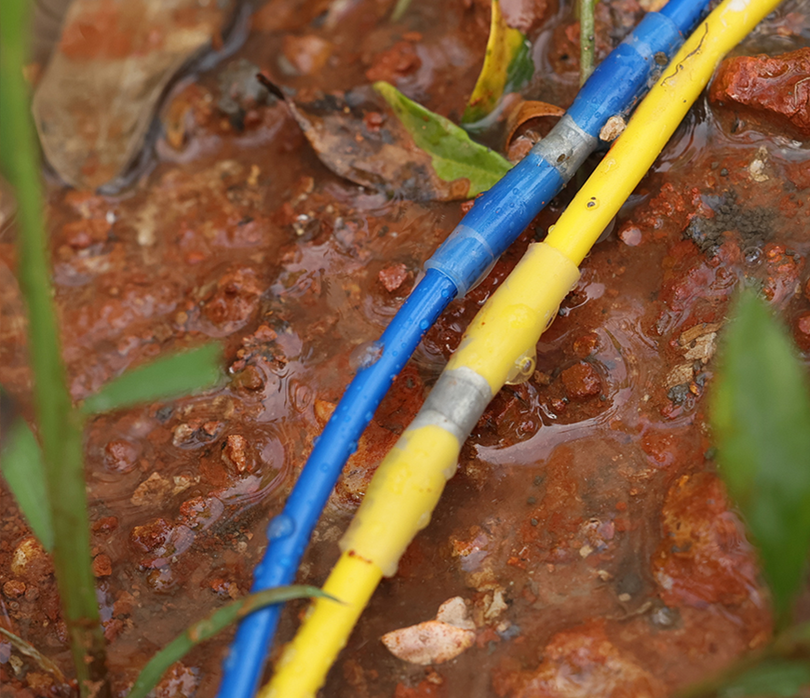
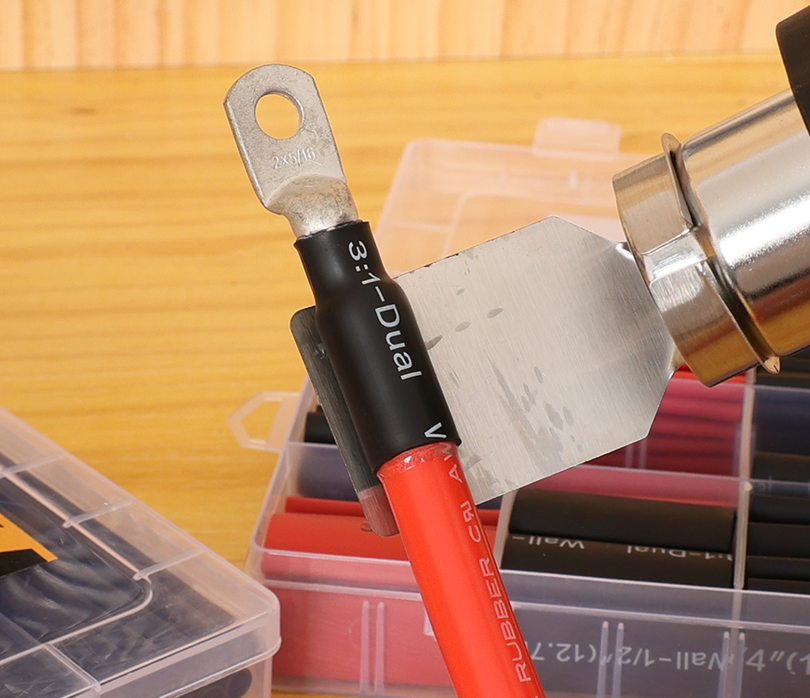
Heat shrink connectors: avoid melting the sleeve
Common mistake: overheating during shrinking or crushing the sleeve during crimping.
Use this before your next heat-shrink job:
[How to Crimp Heat Shrink Connectors Without Melting the Sleeve: Pro Tips Revealed]
Heavy wire lugs: don’t skip the step that prevents hot spots
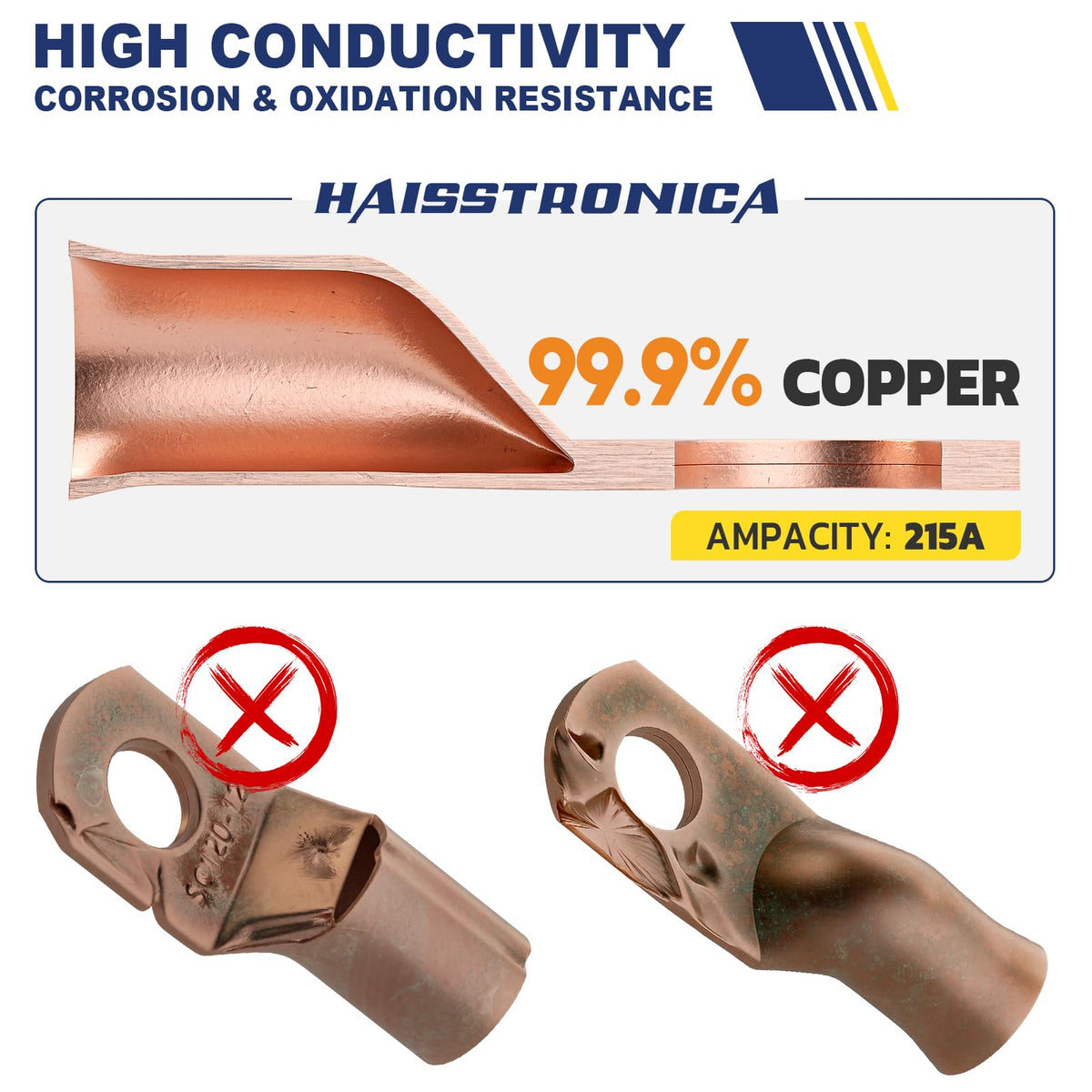
Heavy lugs demand correct insertion depth and the right compression profile.
Follow this exact method:
[How to Crimp Heavy Wire Lugs the RIGHT Way (Don’t Skip This Step!)]
Step 6: Inspect Like a Technician (So Failures Don’t Hide)
Use the “3-layer inspection”:
-
Visual: centered crimp, no cracks, no sharp burrs
-
Pull test: wire doesn’t move under firm force
-
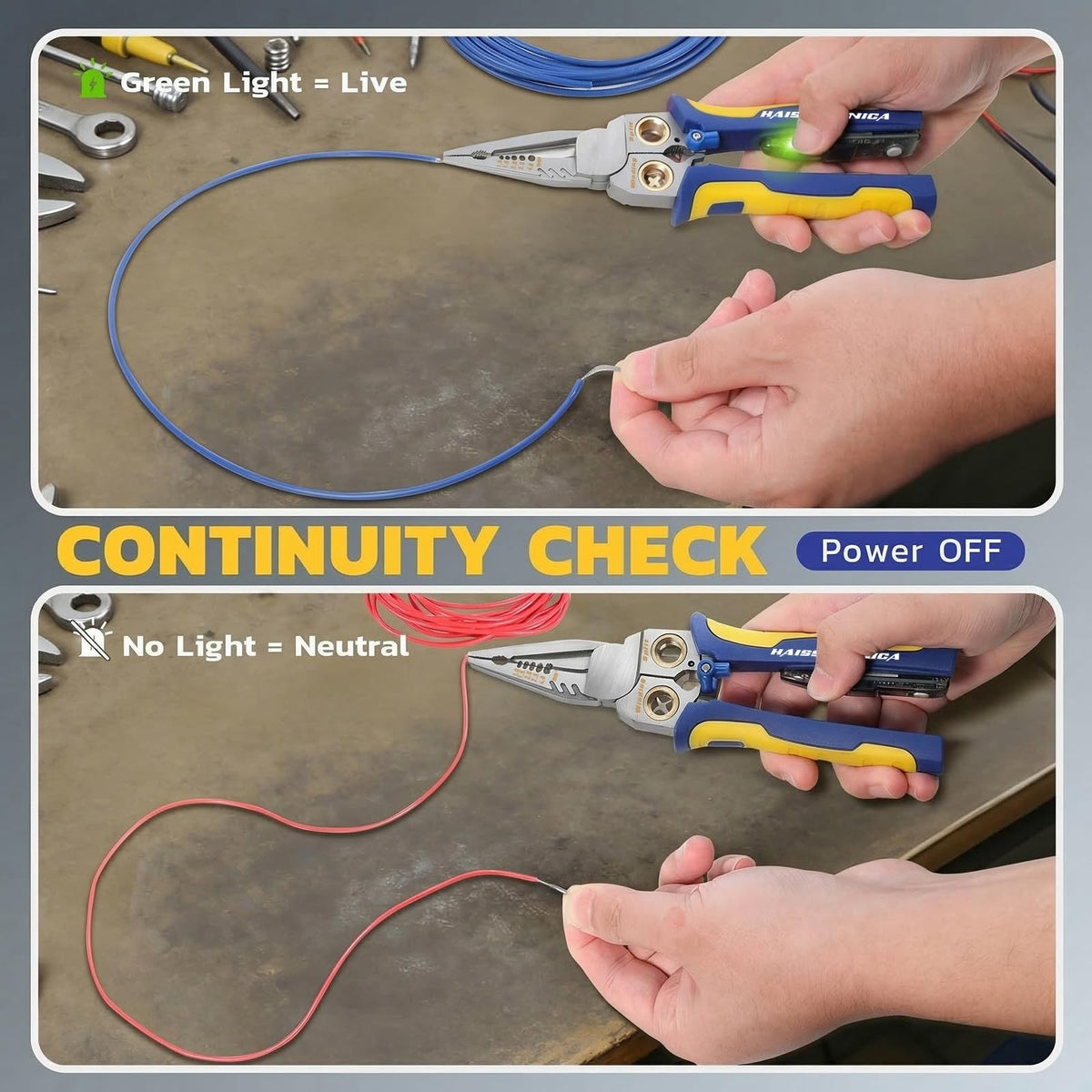
Electrical check: continuity stable; no intermittent reading when flexed
For a full “pro results” inspection standard:
[Wire Crimping : How To Get Professional Results]
Step 7: Fix and Rework (Uncrimping, Dies, and Recovery)
Sometimes you need to undo a crimp—especially during harness work or prototype revisions.
Start here:
[How to Uncrimp Wires]
Step 8: Maintenance (The Hidden Skill That Keeps Results Consistent)
Clean + oil: not optional if you want consistent crimps
Dust and grit increase friction, alter the ratchet feel, and can lead to sloppy compression.
If you want the long-term routine and schedule:
[Extend Your Crimping Tool’s Lifespan: 7 Maintenance Tips You Can’t Ignore]
Storage matters more than people think
Humidity + metal pivots = rust + stiffness.
If you want a “maintenance promise” style guide (great for internal SOP pages):
[10-Year Lifespan Guaranteed: How to Clean and Oil Your Crimping Tool Like a Pro]
Bonus: Faster Crimps Without Losing Quality
If you’re doing volume work, the goal is speed without sacrificing alignment and full-cycle compression.
These two are good reads for workflow speed: