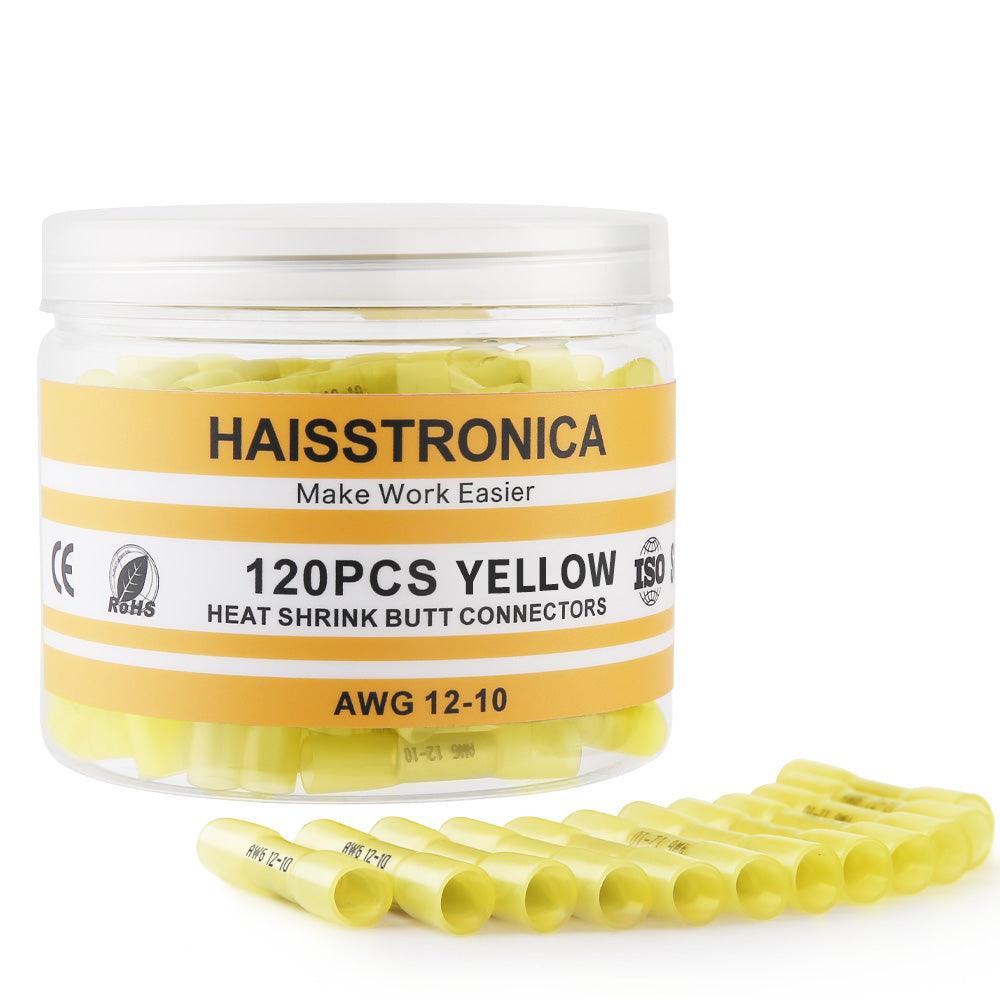

Solder seal or crimp butt? Choose by load and environment.
Both can create a sealed inline splice, but they do it differently. Compare vibration, heat, sealing, access, and tools before choosing the connector—not after the repair fails.
Choose Solder Seal
Best when you want a compact, sealed inline repair without fitting a crimper around the joint.
- Low-voltage, low-to-moderate current circuits
- Limited tool access or occasional field repairs
- Wire can be supported away from constant flex
- You can apply slow, even, controlled heat
Choose Crimp Butt
Best when mechanical strength, repeatability, and resistance to vibration matter most.
- Automotive, trailer, powersports, and machinery
- Higher vibration or frequent heat cycles
- Repeated harness work with known AWG sizes
- A matched ratchet die is available
The practical comparison
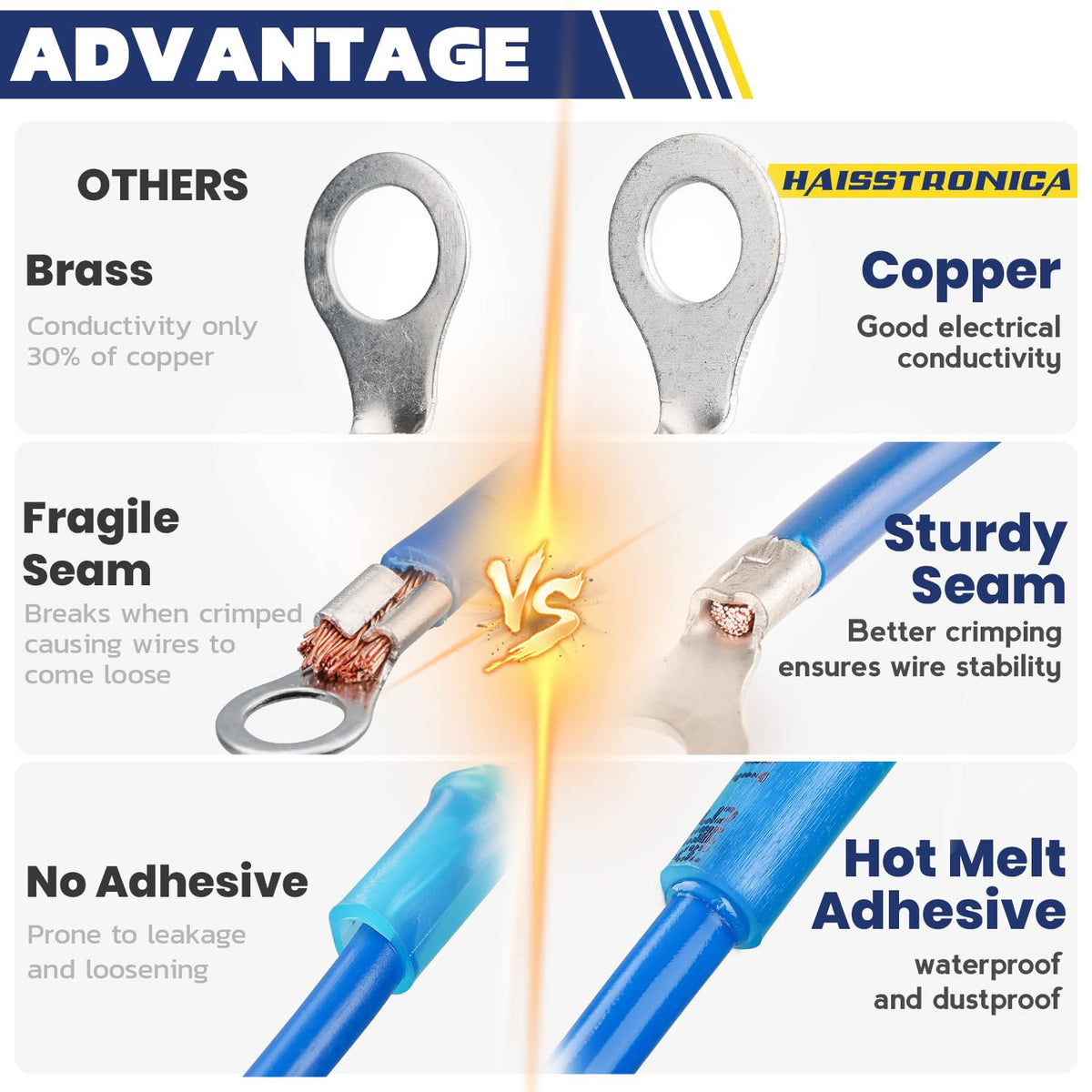
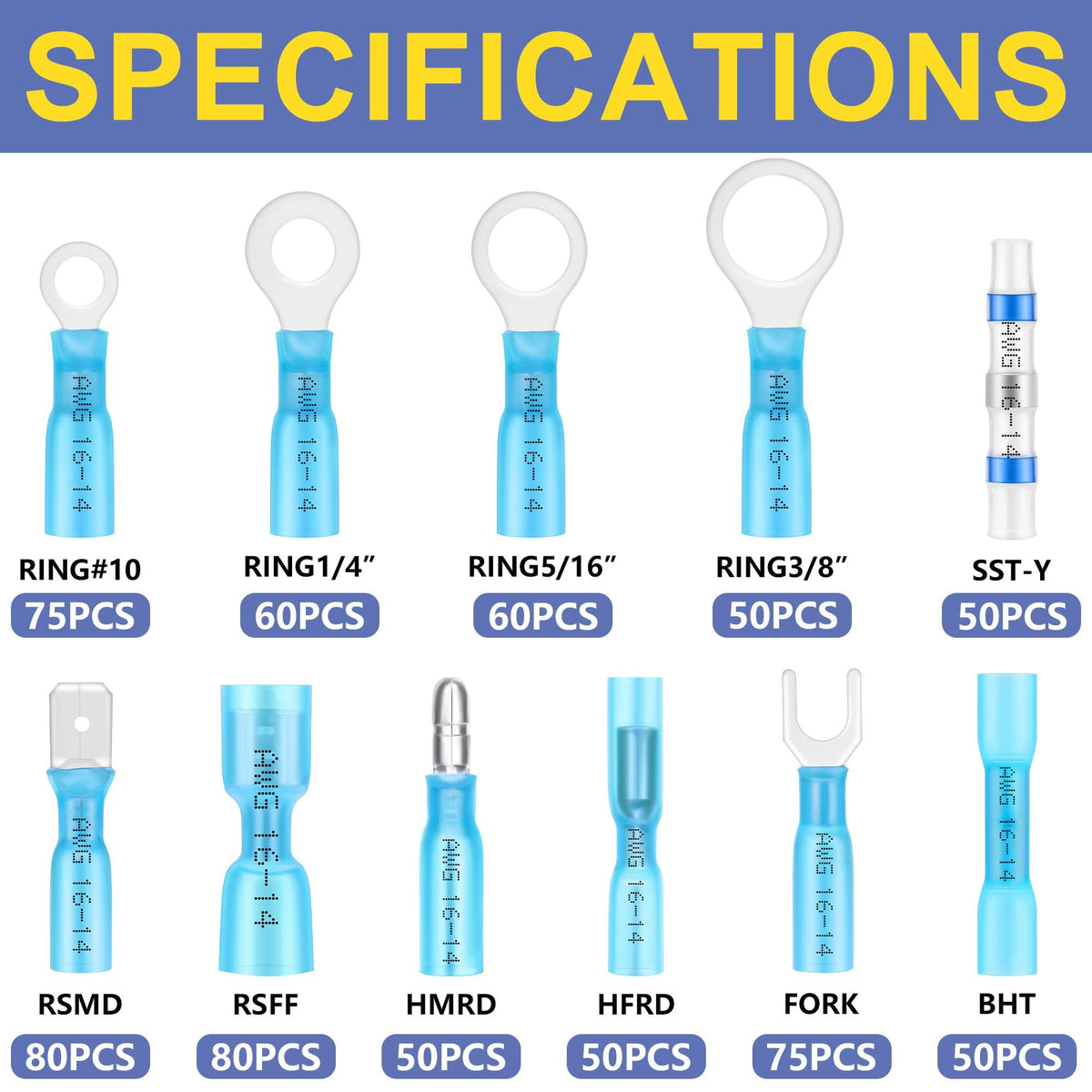
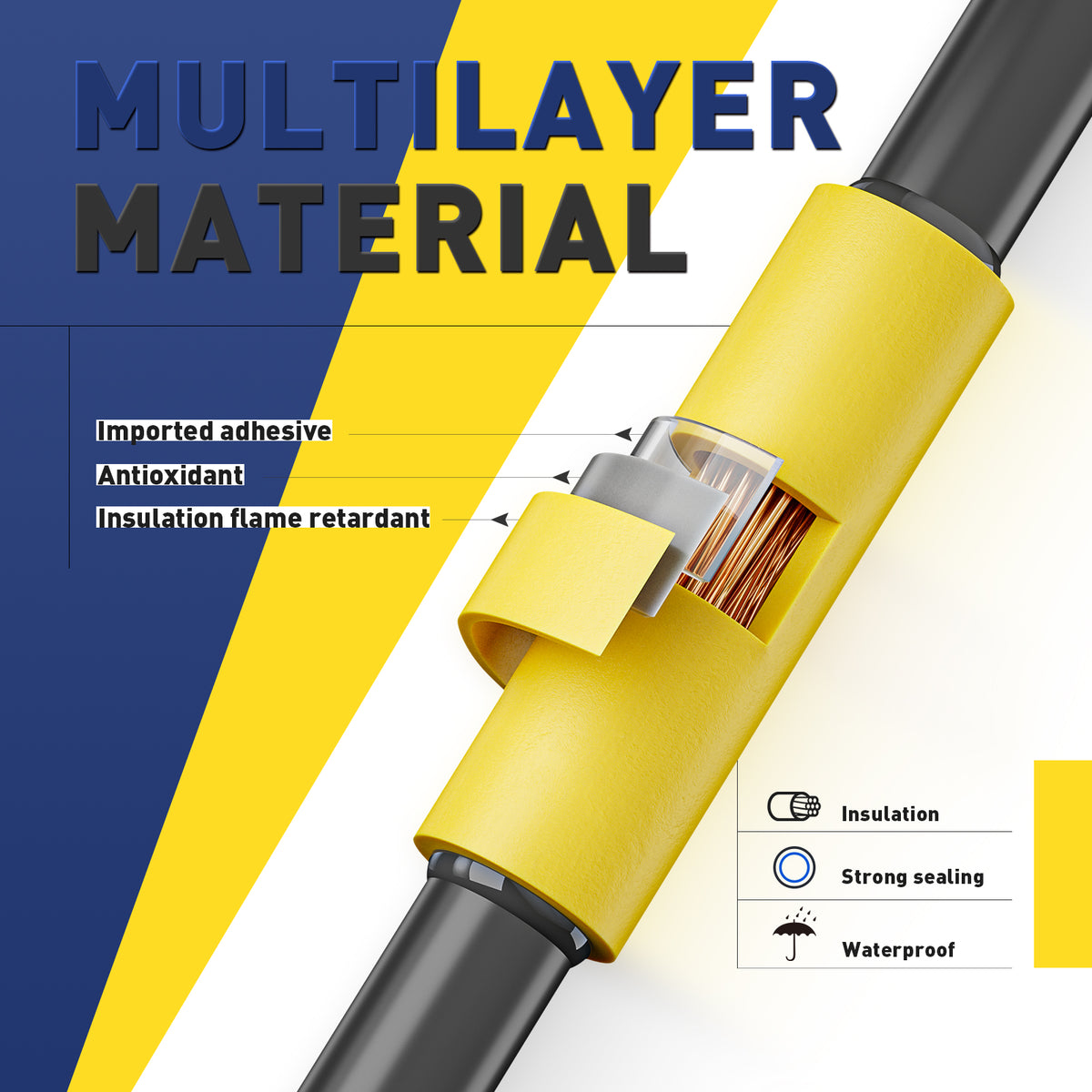
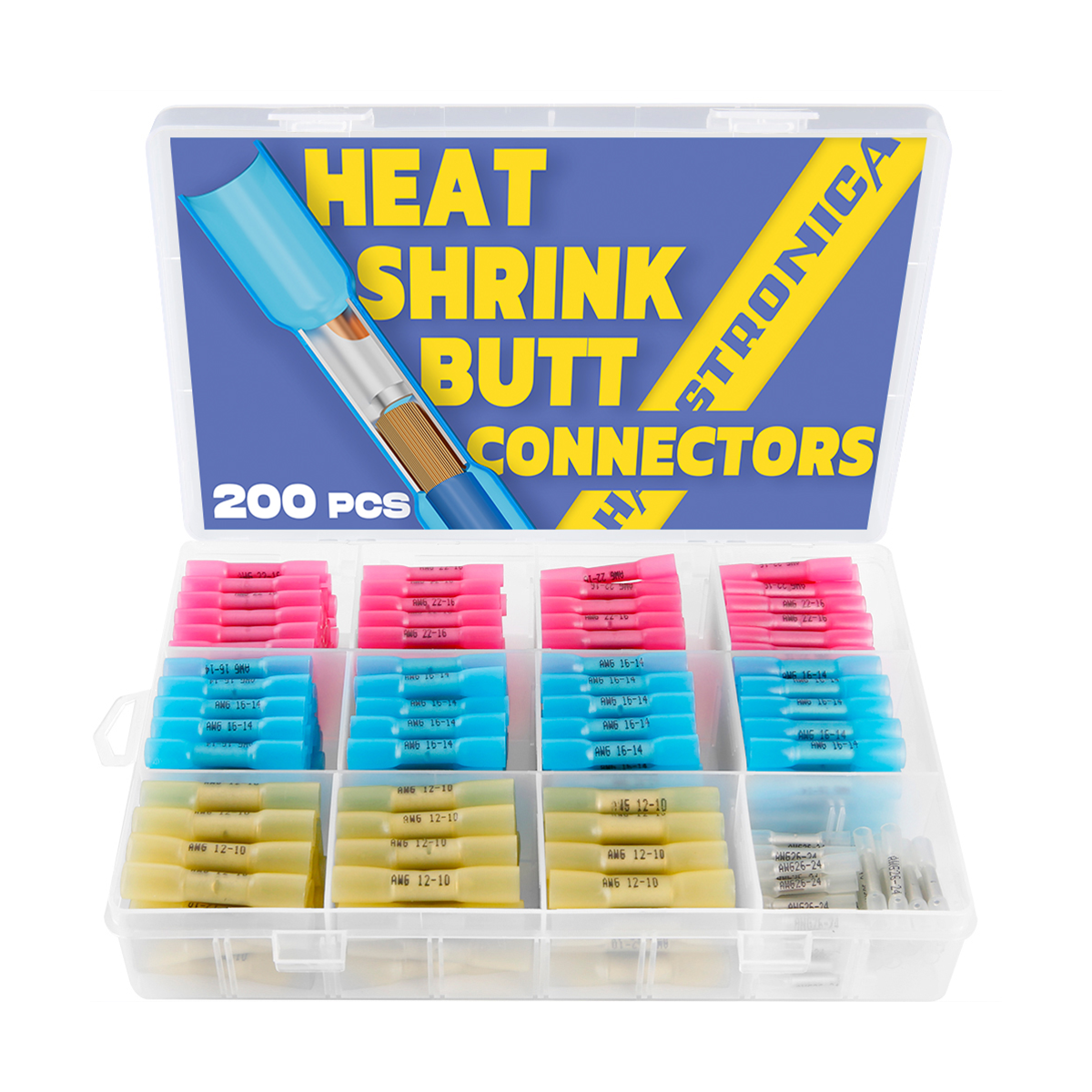
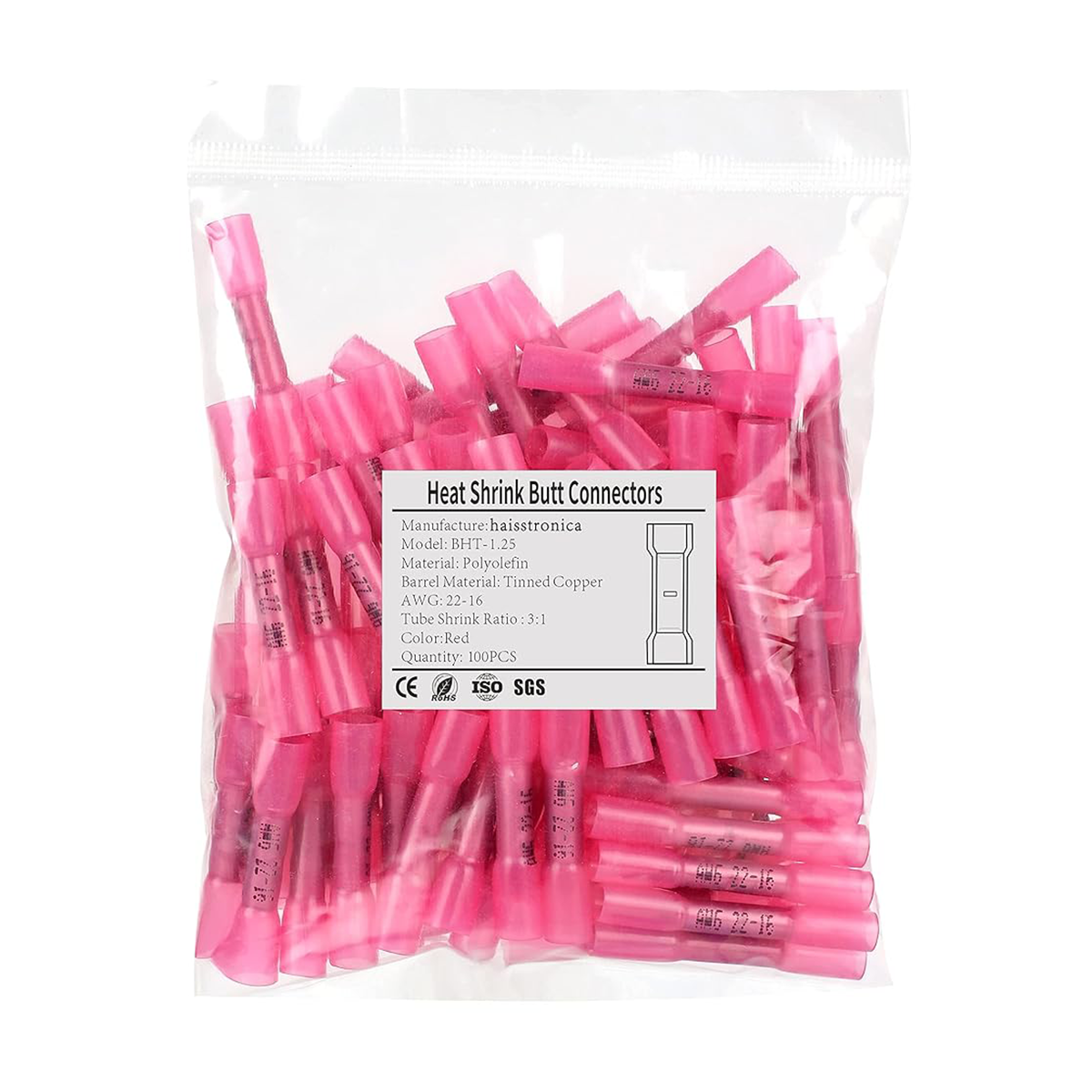
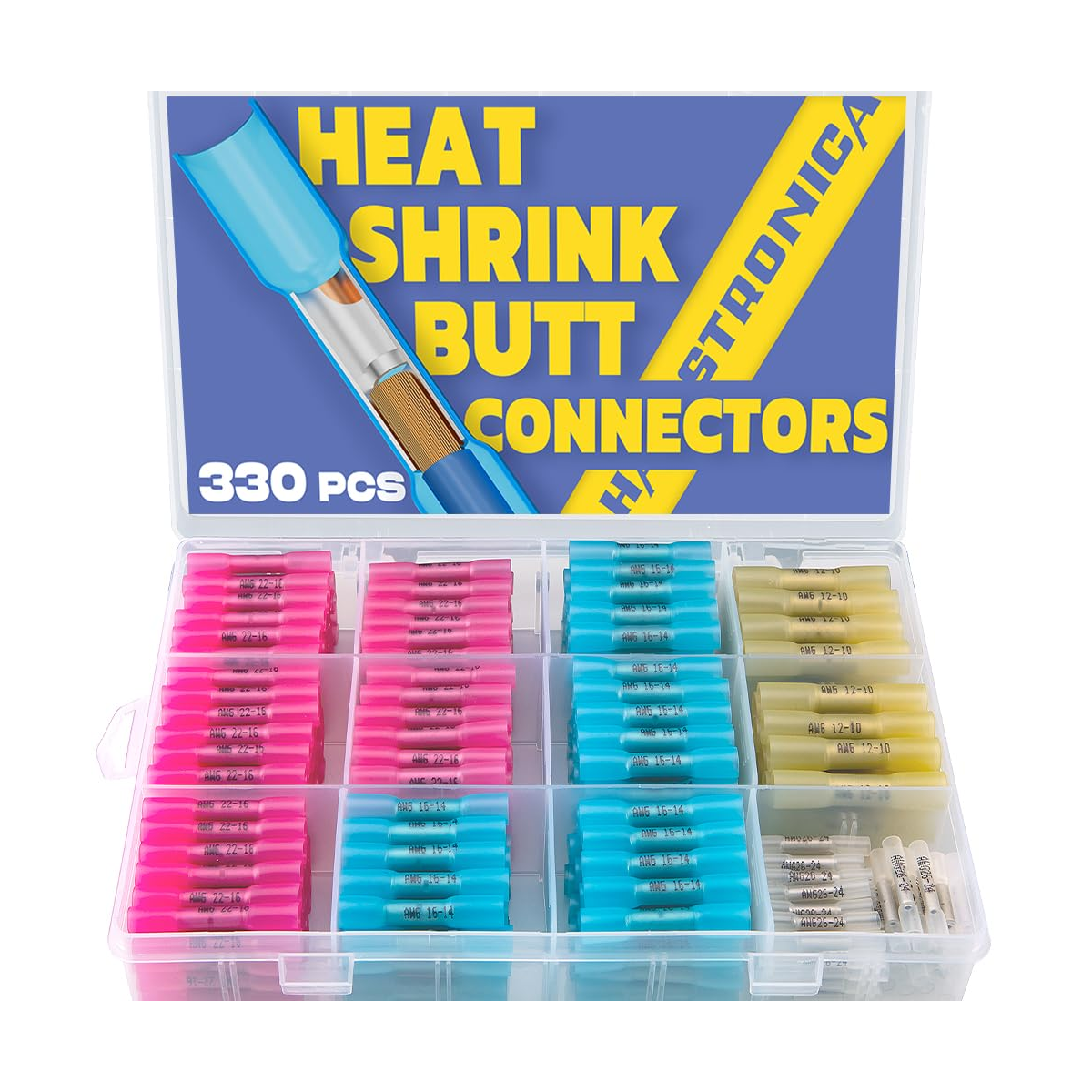
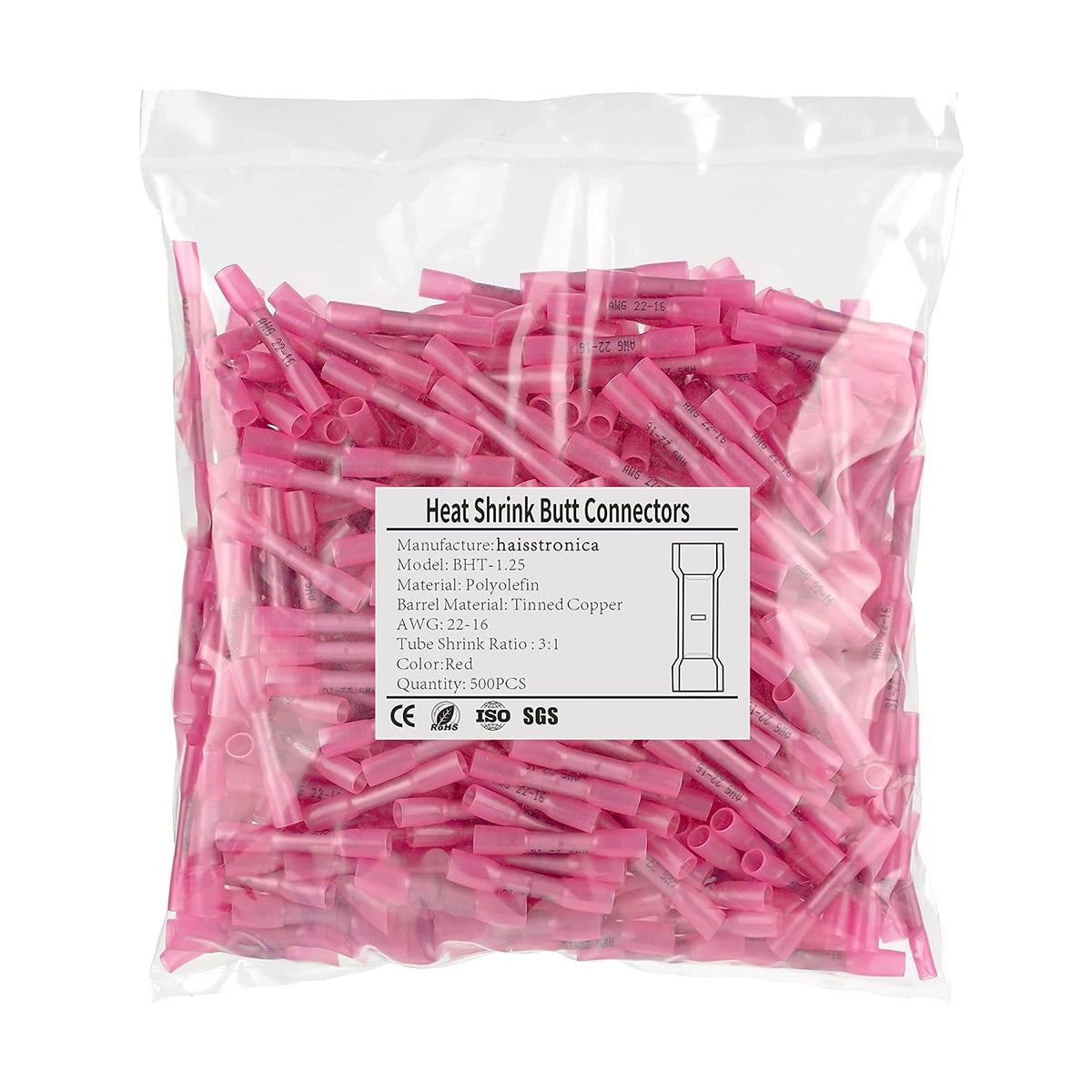
Solder seal sleeves use heat to melt a solder ring while shrinking and sealing the sleeve. Heat-shrink butt connectors form the electrical joint by mechanically compressing a metal barrel; heat is then used only to recover the outer sleeve and activate adhesive.
High vibration or high temperature?
Choose the crimp route first. A properly formed crimp avoids the rigid solder-wicked transition that can concentrate bending stress. For high ambient temperature, use a connector, insulation system, and wire specifically rated for that temperature; neither generic solder sleeves nor standard heat-shrink butt connectors should be assumed suitable without checking their ratings.
Install each system correctly
Solder Seal: heat creates the joint
Choose a sleeve that fits the conductor and insulation without excessive free space.
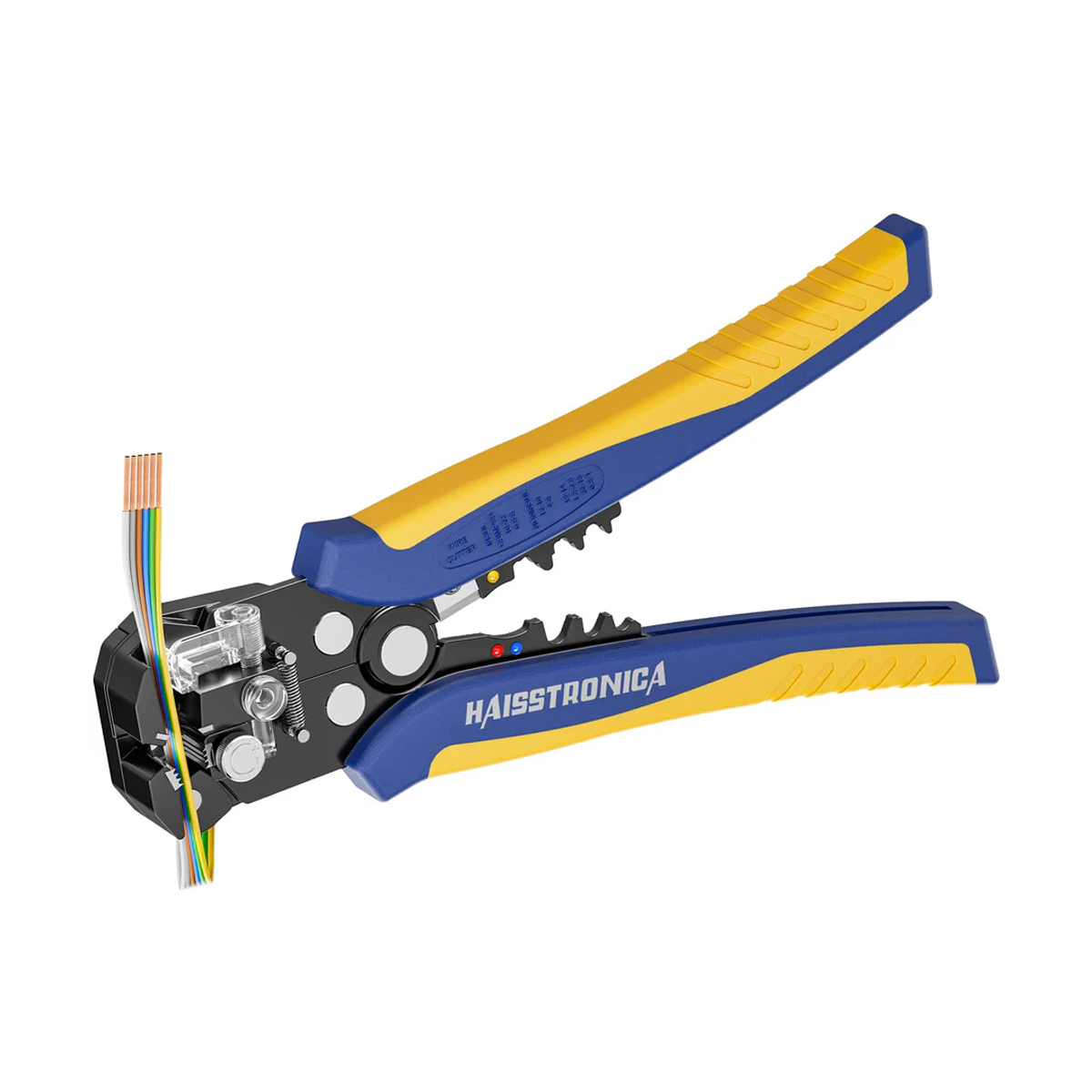
Center the stripped conductors beneath the solder ring; keep strands contained.
Rotate the joint, shrink the tubing, and continue until the solder visibly flows through the strands.
Let the solder solidify, then inspect the seal and support the wire against flex.
Crimp Butt: compression creates the joint
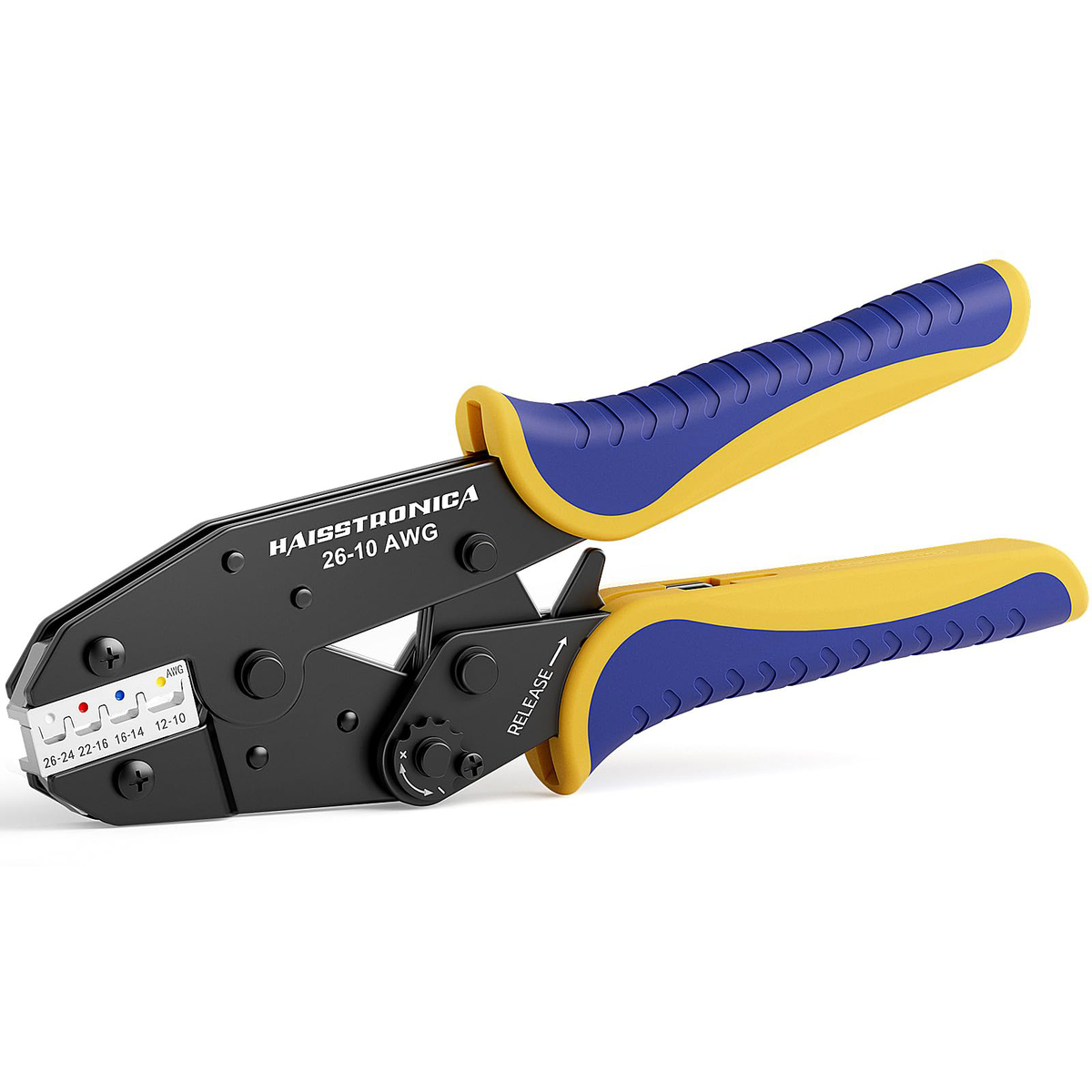
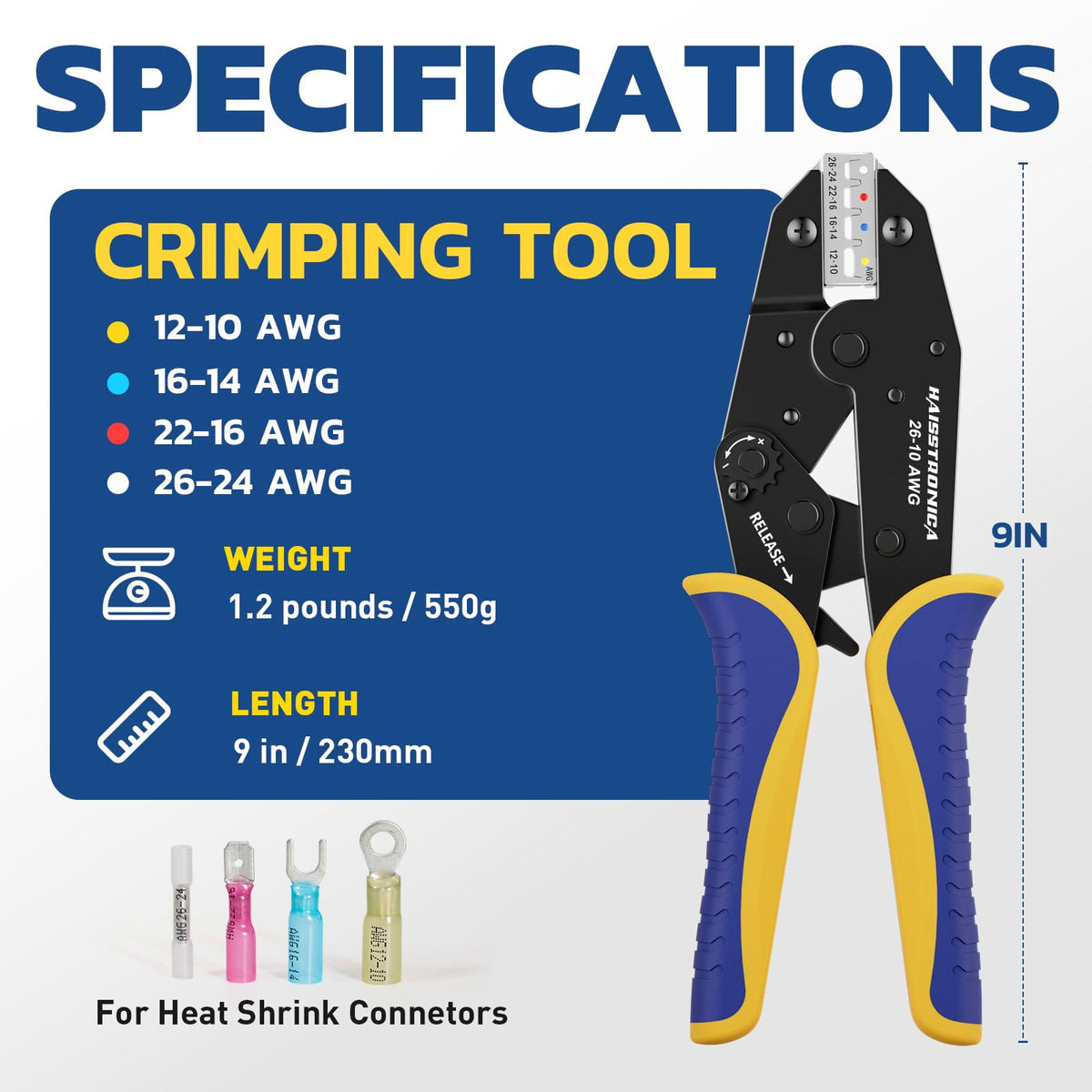
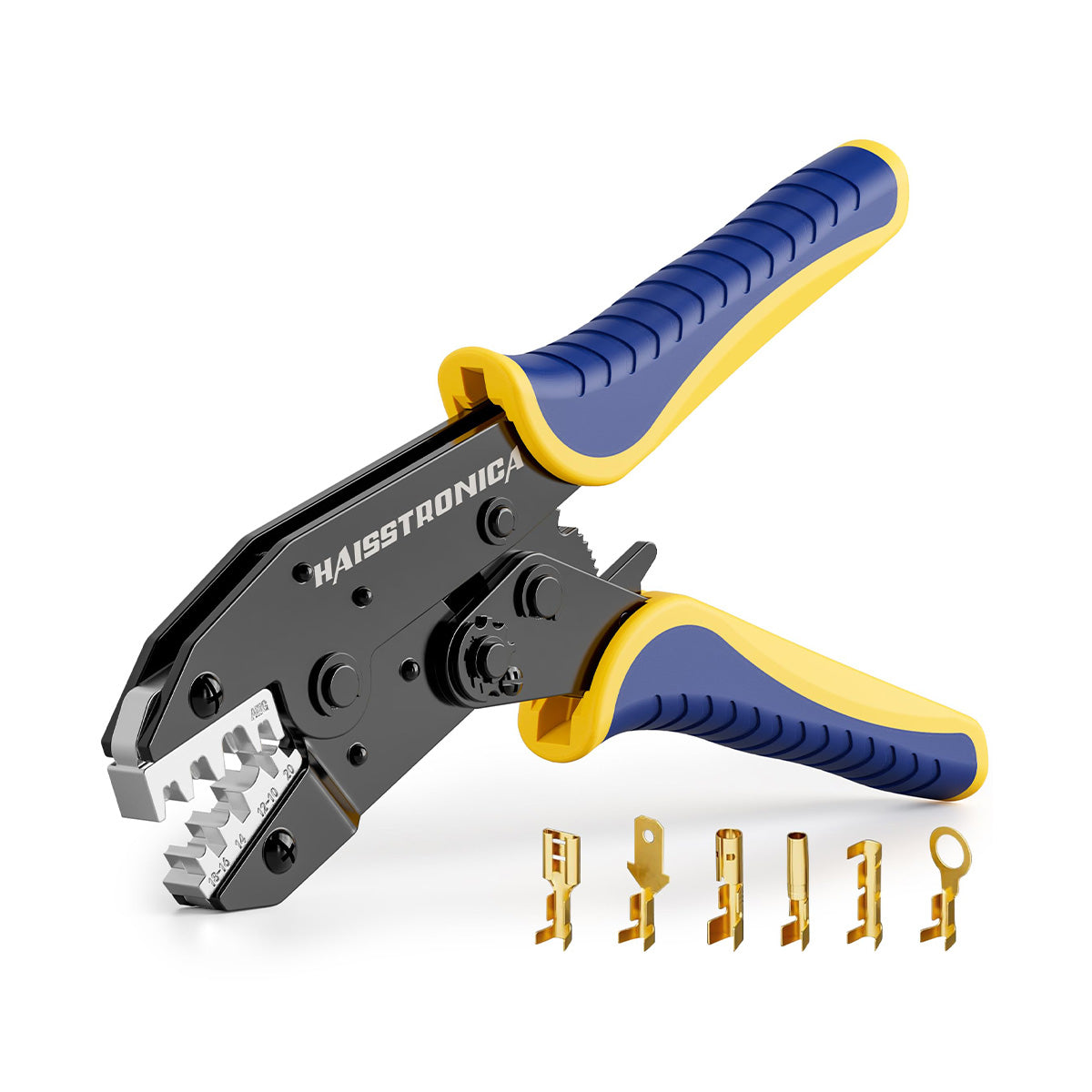
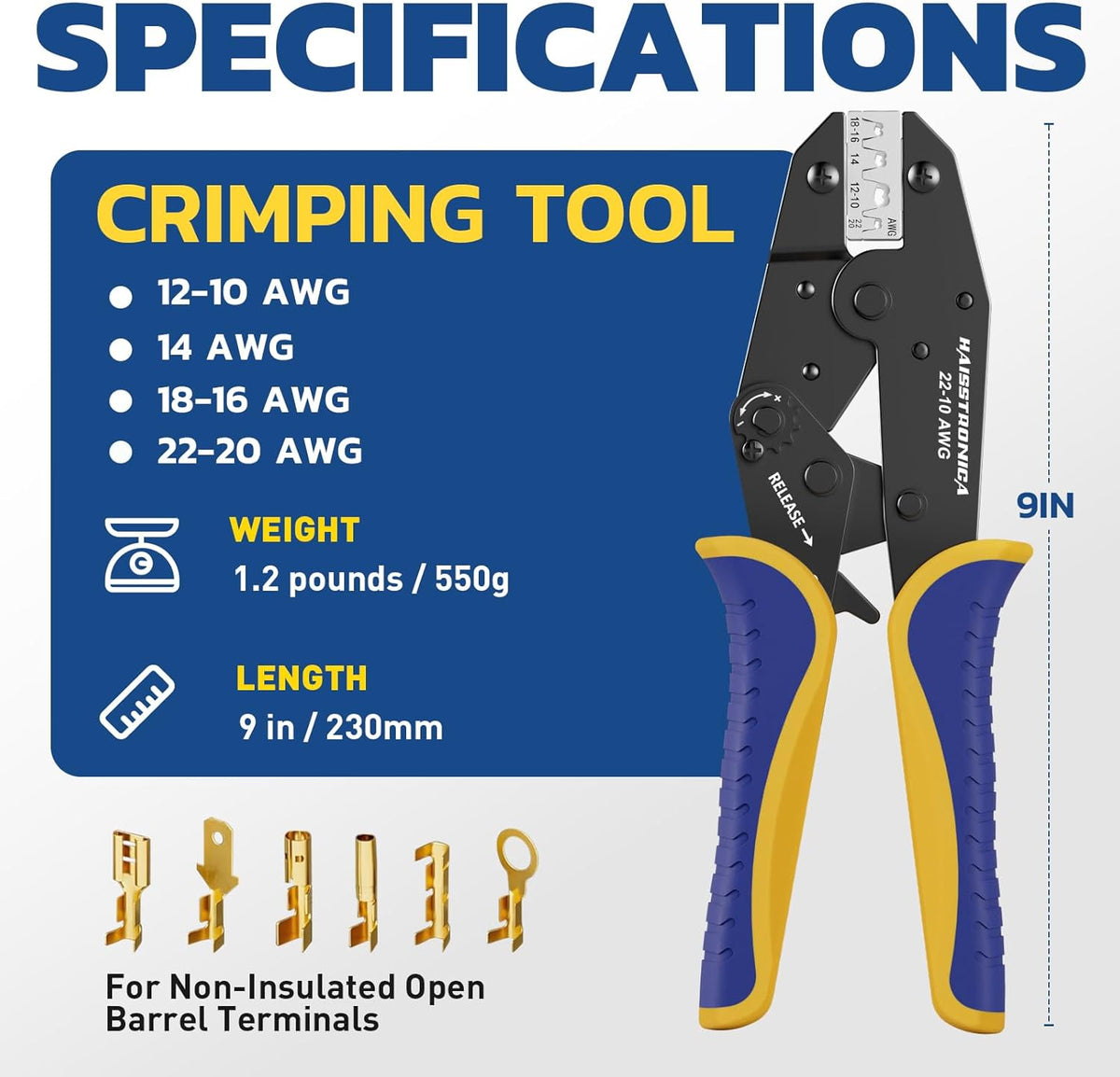
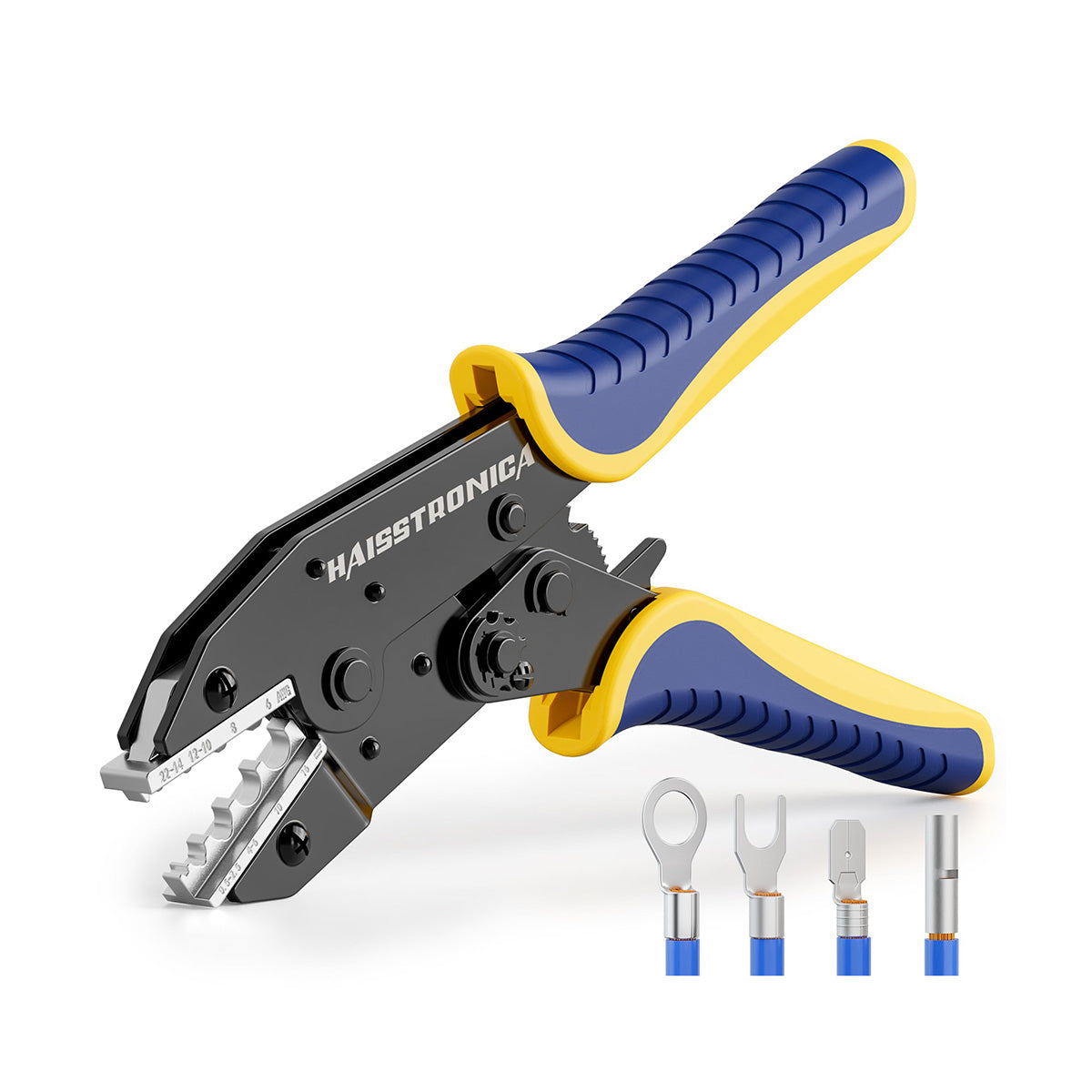
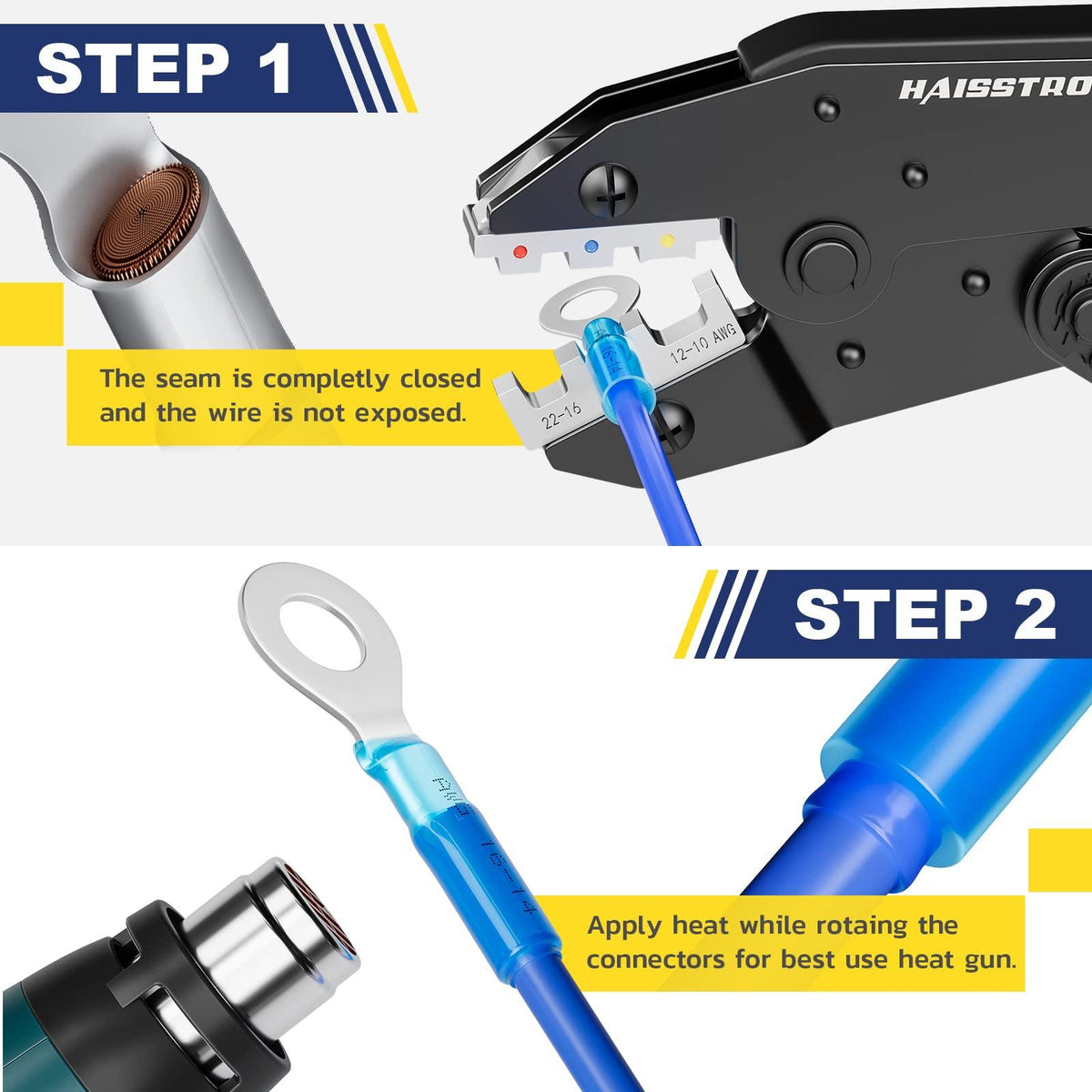
Select the connector range and the corresponding ratchet cavity.
The conductor should fill the barrel without bare copper extending outside the sleeve.
Center the metal barrel in the die and finish the full ratchet cycle on each side.
Inspect the joint and heat evenly until the sleeve recovers and adhesive beads appear.
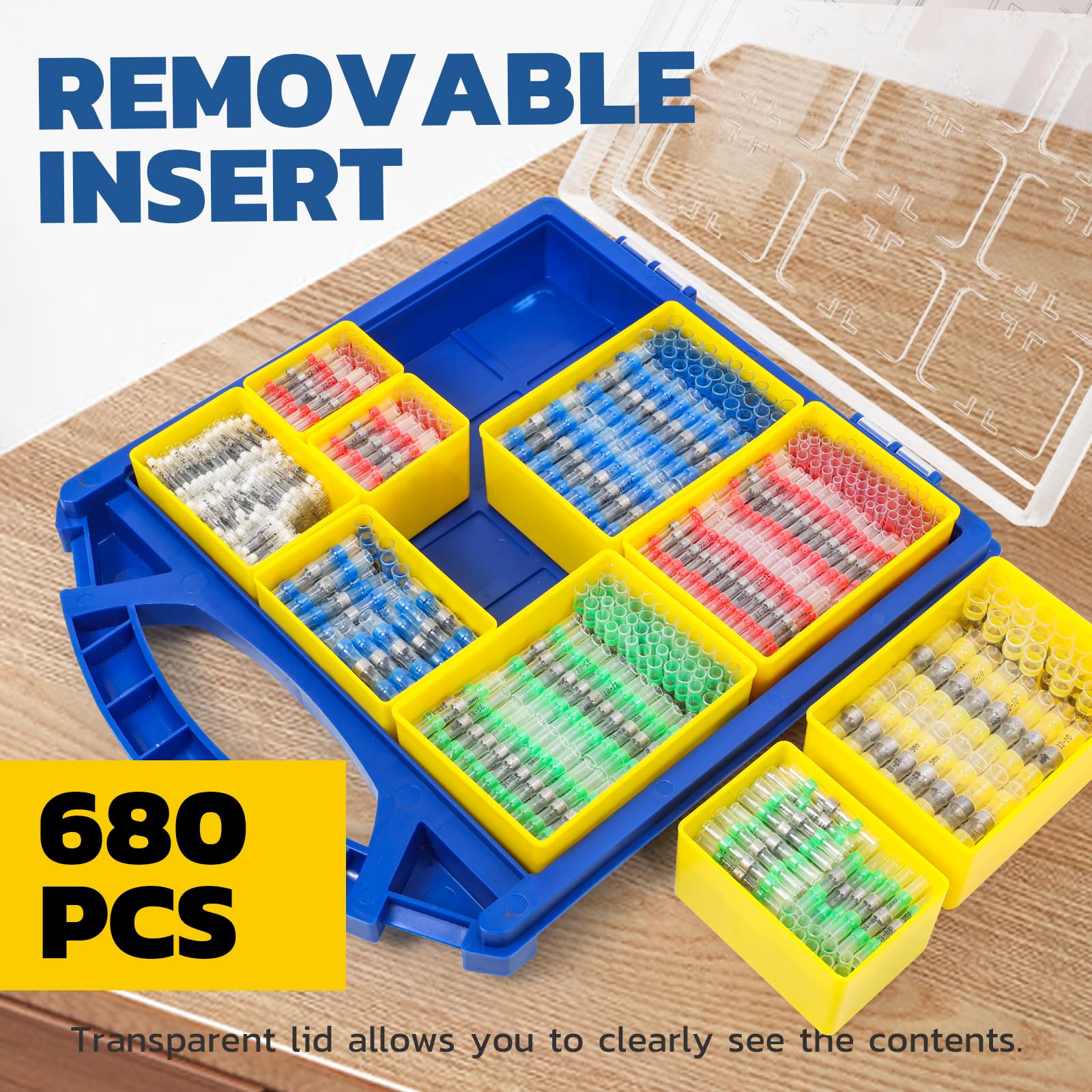
Choose a complete matched kit

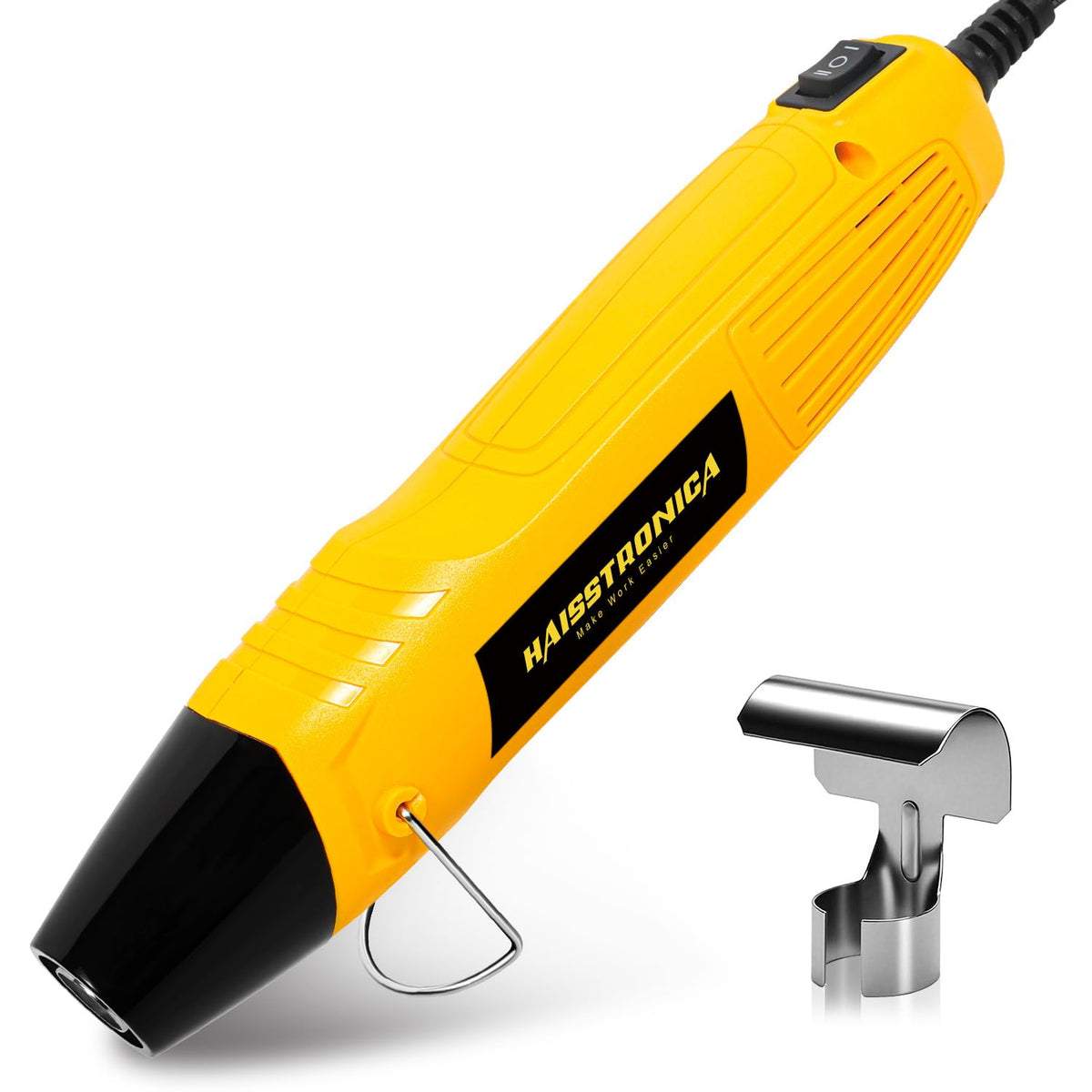
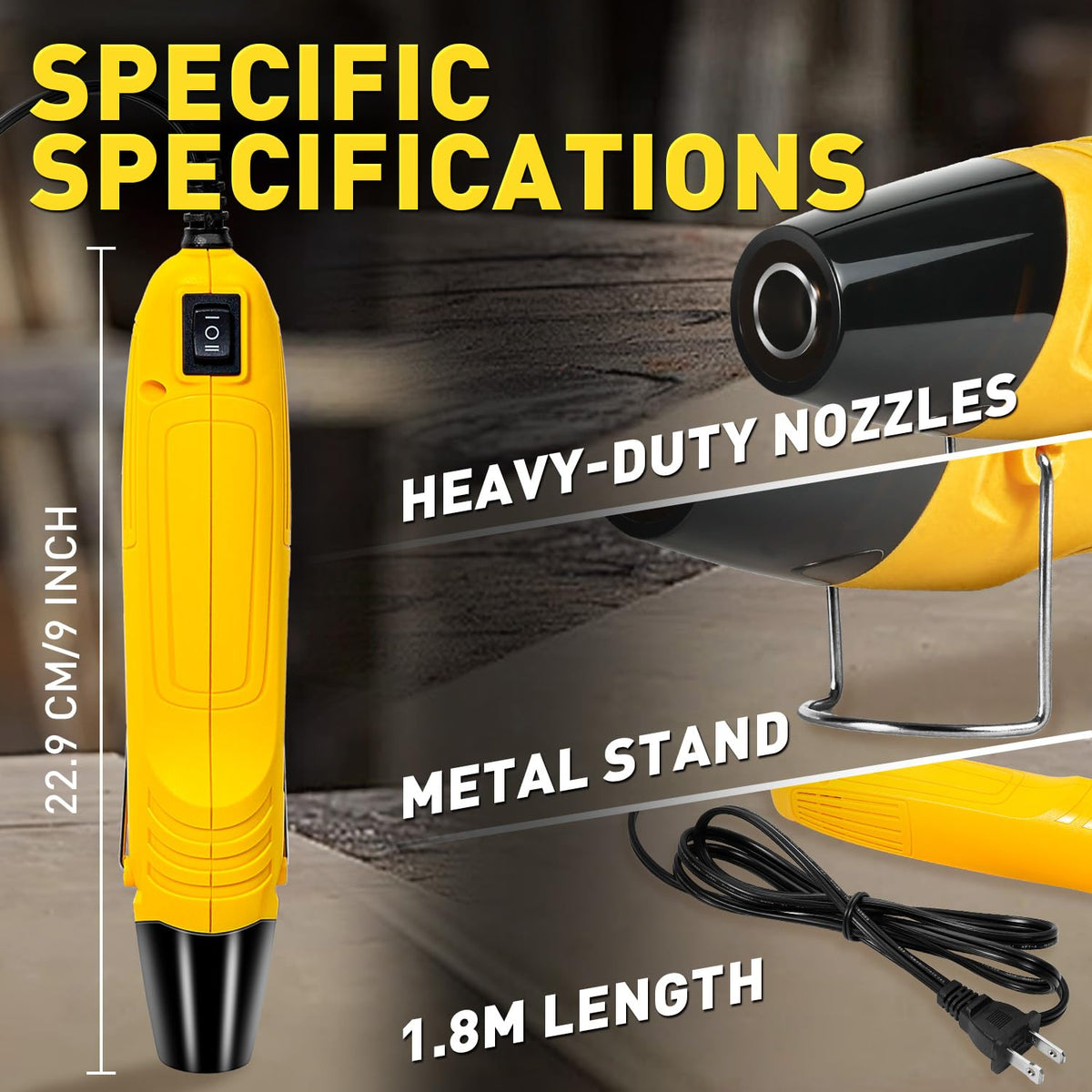
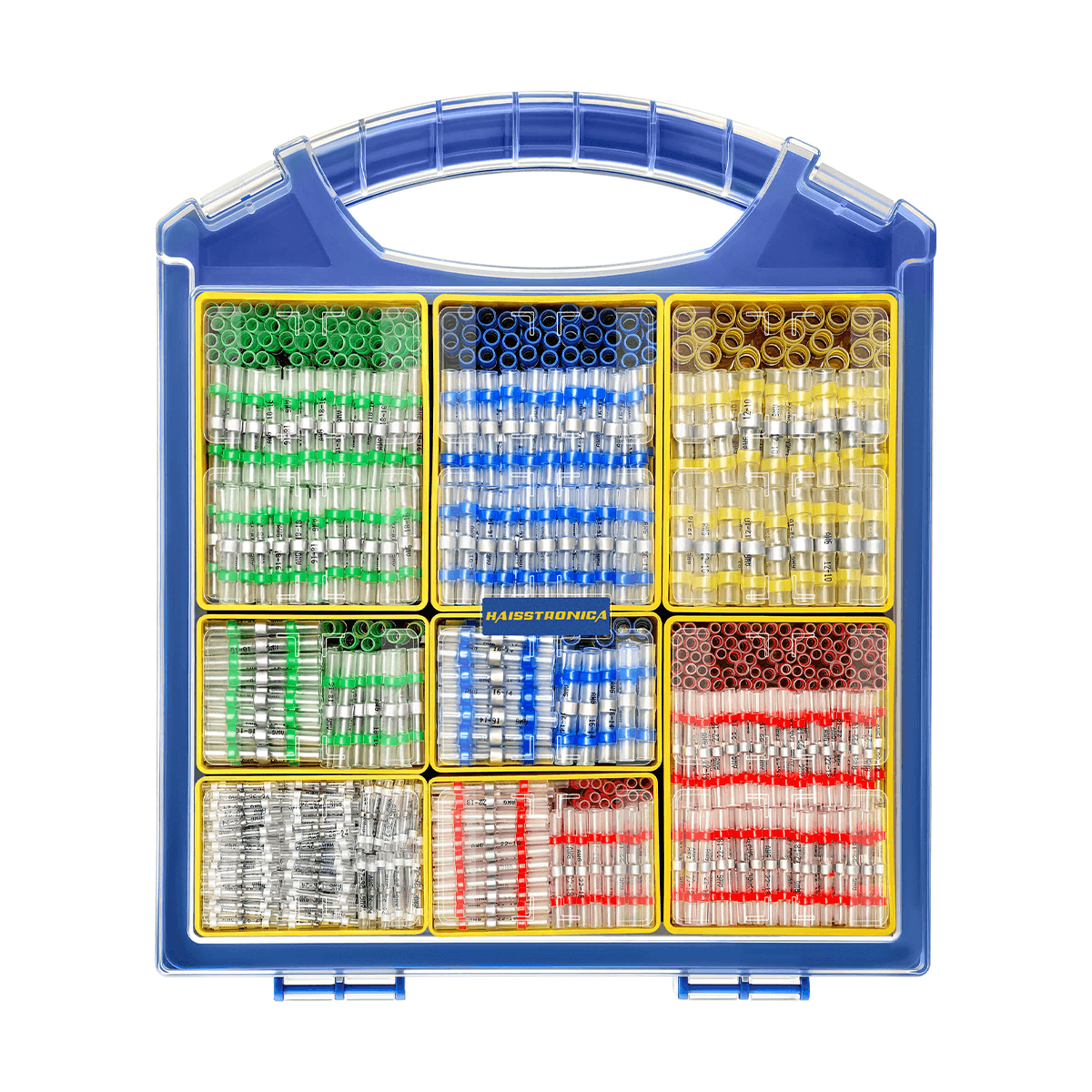
Solder Seal + Mini Heat Gun
A compact two-part route for low-voltage inline repairs when you prefer a heat-activated connection.
Shop the Solder Seal Kit →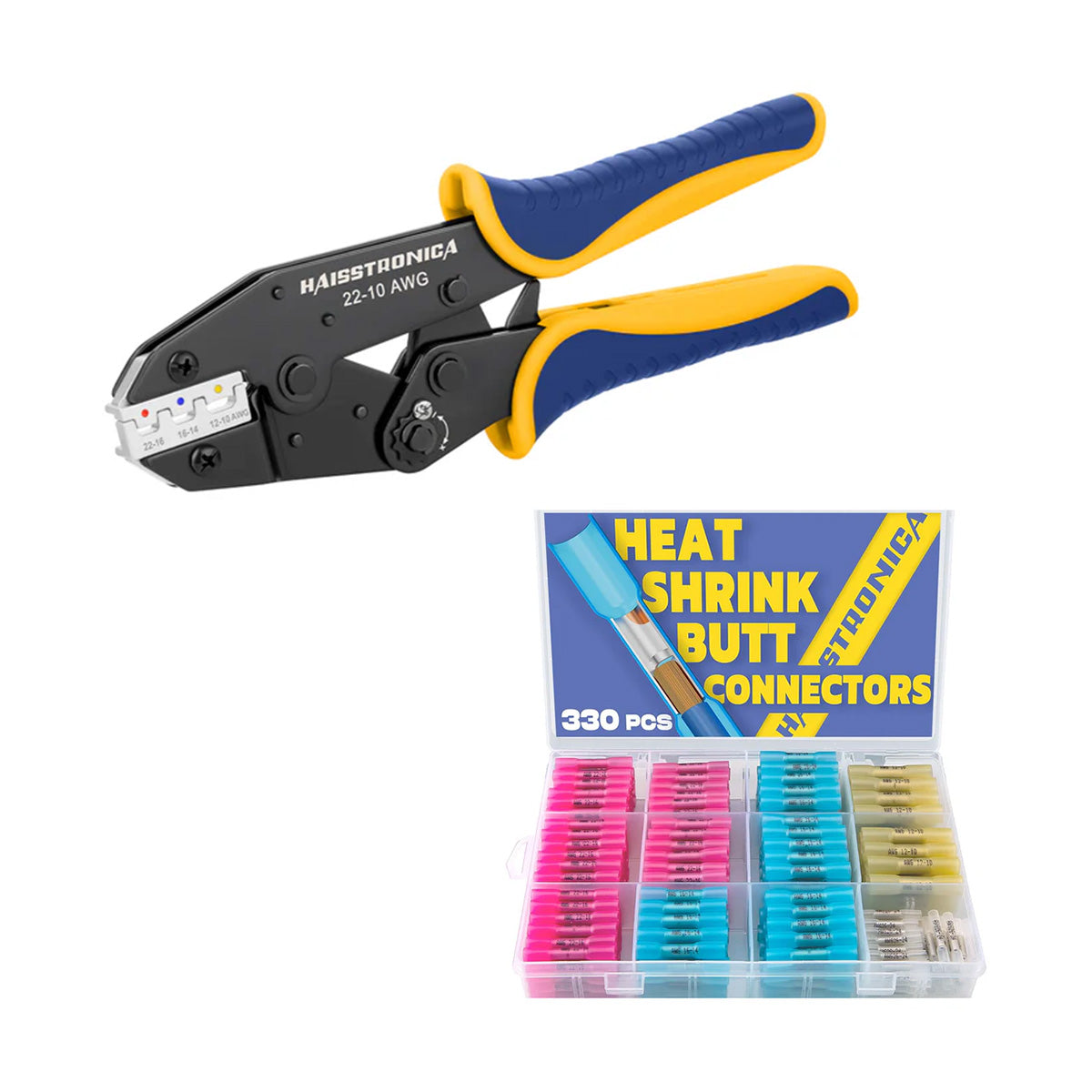
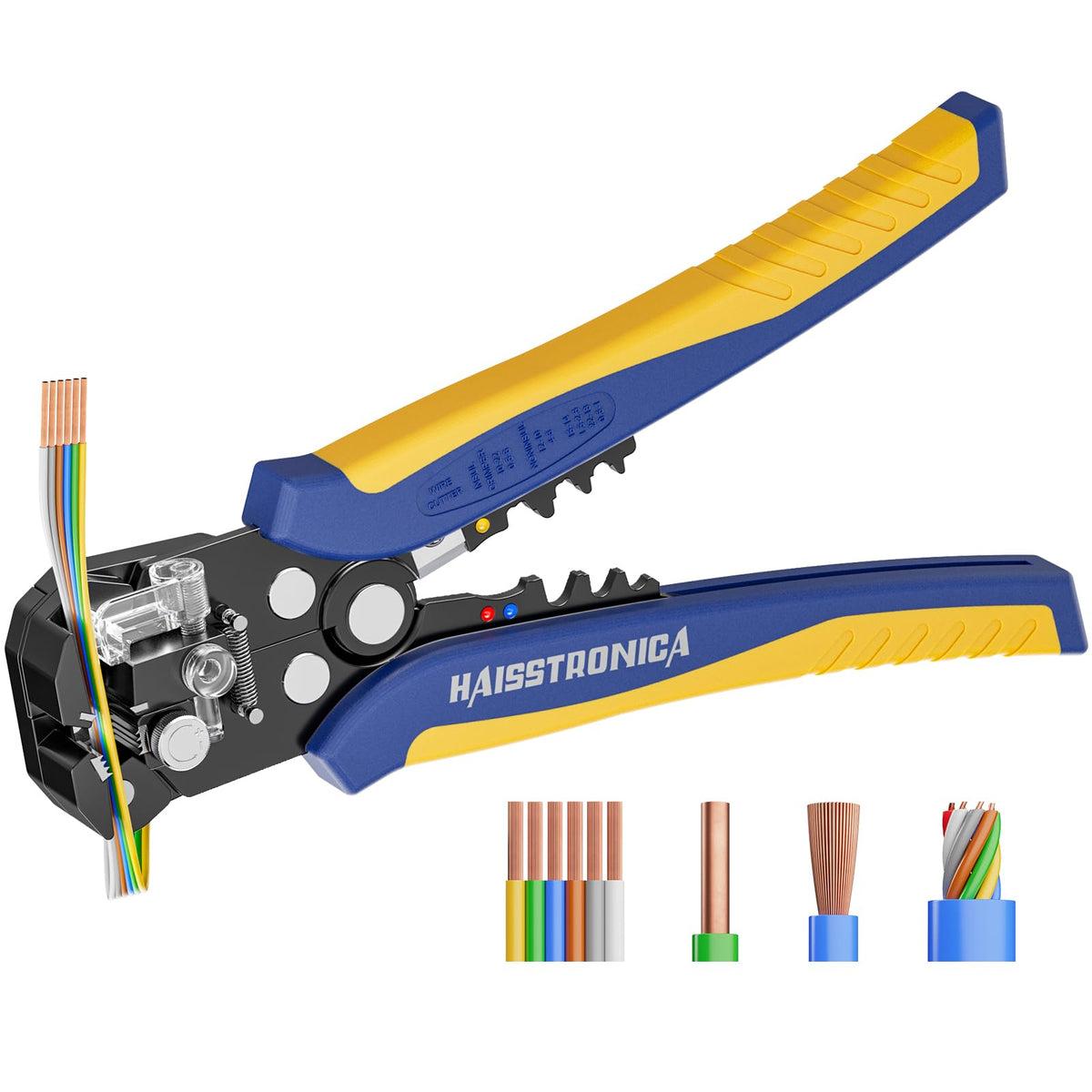
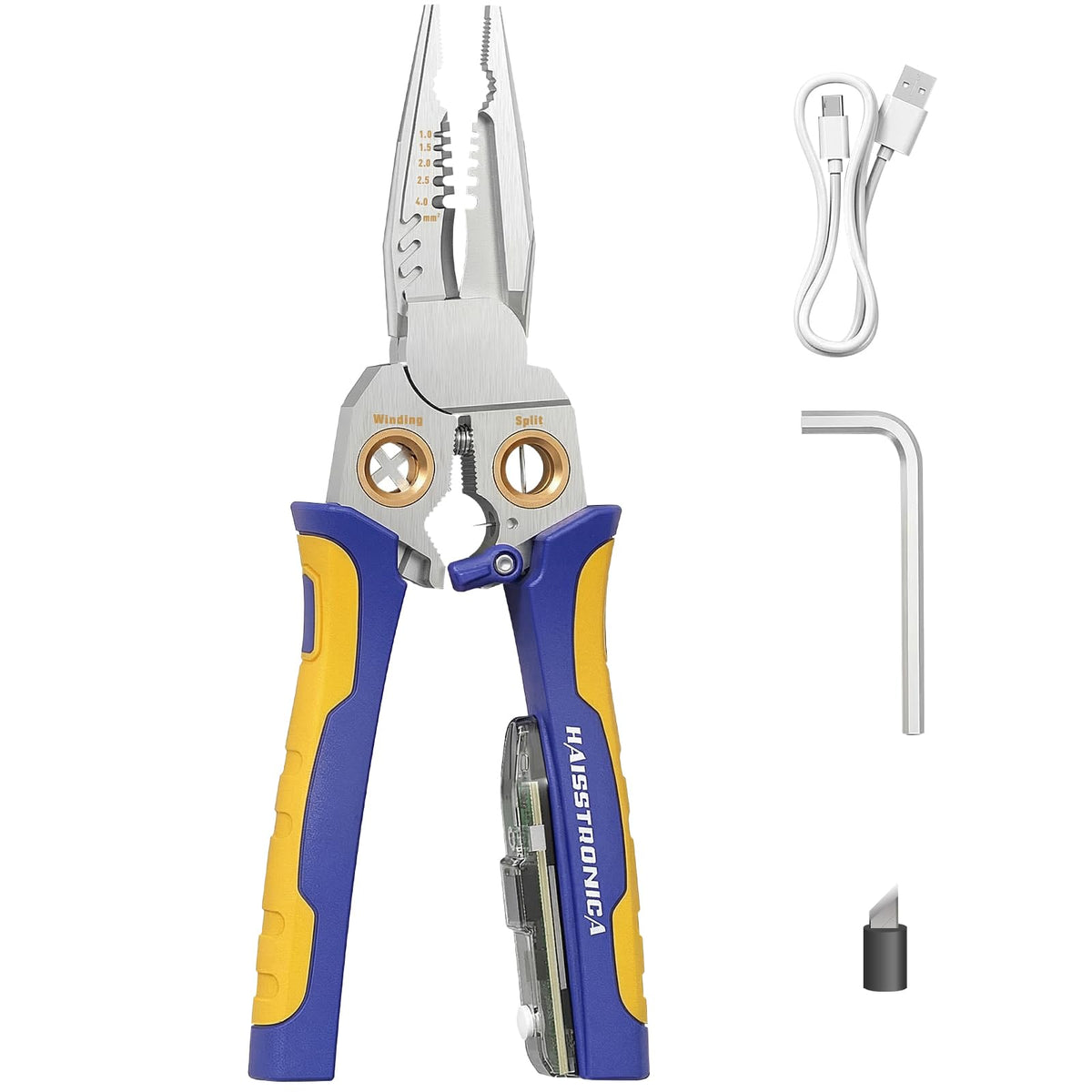
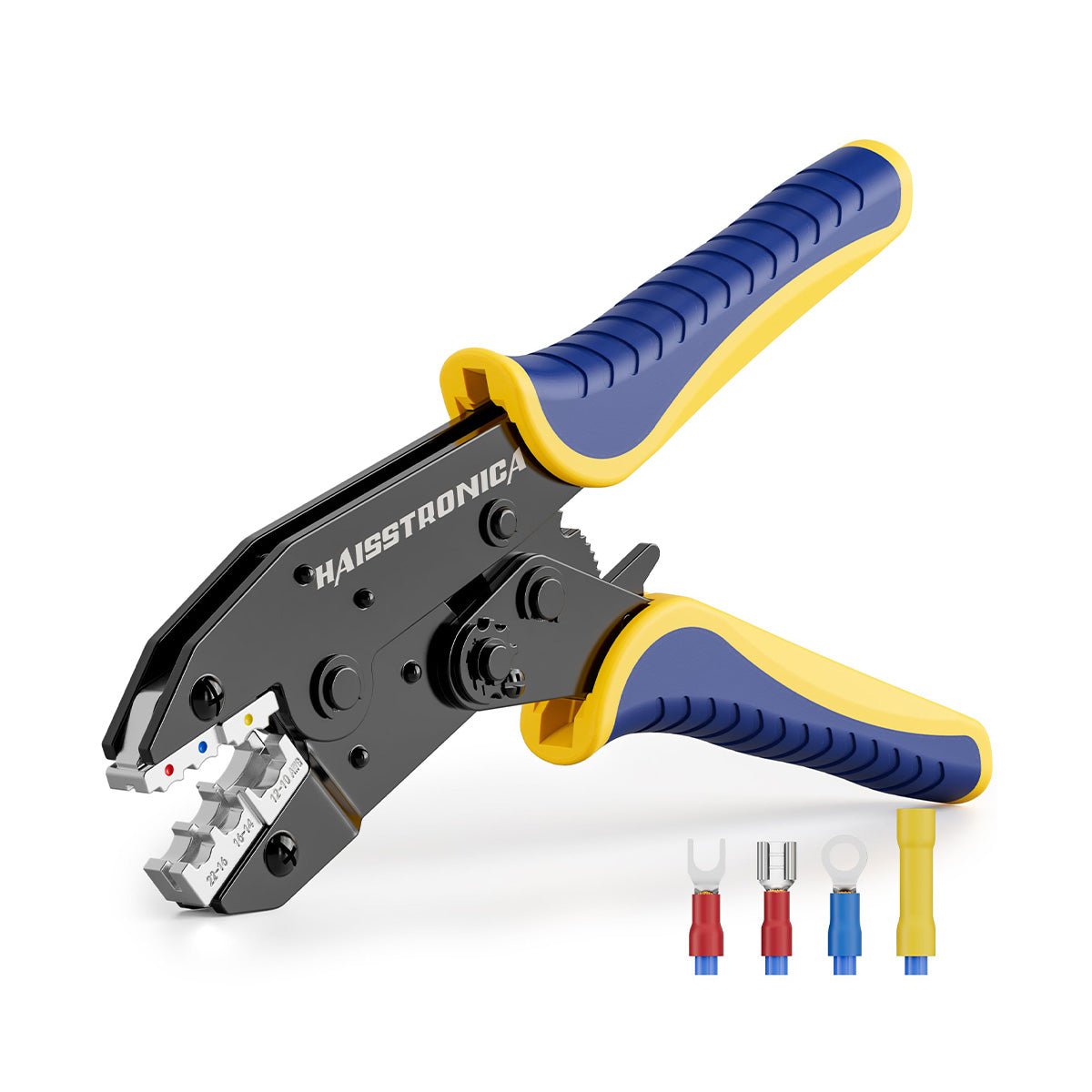
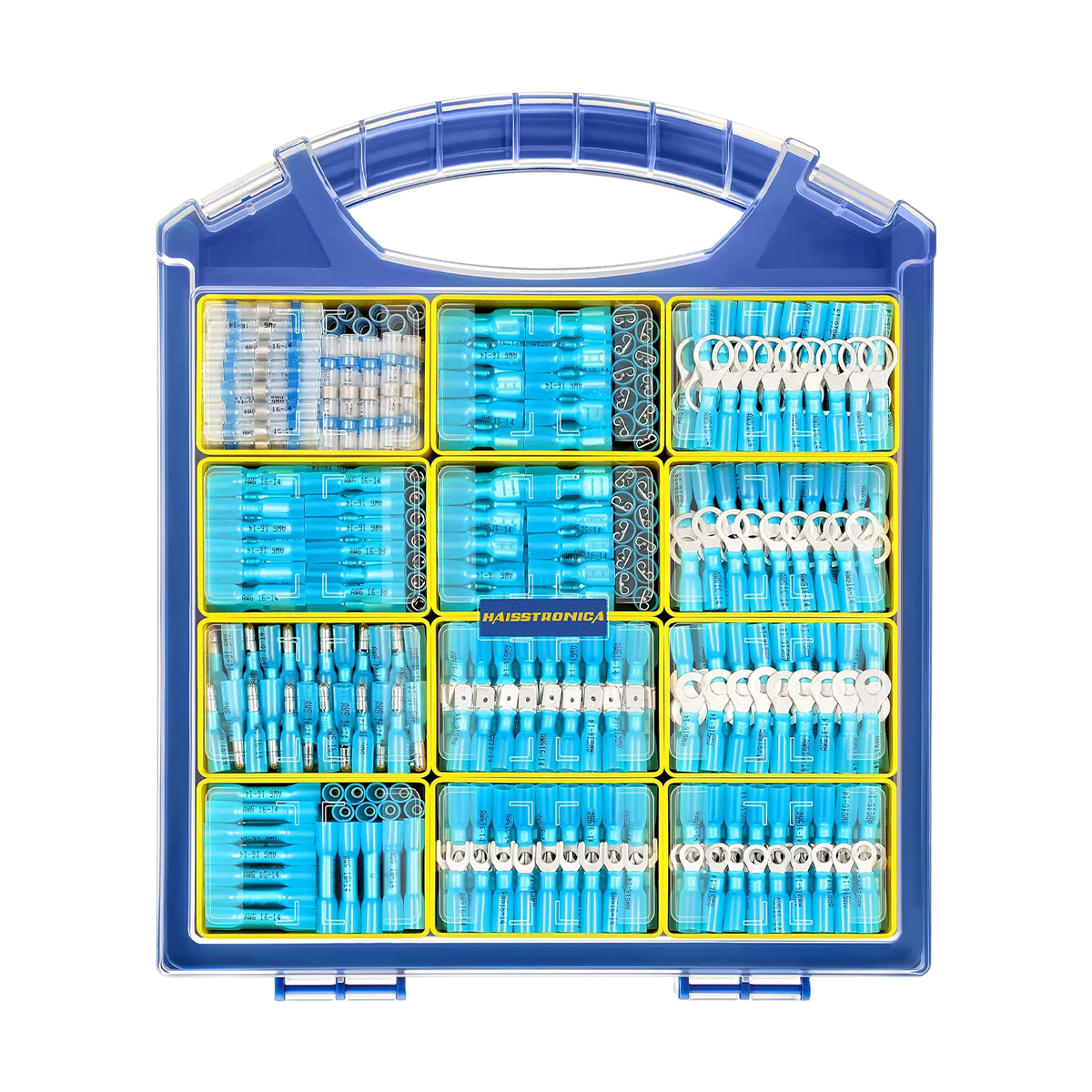
Ratchet Crimper + Butt Connectors
A repeatable mechanical-splice system for automotive, trailer, marine, and workshop harness repairs.
Shop the Crimp Butt Kit →Confirm the connector size
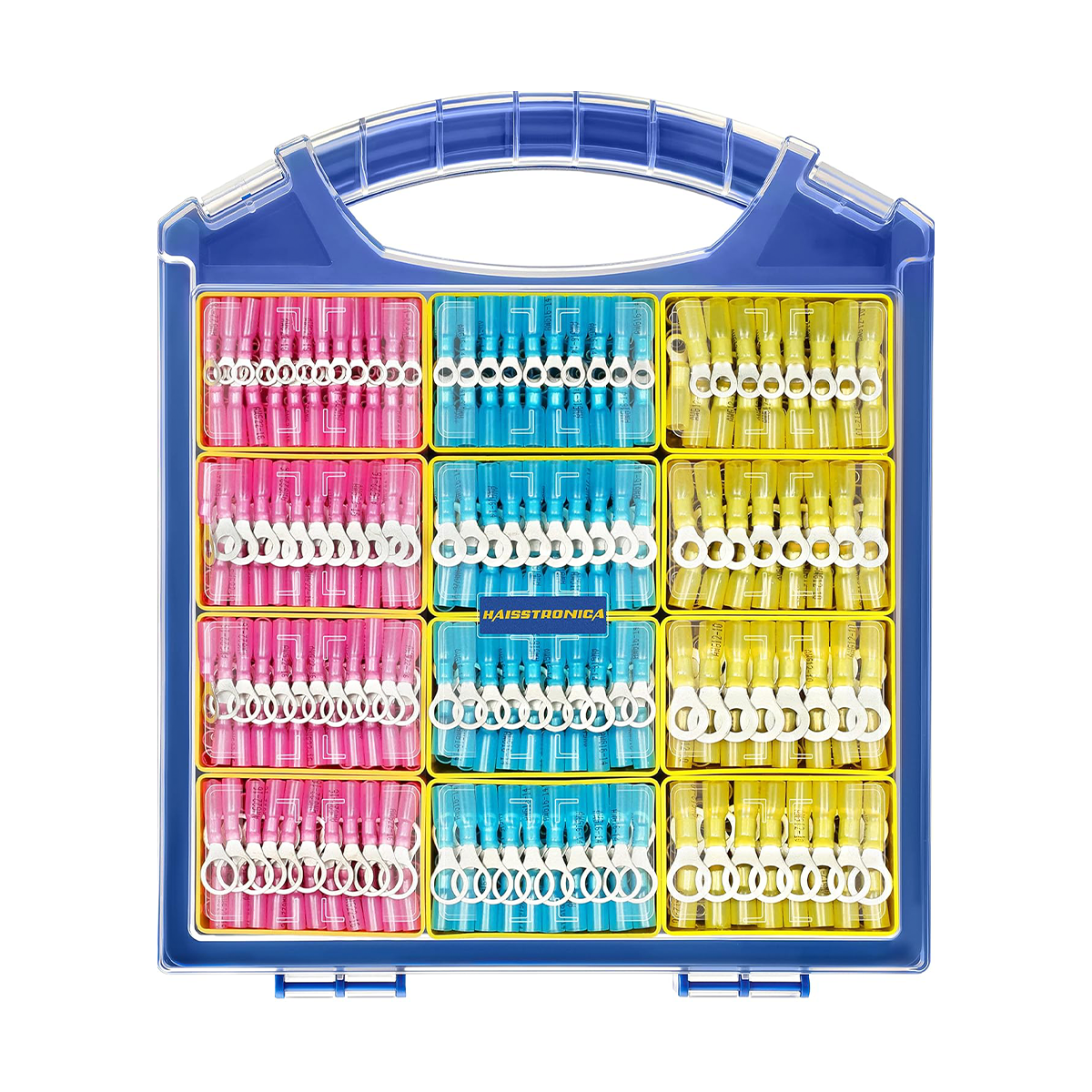
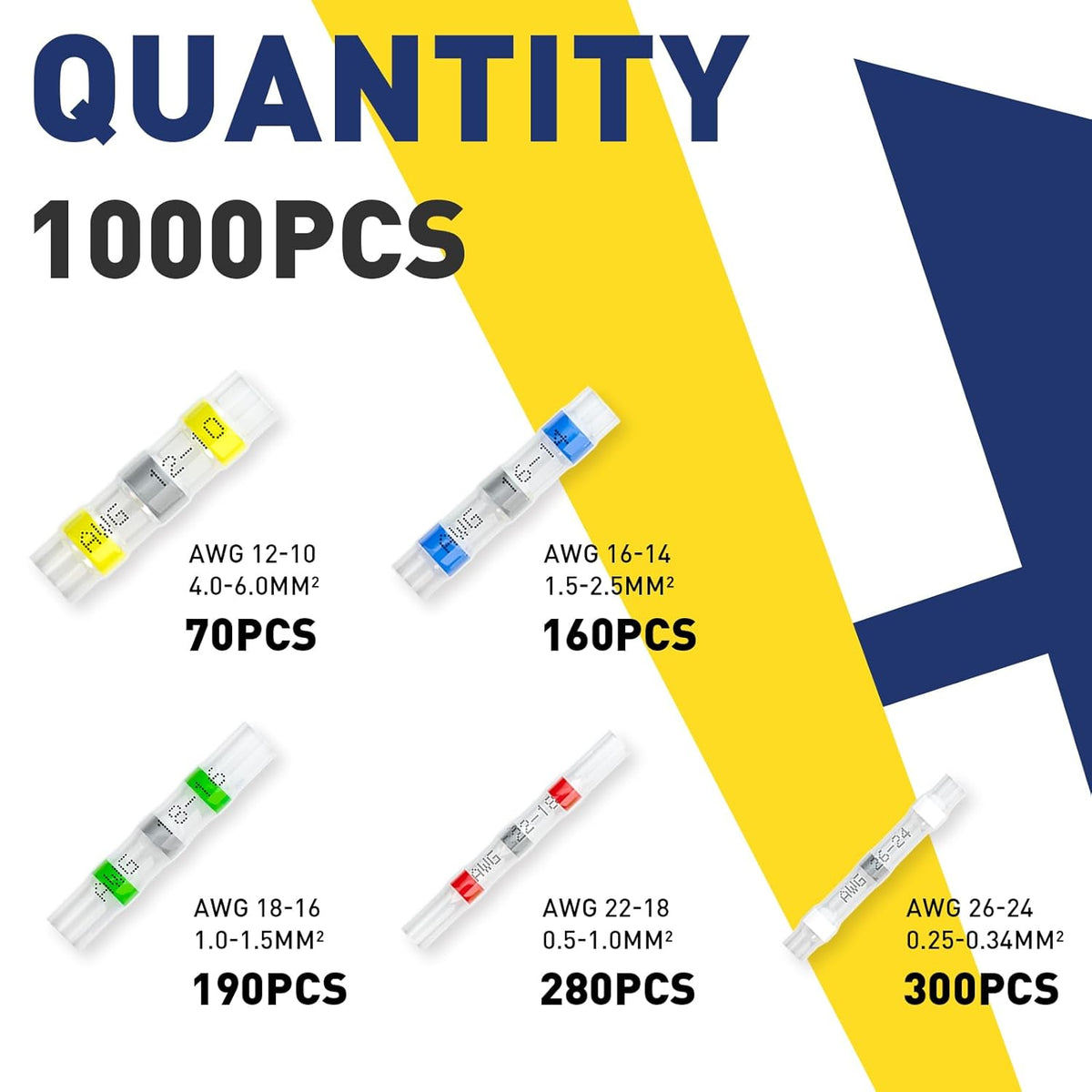
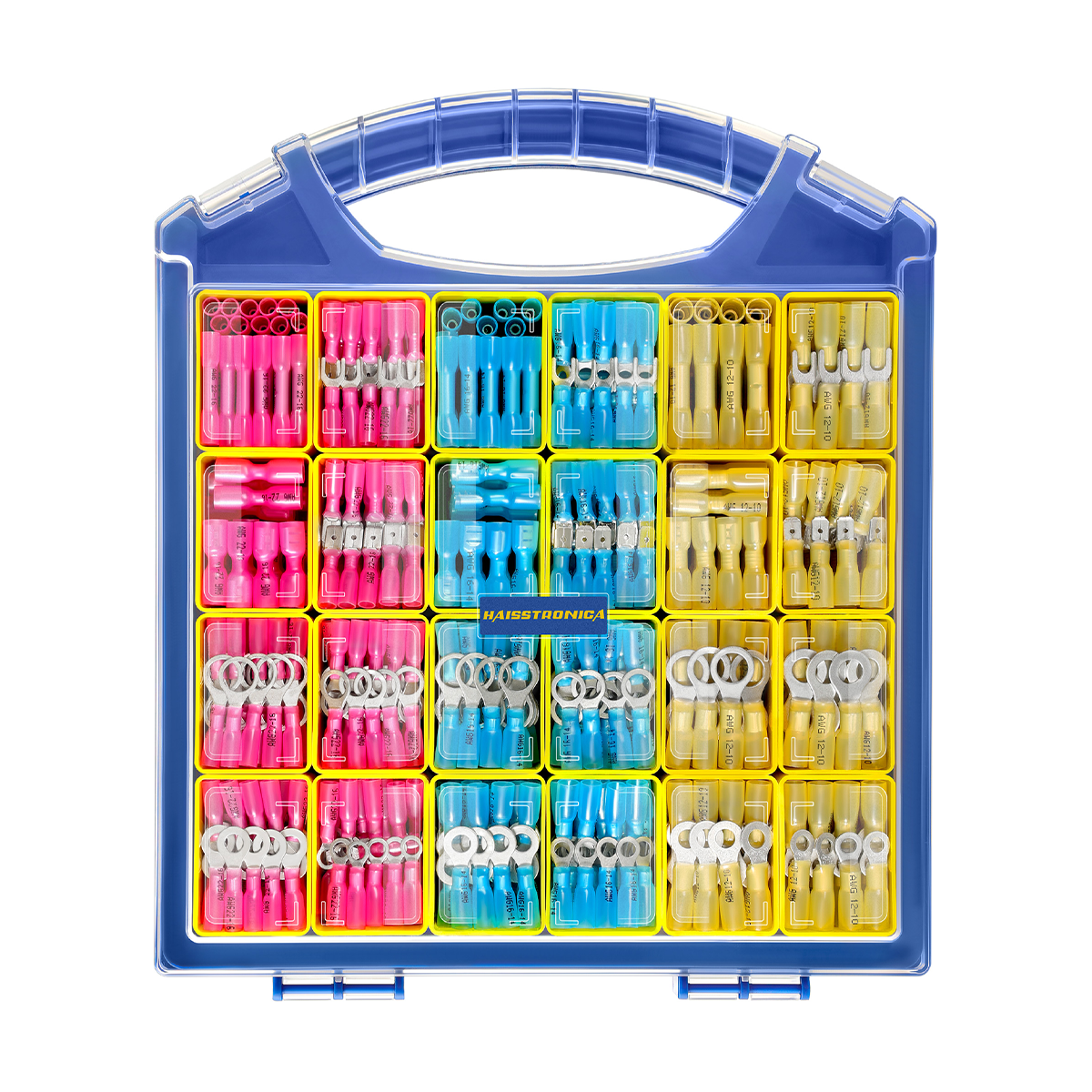
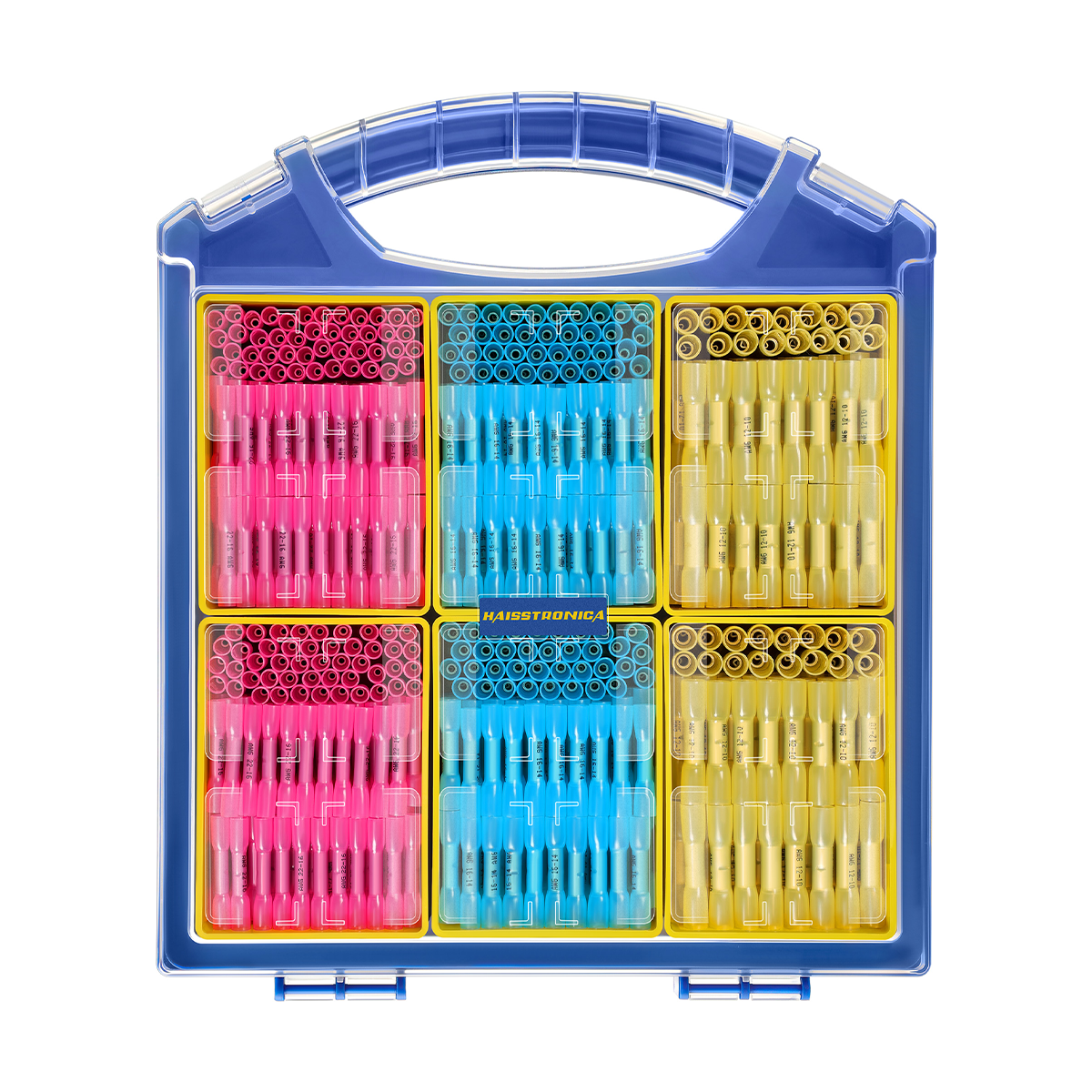
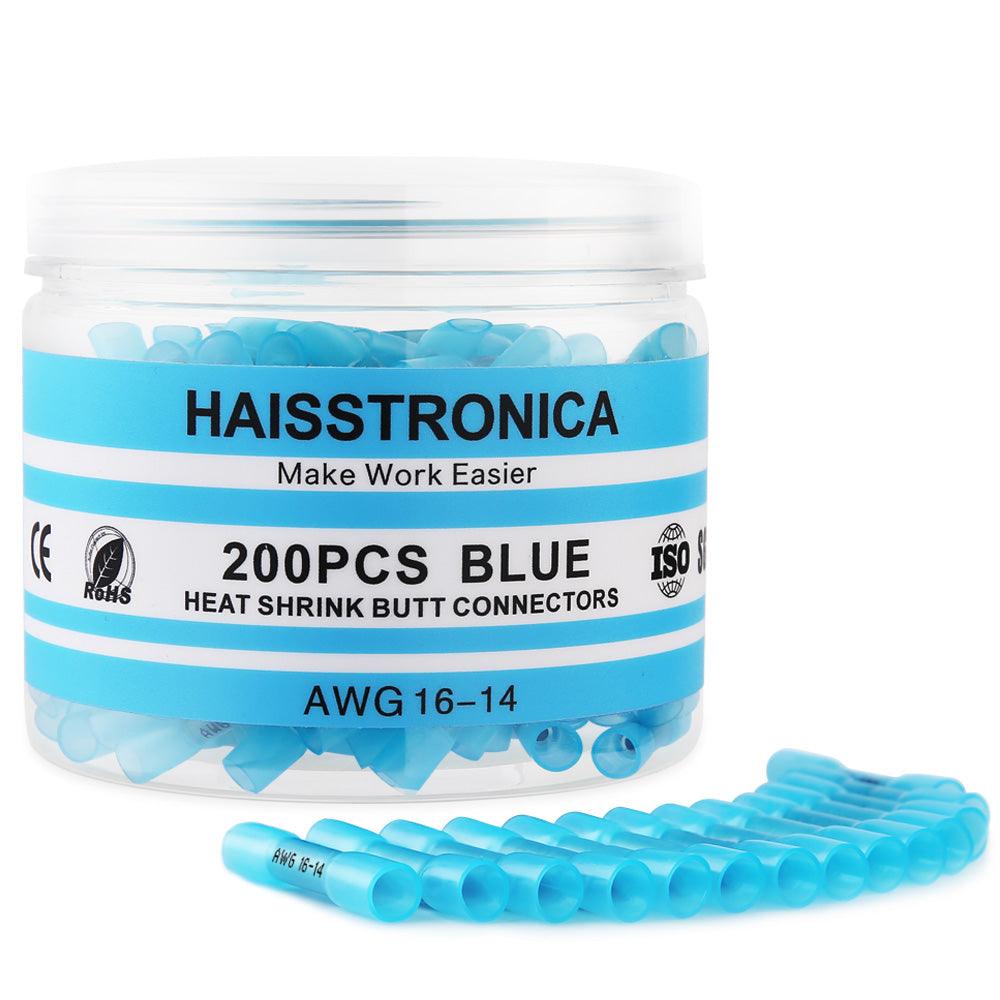
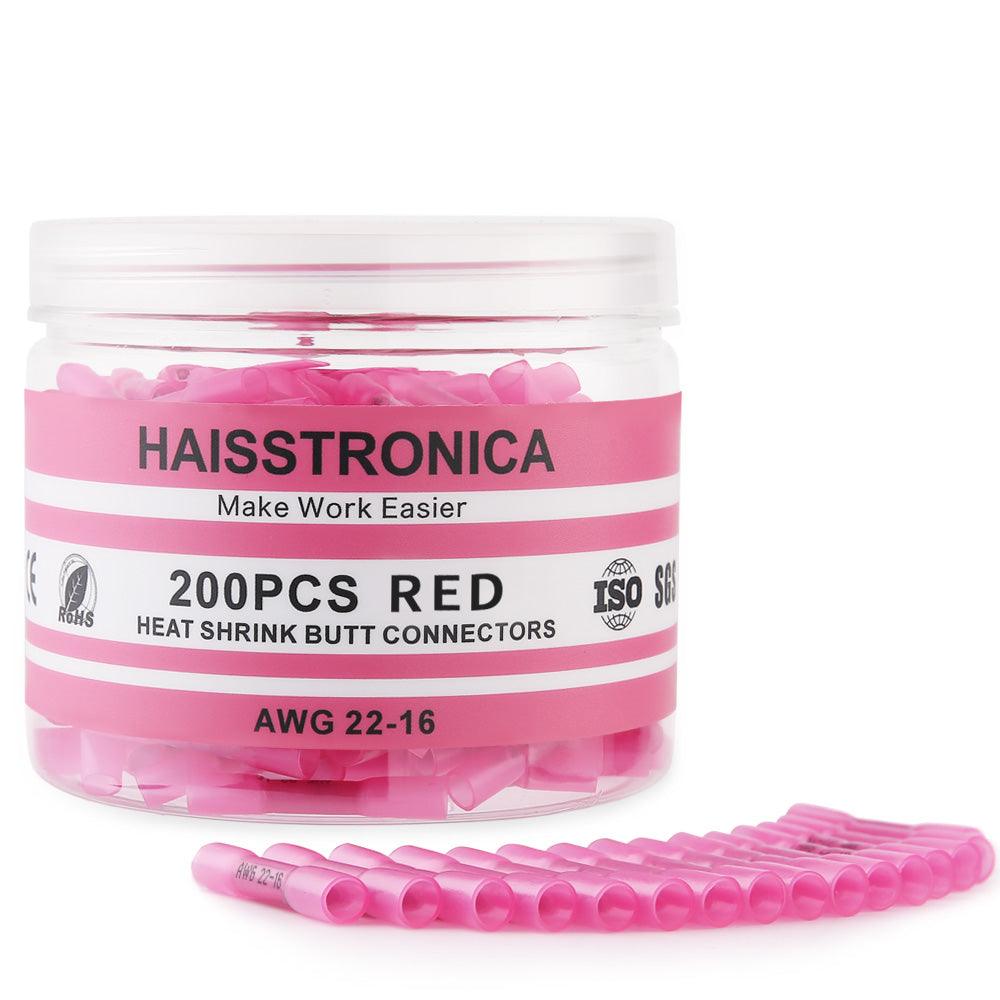
Connector color is a fast visual guide, but the printed AWG range on the product is the final authority. Solder-seal and crimp connector ranges can differ slightly by manufacturer, so match the actual conductor—not the insulation outside diameter.
Two methods. Two matched buying paths.
Use Solder Seal for compact, heat-activated low-voltage repairs. Use Heat Shrink Butt Connectors when vibration resistance and repeatable mechanical compression are the priority.
Safety note: De-energize circuits before work. Use wire, connectors, and tools rated for the circuit voltage, current, temperature, chemicals, and environment.