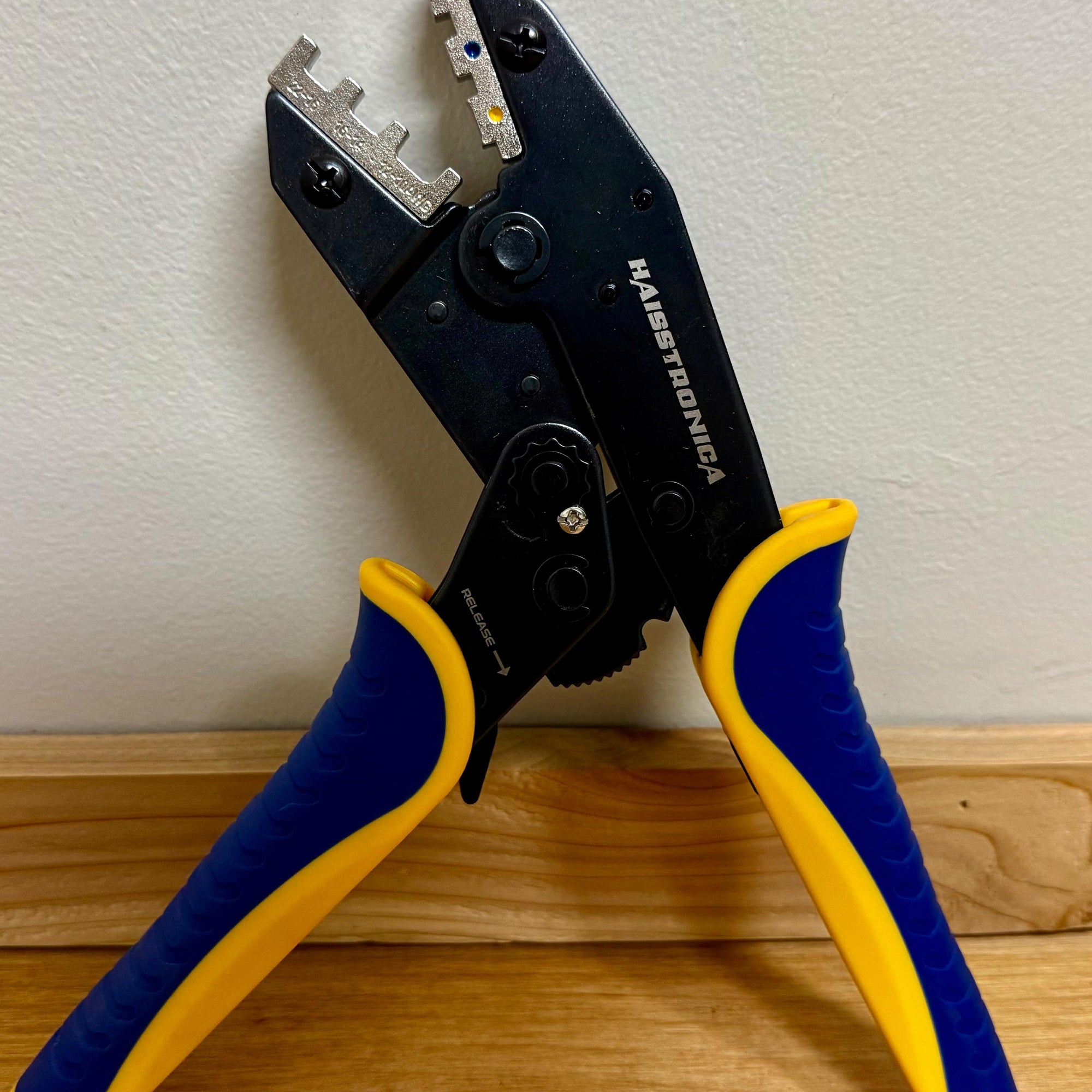
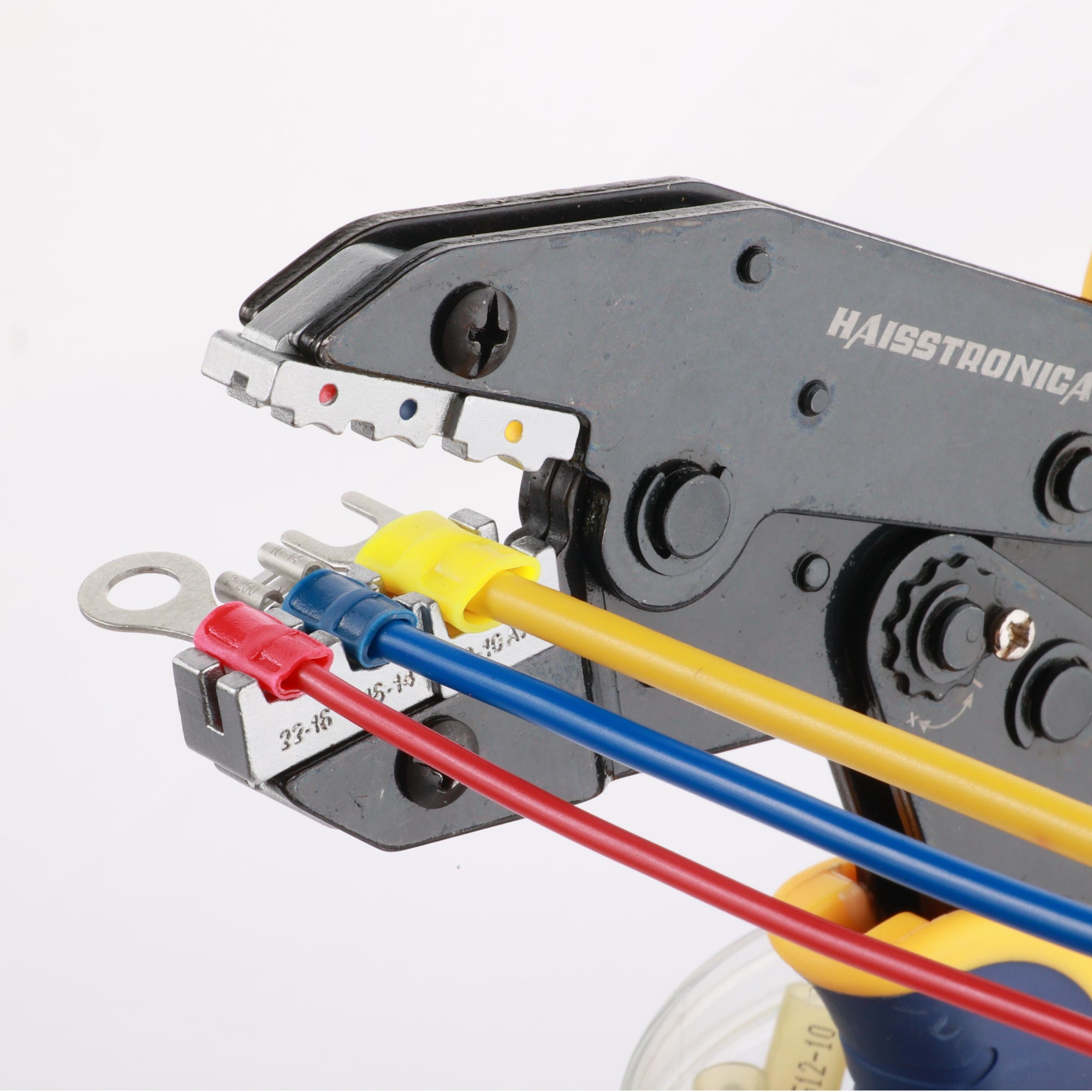
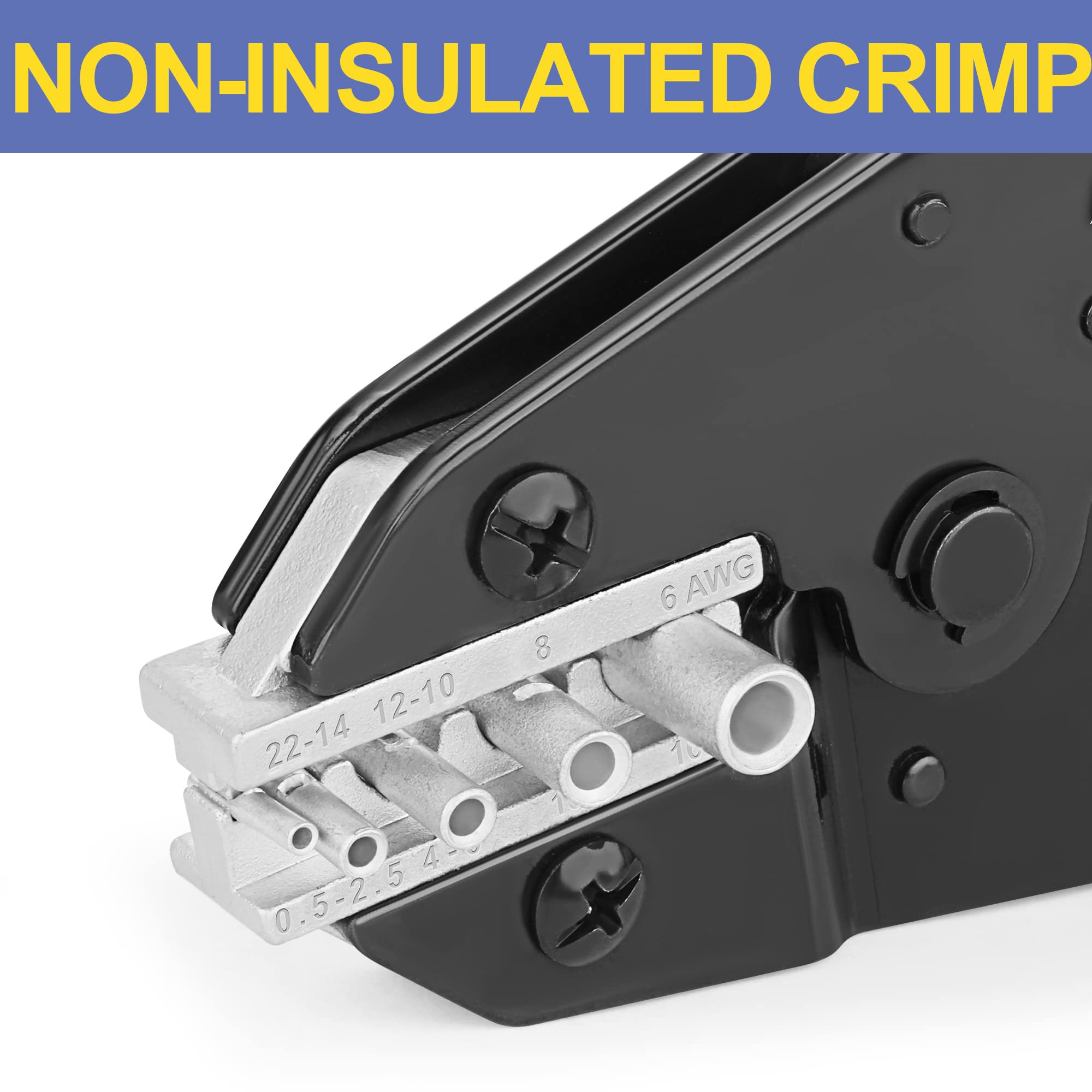
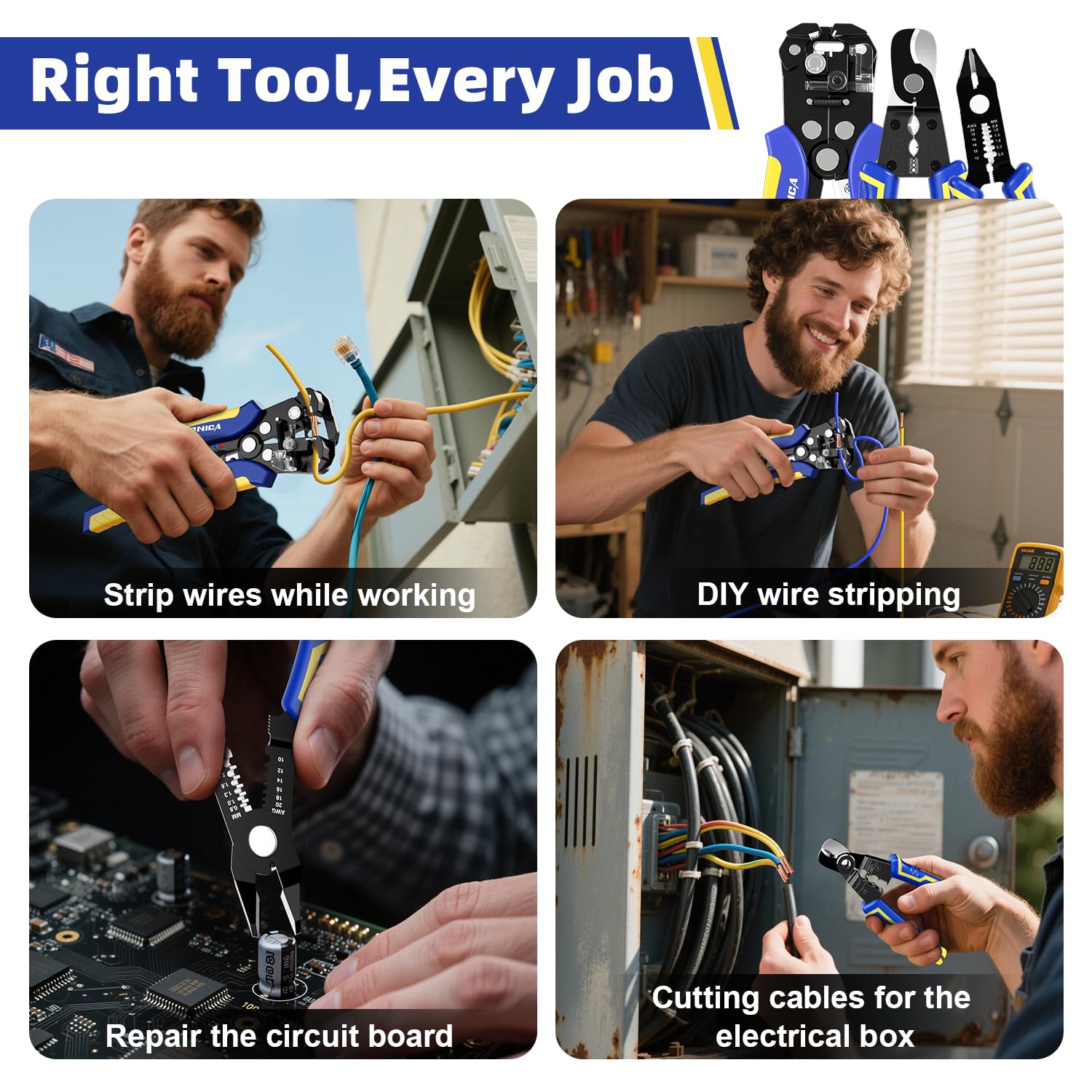
Découvrez comment remplacer une pince à sertir pour des connexions de fils sécurisées. Ce guide pratique de 2 000 mots présente des alternatives aux outils de sertissage (comme les pinces, les fer...
Dévissez les connecteurs de fils en toute sécurité (épissures bout à bout, cosses, embouts) grâce à notre guide détaillé. Nous abordons les mesures de sécurité hors tension, les outils appropriés (...
Introduction : Choisir les bons outils de sertissage et les bonnes cosses est crucial pour une connexion électrique sûre et durable. Bricoleurs comme professionnels se demandent souvent quand utili...
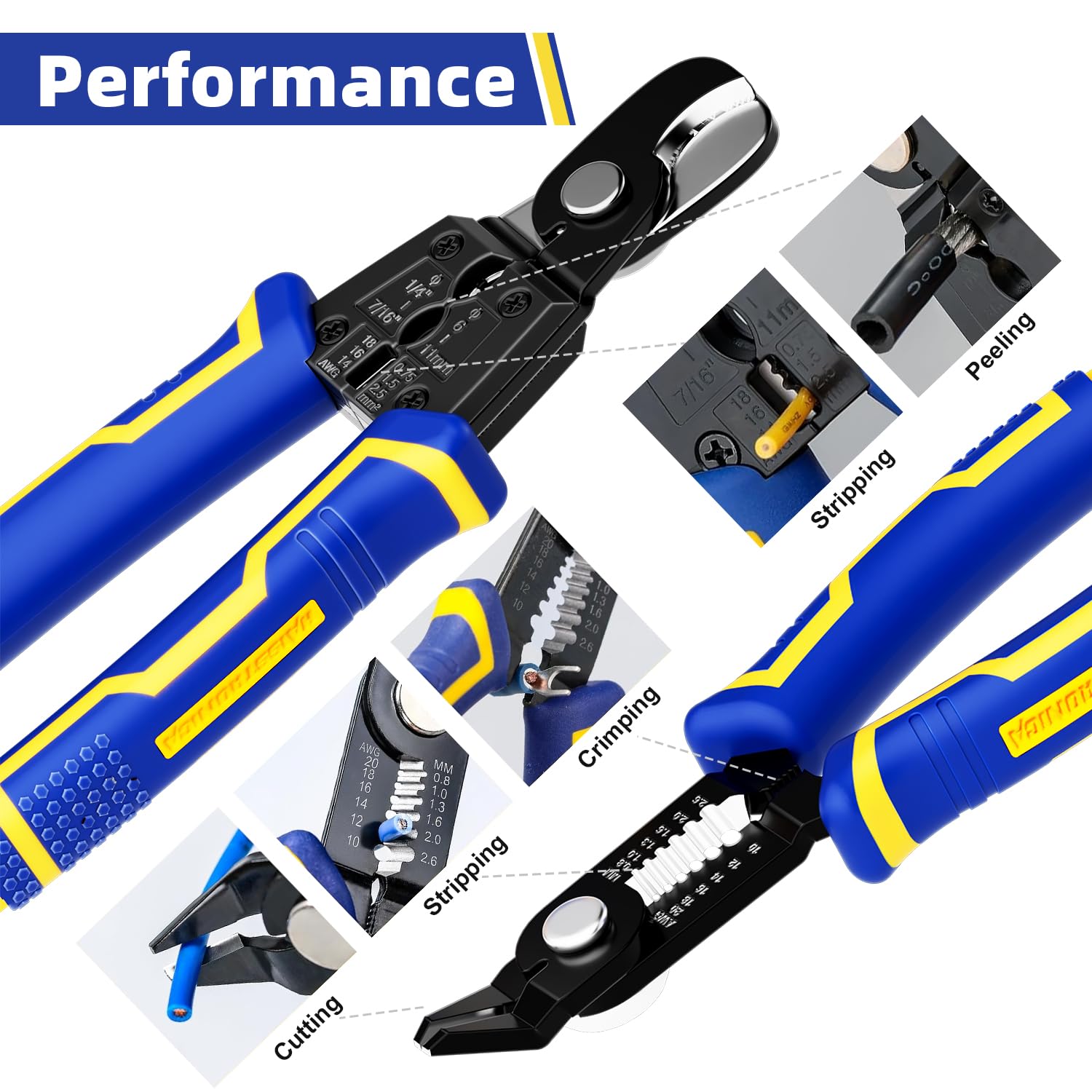
Compare dedicated, quick-change-jaw, multi-die, open-barrel, and ferrule crimpers, then choose the right tool for compatible AWG 22-10 heat-shrink terminals.
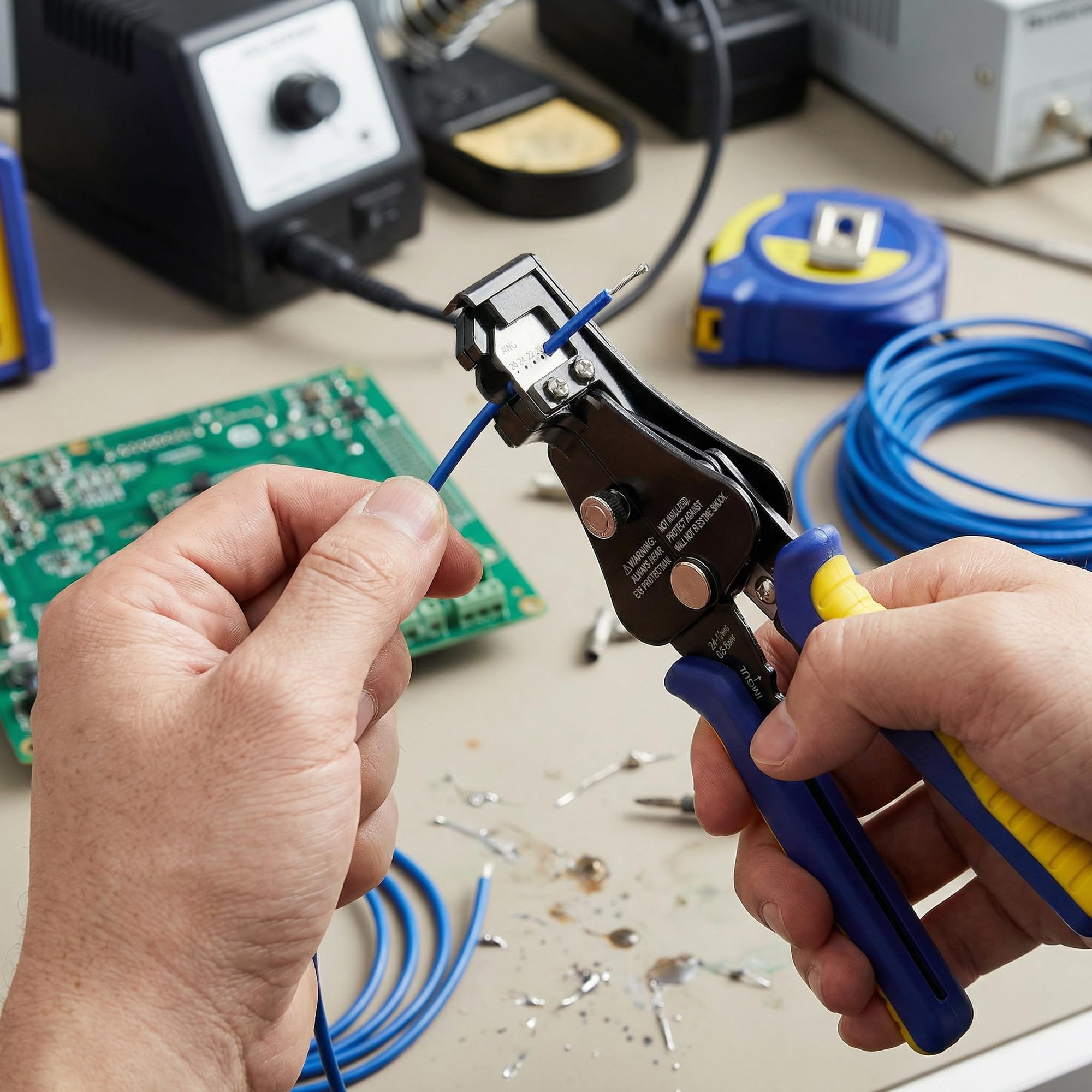
Professionals and DIYers often need to strip both solid and stranded wire for automotive, marine, or home electrical projects. These wire types behave differently and require different techniques t...
Electricians and technicians working on automotive, marine, RV, or home wiring often face very different challenges depending on the environment. In dry conditions (like a garage or indoor wiring),...
Copper and aluminum may look similar once insulated, but they behave differently in the hand: diameter, surface behavior, and connection reliability pressures change how you should strip and prepar...
Choose a wire stripper around your actual AWG range, insulation and workload. Compare DIY, automotive and workshop needs; set strip length and tension; test first-pass quality and effort; then deci...
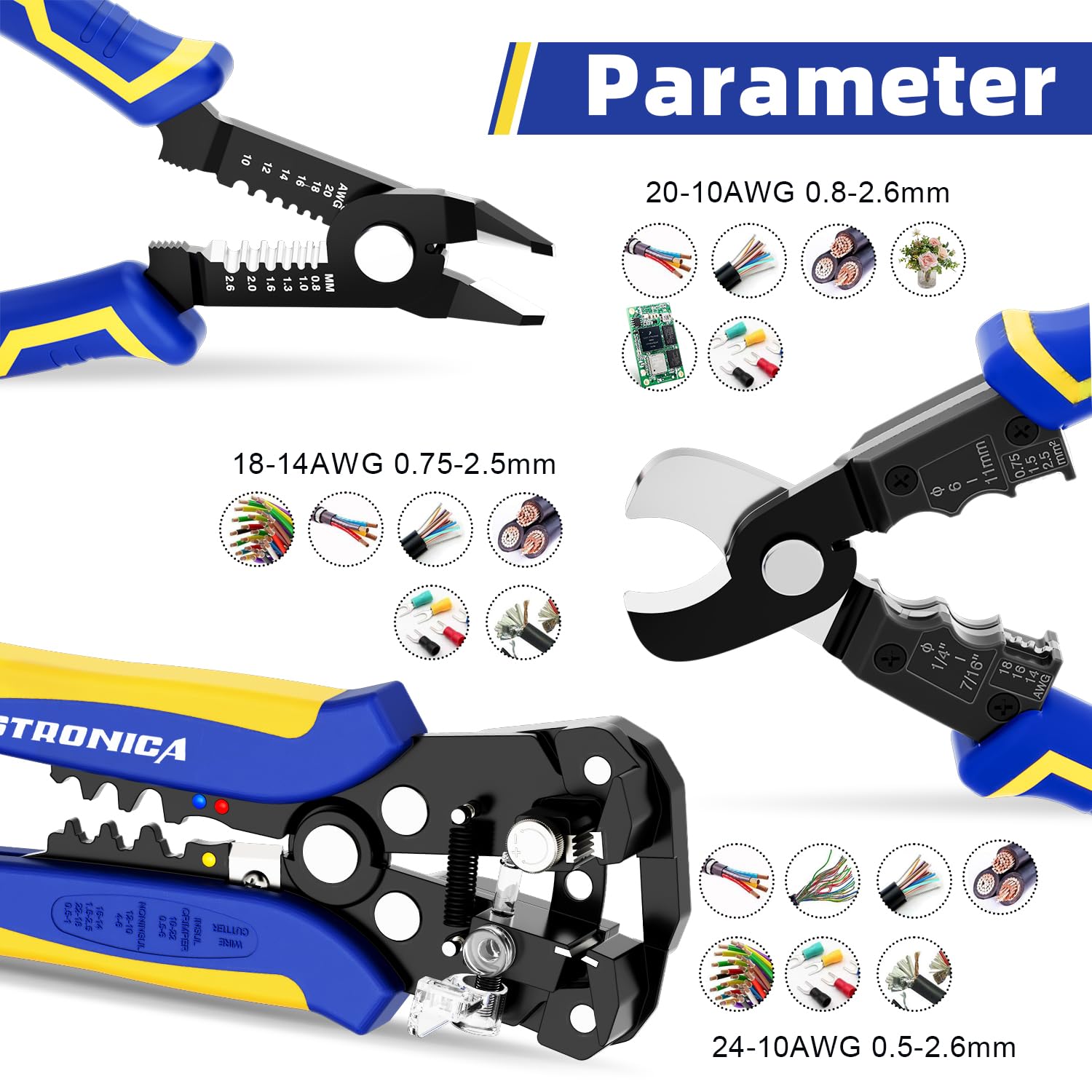
“Works on 10–24 AWG” is easy to print on a product page, but hard to prove on a bench where wires vary in strand count, insulation hardness, operator grip, and strip-length requirements. This deep ...
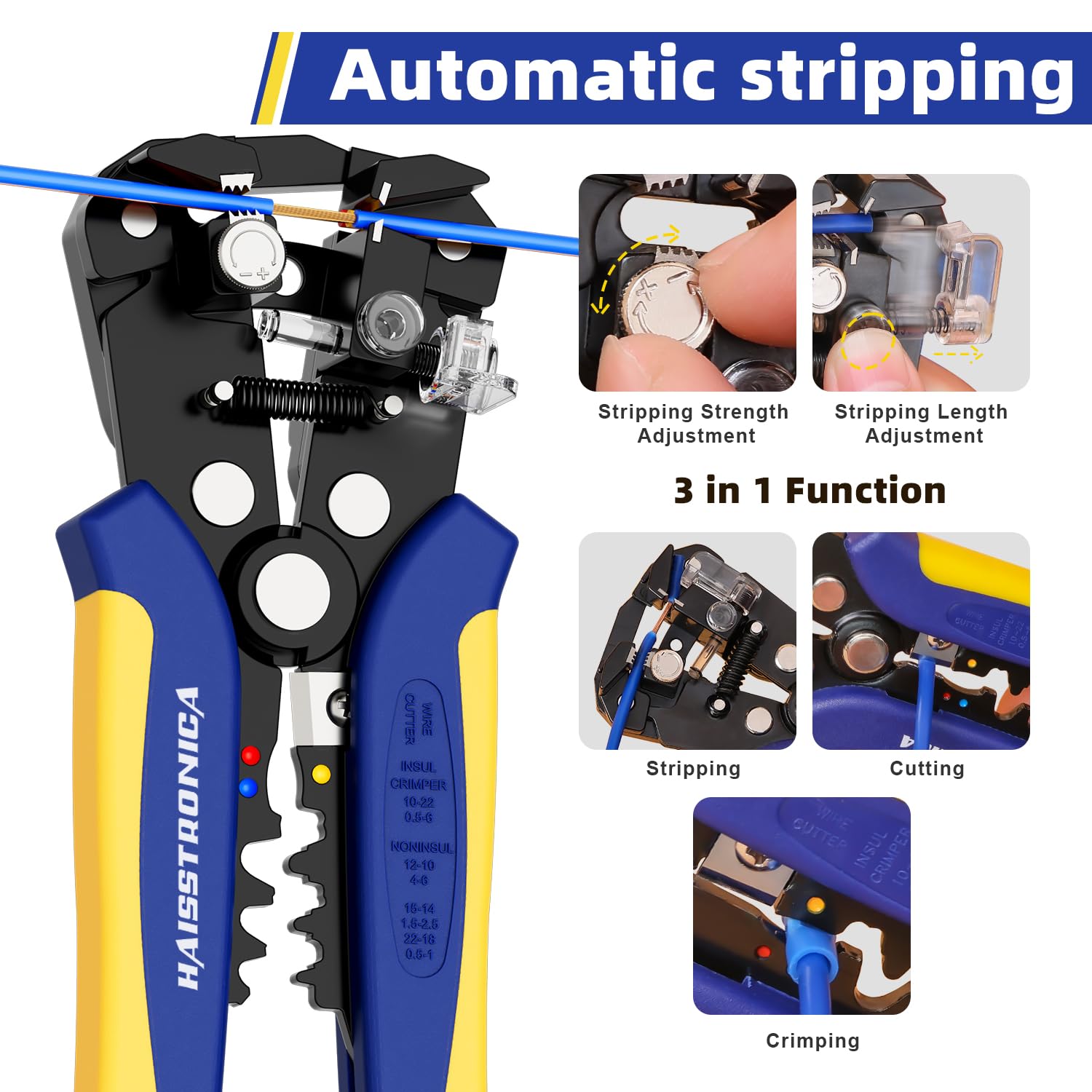
Stripping 24–10 AWG is hard because “thin vs thick” isn’t just size—it’s force control, blade depth, strand protection, and strip-length repeatability across radically different diameters. Most bas...
A “universal” stripper is only universal if it produces clean stripped wire across changing wire gauge and insulation, then delivers connector‑ready results for every splice wire / splice wires tas...
DIY garage wiring tends to be mixed, occasional, and space-constrained. Job site work is repetitive, time-sensitive, and unforgiving about output. Those environments seem different—but they share o...