❓What types of connectors does it work with?
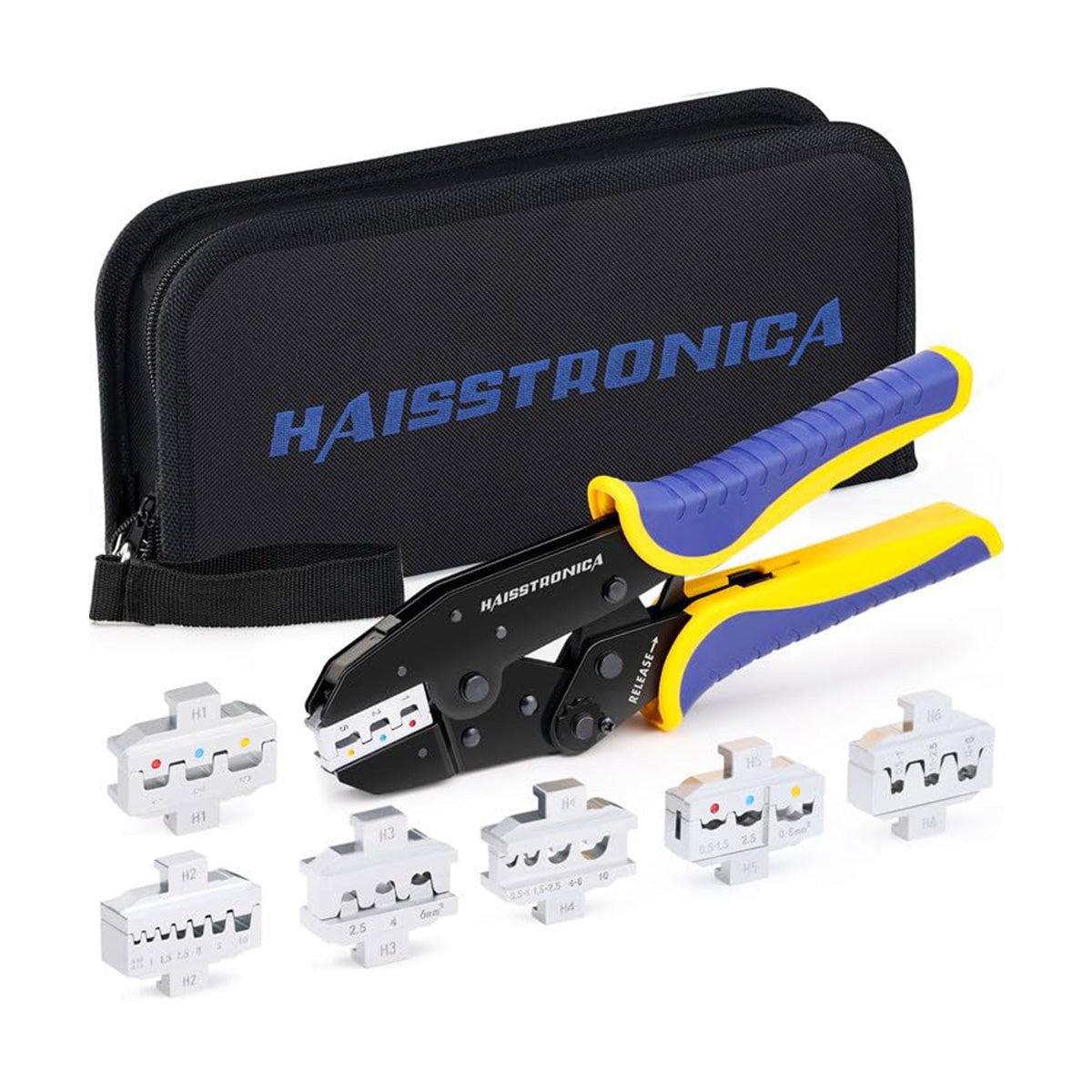
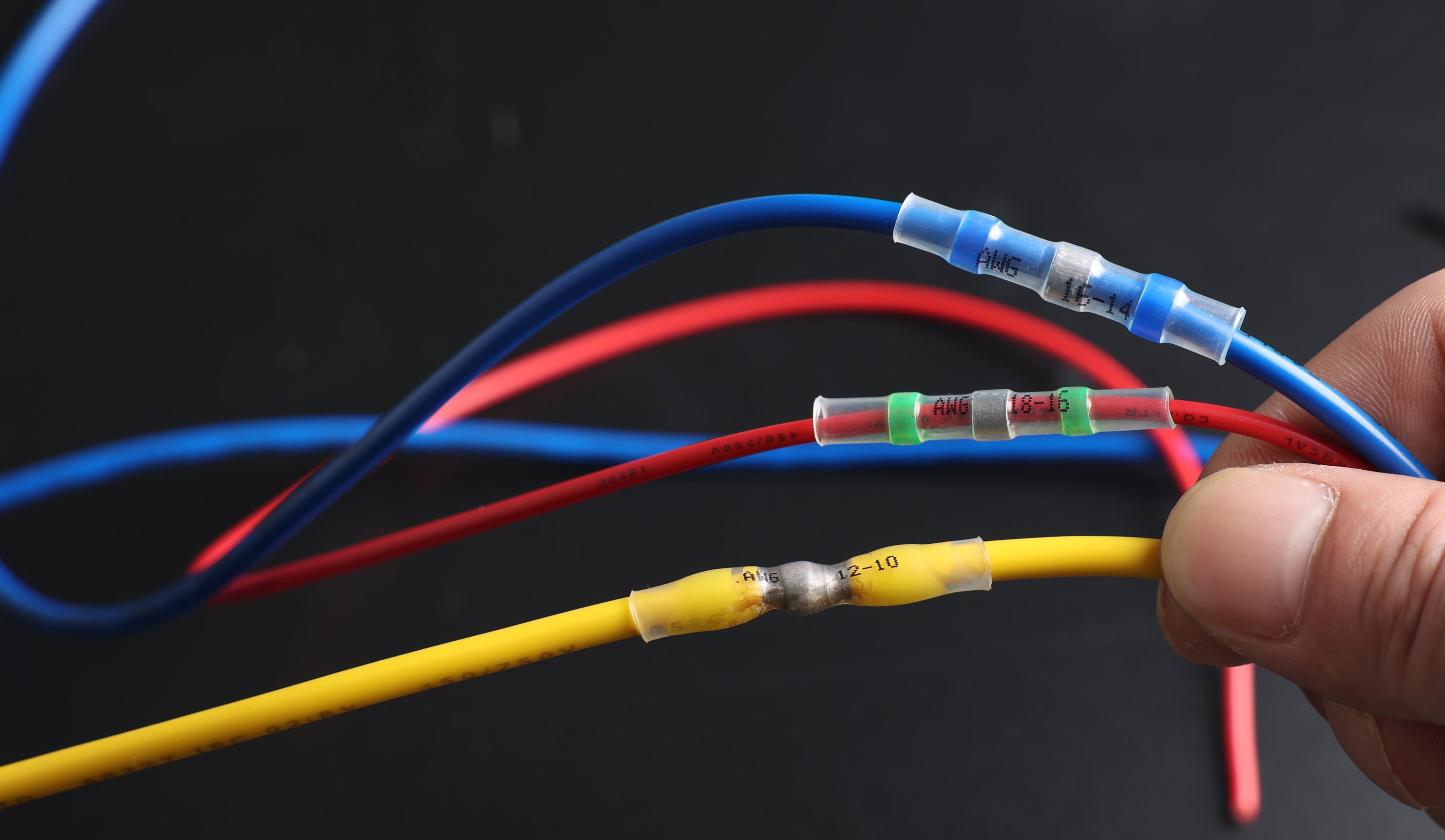
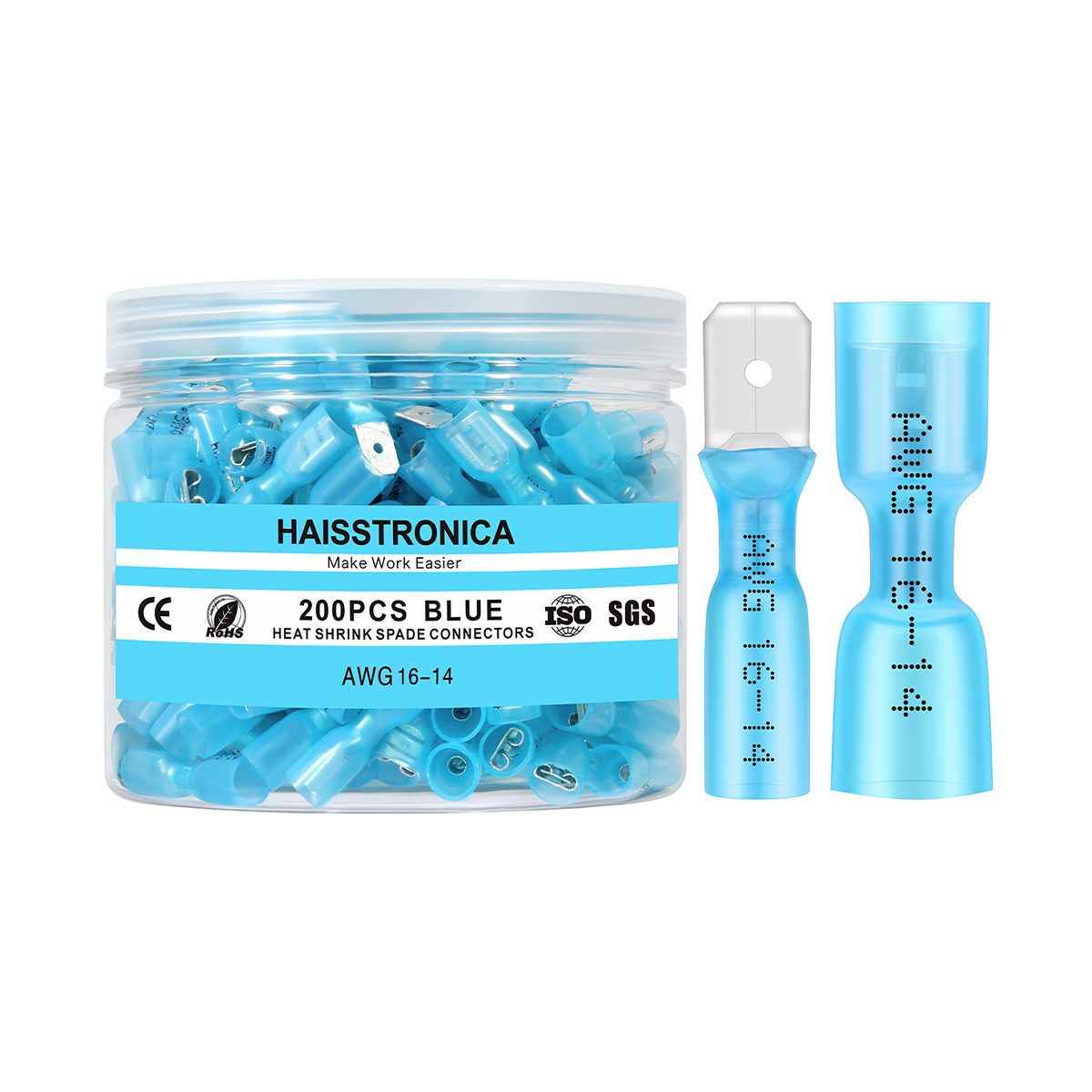
It’s a versatile crimping tool kit with six quick-swap dies for heat-shrink, insulated, non-insulated, open-barrel, wire-end ferrules, and female/male terminals—plus a die for solar connectors. Ideal for connector crimping and other crimp connectors electrical jobs.
❓Does it come with a case?
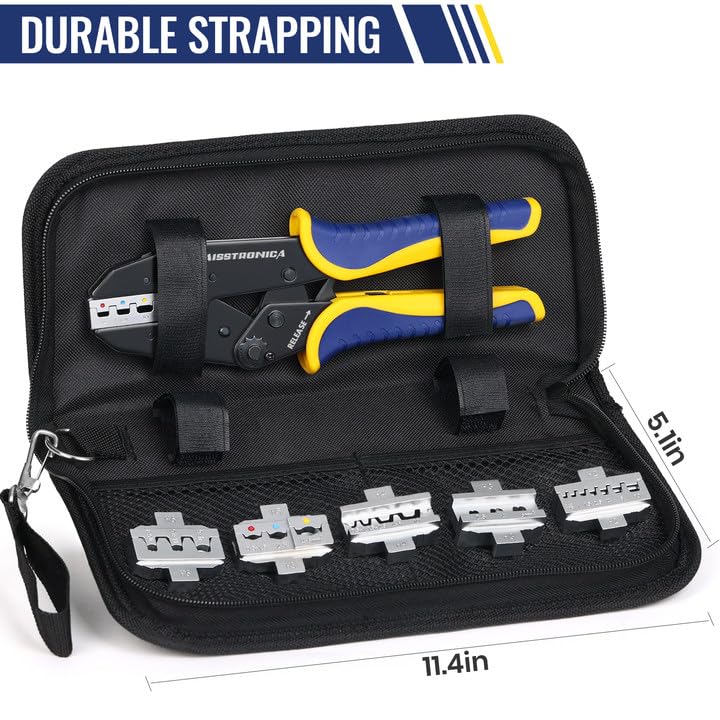
Yes. The set includes a molded storage case that secures the 6 dies, the ratchet crimper, and the automatic wire stripper—keeping your wire crimping tool kit organized inside your electrician toolset.
❓Is this tool easy to use?
Very. The star-wheel lets you fine-tune pressure, the ratchet gives consistent results, and the dies swap by pressing both sides—no loose jaws. The included stripper speeds prep, so new users and pros can crimp wire fast with fewer errors. Great as part of electricians tool sets.
❓Can it crimp solar connectors?
Yes. One die is dedicated to female/male & solar terminals (MC4-style). Select that die, set pressure with the star-wheel, and perform reliable wire connector crimps—a true pro feature in this crimper kit.
❓Does it require any maintenance?
Minimal. After use, wipe clean, add a drop of light oil to the pivot, and store the dies in the case. Keep the jaws free of debris and check the star-wheel setting occasionally. This simple care keeps your crimp tools and crimp tooling accurate for years..
❓How to Crimp
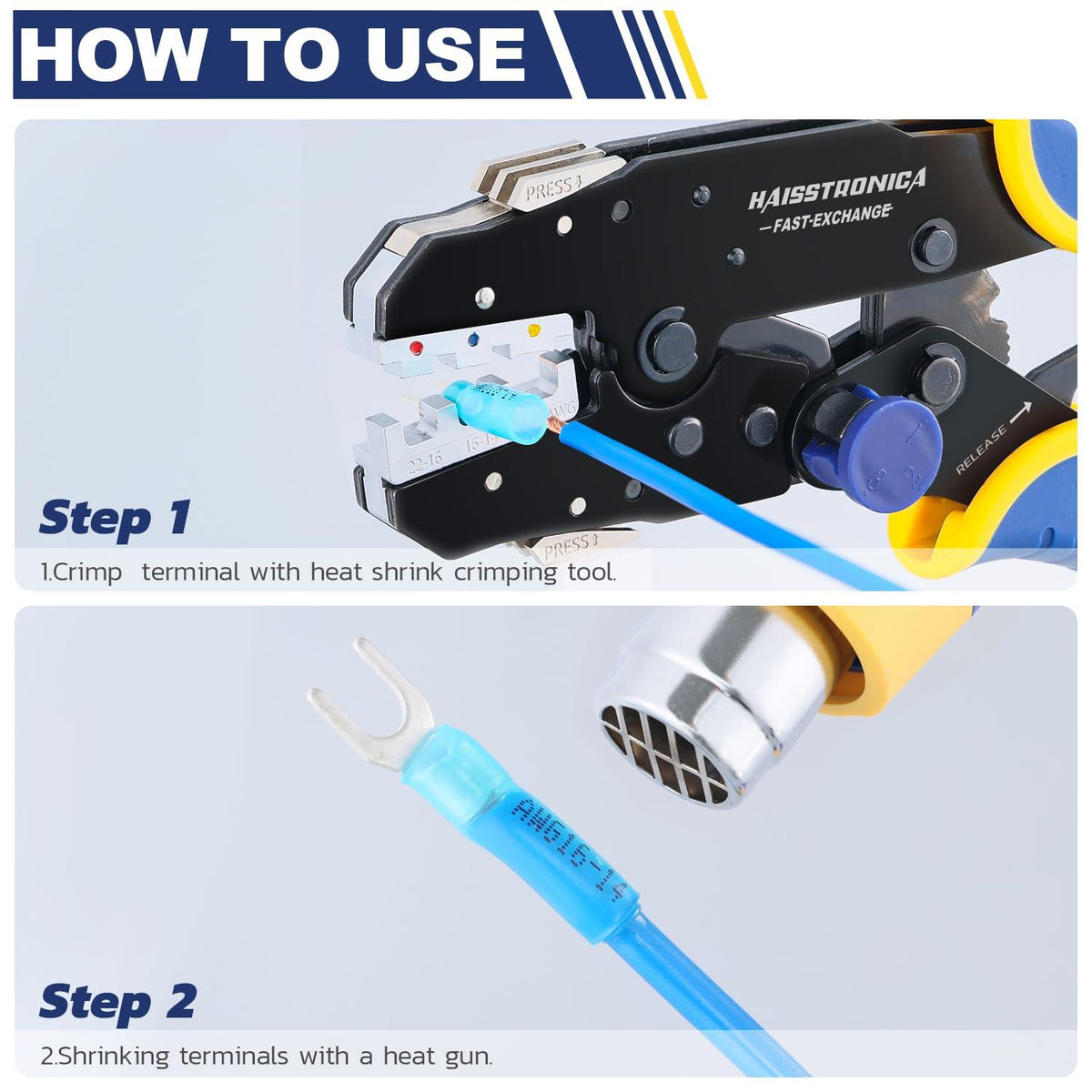
- Select the die by terminal family and printed conductor range.
- Prepare the conductor with a separate wire stripper.
- Lock the die into the frame and position the terminal in the correct cavity.
- Insert the conductor fully, complete the ratchet cycle, and release.
- Inspect the barrel compression and perform a pull test.
❓Does this kit include a wire stripper?
No. This is the crimper-only version. Choose the linked companion kit when a separate wire stripper is required.
❓How is this different from a single-profile crimper?
The six interchangeable dies let one ratcheting frame handle several compatible terminal families and conductor ranges.
❓How do I avoid an incorrect crimp?
Confirm the terminal type, wire size, and printed die marking before every crimp, then complete the full ratchet cycle and validate the result with inspection and a pull test.