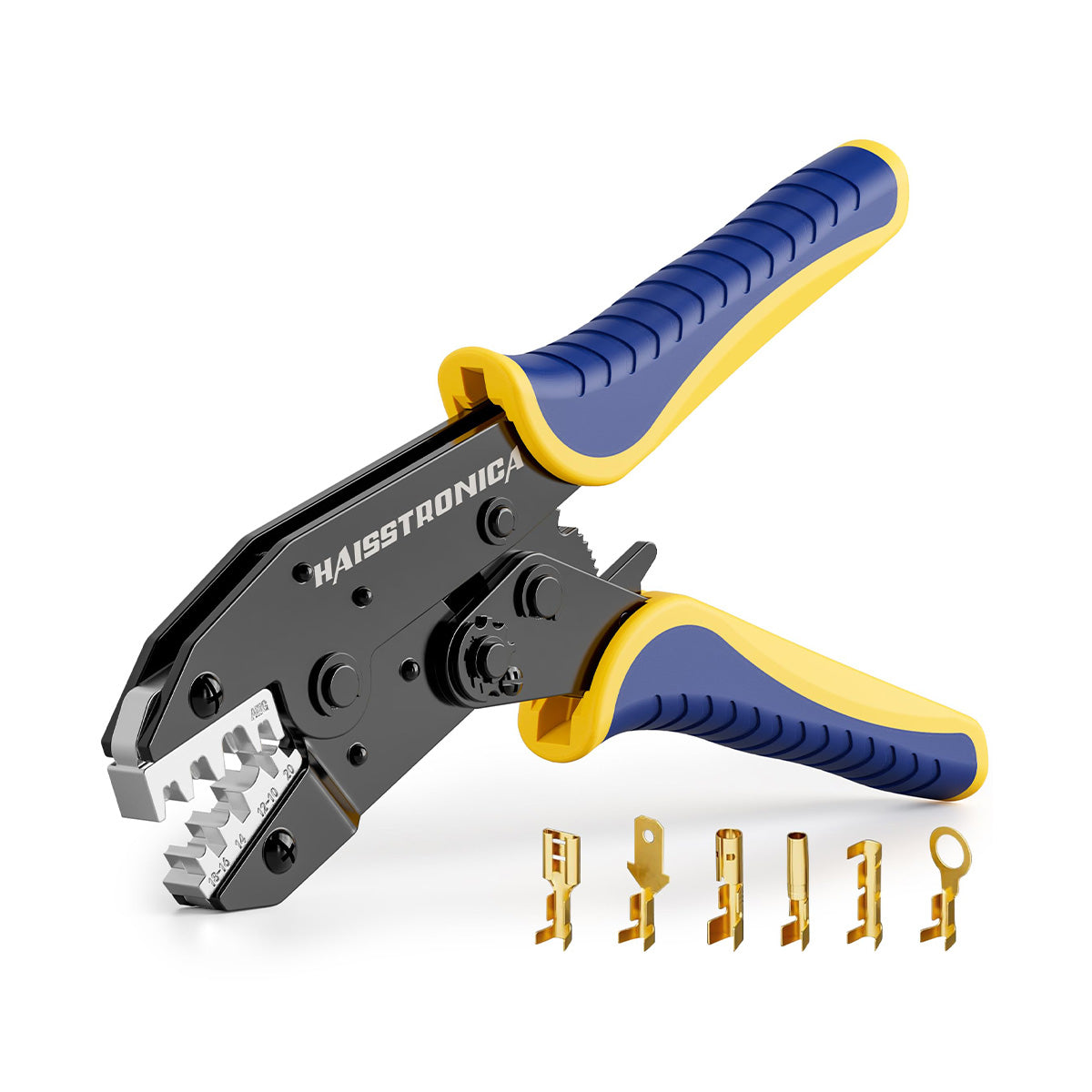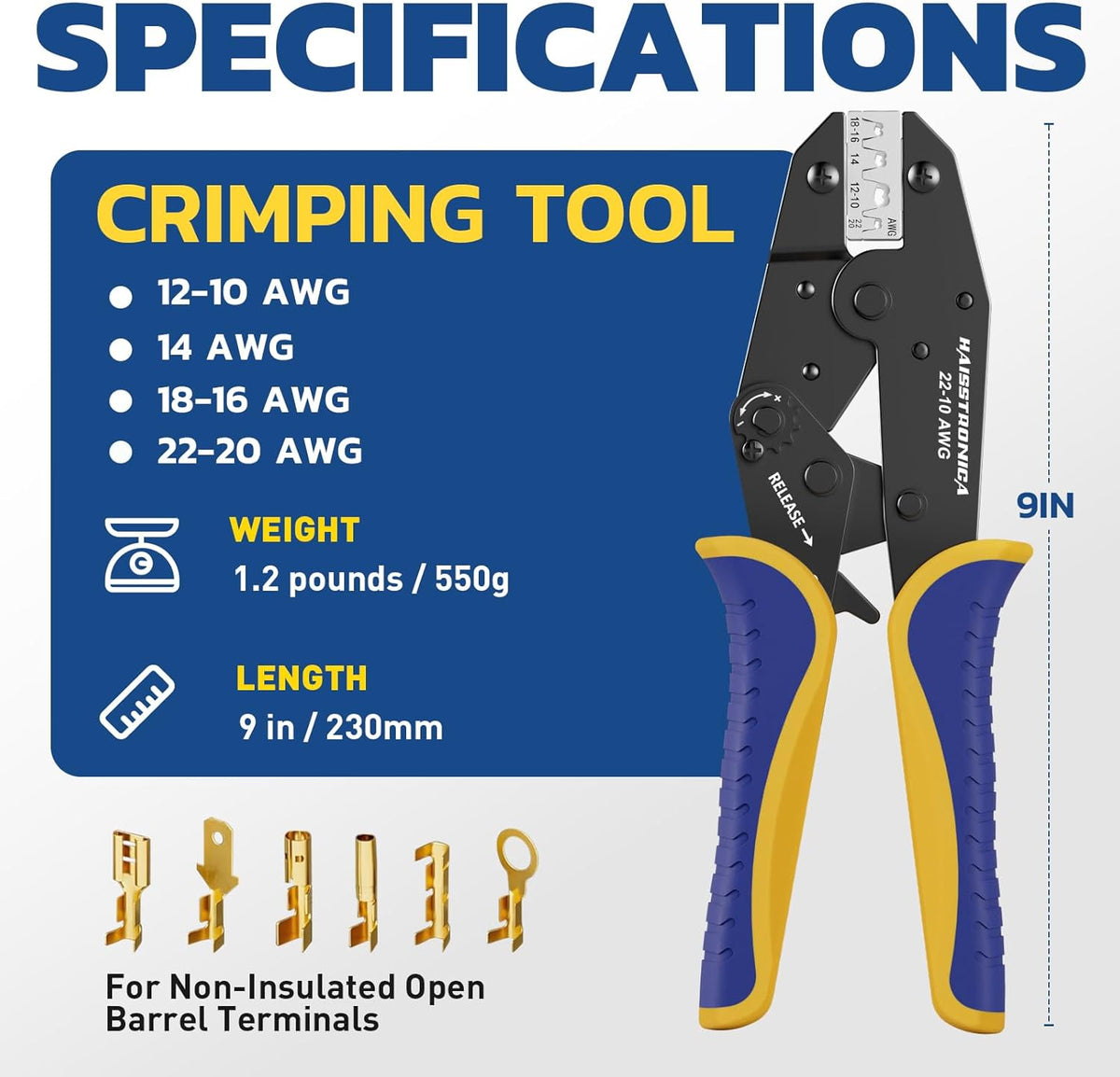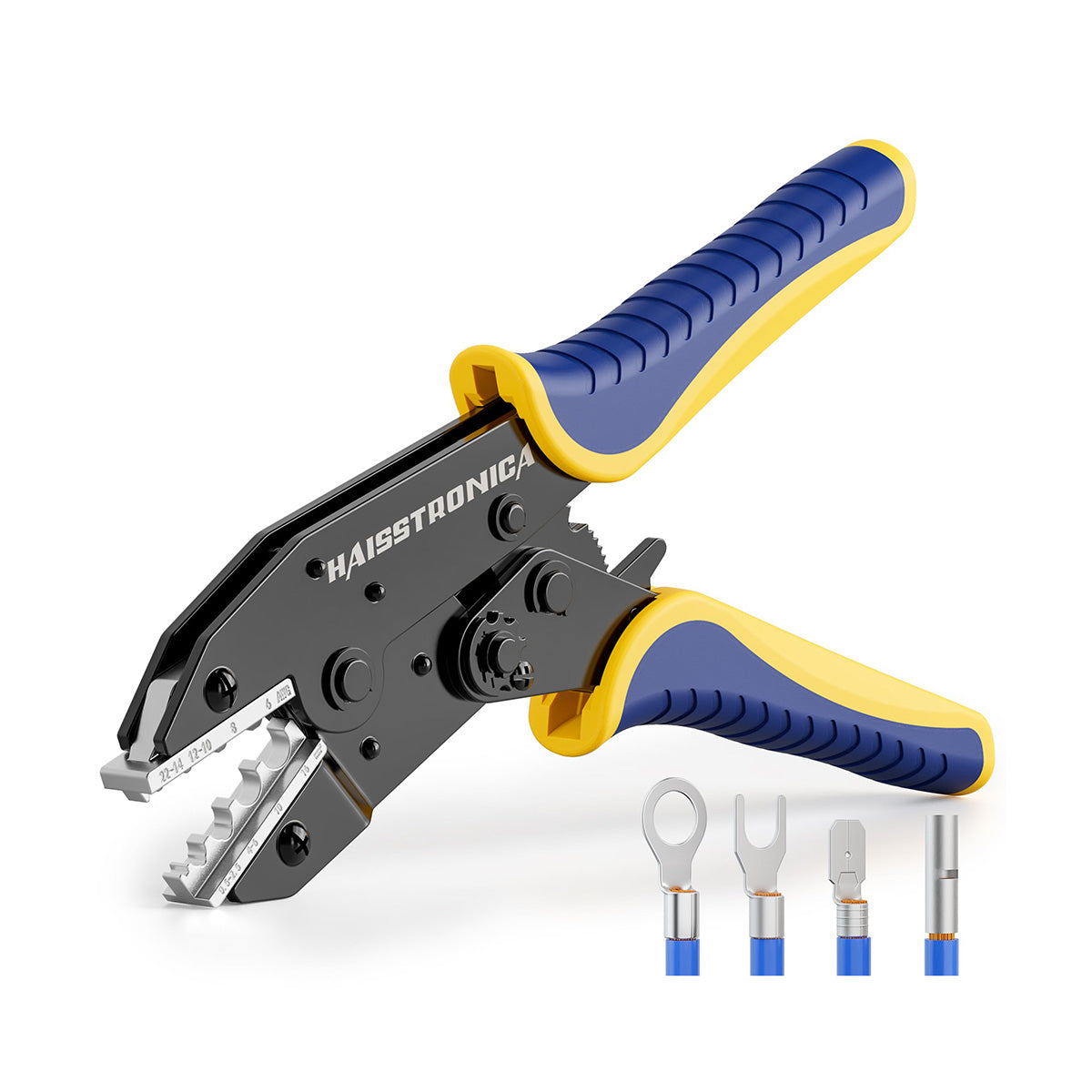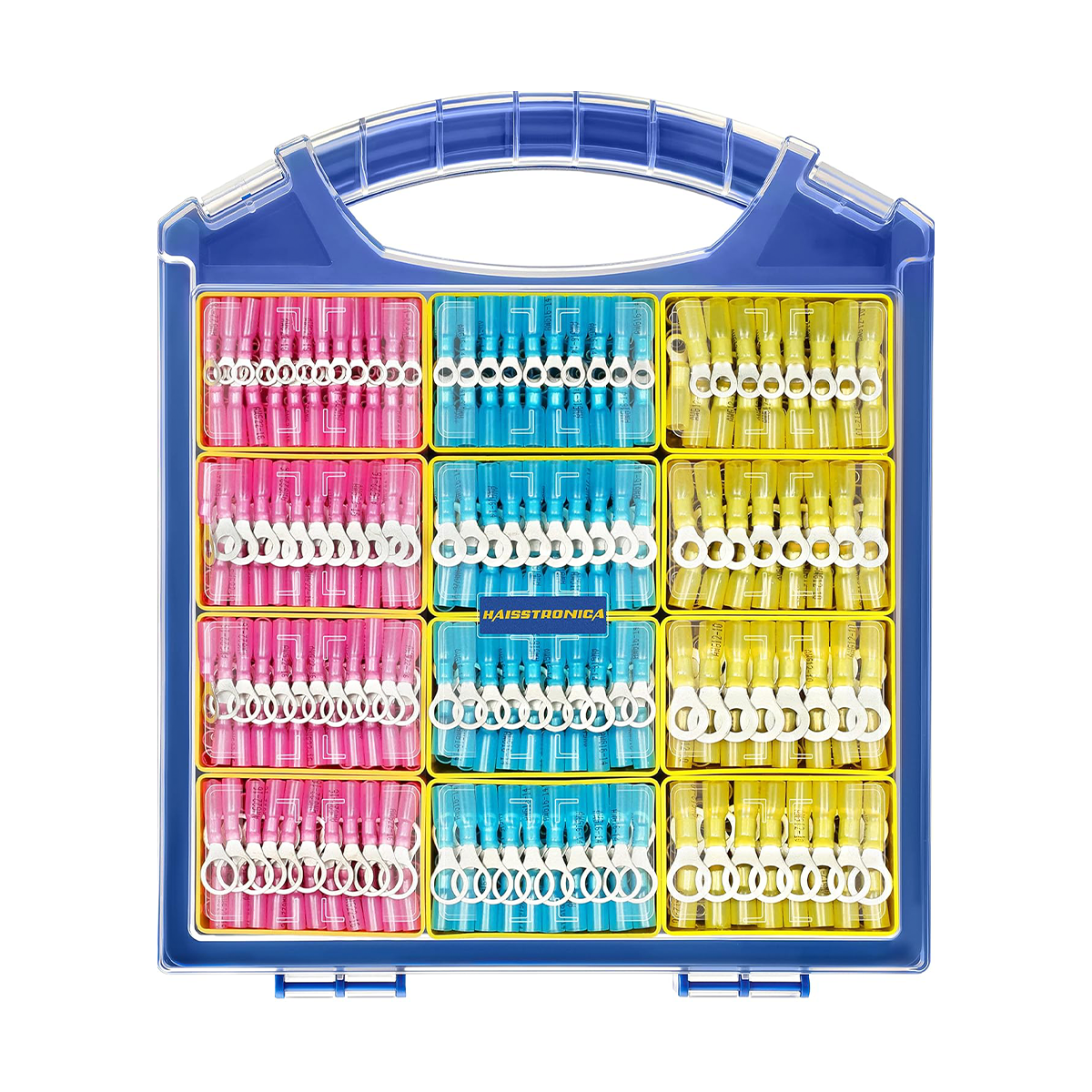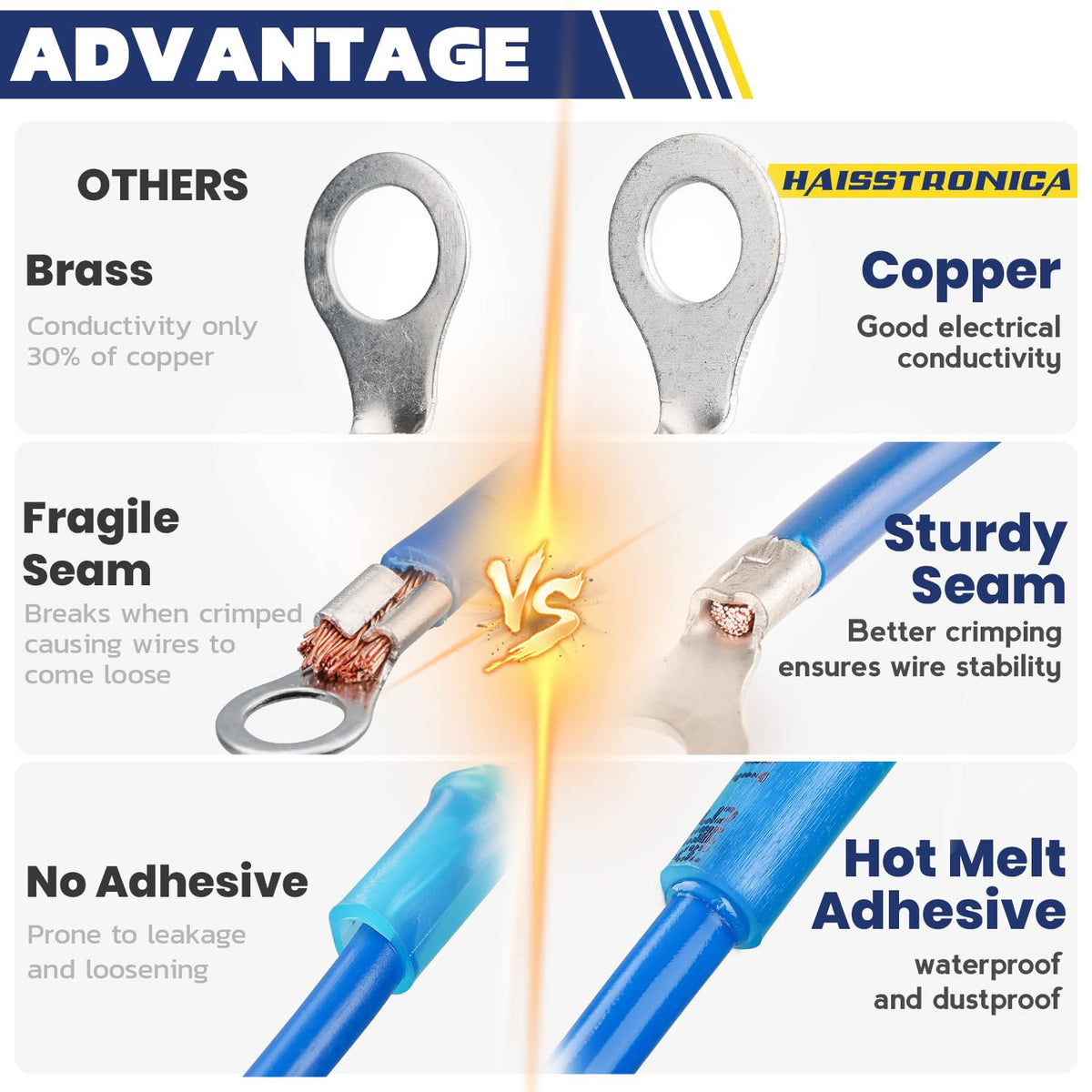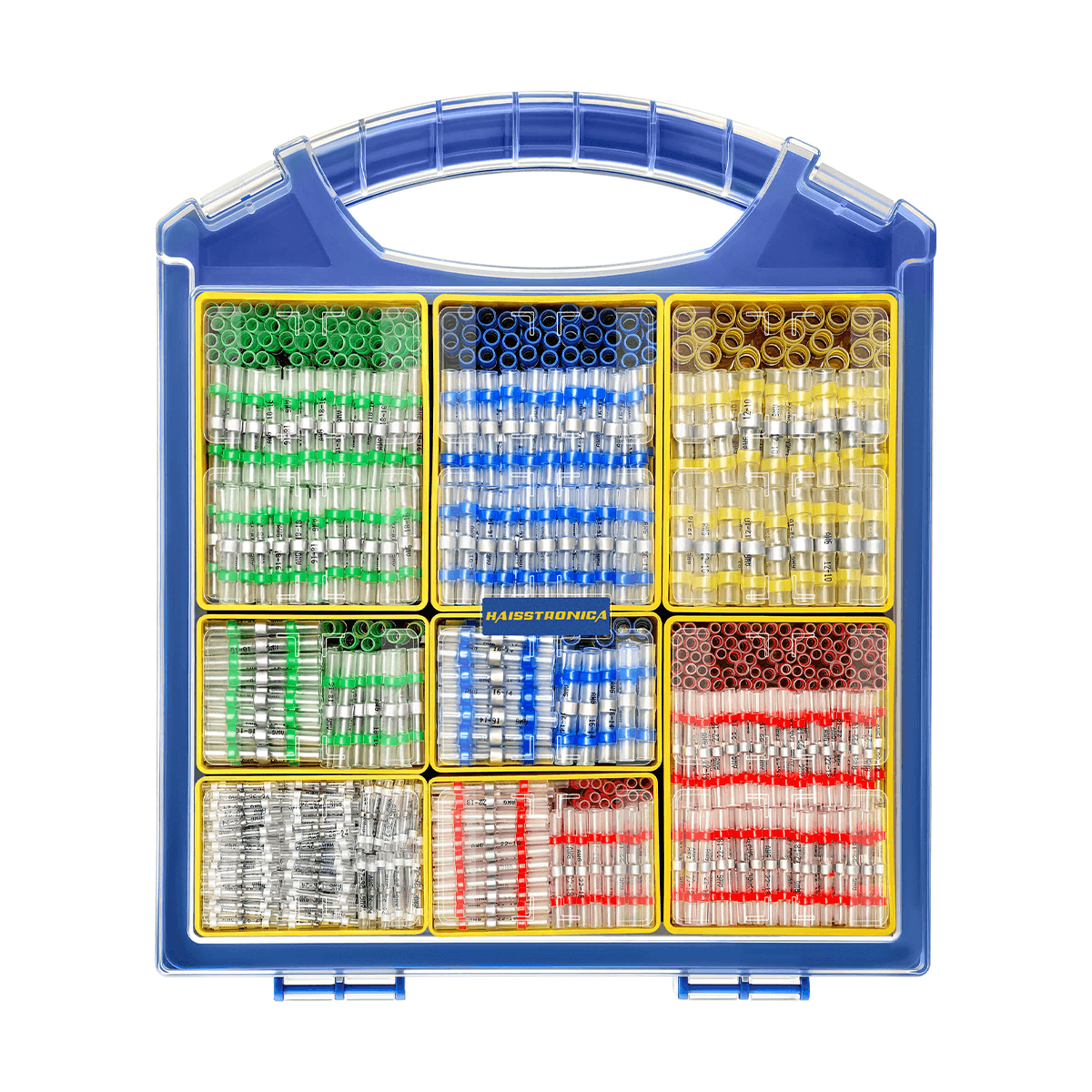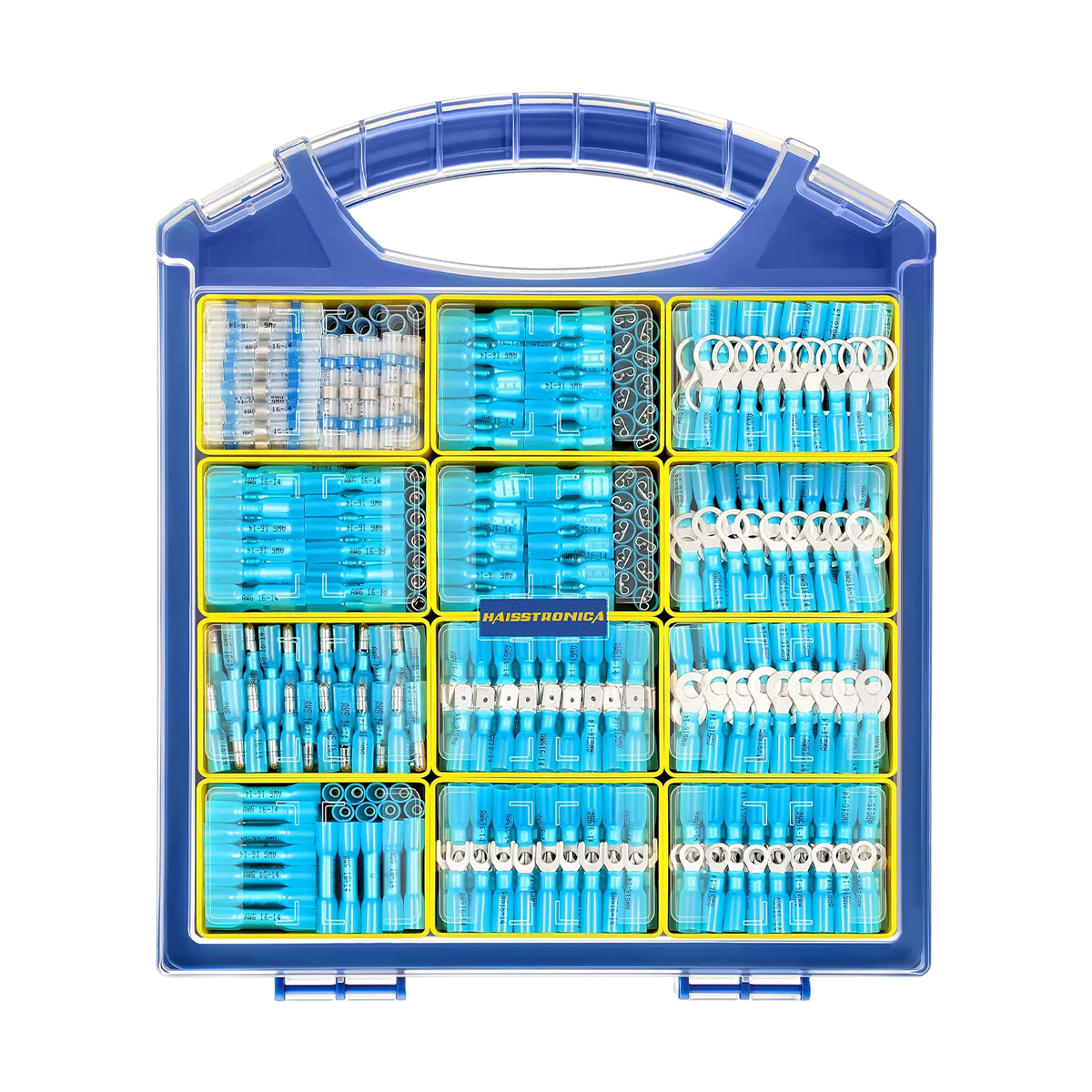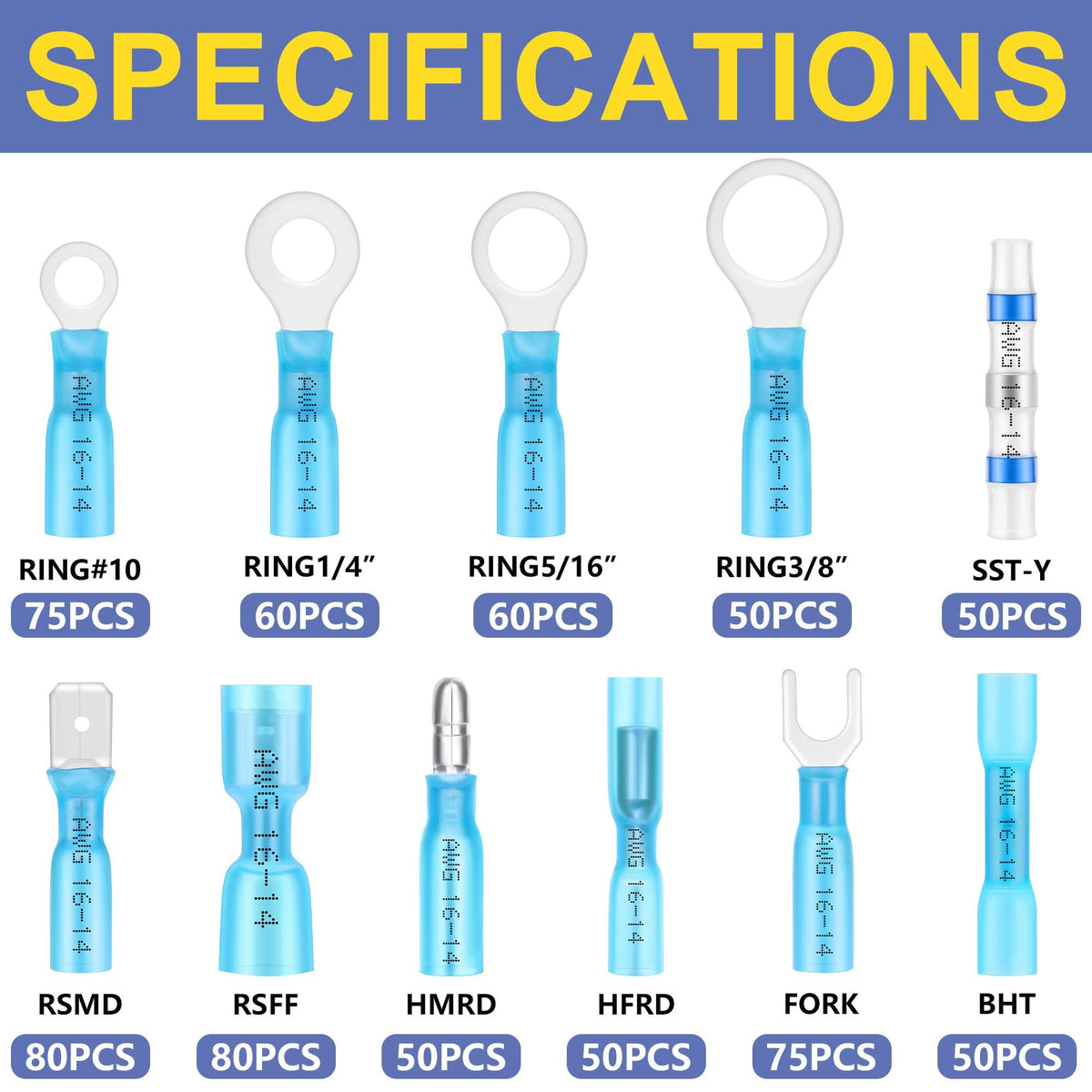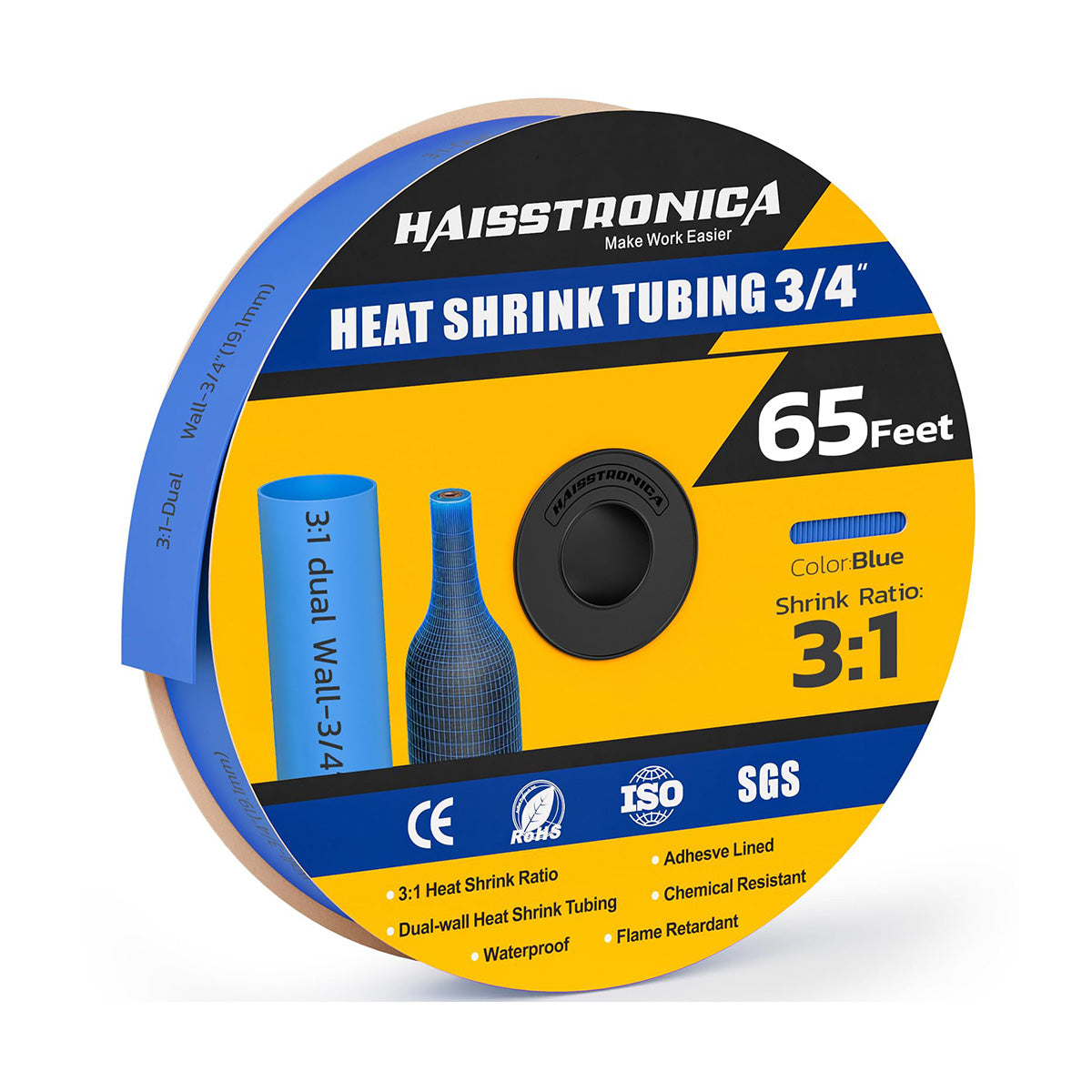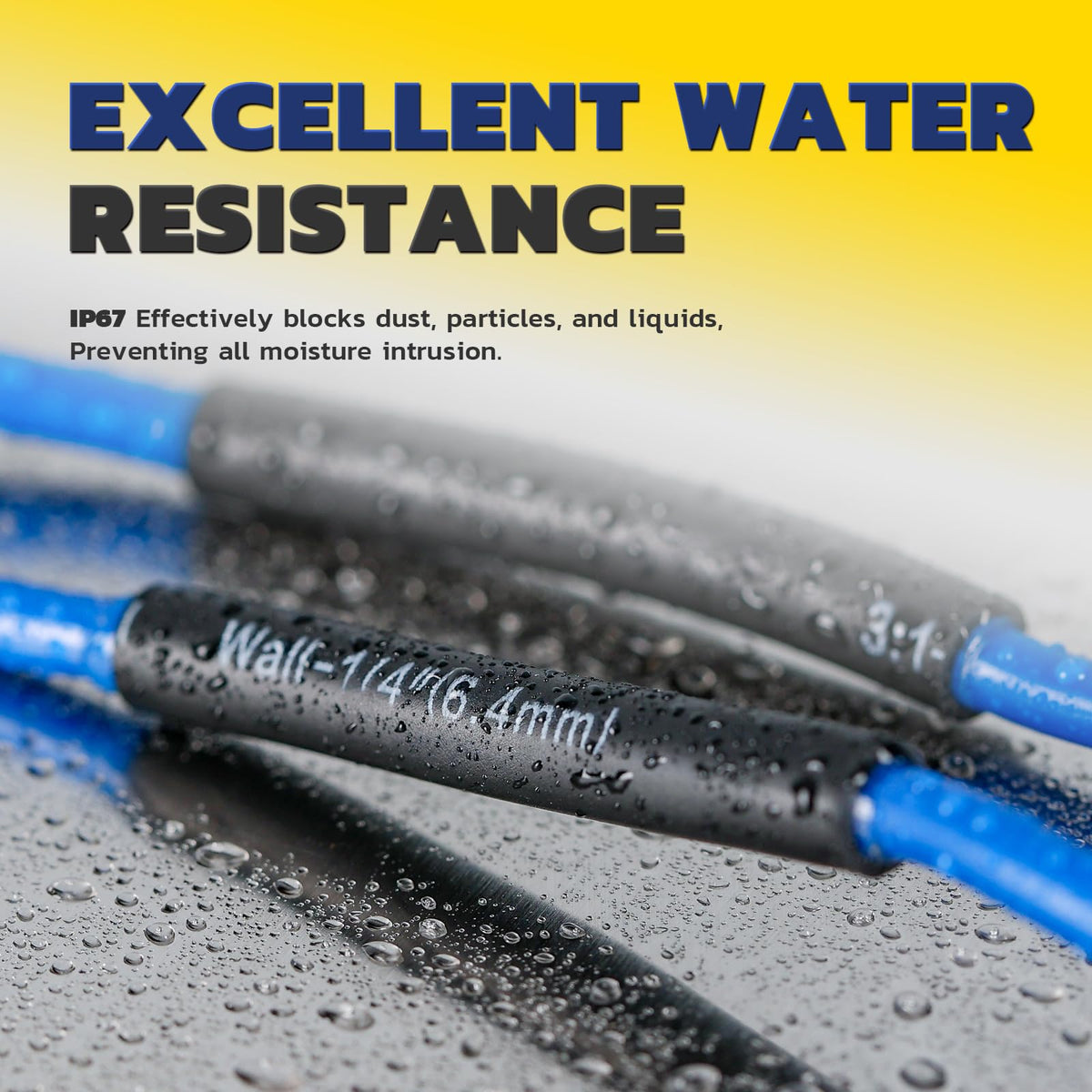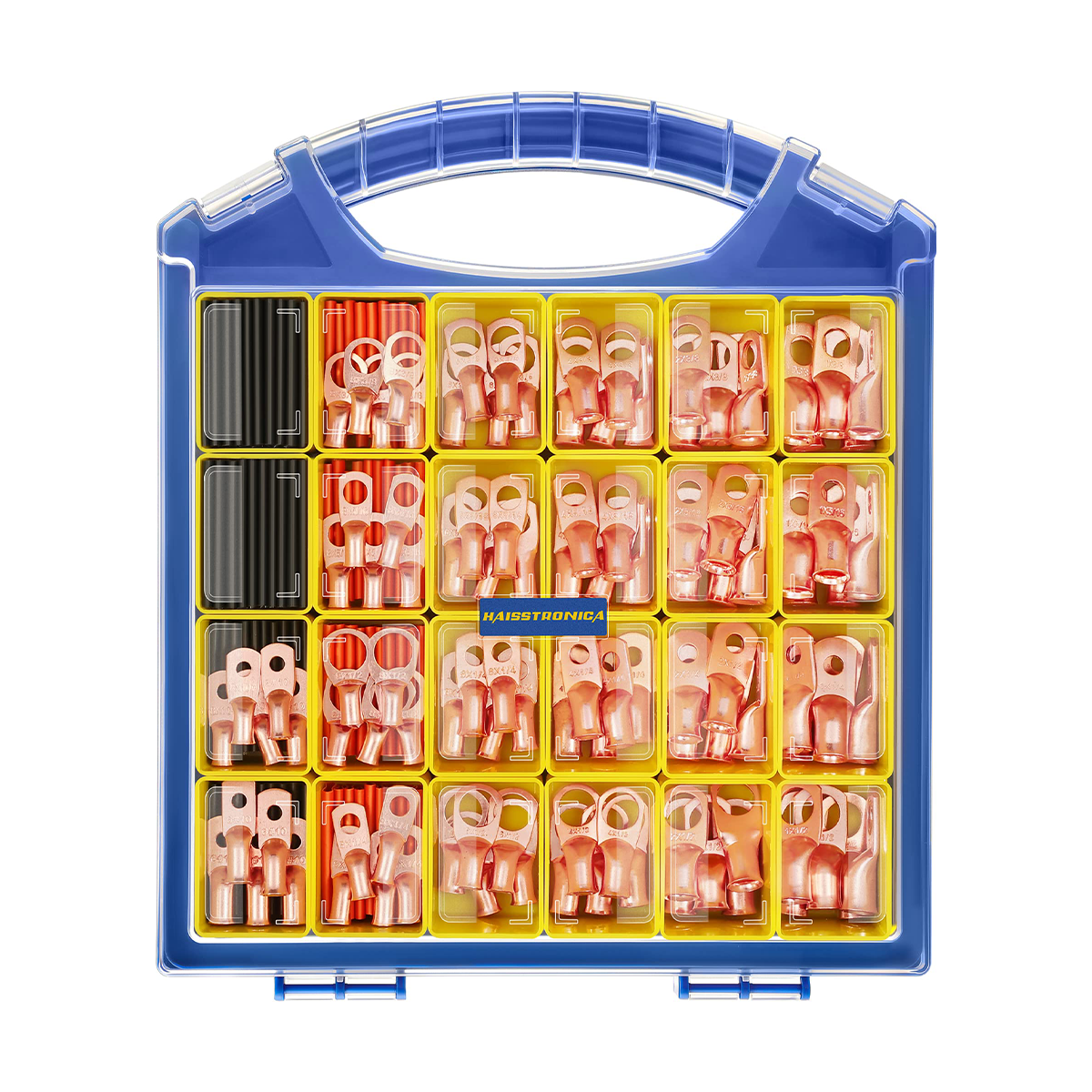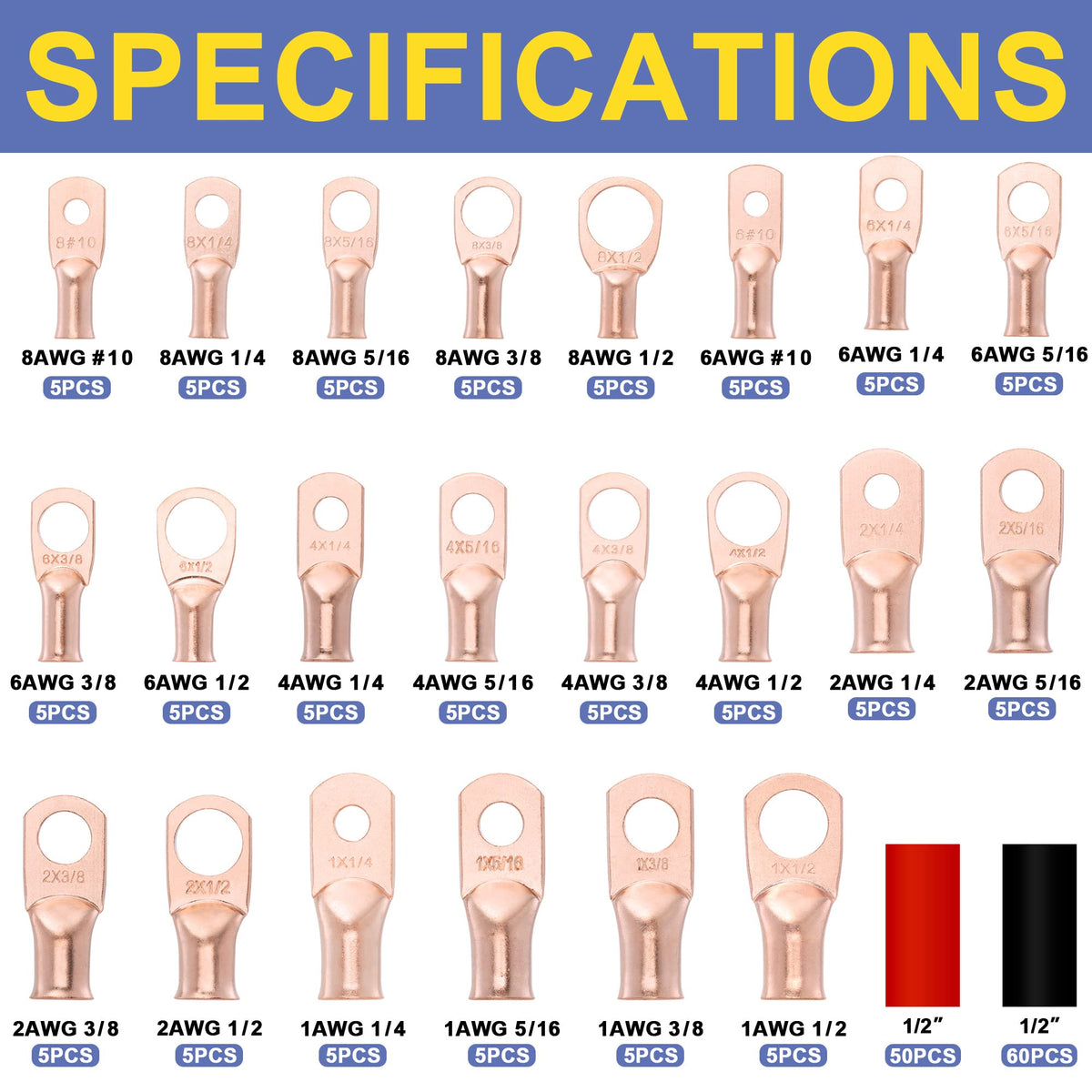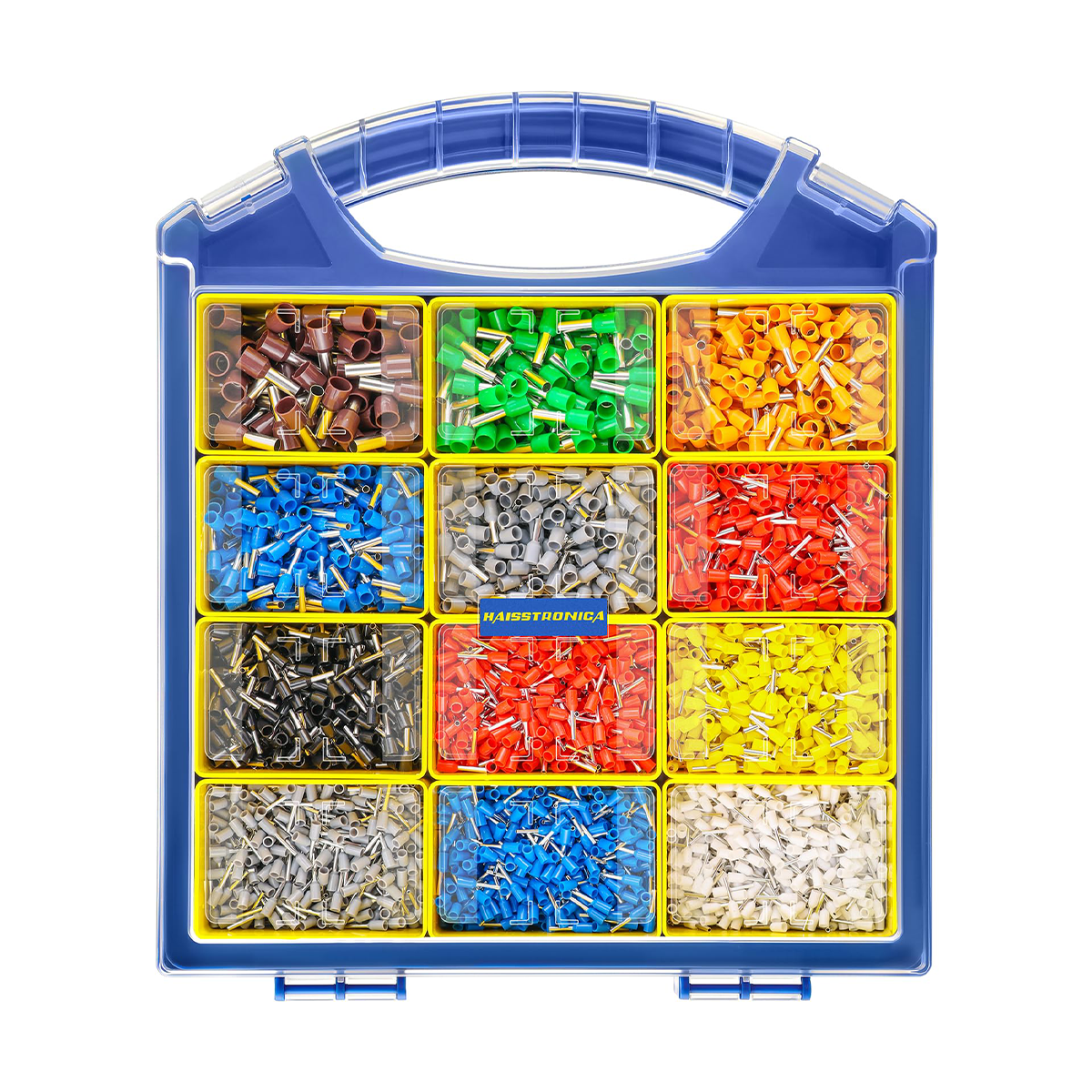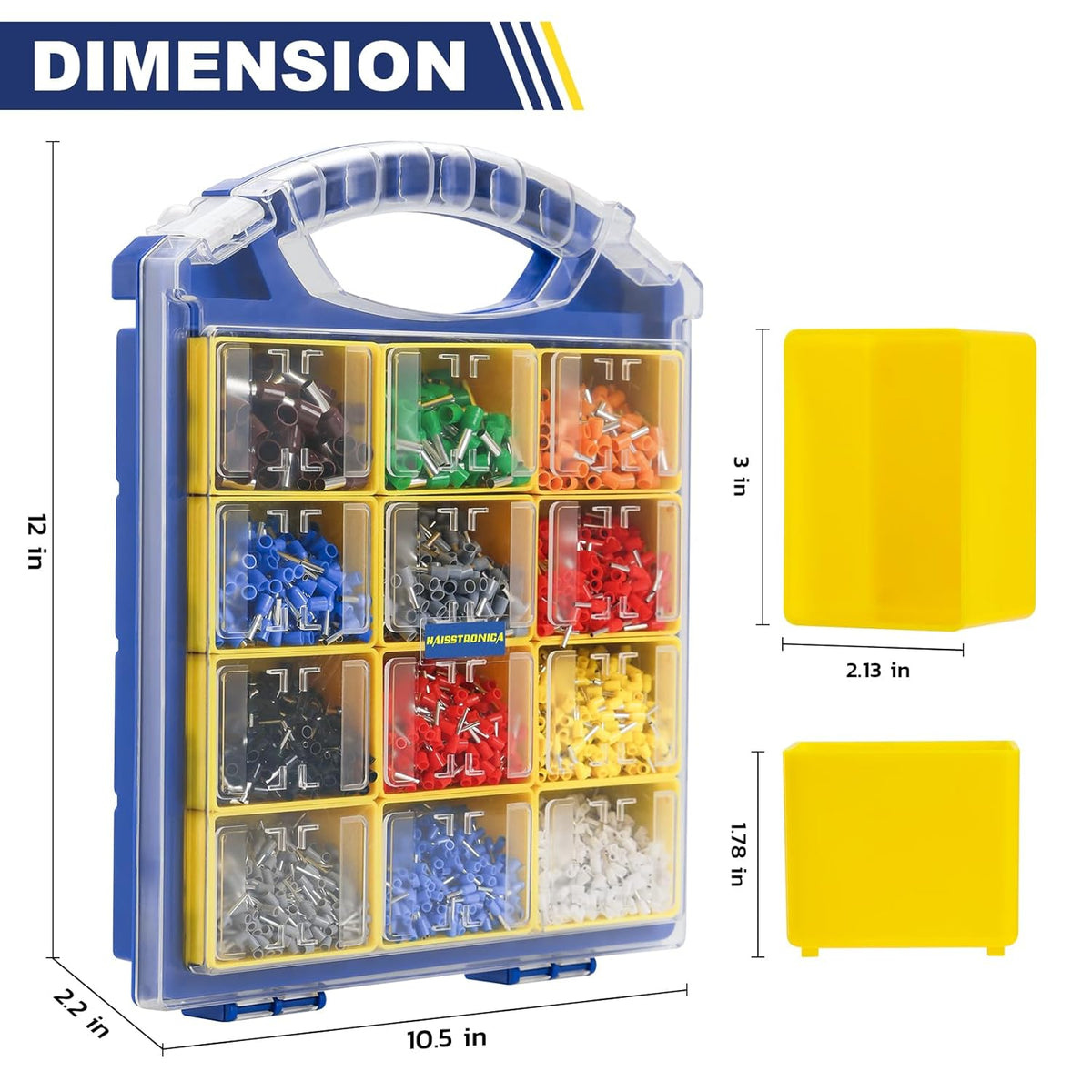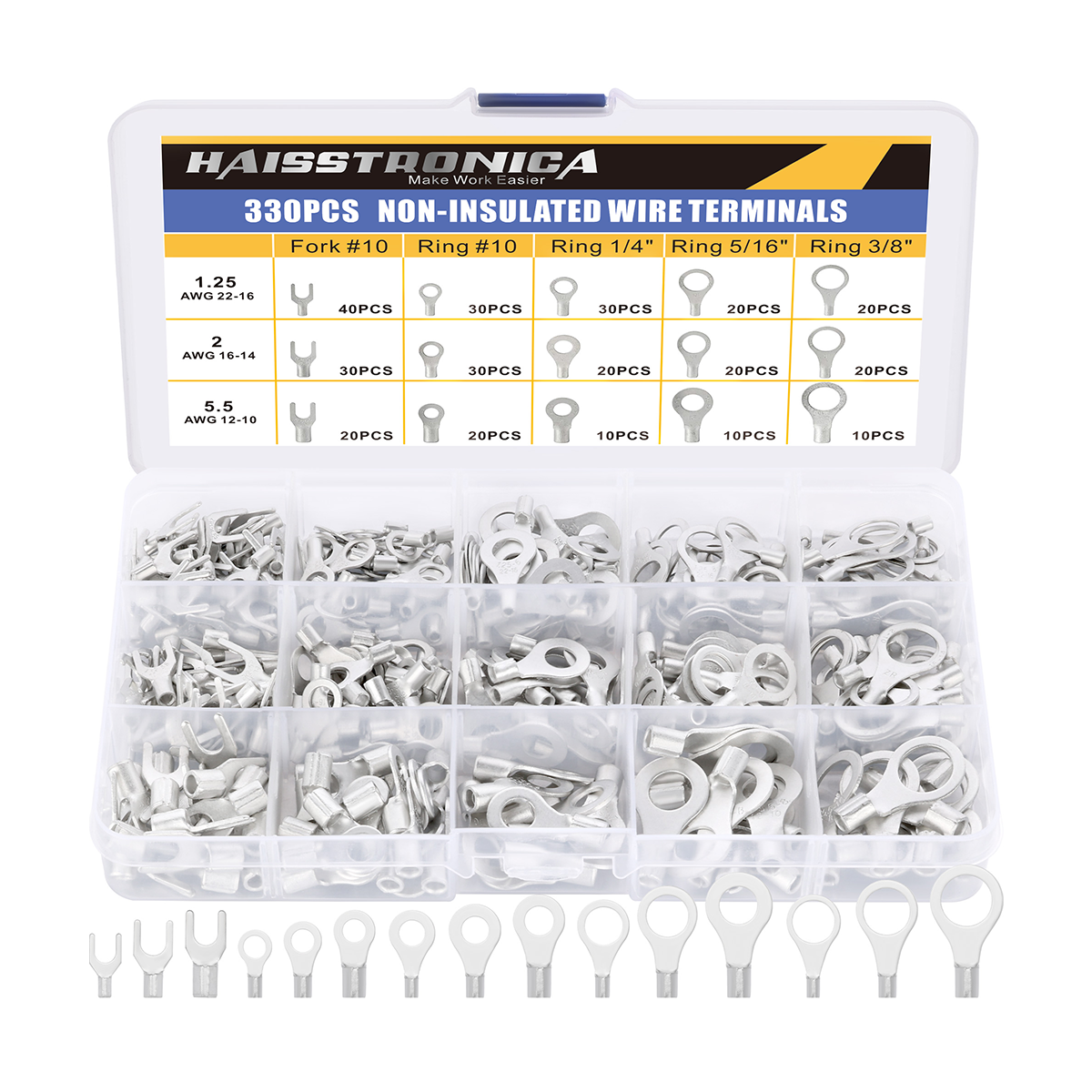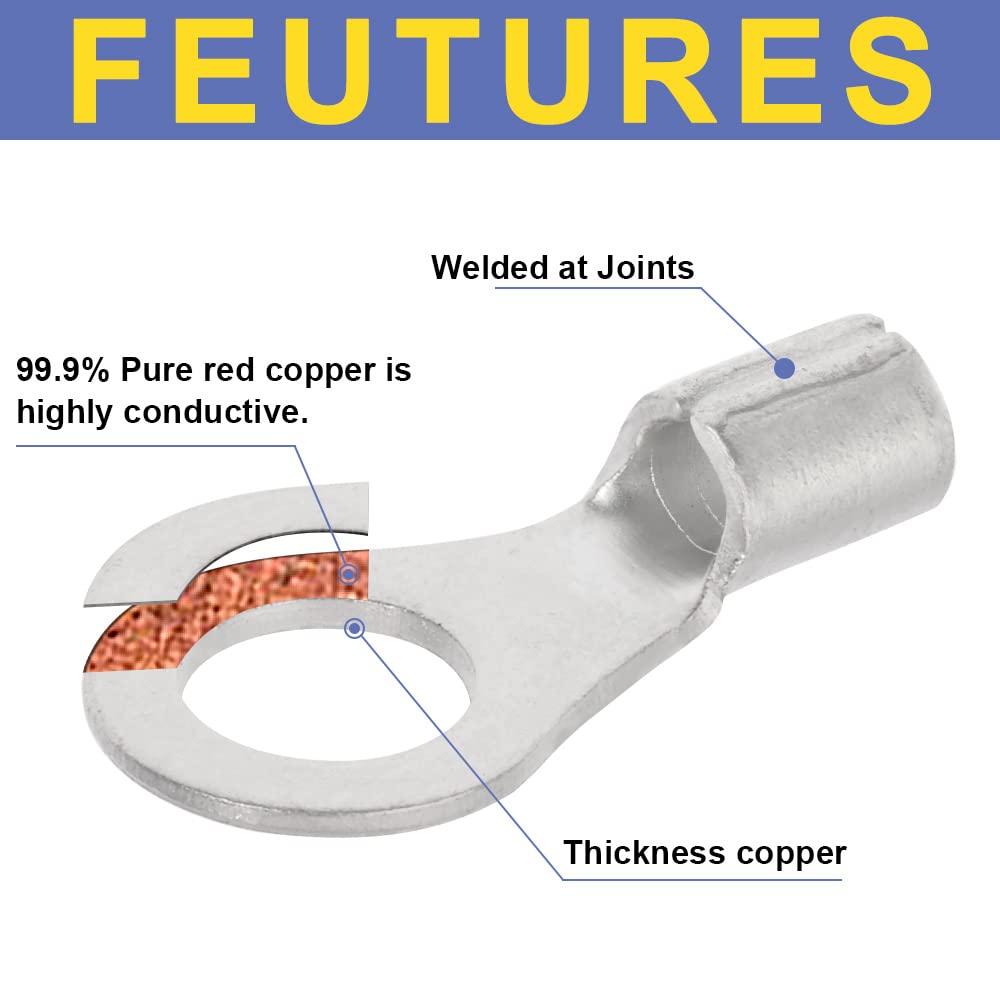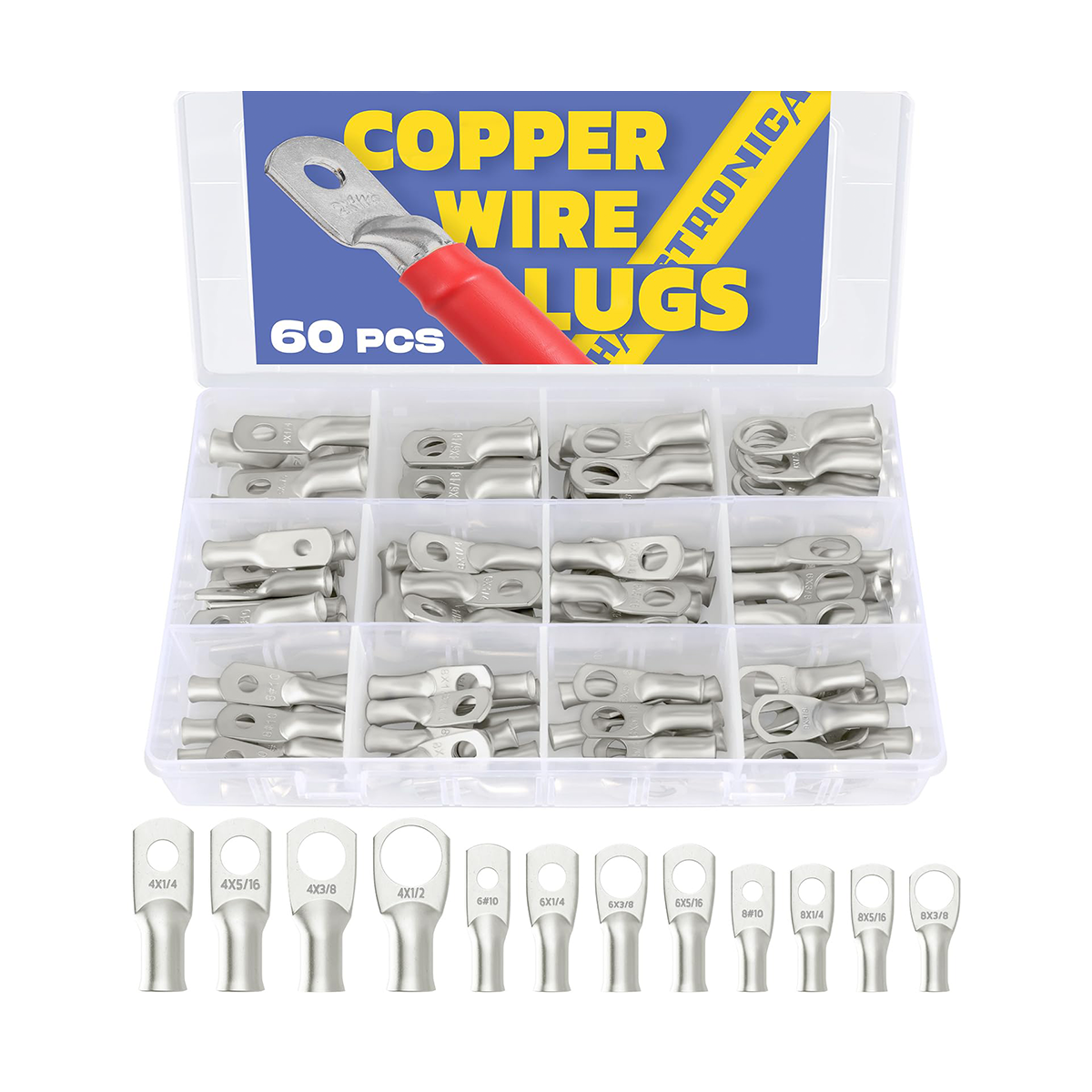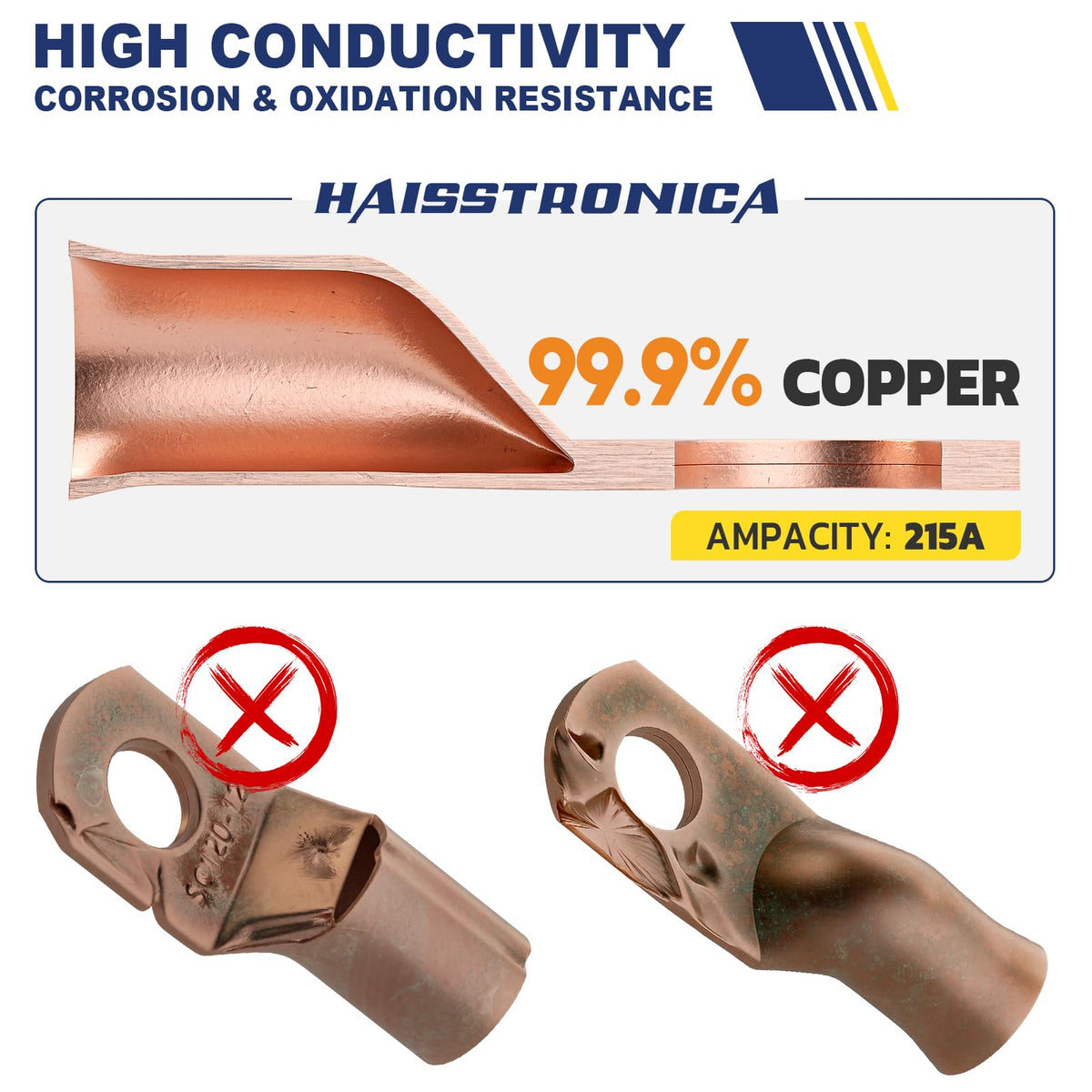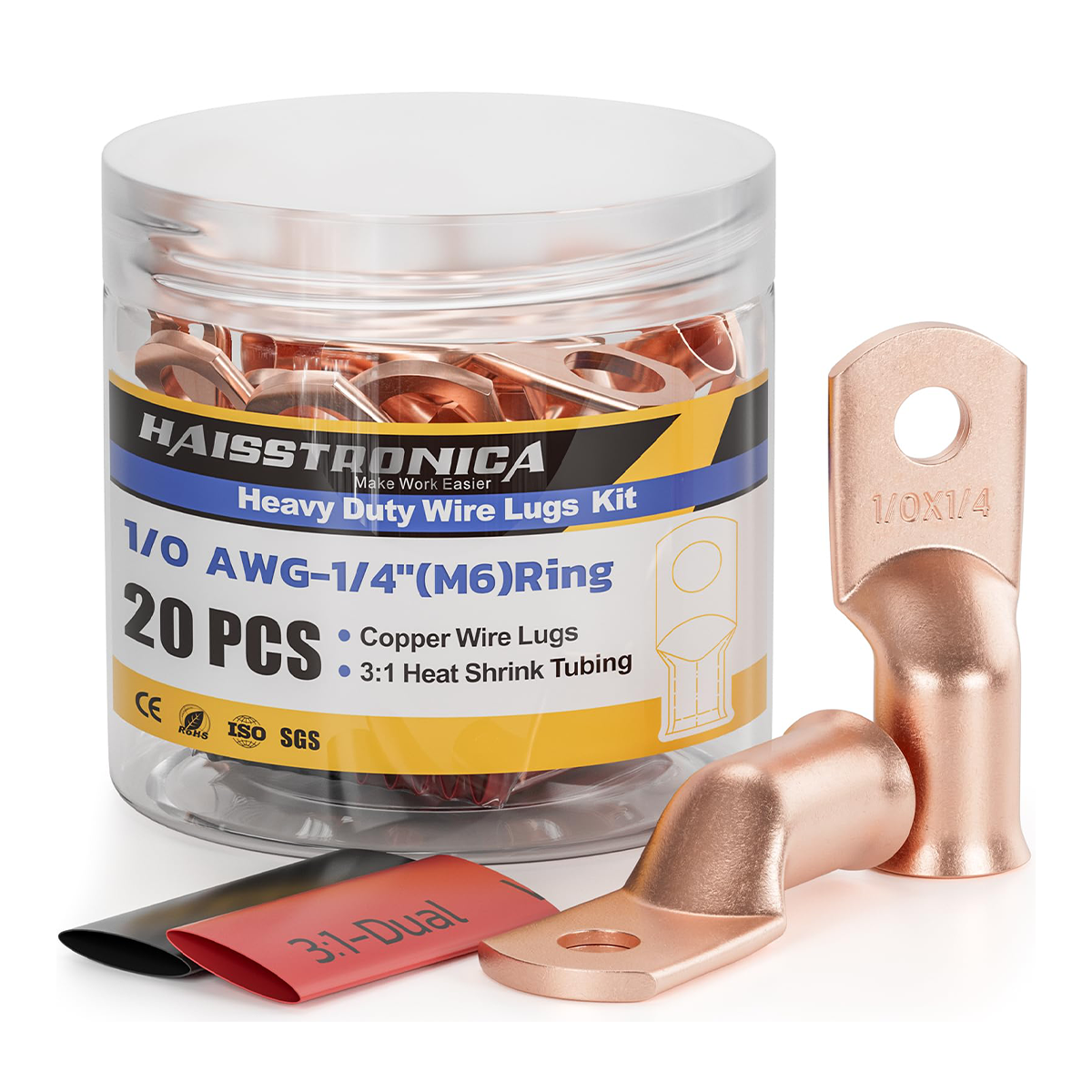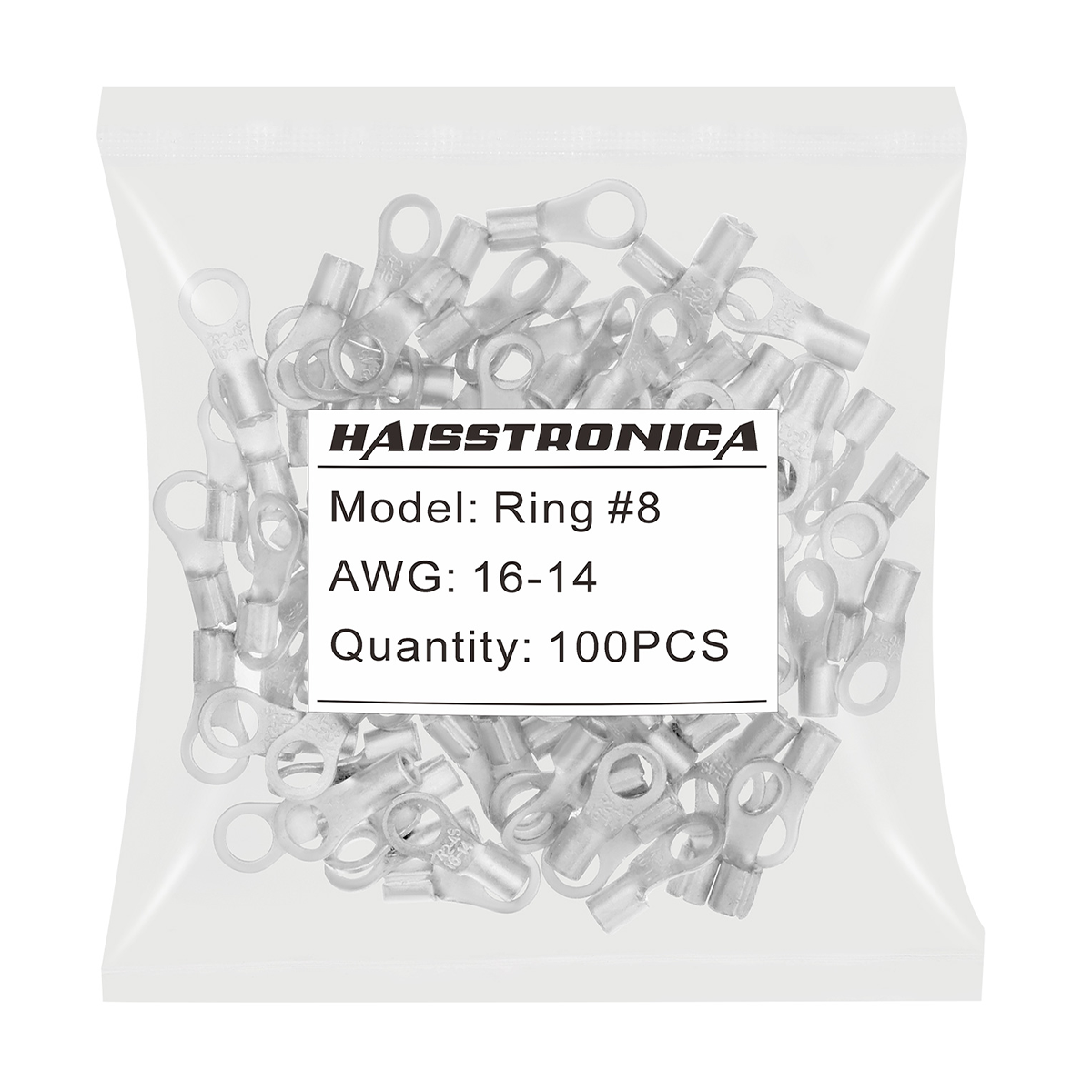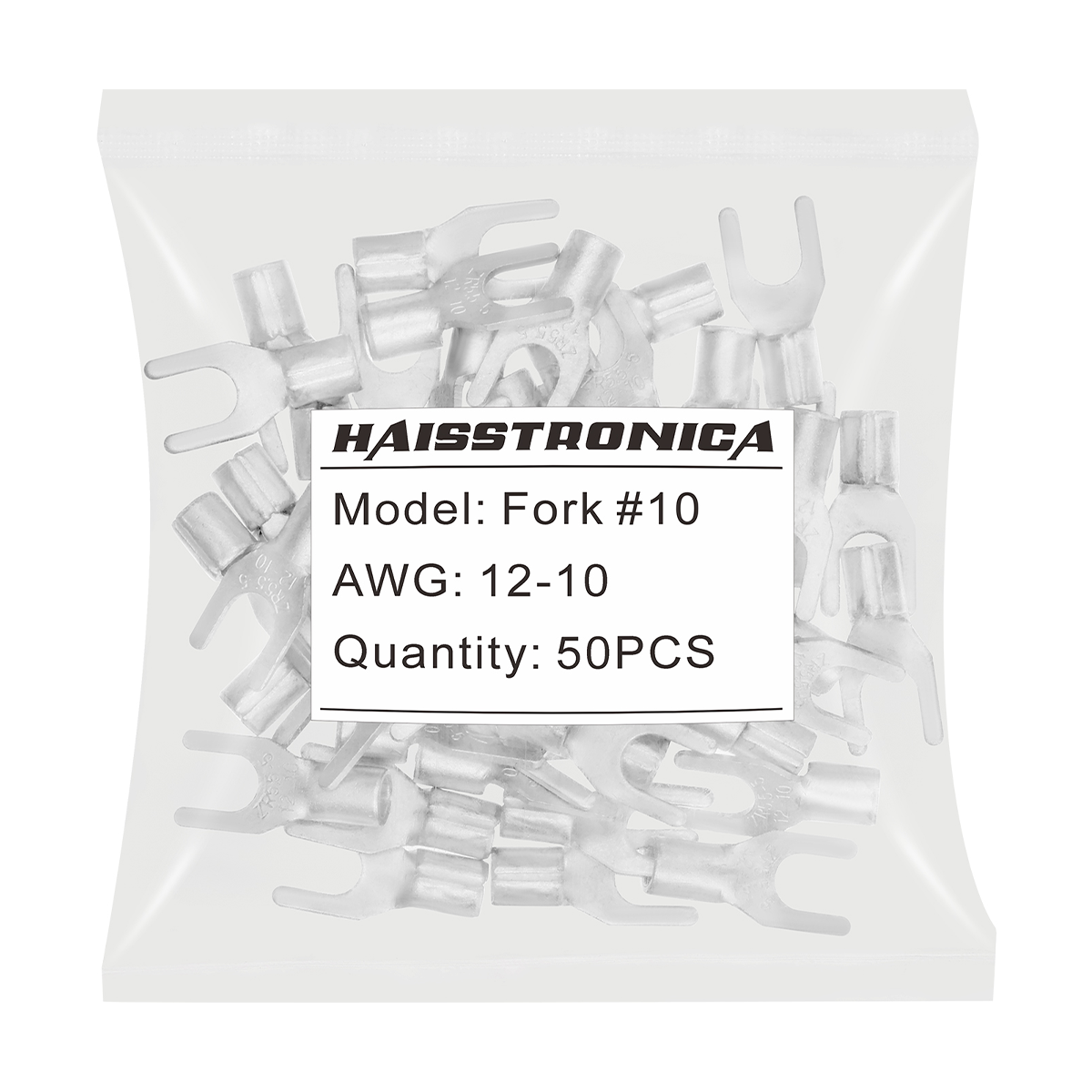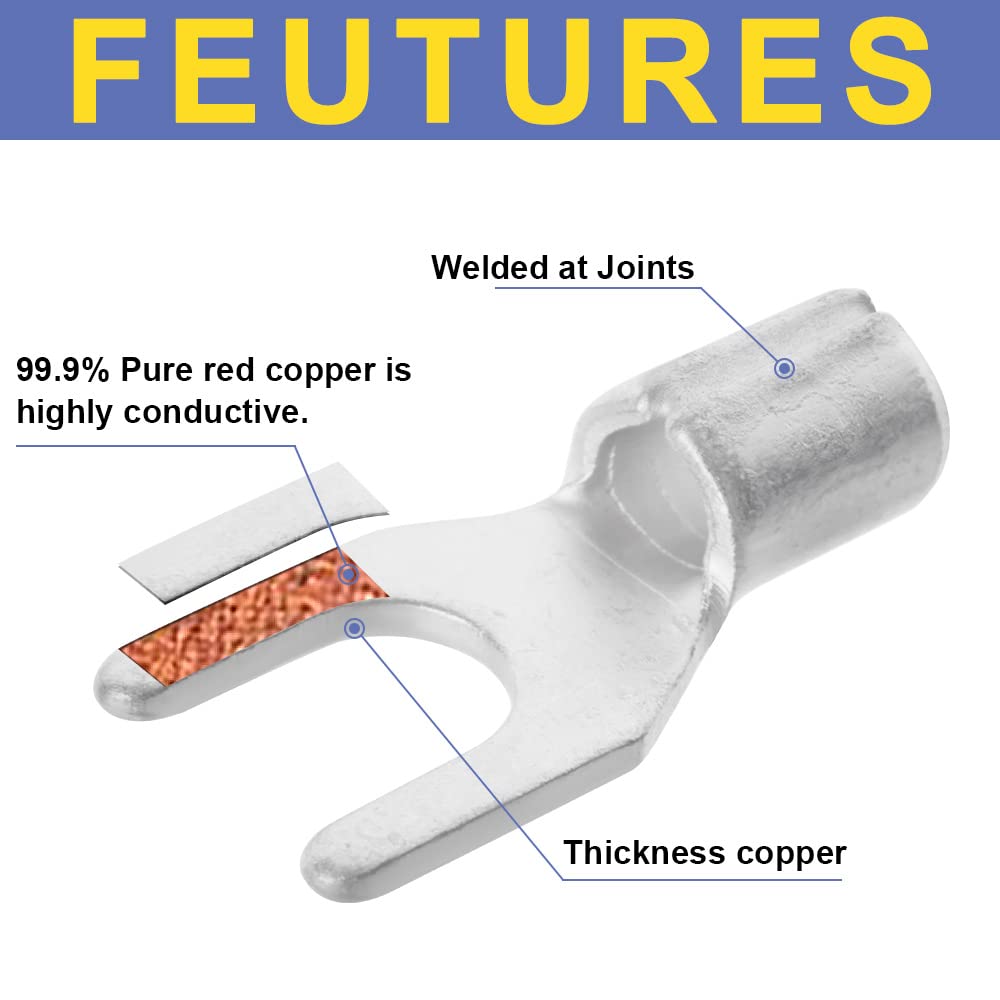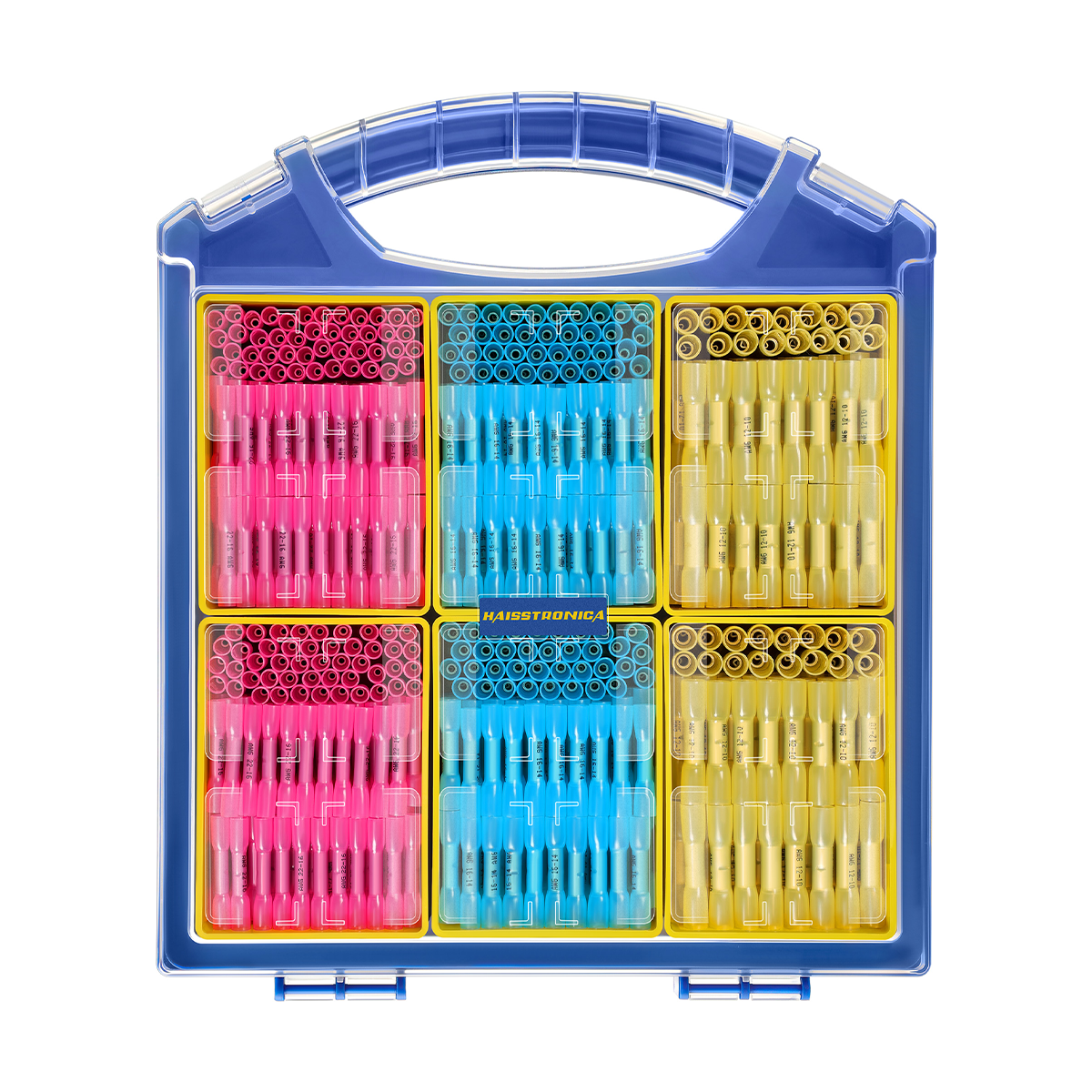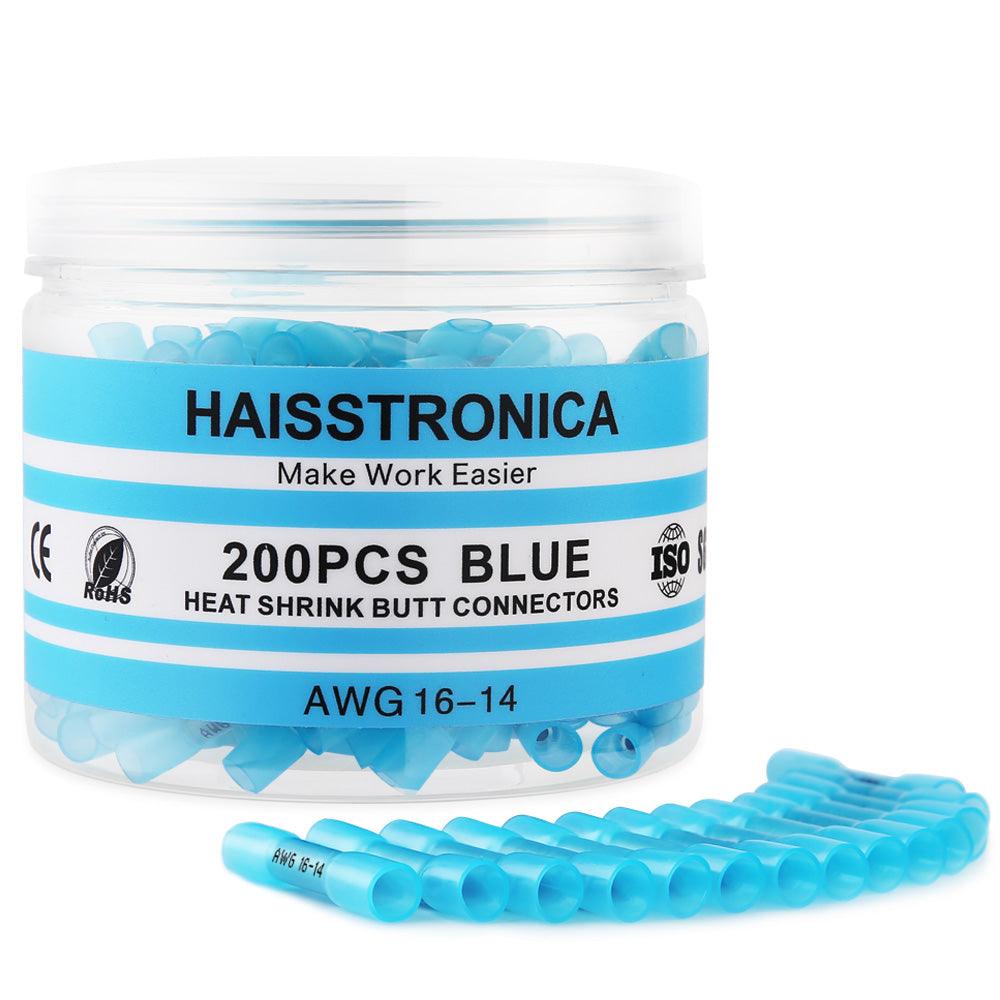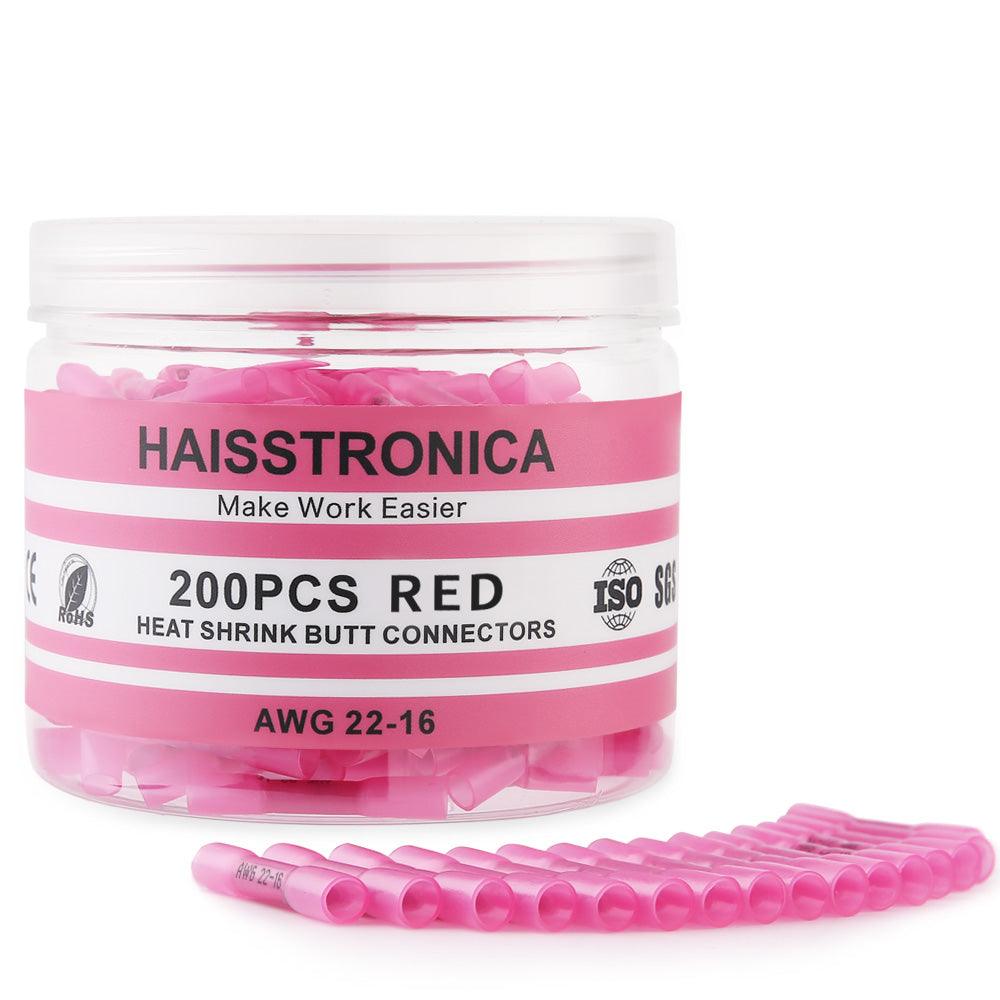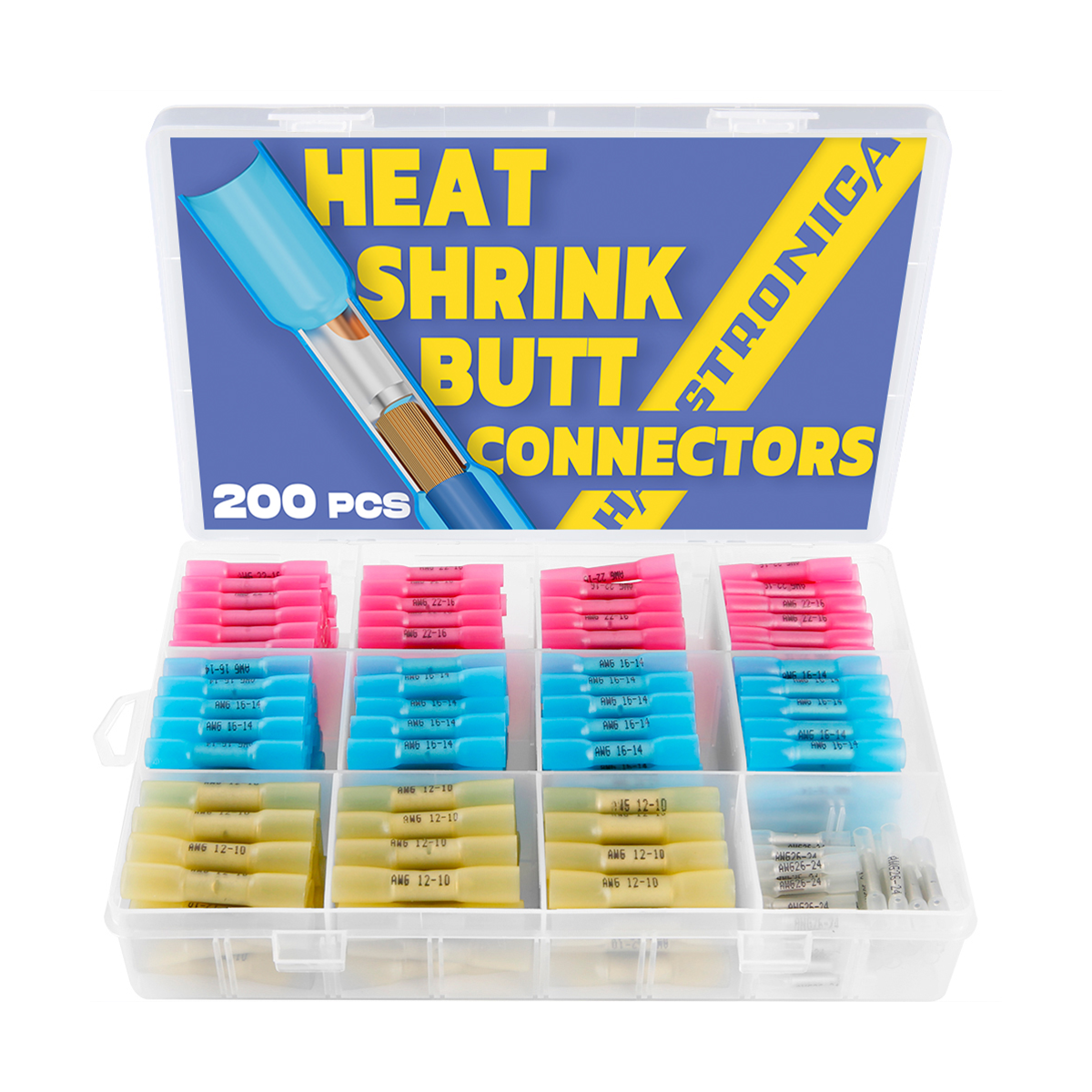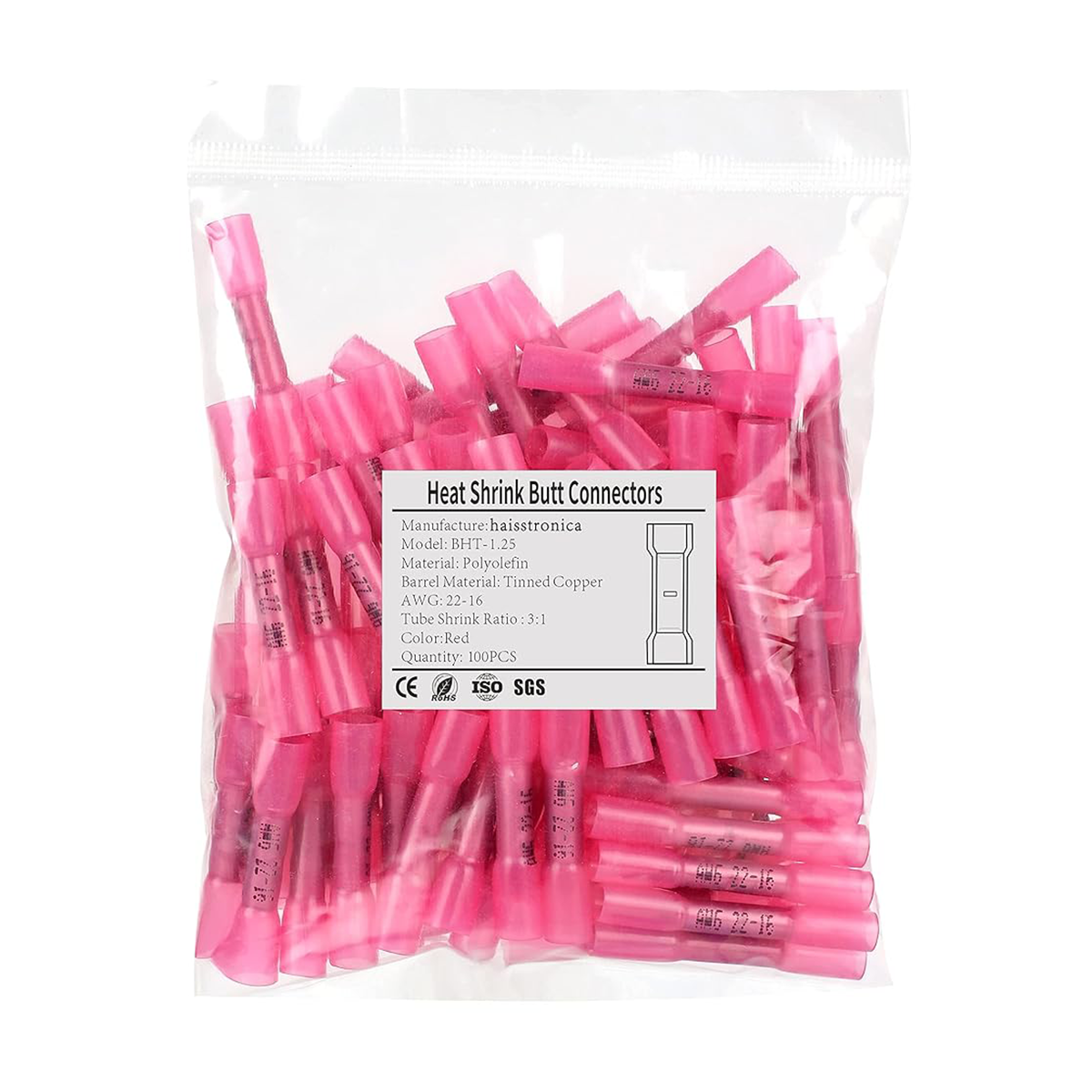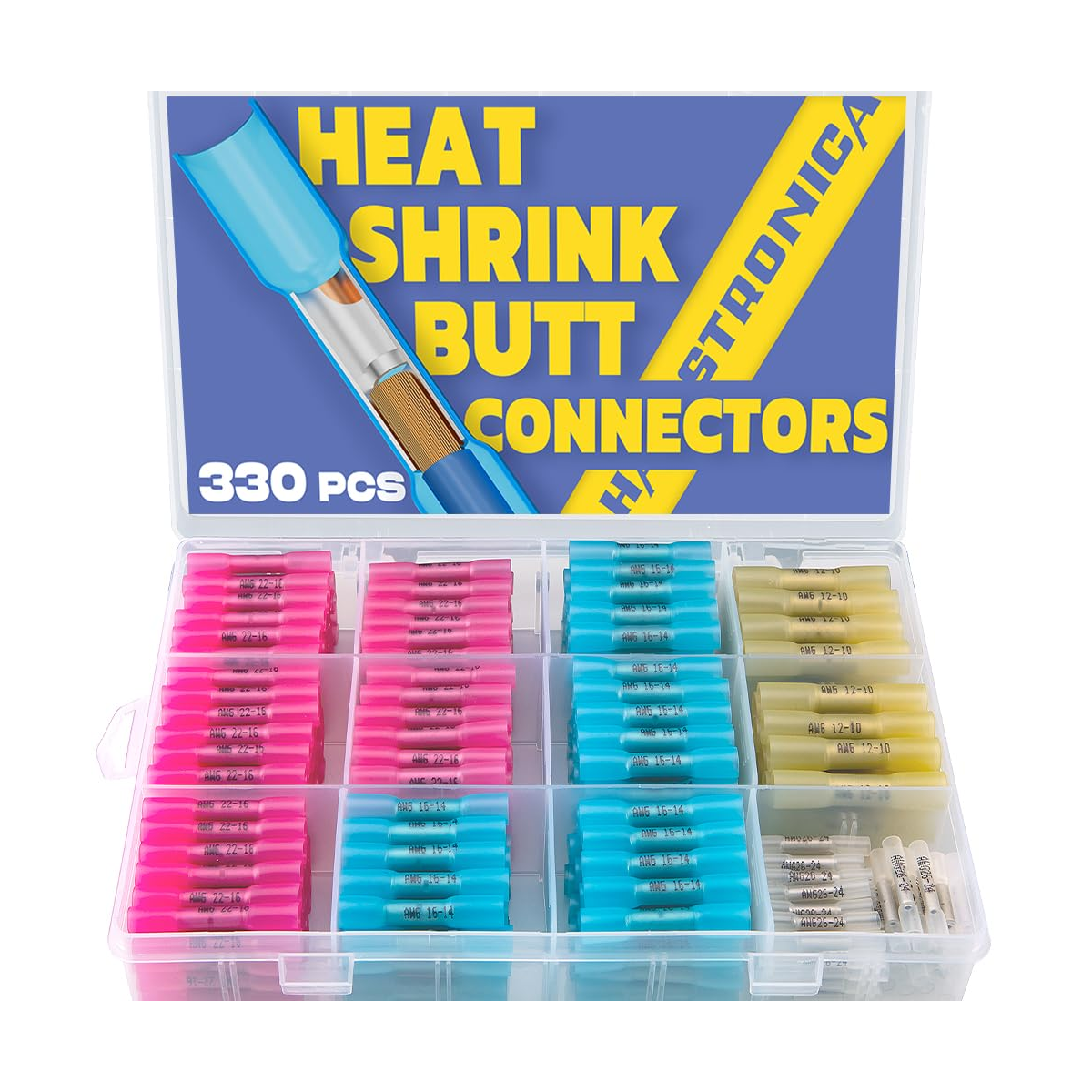


Crimp connectors and wire nuts can both create reliable electrical connections—but they solve different problems. The right choice depends on where the connection lives, whether it must remain serviceable, and whether moisture or vibration is present. This guide compares both methods first. Product recommendations appear only after the project clearly belongs in the crimp branch.
HOME ELECTRICAL SAFETY
For household mains wiring: switch off and verify power, keep splices inside an approved accessible junction box, and use connectors listed for the conductor material, gauge, voltage, and local code. Automotive or low-voltage crimp terminals are not automatically approved for residential branch-circuit wiring. When requirements are unclear, use a licensed electrician.
Crimp Connectors vs Wire Nuts: Quick Comparison
Start with the job requirements—not the connector already in your toolbox. Wire nuts prioritize accessibility and easy maintenance inside protected enclosures. Crimp connectors prioritize compactness, vibration resistance, and environmental sealing when the correct terminal and tool are used.
WIRE NUT
Accessible indoor junctions
✓ Easy to inspect, remove, and reconnect
✓ Common for code-compliant indoor junction boxes
✓ Good when future maintenance is expected
✕ Not ideal for moisture, vibration, or exposed locations
CRIMP CONNECTOR
Vibration, moisture, and permanent joints
✓ Compact, mechanically secure connection
✓ Strong choice for automotive and low-voltage wiring
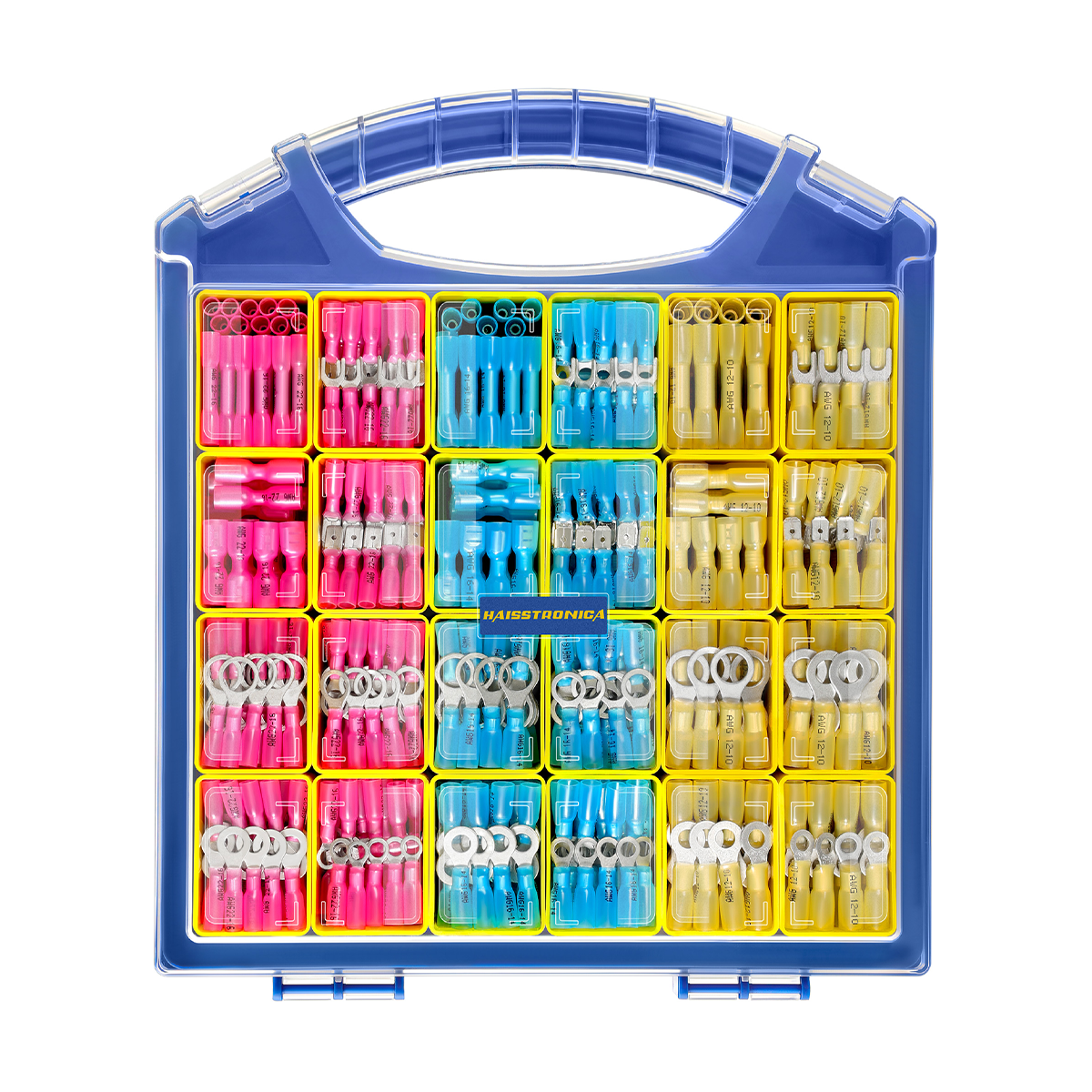
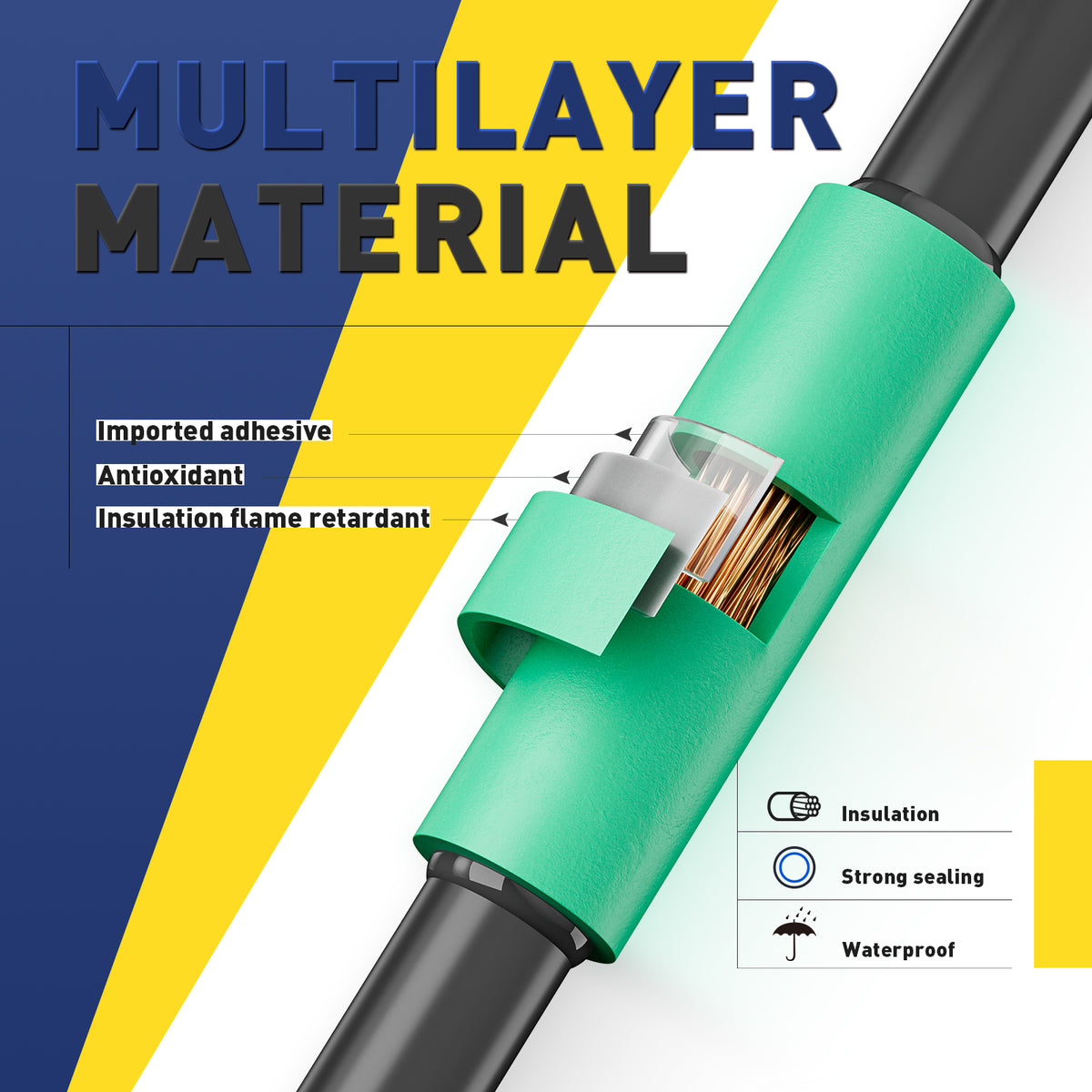
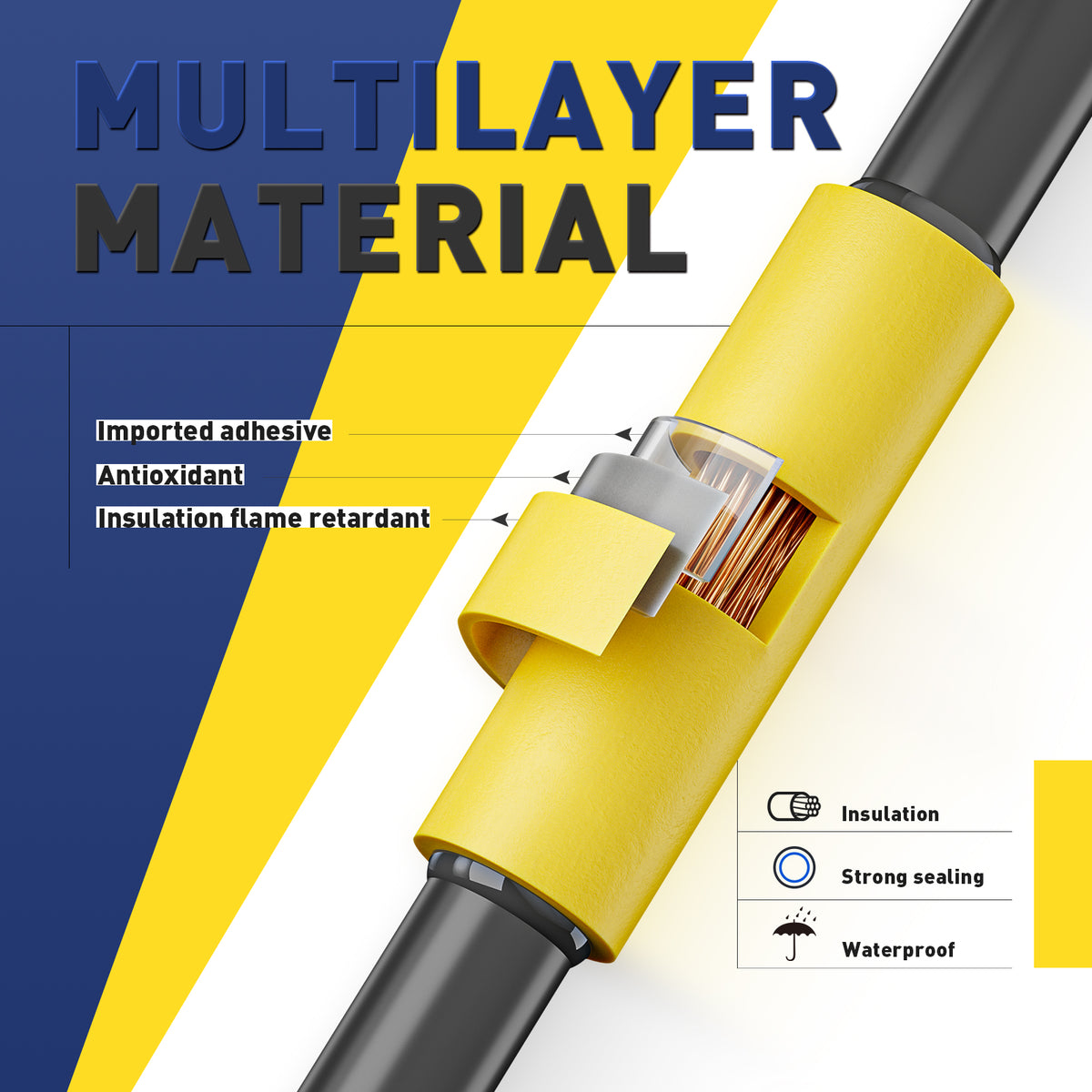
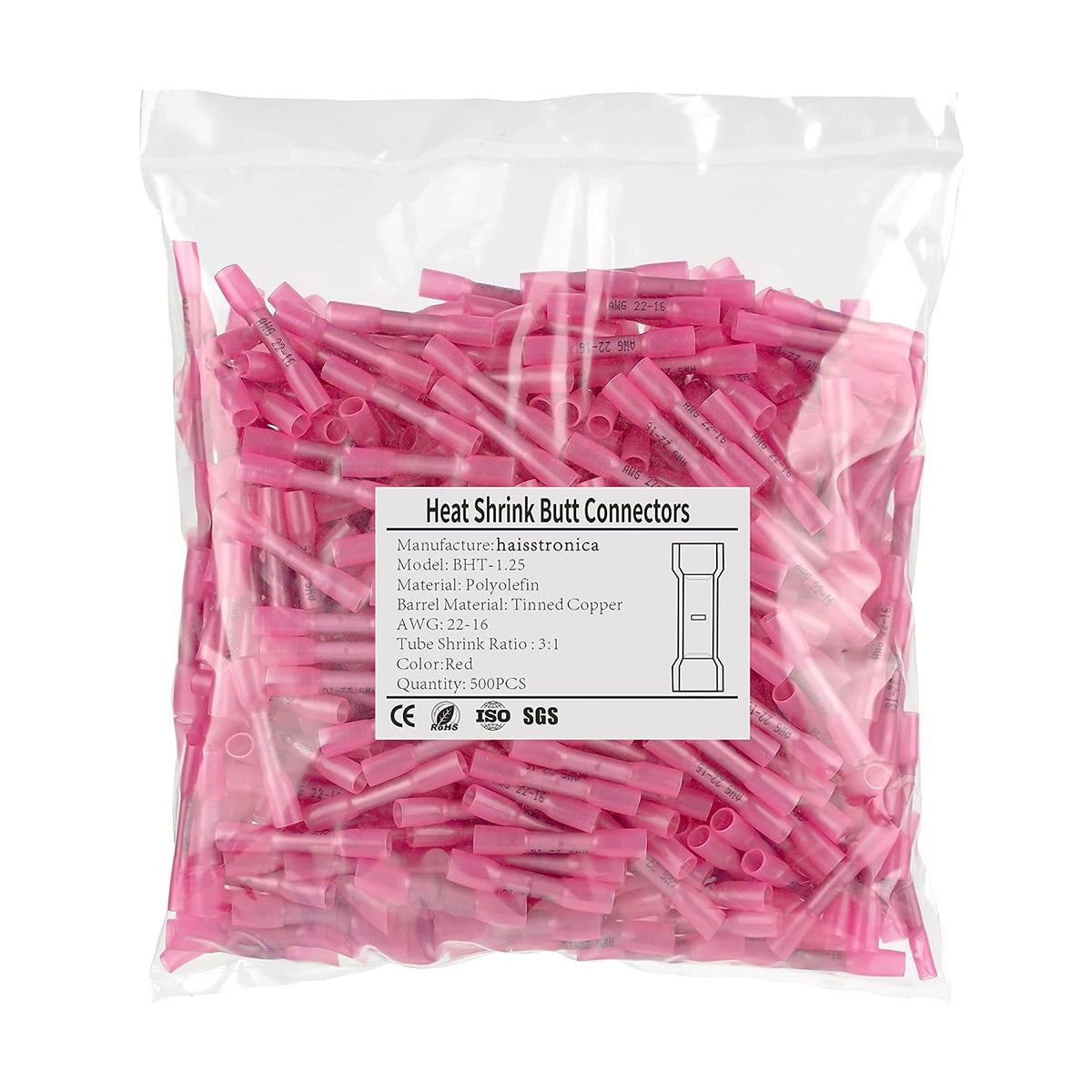
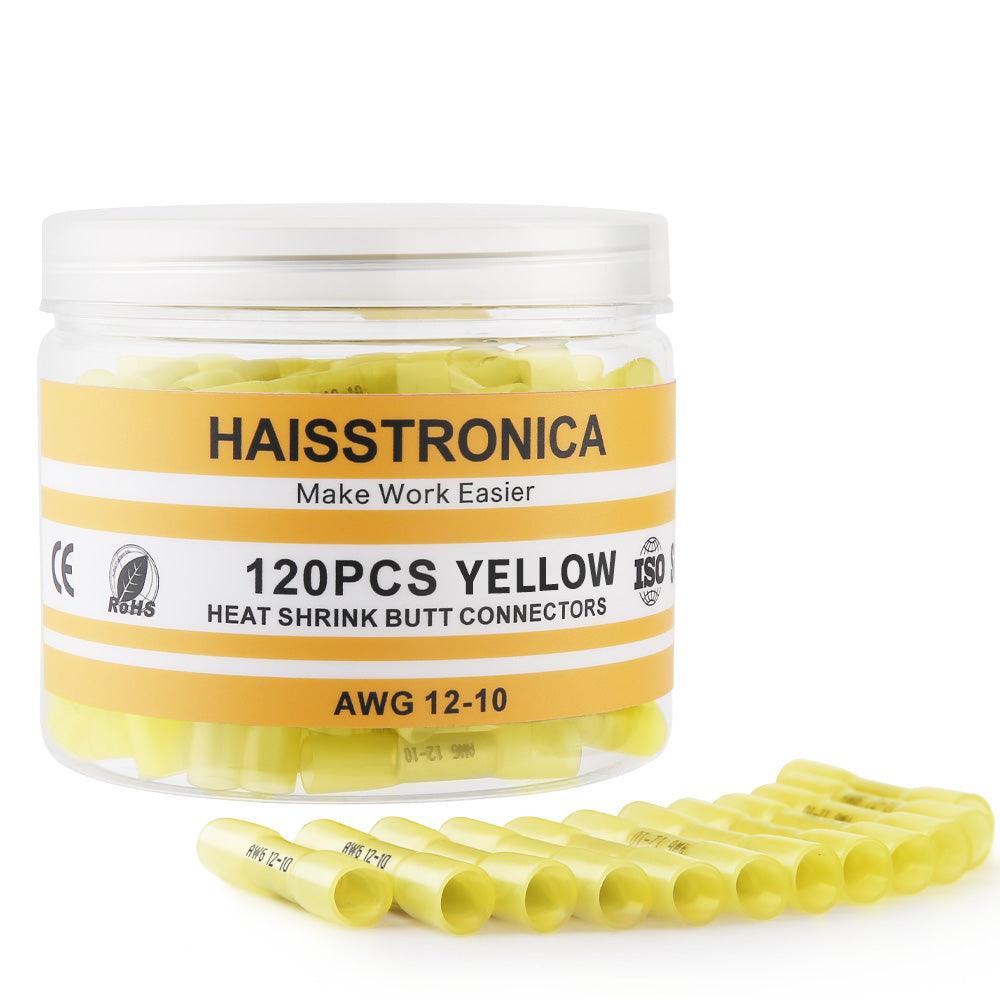
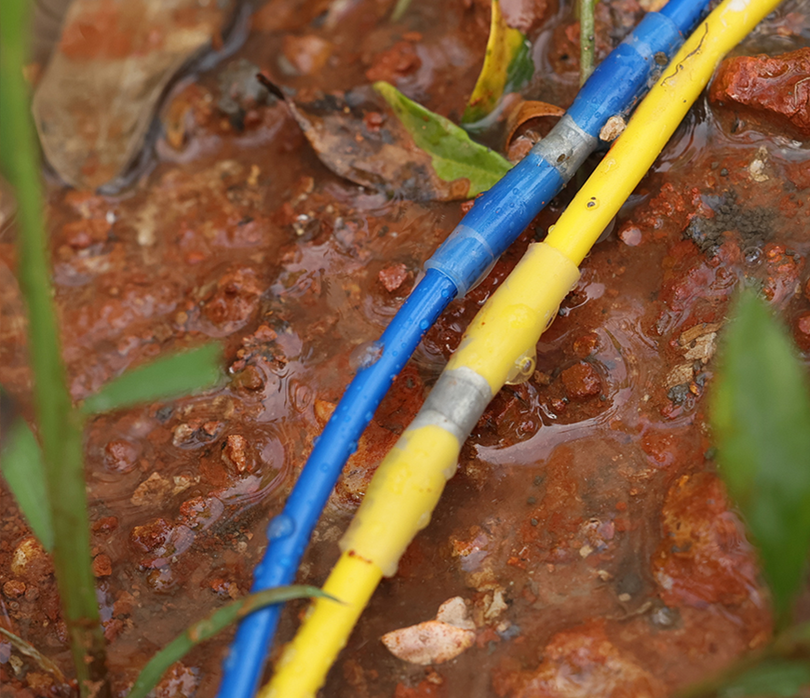
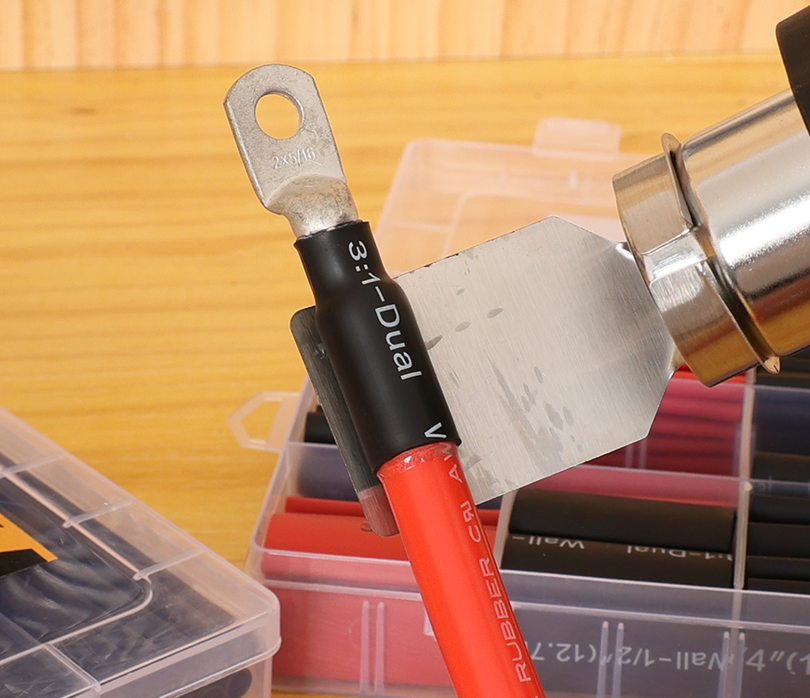
✓ Heat-shrink versions can seal against moisture
✕ Requires the correct terminal, die, and crimp pressure
| Decision factor | Wire nut | Crimp connector |
|---|---|---|
| Best environment | Dry, protected interior | Wet, vibrating, outdoor, or compact |
| Maintenance | Easy to reopen | Usually cut off to replace |
| Vibration resistance | Moderate in protected boxes | High when correctly crimped |
| Moisture protection | Requires a separately rated system | Available with adhesive-lined heat shrink |
| Tool requirement | Correct size and approved installation method | Matched connector, die, and crimper |
Choose the Connection by Environment, Not Habit
DECISION BRANCH
Where will this connection live?
DRY + INDOOR + ACCESSIBLE
Choose a code-approved wire nut
Use it inside a protected, accessible junction box when the splice may need future inspection or modification.
Stop here—no product recommendation is needed.
WET + VIBRATING + OUTDOOR + PERMANENT
Continue to the crimp branch
Choose the connector style first. The crimping tool comes after the connector decision.
Choose the crimp connector ↓Wire Nut Branch: Best for Accessible Indoor Junction Boxes
Wire nuts are usually the practical choice for dry, protected residential splices that remain accessible. They allow an electrician to inspect the conductors, remove the connector, and reconfigure the circuit without cutting back the wire.
Choose a wire nut when:
- The splice is inside an approved, accessible junction box.
- The environment is dry and protected from vibration.
- The connector is listed for the conductor gauge, number of wires, and copper or aluminum material.
- Future maintenance or circuit changes are likely.
Do not force the crimp branch into this situation. For standard indoor building wiring, local code and the connector listing—not product availability—should determine the method.
Crimp Branch: Choose the Connector Before the Tool
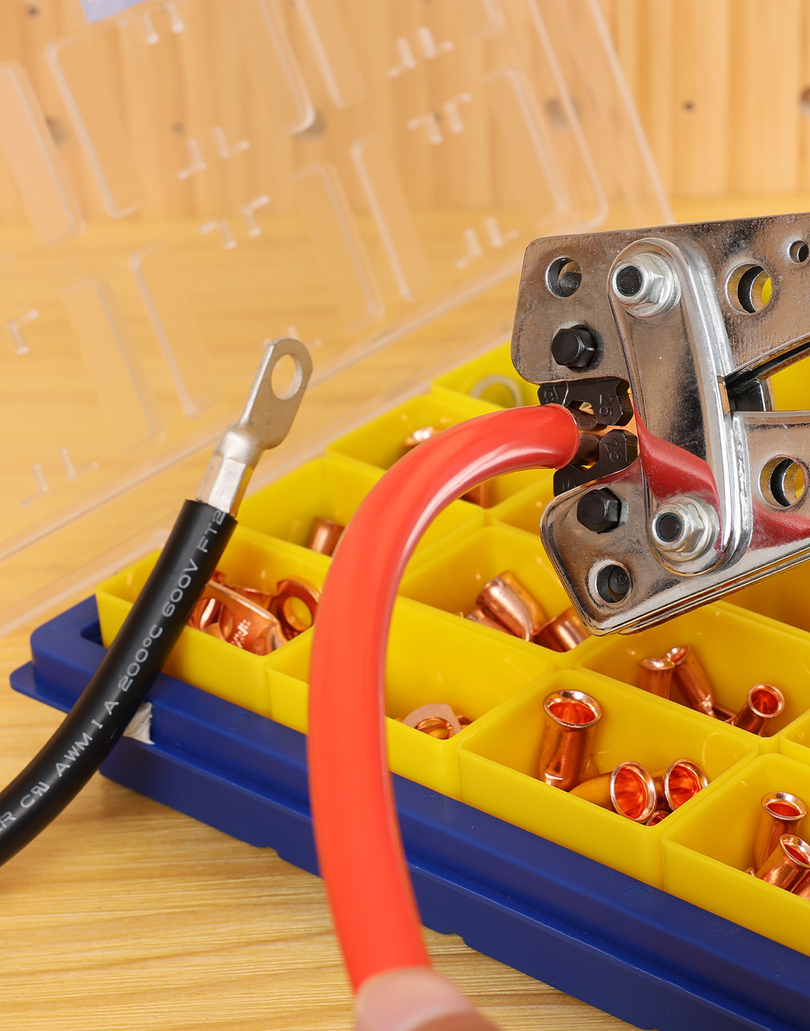
Once the project involves moisture, vibration, outdoor exposure, tight spaces, or a permanent low-voltage connection, crimping becomes the stronger path. But “crimp connector” is still too broad. Select the connector style based on the joint you need to make.

Butt Connectors
Choose for a straight, end-to-end splice where two wires must become one continuous run.
Browse Butt Connectors →
Heat Shrink Connectors
Choose when the joint also needs moisture sealing, insulation, and added strain relief.
Browse Heat Shrink Connectors →Compatibility checkpoint: Confirm conductor material, AWG range, insulation type, current/voltage rating, and environmental listing before ordering. A waterproof appearance does not replace the required electrical rating or local code approval.
Connector Chosen? Now Match the Ratchet Crimper
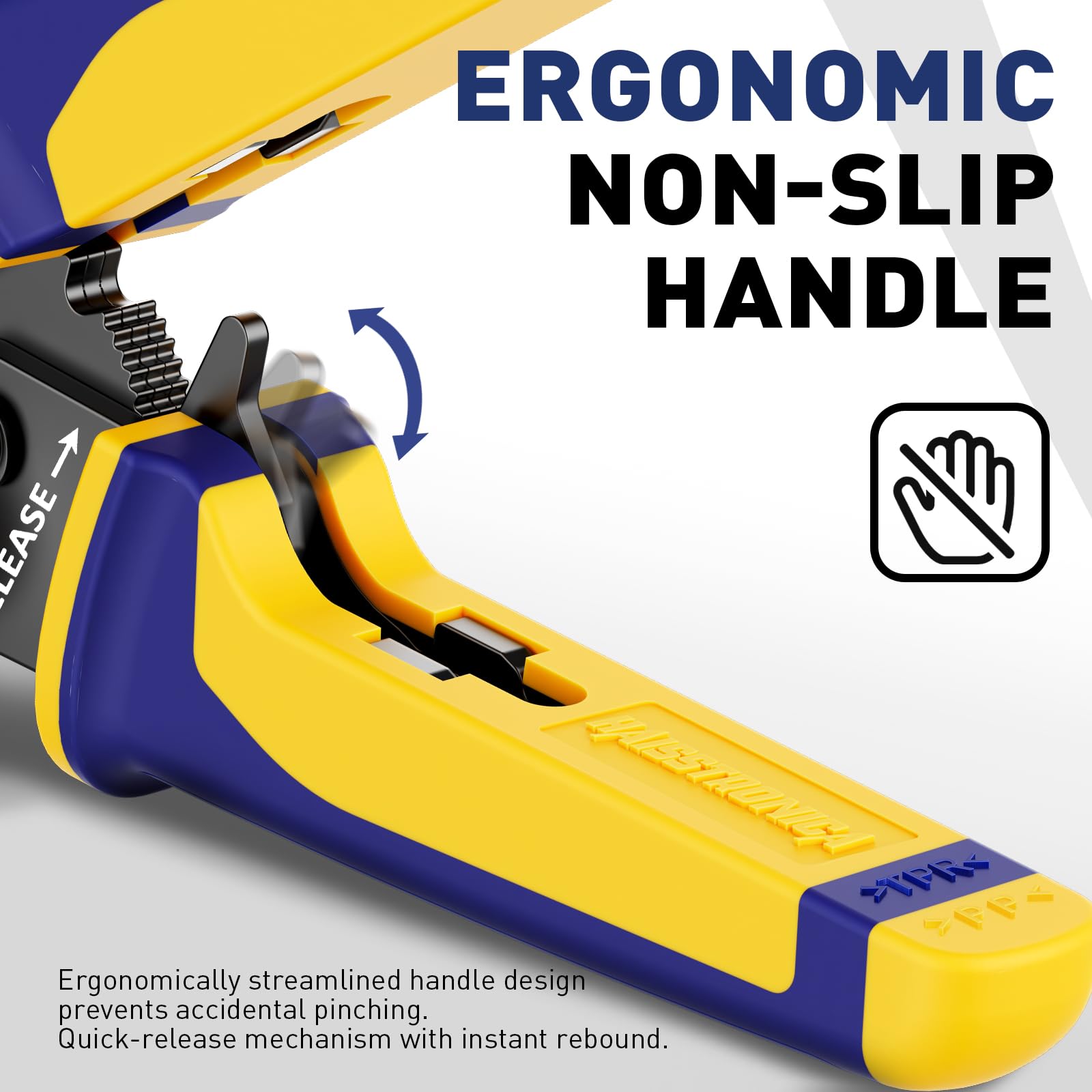
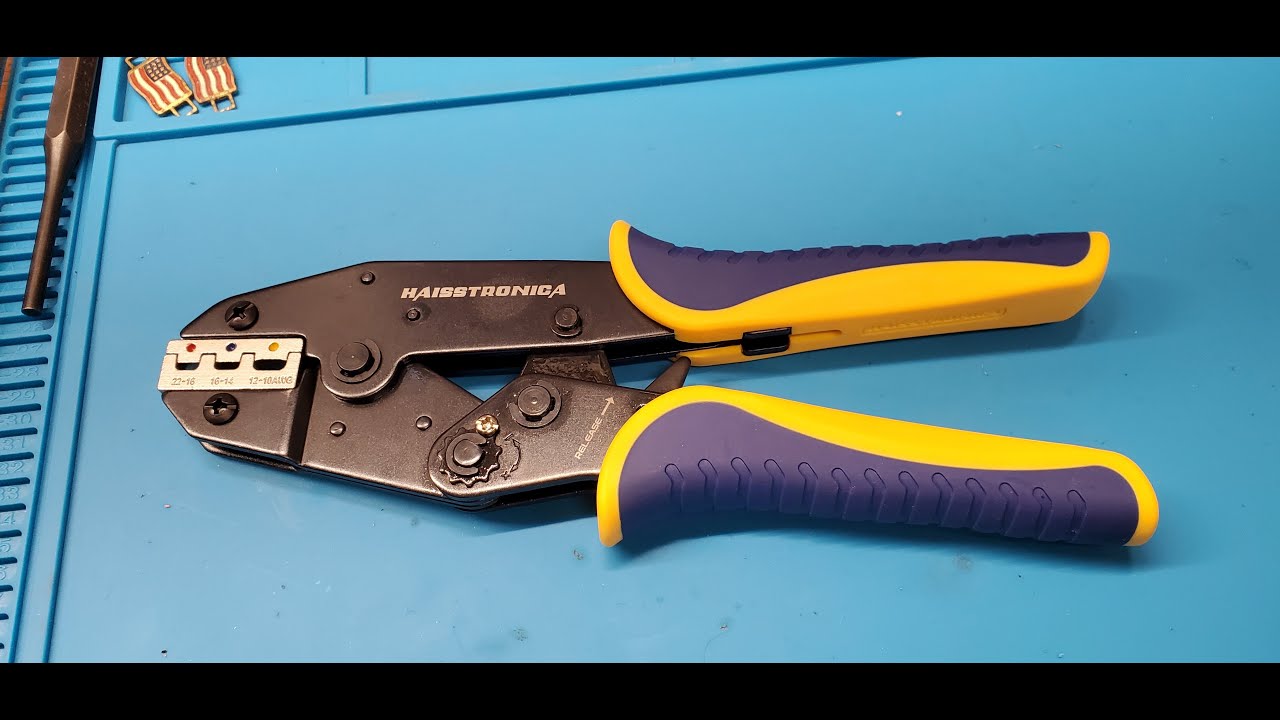
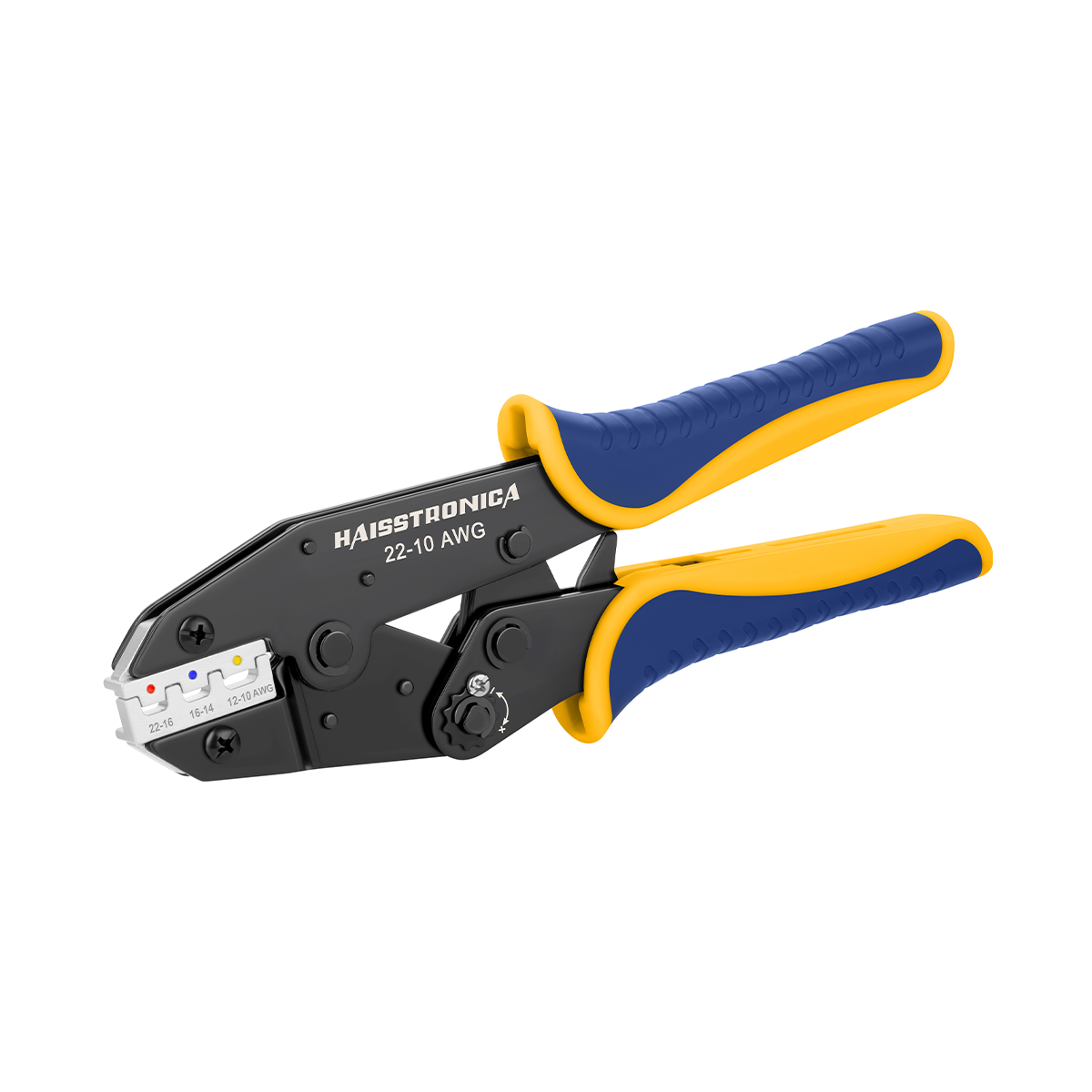
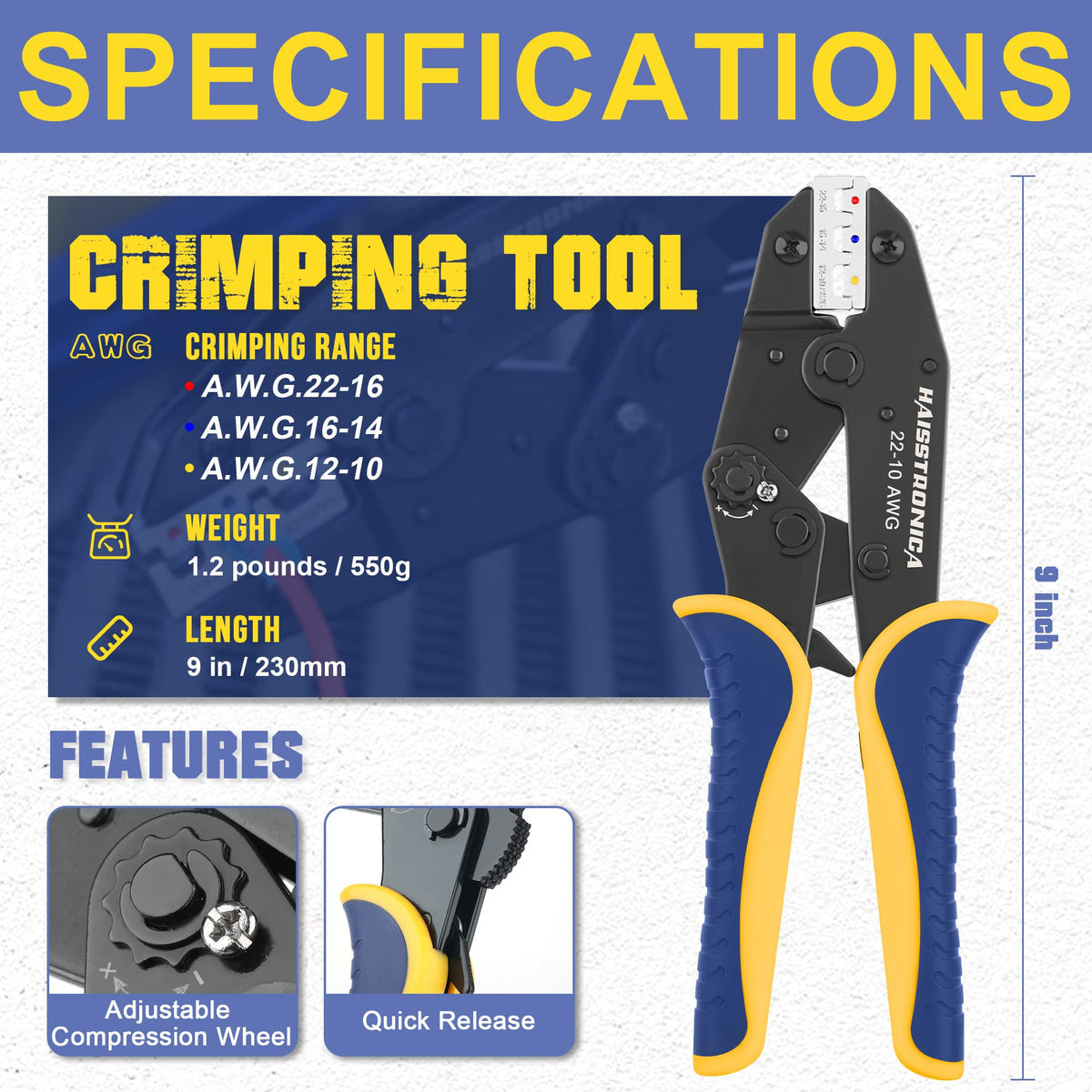
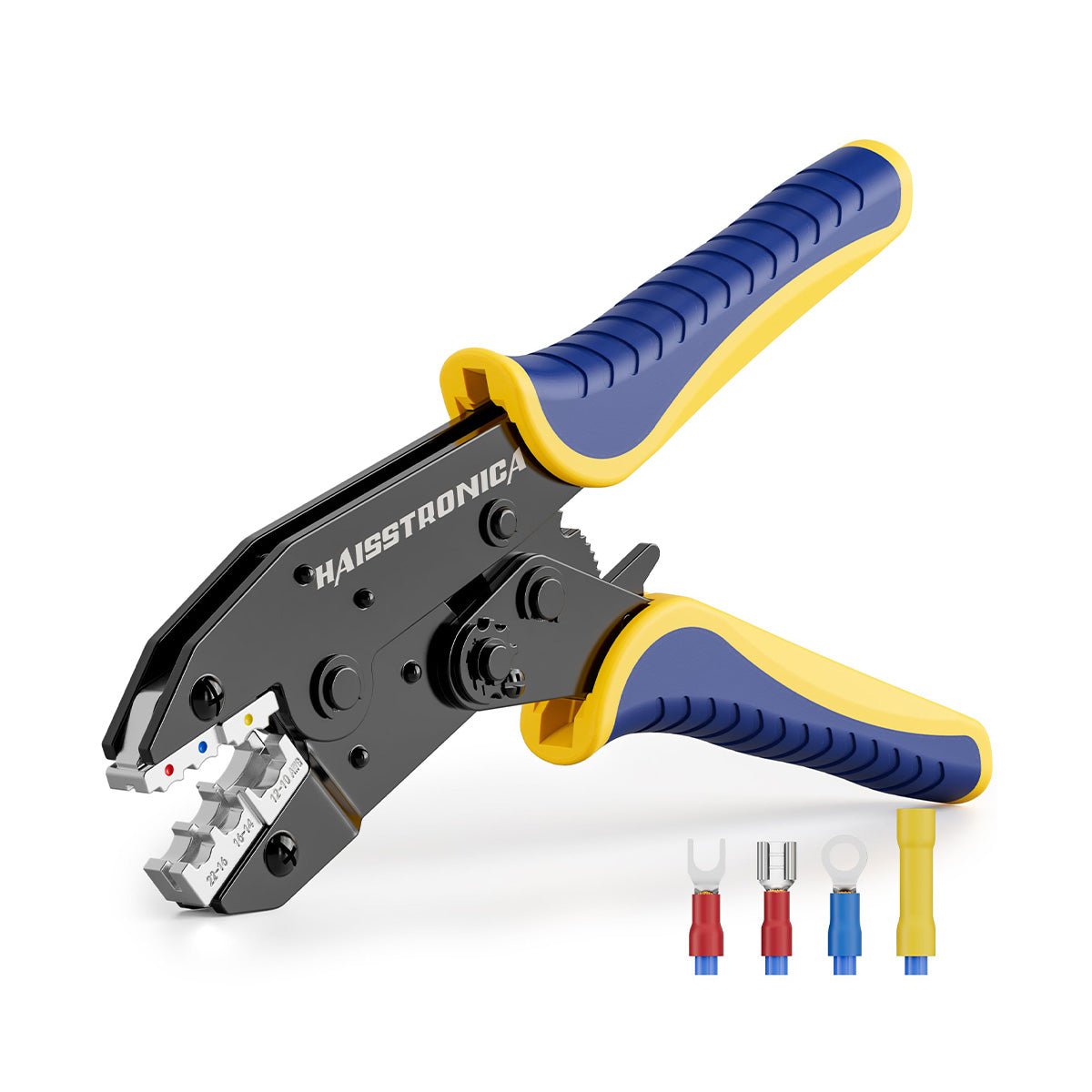
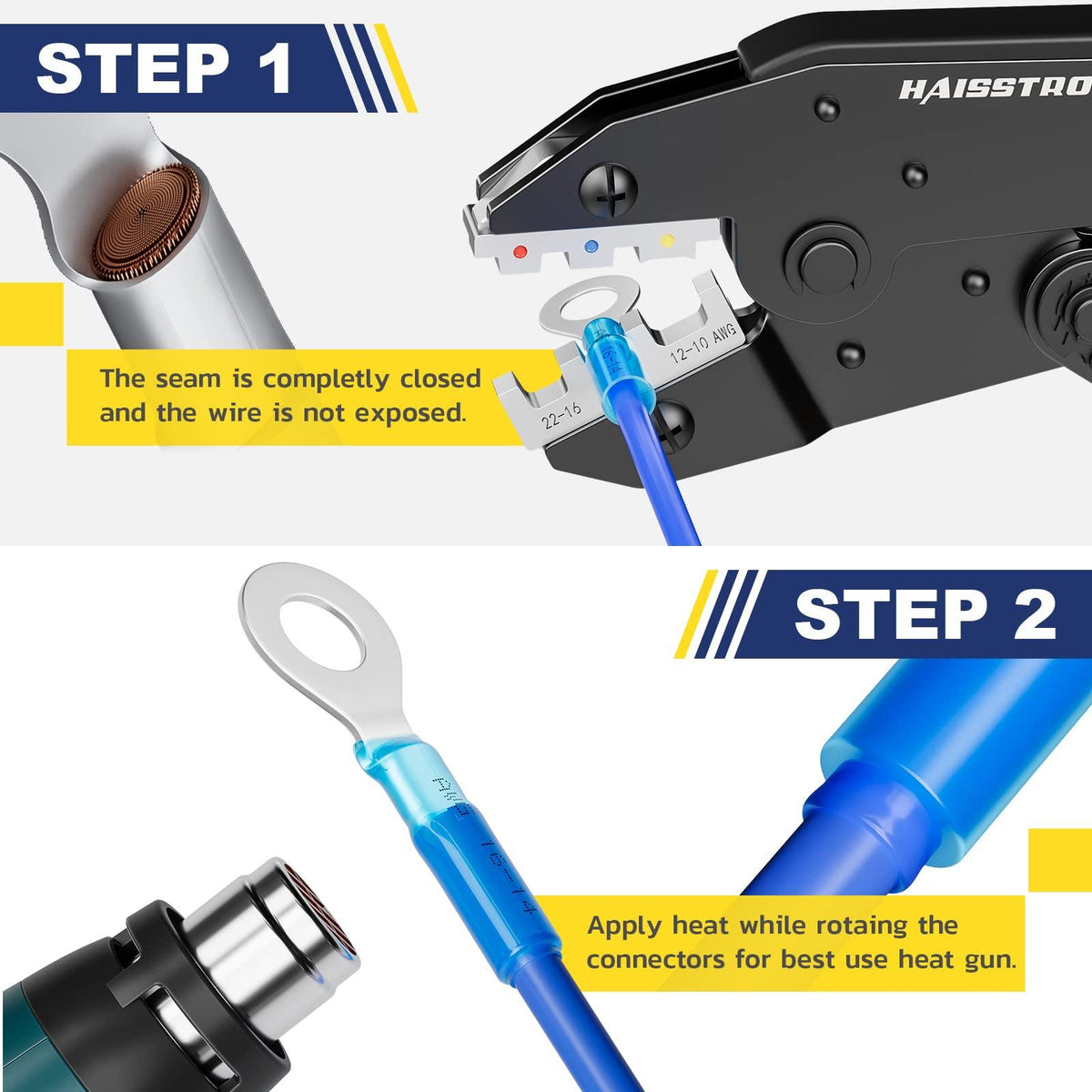
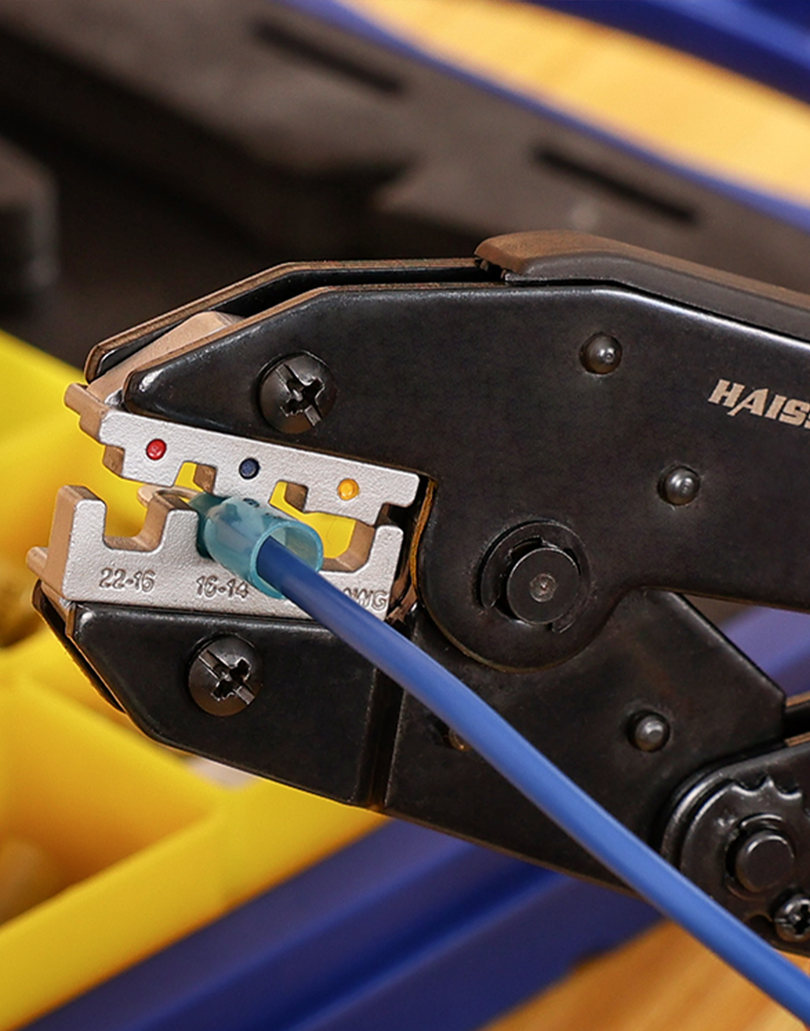
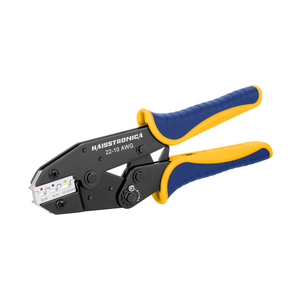
The connector determines the die—not the other way around. After selecting an insulated or heat-shrink connector, confirm its AWG range and barrel profile, then choose a crimper designed for that exact terminal family. For common AWG 22–10 heat-shrink terminals, a ratcheting mechanism applies repeatable pressure and prevents the handles from releasing before the crimp cycle is complete.

Installation Checklists for Each Branch
Wire Nut Checklist
□ Correct listed connector size
□ Conductors prepared to manufacturer instructions
□ No bare copper exposed below the connector
□ Firm tug test on every conductor
□ Splice remains inside an accessible junction box
Crimp Checklist
□ Connector type and AWG confirmed
□ Strip length matches the metal barrel
□ Wire is fully seated before crimping
□ Full ratchet cycle completed
□ Pull test and environmental seal completed
Frequently Asked Questions
Are crimp connectors better than wire nuts?
Not universally. Crimp connectors are stronger for many vibrating, compact, moisture-prone, and permanent low-voltage applications. Wire nuts are usually more practical for dry, accessible indoor junction boxes where future maintenance is expected and the method is approved by code.
Can heat-shrink crimp connectors be used outdoors?
Adhesive-lined heat-shrink connectors are designed to improve moisture resistance, but the entire connection still needs the correct electrical rating, installation method, and environmental protection for the application.
Can I use pliers instead of a ratchet crimper?
No. Pliers flatten the terminal unevenly and cannot reproduce the specified die profile or pressure. Use the crimper recommended for the connector family and wire gauge.
Should a household splice be buried behind drywall?
No. Standard household wire splices generally must remain inside an approved accessible enclosure. Follow local electrical code and consult a licensed electrician when uncertain.
Final Decision
Choose a wire nut for a dry, indoor, code-approved, accessible junction box when future service is important. Choose a crimp connector for a correctly rated connection exposed to vibration, moisture, outdoor conditions, tight spaces, or where a compact permanent joint is required. If the project enters the crimp branch, choose the connector first—then match the die and ratchet crimper.