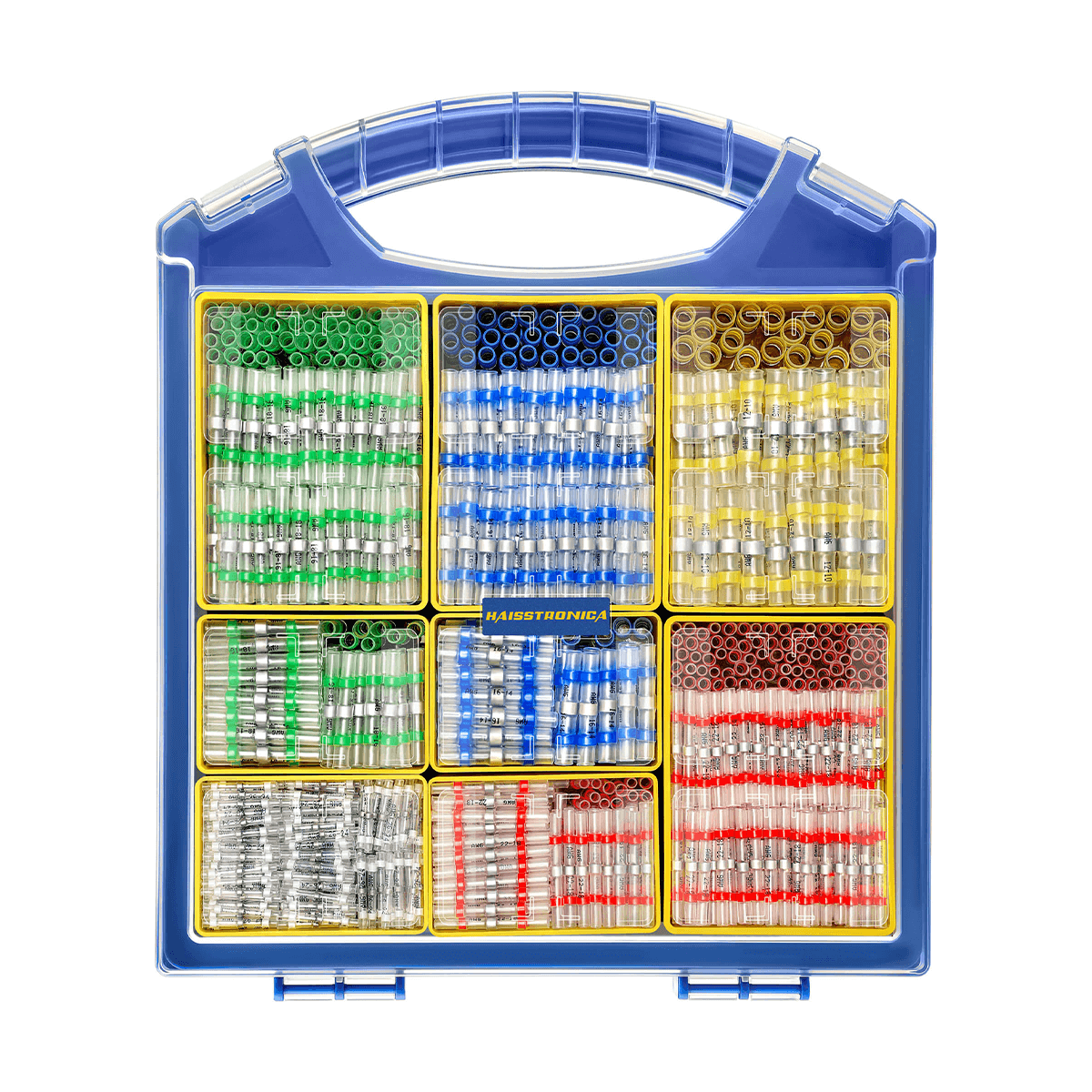
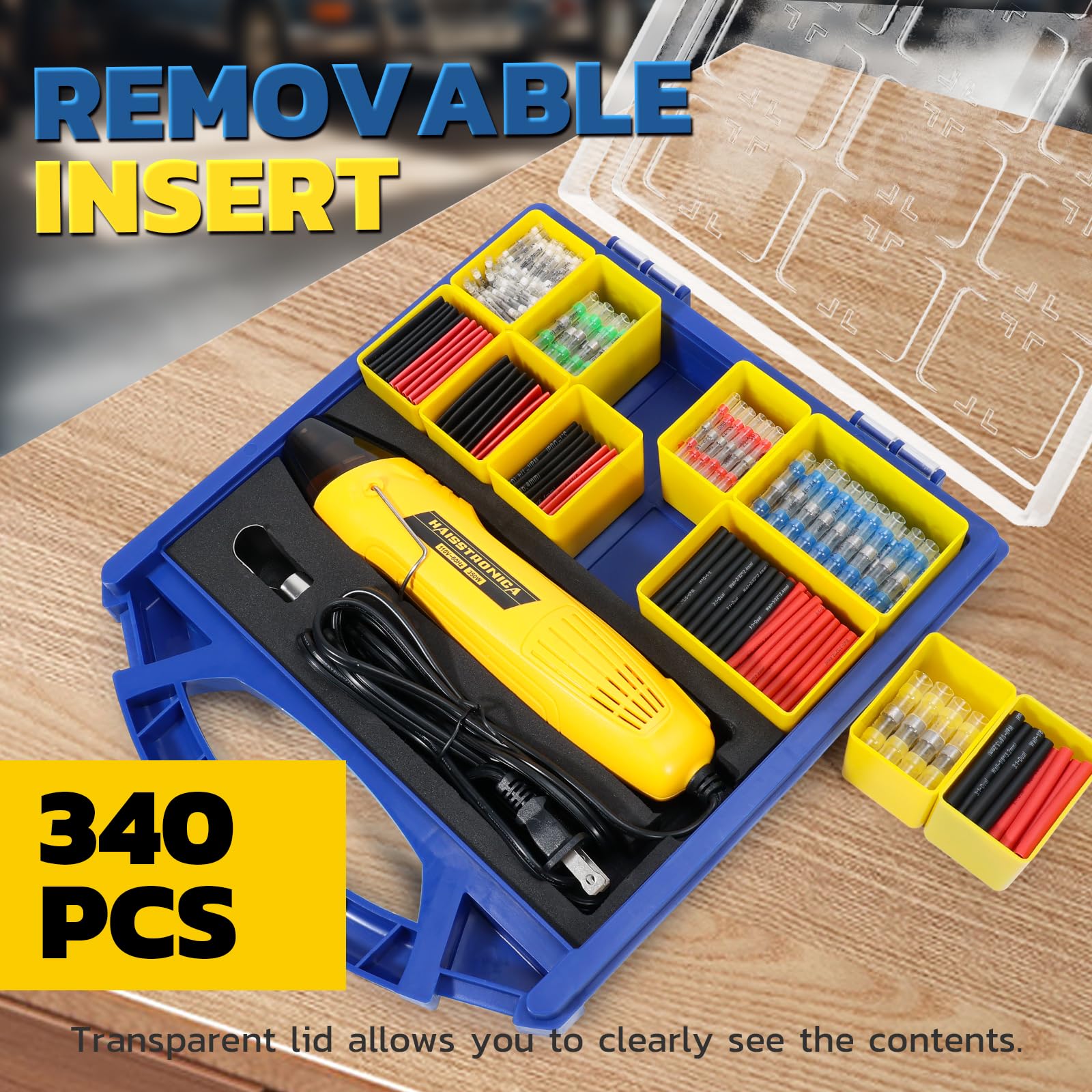
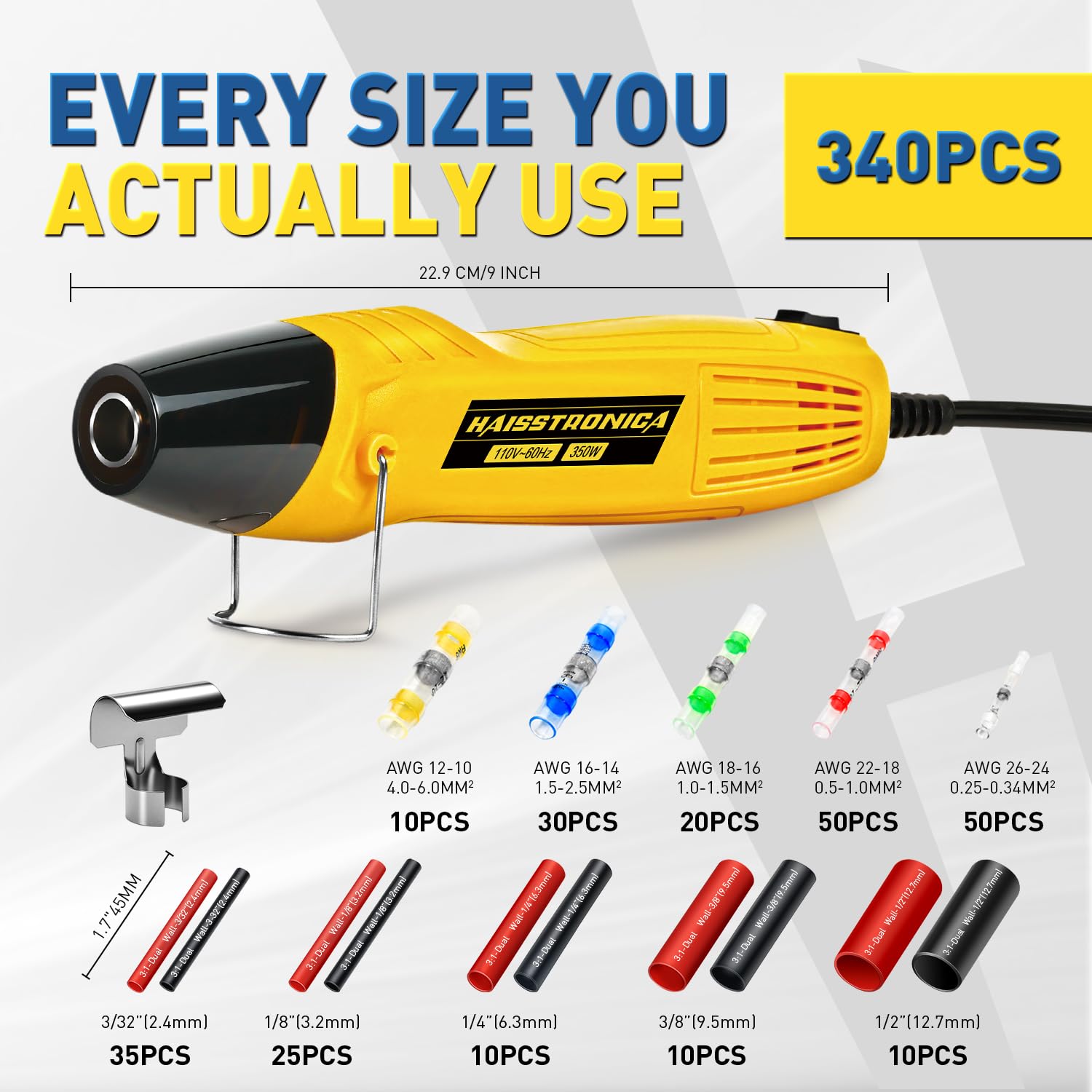
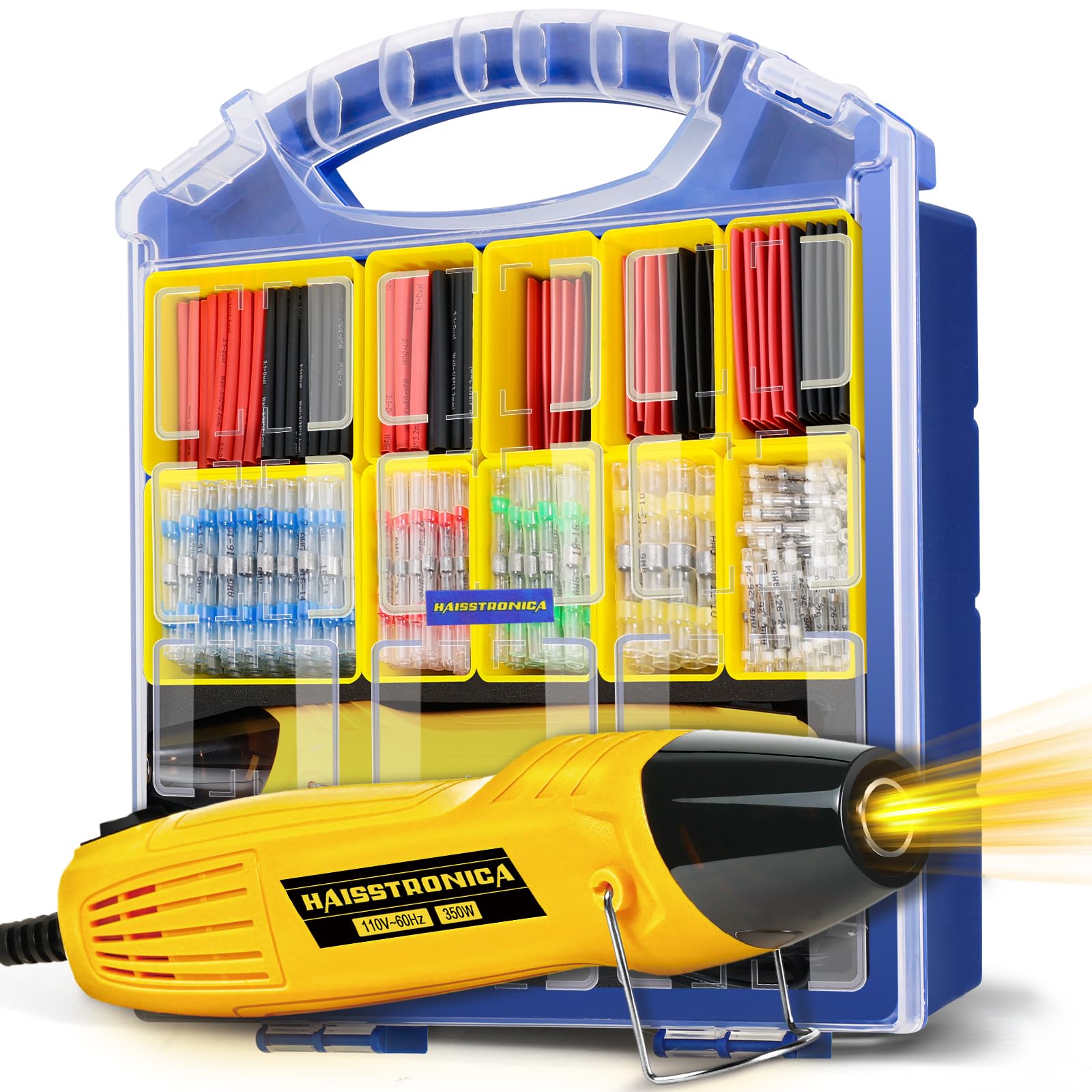
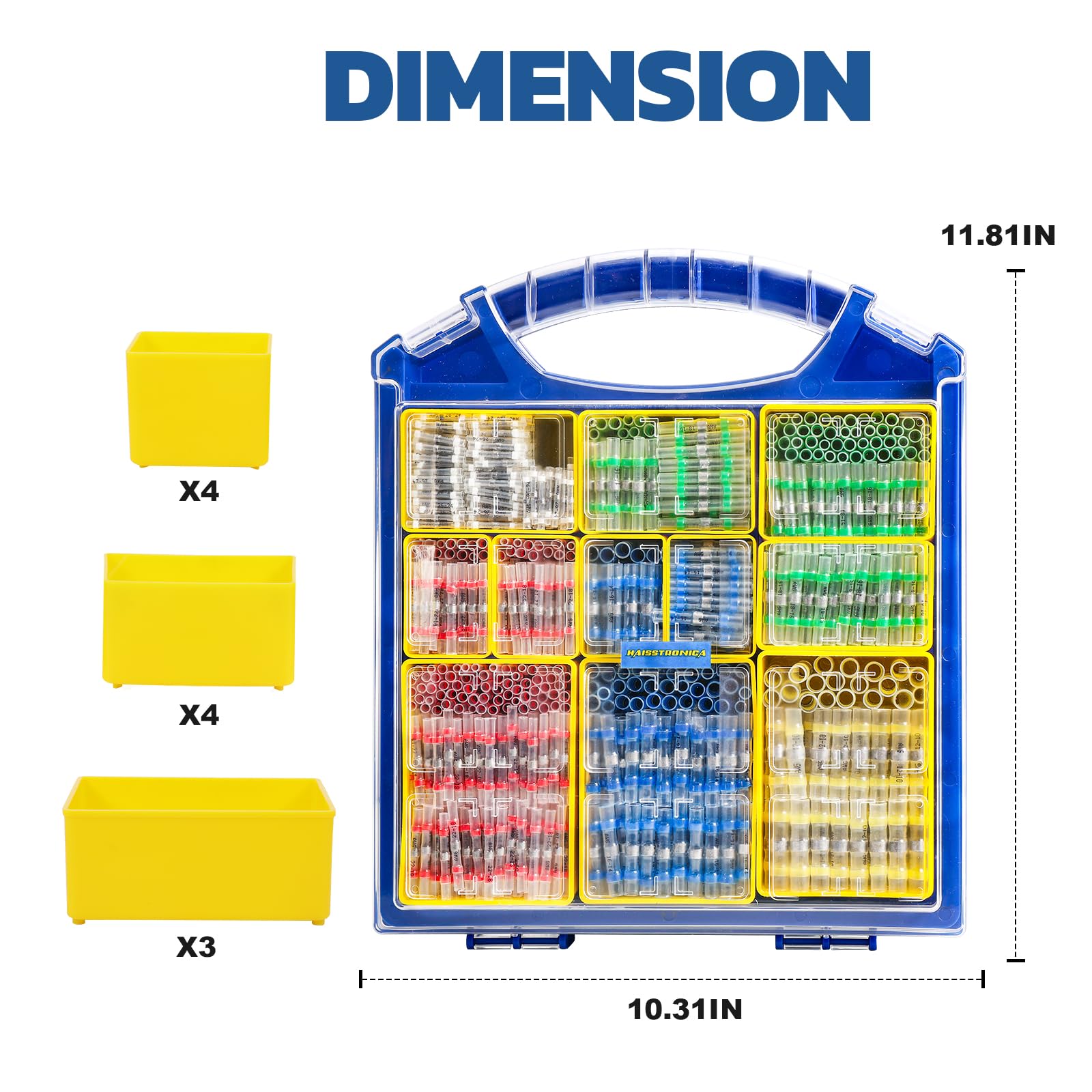
If you’ve ever stared at a product page wondering whether to buy the 120-piece starter box or the 1000-piece “never run out” set of solder sticks and connectors, this guide is for you. We’ll break ...
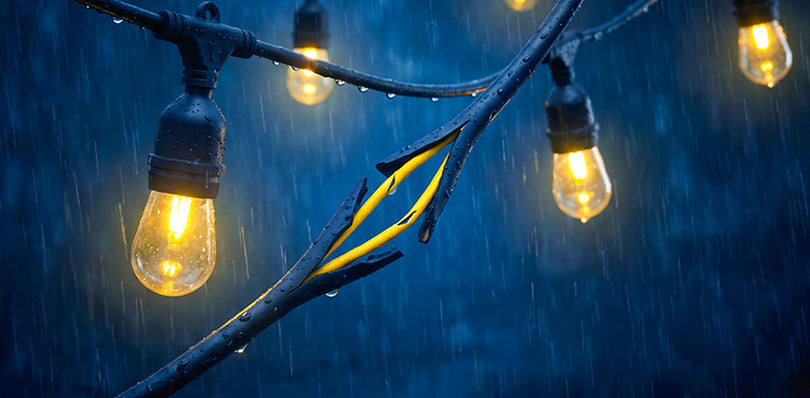
Cold weather can present unique challenges for electrical installations, especially when it comes to ensuring durable, moisture-resistant seals. Understanding the right connectors and heat-shrink t...
Solderless electrical connectors – typically crimp-and-seal types – often perform better than soldered joints in high-vibration environments. Soldered wire splices can become rigid and brittle, lea...
The phrase “butt connectors with solder” often raises eyebrows among DIYers and electricians. Is it talking about crimp connectors or soldering? In this article, we clear up the confusion around th...
Soldered butt connectors (often called solder & seal connectors or heat shrink solder sleeves) and solderless connectors (crimp & seal butt splices) each have distinct advantages. Soldered ...
Heat-shrink tubing and solder seal connectors are two very different solutions for wiring. Heat-shrink tubing is an insulating sleeve used to protect and seal wire connections, while solder seal co...
Quality wiring kits may cost more upfront, but they save money over time by reducing failures, maintenance, and downtime. This article explores the total cost of ownership concept applied to solder...
Summary:In this blog post, we explore subtle yet significant mistakes buyers make when selecting solder sleeve connectors or wire splice kits. Many DIYers underestimate the impact of these mistakes...
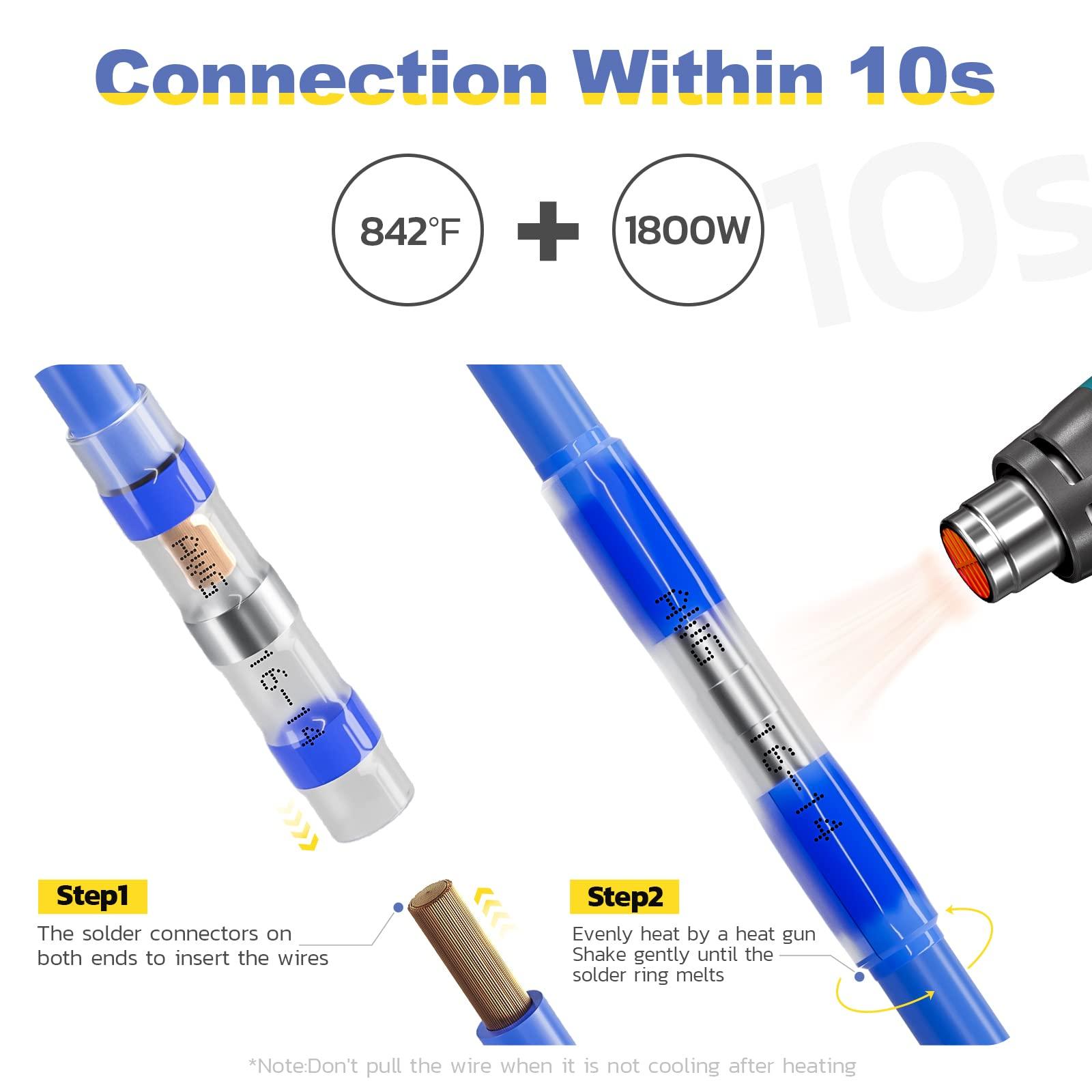
Low-temperature solder rings – often found in heat shrink solder connectors and solder seal wire splices – make wiring easier by combining soldering and sealing in one step. This workshop-style gui...
Solid vs stranded wire – what’s the difference, and how does it impact your choice of solder & seal connectors? This comprehensive guide breaks down the basics of solid and stranded wire constr...
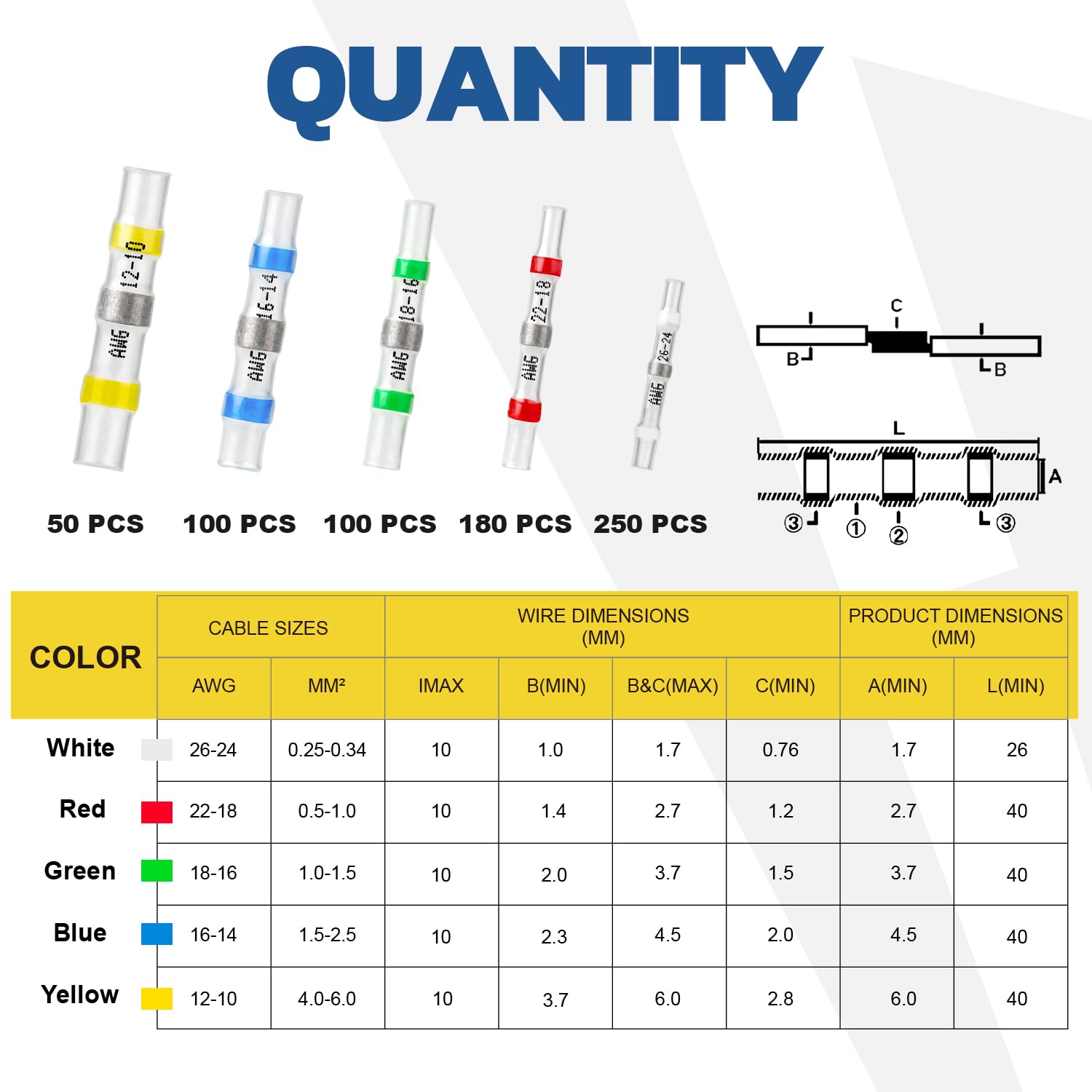
Color-coded solder sticks (white, red, blue, yellow) correspond to different wire gauges and make it easy to pick the right connector for your wire. This article first gives a Quick Answer with the...
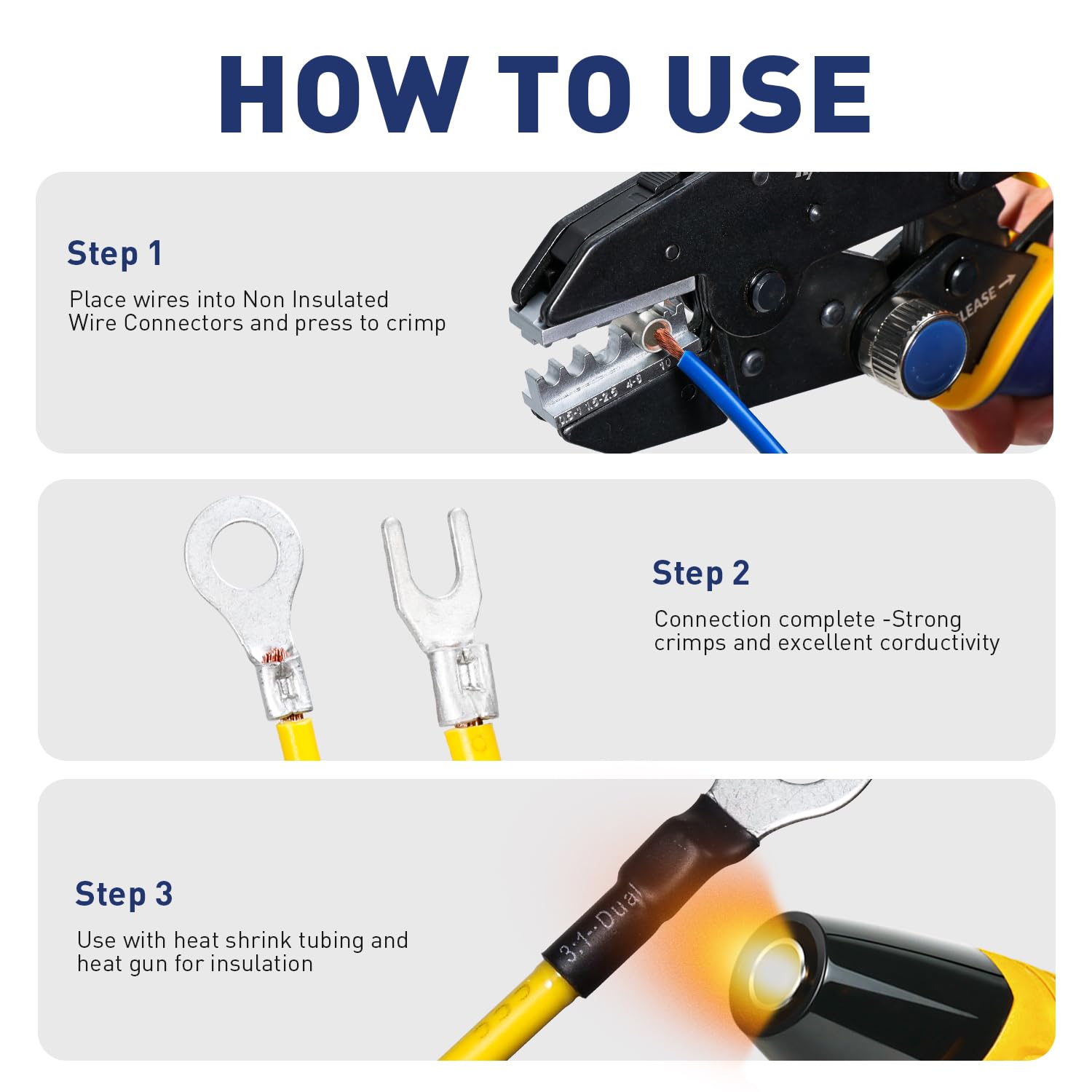
Crimping is one of the fastest ways to build strong electrical connections—when it’s done correctly. The difference between a “good enough” crimp and a professional-grade crimp usually comes down t...