
What Is The Temperature Rating Of Twist On Wire Connectors?

What Is The Temperature Rating Of Twist On Wire Connectors?

This article explains what the temperature rating on twist-on wire connectors (wire nuts) really means, how it’s determined, and what “90°C” or “105°C” on the package translates to in the real world. It walks DIYers and electricians through how plastic body, spring metal, conductor insulation rating and enclosure temperature all interact—then compares those ratings to the solder melting point of common alloys so you don’t accidentally exceed the limits of your wiring system. Finally, it breaks down the typical temperature classes you’ll see on wire nuts and shows when it can make sense to step up to sealed, heat-shrink or solder-related solutions such as Haisstronica connector kits for tougher environments.

How to Properly Desolder: Step-by-Step Guide for Clean Electrical Joints Reading What Is The Temperature Rating Of Twist On Wire Connectors? 10 minutes

When you grab a box of twist-on wire connectors (wire nuts), you’ll usually see a voltage rating (often 300 V or 600 V) and a temperature rating like 90 °C or 105 °C printed on the carton. That number isn’t random—and it’s closely related to the solder melting point and the temperature rating of the insulation on the wires you’re joining.

If you’re wiring lights, receptacles, low-voltage circuits, or upgrading older junction boxes, understanding that temperature rating helps you avoid cooked insulation, brittle plastic, and long-term joint failure. A quality connector plus correctly rated wire beats a quick “that should be fine” guess every time. Haisstronica designs its heat-shrink and solder-related connector kits with clearly stated operating ranges so you can match your hardware to the job instead of guessing.

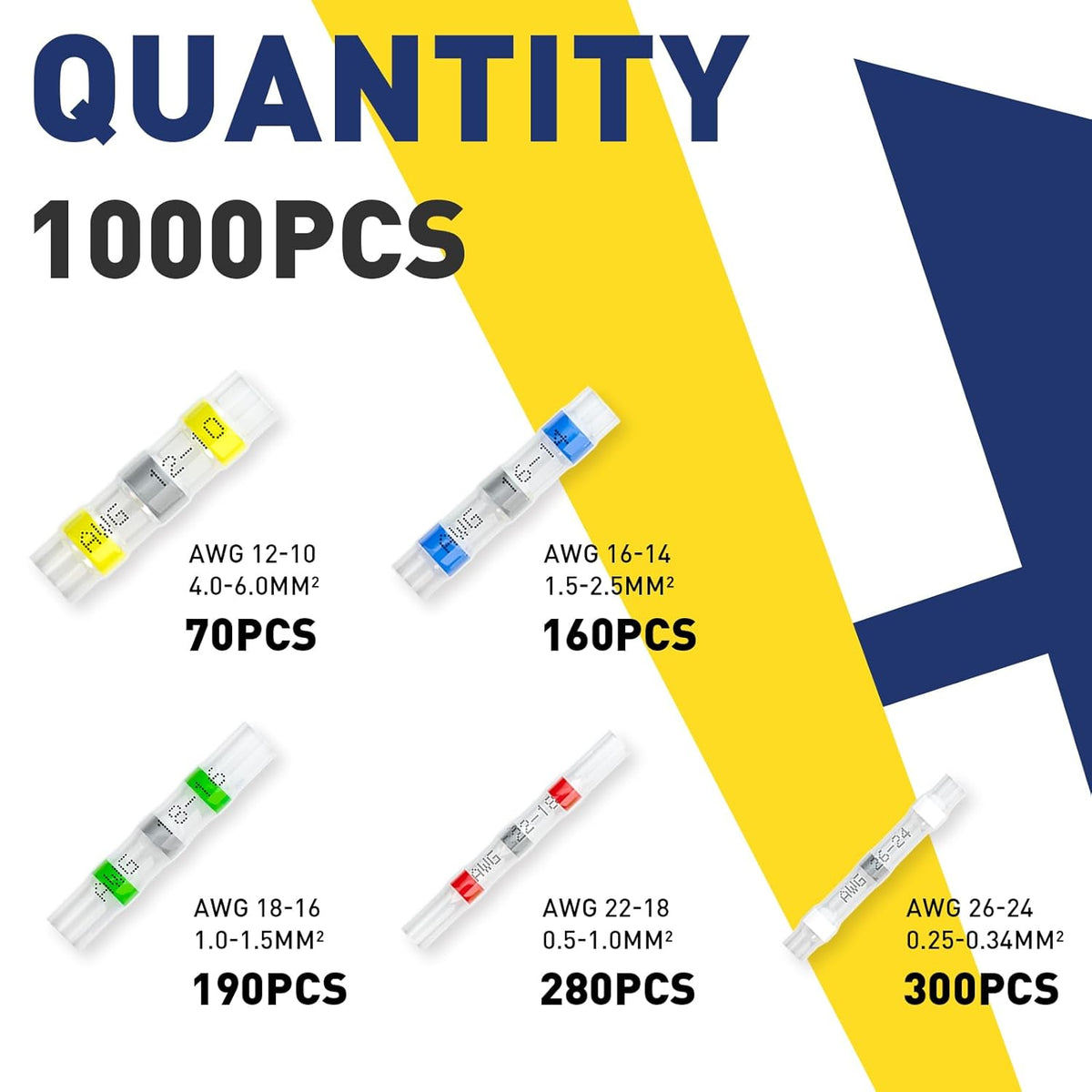
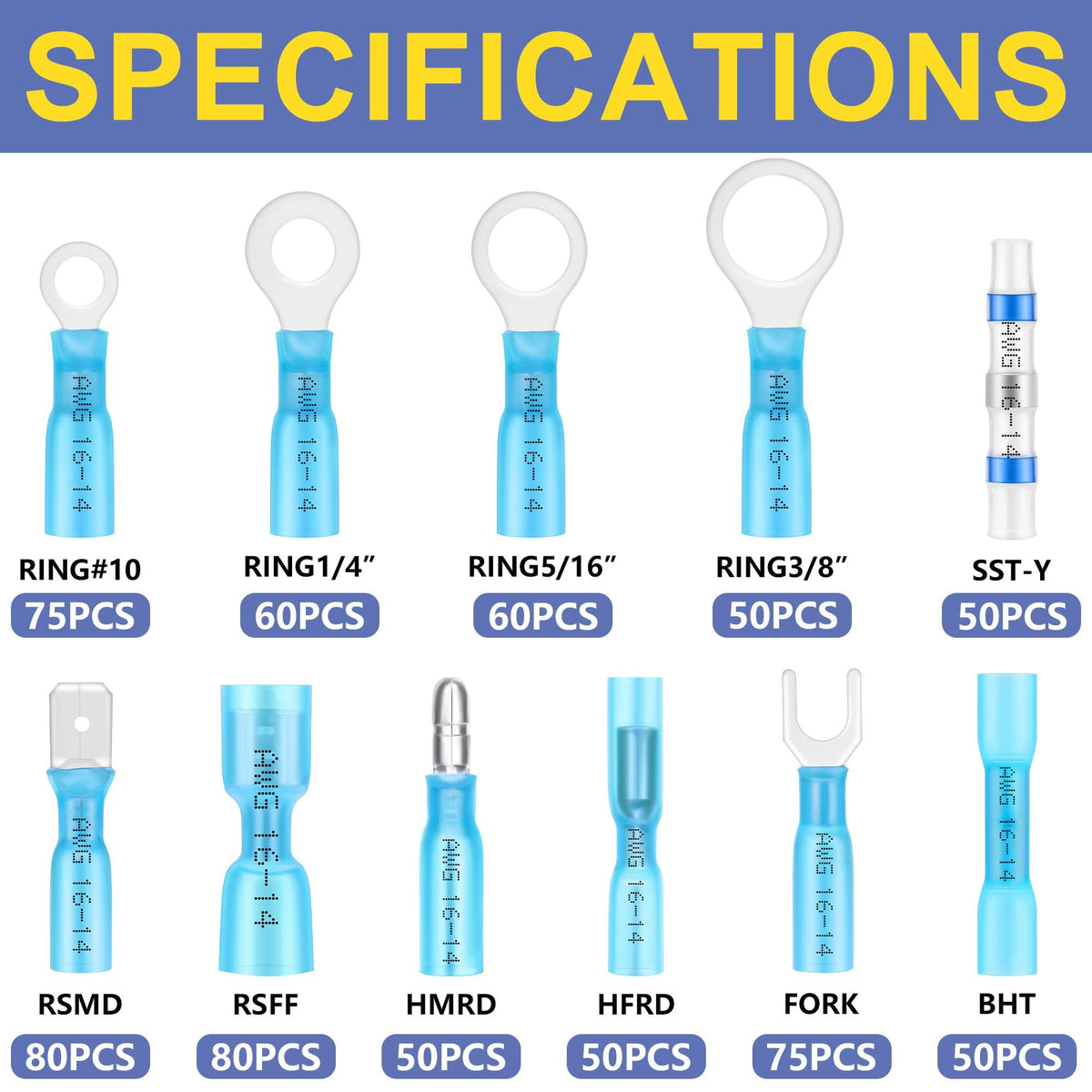
Reference table of color coded solder seal connectors listing AWG ranges and counts for each matching solder stick


What Is a Temperature Rating on Twist-On Wire Connectors? (and Its Relationship to Solder Melting Point)

In simple terms, the temperature rating on twist-on wire connectors is the maximum continuous operating temperature the connector assembly is designed to withstand without degrading its electrical or mechanical performance. For UL-listed twist-on connectors in North America, this is governed by standards such as UL 486C – Standard for Wire Connectors.

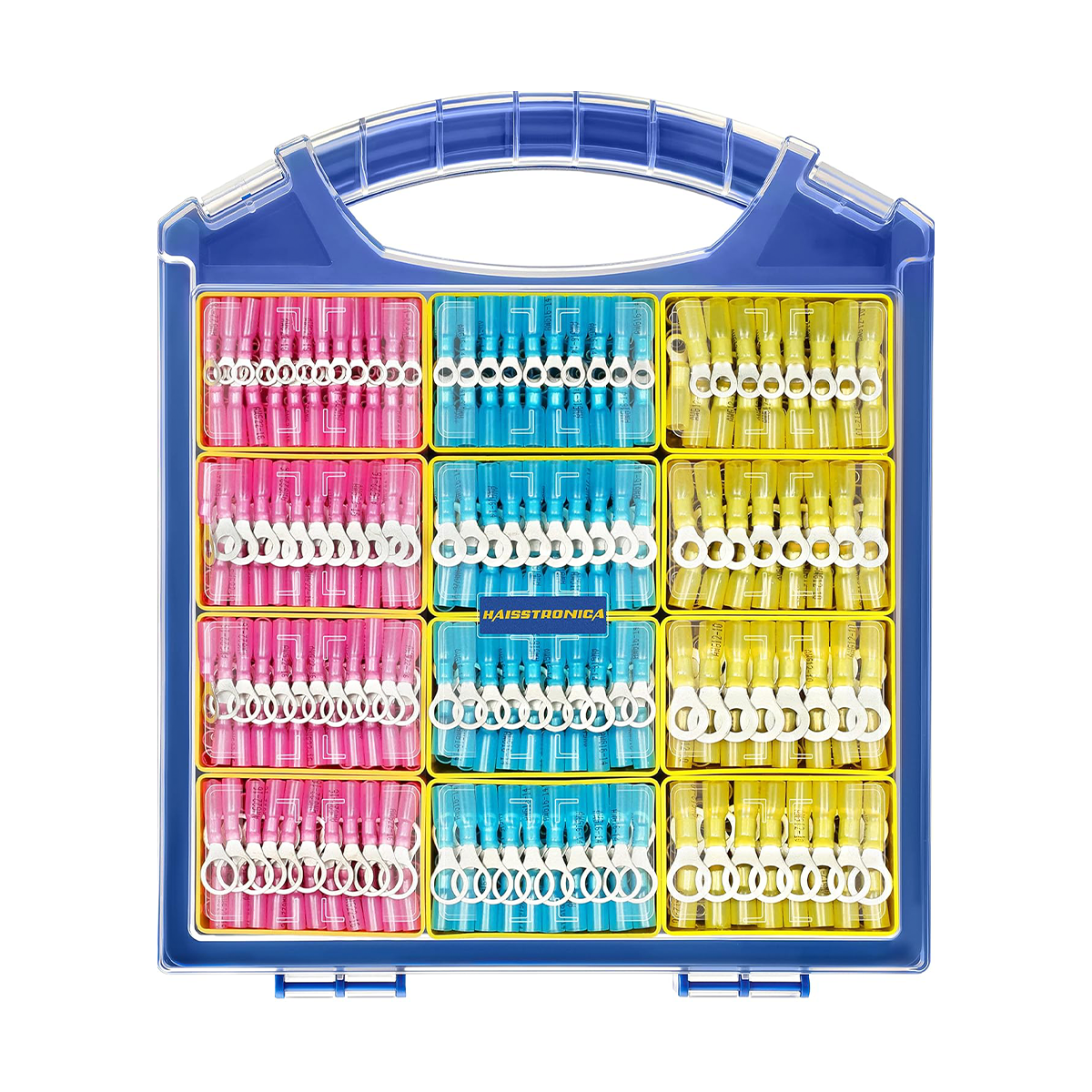
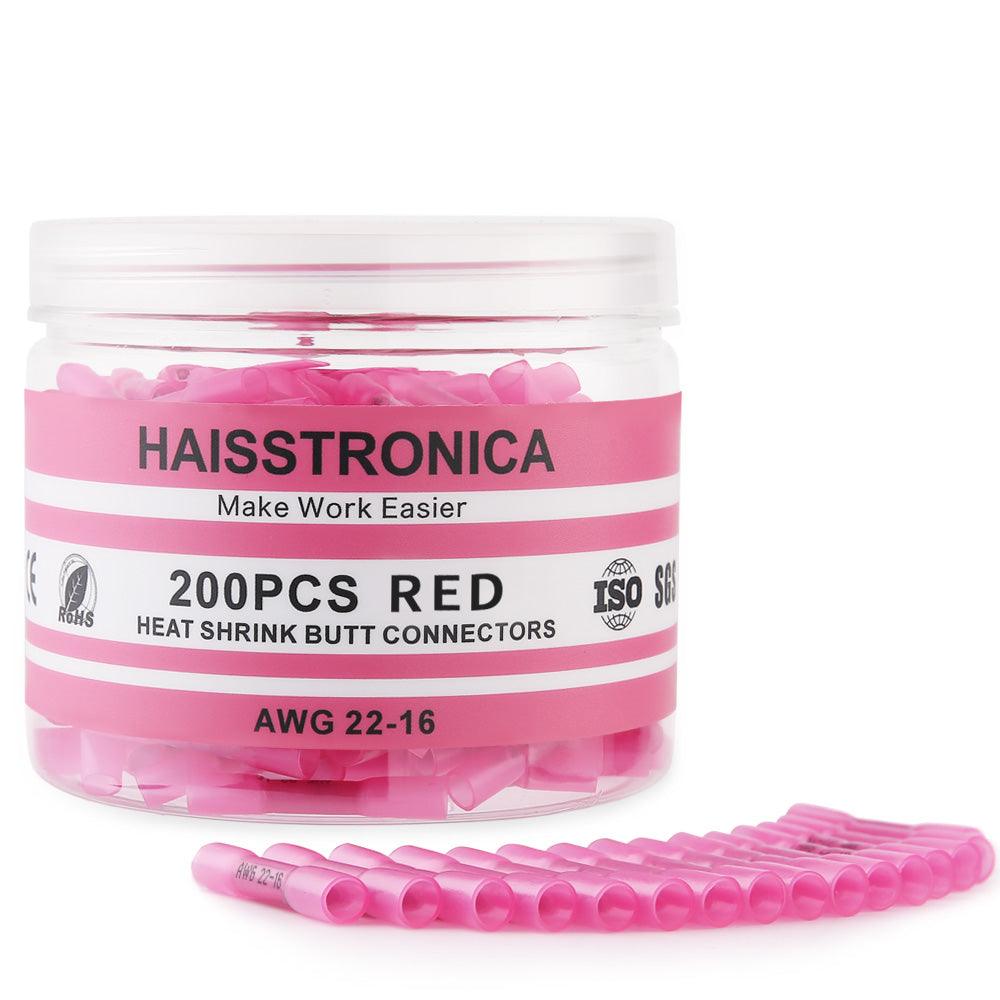
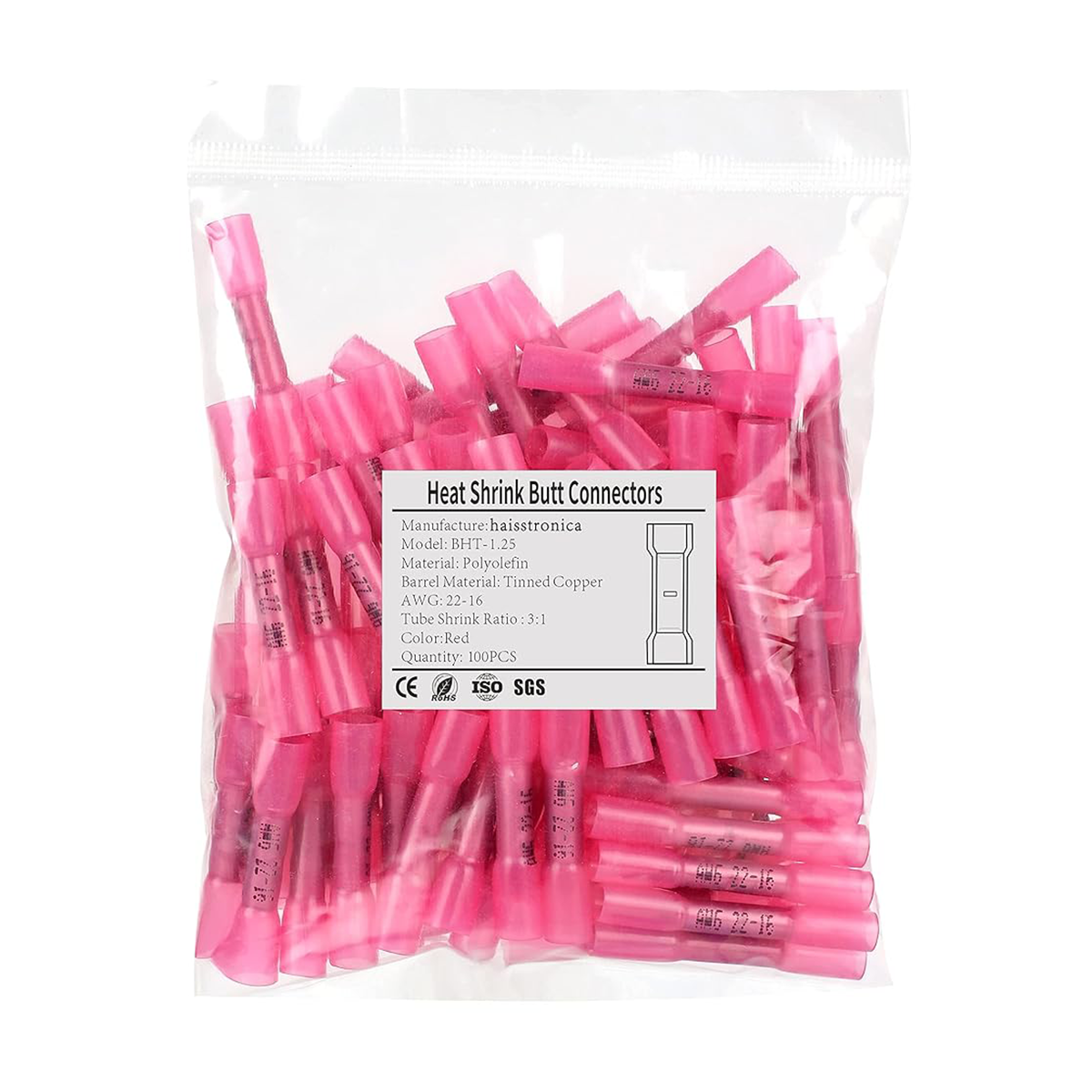
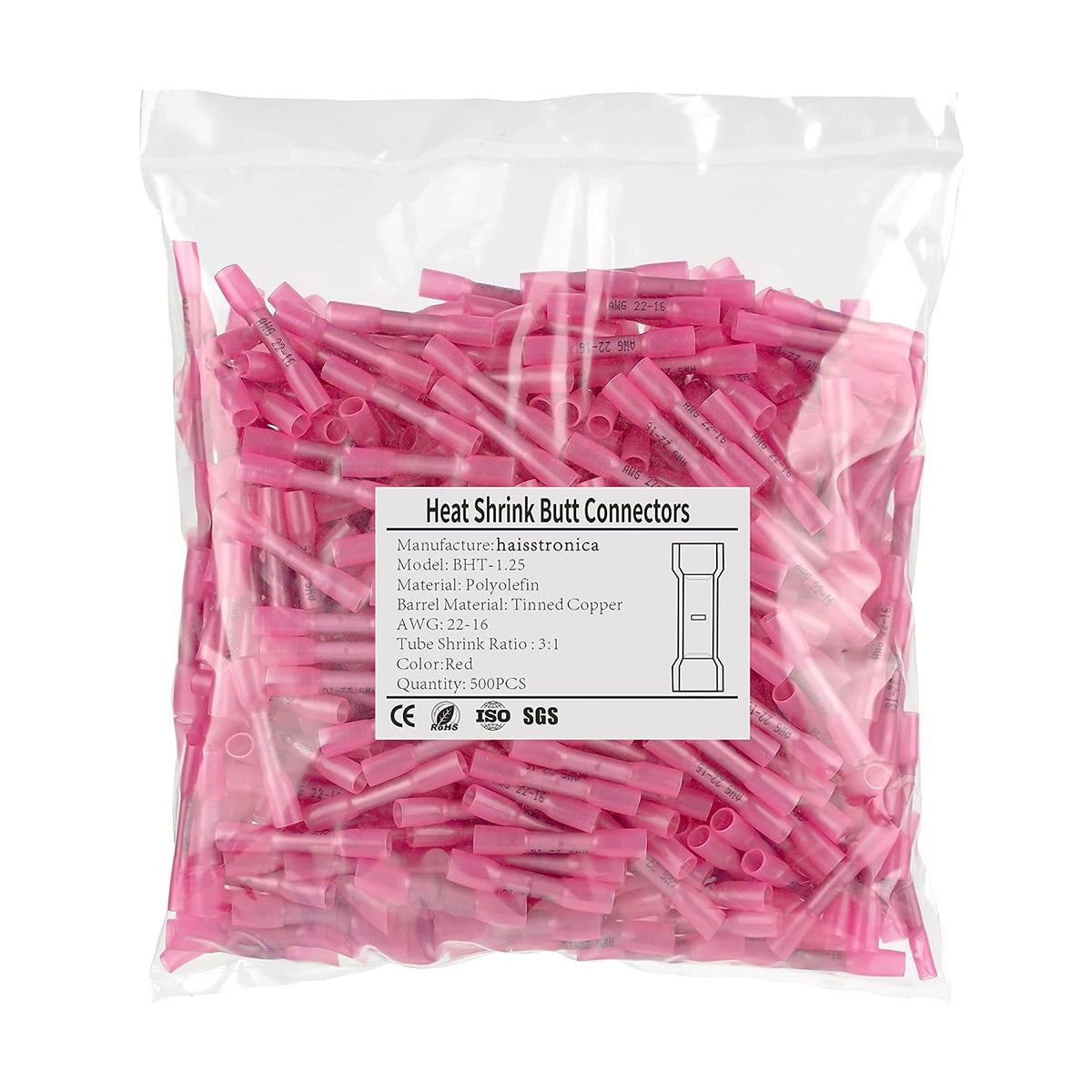
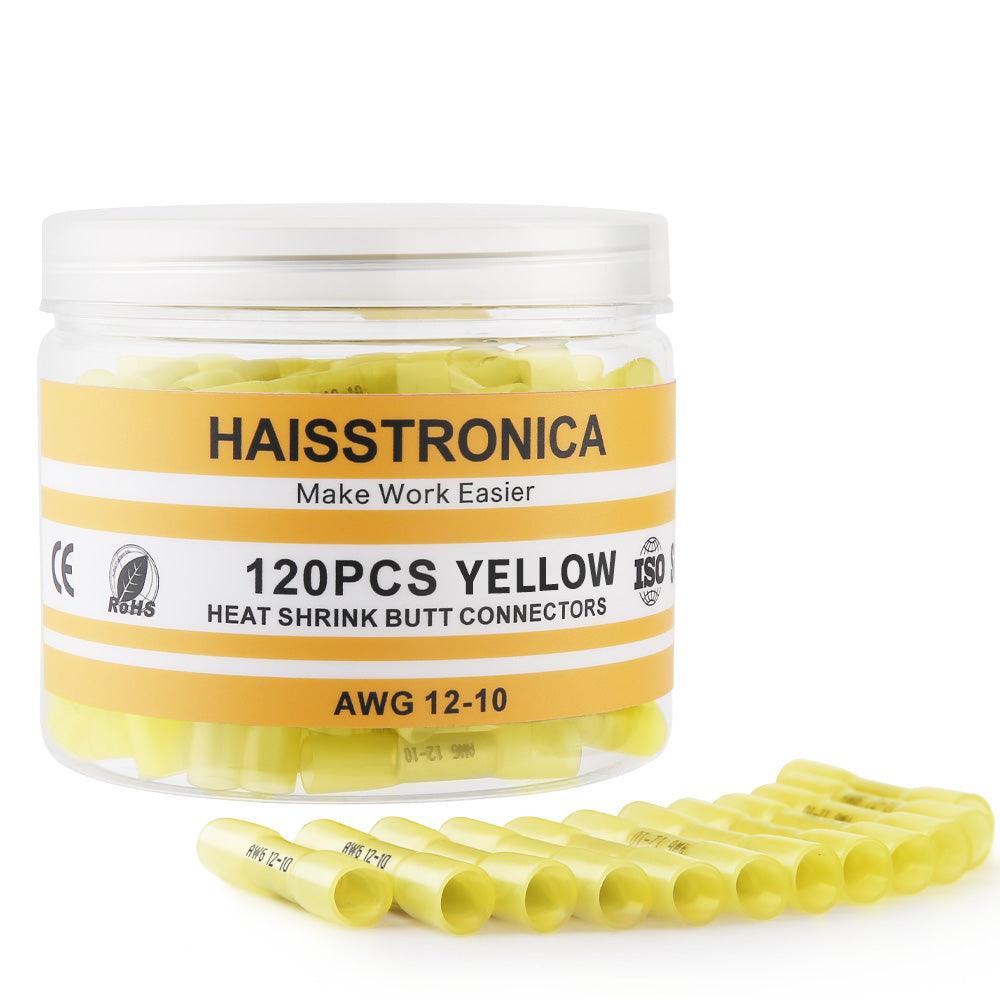
Most residential and light commercial twist-on connectors are marked 105 °C (221 °F), which lines up with common insulation ratings on modern copper building wire and common fixture ratings. If you’re working in hotter locations—like near recessed lighting cans or inside some equipment—you’ll sometimes see higher-temperature devices, but 105 °C is the everyday norm. Haisstronica heat-shrink style connectors and related accessories are similarly specified with clear operating ranges (for example, –55 °C to 125 °C for some marine-grade heat-shrink butt connectors), letting you build a consistent “temperature story” from conductor to termination.

Now, where does solder melting point come in? Typical tin-lead solder alloys melt around 183 °C, and common lead-free solders (like SAC305) melt around 217–221 °C—not far above the 105 °C rating you see on many twist-on wire connectors. That means if your junction is ever running hot enough to get close to a solder stick or solder sleeves’ melting point, you’re already way above what the connector body and insulation were designed for. Rather than trying to “match” solder melting point to your wire nut, you should think of the connector’s temperature rating as a safe ceiling and the solder melting point as a hard emergency stop you should never approach in normal service. With Haisstronica’s solder sleeves and heat-shrink solder sleeve options, the melting behavior is tuned so the solder flows reliably at safe tool temperatures while your finished connection still lives comfortably below that solder stick threshold in normal use.

So when you see 90 °C vs 105 °C on twist-on connectors, you’re really choosing how much thermal headroom your joint has under code-compliant conditions—not picking a connector that “matches” a solder melting point. Using Haisstronica connector kits alongside properly rated wire helps you keep your whole system comfortably inside that headroom.

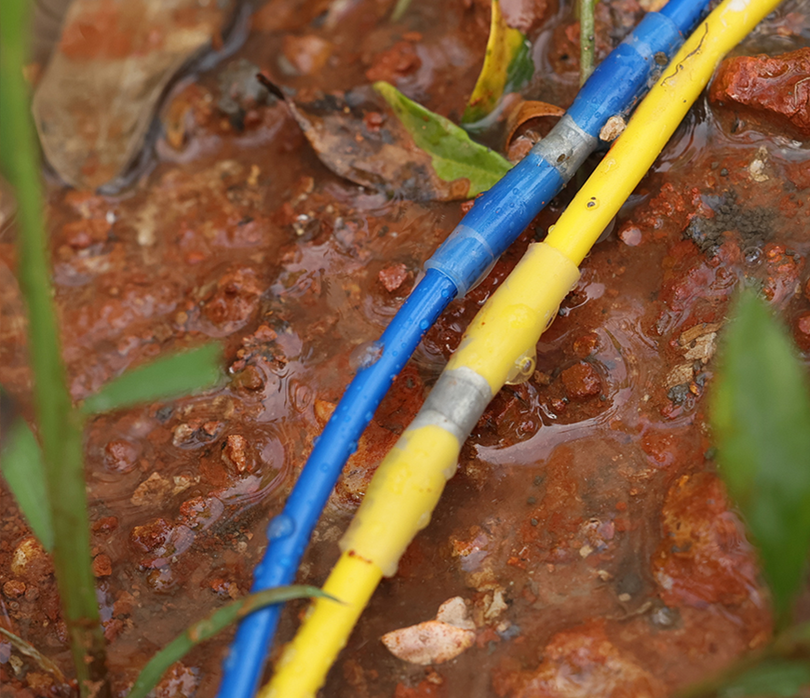
Moisture proof image of clear shrink solder connectors on wet cables, sealed solder splices stopping corrosion


What Determines the Temperature Rating? (More Than Just Solder Melting Point)

The solder melting point of the alloys in your solder stick or solder sleeves is only one piece of a bigger picture. A twist-on connector’s temperature rating is influenced by several factors tested under UL 486C and related standards:

  1. Thermoplastic body
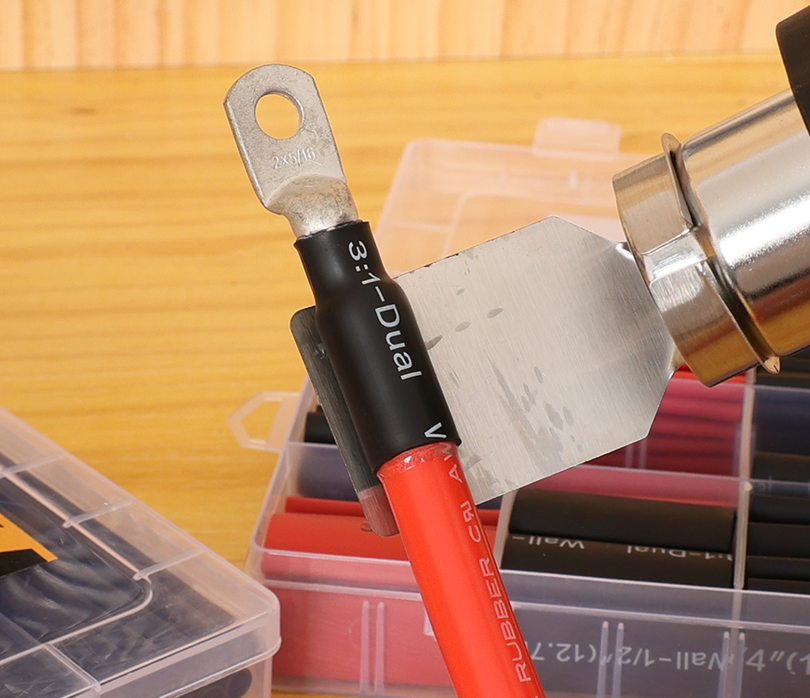
    The plastic shell has to survive long-term exposure at its marked temperature without cracking, softening, or carbonizing. Chemically, most wire nut bodies are made from engineered thermoplastics that are stable at 105 °C but will deform if you push them toward the solder melting point of typical soft solders (well above 180 °C). Choosing Haisstronica-style heat-shrink connectors for harsh environments moves the sealing and mechanical strength into materials that are designed to shrink, seal, and hold at continuous elevated temperatures.

  2. Metal spring / insert
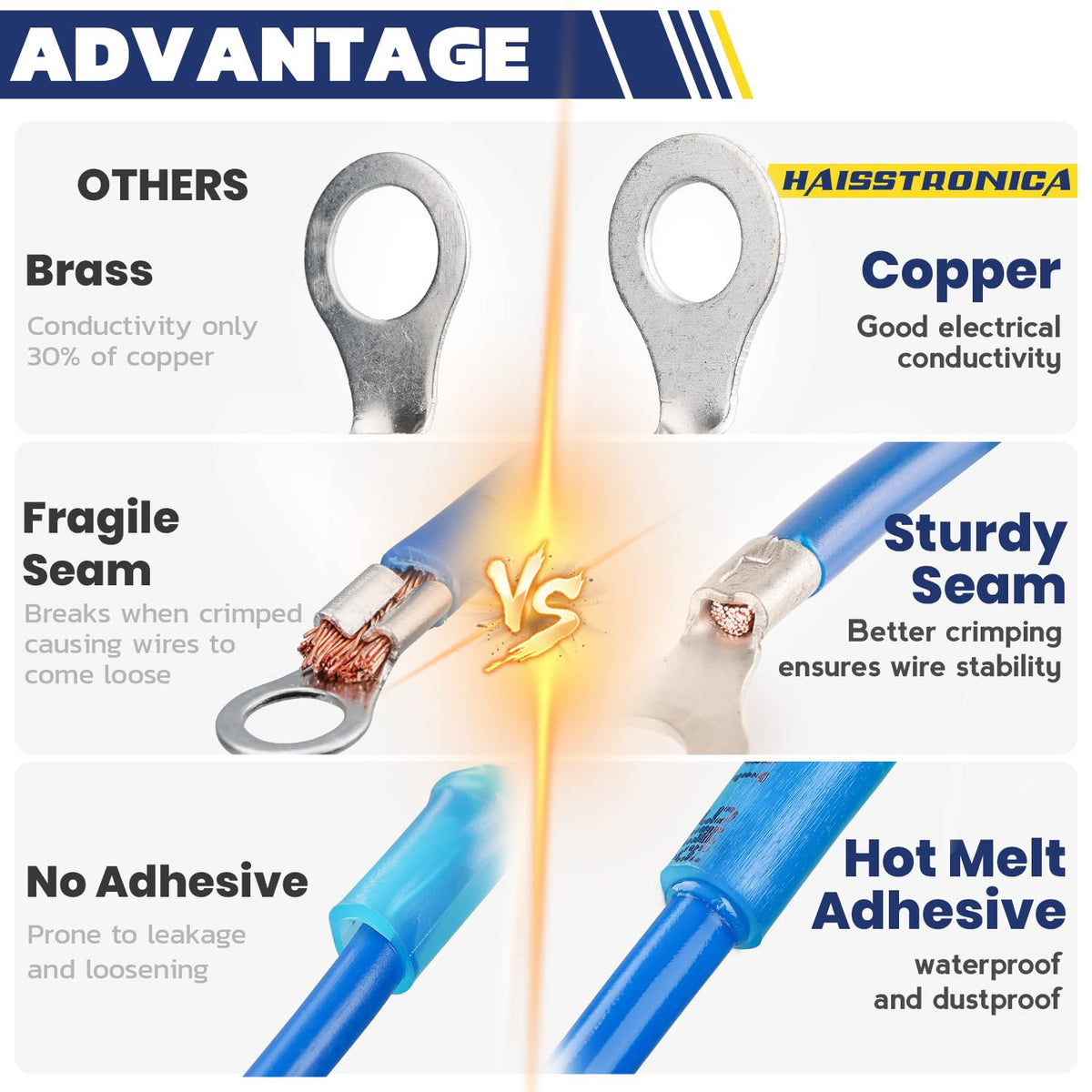
    The internal spring or threaded metal insert must maintain clamp force at high temperature. If the metal relaxes under heat cycling, the joint loosens and resistance climbs, which creates even more heat—a vicious loop. Solder sleeves and crimp-and-seal connectors avoid that spring-only failure mode by combining plastic deformation of copper barrels with heat-activated sealant, something Haisstronica’s crimp-and-seal product lines are built around.

  3. Wire insulation rating
    The connector temperature rating is tightly tied to the conductor insulation rating. NEC 110.14(C) and related tables talk about 60 °C, 75 °C, and 90 °C conductor temperature ratings, and terminations must be chosen to match these values. A 90 °C-rated conductor terminated with a 60 °C connector forces you to treat the whole assembly as a 60 °C system. Using connectors, solder terminals, and solder shrink sleeves with matching or superior ratings (and labeling) like those in Haisstronica kits prevents this hidden downgrade.

  4. Test conditions and safety margin
    UL testing doesn’t just heat the connector in free air. It simulates enclosures, current loads, and thermal cycling, then checks for loosening, insulation damage, and dielectric breakdown at the rated temperature. That means the marking on the box already includes a safety margin—you’re not supposed to run right at that limit with extra heat from poor terminations or undersized conductors. High-quality brands (including Haisstronica with its marine-grade wiring accessories) lean into that margin instead of shaving it for cost.

All of that is why you can’t just say “my solder melting point is 183 °C, so 105 °C connectors are fine.” You need a connector system—twist-on, crimp, or solder-and-seal—that stays happy well below both its own marked rating and the melting point of your solder sticks. Haisstronica’s approach is to publish realistic operating temperature windows so the pieces match up in your spec sheet and in your junction box.

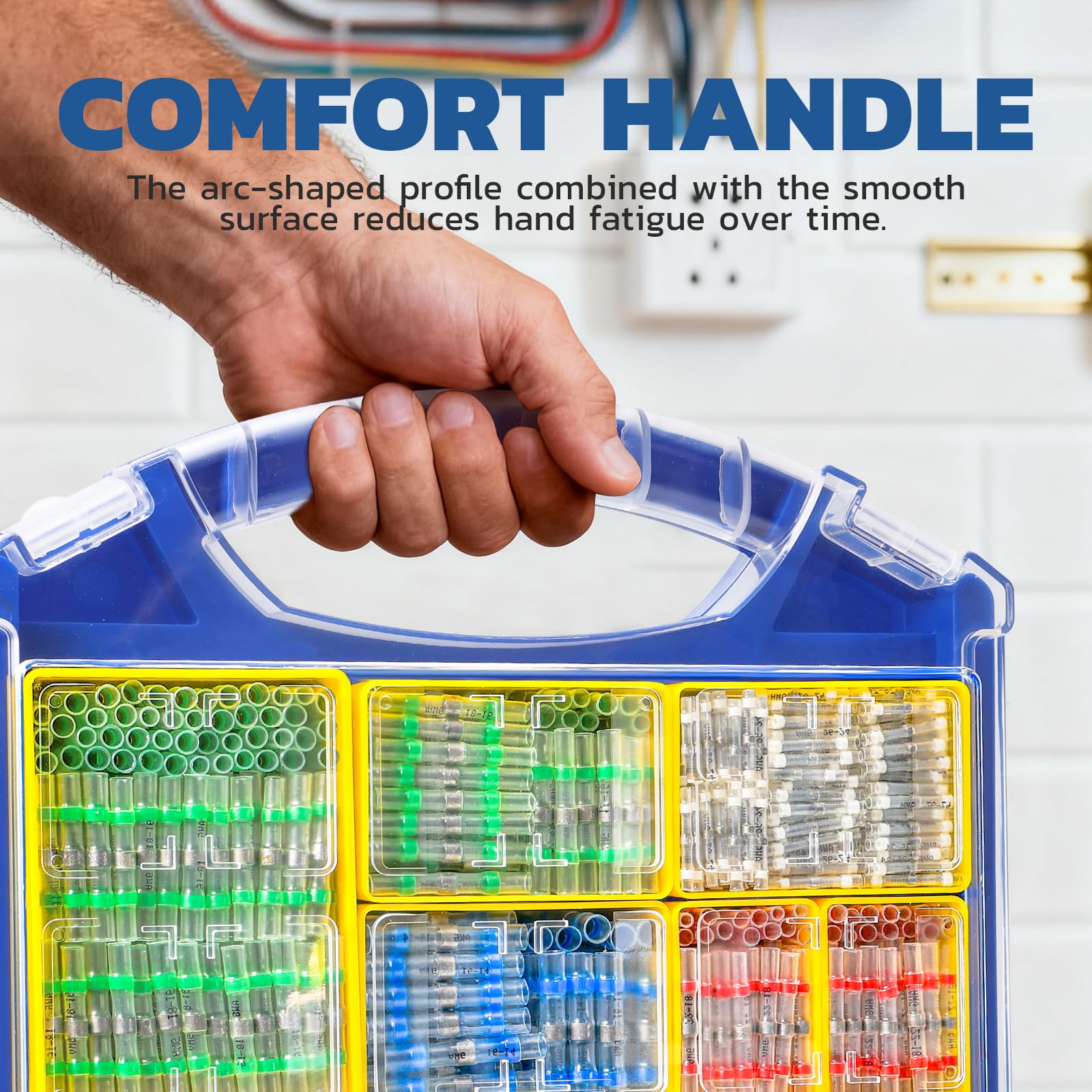
Locking latch on connector organizer case, keeping solder seal pieces secure and ready for next solderstick project


Typical Temperature Classes You’ll See on Wire Nuts (and How They Compare to Solder Melting Point)

Walk down any U.S. home-center aisle and check the fine print on twist-on connectors. You’ll usually see one of these temperature classes:

  1. 75 °C (167 °F) – Older or economy-grade devices
    These are often meant for lighter-duty work or to match older 60 °C/75 °C conductor ratings. On a modern branch circuit with 90 °C copper, using 75 °C connectors forces you to treat the whole joint as 75 °C-limited. Compared with typical solder melting point values above 180 °C, 75 °C may sound “safe,” but in hot attics, can lights, or tight enclosures this margin shrinks fast. If you’re investing in modern Haisstronica solder & seal kits for more demanding environments, it usually makes sense to avoid pairing them with the lowest-rated twist-on devices in the system.

  2. 90 °C (194 °F) – Common in many general-purpose connectors
    A 90 °C rating lines up nicely with a lot of NM-B and THHN/THWN-2 copper conductors used in residential and light commercial wiring. At this level, you have more breathing room before thermal derating starts to bite. In terms of solder melting point, you’re still at about half of what most solder sticks require to liquefy, which is exactly what you want: your connector materials stay in their comfort zone while your solder sleeves (if used elsewhere in the project) see their full heat only during installation, not in normal operation. That’s the same philosophy Haisstronica follows with its heat shrink solder sleeve products—heat them hard once during install, keep them cool and sealed for life.

  3. 105 °C (221 °F) – The modern “good” benchmark
    Many UL-listed twist-on connectors for building wiring now carry a 105 °C rating, matching fixture wire and many higher-grade terminations. At this rating, you have a solid thermal buffer for attic spaces, luminaires, or equipment enclosures that routinely get warm. Compared with solder melting point (183–217 °C), you’ve still got a large safety gap, but not an infinite one. A bad connection that runs 40–60 °C hotter than ambient can creep much closer to the failure zone than you’d like. That’s why premium kits—like Haisstronica’s marine-grade heat-shrink butt connectors and crimp-and-seal systems—focus on low-resistance joints plus sealing, so temperature stays far below both the connector’s rating and your solder sticks’ melt threshold.

  4. Specialty high-temp devices
    In industrial or specialty applications, you might encounter devices designed for even higher ambient temperatures. These are usually paired with high-temp conductors and aren’t common in everyday residential work. In those cases, solder melting point and connector plastics must be considered together, and it may make more sense to use crimp-and-seal or lug-and-stud style terminations instead of standard wire nuts. Haisstronica’s catalog of solder terminals, solder shrink sleeves, and sealed electrical connectors can fill those roles where twist-on devices are not the right fit.

Whatever class you choose, remember: the temperature rating on the connector is not a suggestion. Treat it as a hard design parameter, just like conductor ampacity or solder melting point. Building your projects around that mindset—and using quality, clearly rated parts such as Haisstronica’s solder & seal and heat-shrink product lines—keeps your installs safer and more durable.

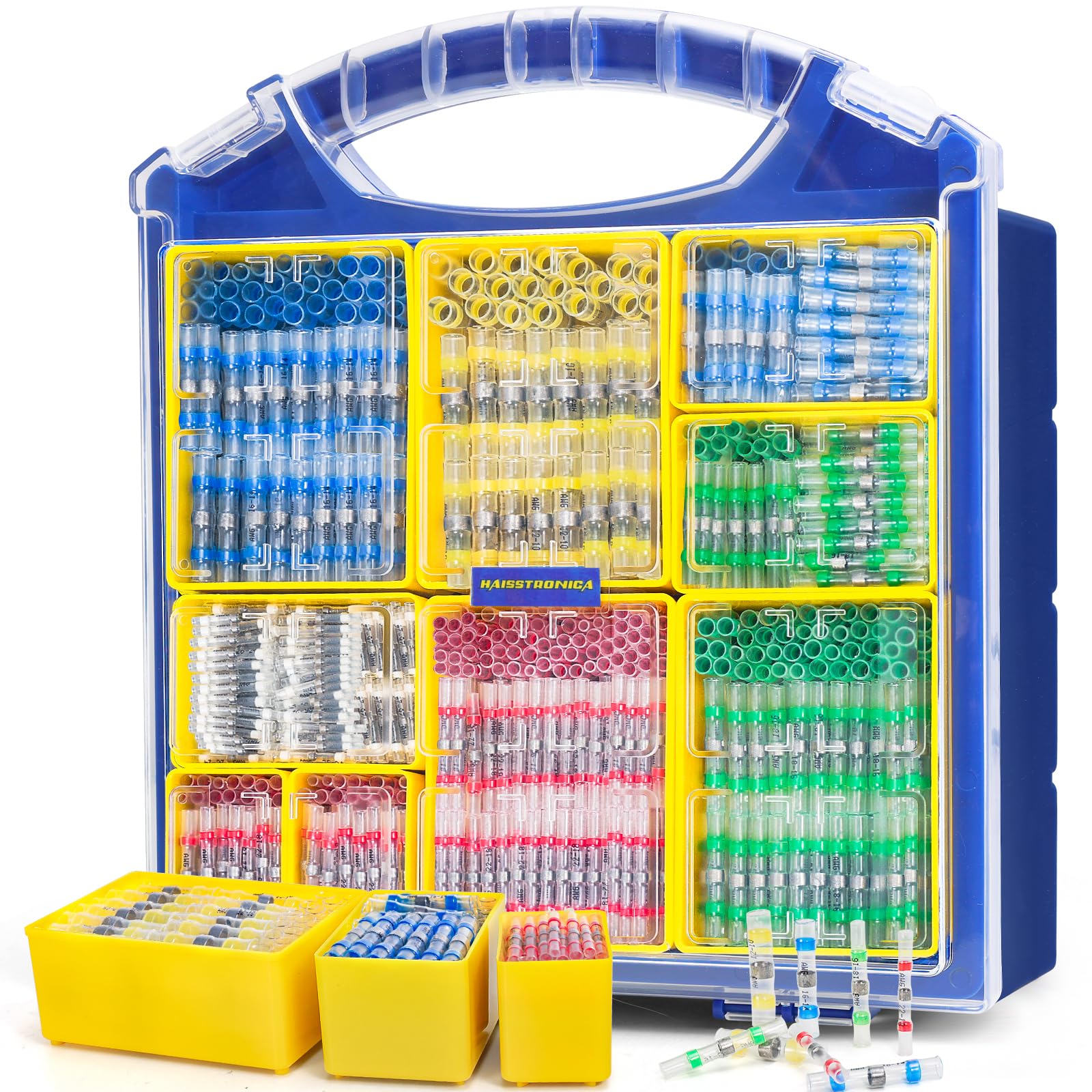
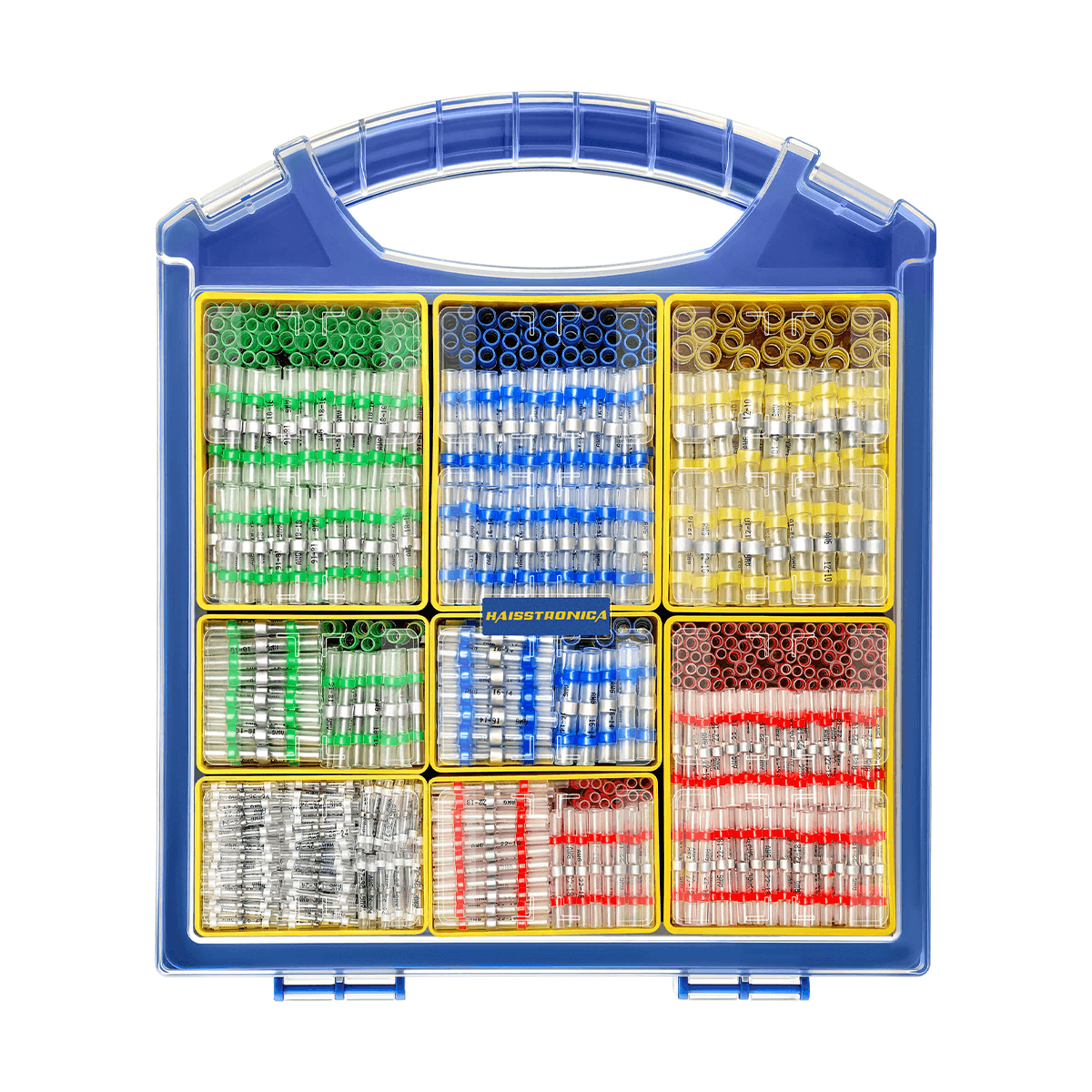
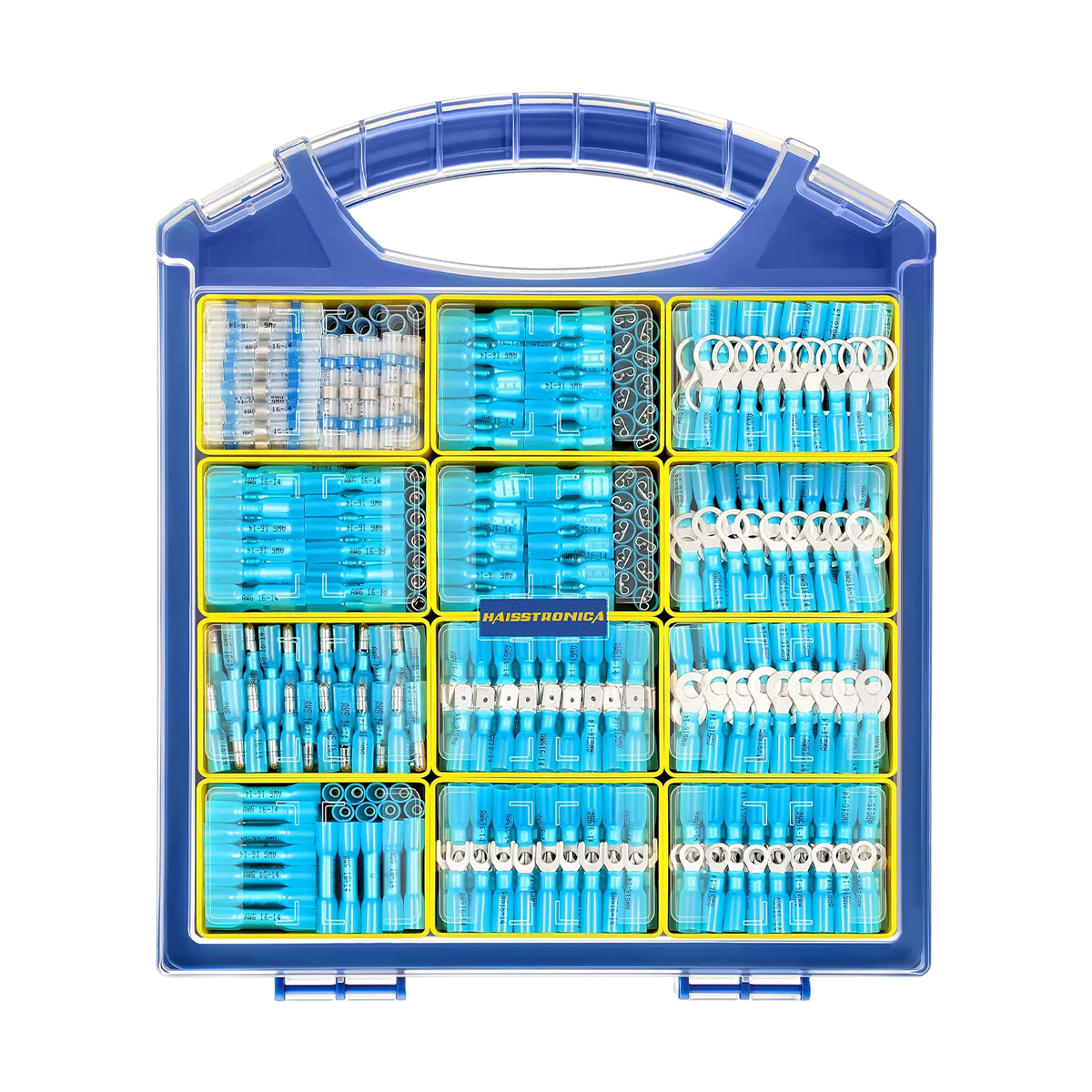
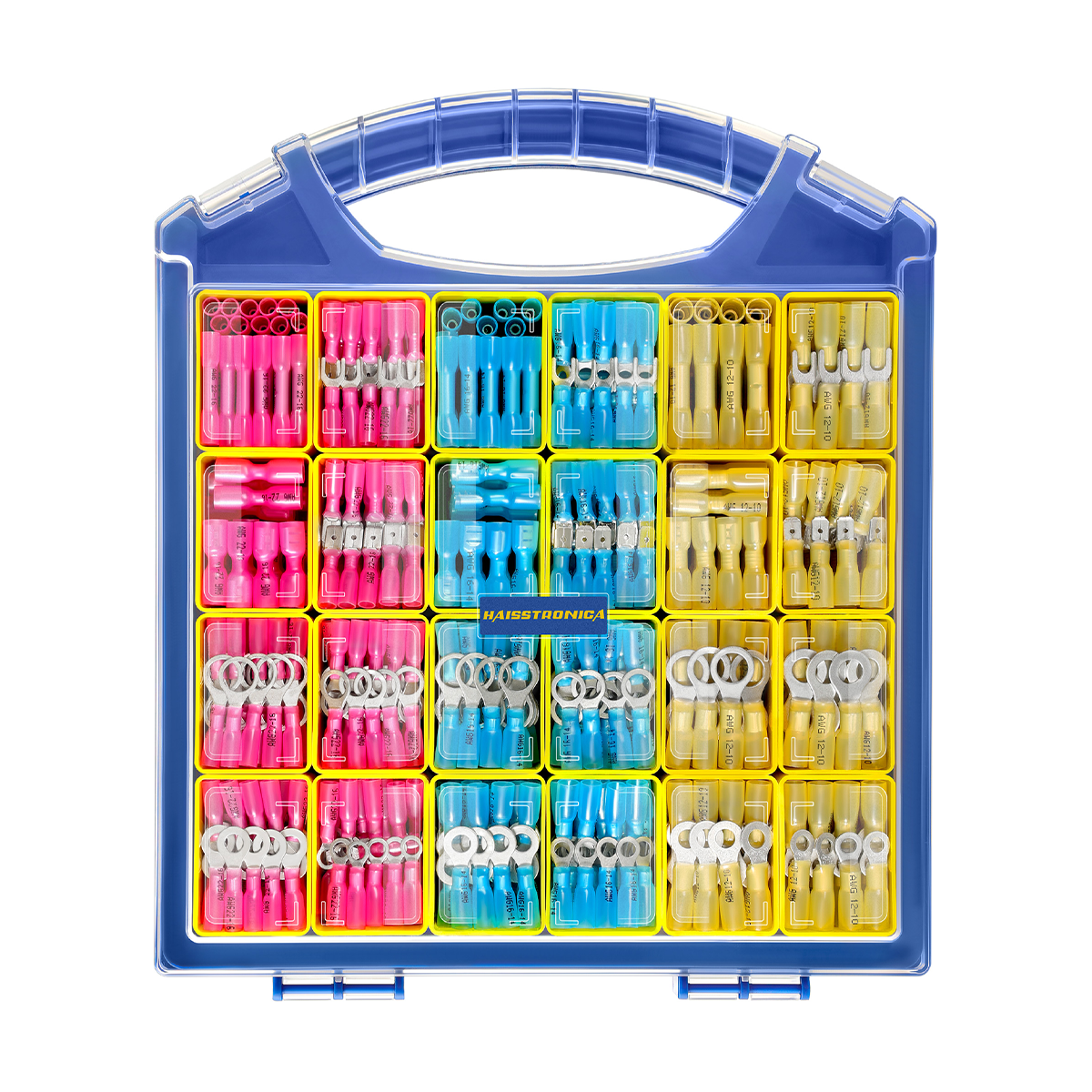
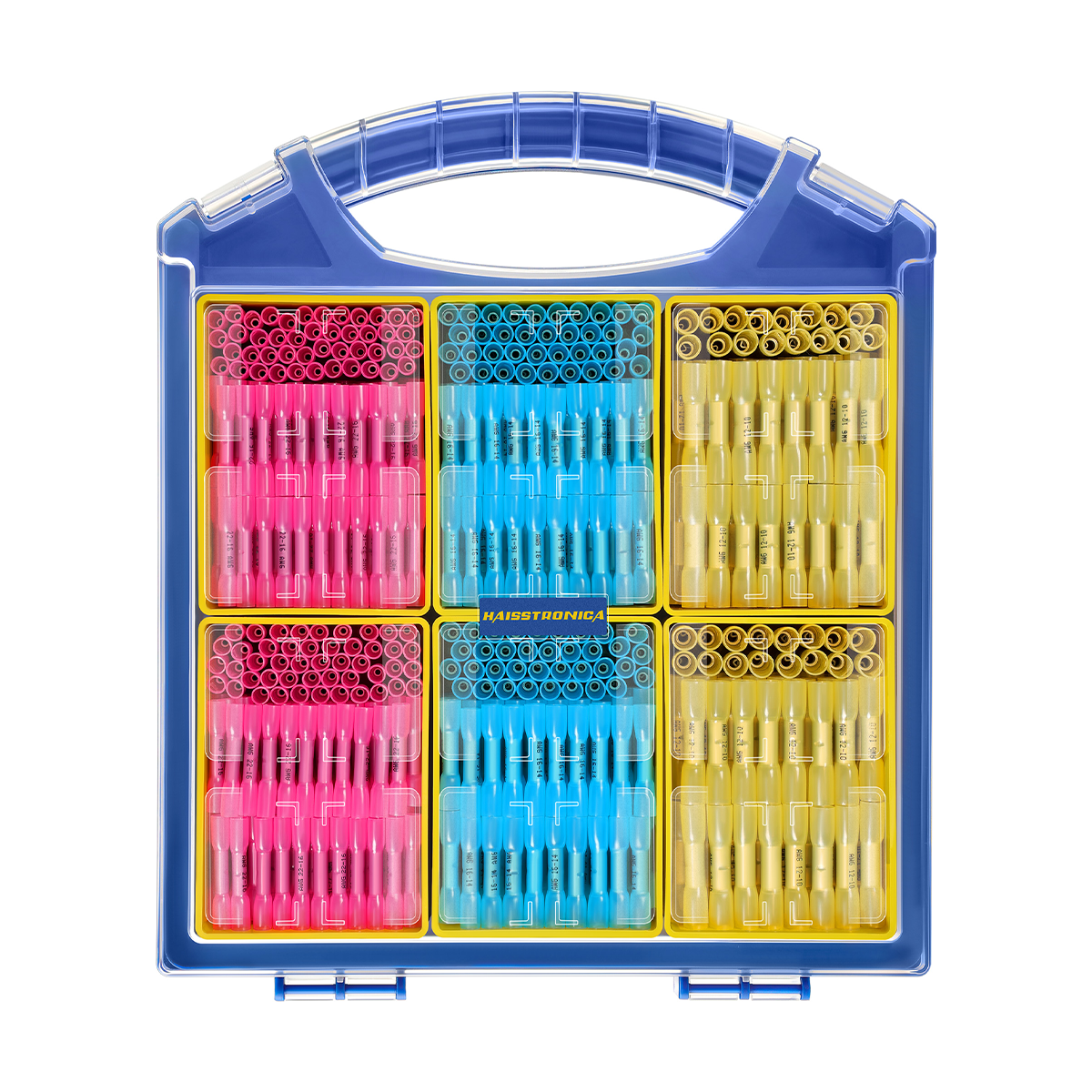
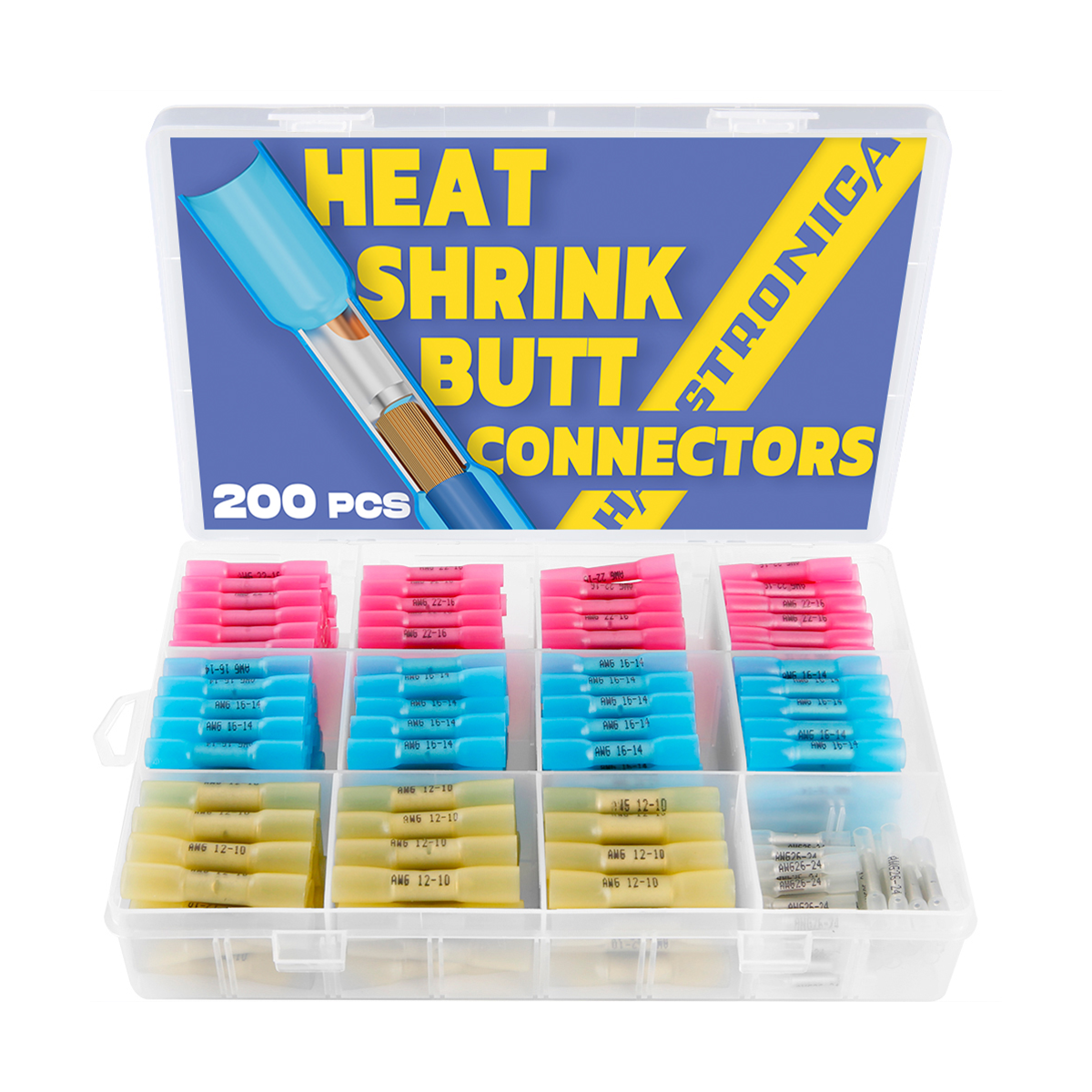
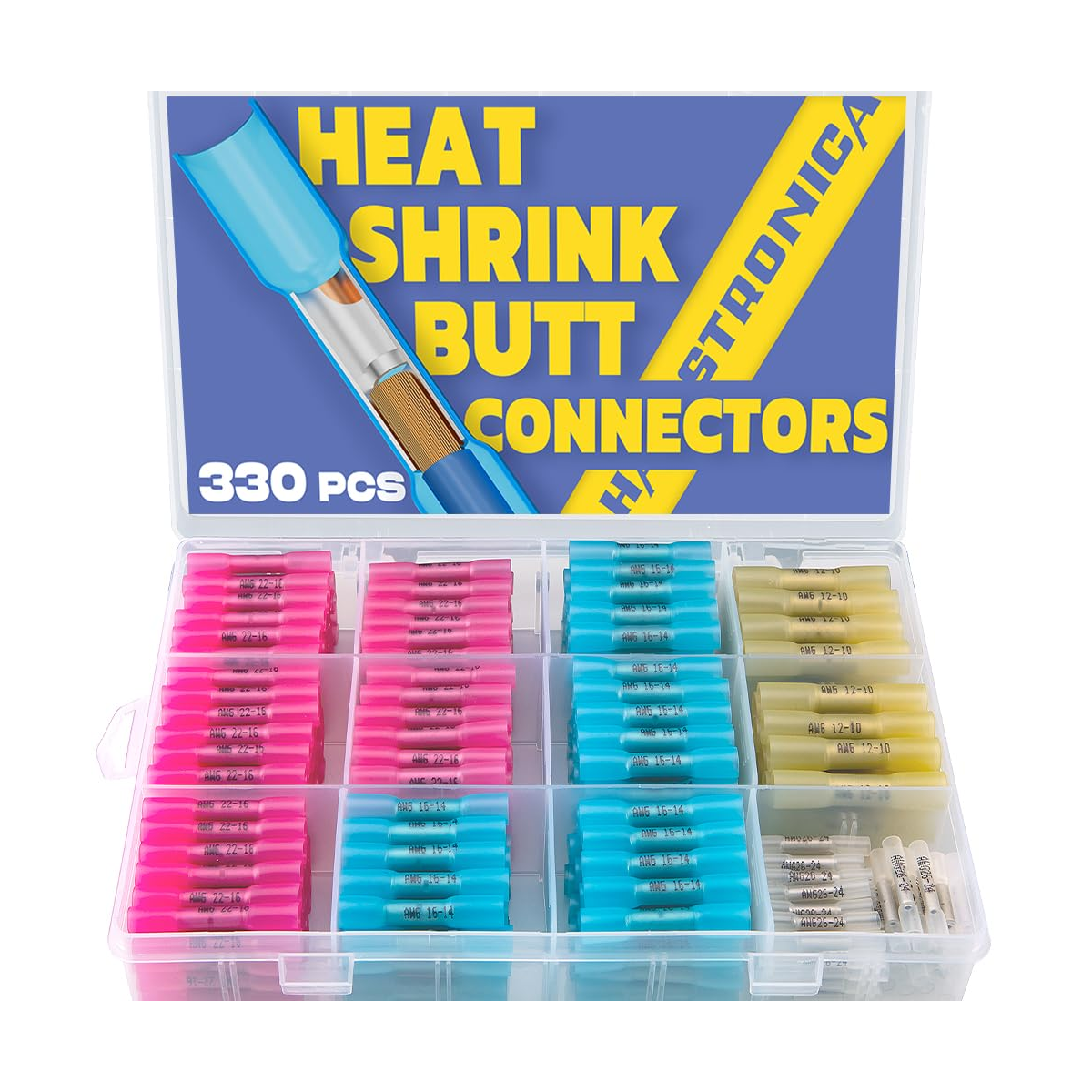
Organizer case packed with color coded solder sleeves and shrink tubing, a wire sealant kit for cable repairs


Conclusion: Matching Twist-On Connectors, Solder Melting Point and Real-World Heat

So, what is the temperature rating of twist-on wire connectors? Practically speaking, it’s the tested maximum continuous temperature at which the connector body, internal metal spring, and joined conductors can live without losing electrical or mechanical integrity. For most modern, UL-listed wire nuts, you’ll be looking at 90 °C or 105 °C, and those ratings are tightly linked to the insulation ratings on the wires they’re approved to join.

Your solder melting point—whether you’re using traditional tin-lead solder sticks or lead-free alloys in shrink solder connectors—sits far above that rating, usually in the 180–220 °C range. That’s good: you want your solder to flow only when you intentionally heat it during installation, and you want your finished joint—twist-on, crimp, or solder-and-seal—to live its entire life well below both its connector rating and that solder stick threshold. Haisstronica’s approach is to give you clearly specified solder sleeves, solder terminals, and sealed electrical connectors so you can design that safety margin in from day one instead of discovering weak links after something overheats.

If you’re a DIYer or electrician planning your next project, here’s the practical checklist:

  • Match connector temperature rating to the hottest location in the run.

  • Make sure conductor insulation, connector rating, and any solder-related products all tell the same story (no hidden 60 °C bottlenecks in a 90 °C system).

  • For harsh or exposed environments—attics, automotive, marine, outdoor boxes—consider moving beyond bare twist-ons to crimp-and-seal or solder-and-seal solutions.

That’s exactly the niche where Haisstronica’s solder & seal kits, heat shrink solder sleeve assortments, and sealed crimp connectors shine: they’re designed as systems with realistic operating temperature windows, robust sealing, and clear specs, so you can stop guessing and start building joints that run cool and last.

Leave a comment

All comments are moderated before being published.

This site is protected by hCaptcha and the hCaptcha Privacy Policy and Terms of Service apply.

Free Shipping

Free Shipping On All Orders