

Applications
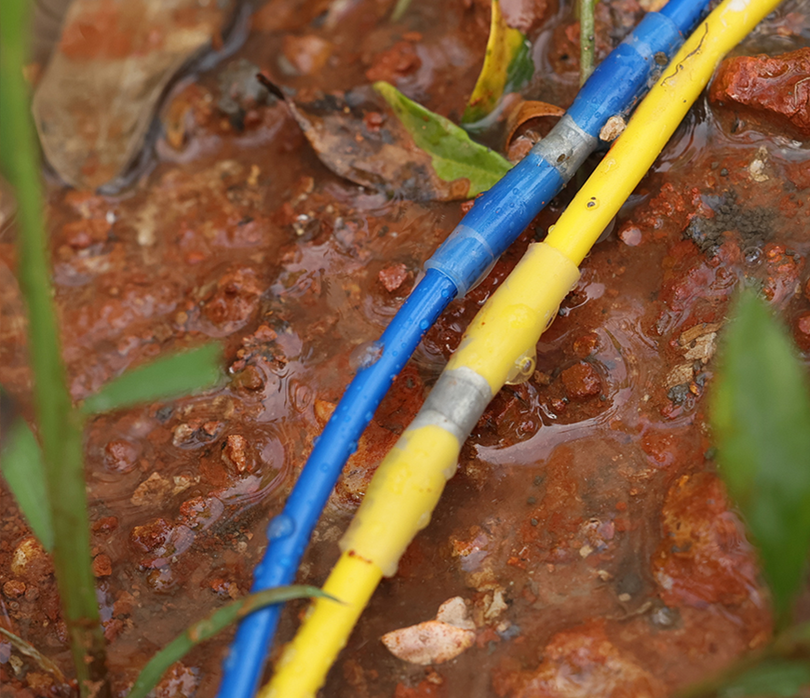
Use these tools for appropriate low-voltage home repairs, automotive wiring, trailer maintenance, garage projects and workshop tasks. Always match the tool and connector to the conductor and installation.
Cart
Your cart is empty

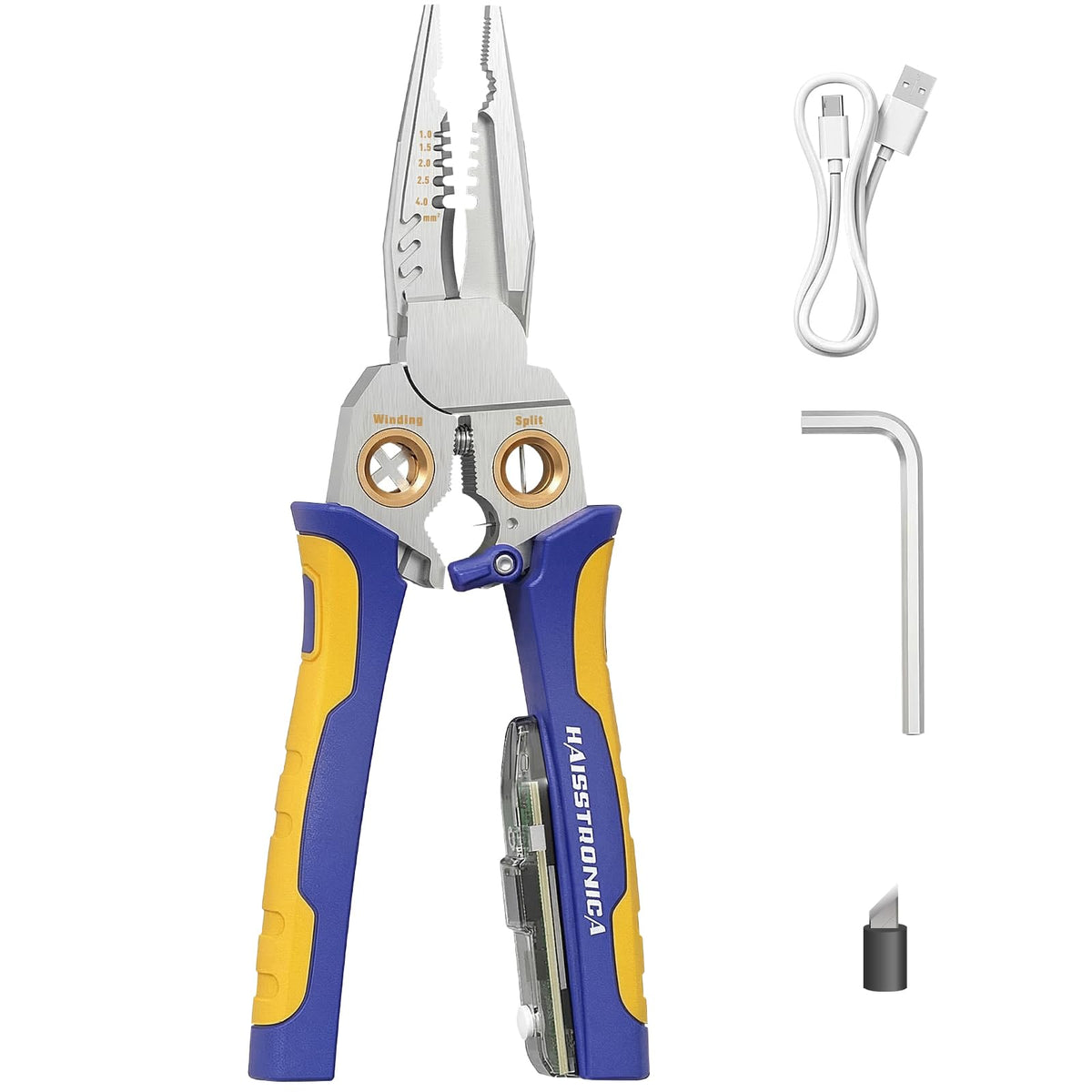
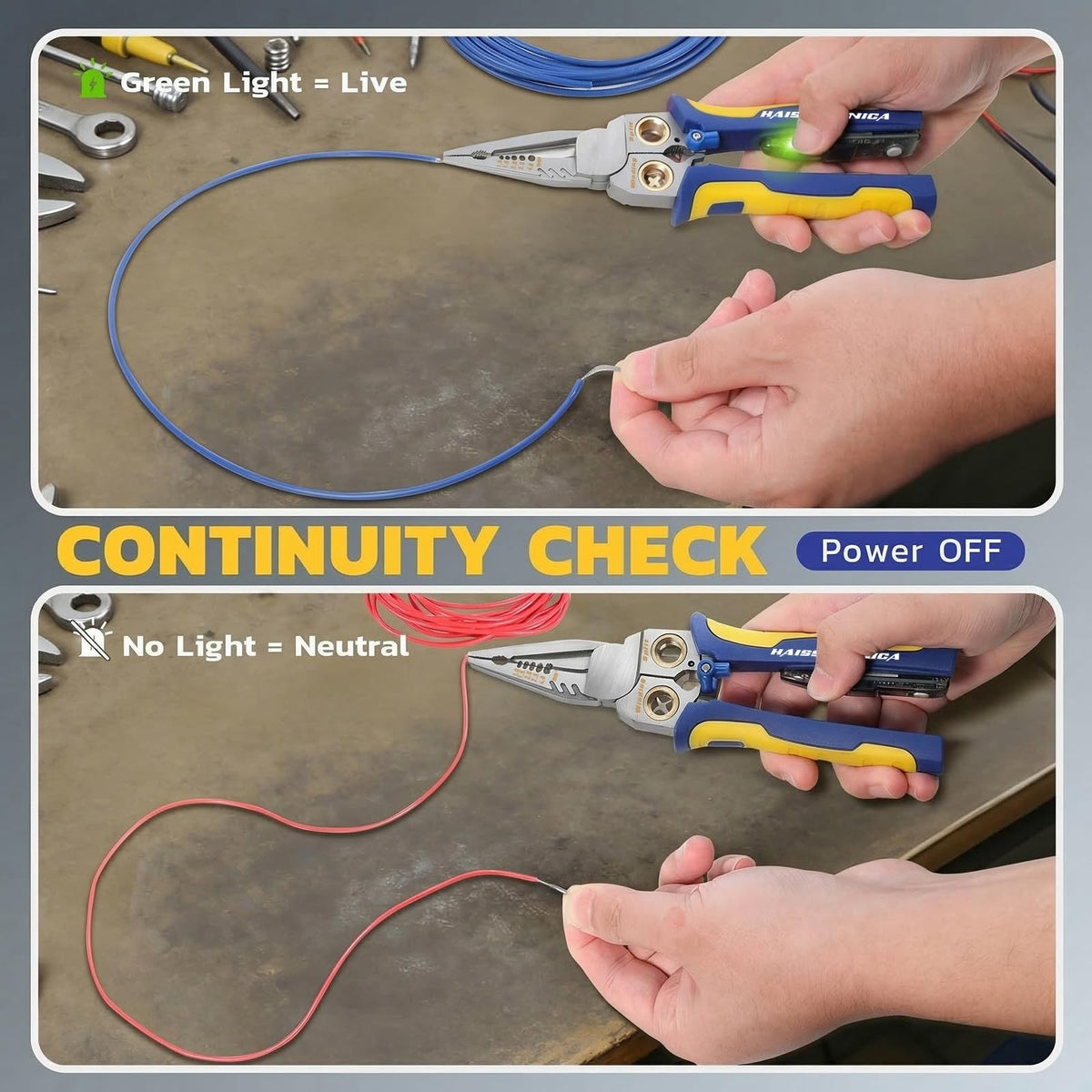
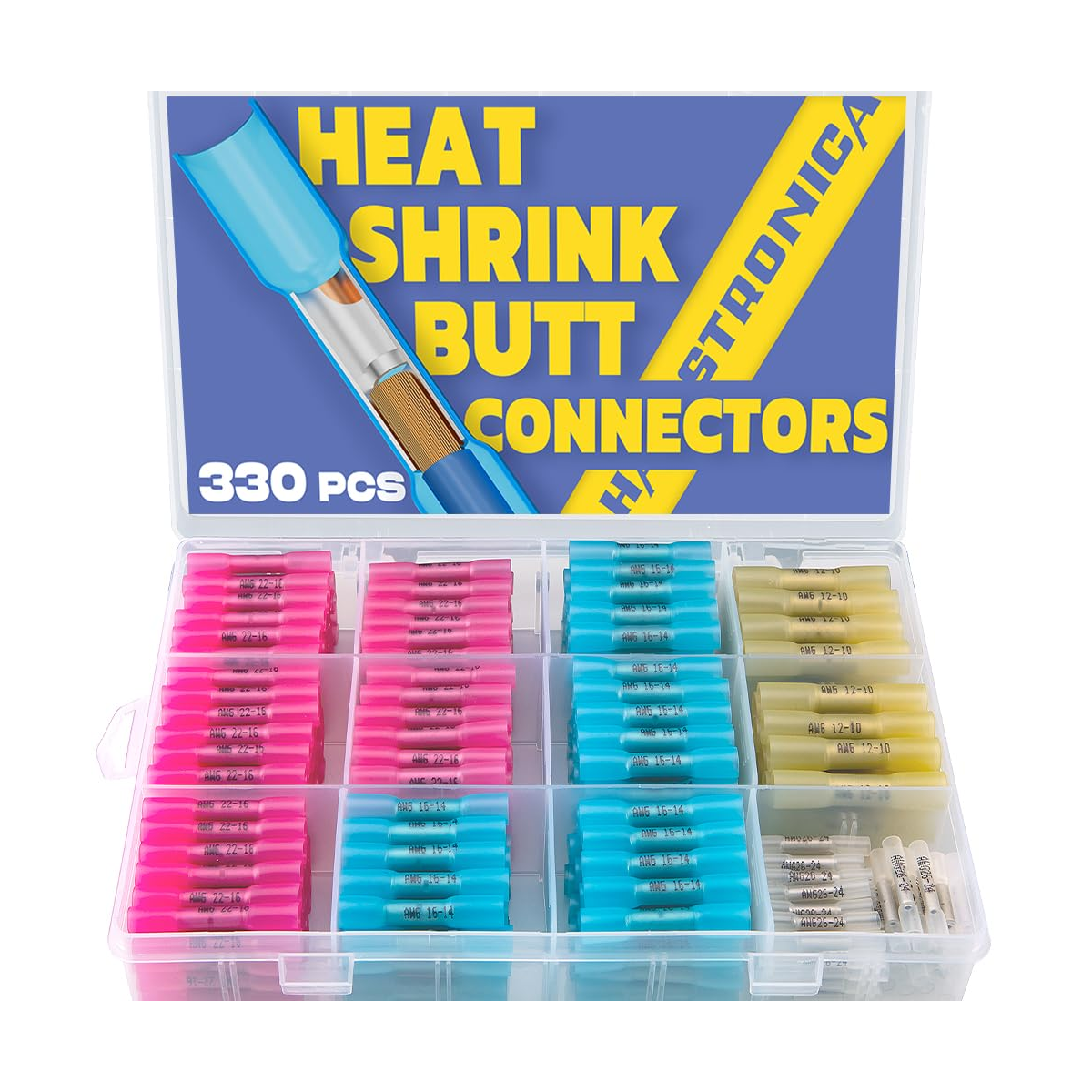

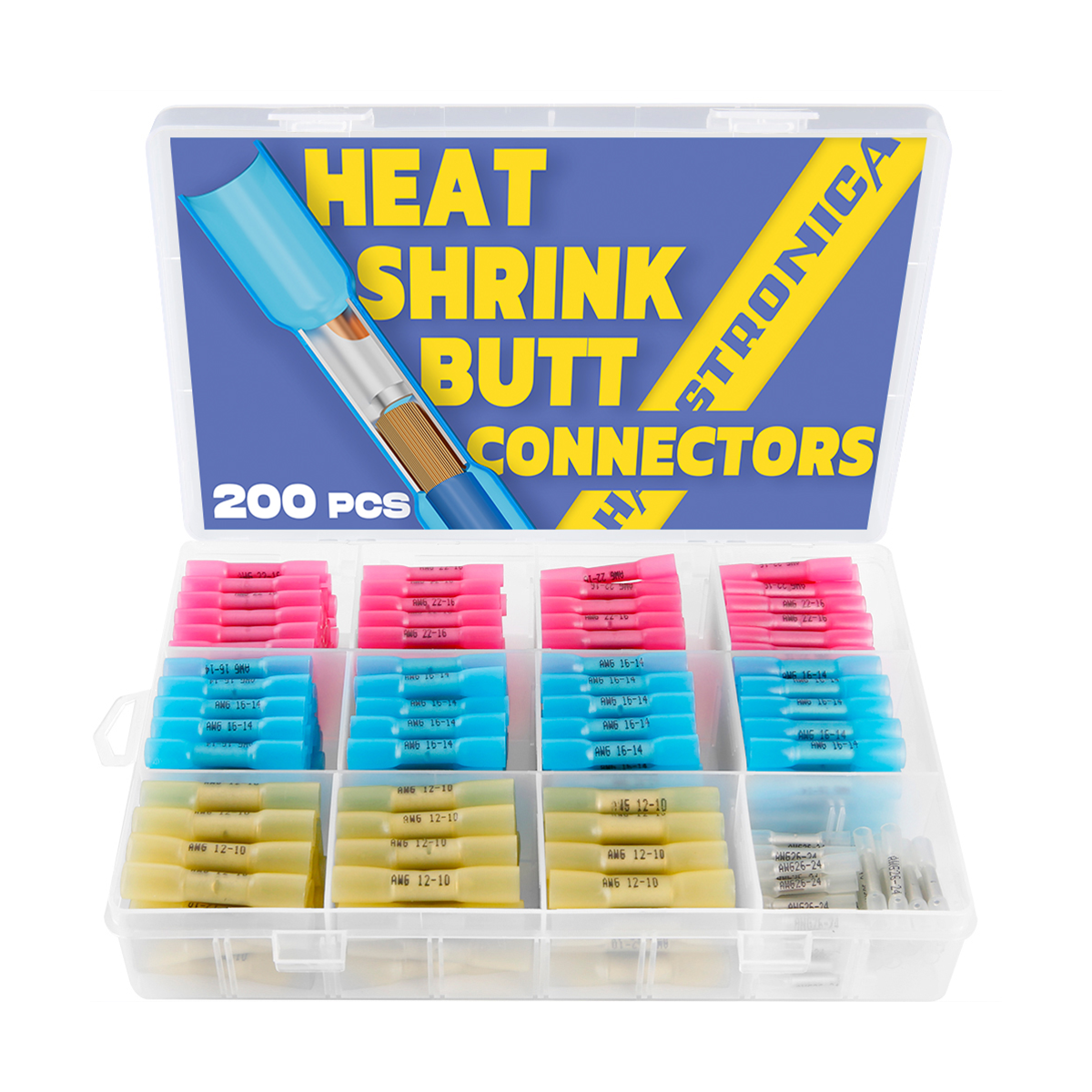



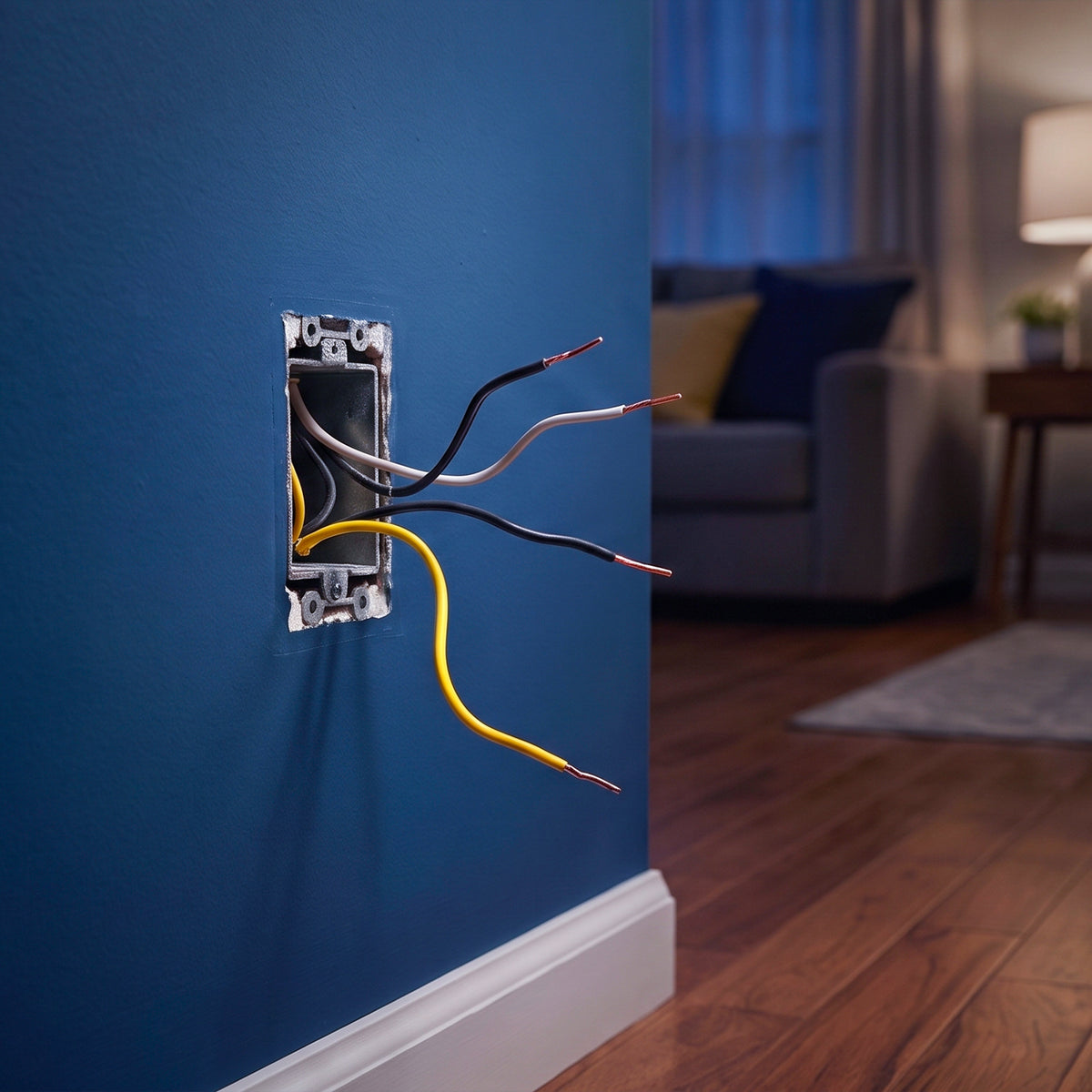
DIY Electrical Tools
Choose practical tools and compatible wiring supplies for home repairs, garage projects and low-voltage automotive work. Compare by task, wire gauge, terminal type and application before ordering.
| Task | Recommended Tool | Check Before Buying | Compatible Supplies | Typical Application |
|---|---|---|---|---|
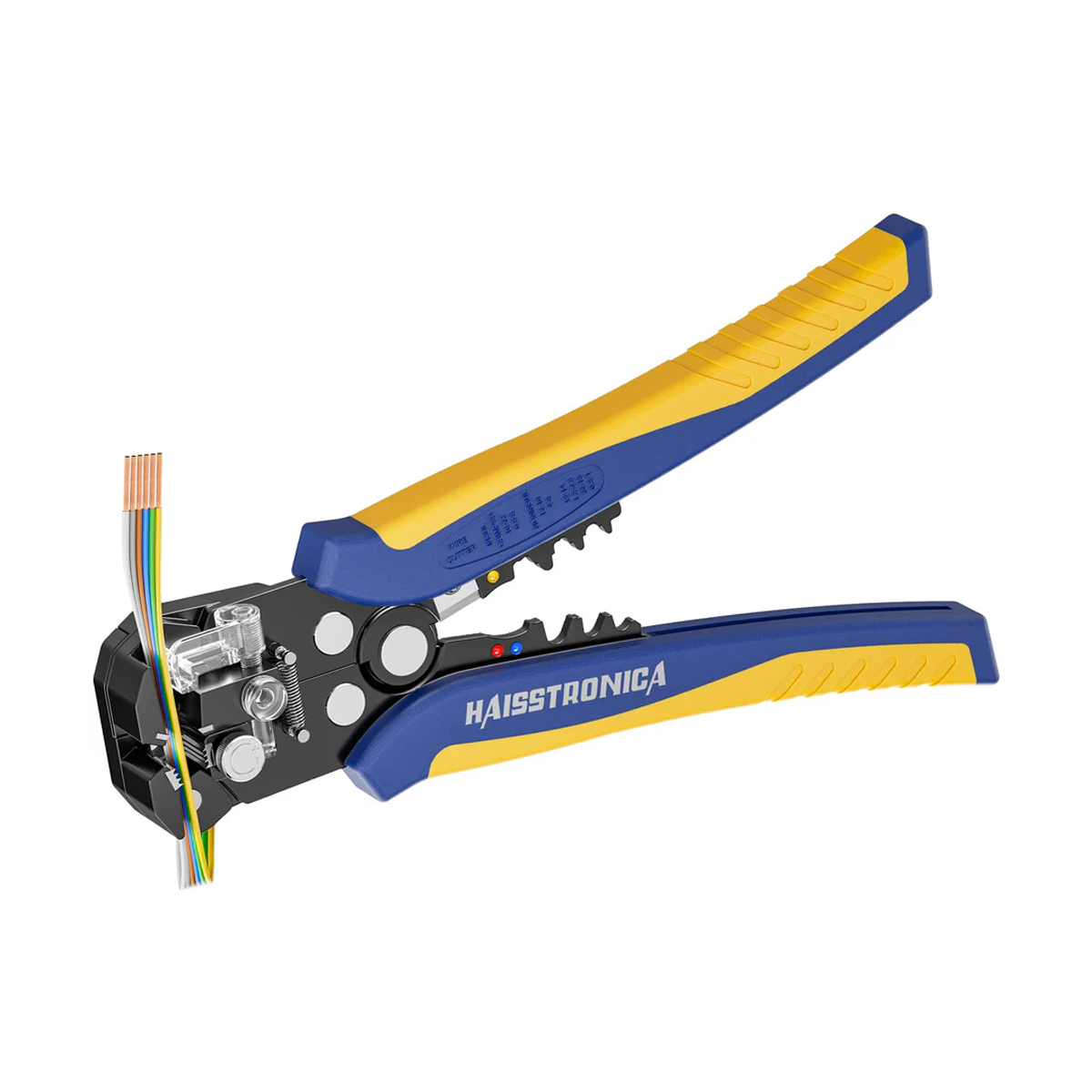
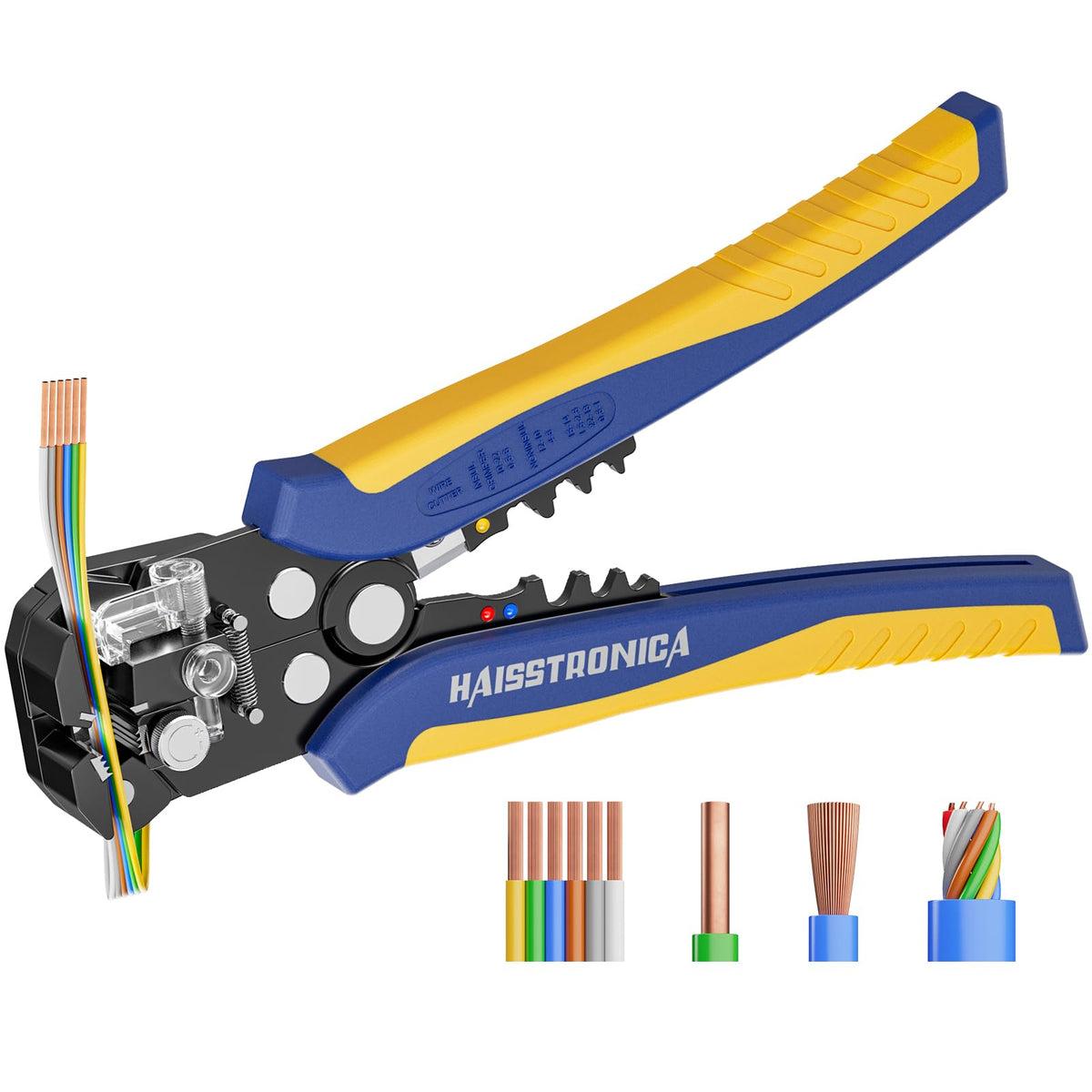
| Strip wire | Wire stripper | Wire type and supported AWG | Connectors matched to the same AWG | Preparing clean conductor ends |
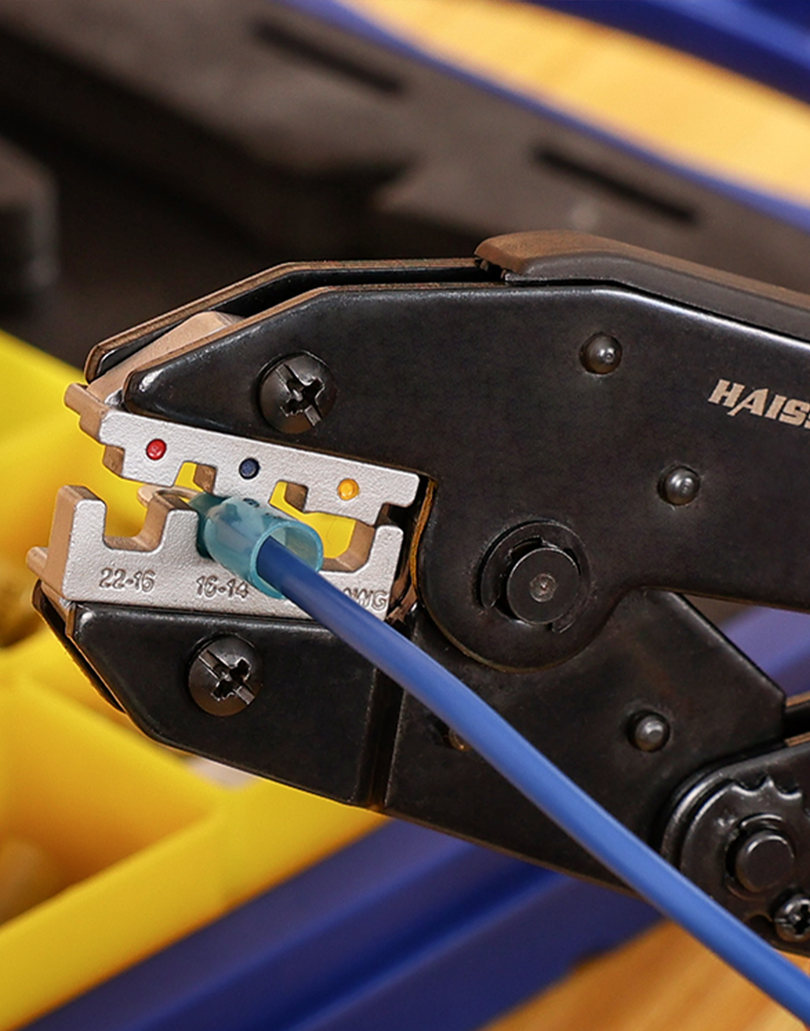
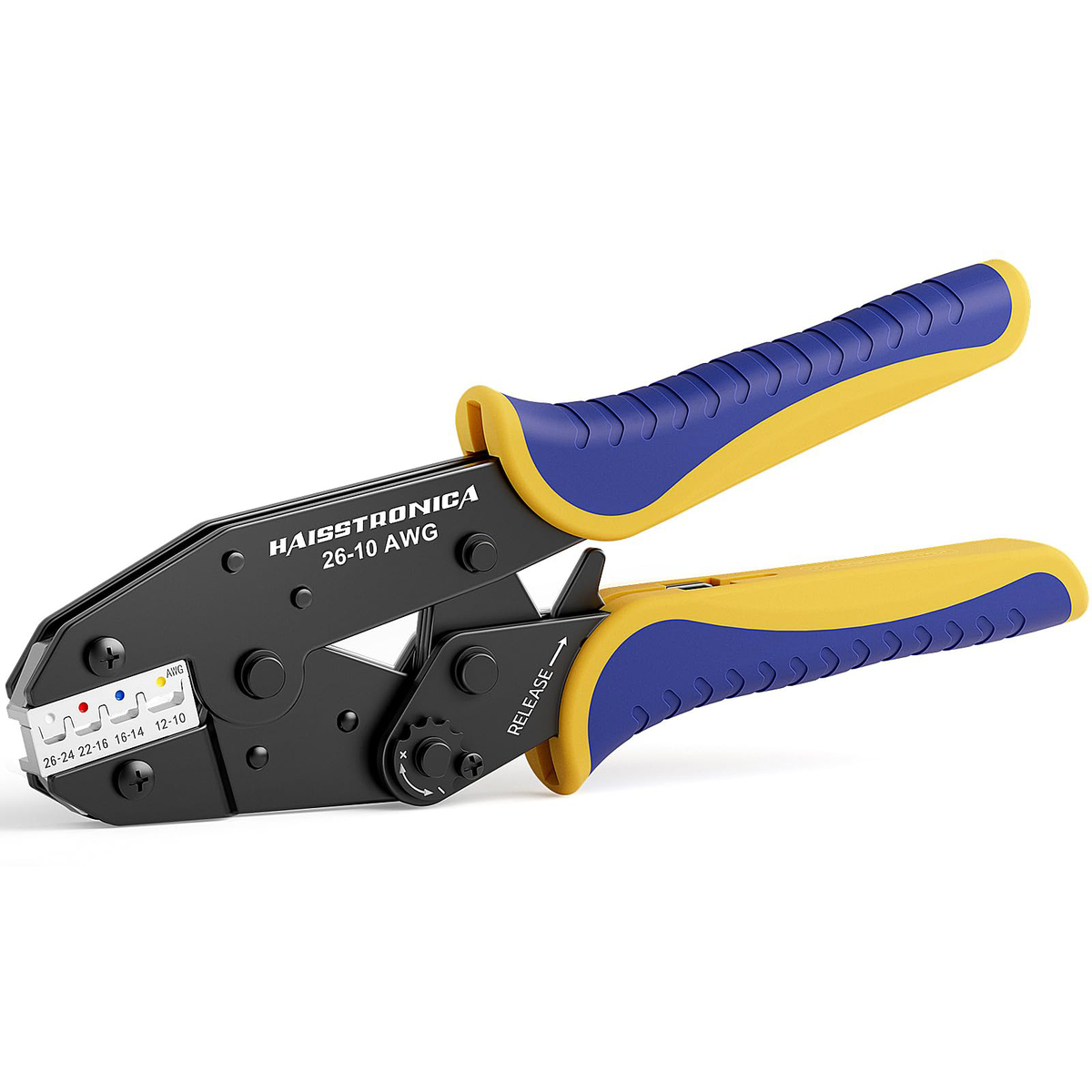
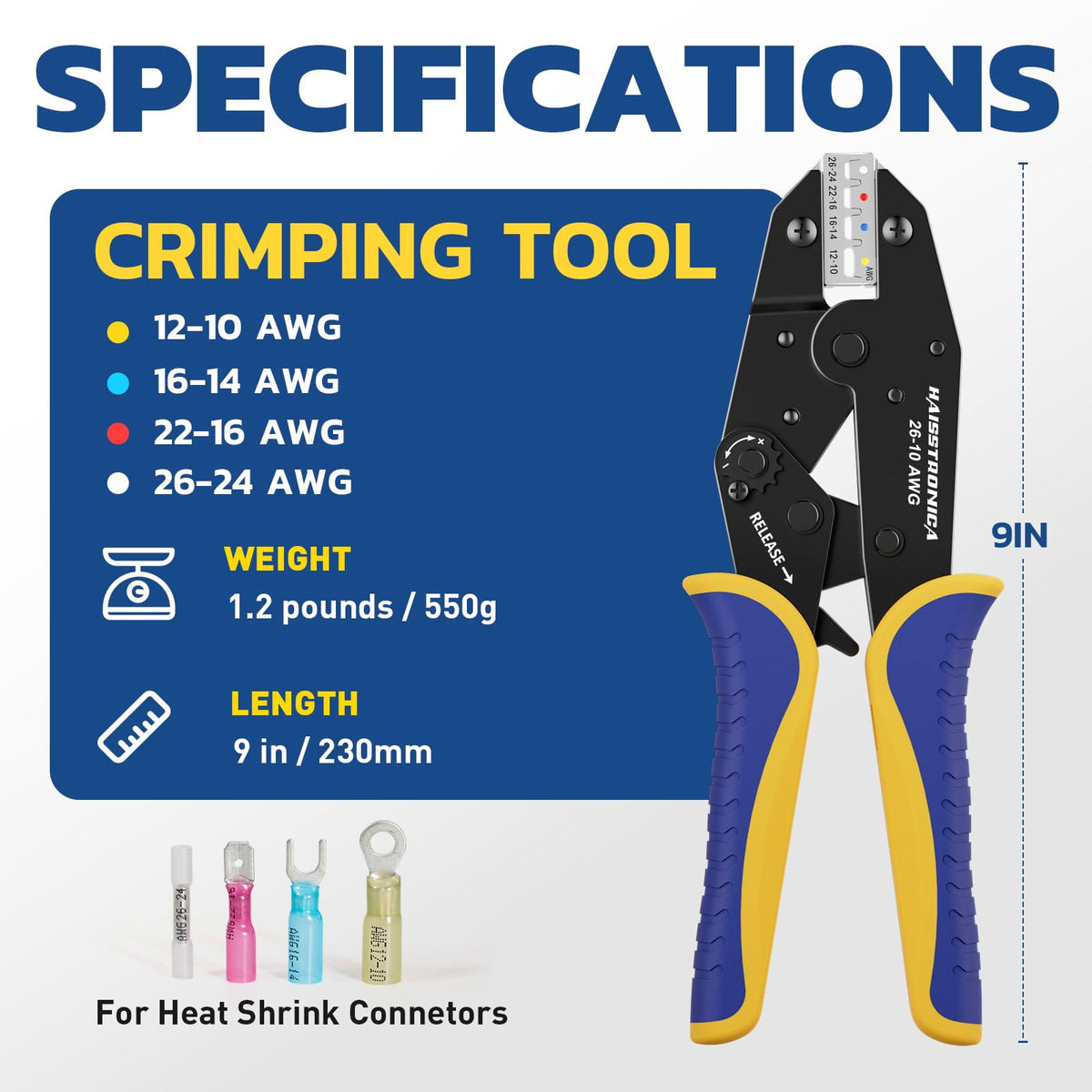
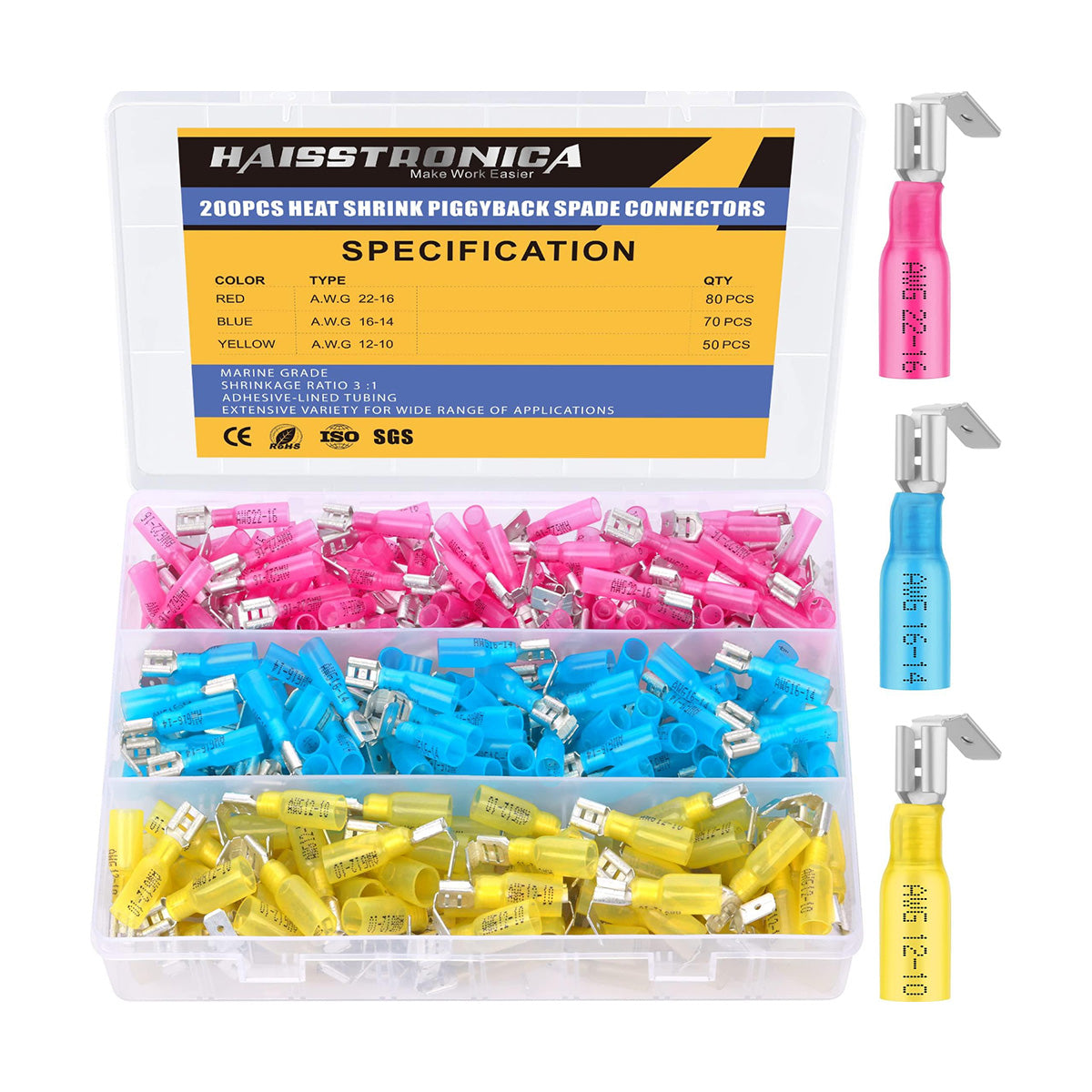
| Crimp a splice | Ratcheting wire crimper | Terminal type and die profile | Heat shrink butt connectors | Automotive and garage wiring repairs |
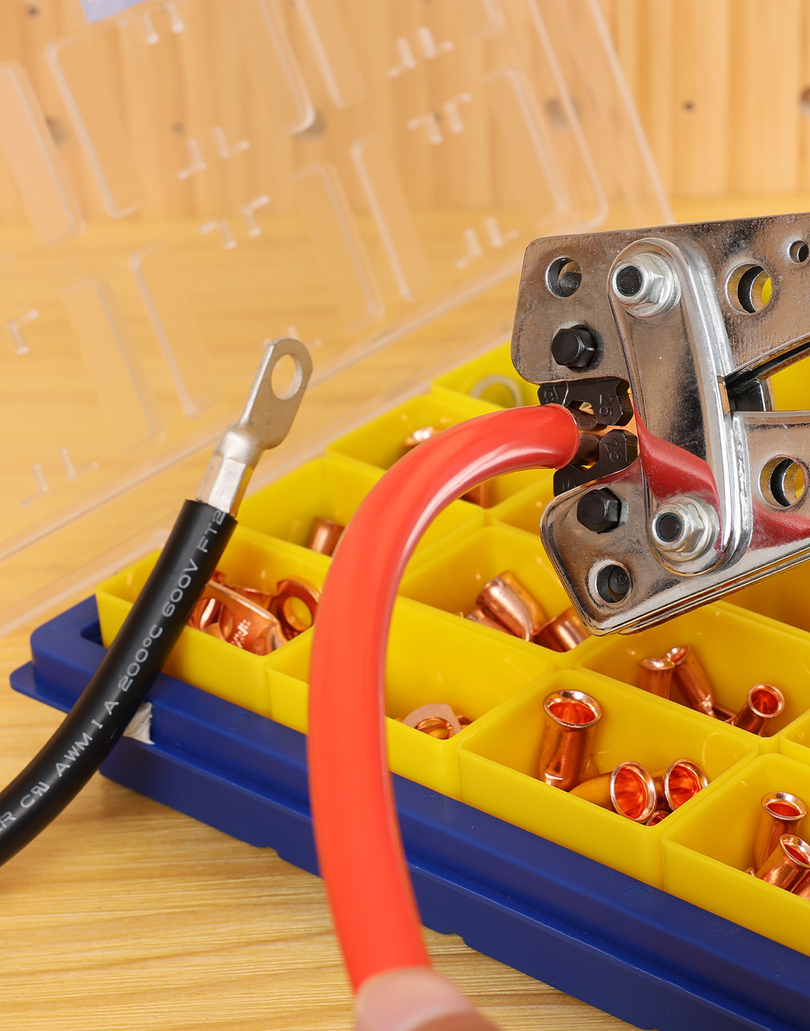
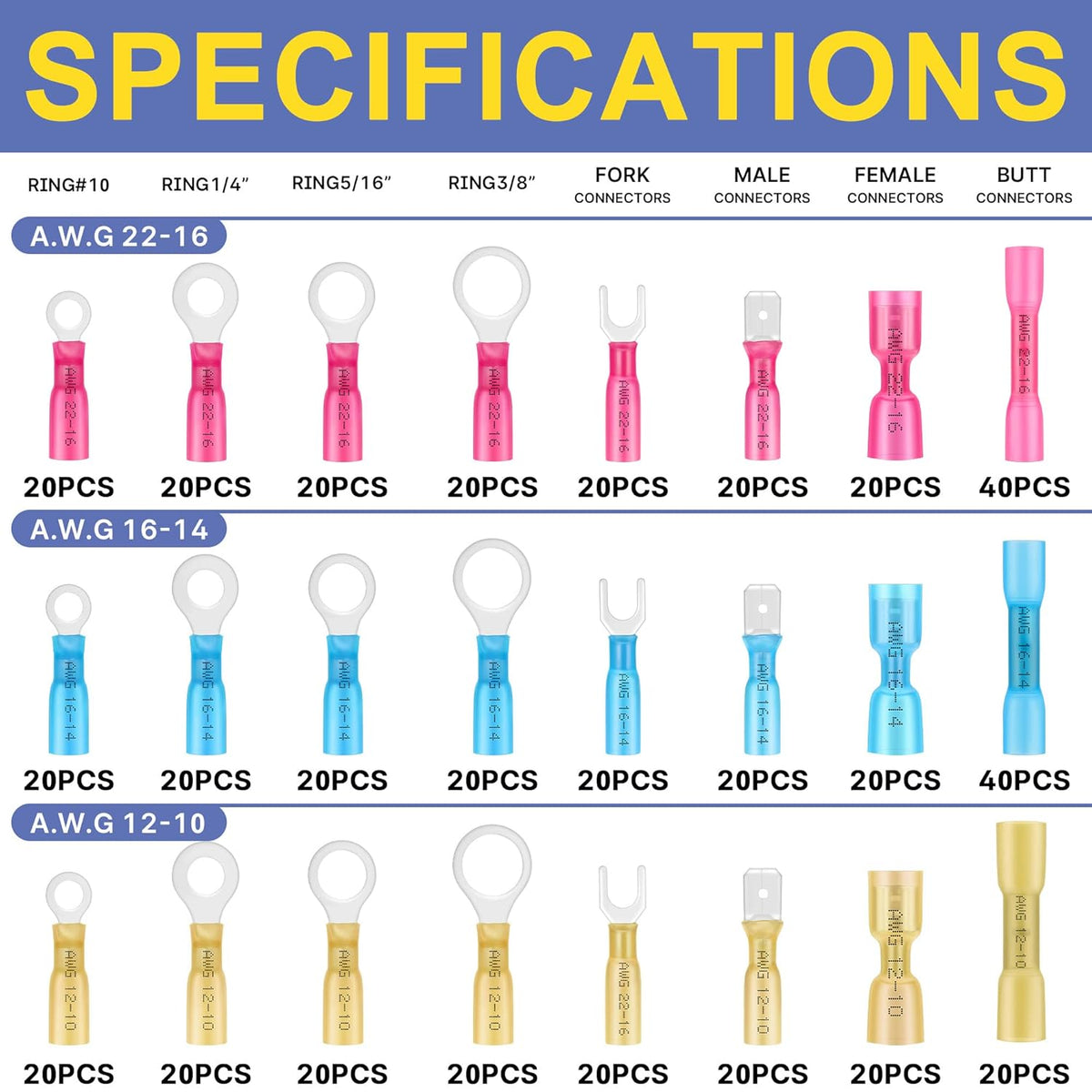
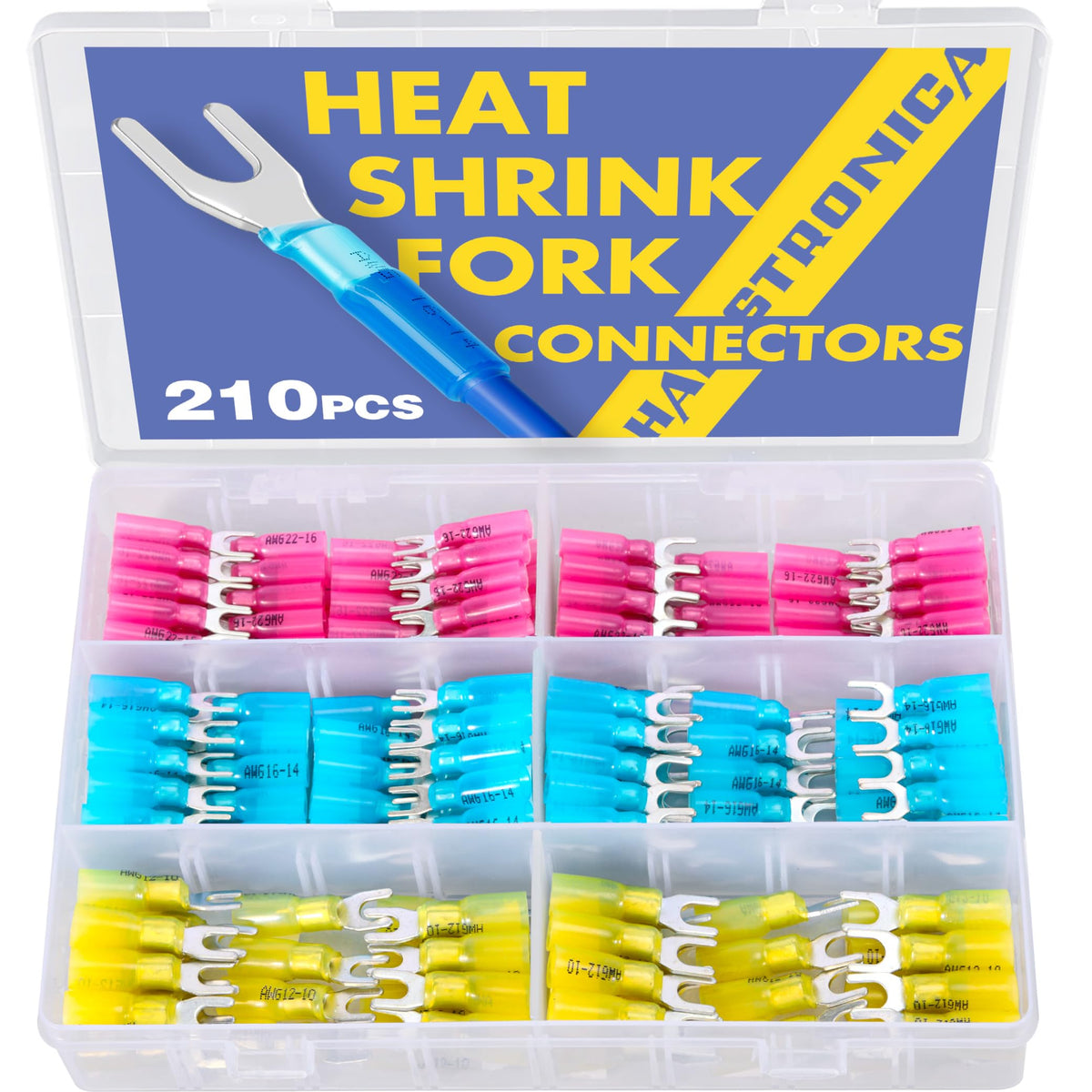
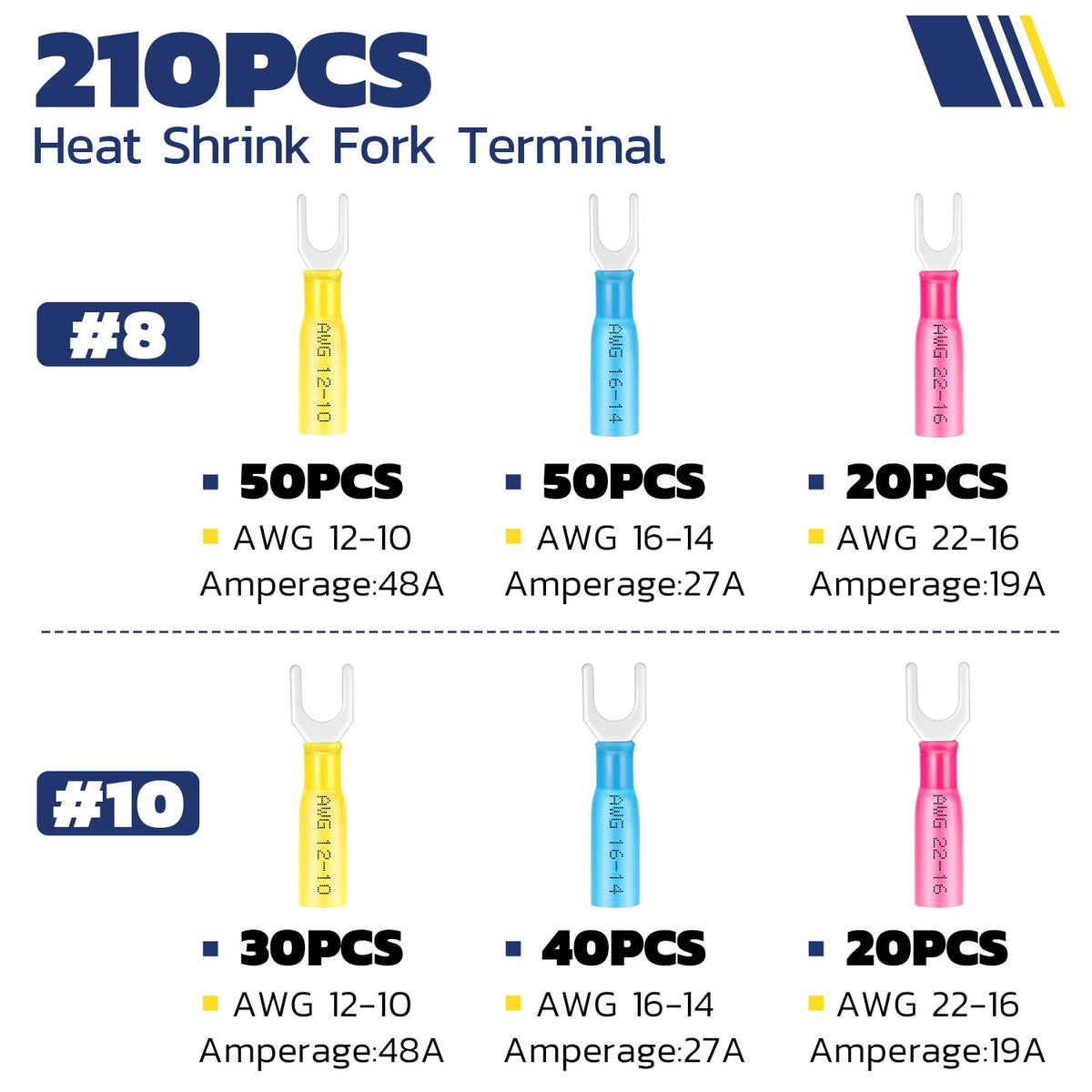
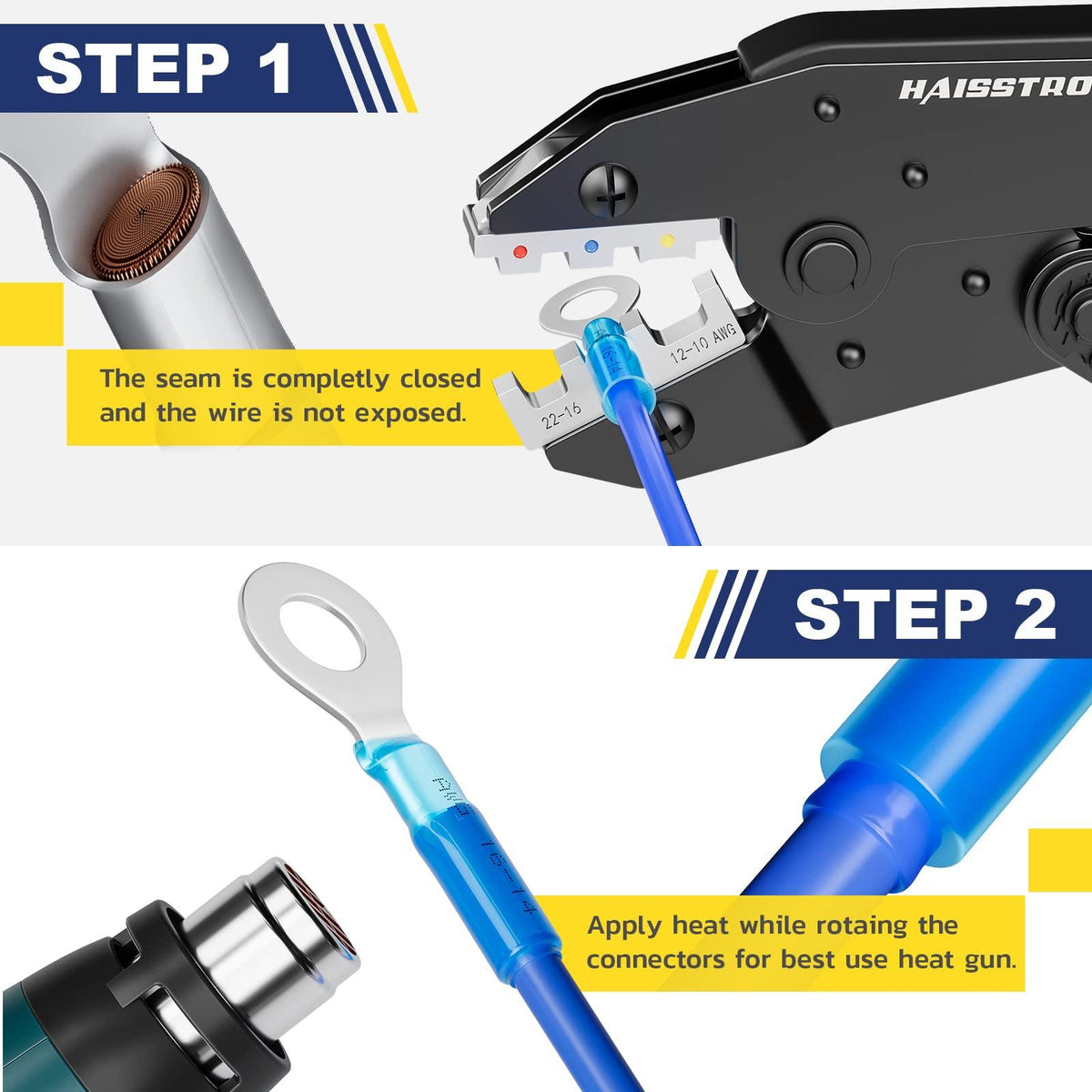
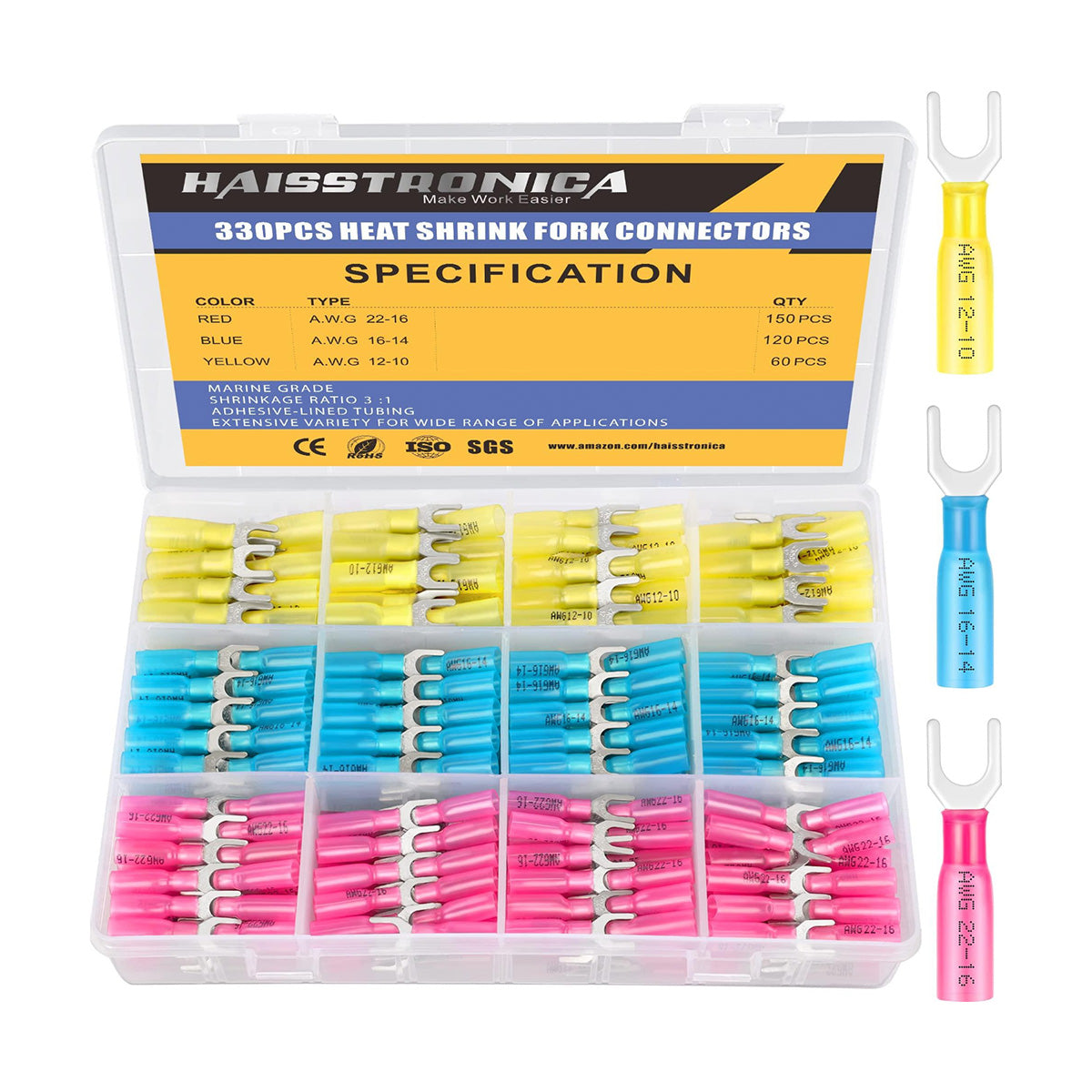
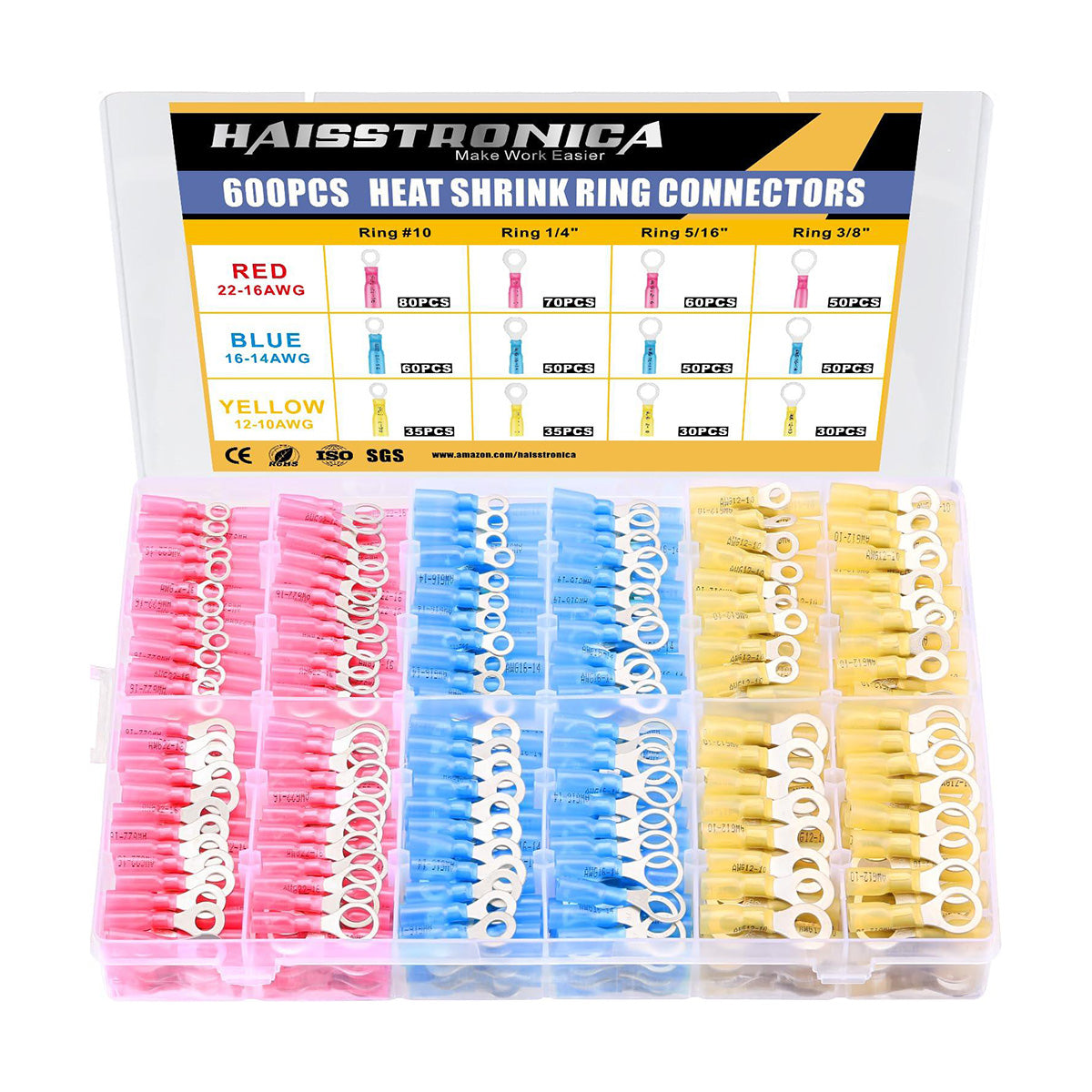
| Attach a terminal | Matched terminal crimper | AWG, terminal type and stud size | Ring, fork, spade or bullet terminals | Grounds and serviceable connections |
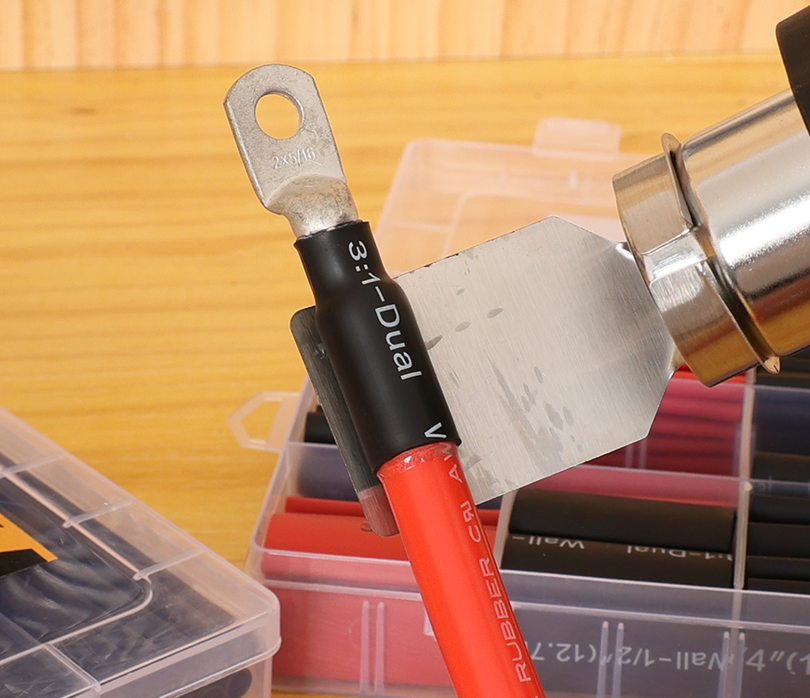
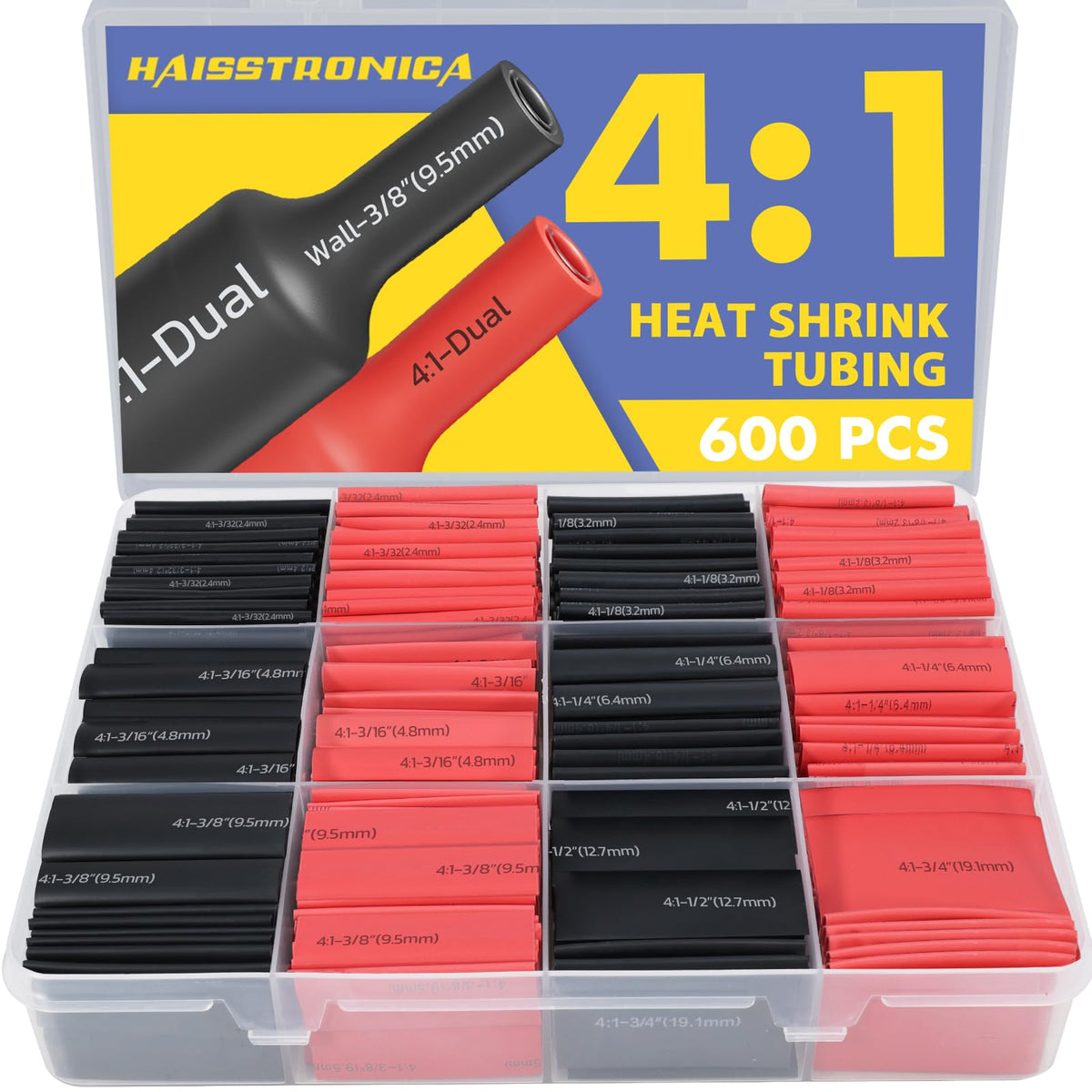
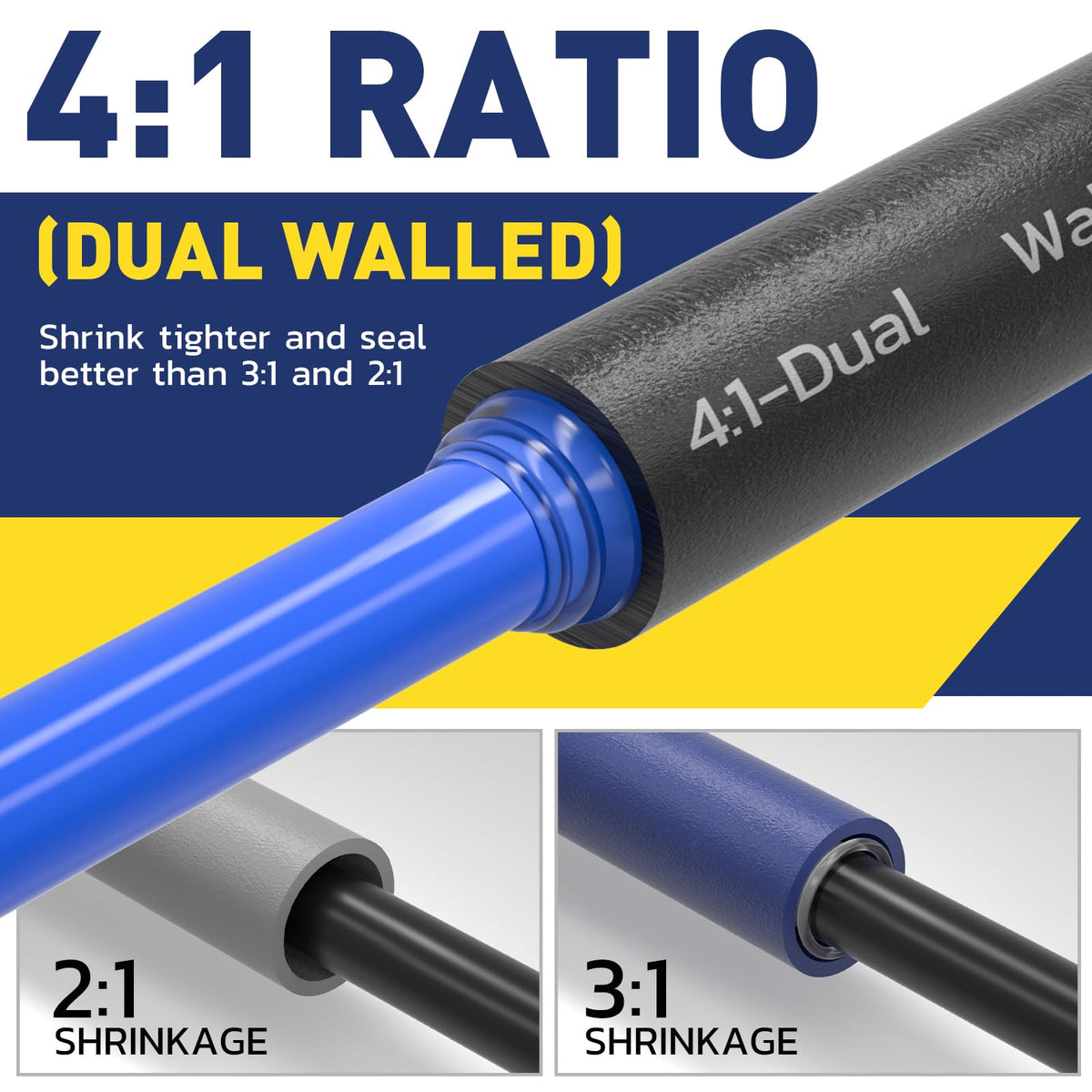
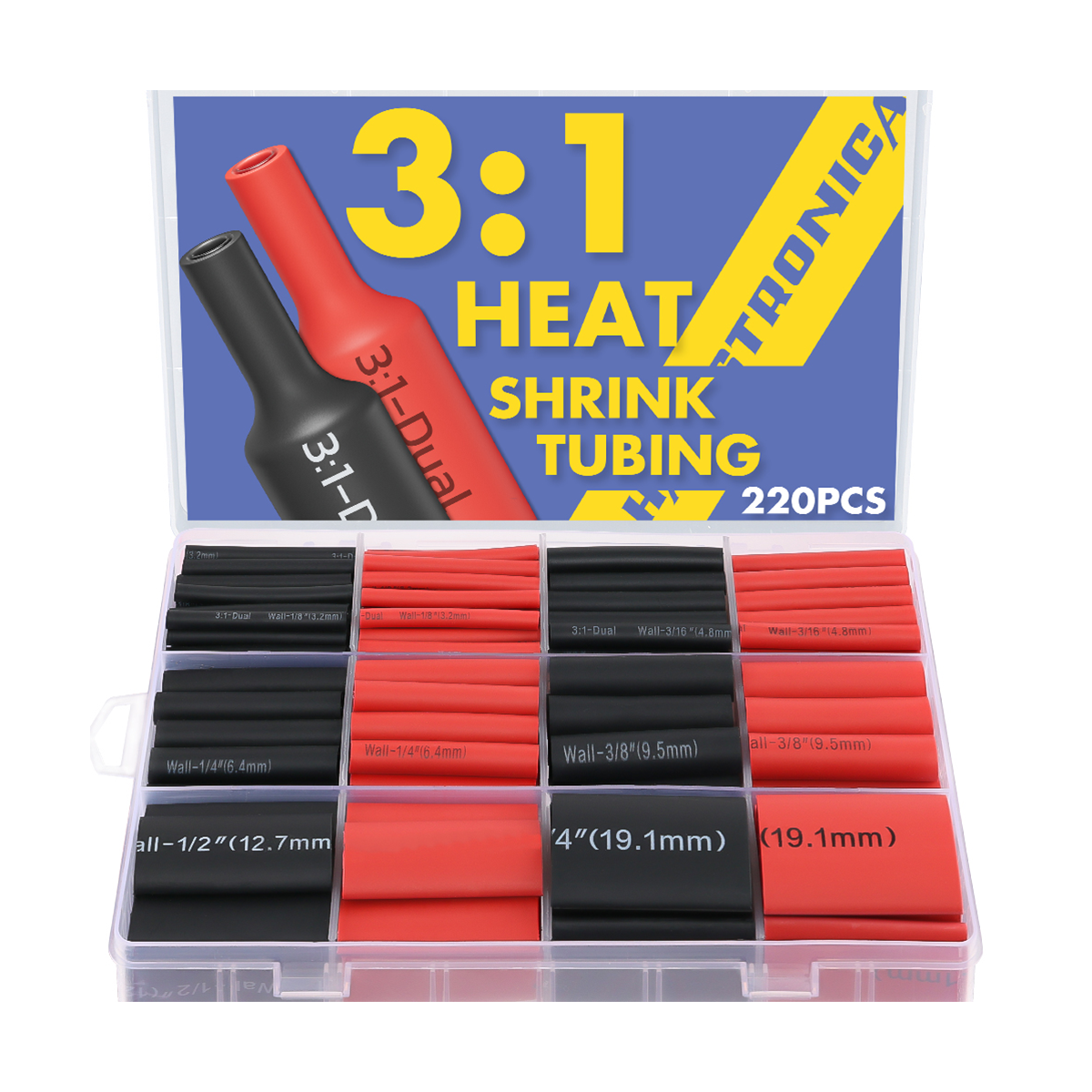
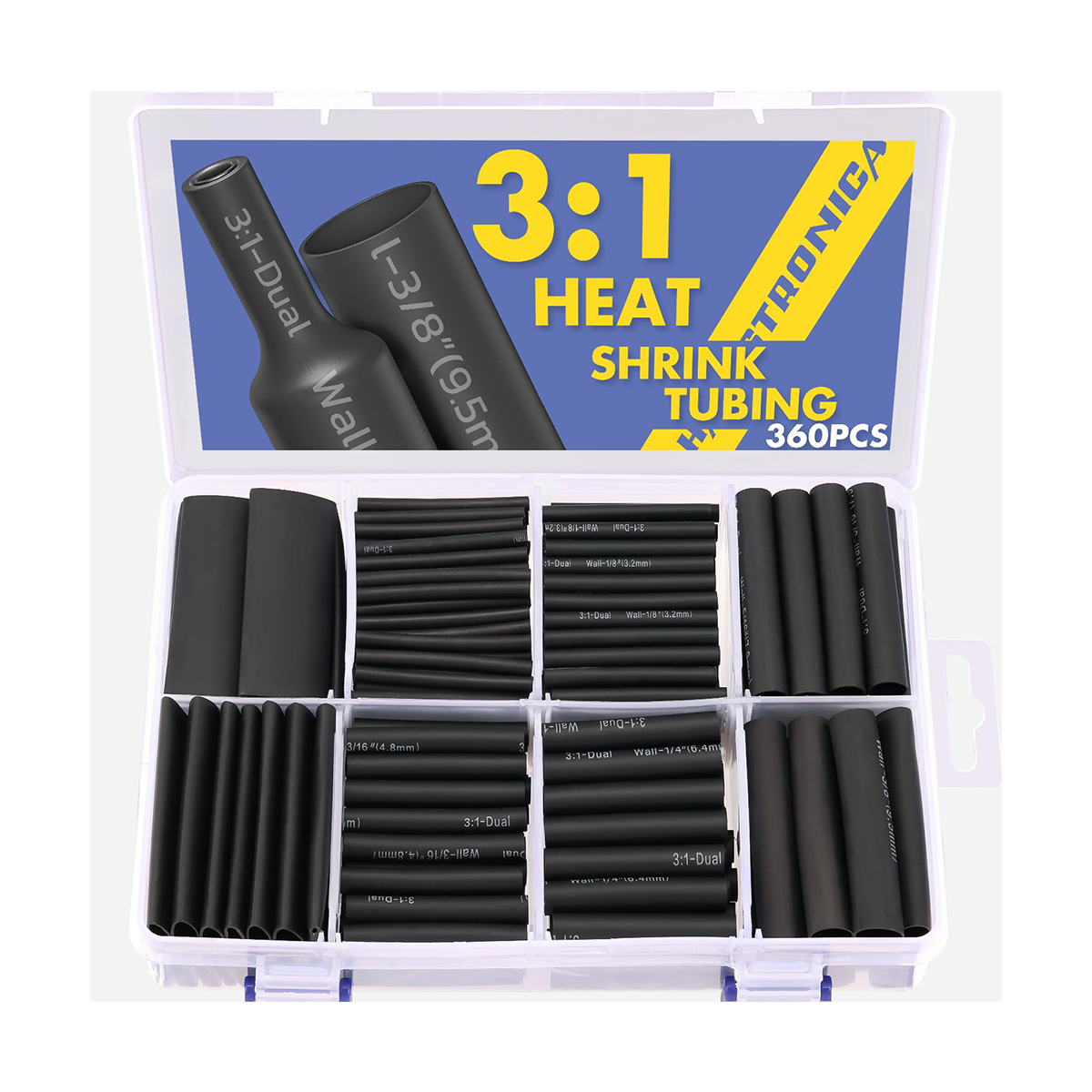
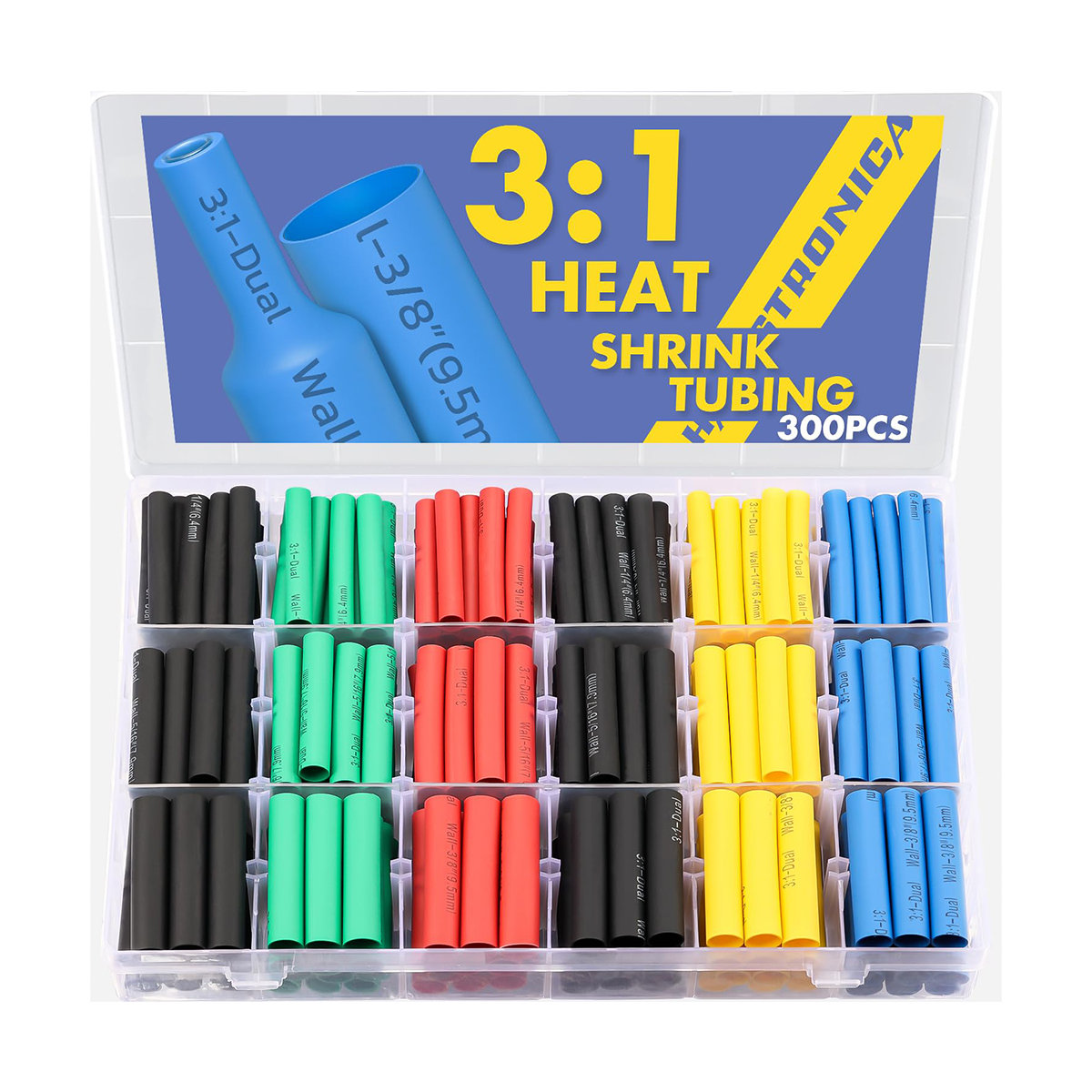
| Insulate and protect | Controlled heat source | Tubing diameter and shrink ratio | 3:1 or 4:1 heat shrink tubing | Strain relief and wire protection |
Use these tools for appropriate low-voltage home repairs, automotive wiring, trailer maintenance, garage projects and workshop tasks. Always match the tool and connector to the conductor and installation.
Safety: For household mains wiring, use only code-approved components rated for the circuit and contact a qualified electrician when the application is uncertain.
Start with a wire stripper, a crimper matched to the terminals you use, suitable wire connectors and heat shrink tubing. Add tools by project and verified compatibility.
Choose by terminal type, supported AWG range and crimp profile. A tool for insulated terminals may not suit open-barrel, ferrule or battery-lug connections.
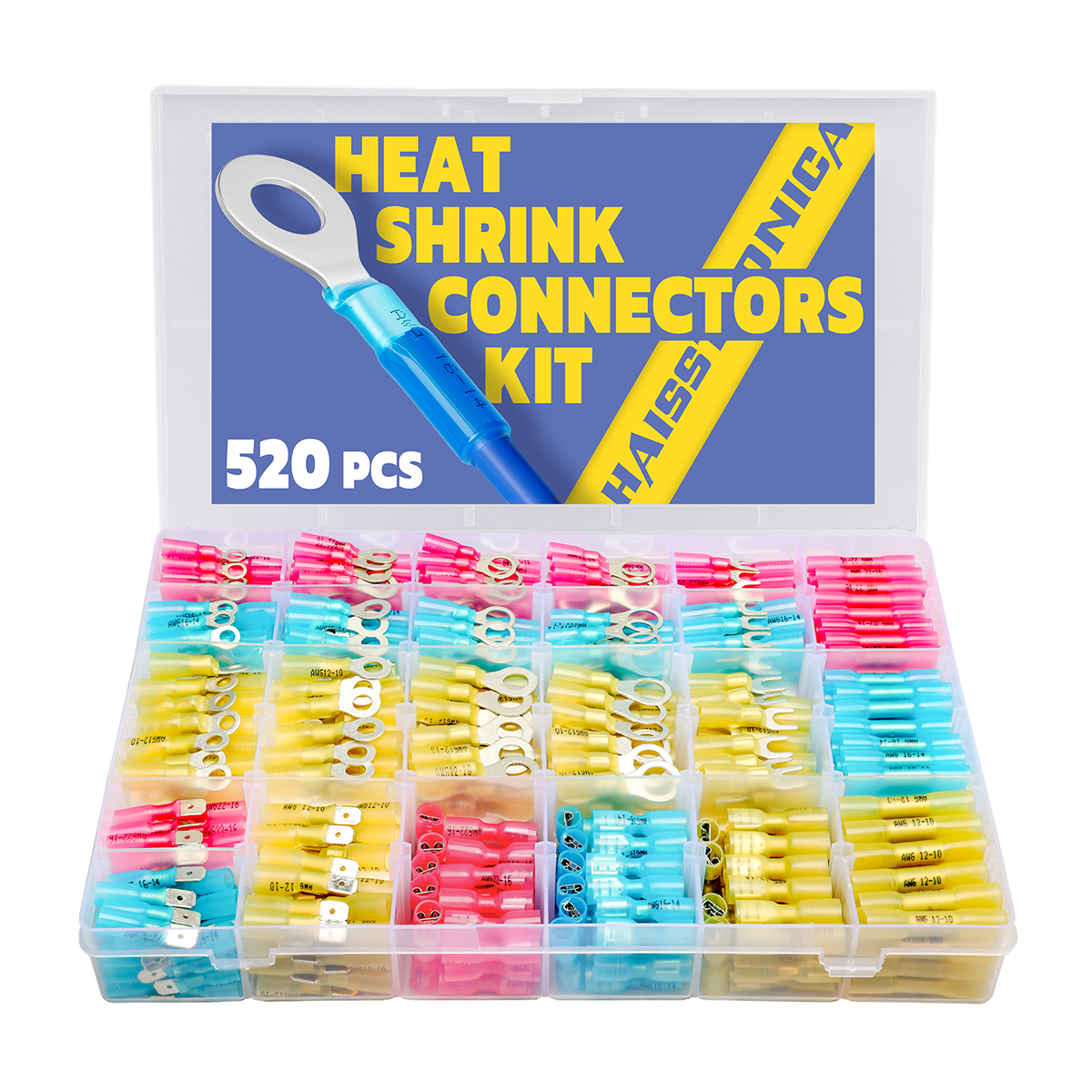
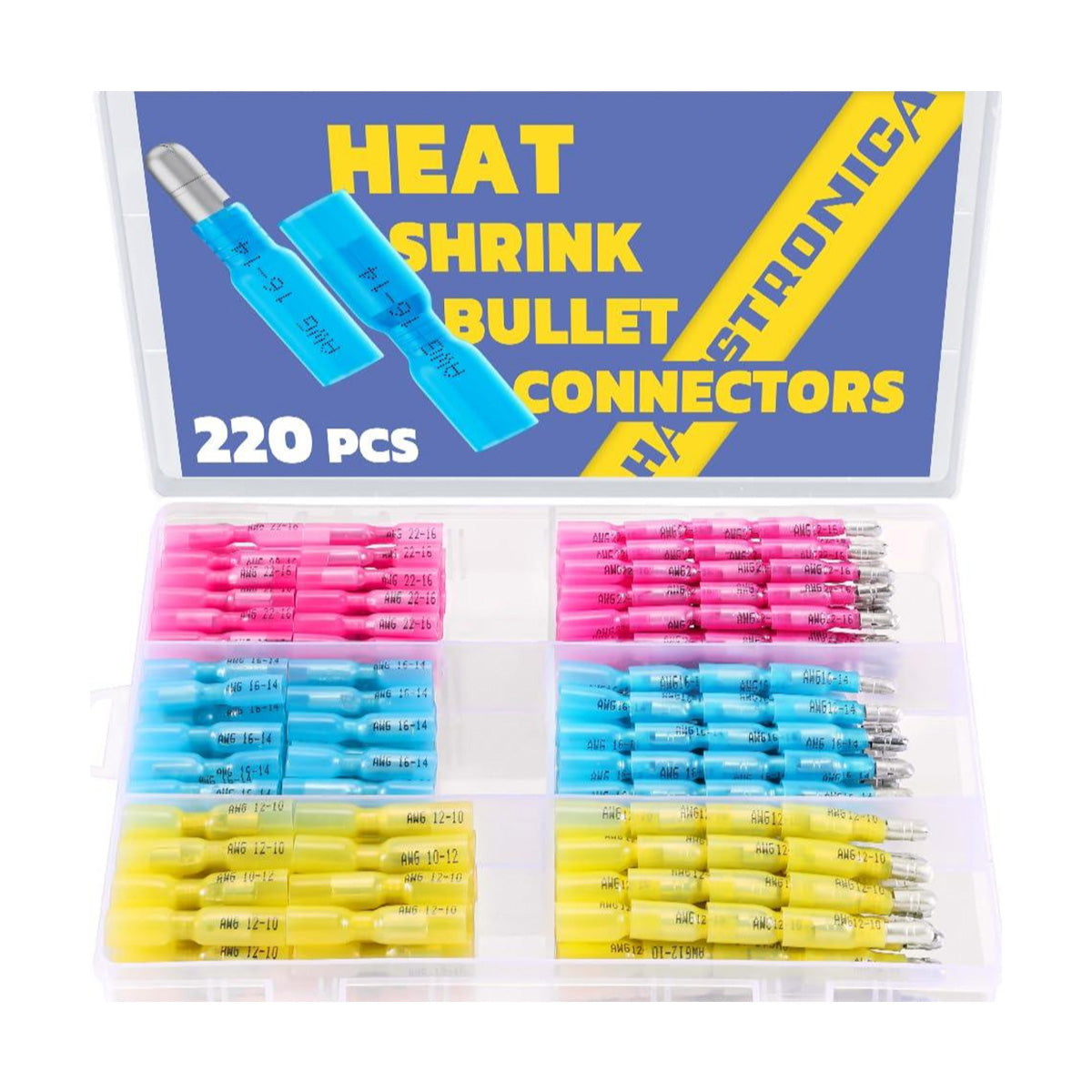
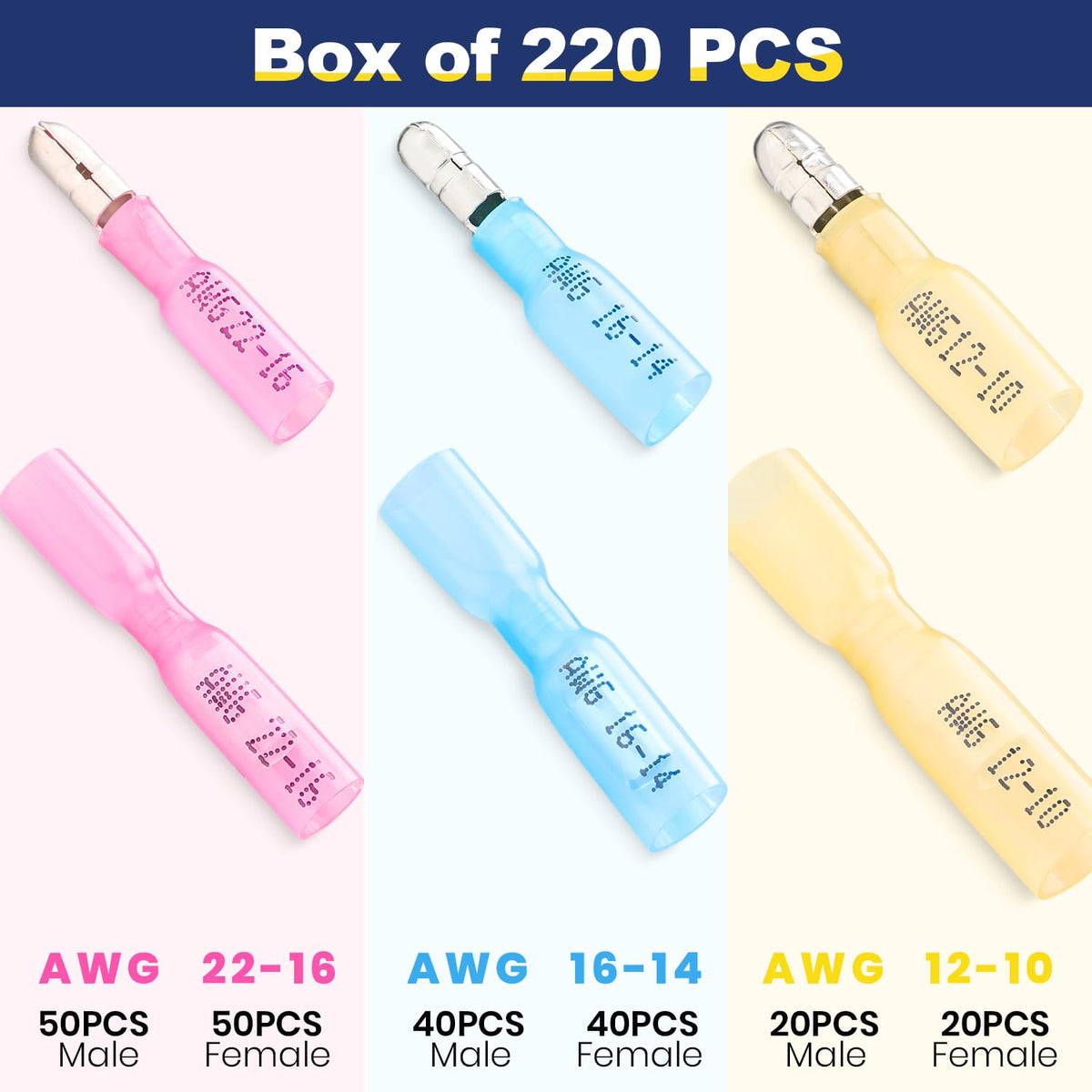
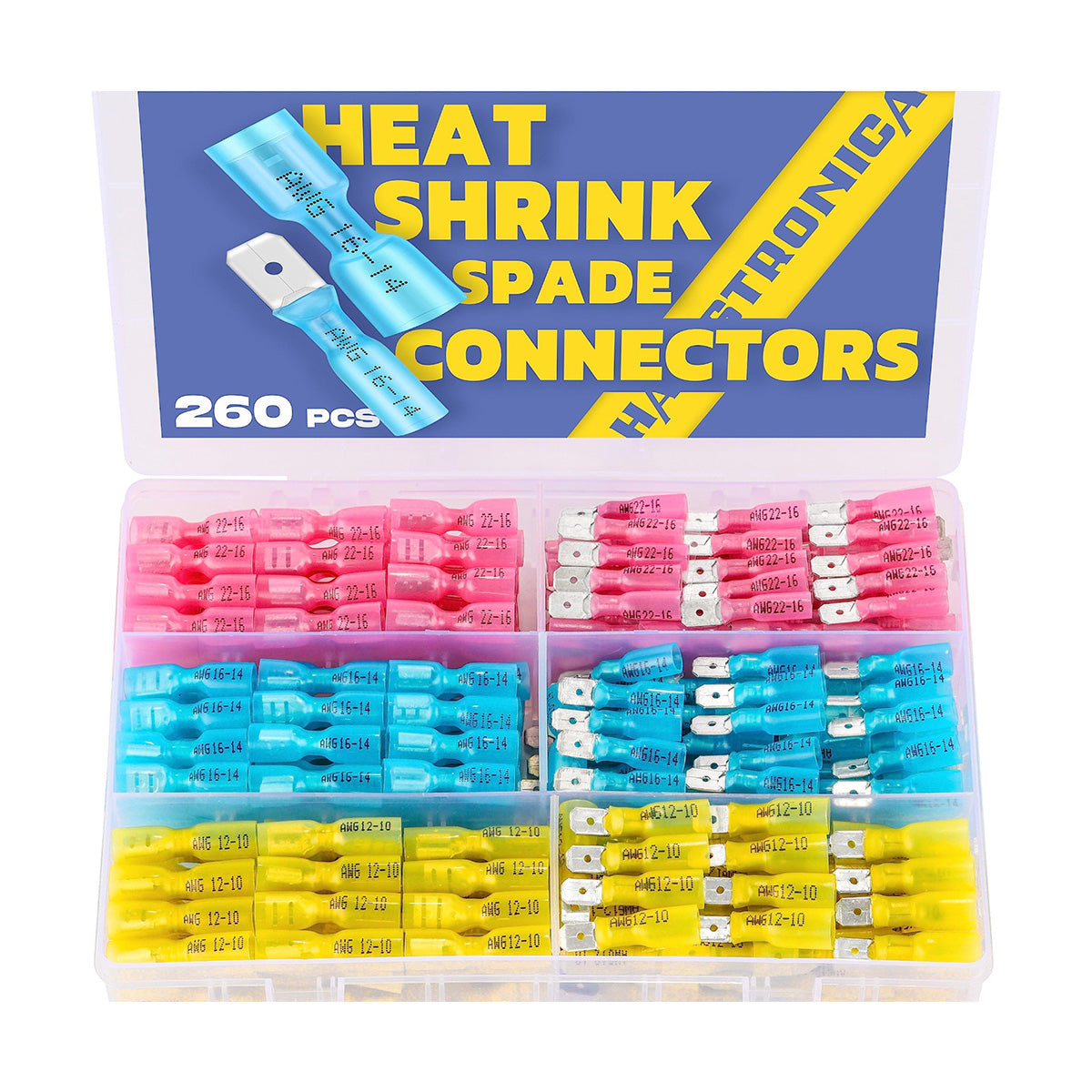
Heat shrink connectors combine connection and sealing. Separate tubing can add insulation, strain relief or identification to a compatible terminal.
Only use tools and components specifically rated for the conductor, voltage and installation method, and follow local electrical codes.