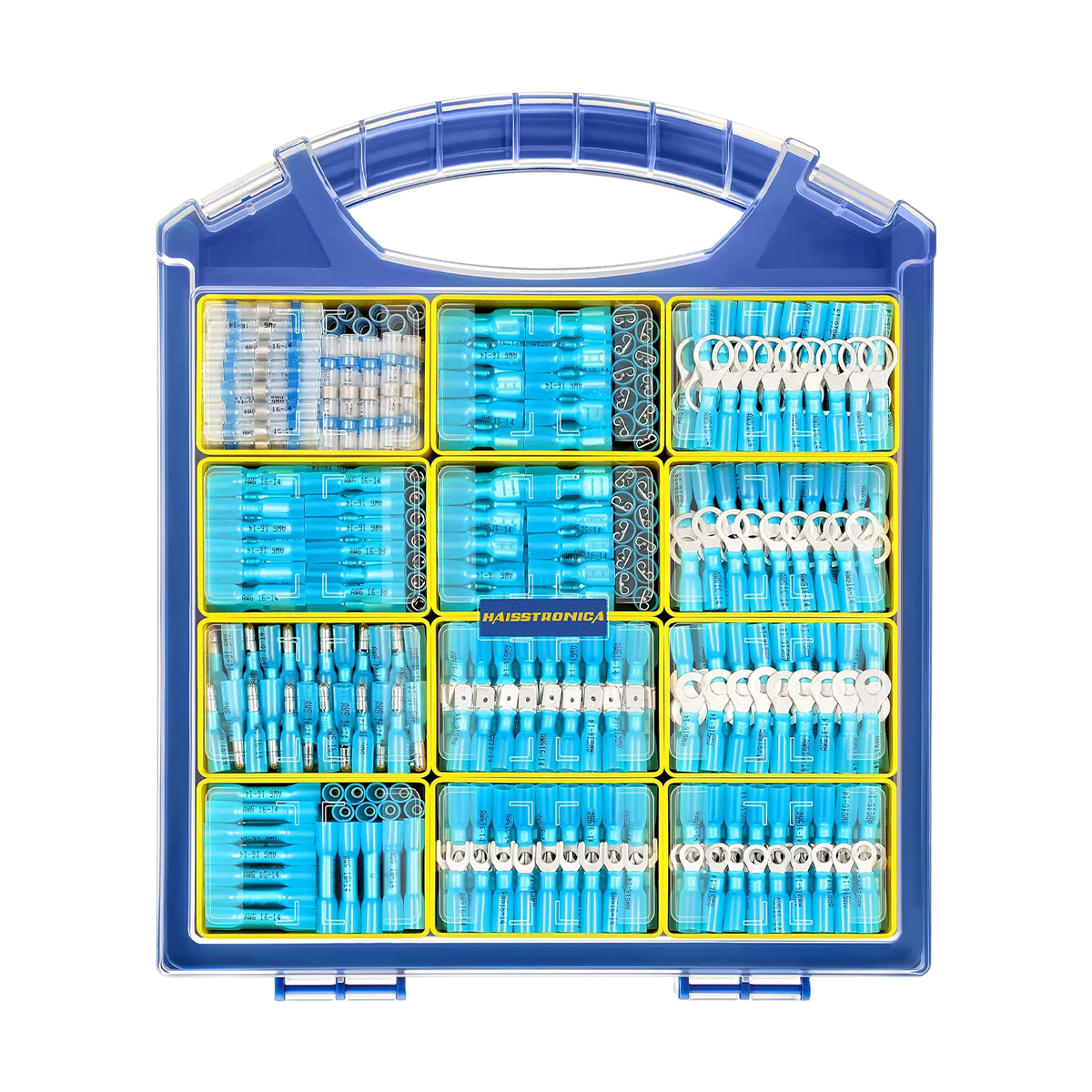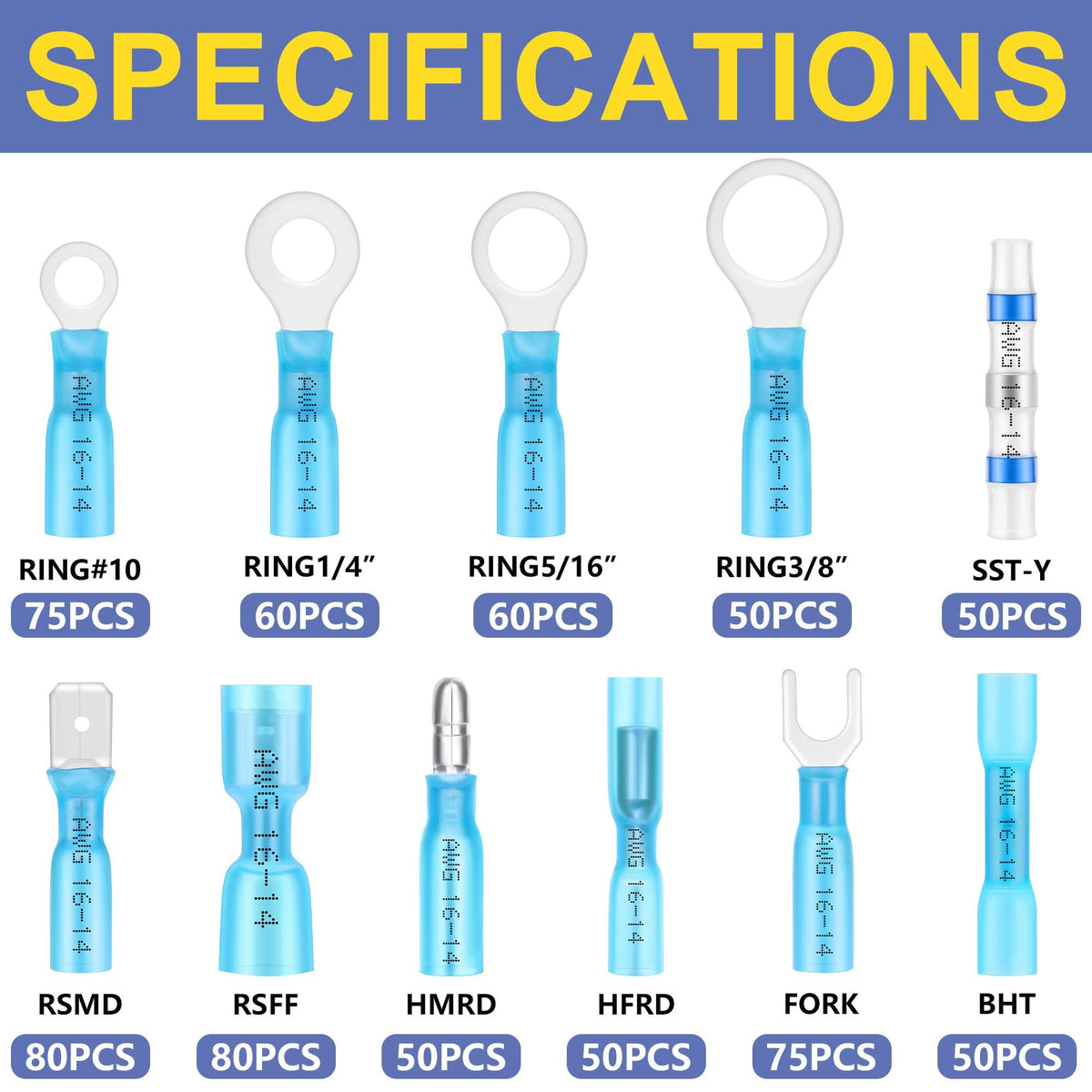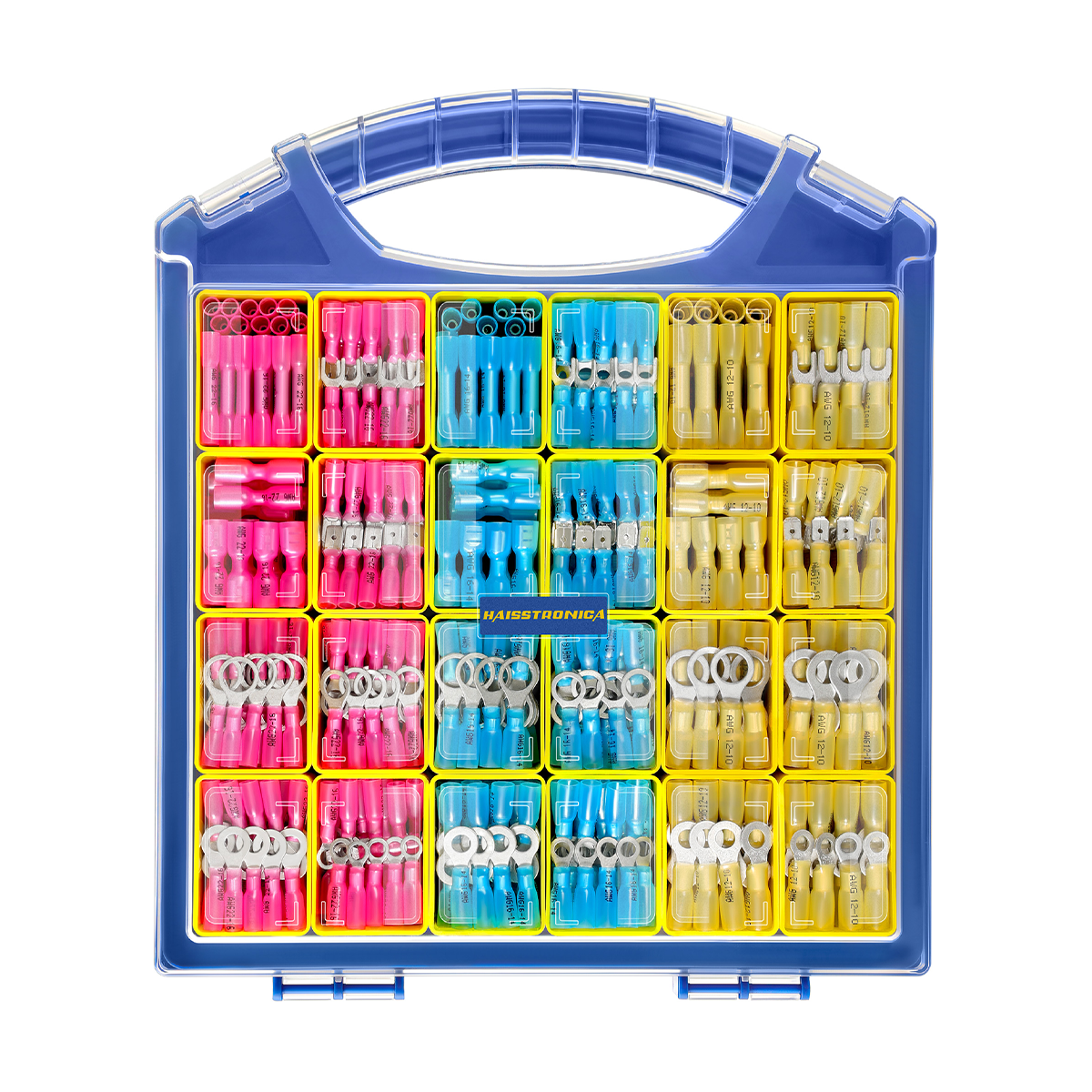

Why Auto, Boat, and Home Wiring Need Different Things for wire gauge & electrician toolset choices
Automotive wiring is low voltage and high stress. SAE J1128 covers low‑voltage primary cable for surface vehicle electrical systems (nominal 60 VDC or less) and notes qualification tests for applications with limited exposure to fluids and physical abuse—exactly what makes stripping wires in cramped engine bays difficult. ISO 6722 also shows how wide road‑vehicle temperature expectations can be, listing temperature classes that span −40°C up to 250°C.
Boat wiring is punished by salt moisture, vibration, and chafe. USCG rules require abrasion protection where conductors pass through rigid structures, and for circuits under 50 V they reference SAE temperature rating requirements and SAE J1127/J1128. Marine best practice consistent with ABYC guidance is stranded, tin‑plated copper; a Blue Sea Systems brief notes ABYC‑specified quality marine wire is stranded and tin‑plated copper and its chart assumes 105°C insulation.
Home wiring is driven by safe simplicity. NFPA describes NFPA 70 (the NEC) as the benchmark for safe electrical design, installation, and inspection to protect people and property. For DIY strip wire work, universality is about fewer mistakes: correct strip length, no damage, and clear wire gauge guidance across common connectors.

What Makes a Wire Stripper Truly Universal: best wire stripping tool for stripped wire quality
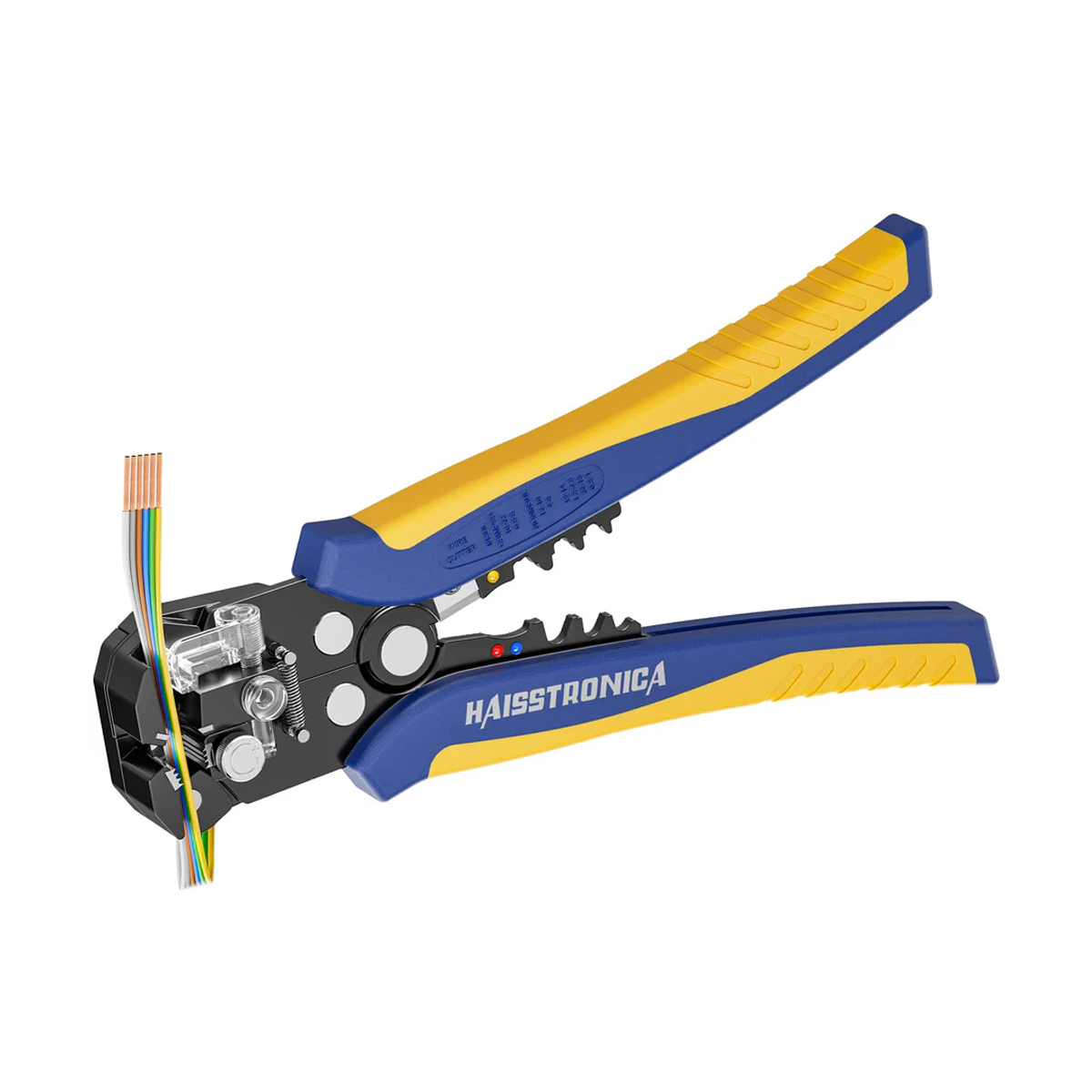
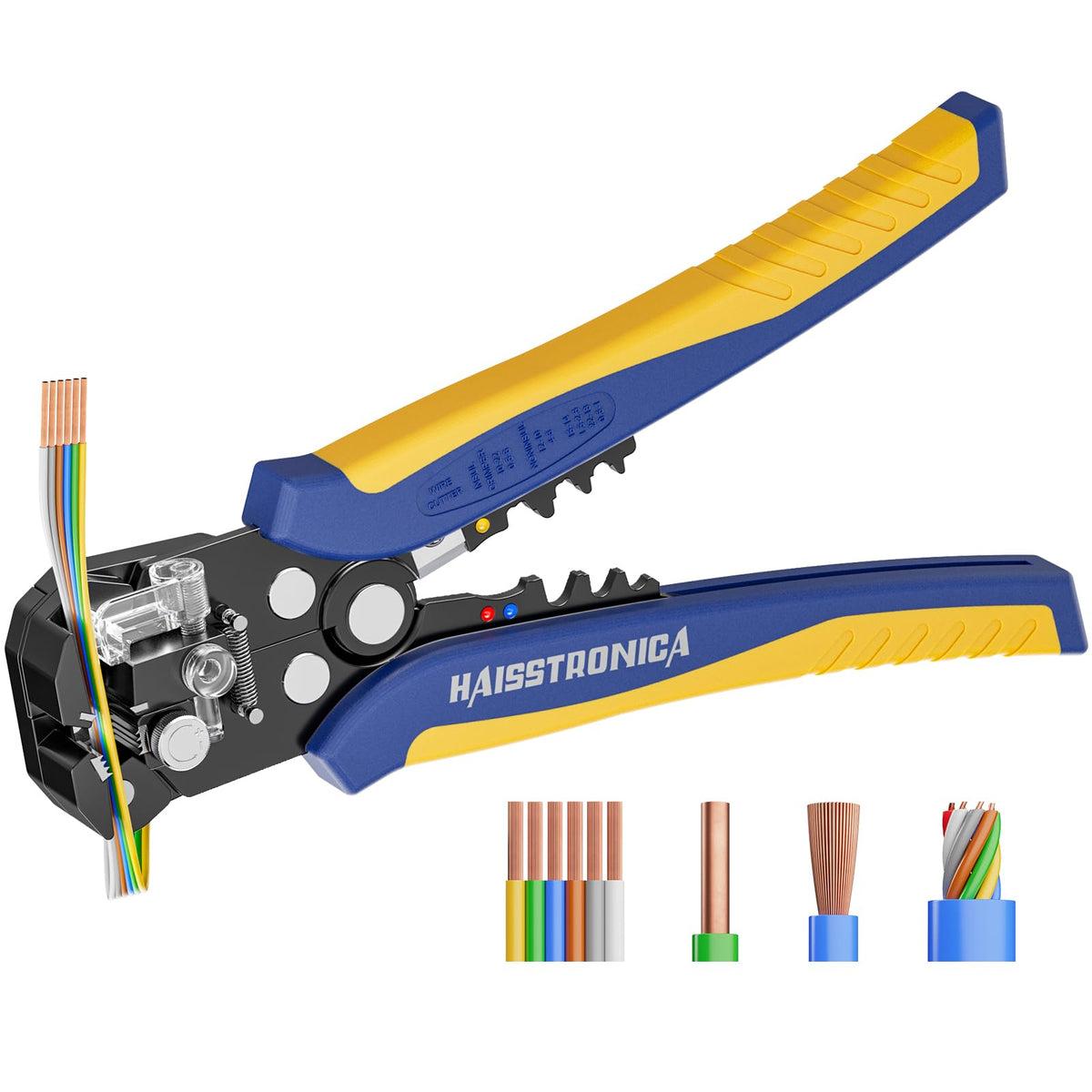
Universality starts with fewer adjustments. Klein says its self‑adjusting wire stripper/cutter “takes the guesswork out” of stripping solid, stranded, and Romex® wire (and warns it’s not insulated for live circuits). KNIPEX describes stripping solid, multi‑stranded, and finely stranded conductors without manual adjustment and adds an adjustable length stop for repeatable stripping lengths.
A universal stripper model must protect conductors automatically, not just “work fast.” NASA requires that after stripping insulation from wire, the conductor shall not be nicked, cut, or scraped to base metal, and remaining insulation must not show damage such as nicks or cuts; TE rejects preparation with nicked or cut strands as well. If a tool increases redo work, it cannot be the best tool to strip wire, no matter how fast the first pull feels.
Strip length is where “universal” becomes measurable. TE calls strip length key to correct wire placement in terminals prior to crimping; UL 486A‑486B expects the length of exposed conductive material to maintain the strip lengths required by the connector manufacturer. That’s why a wire stripper crimper, wire striper crimper, or any wire stripping and crimping tool must be predictable in length, not just sharp—especially when you’re doing multiple splice wire connections in a row.
Jackets are different from conductors, so “universal” must be honest. NASA treats stripping jackets over shields as its own operation and limits damage to shield strands; jacket removal is not the same as stripping a single conductor. If you often cable strip multi‑core cable, add a cable jacket stripper / cable jacket stripping tool (often the best cable stripping tool for that specific task) and keep your small wire strippers focused on conductor work.
Ergonomics decides whether universality lasts all day. CCOHS notes tool design (weight, shape, fit to user/task) matters for safer hand‑tool use, and OSHA highlights repetition and awkward postures as MSD risks. Less grip strain means fewer mistakes—especially when you’re using wire strippers crimpers repeatedly in a long build or repair session.
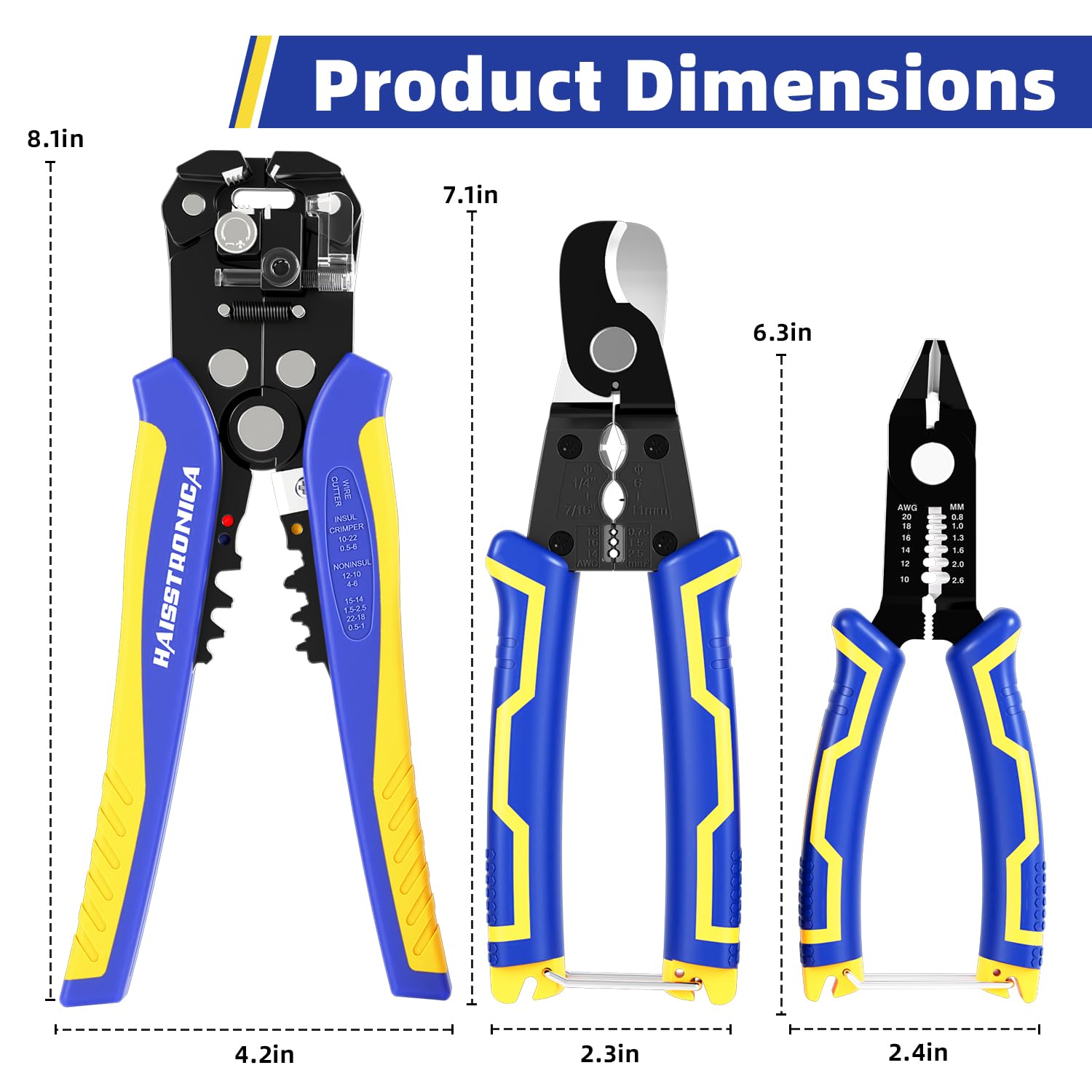
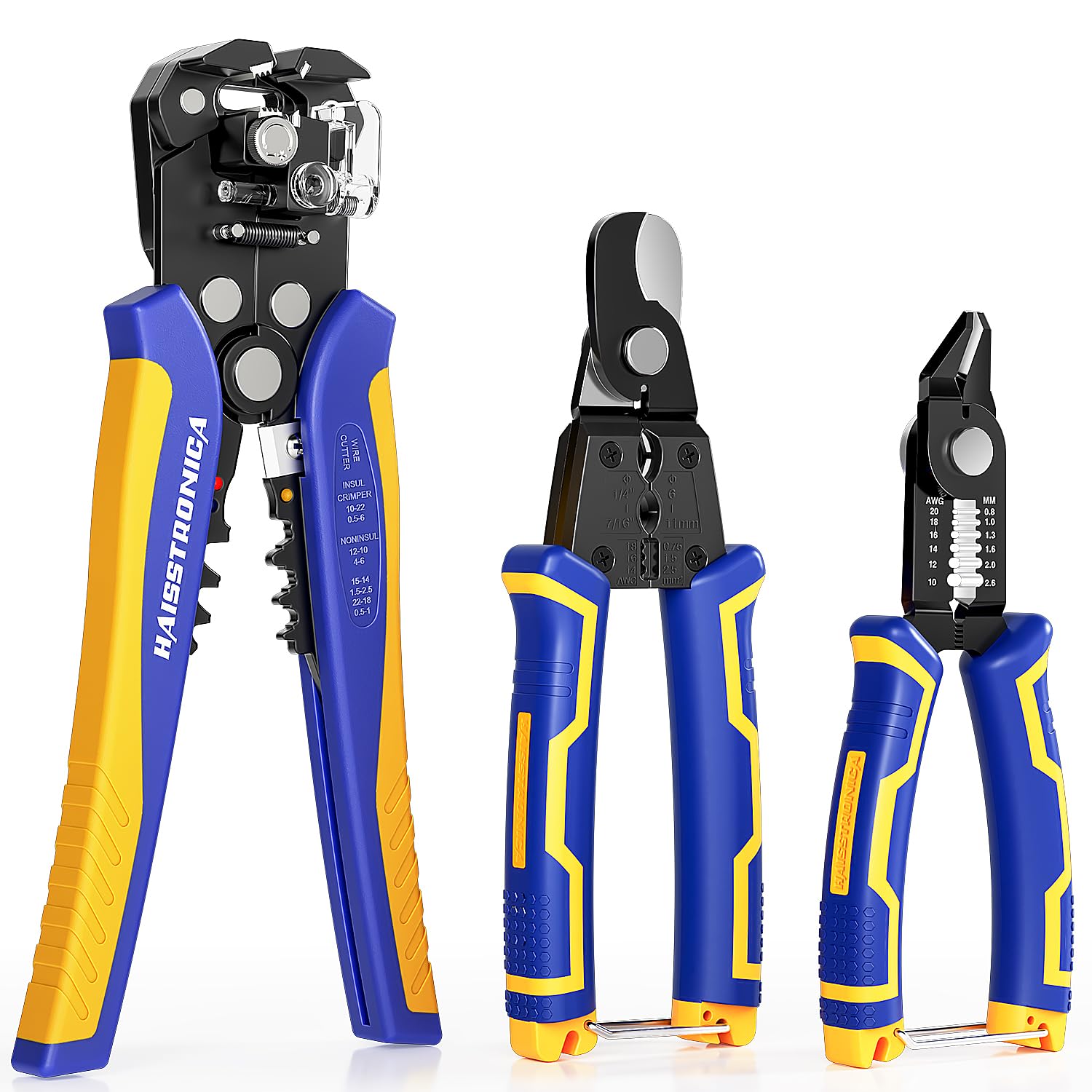
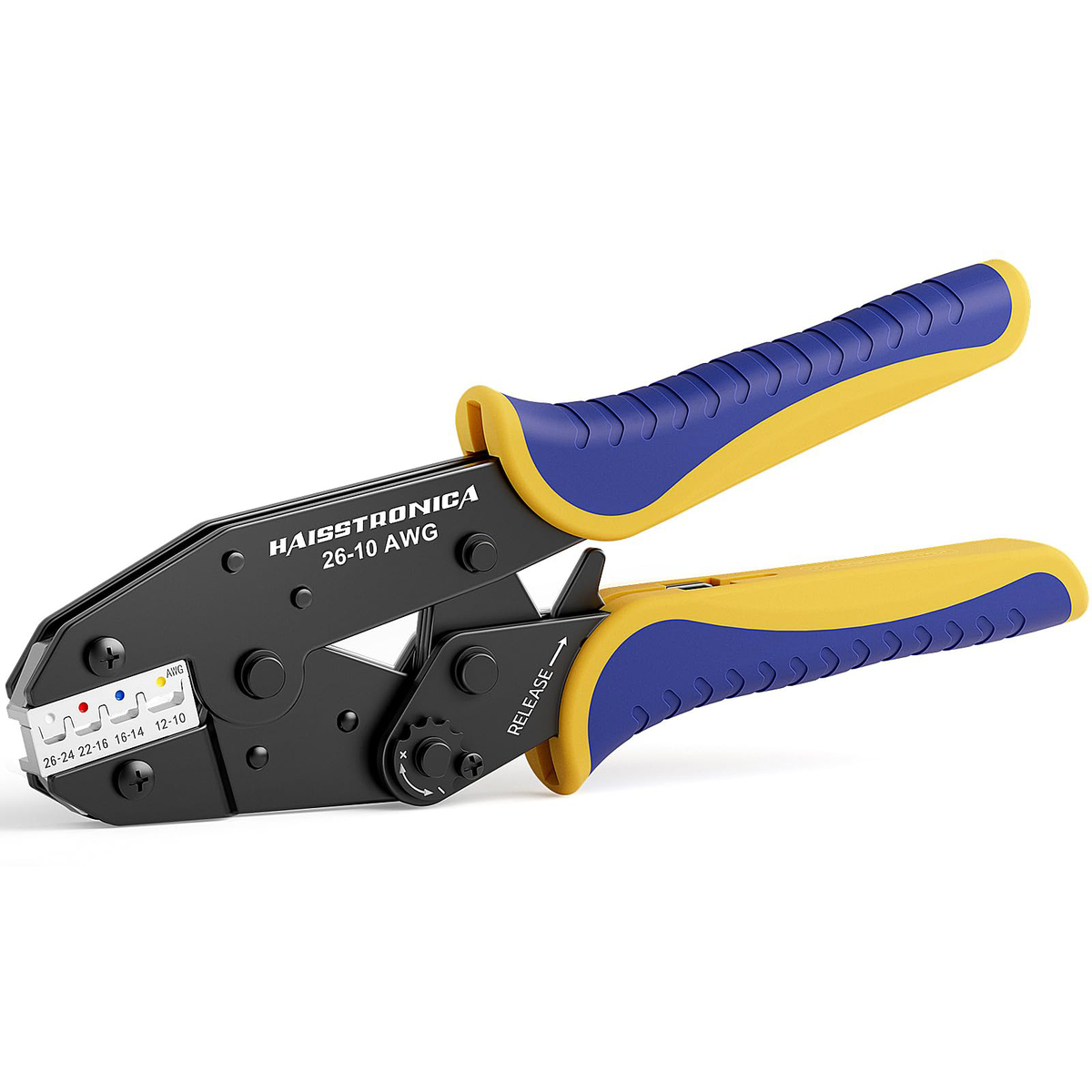
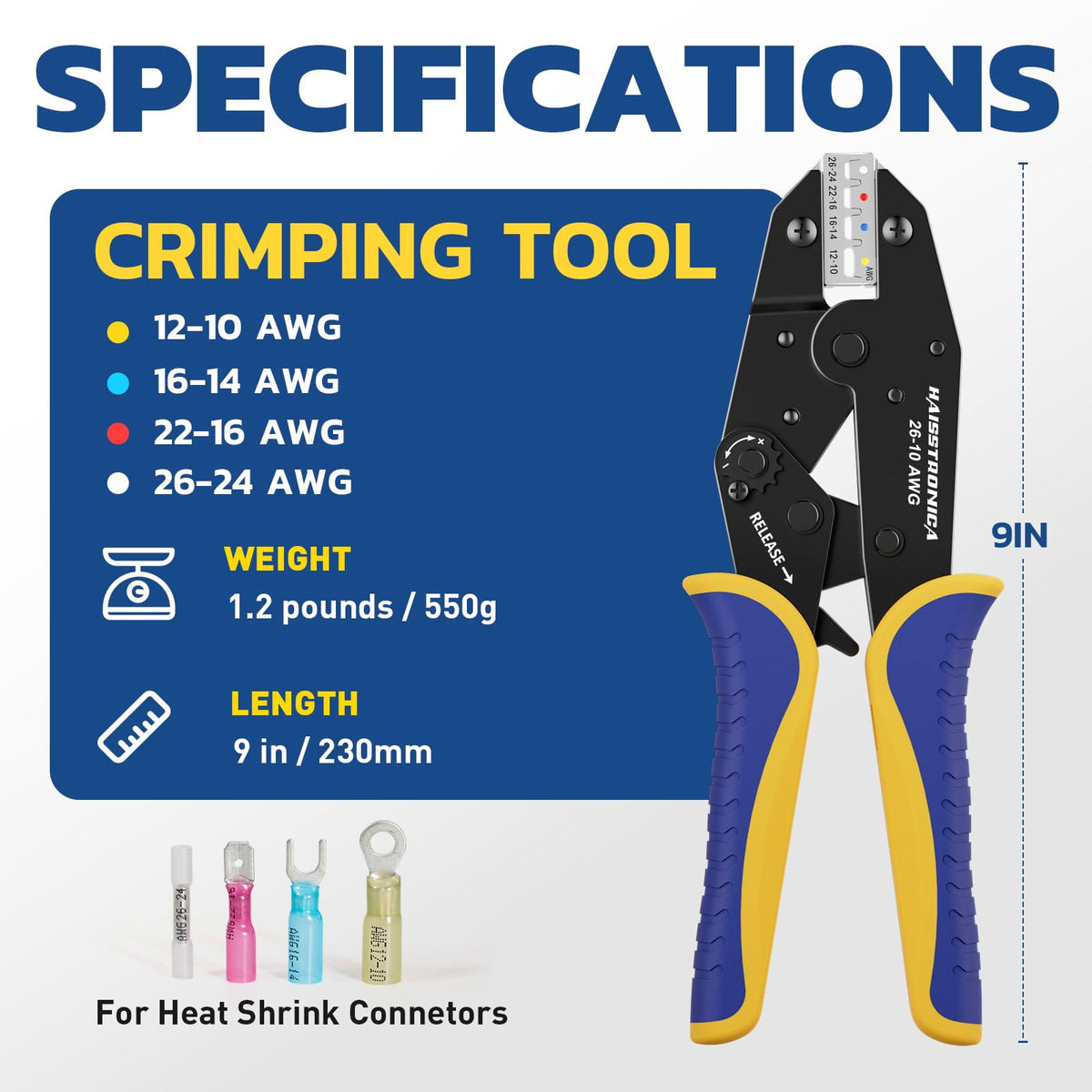
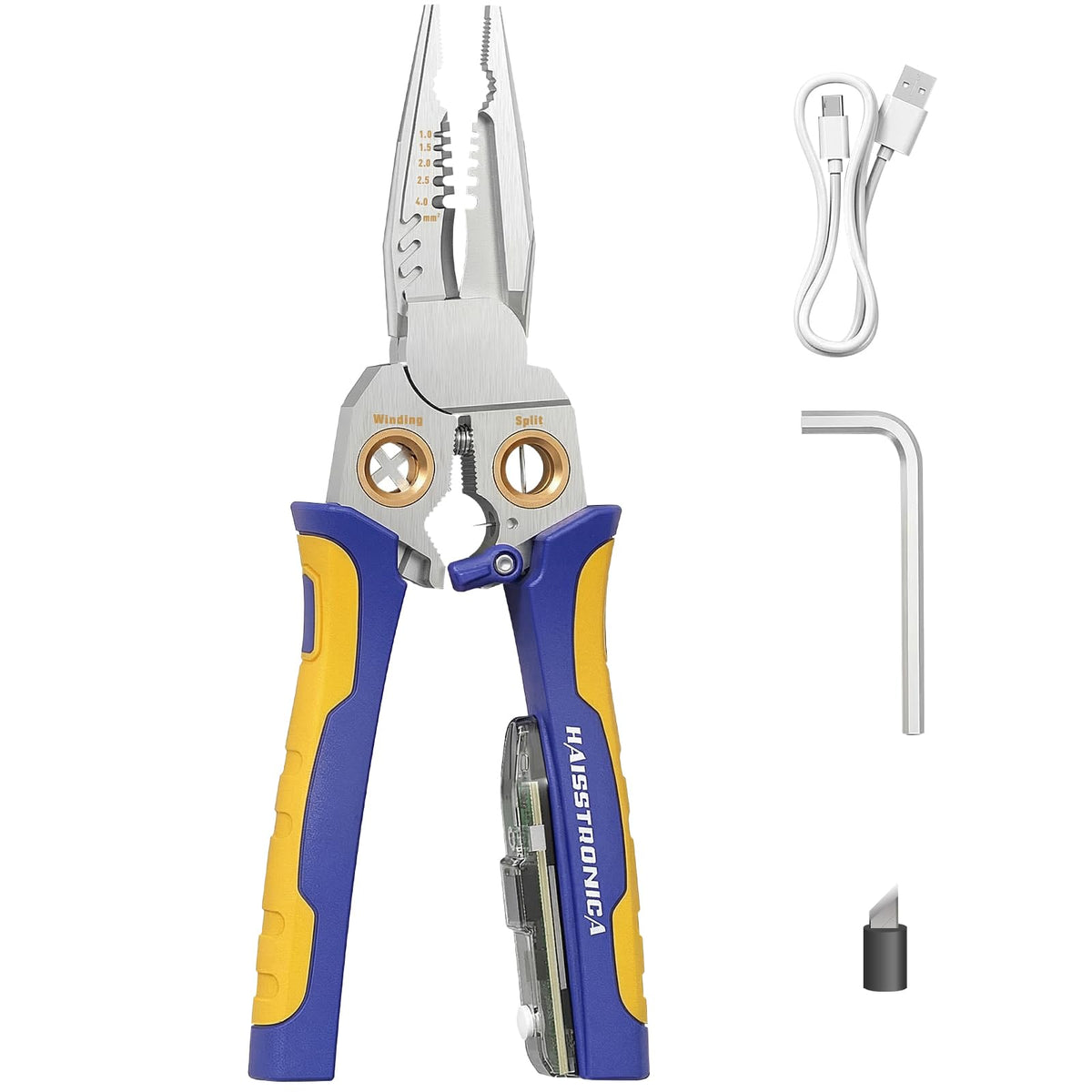
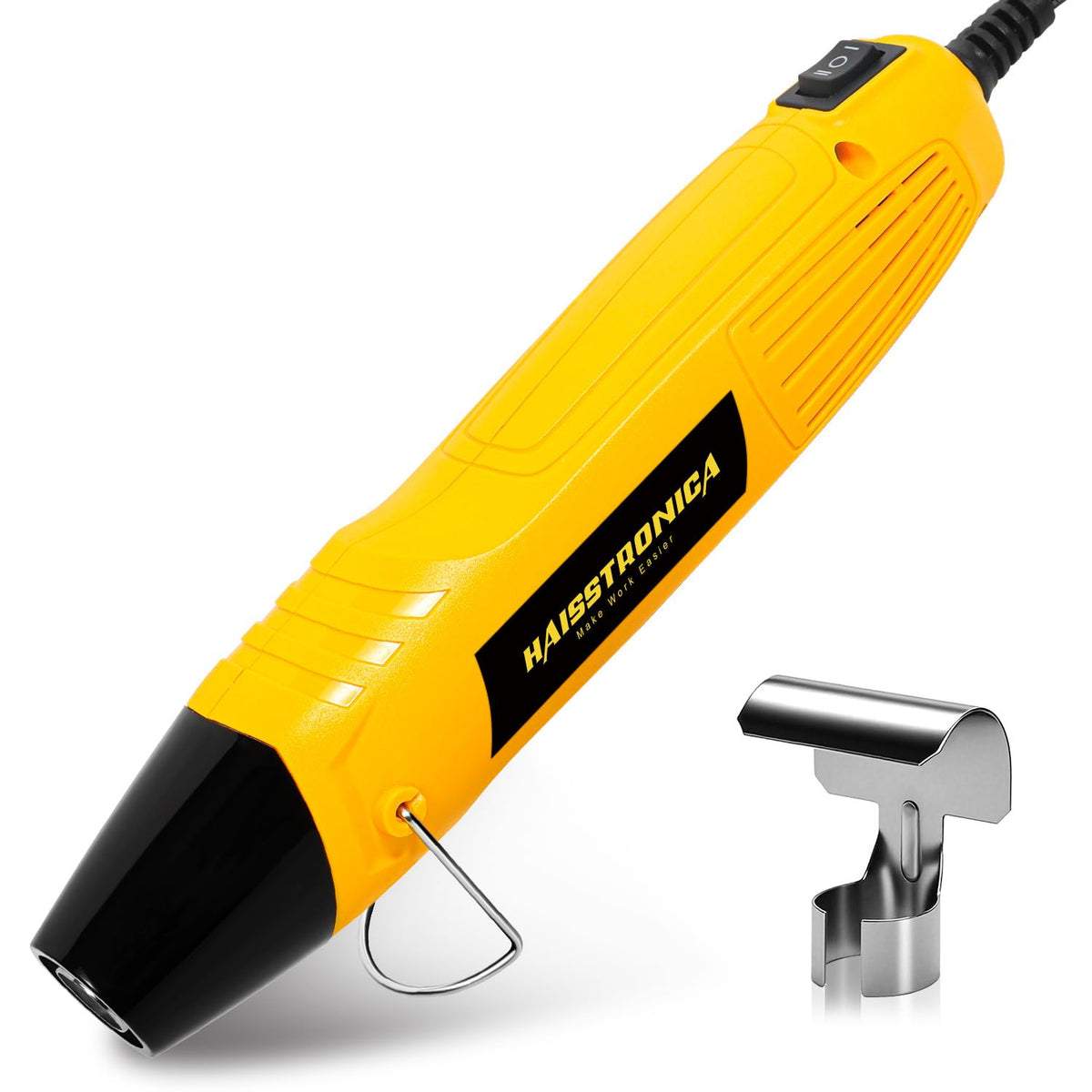
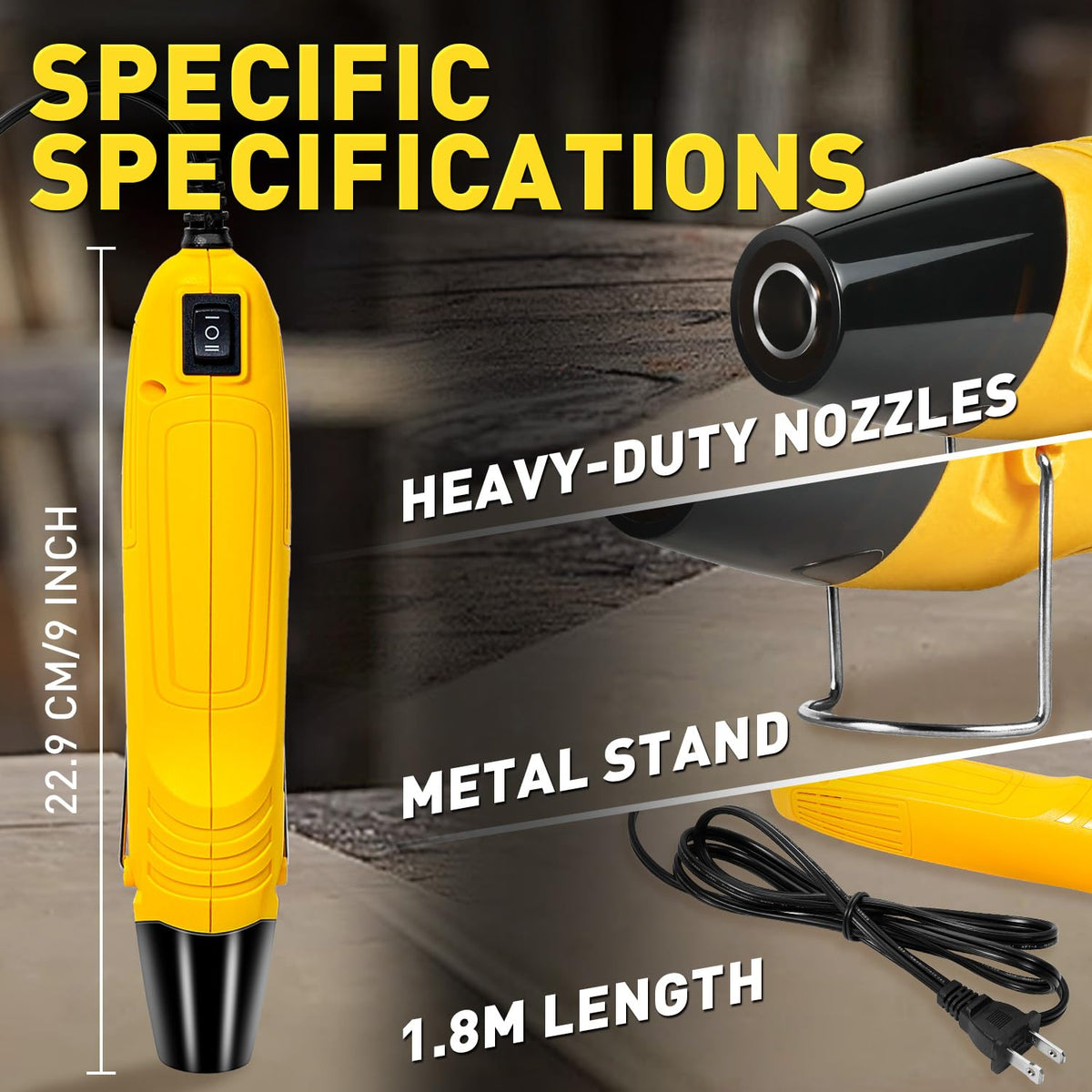
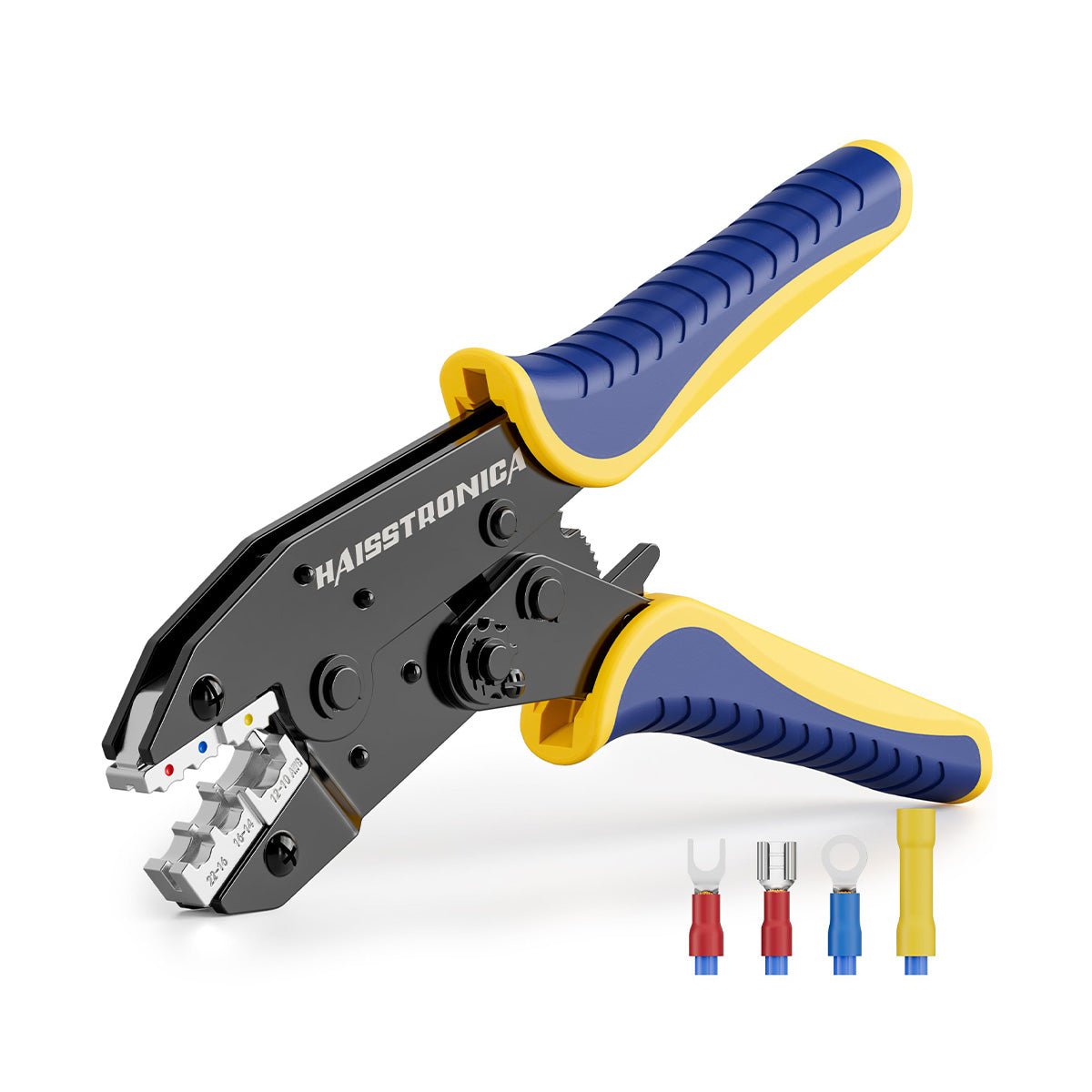
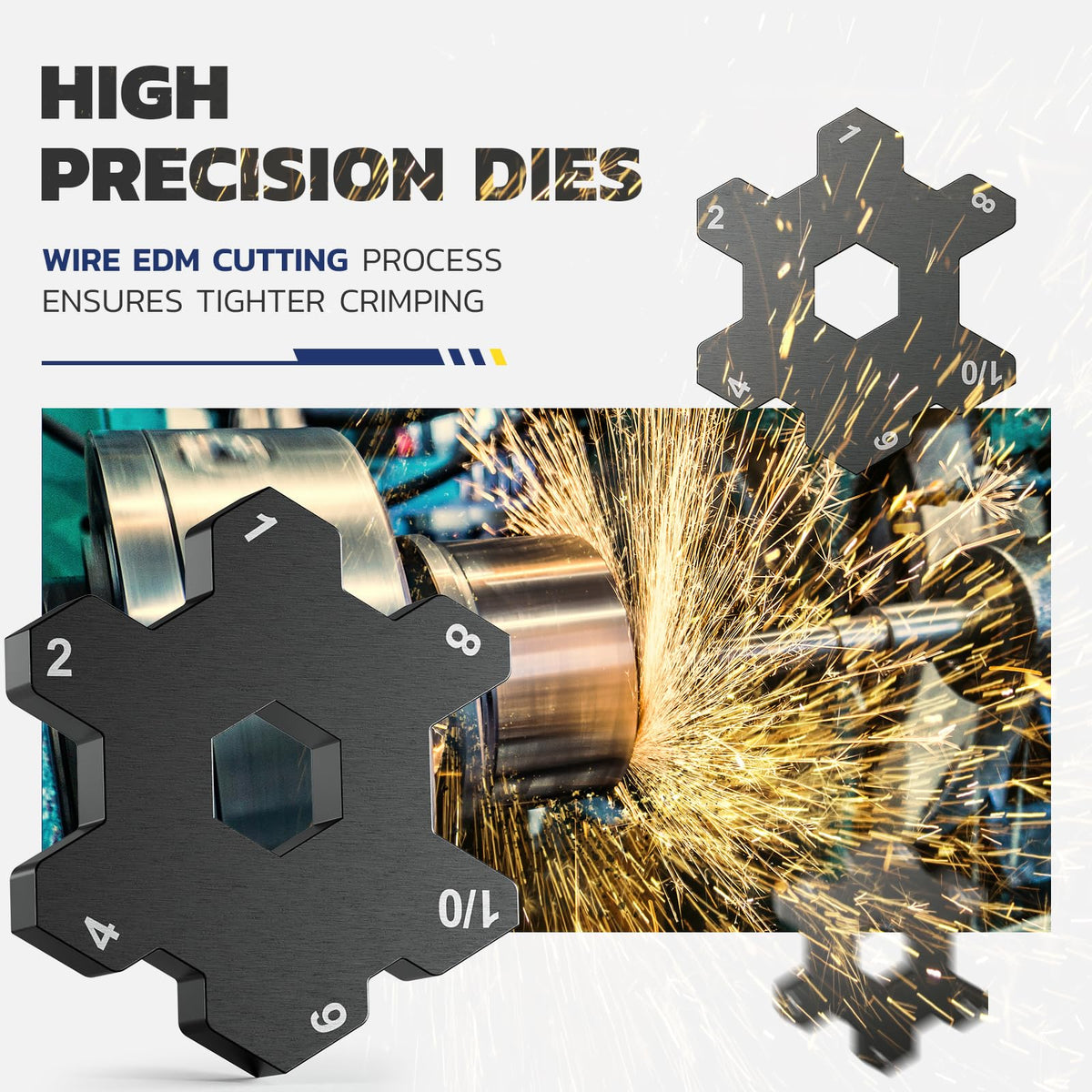
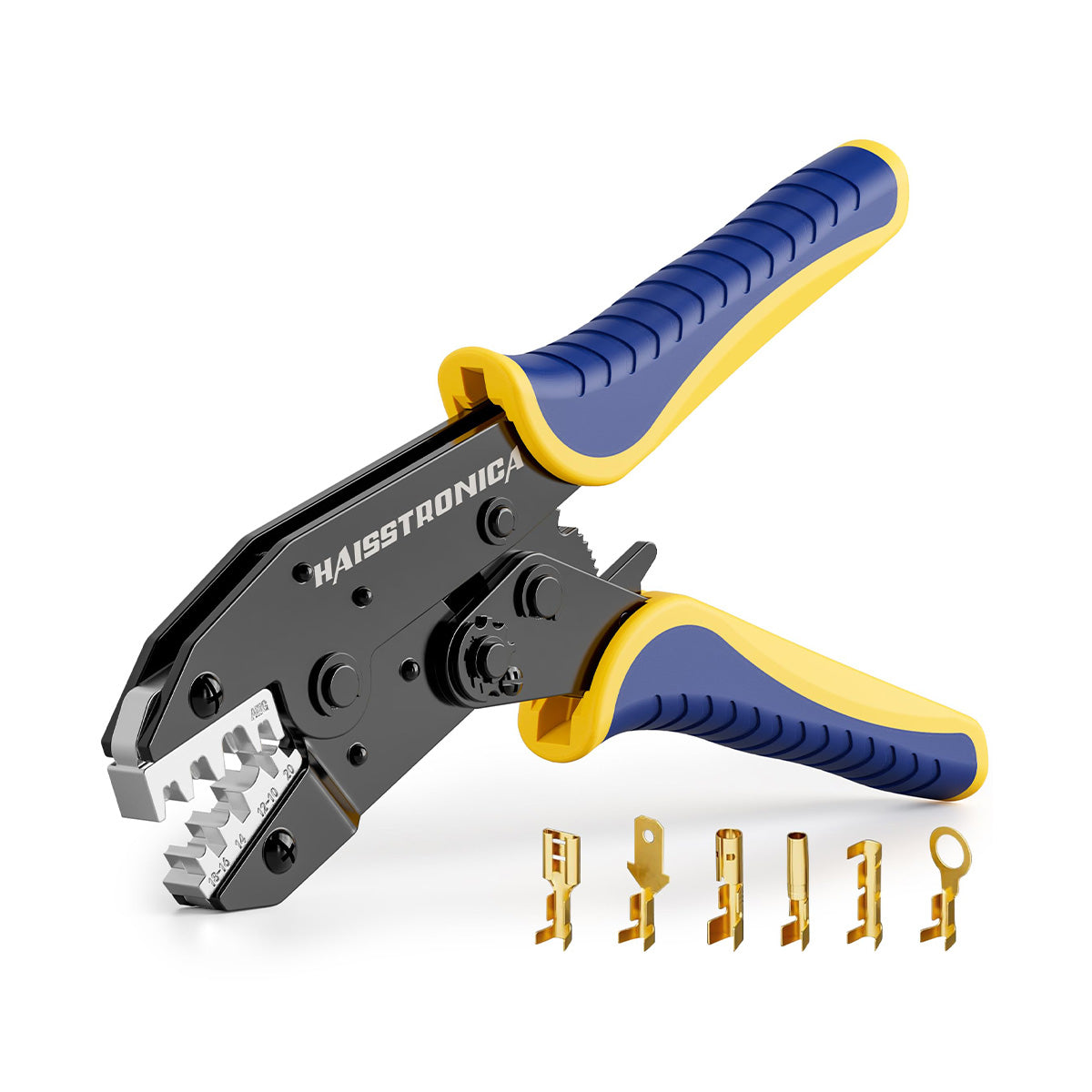
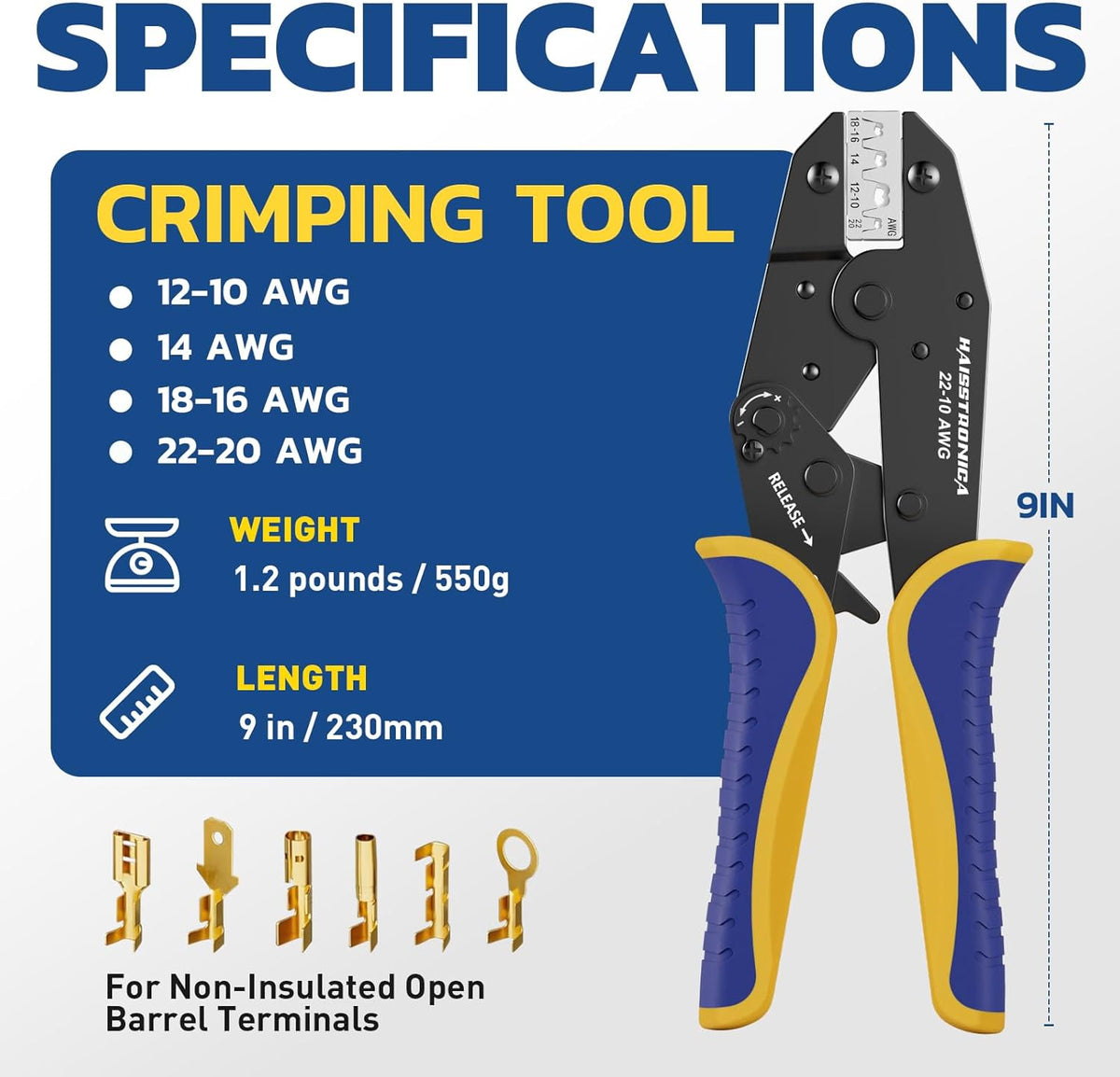
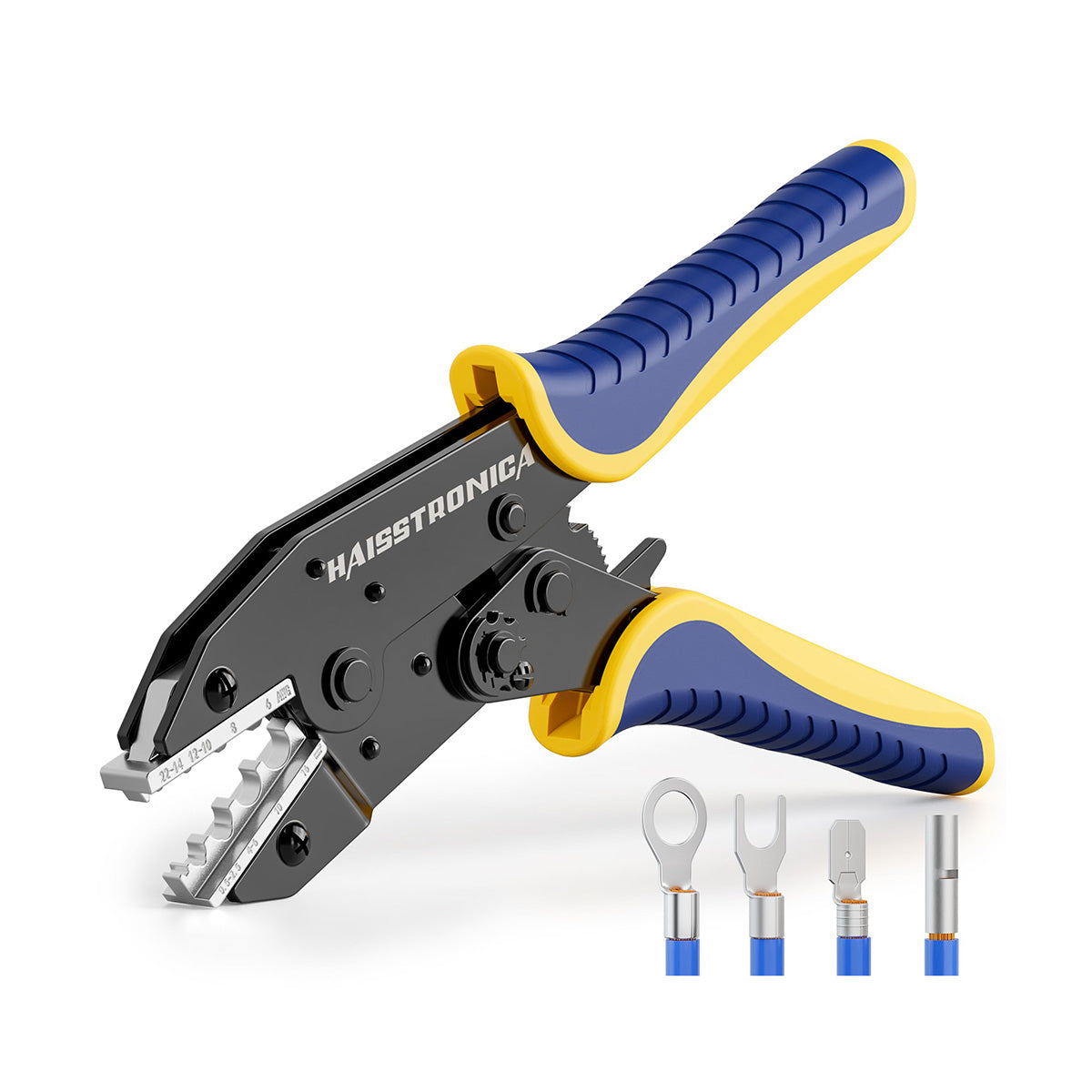
A practical universal setup is a kit: stripper + cutter + crimp capacity. Haisstronica’s wire stripper and wire tools pages position universal wire stripping tools, stripper kit choices, and tool kits designed for multiple environments, while its wire crimping tool collection includes ratcheting crimp options and sets for repeatable terminations.
One practical way to judge “universal” is a three‑material test you can run in five minutes. Use a small stranded conductor for an auto wire splice, a solid home conductor, and a lightly jacketed two‑core cable; then confirm your best wire stripping pliers produce repeatable wire strips—clean stripped wire, no strand damage, and the same strip length. TE stresses strip length must match the terminal for correct wire placement, and UL 486A‑486B expects strip length to follow connector requirements. If a tool can’t pass, it won’t feel universal inside electricians tool sets, whether you use a crimping tool and wire stripper separately or depend on integrated wire strippers and crimpers in a crimping kit.

Automotive Use: How It Performs on Car Wiring Jobs for auto wire splice & stripping wires
In cars, universality usually means fast work on smaller conductors and frequent wire gauge changes. SAE J1128 frames the cable environment (fluid/physical exposure realities), and ISO 6722 shows wide temperature expectations, which together favor tools that strip cleanly without chewing fine strands. A “universal” winner here is the one that consistently produces clean wire strips in awkward angles.
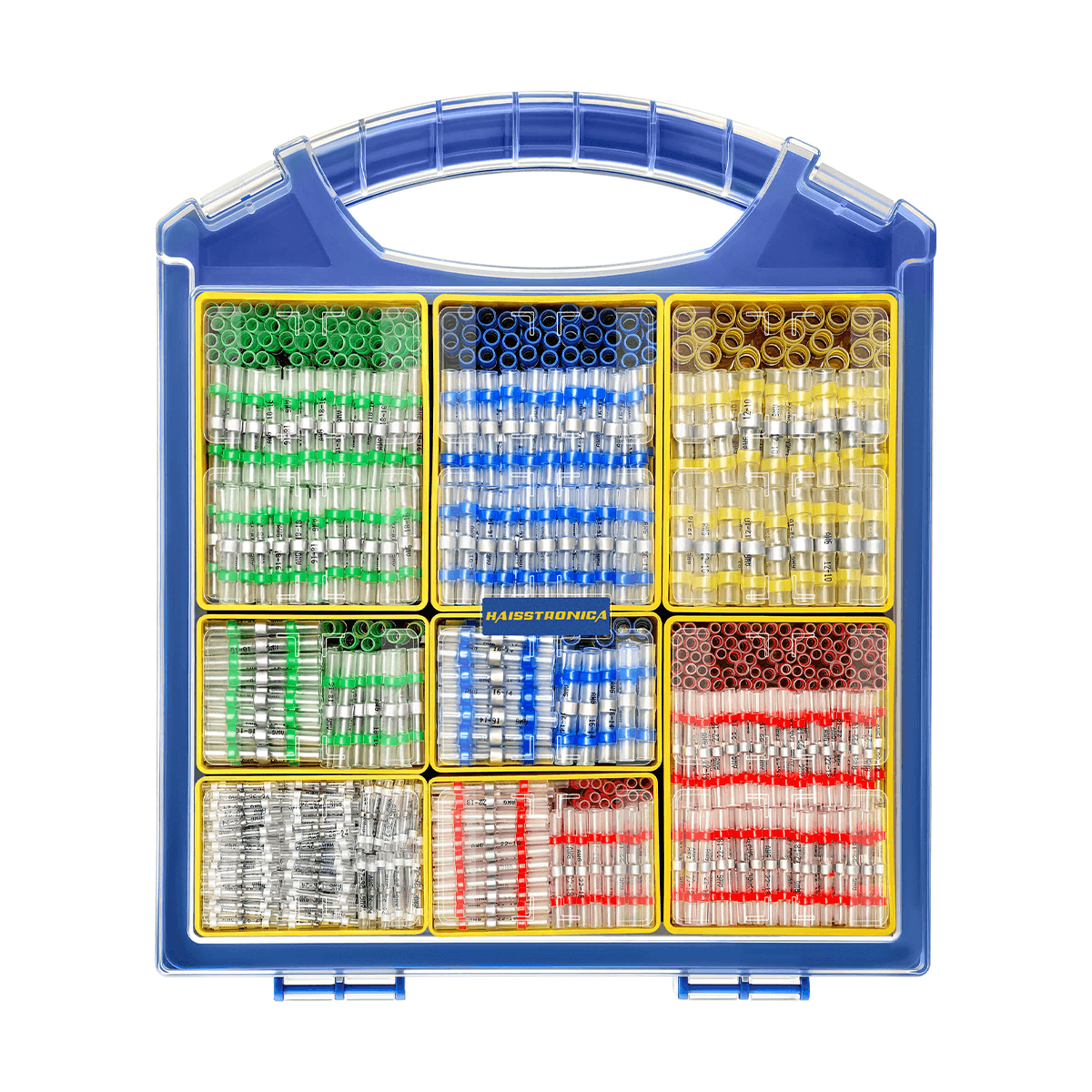
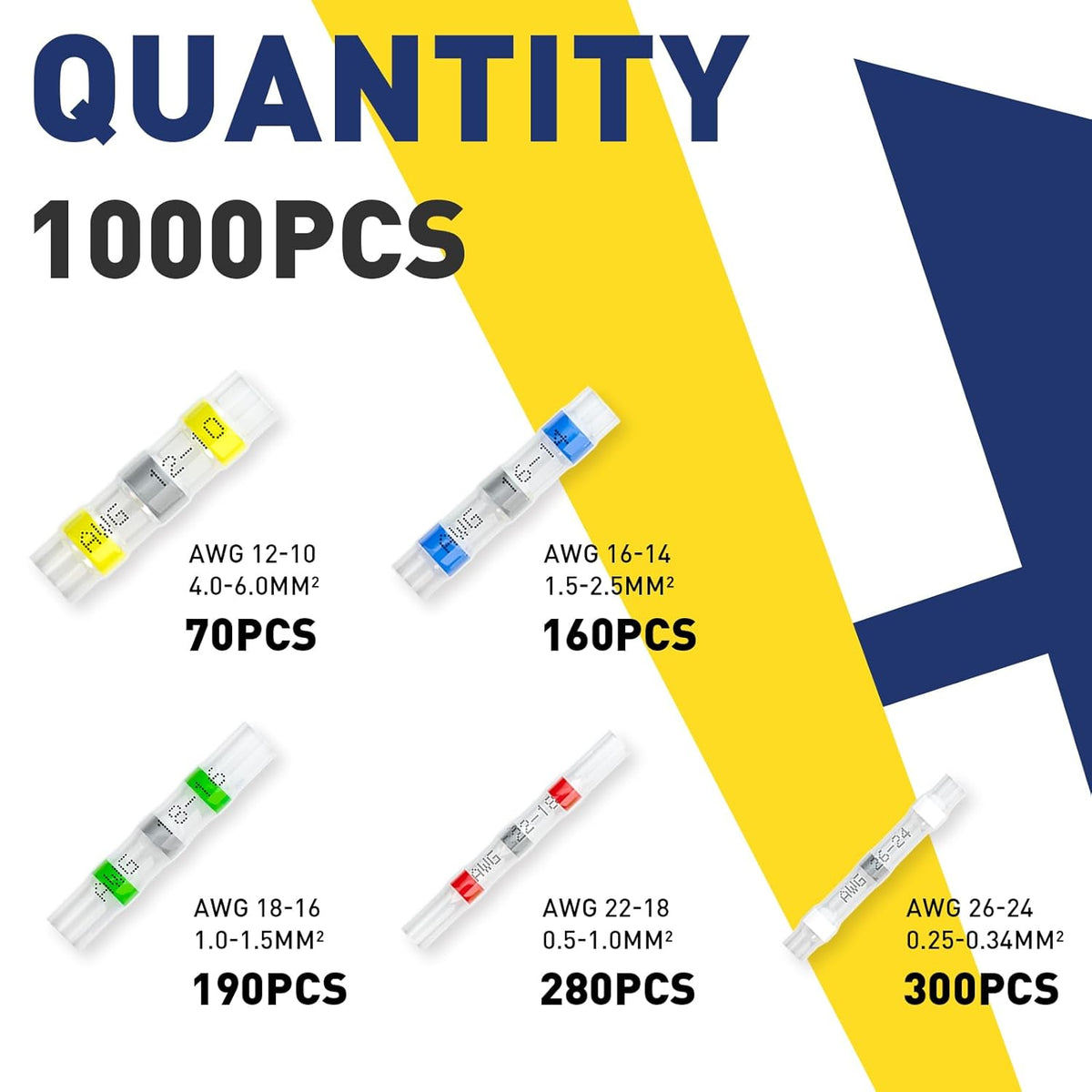
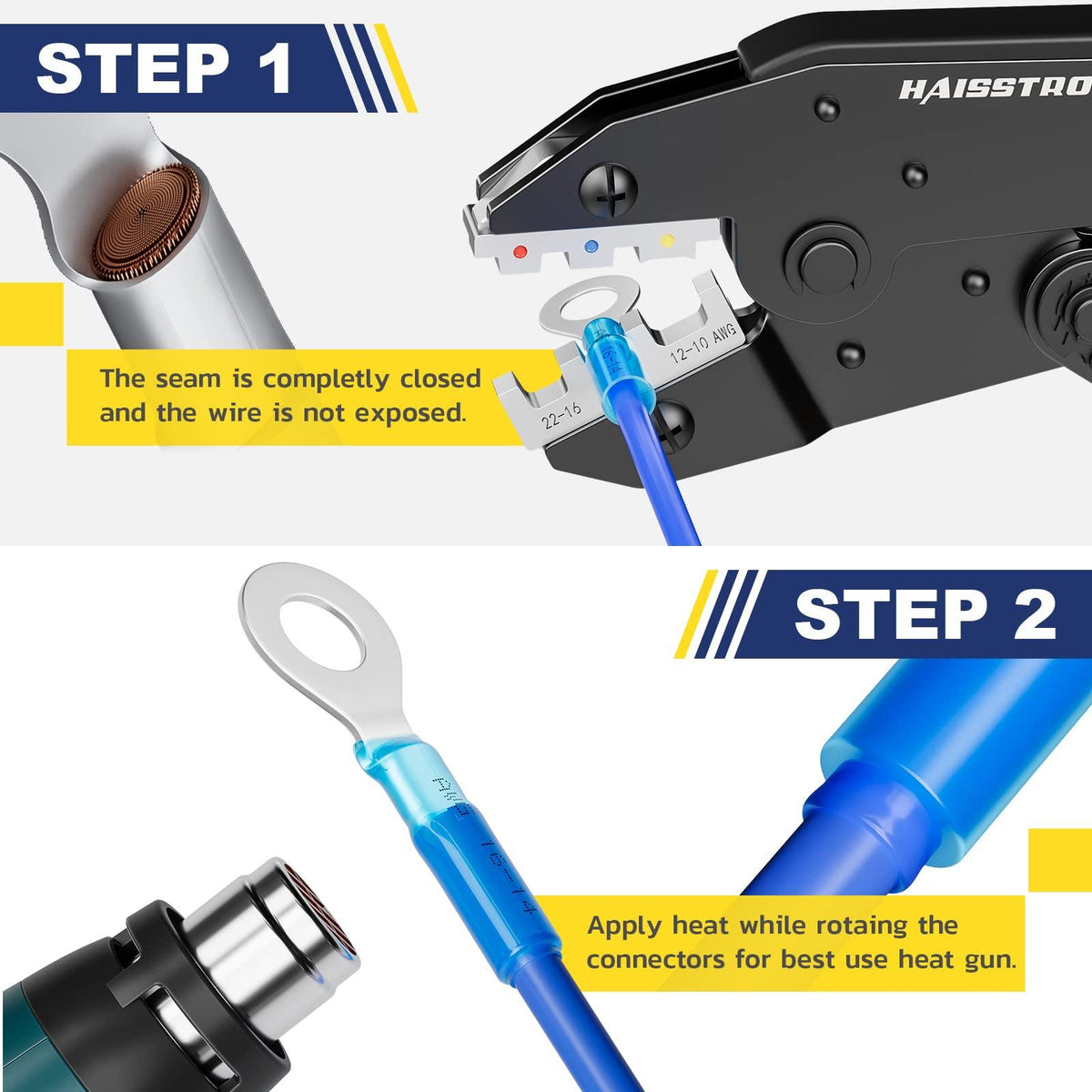
For an auto wire splice, “speed” must include correctness. TE rejects nicked strands and ties strip length to correct placement before crimping; UL expects exposed length to match connector requirements. The best way to splice wires in cars is repeatable strip length → full insertion → consistent crimp, whether you use separate tools or an all‑in‑one wire crimpers and strippers device.
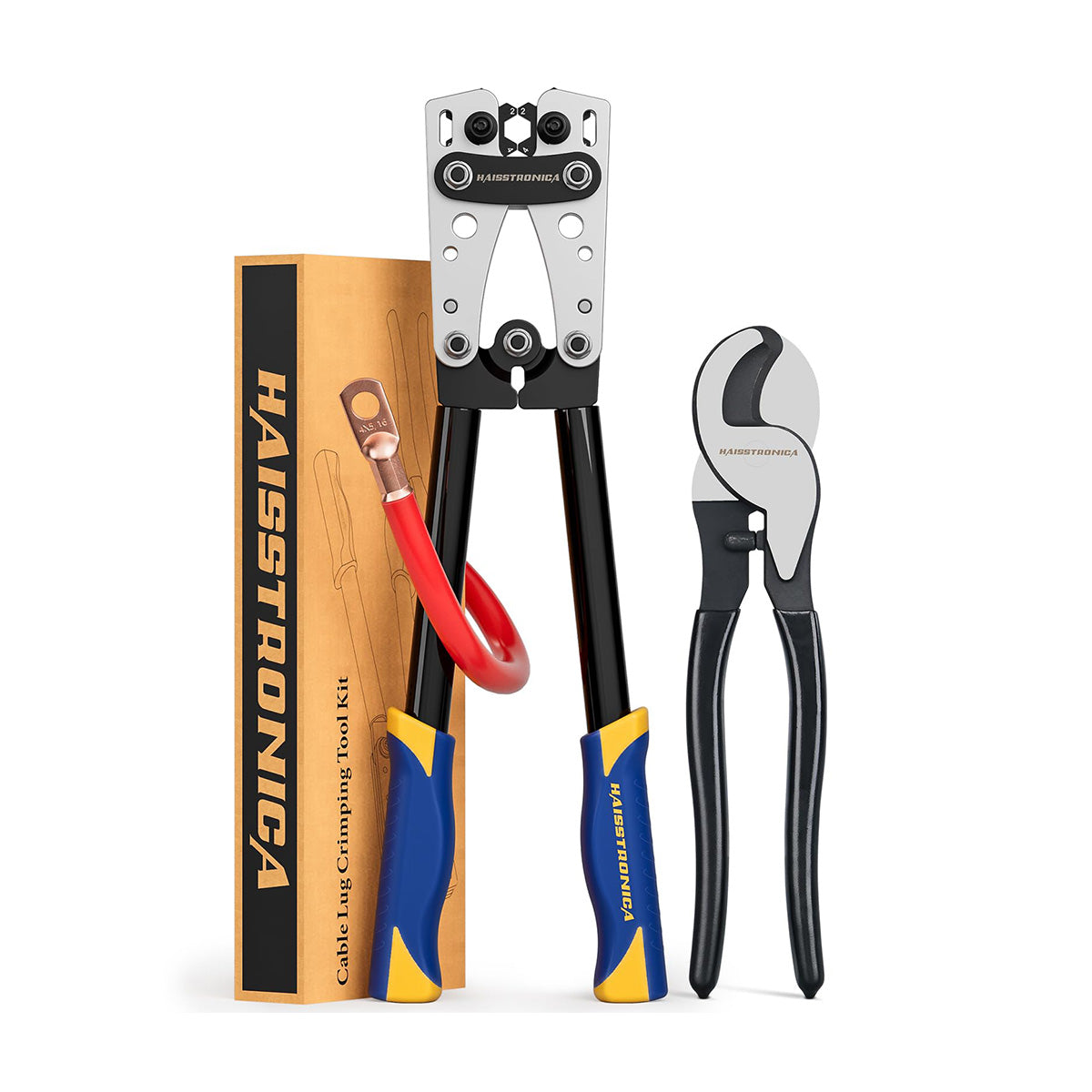
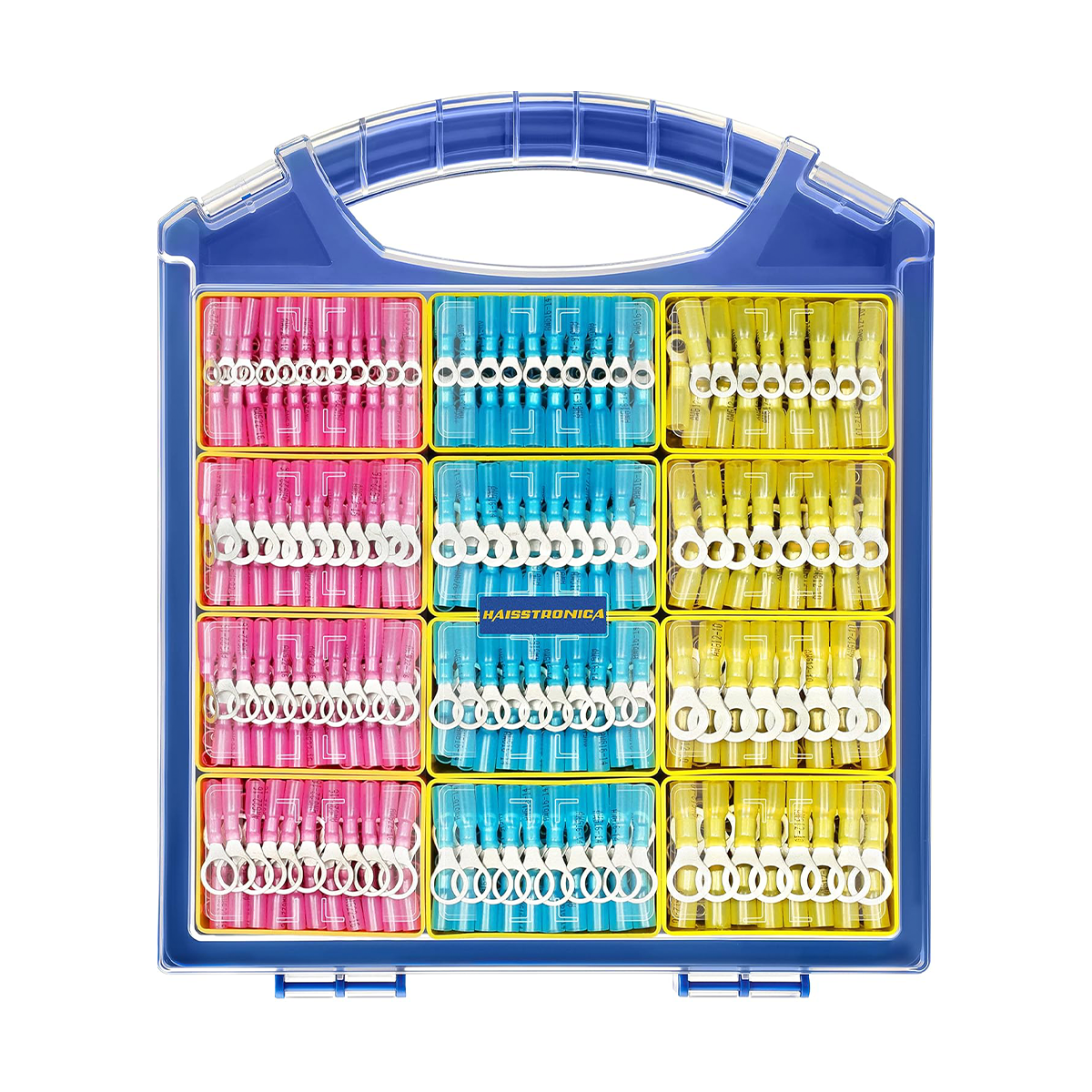
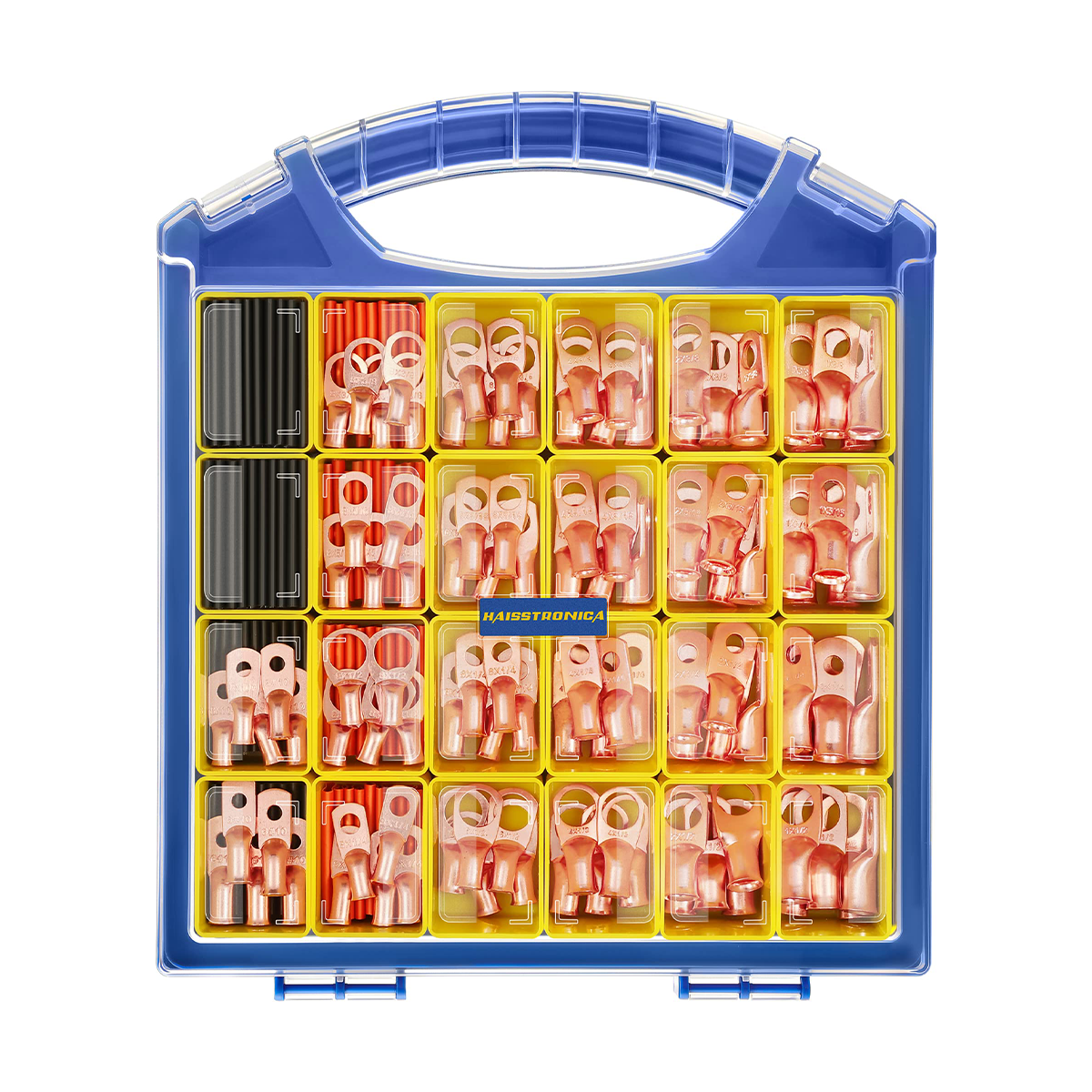
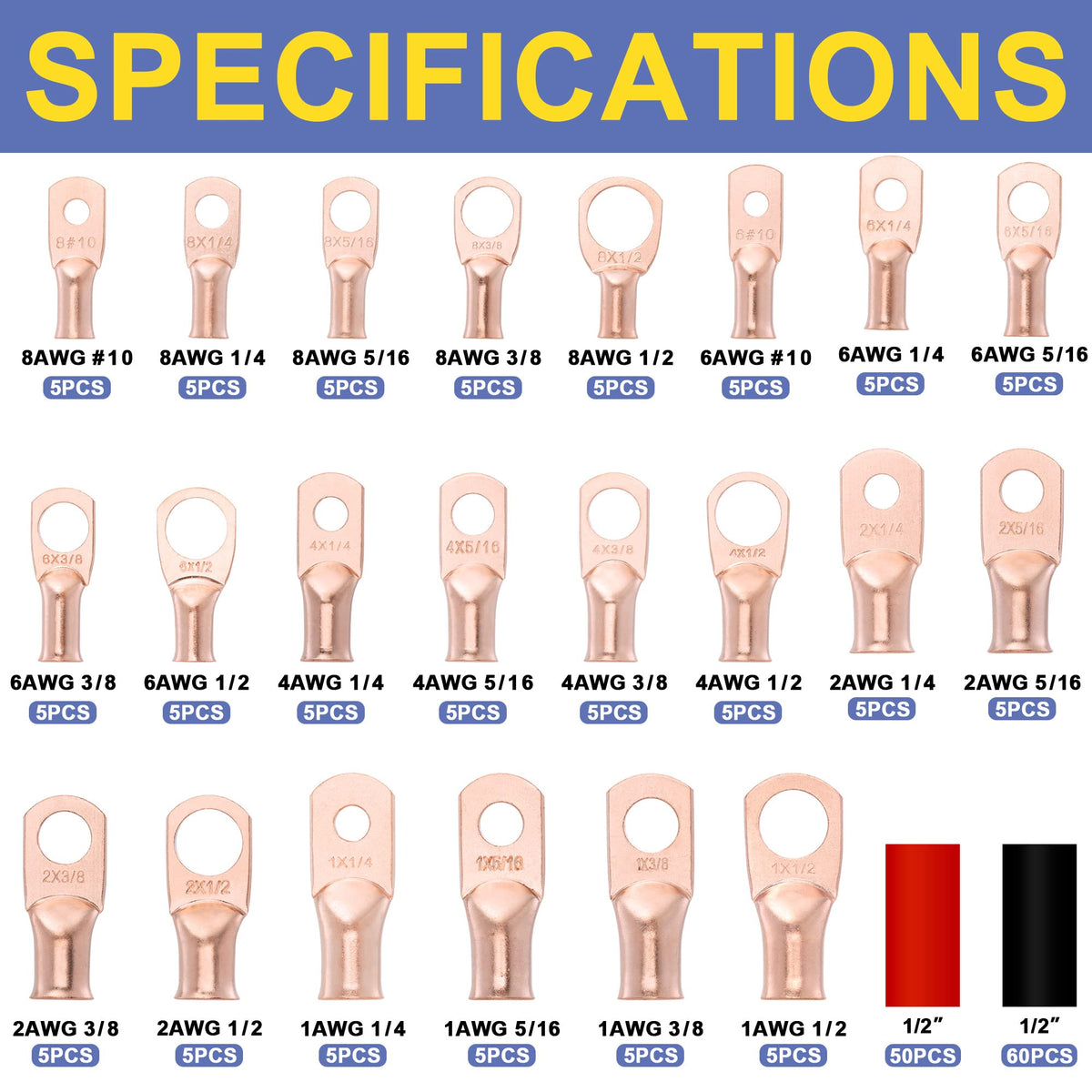
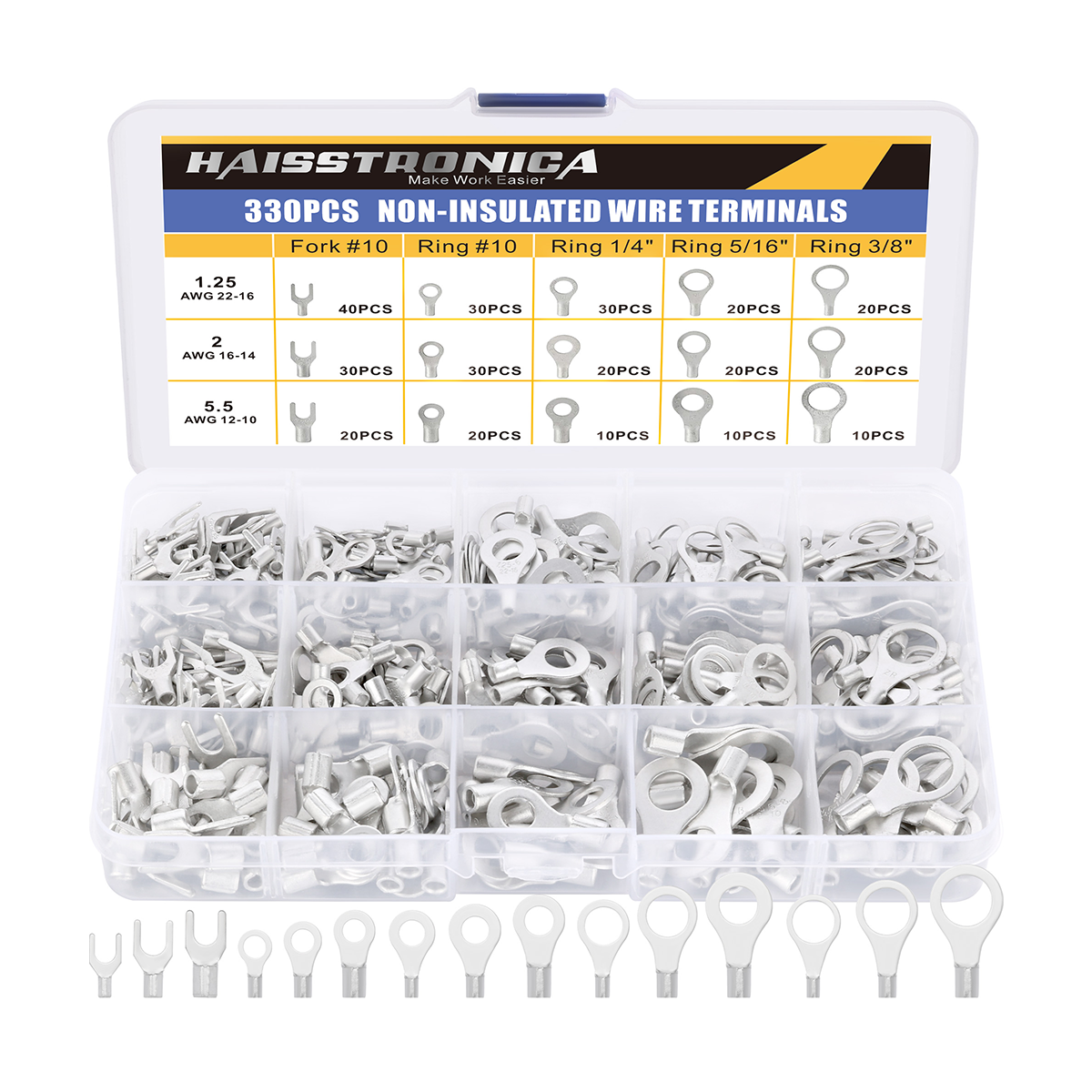
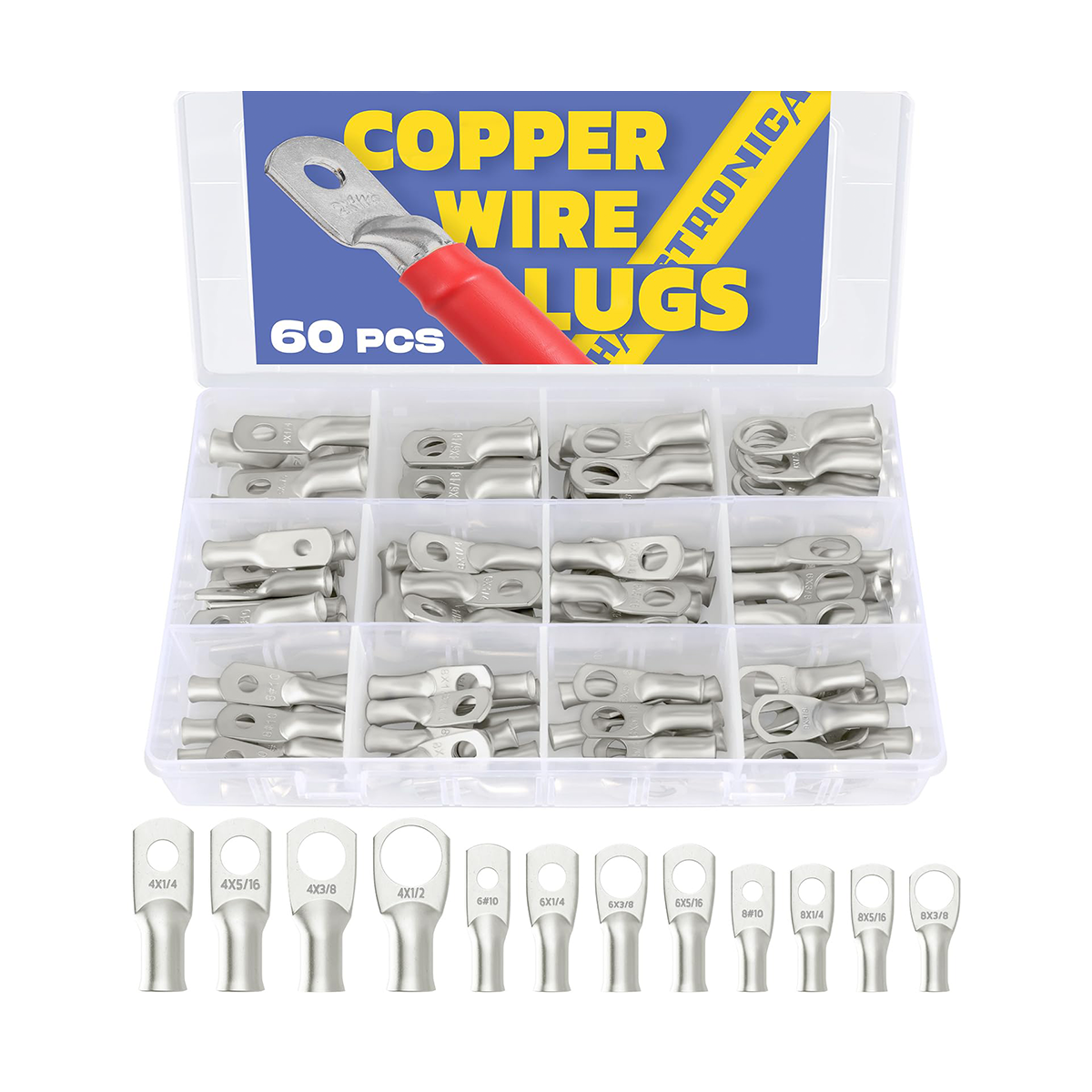
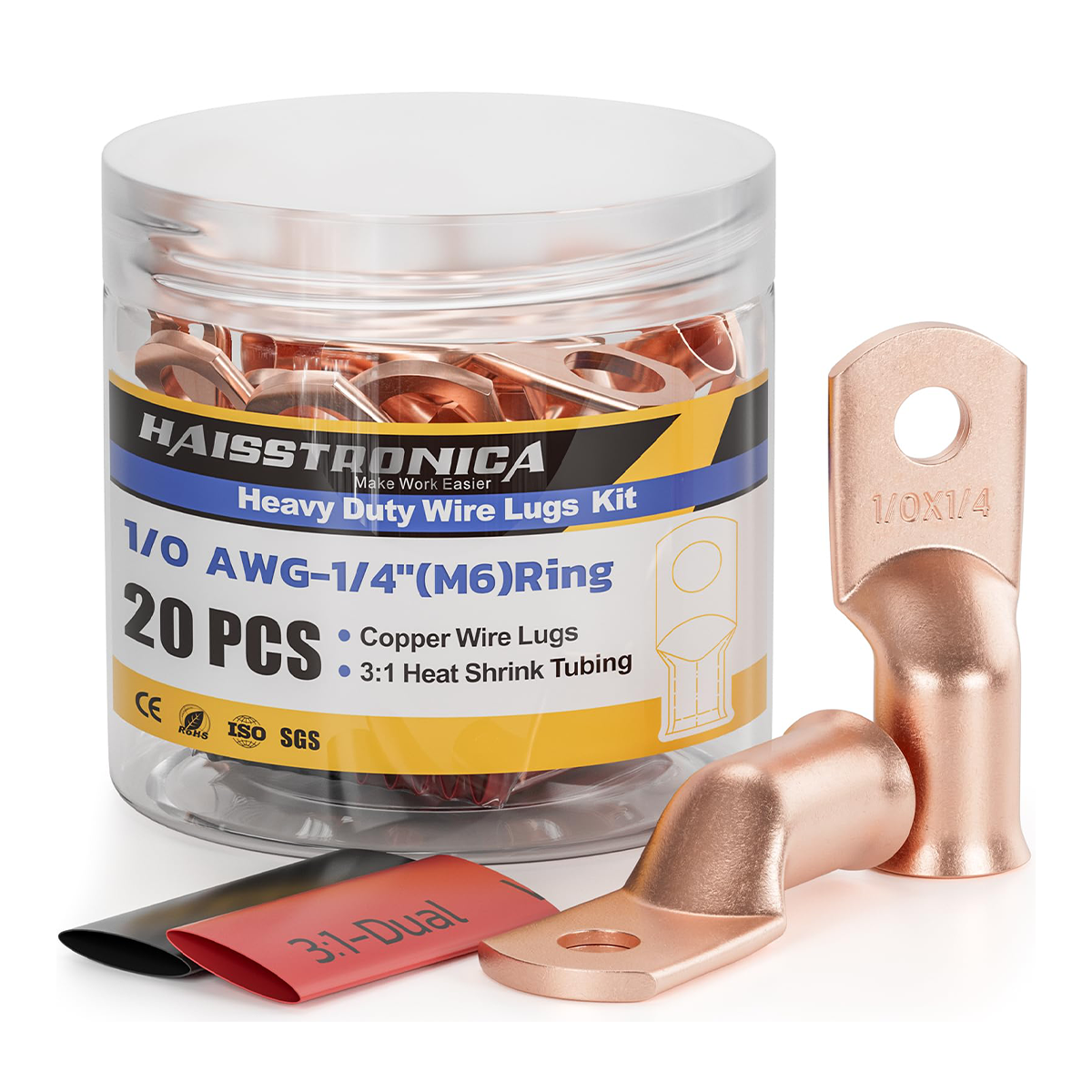
Big cable is where universal tools should hand off. Battery and high‑current conductors often need a larger cutter and a dedicated crimper kit / crimper kits approach, plus a lug tool for lugs. Haisstronica’s wire tools lineup includes a ratcheting cable cutter and battery‑terminal crimping options, enabling a two‑tier electrician toolset: small conductors + heavy power.

Boat Use: Why Marine Wiring Demands More Precision in stripping cables & cable strip
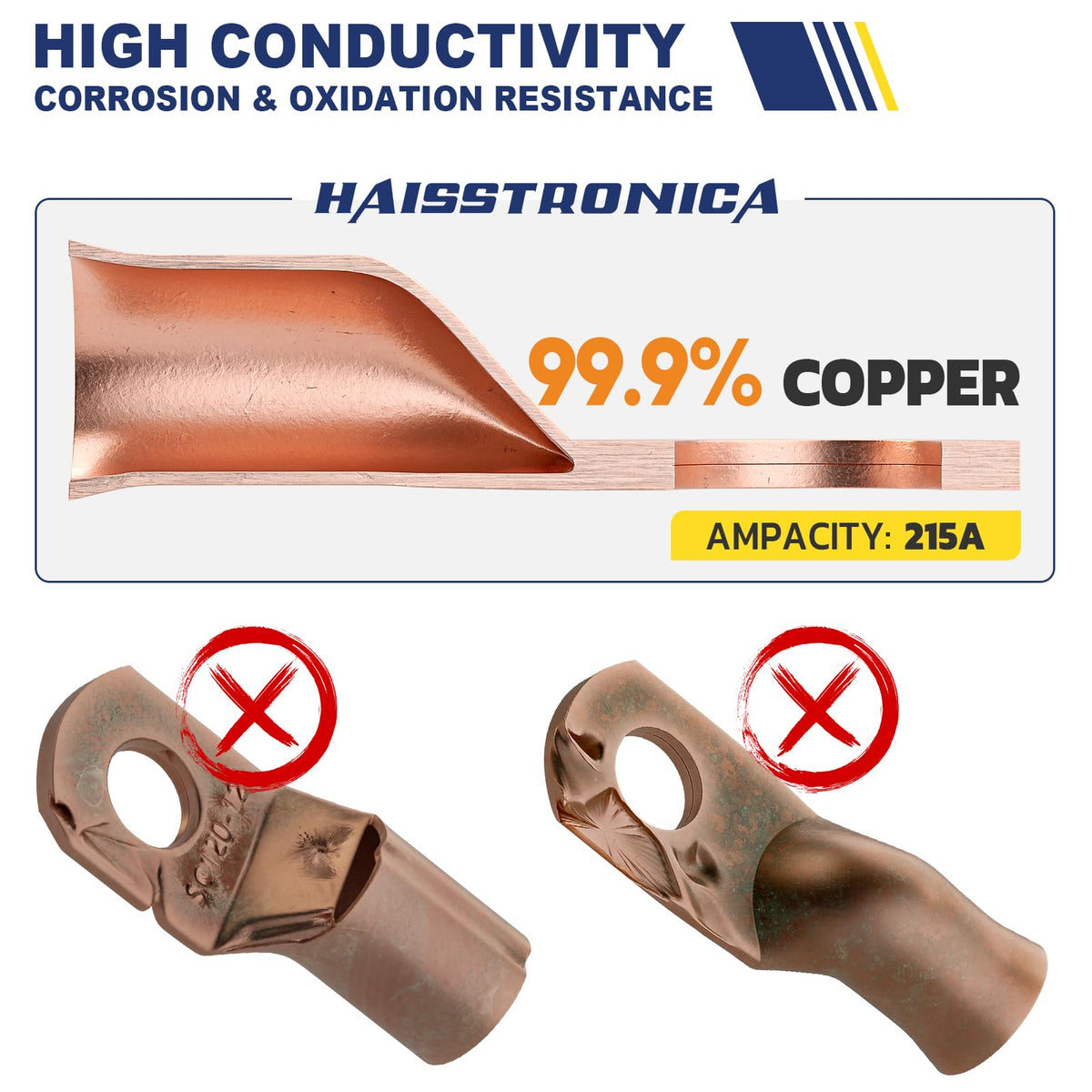
Marine work demands precision because corrosion magnifies tiny defects in stripped wire. Blue Sea Systems’ brief notes ABYC‑specified marine wire is stranded and tin‑plated copper and assumes 105°C insulation; strand loss during stripping cables reduces effective cross‑section and can raise resistance at terminations in damp conditions.
Regulations reinforce protection. USCG requires abrasion protection at bulkheads and rigid pass‑throughs and references SAE standards for <50 V conductors, so routing and insulation protection matter as much as the strip itself. A perfect stripped wire still fails if it rubs through later, which is why marine work rewards disciplined connectors tools and routing practices.
Boats also involve heavier conductors for batteries and high loads, making crimp selection and tooling critical. Use your conductor stripper, then move to a wire crimping tool kit sized for lugs; this is often the best way to splice wires together for marine power reliability when paired with the correct terminals and sealing.

Home Use: Why Simplicity Matters Most in strip wire tasks & wire splicing tool prep
At home, the NEC mindset favors simple, repeatable steps. NFPA calls the NEC the benchmark for safe installation, so the best wire stripping tool is the one that helps you avoid over‑stripping, nicking, and inconsistent strip length across common connectors tool types..
Self‑adjusting designs help homeowners switch tasks without recalibrating. Klein positions self‑adjusting stripping as removing guesswork across solid and stranded wire, and Haisstronica positions universal wire stripping tools and tool kits for DIY and pro use. Add an electrical wire cutter tool and you cover most household needs with one compact wiring tool kit—a practical “one bag” approach for home repairs.
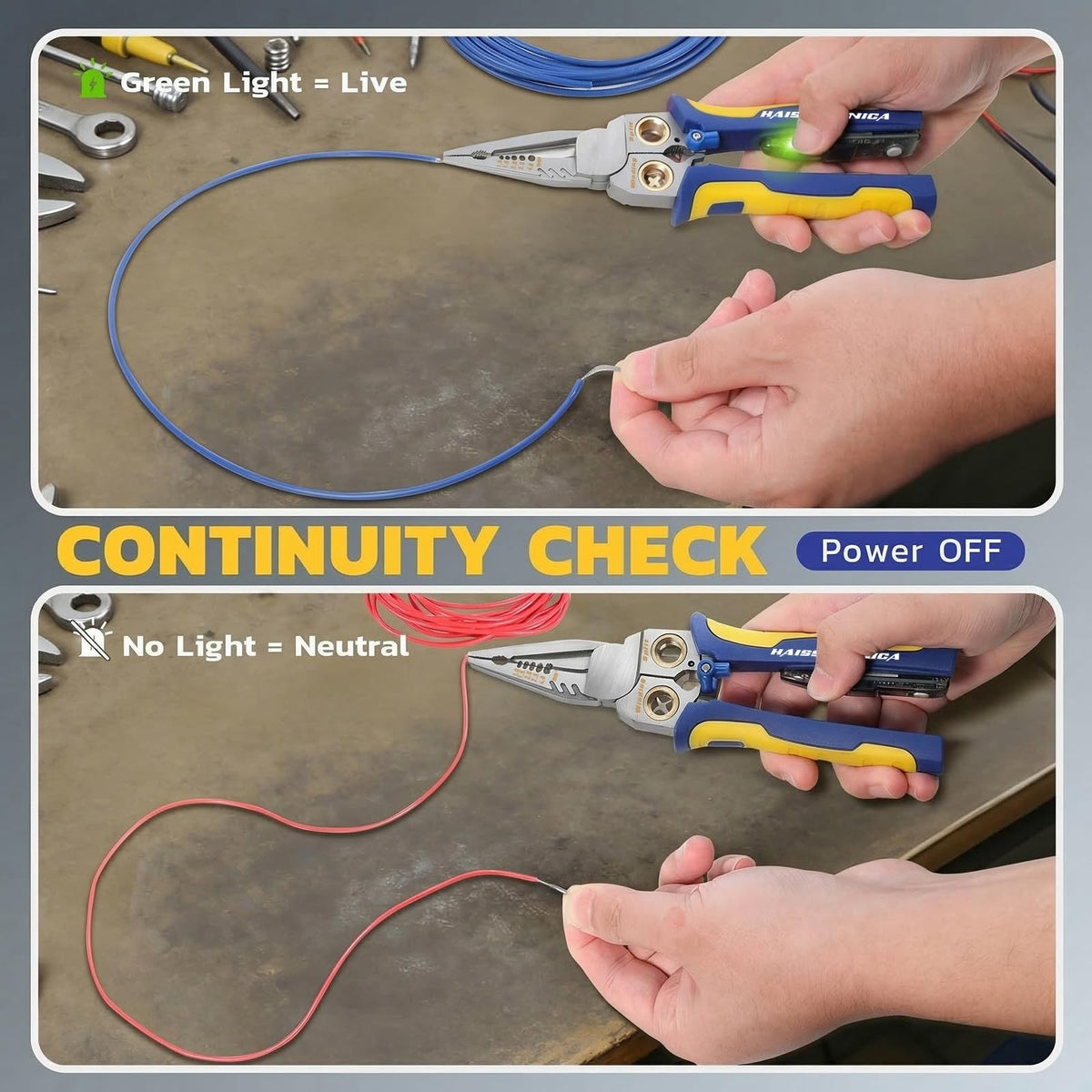
Safety must be explicit: many strippers are not insulated for live circuits. Klein warns never to use its stripper on or near live electrical circuits and notes it is not insulated; TE and UL then emphasize correct strip length and placement for acceptable connections. So the best way to splice wires together is: de‑energize and verify → strip to spec → connect correctly using the right wire splicing tool approach and the right connectors tools for the job.
Summary
A universal stripper earns its name when it keeps stripped wire quality stable, repeats strip length across connectors, spans common wire gauge ranges, and stays comfortable enough to use—while you add specialty pieces only for jackets and heavy conductors. NASA, TE, and UL converge on the same foundation: don’t damage conductors/insulation, strip cleanly with correct placement, and maintain exposed length to match connector requirements.