
Why a Timed Stripping Challenge Matters for stripping cables
A timed stripping challenge matters because it tests the whole workflow, not just the tool. In Lean terms, frequent adjustments behave like changeovers, and SMED explicitly targets reducing changeover time to a single-digit goal (under 10 minutes) by eliminating and simplifying setup steps. When you’re stripping cables across mixed sizes, the “setup” is constant: different notches, different strip lengths, and different insulation behavior—so the quickest system is the one with the fewest setup touches. That makes the challenge useful for a small electrician toolset, not only high-volume lines.
It also keeps your timing honest by tying “fast” to what customers accept. WHMA describes IPC/WHMA-A-620 as the only industry-consensus international standard for performance and acceptance of cable and wire harness assemblies; in other words, acceptance is standardized, not personal preference. A good challenge therefore measures “time to an acceptable result,” not “time to any result,” and that’s where stable tools and repeatable checks pay off.

How the Stripping Challenge Was Set Up for stripping cables
A fair benchmark starts by controlling variables that cause false wins. Pick a realistic range of sizes and label them clearly with an AWG tool reference, because wire gauge is physically defined: ASTM B258 specifies standard nominal diameters and cross-sectional areas for AWG sizes used as electrical conductors. In practical terms, “close enough” gauge is still a different diameter, which can change how a stripper model grips and cuts.
Next, define acceptance rules before the timer starts. Our recommended scorecard uses three pass/fail checks that map to authoritative expectations: strand integrity (no nicks or broken strands), strip length (matches the connector barrel), and insulation condition (no tearing that blocks seating). Those checks align with NASA’s “no nick/ring/gouge” requirement for stripping operations and TE’s reject examples for poor wire preparation; strip length is further anchored by UL’s requirement that the length of exposed conductive material maintains the strip lengths required by the connector manufacturer.
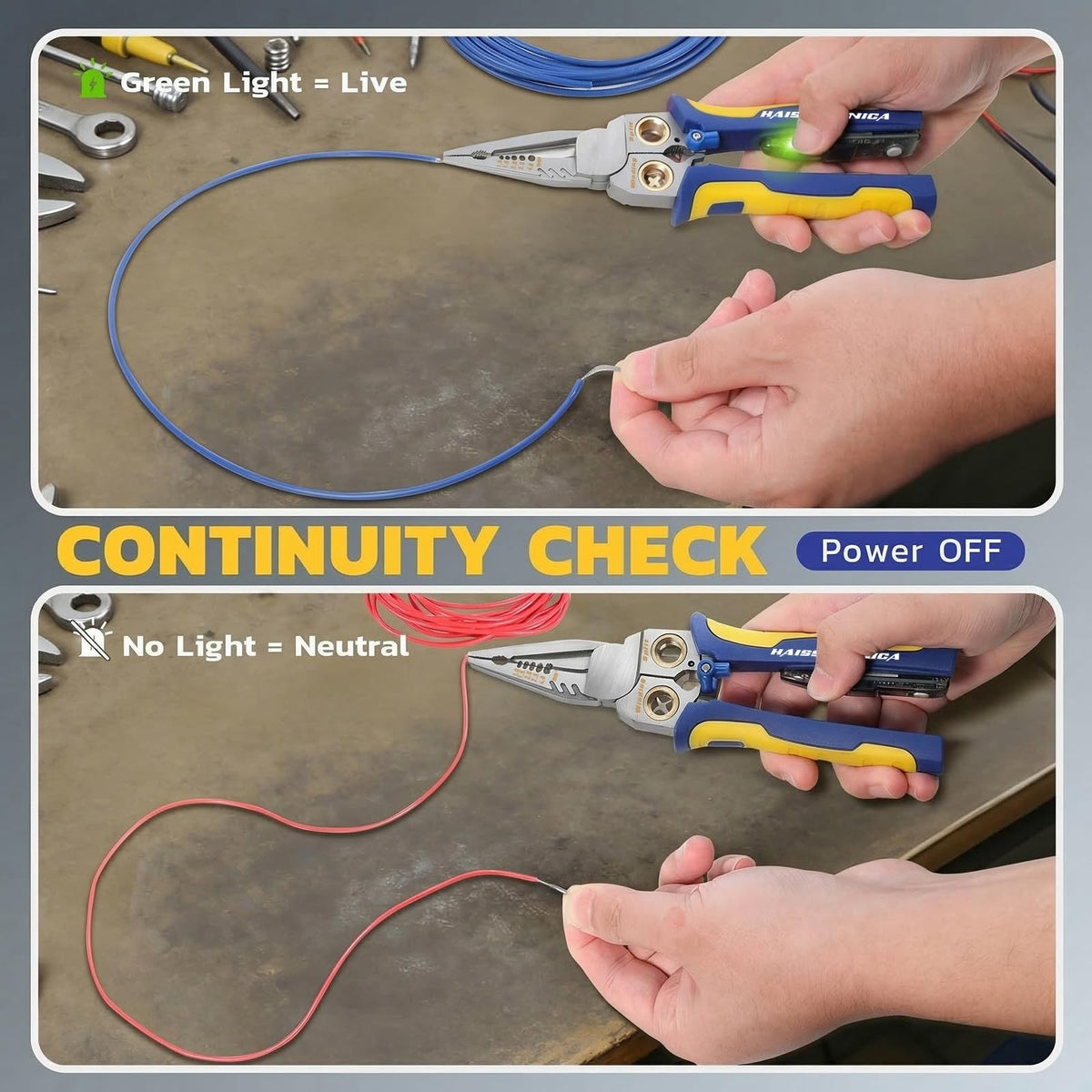
Finally, include safety and fatigue because unsafe speed is not real speed. Klein’s self-adjusting stripper product page warns “Never use on or near live electrical circuits” and states it is not insulated, so the challenge assumes de-energized work and proper PPE. We also suggest adding a short fatigue round (a second set after a brief pause) to see whether a ratchet wire stripper style, a ratcheting wire stripping tool, or a crimping and stripping tool stays consistent when hands get tired.

The Results: Speed, Consistency, and Workflow Gains for stripping cables
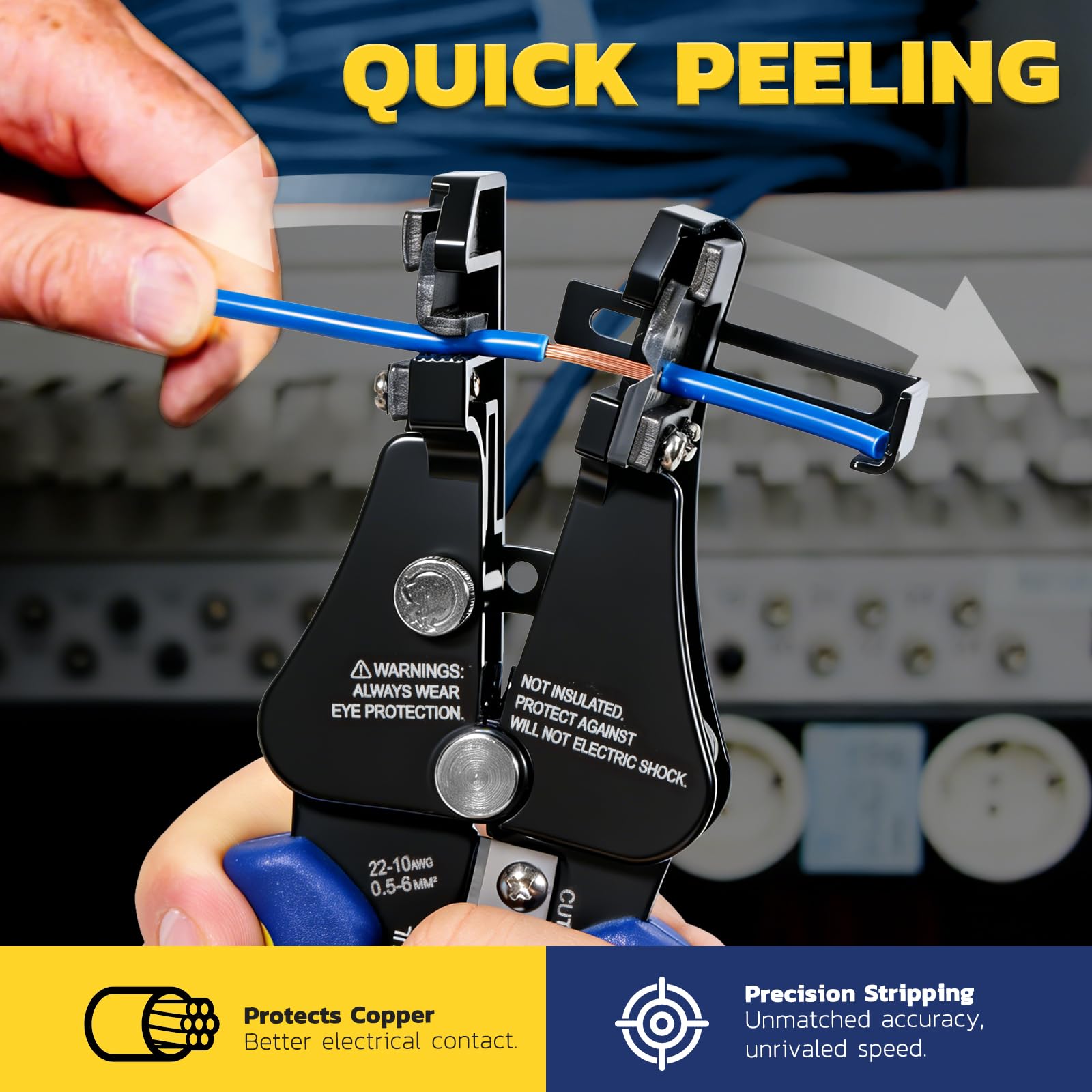
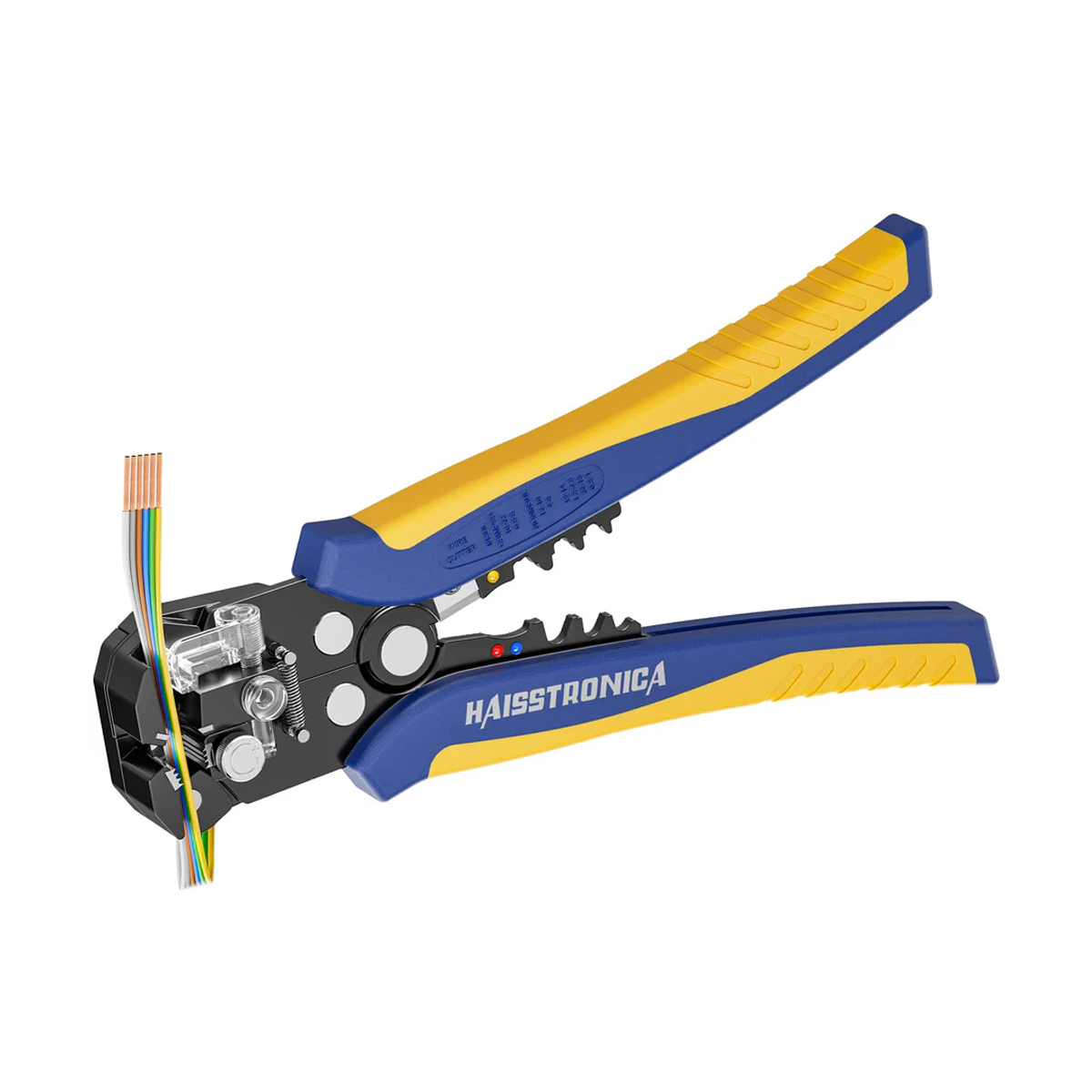
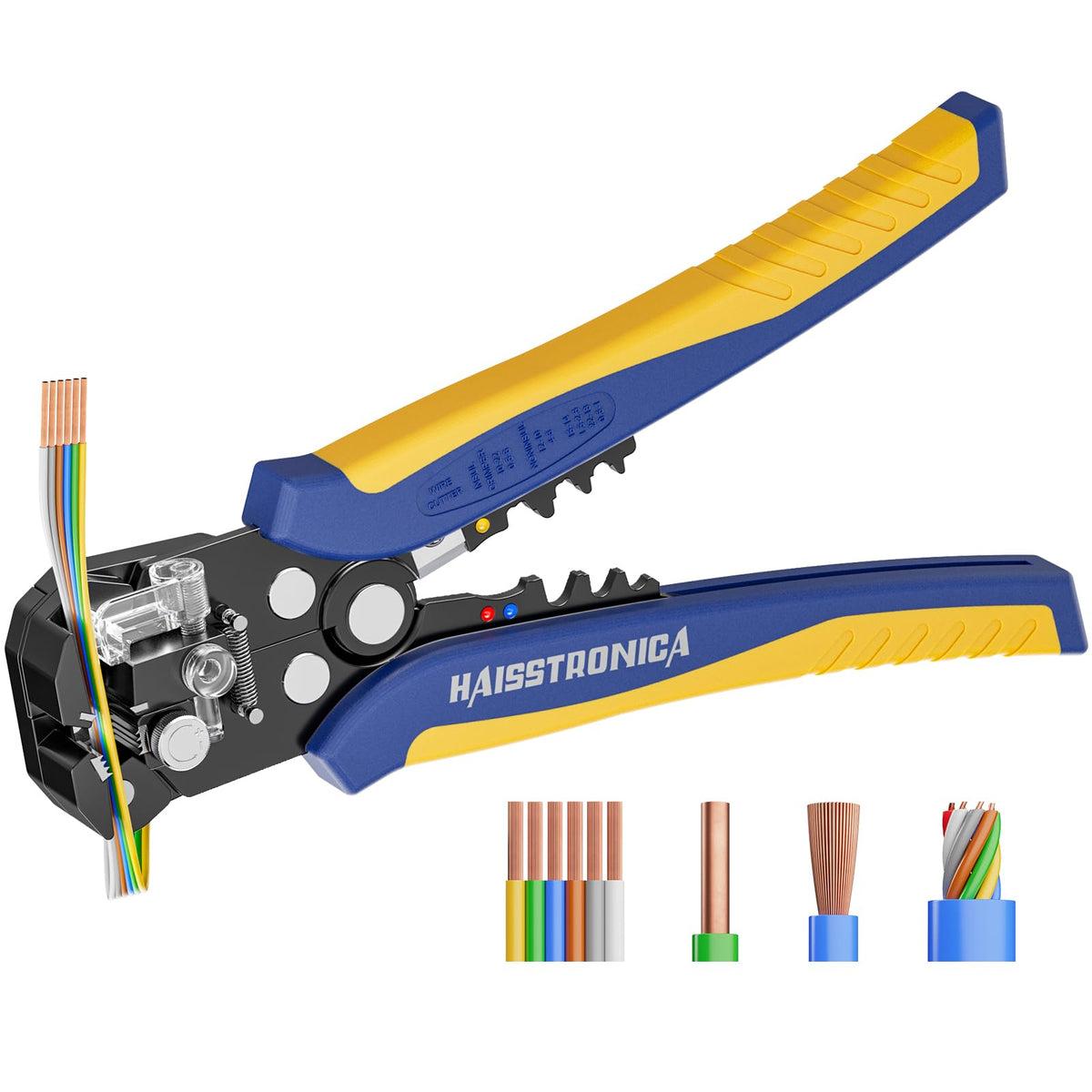
In most bench environments, the “winner” is typically the workflow with the fewest interruptions, not the one with the strongest grip. Self-adjusting mechanisms and stable length control reduce pauses, especially when you bounce between sizes. KNIPEX describes its ComStrip as stripping conductors “without any need for manual adjustment” and including an adjustable length stop for consistently accurate stripping lengths—two features that directly reduce stop-start behavior in timed rounds.
Here’s how to read “results” without obsessing over seconds. A fast strip can still lose if it creates rework, because rework multiplies time: a second strip, a second inspection, and sometimes replacing a terminal. NASA and TE both treat conductor damage as unacceptable, so any time saved that increases nicks is not a real gain; UL’s strip-length expectation also means fast-but-inconsistent length will cost time later when wires don’t seat correctly. The key metrics are first-pass success rate and time-to-connector-ready output.
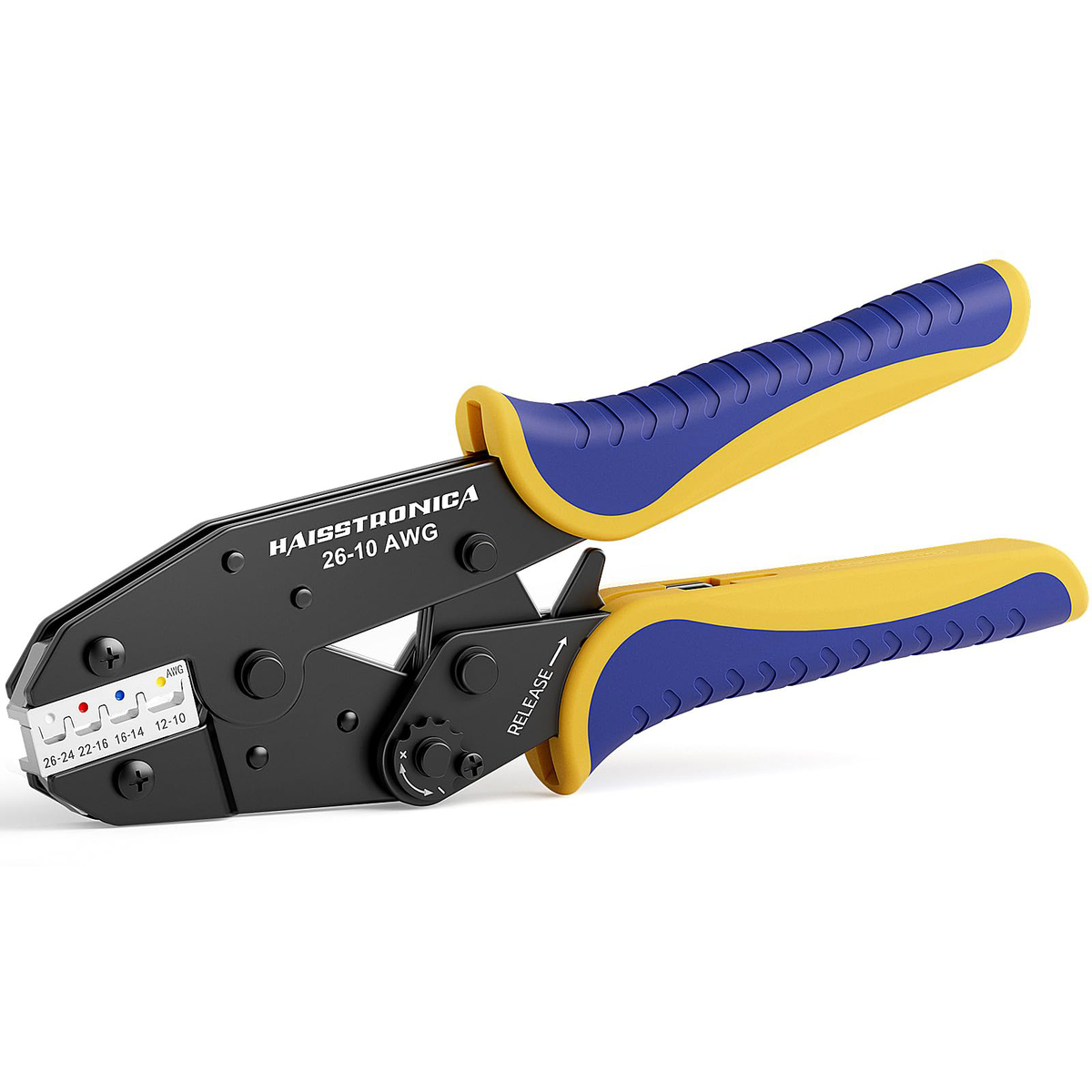
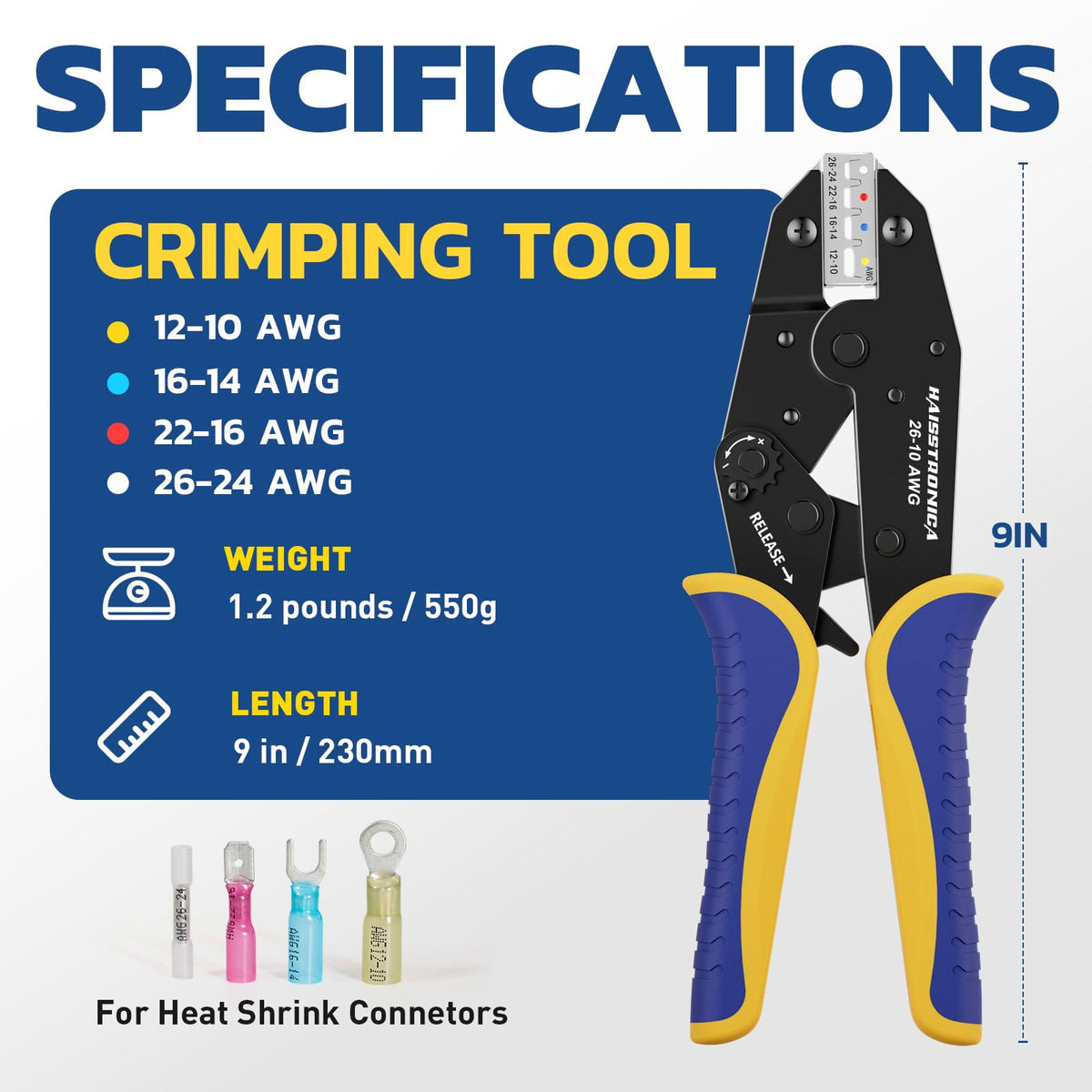
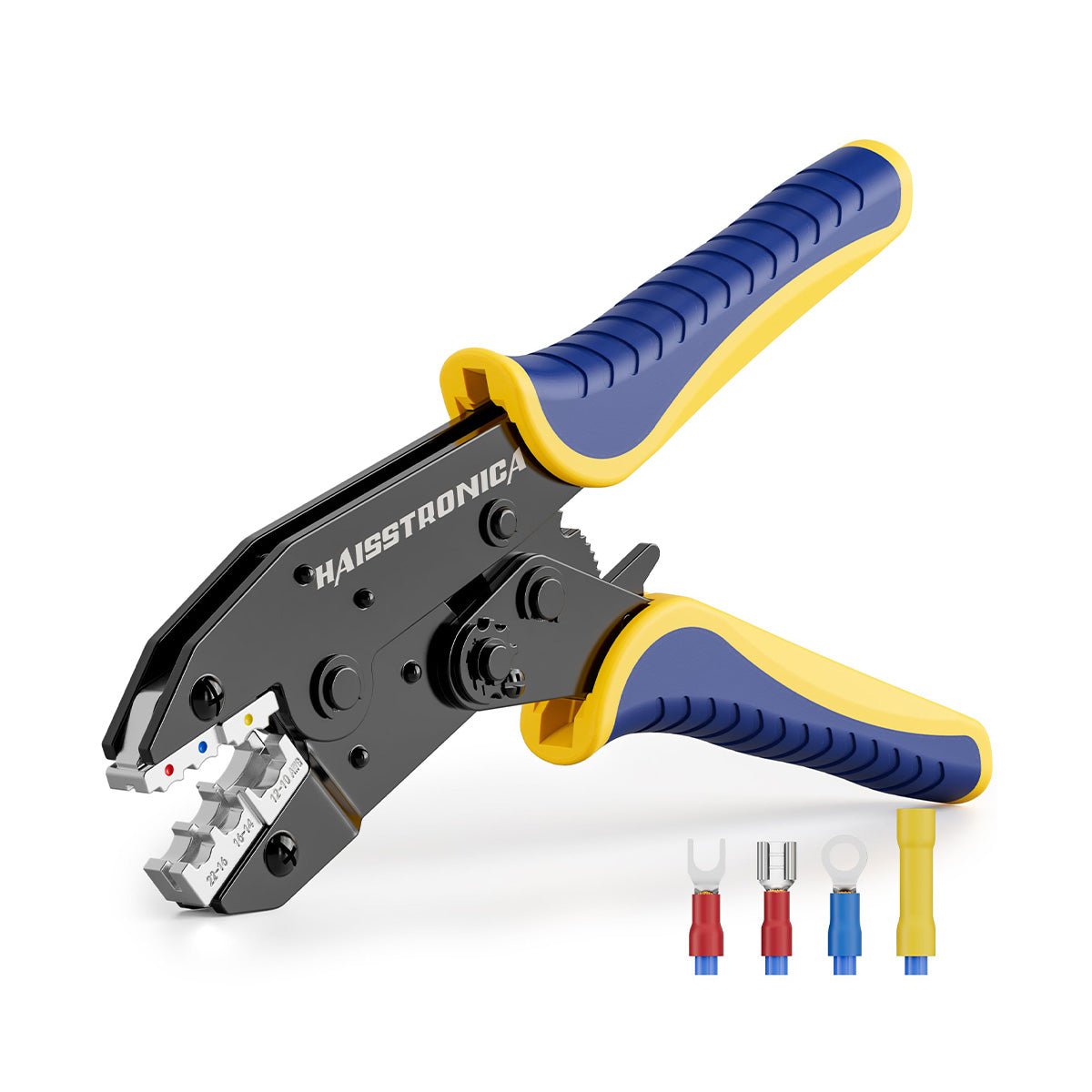
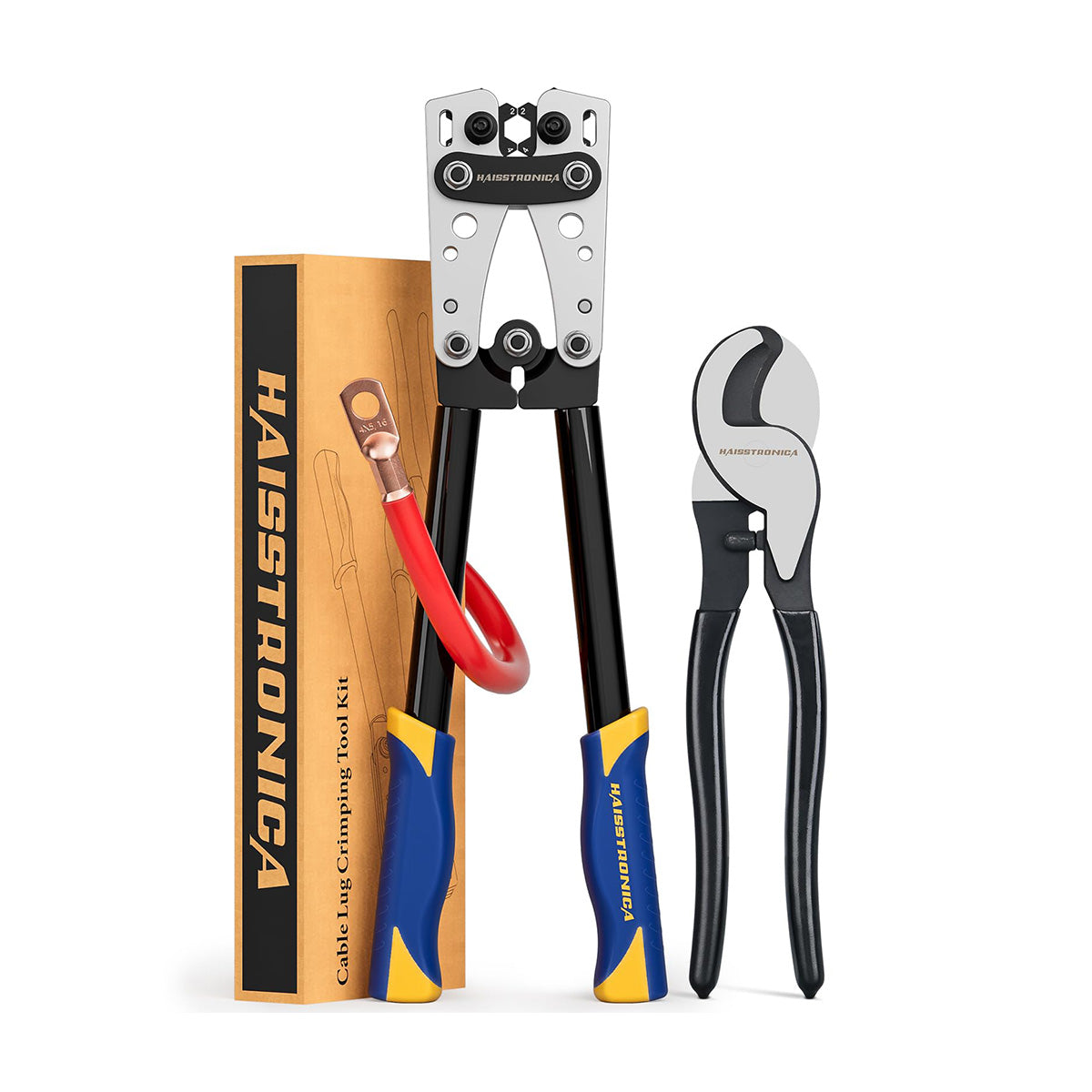
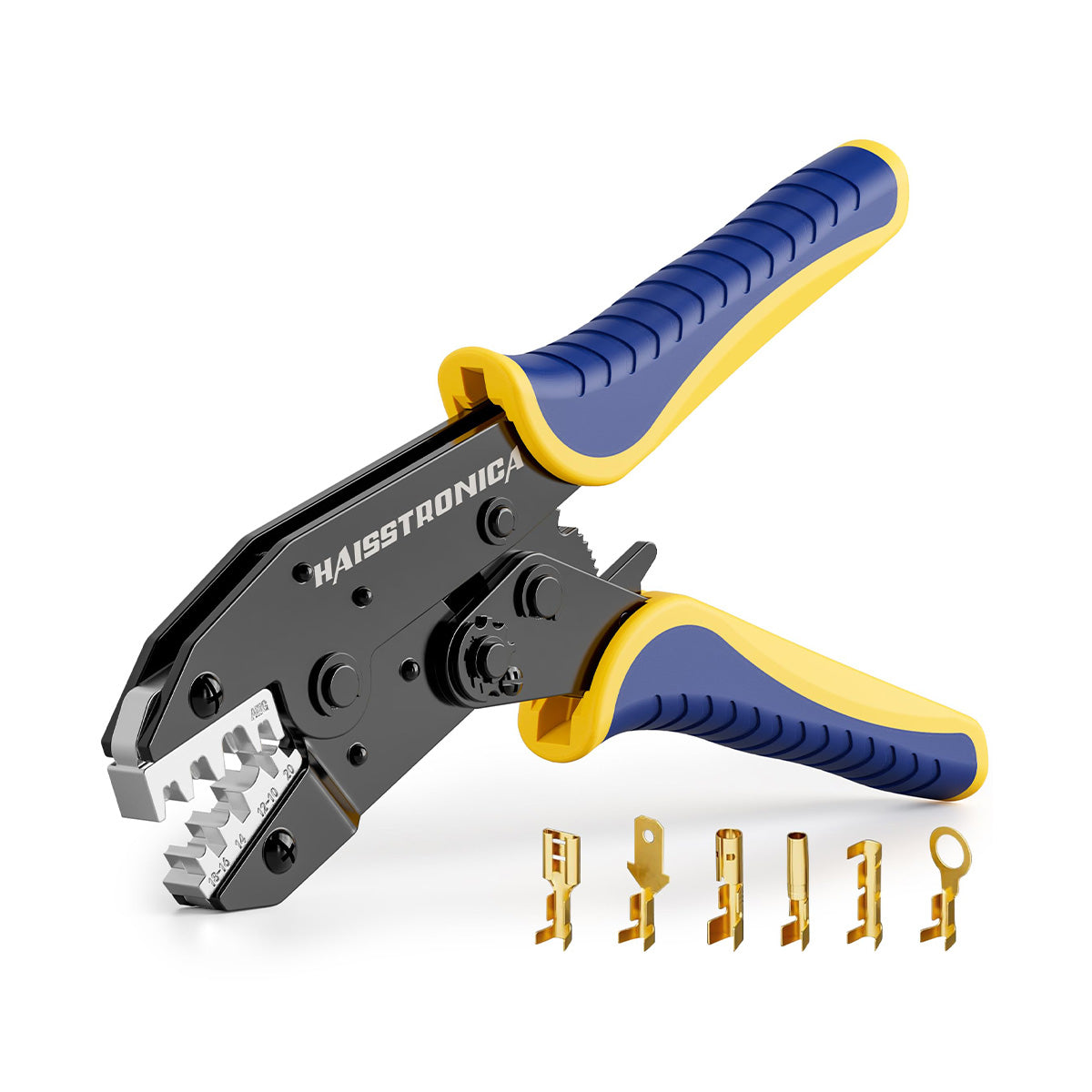
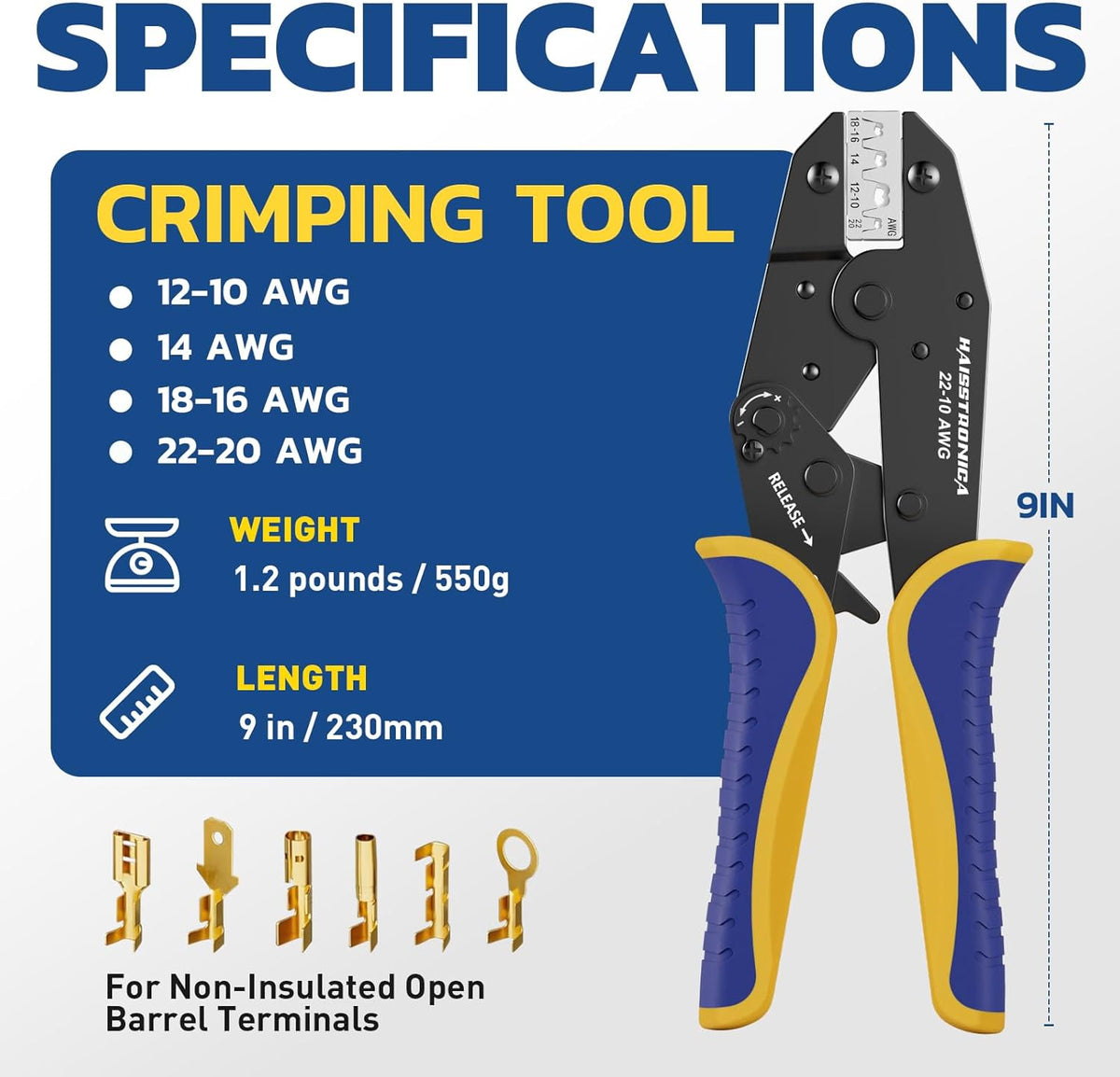
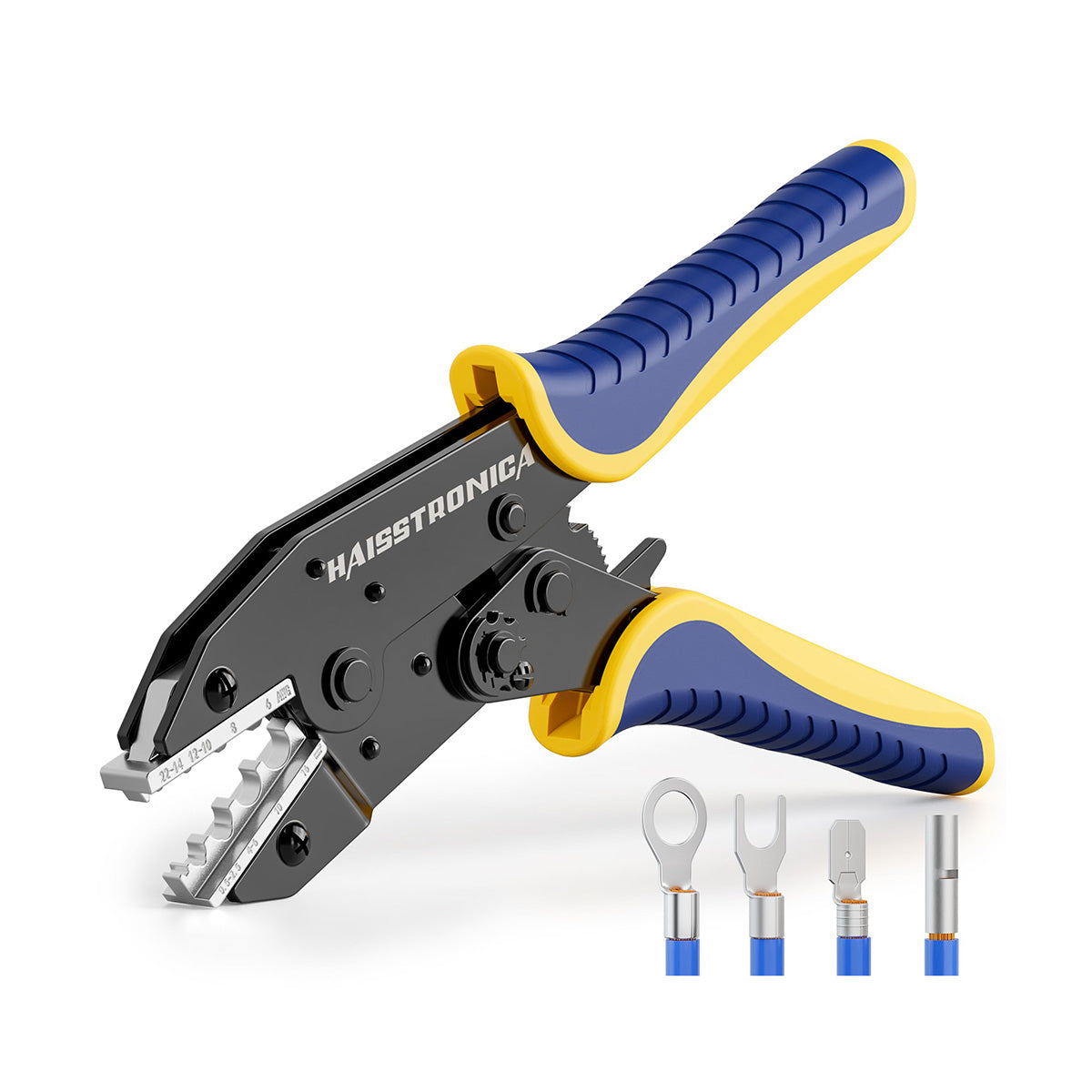
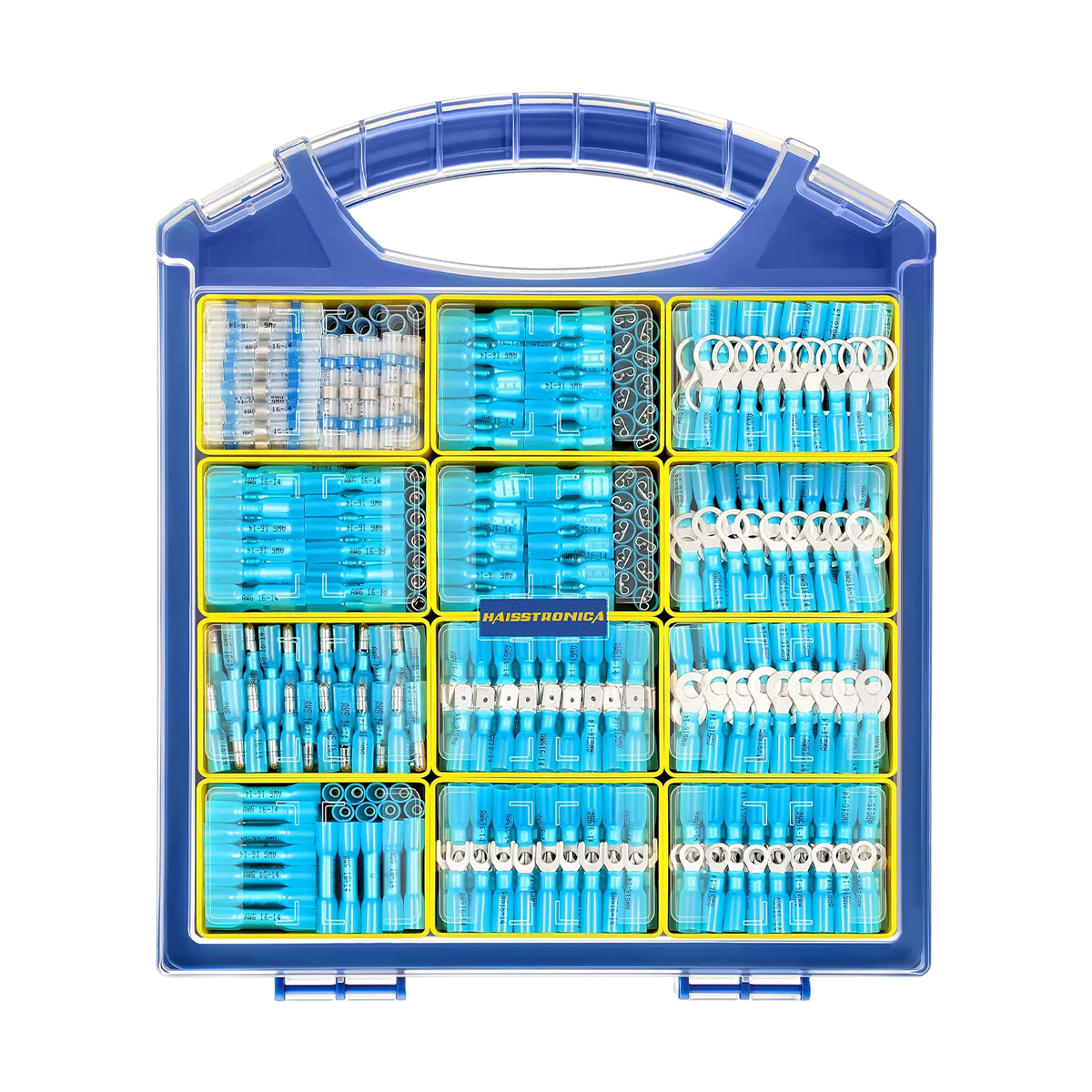
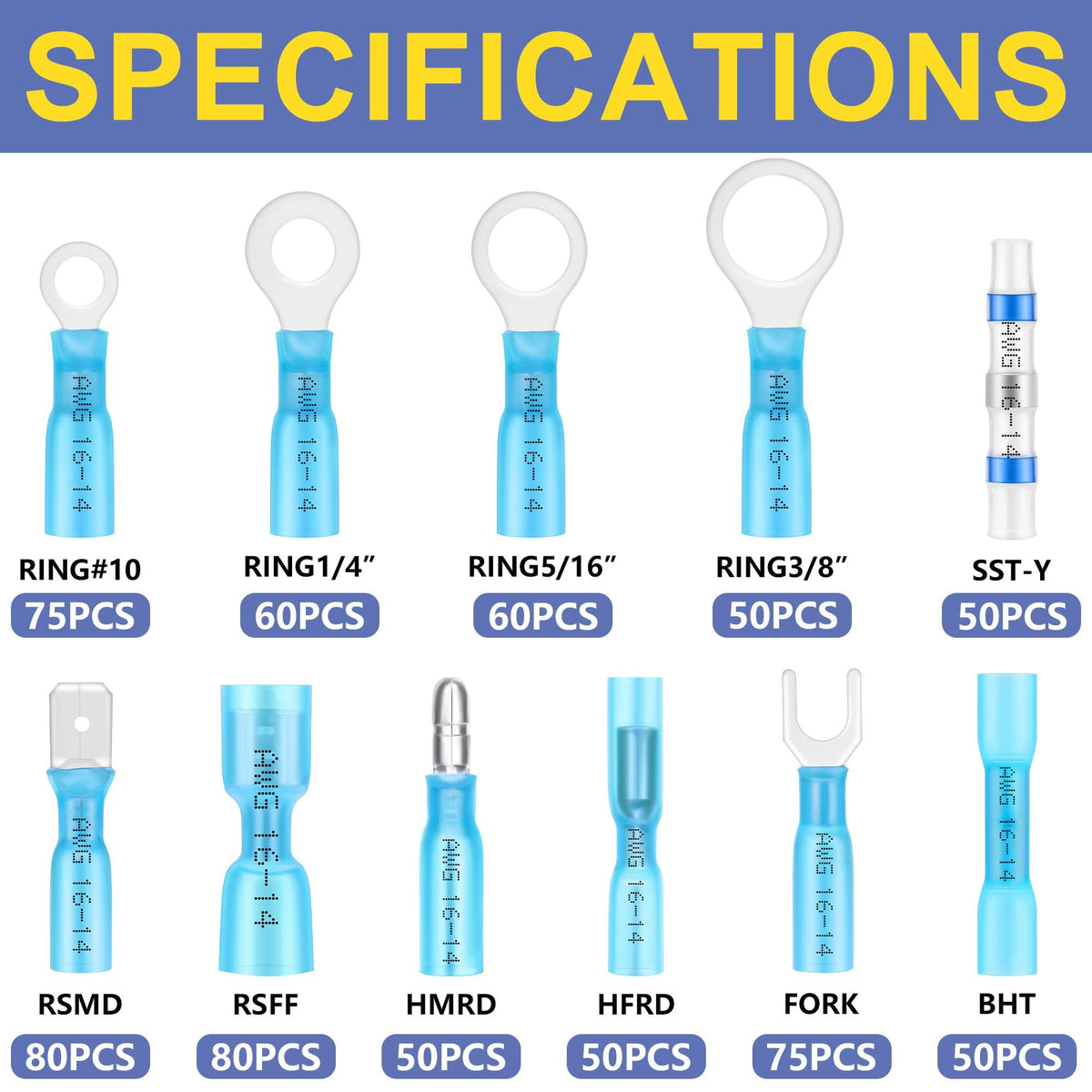
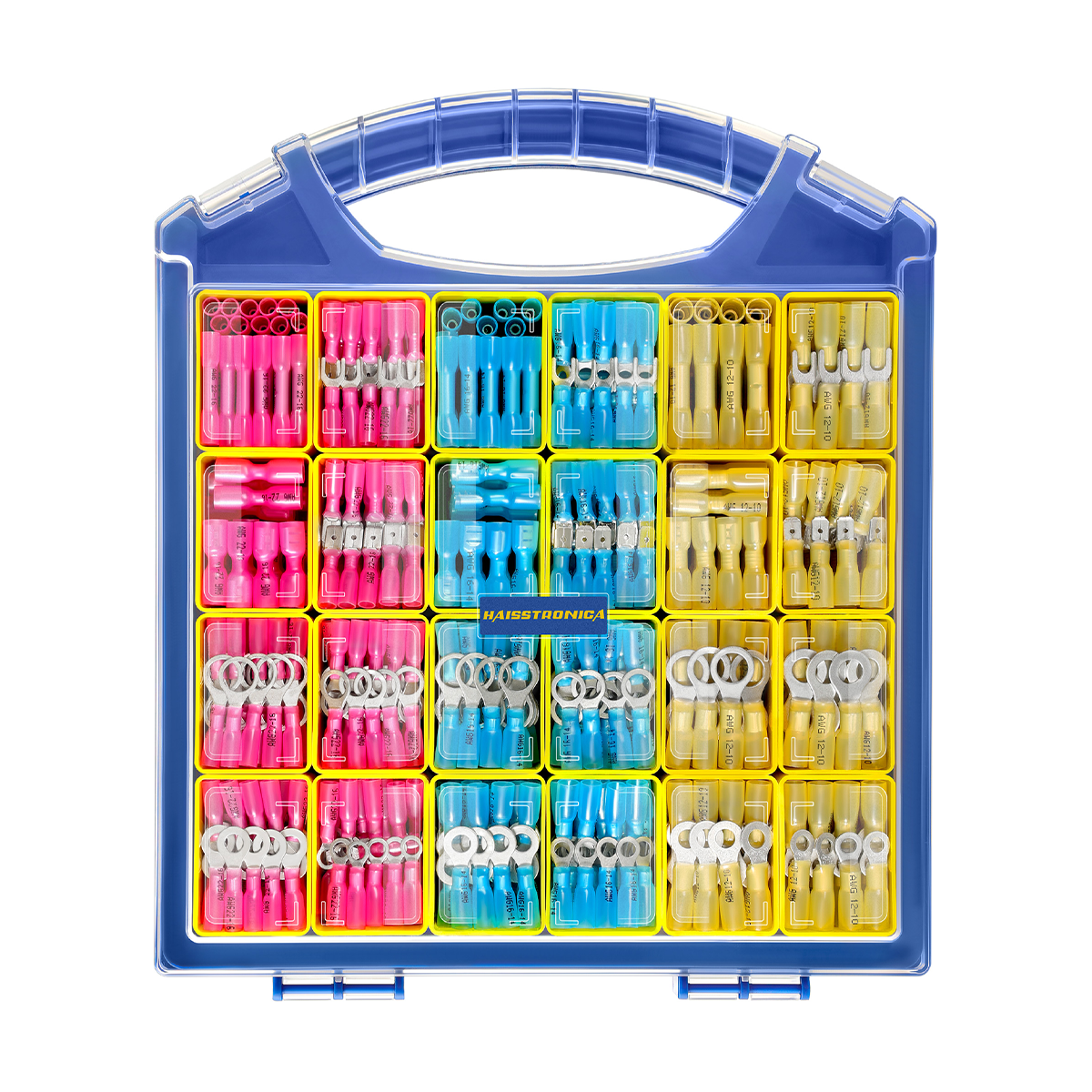
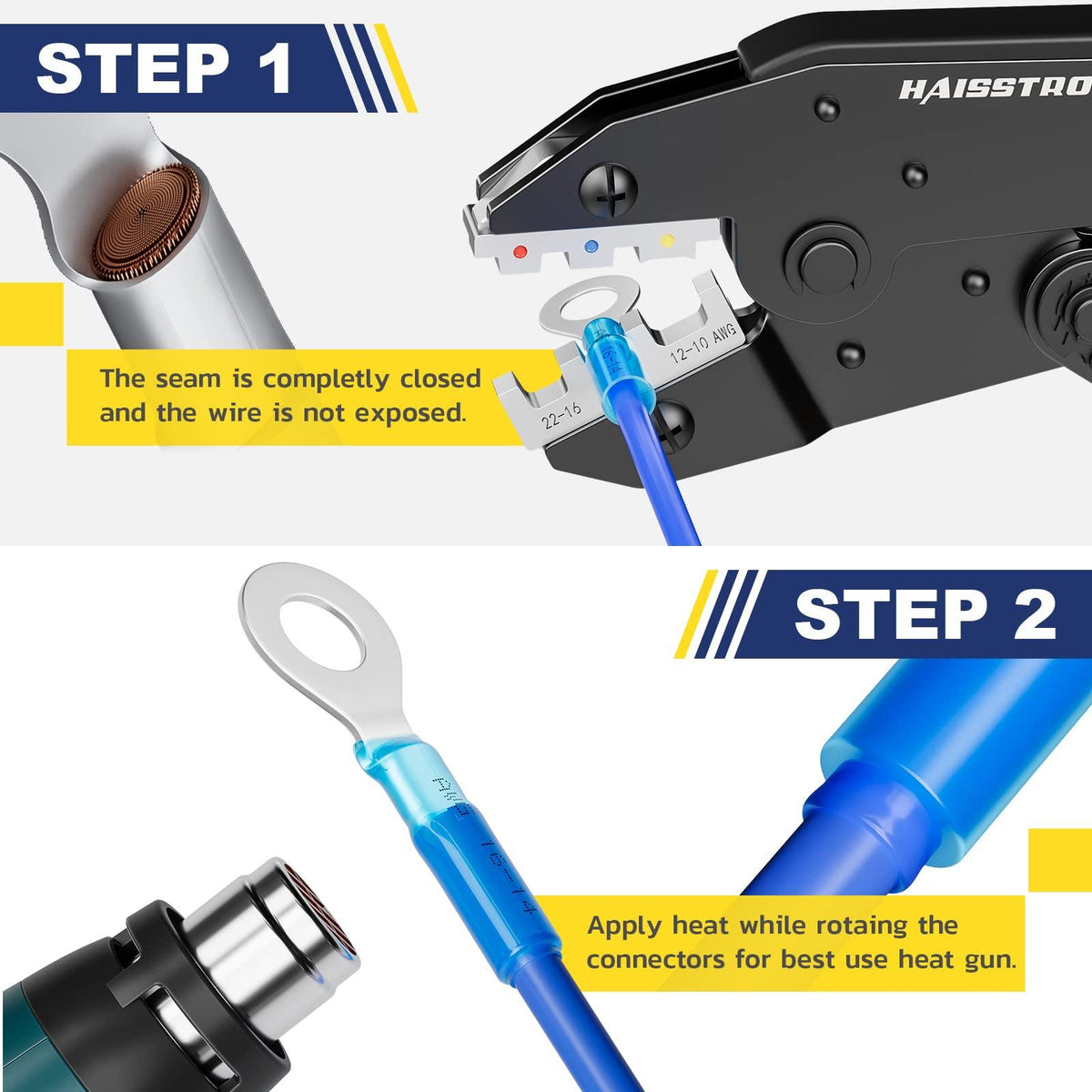
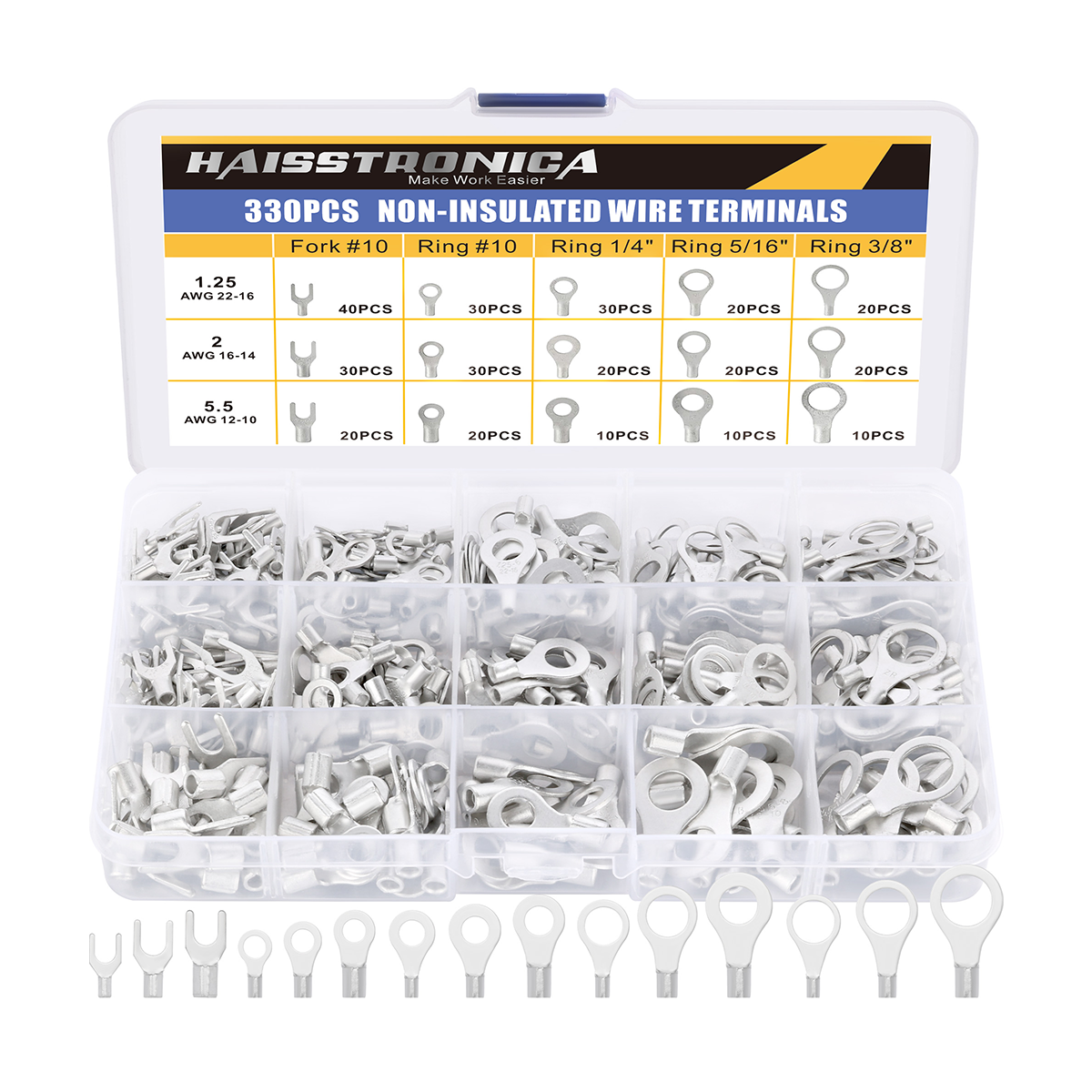
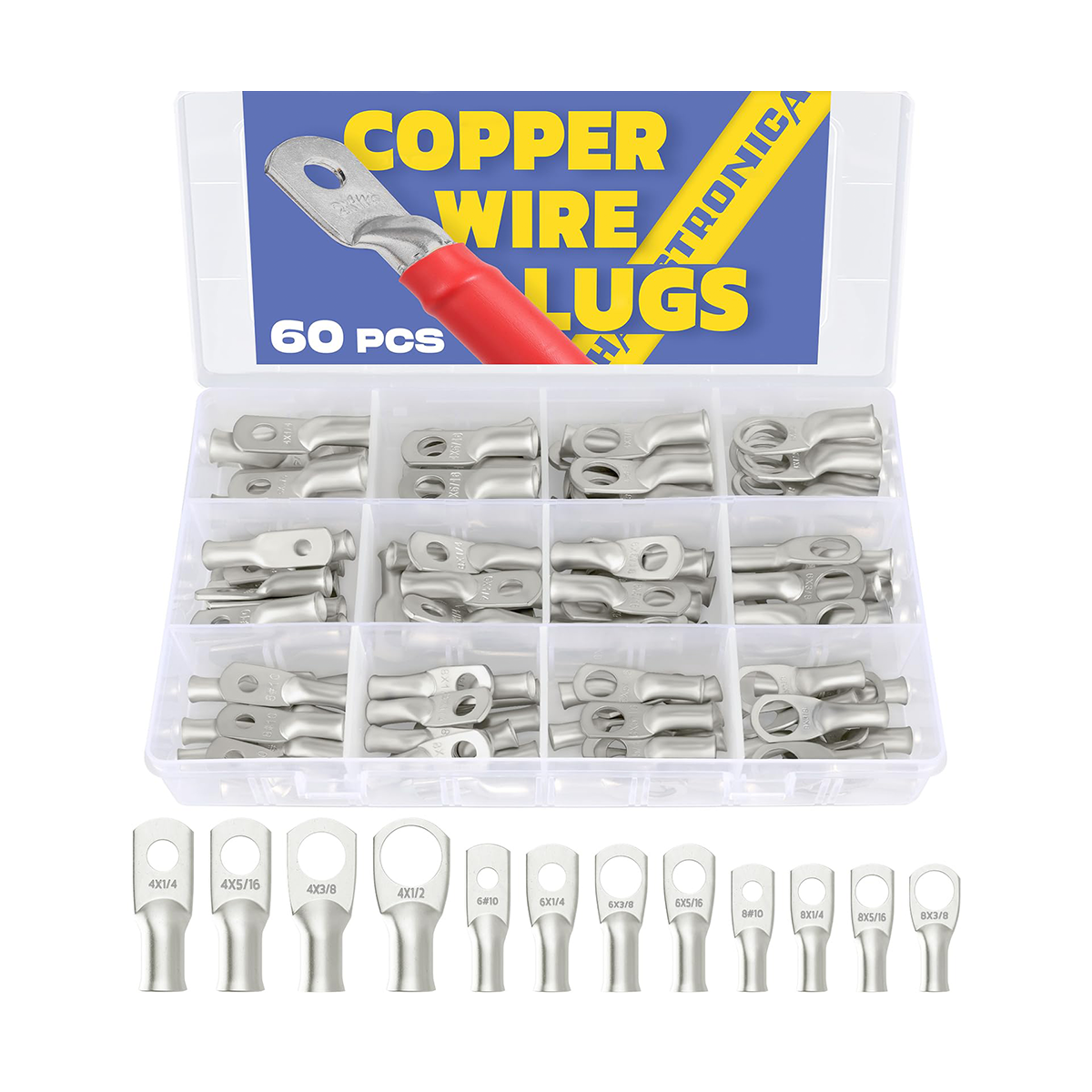
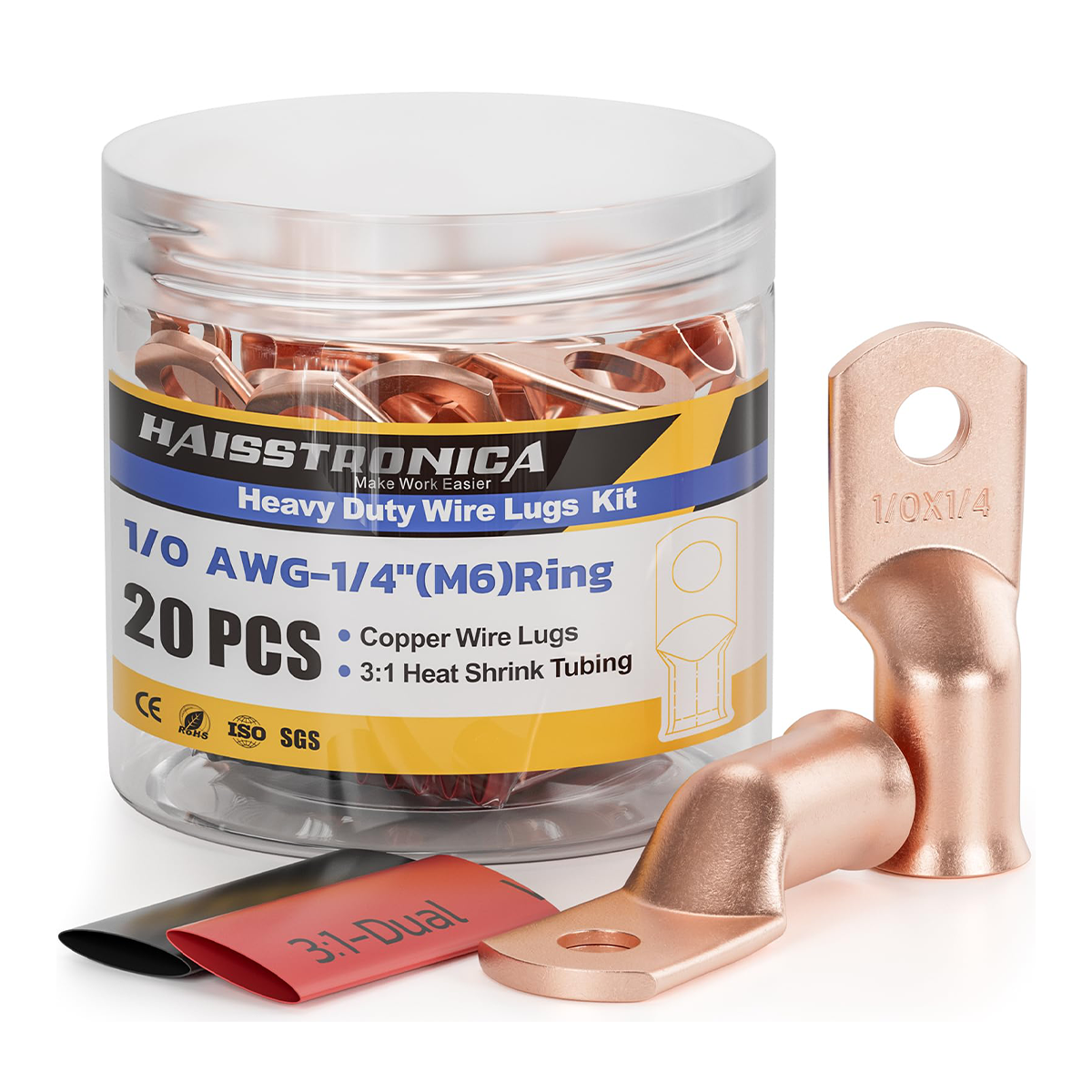
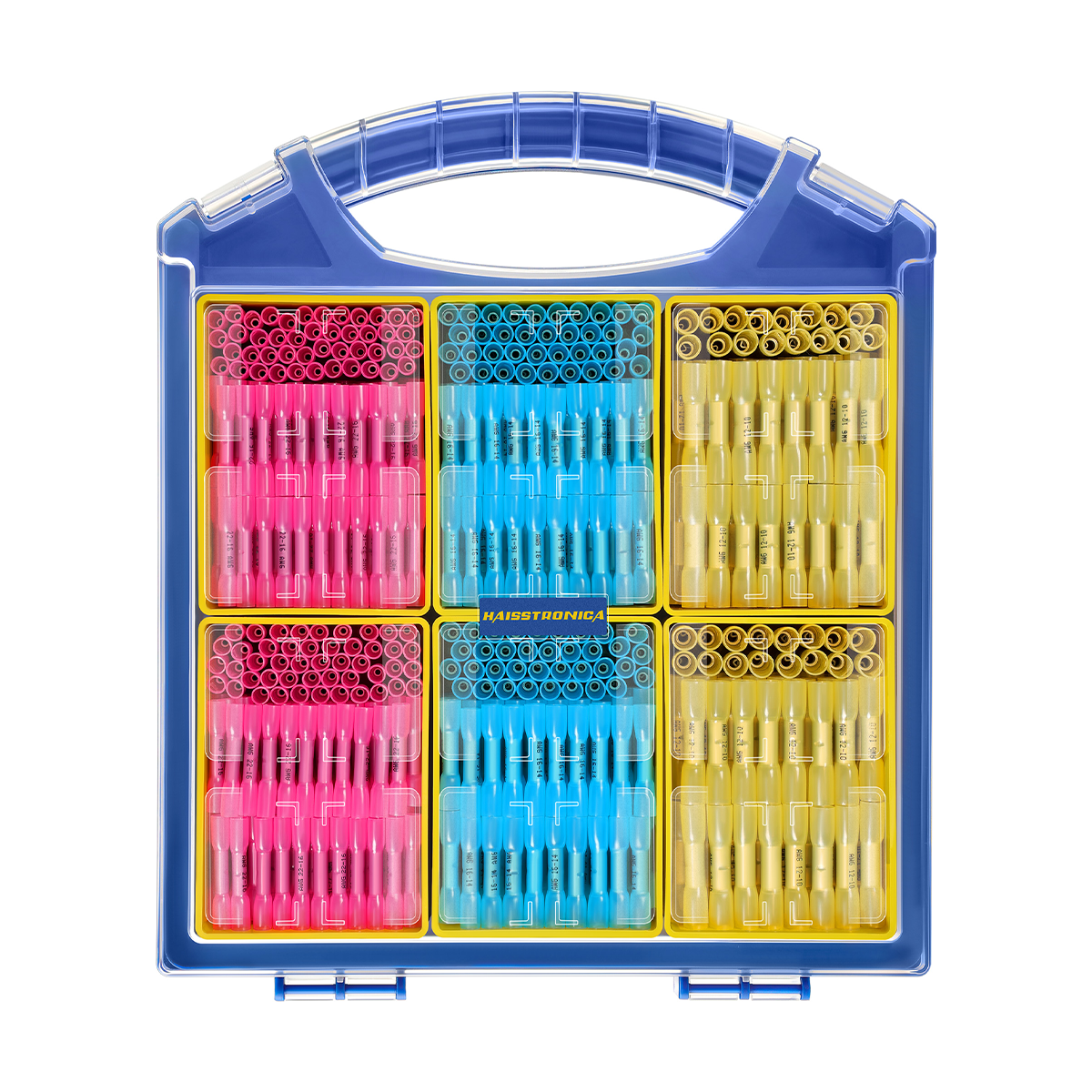
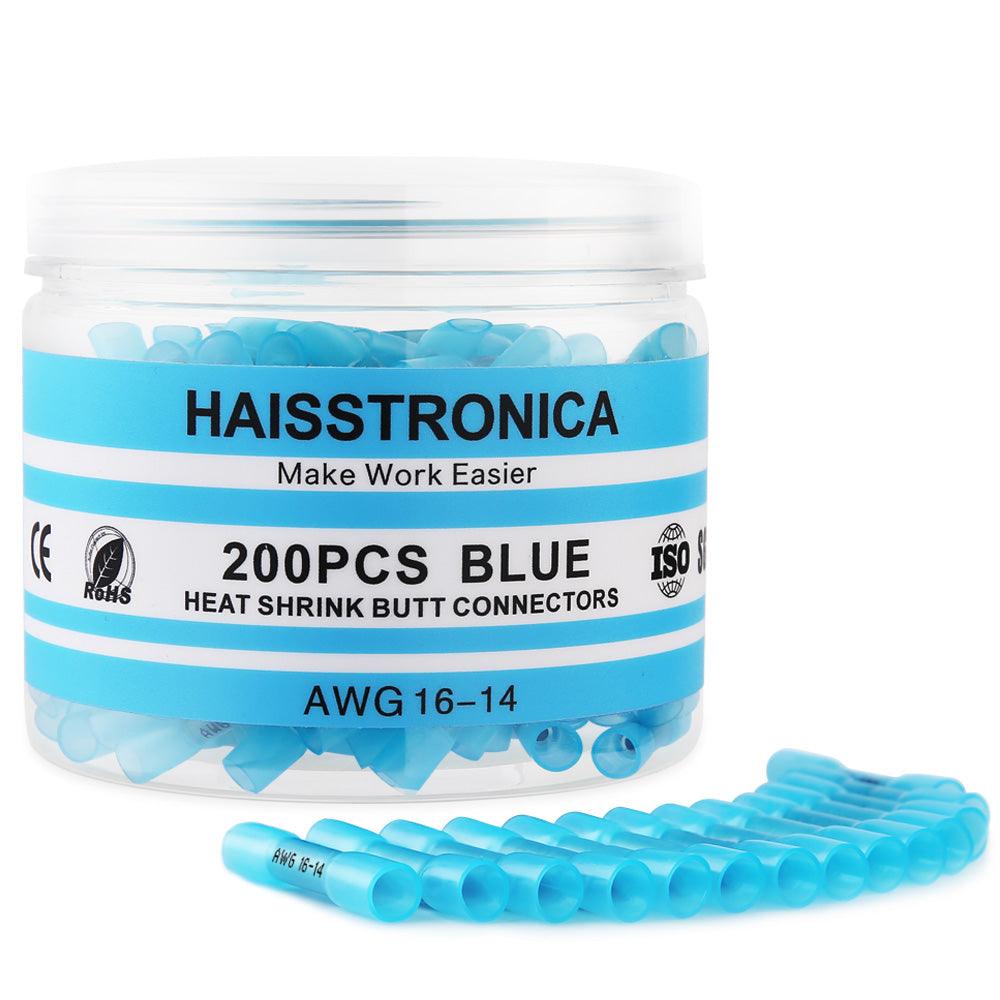
The biggest workflow gains show up downstream. TE emphasizes that strip length enables correct wire placement prior to crimping, so consistency at the strip step accelerates the crimp step too—less reseating, less trimming, and fewer mixed-ups when you switch a splice terminal connector size. This is why many teams standardize on a one-two punch: a stable stripper plus a ratcheting crimper, or a coordinated wire stripping and crimping tool flow that reduces handoffs between stations.

Why Fast Results Alone Don’t Tell the Whole Story for stripping cables
Timed rounds can mislead if you ignore what standards are trying to prevent. NASA’s workmanship language is strict because conductor damage is a rejection condition; TE similarly flags nicked or broken strands as reject outcomes in wire preparation. Even if a damaged strip “wins” your stopwatch, it often fails your real cost test once you include rework, scrap connectors, and troubleshooting later.
Ergonomics is the other blind spot. OSHA notes that repetitive work and awkward postures are risk factors for musculoskeletal disorders, and CCOHS highlights that frequent, repetitive force with manual hand tools increases WMSD risk. A tool that “wins” a one-minute sprint by forcing higher grip effort often loses the shift: fatigue lowers consistency and raises mistakes. Better timed performance in the real world means comfortable handling, stable mechanics, and less repeated recalibration.

What the Challenge Revealed About Tool Design for stripping cables
Tool design wins when it removes decisions. A self-adjusting head cuts the “which notch?” pause, and a length stop cuts the “measure again” pause. KNIPEX is explicit about both functions (no manual adjustment for standard insulation; adjustable length stop for consistent stripping lengths), which mirrors what most teams see when they benchmark: fewer decisions equals fewer errors and fewer interruptions.
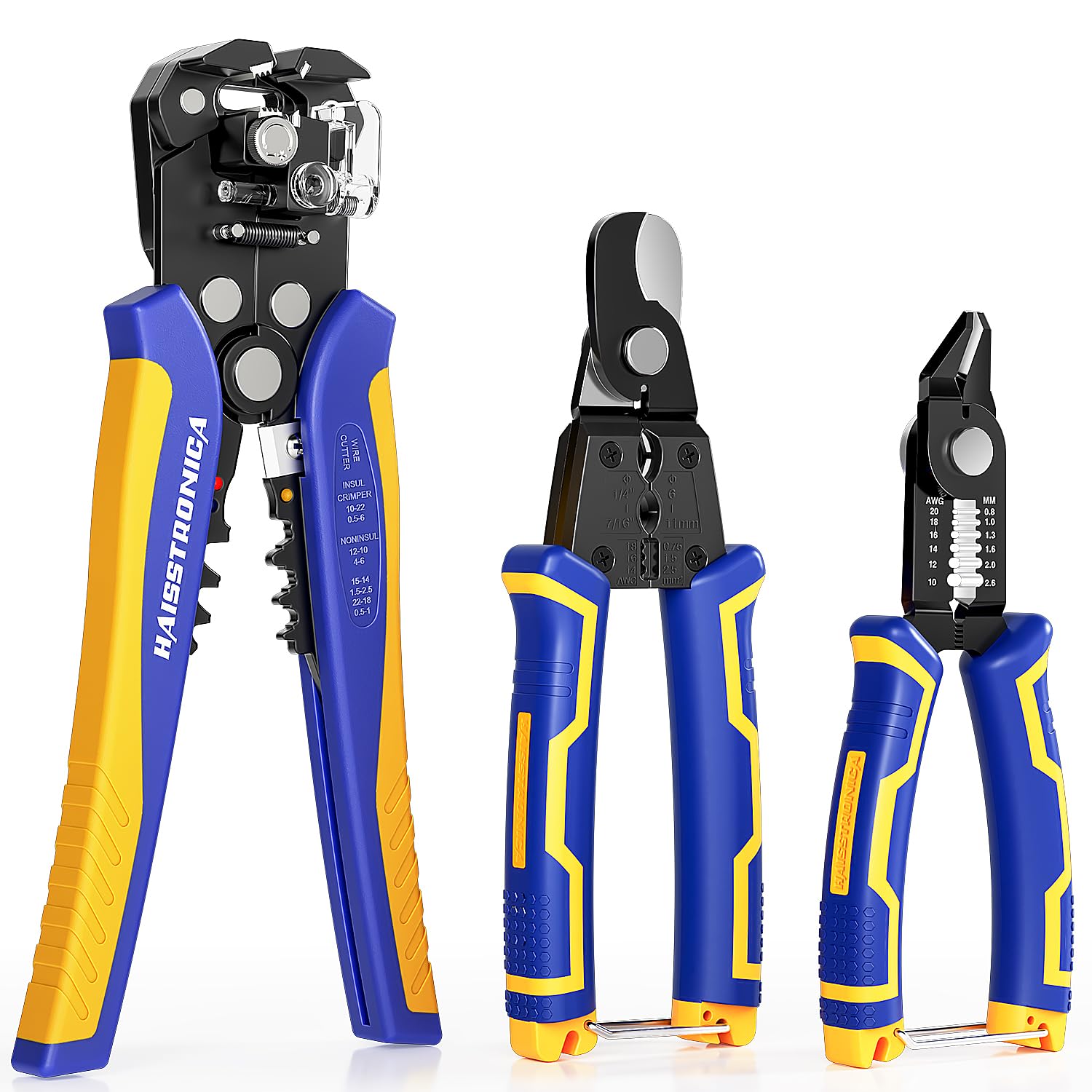
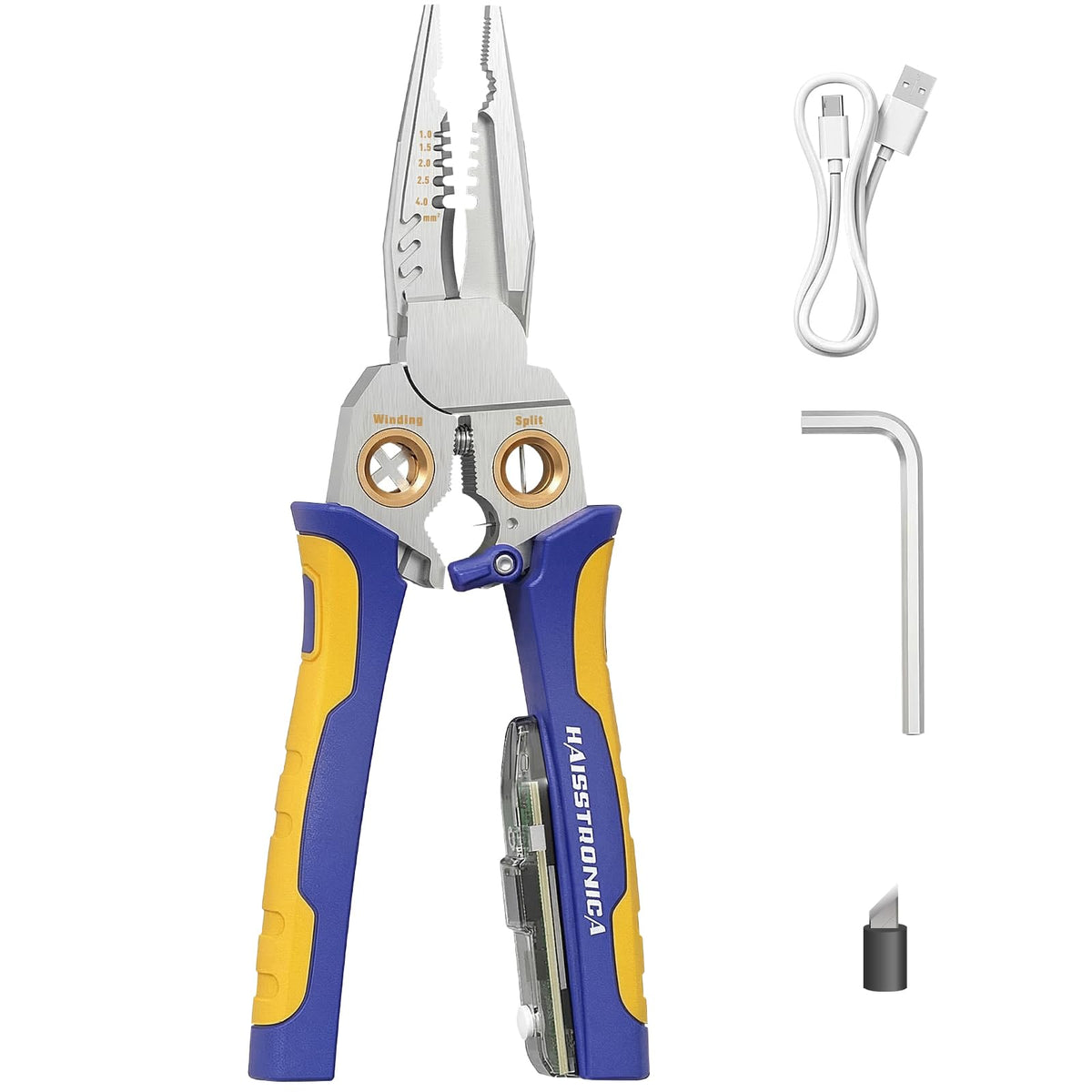
The challenge also shows when specialization beats “one tool for everything.” Outer jackets are a different task than inner insulation, so a cable jacket stripper (a true cable jacket stripping tool) prevents over-cutting and reduces the temptation to force a small tool into a large wire stripper role. And once the conductor is exposed, pairing stripping with termination using a wire stripper crimper—or a crimping tool and wire stripper flow while staging the same connectors tool set—reduces variability, because you control prep length and crimp force as one system.
The “Beat the Clock” takeaway is simple: the best timed performance comes from a workflow that protects conductors, controls strip length, and minimizes adjustments—not from rushing. When you’re stripping cables, measure time to an acceptable result and you’ll naturally prefer tools with the right design DNA: self-adjustment, length control, comfortable handling, and connector-ready output.