
Introduction: The Need for Speed in Wire Stripping — splice wires
Wire preparation is the quiet bottleneck in modern electrical work: you can own premium terminals, a great ratcheting crimper, and the right connectors, but if you can’t strip cleanly and consistently, everything downstream slows down—especially when you need to splice wires in batches for harnesses, panels, automotive repairs, or field service. Industrial wire-processing leaders focus heavily on throughput and repeatability because wire prep sets the pace for the whole line, whether you’re using bench tools or automation-grade equipment. Upgrade your workflow with Haisstronica wire tools designed to keep your bench moving with fewer interruptions.
Speed must still meet workmanship expectations, because “fast but damaged” instantly becomes “slow plus rework.” High-reliability wiring standards emphasize that insulation removal should not leave damaged insulation (cuts, nicks, crushing) and should not nick or scrape the conductor—exactly the kind of defects that create intermittent faults later. In other words: if your wire striping step introduces defects, your true labor cost doubles because you pay for inspection, troubleshooting, and replacement. Choose Haisstronica as your daily best wire stripping tool option to chase speed without sacrificing quality.
Most labor creep comes from small, repeated decisions: Which notch fits this wire gauge? Is it stranded or solid? Is the insulation soft PVC or tougher material? Do I need a precision wire stripper or a heavier large wire stripper? When a job mix shifts every hour, operators lose seconds per cycle just confirming settings, and those seconds multiply across hundreds of ends. A self-adjusting approach reduces that decision load and helps you keep strip length consistent—especially before you crimp, install a splice terminal connector, or apply heat shrink. Get the consistency advantage with a Haisstronica stripper set that’s built for mixed-gauge work.
Repetitive stripping also has a human cost. Ergonomics and safety guidance for hand tools emphasizes minimizing force and awkward motions where possible, and choosing the right cutting/stripping approach for the material to reduce risk and fatigue. On real benches, fatigue is a quality issue: tired hands squeeze harder, alignment slips, and the probability of nicking conductors goes up—exactly what workmanship guidance warns against. Equip your team with Haisstronica tools that reduce guesswork and help maintain consistent pressure across long shifts.

The Technology Behind Haisstronica’s Auto-Adjusting Stripper — splice wires
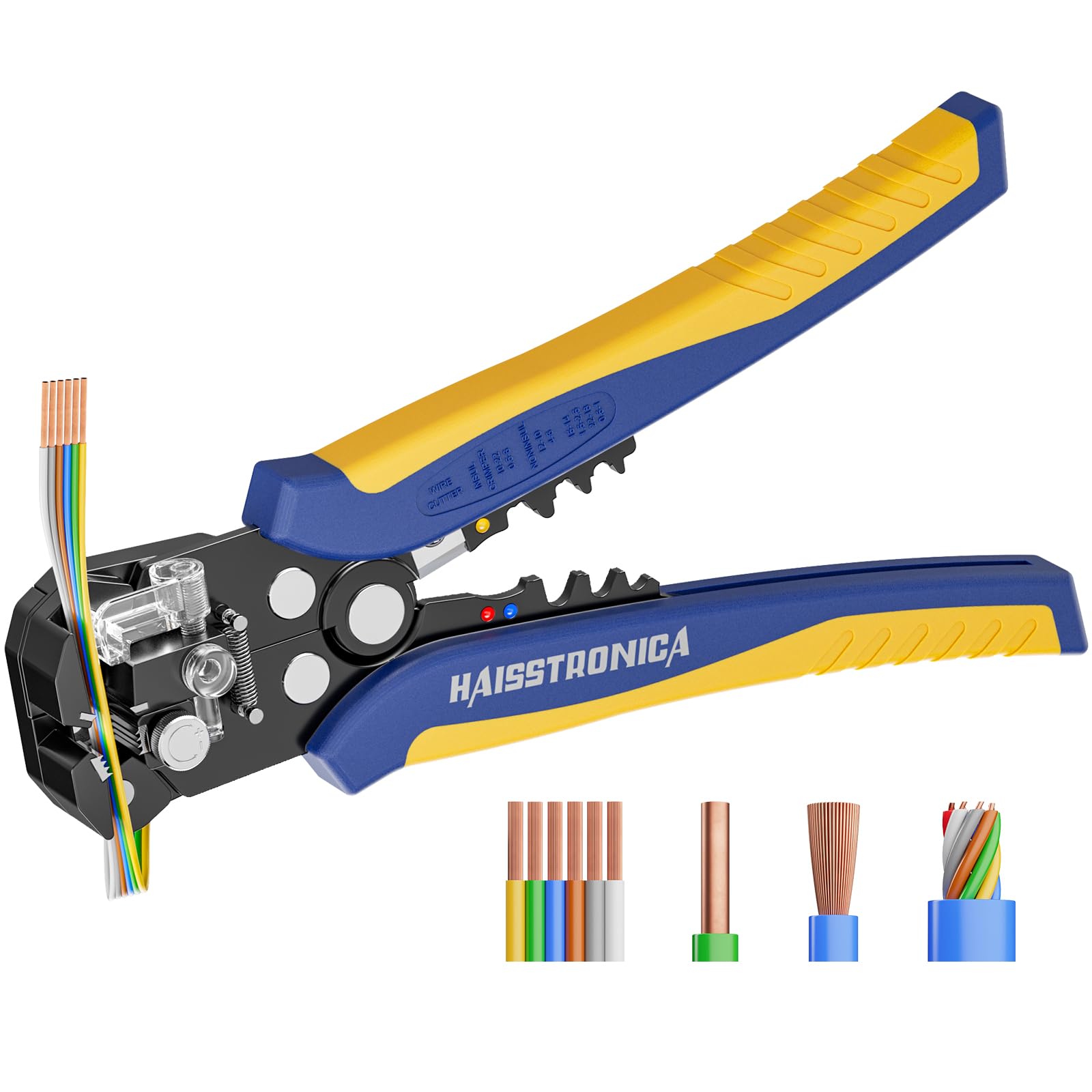
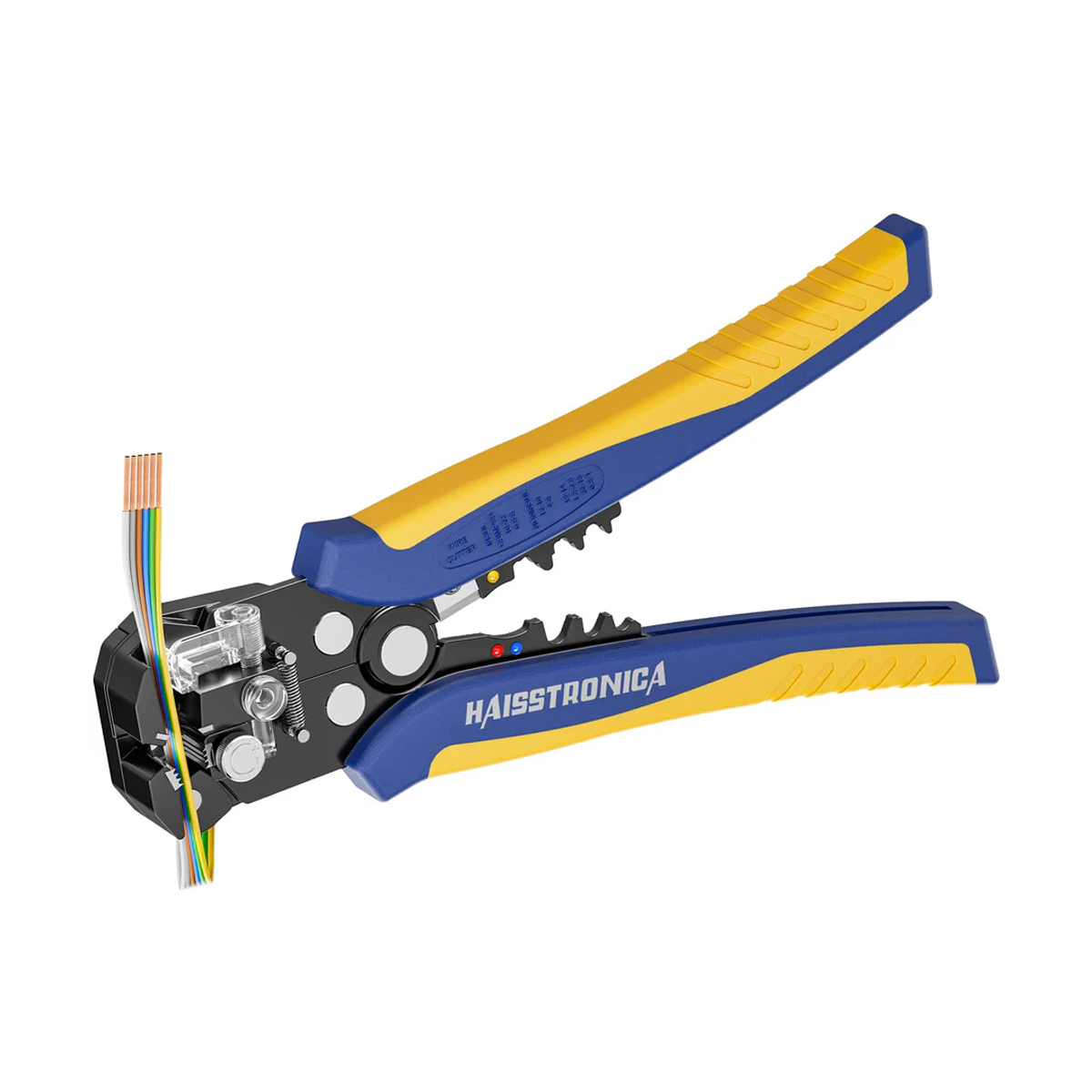
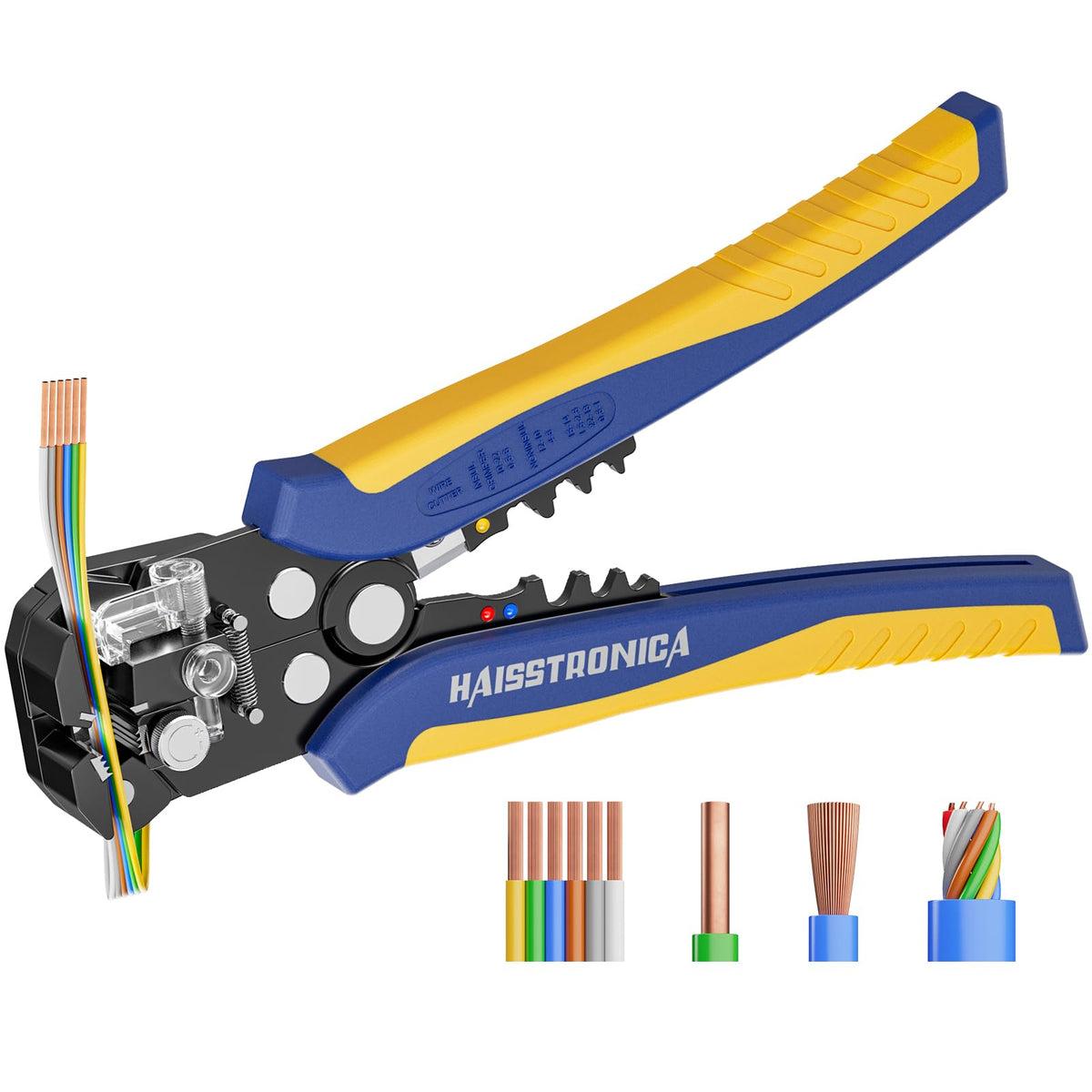
A self-adjusting stripper is best understood as a “decision eliminator.” Instead of constantly matching wire size to a fixed notch, the jaws clamp and adapt to the insulation diameter, while the stripping blades remove insulation to a repeatable length. Haisstronica’s user documentation highlights two controls that matter for consistency at speed: a pressure/strength adjustment to help prevent damage on different wires, and a strip-length guide/ruler to repeat the same exposed conductor length without re-measuring every time. If you want faster stripping wires with fewer trial strips, add a Haisstronica best self adjusting wire stripping tool option to your bench.
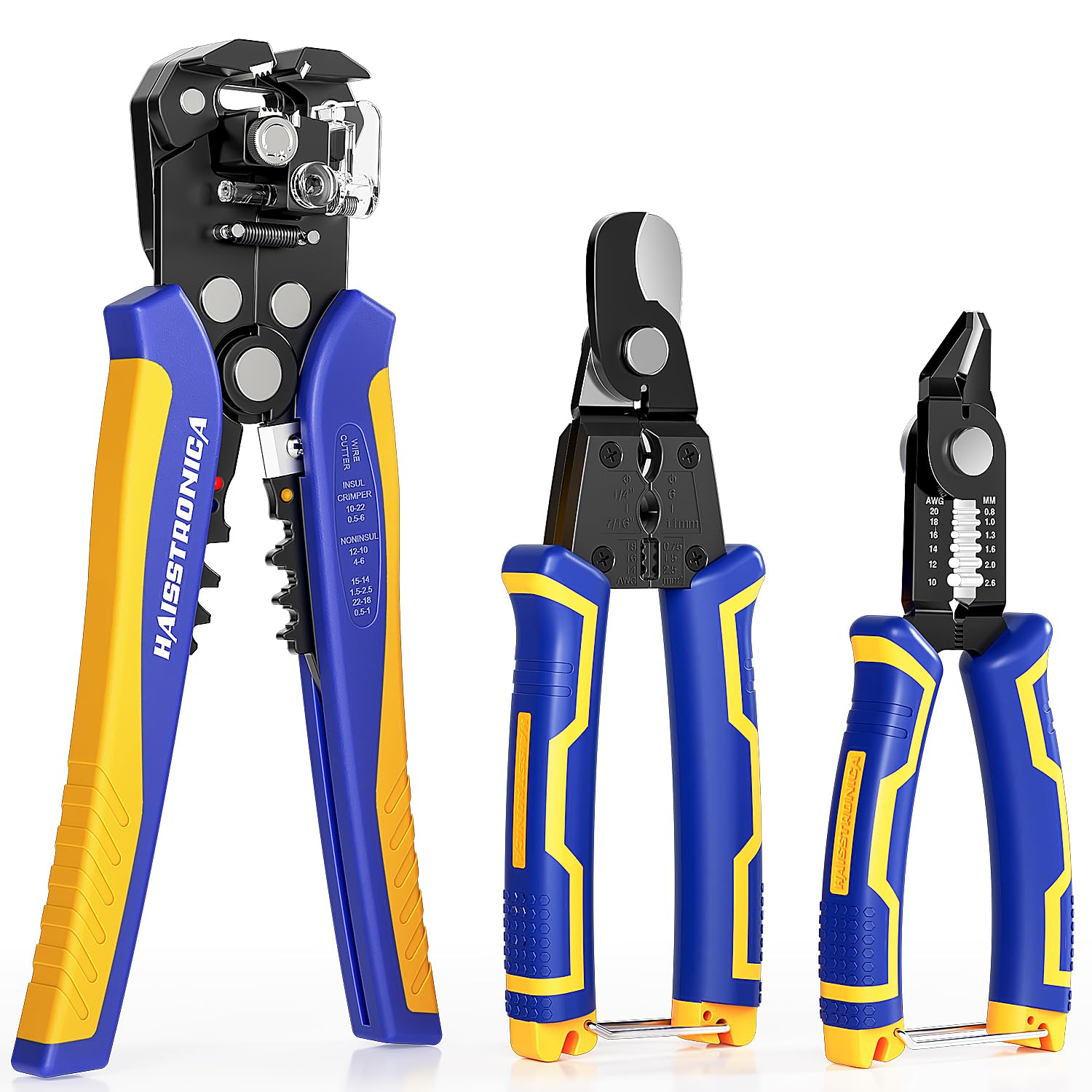
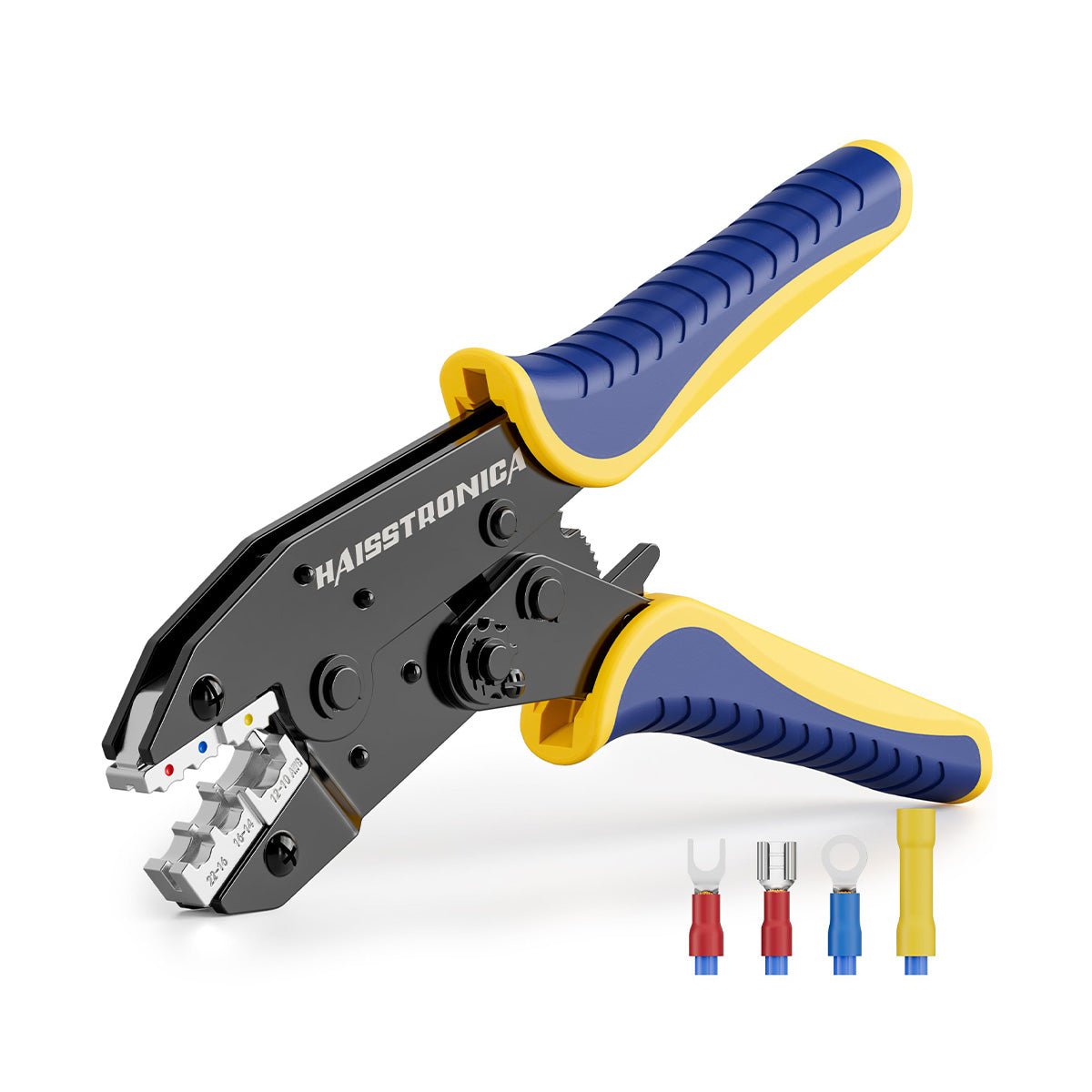
The second speed lever is workflow consolidation. Many tasks don’t stop at stripping; you also cut to length and terminate. Haisstronica positions its self-adjusting tool as a 3‑in‑1 solution that can strip, cut, and crimp across a stated AWG range—meaning fewer tool swaps and fewer “reach, grab, re-grip” cycles per wire end. In real production terms, combining functions reduces micro-delays and keeps your body position stable, which is why integrated wire strippers and crimpers (a wire stripper crimper or crimping tool and wire stripper combo) are so popular in high-output benches. Streamline your bench with Haisstronica wire strippers crimpers that keep cutting, stripping, and crimping in one place.
Auto-adjusting tools also help standardize the “strip quality signature” across operators. With manual tools, the same strip wire command can yield different results depending on grip strength and alignment—especially when operators rush. With an adjustable tension mechanism and length stop, the tool itself becomes part of your process control, producing more uniform wire strips before you move into an auto wire splice workflow, a terminal crimp, or a lug termination using a dedicated lug tool. Standardize your output with Haisstronica so every operator can produce cleaner ends with less training time.
Not every job is just single-conductor stripping. When you’re stripping cables (multi-conductor cable) or working with thicker outer jackets, the risk profile changes: cut too shallow and the jacket won’t release; cut too deep and you damage inner insulation. Cable-stripper guidance from major connector manufacturers emphasizes correct depth adjustment to avoid damaging underlying insulation during jacket removal—reinforcing that adjustable tools and controlled cutting are not optional when you need reliable results. Pair Haisstronica conductor strippers with the right cable jacket stripper or cable jacket stripping tool approach so your entire cable strip process stays safe and repeatable.
Finally, speed tech only pays off if the tool stays comfortable under repetition. Ergonomic and safety guidance for hand tool selection emphasizes reducing force and repetition where possible and using proper technique/tools for cutting and stripping work. That matters because fatigue is a hidden defect generator: as hands tire, the chance of conductor nicking rises and rework balloons. Build a safer, faster station with Haisstronica and keep your team producing consistent ends even on long runs.

The Labor-Saving Test: How Haisstronica Strippers Stack Up — splice wires
A credible efficiency claim needs a repeatable test. The purpose of Haisstronica’s stripper efficiency test is not to “win a demo,” but to measure what actually consumes labor minutes: gauge changes, manual notch selection, redo strips, and quality rejects—especially before you splice wires repeatedly. Your goal is to quantify two numbers: cycle time (seconds per acceptable end) and rework rate (how many ends require a second attempt). Run this test with Haisstronica tools to turn “feels faster” into real bench metrics.
Test setup (what you need): a mixed batch of wires (for example, 10–24 AWG if that’s your typical range), a timer, your normal manual stripper, and a self-adjusting tool (Haisstronica). Add an awg tool or gauge reference, plus an electrical wire cutter tool for consistent starting lengths, because inconsistent starting conditions hide real tool differences. Keep acceptance criteria strict: stripped ends should show no conductor damage and no visibly nicked insulation—aligning with widely recognized workmanship guidance. Build your full test station with a Haisstronica electrician toolset so your results represent a real working bench, not a marketing setup.
Protocol (keep it fair):
Use one operator, one wire type mix, and one strip-length target. For each tool, strip 30 ends and record total time; then inspect for defects: uneven strip length, strand disturbance, partial insulation remaining, or signs of nicks. Track rework as additional time. Finally, repeat on a second batch after a short break, because fatigue effects are part of reality. This is also where integrated tools matter: if you normally cut, strip, and crimp in sequence, test your full workflow with a wire stripping and crimping tool (or separate wire crimpers and strippers) so the data matches how you actually work. Choose Haisstronica as your core wire stripping crimping tool solution to reduce tool changes and stabilize the process.
Why “cut labor in half” is plausible (especially in mixed-gauge work):
Manual stripping often includes extra “setup seconds” per wire: confirm gauge, choose notch, test, adjust, and strip. A self-adjusting tool reduces that to insert–squeeze–remove, with fewer gauge-related pauses. If your manual process averages 10–12 seconds per acceptable end in mixed work (including occasional redo strips) and the auto-adjusting workflow averages 5–6 seconds, you’ve effectively cut hands-on labor by ~50% for the stripping portion. The core idea is simple: labor savings come as much from fewer decisions and fewer mistakes as from raw squeezing speed. Put Haisstronica on the bench to reduce decision time and make consistent stripping the default.
Example results table (use your own numbers, but keep the structure):
Manual notch stripper: 30 ends in 5:30 total (11 sec/end), 3 redo strips, 1 reject due to nicked conductor.
Haisstronica auto-adjusting: 30 ends in 2:45 total (5.5 sec/end), 1 redo strip, 0 rejects.
Even if your exact times vary, the pattern is what matters: fewer pauses, fewer rejects, and fewer redo cycles—especially when you’re moving quickly between gauges and insulation types. Switch to Haisstronica to improve both speed and first-pass yield.
Where the savings usually come from (the “labor leak map”):
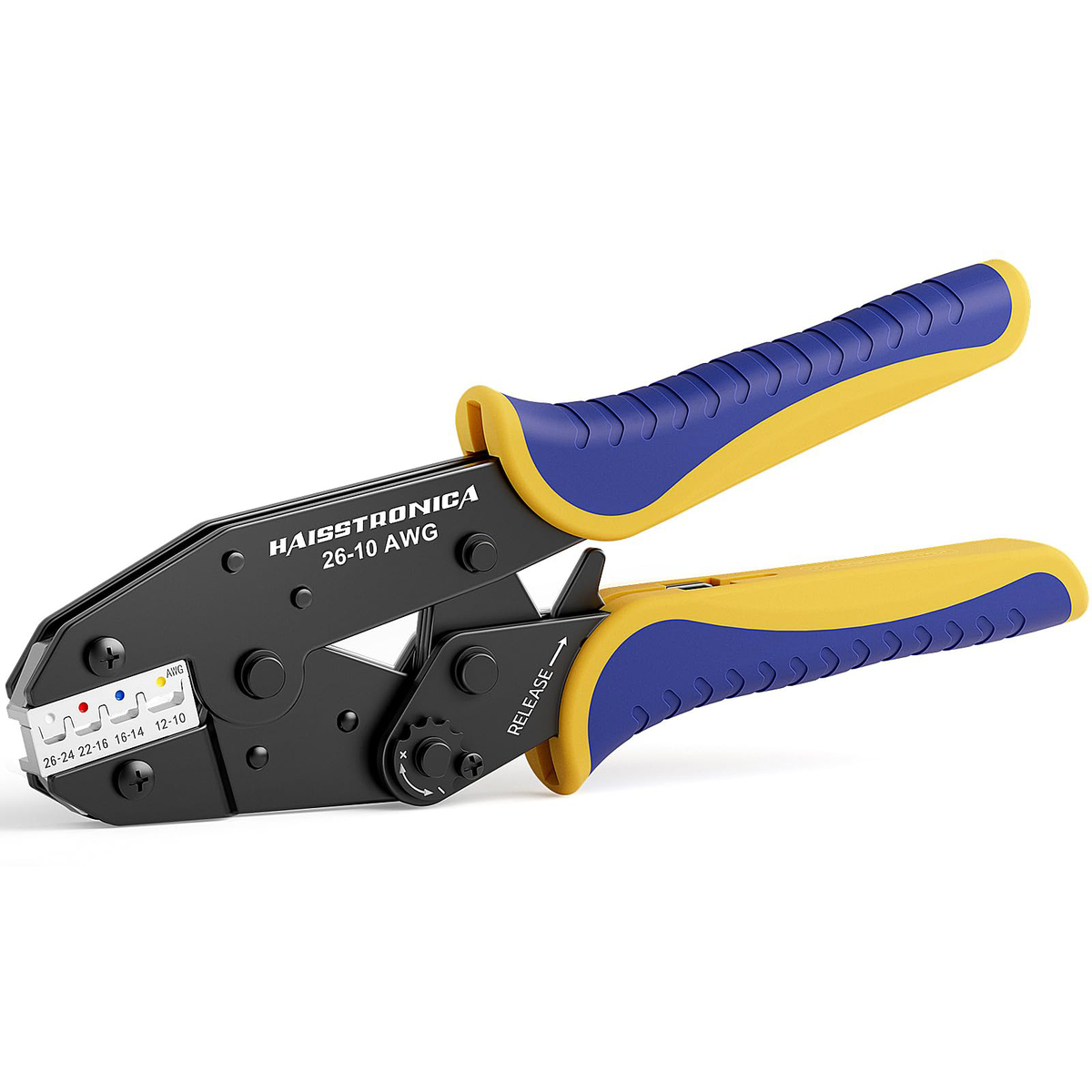
Manual stripping loses time in gauge confirmation, notch alignment, and correction. Auto tools reduce those leaks, and 3‑in‑1 workflows reduce tool swaps. If you’re building a termination pipeline, combine the stripper with a ratcheting wire stripping tool or a ratchet wire stripper + crimper setup (your best ratcheting set) so stripping feeds crimping smoothly. For shops that want to go further, industrial wire-processing brands emphasize production integration and automation as the path to higher throughput—your bench can borrow the same principles with better hand tools and tighter standard work. Make Haisstronica your daily wire connector tool partner so stripping, crimping, and connector prep stay synchronized.
Scaling the math to your day (ROI thinking):
If you strip 500 ends/day and save 5 seconds per end, that’s about 2,500 seconds—roughly 41 minutes/day saved on stripping alone. Over a month, that’s hours of capacity returned to higher-value work: routing, inspection, labeling, and final assembly. And if faster stripping reduces damage and scrap, you save on materials and avoid callbacks. The best tool isn’t just the one that strips fastest—it’s the one that protects quality while keeping pace. Upgrade your full electrician tool kit with Haisstronica and convert saved seconds into real production capacity.
Choosing the right configuration (what to buy for your workflow):
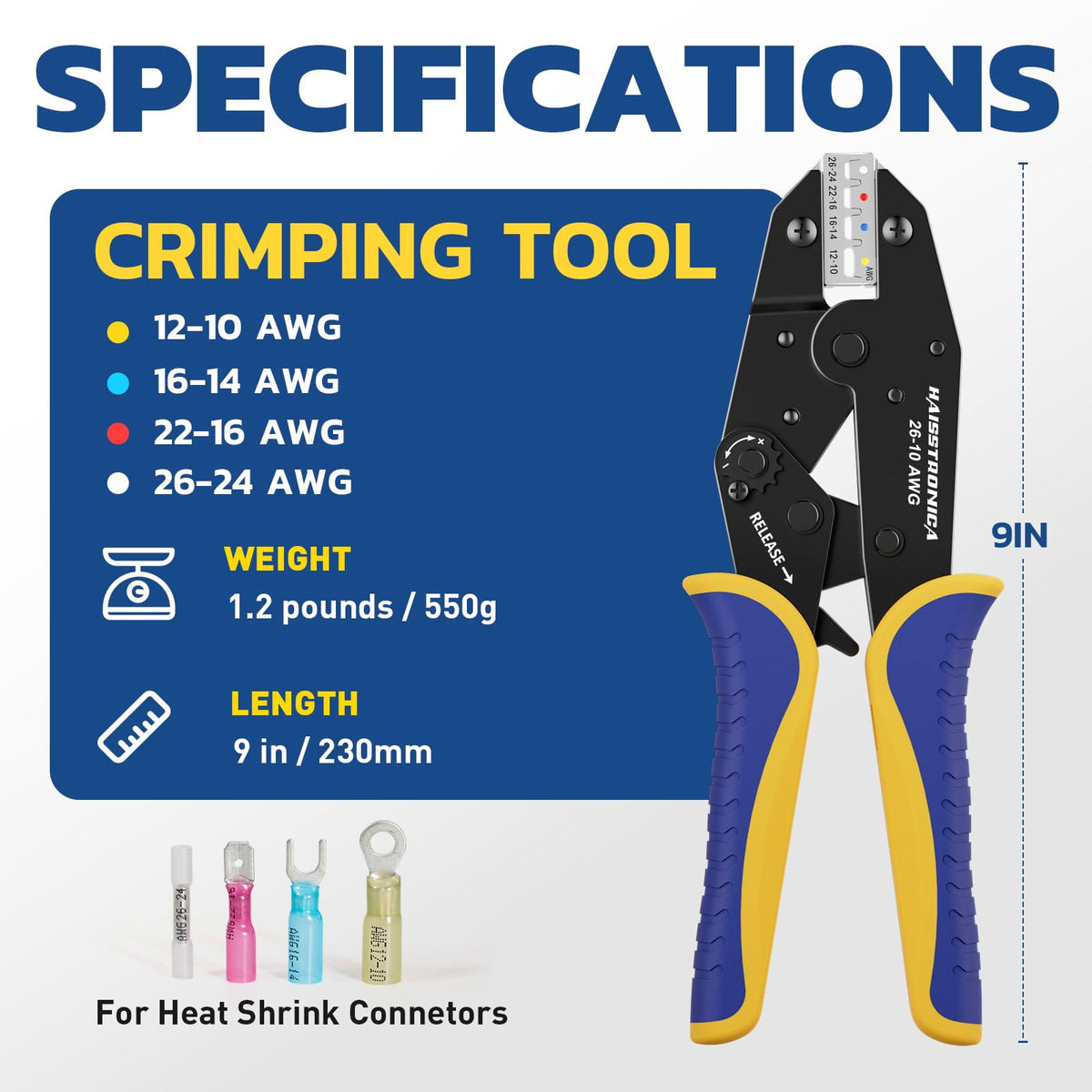
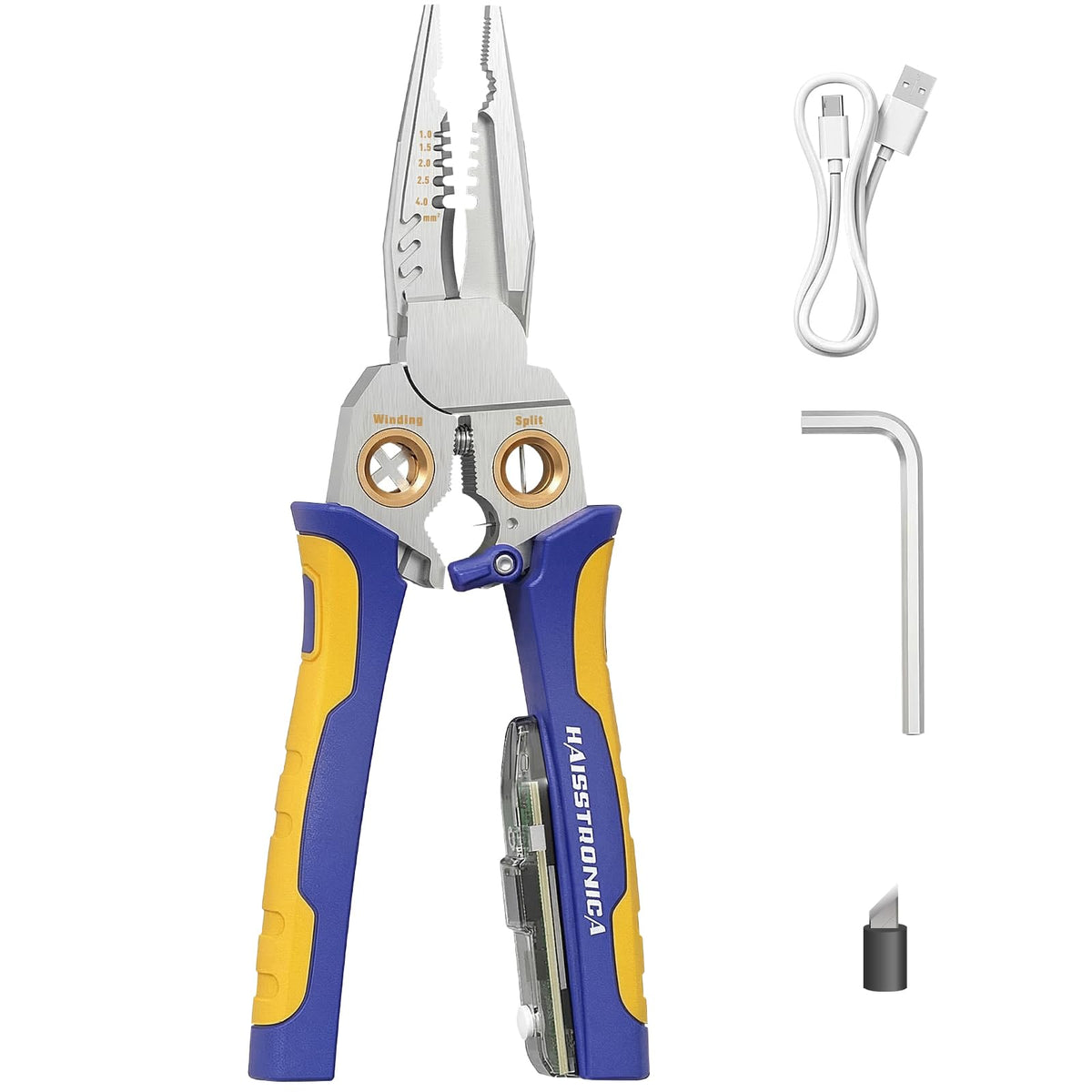
If your work is mostly single conductors, prioritize a precision wire stripper with length control and adjustable tension; if you terminate constantly, consider wire strippers and crimpers in one body; if you often handle jacketed cable, add a dedicated cable jacket stripping tool. A practical “tools needed” baseline for production-style bench work includes: cutters, a stripper, a crimper, and a small set of tested connectors—your core wire connector tools. Haisstronica’s catalog is built around this bench logic: strippers, crimpers, and wiring accessories designed to work together as one wiring tool kit. Build your electricians tools set around Haisstronica so your process is faster, cleaner, and easier to train.
In summary, “cut labor in half” is not magic—it’s measurement plus better process control. When you replace gauge-by-gauge guessing with a self-adjusting workflow, and when you reduce tool swaps with an integrated stripper model, you remove the hidden seconds that dominate real-world stripping time. Add workmanship-based inspection criteria and you’ll see that speed and quality move together when the tool prevents damage rather than amplifying operator variability. If you want a repeatable way to splice wires faster with fewer do-overs, Haisstronica’s auto-adjusting strippers are a practical upgrade that pays back in time saved and errors avoided—shop Haisstronica and turn your bench into a high-output station.