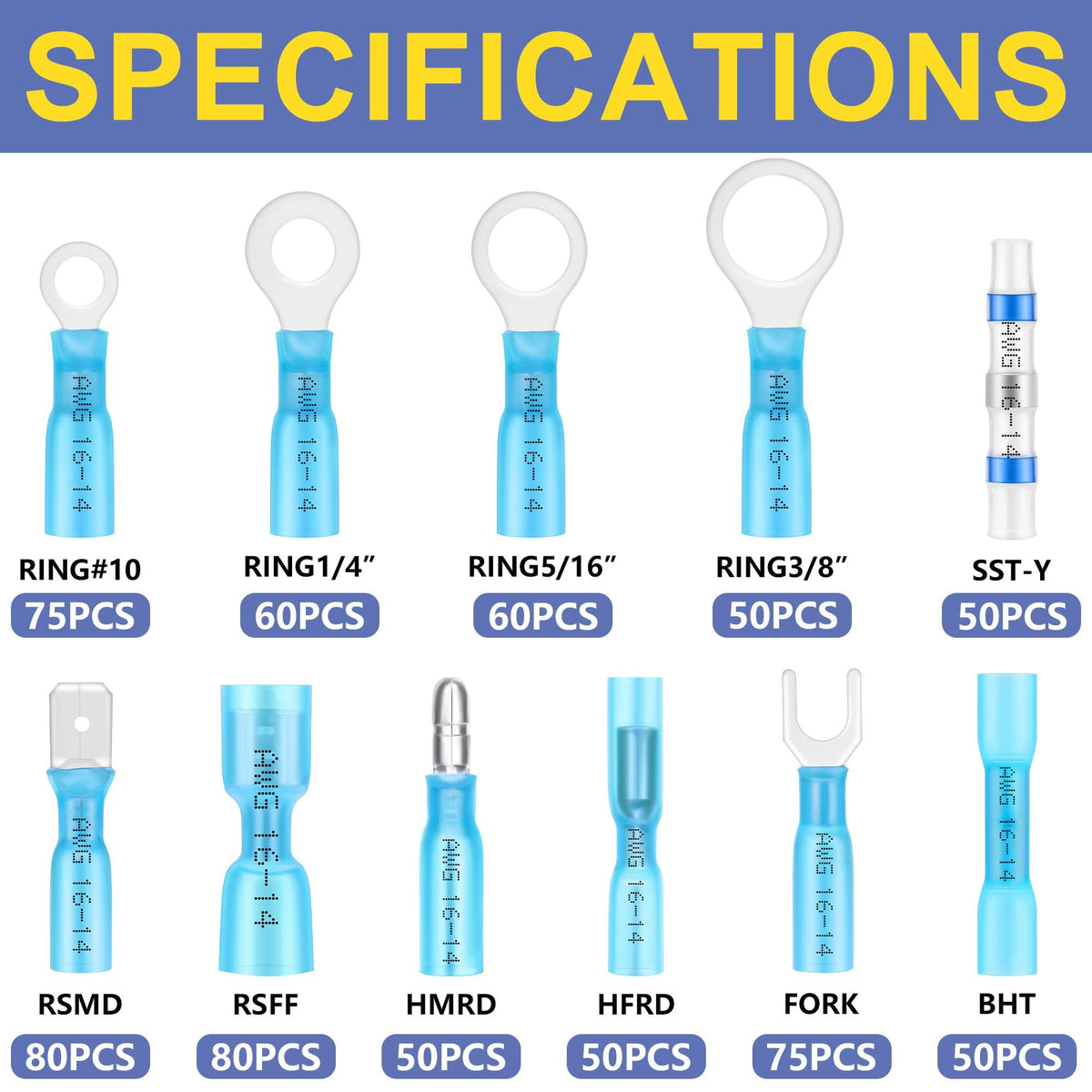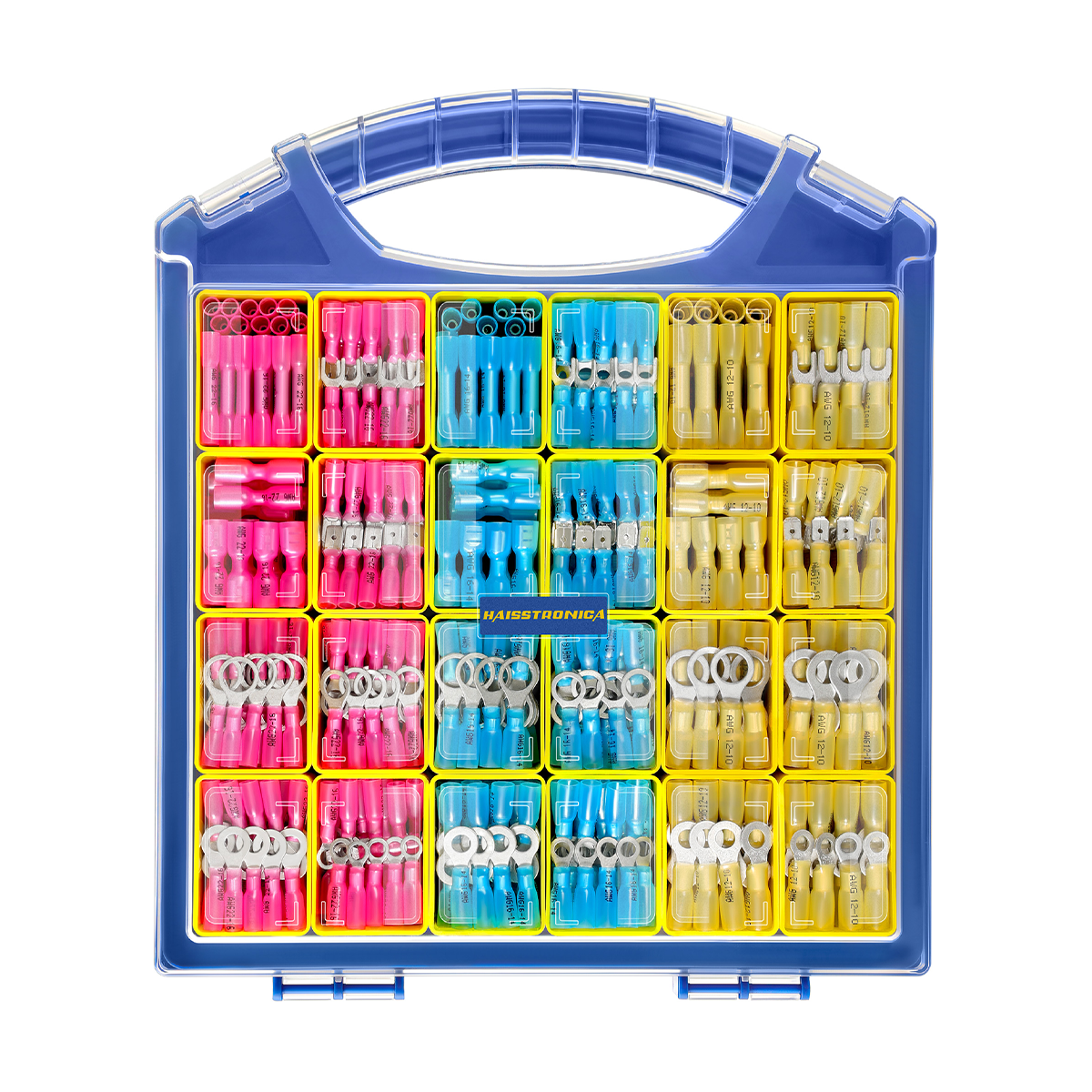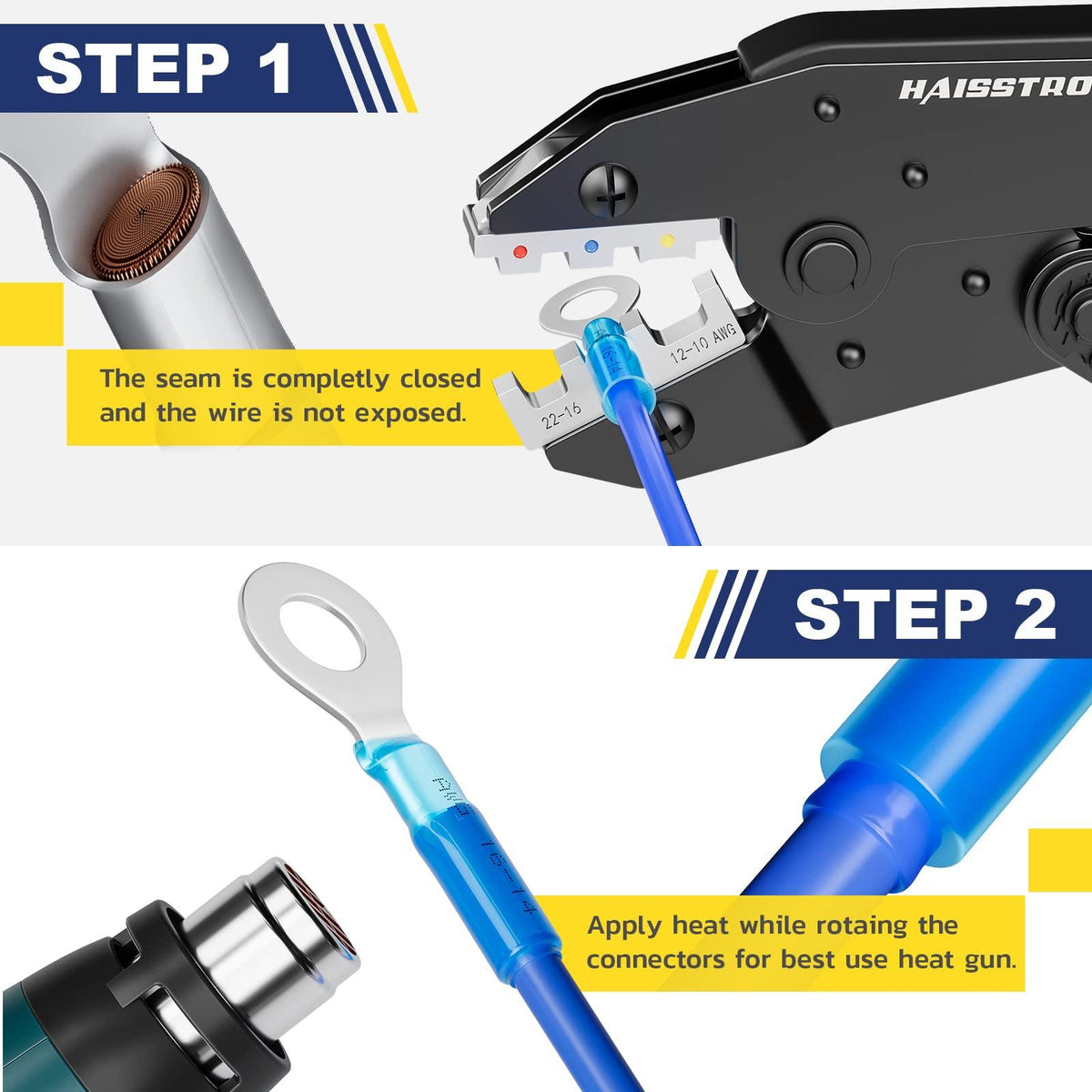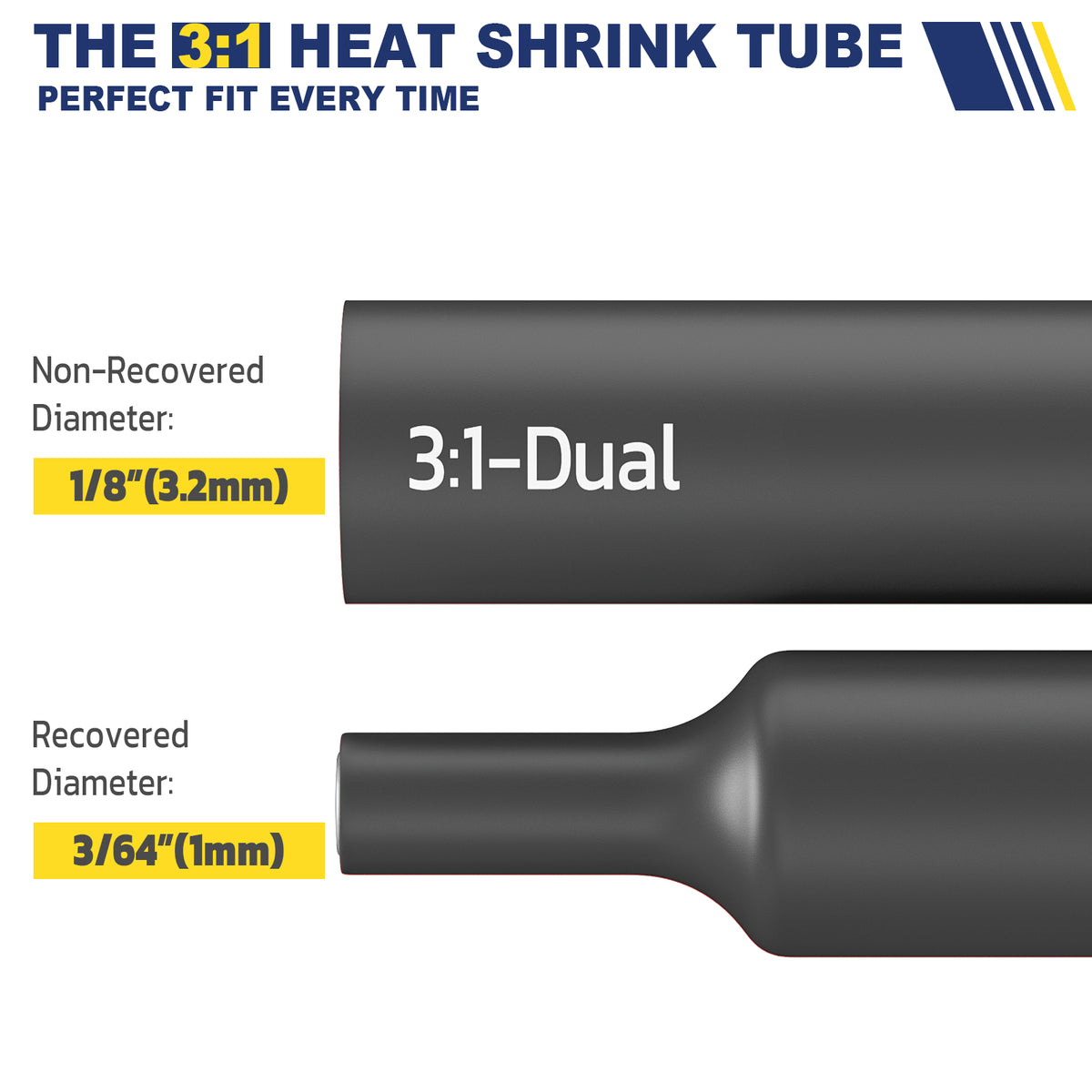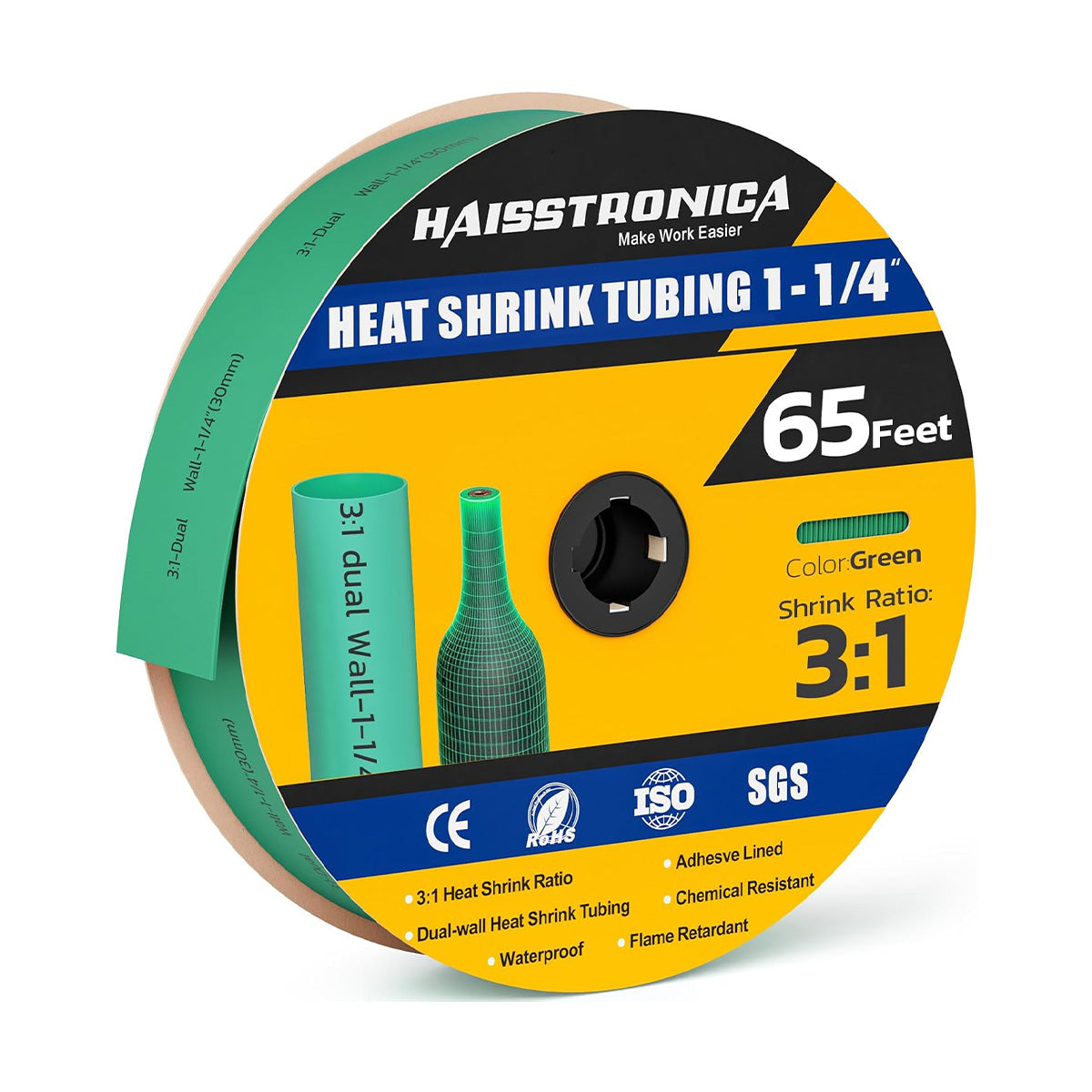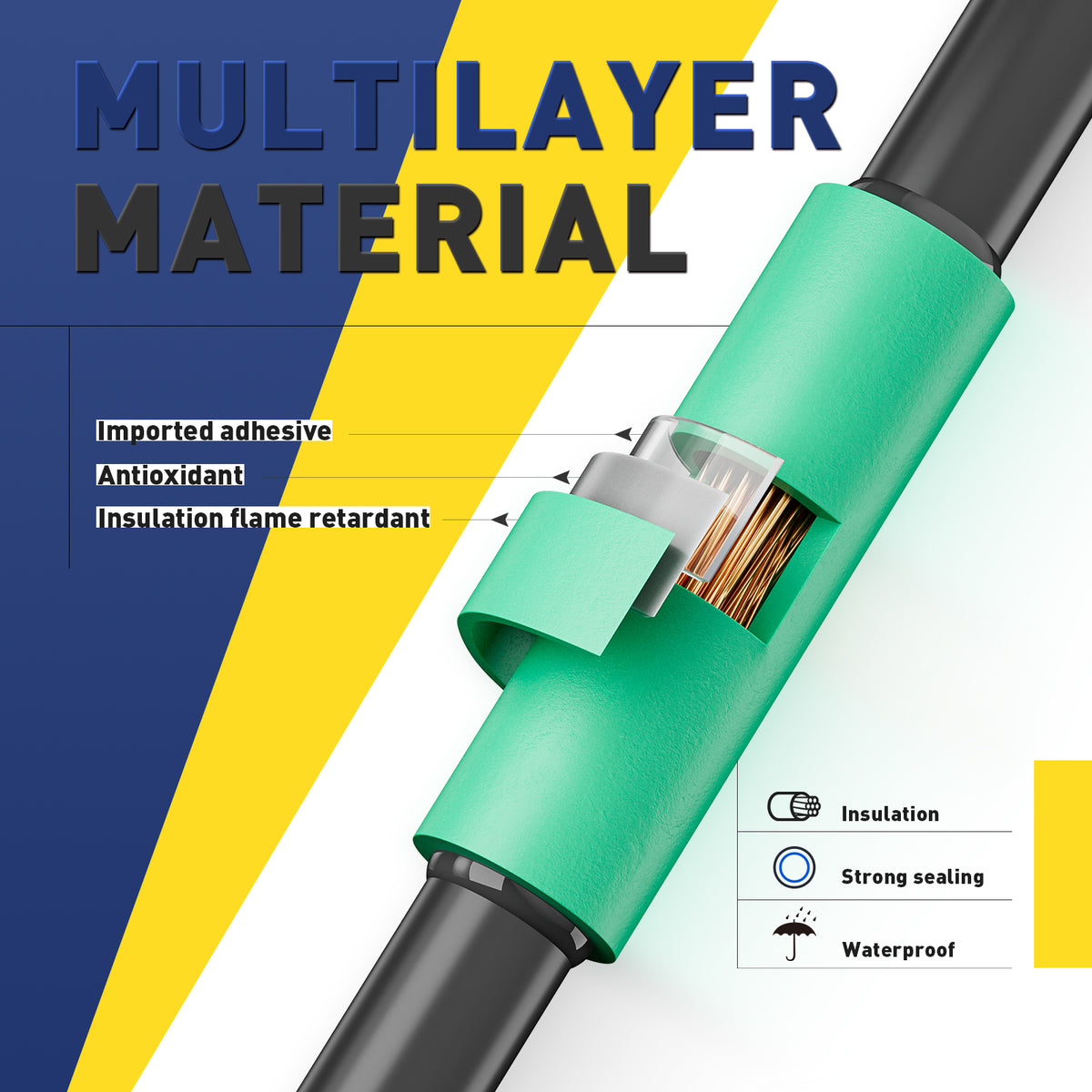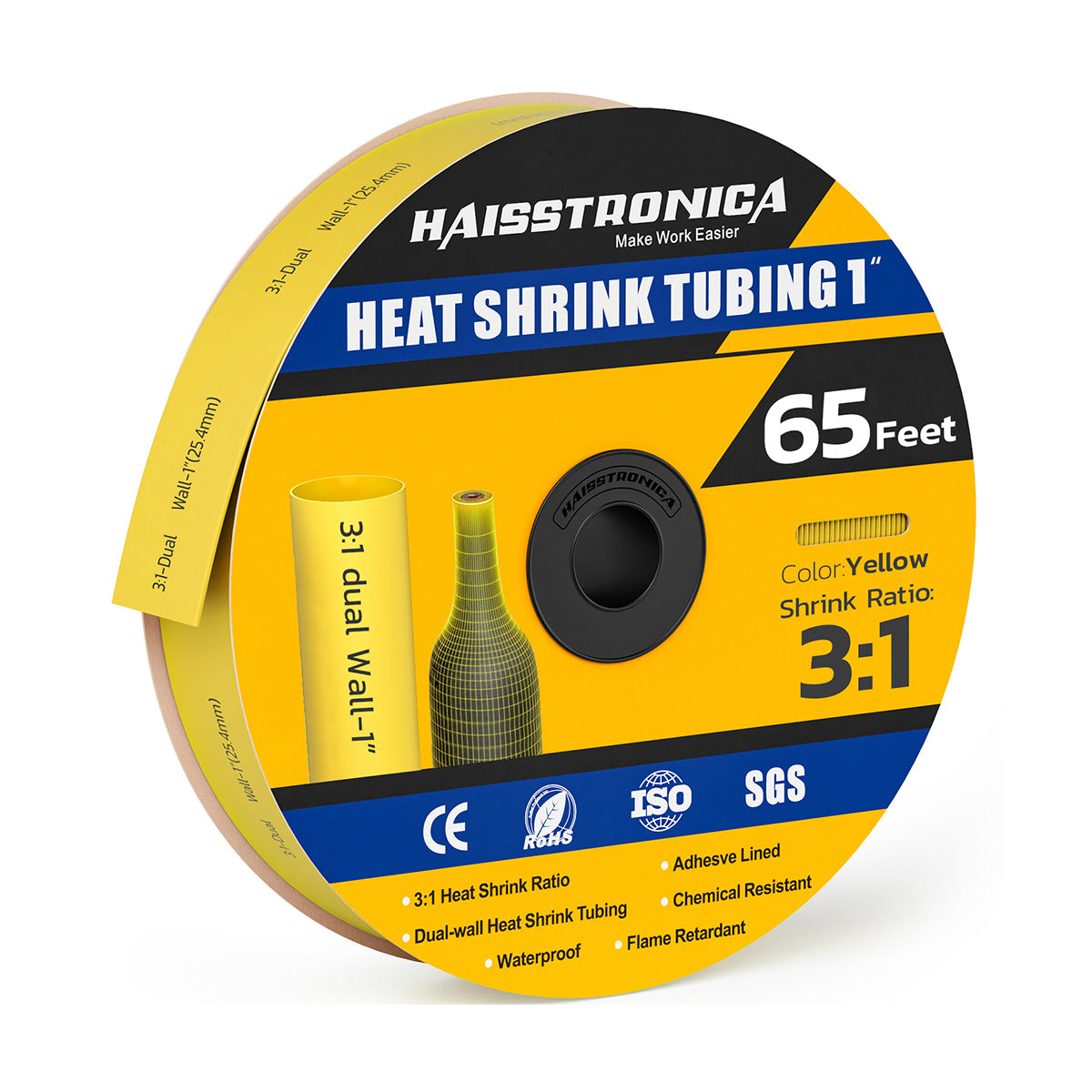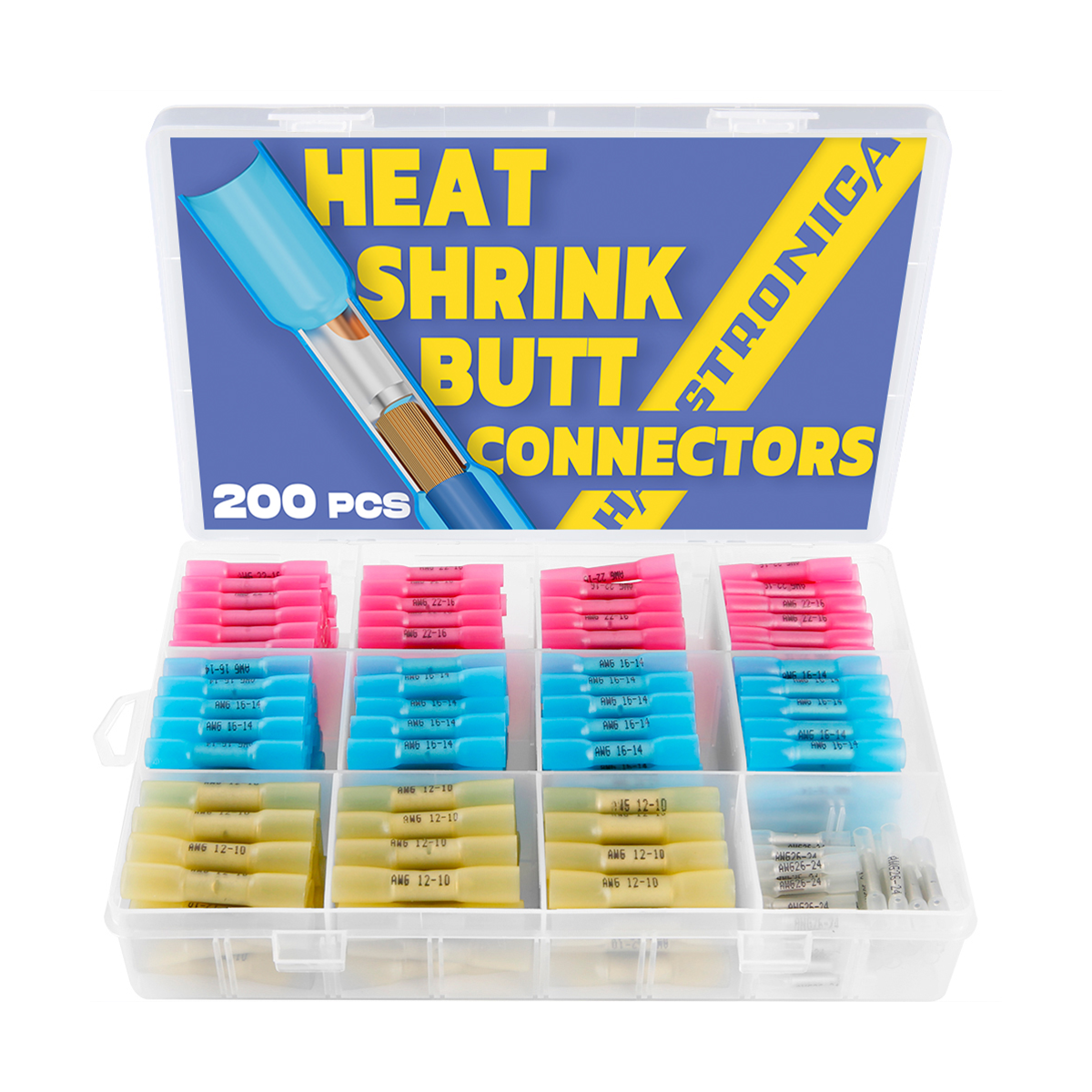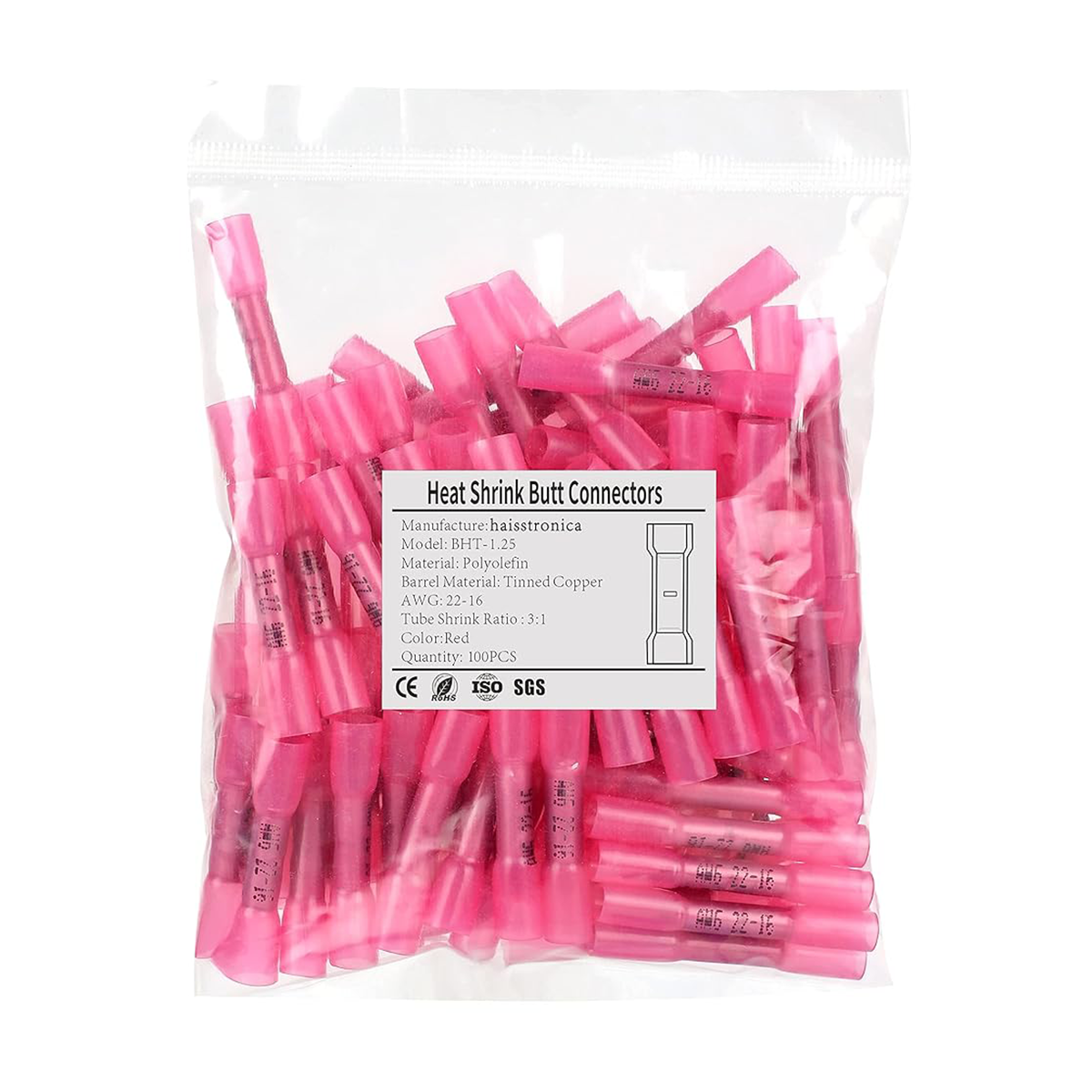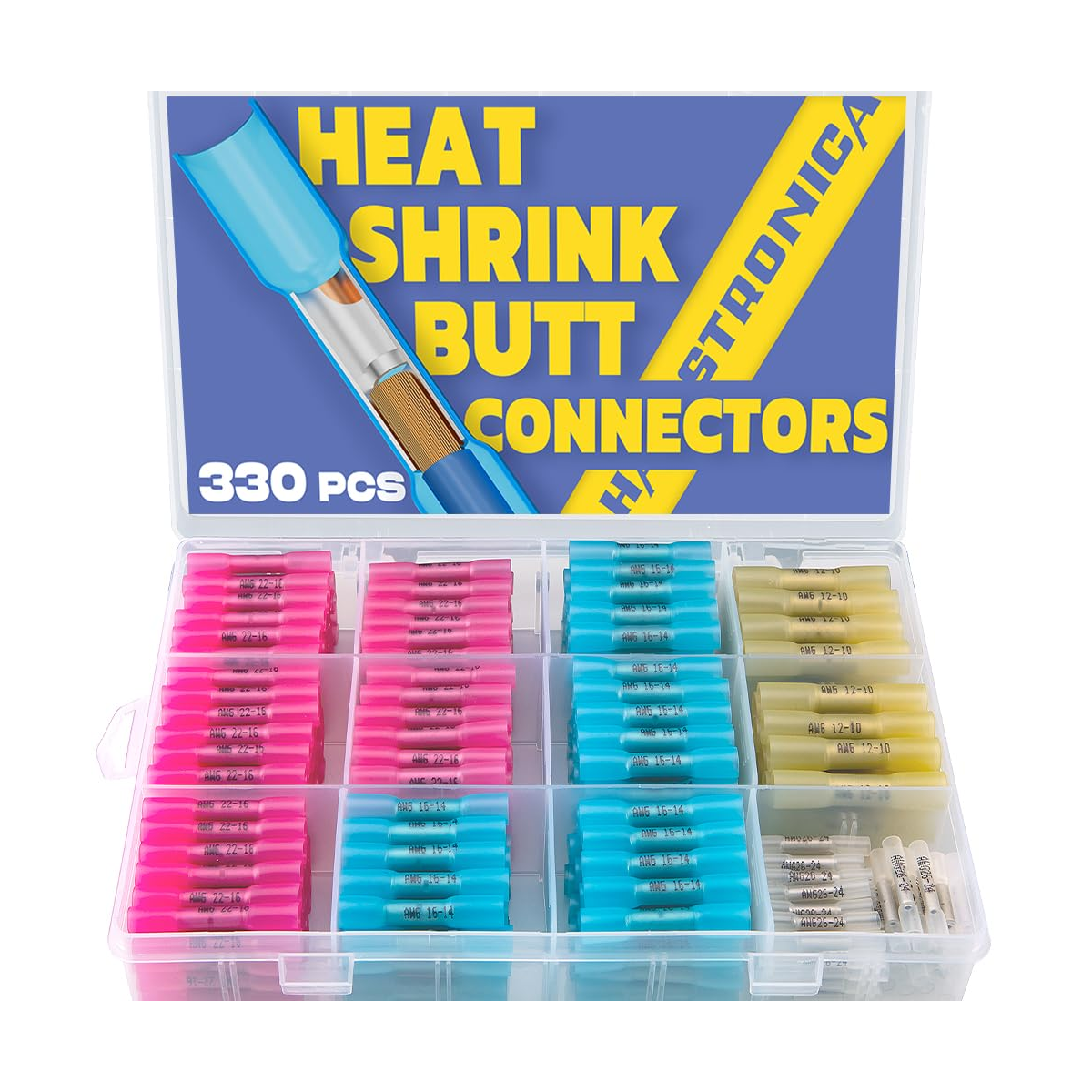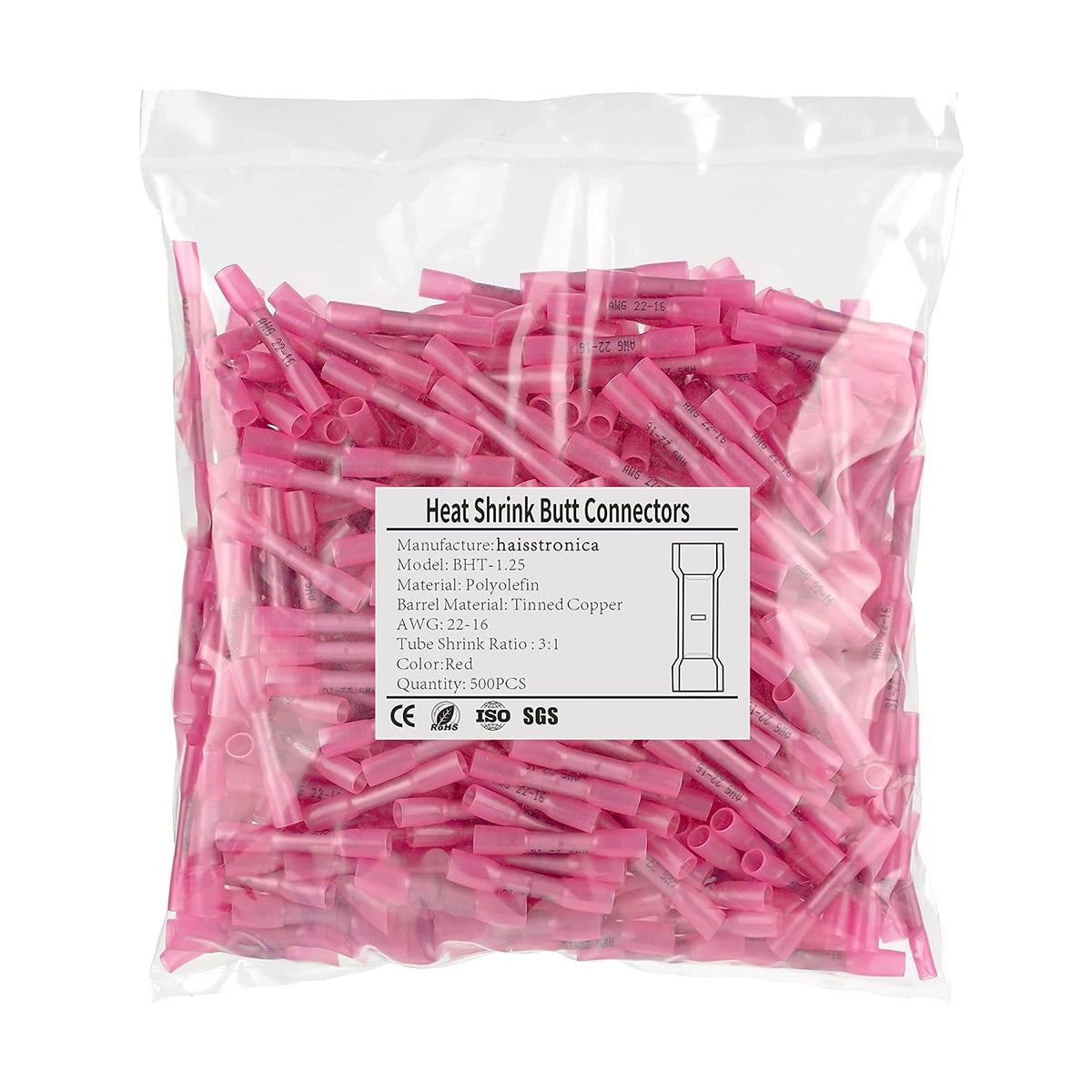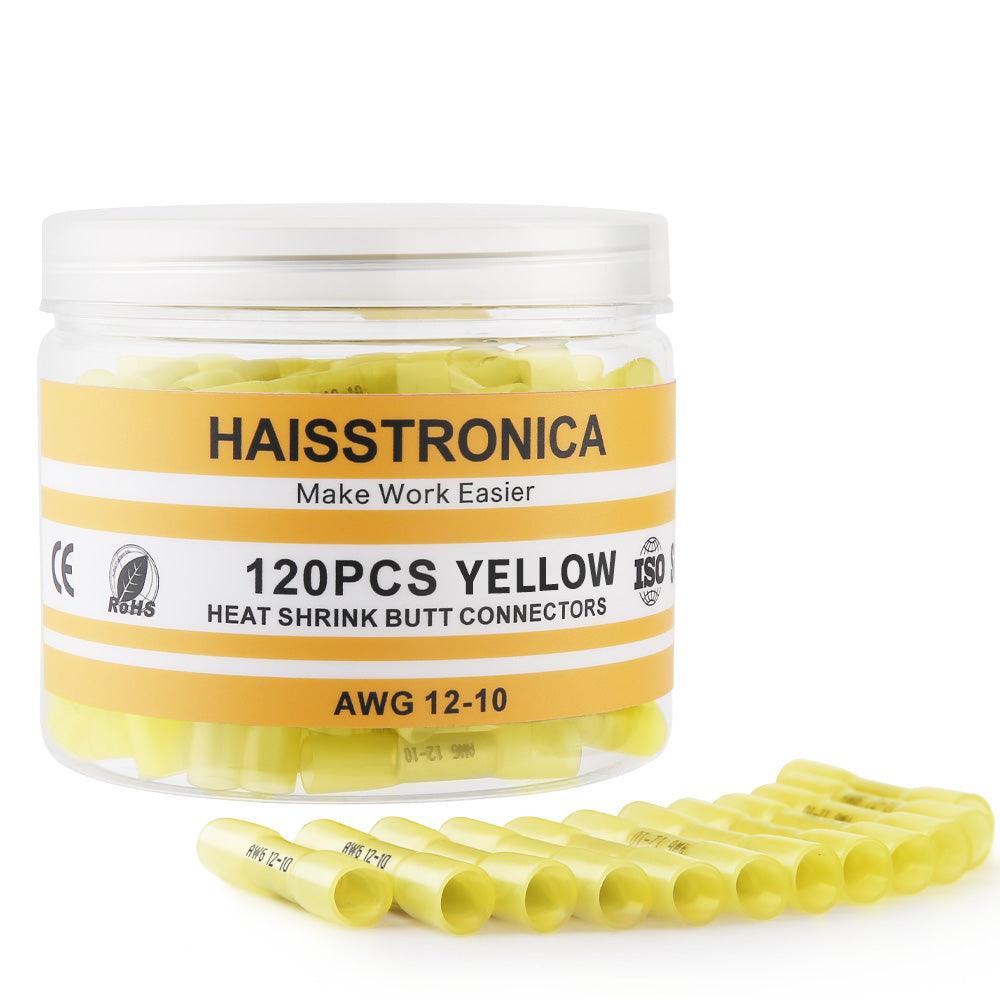

When you’re just getting into solder sticks and shrink solder connectors, it’s easy to think, “I’ll just buy the biggest kit and I’m done.” Then half the box sits untouched for years while you keep running out of the same two sizes. A better approach is to size your first solder & seal kit around how you actually work: wire gauges, environments (indoor vs automotive vs marine), and how often you’re at the bench. Professional standards like IPC/WHMA-A-620 and NASA workmanship guidelines both emphasize choosing the right connector for the job, not the biggest assortment on the shelf.
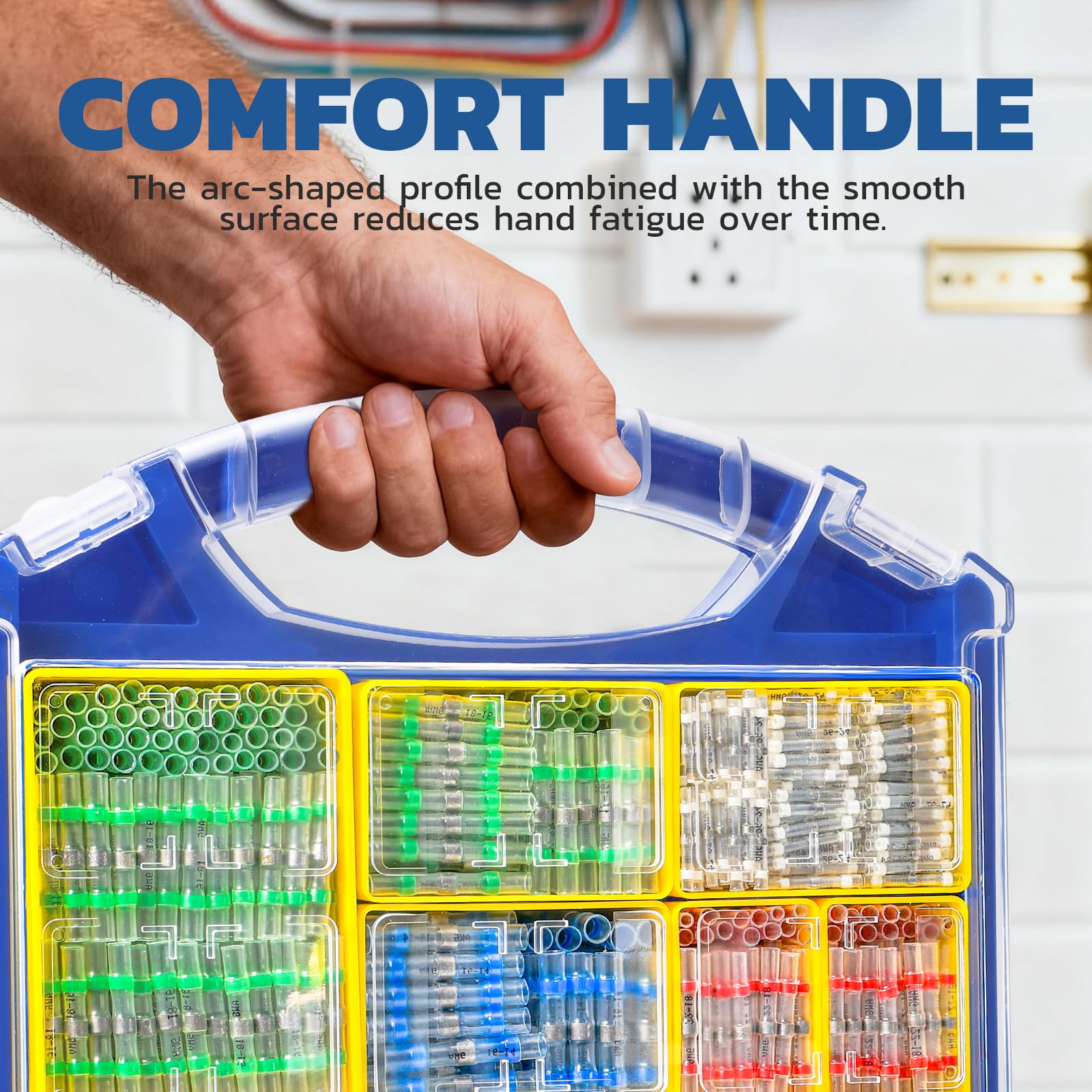
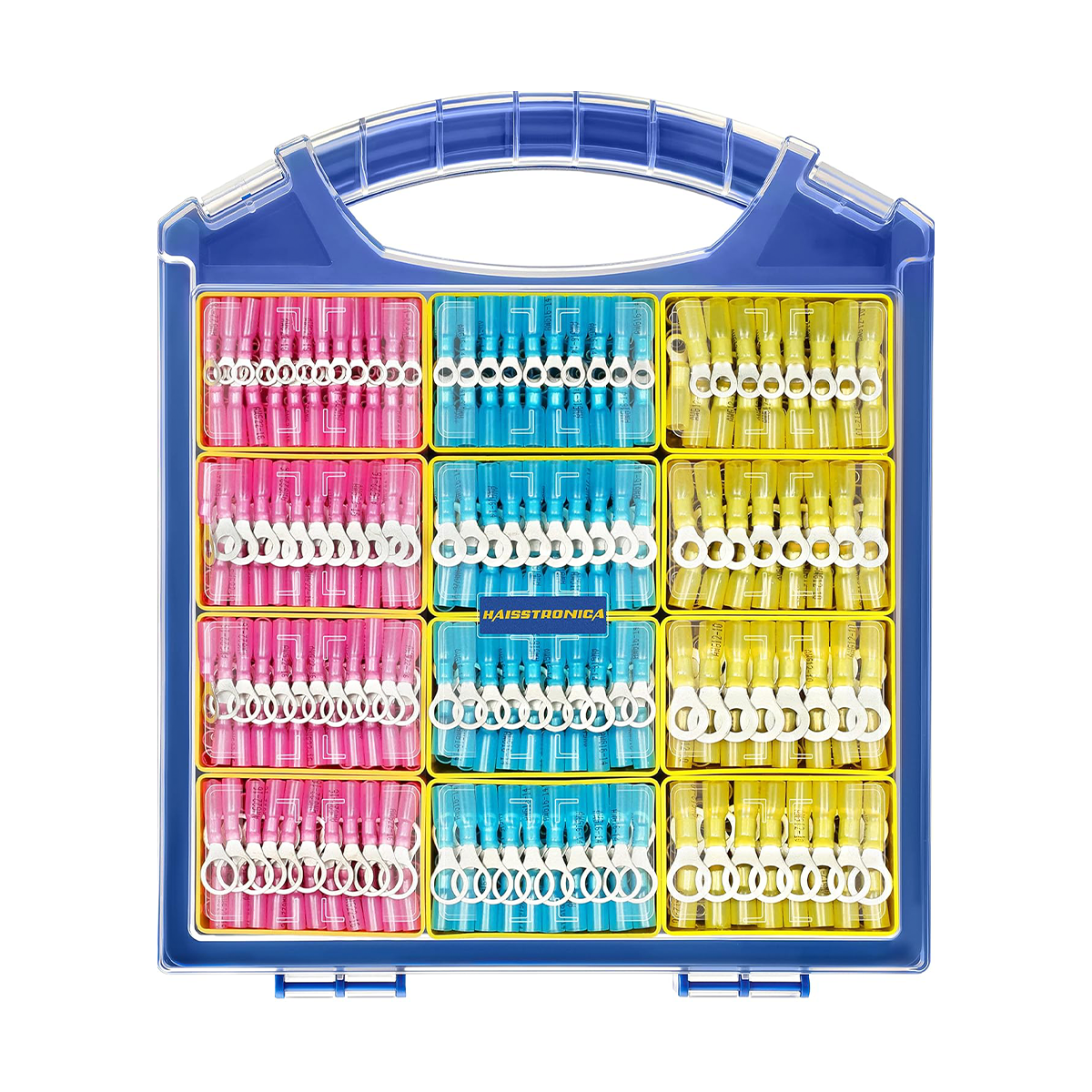
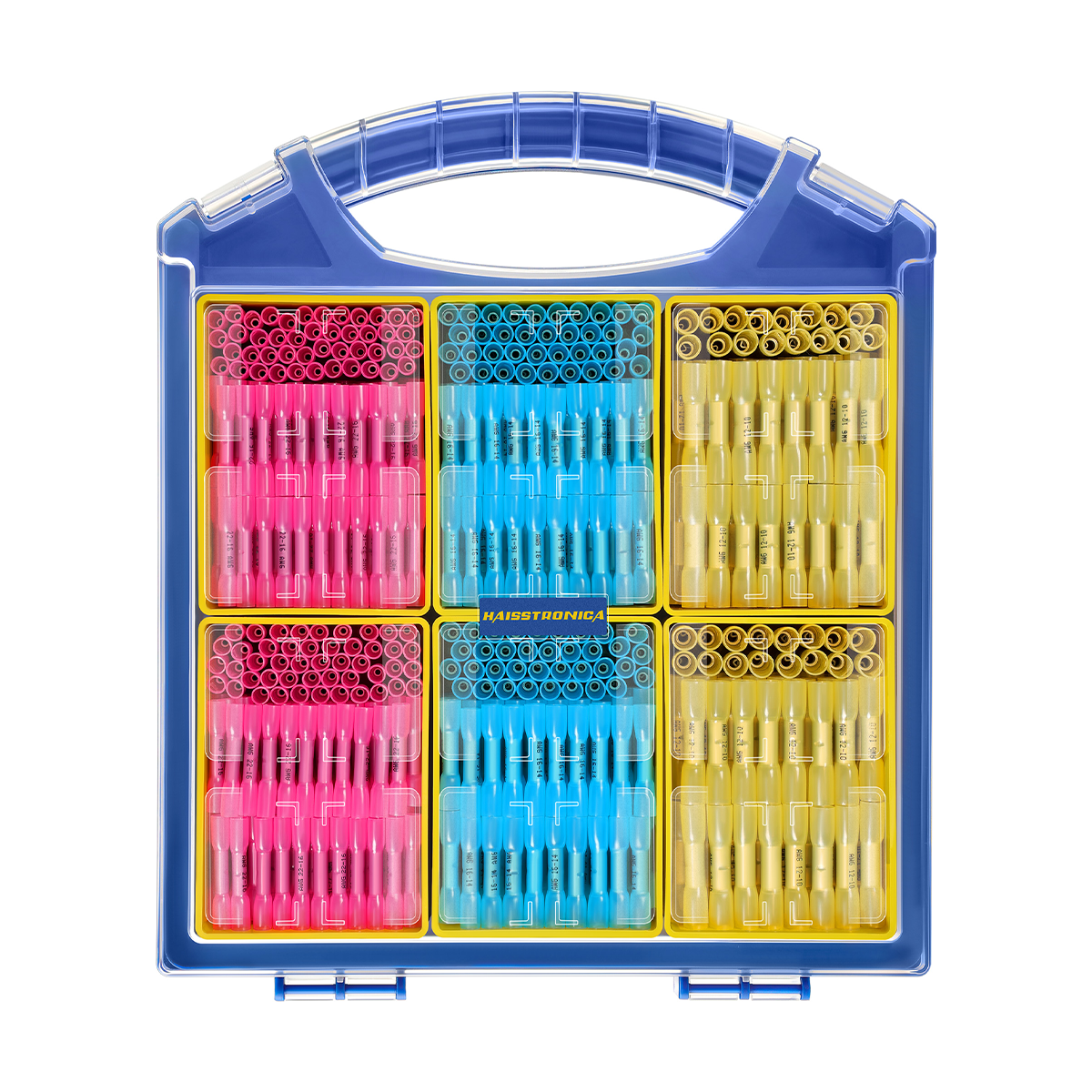
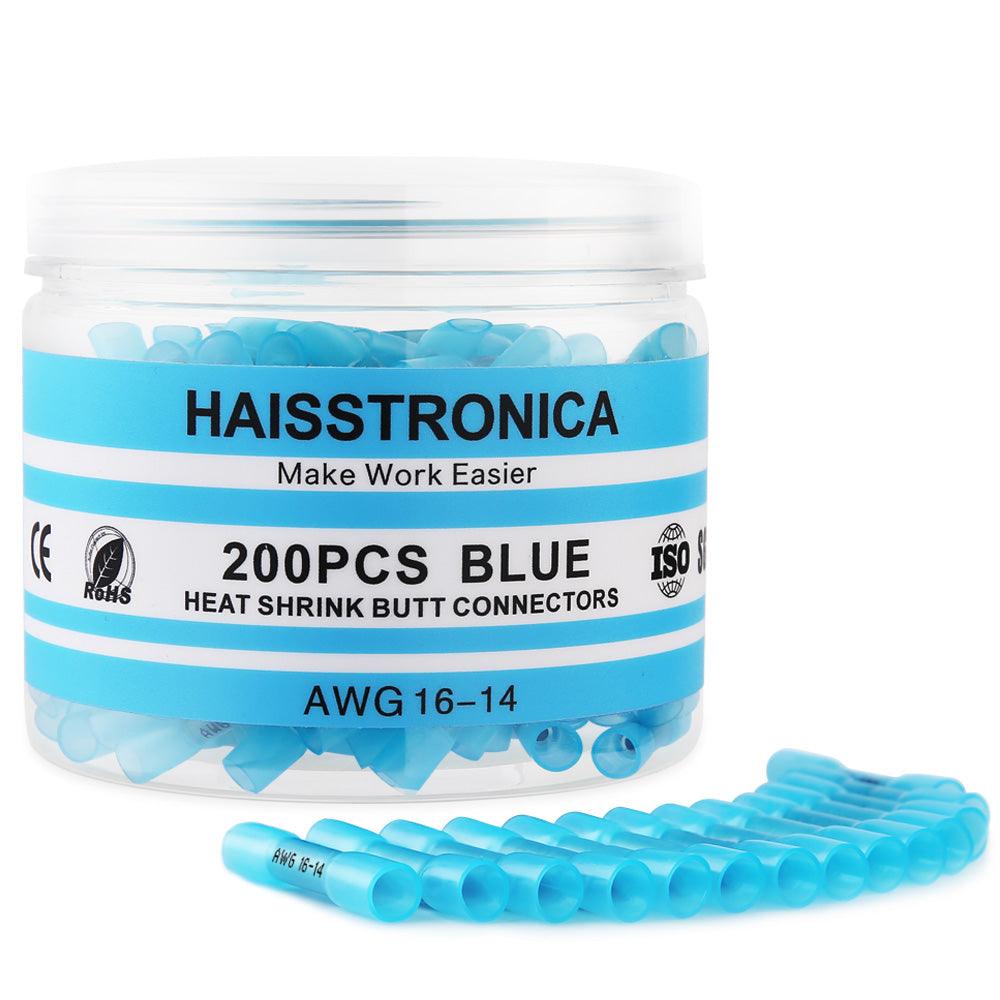
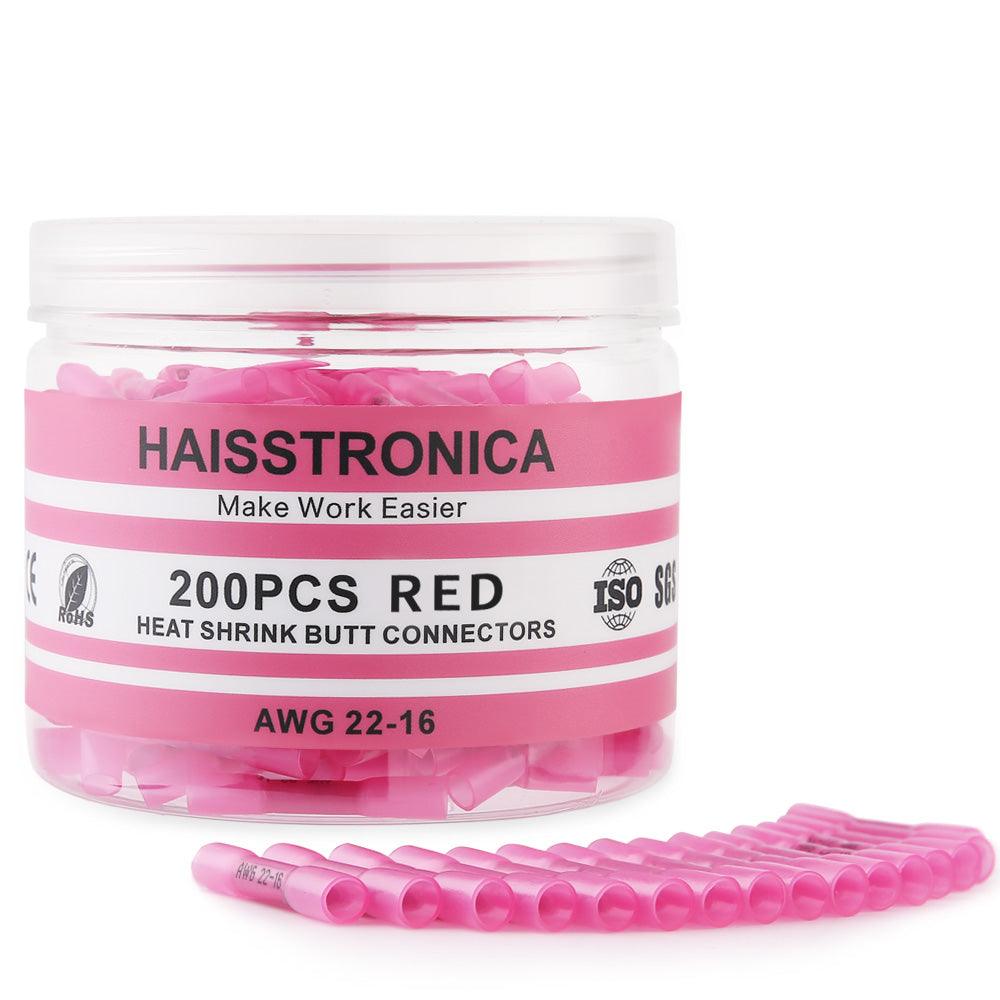
If you want a safe middle ground, Haisstronica’s mixed-AWG solder splice kits give you a usable spread of sizes without paying for a thousand pieces you’ll never use.

What Do We Mean by a “Starter Kit”? (solder sticks & solder sleeves)
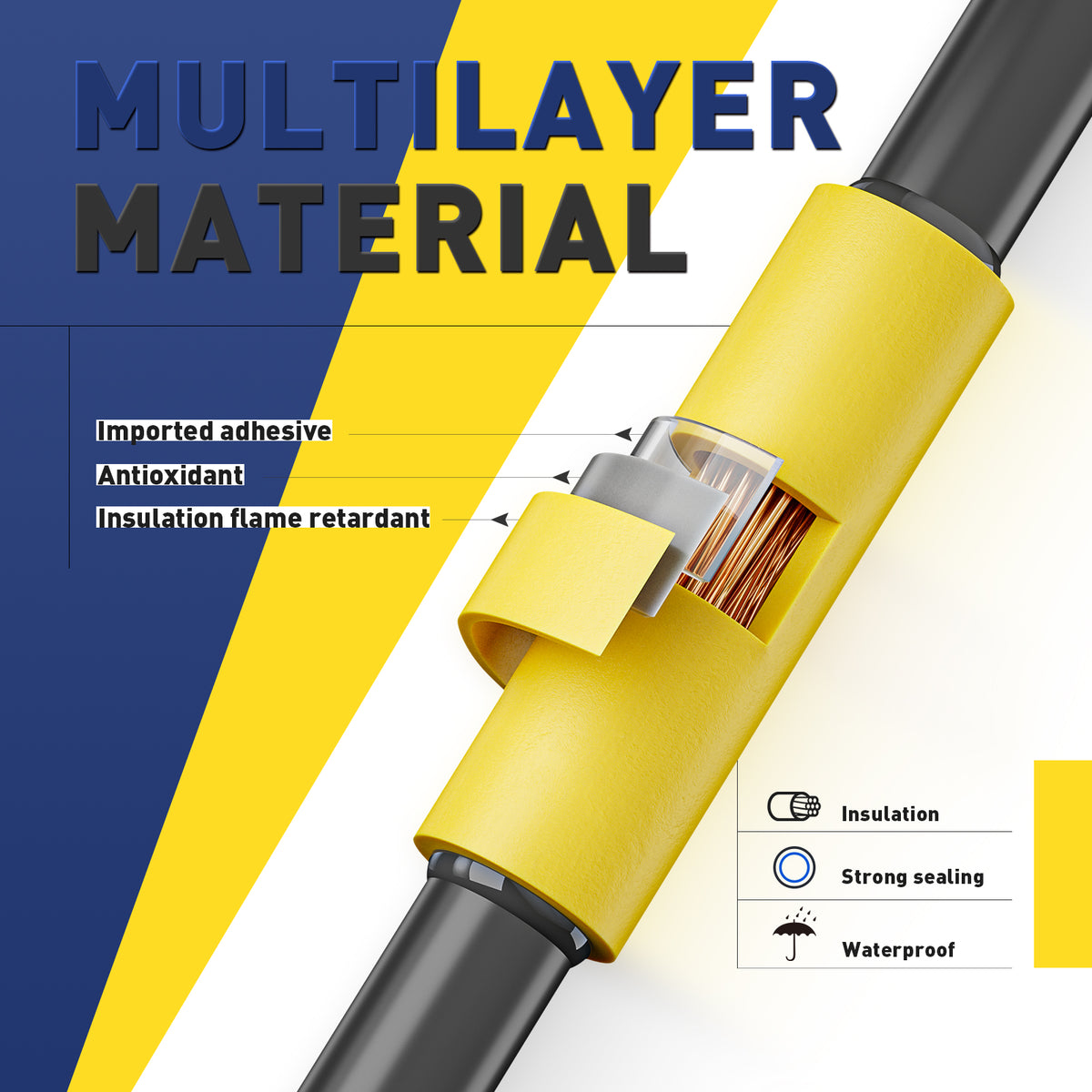
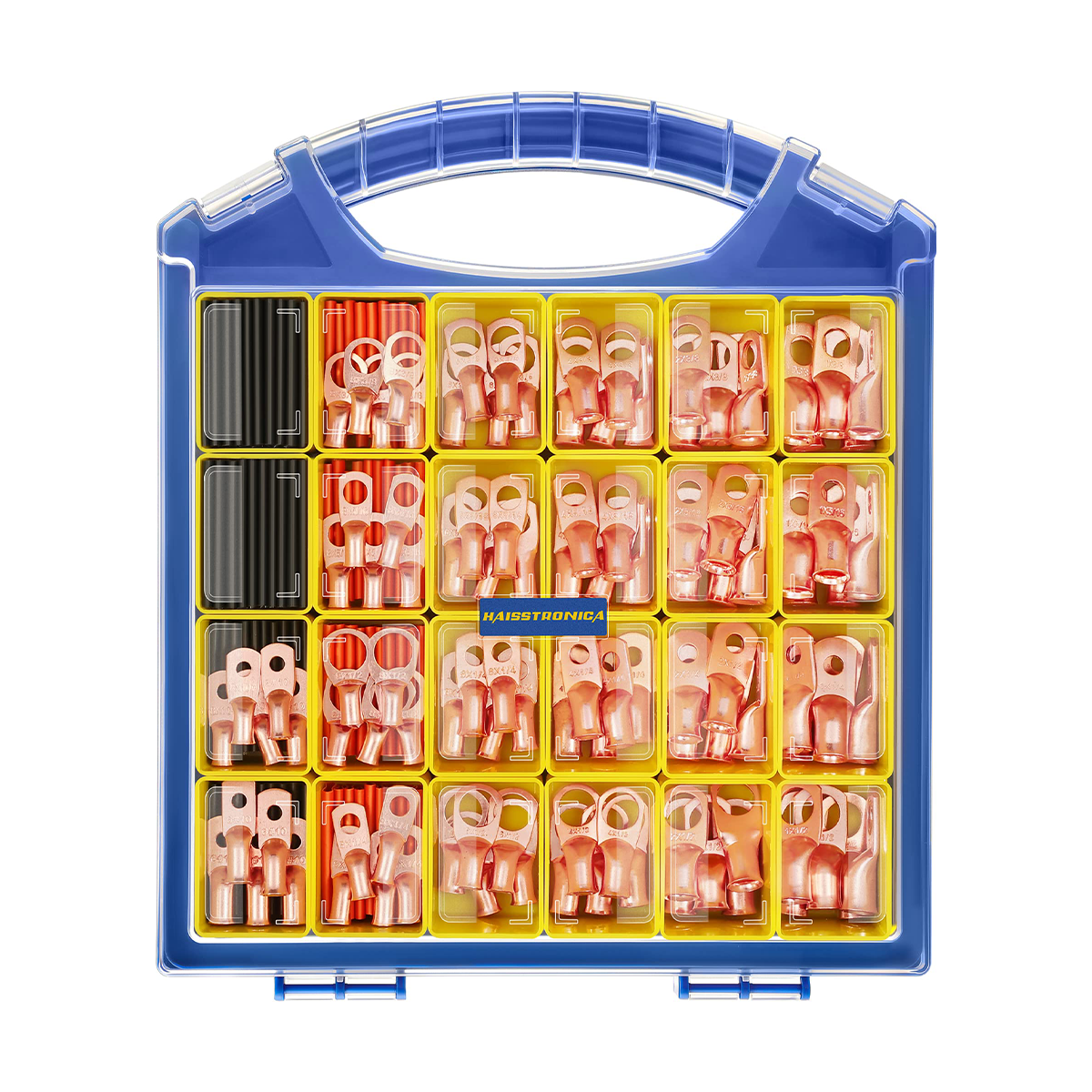
When we say “starter kit” here, we’re talking about a box that covers your most common wiring jobs with solder sticks or integrated heat shrink solder sleeve connectors—not a lifetime inventory for a dealership. A good starter set should handle basic automotive wiring repairs, trailer lights, small 12 V projects, and a few home-wiring pigtails without forcing you into oddball sizes you’ll never crimp or solder. Think of it as your “grab-and-go” box: a handful of small-gauge pieces, a solid stack of mid-range butt splice solder sleeves, and a few heavier options for 12 gauge wire and similar loads.
Haisstronica’s solder & seal butt connector assortments are built exactly with that use case in mind—fewer gimmick pieces, more of the solder sticks and sleeves you’ll actually grab first.
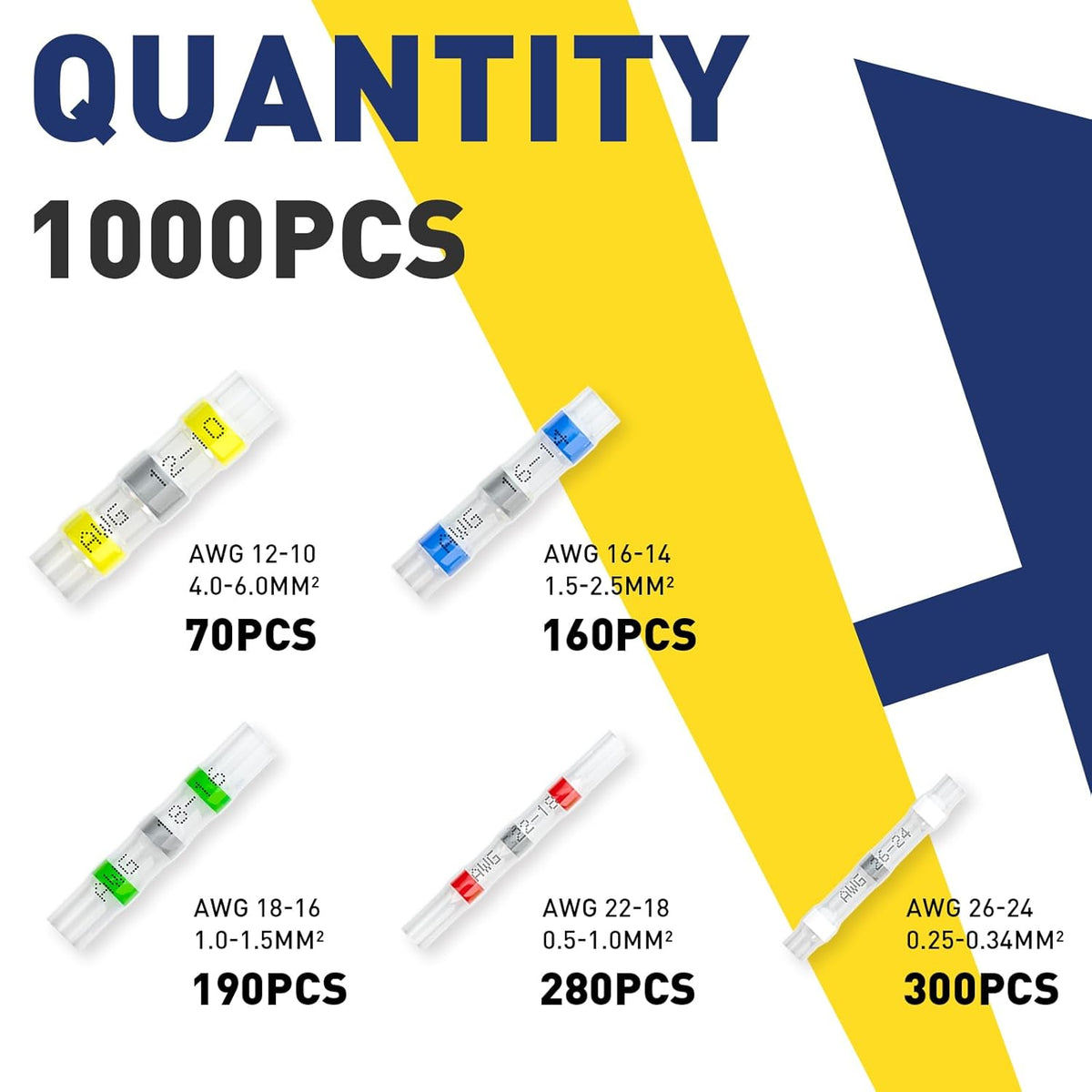
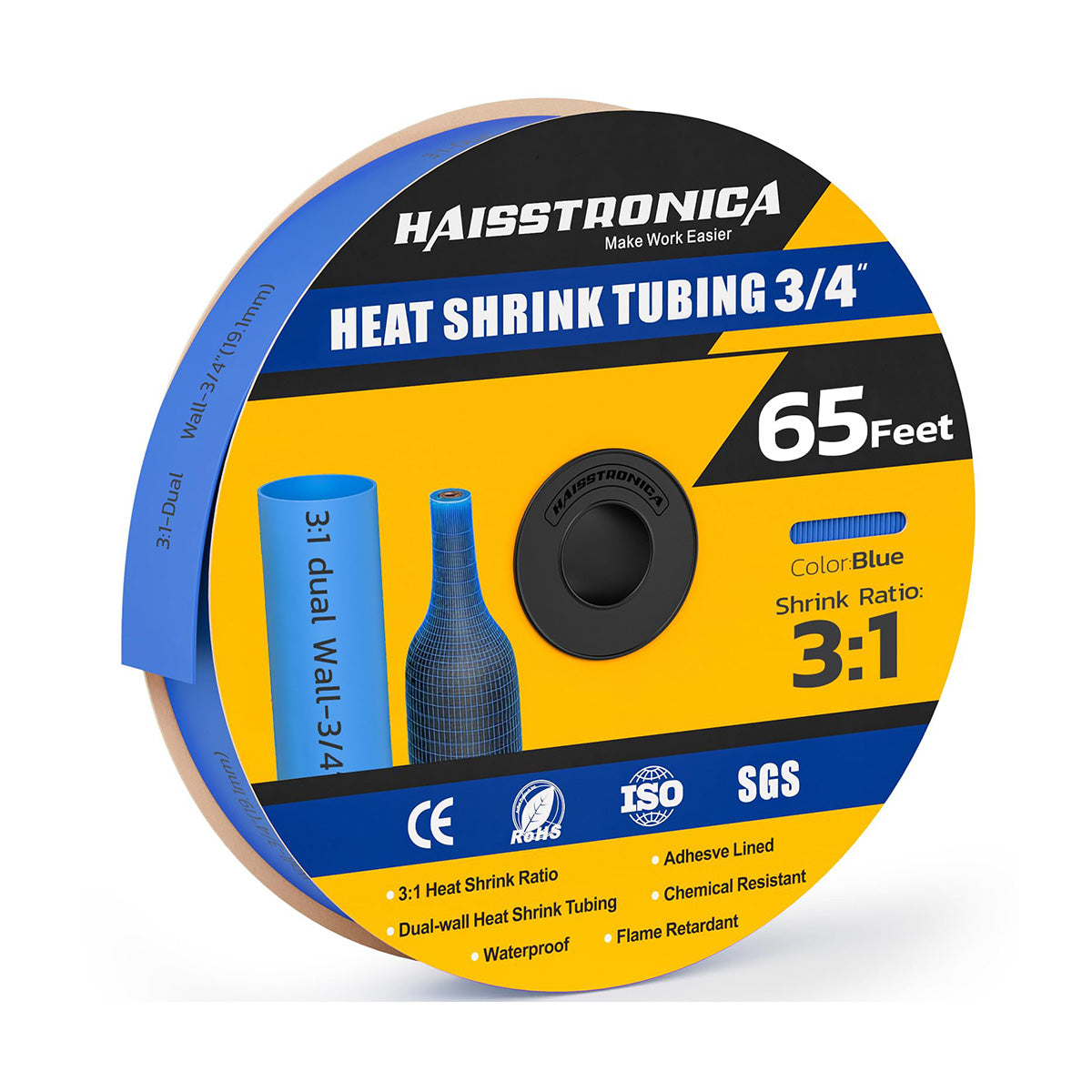
A solder-focused starter kit is also different from a pure crimp assortment. You’re buying a mix of solder splice connectors, maybe some stand-alone solder stick segments, and enough heat shrink to give you sealed electrical connectors when you’re done. That means the value isn’t only “piece count”; it’s how many actual joints you can build in your favorite 3–4 gauges. If 80% of your work is in 18–14 AWG and the kit is stuffed with 26 AWG sizes, it’s technically “big” but functionally tiny for your real life.
When in doubt, look at Haisstronica product descriptions for recommended AWG ranges and usage examples so you’re buying joints you’ll really use, not just a big number on the label.

The 3 Questions Before You Pick a Piece Count (solder sticks, solder & seal)
Before you decide between a 120-piece box and a 520-piece solder sleeves kit, ask yourself three boring but powerful questions:
-
What wire gauges do I touch most?
For many DIYers, that’s 22–18 AWG for electronics and 16–12 AWG for automotive or low-voltage runs. If you mostly run 12 gauge wire on trailers or boats, a kit loaded with tiny 24–22 AWG heat shrink solder sleeves will feel “big” but not useful. Standards like UL 486D group connector sizes around specific AWG ranges for a reason—fit matters. -
Where will the joint live? (Environment)
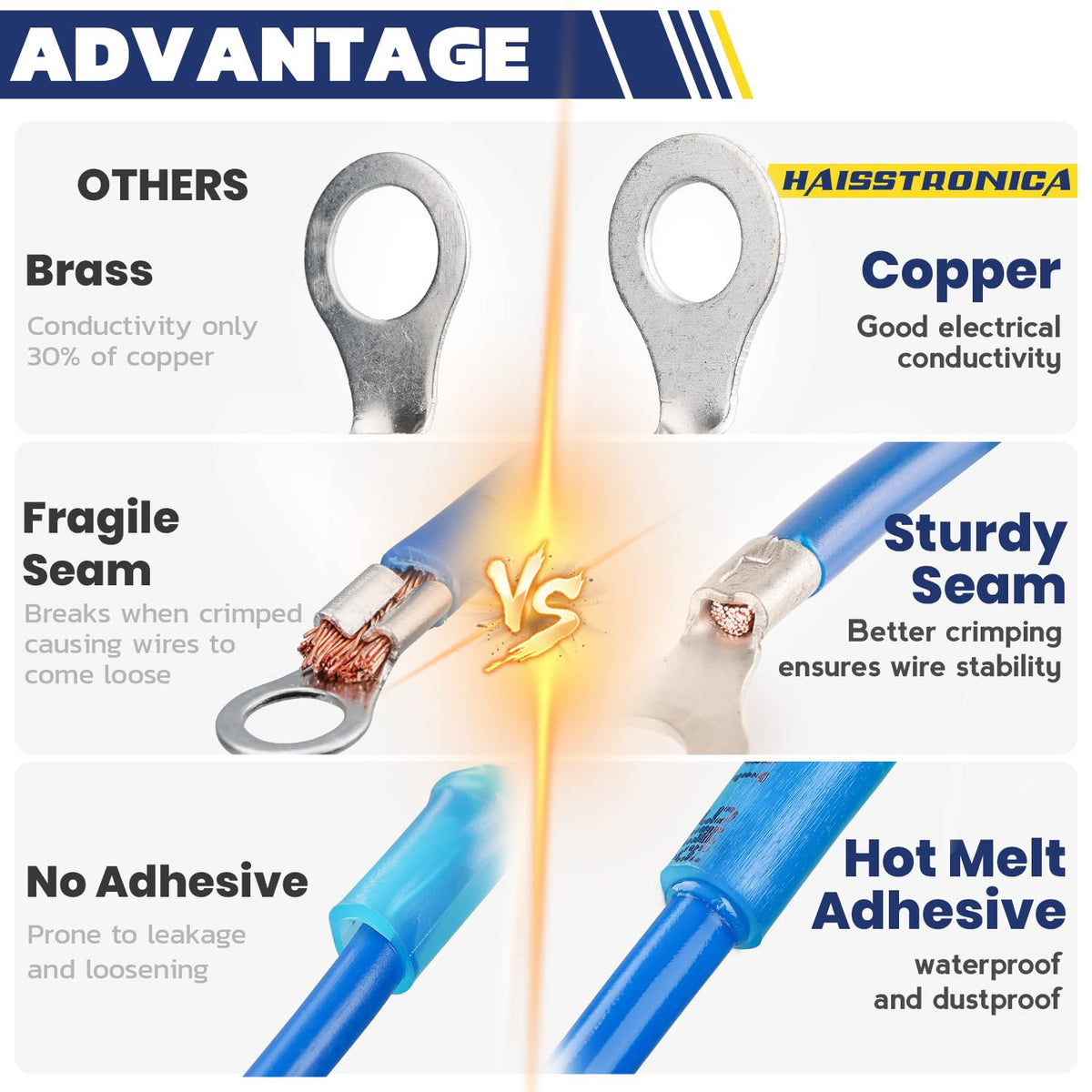
Indoor junction box, under-hood harness, marine bilge, exterior lighting wire on the porch—each spot demands different sealing performance. For harsh environments, you want adhesive-lined shrink solder connectors, not bare solder wire splice joints and separate tubing. High-quality sealed crimp connectors or solder seal butt connectors keep water and salt out far better than cheap sleeves with almost no glue. -
How often do you wrench? (Frequency)
Weekend hobbyist doing a few soldering connections per month? A 120–200 piece solder sticks kit is plenty. Small shop rewiring customer trailers weekly? You’ll burn through mid-range sizes fast and want 300–600 pieces so you’re not constantly reordering. NASA workmanship guidance even stresses maintaining enough connectors on hand to avoid substitutions that compromise reliability.
If you’re not sure which bucket you fall into, start with a mid-size Haisstronica solderstick connectors kit—you can always top up the sizes you love later.

How to Estimate “Pieces” from Real Projects (solder sticks in the real world)
Here’s where we turn your actual jobs into solder sticks and sleeves counts instead of guessing. Grab a notepad and think through the last few months:
-
Automotive harness repair: A single light circuit or sensor lead often uses 2–4 solder splice connectors (one at each cut or branch). If you regularly handle small repairs, budget 20–40 butt splice solder joints per vehicle over time.
-
Trailer or RV rewire: A full lighting refresh can easily eat 40–80 solder & seal butt connectors, especially if you’re cleaning up previous owner “fixes.”
-
Exterior/landscape projects: Tie-ins for low-voltage landscaping wire or exterior lighting wire might only take 2–6 joints per run, but you may do several runs in a weekend.
Add up a typical month, then multiply by 3–6 months to get a reasonable starter-kit size. If your total lands around 60–80 joints, a 120–150-piece kit gives you breathing room and multiple sizes. If you’re seeing 150+ joints over that time, a 300-plus piece heat shrink solder sleeves set makes more sense than constantly buying tiny boxes.
Haisstronica’s automotive wire connectors kit lines make this math easy by clearly listing how many joints per gauge you can reasonably expect from each assortment.
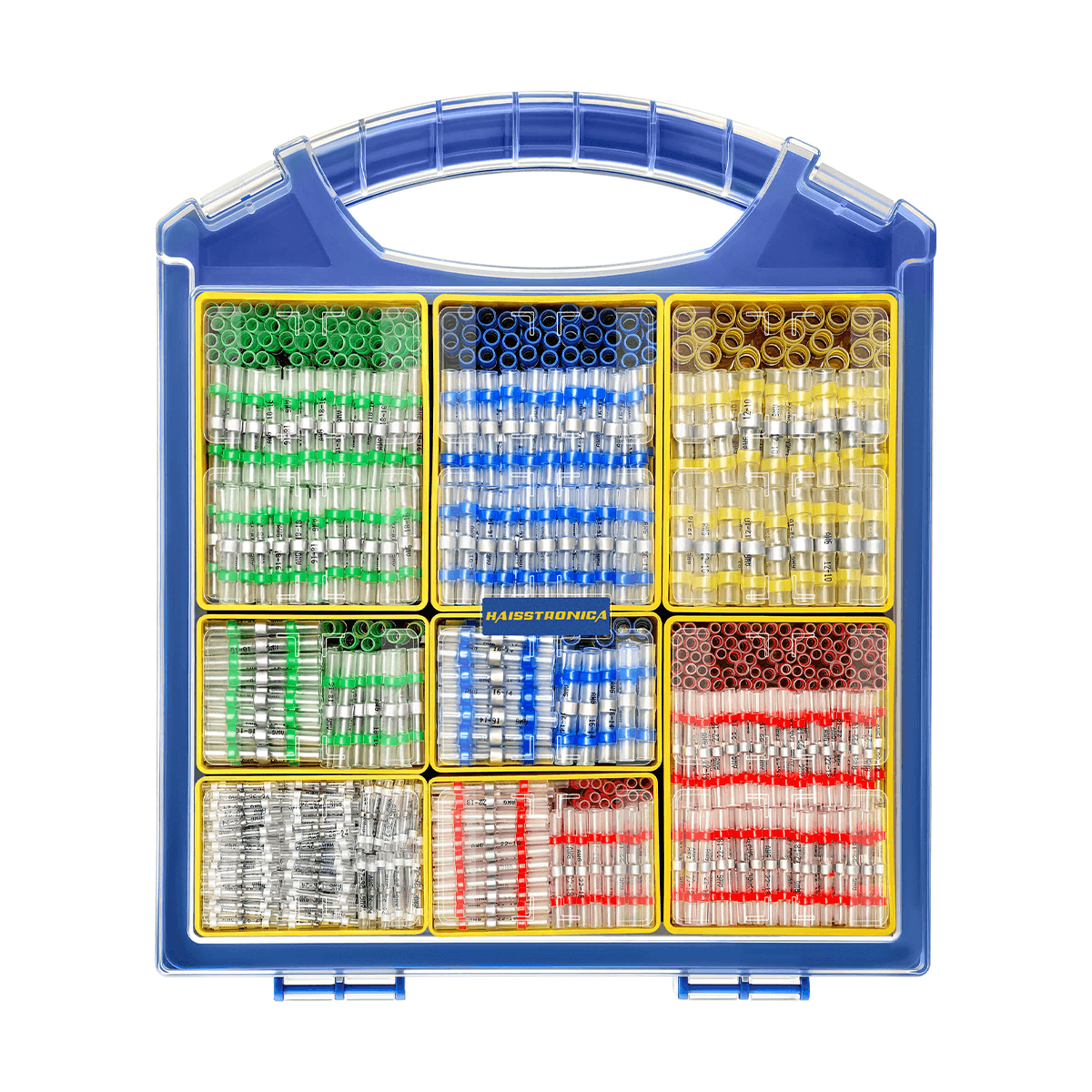
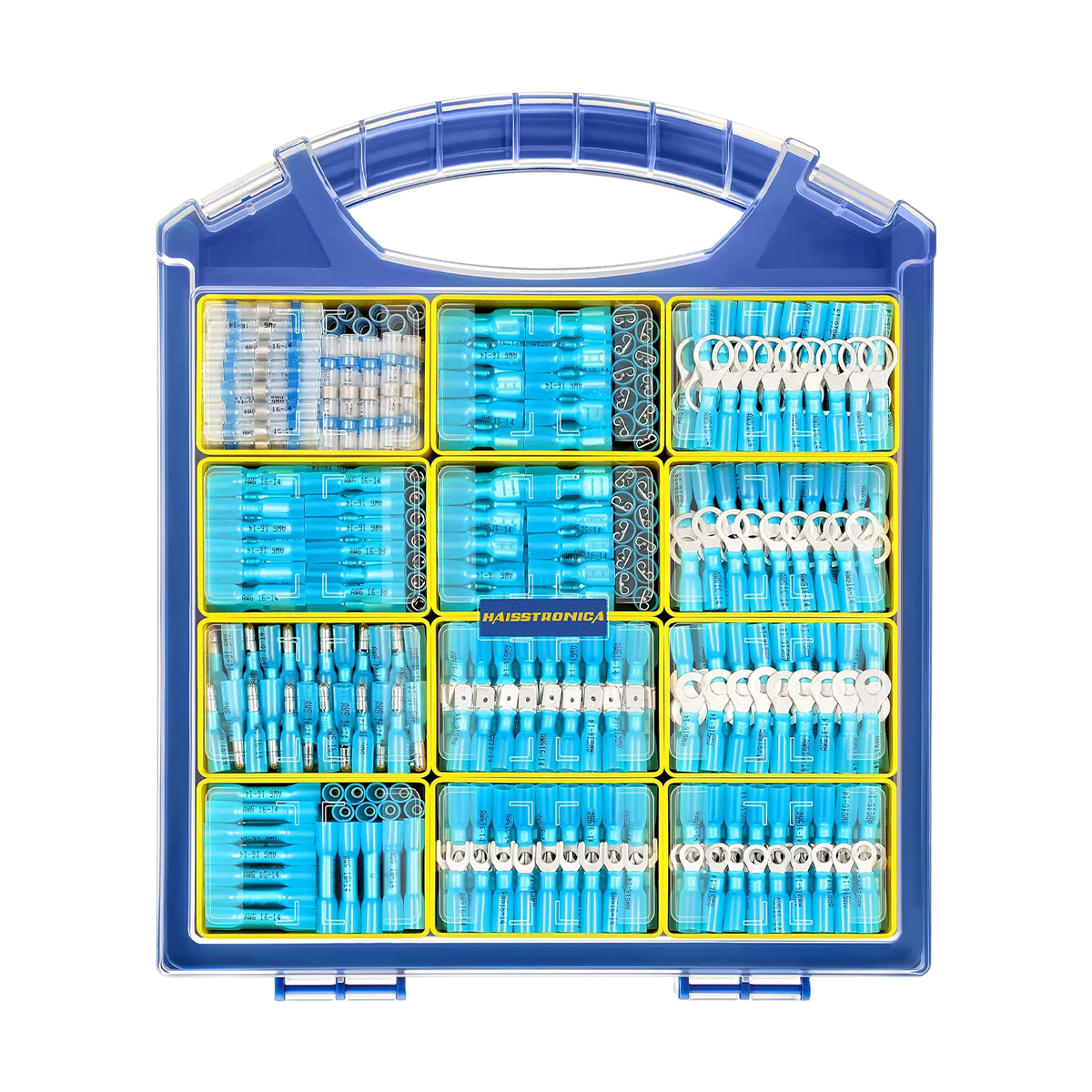
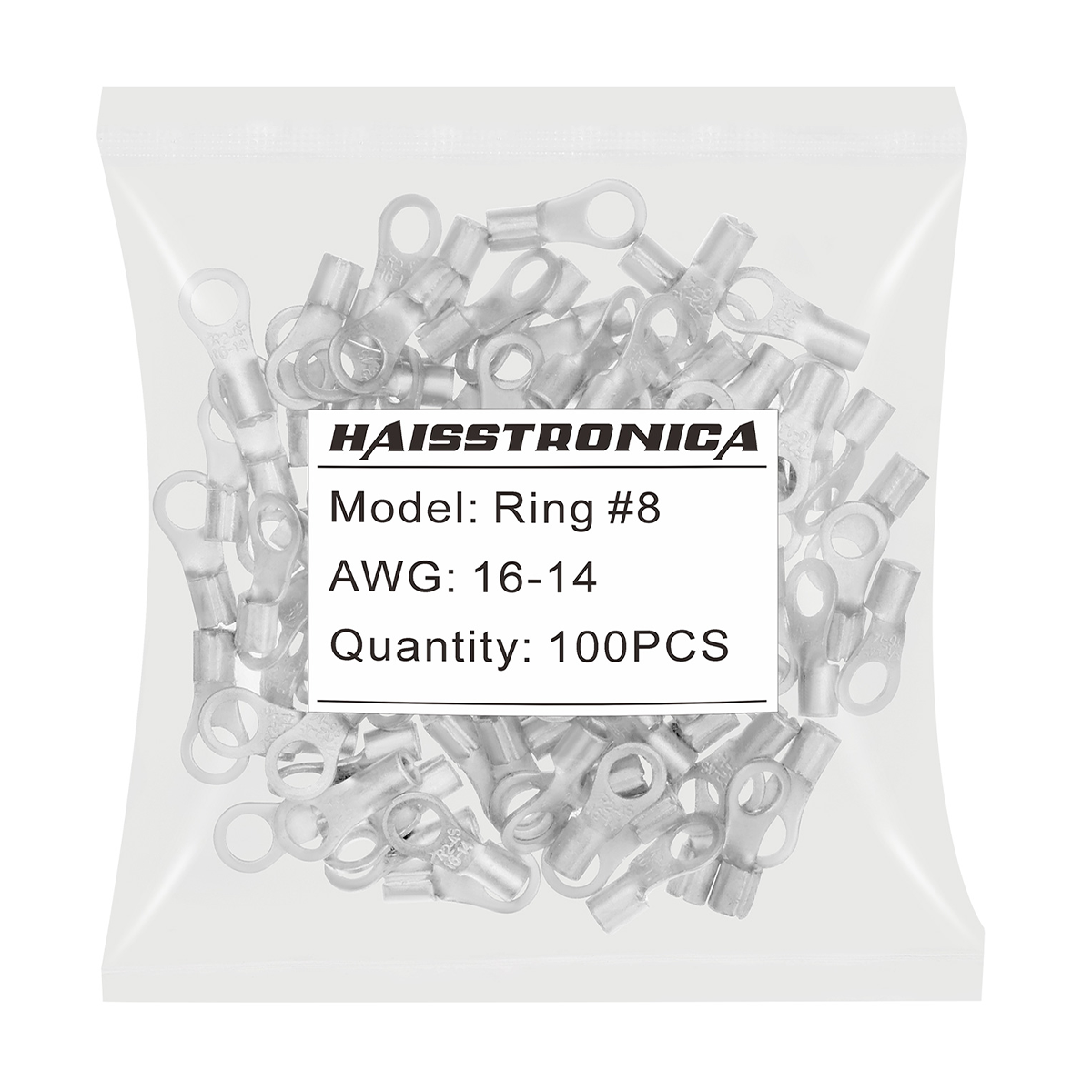
Don’t forget that some parts get used disproportionately. In many solder & seal assortments, the mid-range yellow or blue sizes vanish first, while specialty pieces like solder ring terminal or spade connectors linger. That’s why mix ratios matter as much as total count. High-quality kits intentionally bias toward the sweet-spot gauges instead of padding the box with rarely used sizes. Good brands pair solder terminals, solder sleeves and matching heat shrink in realistic proportions, not purely “for marketing.”
Finally, consider learning and mistakes as “built-in overhead.” If you’re new to solder sticks, you will overheat a few, mis-strip a wire, or under-shrink a connector. Treat the first 10–20 joints as training reps, not failures. That’s another reason most DIYers are happier starting around 150–250 pieces instead of the absolute minimum.

Conclusion: Start Smaller Than a Shop, Bigger Than a One-Off
The right starter size for solder sticks isn’t magic; it’s just honest math about how you actually work. Define what “starter kit” means for you, answer those three questions (gauges, environment, frequency), and then back-calculate from real-world projects instead of chasing the biggest piece count on the page. Look for kits where the mix of solder terminals, shrink solder connectors and heat shrink solder sleeve sizes matches your jobs, and where the brand is transparent about alloys, solder melting point range and adhesive quality—not just the number of compartments.
If you want a practical starting point, a mid-size Haisstronica solder & seal assortment built around your main wire sizes will almost always beat a random “1000-piece bargain box” in both cost and reliability over time.