
The best crimping tool is the one that matches your connector family
Start with the projects you actually do, identify the connector and AWG range, then decide whether a fixed die or an interchangeable-die set earns its place on your bench.

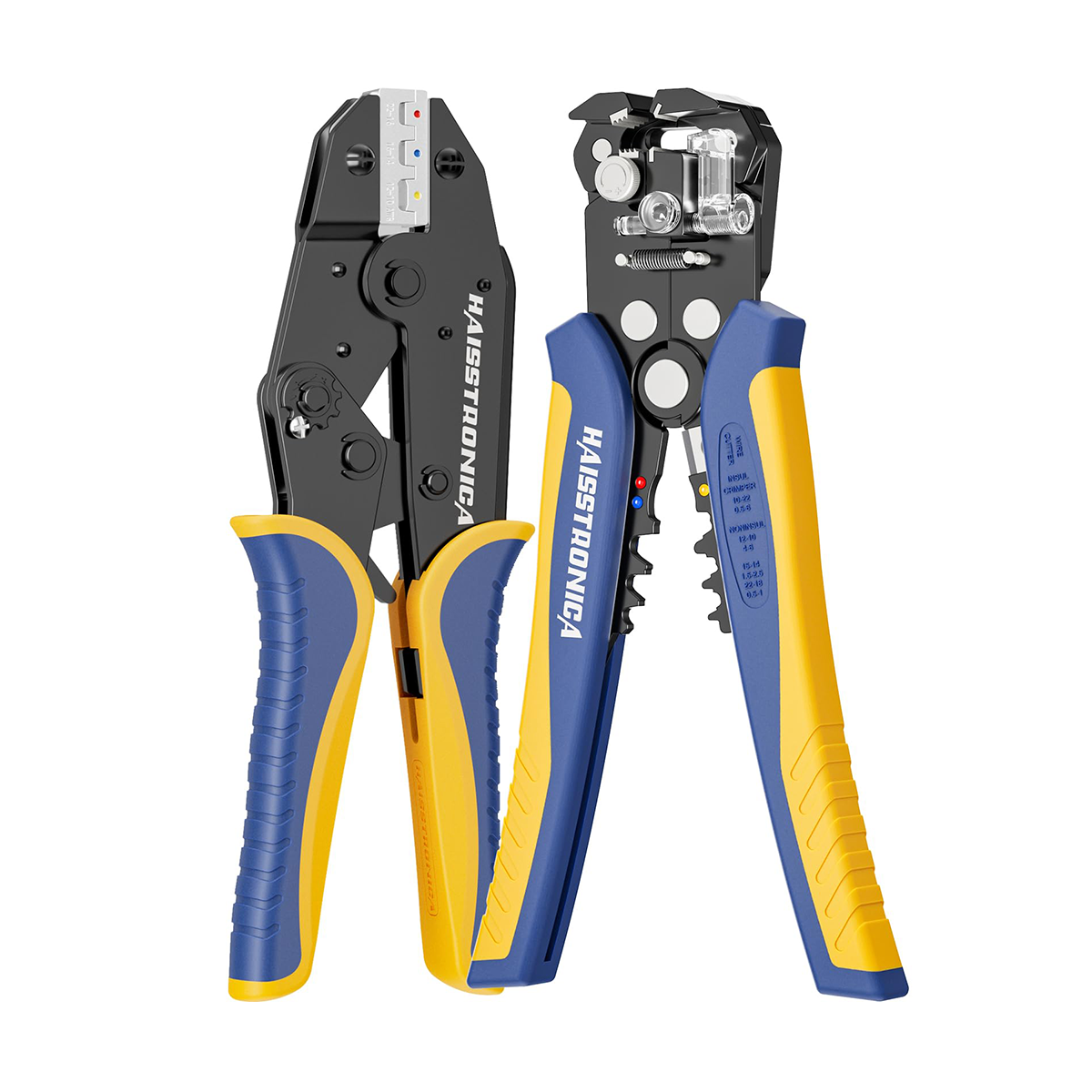
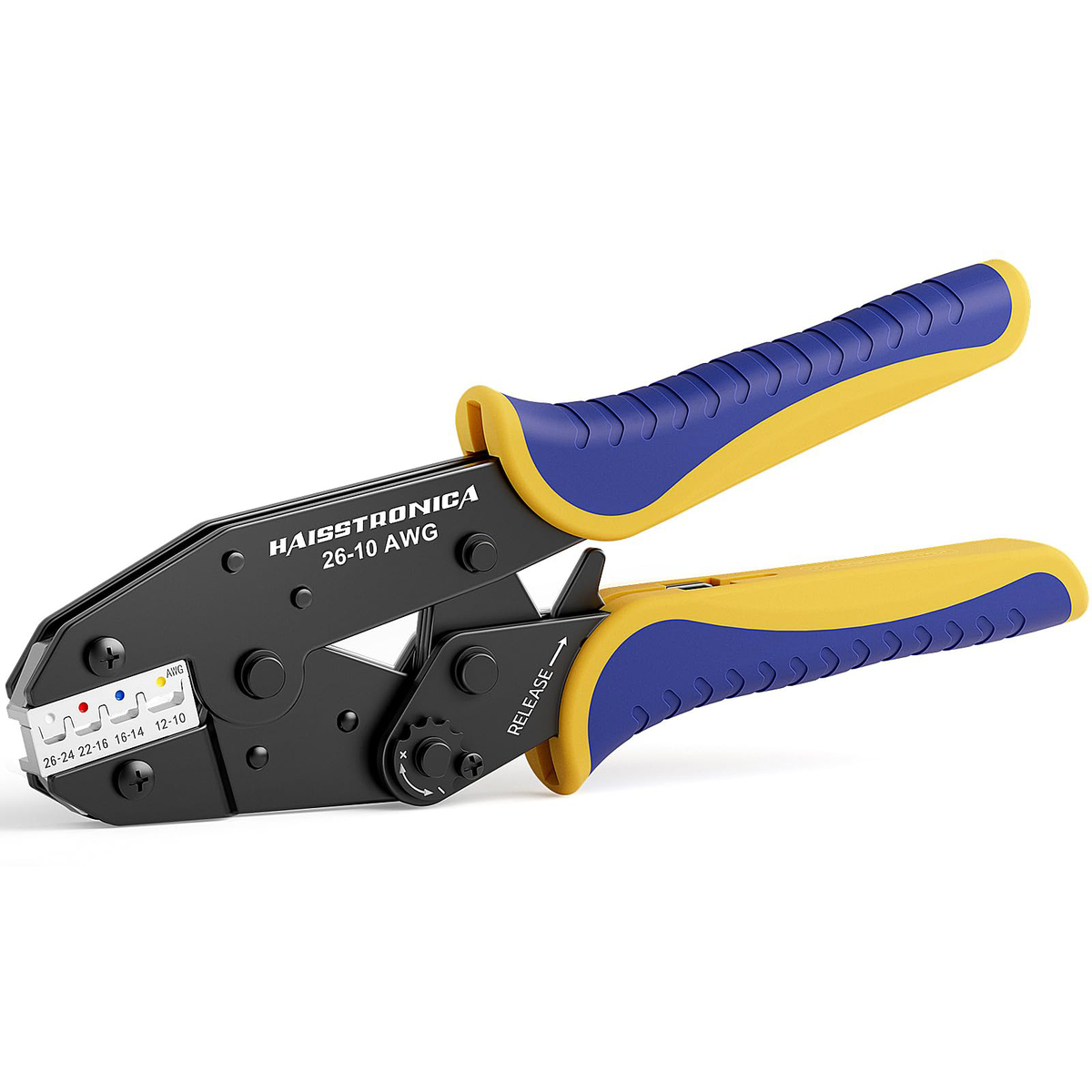
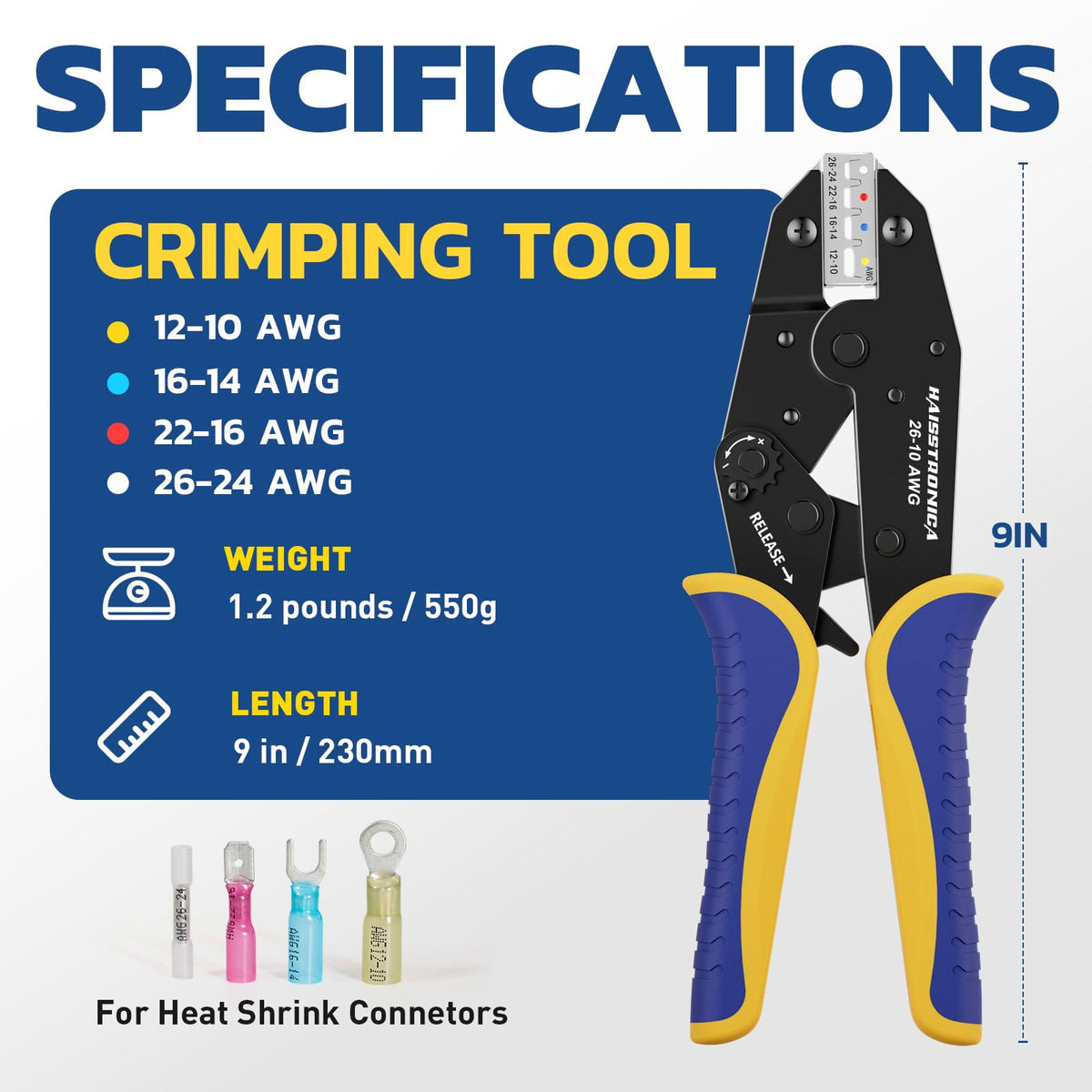
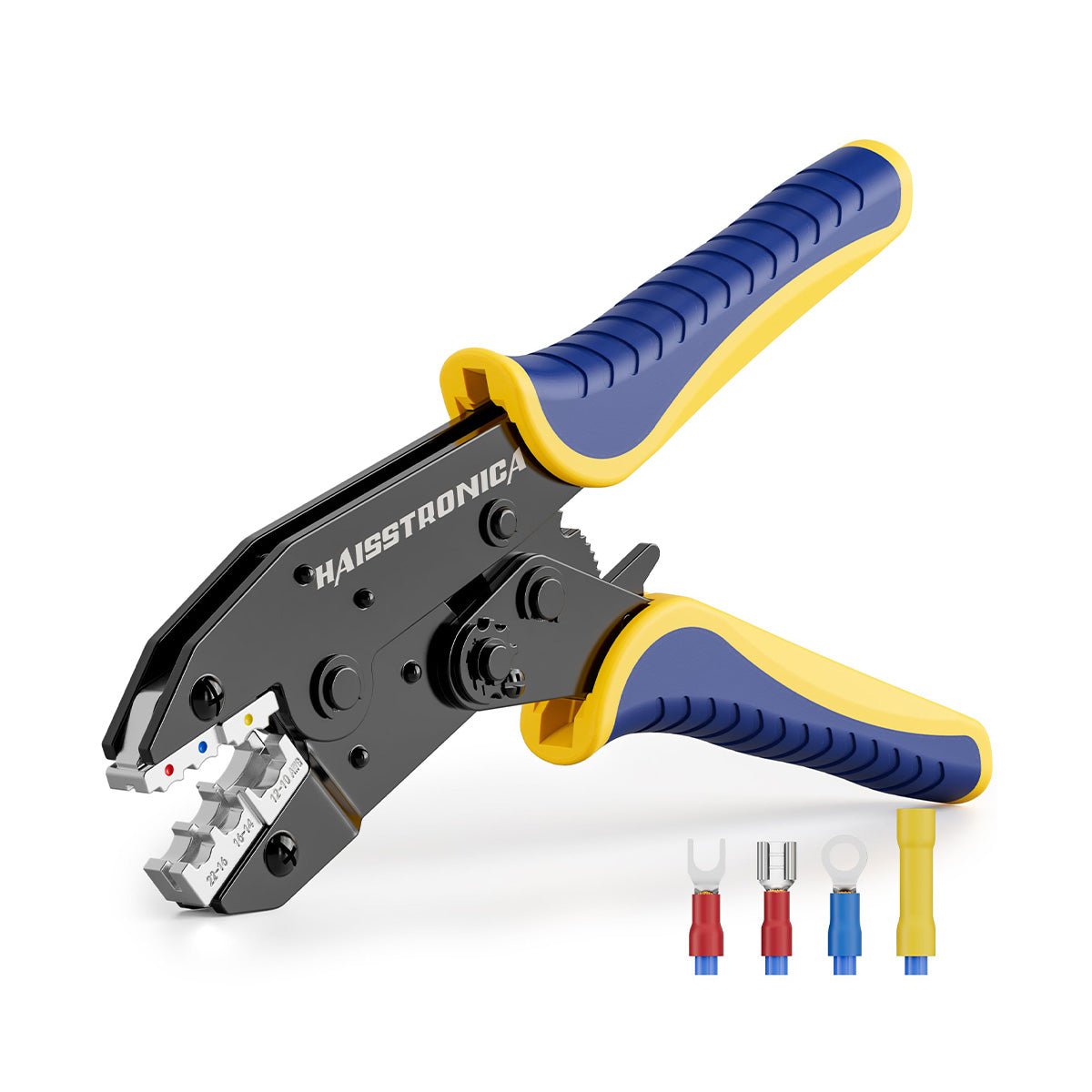
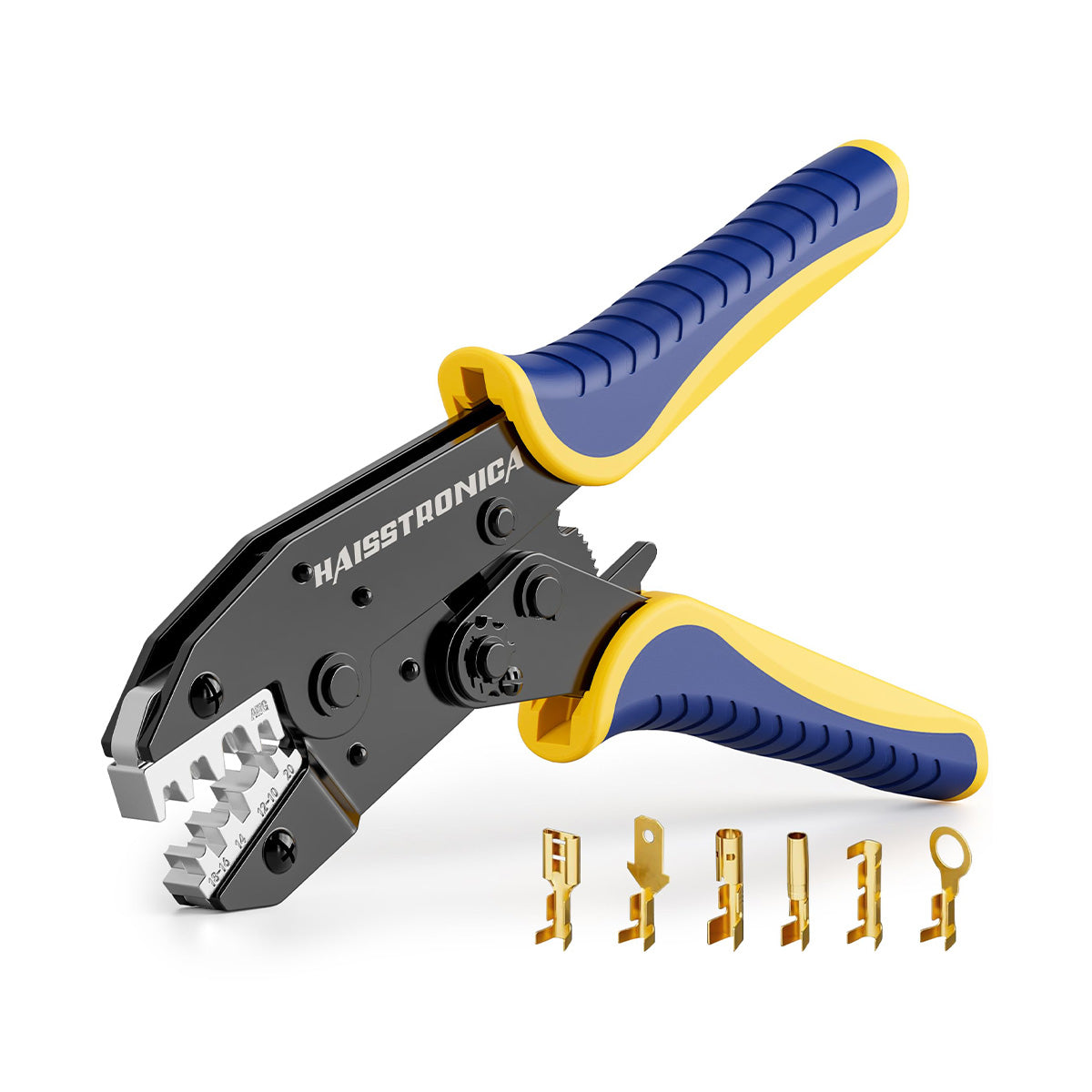
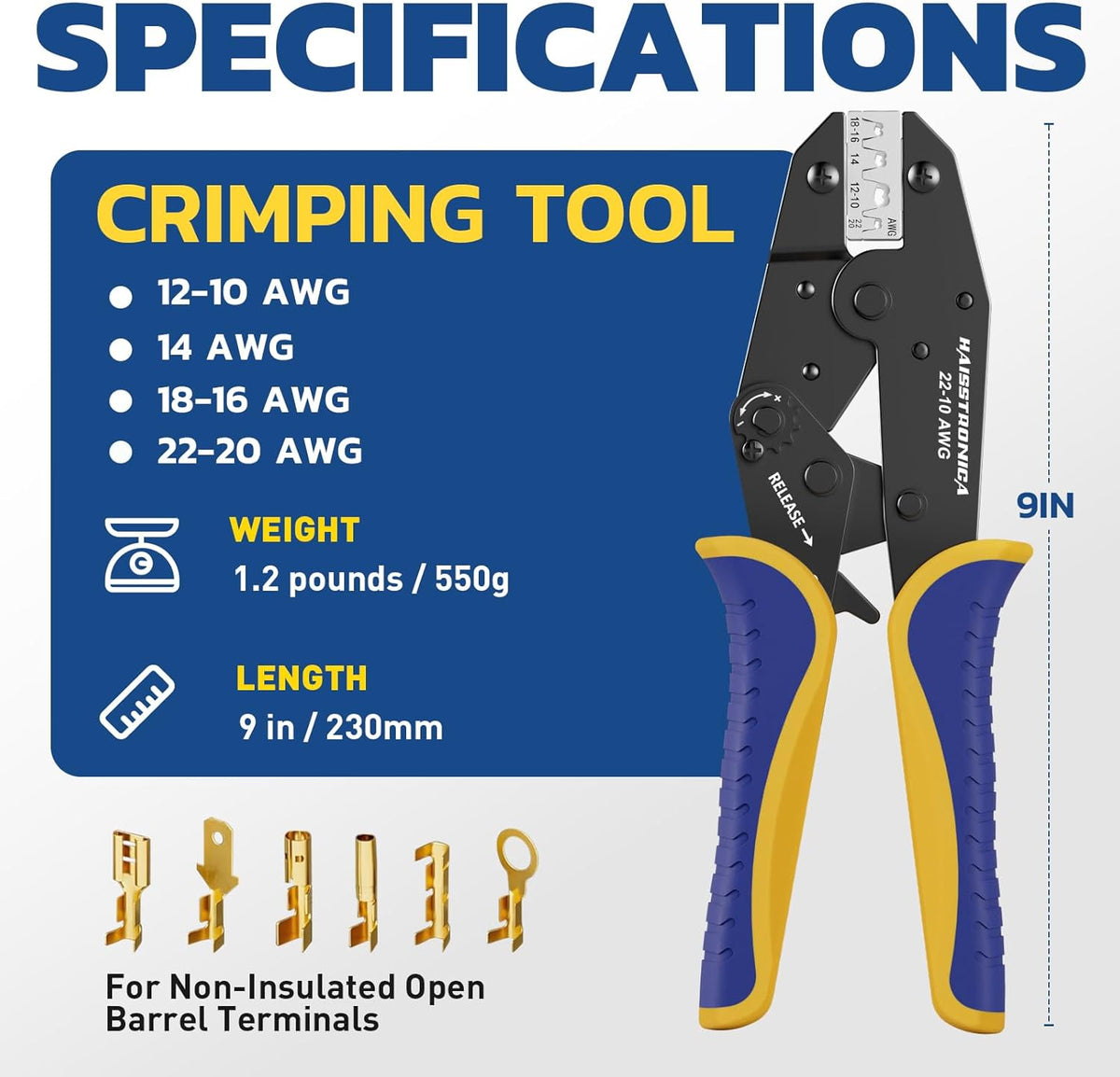
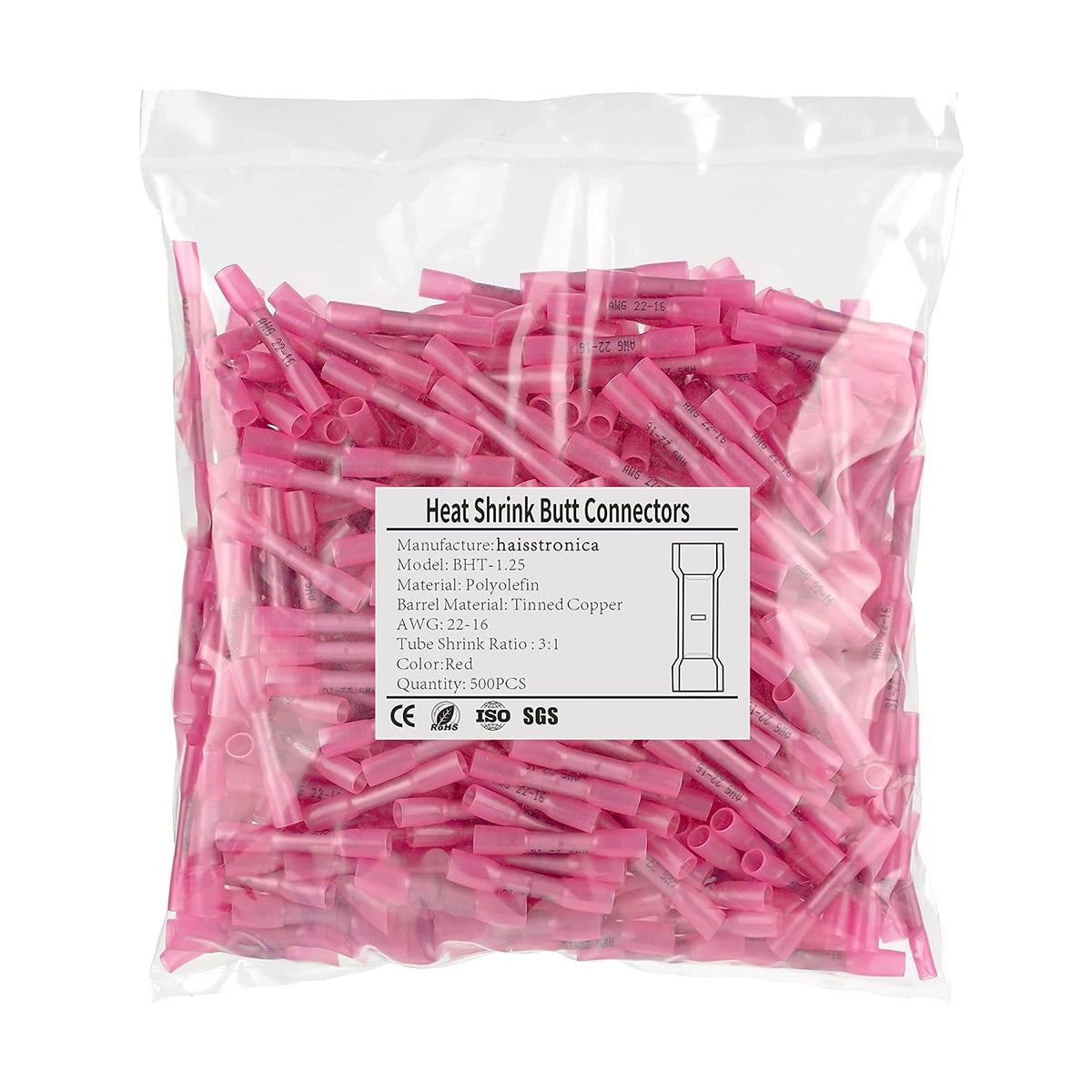
AWG 22–10 heat-shrink ratchet
For common sealed butt, ring, spade and quick-disconnect terminals in vehicle, trailer and marine wiring.
Choose the automotive ratchet →
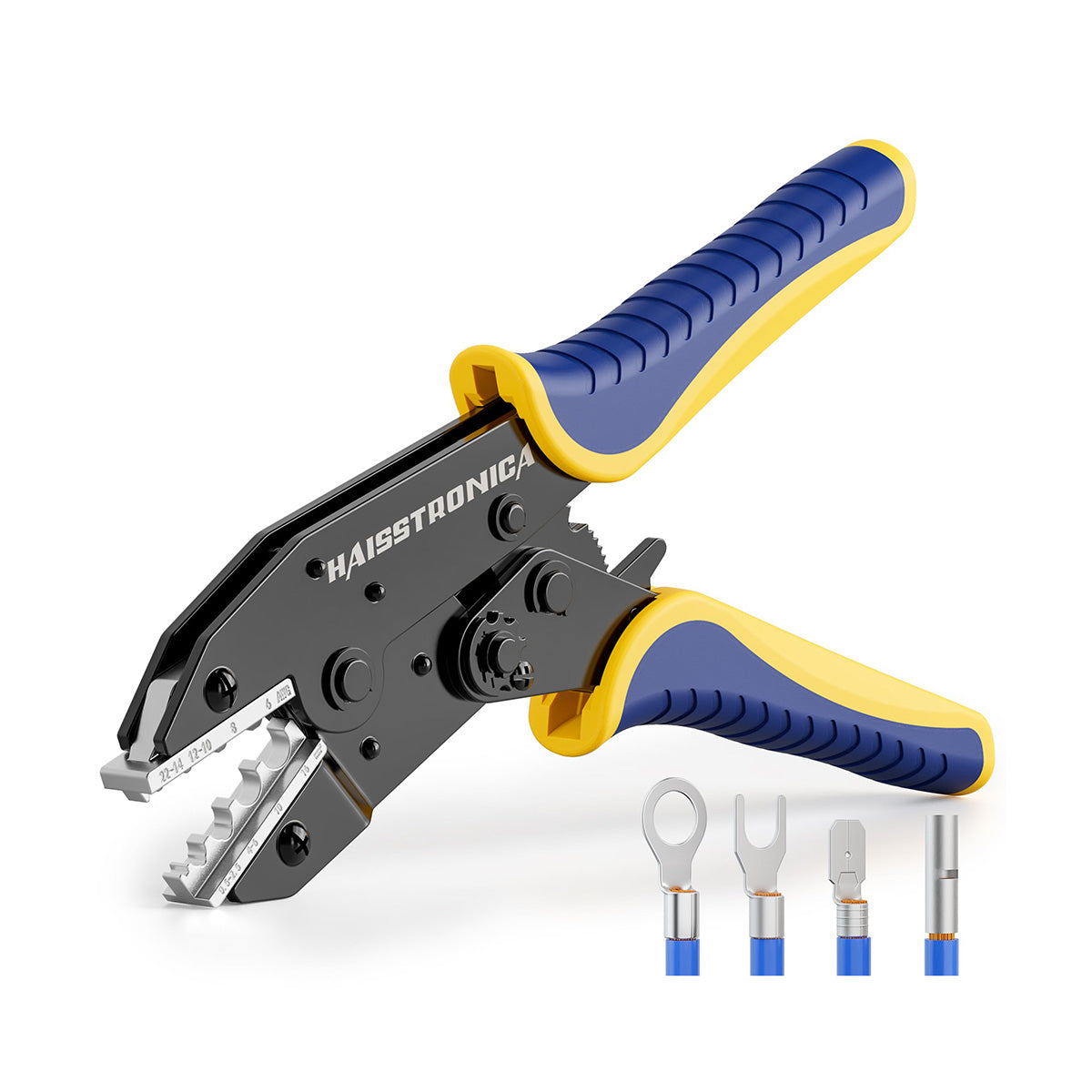
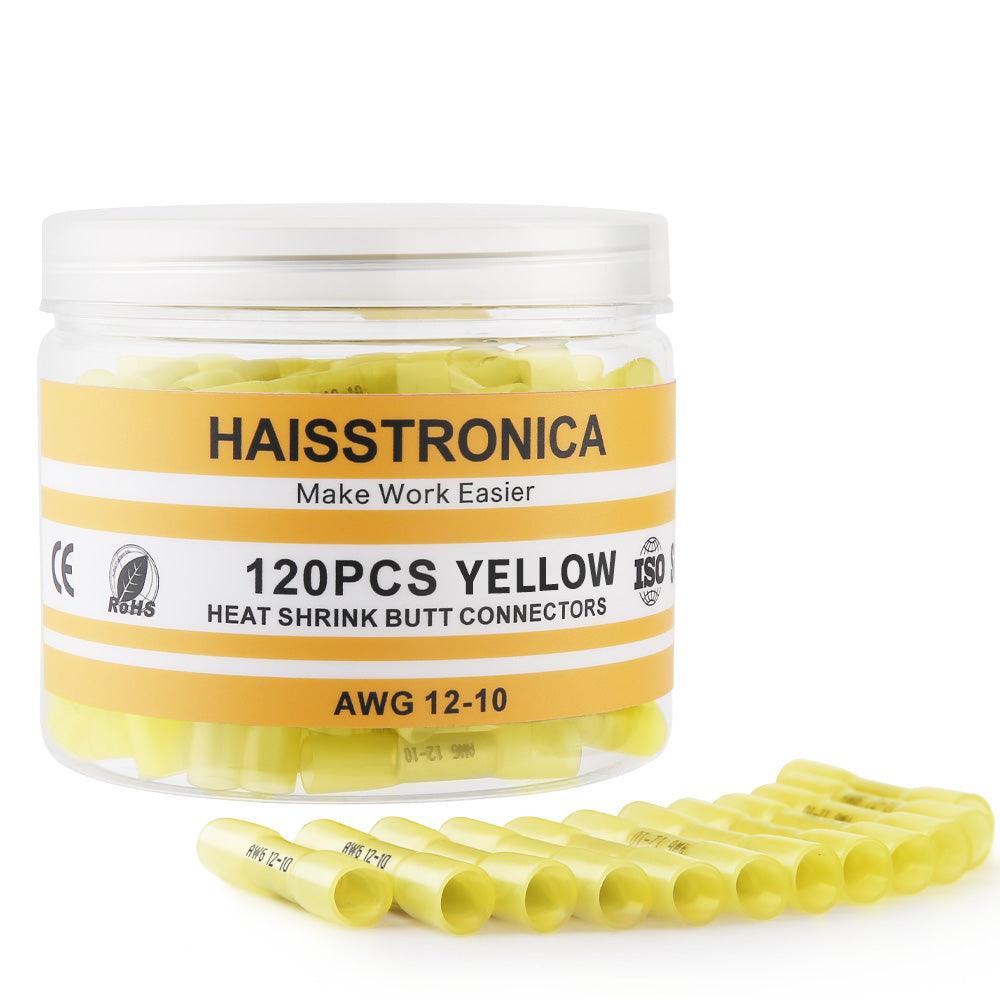
Insulated-terminal ratchet
For red, blue and yellow insulated terminals across AWG 22–10 when one connector family covers most jobs.
Choose the DIY ratchet →
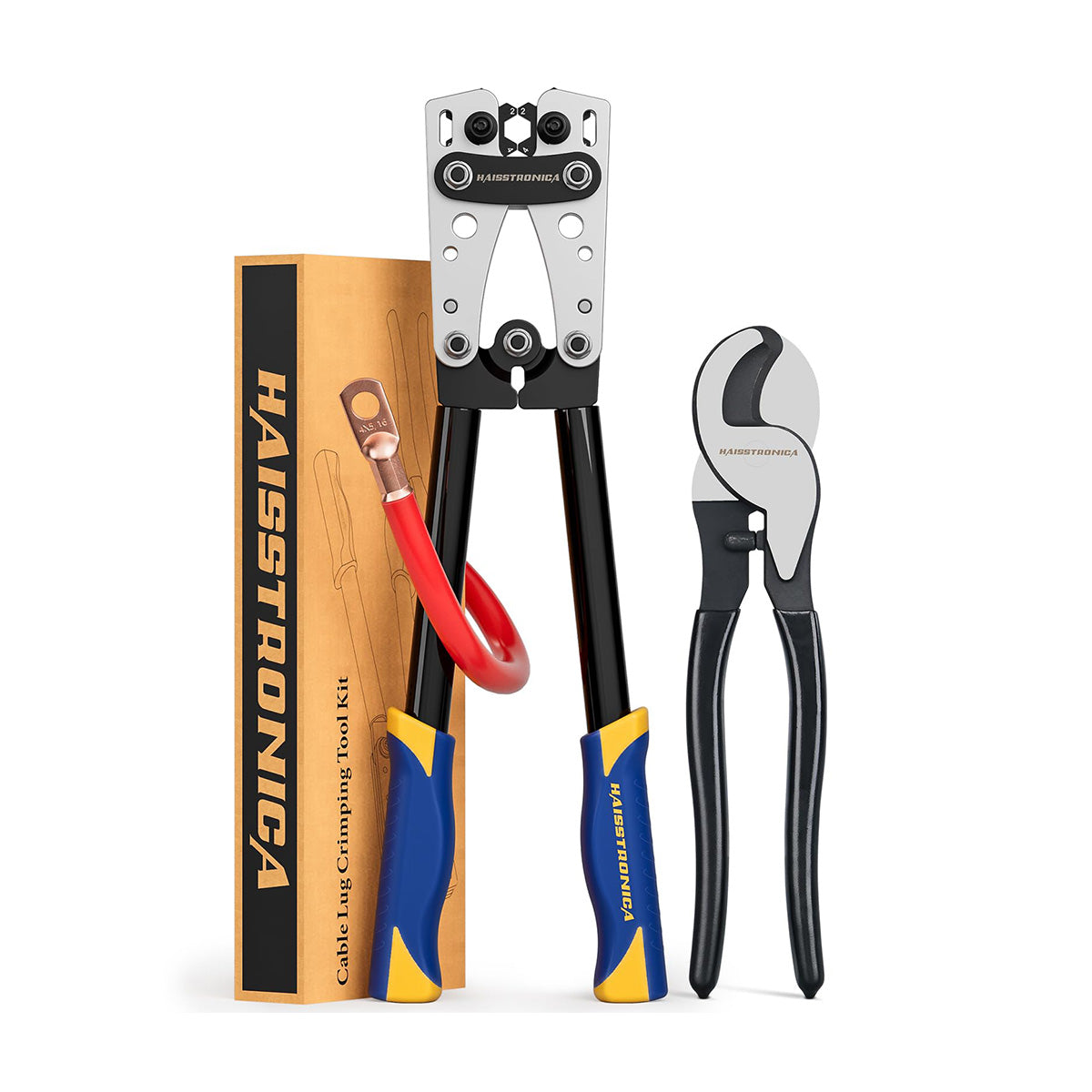
6-in-1 interchangeable-die kit
For frequent changes between terminal families when organized die coverage matters more than minimum cost.
View the 6-in-1 set →List common projects
Match connector + AWG
Estimate frequency
Fixed or changing dies
Choose tool or set
Step 1: write down the projects you actually repeat
Buying by tool name creates an impressive drawer and an inconsistent workflow. Buying by repeated project reveals which connector families and wire sizes need reliable coverage.
Lights, accessories, sensors and sealed splices usually point to insulated or heat-shrink terminals.
Appliance, speaker, low-voltage and bench repairs often use common insulated terminals.
Panels, harnesses and varied repair work may alternate among insulated, ferrule and open-barrel contacts.
Step 2: match connector family and AWG before comparing tools
A ratchet mechanism controls the crimp cycle; the die profile controls whether the terminal is shaped correctly. Both must match the connector.
| Connector family | Typical selection check | Tool direction |
|---|---|---|
| Insulated / heat-shrink terminals | Confirm terminal and wire fall within AWG 22–10 and match the marked cavity. | AWG 22–10 ratchet |
| Ferrules | Match ferrule cross-section and required square or hex compression. | Dedicated ferrule crimper |
| Open-barrel contacts | Confirm conductor-wing and insulation-wing geometry plus AWG range. | Open-barrel tool |
| Several families | List the exact dies you need; do not assume every set covers every terminal. | 6-in-1 interchangeable set |
Step 3: decide whether frequency justifies a kit
Choose one fixed die
Lower setup time, lower purchase cost and fewer opportunities to install the wrong die.
Prioritize repeatability
A full-cycle ratchet, clear markings, pressure adjustment and comfortable handles matter more than extra dies.
Choose interchangeable dies
A labeled set saves storage and changeover time when the included profiles match your real workload.
Step 4: fixed die vs interchangeable die
| Compare | Fixed-die ratchet | Interchangeable-die set |
|---|---|---|
| Best for | One frequently used terminal family | Several recurring terminal families |
| Setup | Fastest—pick the cavity and crimp | Confirm and install the correct die |
| Learning curve | Lowest | Higher; die labels and storage discipline matter |
| Value test | Best when extra dies would sit unused | Best when it replaces several tools you would actually buy |
Use one ratchet frame with six task-specific dies
Choose this path when die changes are part of your normal workflow—not because a larger set looks more complete.
Shop the 6-in-1 ratcheting set →Step 5: use specialty tools for specialty connectors
A specialty tool is not an upgrade to a general crimper; it is the correct tool for a different terminal geometry.
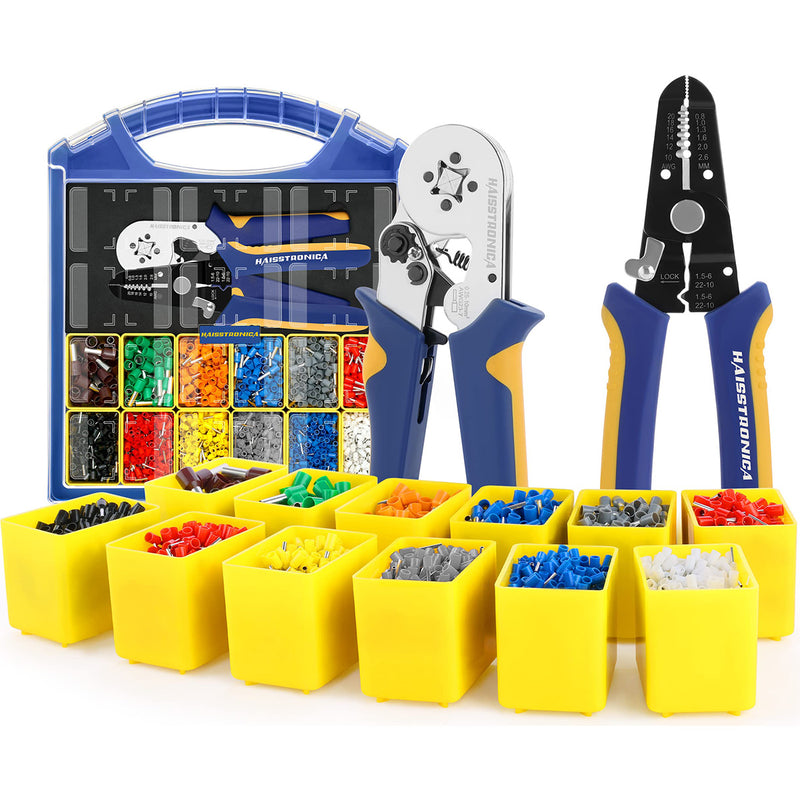
Ferrule work
Use a ferrule crimper when terminating fine-stranded conductors for terminal blocks and control panels.
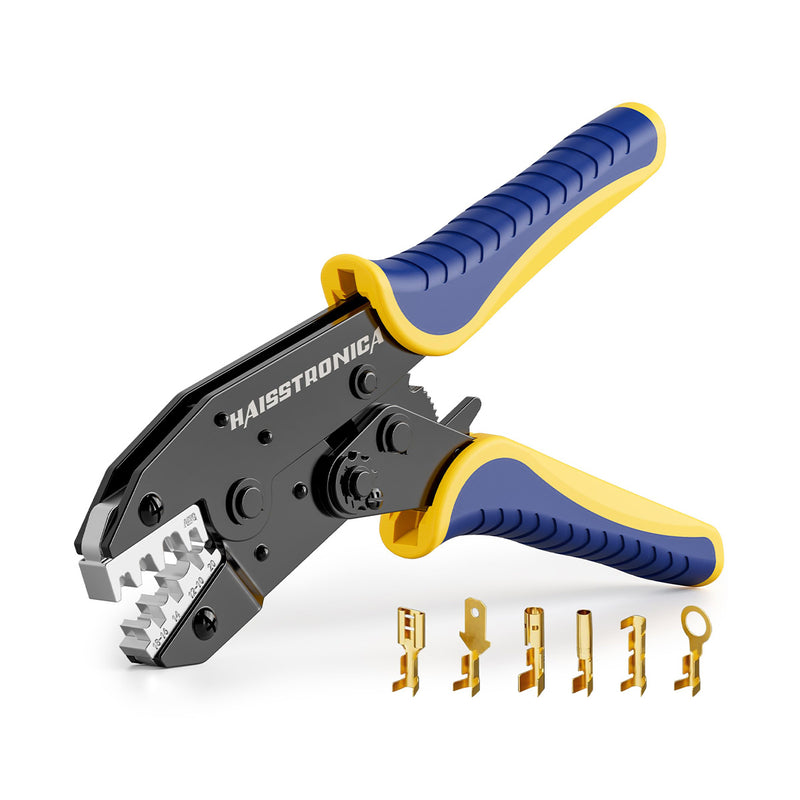
Open-barrel contacts
Use a dedicated open-barrel profile for conductor and insulation wings on harness contacts.
Before buying: five checks that prevent the wrong purchase
- Connector profile: insulated, heat-shrink, ferrule, open barrel, lug or another family.
- Wire range: confirm the conductor falls inside both the connector and die specification.
- Crimp frequency: estimate a real month of work—not a hypothetical future shop.
- Ratchet controls: look for a full cycle, pressure adjustment and quick release.
- Verification: plan to inspect and pull-test sample crimps before production work.
Budget tiers: buy the coverage you will use
| Tier | Best fit | Buy when | Recommended path |
|---|---|---|---|
| Starter | One common connector family | Most work is insulated or heat-shrink AWG 22–10 | Basic AWG 22–10 ratchet |
| Workshop | Several recurring families | You regularly switch terminal profiles | 6-in-1 interchangeable set |
| Specialist add-on | Ferrule or open-barrel work | A specific connector appears often enough to justify its own tool | Add only the dedicated profile you need |
Frequently asked questions
No. It is better only when you repeatedly use several included die profiles. One fixed die is faster and simpler for a dominant connector family.
No. Matching wire range is necessary, but the die must also match the connector’s crimp profile.
If most work uses common insulated or heat-shrink terminals, start with a full-cycle AWG 22–10 ratchet and practice on scrap wire.
Use one whenever the terminal geometry—such as a ferrule or open-barrel contact—does not match your general-purpose die.
One connector family or a mixed bench?
Start with the AWG 22–10 ratchet for common insulated-terminal work. Move to the 6-in-1 set only when mixed connector families are part of your normal workflow.