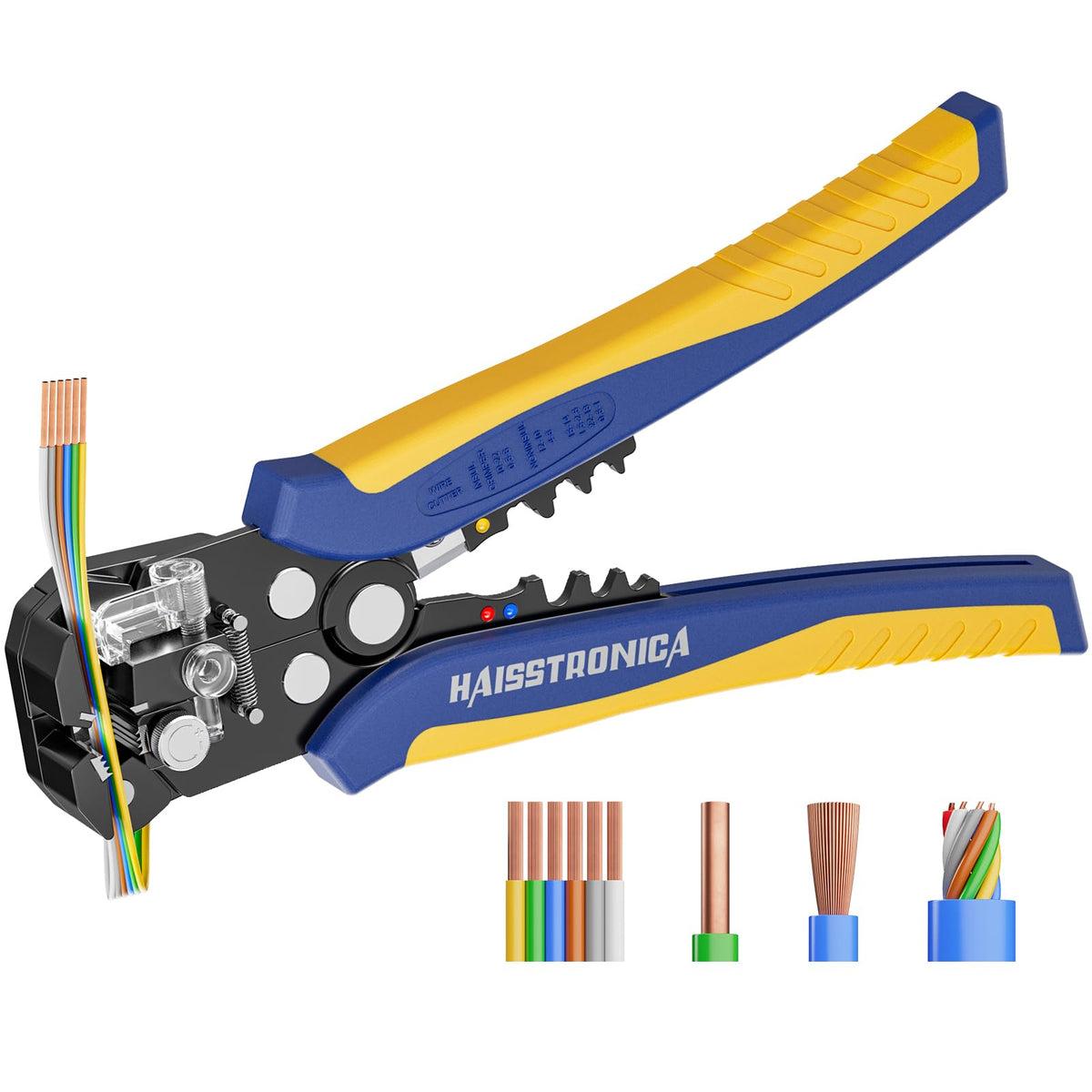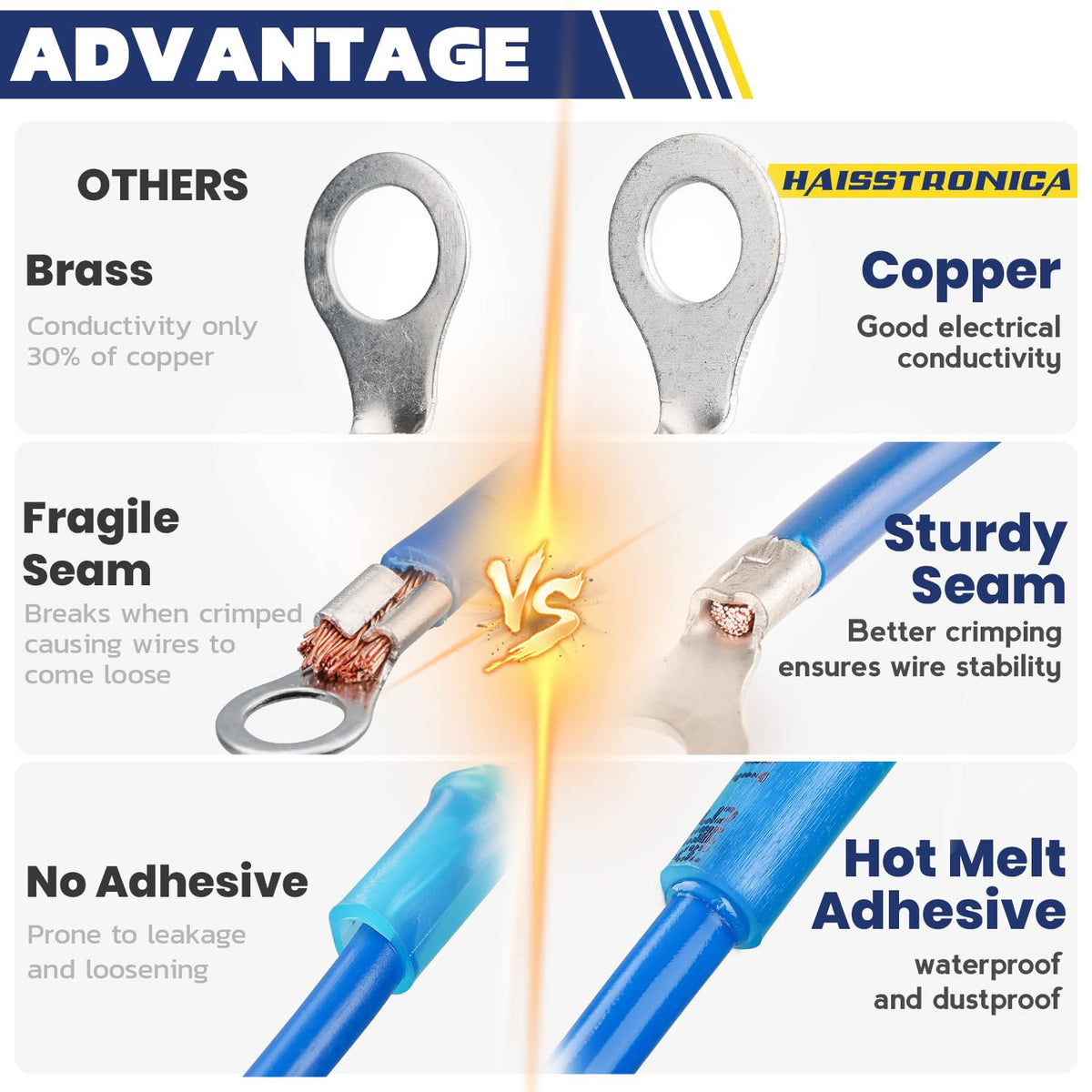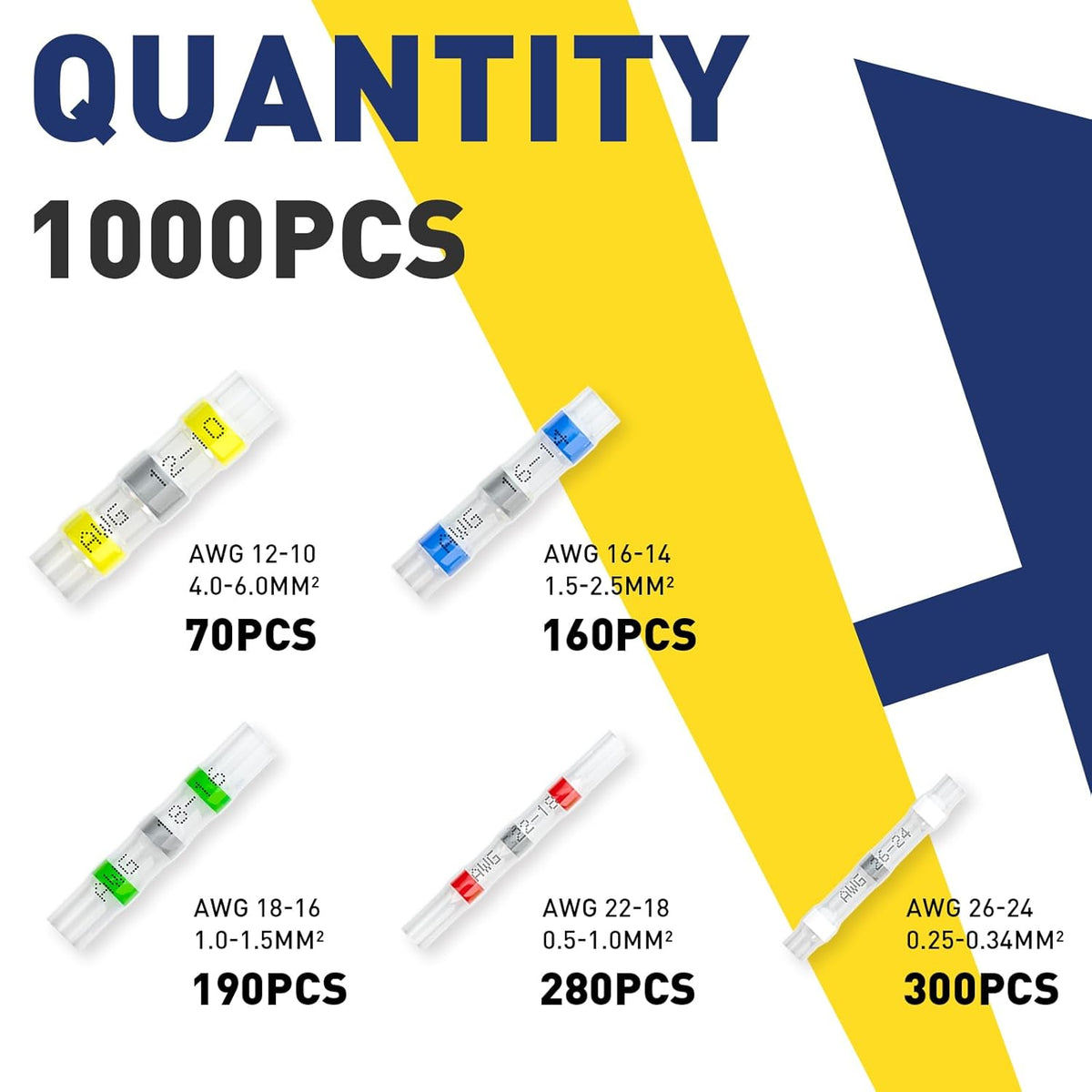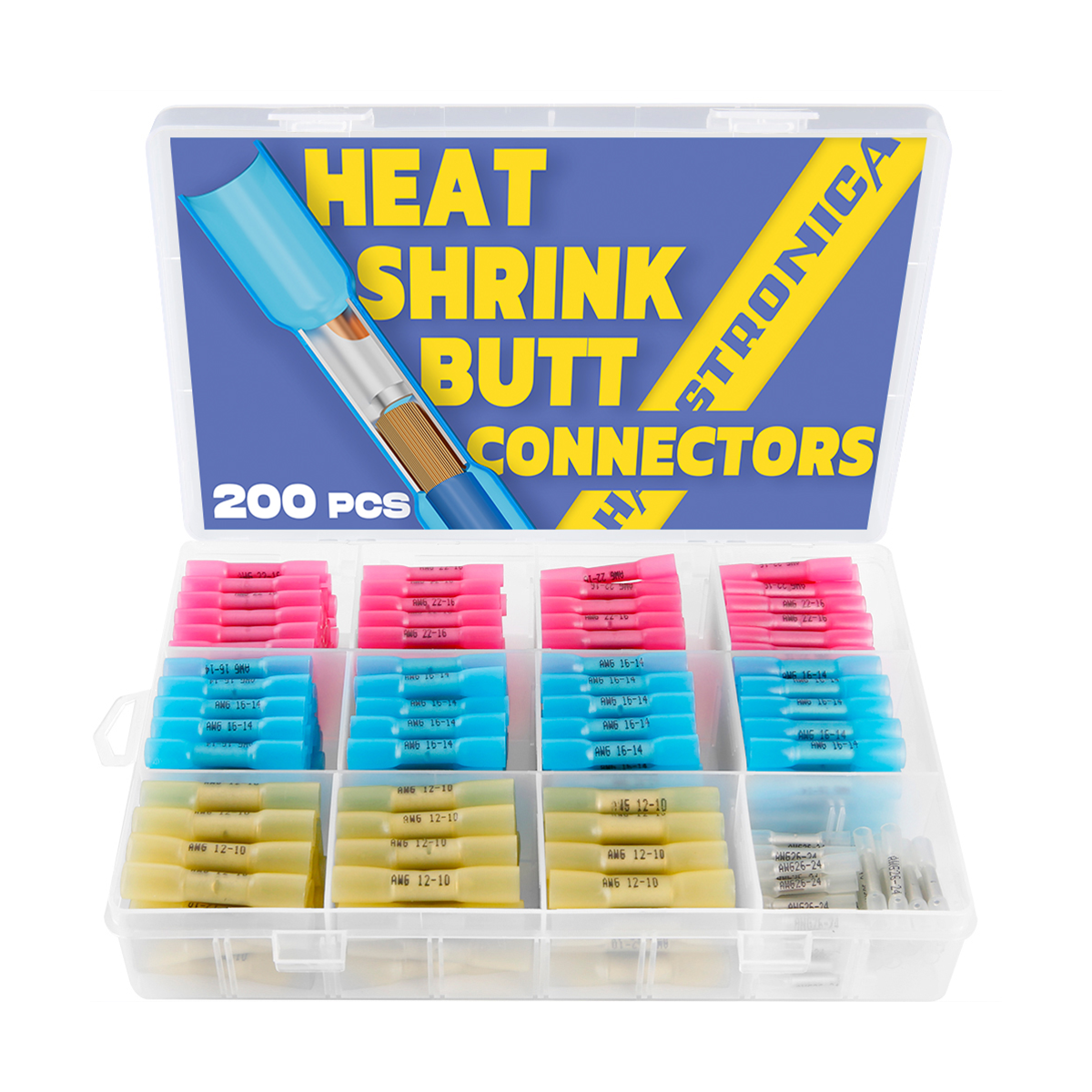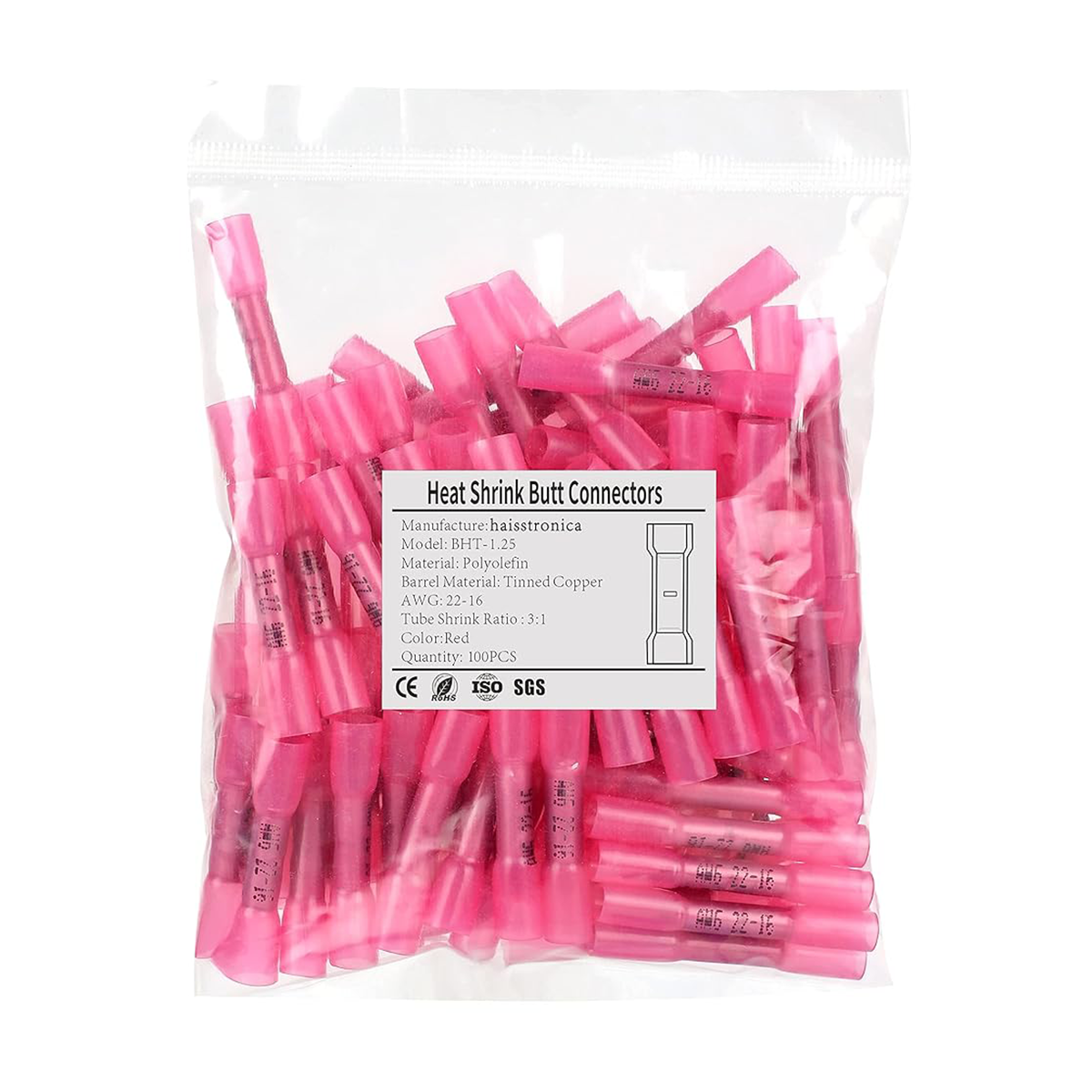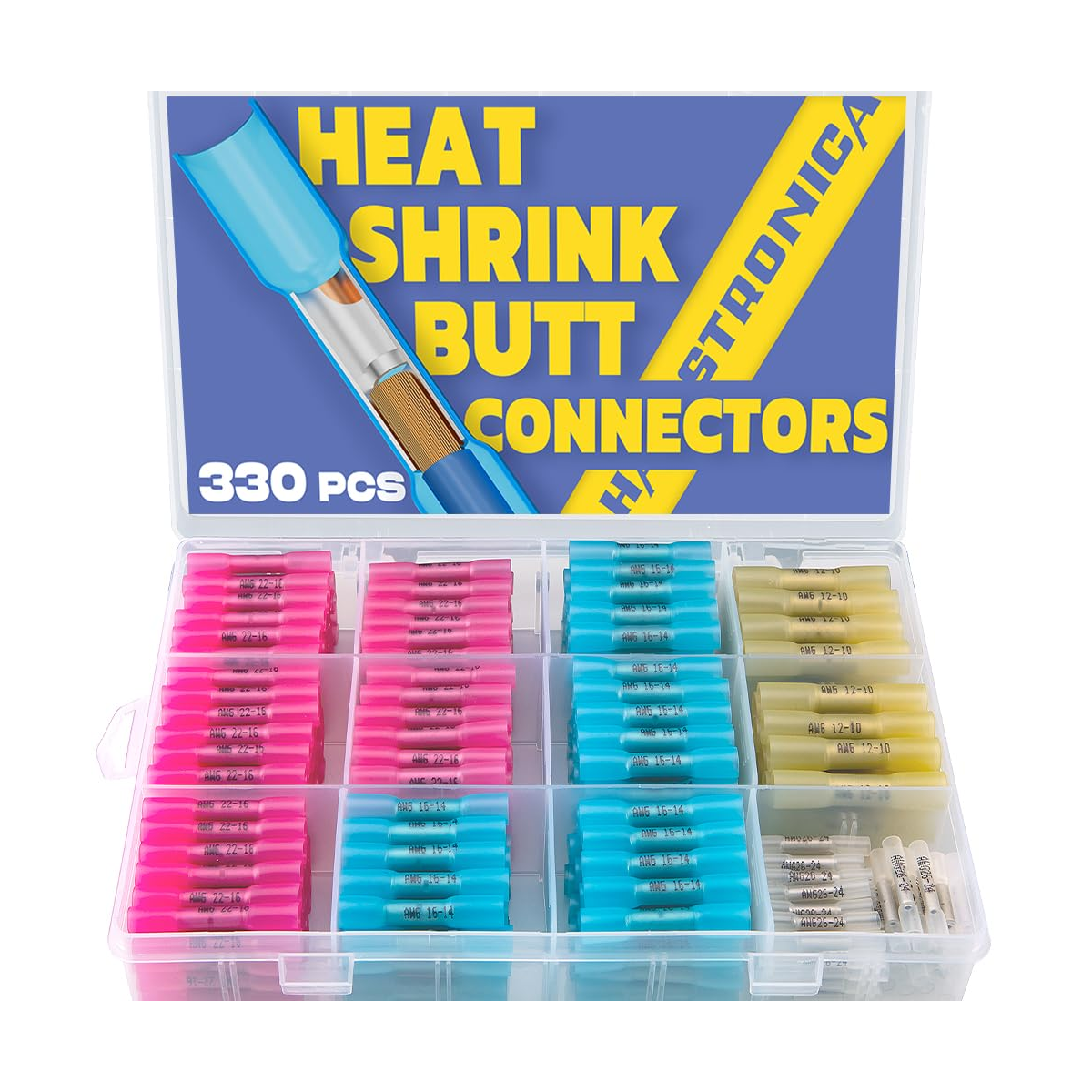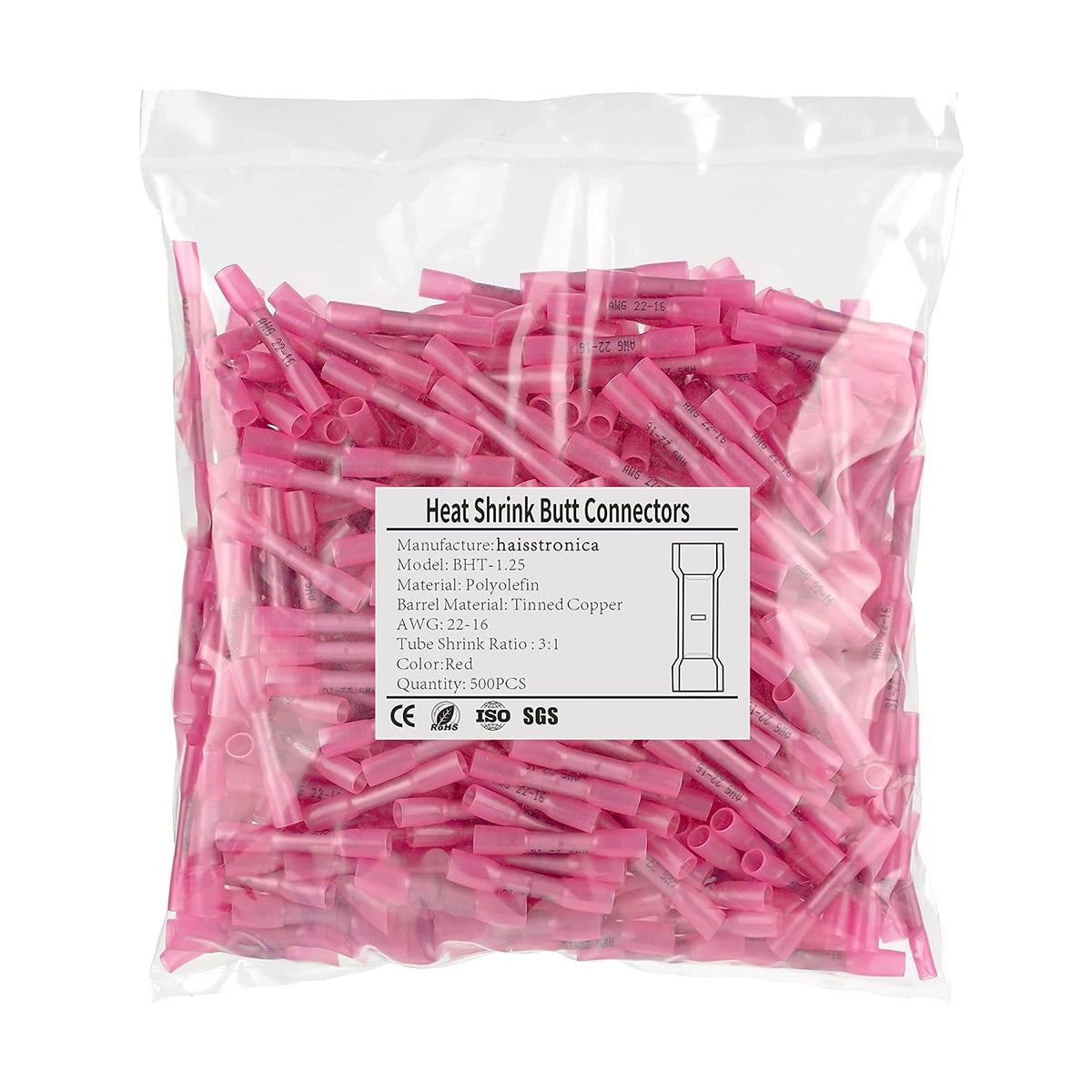

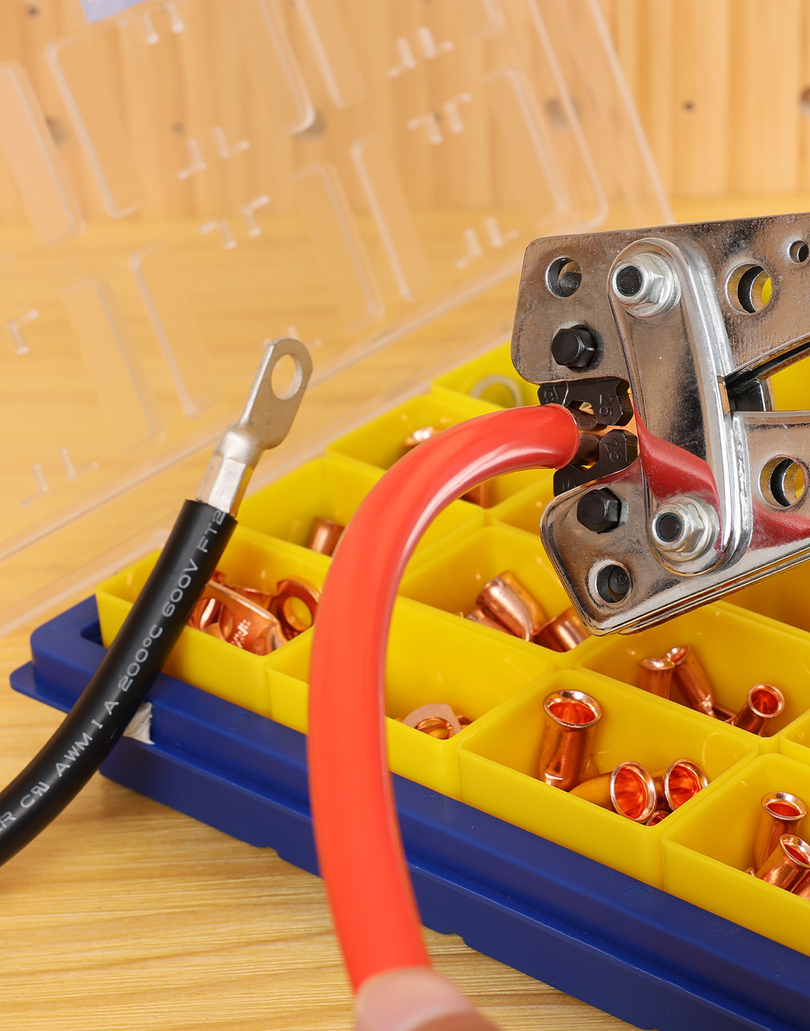
Self-adjusting stripping. No changing gauge slots.
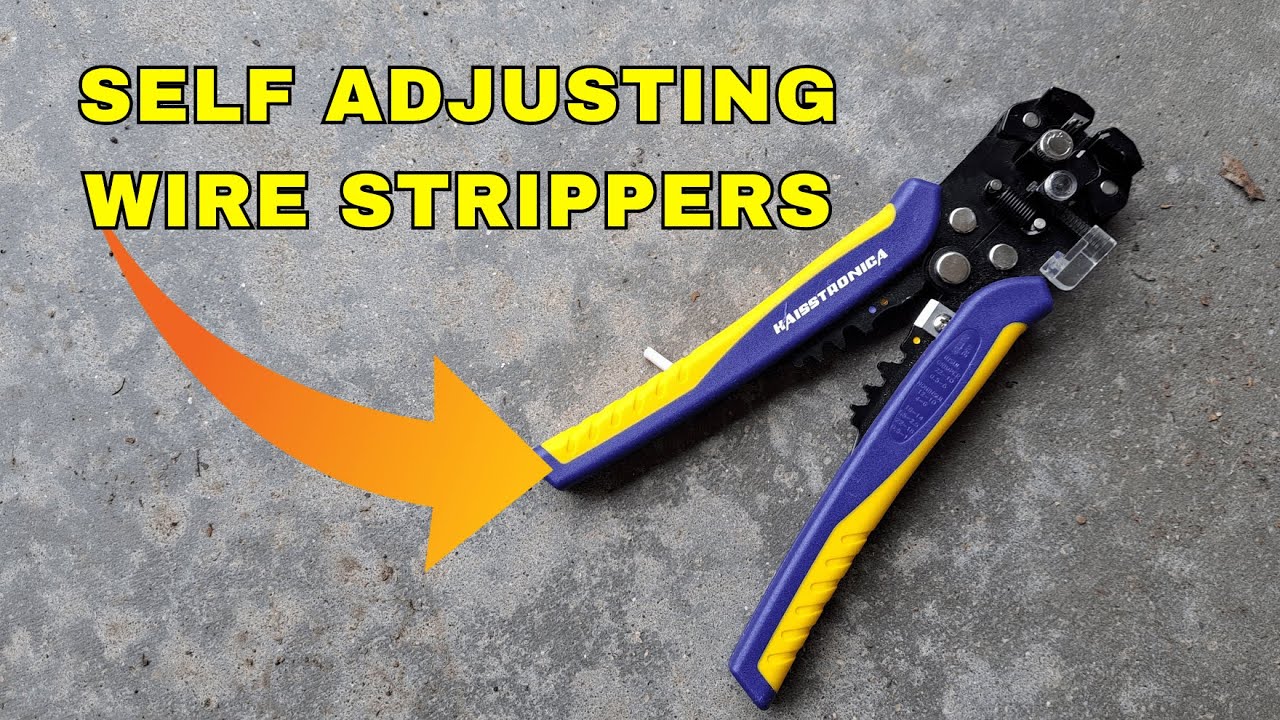
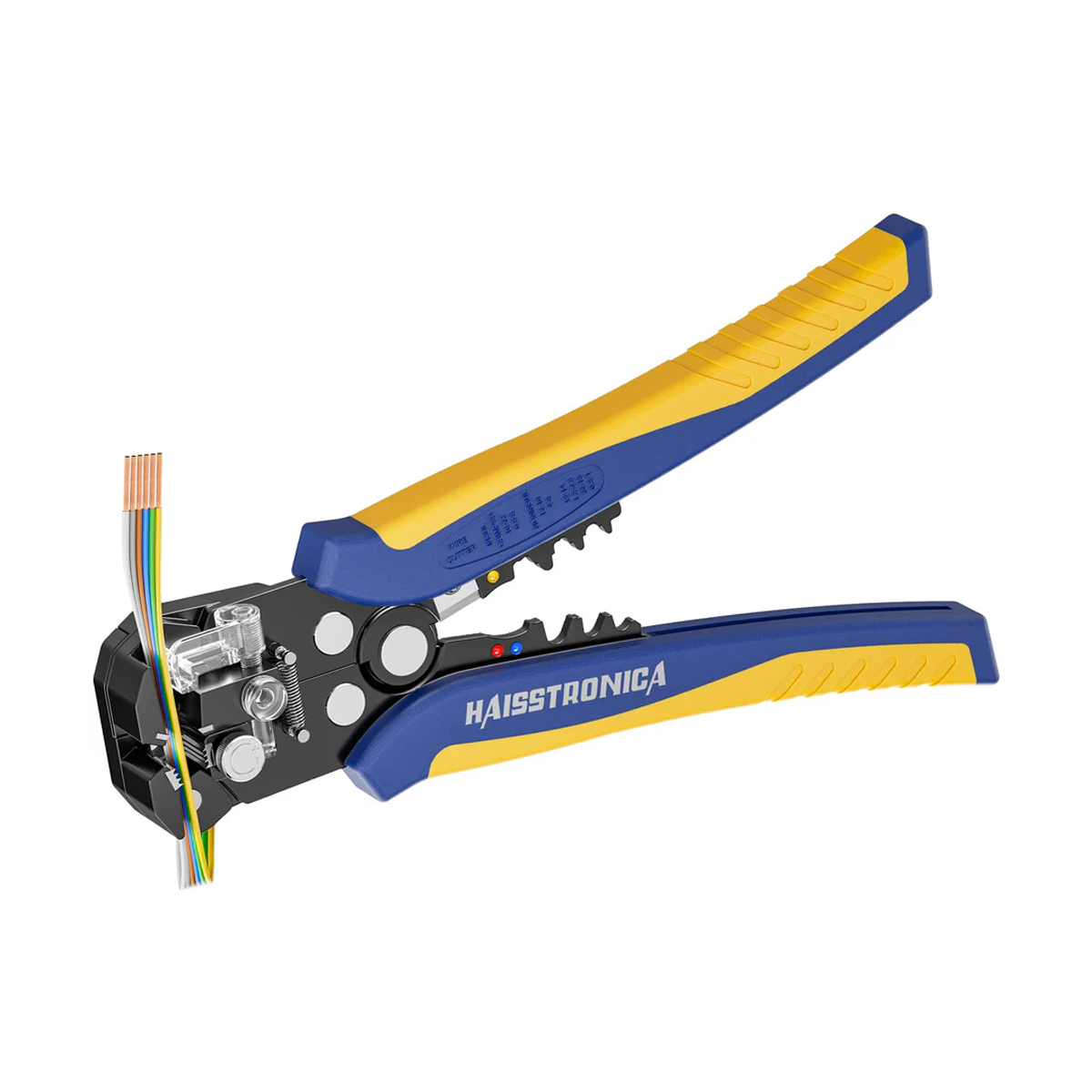
Featured tool: Haisstronica Self-Adjusting Wire Stripper, AWG 10–24. Watch the comparison with conventional strippers, then decide whether fewer setup steps would improve your own wire-preparation routine.
The current product lists the same range as AWG 24–10. Wire construction and insulation still matter; test a sample before preparing your final connection.
Watch the original comparison
Video by Diligent Dave. Watch on YouTube. The video description presents a comparison with conventional wire strippers. Product specifications and the buying guidance below are separate from the reviewer's observations.
What changes versus a conventional stripper?
Fixed-gauge stripper: choose the matching notch
You select a stripping opening that matches the conductor. If you usually prepare one wire size and already get clean results, that familiar tool may still be the right fit.
Self-adjusting stripper: keep the same stripping jaws
Within its compatible range, the mechanism adapts without selecting a new gauge slot. That removes one repeated selection step when you move between wire sizes. It does not eliminate sample checks or tension adjustment for different insulation.
The practical value is fewer setup steps. Compare clean, usable wire ends—not just squeezing speed. Include repositioning, inspection, and any damaged ends you have to redo.
See the Self-Adjusting Mechanism →Gauge-by-gauge checks before you choose
These are buying and inspection checkpoints, not measured results from Dave's video. The original article does not publish a per-AWG results table. The ranges below organize the tool's stated coverage; they do not mean every insulation type has passed a test.
Small conductors: inspect every strand

Check that the insulation comes off without taking fine strands with it. Confirm the exposed length is right for the next connection. If the sample is nicked or stretched, adjust the tension or choose a more suitable stripping method.
Check 24–22 AWG Stripper Compatibility →Changing sizes: watch the setup

Compare the number of repositioning steps with a fixed-gauge stripper. The self-adjusting jaw removes the need to select another stripping slot, but insulation changes may still call for a tension adjustment.
Check 20–18 AWG Stripper Compatibility →Repeated preparation: check consistency

Use the same required strip length for several sample ends. Inspect whether the insulation is removed cleanly and the conductor remains undamaged; count rework as part of the job, not just the first squeeze.
Check 16–14 AWG Stripper Compatibility →The larger end of the rated range

Confirm the conductor marking and insulation type before testing. Do not force a difficult strip or assume that every cable jacket is compatible just because the conductor AWG falls inside the range.
Check 12–10 AWG Stripper Compatibility →Check the wire core, strip length, and grip
-
1
Prepare a representative offcut.
Use the same conductor size, construction, and insulation as the job. De-energize and verify the circuit before handling wiring; this is not a tool for live work. -
2
Set the length for the connection.
Match the required exposed length rather than stripping an arbitrary long section. Check repeatability on more than one sample. -
3
Inspect before calling it a clean strip.
Look for nicked solid wire, missing strands, stretched insulation, or a partly removed sleeve. Adjust tension according to the tool instructions and retest if needed. -
4
Evaluate comfort over repeated ends.
Watch hand position and control, not only handle cushioning. If access forces an awkward grip, a slimmer or fixed-gauge tool may suit that location better.
Match the tool to your actual work
Automotive accessories and harness repairs
Consider the self-adjusting model when you prepare several compatible wire sizes. Confirm the wire marking and available working space; tough or aged insulation needs its own sample check.
Electronics and small signal wiring
Check the smaller end of the rated range carefully. Very fine, unusually soft, or specialty insulation can call for a more specific tool. Do not extend the AWG rating to wires outside it.
Workshop and maintenance work
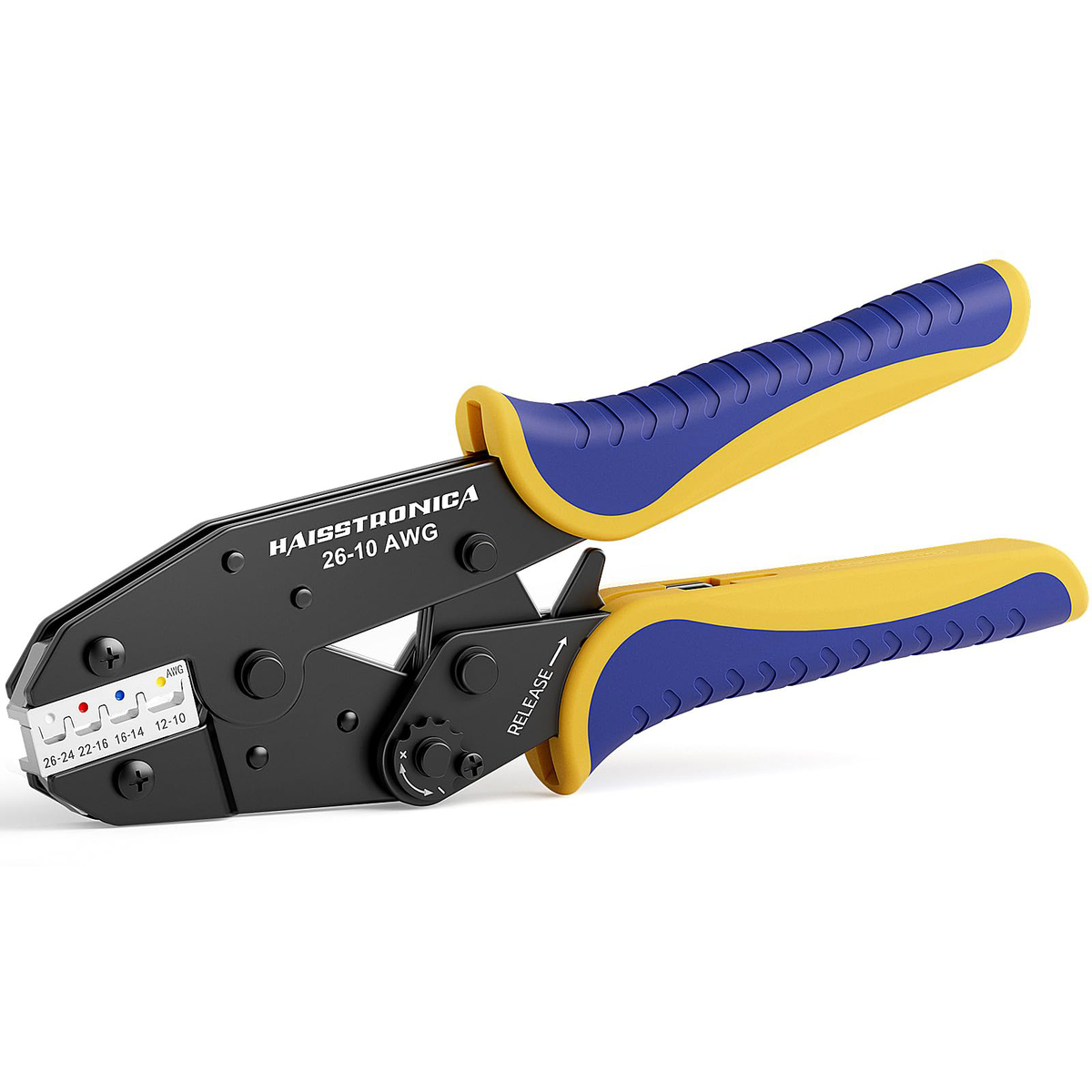
Repeated stripping is the clearest reason to consider a change. If the next step is terminal crimping, choose the crimper by terminal geometry and conductor range—not simply because it is bundled with a stripper.
Only stripping—or also crimping?
Only need to strip wire
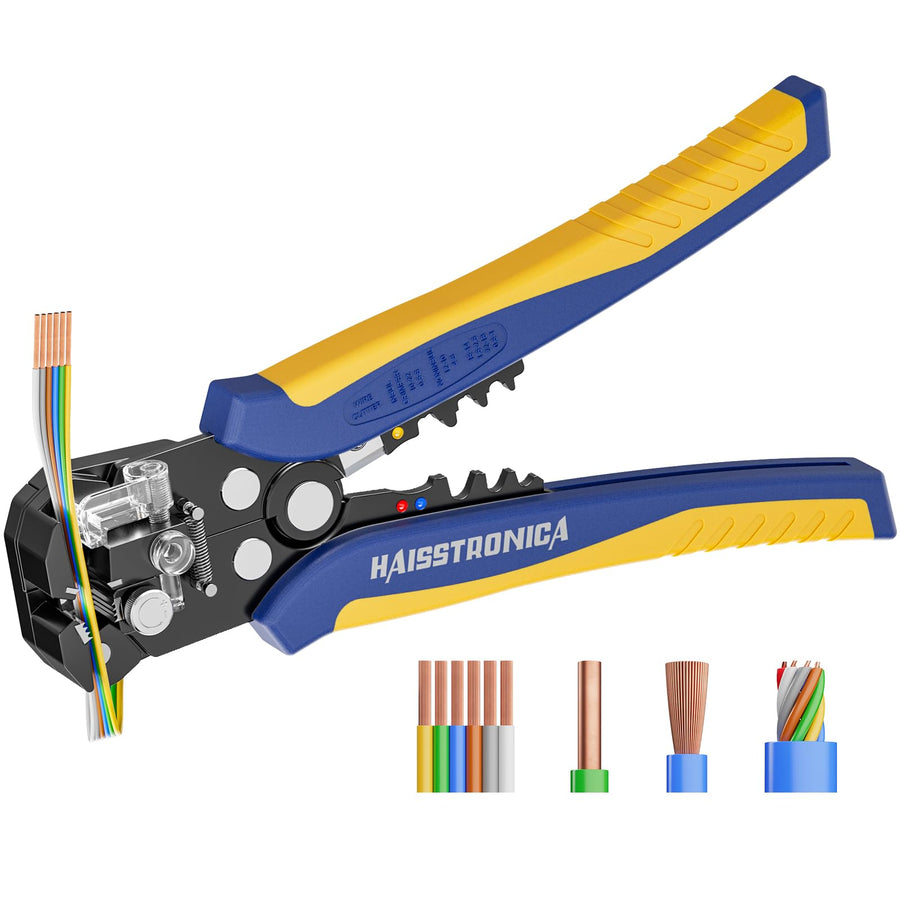
Choose the reviewed self-adjusting stripper if your existing crimper is already suitable and your main bottleneck is preparing compatible AWG 10–24 wire.
Check a sample first. The single tool keeps the purchase focused on the task you need to improve.
Need stripping and a separate crimper
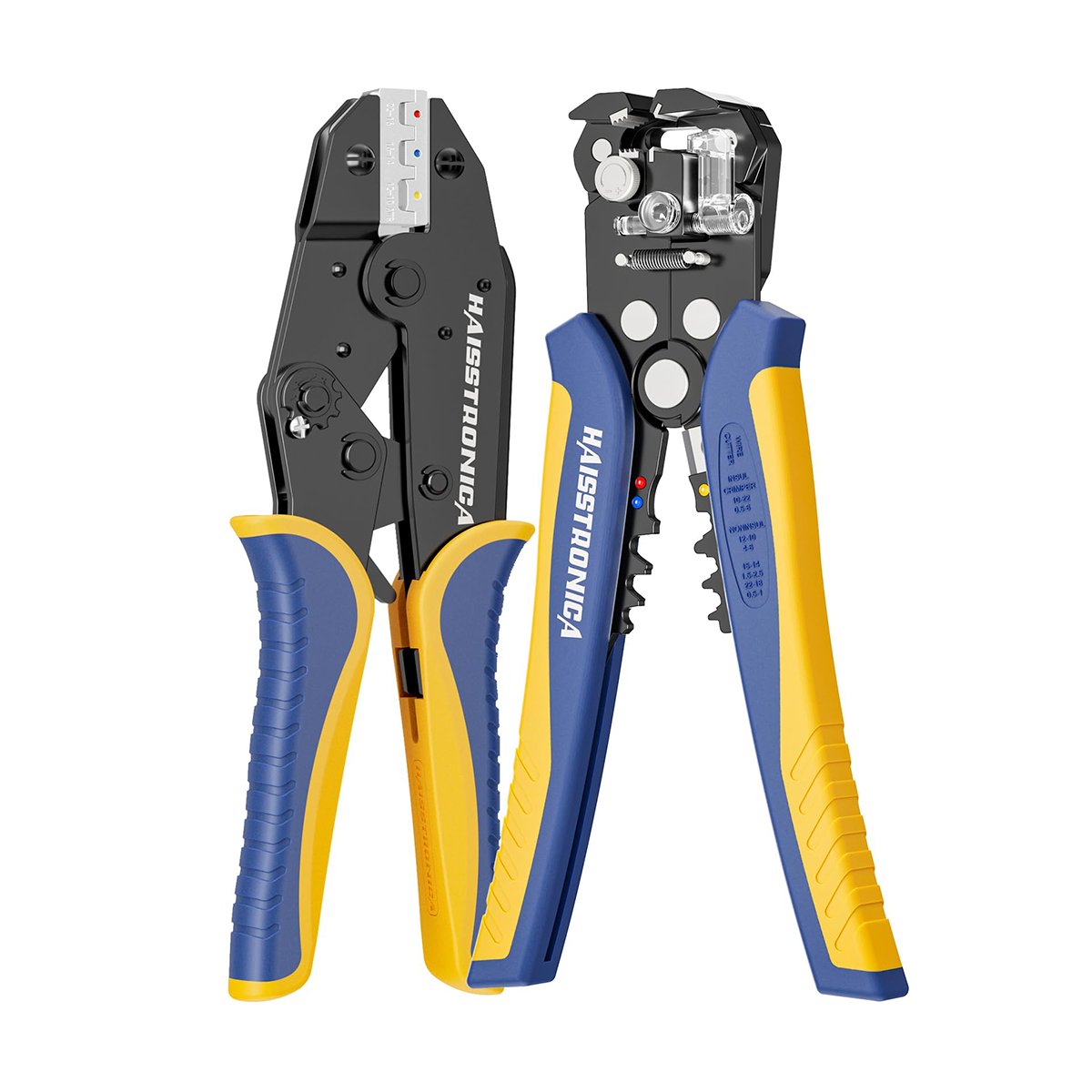
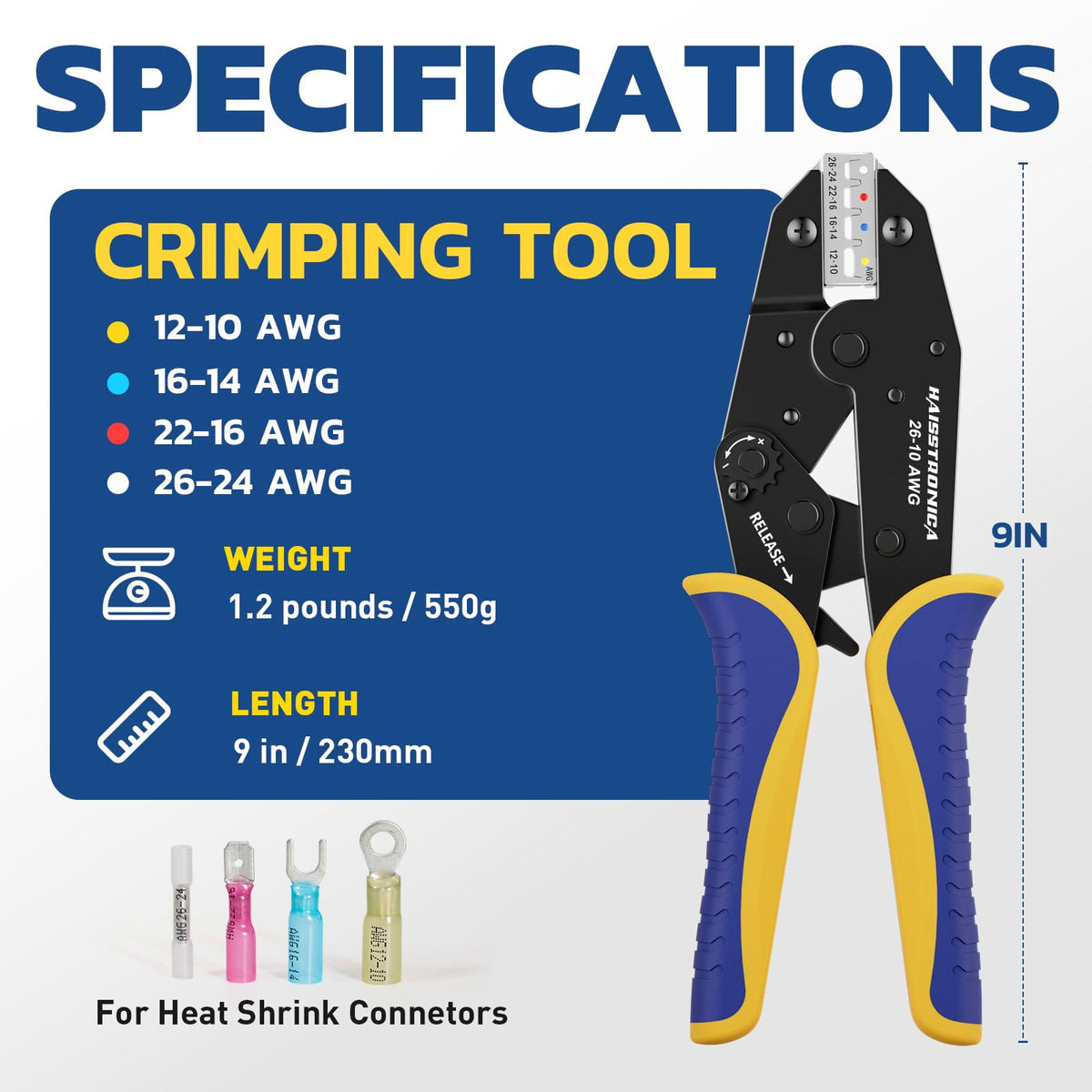
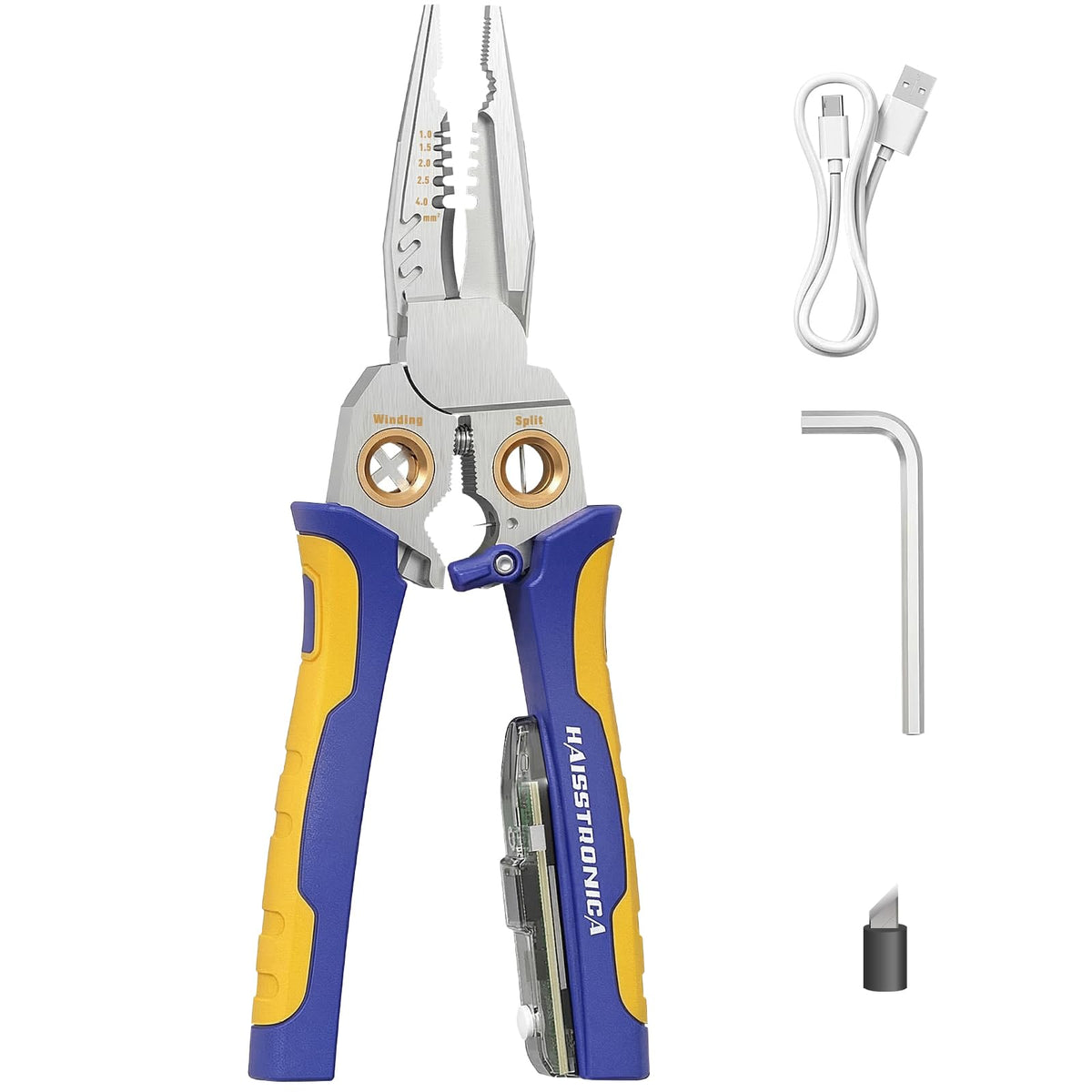
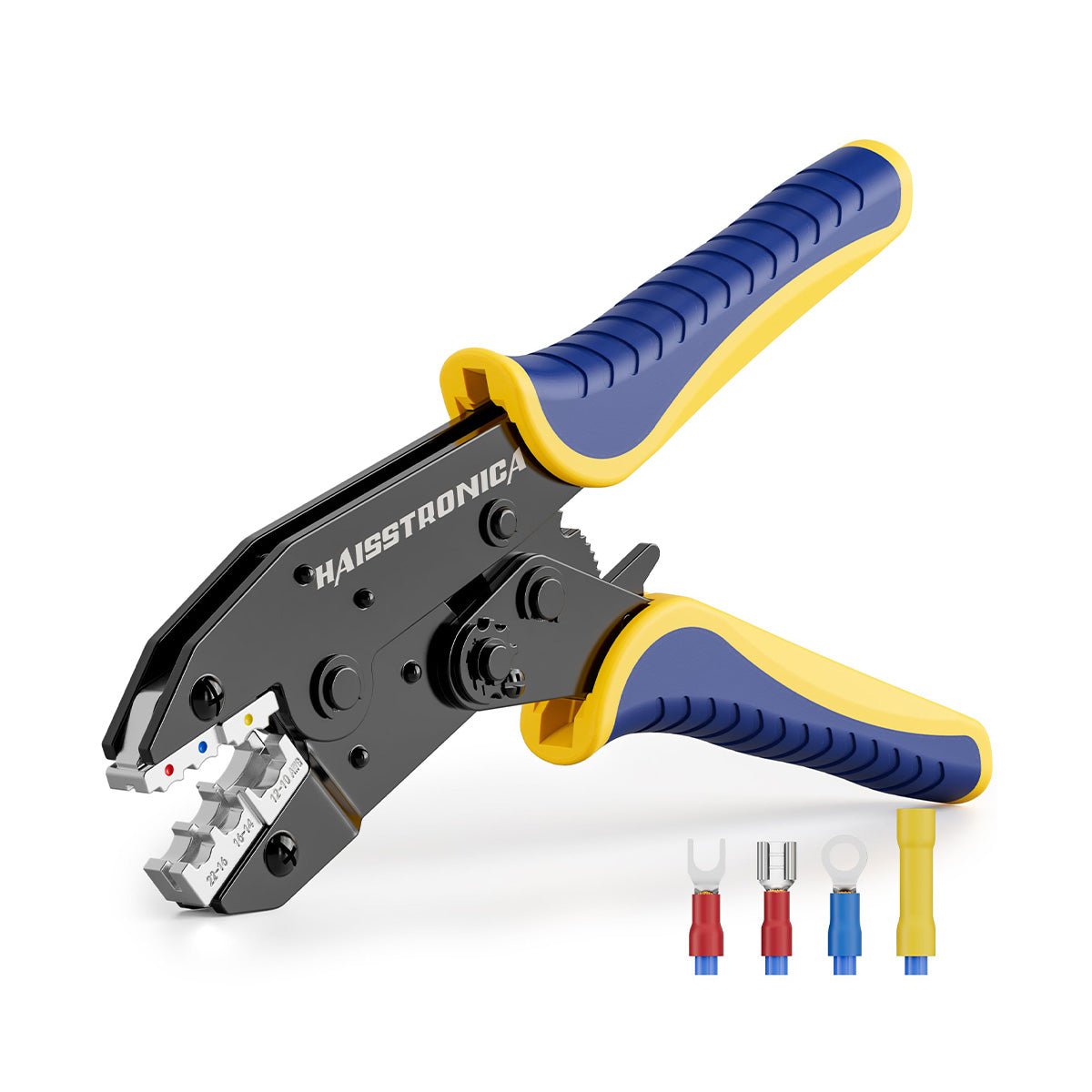
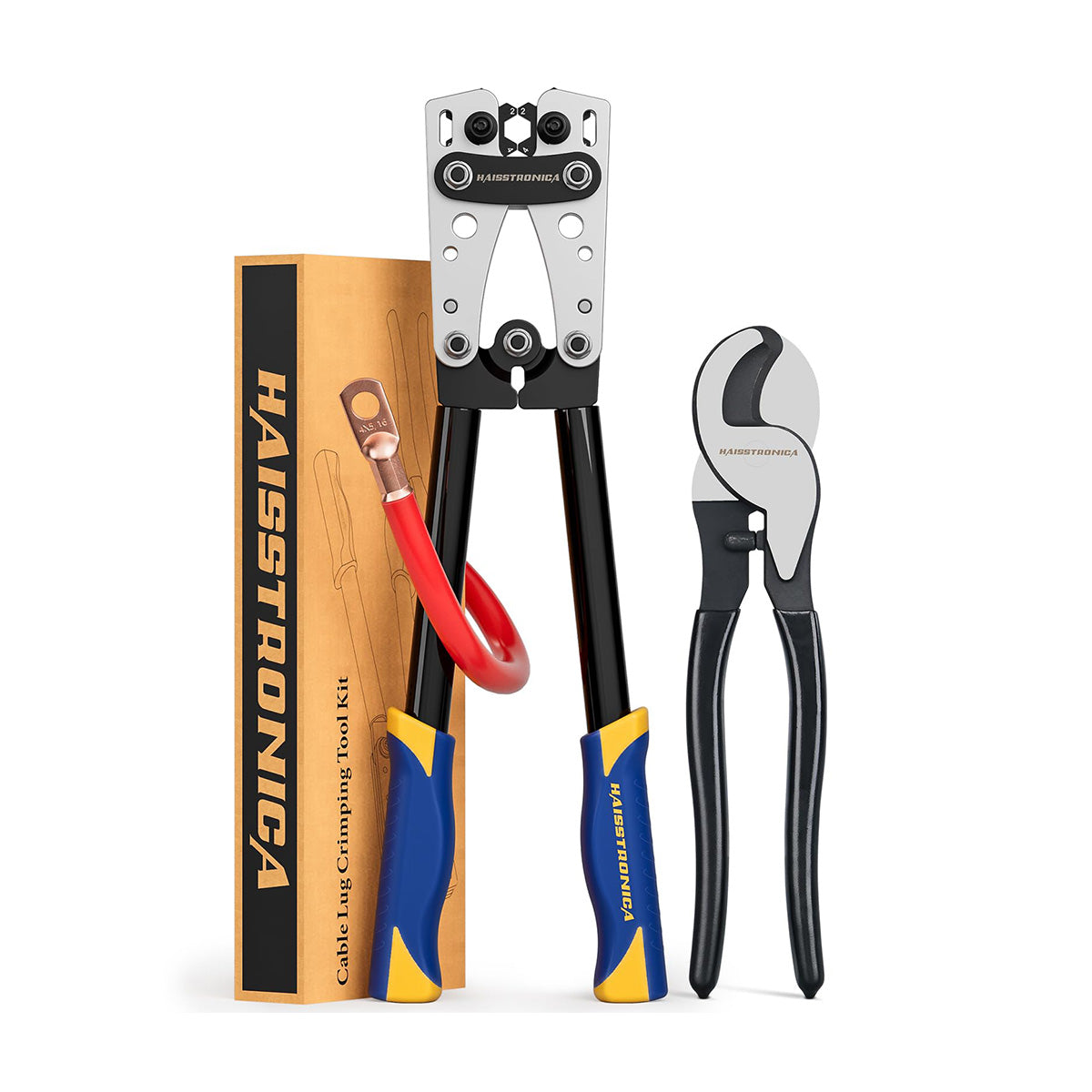
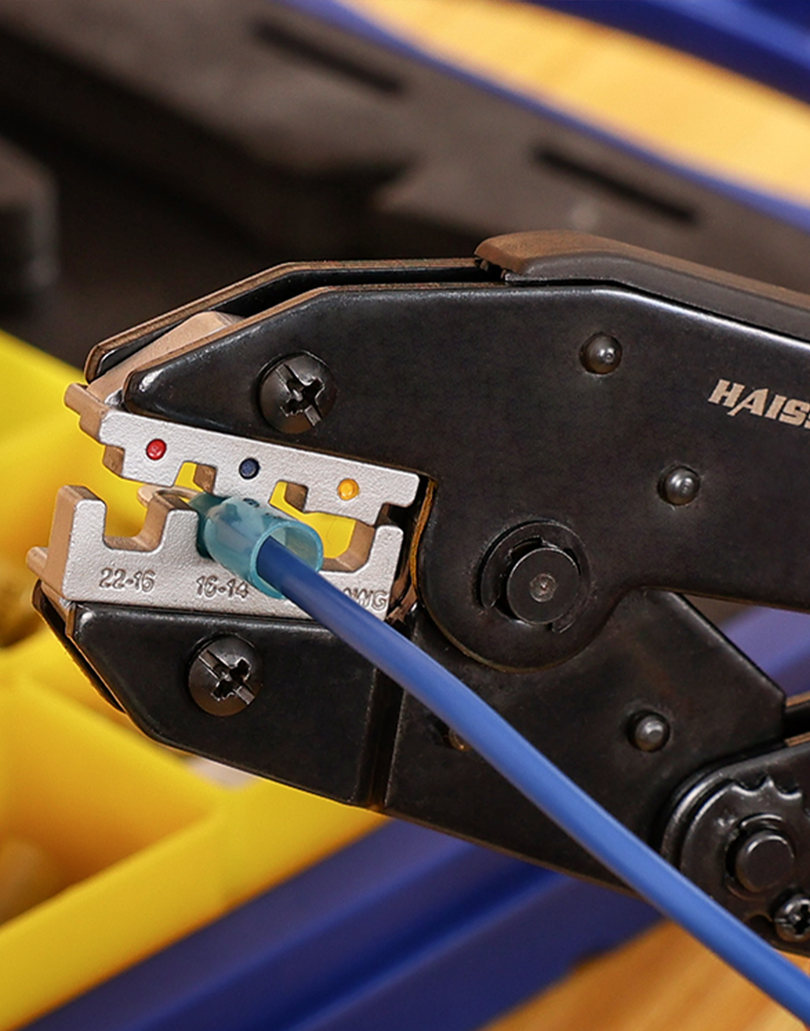
Choose a Wire Stripper + Crimping Tool Kit when you also need to terminate the prepared wire. Start with the two-tool option and select the crimper that matches your terminal family.
The stripper and crimper have separate working ranges. For the heat-shrink-terminal option, check AWG 24–10 stripping and AWG 22–10 crimping compatibility. Kit contents vary by option.
Keep a good existing tool. Upgrade a repeated frustration.
If your current stripper gives consistent, undamaged ends at a comfortable pace, there is no need to replace it just because another tool is automatic. If frequent gauge-slot changes interrupt your work, compare the self-adjusting route with your own wire samples.
Compare Wire Strippers →