Why Dry and Wet Conditions Create Very Different Challenges
Dry and wet environments impose very different stresses on electrical connections and the tools used to work on them. In dry conditions (indoor, arid climates, or under-hood automotive compartments), the main concerns are high heat, dust, and ultraviolet (UV) radiation. For example, black sunlight outdoors can raise cable surface temperatures many degrees above ambient. UV light and heat cause polymer insulation and housing materials to age, fade, and crack, especially if the material is not UV-stabilized. Dust and dirt in dry environments can also abrade insulation and invade connector cavities. Even the steel blades of a wire stripper tool can accumulate fine metal dust or oxidize slowly if not kept clean.
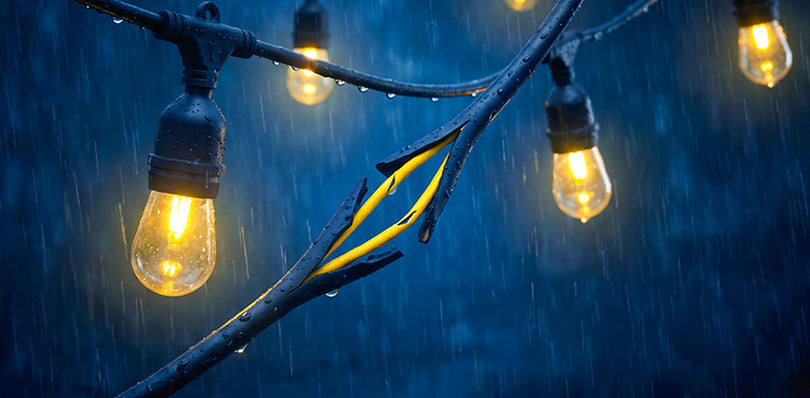
By contrast, wet or marine conditions expose wires and connectors to moisture, salt spray, and high humidity. In this humid environment, bare metal surfaces rapidly oxidize, and dissimilar metals (for example copper and aluminum) can form galvanic cells that corrode even faster. ABYC marine wiring standards emphasize that wire and cable must be tinned and connectors waterproofed to resist salt-water corrosion. High humidity and salt fog can “wreak havoc” on electrical connections – metal contacts corrode, insulation wicks moisture, and bare strands can fracture. In cold wet climates, condensation inside connectors can freeze and expand. In sum, dry conditions slowly degrade plastic and allow mechanical dust; wet conditions aggressively attack metal, causing oxidation, shorts, and failures unless the design repels water.
Key point: Dry, hot conditions require UV-resistant insulation and heat-tolerant connections; wet conditions require watertight seals and corrosion-resistant metals. Even the best wire stripper tool will fail if connectors are left exposed to moisture. Always use connectors and splices rated for the environment – for example, marine-grade, tinned-copper wiring and glue-lined heat-shrink seals for boats, and UV-stable housings or protective loom for outdoor automotive wiring.

What Corrosion Really Does to Tools and Connections
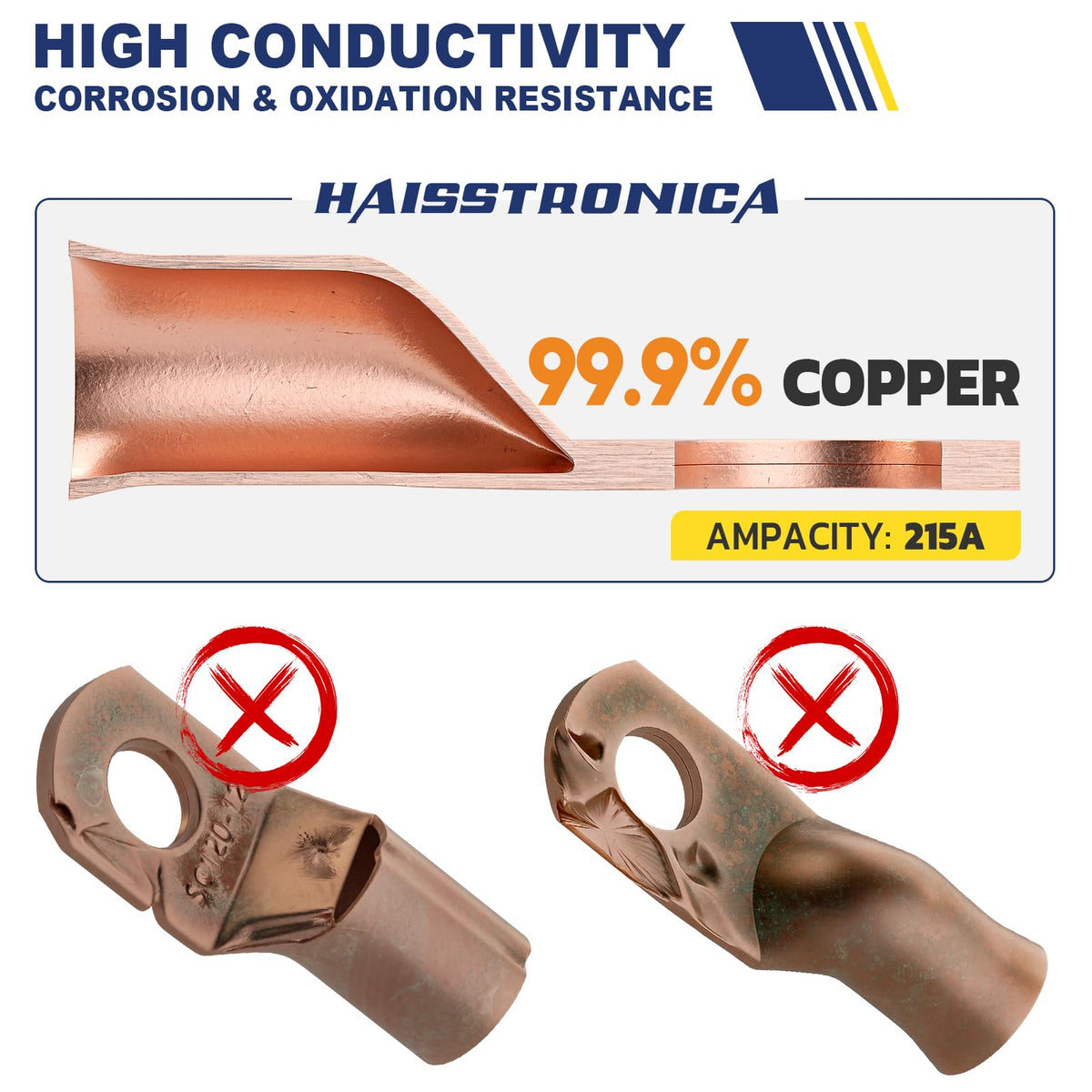
Corrosion isn’t just a slow discoloration – it fundamentally degrades electrical integrity and mechanical strength. When a copper conductor or connector corrodes, it forms copper oxide or sulfide layers that are poorly conductive. Even a thin film of rust or verdigris can increase contact resistance dramatically, leading to heat buildup and voltage drop. In extreme cases, corrosion can eat through the conductor entirely. In ABYC-compliant marine wiring, any loss of conductivity or insulation is unacceptable.
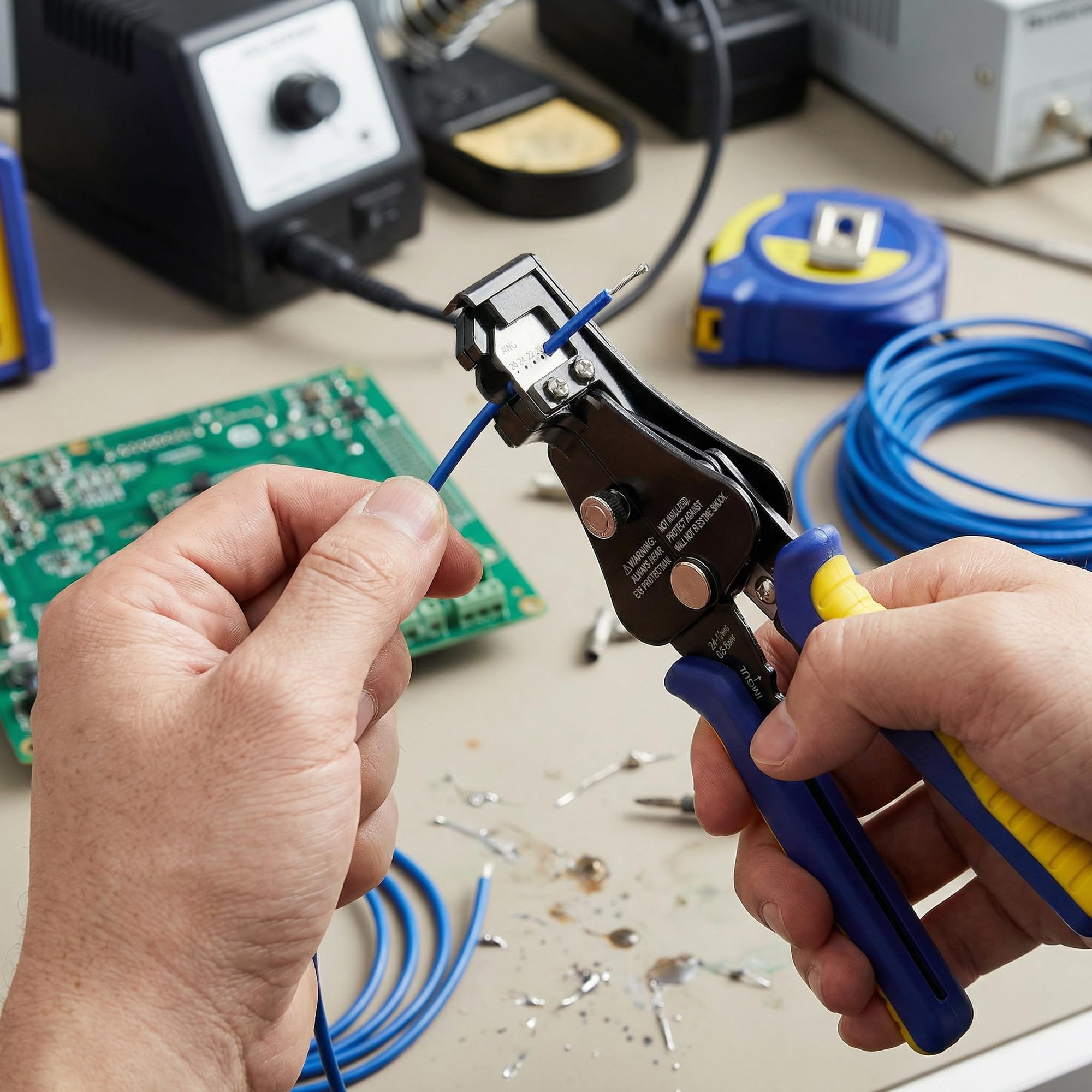
On wire-stripping tools, corrosion can dull and pit the cutting edges, making precise stripping impossible and leaving stray filaments. A dull or rusty stripper may nick the conductor or pull slivers of insulation into the joint – both are sources of failure. For example, connectors crimped with a worn tool may not fully grab the conductor, creating a loose bond where corrosion can begin (tiny cracks allow moisture in). Conversely, if a tool is improperly made of dissimilar metal, it may accelerate galvanic corrosion: an aluminum wire gripped by a steel blade can induce currents. High-quality strippers often use plated or stainless-steel blades to minimize this effect.
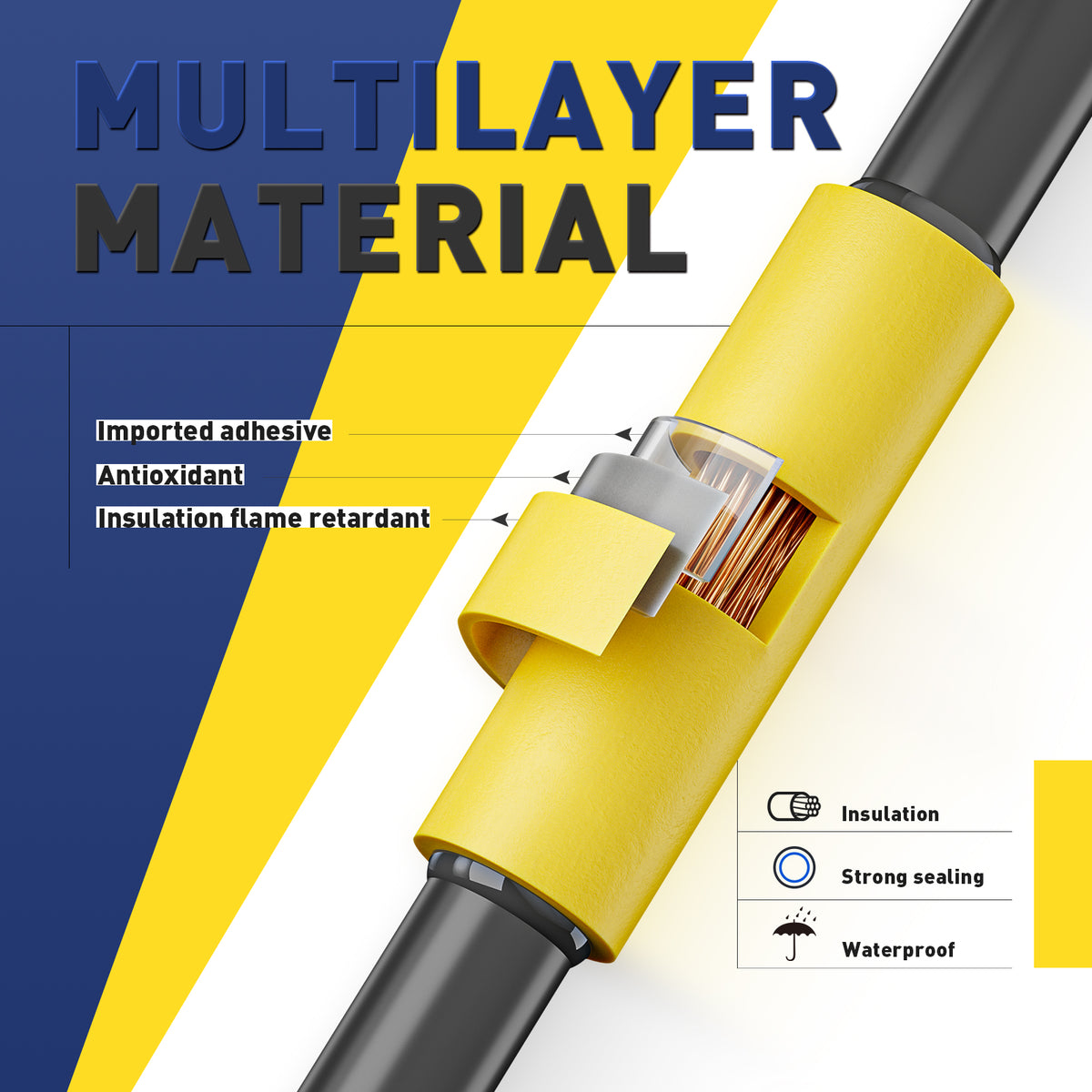
Inside a connector or terminal, corrosion will eventually degrade the joint. For instance, a standard copper butt splice left unsealed will form a non-conductive oxide layer where the insulation was removed. In wire nuts or non-gel-filled connectors, moisture wicking along strands causes oxidation. Over time, a once-tight crimp can loosen as oxide builds at the interface. Sealing adhesives and corrosion-resistant plating are the countermeasures to prevent this. Many wire connectors now incorporate adhesive-lined heat-shrink tubes: the heat-activated glue melts during installation, fully encapsulating the splice and blocking moisture. Likewise, if the connector’s metal parts are tin-plated or stainless, they tolerate the environment far better. In short, without corrosion protection, even a well-crimped joint can “freak out” due to humidity and salts.
Common errors: A frequent mistake is to use plain copper or aluminum connectors in damp conditions. For example, crimping an aluminum lug without oxide inhibitors will lead to rapid galvanic corrosion. Another error is neglecting to shrink or tape a splice: any gap will let water pool and corrode the strands. Even choosing a copper-only wire nut in a high-salt environment (like an RV near the ocean) can be flawed – such connectors rely on tight metal contact that can fail if oxidation creeps in. Always match connector materials (tinned copper for copper wire, or specialized anti-oxidant gel connectors for aluminum) and fully seal the joint in wet environments.

What “Corrosion-Resistant” Really Means
In many data sheets, “corrosion-resistant” can be a marketing term. Technically, it means the product resists (not completely prevents) corrosion under specified conditions. For wire splices and tools, this often involves one or more of the following:
-
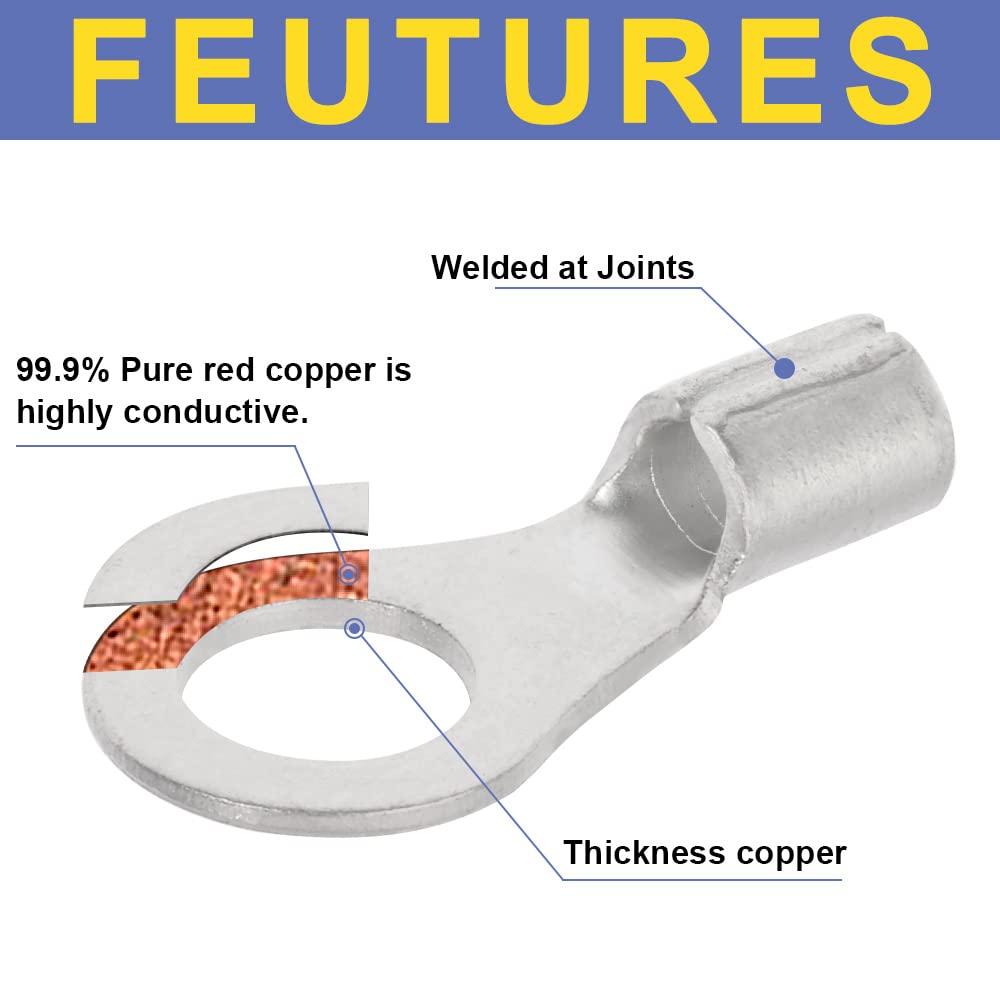
Material choice: Metals like tinned copper, nickel-plated brass, or 316-grade stainless steel are inherently corrosion-resistant in normal conditions. For example, ABYC and UL 1426 marine standards require tinned-copper conductors to resist saltwater. Tin-plated copper is especially common; the thin tin layer forms a stable oxide rather than the flaky, non-conductive copper oxide. In tough tests, high-purity tinned copper contacts have maintained low resistance even after 1000+ hours of salt fog.
-
Plating and coatings: A connector’s copper or brass body is often electro-plated. For instance, the JT&T heat-shrink terminals are annealed copper plated with tin, yielding “exceptional corrosion resistance”. Some high-end connectors even use silver- or gold-plate on contacts for very low corrosion and high conductivity (though gold is rare outside electronics). Protective coatings or passivation (such as alodine) can also slow corrosion on aluminum parts.
-
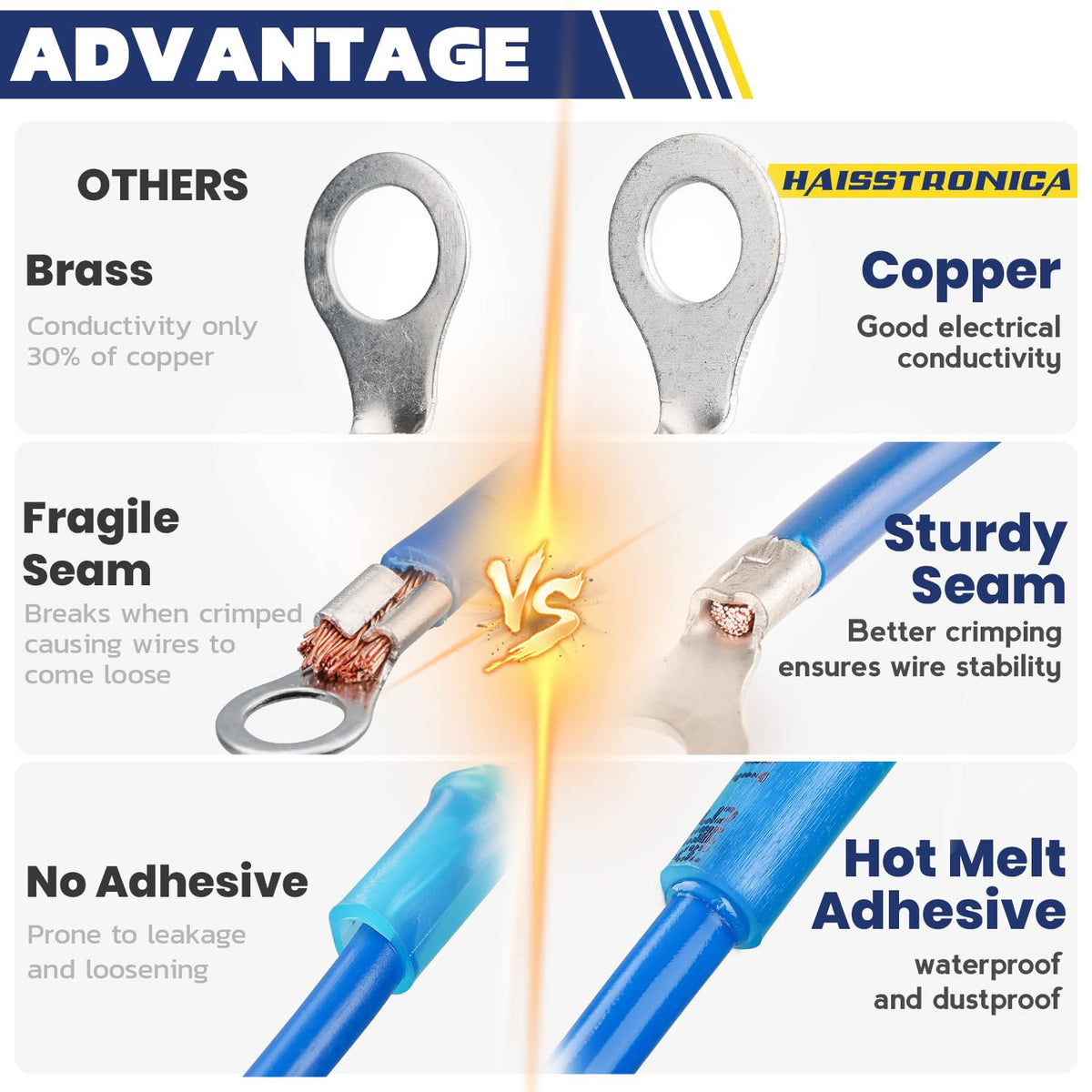
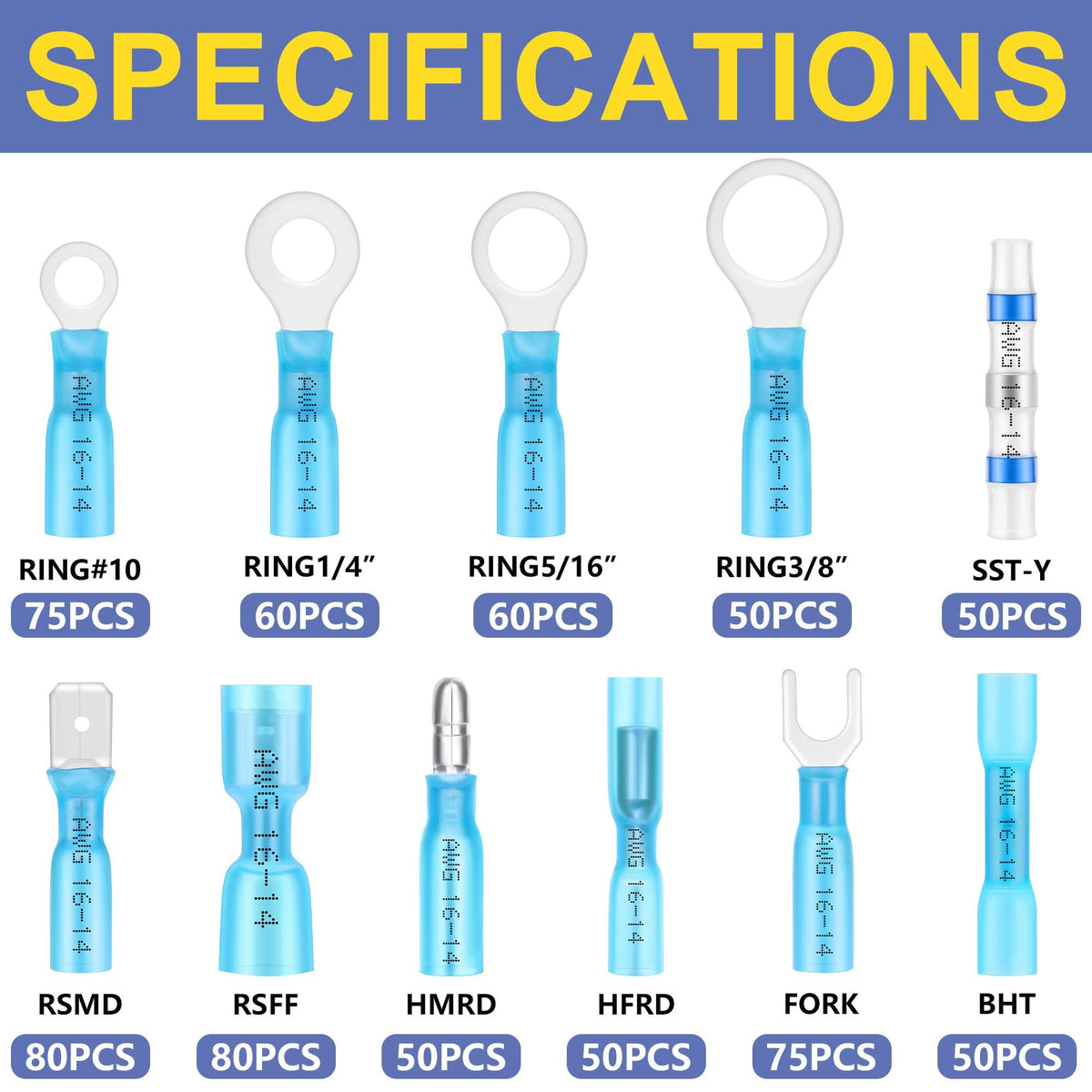
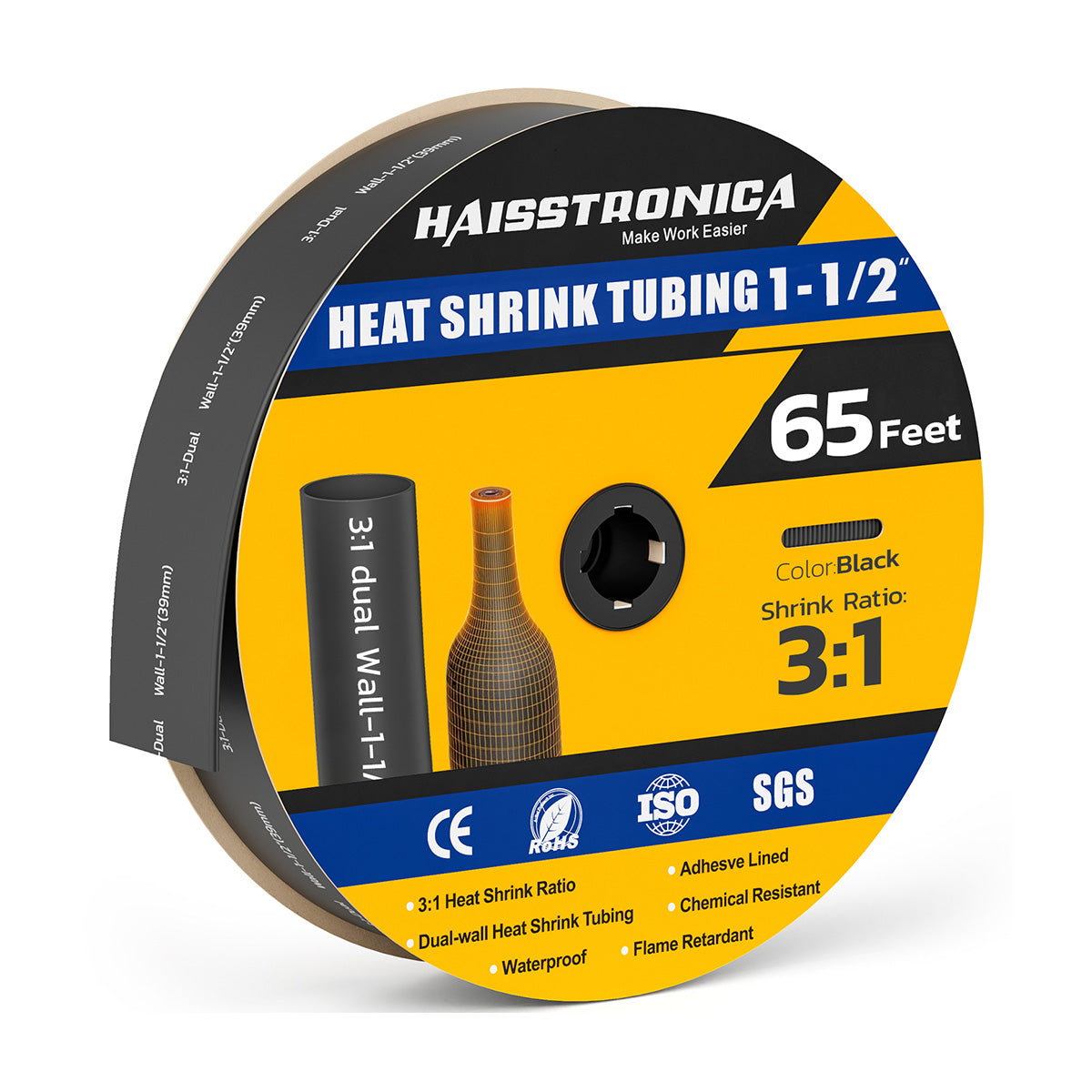
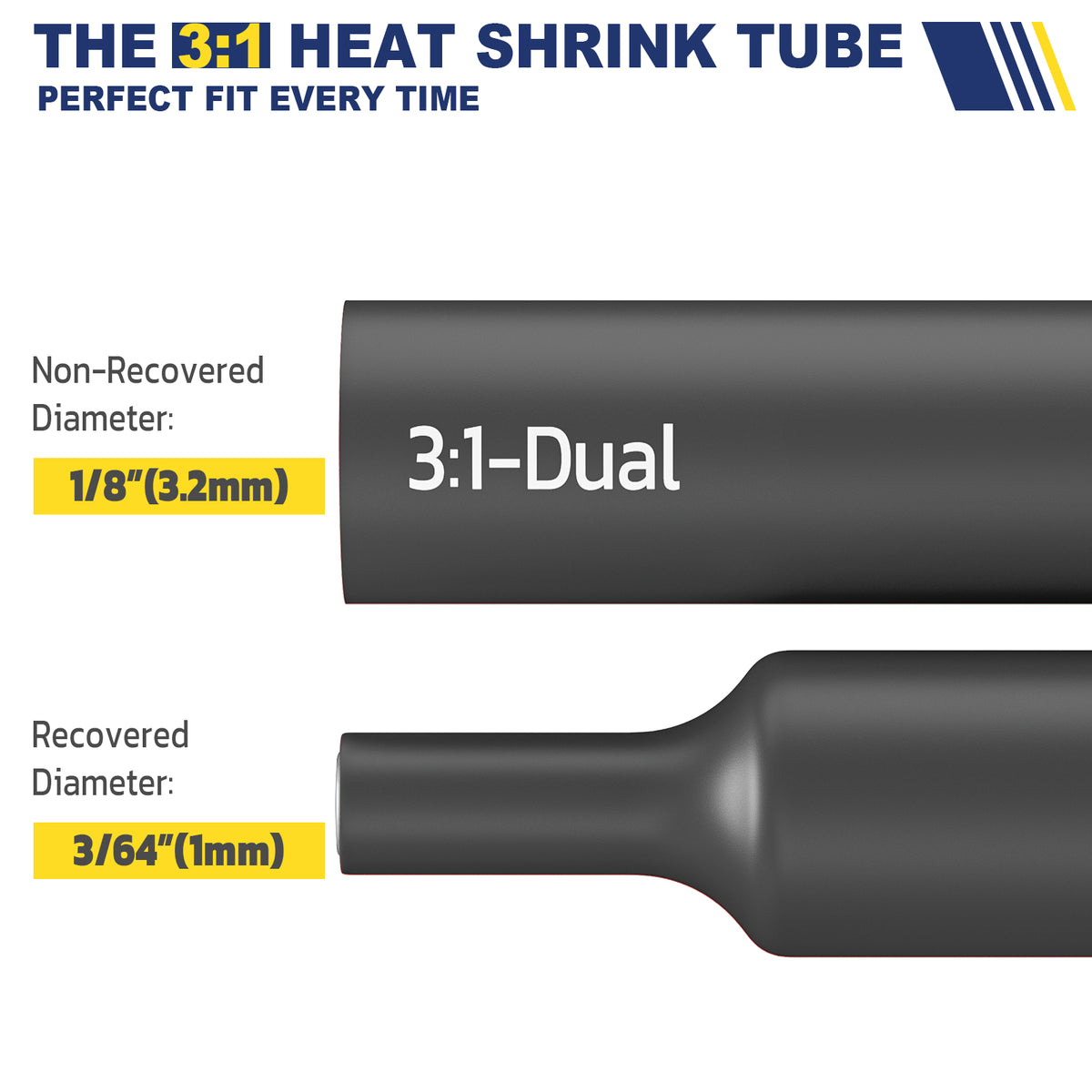
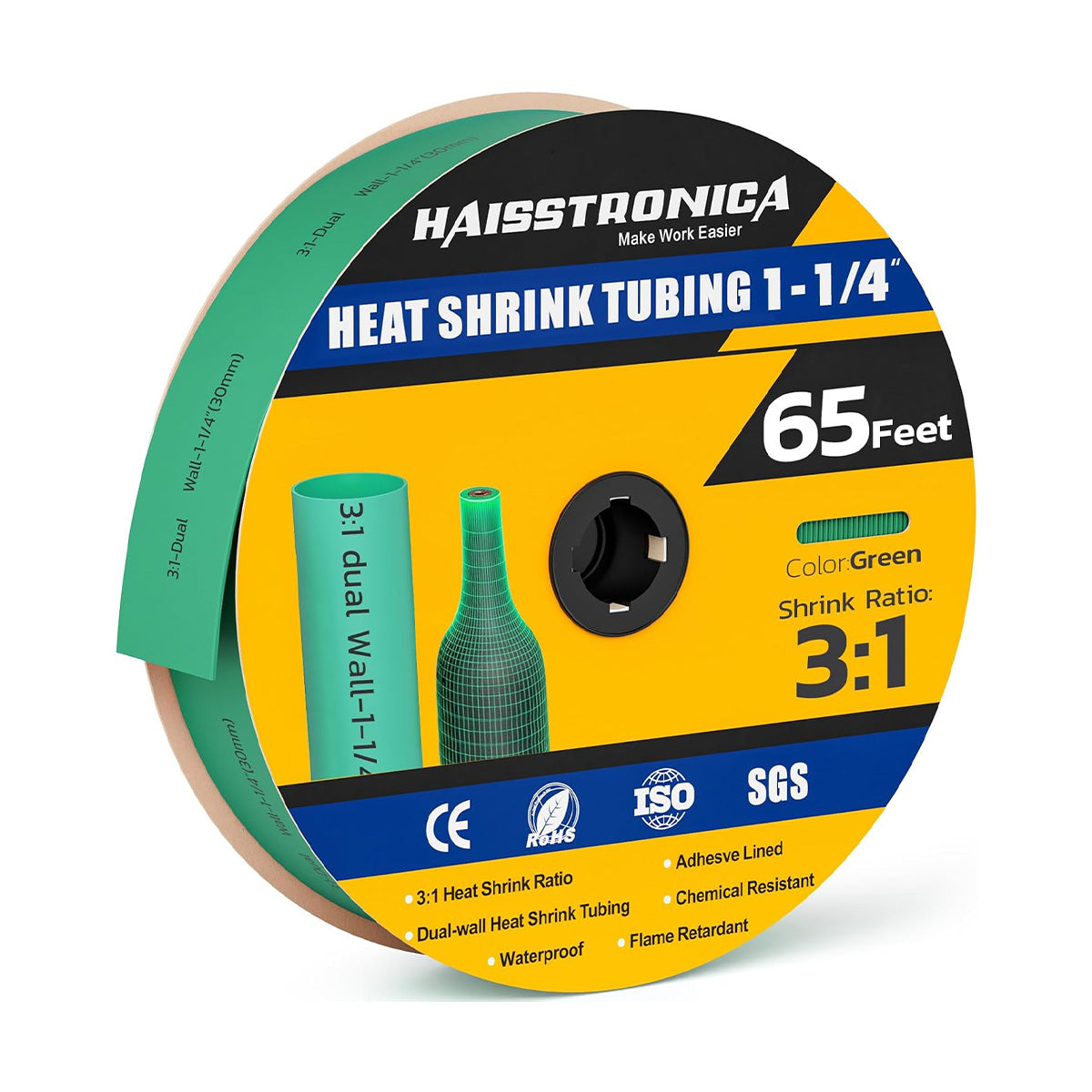
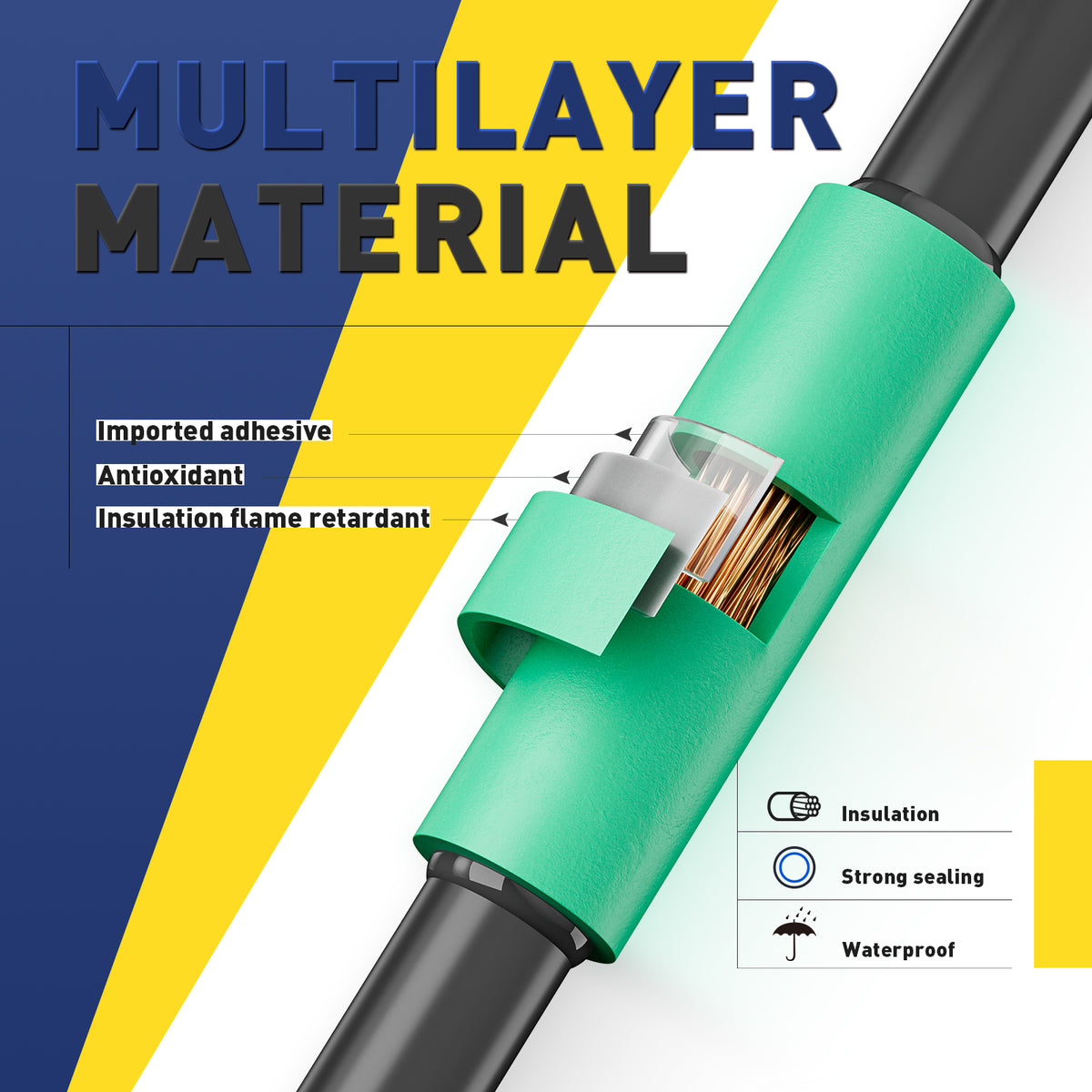
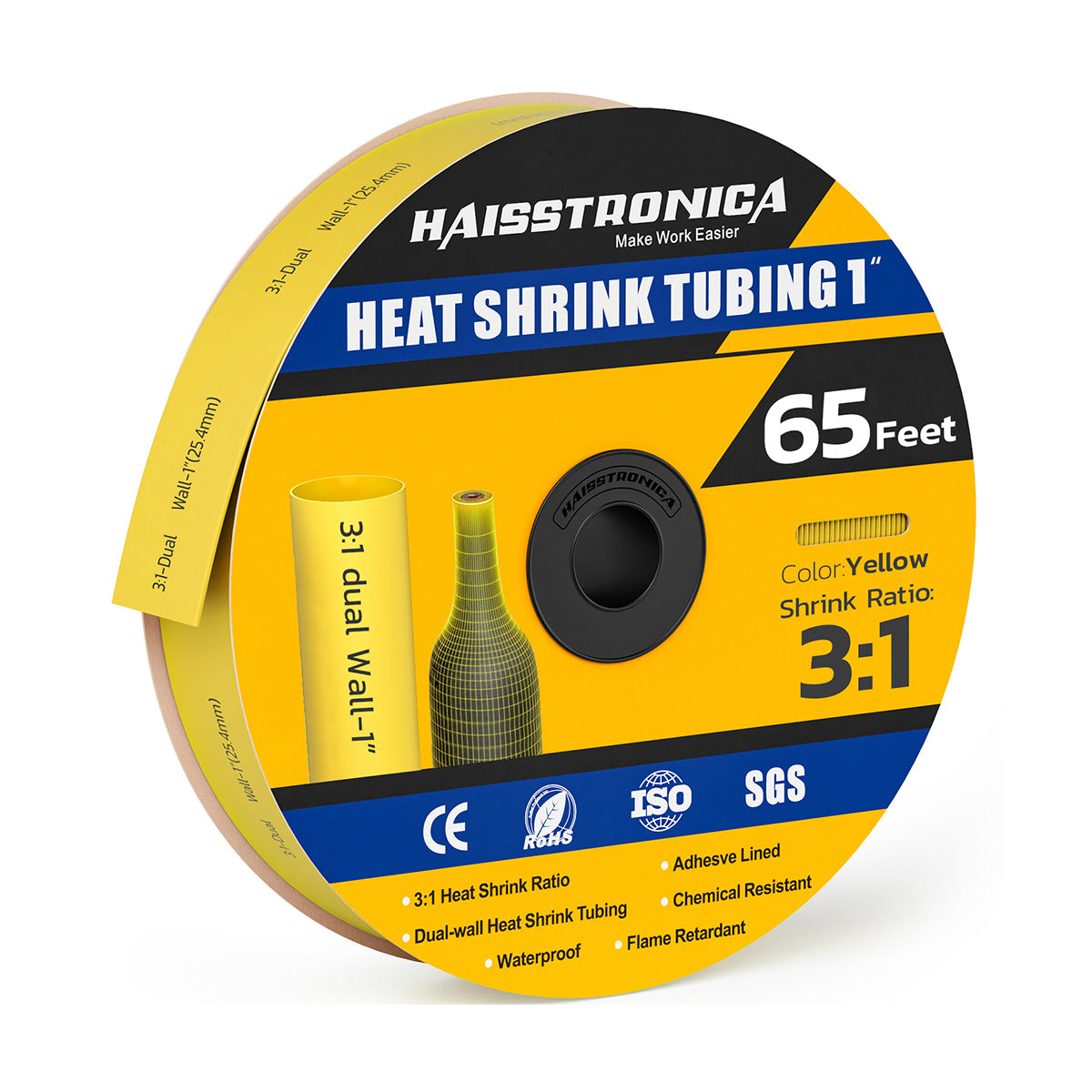
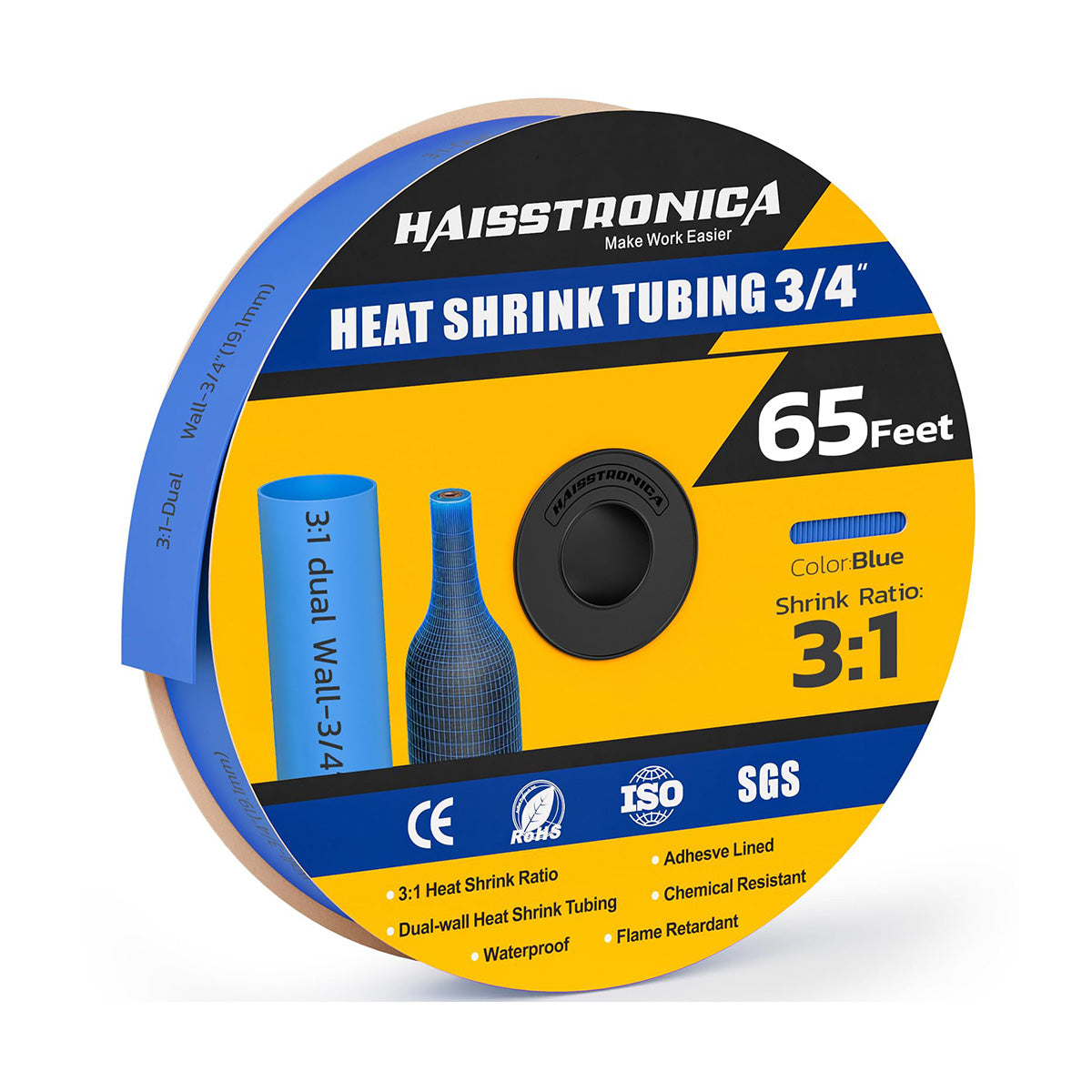
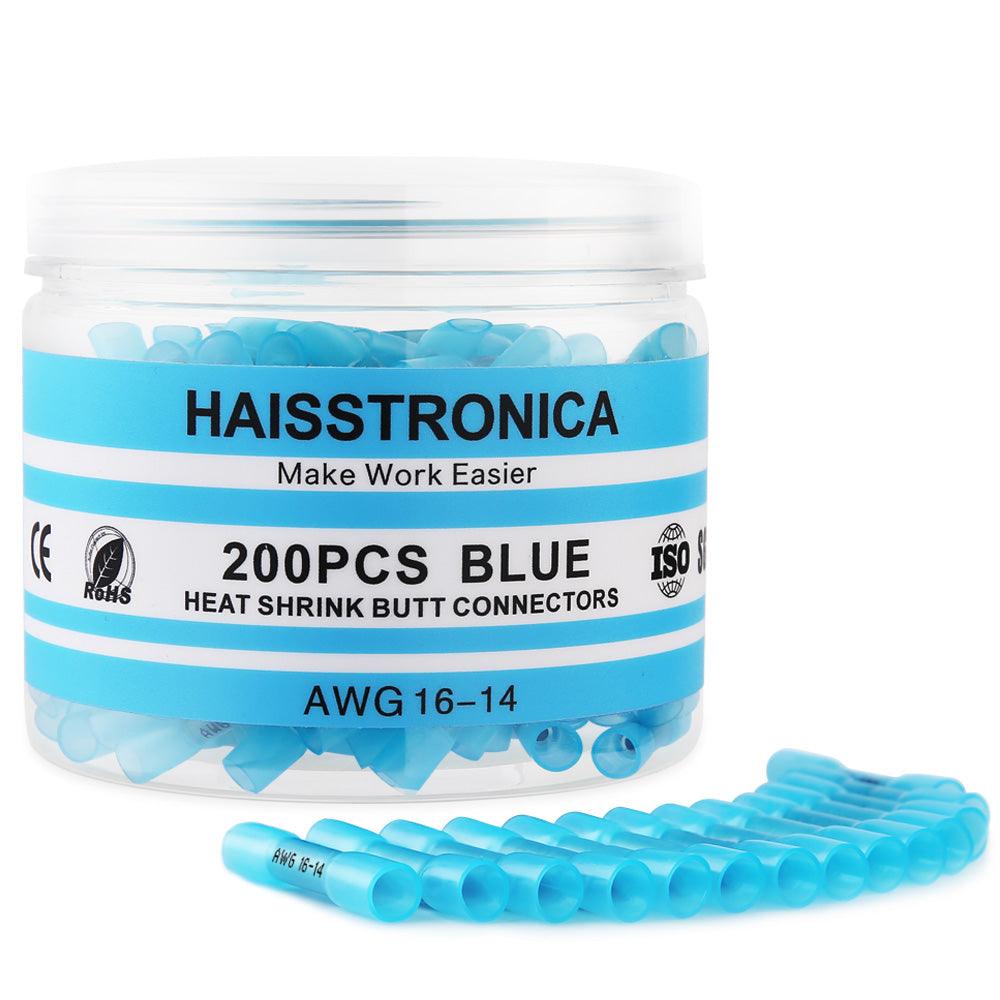
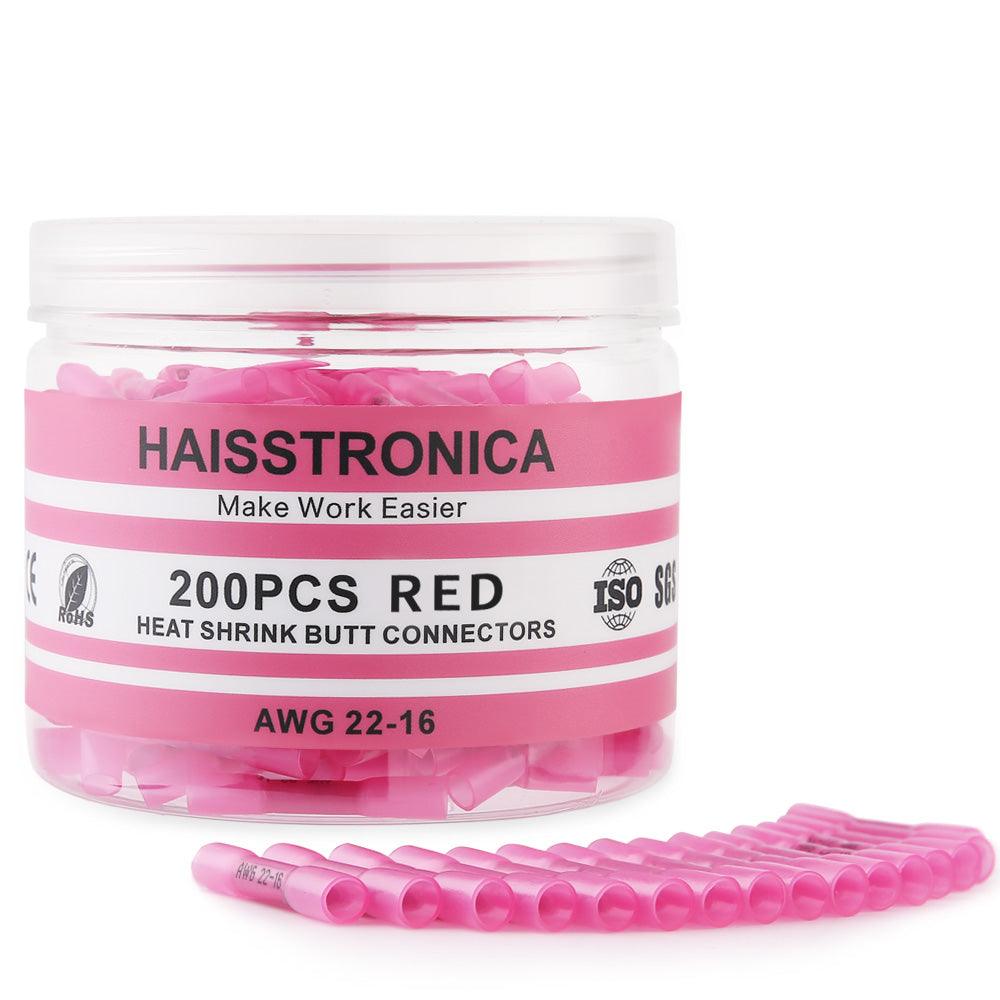
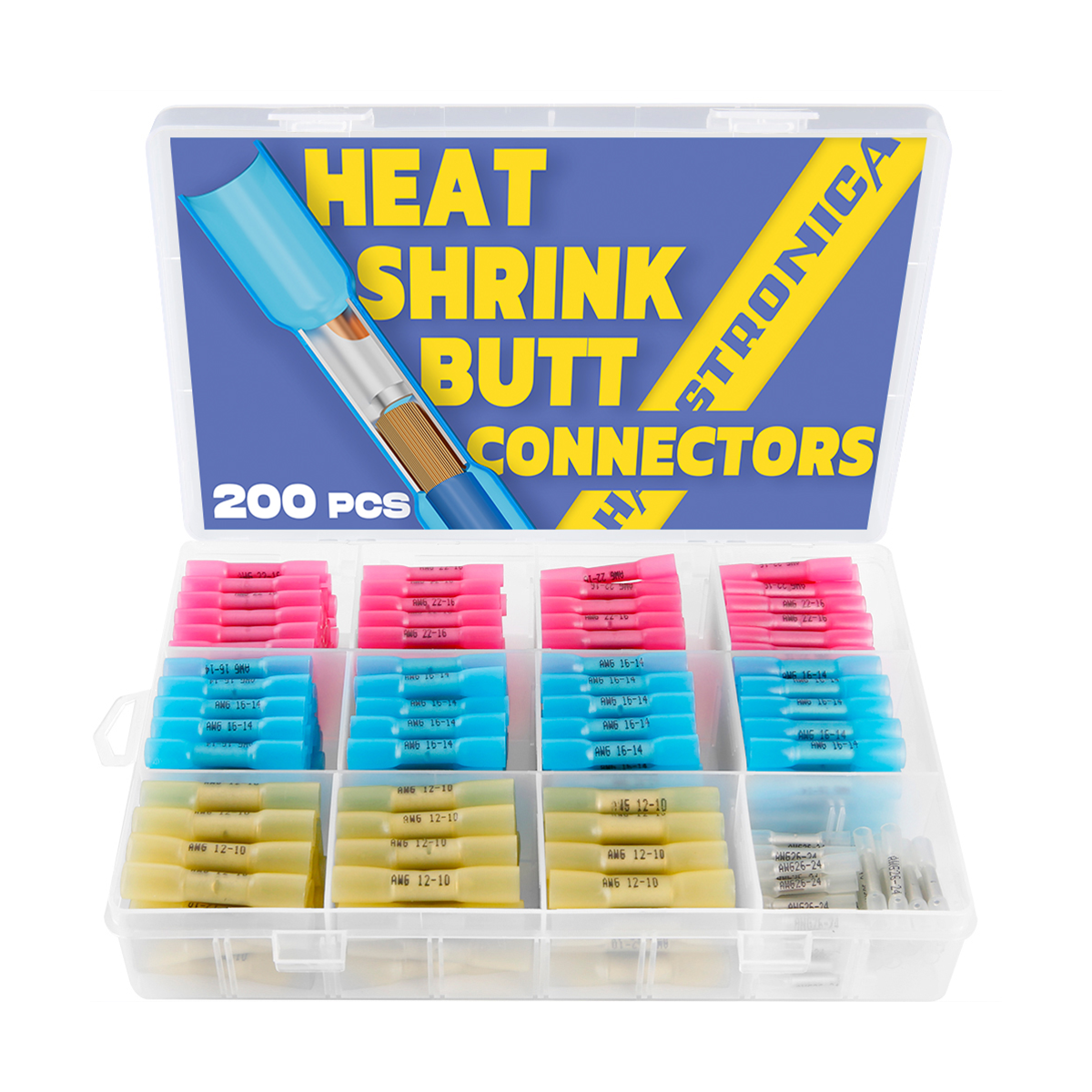
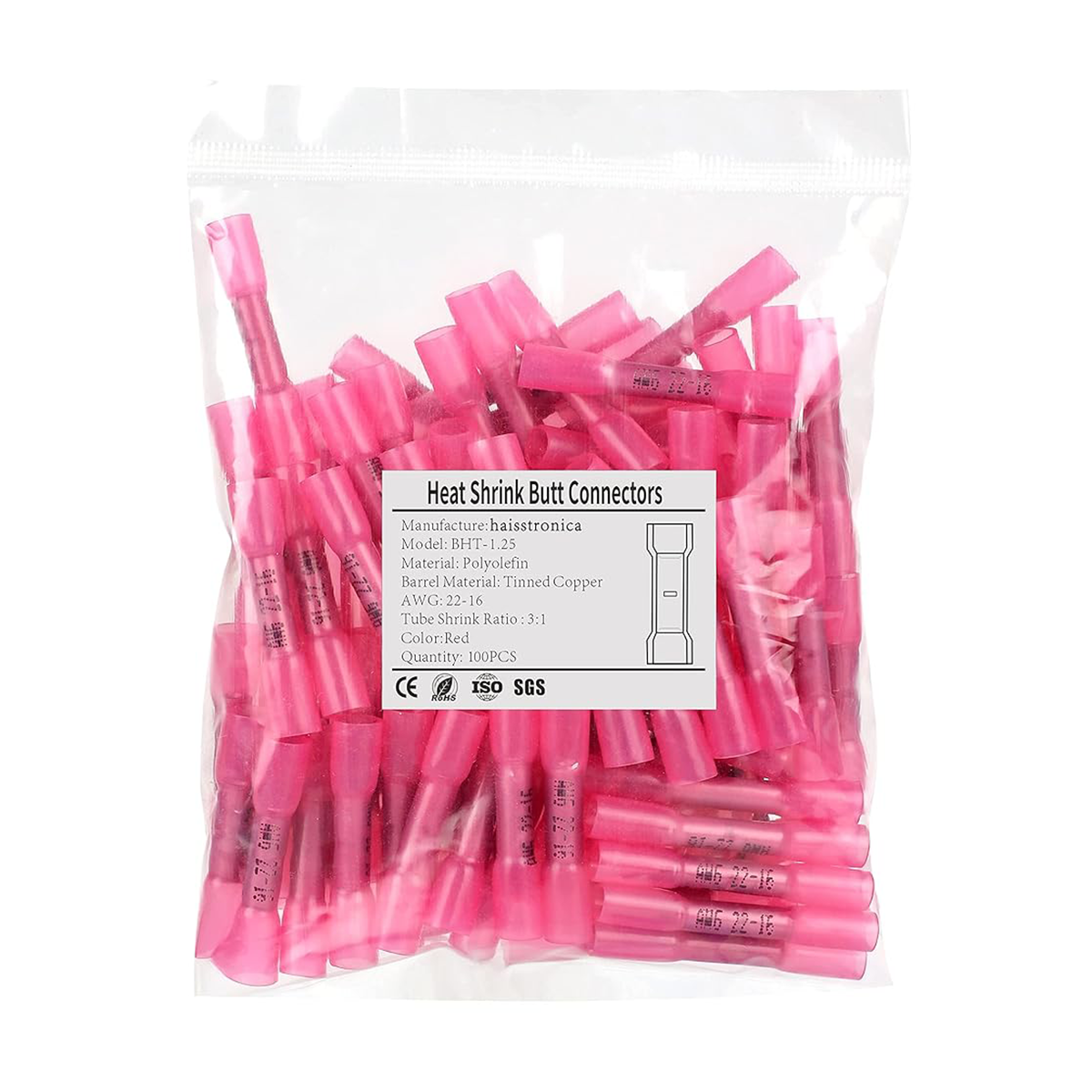
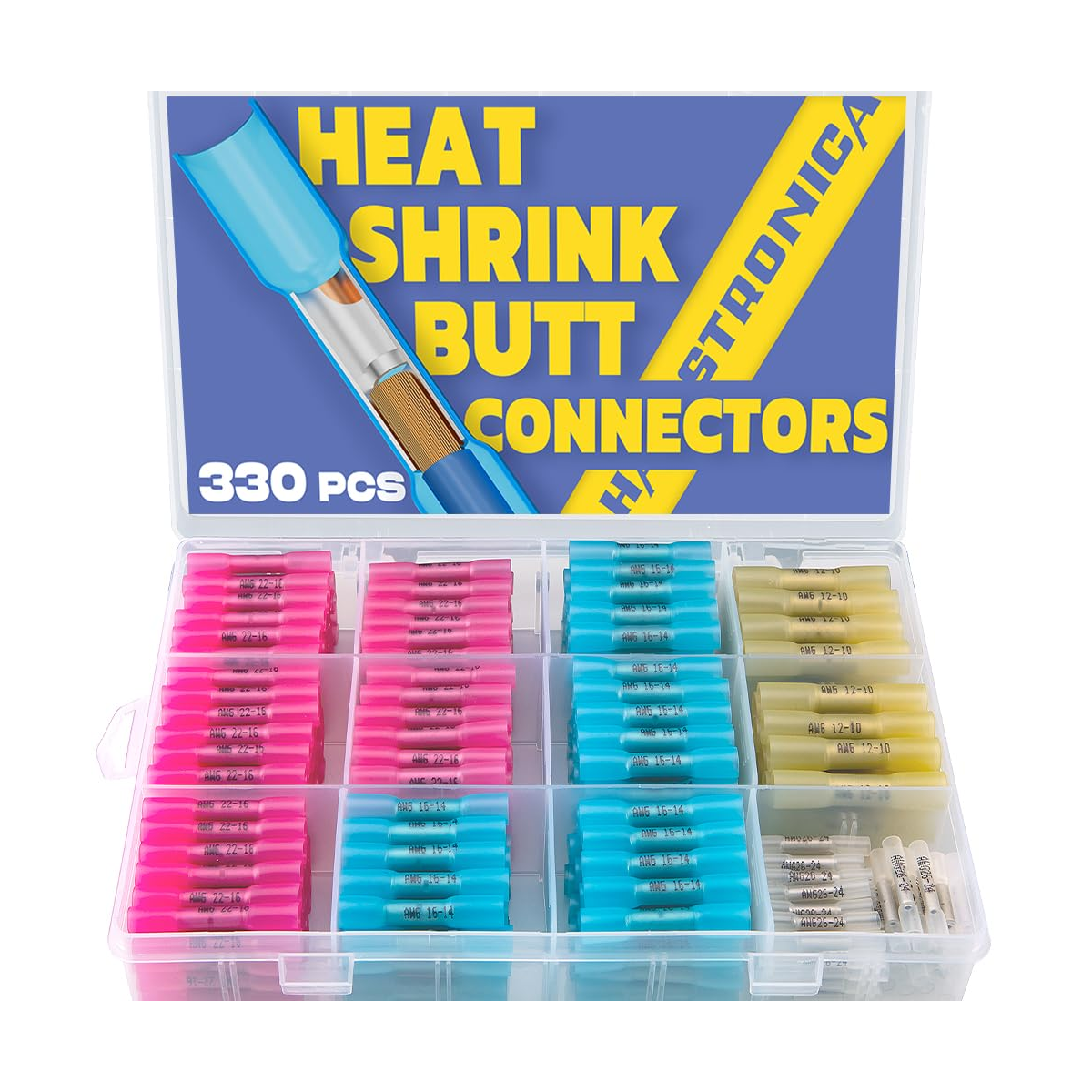
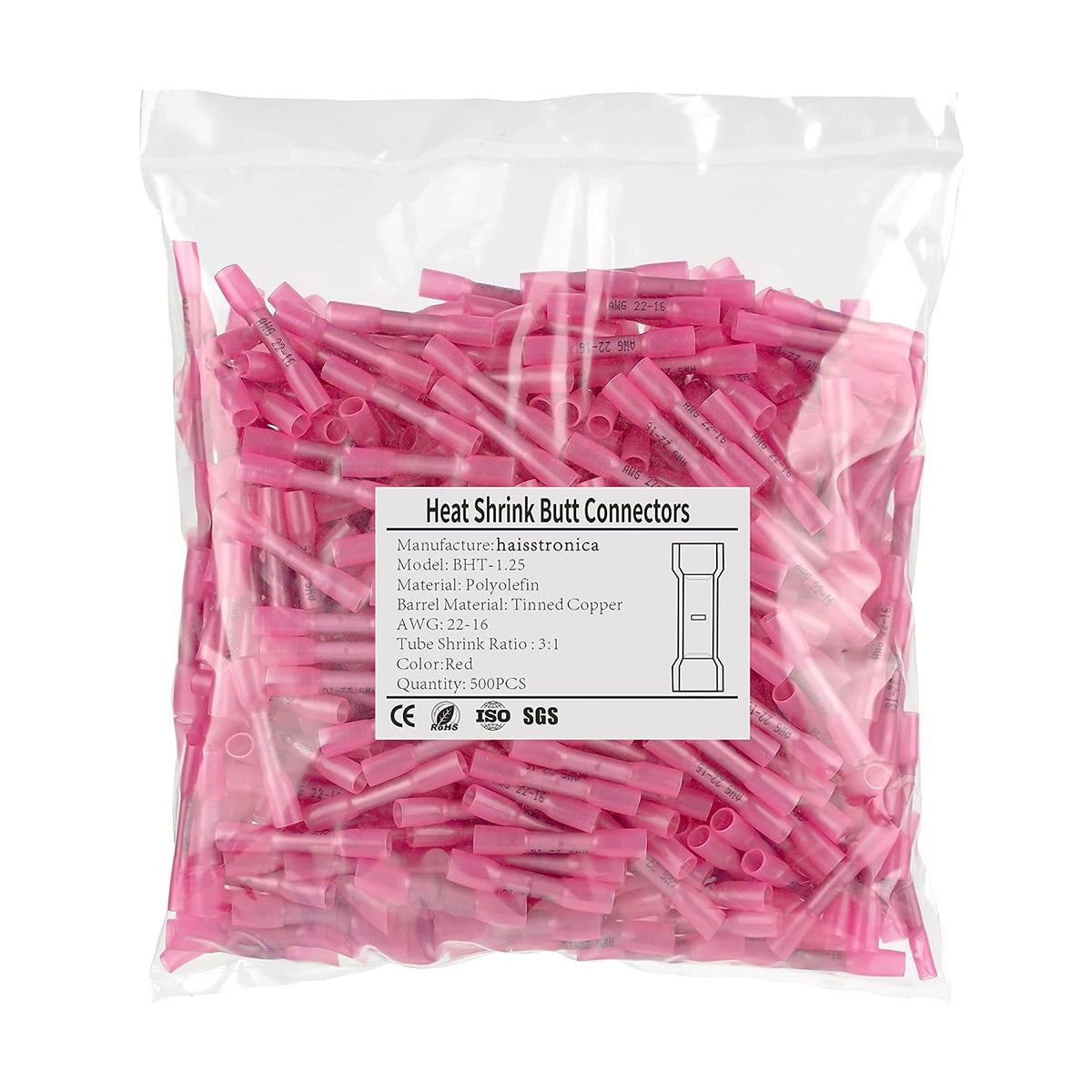
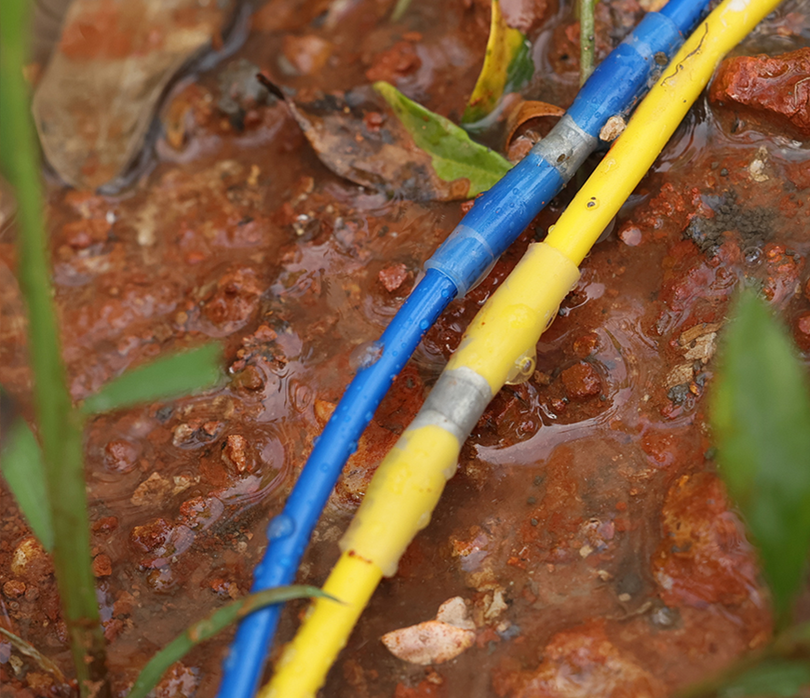
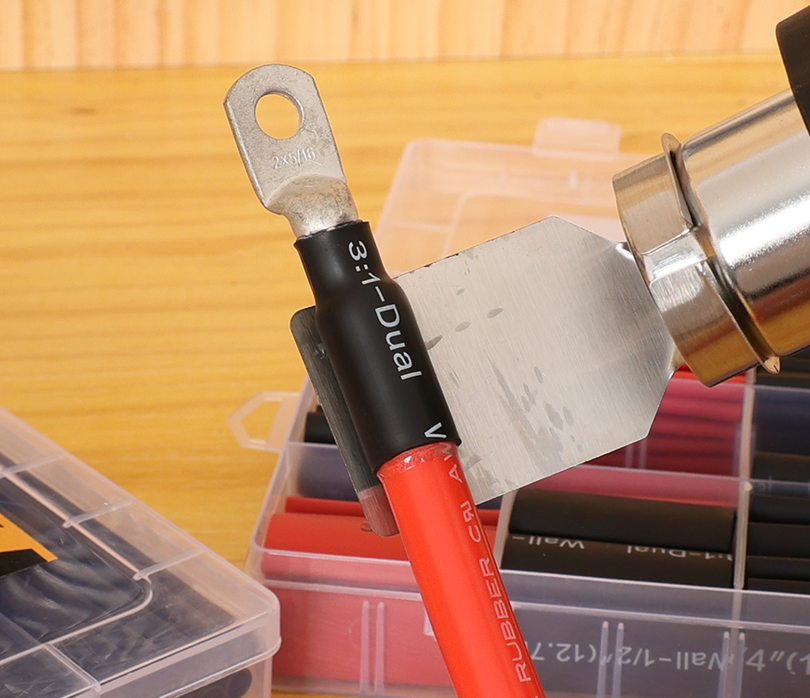
Sealing/adhesion: Many “marine grade” connectors include adhesive-lined heat-shrink tubing. When heated, the inner hot-melt adhesive flows and bonds to the wire insulation, forming a hermetic seal. This dual-wall heat-shrink approach literally seals out moisture, making the joint “watertight”. O-rings and gaskets in multi-pin plugs serve the same purpose. An electrical connection is not truly corrosion-resistant unless it is effectively sealed from the environment. As one marine connector manufacturer notes, heat-shrink butt splices use a glue lining to create “a watertight seal, impervious to saltwater, oil, and moisture ingress”.
-
Insulation properties: Corrosion-resistant also implies insulation that won’t degrade outdoors. Marine cables use special PVC or polyurethane insulation rated for UV, oil, and chemicals. In “dry” conditions, UV-stabilized and flame-retardant sheaths prevent cracking and maintain integrity. In fact, Prysmian explains that any polymer exposed to sun will age and eventually crack, so true UV resistance requires additives (e.g. high carbon black content) or shielding.
-
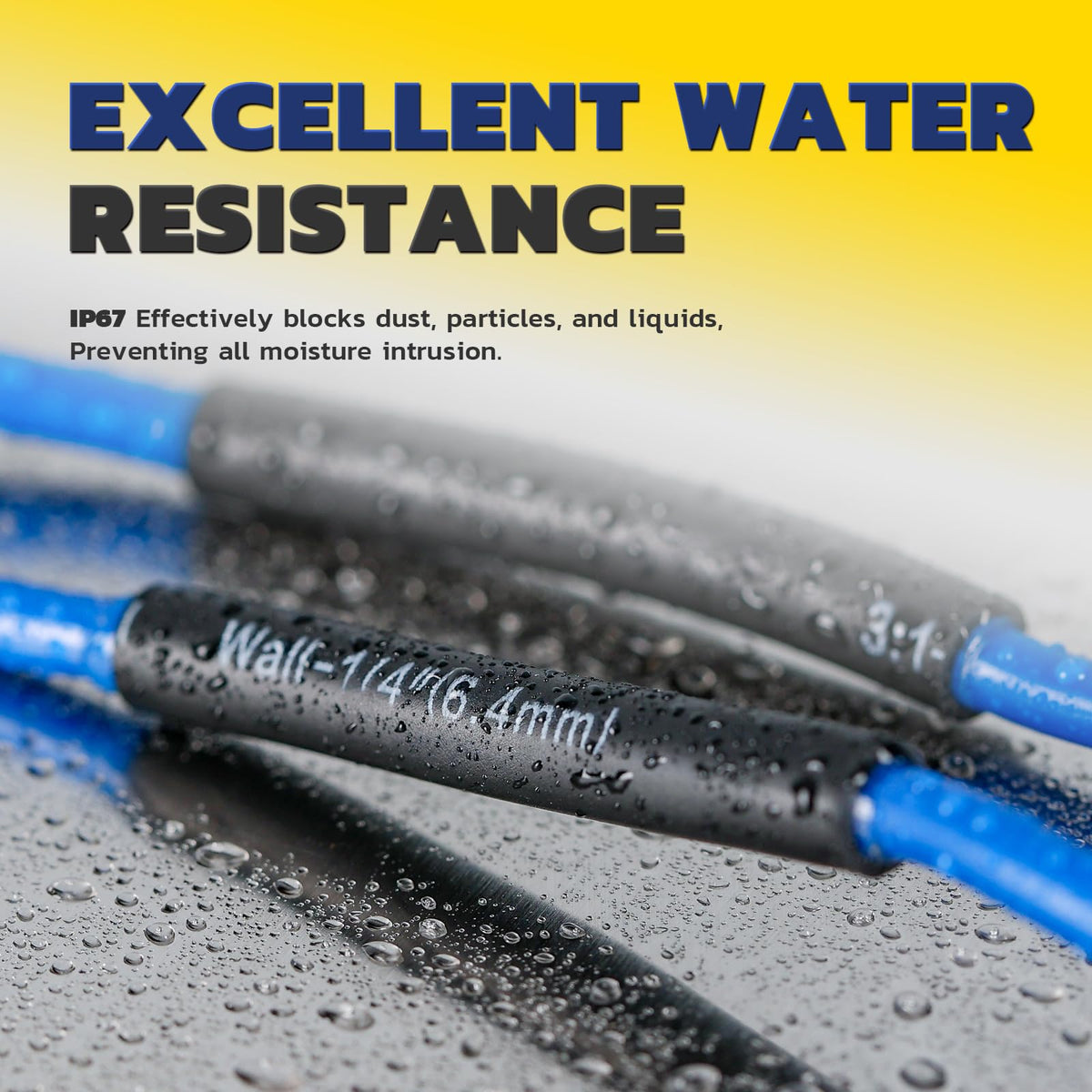
Standards and tests: There are industry standards that define levels of corrosion resistance. For example, the MIL-DTL-38999 connector spec requires a minimum salt-fog rating (usually 48–168 hours) before corrosion appears. Many “marine” connectors aim for IP67 or IP68 waterproof ratings (see IEC 60529); IP67 guarantees no harmful water ingress at 1 m depth for 30 min, while IP68 covers continuous immersion. Thus, a claim of corrosion resistance should always be backed by a specific test (e.g. “resists 168 hours of ASTM B117 salt spray without red rust”).
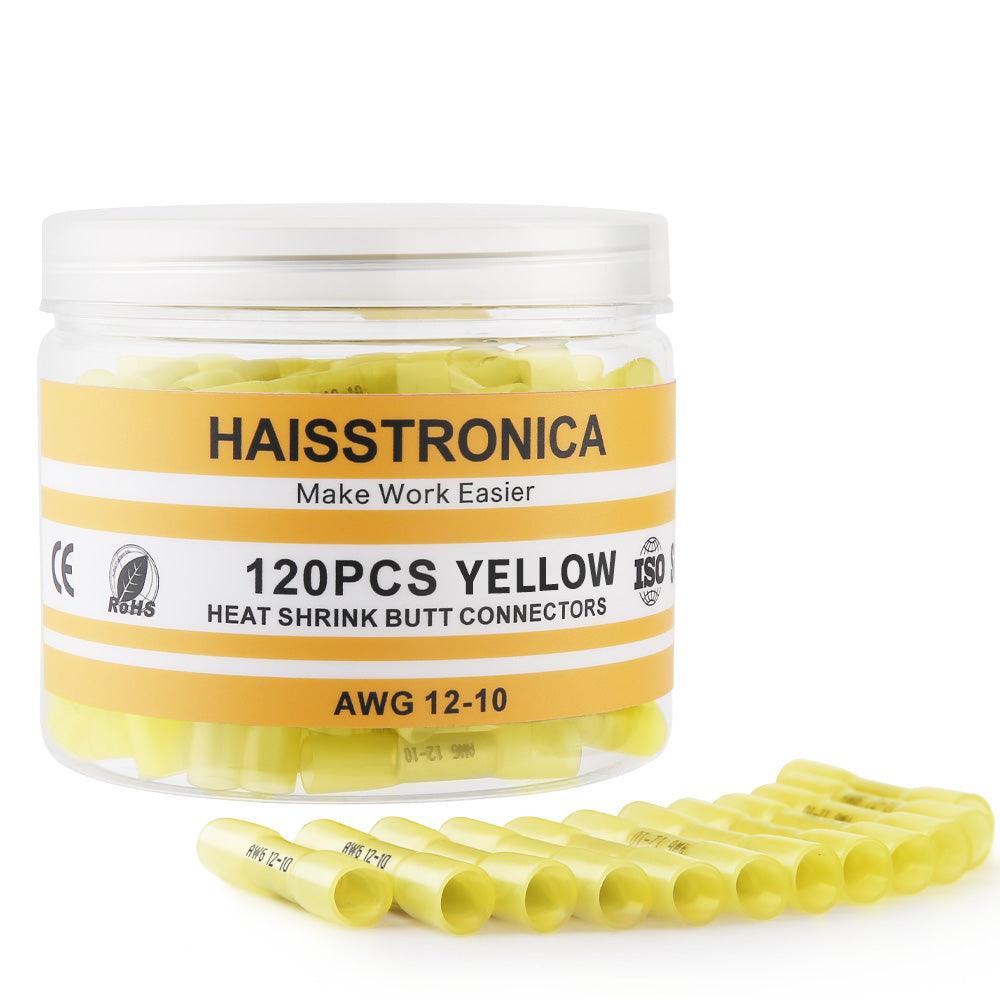
In practice, “corrosion-resistant” often means tin-plated copper contacts and seals that meet marine standards. For a home or automotive user, the key selection criteria are: use tinned terminals and wires for any exposed circuit, apply heat-shrink or silicone boots on all splices, and verify the product specs include salt-fog or waterproof certifications. For example, high-quality heat-shrink butt connectors explicitly list tinned copper and adhesive liner for “long-term corrosion resistance”.

How the Corrosion-Resistance Proof Was Verified
Manufacturers verify corrosion resistance with accelerated lab tests. The most common is ASTM B117 salt spray, where samples are placed in a chamber constantly fogged with saline solution at 35 °C. Even standard tests often run 48–168 hours; heavy-duty marine parts are sometimes tested 500–1000 hours for extreme assurance. In one 1000+ hour study, connectors built with tinned copper contacts maintained a contact resistance under 5 milliohms (mΩ) throughout the test. In contrast, an ordinary connector degraded to 15–25 mΩ by 168 h. The test examined not only electrical performance but also physical corrosion and seal integrity. The tinned connectors showed no visible rust and no salt intrusion, confirming that their materials and seals are truly marine-grade.
A less extreme example: MIL-STD-1344 (used by the military) calls for 48-hour salt-fog testing of electrical contacts. In contrast, NASA’s experience found that electroless-nickel connectors on aluminum survived 168 h with no bonding failure. While a home or auto part won’t get formal MIL certification, similar testing can be done in-house. For instance, one DIY test for weatherproof wire nuts is to submerge them in salt water overnight and check if any discoloration or conductivity loss appears.
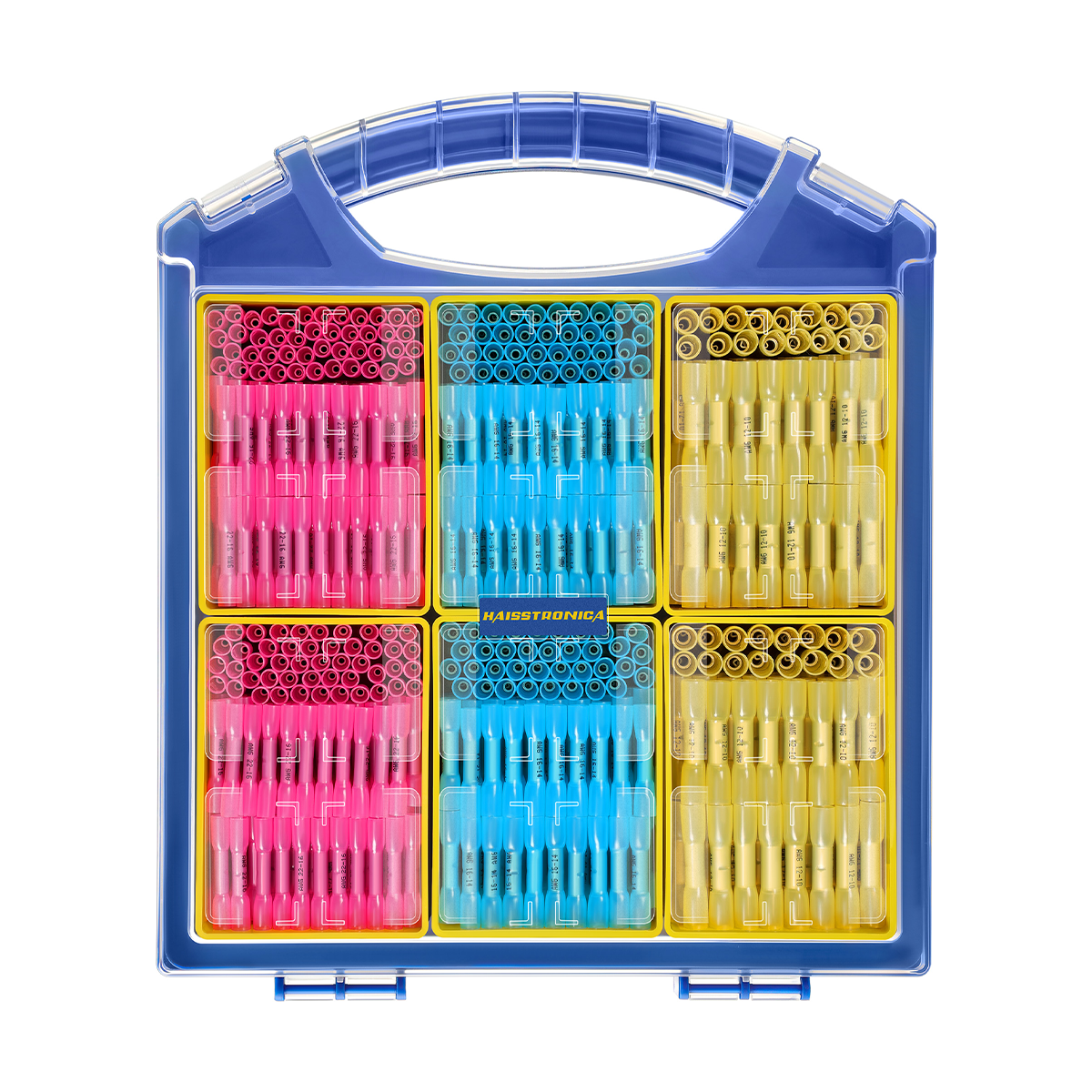
When we say Haisstronica’s connectors are “corrosion-resistant”, we mean they meet or exceed these rigorous tests. For example, our heat-shrink splice kits use tin-plated copper and dual-wall tubing. In continuous salt-fog exposure, such components should show minimal oxidation, low resistance change, and maintained insulation. Studies show that with proper materials, sealed connectors maintain insulation resistance >1000 MΩ at 500 VDC even after 1000 hours, effectively proving the corrosion protection.
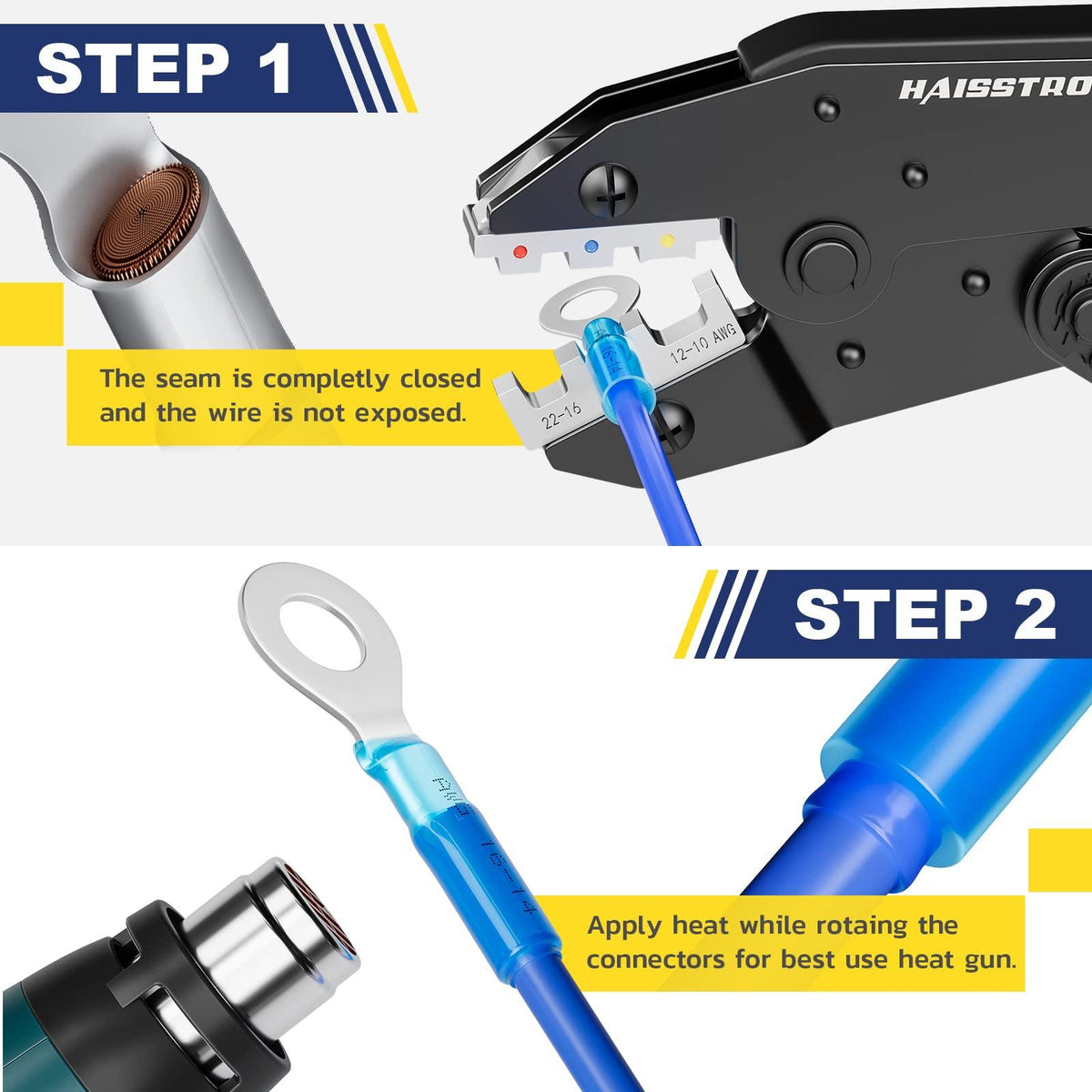
Practical tip: To verify for your project, look for published test results or certifications. Products rated for marine or automotive use often list IP ratings or “salt spray X hours”. In assembly, you can test a sample splice by bending and then immersing it for several hours in salty water – it should not short or break down. Always follow correct installation: fully tin the wire ends (for aluminum), crimp firmly, then heat the tubing until the glue flows. A well-made joint will prevent any moisture from reaching the bare copper and will easily survive damp conditions.
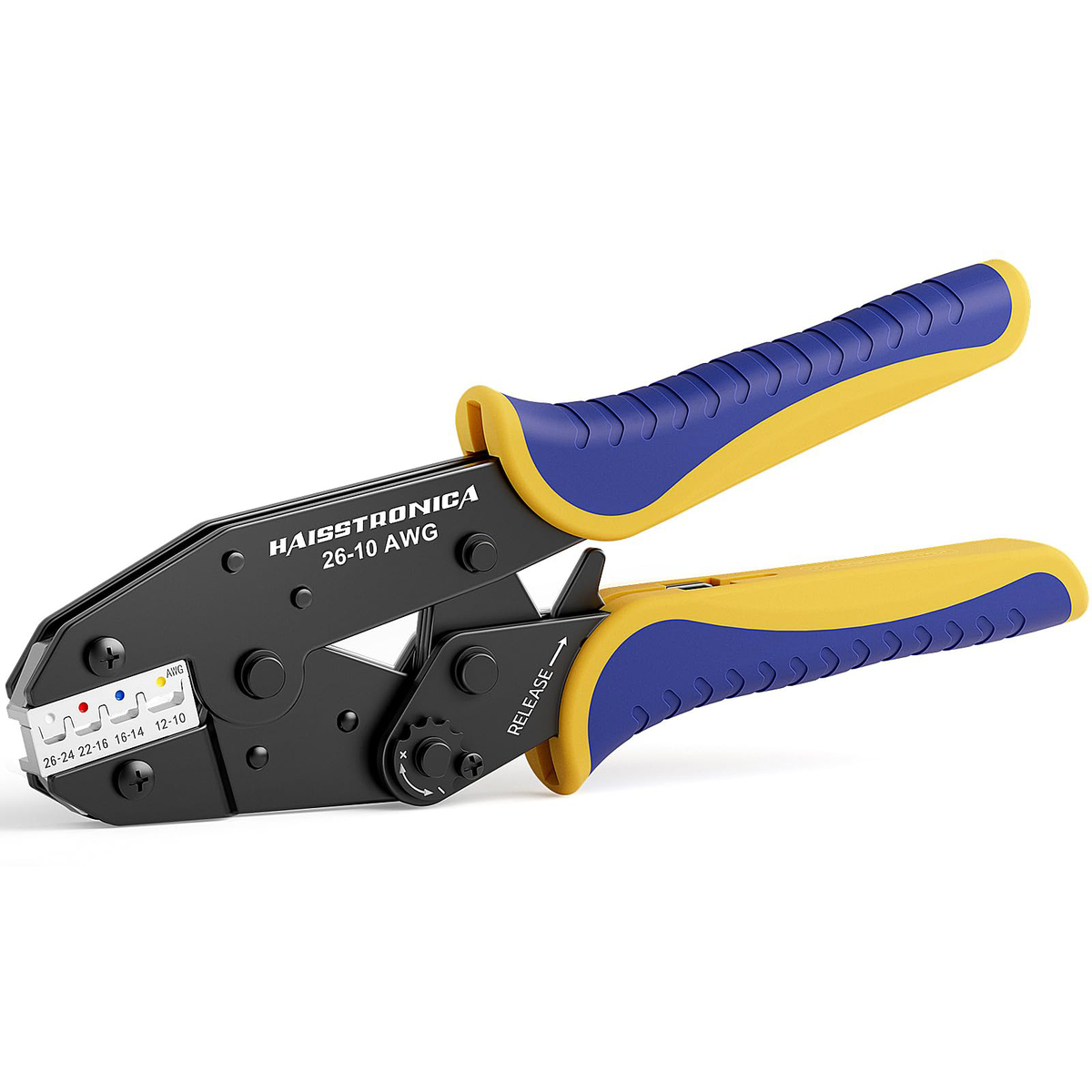
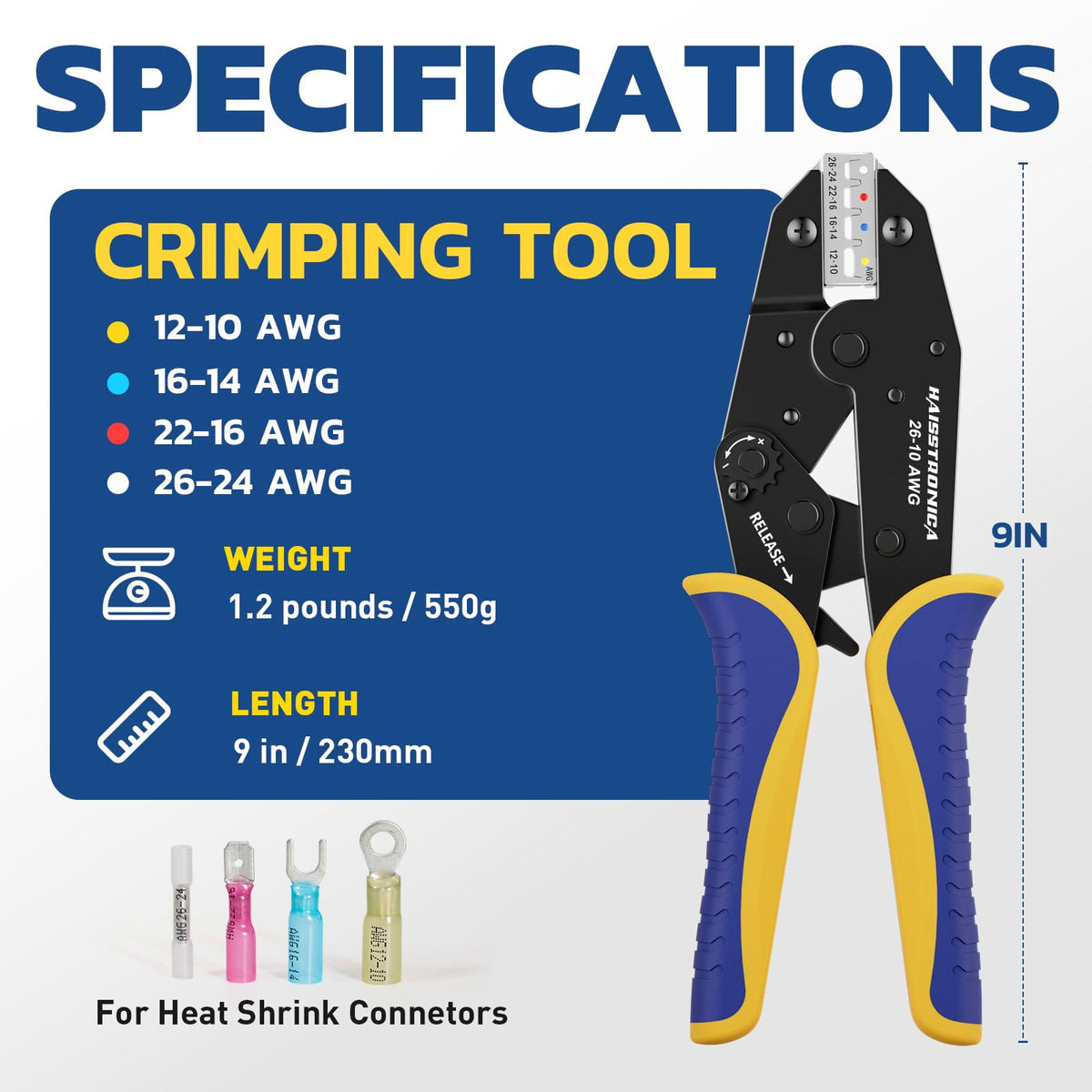
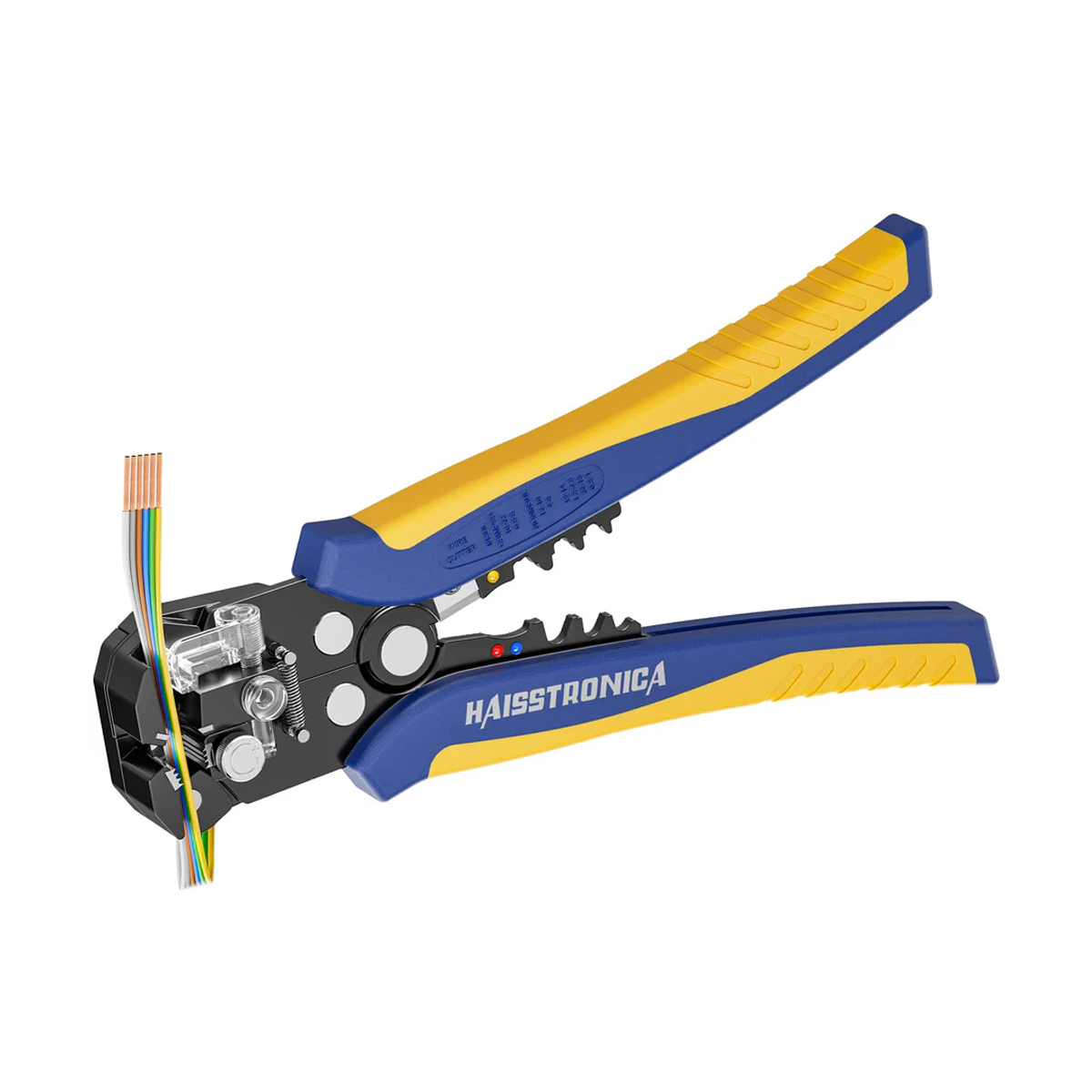
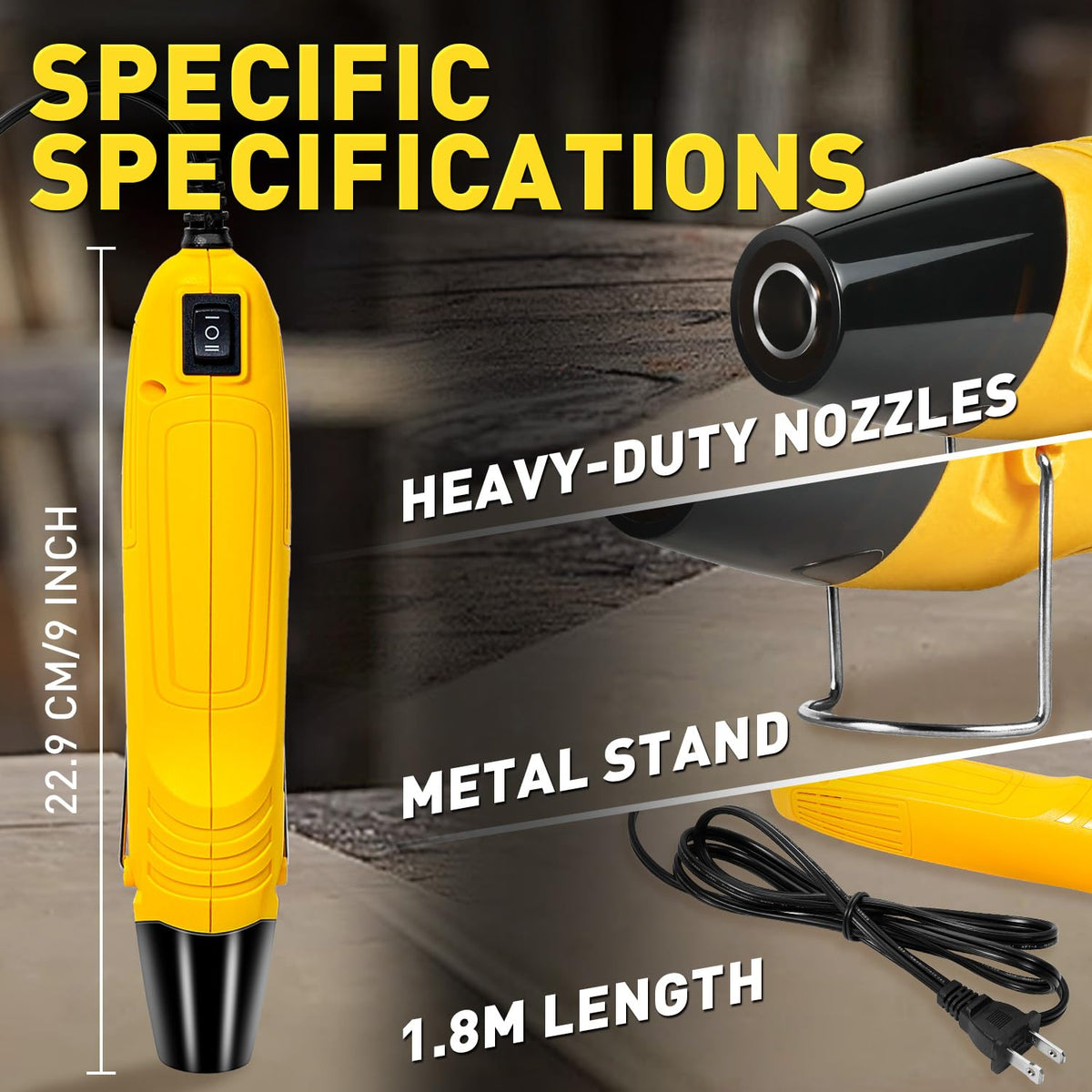
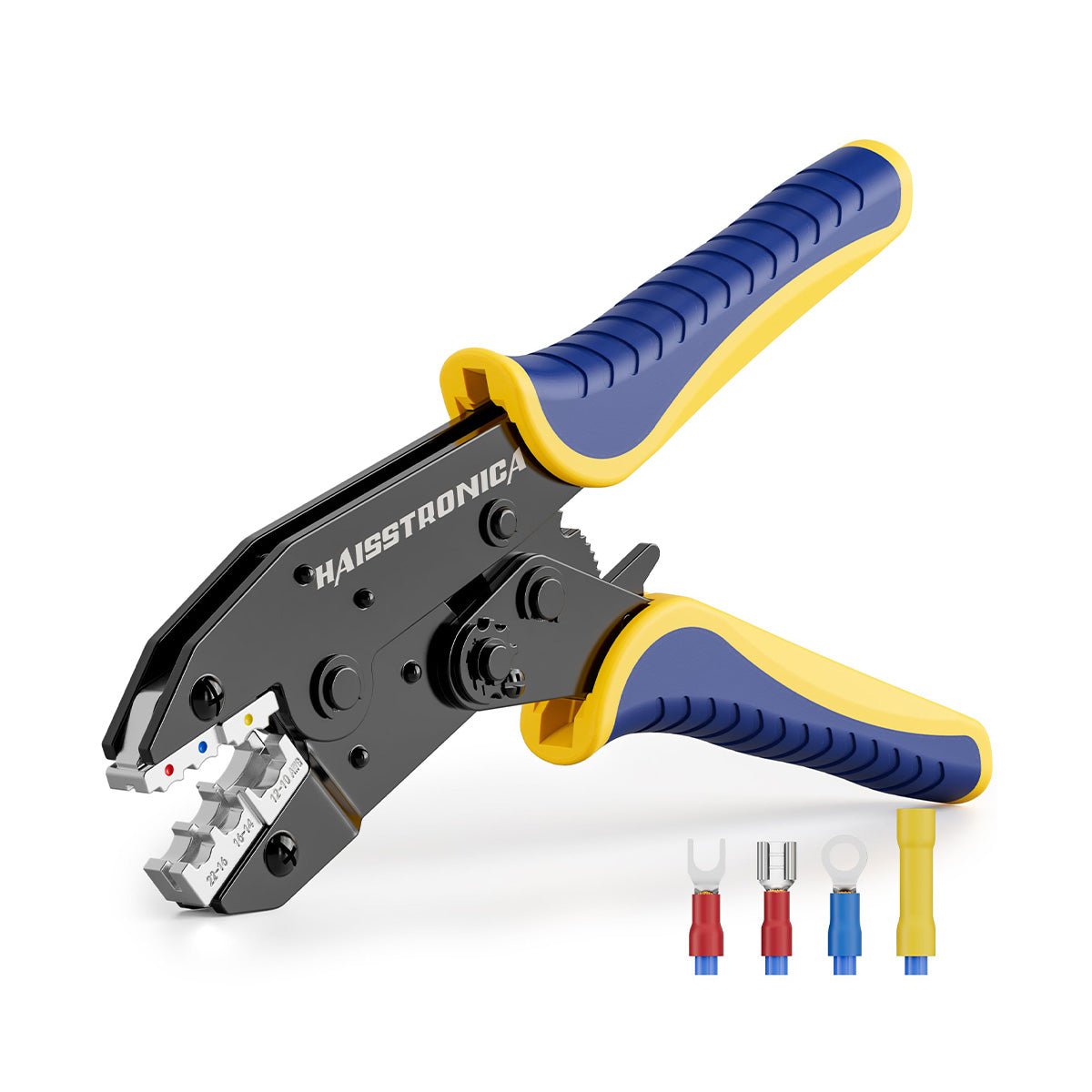
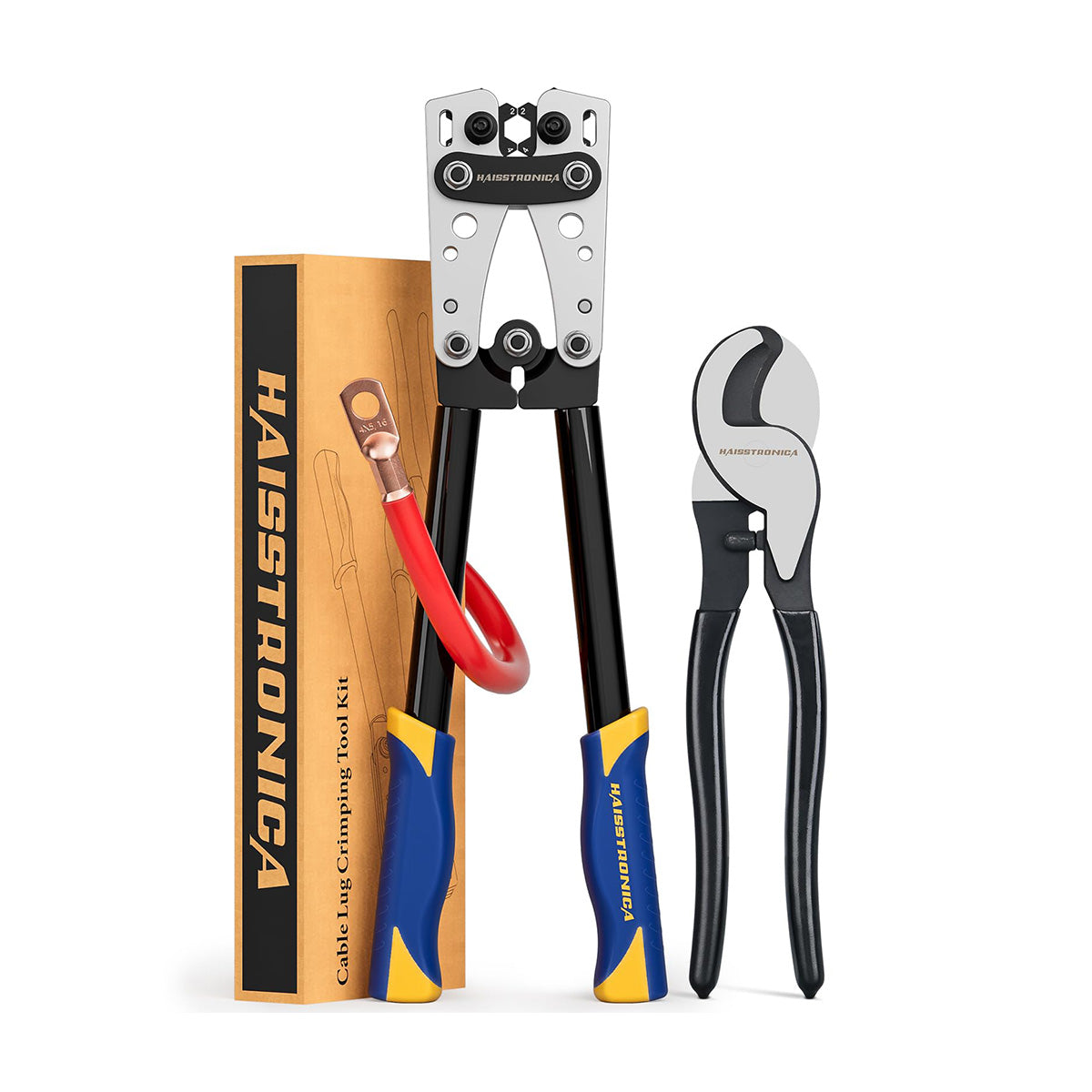
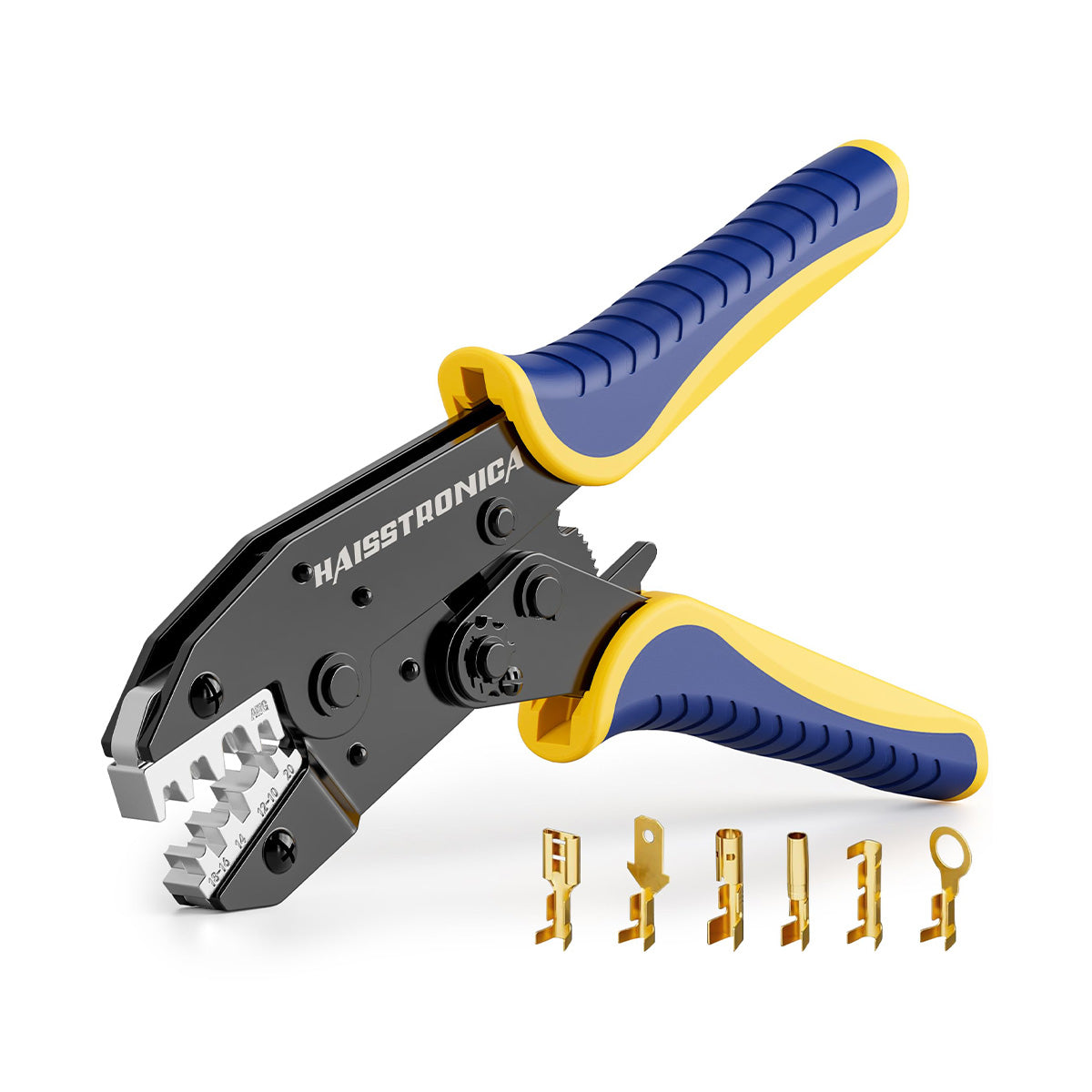
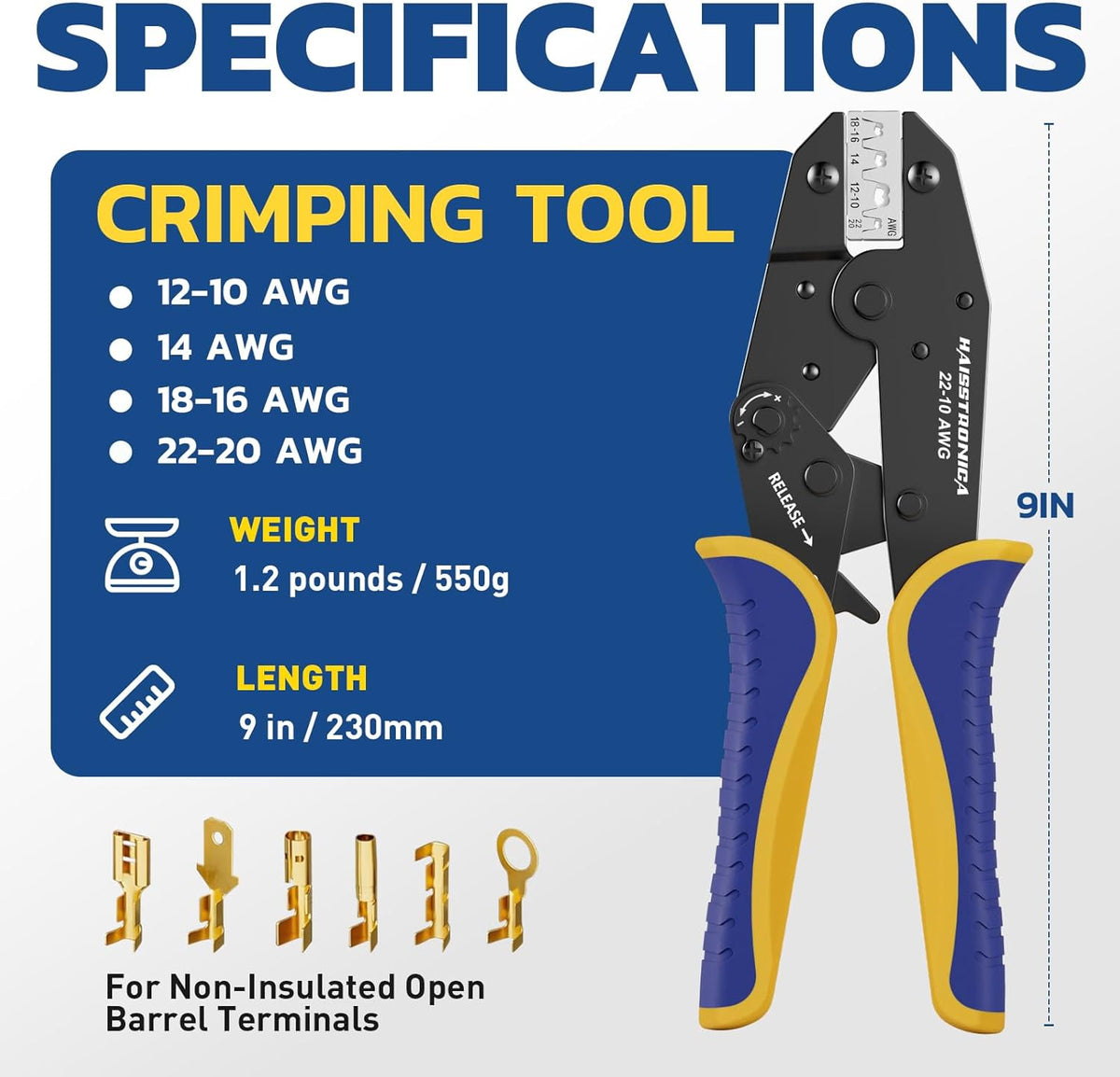
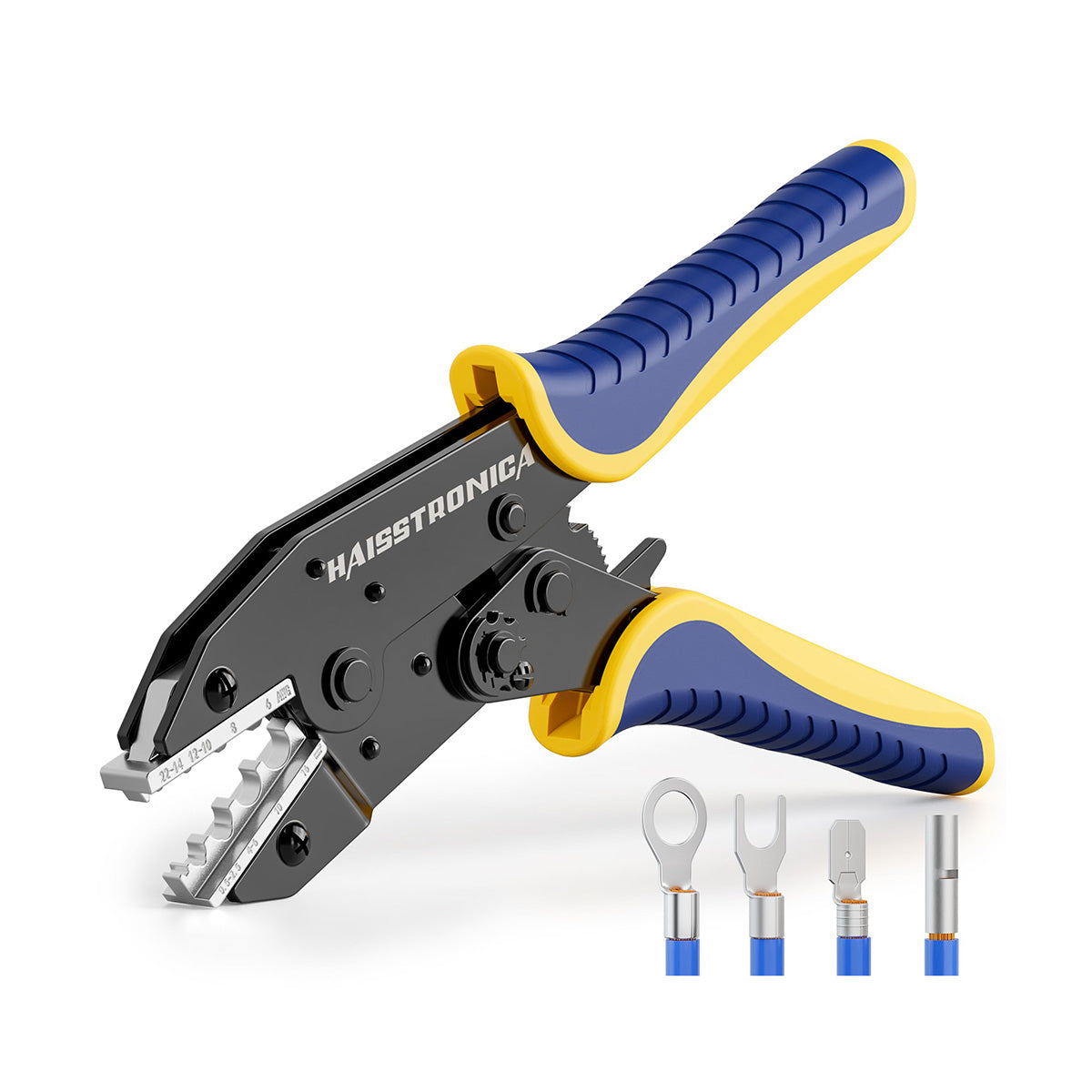
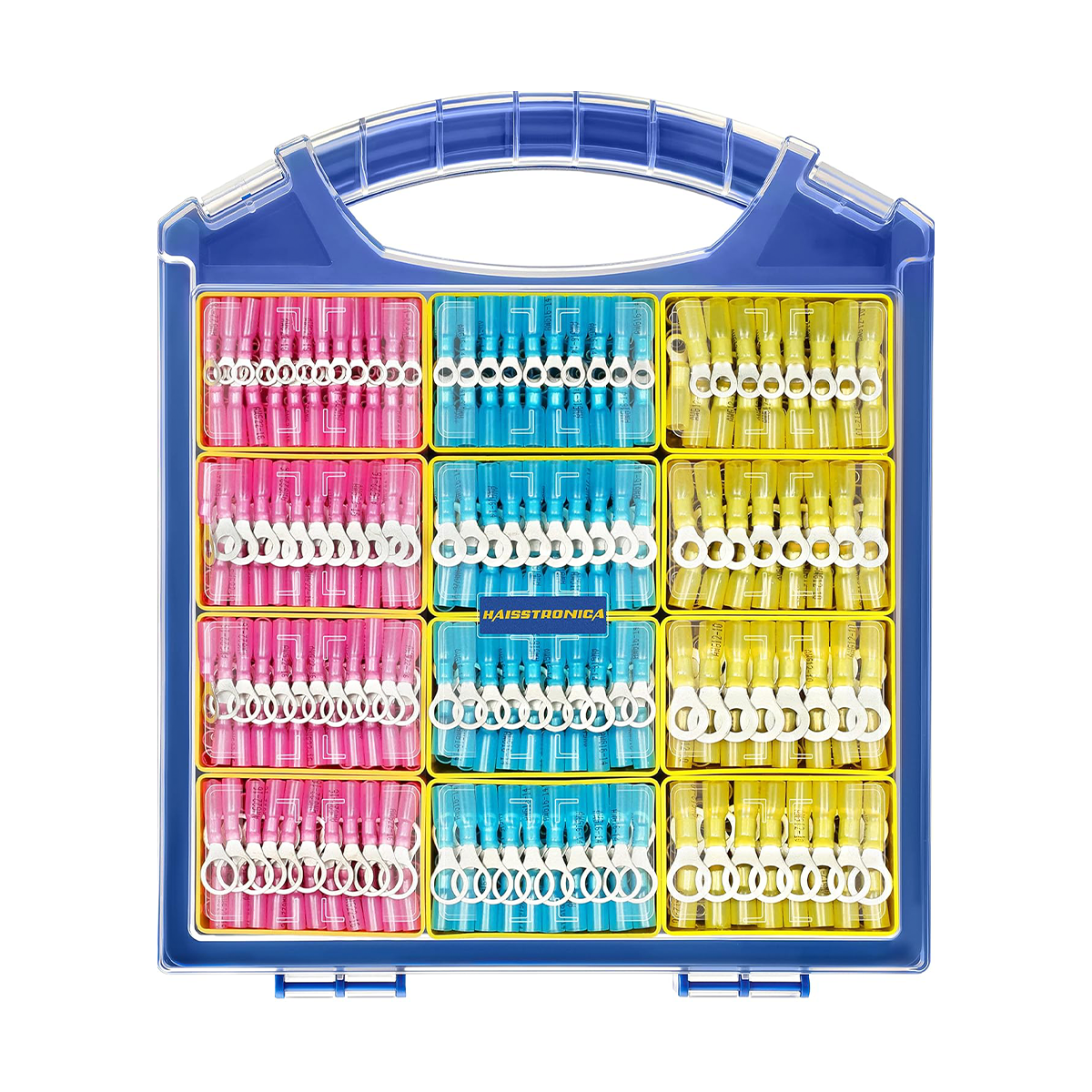
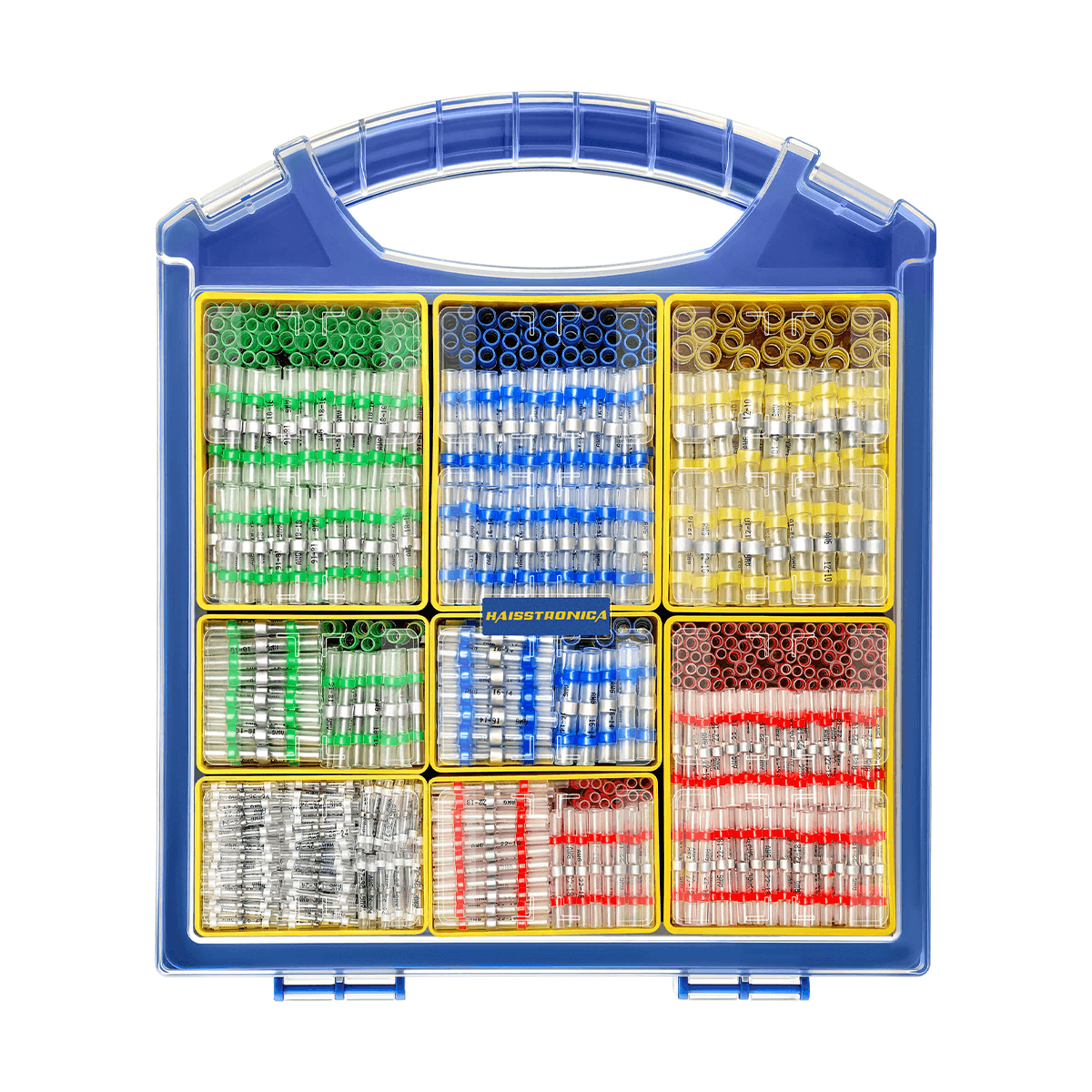
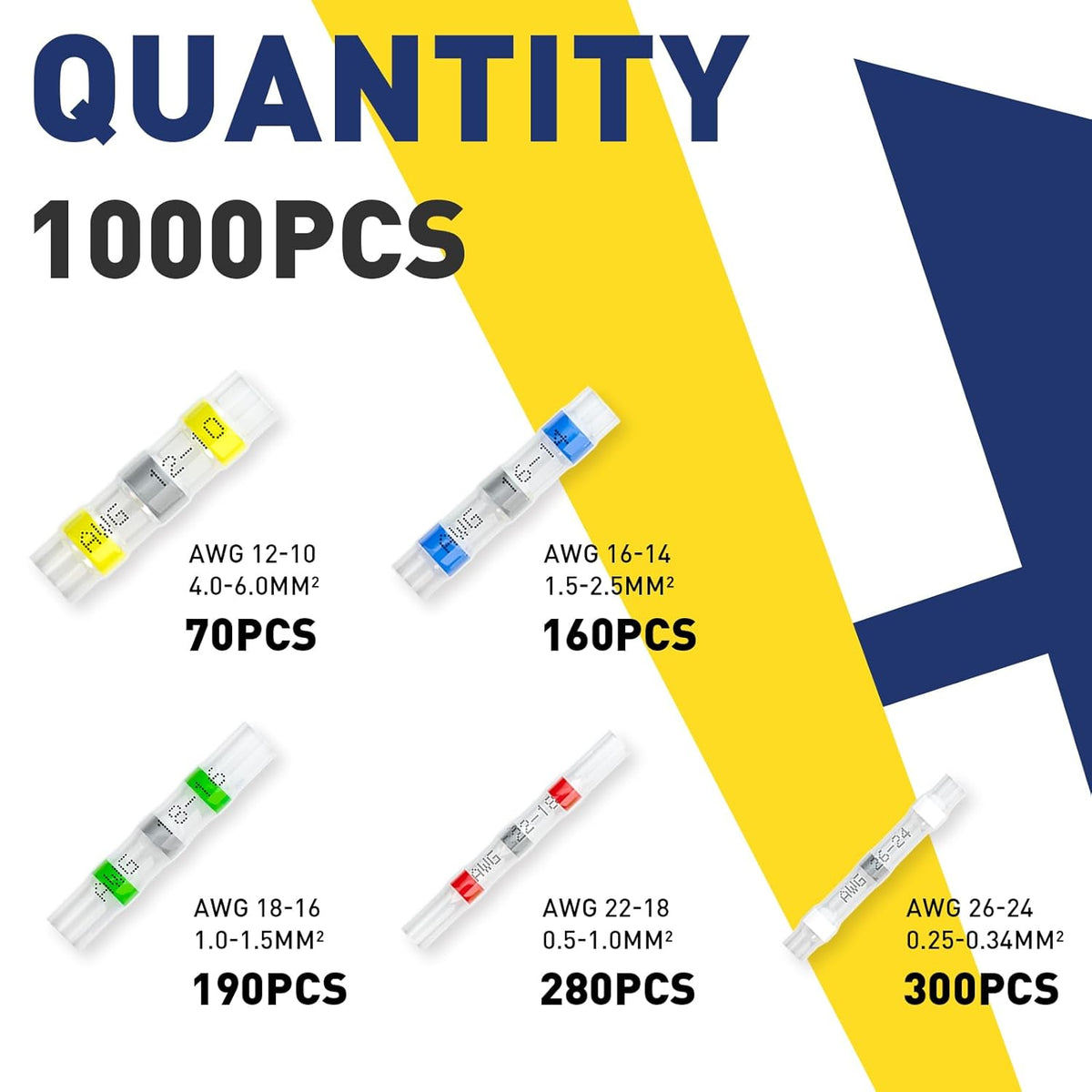
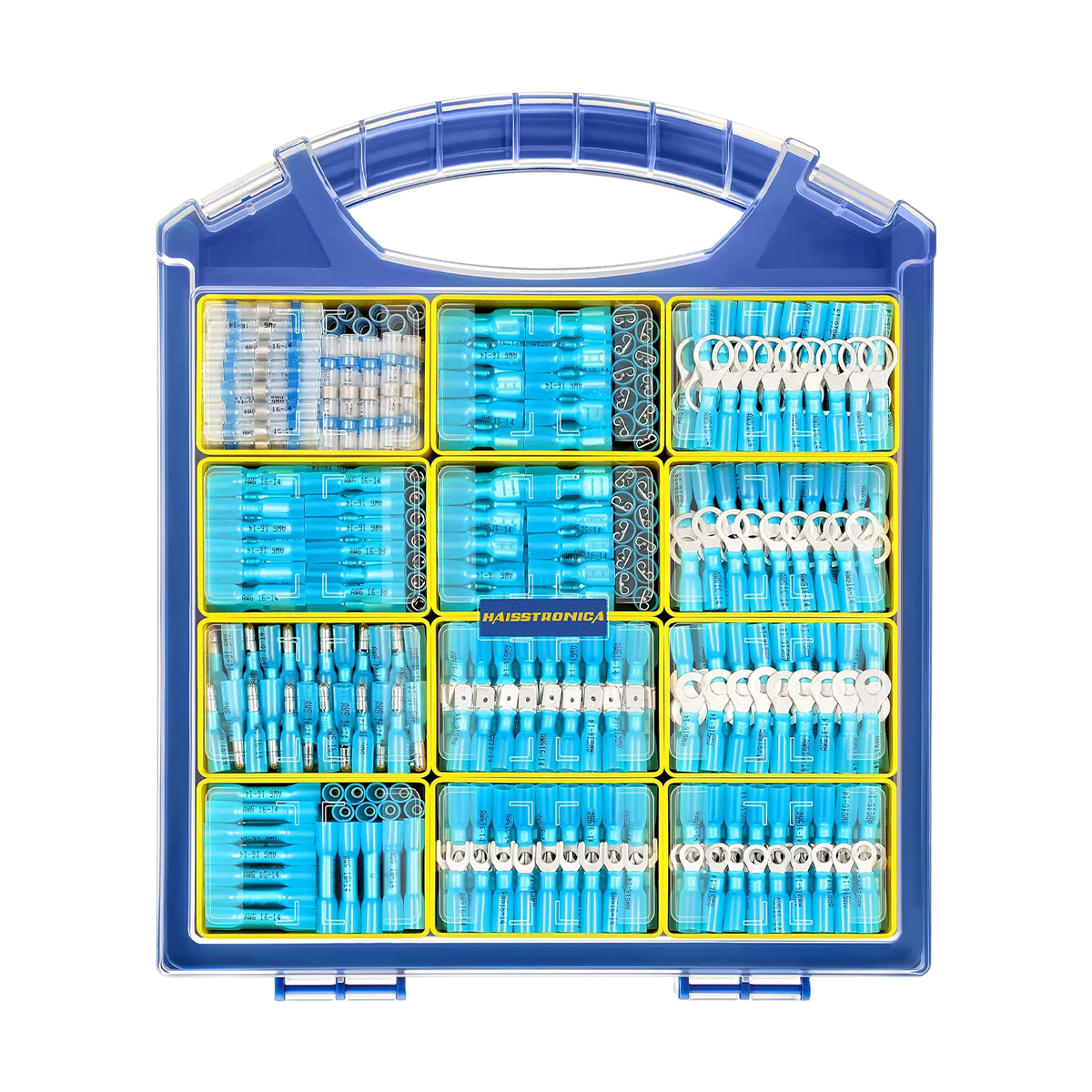
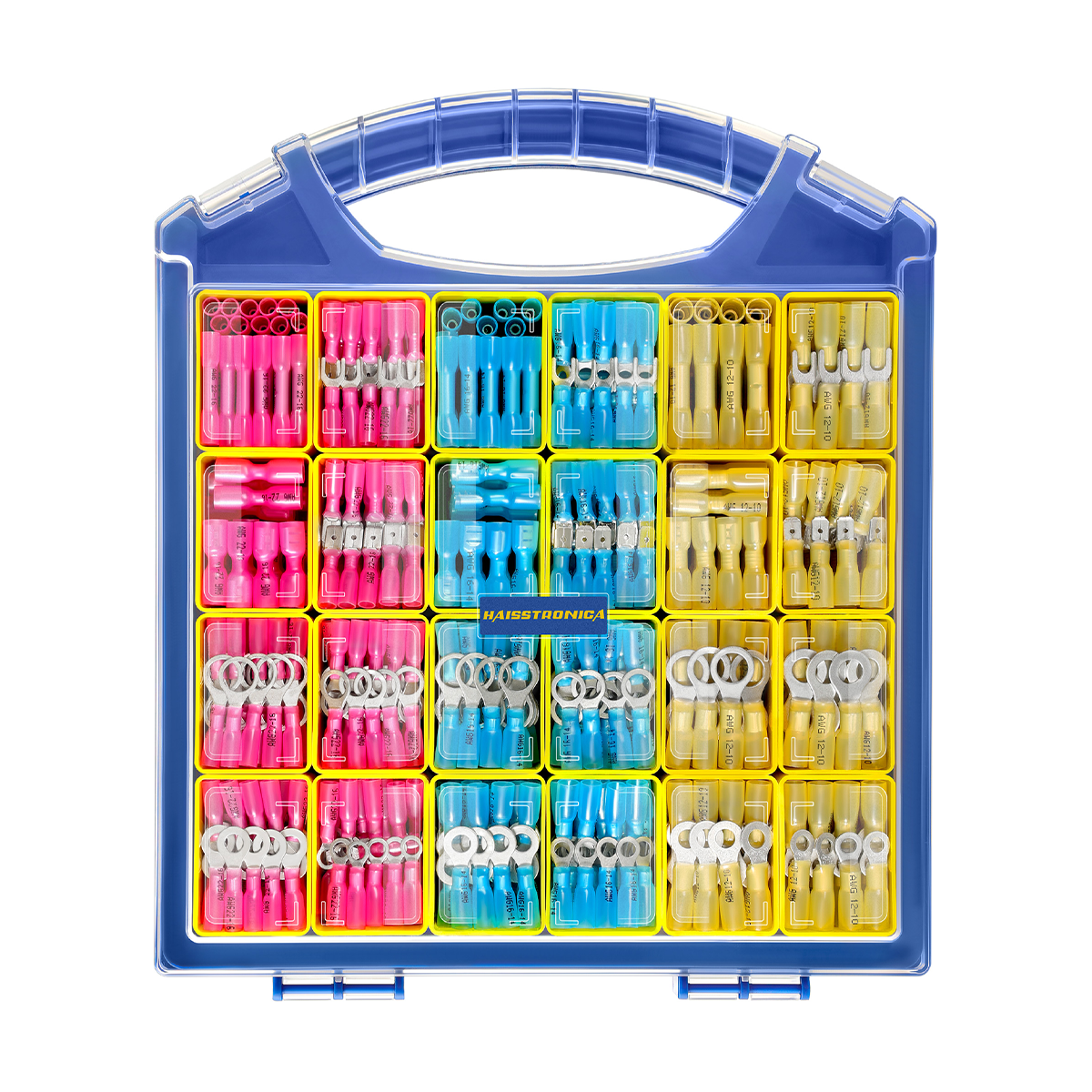
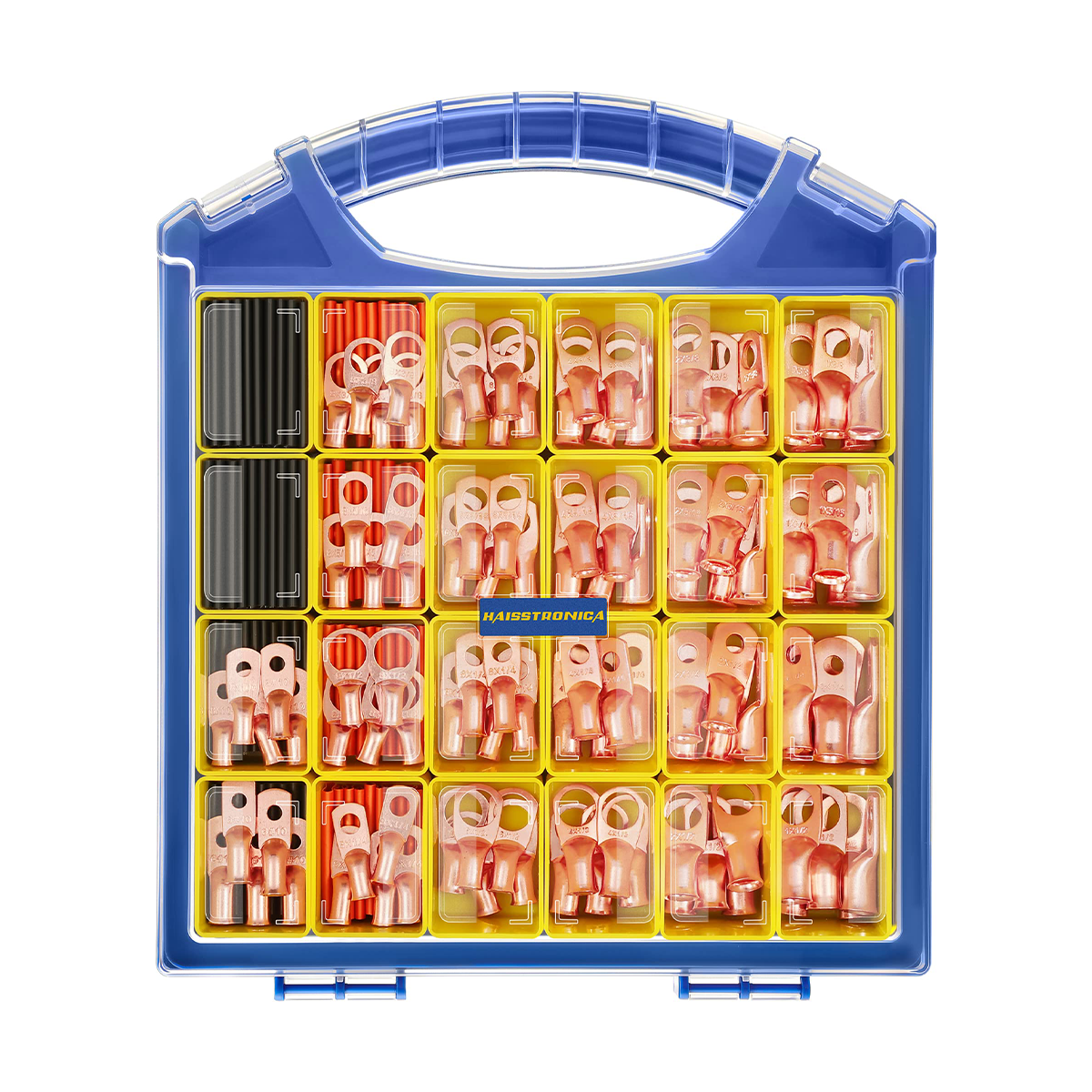
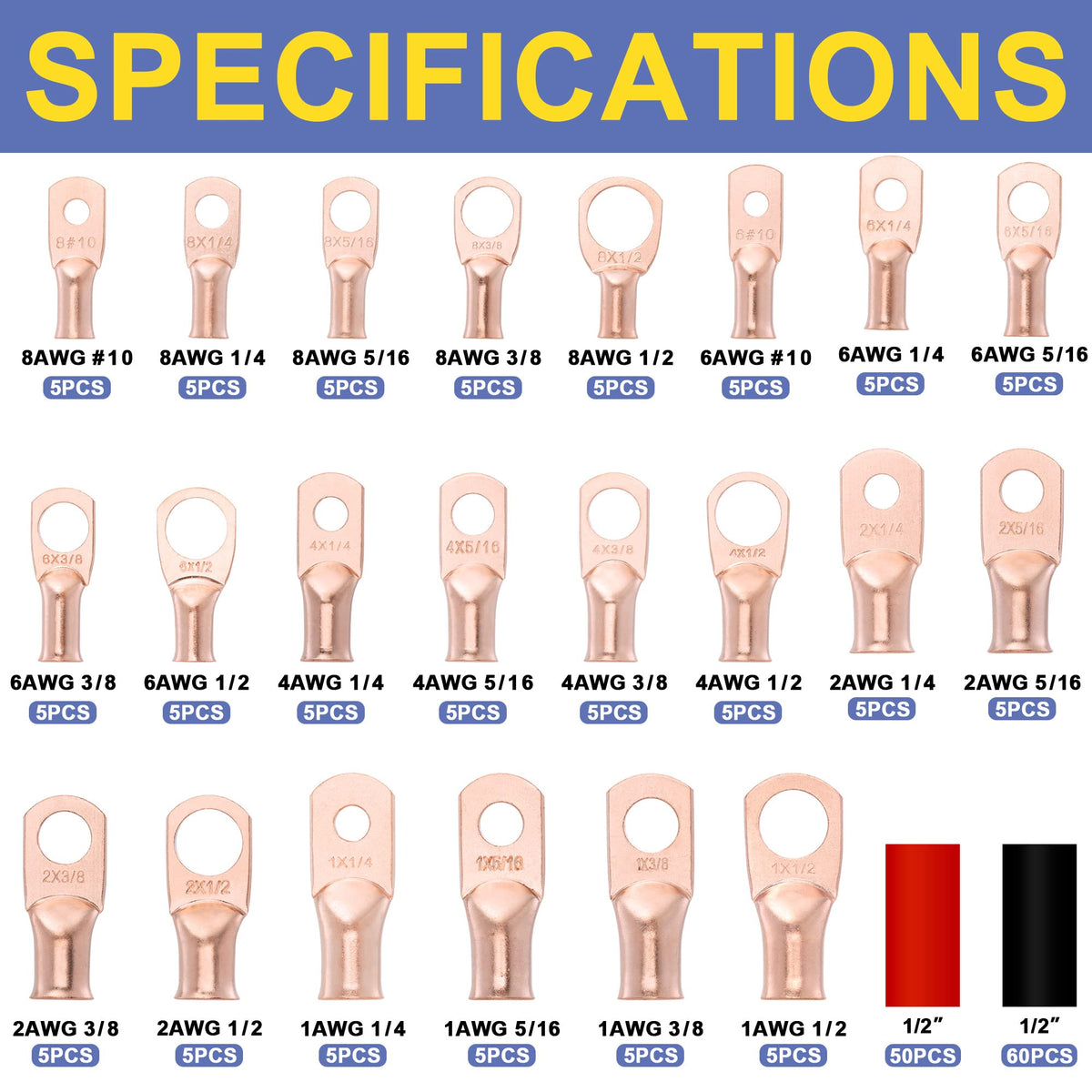
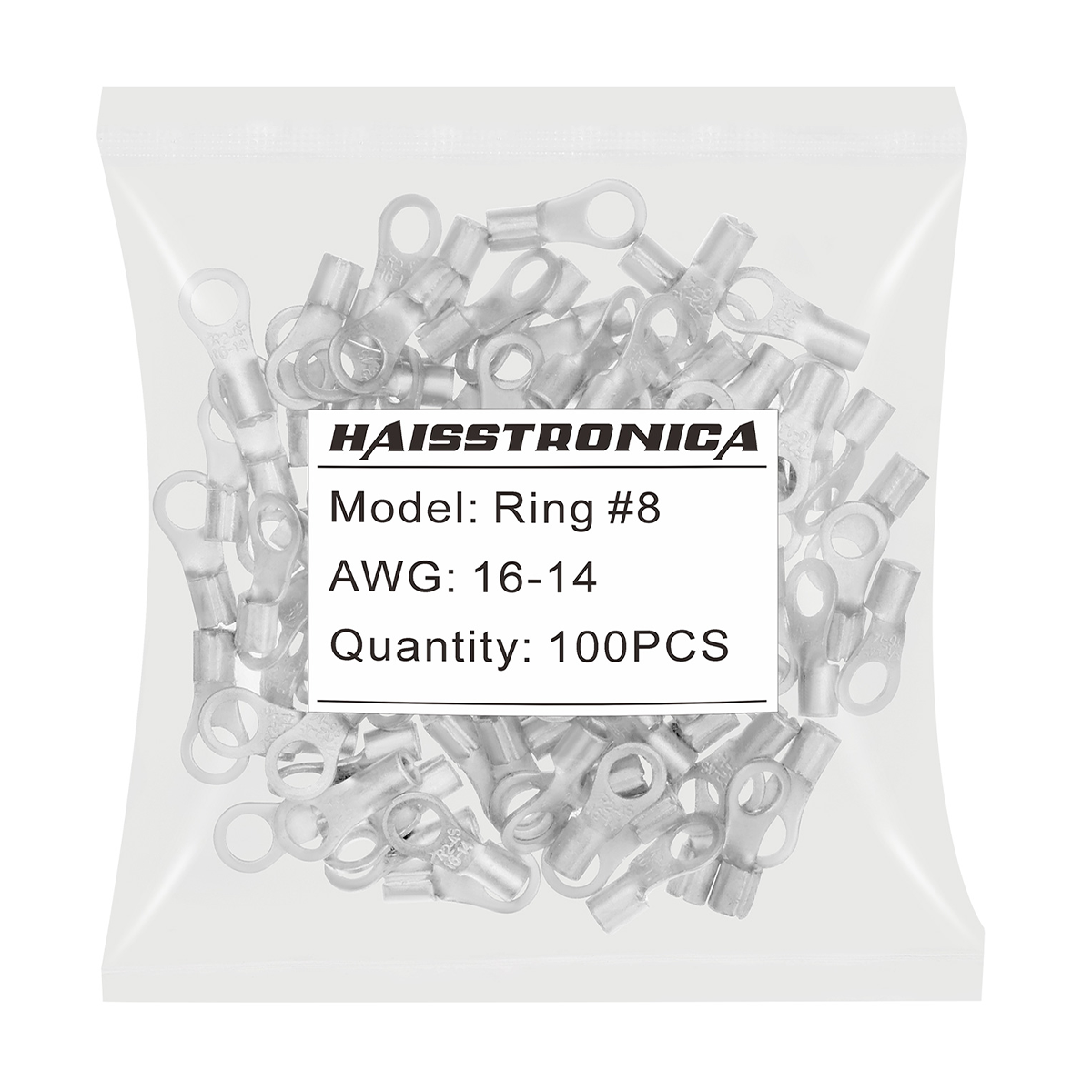
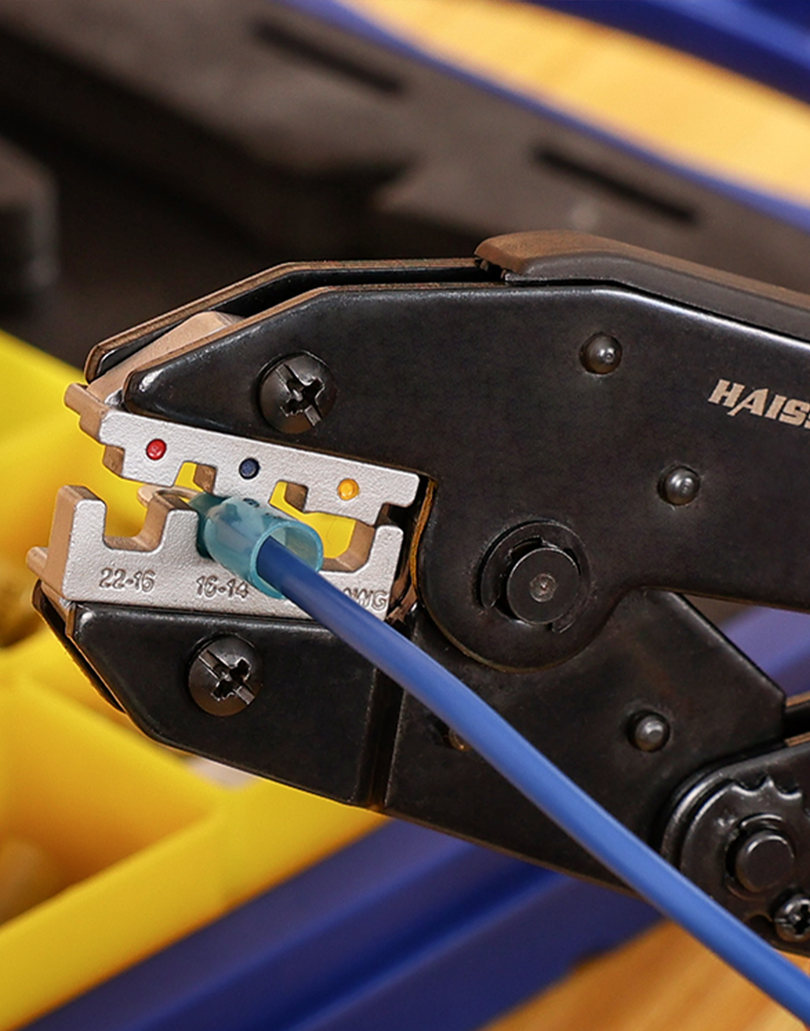
If you are comparing connector types, crimping tools, or heat-shrink solutions for a specific wiring project, Haisstronica offers application-ready options for automotive, marine, and DIY electrical work. Our heat-shrink connector kits (with tin-lined contacts and adhesive tubing) and professional wire stripper tools are designed to produce clean splices that stand up to both desert sun and ocean spray.
Conclusion: Key points to remember:
- Environment matters. In dry (hot, dusty, UV) settings, focus on insulation and heat resistance. In wet (humid, salty) settings, focus on metal corrosion protection and waterproof seals.
- Material choices. Use tinned-copper wires and connectors, stainless hardware, and UV-stable insulation. Avoid mixing dissimilar metals without a barrier.
- Sealing is essential. Always use adhesive-lined heat-shrink or gel-filled connectors to block moisture. Even a small gap can allow corrosion to start.
- Test and verify. Check product specs for salt-spray or IP ratings. A connector rated IP67/IP68 or 500+ hours in a salt-fog test is proven for corrosion resistance.
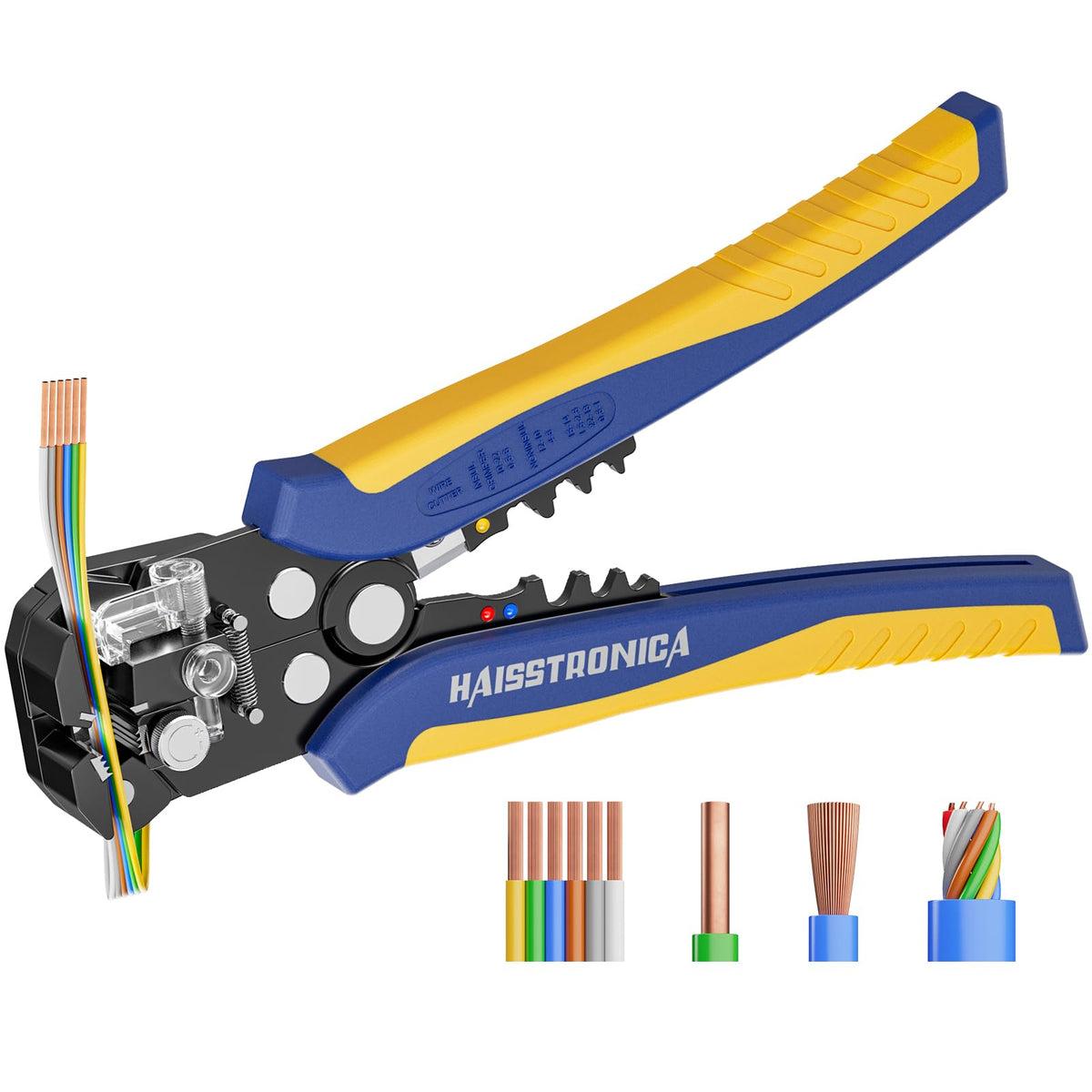
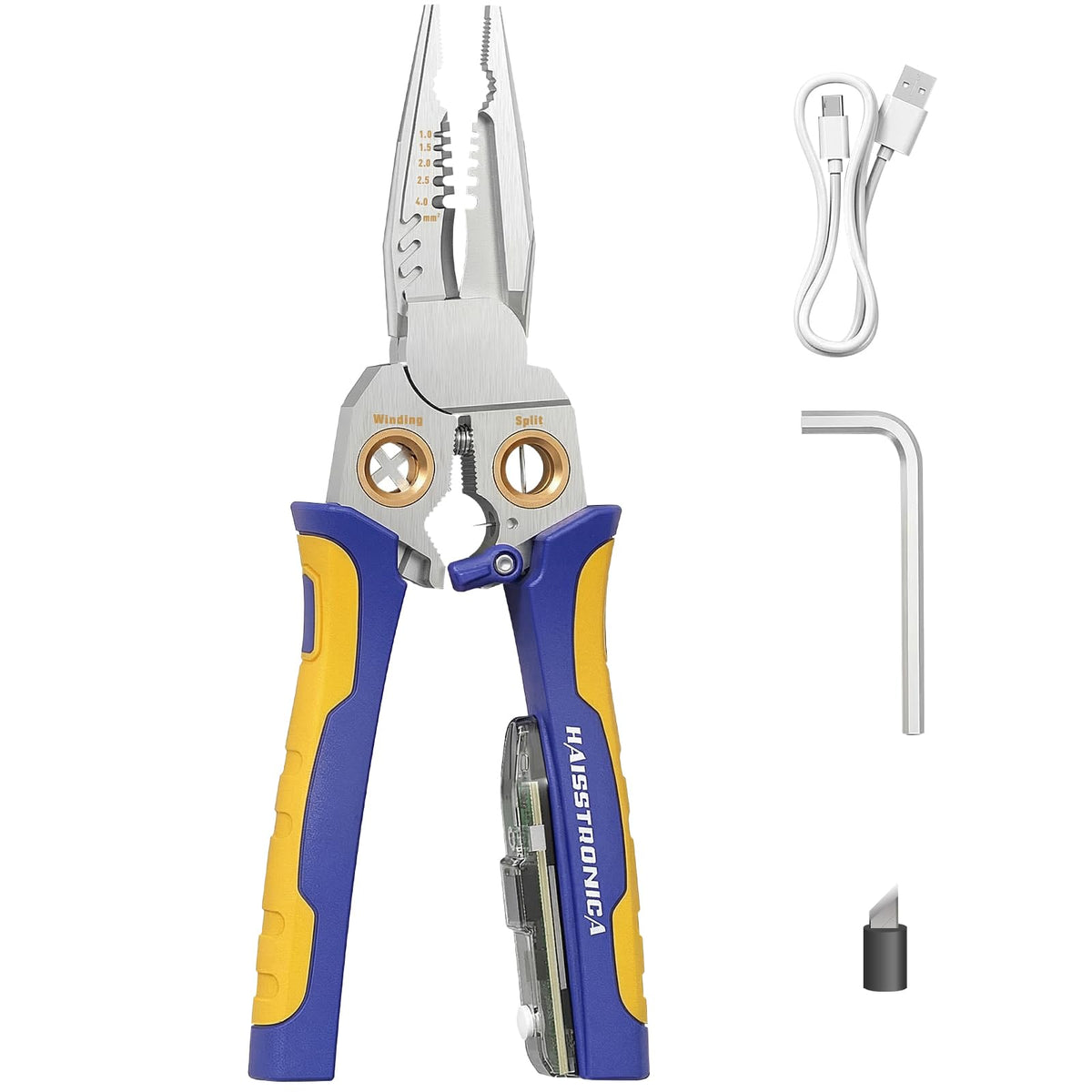
- Tool quality. Use a high-quality wire stripper tool (e.g. one with a corrosion-resistant finish) to make precise, clean cuts – this prevents stray strands and ensures a tight crimp/crimp seal.
By following these guidelines, you can reliably select and install connectors and splices that stay rust-free in any climate. No matter the task – from HVAC controls in your home to wiring on a boat – the right corrosion-resistant parts and tools ensure safe, long-lasting connections.
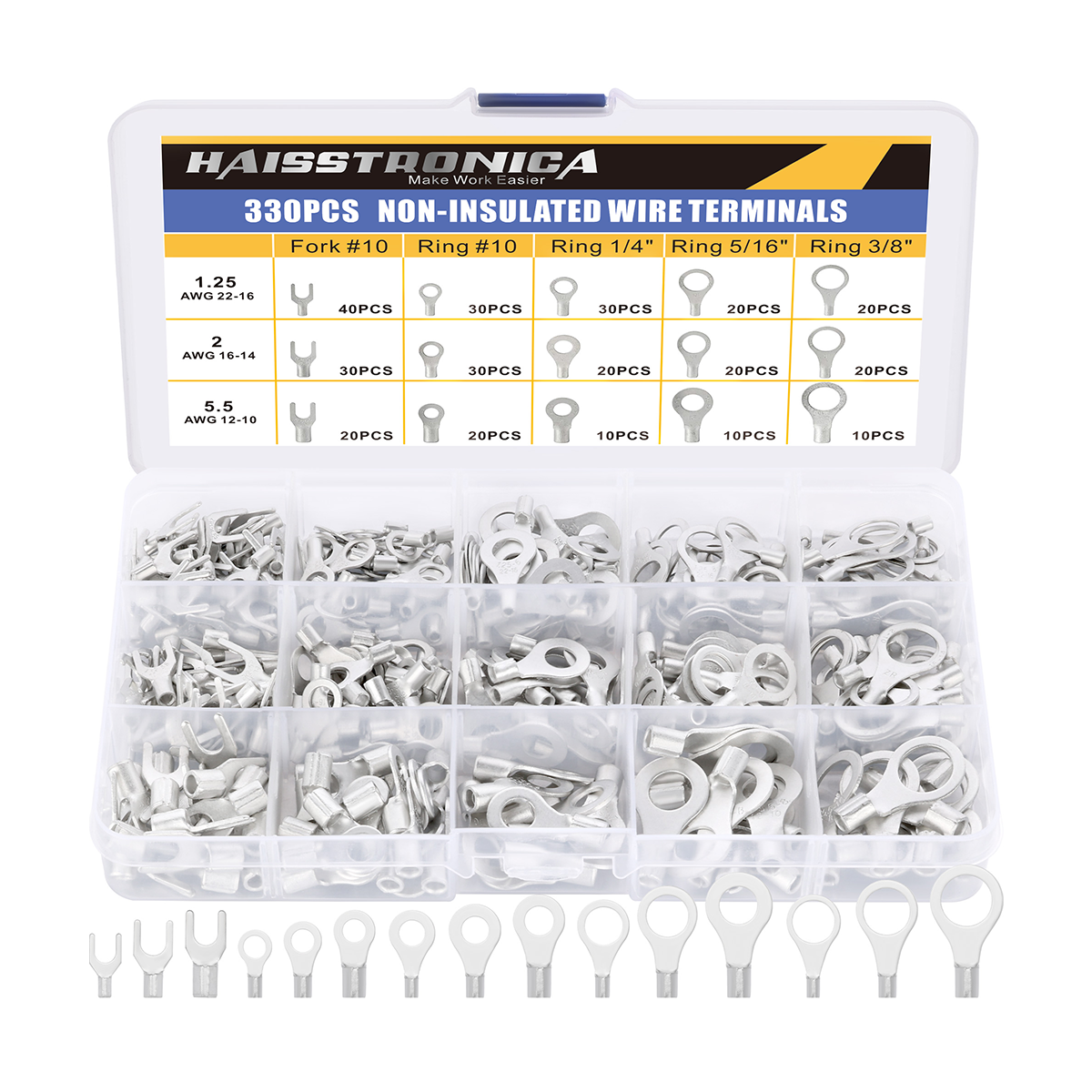
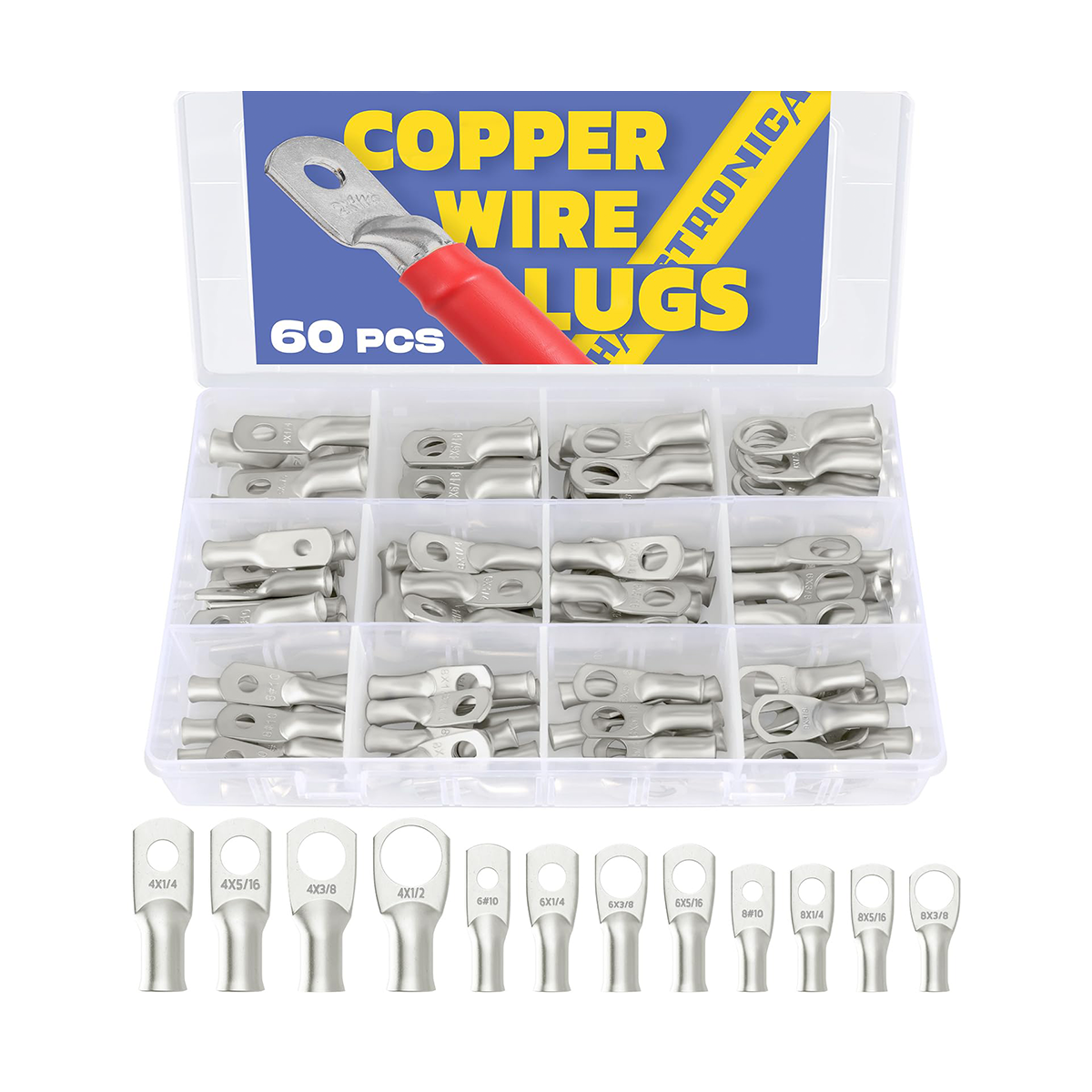
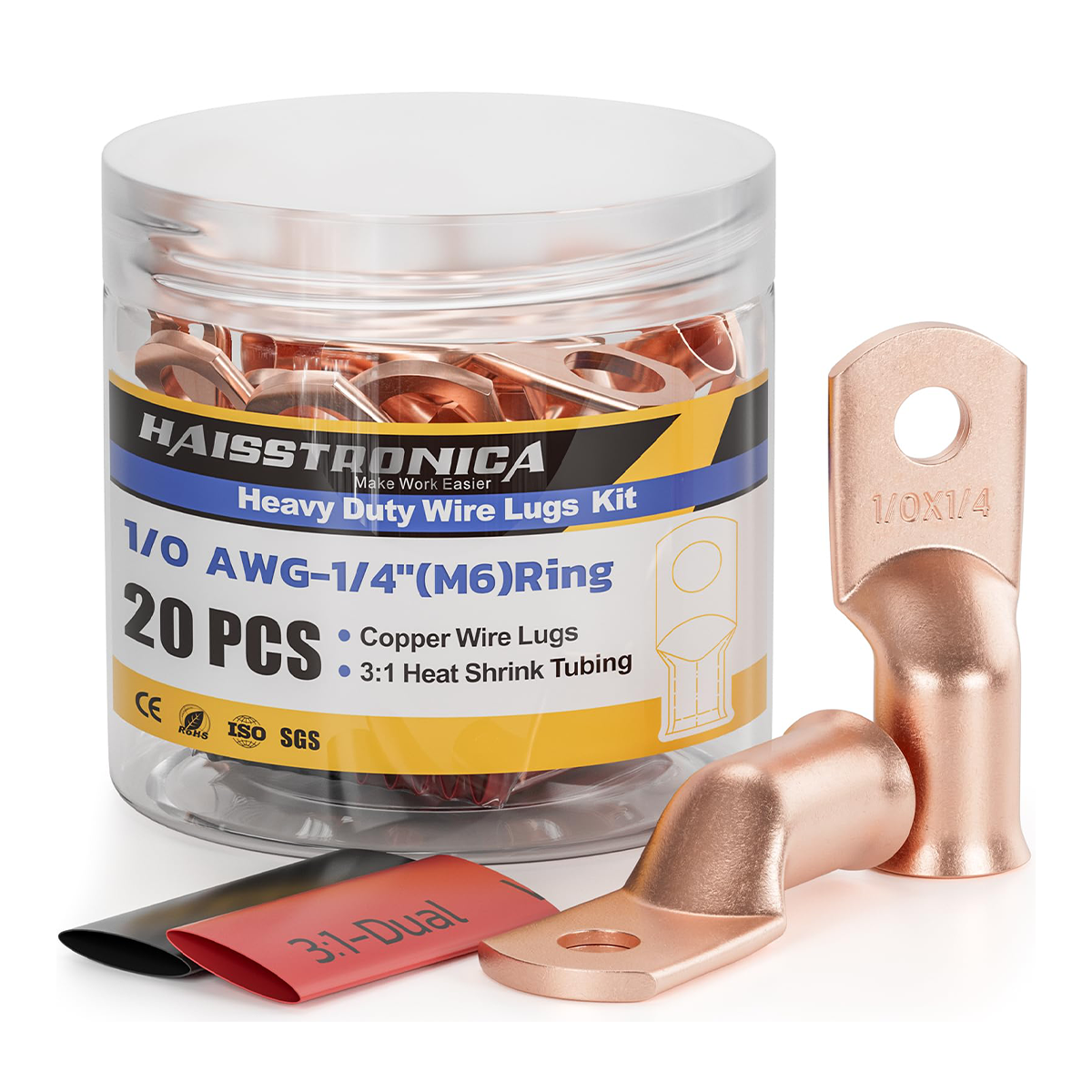
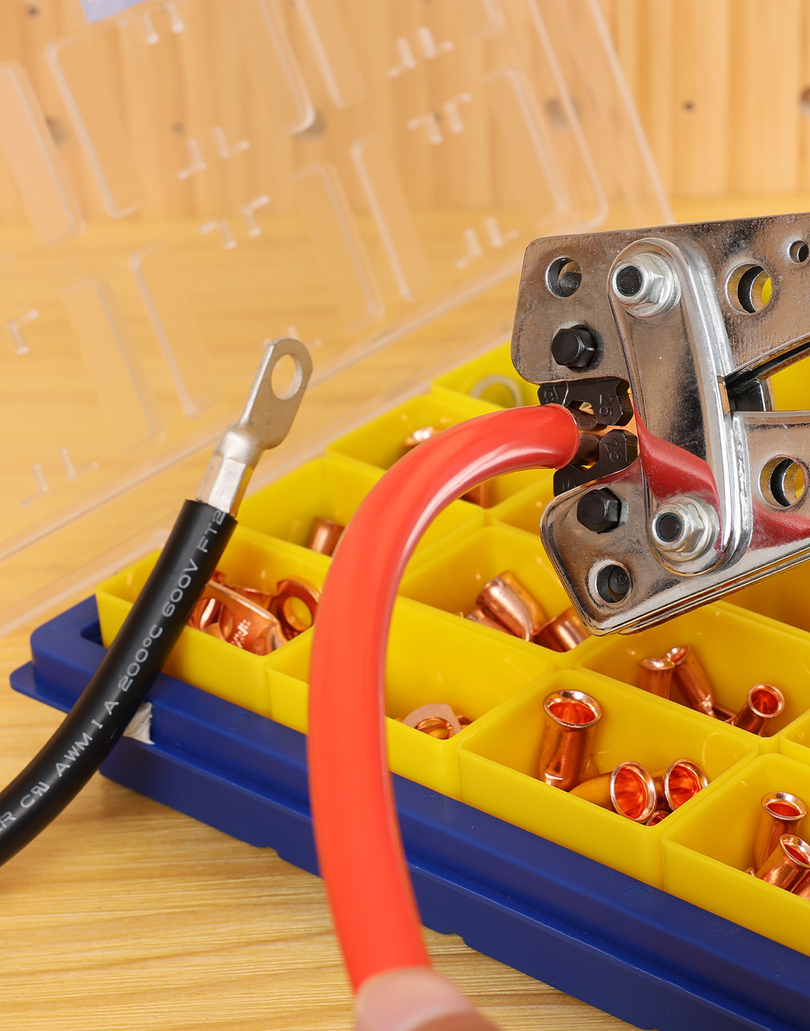
Ready for corrosion-proof wiring? Explore Haisstronica’s full range of wire connectors, crimping tools, wire stripper tools, heat-shrink tubing, and copper lugs to find the right solution for your next wiring project.