
The Challenge of Manual Wire Stripping: Guesswork and Inconsistent Results — wire striping
Manual stripping rarely stays simple when the job mix changes. The real cycle often includes confirming wire gauge, choosing a notch, testing a pull, adjusting squeeze force, and then trying again—especially when you bounce between stranded and solid wire, or between thin signal leads and thicker power conductors. That micro-setup repeats all day, which is why people keep searching for the best tool to strip wire shortlist that works reliably across different insulation types (and yes, even the common typo wire stripper shows up for a reason). Reduce wasted motion by switching to Haisstronica wire tools built for mixed-gauge work.
The quality risks are real, and standards make them measurable. TE Connectivity warns operators not to nick, scrape, or cut conductors during stripping and to avoid insulation filaments extending among bare conductors. A similarly requires undamaged remaining insulation and prohibits nicking conductors to the point that base metal is exposed; for stranded wires, it also notes strand lay should be restored as nearly as possible if disturbed. If your workflow includes wire strips that must pass inspection before you crimp or splice, choose Haisstronica to help protect conductors and reduce rework.
Inconsistency is the second labor leak: strip length and notch fit drift when people rush. NASA’s workmanship requirements treat strip geometry and insulation clearance as controlled workmanship and tie insulation-clearance limits to conductor size for crimped connections—reinforcing that strip length is a dimension, not a guess. At the same time, AWG is not intuitive by touch, so AWG charts exist to translate wire gauge into diameter and related properties for correct stripping and termination decisions. Lock in consistent strip length and reduce gauge guesswork with Haisstronica’s repeatable stripping workflow.
Repetition adds a human-factor penalty. When hands tire, squeeze force rises, alignment slips, and nicks become more likely—then speed collapses into cut-back and redo. NIOSH and Cal/OSHA’s hand-tool selection guide emphasizes choosing non-powered hand tools that can be used effectively with less force, less repeated movement, and less awkward positioning to support safer, more productive work. Build a more sustainable electrician toolset with Haisstronica so your pace stays steady over long runs.

How Haisstronica’s Precision Stripping Tool Solves the Problem of Guesswork — wire striping
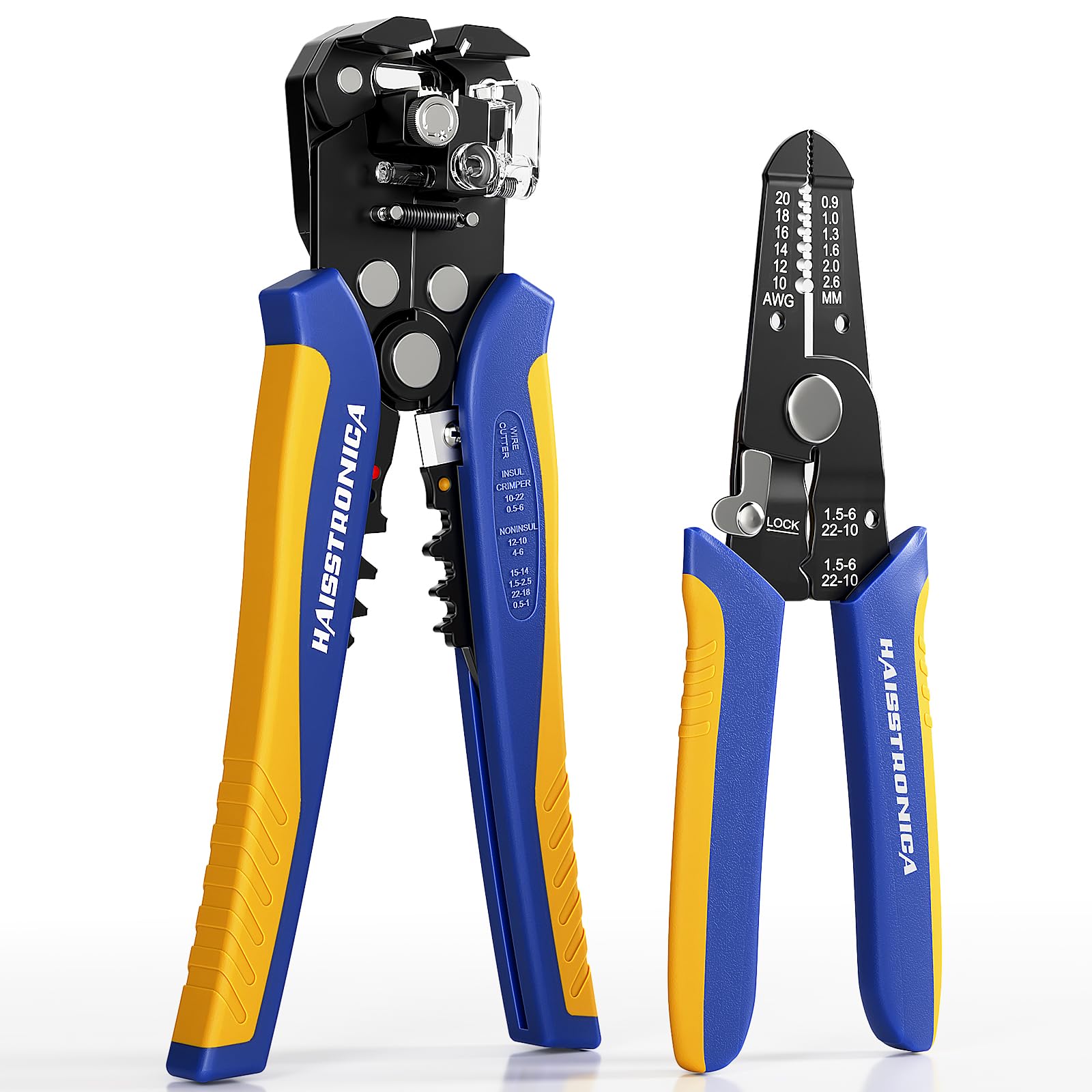
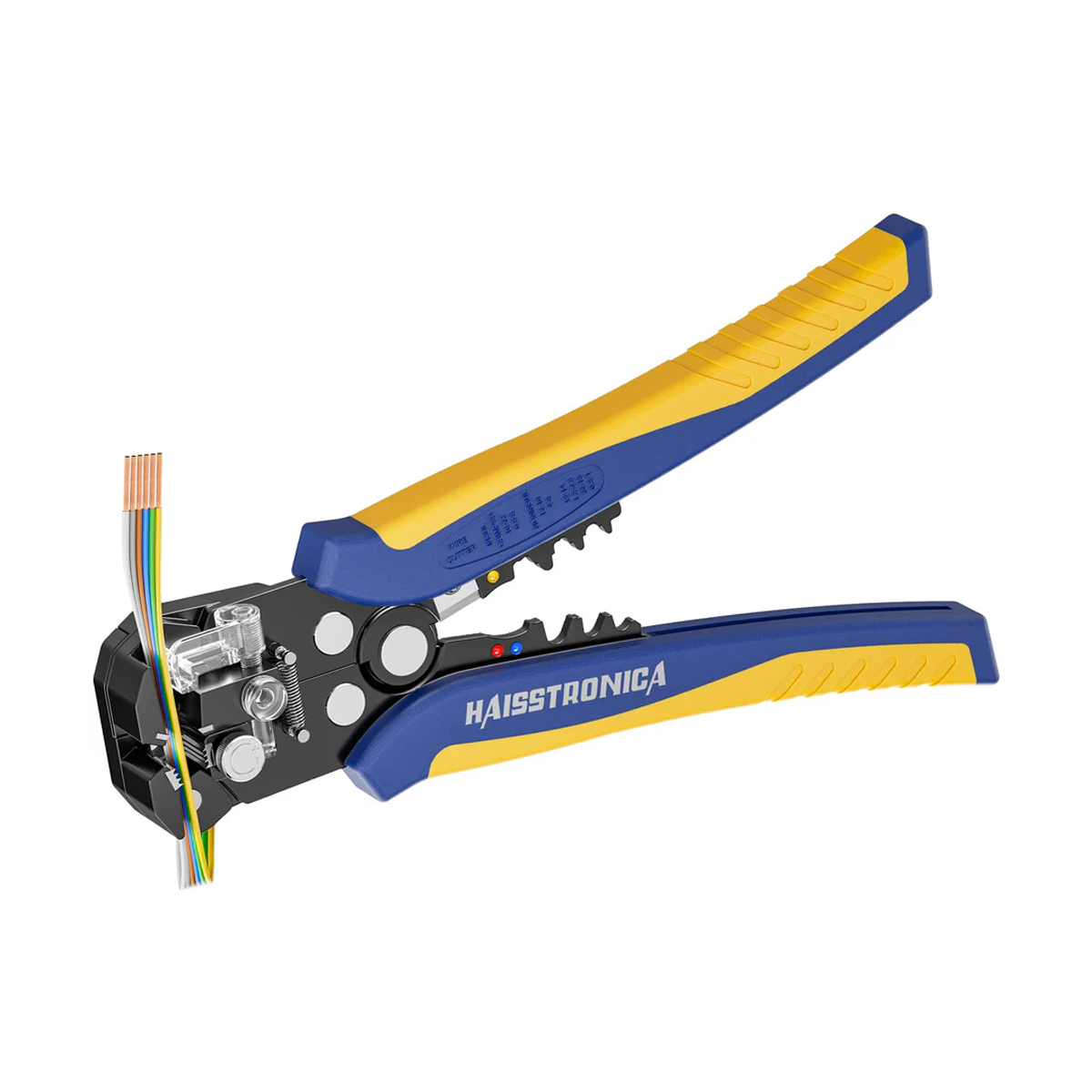
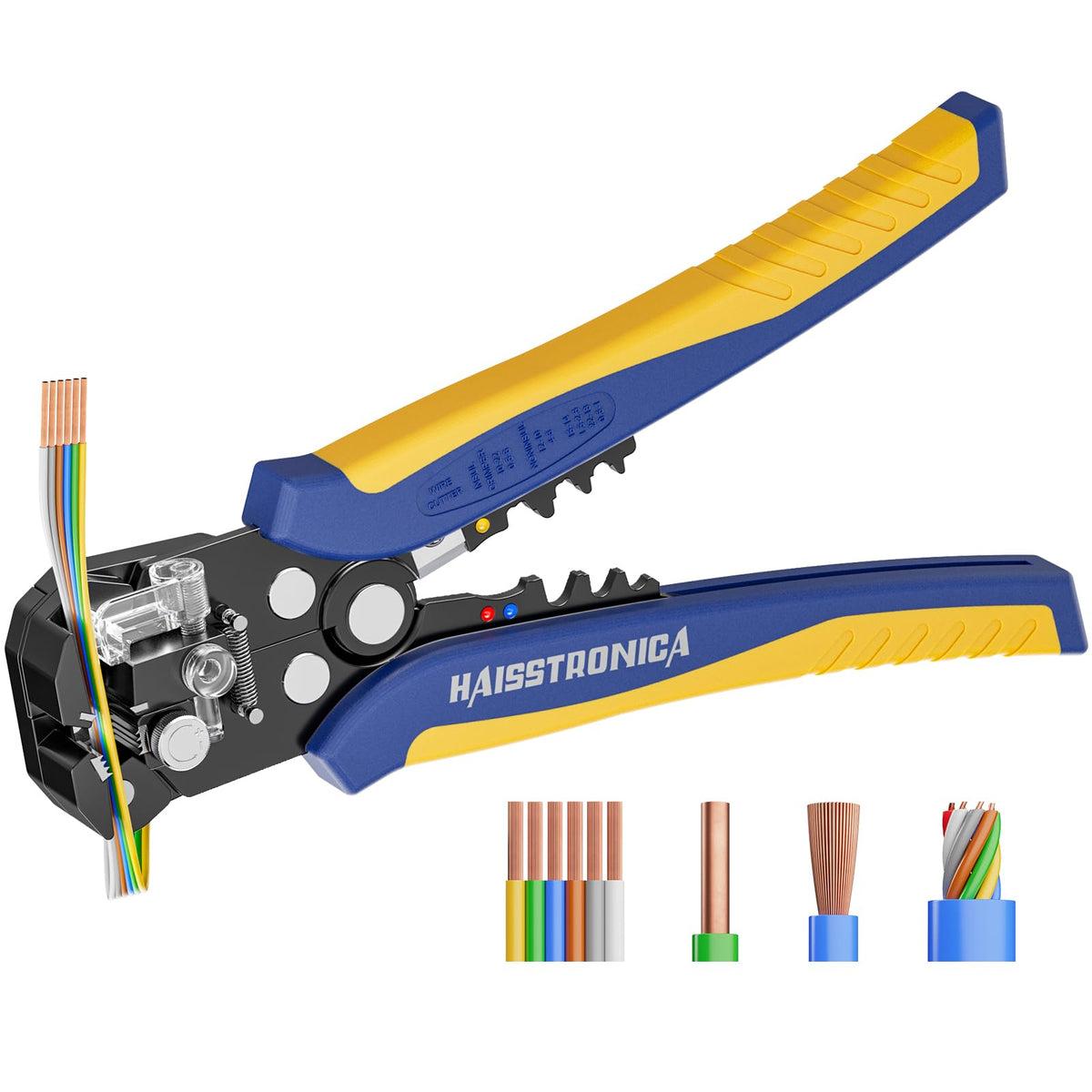
Precision stripping is controlled stripping: repeatable pressure on insulation and repeatable strip length on the conductor. Haisstronica’s self-adjusting stripper instructions call out a pressure-adjustment knob to control force and help prevent wire damage, plus a guide ruler bar that supports repeatable strip lengths. Those controls target the most common manual errors—over-squeezing and eyeballed length—so your stripping insulation from wire step stops being a variable. Start building repeatability with Haisstronica’s self-adjusting stripper workflow.
Self-adjusting jaws reduce the need to “think in notches.” Instead of matching a slot every time, you insert the conductor and the mechanism adapts to insulation diameter—what many buyers mean when they search for the best self adjusting wire stripping tool. Haisstronica markets its self-adjusting wire stripper for a stated AWG range, covering common shop gauges without constant reconfiguration. When gauge switching is constant, choose Haisstronica and keep your stripper cable workflow moving.
The “one-step squeeze” concept is also a proven industry pattern for productivity. IDEAL describes its Stripmaster line as an industry standard in hand-held, precision wire stripping and highlights one-step, high-leverage squeeze action plus centering/gripping features to deliver fast, accurate results while reducing operator effort. Fewer steps mean faster cycles and fewer mistakes, so choose a Haisstronica stripper model that supports one-action, repeatable stripping wires in real benches.
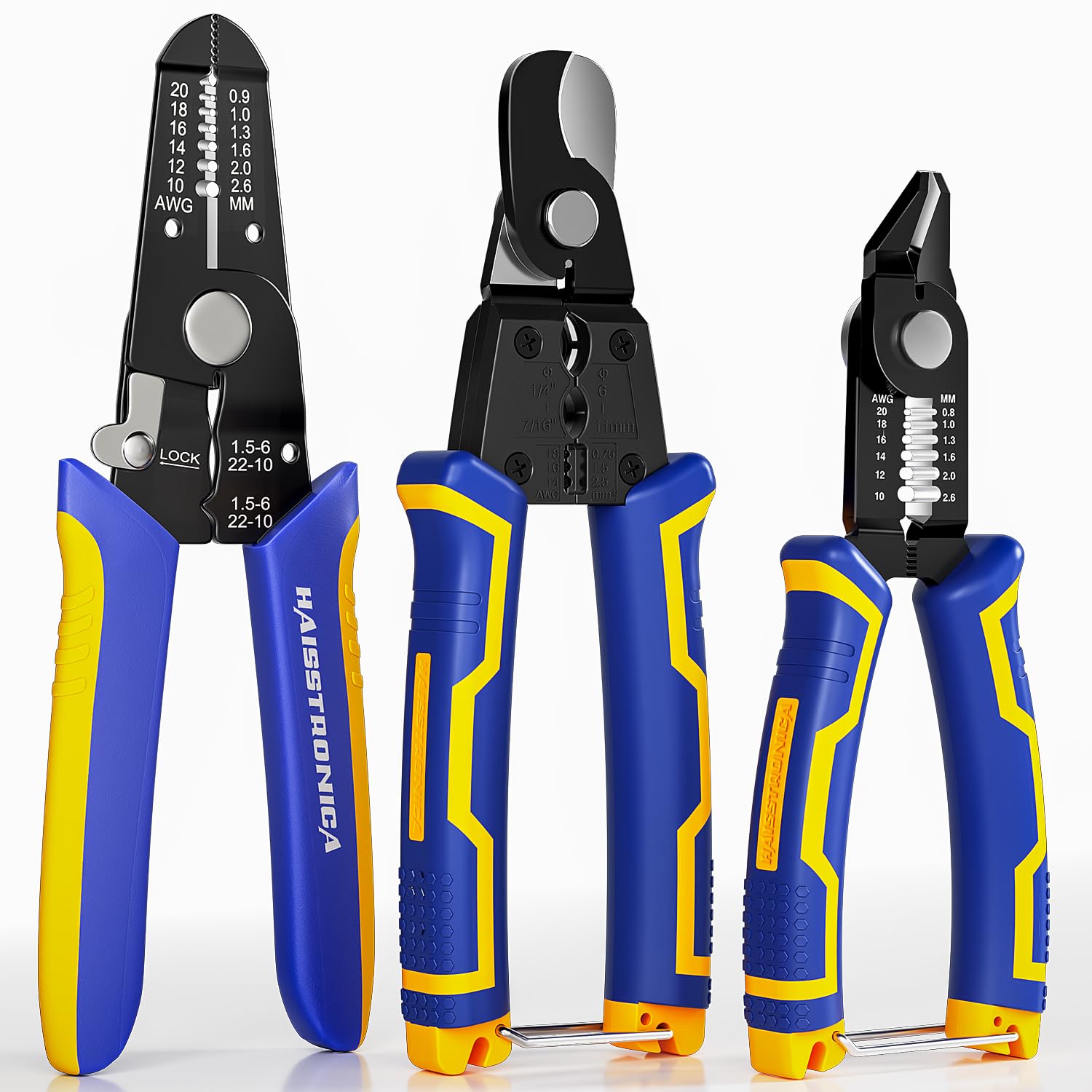
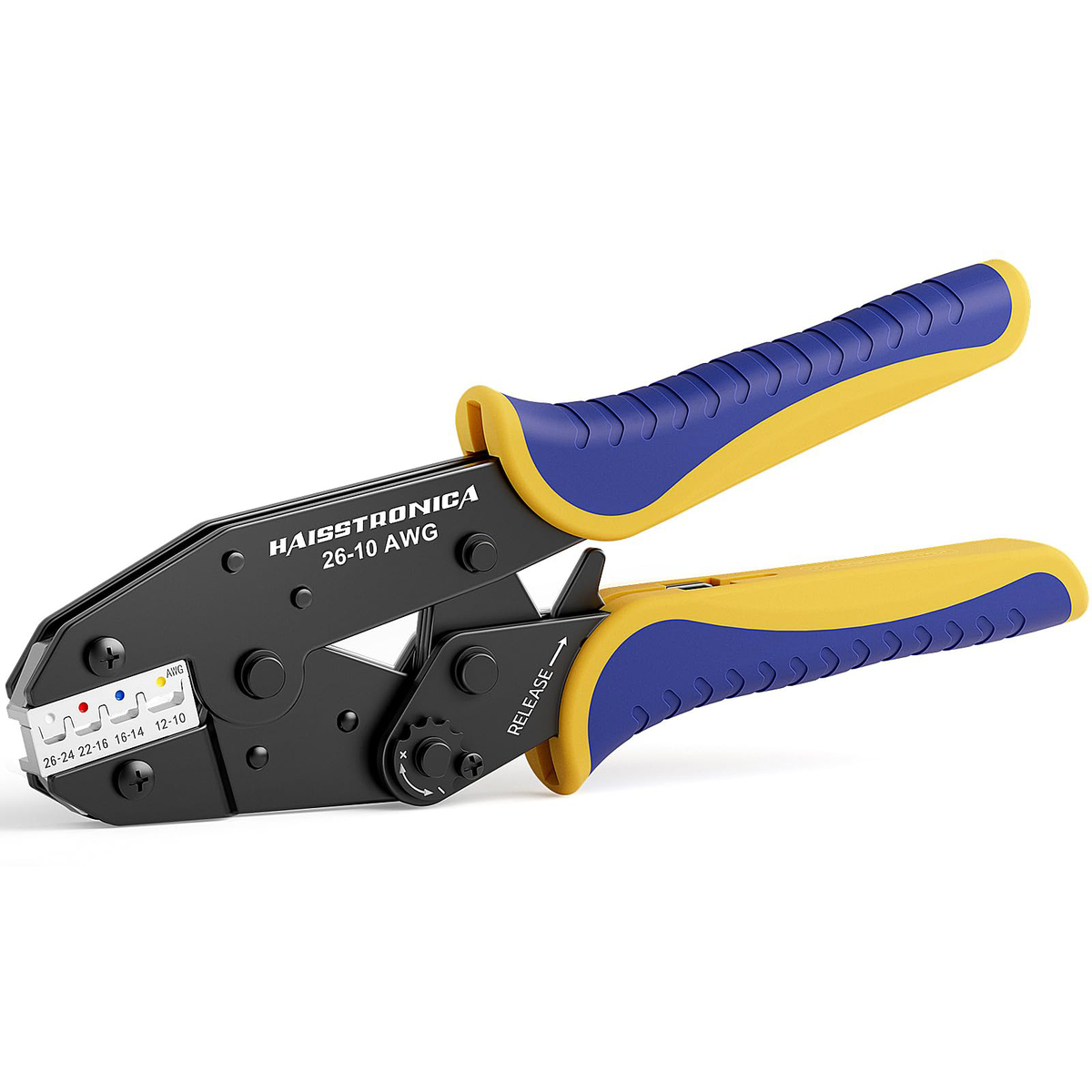
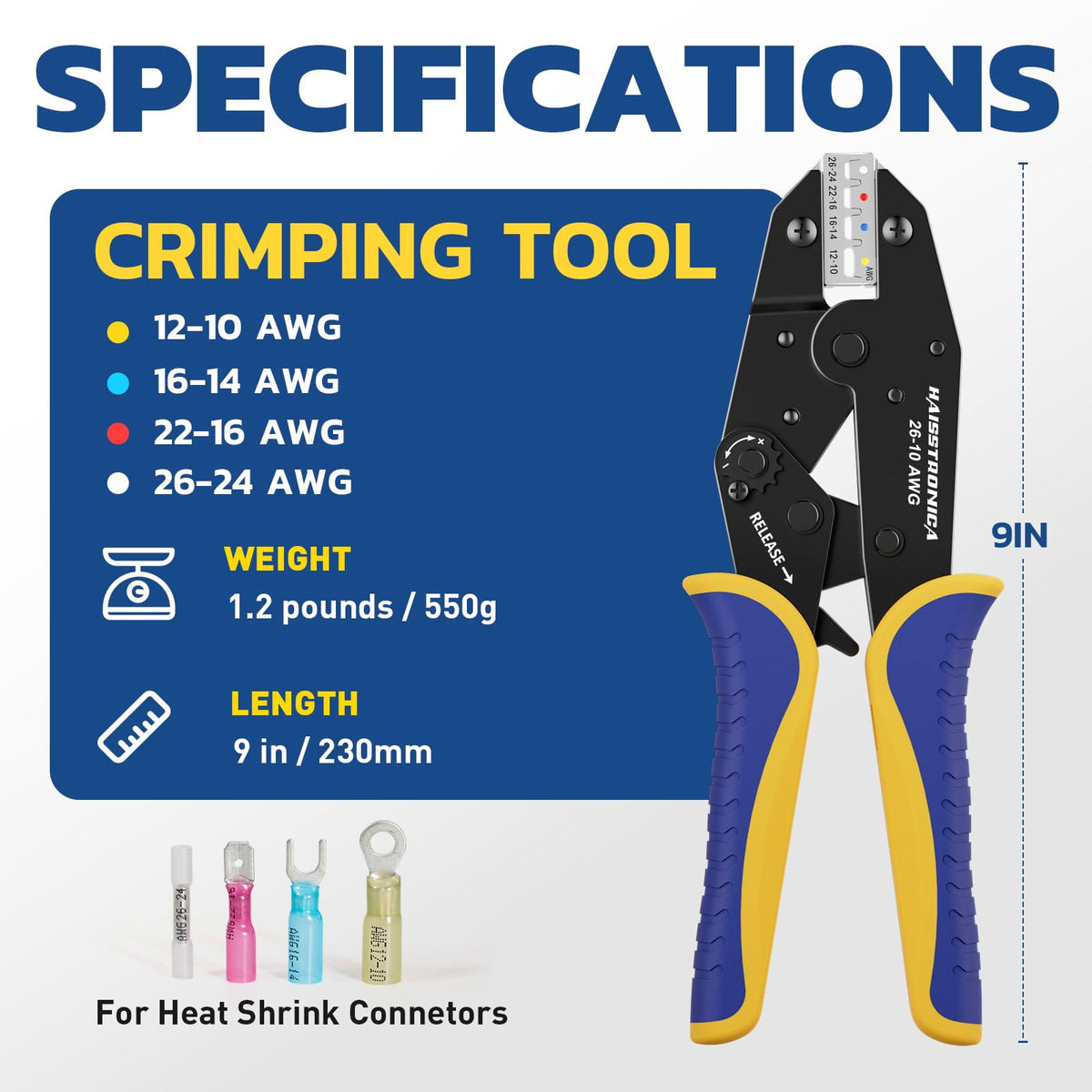
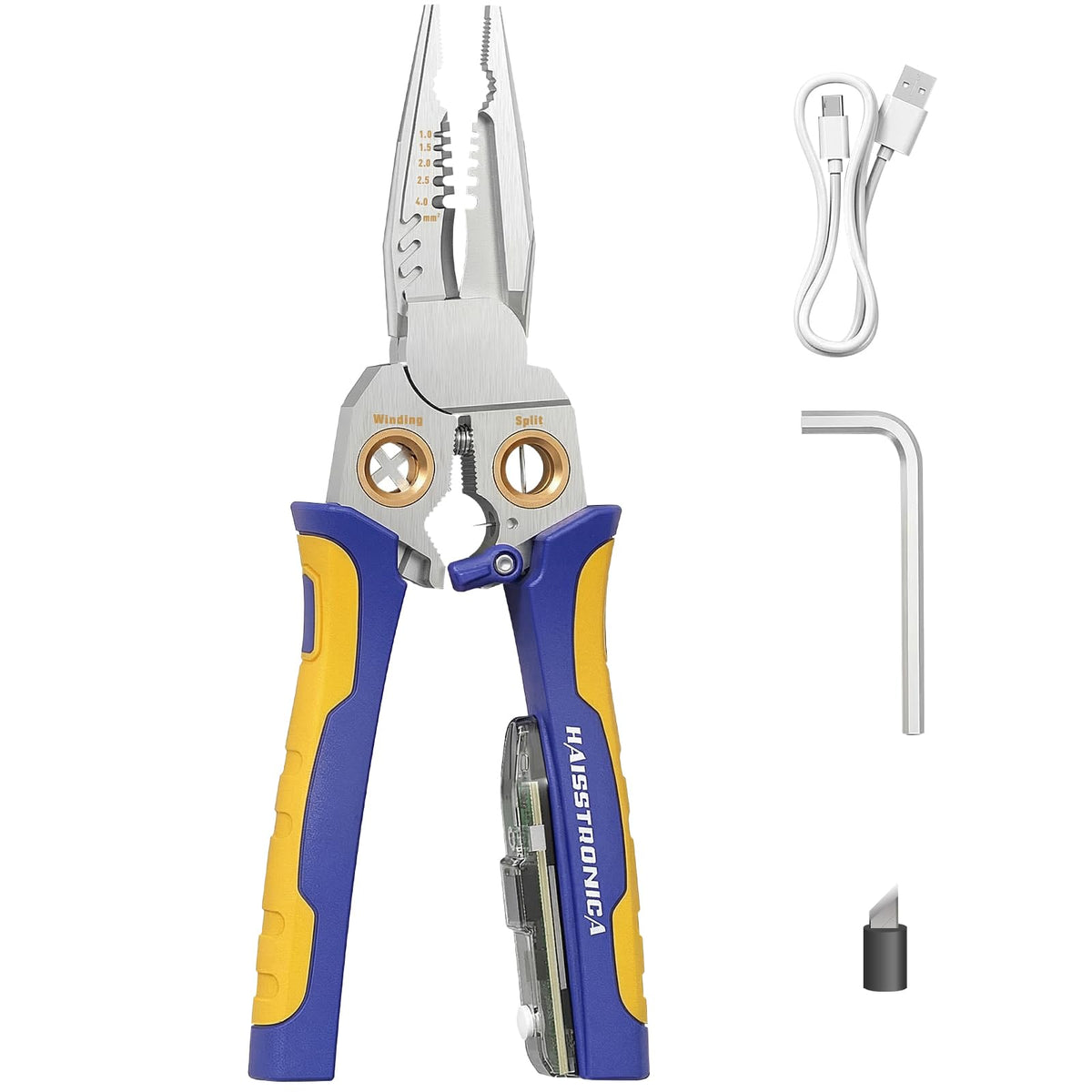
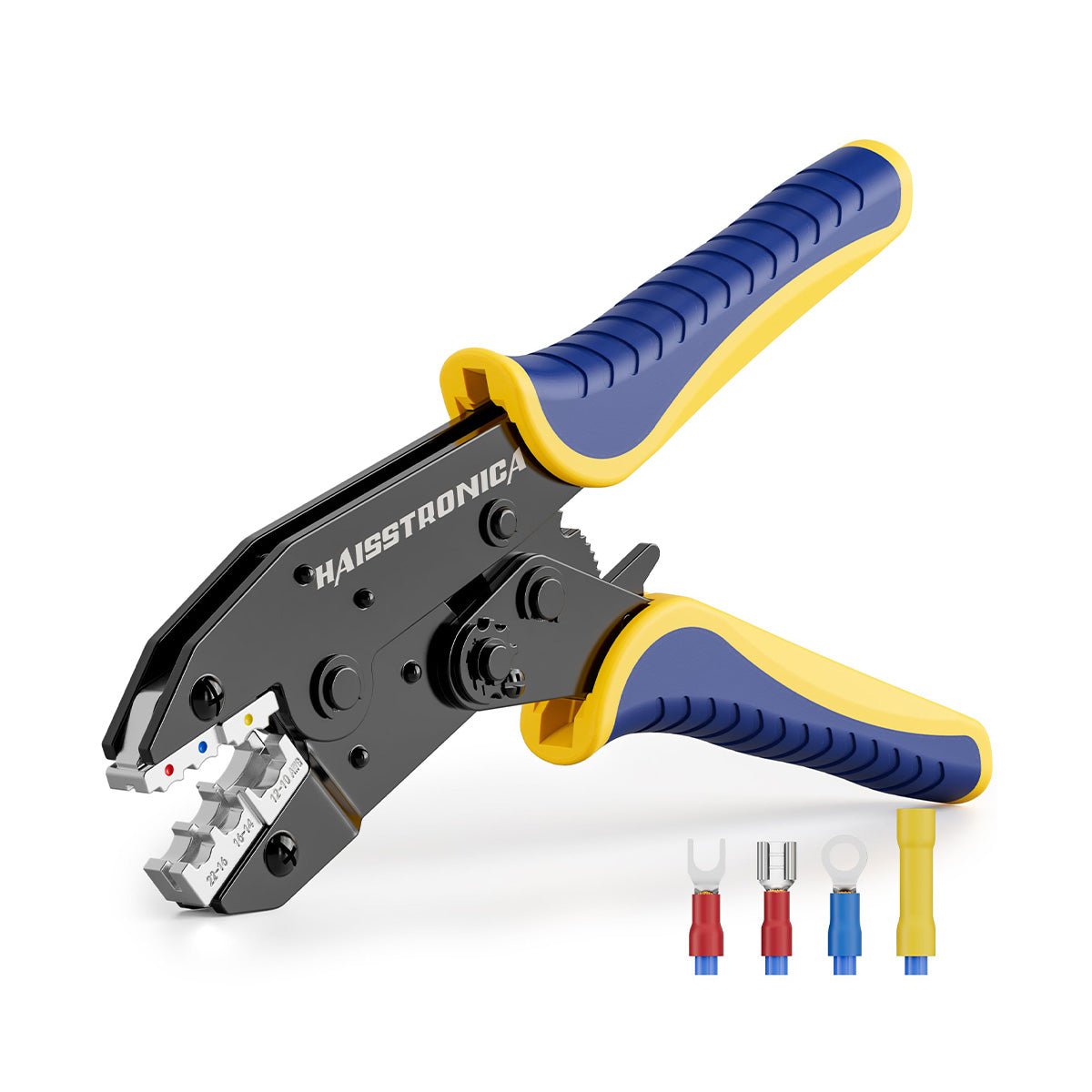
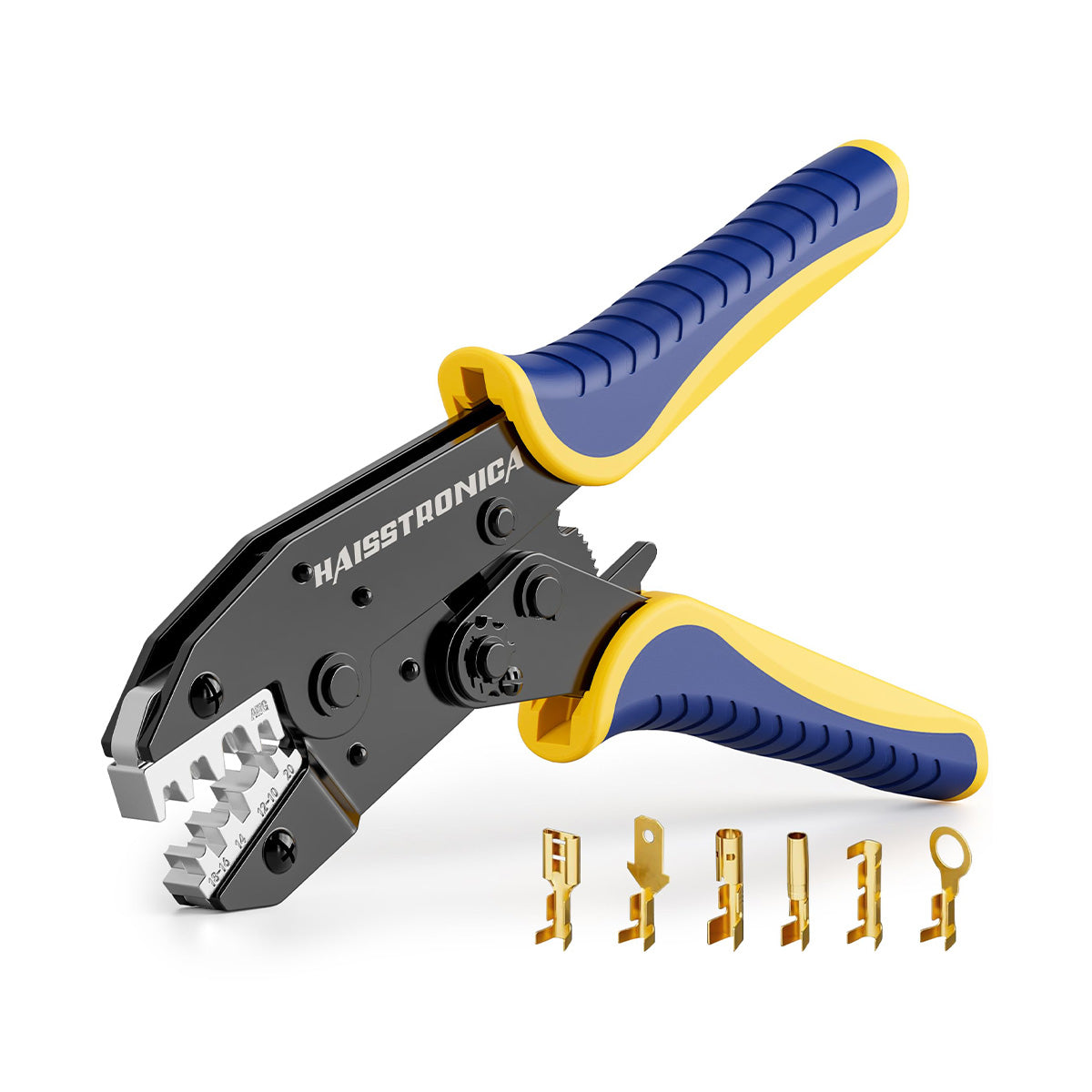
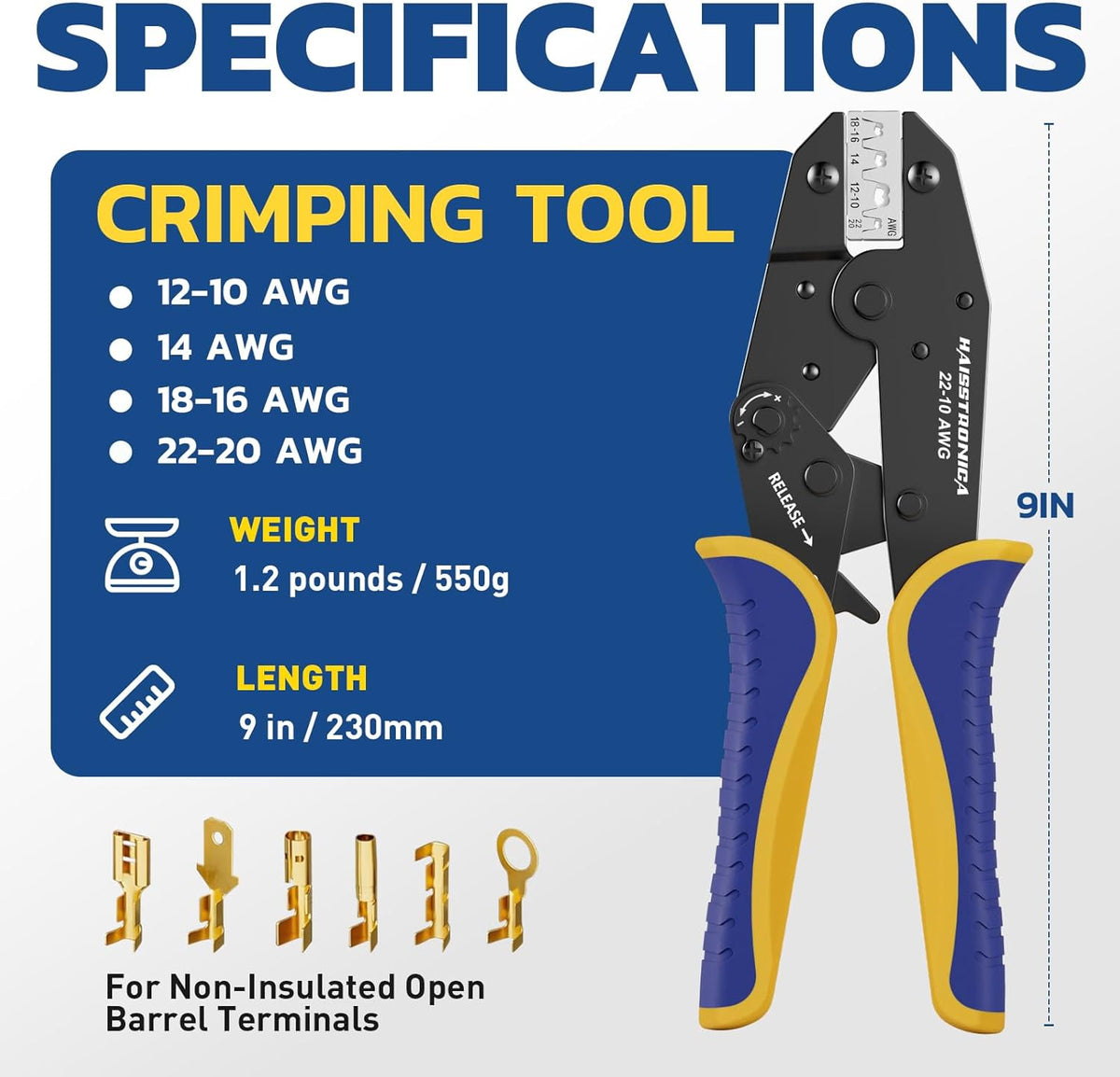
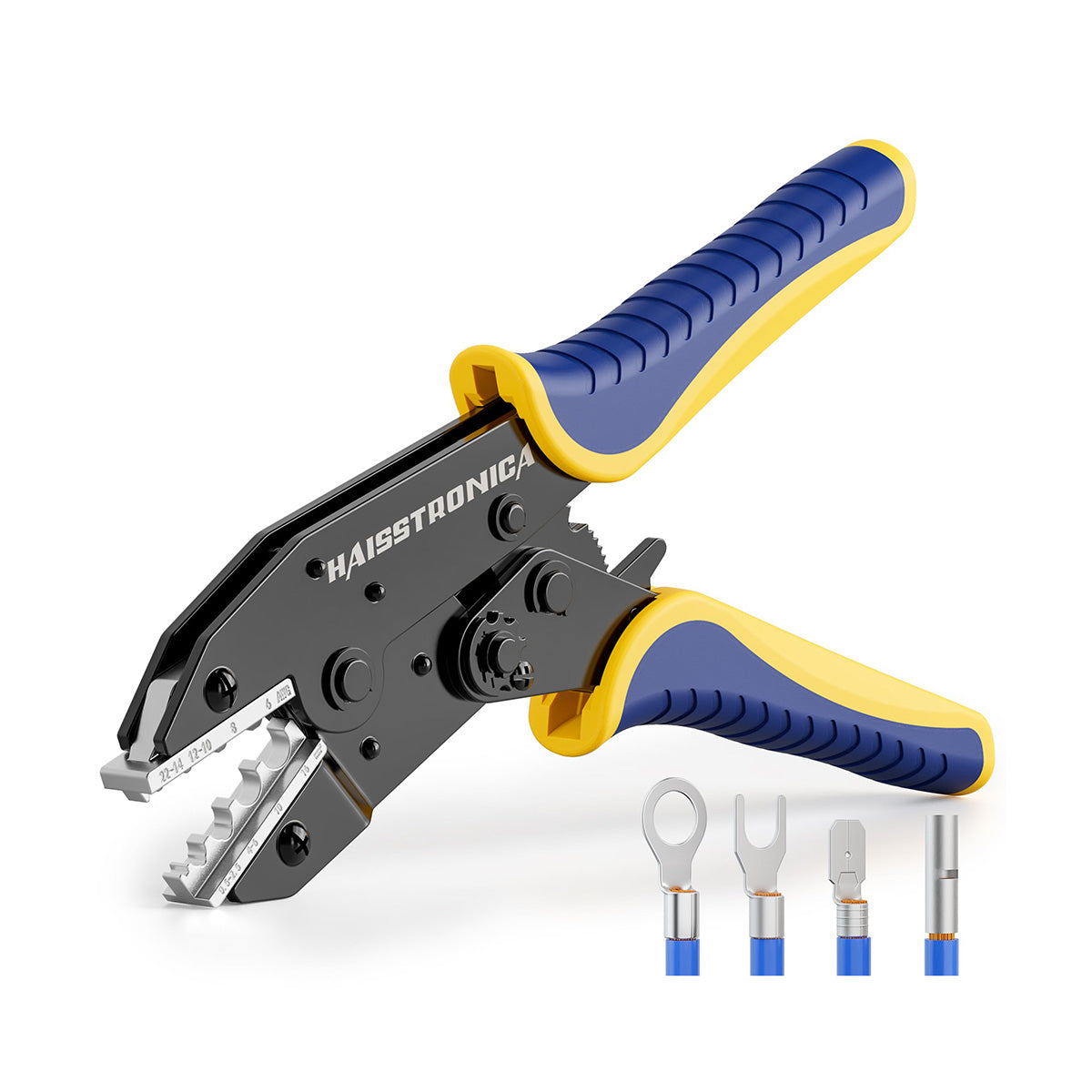
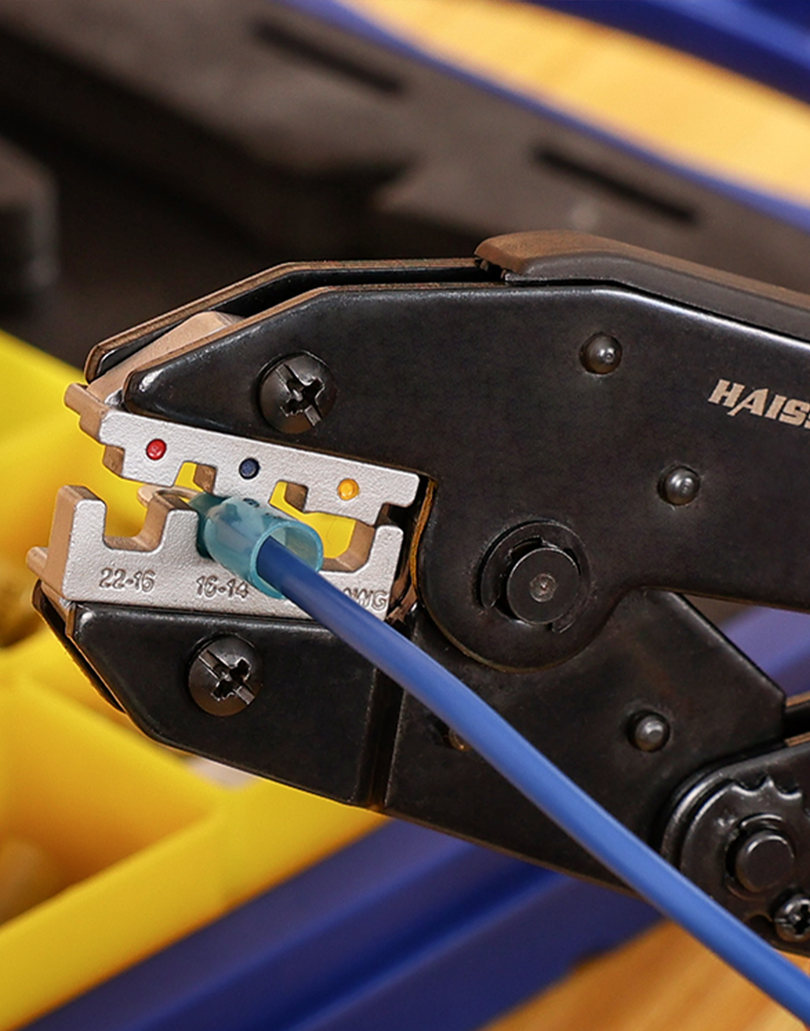
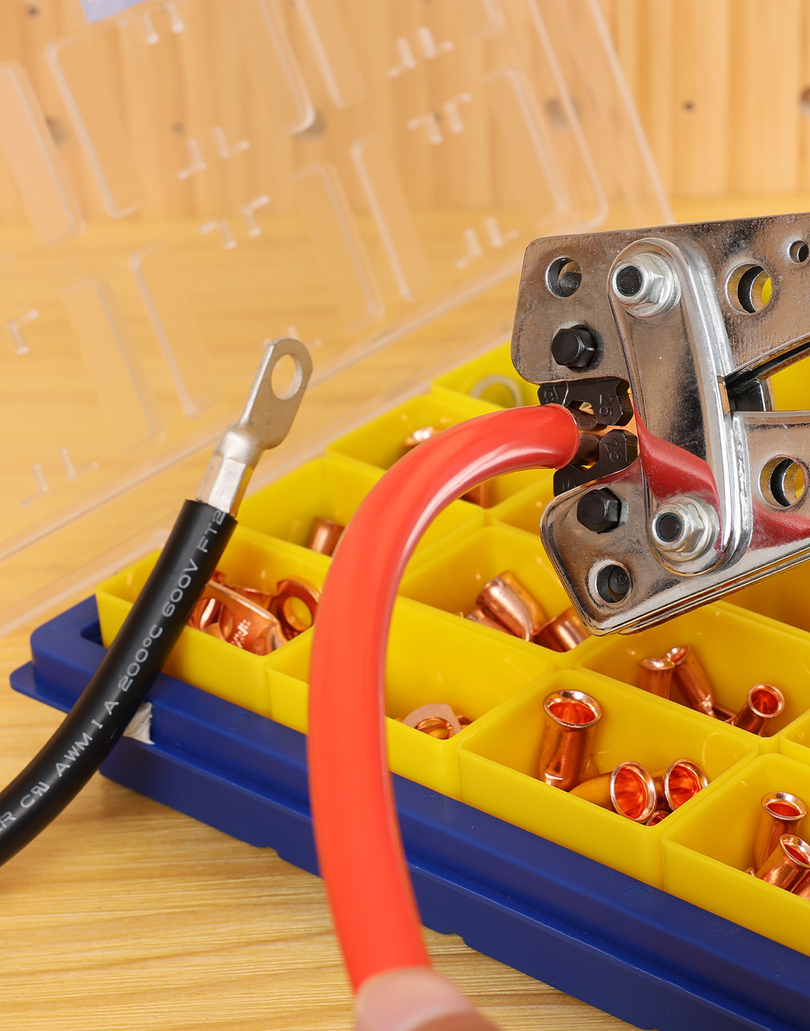
Speed improves again when tool swaps disappear. Many benches want a wire stripping and crimping tool because the real cycle is cut, strip wire, then crimp—again and again. Haisstronica positions its tool as a 3‑in‑1 stripper/cutter/crimper , which can reduce movement compared with separate tools. If you want wire strippers and crimpers in one compact electrical wire tool, upgrade to Haisstronica and simplify your termination cycle.
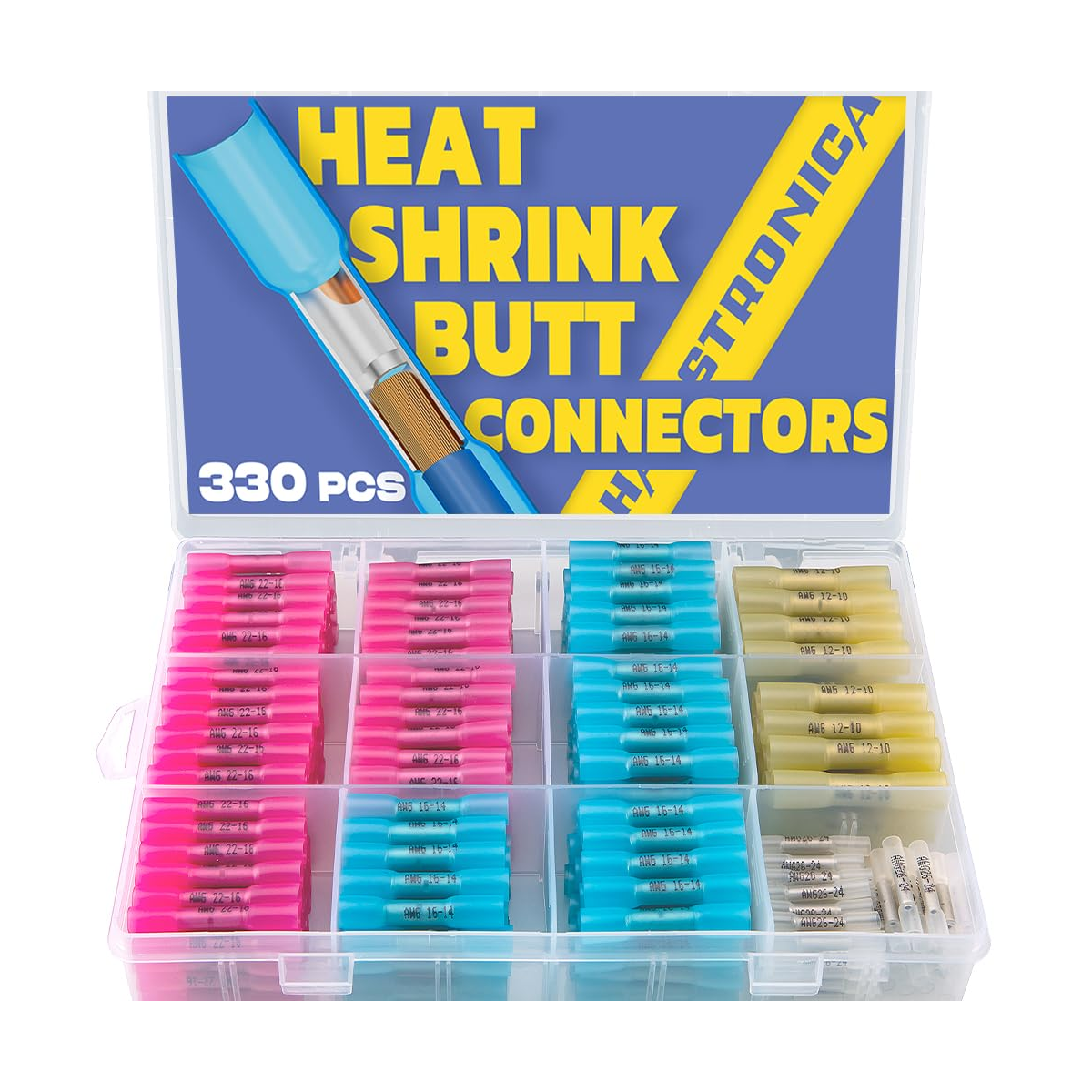
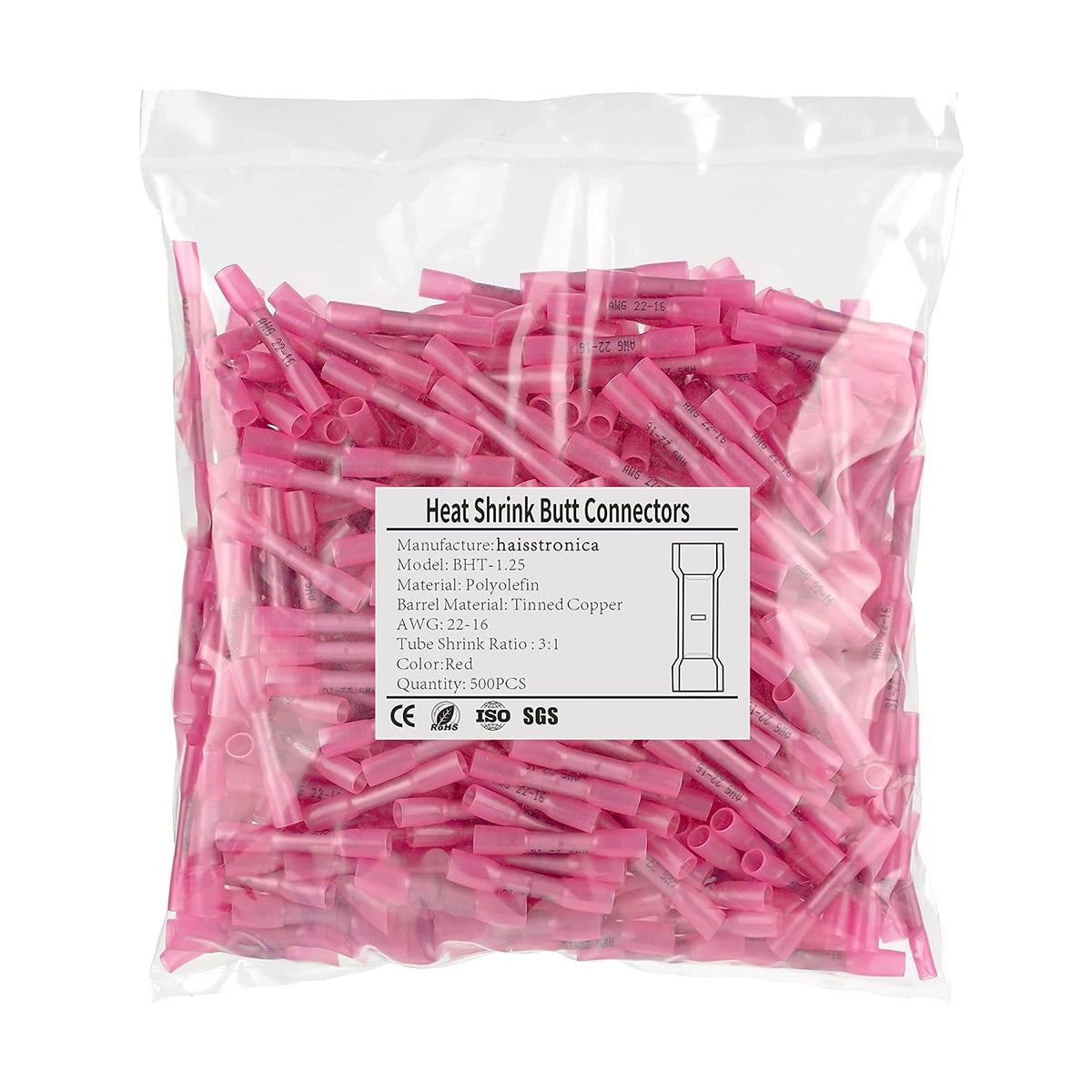
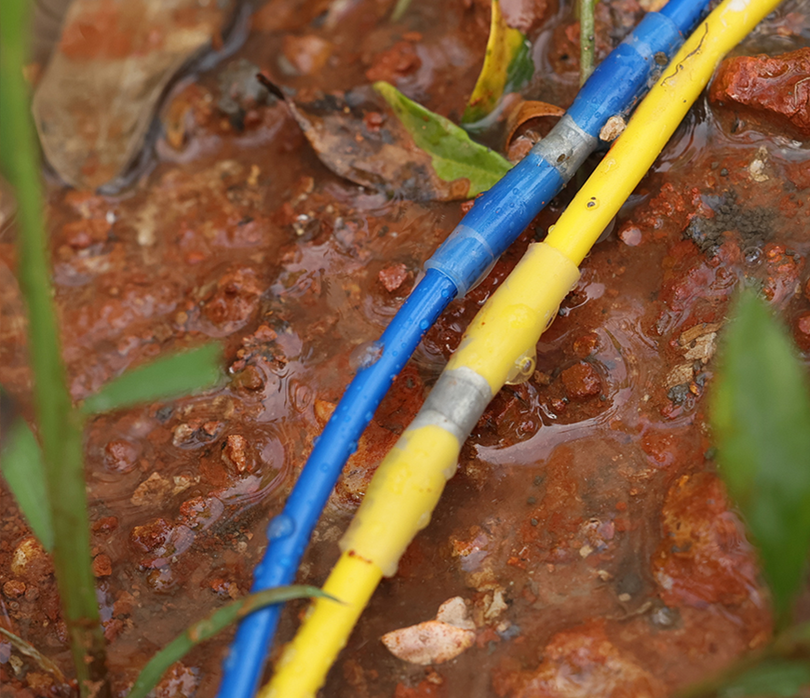
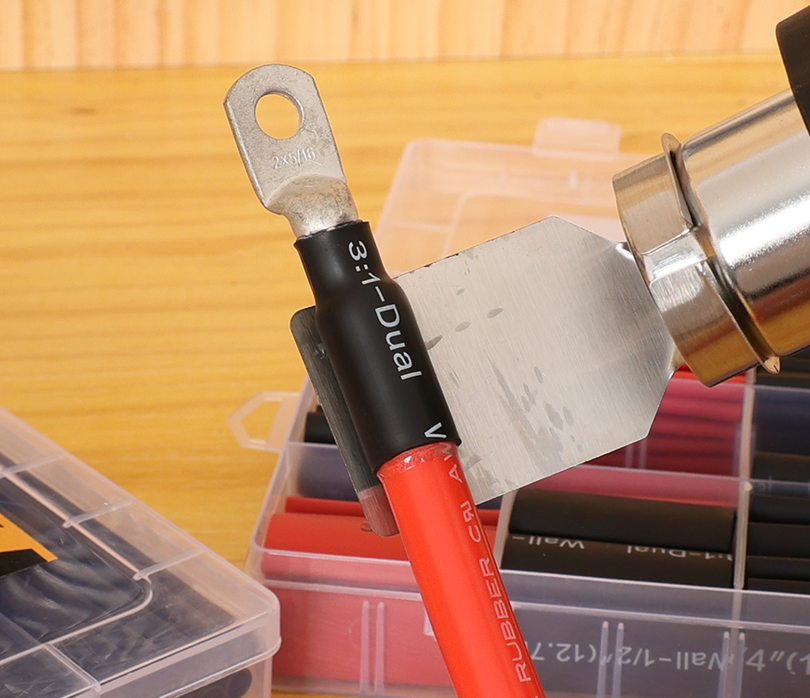
Quality gains show up most at the splice and connector stage. Whether you’re preparing an auto wire splice, loading a splice terminal connector for repeated repairs, you want intact strands and consistent length so insertion and crimp placement don’t drift. NASA’s requirements about strand lay and conductor integrity reinforce that disturbed or damaged strands are a workmanship defect, not a cosmetic issue. Make splicing and terminating more reliable with Haisstronica and produce cleaner results with fewer do-overs.

Time-Saving Benefits: Why Speed Matters in Wire Stripping — wire striping
Speed is not about rushing; it’s about reducing labor you don’t get paid for—redo strips, re-measuring, and re-inspection. If you save even 3–5 seconds per end across hundreds of ends per day, you recover real hours per month for routing, labeling, and final assembly. That’s why the best cable stripping tool in practice is the one that improves first-pass yield while keeping pace, not the one that wins a single demo. Maximize daily output by standardizing on Haisstronica wire tools for high-mix benches.
To make the savings concrete, do the math on your own workflow. Saving 4 seconds on 300 ends/day returns about 20 minutes per day; across a month, that can become hours of capacity for higher-value work without adding headcount. The benchmark is even more meaningful when you include tool-change time between gauges, because that’s where manual stripping slows down most. Improve your bench economics with Haisstronica, a best wire stripping tool choice for mixed-gauge production.
Defects are the fastest way to lose time. A technical guide warns that a nick in solid core wire can severely reduce strength and flexibility and increase the likelihood of breaking when bent; for stranded wire, improper stripping can remove outer strands and reduce strength. Once damage happens, the safe response is often cut-back and redo, which wipes out the seconds you thought you saved. Reduce scrap by using Haisstronica for consistent stripping cable and single-conductor work.
Workmanship guidance defines the quality boundary for speed. NASA prohibits damaged insulation and prohibits conductor nicks to base metal exposure; TE warns against nicking or scraping conductors and against insulation filaments among bare conductors. To validate “3 seconds” honestly, treat it as a benchmark: set strip length, dial pressure, then time 20 strips on one size and repeat across multiple gauges with frequent switching; record redo attempts and visible defects (ragged wire strips, partial insulation, strand disturbance). Run the benchmark with Haisstronica so speed gains come from process control, not risk.

Conclusion: Turn “3 Seconds” into a Repeatable Standard — wire striping
No more gauge guesswork is really about repeatability: consistent pressure, consistent strip length, and a consistent motion across the day’s wire mix. NASA and TE make the stakes clear—avoid insulation damage, avoid conductor nicks, and keep stripped ends clean—because defects at the strip stage become failures later in terminations, splices, and troubleshooting. If you want faster prep with less rework, equip your bench with a Haisstronica stripper set or crimping and stripping tool, then build out into a full electrician tool kit as your volume grows.