
The Need for Speed: Why Wire Stripping Speed Matters in High-Volume Tasks — stripper cable
High-volume work turns seconds into systems. If stripping is slow or inconsistent, every downstream step—crimping, heat-shrink recovery, routing, and inspection—waits, and the delay multiplies across the batch. That’s why industrial wire-processing leaders consistently put efficiency and production integration at the center of wire-prep value: throughput depends on how smoothly wire preparation feeds the rest of the process. Start building production-style “flow” at your bench with Haisstronica wire tools that are built to keep output steady.
Speed only matters when ends meet workmanship expectations. NASA’s wiring workmanship standard is explicit: after insulation removal, the remaining insulation must not show damage (nicks, cuts, crushing, charring), and the conductor must not be nicked, cut, or scraped to the point that base metal is exposed. In parallel, TE Connectivity’s terminal application guidance warns operators not to nick, scrape, or cut conductors during stripping and to avoid insulation filaments remaining among the bare conductors. If you want to move faster without “racing into rework,” choose Haisstronica tools that prioritize clean stripping insulation from wire at speed.
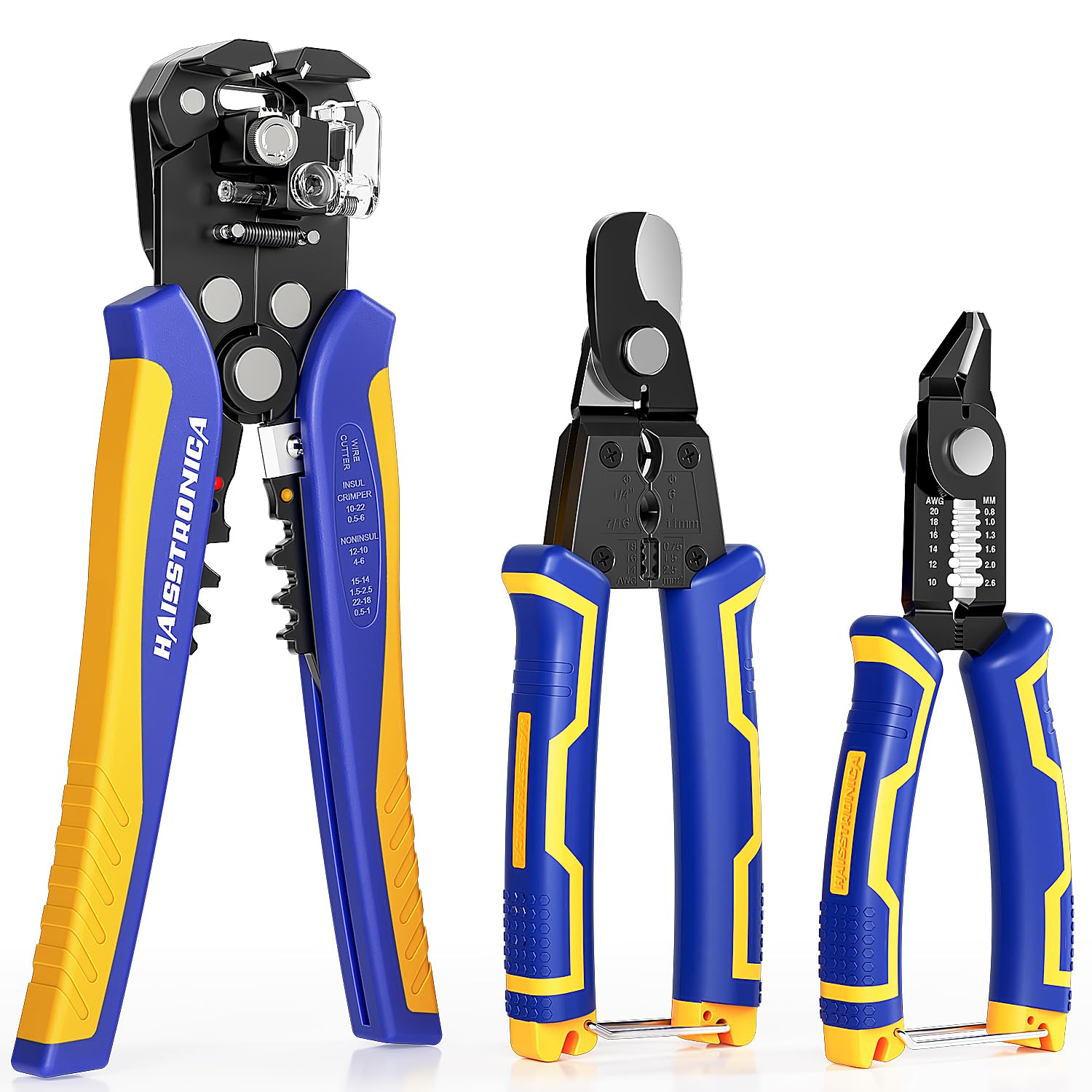
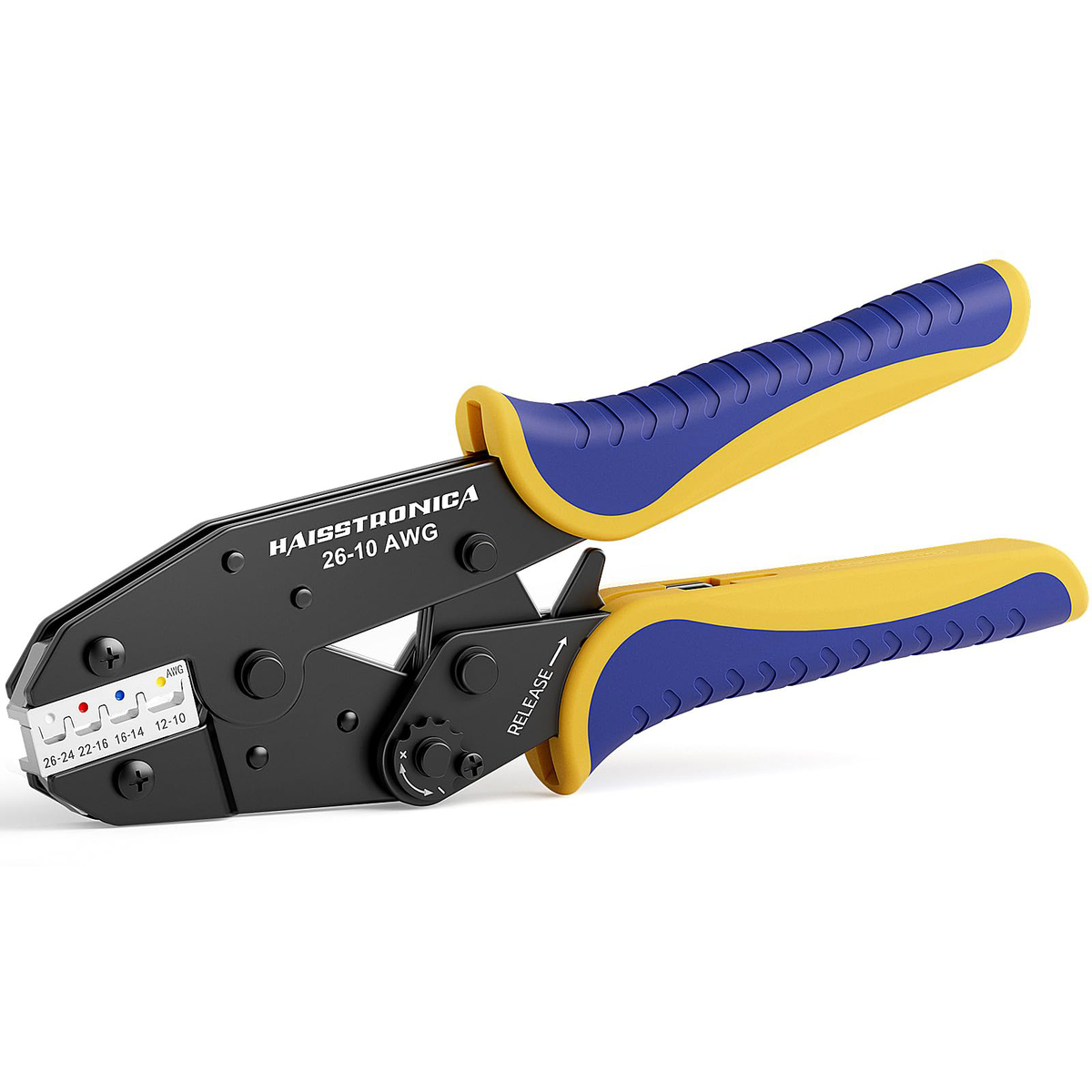
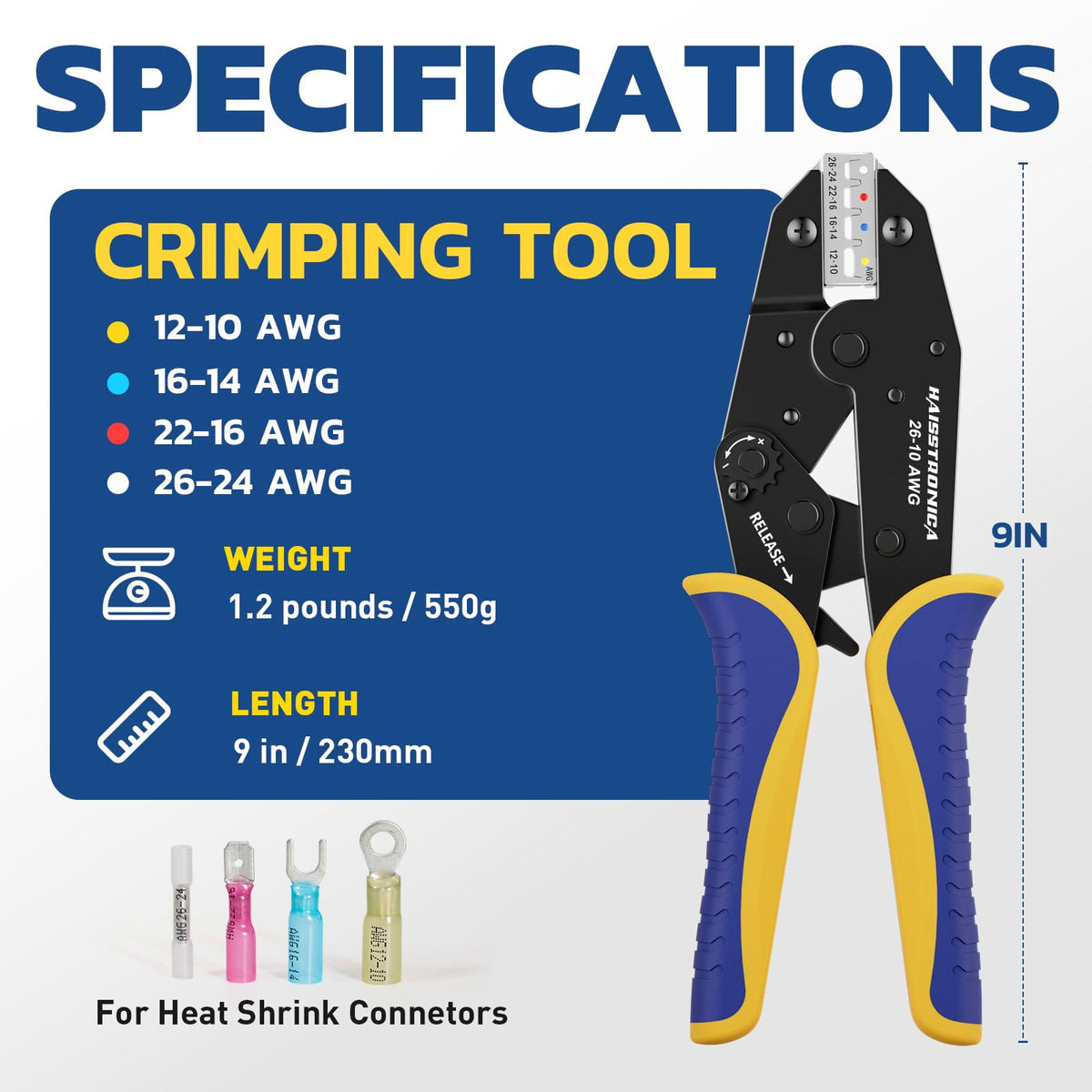
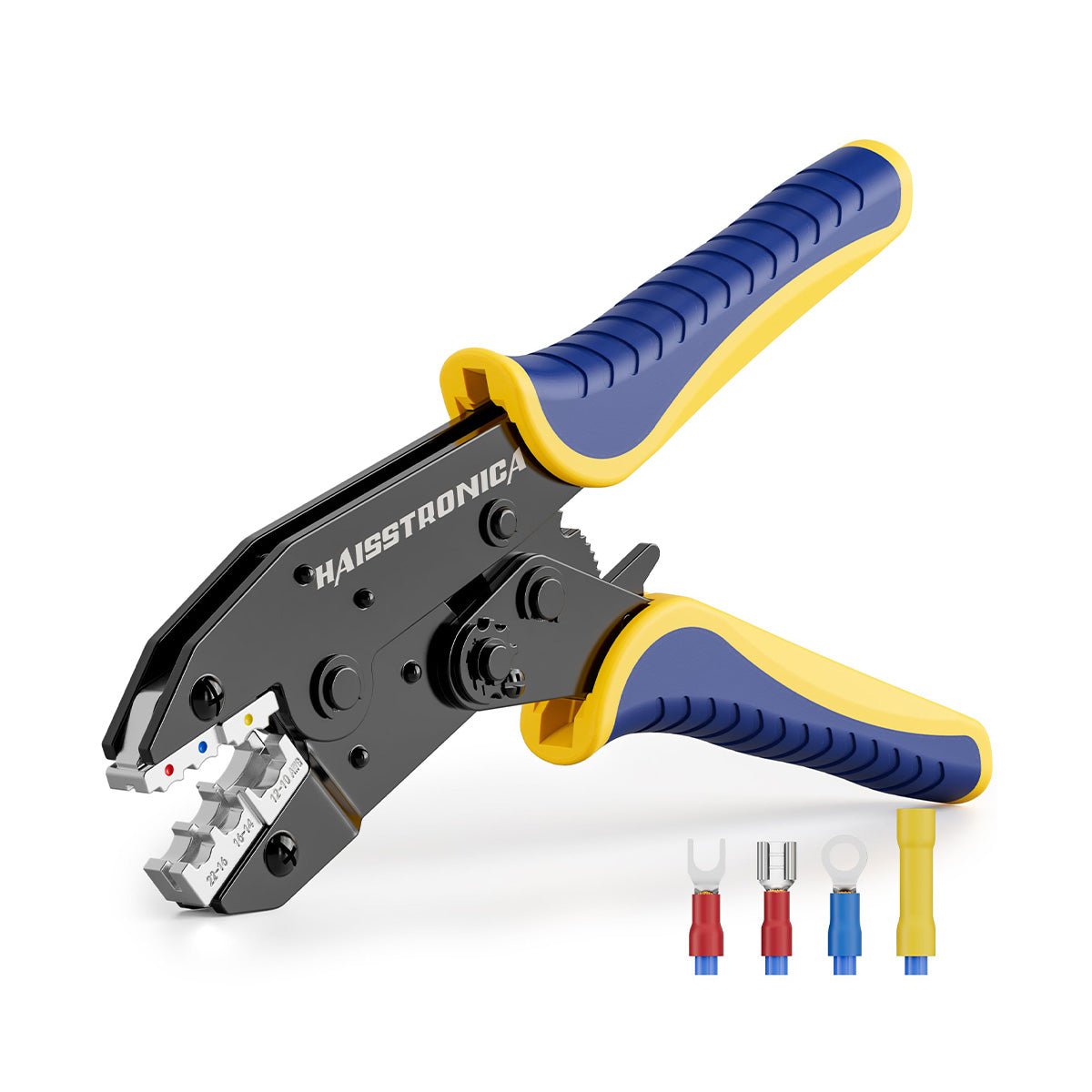
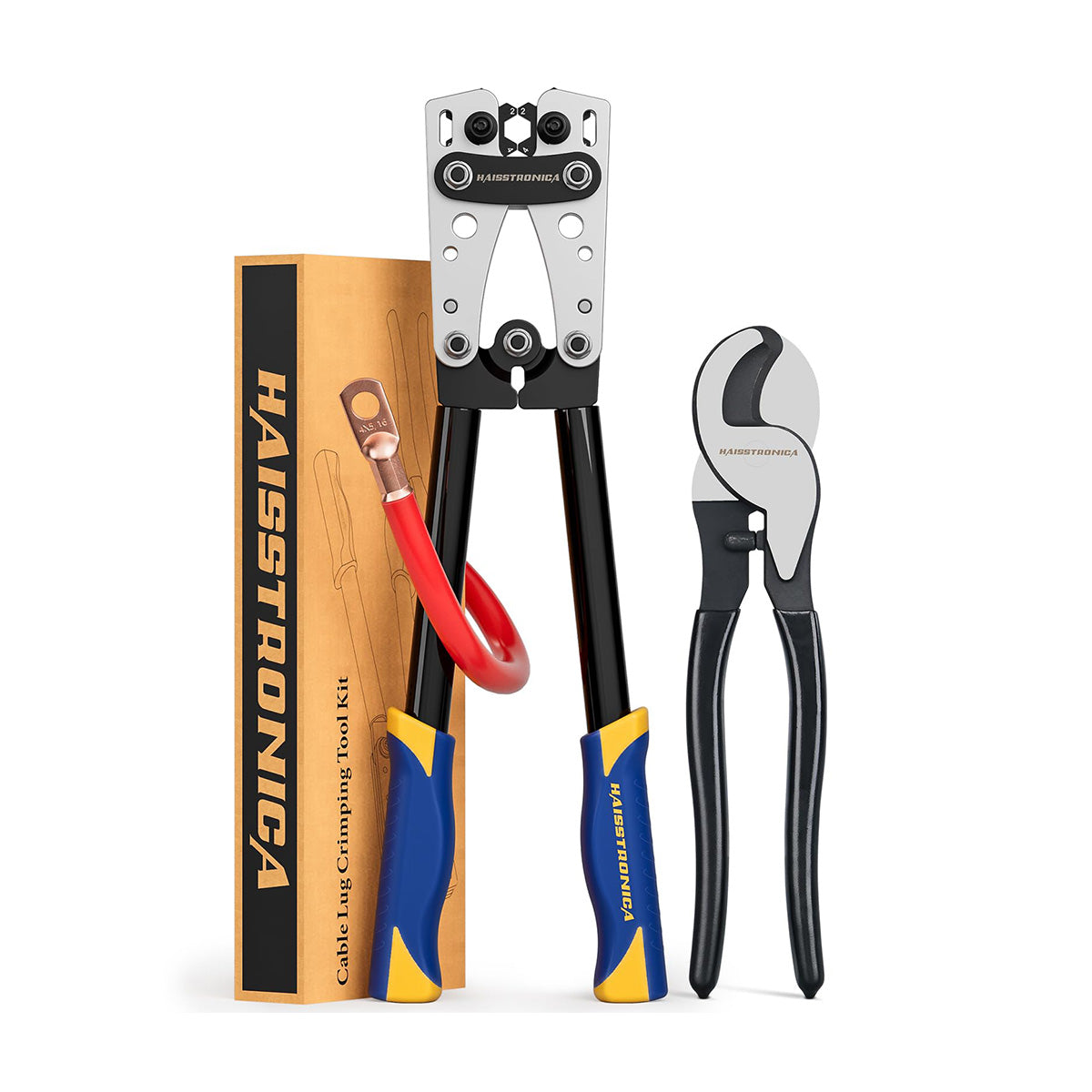
Rework is the real throughput killer. When strip length drifts, strands flare, or insulation is damaged, you lose time twice—first to fix the part, then again to regain flow and re-sync your hands. That’s why the best cable stripping tool in a busy shop usually isn’t the fastest in a single demo; it’s the one that stays consistent hour after hour. In practice, high-performing benches standardize a tight “stack”: an awg tool to confirm wire gauge, an electrical wire cutter tool, and either a wire stripping and crimping tool or separate wire strippers and crimpers—so the motion stays repeatable and the wire strips look the same across operators. Build your electrician toolset around Haisstronica so your process stays stable even when the job mix changes.
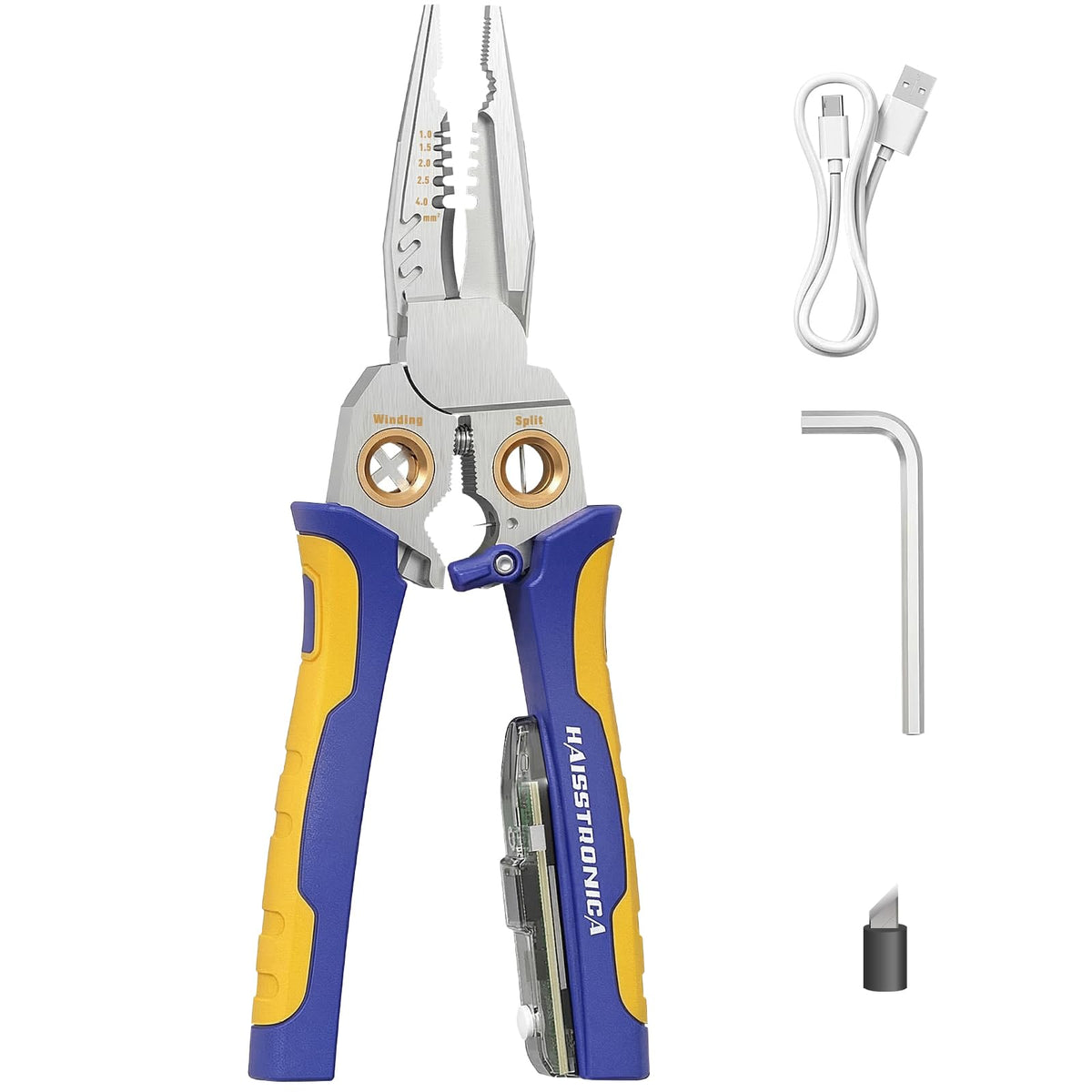
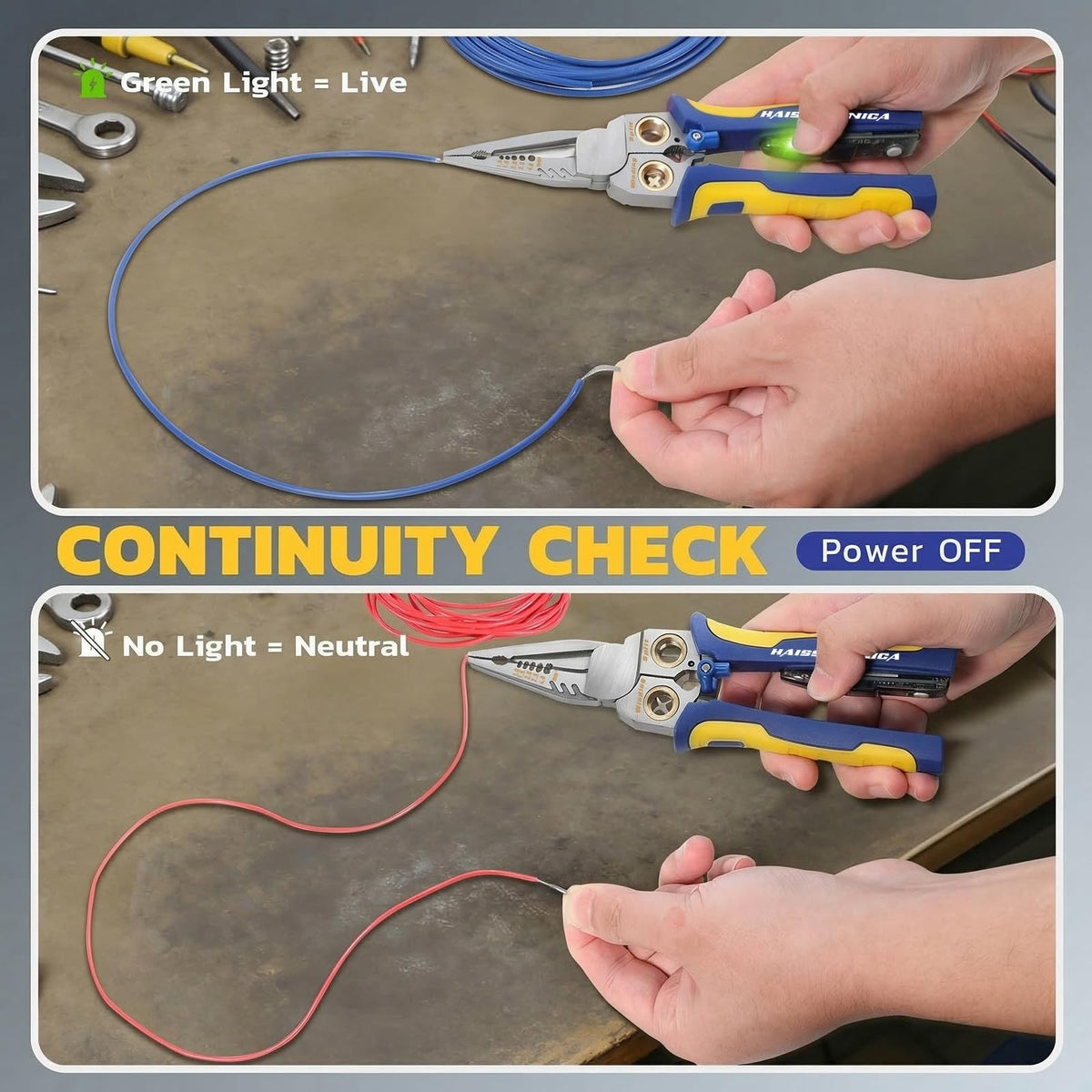
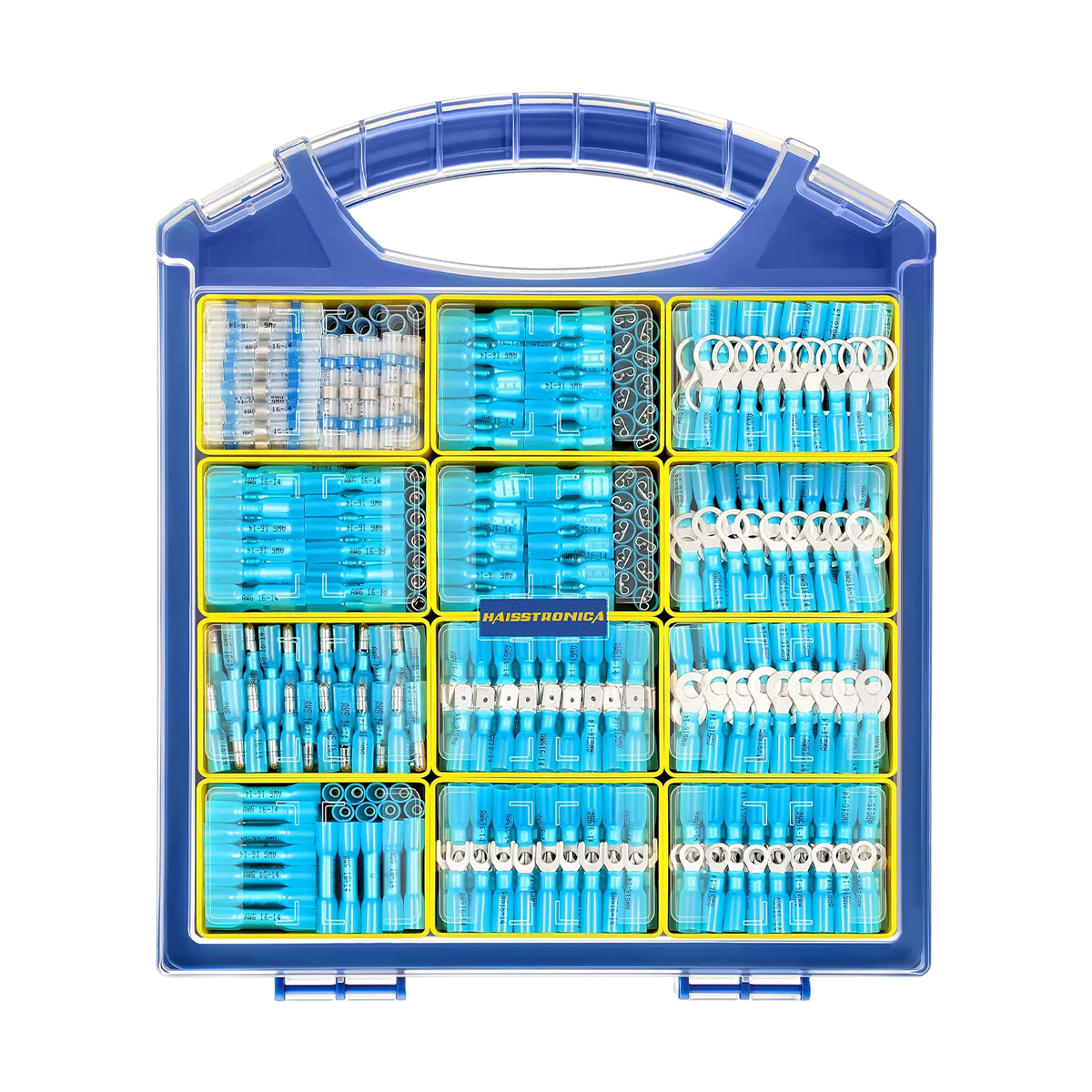
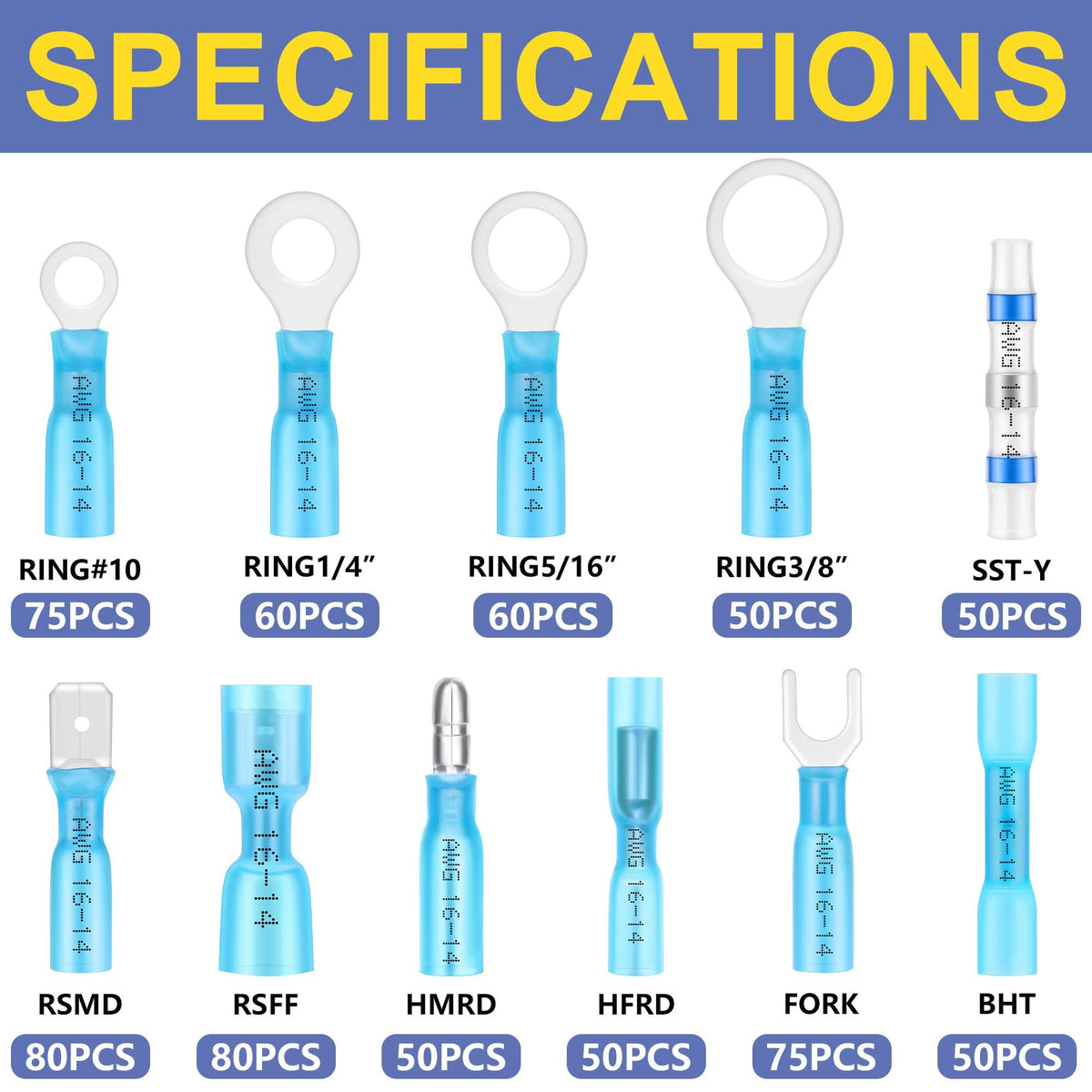
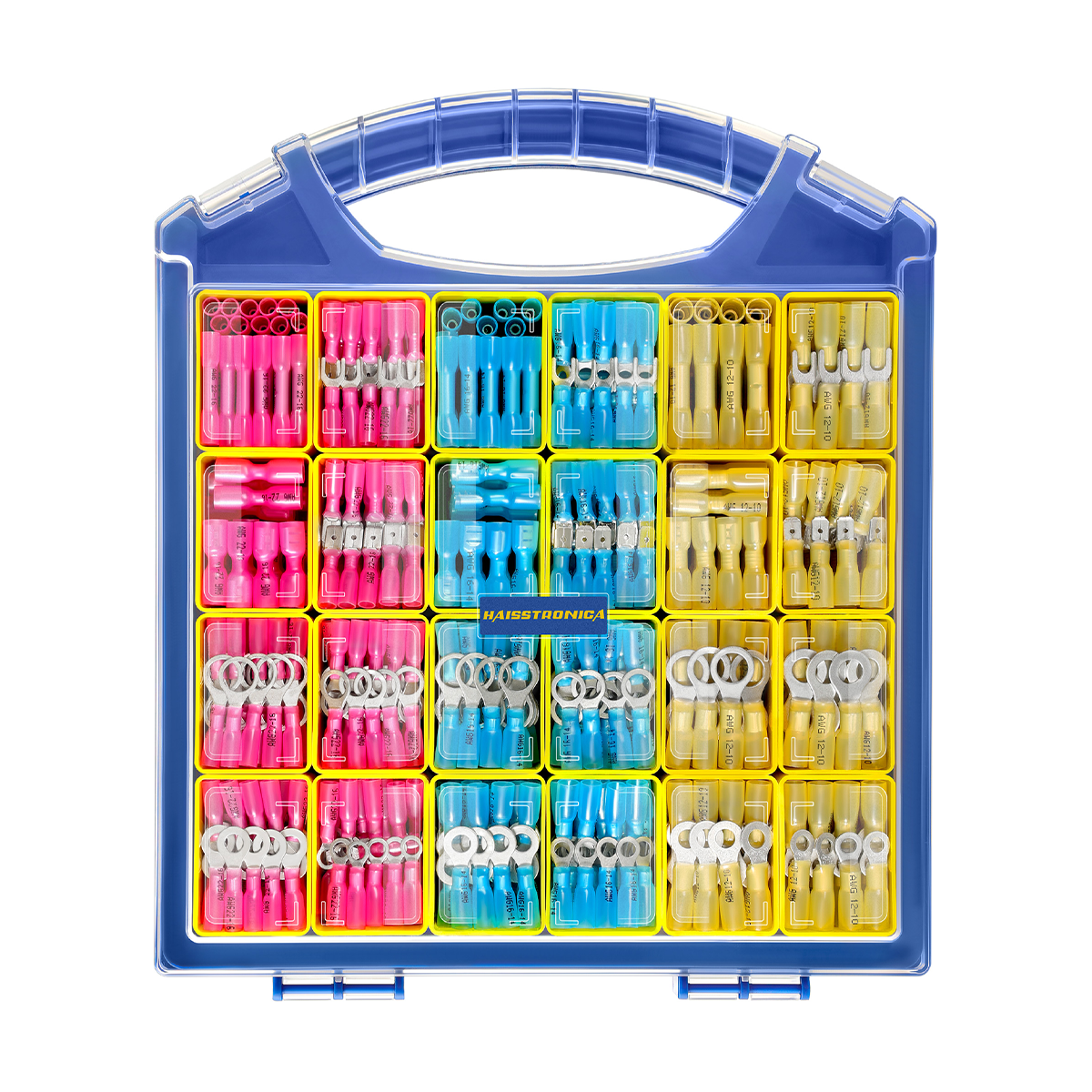
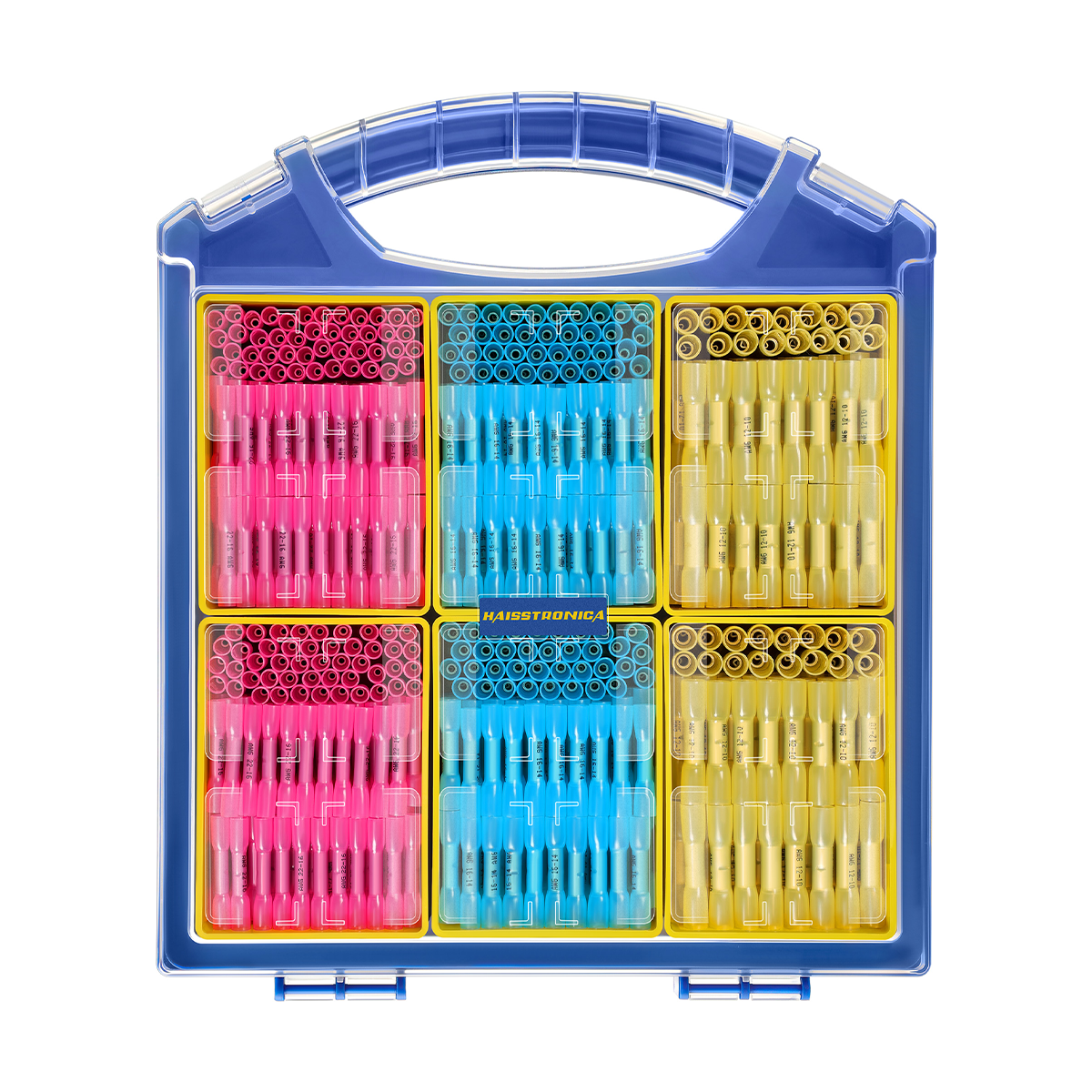
Speed also stresses hands, not just processes. NIOSH and Cal/OSHA emphasize that selecting non-powered hand tools that can be used with less force, less repeated movement, and less awkward positioning can help reduce injury risk during repetitive tasks. On the cutting side, safety guidance emphasizes choosing the proper cutter for wire/cable work and using appropriate protective equipment when cutting. Haisstronica also supports a “one-stop bench” approach with tool kits that combine strippers, crimpers, and connectors in one solution. If you’re building a professional electrician tool kit for repetitive work, consider a Haisstronica wiring tool kit to protect both output and hands.

How Auto-Strippers Achieve 10 Wires Per Minute: Technology Behind the Speed — stripper cable
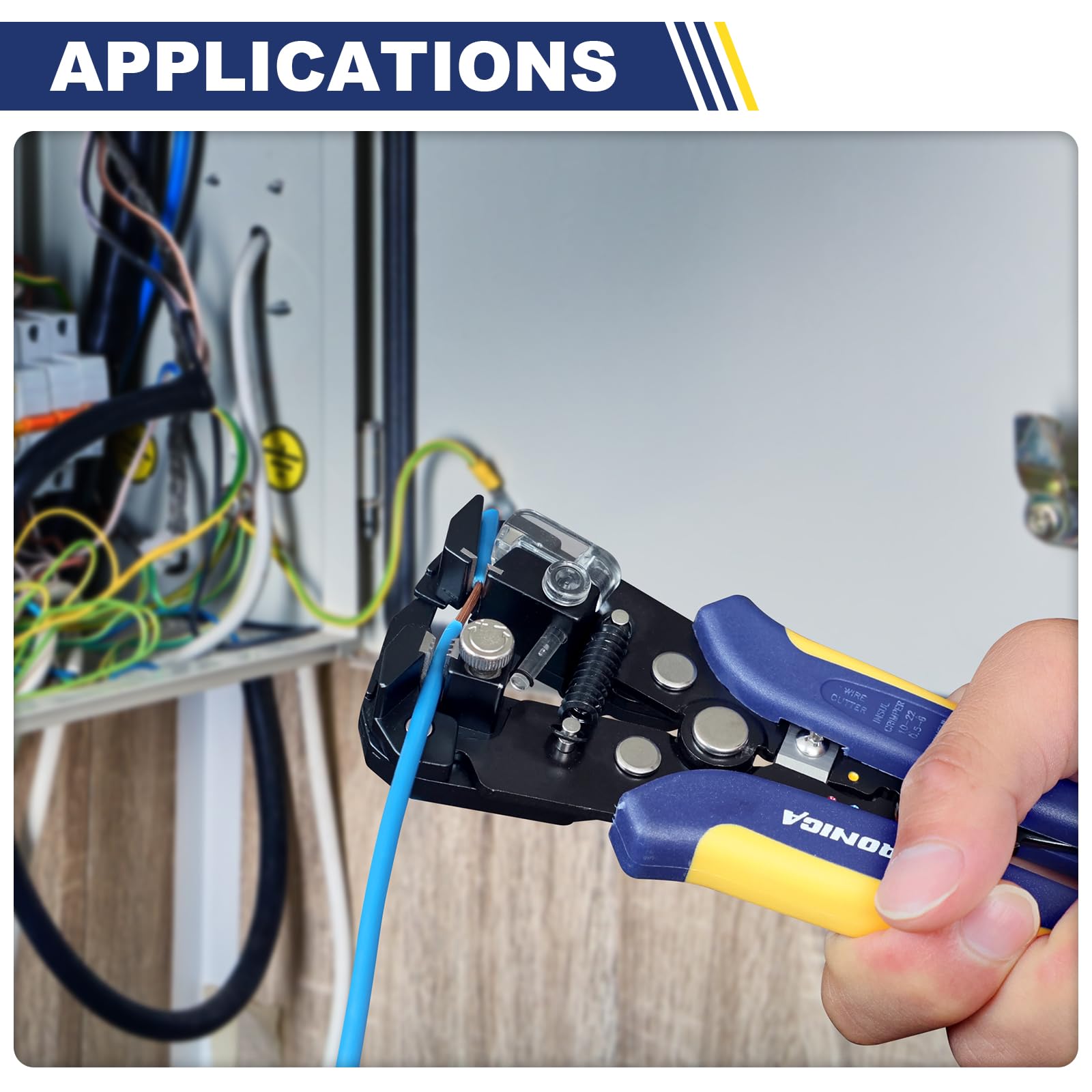
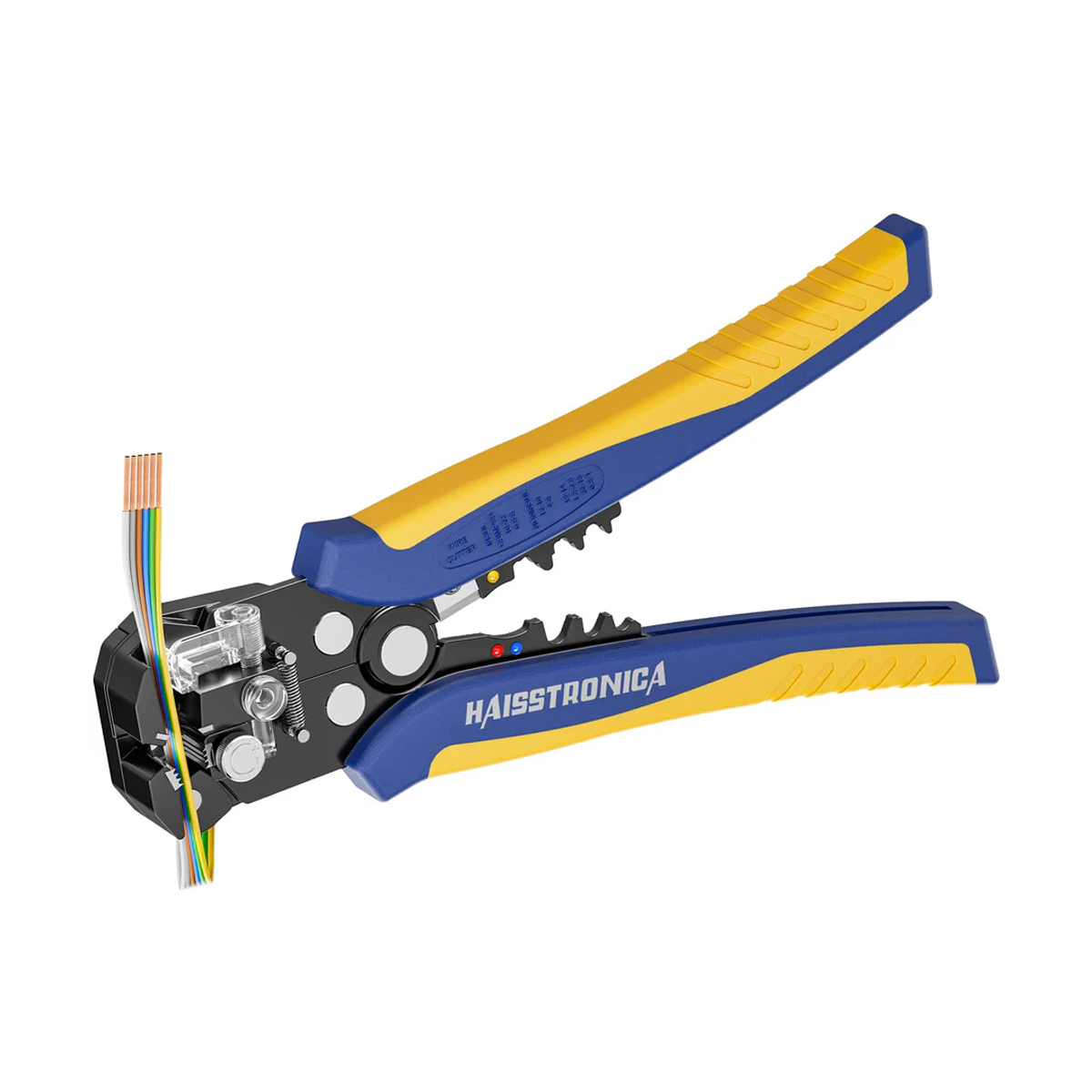
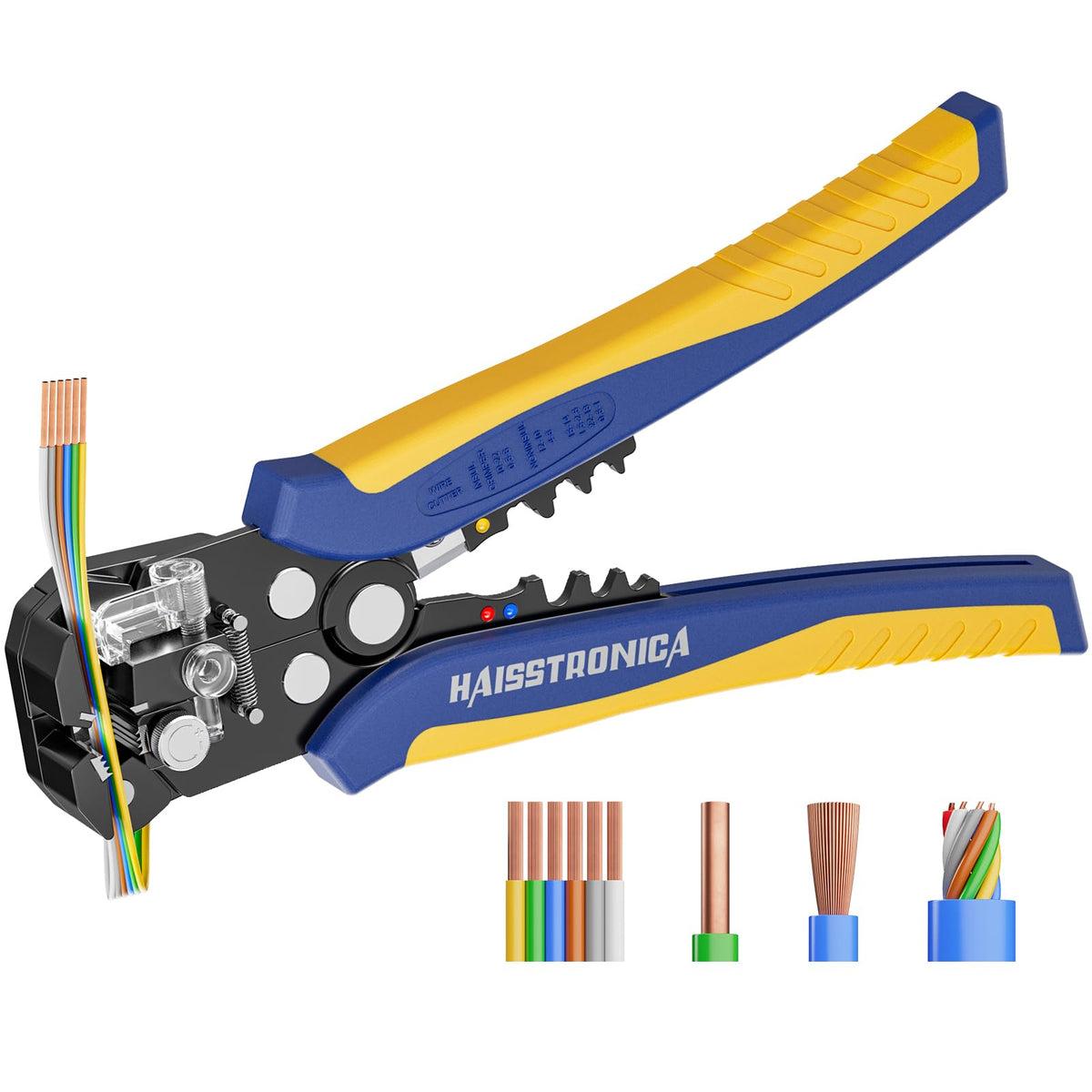
In everyday shop language, an “auto-stripper” is usually a self-adjusting hand tool—not a floor machine. The key shift is that the jaws adapt to insulation diameter, reducing (or eliminating) the need to match a notch to a wire gauge before every strip. This compresses stripping wires into a repeatable insert–squeeze–pull sequence, which is exactly what people are trying to buy when they search for the best wire stripping tool, best wire stripping pliers, or best tool to strip wire for mixed tasks. Upgrade your bench motion by moving to a Haisstronica self-adjusting design that makes “one motion” the default.
Auto speed also comes from repeatability controls that prevent mistakes under pressure. Haisstronica’s self-adjusting wire stripper documentation shows a pressure/strength knob intended to prevent wire damage and a guide ruler/strip-length adjustment so you can repeat strip length without re-measuring each time. In production terms, these controls act like built-in error-proofing: fewer chances to under-strip, over-strip, crush insulation, or disturb strands when fatigue rises and pace increases. Put a Haisstronica precision wire stripper on your bench so clean, consistent wire strips become routine.
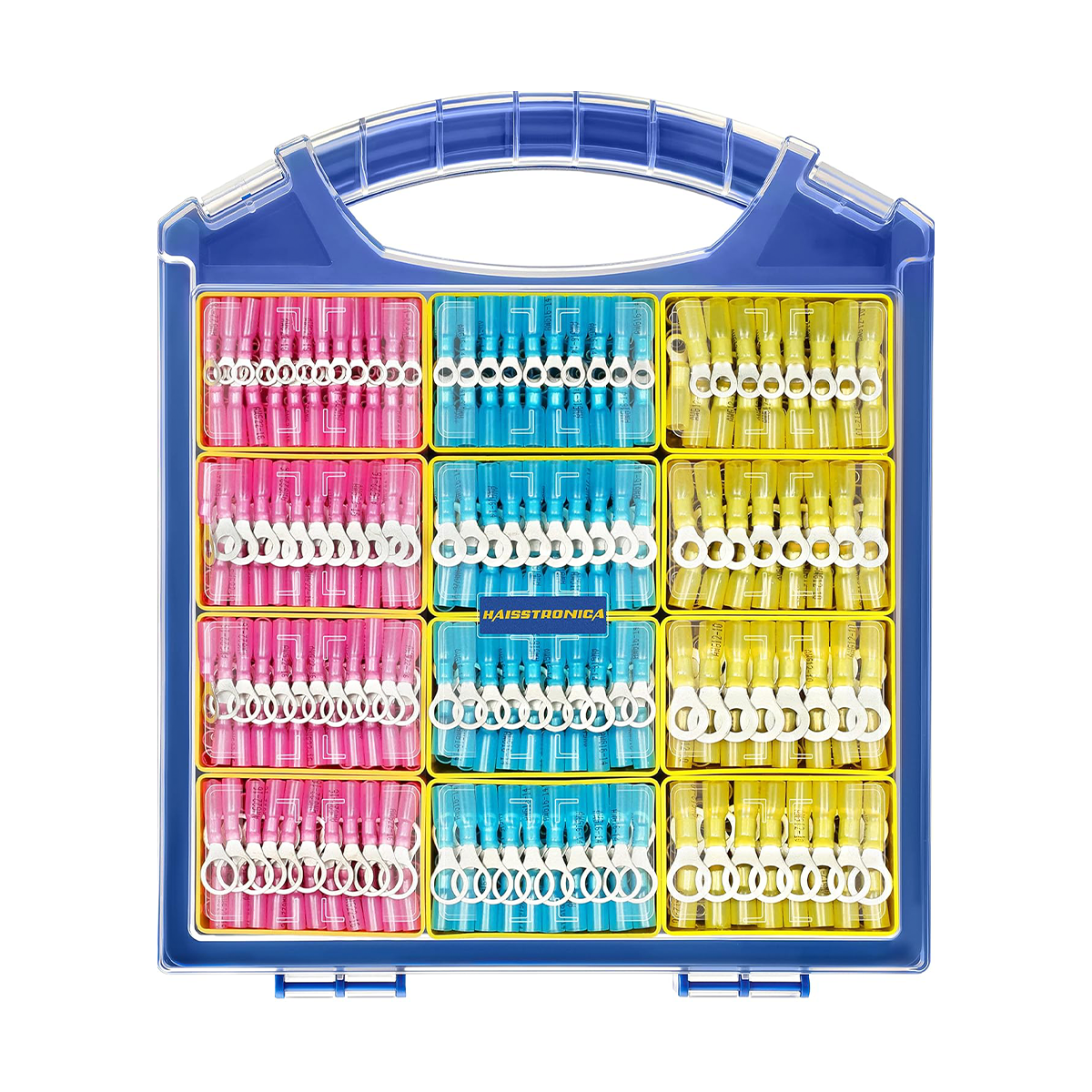
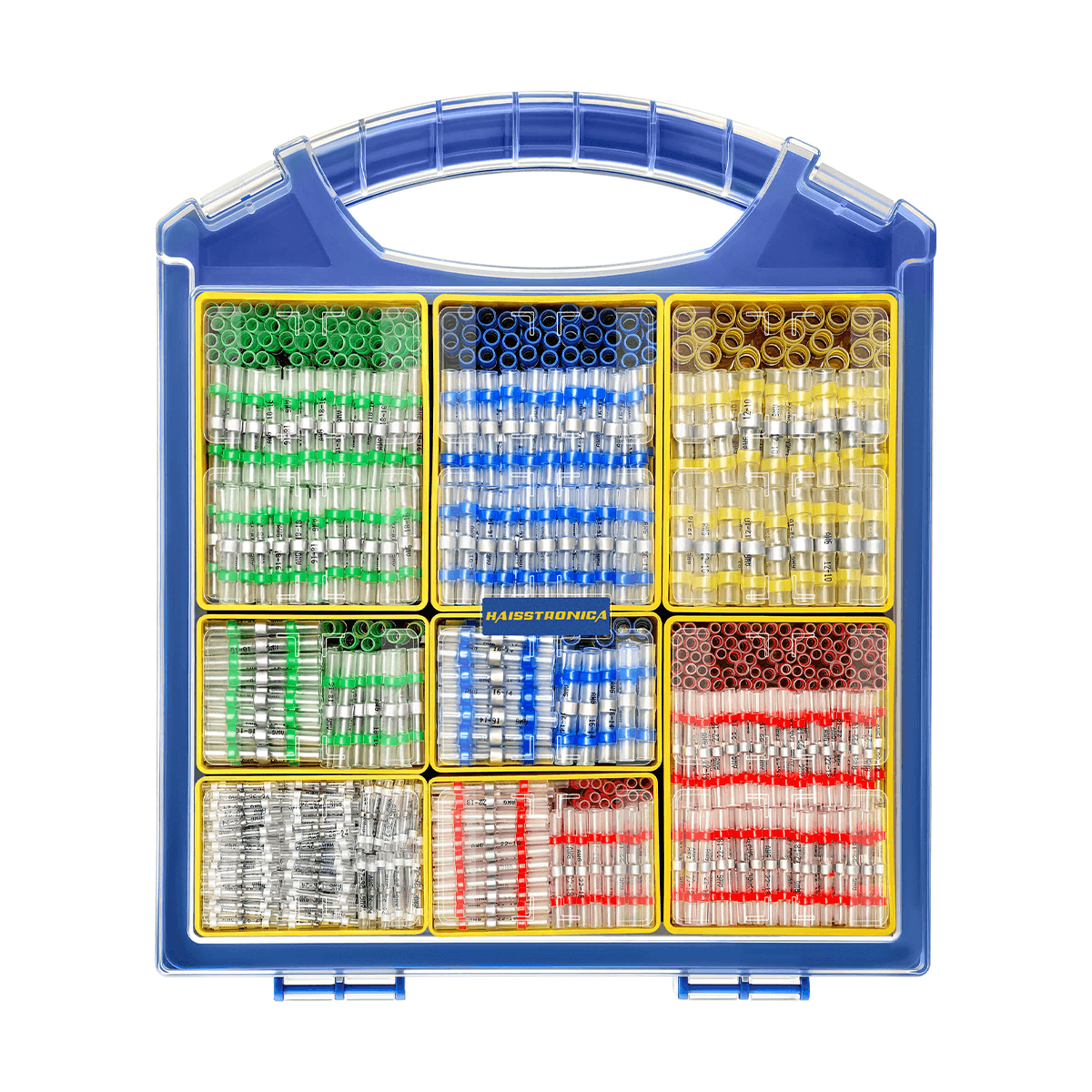
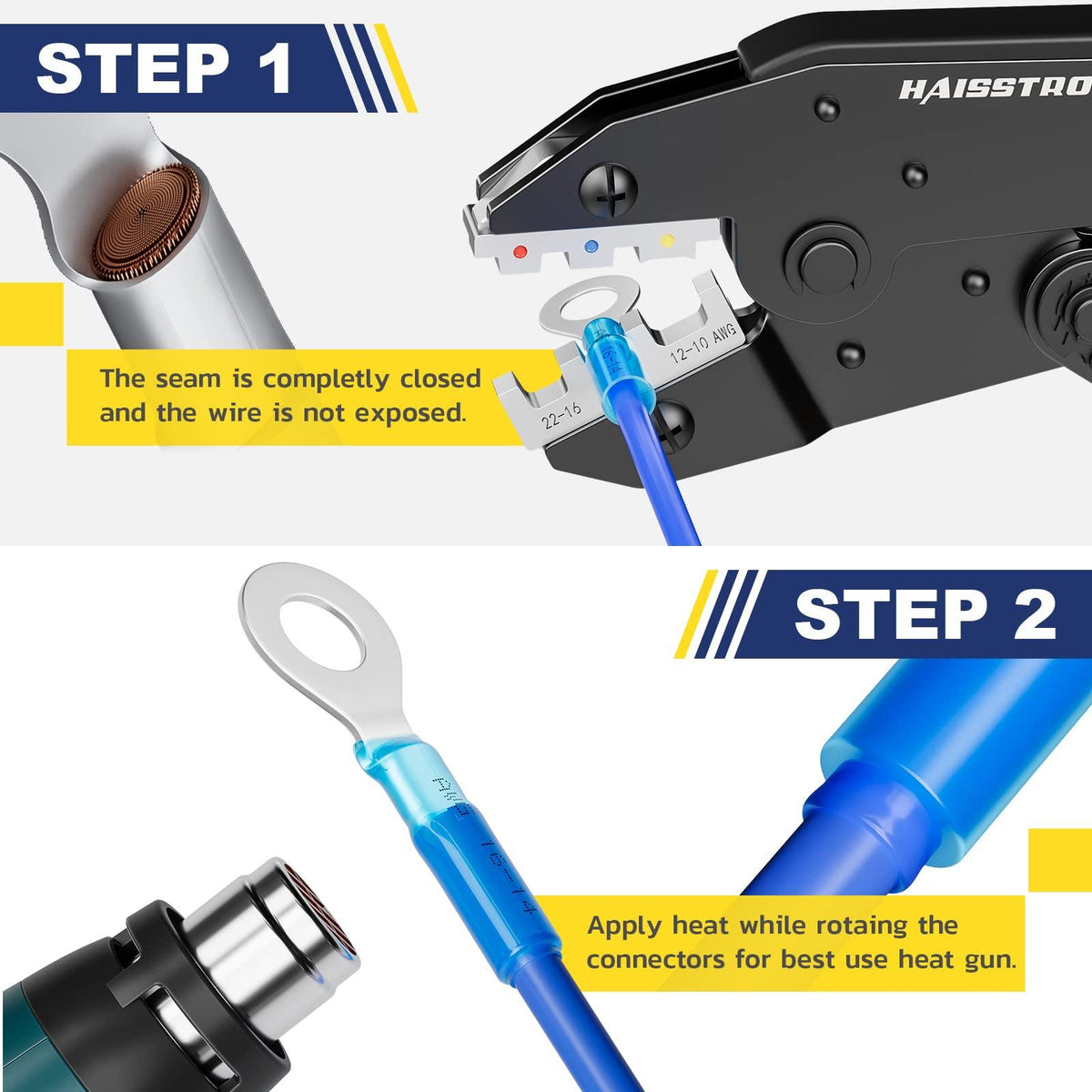
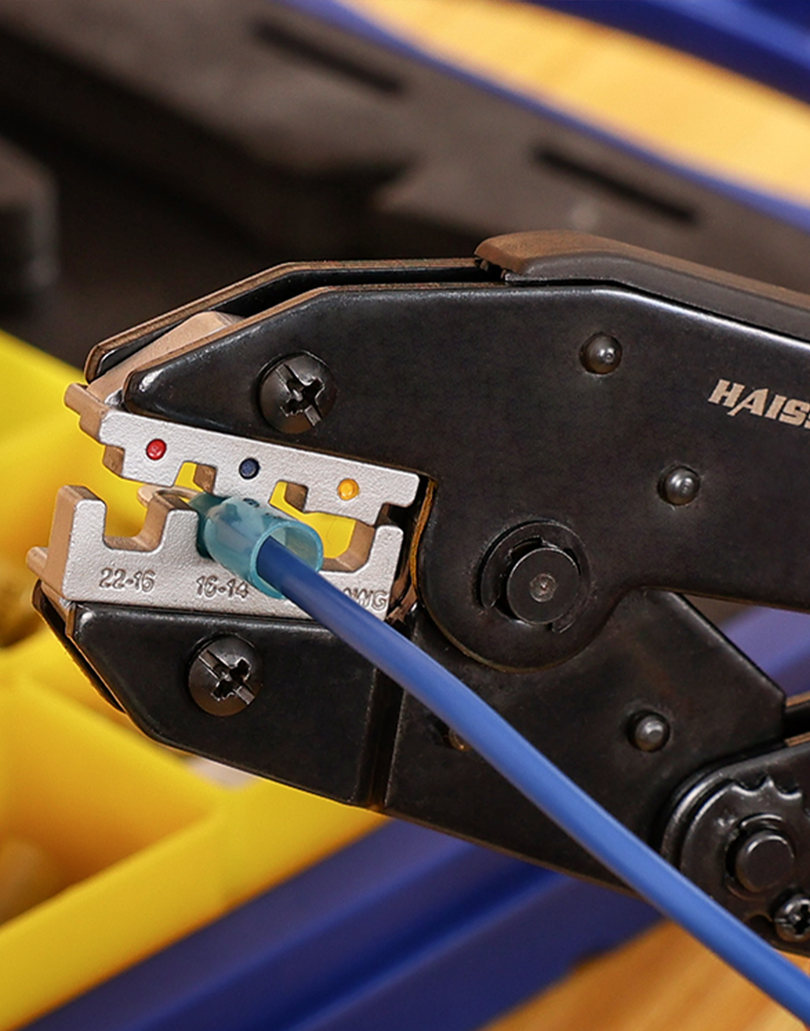
Another accelerator is consolidation—fewer tool changes per wire end. On its official product page, Haisstronica presents its self-adjusting tool as a 3‑in‑1 solution that strips, cuts, and crimps across a stated AWG range. This matters because a combined wire stripper crimper (a crimping tool and wire stripper in one) removes “reach, swap, re-grip” from each cycle—especially when you’re doing repeated terminations where wire crimpers and strippers are both used on every lead. Standardize on Haisstronica as your daily wire tool to cut tool changes and keep your rhythm.
The “one squeeze” workflow is not a random marketing claim; it’s a known productivity pattern. IDEAL describes its Stripmaster line as an industry standard in hand-held, precision wire stripping, highlighting one-step, high-leverage squeeze action and a precision blade design for fast, accurate stripping with reduced operator effort. And when jobs include stripping cables with outer jackets, tool selection changes again: TE’s cable-stripper guidance stresses that cutting too shallow won’t strip properly, while cutting too deep can damage inner insulation—so adjustment is essential. For a complete bench setup, pair Haisstronica conductor strippers with the right cable jacket stripping tool strategy so you can strip wire and strip jackets confidently.

Comparing Speed: Manual vs Auto Strippers — stripper cable
Manual tools can be excellent—especially if you run one size all day and your operator never changes settings. The friction appears in high-mix work: identify diameter, pick a notch, test, adjust, re-test, then strip. Those micro-pauses add time and raise defect risk, and the risk is real because both NASA and TE explicitly prohibit conductor damage during stripping. If your work mix changes hour to hour, shift to Haisstronica so the tool adapts instead of your hands.
To make “10 wires per minute” concrete, convert it to cycle time: about 6 seconds per wire end in steady-state work. That pace is plausible when the steps shrink to position–squeeze–remove, instead of five to seven steps that include notch selection and double-checking. Whether you’re prepping an auto wire splice, feeding a splice terminal connector, or doing batch repairs, the real win is saving 3–6 seconds per end without increasing defects or rework. Track your cycle time on a stripper cable workflow with Haisstronica and measure what changes in your hands.
A fair comparison is a time-and-motion test that includes rework. Strip 20 wires that reflect your real mix (including at least one “tough” insulation), log total time, then repeat with an auto-adjusting tool and record defects (uneven strip length, strand disturbance, insulation damage). Keep one operator and one pass/fail standard (inspection-ready ends), then compare results with a simple benchmark table like this—because “top rated wire strippers” should be validated by your own throughput and scrap rate. Run the same test using Haisstronica as your baseline so the numbers are tied to your real work.
| Benchmark (20 wires) | Steps per wire (typical) | Example steady-state time | Common rework drivers |
|---|---|---|---|
| Fixed-notch strip wire (manual) | 5–7 | 3:20–4:10 | Wrong notch, uneven wire strips, conductor nicking |
| Auto-adjusting stripper cable workflow | 3–4 | 2:10–3:00 | Pressure too high/low, inconsistent insertion depth |
If your mix includes sheathed assemblies, add jacket work to the test because it has its own adjustment risks and typically needs a dedicated cable jacket stripper or cable jacket stripping tool approach. Once you’ve proven what wins on your bench, lock it in with a Haisstronica stripper set (or full electrician tool kit) so every operator can repeat the same quality at speed.
Hand-tool gains sit on the same curve as full automation: repeatability drives throughput. A trade publication profiled a fully automatic stripping-and-crimping system reported to produce 360 cables per hour with ferrules on both ends, showing how productivity climbs when setup and process control are optimized. Most shops won’t buy that machine for every job—but you can adopt the philosophy on a bench by reducing setup time and cutting rework with better tooling. If you want an affordable “automation-style” upgrade for daily work, Haisstronica tools are built to help you move toward that repeatable output.

Conclusion: Turning “10 Wires/Minute” into Daily Reality — stripper cable
“10 wires per minute” is achievable when your process removes decisions, not care. Workmanship requirements from NASA and preparation guidance from TE make it clear that speed cannot come at the cost of nicked conductors or damaged insulation, so the right tool is the one that makes clean cuts automatic. Auto-adjusting strippers help by compressing the workflow into repeatable motions, and pressure control plus strip-length guides keep output aligned with quality. If you’re ready to maximize output and reduce rework, equip your bench with Haisstronica and turn speed into a repeatable standard.