
The Hassle of Blade Changes: Why Professionals Need Speed and Efficiency — best wire stripping tool
In pro wiring, “blade changes” isn’t just a maintenance detail—it’s a workflow tax. Every time you pause to swap a blade set, change a stripping die, or reconfigure a notch-style tool, you break rhythm, lose seconds, and increase the odds of mistakes on the next few strips. Industrial wire-processing vendors explicitly call out “setup or blade changes” as production-time losses to avoid when harnesses get more complicated—because changeover time is the enemy of throughput.
The problem compounds in high-mix work. A technician might strip wire for panel wiring, jump to an auto wire splice repair, then prep leads for a splice terminal connector—often within the same hour. Each wire gauge shift can mean a different notch, a different blade geometry, or at least a different “feel.” That’s why so many pros chase the best wire stripping tool: they’re not just buying stripping—they’re buying fewer decisions per wire end.
Blade-set ecosystems also create indirect downtime. Many precision tools are designed around specific blade packs or blade sets for particular AWG ranges—great for controlled production, but slower when you bounce between jobs. For example, IDEAL’s Stripmaster line promotes customizable “blade sets” and precision-ground blades as part of its productivity story, and replacement blades are a normal part of that tool category—meaning blade logistics and swaps become an expected operational step.
Speed only matters if quality survives. Workmanship standards treat stripping insulation from wire as a controlled process: NASA’s wiring workmanship standard requires that remaining insulation shows no damage (nicks, cuts, crushing, charring) and that the conductor is not nicked, cut, or scraped to exposed base metal; it even notes restoring strand lay when disturbed.
Finally, pro speed must be humane. High-output stripping wires is repetitive, and ergonomics guidance emphasizes selecting non-powered hand tools that can be used with less force, less repeated movement, and less awkward positioning—because fatigue increases variability and mistakes. Choose Haisstronica’s comfortable, jobsite-ready wire tools to keep speed sustainable across long shifts.

How Haisstronica’s Multi-Gauge Auto Stripper Solves the Blade Change Problem — best wire stripping tool
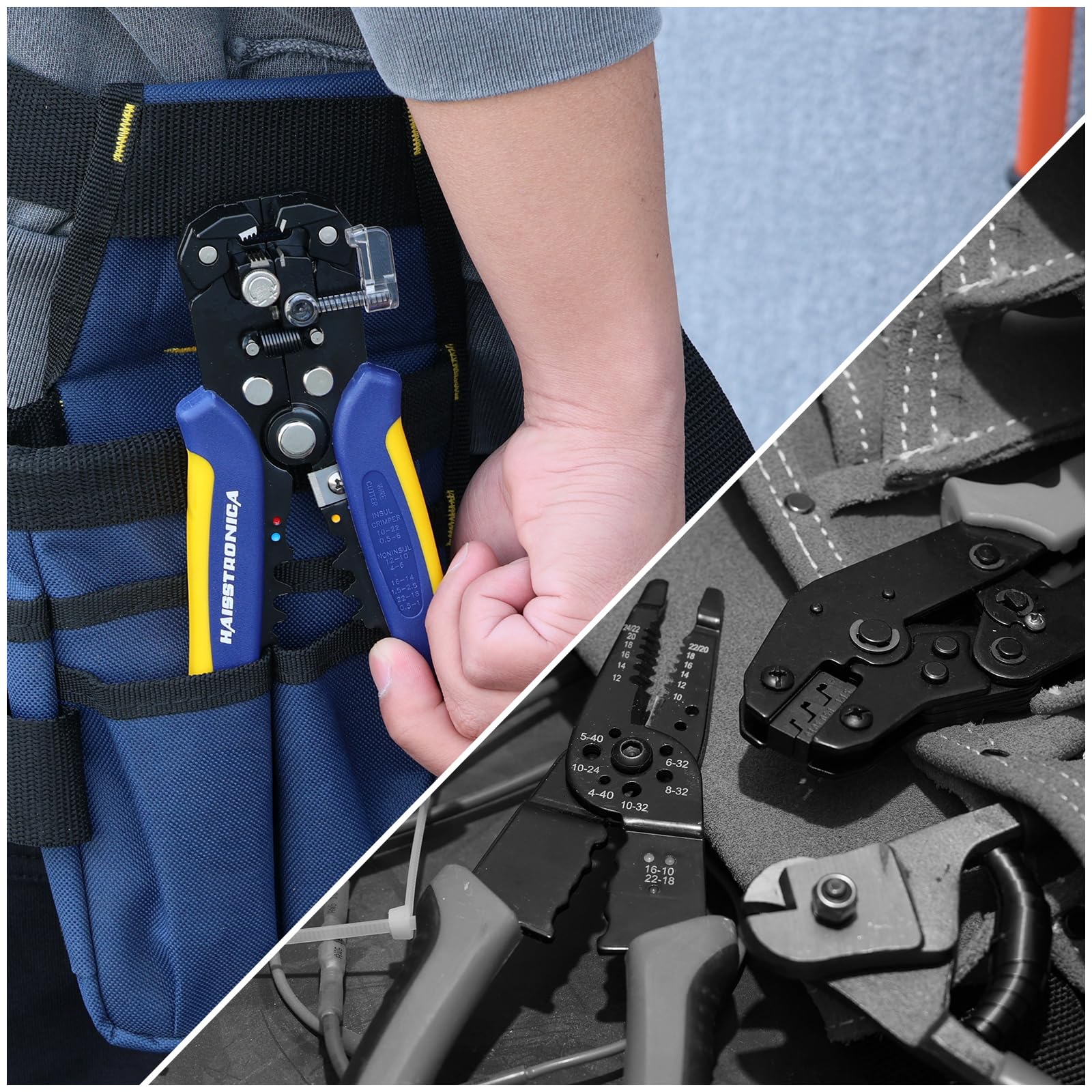
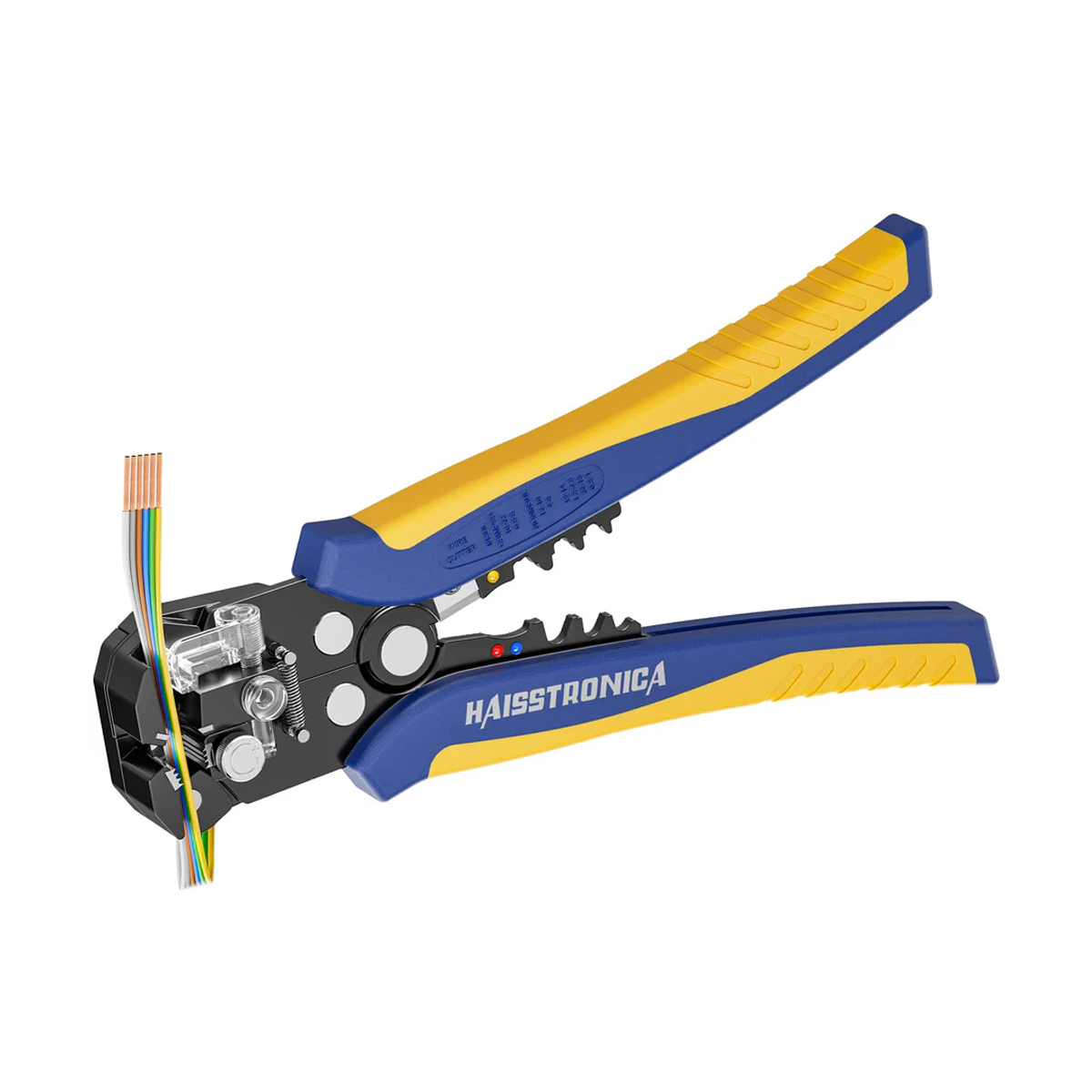
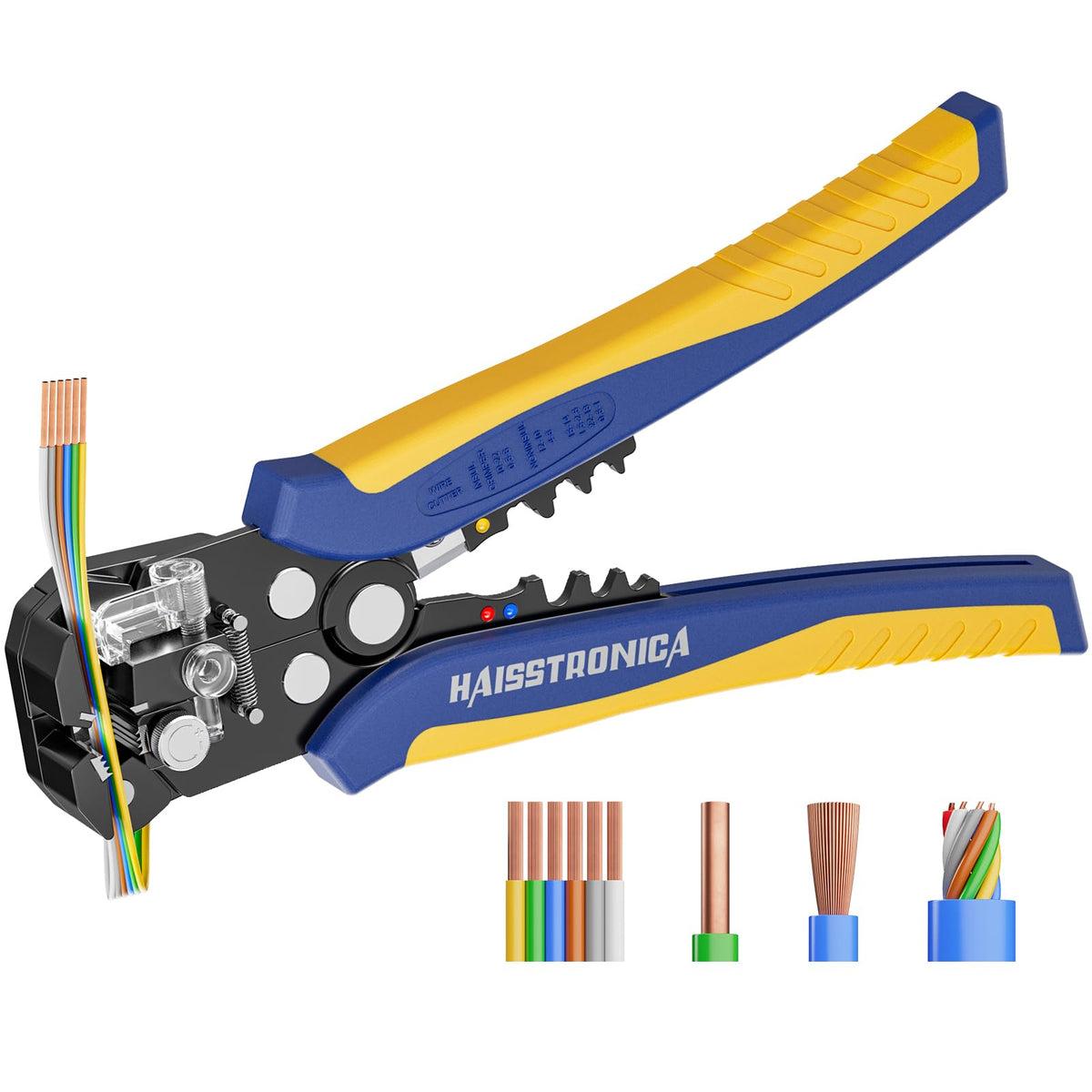
A multi-gauge auto stripper works by removing the “which notch fits?” decision loop. Instead of matching every wire to a fixed hole or swapping blade packs for different sizes, auto-adjusting jaws adapt to insulation diameter and strip with a repeatable motion—so you can move across wire gauge changes faster. Haisstronica’s self-adjusting stripper is positioned as a 3‑in‑1 tool (strip, cut, crimp) covering a broad AWG range, explicitly framed as reducing the hassle of changing settings and working across multiple gauges.
Why does this matter for “blade changes”? Because in many shops, “blade changes” is shorthand for any stripping changeover: swapping blade packs, switching tools, or retuning a tool for the next conductor. Haisstronica’s design logic is to reduce those changeovers: insert the wire, squeeze, and let the mechanism adapt, rather than stopping to recalibrate for each job. Haisstronica’s own usage documentation highlights pressure adjustment to help prevent wire damage and a guide ruler bar to support consistent stripping—two controls that reduce trial-and-error when conditions change.
Multi-gauge speed also improves when strip length control is easy. In real work, you don’t just “strip”—you strip to match the termination you’ll crimp, and strip length affects how strands sit in the wire barrel. TE’s ring/spade terminal application specification includes explicit strip-length guidance tables for terminals and emphasizes using appropriate tooling and properly prepared wire to get reliable crimps.
A key detail: “auto-adjusting” doesn’t mean “careless.” Leading tool makers describe automatic strippers as adapting to the cable diameter and using adjustable length stops so repetitive work stays uniform; KNIPEX, for instance, describes automatic adaptation and an adjustable length stop for consistent stripping lengths—showing that the industry’s best practice for speed is controlled repeatability.
And if your crew manages tools by color or kit standardization, Haisstronica supports that operational reality too: the self-adjusting stripper is offered in multiple colors (including pink), which can help teams stage a wiring tool kit by station, technician, or task category—small details that reduce “where’s my tool?” time. Standardize your electricians tools set with Haisstronica so every bench has the right best tool to strip wire—ready to go.

Speed and Efficiency: How Multi-Gauge Strippers Maximize Output — best wire stripping tool
The biggest speed gain from a multi-gauge tool is not the squeeze—it’s the elimination of micro-stops. When you can strip wire without changing settings, your cycle compresses into a consistent sequence: insert, squeeze, pull, verify. Industrial wire-processing platforms emphasize flexibility, efficiency, and standardized operation to integrate into production environments; your bench can copy that logic at a smaller scale by designing for fast changeovers and stable outputs.
Here’s a practical speed protocol you can run to quantify results without “marketing math.” Pick 4 wire sizes you commonly touch in one shift (for example, two small signal wires and two larger power wires). For each tool, time 40 strips total (10 per size) and record: total seconds, redo strips, and rejects. A reject is any end that shows visible insulation damage, uneven wire strips, or strand disturbance that would make you cut back. Use workmanship-style criteria—because standards like NASA’s forbid damaged insulation and conductor nicking, which are the exact defects rework is trying to avoid.
To translate speed into labor savings, convert seconds into daily minutes. If a manual tool averages 9 seconds per acceptable strip in mixed gauges and a self-adjusting tool averages 5 seconds, that’s 4 seconds saved. On 400 strips/day, that’s 1,600 seconds—about 26 minutes/day saved on stripping alone. Over a month, you’ve recovered hours to spend on routing, labeling, inspection, or higher-value assembly tasks.
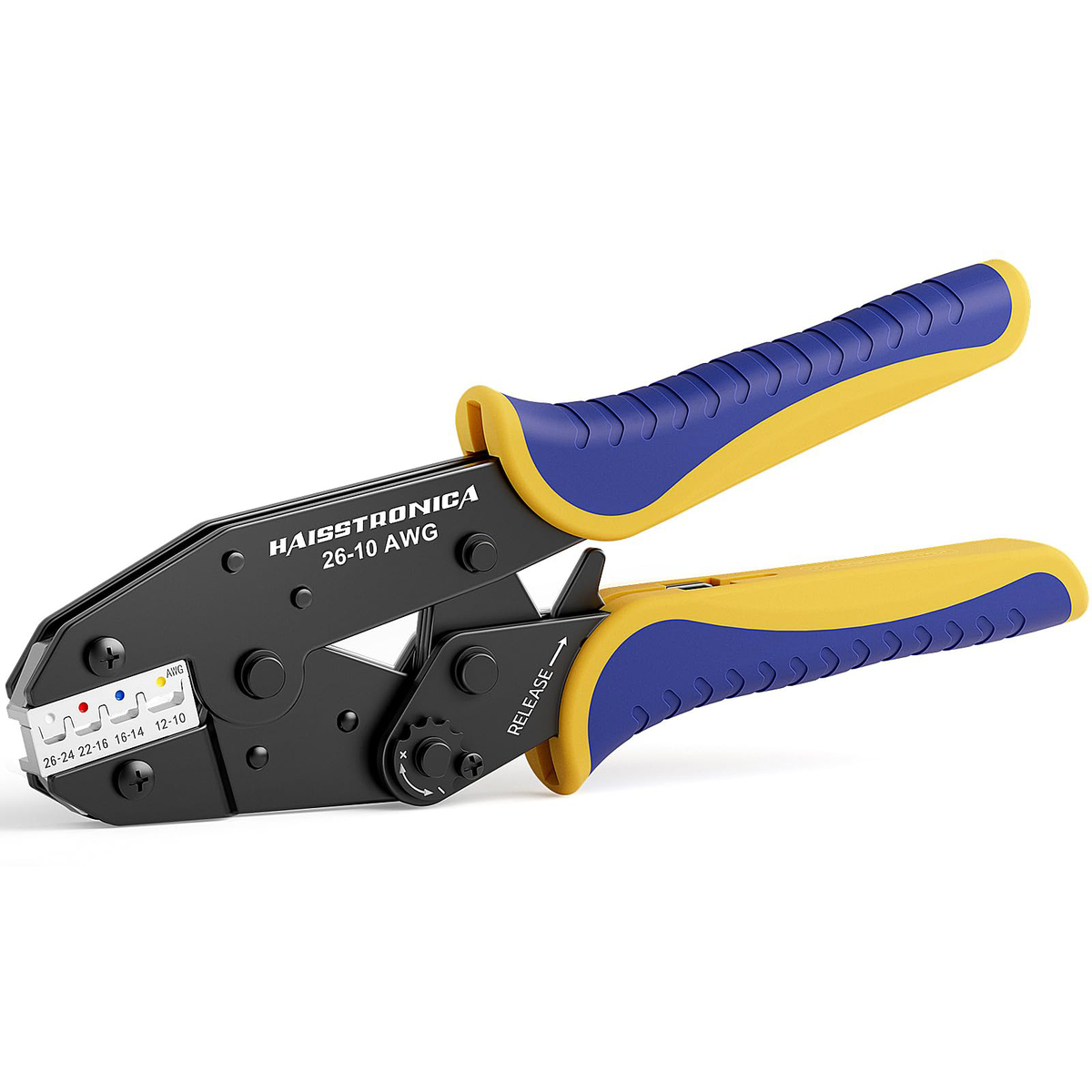
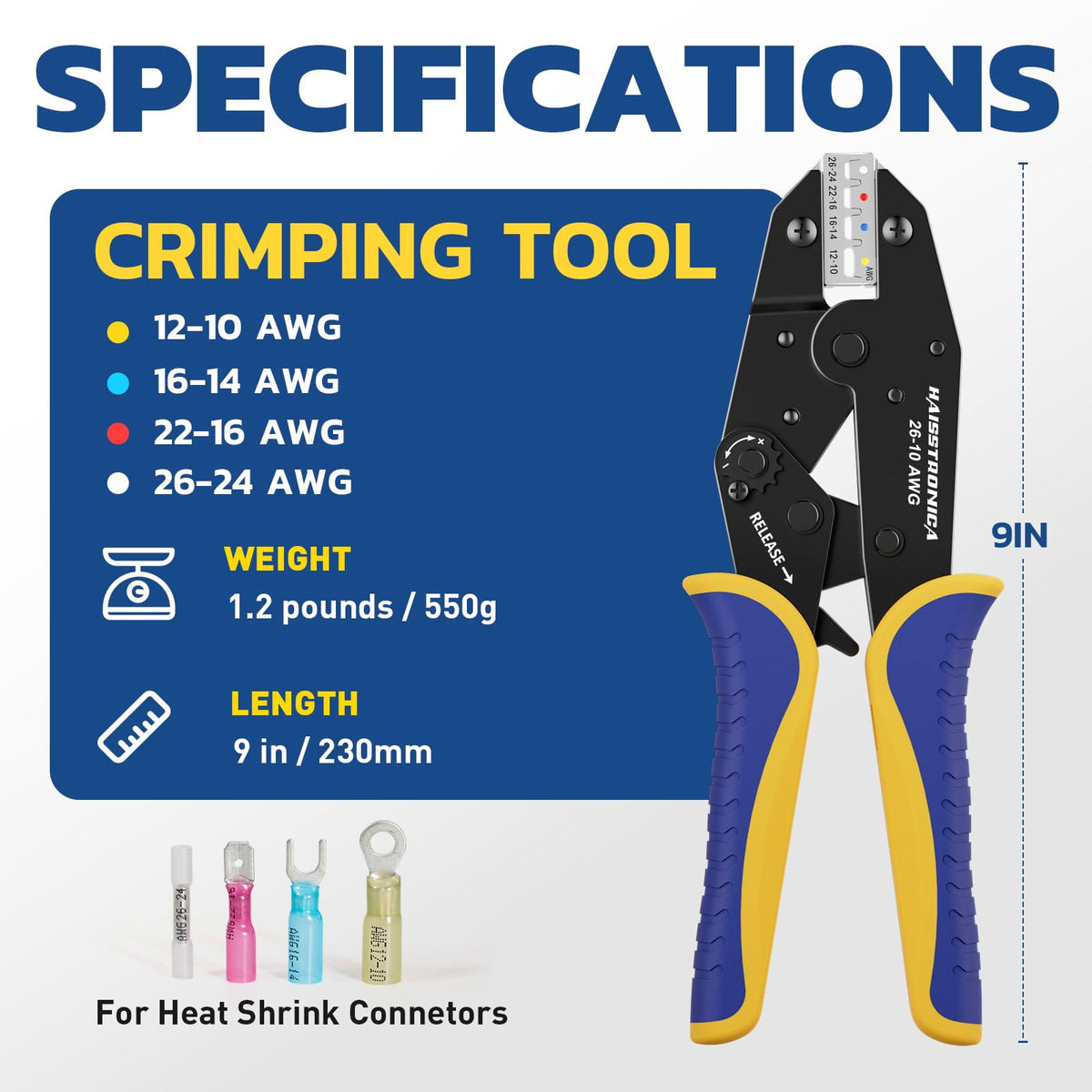
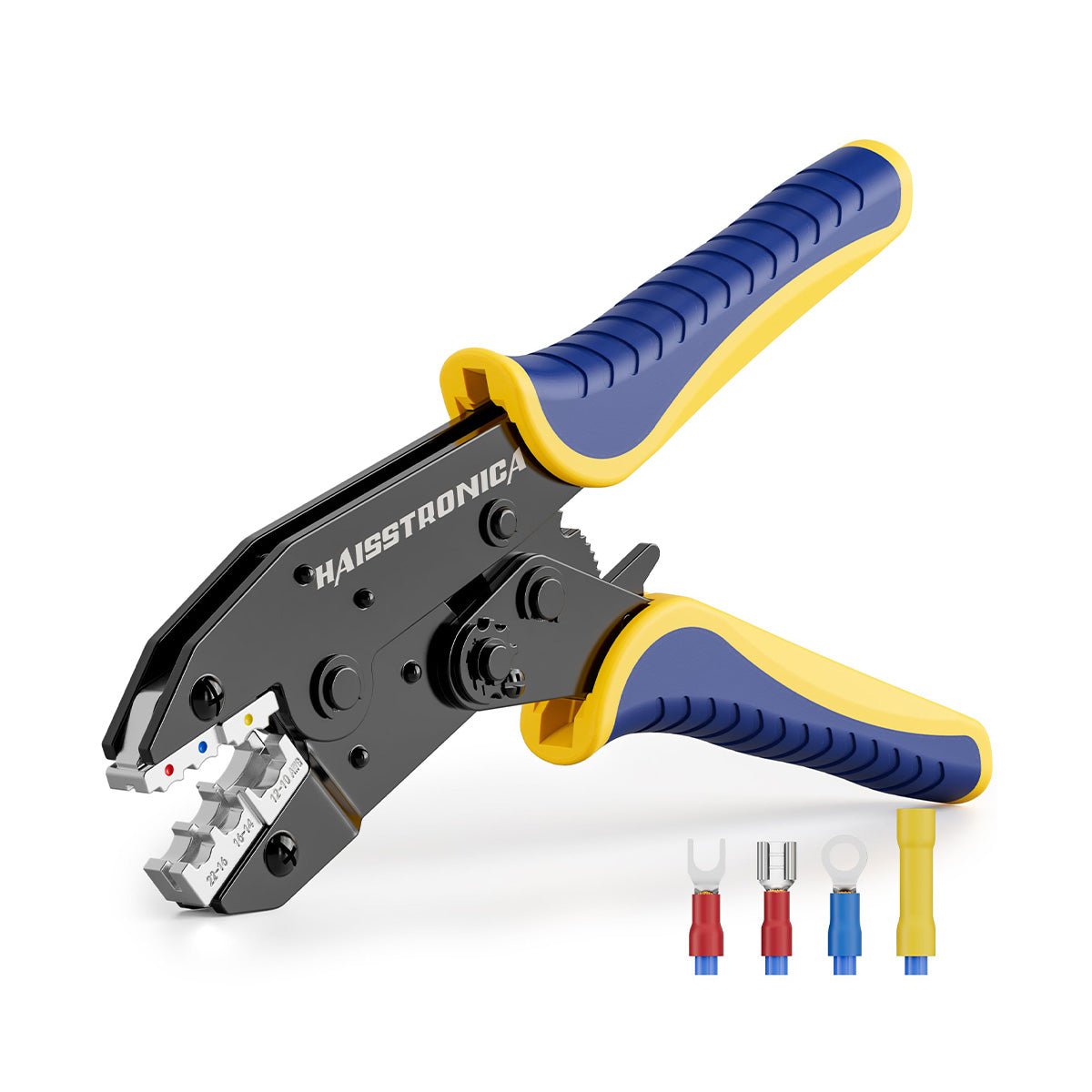
Speed also improves when stripping integrates cleanly with crimping and splicing. TE’s crimping guidance highlights the advantage of using matched cable, terminal, and tooling for proper crimps and includes “dos and don’ts” training logic—because consistency at the strip stage sets the stage for consistent crimps and reliable splices.
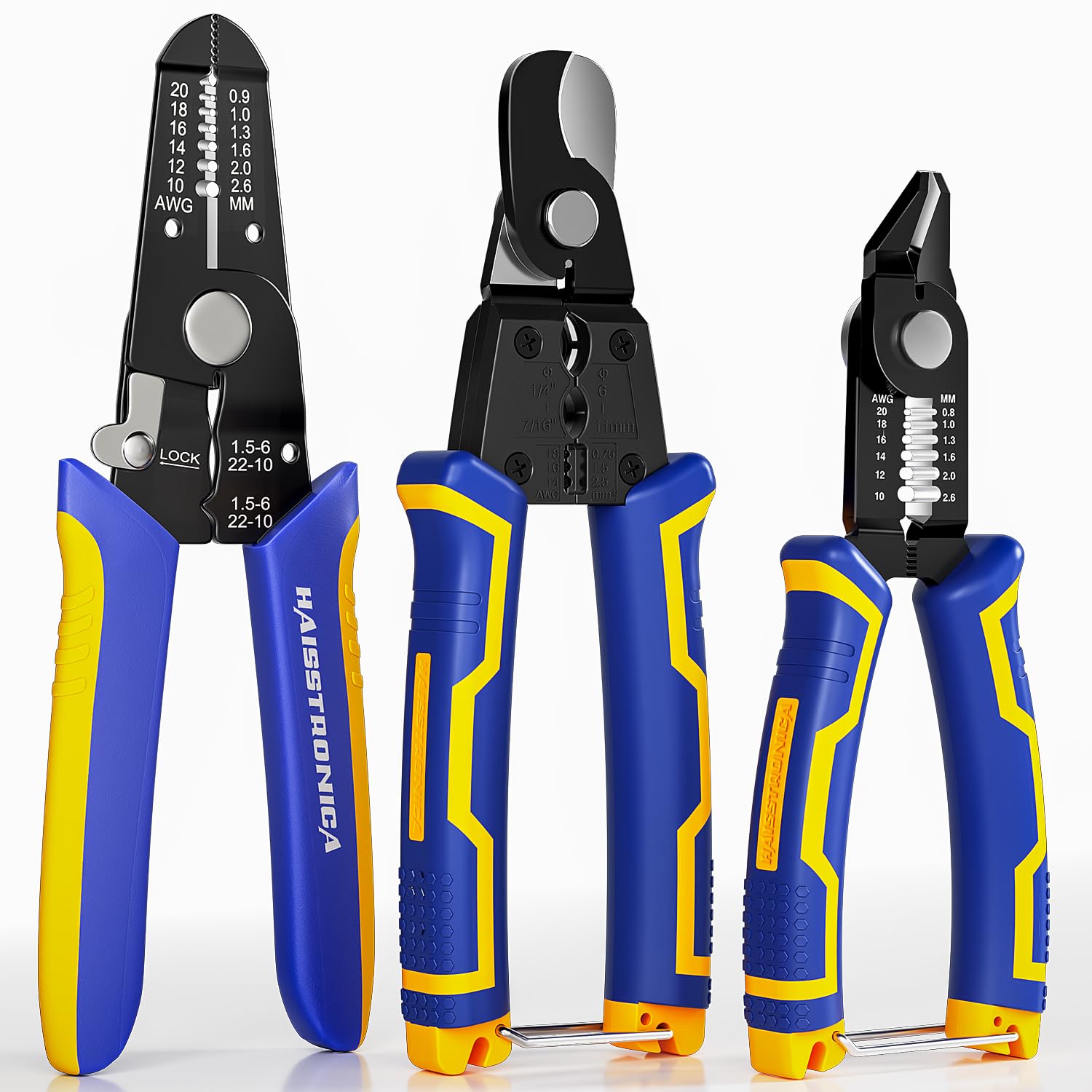
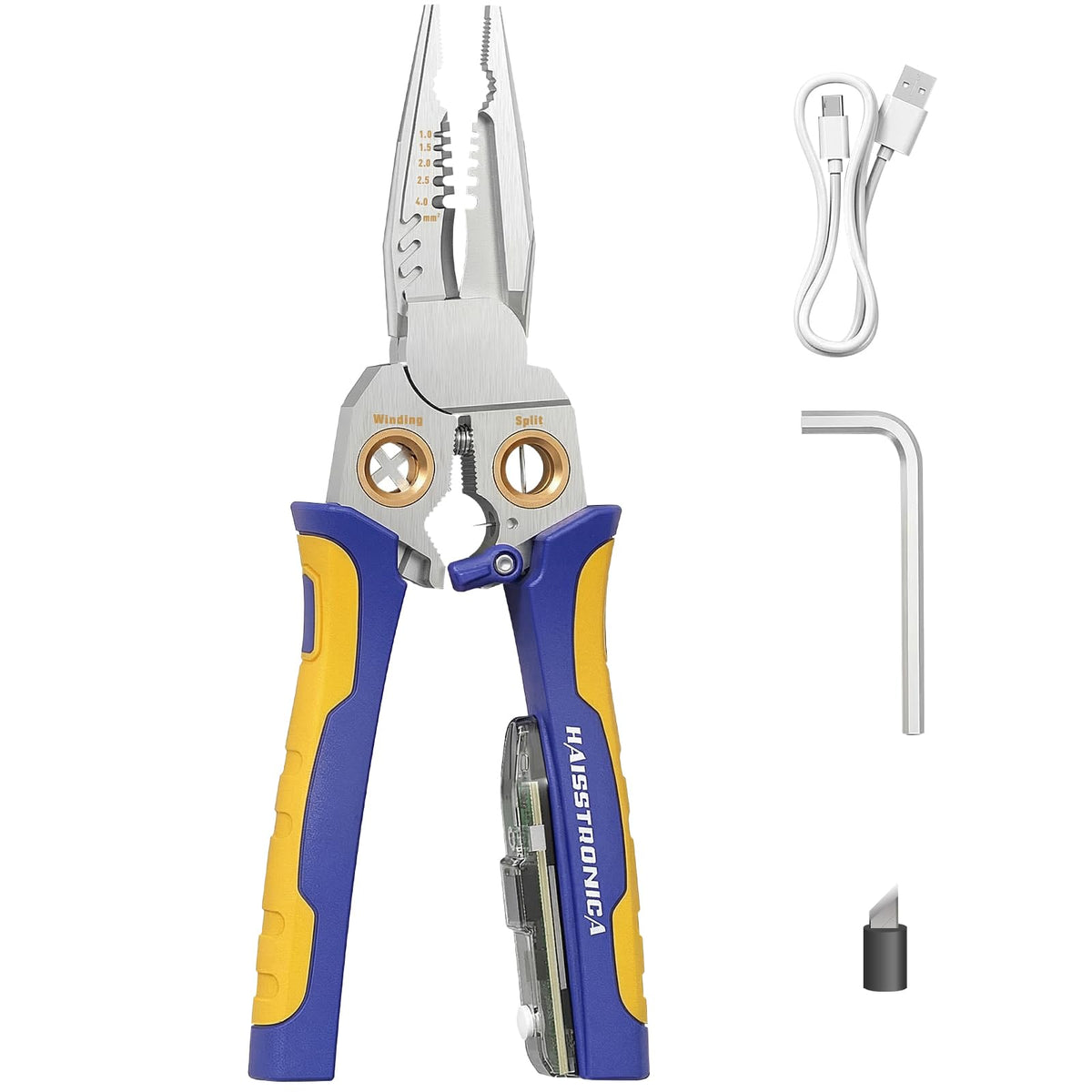
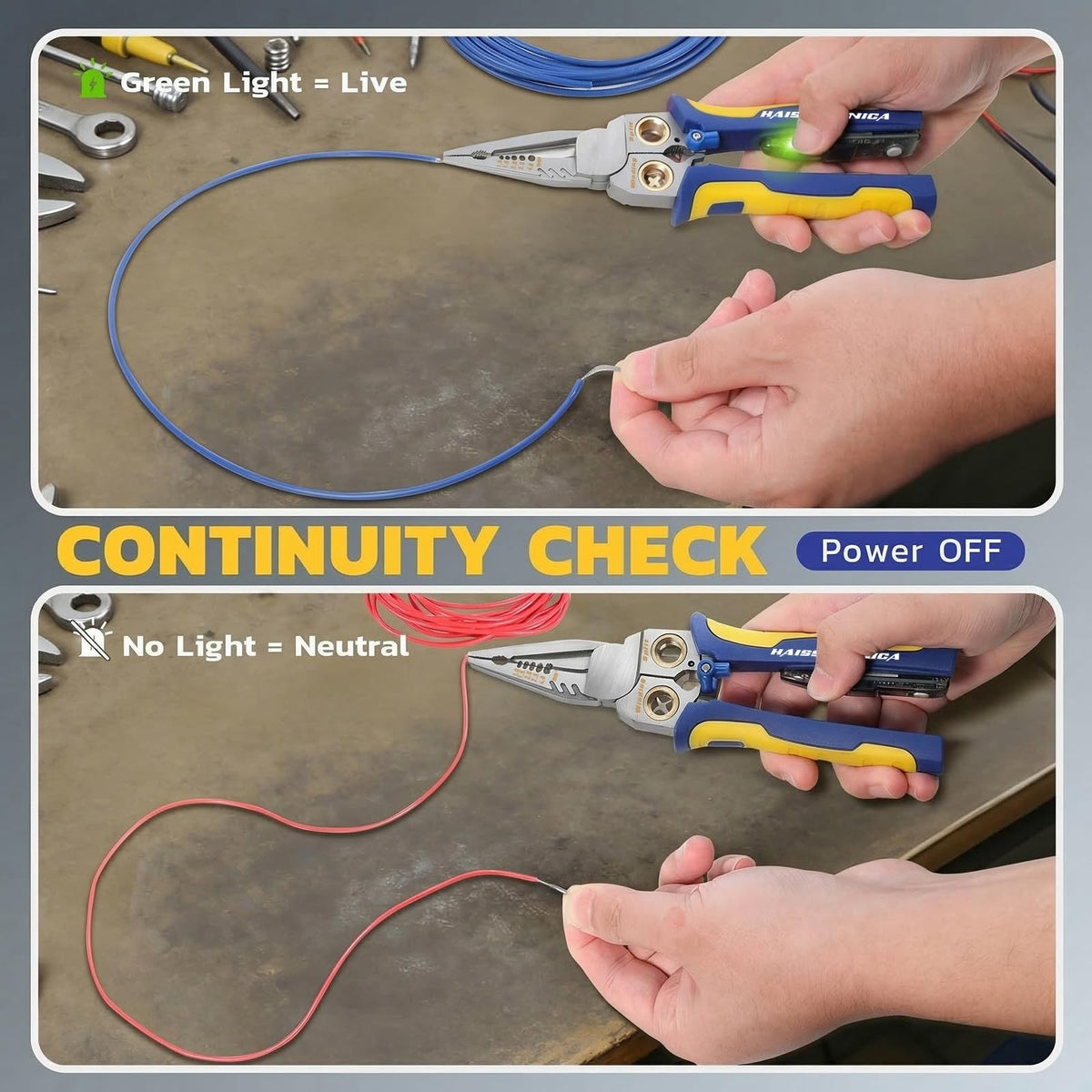
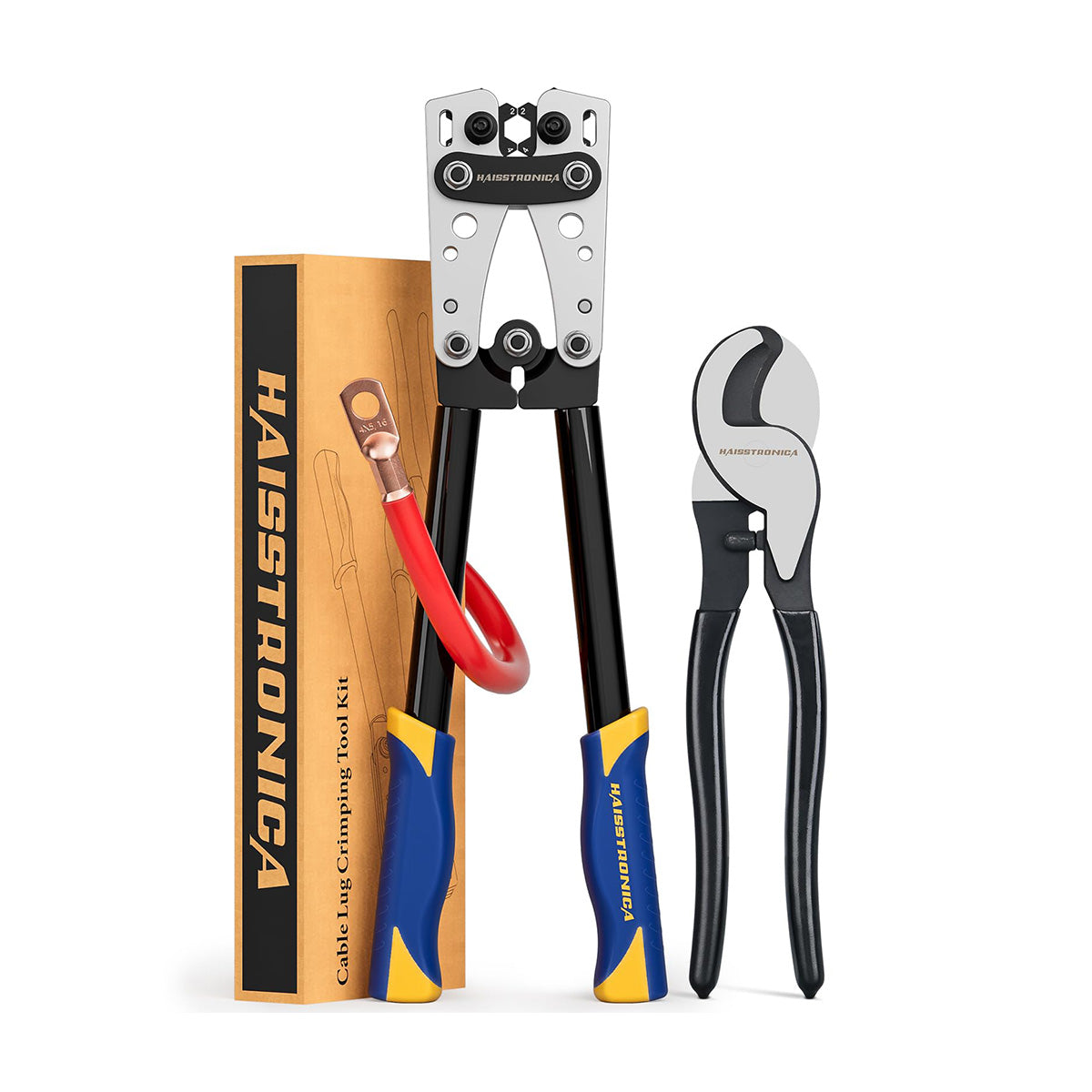
Multi-gauge strippers shine in mixed tasks, but pros still need the right “support tools needed” around them. Keep an electrical wire cutter tool staged at the same spot, use an awg tool or a wire gauge chart when specs matter, and reserve a cable jacket stripper (or cable jacket stripping tool) for outer-jacket work where depth control is critical. Wire gauge charts help prevent “close enough” guessing that leads to poor fit or inconsistent strip length across AWG sizes.
Finally, speed has to be sustainable. Ergonomics guidance from NIOSH/Cal-OSHA stresses selecting non-powered hand tools that reduce force and awkward postures; a self-adjusting tool can reduce the repetitive “over-squeeze” behavior that appears when people rush with manual notch tools. When fatigue drops, quality stabilizes—and stable quality is the fastest thing you can buy.

Conclusion: Skipping blade changes is really about skipping changeover: fewer blade-set swaps, fewer gauge resets, fewer “test strips,” and fewer cut-backs from damaged insulation or nicked strands. Industry sources—from harness-grade workmanship rules to cable-processing machine literature—treat changeover and setup as throughput killers, and they treat stripping quality as non-negotiable because defects create rework. A multi-gauge auto stripper helps by compressing the stripping cycle into a repeatable motion with controlled pressure and consistent strip length—exactly the conditions that let pros maximize output across mixed wire gauges. If you want to standardize speed and consistency in one professional electrician tool kit, upgrade to Haisstronica and start stripping faster with fewer interruptions.