SHORT ANSWER
Yes—but using a lighter carries a higher risk
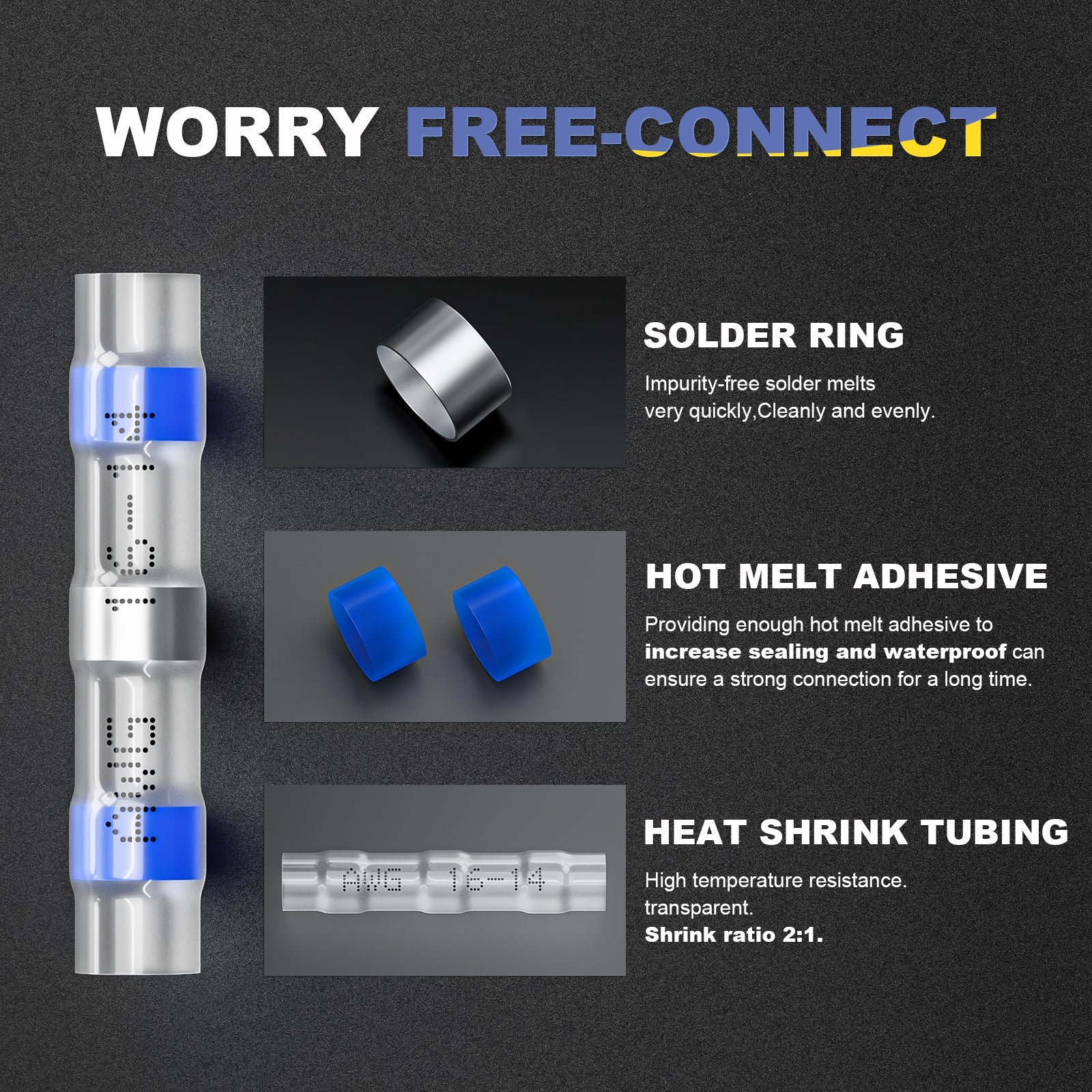
A lighter can melt the solder and shrink the sleeve, but the open flame creates hot spots, soot and a greater chance of scorchi...
Why you should never nick copper wire
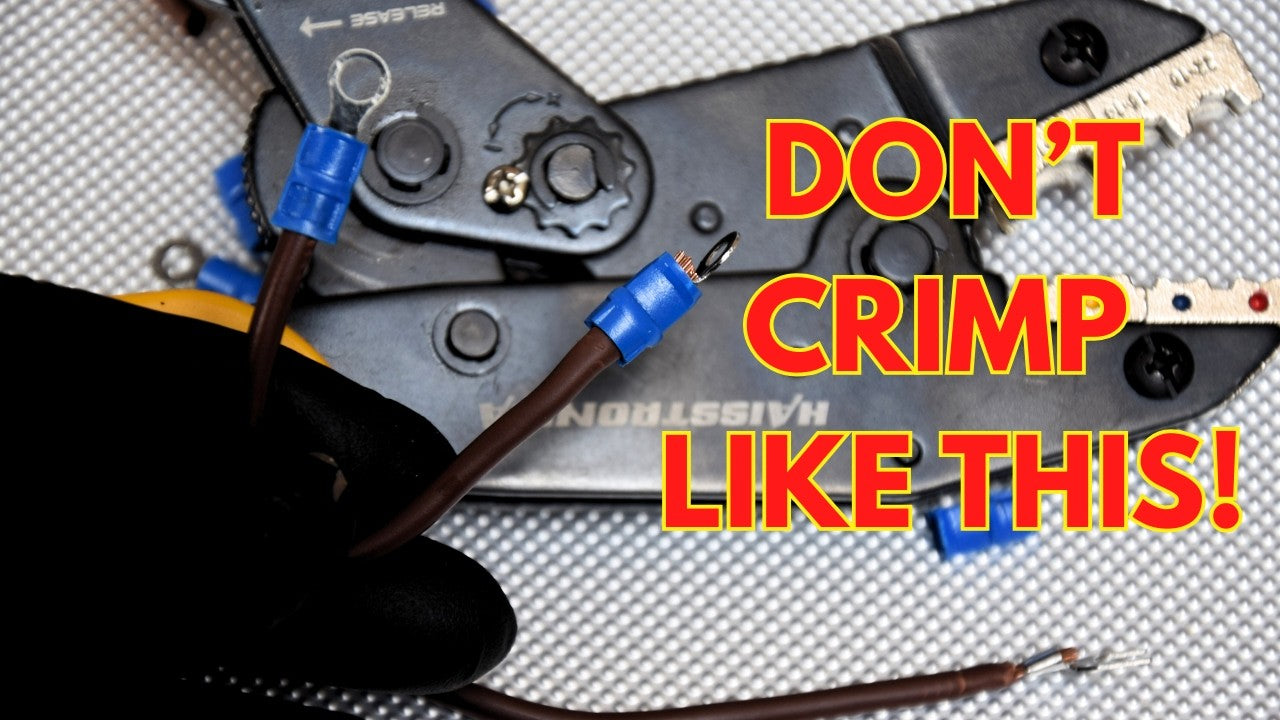
A nick removes conductor material. Even when the connection still works today, the damaged point becomes the place most likely to fail later.
Hig...
HAISSTRONICA · SAFER CONNECTION PLANNING
Five wiring risks a connector cannot fix by itself.
Correct connectors and tools can reduce loose joints, damaged strands, moisture intrusion, and sizin...
Introduction
Lightly gather the strands—do not twist them into a tight rope
Unless the connector manufacturer specifically requires pre-twisting, keep the strands parallel and only tidy them enough...
Introduction
Butt Connectors at a Glance
This guide explains what a butt connector is, the common types, and when this splice style makes sense. If you already know you need a sealed inline splic...
Introduction: Butt splice connectors are one of the simplest ways to join two wires end-to-end without soldering. They’re small electrical connectors that create a secure, insulated splice. The nam...
Introduction
Installing landscaping lighting in your yard is an exciting DIY project, but it raises a common question: How far can you run 12/2 low-voltage landscape wire outdoors? The answer is cr...
Quick burial-depth answer
How deep should low-voltage landscape wire be?
Use about 6 inches as the normal planning depth for lawns. Flower beds may allow shallower placement when the cable is pro...
Yes—you can test a wire without stripping it. Use a non-contact tester for live AC voltage, accessible terminals or back-probes for continuity and DC checks, and a piercing probe only when no termi...
Introduction
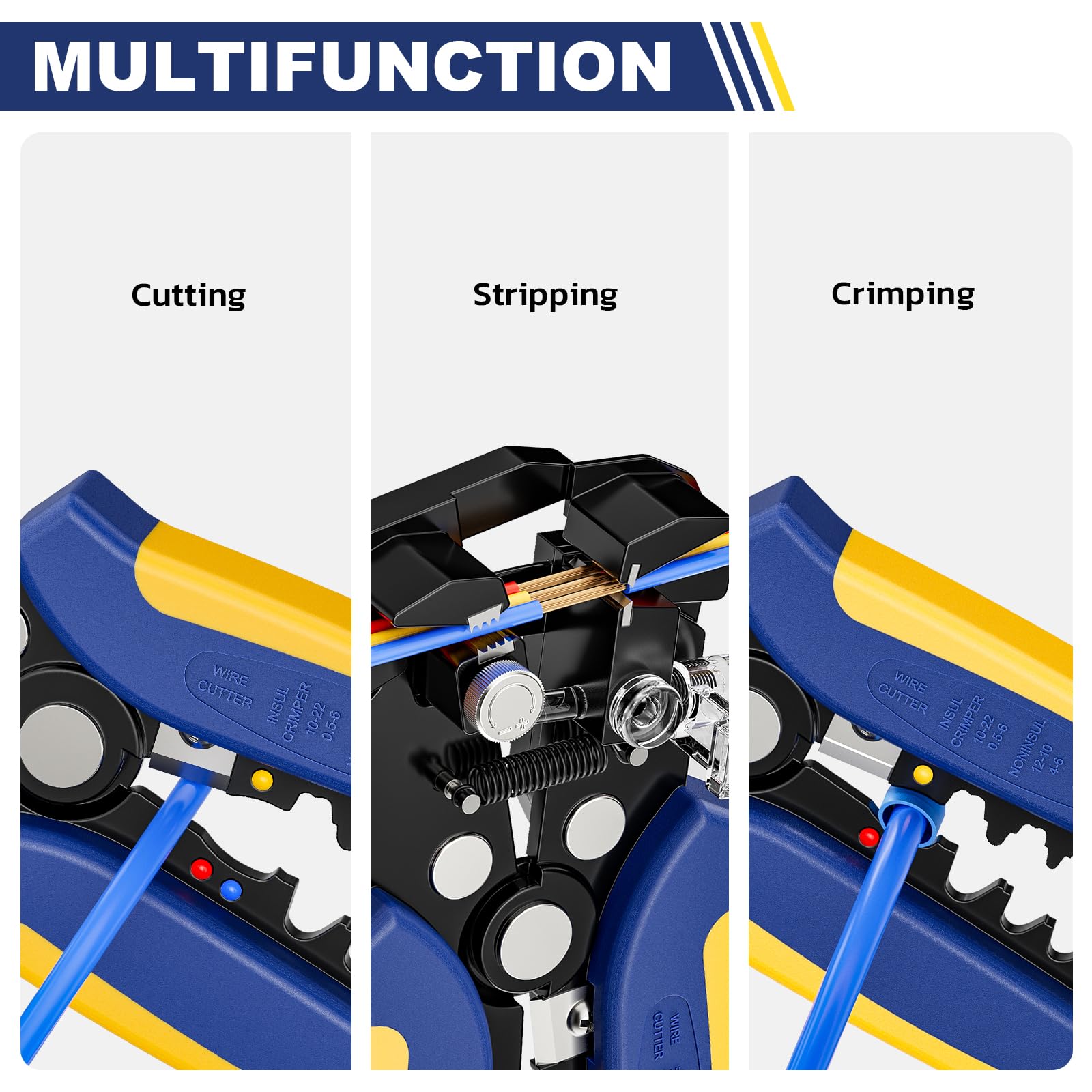
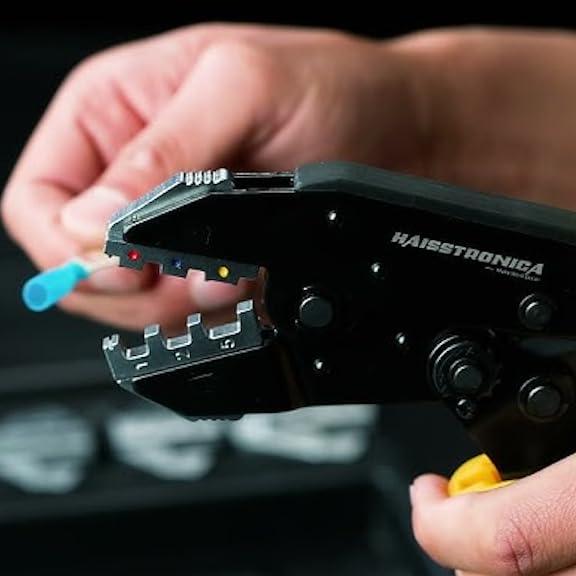
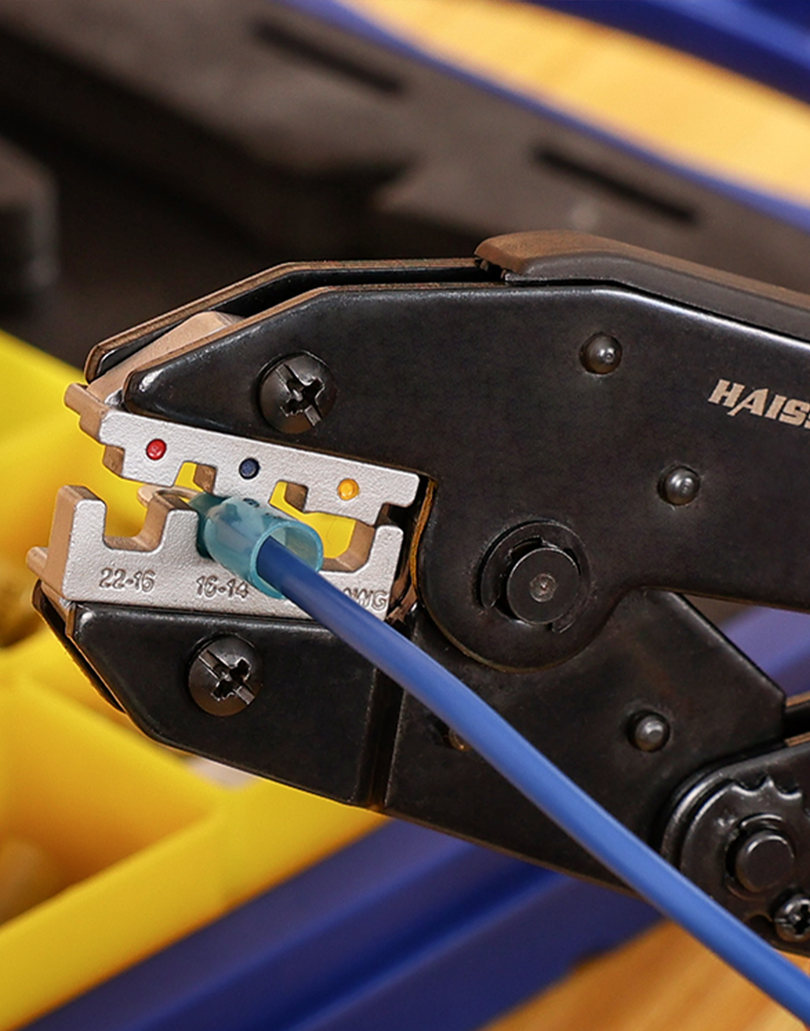
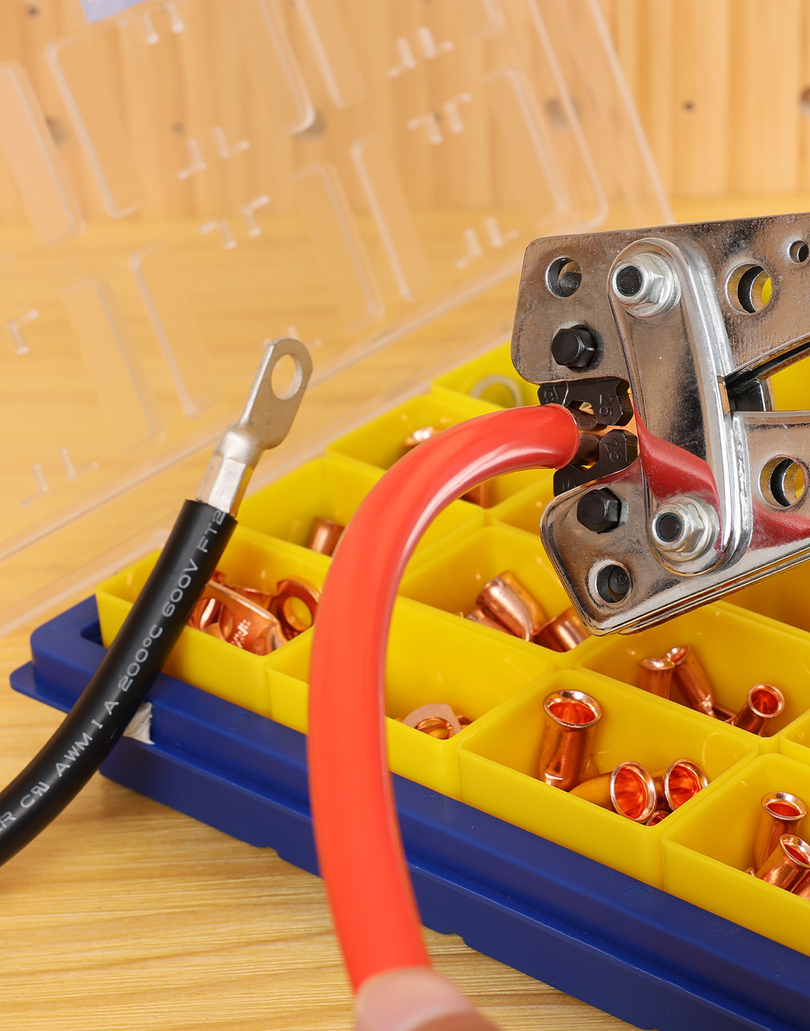
Crimping tools (also called crimp tools, crimper tools, or wire crimpers) are essential hand tools for anyone working with electrical wiring. They allow you to crimp wires securely by ...
HAISSTRONICA · CRIMP VS SOLDER
Are crimps better than solder? Choose by movement, access and repeatability
There is no universal winner. High-vibration harnesses and repeat prof...