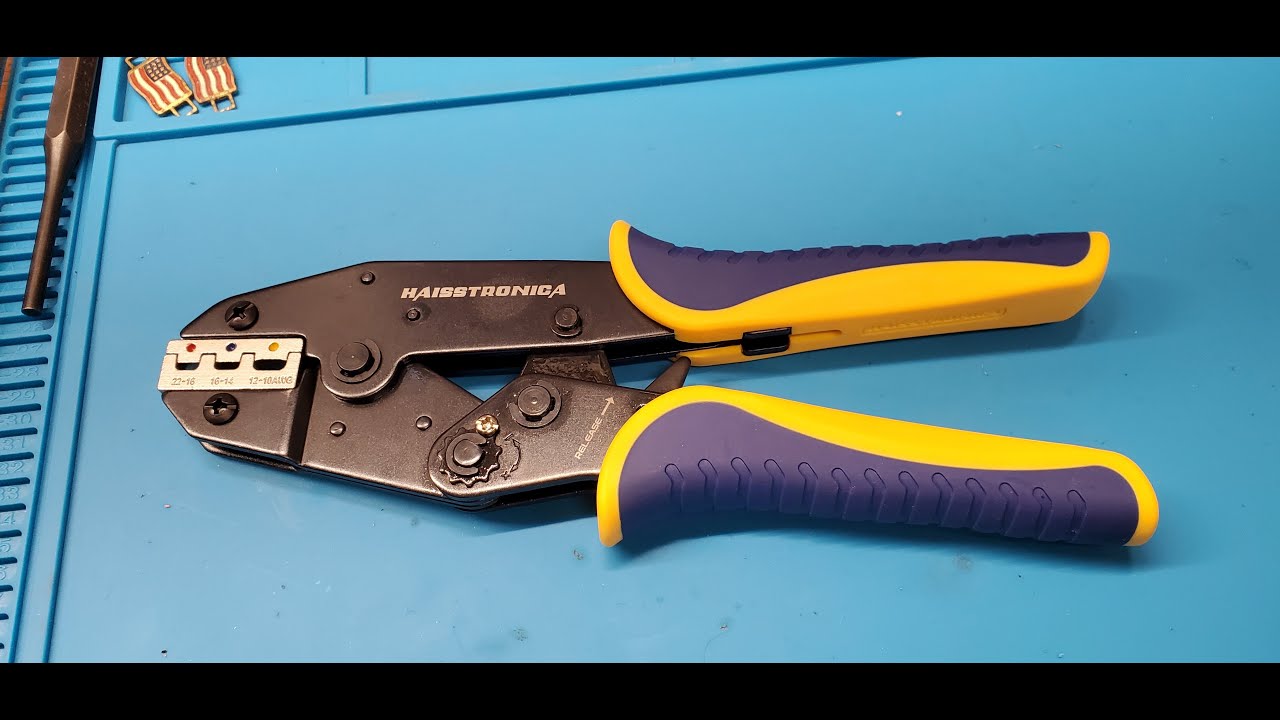
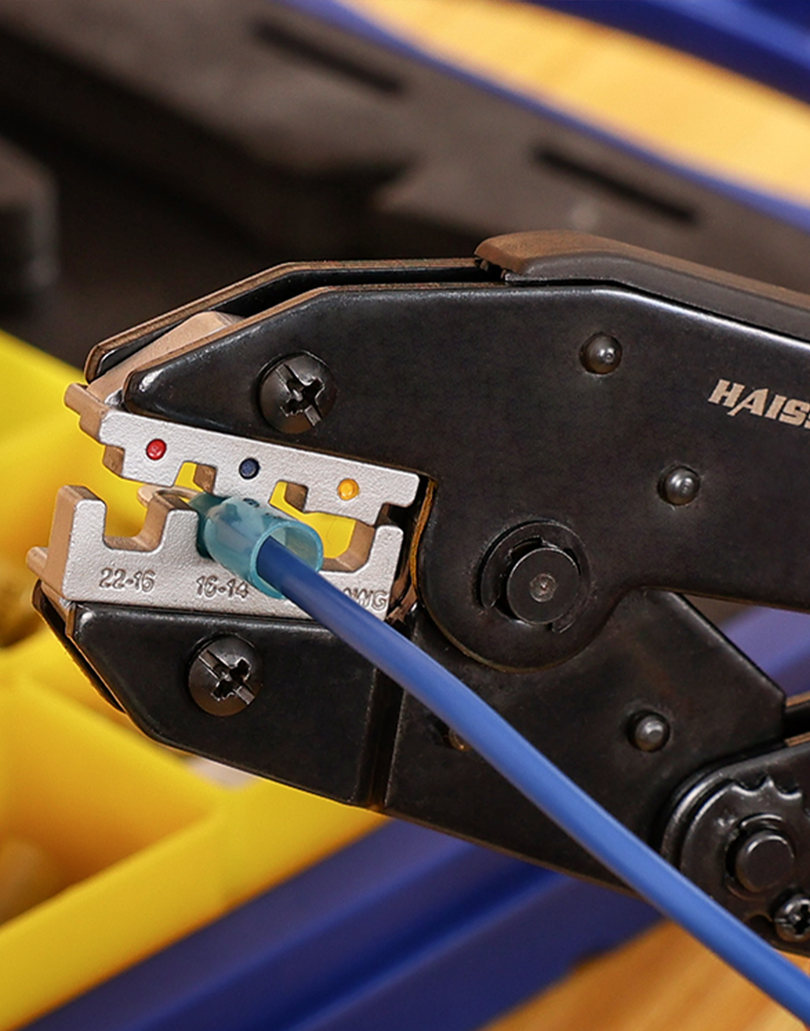
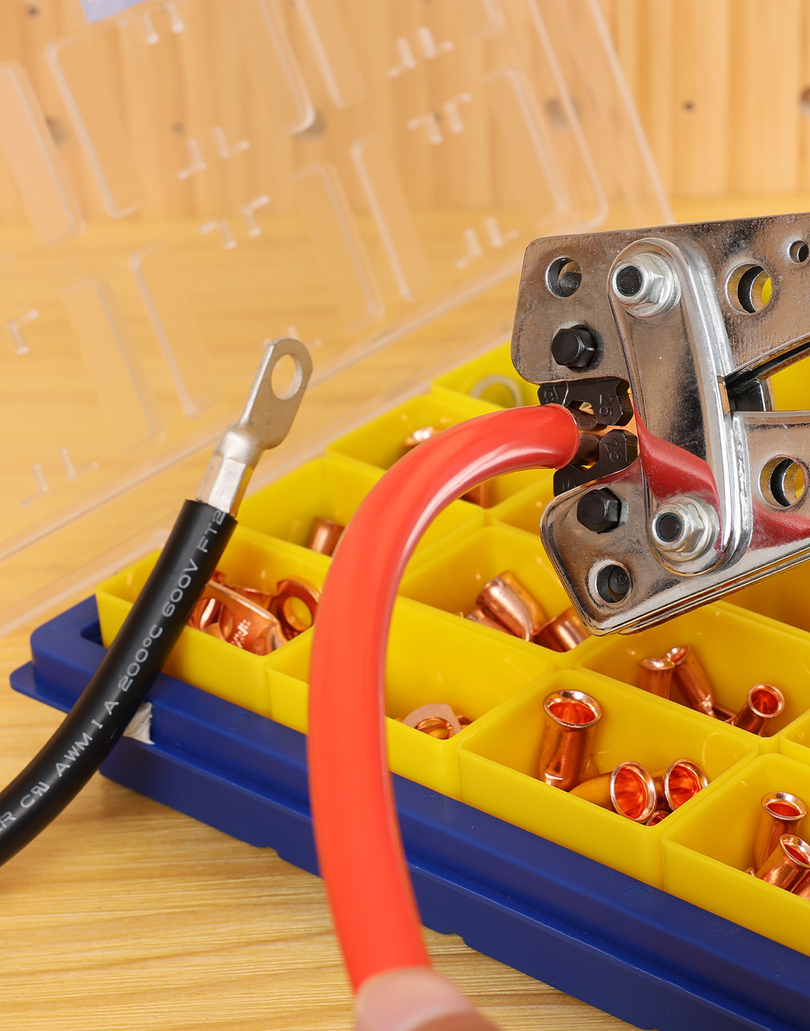
Crimping tools are indispensable for anyone working with electrical wires and connectors – but even the best crimping tool needs proper care to stay effective. This comprehensive guide covers every...
Diagnose bad wire crimps with a visual inspection, pull test, and electrical test. Identify whether the failure comes from connector size, wire stripping, or uneven crimp pressure, then choose the ...
DIY homeowners often ask whether to use wire nuts or crimp connectors for electrical connections. Both can be safe if used properly, but each has ideal uses. Wire nuts (twist-on connectors) are che...
In automotive wiring, using proper crimping methods ensures safe, durable connections that stand up to vibration and weather. This article explores the best practices for crimping wires in cars and...
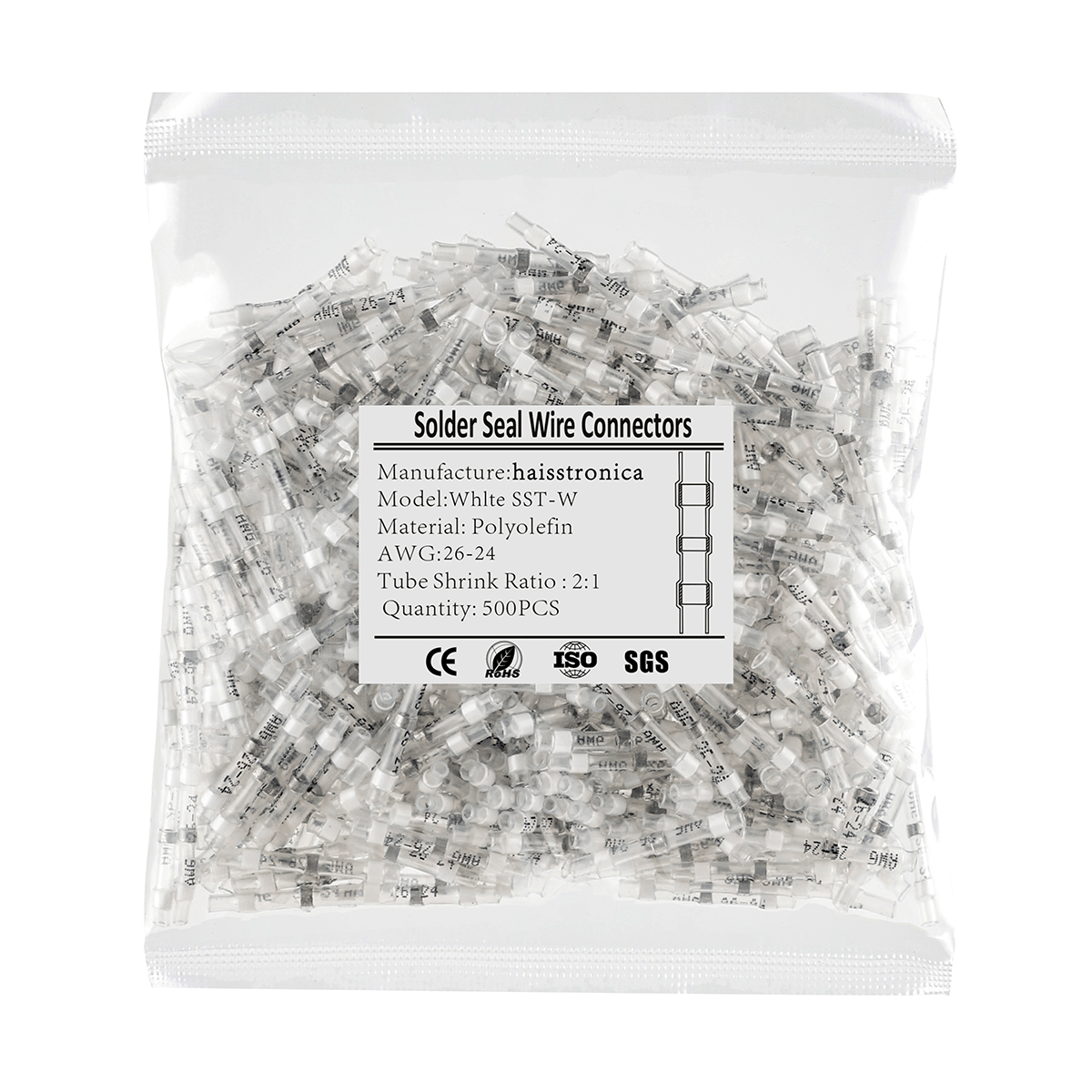
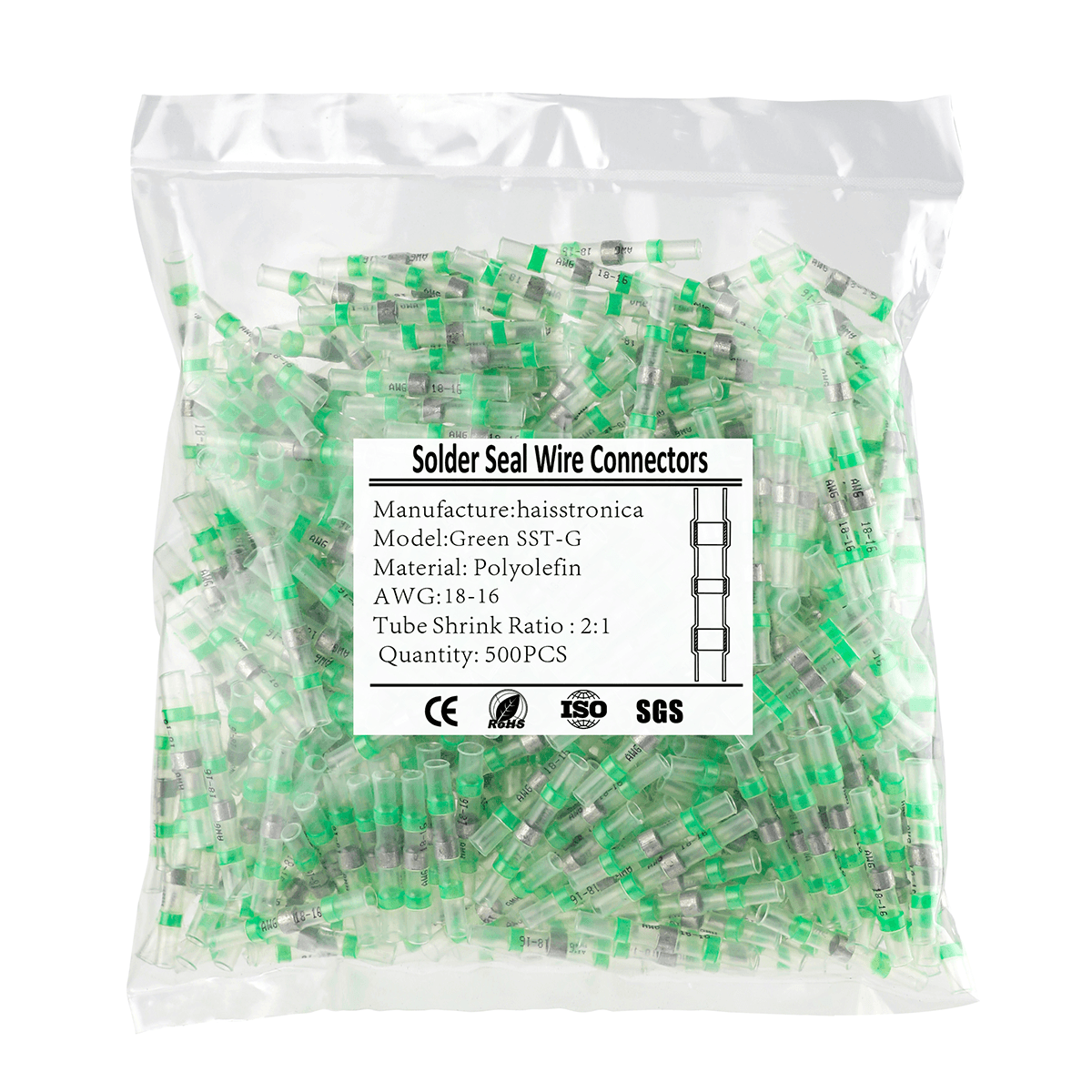
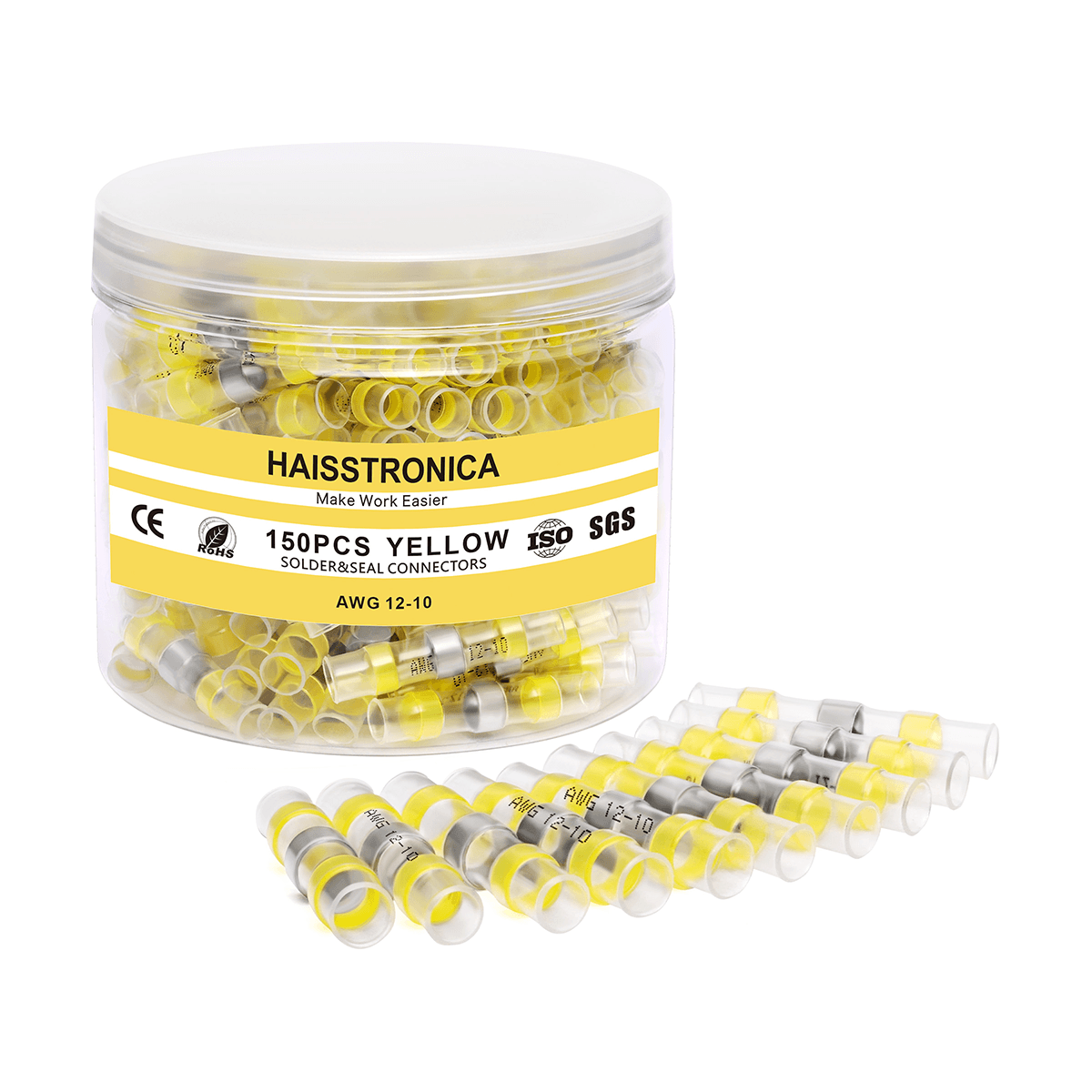
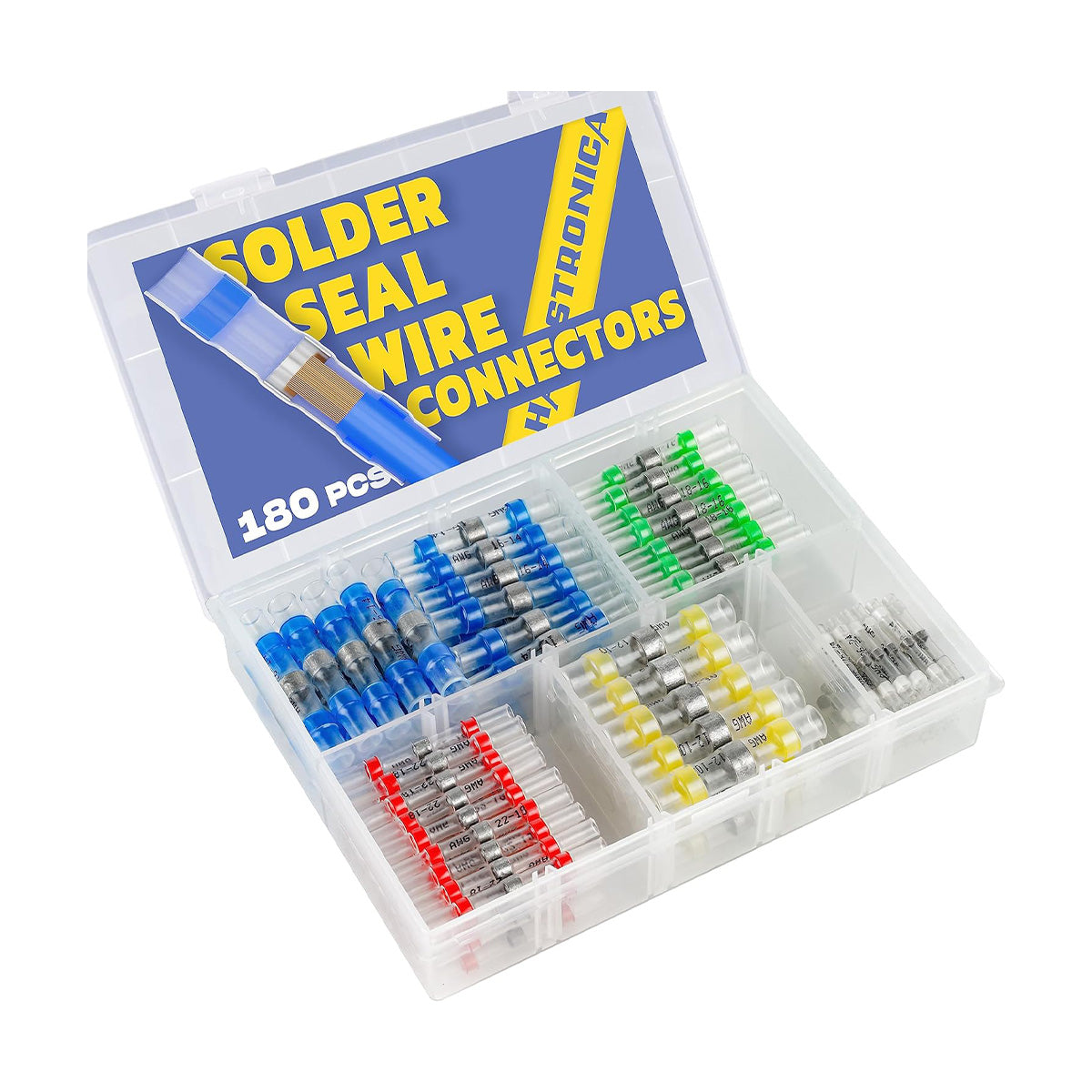
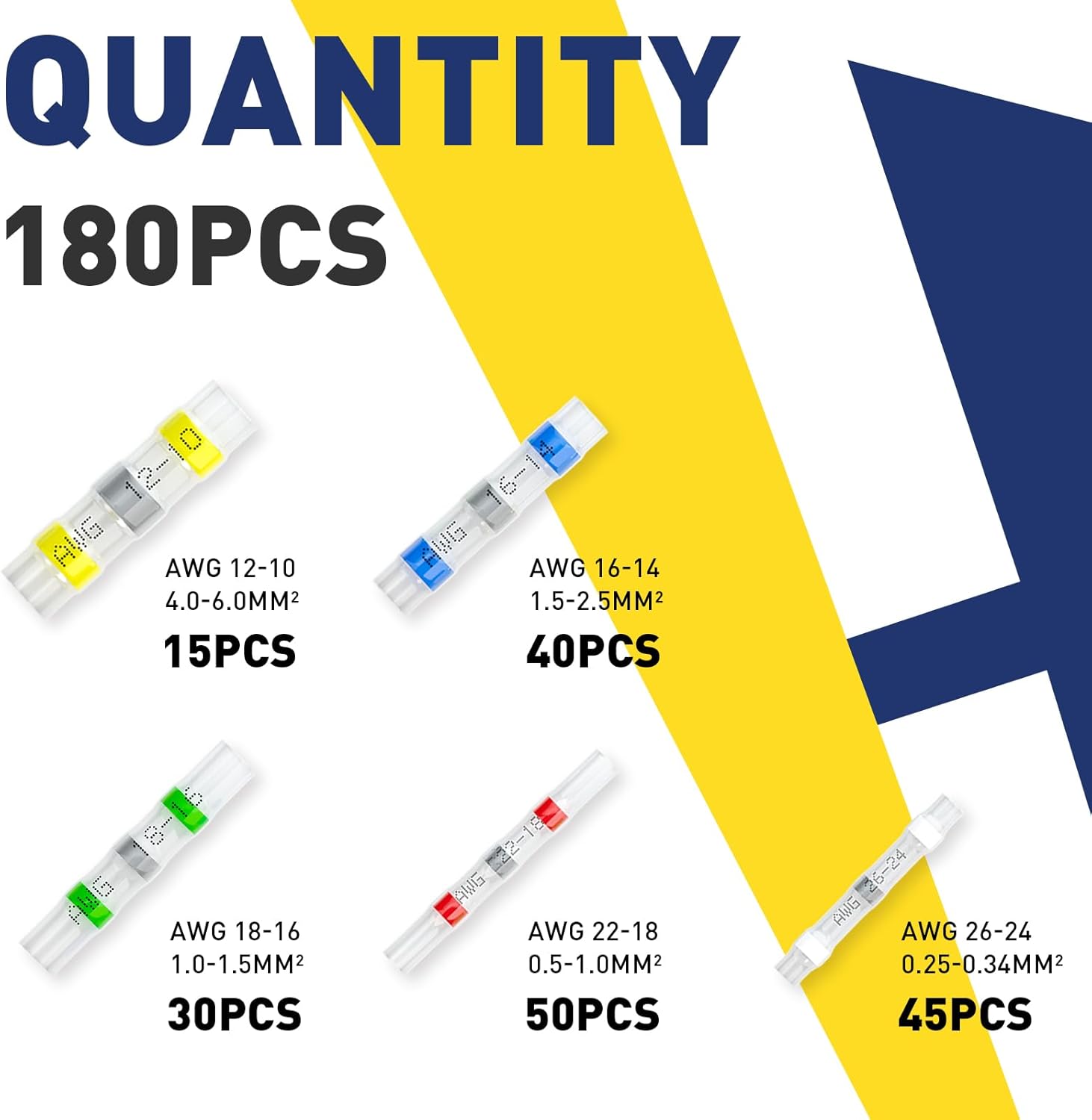
Choosing the right assortment of solder seal wire connectors (covering AWG 22–10) is crucial for efficient wiring projects. In this comprehensive guide, we first explore scenario mix planning – map...
Premium soldering wire connectors (solder seal heat shrink connectors) offer better materials, sealing, and consistency, leading to more reliable wire splices with less chance of failure. Budget so...
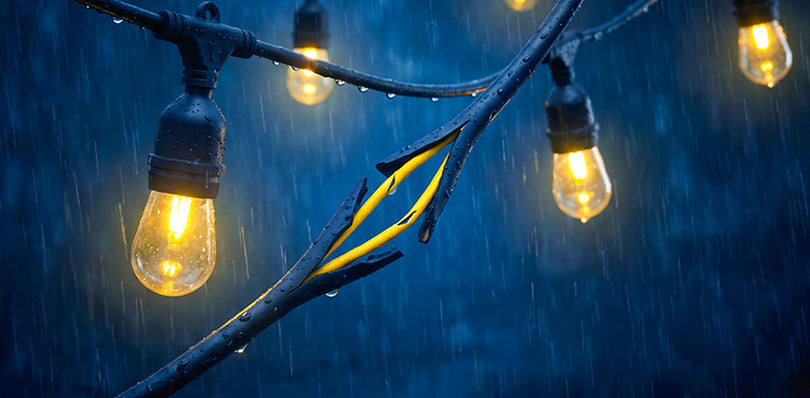
Solder-seal wire connectors – those heat shrink tubing splices with low-melt solder and sealant inside – promise an easy, “waterproof” way to join wires without a soldering iron. This in-depth guid...
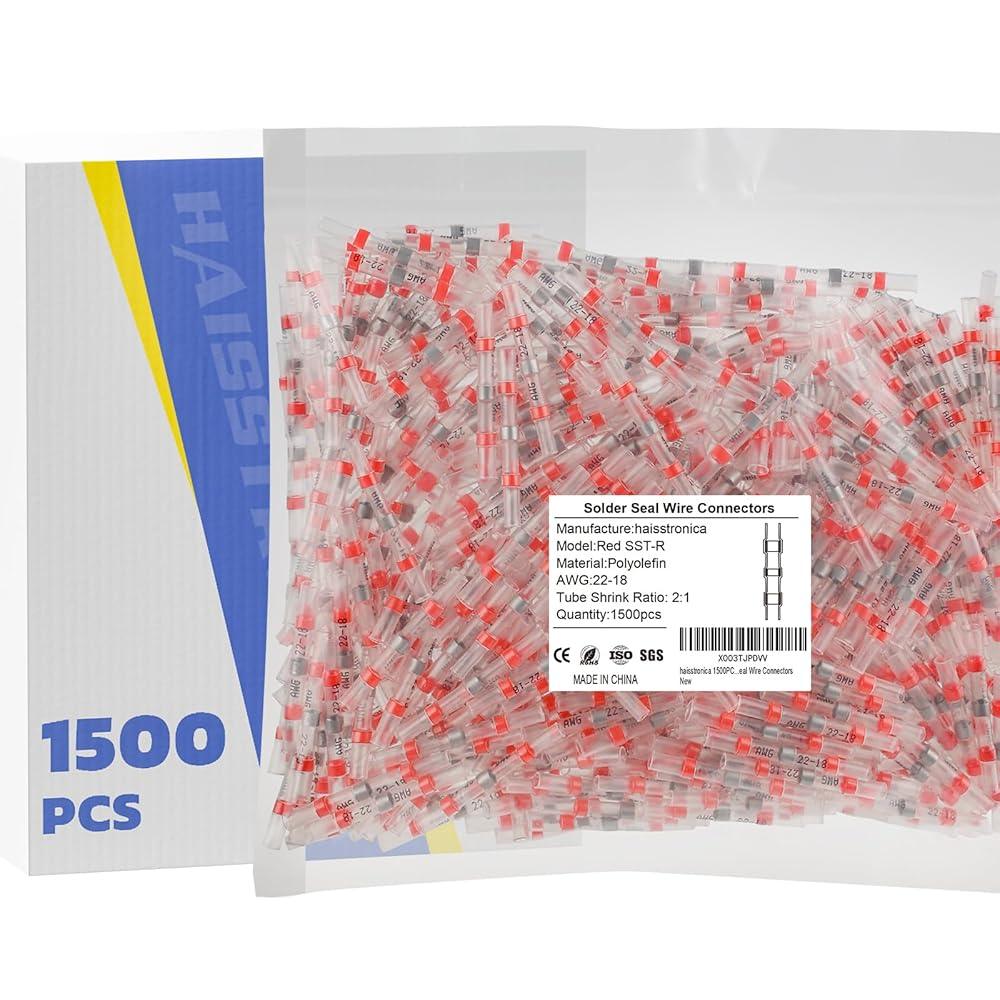
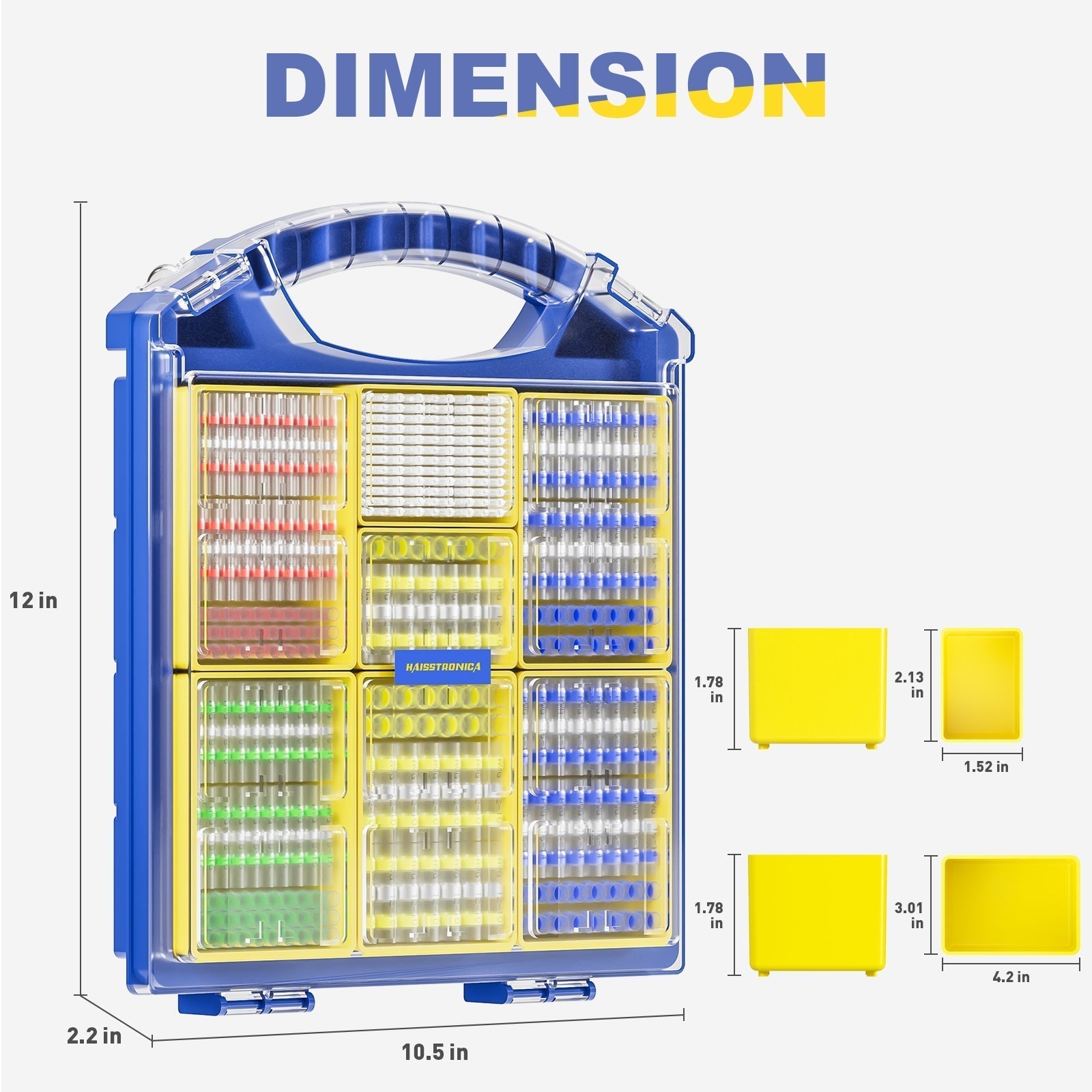
A quality solder & seal wire connector kit is a game-changer for DIY wiring. This article breaks down what makes a great kit: a proper size & mix of connectors to fit various wire gauges, h...
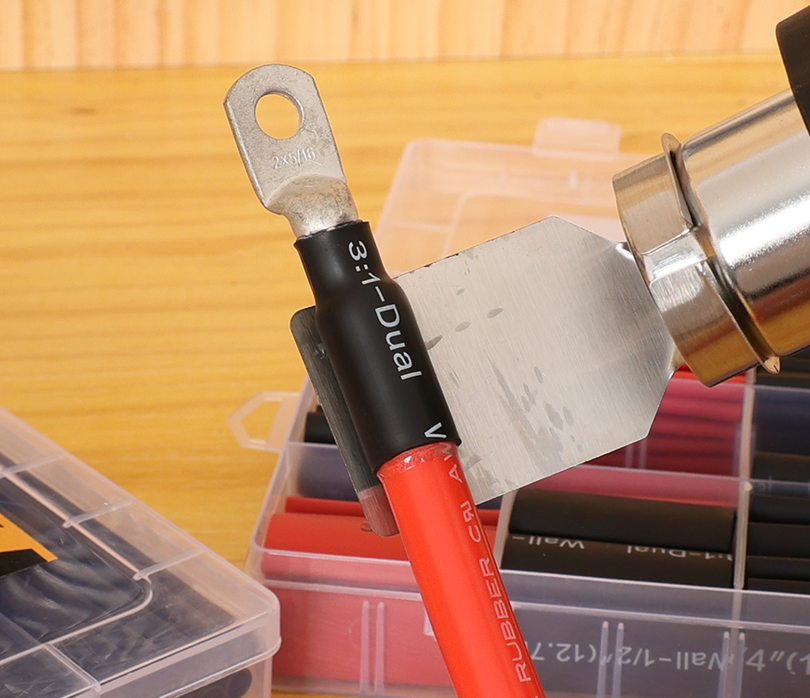
Compare 2:1 and 3:1 heat shrink by actual fit—not the ratio alone. Check conductor AWG, insulation outside diameter, adhesive and service conditions before selecting a solder seal kit or separate t...
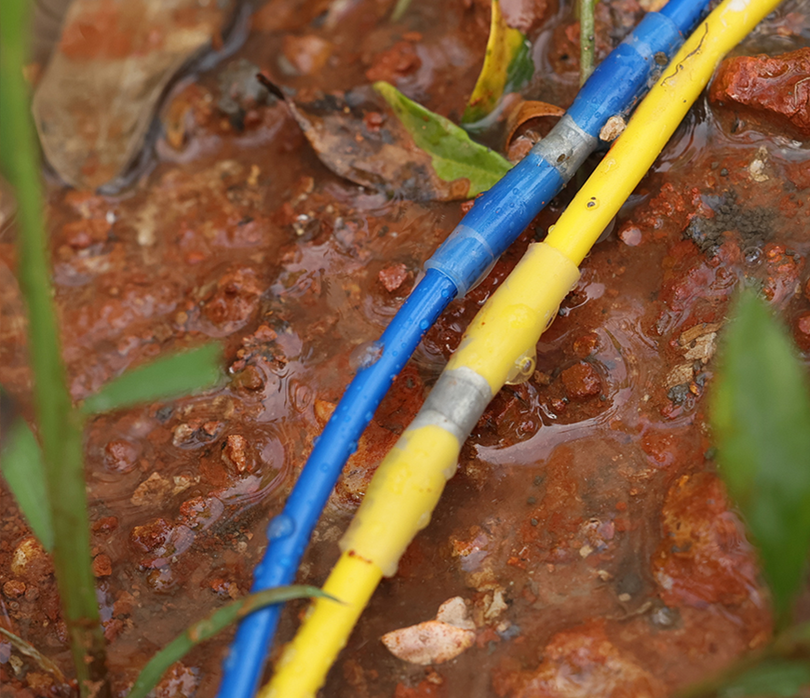
Choose solder seal connectors for the actual marine exposure: protected splash, repeated salt spray or bilge immersion. Compare adhesive sealing, sleeve recovery, AWG and insulation diameter, then ...