

Does heat shrink tubing make an electrical connection?
No. Heat shrink tubing only insulates and protects. The electrical connection must already be made with a splice, terminal, solder joint, or connector underneath.

The site owner may have set restrictions that prevent you from accessing the site. Please contact the site owner for access.
Cart
Your cart is empty
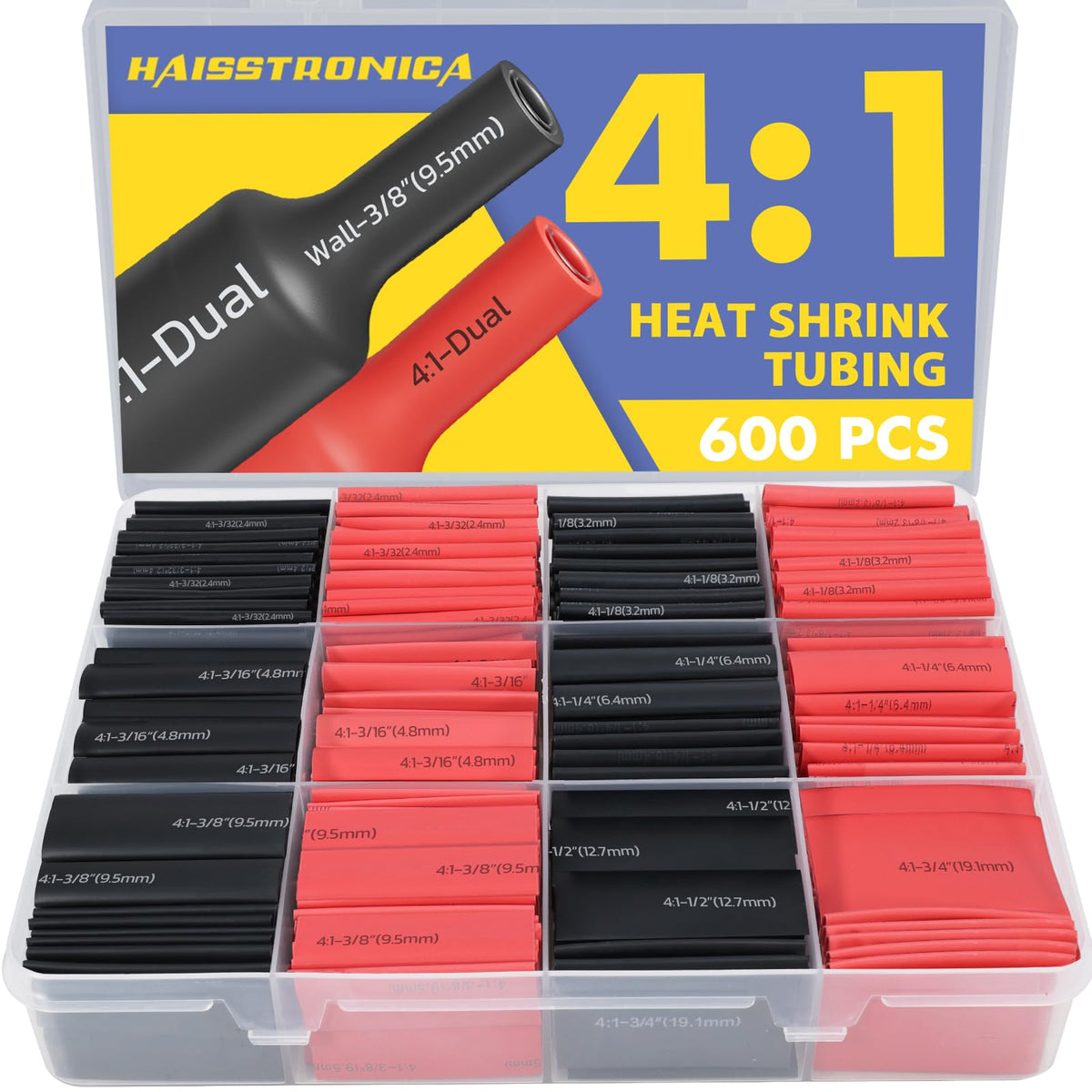
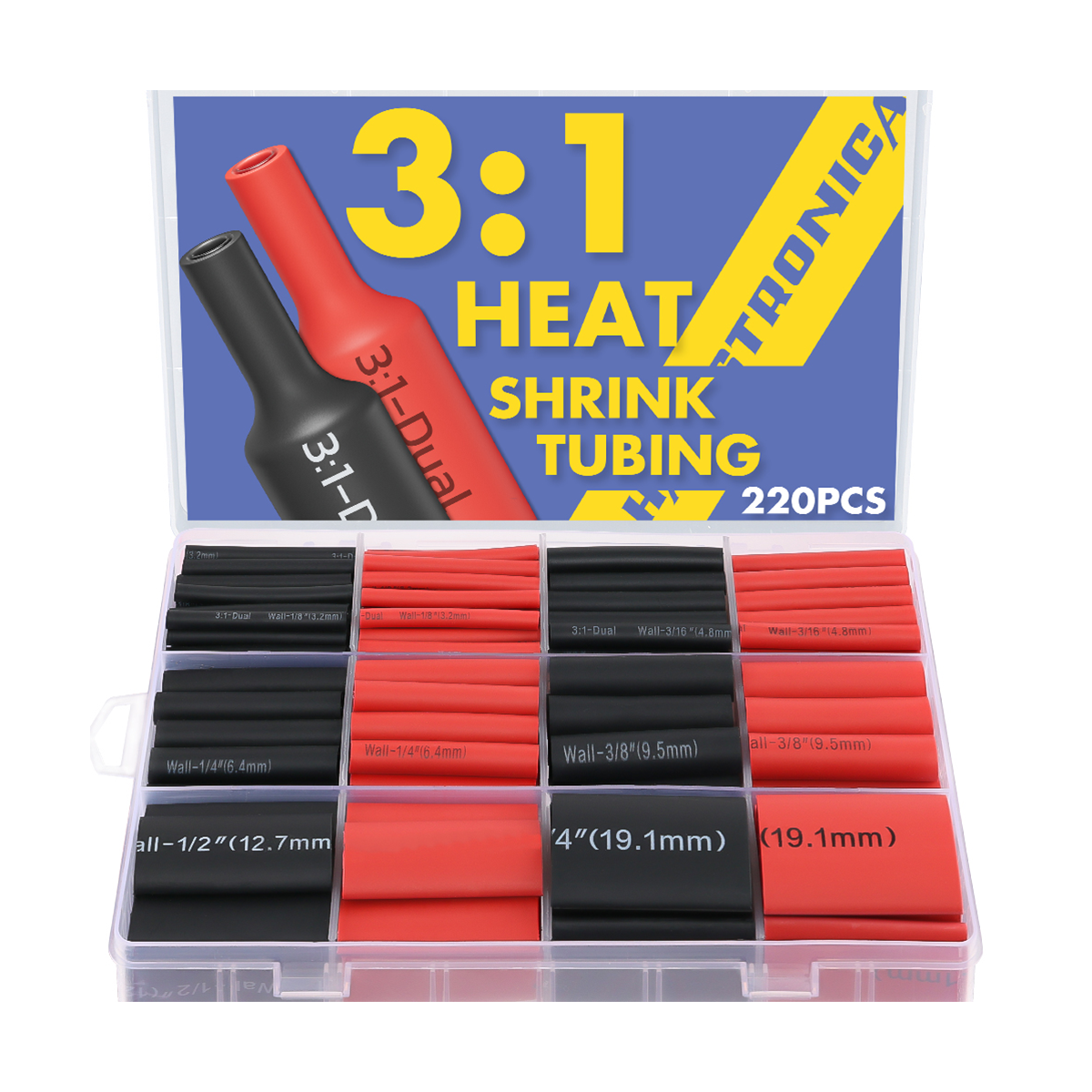
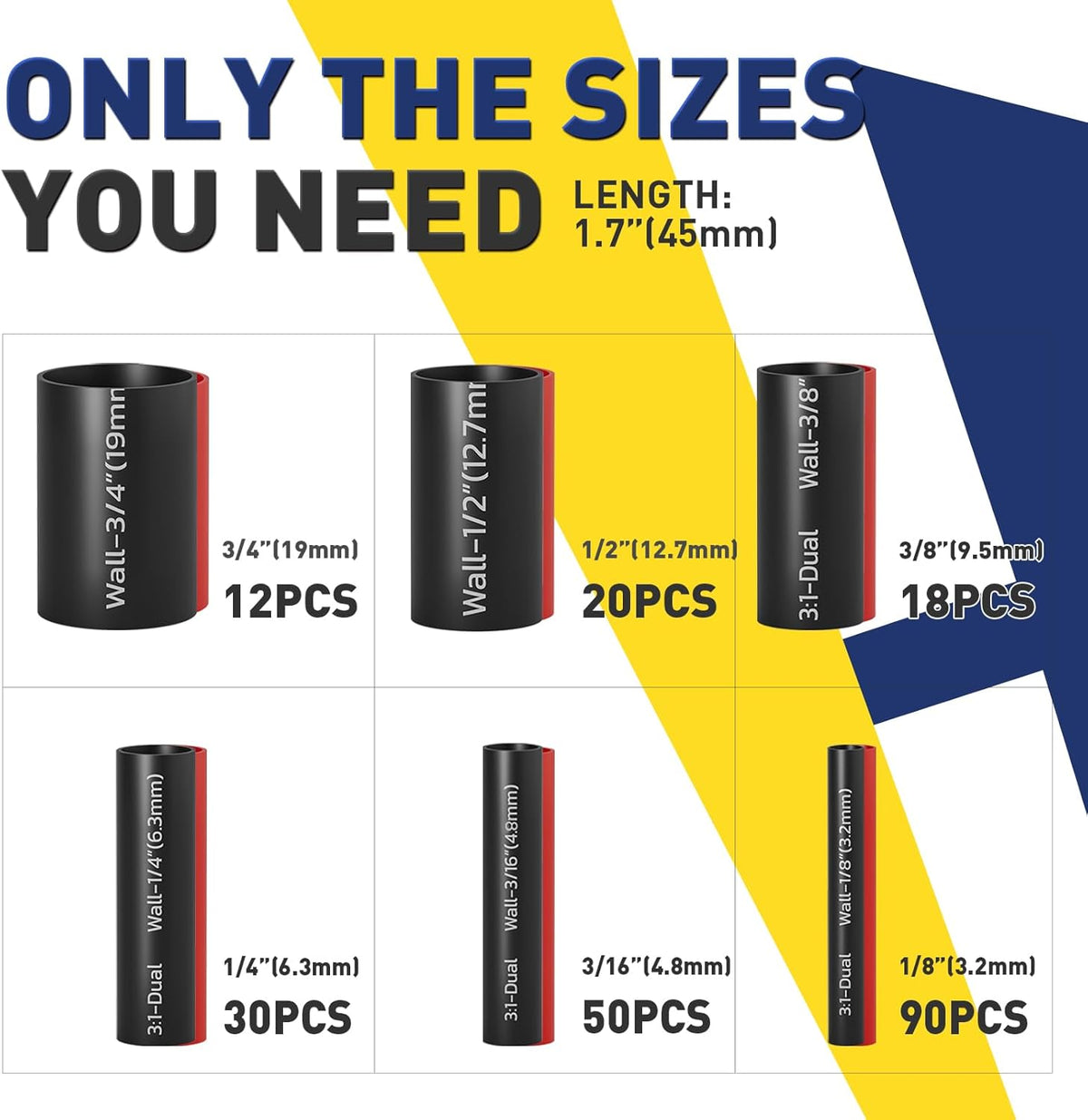
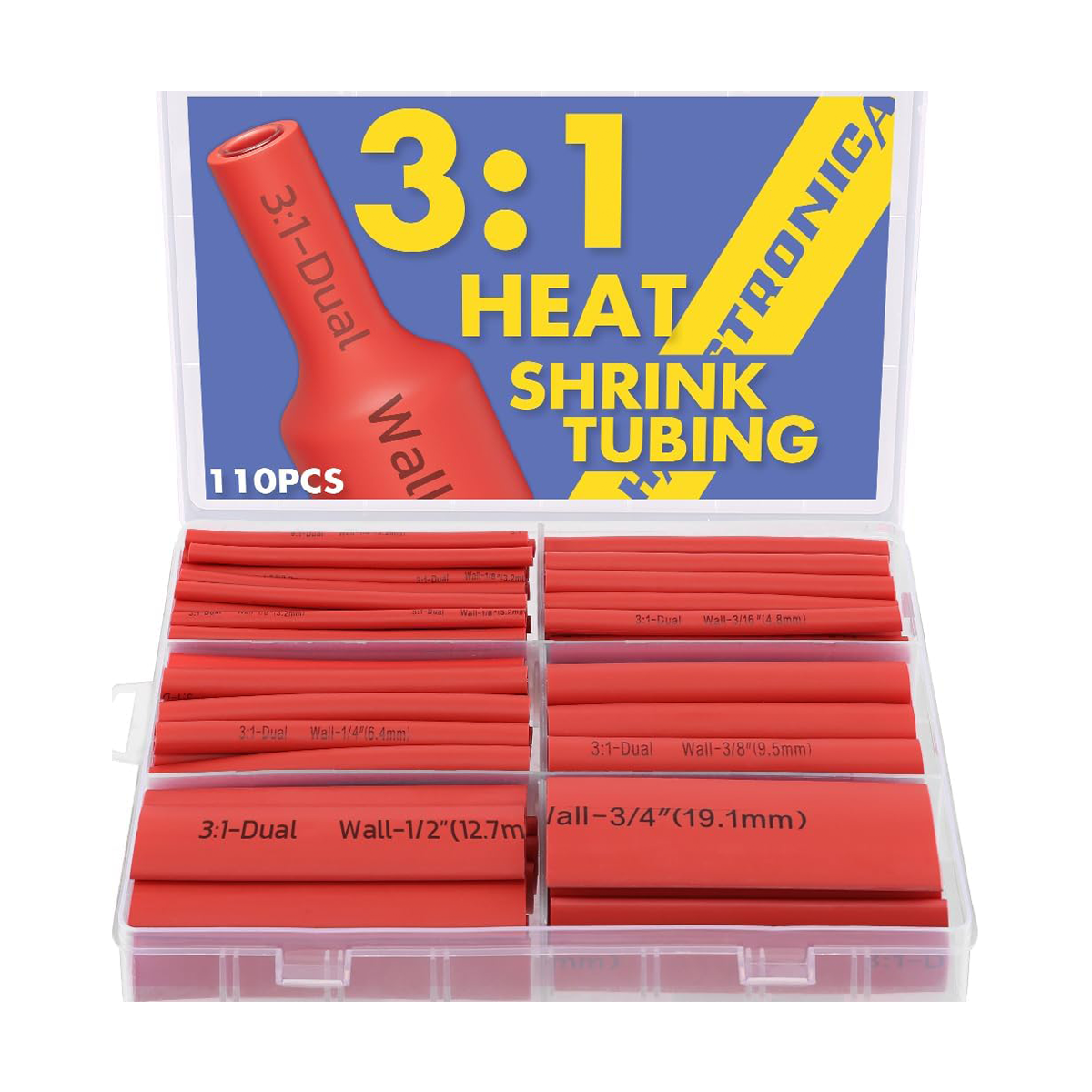
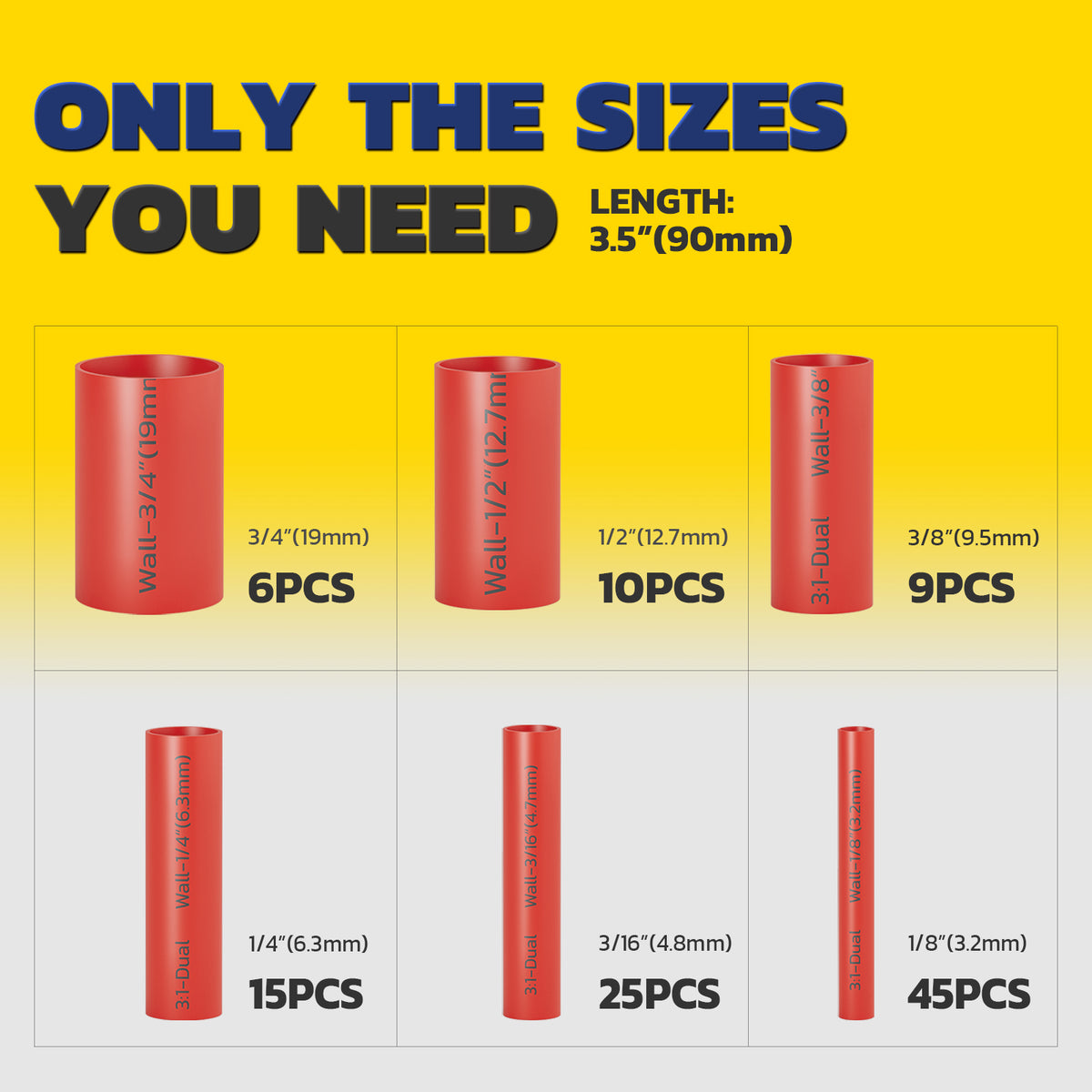
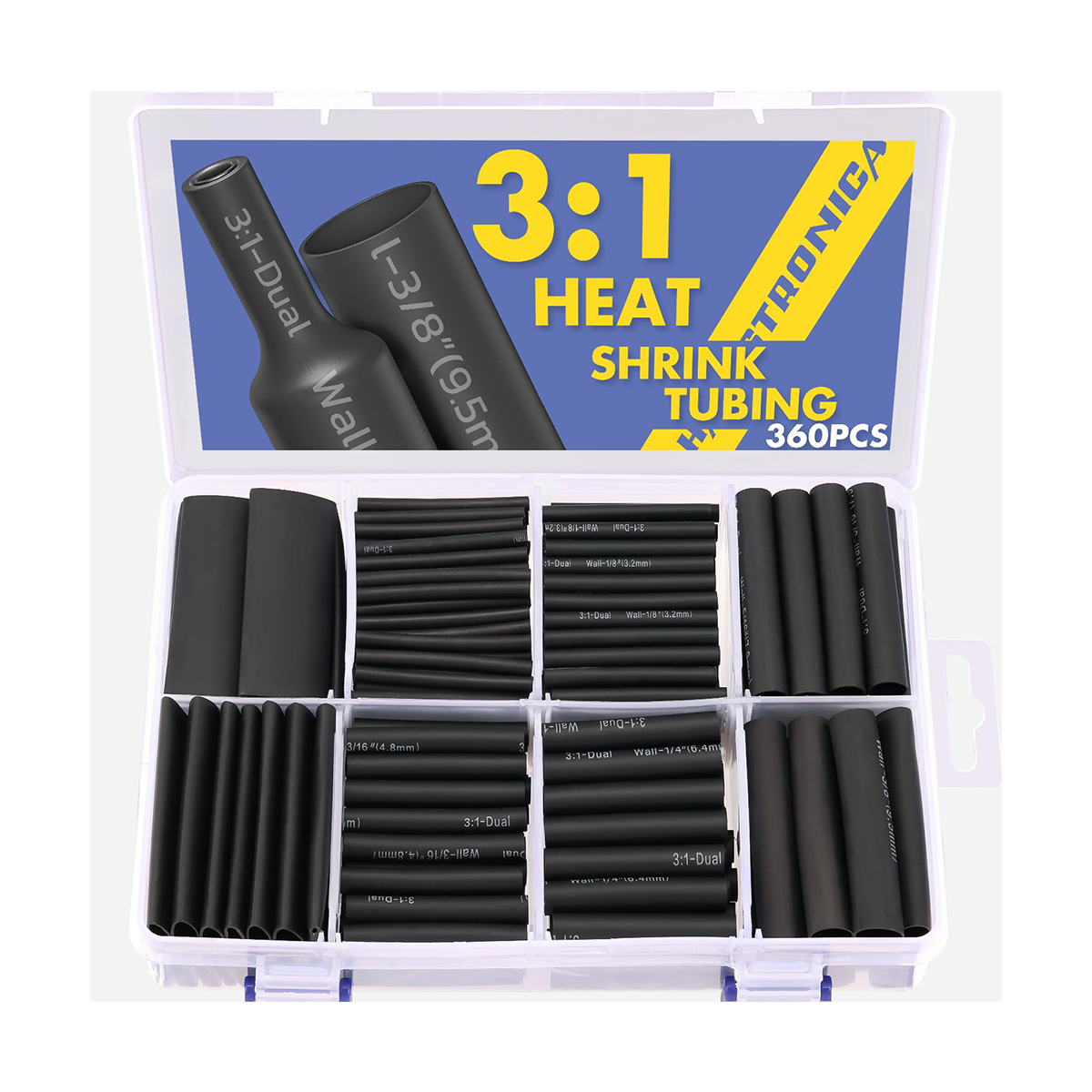

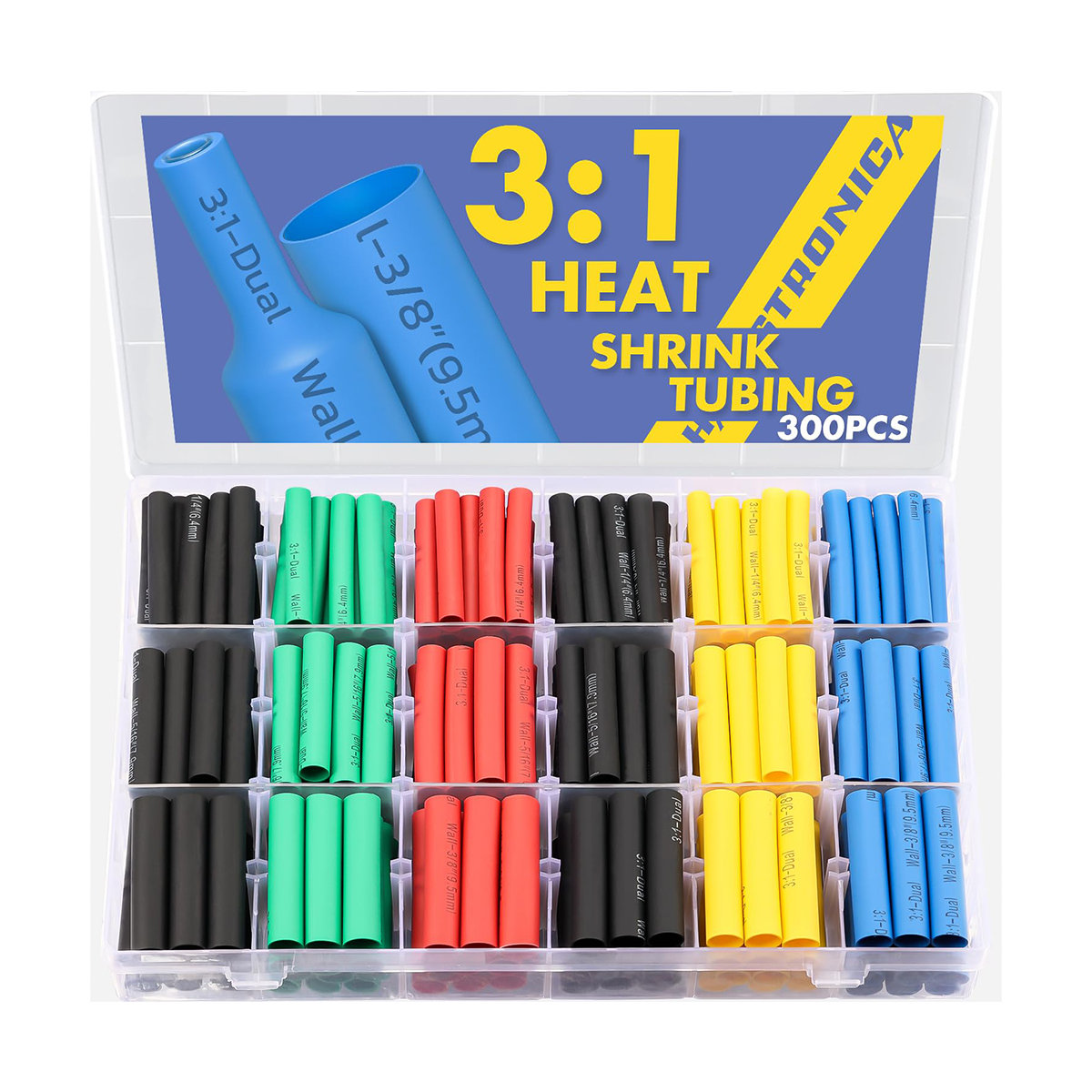
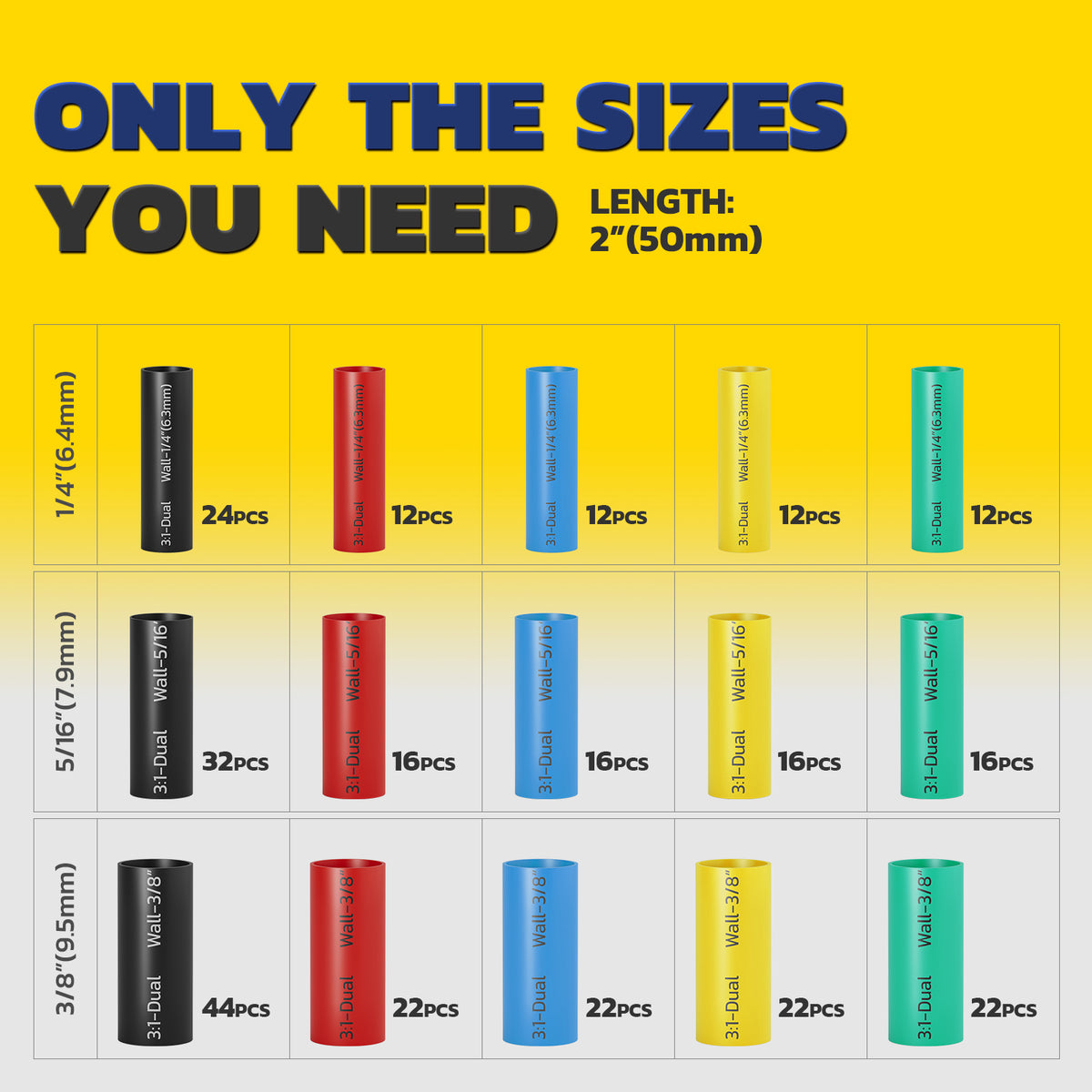
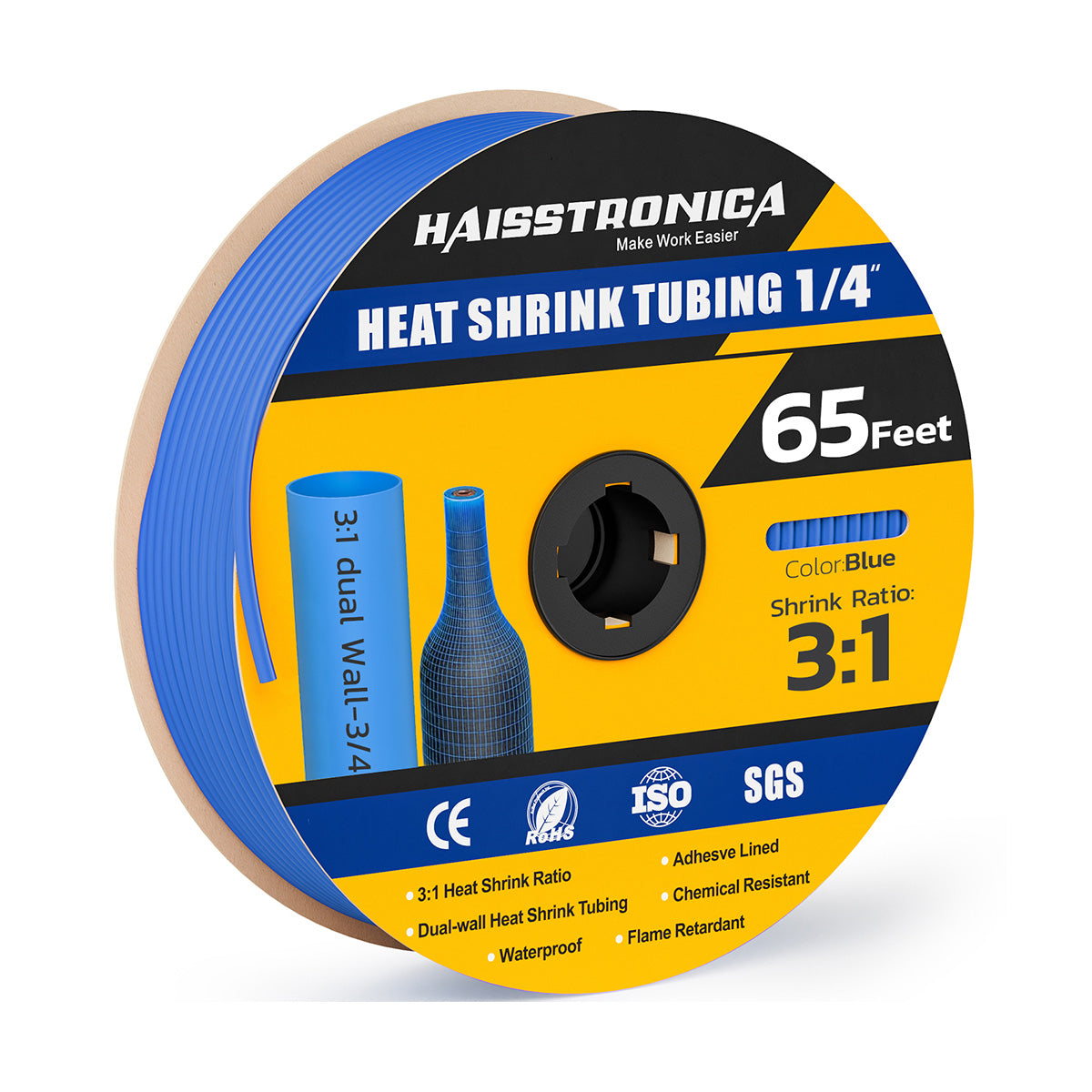
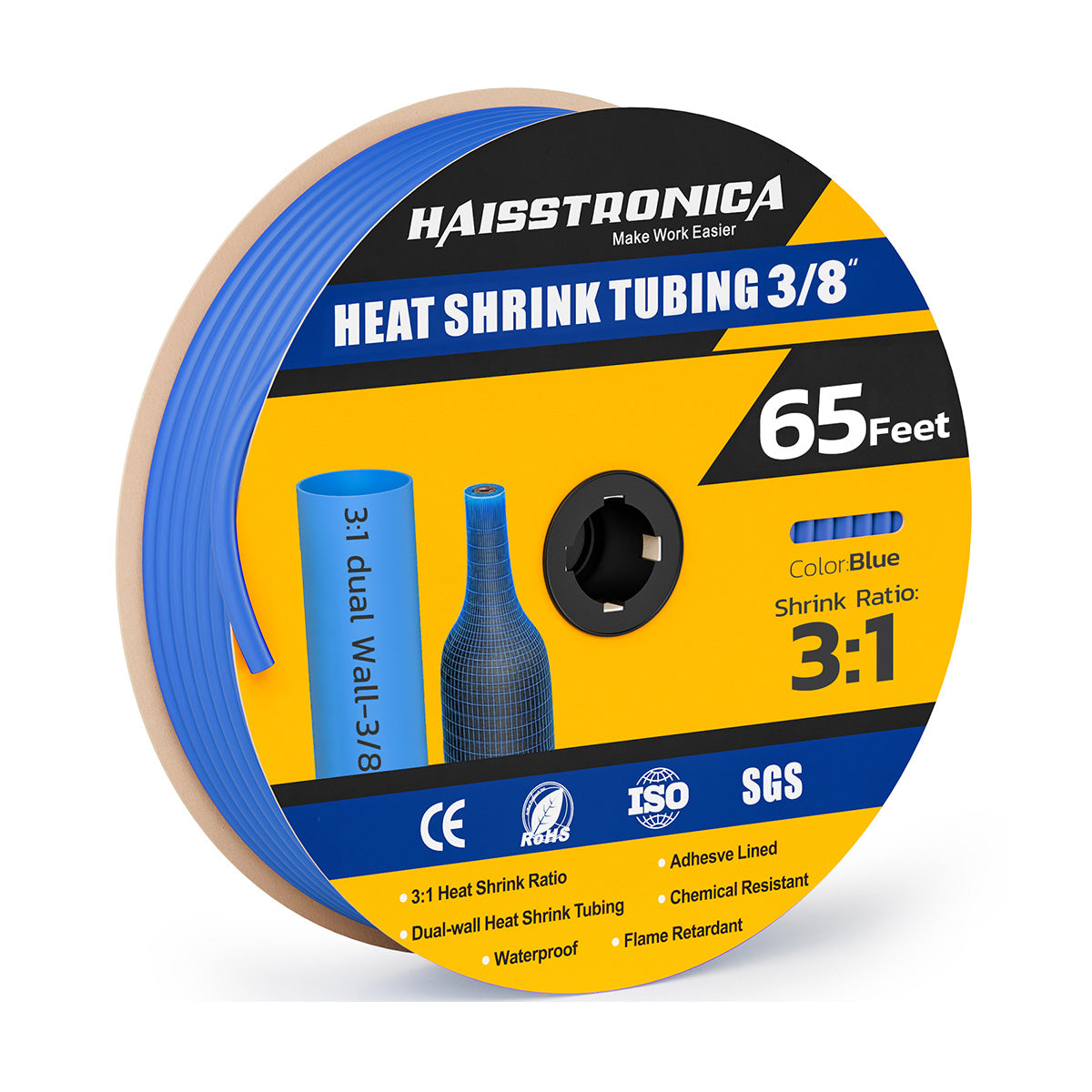
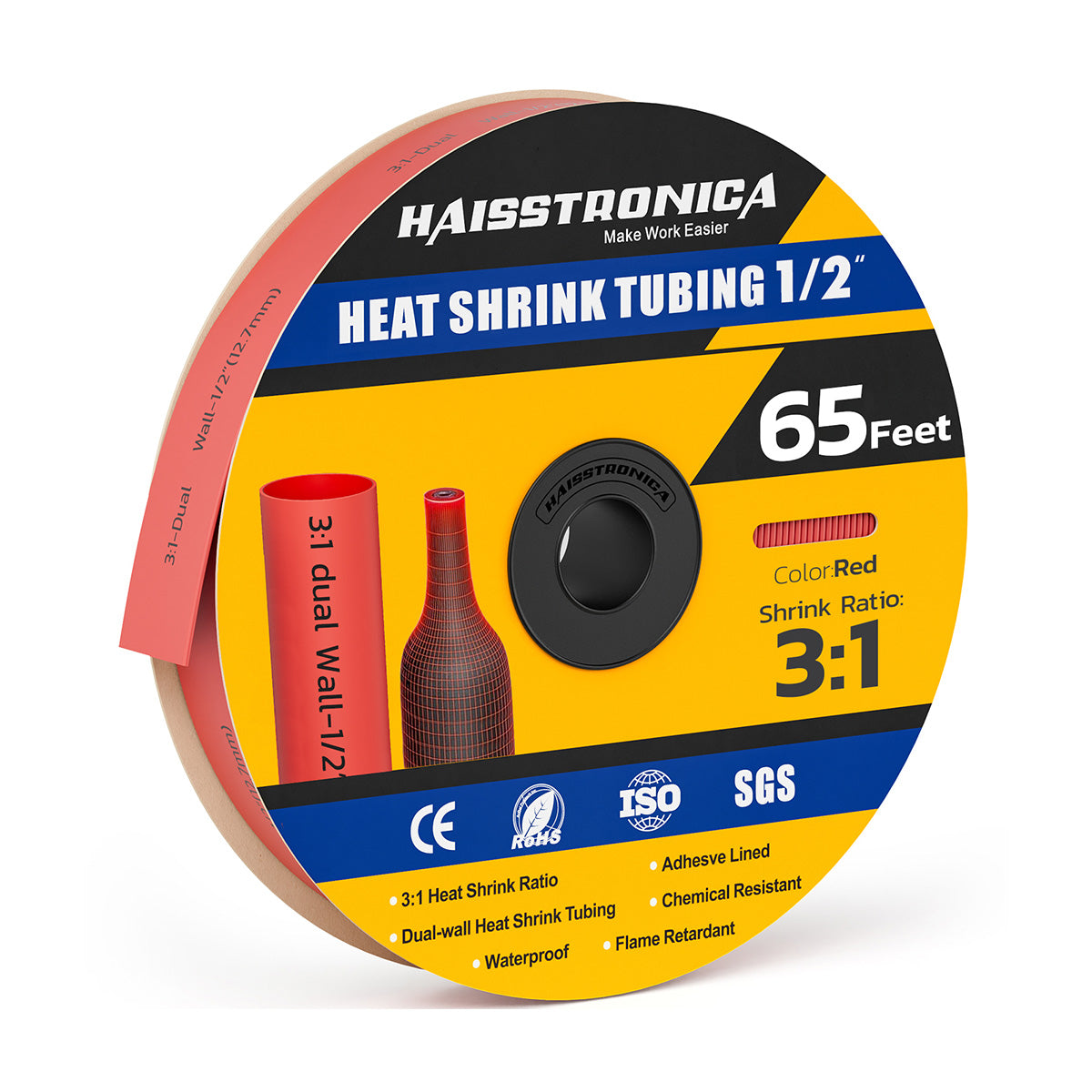
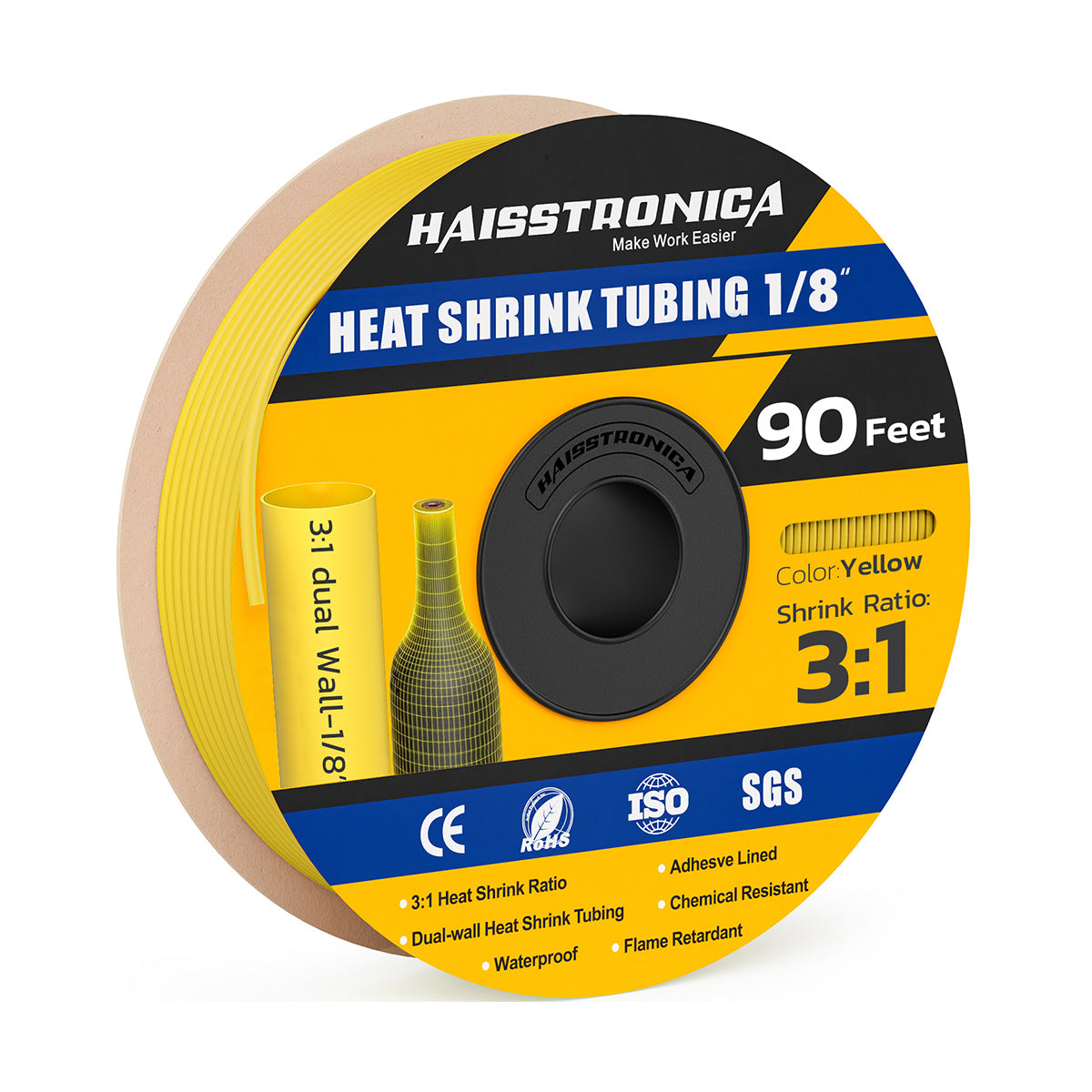
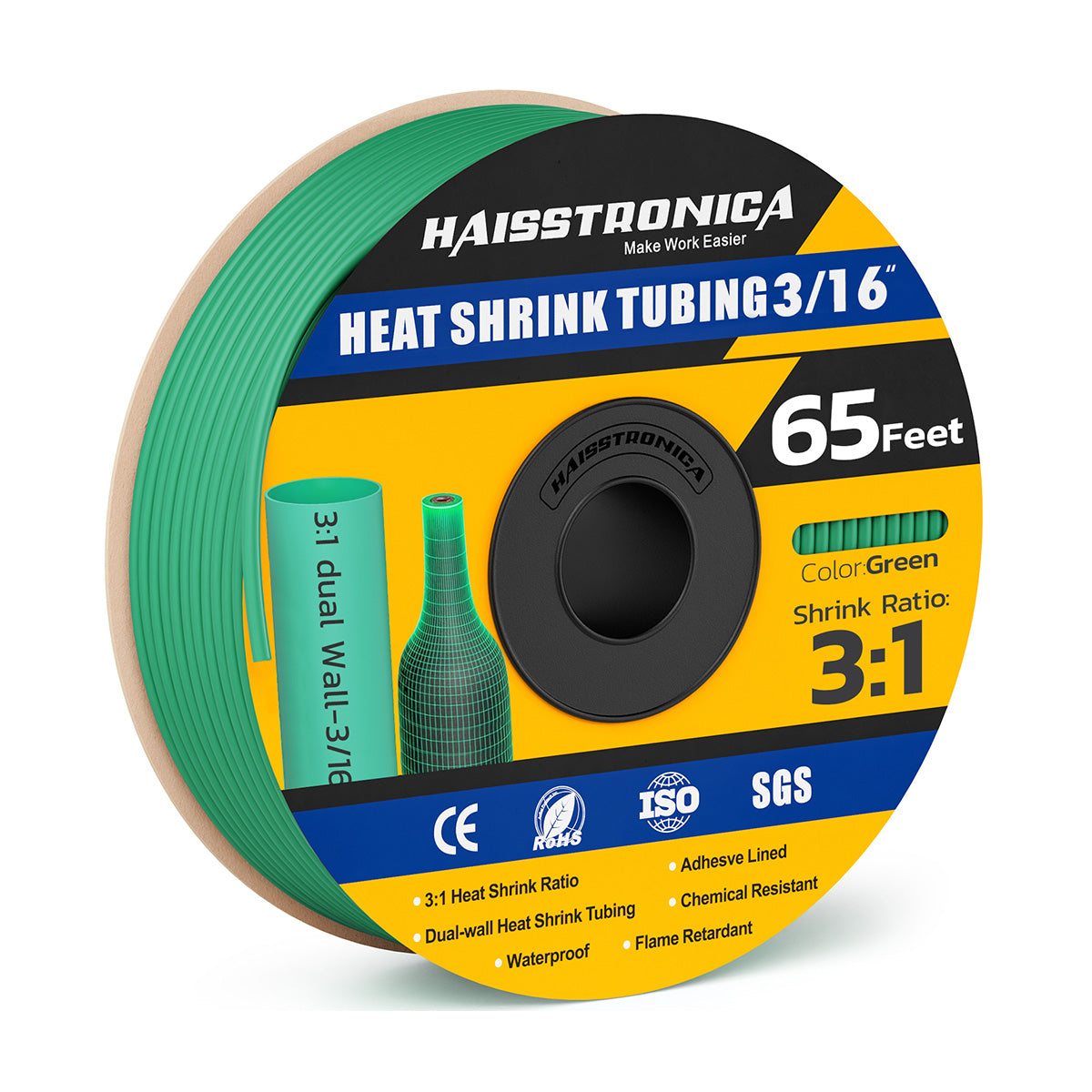
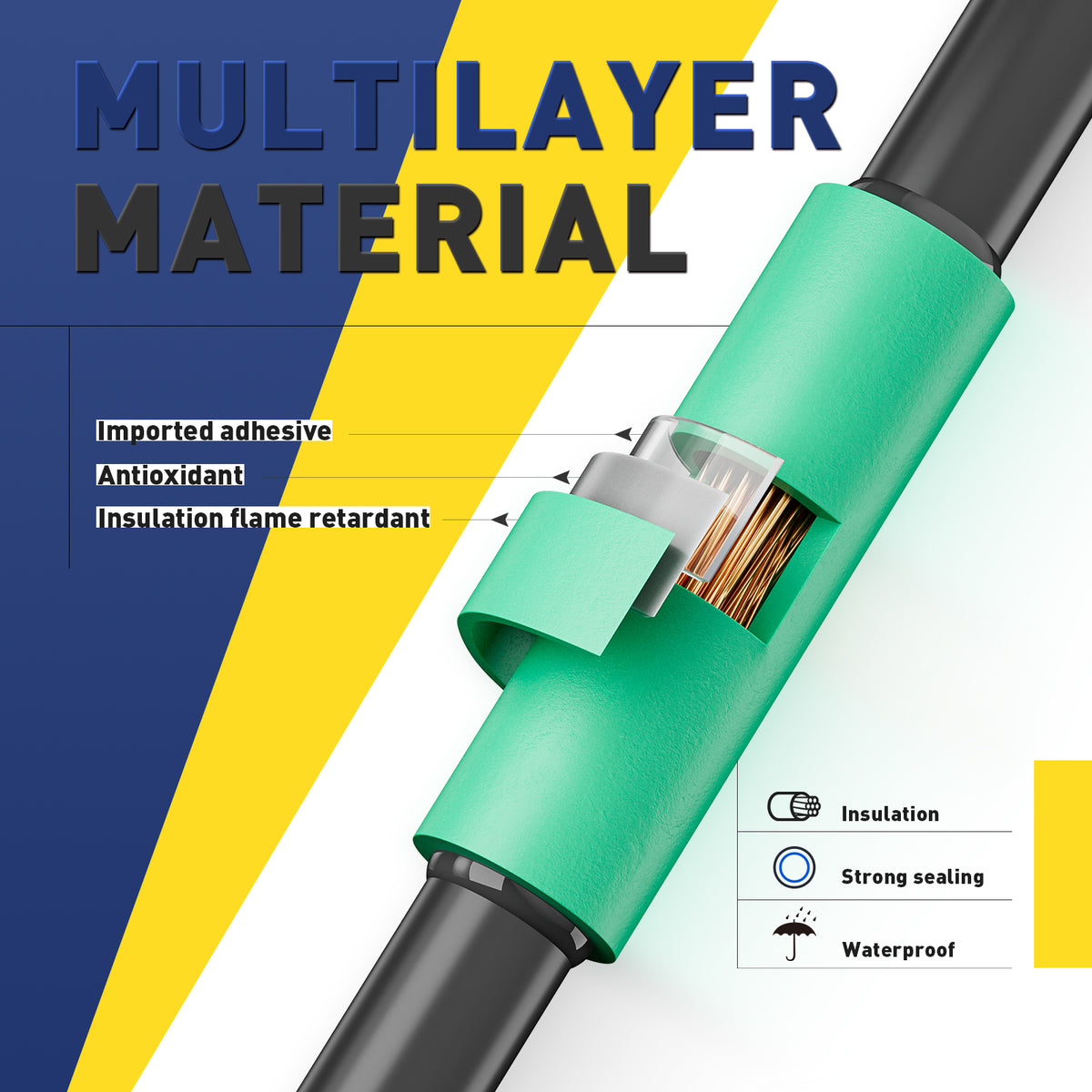
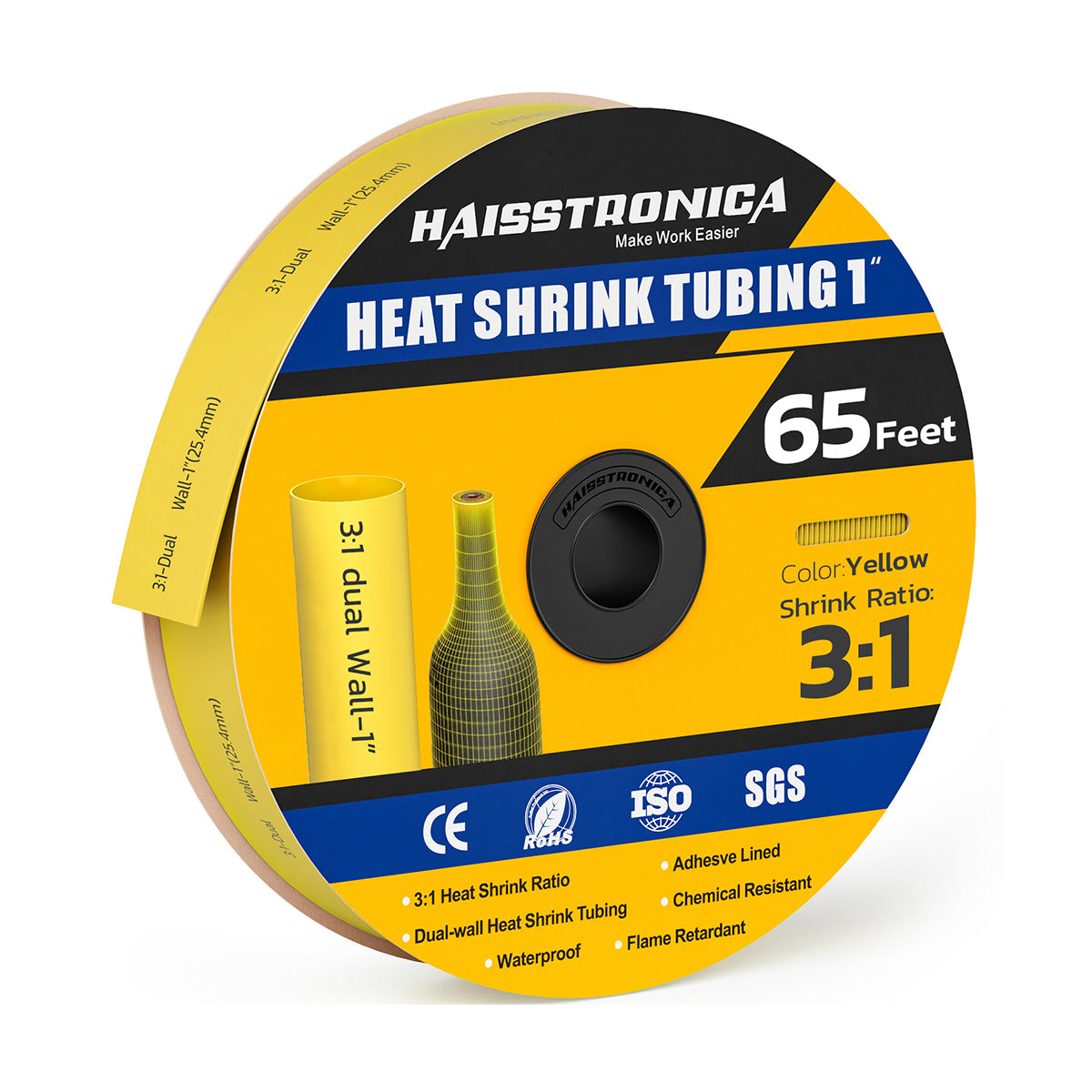
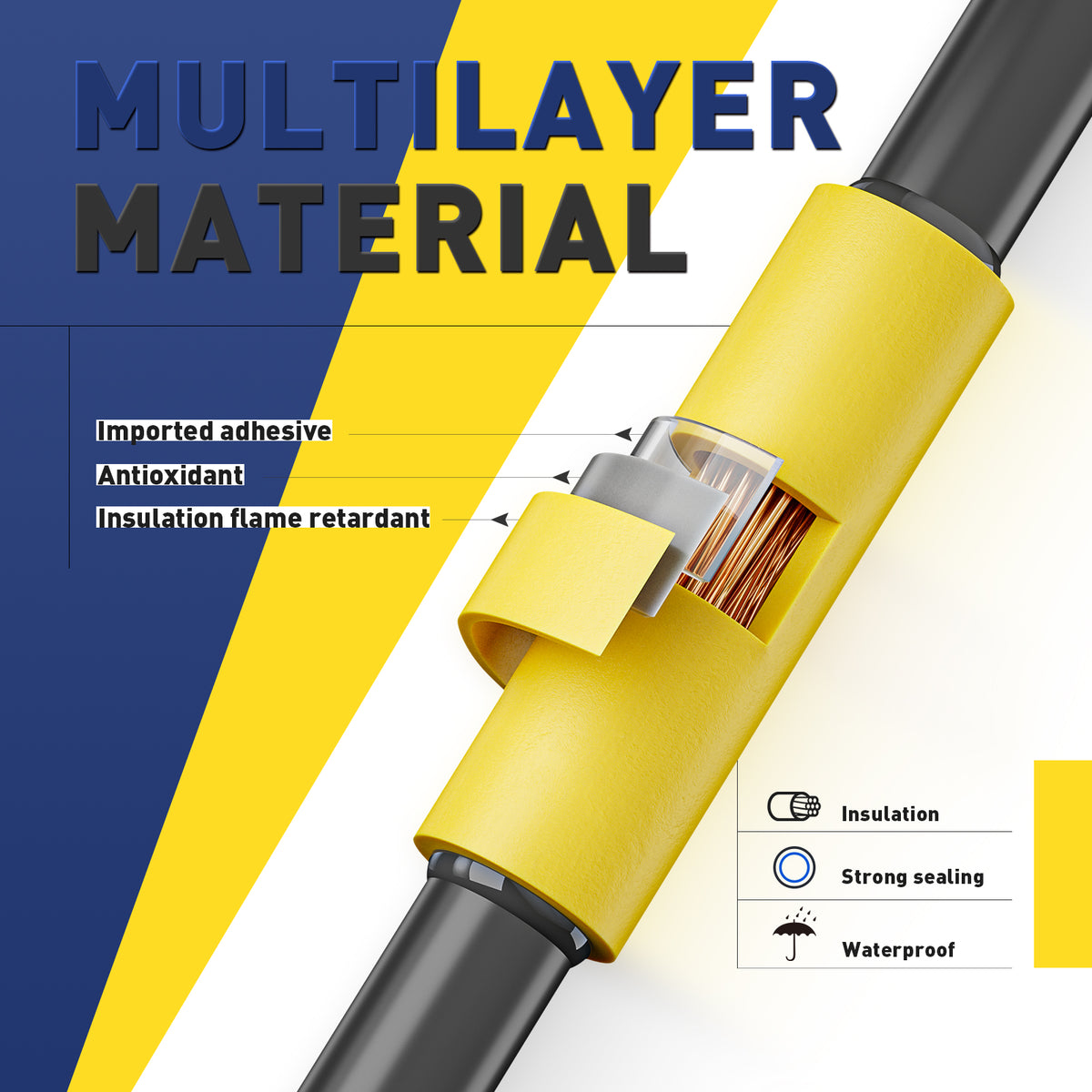
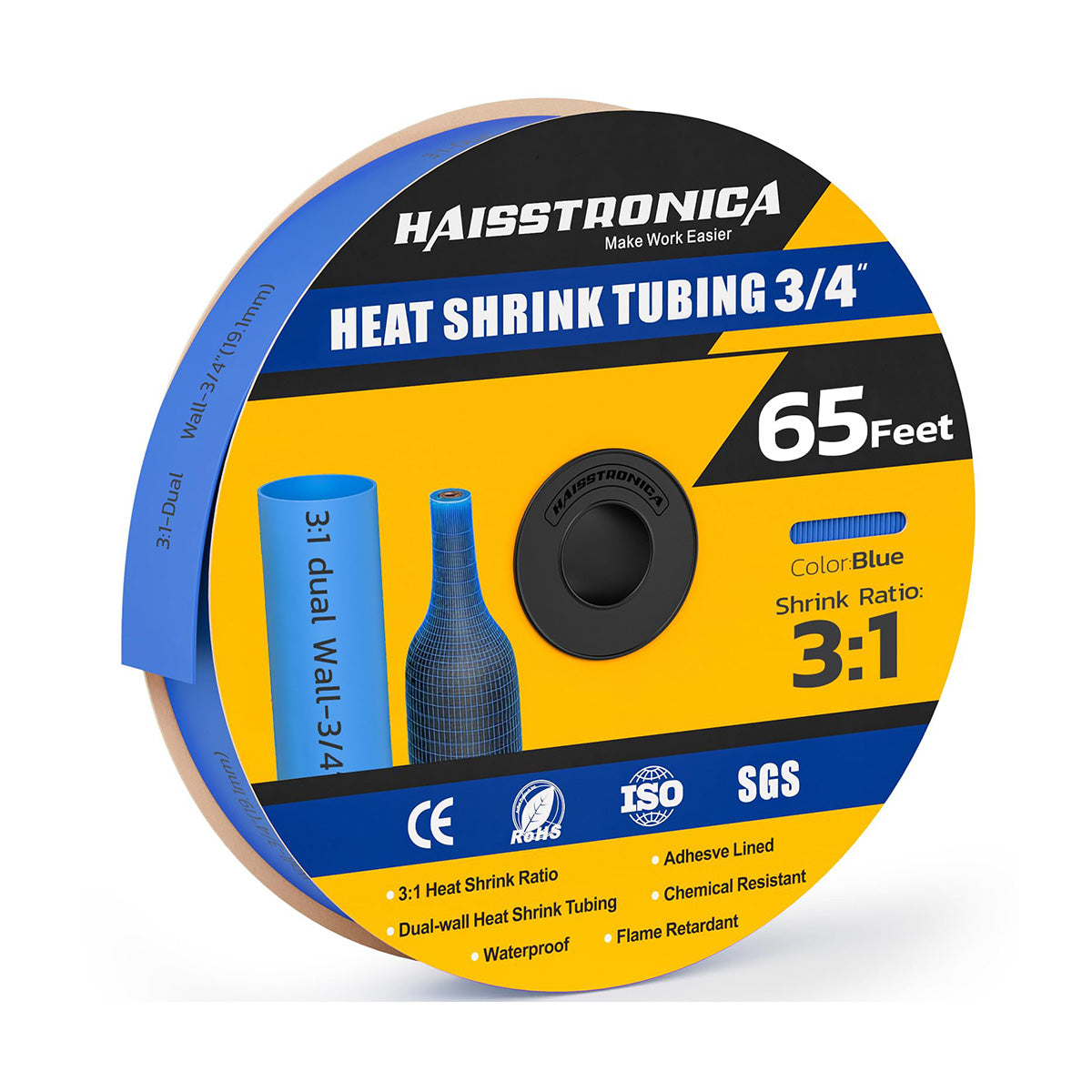
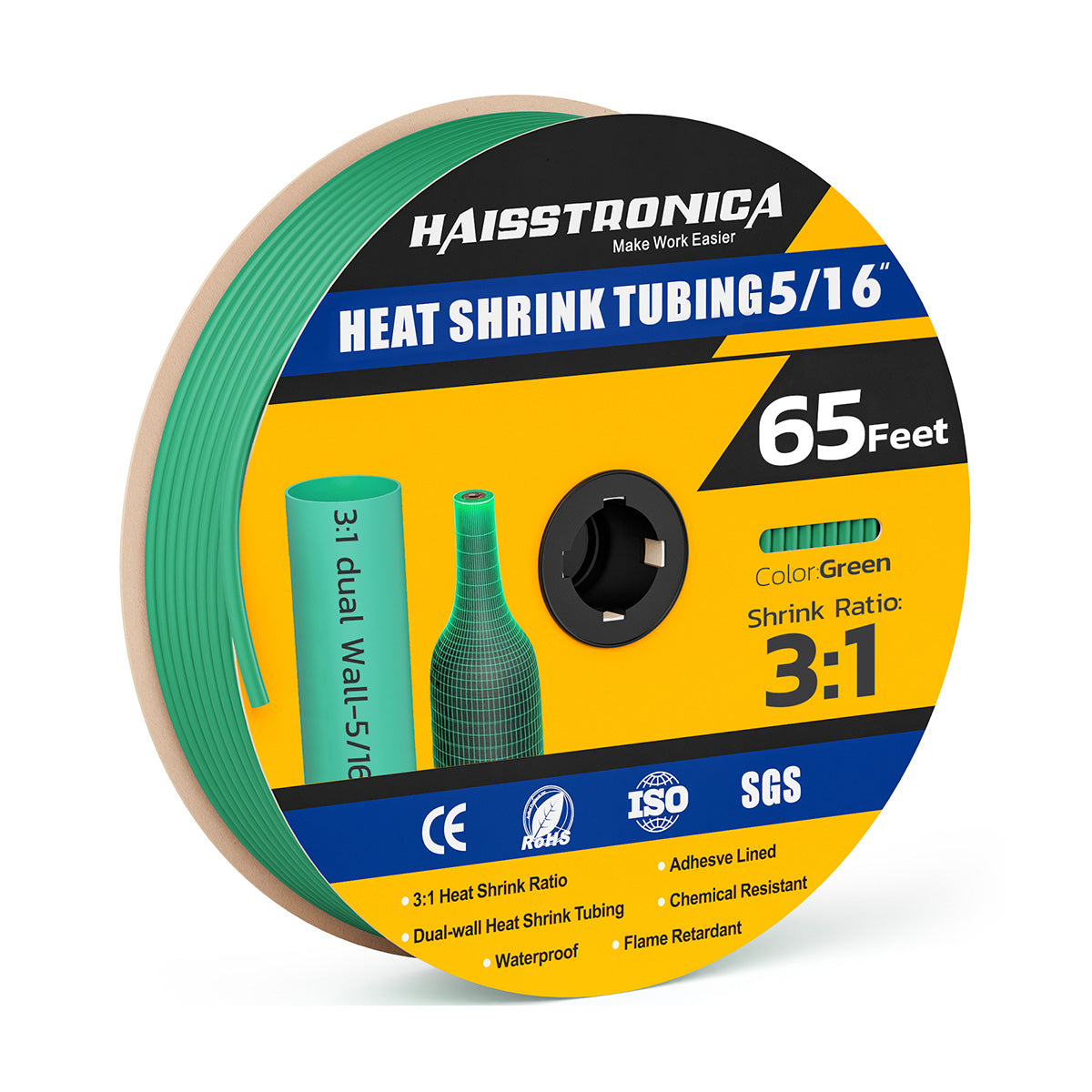
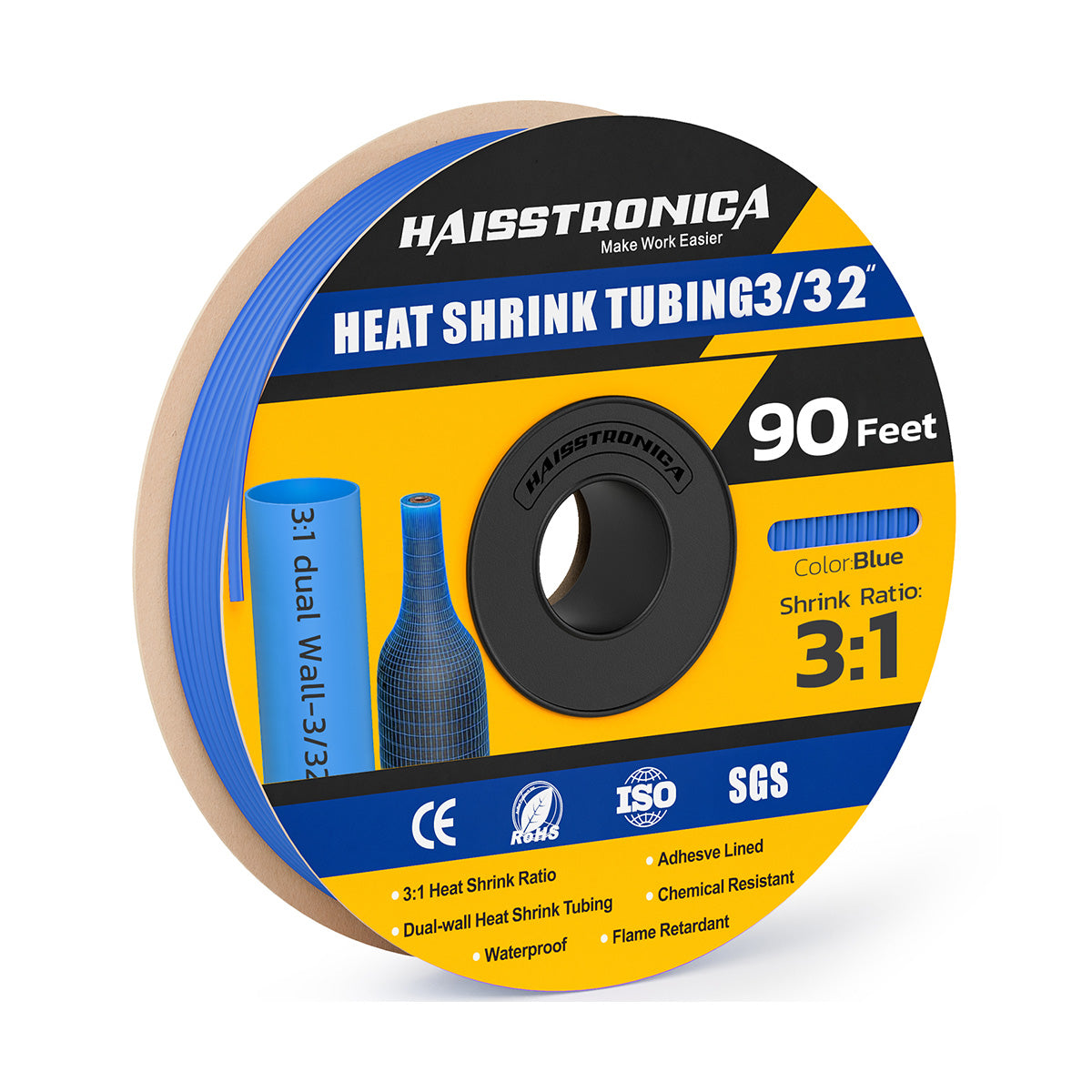
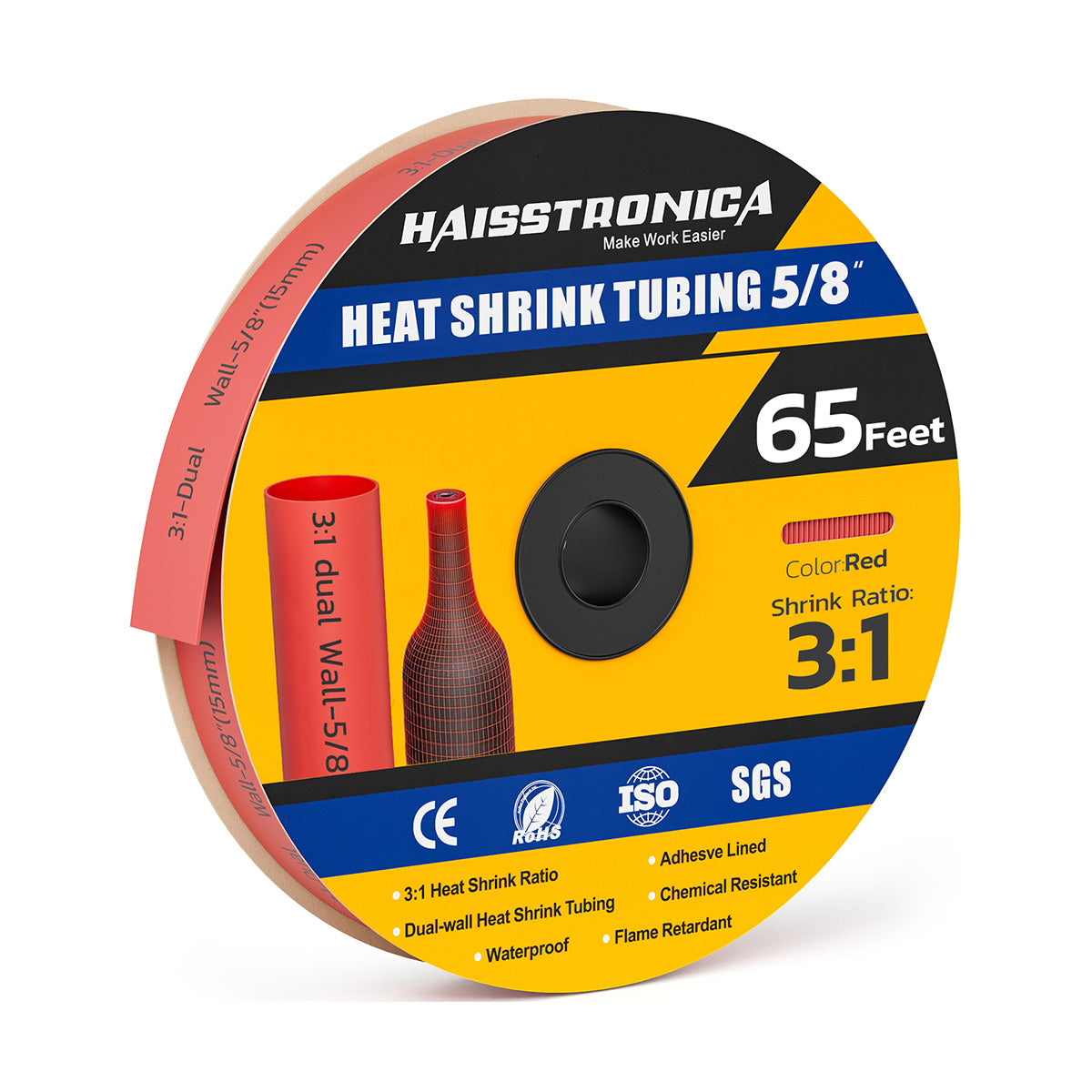
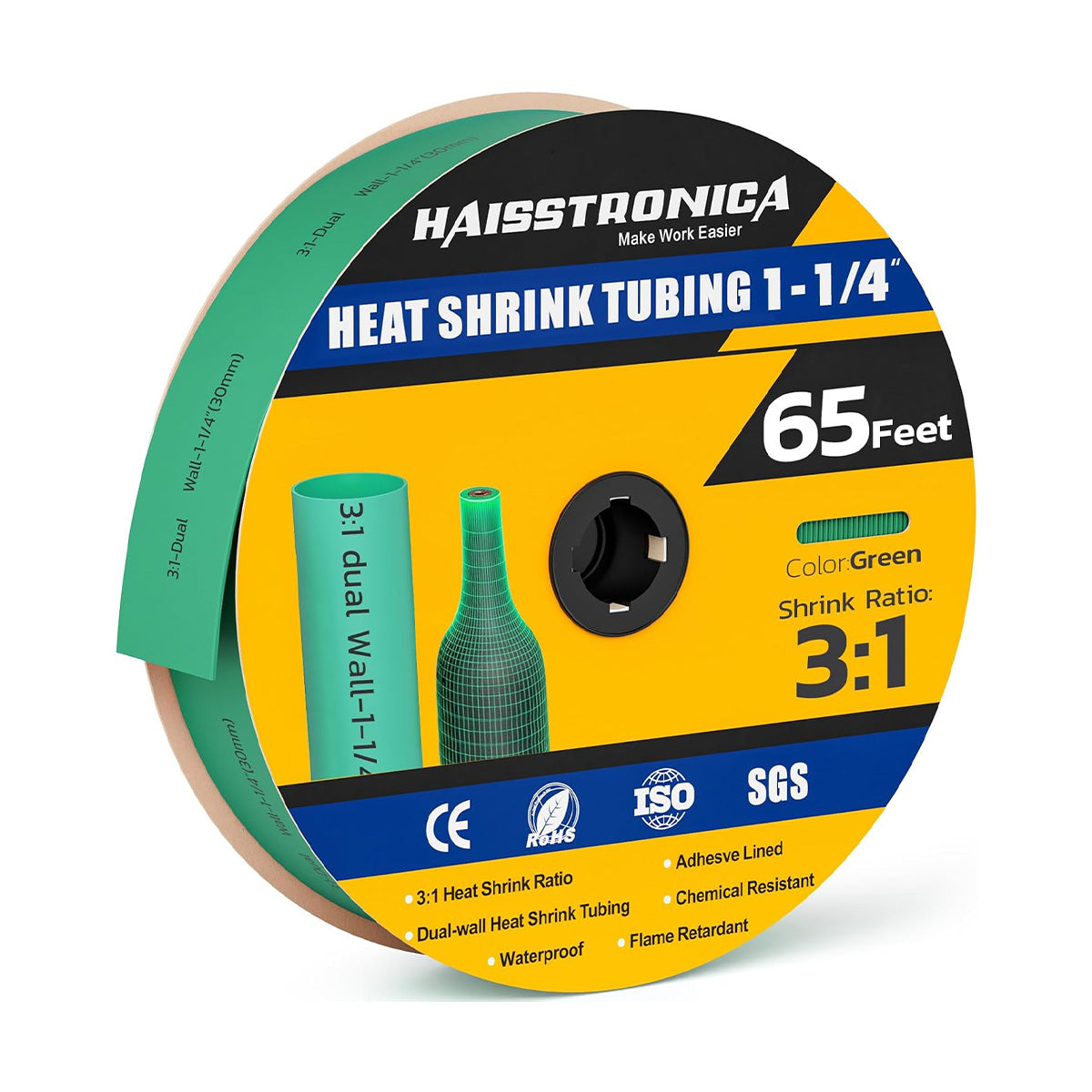
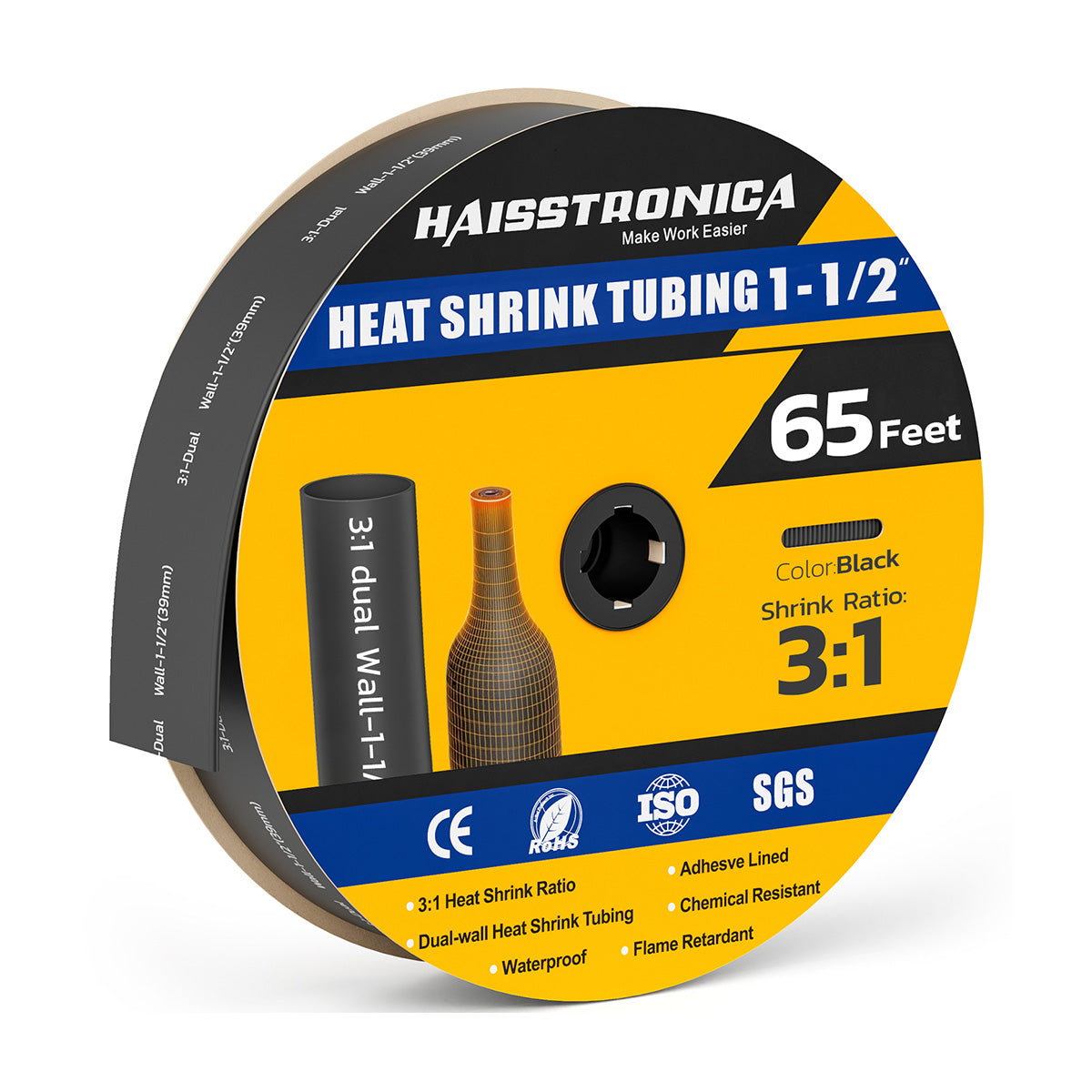
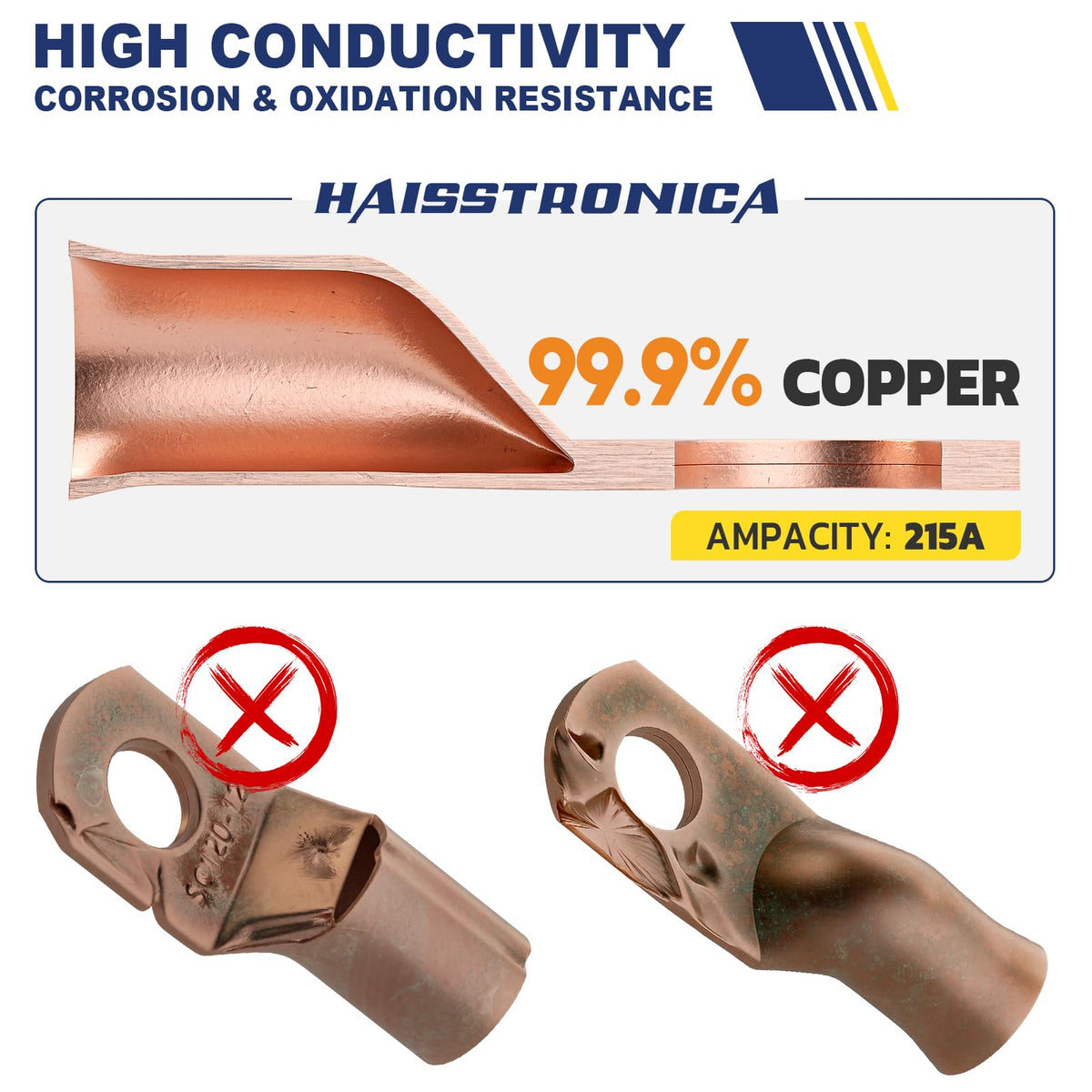
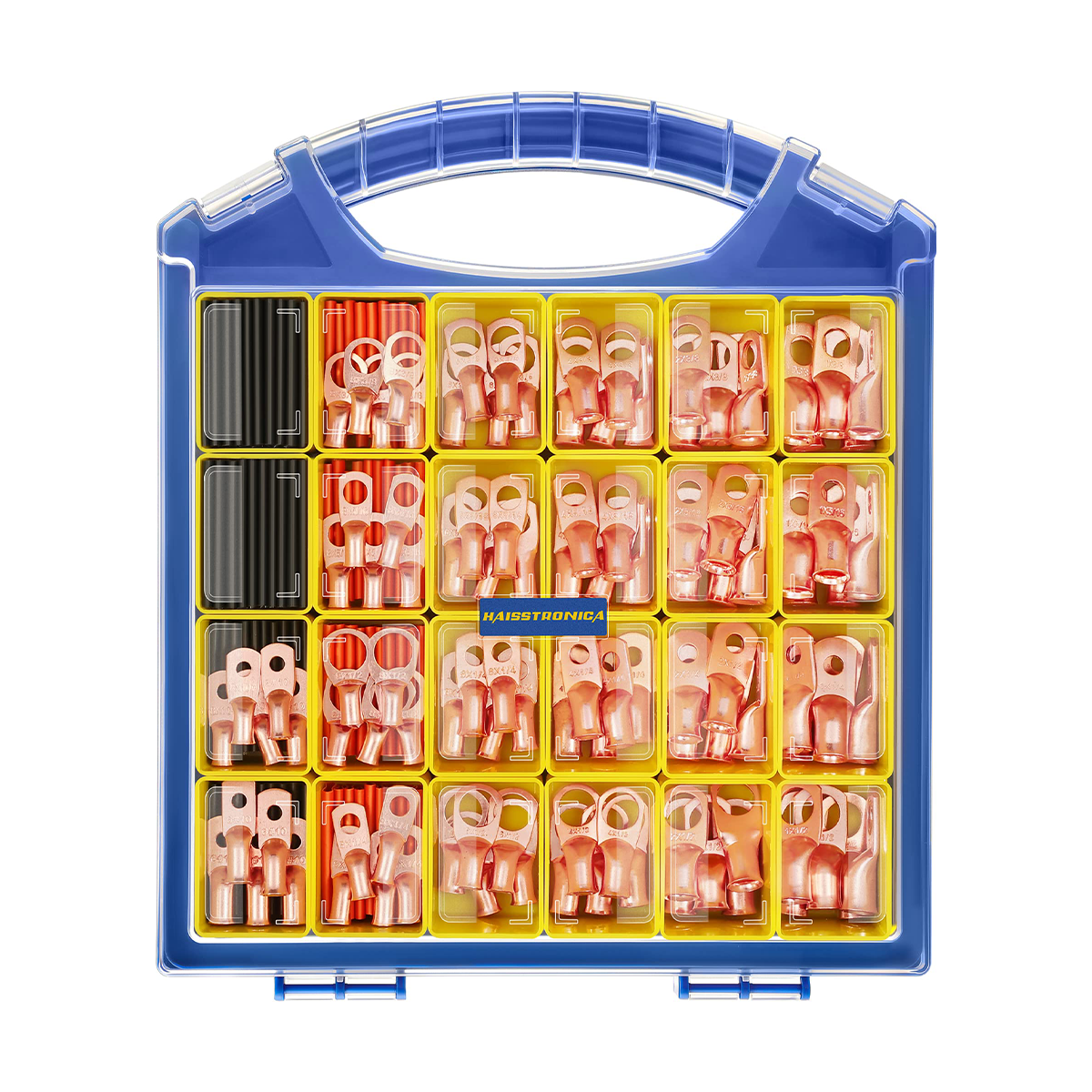
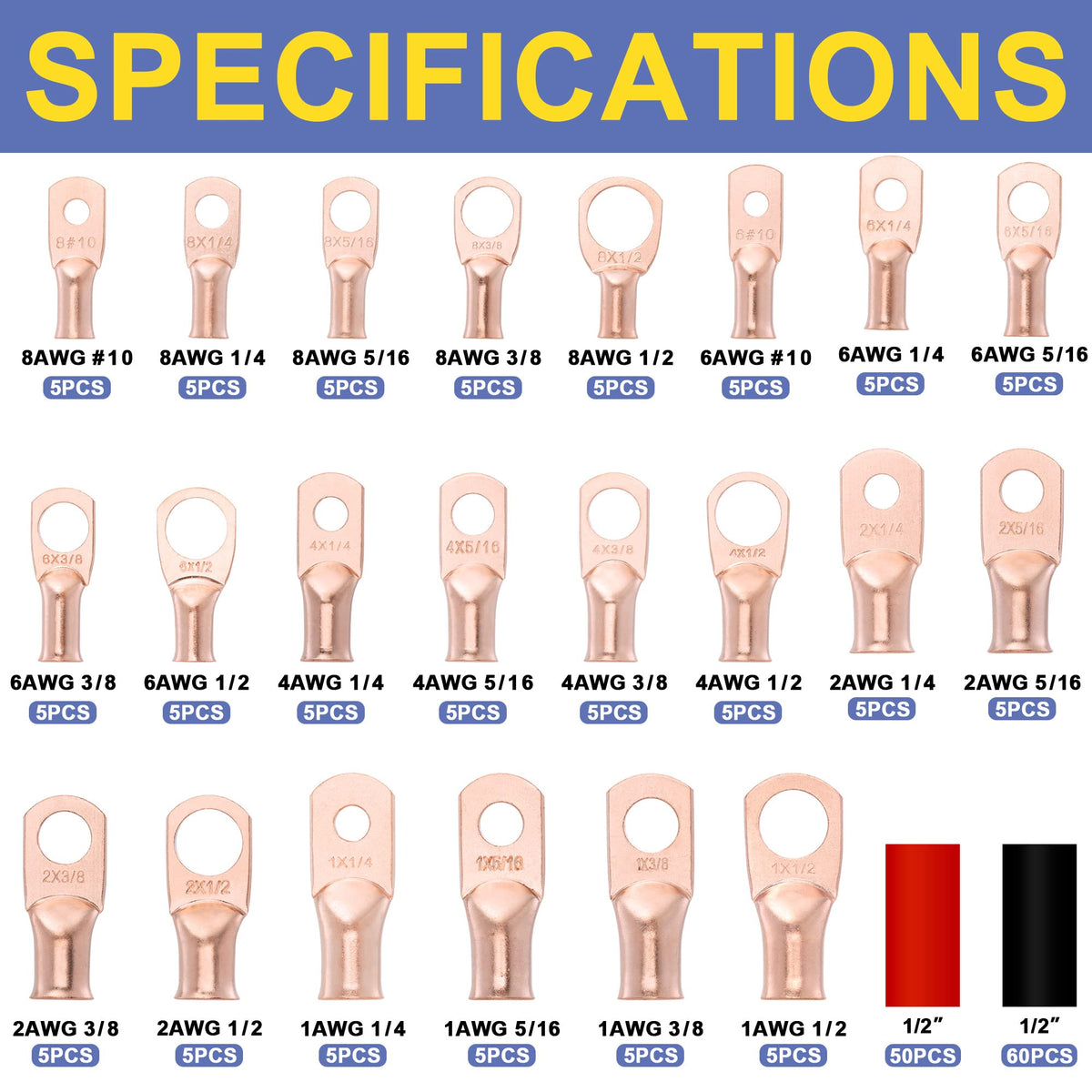
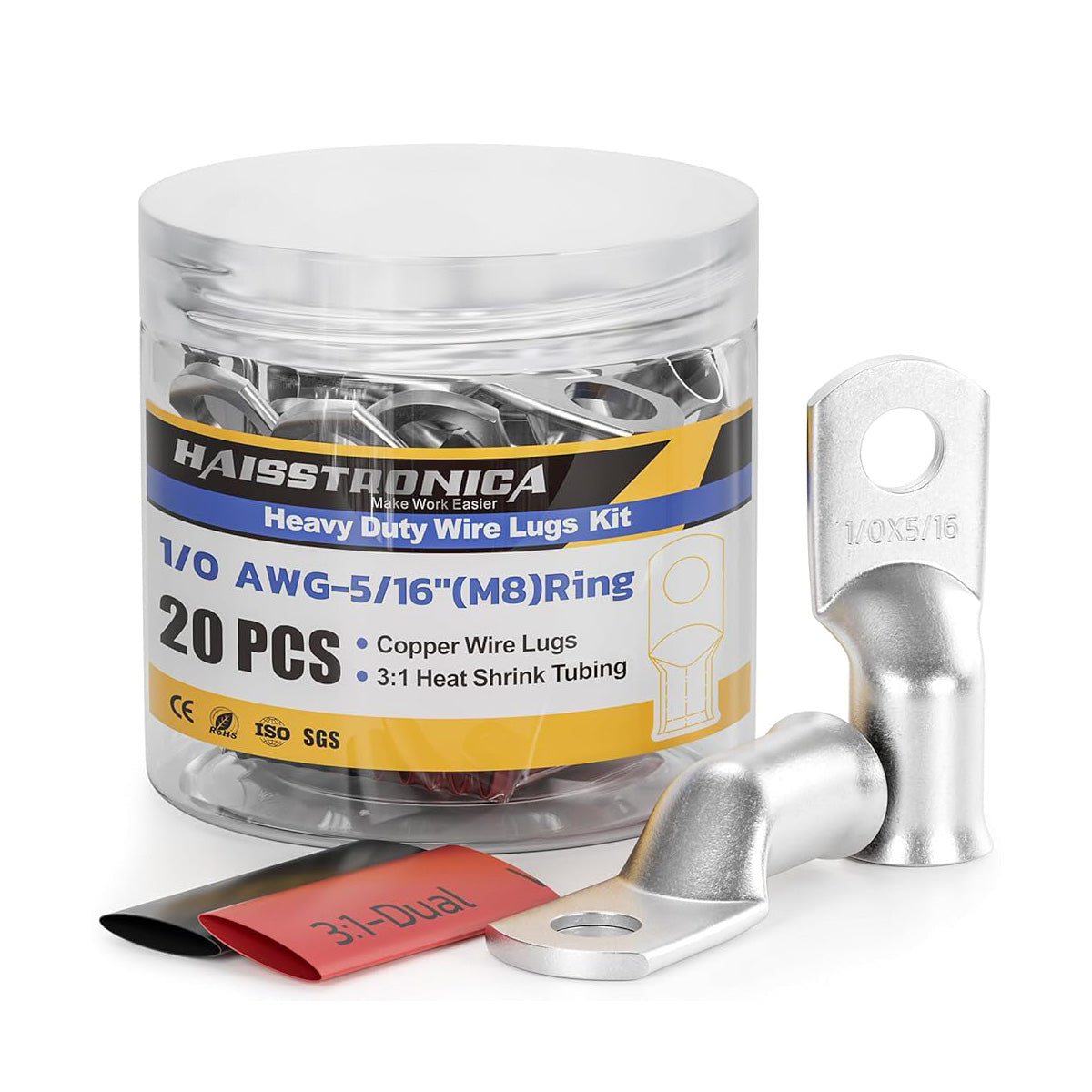
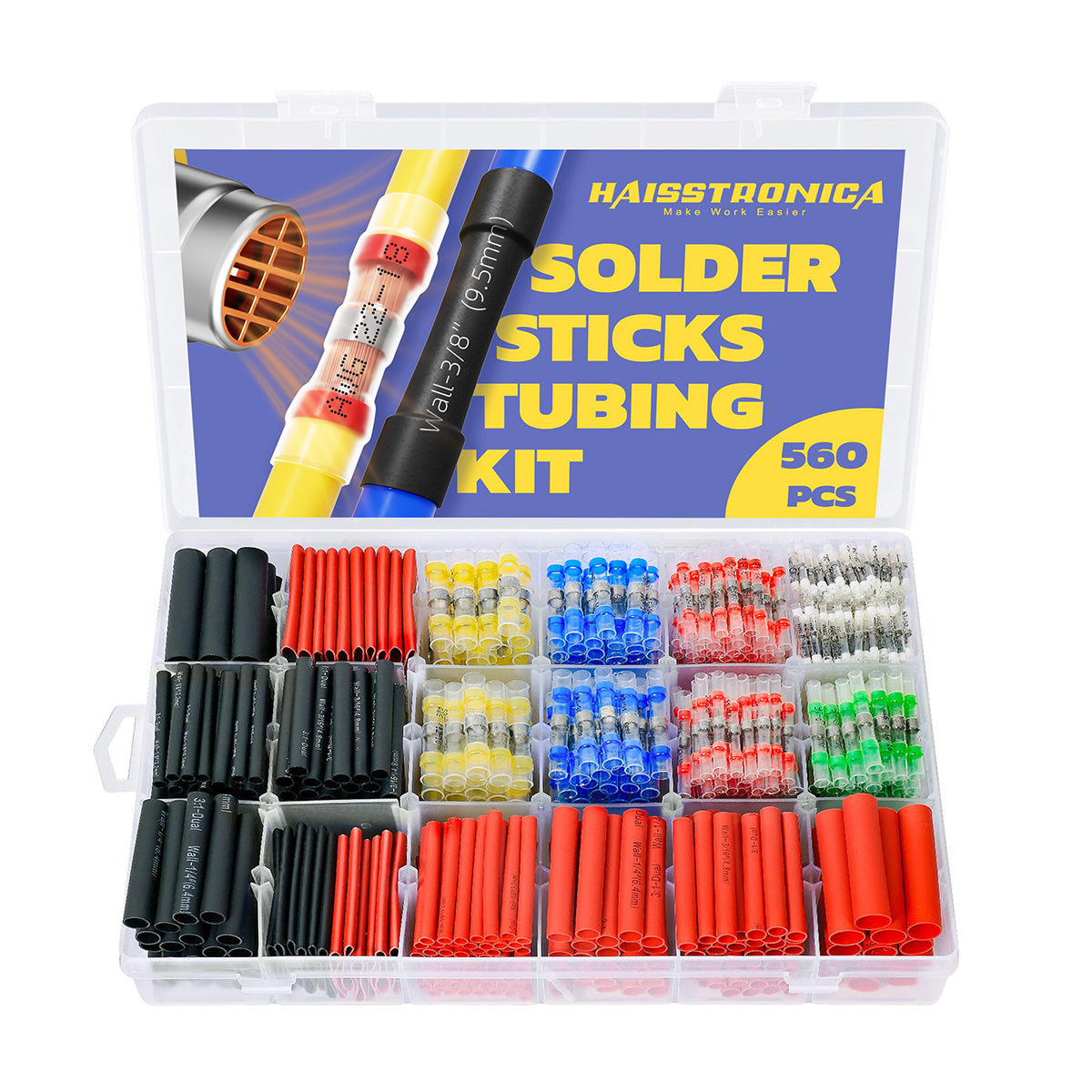
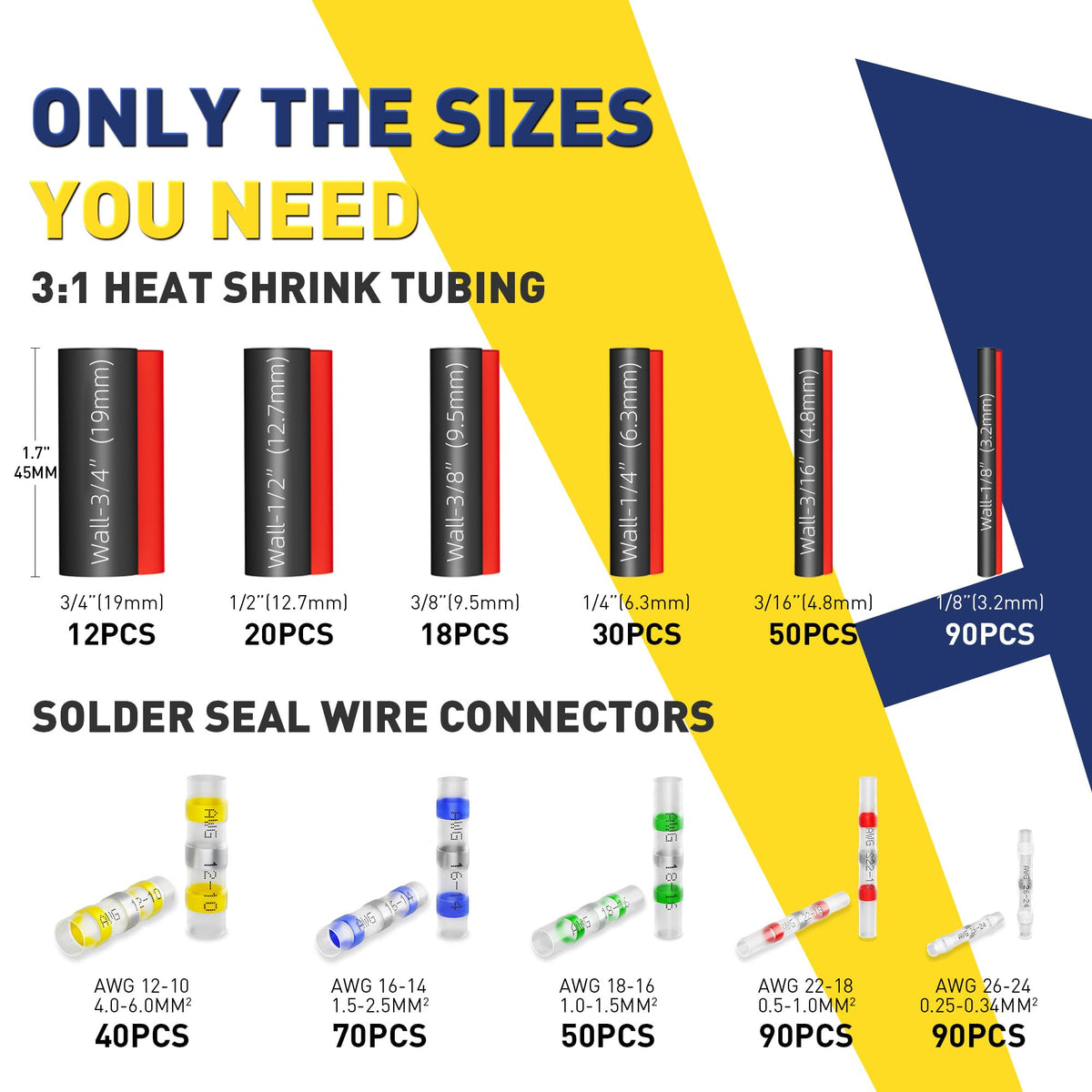
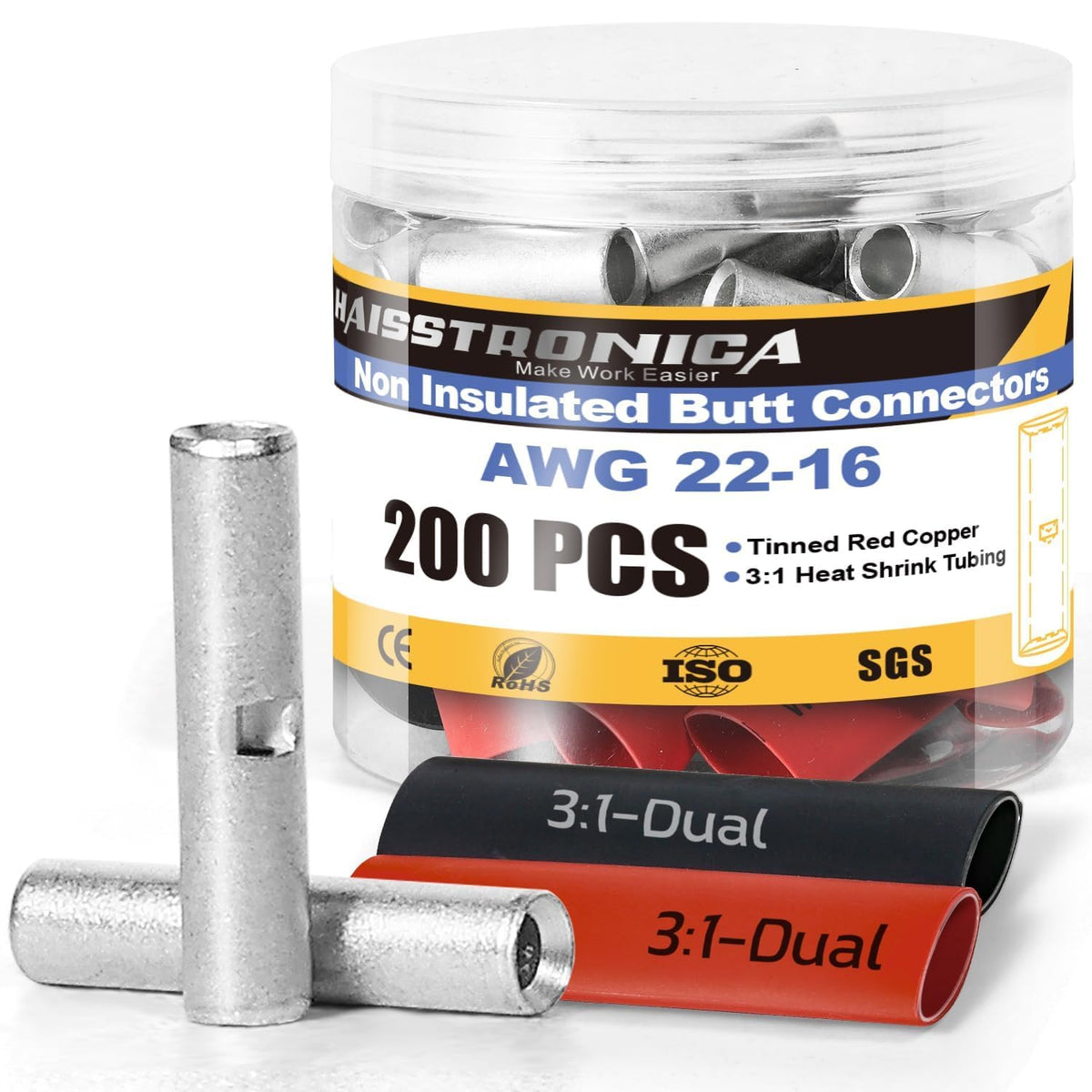
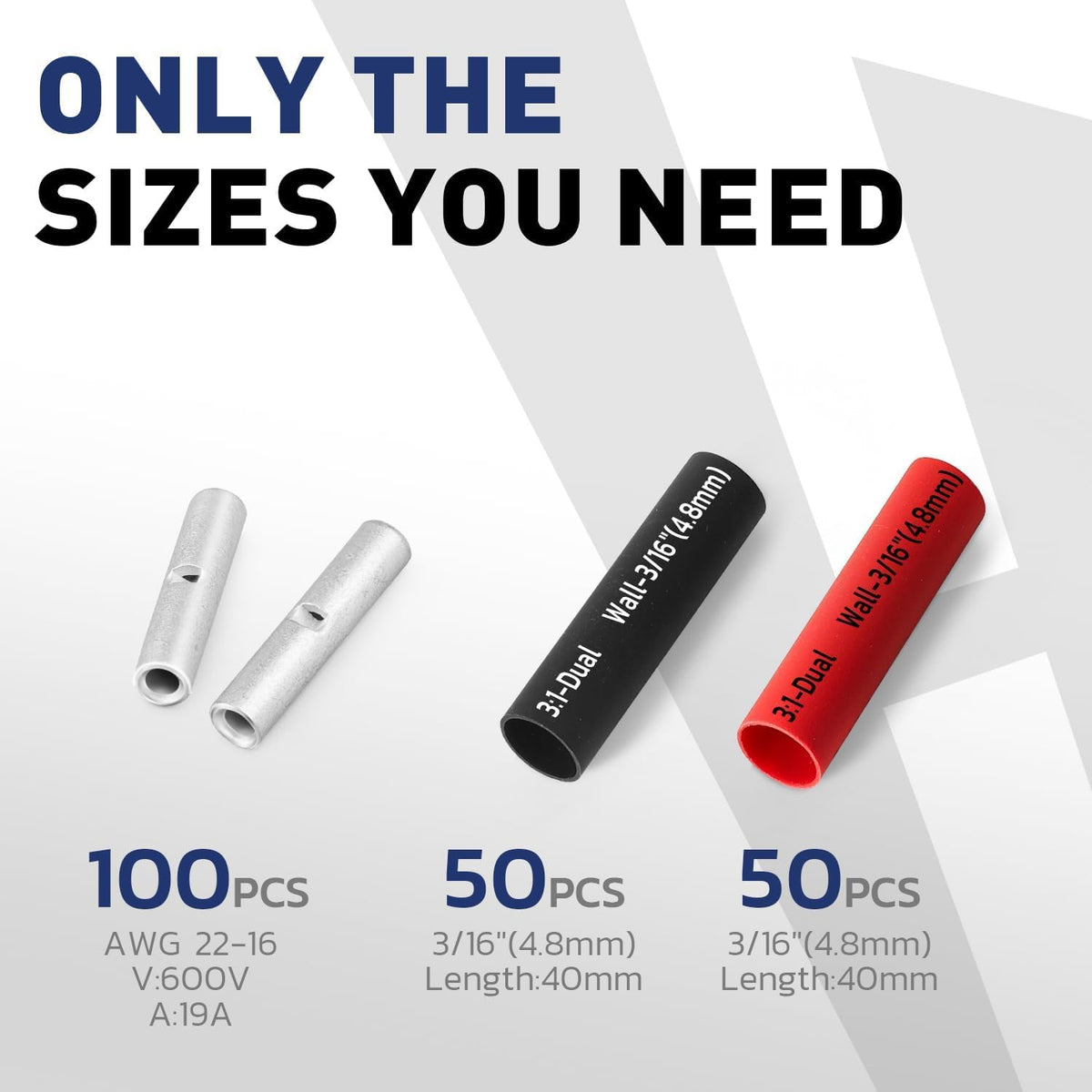


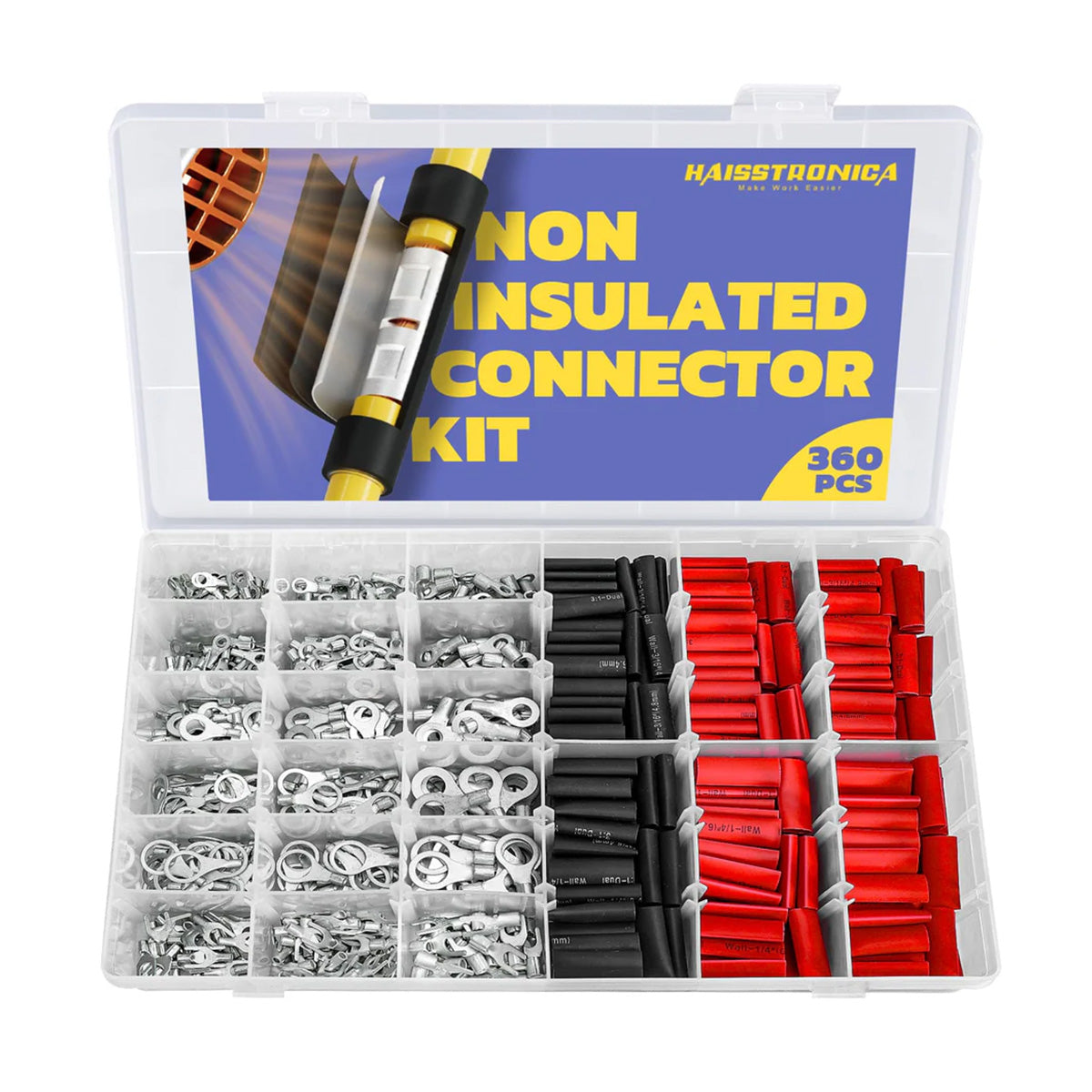
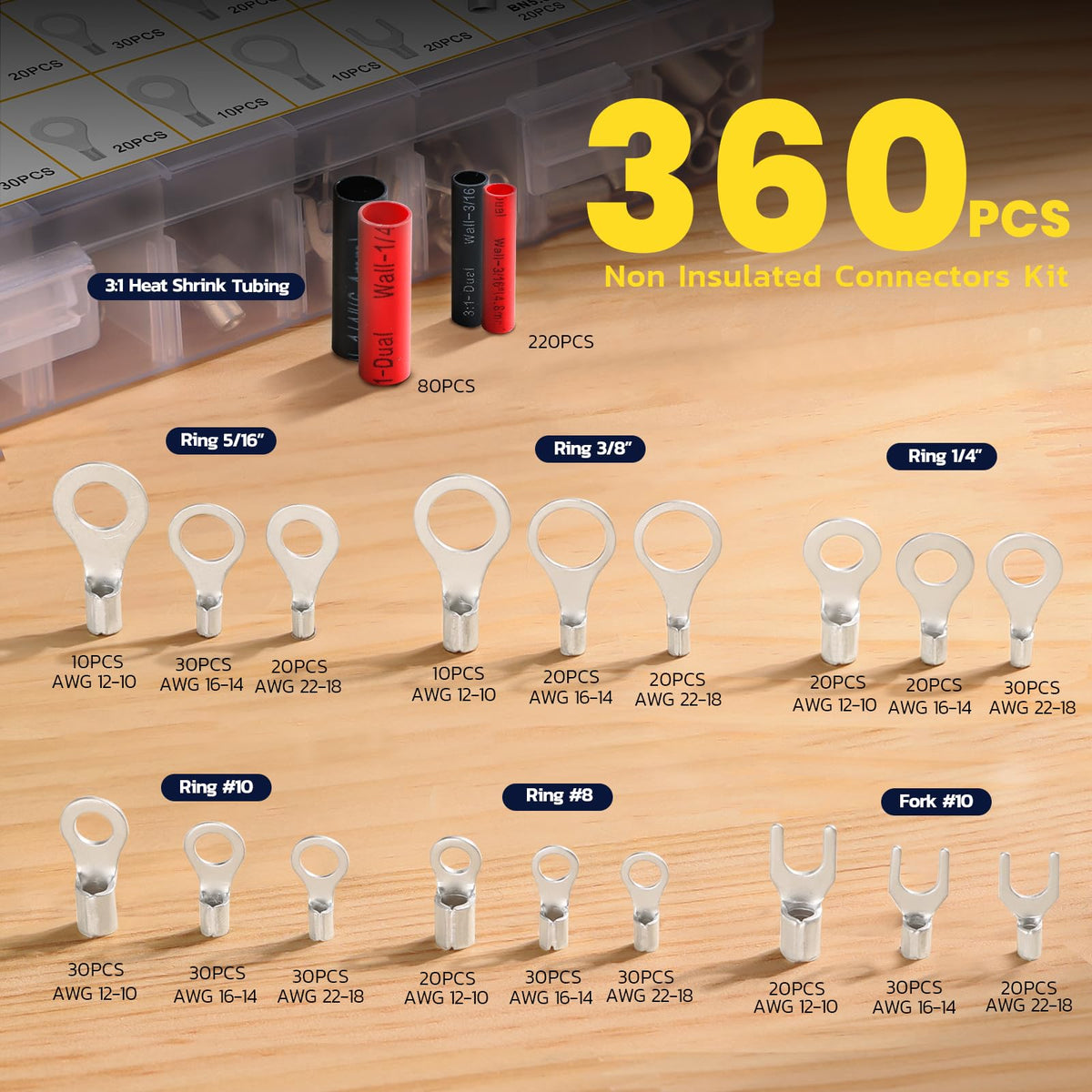
Heat shrink tubing protects and insulates an existing splice, wire bundle, or terminal. Heat shrink connectors include the metal connector and sealing tubing in one part. Use this guide to avoid buying tubing when you actually need a connector.
Selection note: Heat shrink tubing does not create the electrical connection by itself; it protects an existing crimp, solder joint, terminal, or splice.
| Decision Point | Heat Shrink Tubing | Heat Shrink Connectors | Solder Seal Connectors |
|---|---|---|---|
| Best Use Case | Insulating, bundling, color-coding, or adding abrasion protection over an existing repair. | Creating a crimped terminal or splice that also needs adhesive-lined sealing. | Creating a compact soldered splice with heat-applied insulation and sealing. |
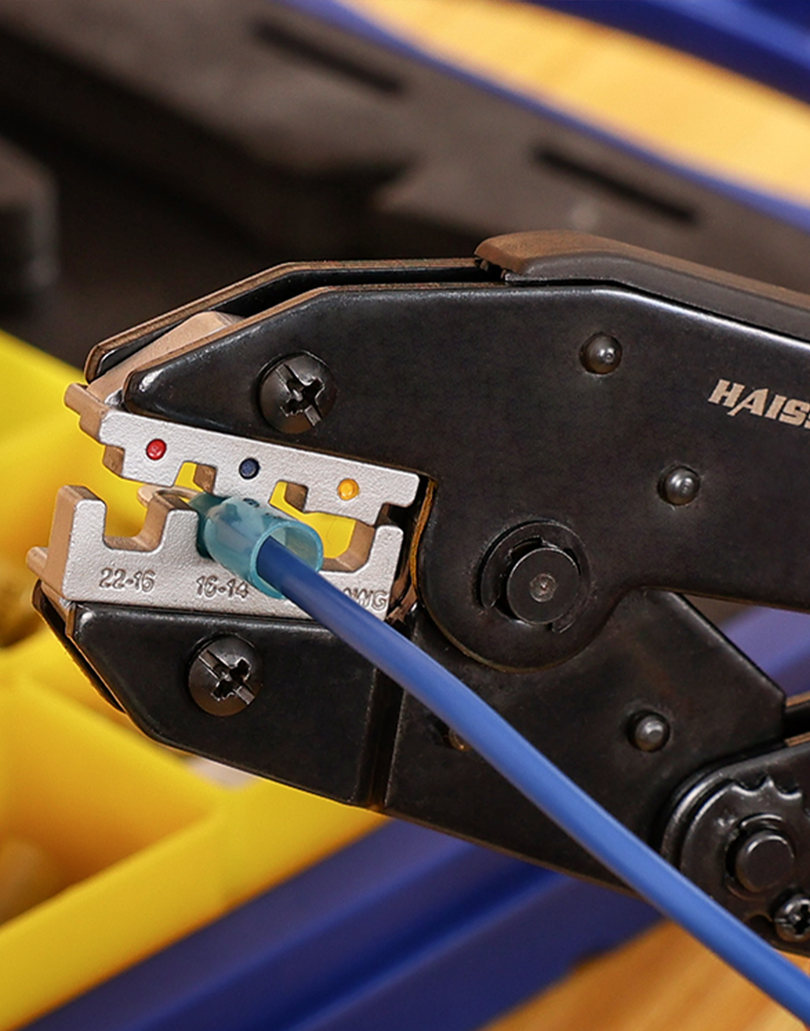
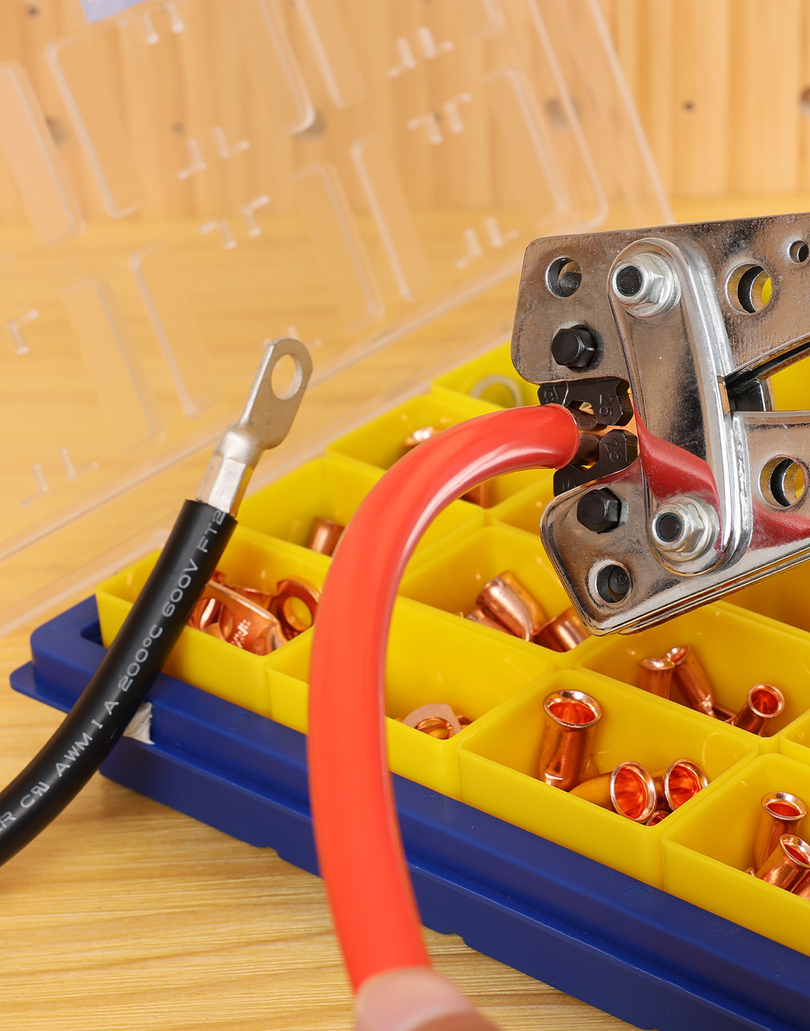
| Connection Method | Tubing shrinks around the wire or splice but does not create the electrical connection. | The metal barrel or terminal is crimped first, then the tubing seals the connection. | The solder ring melts around the wires while the tubing shrinks and seals. |
| Tool Needed | Heat gun and an existing splice, connector, or wire bundle underneath. | Crimping tool plus heat gun. | Heat gun plus wire stripper. |
| Best Choice | Choose tubing when you only need protection, insulation, or organization. | Choose connectors when you need to make the actual crimped wire connection. | Choose solder seal when you want a soldered splice without a separate crimp. |
Practical recommendation: Use heat shrink tubing to protect an existing splice, use heat shrink connectors when the connector and seal should be built into one part, and use solder seal connectors when a soldered heat-applied splice is preferred.
No. Heat shrink tubing only insulates and protects. The electrical connection must already be made with a splice, terminal, solder joint, or connector underneath.
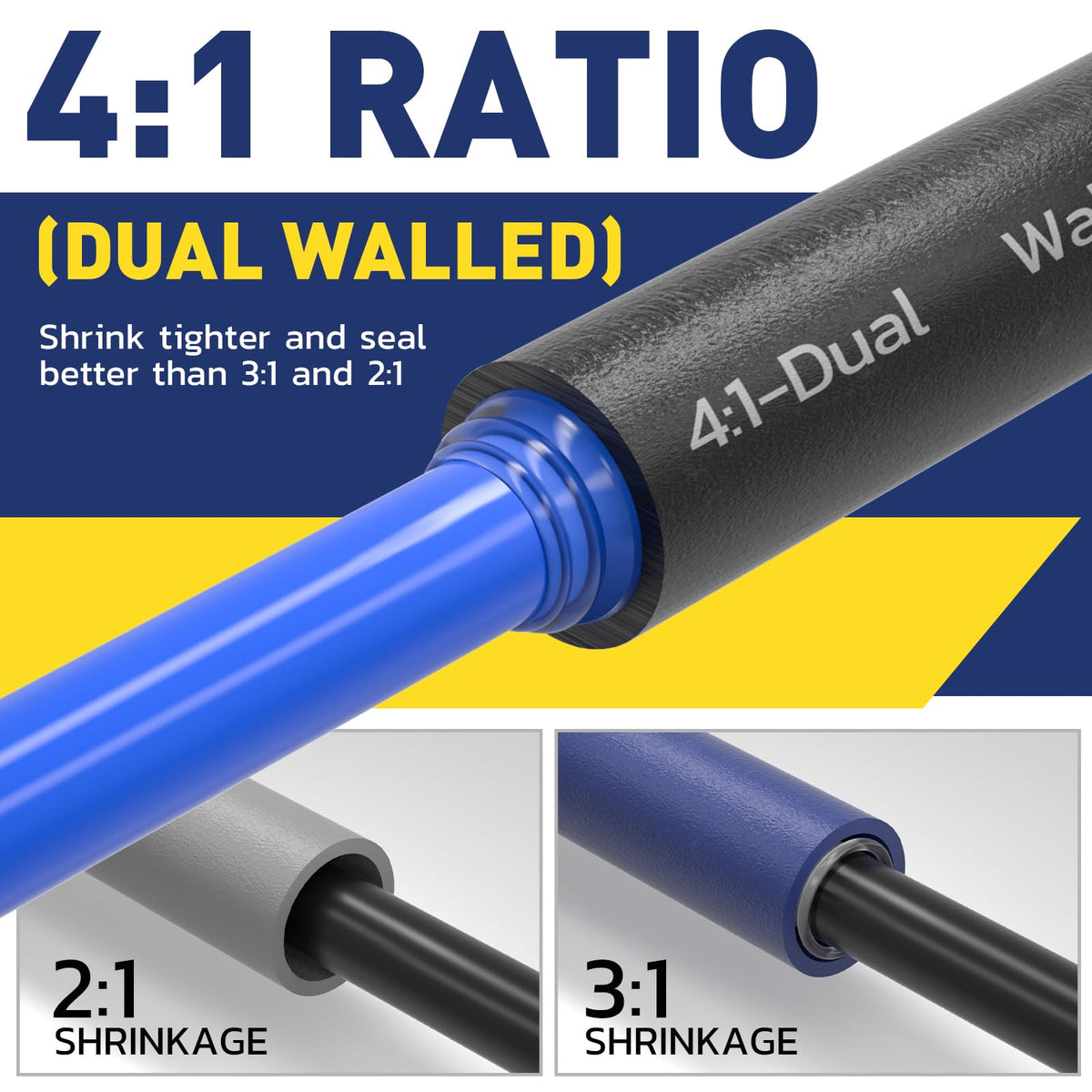
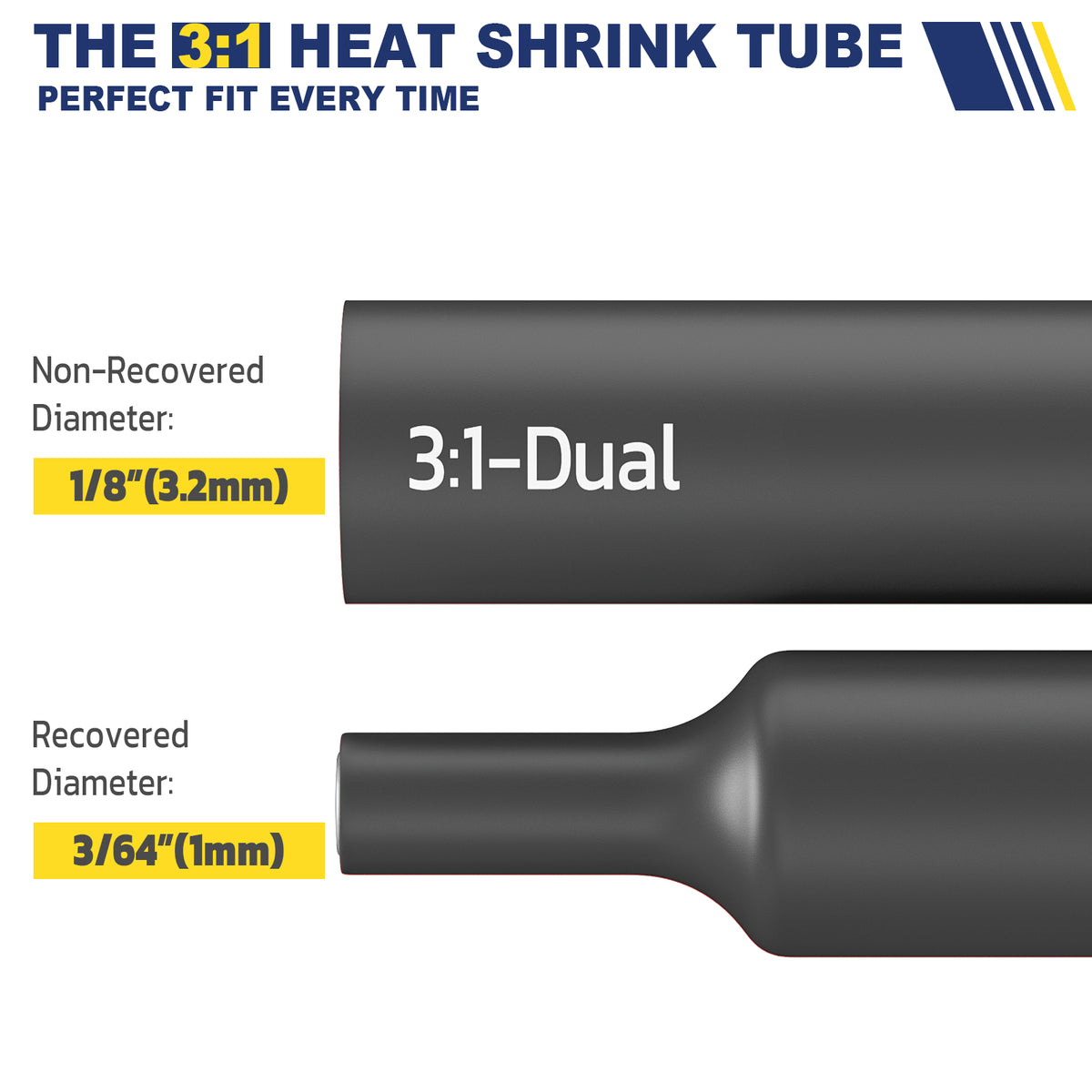
Choose the shrink ratio based on how much the tubing needs to contract around the wire or splice. Common options include 2:1, 3:1, and 4:1, with higher ratios fitting a wider range of diameters.
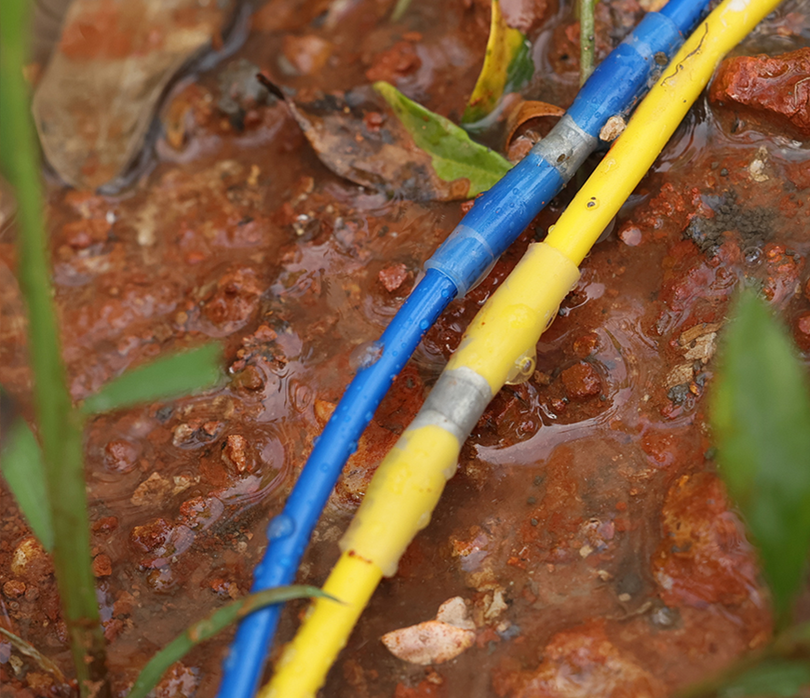
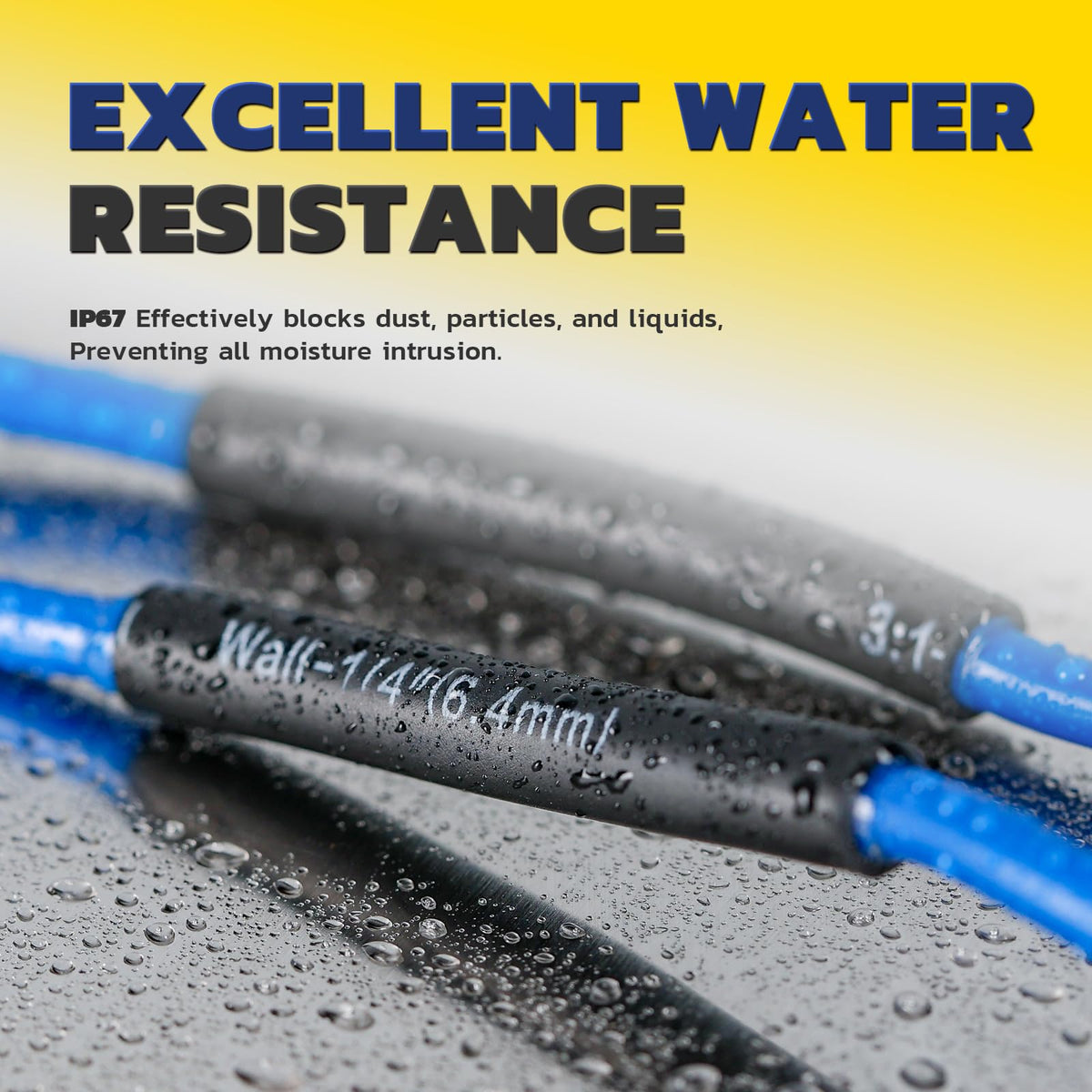
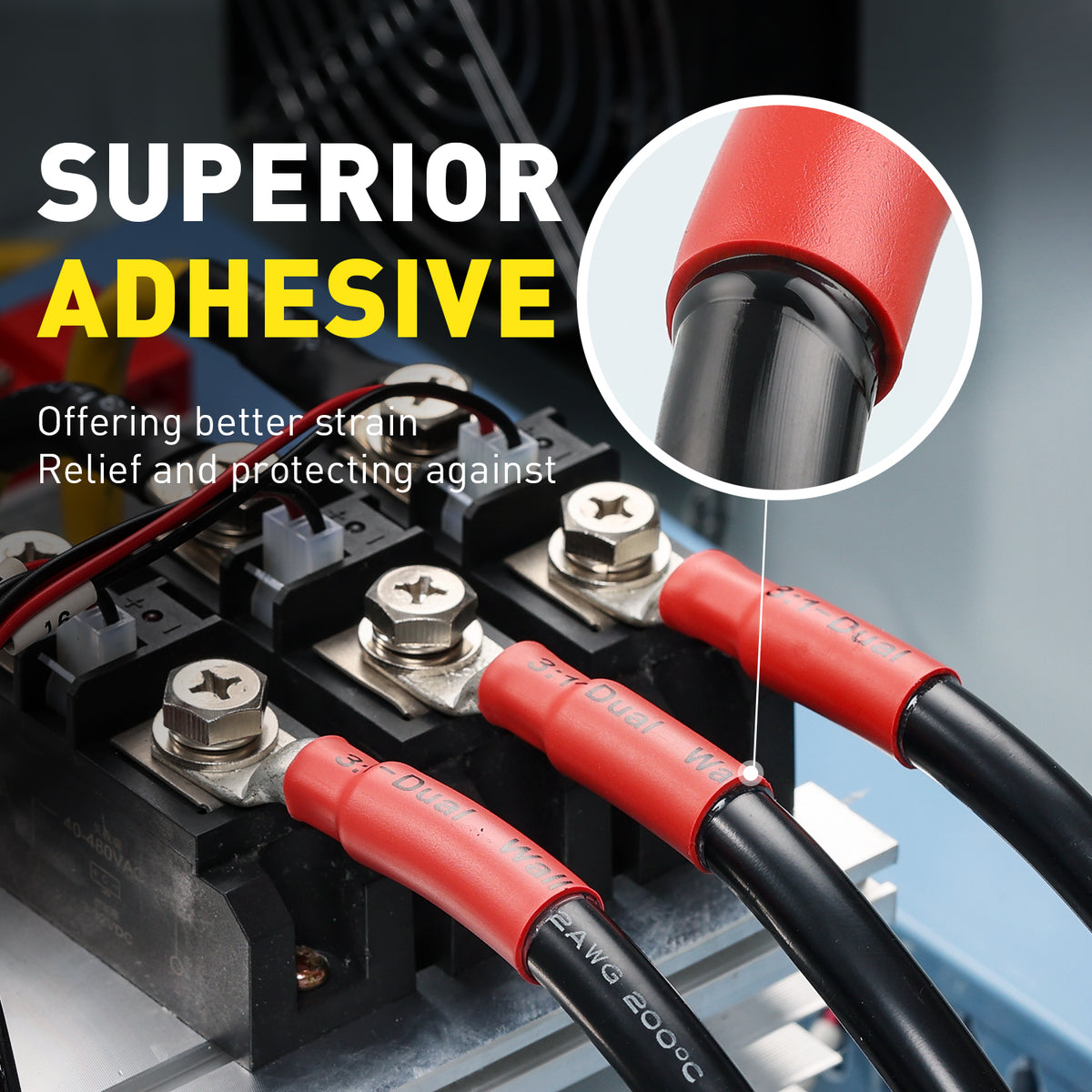
Use adhesive-lined tubing when the repair may face moisture, vibration, dust, or outdoor exposure. The adhesive helps seal the tubing around the insulation.
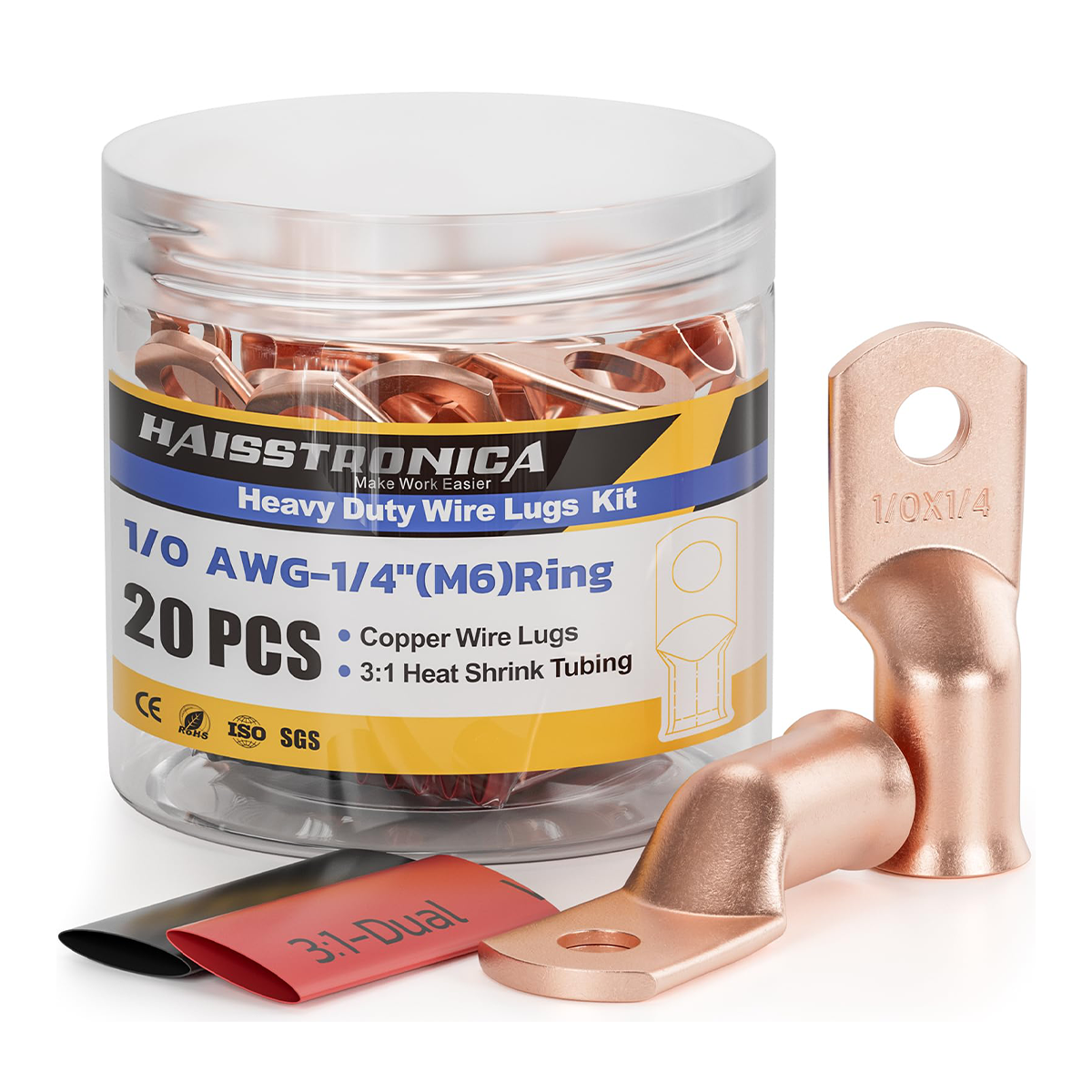
Yes, tubing can add protection over a crimp connector if there is enough space to slide it over the repair before heating. For a built-in solution, choose heat shrink connectors instead.
Haisstronica Heat Shrink Tubing
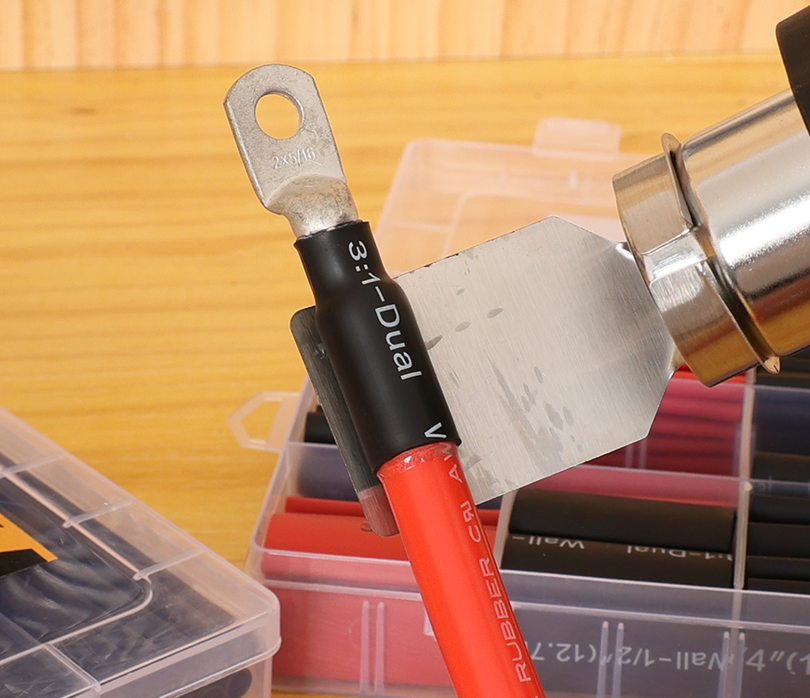
Haisstronica heat shrink tubing is protective insulation for wiring repairs, terminals, solder joints, and crimped connections. It helps cover exposed conductors, add strain relief, organize wires, and protect finished repairs from abrasion and moisture.
Tubing vs Connector: Keep the Difference Clear
Heat shrink tubing does not create the electrical connection by itself. It protects an existing crimp, solder joint, terminal, or splice. If you need the connector and insulation in one part, choose heat shrink connectors. If you already made the connection and need coverage, choose tubing.
How to Choose Heat Shrink Tubing
Choose tubing by diameter, shrink ratio, length, color, and repair environment. For wire splices and terminals, the tubing should slide over the connection before heating and shrink tightly without damaging the wire insulation.
Best Applications
Use heat shrink tubing for automotive wiring, marine wiring, RC projects, audio wiring, tool repairs, terminal protection, cable organization, and added protection around butt connectors, ring terminals, solder joints, or non-insulated connectors.


