
Solder seal connector buyer's guide
Check the fit before you buy the kit.
Start with the wire, the connection method and the operating environment. Then compare the connector specification—not just the price, color or number of pieces in the box.
This guide focuses on heat-applied solder-seal sleeves. They are different from mechanical crimp butt connectors, even when both use heat-shrink insulation.

Why the buying decision matters
A working circuit is only the first check.
A poorly matched or installed joint can develop resistance, intermittent contact or moisture-related corrosion. Buy for the connection's full working life: the permitted termination method, conductor fit, insulation, sealing and support all need to work together.
Scope first: these are buying checks for compatible low-voltage repairs, not approval for household mains, safety-critical circuits, permanent immersion or every automotive/marine installation. Follow the equipment instructions and applicable requirements. If a crimp is specified, do not replace it with solder seal.
Six mistakes · Six buying checks
What to verify before a product earns a place in your cart.
Buying the price or piece count—not the specification.
A large, inexpensive assortment can be useful, and a higher price does not prove better performance. The mistake is skipping the evidence: the exact product, size mix, installation instructions and conditions of use. A connection that passes a quick power-on check may still have a weak joint or an incomplete seal.
Identify the exact kit and seller. Compare the number of connectors you can actually use, not the total number of pieces. Request missing specifications before buying.
Treating every wire as the same wire.
Check conductor material and construction on both sides: copper or another material, solid or stranded, and any plating. Also identify the insulation and its outside diameter. A sleeve that physically slides onto the cable is not automatically suitable for the conductors inside.
Confirm that the connector instructions permit both wires and their combination. Do not assume approval for aluminum, copper-clad aluminum, solid-to-stranded transitions or multiple conductors just because the AWG seems close.
Assuming a visible solder ring proves a good joint.
The solder must reach the conductors and wet them under the specified process. Tube shrinkage alone does not show that this happened. Alloy, flux, conductor condition and the heating process all matter; neither a product photo nor a “premium” label reveals the full specification.
Look for the specified alloy/flux information, permitted wire construction, heating instructions and inspection criteria. Resolve missing details with the supplier. Do not add extra solder or flux unless the connector instructions allow it.
Reading “3:1” as “waterproof.”
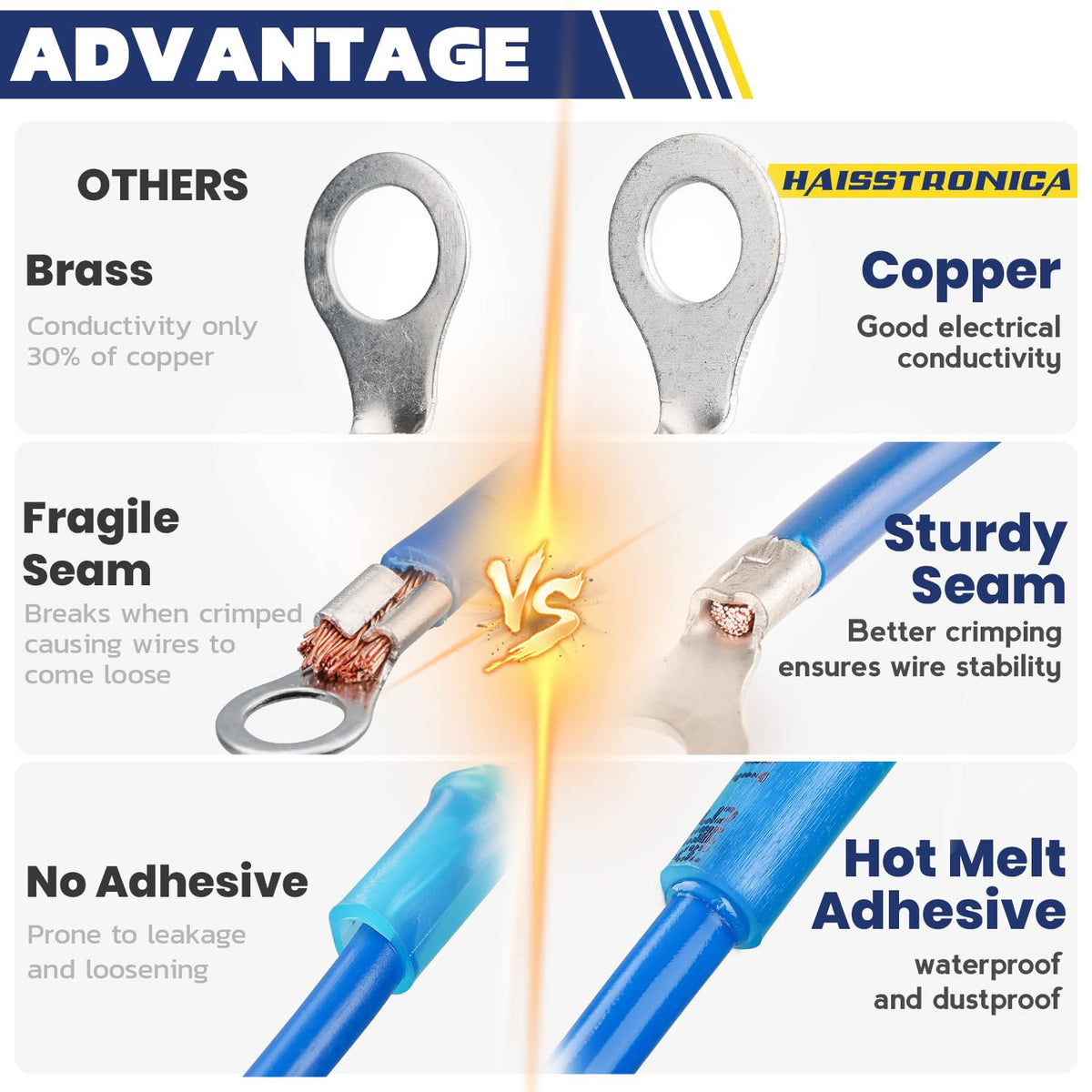
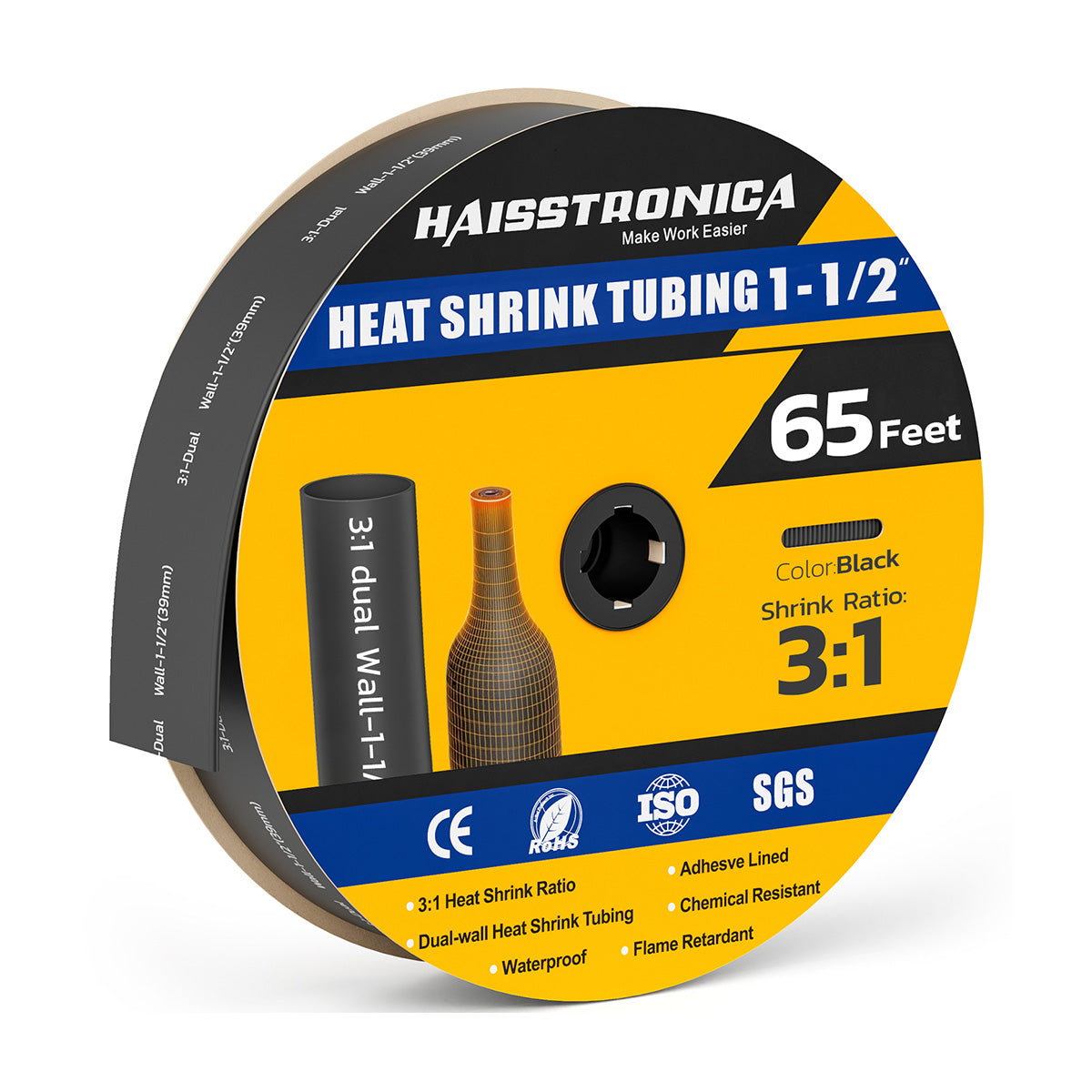
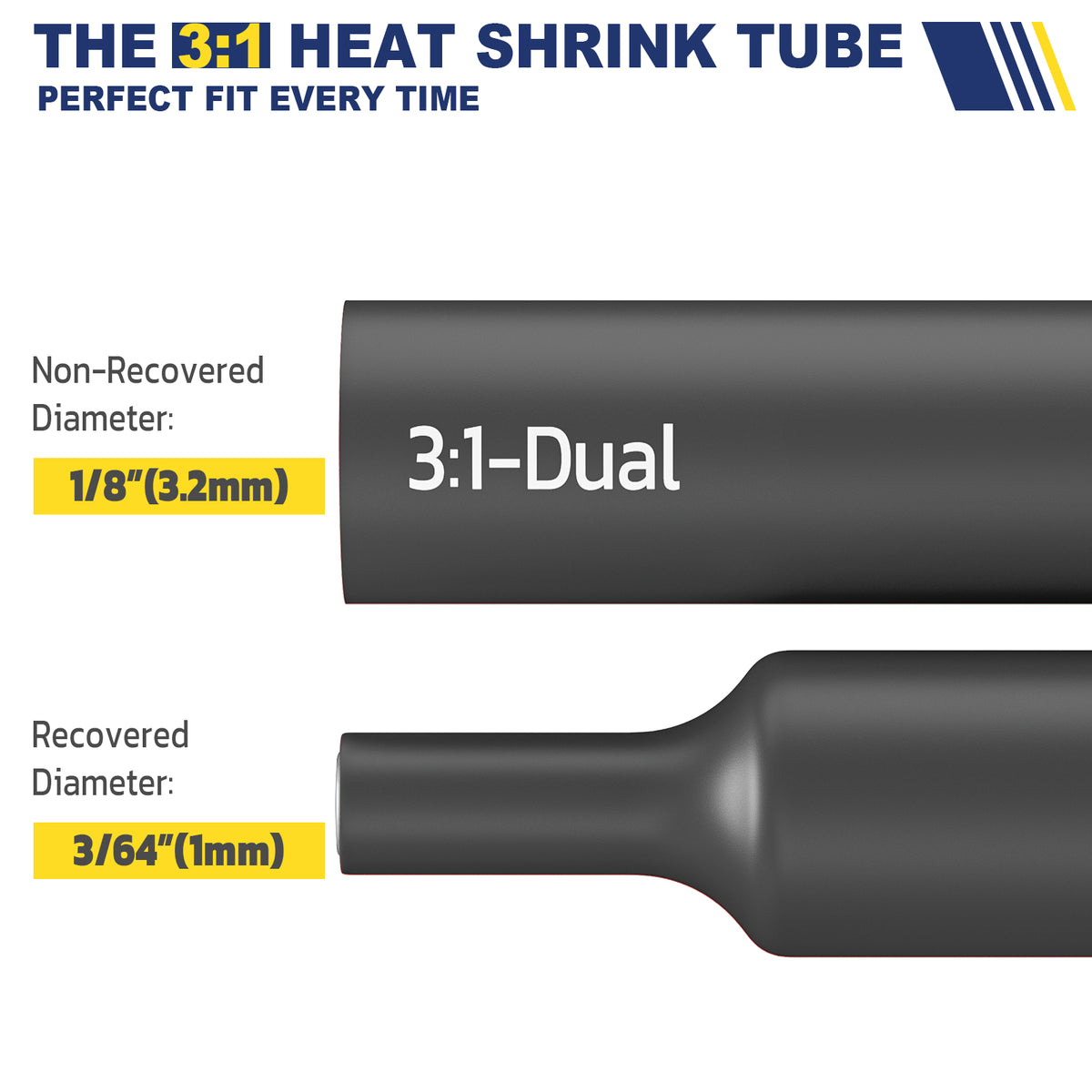
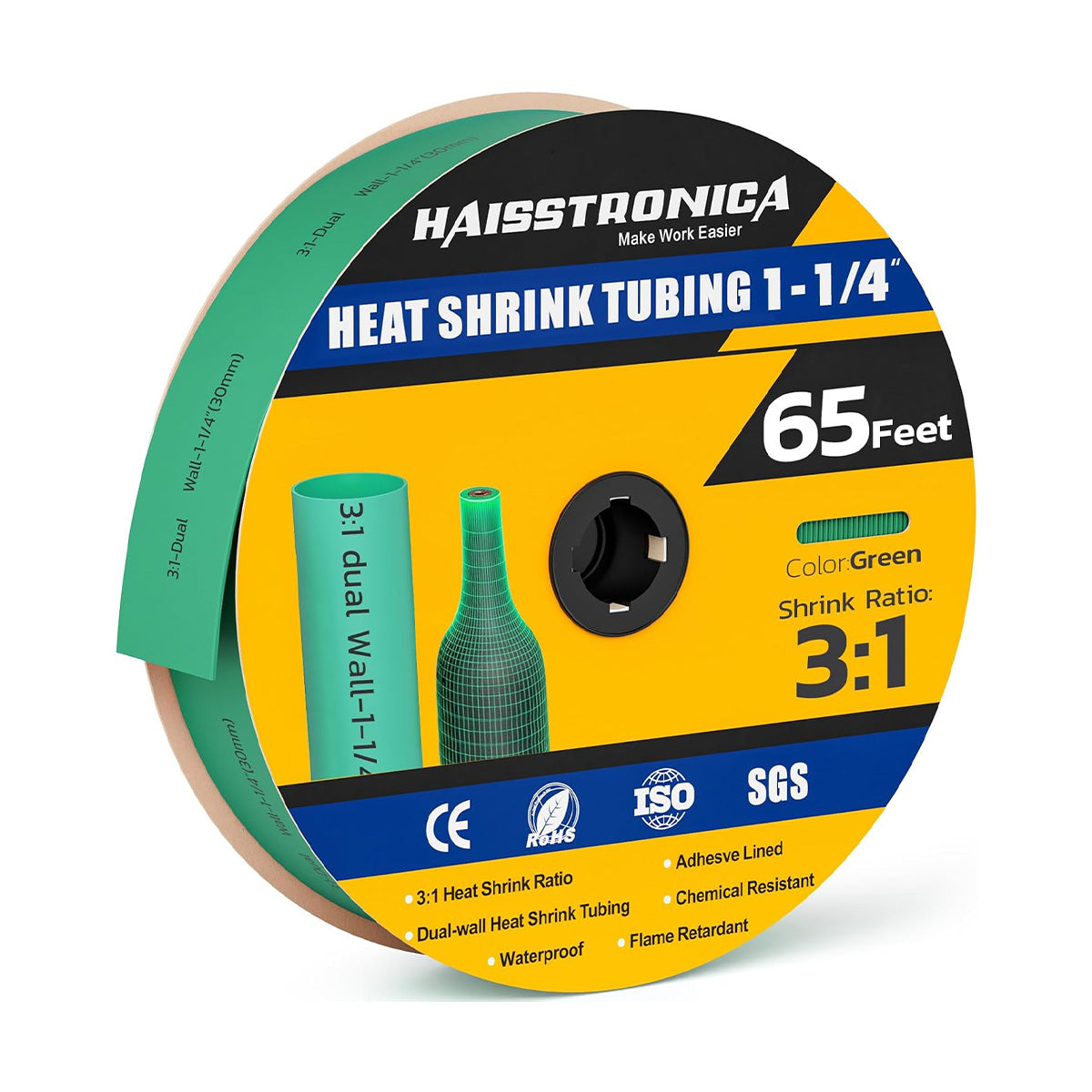
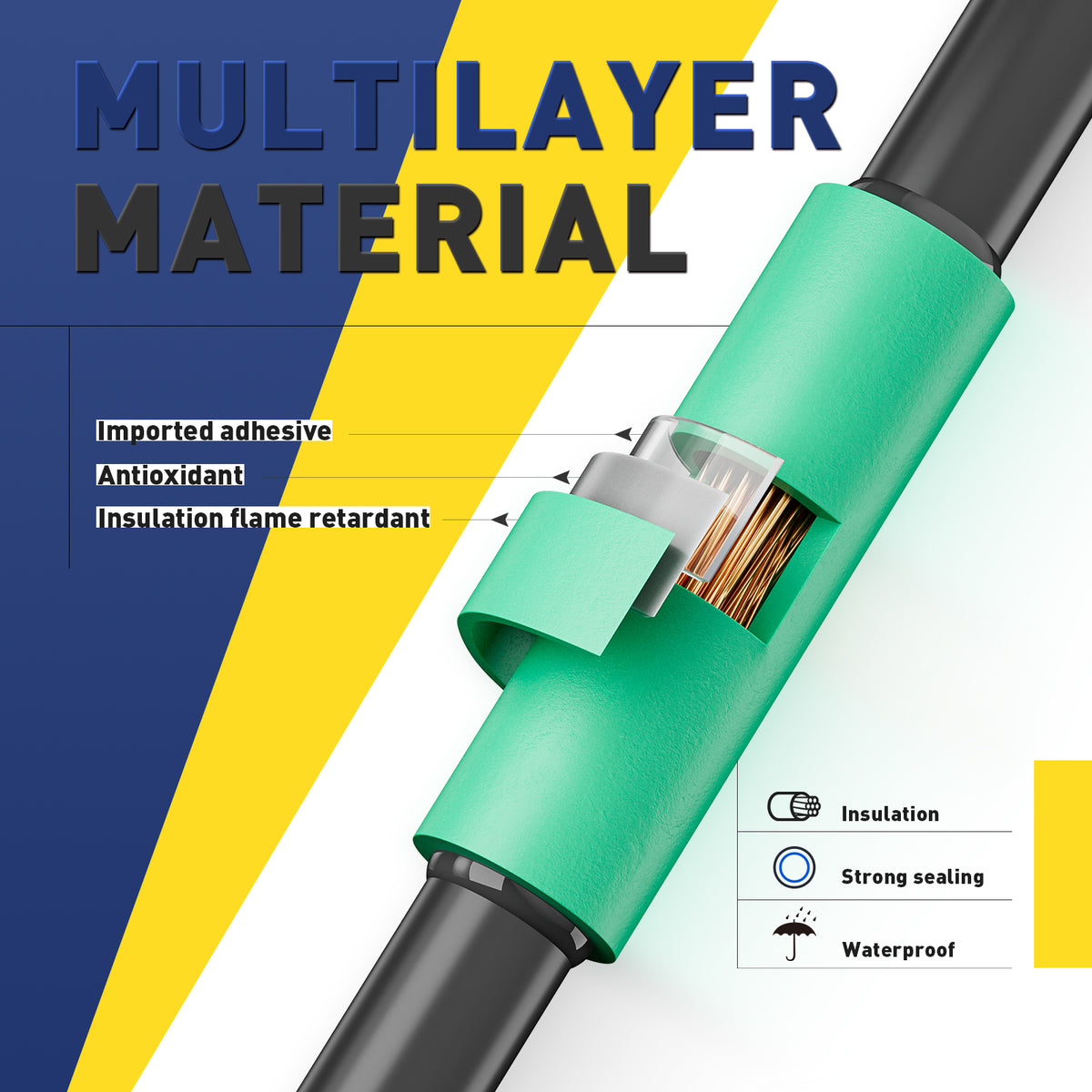
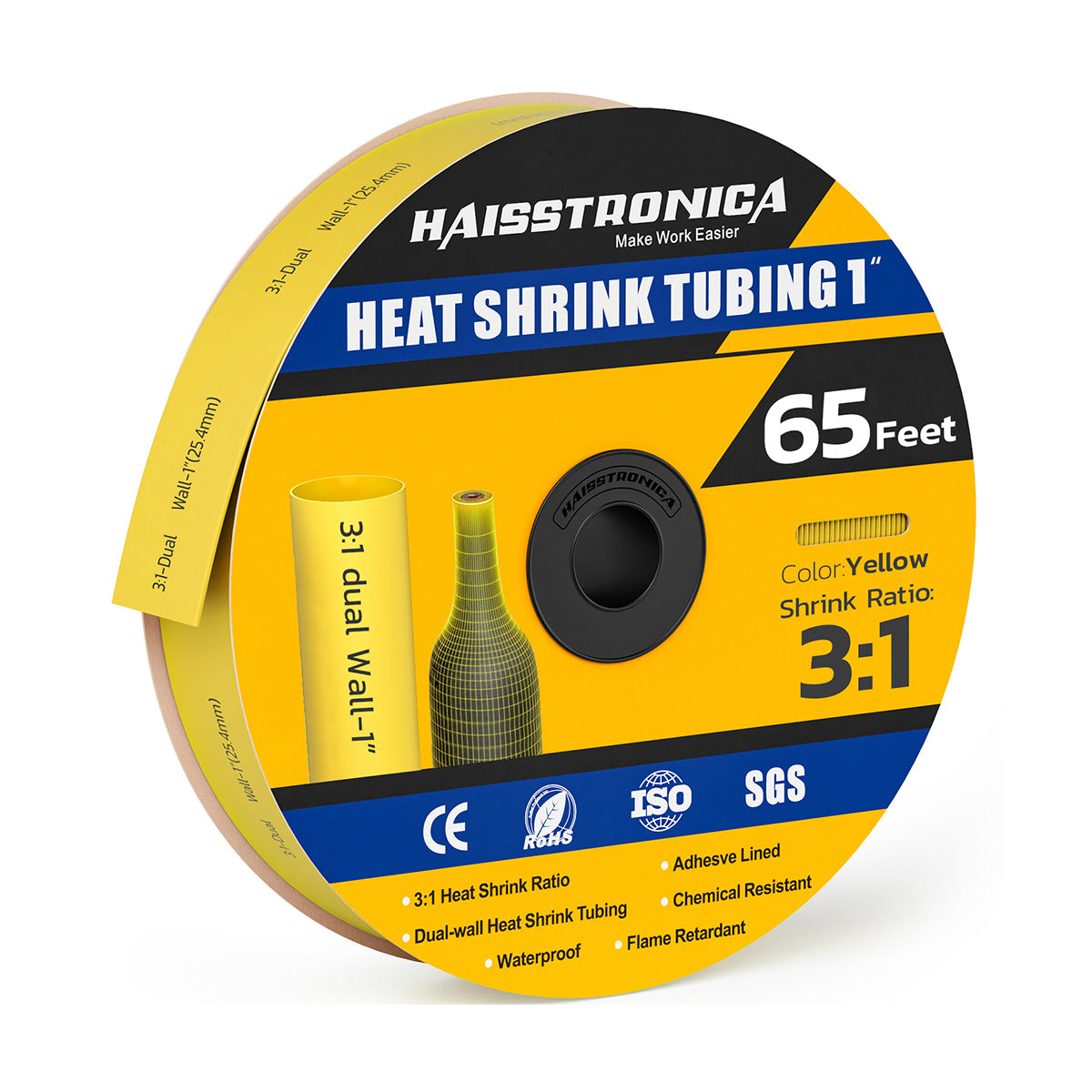
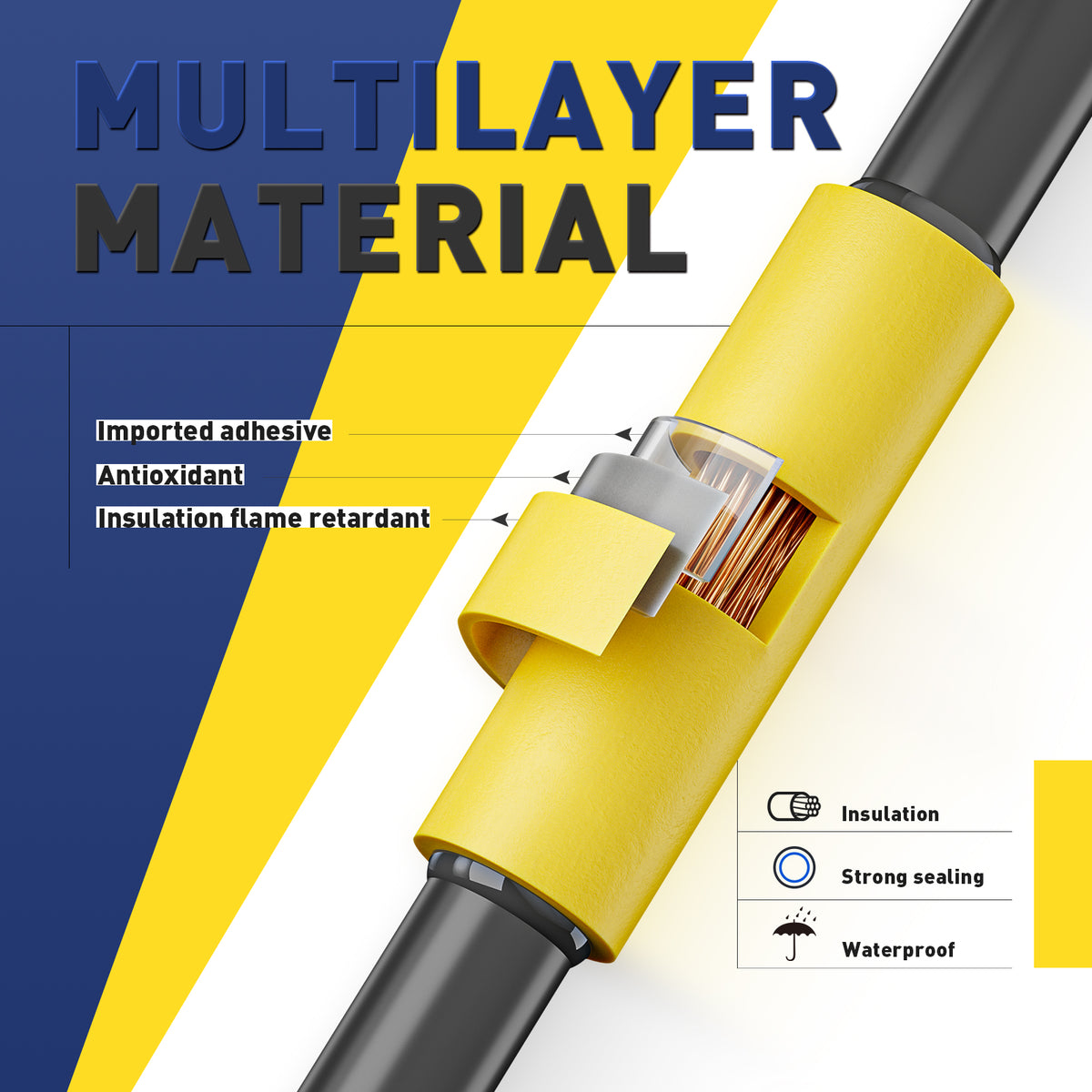
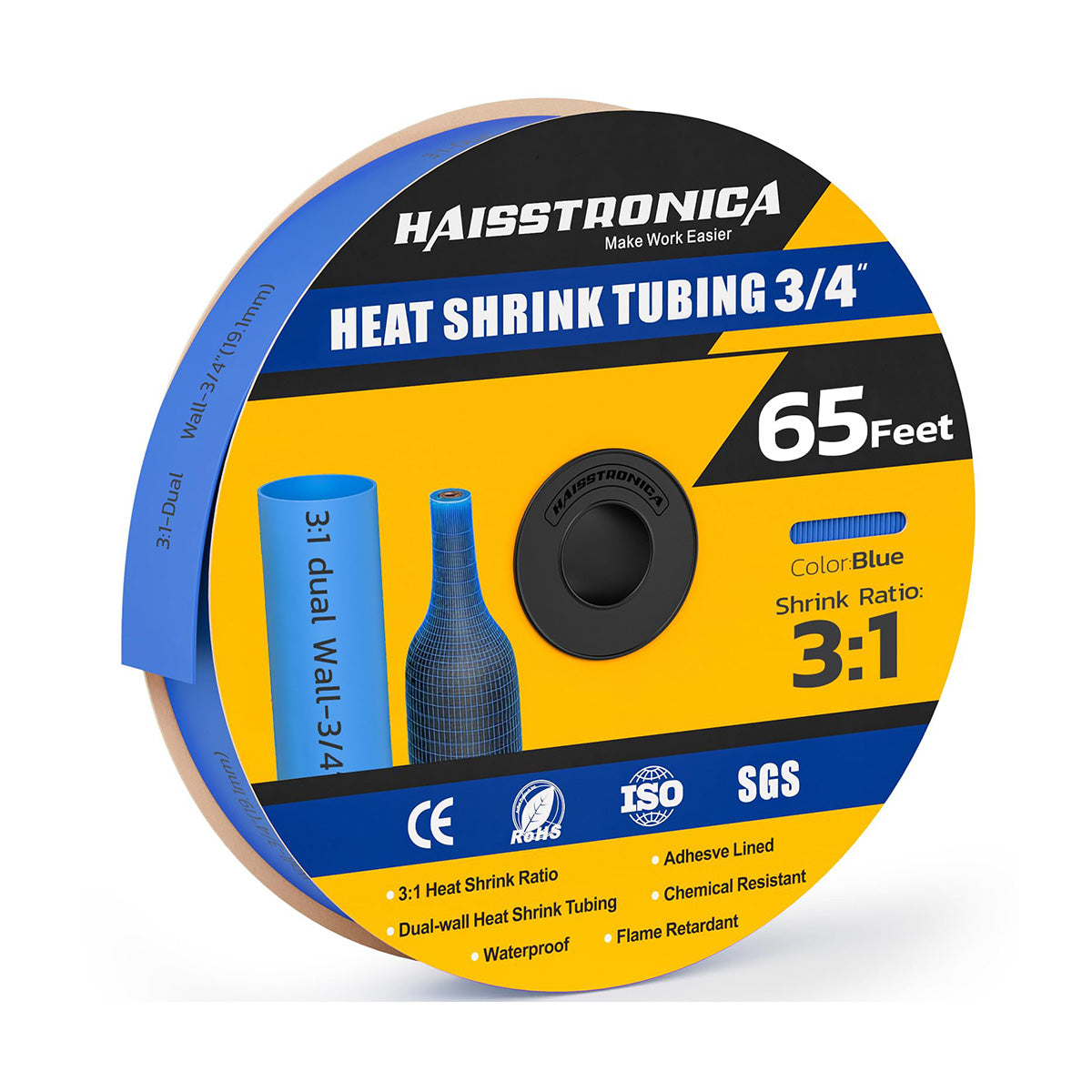
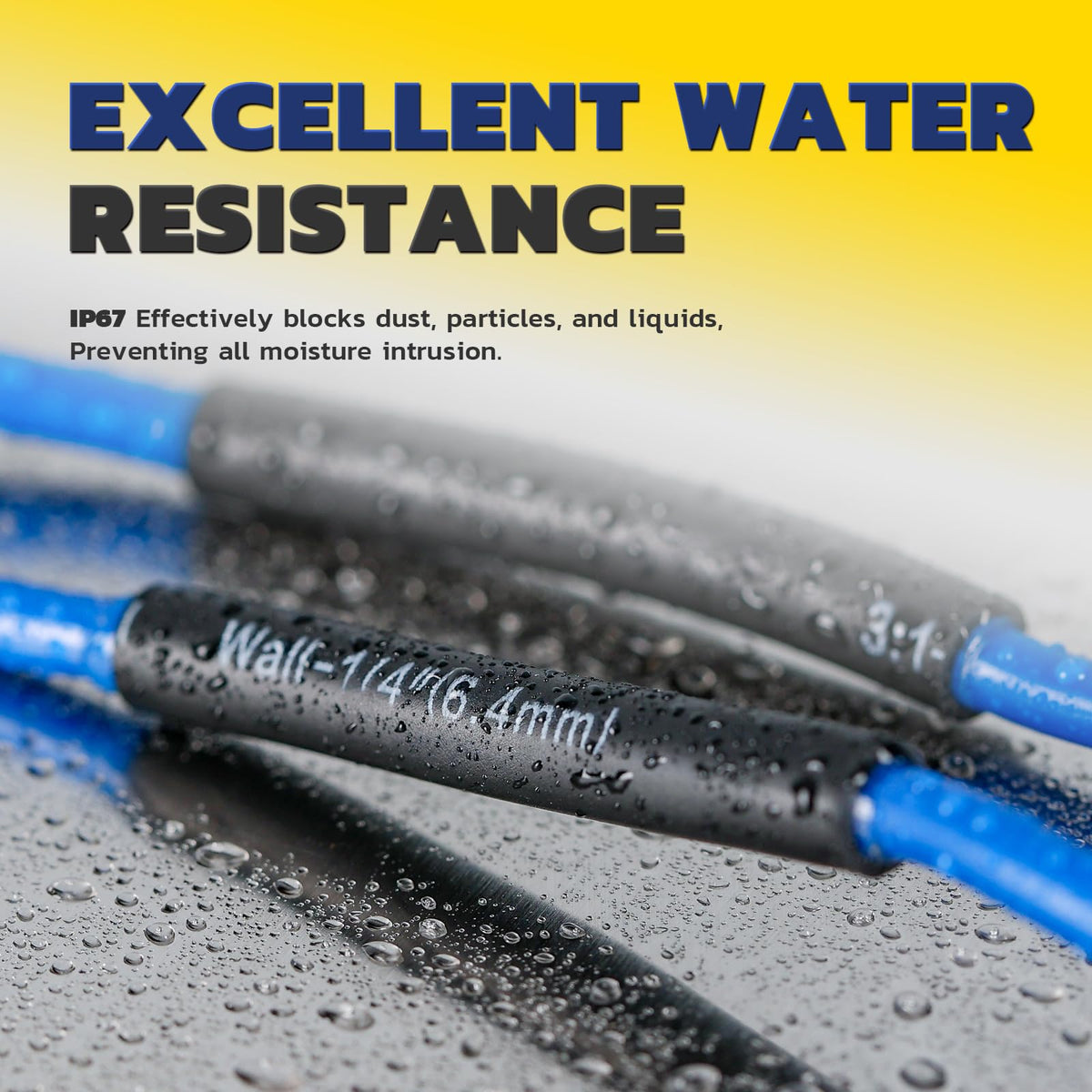
A shrink ratio describes dimensional recovery; it does not identify an adhesive liner or establish a water-exposure rating. For sealing, check the actual adhesive system, its compatibility with the wire insulation and the allowed exposure. Separate tubing must fit over the joint and recover correctly around the cable.
Confirm adhesive lining or sealing rings, expanded and recovered diameters, sufficient sleeve length and the stated environmental limits. Extra tubing cannot repair a poor electrical joint or make an unsuitable connector acceptable.
Choosing a color instead of the exact AWG band.
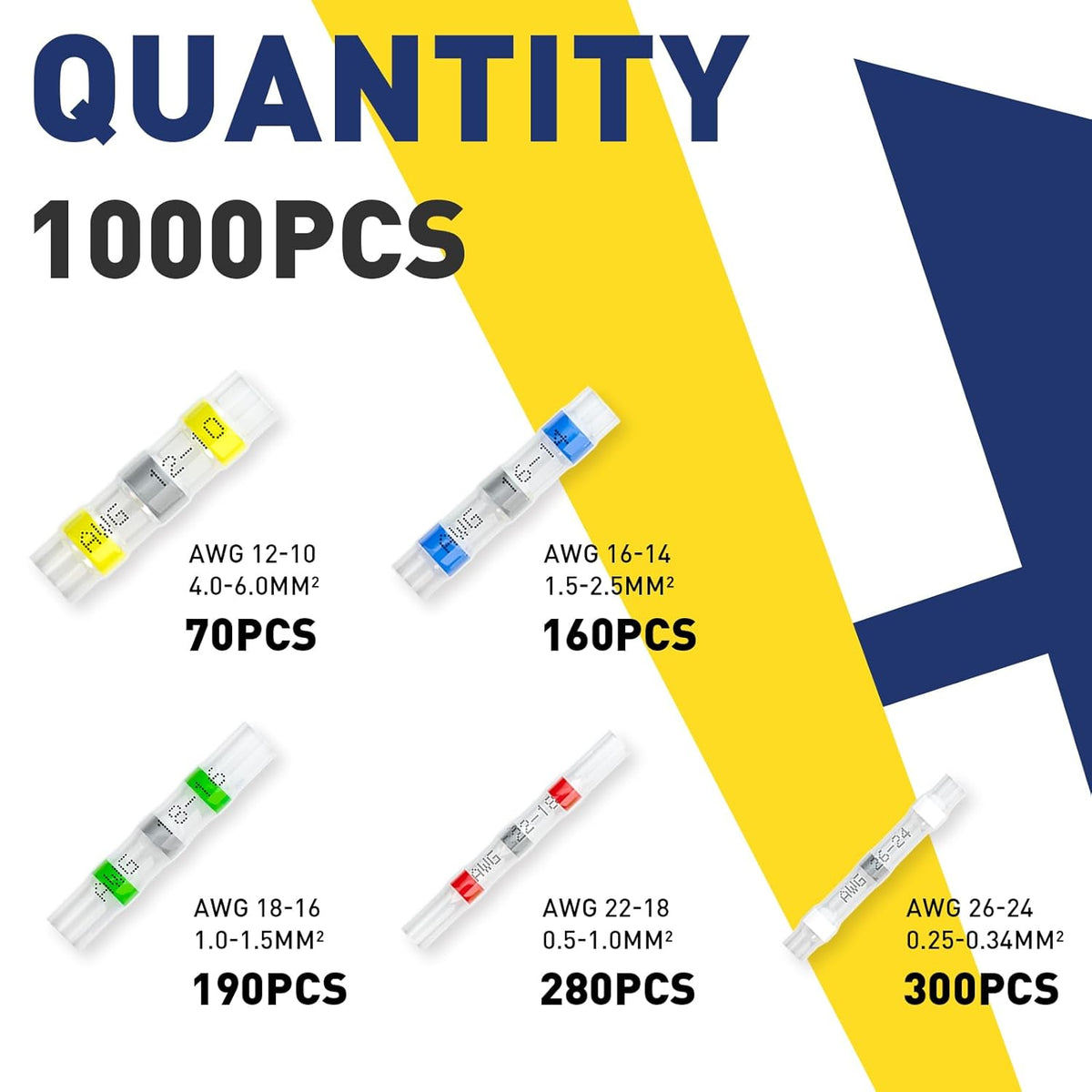
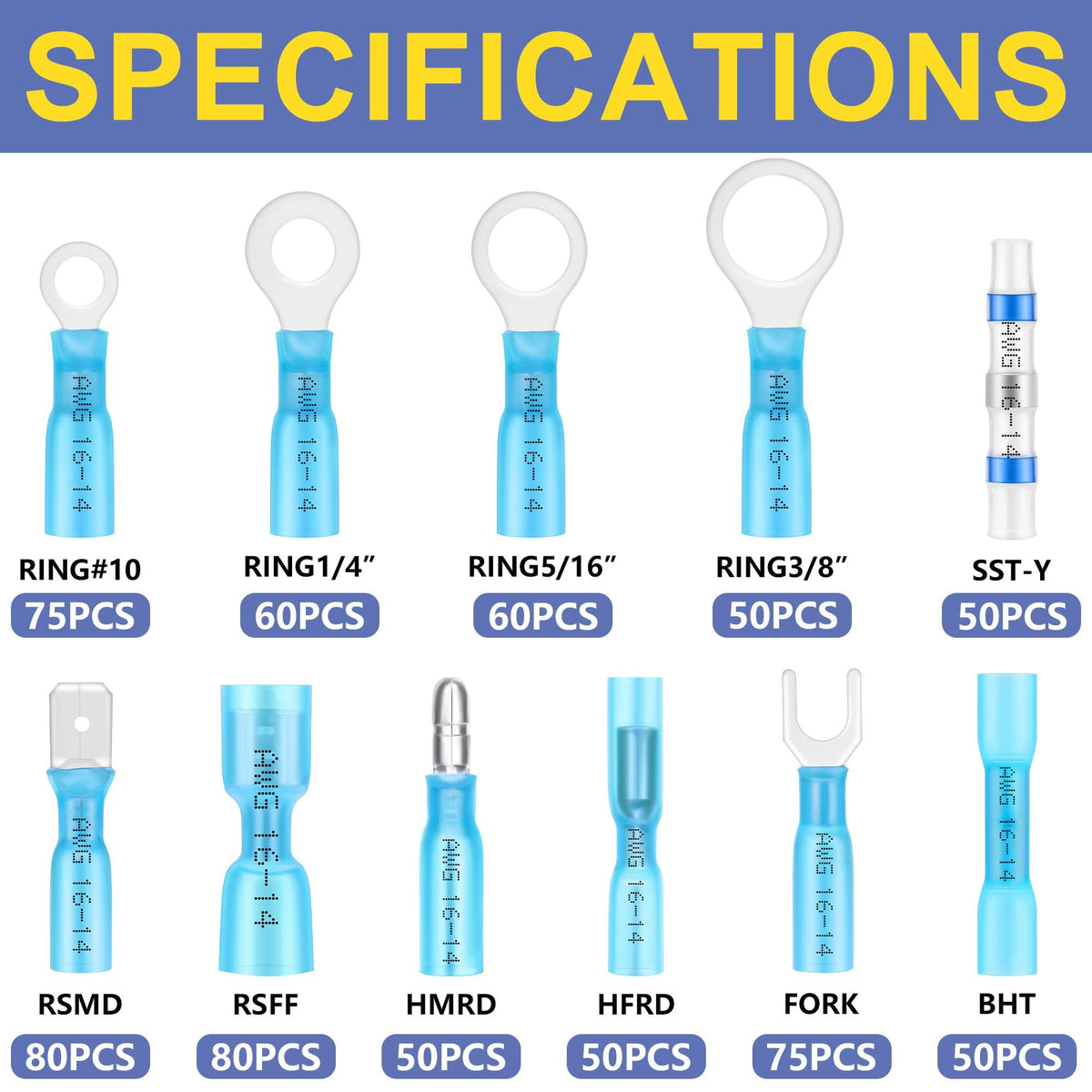
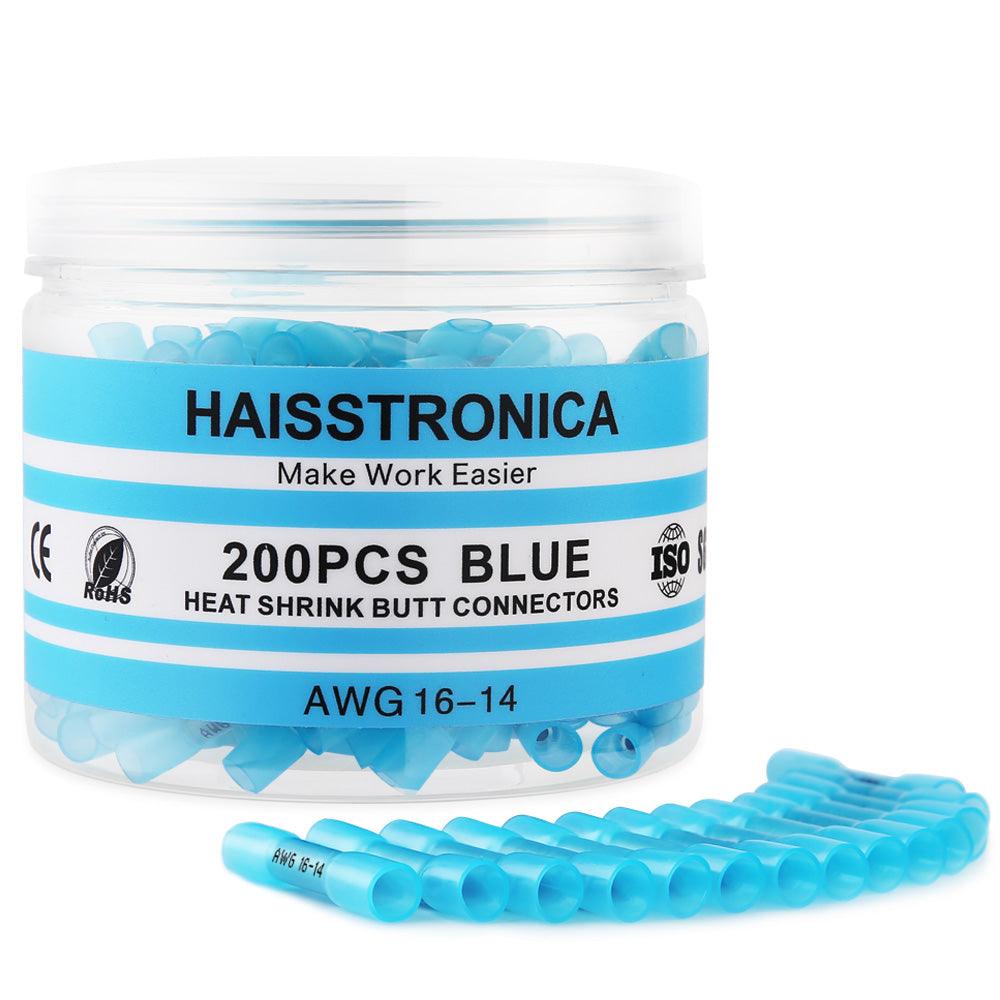
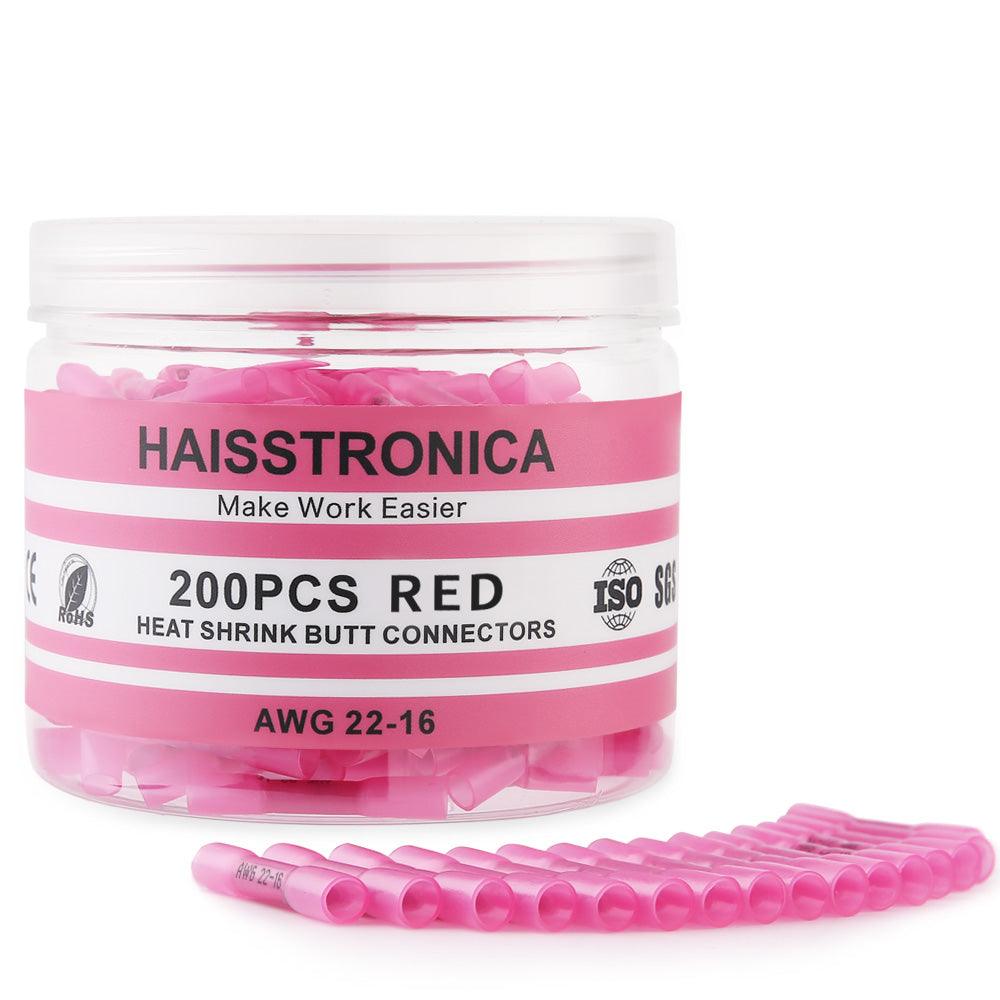
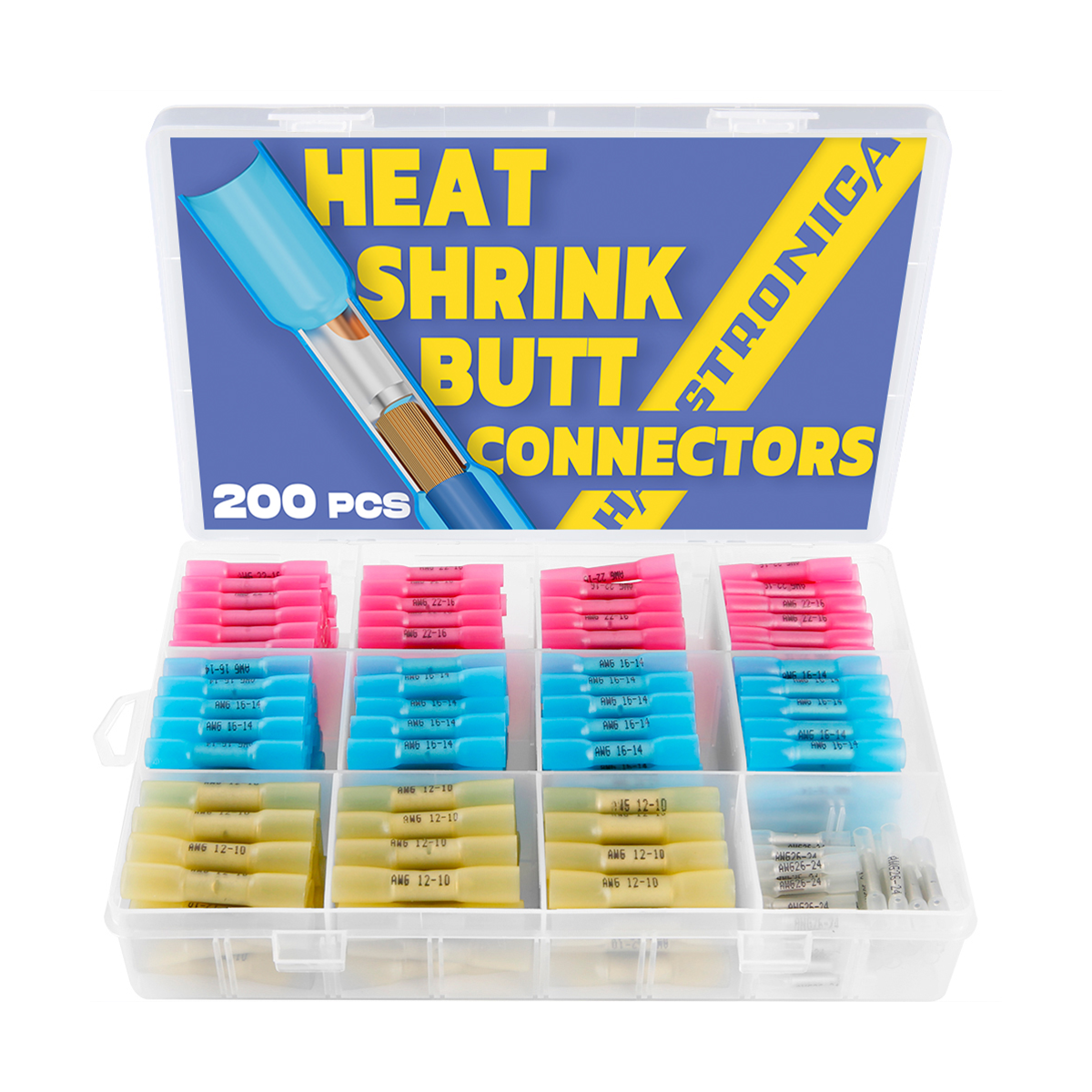
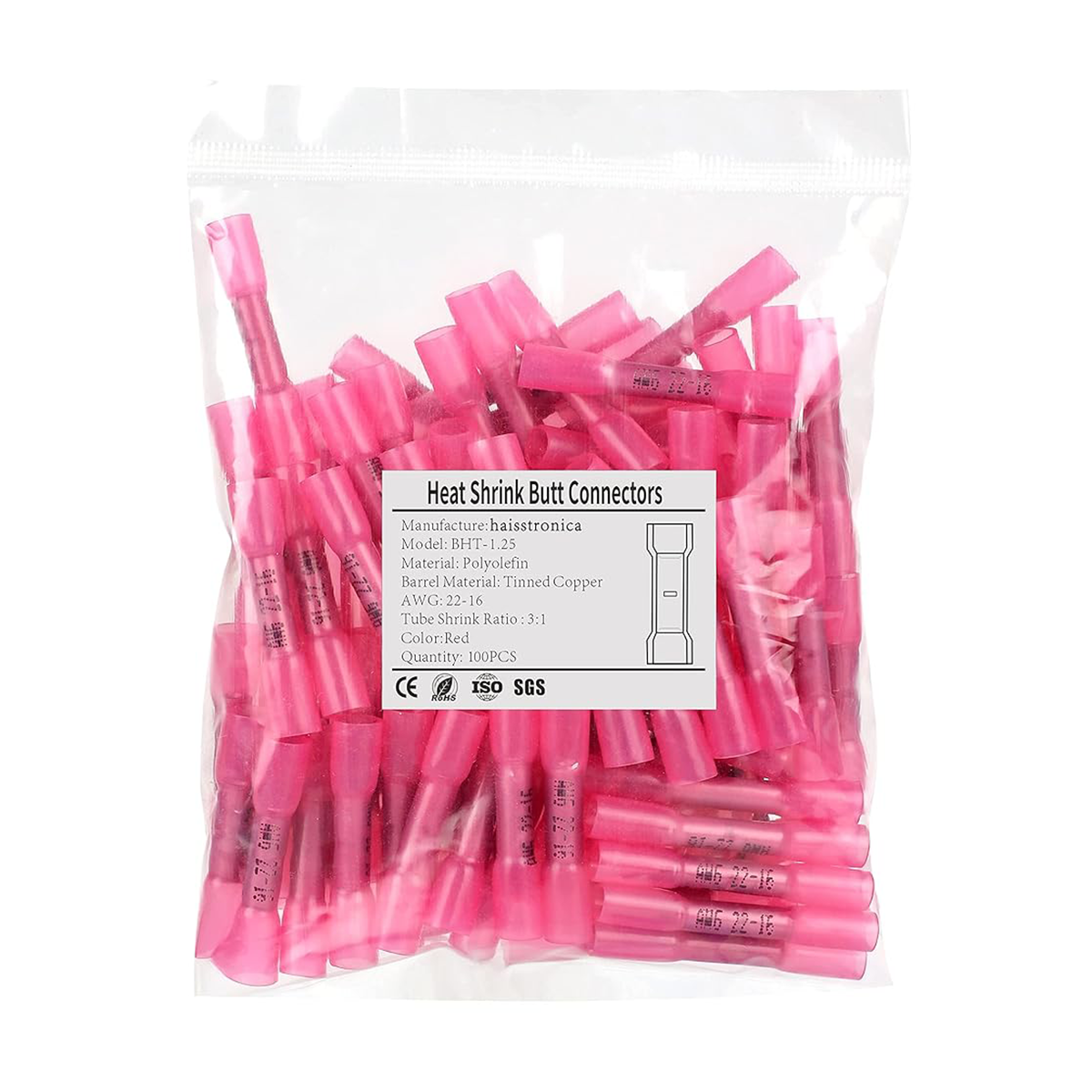
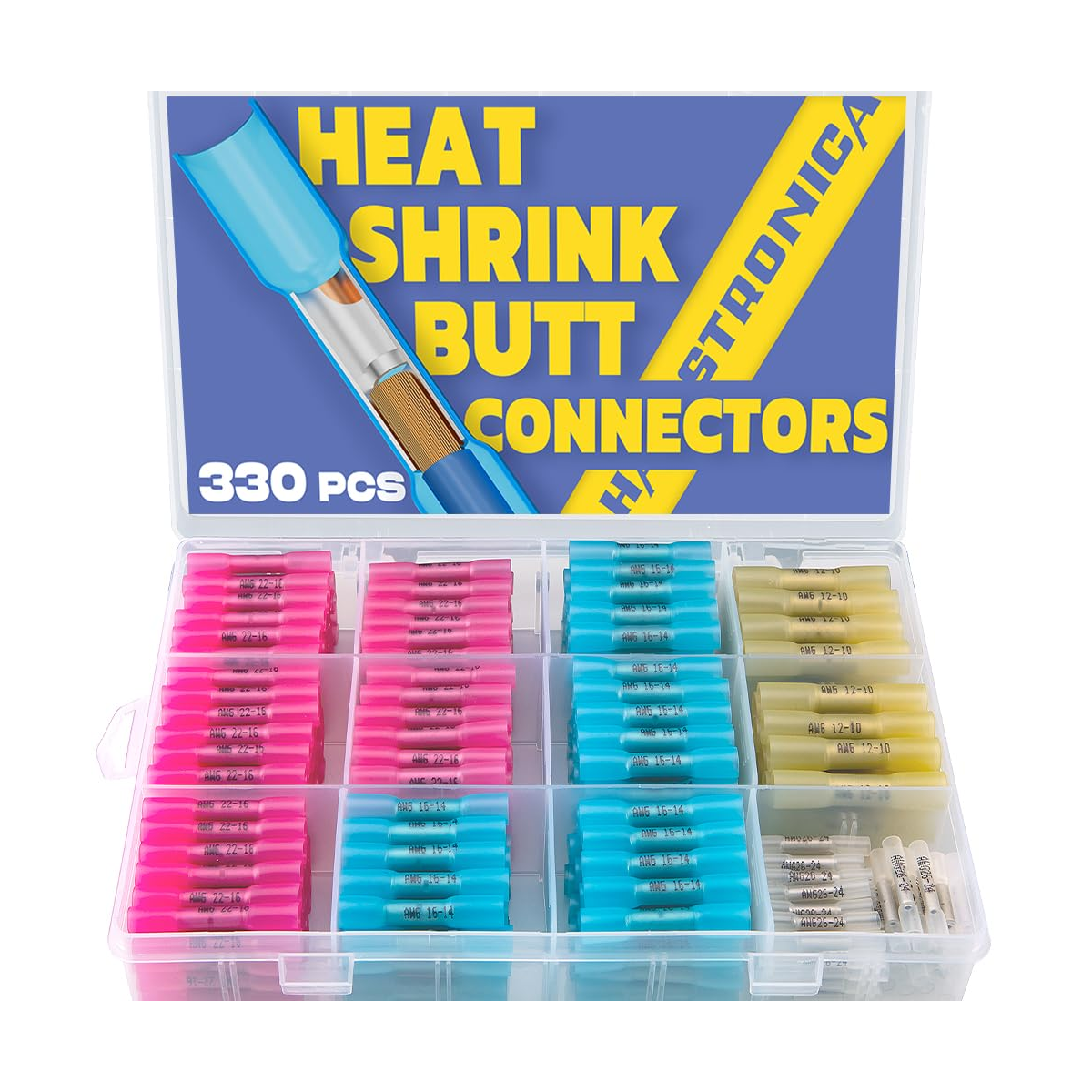
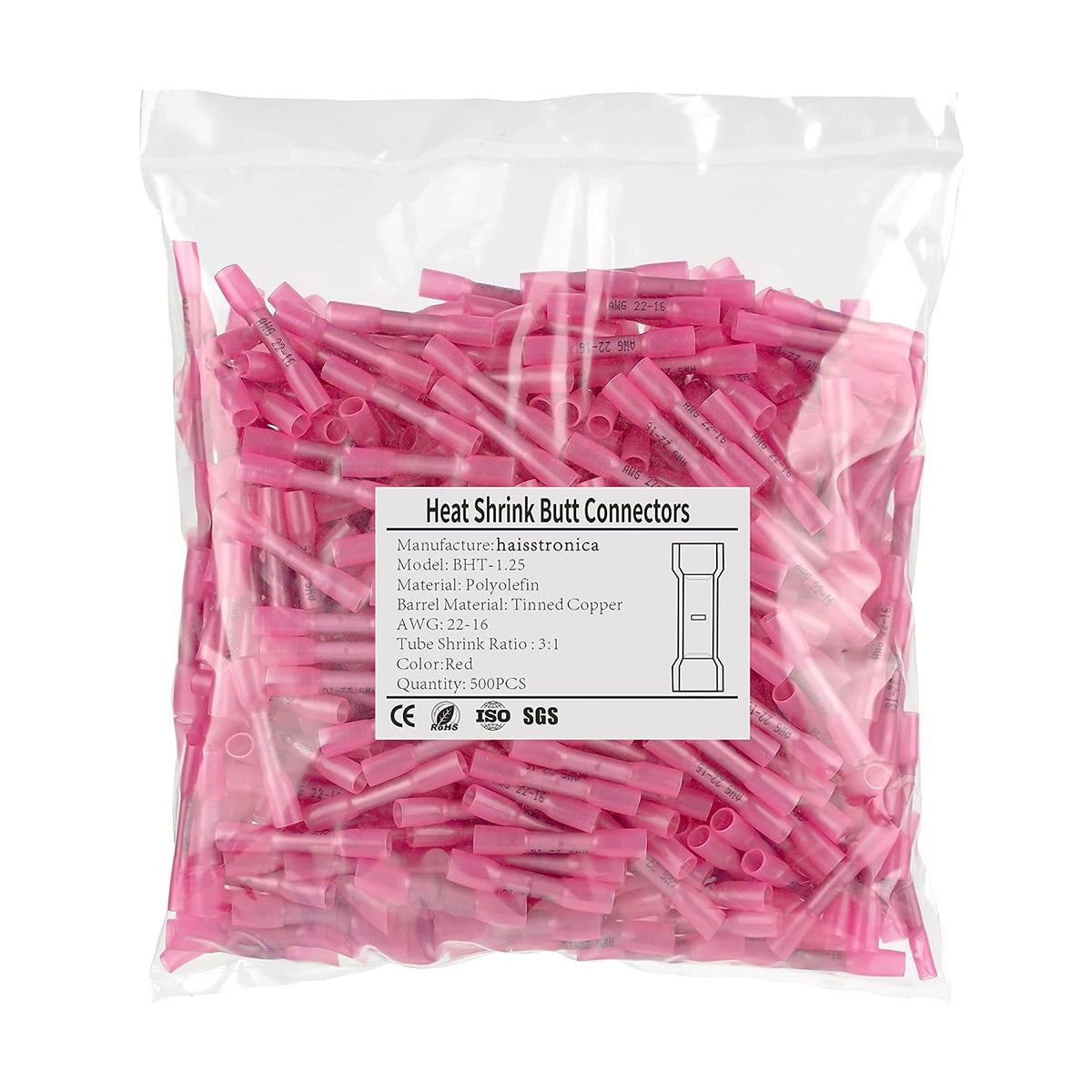
Colors are a sorting aid, not a universal size standard. Read the markings for the specific product and check both conductors. A broad kit label such as “26–10 AWG” can describe several separate bands; it does not mean one sleeve fits every wire in that range.
Match each wire to a supported connector band, then check insulation diameter, required overlap and quantity per size. Do not fold a small conductor or remove strands to force a fit unless that exact preparation is specified.
Buying the connector without a workable installation plan.
A suitable sleeve still needs the right heating process and access. Check operating temperature separately from installation temperature, along with fluids, vibration and moisture. If the equipment requires a crimped termination, a solder-seal kit is not a substitute.
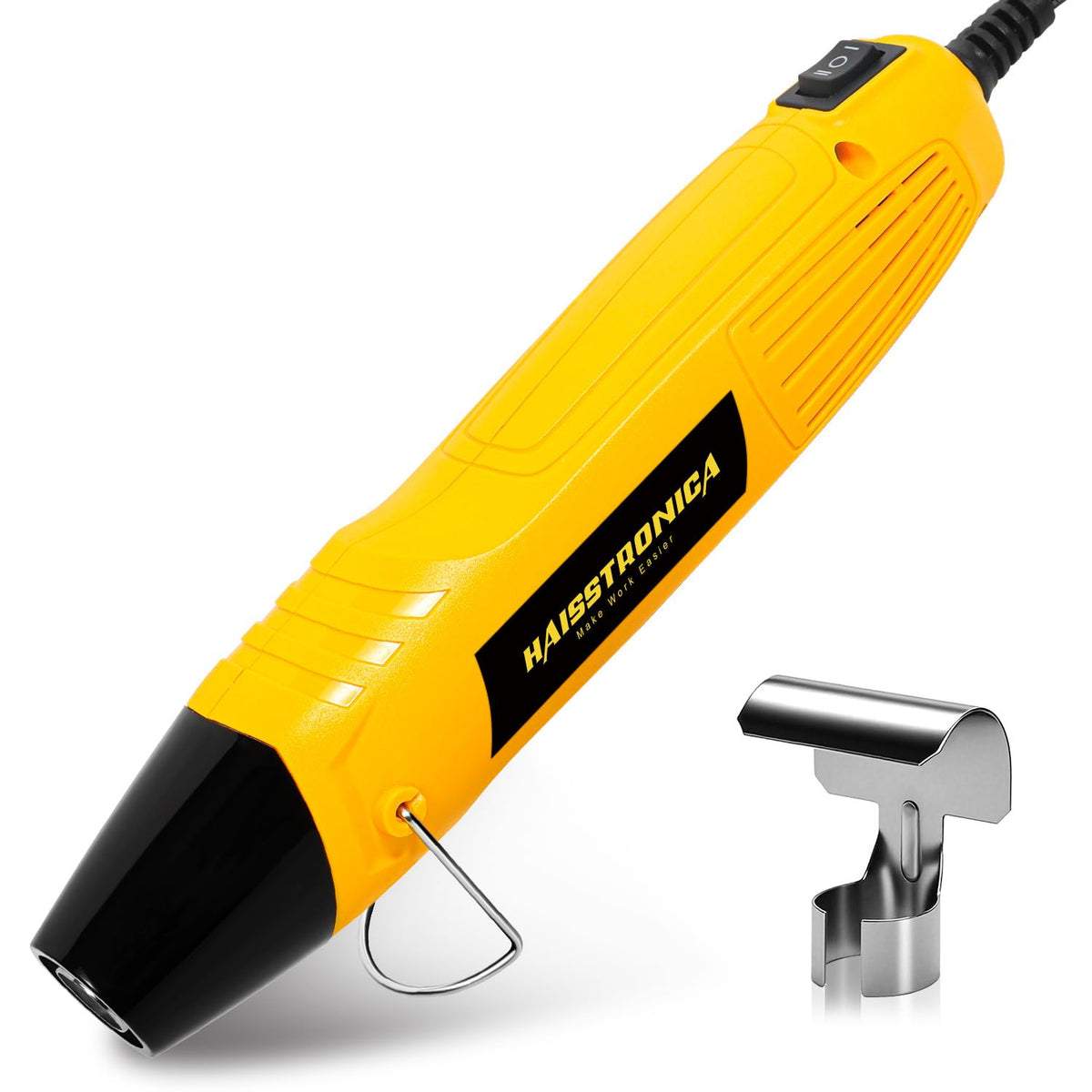
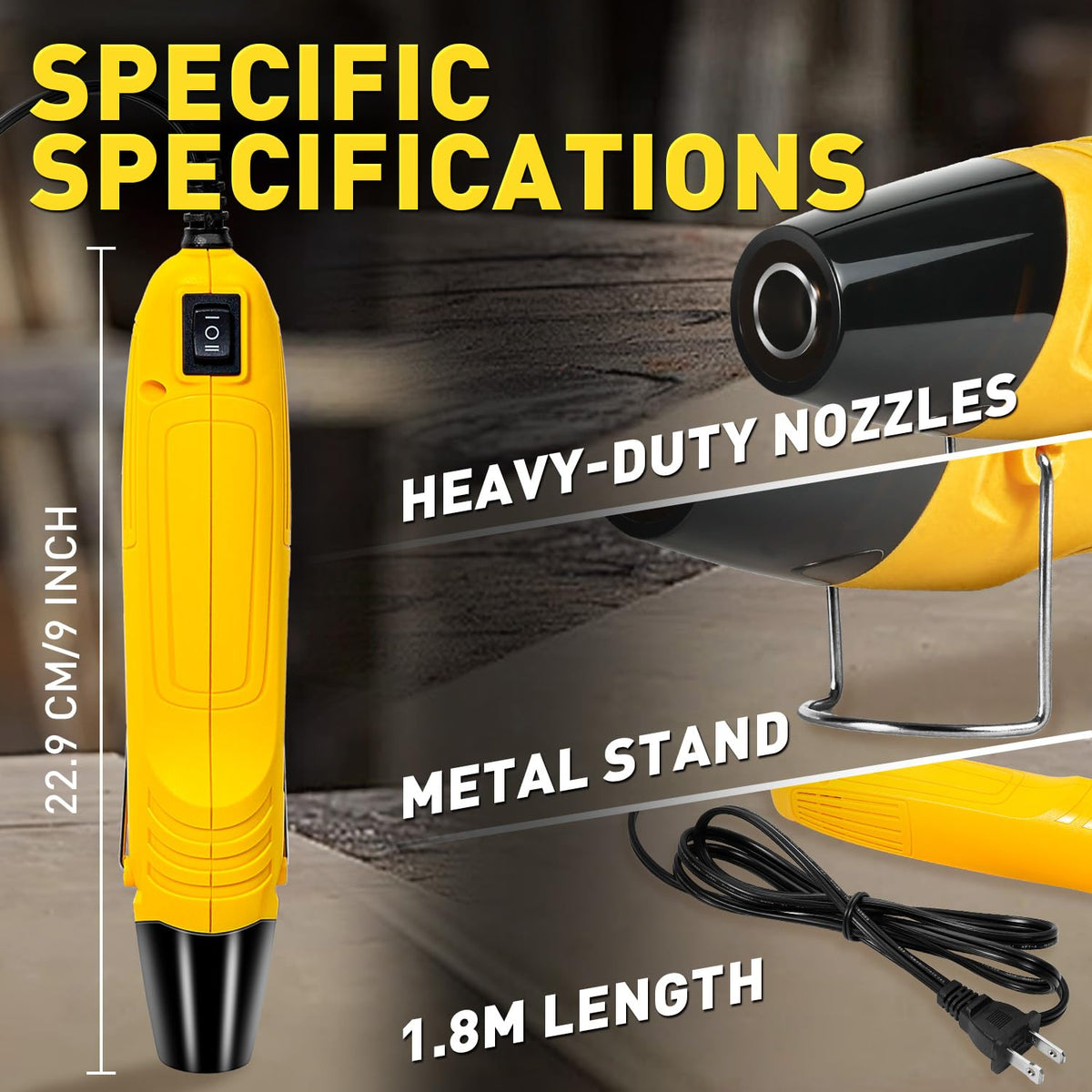
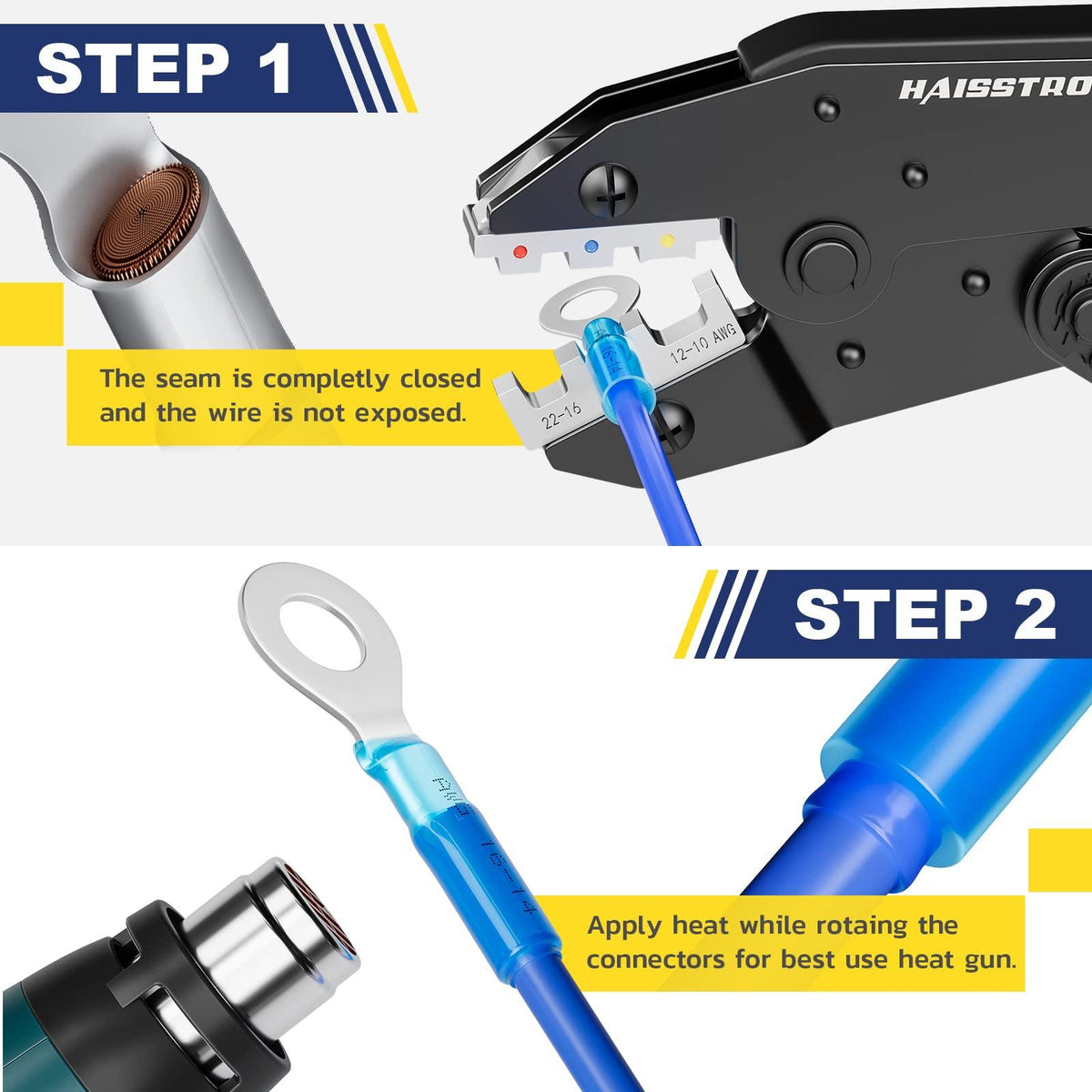
Confirm an allowed connection method, a controllable heat source, safe access, the required wire support and a way to inspect the cooled joint. Check the heat gun's power supply and plug before adding a tool kit.
Why specifications matter: TE's solder-termination selection information lists alloy, flux and temperature by product family; those values are not universal. Similarly, 3M lists both adhesive-lined and non-adhesive 3:1 tubing. TE technical reference · 3M adhesive-lined tubing data sheet · 3M non-adhesive 3:1 example. These references explain the selection principles; their approvals and ratings do not transfer to another brand or product.
Choose by where the connection will live
Automotive, marine and outdoor are not one environment.
Automotive · Low-voltage accessories
Check the repair method before the sleeve.
Confirm the vehicle or equipment permits a soldered splice in that location. Check vibration, routing, temperature and fluids, and keep bending loads away from the joint. A suitable solder-seal assortment is a candidate only after those conditions match.
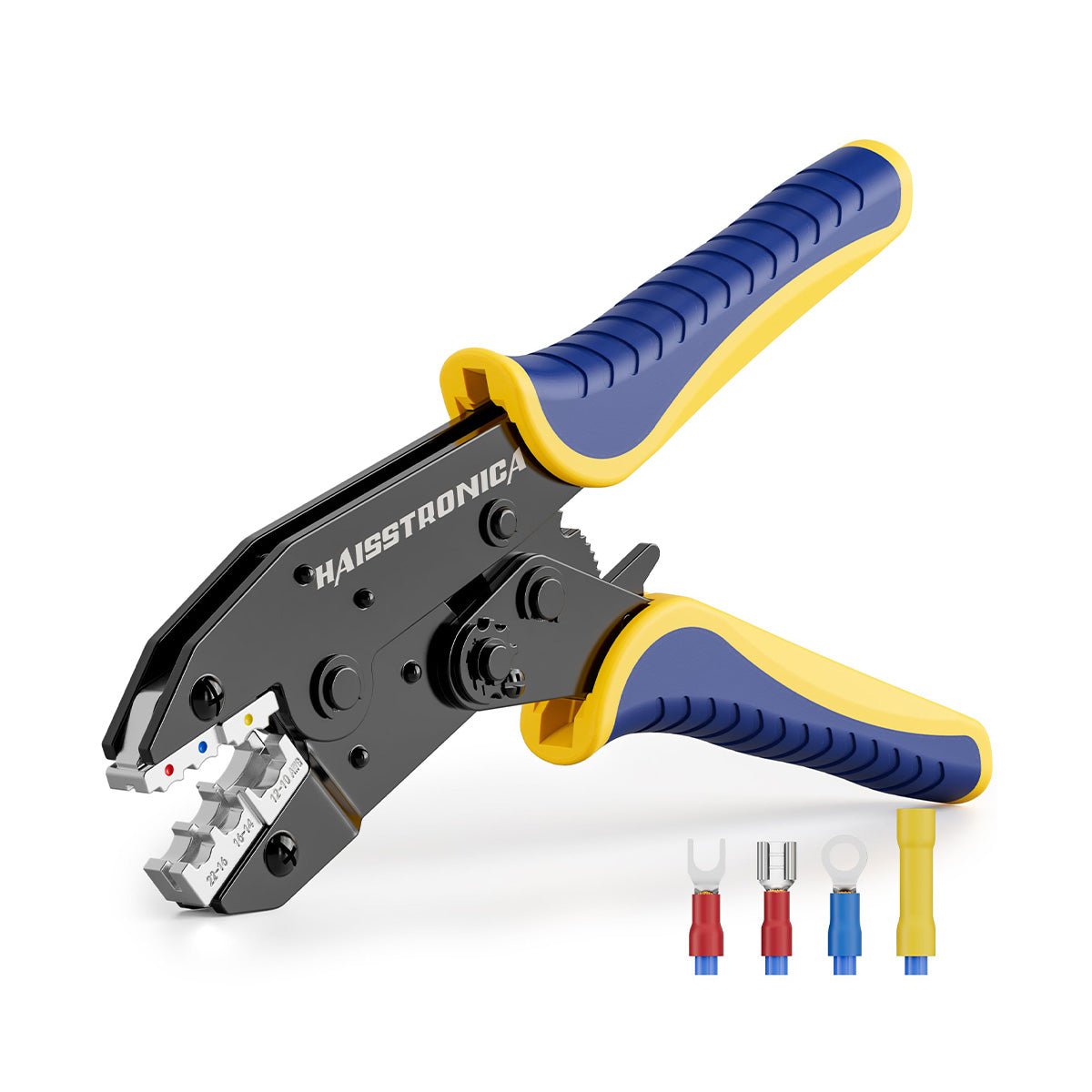
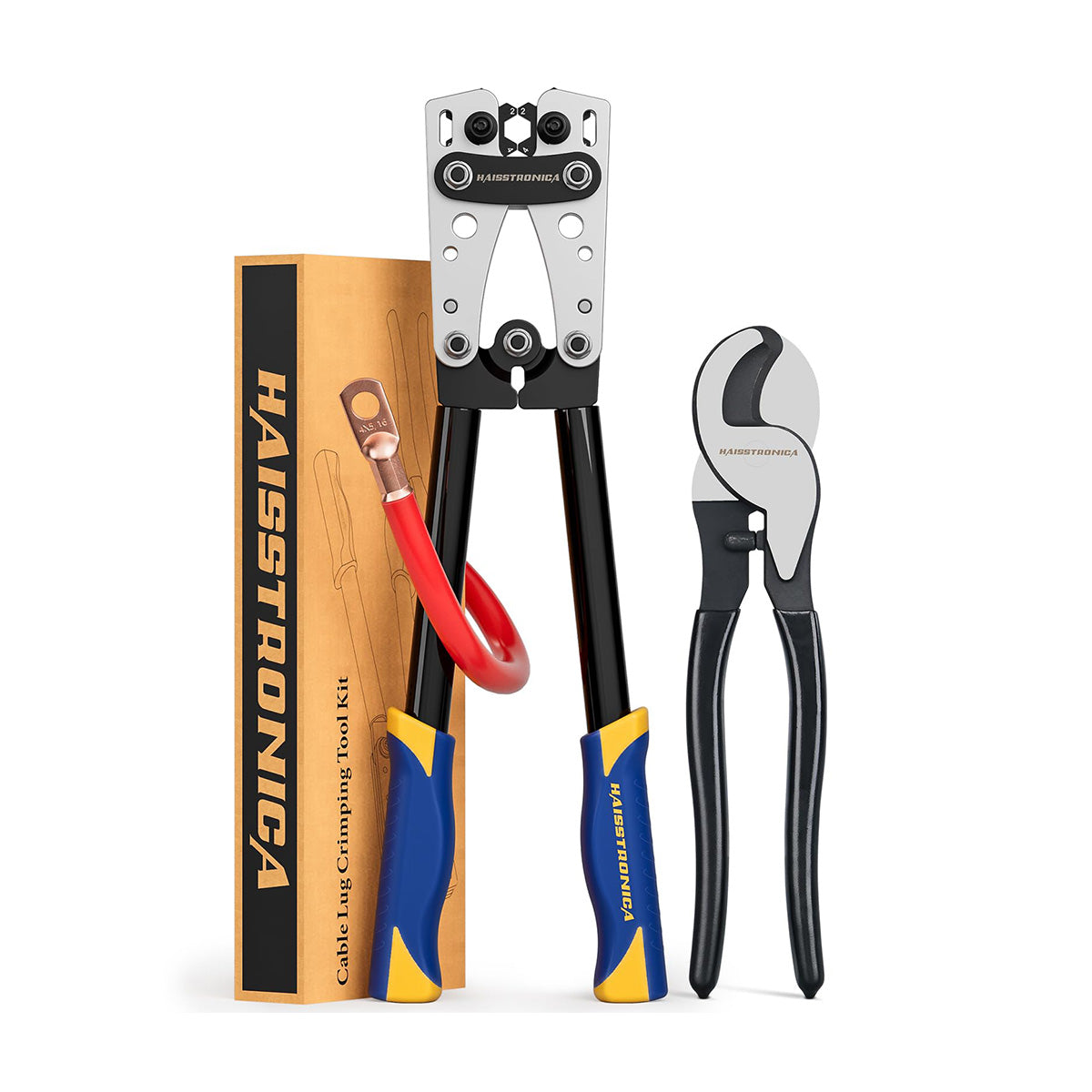
Buying direction: matched solder-seal connectors if permitted; the specified crimp system when mechanical crimping is required.
Marine · Splash and condensation
Specify sealing and support—not just “marine grade.”
Separate a sheltered electronics connection from a wet bilge or an immersed cable. Check permitted construction, water exposure and cable support. Extra adhesive-lined tubing may be useful where the approved repair calls for it, but a shrink ratio alone does not qualify the joint.
Buying direction: review the connector-plus-3:1-tubing option or a complete Waterproof Solutions setup after the checklist. Do not assume permanent-submersion suitability.
Outdoor · Low-voltage lighting and equipment
Plan for the actual exposure.
Check rain, UV, abrasion, temperature and whether the cable is buried. Select a sleeve or enclosure expressly suitable for those conditions. A generic solder-seal kit is not automatically a direct-burial or mains-rated connection.
Buying direction: a matched adhesive-lined system where specified; otherwise use the connection system required for that installation.
Before choosing a bundle
Separate the joint, the protective sleeve and the heat source.
A solder-seal connector makes the soldered joint. Separate heat-shrink tubing provides a specified protective layer; it does not join the wires by itself. A heat gun supplies heat—it cannot correct the wrong connector, damaged conductors or incompatible insulation.
Budget for the sizes you use, wire preparation, safe heating and a sample installation. If you already own a suitable heat gun, a consumables-only kit may be enough. If you need one, verify its electrical supply, plug and instructions before choosing an all-in-one set.
Interactive buyer checklist
Know these six things before comparing kits.
Tick each item only after checking your project requirements. Complete all six to reveal the recommended buying paths below. Then verify the exact selected product against those requirements.
Still unsure about an item? Leave it unchecked and resolve that requirement before buying.
Checklist complete. Compare the buying paths below.
This checklist is a planning aid, not a product certification or approval of your installation. No personal information is requested.
After the checks · Choose the missing pieces
Three buying paths—not one kit for every job.
These are candidates to compare with your confirmed requirements. Verify the selected variant's size chart, materials, instructions and environmental limits before ordering. If a critical specification is missing or does not match, pause the purchase.
01 · Connector assortment · Heat source already owned
Solder Seal Wire Connector Kit
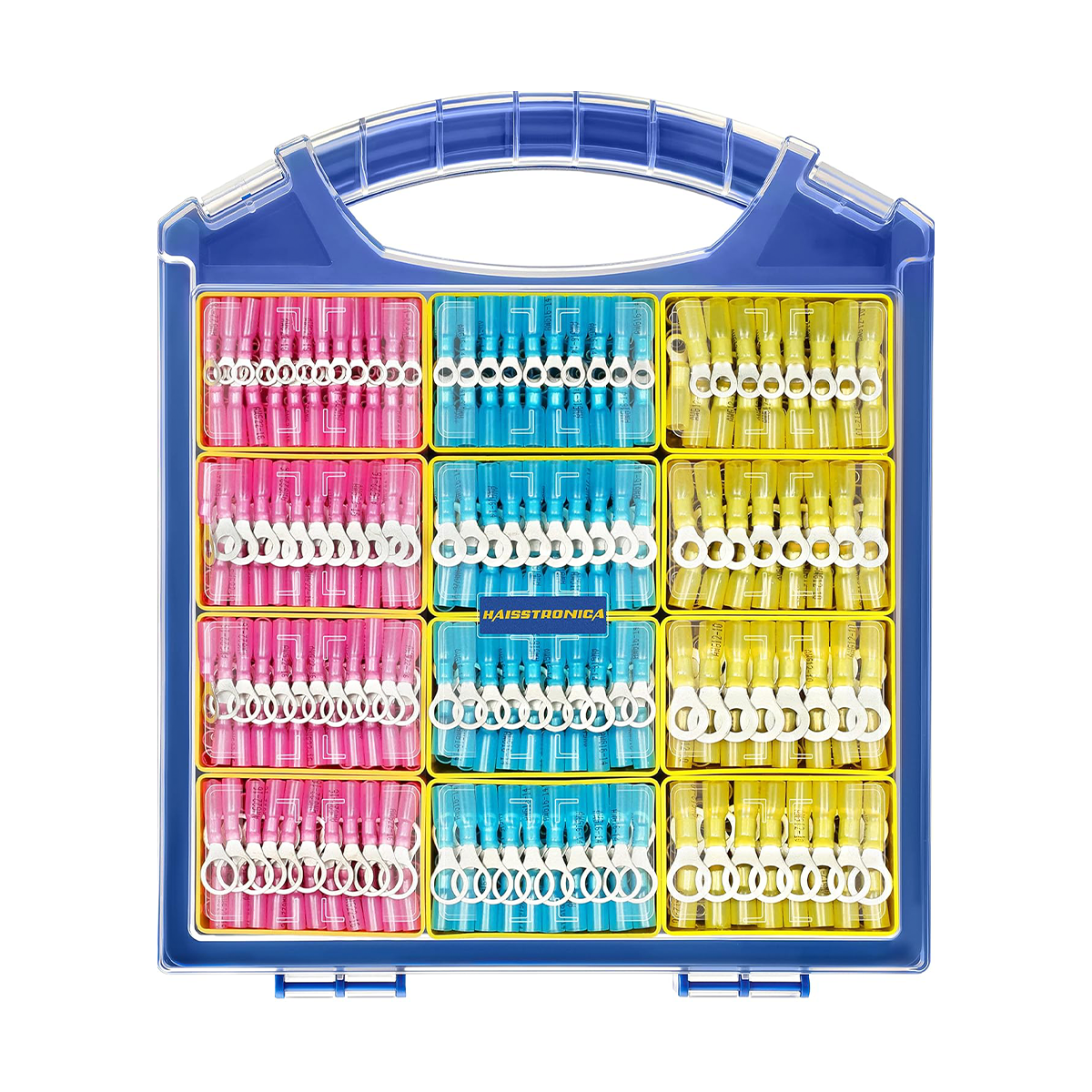
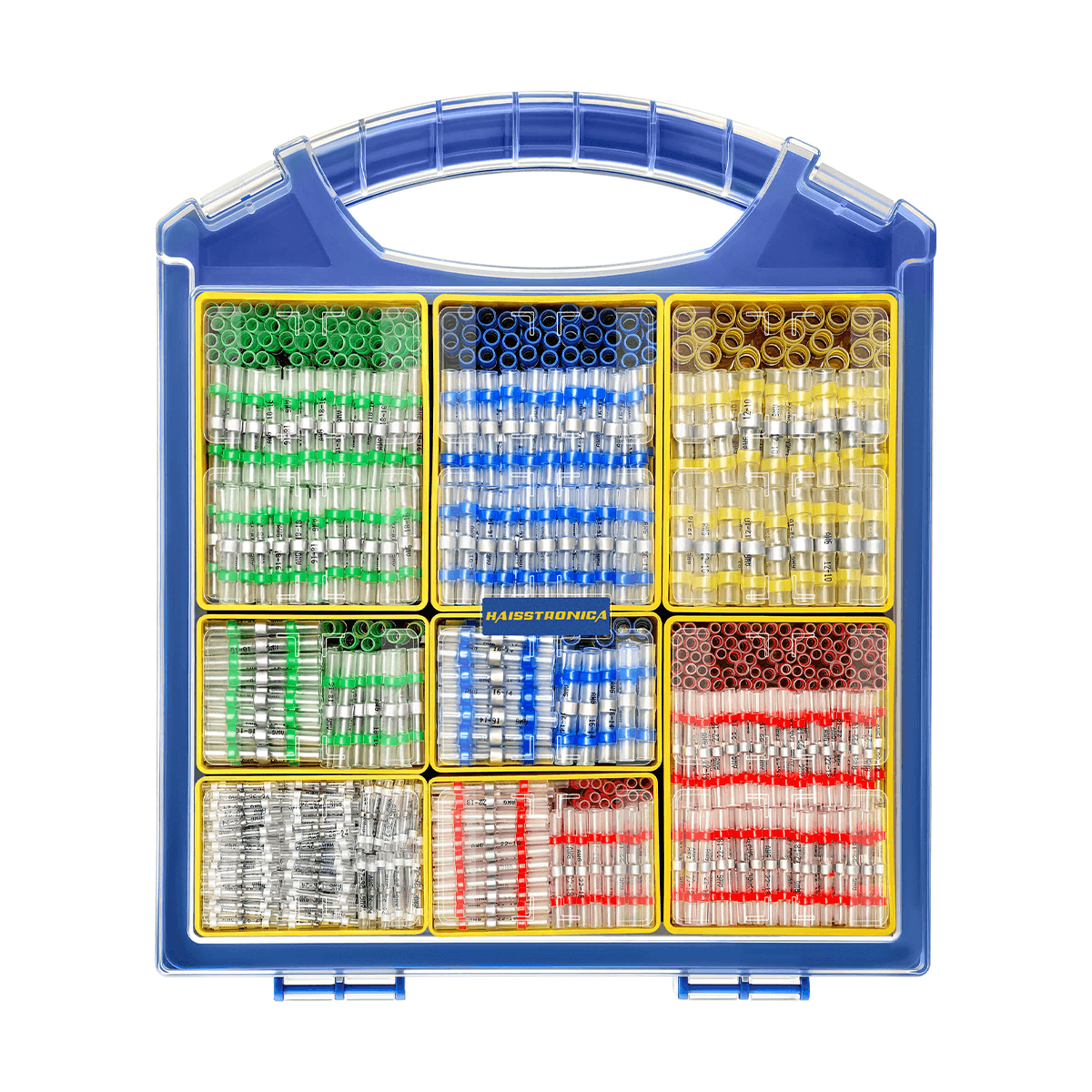
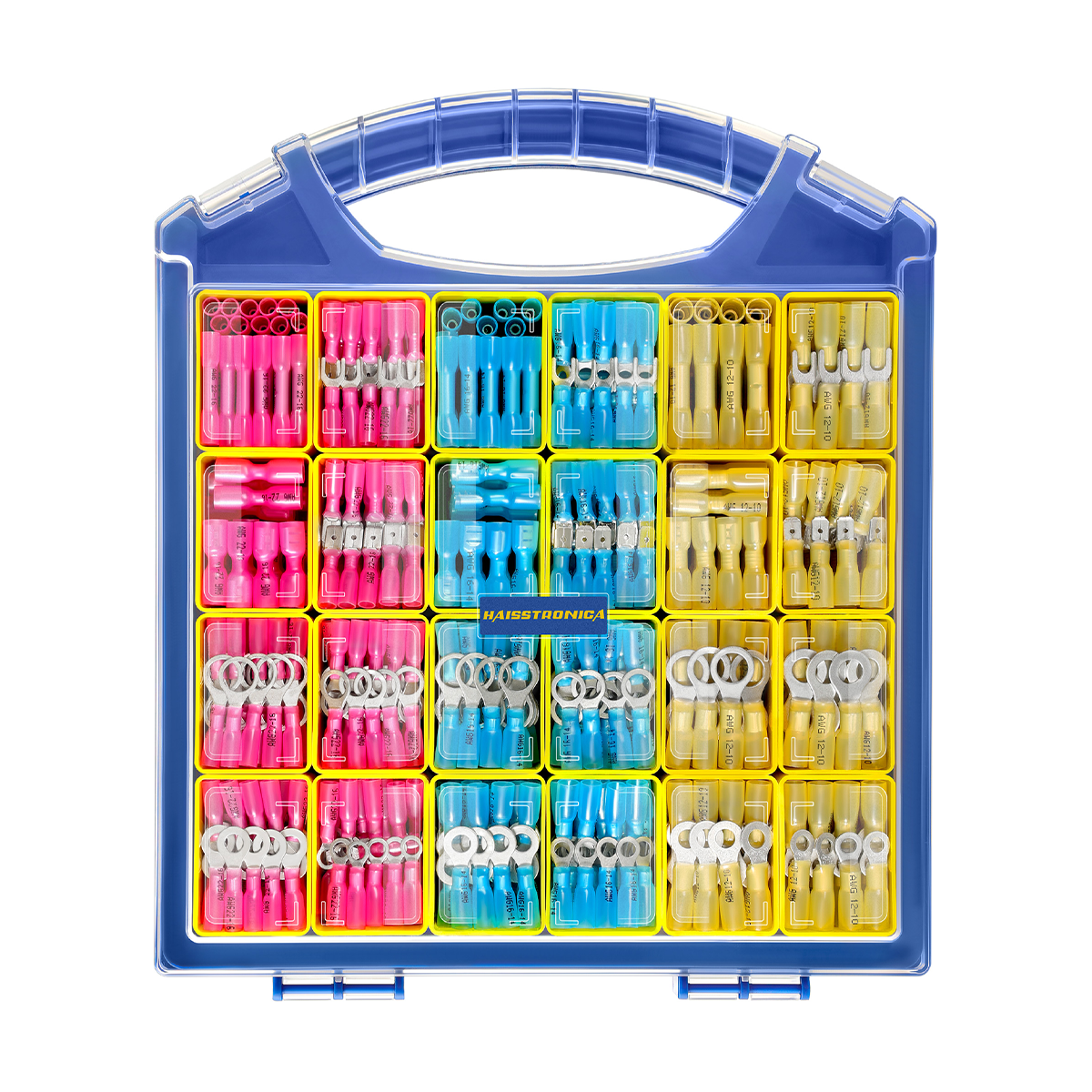
A connector-focused option for permitted solder-seal repairs. The product offers multiple assortment sizes; select by the quantity in each usable AWG band, not the headline total.
Verify before ordering: exact conductor compatibility, sleeve fit, heating process and allowed exposure. Do not infer alloy composition or a universal temperature rating from the appearance of the rings.
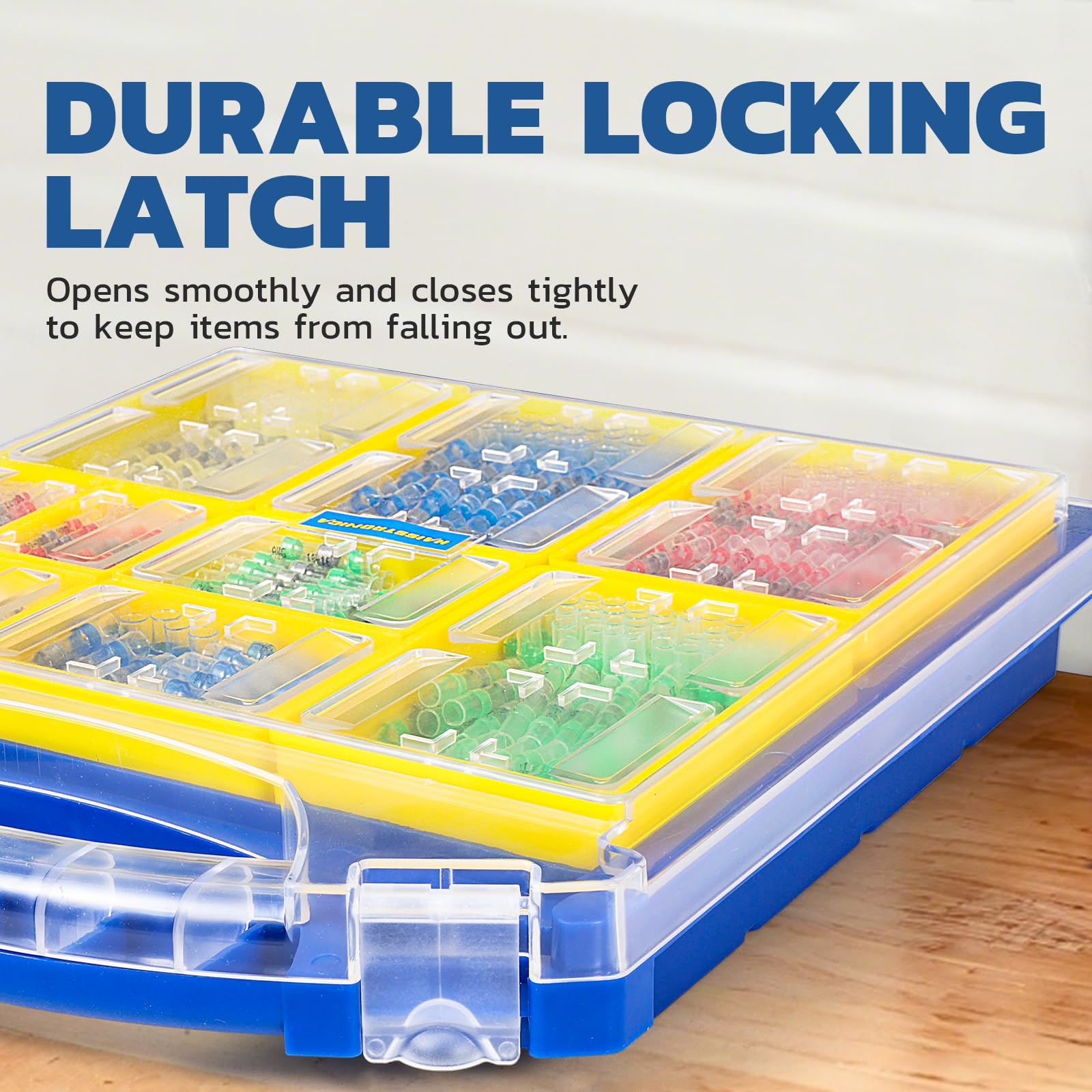
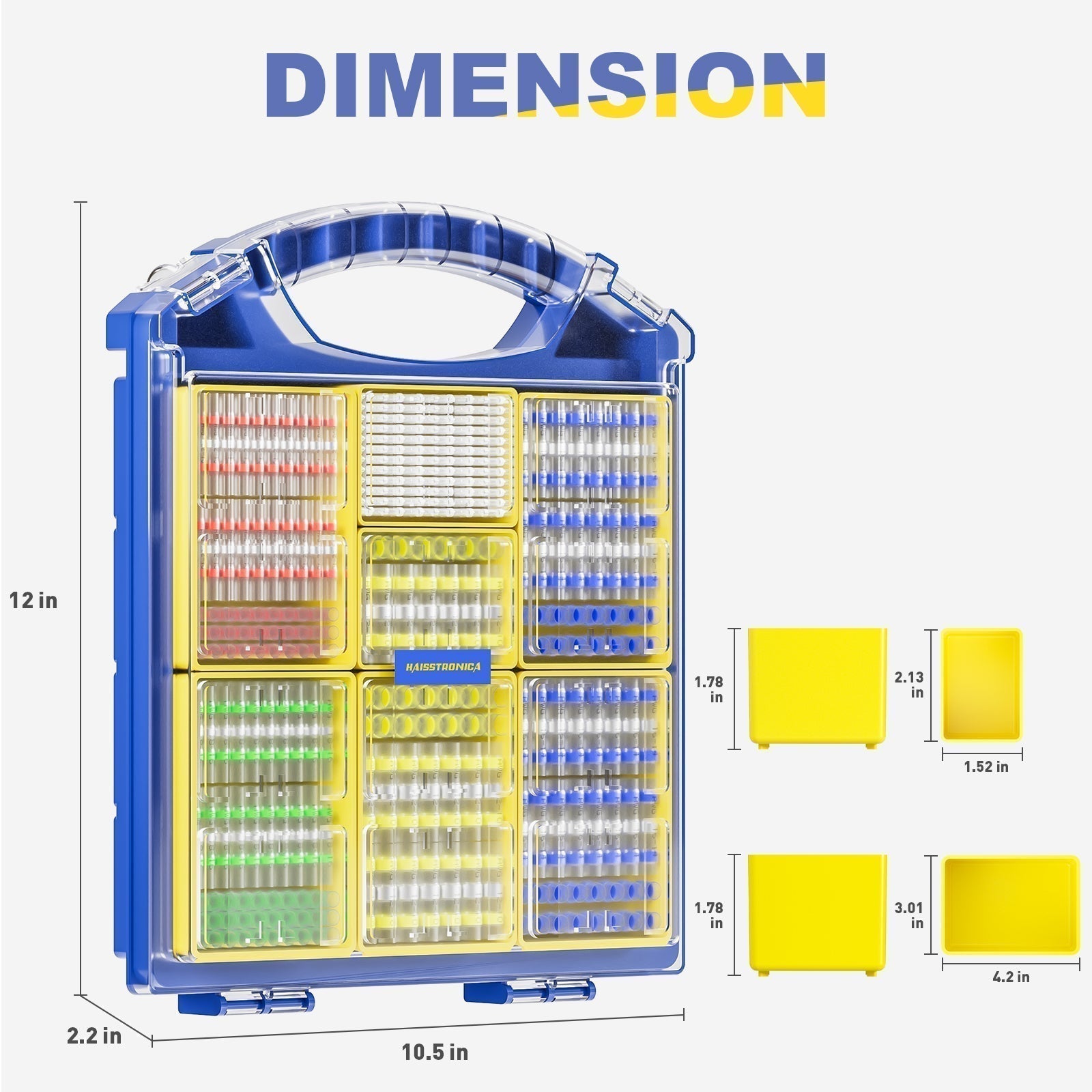
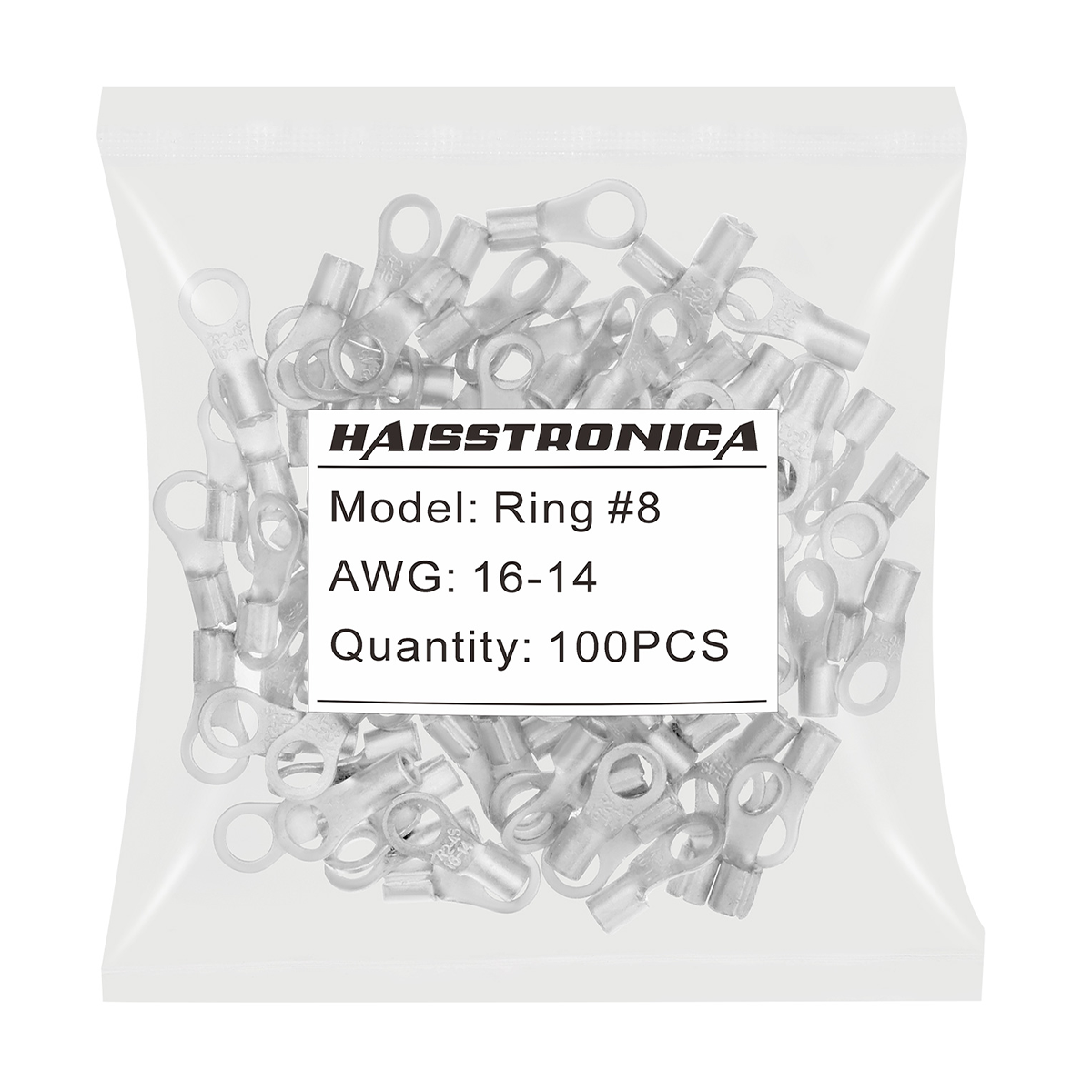
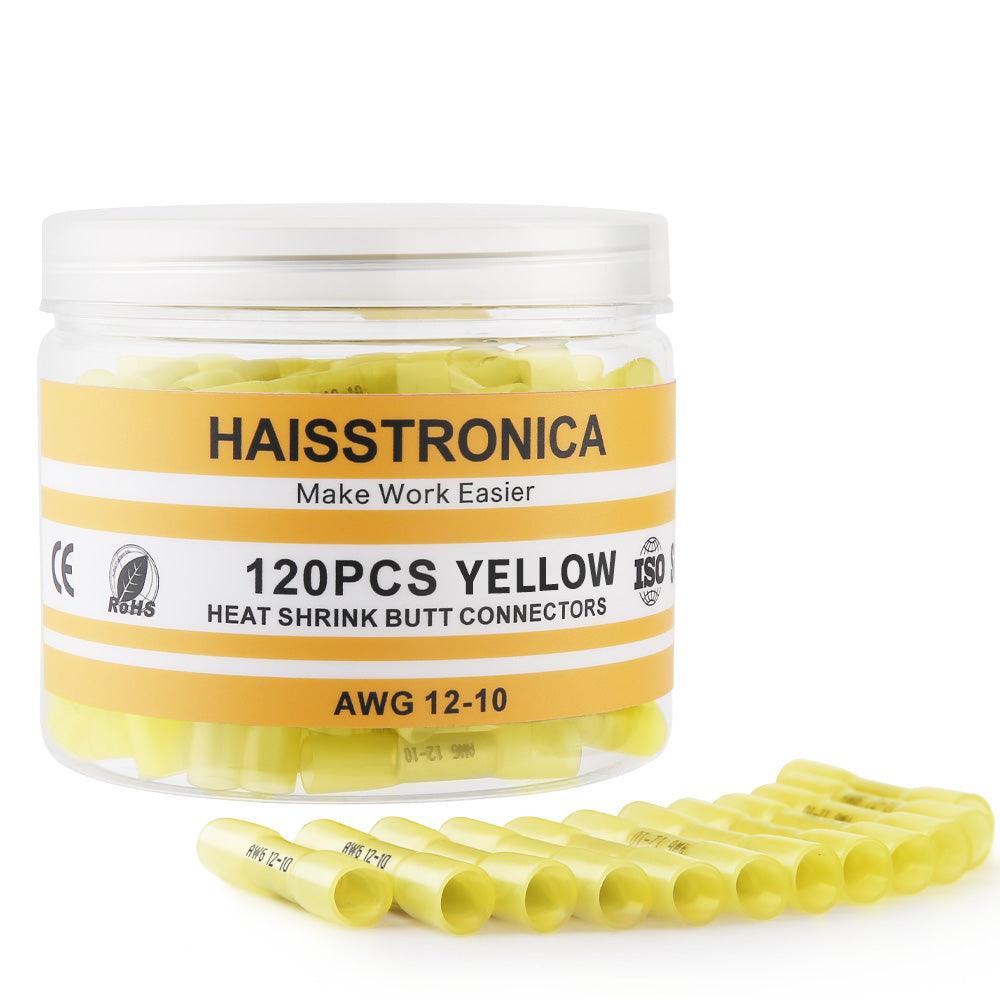
Image shows the 120-piece option. Other variants have different contents. A heat gun and separate tubing are not implied by this connector-only path.
02 · Connector plus separate protection
Solder Seal + 3:1 Heat-Shrink Tubing Kit
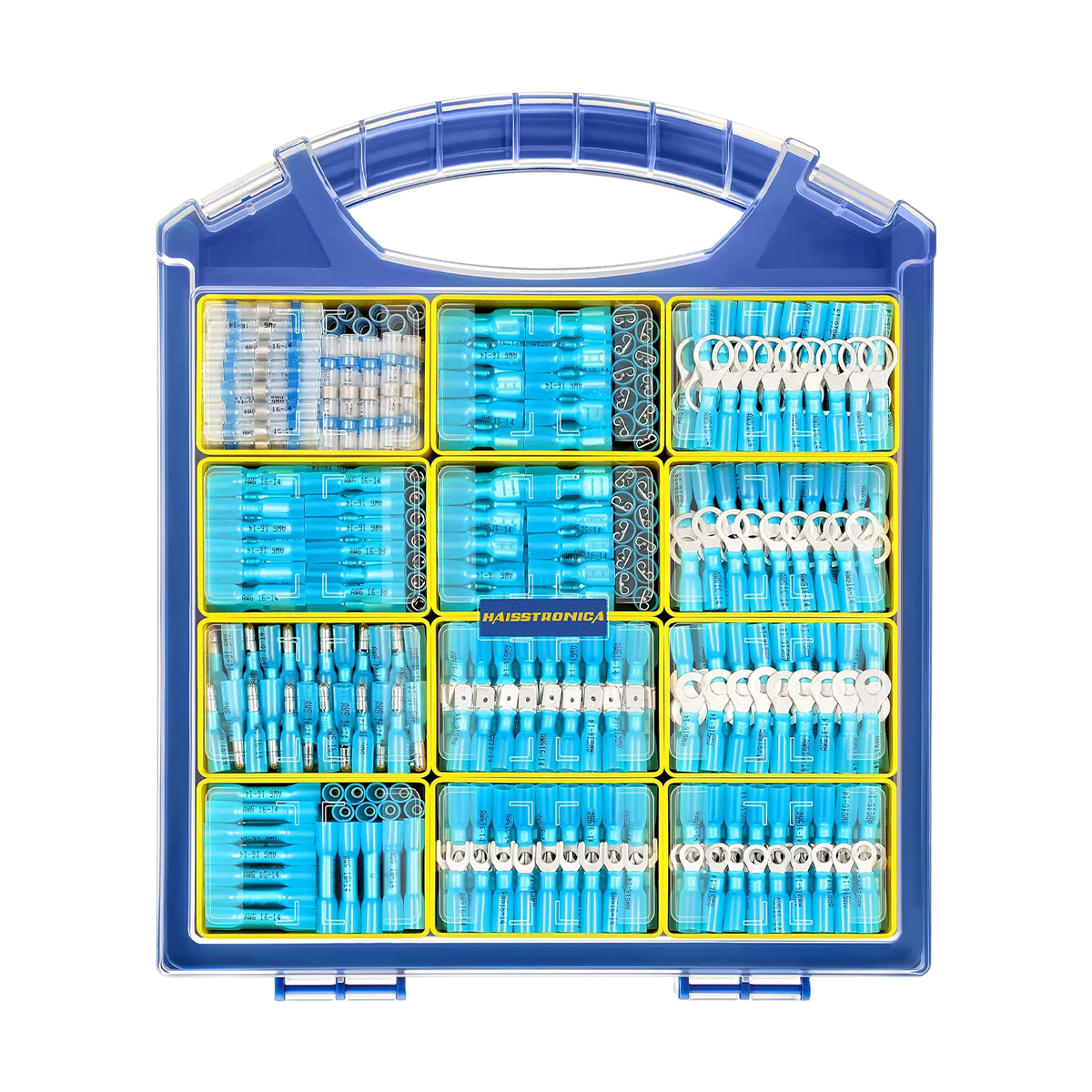
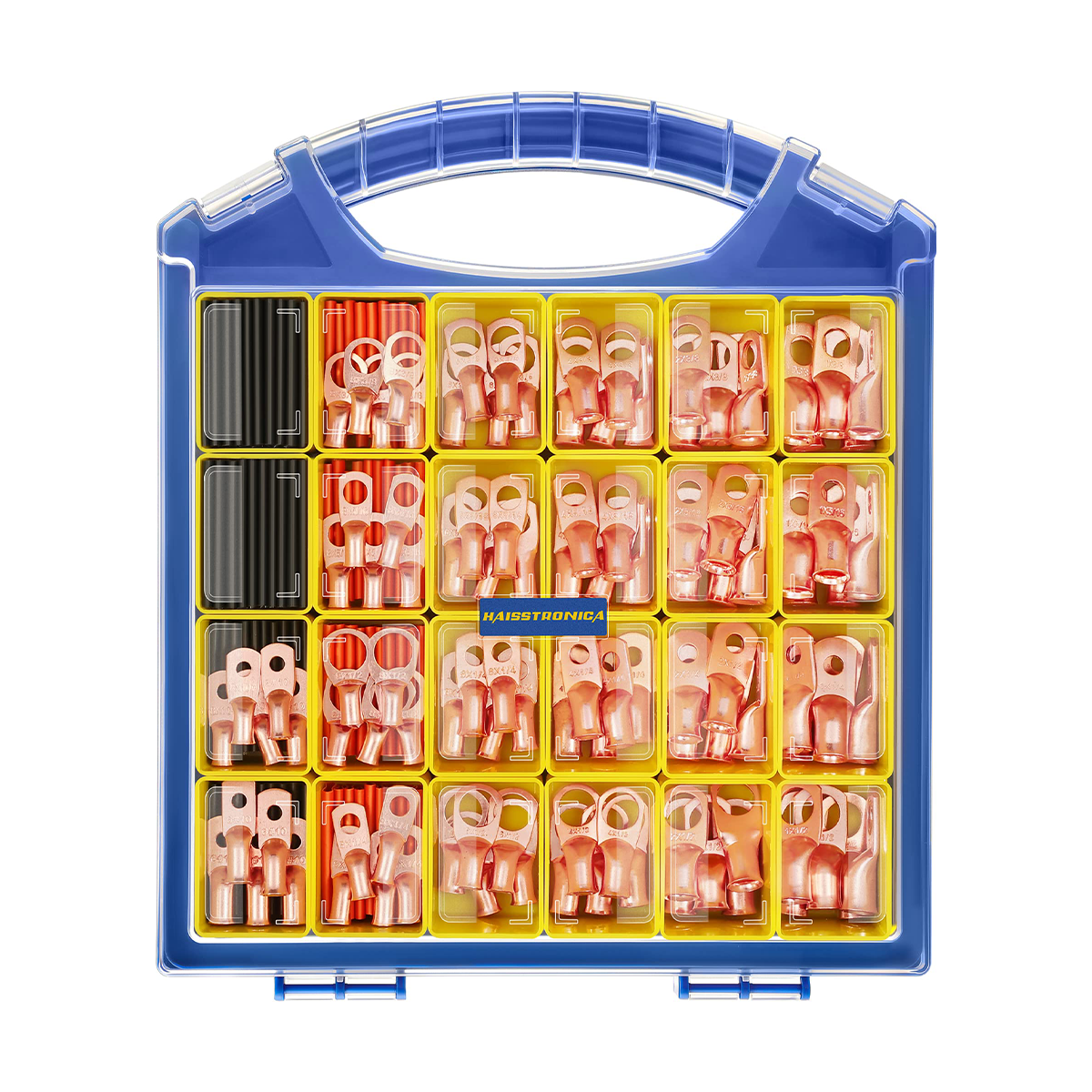
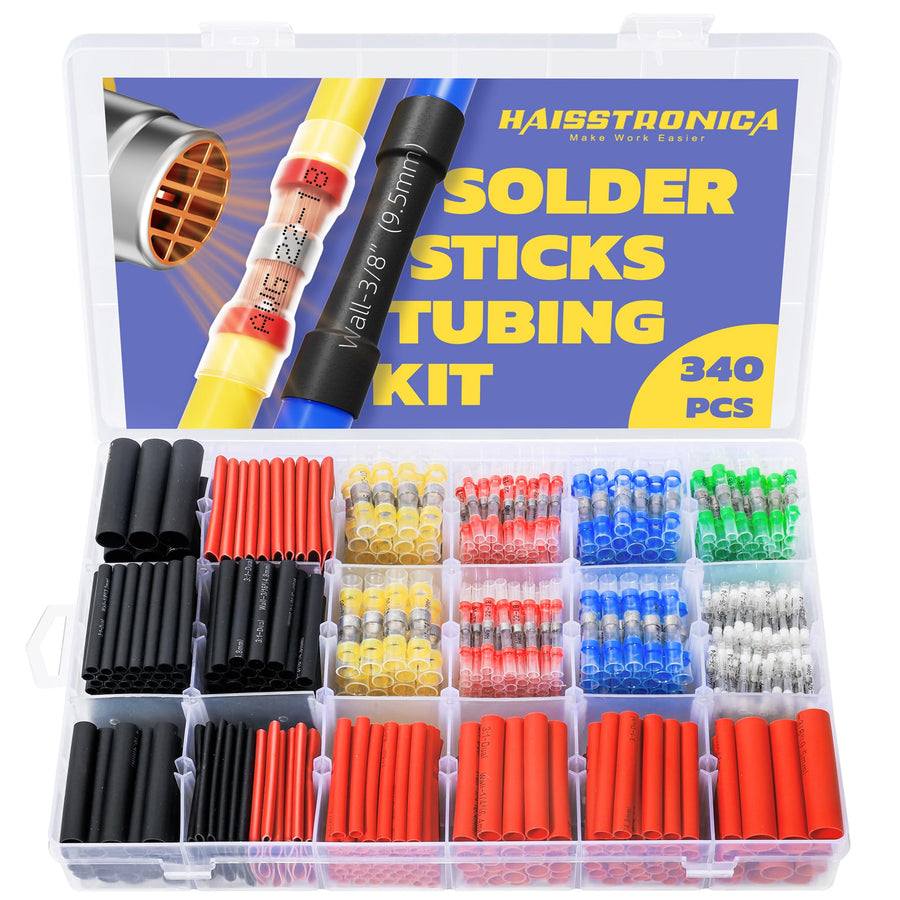
A consumables bundle for jobs that call for solder-seal connectors and a separate tubing finish. The listing includes solder-seal connectors, red/black 3:1 tubing and an organizer.
Verify before ordering: the selected tubing's adhesive lining, expanded/recovered diameter, length and temperature range. For marine or outdoor use, also confirm the permitted exposure and support. A second sleeve does not make an unsuitable splice suitable.
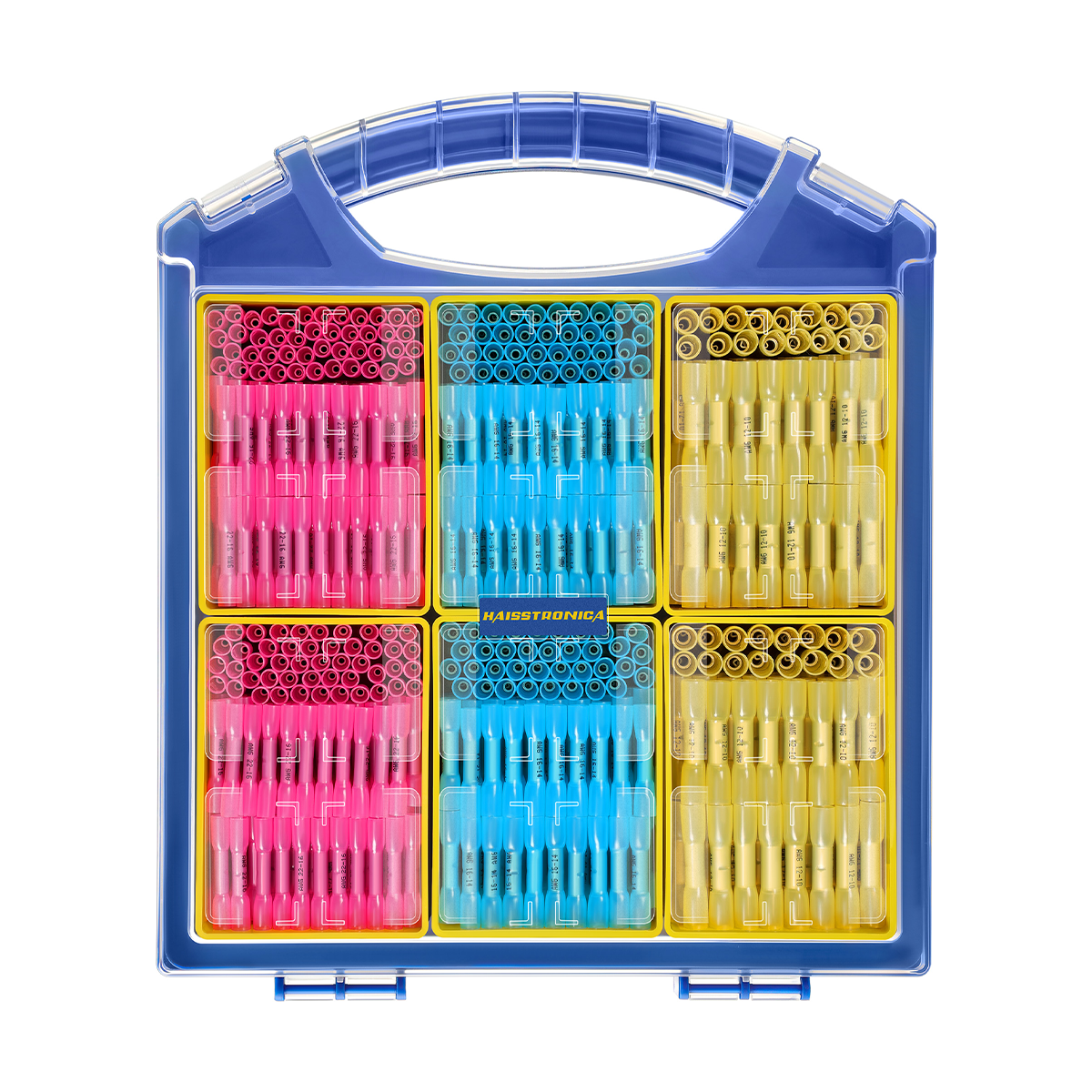
Image shows the 340-piece bundle. Total count includes tubing pieces as well as connectors. No heat gun is included in this buying path.
03 · Need a heat source as well?
All-in-One Heat Gun Set
The listed all-in-one set combines a heat gun, solder-seal connectors and separate 3:1 tubing. Compare it when you need the heating tool as well as consumables; skip the extra tool if your existing one is suitable.
Verify before ordering: the exact variant, connector quantities, tubing sizes, heat-gun power supply and plug. The gun's setting is not the temperature at the joint—follow the connector's installation instructions and inspect a sample.
Compare the All-in-One Heat Gun Set →Buying for more than one job? Keep the same checks for every wire and location. Browse Solder Seal Wire Connectors → or review Waterproof Solutions → without assuming every item in a collection is approved for your circuit.