
Many listed twist-on connectors are rated 105°C—but never assume
The connector body, conductor insulation, equipment terminal, enclosure, and installation environment must all be checked. The lowest-rated part sets the system limit.
Find connector and wire temperature markings.
Separate 75°C, 90°C, and 105°C limits.
Add ambient, enclosure, current, and nearby heat.
Reject any component below the required rating.
Use only a documented, listed solution.
What do 75°C, 90°C, and 105°C mean?
| Marking | Where it may appear | How to use it |
|---|---|---|
| 75°C / 167°F | Equipment terminals, conductor ampacity rules, some components | Treat it as the limit when it is the lowest rating in the circuit |
| 90°C / 194°F | Common modern conductor insulation marking | Does not automatically raise a 75°C equipment-terminal limit |
| 105°C / 221°F | Many specific listed twist-on connector models | Use only when that exact connector is marked or documented for 105°C |
| No marking | Unidentified or incomplete product documentation | Do not guess—locate the data sheet or replace the connector |
Environment temperature × connector rating
The printed rating is a component maximum, not a target operating temperature. Actual terminal temperature can be higher than room temperature because of current, contact resistance, enclosed air, solar load, motors, lamps, heaters, and nearby exhaust.
| Environment | Risk check | Decision |
|---|---|---|
| Cool, dry junction box | Normal load, no nearby heat source | Use a listed connector only within its wire and temperature range |
| Attic or enclosed fixture | Elevated ambient plus heat accumulation | Verify exact connector, wire, and fixture ratings; do not infer |
| Damp or wet location | Moisture rating is separate from temperature | Require both wet-location approval and adequate temperature rating |
| Near heater, element, exhaust, or high-temperature machine | Radiant or conducted heat may exceed standard connector limits | Stop and specify an industrial high-temperature termination |
How to decide whether the connection is over temperature
- De-energize the circuit. Do not inspect or replace live connections.
- Identify every component. Record the exact connector model, conductor type, insulation rating, equipment, and enclosure.
- Find the documented ratings. Use markings, listing information, and the manufacturer data sheet—not color or appearance.
- Account for internal heating. Loose connections, overcurrent, corrosion, and undersized conductors can create heat even when ambient temperature is moderate.
- Compare with the lowest limit. If the calculated or measured condition approaches a component maximum, stop and use an engineered solution.
- Replace heat-damaged parts. Discoloration, melting, odor, brittleness, or softened insulation indicates a fault—not a reason to add tape.
A connector can be incorrectly sized or overloaded without obvious damage.
90°C wire does not upgrade a 75°C terminal or unmarked connector.
Moisture protection and continuous service temperature are separate claims.
When a heat-shrink connection may be appropriate
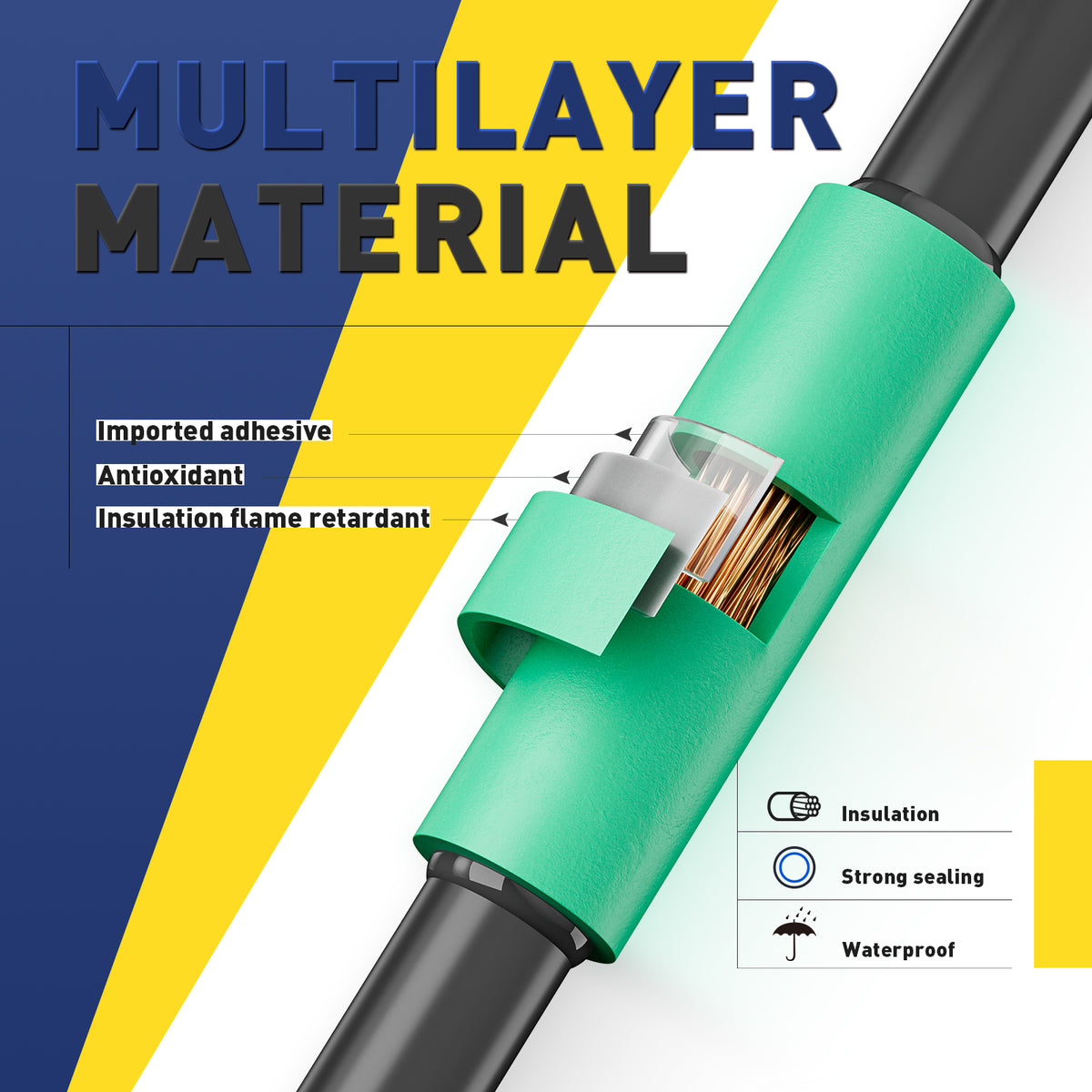
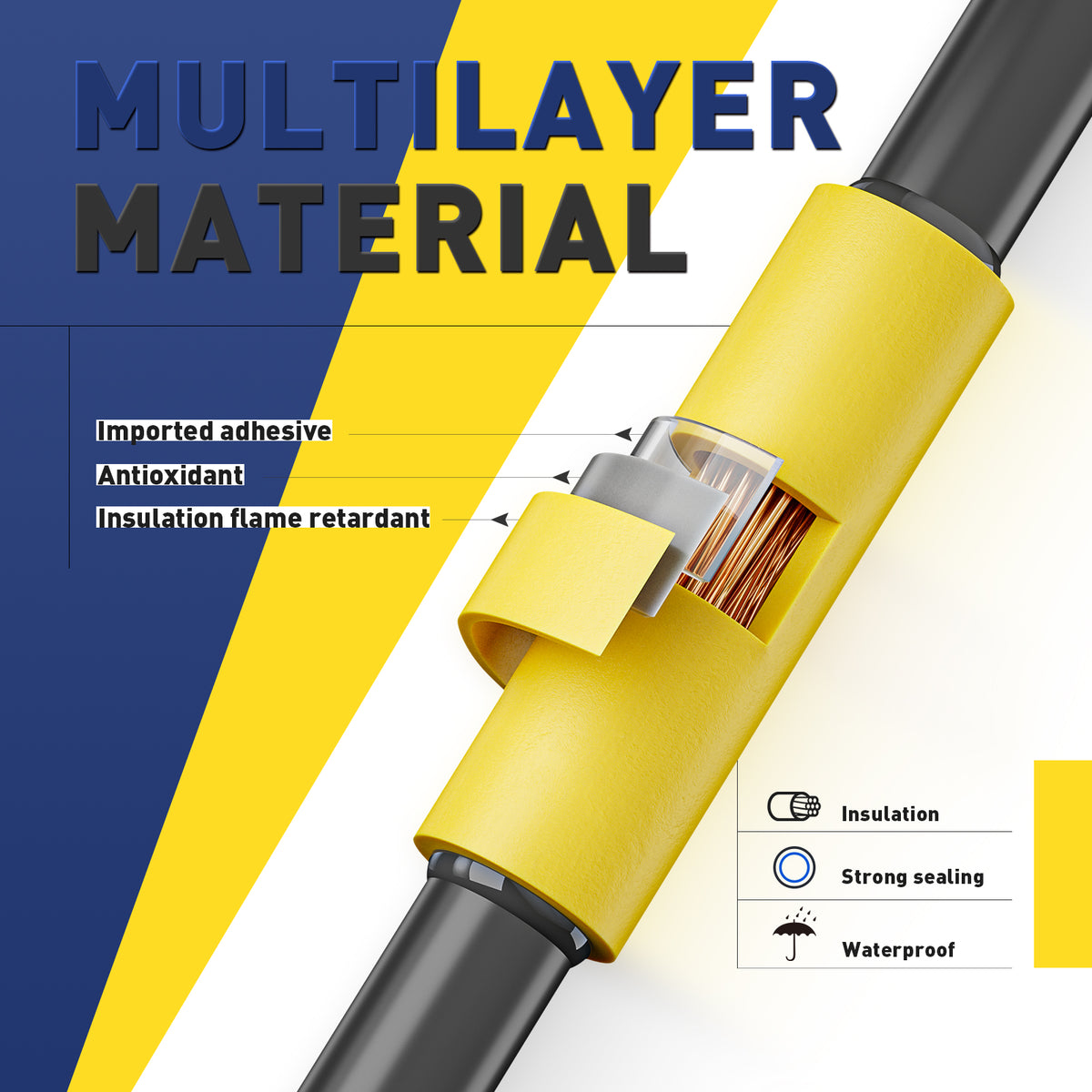
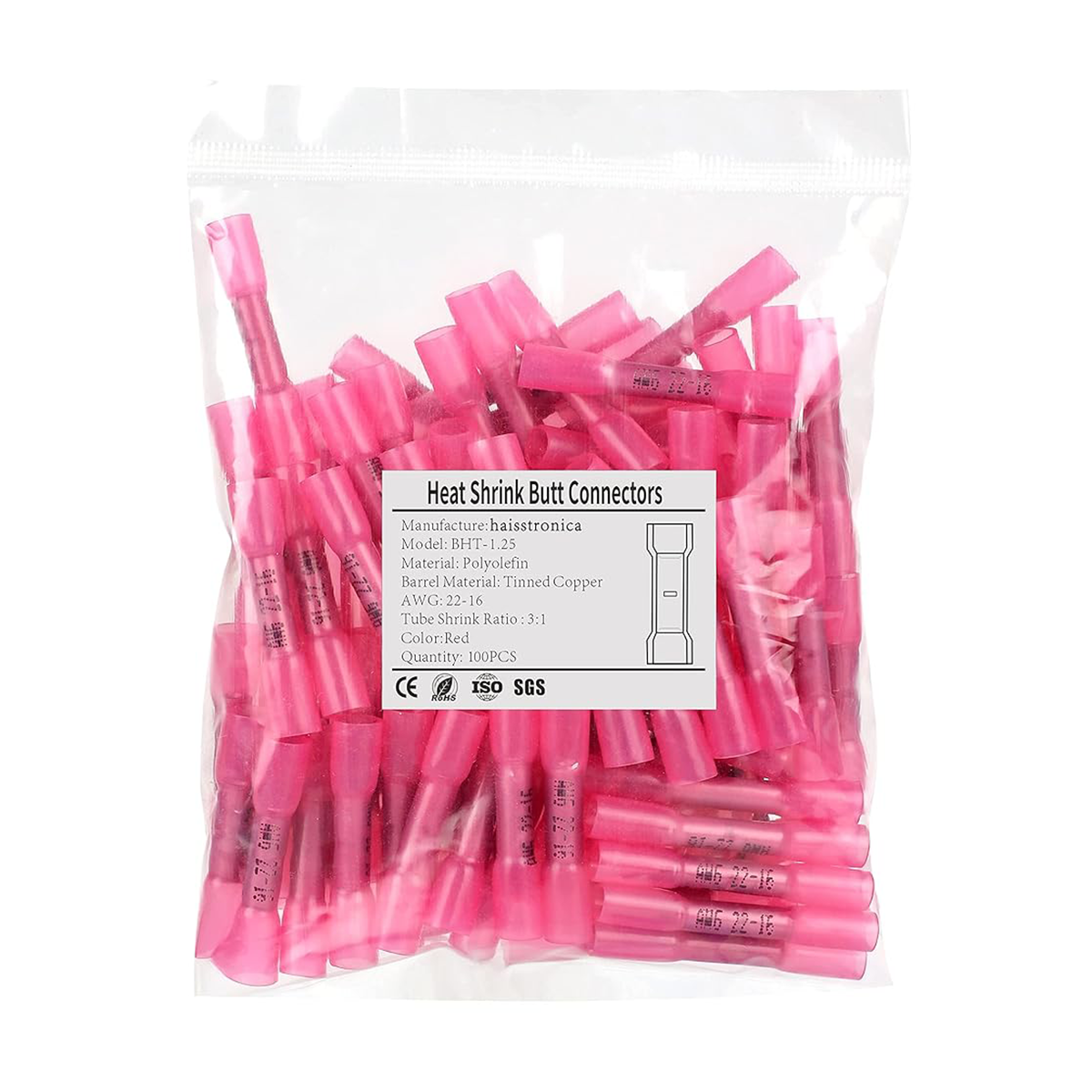
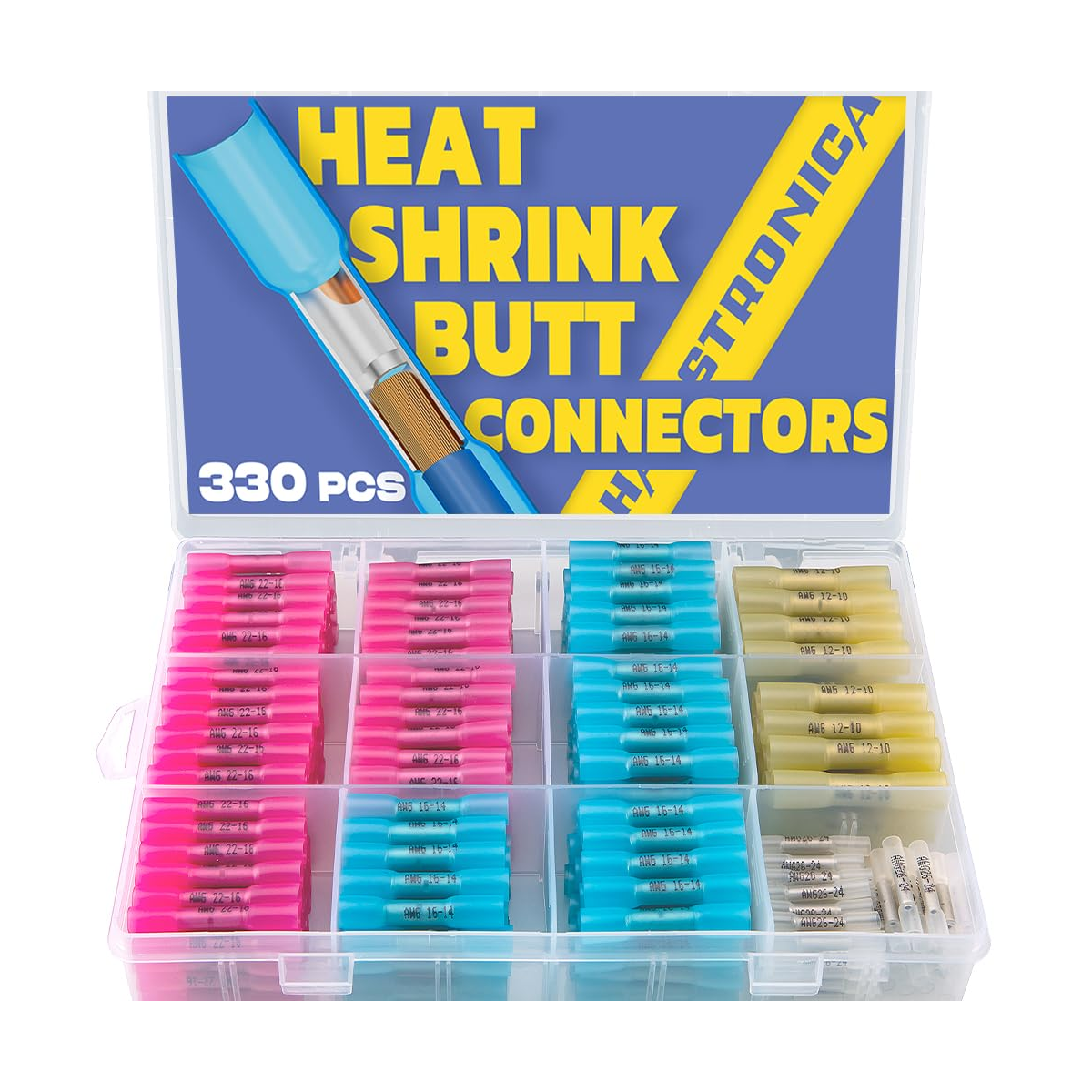
Heat-shrink components can add insulation, strain relief, and moisture sealing, but they do not automatically provide a higher continuous service temperature. The connector and tubing must each publish a compatible rating for the actual environment.

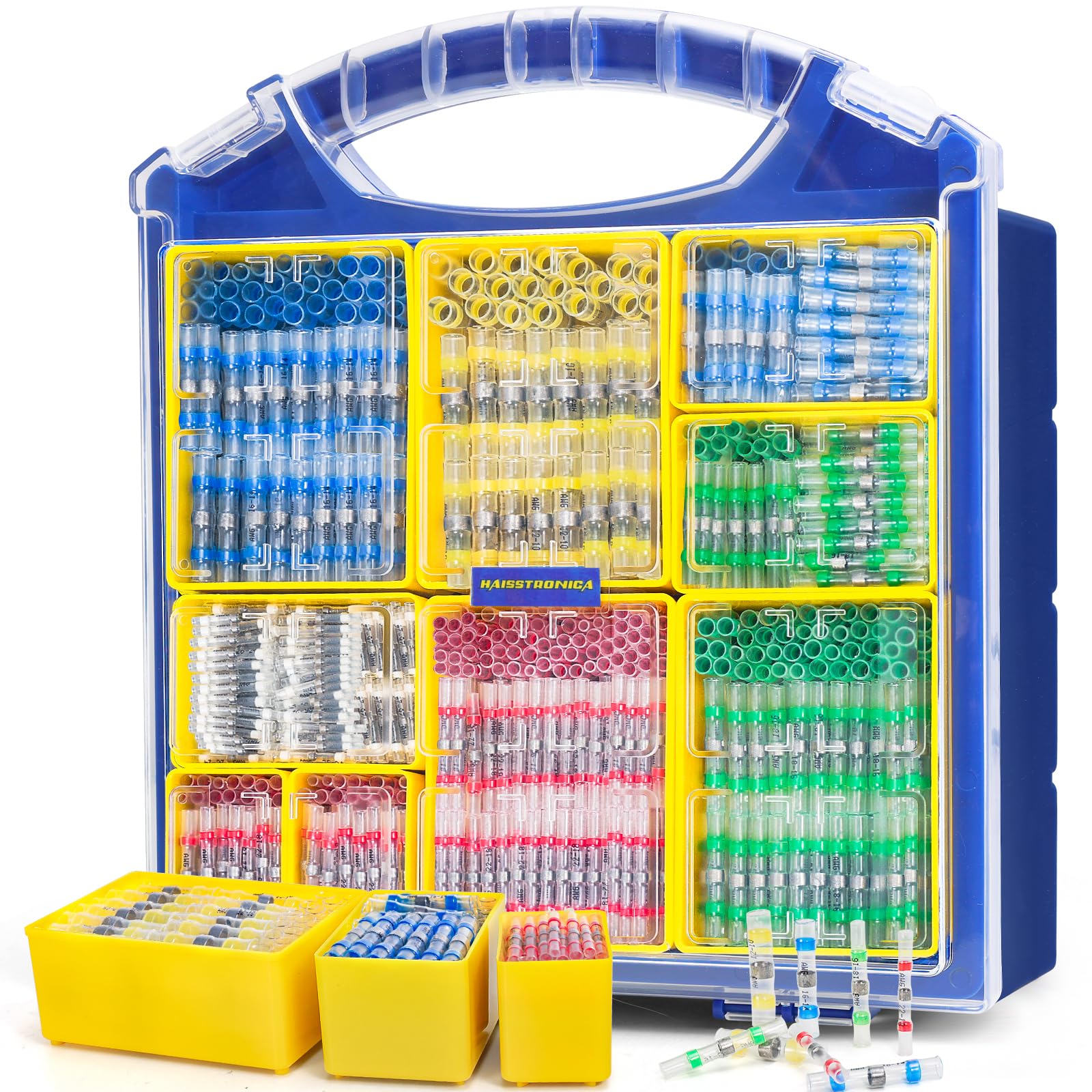
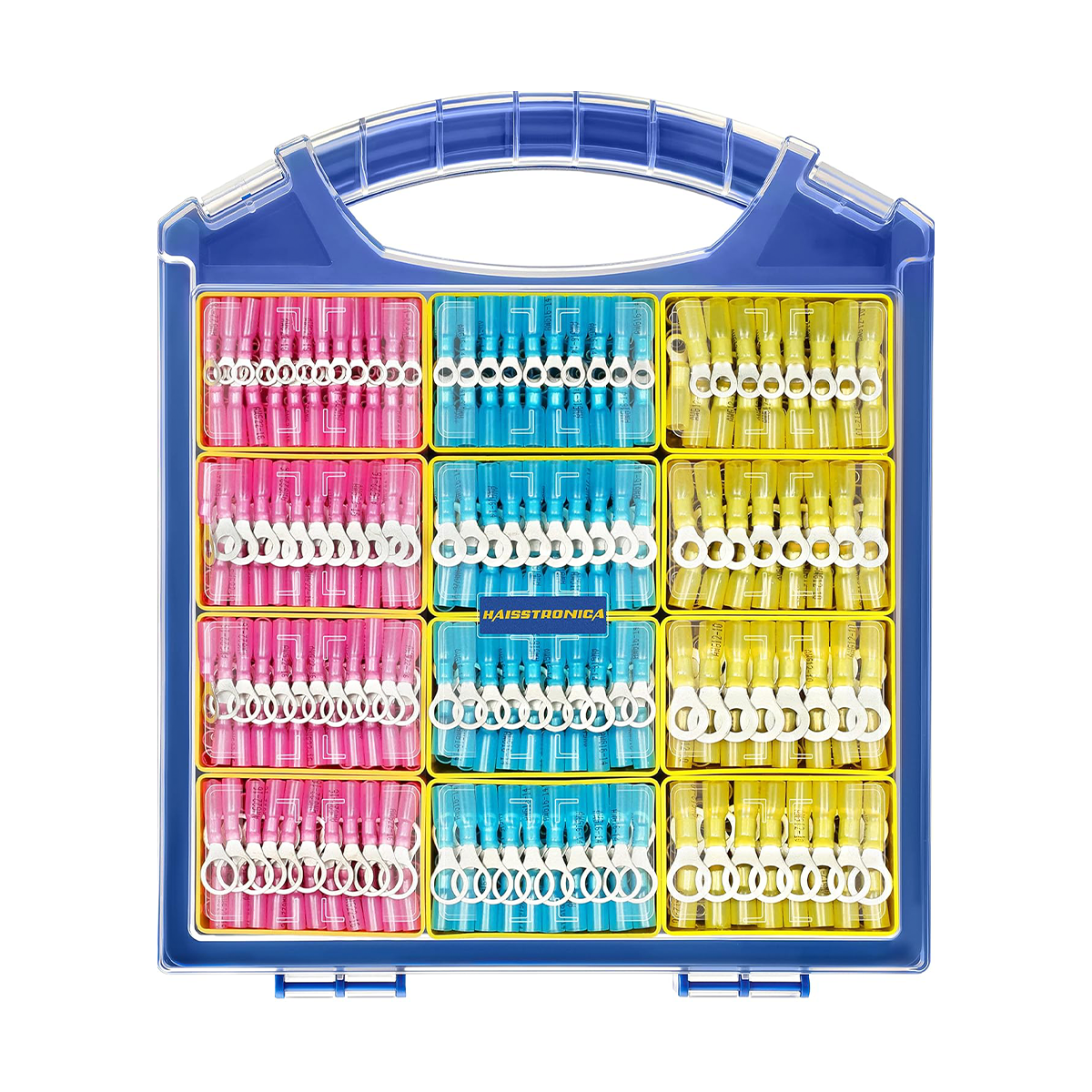
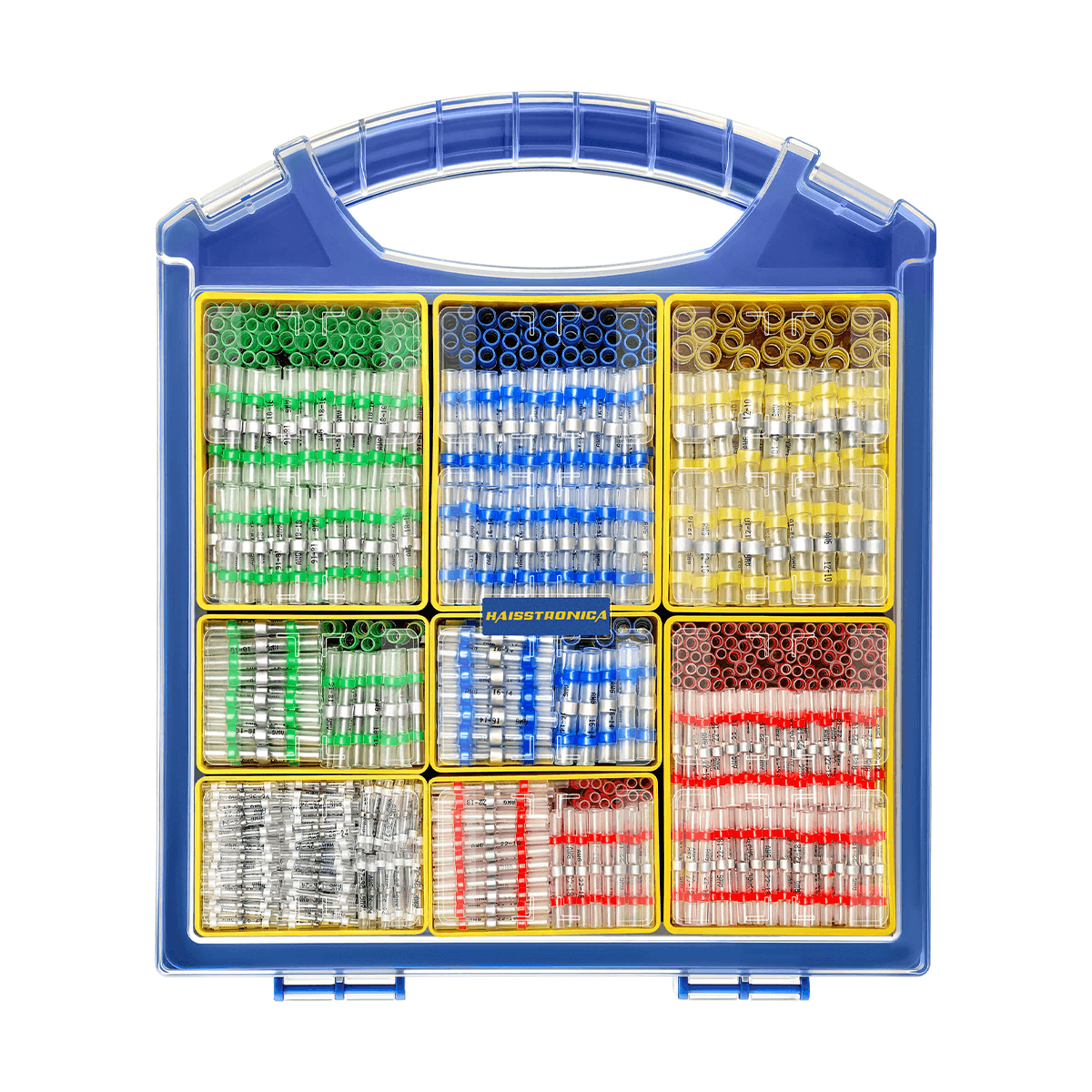
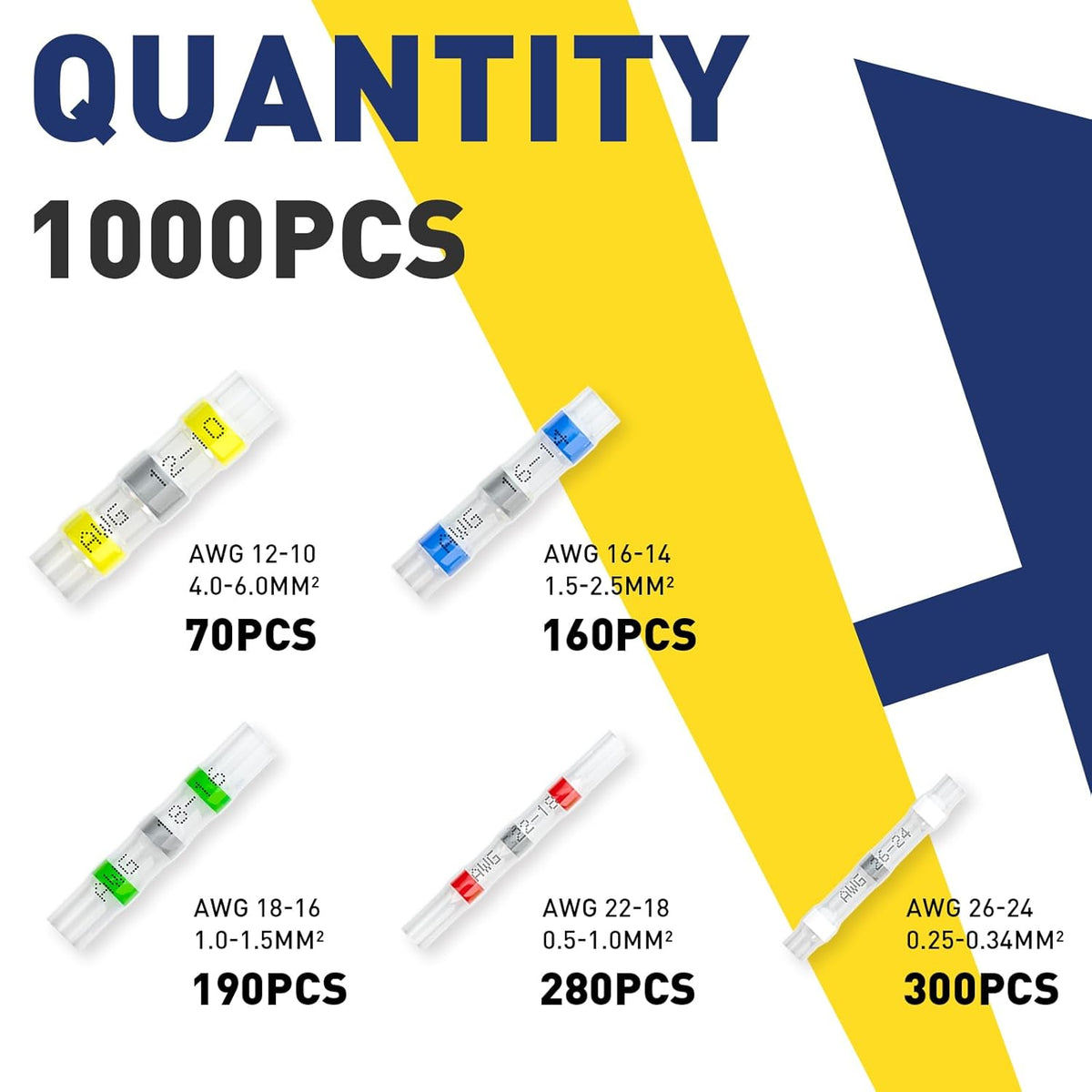
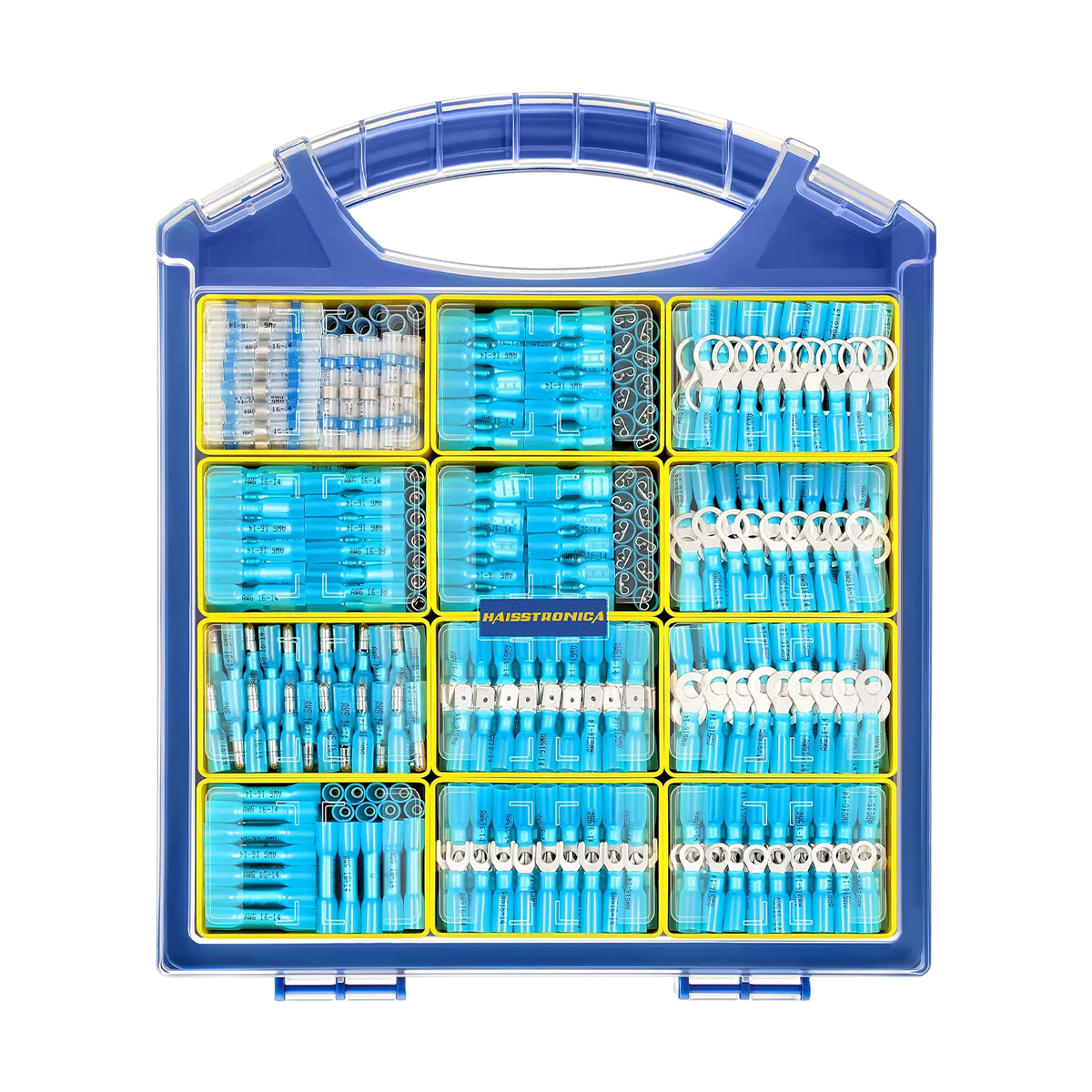
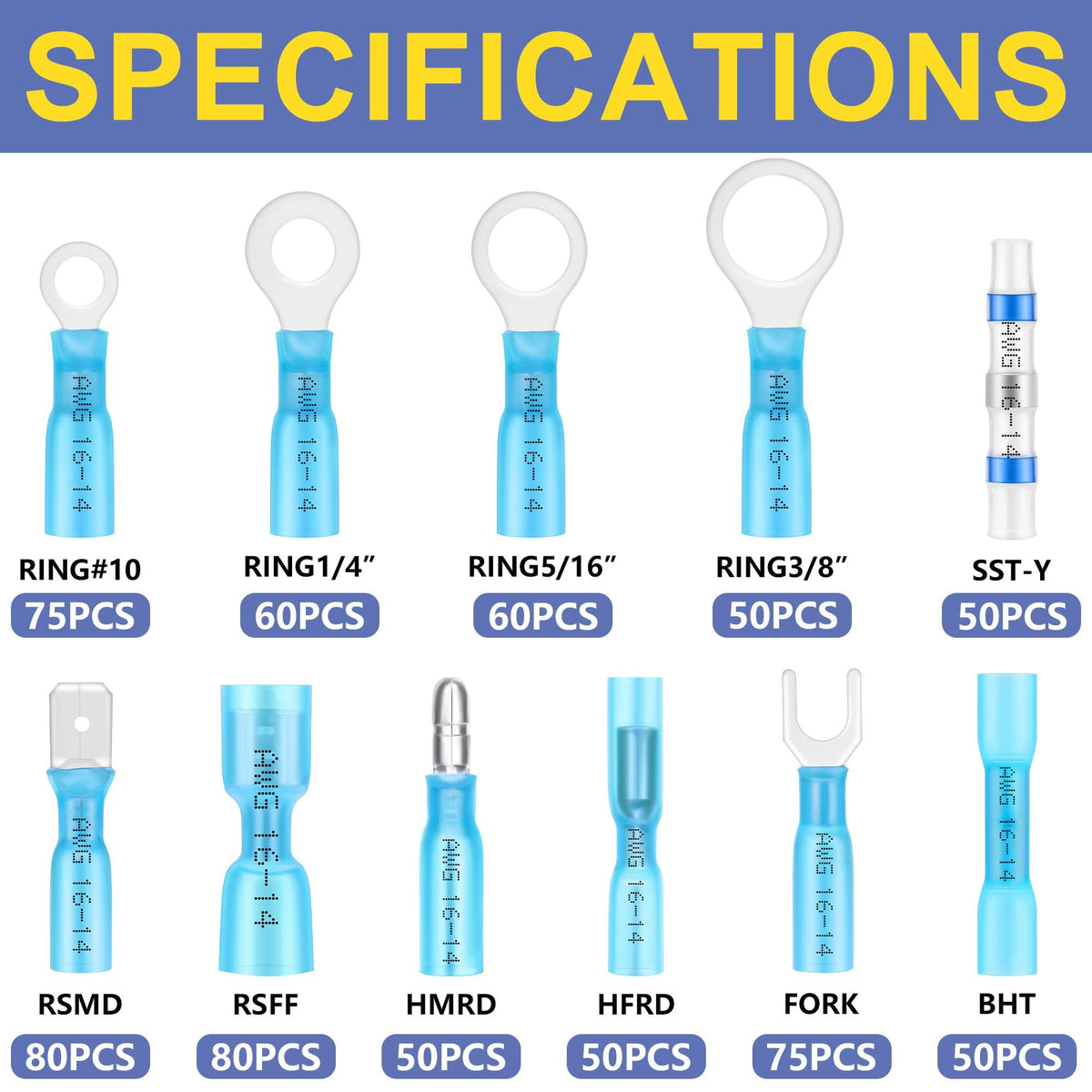
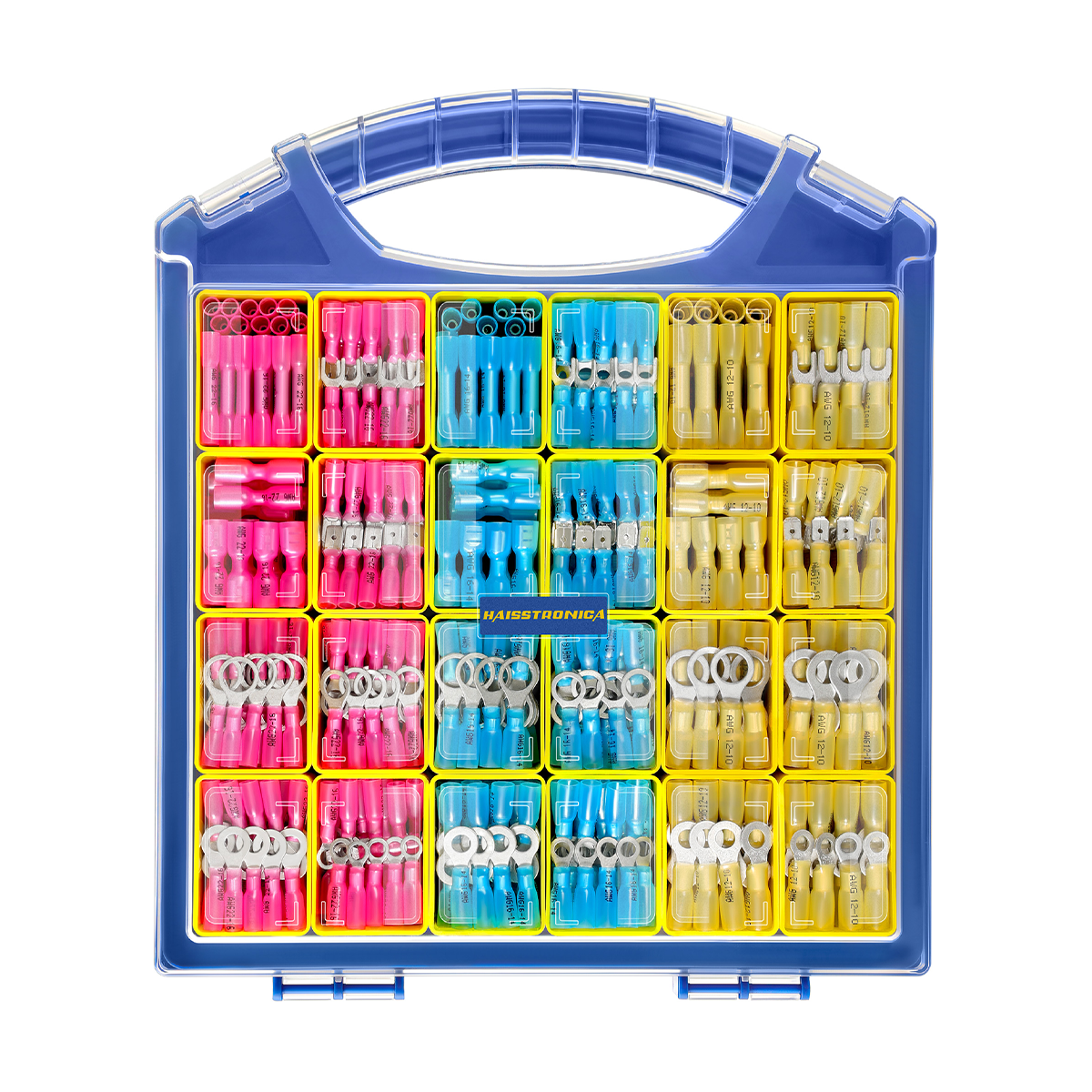
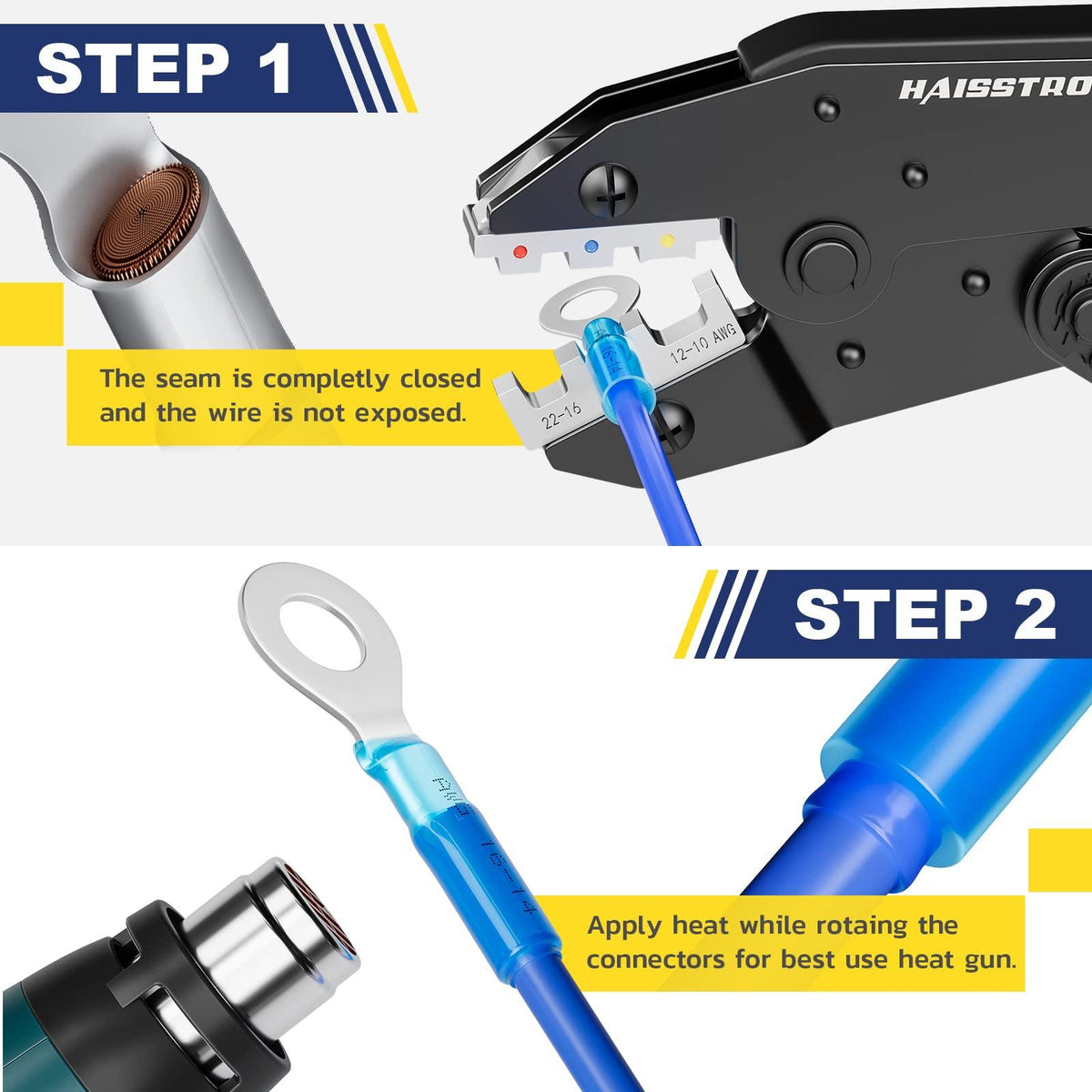
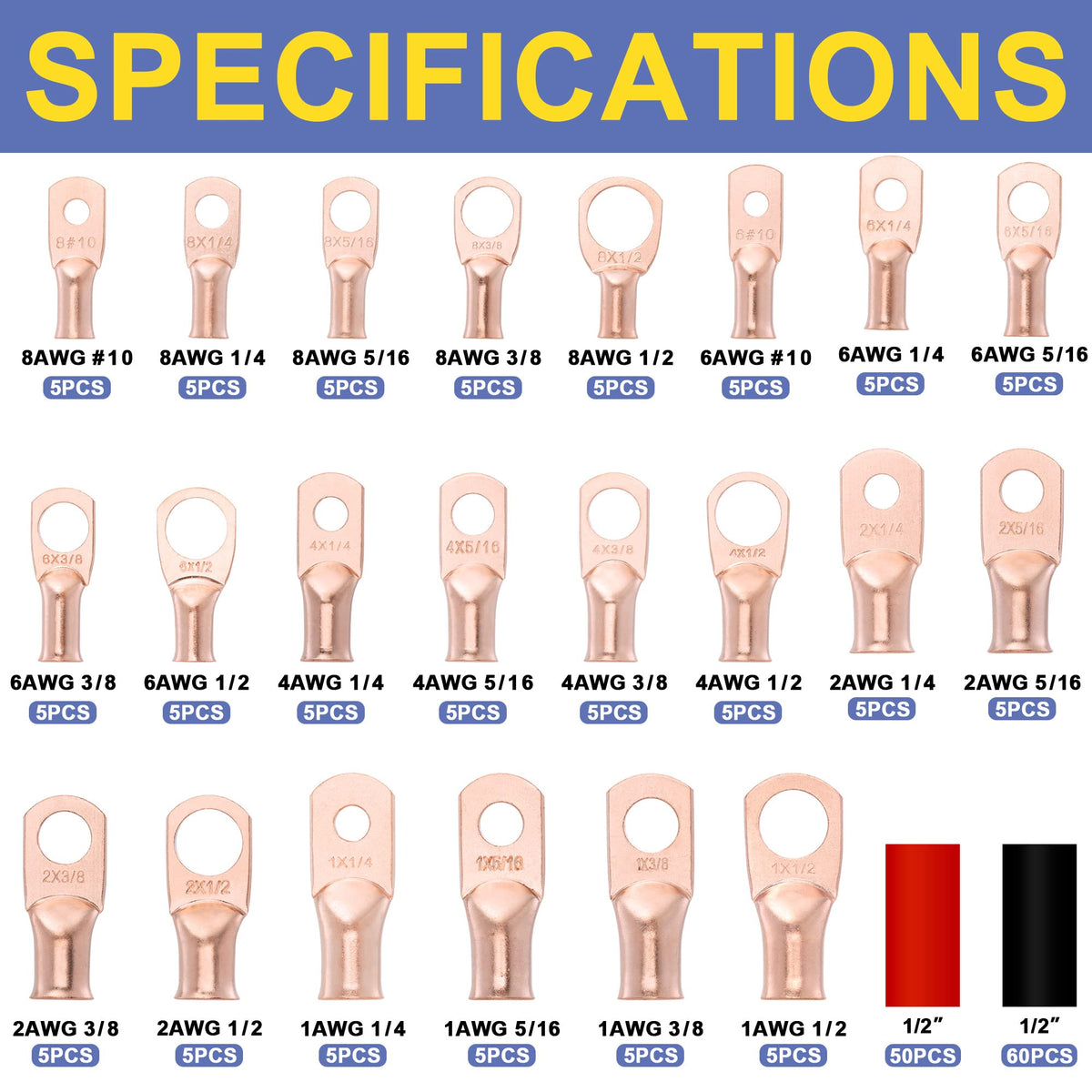
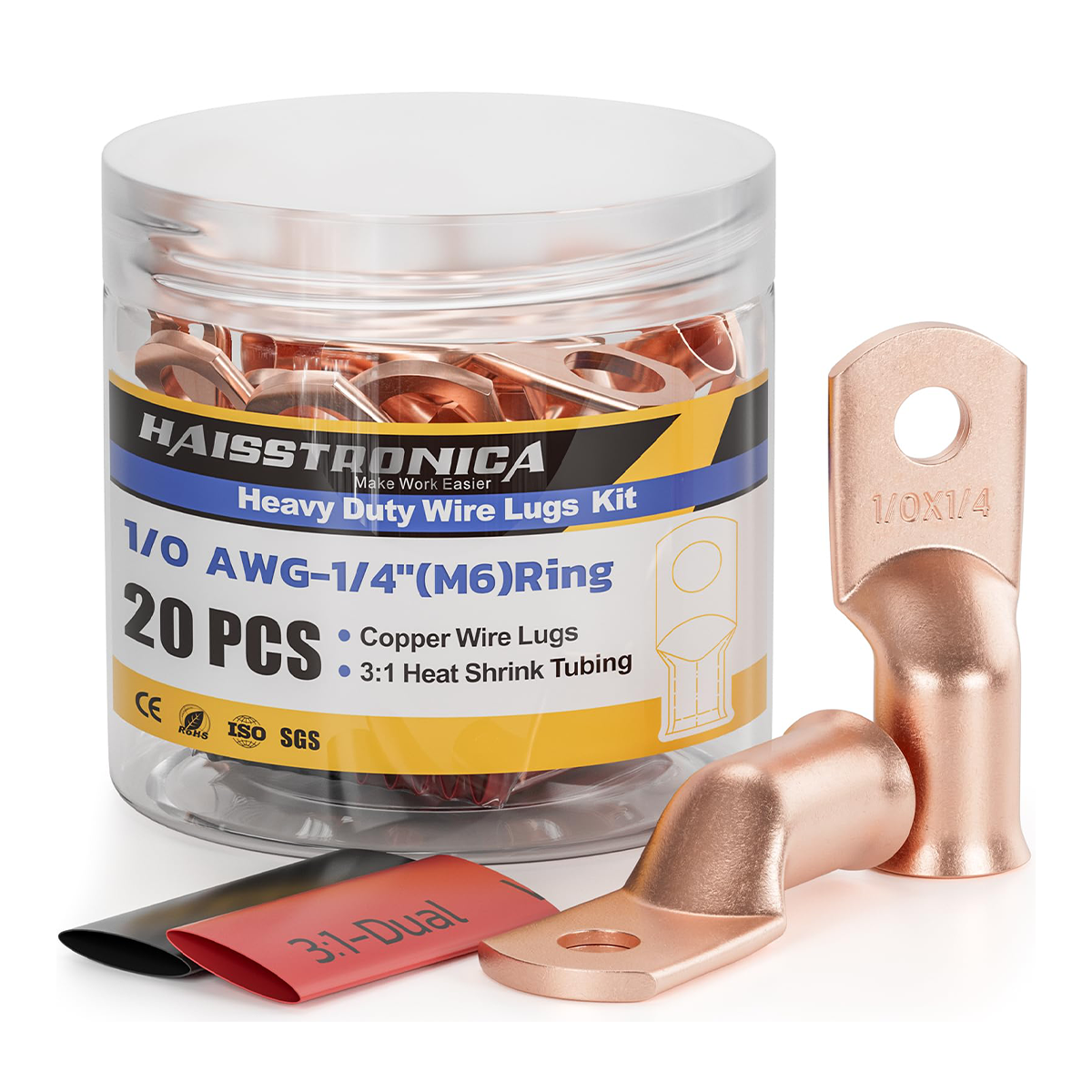
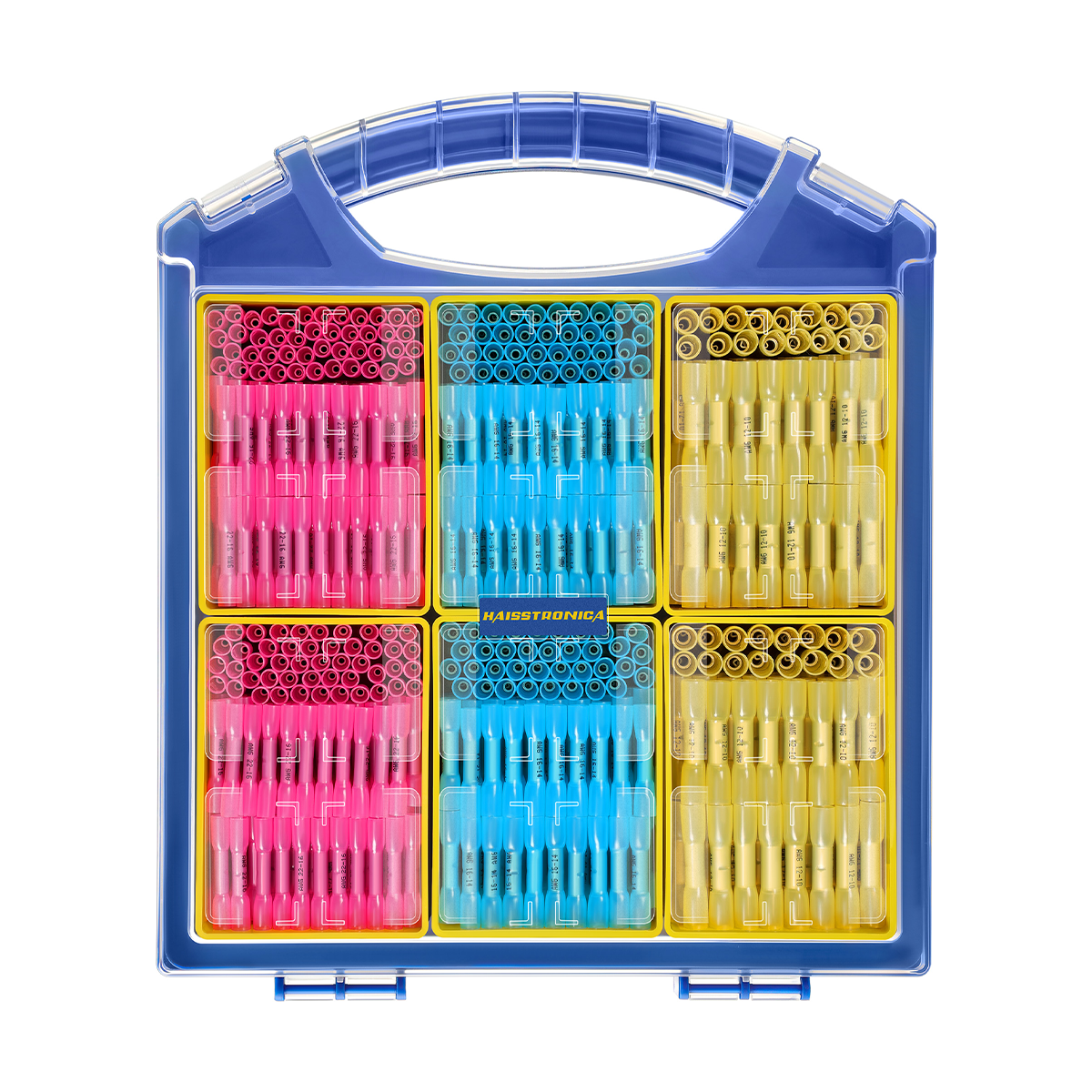
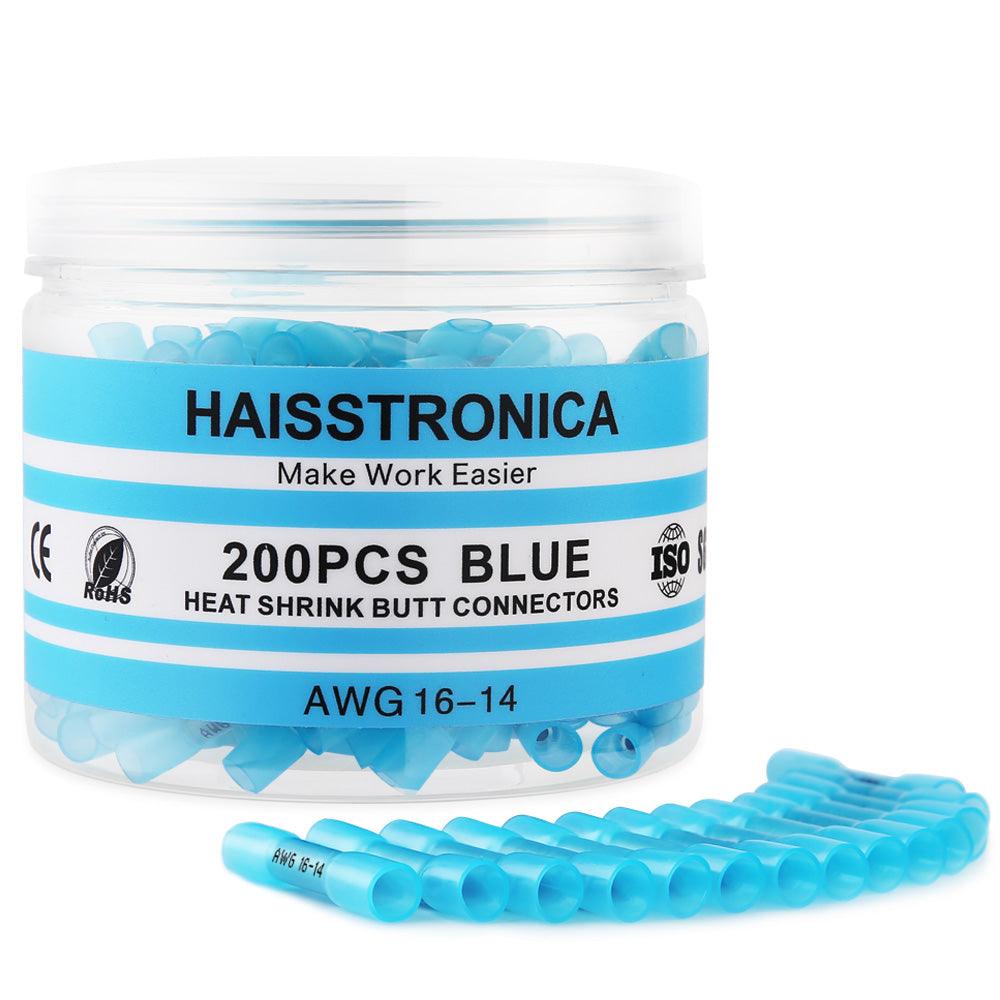
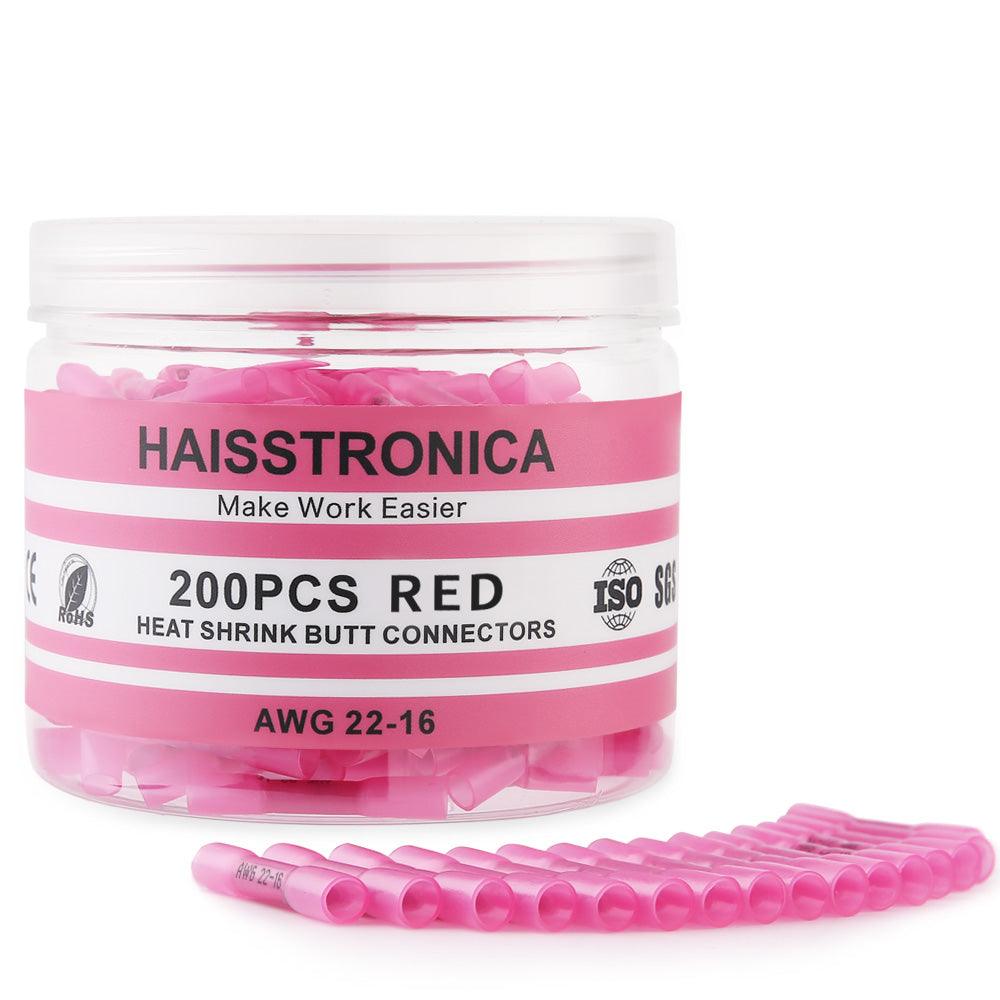
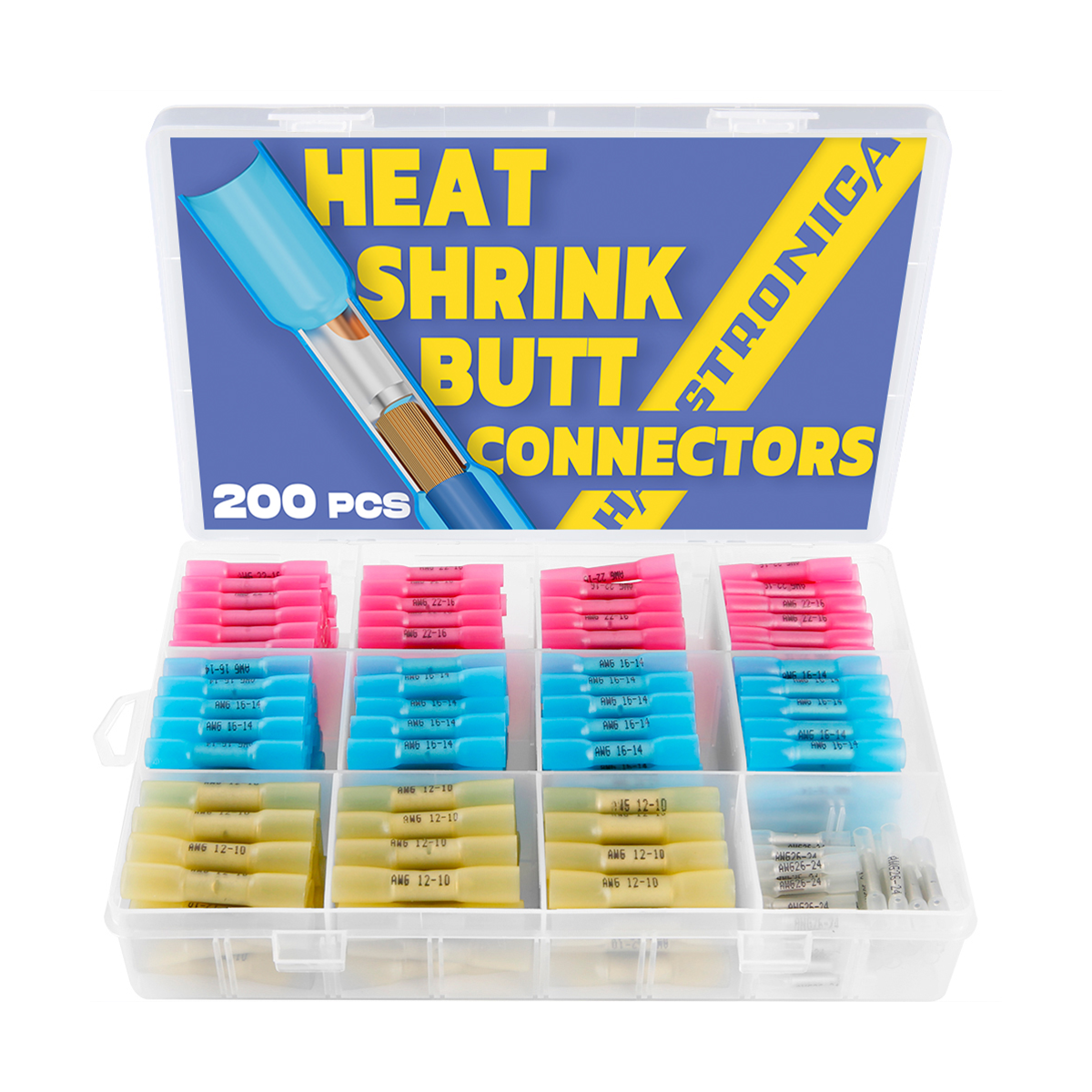
Heat Shrink Connector Kit
Consider only when the exact product documentation, wire gauge, environment, and temperature requirements all match.
Review Product Details →
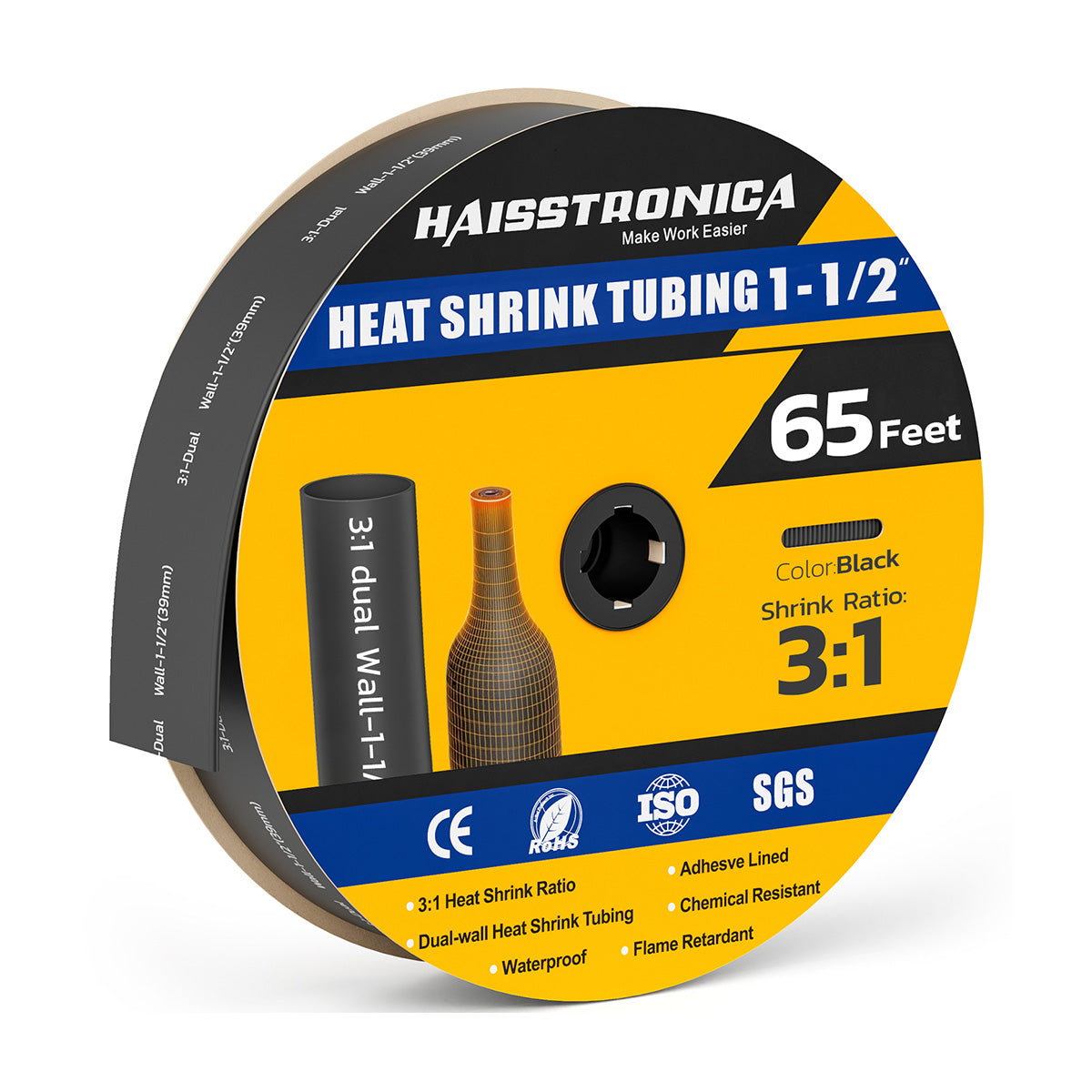
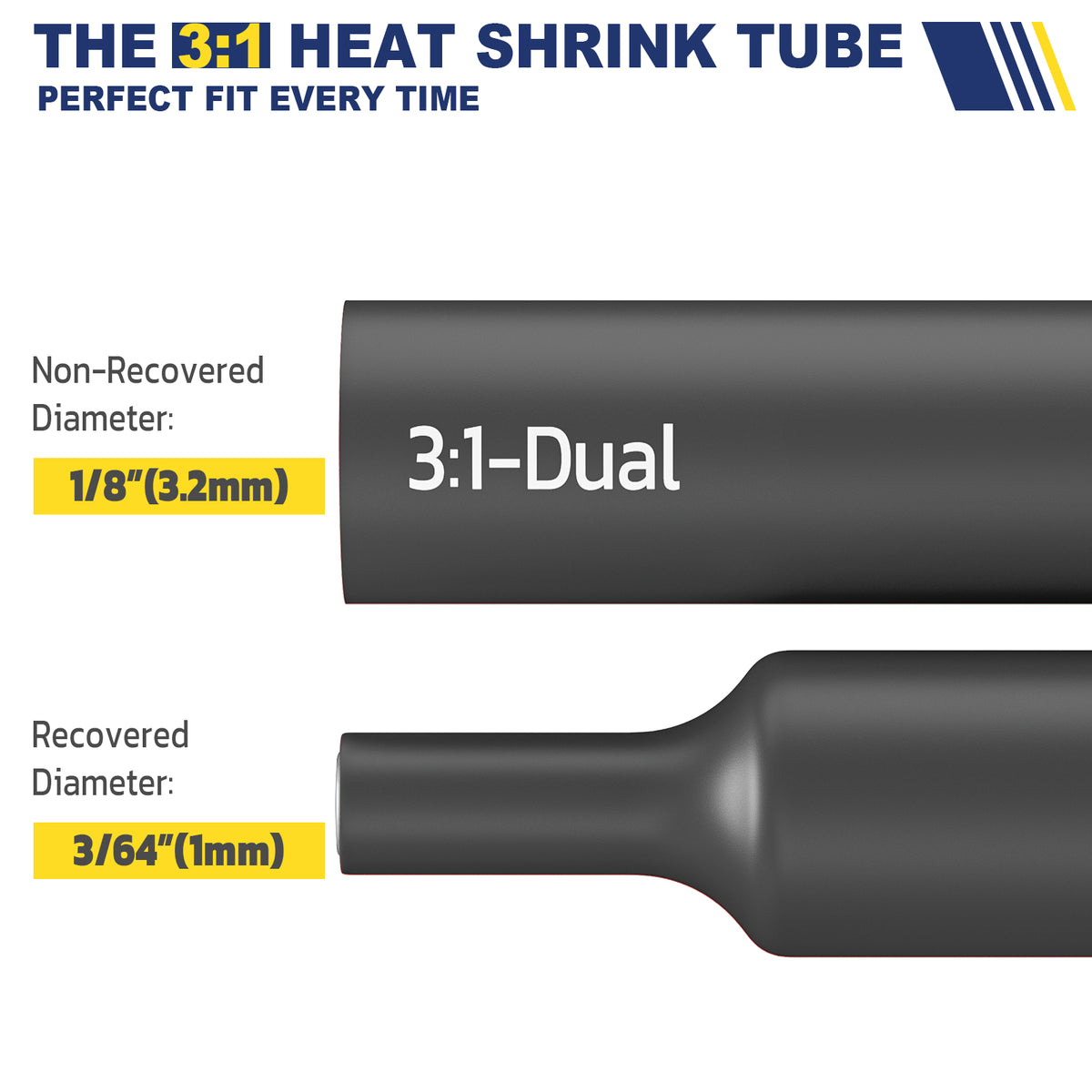
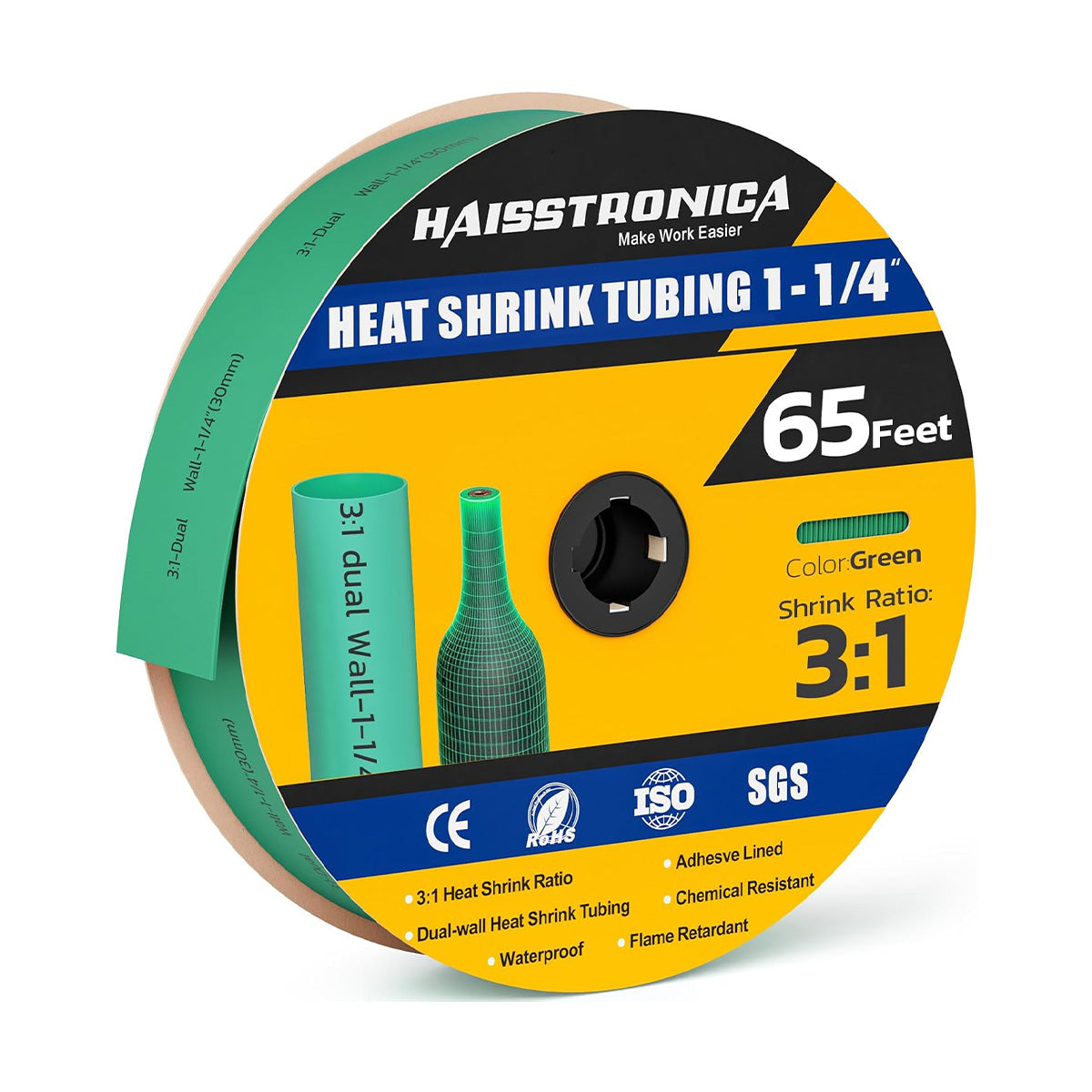
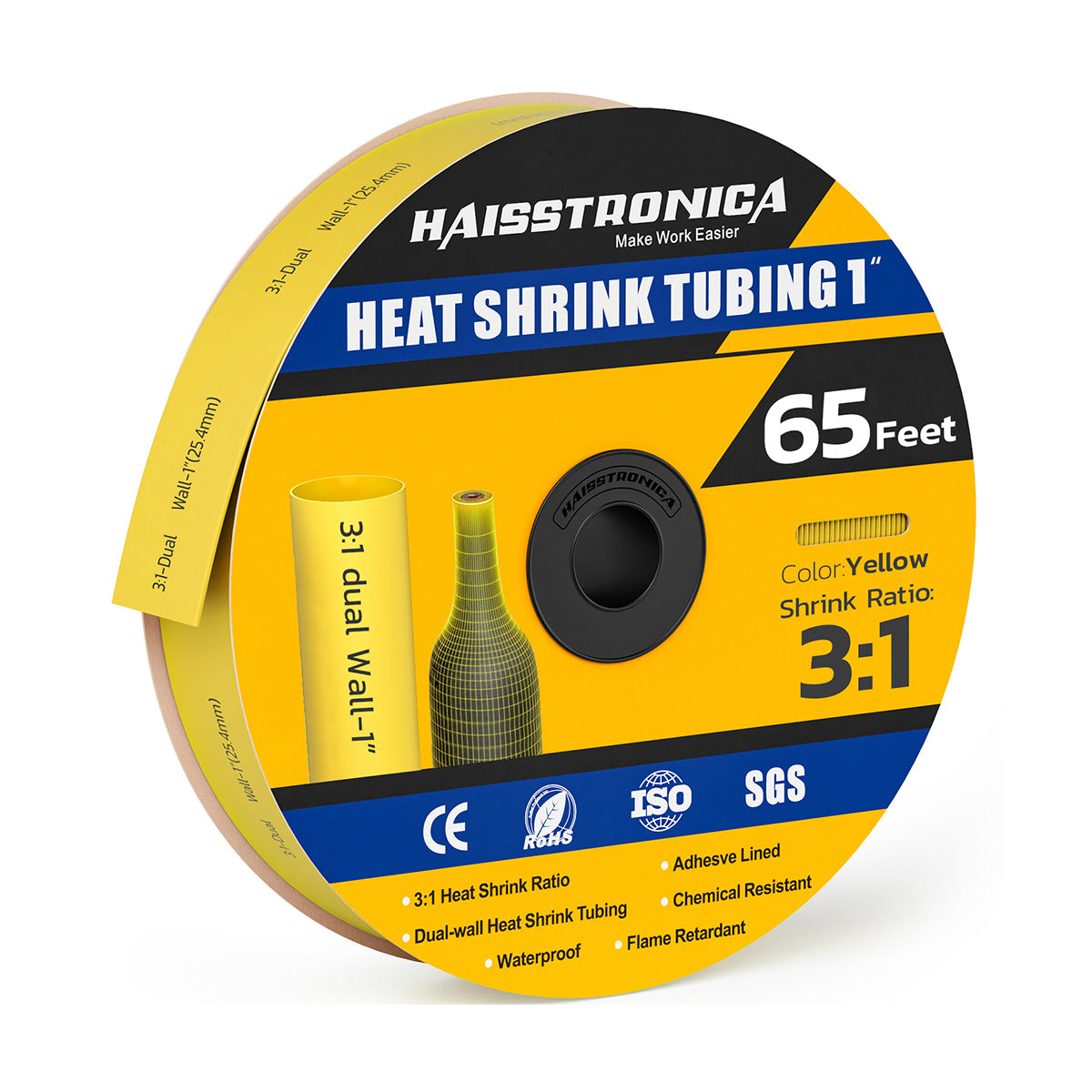
3:1 Heat Shrink Tubing
Use only over a mechanically and electrically correct termination, and only after confirming the tubing’s continuous service rating.
Review Tubing Details →
When to stop and use an industrial high-temperature solution
- The connection is near a heating element, oven, furnace, boiler, engine exhaust, or process heater.
- The expected conductor or enclosure temperature approaches the connector maximum.
- The product lacks a traceable temperature rating or listing for the location.
- Existing insulation is discolored, brittle, melted, or smells overheated.
- The installation requires ceramic, nickel-alloy, fiberglass, PTFE, silicone, or other engineered high-temperature components.
Do not “upgrade” a standard twist-on connector by wrapping it with tape or heat shrink. Additional covering does not change the connector’s listing or maximum temperature rating. Use a component specified for the actual heat, voltage, conductor, and environment, and involve a qualified electrician or engineer where required.
Frequently asked questions
Are all wire nuts rated 105°C?
No. 105°C is common for specific listed products, but the exact connector marking and data sheet control.
Can a 105°C connector be used in a 105°C ambient?
Do not assume so. Connection temperature also includes load heating, contact resistance, enclosure heat, and nearby sources. The rating is a maximum component limit, not a recommended ambient target.
Does a waterproof connector have a higher temperature rating?
Not necessarily. Wet-location suitability and temperature rating are independent requirements.
Can heat shrink tubing make a connector high-temperature?
No. Tubing can add insulation and sealing only within its own documented rating; it does not raise the underlying connector rating.
Temperature, location, and wire range must all agree
For standard-temperature projects, review the connector’s documentation before selecting a heat-shrink option. For high-temperature or uncertain conditions, specify an industrial solution instead.
Review Heat Shrink Connectors →