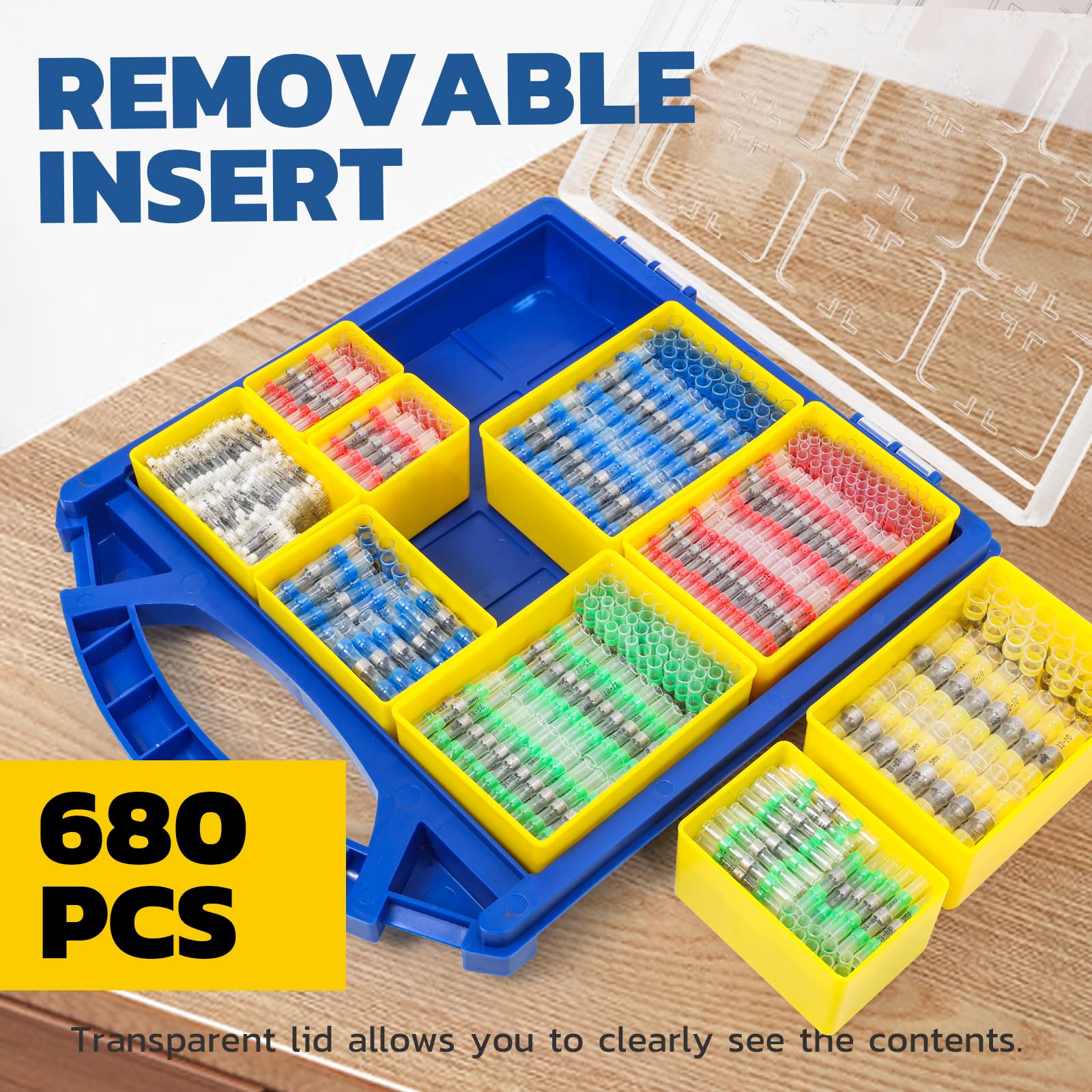
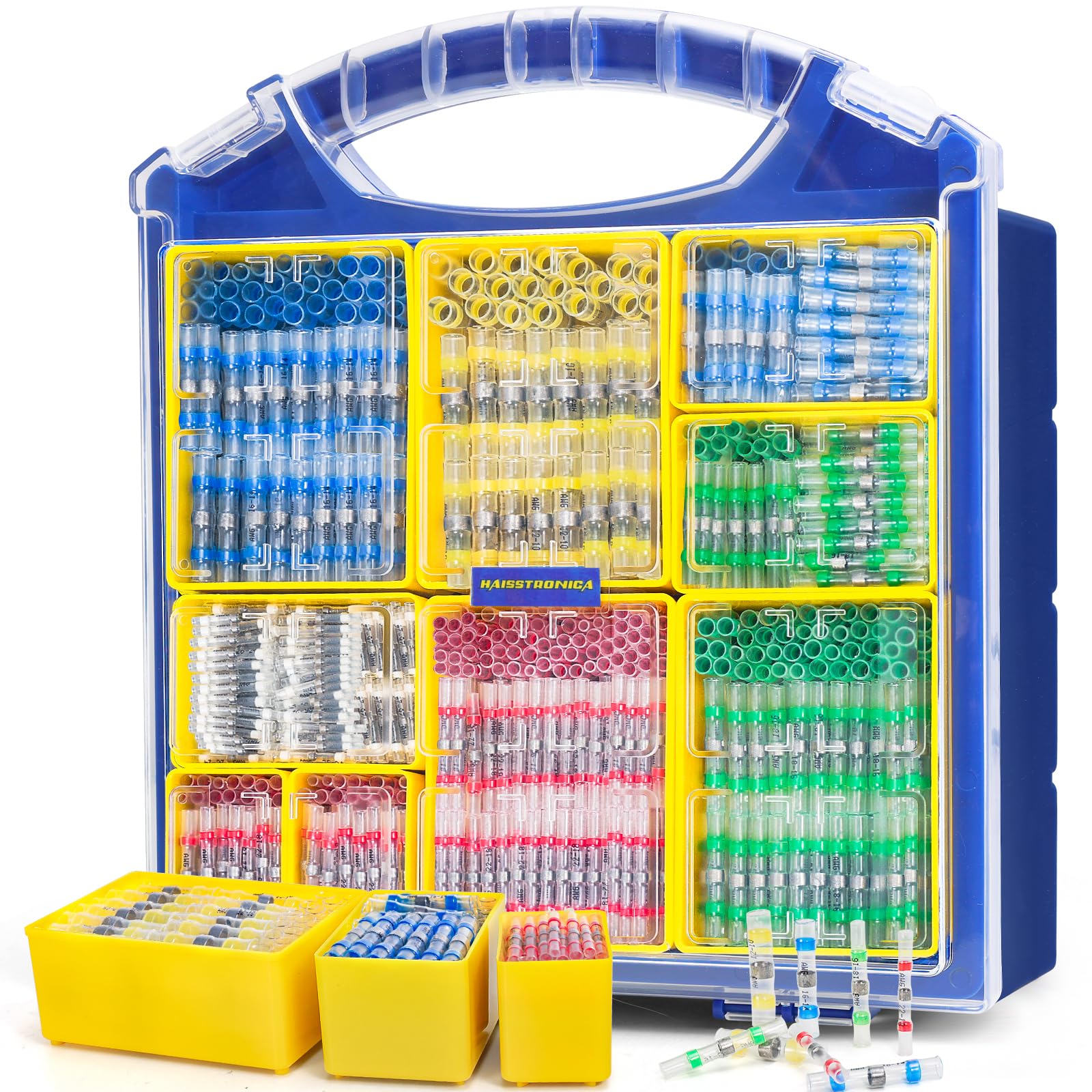
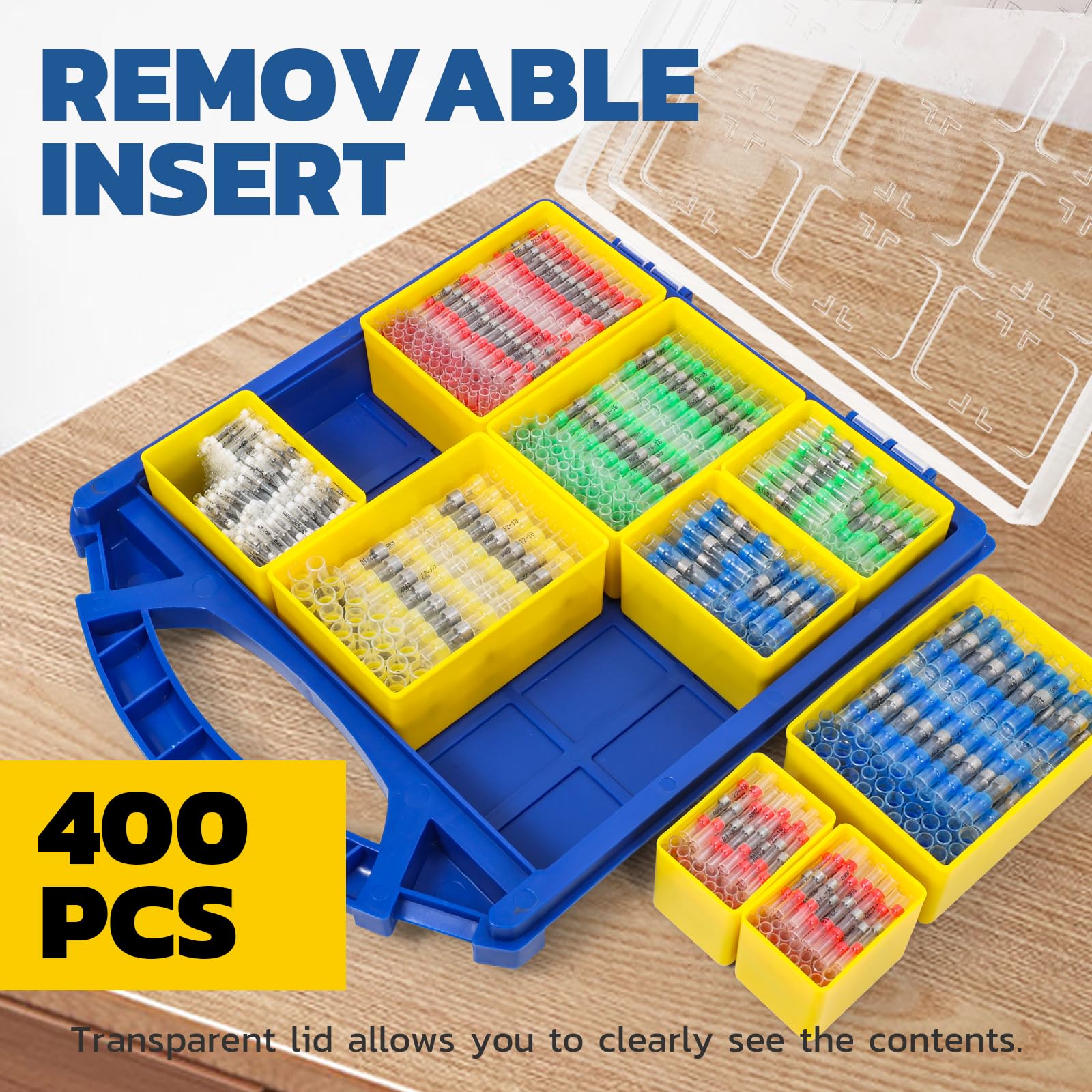
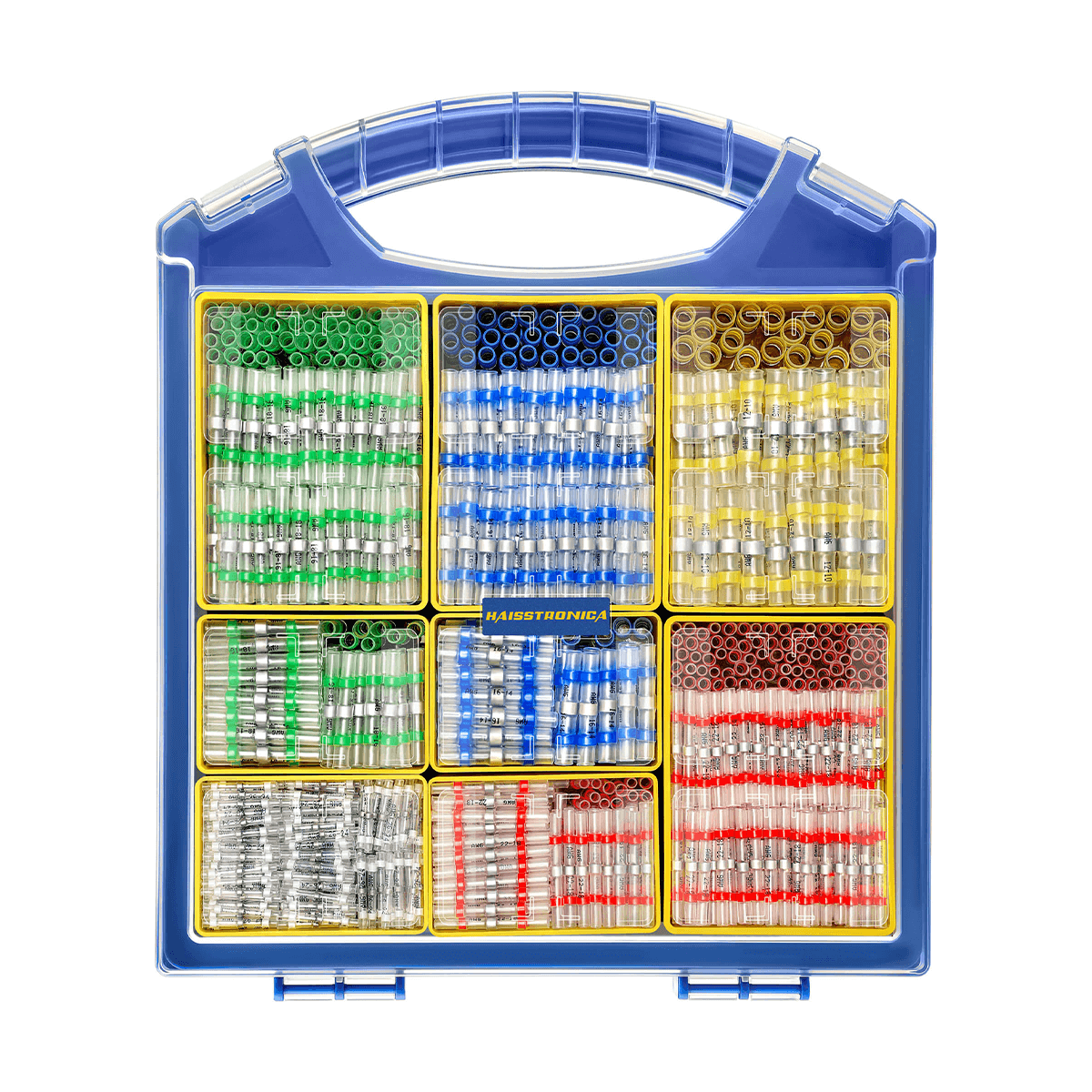
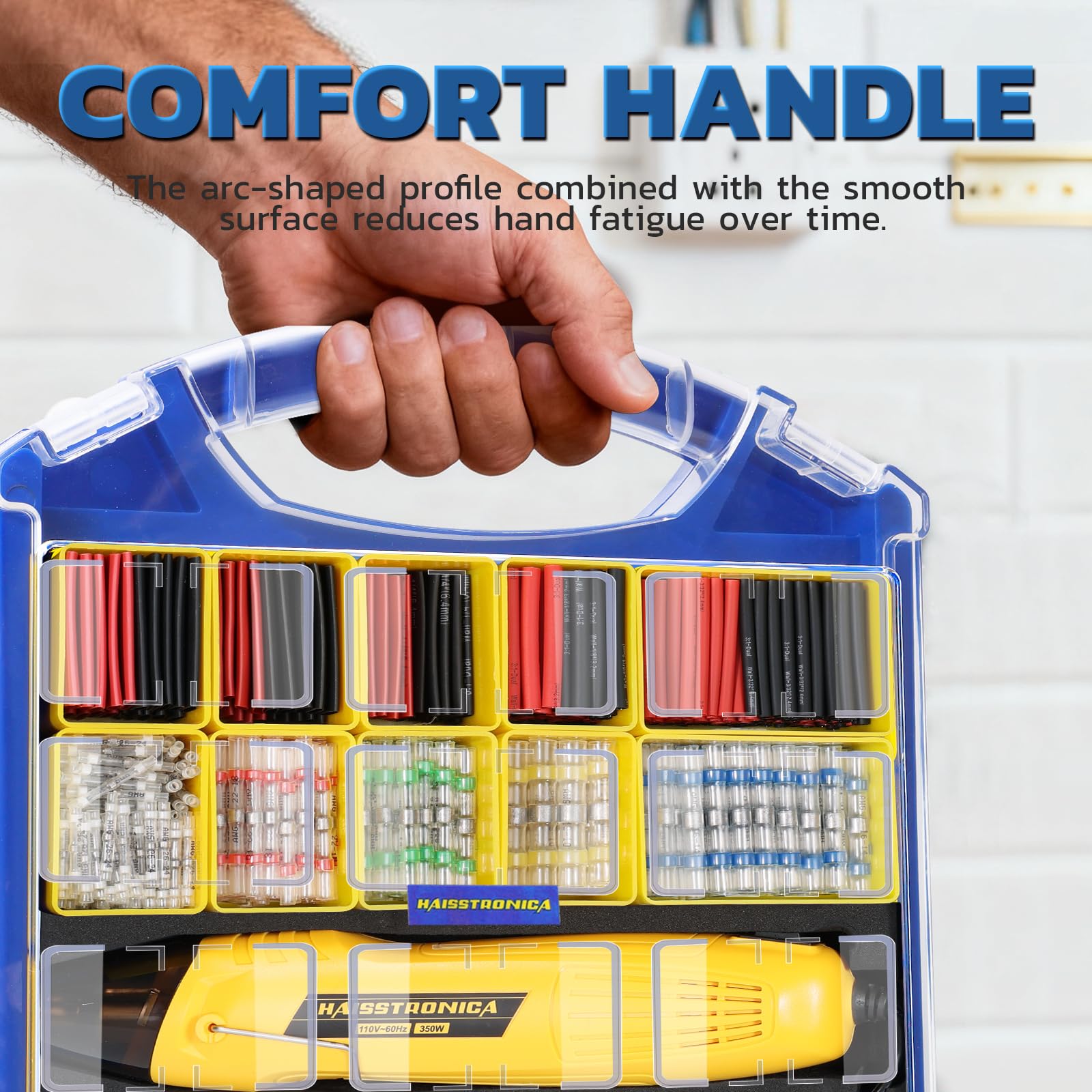
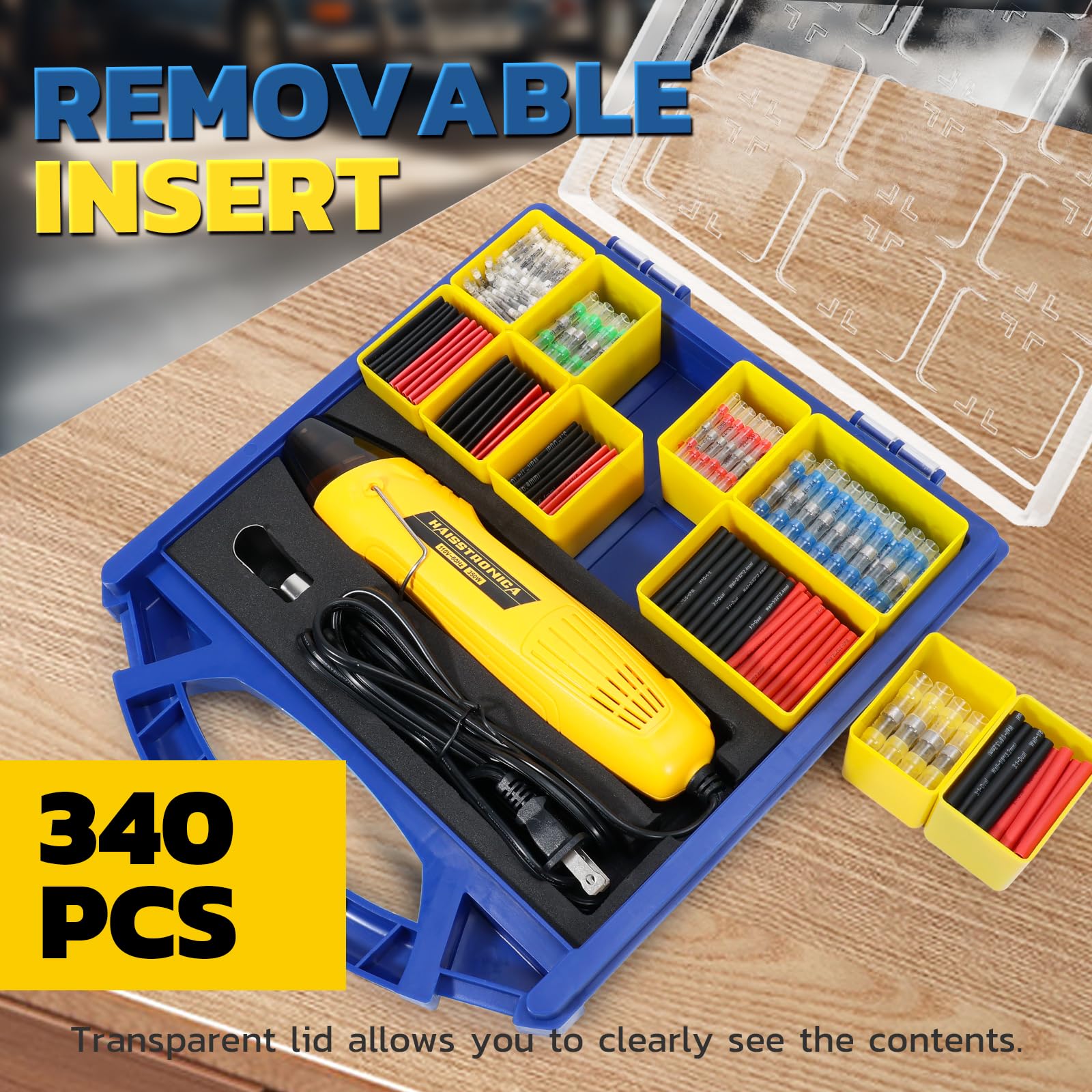
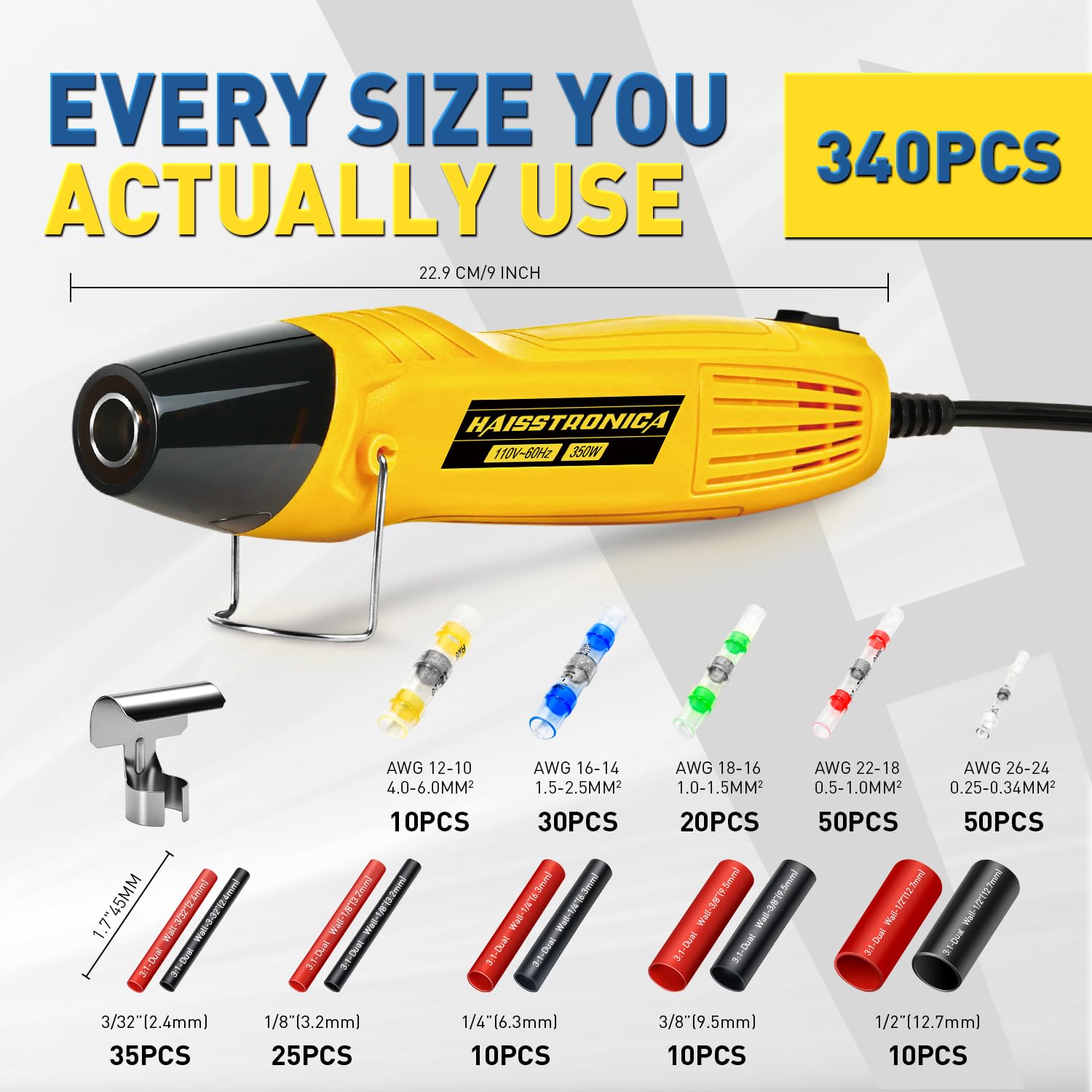
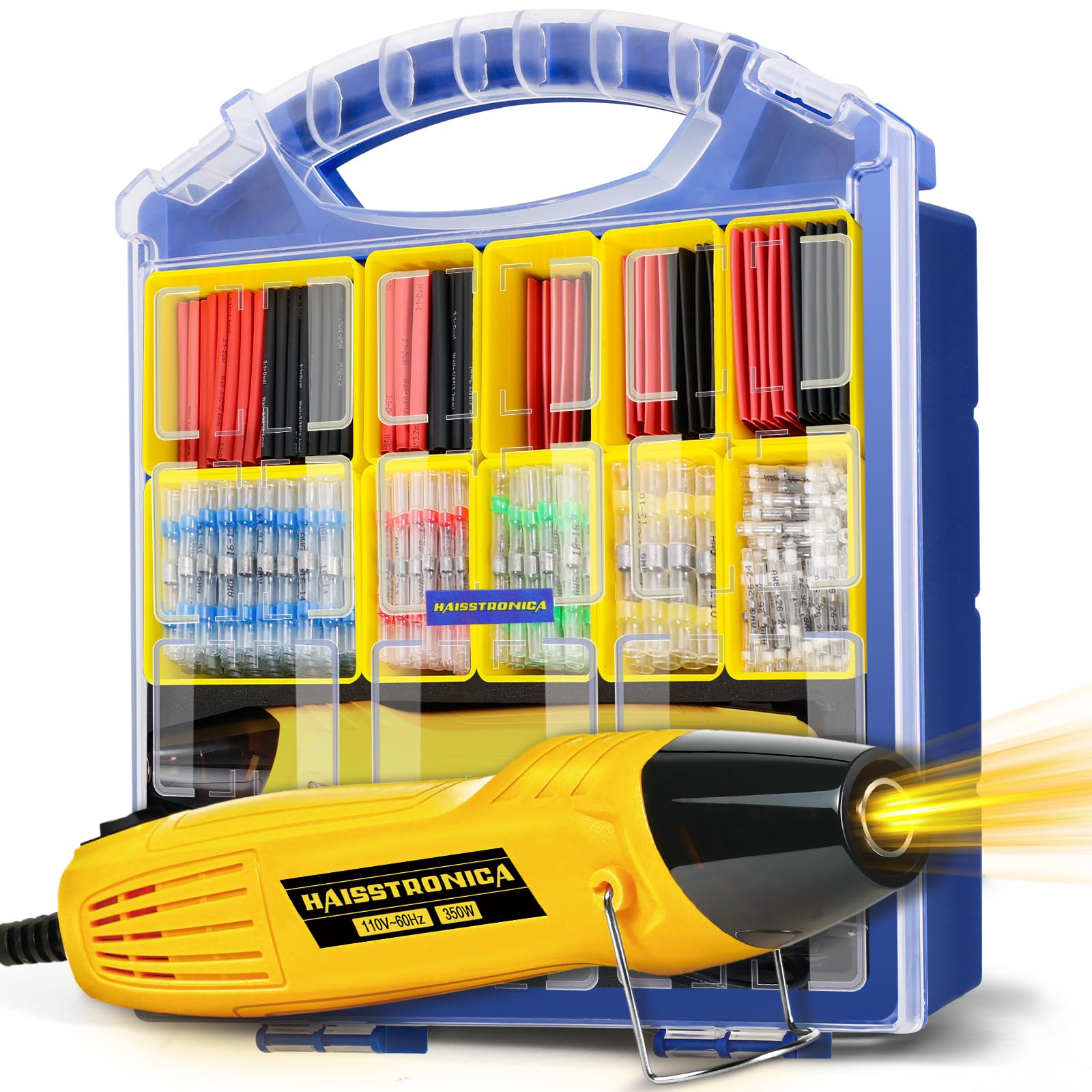
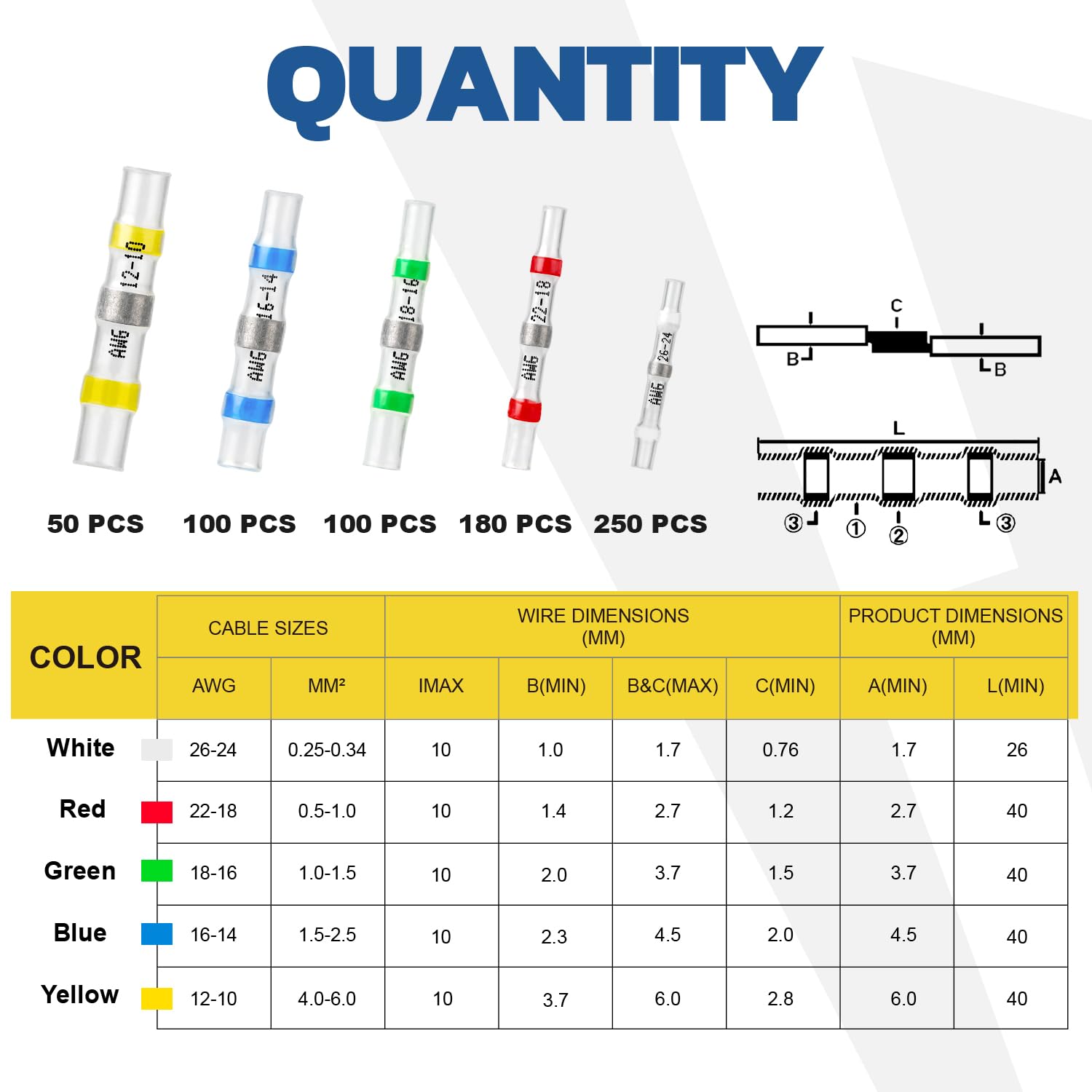
Quick solder connectors combine a solder ring and heat-shrink sleeve into one sealing connector so you can splice wires with a heat source instead of a traditional iron. Used correctly, they give y...
Soldering a wire into a terminal sounds simple, but doing it wrong can leave you with intermittent faults, hidden heat damage, and joints that crack the first time a wire is bumped. In this guide, ...
This article explains what the temperature rating on twist-on wire connectors (wire nuts) really means, how it’s determined, and what “90°C” or “105°C” on the package translates to in the real worl...
Desoldering is a crucial skill for both DIYers and professional electricians. Whether you're repairing electronics, cleaning up messy joints, or replacing components, the technique you use makes al...
If you’ve ever stared at a product page wondering whether to buy the 120-piece starter box or the 1000-piece “never run out” set of solder sticks and connectors, this guide is for you. We’ll break ...
Cold weather can present unique challenges for electrical installations, especially when it comes to ensuring durable, moisture-resistant seals. Understanding the right connectors and heat-shrink t...
Solderless electrical connectors – typically crimp-and-seal types – often perform better than soldered joints in high-vibration environments. Soldered wire splices can become rigid and brittle, lea...
Decode three meanings of “butt connectors with solder”: solder-seal sleeves, mechanical crimp butt connectors and specified crimp-and-solder systems. Compare their internal structure, vibration and...
Compare solder-seal and solderless heat-shrink butt connectors by project environment, solder wetting, mechanical crimping, tool access, vibration and temperature. Choose the connector and matched ...
Heat-shrink tubing and solder seal connectors are two very different solutions for wiring. Heat-shrink tubing is an insulating sleeve used to protect and seal wire connections, while solder seal co...
Quality wiring kits may cost more upfront, but they save money over time by reducing failures, maintenance, and downtime. This article explores the total cost of ownership concept applied to solder...
Avoid common solder-seal connector buying mistakes. Check wire type, solder and flux, adhesive sealing, AWG and operating conditions, then use the interactive checklist to compare matching kits.