Introduction
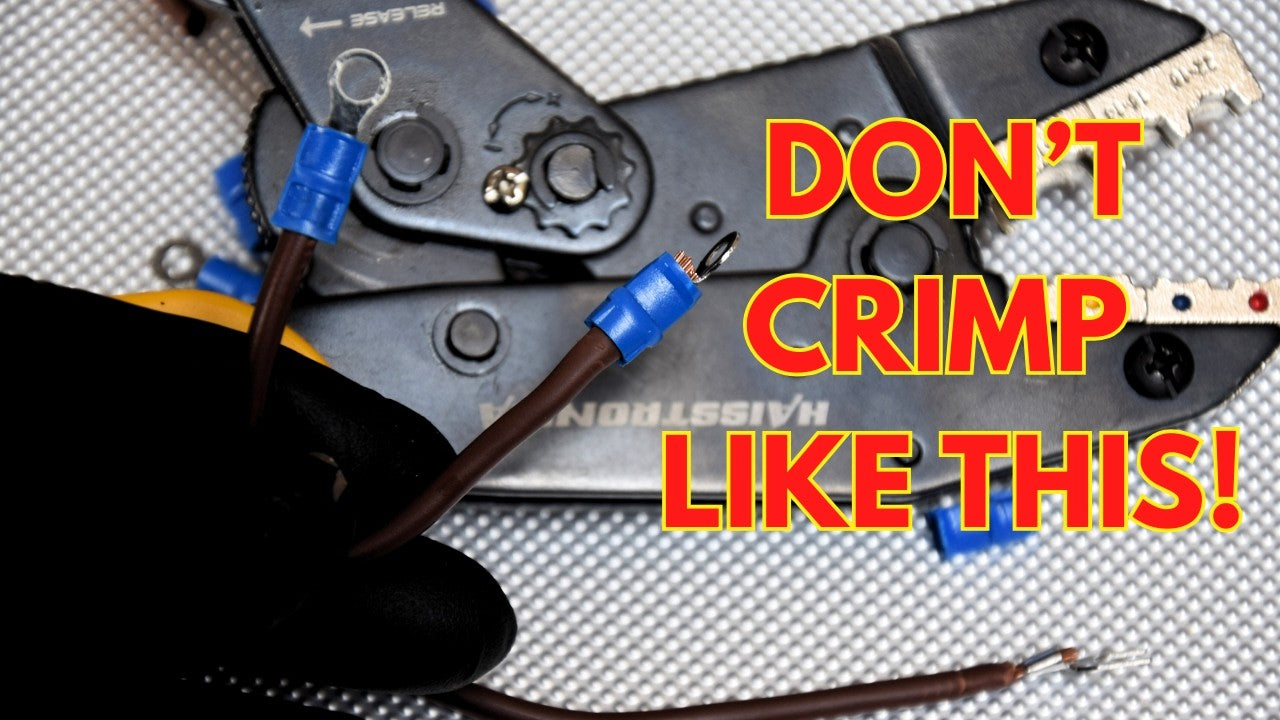
“Should you twist wires before crimping?” is a common question among DIYers and electricians. The short answer: generally no, you should not twist the strands of a wire before crimping...
Introduction
Quick answer: what this page covers
This guide explains what a butt connector is, the common types, and when this splice style makes sense. If you already know you need a sealed ...
Introduction: Butt splice connectors are one of the simplest ways to join two wires end-to-end without soldering. They’re small electrical connectors that create a secure, insulated splice. The nam...
Introduction
Installing landscaping lighting in your yard is an exciting DIY project, but it raises a common question: How far can you run 12/2 low-voltage landscape wire outdoors? The answer is cr...
Introduction
A 14/2 low-voltage landscape lighting wire is flexible and easy to handle, making it simple to install outdoor lighting. This type of landscape lighting wire is designed for direct bur...
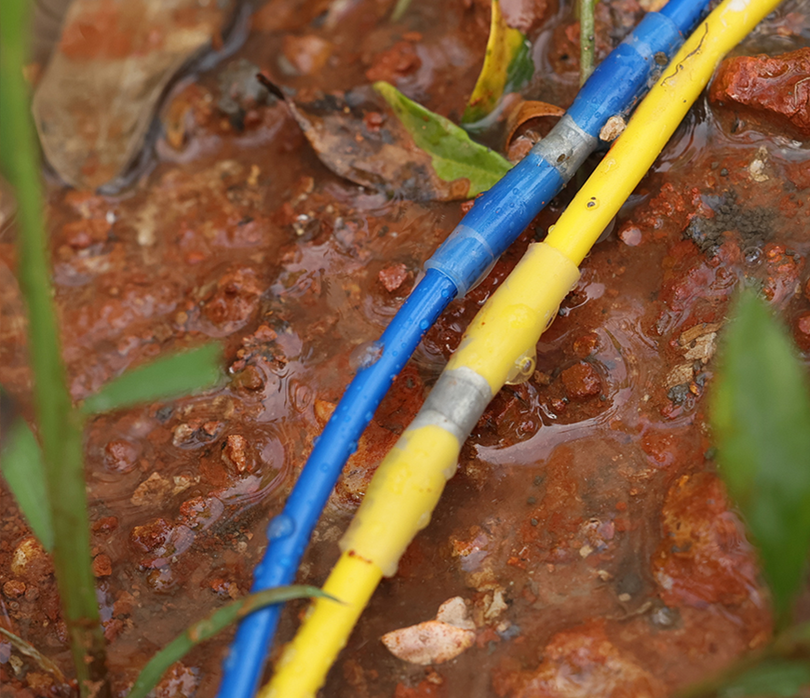
To splice low-voltage landscape wire: shut off the transformer, cut the cable cleanly, strip about 1/2 inch, crimp a waterproof connector, heat it until fully sealed, then test and rebury the splic...
Yes—you can test a wire without stripping it. Use a non-contact tester for live AC voltage, accessible terminals or back-probes for continuity and DC checks, and a piercing probe only when no termi...
Introduction
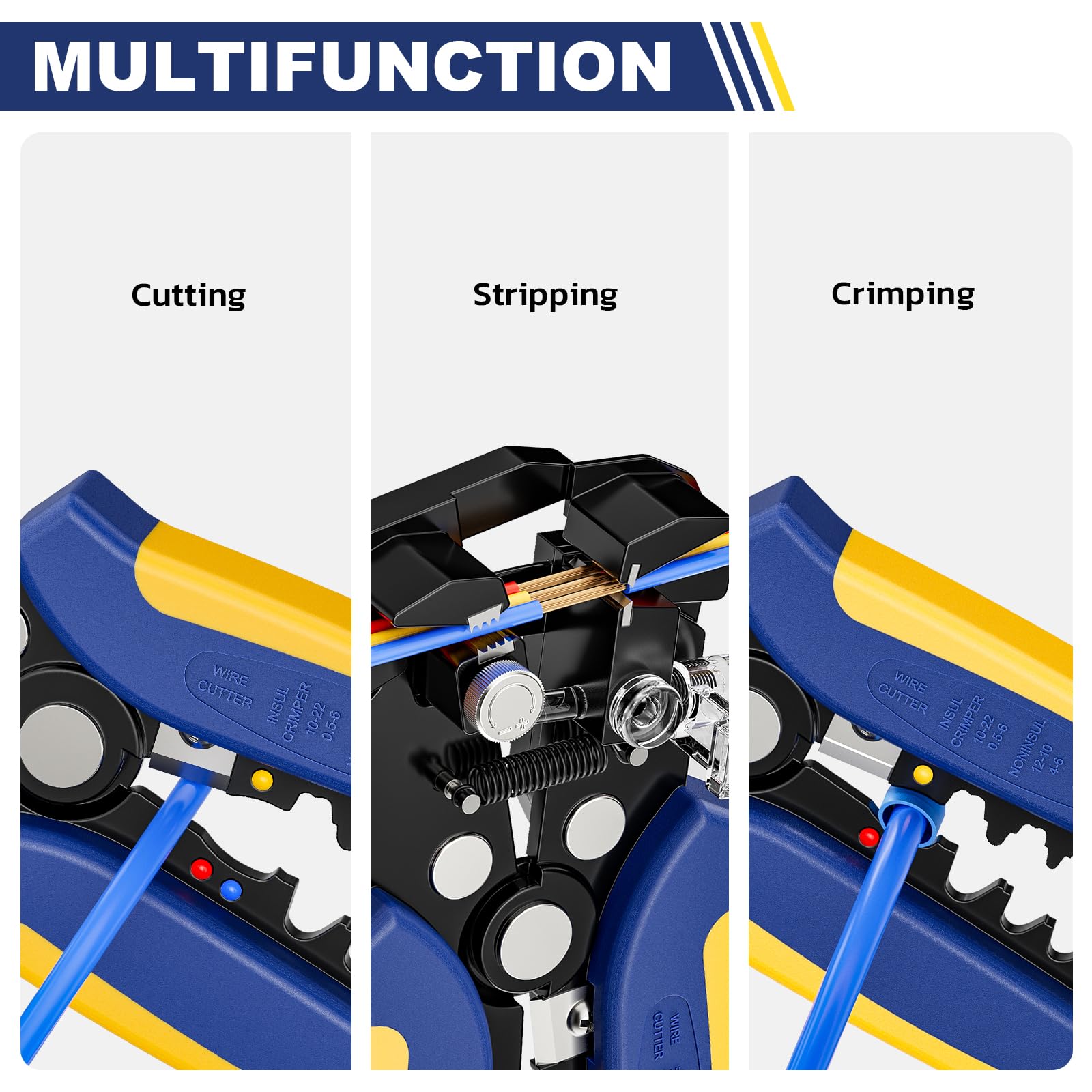
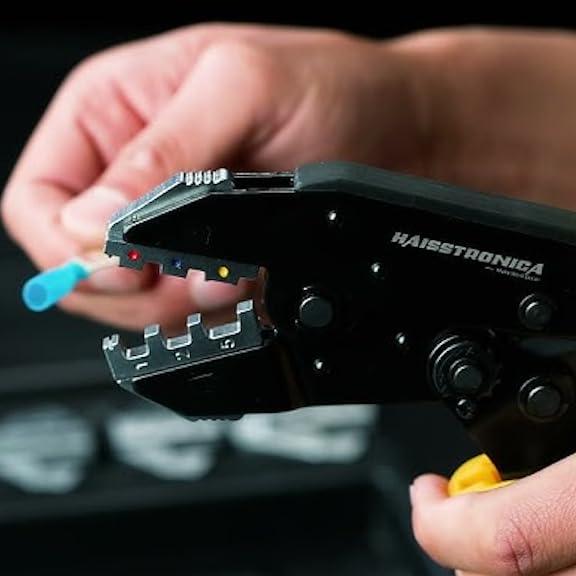
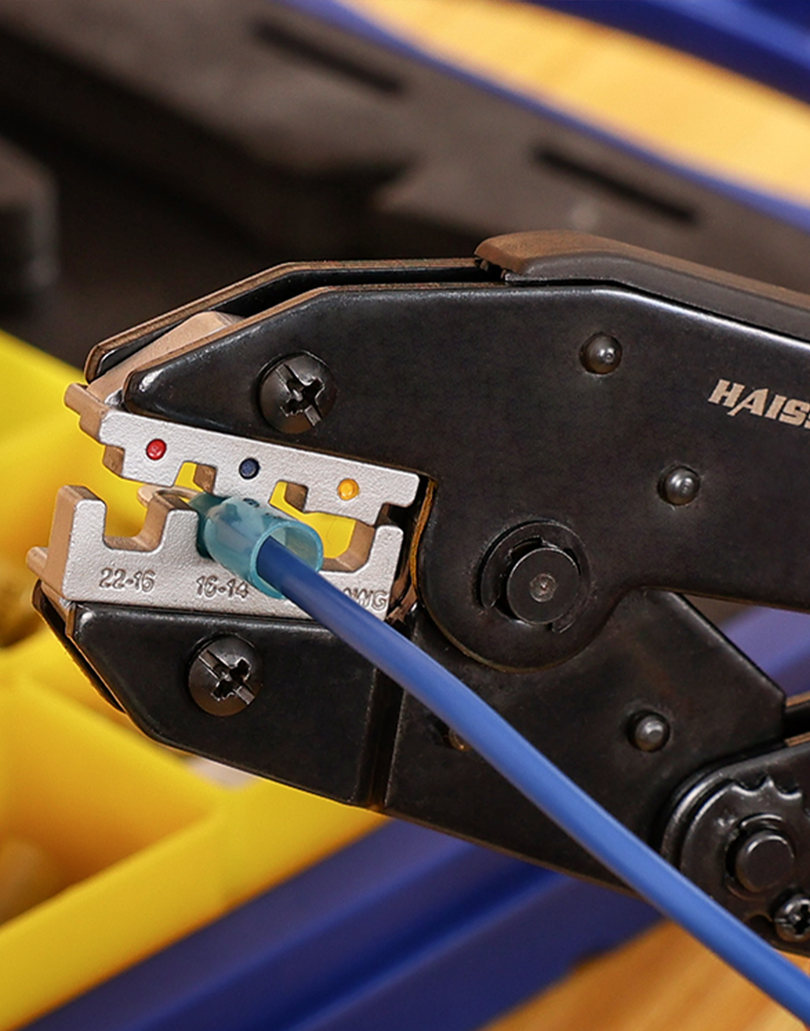
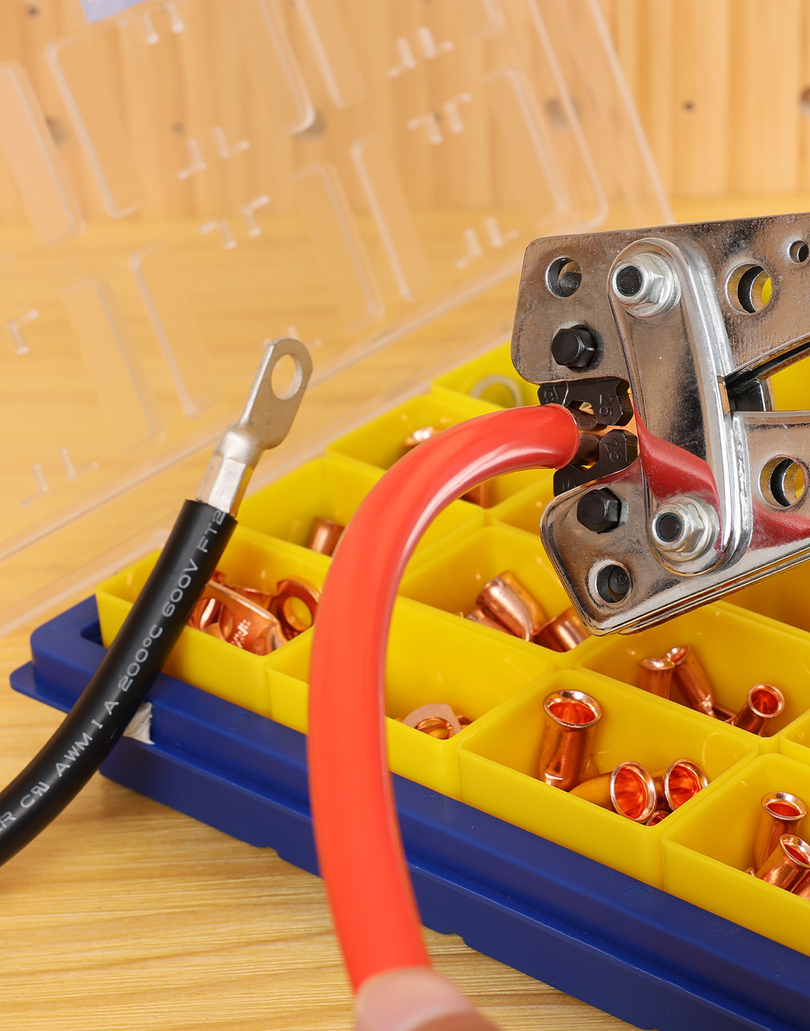
Crimping tools (also called crimp tools, crimper tools, or wire crimpers) are essential hand tools for anyone working with electrical wiring. They allow you to crimp wires securely by ...
Introduction
Are crimps better than solder for electrical connections? This question sparks debate among DIYers and professionals. Crimping (using dedicated wire connectors) is quick and mechanical...
Introduction: Butt connectors are one of the simplest and most reliable ways to join two wires together. They’re small electrical butt connectors that create a solid splice without the need for sol...
Introduction
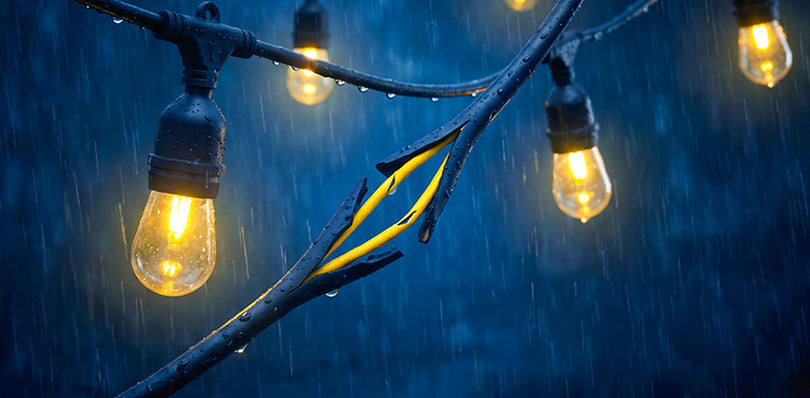
Low-voltage landscape lighting is a popular DIY project in the US, offering a safe and energy-efficient way to illuminate your yard. To install or repair such a system, you’ll need to ...
Introduction
If you regularly use a wire crimper (aka crimping tool or crimping pliers) for electrical projects, you know it’s an indispensable tool. But did you know that with proper care, a quali...